
Japanese Figures in Bizen Ware
Go directly to the artworksIn brief
Bizen figures are sculptures made of Bizen ware (備前焼, Bizen-yaki), the unglazed stoneware from Okayama Prefecture that is one of Japan's six ancient pottery traditions. Their warm reddish-brown to dark surface is created solely in a wood firing lasting several days, as flame and ash meet the iron-rich clay – which is why no two figures are alike. Common subjects are the Zen patriarch Bodhidharma (Daruma), the bodhisattva Kannon and lucky gods such as Hotei or Fukurokuju. At Densho you will find Bizen figures as handmade one-of-a-kind pieces direct from Japan.
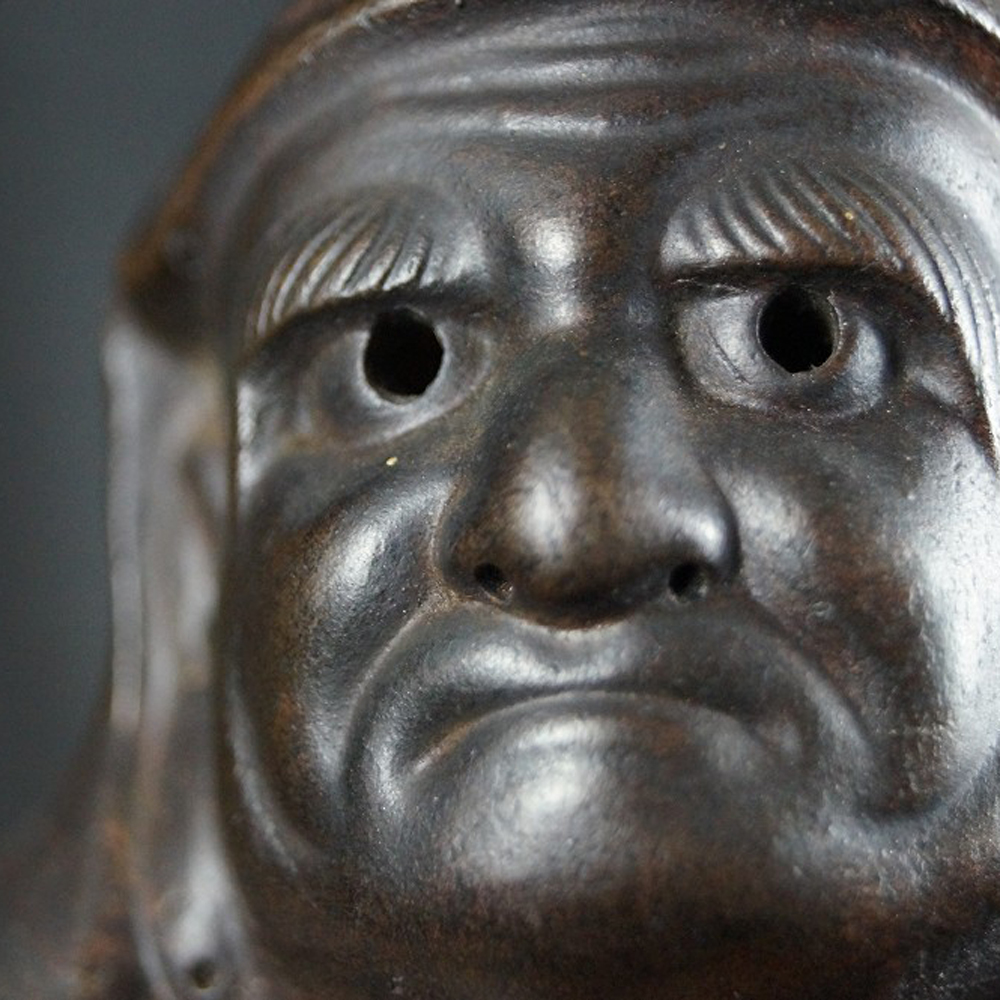
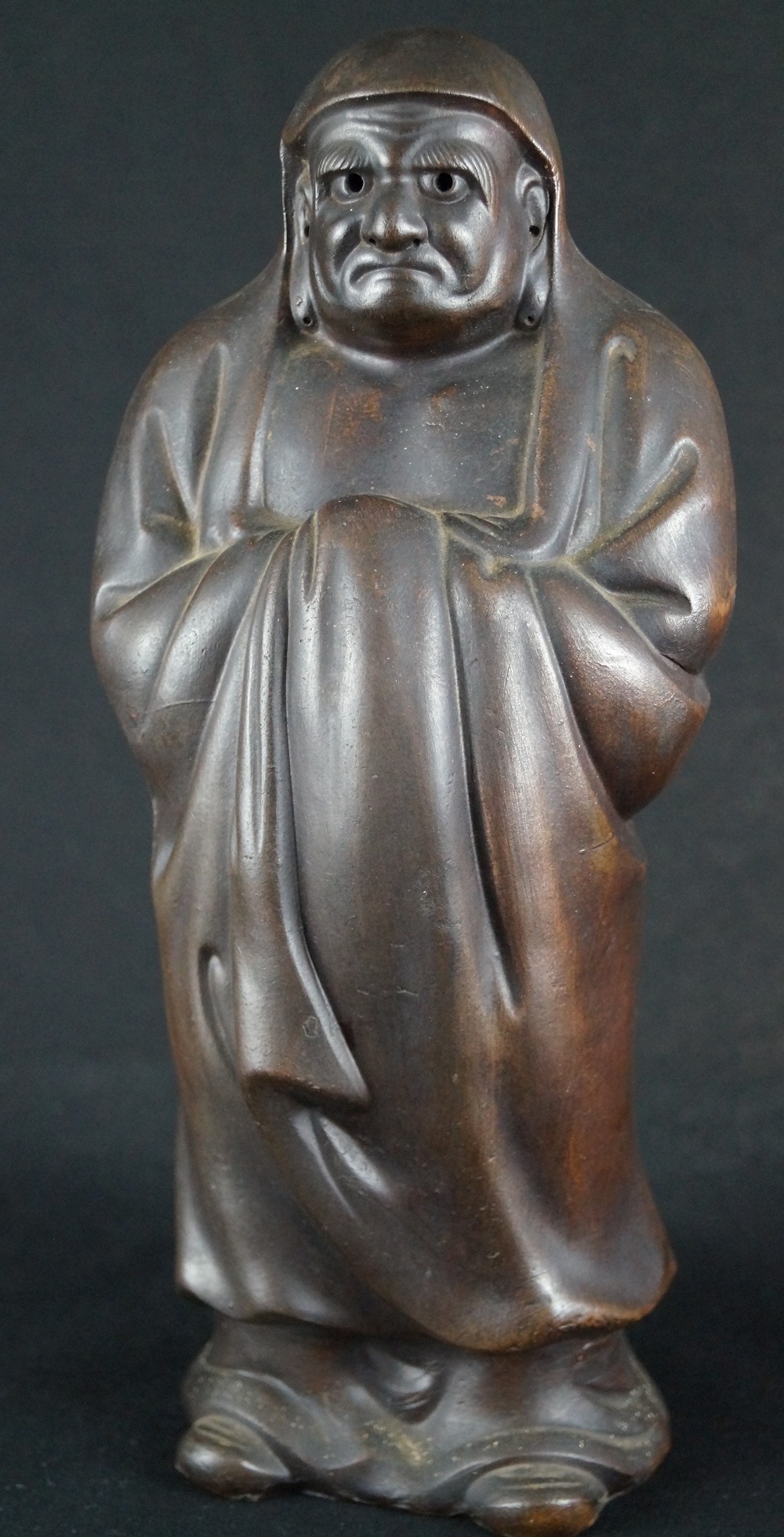
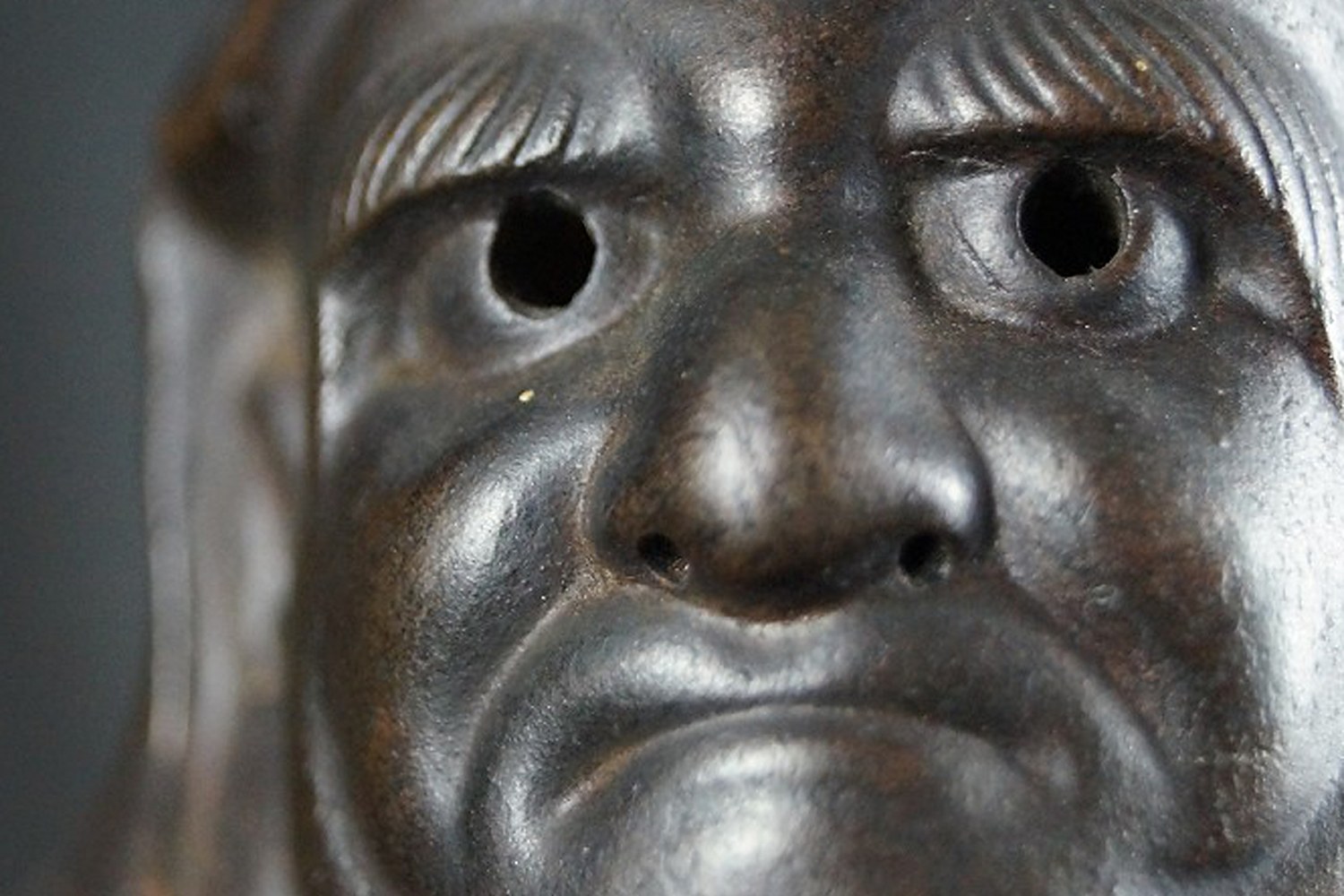
Daruma Figure Made of Bizen Ware with Pensive Expression
Figure, unique work, 29 x 11 cm
€280.00
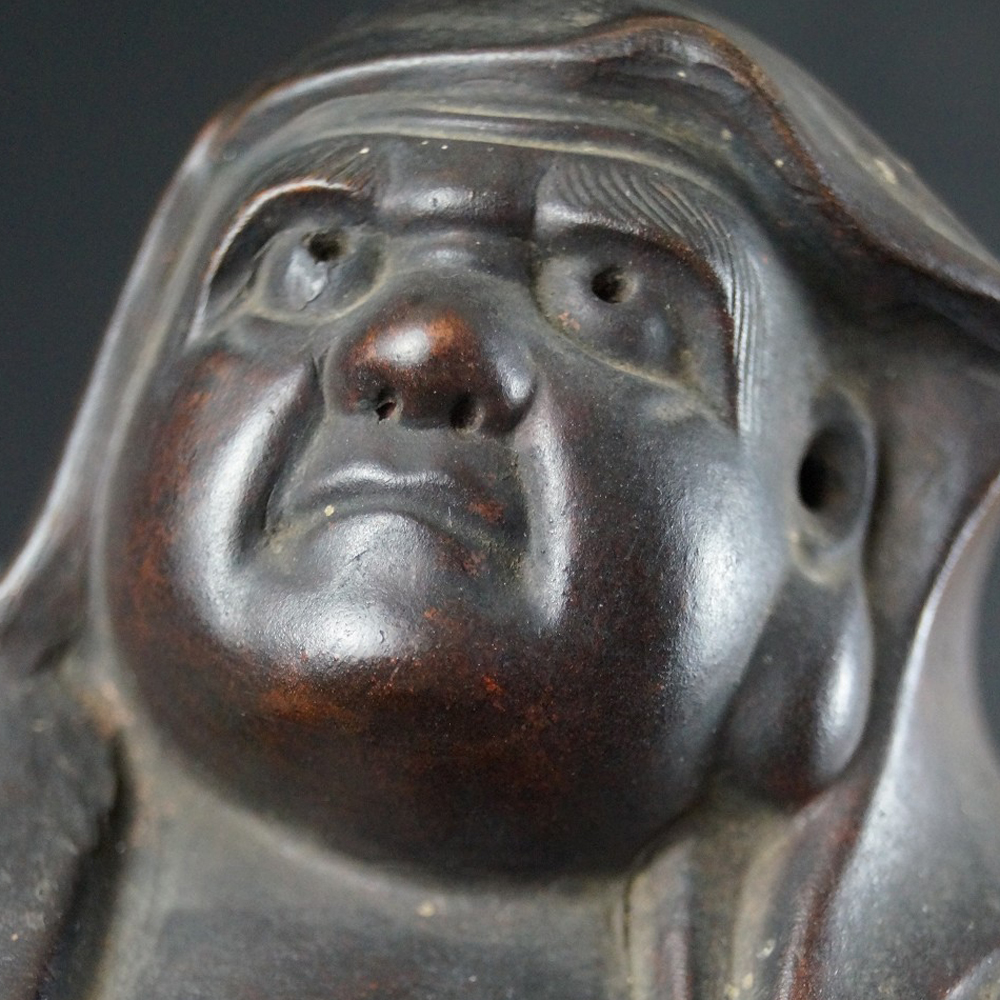
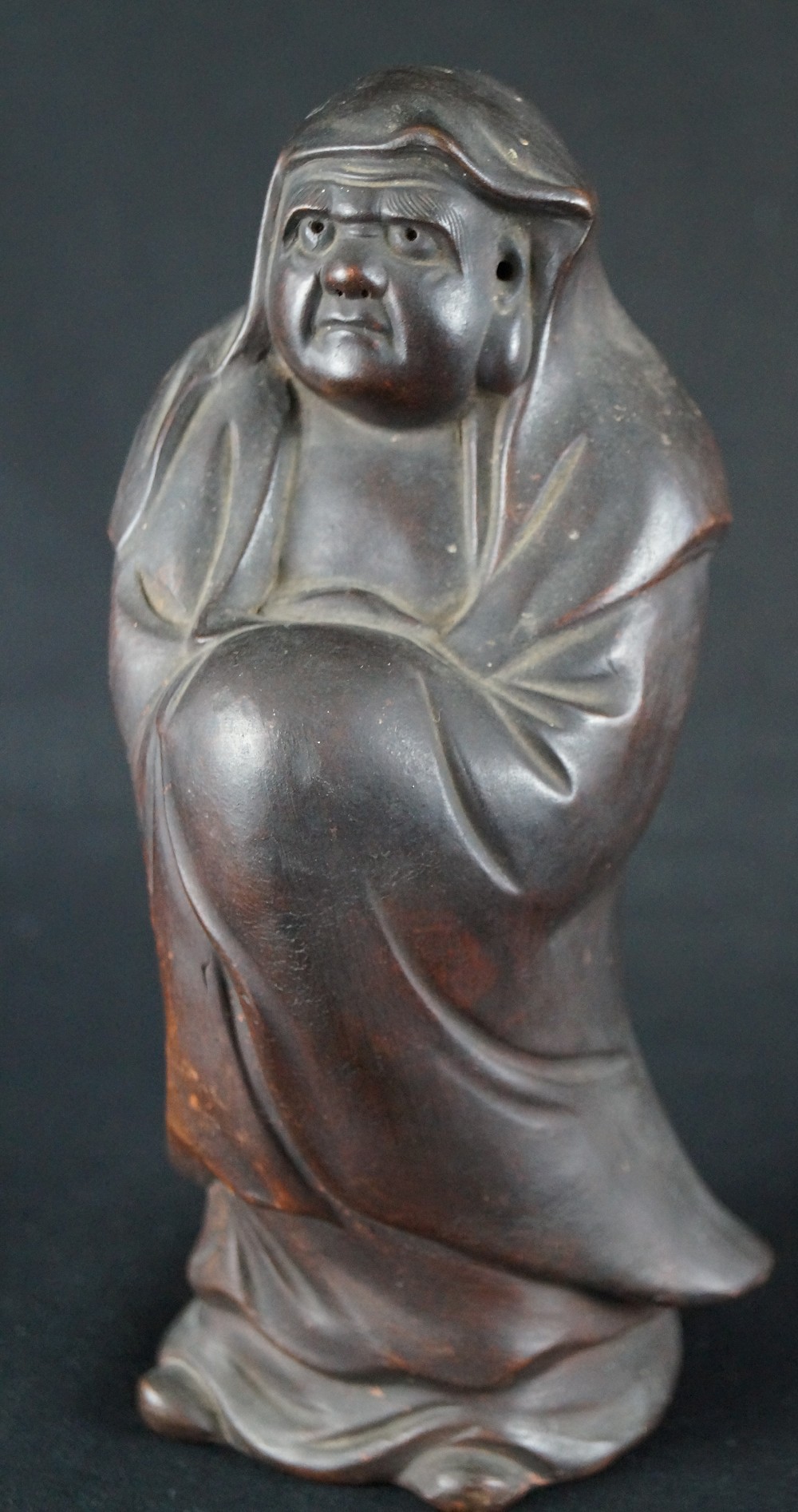
Bodhidharma (Daruma) Figure with Fierce Gaze Made of Bizen Ware
Figure, unique work, 20 x 8 cm
€180.00
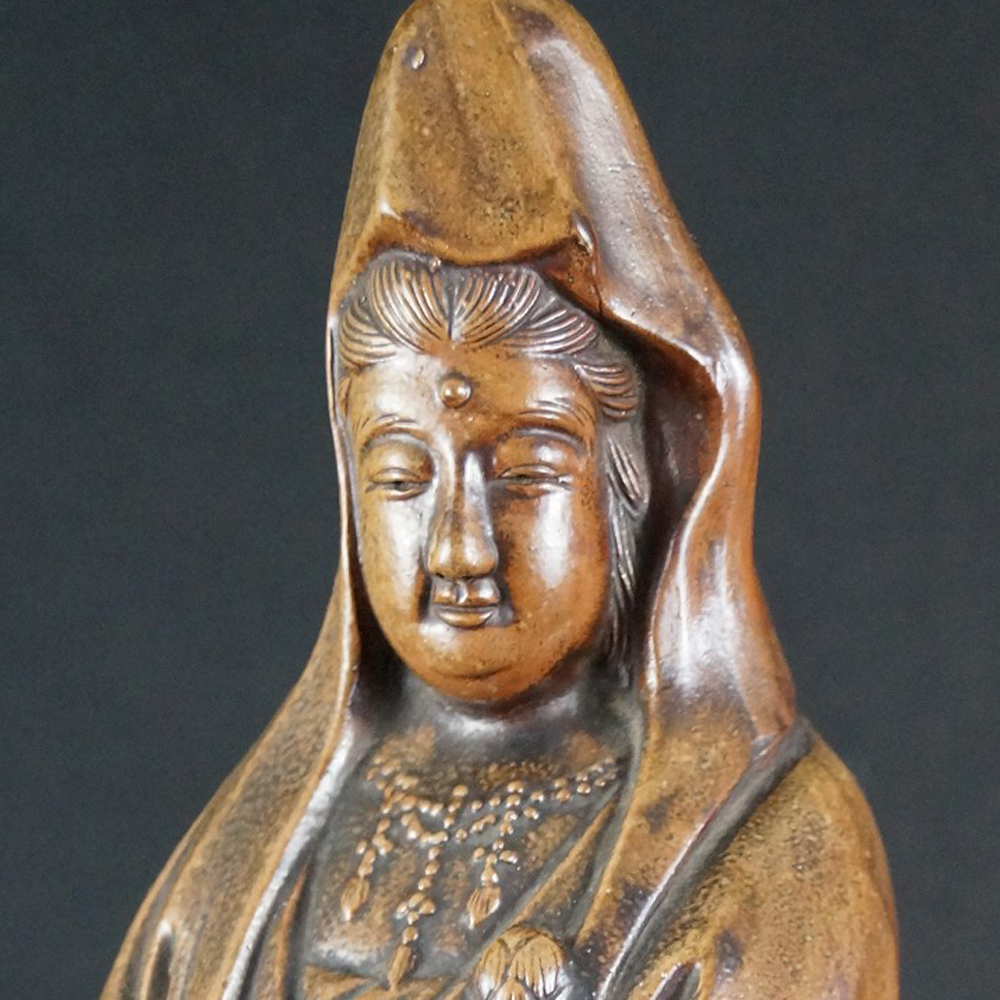
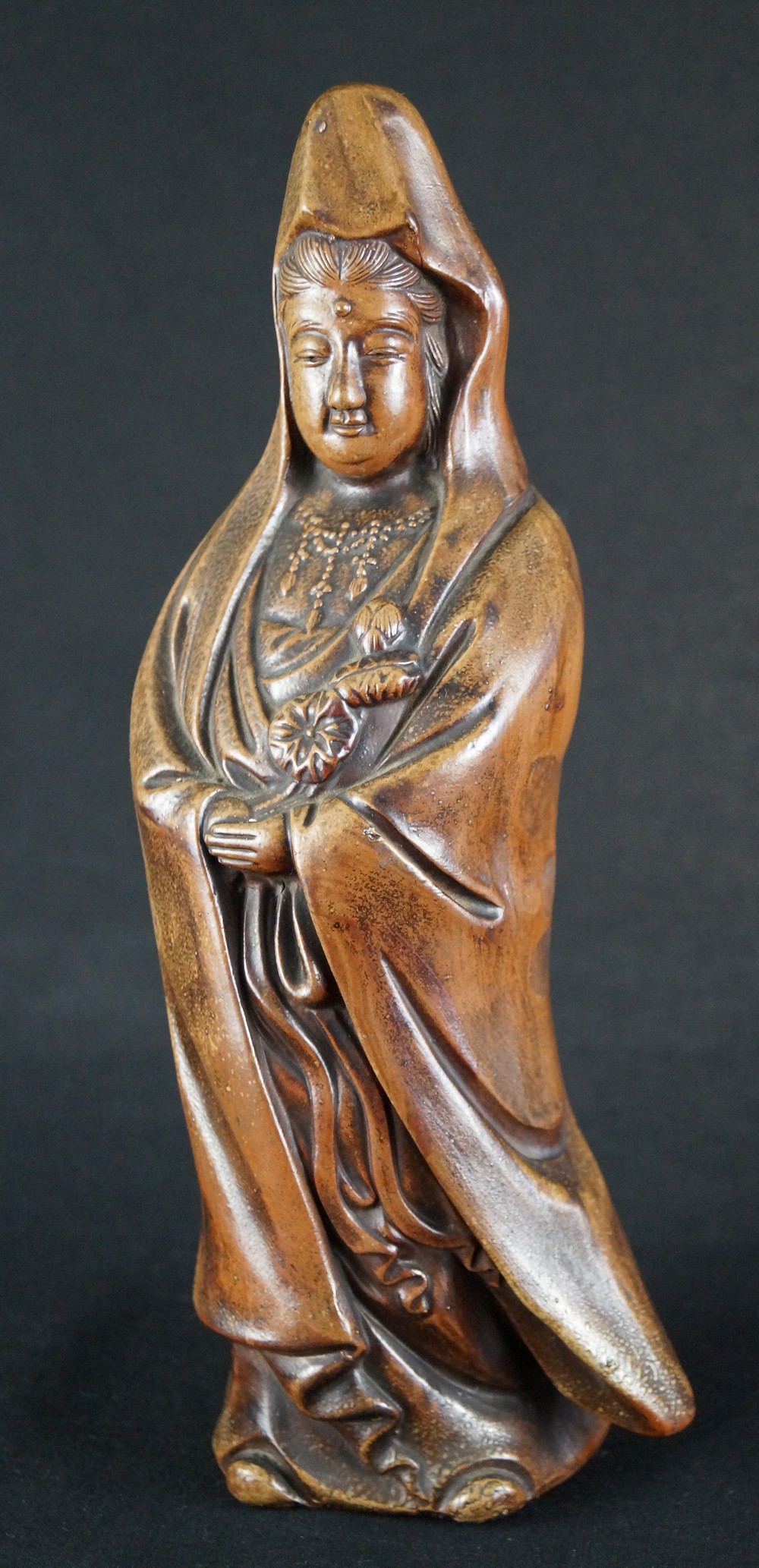
Kannon Figure Made of Bizen Ware
Figure, unique work, 25 x 8 cm
€330.00
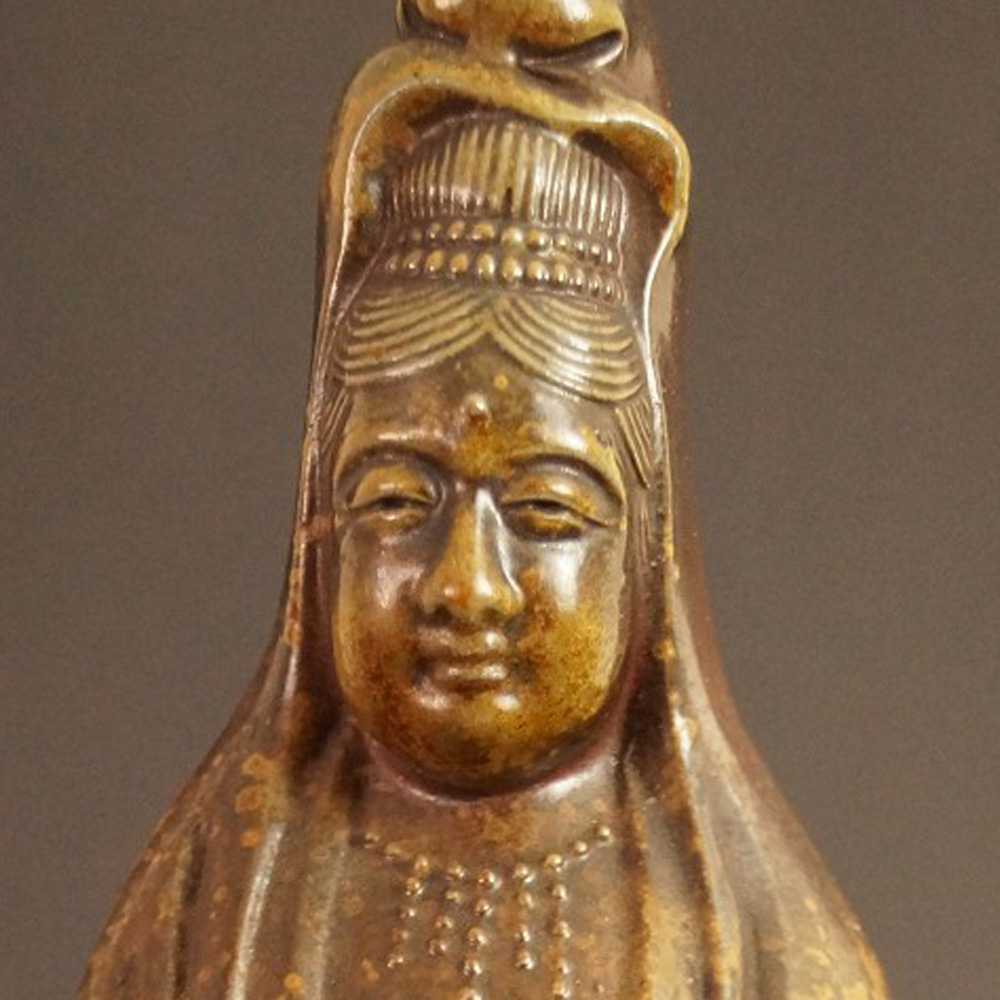
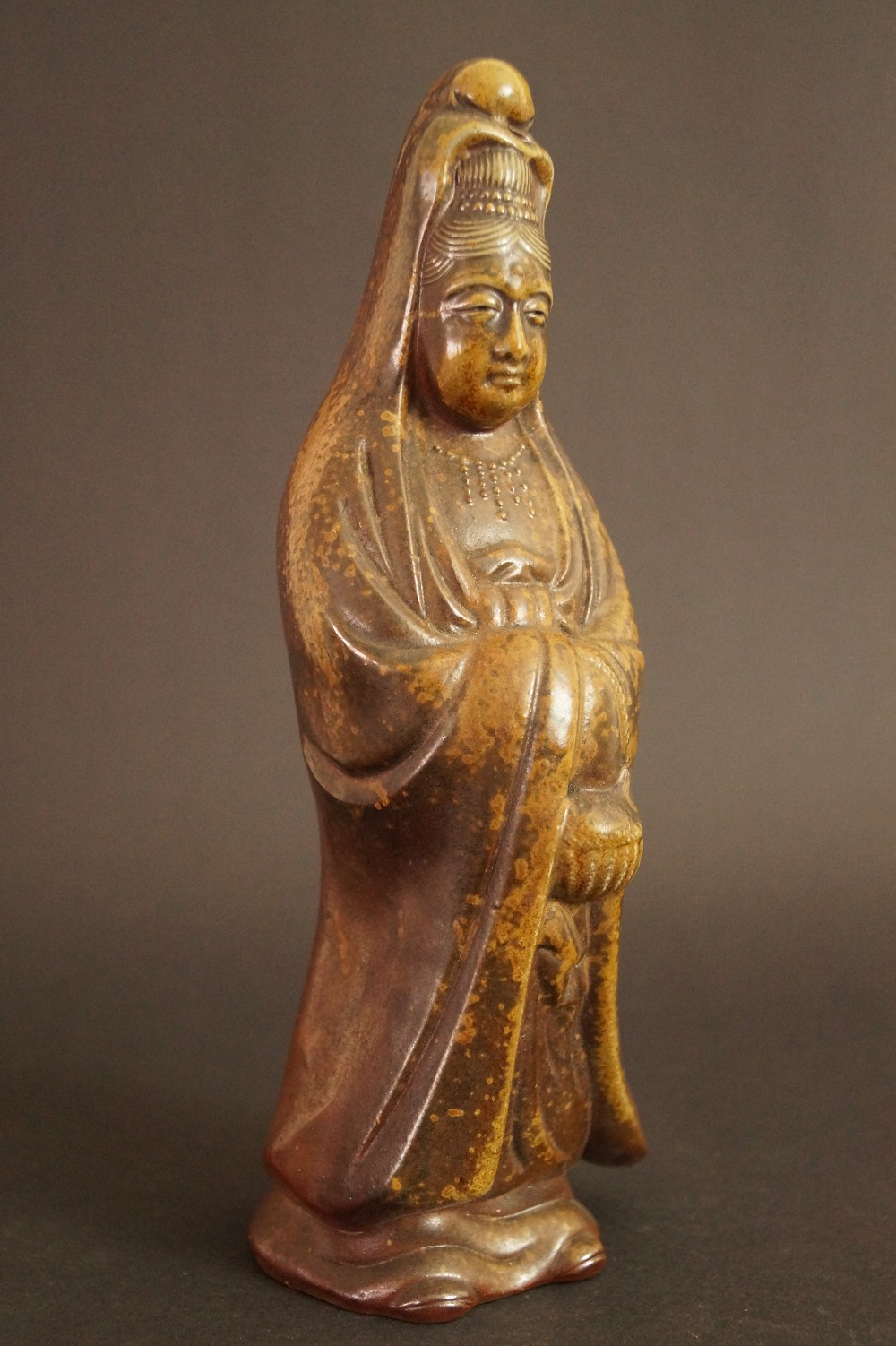
Shibaoka Tsukuru
Kannon Figure Made of Bizen Ware by Shibaoka Tsukuru
Figure, unique work, 23 x 8 cm
€300.00
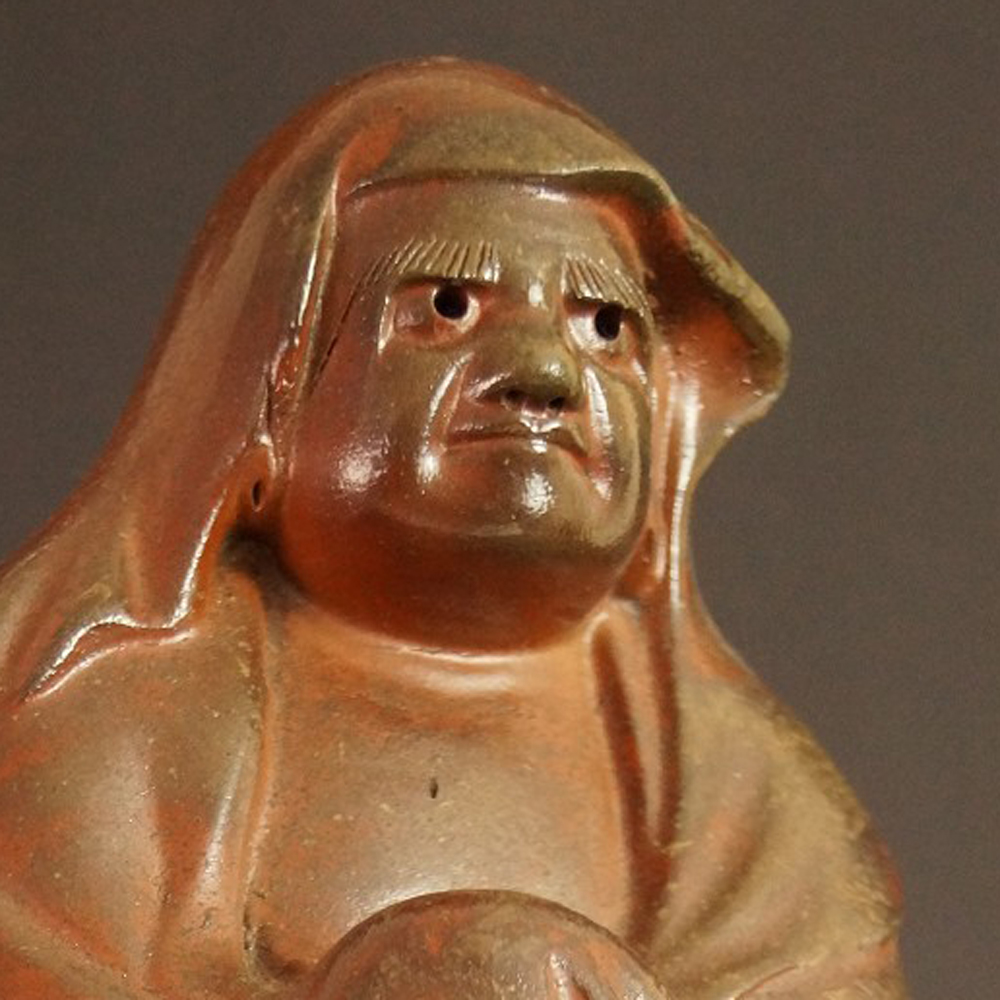
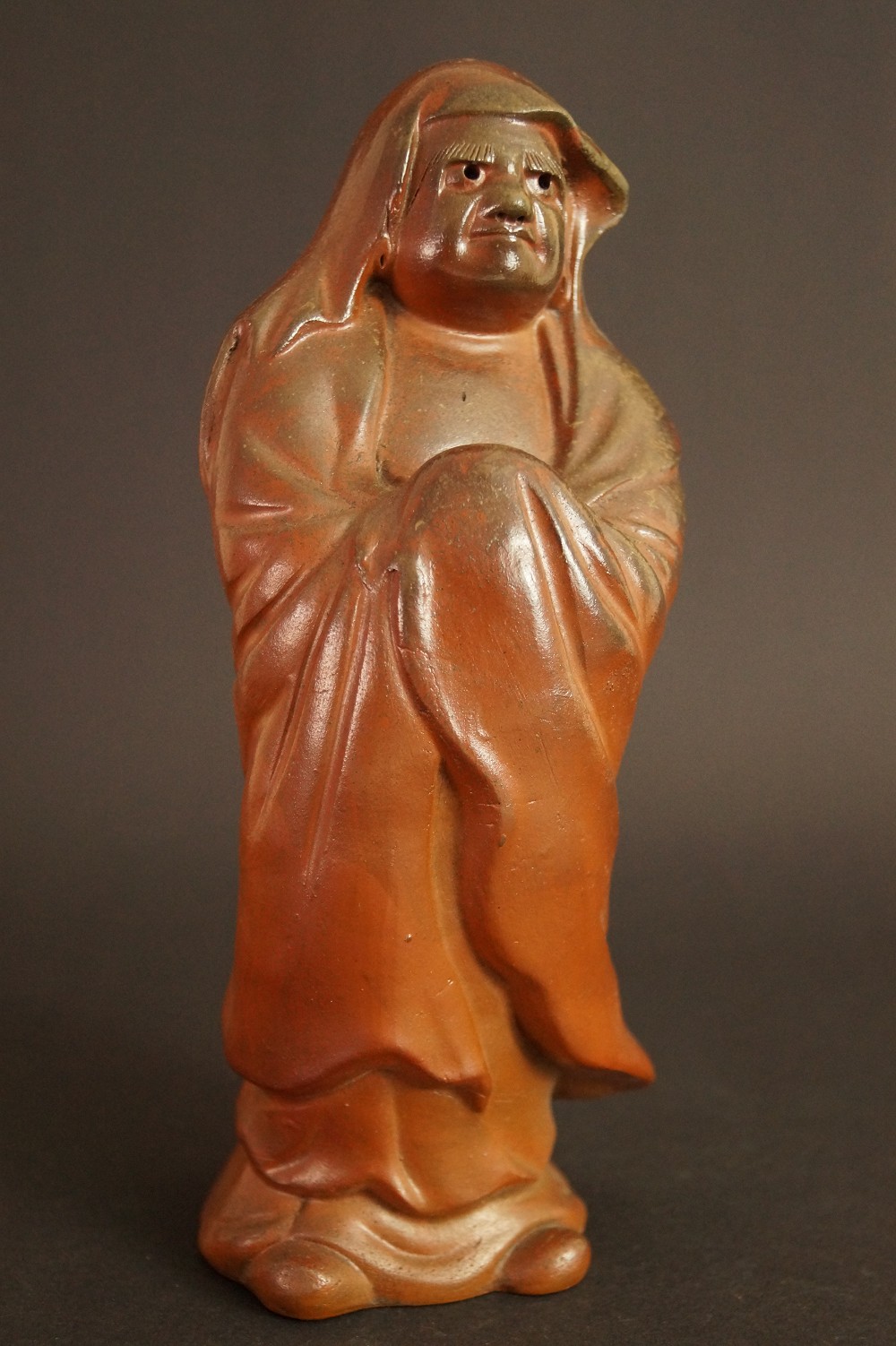
Bodhidharma (Daruma) Figure with Worried Expression Made of Bizen Ware
Figure, unique work, 22 x 10 cm
€180.00
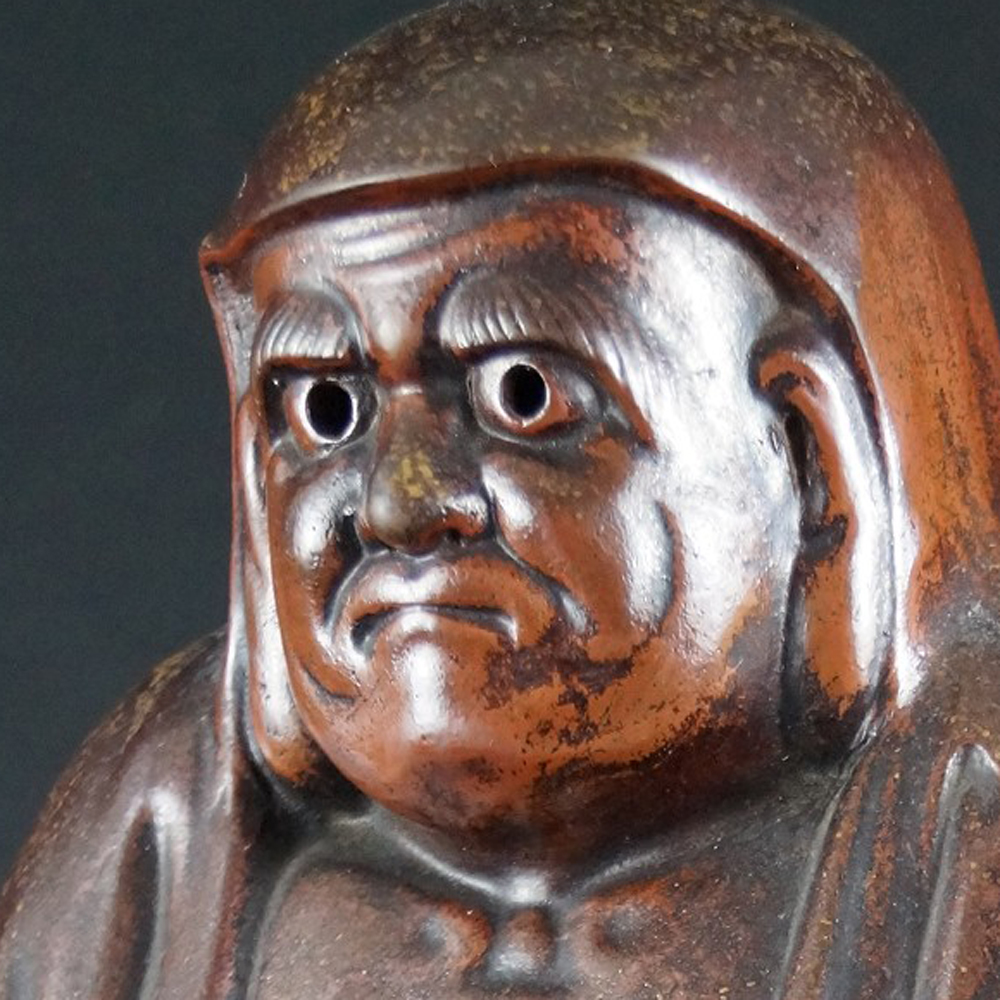
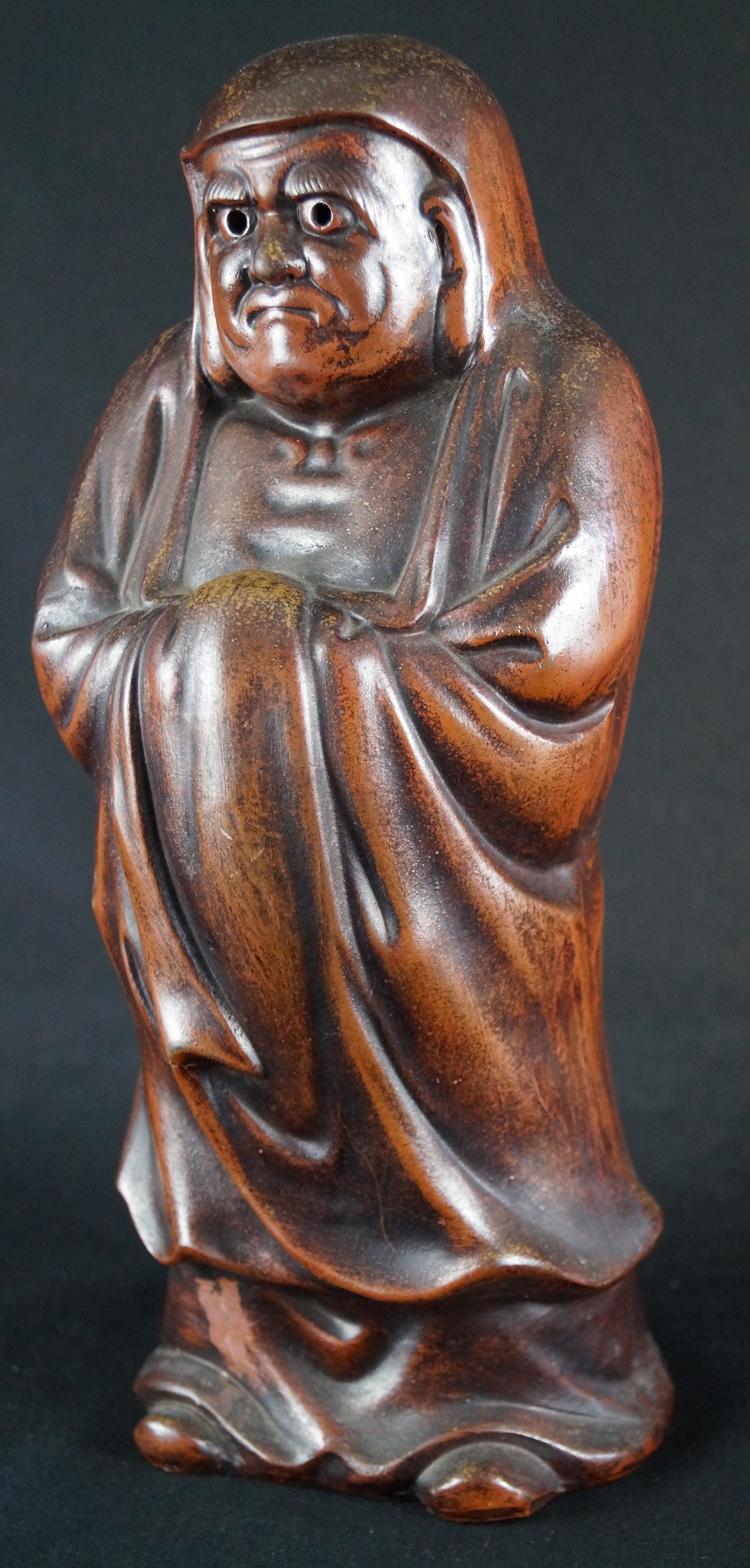
Daruma Figure Made of Bizen Ware with Wide Open Eyes
Figure, unique work, 30 x 12 cm
€280.00
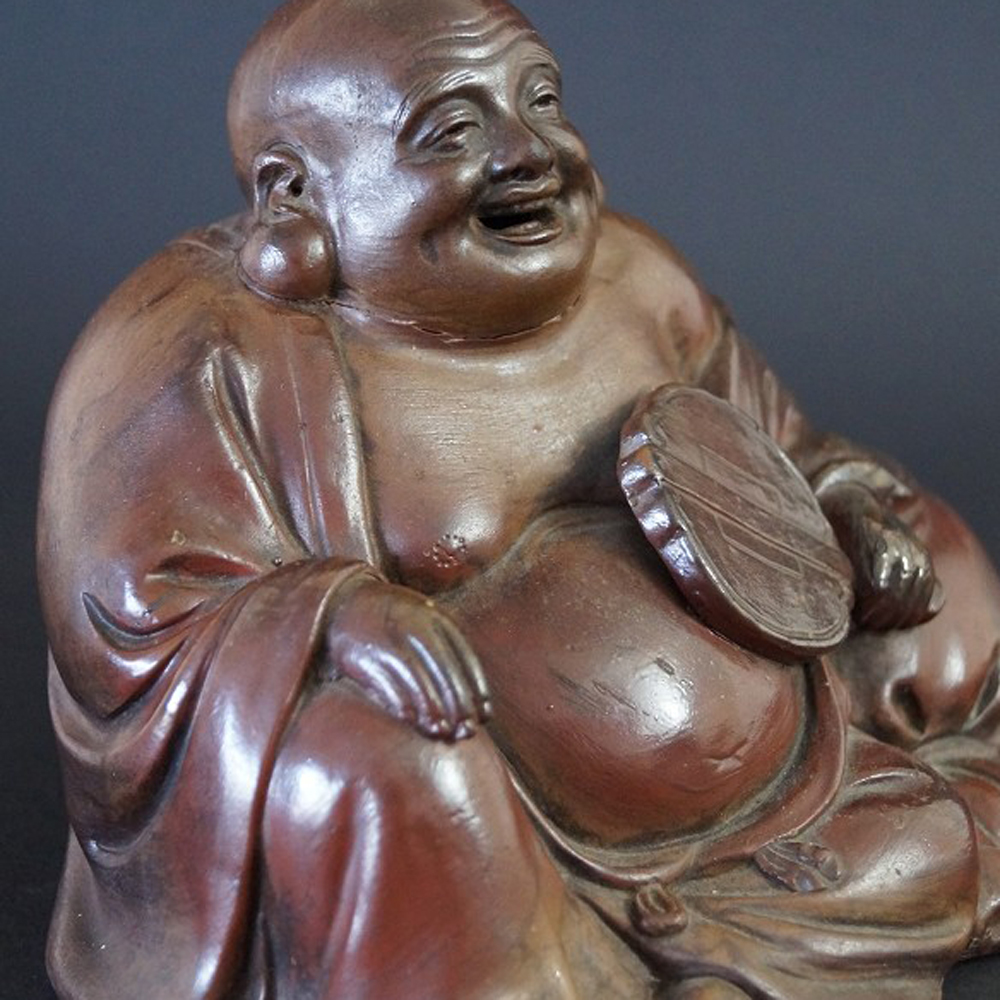
Seated Hotei Figure Made of Bizen Ware with Fan
Figure, unique work, 12,5 x 16 cm
Sold
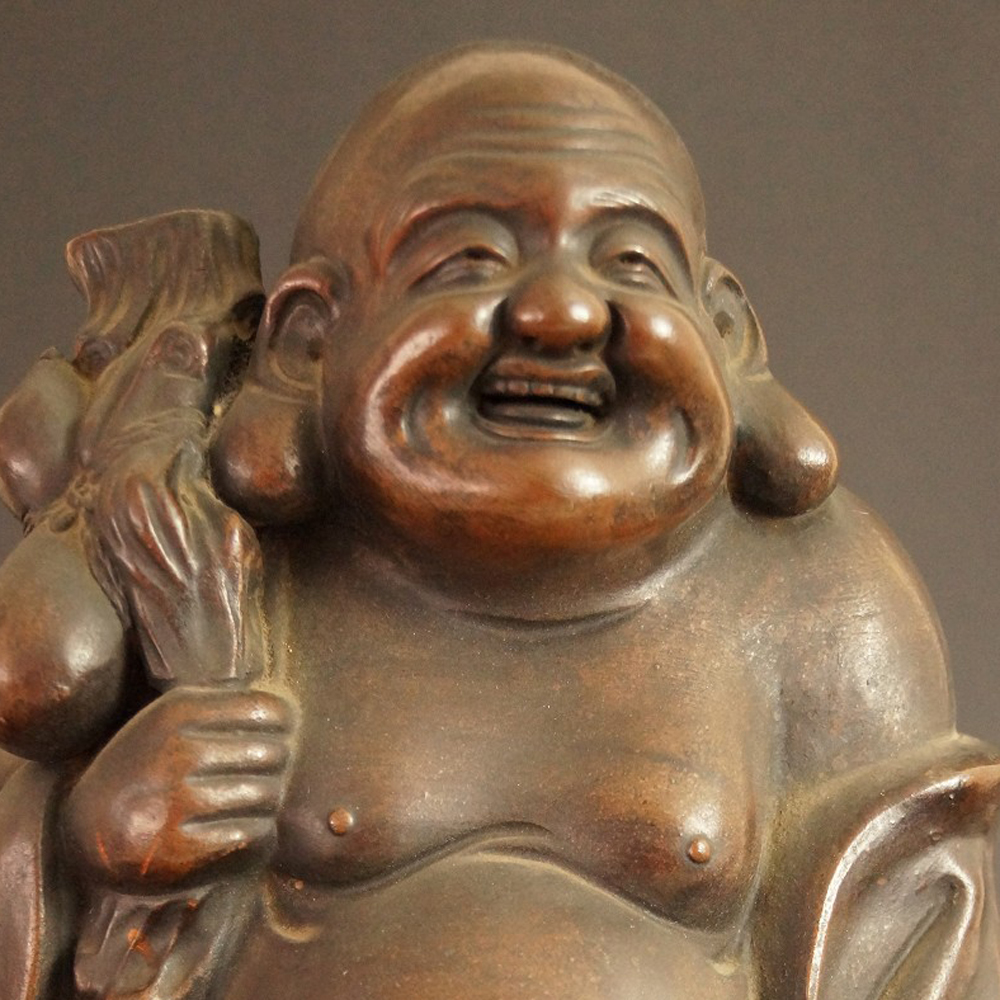
Hotei Figure Made of Bizen Ware
Figure, unique work, 25 x 16 cm
Sold
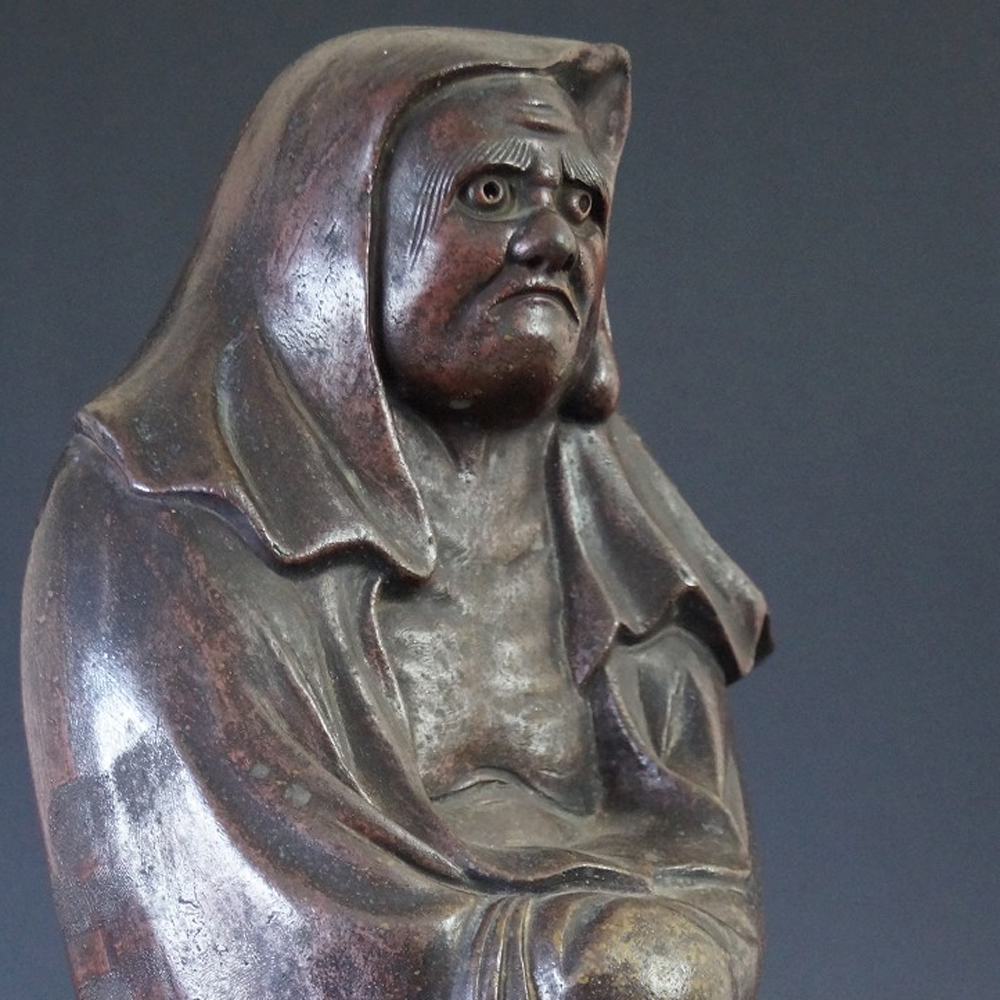
Daruma Figure Made of Bizen Ware with Averted Gaze
Figure, unique work, 32 x 14 cm
Sold
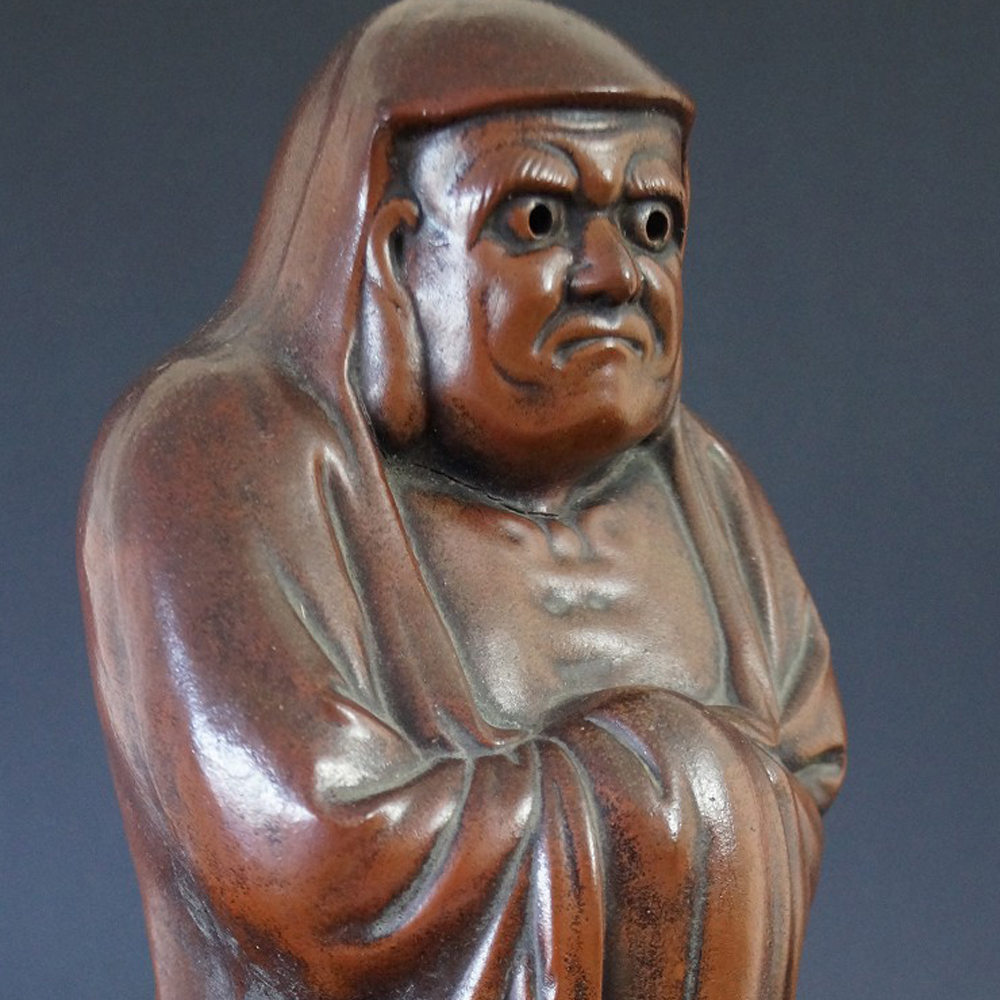
Daruma Figure Made of Bizen Ware with Crossed Arms
Figure, unique work, 30 x 12 cm
Sold
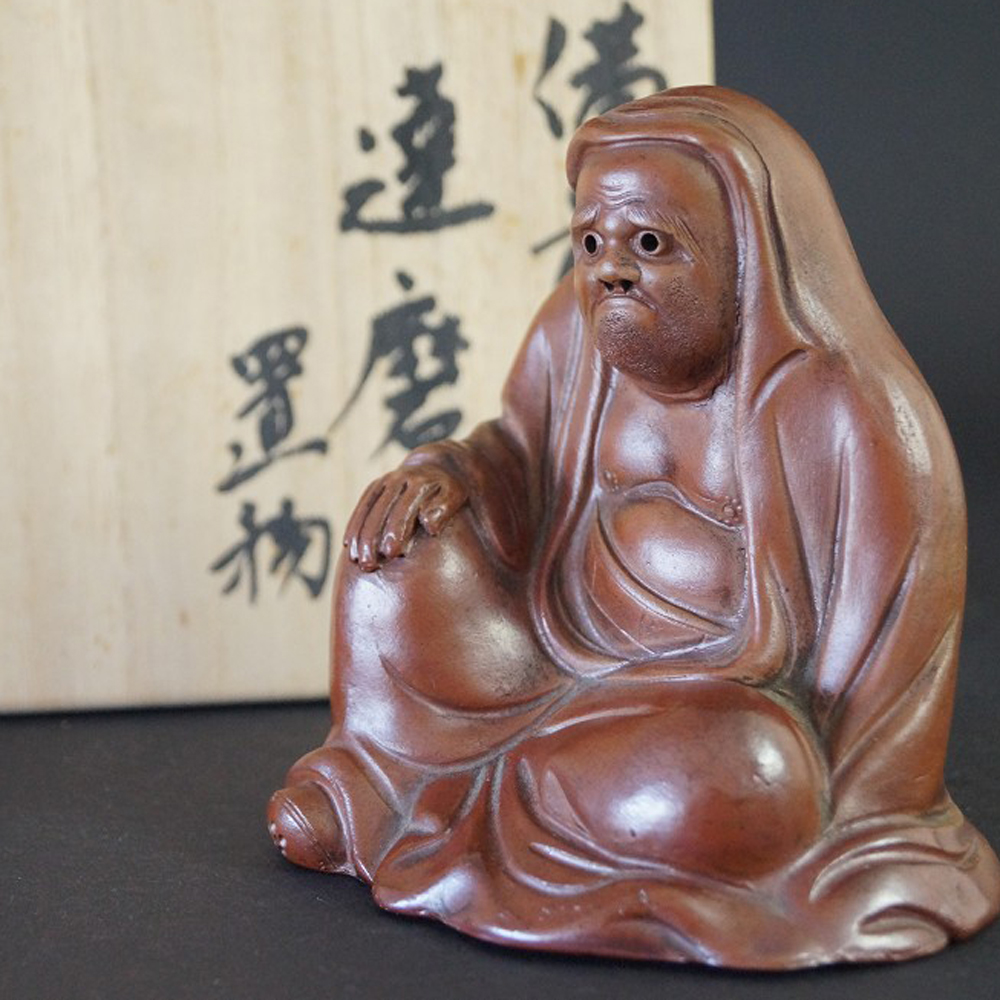
Japanese Bodhidharma Figure Made of Bizen Ware
Figure, unique work, with box, 11 x 10 cm
Sold
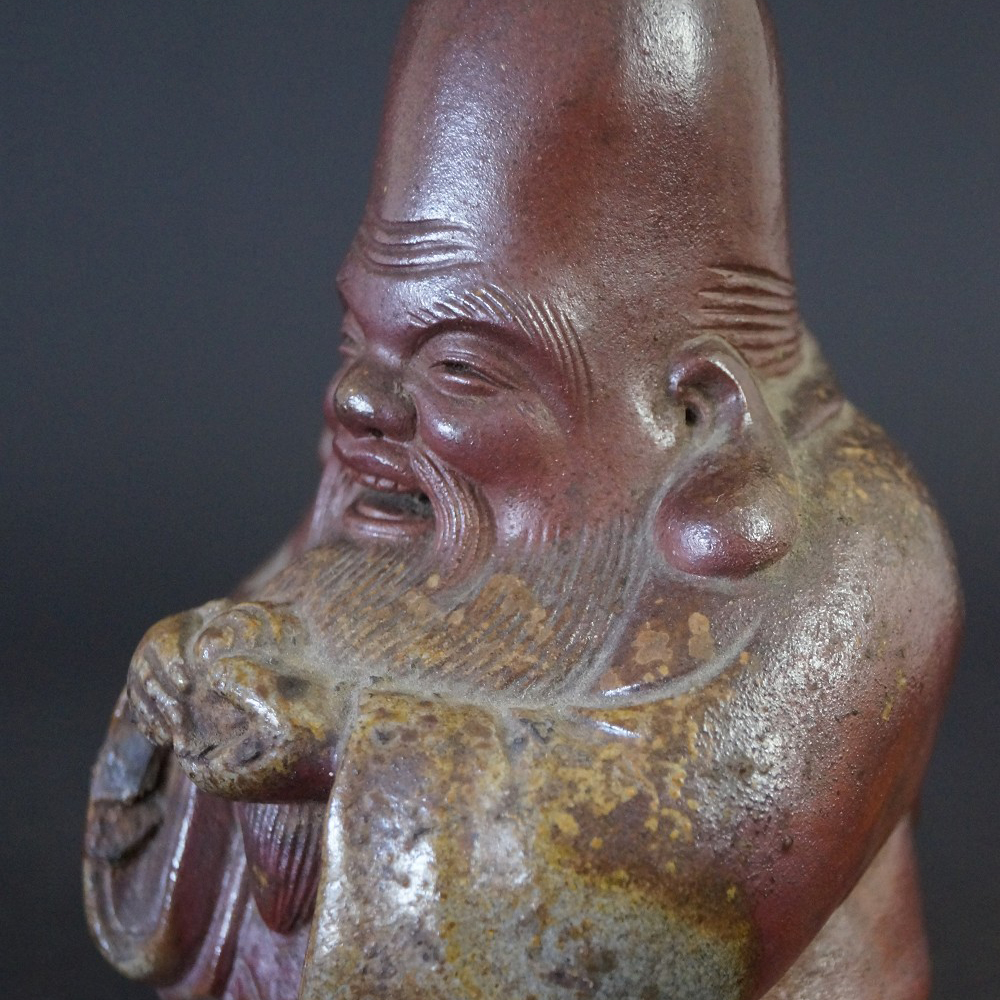
Japanese Fukurokuju Figure Made of Bizen Ware
Figure, unique work, with box, 12,5 x 8 cm
Sold
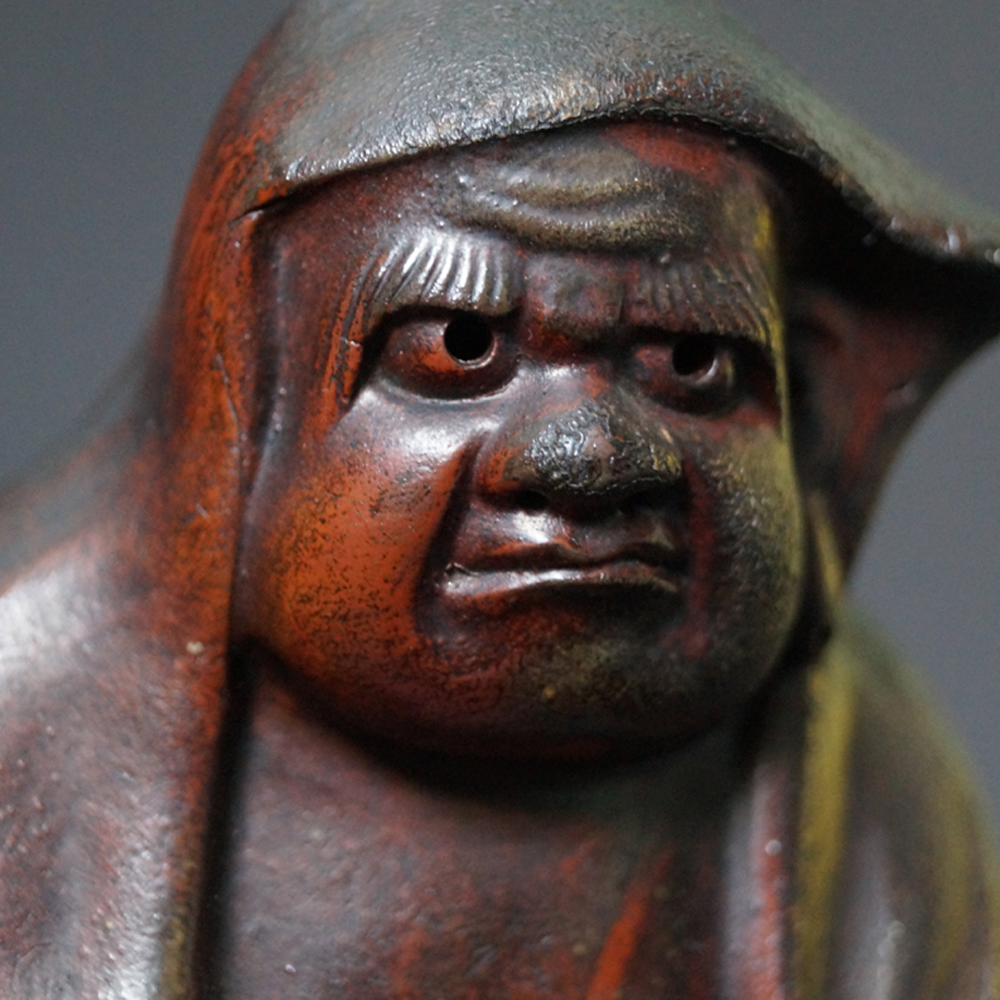
Japanese Bodhidharma (Daruma) Figure Made of Bizen Ware
Figure, unique work, 18 x 8 cm
Sold
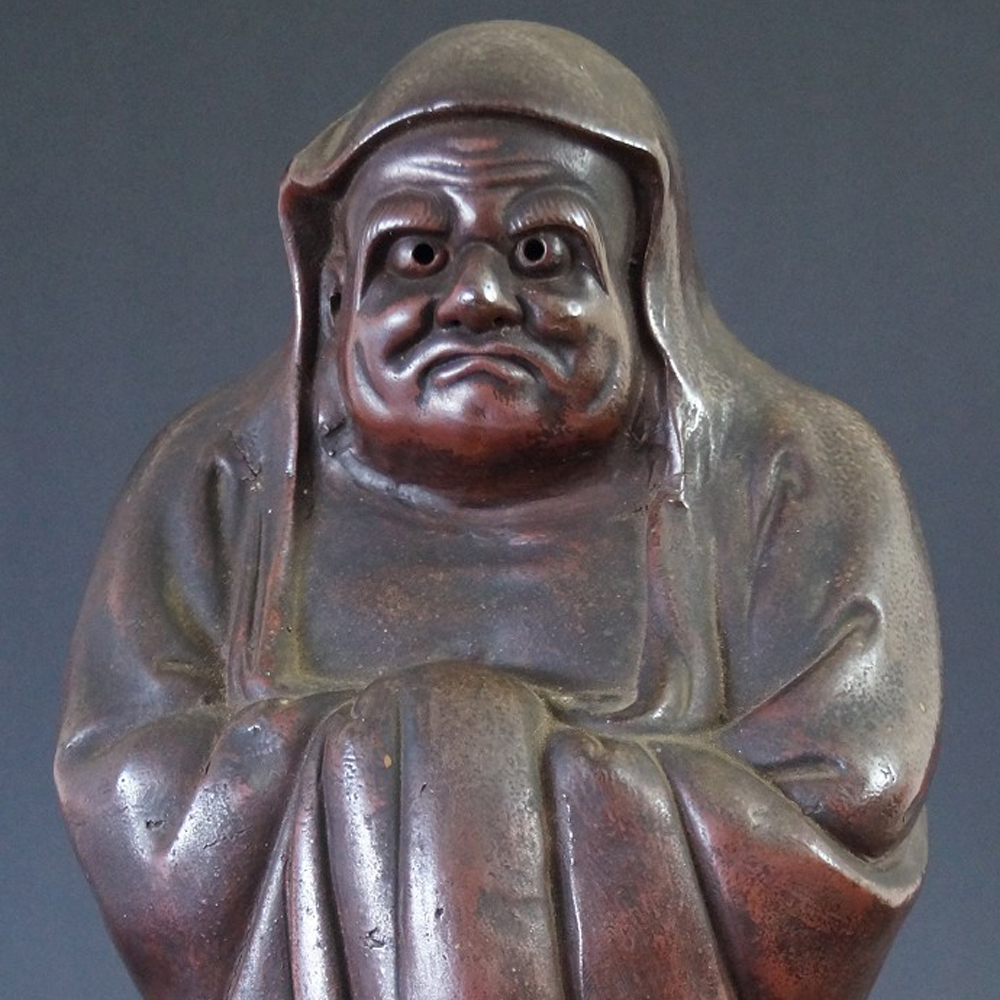
Daruma Figure Made of Bizen Ware from the 1930s
Figure, unique work, 30 x 12 cm
Sold
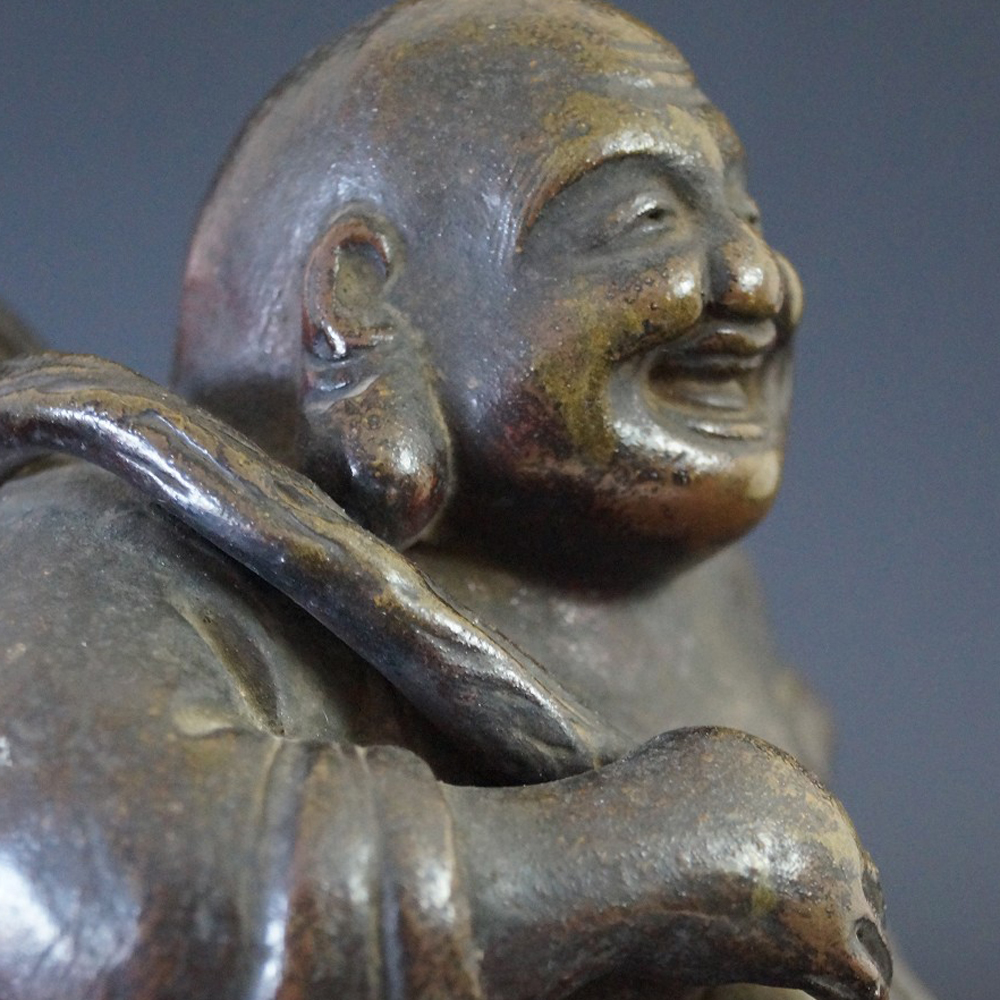
Standing Hotei Figure Made of Bizen Ware with Sack
Figure, unique work, 19 x 12 cm
Sold
15 of 15 items shown
Bizen-yaki: one of the six ancient pottery traditions
Bizen ware comes from the Bizen region in Okayama Prefecture, whose historic center is the town of Imbe. It belongs to the Six Ancient Kilns (Rokkoyo), the six most traditional pottery regions of Japan, alongside Seto, Tokoname, Shigaraki, Tamba and Echizen. Its roots go back to the Heian period, and it flourished in the Momoyama period, when tea masters such as Sen no Rikyū valued the simple effect of the unglazed ware. Since 1982 Bizen-yaki has been recognized as a traditional craft of Japan. Unlike most related traditions, Bizen still largely does without glaze and painted decoration.
The clay: hiyose from Imbe
The basis is an iron-rich clay called hiyose, traditionally dug from the rice fields and surroundings of Imbe. Before use it is often left outdoors for months, sometimes years, then crushed, suspended in water and levigated until only the finest particles remain. This effort makes the clay supple enough for shaping – in figures also for finely worked details such as brows, strands of beard or the folds of a robe.
Yakishime: firing without glaze
At the heart of it all is the yakishime firing: at around 1,200 to 1,300 degrees Celsius the clay becomes so dense that it turns hard and watertight without any glaze. Firing traditionally takes place in kilns fueled with pine wood and lasts from several days to two weeks. Exactly where a piece stands in the kiln determines its color and markings. These firing effects are called yōhen, “kiln transformation”: sangiri refers to gray to bluish areas that lay in the ash, goma (“sesame”) to the fine speckles of melted fly ash. On figures this often appears as an interplay of warm reddish brown and darker shading that makes facial features stand out in relief.
Figures from a vessel tradition
Bizen-yaki is known above all for tea bowls, sake vessels and vases. Alongside these, figurative works are made whose appeal lies in contrast: the rough, earthy firing texture meets carefully modeled faces, hands and folds. Because Bizen dispenses with any painting, form alone carries the expression – a gaze, a smile, a posture. The earthy surface also reflects the Zen ideals of simplicity and authenticity, which explains why Buddhist figures in particular are so often made in Bizen clay.
Daruma, Kannon and the lucky gods
The most frequent subject is Bodhidharma, Daruma in Japanese, the founder of Zen, with a piercing gaze, a full beard and a robe drawn over his head – sometimes fierce, sometimes thoughtful, sometimes almost worried. Kannon, the bodhisattva of compassion, appears calmer, with a tall headdress, lowered or closed eyes and folded hands; such figures traditionally served as devotional objects. Cheerful are the lucky gods from the circle of the Shichifukujin: Hotei, the laughing, rotund god of contentment with his bulging sack, and Fukurokuju, recognizable by his towering forehead, which stands for wisdom and long life.
Recognizing Bizen figures
A genuine yakishime piece has a fire side and a calmer back: as you turn the figure, color and surface change, because flame and ash came from only one direction. Ware with a brown imitation glaze, by contrast, looks the same all around. Glossy areas on Bizen are not caused by applied glaze but by melted fly ash. Many workshops mark their works with a stamp or an incised signature; a stamp often identifies the workshop rather than the individual maker.
Display and care
Bizen figures come into their own in the tokonoma, on a wooden shelf or next to simple ceramics. Daylight from the side best reveals the firing marks and the modeling. The unglazed surface is robust thanks to the high-temperature firing but slightly porous: remove dust with a soft brush or a dry cloth, and avoid strong cleaning agents and prolonged soaking. Many collectors regard the patina that develops over time as part of the piece.
What collectors look for
With Bizen figures, what counts most is expression and modeling, the quality of the firing marks and the condition. The figures at Densho date from the Meiji and Shōwa periods; some bear the signature of their artist, such as a Kannon figure by Shibaoka Tsukuru, while others are kept in a purpose-made wooden box (tomobako). An inscribed box is a valuable indication of provenance, but on its own it is not proof of age. Comparing several figures quickly shows how strongly the kiln position and the firing shape each piece individually.