
Japanese Seto Ware
Go directly to the artworksIn brief
Seto ware (瀬戸焼, Seto-yaki) is a Japanese ceramic tradition from Seto and Owariasahi in Aichi Prefecture and one of Japan’s Six Ancient Kilns. Unlike most of these centers, Seto produced glazed ceramics for centuries, inspired by Chinese celadon and tenmoku. Its output was so influential that ceramics are still colloquially called setomono in Japan – “things from Seto.” What defines it is not a single look but a great variety of glazes and forms. At Densho you will find handmade Seto chawan, sake cups and tokkuri as one-of-a-kind pieces direct from Japan.
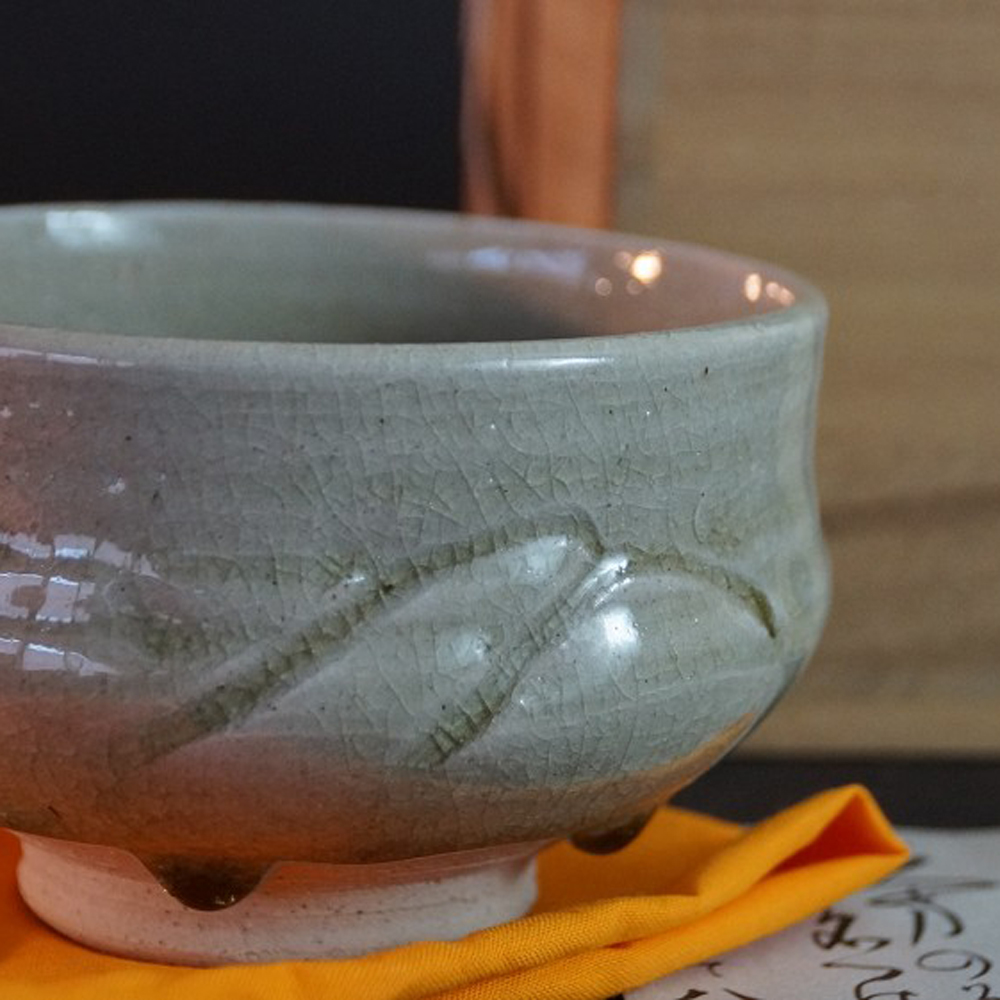

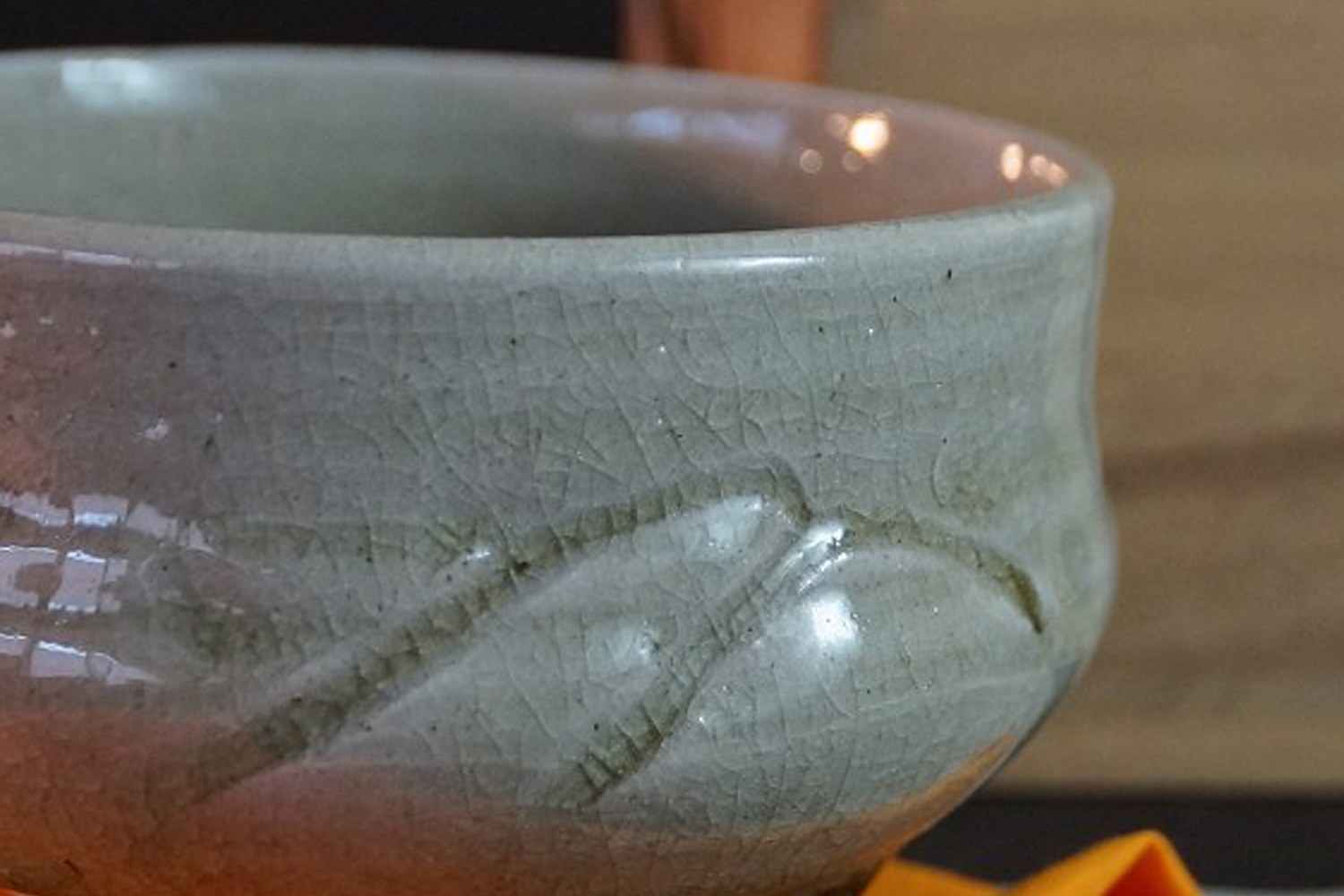
Chawan Made of Seto Ware
Chawan, unique work, with box, 8 x 12 cm
€160.00

Yano Totozo
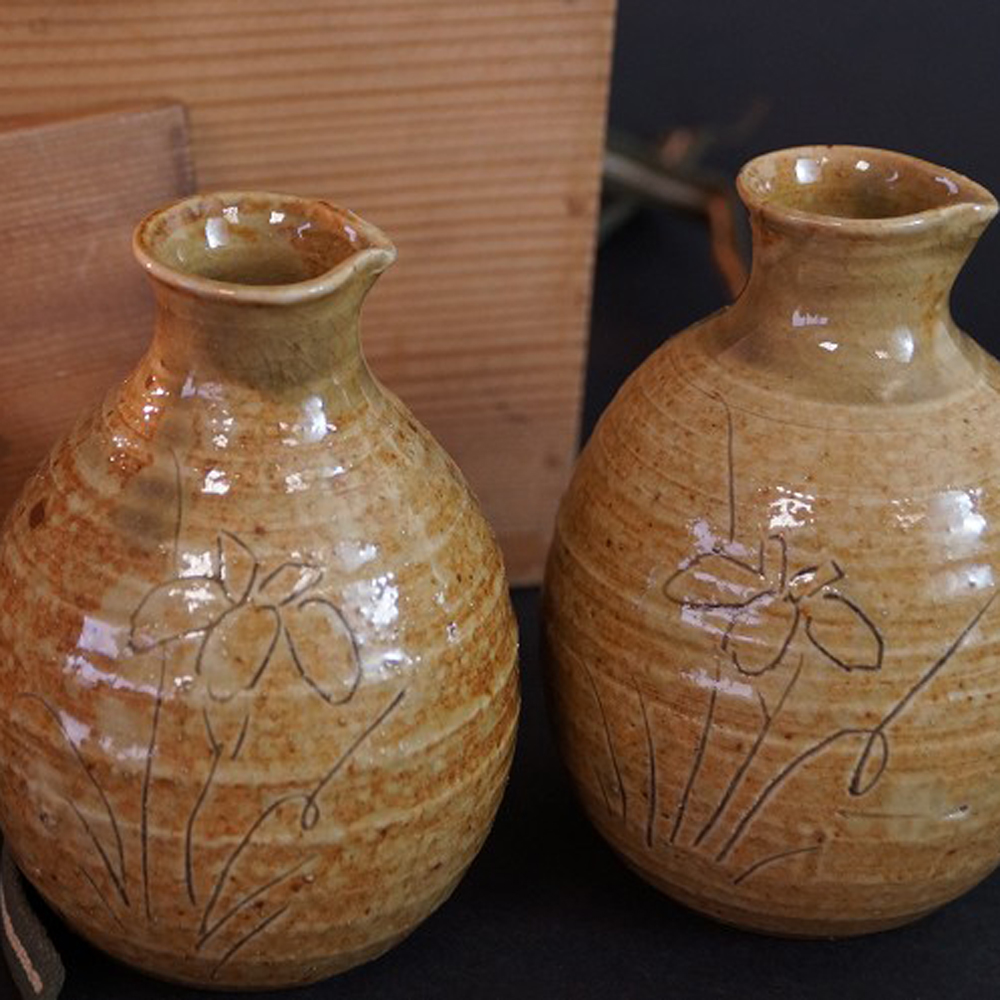
Two Tokkuri Made of Seto Ware by Yano Totozo
Tokkuri, unique work, with box, 11 x 8 cm
€370.00
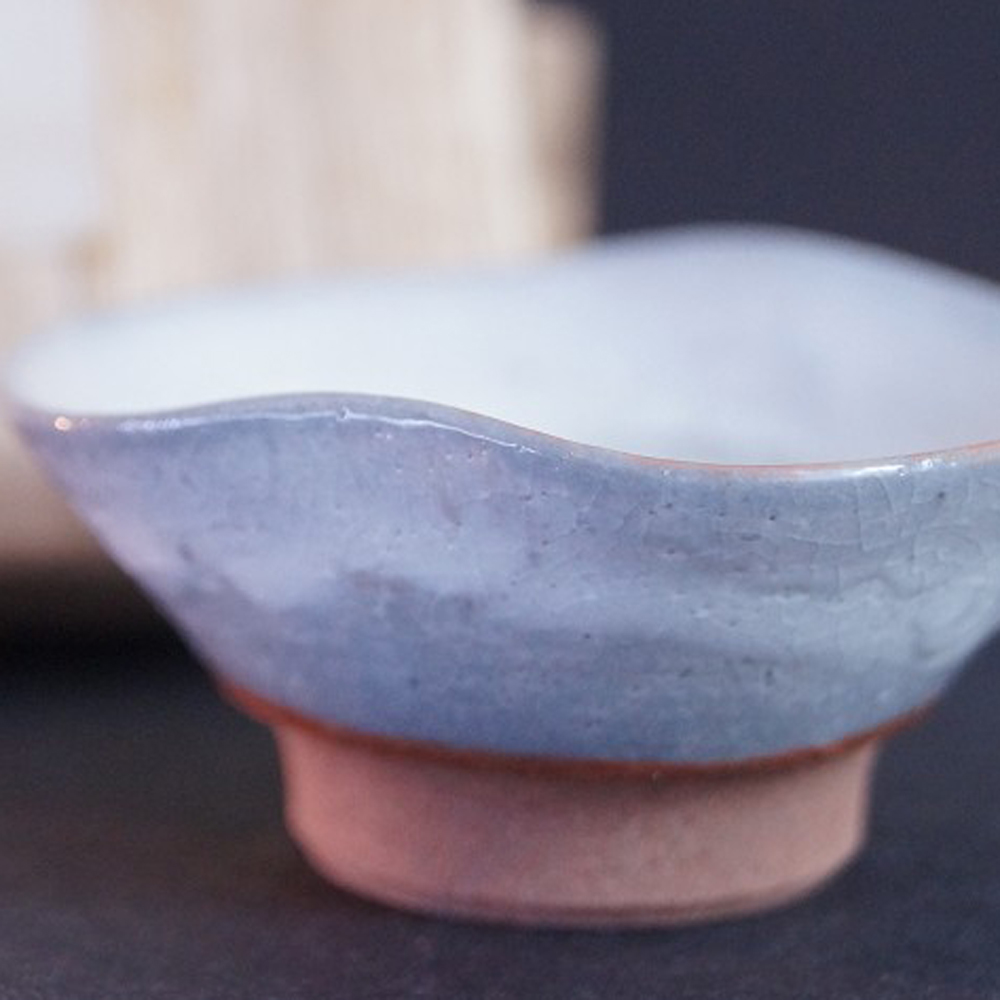

Handcrafted Japanese Seto Sake Cup (Guinomi)
Guinomi, unique work, with box, 2,5 x 5,5 cm
€130.00
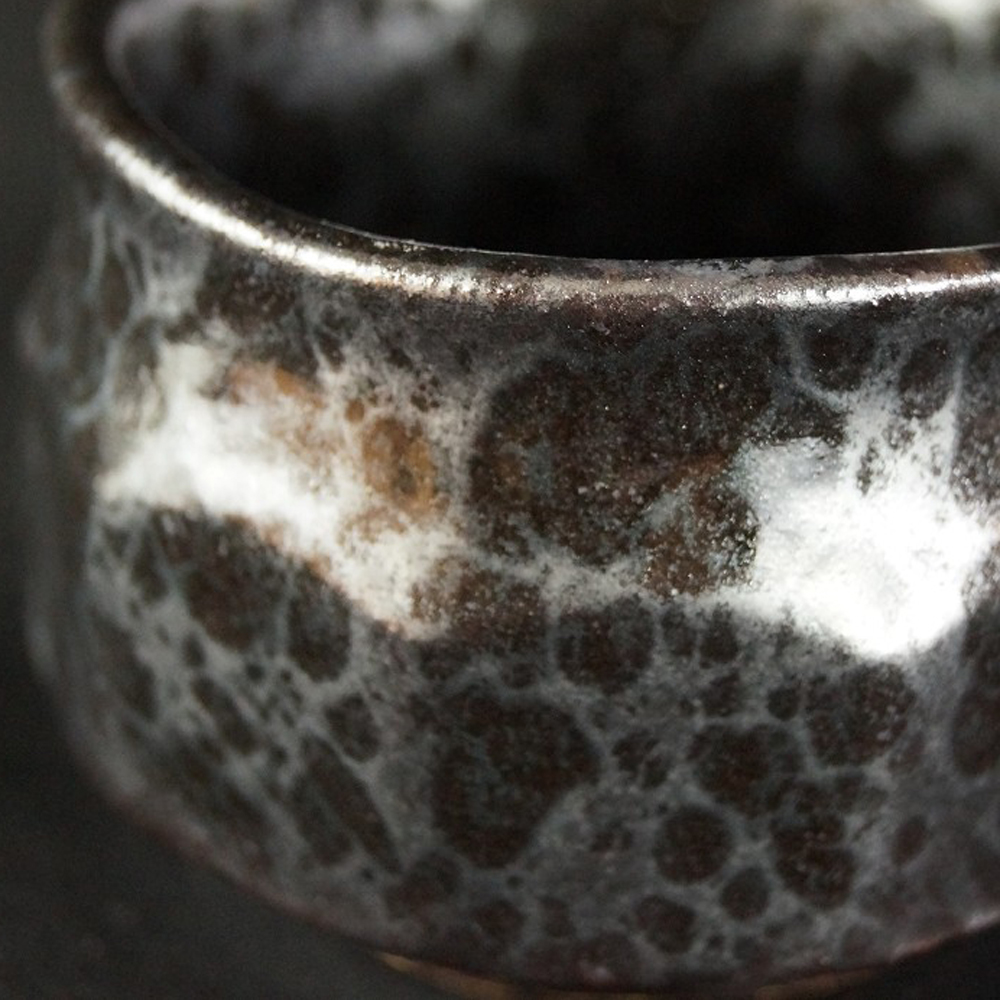
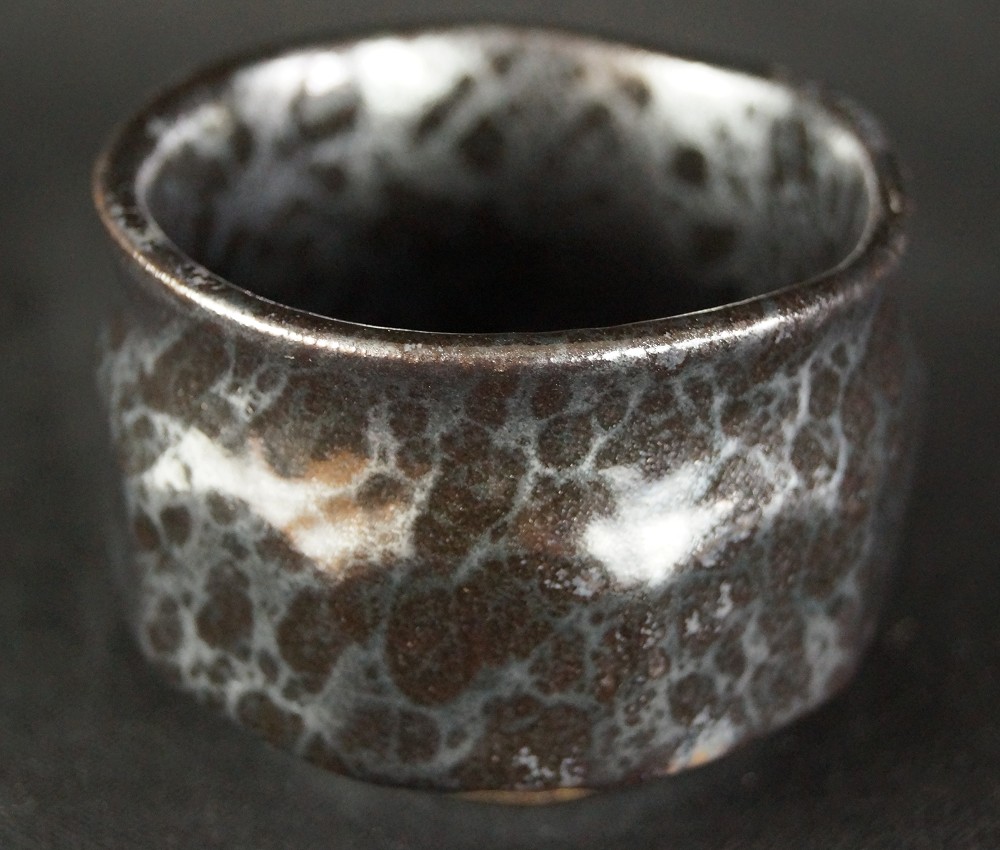
Kato Shozan
Guinomi Seto Ware by Kato Shozan
Guinomi, unique work, with box, 5 x 6 cm
€180.00
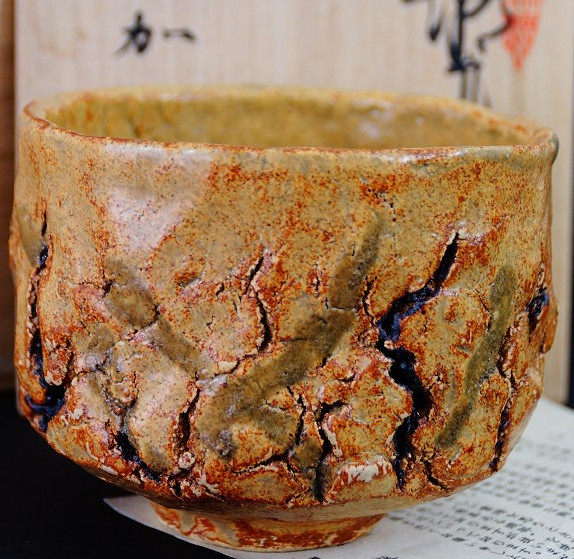
Takamichi Kato
Chawan Made of Seto Ware by Takamichi Kato
Chawan, unique work, 9,5 x 11,5 cm
Sold
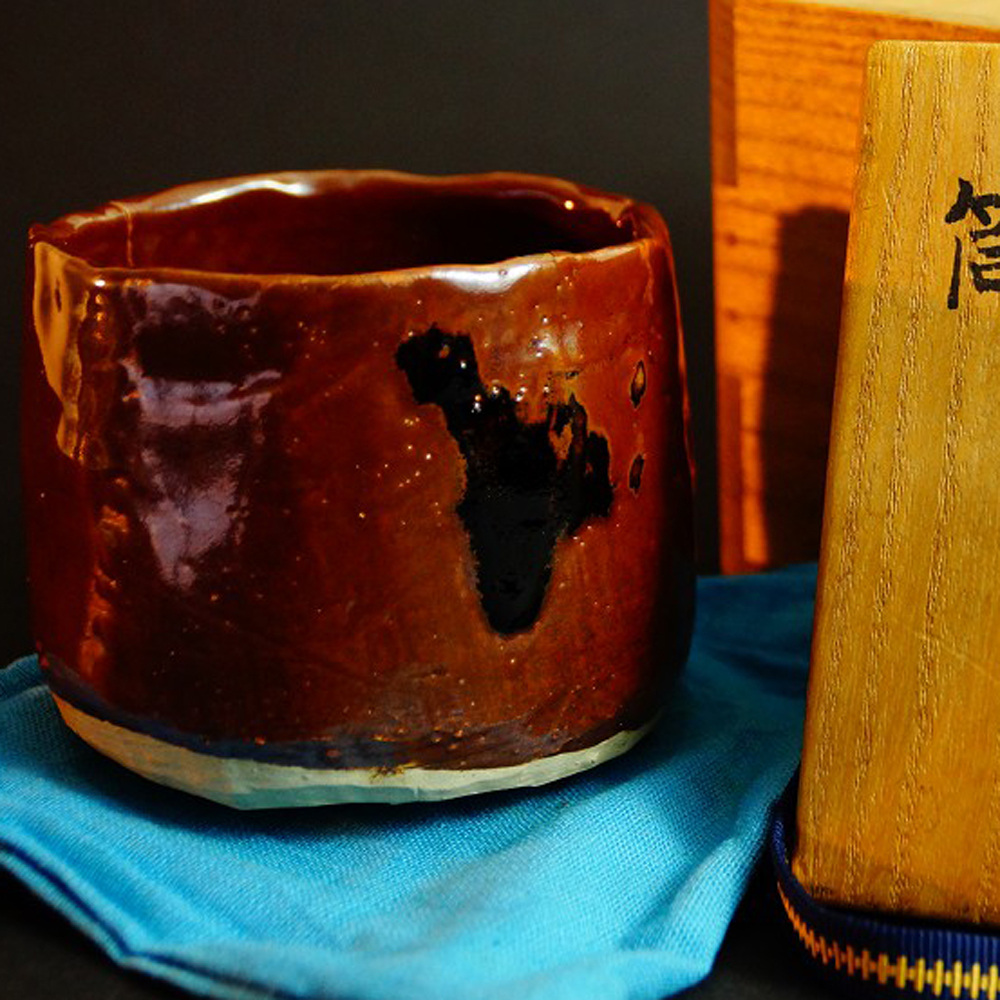
Cho Sojo
Chawan Tea Bowl Made of Seto Ware by Cho Sojo
Chawan, unique work, 9 x 9 cm
Sold
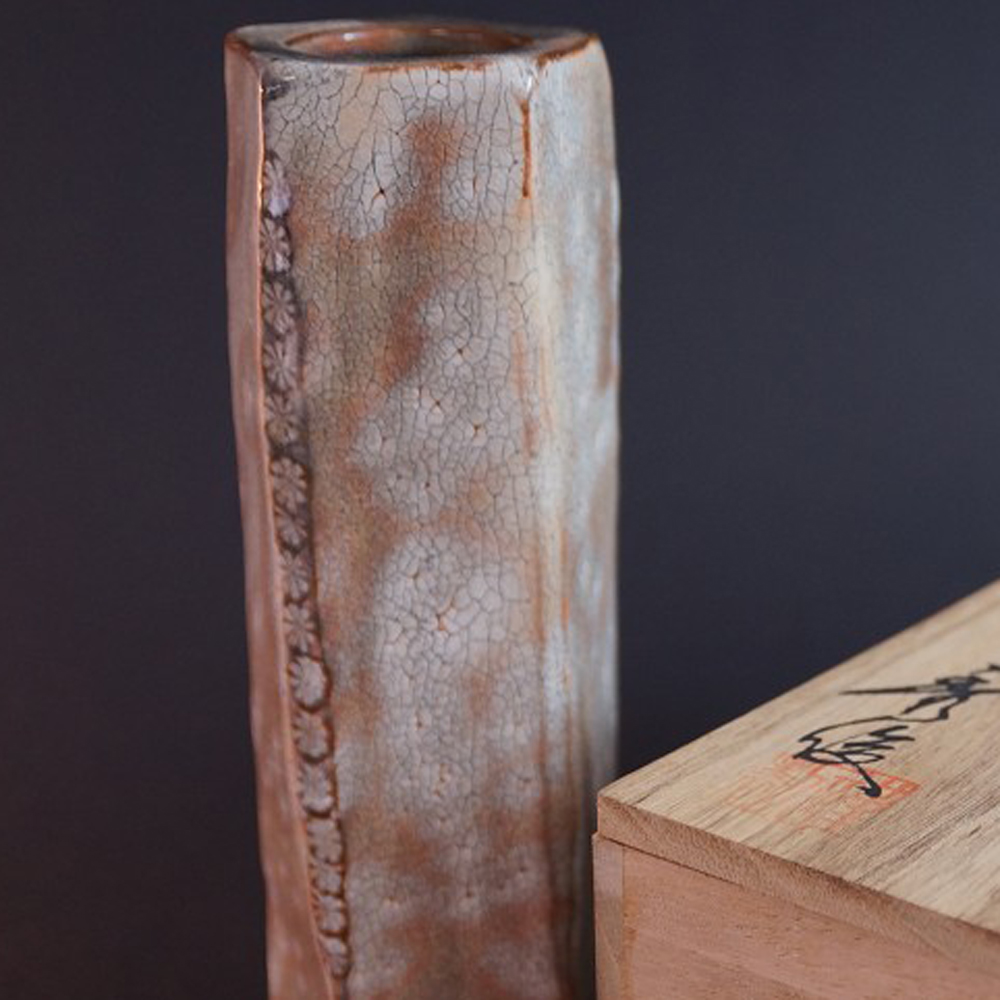
Hidetoshi Suzuki
Vase Made of Seto Ware by Hidetoshi Suzuki
Vase, unique work, 20 x 7 cm
Sold
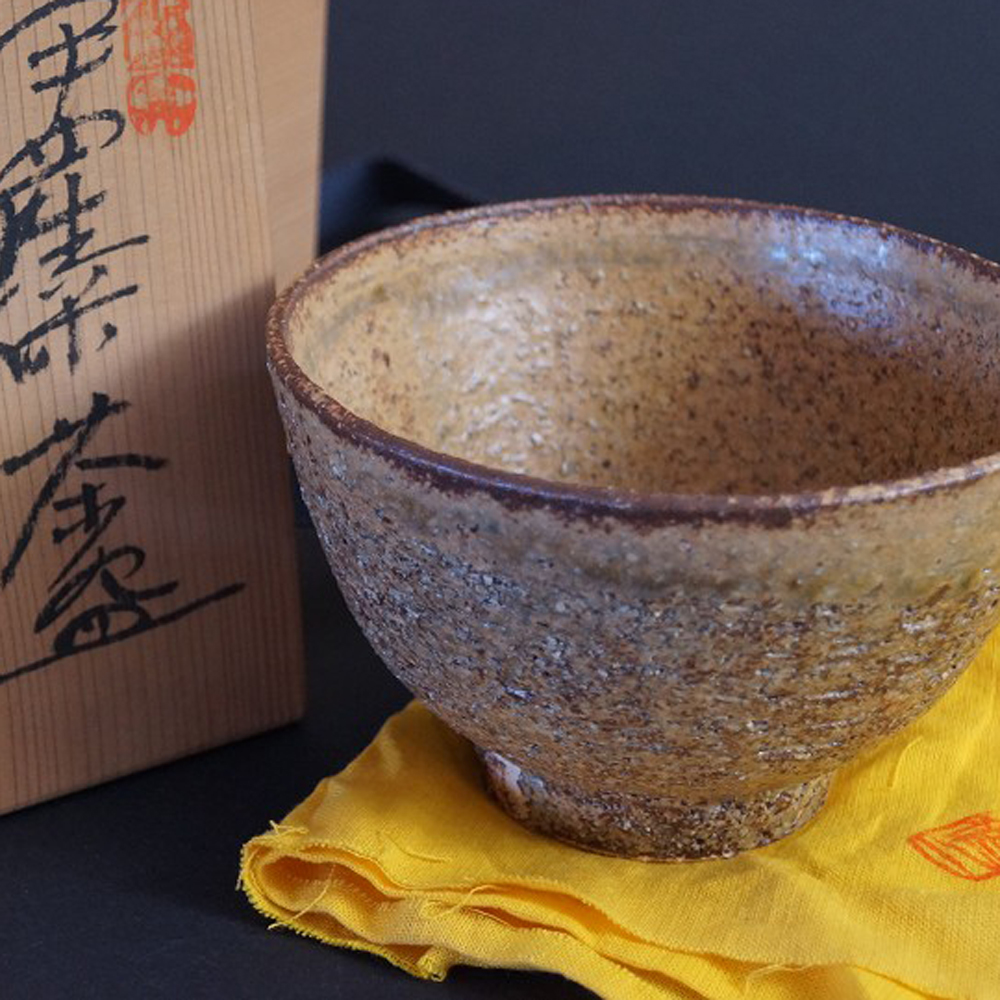
Taniguchi Shohachi
Chawan Made of Seto Ware by Shohachi Taniguchi
Chawan, unique work, with box, 8,5 x 13,5 cm
Sold
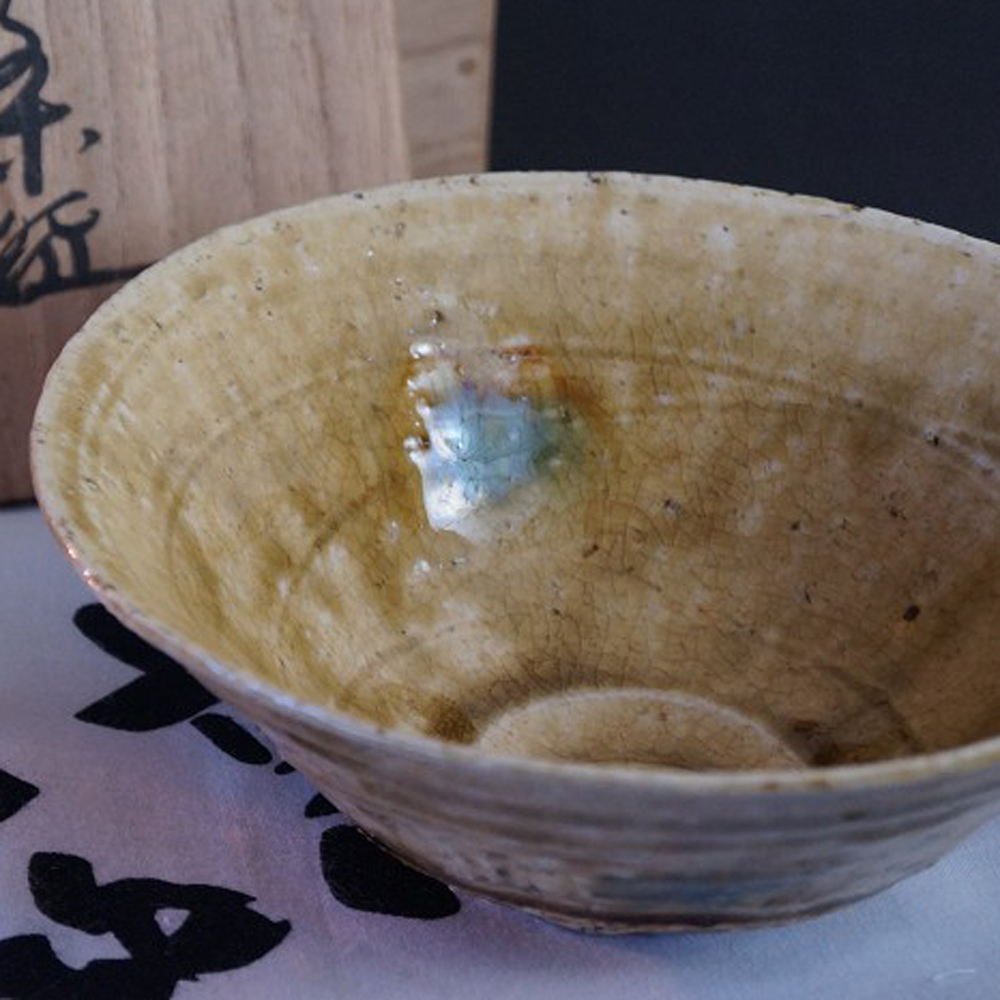
Jyotetsu Yamaguchi
Chawan Made of Seto Ware by Jyotetsu Yamaguchi
Chawan, unique work, with box, 6 x 16 cm
Sold
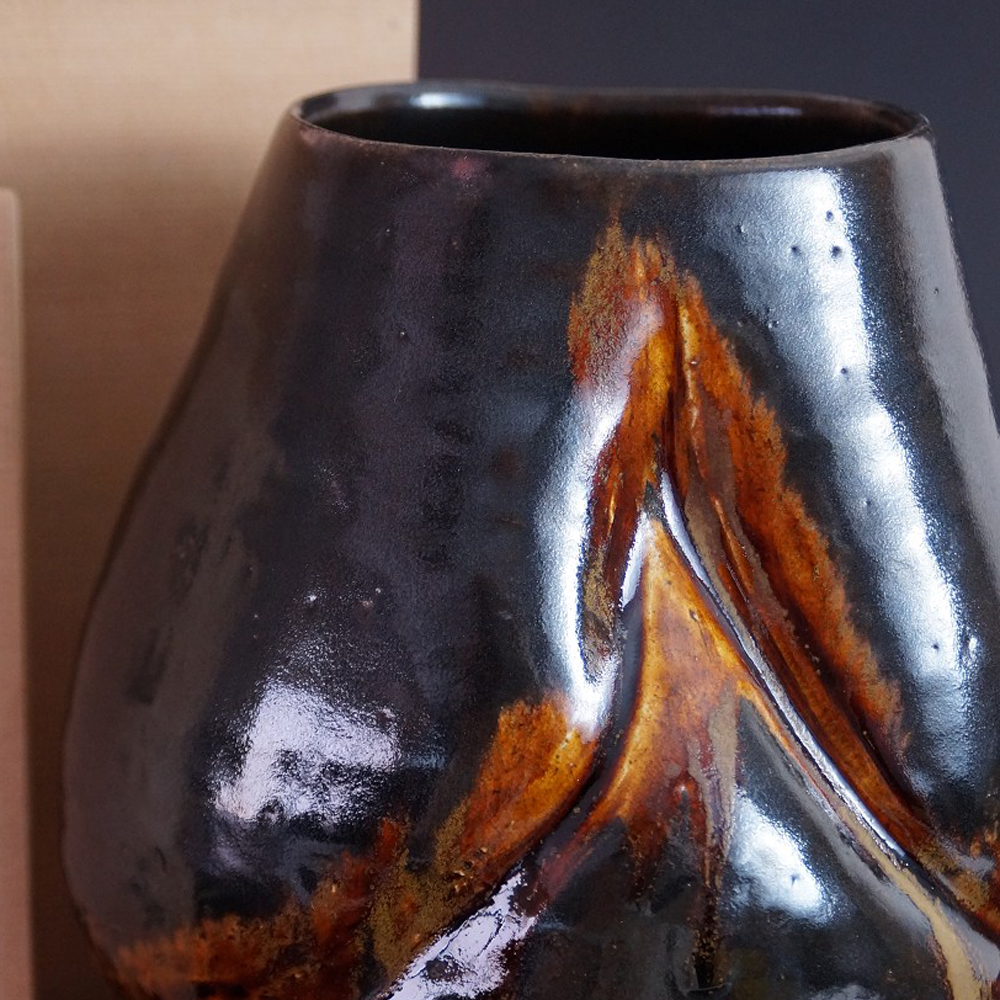
Shunrei Kato
Handcrafted Japanese Seto Ware Vase by Shunrei Kato
Vase, unique work, with box, 21 x 16 cm
Sold

Haruo Kato
Chawan Made of Seto Ware by Haruo Kato
Chawan, unique work, with box, 8,5 x 13 cm
Sold
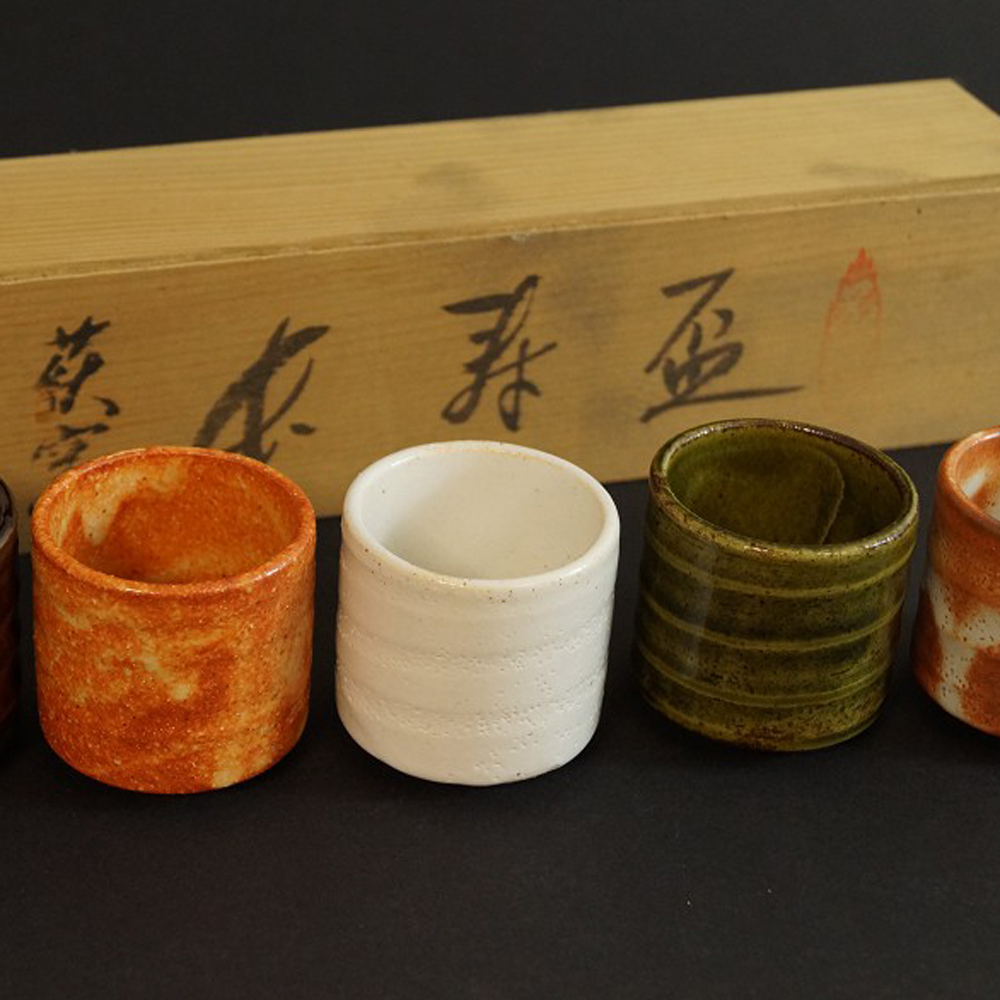
Set of Five Guinomi Made of Seto Ware
Guinomi, unique work, with box, 5 x 5 cm
Sold
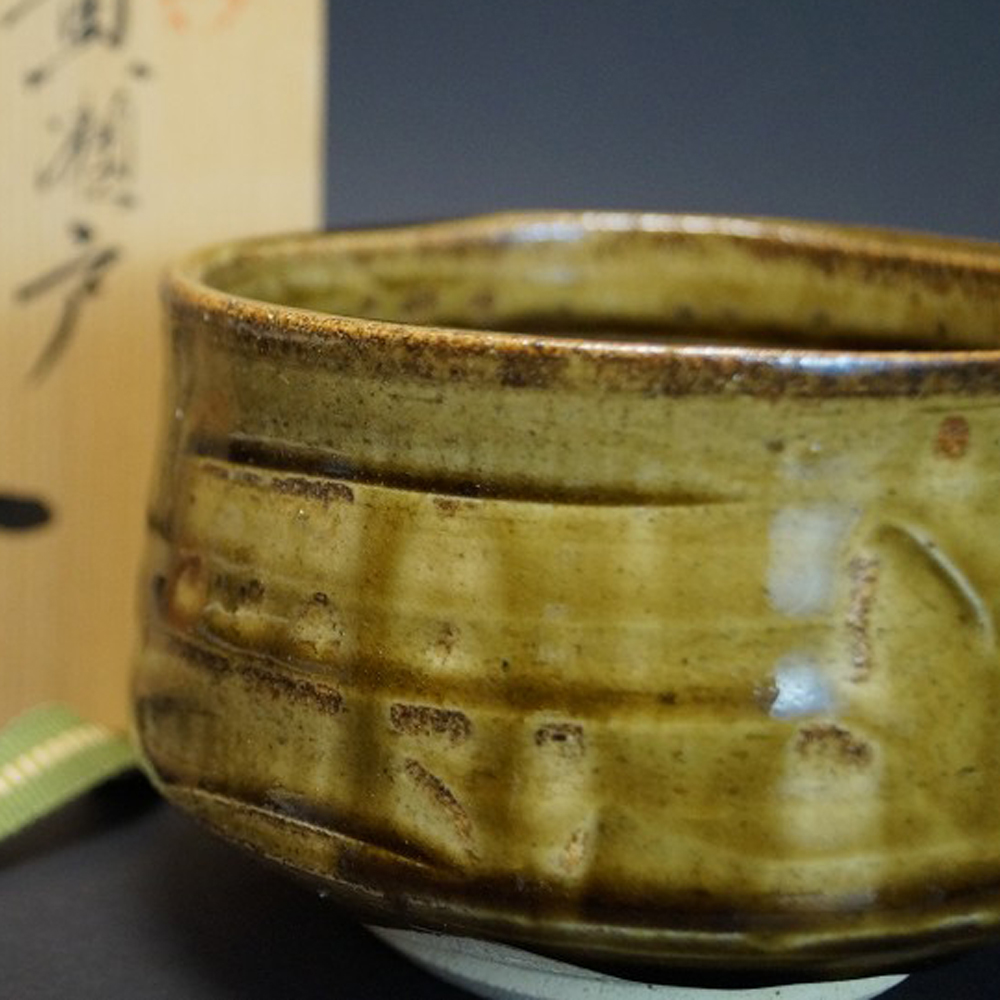
Kazufumi Wada
Chawan Made of Seto Ware by Kazufumi Wada
Chawan, unique work, with box, 7,5 x 11,5 cm
Sold
13 of 13 items shown
Origins: one of the Six Ancient Kilns
Seto-yaki comes from the city of Seto and neighboring Owariasahi in Aichi Prefecture, near Nagoya. Seto is one of the Six Ancient Kilns (rokkoyō), Japan’s six most storied pottery regions, and holds a special place among them: while most of the old kilns fired unglazed yakishime ware, Seto was for centuries the center for glazed ceramics. This technical lead is what established its importance far beyond the region.
Katō Shirozaemon and the Chinese models
According to tradition, the craft goes back to the potter Katō Shirozaemon, who traveled to China in the 13th century, probably in the 1220s, to study ceramic production there. Greenish celadon and dark brown, iron-glossed tenmoku stoneware became models for early Seto production. After several attempts, Shirozaemon succeeded in establishing a working kiln in Seto; other potters followed, and Seto grew into one of Japan’s most important ceramic centers.
A range of glazes rather than a single style
Unlike traditions with one unmistakable look, Seto stands out for its variety. Over the centuries, green, blue, yellow and brown glazes were developed and refined here, first after Chinese models and then with a distinctly Japanese sense of form. Contemporary pieces show ivory glazes with fine crackle, dark, metallically shimmering surfaces, ash glazes in olive and amber, or soft bluish grays beneath which the warm clay body appears at the foot. Collecting Seto ware is therefore less about a look than about an attitude: a delight in experimenting with glaze.
Sometsuke and porcelain
Over time Seto developed its own painting style, sometsuke: white ceramics painted with gosu, a deep blue cobalt pigment, and then glazed. Local raw materials were used, such as Motoyama kibushi and Motoyama gairome clays and feldspar from Sanage. In the early 19th century the potter Katō Tamikichi brought porcelain-making techniques from Kyūshū back to Seto, and production expanded to include fine painted porcelain.
Seto and Mino: what the name reveals
How deeply Seto shaped Japanese ceramics shows in the word setomono, “things from Seto,” which colloquially stands for ceramics in general. Yet the name can also mislead: during the wars of the 16th century many Seto potters fled to neighboring Mino, where they founded styles such as Shino, Oribe and Ki-Seto. Ki-Seto (“yellow Seto”) and Setoguro (“black Seto”) carry Seto in their names but were fired in Mino – something the potter Arakawa Toyozō demonstrated only after 1930 through finds at old kiln sites.
Recognizing handmade Seto ware
Seto remains one of Japan’s most productive ceramic regions, supplying both fine craft and the industrial manufacture of everyday tableware. You can recognize handmade pieces by the individual handling of the glaze: it runs, thickens or thins, and color transitions form in the firing and never repeat. On painted ware, the brushwork shows slight irregularities. Then there is the potter’s signature, often on the accompanying wooden box.
In use: tea, sake and the living space
The range extends from simple tea ware to painted vases and objects for daily life – which sets Seto apart from more specialized traditions focused mainly on tea ceramics. A Seto chawan is for whisking matcha; tokkuri and guinomi are for warming and serving sake. In the Meiji era (1868–1912) Seto ware was prized in the West and even influenced European Art Nouveau; its calm glazes still sit well in both traditional and modern interiors.
Care and what collectors look for
Rinse Seto vessels with hot water and a soft sponge, without dish soap and not in the dishwasher. The unglazed foot ring and crackled glazes absorb moisture, so let the piece air-dry completely. A slight brownish tint in the crackle is intended aging, not a flaw. Collectors pay attention to the depth of the glaze, traces of the firing and the signed tomobako, which attests to provenance and artist.
