
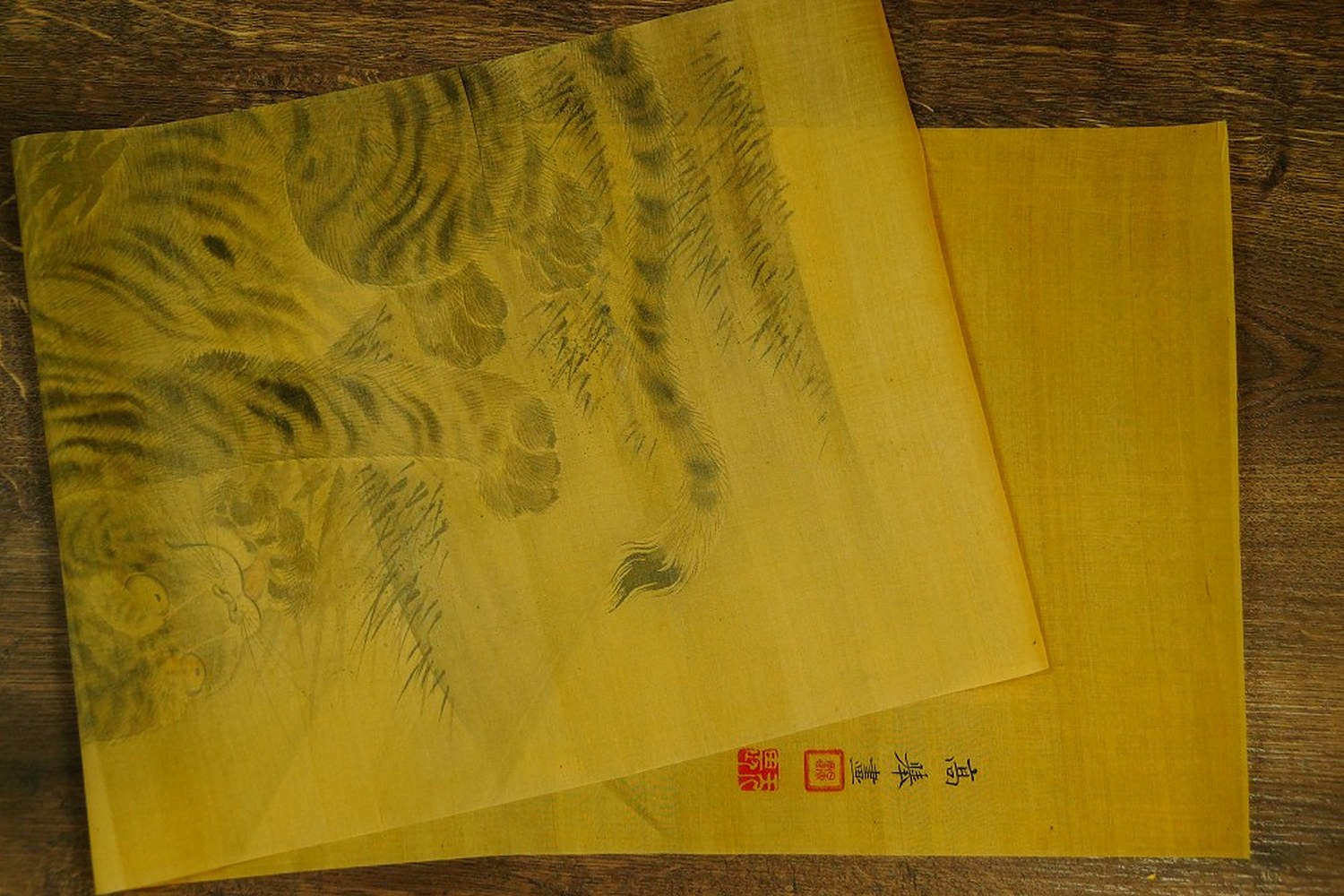
Makuri – Unmounted Japanese Paintings
Go directly to the artworksIn brief
A makuri is a Japanese painting in its unmounted state: the finished picture on its original support of paper or silk, but without fabric mounting, roller or hanging cord. In Japan, works usually left the studio in this form and were only mounted later, depending on how they were to be used. Whoever acquires a makuri decides for themselves whether it becomes a kakemono or a framed picture. Without a mounting, a makuri takes up hardly any space and is stored flat. At Densho you will find hand-painted makuri as one-of-a-kind pieces direct from Japan.
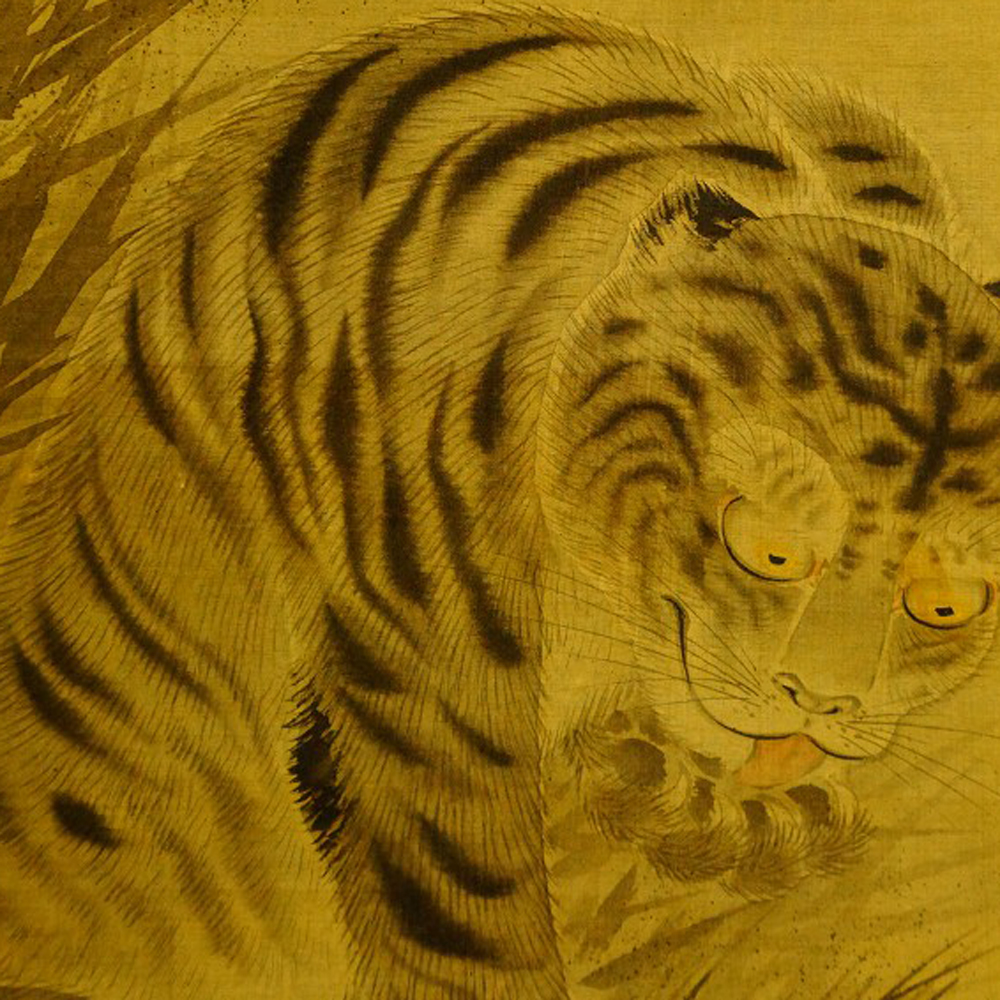

Kokyo
Gentle Elegance of the Tiger - Makuri without Mounting
Makuri, unique work, 94 x 32 cm
€890.00
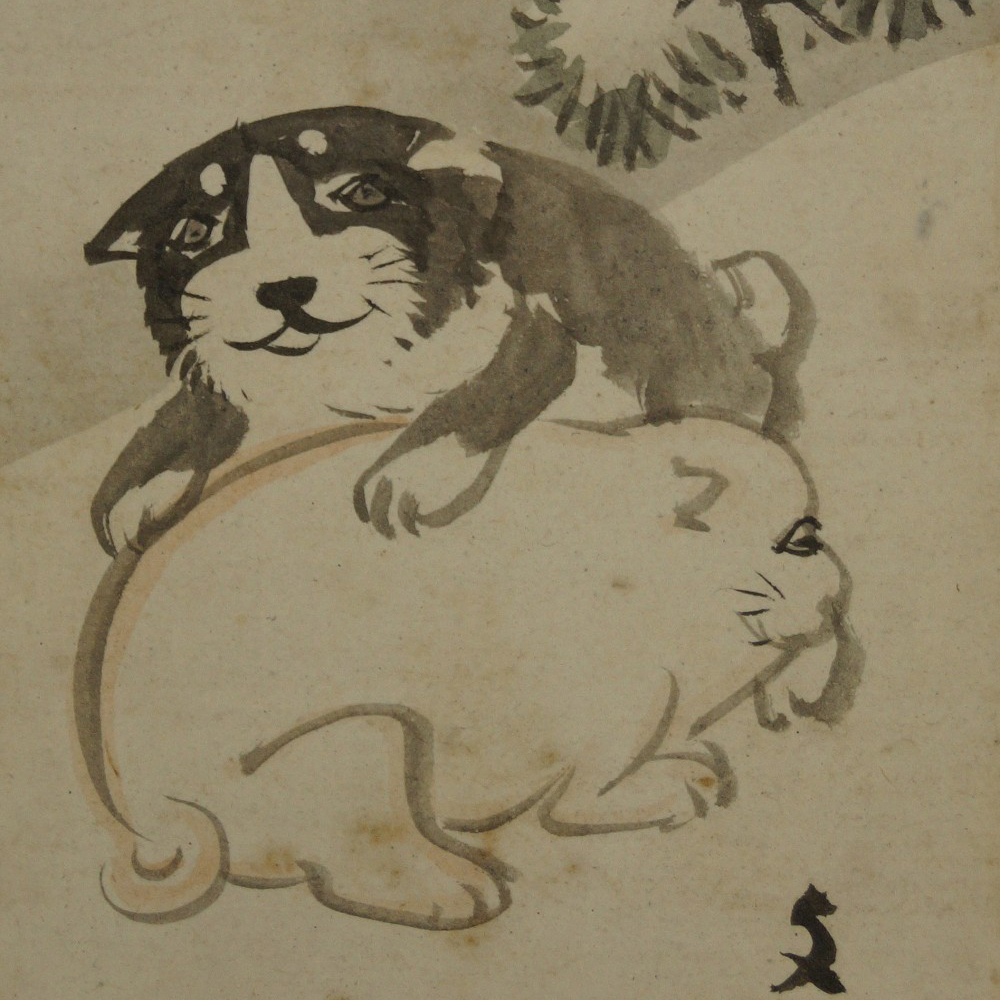

Two Playful Puppies
Makuri, unique work, 36 x 6,5 cm
€85.00
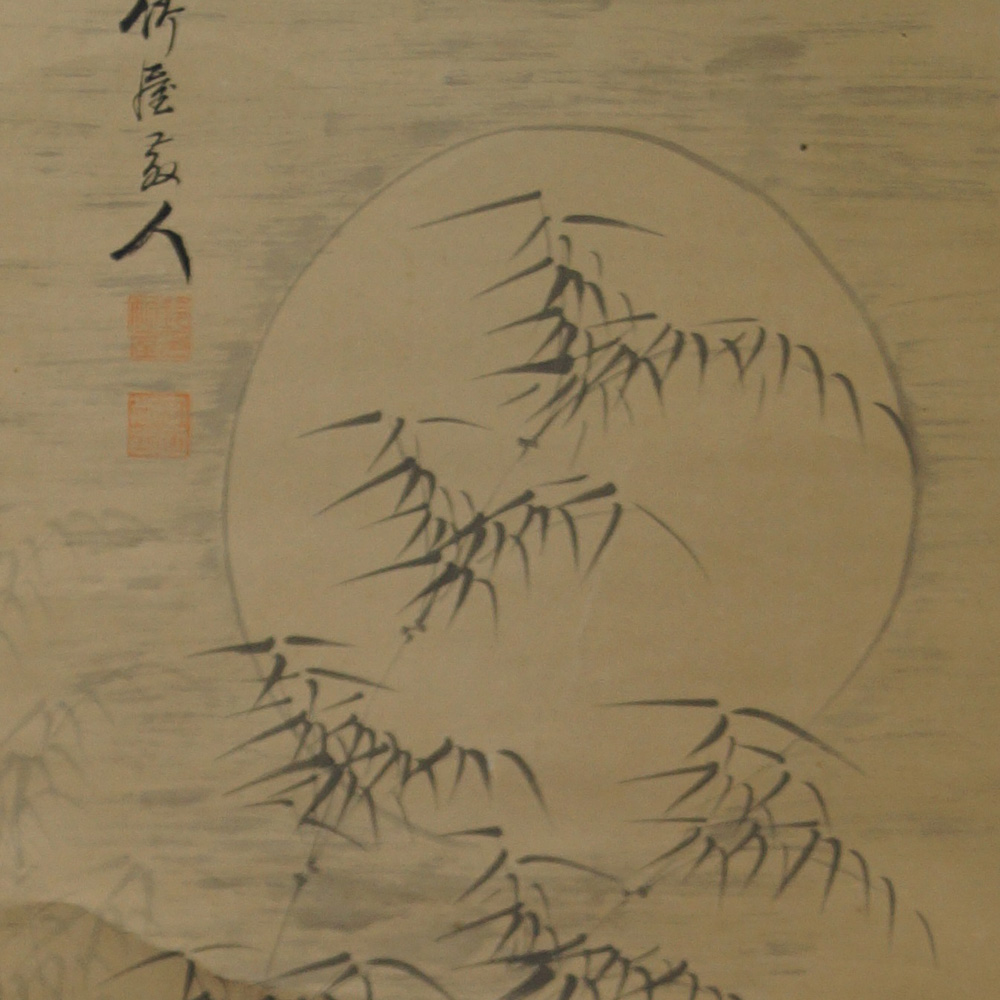
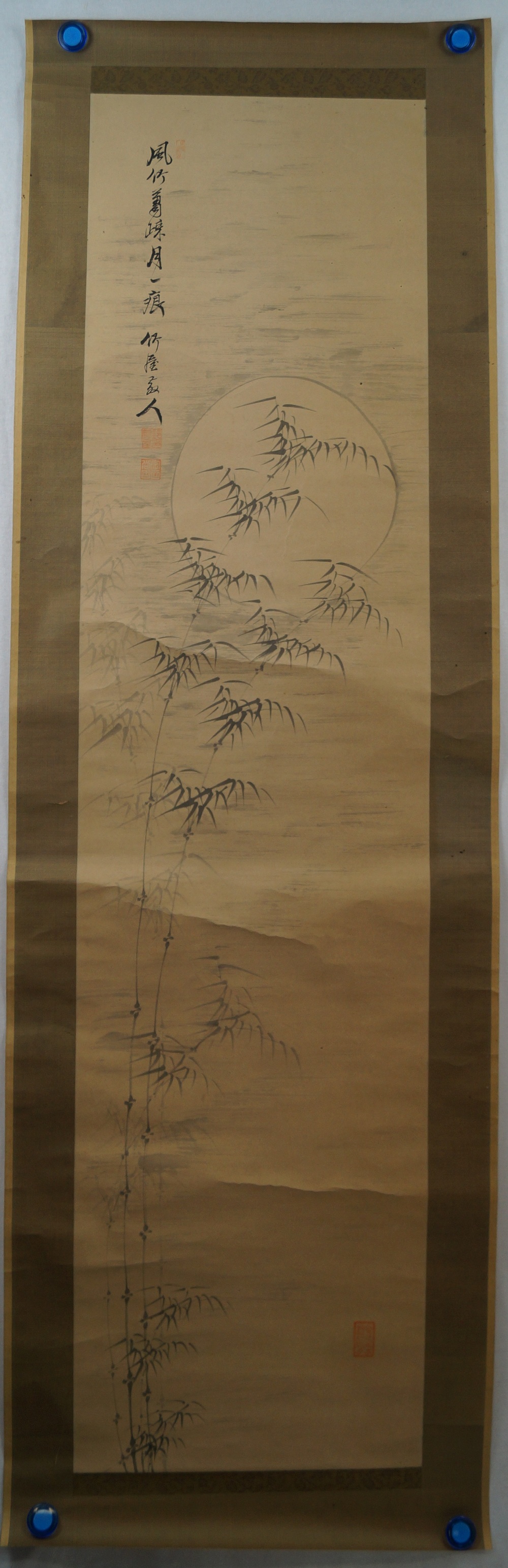
Makuri with Bamboo and Full Moon
Makuri, unique work
€168.00
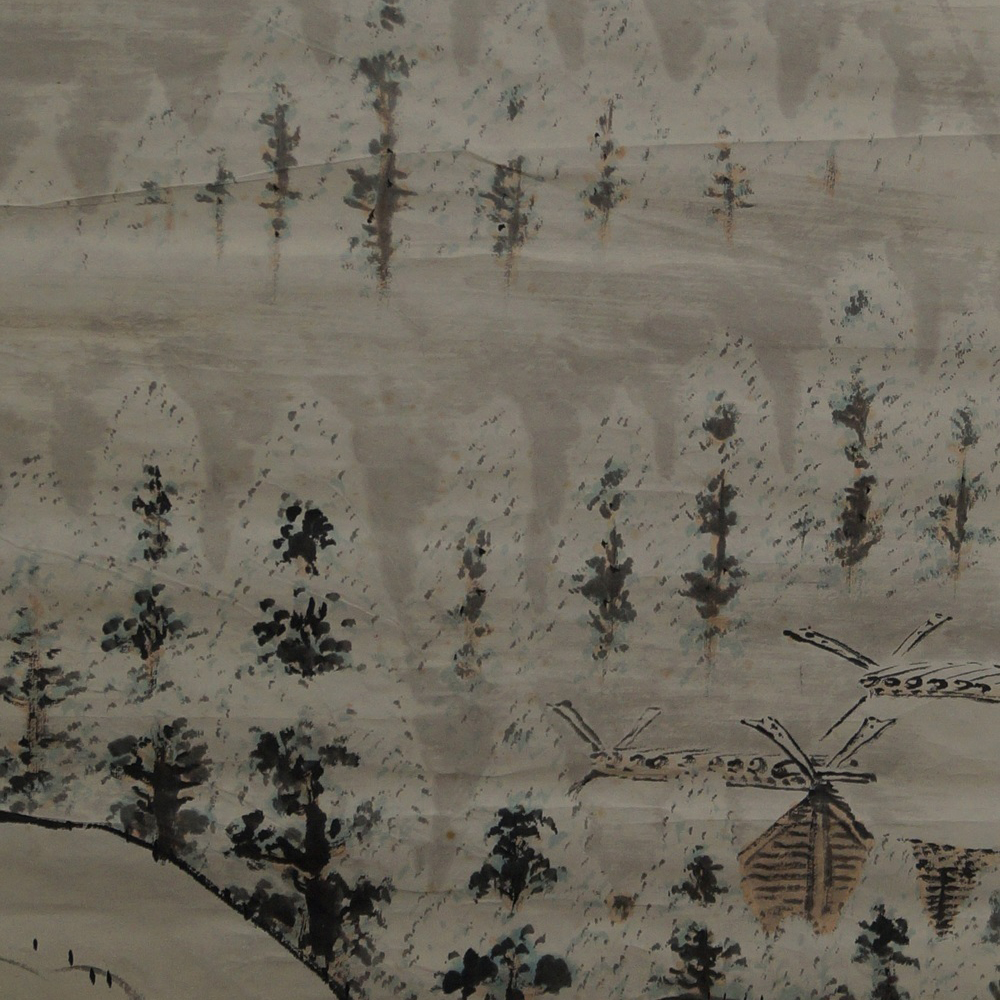
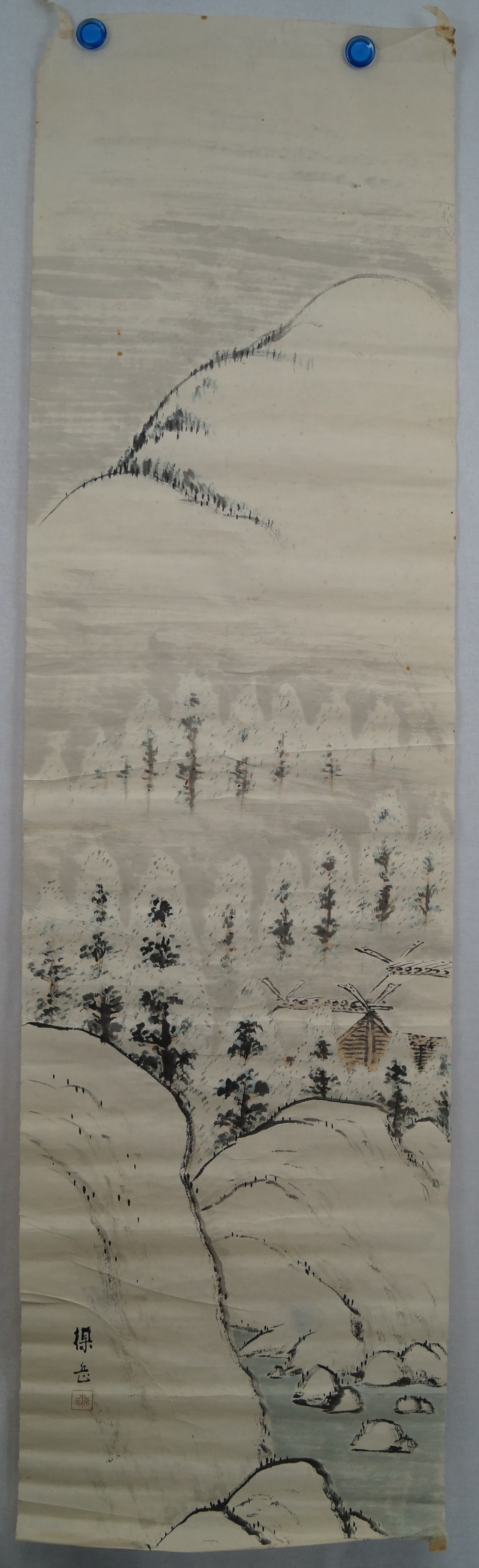
Winter Landscape with Mountain Huts
Makuri, unique work, 140 x 40 cm
€70.00
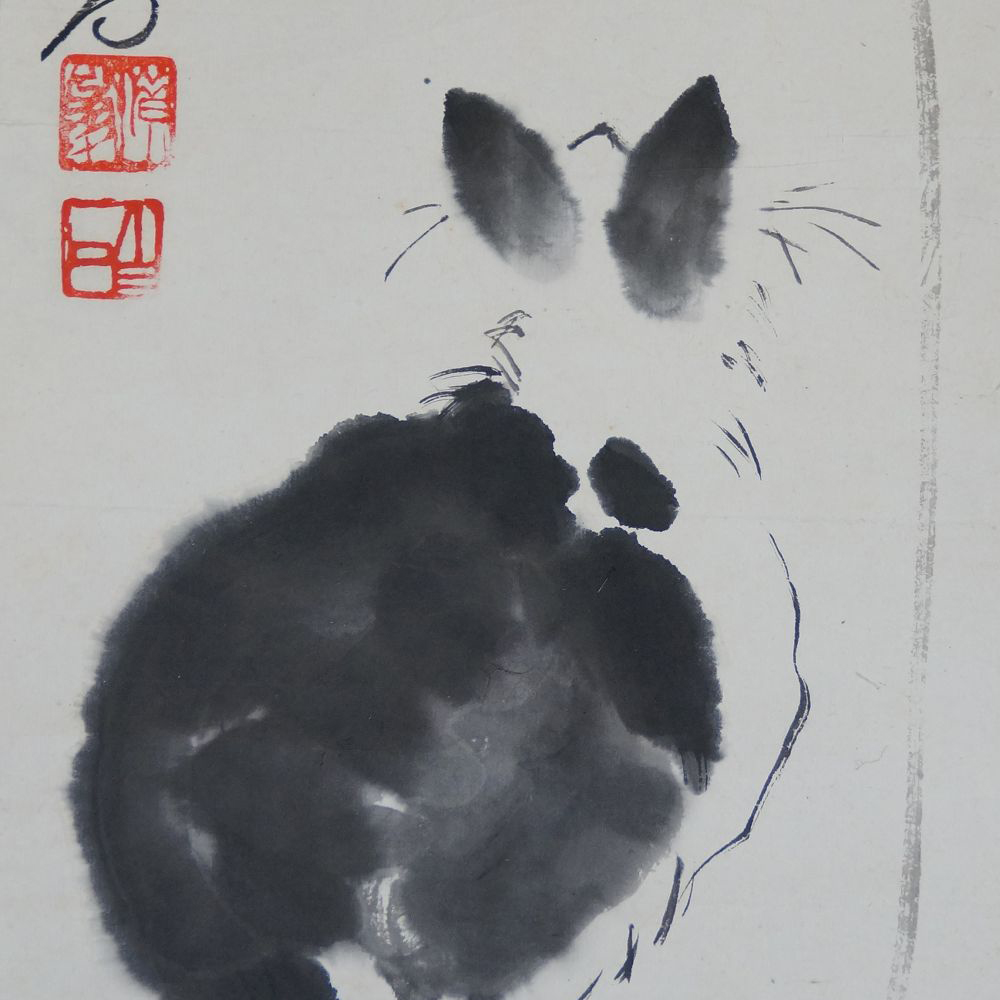
Black Cat and Dragonfly in Ink
Makuri, unique work, 59 x 25 cm
Sold
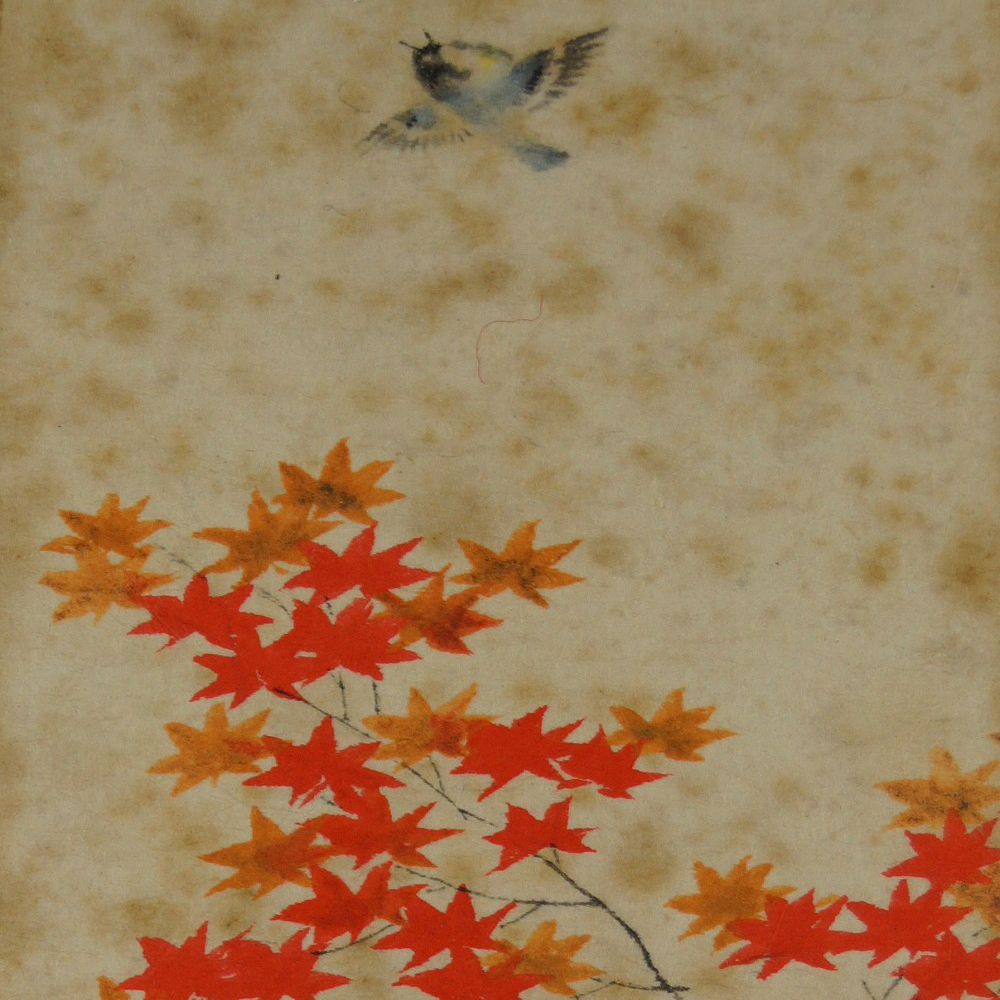
Maple Leaves in Autumn
Makuri, unique work, 36 x 6,5 cm
Sold
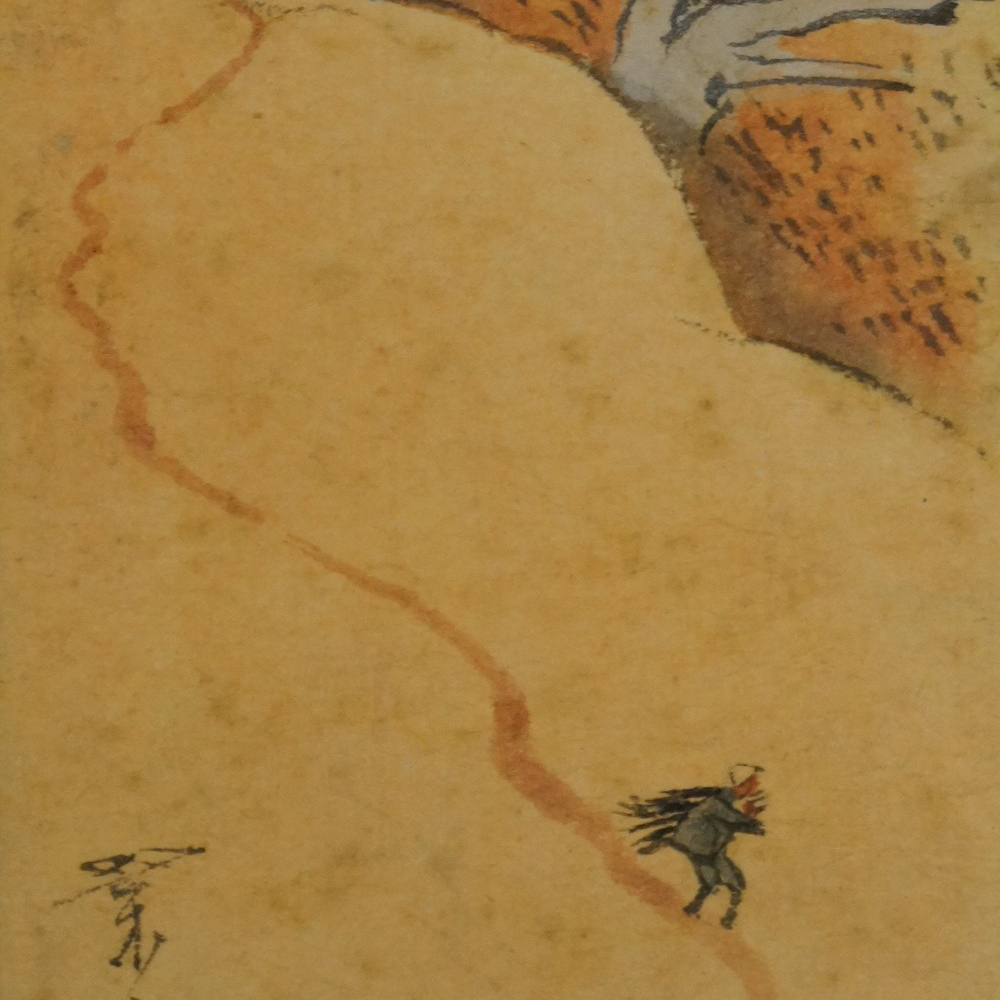
Autumn Mountain Landscape with Traveler
Makuri, unique work, 36 x 6,5 cm
Sold
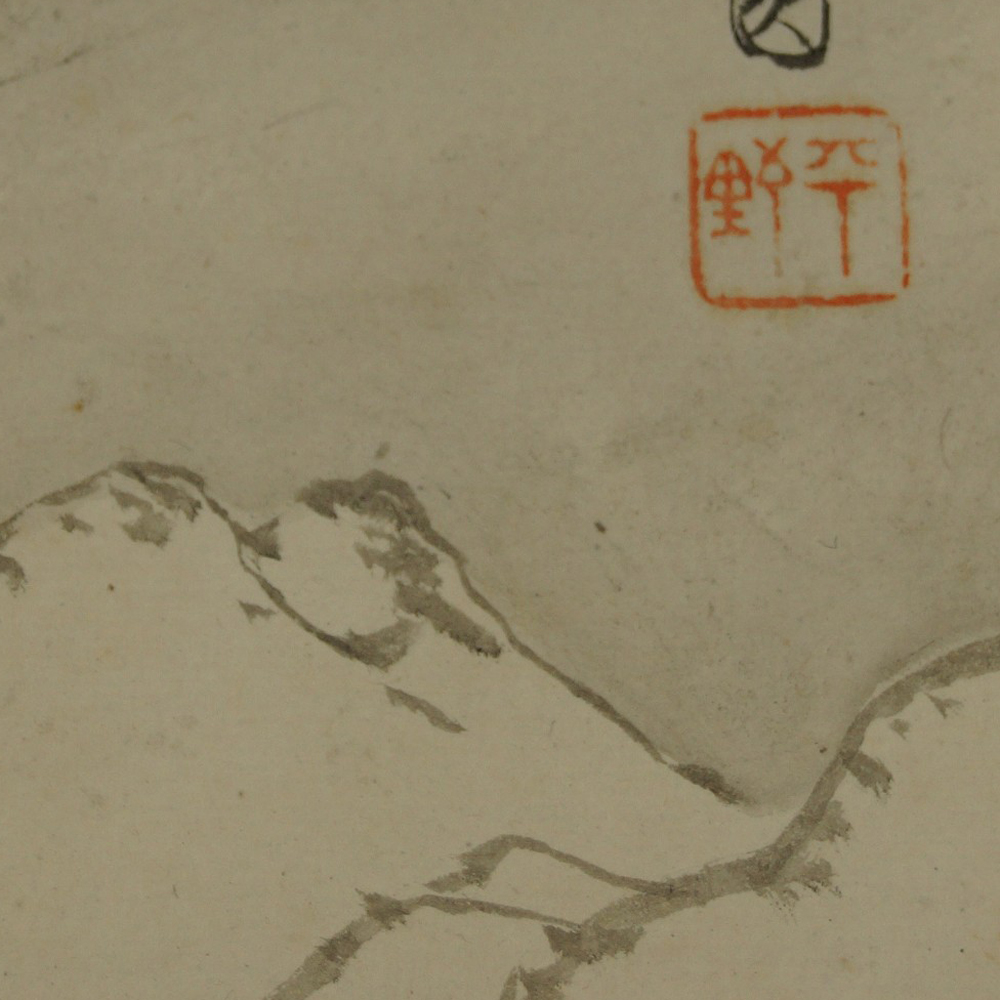
Autumn Landscape with Wild Geese
Makuri, unique work, 36 x 6,5 cm
Sold
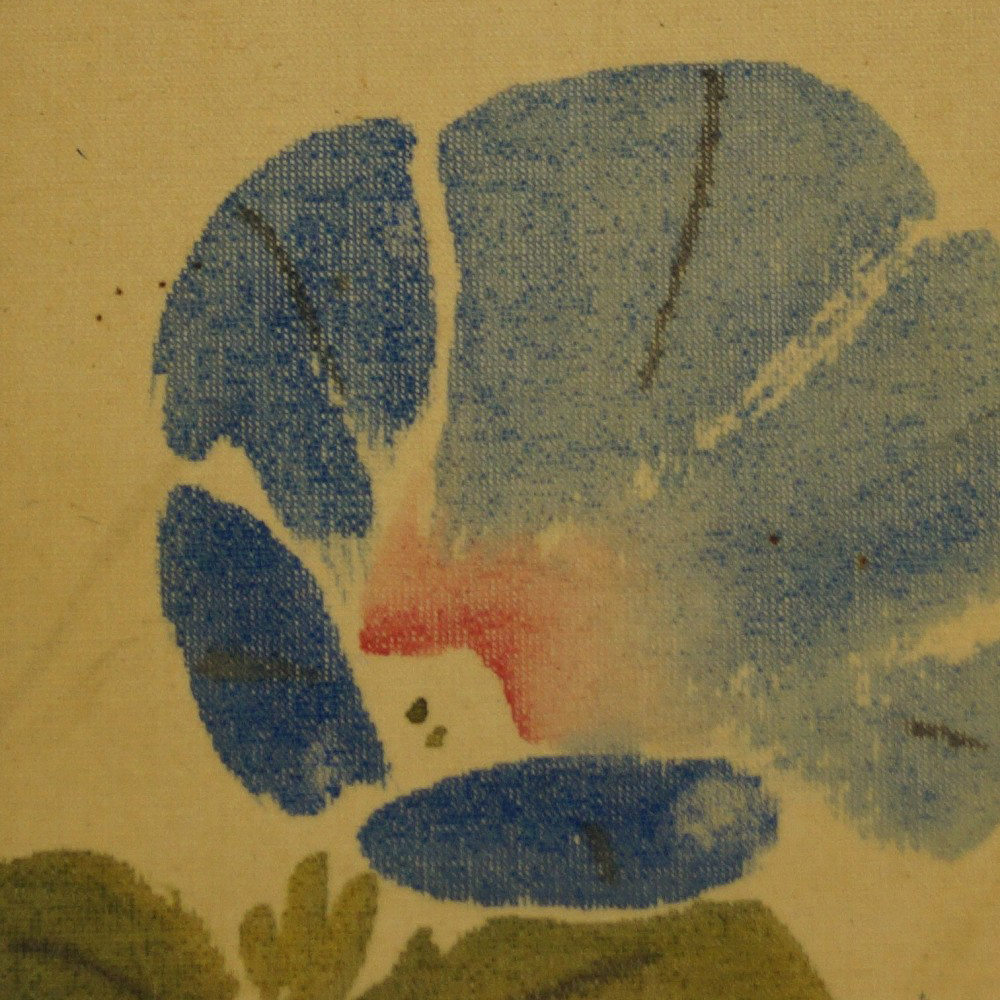
Blue Morning Glory
Makuri, unique work, 36 x 6,5 cm
Sold
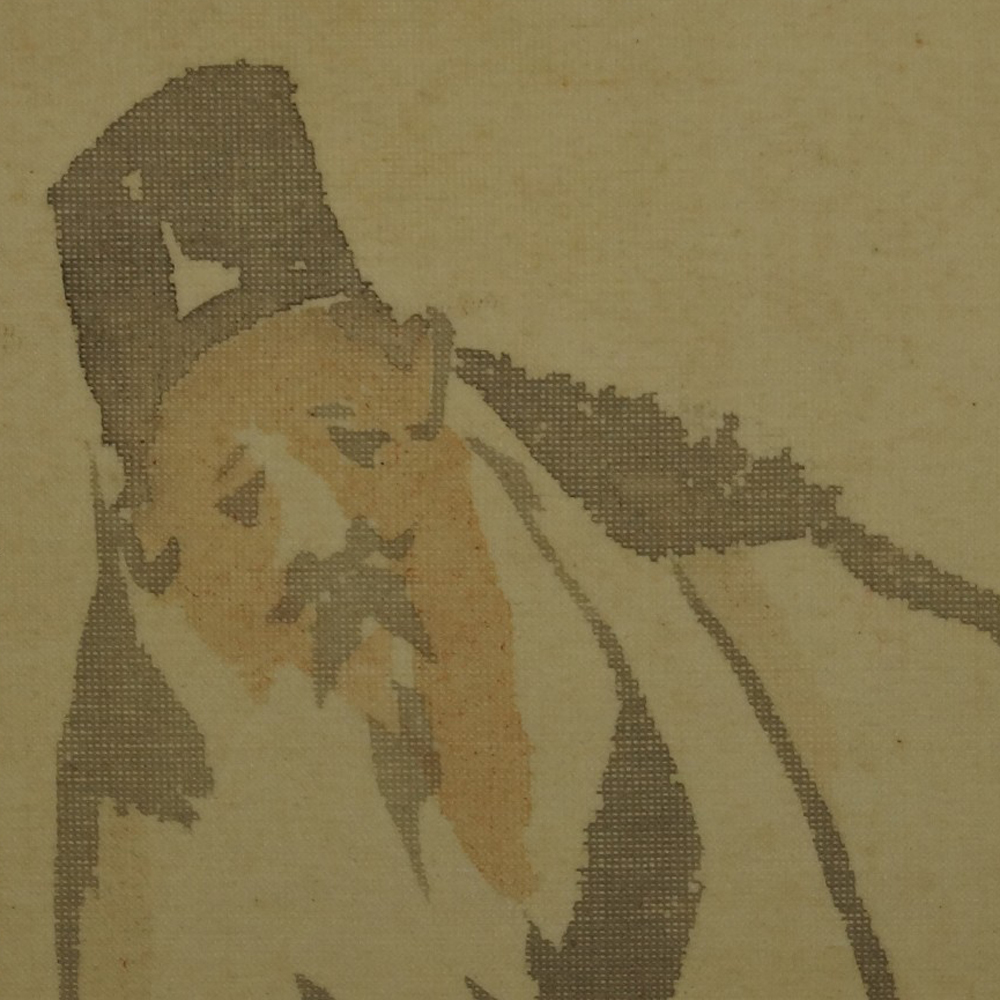
Poet in Thought
Makuri, unique work, 36 x 6,5 cm
Sold
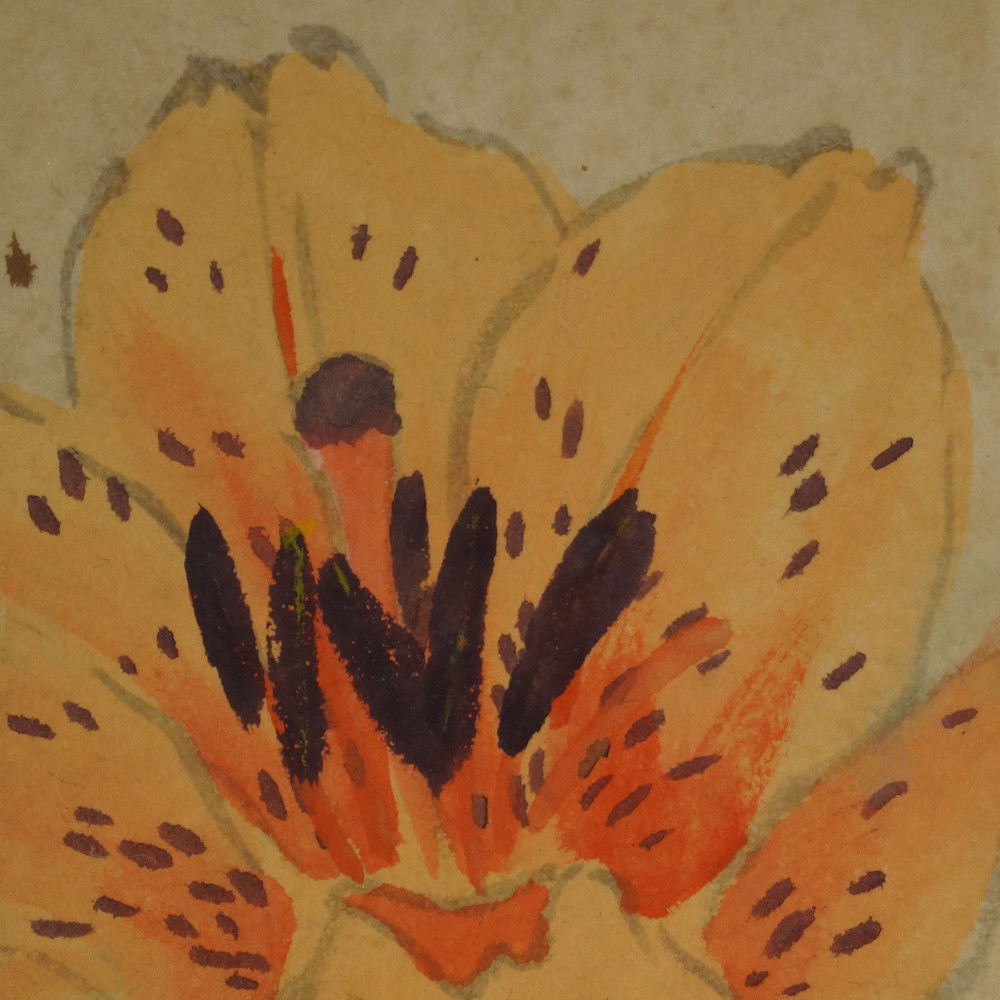
Lily with Bee
Makuri, unique work, 36 x 6,5 cm
Sold
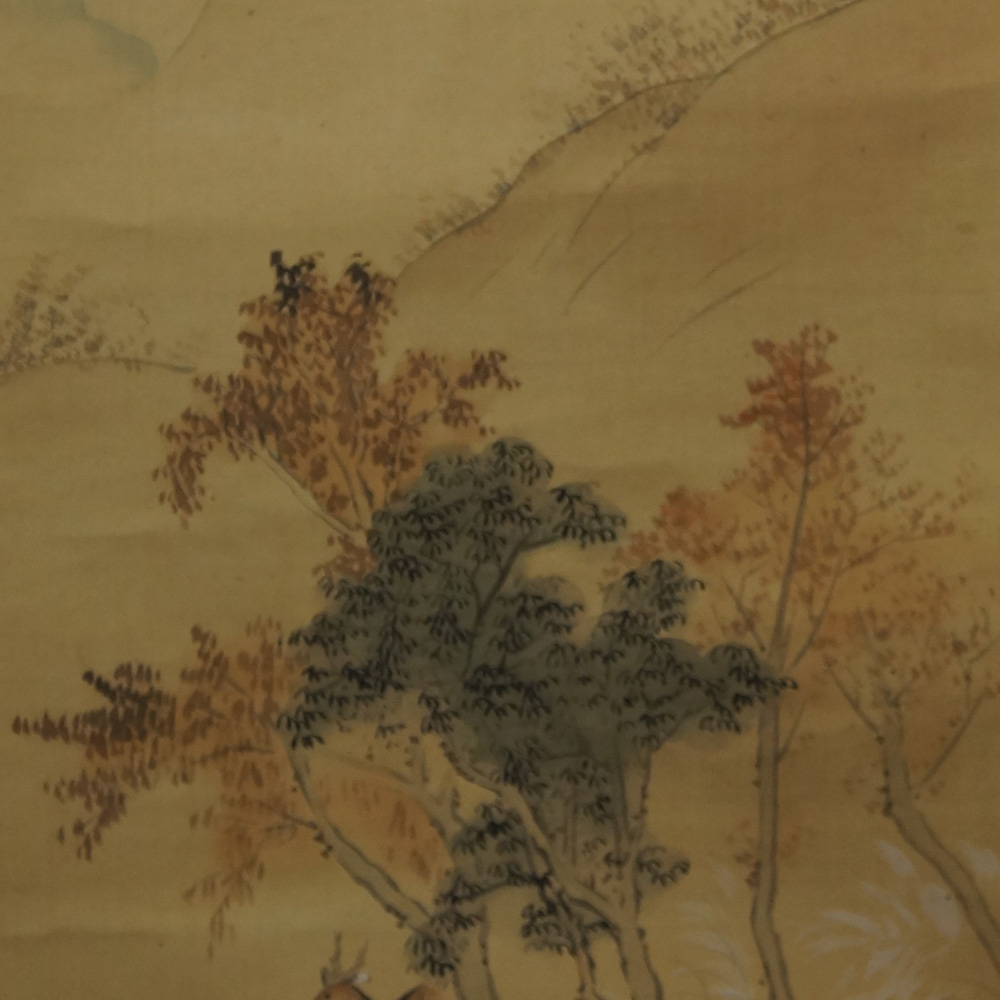
Small Deer
Makuri, unique work, 114 x 35 cm
Sold
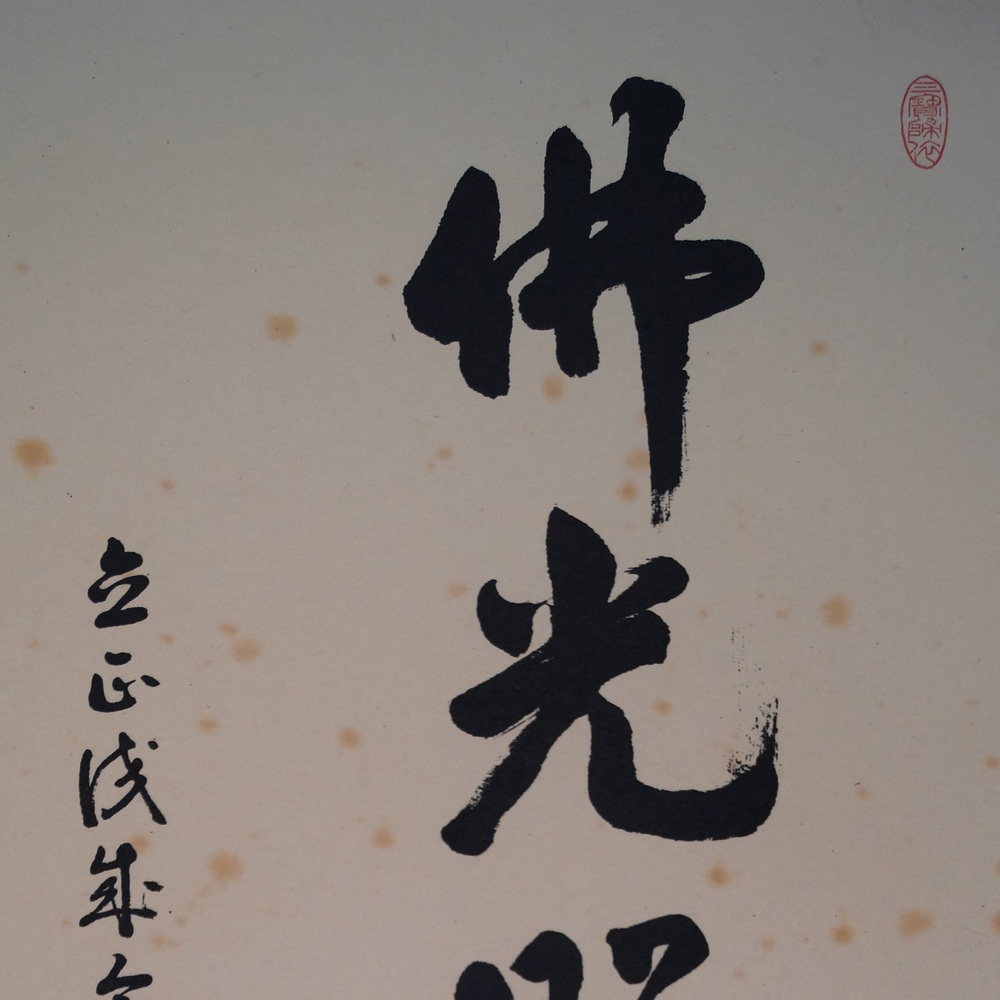
Calligraphy "Butsu ko sho ten chi"
Makuri, unique work, 120 x 30 cm
Sold
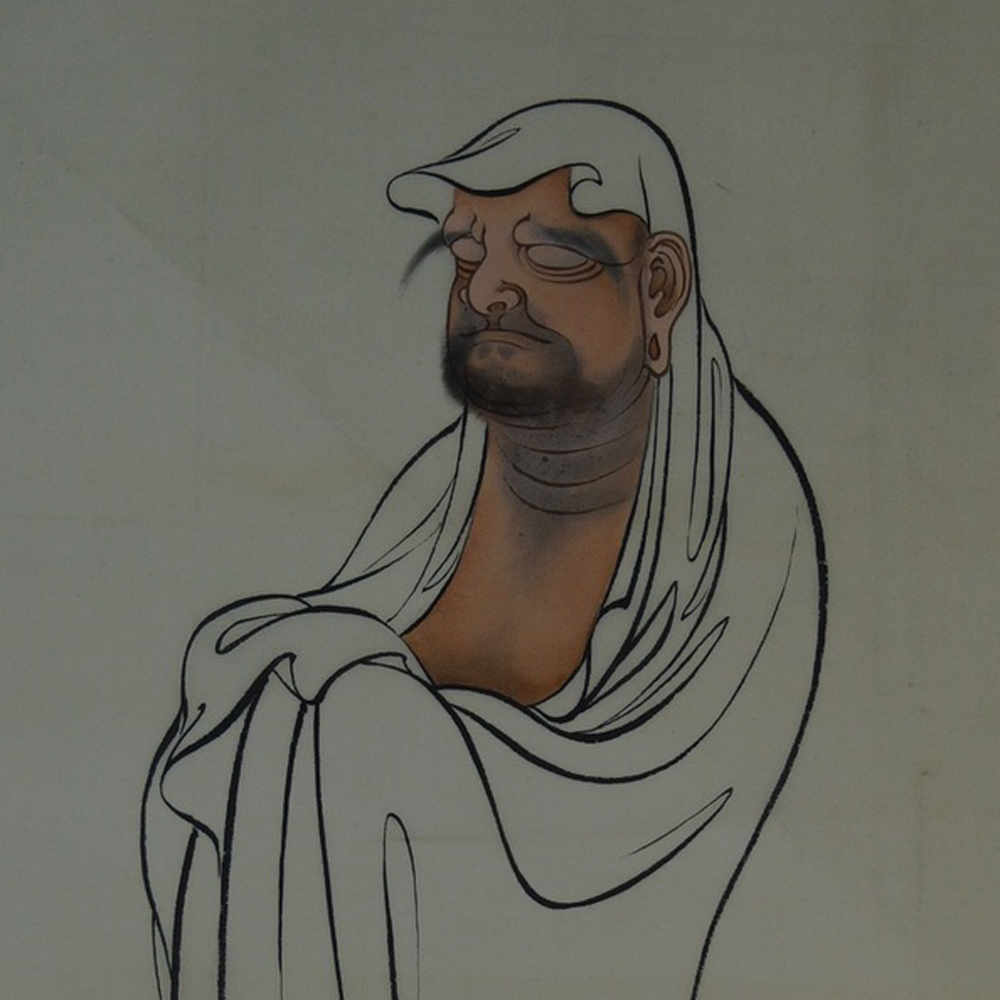
Bodhidharma on a Reed
Makuri, unique work, 61 x 36 cm
Sold
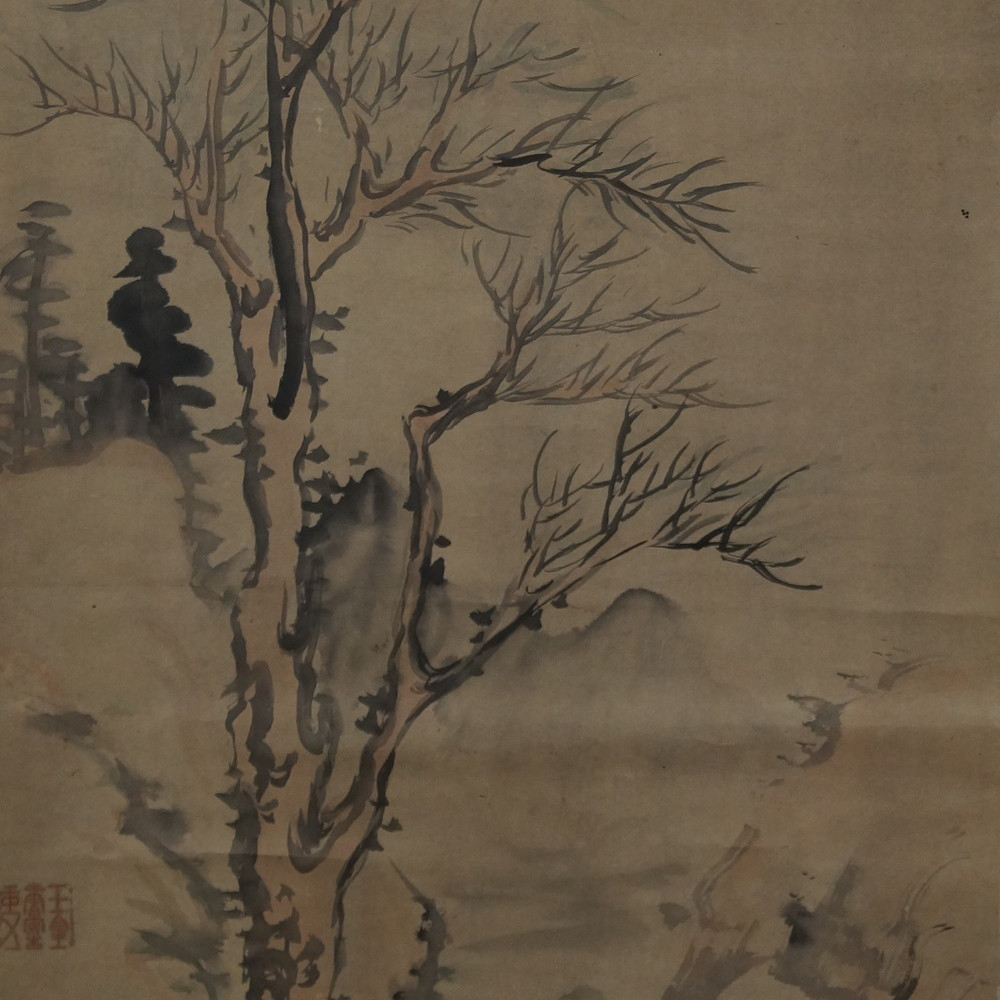
Winter Tree with Seated Scholar
Makuri, unique work, 120 x 42 cm
Sold
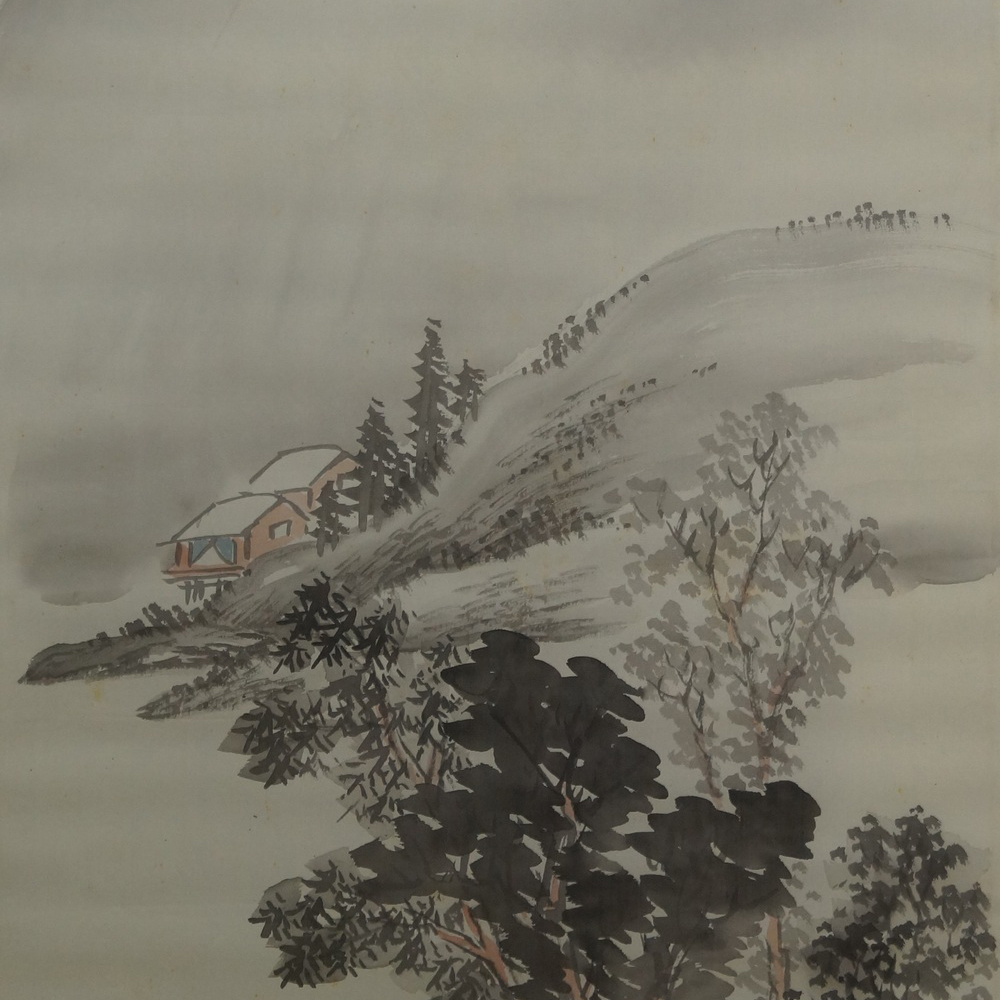
Mountain Village in the Fog
Makuri, unique work, 115 x 41 cm
Sold
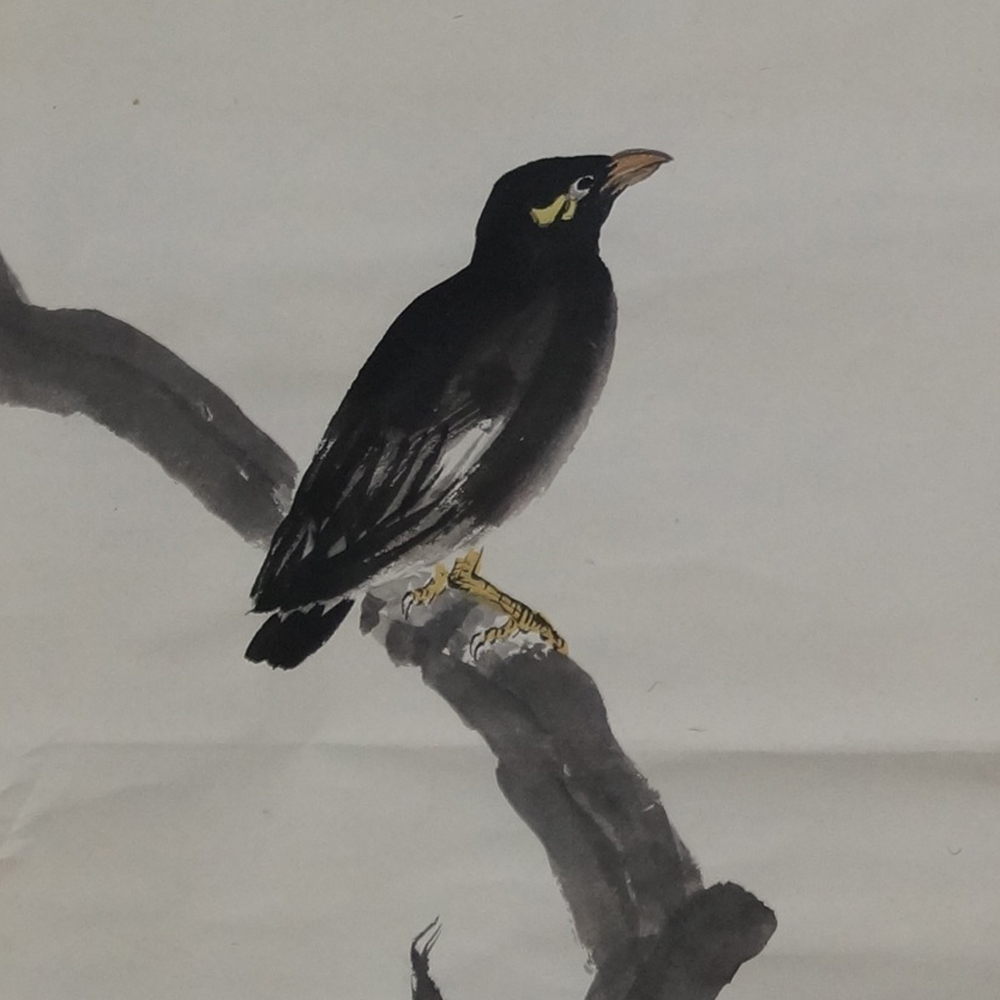
The Bird in the Pomegranate Tree
Makuri, unique work, 130 x 30 cm
Sold
17 of 17 items shown
Makuri: The Painting Before Mounting
A makuri is an unmounted sheet: the finished painting on its original honshi, the support of paper or silk, but without mounting, rods or hanging cord. Everything the mounter adds to a kakemono – the narrow ichimonji strips, the inner border, the fields of heaven and earth, the batten and the roller with its jikusaki – is still missing from a makuri. The picture itself is unaffected. Signature and seal belong to the sheet and sit exactly where the painter placed them in the composition.
The Usual State in Which a Picture Left the Studio
A makuri is not a scroll that has lost something. In Japan, the unmounted sheet was the usual state in which a work left the studio; it was mounted later, depending on its intended use. Mounting, hyōgu, is a craft of its own with its own history. The mounter, the hyōgu-shi, chooses fabrics to suit the motif, the period of the work and the occasion. Whoever acquires a makuri still has this decision about form and fabrics ahead of them – and can make it according to their own taste.
Makuri and Kakemono: The Difference
A kakemono is the joint work of two hands: the painter's and the mounter's. The painting is backed with several layers of washi and wheat starch paste, set in matching fabrics and stretched between a top batten and a bottom roller, so that it can be hung, rolled up again and stored in a wooden box. A makuri, by contrast, is the painter's work alone. It is stored flat, takes up hardly any space and usually costs less than a fully mounted scroll. For anyone starting to collect Japanese painting it is an honest way in: the same hand, the same material, just less around it.
Having It Mounted as a Kakemono
If a makuri is to become a hanging scroll, a hyōgu-shi is the right person to turn to; besides the workshops in Japan, there are a few specialized studios in Europe as well. Japanese mountings follow fixed types: the widespread yamato-hyōgu works with three fabrics in graded order and distinguishes three degrees of formality, shin, gyō and sō, while the bunjin-hyōgu surrounds the picture with a single fabric on all sides. A cool blue-gray can pick up the tone of an ink landscape, a warm golden ochre can answer blossoms. Such a mounting takes time and money, because the work is moistened and dried again and again between steps. In return you get a scroll whose setting you helped to choose.
A Frame Instead of a Scroll
A makuri can just as well be framed. For many homes this is the obvious solution, since a framed picture needs no wall of scroll height and fits into an existing arrangement. One basic difference should be kept in mind: a kakemono is made to be changed and hangs for only a few weeks at a time, while a framed picture usually hangs permanently. That makes the location all the more important. Direct sunlight visibly bleaches plant dyes, indigo and silk within a few months, and air from radiators makes paper brittle. A quiet interior wall with indirect light is the right choice.
Motifs and Supports
Makuri carry the same motifs as mounted scrolls. Typical makuri subjects include a tiger in a peaceful pose on fine silk, two playful puppies, a poet searching for a verse, a lily with a bee, a snowy winter landscape with thatched huts, bamboo before the full moon, and a morning glory on a narrow strip of paper. Most sheets date from the Shōwa period (1926–1989), and all are painted by hand. Paper is the most common support; some works are executed on silk.
Storage and Care
A makuri is stored flat and dry, ideally between sheets of acid-free paper in a dark place with an even temperature. As with any scroll, a relative humidity of about 50 to 60 percent is a good guide: below that, paper becomes brittle; above it, mold and foxing threaten. Handle the sheet only with clean, dry hands, because skin oil leaves permanent marks on silk. Never clean it with moisture, since neither ink nor pigments are waterproof.
What Collectors Look For
Since no mounting distracts from the painting, all attention rests on the picture itself. Slight yellowing is normal on older sheets; a closer look is needed for foxing in the middle of the picture, brittle silk and creases that run through the painting. Check the dimensions of the sheet if you are planning a mounting or a frame. And take your time with the brushwork: without brocade or frame, the painter's hand shows itself especially directly.