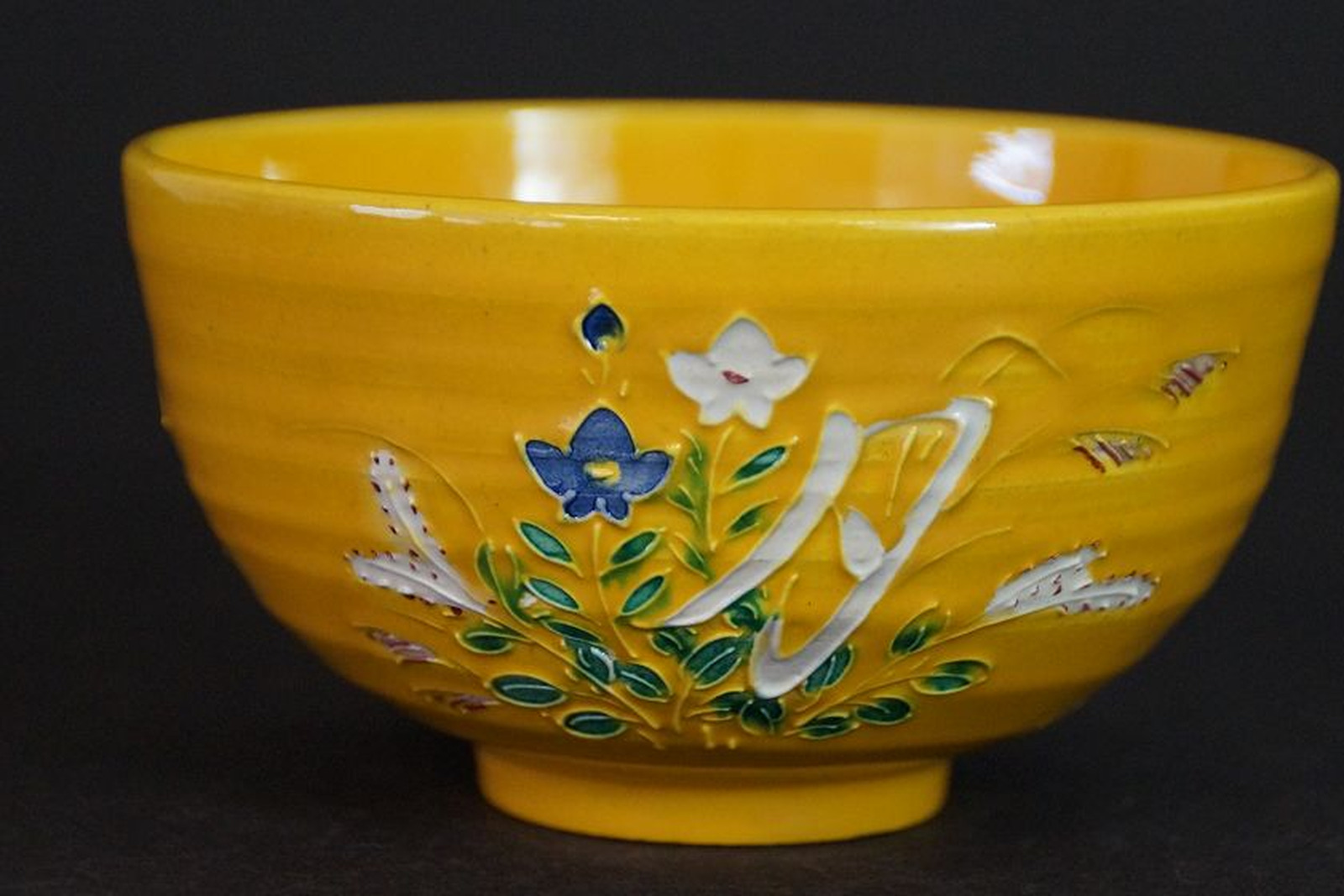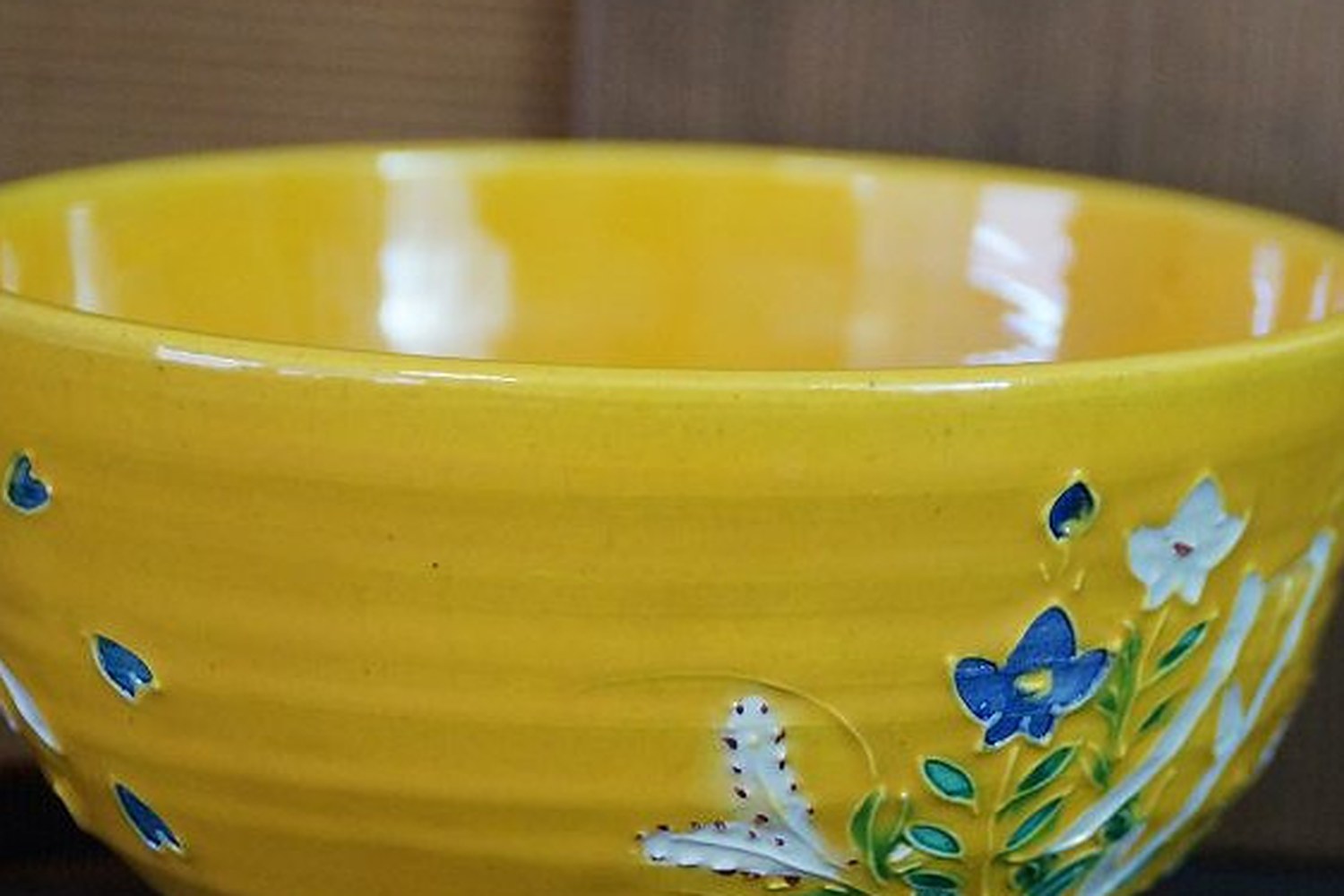
Japanese Kyoto Ware
Go directly to the artworksIn brief
Kyoto ware (京焼, Kyō-yaki) is the collective term for ceramics and porcelain made in the city of Kyoto. Unlike Bizen or Hagi, the name does not stand for a particular clay, glaze or firing method but for a place – the workshops on the eastern slopes of the old capital, which also gave rise to the name Kiyomizu-yaki. Because Kyoto has no clay deposits of its own, the focus has always been on precise shaping, glaze and decoration, from colorful overglaze enamels to calm crackle glazes. At Densho you will find handmade Kyoto chawan, guinomi and tokkuri as one-of-a-kind pieces direct from Japan.
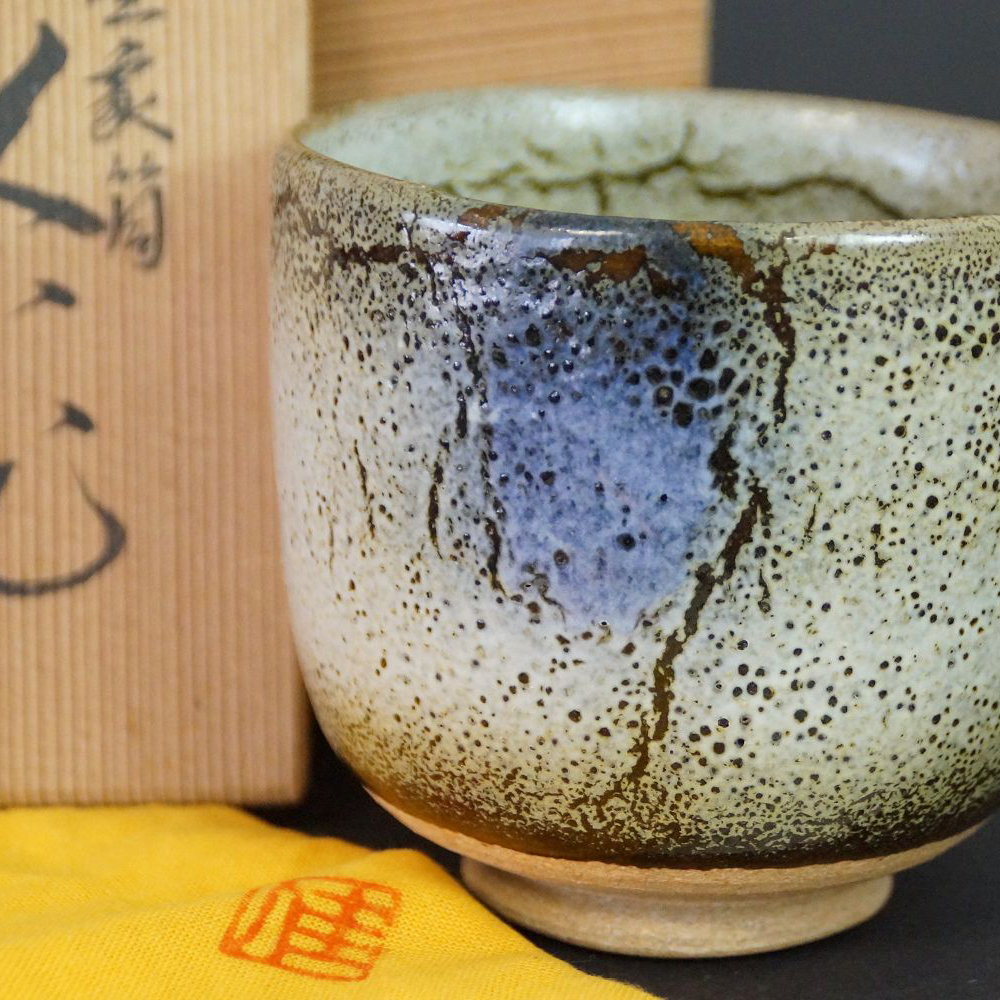

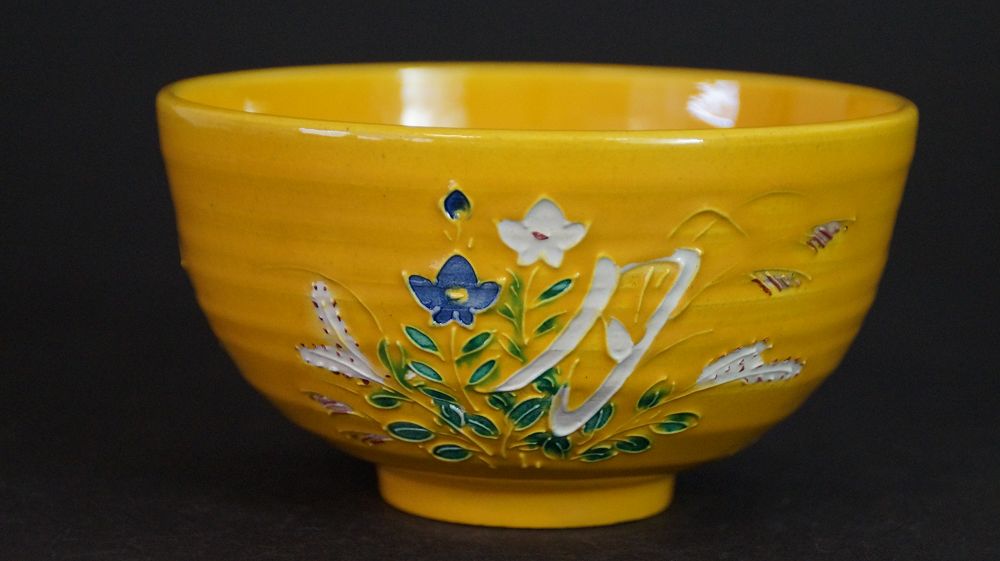
Yoshihisa Inoue
Chawan Tea Bowl Made of Kyoto Ware by Yoshihisa Inoue
Chawan, unique work, with box, 9,5 x 10 cm
€290.00
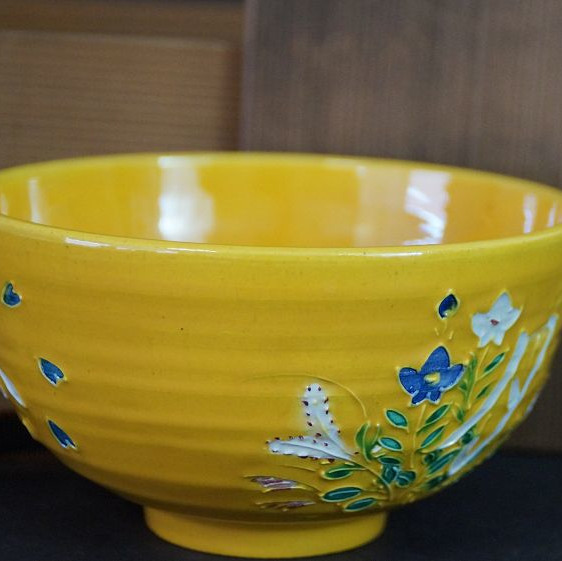
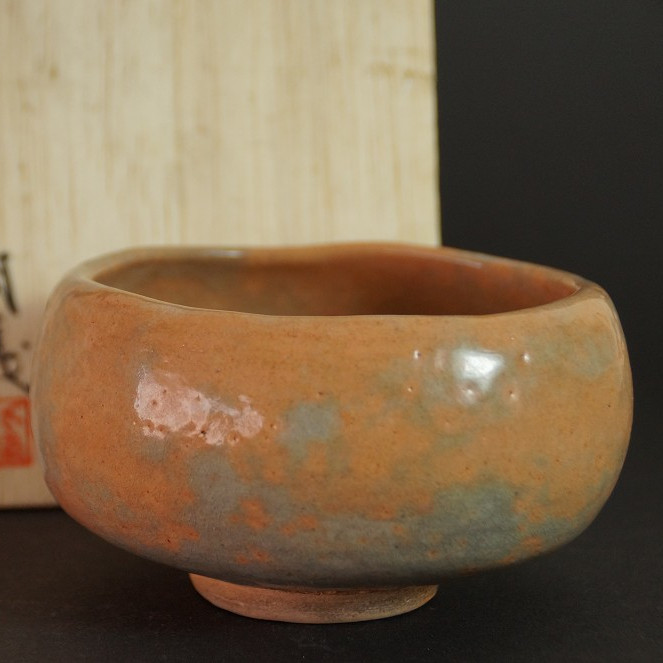
Roseki Akazawa
Chawan Made of Kyoto Ware by Roseki Akazawa
Chawan, unique work, 7,5 x 12,5 cm
€280.00

Meigi
Chawan Made of Kyoto Ware by Meigi
Chawan, unique work, with box, 7 x 13 cm
€410.00
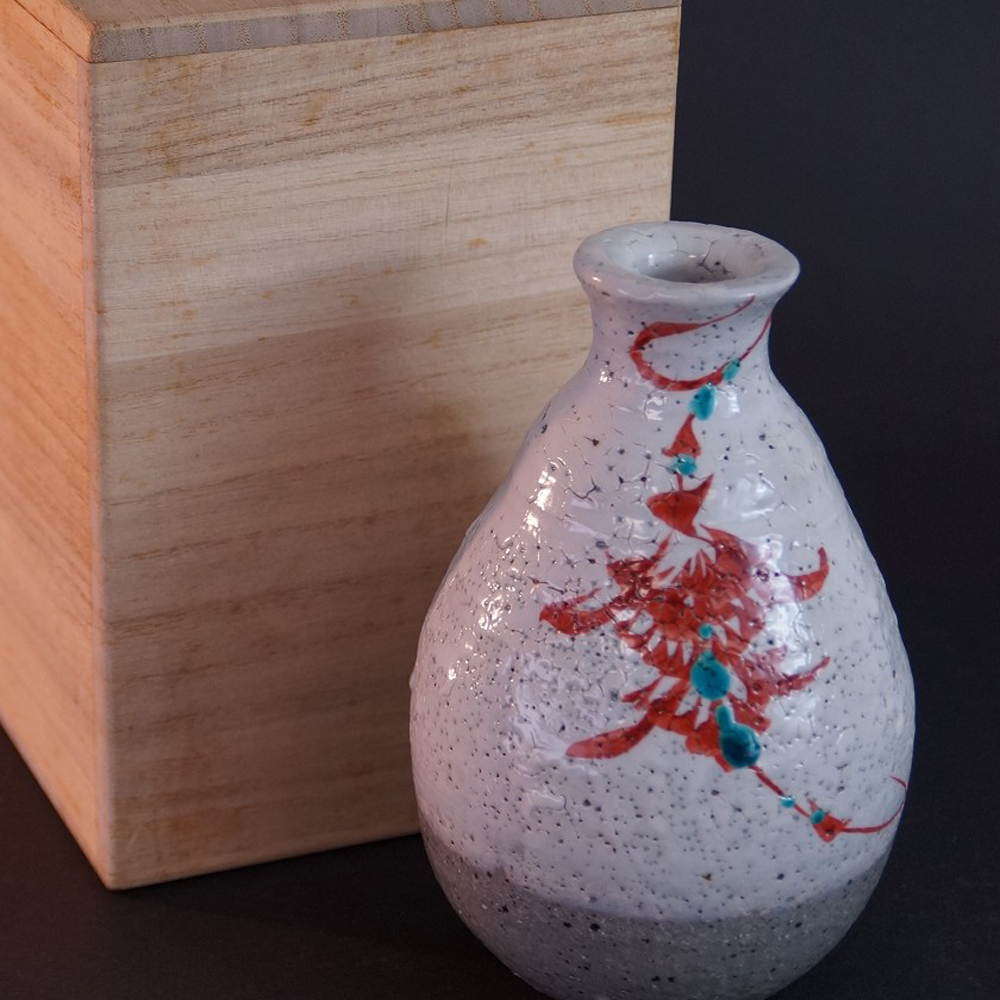

Suzuki Takuji
Tokkuri Made of Kyoto Ware by Takuji Suzuki
Tokkuri, unique work, with box, 15 x 8 cm
€370.00
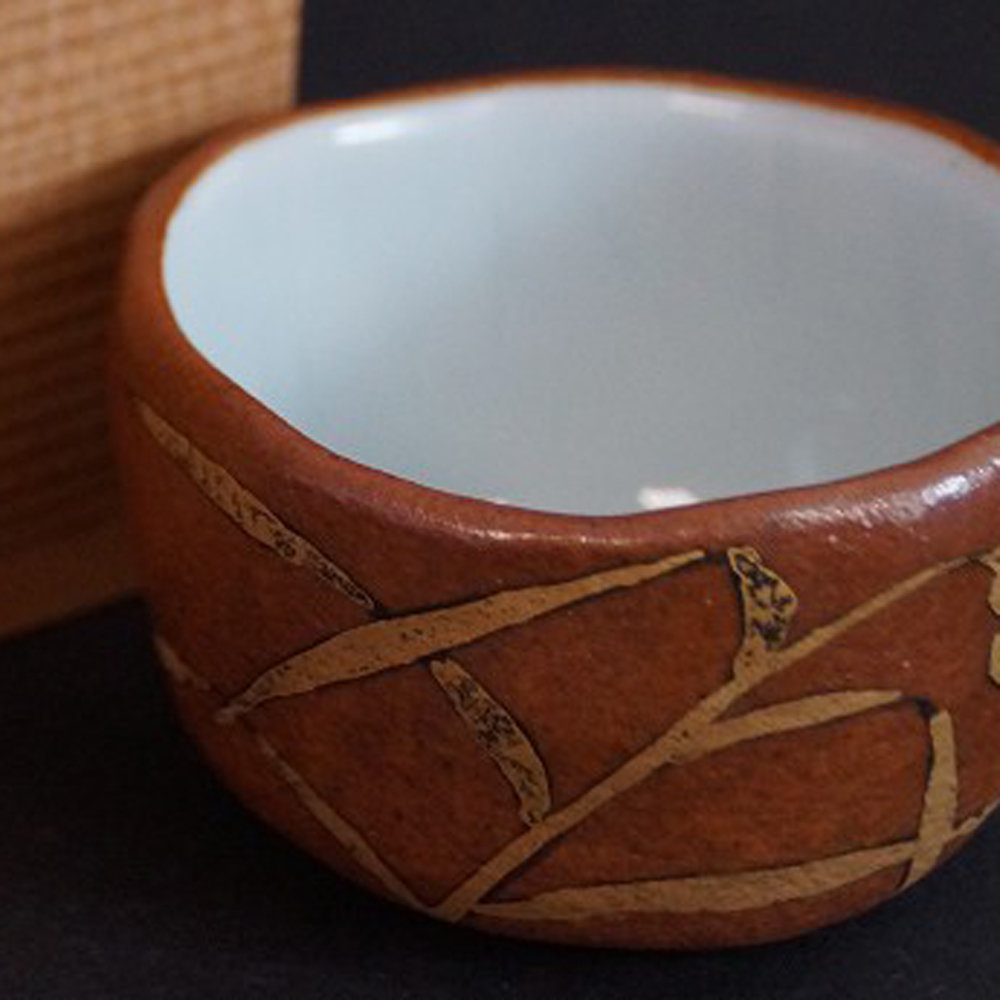

Ogawa Takeo
Guinomi Made of Kyoto Ware by Ogawa Takeo
Guinomi, unique work, with box, 4 x 7 cm
€340.00
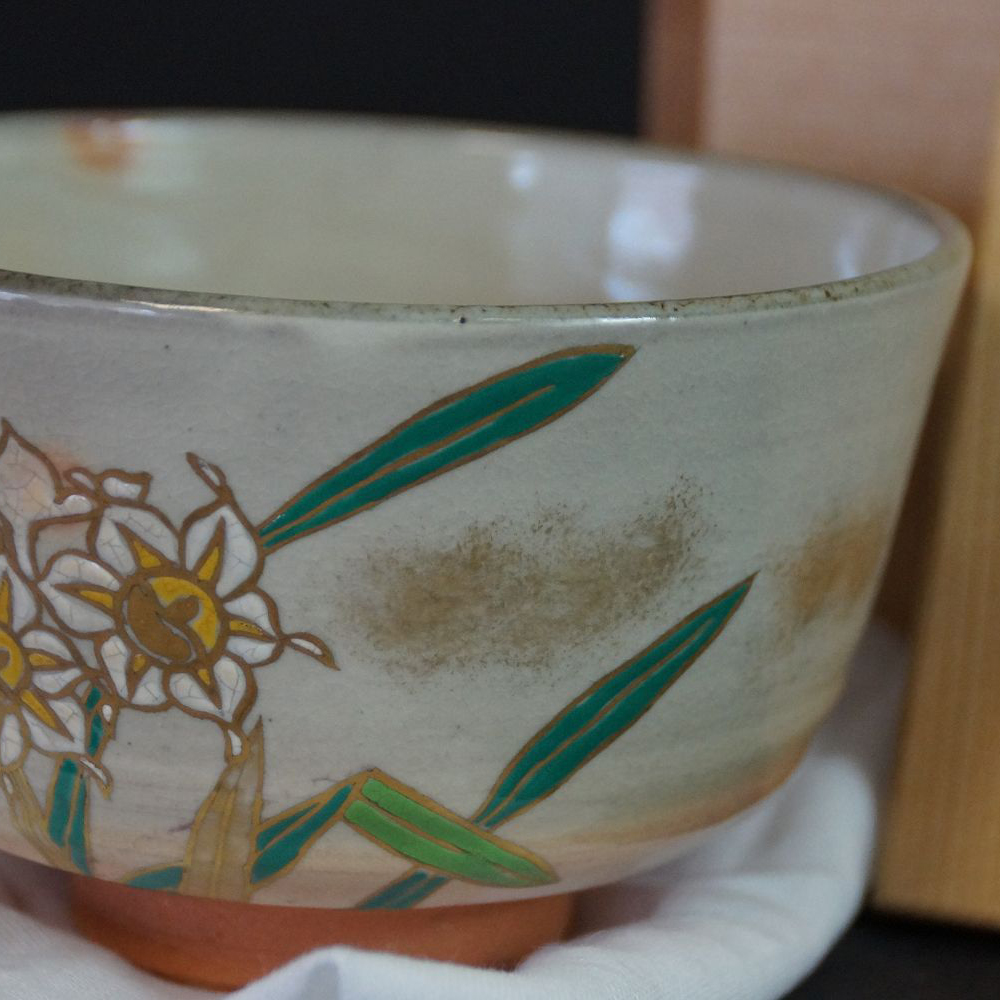
Hashimoto Eihō
Chawan Tea Bowl Made of Kyoto Ware by Hashimoto Eiho
Chawan, unique work, with box, 12 x 8 cm
Sold
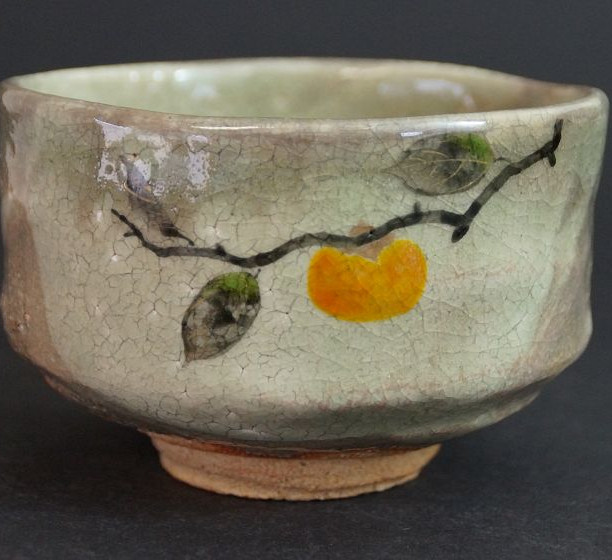
Seizan Hoki
Chawan Made of Kyoto Ware by Seizan Hoki
Chawan, unique work, with box, 7,5 x 12 cm
Sold
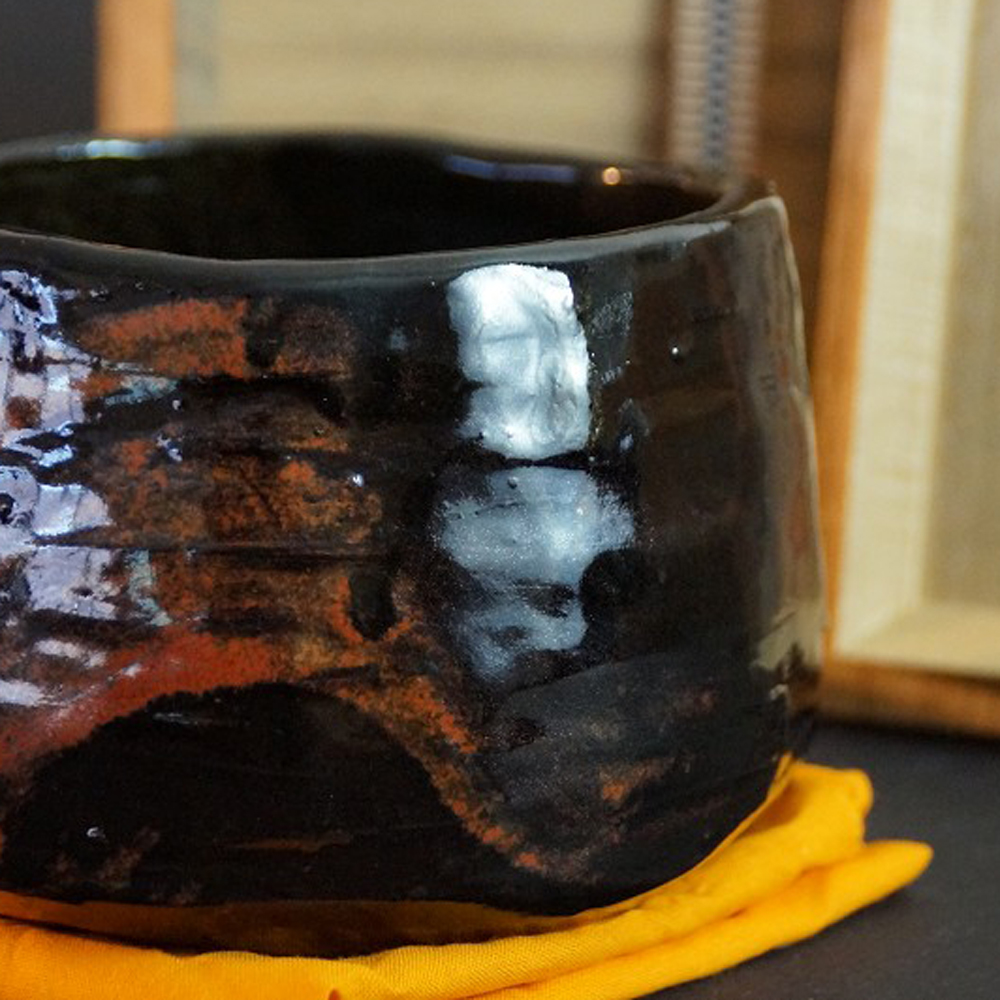
Kaneko Sadahiro
Chawan Made of Kyoto Ware by Kaneko Sadahiro
Chawan, unique work, 9 x 12 cm
Sold
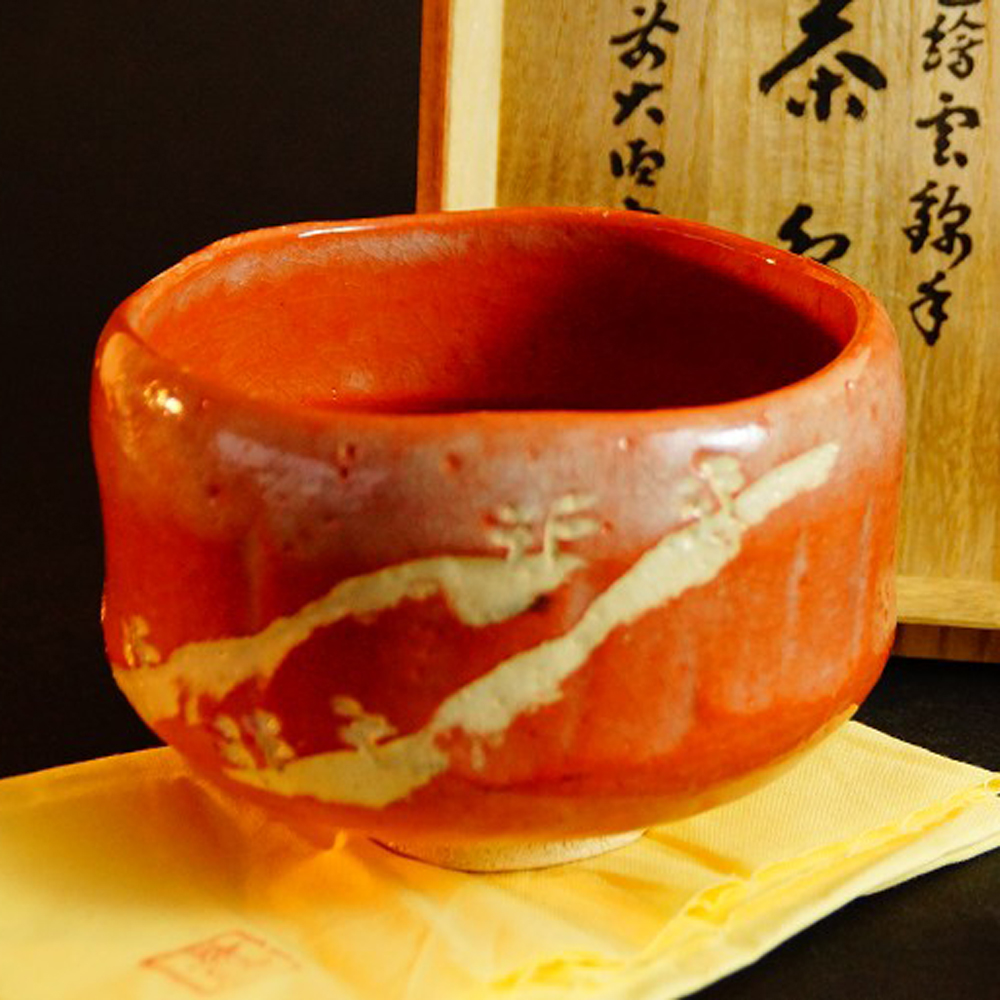
Yoshimura Raku
Chawan Tea Bowl Made of Kyoto Ware by Yoshimura Raku
Chawan, unique work, 8,5 x 11 cm
Sold
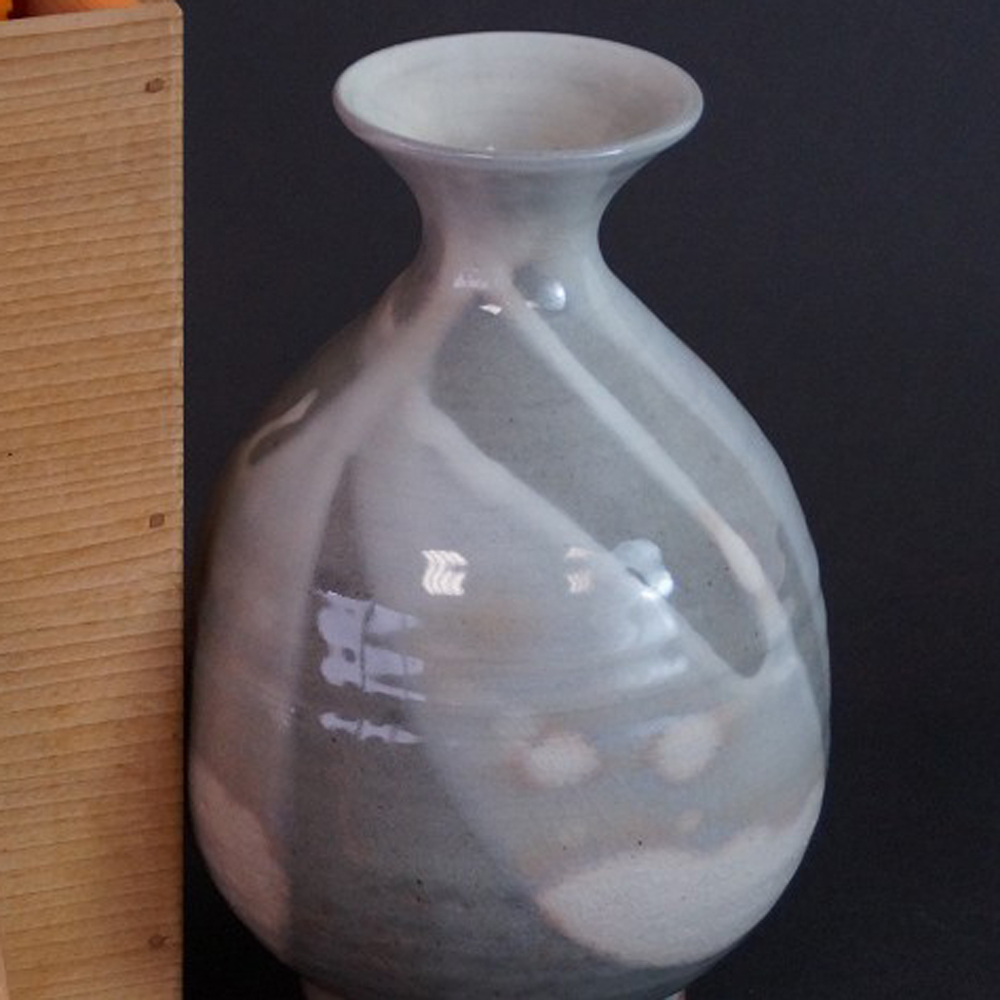
Koun Miyagawa
Tokkuri Made of Kyoto Ware by Koun Miyagawa
Tokkuri, unique work, with box, 15 x 10 cm
Sold
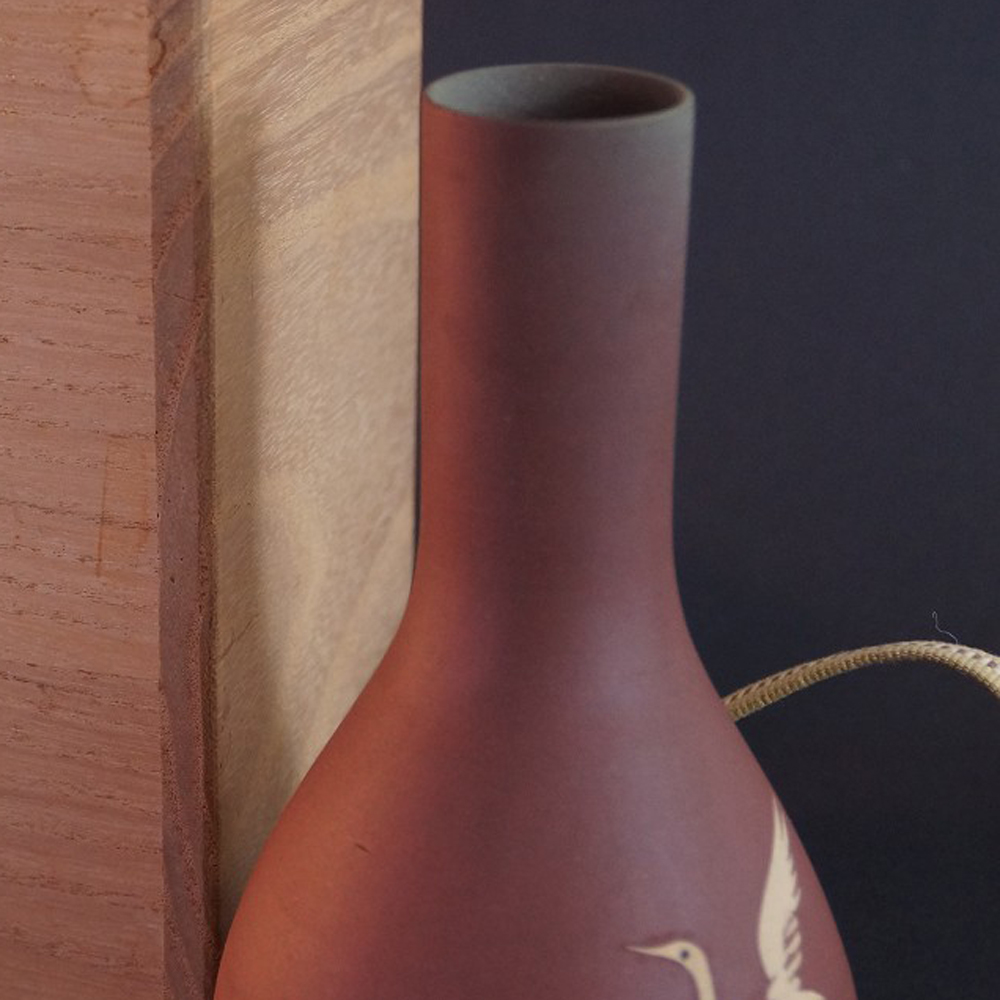
Masayuki Imai
Handcrafted Japanese Kyo Vase by Masayuki Imai
Vase, unique work, with box, 18 x 9 cm
Sold
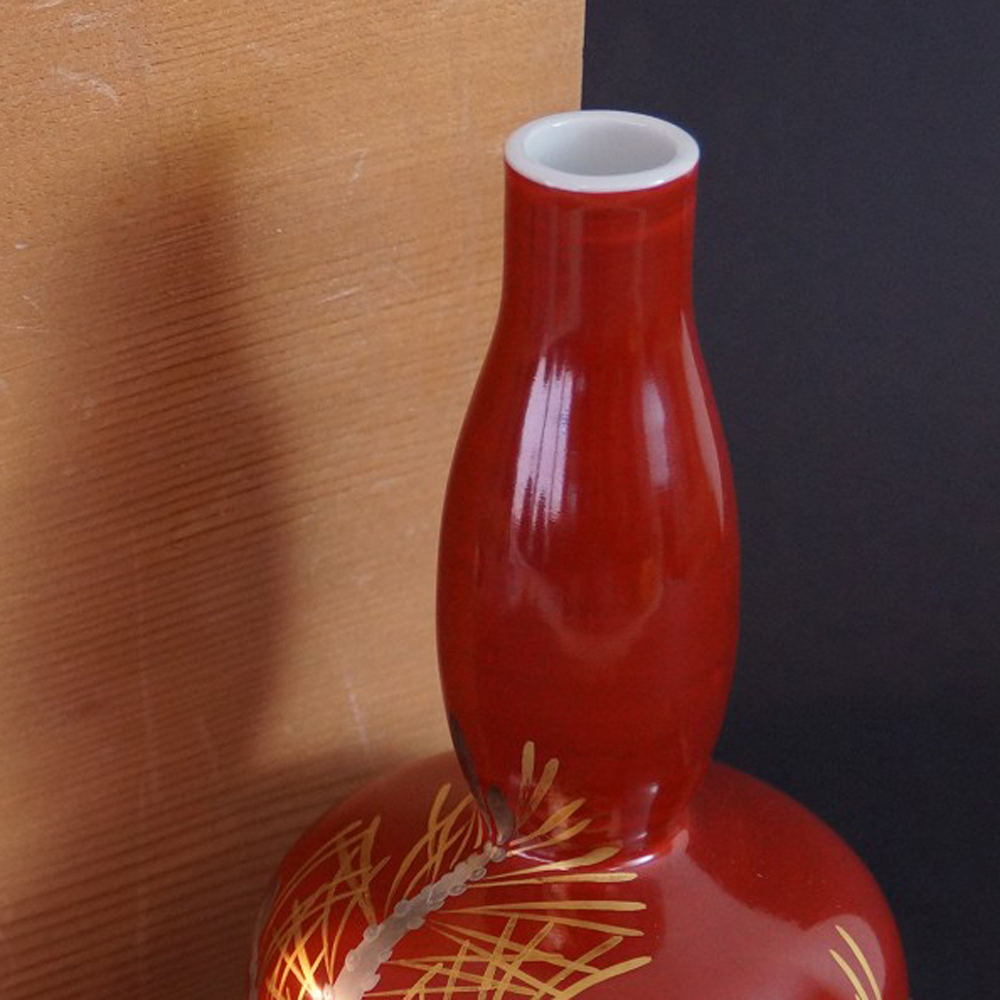
Handcrafted Japanese Kyo Vase
Vase, unique work, with box, 21 x 10 cm
Sold
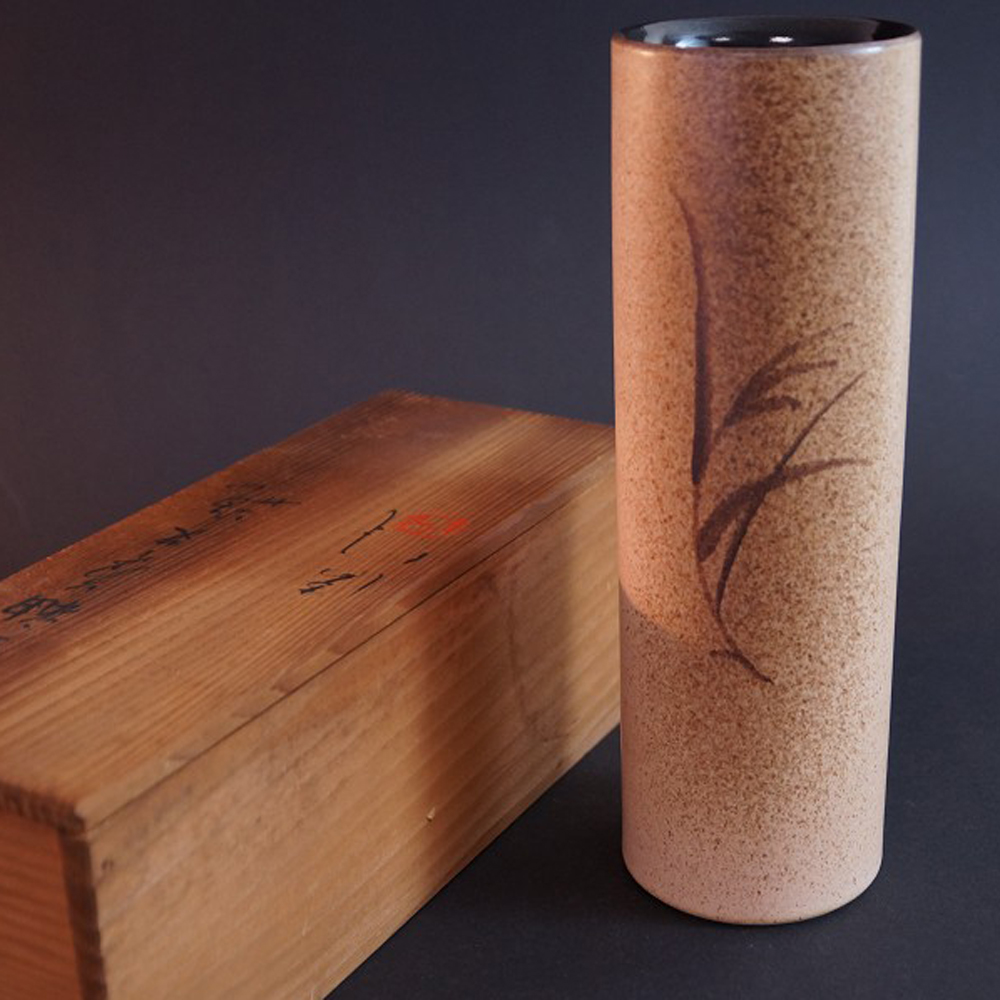
Seitoku Kawai
Handcrafted Japanese Vase by Seitoku Kawai
Vase, unique work, with box, 22 x 7 cm
Sold

Kiyoraku Heian
Yunomi Made of Kyoto Ware by Kiyoraku Heian
Yunomi, unique work, with box, 9,5 x 9 cm
Sold

Kuroraku - Chawan Made of Kyoto Ware
Chawan, unique work, with box, 8 x 12 cm
Sold
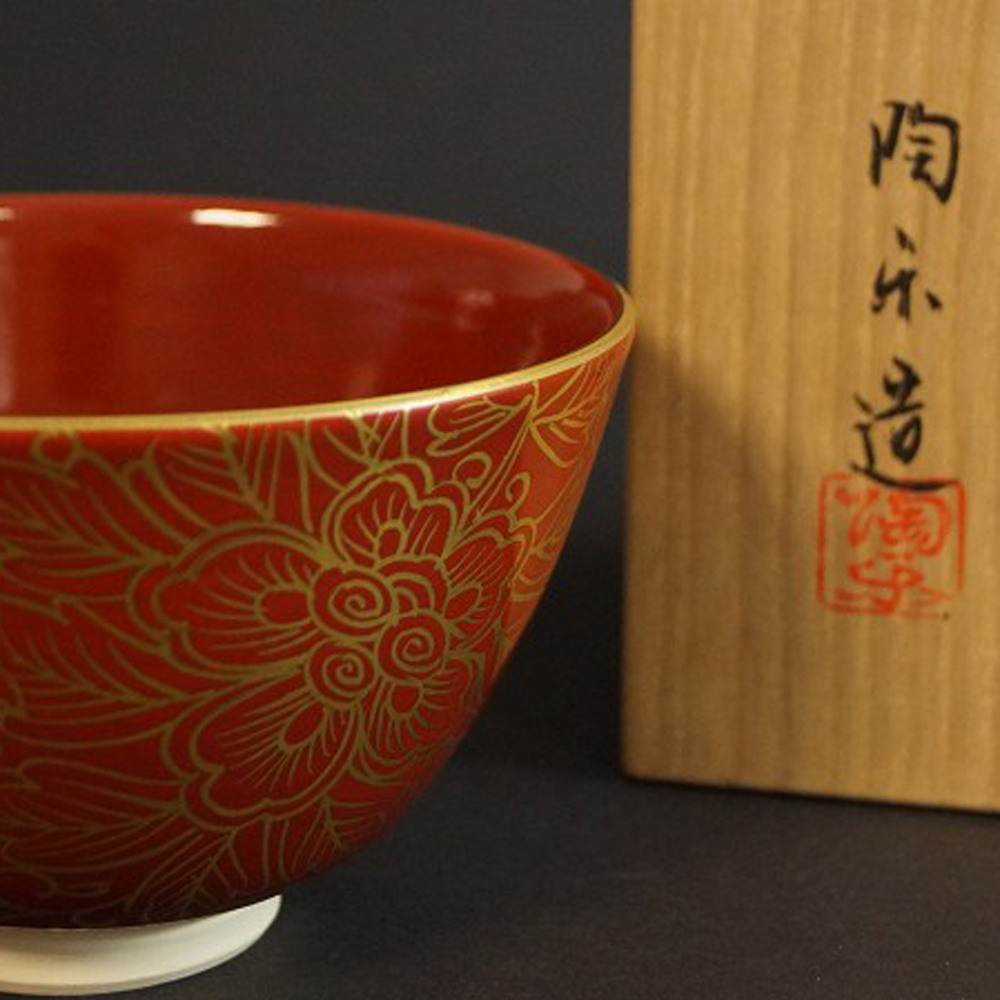
Toraku Morisato
Chawan with Peonies Made of Kyoto Ware by Toraku Morisato
Chawan, unique work, with box, 7,5 x 12,5 cm
Sold
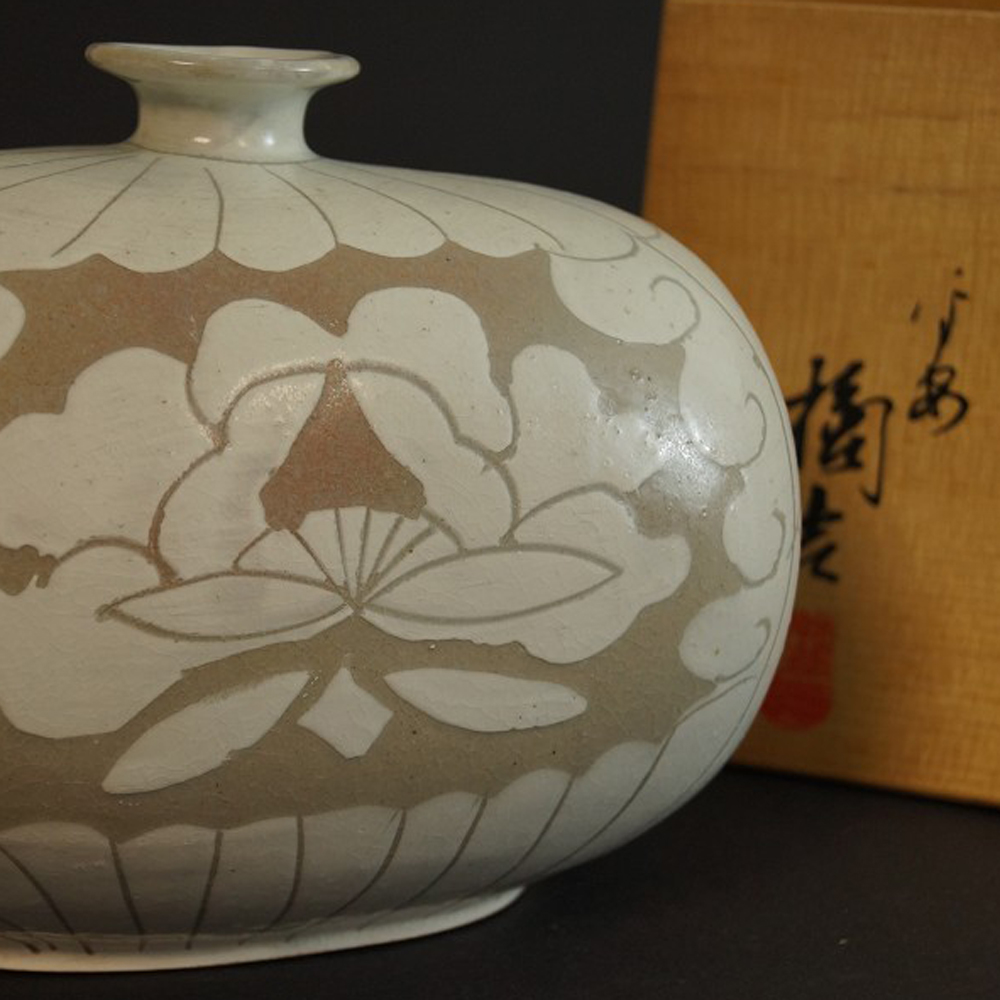
Handcrafted Japanese Vase Kyoto Ware
Vase, unique work, with box, 22 x 11 cm
Sold
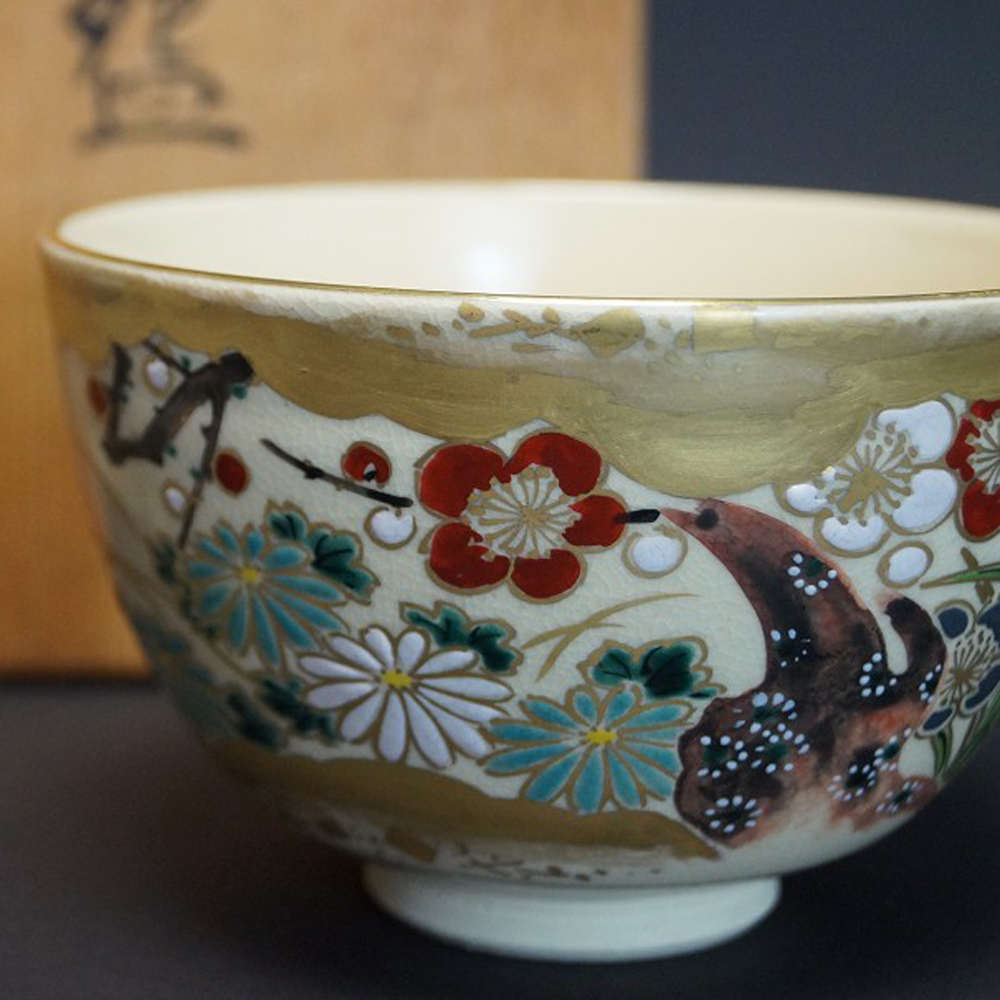
Kansai Tsuji
Chawan Made of Kyoto Ware by Kansai Tsuji
Chawan, unique work, with box, 8 x 13 cm
Sold
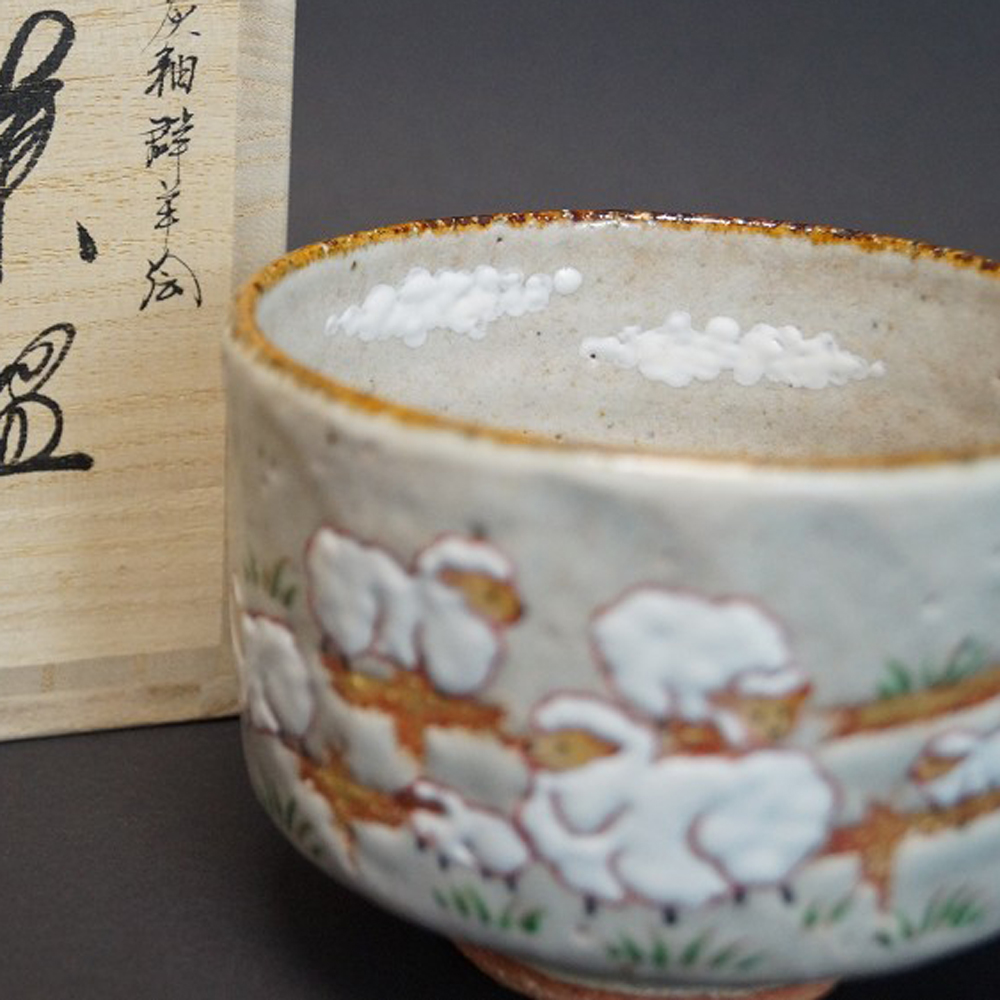
Ryoji Nakamura
Chawan Made of Kyoto Ware by Ryoji Nakamura
Chawan, unique work, with box, 8 x 10,5 cm
Sold
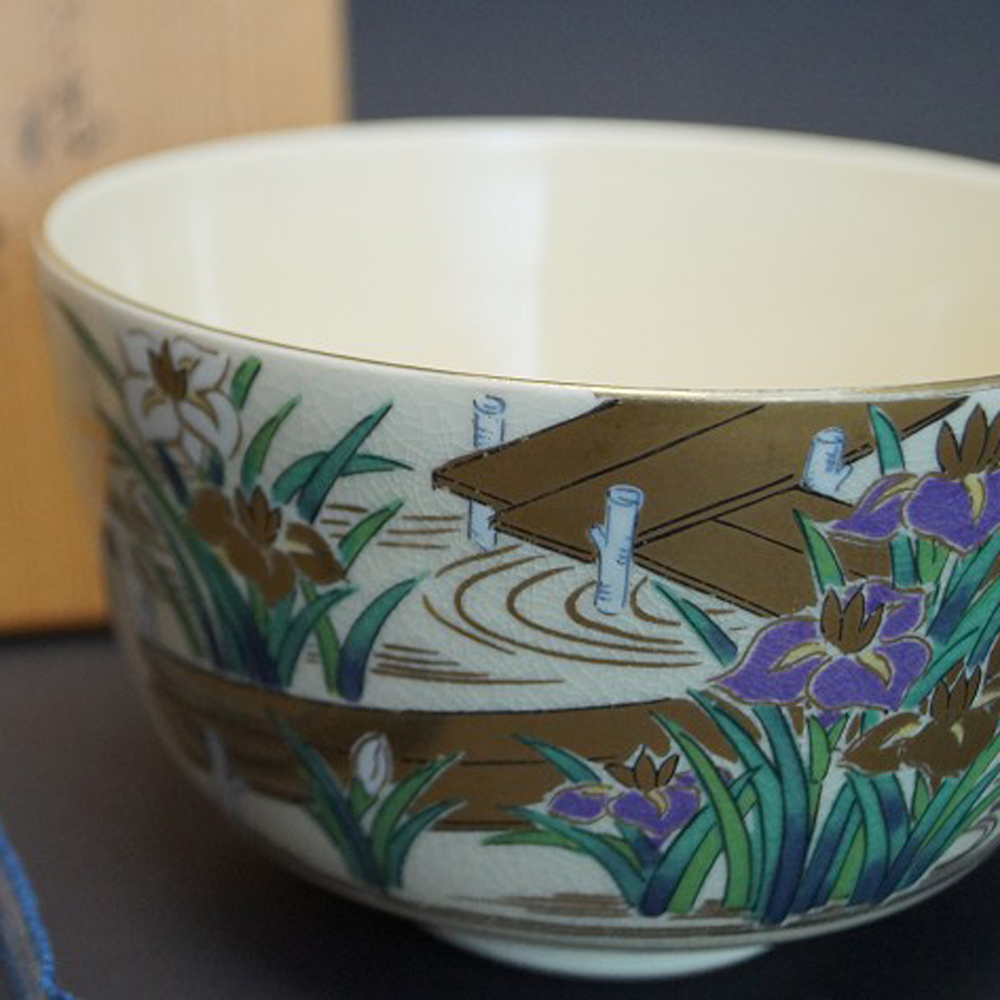
Hashimoto Eihō
Chawan with Iris Motif Made of Kyoto Ware by Eiho Hashimoto
Chawan, unique work, with box, 7 x 12 cm
Sold
20 of 20 items shown
Kyō-yaki: the ceramics of a city
Most Japanese ceramic traditions can be defined by a process: Bizen is fired unglazed in a wood kiln, Hagi wears its fine web of crackle, Shino its thick white feldspar coat. With Kyō-yaki (京焼), literally "fired in the capital", that logic breaks down. A bright yellow tea bowl with painted flowers, a sake cup with a golden branch and a thin porcelain dish may all be called Kyoto ware. What unites them is neither clay nor glaze, but their origin in the workshops of a city where for centuries the court, the great temples and the tea masters were the most demanding clientele.
Kiln districts and the name Kiyomizu-yaki
Historically, several kiln districts belonged to Kyō-yaki: Awataguchi, Omuro near Ninna-ji temple, Yasaka, Mizoro and Kiyomizu on the slopes below Kiyomizu-dera. They emerge clearly around 1600; the decisive step was the noborigama, a climbing chamber kiln built into the hillside that reached higher and more even temperatures. During the Meiji era most districts closed, and the name Kiyomizu-yaki remained – today it is mostly used interchangeably with Kyoto ware. Since 1977 the craft has been officially recognized as a traditional craft under the name Kyō-yaki · Kiyomizu-yaki.
Ninsei, Kenzan and color over the glaze
The turning point came with Nonomura Ninsei, who built his kiln in Omuro in 1647. He transferred colorful overglaze enamels, until then known mainly from porcelain, to thrown stoneware for the tea ceremony – with blossoms, landscapes and gold accents. His pupil Ogata Kenzan (1663–1743) treated bowls and plates like paper, painting them with grasses, plum branches or verses, often together with his brother, the Rinpa painter Ogata Kōrin. This union of painting, poetry and vessel still shapes Kyoto ceramics today.
From stoneware to porcelain
Until the 18th century, Kyoto's kilns worked almost exclusively in stoneware. Okuda Eisen (1753–1811) was the first in Kyoto to succeed in making porcelain, following Chinese models of the Ming period. His circle produced potters such as Aoki Mokubei, Nin'ami Dōhachi and Eiraku Hozen, famous for kinrande – gold decoration on a colored ground. They reinterpreted Chinese and Korean models in their own way. Since then, stoneware and porcelain have stood side by side in Kyoto.
Material, firing and decoration
Because Kyoto has no significant clay deposits of its own, clay is brought in from other regions and blended in the workshop, often from kaolin, kibushi clay, quartz and feldspar. The character therefore comes not from local material but from the hand: evenly thrown walls, a cleanly cut kōdai (foot ring) and color applied with the brush. From the 1960s many workshops moved to the Yamashina district; today firing is mostly done with gas and electricity, in small batches and several firing stages up to the final overglaze firing.
How to recognize Kyoto ware
Kyō-yaki cannot be pinned down by a single surface. In the pieces of our selection the range extends from deep yellow glaze with raised floral decoration, irises in the classic yatsuhashi motif and peonies in gold on red to pale glazes with fine crackle and deep black. The real hallmark lies one level deeper, in the care: a thinly drawn, perfectly round rim, a glaze that stops exactly where intended, a decoration that follows the curve of the vessel. Add to this the habit of marking every piece with a potter's mark or seal.
Use: tea bowl, sake and season
Kyoto was the center of tea culture, and many pieces were commissioned for a particular occasion or season. A chawan with irises belongs to early summer, plum branches to late winter. If you drink matcha, a Kyoto tea bowl is made to be used; guinomi (sake cups) and tokkuri (sake flasks) accompany an evening of sake, while vases add a quiet accent in the tokonoma or the living room.
Care
Rinse tea bowls right after use with hot water and a soft sponge, without dish soap, since glazed ceramics with crackle and an unglazed foot ring absorb fragrances. Overglaze enamels and gold painting tolerate neither abrasives nor the dishwasher nor the microwave. Let each piece air-dry completely, upside down or tilted, before it goes back into its cloth and wooden box.
What collectors look for
Since Kyoto ware has no single style, it pays to look at workshop and hand: a signature or seal on the base, the inscribed wooden box and the condition of the gold and enamel decoration. Many collectors choose less by style than by the piece that convinces in the hand – lighter than it looks, with a rim that rests smoothly against the lip.