Buddhist and Zen Painting from Japan
Go directly to the artworksIn brief
Buddhist and Zen Buddhist painting is one of the oldest pictorial traditions of Japan and encompasses depictions of Buddha, Bodhisattvas, Zen masters such as Daruma, as well as abstract symbols such as the Ensō, the circle painted with a single brushstroke. The Ensō is regarded as an expression of emptiness, imperfection, and the present moment, and is one of the best-known motifs of Zen art. Such works historically often originated in a monastic setting and served both meditation and teaching. At densho.art you will find hand-painted Kakemono with Buddhist and Zen motifs as one-of-a-kind pieces from Japan.
Ueda Gizan
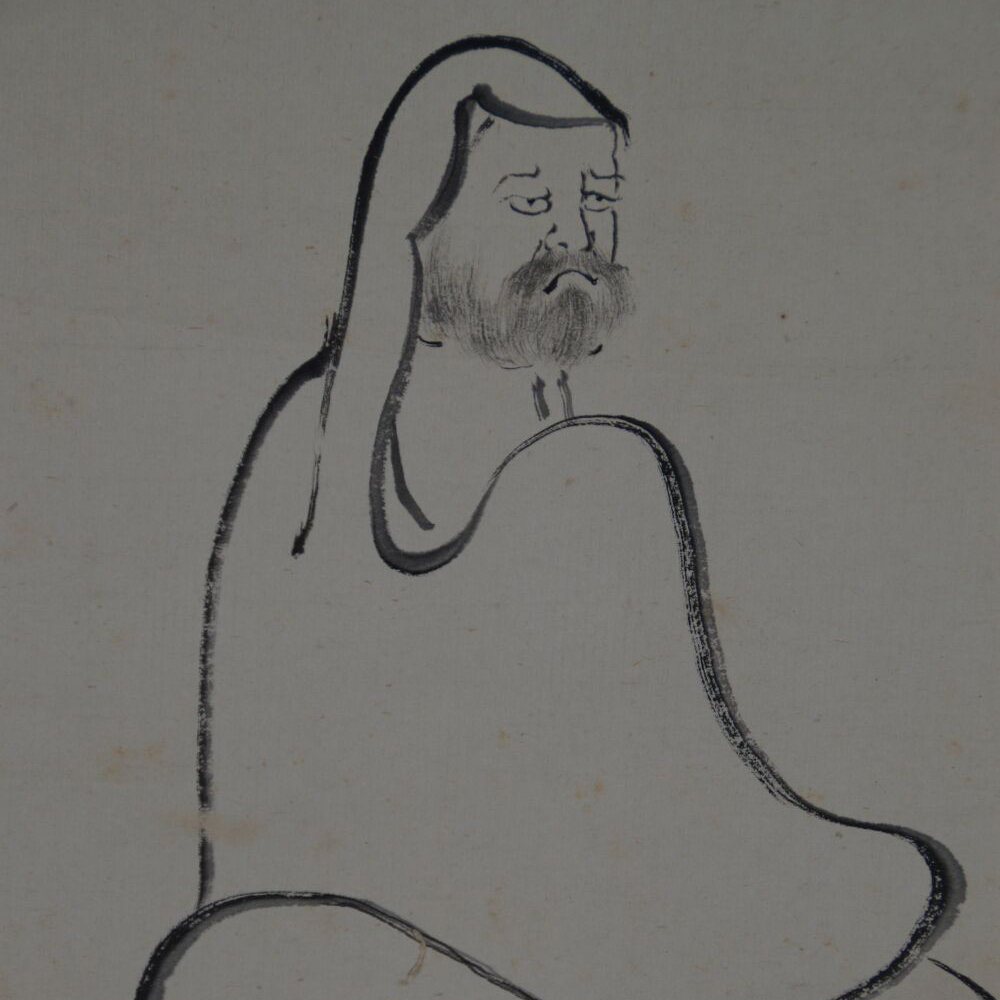
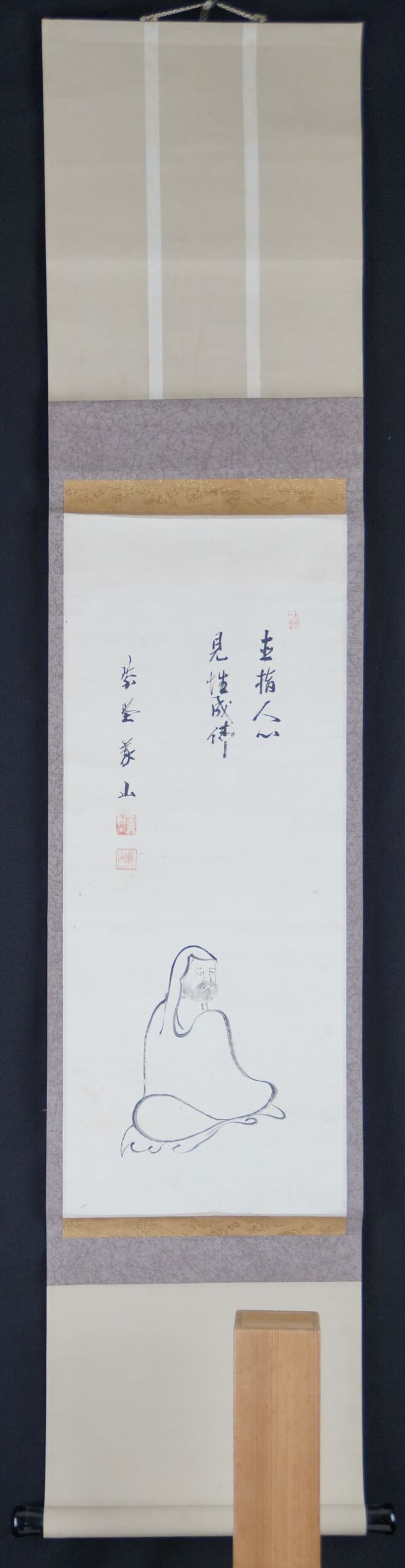
Bodhidharma - Straight to the Heart
Kakemono, unique work, with box, 135 x 34 cm
€450.00
Kobayashi Taigen
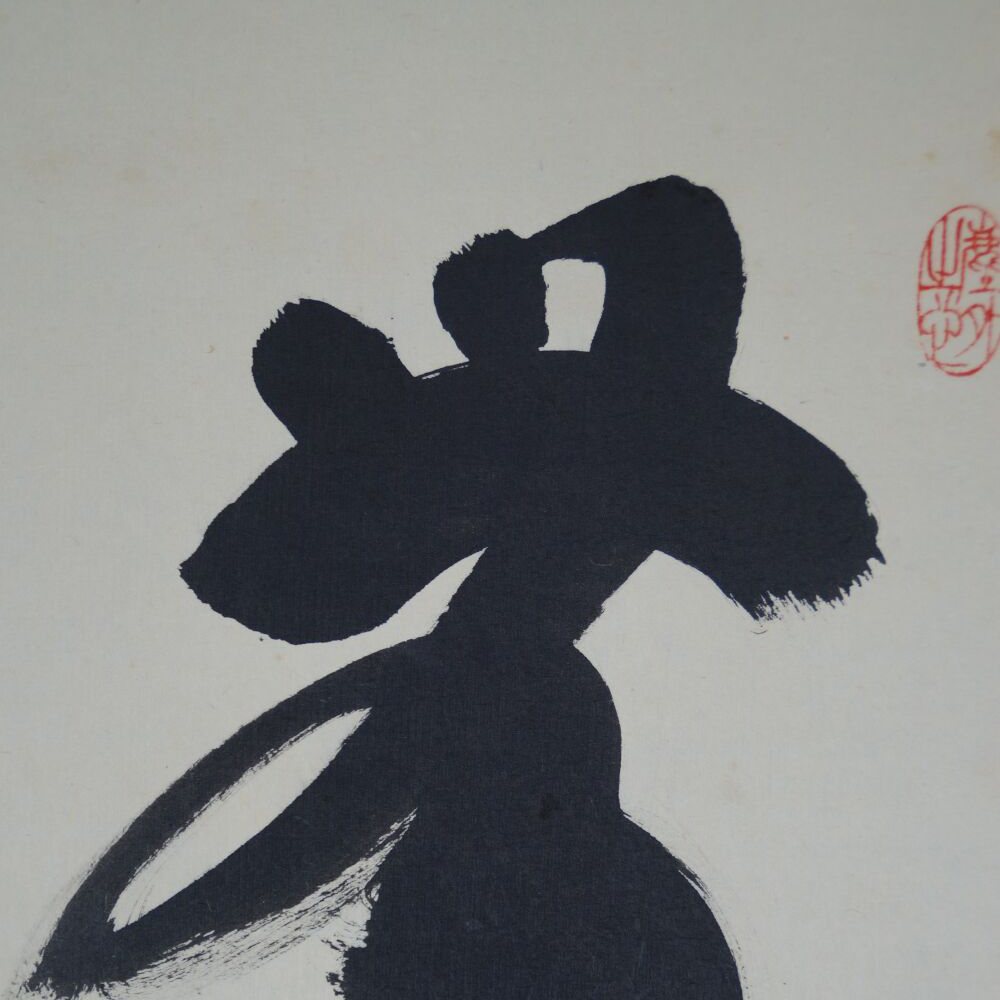
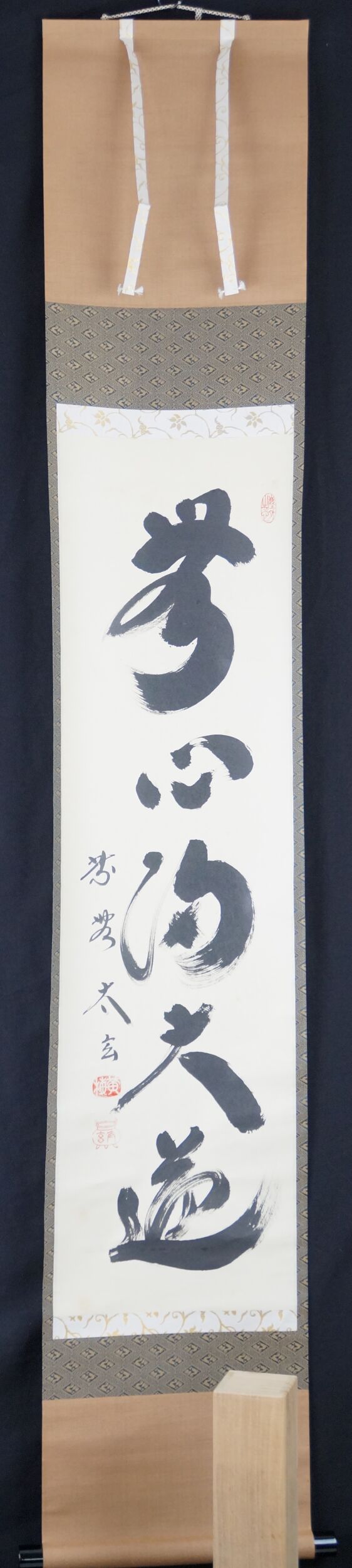
No-Mind on the Great Way – Zen Calligraphy, Olive Mounting
Kakemono, unique work, with box, 176 x 36 cm
€690.00

Kobayashi Taigen
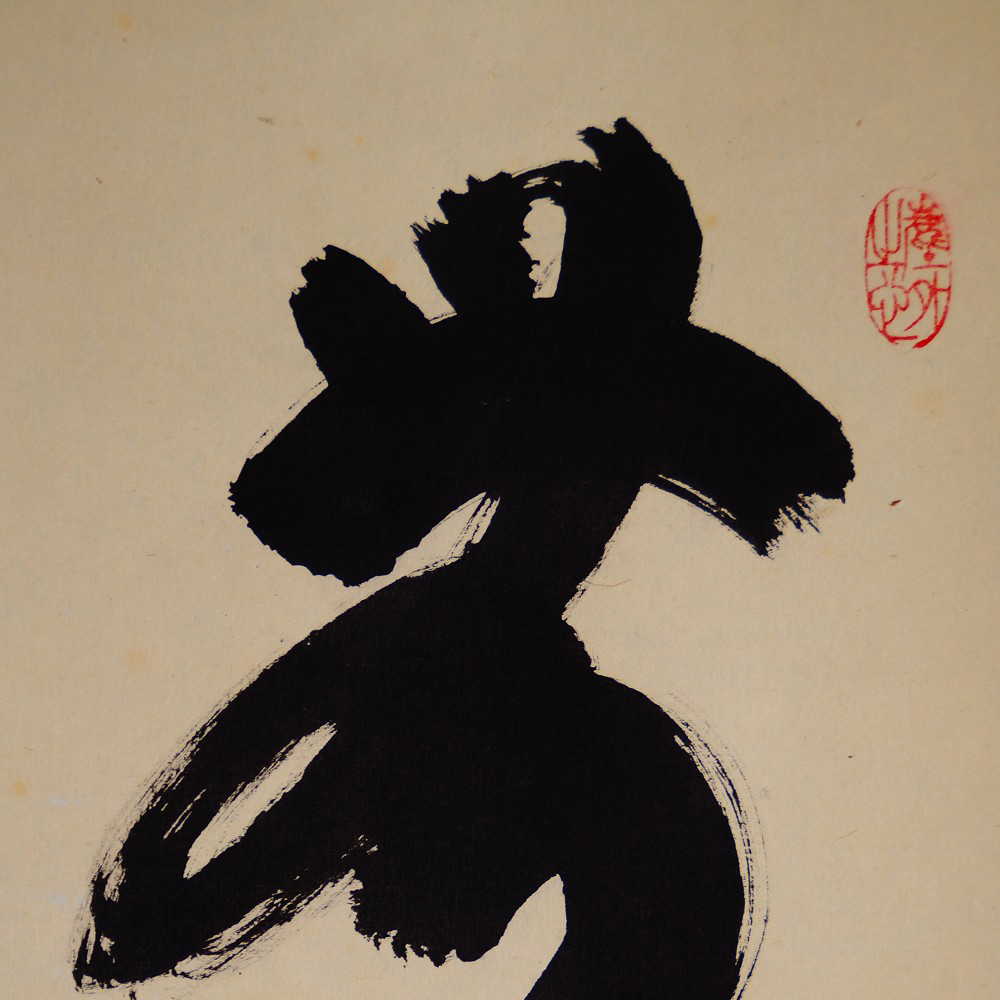
No Mind, the Great Way – Zen Calligraphy, Gold-Mounted
Kakemono, unique work, with box, 173 x 37 cm
€720.00
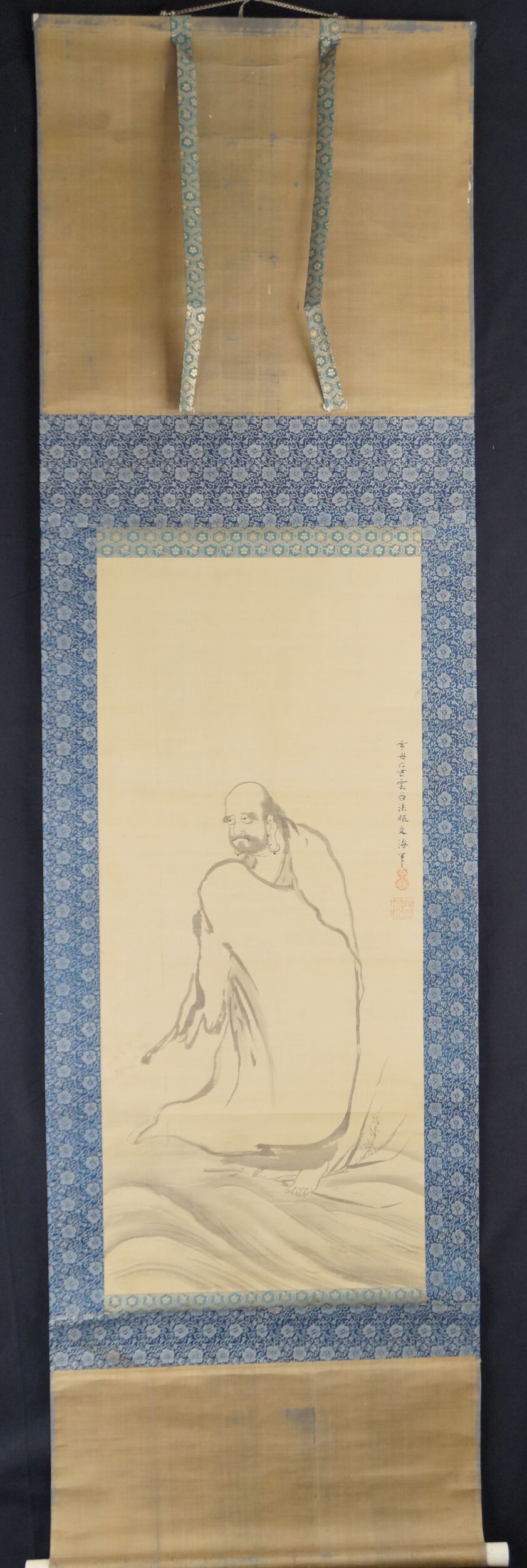
Unkoku Tōban
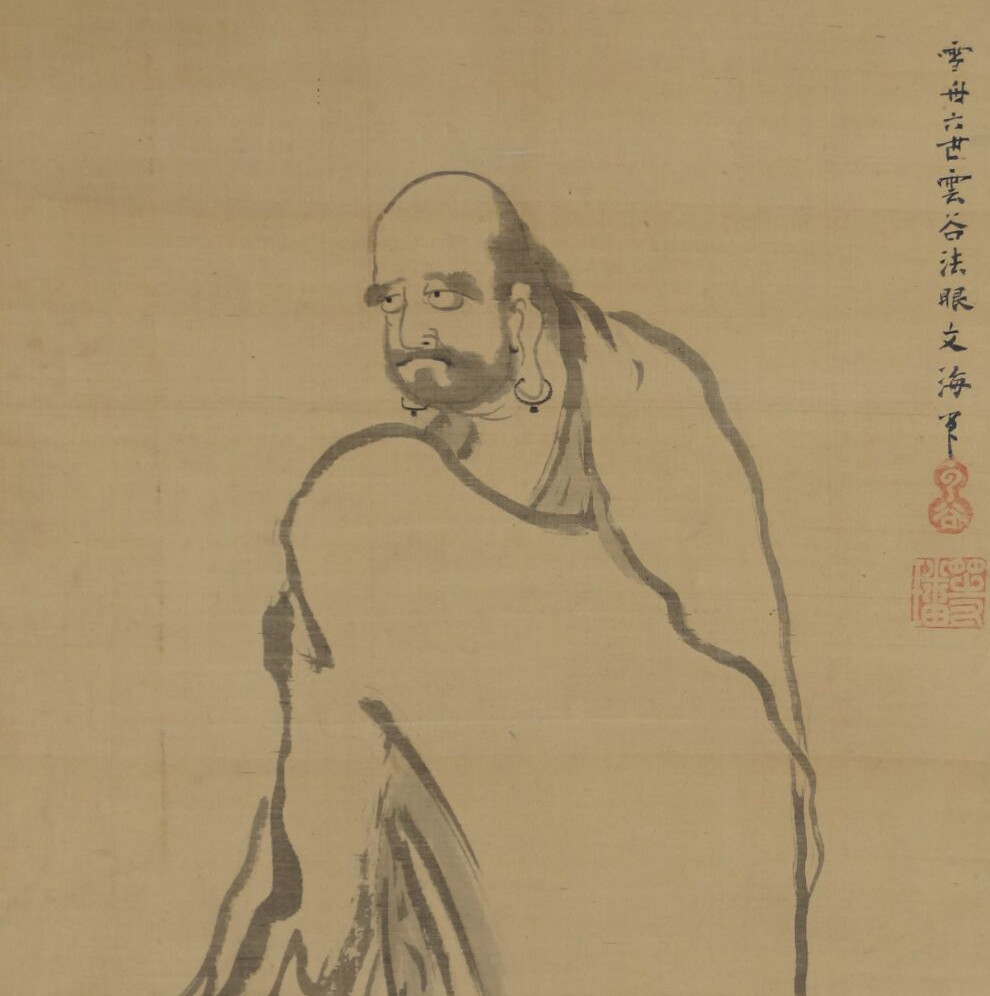
Bodhidharma on the Way
Kakemono, unique work, 168 x 52 cm
€550.00
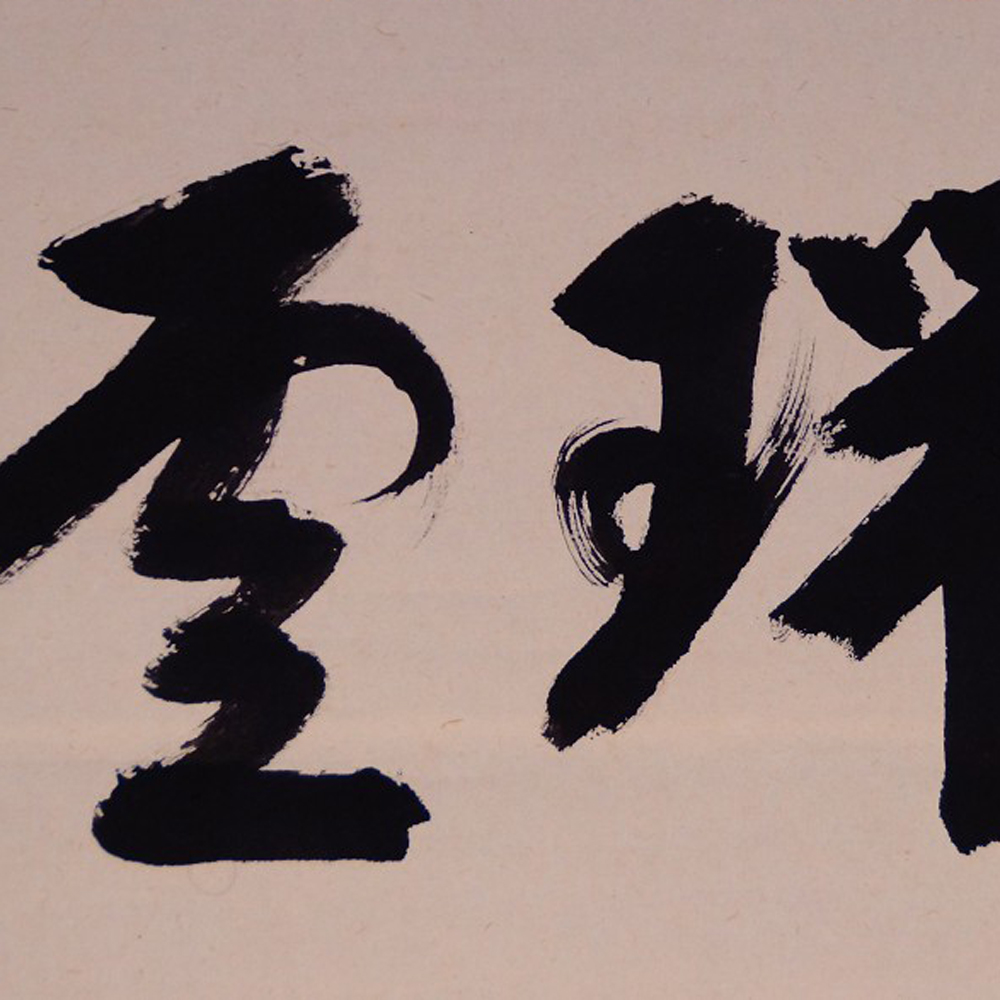

Satō Bokudō
"Zui-un" (like clouds and water) - Zen Calligraphy
Kakemono, unique work, with box, 114 x 58 cm
€490.00
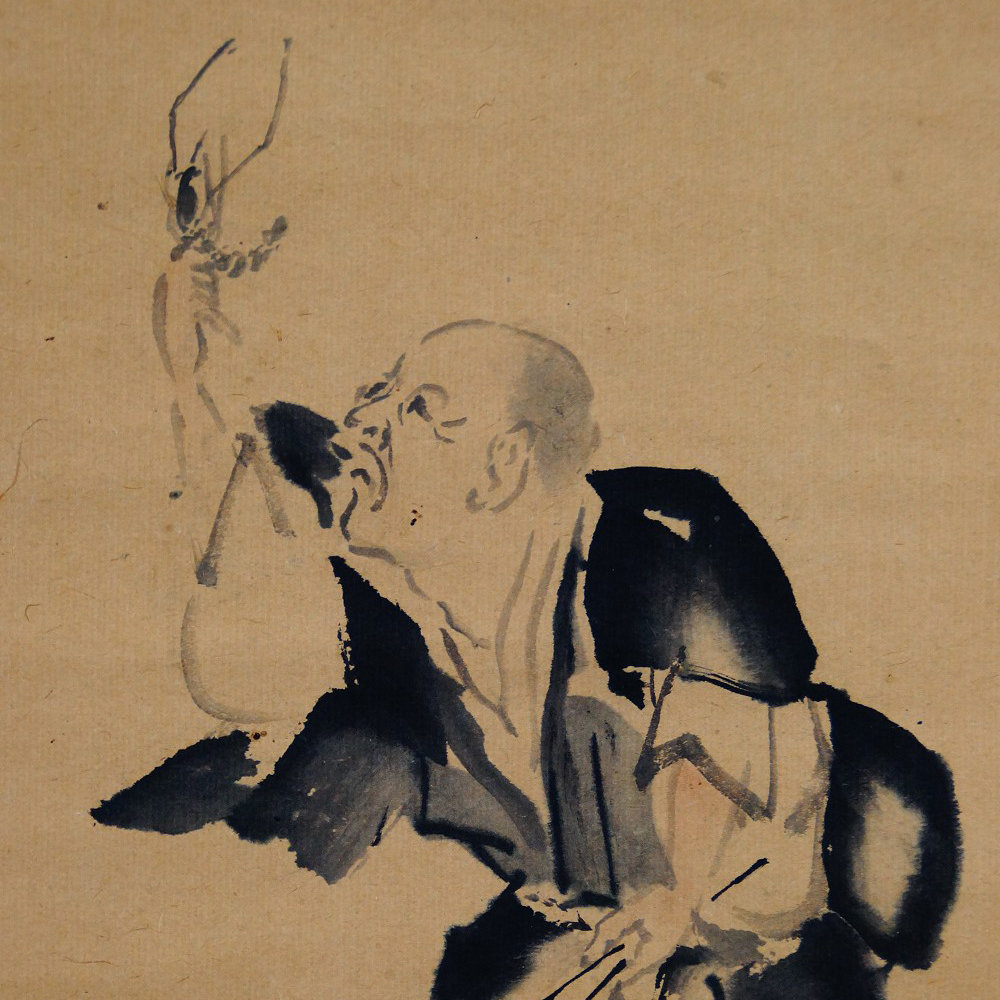

Yamauchi Kōsetsu
Monk Catching Shrimp
Kakemono, unique work, 186 x 45 cm
€270.00
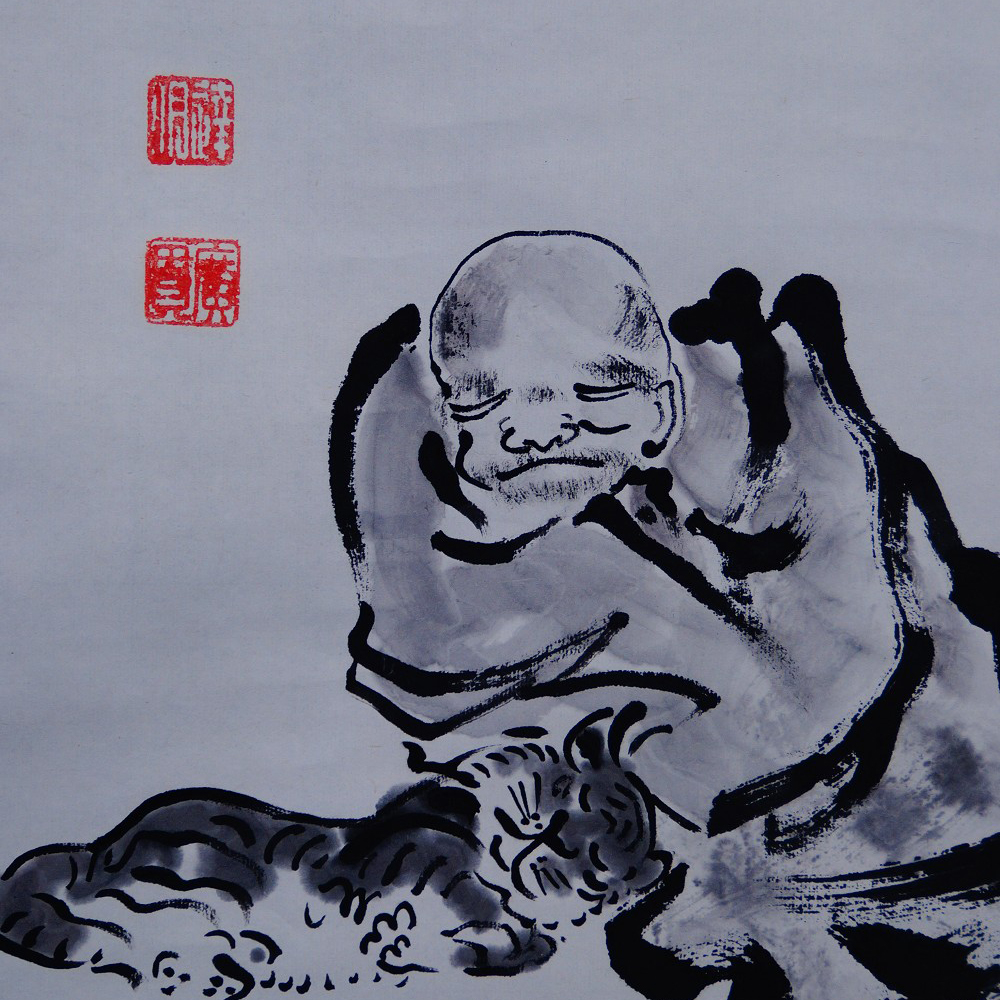

Akamatsu Tatsuaki
Zen Master Hokan
Kakemono, unique work, with box, 185 x 37 cm
€690.00
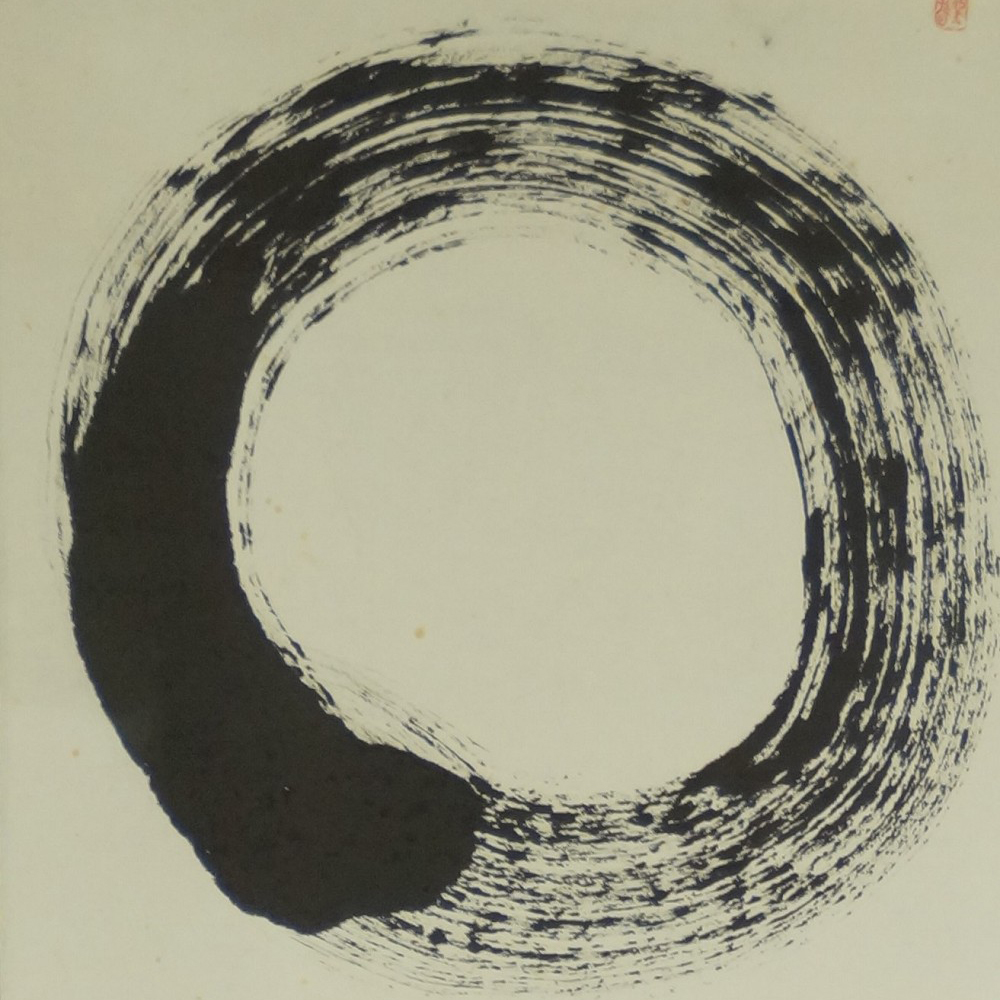

Ueda Yoshizan
Enso - Calligraphy
Kakemono, unique work, with box, 187 x 39 cm
€540.00
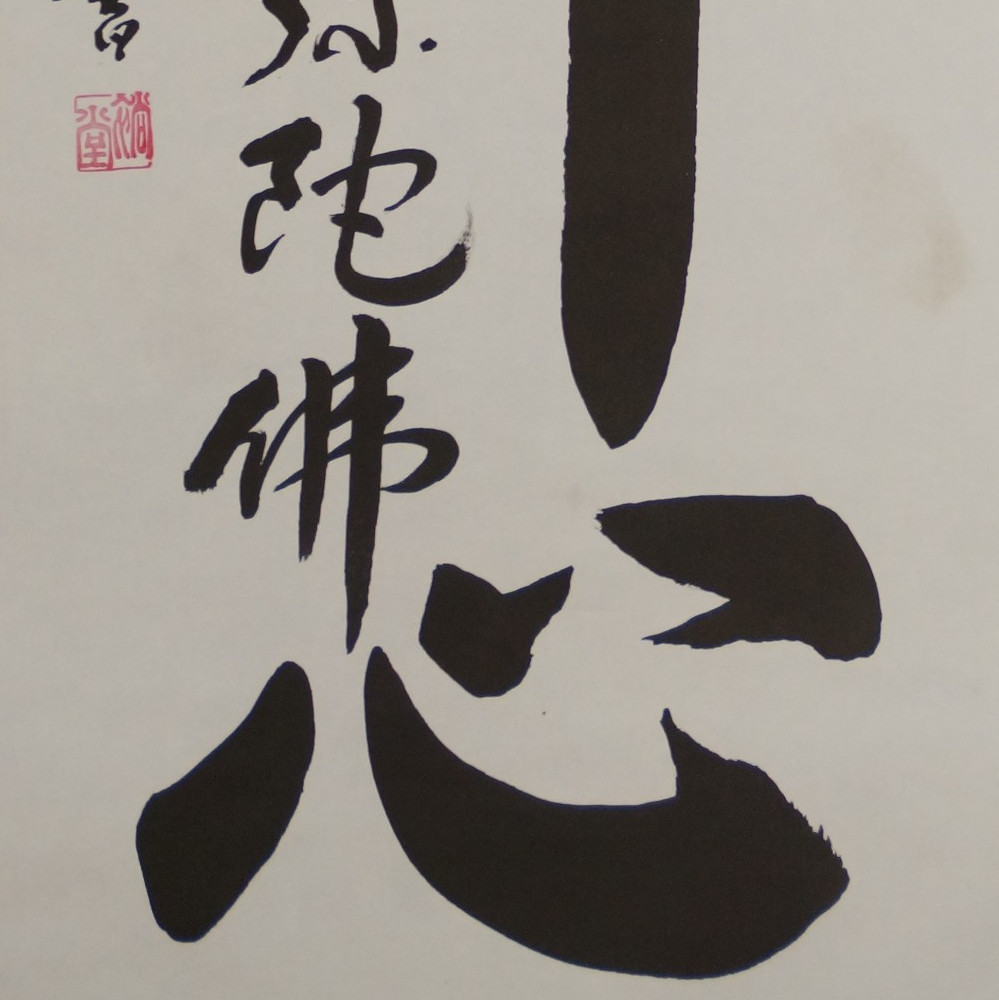

Zen Calligraphy "Bushin" (Buddha Spirit)
Kakemono, unique work, 187 x 60 cm
€350.00
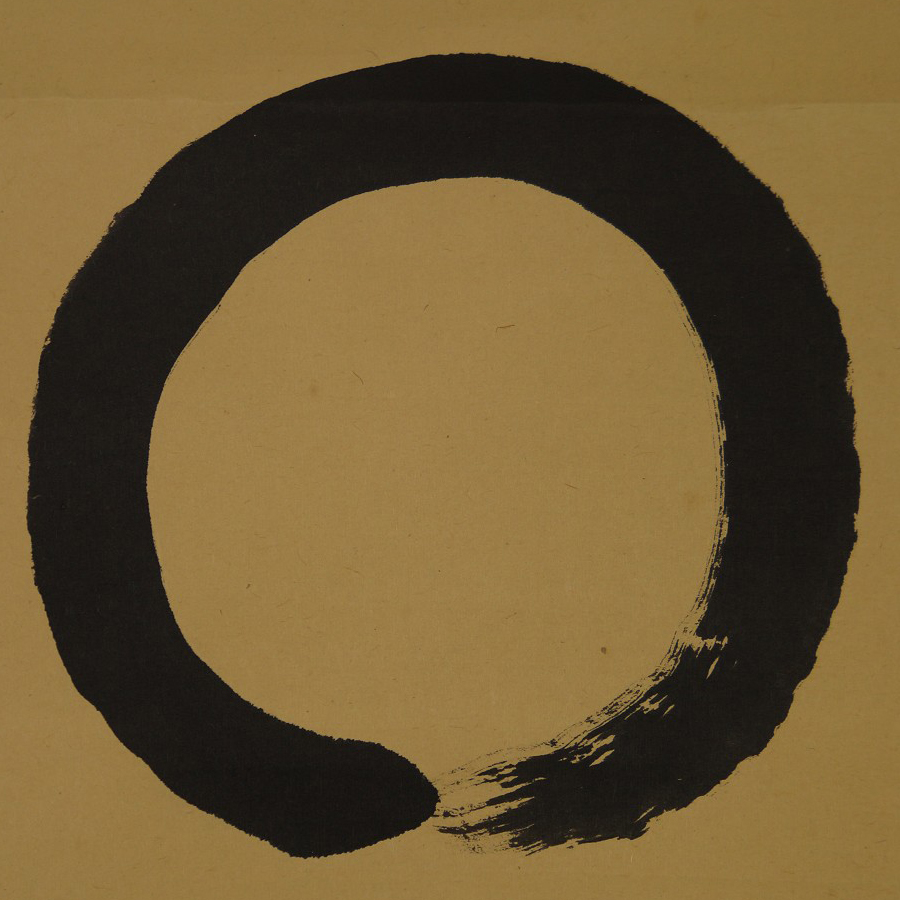

Goto Mizugan
Enso with Accompanying Poem
Kakemono, unique work, 167 x 37 cm
€450.00
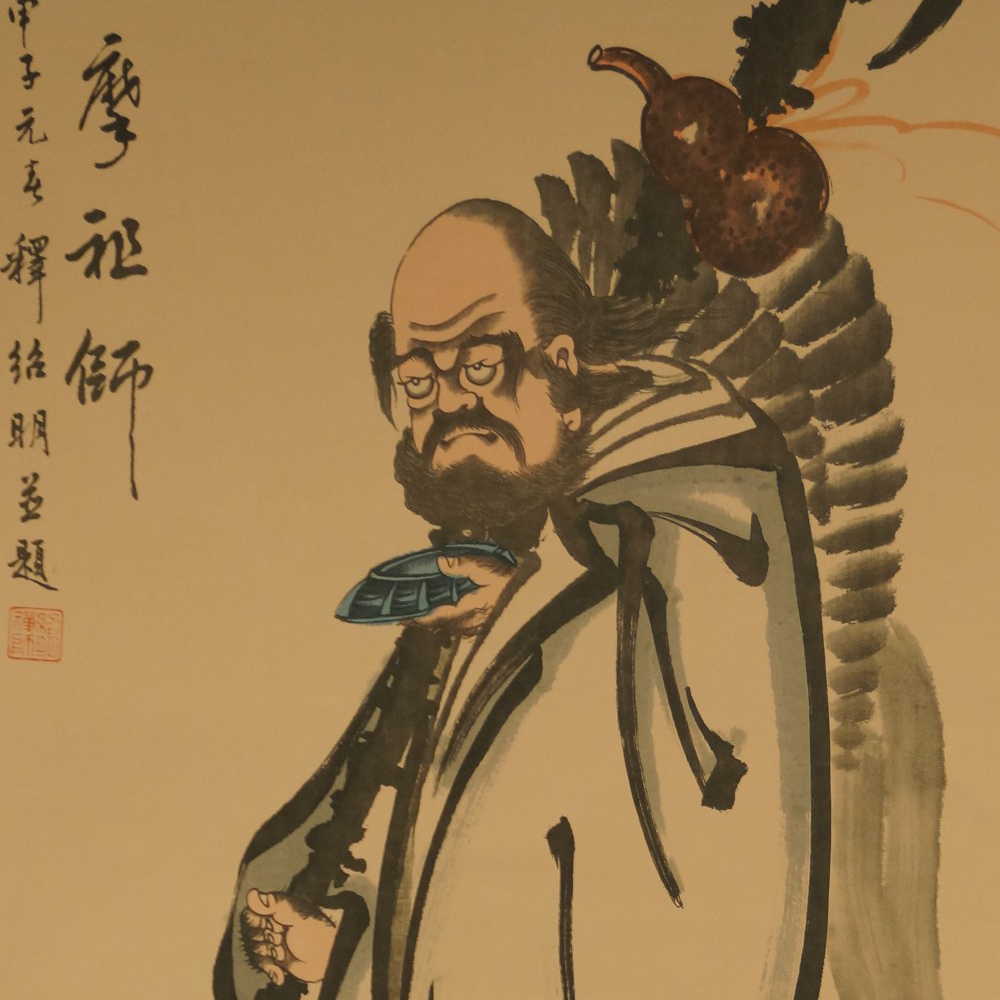

Bodhidharma with Fan and Gourd Bottle
Kakemono, unique work, 173 x 60 cm
€180.00
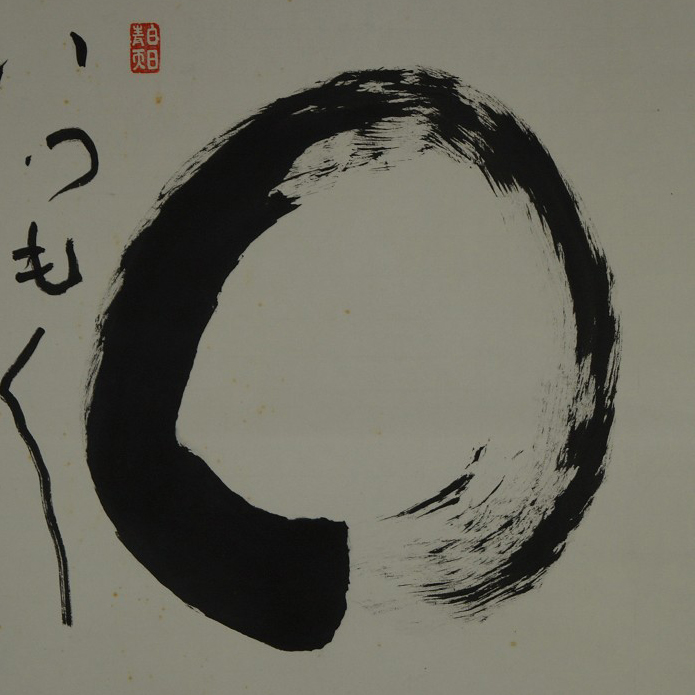

Hirata Umura
Enso in Powerful Brushstrokes
Kakemono, unique work, with box, 140 x 72 cm
€390.00
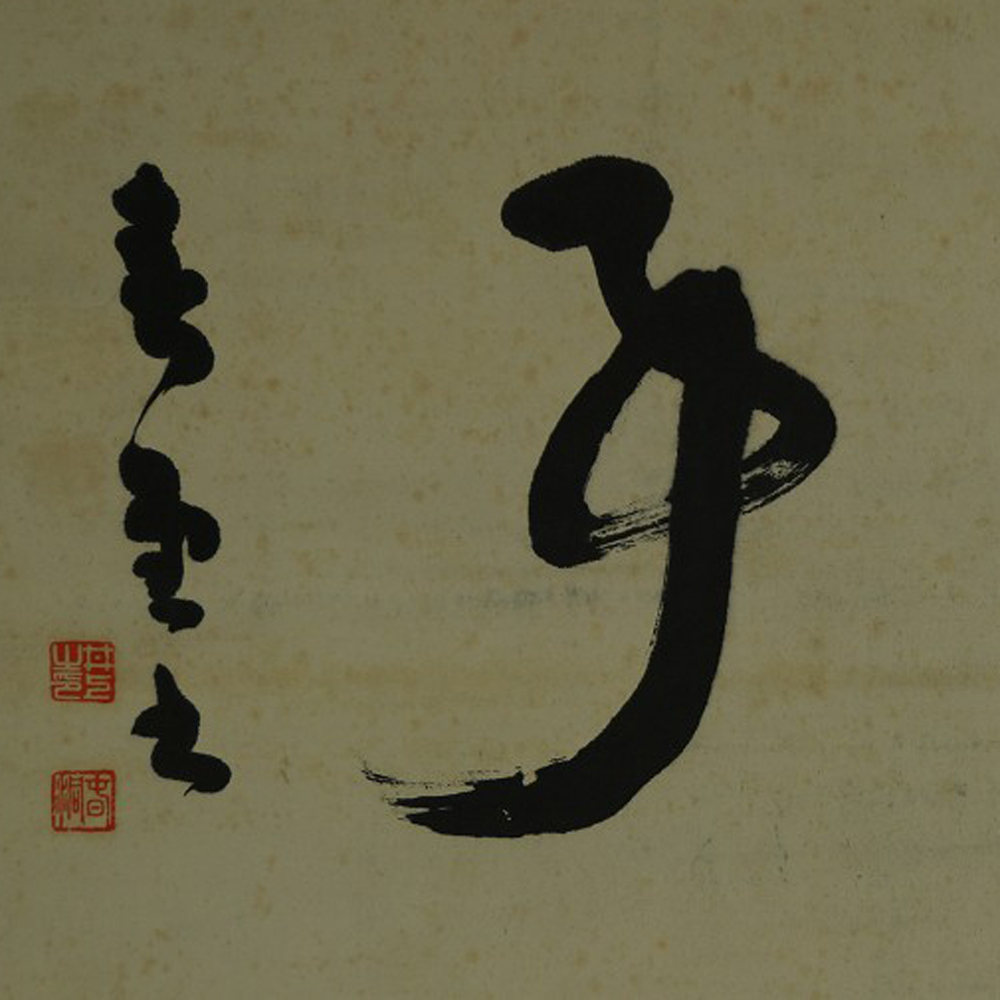

Inoue Shundo
Zen Calligraphy "Silence"
Kakemono, unique work, 128 x 72 cm
€480.00
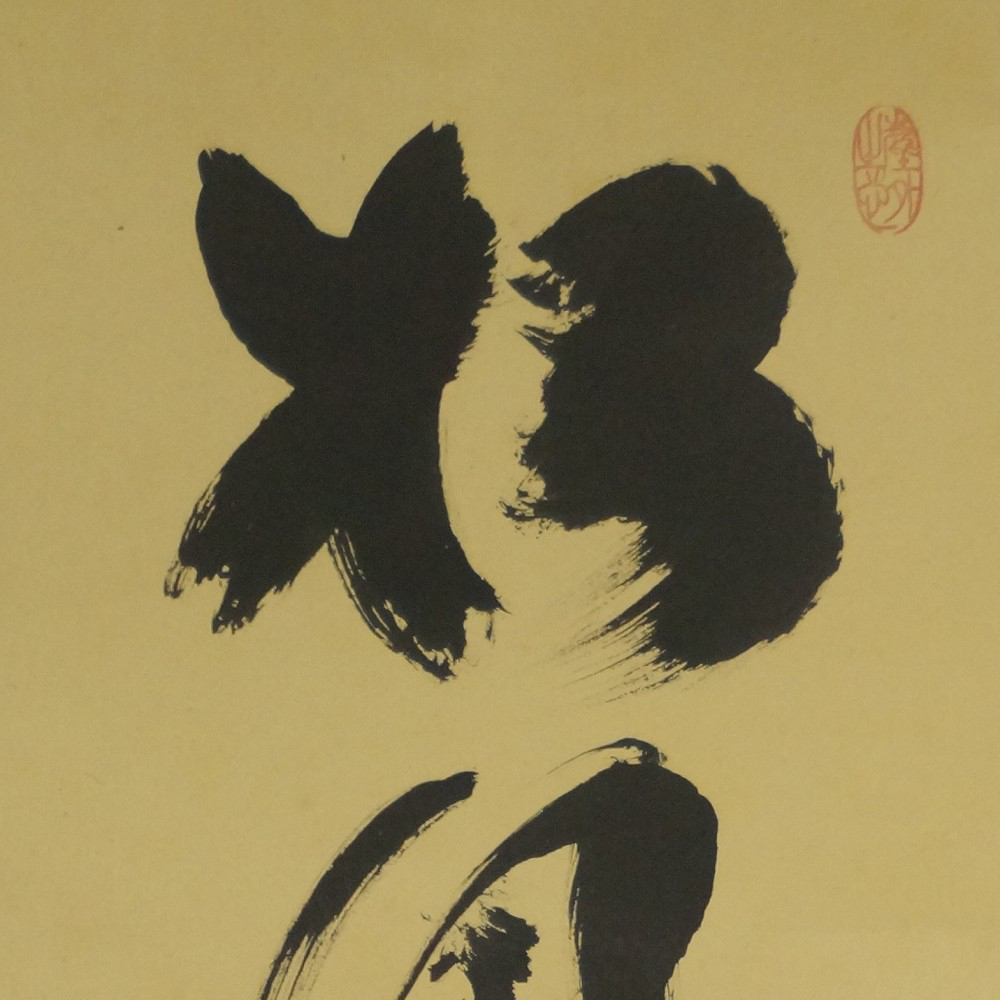

Kobayashi Taigen
Zen Calligraphy "Wind in the Pines, Wisdom of the Ages"
Kakemono, unique work, with box, 167 x 38 cm
€860.00


Bodhidharma with Piercing Gaze
Kakemono, unique work, 200 x 51 cm
€340.00
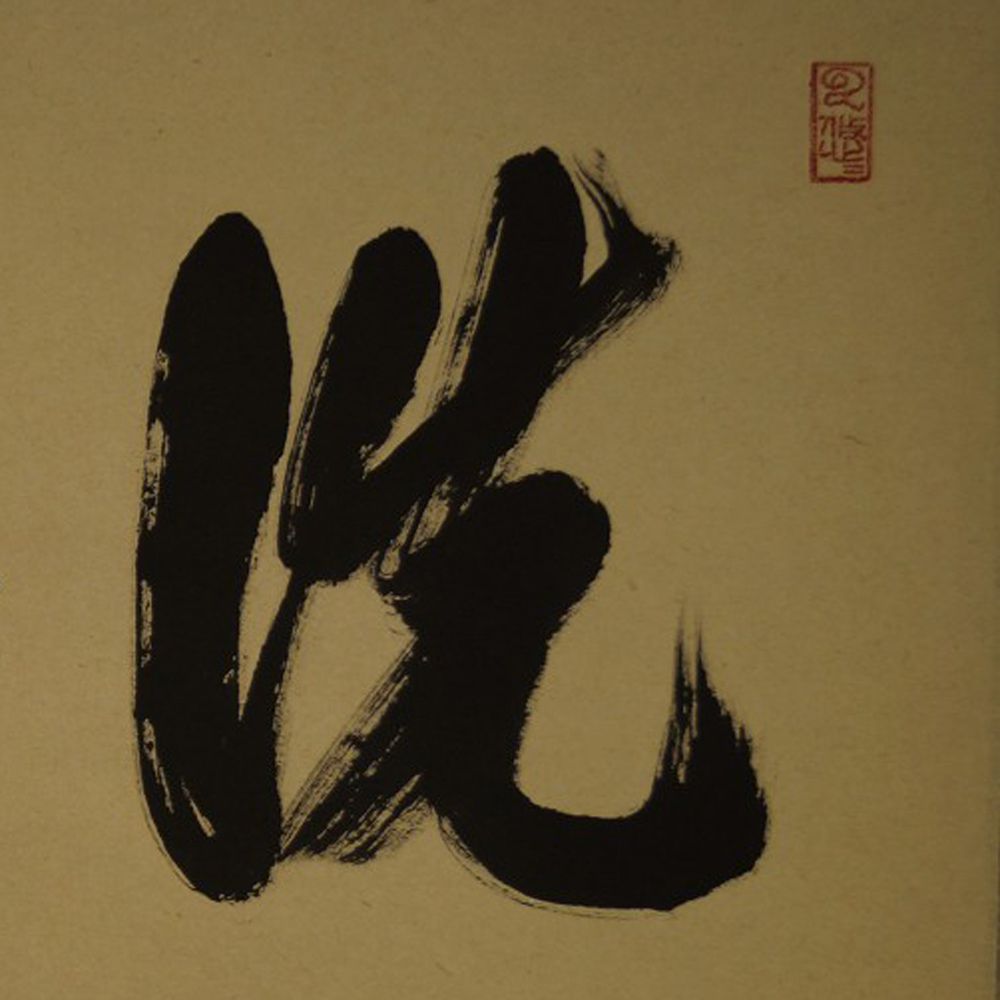
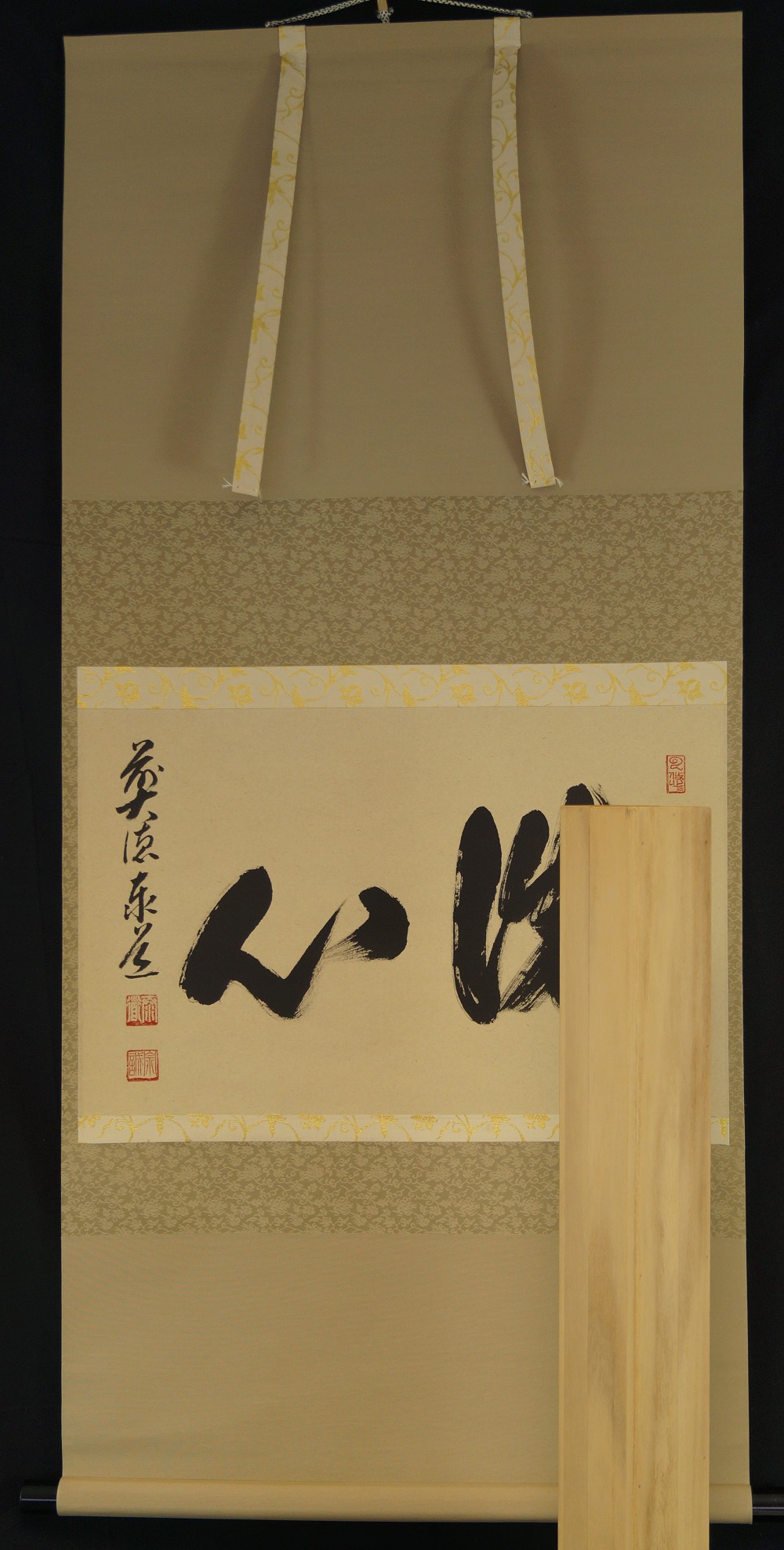
Adachi Taido
Zen Calligraphy "Pure Heart"
Kakemono, unique work, with box, 121 x 60 cm
€750.00
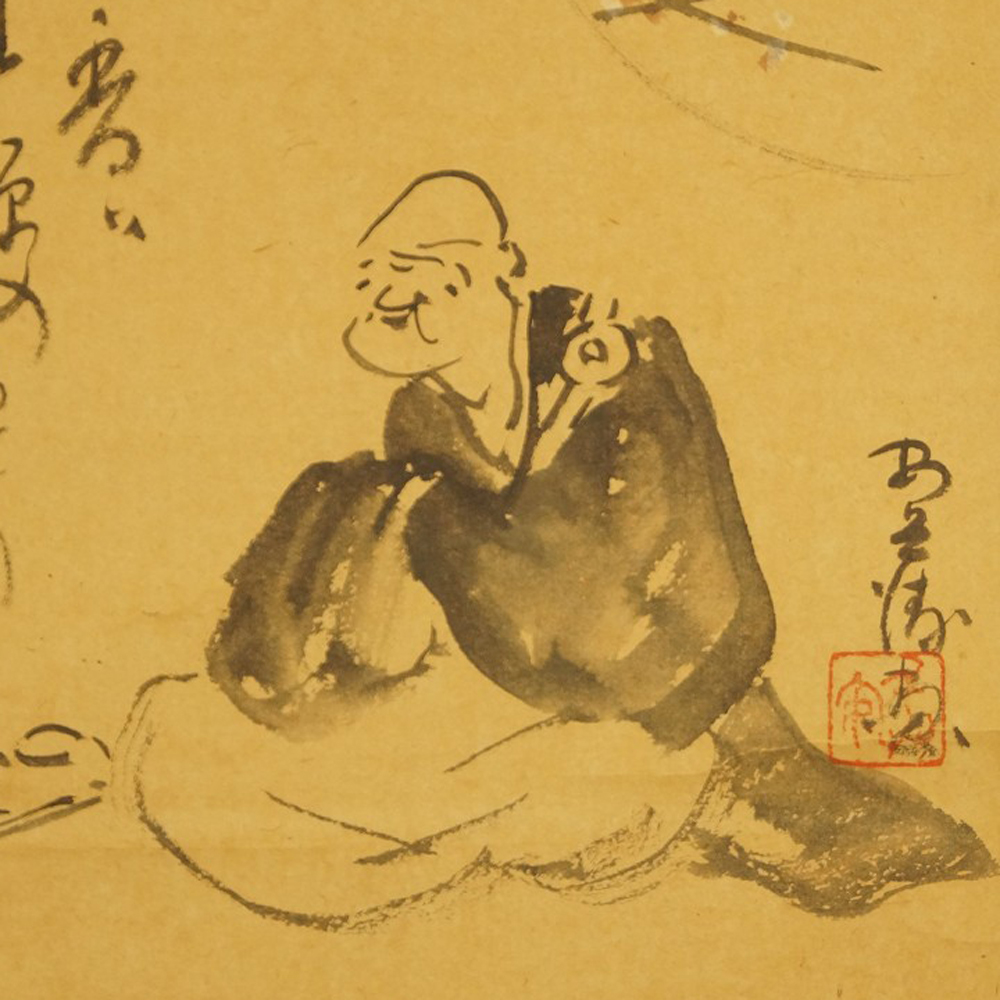
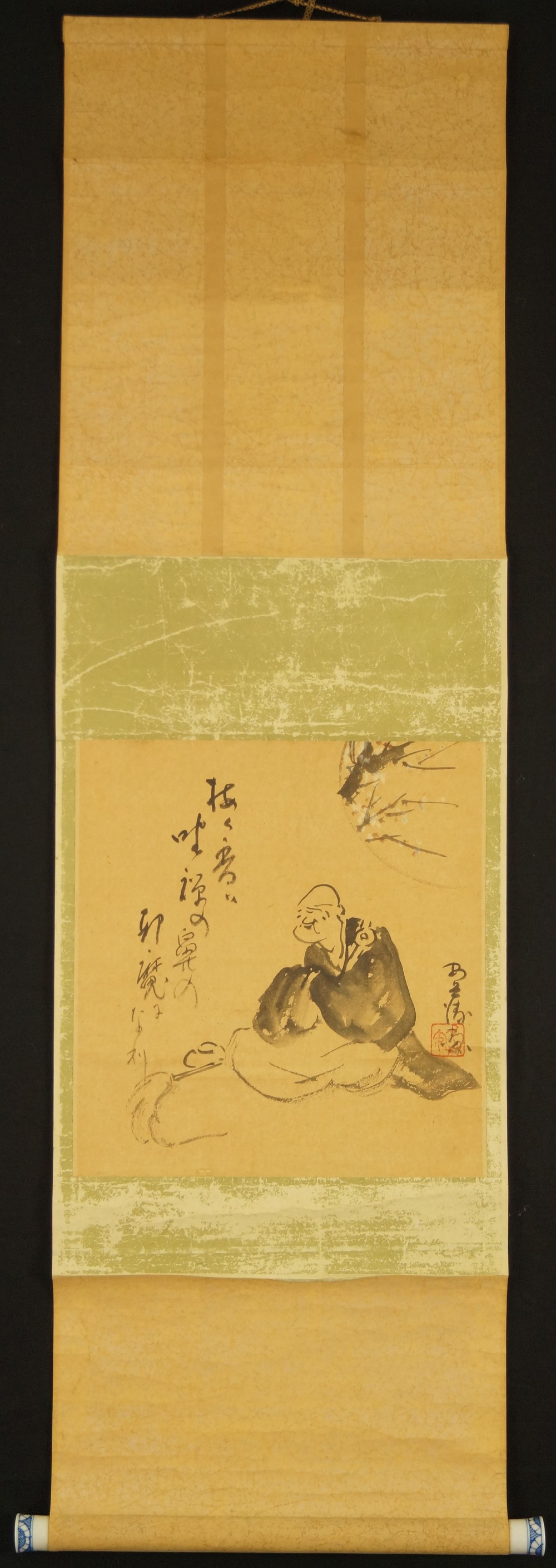
Old Zen Monk Under Cherry Blossoms
Kakemono, unique work, 115 x 40 cm
€980.00
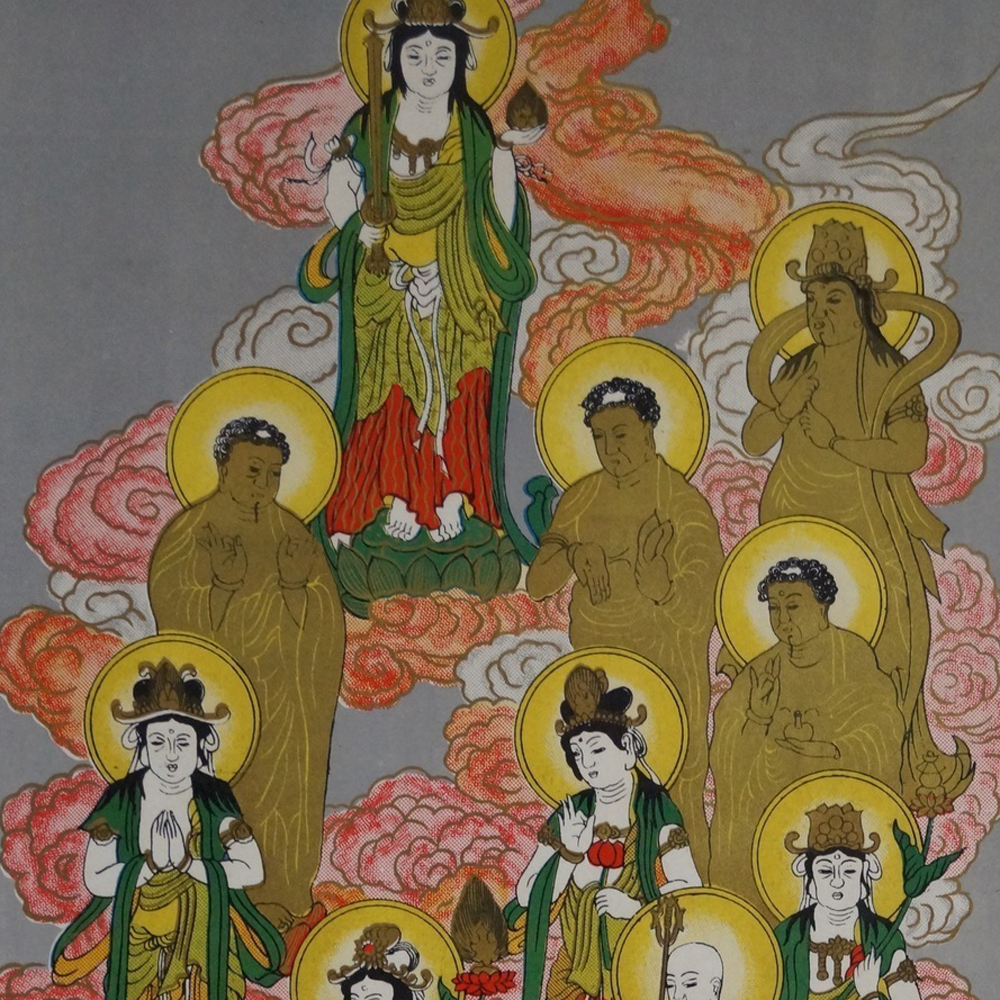

The 13 Buddhas
Kakemono, Print, 117 x 41 cm
€90.00
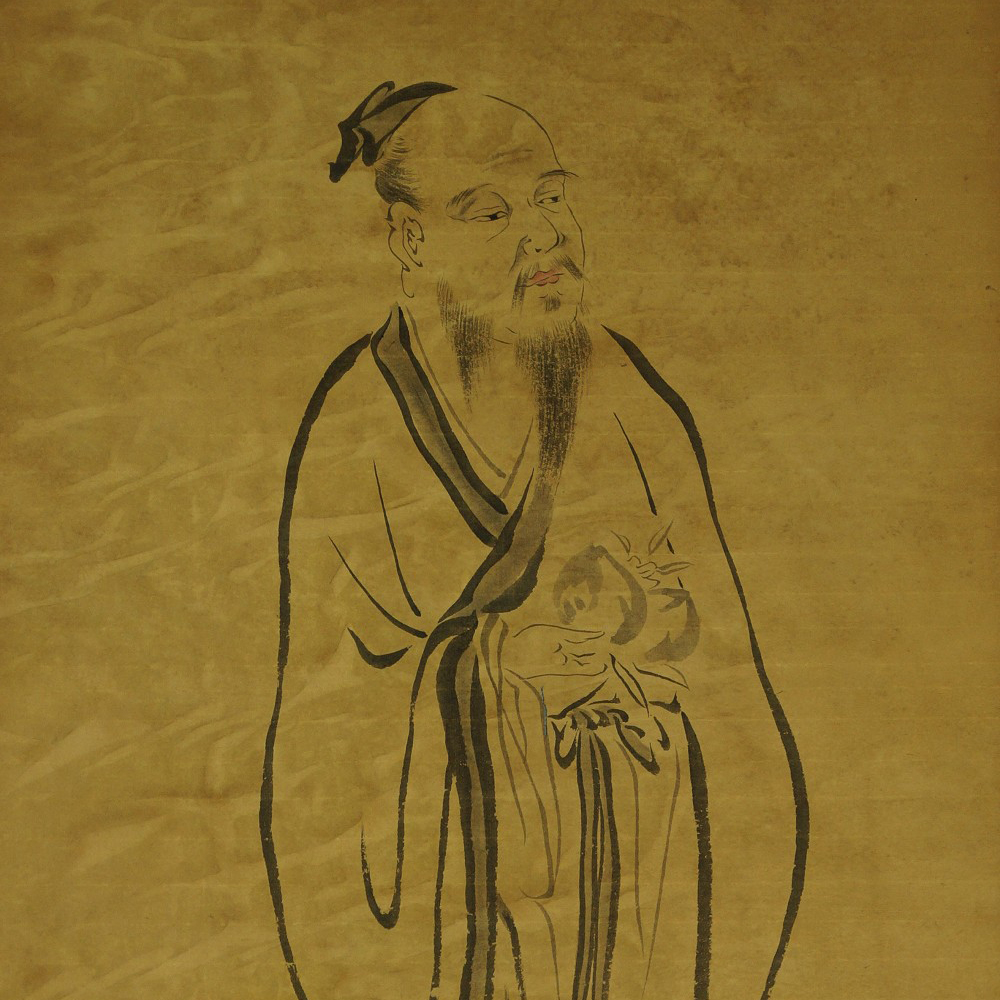
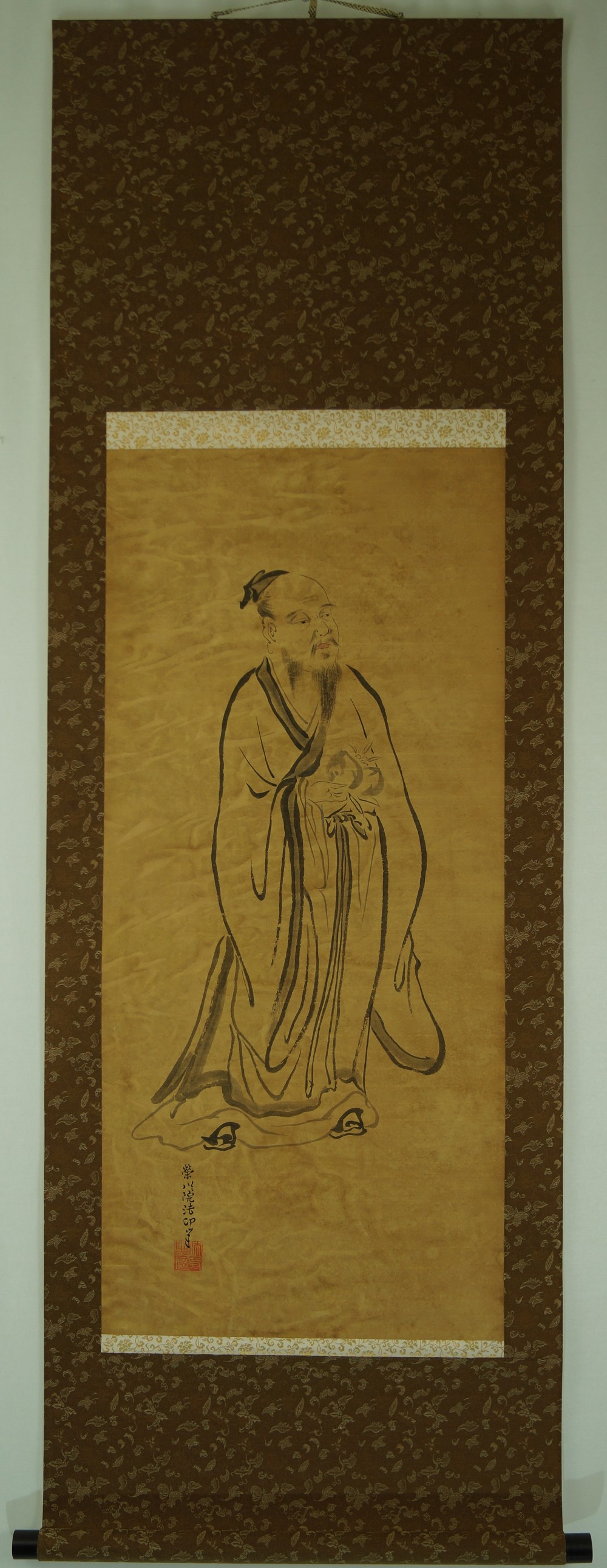
Eisen'in Hōin
Monk in Silent Devotion with Folded Hands
Kakemono, unique work, 150 x 55 cm
€140.00
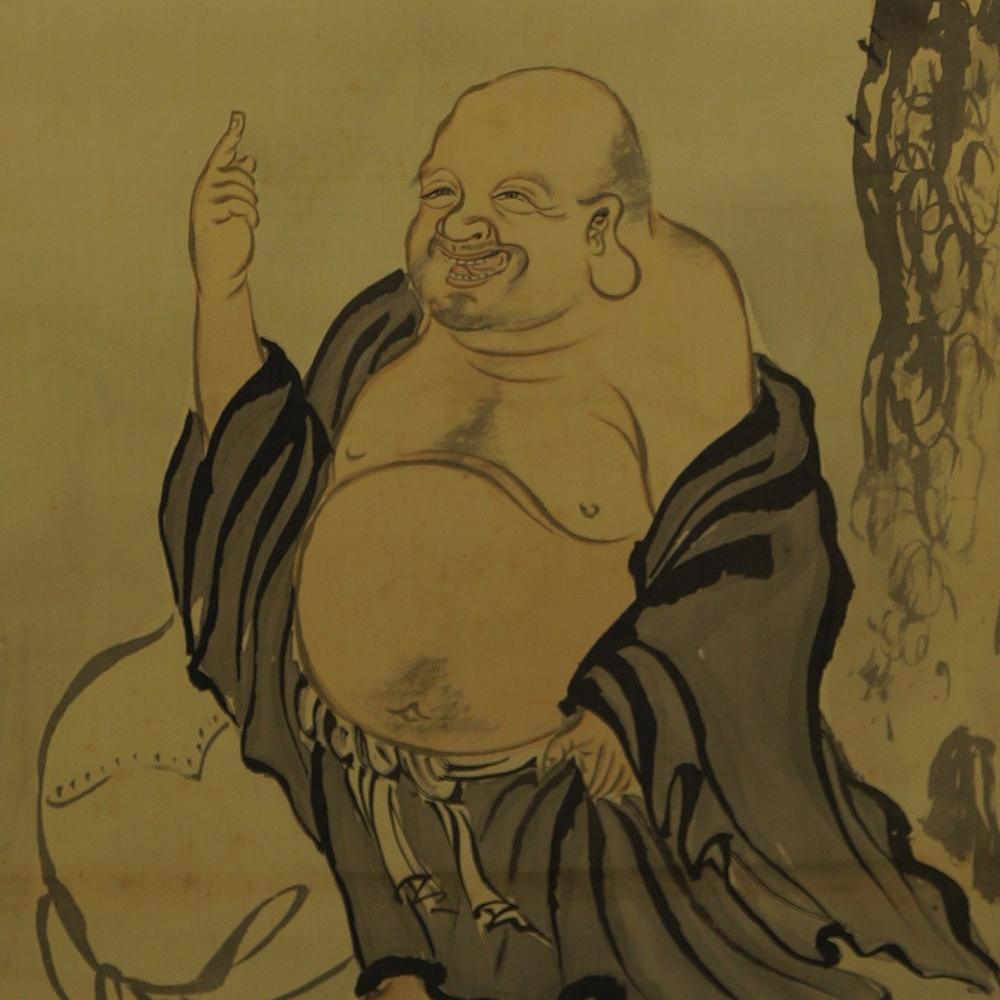
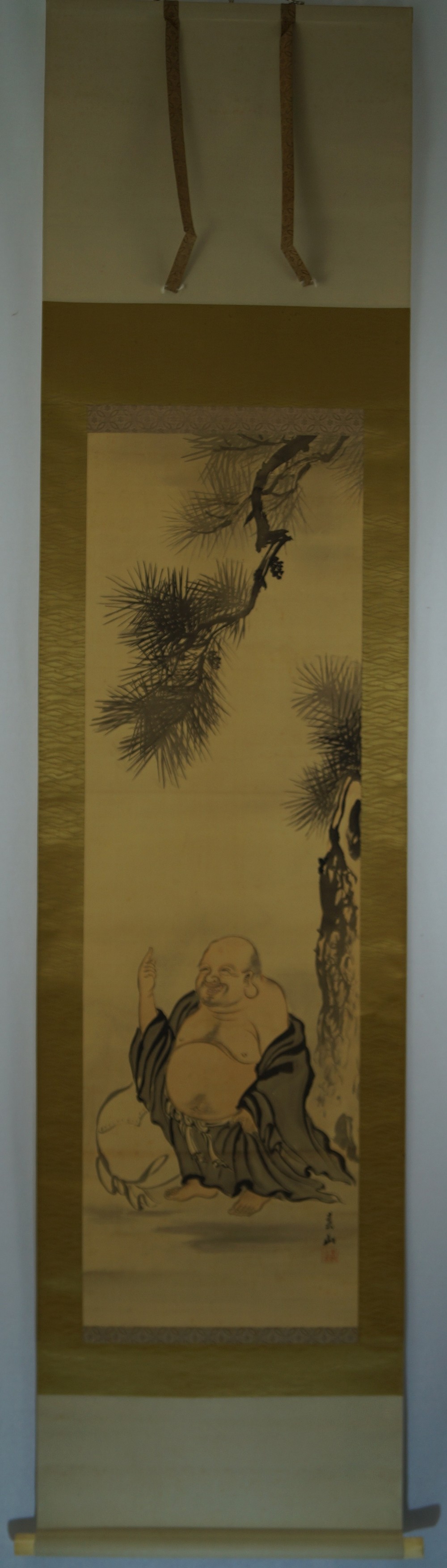
Hotei Under the Pine
Kakemono, unique work, 200 x 53 cm
€160.00
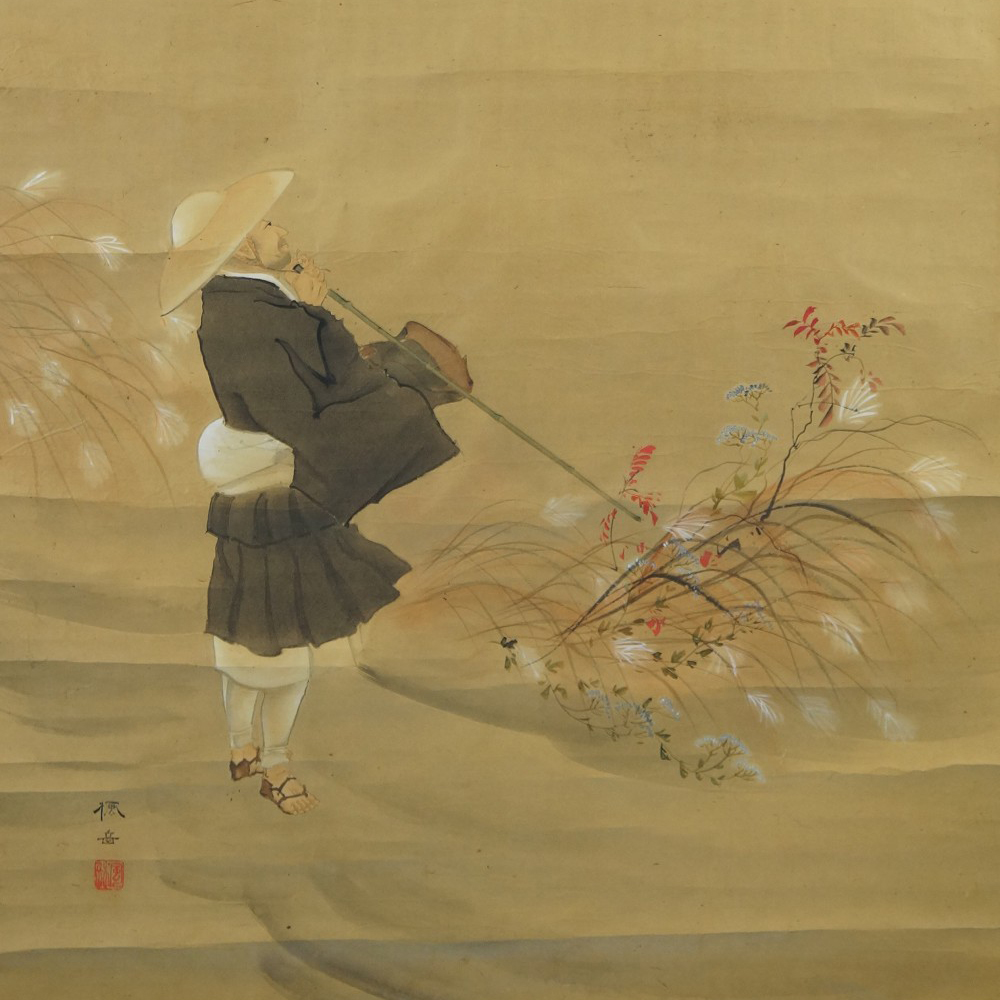
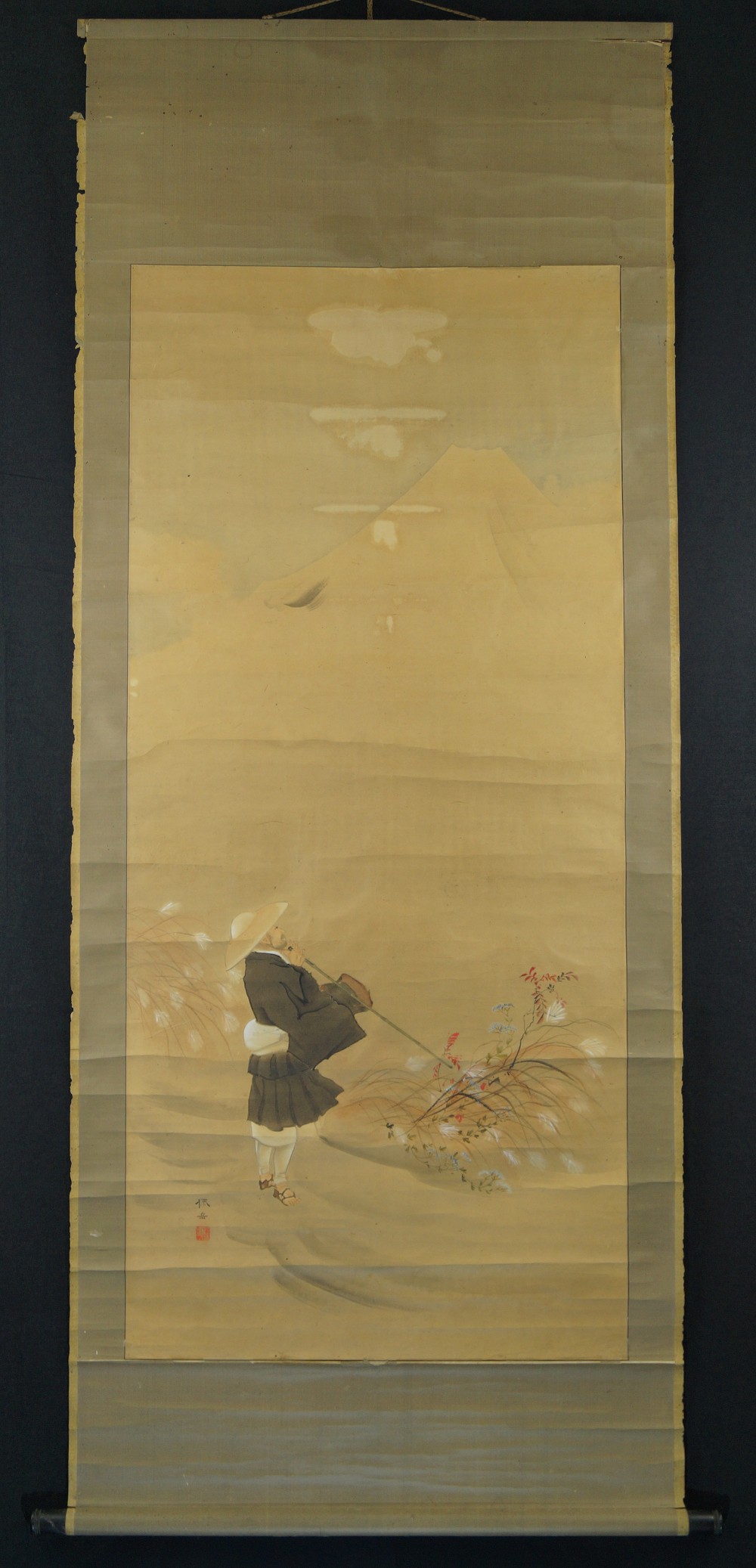
Monk and Mount Fuji
Kakemono, unique work, 188 x 81 cm
€200.00
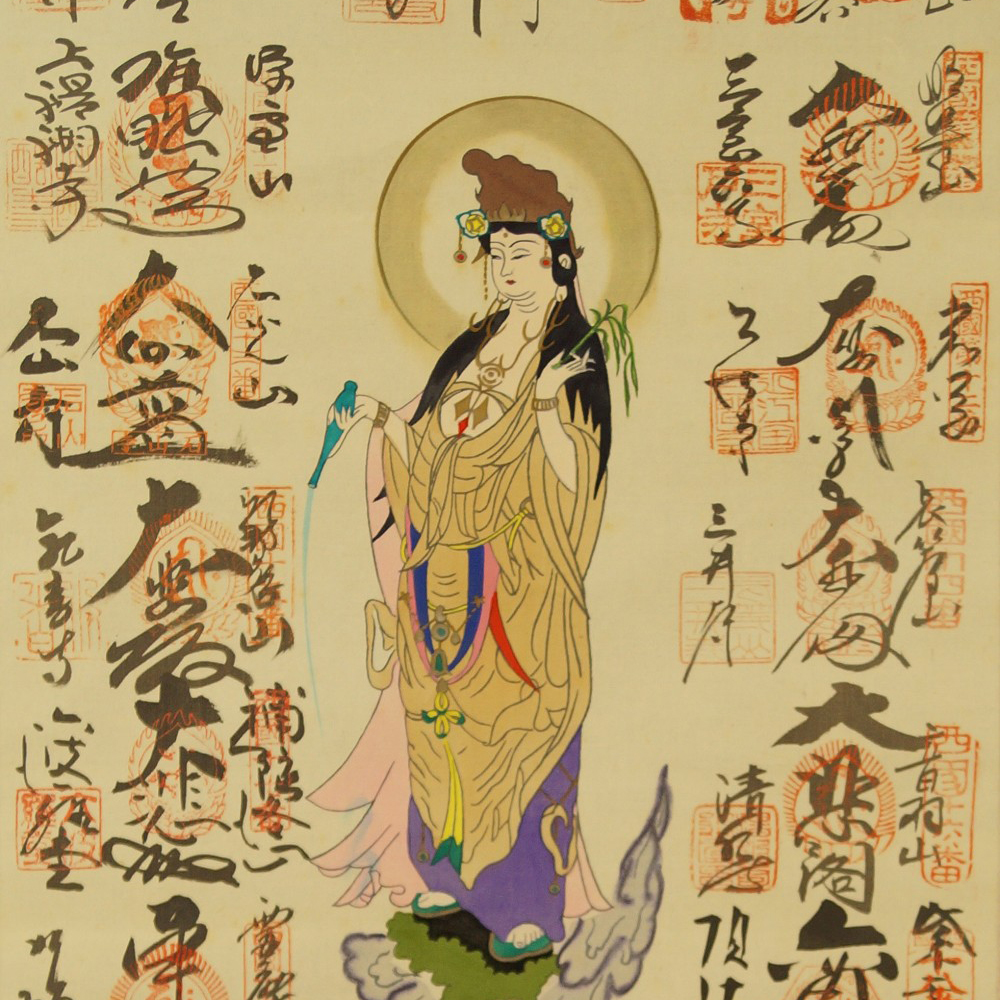
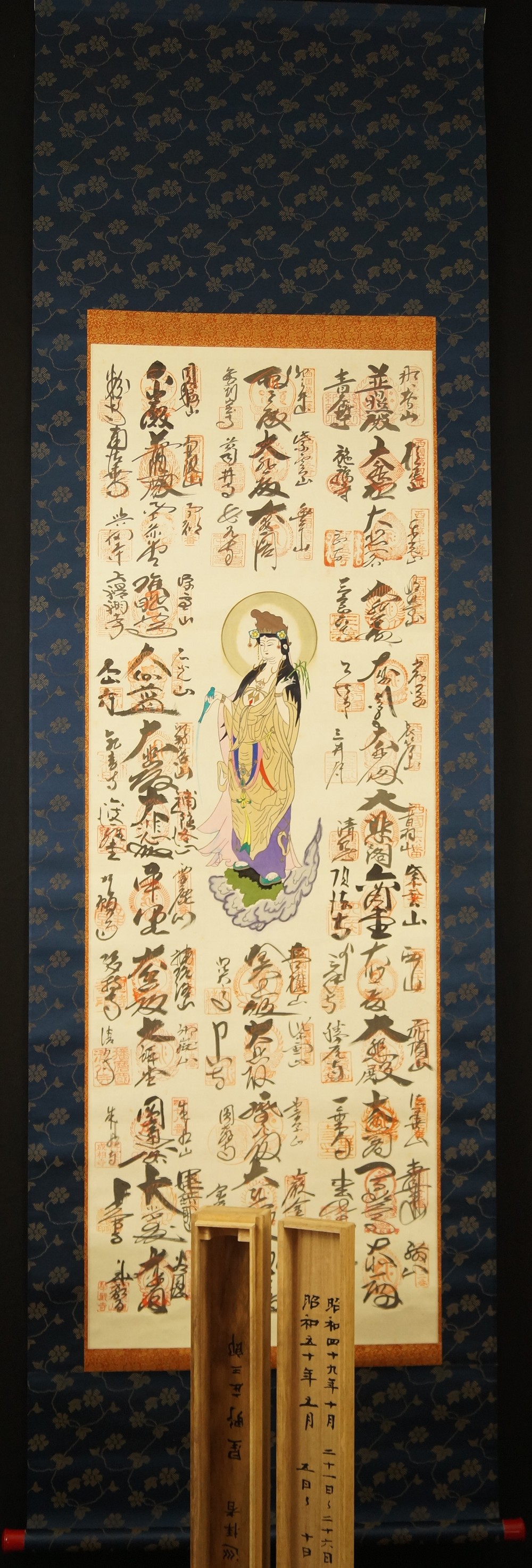
33 Temples of the Saigoku Pilgrimage
Kakemono, with box, 190 x 60 cm
€155.00
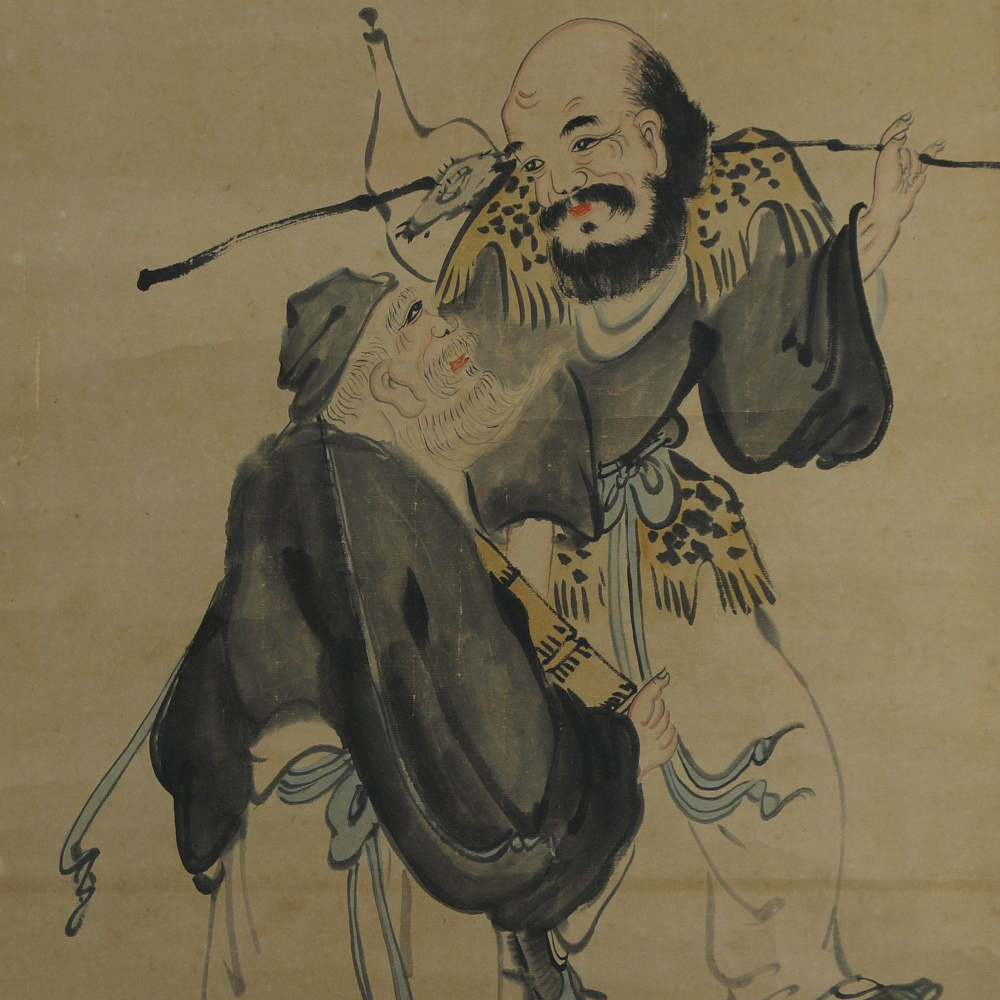
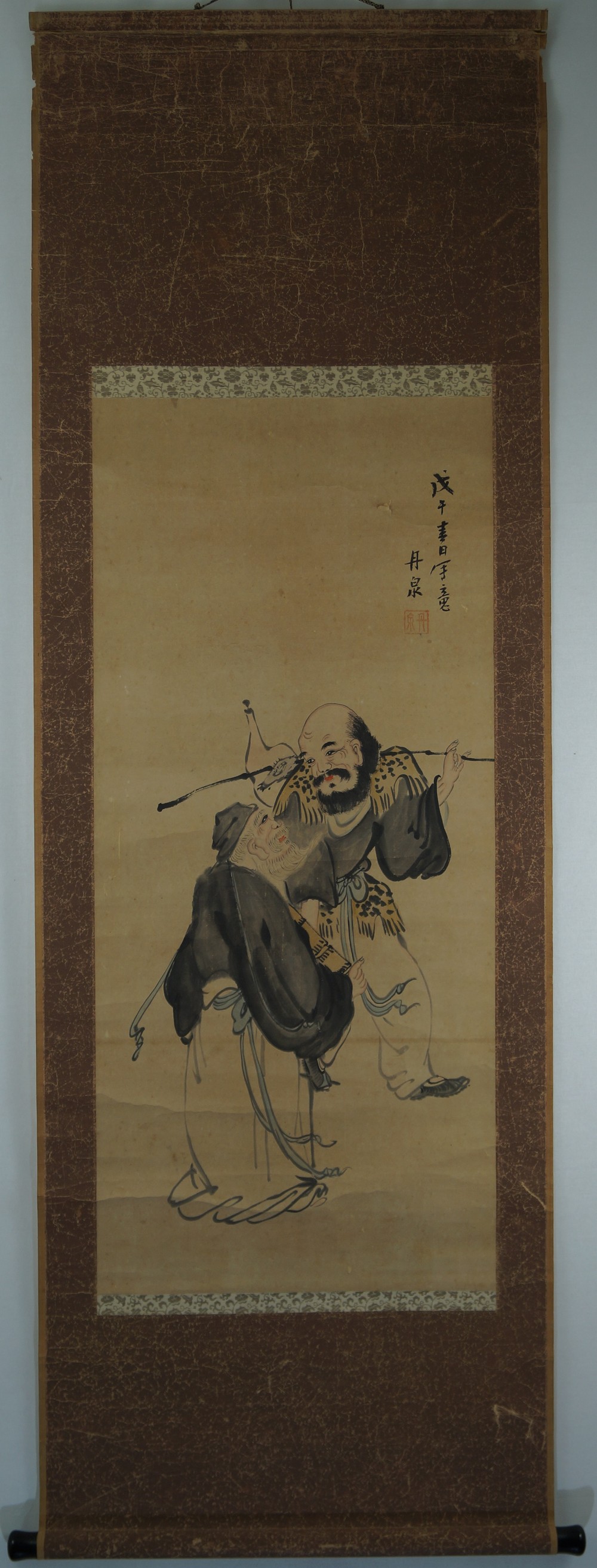
Kanzan and Jittoku
Kakemono, unique work, 159 x 60 cm
€160.00
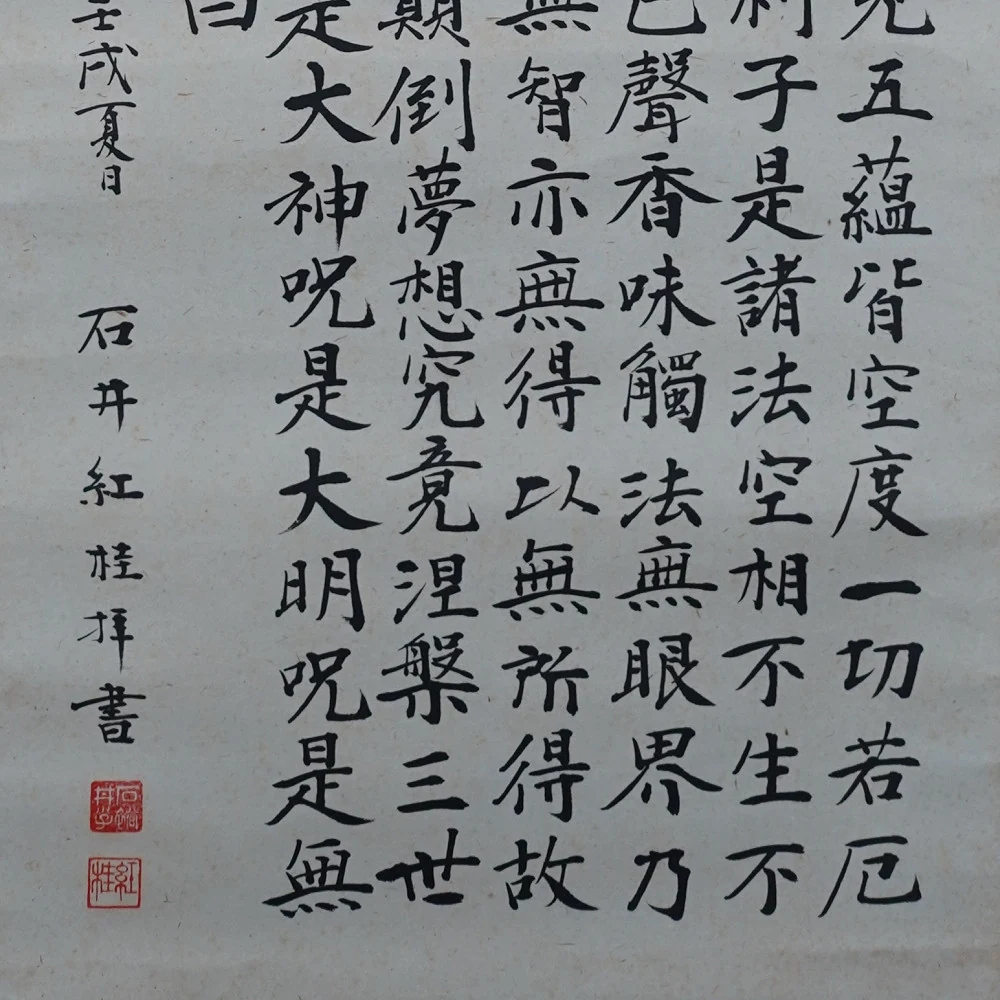
Ishii Kōkei
Heart Sutra in Bold Kaisho Script, Blue Mounting
Kakemono, unique work, with box, 190 x 53 cm
Sold
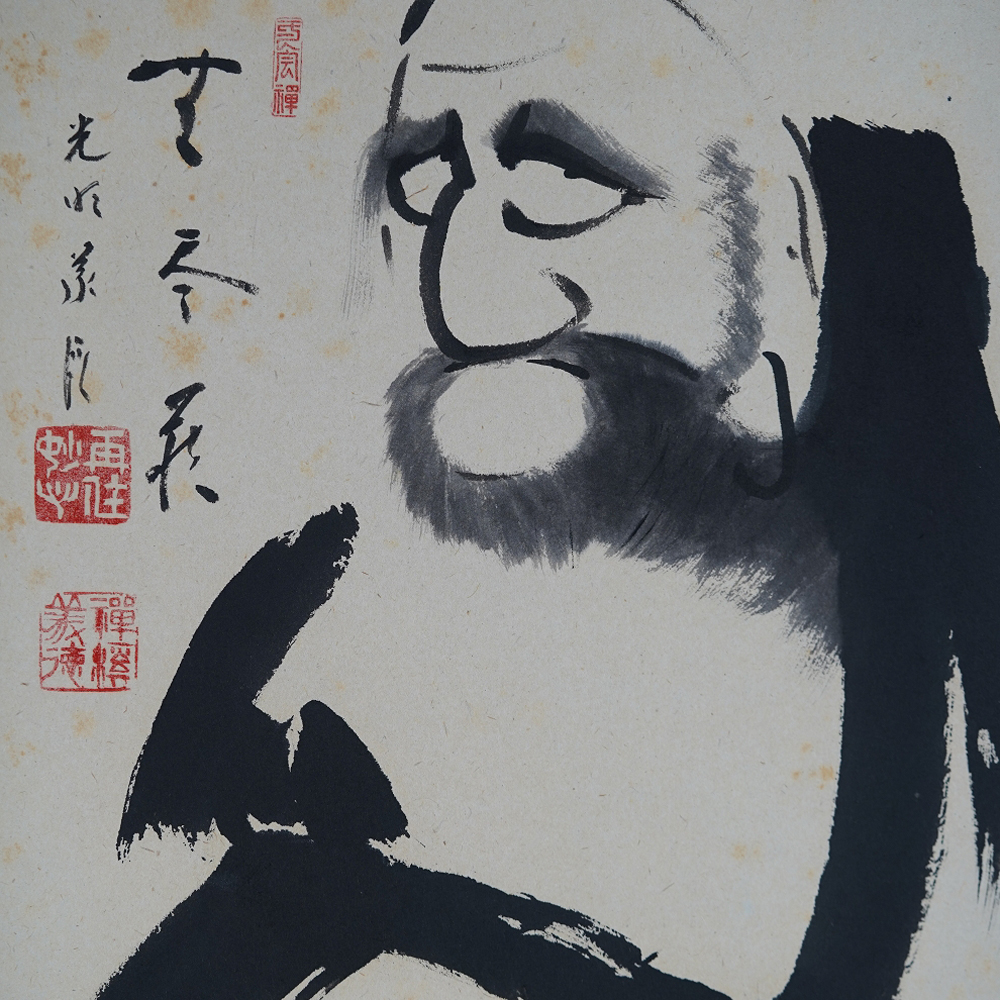
Washi Gitoku
Daruma in Ink (Myōshin-ji)
Kakemono, unique work, 125 x 41 cm
Sold
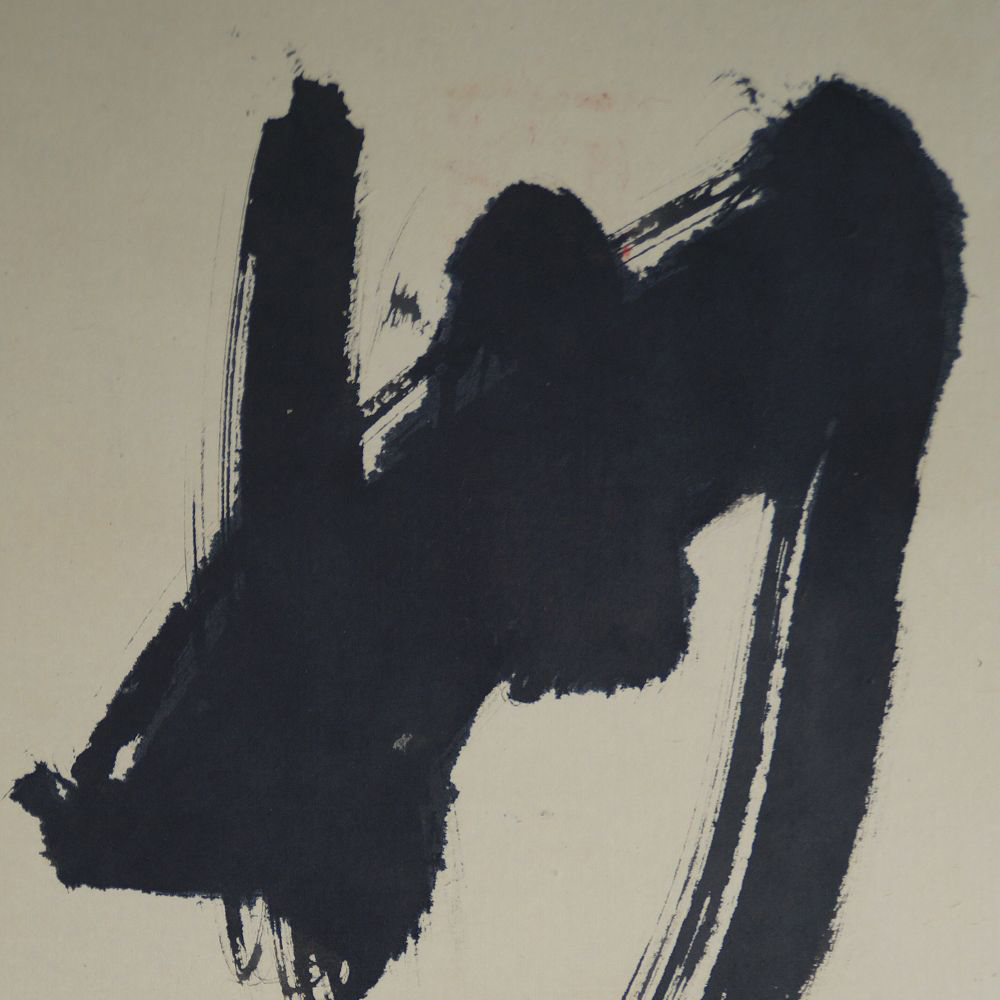
Kobayashi Takahito
Zen Calligraphy "Mu" (Emptiness)
Kakemono, unique work, with box, 192 x 32 cm
Sold
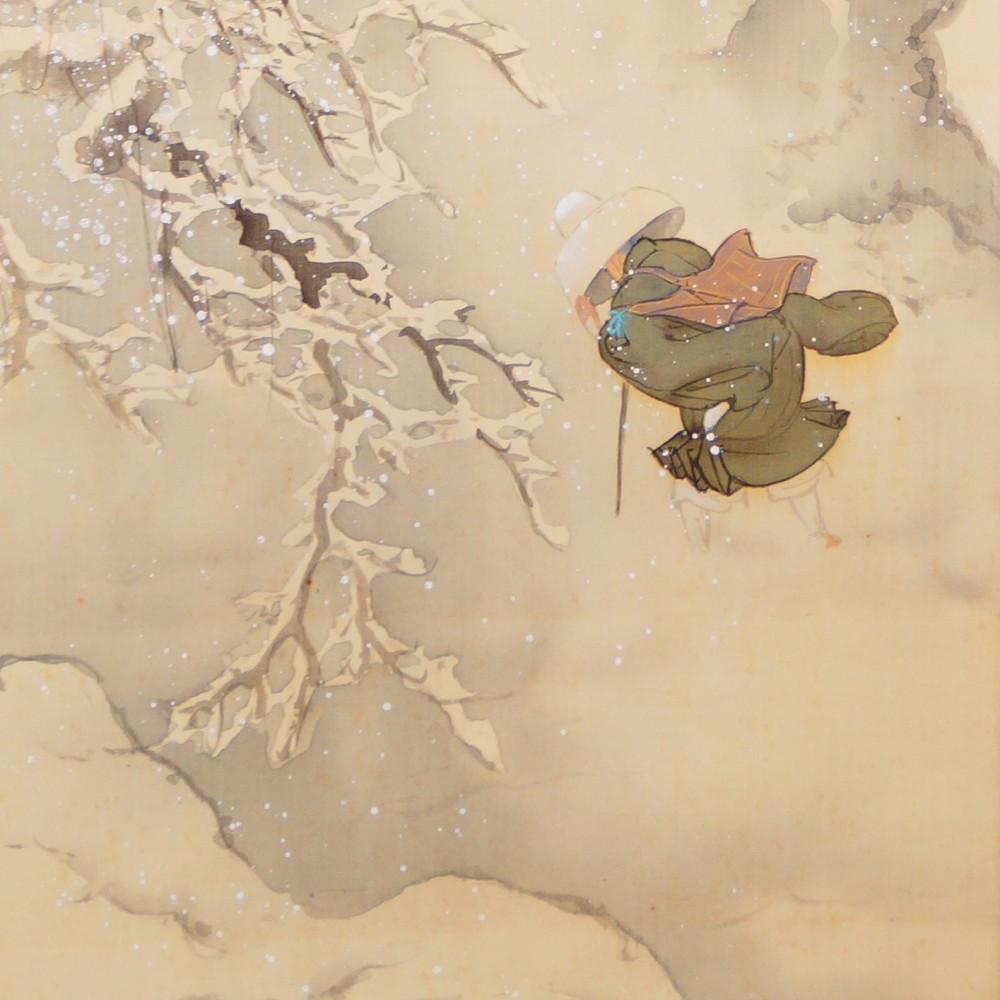
Muraoka Moega
Zen Monk in Snowfall
Kakemono, unique work, 190 x 51 cm
Sold
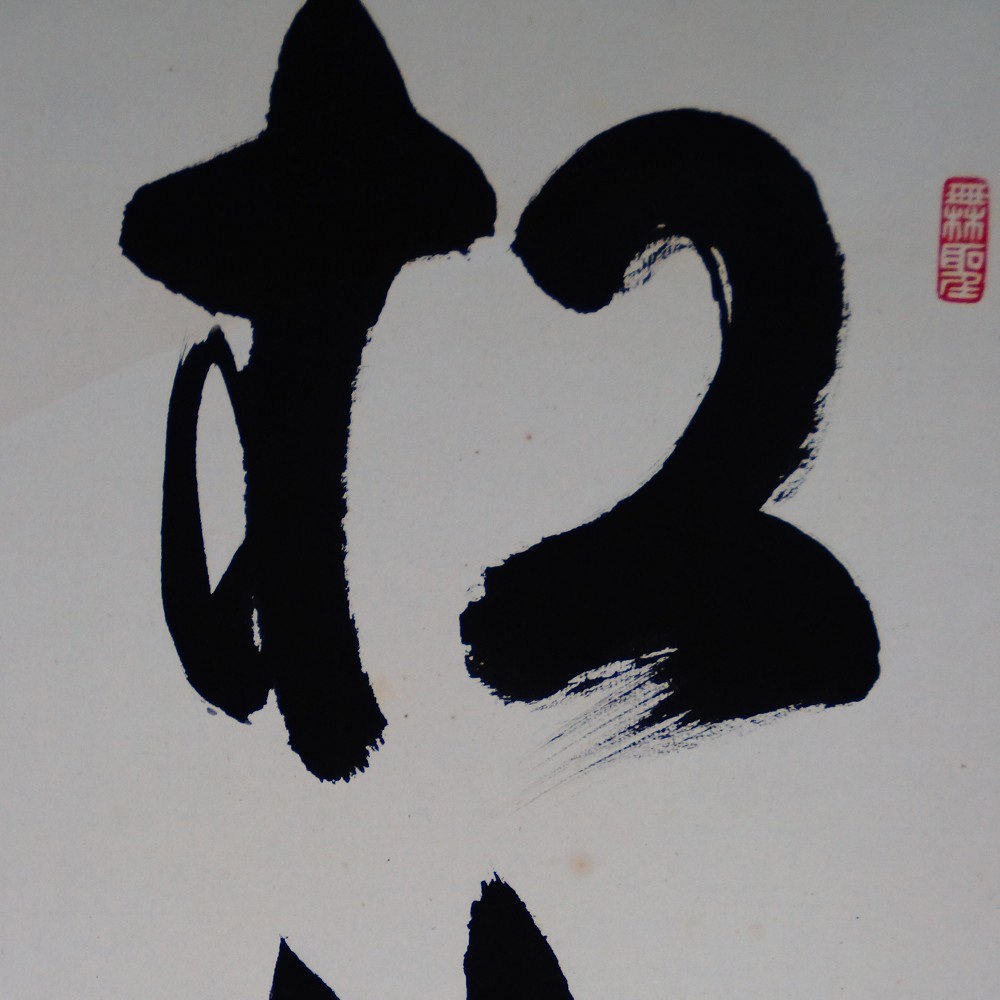
Tachibana Ryōan
Zen Calligraphy "A Thousand Years of Green" by Tachibana Ryoan
Kakemono, unique work, with box, 171 x 32 cm
Sold
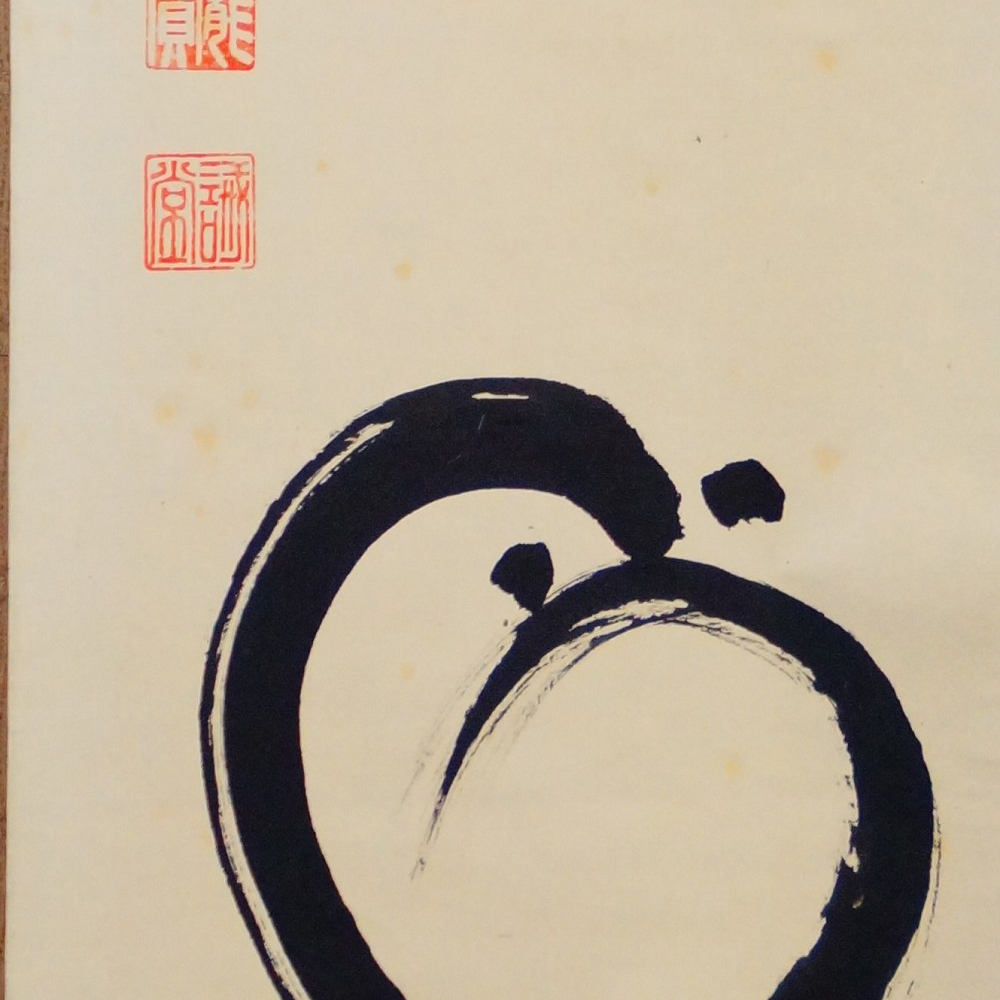
Fujii Kaidō
Zen Calligraphy Daruma / Bodhidharma
Kakemono, unique work, 190 x 35 cm
Sold
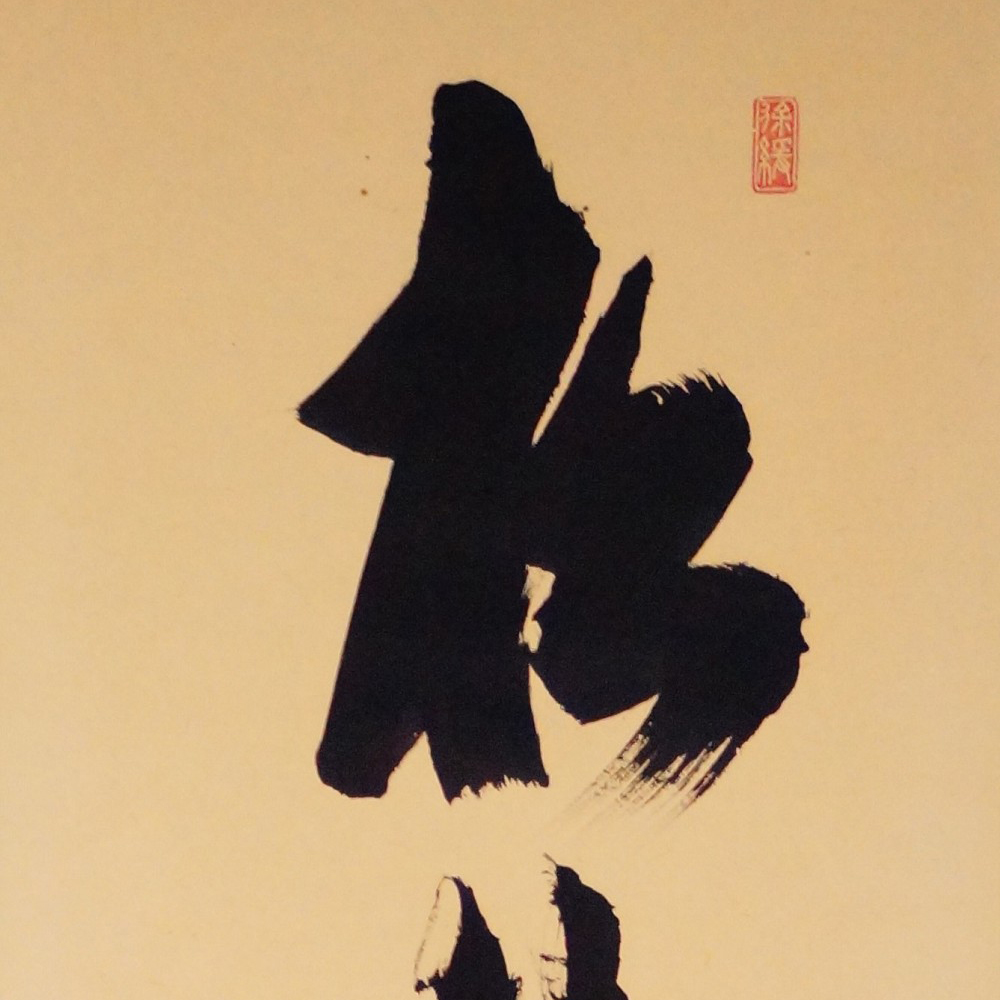
Suga Gendo
Zen Calligraphy "A Thousand Years of Green" by Suga Gendo
Kakemono, unique work, 183 x 36 cm
Sold
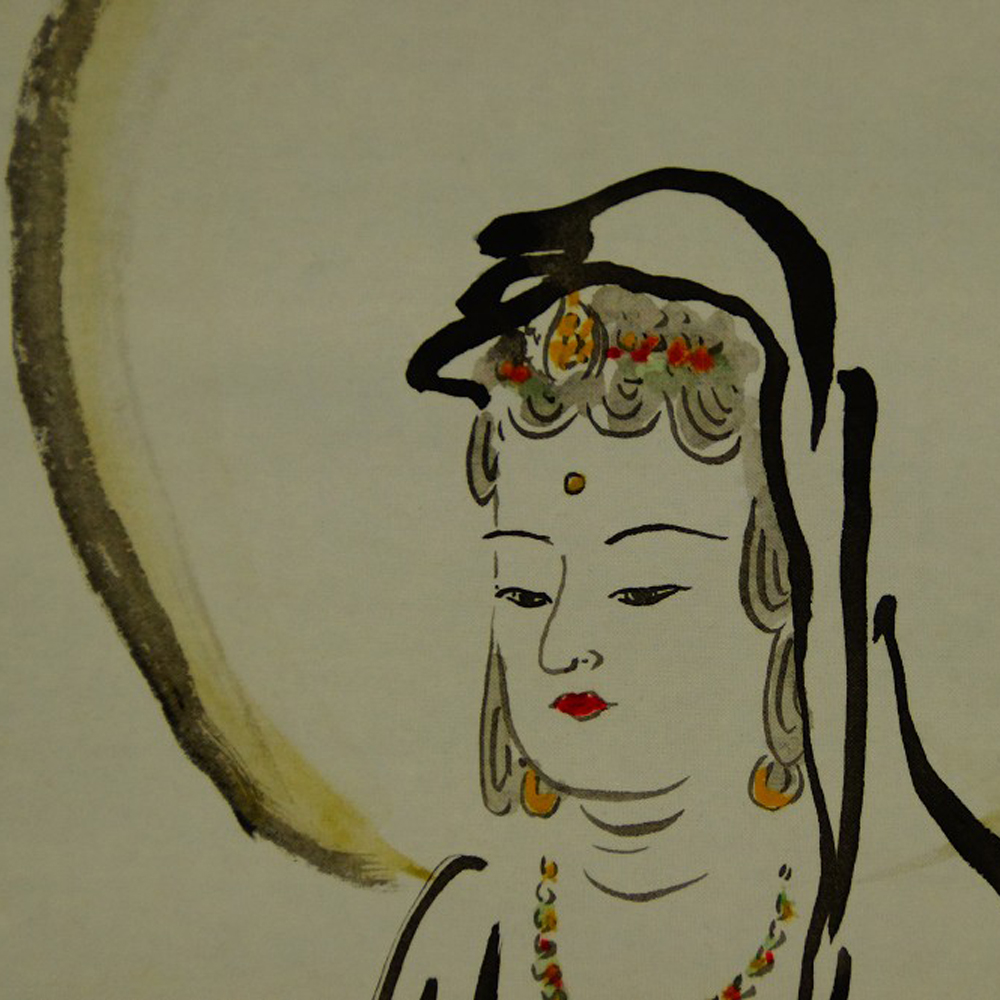
Buddha in Meditation
Kakemono, unique work, 174 x 52 cm
Sold
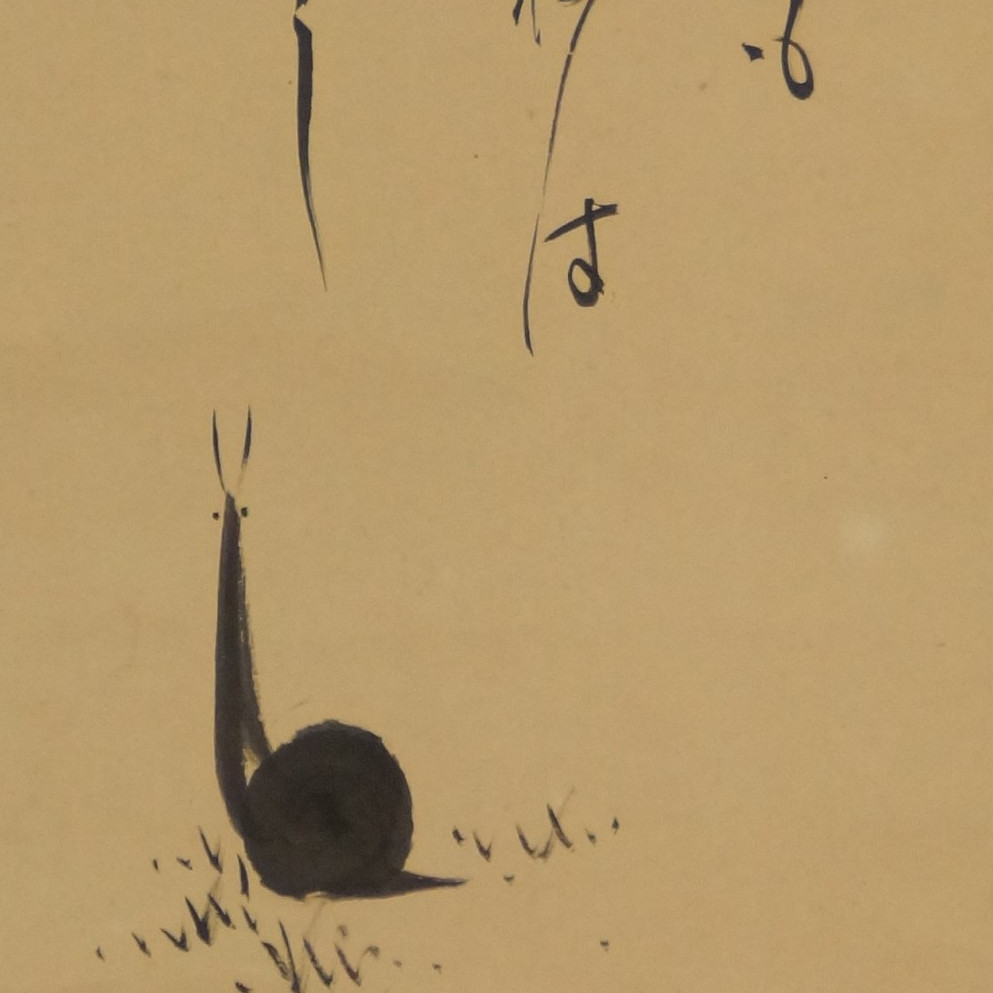
Zen Calligraphy "The Snail"
Kakemono, unique work, 166 x 26 cm
Sold
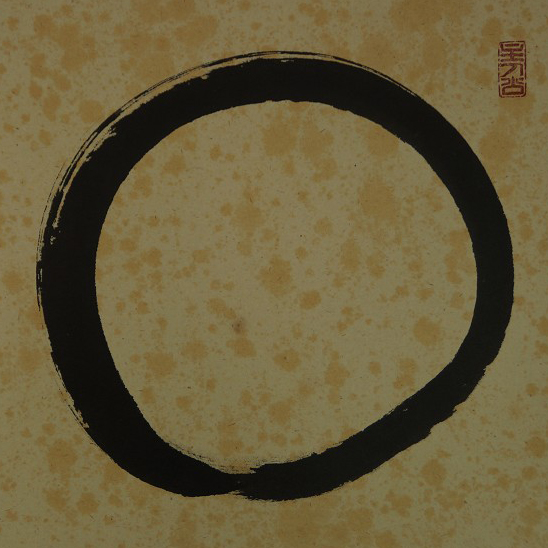
Fukumoto Sekisho
Enso - Zen Calligraphy on Speckled Paper
Kakemono, unique work, 130 x 64 cm
Sold
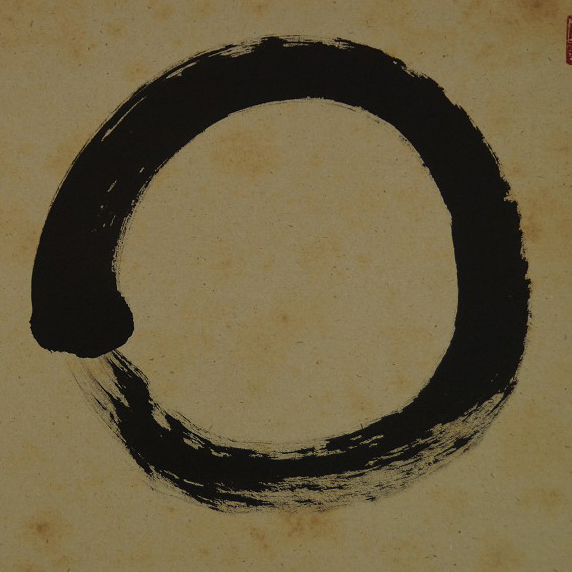
Adachi Taido
Enso - Japanese Zen Calligraphy
Kakemono, unique work, 140 x 60 cm
Sold
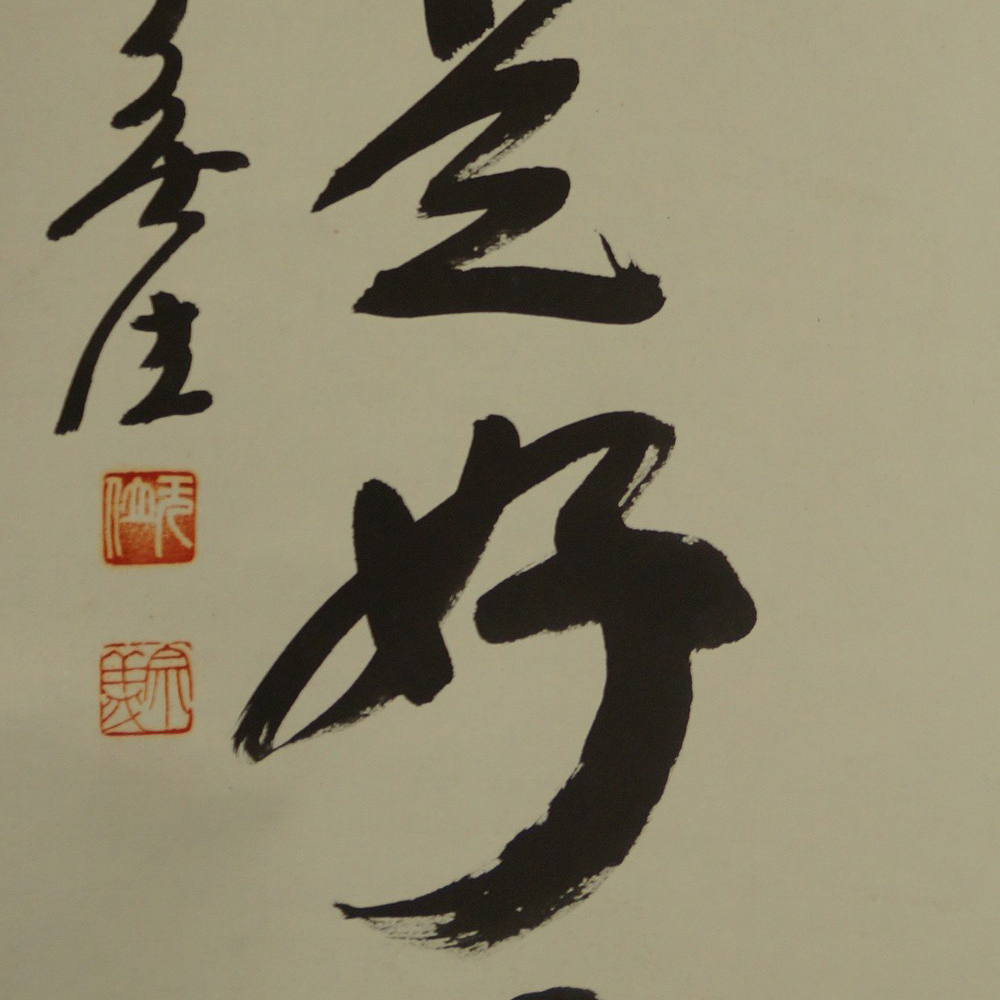
Zen Calligraphy "Every Day Is a Good Day"
Kakemono, unique work, 188 x 52 cm
Sold
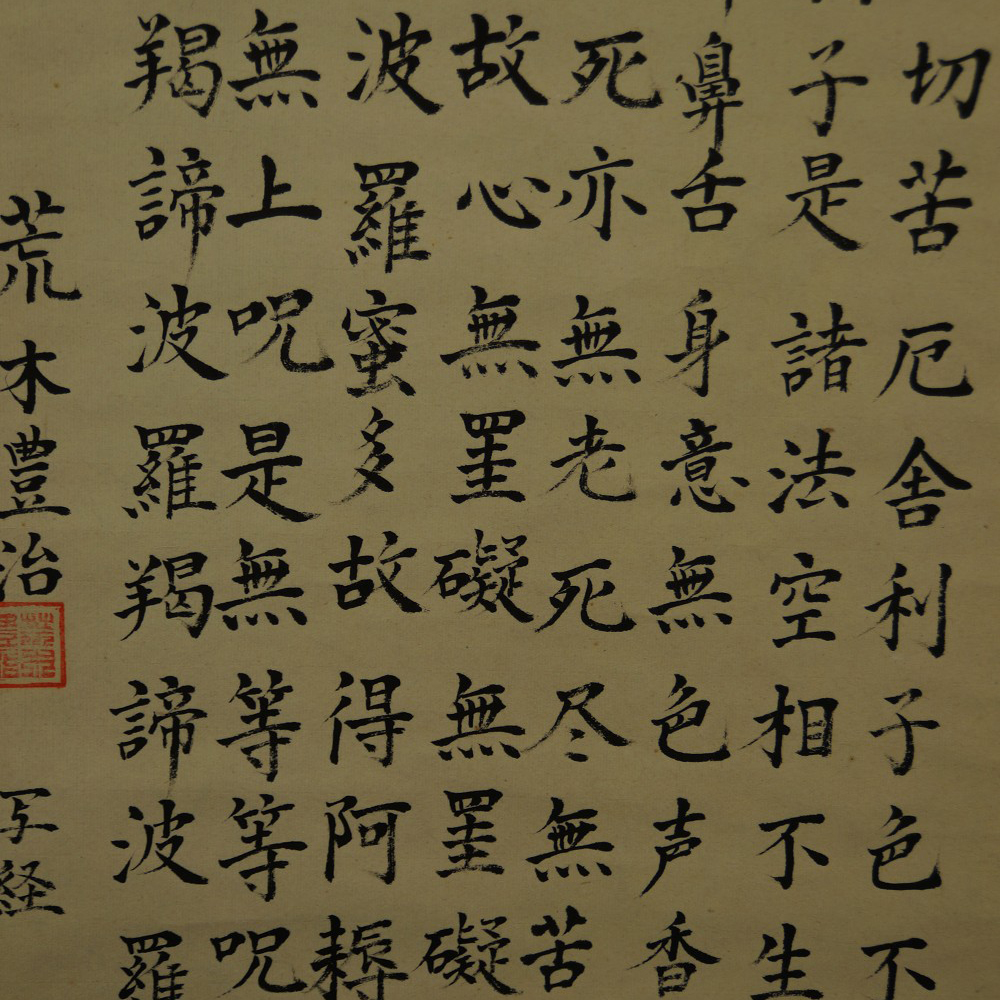
Toyoharu Araki
Heart Sutra in Calligraphy
Kakemono, unique work, 185 x 50 cm
Sold
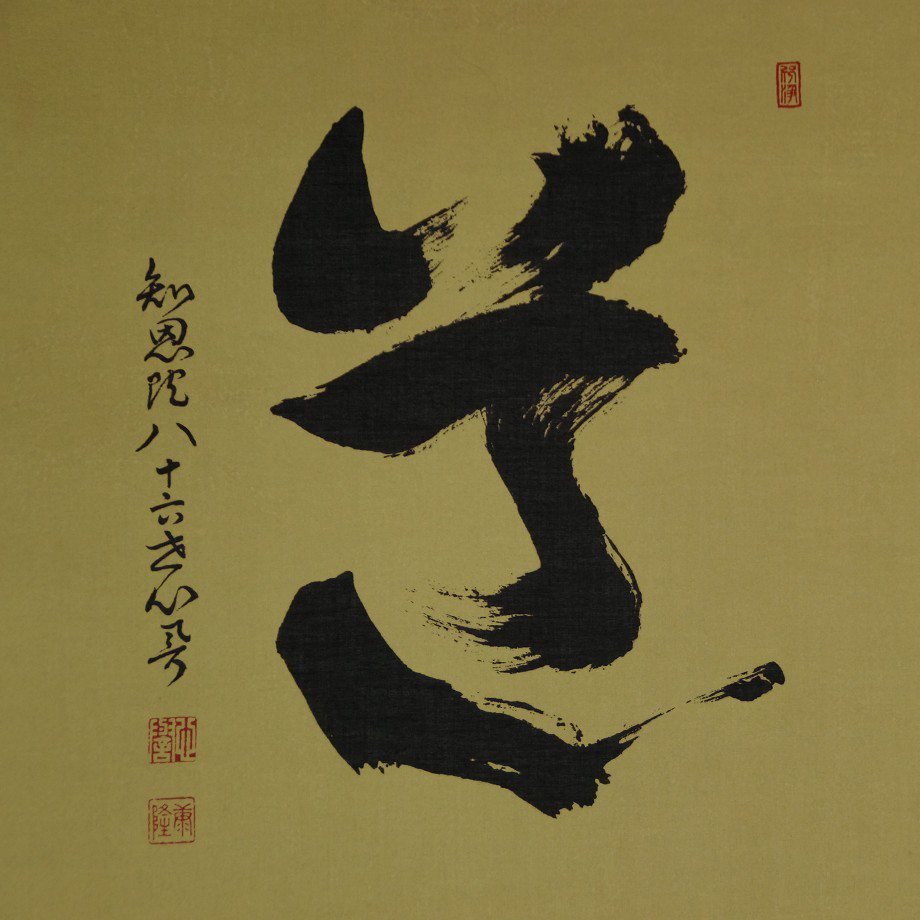
Yasutaka Nakamura
Zen Calligraphy "The Way"
Kakemono, unique work, with box, 126 x 58 cm
Sold
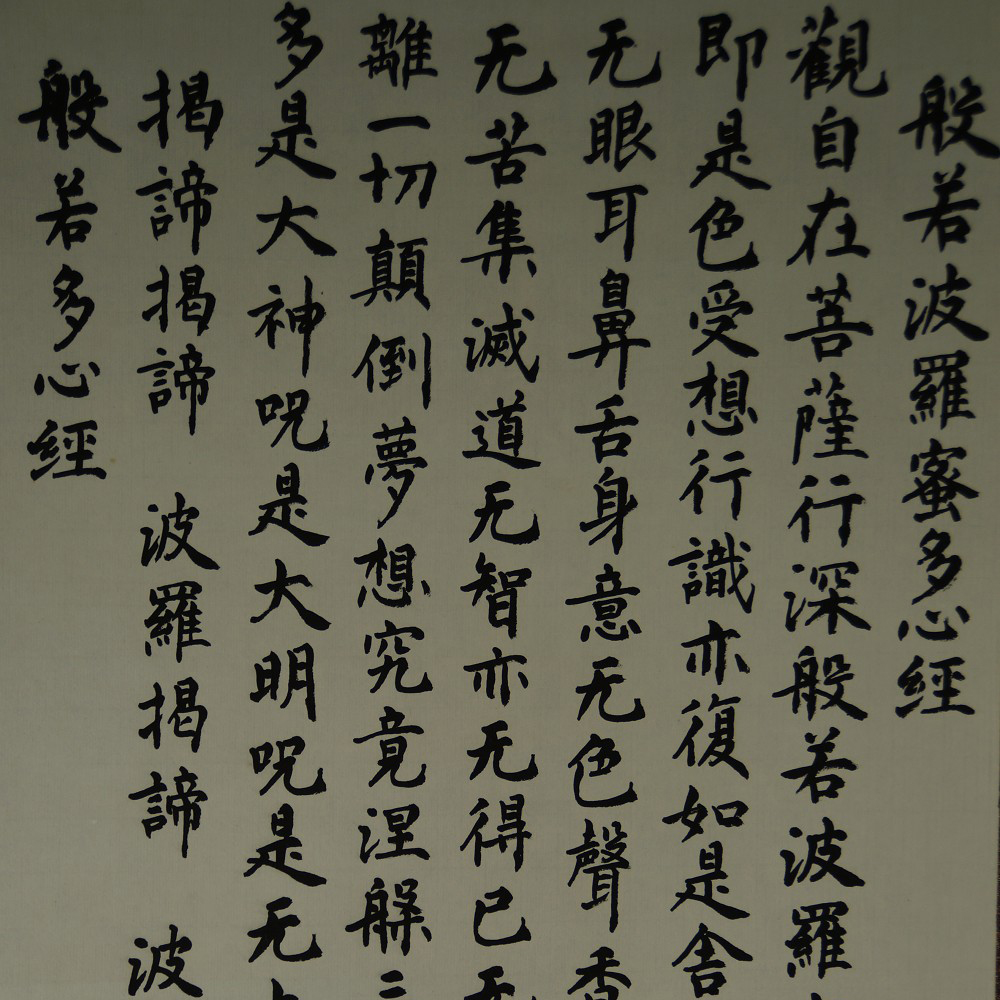
Yasuto Suzuki
Heart Sutra
Kakemono, unique work, 160 x 54 cm
Sold
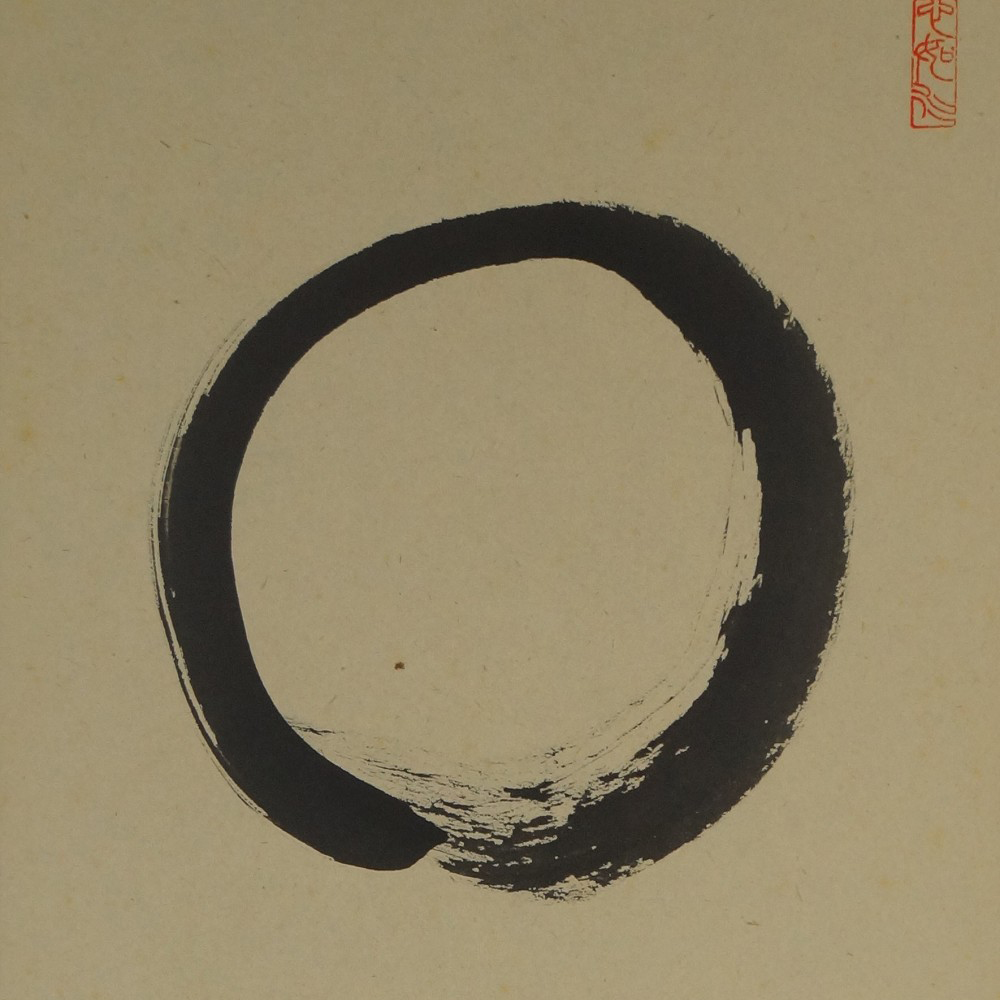
Hashimoto Johisa
Enso – Circle of Enlightenment
Kakemono, unique work, 170 x 36 cm
Sold
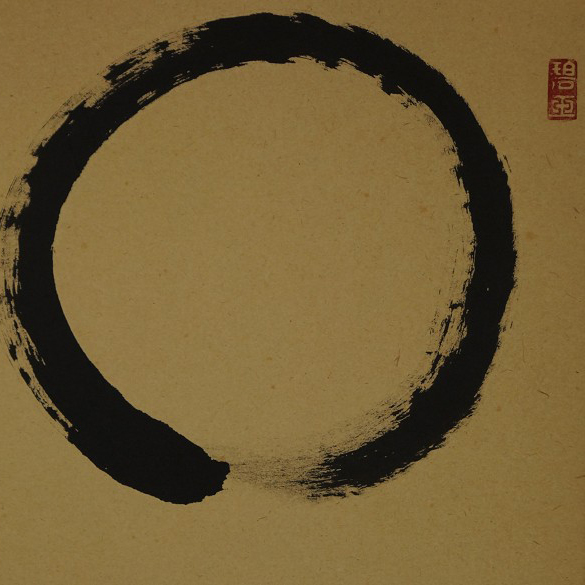
Enso – Zen Calligraphy of the Circle
Kakemono, unique work, 120 x 61 cm
Sold
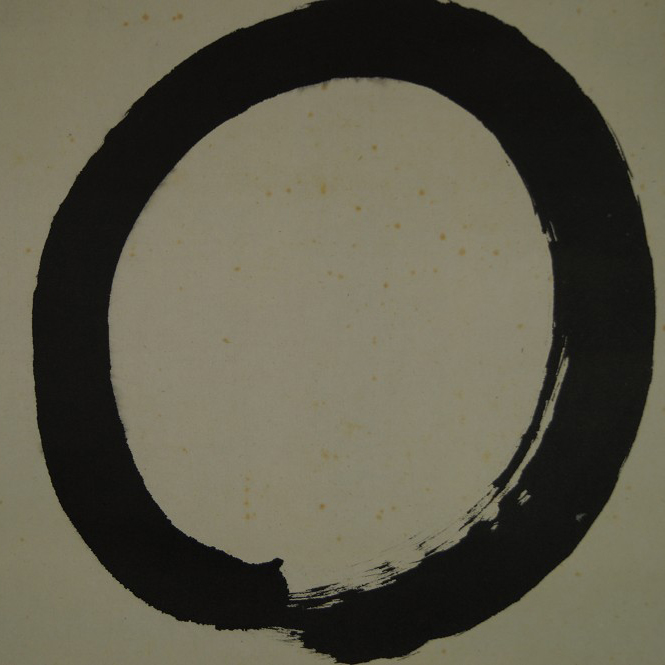
Muneyoshi Hazama
Enso – Meditative Circle
Kakemono, unique work, 120 x 61 cm
Sold
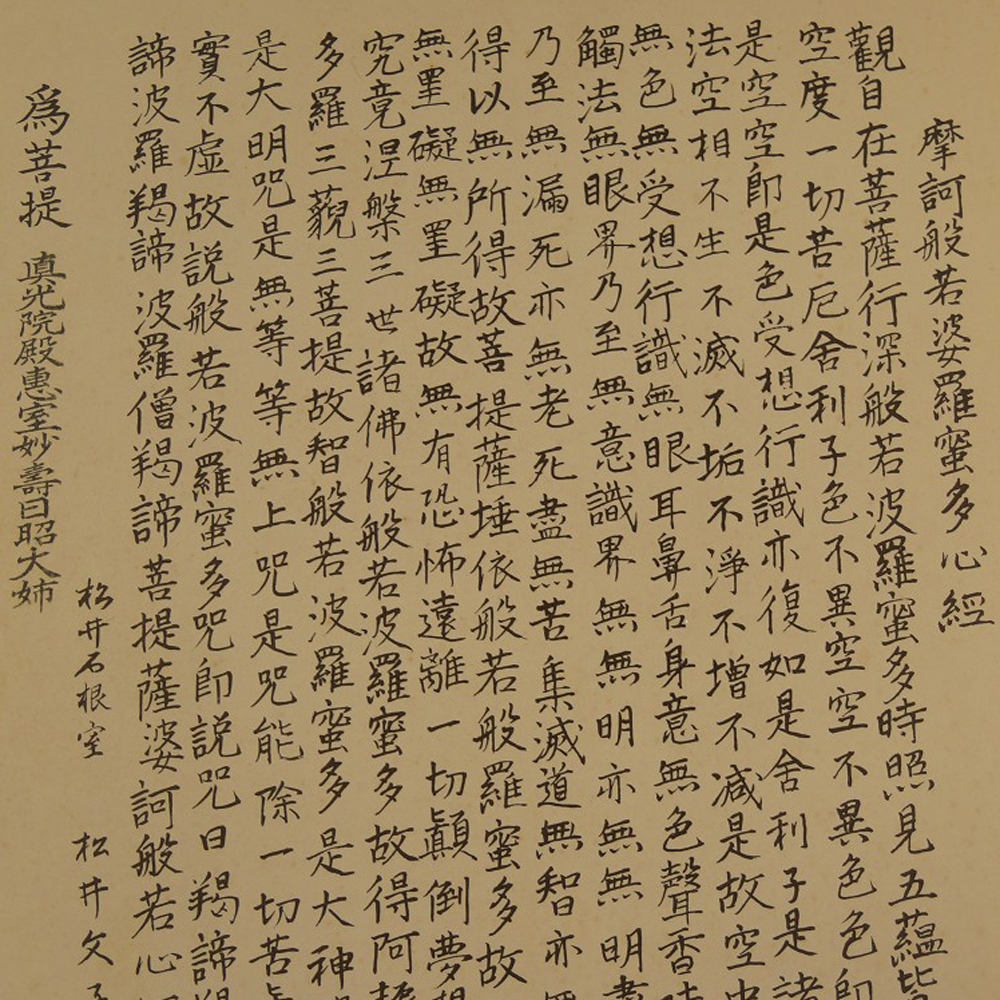
Calligraphy Heart Sutra "Hannya Shingyo"
Shikishi, unique work, 27 x 24 cm
Sold
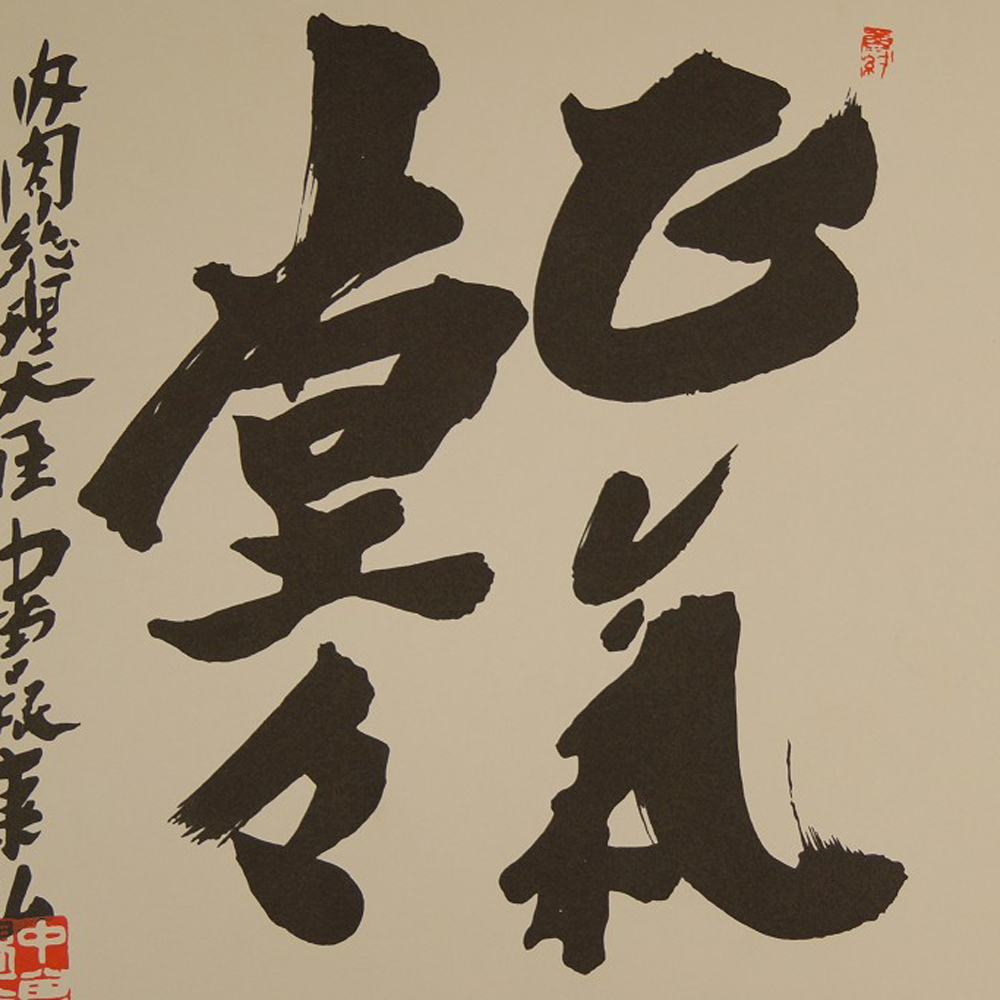
Calligraphy "The Right Spirit Leads to Nirvana"
Shikishi, unique work, 27 x 24 cm
Sold
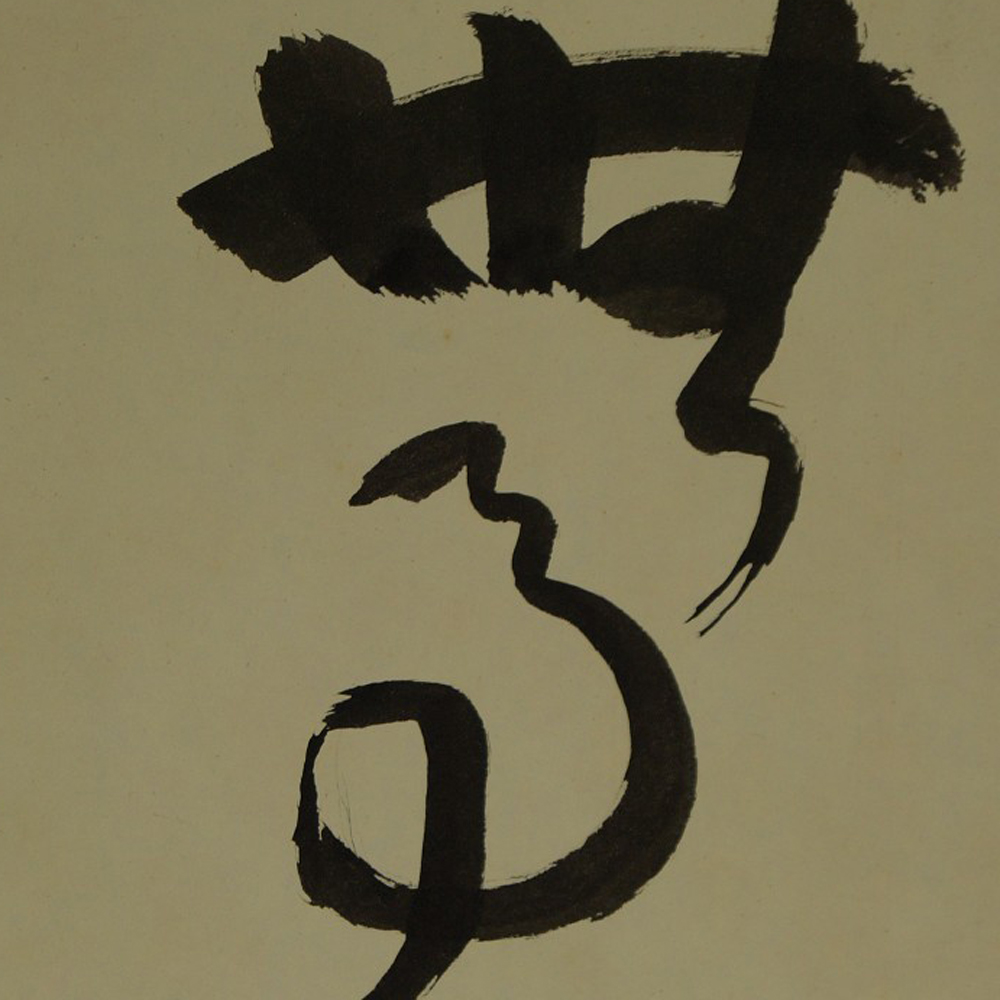
Calligraphy "Emptiness"
Shikishi, unique work, 27 x 24 cm
Sold
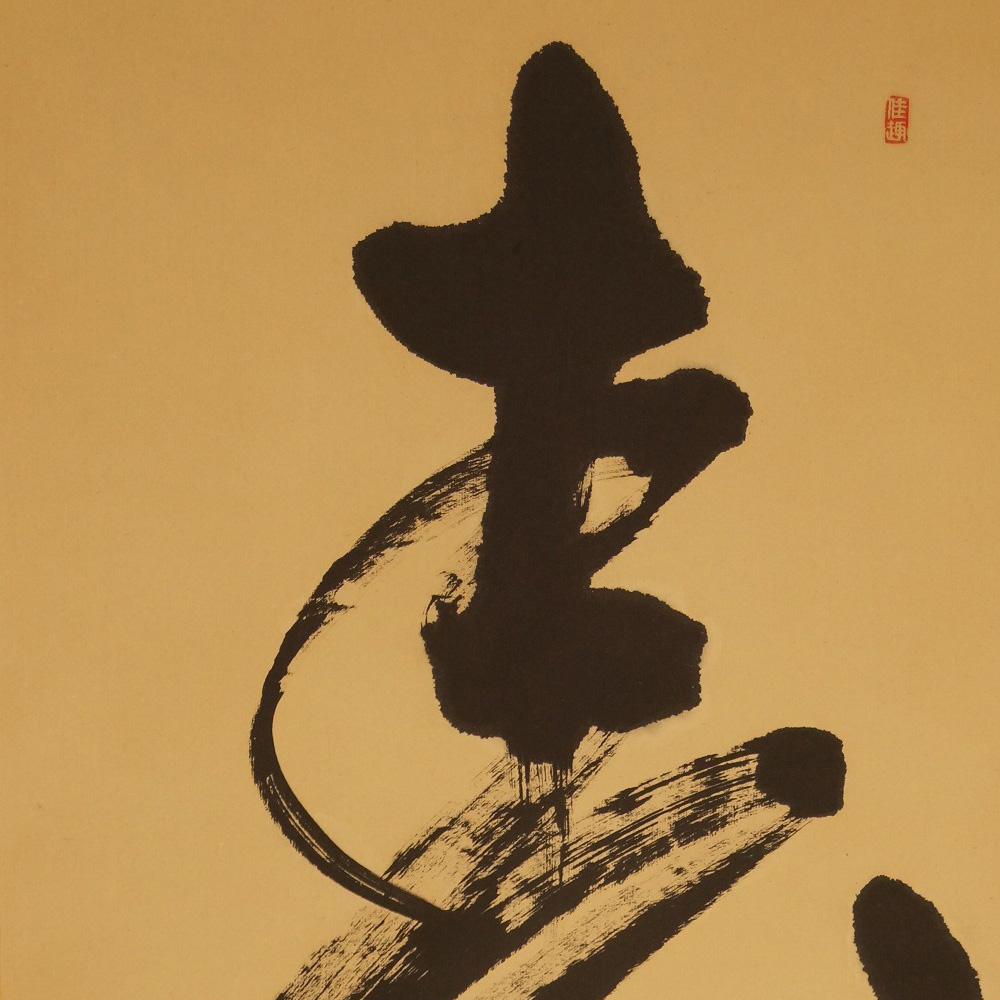
Long Life
Kakemono, unique work, 140 x 50 cm
Sold
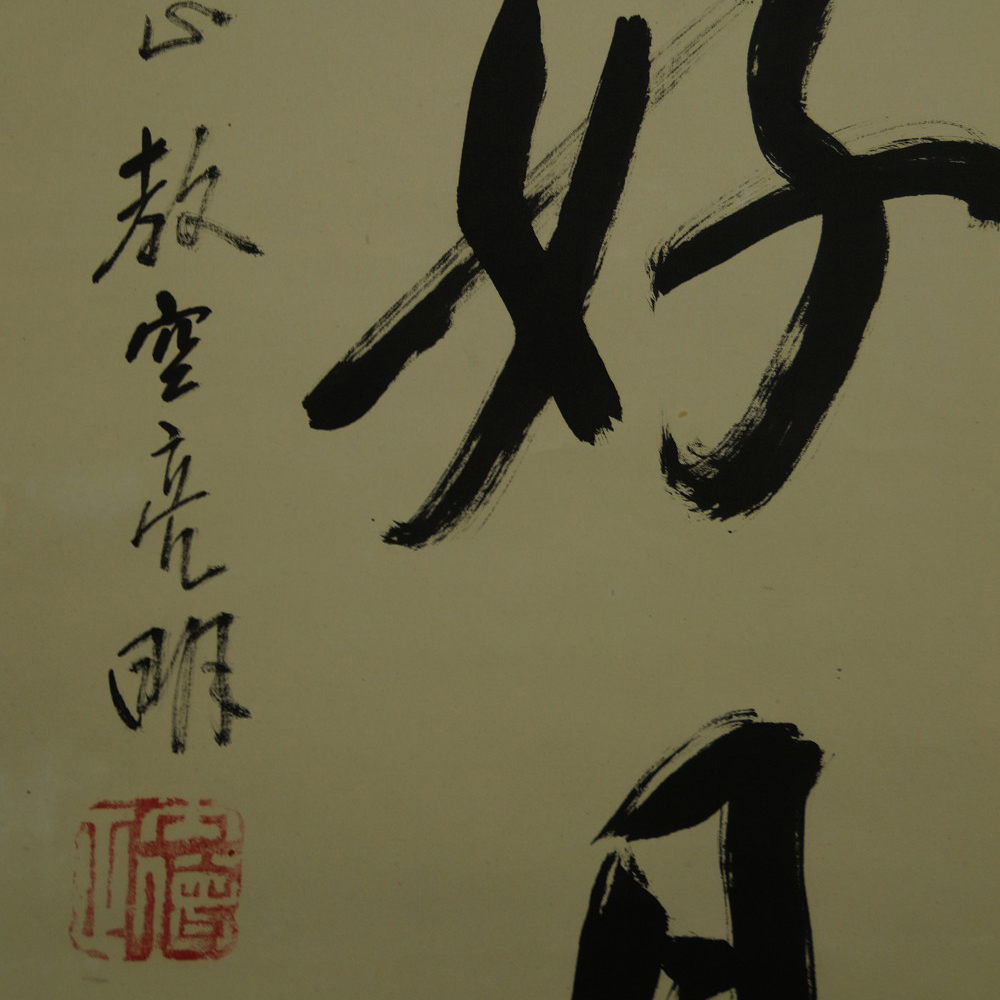
Ryoaki Miwa
Zen Calligraphy – Every Day Is a Good Day
Kakemono, unique work, 175 x 51 cm
Sold
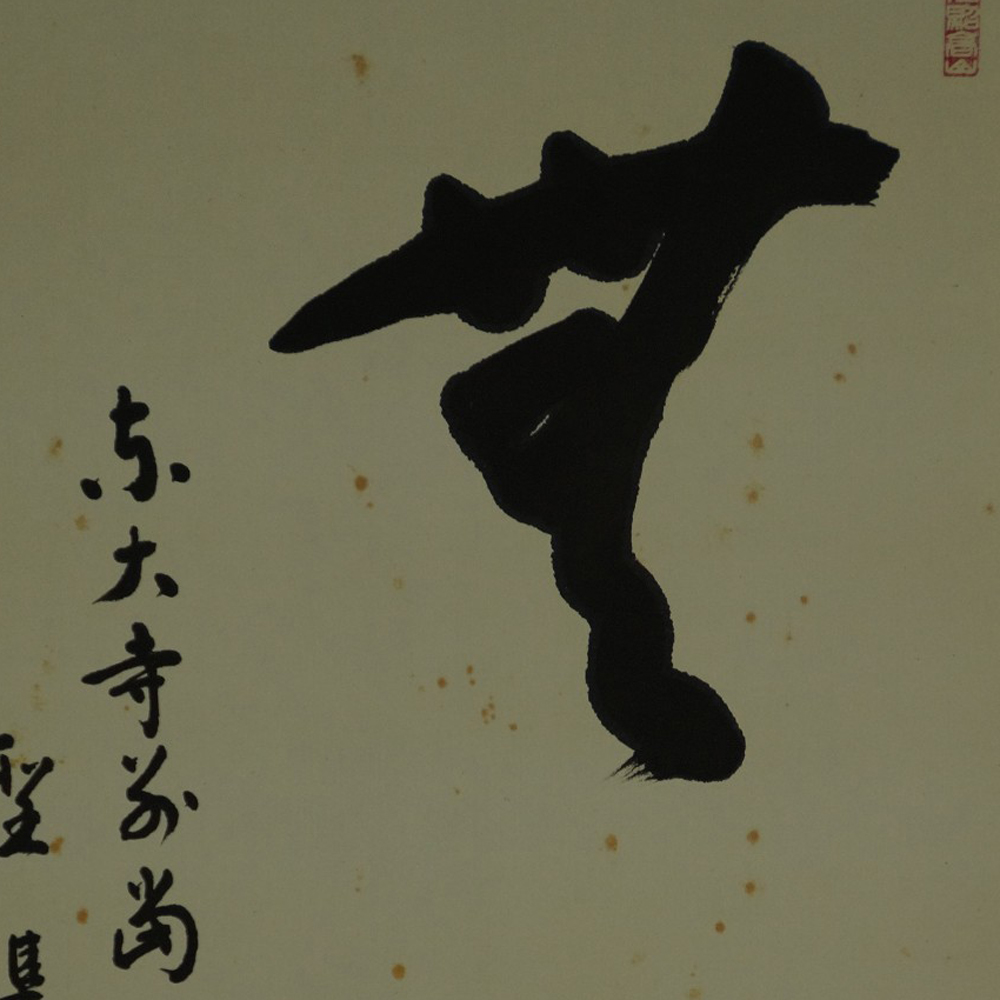
Hashimoto Seijun
Zen Calligraphy – Mu, Emptiness
Kakemono, unique work, 130 x 41 cm
Sold
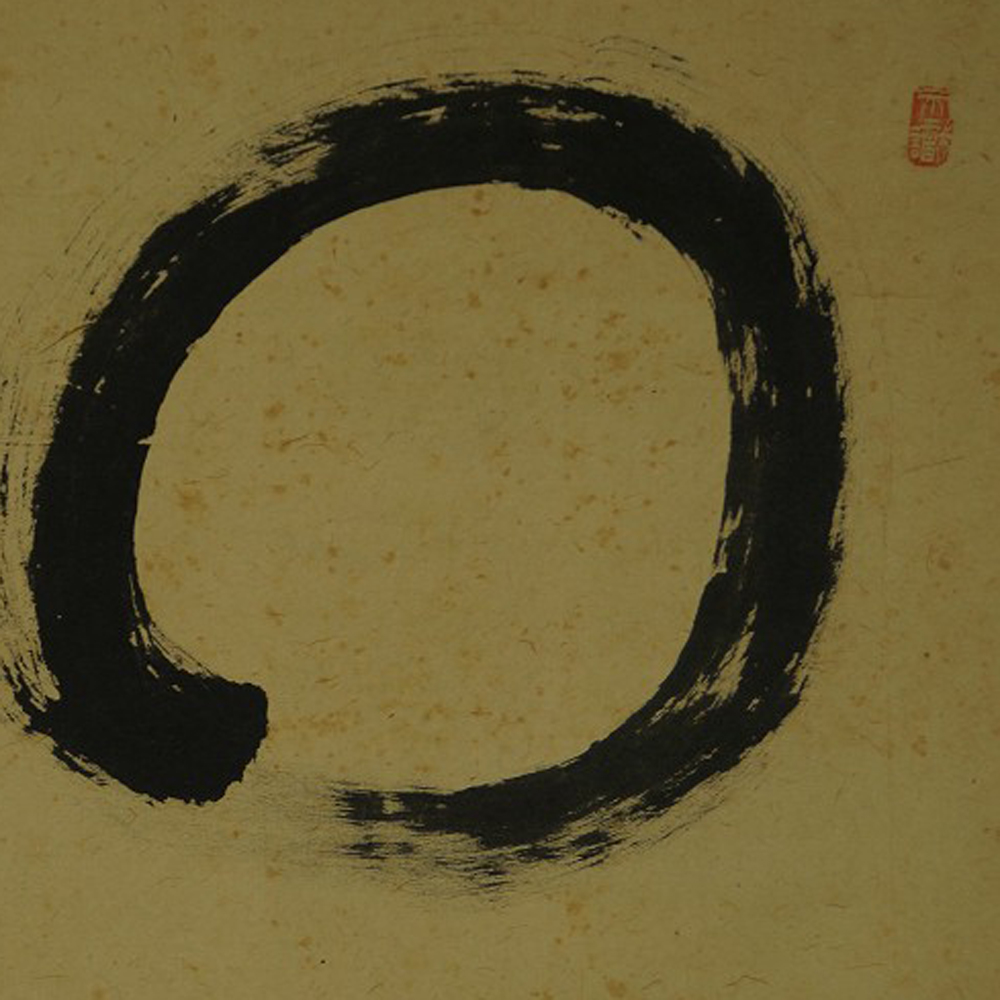
Tamai Kazan
Enso - Zen Calligraphy
Kakemono, unique work, 109 x 60 cm
Sold
48 of 118 items shown
Painting as Spiritual Practice
In Zen Buddhism, the act of painting itself is often part of the spiritual practice: a brushstroke is not corrected but executed in the present moment, as a direct expression of the painter's inner mental state. This attitude still shapes the unmistakable character of Buddhist and Zen Buddhist painting today and fundamentally distinguishes it from purely decorative pictorial art. Historically, many of these works originated in a monastic environment, where monks practiced painting and writing as one of several forms of meditation practice, alongside seated meditation, the tea ceremony, and garden care.
Depictions of Buddha and Bodhisattvas
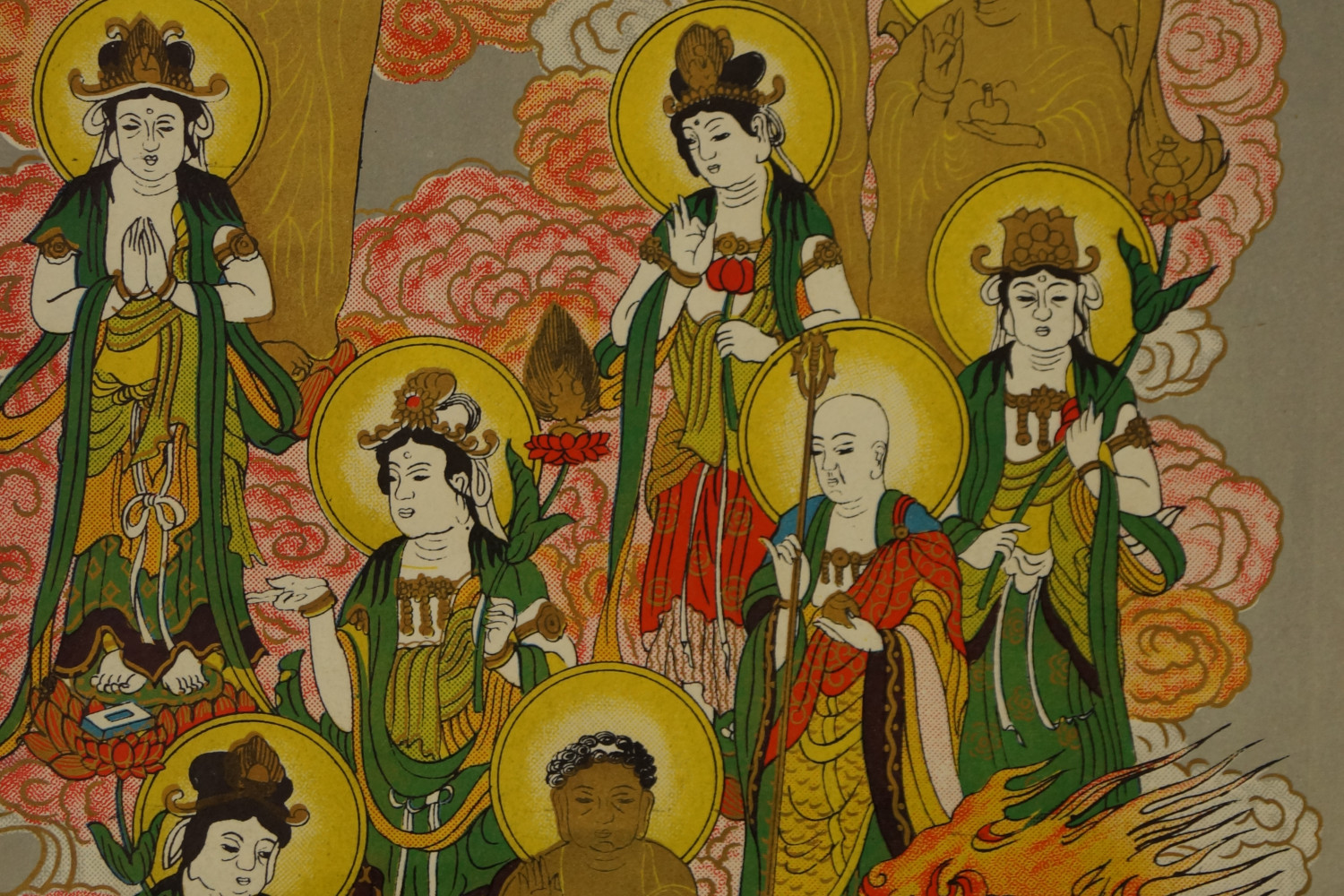
Classical Buddhist kakemono show Buddha in a meditative seated posture or bodhisattvas – enlightened beings who remain in this world out of compassion in order to help other people on their spiritual path, rather than entering final nirvana themselves. Such depictions often follow fixed iconographic rules regarding hand position (mudra), seated posture, and attributes such as the lotus flower, water jug, or rosary, each of which carries a specific meaning and makes the identity of the depicted figure recognizable.
The Ensō: The Circle of Emptiness
The ensō is a circle painted with a single, spontaneous brushstroke and is considered one of the best-known and, at the same time, most reduced symbols of Zen art. Depending on interpretation, it stands for emptiness, enlightenment, imperfection, or the present moment – and is deliberately not executed as a perfect geometric circle, since it is precisely the small irregularities of the brushstroke that are regarded as an expression of authenticity and inner truthfulness. In Zen practice, painting an ensō is often practiced daily, with each painted circle intended to reflect the painter's mental state at that particular moment.
Zen Masters and Patriarchs
Figures such as Daruma, the legendary founder of Zen Buddhism, or other historical Zen masters and patriarchs are often depicted with reduced, expressive brushwork – images that appear less like portraits and more like condensed characterizations. Such depictions often emphasize a particular character trait of the respective master, such as Daruma's unyielding determination or the quiet composure of other Zen teachers, and serve less as historical documentation than as spiritual inspiration.
Calligraphic Sayings and Teachings
Many works in this category combine image and script: a short Zen saying, a koan (a paradoxical teaching question), or a sutra excerpt accompanies the depiction and further condenses the spiritual message of the image. This combination of image and text is characteristic of Zen art, in which painting and calligraphy are traditionally understood not as separate disciplines but as two forms of expression of the same inner practice.
Zen Art in Everyday Life Today
Even outside a religious context, Zen motifs are enjoying growing popularity, as they address universal human needs for stillness, concentration, and inner calm. An ensō or a Daruma painting can therefore find its place in a yoga studio, a study, or a quiet reading corner just as much as in a space used explicitly for spiritual purposes.
The Origin of Zen in Japan
Zen Buddhism reached Japan via China and was significantly shaped and further developed there from the 12th and 13th centuries onward, especially through the Rinzai and Sōtō schools. Unlike other Buddhist traditions, Zen places particular emphasis on direct, meditative experience rather than extensive textual study, which is directly reflected in the reduced, immediate pictorial language of Zen painting. This close connection between spiritual practice and artistic expression makes Zen art, to this day, one of the most distinctive currents in the history of Japanese art.
Selecting Zen Motifs Deliberately
Anyone interested in a Zen kakemono should first ask what effect the work is meant to have in the chosen space: an ensō is particularly suited to spaces meant to serve an open, meditative mood, while a Daruma depiction tends to provide an impulse toward determination and perseverance, for instance in a work or study area. Zen sayings accompanied by calligraphy, in turn, are well suited to spaces in which a specific thought or a particular inner attitude is meant to be deliberately kept present.
Zen and the Art of Conscious Pausing
A central concern of Zen practice is conscious pausing in the present moment, detached from dwelling on the past or the future. In everyday life, a Zen kakemono can serve as a small, recurring prompt to practice this very attitude again and again – a brief glance at the ensō in passing, a moment of stillness in front of a Daruma depiction in the morning. Especially in an increasingly fast-paced environment, this quiet, unobtrusive reminding function is gaining significance for many people.
Let yourself be touched by the quiet power of Buddhist and Zen Buddhist art – for a place of contemplation in your own home.


