Japanese Bizen Ware
Go directly to the artworksIn brief
Bizen ware (備前焼, Bizen-yaki) is a traditional Japanese stoneware from Okayama Prefecture that is fired without any applied glaze. Color and surface come from the fire alone: in the yakishime technique, flame and wood ash act on the iron-rich clay for several days at around 1,200 to 1,300 degrees Celsius. Bizen is one of Japan's Six Ancient Kilns and has been recognized as a traditional craft since 1982. Typical vessels are sake bottles (tokkuri), sake cups (guinomi), tea bowls and vases. At Densho you will find handmade Bizen vessels as one-of-a-kind pieces direct from Japan.
Tokkuri and Guinomi Made of Bizen Ware
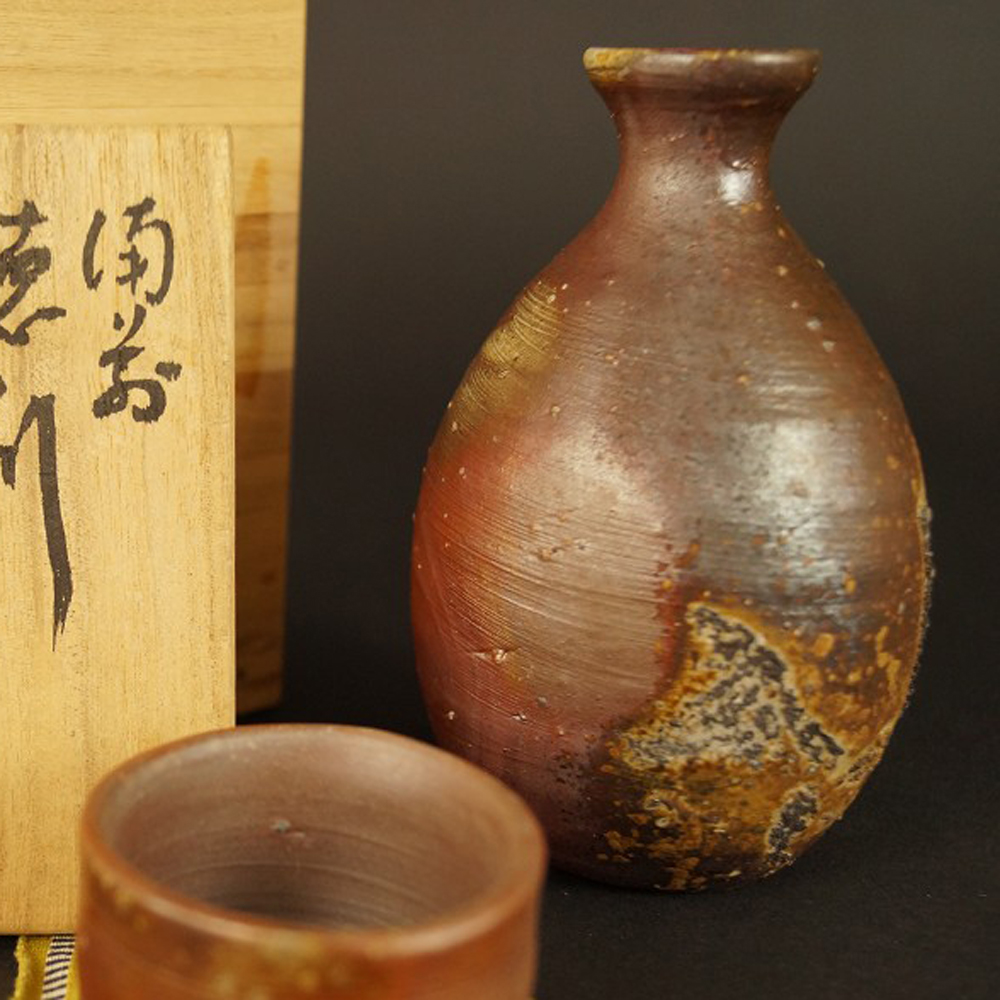
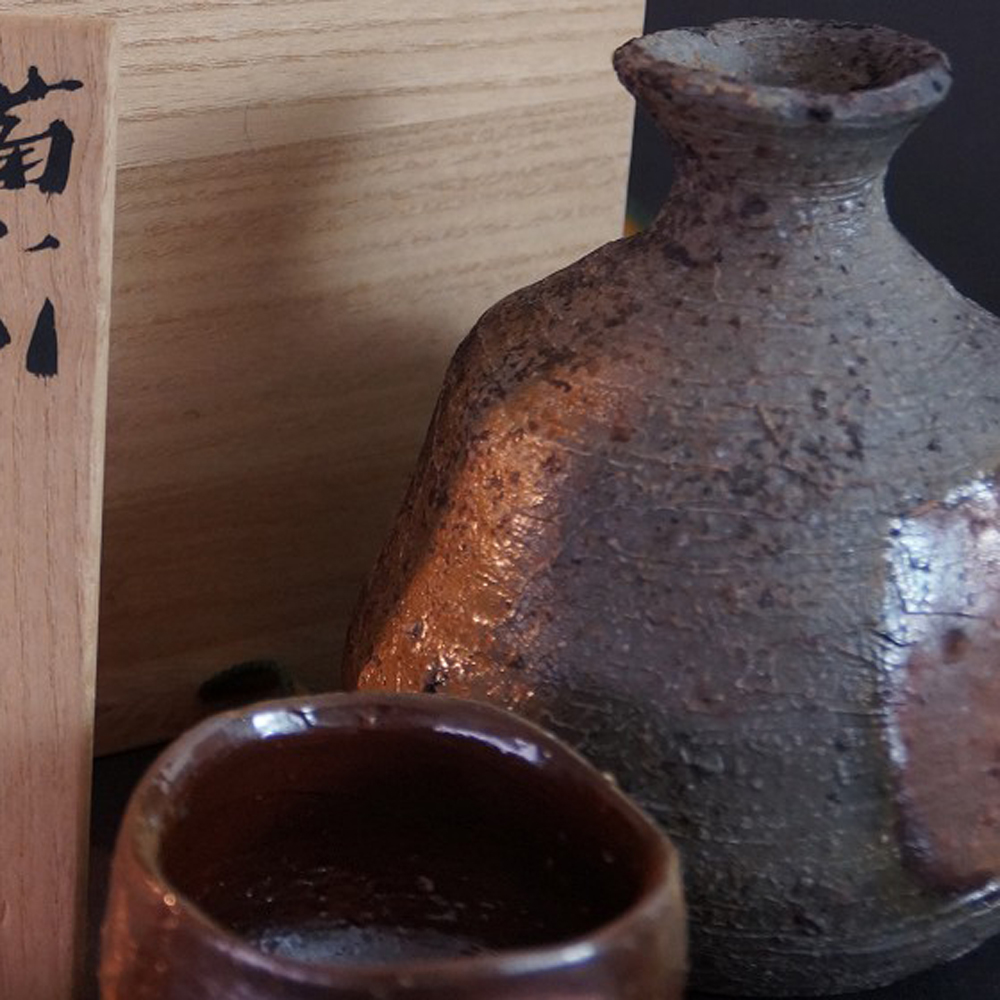
Set of Guinomi and Tokkuri, unique work, with box, 12 x 7 cm
€210.00

Morioka Hiroshi
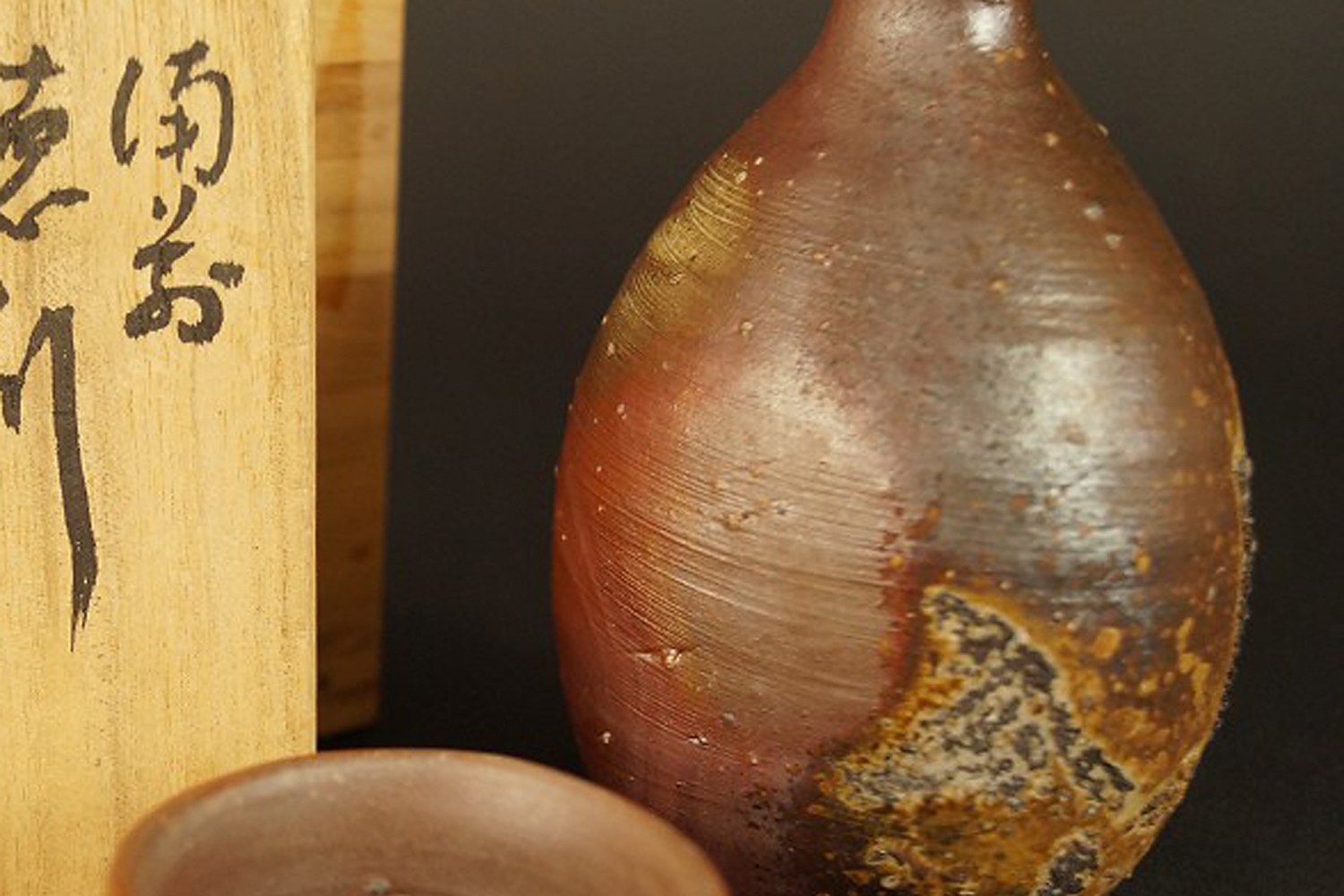
Sake Set Made of Bizen Ware by Hiroshi Morioka
Set of Guinomi and Tokkuri, unique work, with box, 12 x 10 cm
€690.00

Hibata Koken
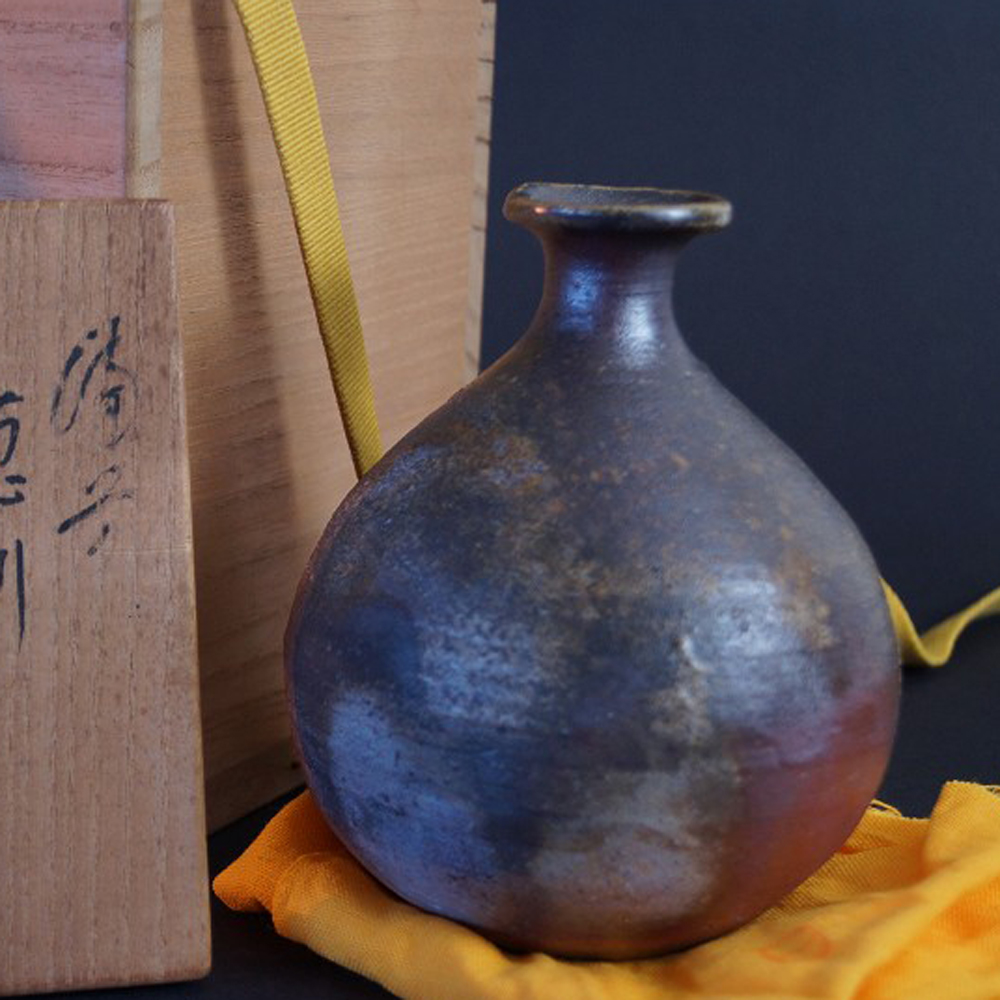
Tokkuri Made of Bizen Ware by Koken Hibata
Tokkuri, unique work, with box, 12,5 x 10 cm
€230.00

Nakao Akira
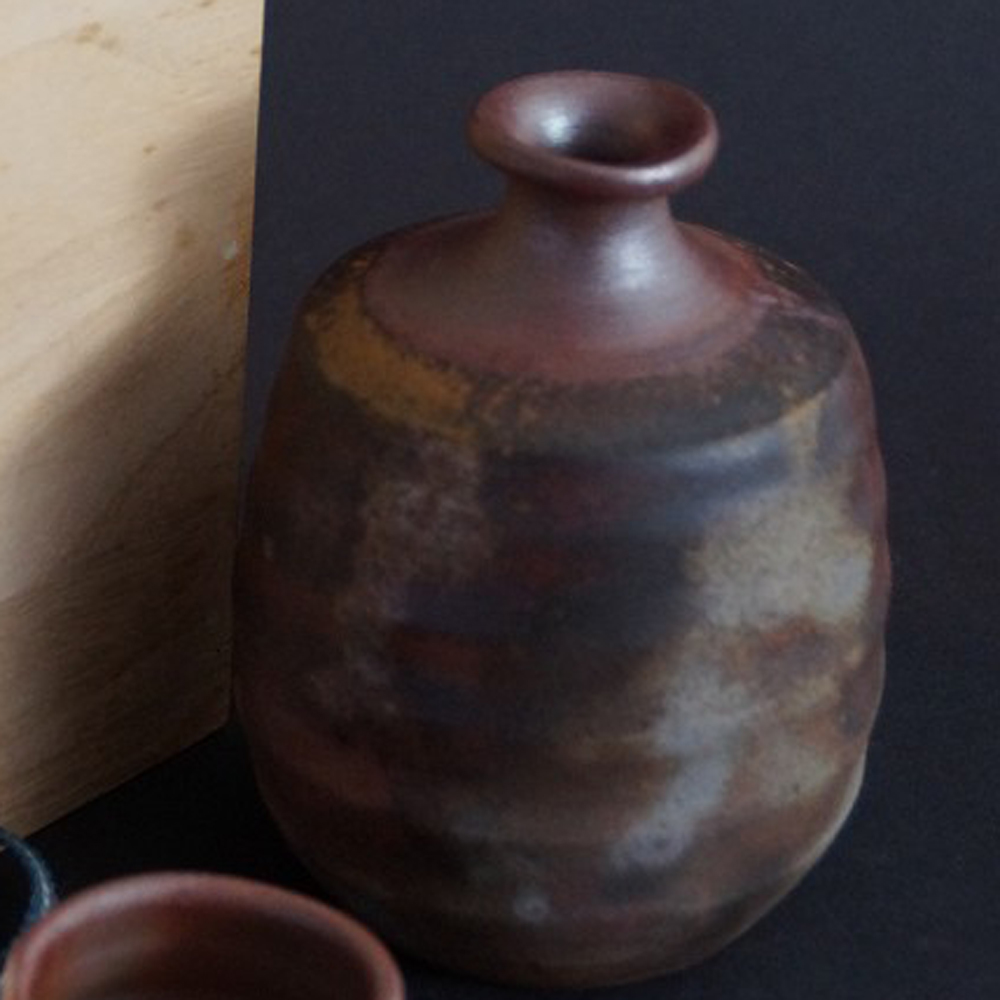
Tokkuri Made of Bizen Ware by Akira Nakao
Tokkuri, unique work, with box, 12,5 x 10 cm
€360.00


Ota Atsushi
Guinomi Made of Bizen Ware by Atsushi Ota, Round Shape
Guinomi, unique work, with box, 6 x 6 cm
€440.00


Kimura Takaaki
Guinomi Made of Bizen Ware by Takaaki Kimura
Guinomi, unique work, with box, 4,5 x 6 cm
€830.00


Ota Atsushi
Guinomi Made of Bizen Ware by Atsushi Ota, Angular Shape
Guinomi, unique work, with box, 6 x 6 cm
€440.00
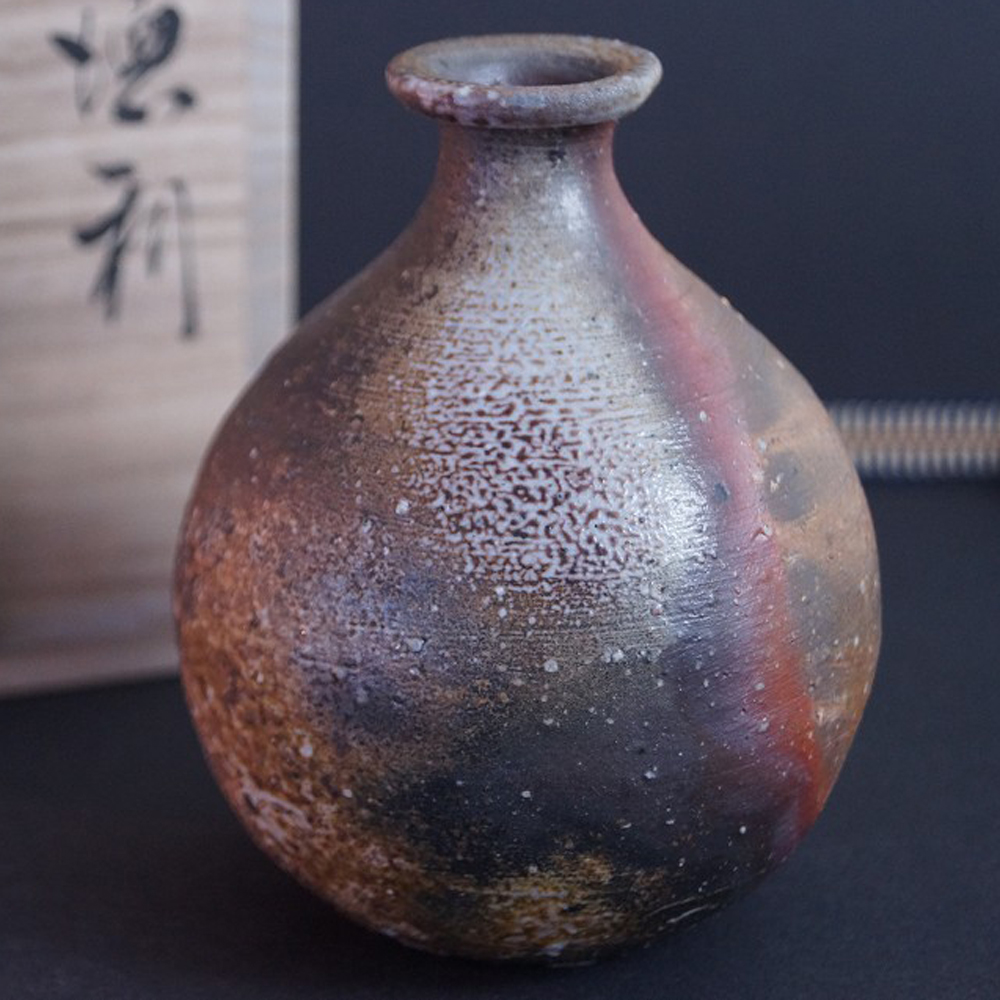
Handcrafted Japanese Bizen Sake Bottle (Tokkuri)
Tokkuri, unique work, with box, 11 x 9 cm
Sold
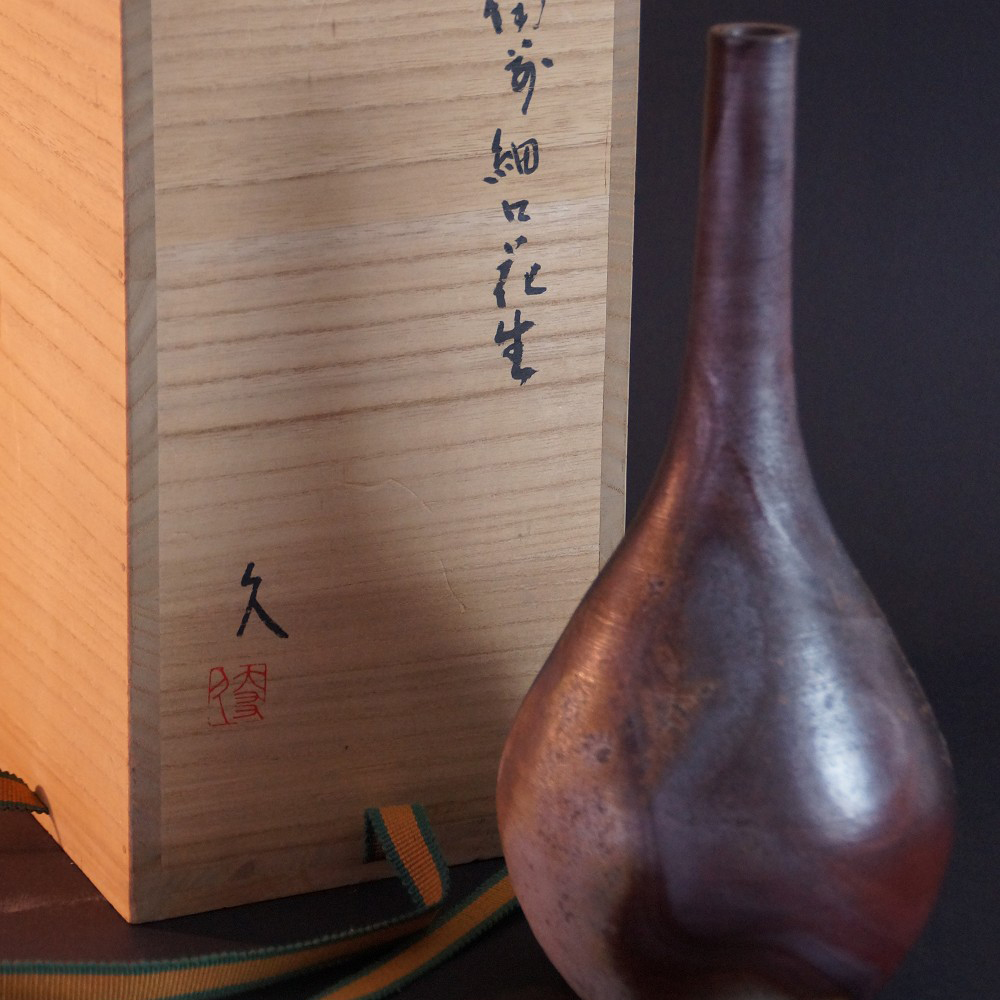
Otomokyu
Handcrafted Japanese Bizen Vase by Otomokyu
Vase, unique work, with box, 25 x 12 cm
Sold
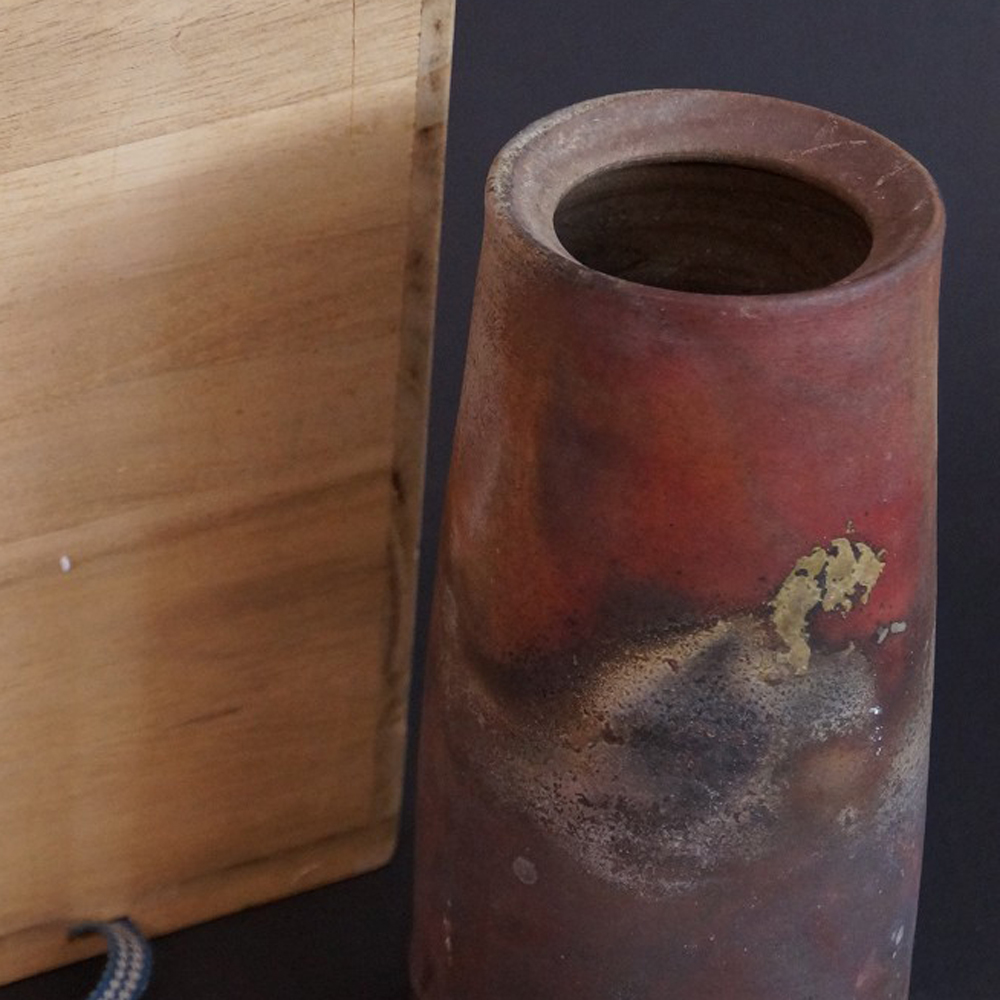
Toho
Handcrafted Japanese Vase Made of Bizen Ware by Toho
Vase, unique work, with box, 19 x 9 cm
Sold
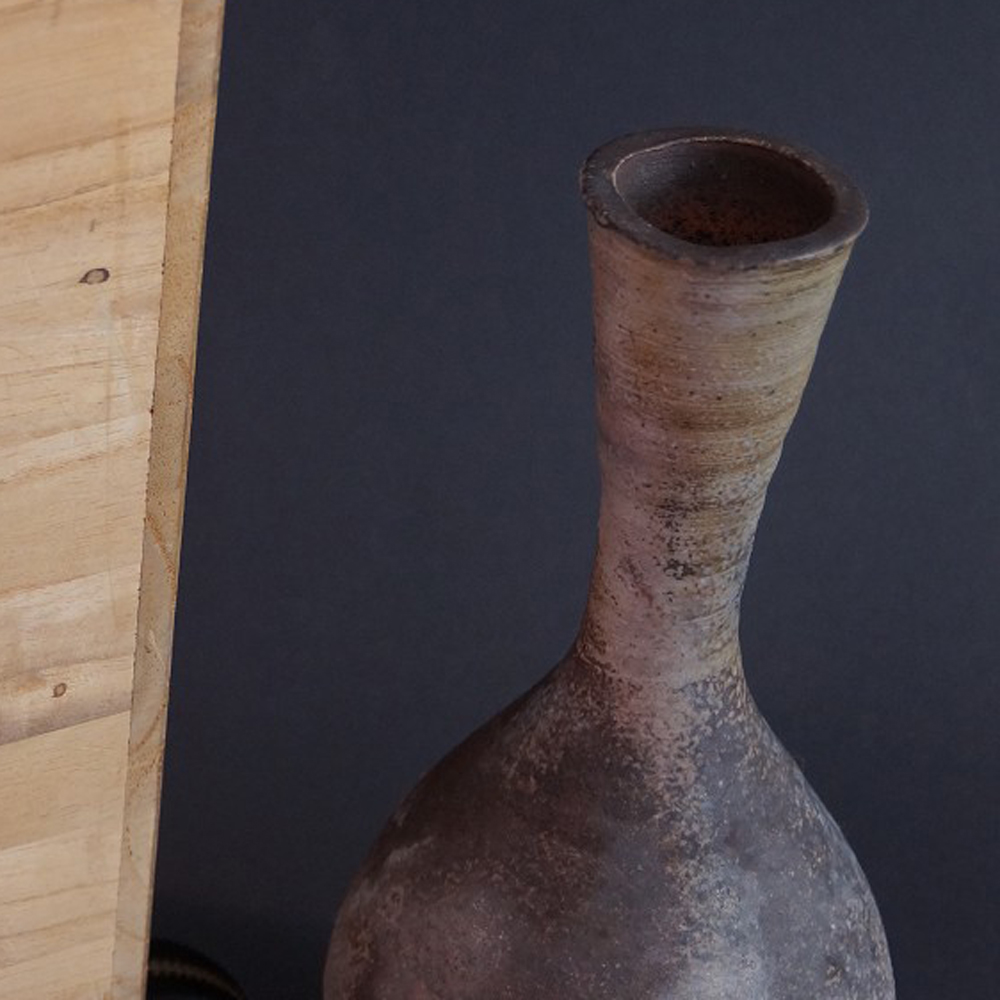
Handcrafted Japanese Bizen Vase
Vase, unique work, with box, 21 x 10 cm
Sold

Namba Sojo
Guinomi Made of Bizen Ware by Namba Sojo
Guinomi, unique work, with box, 5,5 x 6,5 cm
Sold
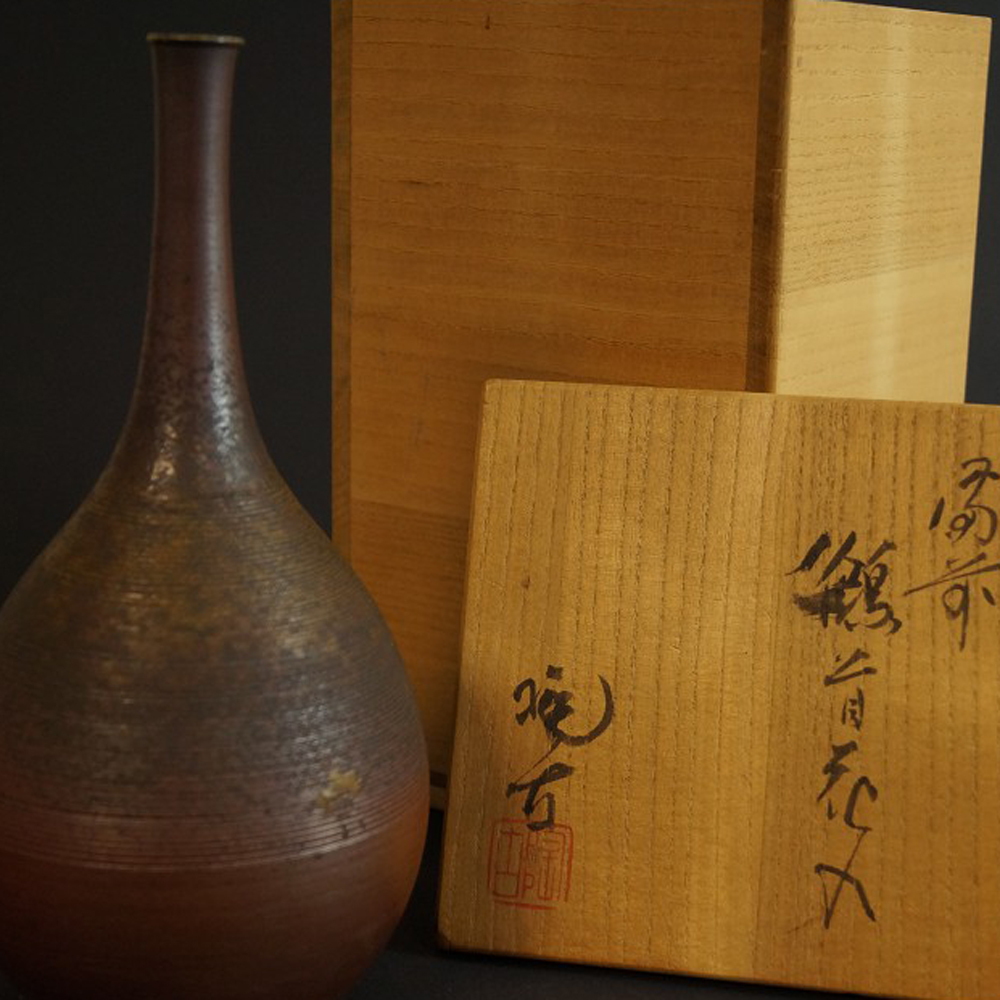
Toko Konishi
Handcrafted Japanese Vase Made of Bizen Ware by Toko Konishi
Vase, unique work, with box, 19 x 13,5 cm
Sold
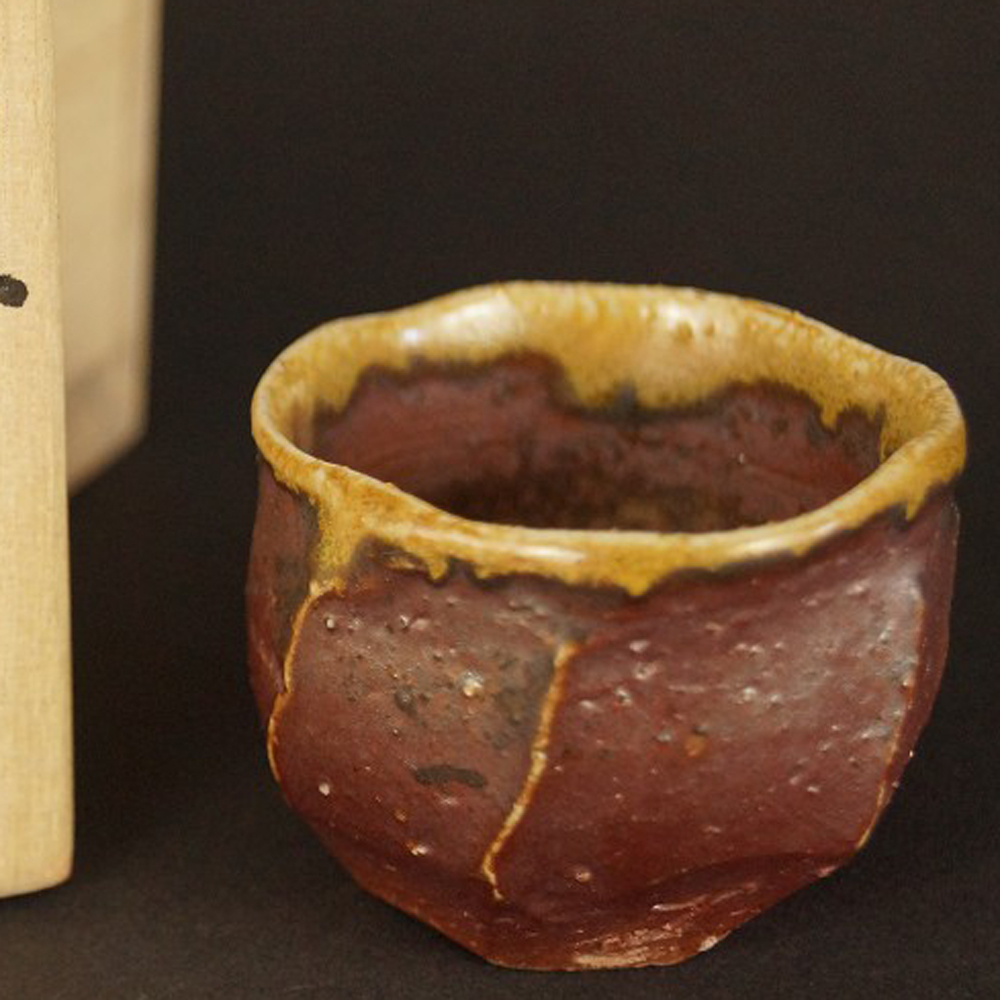
Kimura Tamafune
Guinomi Made of Bizen Ware by Kimura Tamafune
Guinomi, unique work, with box, 4 x 5 cm
Sold
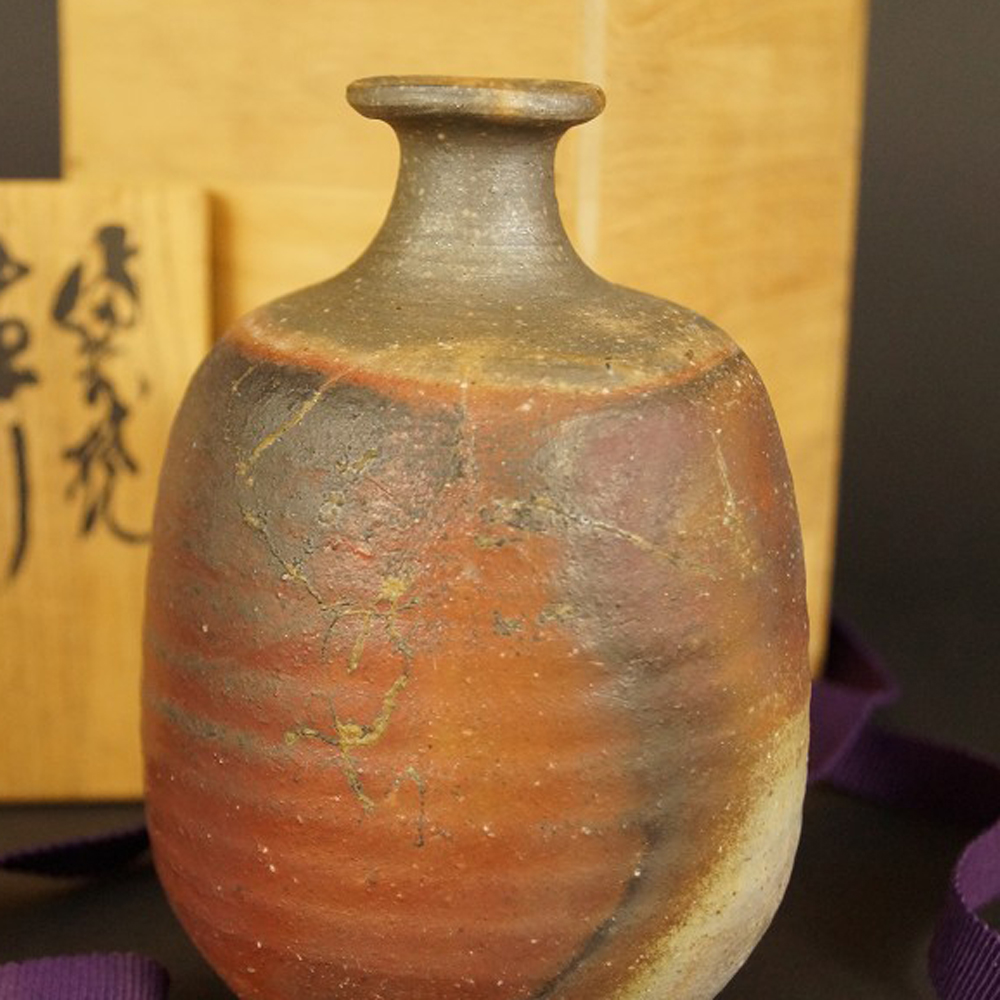
Shuzo Ogawa
Tokkuri Made of Bizen Ware by Shuzo Ogawa
Tokkuri, unique work, with box, 13,5 x 8 cm
Sold
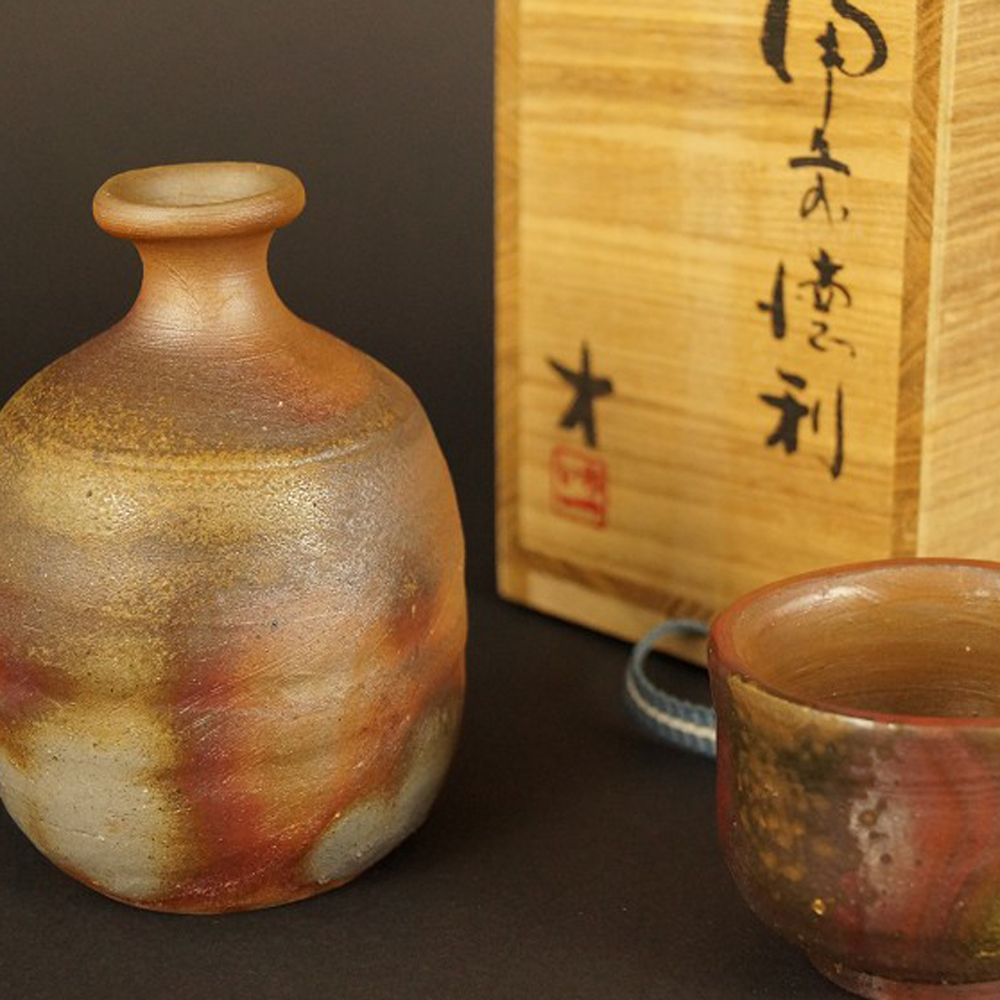
Sake Set Made of Bizen Ware, Tokkuri and Guinomi
Set of Guinomi and Tokkuri, unique work, 12 x 8 cm
Sold
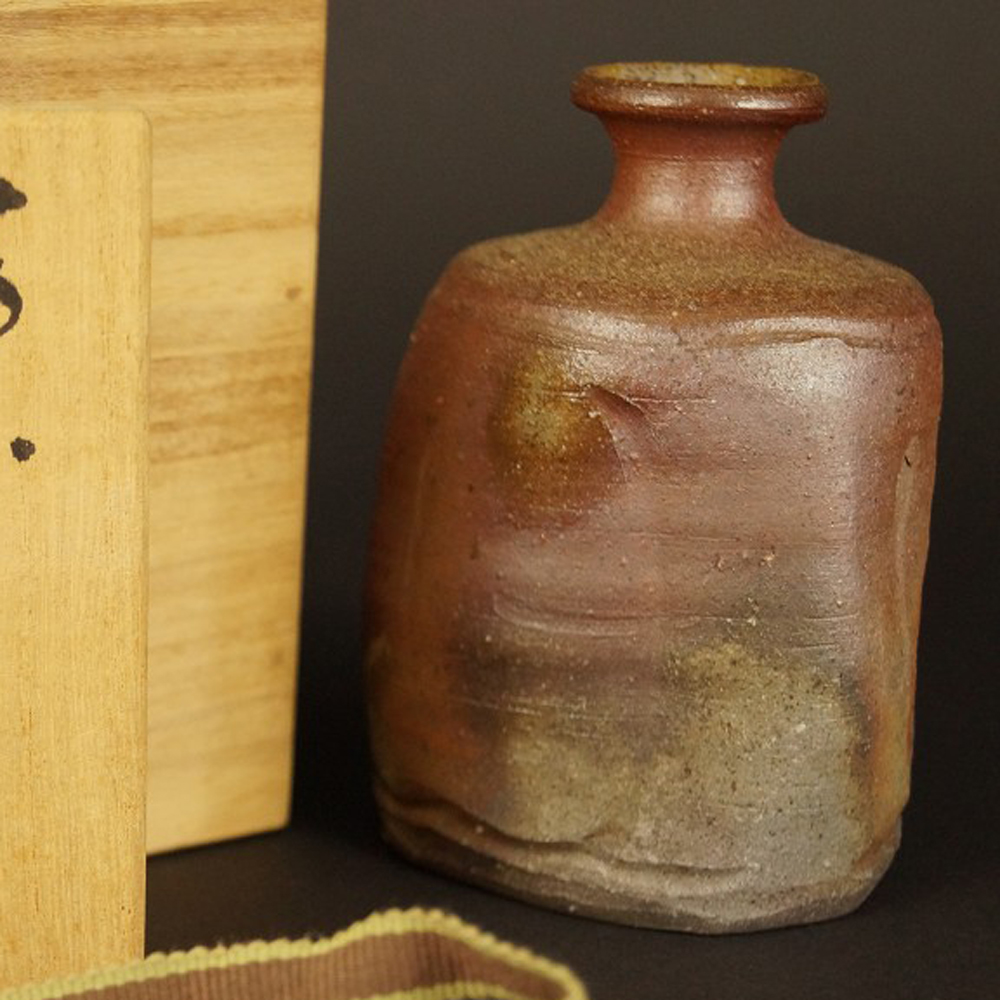
Harada Totsuki
Tokkuri Made of Bizen Ware by Harada Totsuki
Tokkuri, unique work, 12 x 7,5 cm
Sold
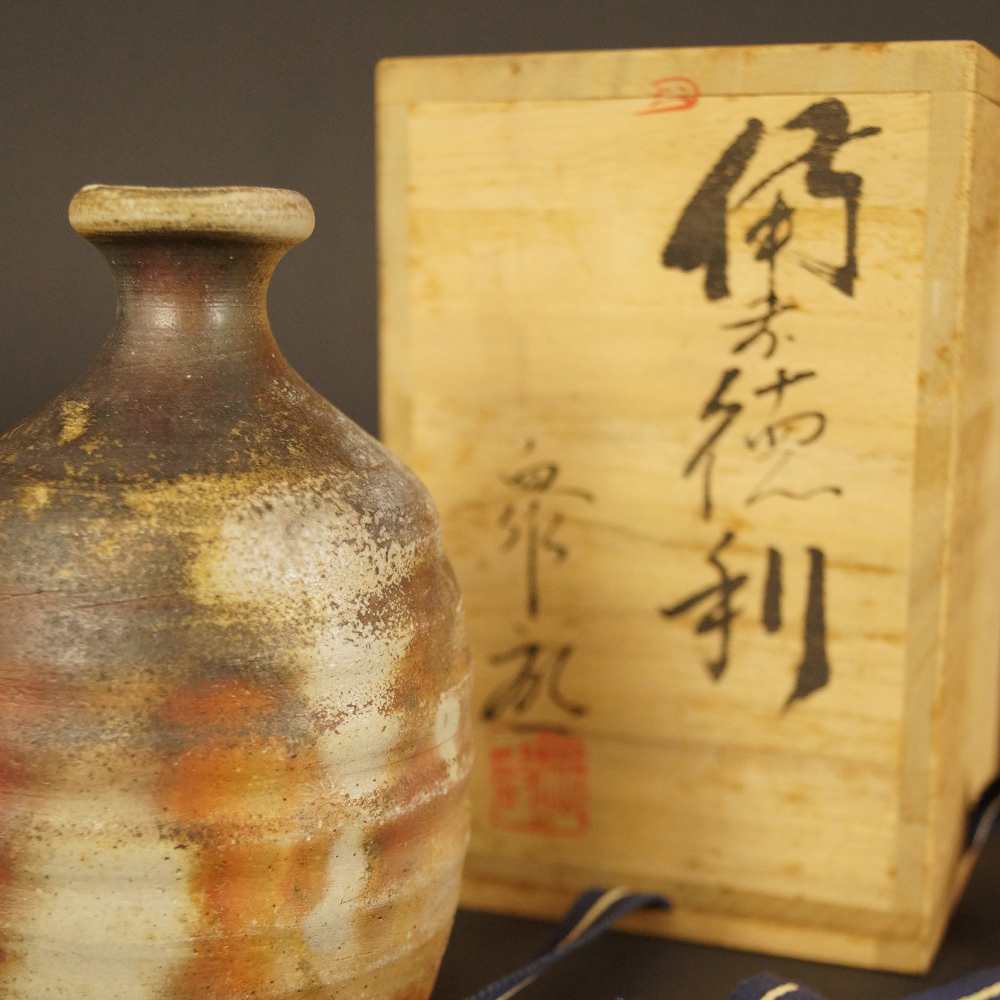
Tokkuri Made of Bizen Ware
Tokkuri, unique work, 15 x 8 cm
Sold
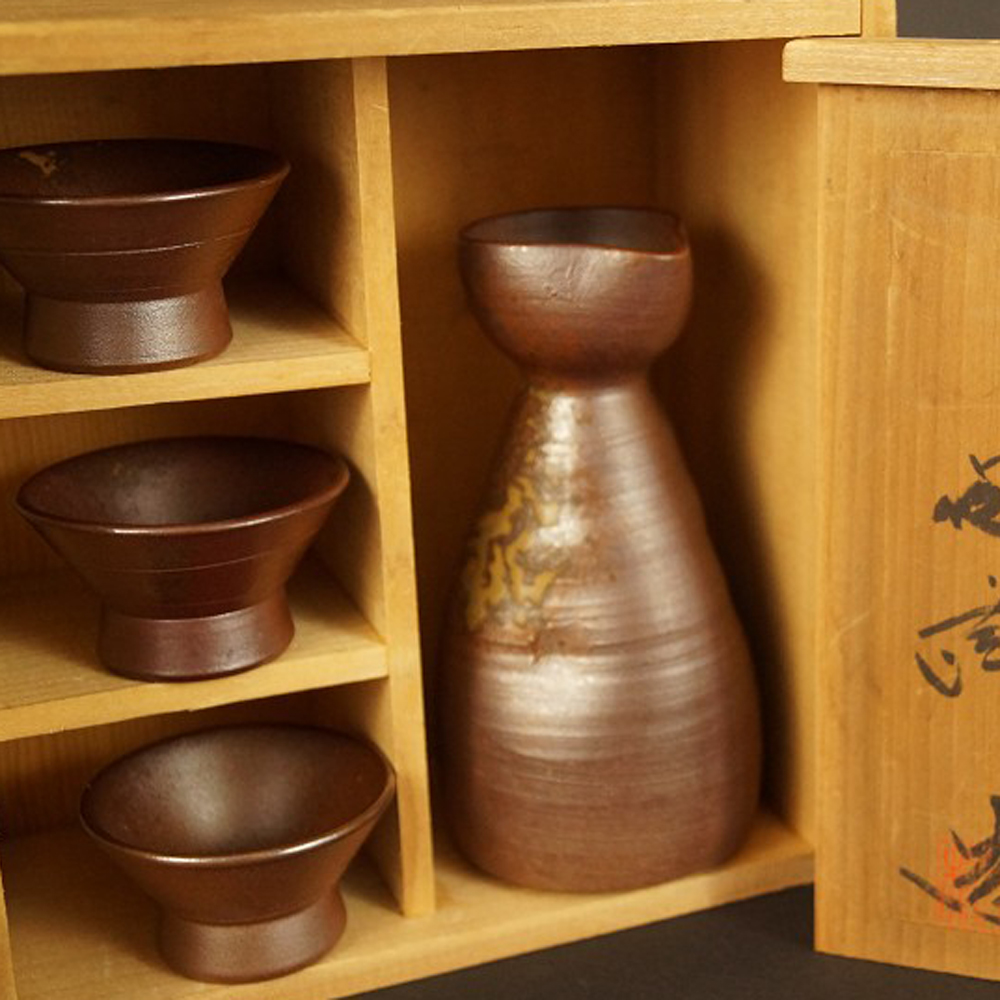
Sake Set Made of Bizen Ware, Tokkuri and Three Guinomi
Set of Guinomi and Tokkuri, unique work, 13 x 6,5 cm
Sold
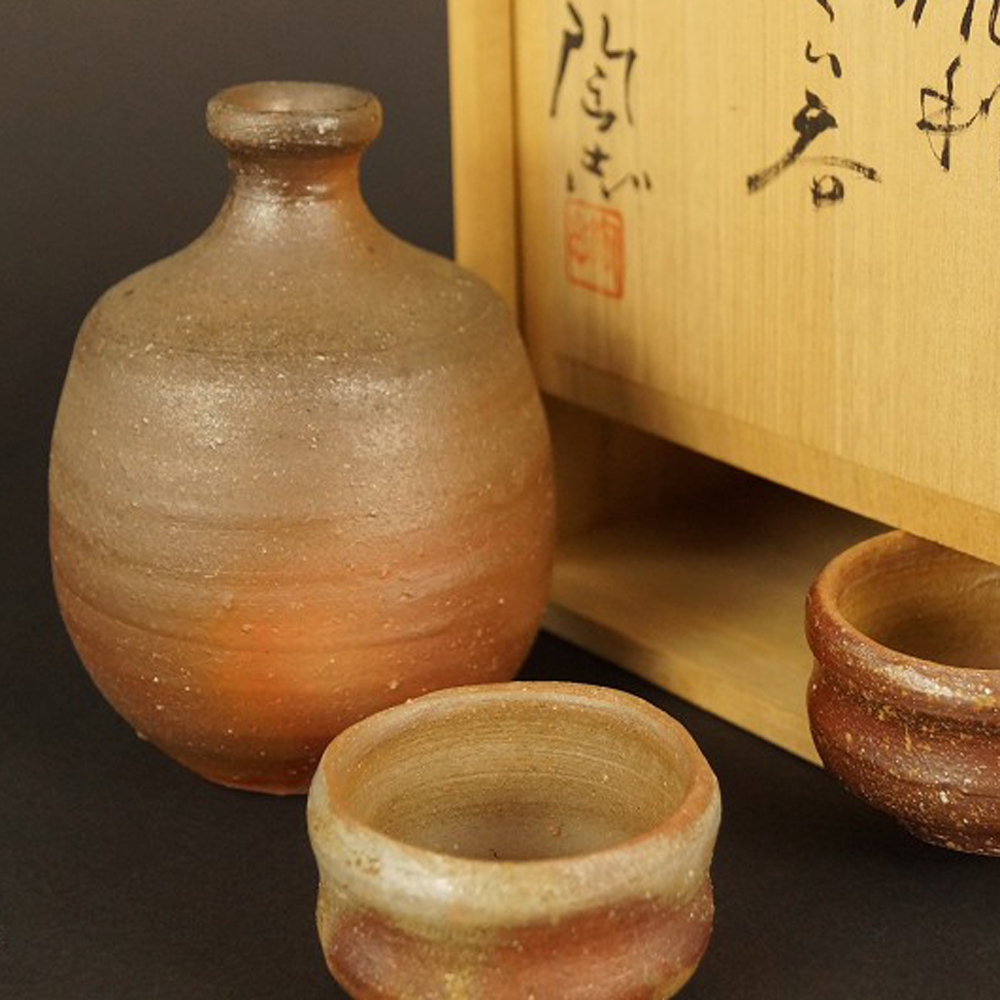
Sake Set Made of Bizen Ware, Tokkuri and Two Guinomi
Set of Guinomi and Tokkuri, unique work, 12,5 x 8,5 cm
Sold
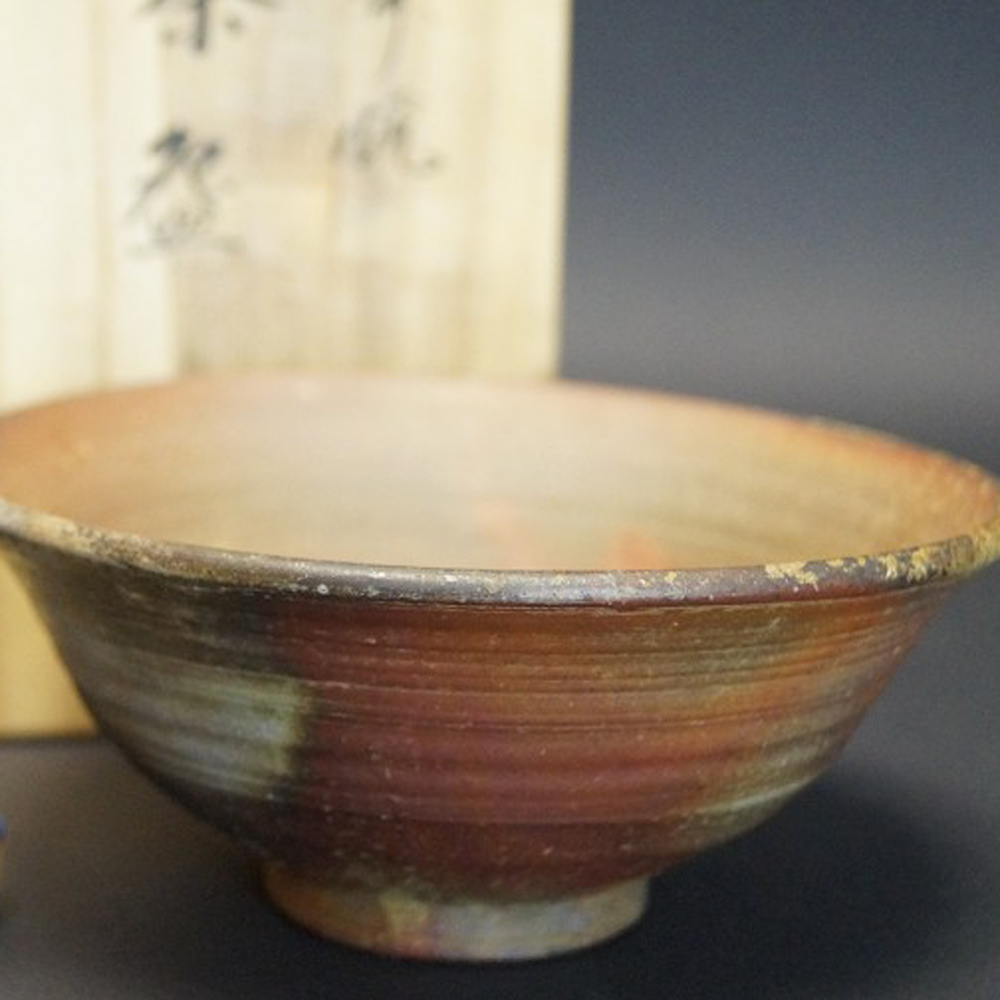
Handcrafted Japanese Tea Bowl (Chawan) Bizen Ware
Chawan, unique work, with box, 6 x 15 cm
Sold
21 of 21 items shown
Ceramics Without Glaze
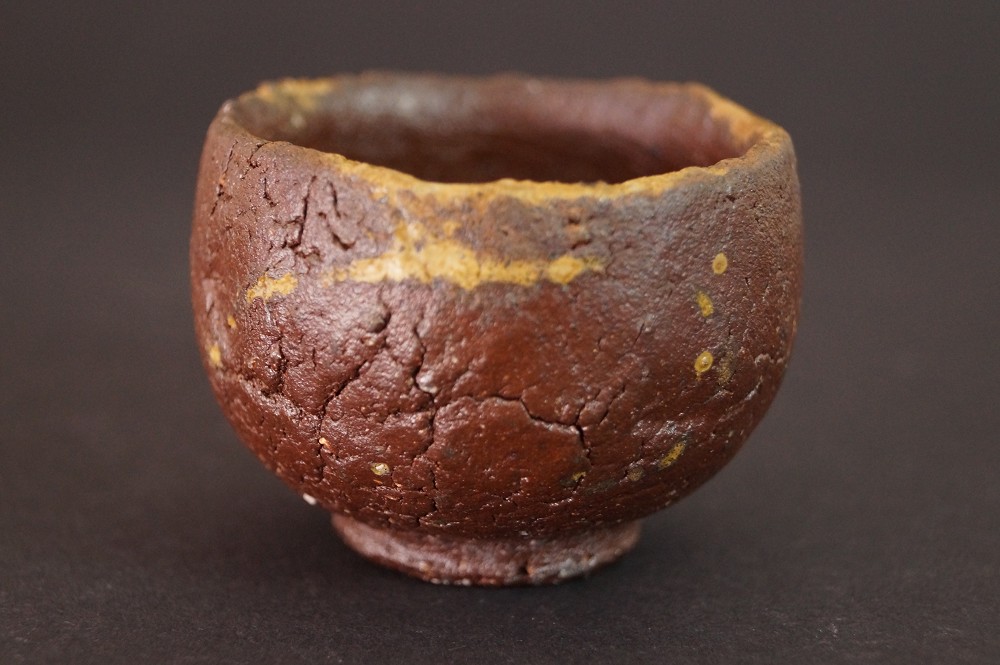
Bizen-yaki comes from the Bizen region in Okayama Prefecture; its historic center is the town of Imbe. Unlike most Japanese ceramics, Bizen still largely does without applied glaze and painted decoration. Its colors, from warm russet through orange to grays and blues, come solely from the reaction of the clay with flame, ash and airflow in the kiln. Where a surface shines, molten fly ash has settled during the firing as a natural ash glaze.
One of the Six Ancient Kilns
Bizen belongs to the Six Ancient Kilns (Rokkoyo), Japan's six old pottery centers, together with Seto, Tokoname, Shigaraki, Tamba and Echizen; the ceramics scholar Koyama Fujio coined the term in 1948. Its roots reach back to the Heian period, and the ware took on its recognizable form in the Kamakura period. In the Momoyama period, tea masters such as Sen no Rikyū prized the plain, unadorned character of Bizen vessels. In 1982 Bizen-yaki was recognized as a traditional craft of Japan, and since 2017 the Six Ancient Kilns have been part of Japan Heritage.
The Clay and the Long Firing
The basis is an iron-rich clay called hiyose, traditionally dug from the rice fields around Imbe. It is often left to weather for months, then slaked, levigated and stored before it can be worked. Firing follows the yakishime technique at about 1,200 to 1,300 degrees Celsius, traditionally in a multi-chambered noborigama fueled with pine wood. A single firing can last from several days to two weeks. The clay becomes so dense that it is watertight and very robust even without glaze.
Yōhen: Sangiri, Goma and Hidasuki
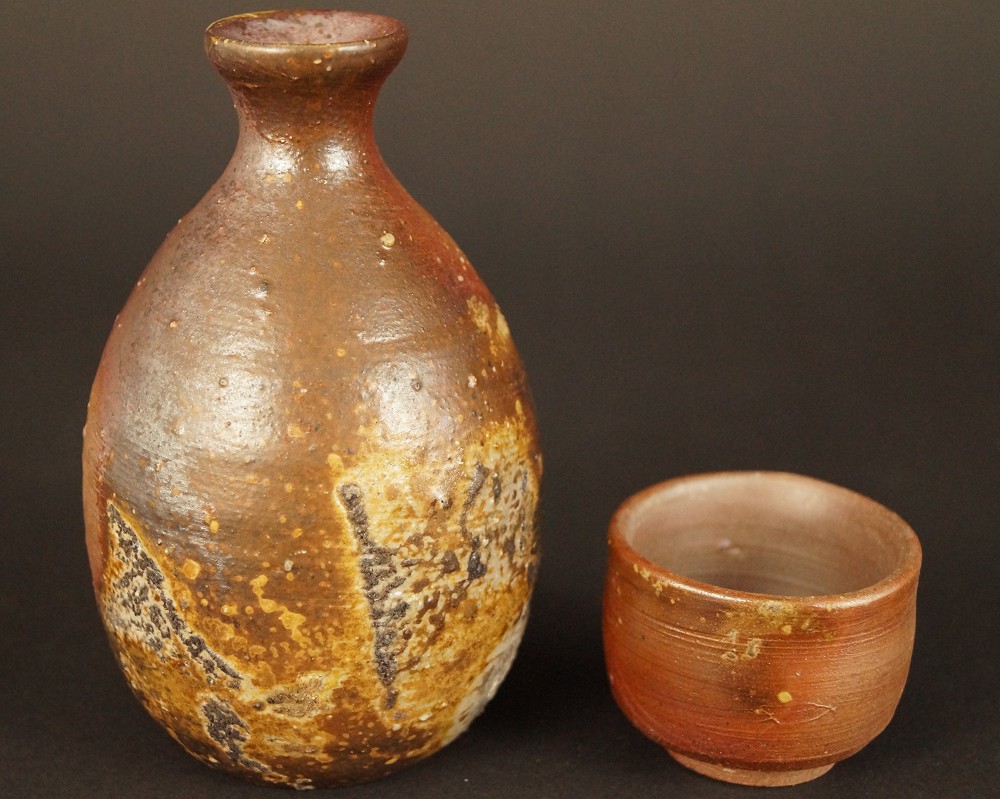
How a piece finally looks depends on its place in the kiln: proximity to the flame, contact with ash and the neighboring vessels determine color and markings. These firing effects are called yōhen, “kiln transformation.” Sangiri refers to gray to bluish areas that lay in ash or were shielded from the flame. Goma, “sesame,” describes fine ash deposits reminiscent of toasted sesame seeds. For hidasuki, vessels are wrapped in rice straw, leaving fiery red streaks on a lighter ground where the straw touched the clay.
Rediscovery in the Twentieth Century
With the rise of glazed wares in the Meiji period, unglazed Bizen ware increasingly faded into the background. The turning point came with the potter Kaneshige Tōyō (1896–1967), who systematically rediscovered the techniques of Momoyama Bizen, from clay preparation and kiln building to hidasuki. In 1956 he became the first Bizen potter to be named a Ningen Kokuhō, a “Living National Treasure.” Other Bizen masters such as Fujiwara Kei and Yamamoto Tōshū later received the same honor.
Sake Vessels, Tea Bowls and Vases
Besides chawan, Bizen clay has traditionally been used for guinomi and sake cups, tokkuri, vases and everyday tableware. The porous, unglazed surface is said to make sake taste milder; this is not proven, but it adds to the esteem these pieces enjoy among connoisseurs. Similarly, Bizen vases are said to keep cut flowers fresh longer. A tokkuri with a matching guinomi is as suited to an evening sake as to a quiet arrangement on a shelf or in a tokonoma. Many collectors especially appreciate the small forms, because they show the firing marks in a compact space.
Recognition and Care
Handmade Bizen ware shows a form that is never quite symmetrical, throwing marks or traces of hand-building, and individual firing patterns that cannot be repeated. Many potters sign the base with a stamp or an incised signature, and fine pieces often come in an inscribed wooden box. Clear water is all the care it needs: dish soap penetrates the open surface and later flavors sake or tea, and dishwashers and long soaking are unsuitable. Let the piece dry well after rinsing; with use it develops a fine patina.
What Collectors Look For
Bizen has no glaze to hide anything, so it pays to look at the interplay of form and firing marks: where does the melted ash sit, are there sangiri or goma areas, do the colors work together? Next come the stamp, signature and the wooden box inscribed by the potter, which documents the attribution. With sake sets, it is worth looking at bottle and cup together; both are made of the same material, yet each carries its own traces of the fire.