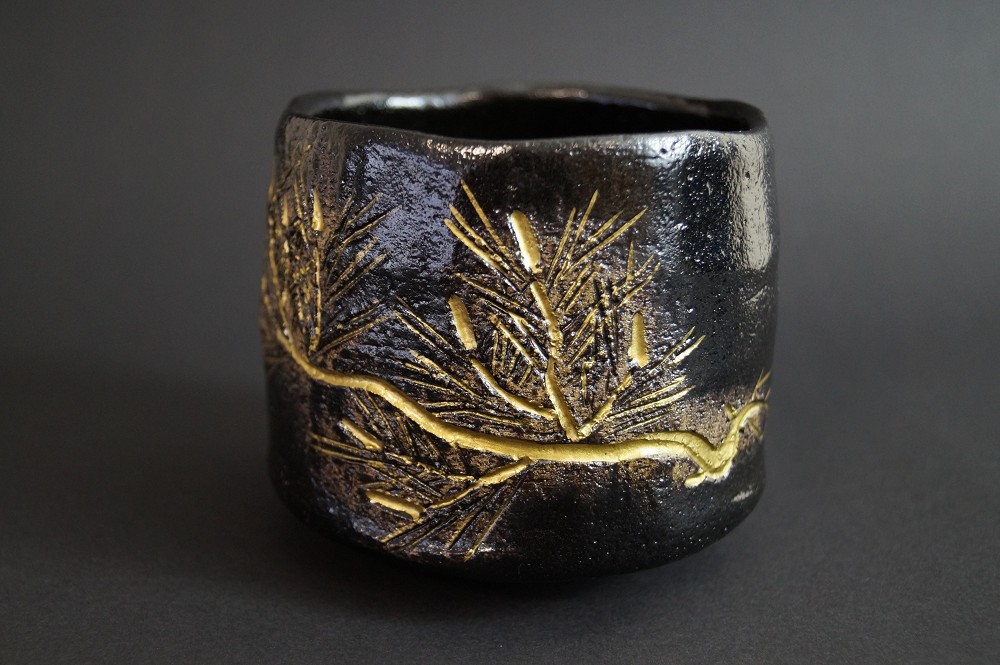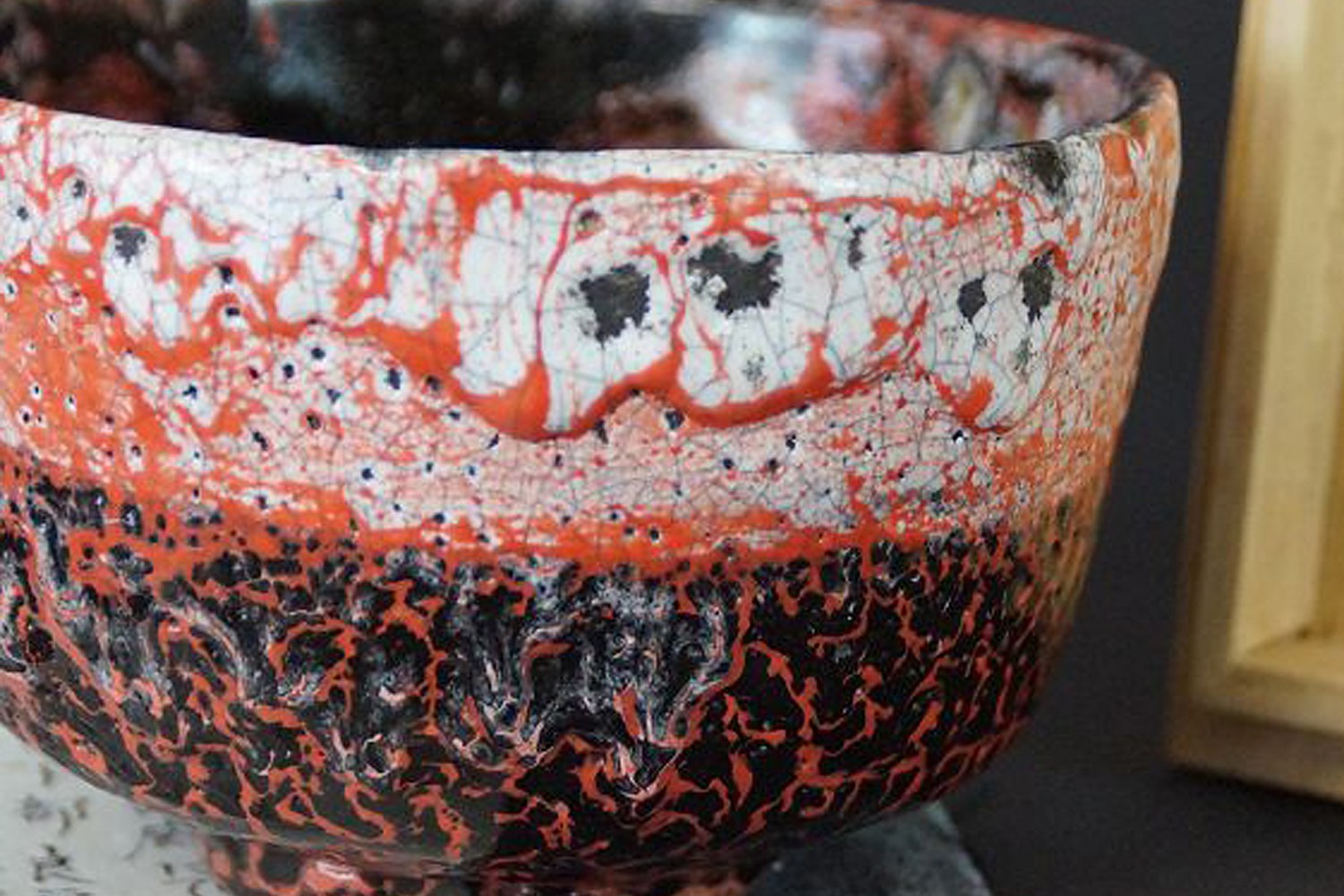
Japanese Raku Ware
Go directly to the artworksIn brief
Raku ware (楽焼, Raku-yaki) is a Japanese ceramic tradition that emerged in sixteenth-century Kyoto from the collaboration between the potter Chōjirō and the tea master Sen no Rikyū. The tea bowls are shaped by hand without a potter's wheel, fired at a comparatively low temperature and pulled glowing from the kiln; the rapid cooling leaves fine cracks and glaze patterns that are never quite predictable. The two basic types are black Kuro-Raku and red Aka-Raku. At Densho you will find hand-formed Raku chawan as one-of-a-kind pieces direct from Japan.
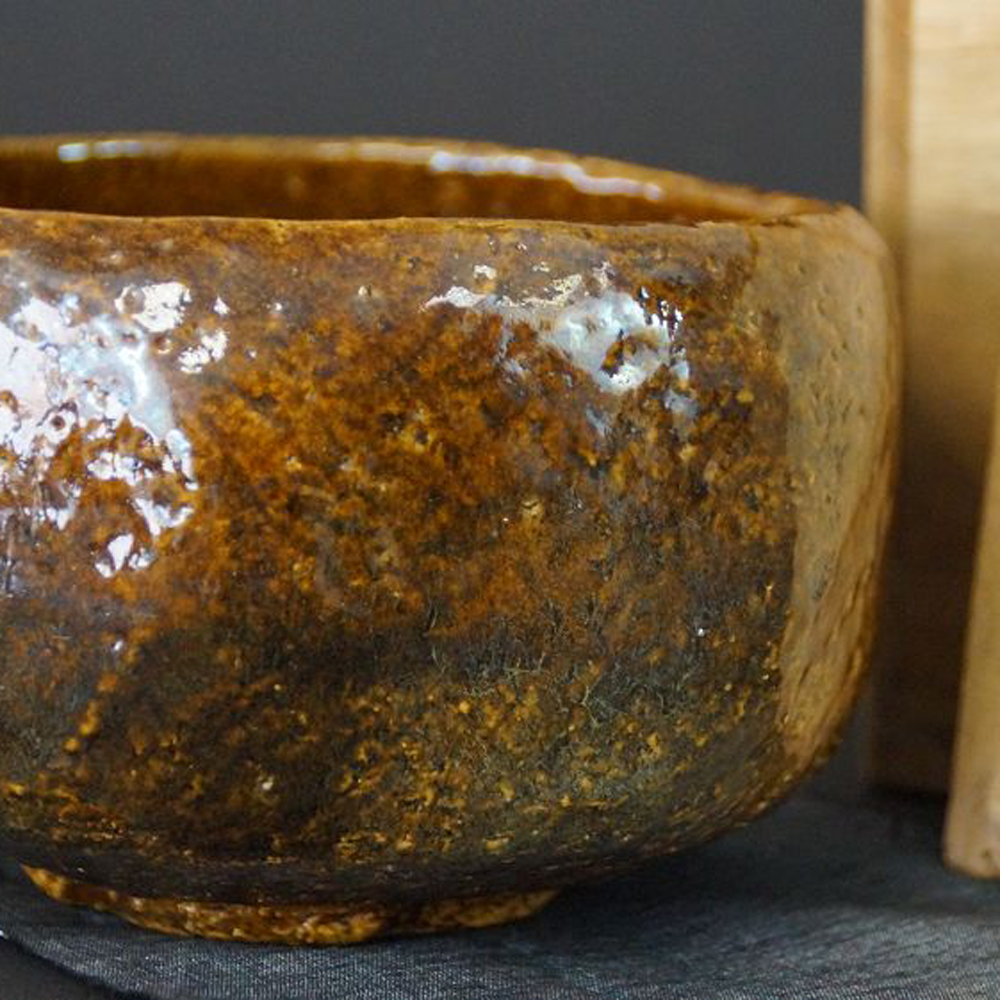

Sosei Heian
Chawan Tea Bowl Made of Raku Ware by Sosei Heian
Chawan, unique work, with box, 8,5 x 13 cm
€260.00
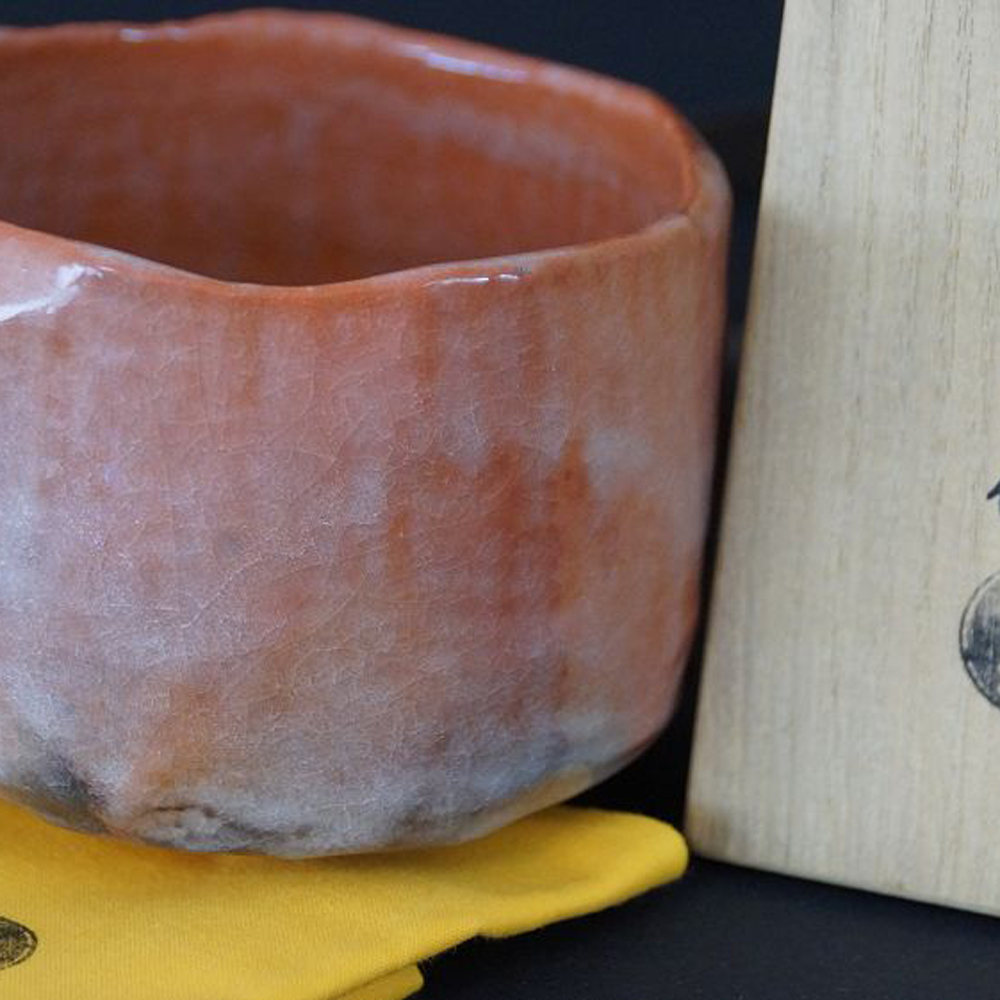

Ichiraku Nishimura
Chawan Tea Bowl Made of Raku Ware by Ichiraku Nishimura
Chawan, unique work, with box, 8 x 11,5 cm
€420.00
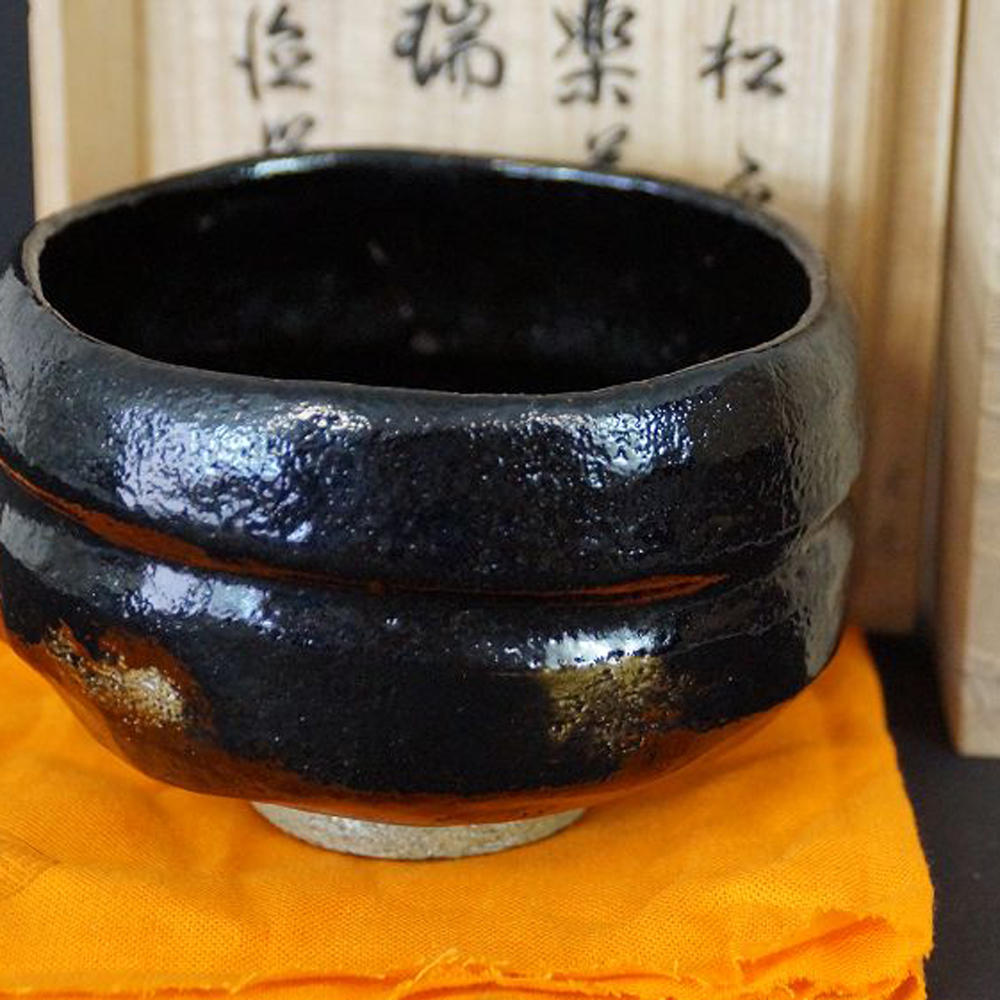

Shoraku Sasaki
Chawan Made of Kuro-Raku by Shoraku Sasaki, Wavy Rim
Chawan, unique work, with box, 8 x 12 cm
€380.00
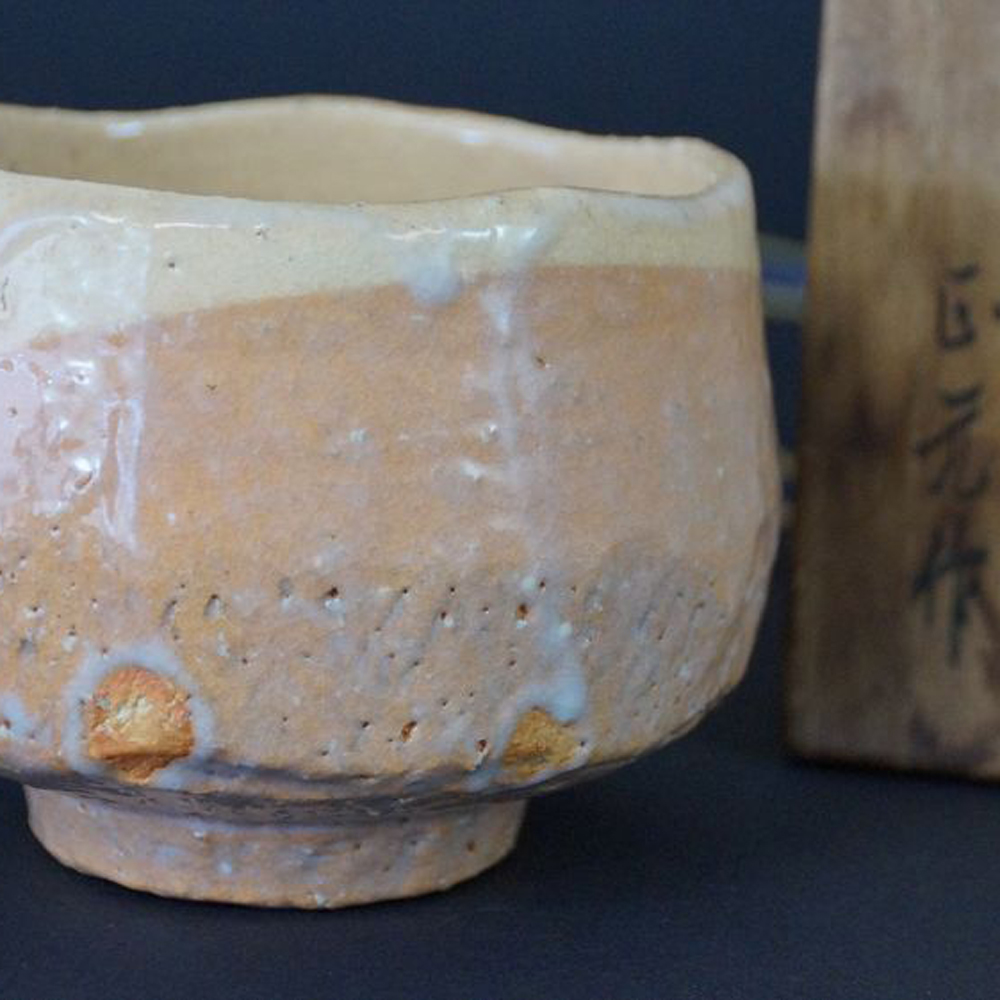

Shogen Heian
Chawan Tea Bowl Made of Raku Ware by Shogen Heian
Chawan, unique work, with box, 8 x 12 cm
€220.00
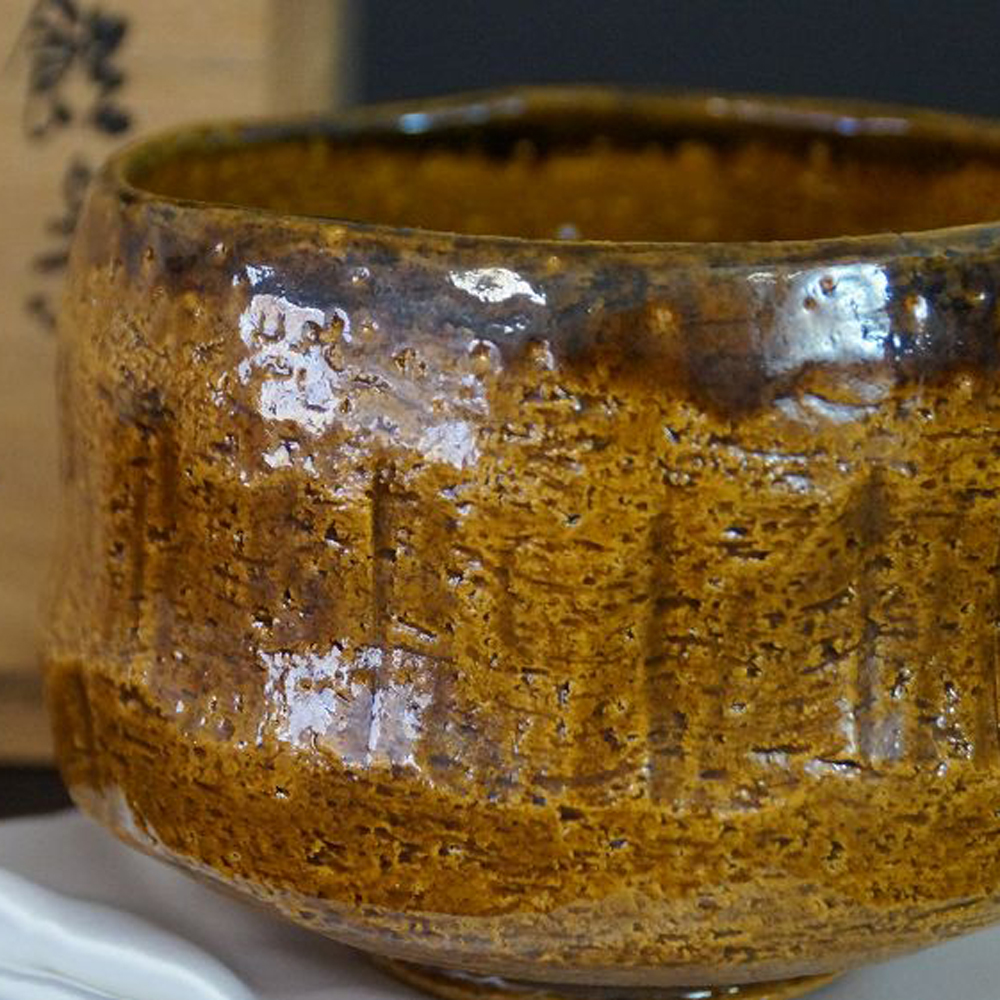

Rakunyu Yoshimura
Chawan Made of Raku Ware by Rakunyu Yoshimura
Chawan, unique work, with box, 9 x 12 cm
€350.00
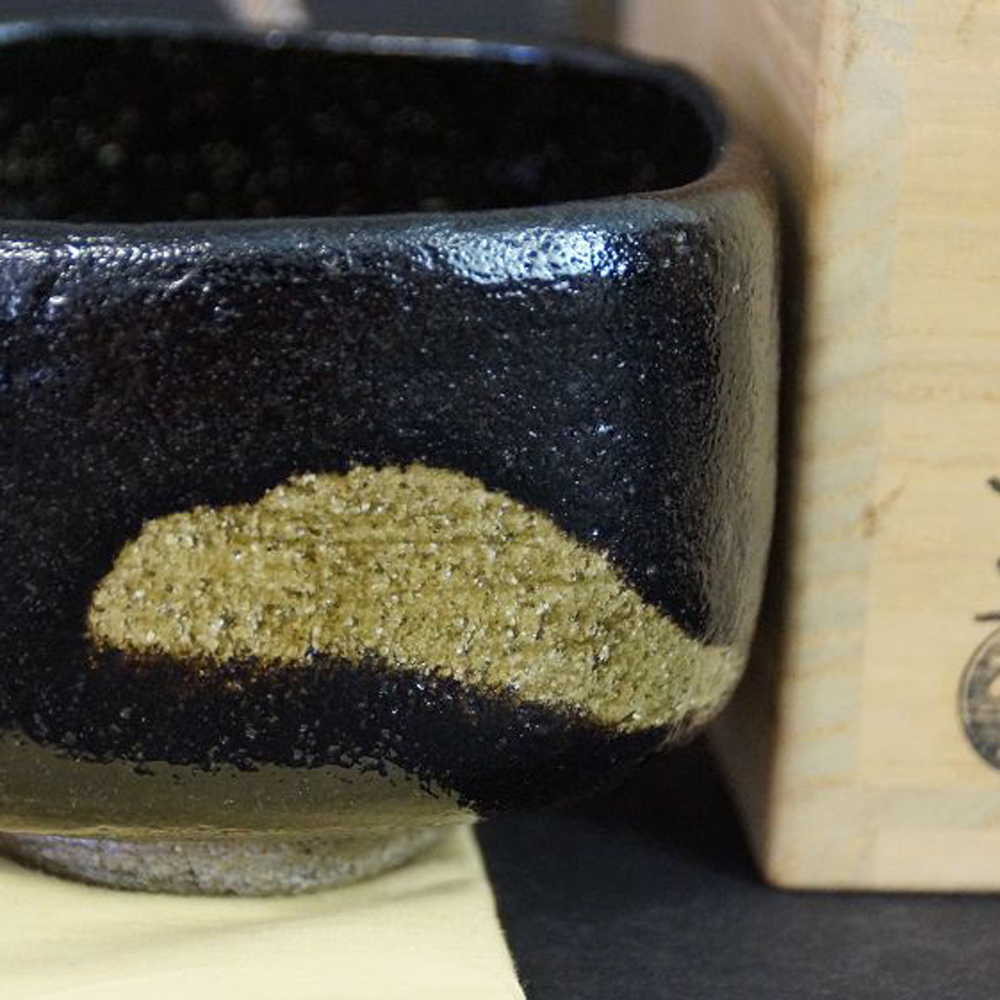

Keiraku Ito
Chawan Made of Raku Ware by Keiraku Ito
Chawan, unique work, with box, 8 x 12 cm
€430.00
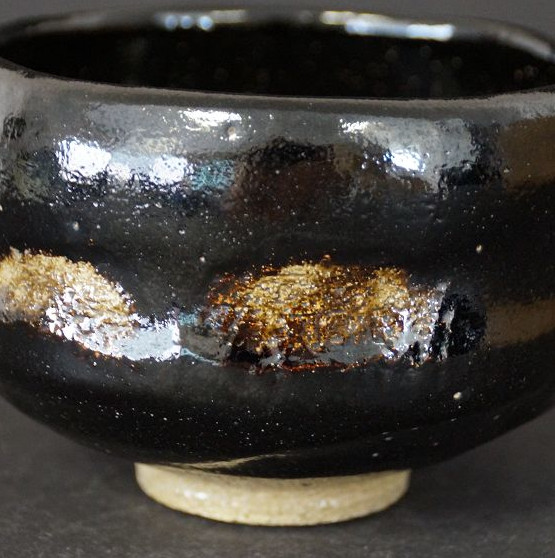

Shoraku Sasaki
Chawan Made of Kuro-Raku by Shoraku Sasaki with Golden Brown
Chawan, unique work, with box, 8 x 12 cm
€380.00
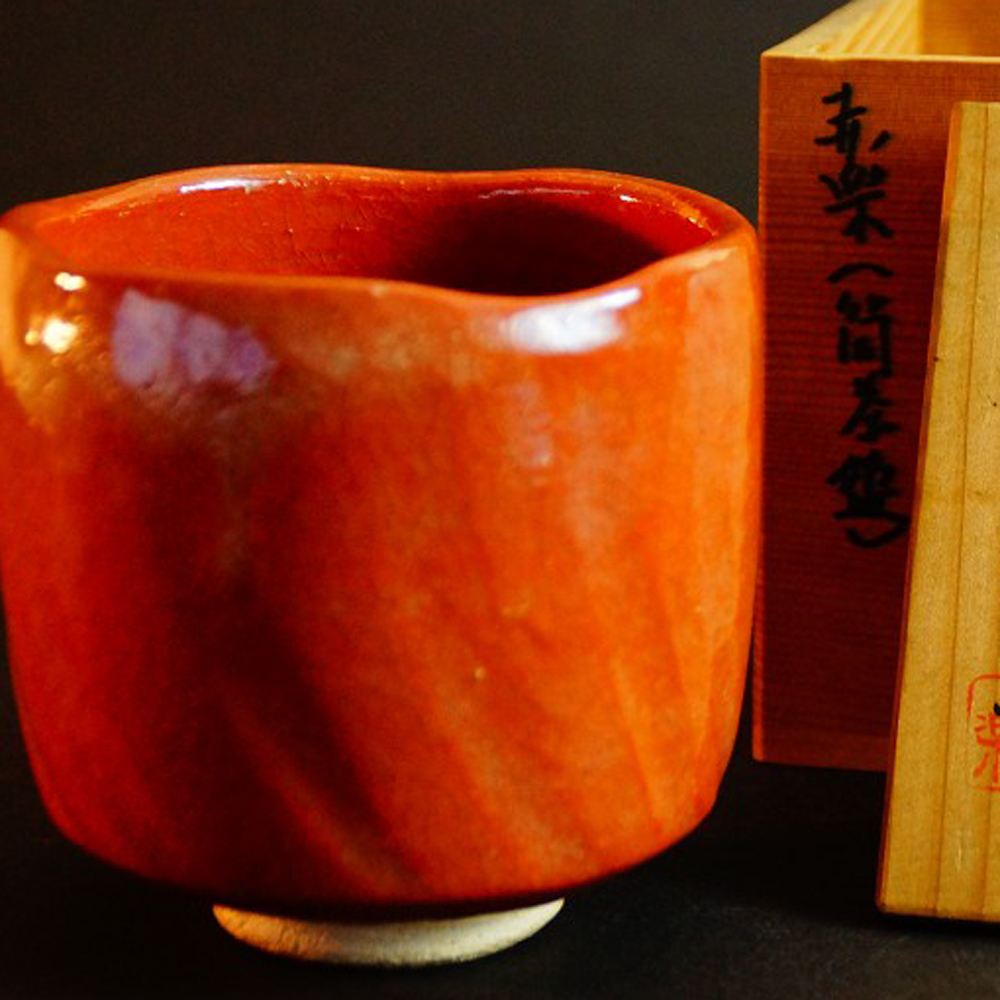

Seiraku
Chawan Tea Bowl Made of Raku Ware by Seiraku
Chawan, unique work, with box, 9,5 x 9,5 cm
€280.00
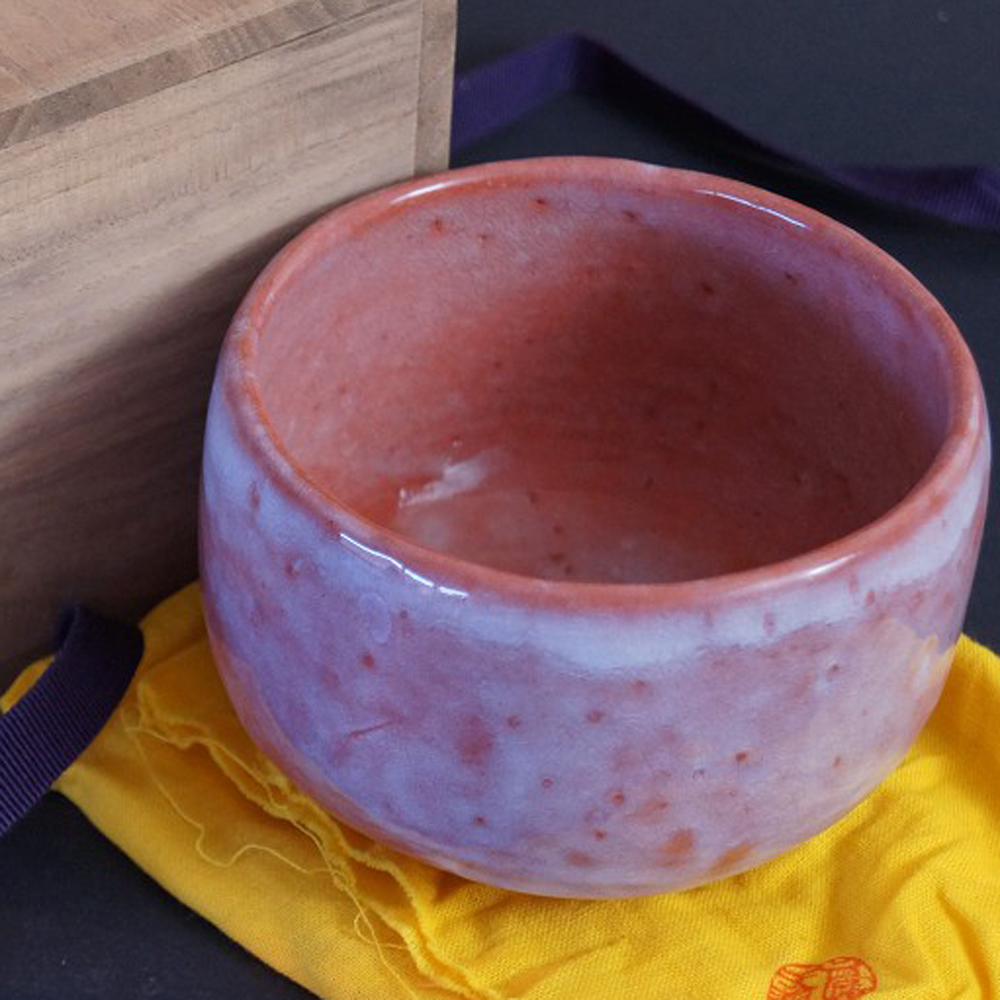

Takahashi Issui
Chawan Made of Raku Ware by Issui Takahashi
Chawan, unique work, with box, 9 x 12 cm
€230.00


Akaraku - Chawan Made of Kyoto Ware
Chawan, unique work, with box, 9 x 11 cm
€345.00
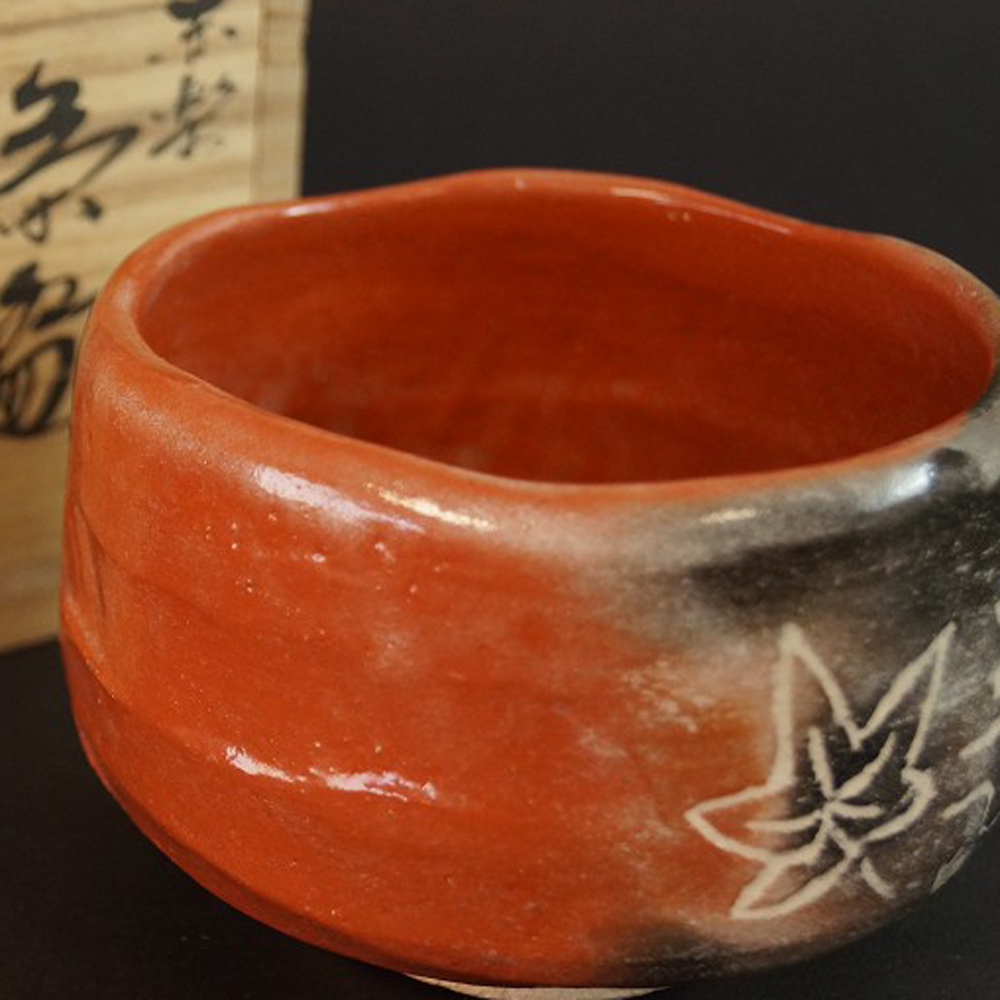

Sasaki Shōraku
Chawan Raku Ware by Shōraku Sasaki
Chawan, unique work, with box, 8 x 11 cm
€280.00
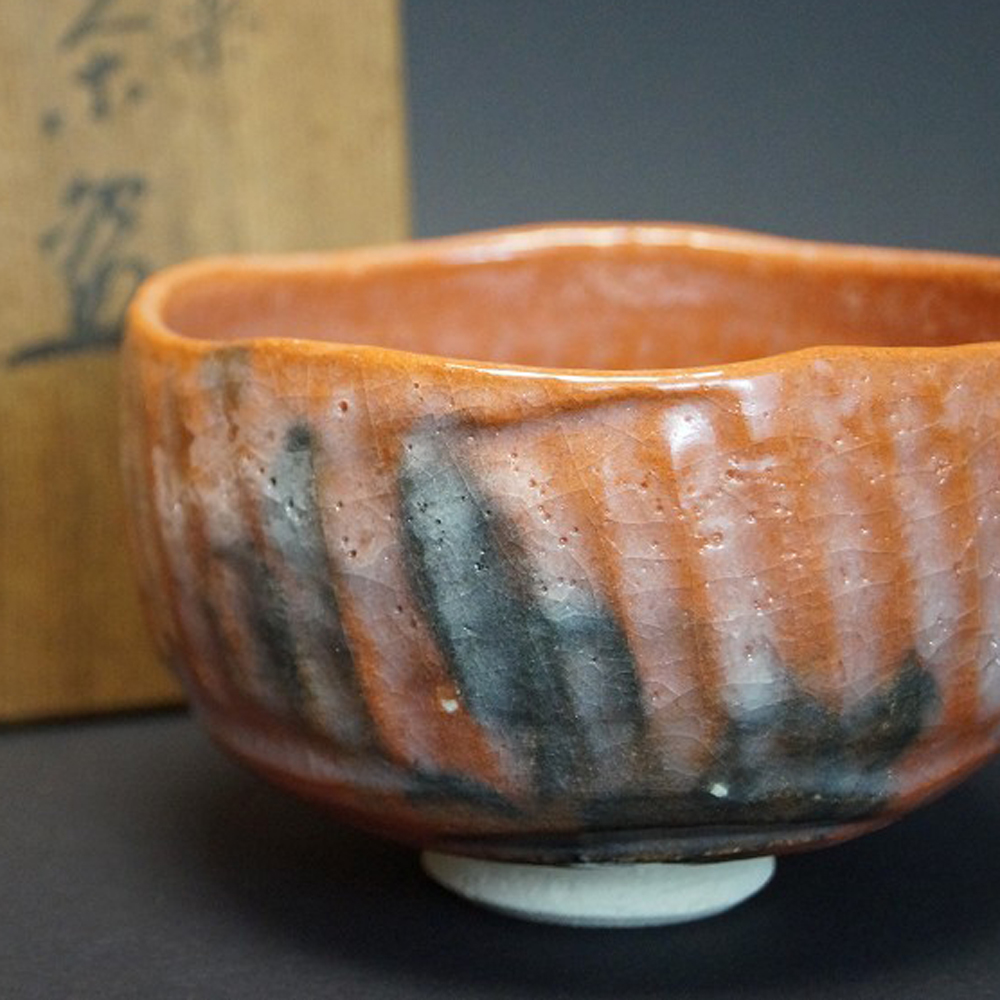
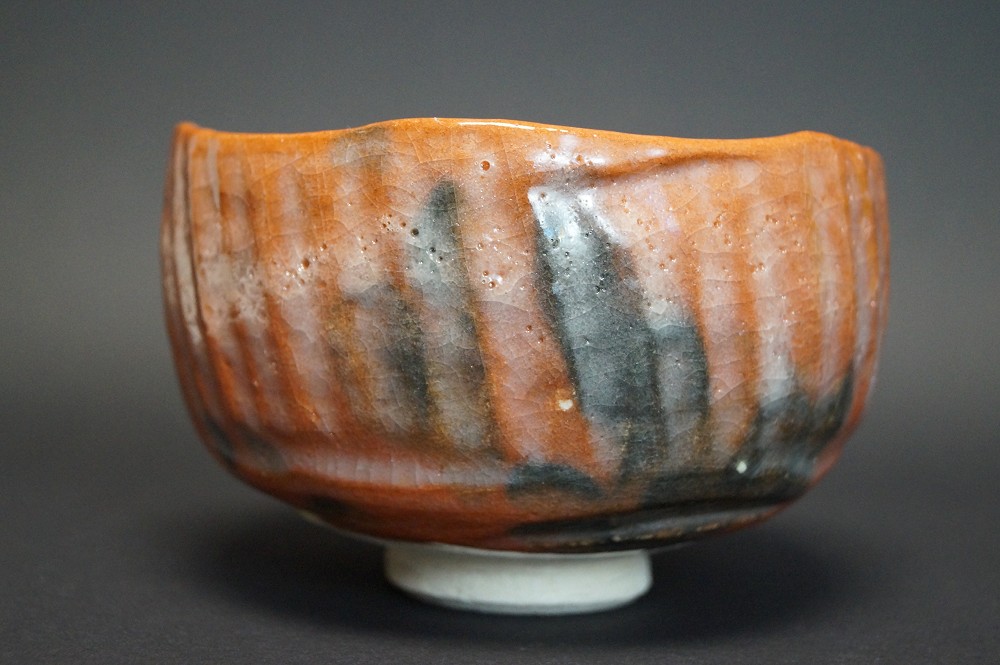
Toraku Morisato
Chawan Raku Ware by Toraku Morisato
Chawan, unique work, with box, 8 x 11 cm
€460.00
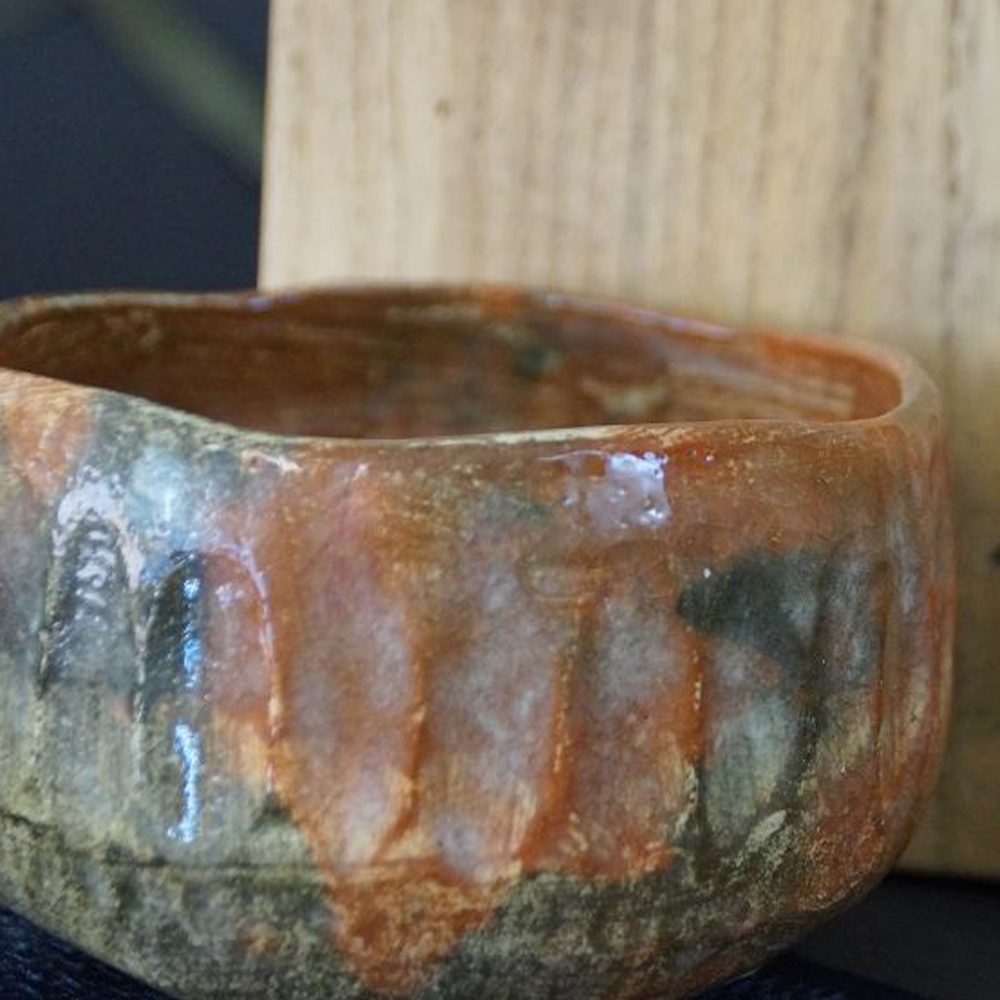
Shoraku Sasaki
Chawan Made of Aka-Raku Ware by Shoraku Sasaki
Chawan, unique work, with box, 7,5 x 12 cm
Sold
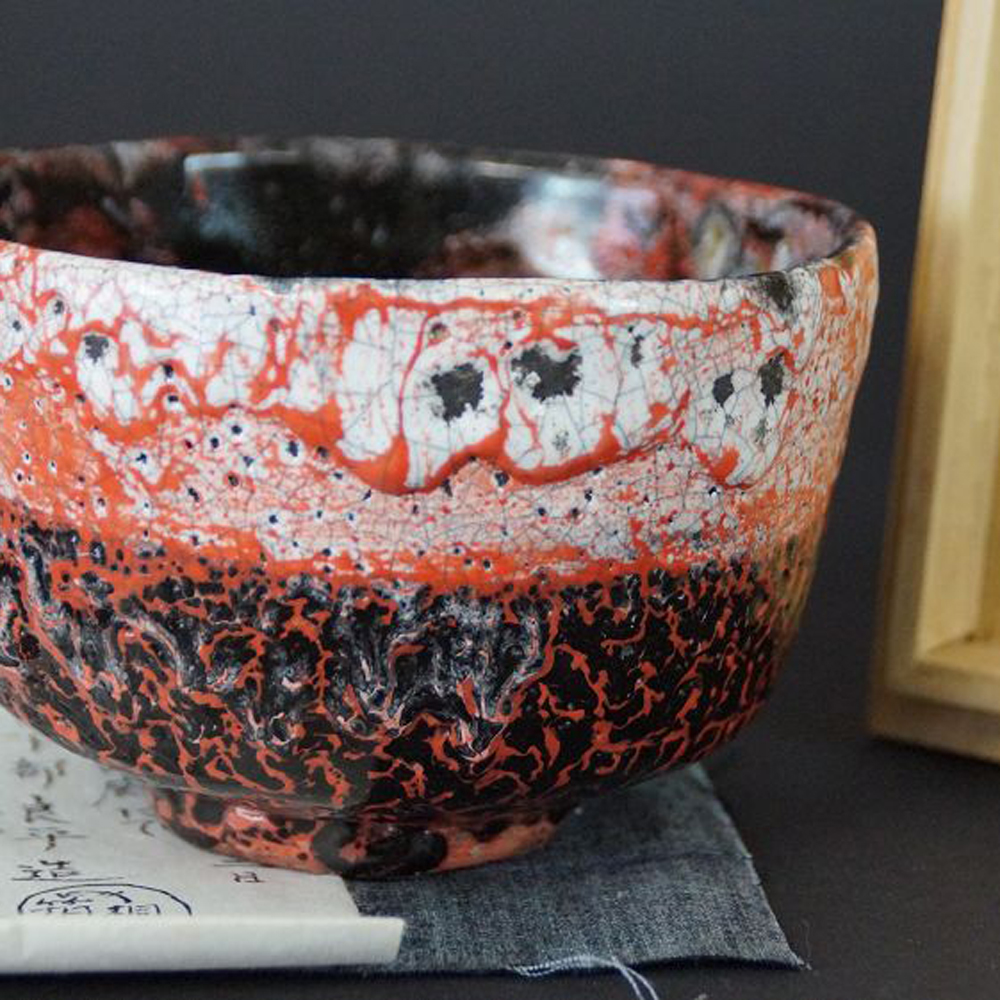
Ryohei Kusakabe
Chawan Tea Bowl Made of Raku Ware by Ryohei Kusakabe
Chawan, unique work, with box, 9 x 13 cm
Sold
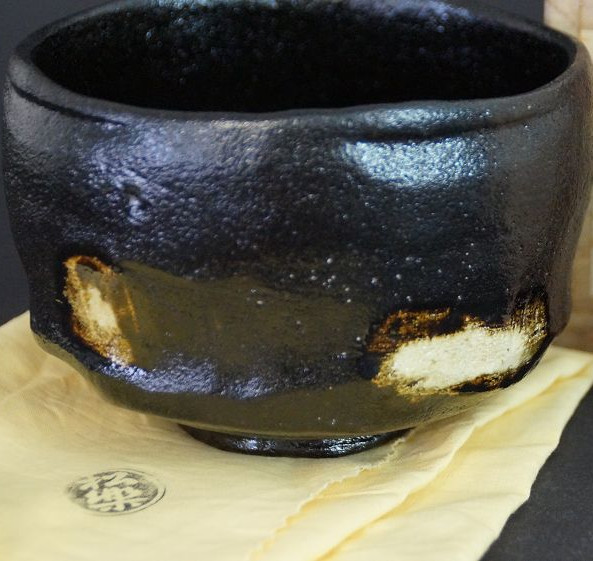
Shoraku Sasaki
Chawan Made of Kuro-Raku by Shoraku Sasaki with Olive Spots
Chawan, unique work, with box, 8 x 12 cm
Sold
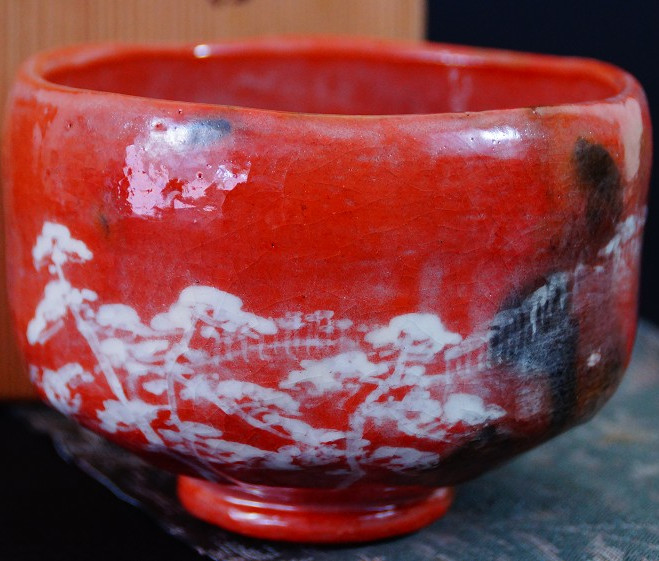
Waraku Kawasaki
Chawan Made of Raku Ware by Waraku Kawasaki
Chawan, unique work, with box, 9 x 12 cm
Sold
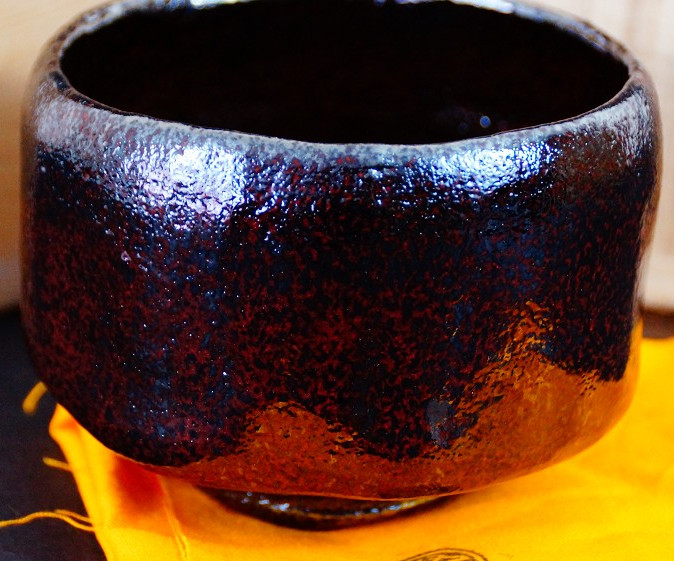
Shoraku Sasaki
Chawan Made of Raku Ware by Shoraku Sasaki in Red-Black
Chawan, unique work, with box, 8 x 10,5 cm
Sold
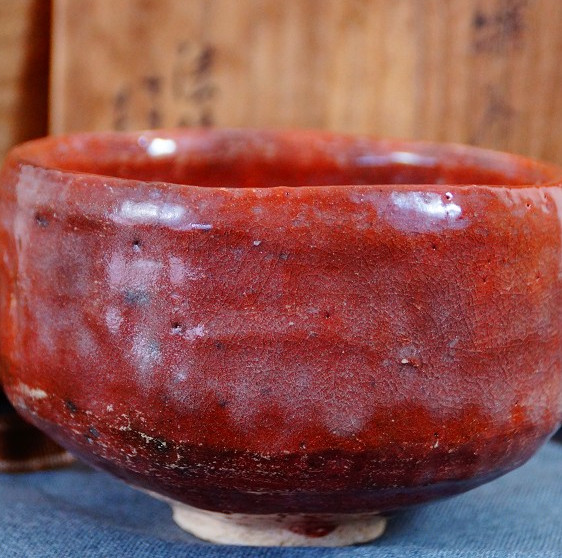
Sairi Hotoku
Chawan Made of Raku Ware by Sairi Hotoku
Chawan, unique work, with box, 8 x 12,5 cm
Sold
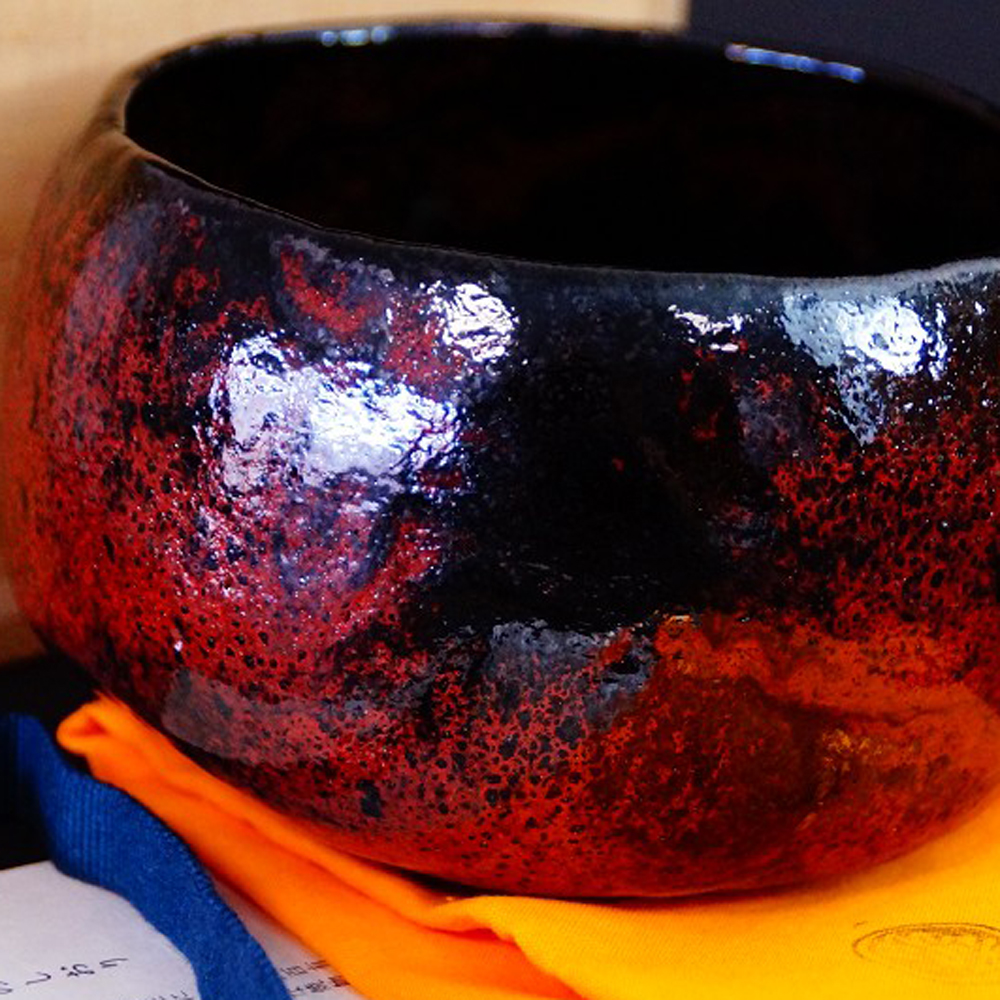
Shōraku Sasaki
Chawan Made of Kuro-Raku Ware by Shoraku Sasaki
Chawan, unique work, 8 x 13 cm
Sold
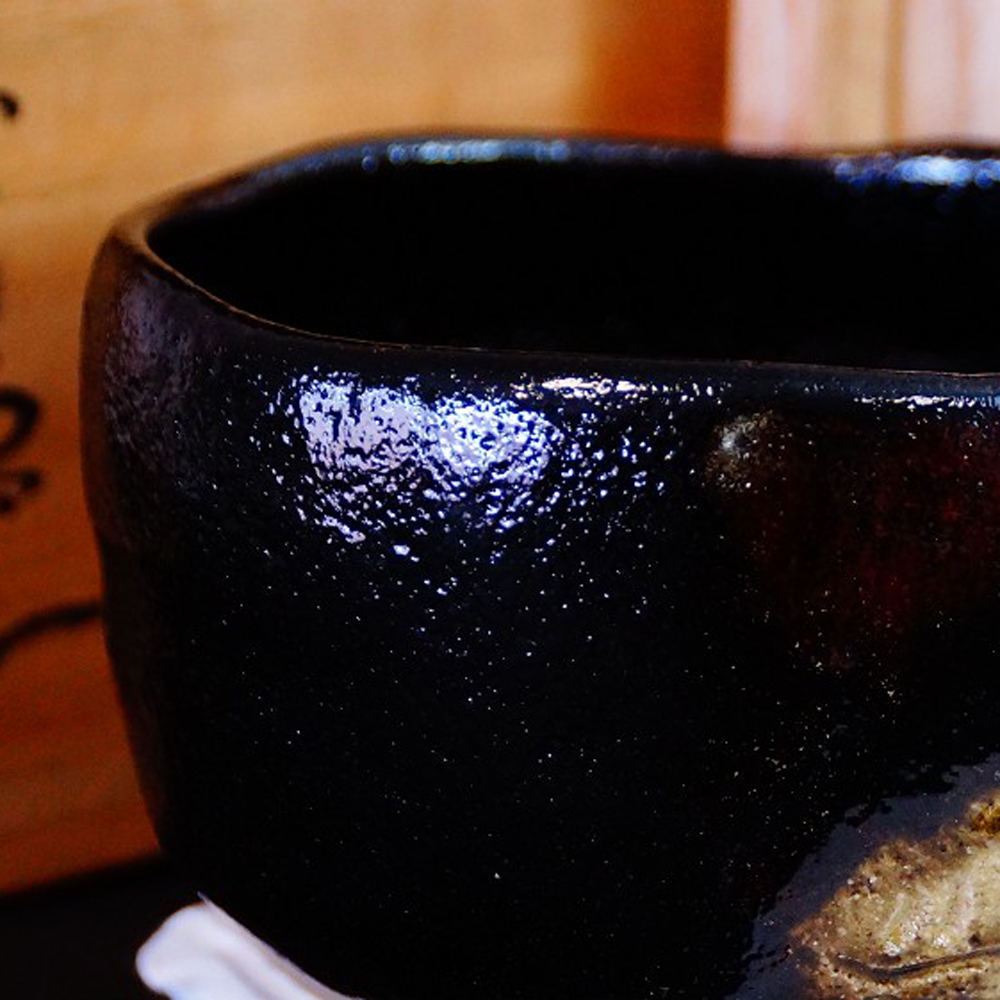
Yōkō Meidō
Chawan Made of Raku Ware by Yoko Meido
Chawan, unique work, with box, 8 x 11,5 cm
Sold
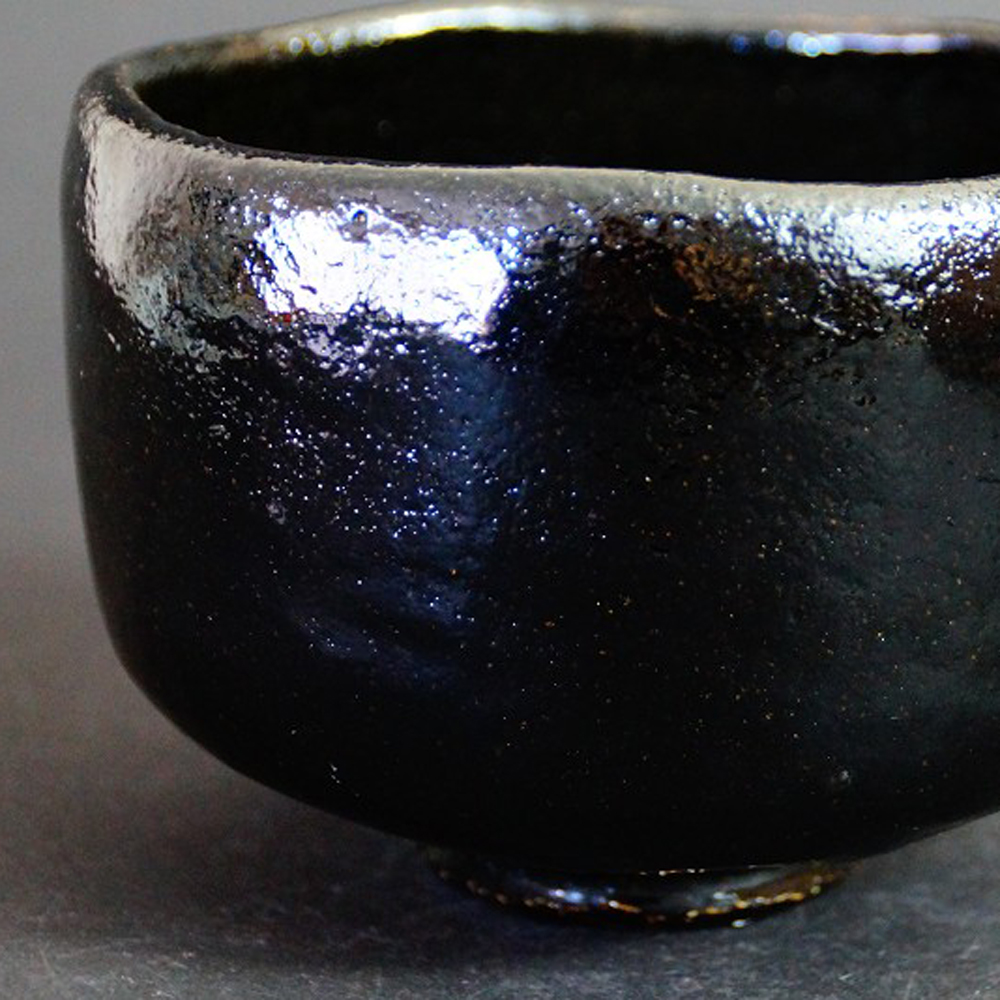
Ōno Kyūkō
Chawan Tea Bowl Made of Raku Ware by Ono Kyuko
Chawan, unique work, with box, 7,5 x 12 cm
Sold
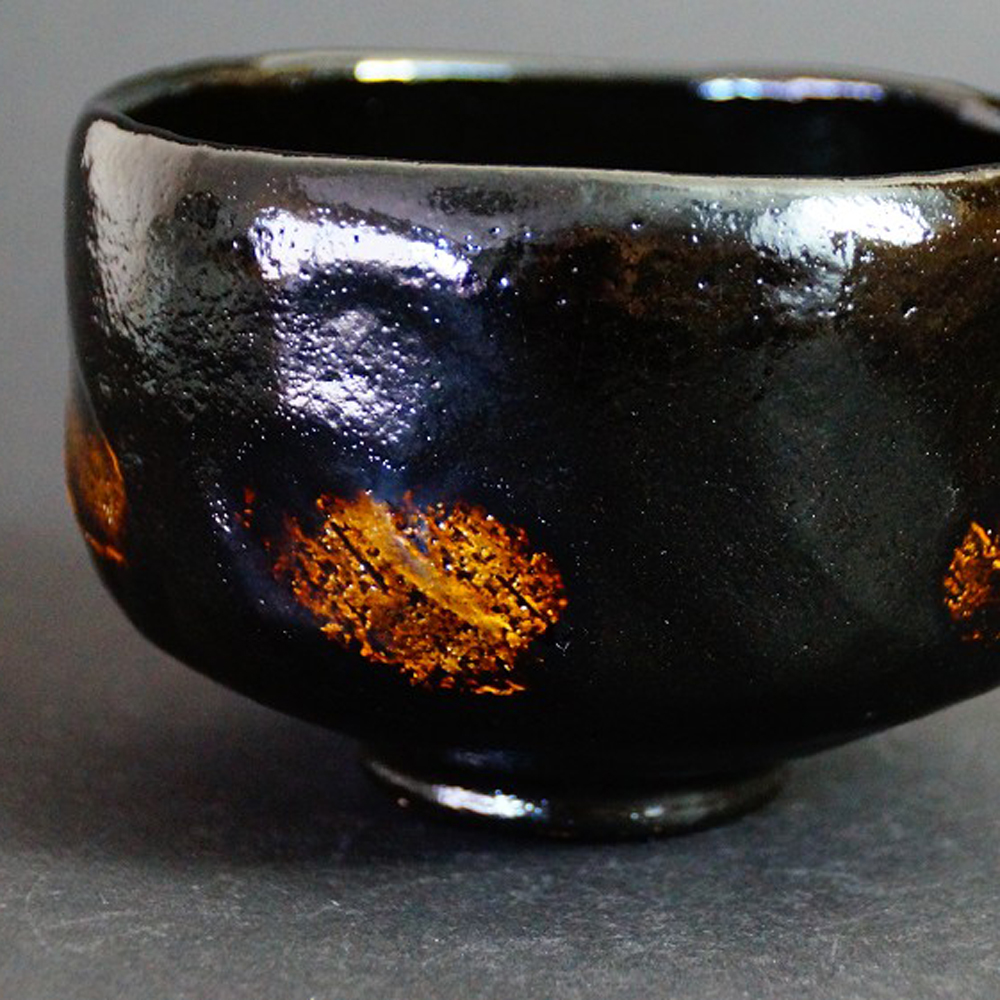
Sasaki Shōraku
Chawan Made of Kuro-Raku Ware by Shoraku Sasaki with Gold Speckles
Chawan, unique work, with box, 7,5 x 12 cm
Sold
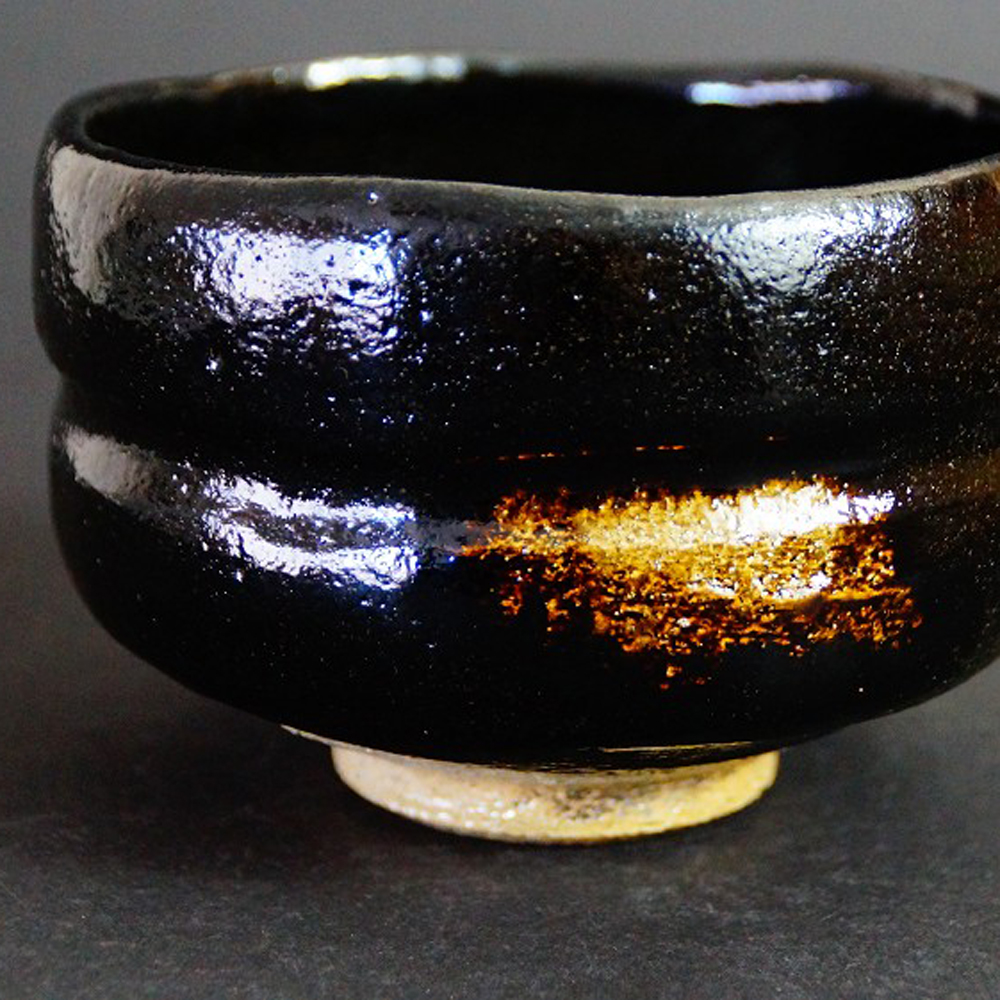
Sasaki Shōraku
Chawan Made of Kuro-Raku Ware by Shoraku Sasaki with Gold Band
Chawan, unique work, with box, 8 x 12 cm
Sold
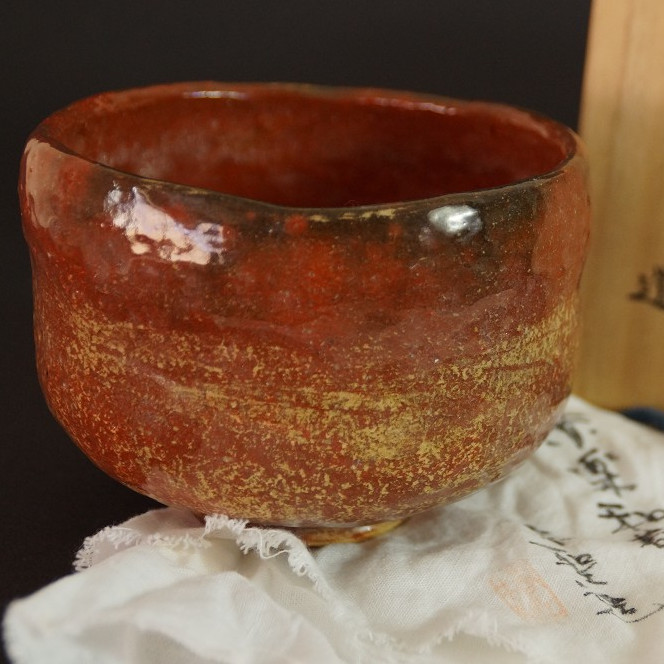
Sosei Heian
Chawan Made of Raku Ware by Sosei
Chawan, unique work, with box, 9 x 12 cm
Sold
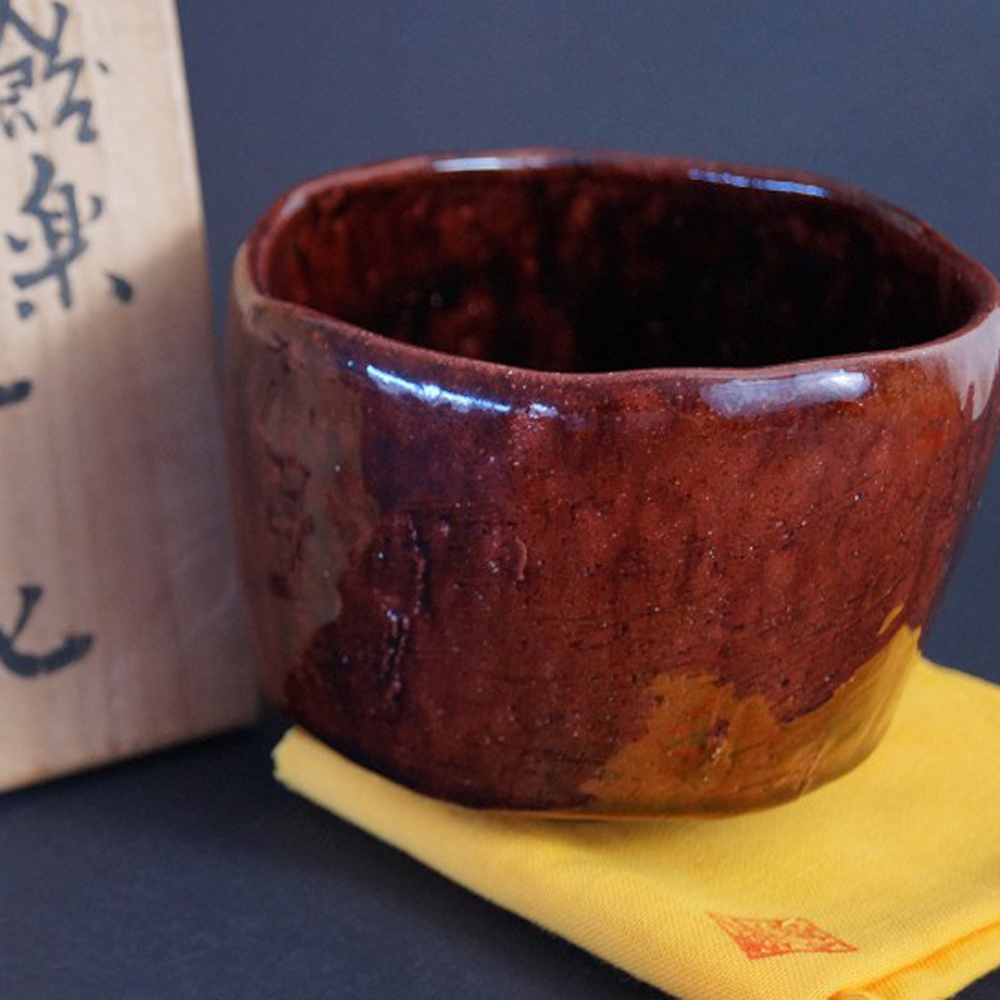
Shoki Kimura
Chawan Made of Raku Ware by Shoki Kimura
Chawan, unique work, with box, 9 x 12 cm
Sold
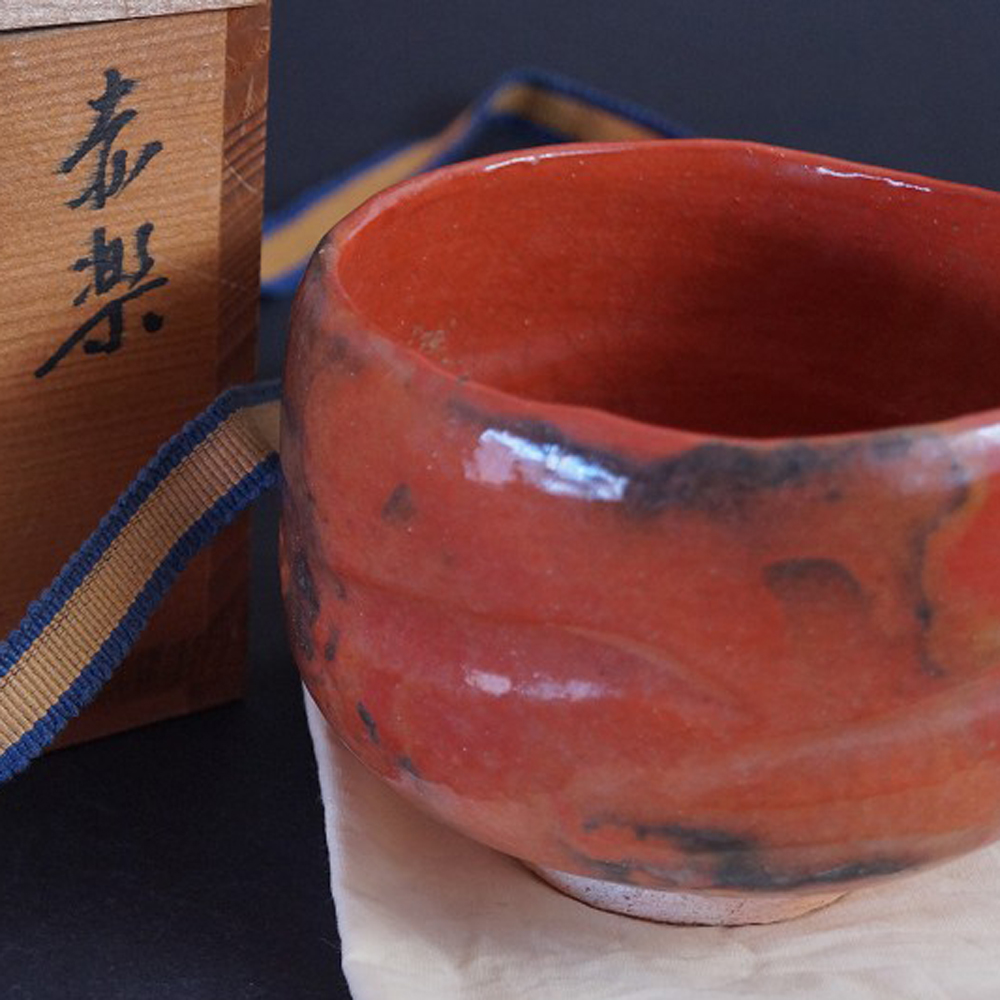
Ryoraku Heian
Chawan Made of Raku Ware by Ryoraku Heian
Chawan, unique work, with box, 9 x 12 cm
Sold
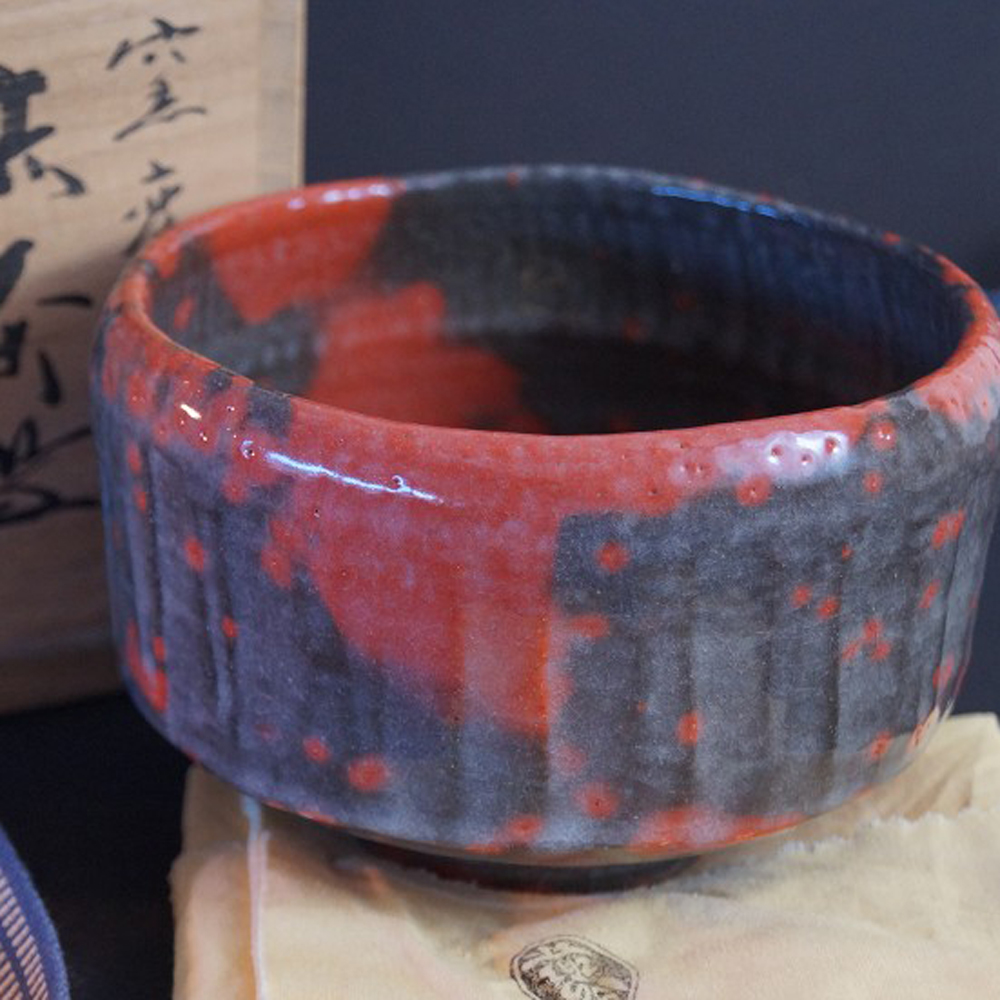
Sasaki Shōraku
Chawan Made of Raku Ware by Shoraku Sasaki in Red and Blue
Chawan, unique work, with box, 8 x 12,5 cm
Sold
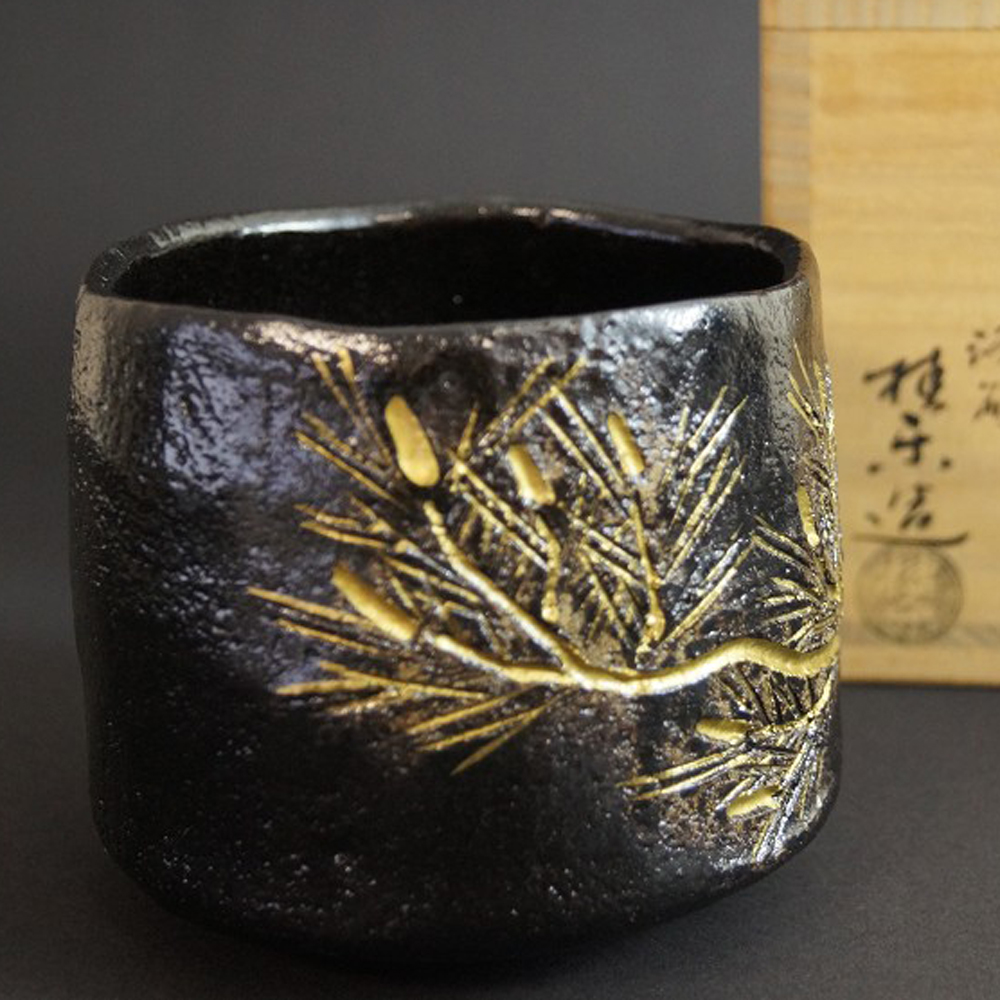
Keiraku Ito
Chawan Made of Raku Ware by Keiraku Ito with Gold Decoration
Chawan, unique work, with box, 9 x 9,7 cm
Sold
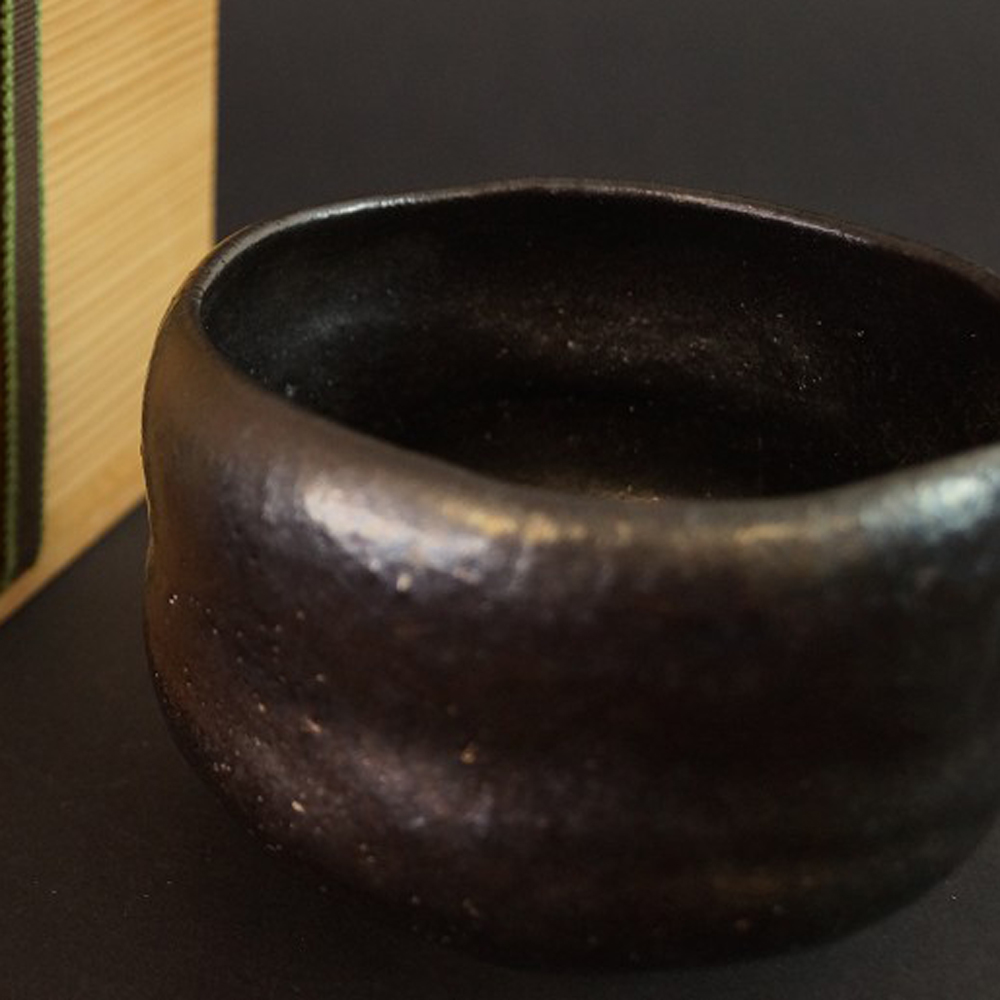
Shoraku Heian
Chawan Made of Raku Ware by Shoraku Heian
Chawan, unique work, with box, 8 x 12 cm
Sold
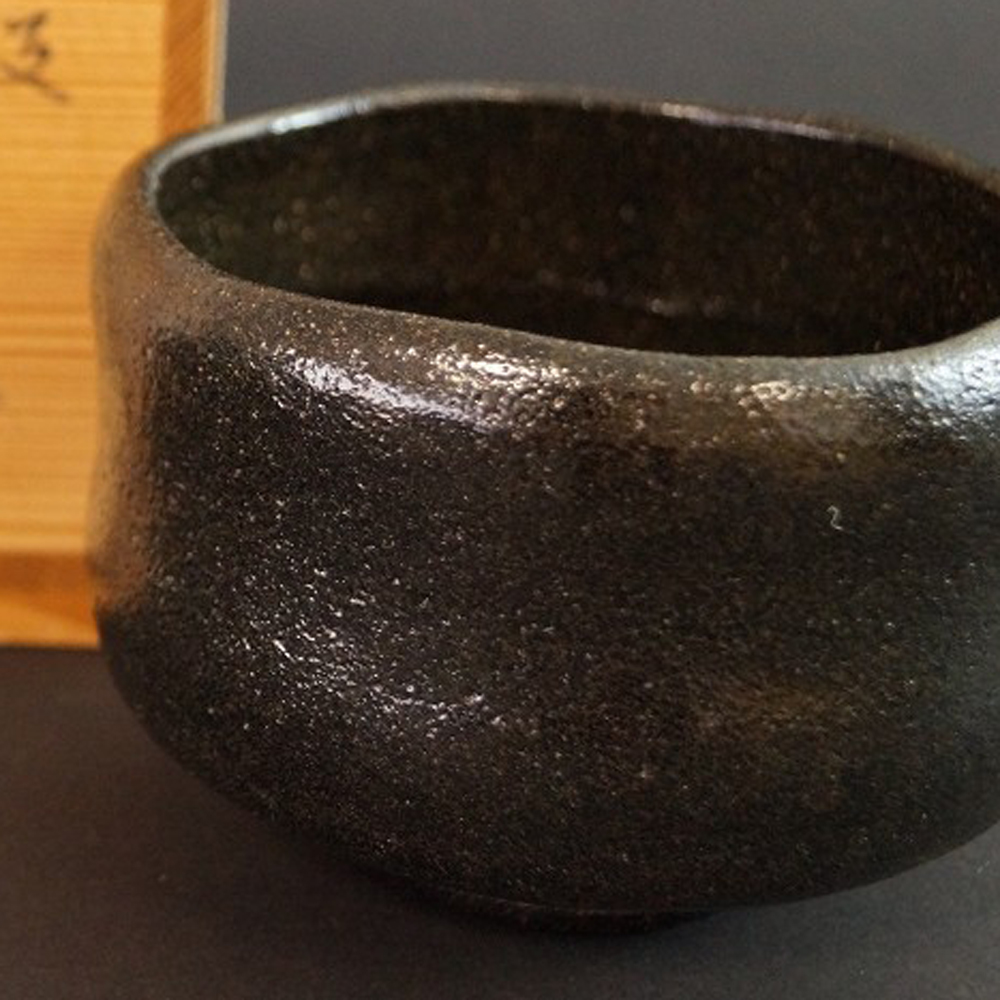
Keizan Ono
Chawan Made of Raku Ware by Keizan Ono
Chawan, unique work, with box, 8 x 11,5 cm
Sold
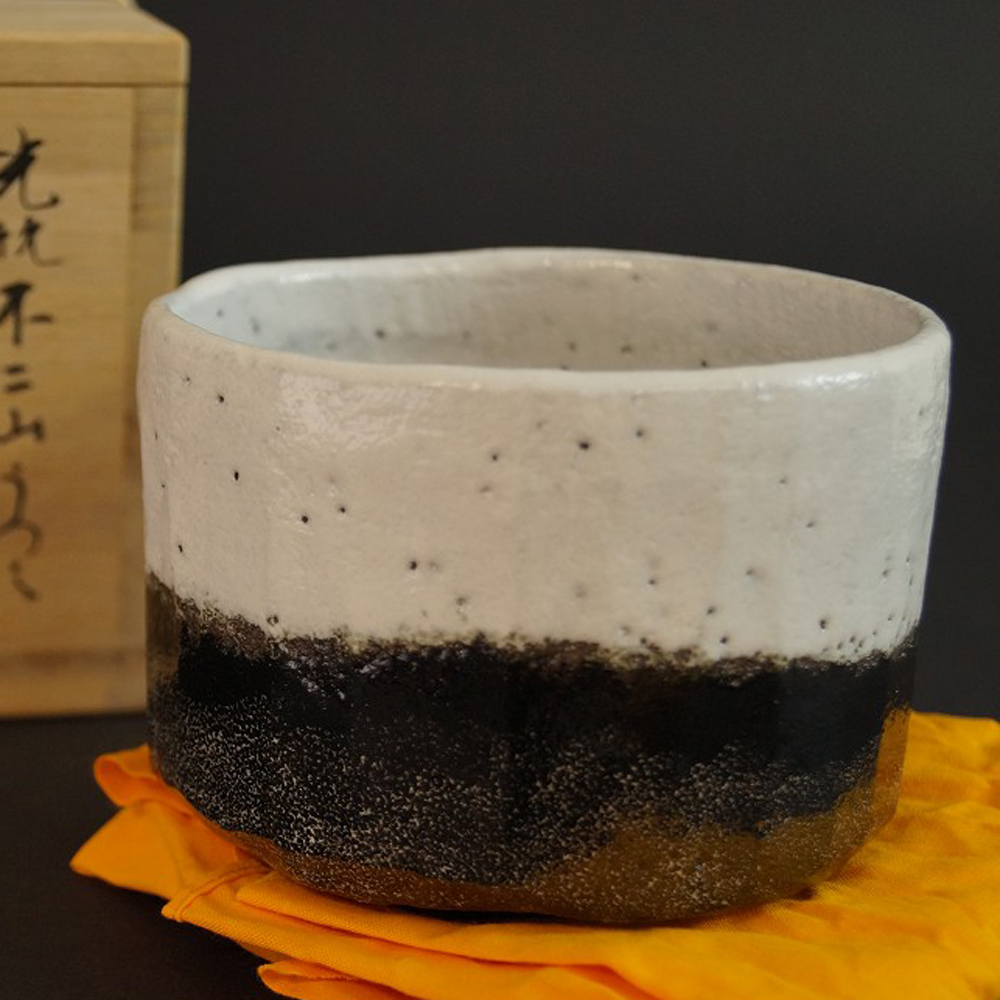
Sasaki Shōraku
Chawan with Fuji Motif Made of Raku Ware by Shoraku Sasaki
Chawan, unique work, with box, 9 x 11 cm
Sold
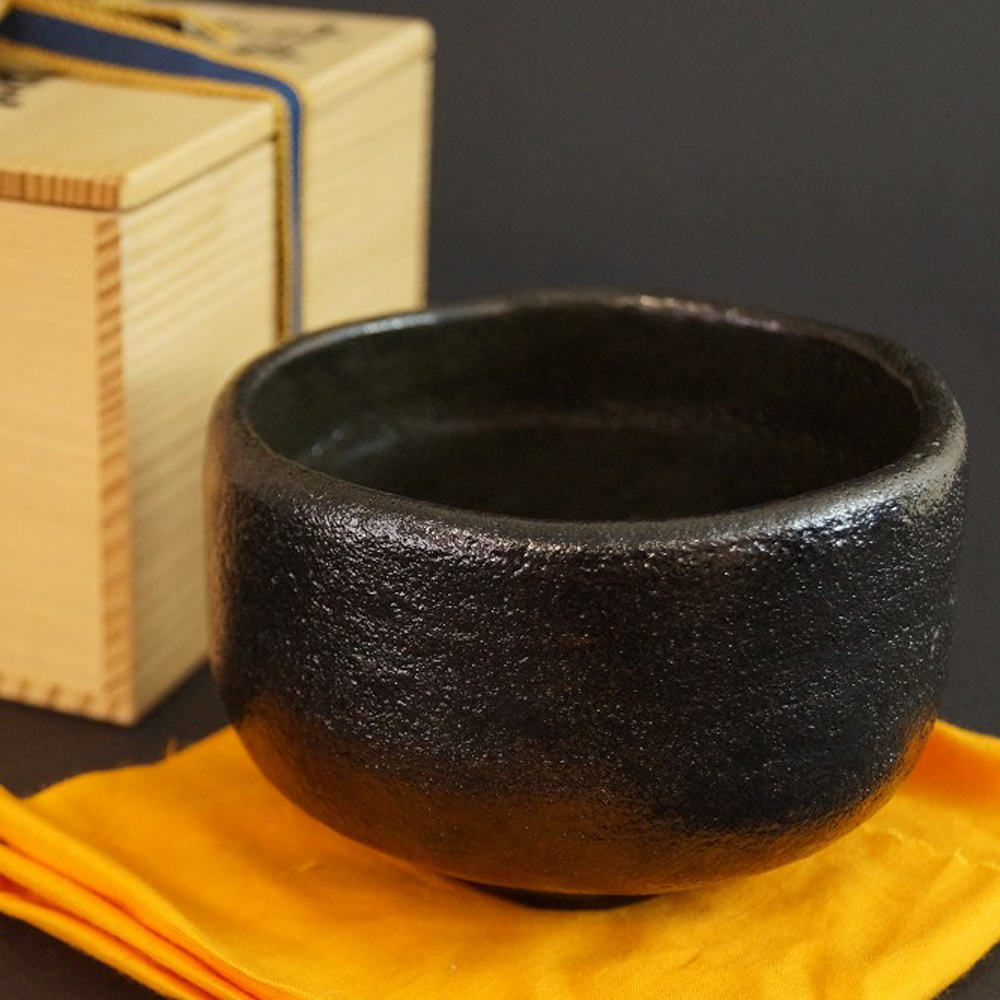
Shien Takeda
Chawan Made of Raku Ware by Shien Takeda
Chawan, unique work, with box, 7,5 x 11,5 cm
Sold
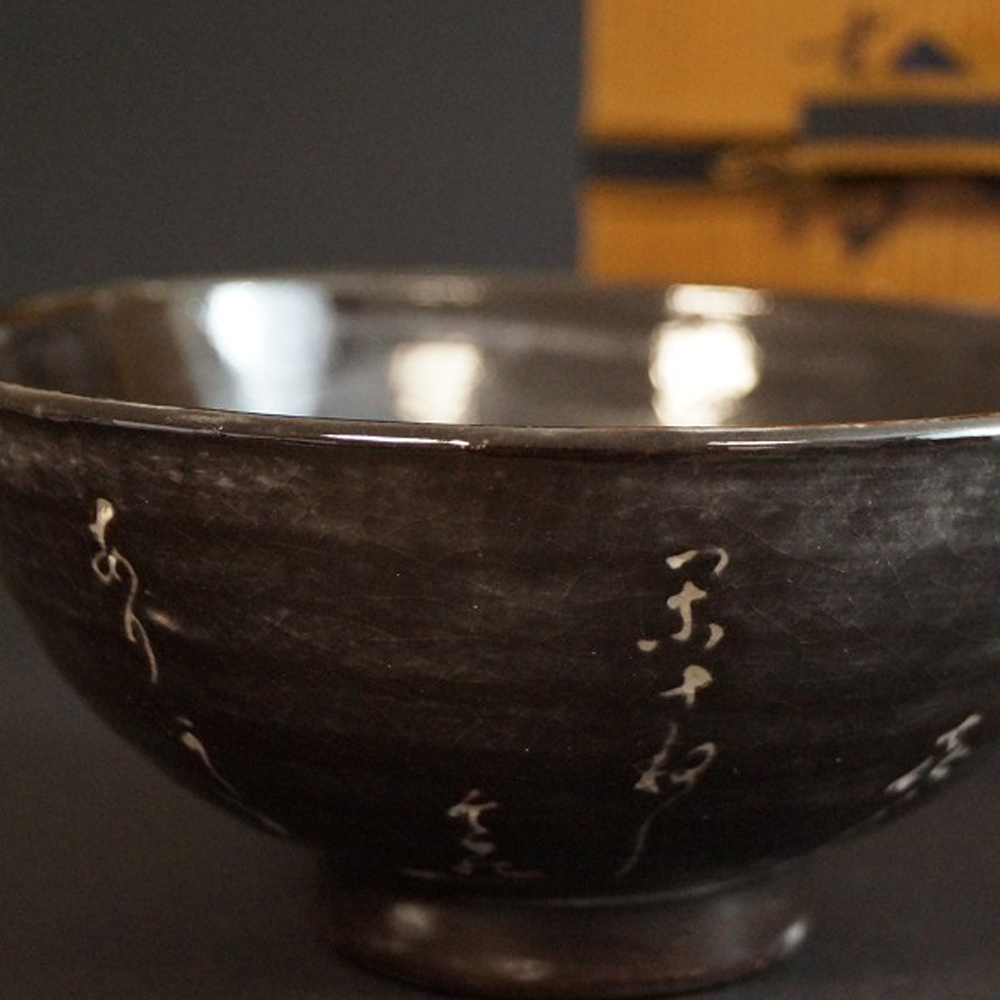
Shogetsu Kikko
Chawan Raku Ware by Shogetsu Kikko
Chawan, unique work, with box, 7 x 18 cm
Sold
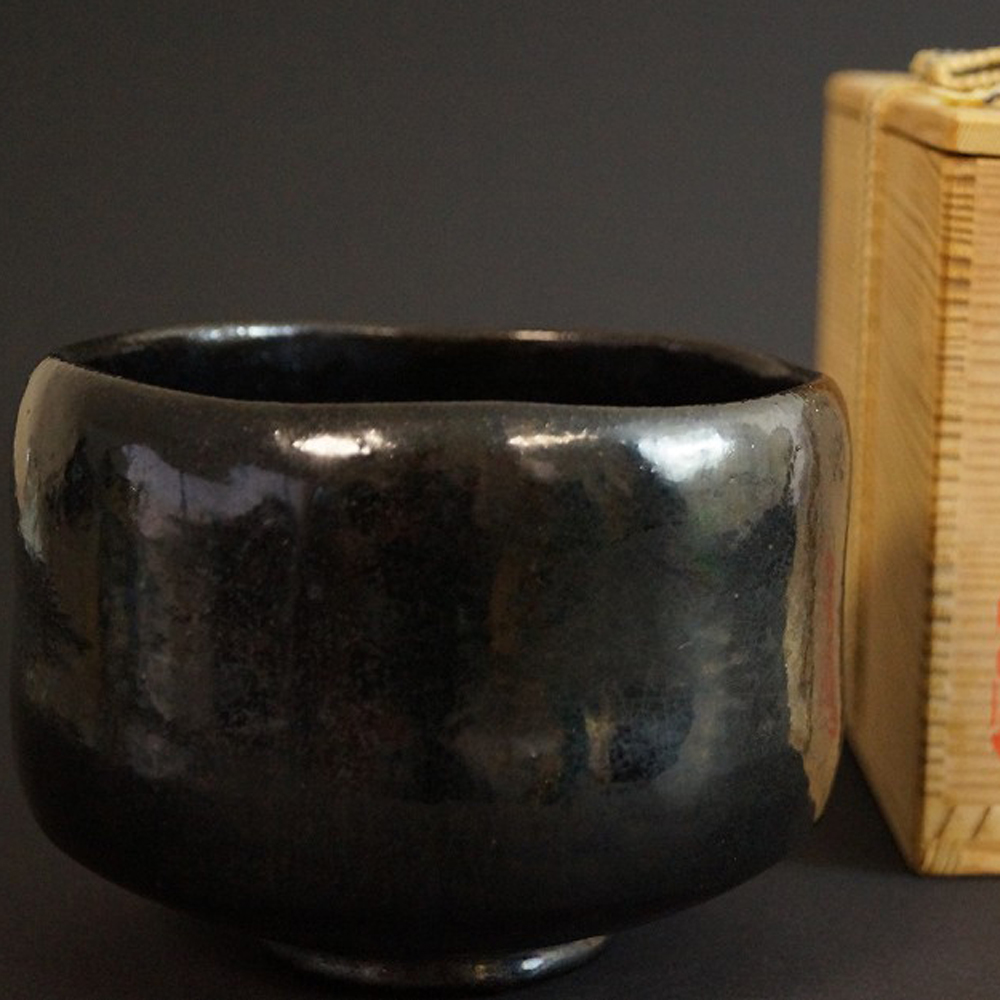
Kentaro Furumaru
Chawan Made of Raku Ware by Kentaro Furumaru
Chawan, unique work, with box, 8 x 11 cm
Sold
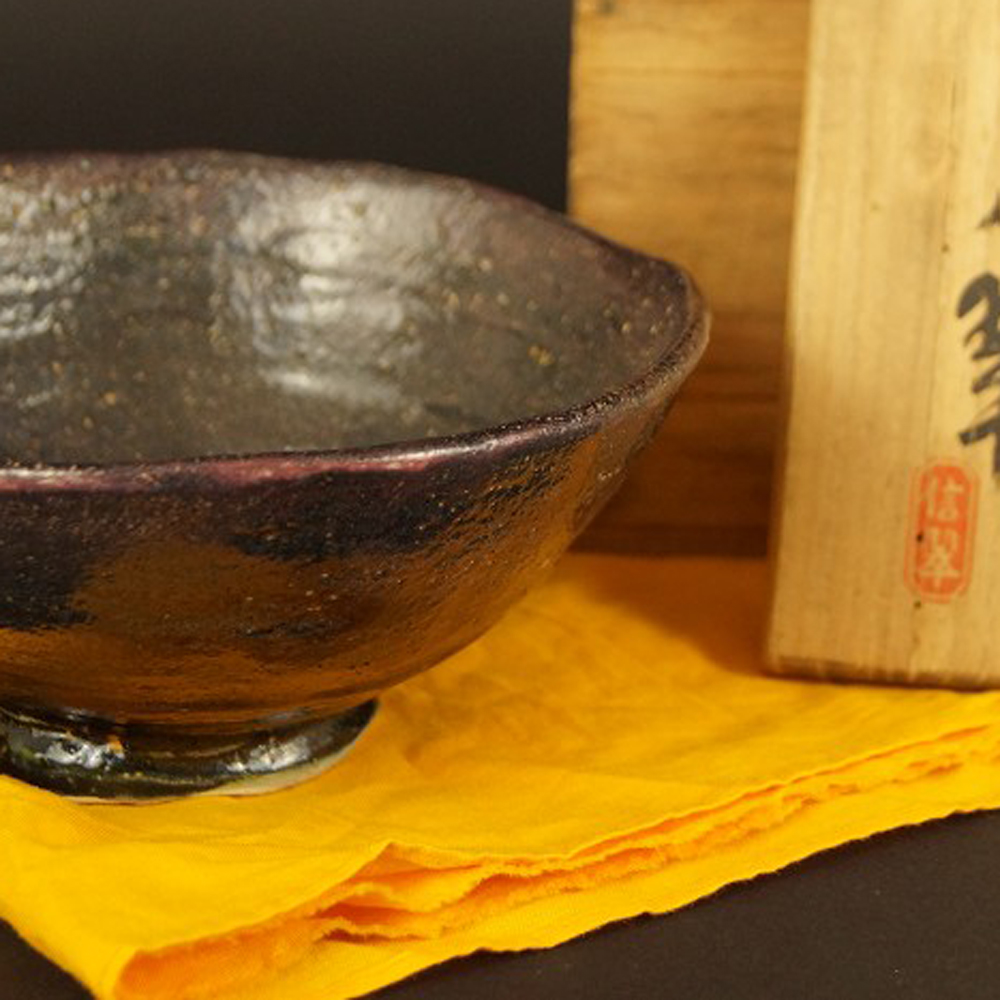
Shichibei Kiyomizu
Chawan Made of Raku Ware by Shichibei Kiyomizu
Chawan, unique work, with box, 7,5 x 15 cm
Sold
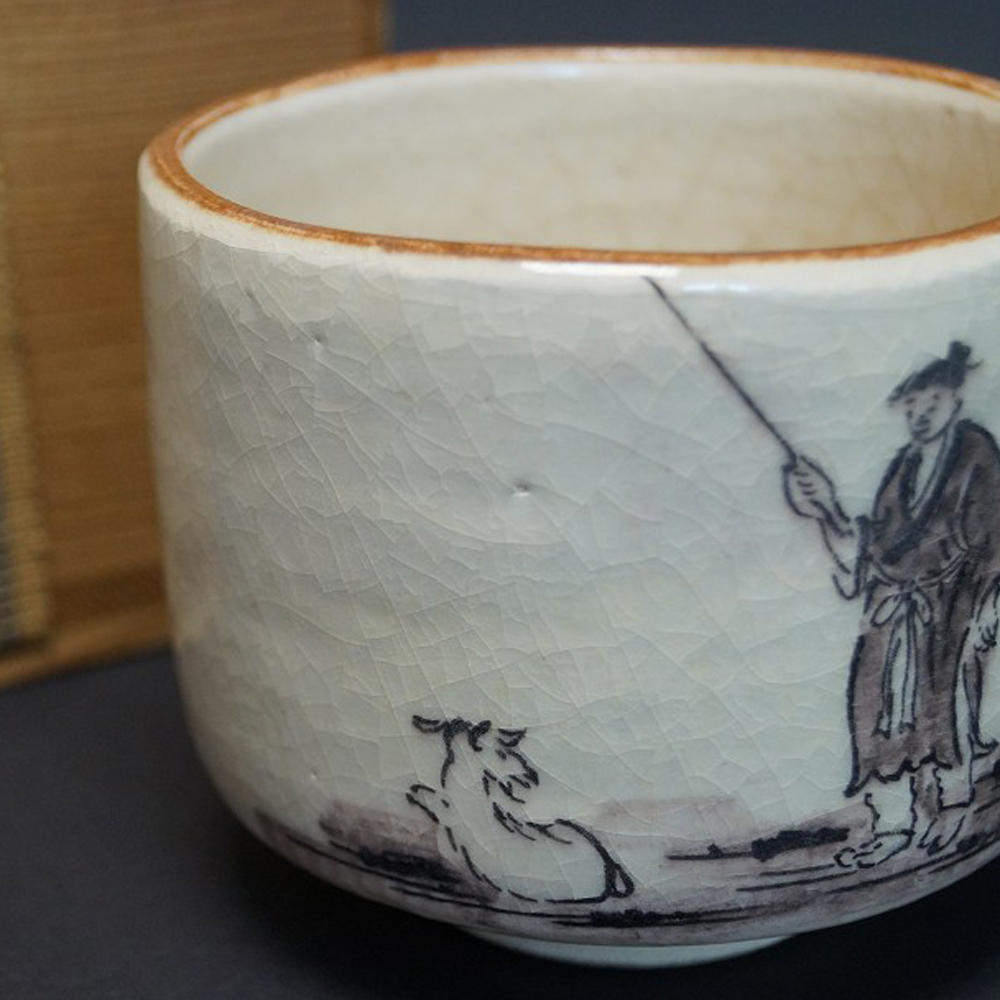
Chawan Tea Bowl Made of Raku Ware with Angler Motif
Chawan, unique work, with box, 8,5 x 10,5 cm
Sold
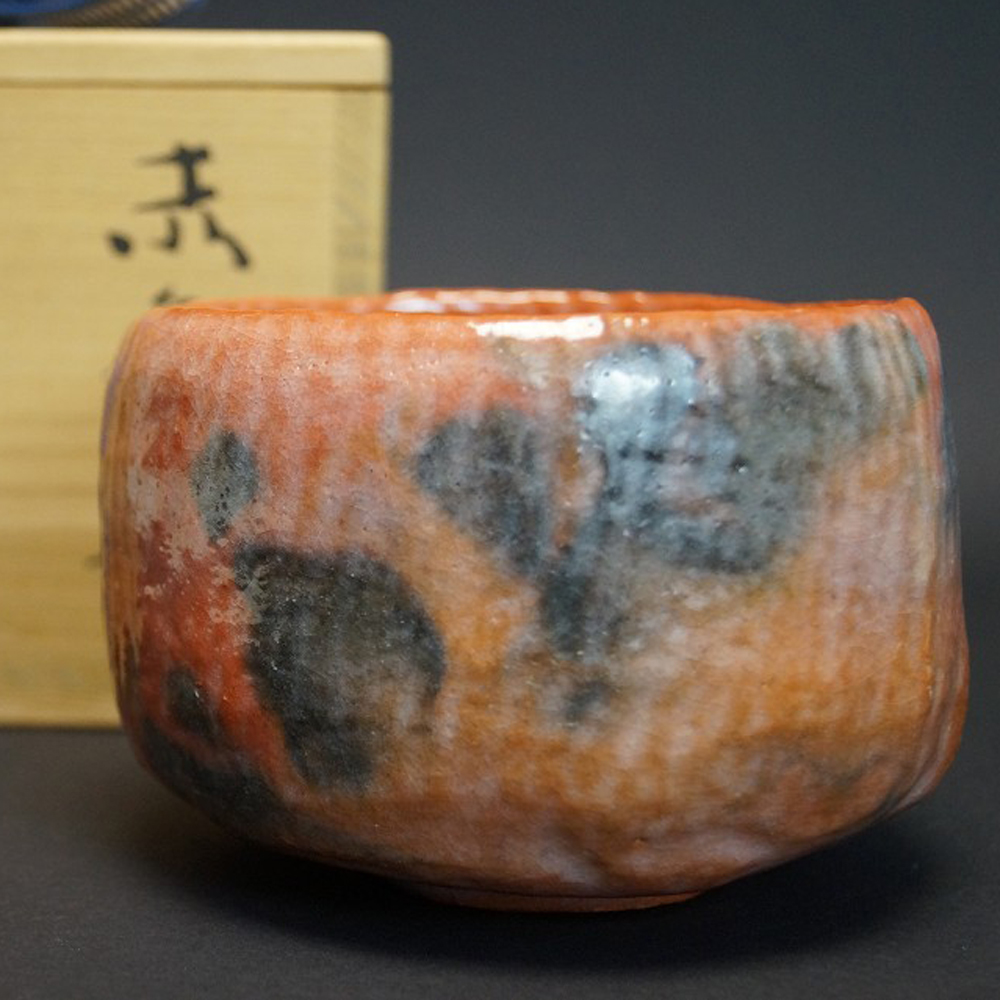
Sasaki Shōraku
Chawan Made of Aka-Raku Ware by Shoraku Sasaki with Gray Clouds
Chawan, unique work, with box, 8 x 11,5 cm
Sold
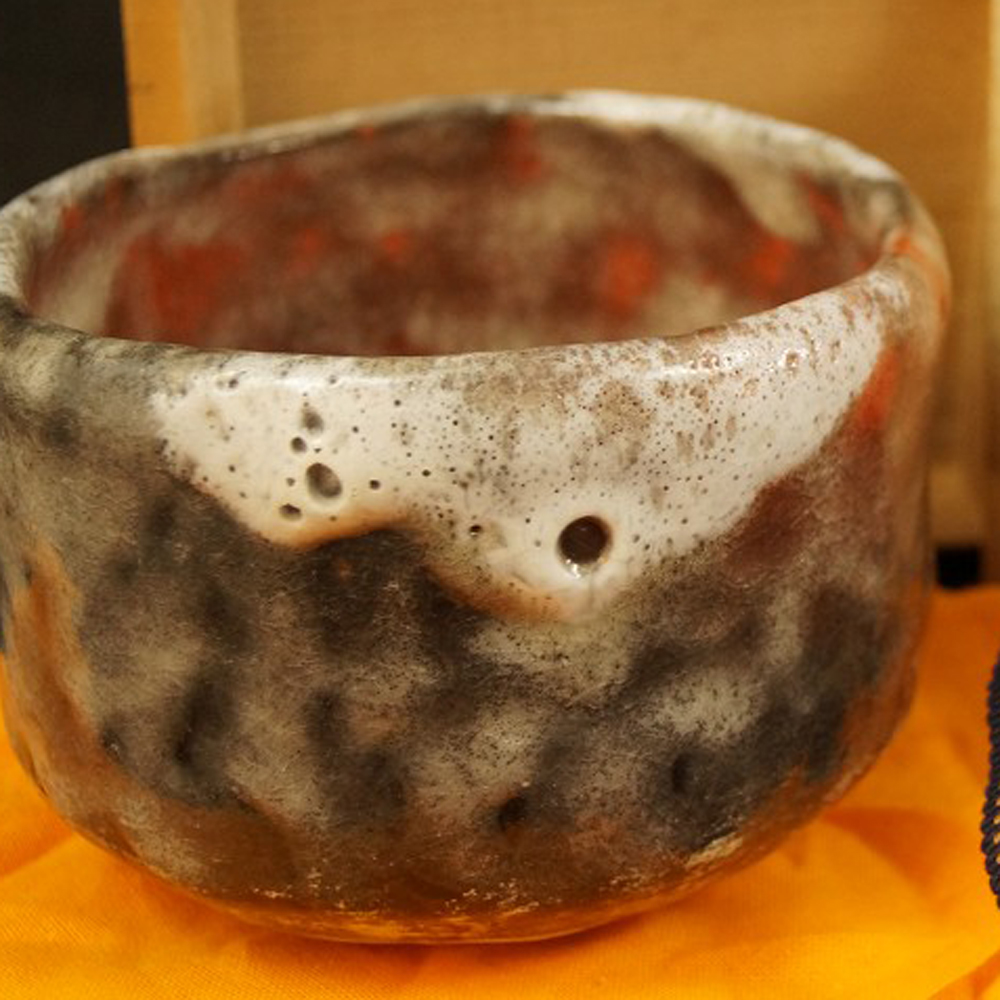
Jiho Ueyama
Chawan Made of Raku Ware by Jiho Ueyama
Chawan, unique work, with box, 9 x 11,5 cm
Sold
38 of 38 items shown
Made for the Way of Tea: Chōjirō and Sen no Rikyū
Raku-yaki emerged in Kyoto during the Momoyama period of the sixteenth century. The potter Chōjirō worked with the tea master Sen no Rikyū, a champion of wabi-cha, a deliberately simple form of the tea ceremony that turned away from precious Chinese imports. What Rikyū wanted was a tea bowl that would not distract from the act of drinking tea but support it: plain, hand-formed, free of unnecessary ornament. Their collaboration produced a ceramic that to this day stands above all for chawan, the bowls of the tea ceremony.
Where the Name Raku Comes From
The character raku (楽) means something like “ease,” “joy” or “enjoyment.” The bowls were first called Ima-yaki, “ware of today,” then Juraku-yaki after the district around the Jurakudai, the palace of the warlord Toyotomi Hideyoshi, where the workshop stood. In time this became Raku-yaki. According to tradition, Hideyoshi presented Chōjirō with a seal bearing the character raku. The Raku family has run the workshop in Kyoto in an unbroken line ever since; Raku Kichizaemon XVI has headed it since 2019. Alongside the family, many other potters and workshops have long worked in this tradition.
Shaped by Hand, Cooled Quickly: the Technique
Raku chawan are made without a potter's wheel. The potter builds the bowl by hand, often by hollowing out a lump of clay and shaping it from the inside. The movement of the hand remains visible in the form, and no two bowls are alike. Each piece is fired at a comparatively low temperature, then lifted out of the kiln with tongs while still glowing and left to cool rapidly in the air. This thermal shock produces the fine crackle in the glaze and the irregular color gradations that can never be reproduced exactly.
Kuro-Raku and Aka-Raku
Two basic types shape the tradition. Kuro-Raku, black Raku, has a deep black glaze ranging from matte to glossy; against it, the green of matcha appears especially vivid. Aka-Raku, red Raku, owes its warm red and orange tones to iron-bearing glazes and has a more inviting feel. There are also bowls in cream and beige, with golden-brown flecks, incised motifs or calligraphic characters. Each variant shows in its own way how much the fire decides the final appearance.
How to Recognize a Raku Tea Bowl
A Raku bowl feels remarkably light in the hand, because the low-fired body stays soft and porous. The walls are usually somewhat thicker and the outline slightly irregular, often with an undulating rim. Traces of the shaping remain visible, as do fine cracks and shifting areas in the glaze. Many bowls carry an impressed seal of the workshop or the potter. Set a Raku bowl next to one thrown on the wheel and the difference is obvious at once: the strict symmetry is missing, and every curve looks directly made by hand.
The Raku Bowl in the Tea Ceremony and at Home
A Japanese saying that ranks the finest tea bowls names Raku first, ahead of Hagi and Karatsu. The bowl is made for matcha: it keeps the tea warm, and its soft walls sit comfortably in both hands. If you do not practice the tea ceremony in the strict sense, a Raku chawan works just as well for your daily bowl of matcha or as a quiet single piece on a shelf or in a tokonoma. Over time it develops a gentle patina.
Caring for a Raku Tea Bowl
Raku ware is cleaned only with warm water and a soft sponge, without dish soap, because the open body absorbs soap and fragrances and later releases them into the tea. Dishwashers and microwaves are off limits, and so are metal spoons, since the glaze scratches easily. Before pouring, warm the bowl with lukewarm water rather than pouring boiling water into a cold bowl. Afterwards it must dry completely in the air, which can take one to three days, before it goes back into its cloth and wooden box.
What Collectors Look For
Collectors look first at the glaze and the feel: does the bowl sit well in the hand, is the weight right, does the color speak to you? Then come the seal and the wooden box, because a box signed by the potter documents origin and attribution. With some workshops it pays to look closely at how the signature is written, since individual works by the artist, workshop pieces and plain kiln ware are marked differently. Age and condition matter too; fine crackle in the glaze is part of the material and not damage.