
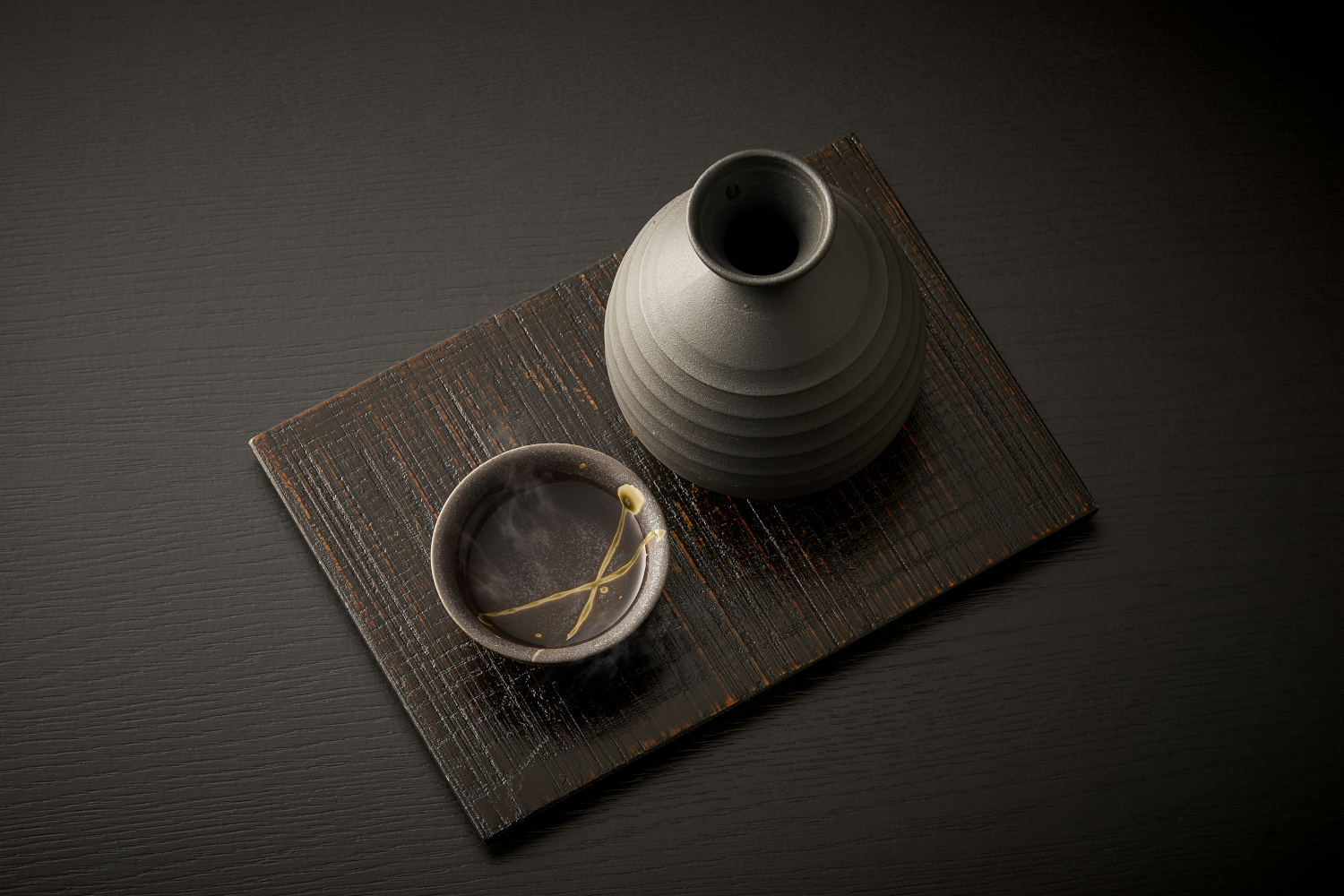
Guinomi and Tokkuri – Japanese Sake Ceramics
Go directly to the artworksIn brief
Guinomi are small Japanese drinking vessels for sake, usually somewhat larger and deeper than the classic, flatter Ochoko. Tokkuri are slender, bulbous carafes for serving sake, traditionally also suited for warming in a water bath. Both types of vessel are frequently made as coordinated sets and produced in nearly all well-known Japanese ceramic styles, from rustic Bizen-yaki to finely glazed Kutani-yaki. At densho.art you will find handcrafted Guinomi and Tokkuri as one-of-a-kind pieces direct from Japan.
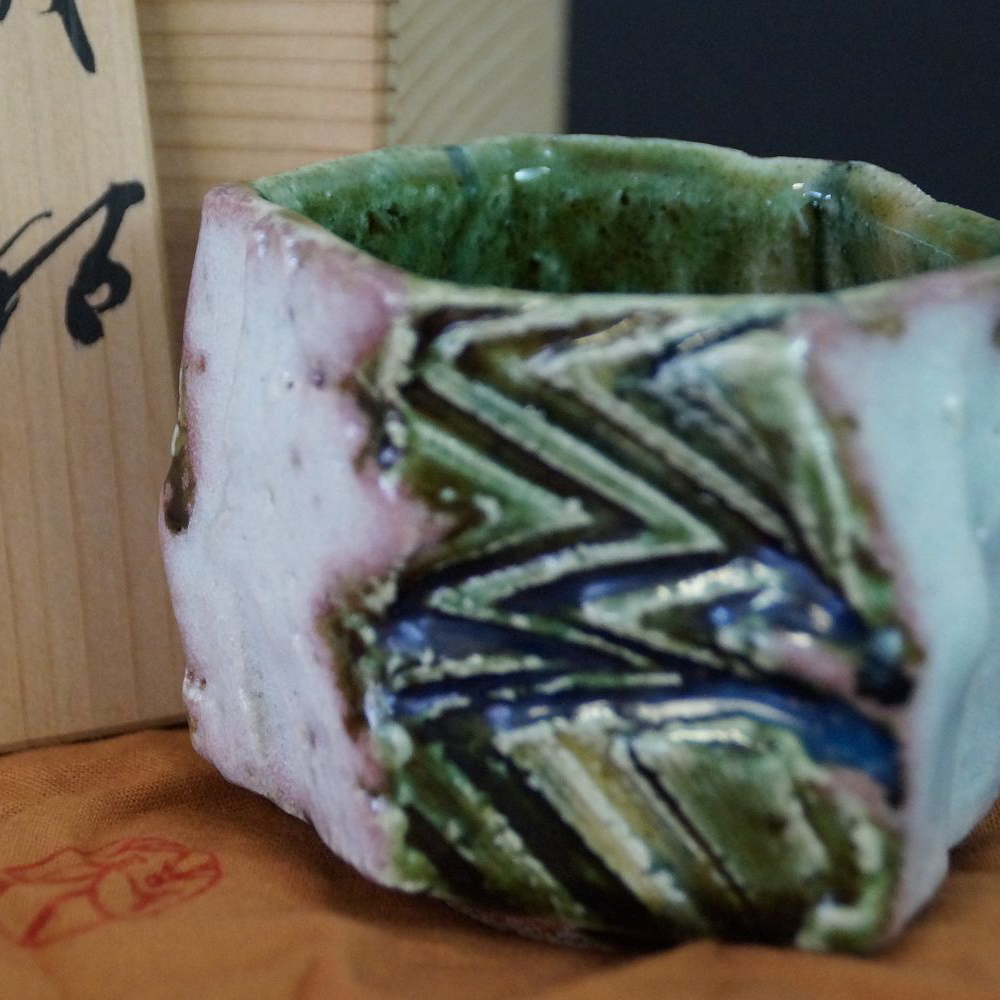

Kawachi Hidetoshi
Guinomi Made of Oribe Ware by Kawachi Hidetoshi with Blue
Guinomi, unique work, with box, 7,5 x 7 cm
€310.00
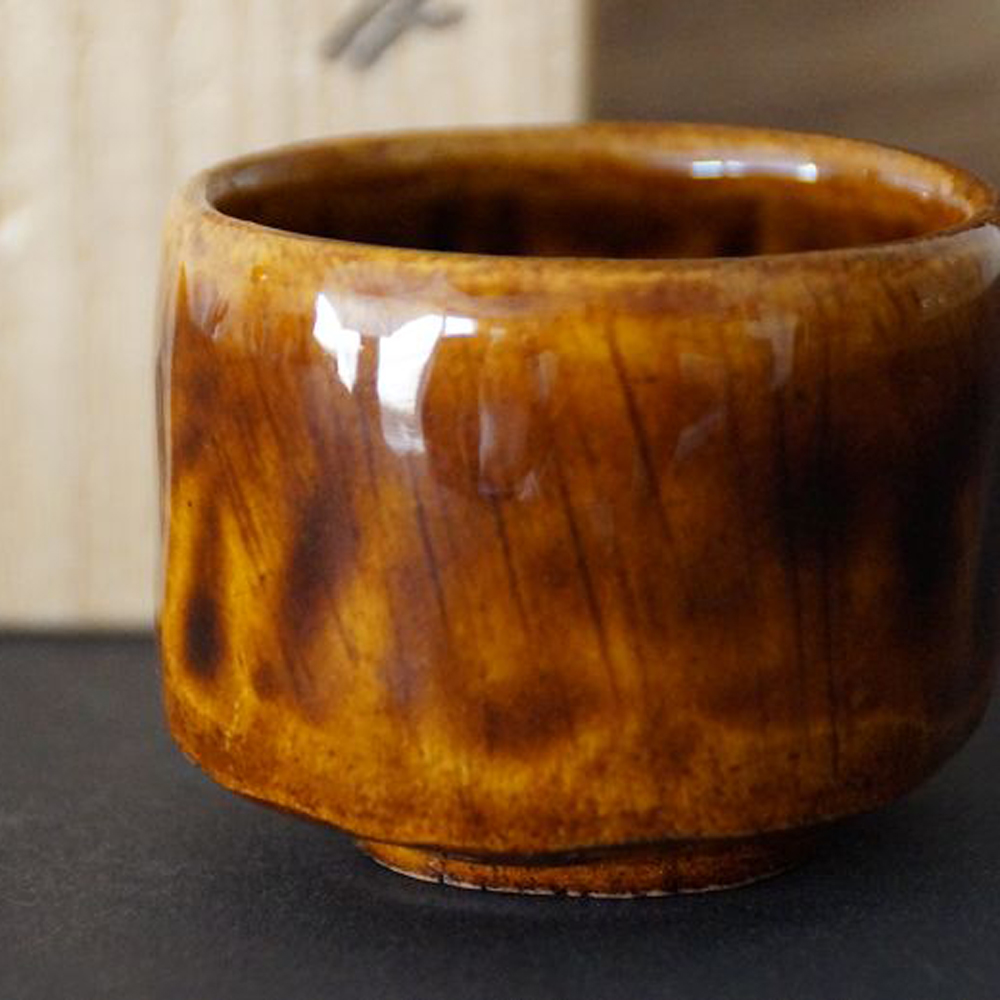

Ōhi Chō
Guinomi Made of Ohi Ware by Ohi Cho
Guinomi, unique work, with box, 4 x 5 cm
€610.00
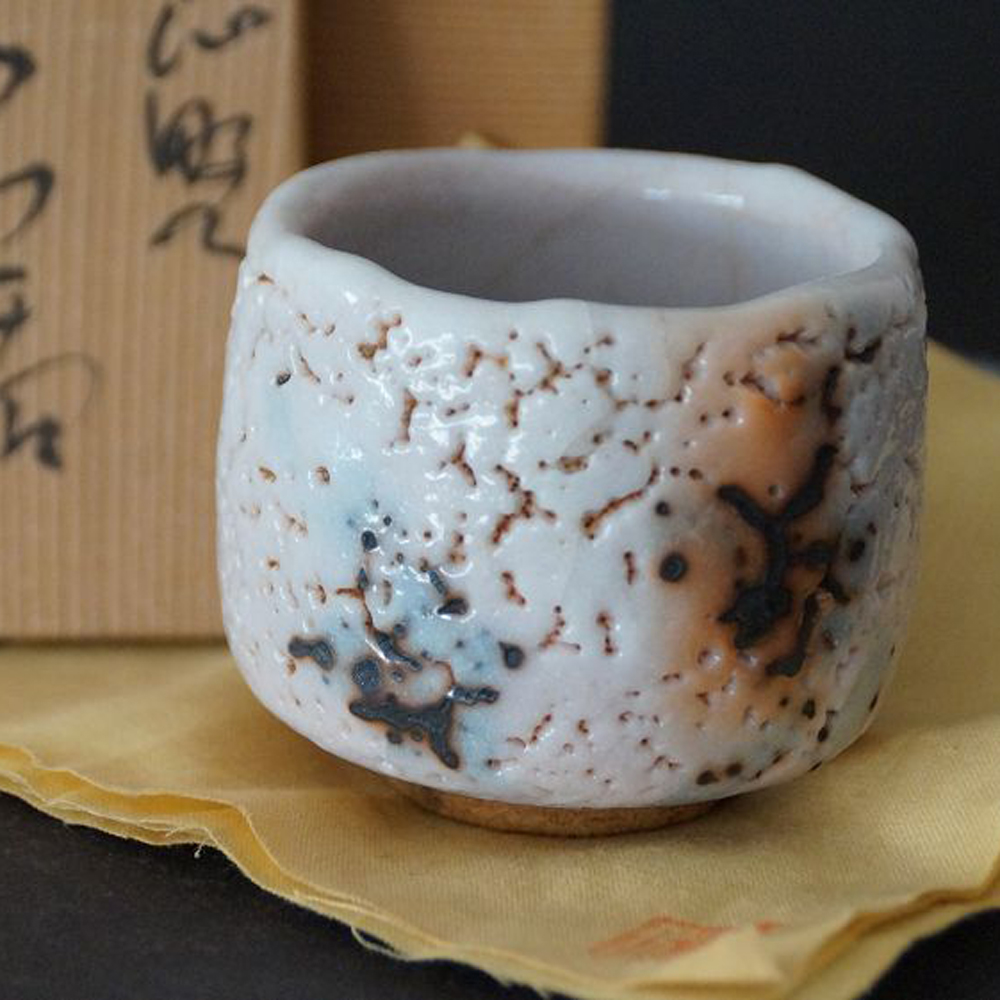

Takeshi Kato
Guinomi Made of Shino Ware by Takeshi Kato
Guinomi, unique work, with box, 5,5 x 5,5 cm
€890.00
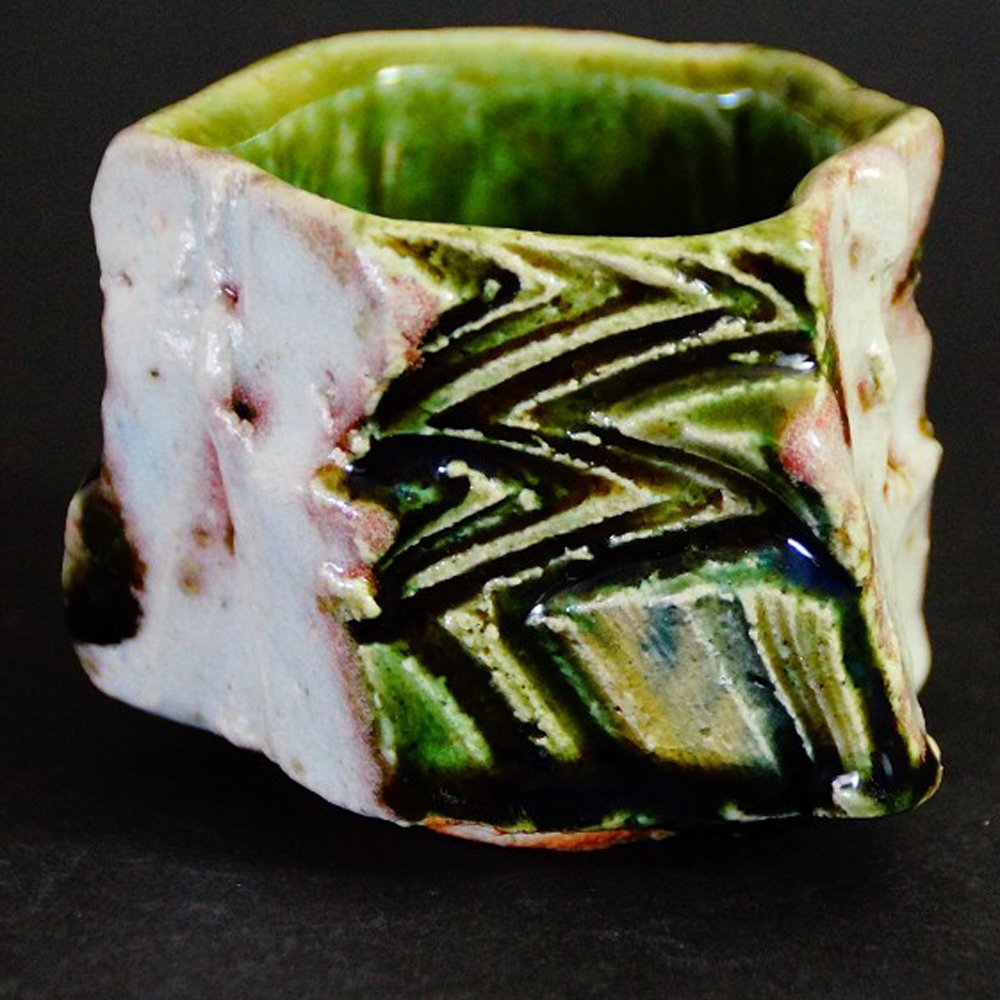

Kawachi Hidetoshi
Guinomi Made of Oribe Ware by Kawachi Hidetoshi, Angular
Guinomi, unique work, with box, 8 x 6,5 cm
€330.00
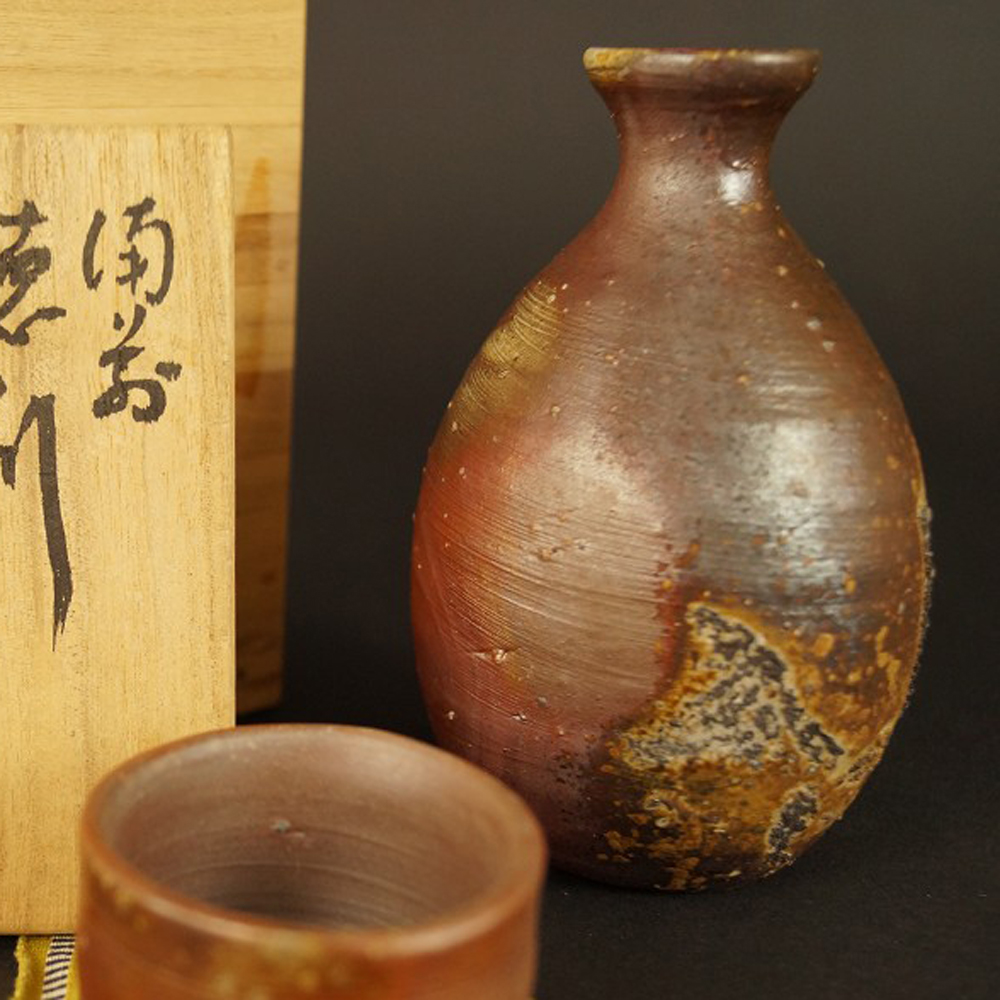
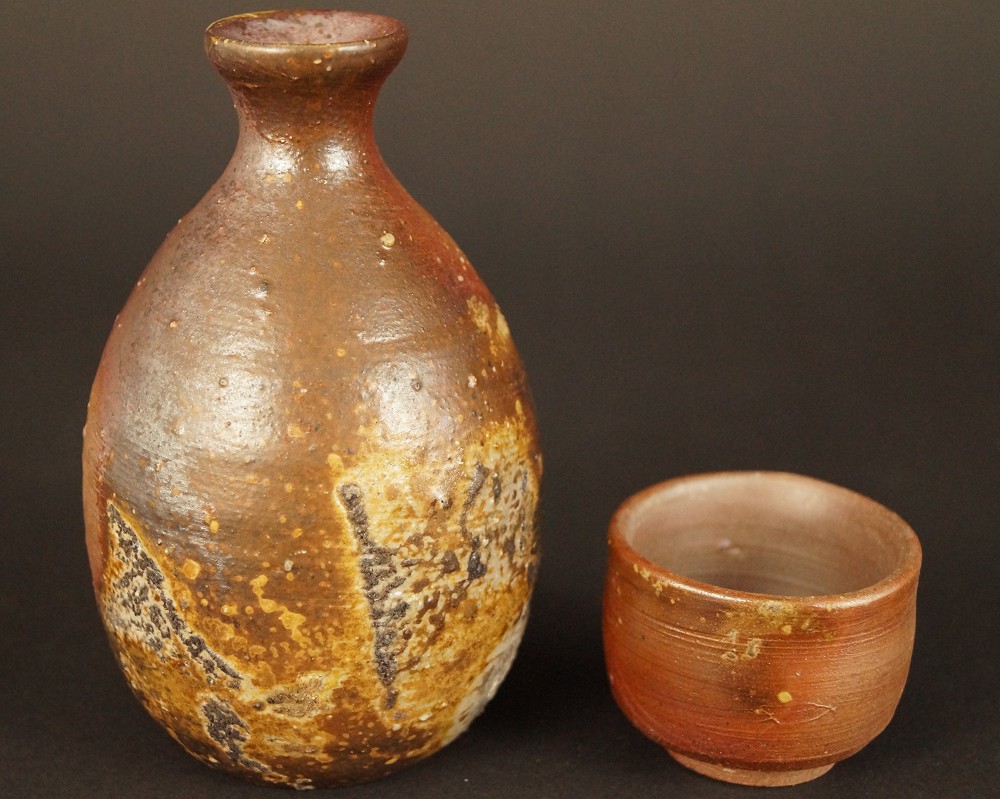
Tokkuri and Guinomi Made of Bizen Ware
Set of Guinomi and Tokkuri, unique work, with box, 12 x 7 cm
€210.00
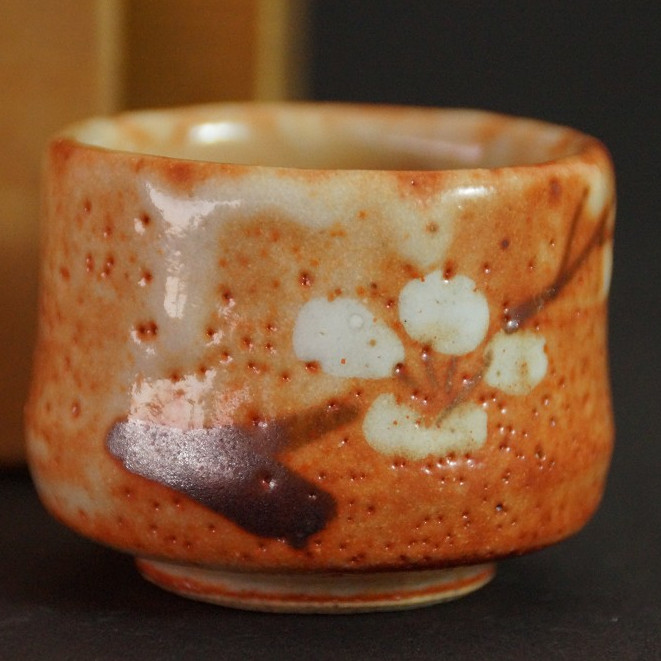

Sawada Shuichi
Guinomi Sake Cup Made of Shino Ware by Shuichi Sawada
Guinomi, unique work, with box, 5 x 6 cm
€210.00
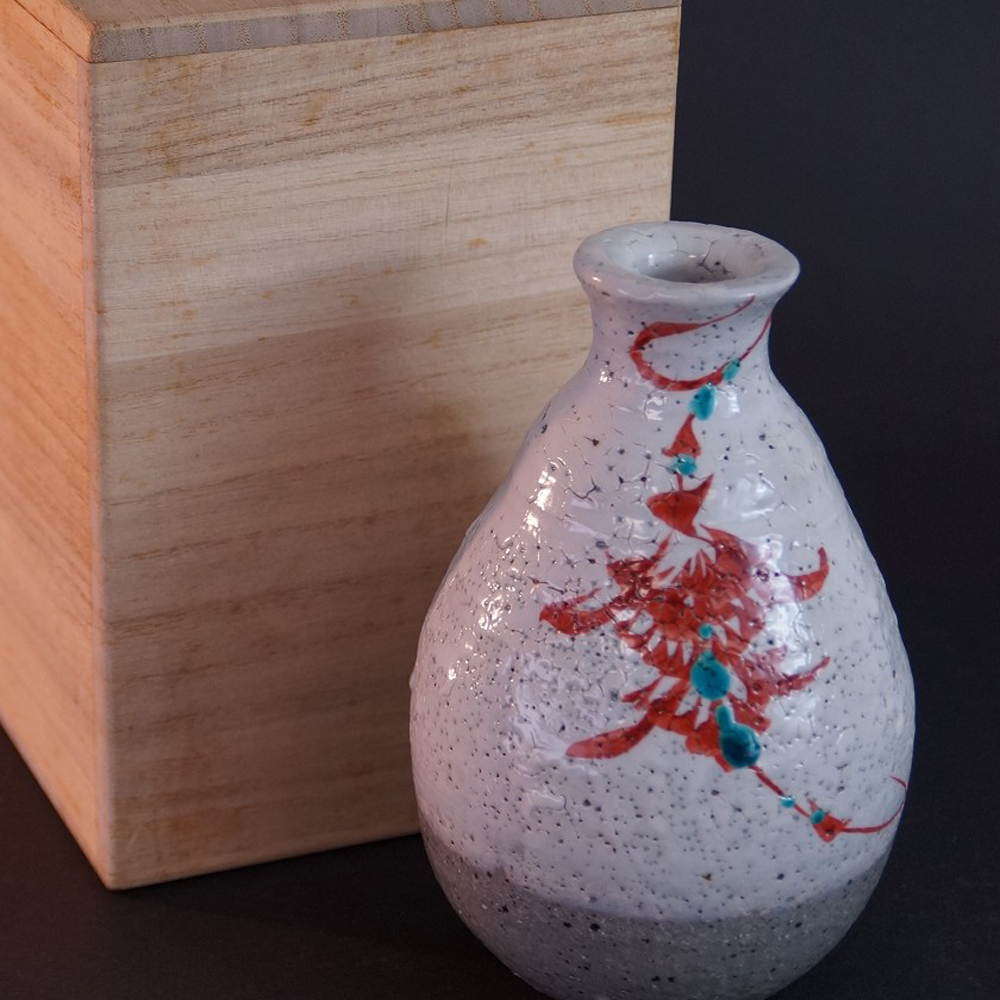

Suzuki Takuji
Tokkuri Made of Kyoto Ware by Takuji Suzuki
Tokkuri, unique work, with box, 15 x 8 cm
€370.00
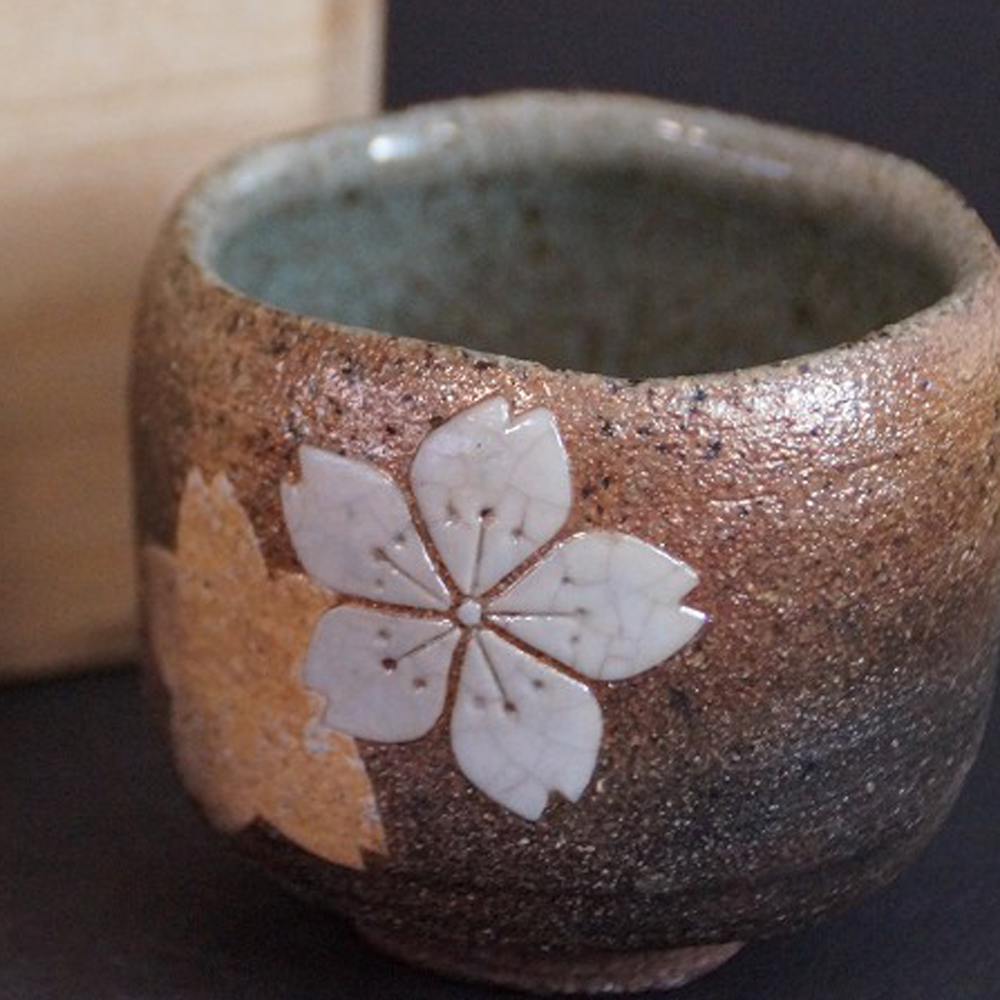

Matsuo Shigetoshi
Guinomi Made of Karatsu Ware by Shigetoshi Matsuo
Guinomi, unique work, with box, 7 x 6 cm
€240.00
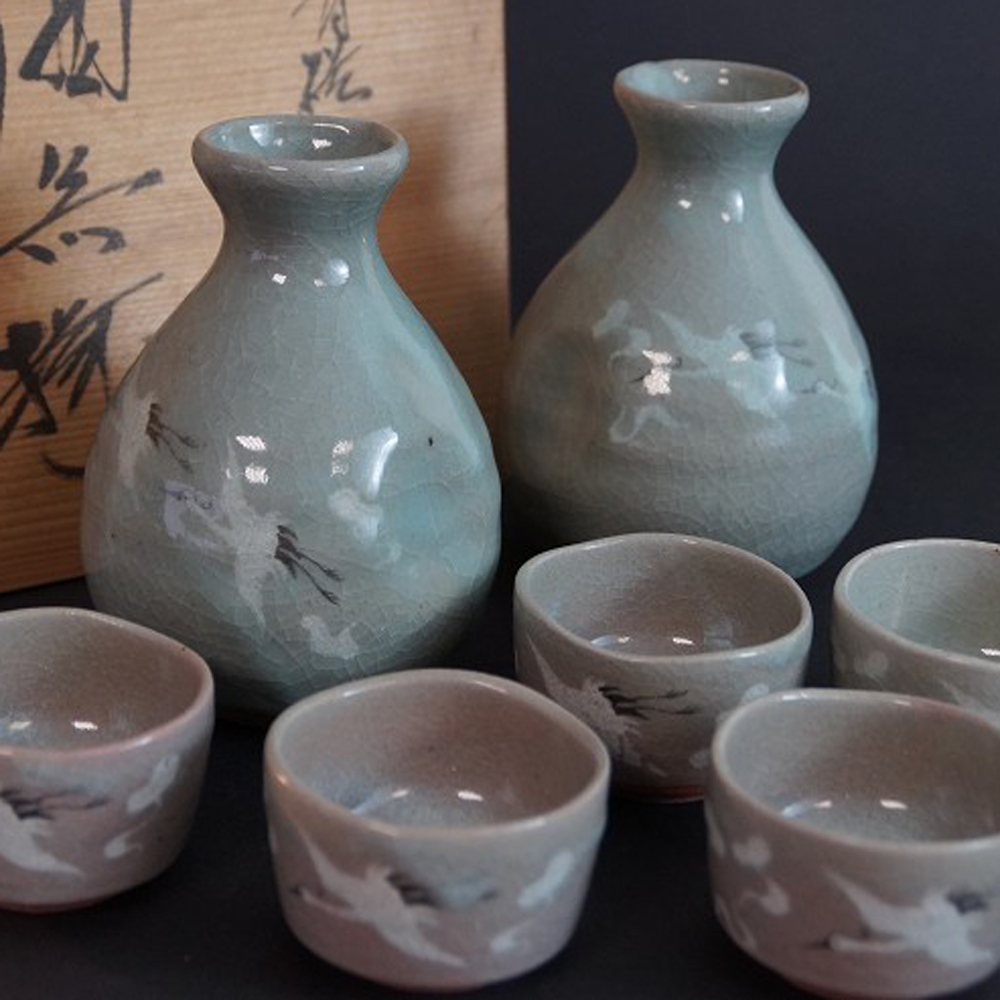

Sake Set Made of Mino Ware, Two Tokkuri and Five Guinomi
Set of Guinomi and Tokkuri, unique work, with box, 11 x 8 cm
€530.00
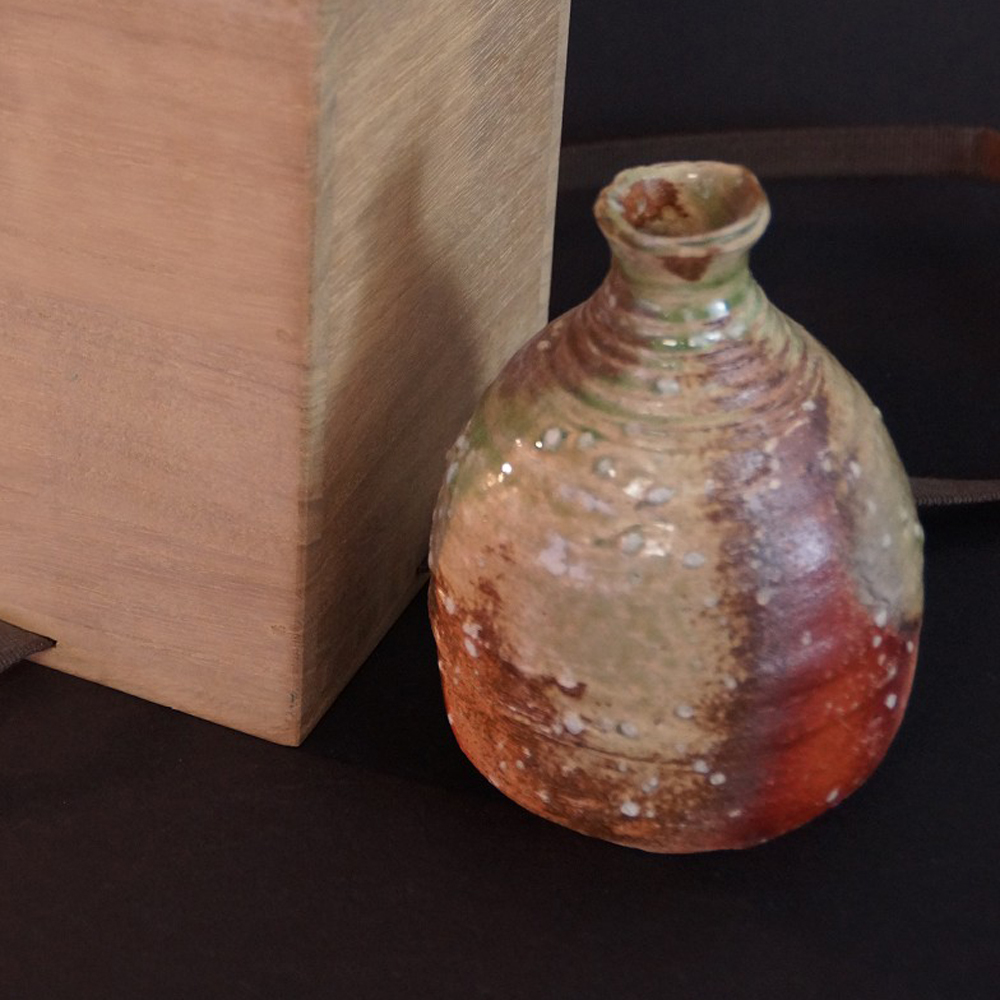

Sasaki Shodo
Tokkuri Made of Shigaraki Ware by Shodo Sasaki
Tokkuri, unique work, with box, 13 x 9 cm
€280.00
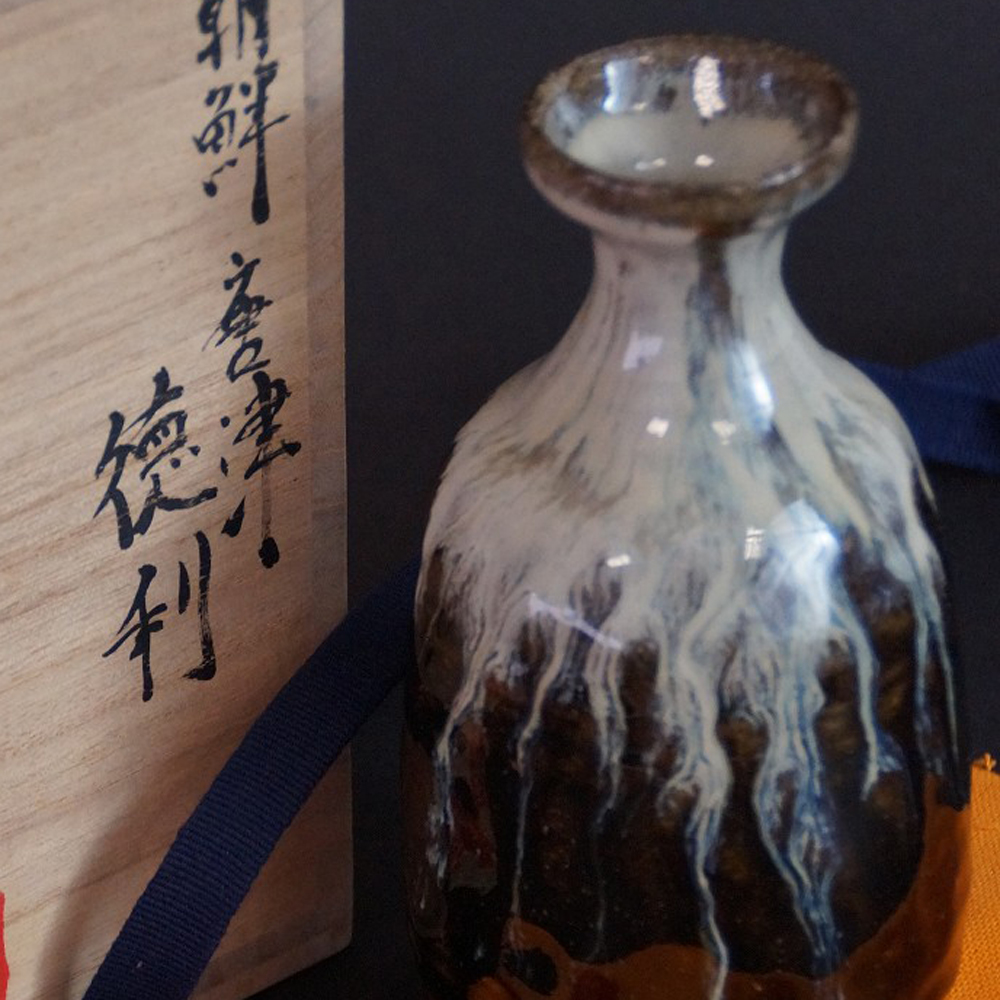

Michael Martino
Tokkuri Made of Karatsu Ware by Michael Martino
Tokkuri, unique work, with box, 16 x 9 cm
€450.00
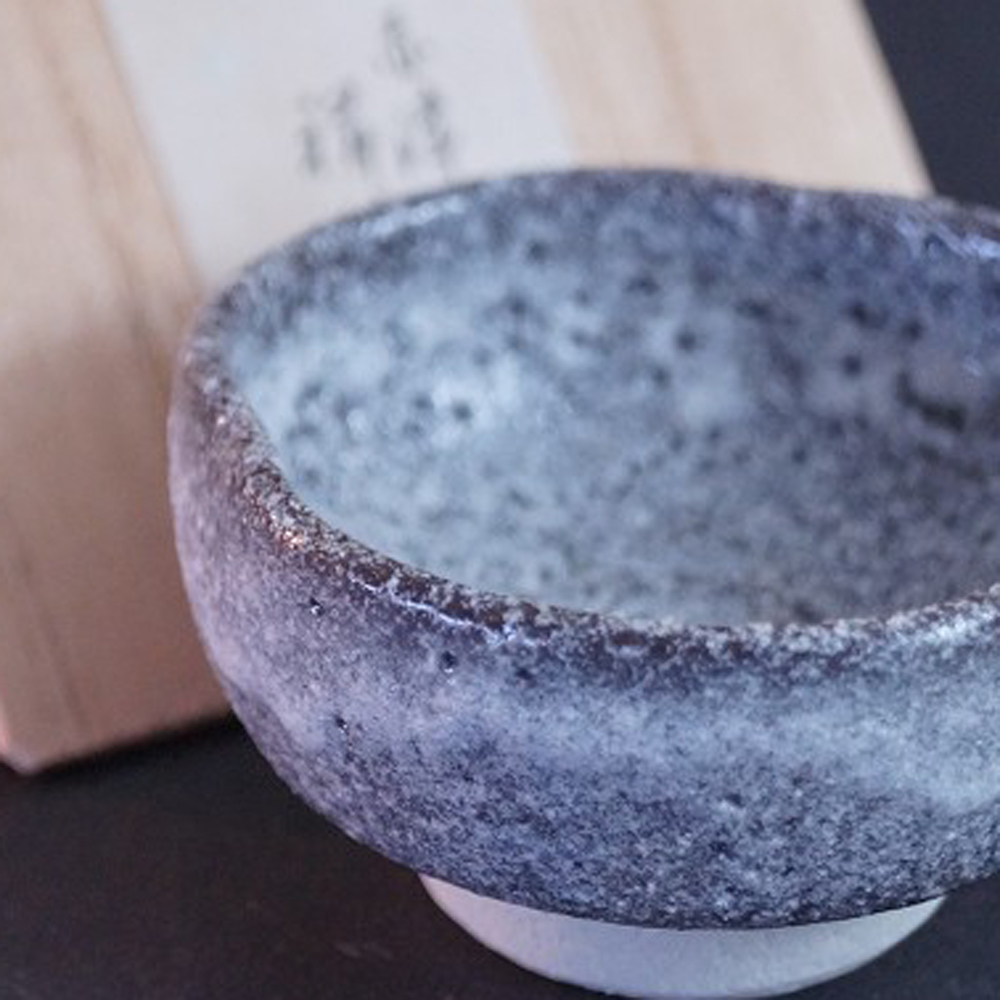

Taniguchi Shohachi
Guinomi Made of Shino Ware by Shohachi Taniguchi
Guinomi, unique work, with box, 3 x 5,5 cm
€175.00
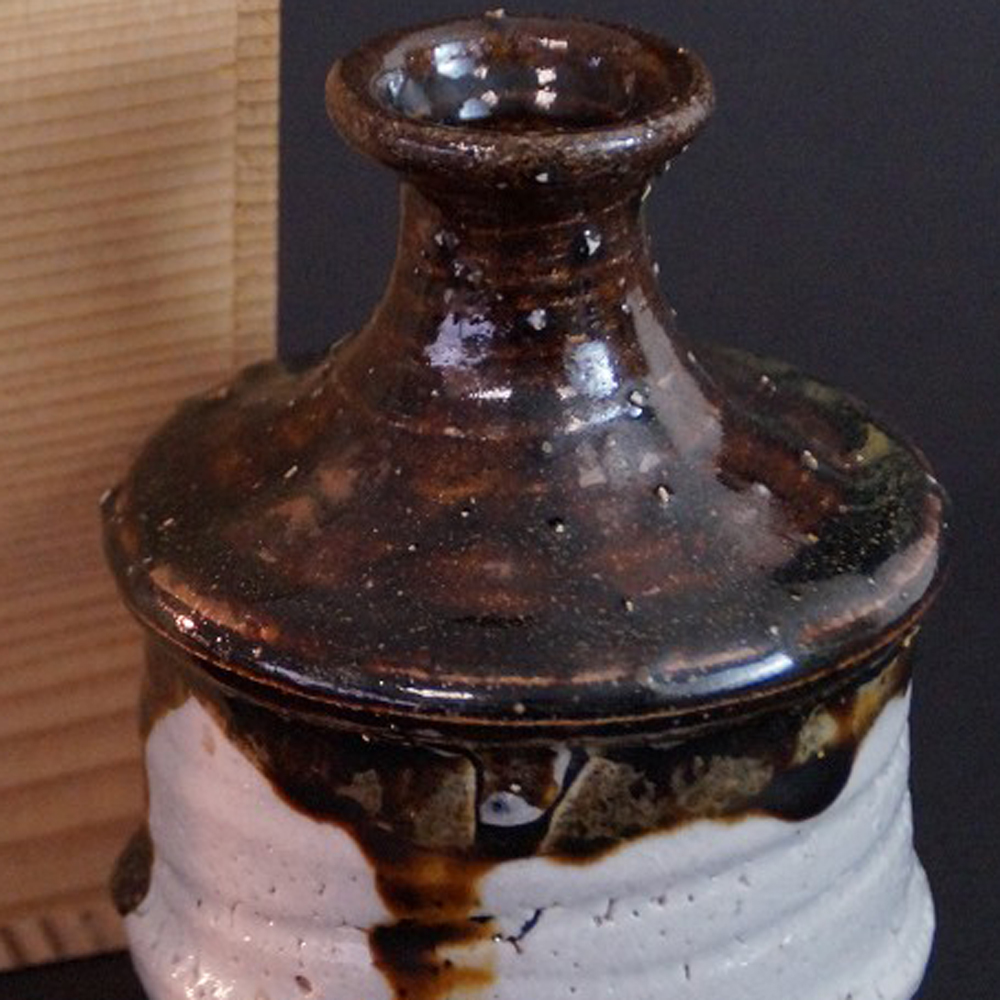

Inoue Toya
Tokkuri Made of Karatsu Ware by Toya Inoue
Tokkuri, unique work, with box, 11 x 10 cm
€320.00
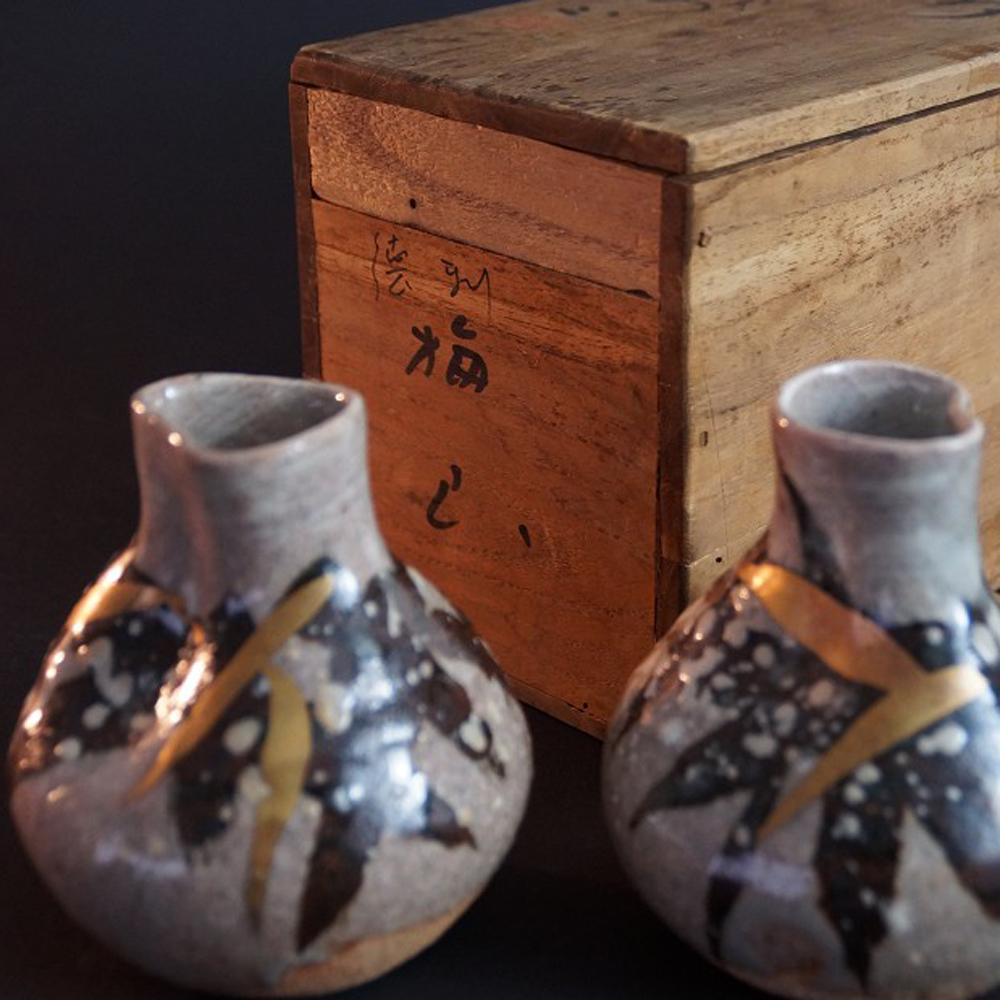

Nakamura Baizan
Two Tokkuri Made of Kutani Porcelain by Baizan Nakamura
Tokkuri, unique work, with box, 9 x 9 cm
€440.00
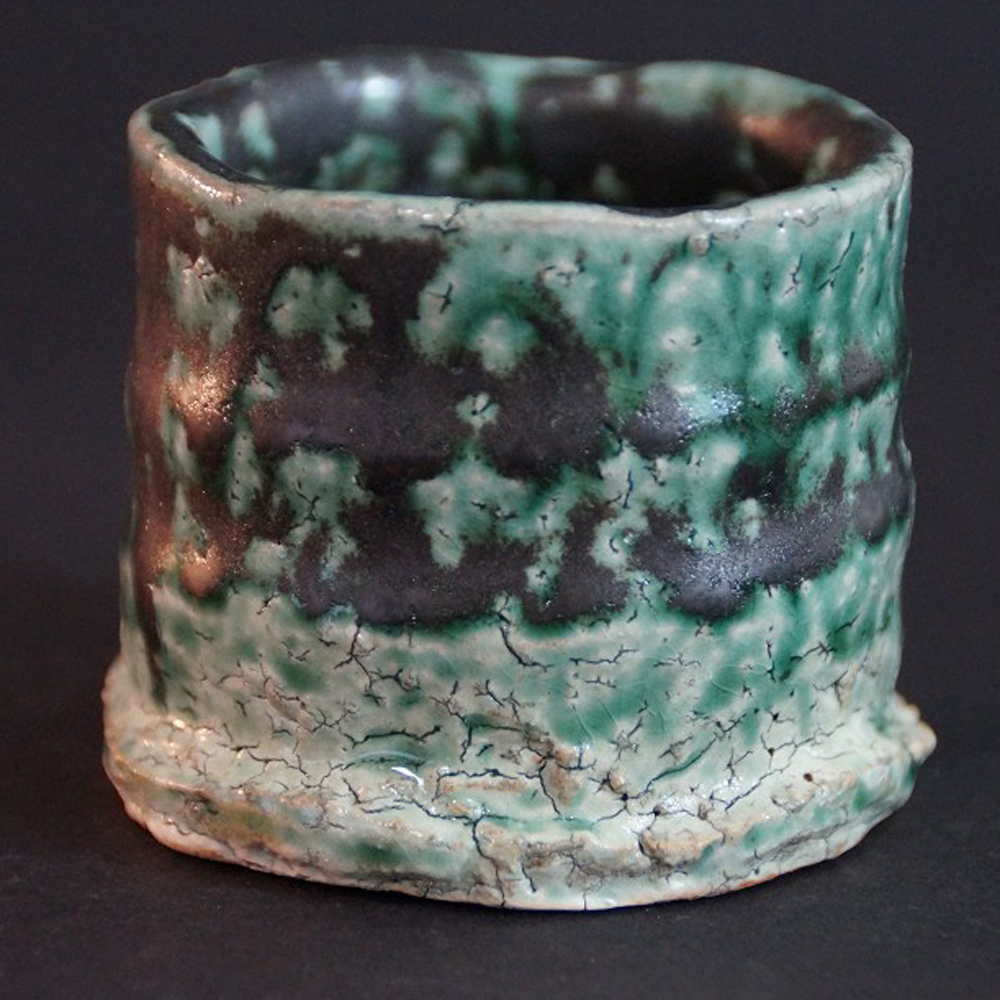

Sasaki Ken
Guinomi Made of Hagi Ware by Ken Sasaki
Guinomi, unique work, with box, 5,5 x 6 cm
€310.00
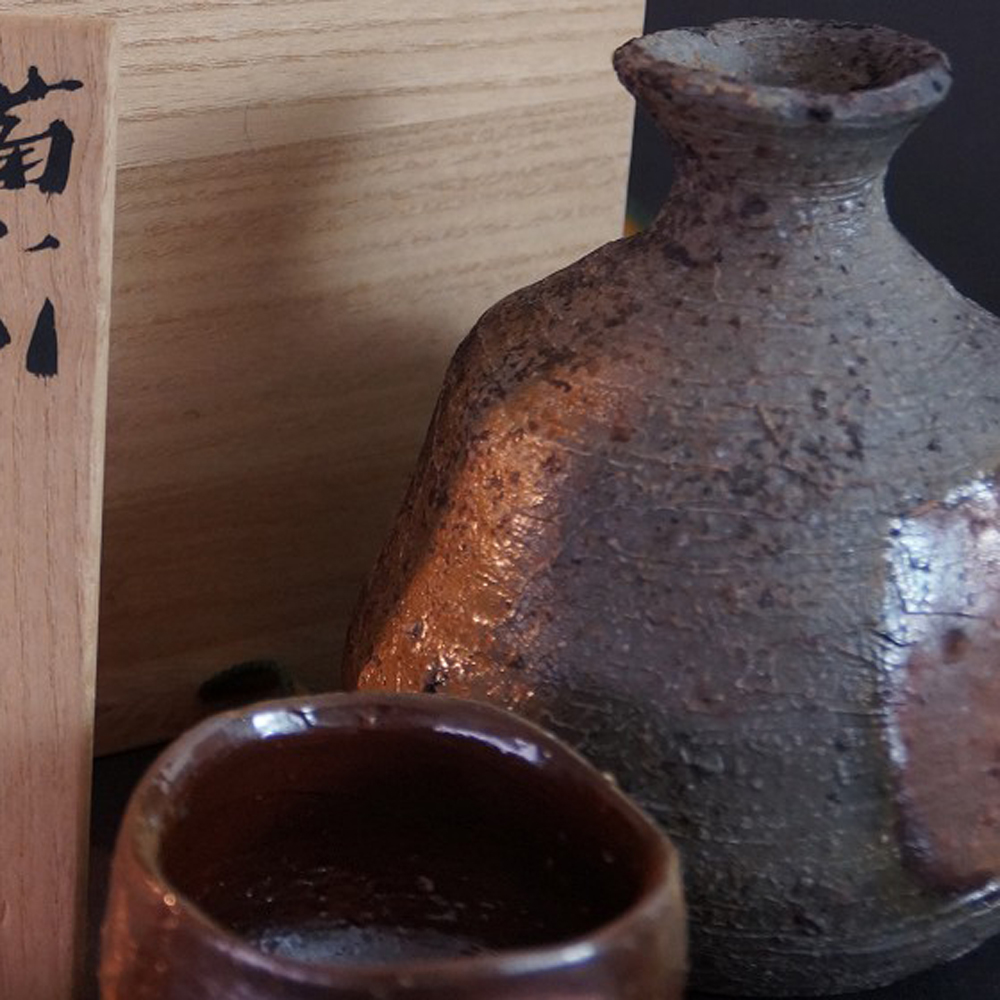

Morioka Hiroshi
Sake Set Made of Bizen Ware by Hiroshi Morioka
Set of Guinomi and Tokkuri, unique work, with box, 12 x 10 cm
€690.00
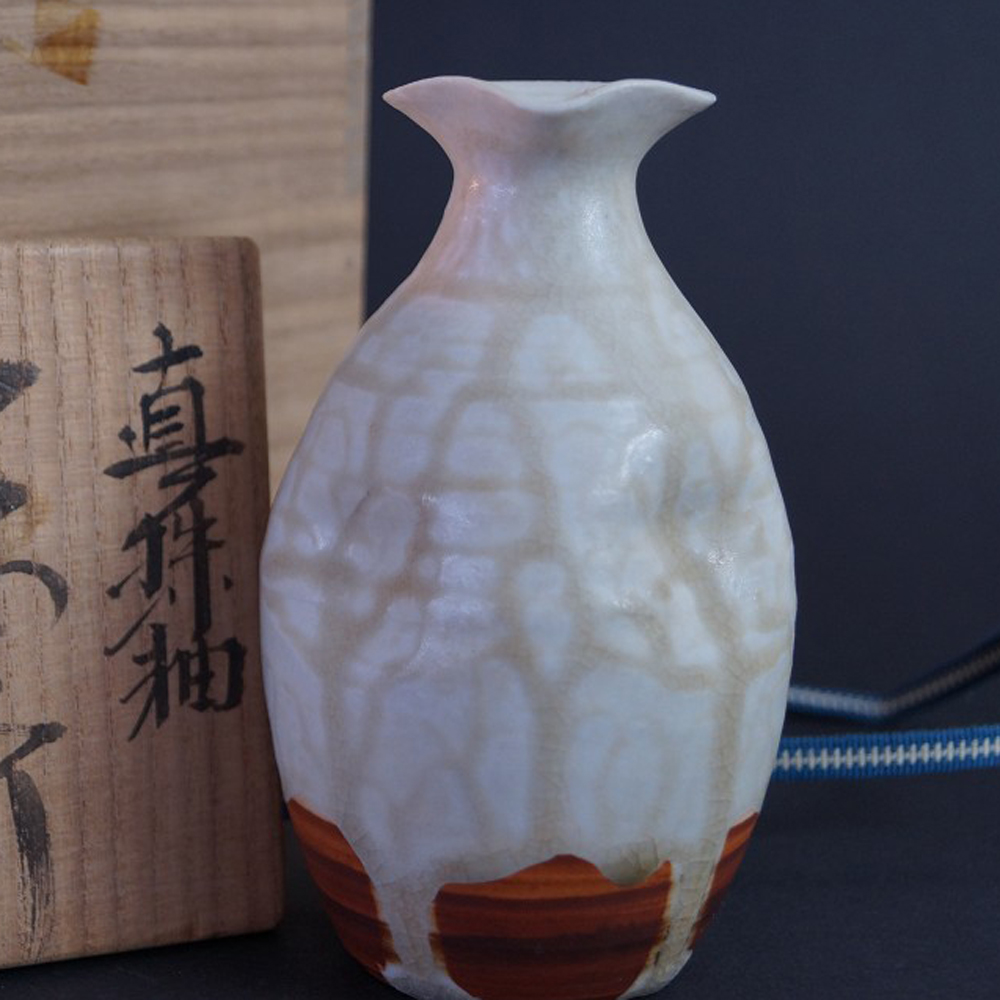

Kato Gozan
Handcrafted Japanese Sake Bottle (Tokkuri) by Kato Gozan
Tokkuri, unique work, with box, 14 x 8 cm
€280.00
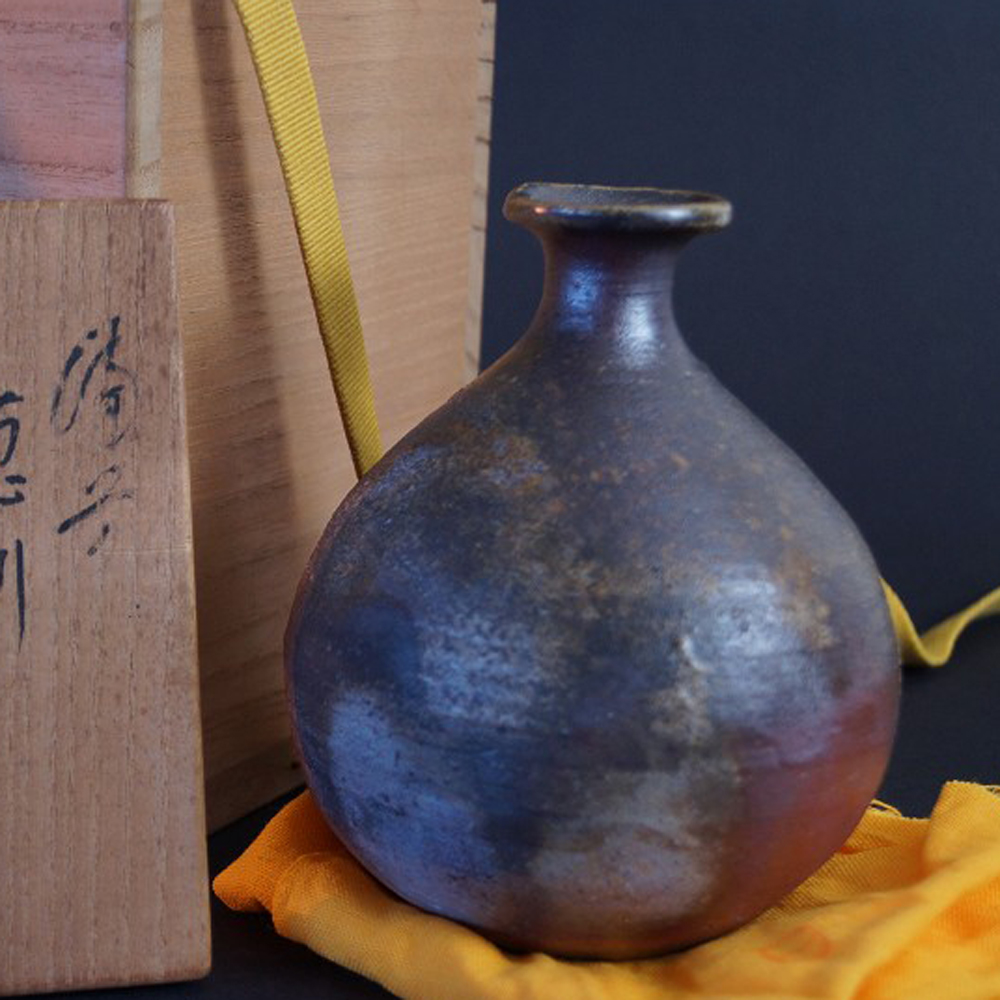

Hibata Koken
Tokkuri Made of Bizen Ware by Koken Hibata
Tokkuri, unique work, with box, 12,5 x 10 cm
€230.00
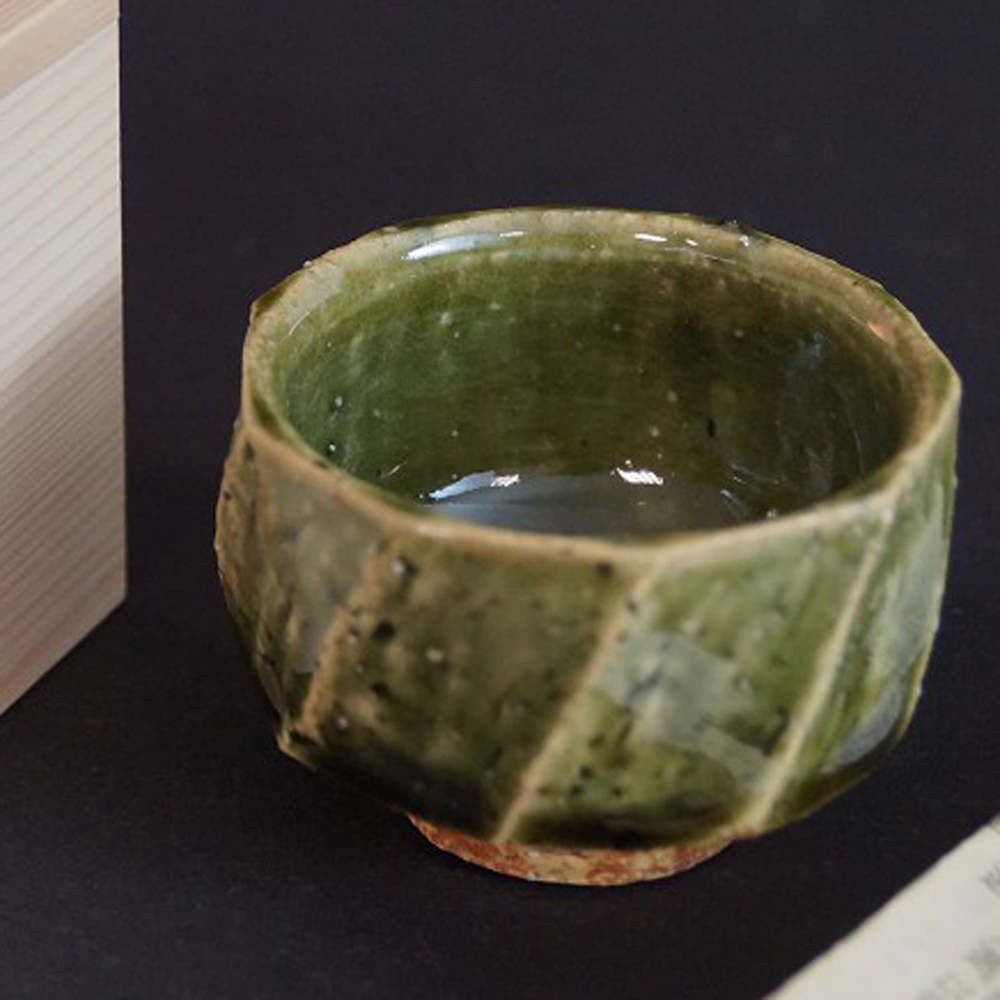

Kimura Yoshimasa
Guinomi Made of Oribe Ware by Yoshimasa Kimura
Guinomi, unique work, with box, 5 x 7 cm
€290.00
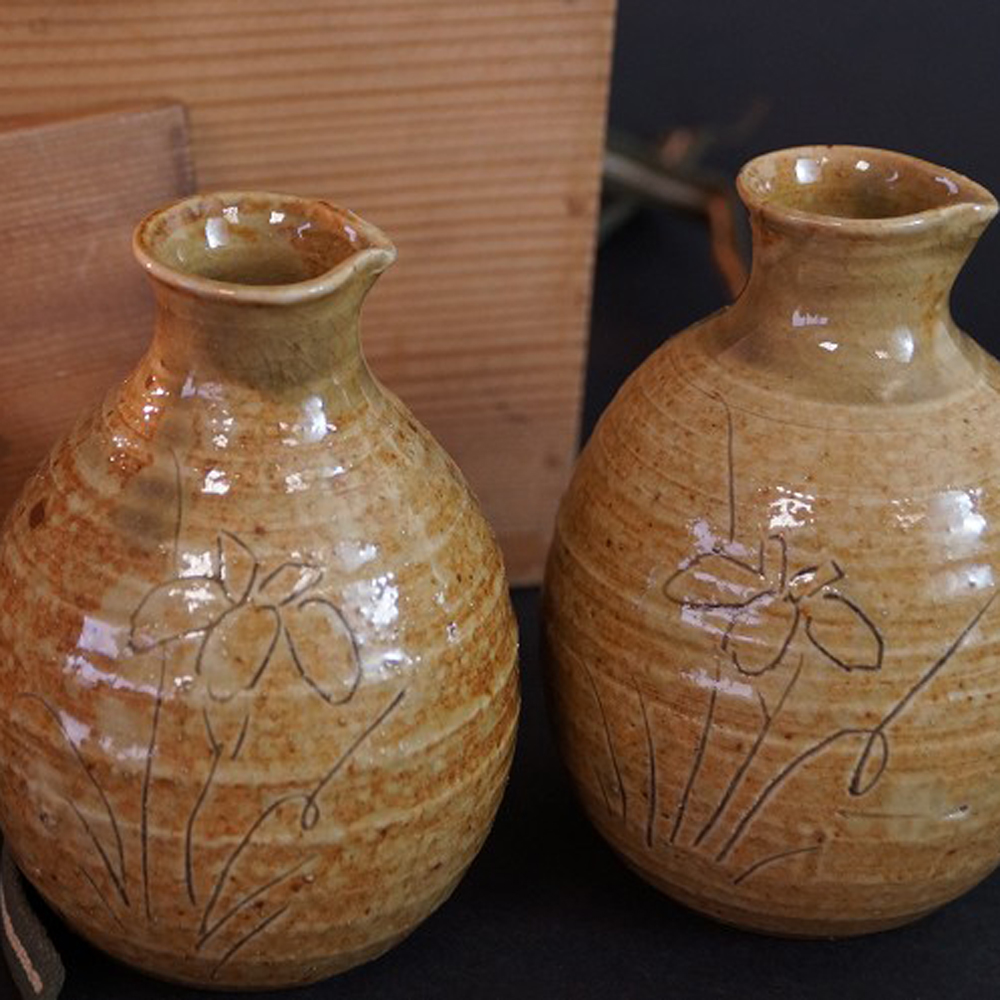

Yano Totozo
Two Tokkuri Made of Seto Ware by Yano Totozo
Tokkuri, unique work, with box, 11 x 8 cm
€370.00
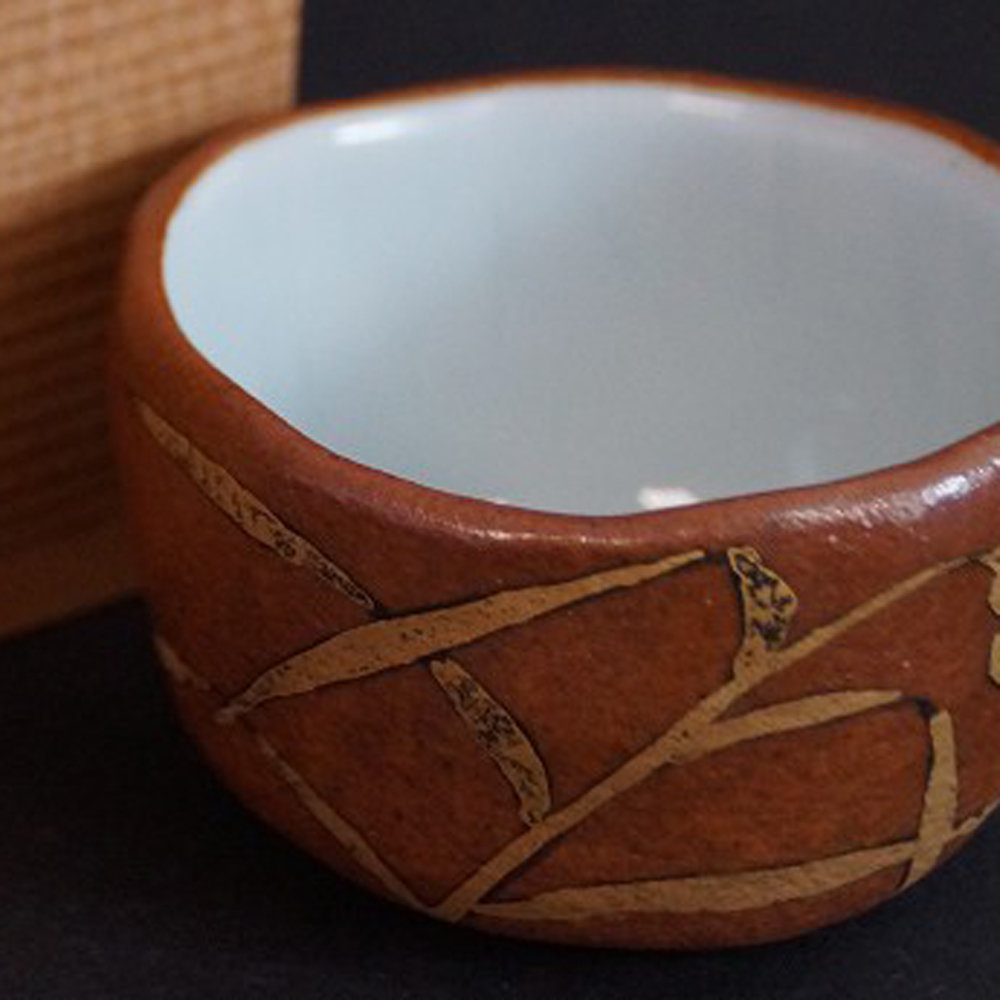

Ogawa Takeo
Guinomi Made of Kyoto Ware by Ogawa Takeo
Guinomi, unique work, with box, 4 x 7 cm
€340.00
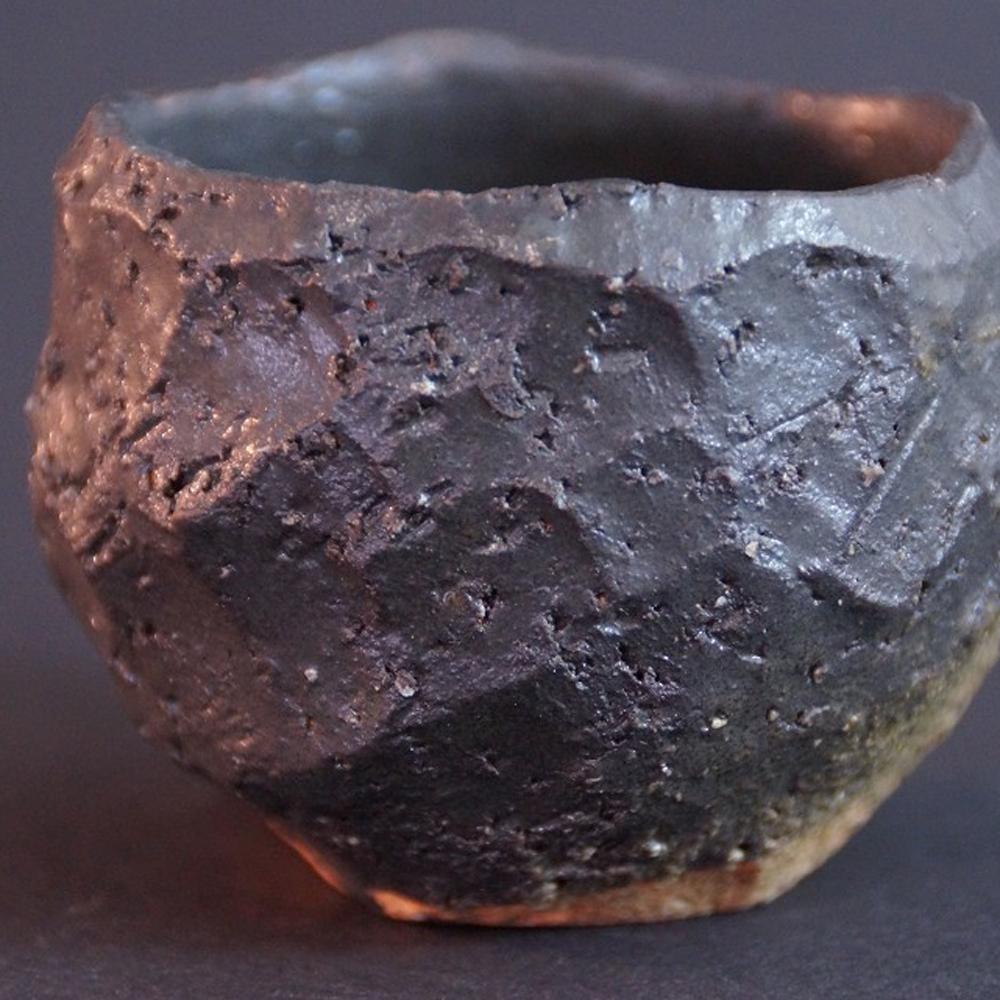

Handcrafted Japanese Hagi Sake Cup (Guinomi)
Guinomi, unique work, 6 x 5 cm
€340.00
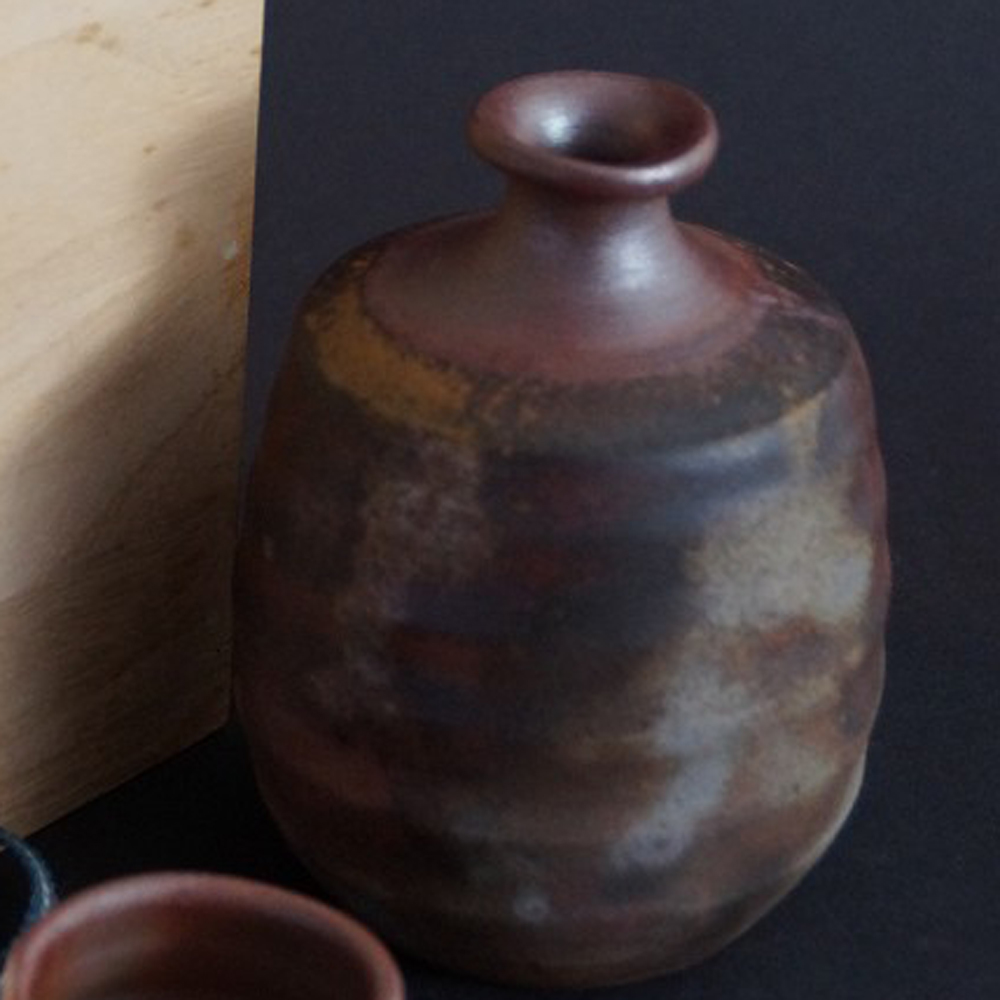

Nakao Akira
Tokkuri Made of Bizen Ware by Akira Nakao
Tokkuri, unique work, with box, 12,5 x 10 cm
€360.00
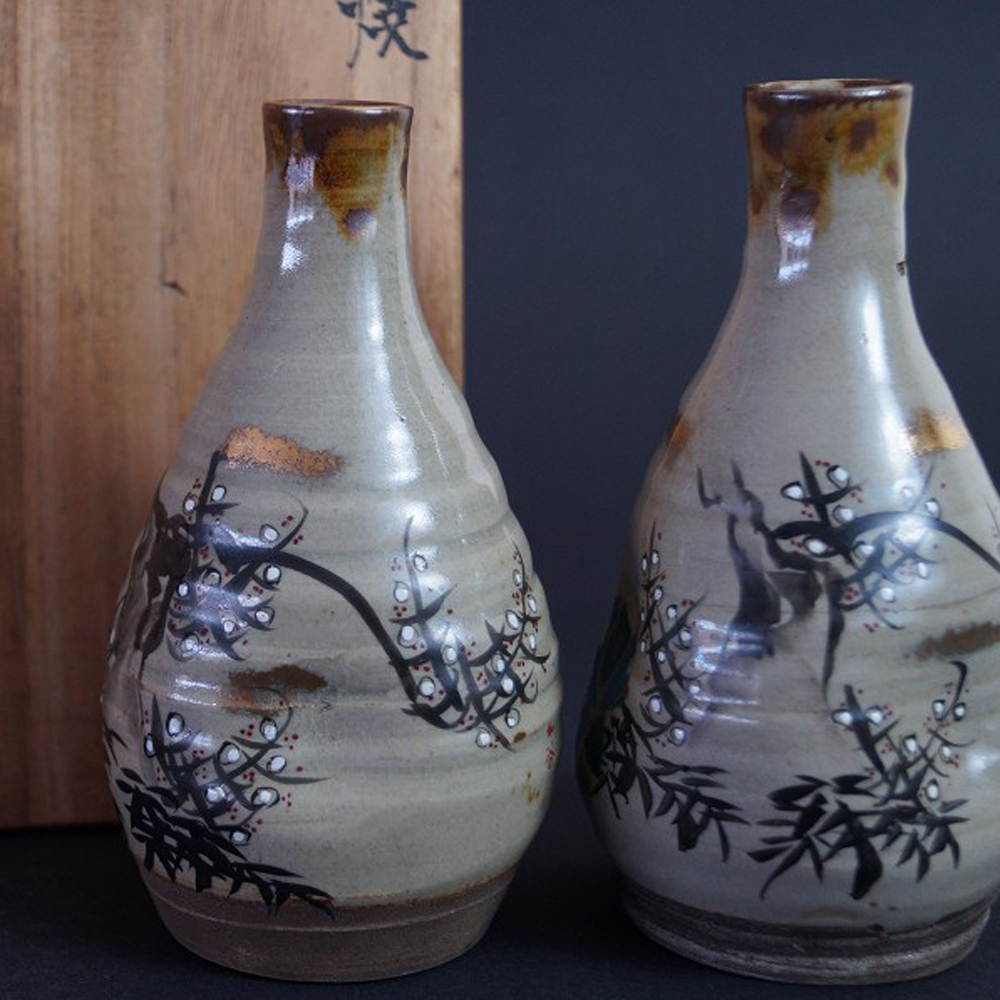

Two Tokkuri Made of Kutani Porcelain
Tokkuri, unique work, with box, 14 x 7 cm
€330.00
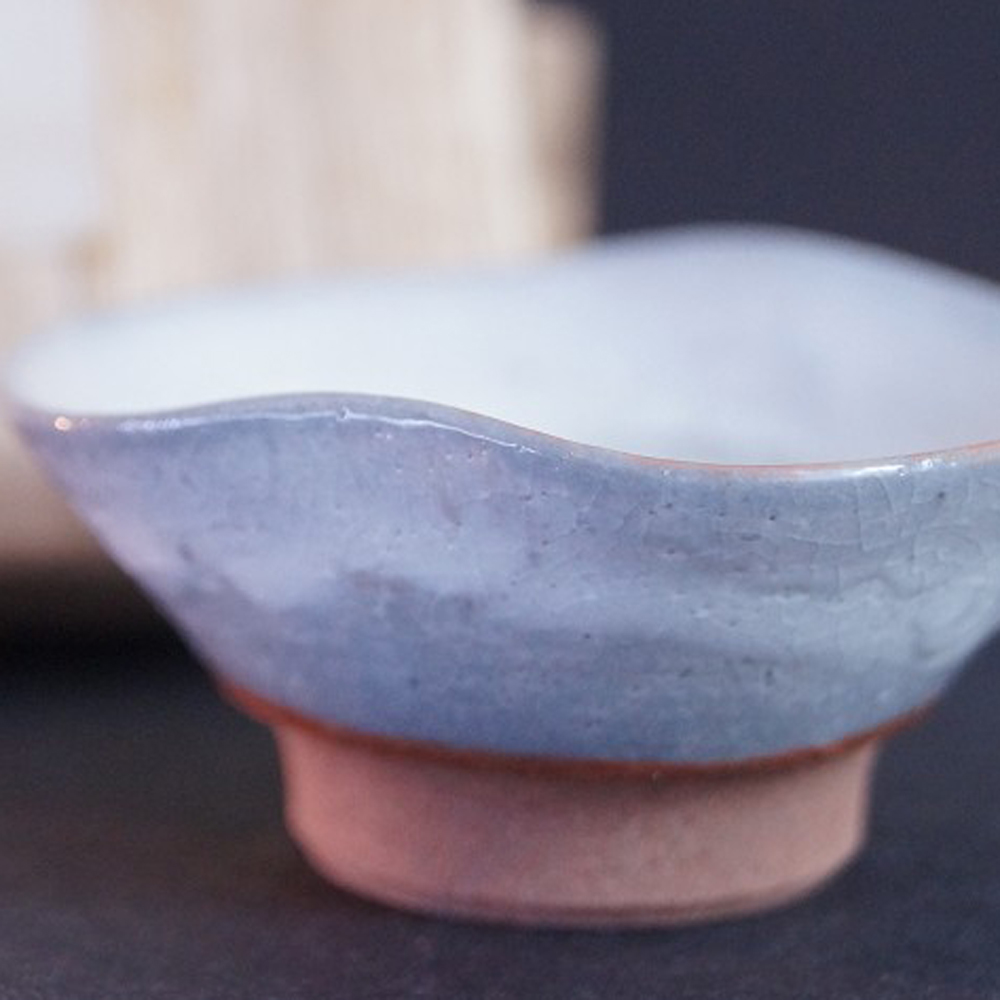

Handcrafted Japanese Seto Sake Cup (Guinomi)
Guinomi, unique work, with box, 2,5 x 5,5 cm
€130.00


Ota Atsushi
Guinomi Made of Bizen Ware by Atsushi Ota, Round Shape
Guinomi, unique work, with box, 6 x 6 cm
€440.00


Kimura Takaaki
Guinomi Made of Bizen Ware by Takaaki Kimura
Guinomi, unique work, with box, 4,5 x 6 cm
€830.00
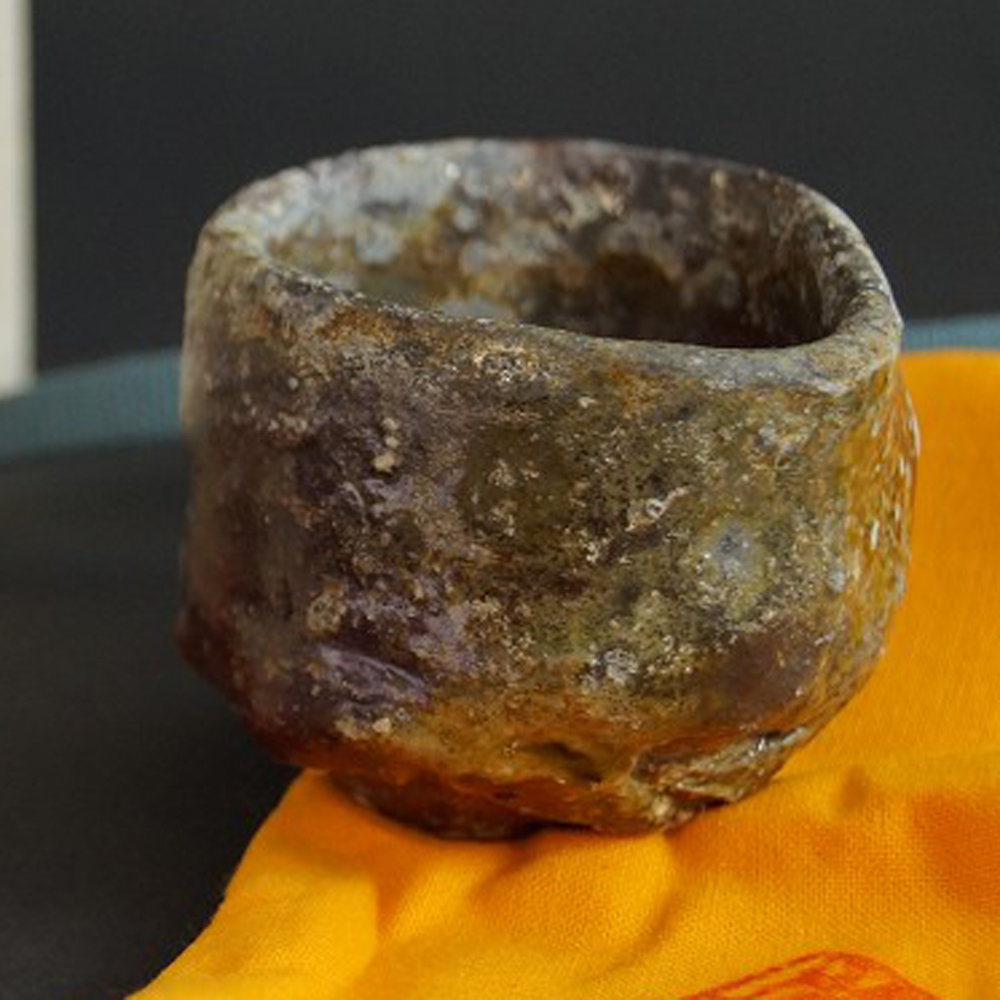

Onishi Masafumi
Guinomi Made of Tanba Ware by Masafumi Onishi in Matte Gray-Brown
Guinomi, unique work, with box, 4,5 x 5,5 cm
€360.00
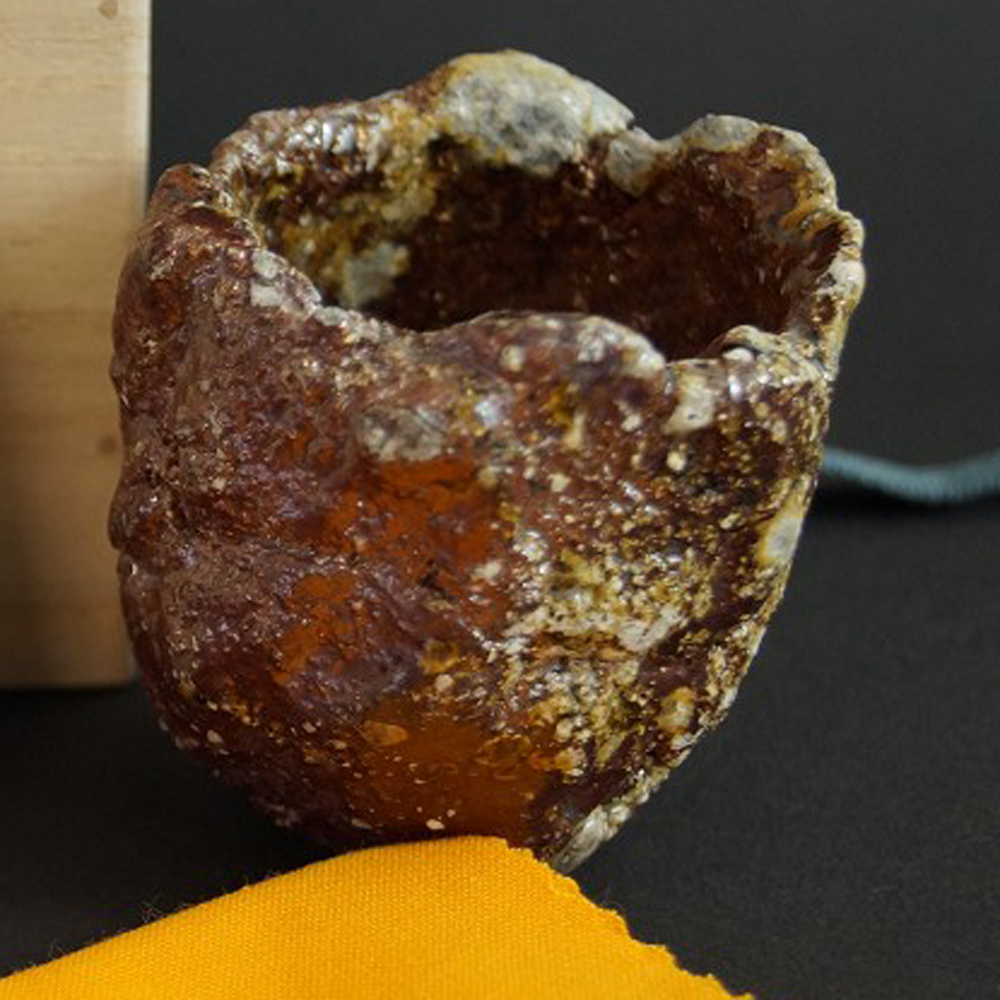

Onishi Masafumi
Guinomi Made of Tanba Ware by Masafumi Onishi with Wavy Rim
Guinomi, unique work, with box, 6,5 x 6,5 cm
€360.00


Ota Atsushi
Guinomi Made of Bizen Ware by Atsushi Ota, Angular Shape
Guinomi, unique work, with box, 6 x 6 cm
€440.00
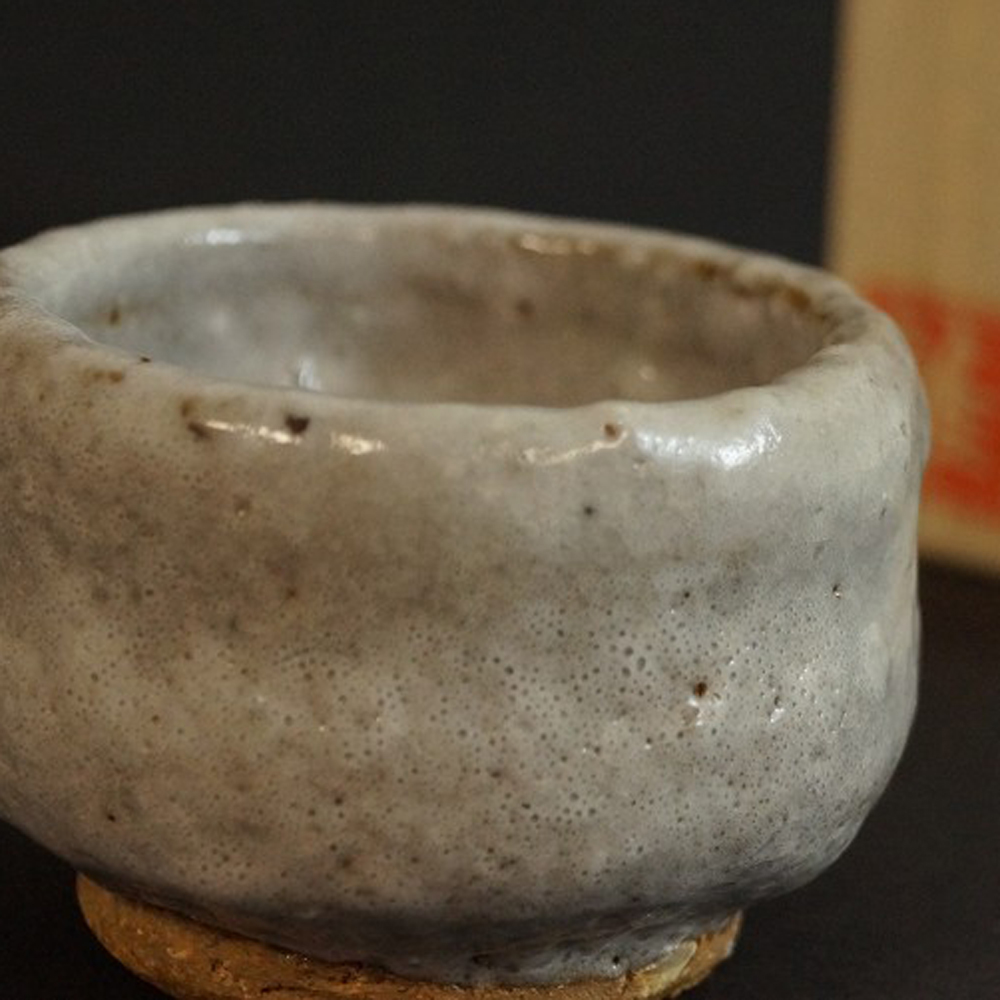

Handcrafted Japanese Sake Cup (Guinomi) Shino Ware
Guinomi, unique work, with box, 5 x 7 cm
€160.00
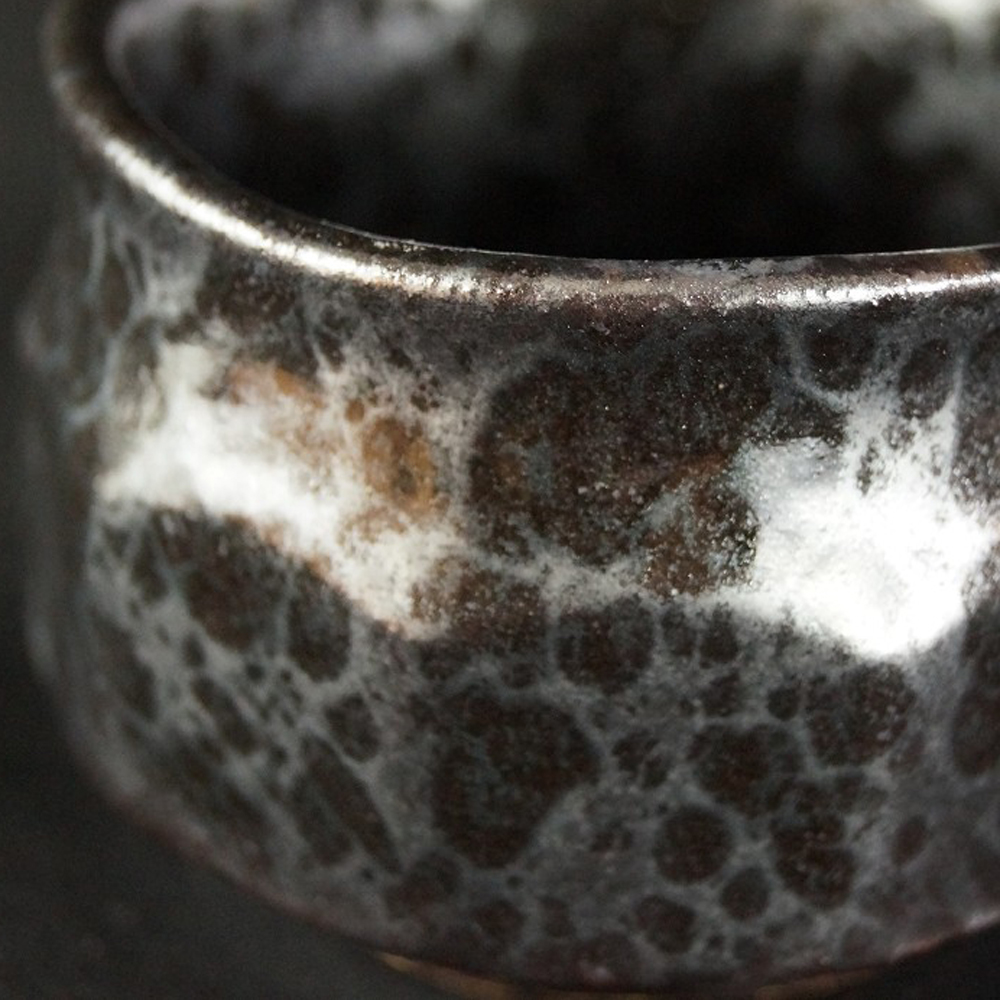
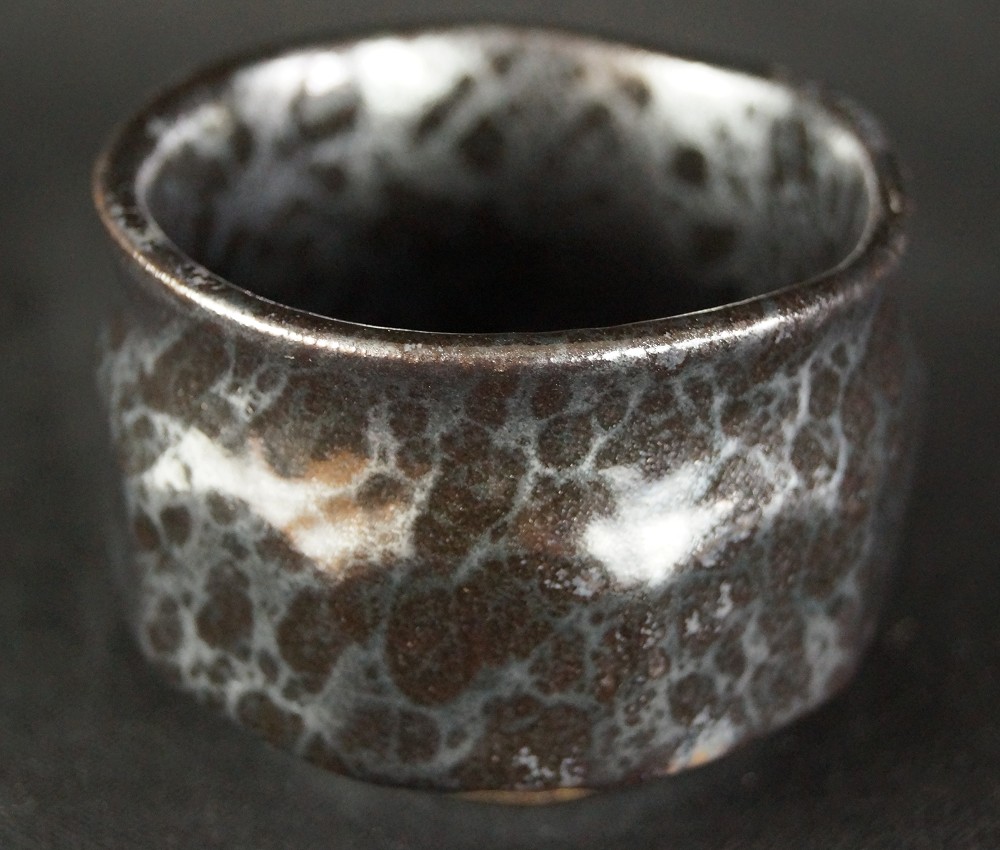
Kato Shozan
Guinomi Seto Ware by Kato Shozan
Guinomi, unique work, with box, 5 x 6 cm
€180.00
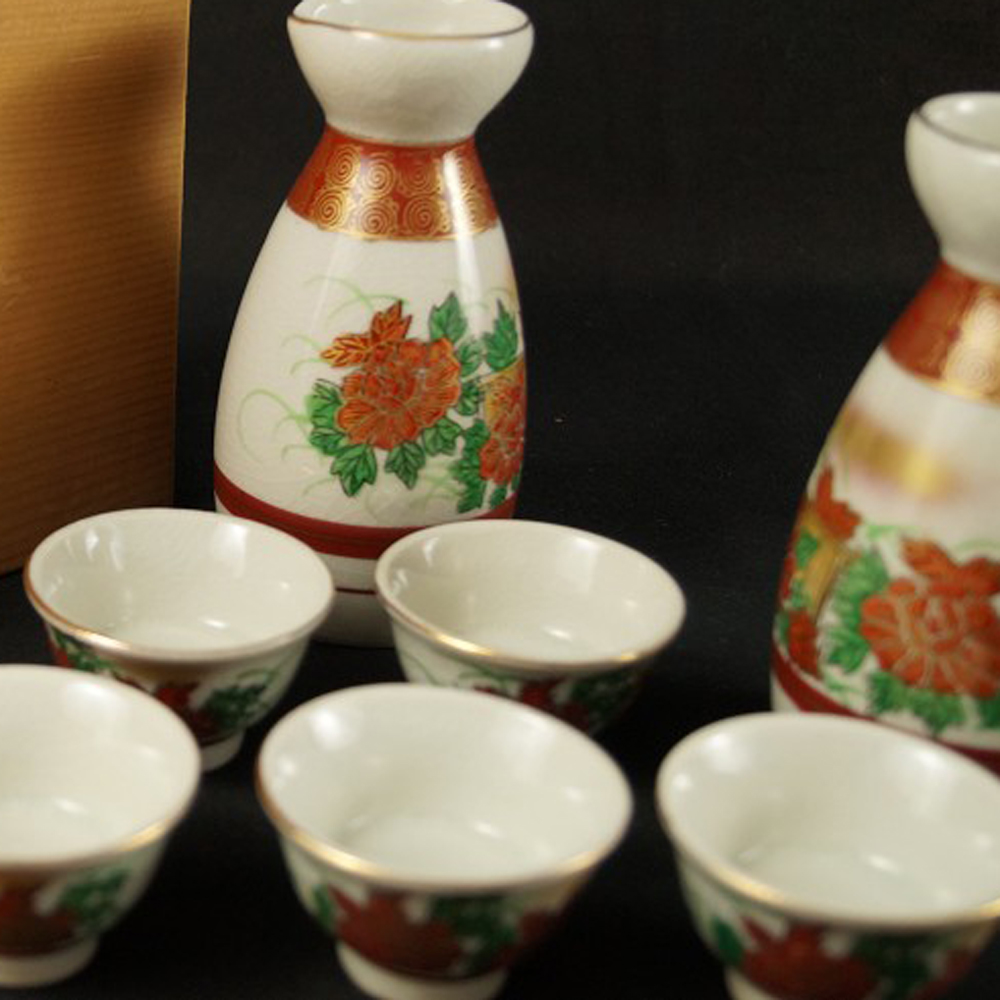
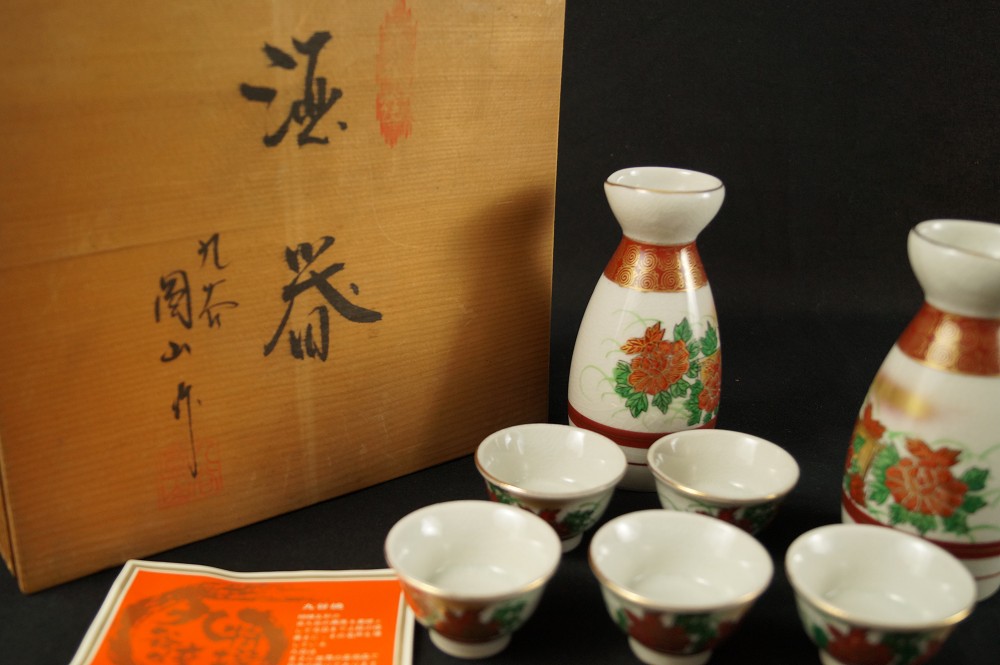
Sake Set with Peony Motif Made of Kutani Porcelain
Set of Guinomi and Tokkuri, unique work, with box
€160.00

Mikio Osako
Handcrafted Japanese Sake Cup (Guinomi) by Mikio Osako
Guinomi, unique work, with box, 4 x 8 cm
Sold
Koun Miyagawa
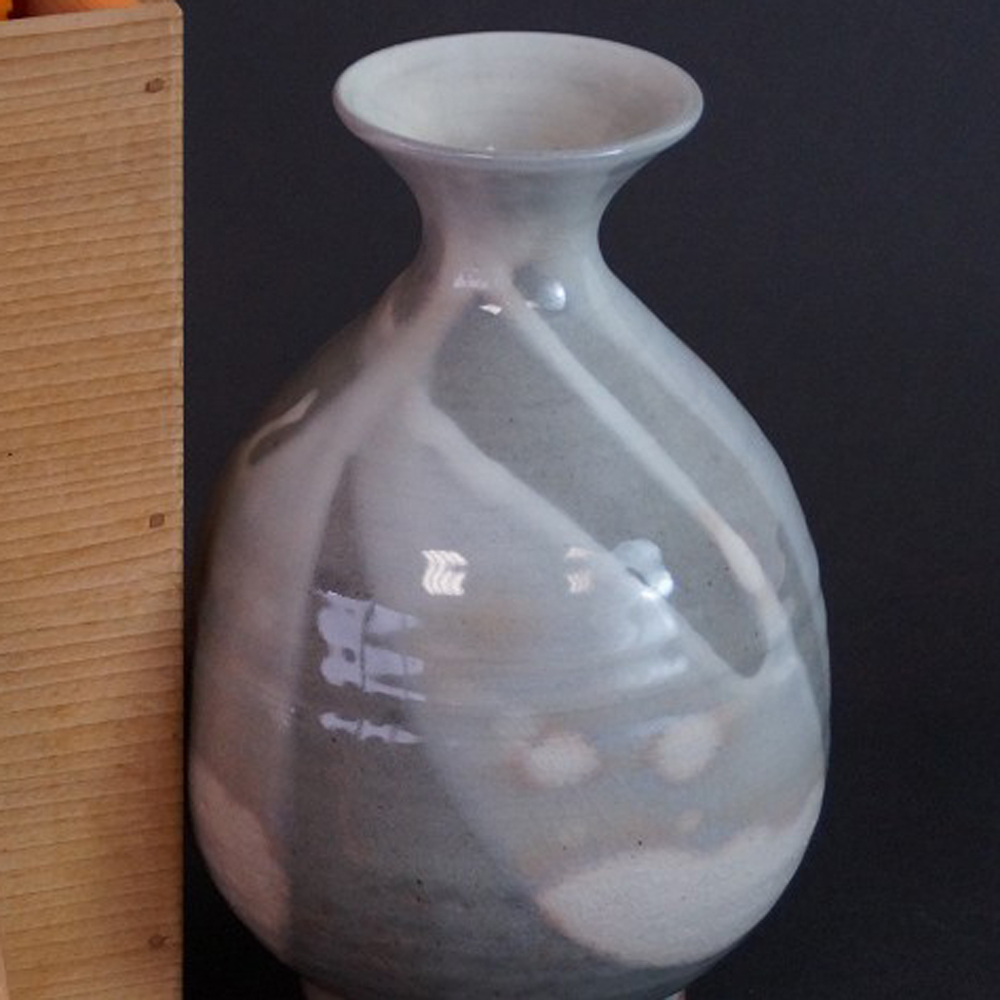
Tokkuri Made of Kyoto Ware by Koun Miyagawa
Tokkuri, unique work, with box, 15 x 10 cm
Sold
Sato Yasumoto
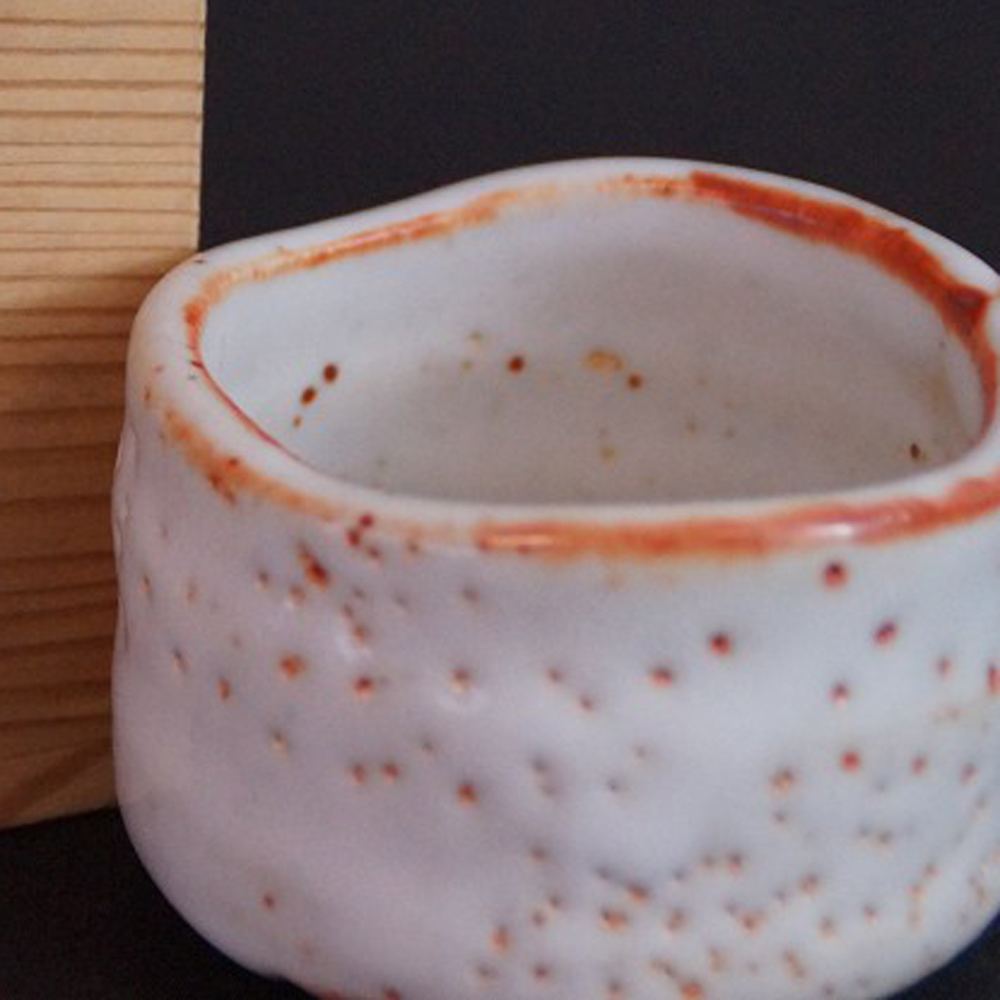
Guinomi Made of Shino Ware by Sato Yasumoto
Guinomi, unique work, with box, 4,5 x 6 cm
Sold
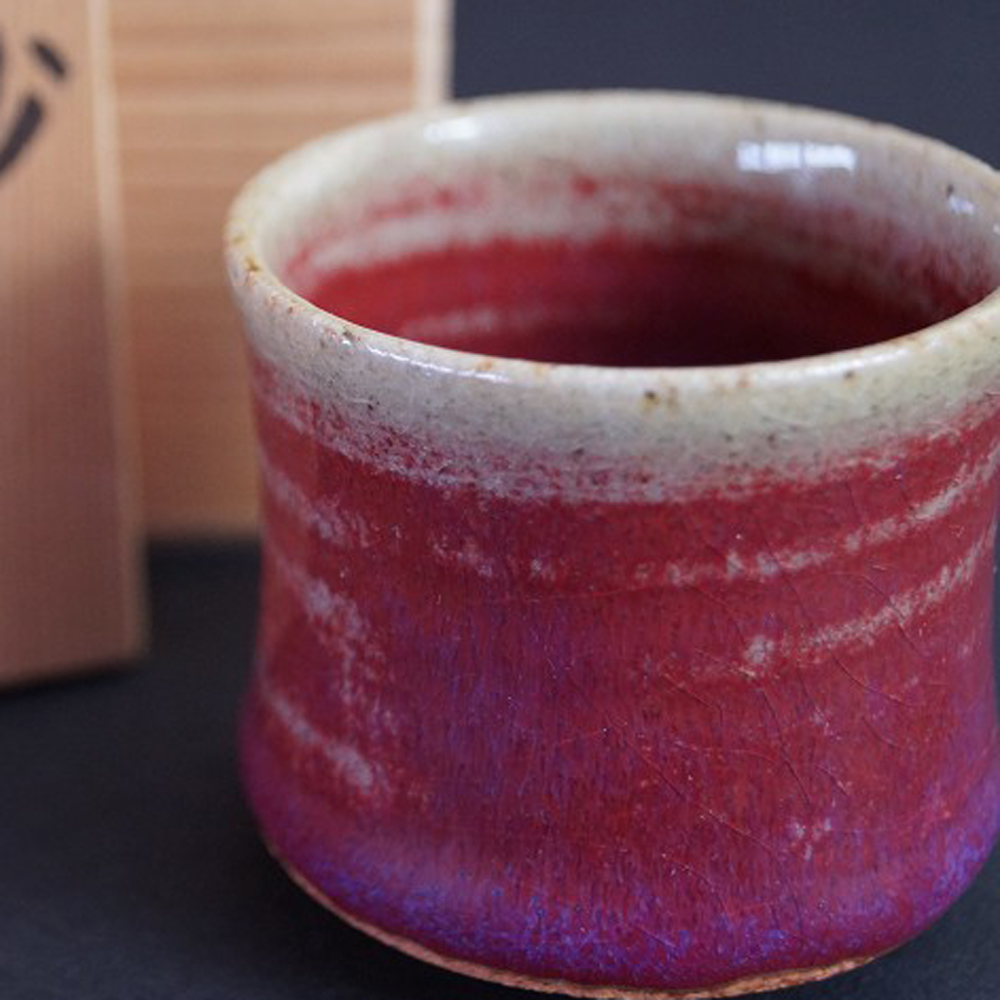
Bunsho Nakamura
Guinomi Made of Mashiko Ware by Bunsho Nakamura
Guinomi, unique work, with box, 5 x 5 cm
Sold
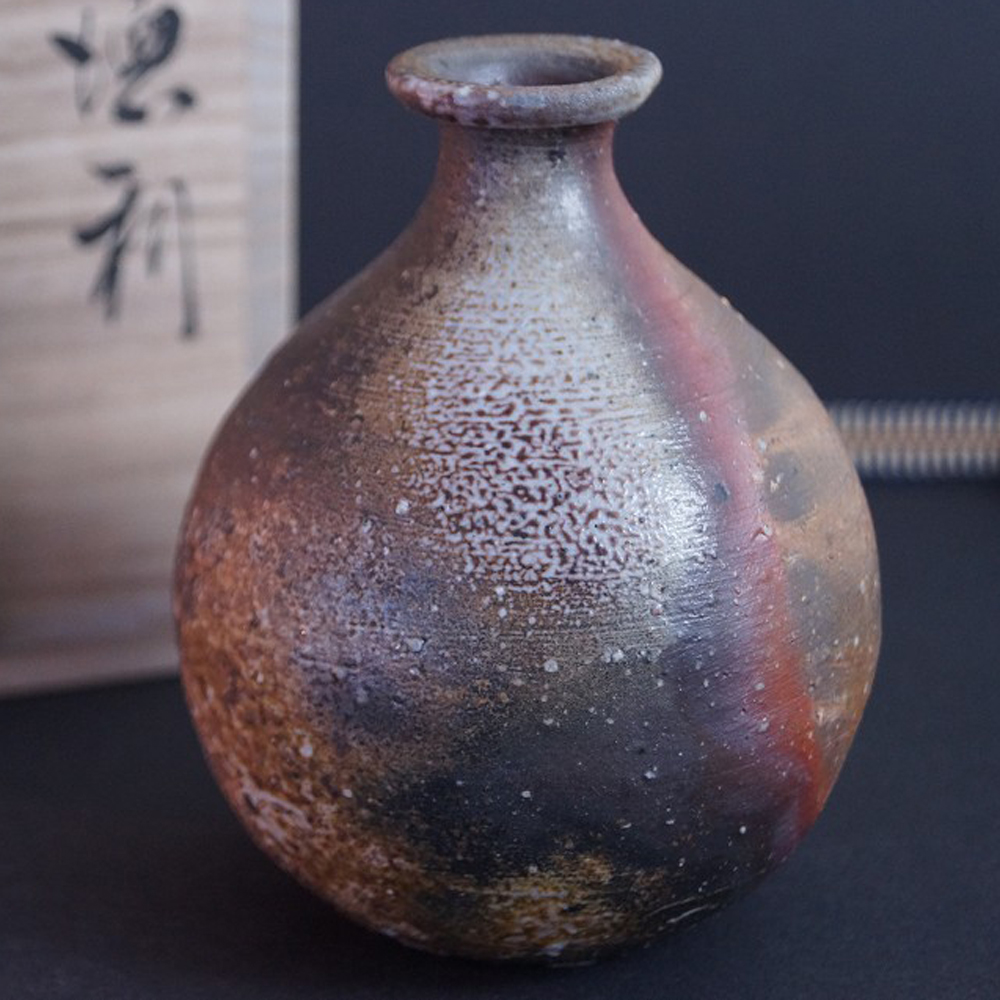
Handcrafted Japanese Bizen Sake Bottle (Tokkuri)
Tokkuri, unique work, with box, 11 x 9 cm
Sold

Morioka Kisaragi
Set of Five Guinomi by Morioka Kisaragi
Guinomi, unique work, with box, 4 x 7 cm
Sold

Handcrafted Japanese Sake Cup (Guinomi) Hagi Ware
Guinomi, unique work, with box, 5 x 6 cm
Sold
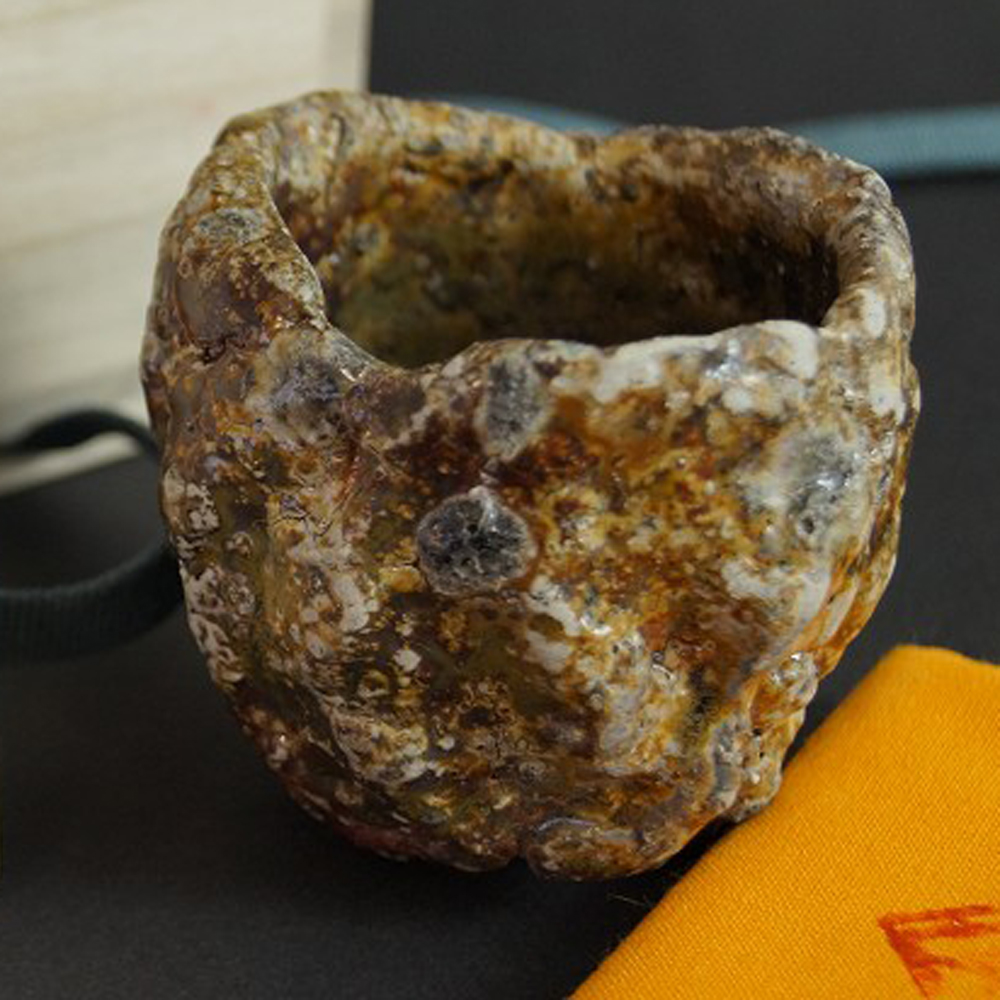
Onishi Masafumi
Guinomi Made of Tanba Ware by Masafumi Onishi with Ash Glaze
Guinomi, unique work, with box, 6 x 6,5 cm
Sold

Namba Sojo
Guinomi Made of Bizen Ware by Namba Sojo
Guinomi, unique work, with box, 5,5 x 6,5 cm
Sold
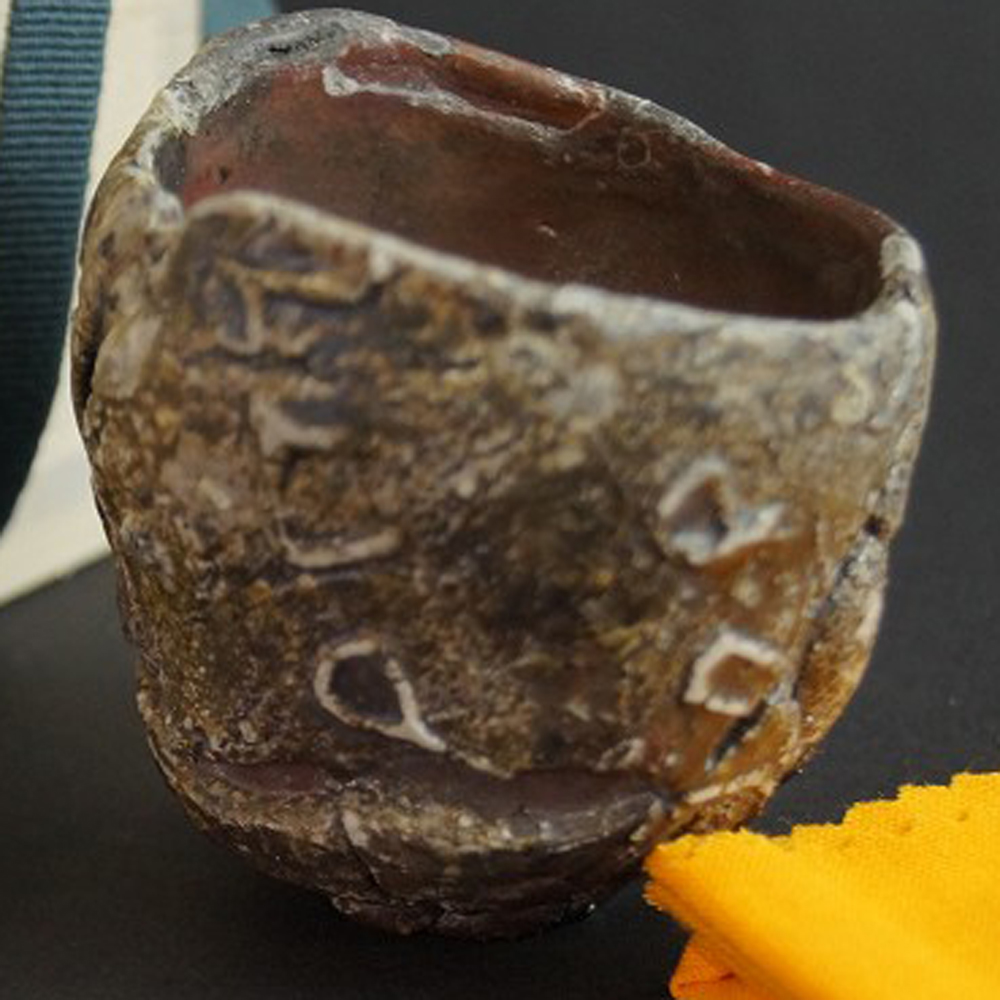
Onishi Masafumi
Guinomi Made of Tanba Ware by Masafumi Onishi in Warm Earth Tones
Guinomi, unique work, with box, 6,5 x 6 cm
Sold
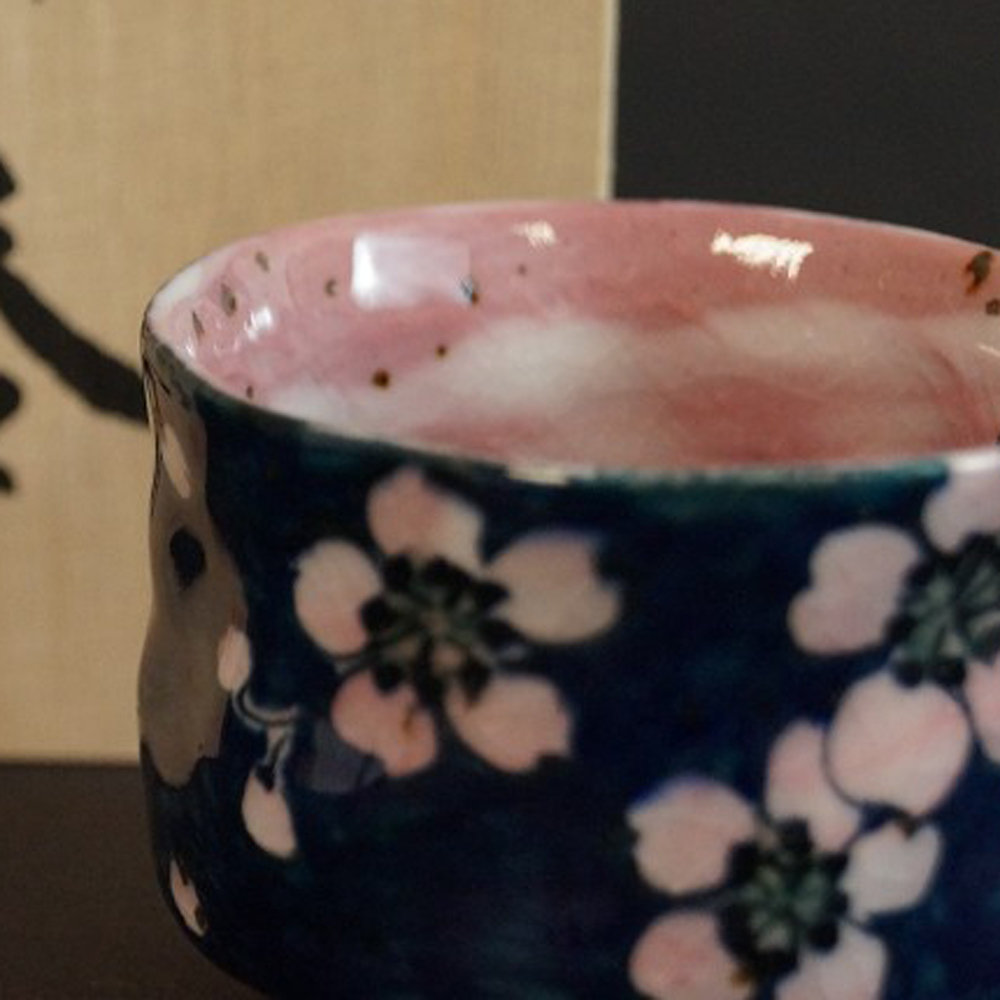
Akitoshi Kurosaki
Guinomi with Sakura Decor by Akitoshi Kurosaki
Guinomi, unique work, with box, 5 x 6,5 cm
Sold
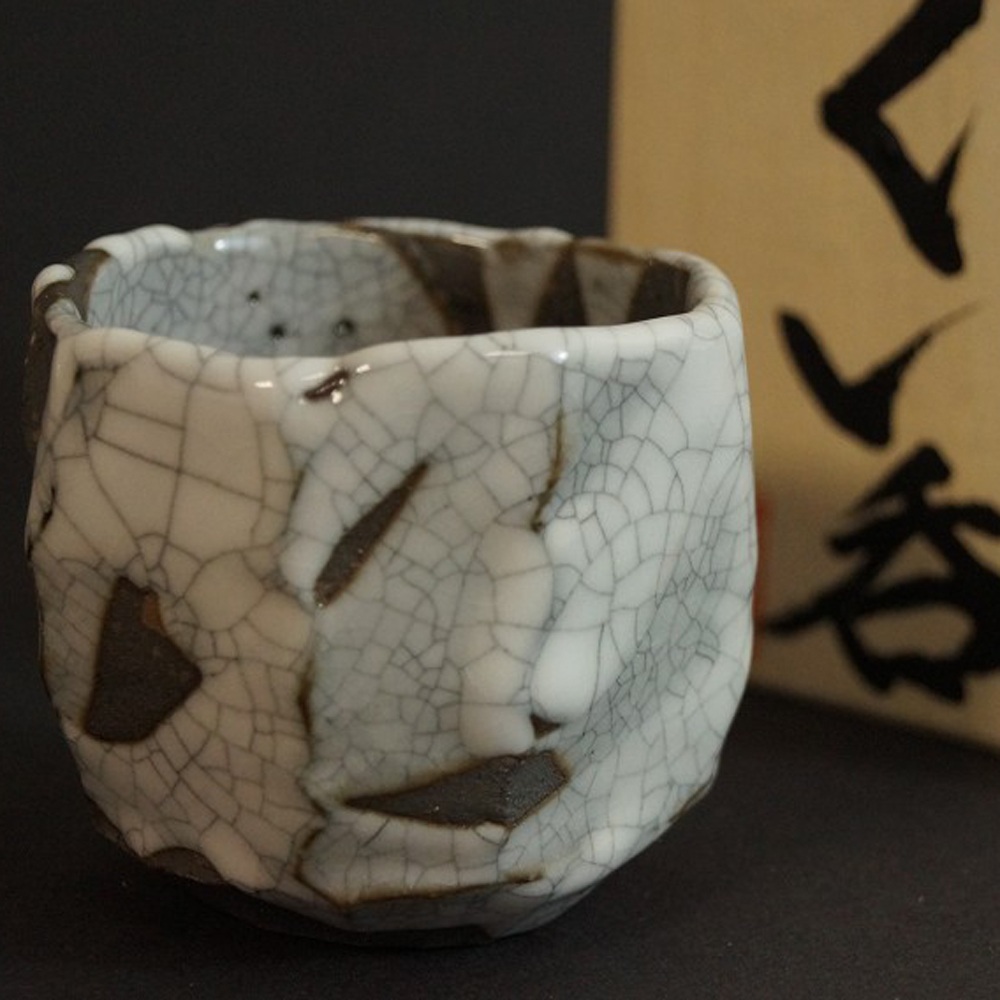
Bungo Yamamoto
Guinomi Made of Shino Ware by Bungo Yamamoto, Wide Shape
Guinomi, unique work, with box, 6 x 6 cm
Sold
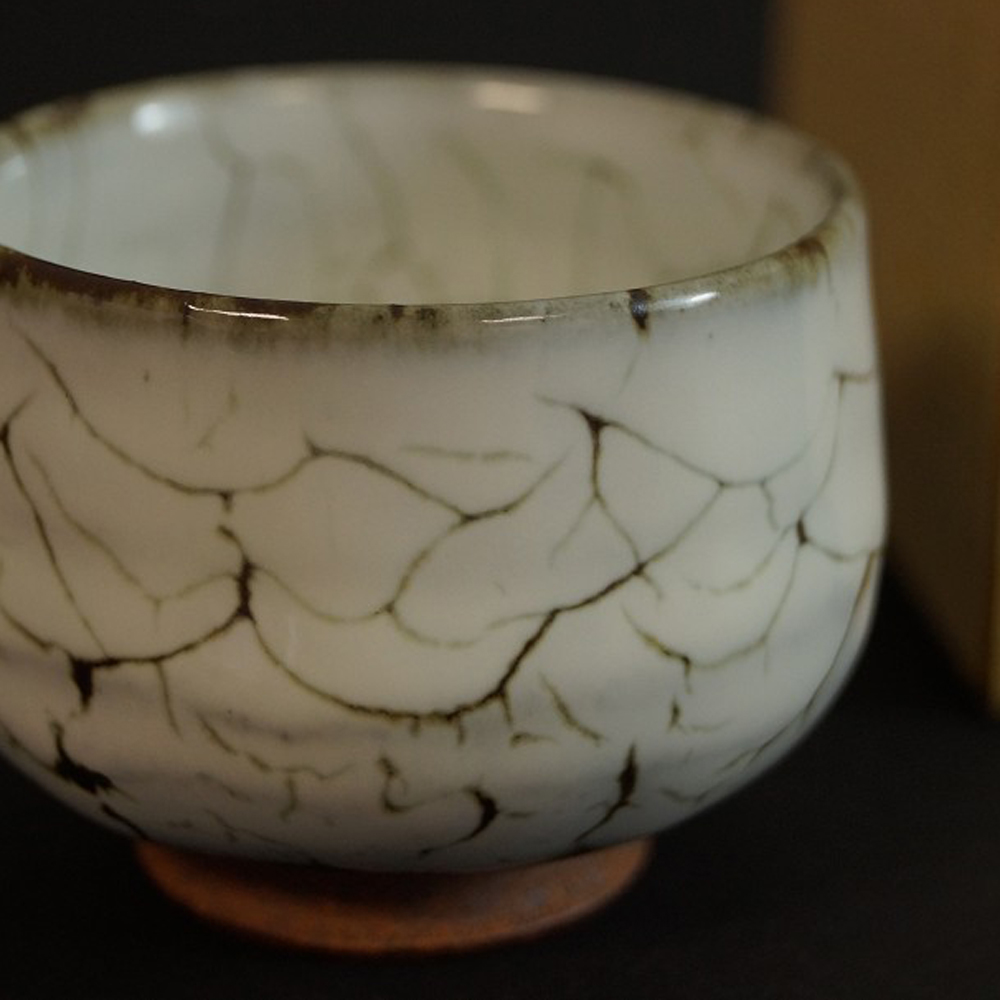
Handcrafted Japanese Sake Cup (Guinomi), Satsuma Ware
Guinomi, unique work, with box, 5 x 6,5 cm
Sold
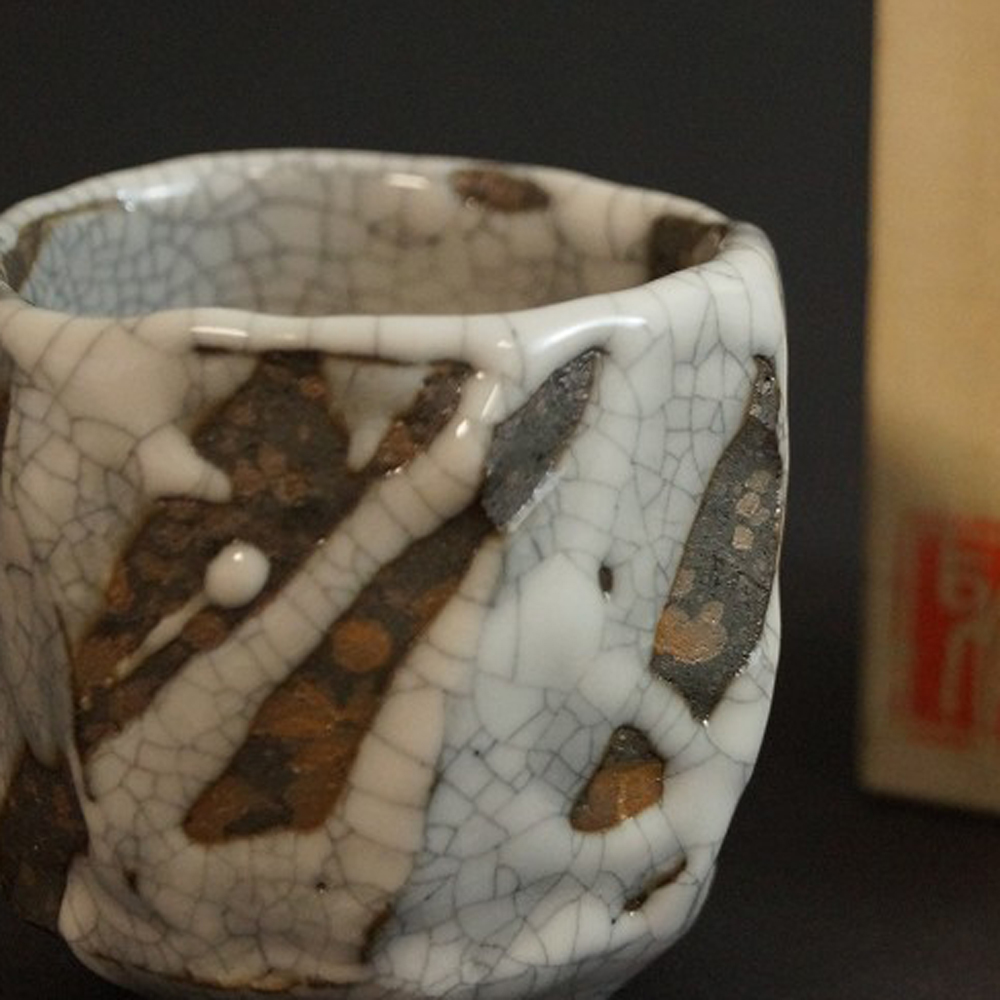
Bungo Yamamoto
Guinomi Made of Shino Ware by Bungo Yamamoto, Tall Shape
Guinomi, unique work, with box, 6 x 6,5 cm
Sold
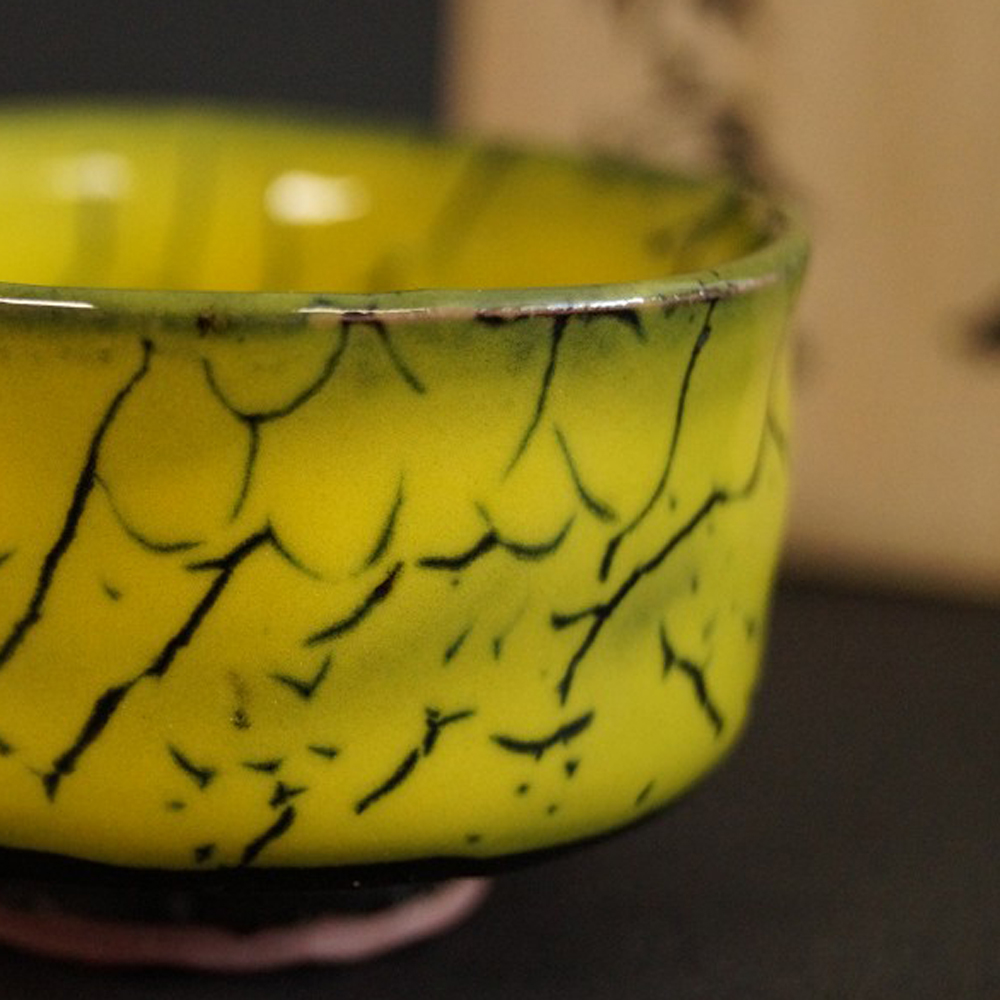
Akitoshi Kurosaki
Guinomi Made of Hasami Ware by Akitoshi Kurosaki
Guinomi, unique work, with box, 3,7 x 6,5 cm
Sold
48 of 65 items shown
Sake Culture in Two Vessels
In Japan, sake is traditionally not simply drunk but served and enjoyed in a small ritual of its own that has evolved over centuries. Guinomi and Tokkuri form the classic pair of vessels for this ritual – the bottle for serving, the cup for drinking. Unlike Western drinking vessels, which are primarily conceived in functional terms, the individual handwriting of the potter plays a central role in the overall drinking experience of Guinomi and Tokkuri.
Guinomi: More Than a Drinking Cup
A Guinomi is a small drinking vessel for sake, usually held in one hand. Compared to the flatter Ochoko, a Guinomi holds a somewhat larger volume and often sits deliberately heavier and more graspable in the hand – a haptic detail that many collectors particularly value, and one that supports the conscious, slow enjoyment of sake rather than quick drinking in a large group. Shape, glaze, and wall thickness directly influence how the sake unfolds in the mouth: a rough, unglazed inner surface, for instance, can noticeably alter the texture of the drink, while a smooth, finely glazed surface makes the sake seem gentler.
Tokkuri: The Sake Bottle
A Tokkuri is a slender, usually bulbous-shaped bottle with a narrow opening, traditionally also used to warm sake in a water bath, a method known as Kan. The narrow opening ensures that aroma and warmth remain concentrated when pouring, while the bulbous shape promotes even warming in the water bath. The characteristic gurgling sound when pouring from a Tokkuri is traditionally even considered a pleasant, ritual part of enjoying sake together in Japan.
Stylistic Diversity from Rustic to Refined
Guinomi and Tokkuri are made in almost all Japanese ceramic traditions: earthy and rustic in Bizen-yaki or Shigaraki-yaki, with a vivid crackle glaze in Raku-yaki, or finely painted with floral motifs in Kutani-yaki. The choice of style significantly shapes the mood that drinking sake conveys – a rustic Bizen Guinomi suits a cozy, informal evening well, while a finely painted Kutani set underscores a more festive, representative occasion.
Collecting and Combining
Many collectors deliberately assemble an individual ensemble of several Guinomi from different potters, while a Tokkuri often serves as the central, unifying piece of a small sake set. This practice makes it possible to choose a different Guinomi depending on the occasion, mood, or season, much as one uses different wine glasses for different types of wine.
Enjoying Sake as in Japan
Anyone interested in Guinomi and Tokkuri often rediscovers the diverse Japanese sake culture itself: the differences between sake served cold and warm, between dry and fruity varieties, and how the choice of the right vessel can help shape the entire tasting experience.
Guinomi and Tokkuri as a Host Gift
In Japan, it is considered good manners to serve guests sake in a carefully selected Guinomi, with the choice of vessel understood as a sign of appreciation for the guest. A handcrafted Guinomi set is therefore excellently suited as a host gift or for personal use on special occasions, such as a meal shared with friends or a small celebration in which traditional Japanese drinking culture is meant to be deliberately celebrated.
Combining Guinomi and Tokkuri Correctly
Even though Guinomi and Tokkuri are frequently offered as a matched set, strict stylistic uniformity is by no means required. Many experienced sake lovers deliberately combine different styles, such as a rustic Bizen Tokkuri with several individually selected Guinomi from different potters – a practice that reflects the Japanese appreciation for individuality and handcrafted diversity while giving each drinking moment its own distinctive character.
Sake Temperature and Choice of Vessel
Unlike many Western spirits, sake is enjoyed across a wide temperature range depending on the variety, from chilled to hot, with each temperature level having its own name in Japanese. A Tokkuri with a thicker wall is particularly well suited to retaining the warmth of a heated sake for longer, while a thinner-walled Guinomi can bring out the subtle aromatic nuances of a chilled, high-quality sake with particular clarity.
Experience Japanese drinking culture in its finest form – with handcrafted Guinomi and Tokkuri that turn every glass of sake into a small ritual.