Chawan and Yunomi – Japanese Tea Bowls
Go directly to the artworksIn brief
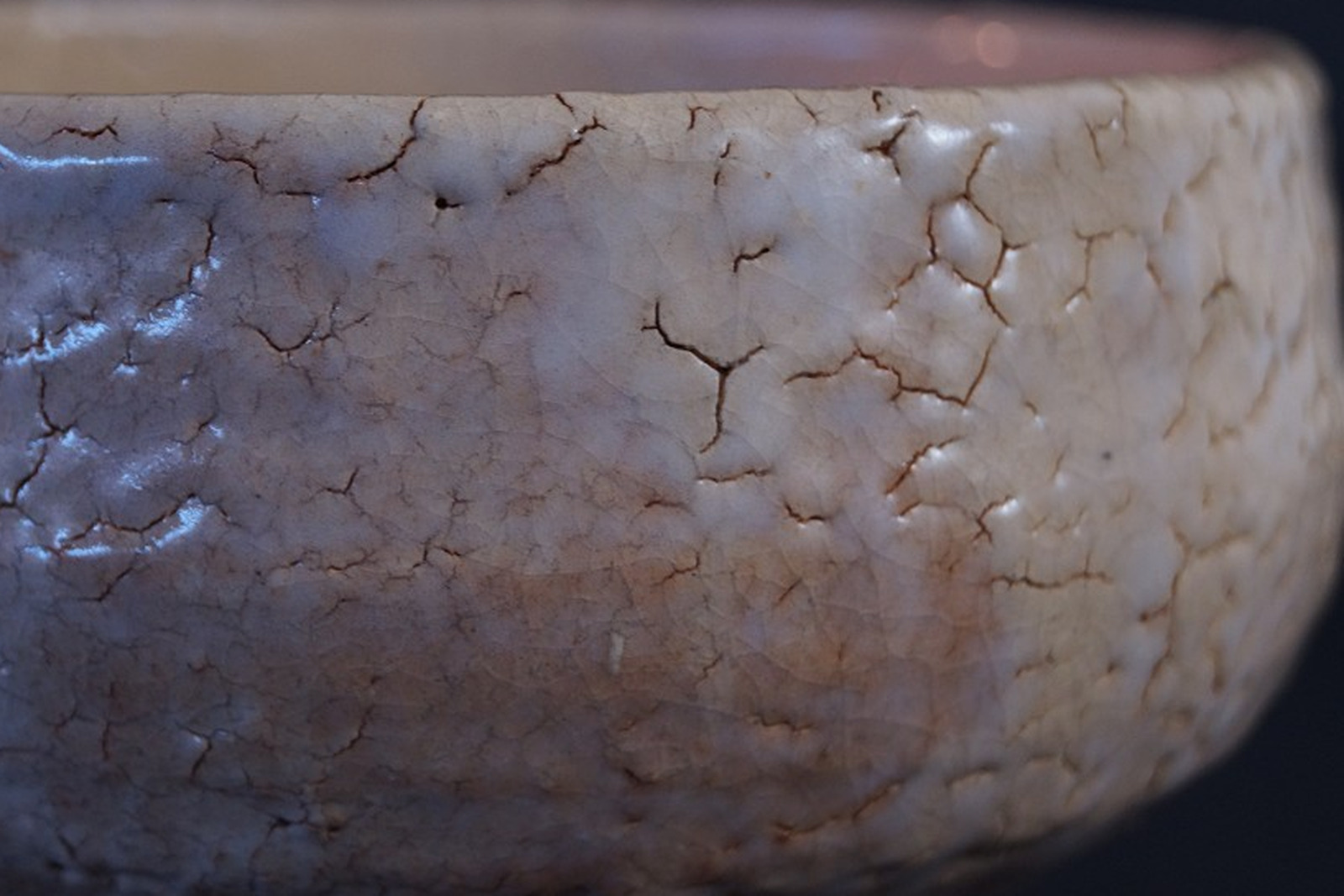
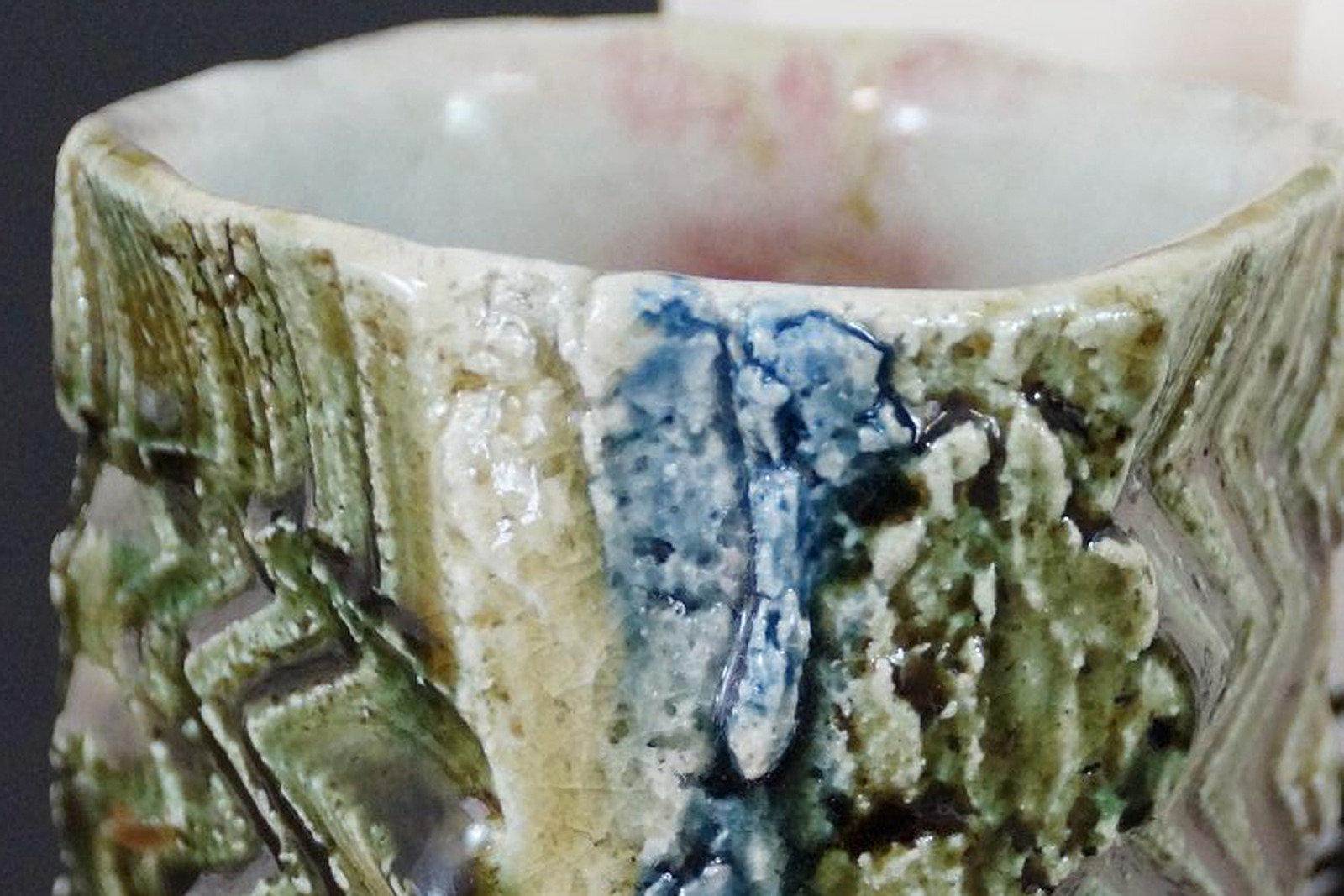
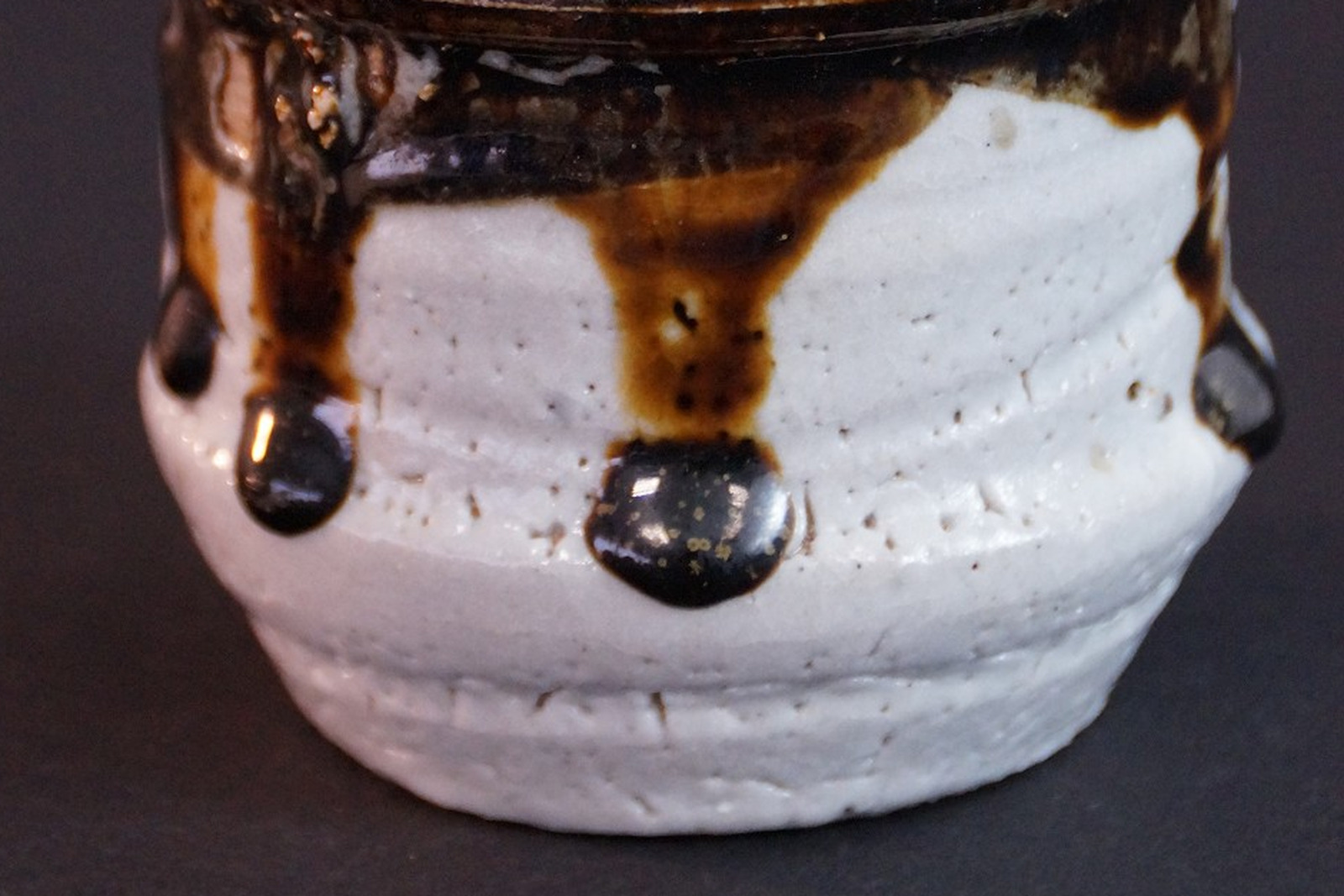
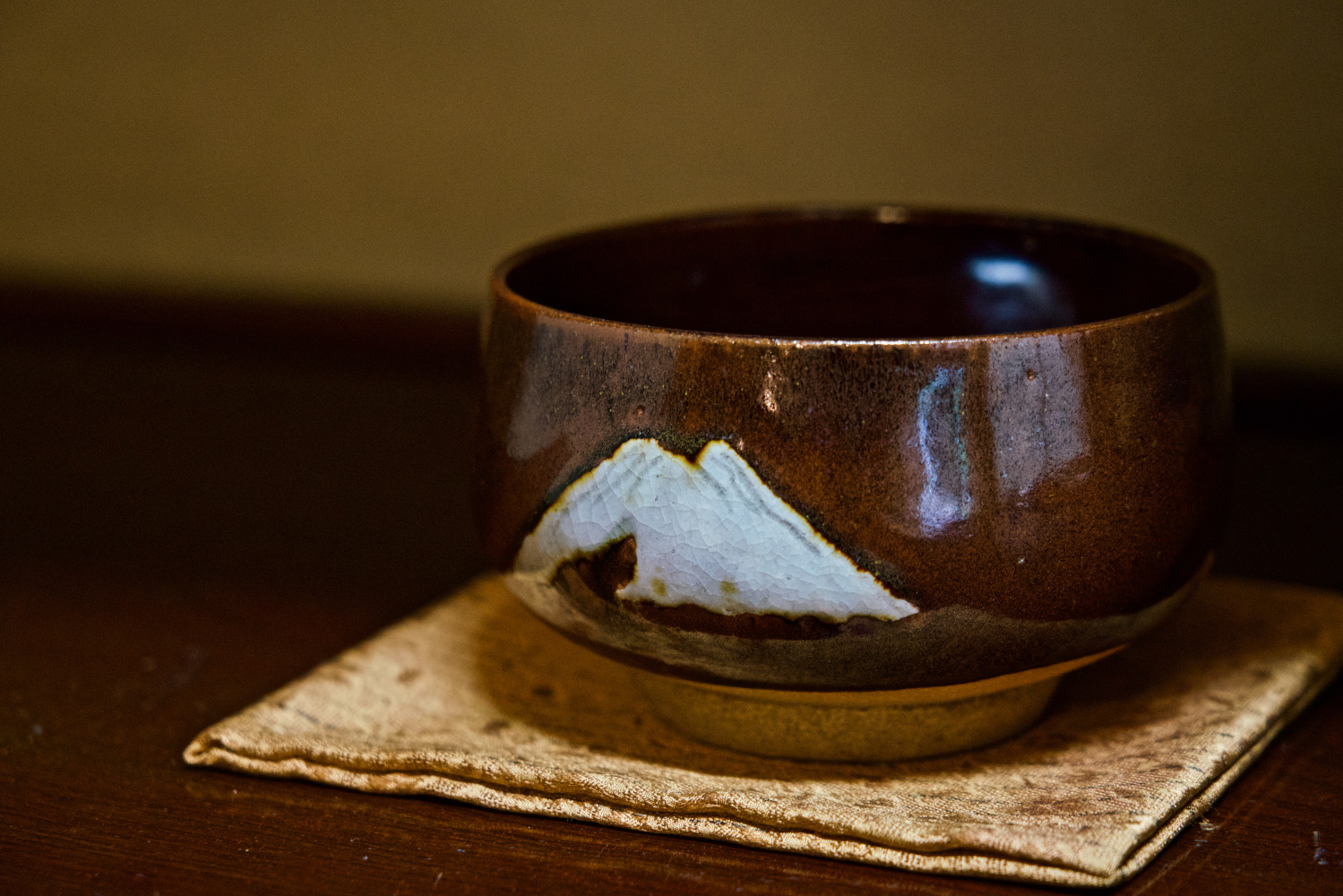
Chawan are tea bowls used specifically for the Japanese tea ceremony (Sadō) and the preparation of matcha, while yunomi are more cylindrical drinking cups for the everyday enjoyment of green tea such as sencha or genmaicha. A chawan is usually shaped wider and deeper so that the matcha can be conveniently whisked with the bamboo whisk (chasen), while a yunomi is more compact and designed for daily use. Both types of vessel are made in numerous Japanese ceramic styles, from rustic Raku-yaki to elegant Hagi-yaki. At densho.art you will find handcrafted chawan and yunomi as one-of-a-kind pieces direct from Japan.
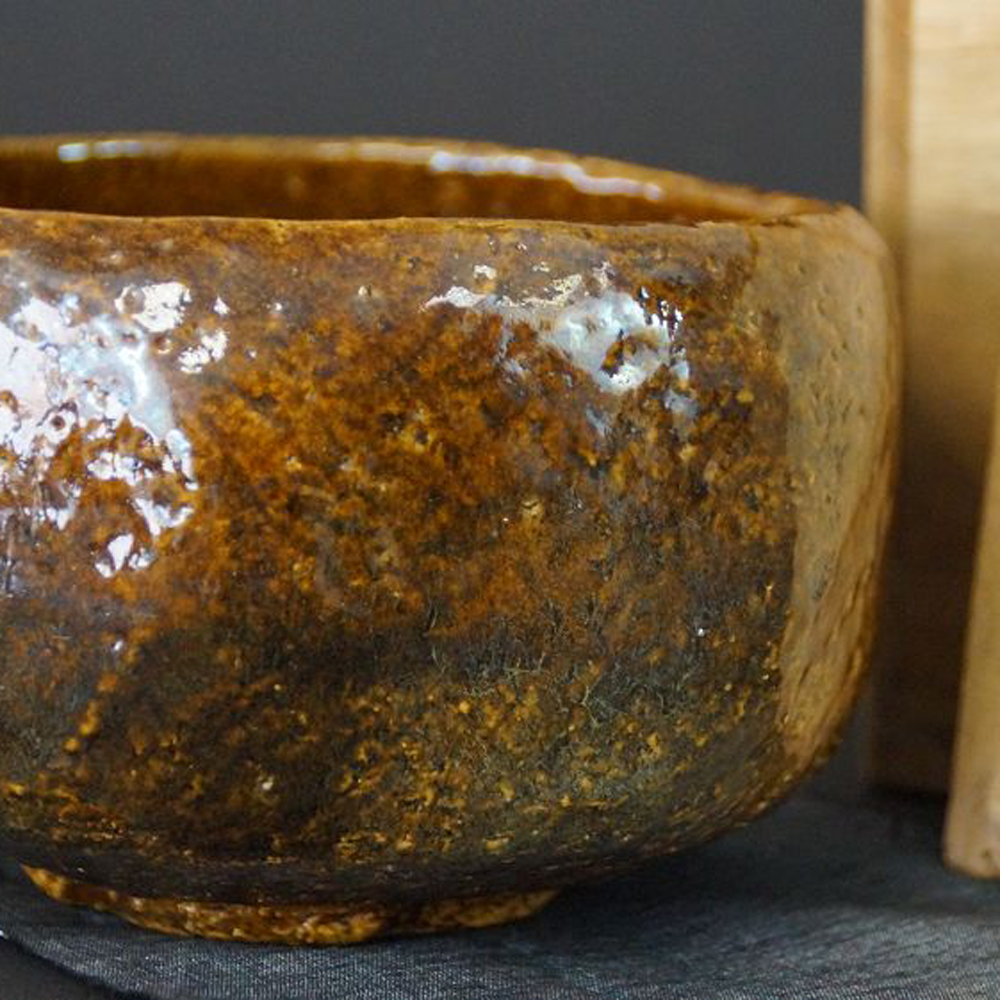

Sosei Heian
Chawan Tea Bowl Made of Raku Ware by Sosei Heian
Chawan, unique work, with box, 8,5 x 13 cm
€260.00
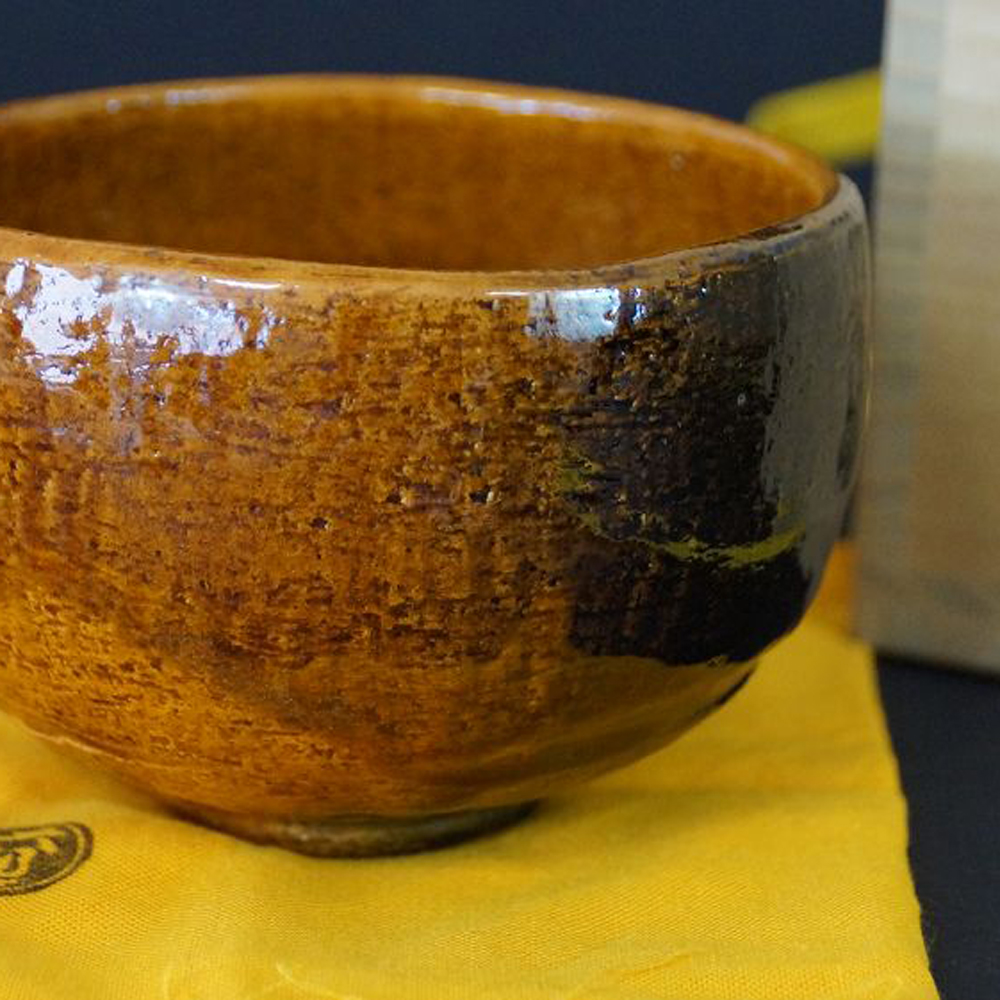

Hisashi Ohi
Chawan Tea Bowl Made of Ohi Ware by Hisashi Ohi
Chawan, unique work, with box, 8 x 11,5 cm
€240.00
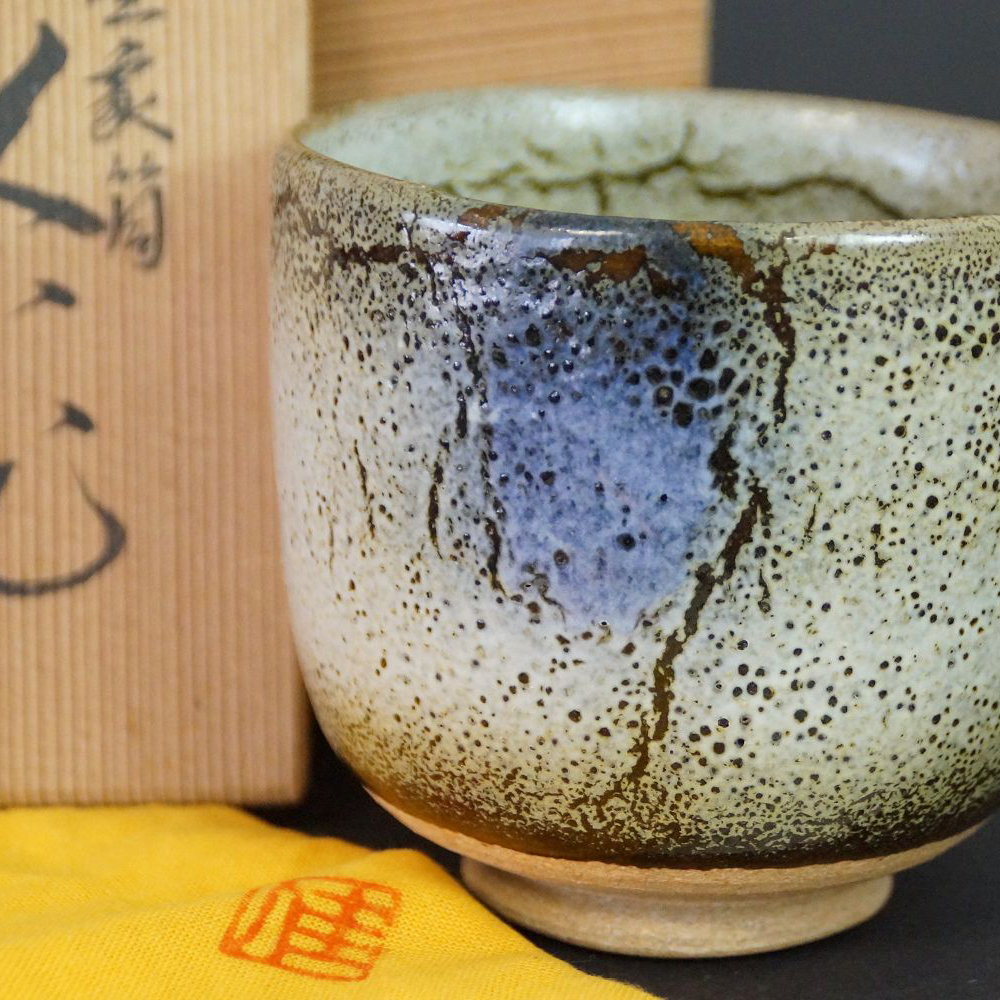

Yoshihisa Inoue
Chawan Tea Bowl Made of Kyoto Ware by Yoshihisa Inoue
Chawan, unique work, with box, 9,5 x 10 cm
€290.00
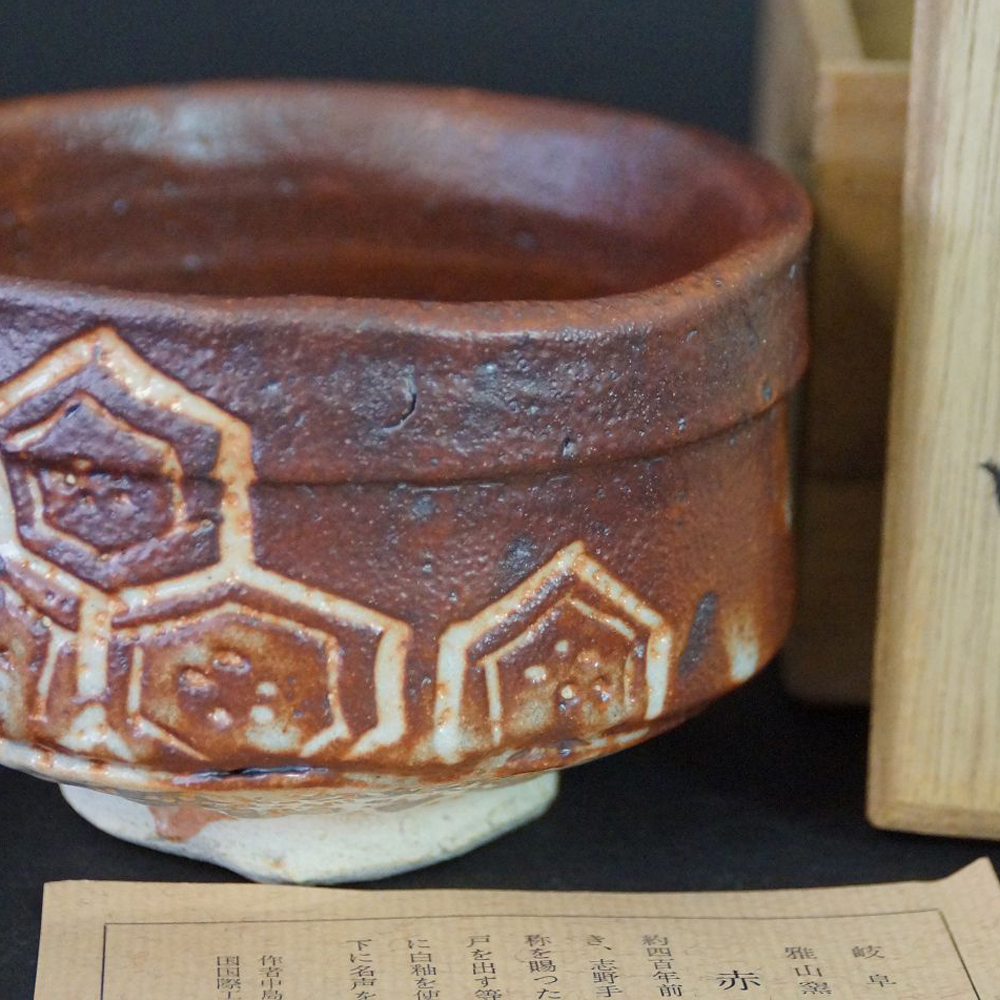

Masao Nakajima
Chawan Tea Bowl Made of Shino Ware by Masao Nakajima
Chawan, unique work, with box, 12,5 x 8 cm
€380.00
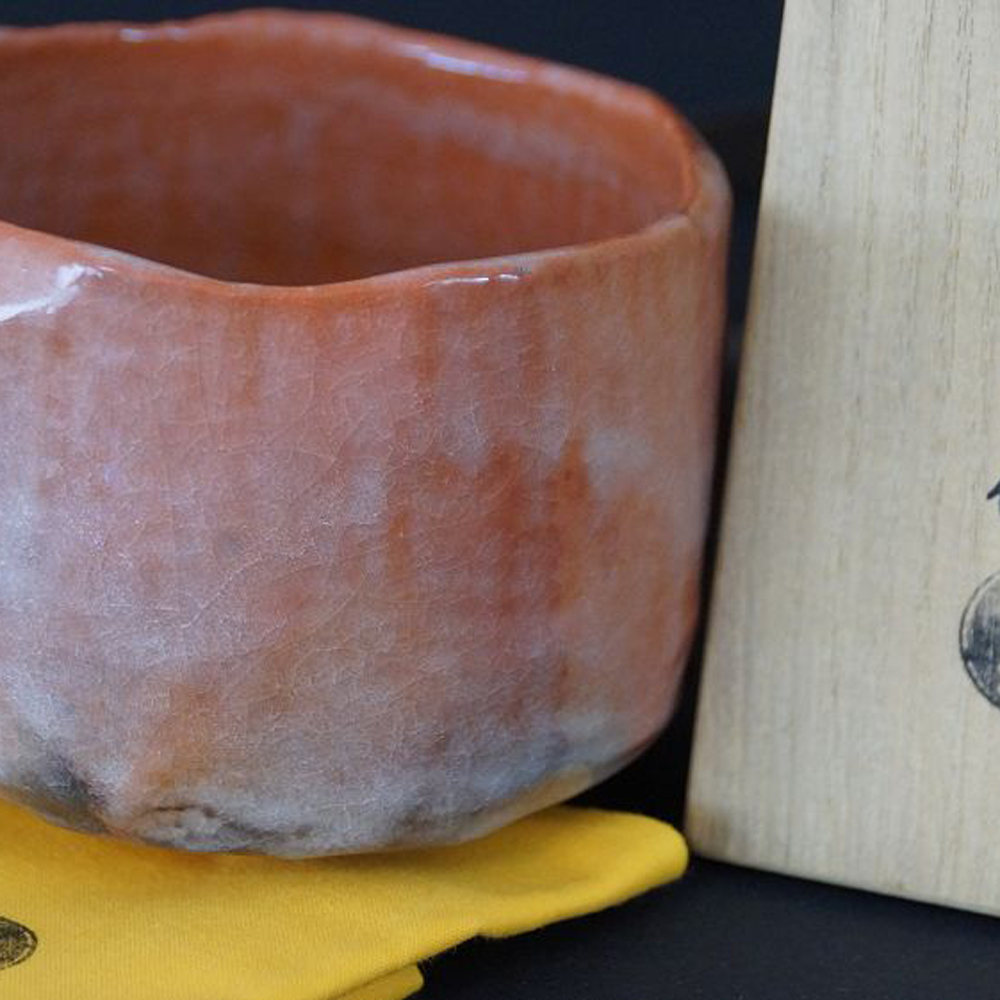

Ichiraku Nishimura
Chawan Tea Bowl Made of Raku Ware by Ichiraku Nishimura
Chawan, unique work, with box, 8 x 11,5 cm
€420.00
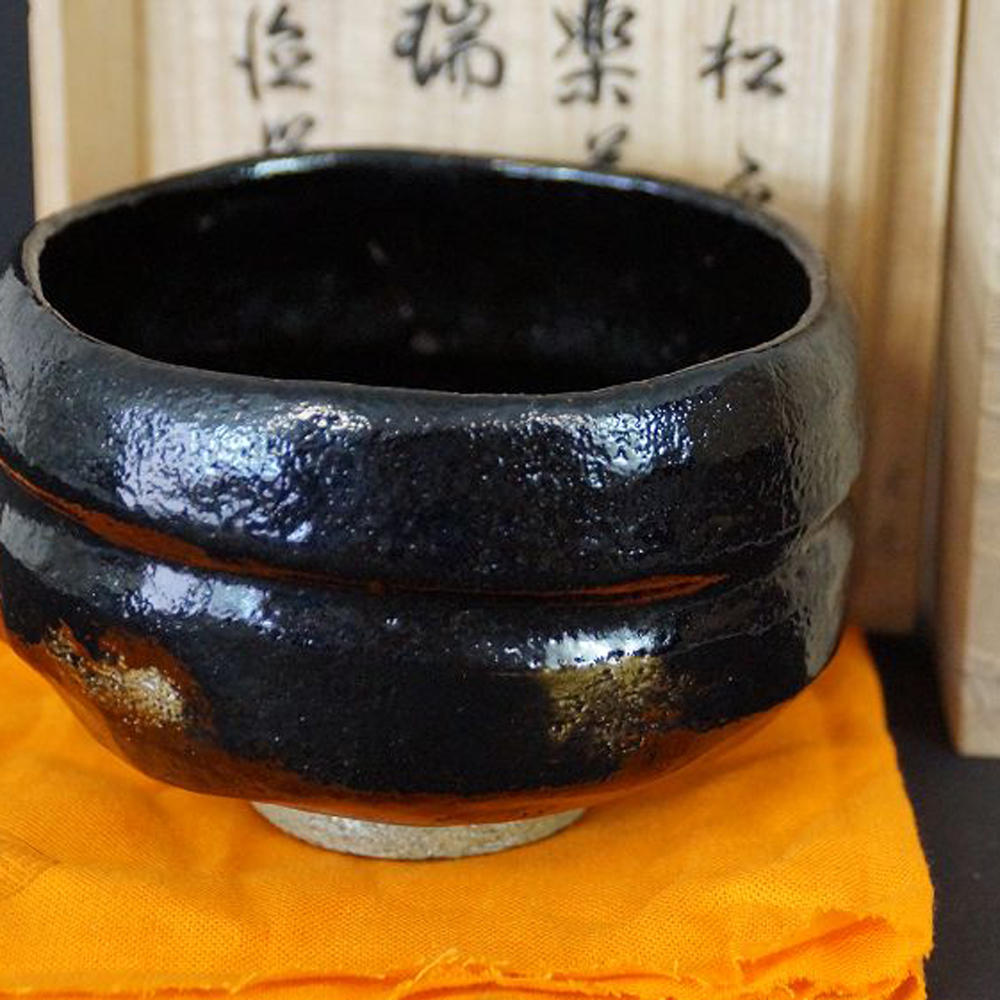

Shoraku Sasaki
Chawan Made of Kuro-Raku by Shoraku Sasaki, Wavy Rim
Chawan, unique work, with box, 8 x 12 cm
€380.00
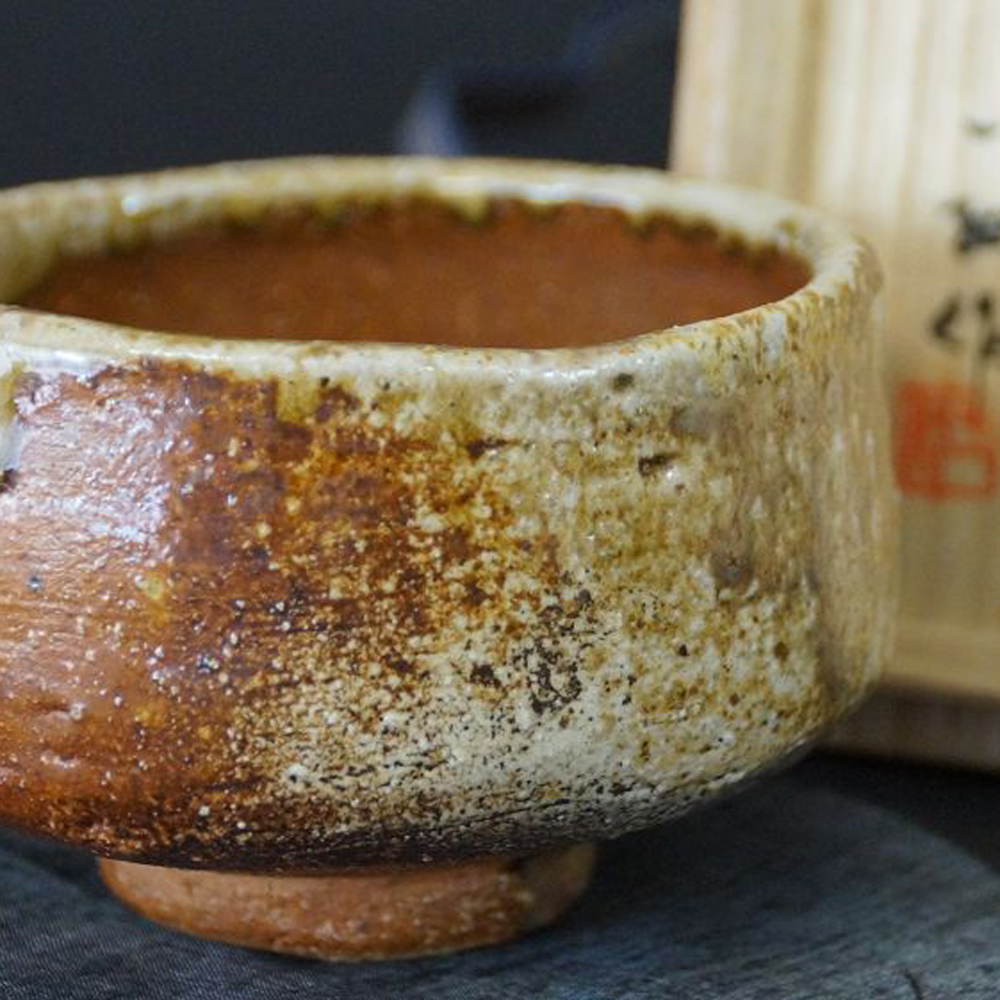

Kazuki Omi
Chawan Tea Bowl Made of Shigaraki Ware by Kazuki Omi
Chawan, unique work, with box, 8 x 12 cm
€210.00
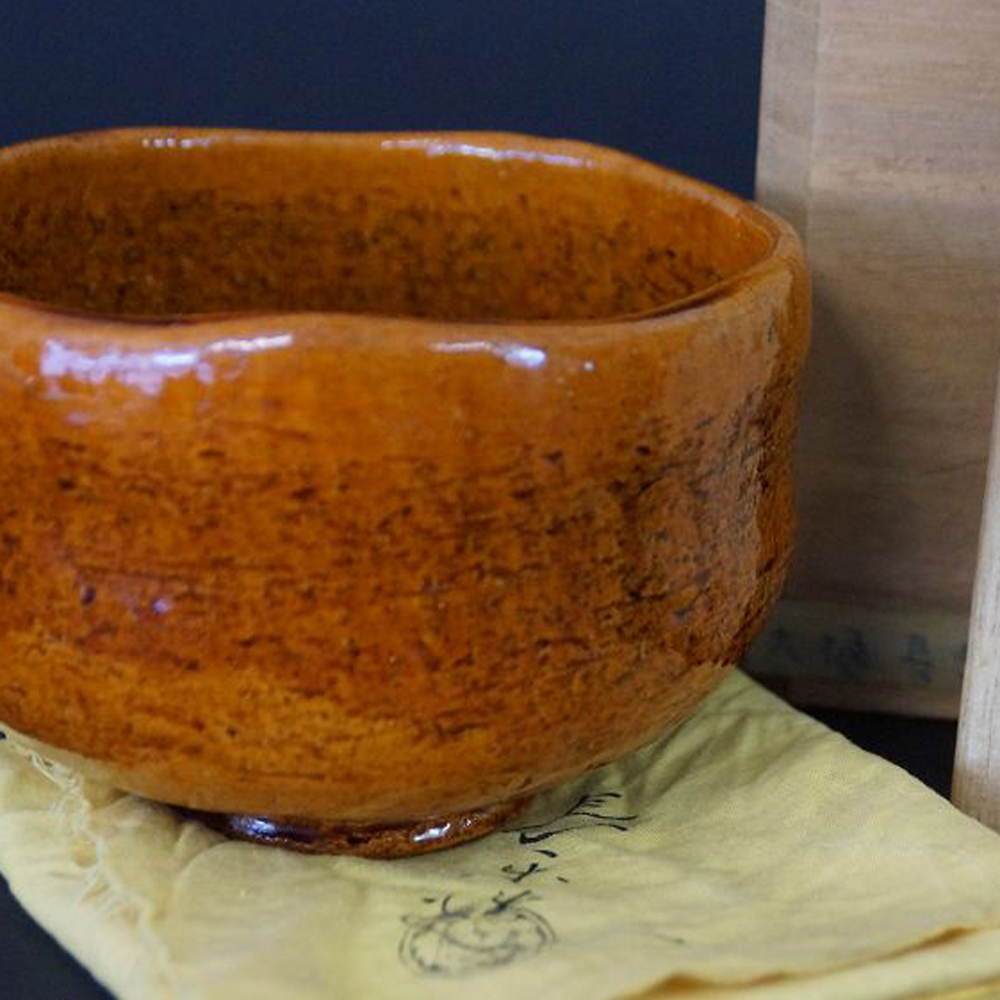

Choraku Ohi
Chawan Tea Bowl Made of Ohi Ware by Choraku Ohi
Chawan, unique work, with box, 8,5 x 12 cm
€250.00
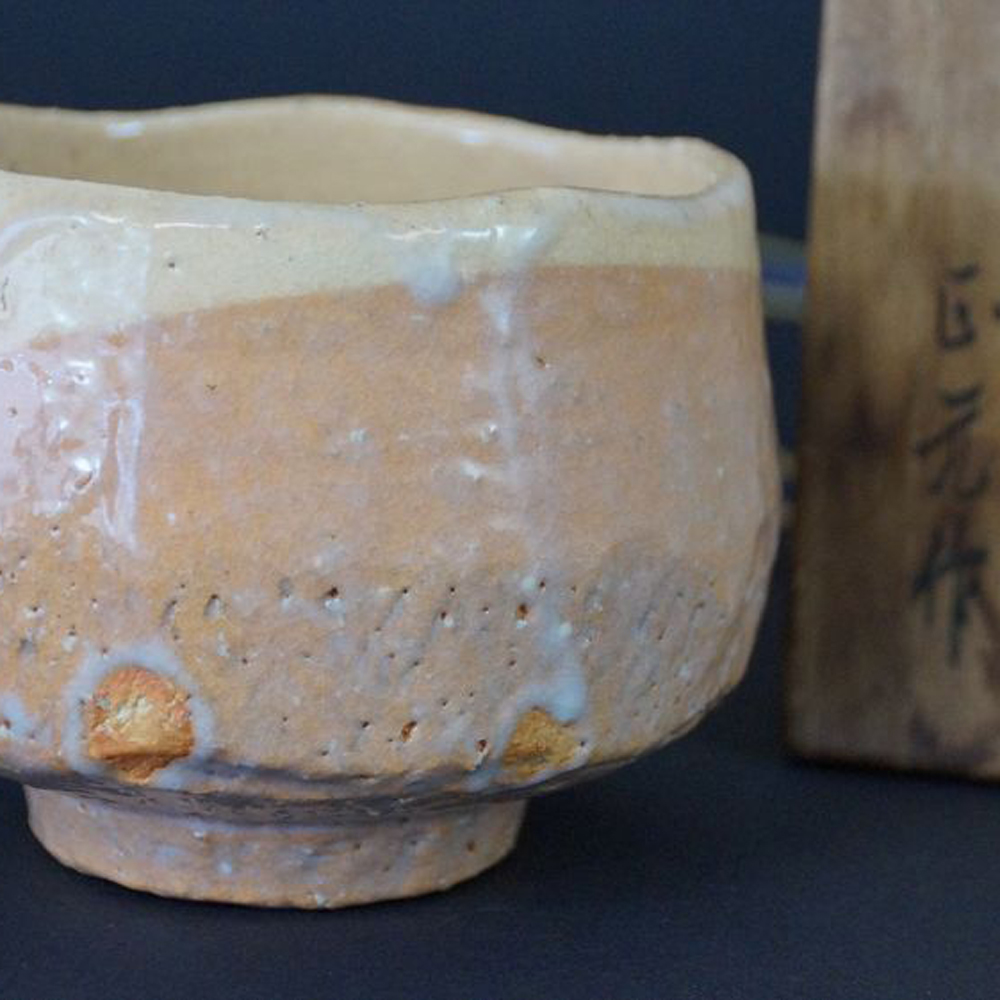

Shogen Heian
Chawan Tea Bowl Made of Raku Ware by Shogen Heian
Chawan, unique work, with box, 8 x 12 cm
€220.00
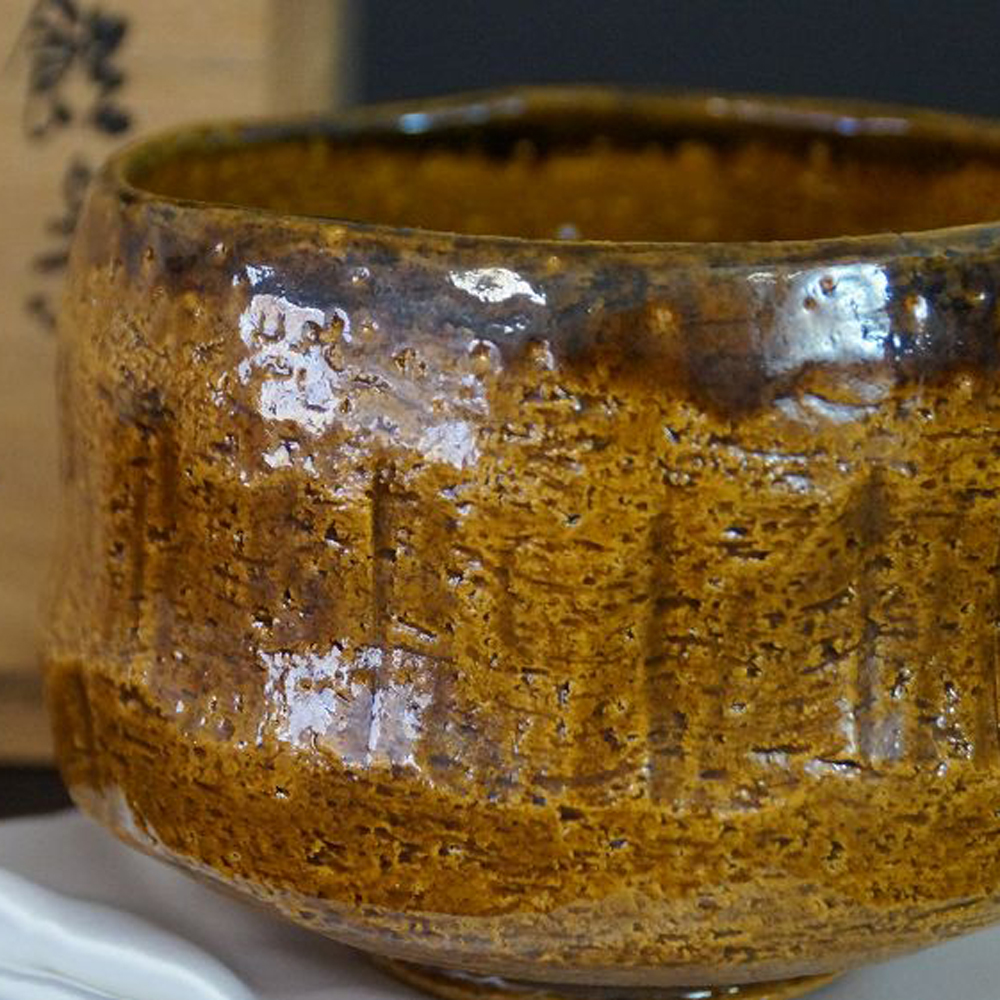

Rakunyu Yoshimura
Chawan Made of Raku Ware by Rakunyu Yoshimura
Chawan, unique work, with box, 9 x 12 cm
€350.00
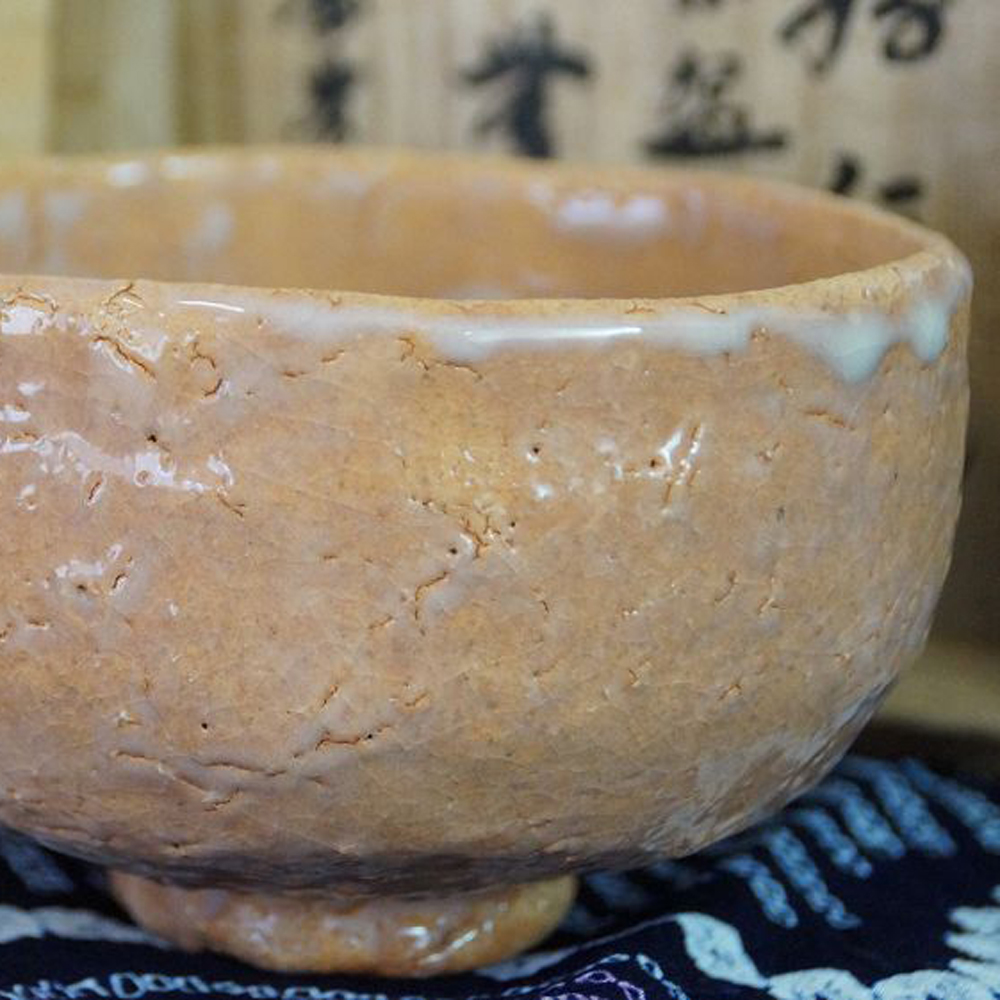

Yoshihito Miyamoto
Chawan Made of Hagi Ware by Yoshihito Miyamoto
Chawan, unique work, with box, 8 x 12,5 cm
€330.00
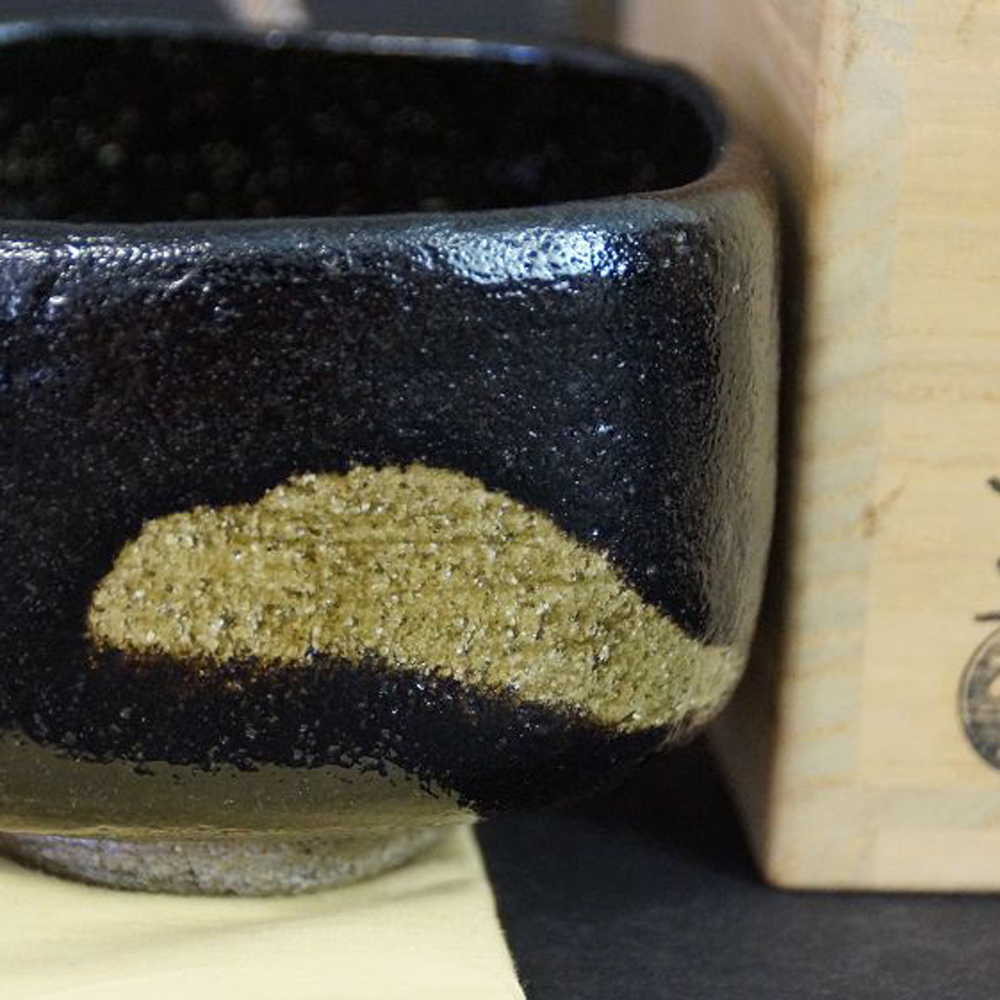

Keiraku Ito
Chawan Made of Raku Ware by Keiraku Ito
Chawan, unique work, with box, 8 x 12 cm
€430.00
Roseki Akazawa
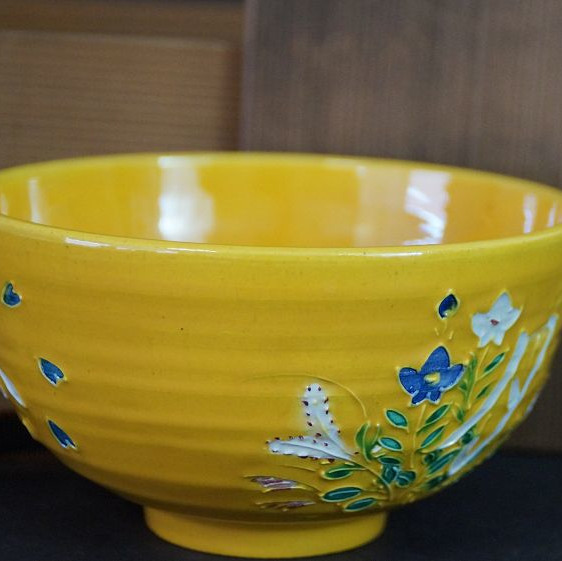
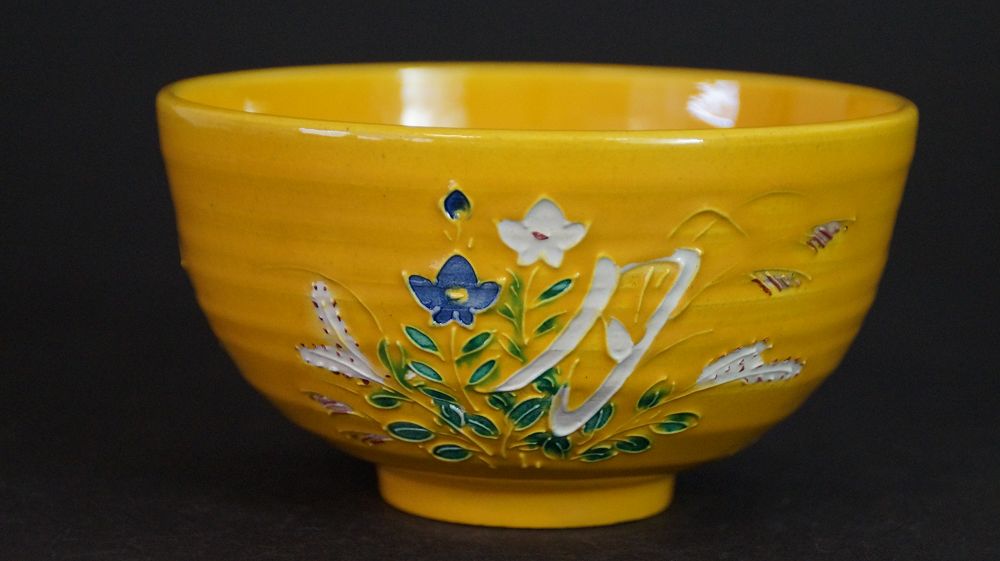
Chawan Made of Kyoto Ware by Roseki Akazawa
Chawan, unique work, 7,5 x 12,5 cm
€280.00
Choami Ohi
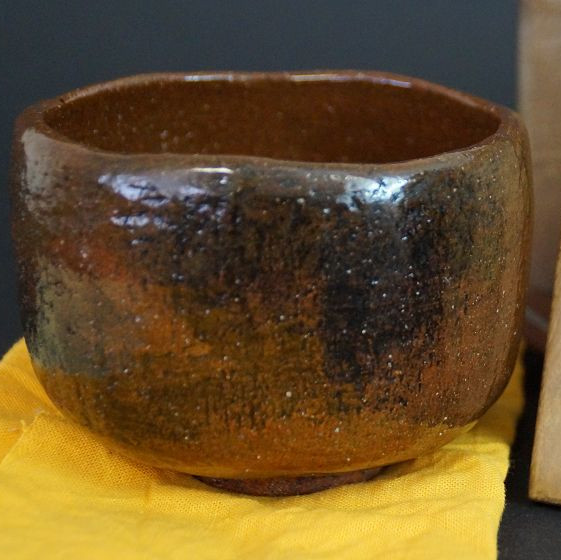
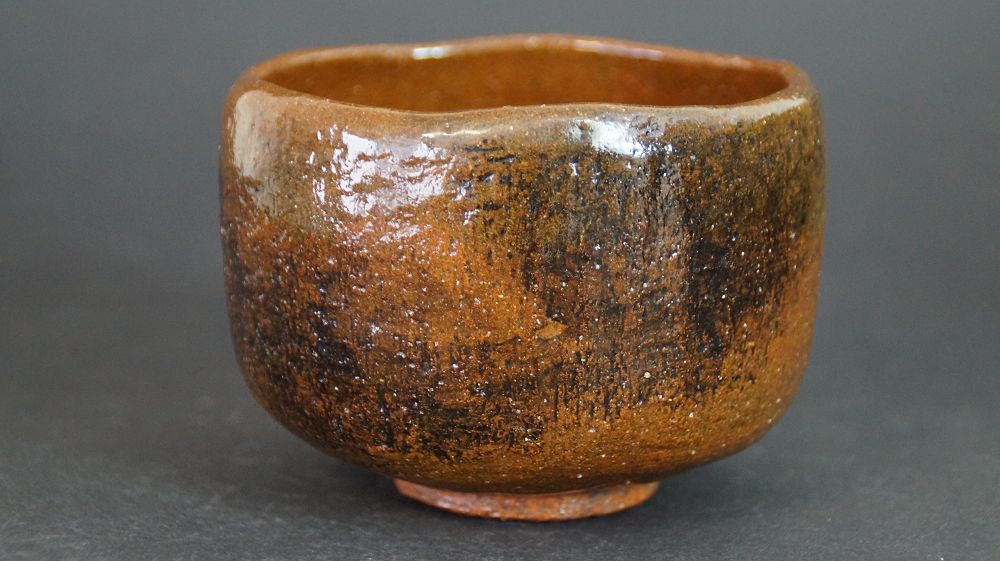
Chawan Made of Ohi Ware by Choami Ohi
Chawan, unique work, with box, 8 x 11 cm
€260.00
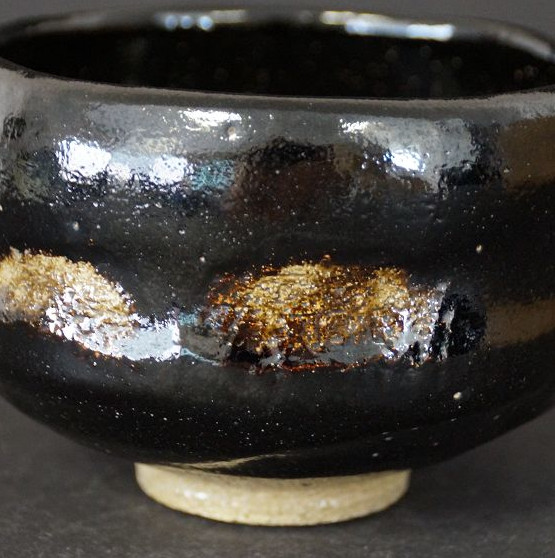

Shoraku Sasaki
Chawan Made of Kuro-Raku by Shoraku Sasaki with Golden Brown
Chawan, unique work, with box, 8 x 12 cm
€380.00
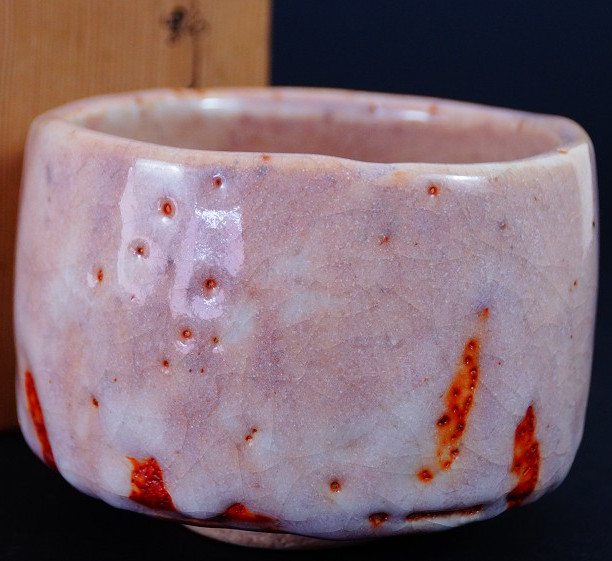

Masayoshi Kato
Chawan Made of Shino Ware by Masayoshi Kato
Chawan, unique work, with box, 9 x 12 cm
€340.00
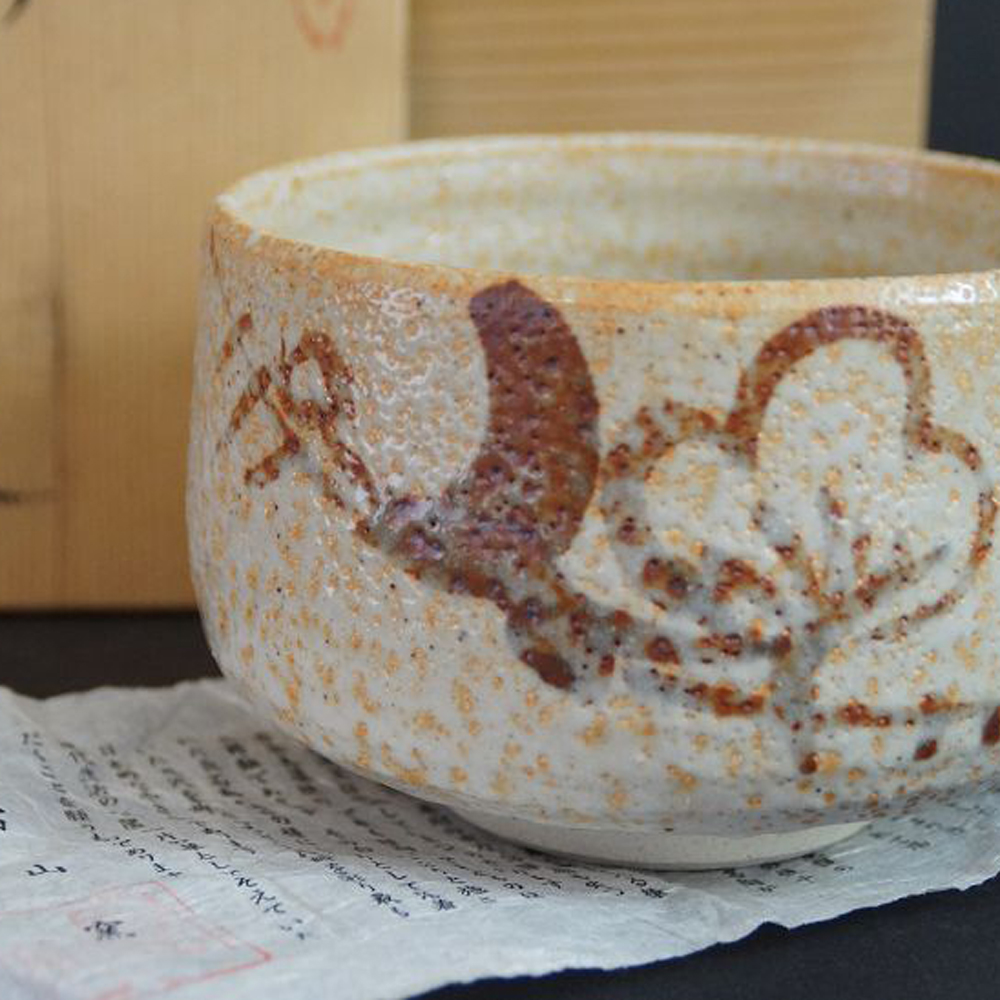

Toyama Ofen
Chawan Made of Shino Ware from Toyama Kiln
Chawan, unique work, with box, 8 x 12 cm
€280.00
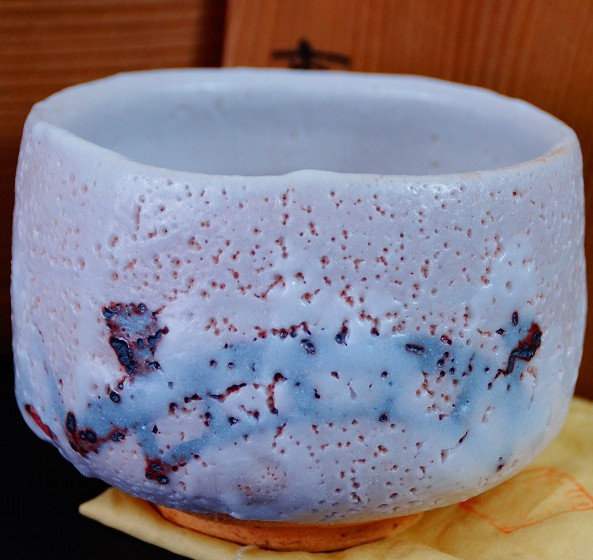

Jyuzo Sato
Chawan Made of Shino Ware by Jyuzo Sato
Chawan, unique work, with box, 9 x 11,5 cm
€320.00
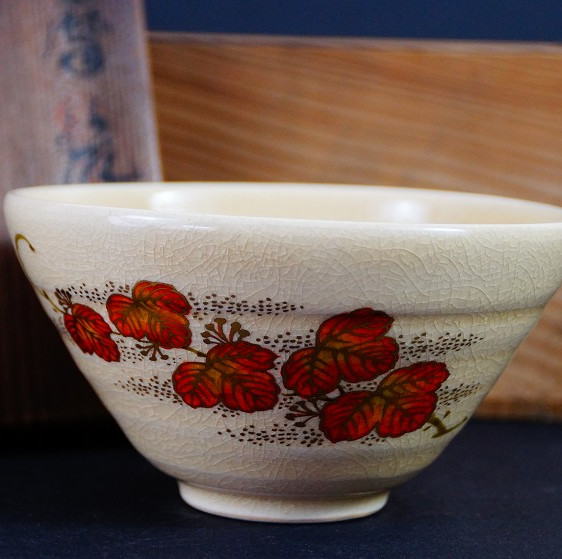

Gyokusen Nozaki
Chawan Made of Satsuma Ware by Gyokusen Nozaki
Chawan, unique work, with box, 7 x 12,5 cm
€380.00
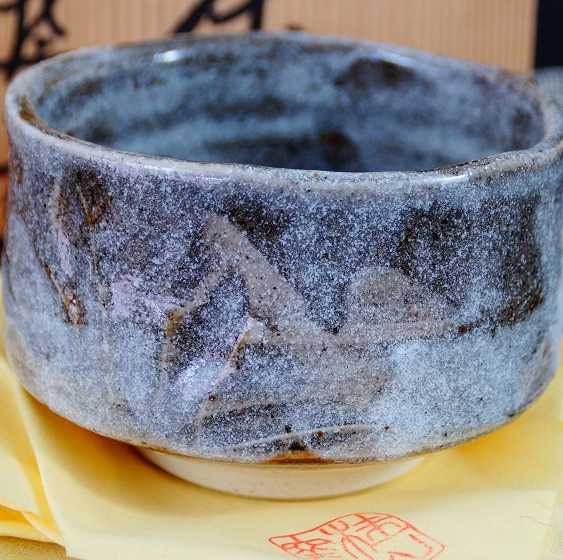

Kazufumi Wada
Chawan Made of Shino Ware by Kazufumi Wada
Chawan, unique work, with box, 8 x 12 cm
€310.00
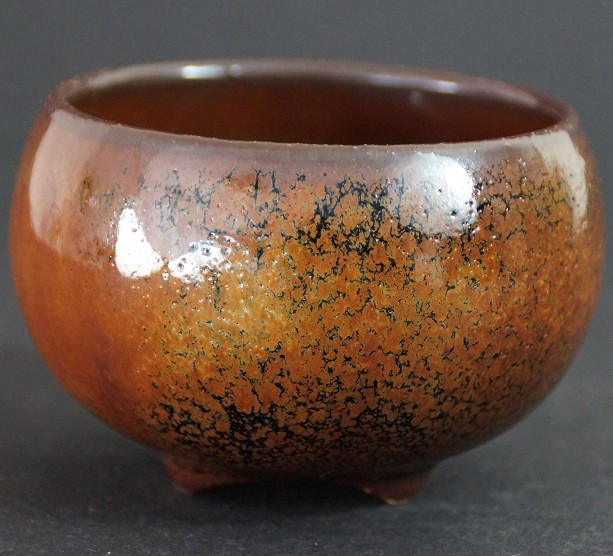

Kurokawa Seisetsu
Chawan with Tenmoku Glaze by Kurokawa Seisetsu
Chawan, unique work, with box, 6 x 9 cm
€580.00
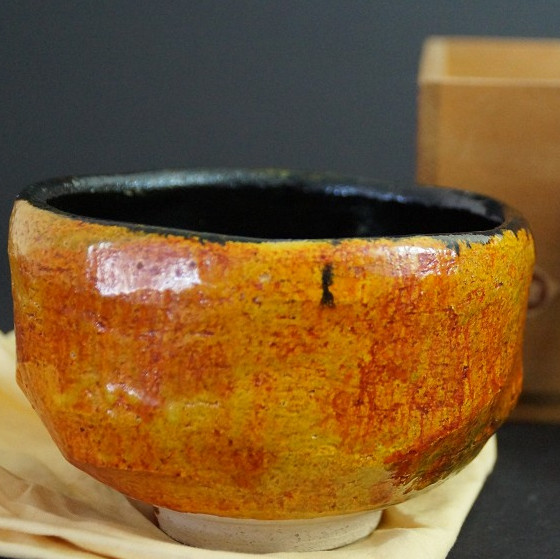

Haryoku
Chawan Made of Tobe Ware by Haryoku
Chawan, unique work, with box, 8 x 12 cm
€330.00
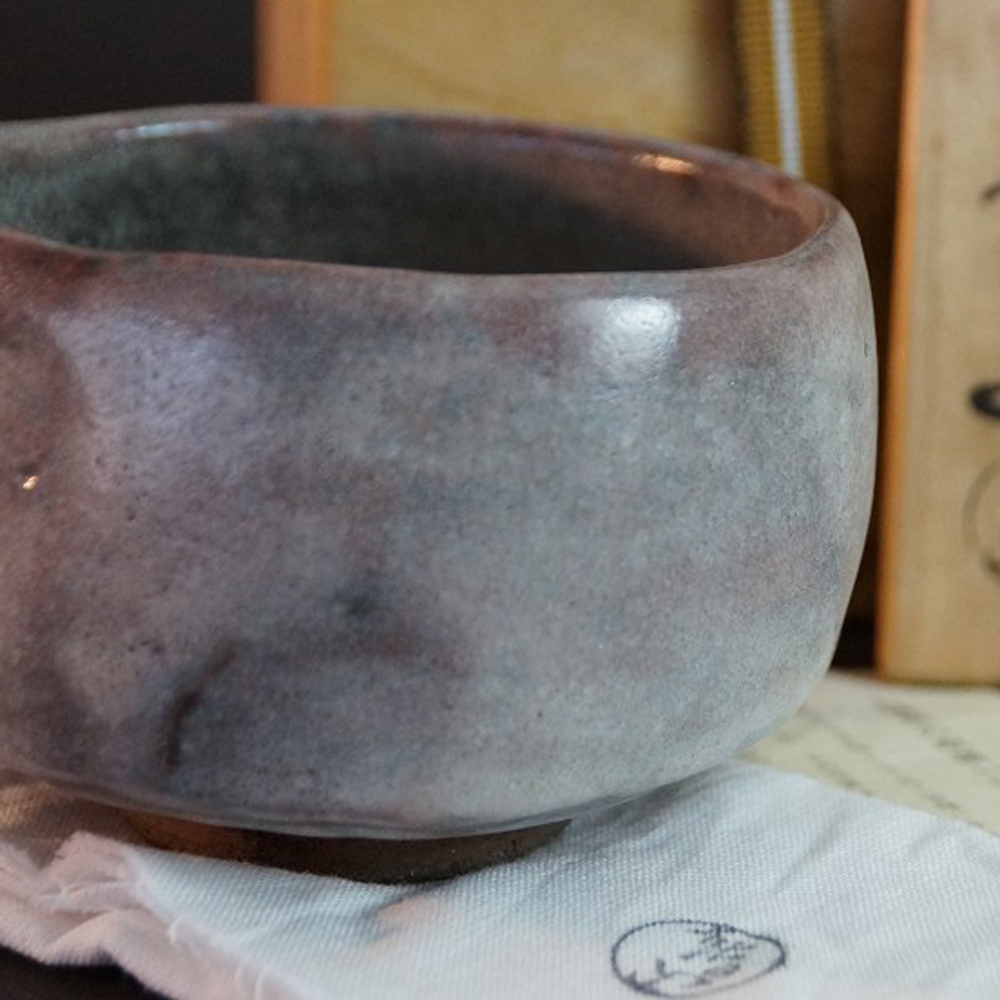

Kaihatsu Bunmei
Chawan Made of Ohi Ware by Kaihatsu Bunmei
Chawan, unique work, with box, 7,5 x 12 cm
€690.00
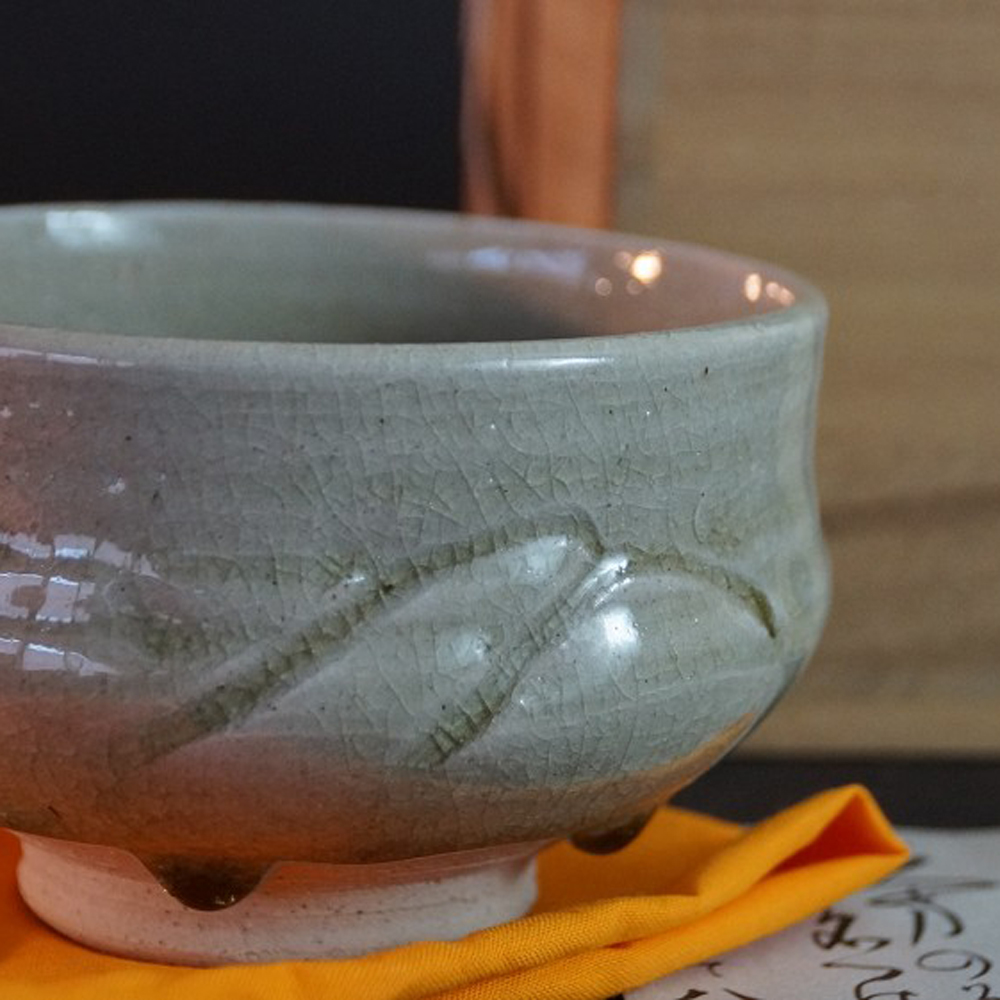

Chawan Made of Seto Ware
Chawan, unique work, with box, 8 x 12 cm
€160.00
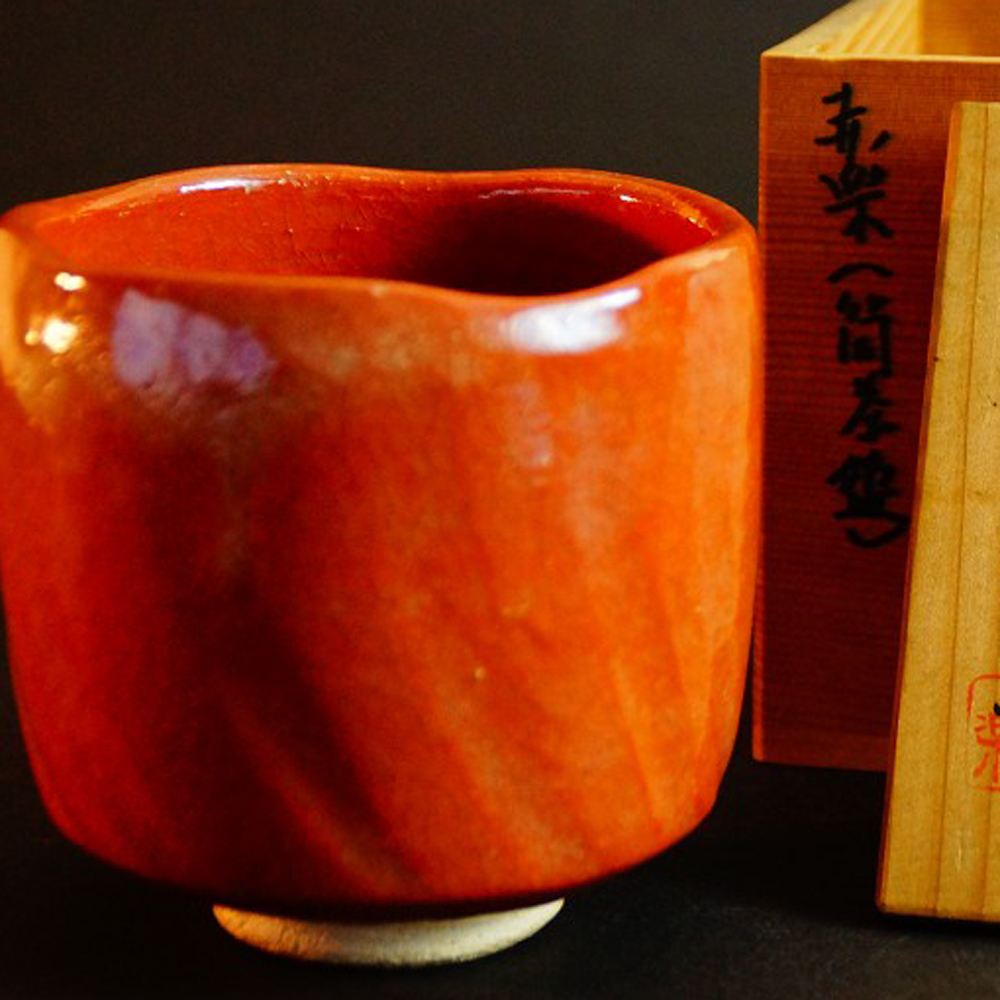

Seiraku
Chawan Tea Bowl Made of Raku Ware by Seiraku
Chawan, unique work, with box, 9,5 x 9,5 cm
€280.00
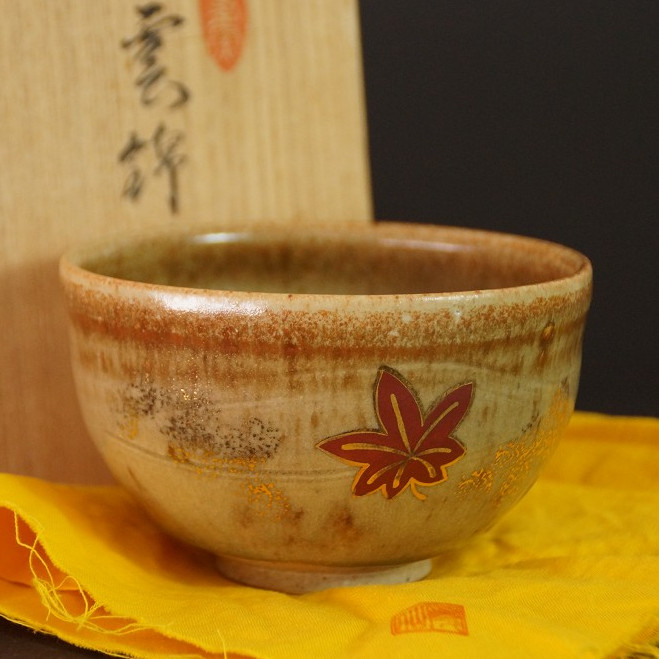

Kitagama Kasen
Chawan Made of Akatsu Ware by Kitagama Kasen
Chawan, unique work, with box, 7,5 x 11,5 cm
€390.00
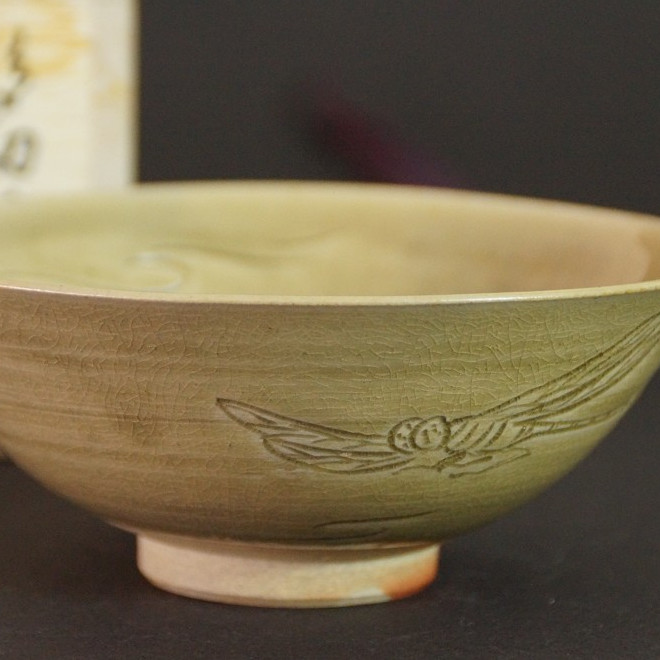

Tamura Unkei
Chawan with Dragonfly Motif Made of Tada Ware by Tamura Unkei
Chawan, unique work, with box, 6 x 15 cm
€390.00
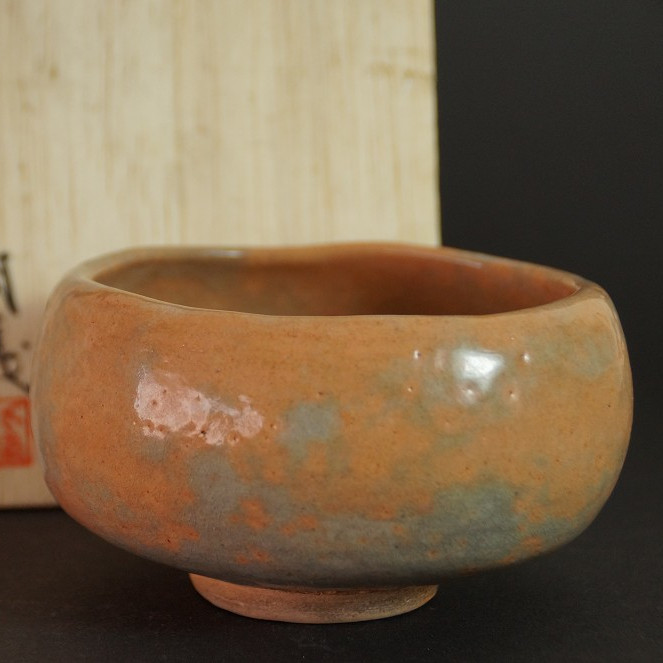

Meigi
Chawan Made of Kyoto Ware by Meigi
Chawan, unique work, with box, 7 x 13 cm
€410.00
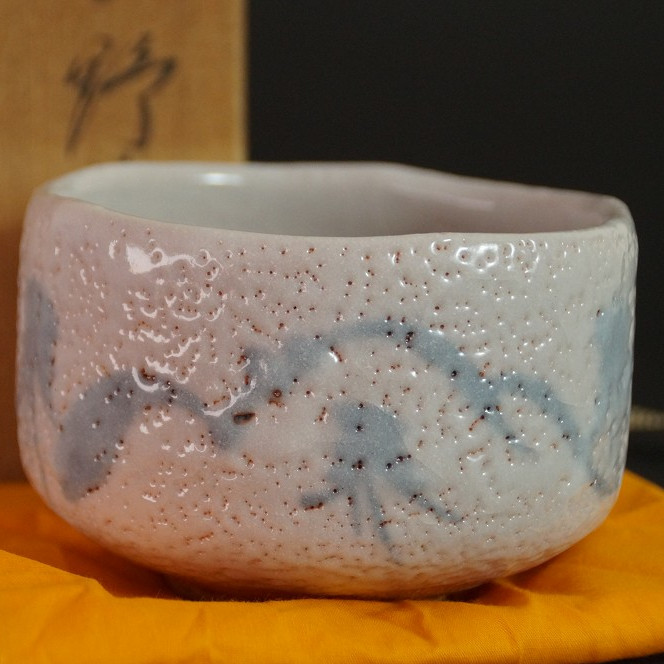

Jyuzo Sato
Chawan Made of Shino Ware by Juzo Sato
Chawan, unique work, with box, 8 x 12 cm
€280.00
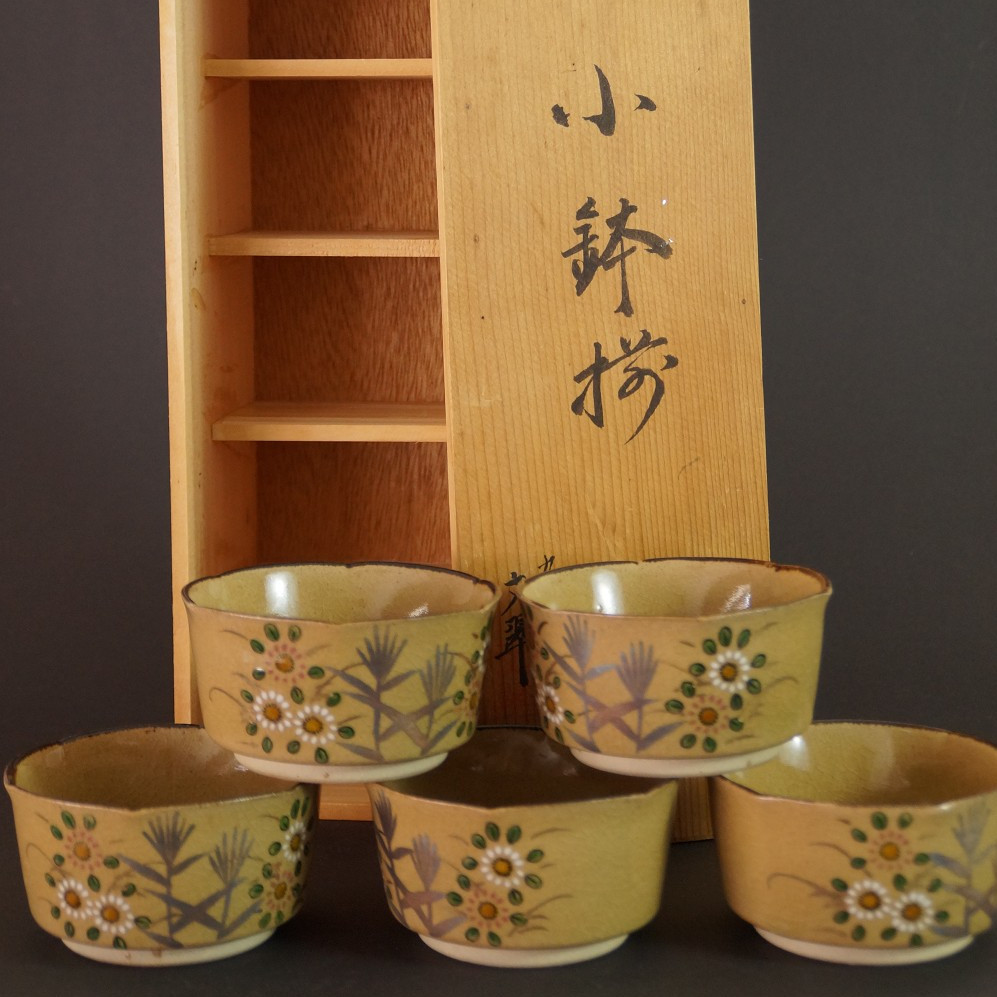

Set of Five Tea Bowls Made of Kutani Porcelain with Autumn Grasses
Chawan, unique work, with box, 6 x 10 cm
€180.00
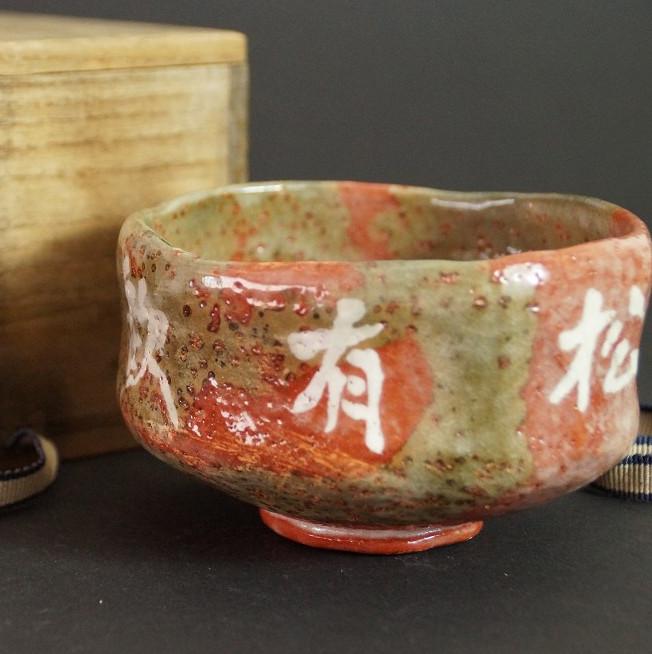

Chawan Made of Ohi Ware
Chawan, unique work, with box, 8 x 12 cm
€360.00
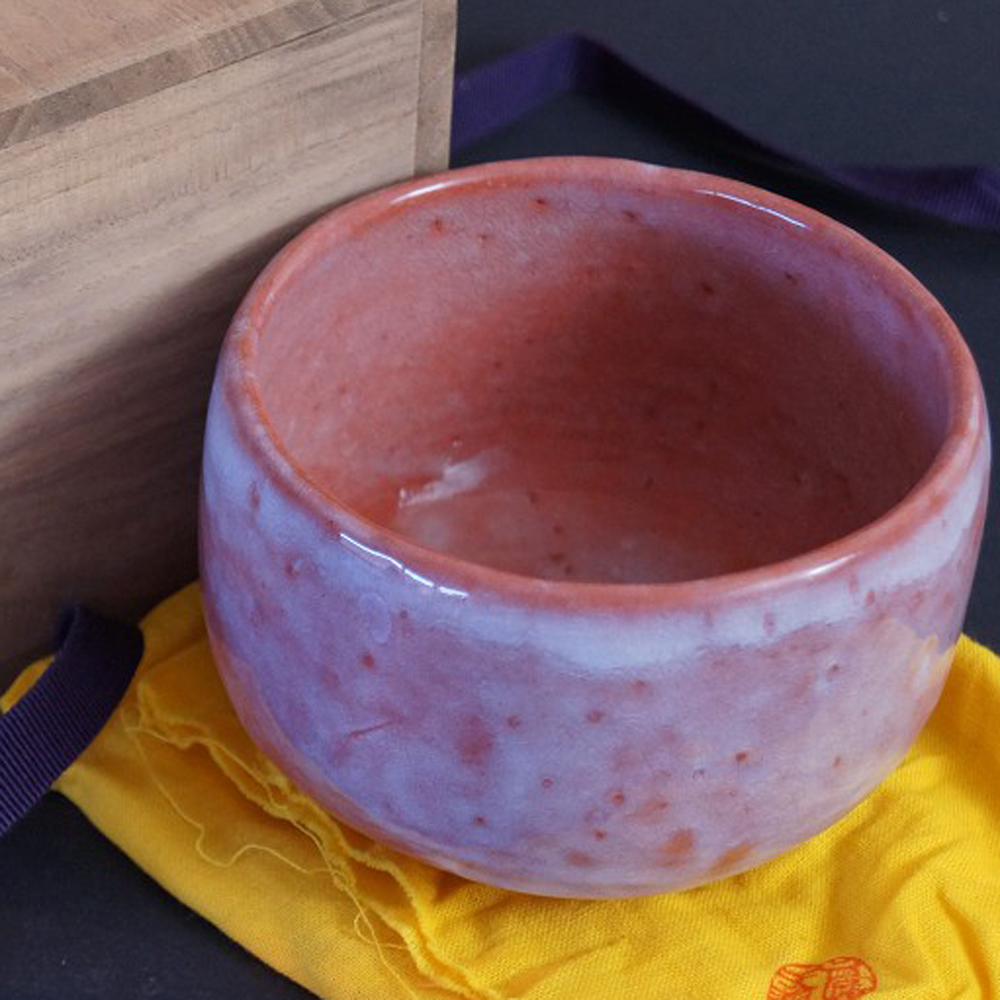

Takahashi Issui
Chawan Made of Raku Ware by Issui Takahashi
Chawan, unique work, with box, 9 x 12 cm
€230.00
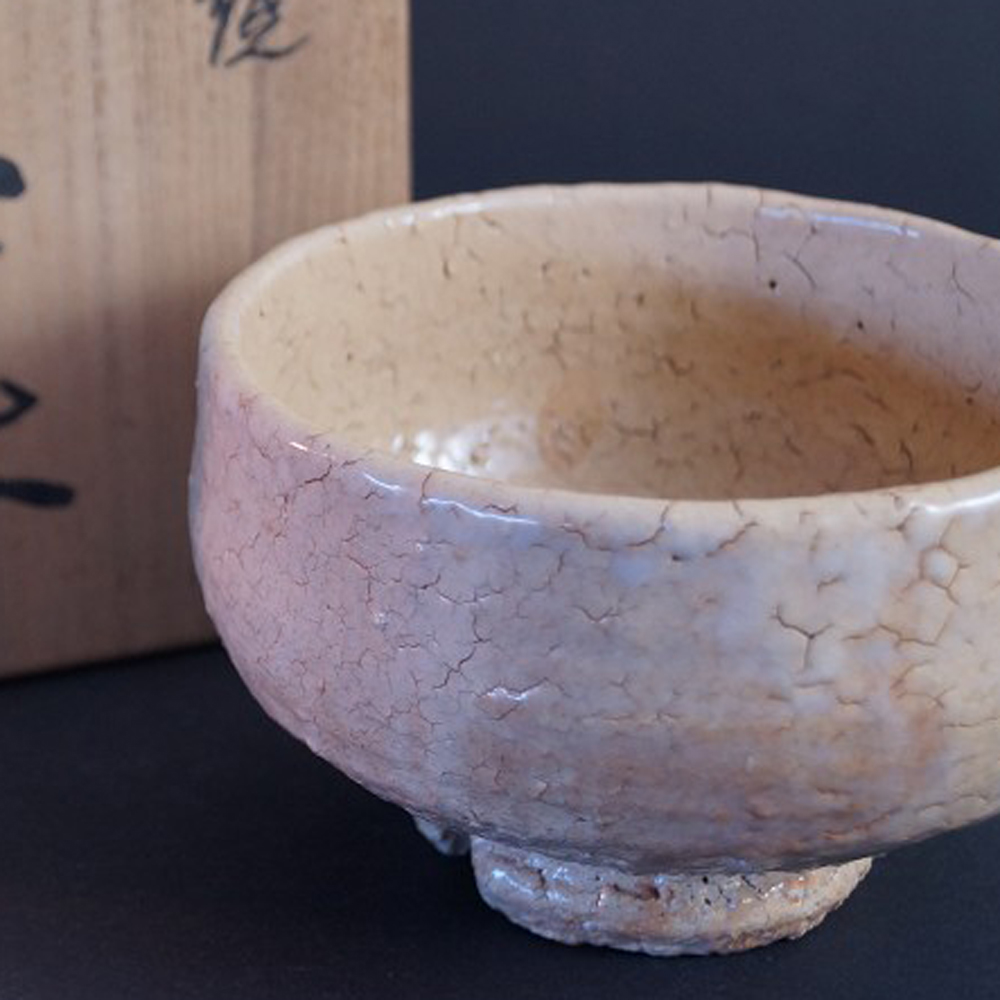

Fujisaki Gyokusui
Chawan Made of Hagi Ware by Gyokusui Fujisaki
Chawan, unique work, with box, 8 x 13 cm
€290.00
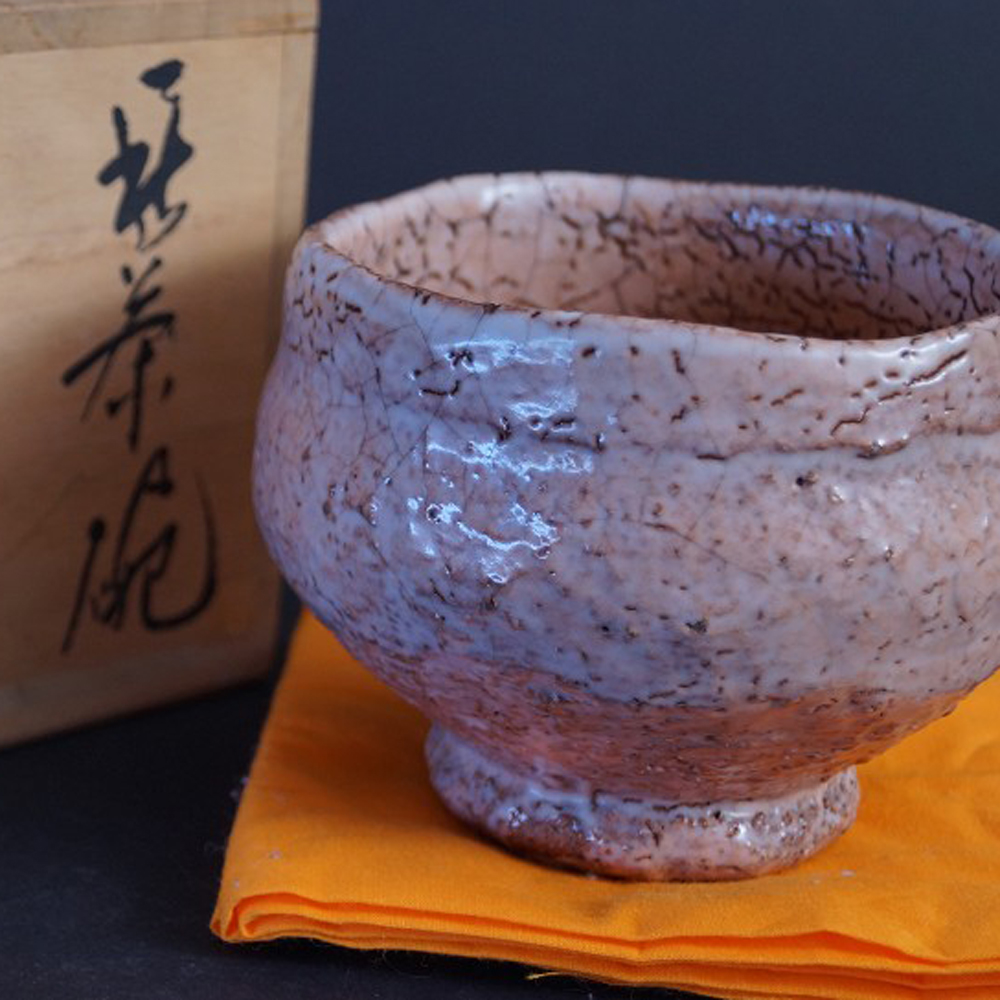

Tamura Goro
Handcrafted Japanese Hagi Tea Bowl (Chawan) by Goro Tamura
Chawan, unique work, with box, 9 x 12 cm
€390.00


Akaraku - Chawan Made of Kyoto Ware
Chawan, unique work, with box, 9 x 11 cm
€345.00
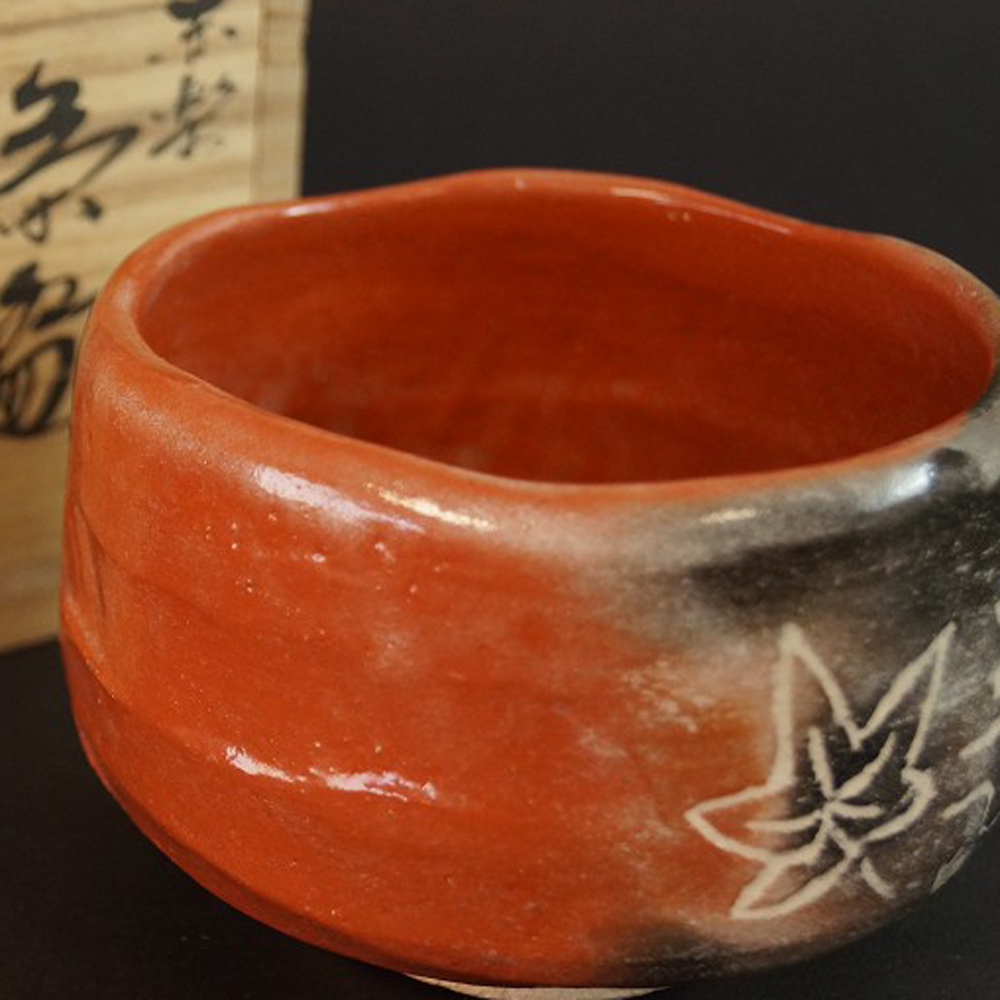

Sasaki Shōraku
Chawan Raku Ware by Shōraku Sasaki
Chawan, unique work, with box, 8 x 11 cm
€280.00
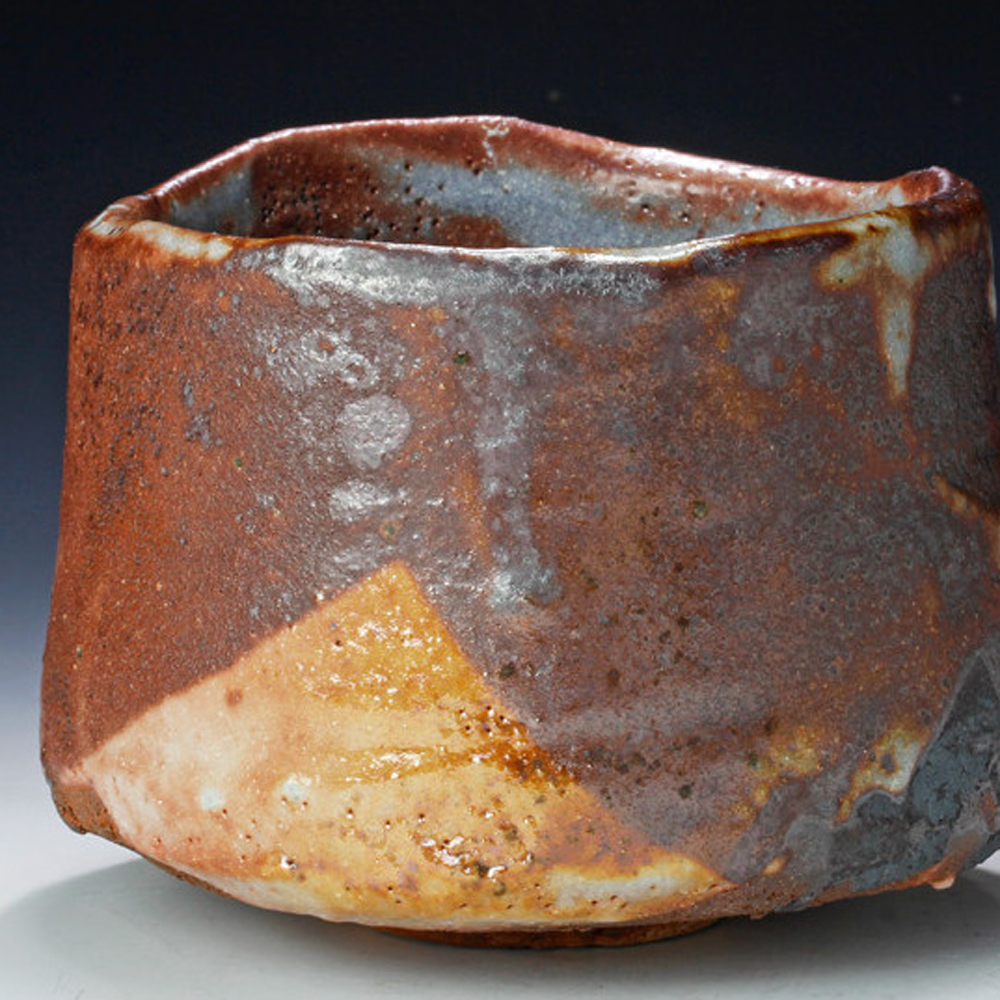
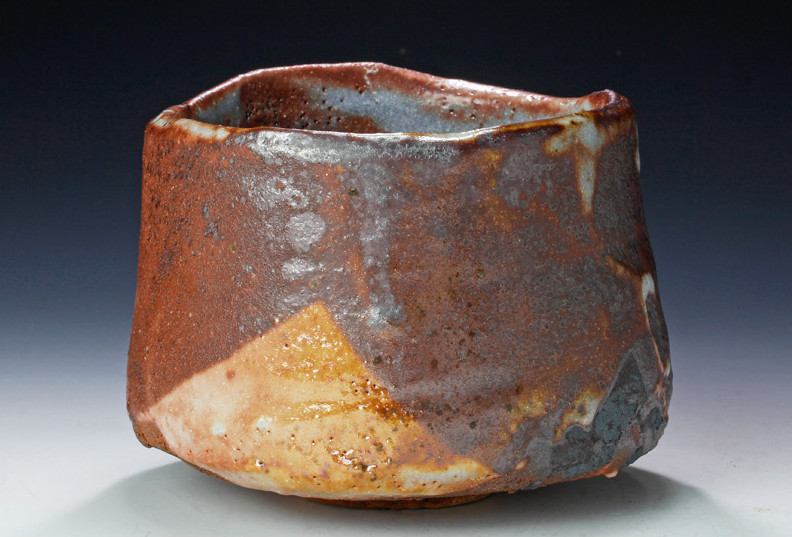
Shibayama Riiya
Tea Bowl (Chawan) by Shibayama Riiya
Chawan, unique work, with box, 8 x 11 cm
€410.00
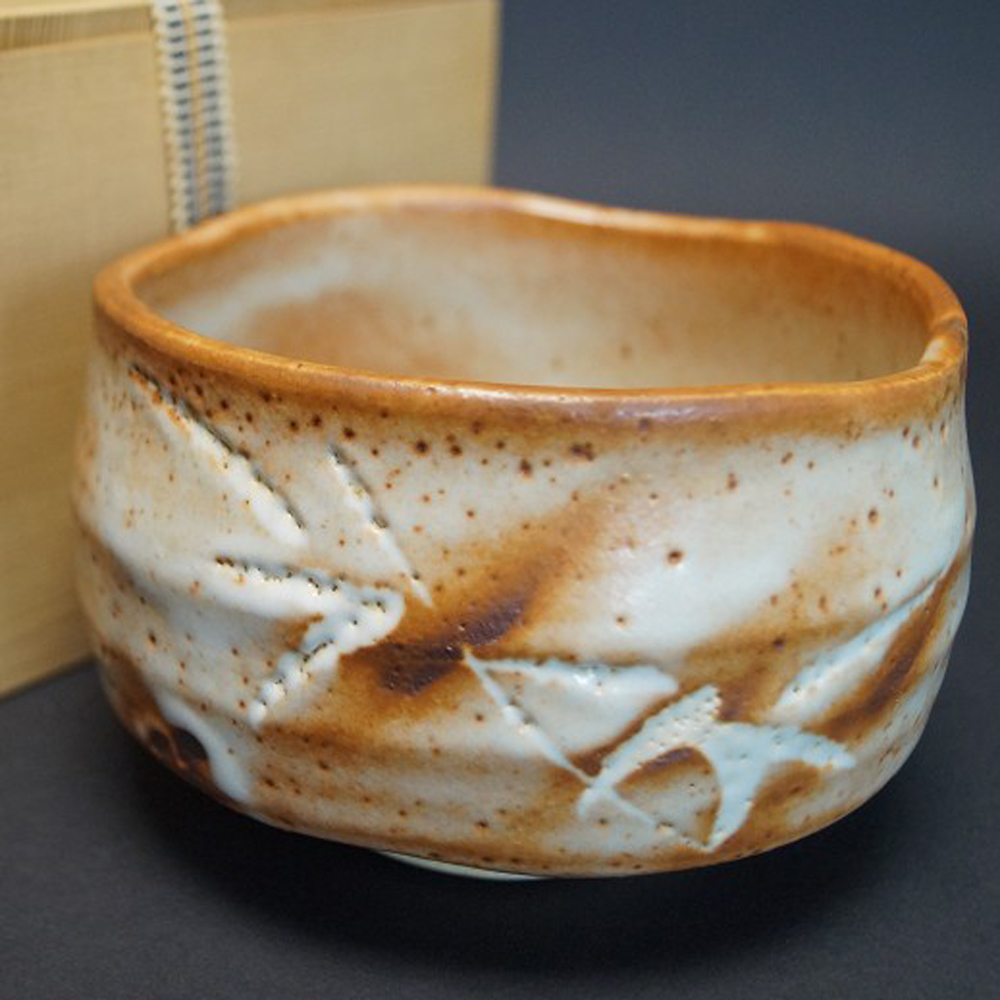
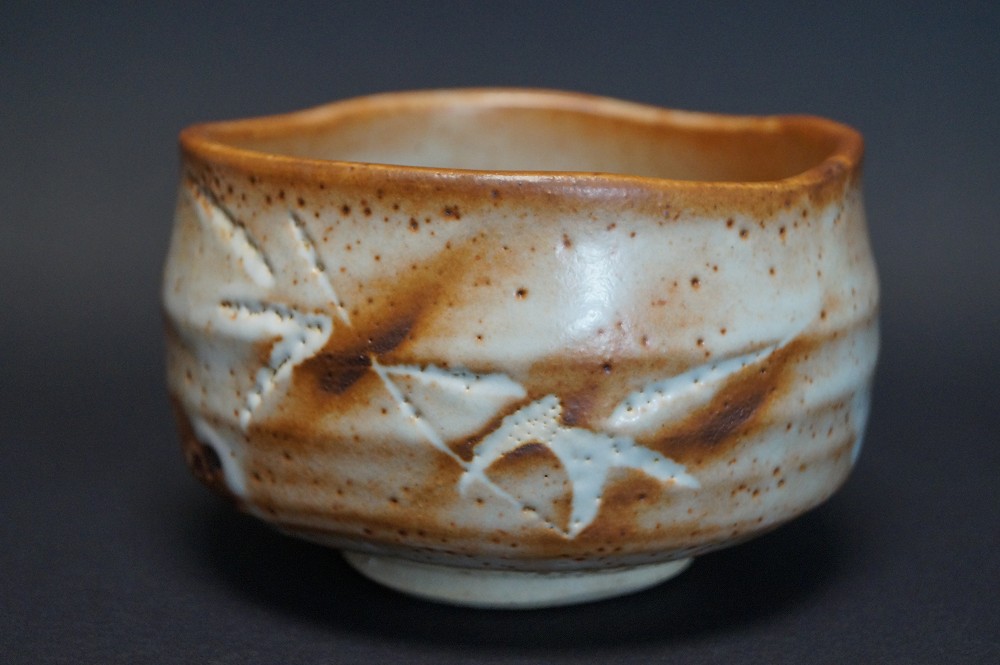
Sawada Shuichi
Chawan Made of Shino Ware by Shuichi Sawada with Fire Marks
Chawan, unique work, with box, 7 x 12 cm
€290.00
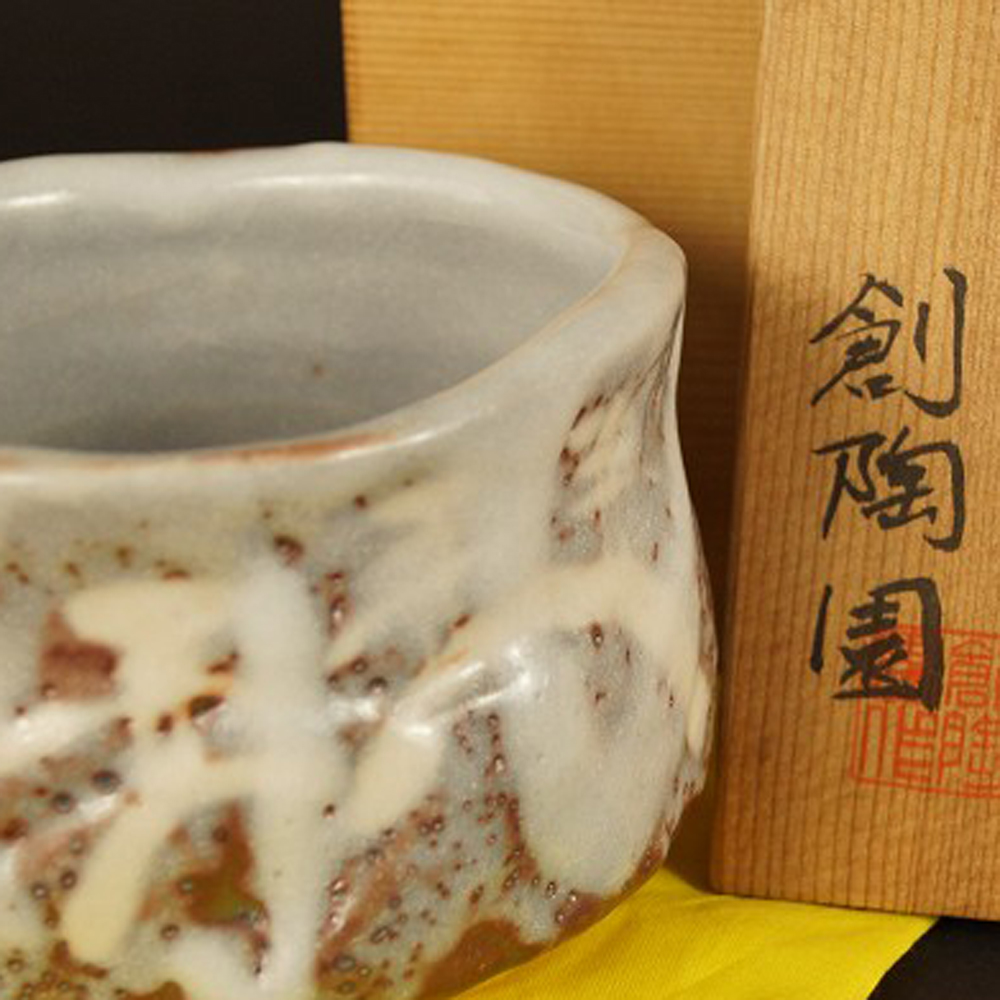
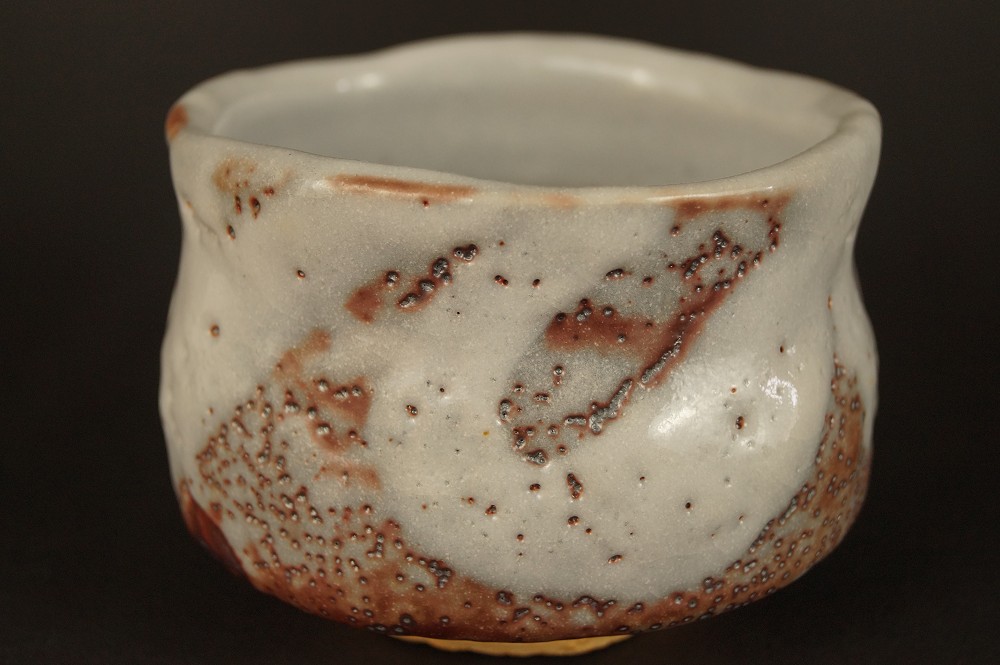
Chawan Made of Shino Ware with Characters Under the Glaze
Chawan, unique work, with box, 8,5 x 11,5 cm
€180.00
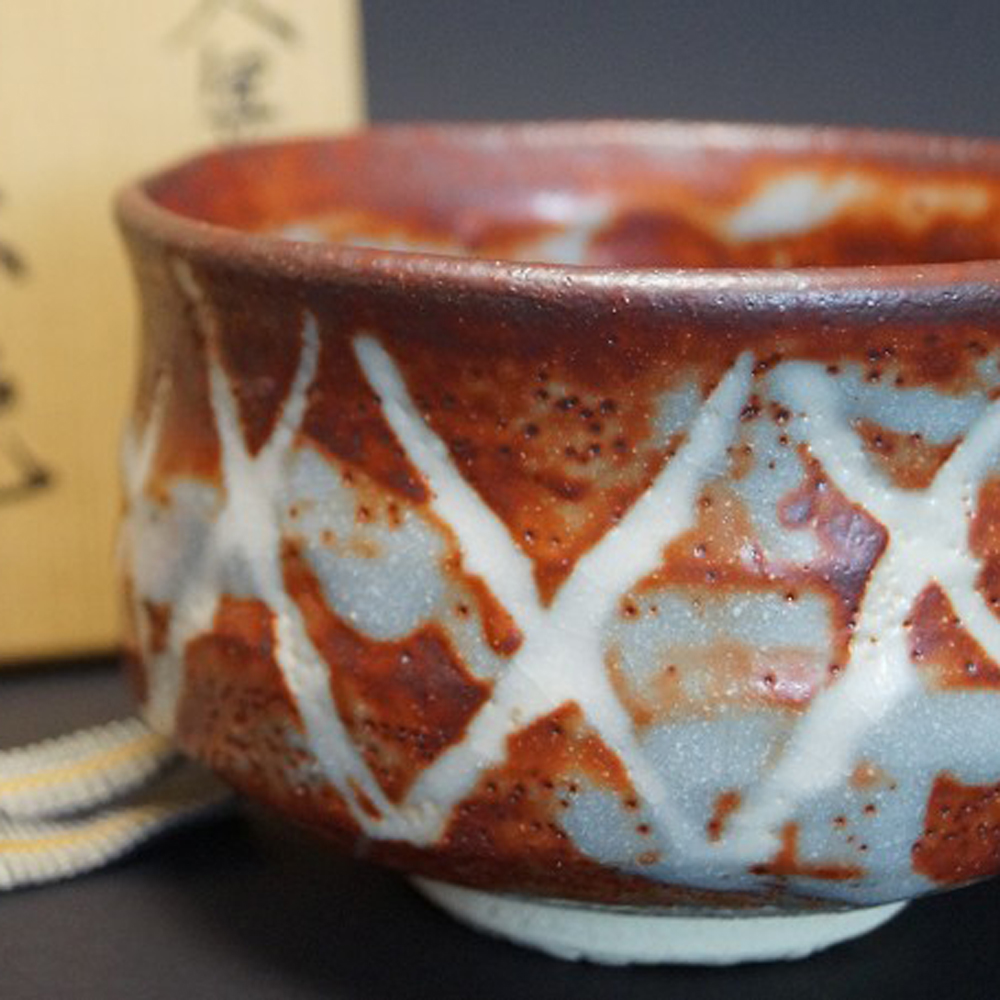
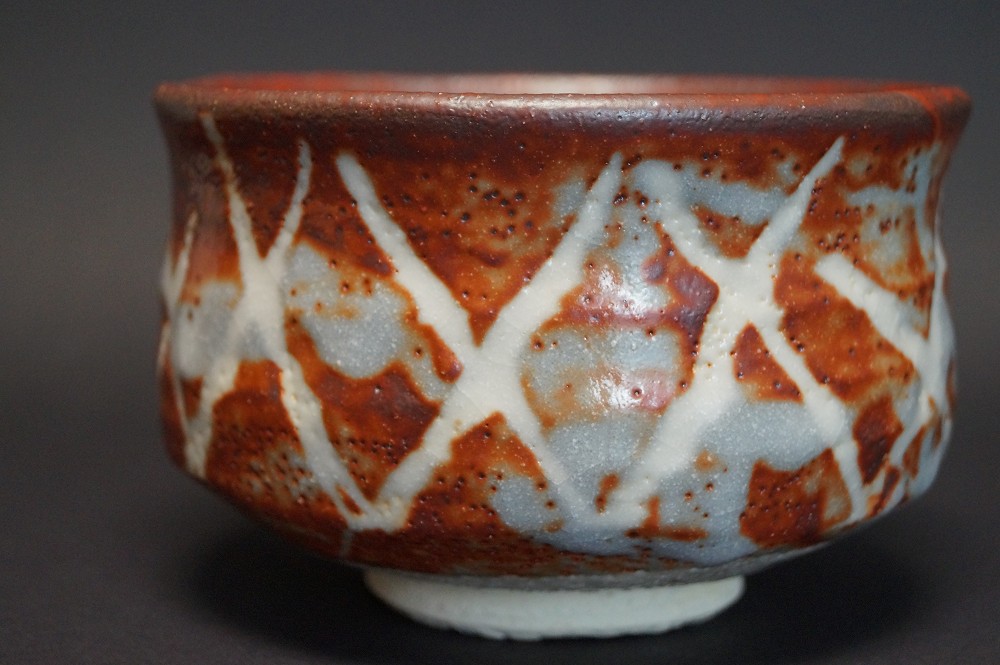
Kizan Mizuno
Chawan Shino Ware by Kizan Mizuno
Chawan, unique work, with box, 8 x 13 cm
€330.00
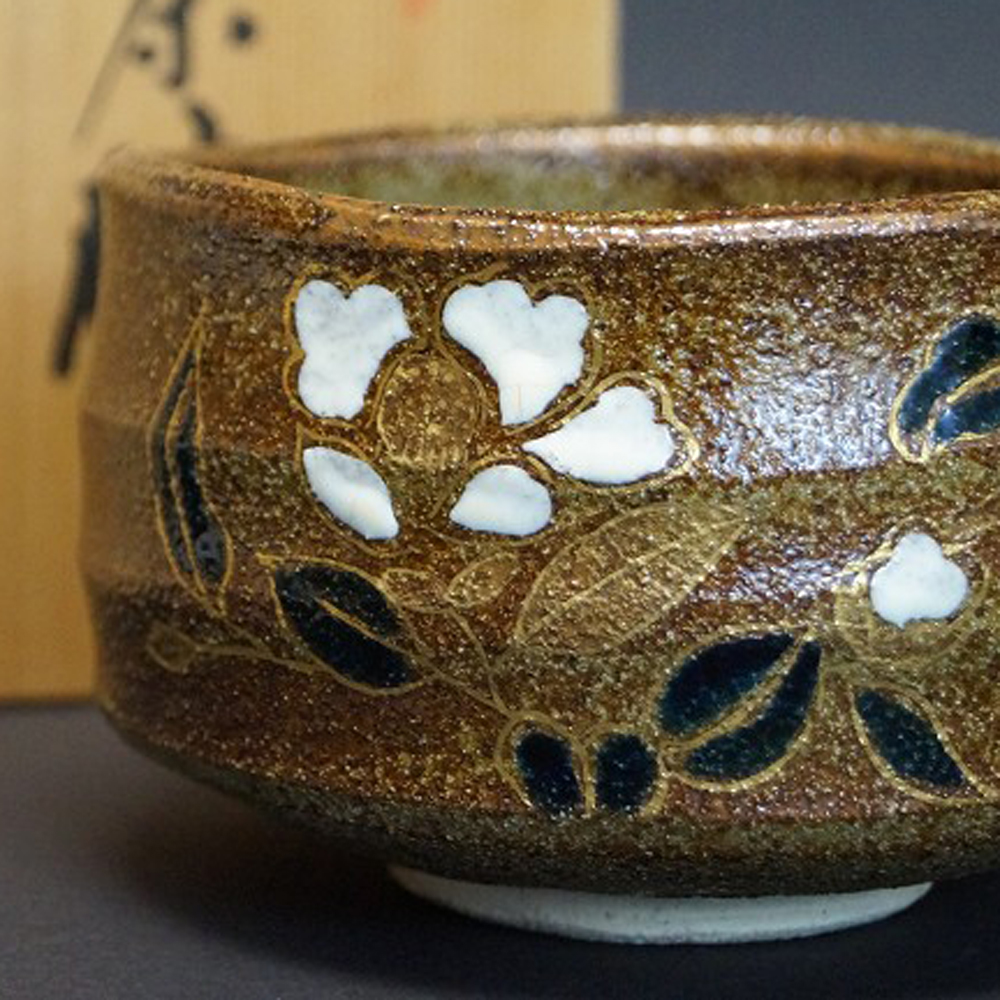
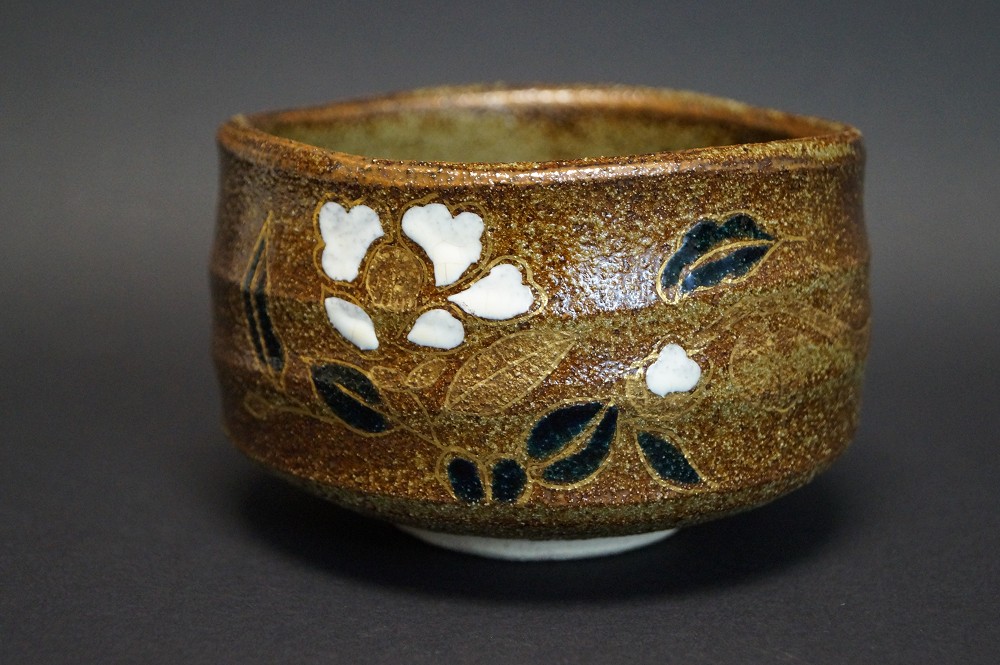
Hakusen Kutani
Chawan Kutani Ware by Hakusen Kutani
Chawan, unique work, with box, 7 x 11 cm
€190.00
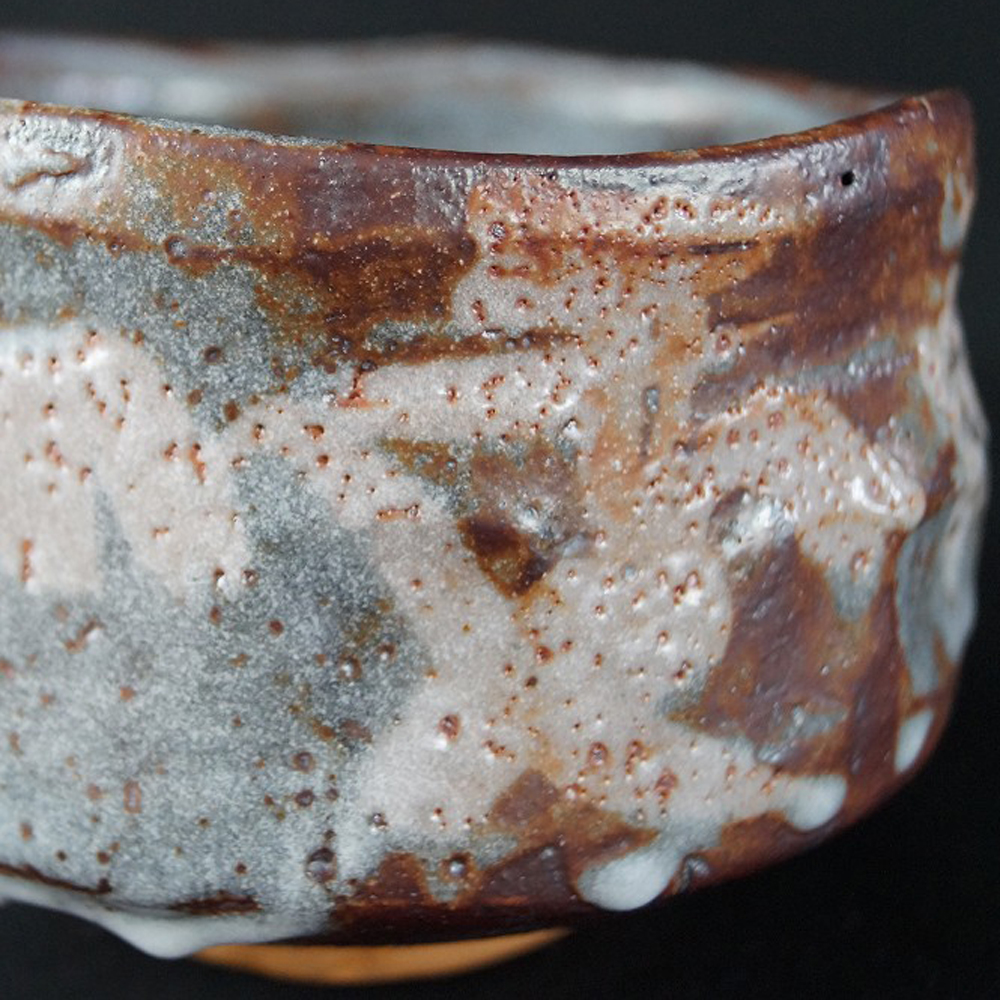
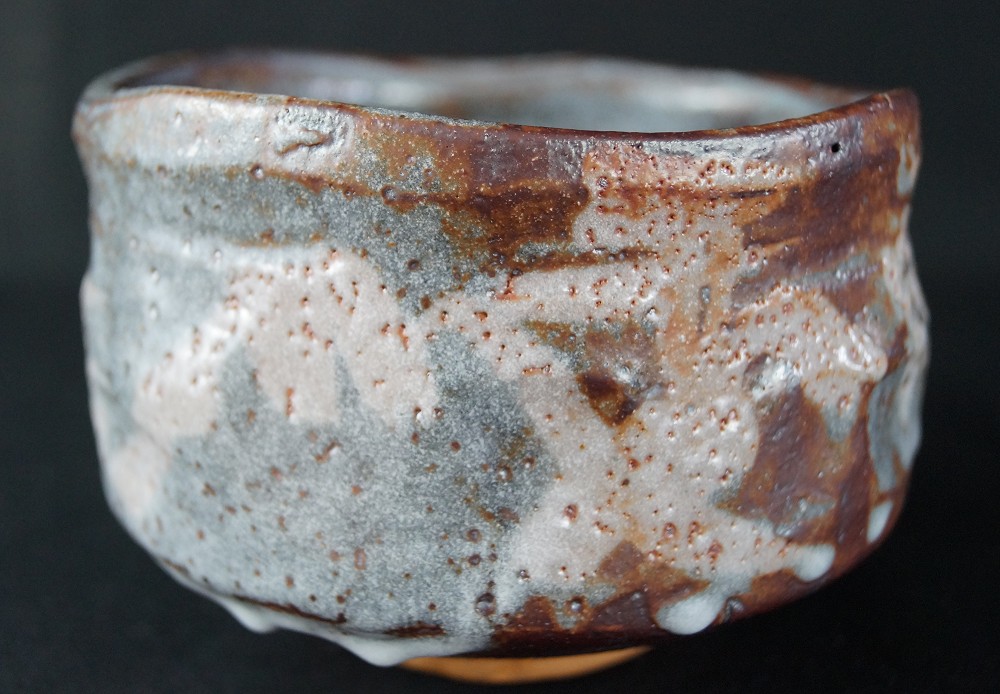
Chawan Made of Shino Ware with Gray-Speckled Glaze
Chawan, unique work, with box, 8 x 11 cm
€260.00
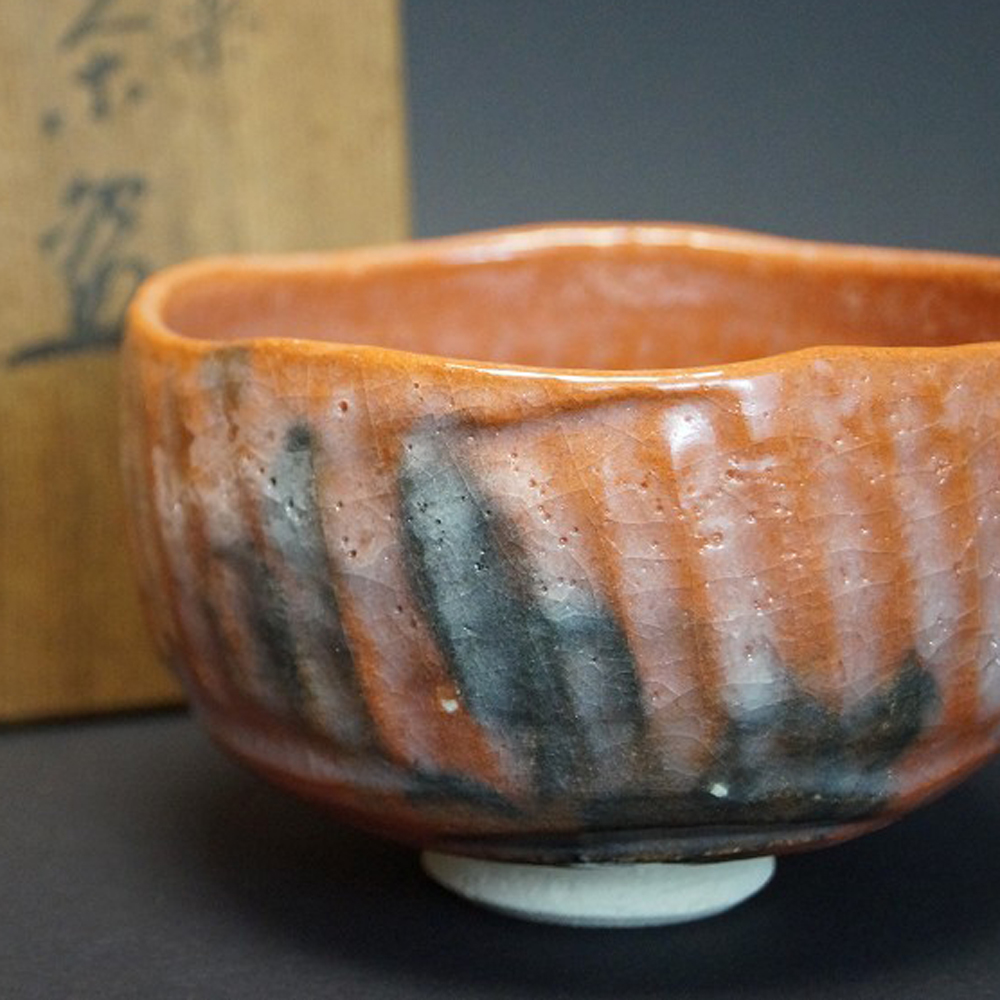
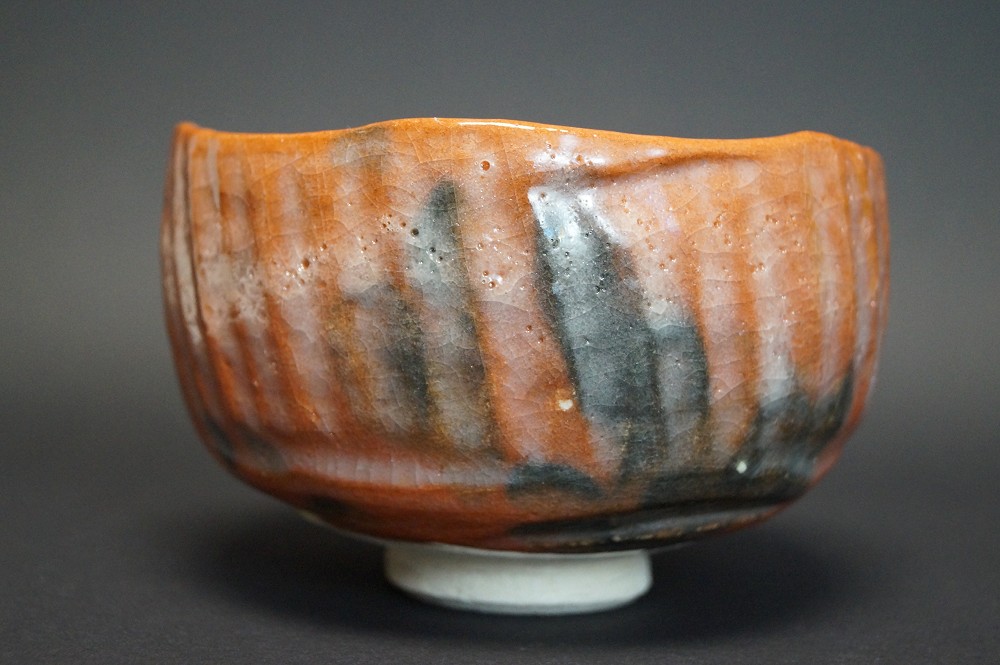
Toraku Morisato
Chawan Raku Ware by Toraku Morisato
Chawan, unique work, with box, 8 x 11 cm
€460.00
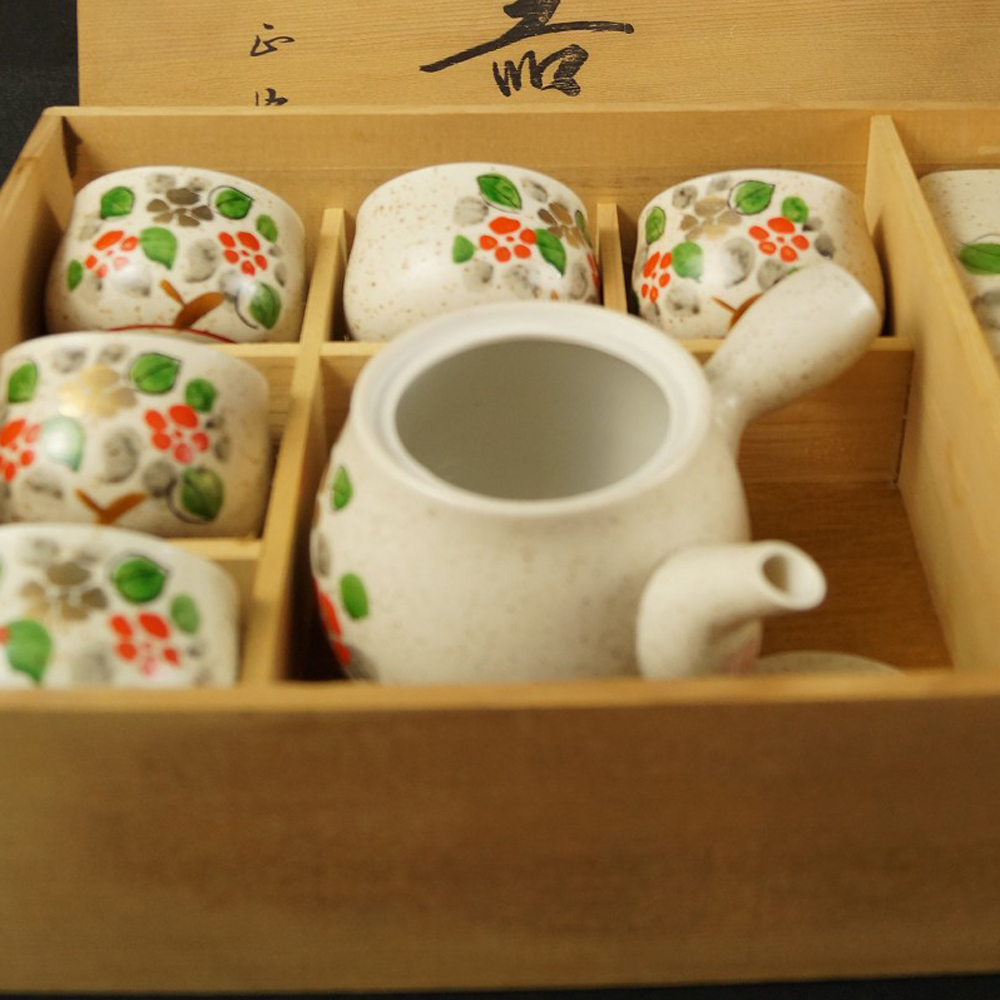
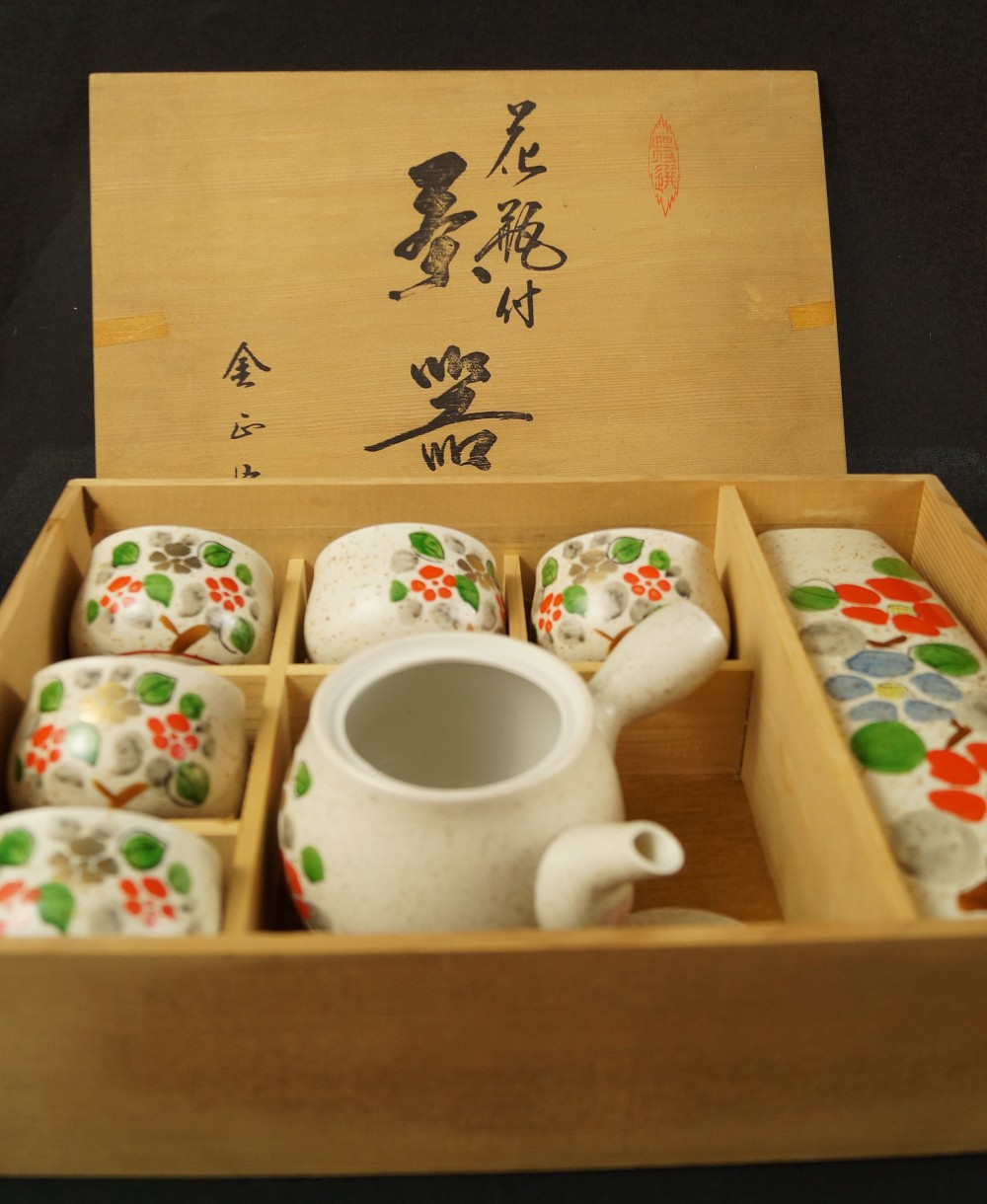
Tea Set with Floral Motif Made of Imari Porcelain
Tea Set, unique work, with box
€230.00
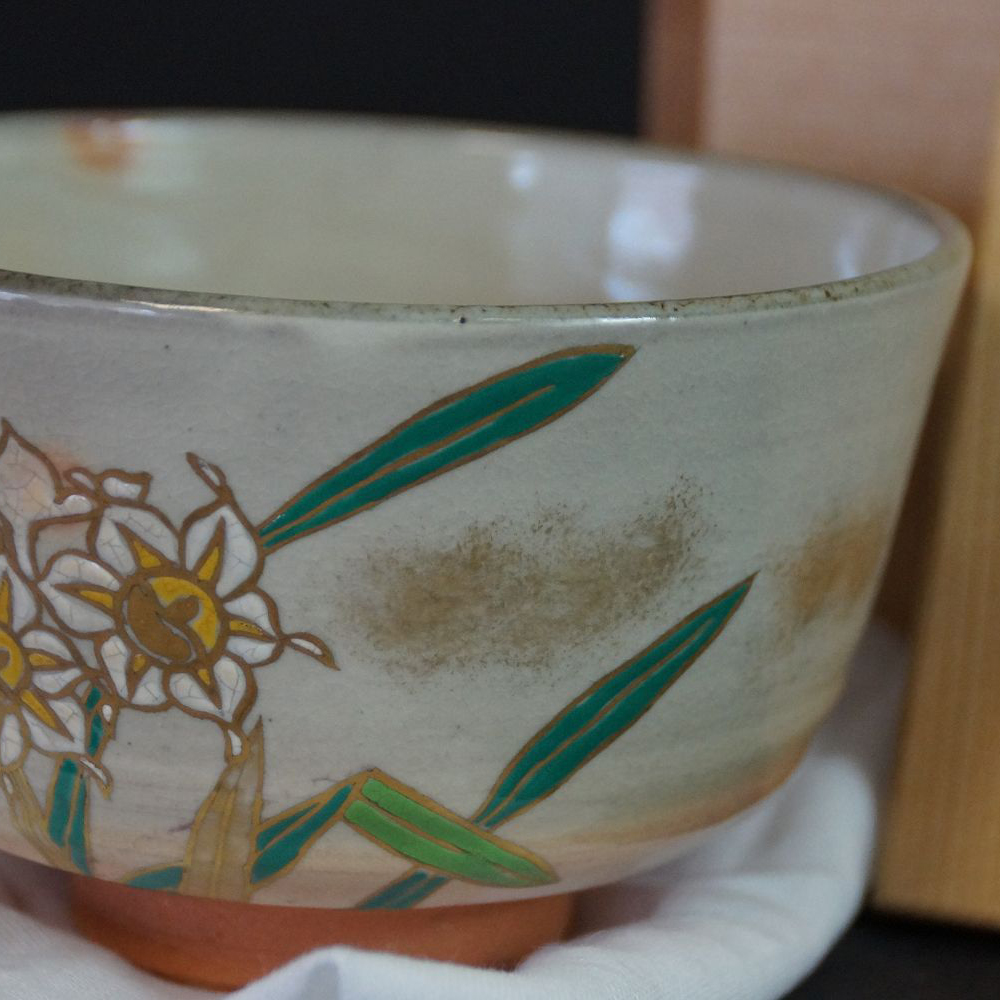
Hashimoto Eihō
Chawan Tea Bowl Made of Kyoto Ware by Hashimoto Eiho
Chawan, unique work, with box, 12 x 8 cm
Sold
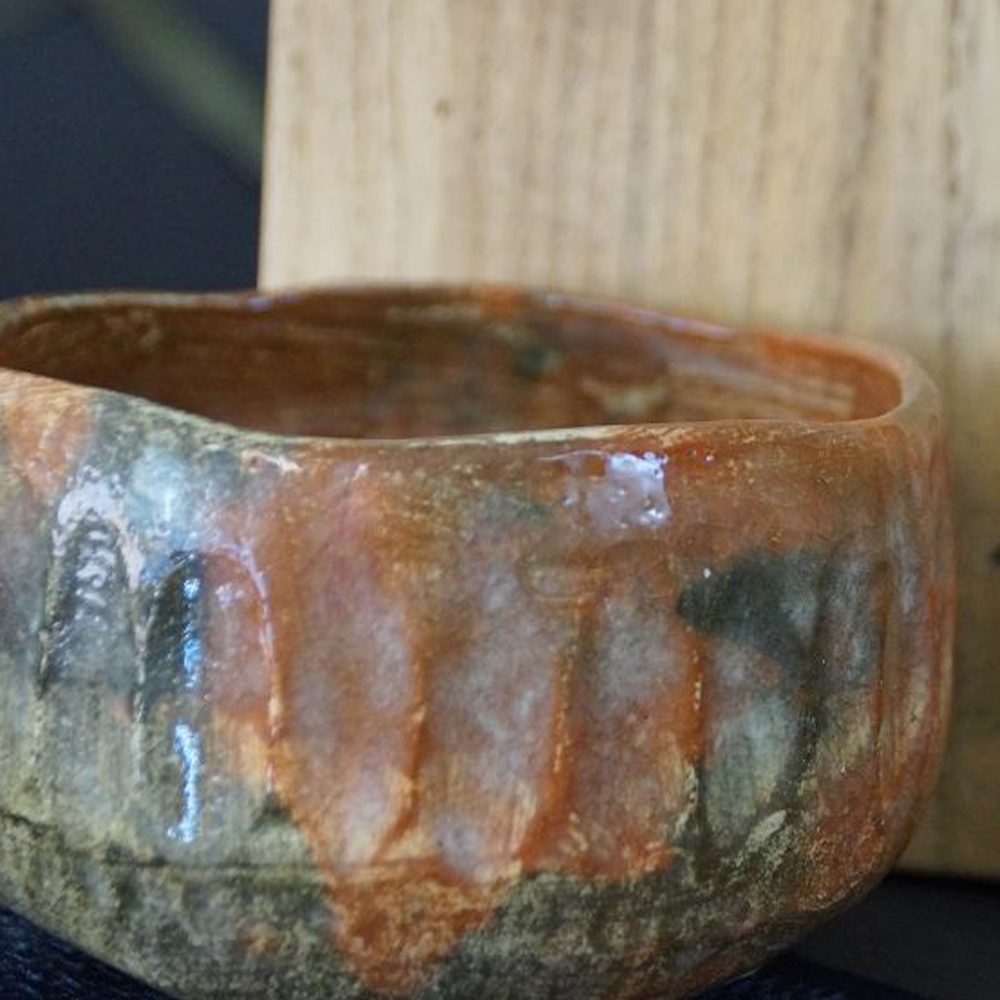
Shoraku Sasaki
Chawan Made of Aka-Raku Ware by Shoraku Sasaki
Chawan, unique work, with box, 7,5 x 12 cm
Sold
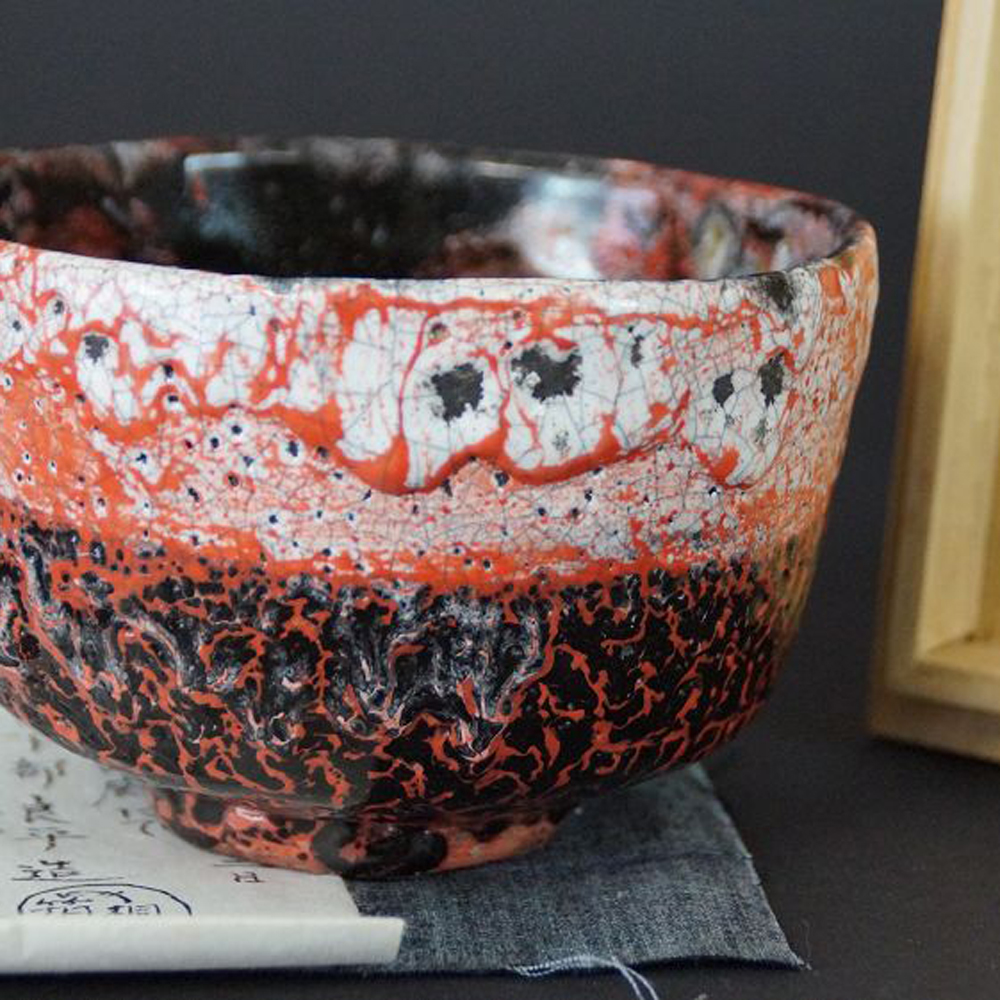
Ryohei Kusakabe
Chawan Tea Bowl Made of Raku Ware by Ryohei Kusakabe
Chawan, unique work, with box, 9 x 13 cm
Sold
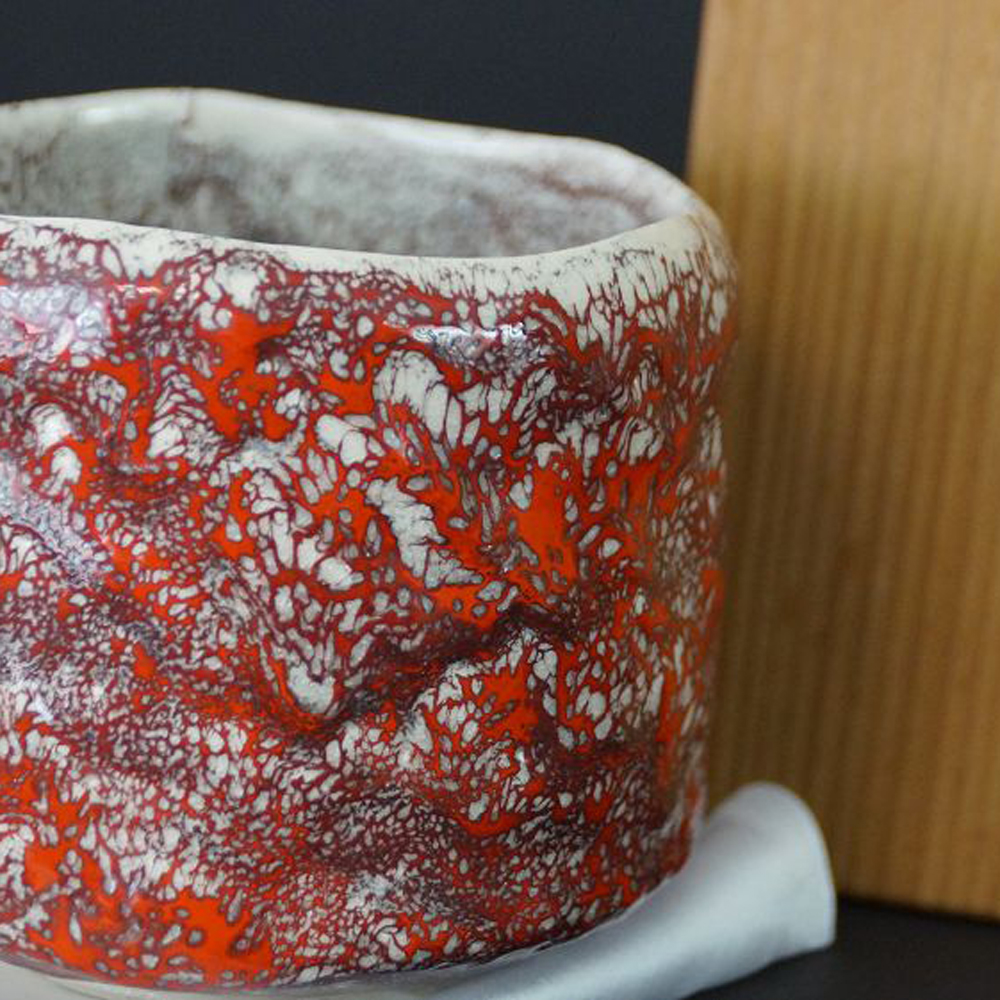
Mizan Matsuda
Chawan Tea Bowl Made of Minoh Ware by Matsuda Kizan
Chawan, unique work, with box, 9 x 11 cm
Sold
48 of 128 items shown
Two Vessels, Two Tea Cultures
Chawan and yunomi each stand for a distinct part of Japanese tea culture: the chawan for the ceremonial, concentrated preparation of matcha, the yunomi for the relaxed, everyday enjoyment of green tea. Both vessels have developed in parallel with their respective drinking rituals over centuries and their form directly reflects what they are intended for – a wide, stable bowl for the vigorous whisking of matcha, a slimmer vessel for the comfortable, repeated grip of everyday use.
Chawan: The Vessel of the Tea Ceremony
A chawan is a wide, deep bowl specifically developed for the preparation of matcha in the Japanese tea ceremony Sadō. Its form allows the matcha to be whisked vigorously and without spilling using the bamboo whisk chasen, until the characteristic fine foam forms. In the tea ceremony, the chawan is often the central object, viewed with the greatest attention – its form, glaze, and feel are deliberately taken into both hands, turned, and admired before the first sip is drunk. This ritual appreciation makes the chawan far more than a functional vessel.
Yunomi: The Everyday Tea Companion
A yunomi is slimmer and taller than a chawan and is intended for the everyday enjoyment of leaf teas such as sencha, genmaicha, or hōjicha. It sits comfortably in one hand and is usually used without any particular ritual, but all the more regularly – a faithful companion through daily life, often used several times a day, allowing a particularly close, personal relationship to develop between owner and object.
Ceramic Styles for Tea Vessels
Both chawan and yunomi are made in practically all Japanese ceramic traditions. Raku-yaki is especially closely connected to the tea ceremony and often produces vivid, irregular glaze effects that are regarded as an expression of the wabi-sabi ideal. Hagi-yaki is known for its fine, porous glaze, which changes over time through use with tea – an effect known as "Hagi no Nanabake" (the seven transformations of Hagi) and particularly prized by collectors, as it makes the personal history of use of the vessel visible.
A Vessel That Ages With You
Many chawan and yunomi change visibly through regular use – the glaze takes on subtle color nuances, crackle lines (kan-nyu) become more pronounced, and the entire surface develops an individual patina. This development is not regarded as wear, but as growing beauty and part of the appreciation of the piece, comparable to the value that well-worn-in leather goods or a frequently used tool gain over time.
Chawan and Yunomi in Your Own Tea Ritual
Even without a formal tea ceremony, a small, deliberate ritual can be established at home with your own chawan – for instance, a quiet moment in the morning with freshly whisked matcha. A yunomi, in turn, is excellent for consciously giving everyday tea drinking more attention and appreciation, rather than letting it happen as an afterthought.
Fundamentals of the Japanese Tea Ceremony
The Japanese tea ceremony, called Sadō or Chanō, is far more than the mere preparation and drinking of tea: it comprises a fixed sequence of movements, a deliberately arranged environment, and a fundamental state of mind shaped by the four principles of harmony, respect, purity, and tranquility. The chawan stands at the center of this ceremony and is treated by host and guest alike with great attention, turned and observed before the tea is drunk.
Chawan and Yunomi as a Collecting Field
For collectors of Japanese ceramics, chawan rank among the most sought-after and, at the same time, most demanding objects, since craftsmanship, aesthetic sensibility, and the close connection to the tea ceremony come together in them in a particular way. Yunomi, in turn, offer a more accessible, everyday-suitable entry point into the world of Japanese tea pottery and are excellent for gradually becoming familiar with different styles and pottery regions before possibly turning to a higher-quality chawan later on.
Find your personal chawan or yunomi – a vessel that becomes a little more familiar and valuable with every cup of tea.