Japanese Calligraphy – Shodō Kakemono from Japan
Go directly to the artworksIn brief
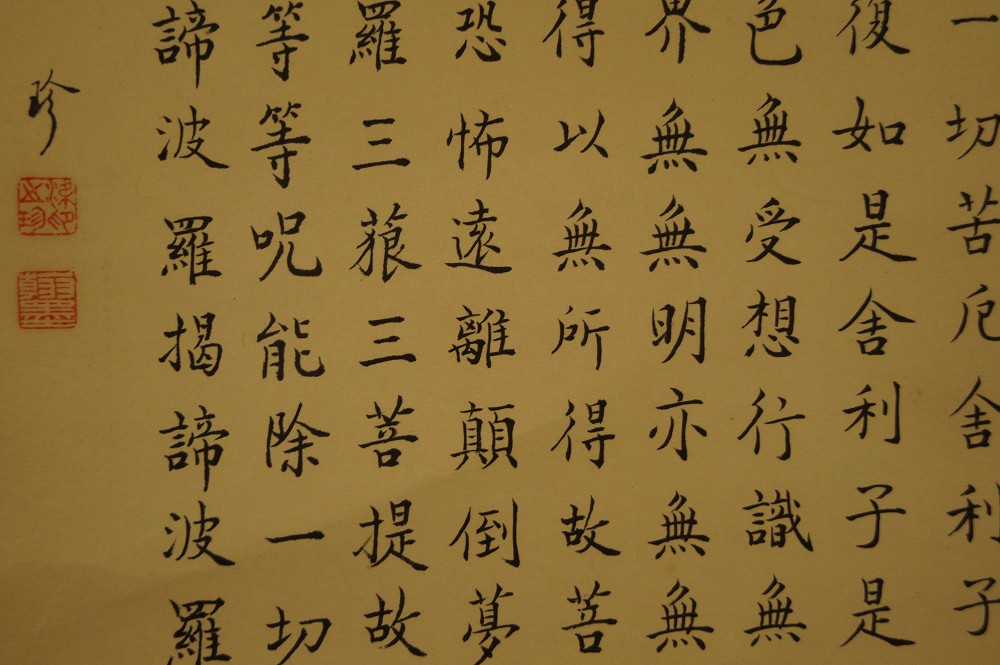
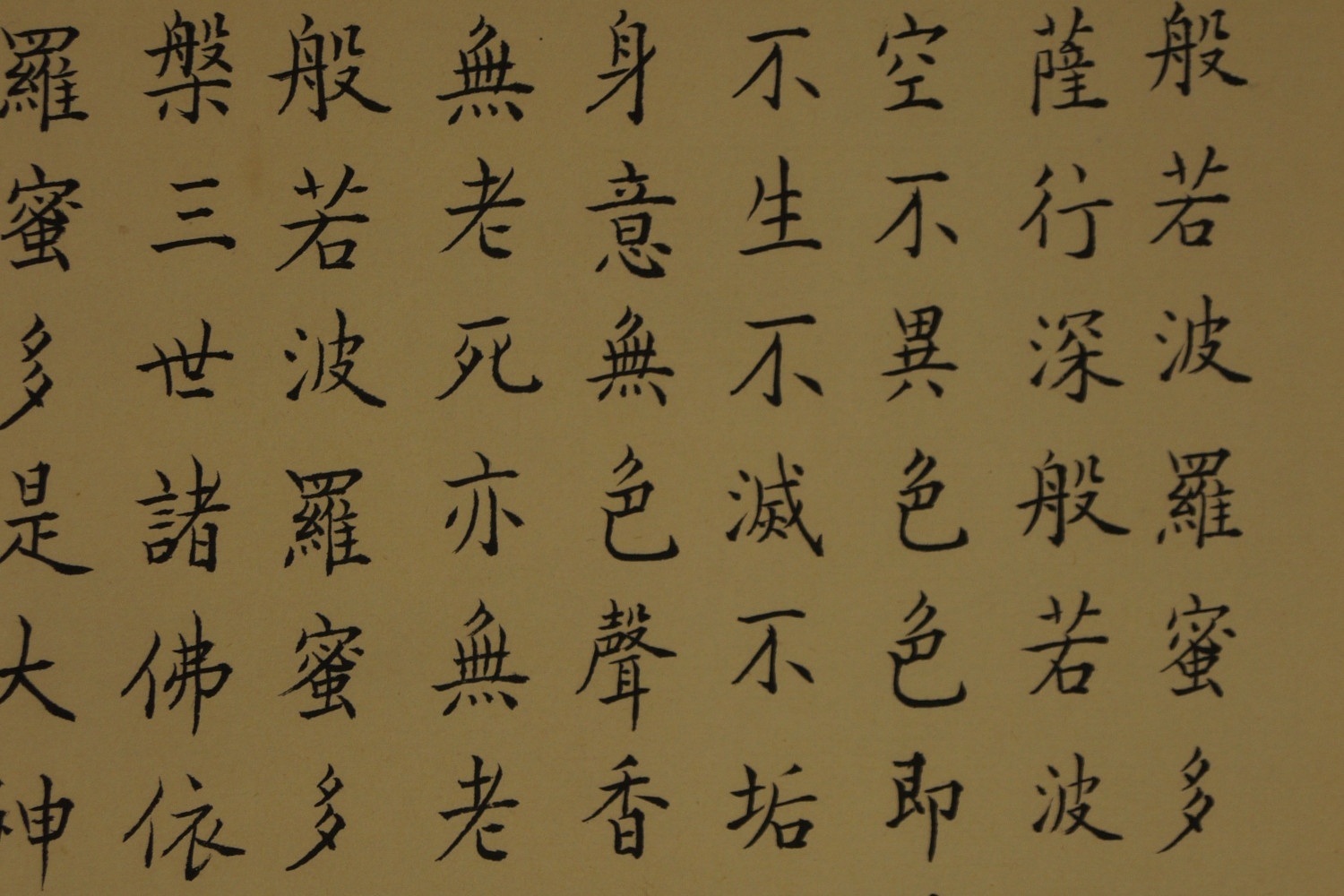
Japanese calligraphy, called Shodō, is the art of writing with ink and brush and is regarded as an independent art form on equal footing with painting. What is written is usually single characters, short Zen sayings, poems, or sutra excerpts, with the quality of a work being judged not by legibility alone but by the rhythm, strength, and balance of the brushstroke. Three classical script styles define calligraphy: Kaisho (block script), Gyōsho (semi-cursive), and Sōsho (cursive script, also called "grass script"). At densho.art you will find hand-written calligraphy kakemono as one-of-a-kind pieces from Japan.
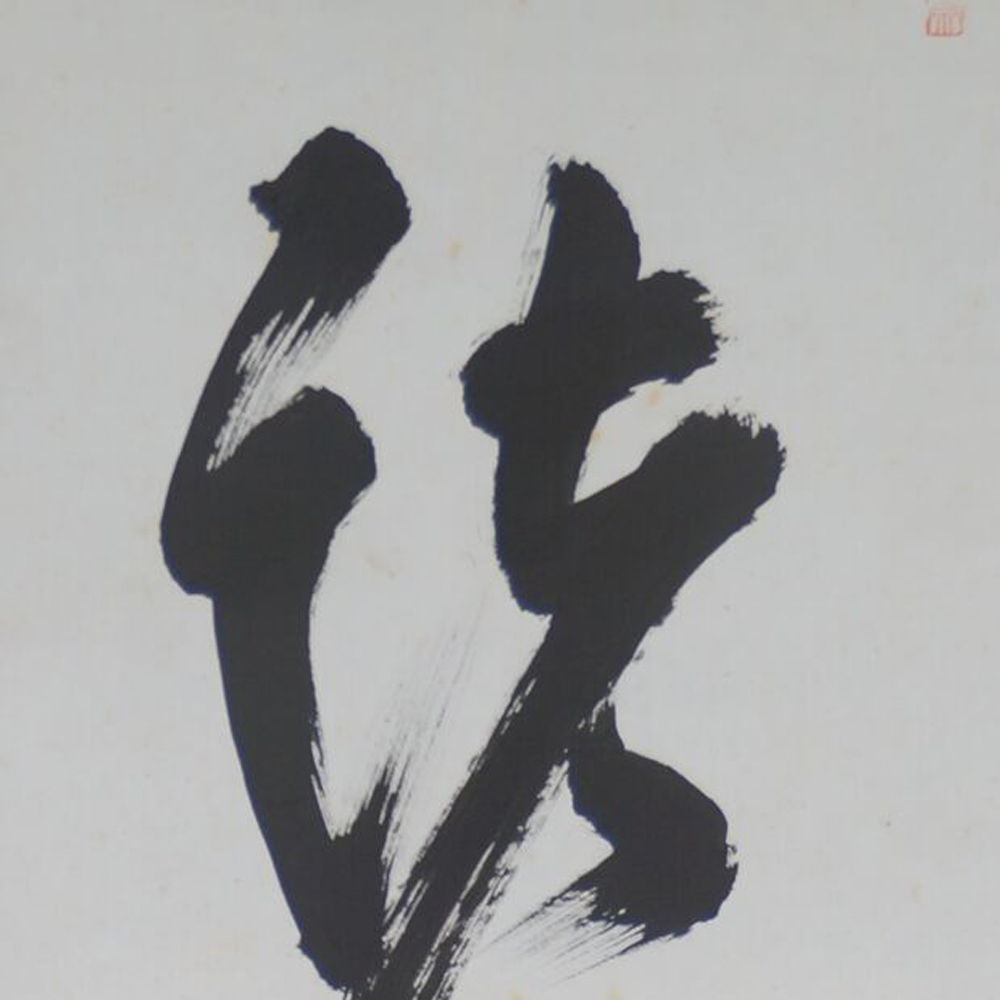
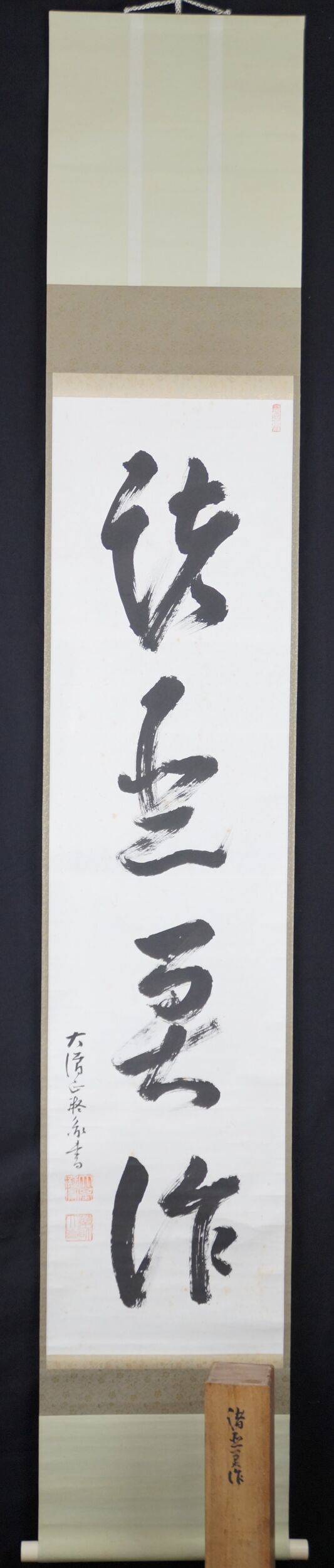
Hashimoto Gyōin
Calligraphy "Shoaku Makusa"
Kakemono, unique work, with box, 200 x 38 cm
€350.00
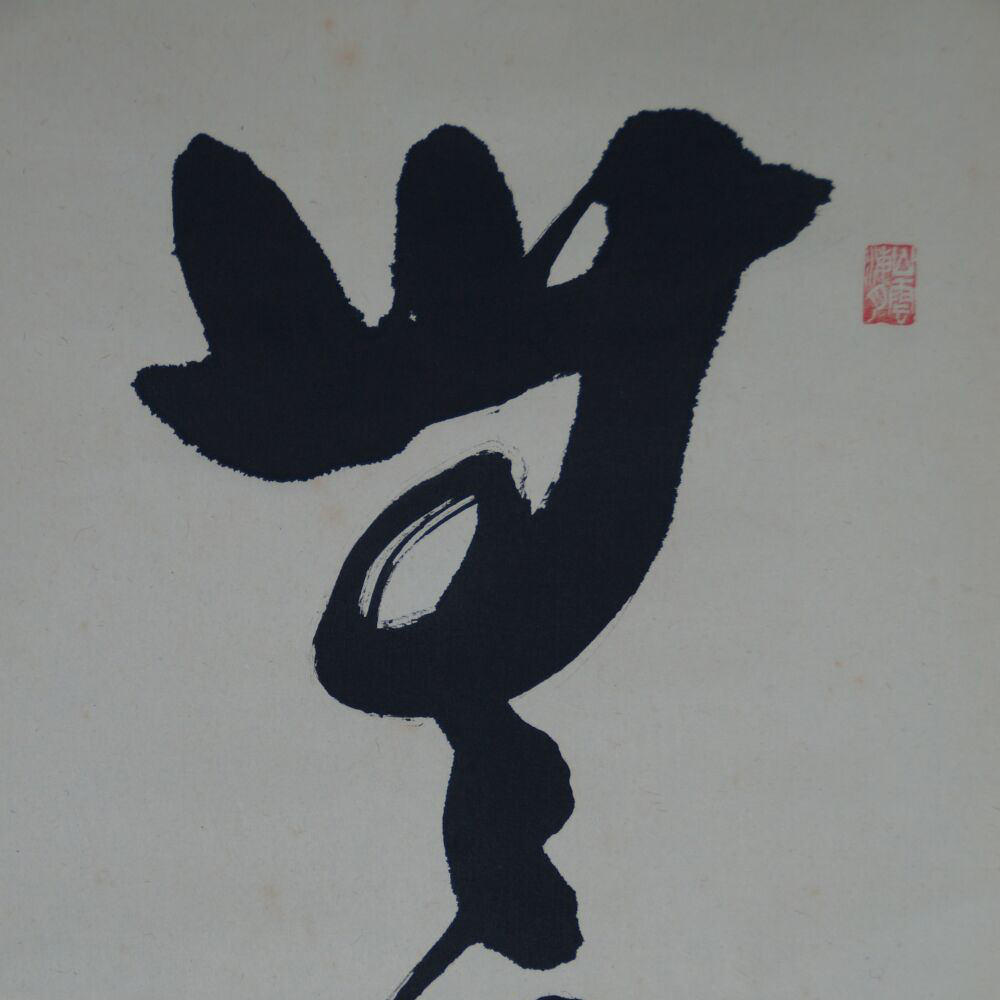
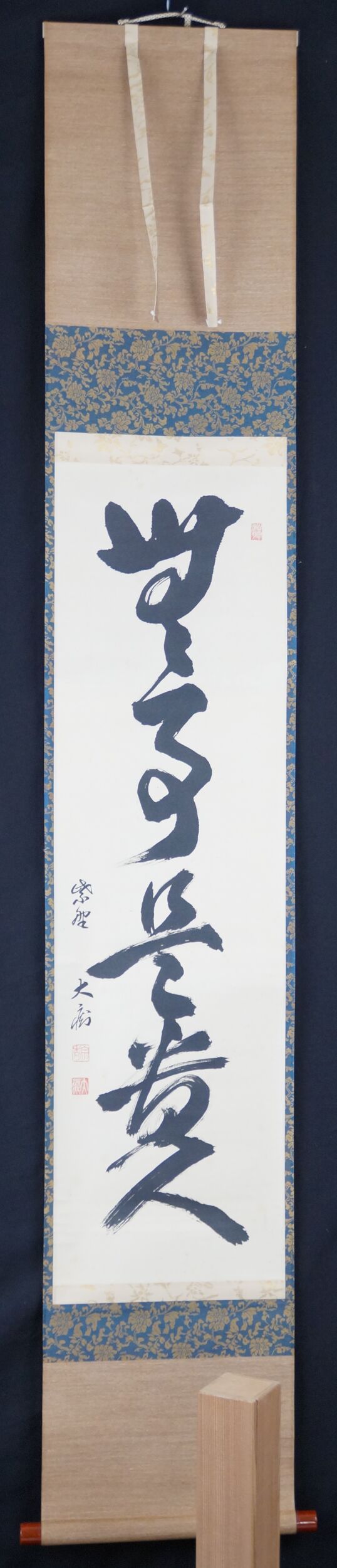
Yamaguchi Daichi
Calligraphy "No Business"
Kakemono, unique work, with box, 176 x 34 cm
€540.00
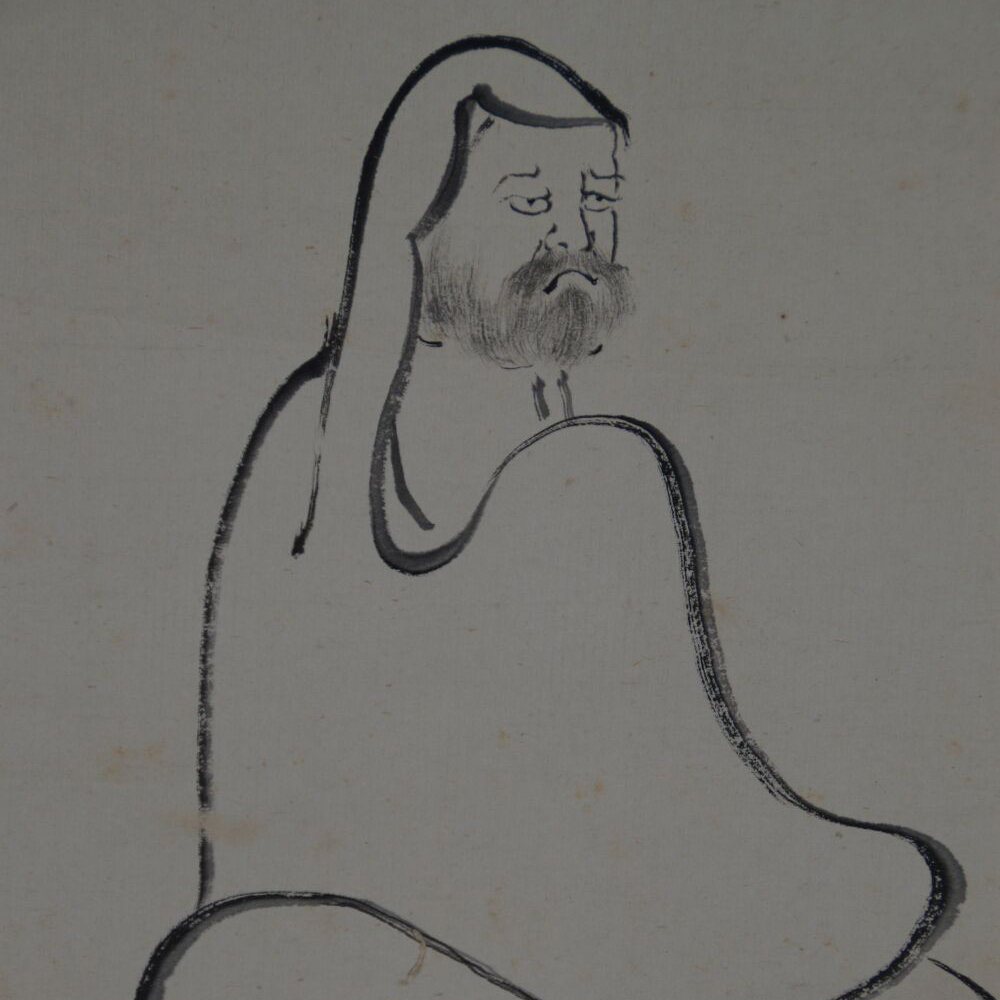
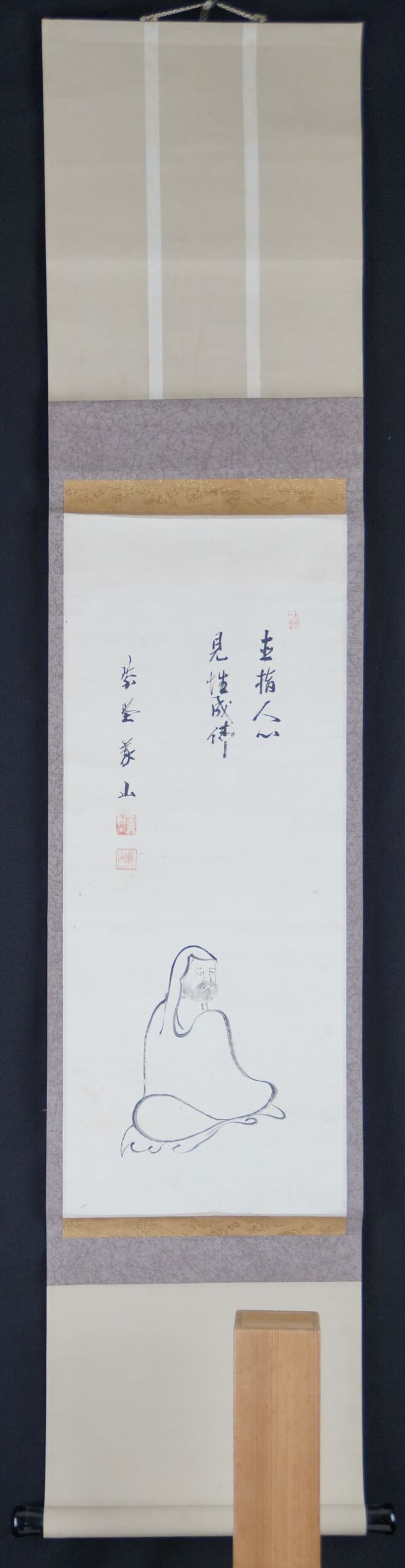
Ueda Gizan
Bodhidharma - Straight to the Heart
Kakemono, unique work, with box, 135 x 34 cm
€450.00
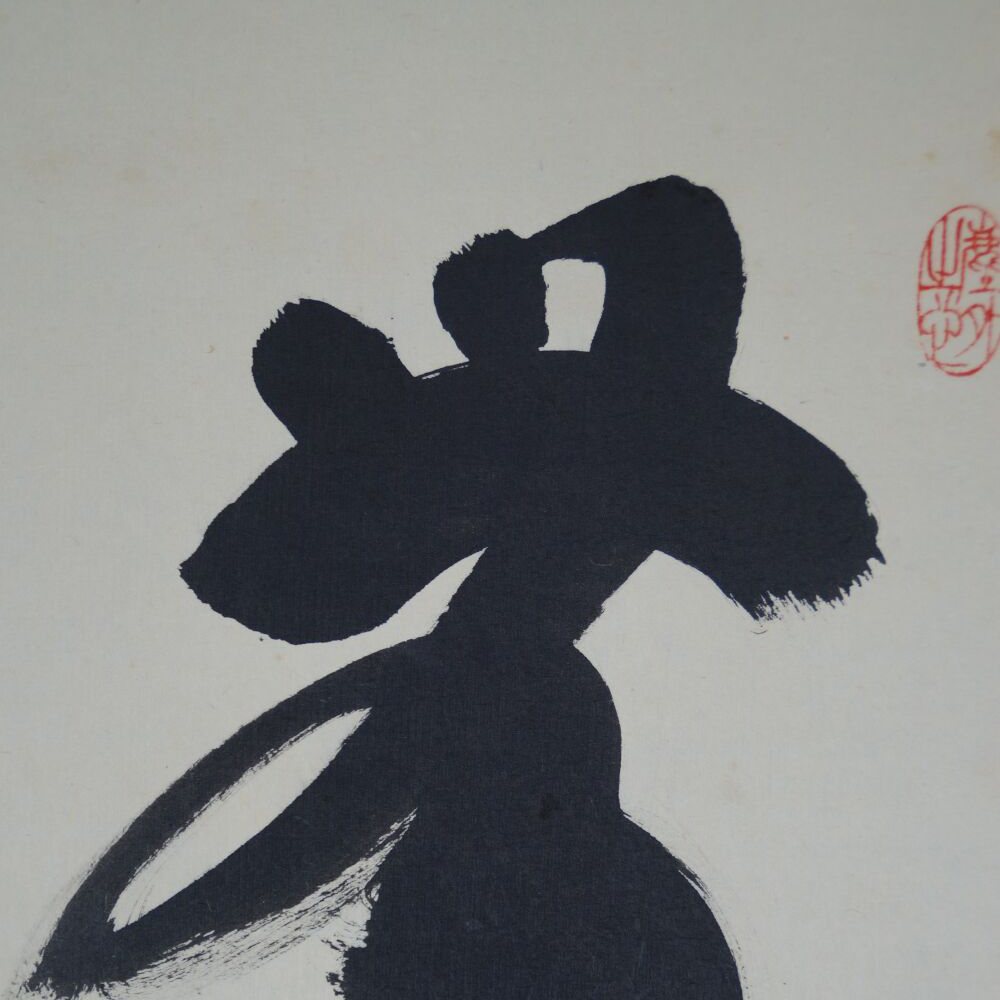
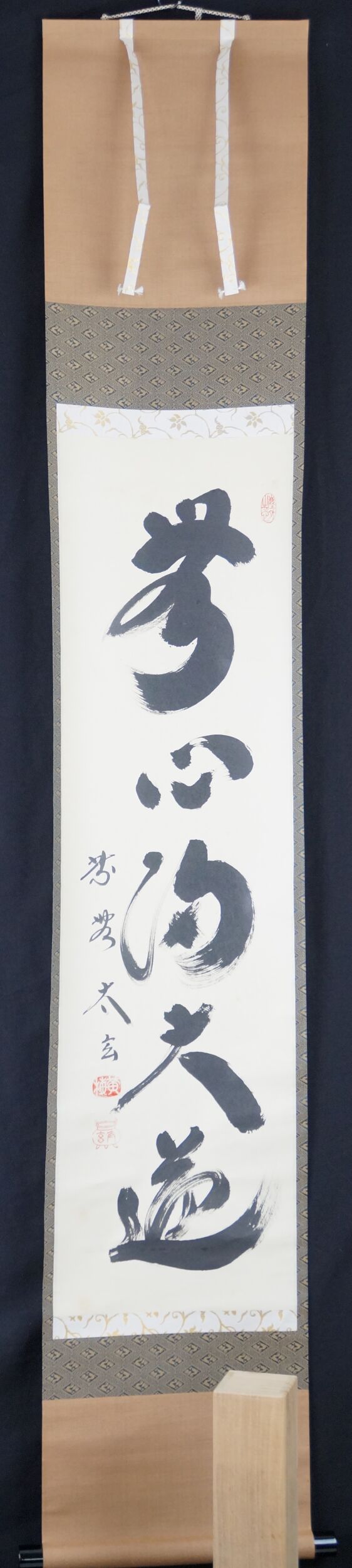
Kobayashi Taigen
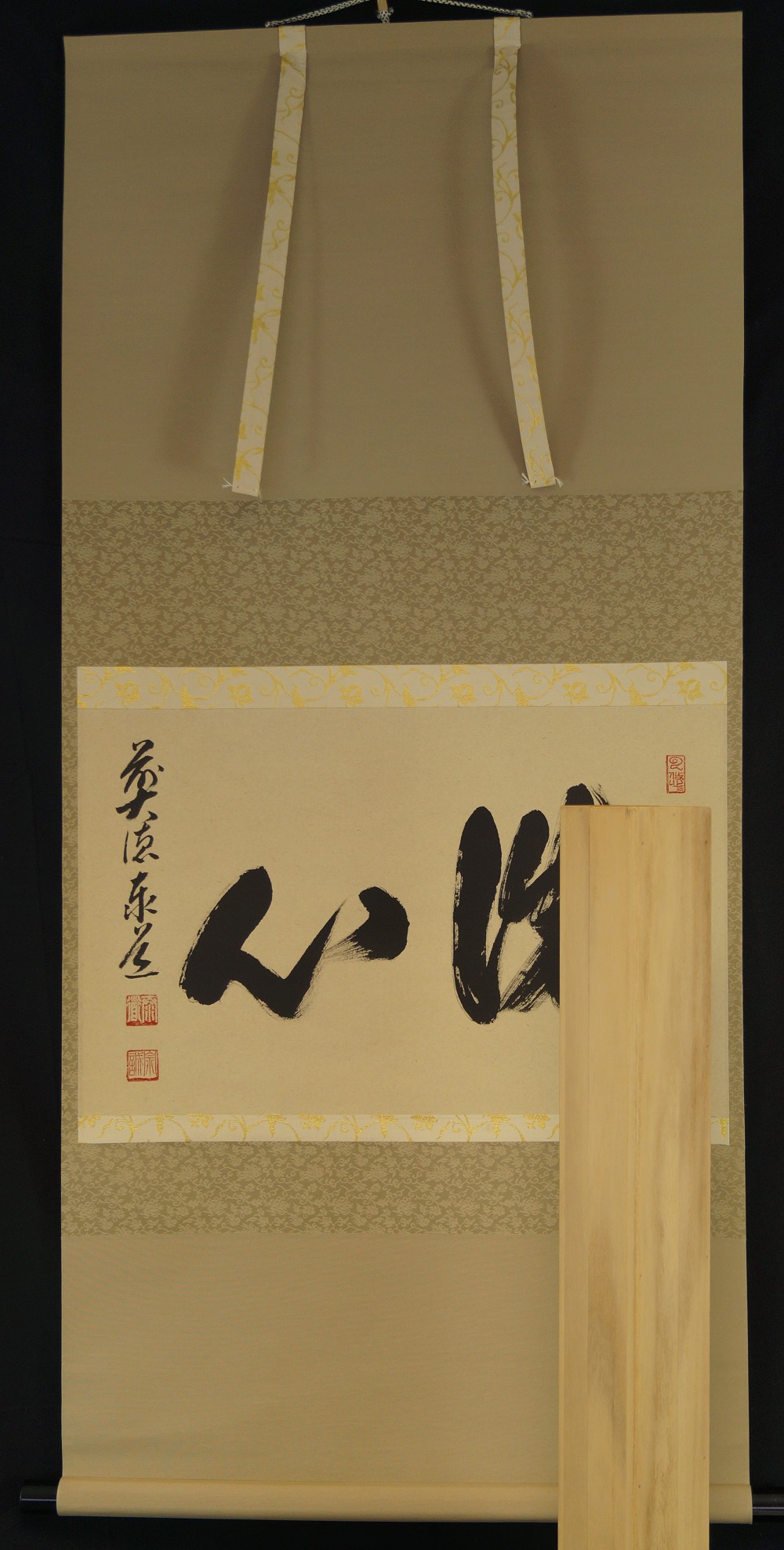
No-Mind on the Great Way – Zen Calligraphy, Olive Mounting
Kakemono, unique work, with box, 176 x 36 cm
€690.00
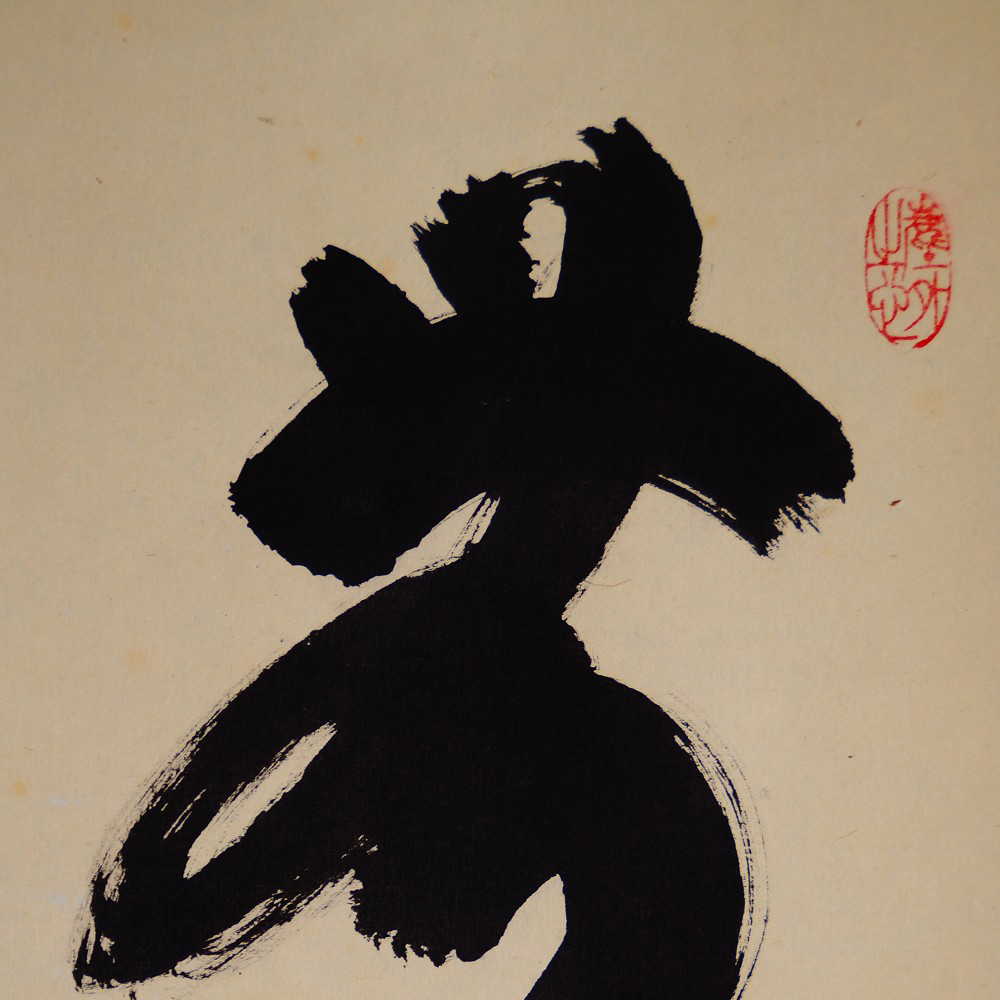

Kobayashi Taigen
No Mind, the Great Way – Zen Calligraphy, Gold-Mounted
Kakemono, unique work, with box, 173 x 37 cm
€720.00
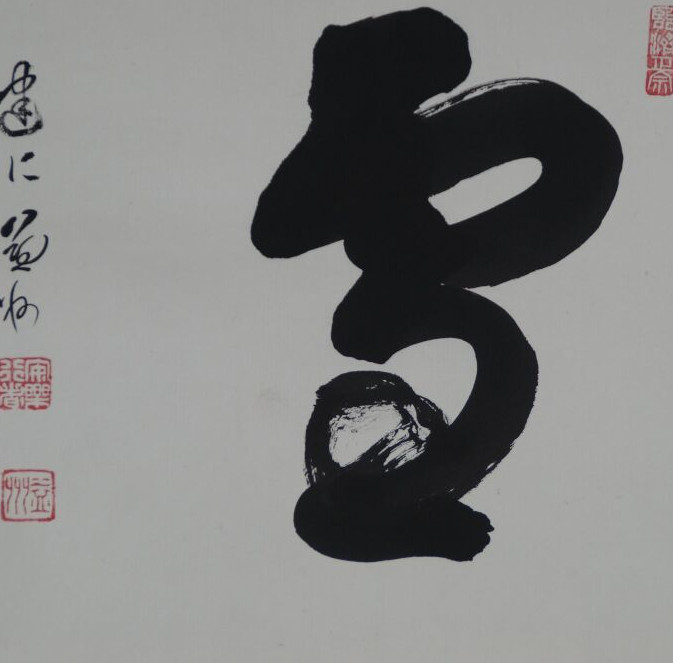
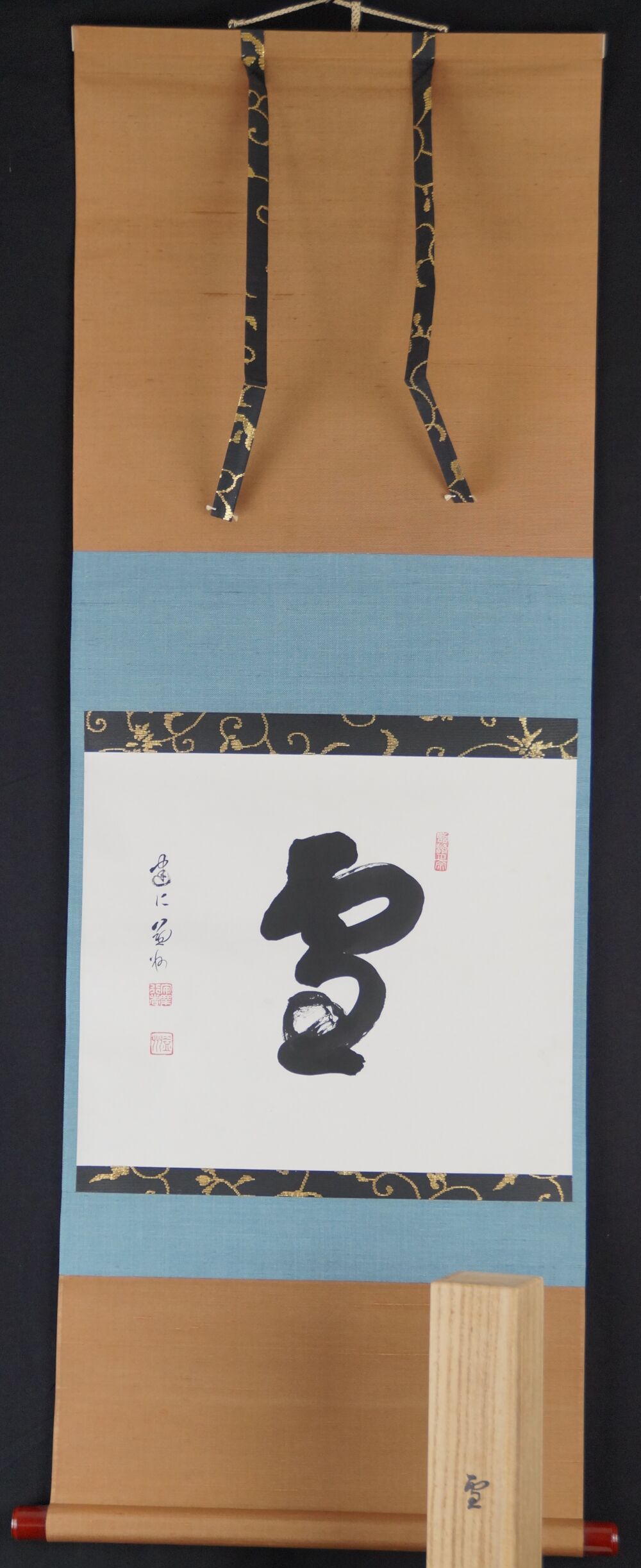
Takeda Masuyoshi
Calligraphy "Snow"
Kakemono, unique work, with box, 118 x 48 cm
€470.00
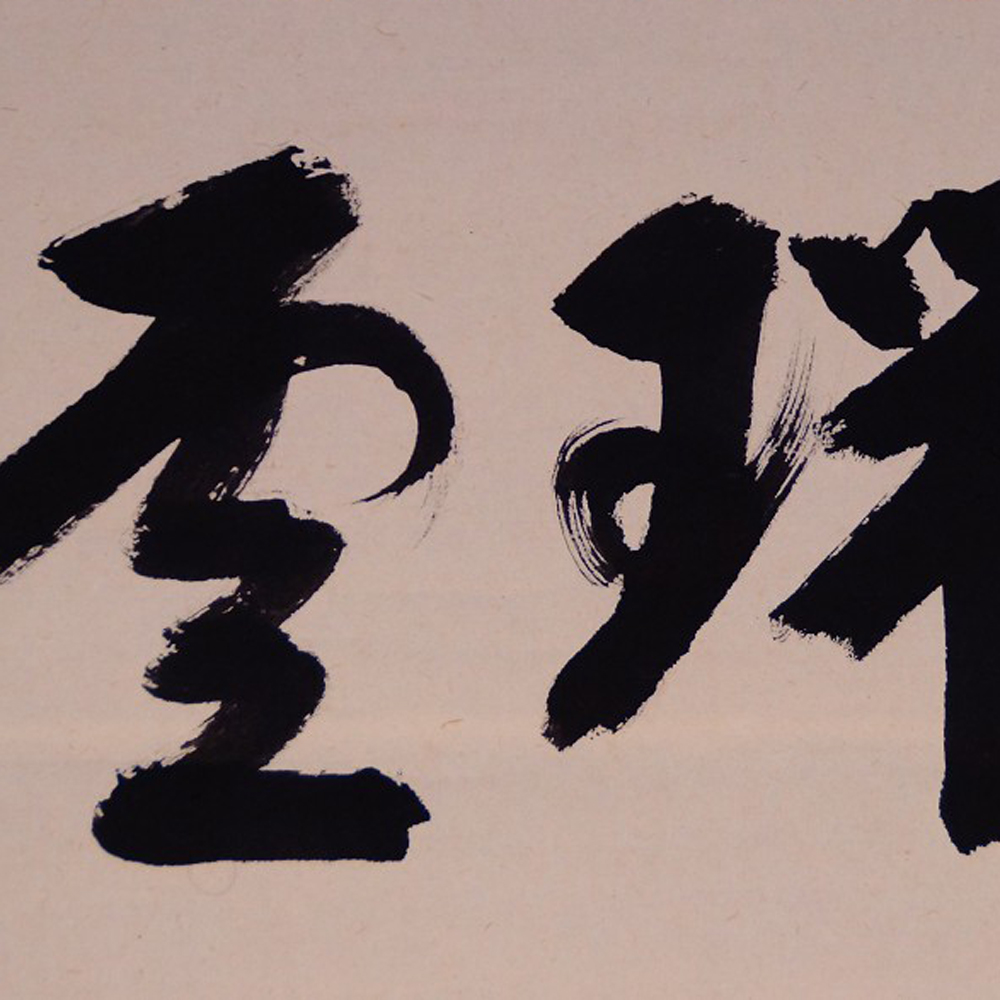

Satō Bokudō
"Zui-un" (like clouds and water) - Zen Calligraphy
Kakemono, unique work, with box, 114 x 58 cm
€490.00
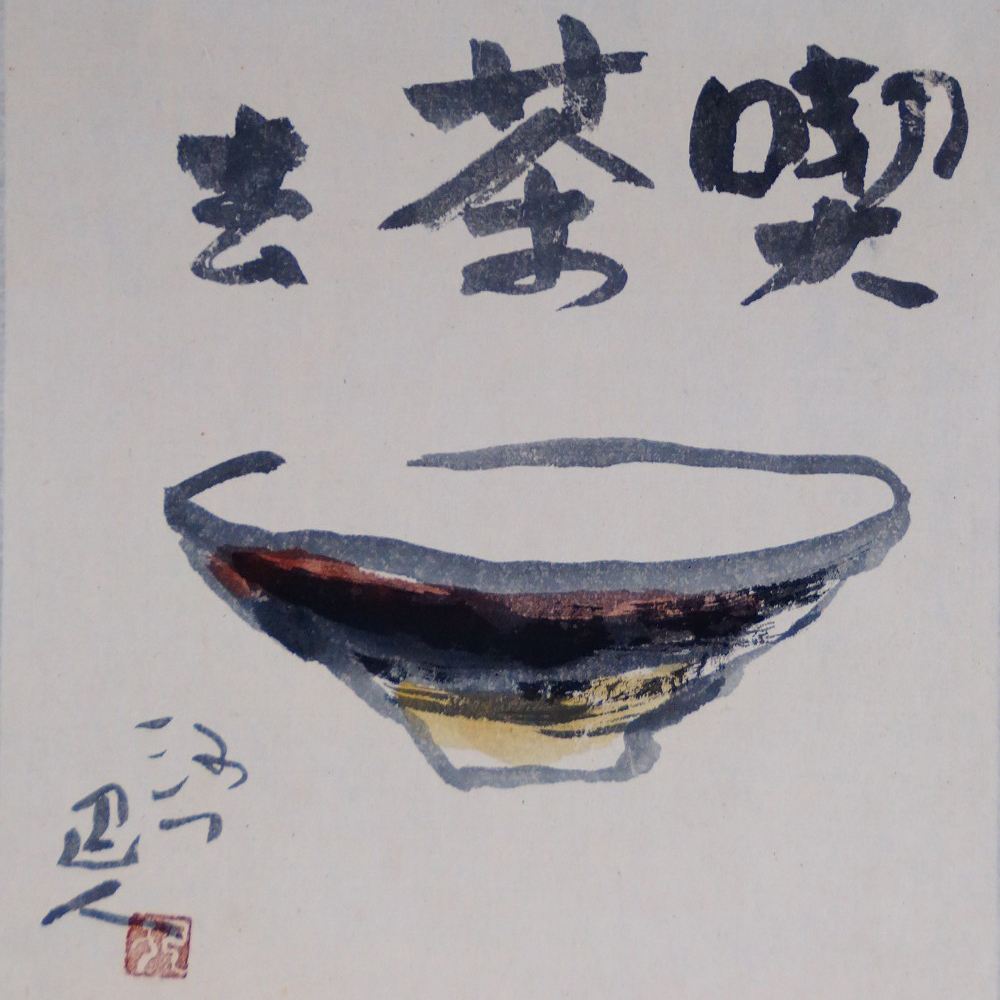

Iwasaki Hajin
Kissako – Enjoy Your Tea
Kakemono, unique work, 115 x 32 cm
€770.00
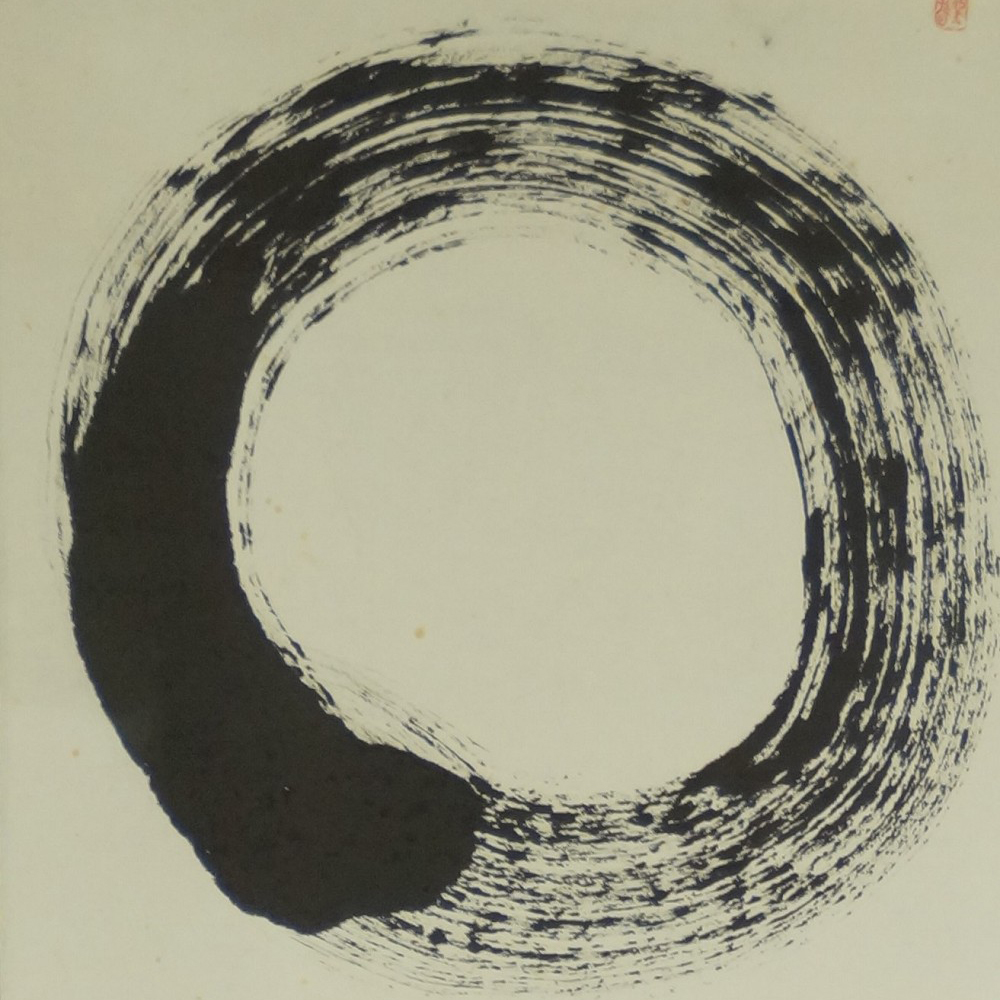

Ueda Yoshizan
Enso - Calligraphy
Kakemono, unique work, with box, 187 x 39 cm
€540.00
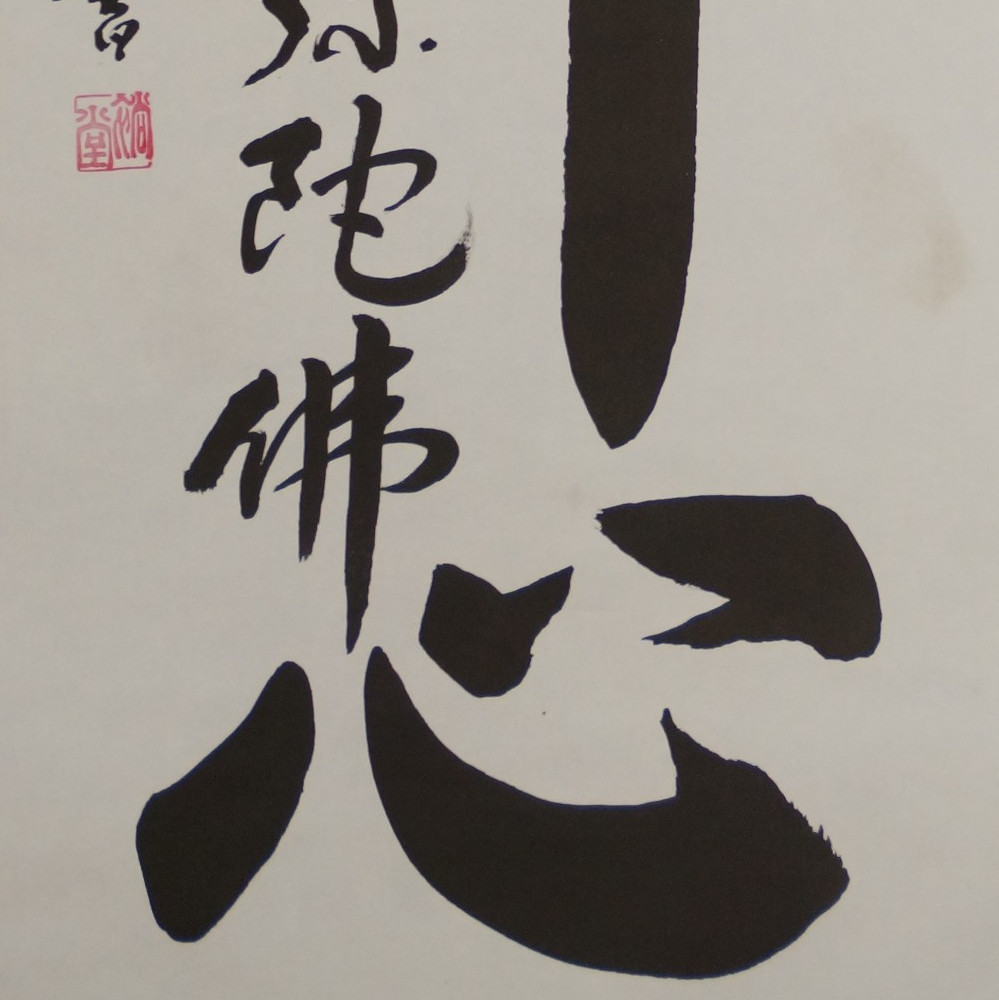

Zen Calligraphy "Bushin" (Buddha Spirit)
Kakemono, unique work, 187 x 60 cm
€350.00
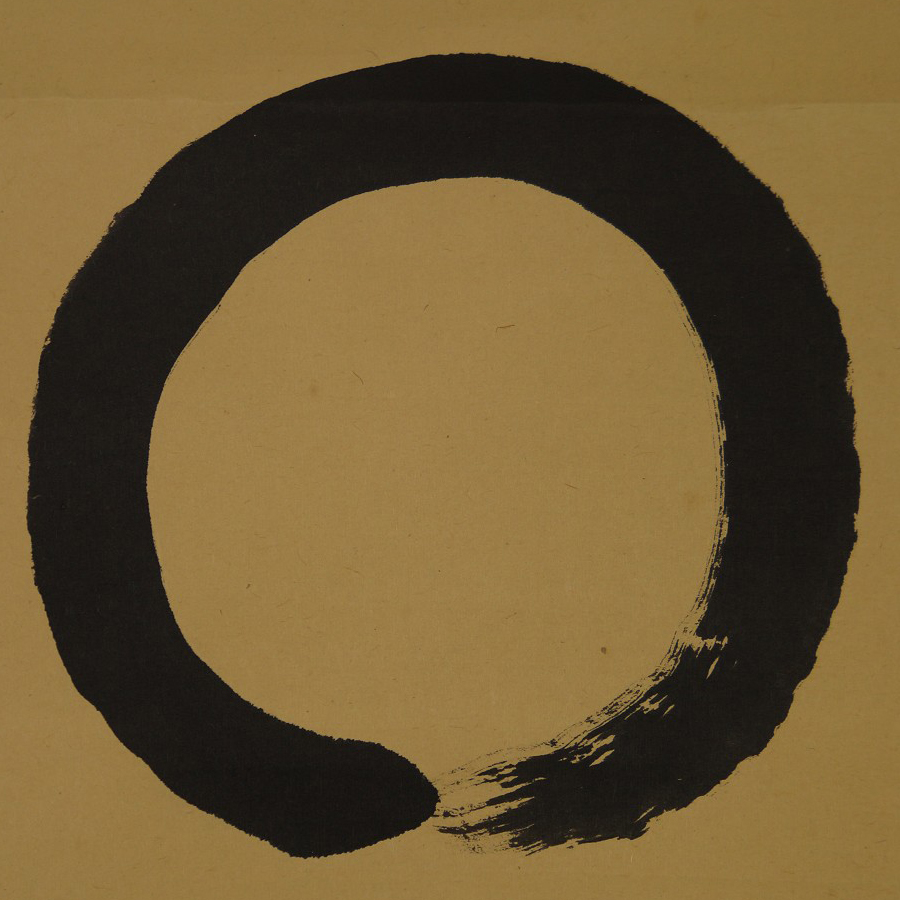

Goto Mizugan
Enso with Accompanying Poem
Kakemono, unique work, 167 x 37 cm
€450.00
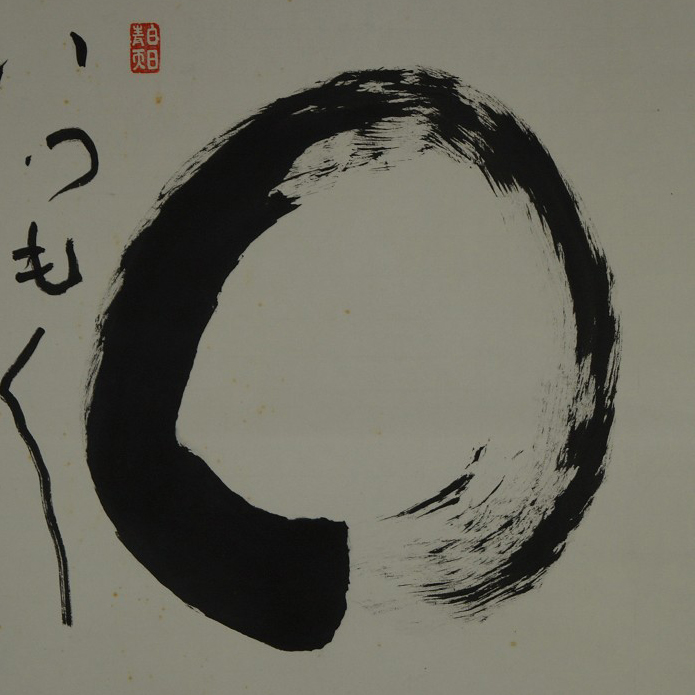

Hirata Umura
Enso in Powerful Brushstrokes
Kakemono, unique work, with box, 140 x 72 cm
€390.00
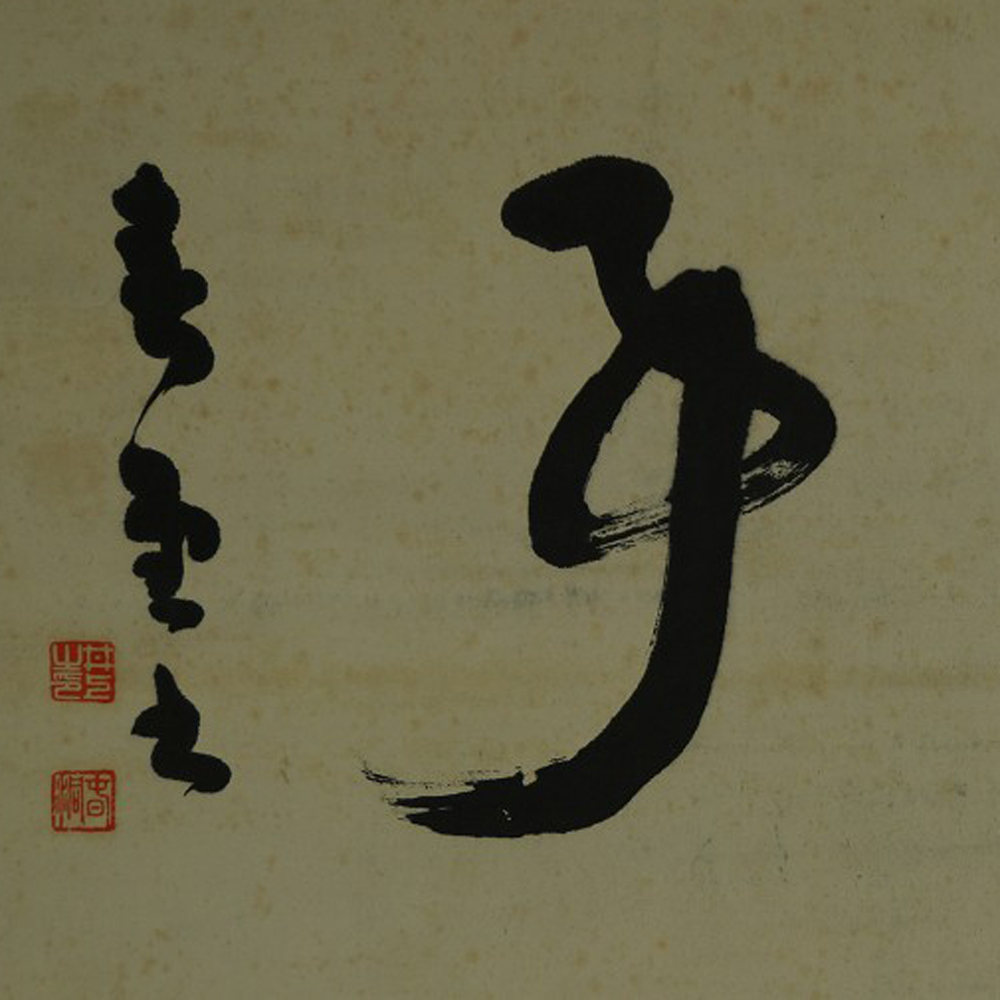

Inoue Shundo
Zen Calligraphy "Silence"
Kakemono, unique work, 128 x 72 cm
€480.00
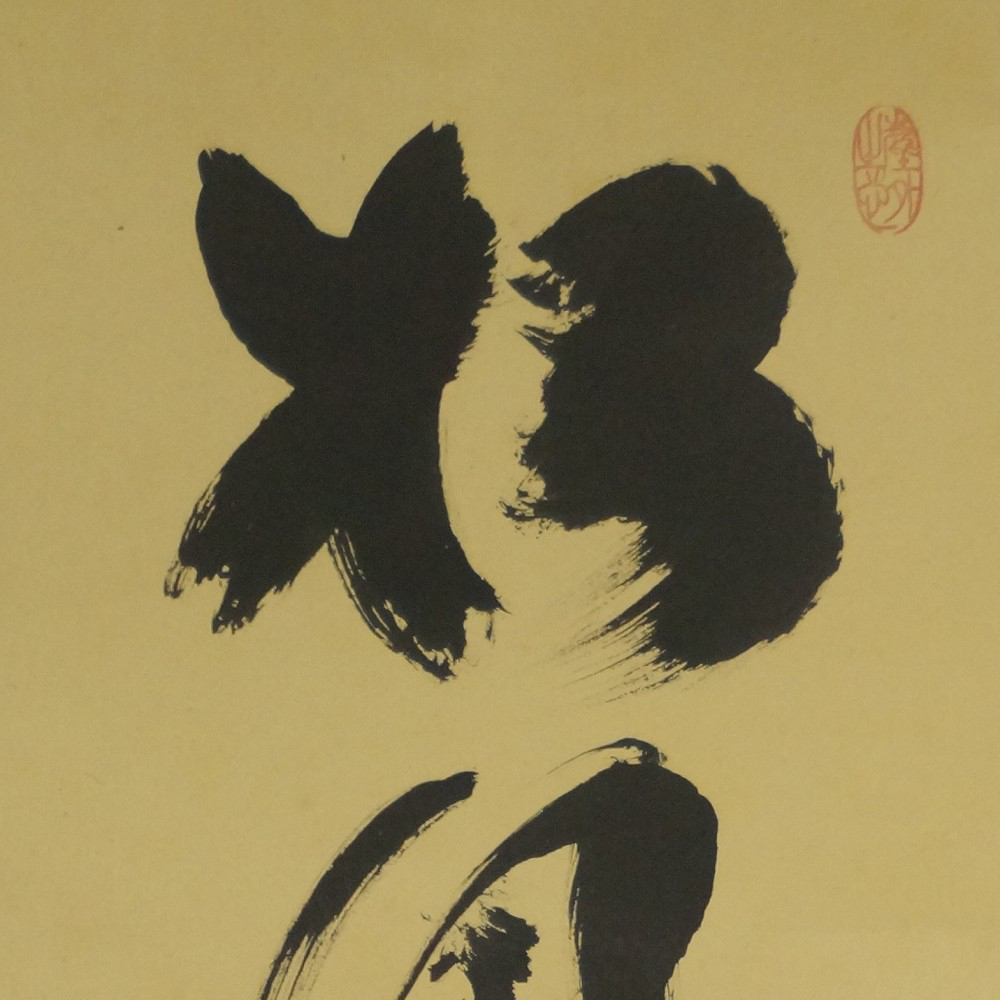

Kobayashi Taigen
Zen Calligraphy "Wind in the Pines, Wisdom of the Ages"
Kakemono, unique work, with box, 167 x 38 cm
€860.00


Calligraphy "The Power of the Emperor Illuminates the World"
Kakemono, unique work, with box, 169 x 52 cm
€260.00


Calligraphy: Snowflakes in a Basket
Kakemono, unique work, 200 x 48 cm
€180.00


Calligraphy: Purple Light on the Mountains
Kakemono, unique work, 203 x 53 cm
€170.00
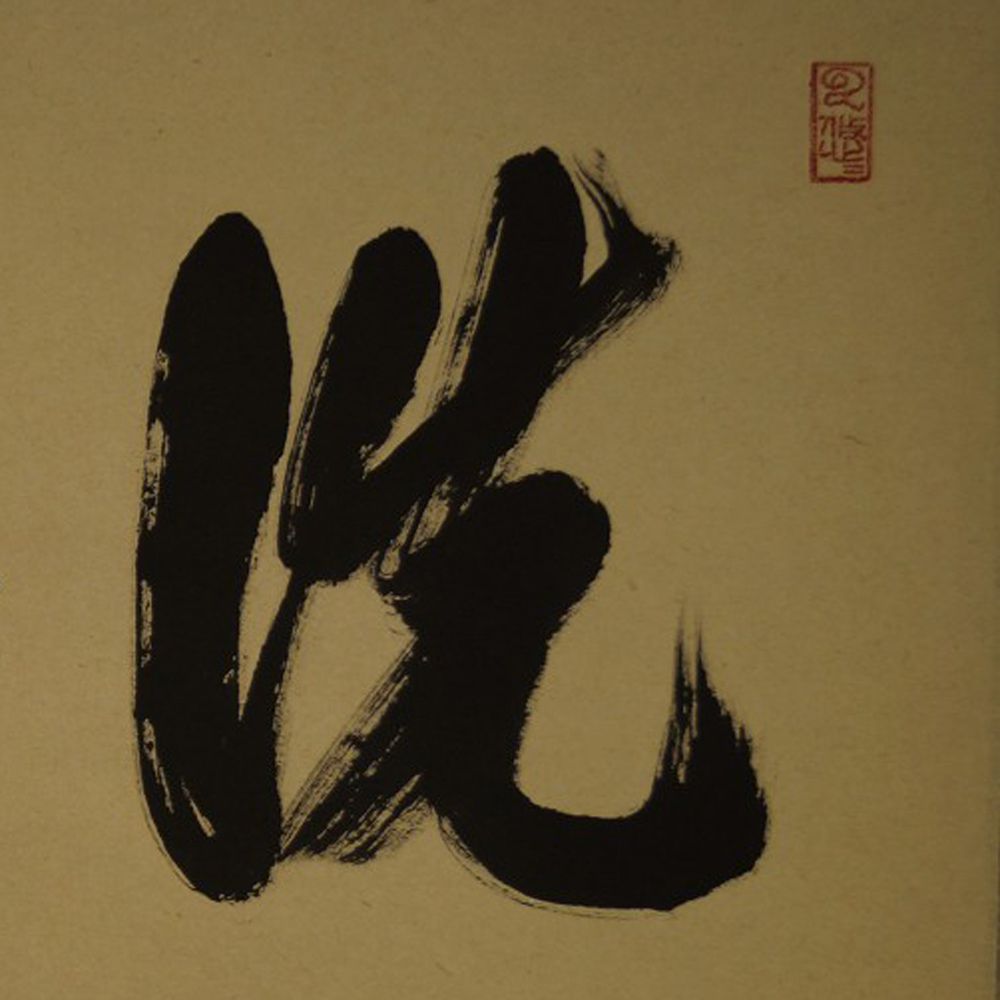
Adachi Taido
Zen Calligraphy "Pure Heart"
Kakemono, unique work, with box, 121 x 60 cm
€750.00
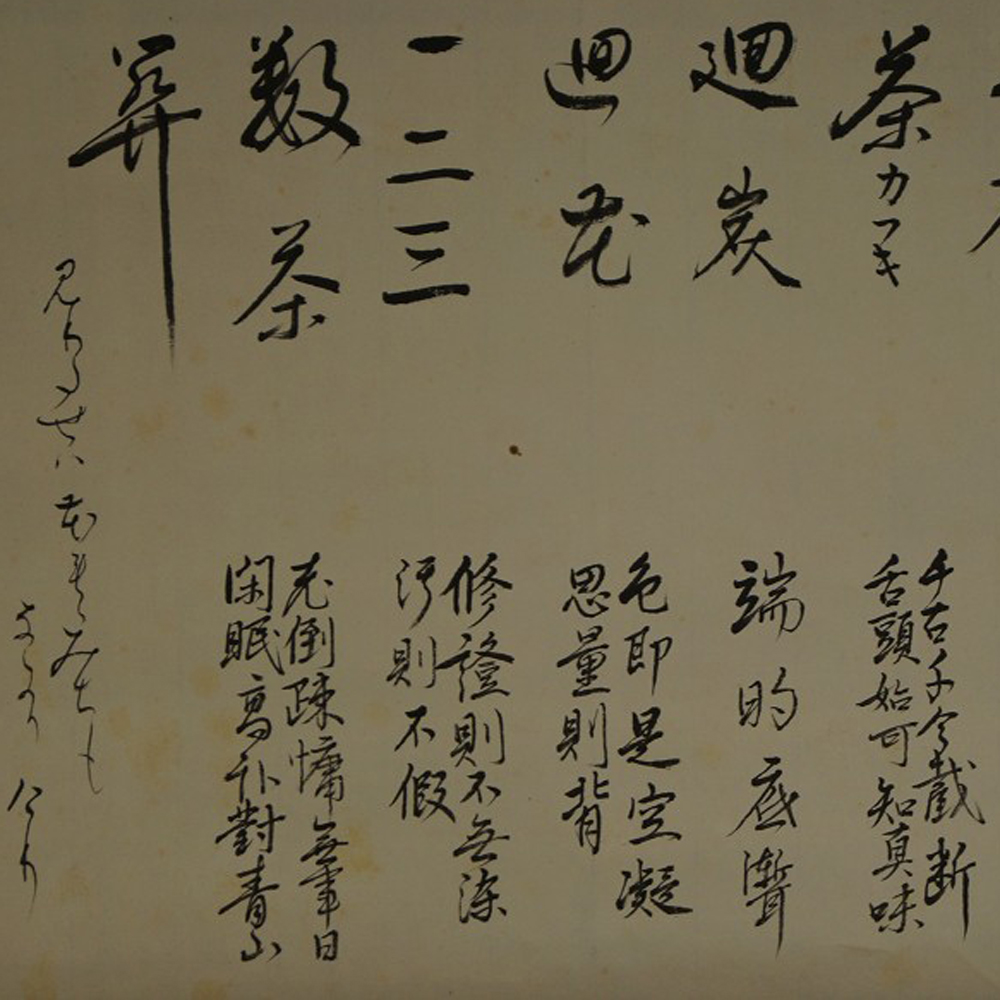

Calligraphy: The Seven Stages of Chado
Kakemono, unique work, 118 x 62 cm
€240.00
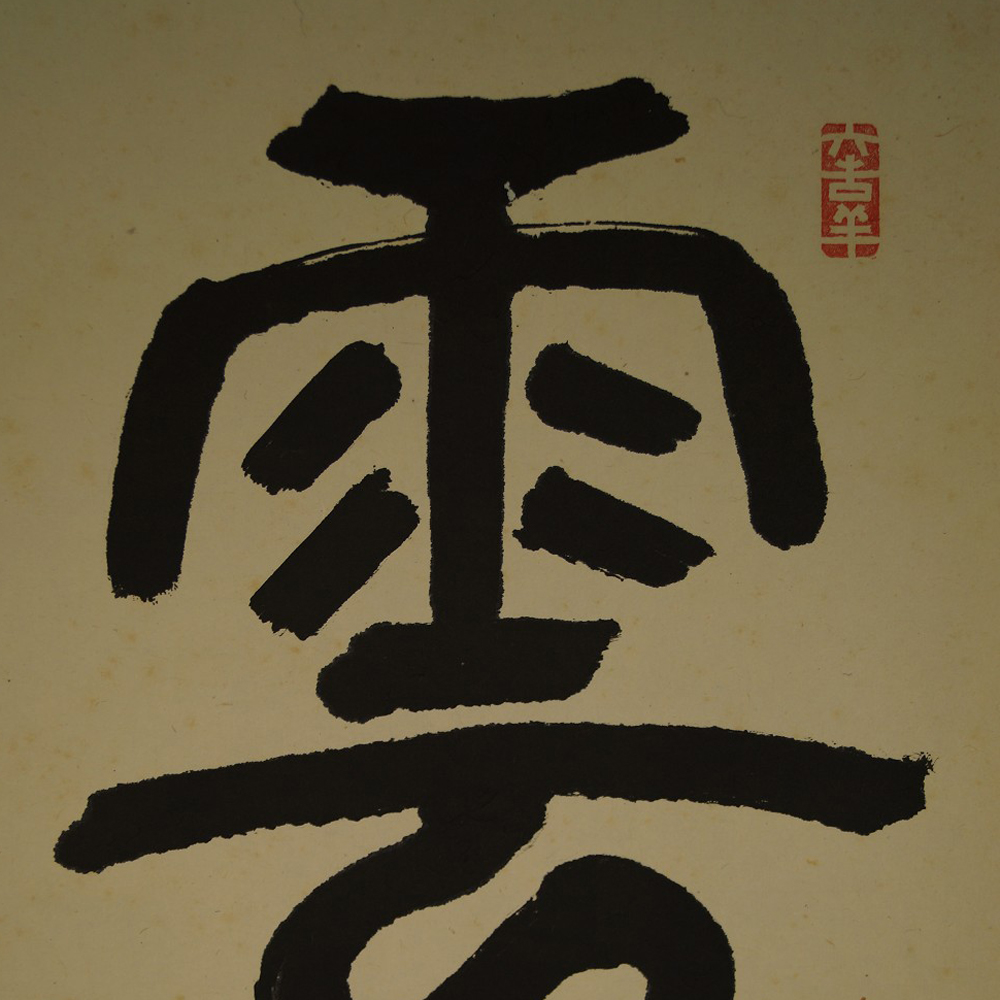

Calligraphy "Cloud"
Kakemono, unique work, 184 x 49 cm
€160.00
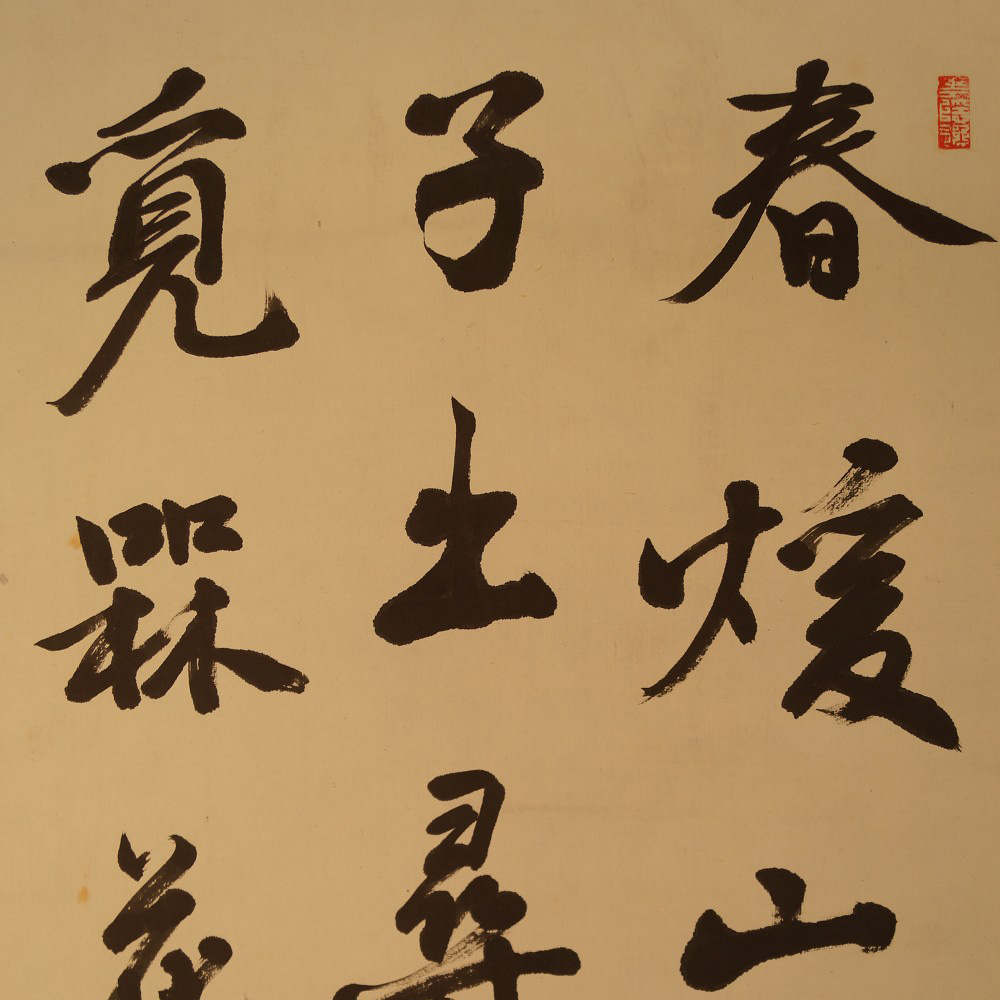

Calligraphy: In Search of the Plum Blossom
Kakemono, unique work, 195 x 51 cm
€180.00
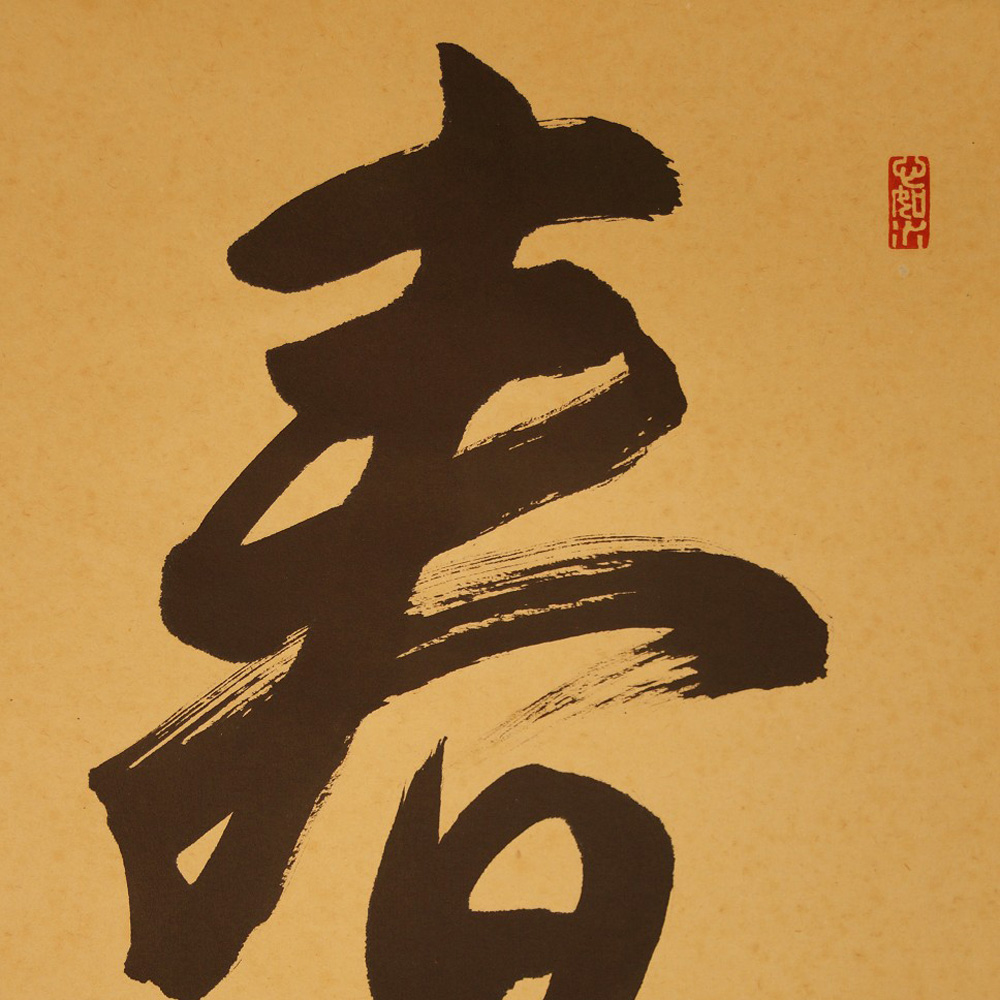

Calligraphy "Spring Wind"
Kakemono, unique work, 200 x 52 cm
€220.00
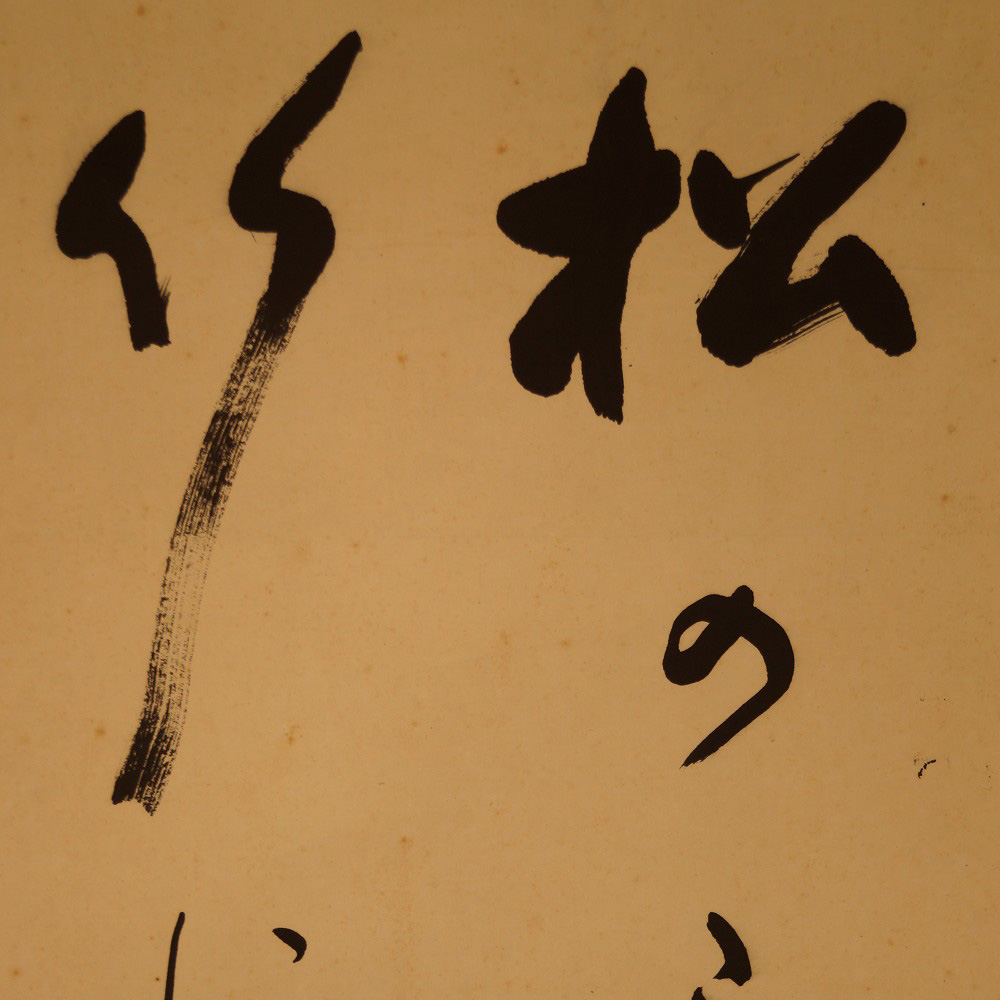

Calligraphy: Pine and Bamboo
Kakemono, unique work, 200 x 48 cm
€140.00
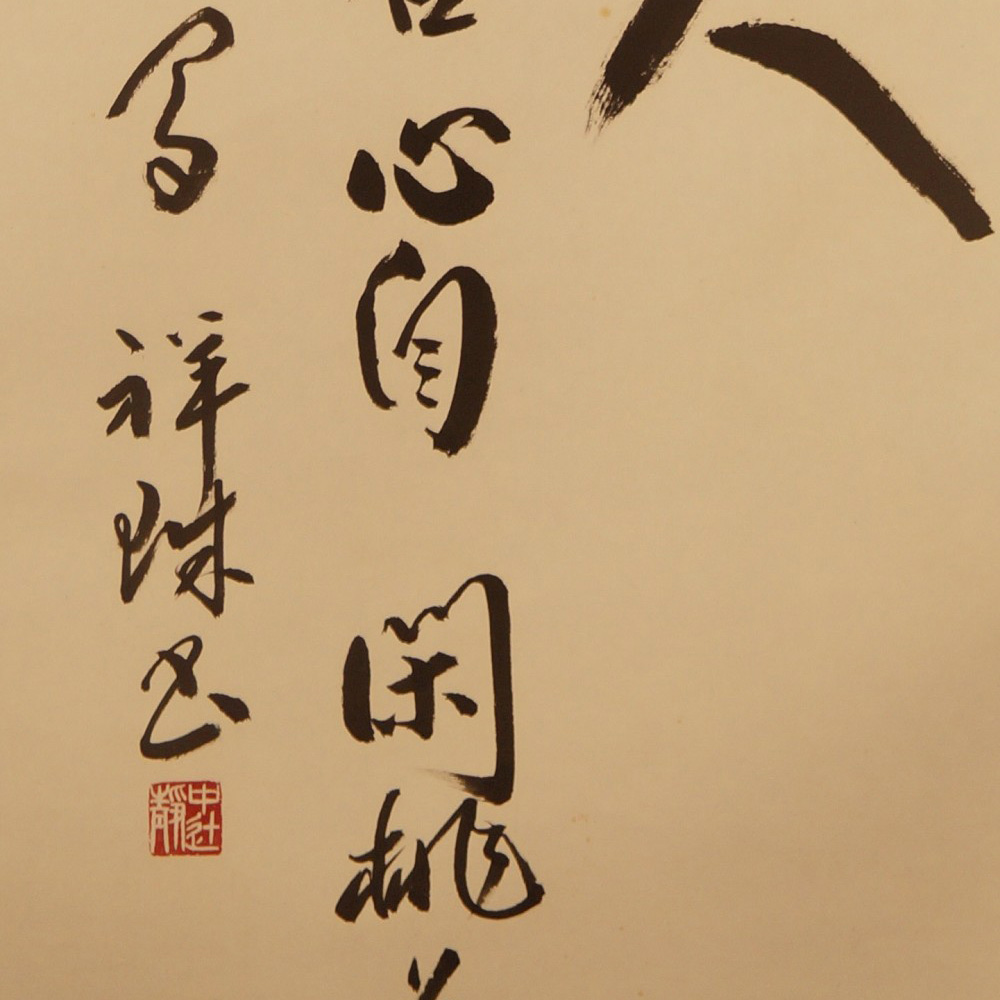

Calligraphy Poem by Ba Li
Kakemono, unique work, 185 x 51 cm
€340.00
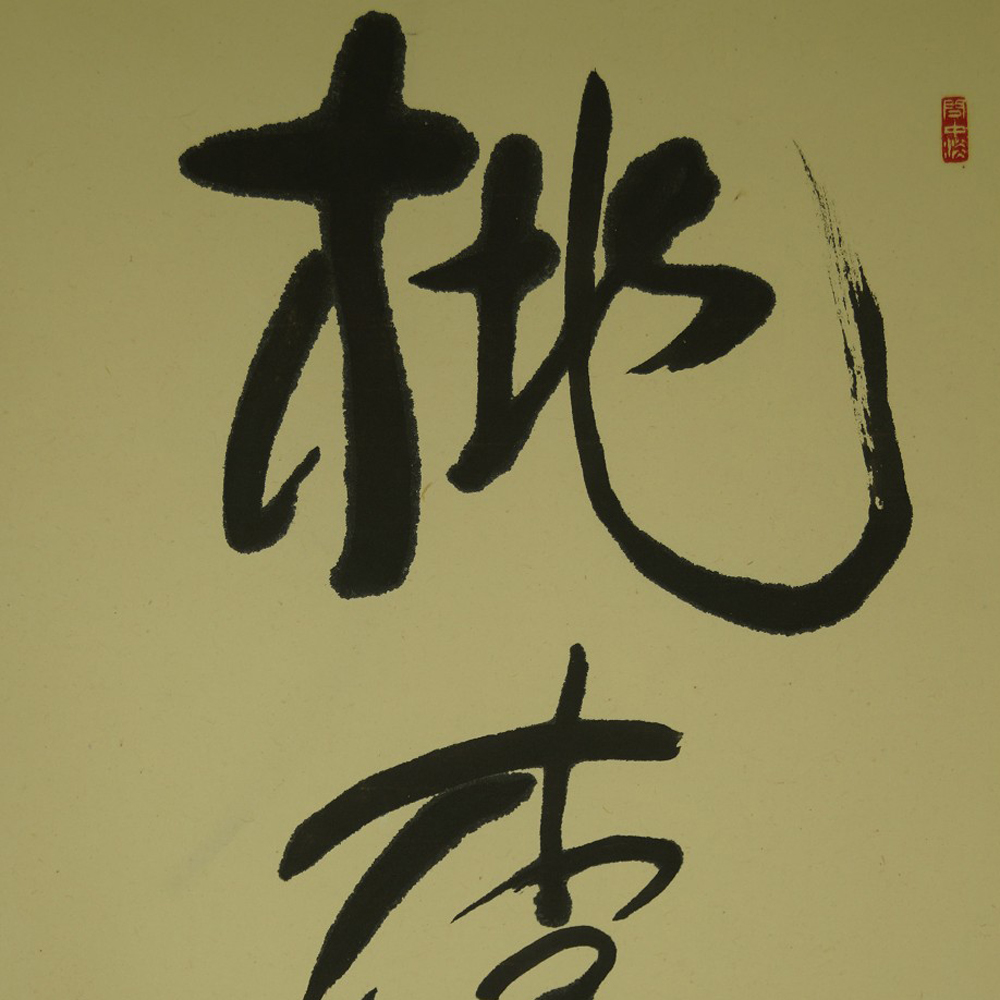
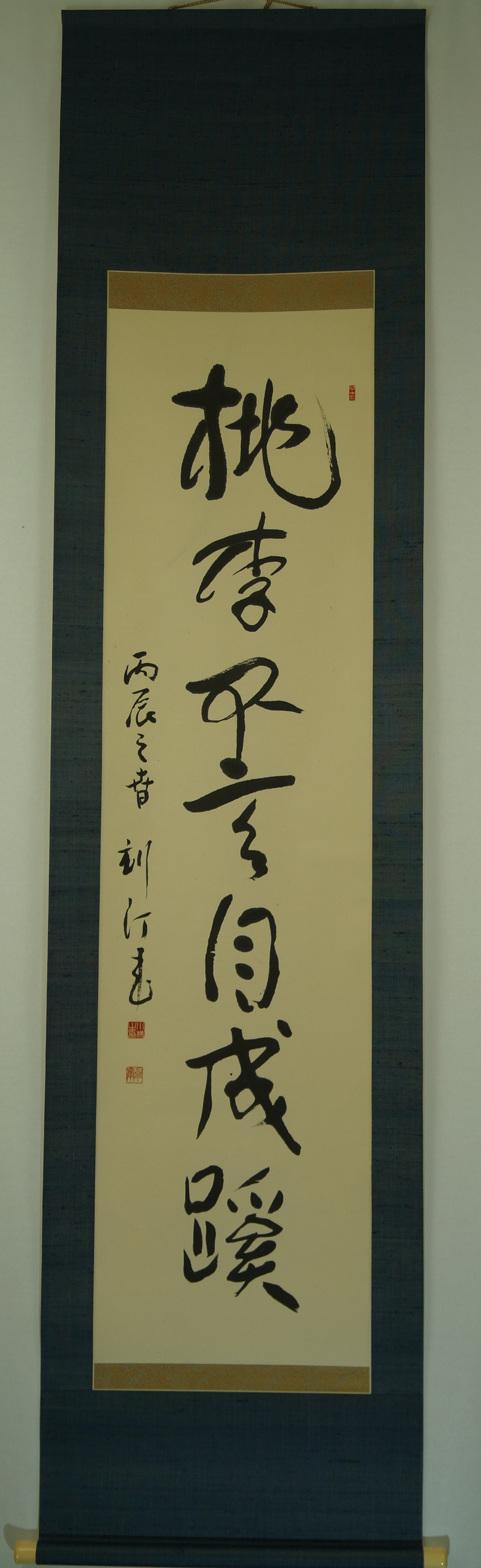
Calligraphy "Peaches and Plums"
Kakemono, unique work, 196 x 54 cm
€140.00
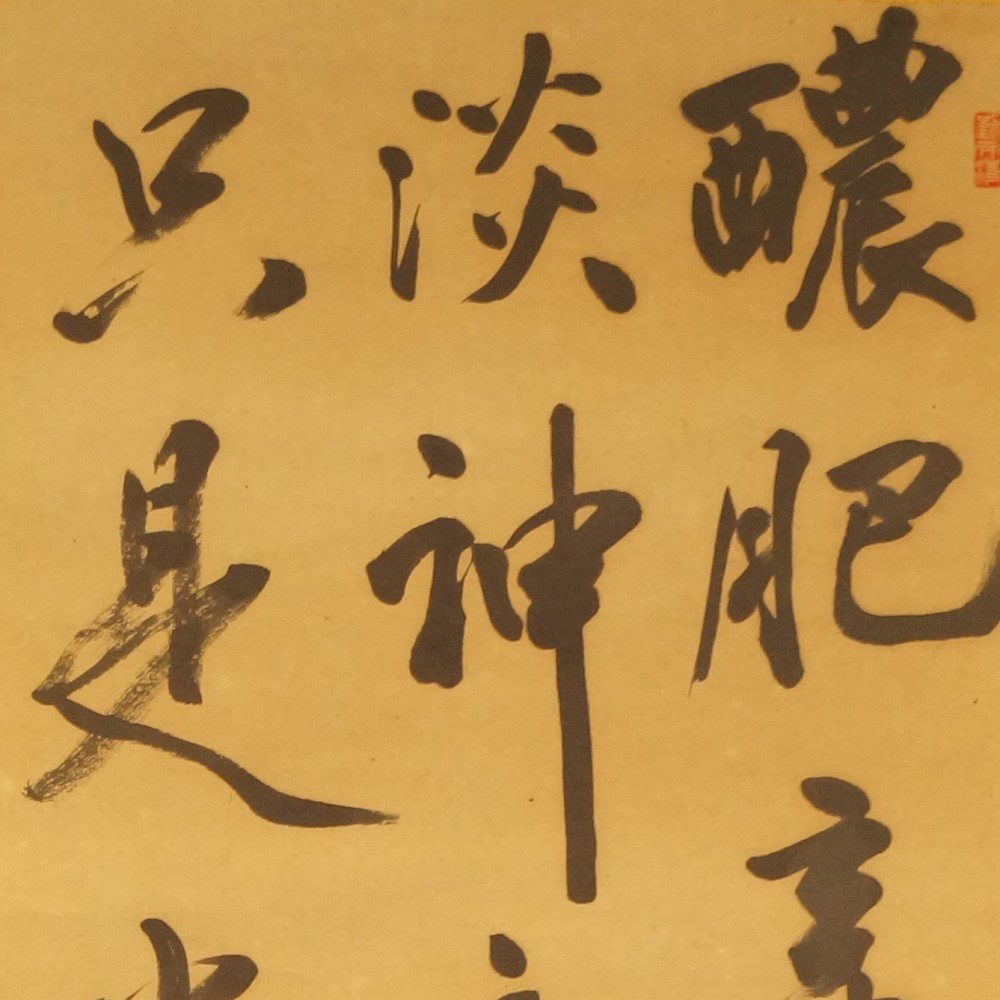
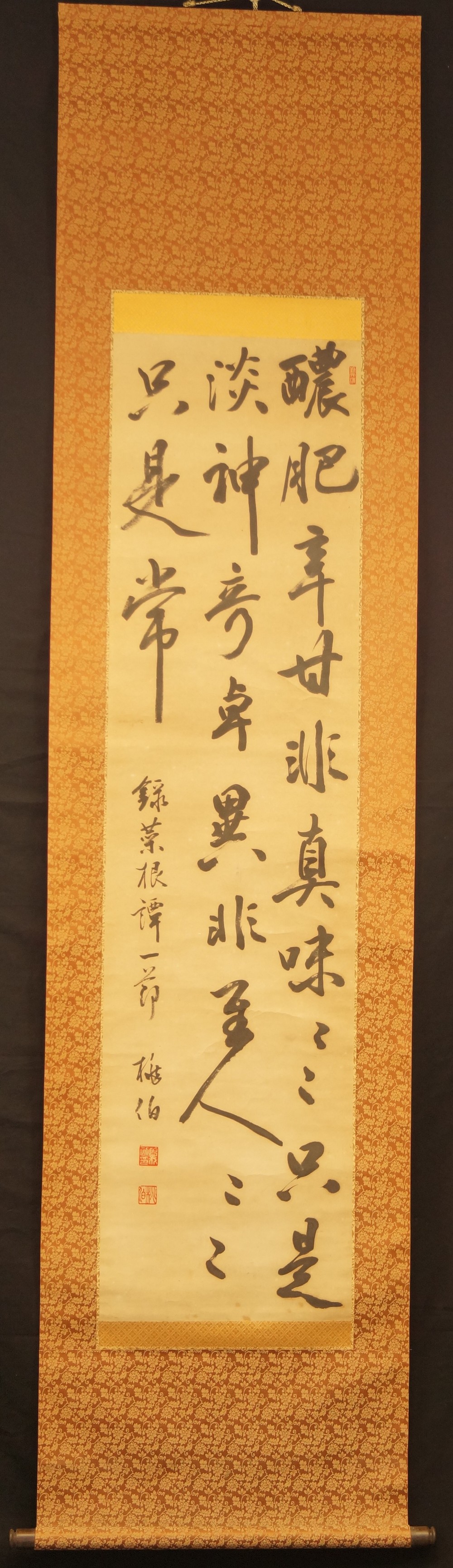
Calligraphy: True Sustenance
Kakemono, unique work, 205 x 58 cm
€260.00
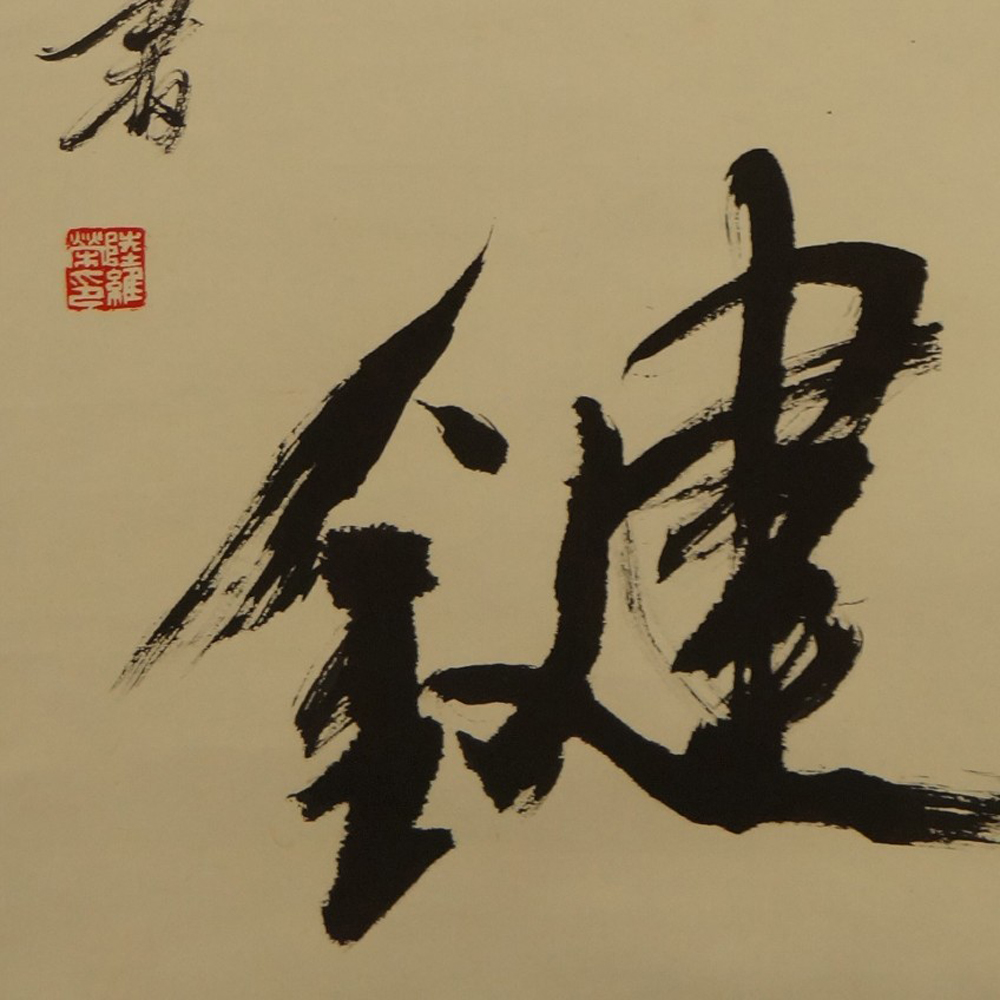
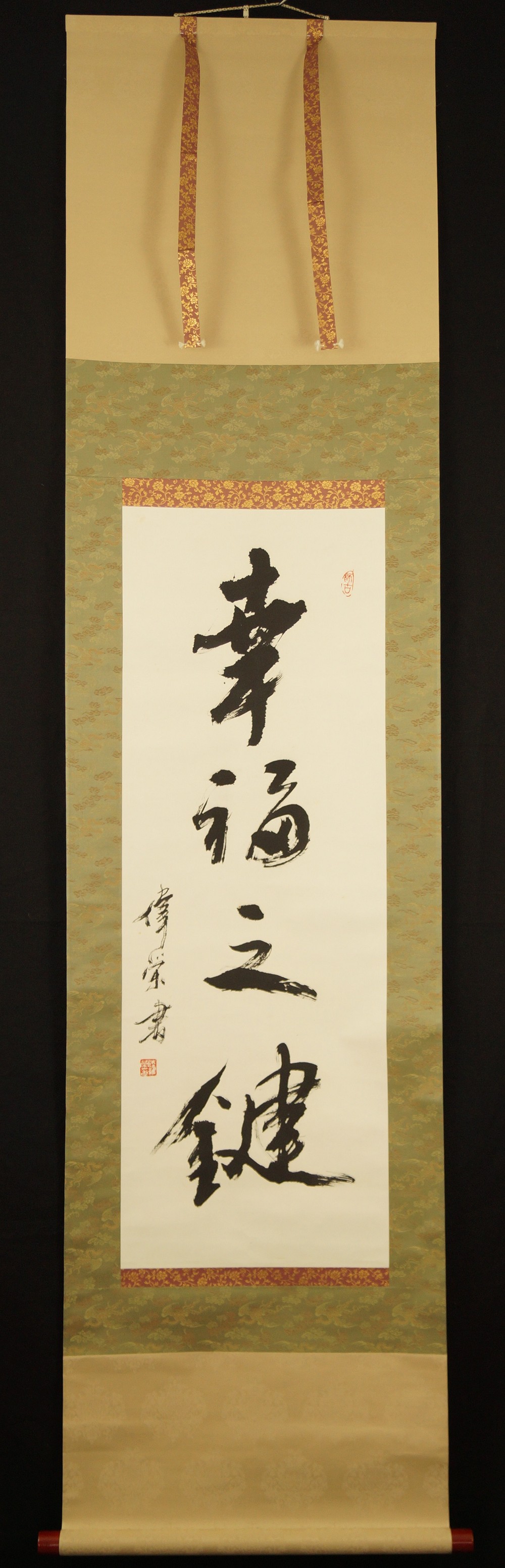
Calligraphy: The Key to Happiness
Kakemono, unique work, 180 x 50 cm
€240.00
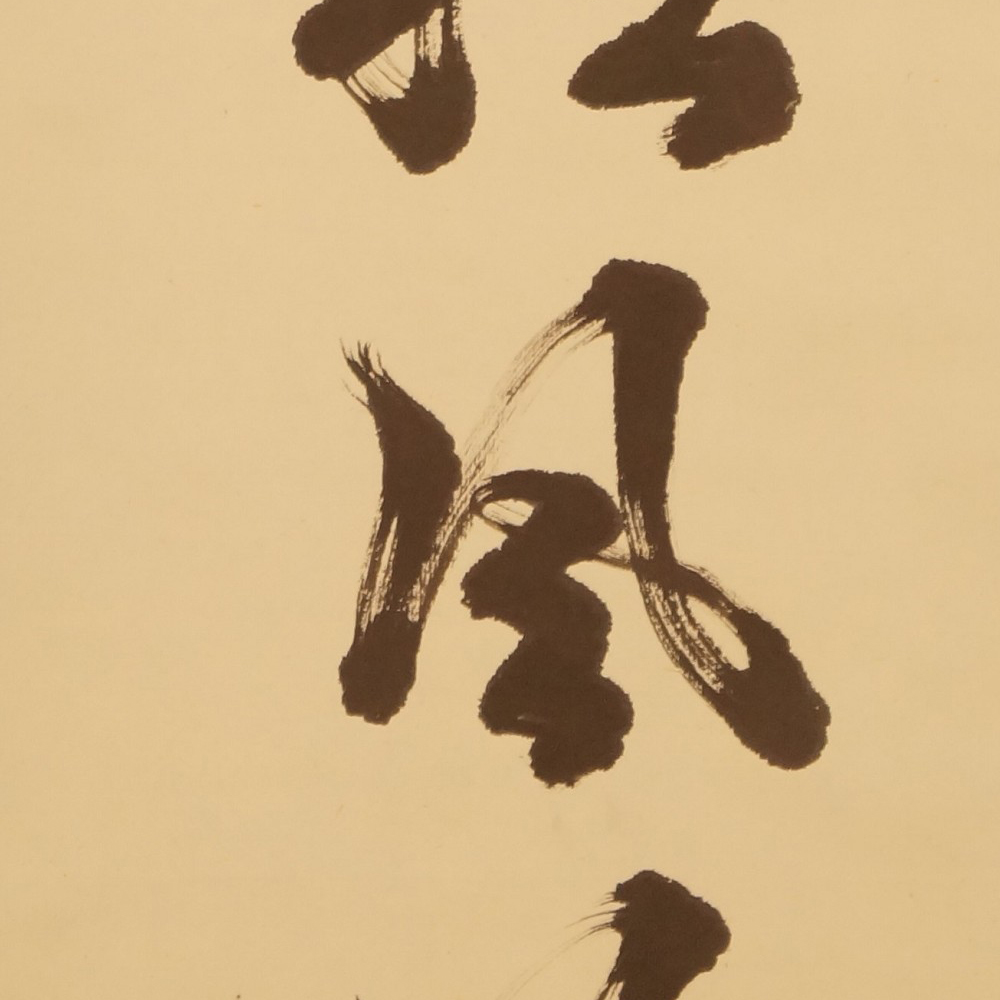
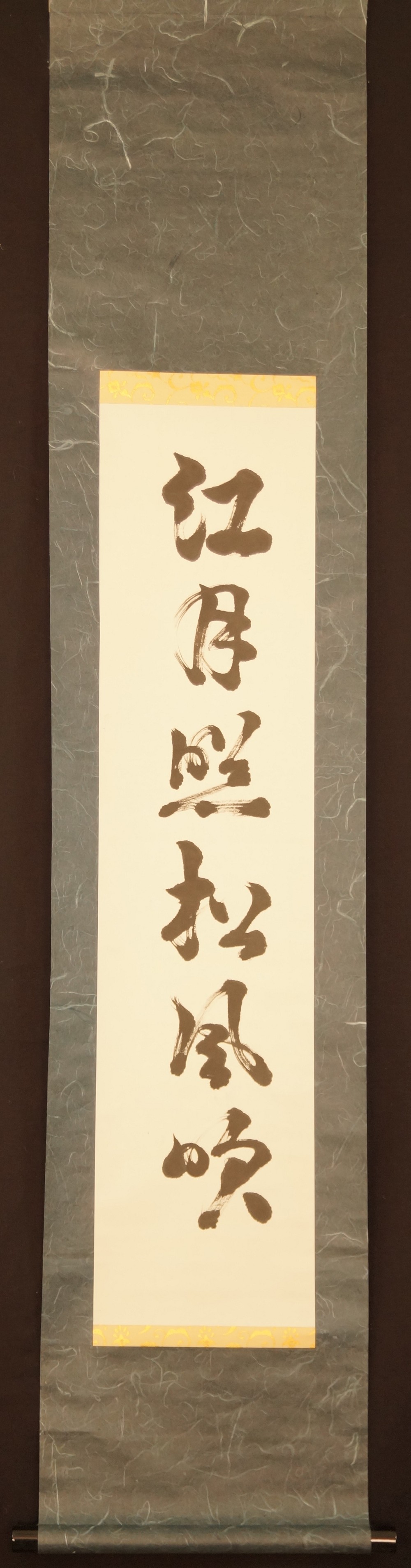
Calligraphy: Moon Over the Bay
Kakemono, unique work, 160 x 38 cm
€270.00
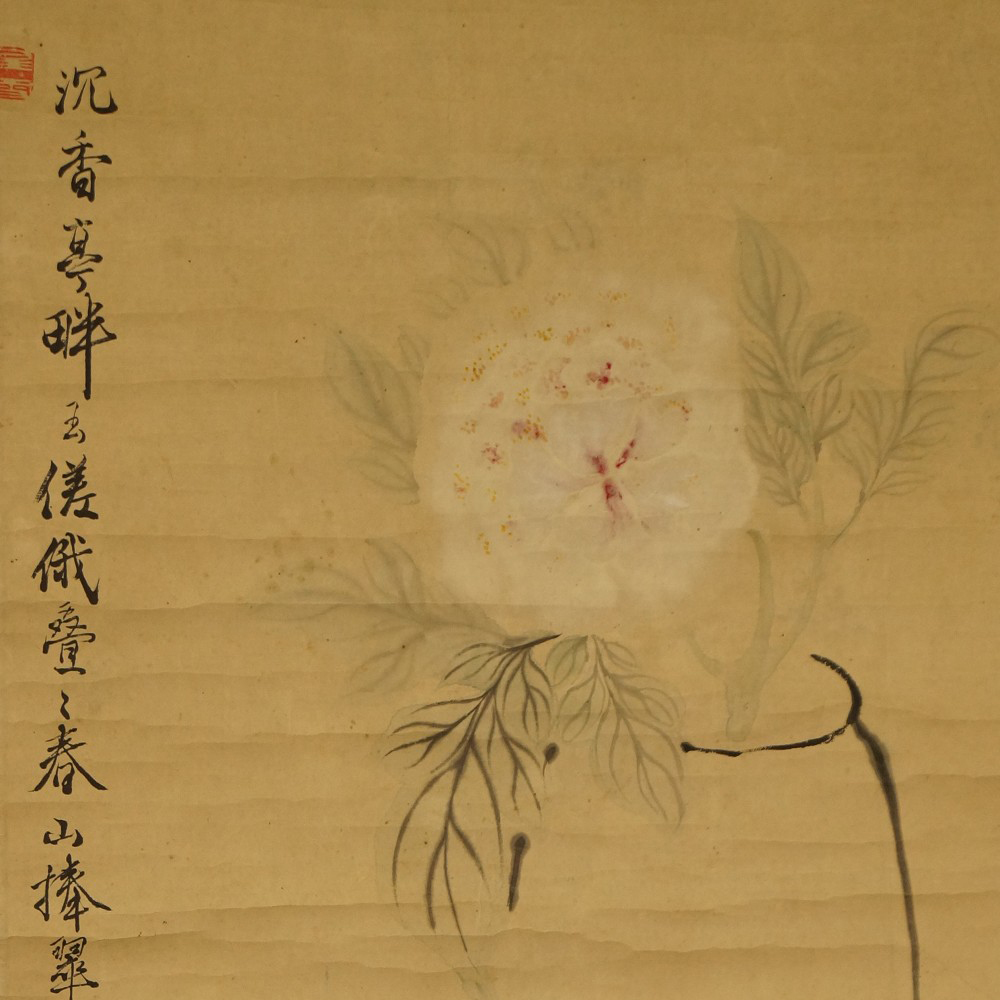
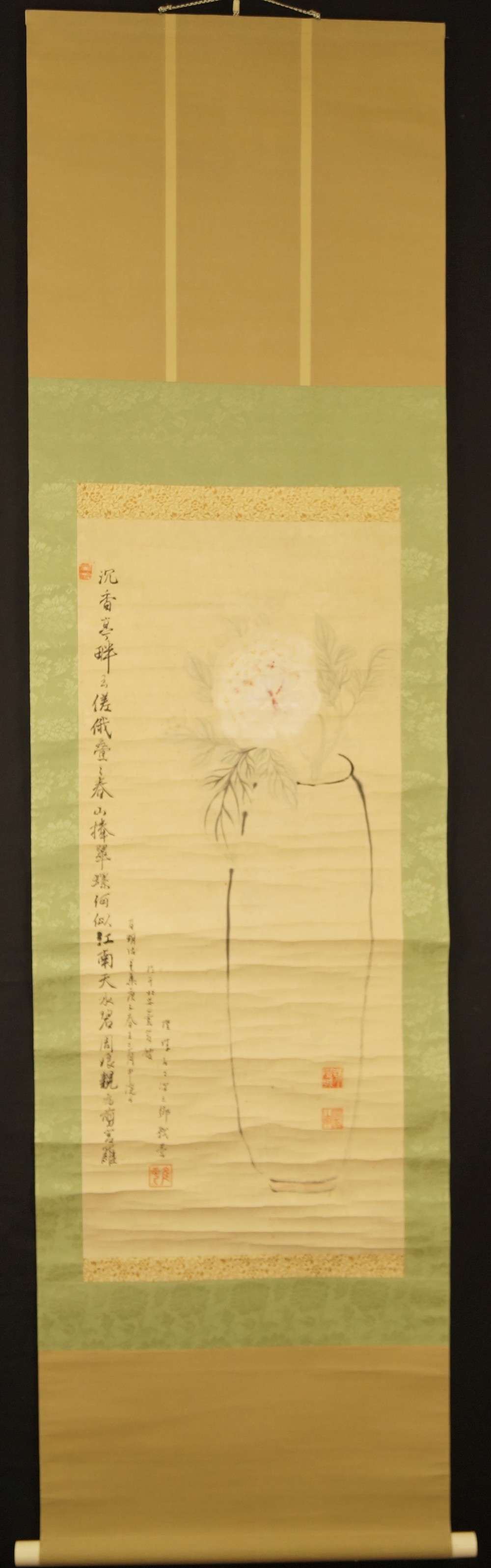
Peony with Calligraphy
Kakemono, unique work, 176 x 54 cm
€210.00
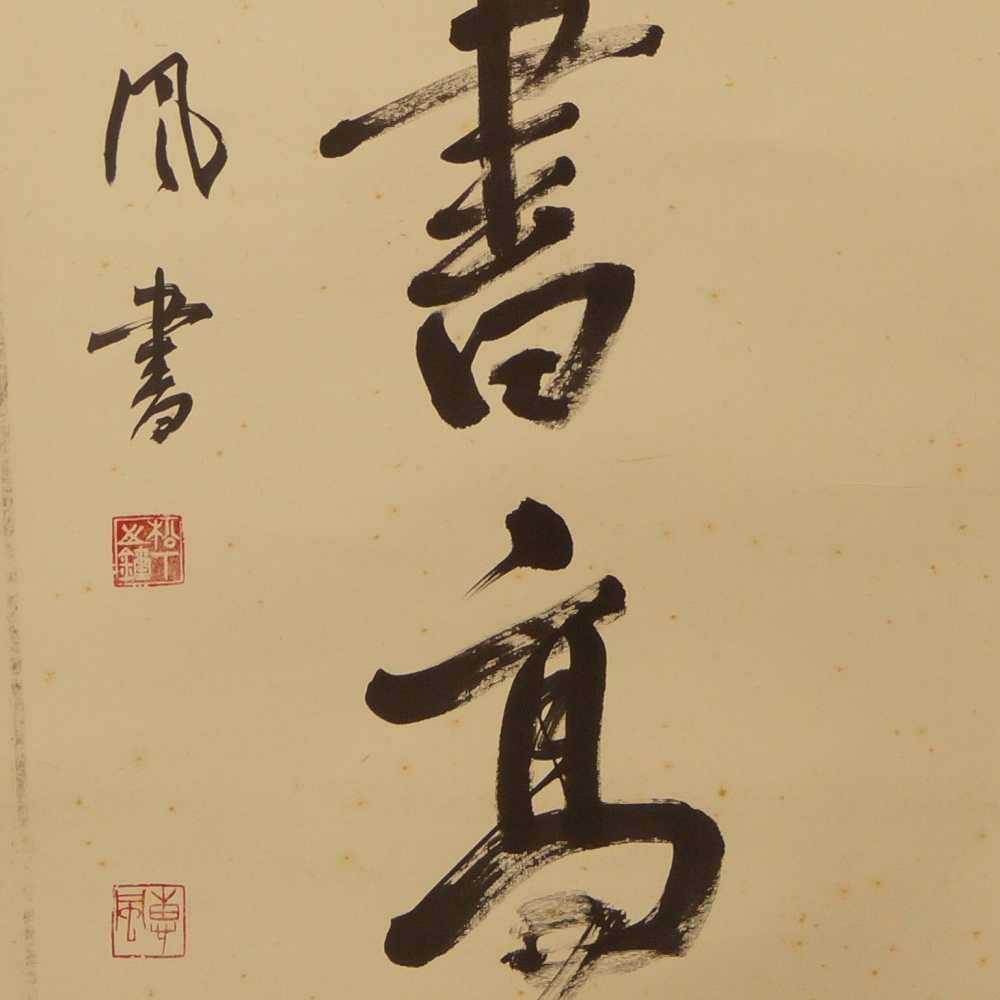
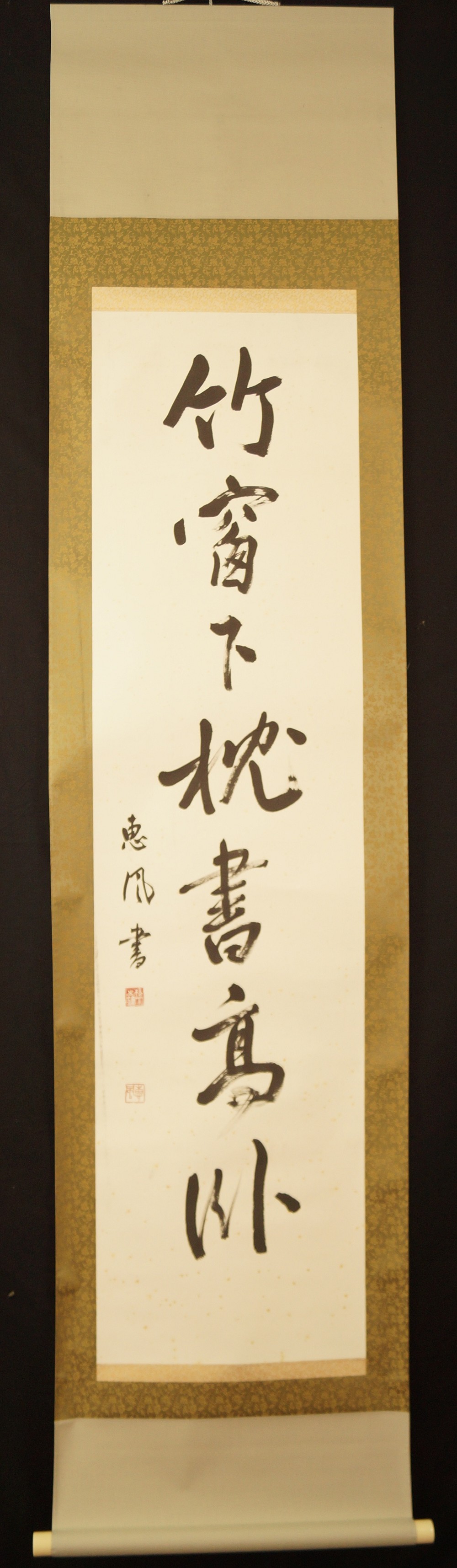
Calligraphy Poem: Bamboo by the Window
Kakemono, unique work, 195 x 50 cm
€180.00
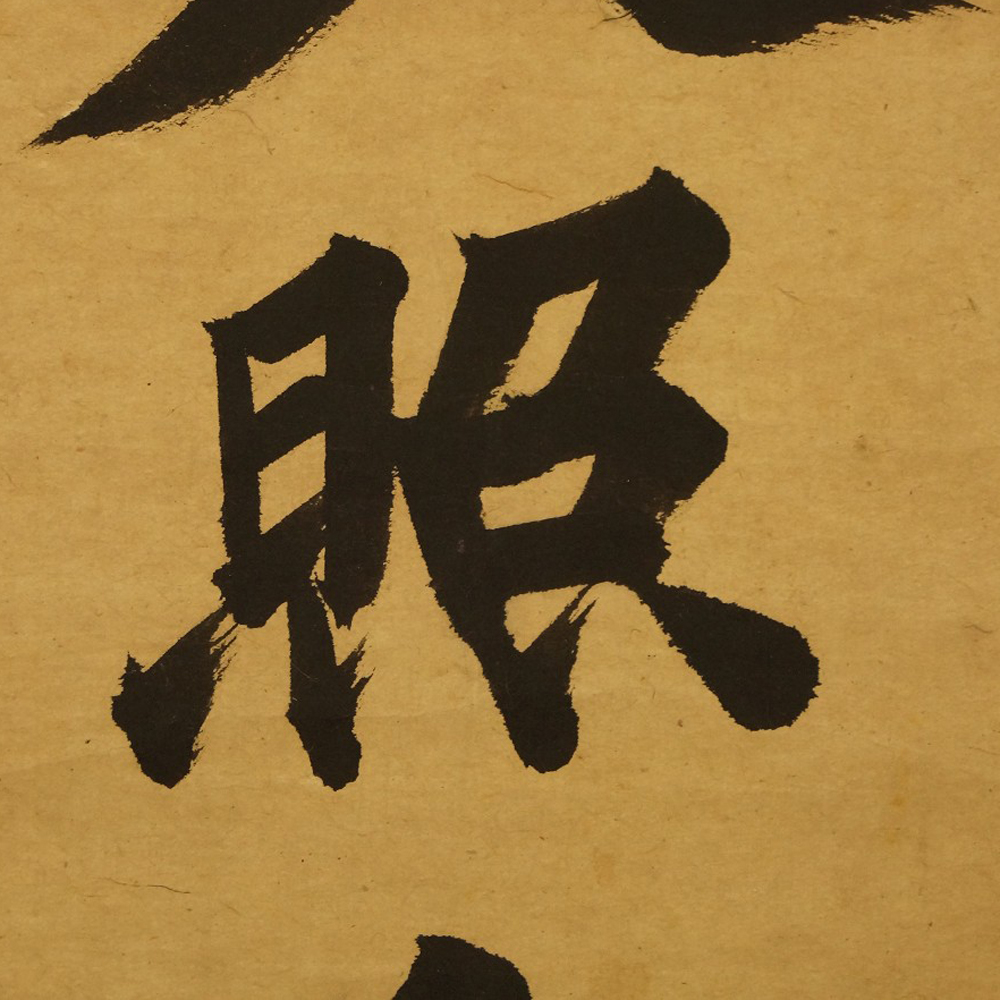
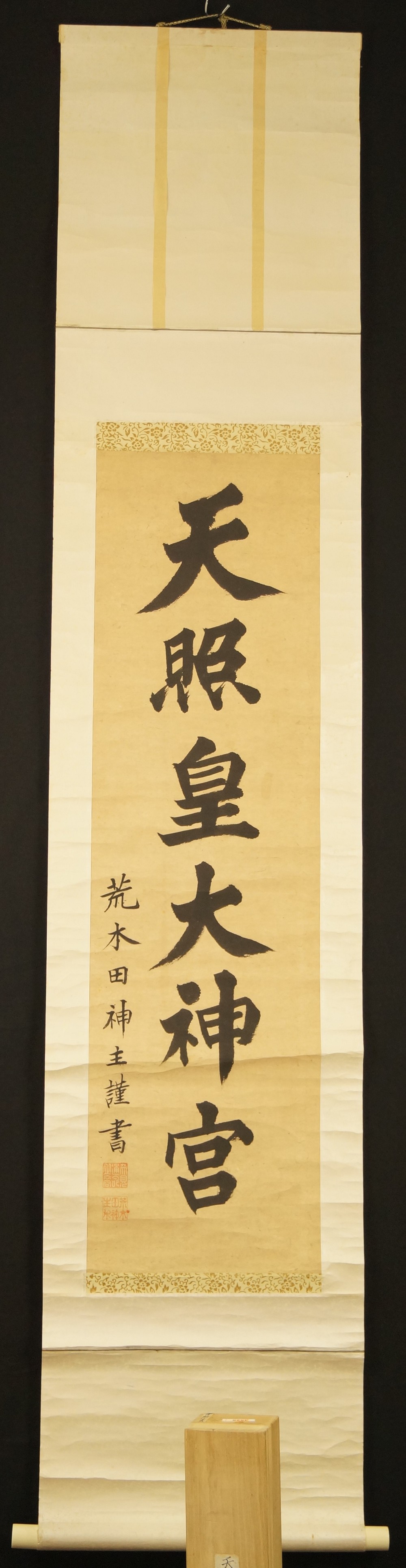
Calligraphy "Amaterasu"
Kakemono, unique work, with box, 165 x 39 cm
€140.00
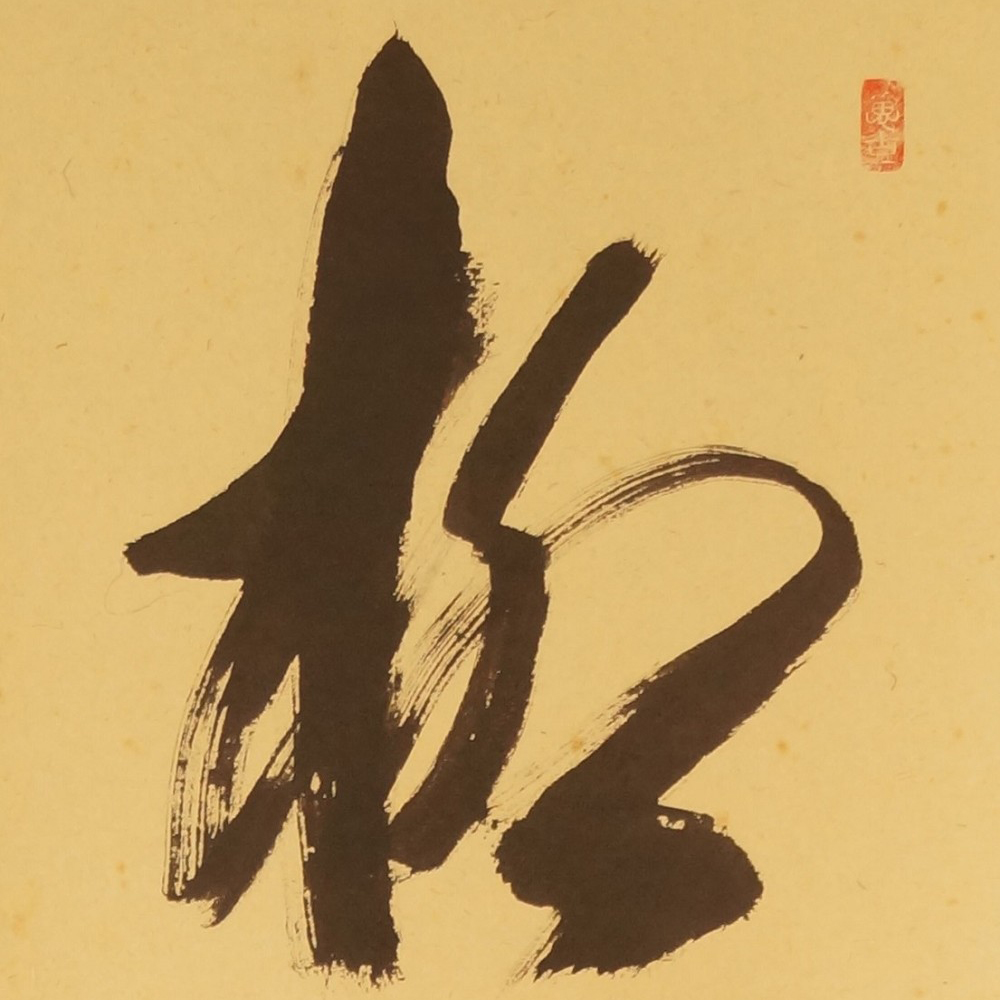
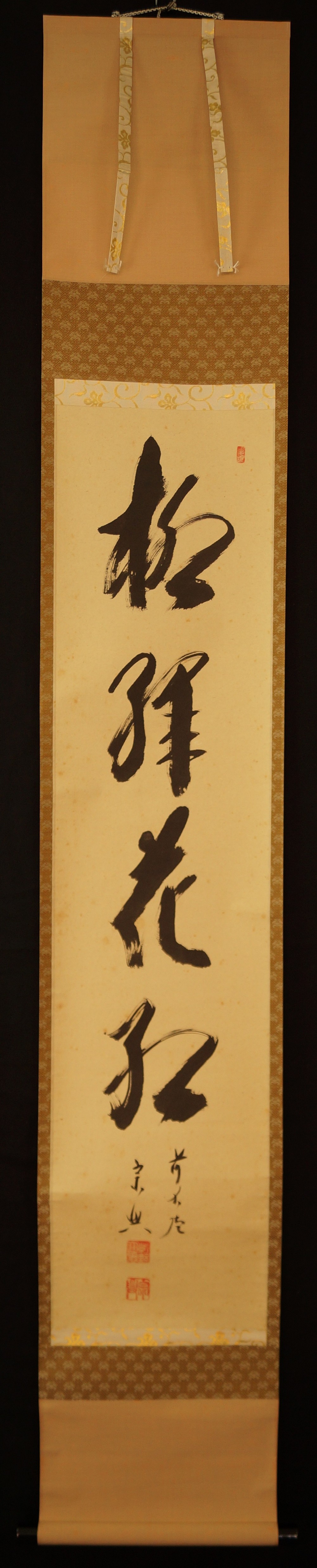
Calligraphy in Sōsho Style
Kakemono, unique work, 184 x 35 cm
€230.00
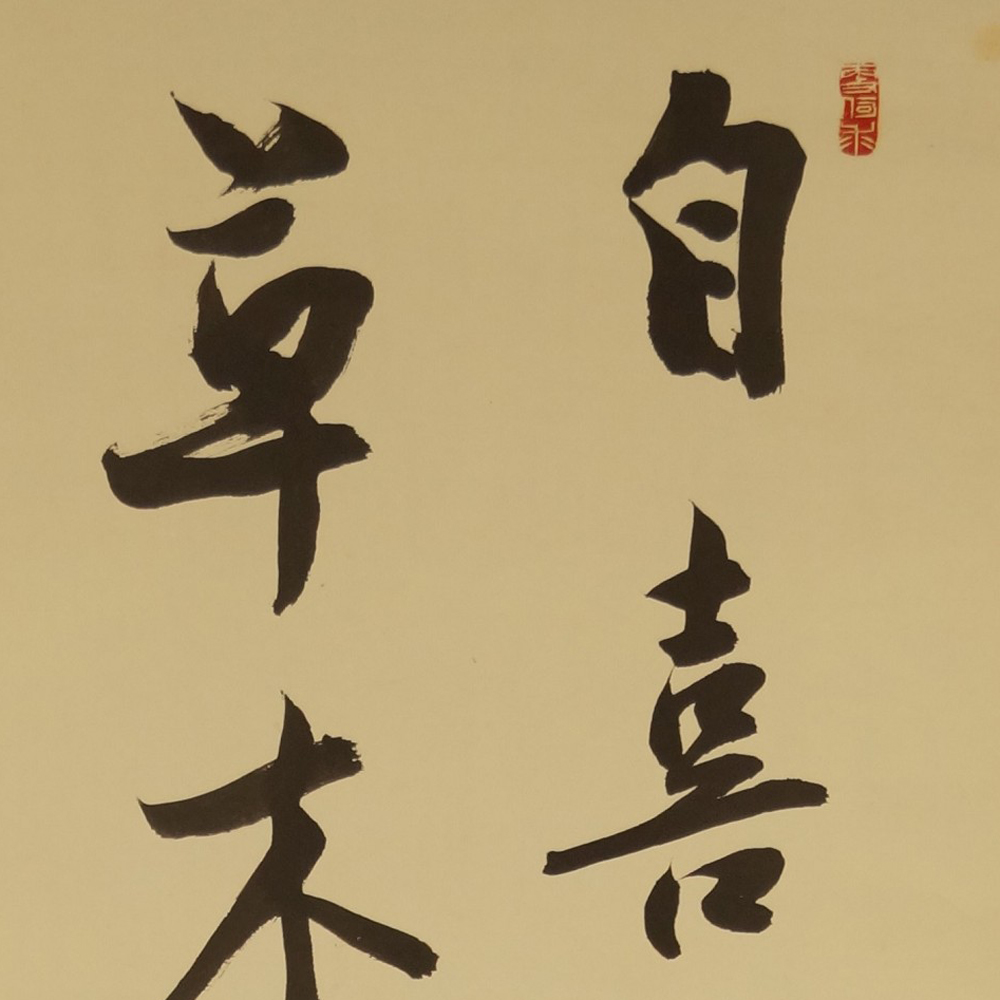
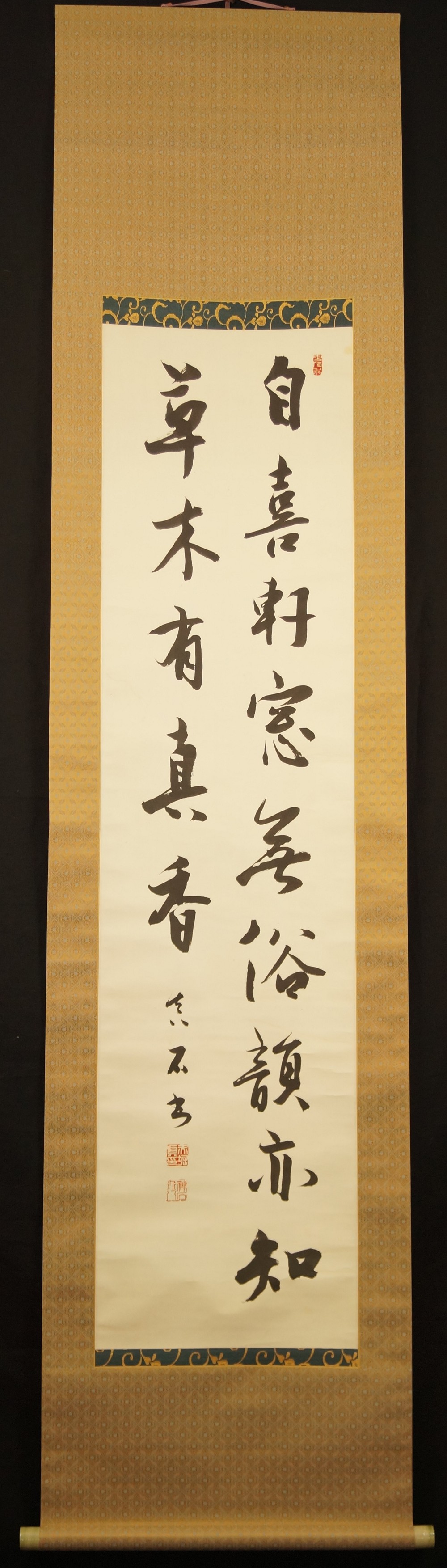
Calligraphy: The True Fragrance of Tree and Grass
Kakemono, unique work, 202 x 54 cm
€220.00
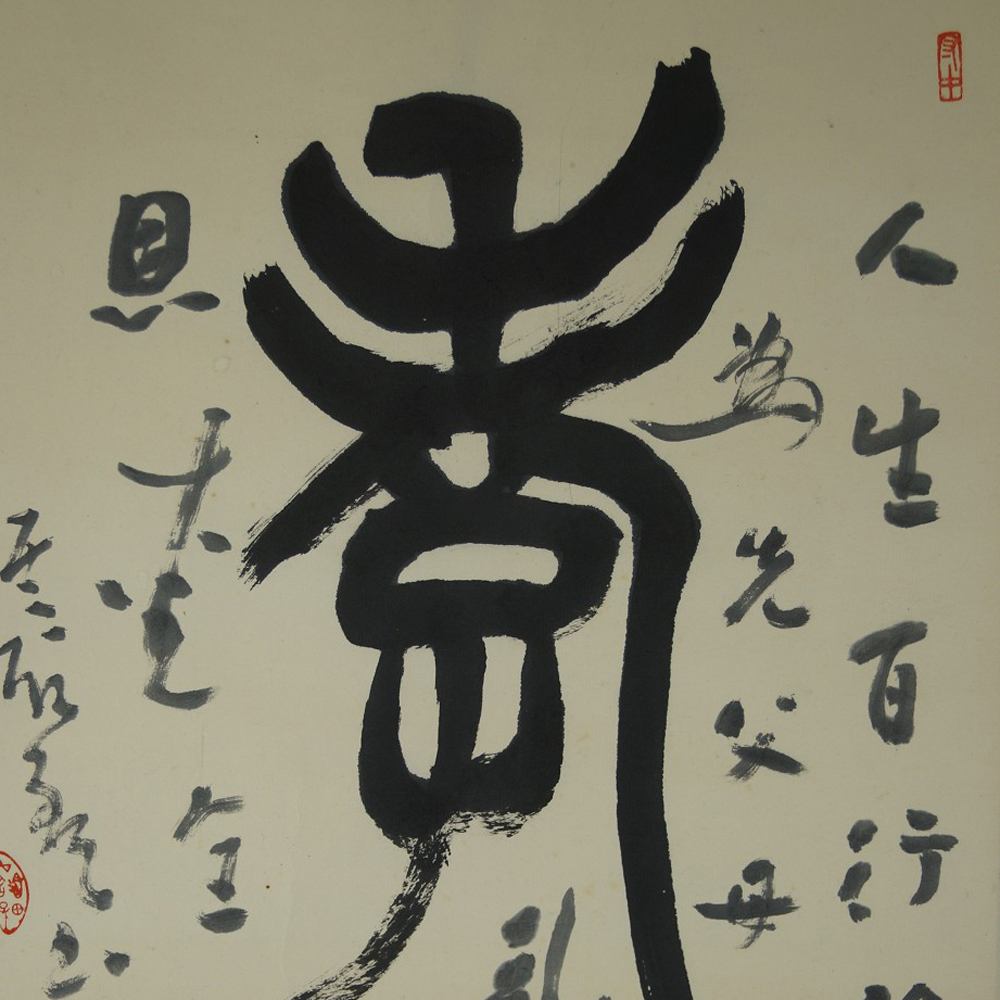

Calligraphy "Long Life"
Kakemono, unique work, 105 x 54 cm
€120.00
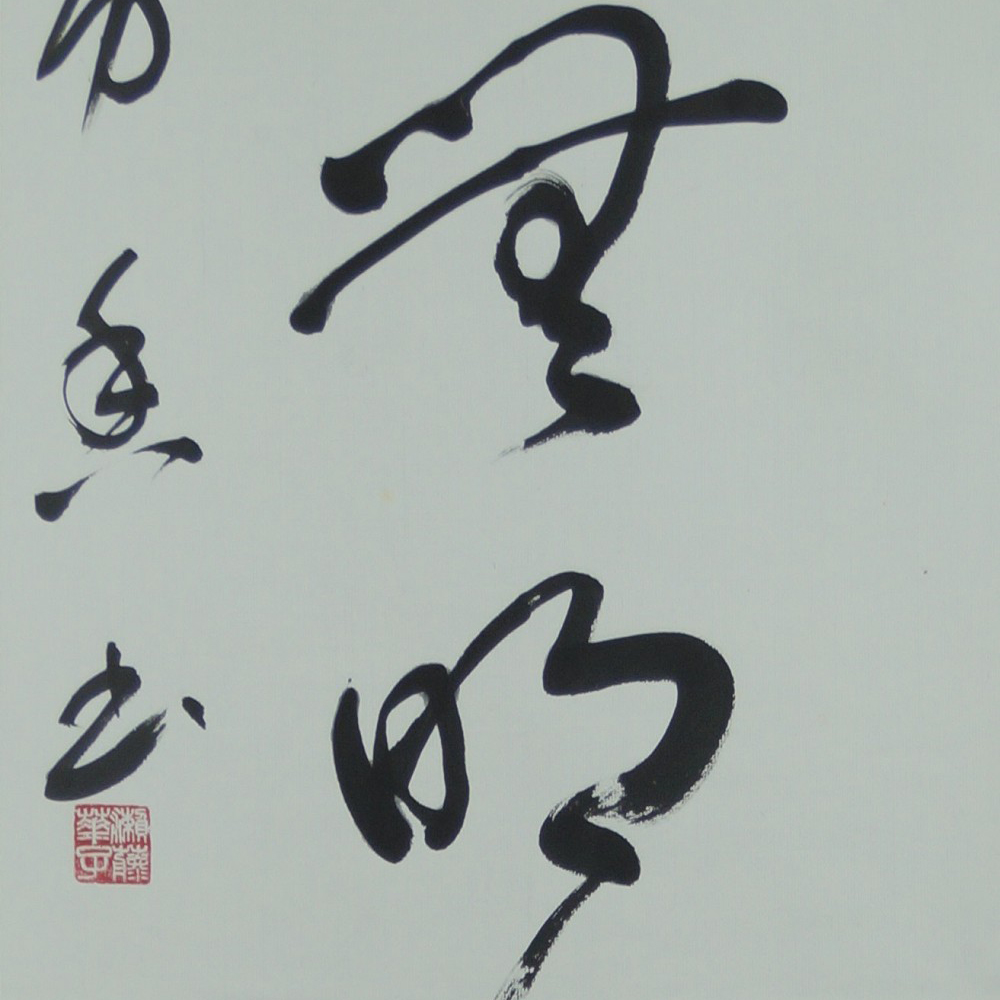
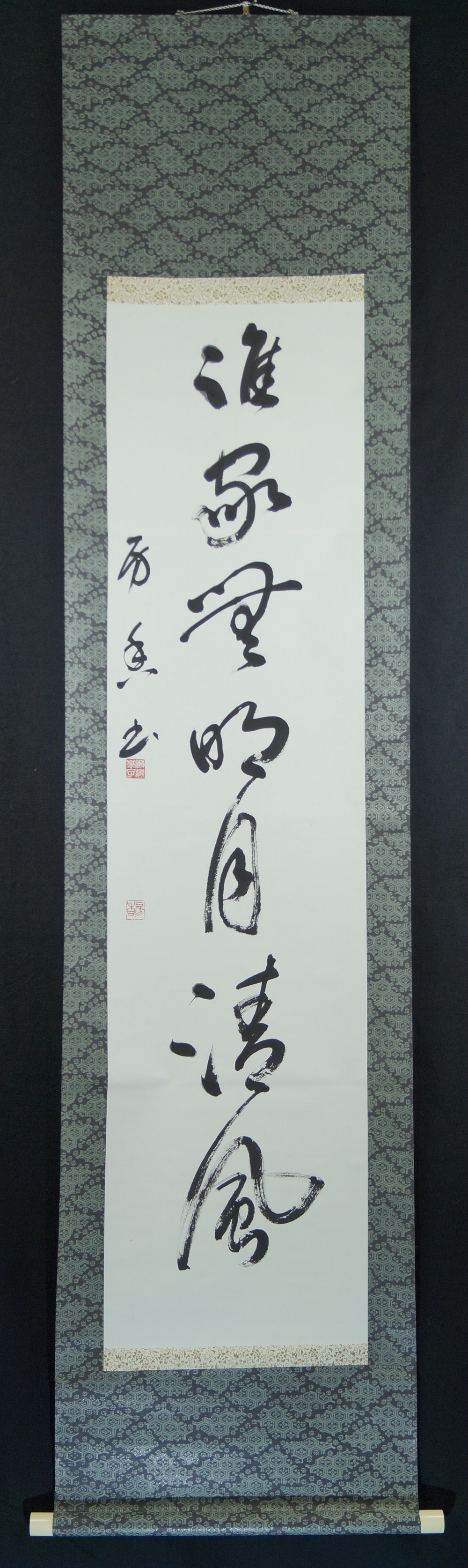
Calligraphy "Breeze in Moonlight"
Kakemono, unique work, 190 x 53 cm
€180.00
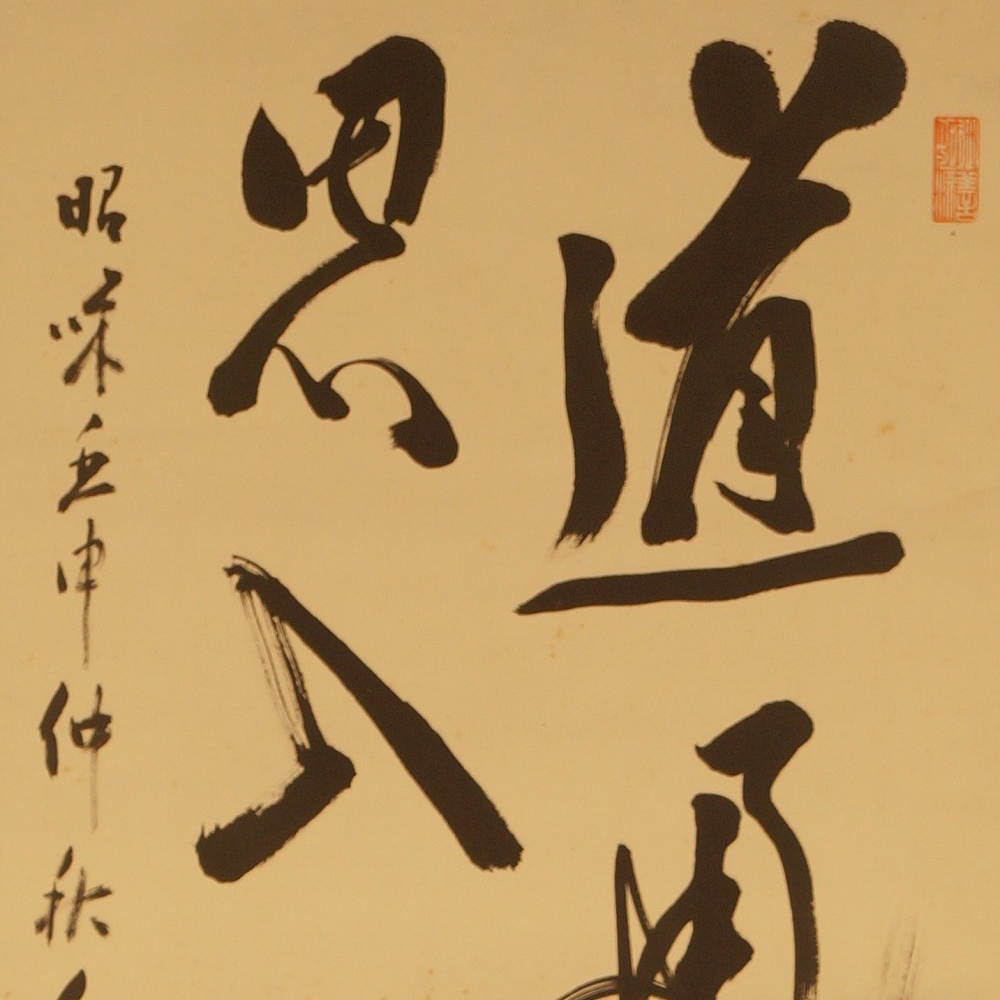
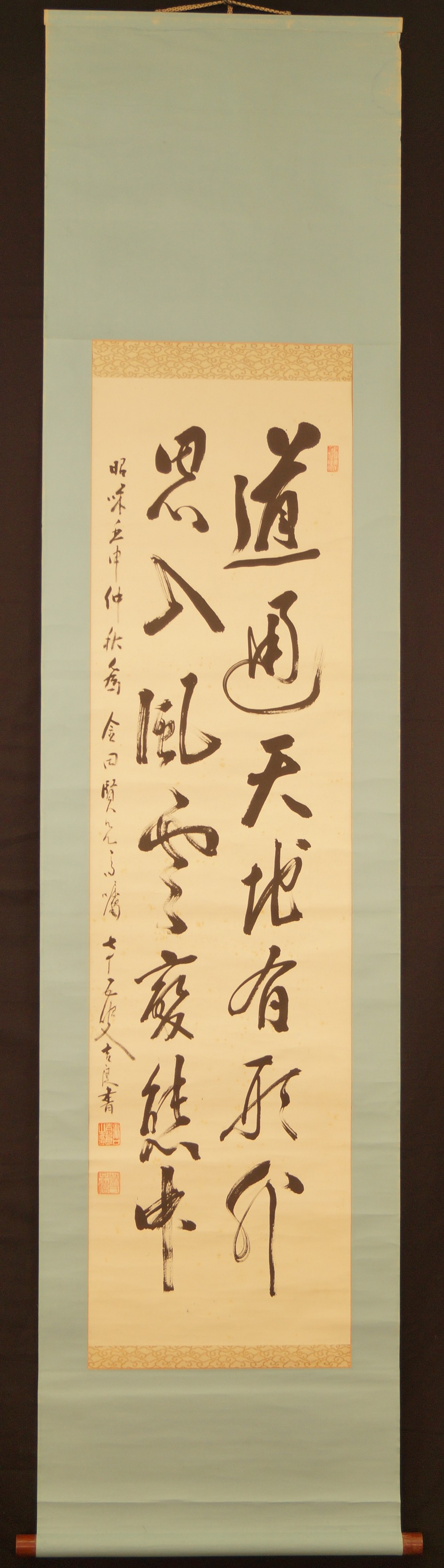
Calligraphy: Wind and Clouds
Kakemono, unique work, 190 x 50 cm
€220.00
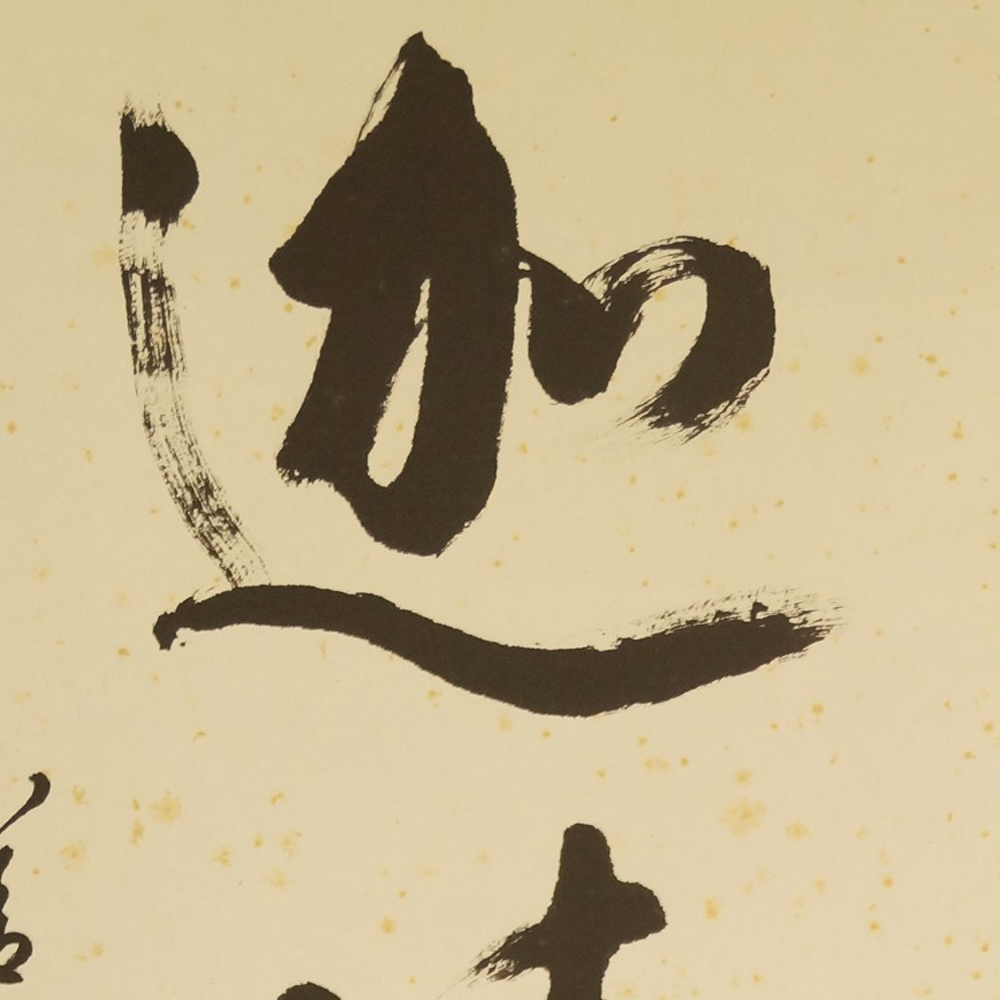
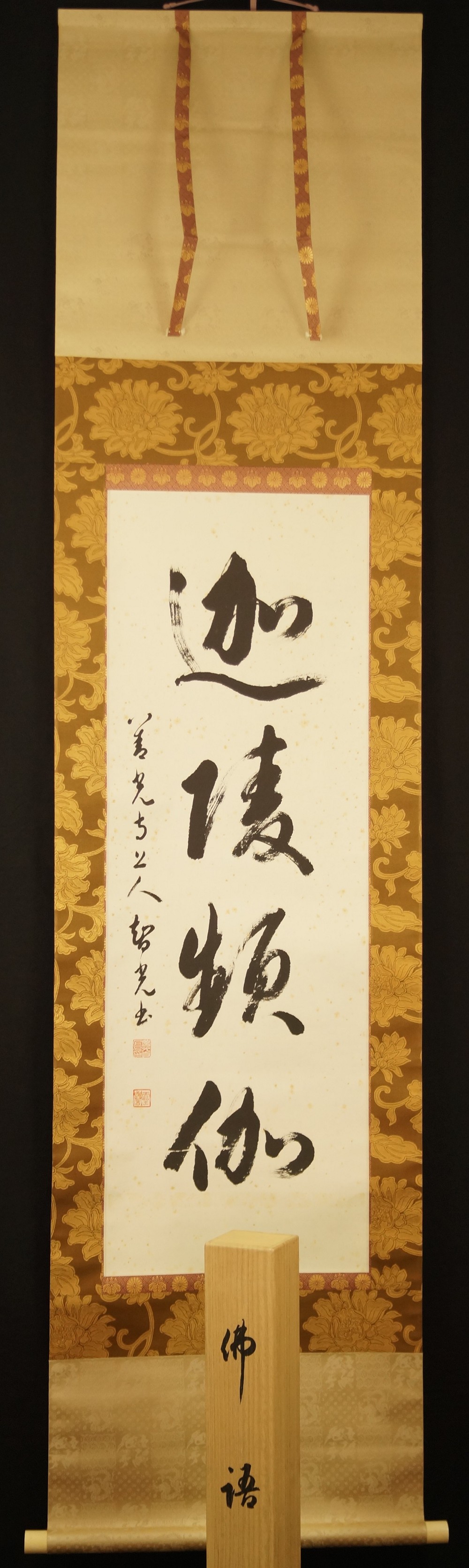
Calligraphy "Kalavinka"
Kakemono, unique work, with box, 195 x 53 cm
€130.00
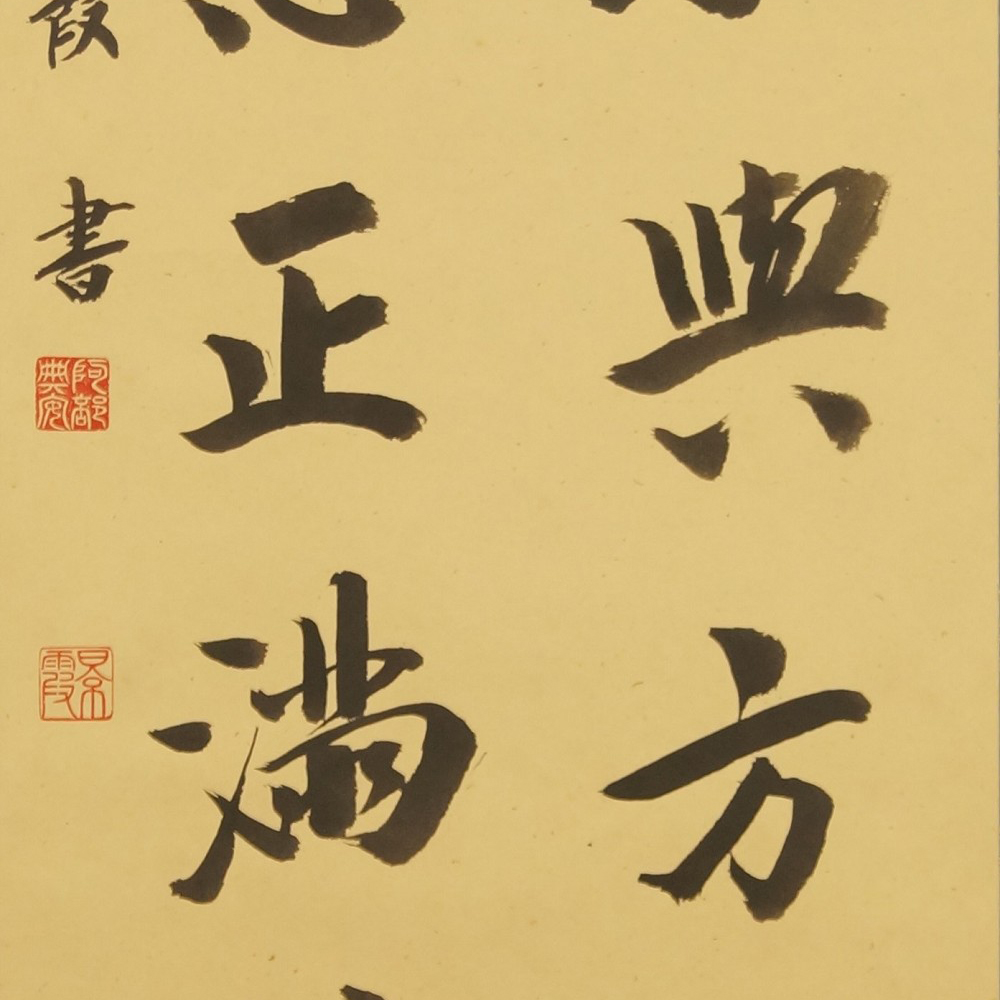
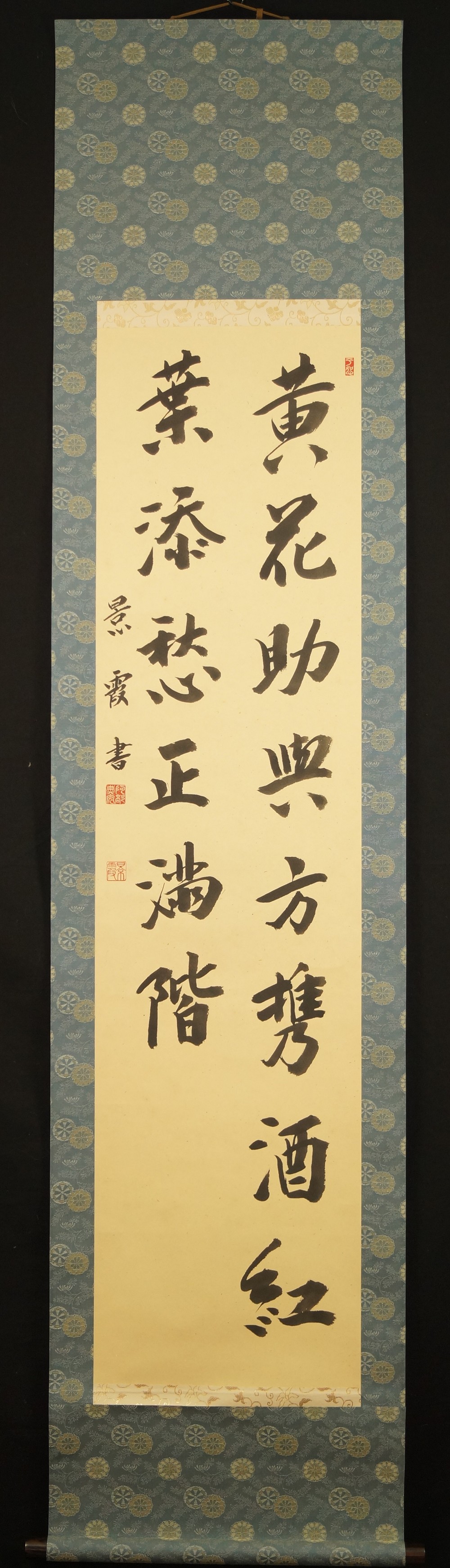
Calligraphy: Yellow Flower and Purple Leaves
Kakemono, unique work, 198 x 50 cm
€240.00
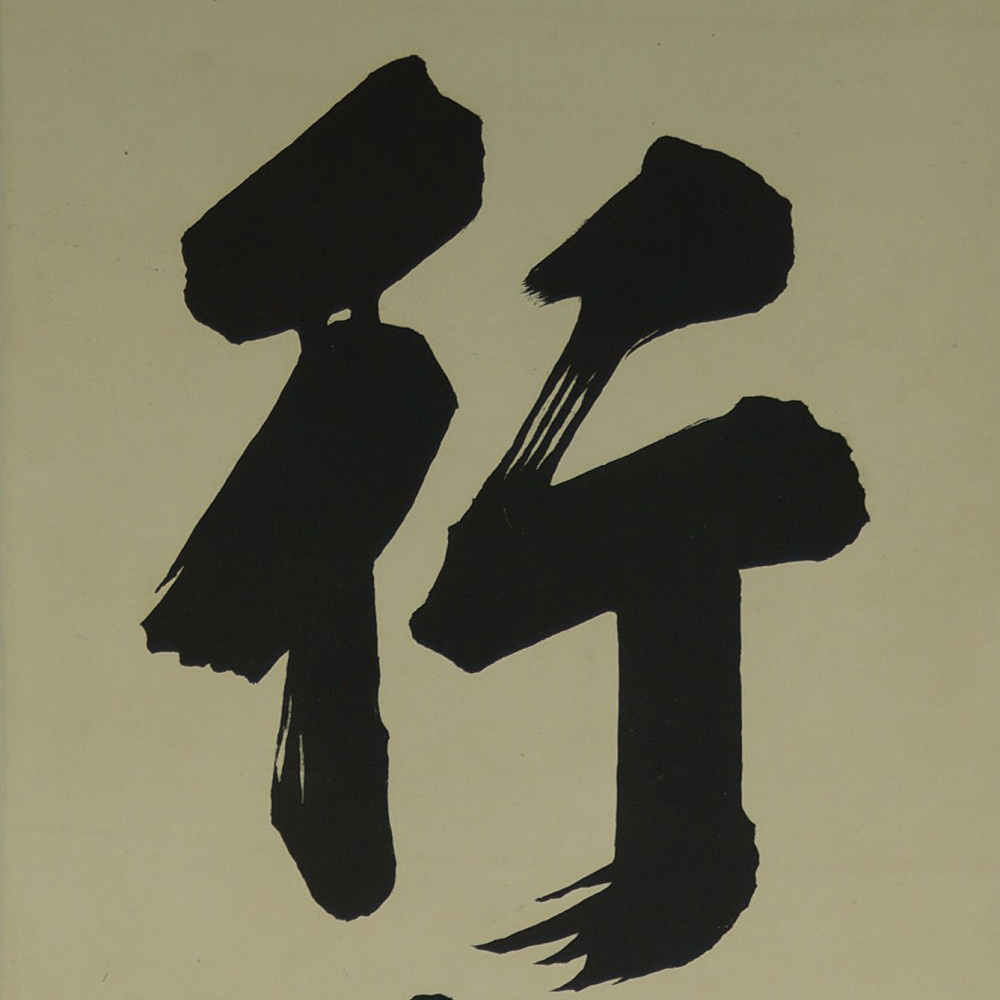
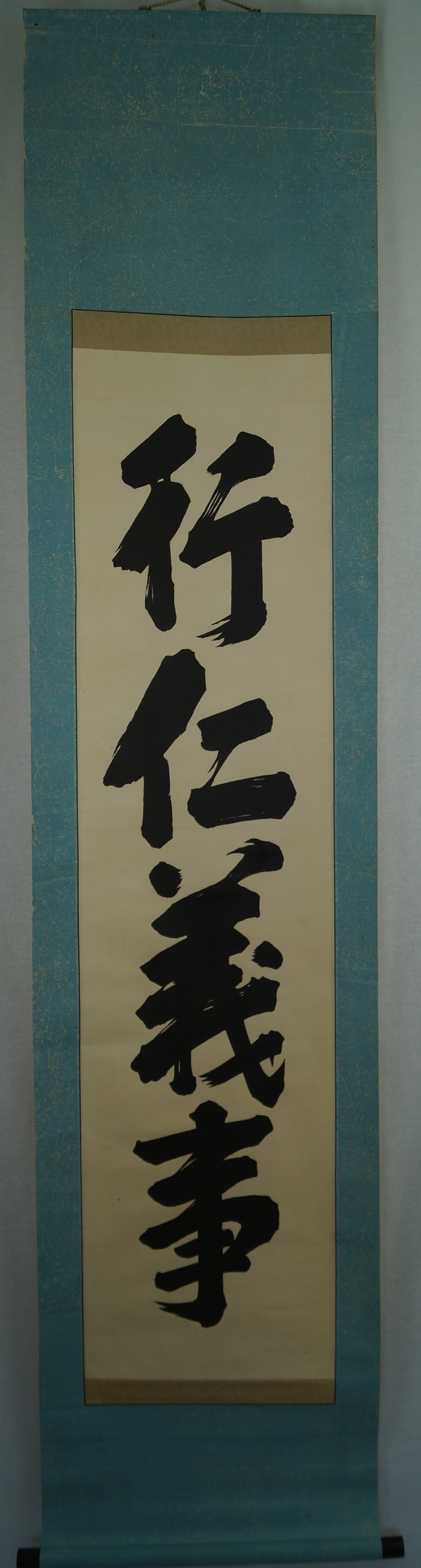
Calligraphy Print "Do Justice"
Kakemono, Print, 202 x 52 cm
€60.00
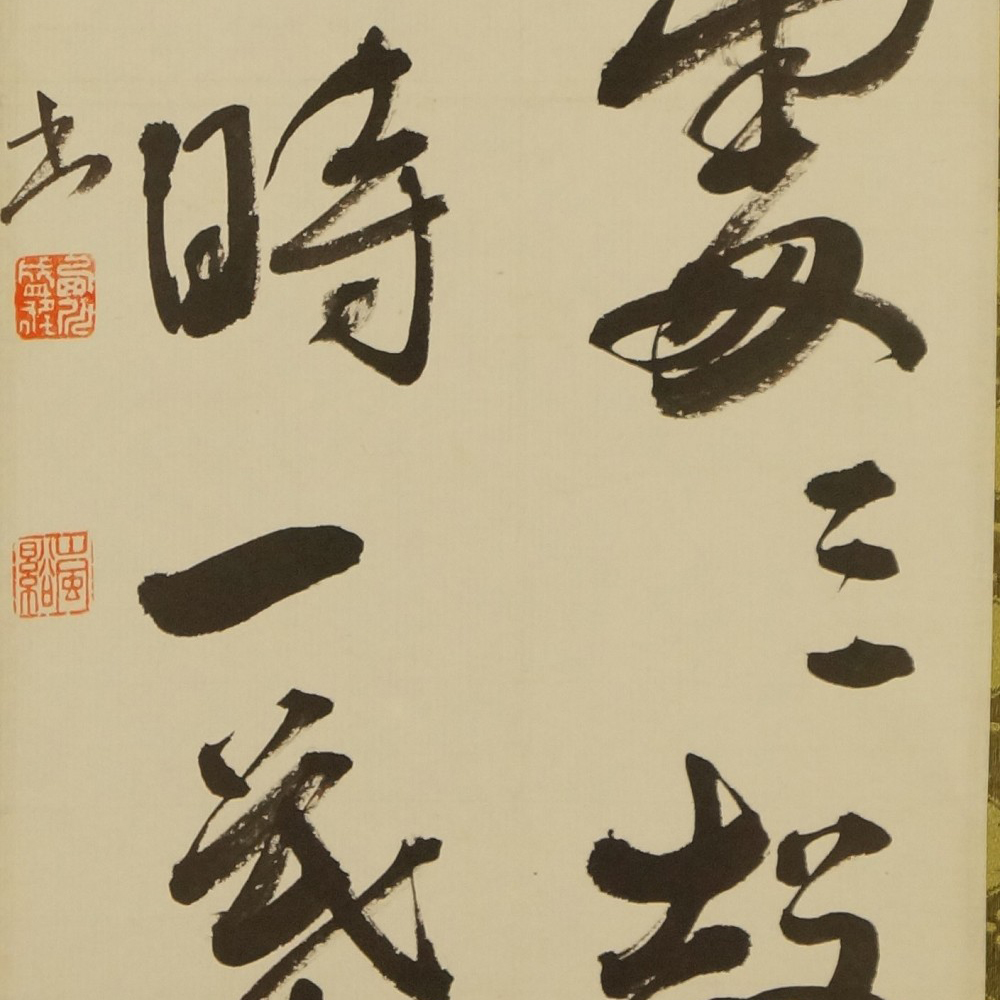
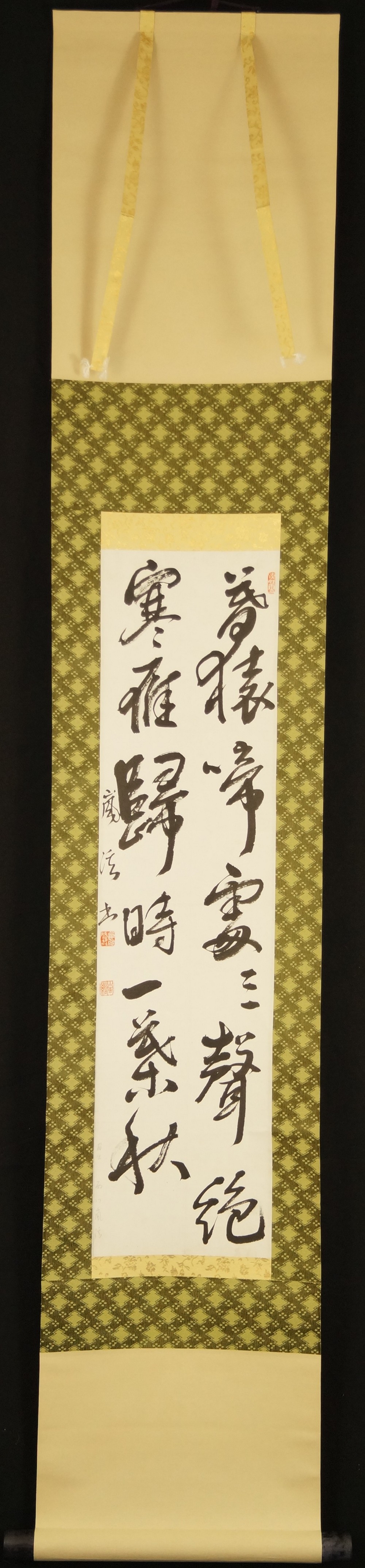
Calligraphy: Monkey's Cry and Wild Geese
Kakemono, unique work, 145 x 34 cm
€180.00
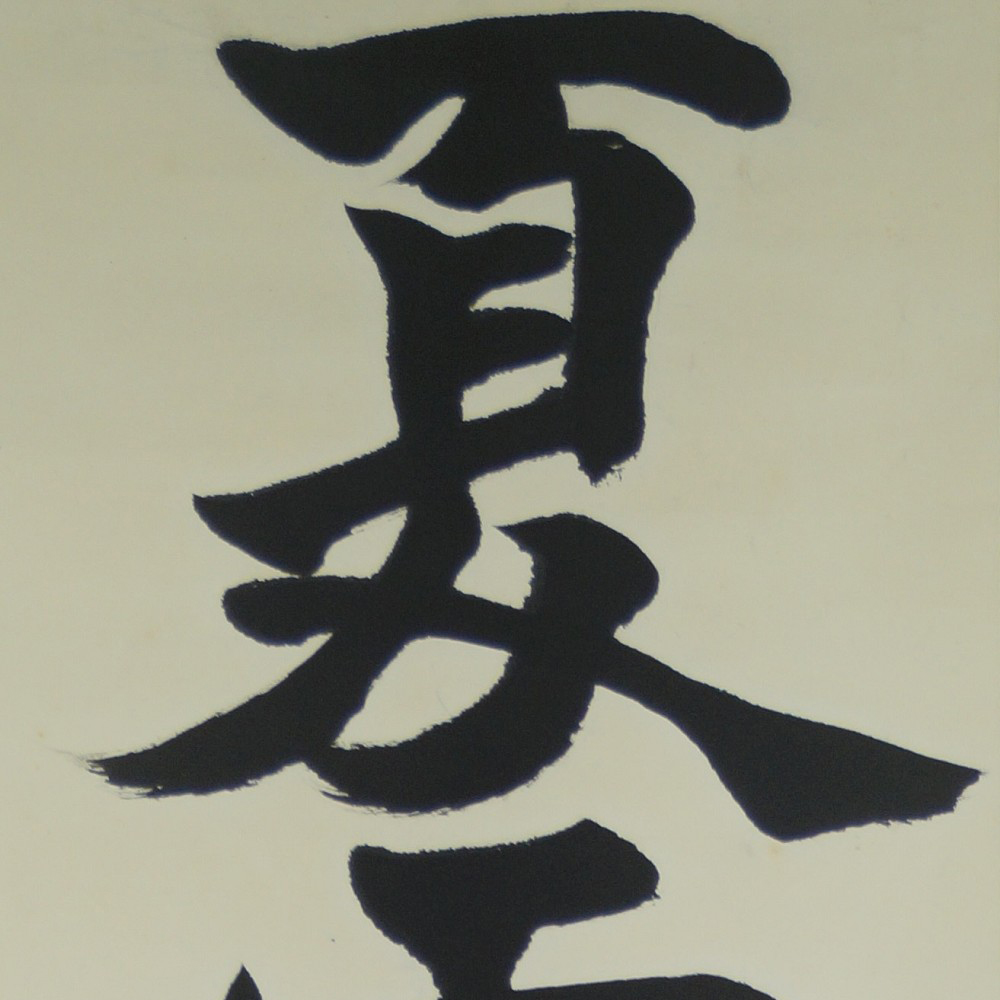
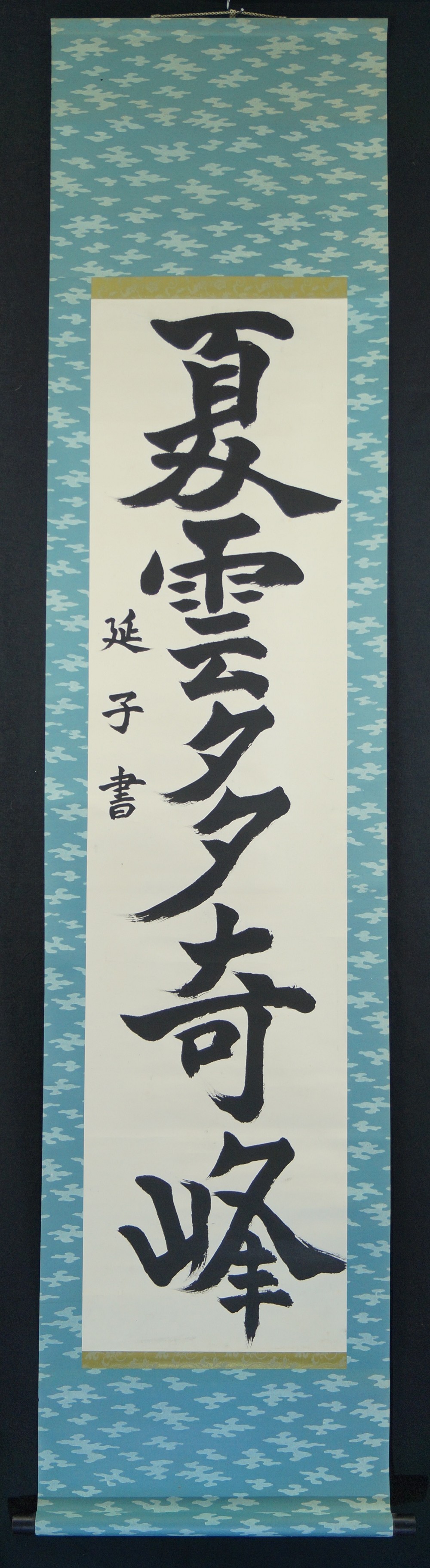
Calligraphy "Clouds in Summer, Hidden Mountain Peaks"
Kakemono, unique work, with box, 192 x 51 cm
€180.00
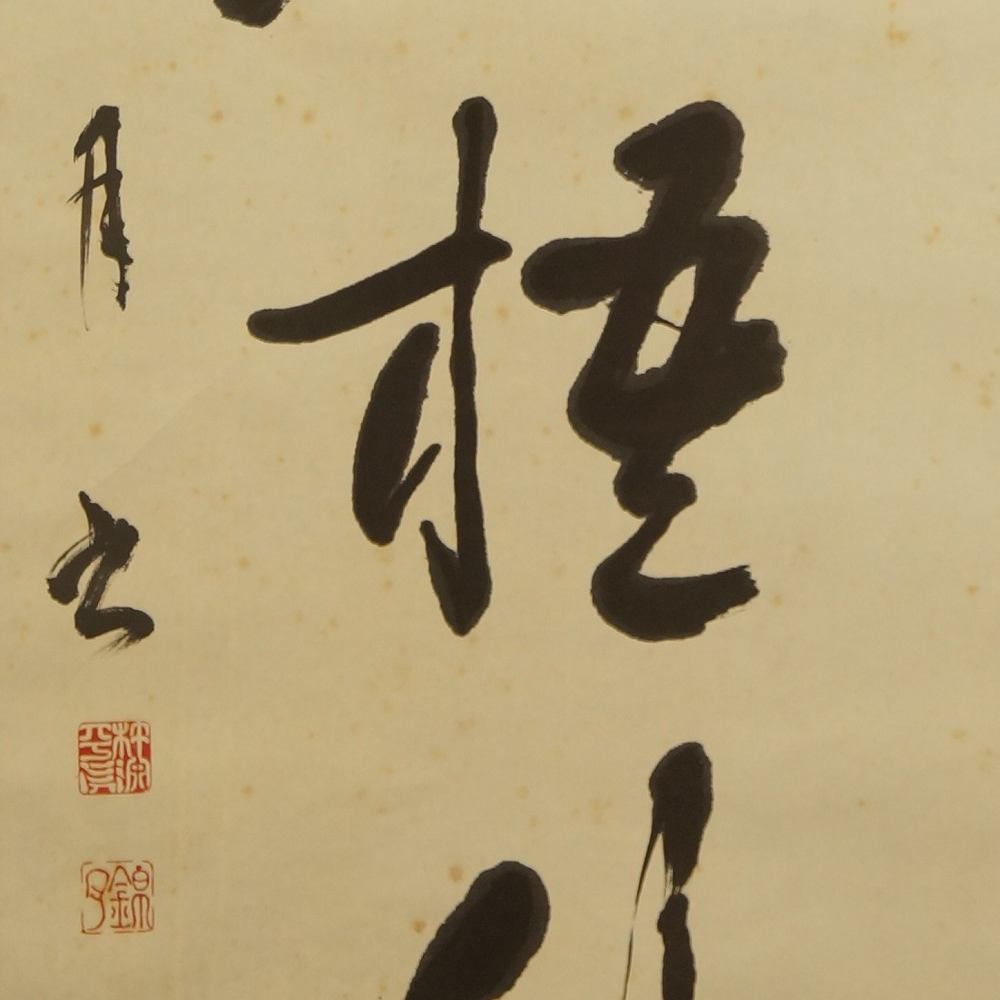

Calligraphy: Wind in the Bamboo
Kakemono, unique work, 193 x 53 cm
€210.00
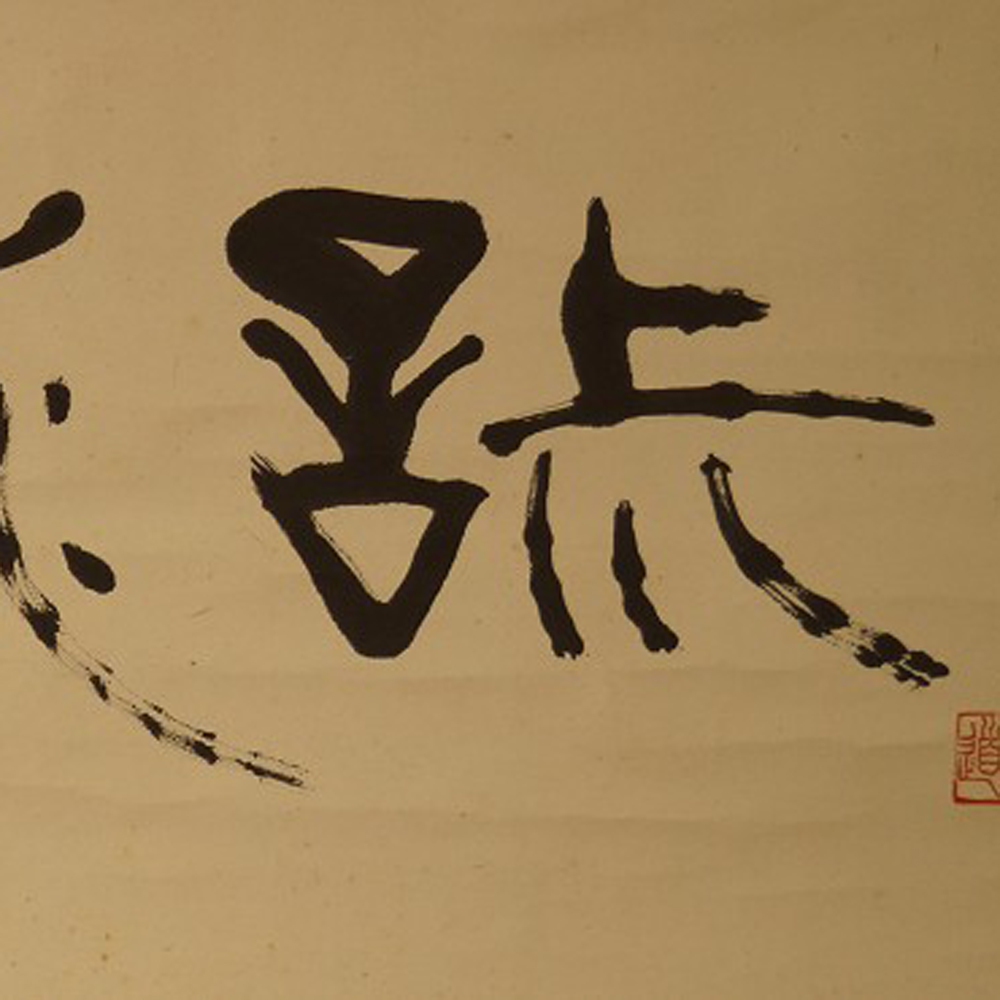
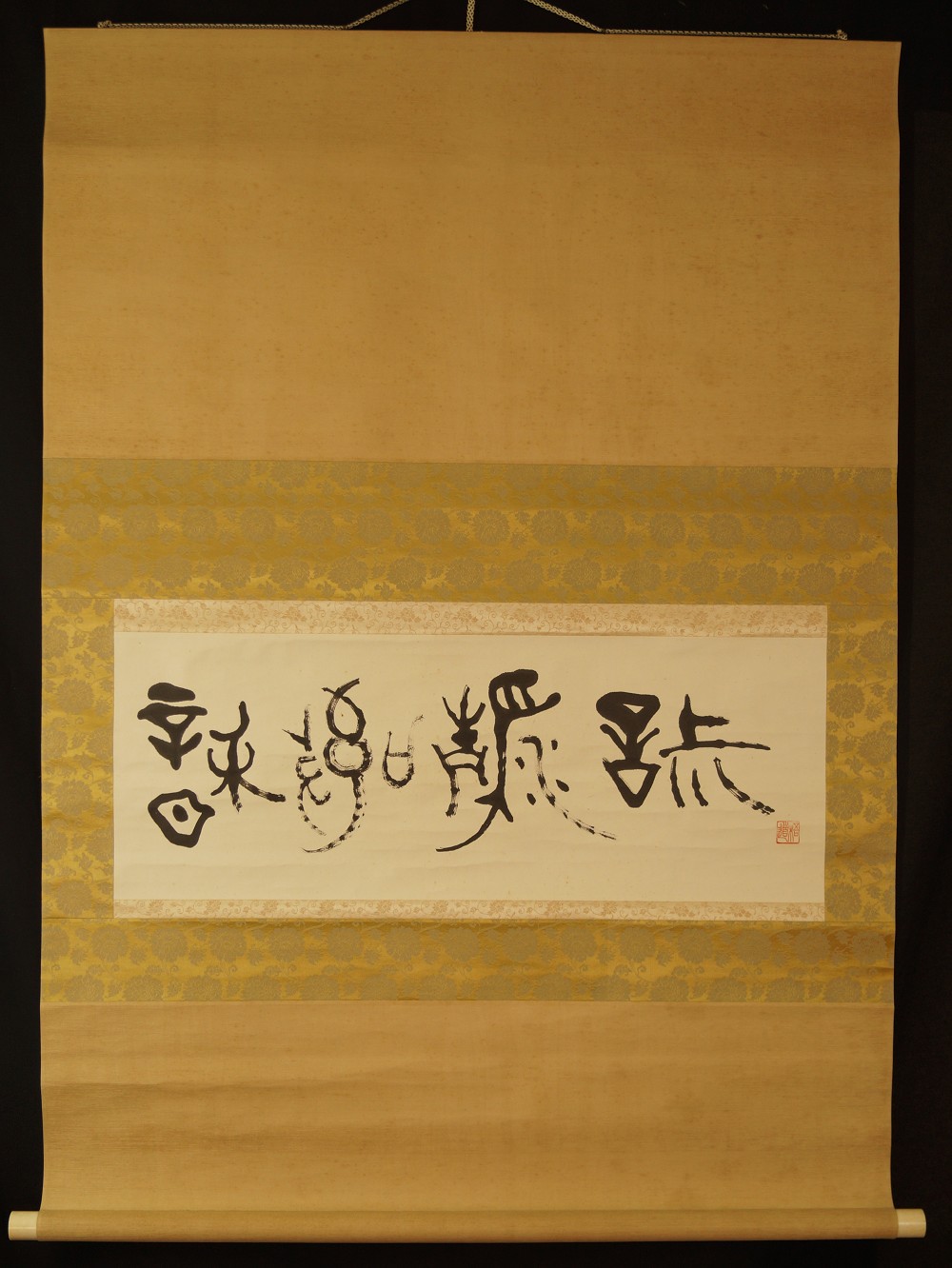
Calligraphy: The Four Virtues of Chado
Kakemono, unique work, 128 x 98 cm
€640.00
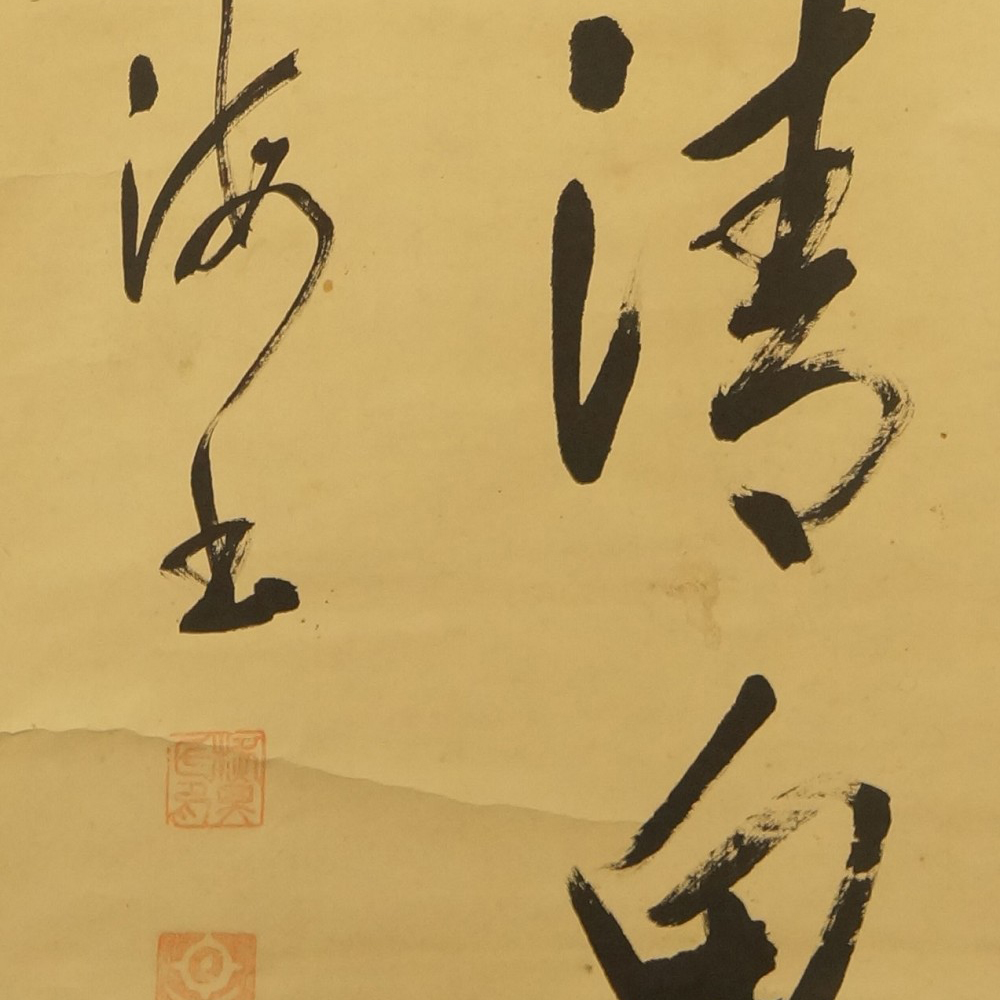
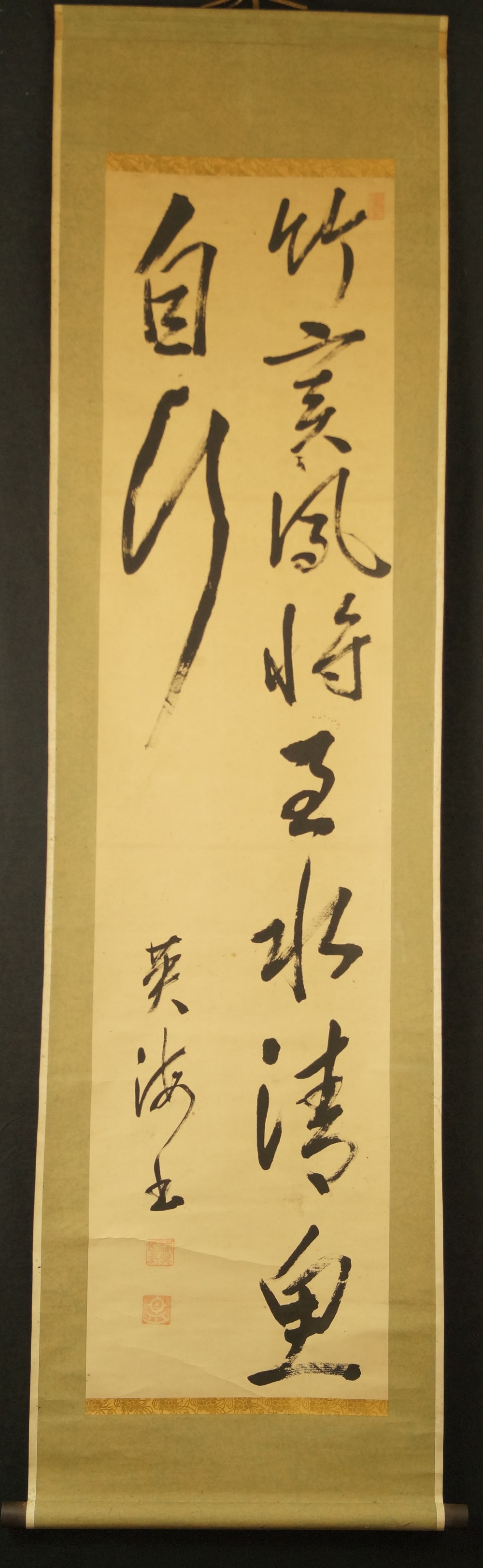
Calligraphy: Wind in the Bamboo Grove, Fish in Clear Water
Kakemono, unique work, 165 x 51 cm
€115.00
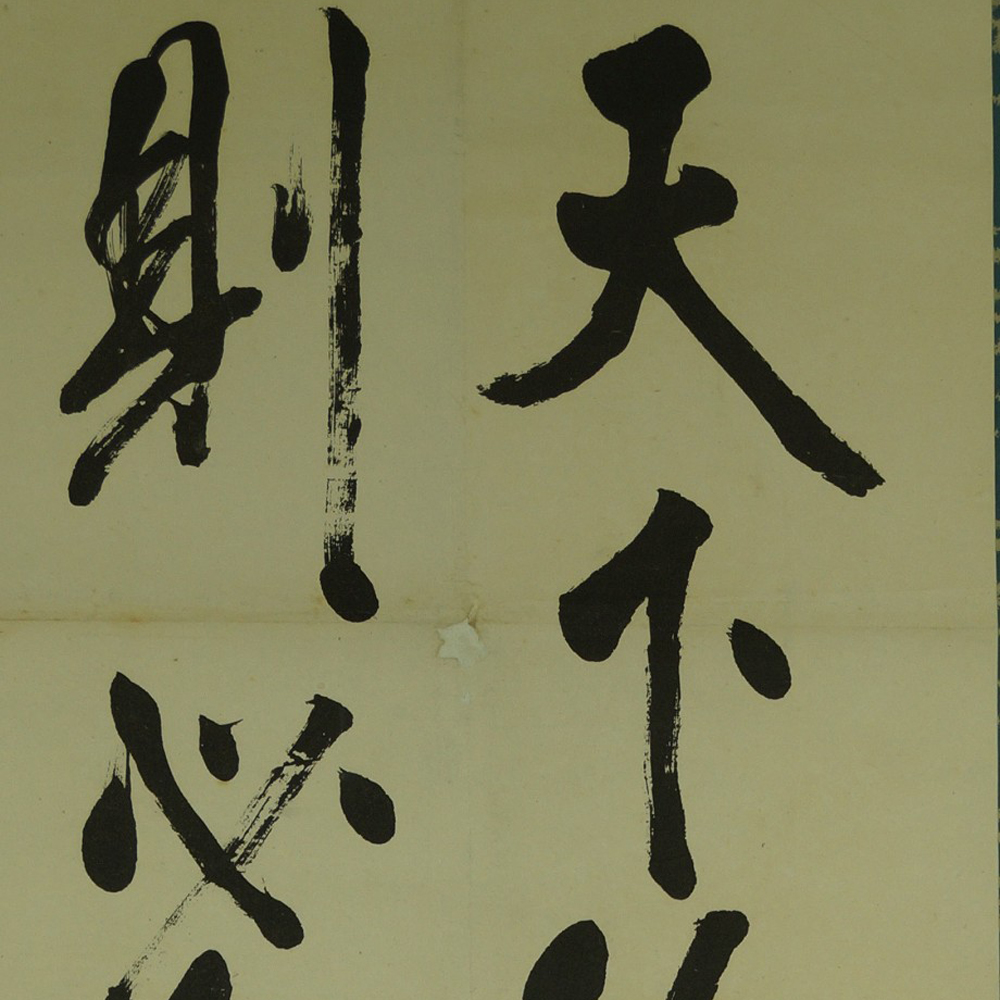
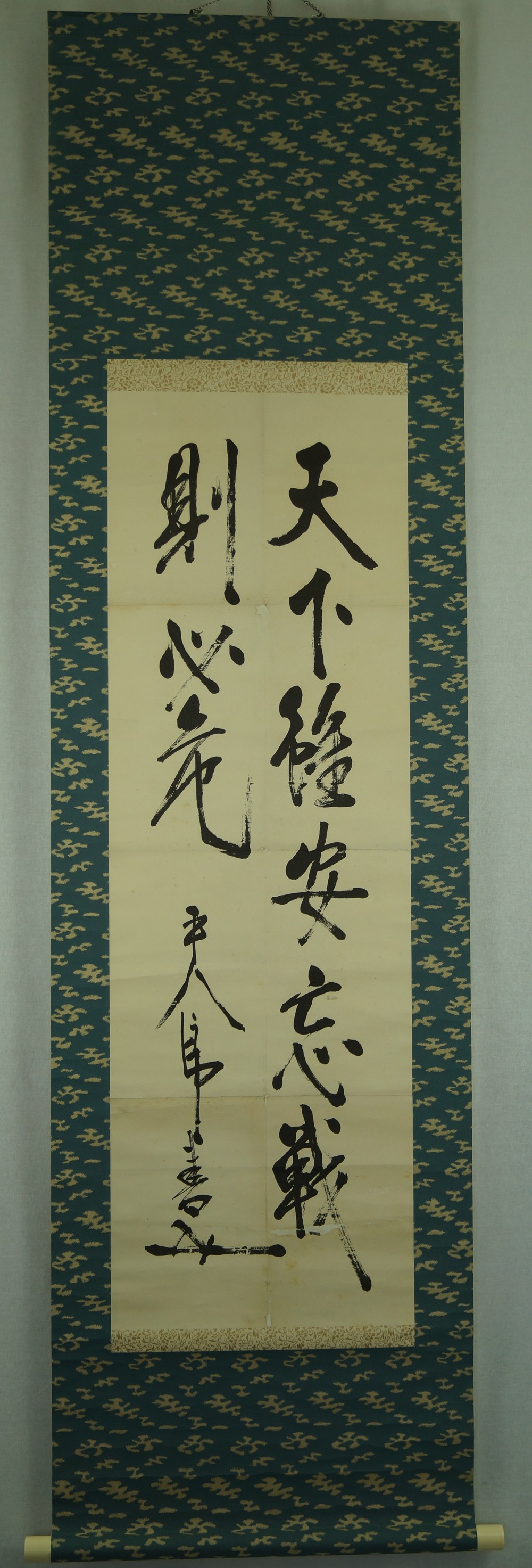
Calligraphy "Living in Peace, Not Forgetting War"
Kakemono, unique work, 170 x 52 cm
€140.00
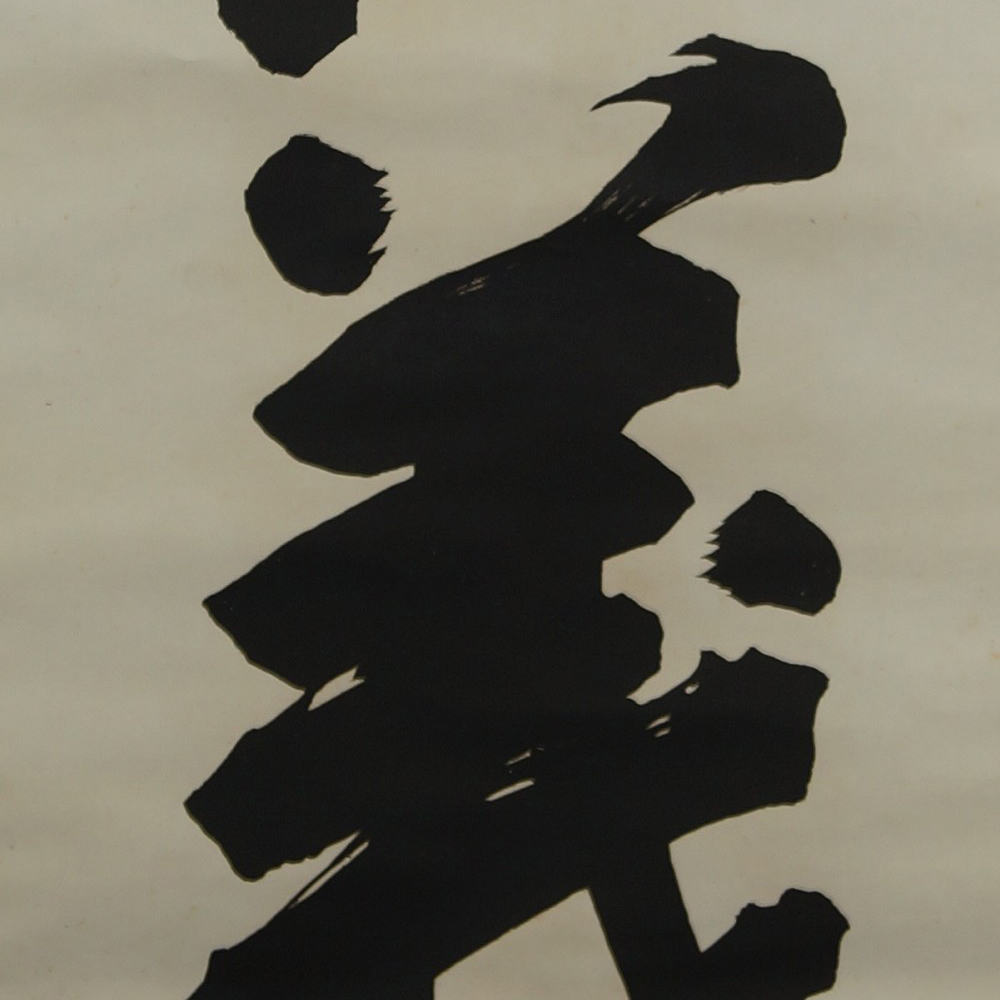
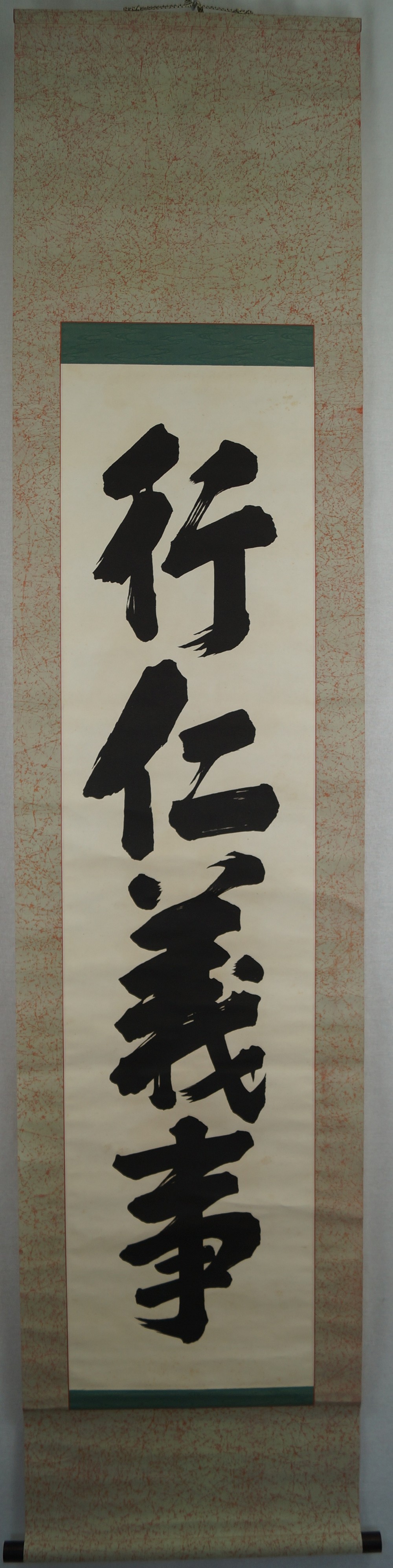
Calligraphy Print "Create Justice" in Large Script
Kakemono, Print, 200 x 50 cm
€60.00
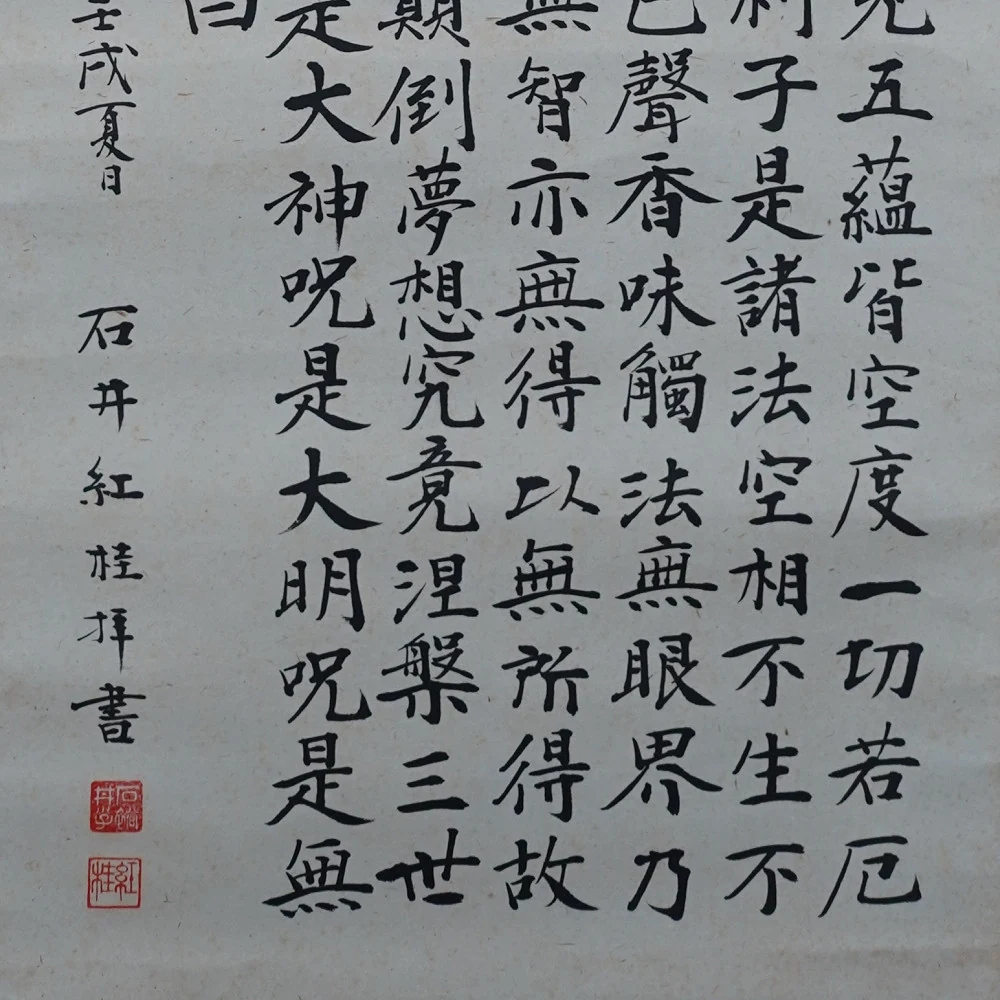
Ishii Kōkei
Heart Sutra in Bold Kaisho Script, Blue Mounting
Kakemono, unique work, with box, 190 x 53 cm
Sold
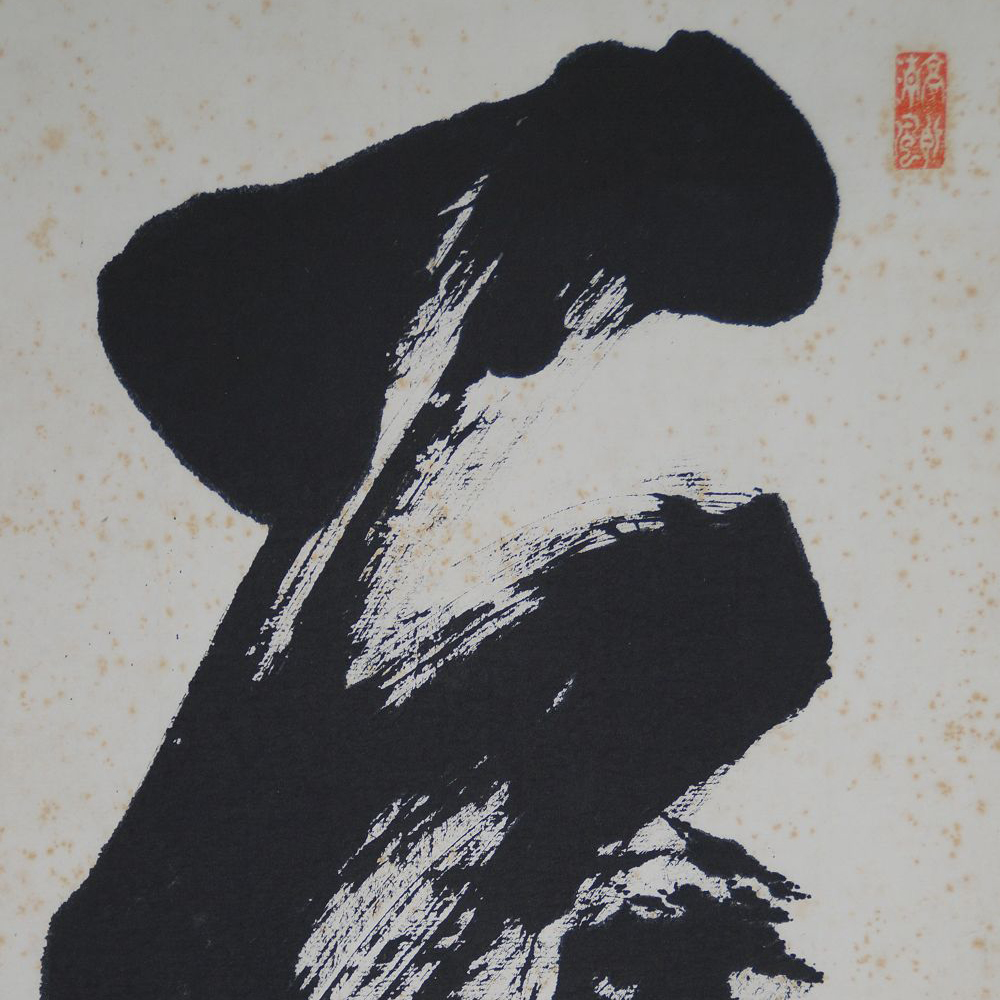
Taniuchi Seigan
Calligraphy "Banzai"
Kakemono, unique work, 200 x 37 cm
Sold
48 of 204 items shown
Shodō – The Way of Writing
The Japanese term Shodō literally means "the way of writing" and thereby places calligraphy on the same level as other classical "ways" such as the tea ceremony (Sadō) or flower arranging (Kadō). It is not solely about conveying meaning, but about breath, concentration, posture, and inner state throughout the entire writing process. In Japan, Shodō is traditionally taught already in school and continued by many people as a personal practice for a lifetime, far beyond the mere skill of beautiful writing.
Three Classical Script Styles
Kaisho is the clear, easily legible block script and often the starting point when learning calligraphy, comparable to a clean print script. Gyōsho, the semi-cursive script, connects individual strokes more fluidly with one another and already requires more practice and confidence in brush handling. Sōsho, often called "grass script," is the strongly abstracted, cursive form in which individual characters are barely legible in isolation, but which allows for particularly great artistic expression and personal handwriting – it is considered the most demanding and freest of the three style directions.
Content: From Single Characters to Poems
Many calligraphy kakemono show a single, meaning-laden character – such as for "harmony" (Wa), "way" (Dō), or "emptiness" (Kū) – while other works reproduce entire poems, classical Zen sayings, or sutra excerpts. The content and the chosen script form are usually closely related to one another: a calm, contemplative character is often executed in reduced Kaisho script, while a poem about the transient magic of spring can appear more vivid in flowing Sōsho script.
Brush, Ink, and Paper
As in painting, sumi ink, a bamboo or animal-hair brush, and washi paper are used. Unlike in pictorial painting, in calligraphy it is almost exclusively the line itself that determines the quality and expression of the work – its thickness, its tempo, the distribution of ink quantity and dryness over the course of a stroke. An experienced calligrapher often plans the entire line of writing mentally in advance, since a correction after the first contact of the brush with the paper is practically impossible.
Calligraphy as an Expression of the Artist
Every calligraphy unmistakably carries the handwriting of its creator – tempo, pressure, and the inner state of the calligrapher are immediately reflected in the finished work, quite similar to a Western signature, only many times more expressive. Two calligraphers writing the same character in the same style nevertheless produce fundamentally different works, since individuality in Japanese calligraphy is considered an integral part of the art form and not a deviation from a norm.
Calligraphy in Modern Spaces
A calligraphy kakemono is excellently suited as a clear, reduced accent in both modern and traditional spaces. A single powerful character can shape an entire room atmosphere without any language knowledge being necessary to grasp the visual and energetic effect of the work.
Learning and Understanding Calligraphy
Even those who do not practice calligraphy themselves benefit from knowing a little about the fundamentals of this art form: the sequence and direction of the brush strokes, called stroke order, follow fixed rules handed down over centuries, which underlie every Japanese character. Only the conscious deviation from this basic order – for instance in the free Sōsho script – allows an experienced calligrapher to bring in their individual artistic touch, without completely abandoning the fundamental legibility and structure of the character.
Popular Characters and Their Meaning
In addition to "harmony" (Wa), characters such as "luck" (Fuku), "health" (Kenkō), "love" (Ai), or "stillness" (Sei) are also among the most popular motifs for decorative calligraphy kakemono. Each of these characters can furthermore be executed in different script styles, whereby even with identical character content completely different visual effects can be achieved – from clear and calming in Kaisho to energetic and dynamic in Sōsho.
Calligraphy as a Bridge Between Cultures
Even outside Japan, Shodō enjoys growing appreciation, since the pure, immediate expressive power of a brush stroke can be perceived independently of language barriers. Art enthusiasts who feel connected to abstract painting or minimalist art often find a surprisingly close kinship in Japanese calligraphy: both forms of expression rely on reduction, gesture, and the expressive power of the individual line rather than on representational depiction.
Discover the power and stillness of Japanese Calligraphy – a calligraphic kakemono is pure, concentrated expressive art for your home.