Japanese Kutani Porcelain
Go directly to the artworksIn brief
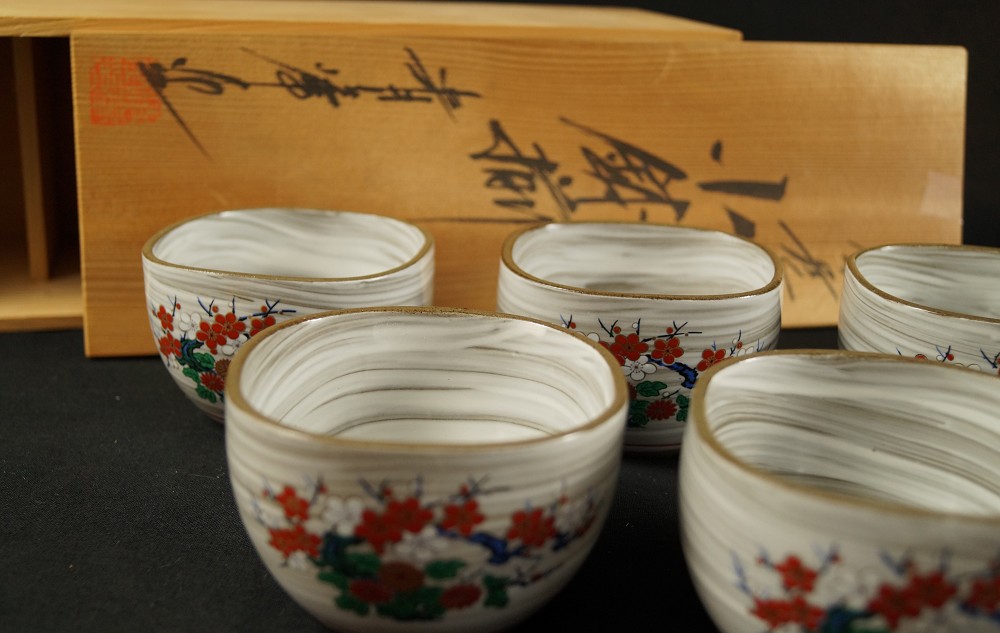
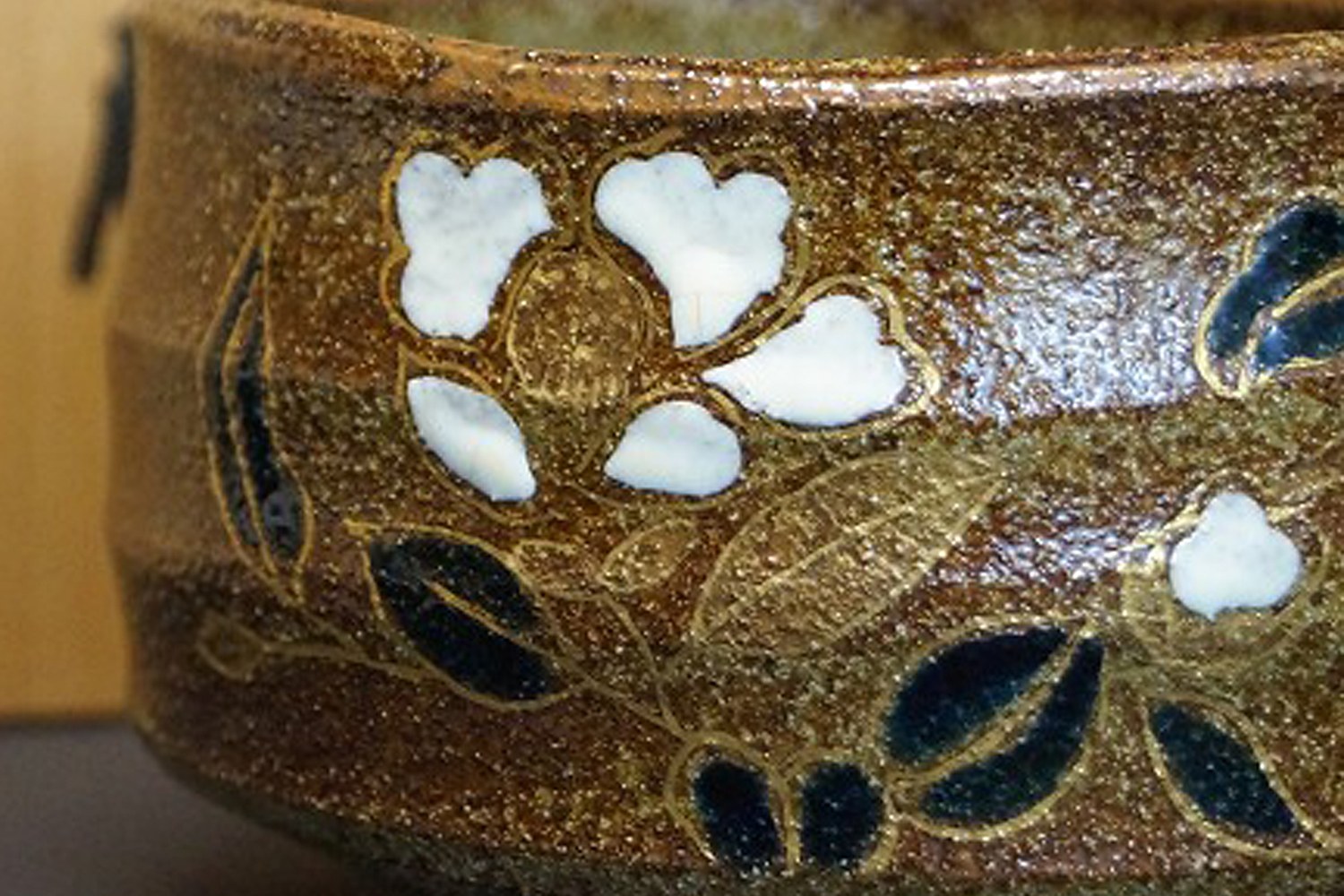
Kutani porcelain (九谷焼, Kutani-yaki) is Japanese porcelain from Ishikawa Prefecture, named after the village of Kutani, where the first kiln was founded in the mid-17th century. Its hallmark is bold overglaze painting in the gosai-de style with green, yellow, purple, blue and red, which gives the porcelain an almost painterly quality. After the early Ko-Kutani period the tradition lay dormant for about a hundred years and was revived in the 19th century as Saiko-Kutani with new styles. At Densho you will find hand-painted Kutani sake sets, tokkuri, tea bowls and vases as one-of-a-kind pieces direct from Japan.
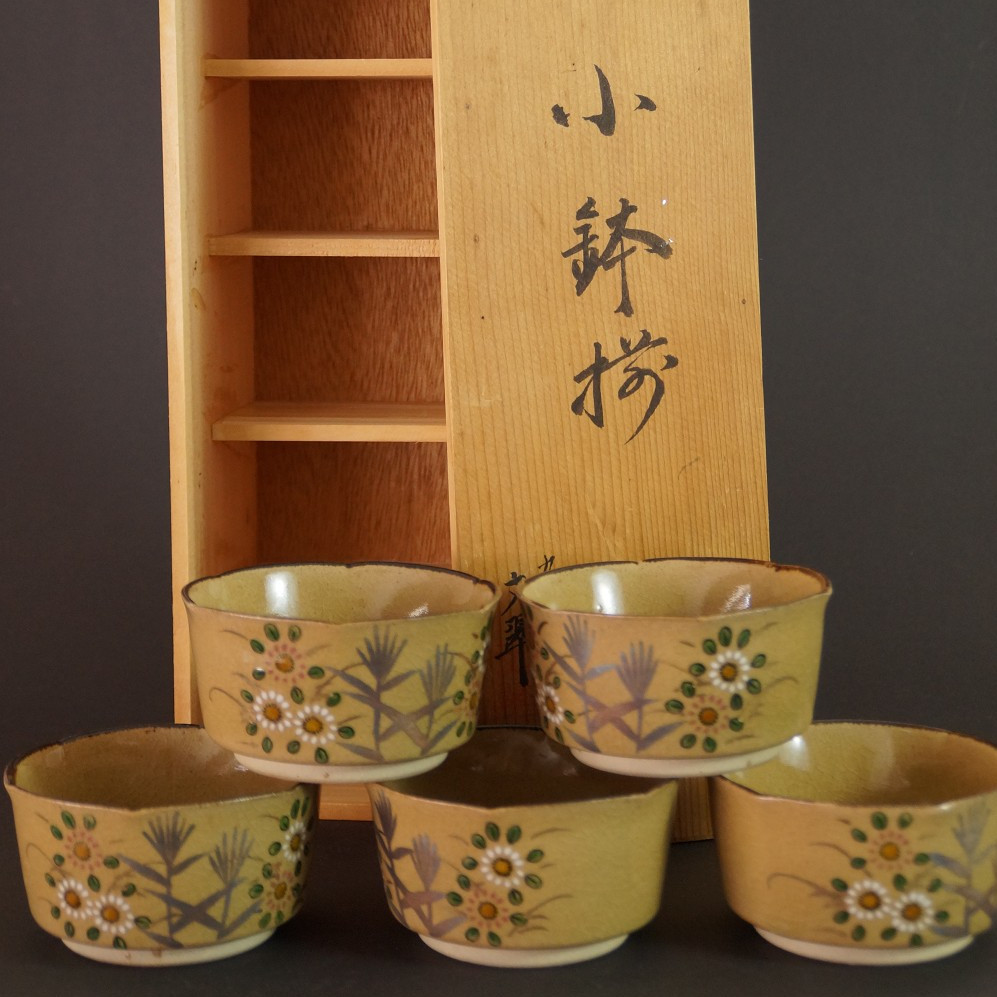

Set of Five Tea Bowls Made of Kutani Porcelain with Autumn Grasses
Chawan, unique work, with box, 6 x 10 cm
€180.00

Nakamura Baizan
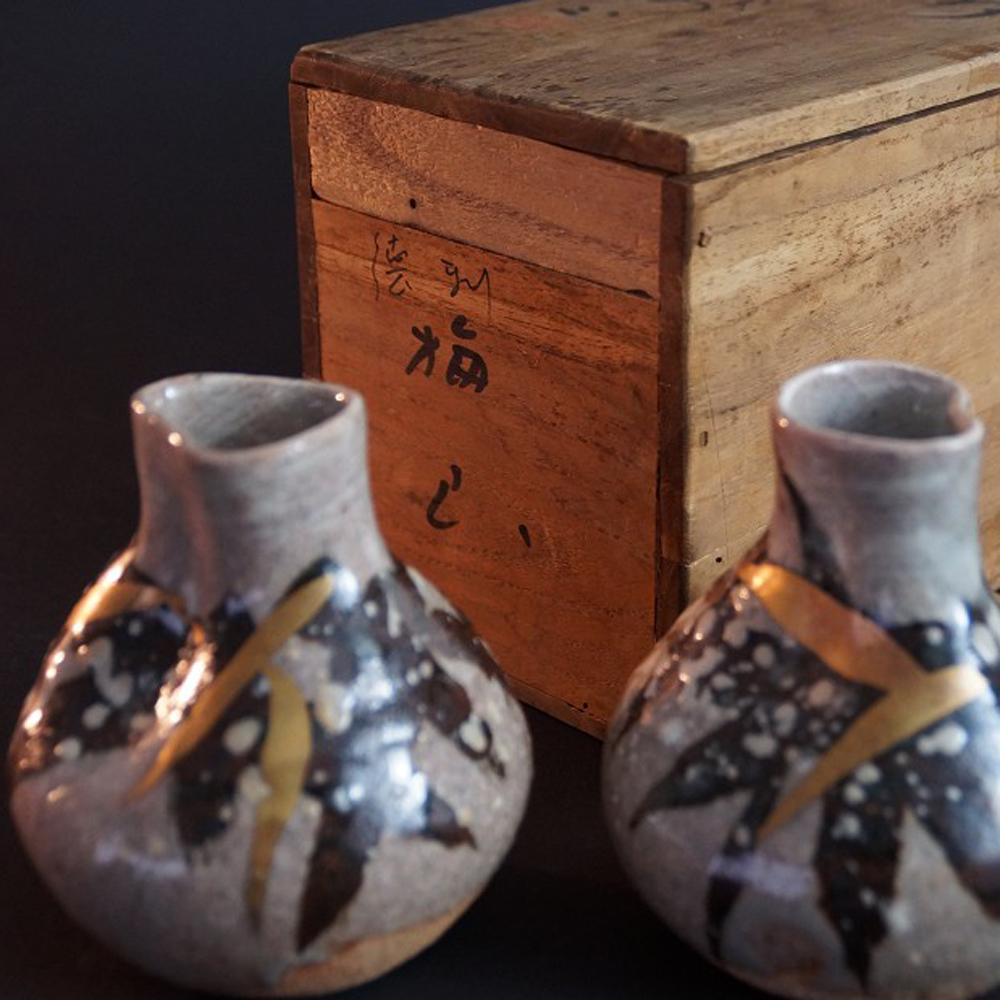
Two Tokkuri Made of Kutani Porcelain by Baizan Nakamura
Tokkuri, unique work, with box, 9 x 9 cm
€440.00
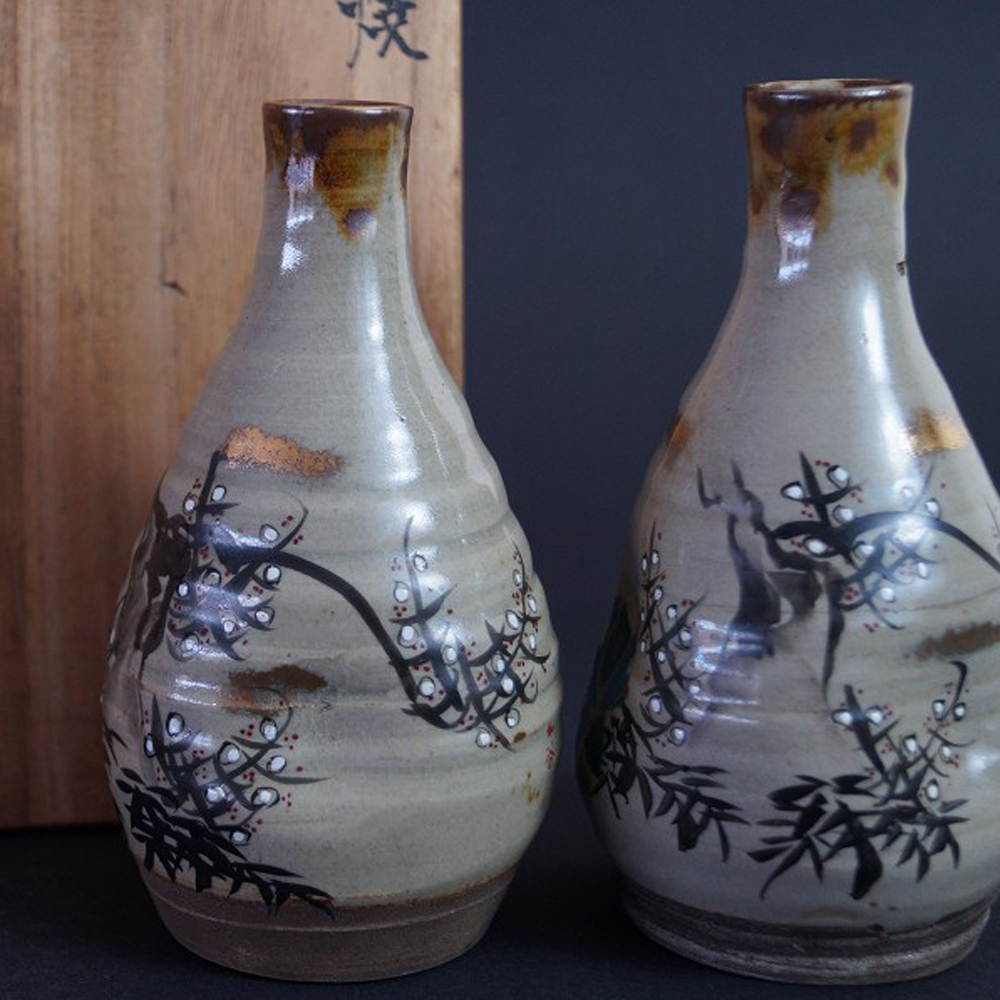

Two Tokkuri Made of Kutani Porcelain
Tokkuri, unique work, with box, 14 x 7 cm
€330.00
Hakusen Kutani
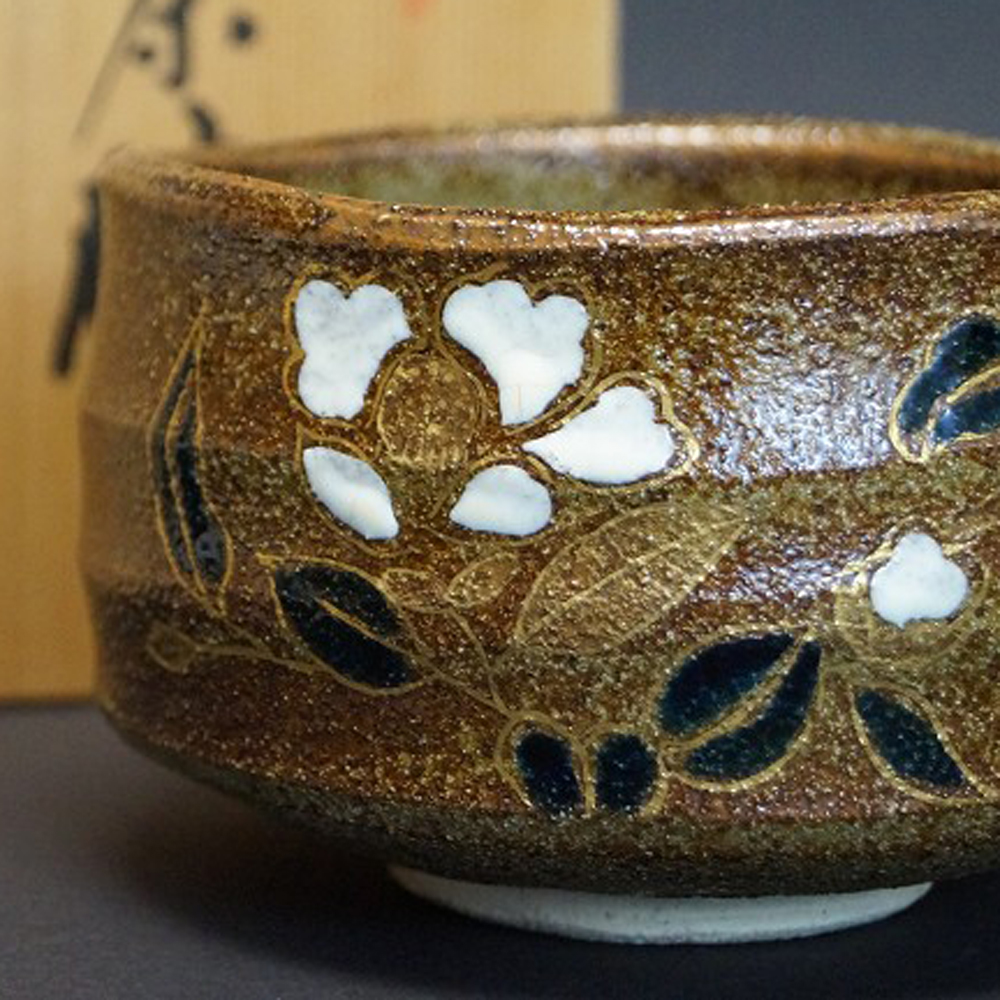
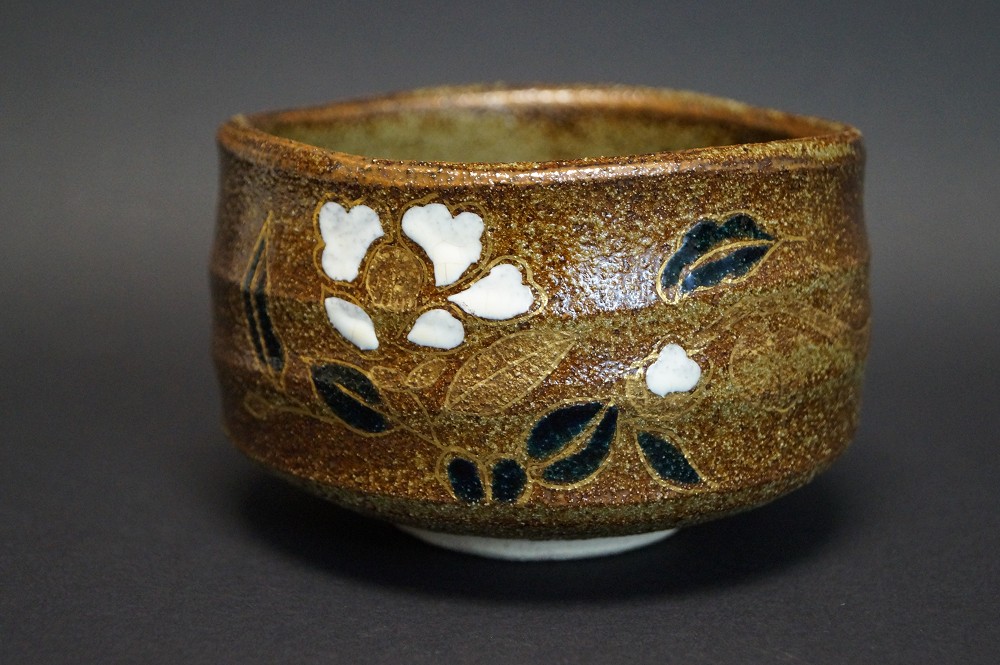
Chawan Kutani Ware by Hakusen Kutani
Chawan, unique work, with box, 7 x 11 cm
€190.00
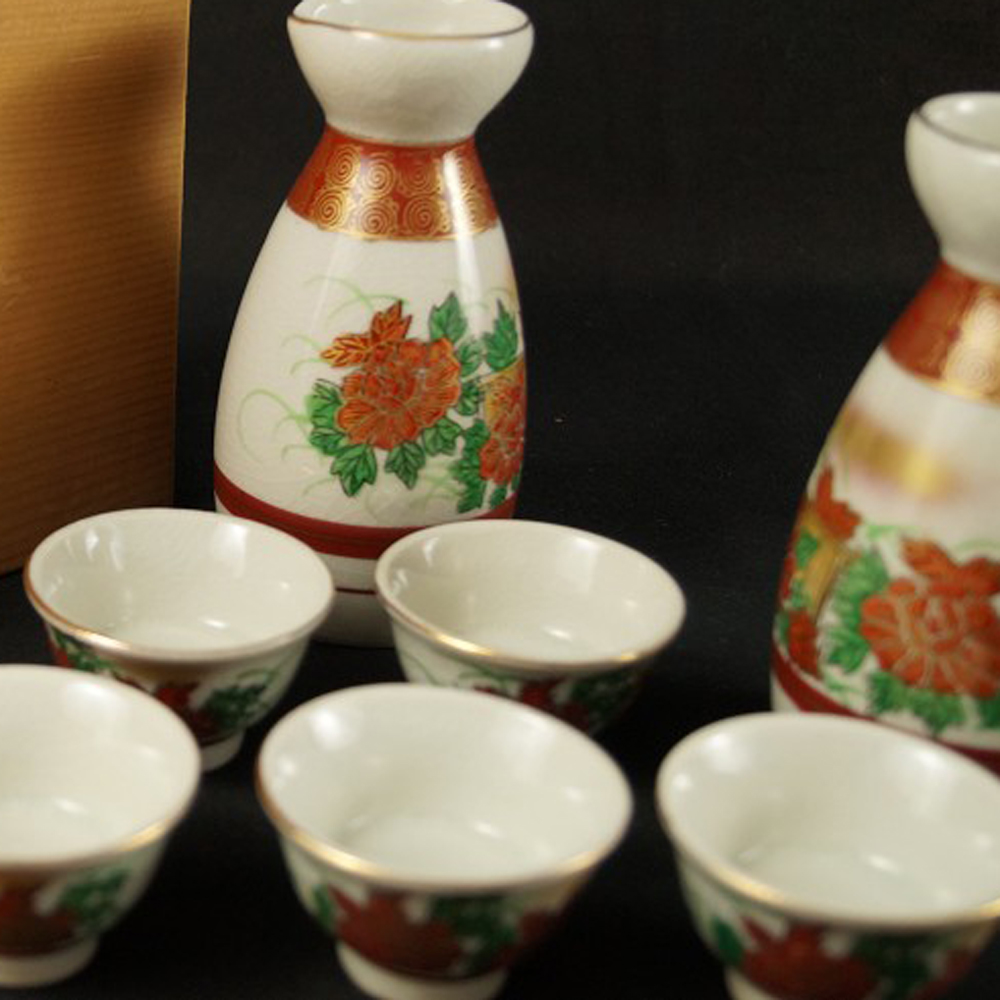
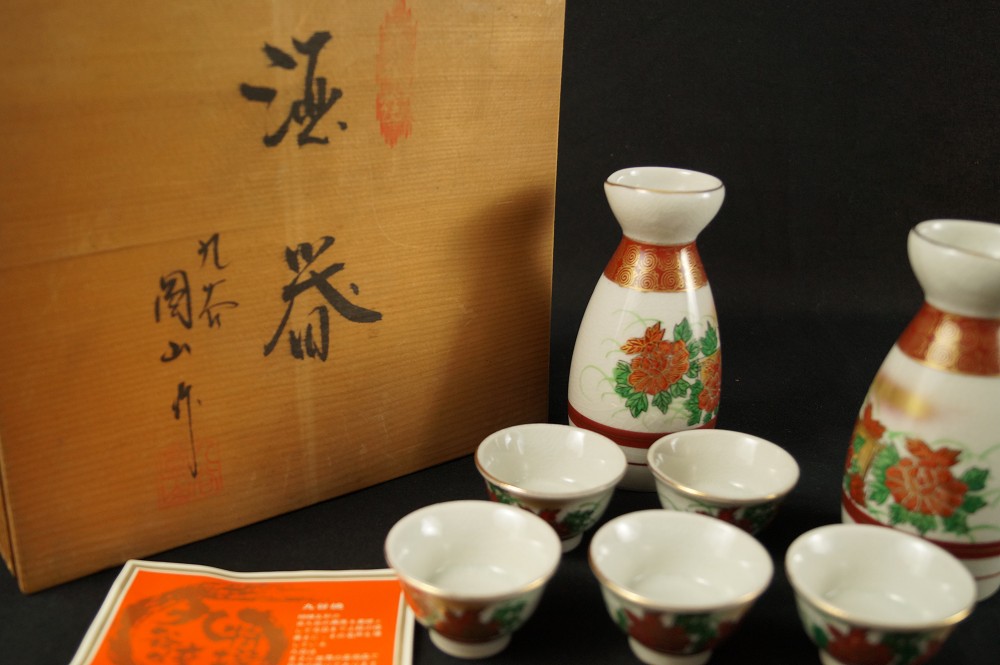
Sake Set with Peony Motif Made of Kutani Porcelain
Set of Guinomi and Tokkuri, unique work, with box
€160.00
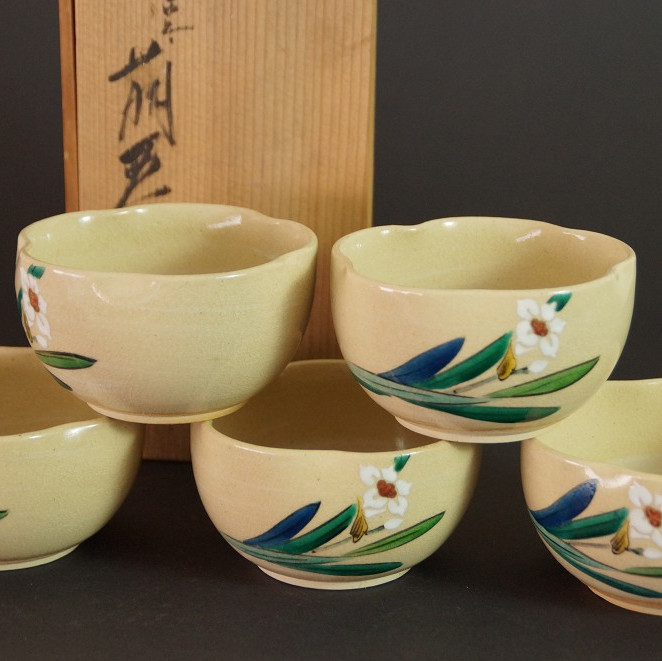
Set of Five Tea Bowls Made of Kutani Ware with Floral Decoration
Chawan, unique work, with box, 6 x 10 cm
Sold
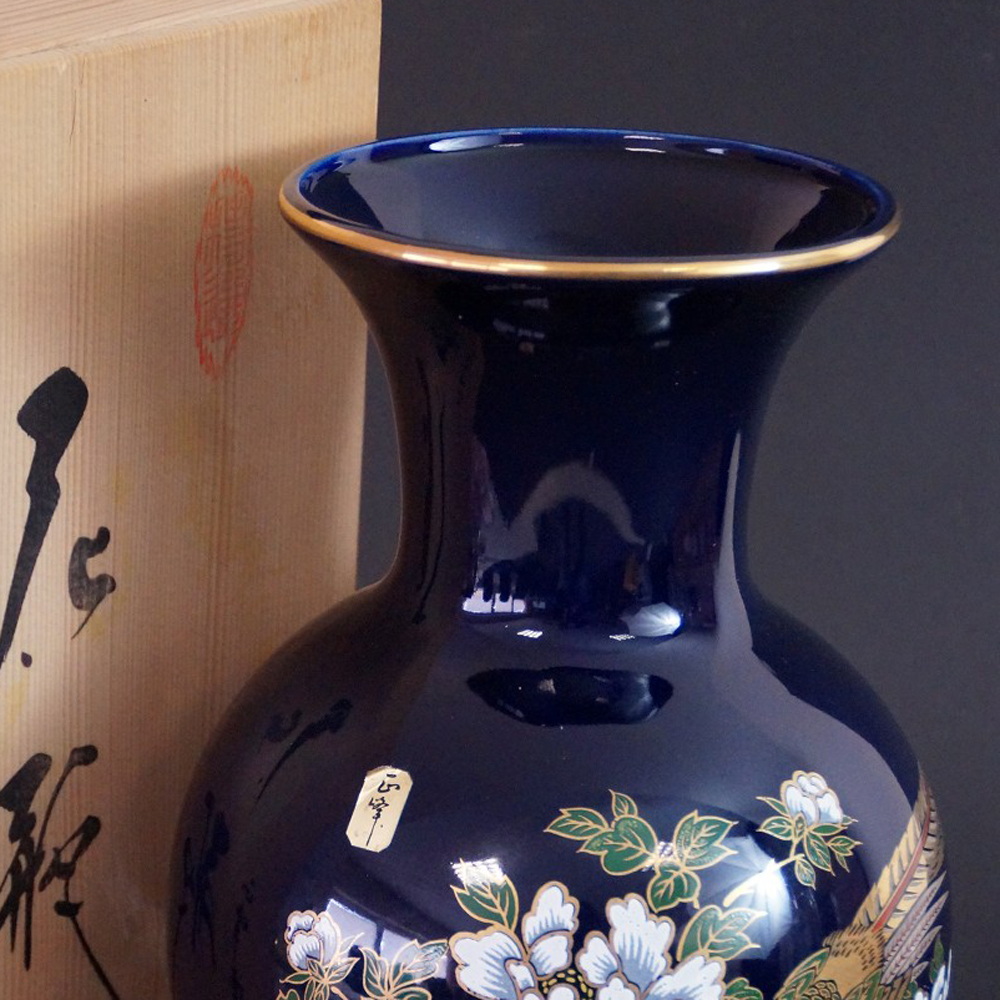
Seiho
Handcrafted Japanese Kutani Vase by Seiho
Vase, unique work, with box, 26 x 16 cm
Sold
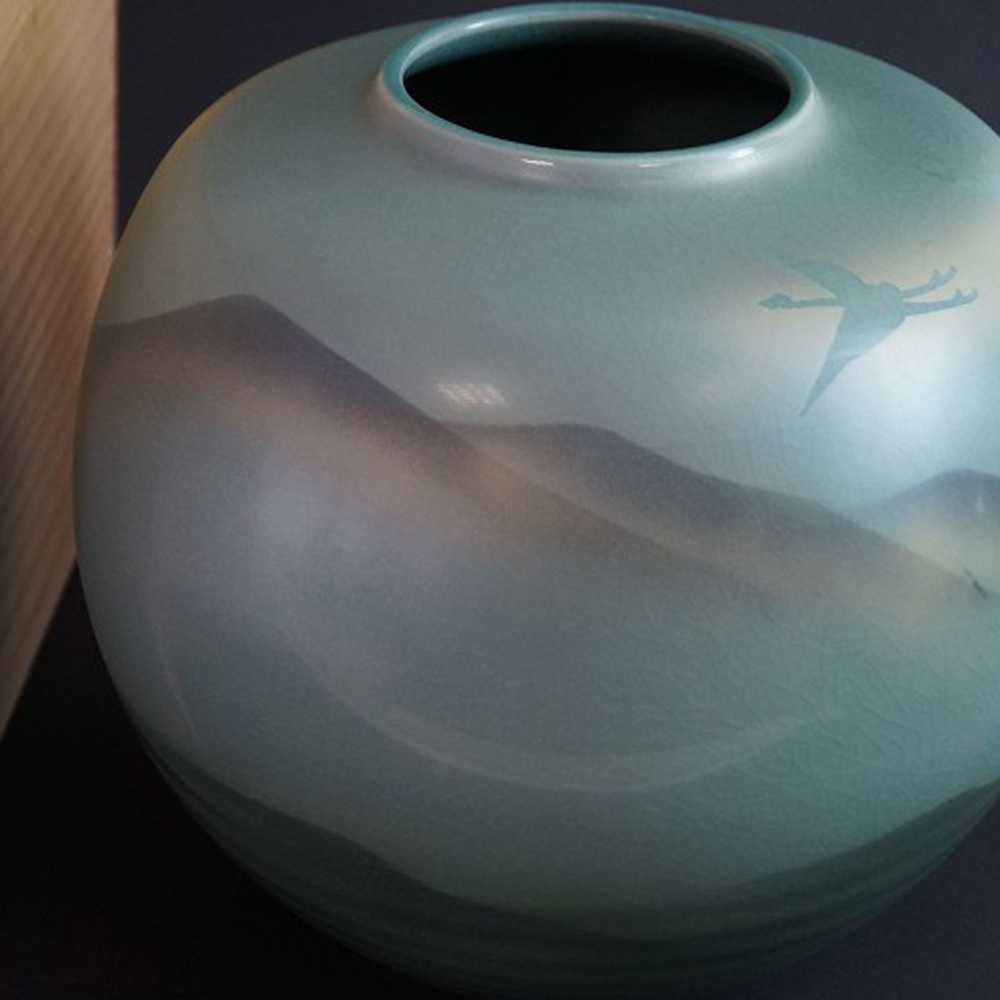
Kosho
Handcrafted Japanese Kutani Vase by Kosho
Vase, unique work, with box, 22 x 23 cm
Sold
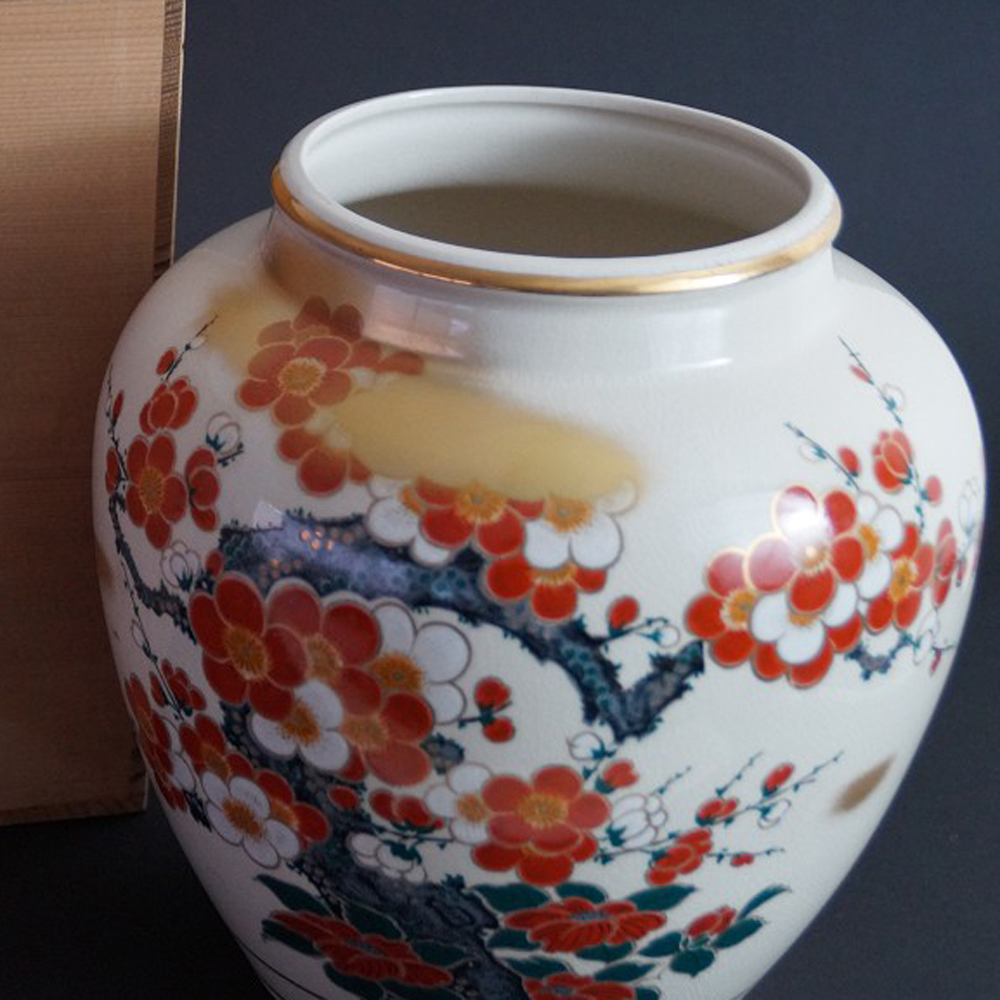
Eizan
Handcrafted Japanese Vase Made of Kutani Porcelain by Eizan
Vase, unique work, with box, 22 x 20 cm
Sold
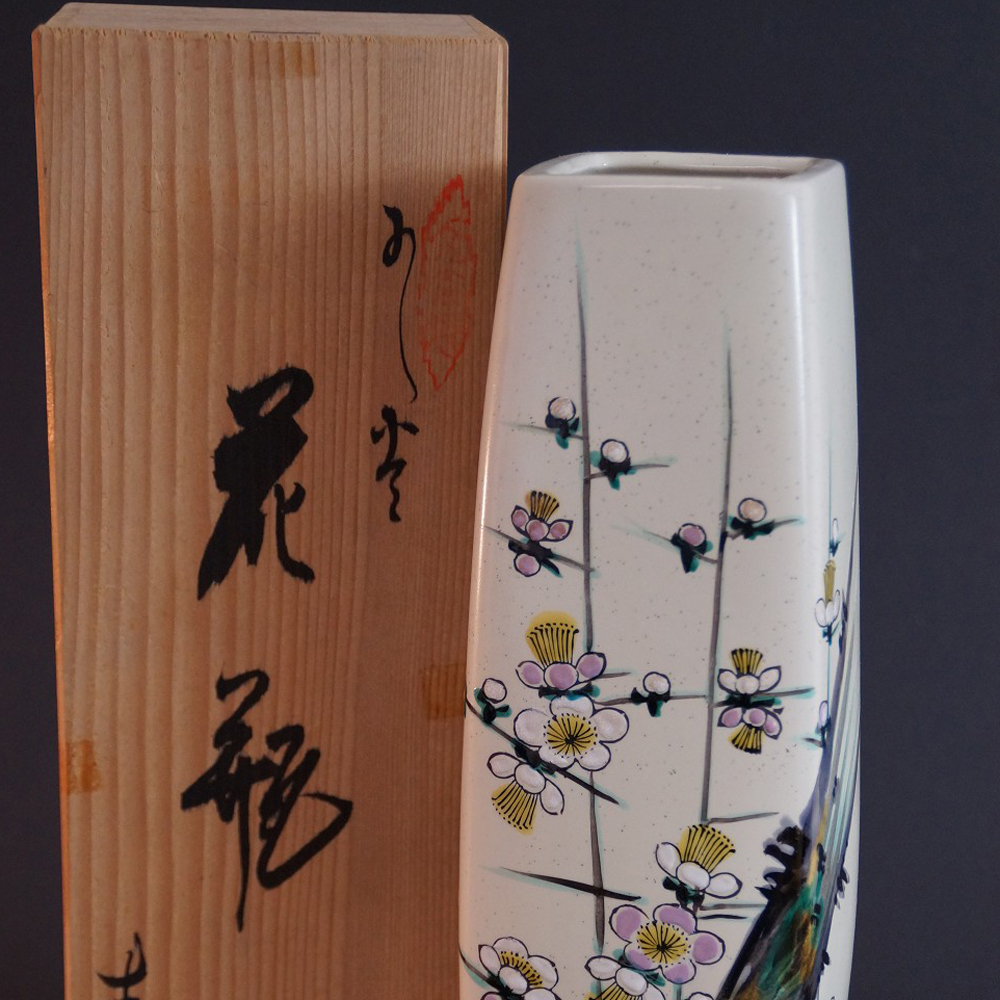
Handcrafted Japanese Vase Made of Kutani Porcelain
Vase, unique work, 29 x 8 cm
Sold
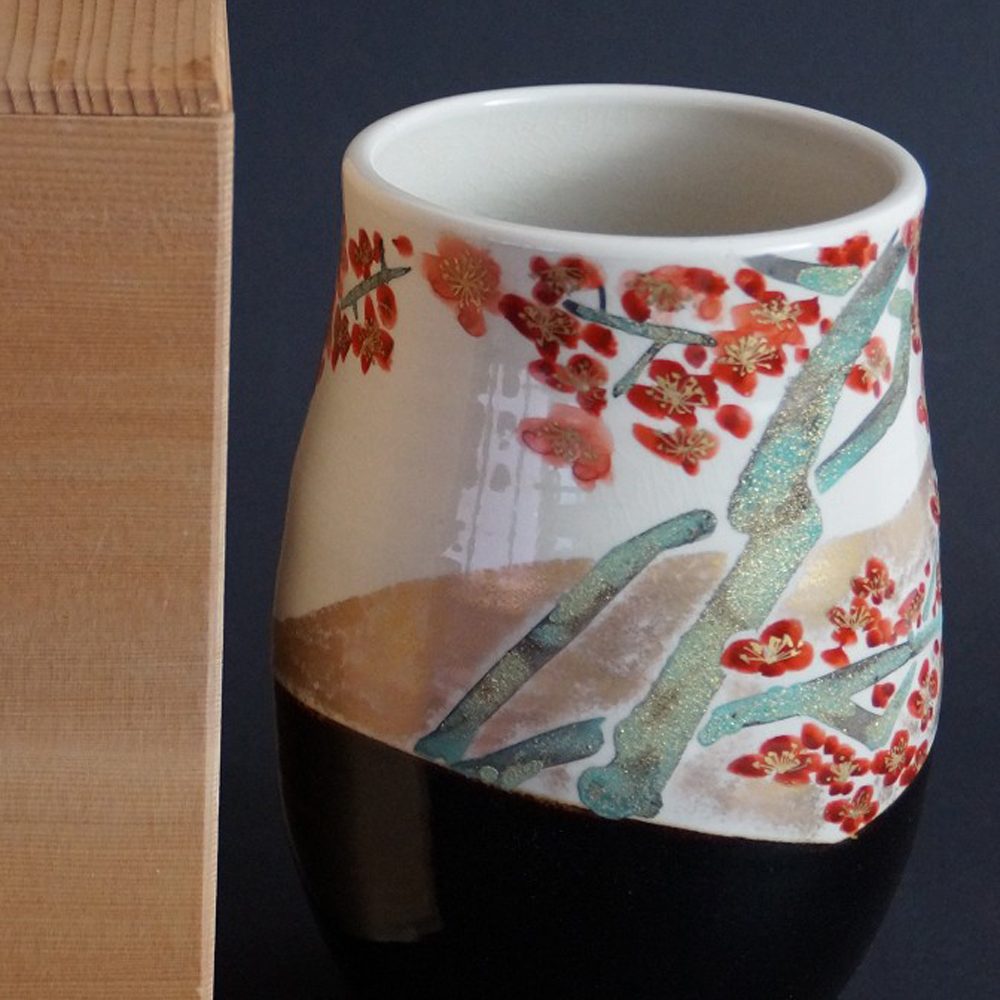
Akimori Nakata
Vase Made of Kutani Ware by Akimori Nakata
Vase, unique work, with box, 20 x 13 cm
Sold
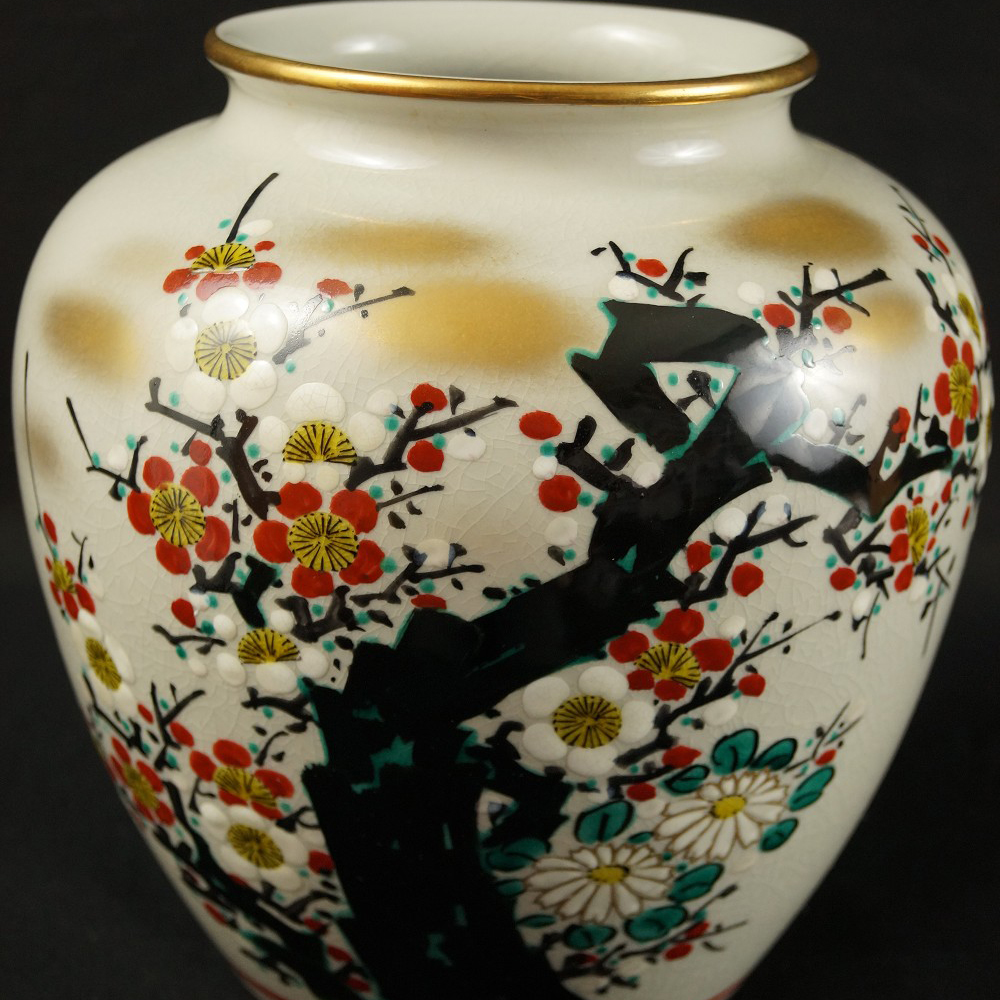
Bulbous Kutani Porcelain Vase with Plum Blossoms
Vase, unique work, with box, 23 x 20 cm
Sold
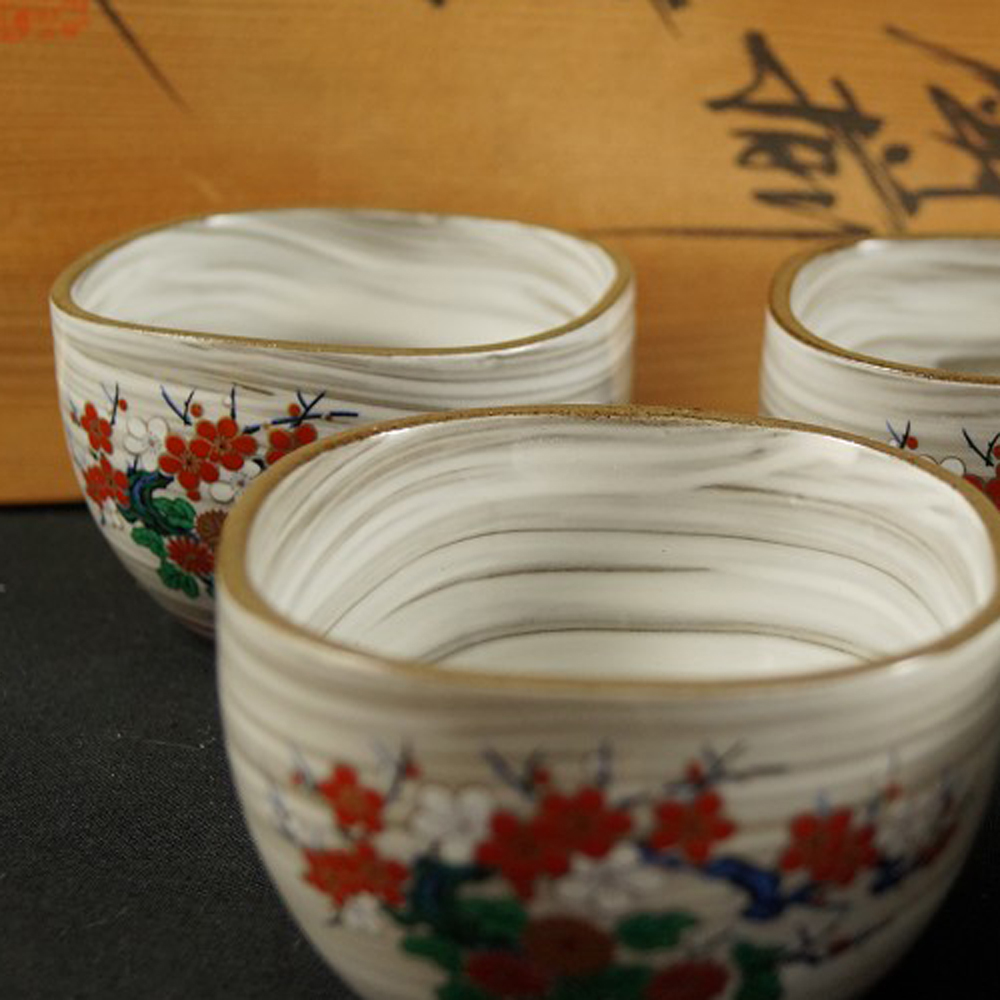
Tea Set with Floral Motif Made of Kutani Porcelain
Tea Set, unique work, with box, 6 x 9 cm
Sold
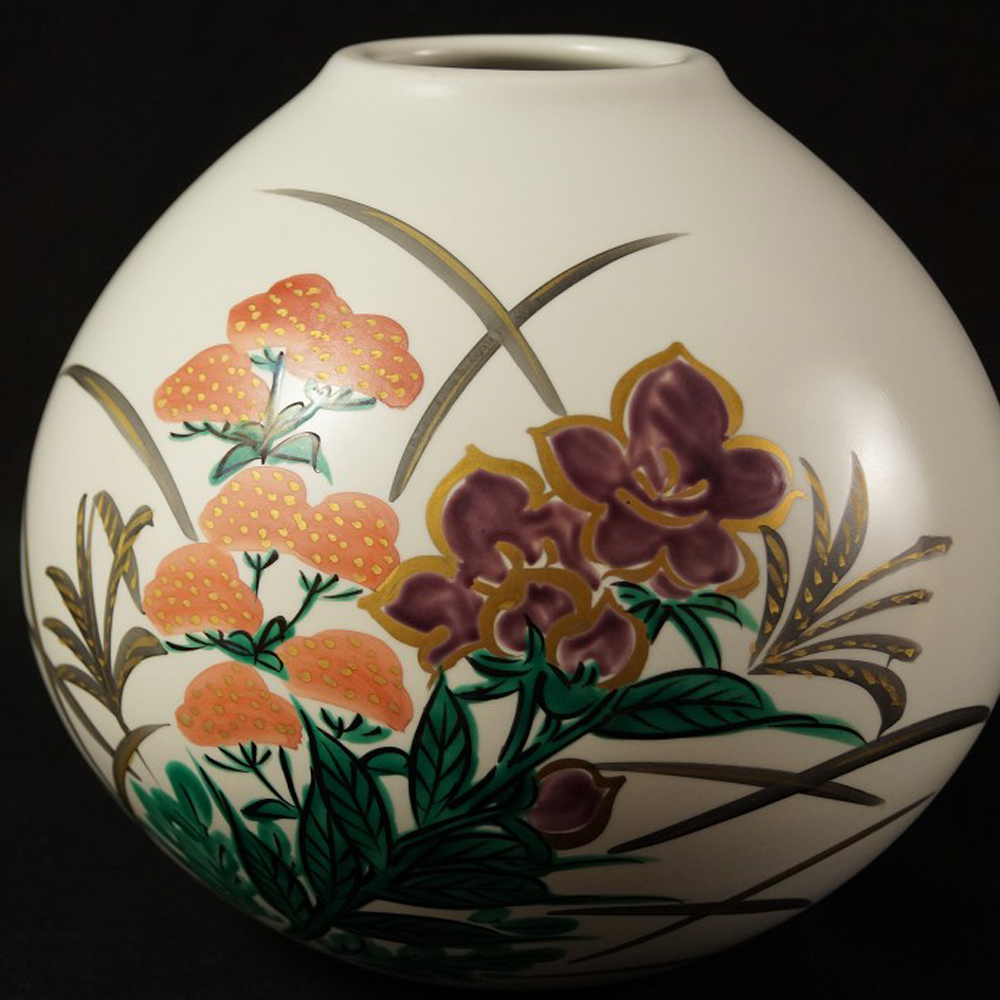
Flowers - Japanese Hand-Crafted Vase Made of Kutani Porcelain
Vase, unique work, with box, 21 x 21 cm
Sold
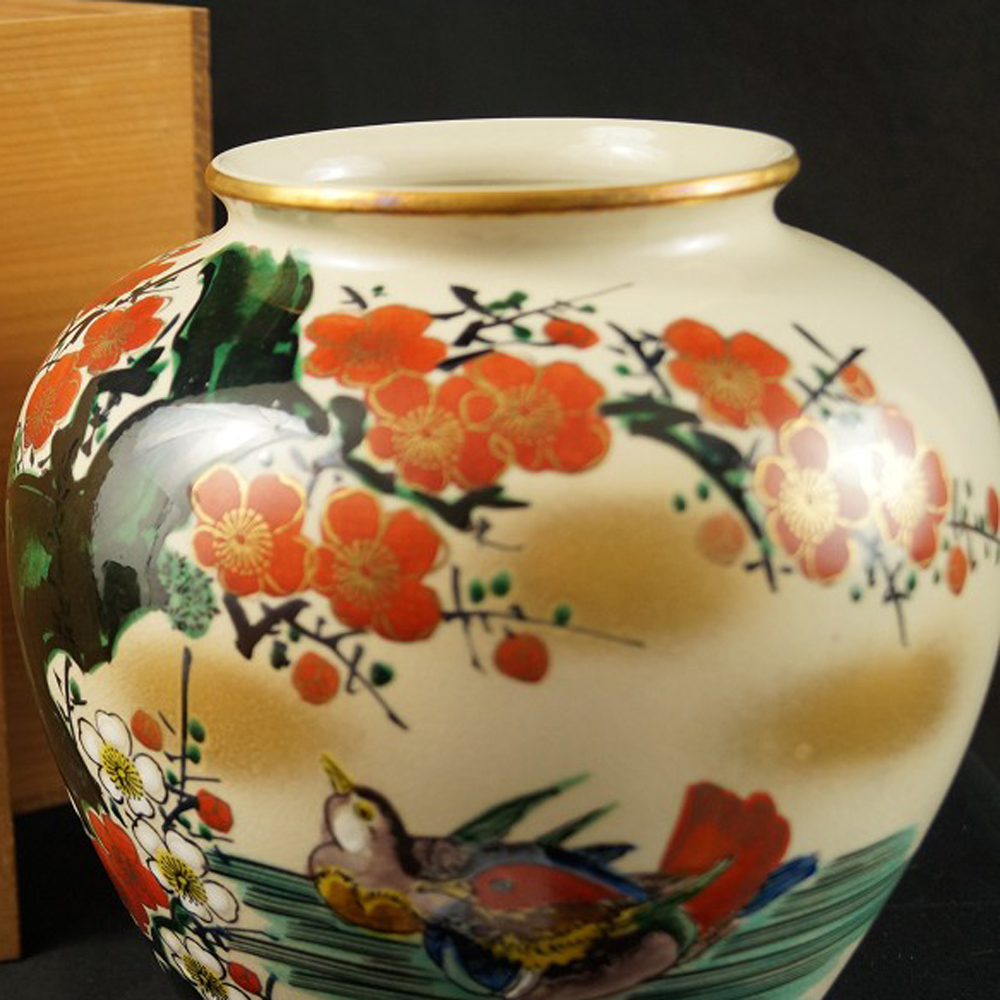
Kutani Porcelain Vase with Ducks and Plum Blossoms
Vase, unique work, with box, 23 x 20 cm
Sold
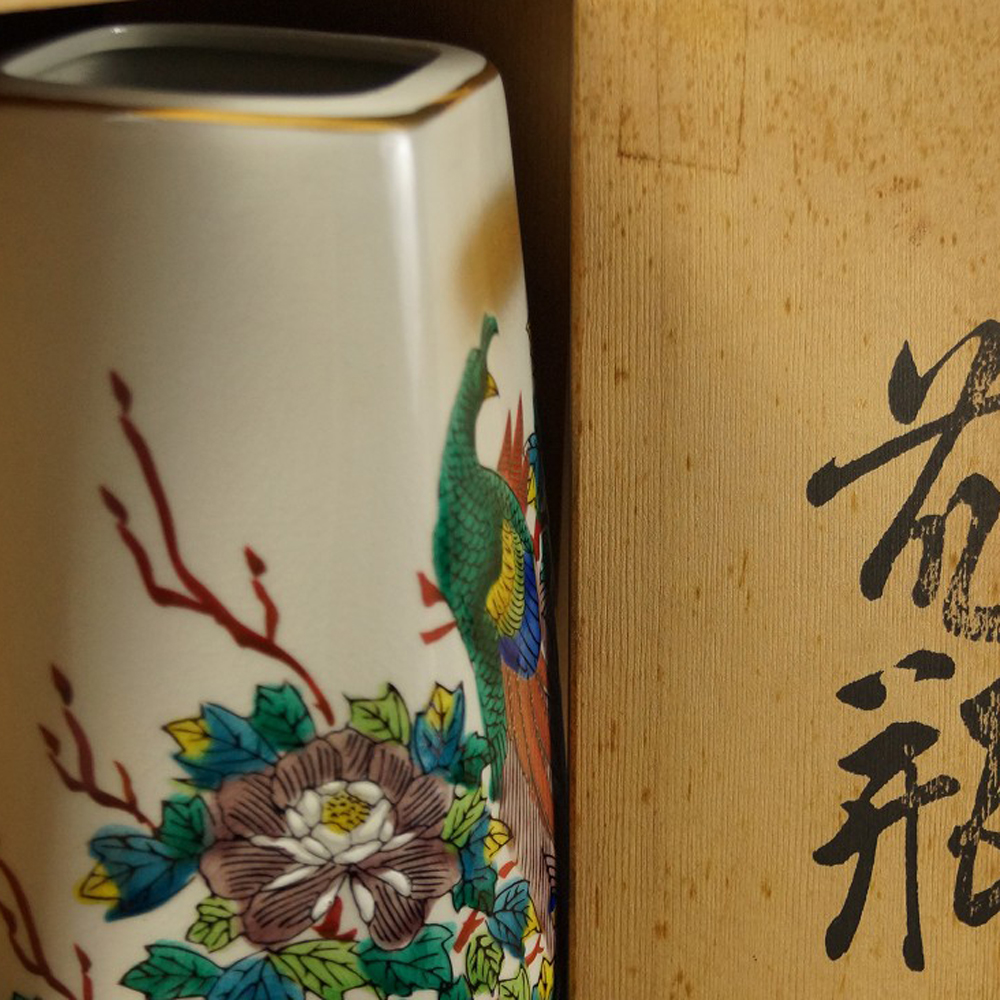
Kutani Porcelain Vase with Peacock and Peonies
Vase, unique work, with box, 22 x 7 cm
Sold
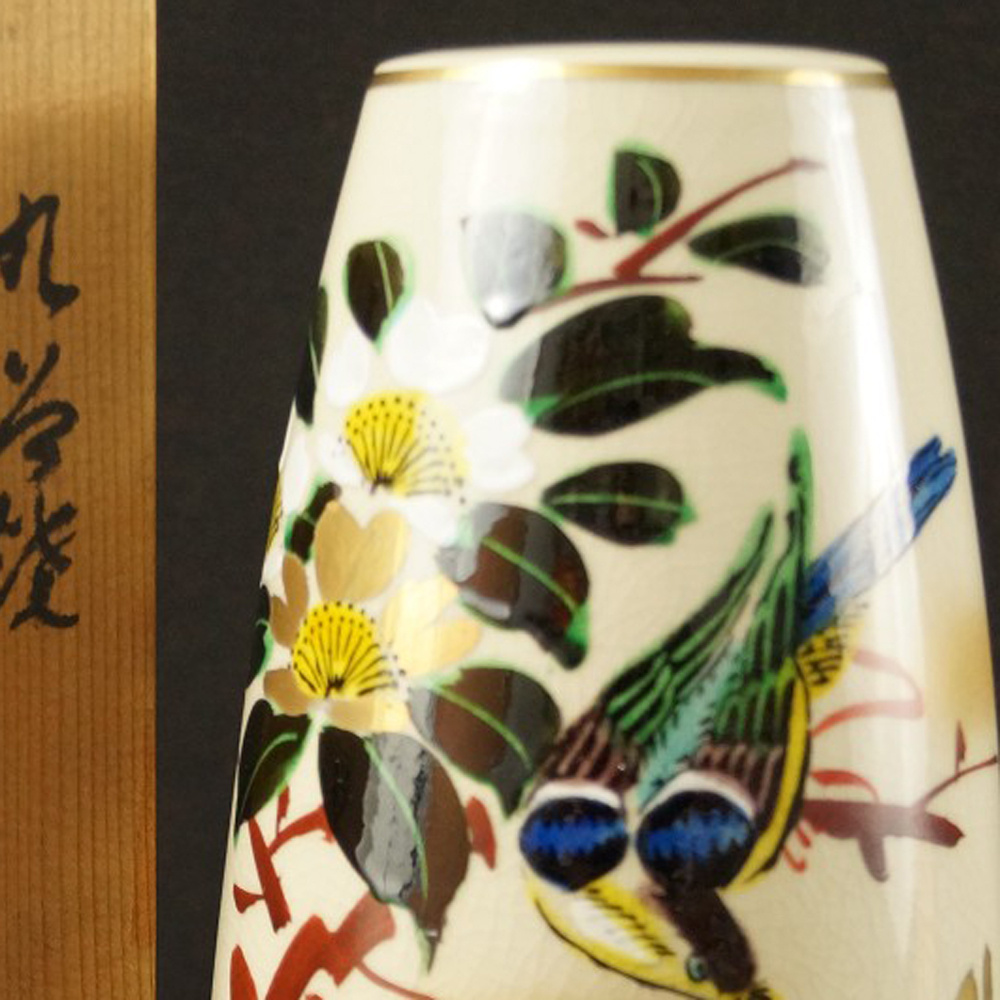
Sakura - Japanese Hand-Crafted Vase Made of Kutani Porcelain
Vase, unique work, with box, 25 x 9 cm
Sold
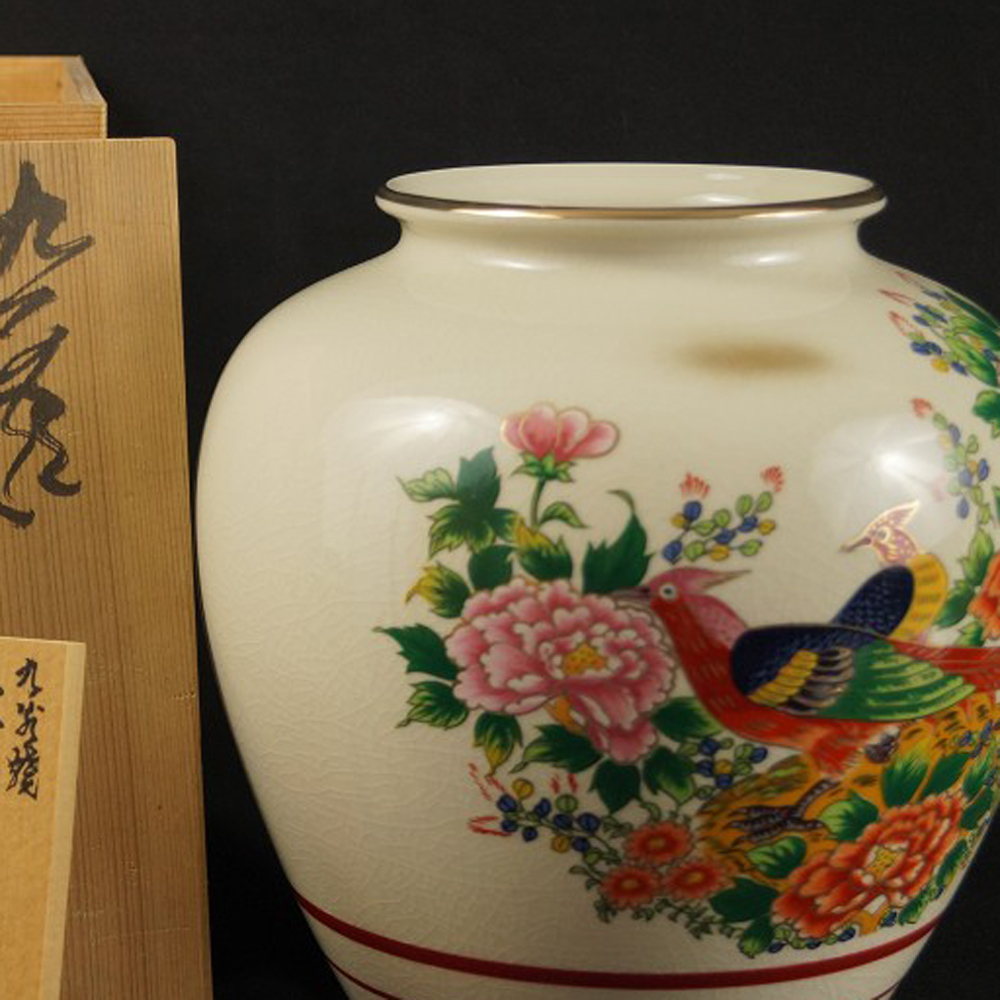
Kutani Porcelain Vase with Birds and Peonies
Vase, unique work, with box, 23 x 20 cm
Sold
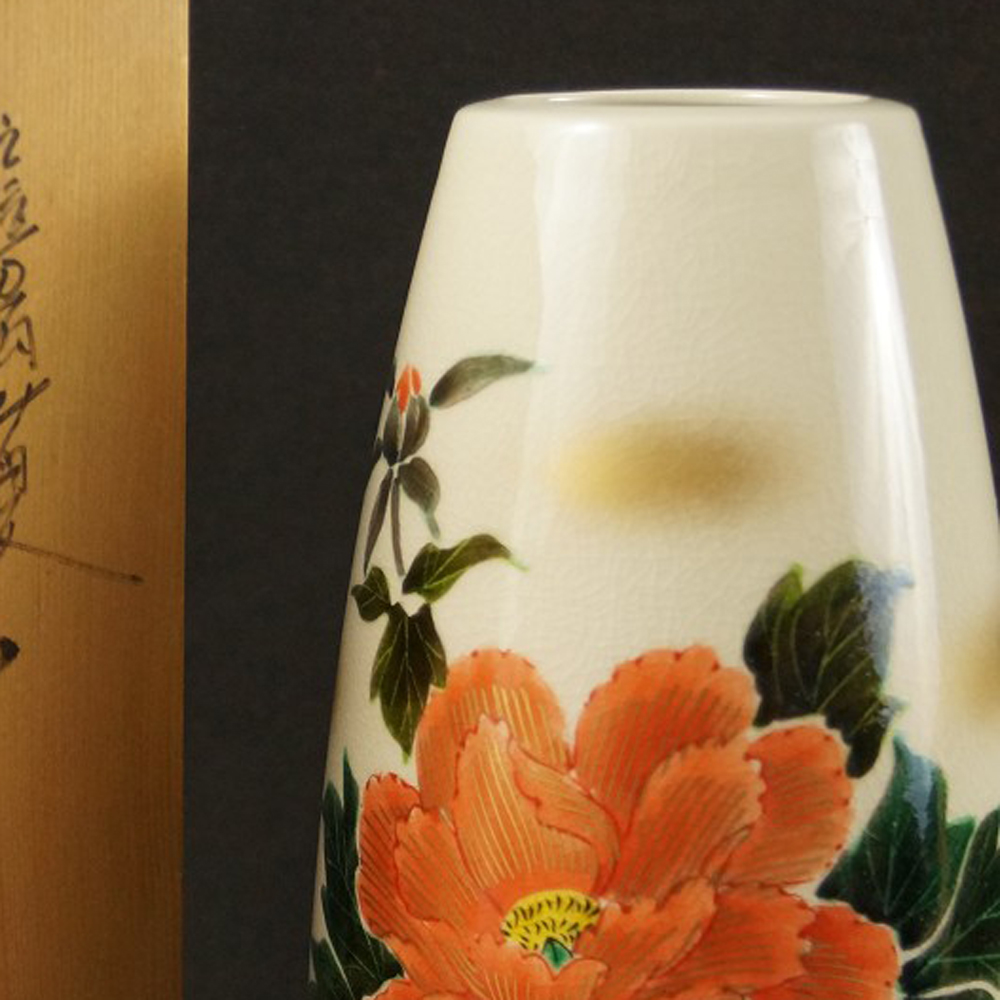
Kutani Ware Porcelain Vase with Orange Peony
Vase, unique work, with box, 26 x 10 cm
Sold
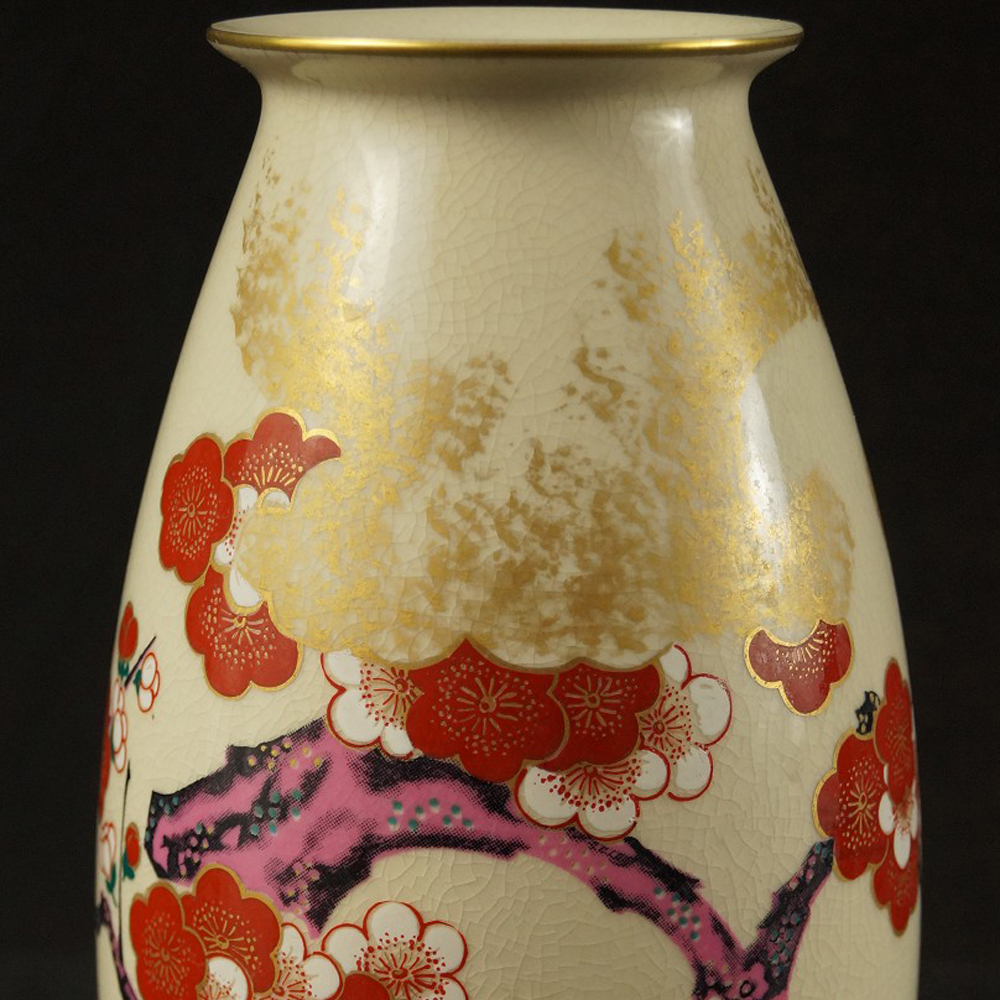
Slender Vase Made of Kutani Ware Porcelain with Red Plum Blossoms
Vase, unique work, 26 x 11 cm
Sold
20 of 20 items shown
What is Kutani-yaki?
Kutani-yaki (九谷焼) is porcelain from Ishikawa Prefecture on the Sea of Japan, named after the village of Kutani, where the first kilns were built in the 17th century. Its best-known feature is multicolored overglaze painting in the gosai-de style, the "five-color style" of green, yellow, purple, blue and red. These colors are considered so essential that Japan's register of traditional crafts explicitly requires their use for recognized Kutani-yaki.
Gotō Saijirō and Old Kutani
It began with the potter Gotō Saijirō, who had learned his craft in Arita on Kyūshū, already the center of Japanese porcelain making at the time. Back in his home region, he founded a kiln in Kutani in the mid-17th century, where porcelain stone had been discovered. The pieces from this early phase are called Ko-Kutani, "Old Kutani": boldly painted, often covering the entire surface, with landscape and nature motifs in the five colors.
A hundred years of silence and the revival
After only about fifty years the kiln ceased production; the reasons have never been fully explained. The tradition lay dormant for around a hundred years before returning in the early 19th century as Saiko-Kutani, "revived Kutani" – with greater variety than before. New kilns emerged: Yoshidaya, which deliberately set out to revive Old Kutani with blue, yellow and purple, Miyamoto with fine red painting, and Eiraku with red and gold brocade decoration.
Making: painting as an art of its own
Kutani porcelain is shaped from fine porcelain clay and strengthened in a first firing. Then comes the actual painting with mineral pigments and finally another firing that fuses the colors with the glaze. Unlike Arita, where restrained cobalt-blue underglaze painting is common, Kutani is dominated by dense, richly colored compositions over the glaze. This painting requires years of training and is regarded as a discipline of its own within porcelain making.
Feudal patronage and world's fairs
That such an elaborate painting tradition could flourish in Ishikawa is linked to Kanazawa, seat of one of the wealthiest domains of the Edo period. In the Meiji era (1868–1912) Kutani porcelain became a sought-after export and was shown at international world's fairs. Today numerous workshops in Ishikawa, some run by the same family for generations, produce everything from painted collector's pieces to contemporary tableware.
Motifs and how to recognize Kutani
In our selection you will find peonies with a peacock or birds of paradise, blossoming plum branches, mandarin ducks, golden pheasants on cobalt blue and cranes above a mountain landscape, often framed by fine gold rims. Compared with Arita and Imari, known for cobalt blue, red and gold, Kutani often shows a broader, cooler palette with green and purple. You can recognize a hand-painted piece by the luminosity and depth of the overglaze colors and by brushwork that is never entirely even – something screen printing cannot imitate. There are also restrained pieces with calm, earthy glazes and raised decoration.
Kutani in the home and at the table
A painted vase creates a colorful focal point in the tokonoma or on a sideboard; plum blossom, peony or crane can also be chosen to suit the season or the occasion. Sake sets of tokkuri (sake flasks) and small cups are made for serving, tea bowl sets for sharing tea. Delivered in a signed wooden box, such pieces also make a fine gift.
Care
Porcelain is densely fired and far less sensitive than porous tea ceramics; it is easy to wash. What is delicate are the overglaze enamels and the gilding: they tolerate neither abrasives nor the dishwasher, and never the microwave. Clean with warm water and a soft sponge, dry gently and do not stack painted pieces inside one another.
What collectors look for
Original Ko-Kutani pieces are rare and debated among art historians; some may even have been made in Arita. Most Kutani ware available today stands in the Saiko-Kutani tradition. Look for the signature and wooden box, the condition of gold rims and painted areas, and the quality of the painting itself, which in Kutani determines the real value of a piece.