Japanese Ceramics
Go directly to the artworksIn brief
Japanese ceramics encompass numerous regional traditions, so-called yaki styles, each named after its region of origin – for example Raku-yaki, Bizen-yaki, Hagi-yaki, Shino-yaki, or Kutani-yaki. Each style is characterized by its own clay, glaze, and firing techniques, passed down and refined by master potters over centuries. Many pieces follow the aesthetic principle of Wabi-Sabi, which regards imperfection, transience, and naturalness as beauty in their own right. At densho.art you will find handcrafted, mostly signed, one-of-a-kind pieces of Japanese ceramics direct from Japan.
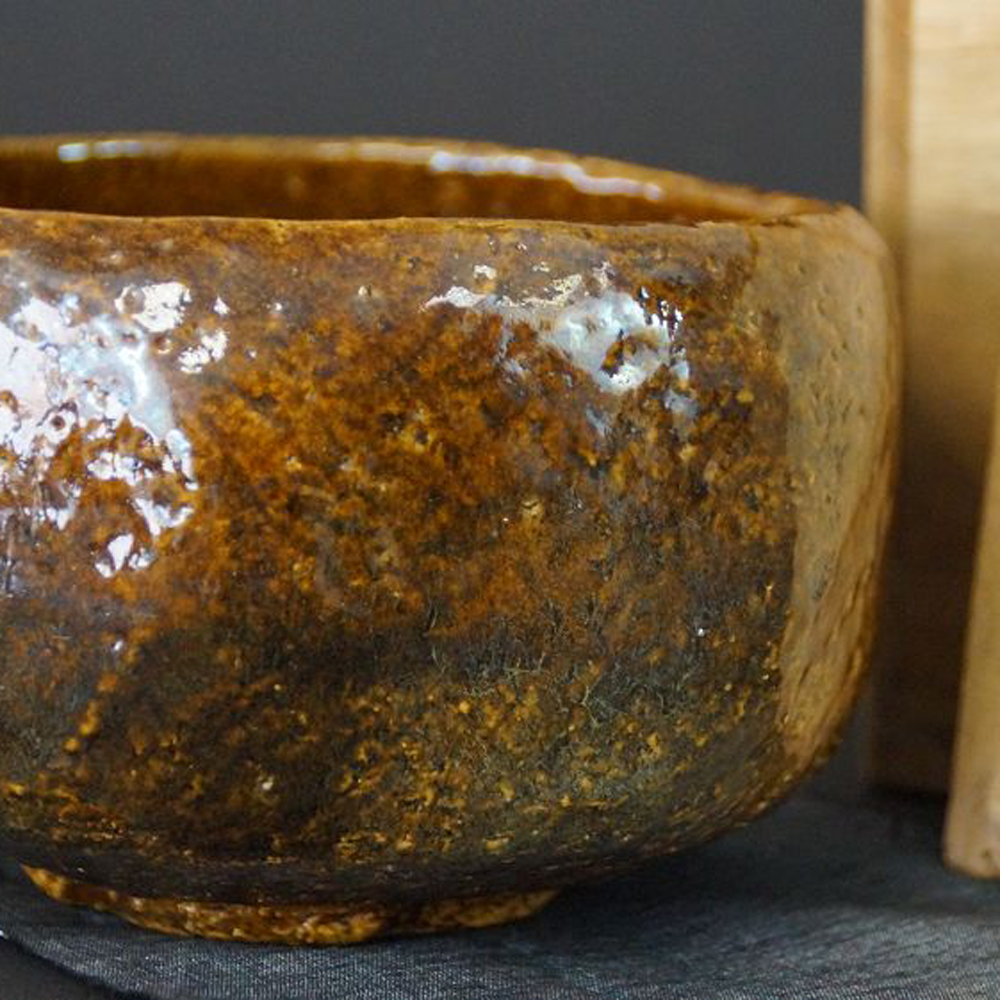

Sosei Heian
Chawan Tea Bowl Made of Raku Ware by Sosei Heian
Chawan, unique work, with box, 8,5 x 13 cm
€260.00
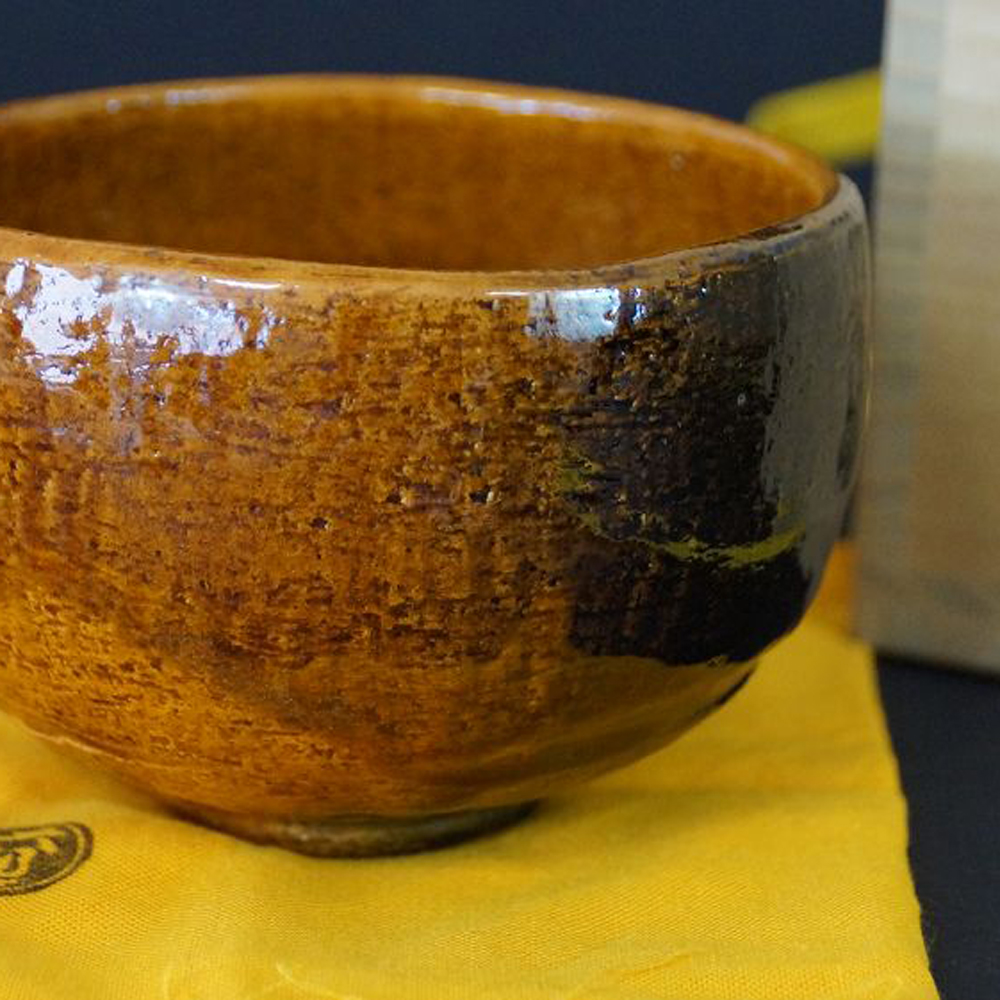

Hisashi Ohi
Chawan Tea Bowl Made of Ohi Ware by Hisashi Ohi
Chawan, unique work, with box, 8 x 11,5 cm
€240.00
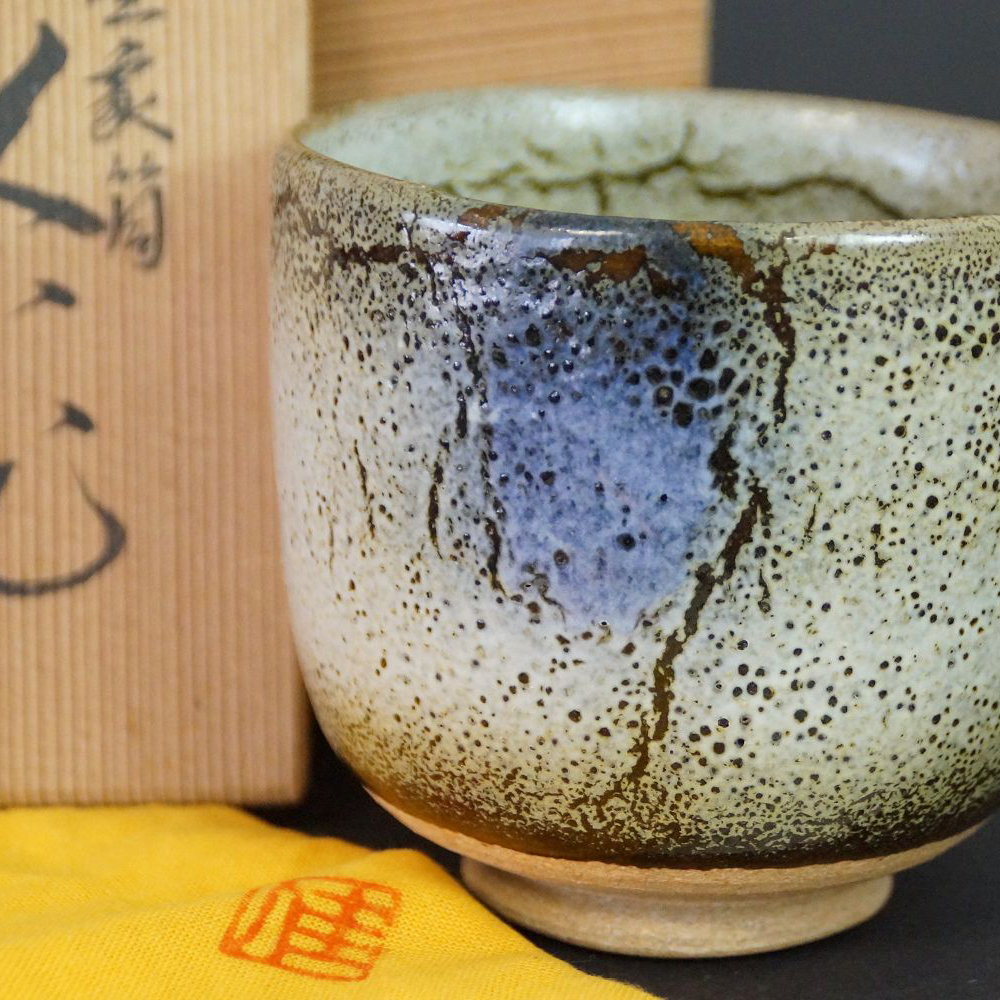

Yoshihisa Inoue
Chawan Tea Bowl Made of Kyoto Ware by Yoshihisa Inoue
Chawan, unique work, with box, 9,5 x 10 cm
€290.00
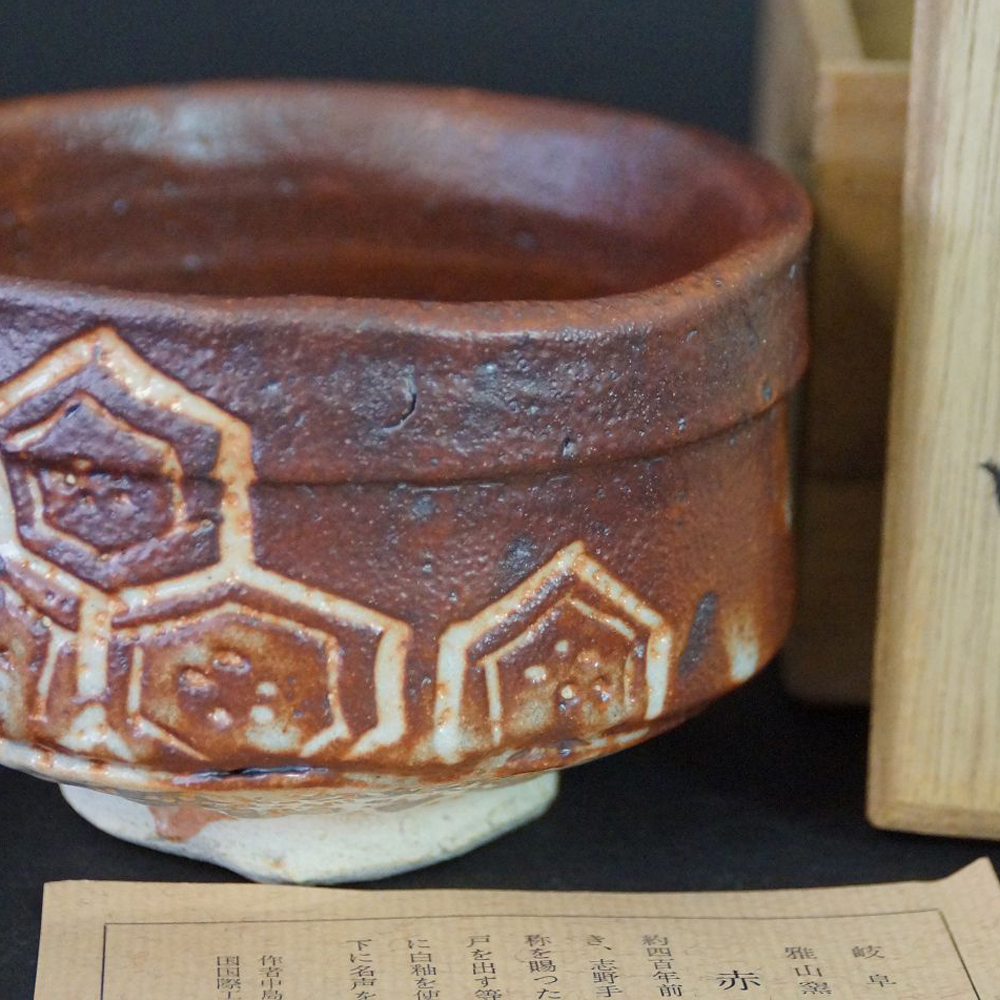

Masao Nakajima
Chawan Tea Bowl Made of Shino Ware by Masao Nakajima
Chawan, unique work, with box, 12,5 x 8 cm
€380.00
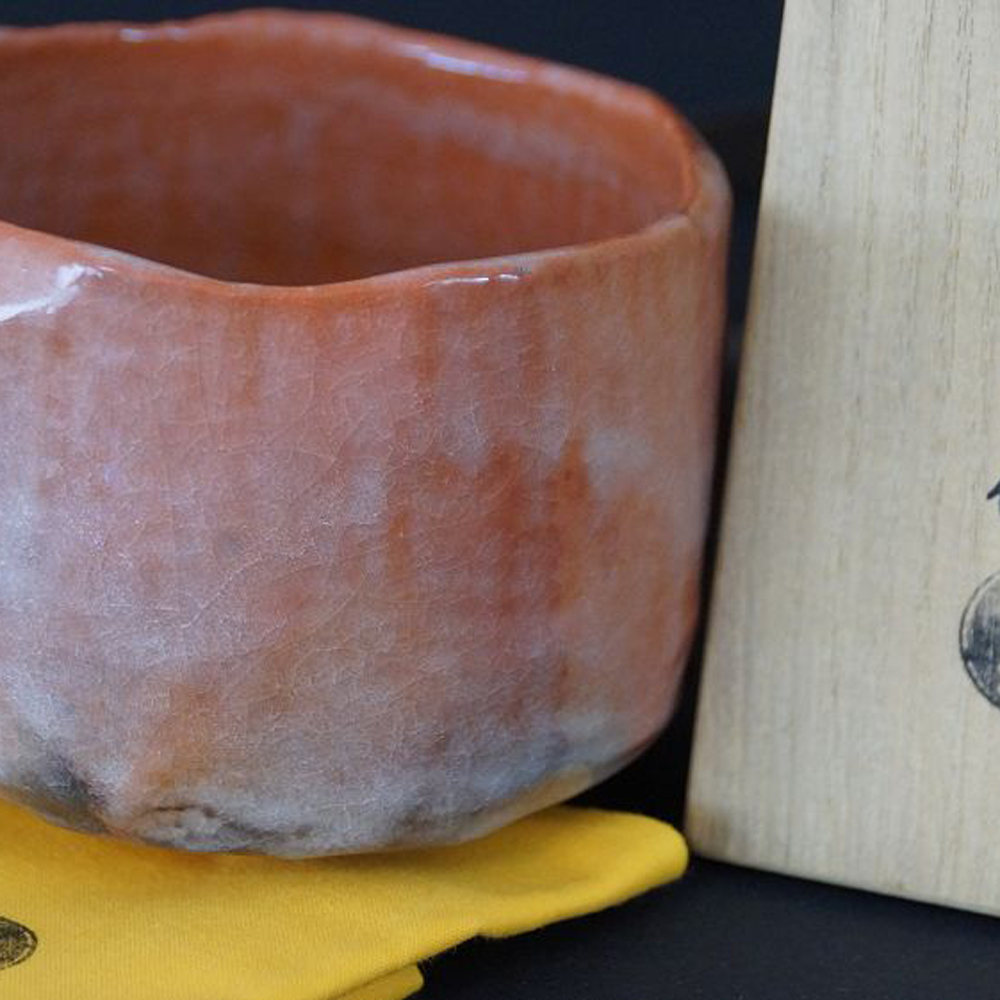

Ichiraku Nishimura
Chawan Tea Bowl Made of Raku Ware by Ichiraku Nishimura
Chawan, unique work, with box, 8 x 11,5 cm
€420.00
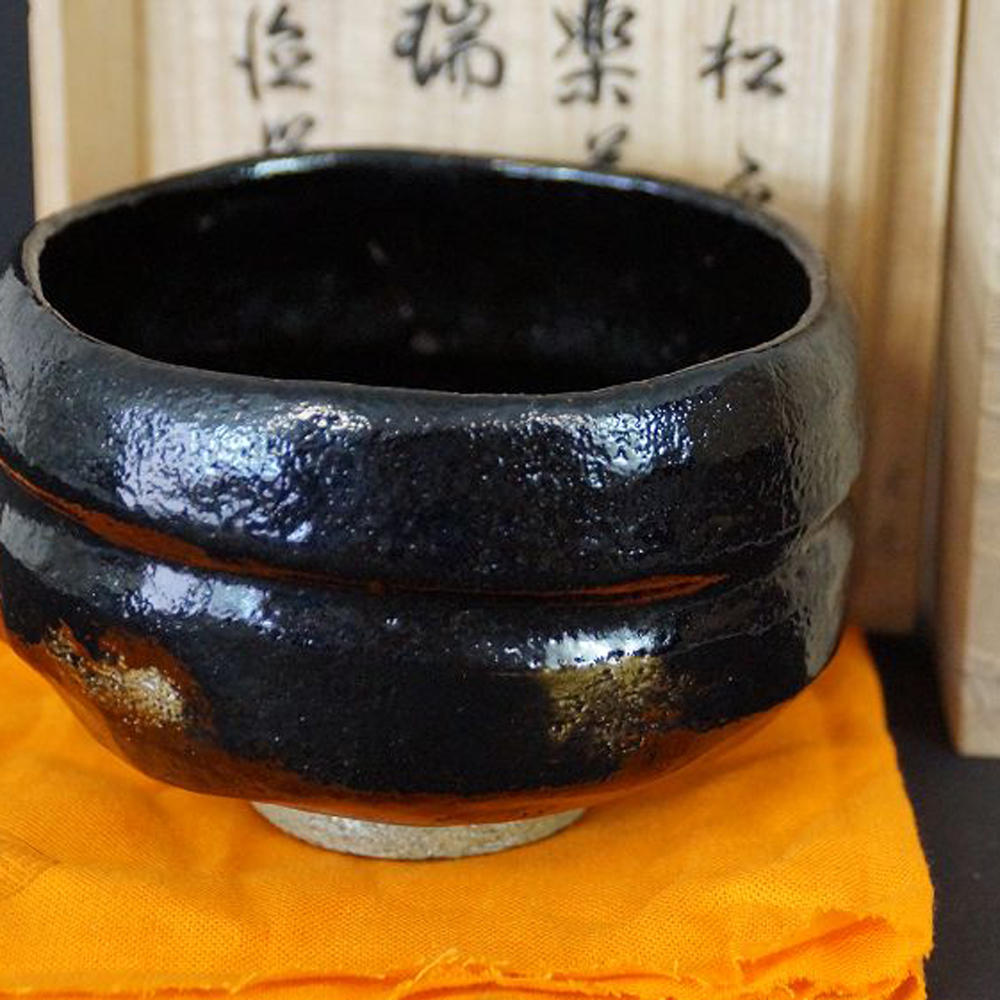

Shoraku Sasaki
Chawan Made of Kuro-Raku by Shoraku Sasaki, Wavy Rim
Chawan, unique work, with box, 8 x 12 cm
€380.00
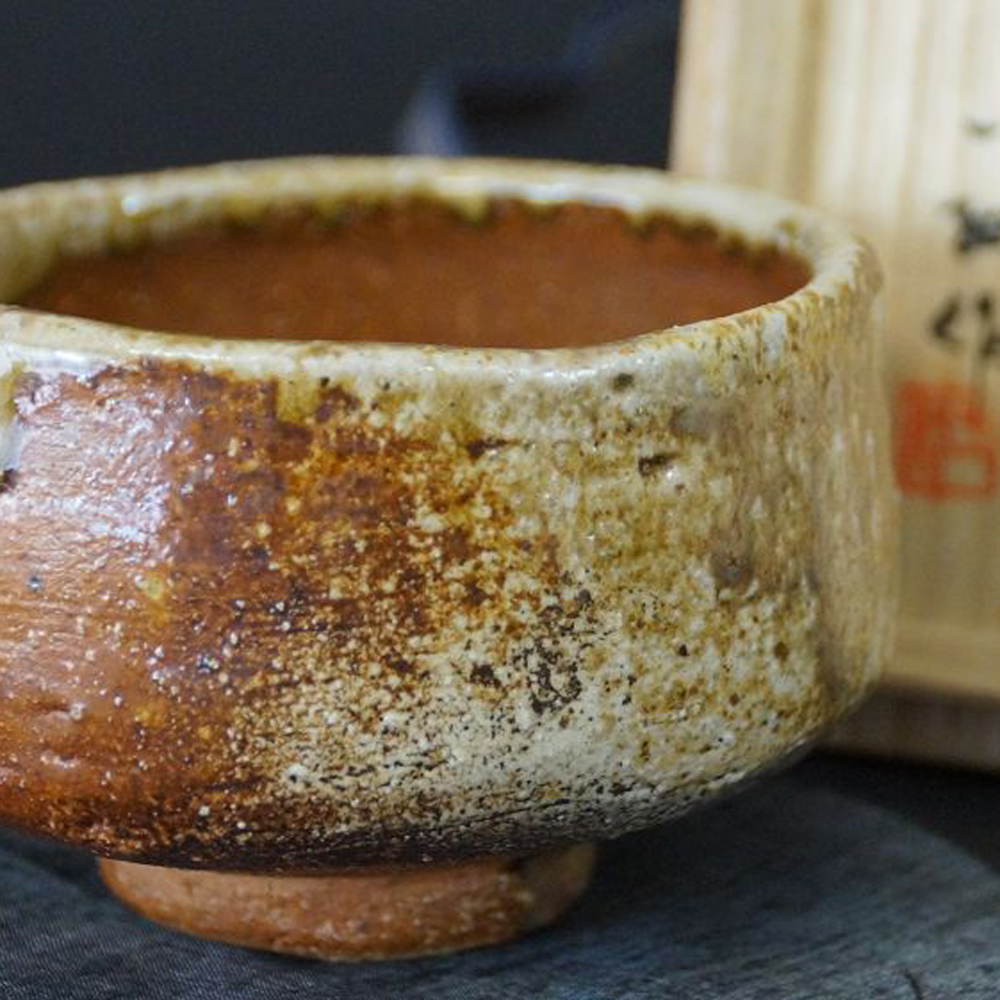

Kazuki Omi
Chawan Tea Bowl Made of Shigaraki Ware by Kazuki Omi
Chawan, unique work, with box, 8 x 12 cm
€210.00
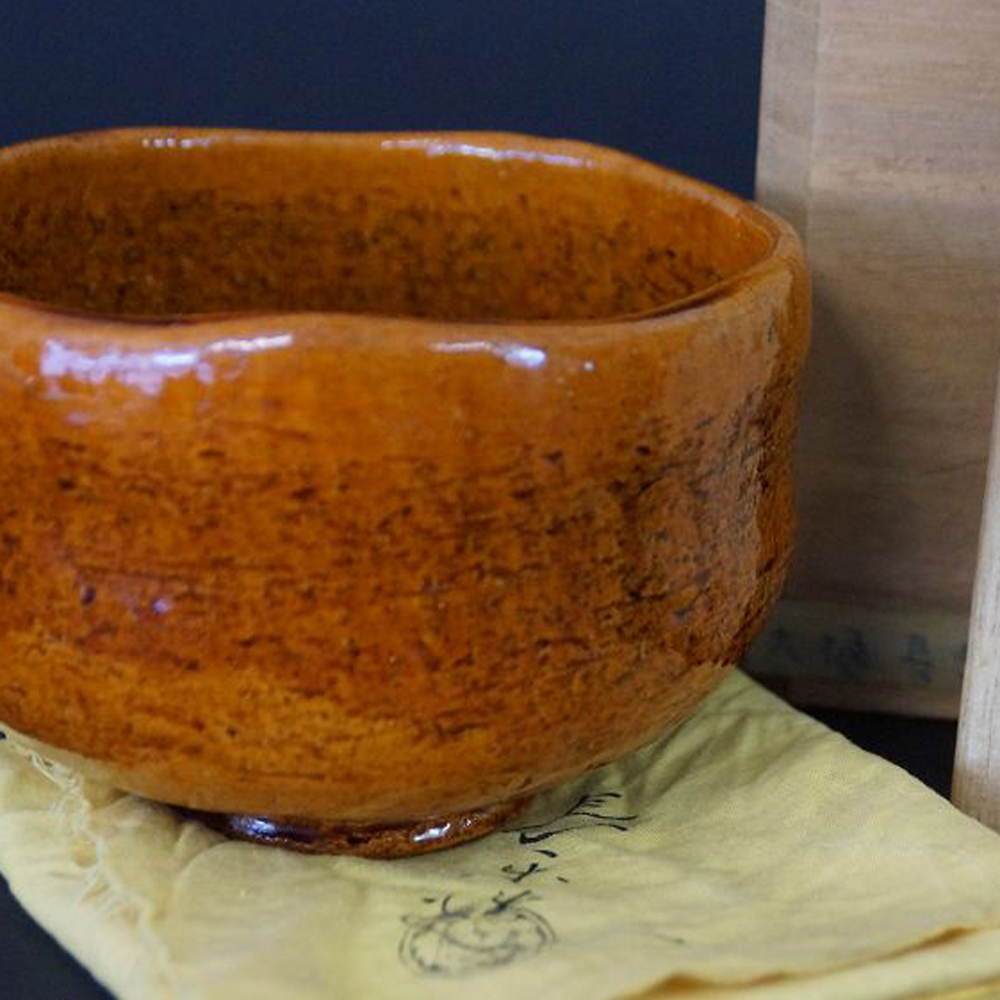

Choraku Ohi
Chawan Tea Bowl Made of Ohi Ware by Choraku Ohi
Chawan, unique work, with box, 8,5 x 12 cm
€250.00
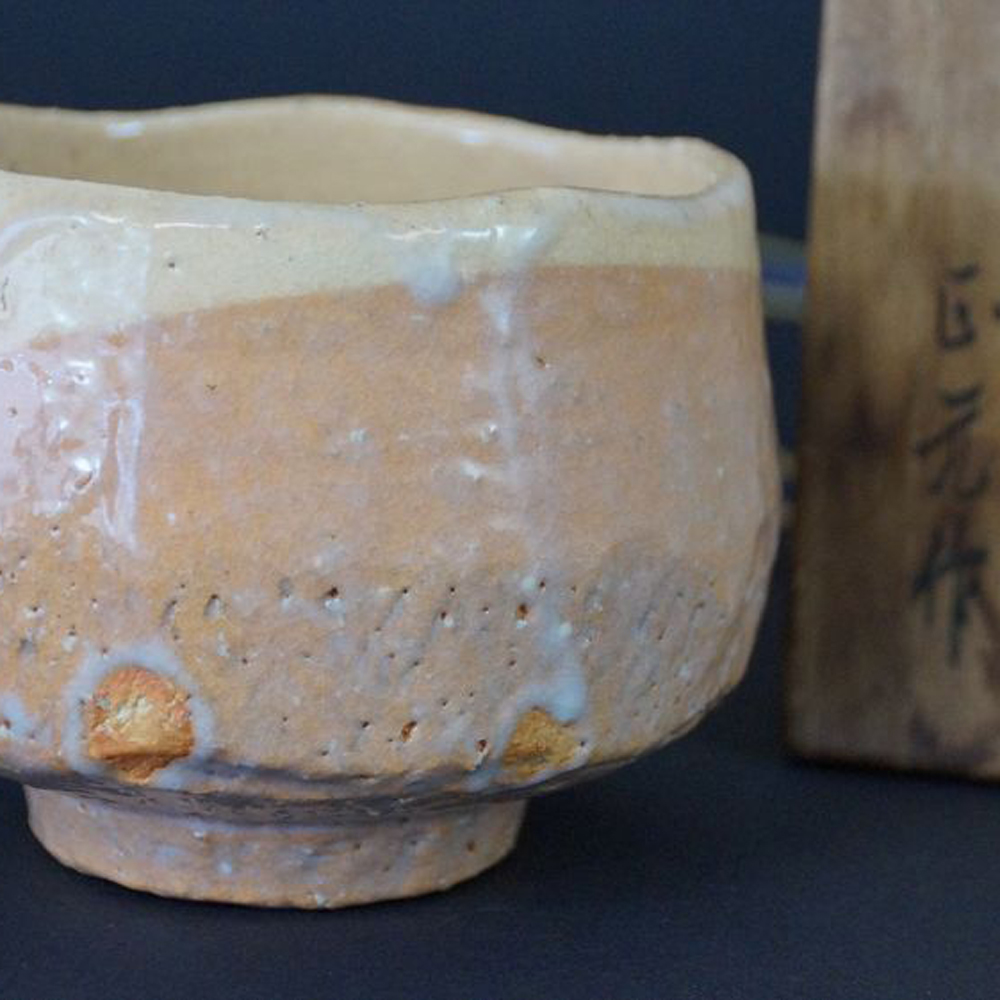

Shogen Heian
Chawan Tea Bowl Made of Raku Ware by Shogen Heian
Chawan, unique work, with box, 8 x 12 cm
€220.00
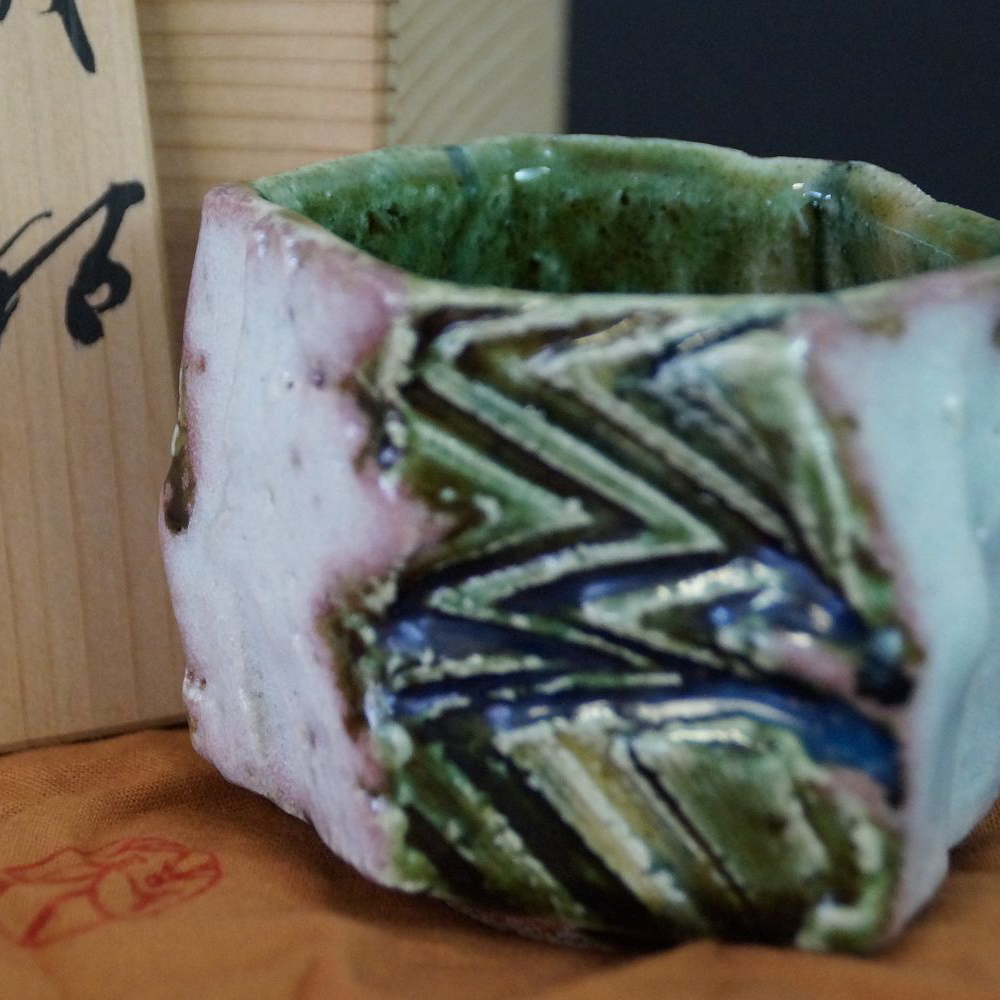

Kawachi Hidetoshi
Guinomi Made of Oribe Ware by Kawachi Hidetoshi with Blue
Guinomi, unique work, with box, 7,5 x 7 cm
€310.00
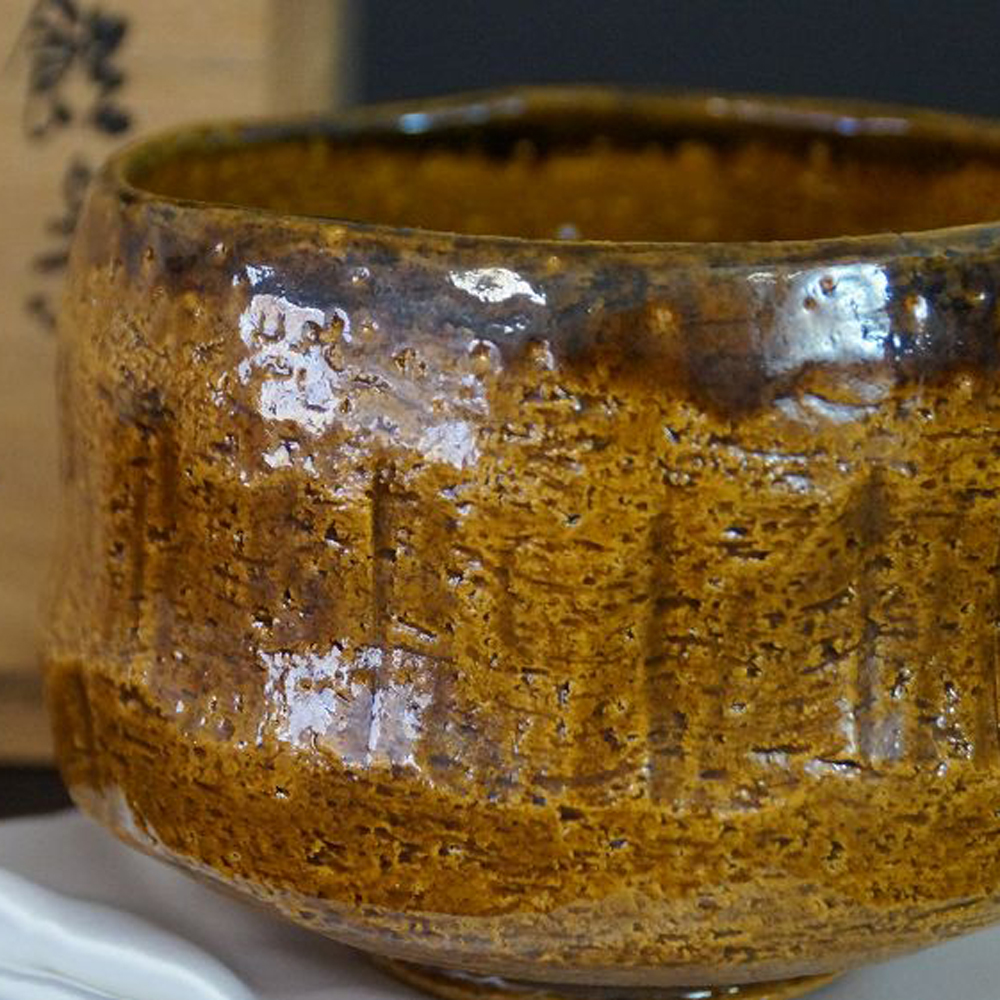

Rakunyu Yoshimura
Chawan Made of Raku Ware by Rakunyu Yoshimura
Chawan, unique work, with box, 9 x 12 cm
€350.00
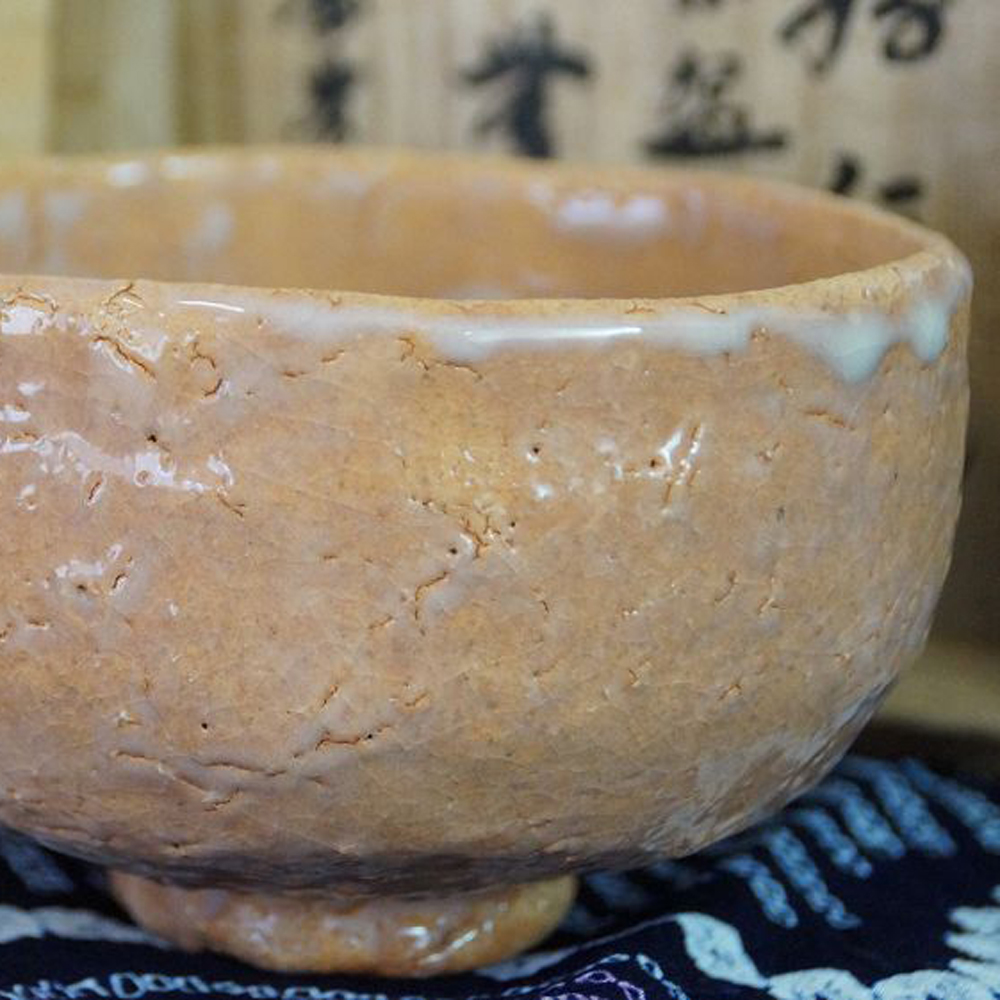

Yoshihito Miyamoto
Chawan Made of Hagi Ware by Yoshihito Miyamoto
Chawan, unique work, with box, 8 x 12,5 cm
€330.00
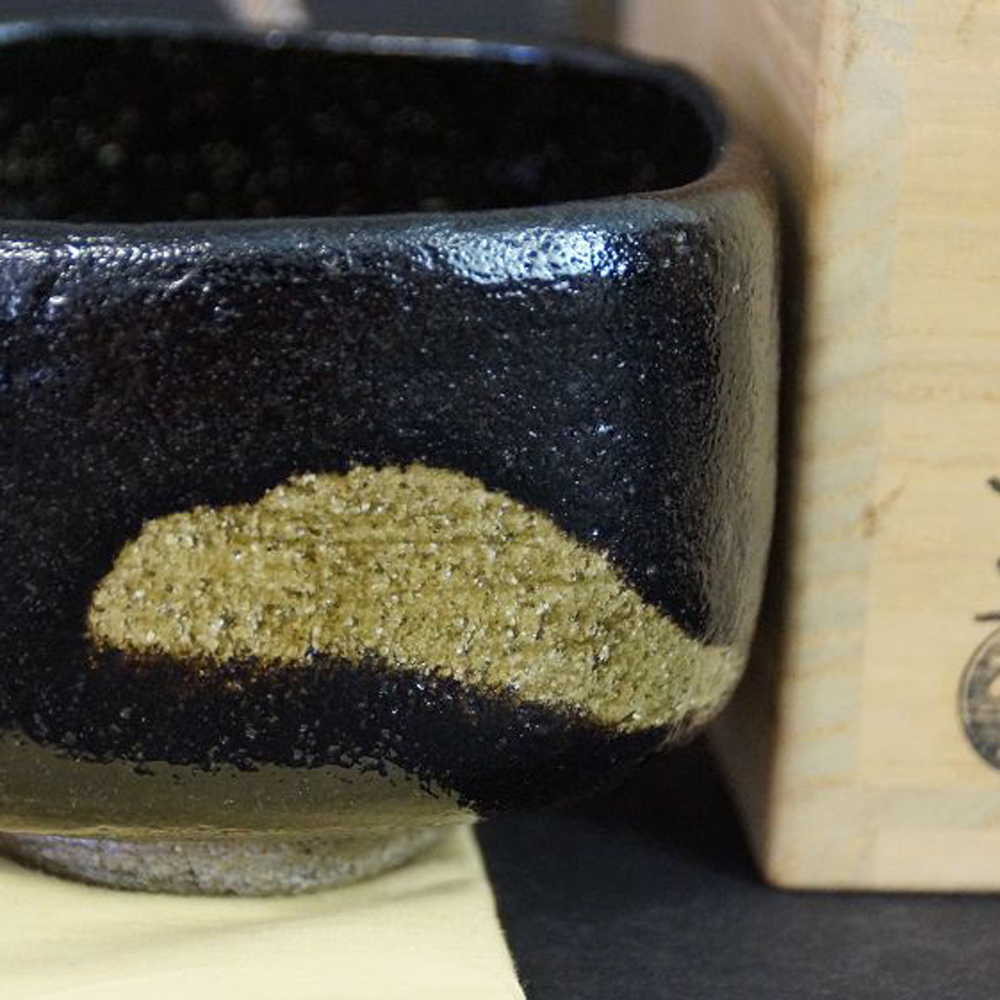

Keiraku Ito
Chawan Made of Raku Ware by Keiraku Ito
Chawan, unique work, with box, 8 x 12 cm
€430.00
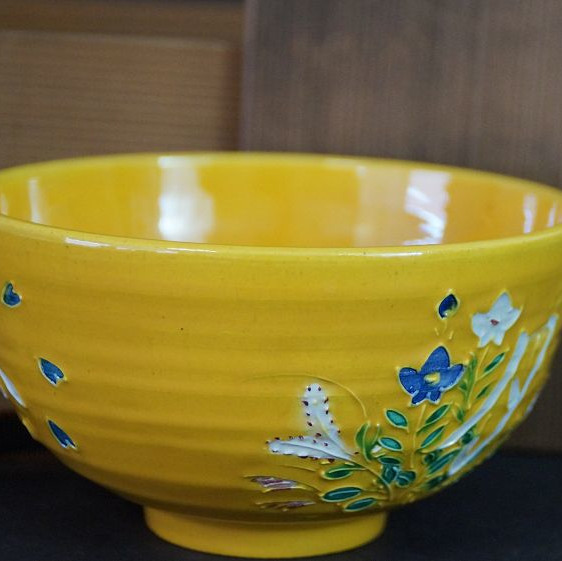
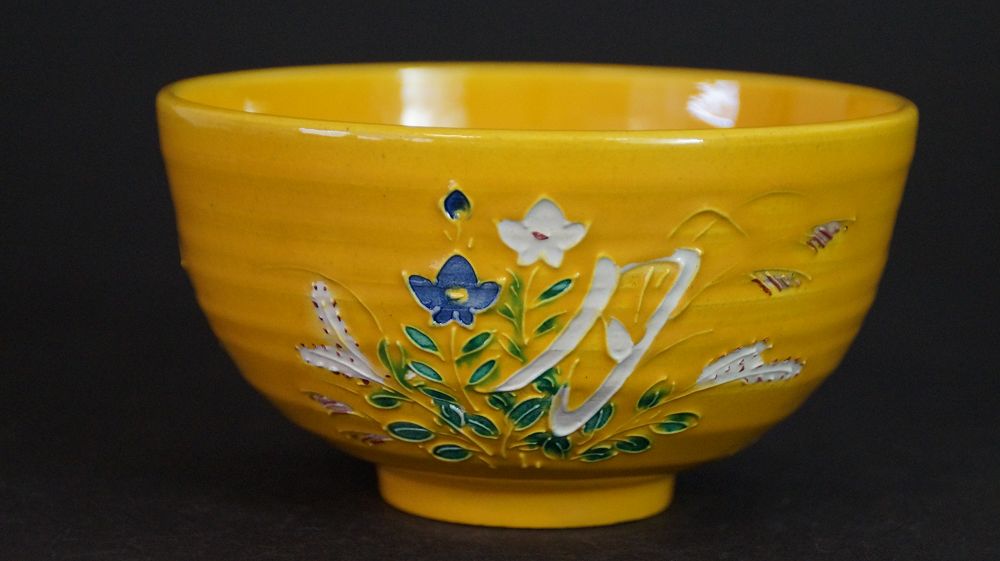
Roseki Akazawa
Chawan Made of Kyoto Ware by Roseki Akazawa
Chawan, unique work, 7,5 x 12,5 cm
€280.00
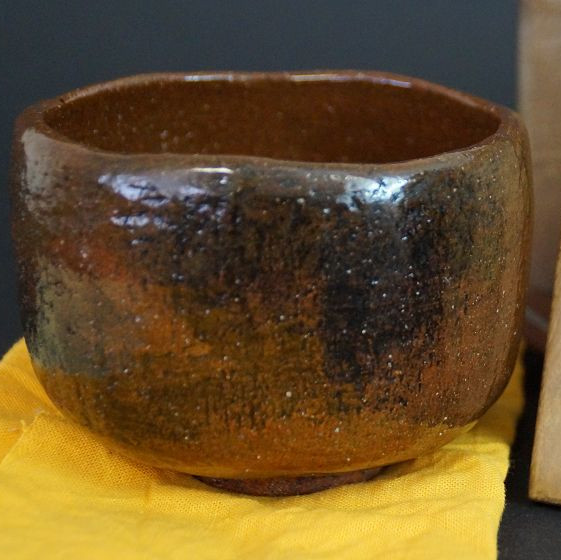
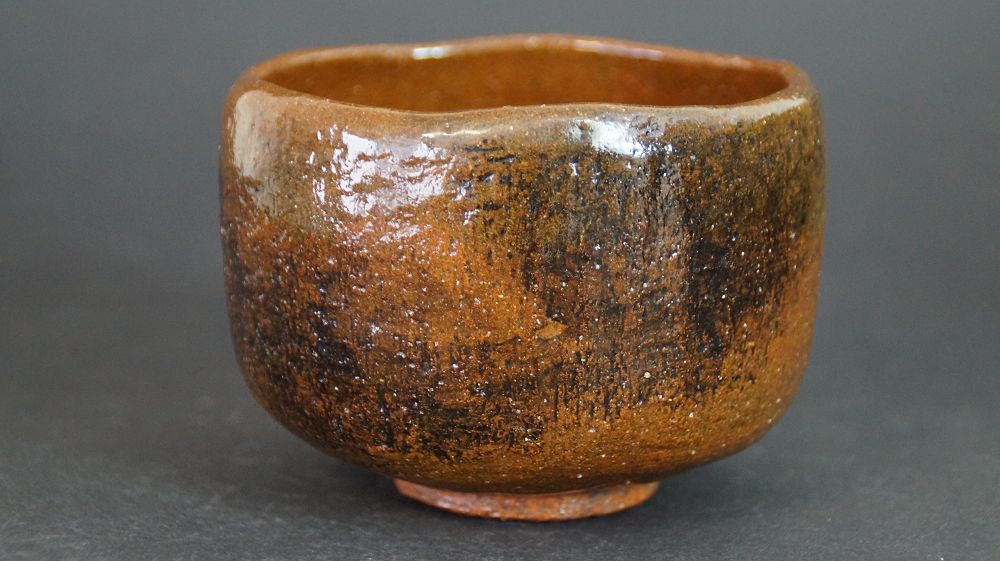
Choami Ohi
Chawan Made of Ohi Ware by Choami Ohi
Chawan, unique work, with box, 8 x 11 cm
€260.00
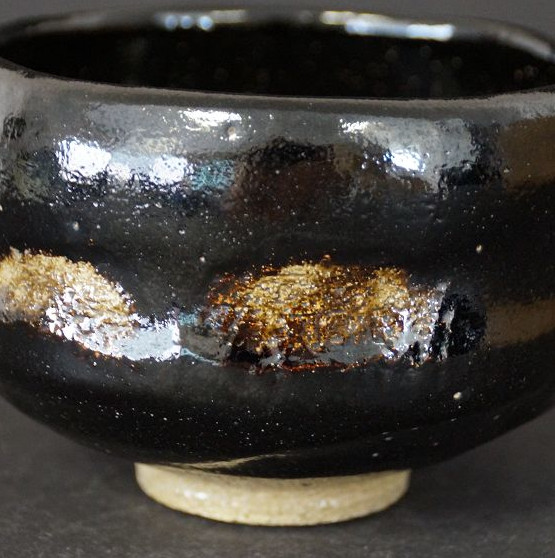

Shoraku Sasaki
Chawan Made of Kuro-Raku by Shoraku Sasaki with Golden Brown
Chawan, unique work, with box, 8 x 12 cm
€380.00
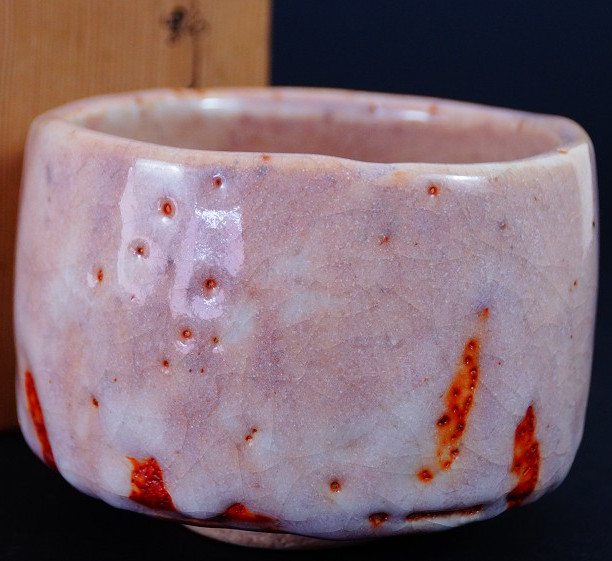

Masayoshi Kato
Chawan Made of Shino Ware by Masayoshi Kato
Chawan, unique work, with box, 9 x 12 cm
€340.00
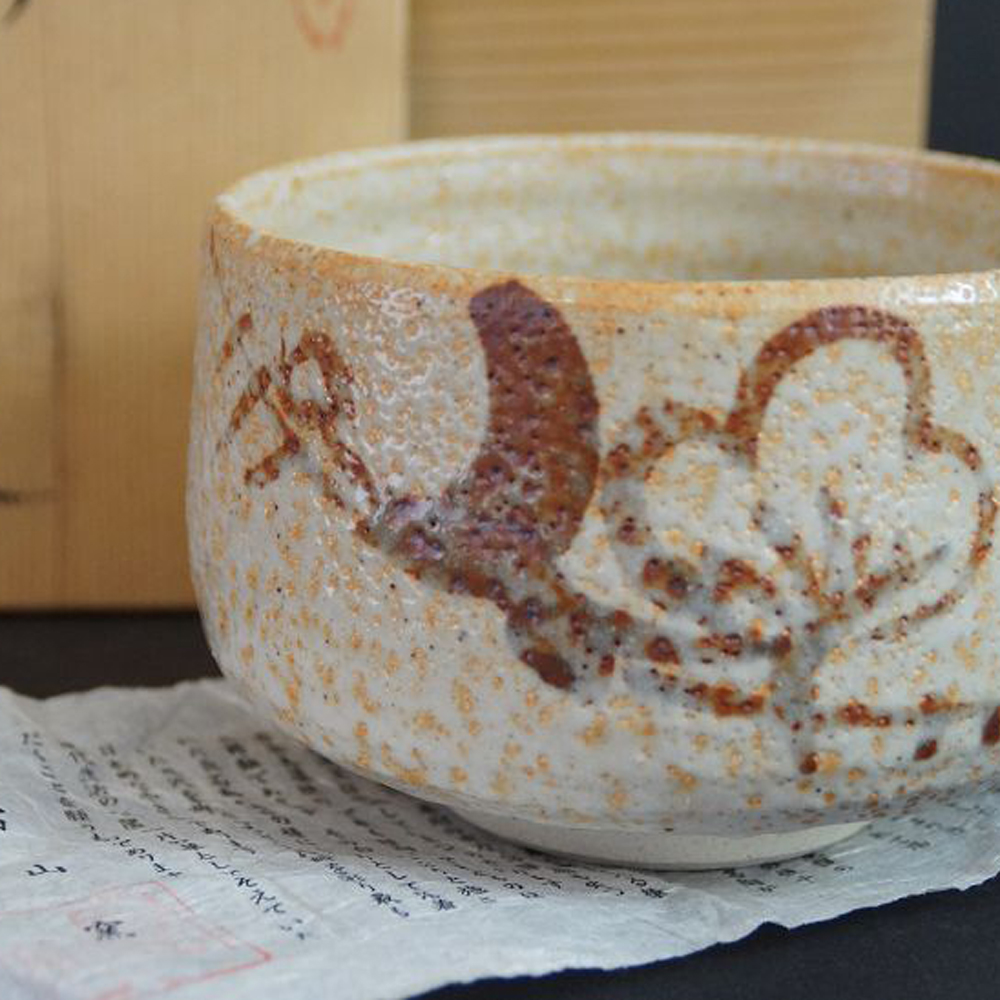

Toyama Ofen
Chawan Made of Shino Ware from Toyama Kiln
Chawan, unique work, with box, 8 x 12 cm
€280.00
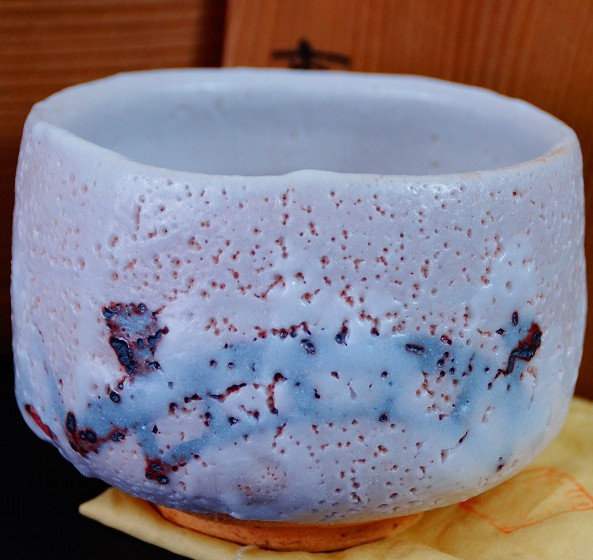

Jyuzo Sato
Chawan Made of Shino Ware by Jyuzo Sato
Chawan, unique work, with box, 9 x 11,5 cm
€320.00
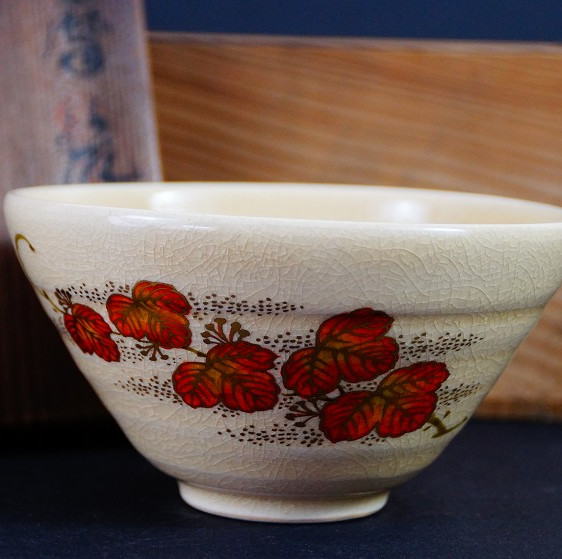

Gyokusen Nozaki
Chawan Made of Satsuma Ware by Gyokusen Nozaki
Chawan, unique work, with box, 7 x 12,5 cm
€380.00
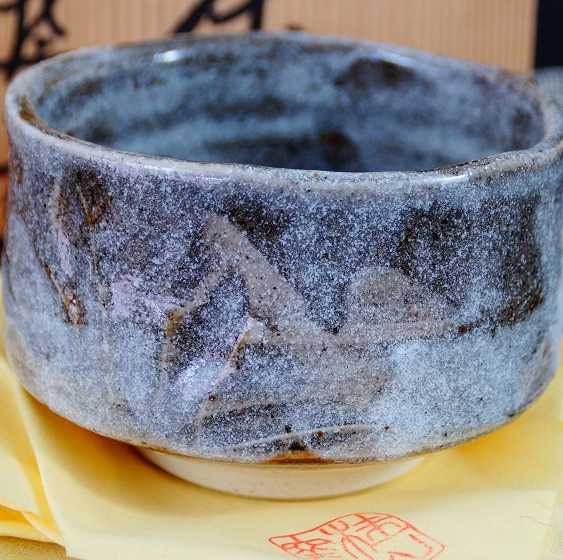

Kazufumi Wada
Chawan Made of Shino Ware by Kazufumi Wada
Chawan, unique work, with box, 8 x 12 cm
€310.00
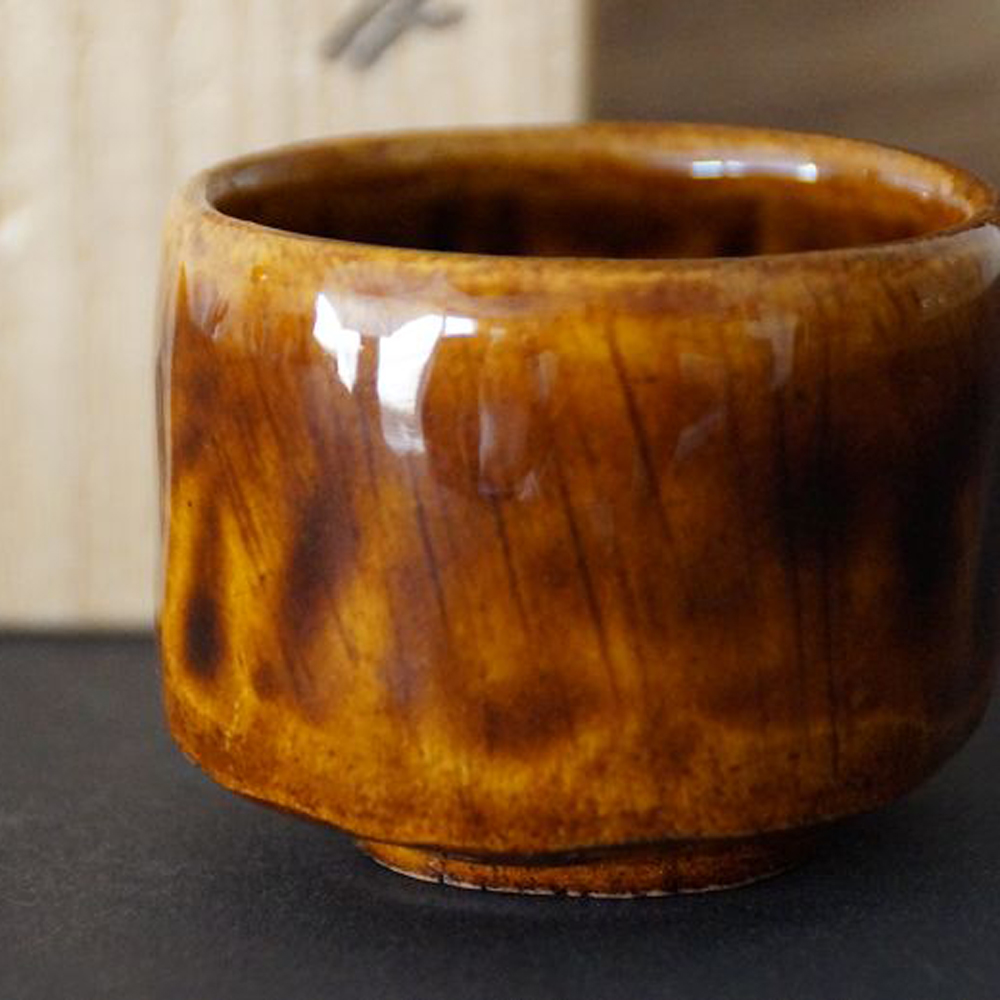

Ōhi Chō
Guinomi Made of Ohi Ware by Ohi Cho
Guinomi, unique work, with box, 4 x 5 cm
€610.00
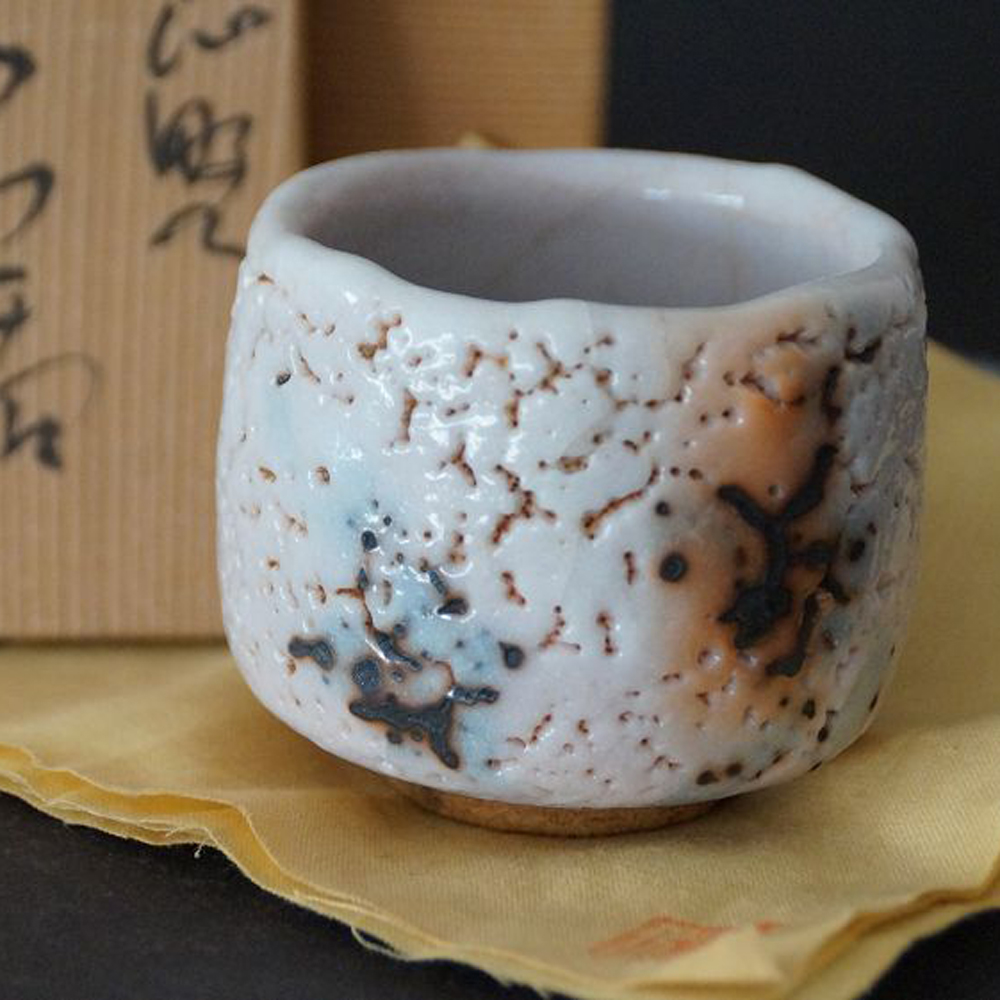

Takeshi Kato
Guinomi Made of Shino Ware by Takeshi Kato
Guinomi, unique work, with box, 5,5 x 5,5 cm
€890.00
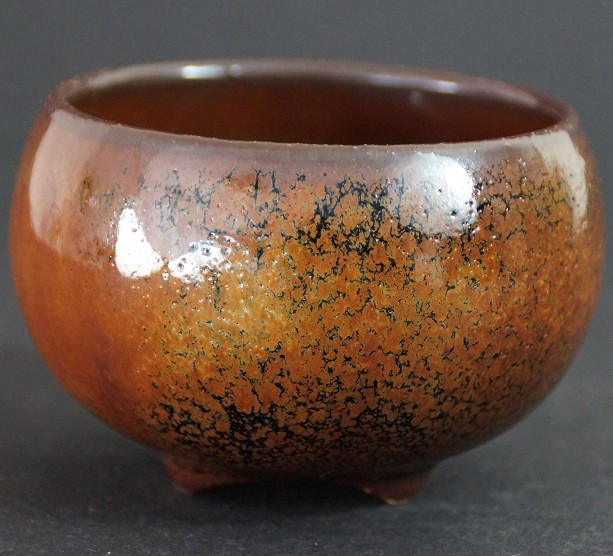

Kurokawa Seisetsu
Chawan with Tenmoku Glaze by Kurokawa Seisetsu
Chawan, unique work, with box, 6 x 9 cm
€580.00
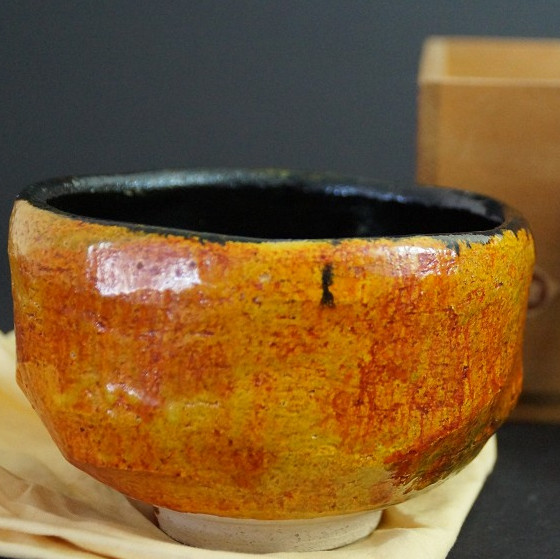

Haryoku
Chawan Made of Tobe Ware by Haryoku
Chawan, unique work, with box, 8 x 12 cm
€330.00
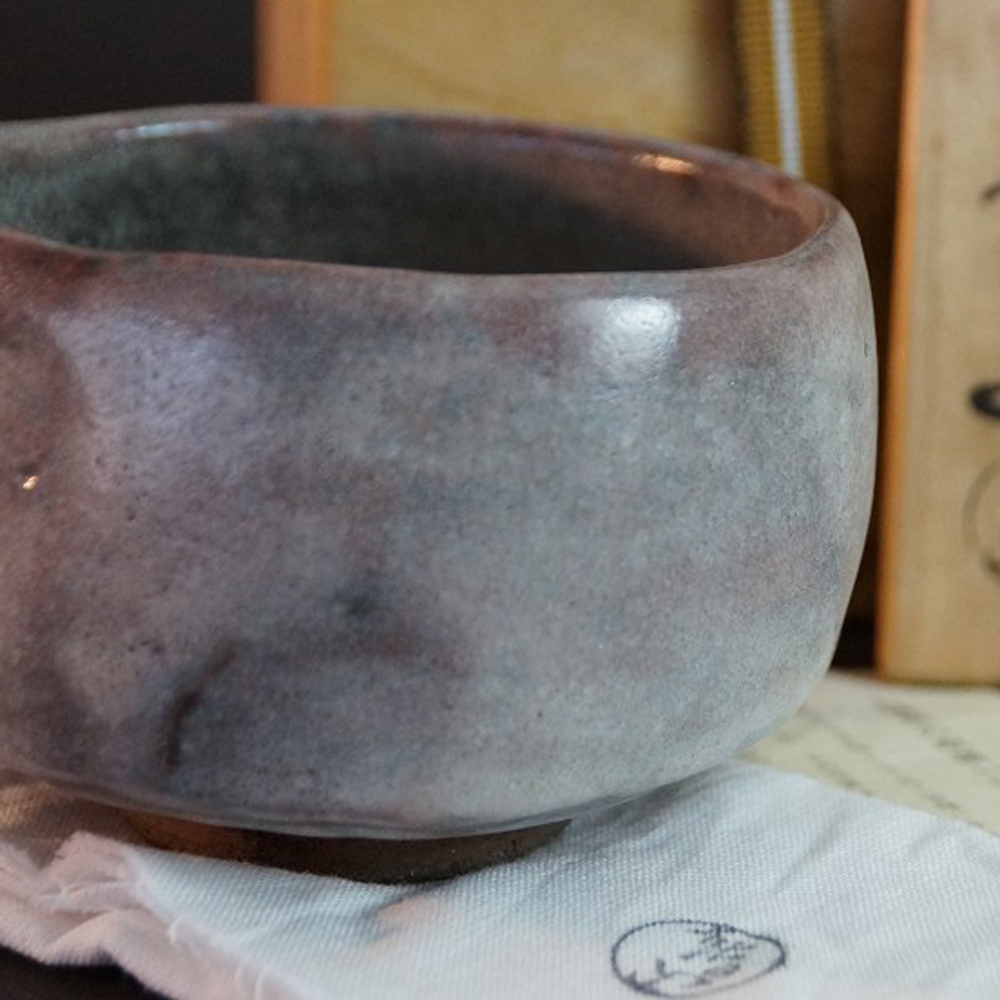

Kaihatsu Bunmei
Chawan Made of Ohi Ware by Kaihatsu Bunmei
Chawan, unique work, with box, 7,5 x 12 cm
€690.00
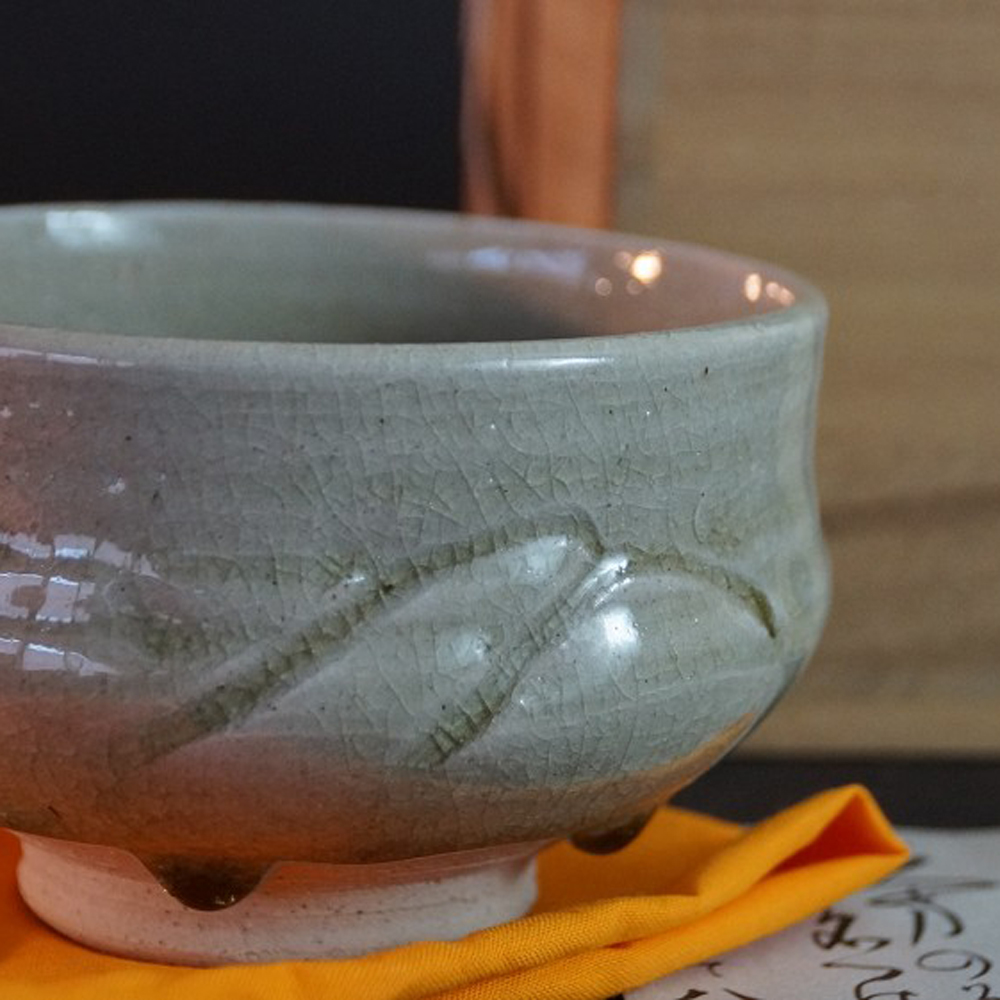

Chawan Made of Seto Ware
Chawan, unique work, with box, 8 x 12 cm
€160.00
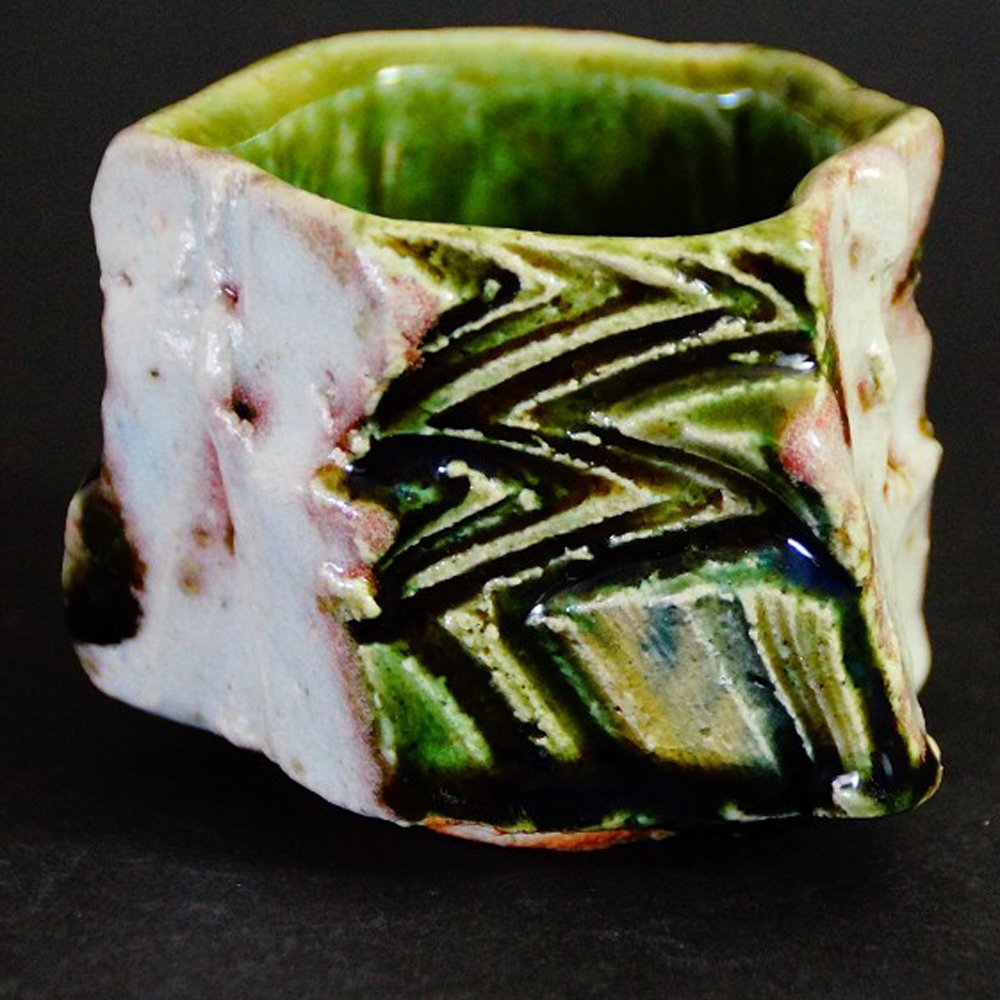

Kawachi Hidetoshi
Guinomi Made of Oribe Ware by Kawachi Hidetoshi, Angular
Guinomi, unique work, with box, 8 x 6,5 cm
€330.00
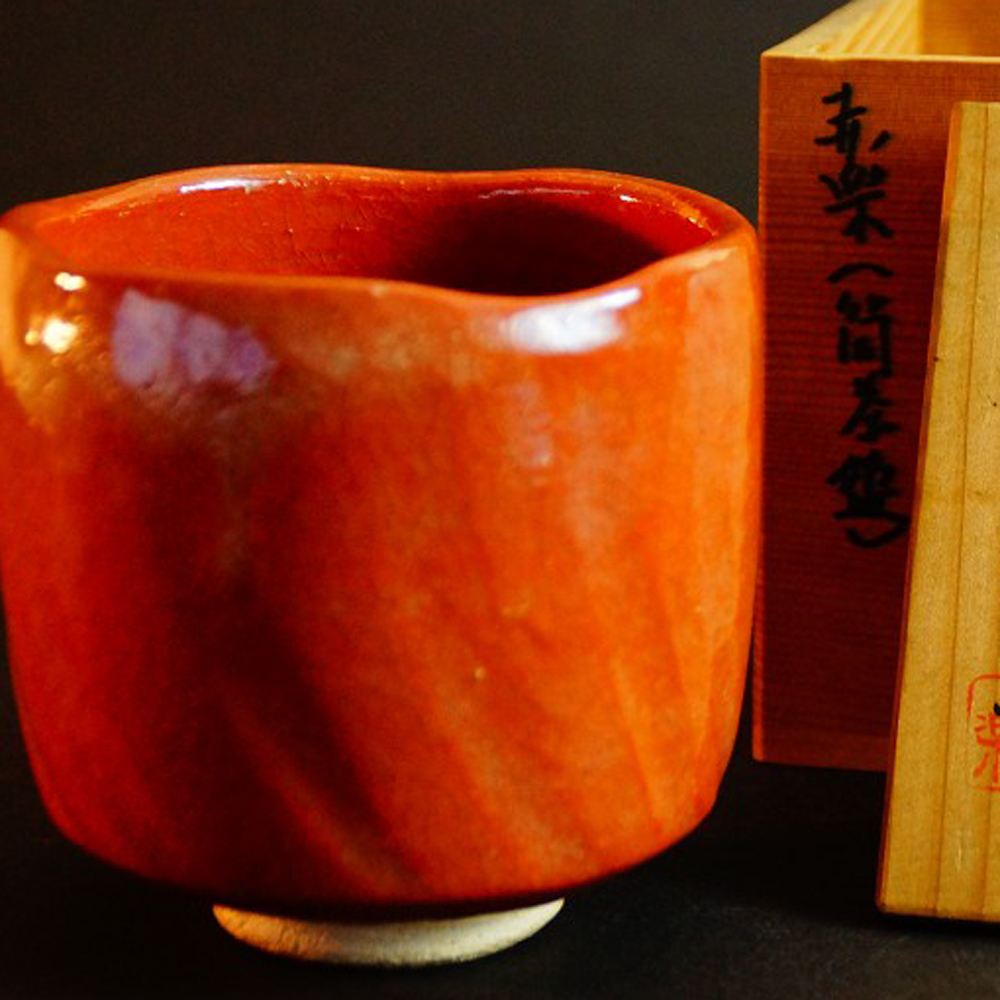

Seiraku
Chawan Tea Bowl Made of Raku Ware by Seiraku
Chawan, unique work, with box, 9,5 x 9,5 cm
€280.00
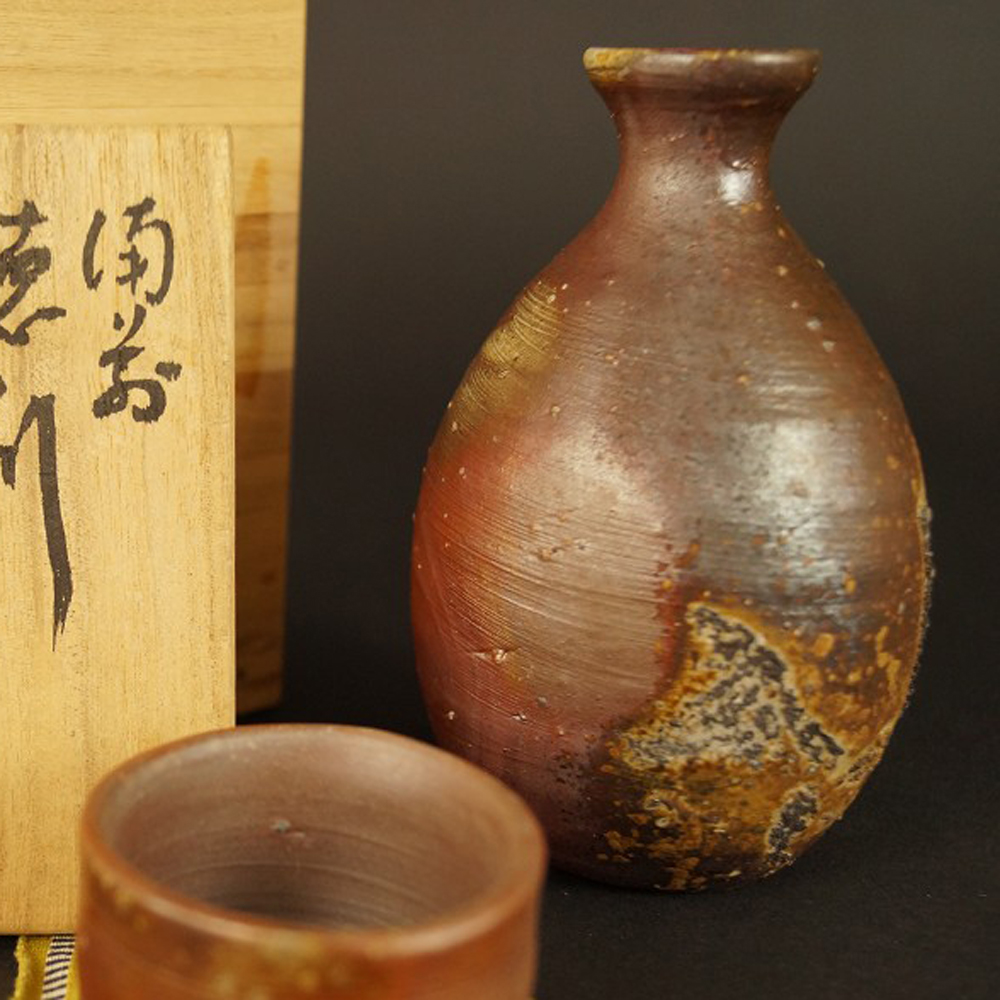
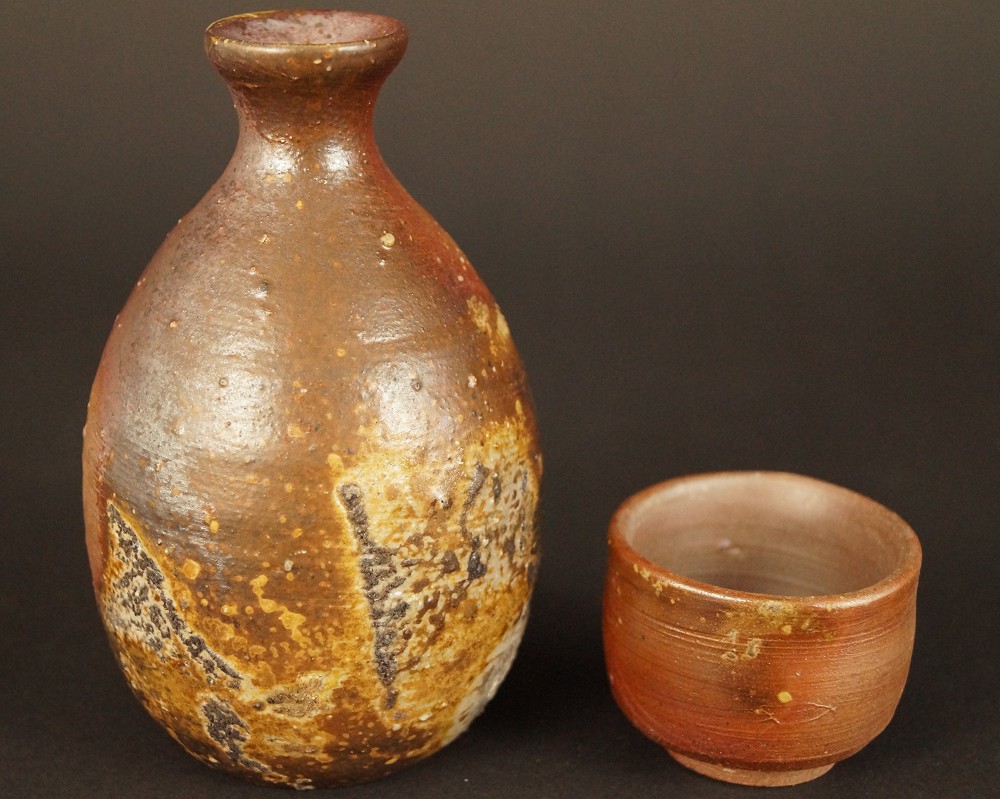
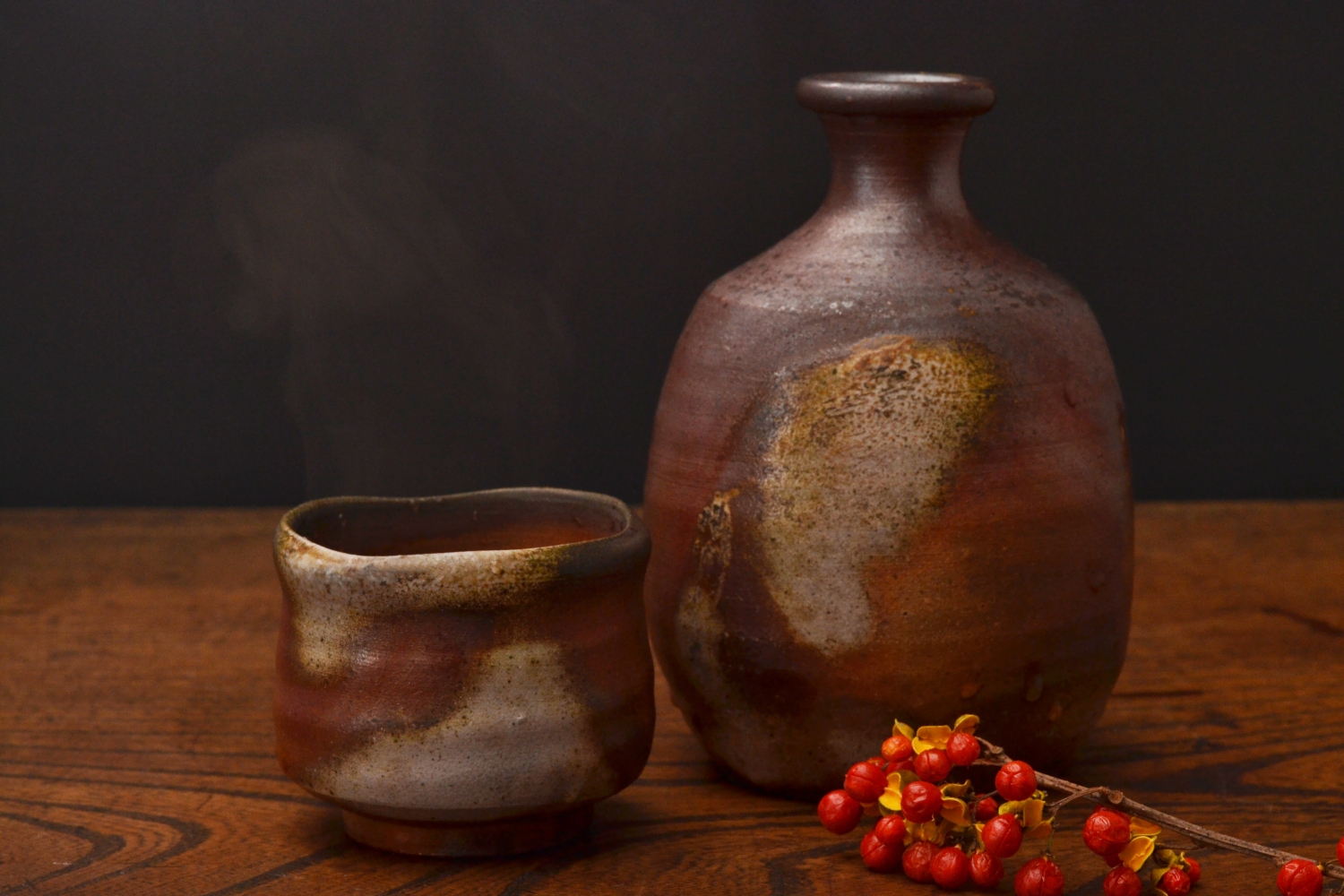
Tokkuri and Guinomi Made of Bizen Ware
Set of Guinomi and Tokkuri, unique work, with box, 12 x 7 cm
€210.00
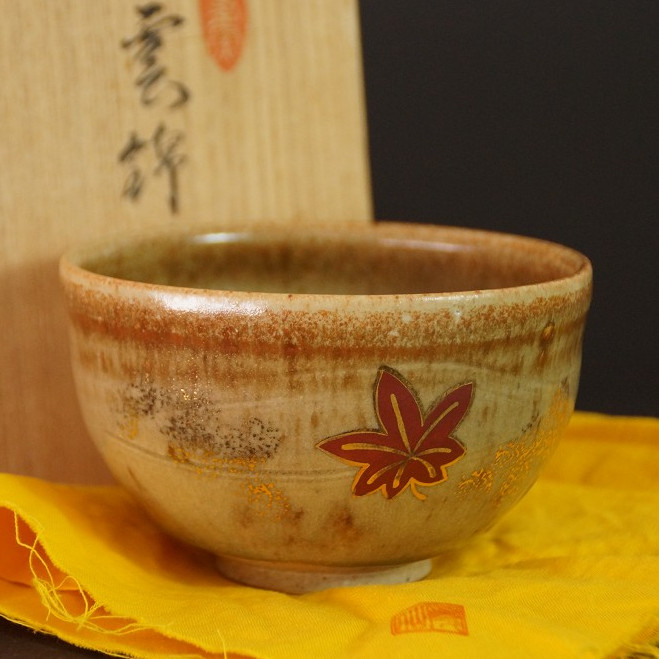

Kitagama Kasen
Chawan Made of Akatsu Ware by Kitagama Kasen
Chawan, unique work, with box, 7,5 x 11,5 cm
€390.00
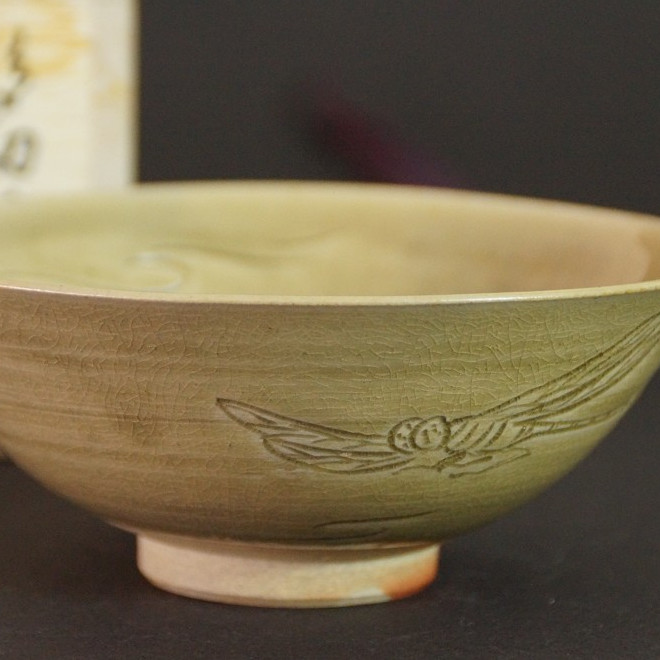

Tamura Unkei
Chawan with Dragonfly Motif Made of Tada Ware by Tamura Unkei
Chawan, unique work, with box, 6 x 15 cm
€390.00
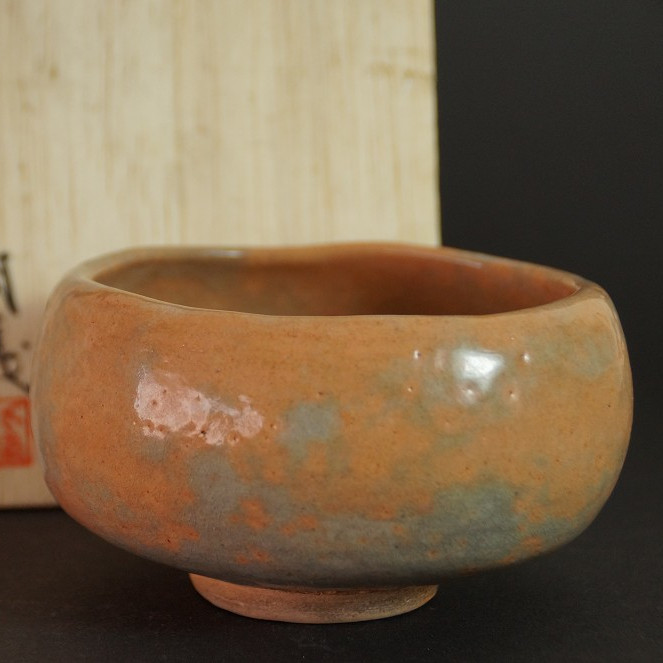

Meigi
Chawan Made of Kyoto Ware by Meigi
Chawan, unique work, with box, 7 x 13 cm
€410.00
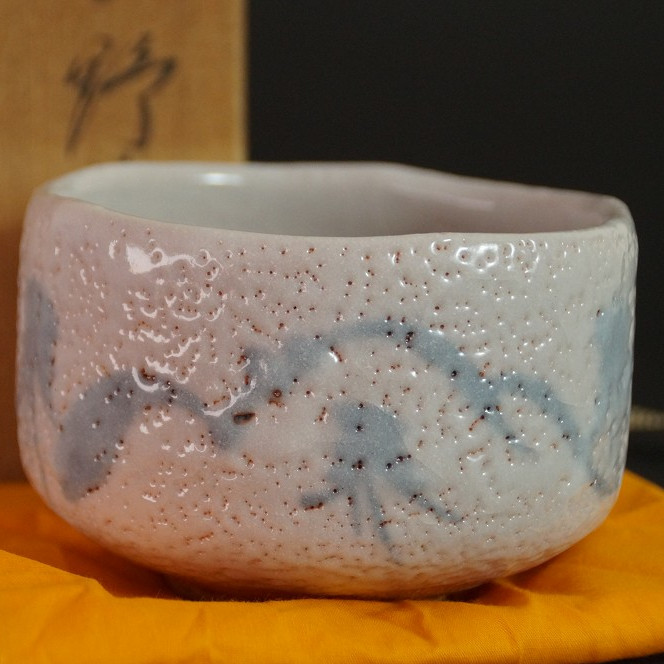

Jyuzo Sato
Chawan Made of Shino Ware by Juzo Sato
Chawan, unique work, with box, 8 x 12 cm
€280.00
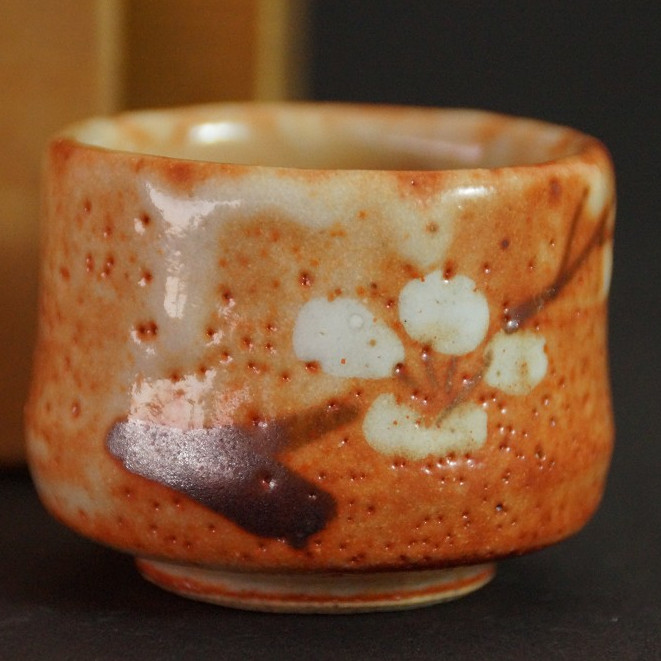

Sawada Shuichi
Guinomi Sake Cup Made of Shino Ware by Shuichi Sawada
Guinomi, unique work, with box, 5 x 6 cm
€210.00
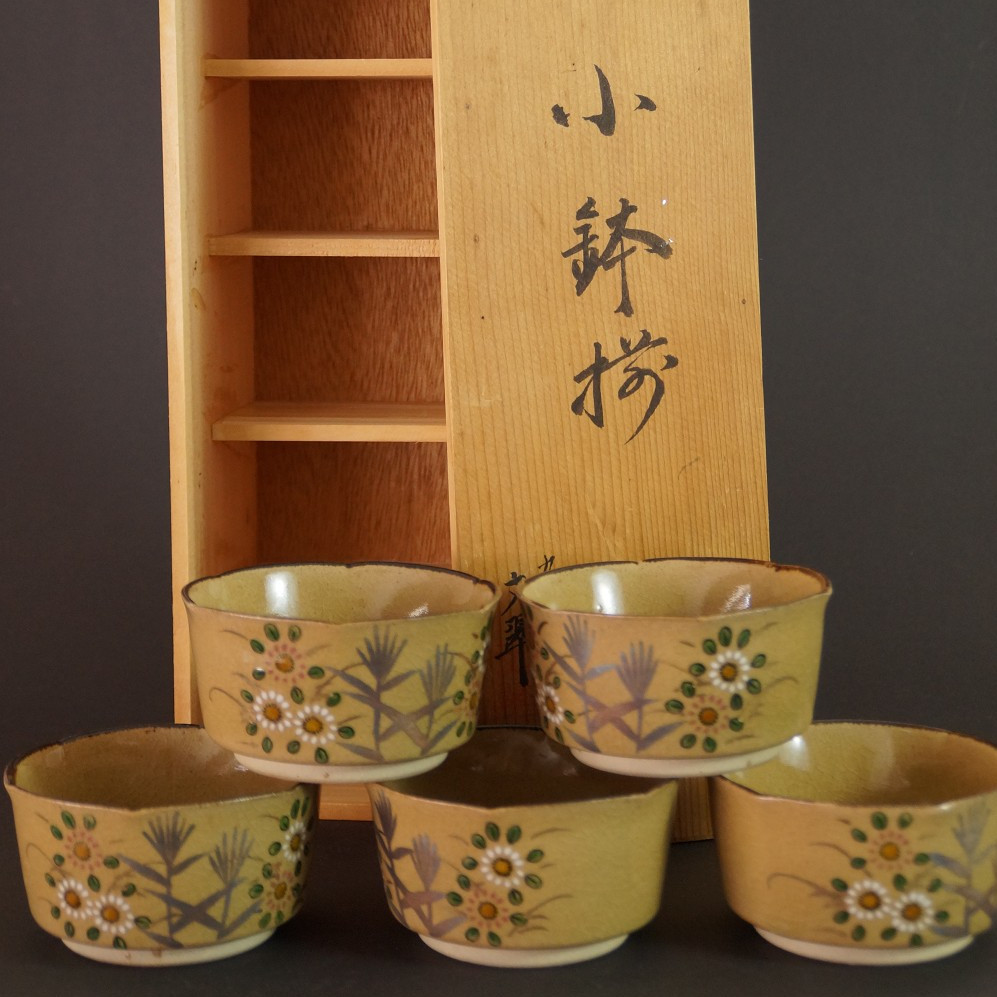

Set of Five Tea Bowls Made of Kutani Porcelain with Autumn Grasses
Chawan, unique work, with box, 6 x 10 cm
€180.00
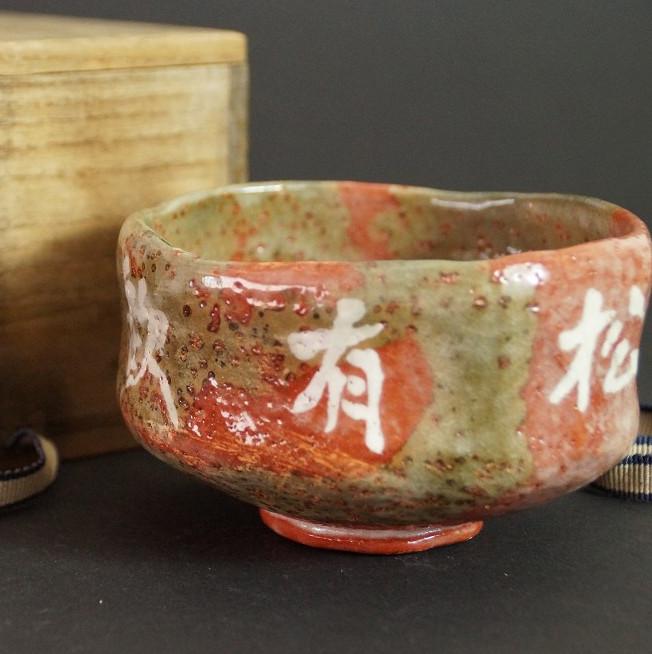

Chawan Made of Ohi Ware
Chawan, unique work, with box, 8 x 12 cm
€360.00
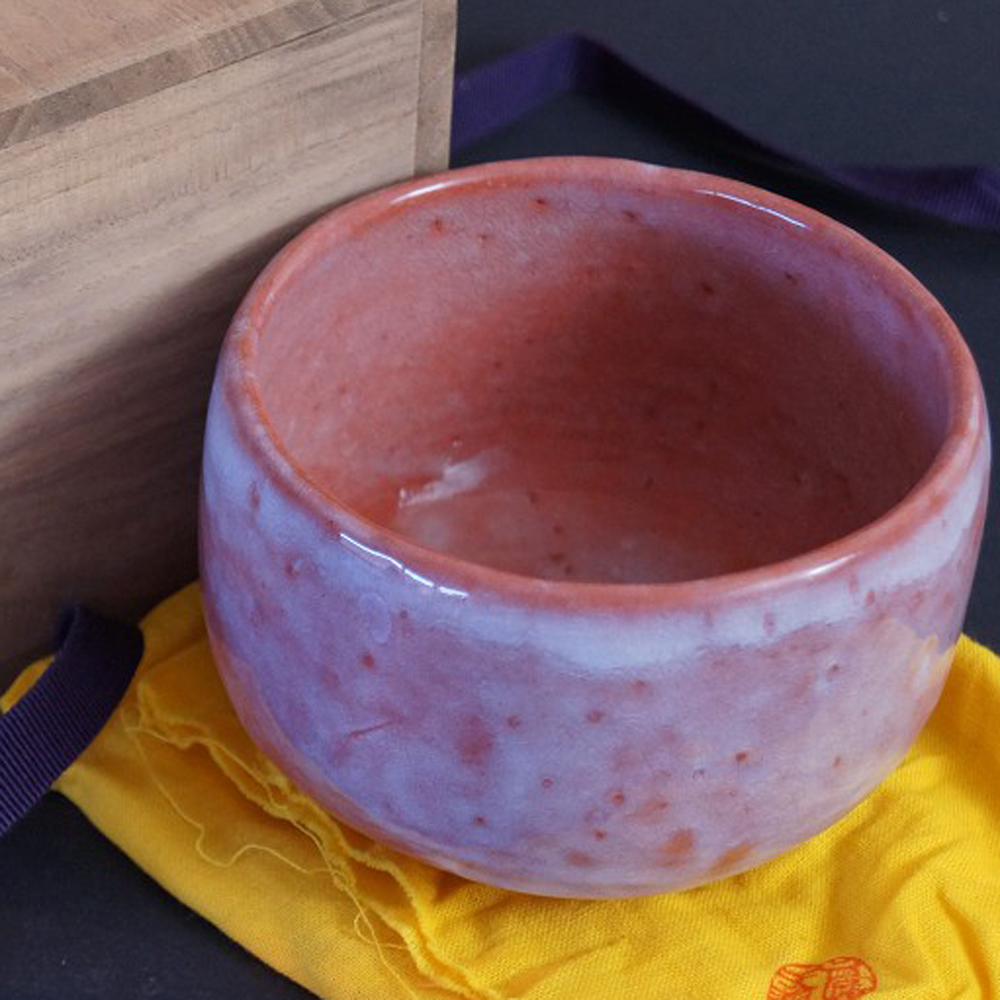

Takahashi Issui
Chawan Made of Raku Ware by Issui Takahashi
Chawan, unique work, with box, 9 x 12 cm
€230.00
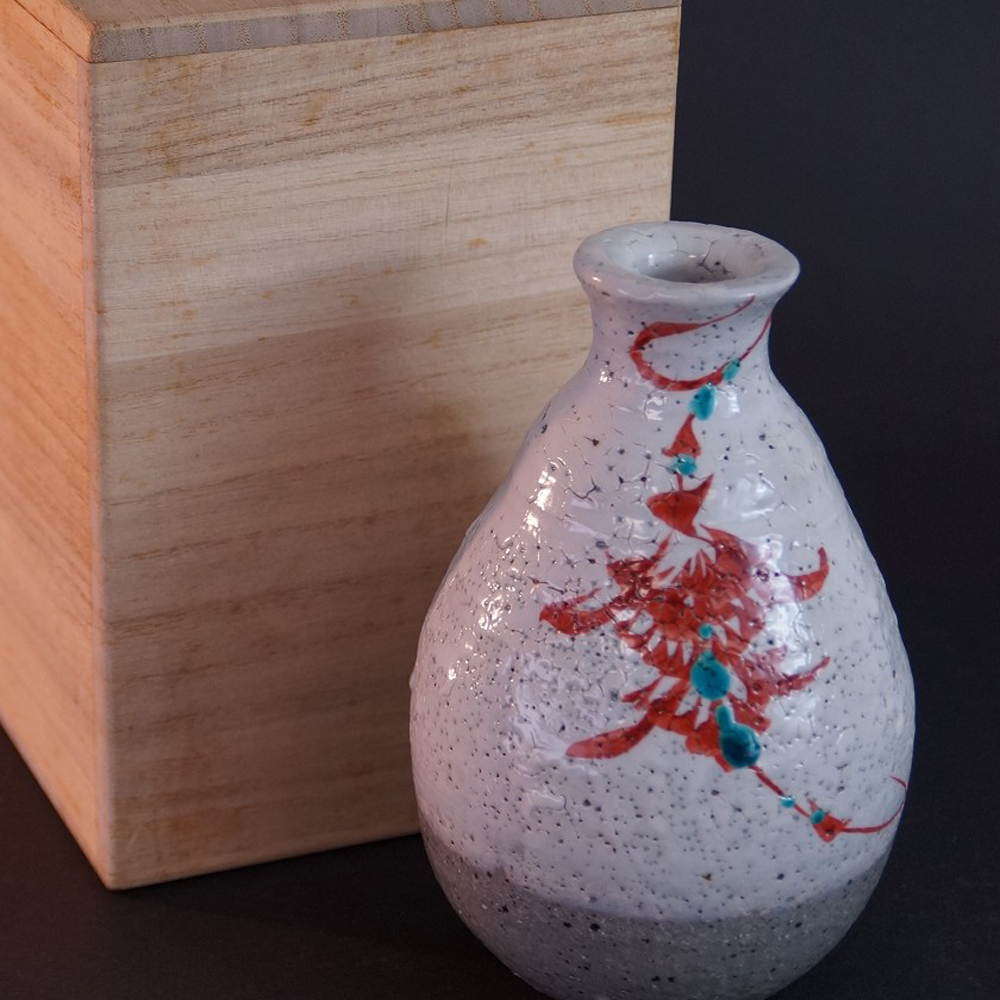

Suzuki Takuji
Tokkuri Made of Kyoto Ware by Takuji Suzuki
Tokkuri, unique work, with box, 15 x 8 cm
€370.00
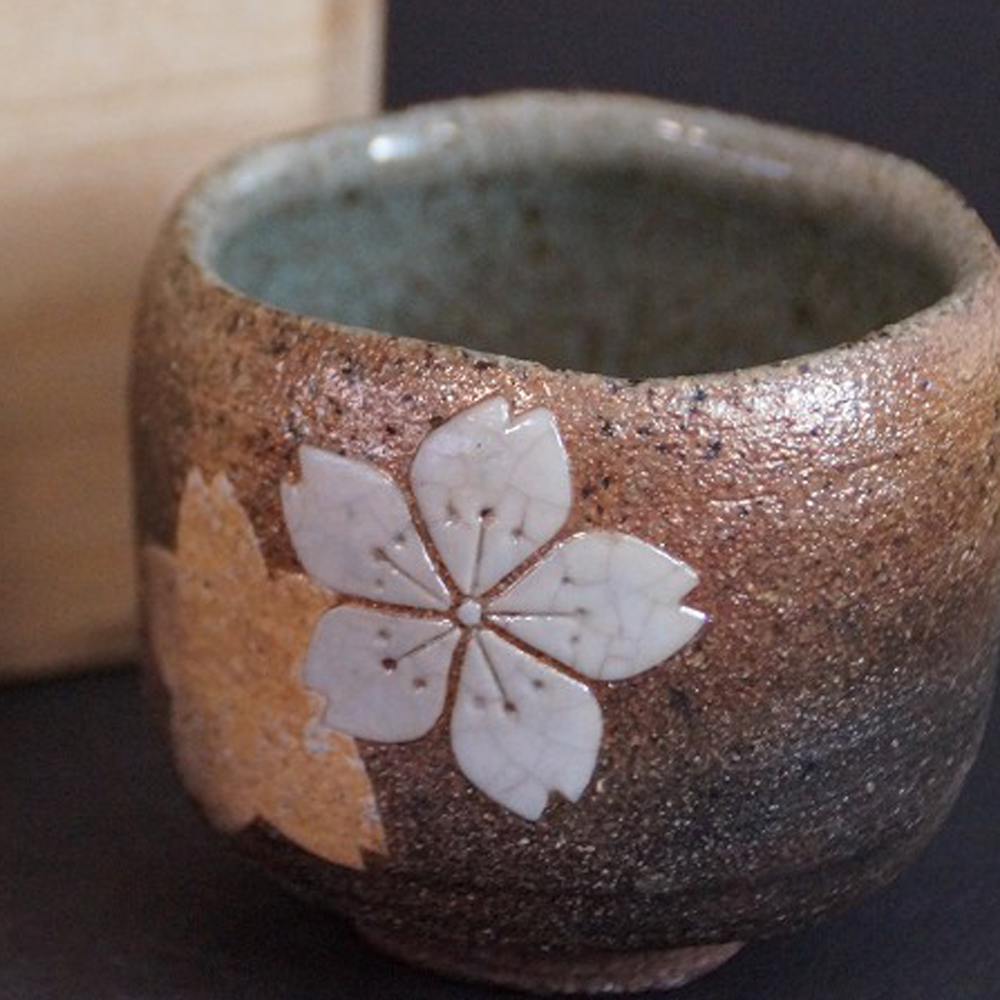

Matsuo Shigetoshi
Guinomi Made of Karatsu Ware by Shigetoshi Matsuo
Guinomi, unique work, with box, 7 x 6 cm
€240.00
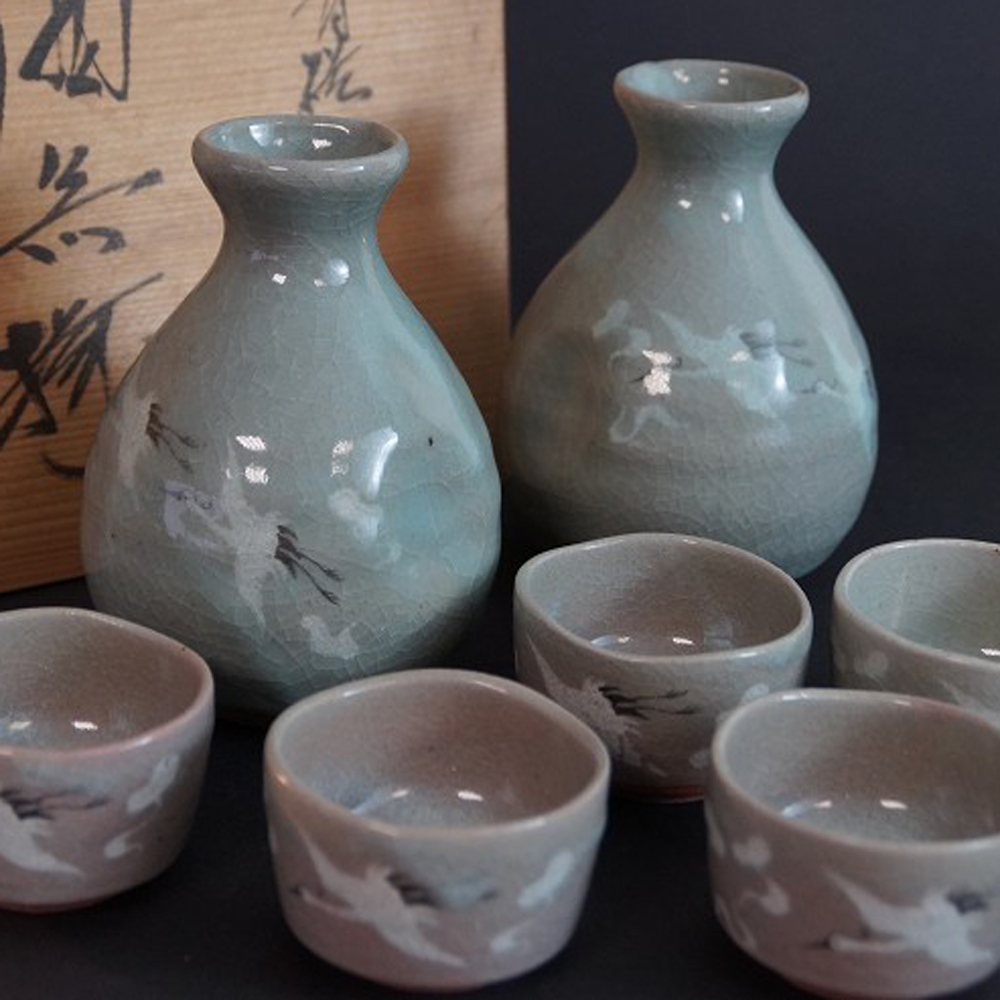

Sake Set Made of Mino Ware, Two Tokkuri and Five Guinomi
Set of Guinomi and Tokkuri, unique work, with box, 11 x 8 cm
€530.00
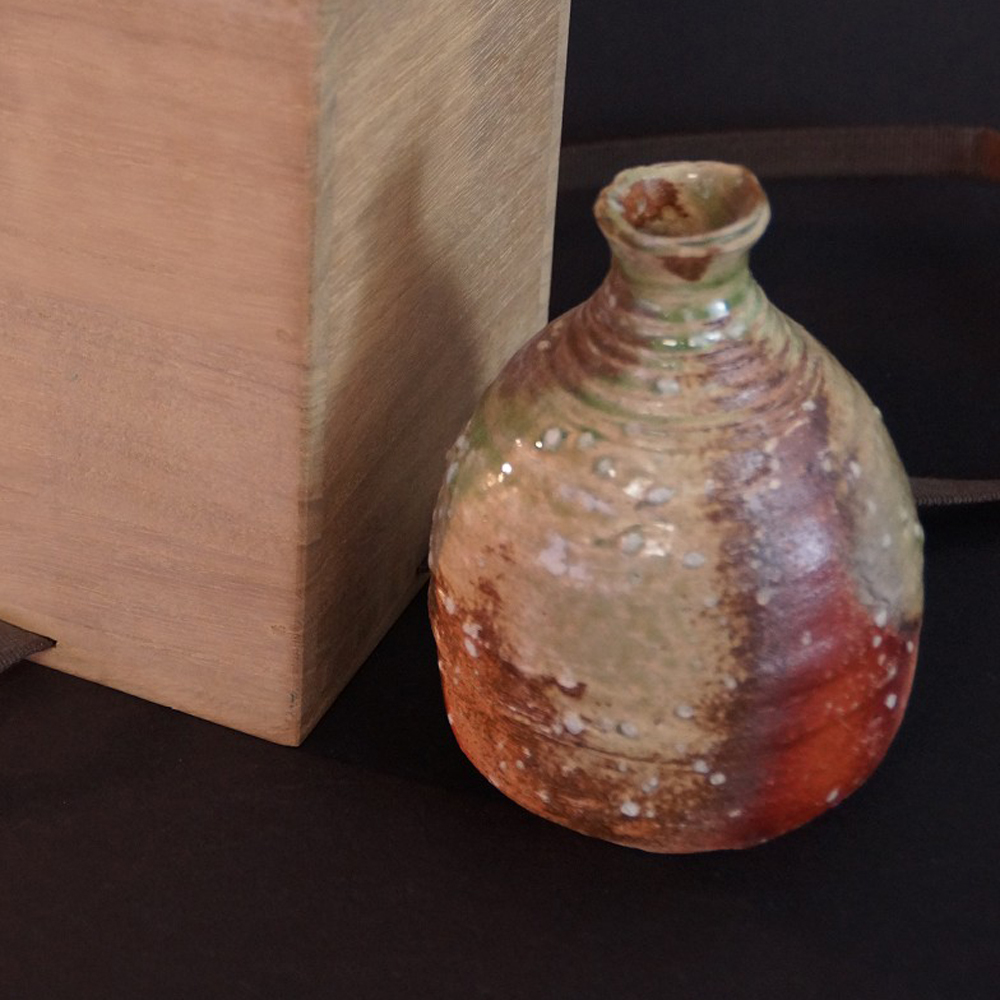

Sasaki Shodo
Tokkuri Made of Shigaraki Ware by Shodo Sasaki
Tokkuri, unique work, with box, 13 x 9 cm
€280.00
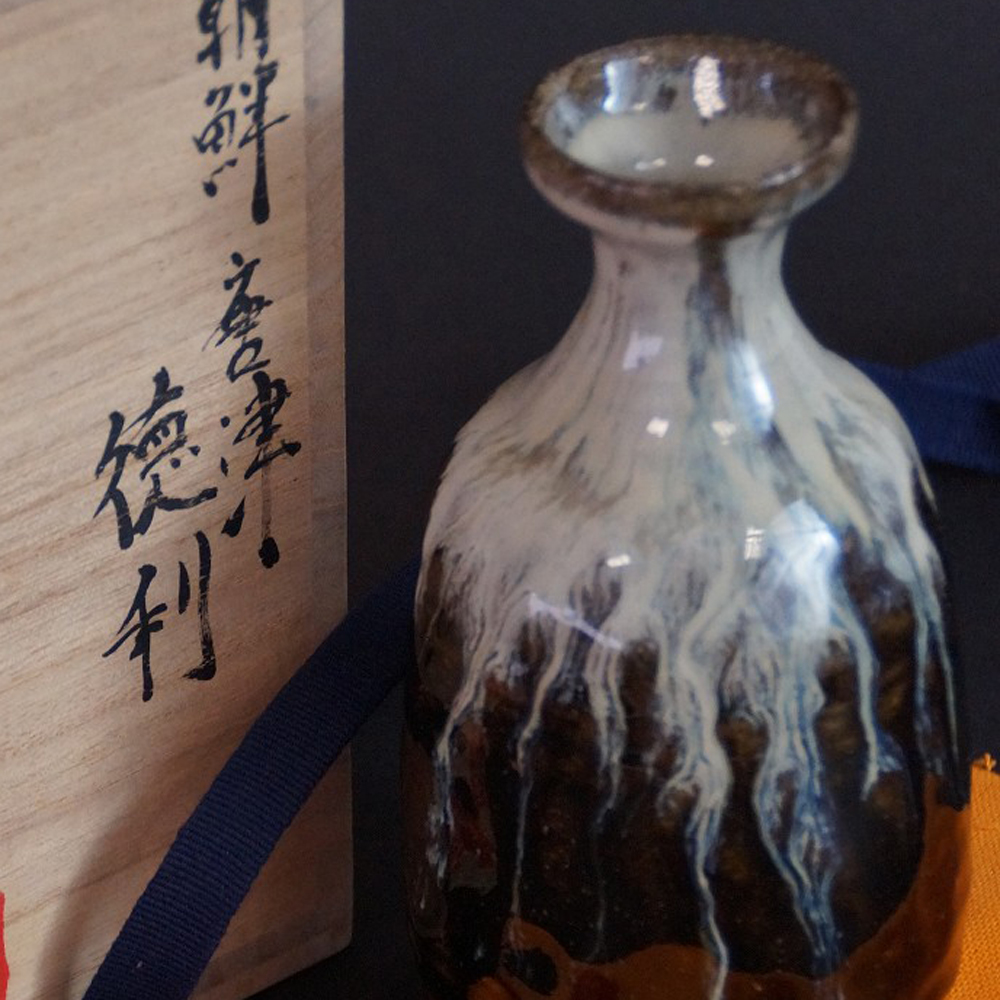

Michael Martino
Tokkuri Made of Karatsu Ware by Michael Martino
Tokkuri, unique work, with box, 16 x 9 cm
€450.00
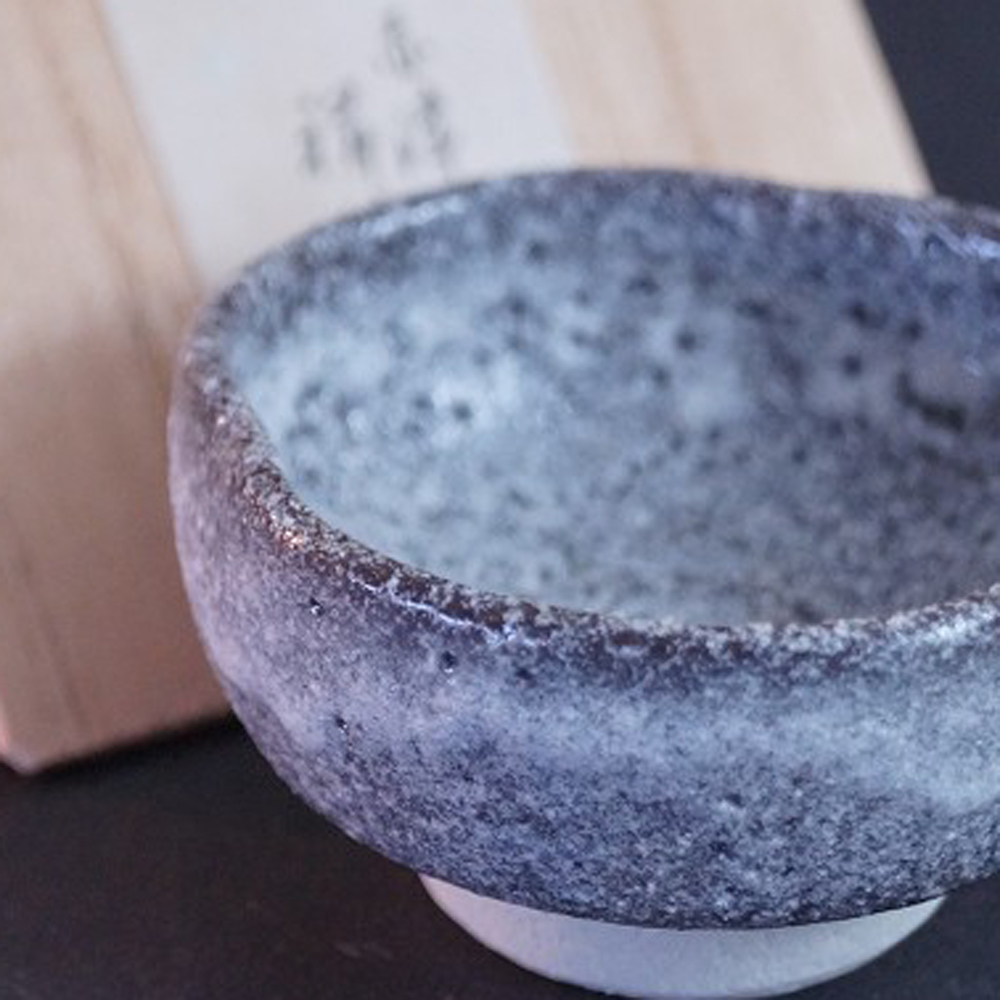

Taniguchi Shohachi
Guinomi Made of Shino Ware by Shohachi Taniguchi
Guinomi, unique work, with box, 3 x 5,5 cm
€175.00
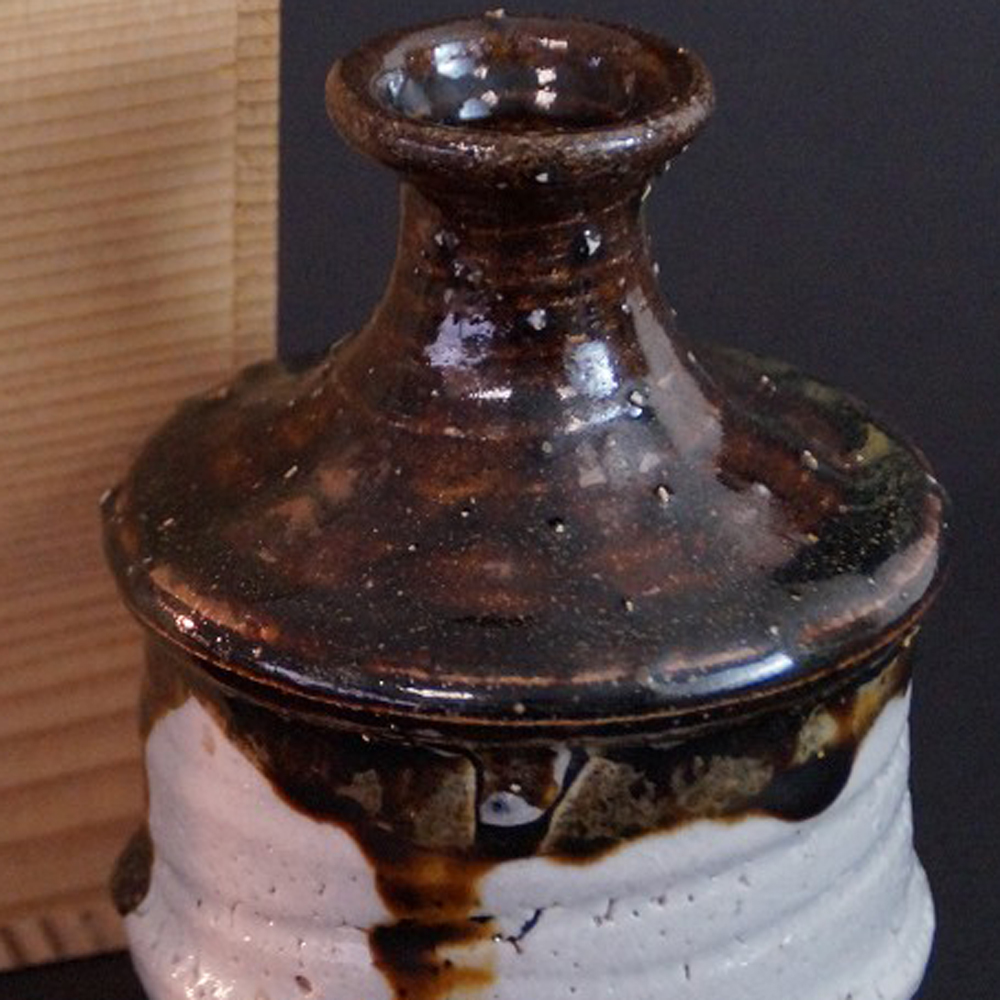

Inoue Toya
Tokkuri Made of Karatsu Ware by Toya Inoue
Tokkuri, unique work, with box, 11 x 10 cm
€320.00
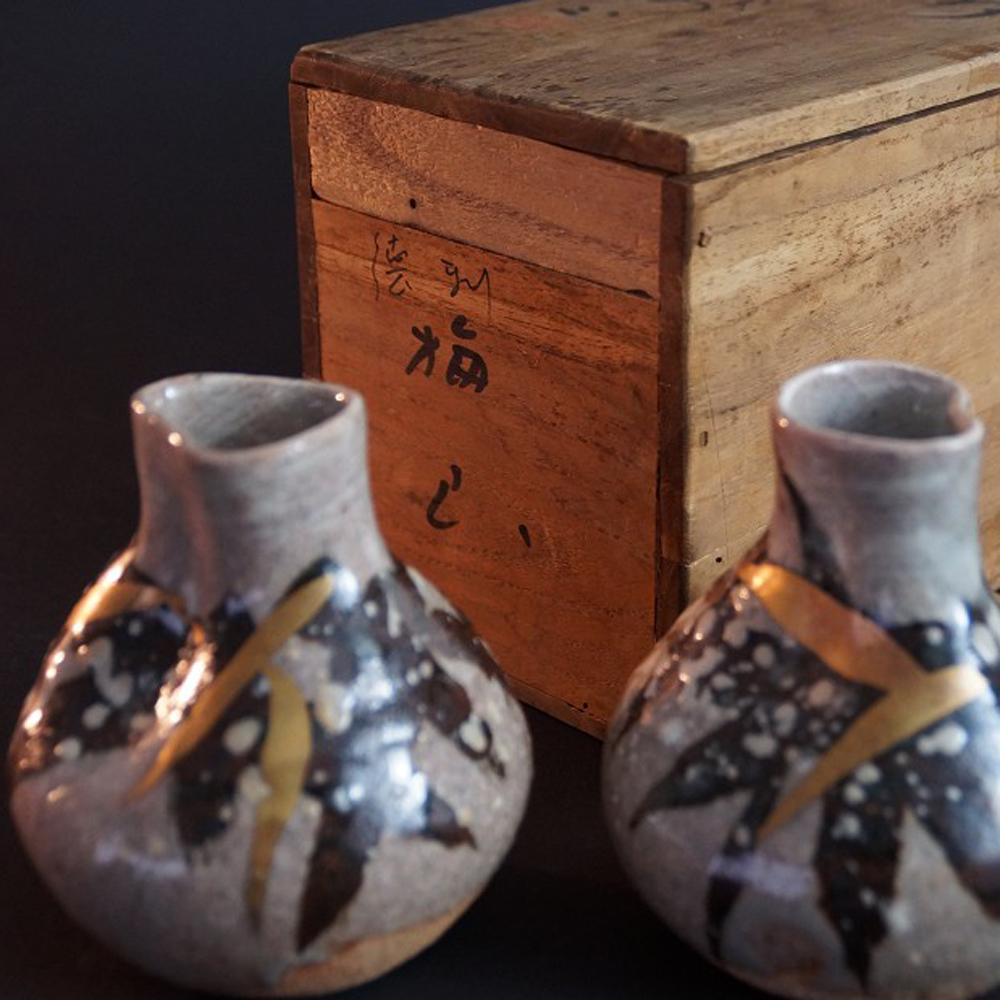

Nakamura Baizan
Two Tokkuri Made of Kutani Porcelain by Baizan Nakamura
Tokkuri, unique work, with box, 9 x 9 cm
€440.00
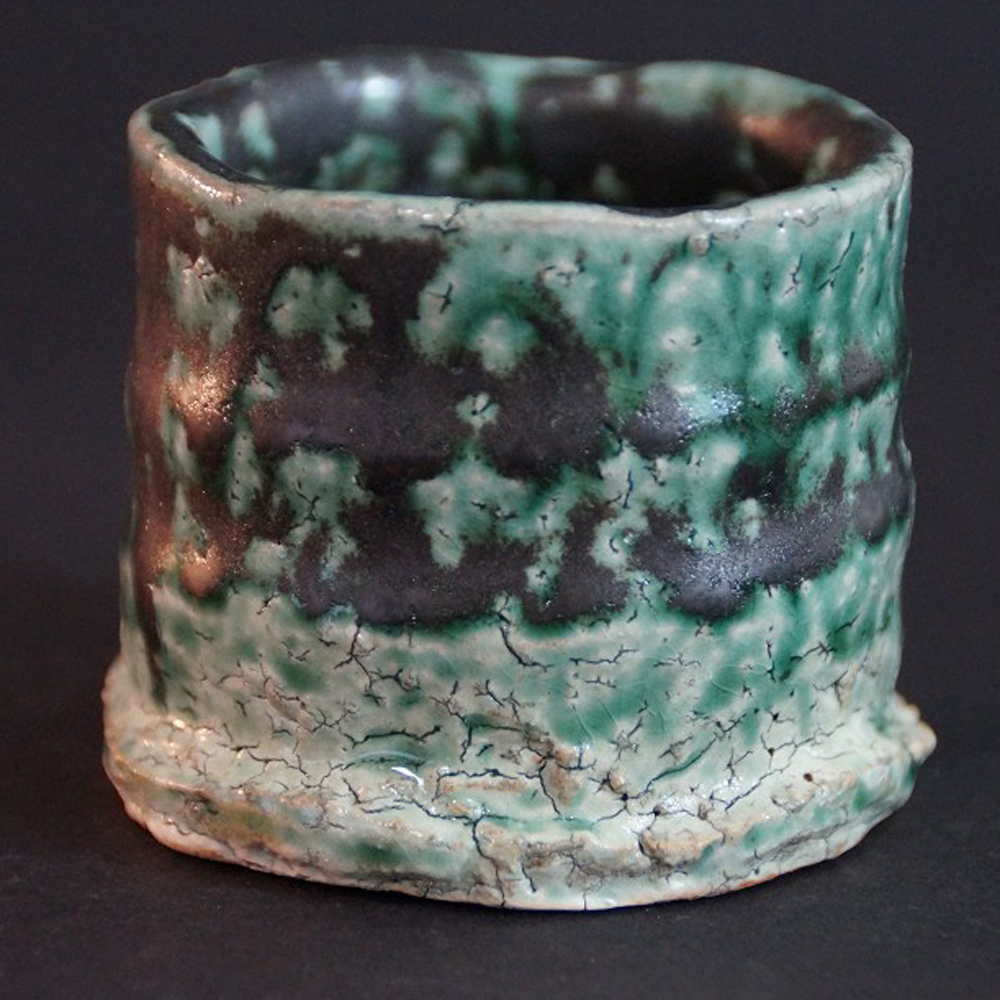

Sasaki Ken
Guinomi Made of Hagi Ware by Ken Sasaki
Guinomi, unique work, with box, 5,5 x 6 cm
€310.00
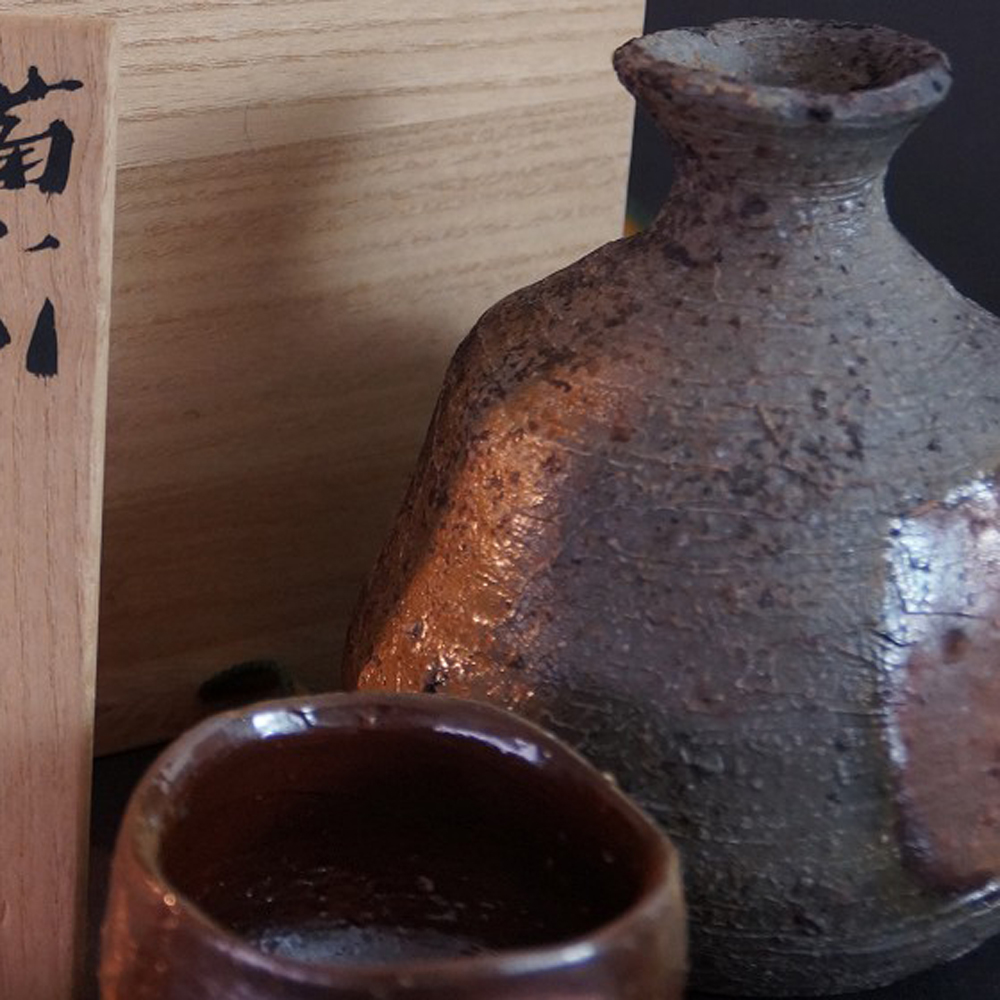

Morioka Hiroshi
Sake Set Made of Bizen Ware by Hiroshi Morioka
Set of Guinomi and Tokkuri, unique work, with box, 12 x 10 cm
€690.00
48 of 231 items shown
A Variety of Regional Pottery Traditions
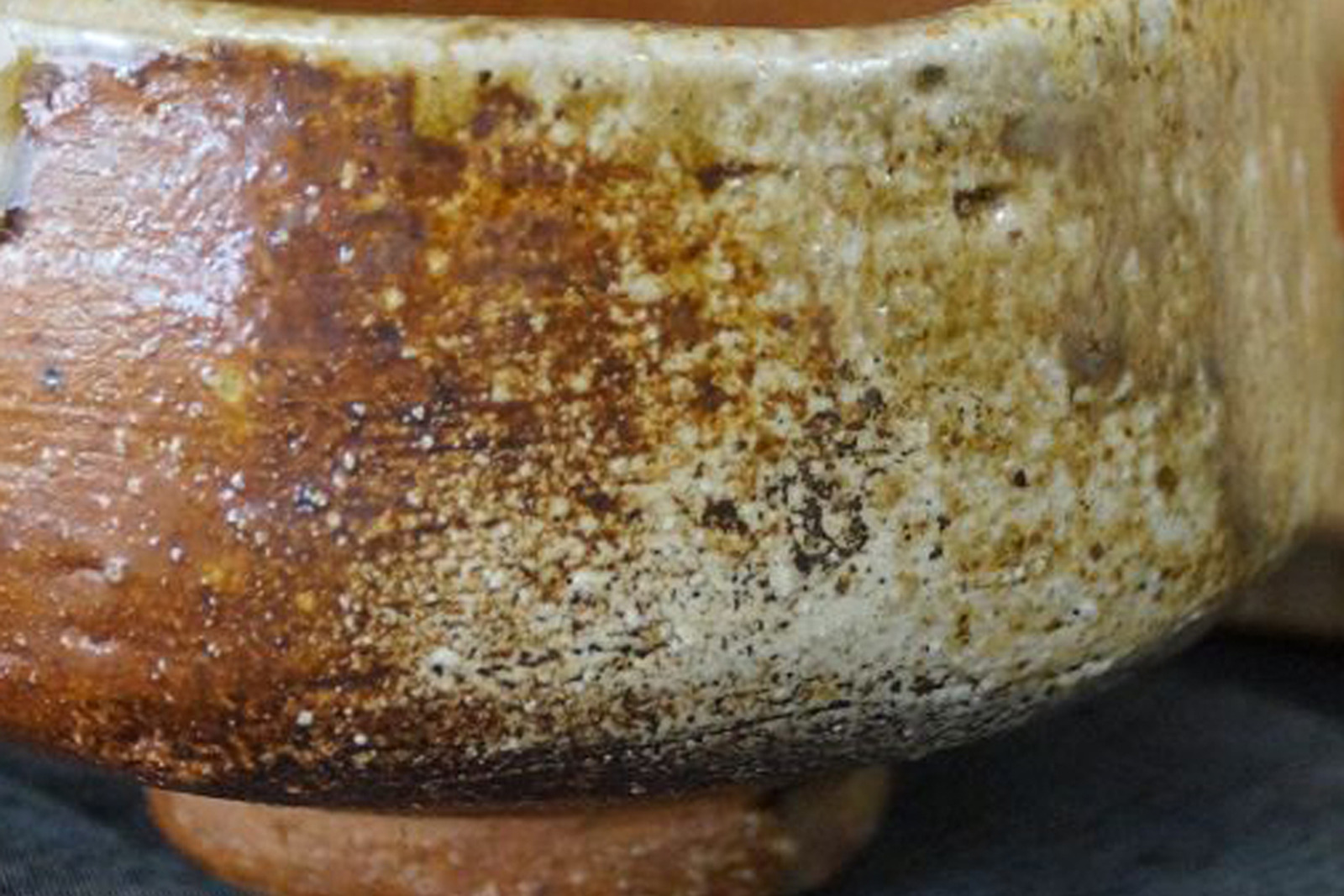
Japan has an exceptionally rich ceramics landscape with numerous so-called yaki styles – named after their respective region of origin. Among the best known are Raku-yaki from Kyoto, Bizen-yaki from Okayama Prefecture, Hagi-yaki from Yamaguchi, Shino-yaki and Oribe-yaki from the Mino region in Gifu Prefecture, Karatsu-yaki from Saga, Kutani-yaki from Ishikawa, Shigaraki-yaki from Shiga, and Seto-yaki from Aichi. Each of these traditions has developed its own clay types, glazes, and firing methods over the centuries, which are directly reflected in the color, texture, and feel of the finished pieces and become clearly distinguishable even to laypeople after a short period of familiarization.
Wabi-Sabi: The Beauty of Imperfection
Many pieces of Japanese ceramics follow the aesthetic ideal of wabi-sabi – the deliberate appreciation of irregularity, age, and transience. A slightly asymmetrical shape, an irregular trace of glaze, or a visible firing mark are not regarded as flaws here, but as an expression of the naturalness and honesty of the material. This aesthetic concept deliberately contrasts with Western notions of flawless, symmetrical perfection and has, especially in recent years, gained increasing international appeal, for example in interior design and in conscious, minimalist living.
Craftsmanship Instead of Mass Production
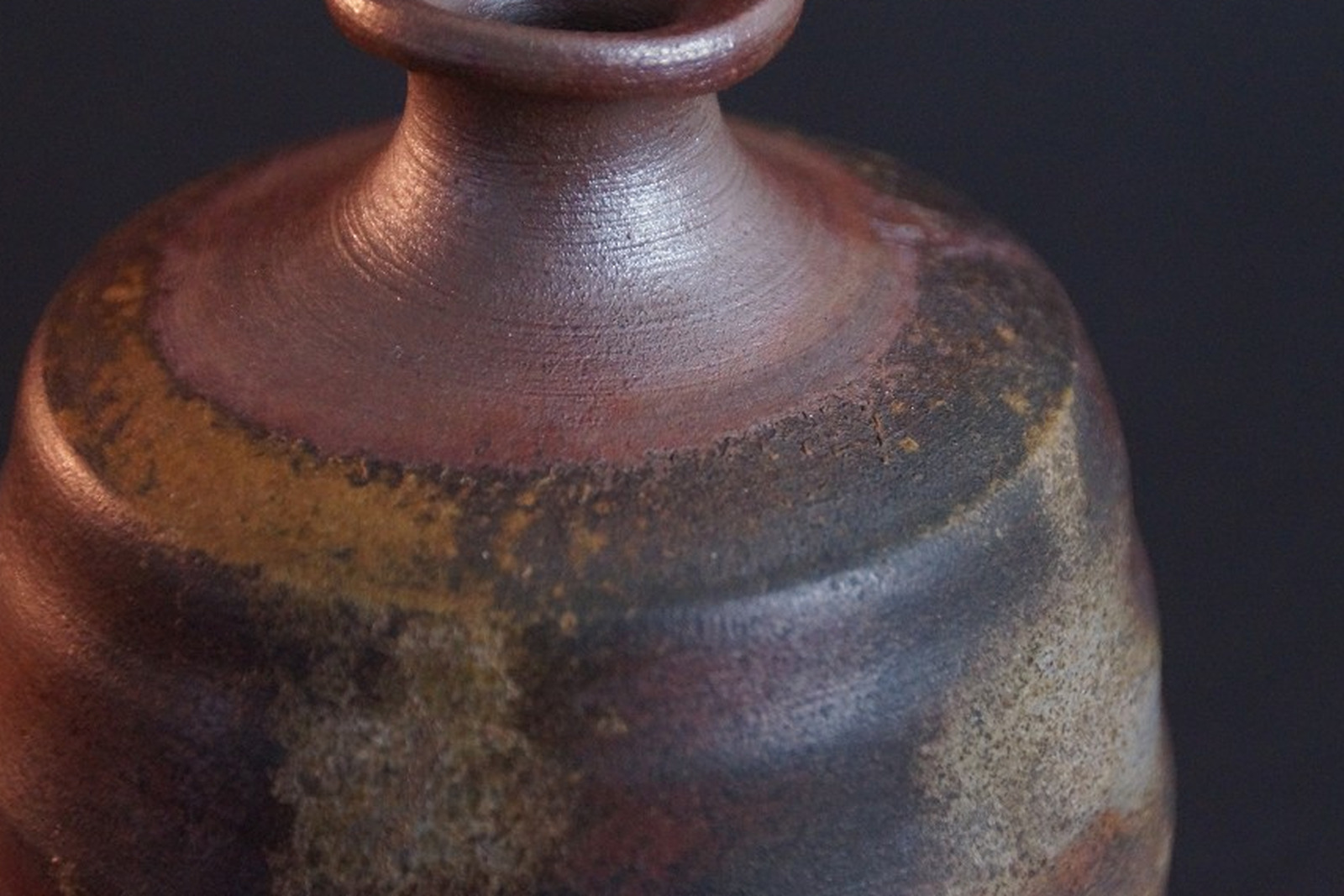
Nearly all works in this category are hand-thrown, one-of-a-kind pieces by individual master potters, often bearing their own signature or workshop seal. The shaping is usually done on the potter's wheel or by free hand-forming, and the firing takes place in traditional wood-fired kilns, so-called anagama, or in modern gas kilns, depending on style and workshop. In particular, wood firing in the anagama kiln, which can take several days, produces unique, non-reproducible color gradients on the surface of the ceramics through flying ash and uneven heat distribution – an effect that is fundamentally unattainable with industrially produced ceramics.
From Drinking Vessels to Vases
Our Japanese Ceramics category brings together various types of objects: chawan and yunomi for tea culture, guinomi and tokkuri for the traditional sake culture, as well as decorative vases for flower arrangements in the spirit of ikebana or as independent art objects. Each of these subgroups follows its own formal traditions and contexts of use, which have developed over the centuries in parallel with the respective cultural practices they serve.
A Piece of Japan in Everyday Life
Unlike pure display pieces, many of these ceramics are intended for daily use – a tea bowl that becomes more familiar with each use, a sake cup that becomes a fixed ritual of an evening, or a vase that is refilled anew week after week. This close connection between art and everyday use is a central characteristic of Japanese ceramic culture and distinguishes it from a purely museum-like way of viewing art objects.
Ceramics as an Investment and Field of Collecting
Anyone who engages more intensively with Japanese ceramics quickly discovers an enormously multifaceted field of collecting: regional styles, individual potter dynasties with sometimes centuries-old family traditions, as well as different firing techniques offer plenty of material for a lifelong collector's passion. At the same time, even a single, carefully chosen piece can be used as a starting point to approach the aesthetics and philosophy of this art form.
The Six Old Kilns of Japan
Six regions are traditionally regarded as the "six old kilns" of Japan (Nihon Rokkoyō), with a particularly long, unbroken ceramic tradition: Bizen, Tokoname, Echizen, Seto, Tamba, and Shigaraki. Each of these regions developed its own material properties and firing techniques over the centuries, which are still reflected today in the pieces made there. For collectors who want to specifically explore the history of Japanese ceramics, these six regions form an excellent starting point, as they allow the development of Japanese pottery to be traced particularly vividly.
Quality Criteria When Buying Japanese Ceramics
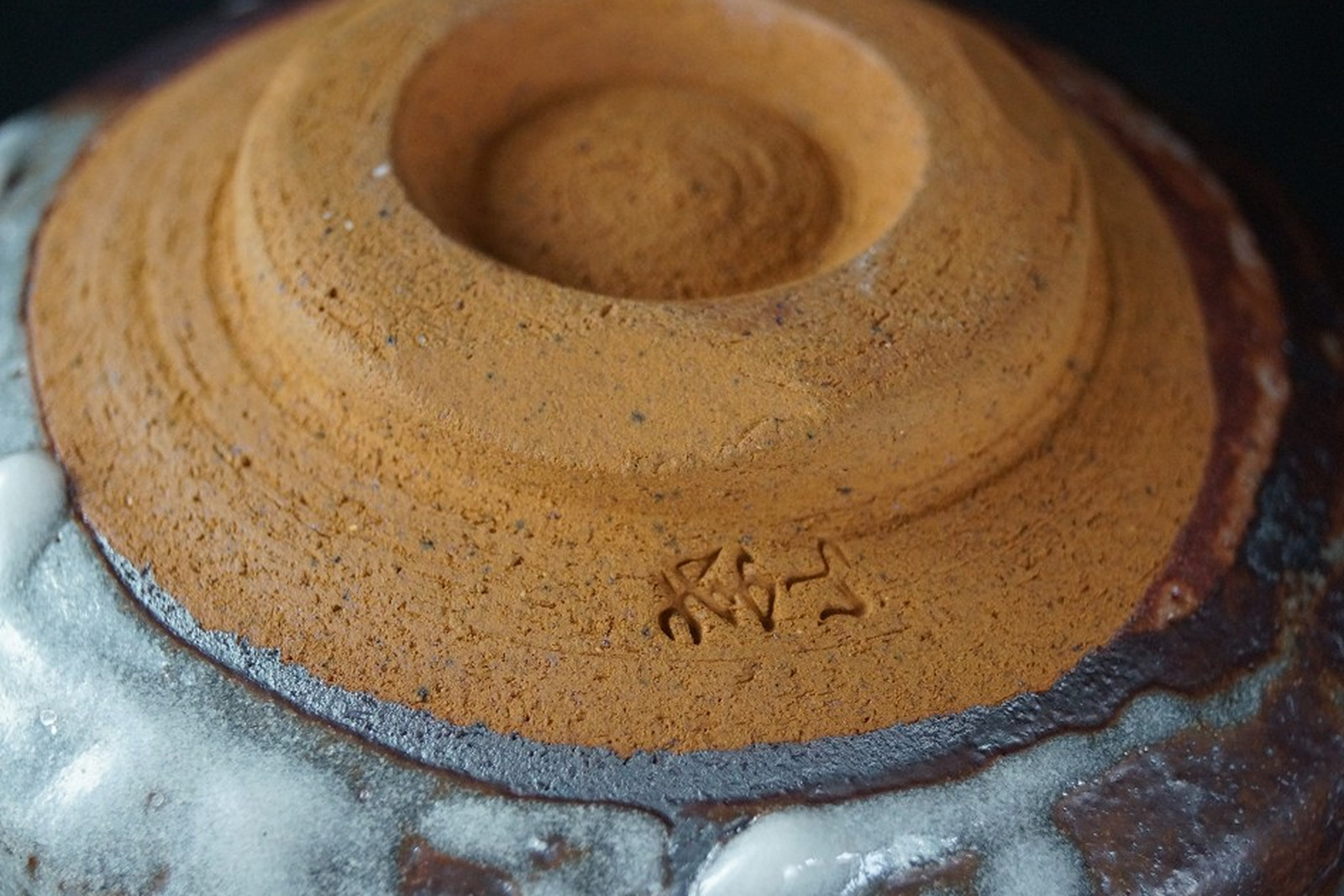
When buying a piece of ceramics, it is worth taking a closer look at several details: the evenness or deliberate irregularity of the shape depending on the style, the quality and depth of the glaze, the weight and feel of the piece in the hand, as well as any signature or workshop seal that may be present on the base. For unglazed pieces such as Bizen-yaki, the variety and vividness of the natural color gradients is also an important quality criterion, one that depends directly on the individual firing process in the wood kiln and can therefore never be exactly repeated in any piece.
Discover handcrafted Japanese ceramics that unite history, craftsmanship, and quiet beauty in a single object.