Japanese Ceramic Vases
Go directly to the artworksIn brief
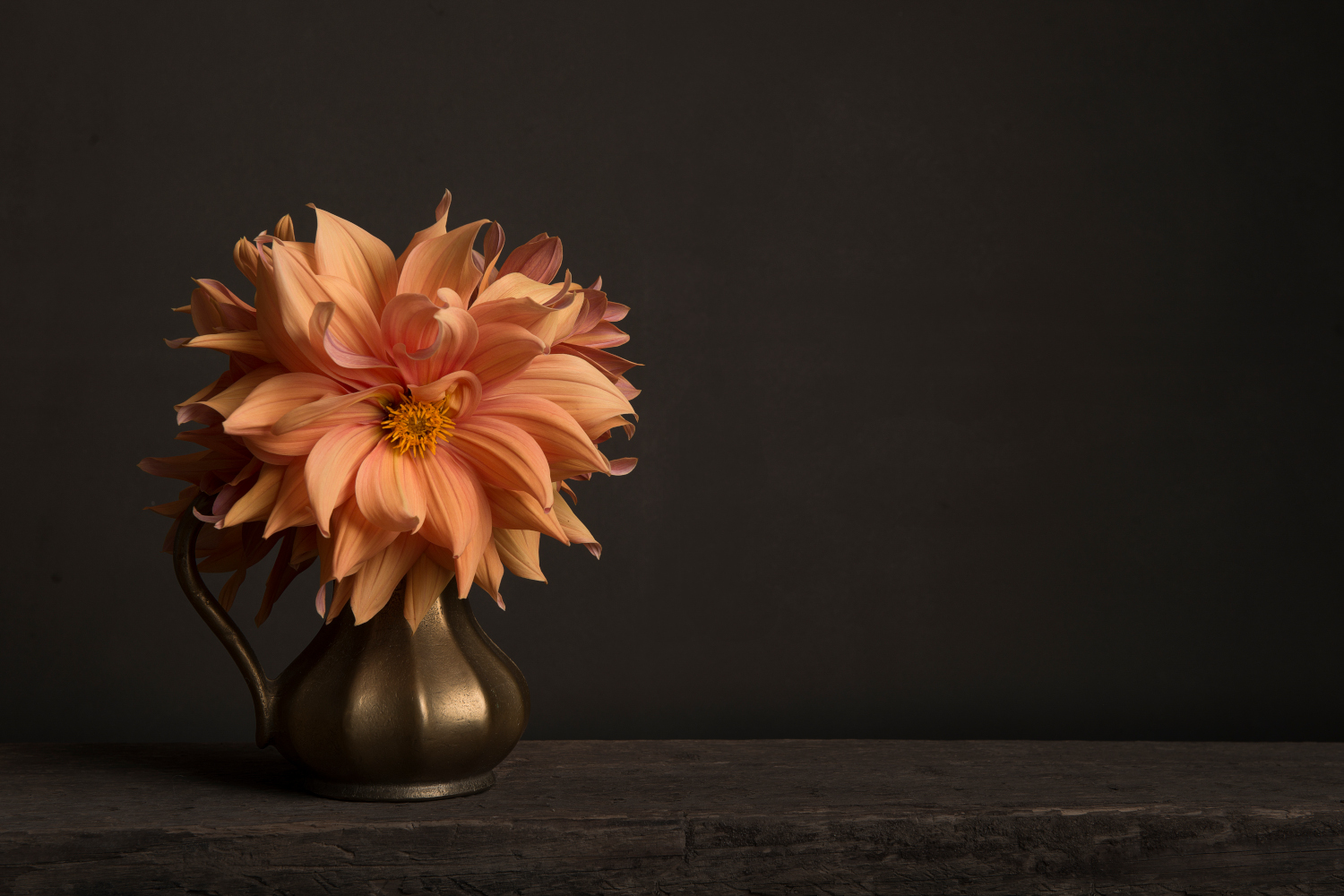
Japanese Vases traditionally serve both classical flower arranging (Ikebana) and as an independent decorative art object. Unlike many Western traditions, in Japan the focus is often not on abundance but on deliberate reduction – a single blossom or a plain branch in an expressive vase can create more impact than a lavish arrangement. Vases are made in nearly all Japanese ceramics styles, from rustic, earthy Bizen-yaki to finely painted Kutani-yaki. At densho.art you will find handcrafted Japanese vases as one-of-a-kind pieces direct from Japan.


Ichino Hiroyuki
Handcrafted Japanese Tanba Vase by Hiroyuki Ichino
Vase, unique work, with box, 25 x 10 cm
€420.00

Hirota
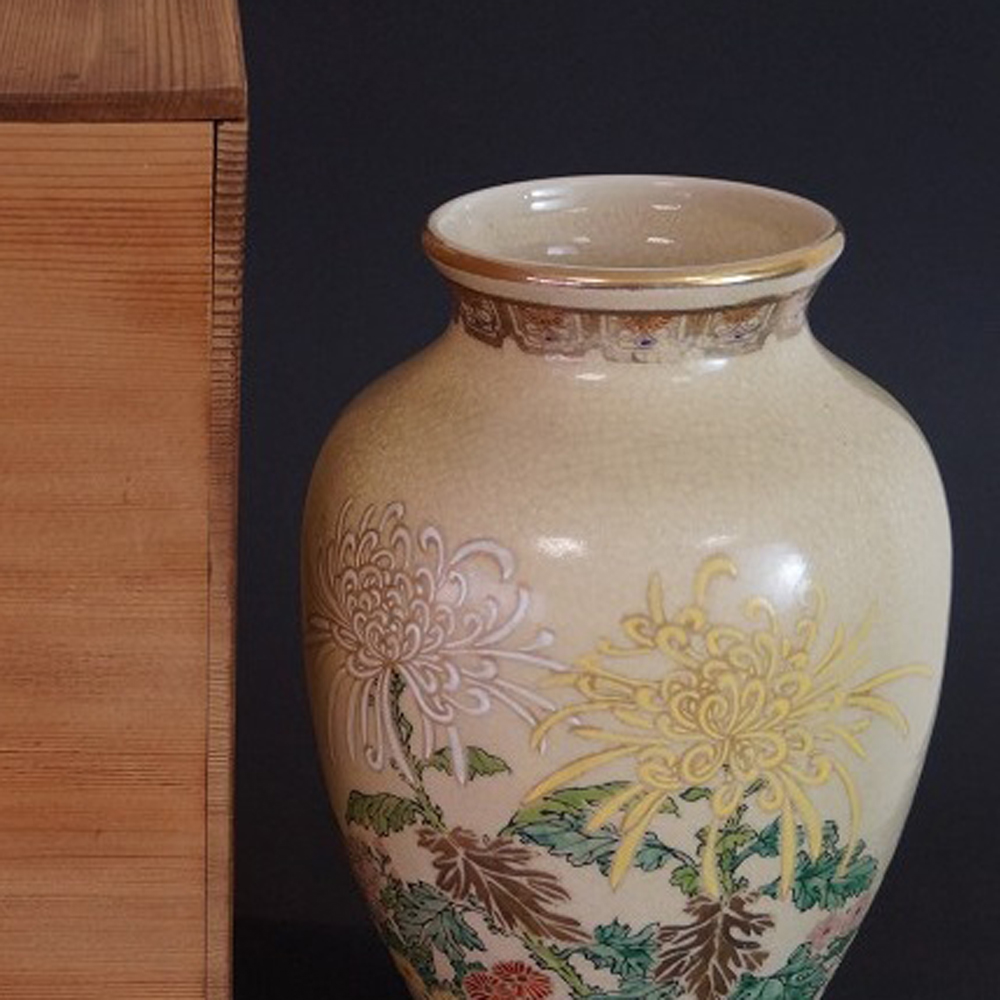
Handcrafted Japanese Satsuma Vase by Hirota
Vase, unique work, with box, 29 x 17 cm
€290.00

Takahashi Rakusai
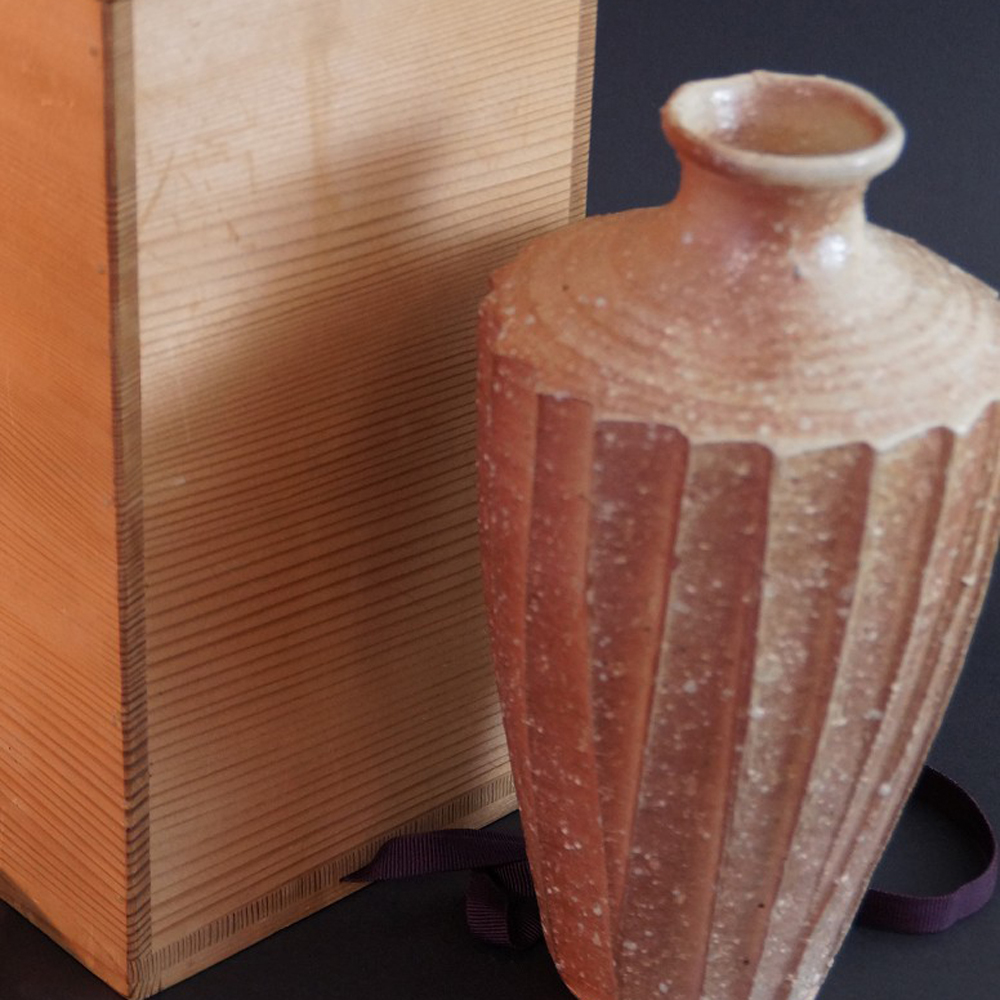
Handcrafted Japanese Shigaraki Vase by Takahashi Rakusai
Vase, unique work, with box, 24 x 13 cm
€295.00
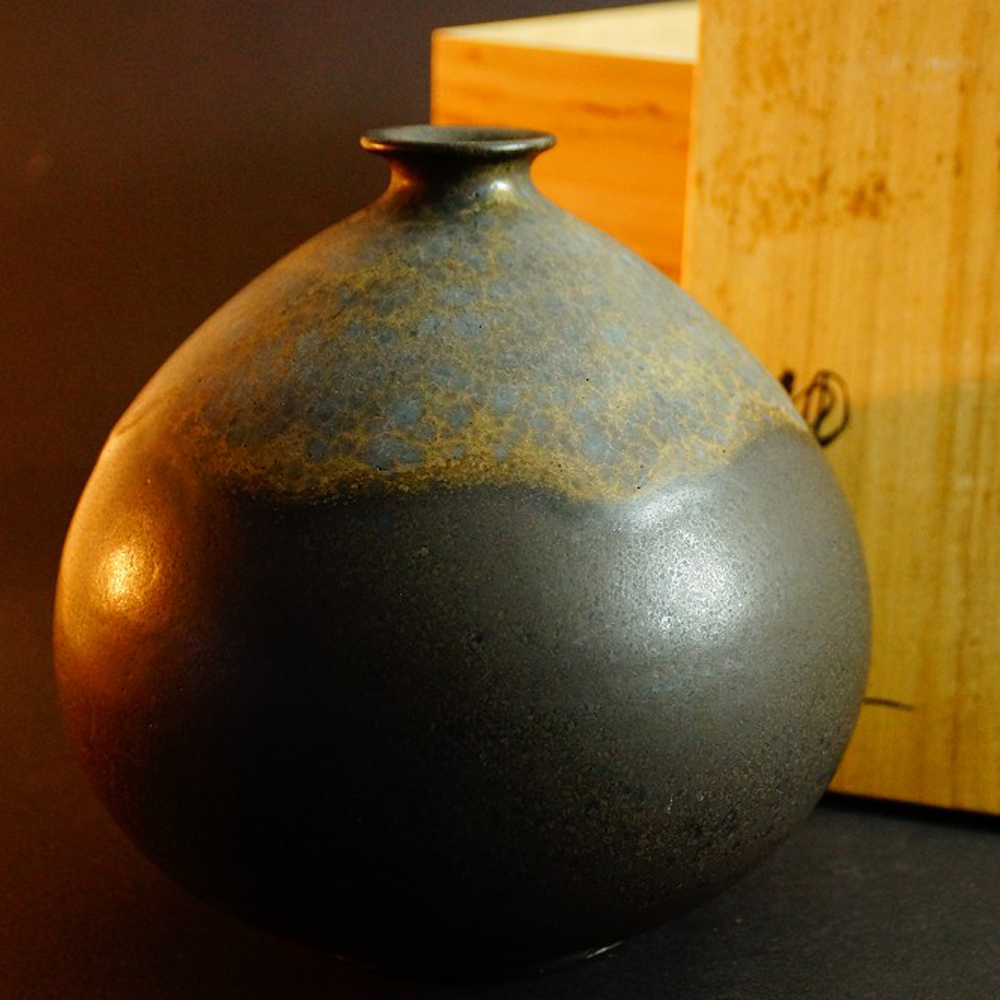
Arata Kōji
Vase Made of Kasama Ware by Arata Koji
Vase, unique work, 18 x 17 cm
Sold
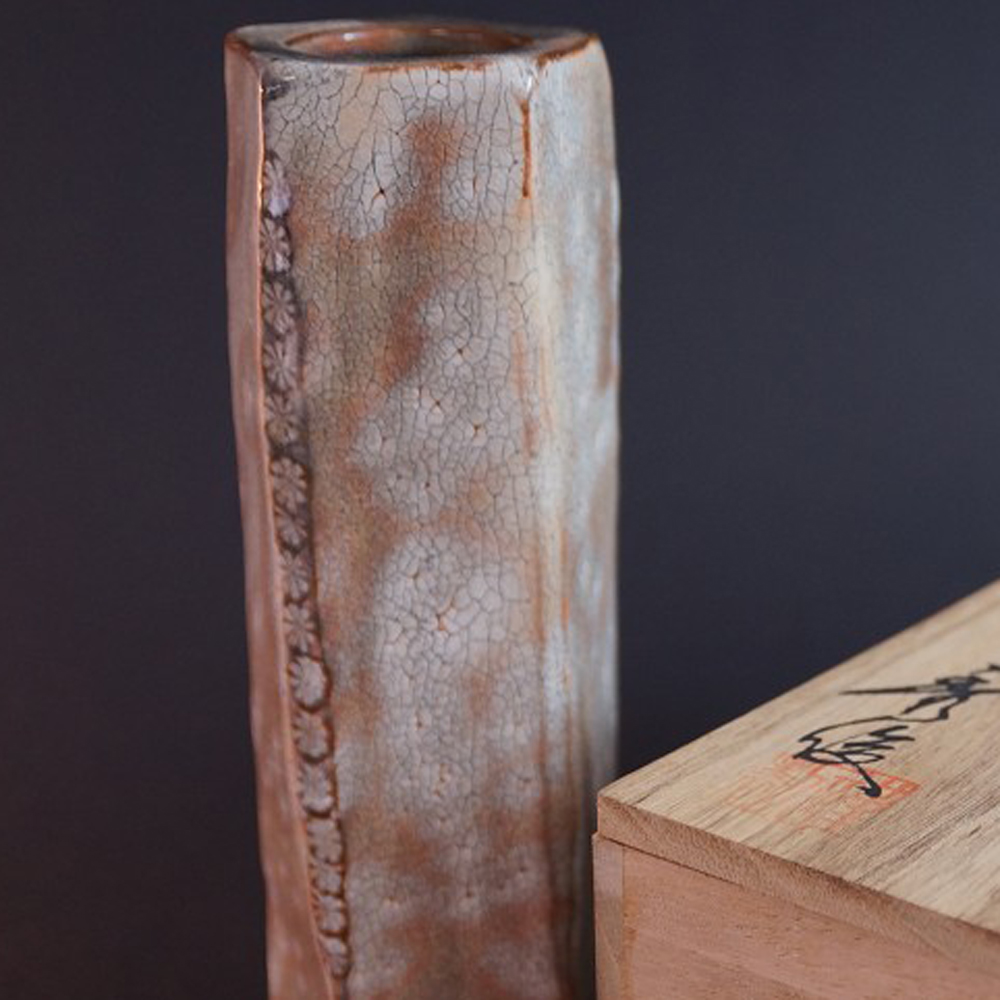
Hidetoshi Suzuki
Vase Made of Seto Ware by Hidetoshi Suzuki
Vase, unique work, 20 x 7 cm
Sold
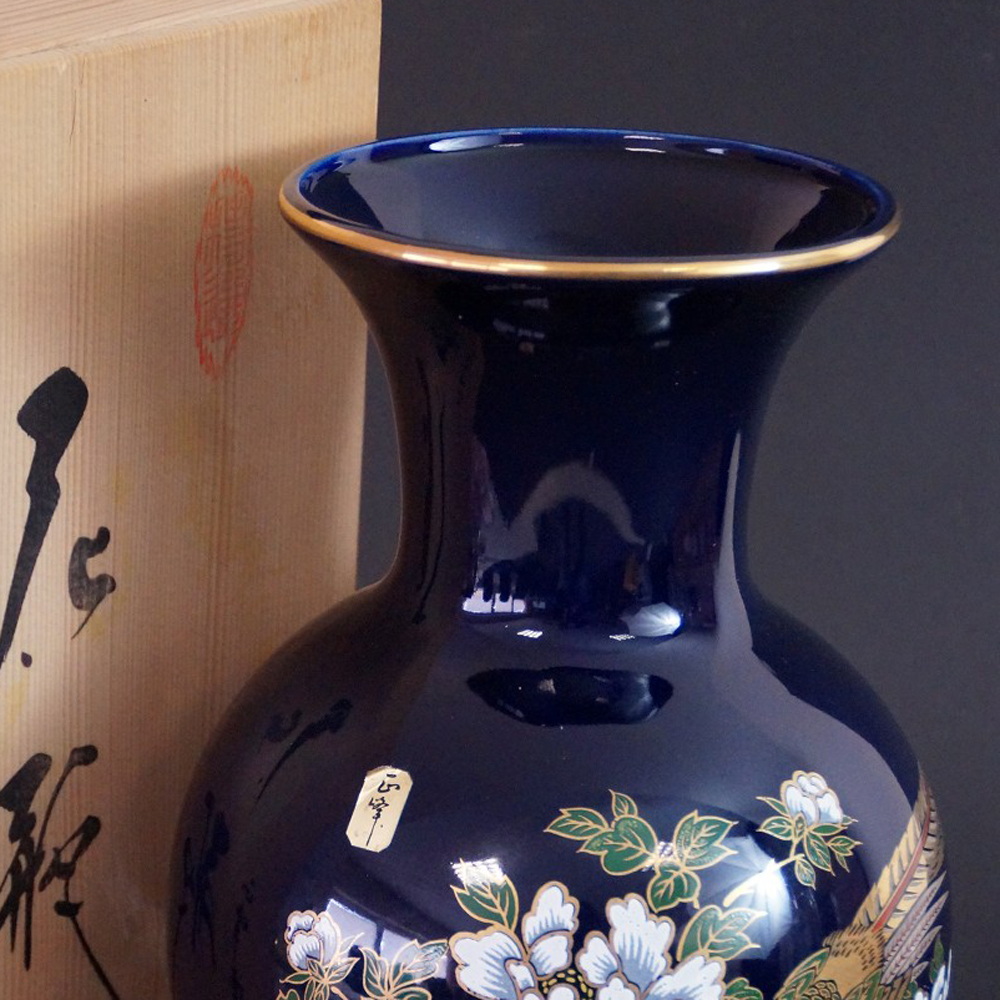
Seiho
Handcrafted Japanese Kutani Vase by Seiho
Vase, unique work, with box, 26 x 16 cm
Sold
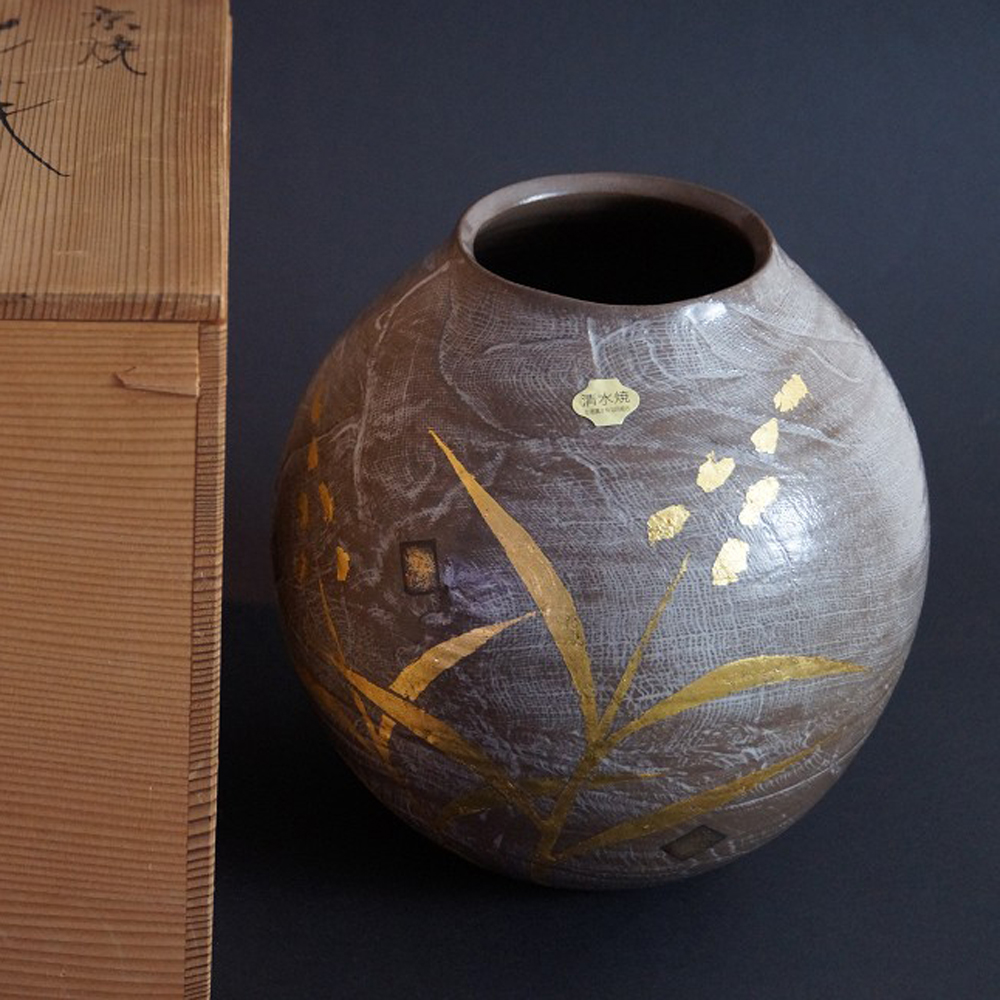
Mazafumi Fujihara
Handcrafted Japanese Kyo Ware Vase by Mazafumi Fujihara
Vase, unique work, with box, 21 x 19 cm
Sold
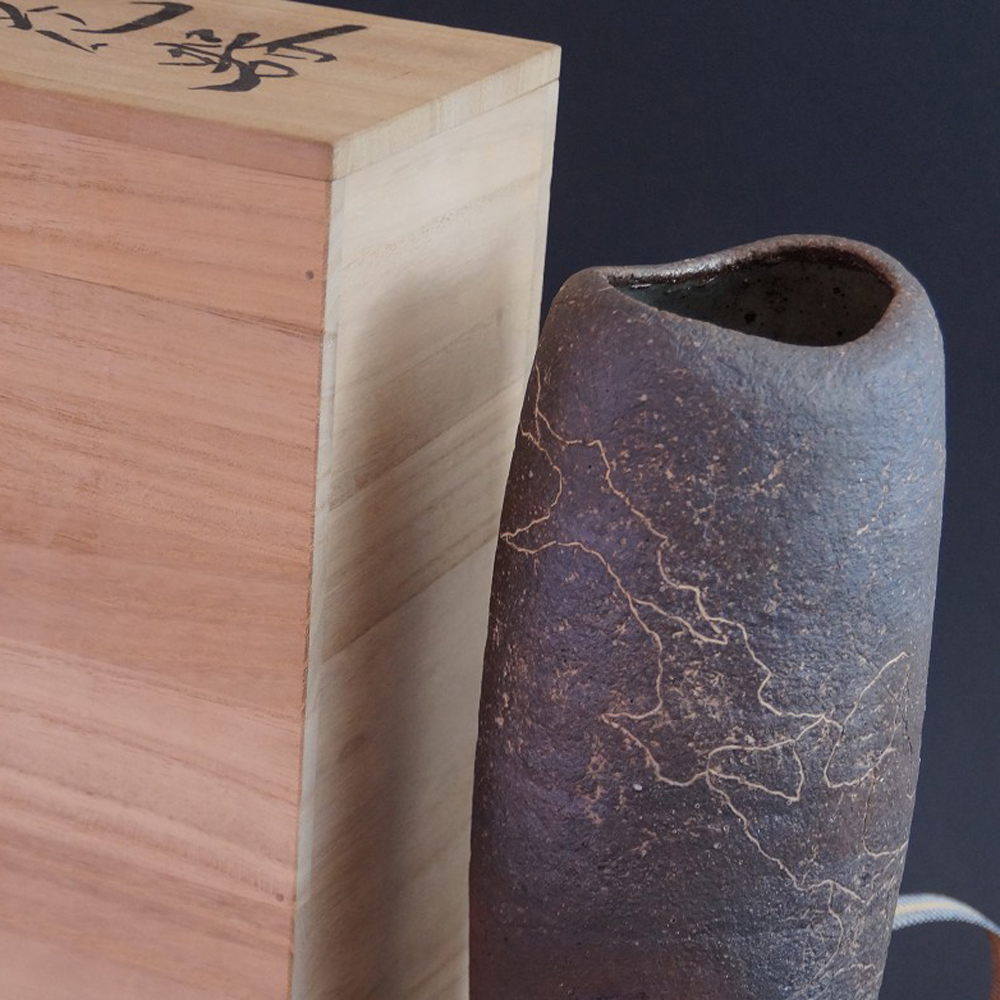
Kashiwa Touen Hobun
Handcrafted Japanese Kasama Vase by Kashiwa Touen Hobun
Vase, unique work, with box, 33 x 10 cm
Sold
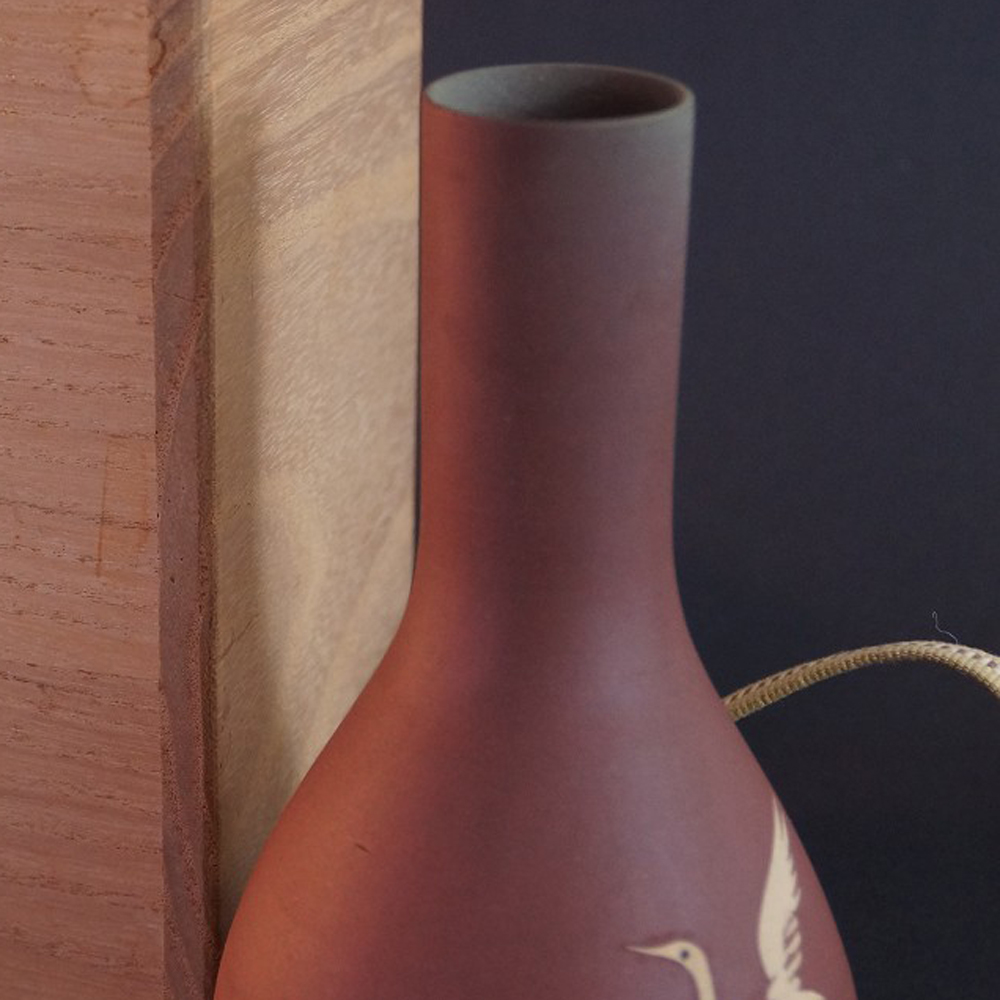
Masayuki Imai
Handcrafted Japanese Kyo Vase by Masayuki Imai
Vase, unique work, with box, 18 x 9 cm
Sold
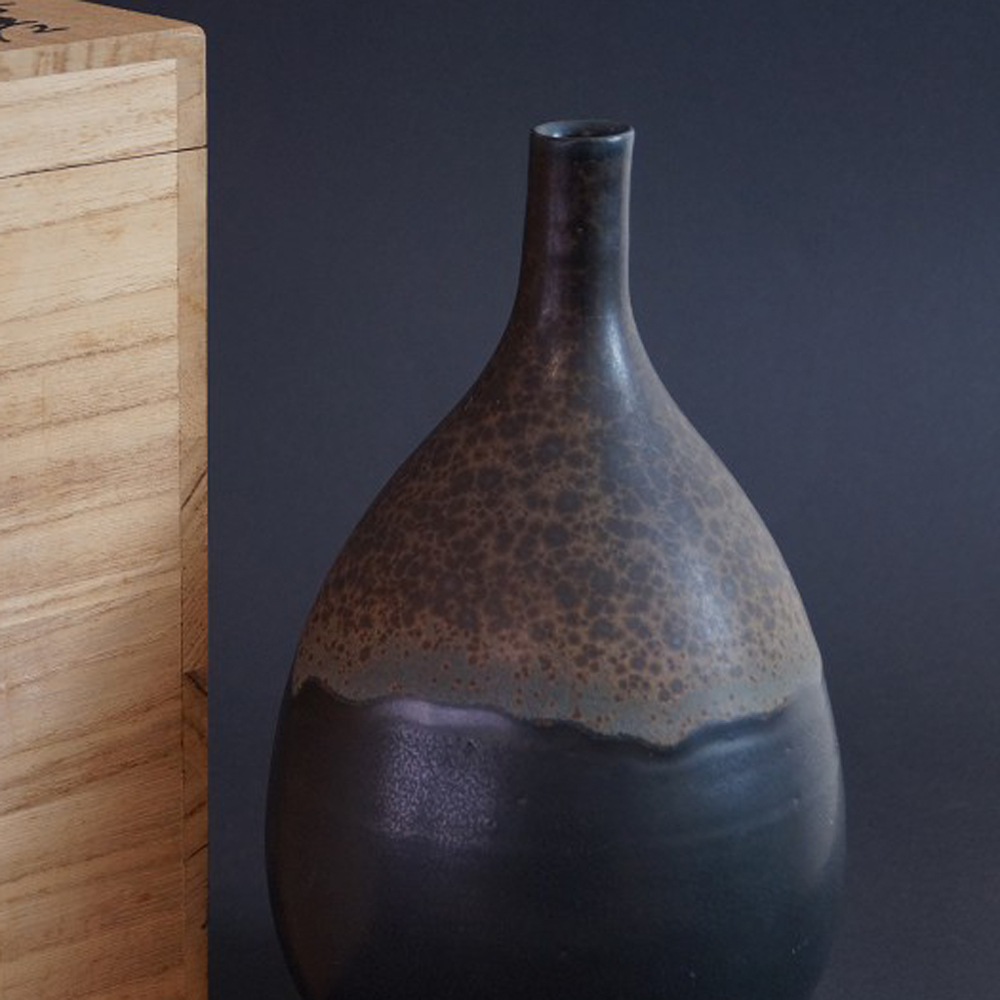
Arata Kōji
Handcrafted Japanese Kasama Vase by Koji Arata
Vase, unique work, with box, 25 x 12 cm
Sold
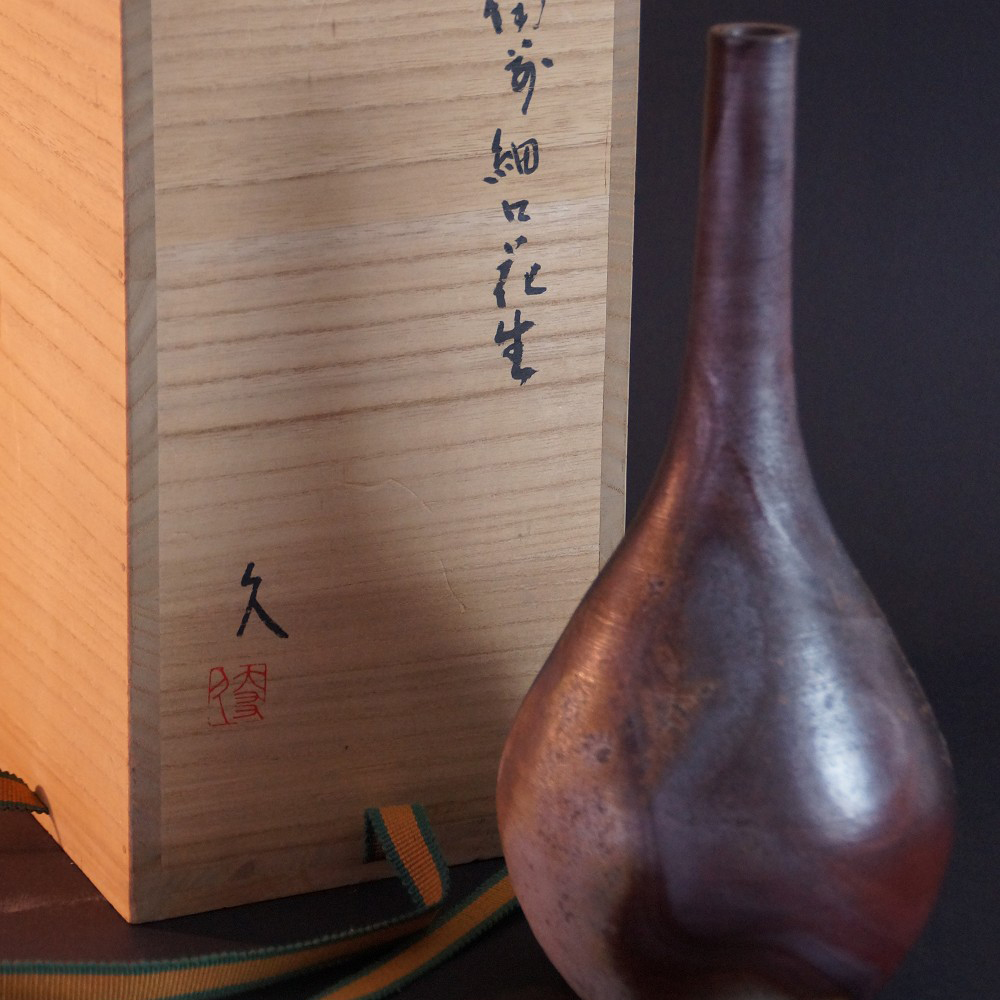
Otomokyu
Handcrafted Japanese Bizen Vase by Otomokyu
Vase, unique work, with box, 25 x 12 cm
Sold
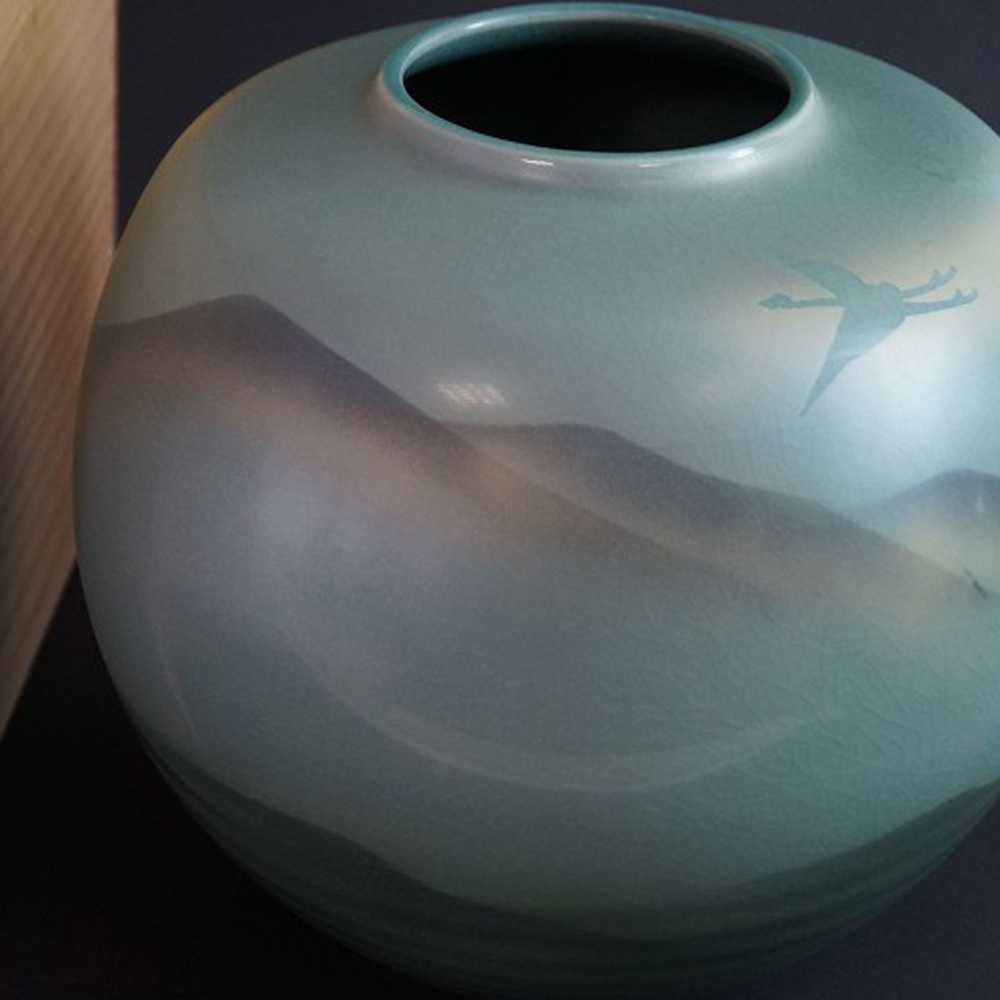
Kosho
Handcrafted Japanese Kutani Vase by Kosho
Vase, unique work, with box, 22 x 23 cm
Sold
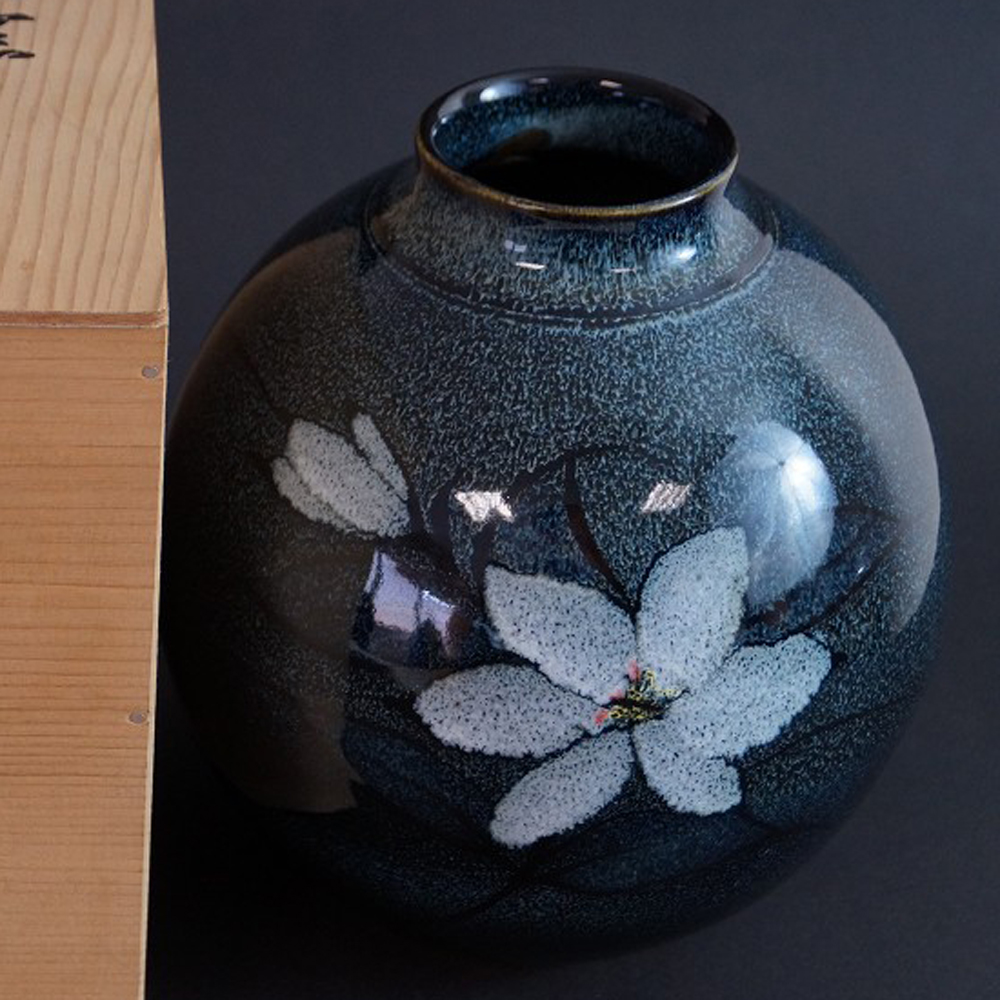
Kaoru Ohara
Shigaraki Ware Vase by Kaoru Ohara with Light-Colored Blossom on Blue-Green
Vase, unique work, with box, 21 x 17 cm
Sold
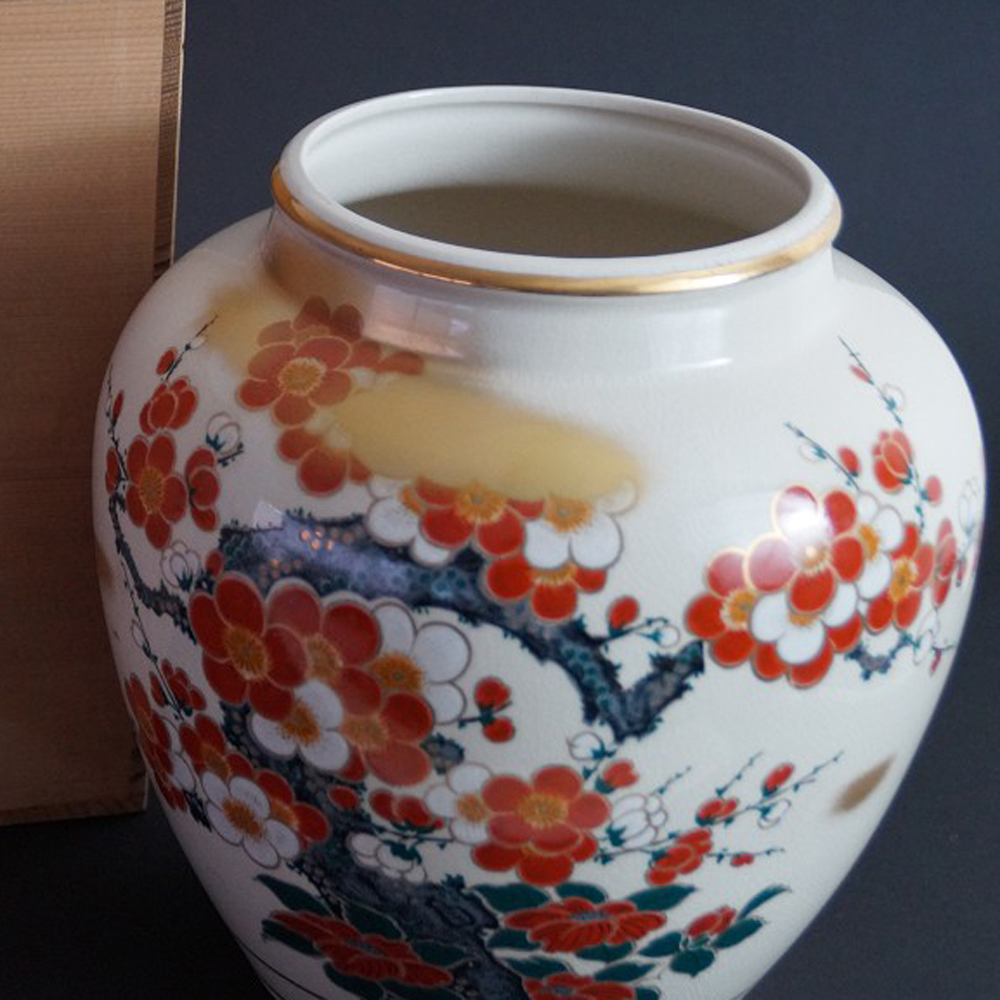
Eizan
Handcrafted Japanese Vase Made of Kutani Porcelain by Eizan
Vase, unique work, with box, 22 x 20 cm
Sold
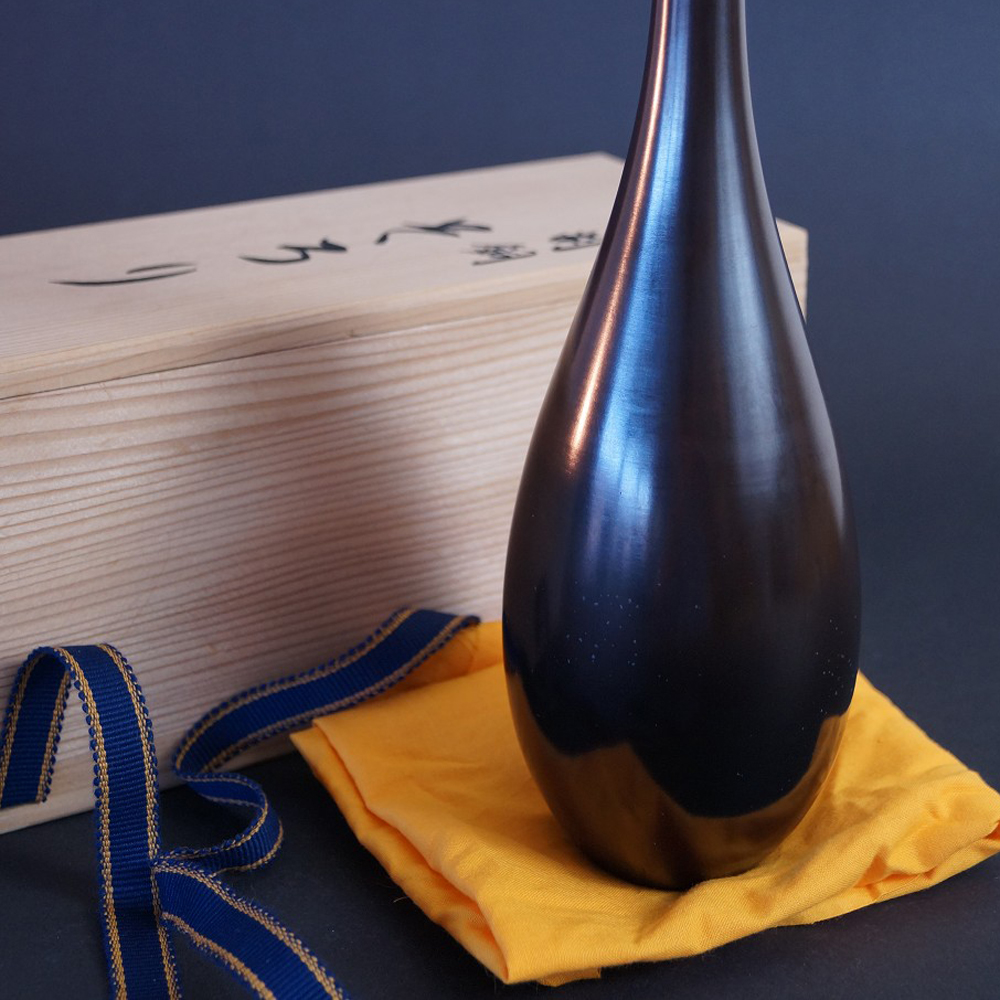
Ikkei Nosaku
Handcrafted Japanese Copper Vase by Ikkei Nosaku
Vase, unique work, with box, 30 x 7 cm
Sold
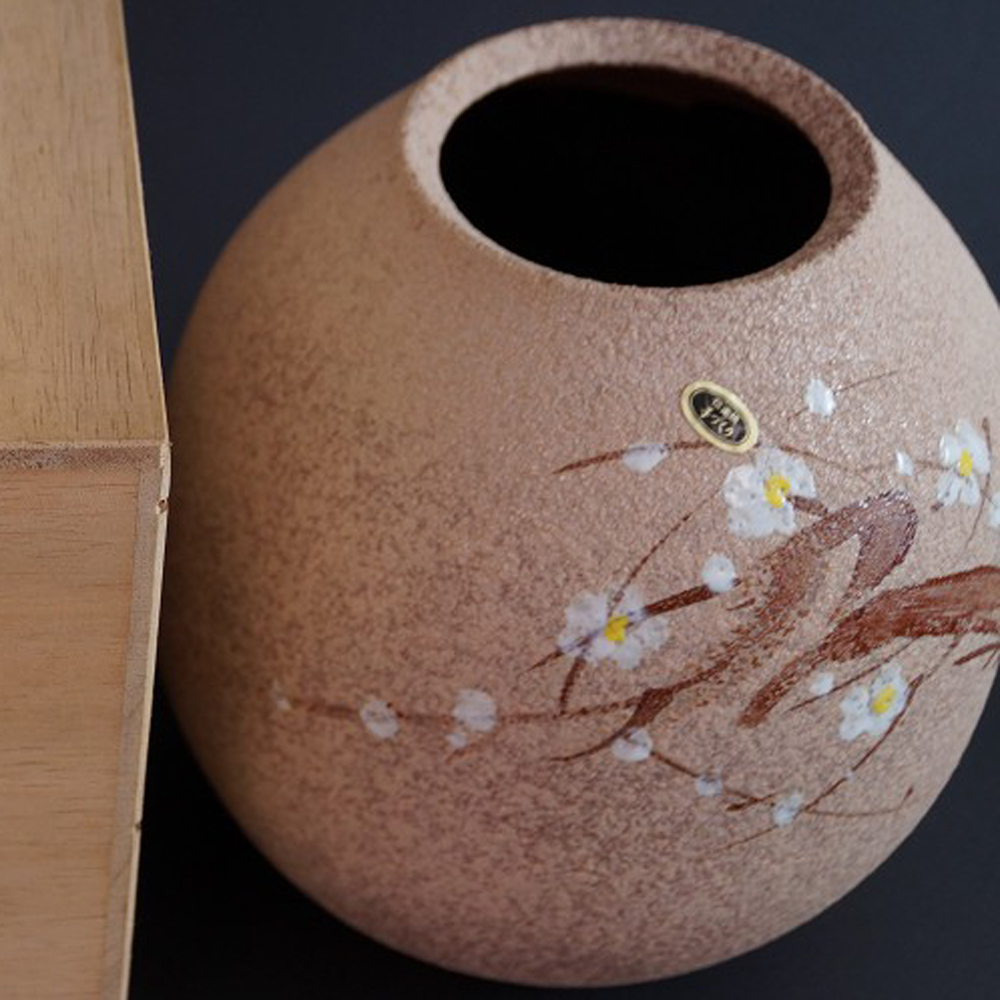
Kaoru Ohara
Shigaraki Ware Vase by Kaoru Ohara with Plum Blossom Branch
Vase, unique work, with box, 20 x 19 cm
Sold
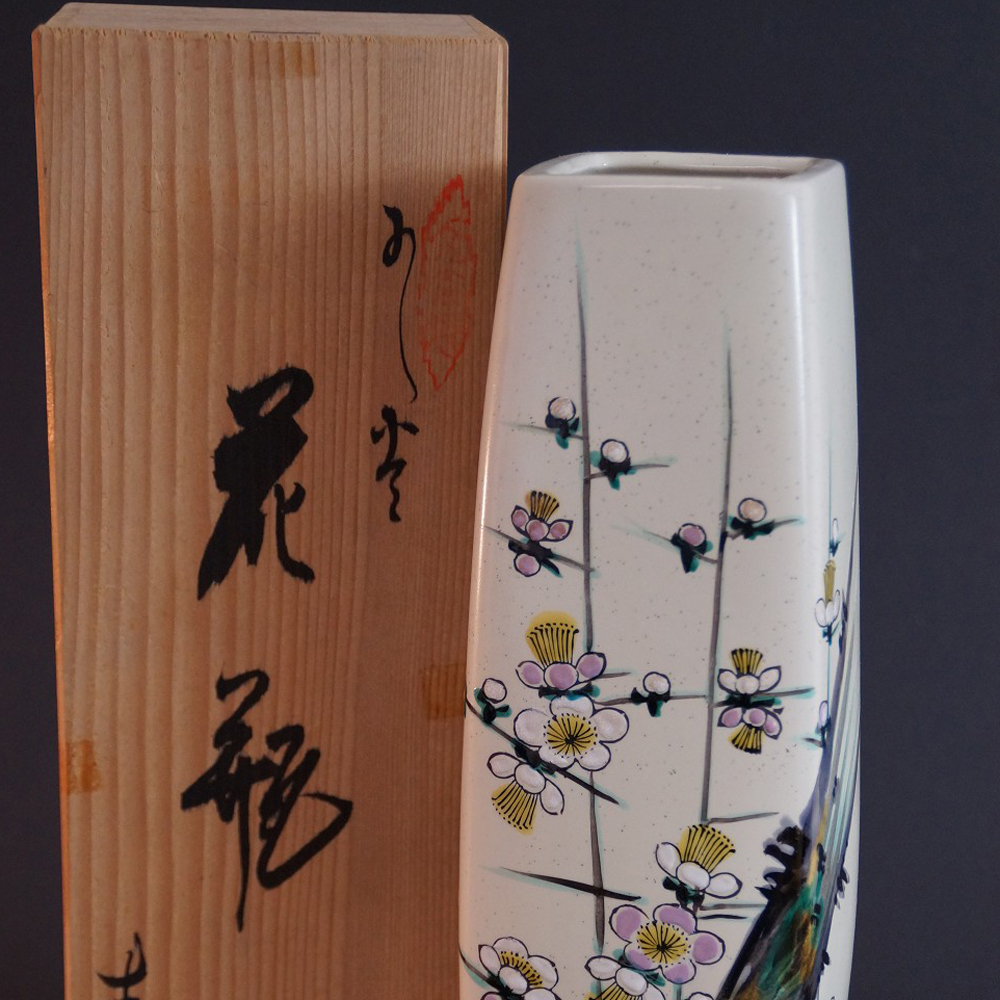
Handcrafted Japanese Vase Made of Kutani Porcelain
Vase, unique work, 29 x 8 cm
Sold
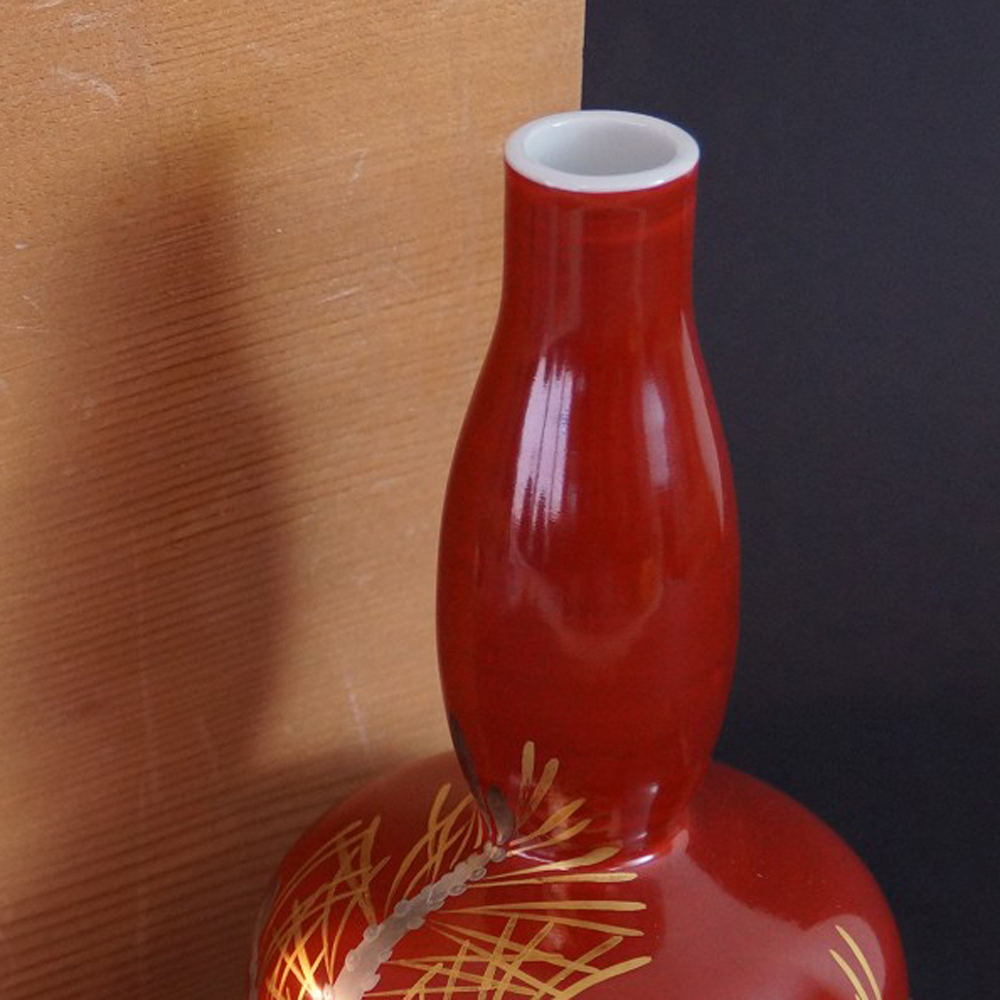
Handcrafted Japanese Kyo Vase
Vase, unique work, with box, 21 x 10 cm
Sold
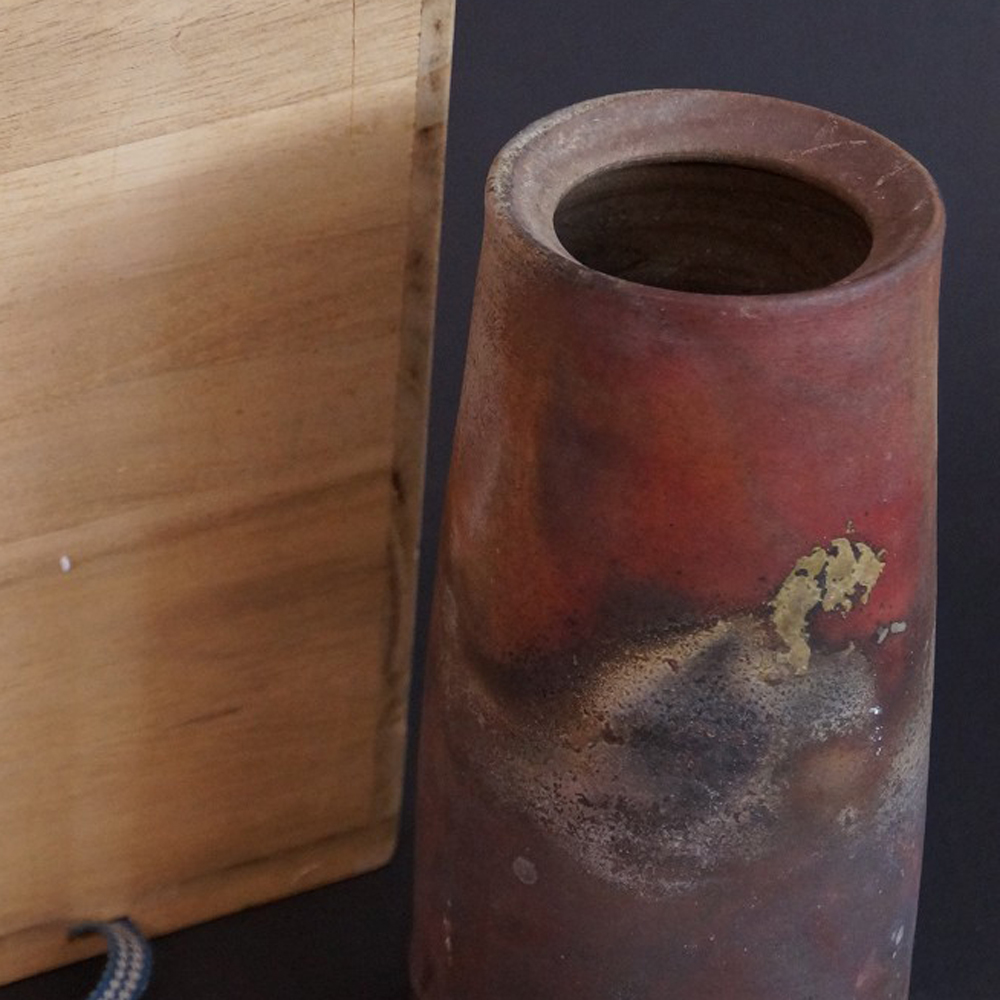
Toho
Handcrafted Japanese Vase Made of Bizen Ware by Toho
Vase, unique work, with box, 19 x 9 cm
Sold
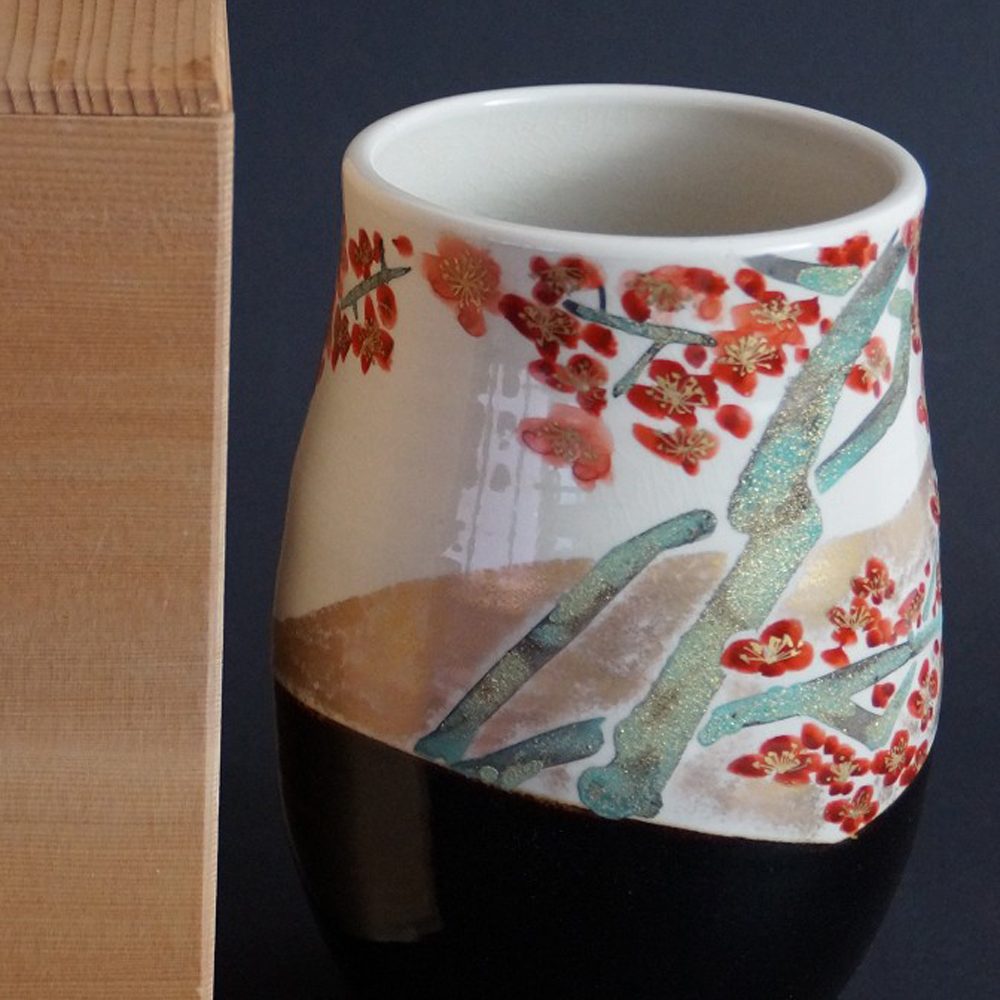
Akimori Nakata
Vase Made of Kutani Ware by Akimori Nakata
Vase, unique work, with box, 20 x 13 cm
Sold
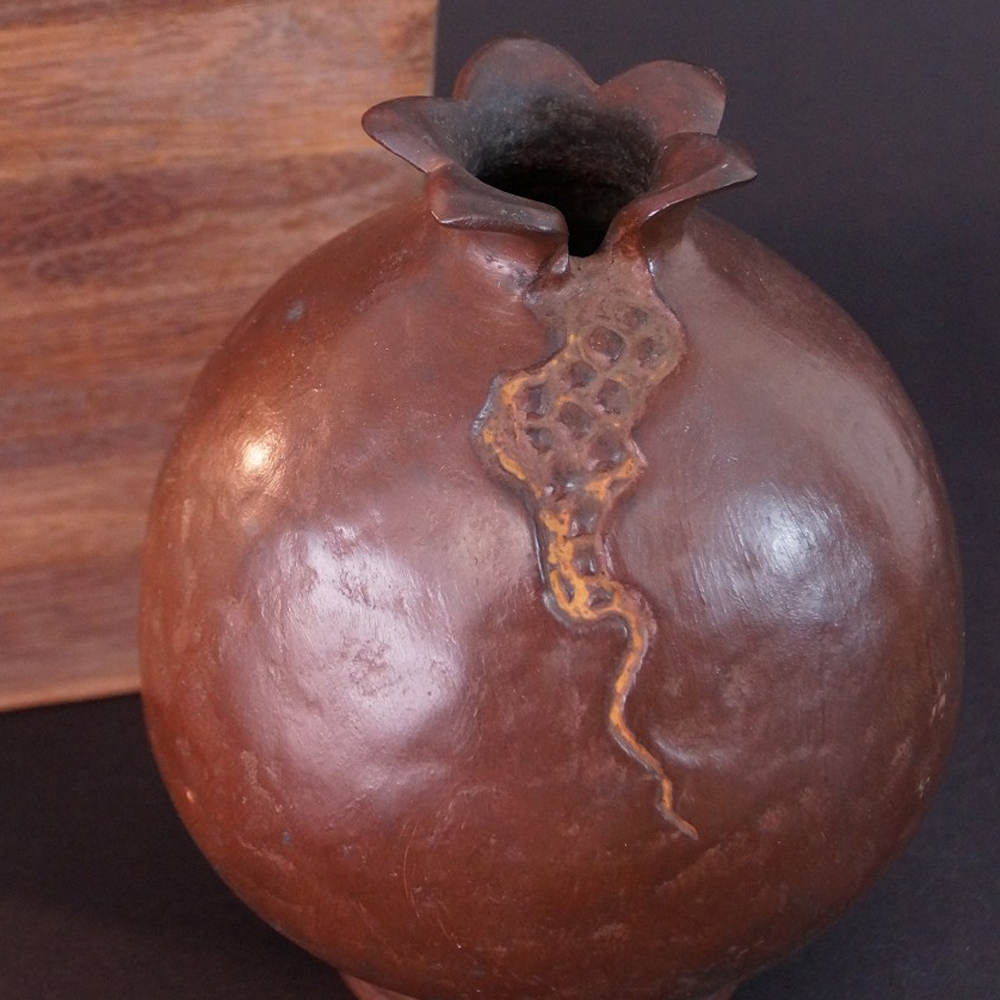
Yoshida
Handcrafted Japanese Vase "Pomegranate" by Yoshida
Vase, unique work, with box, 18 x 15 cm
Sold
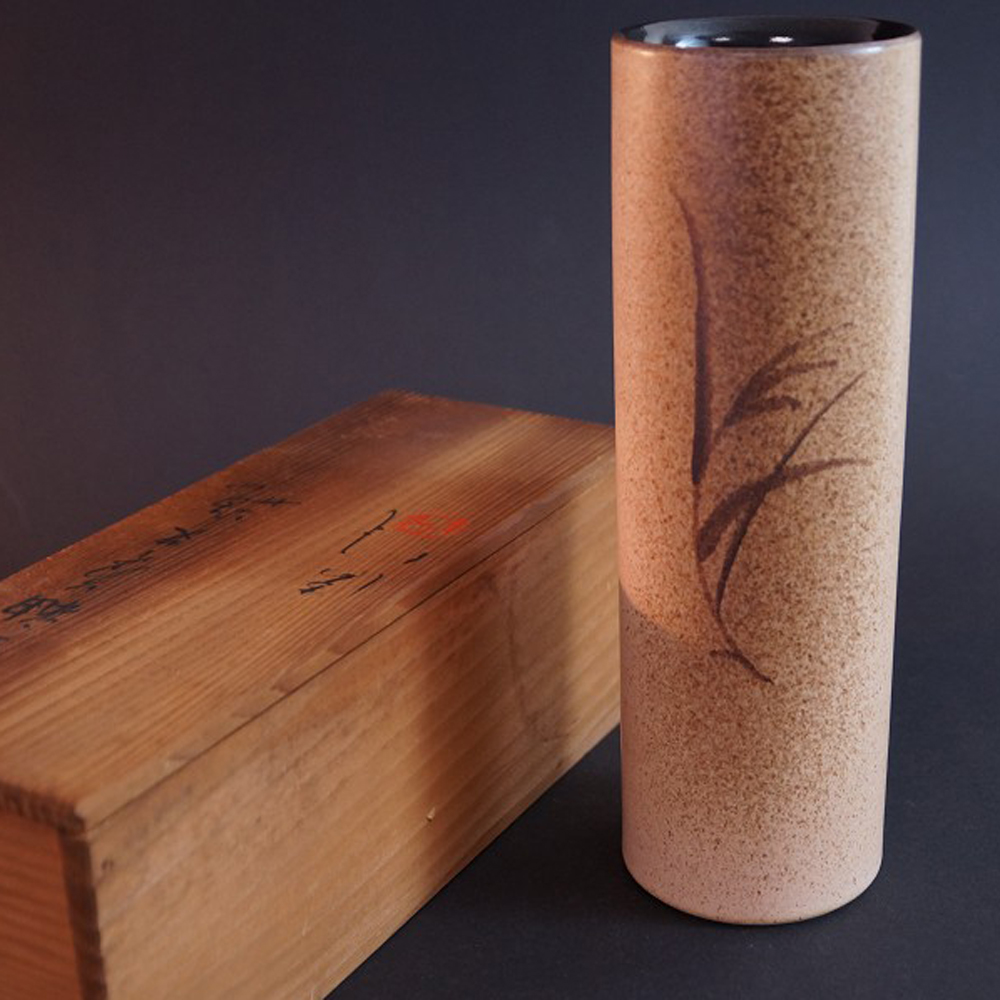
Seitoku Kawai
Handcrafted Japanese Vase by Seitoku Kawai
Vase, unique work, with box, 22 x 7 cm
Sold
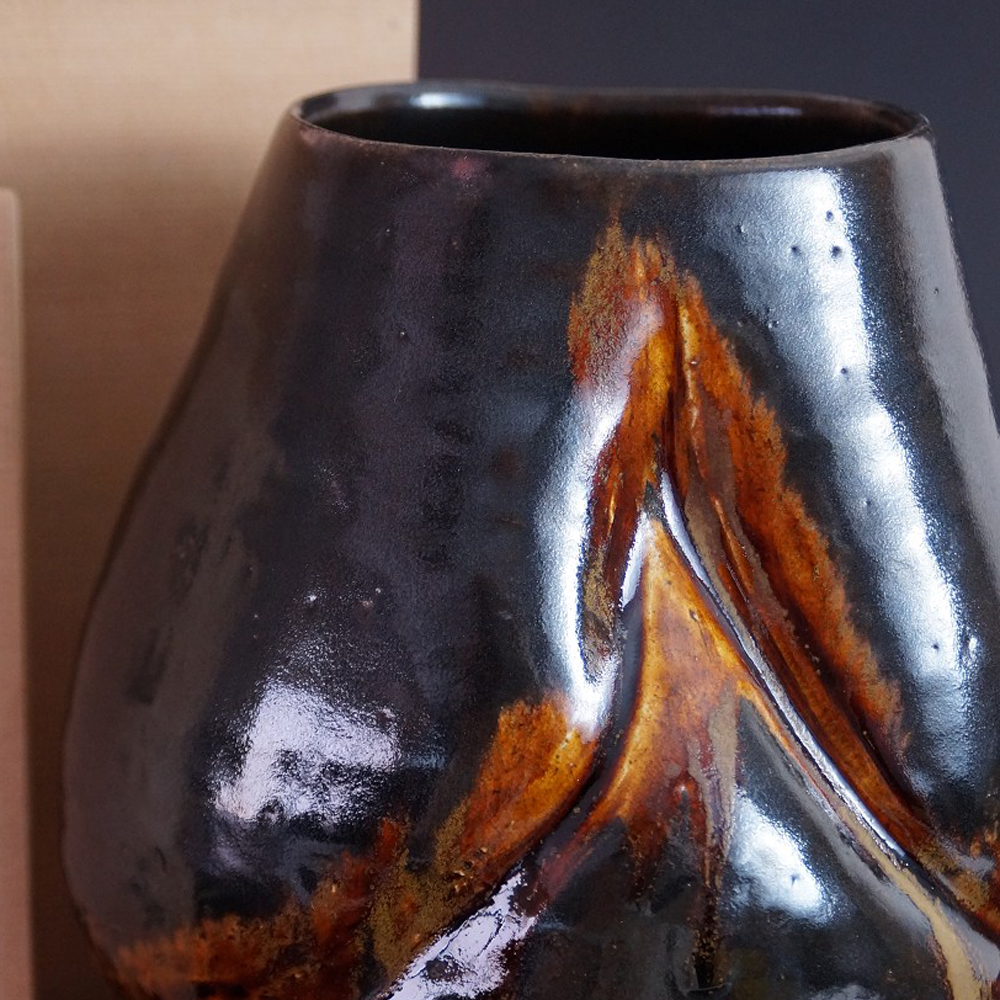
Shunrei Kato
Handcrafted Japanese Seto Ware Vase by Shunrei Kato
Vase, unique work, with box, 21 x 16 cm
Sold
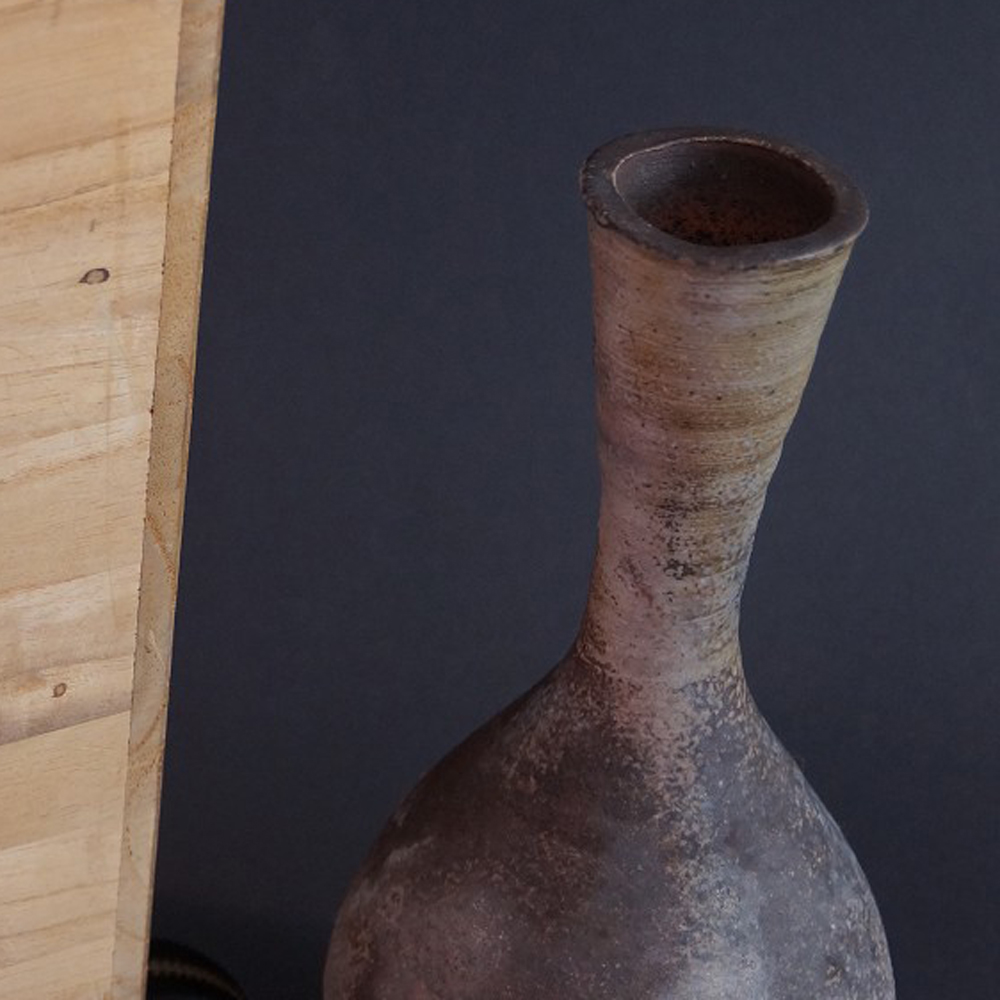
Handcrafted Japanese Bizen Vase
Vase, unique work, with box, 21 x 10 cm
Sold
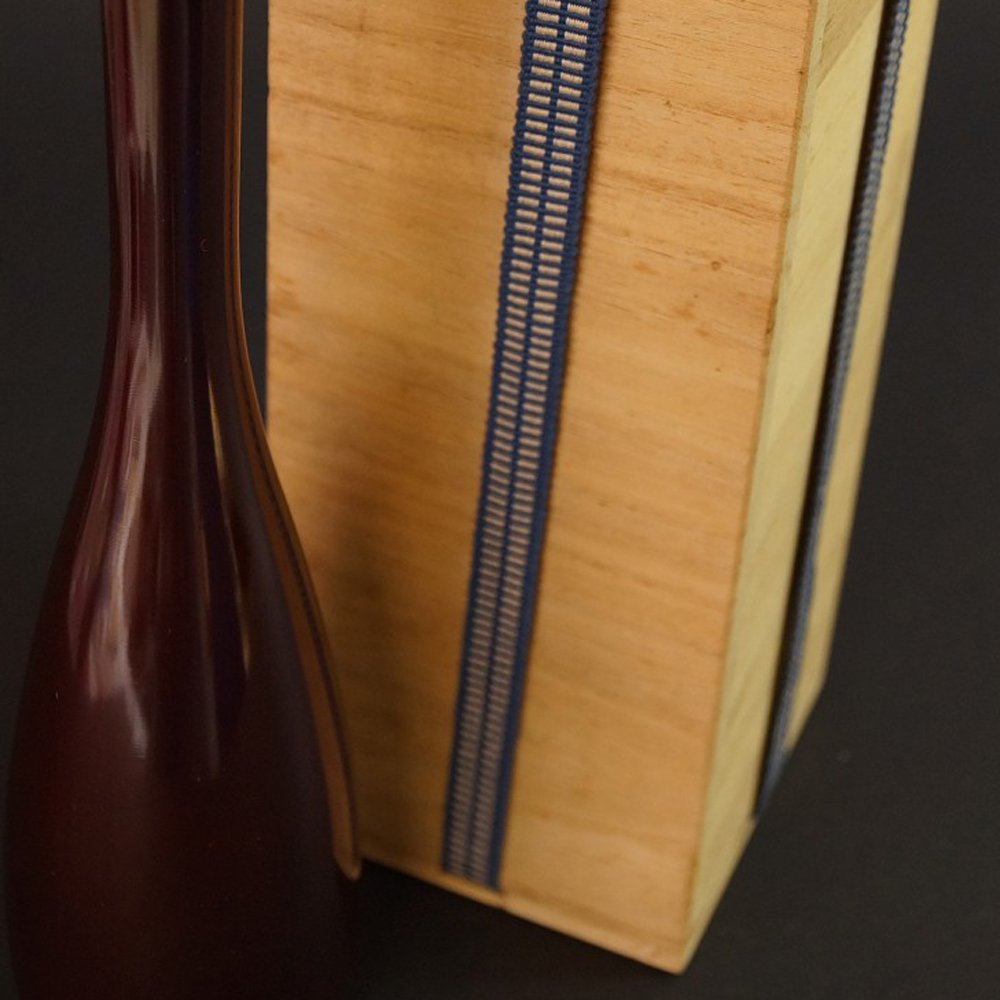
Kageaki Watanabe
Handcrafted Japanese Copper Vase by Kageaki Watanabe
Vase, unique work, with box, 28 x 6 cm
Sold
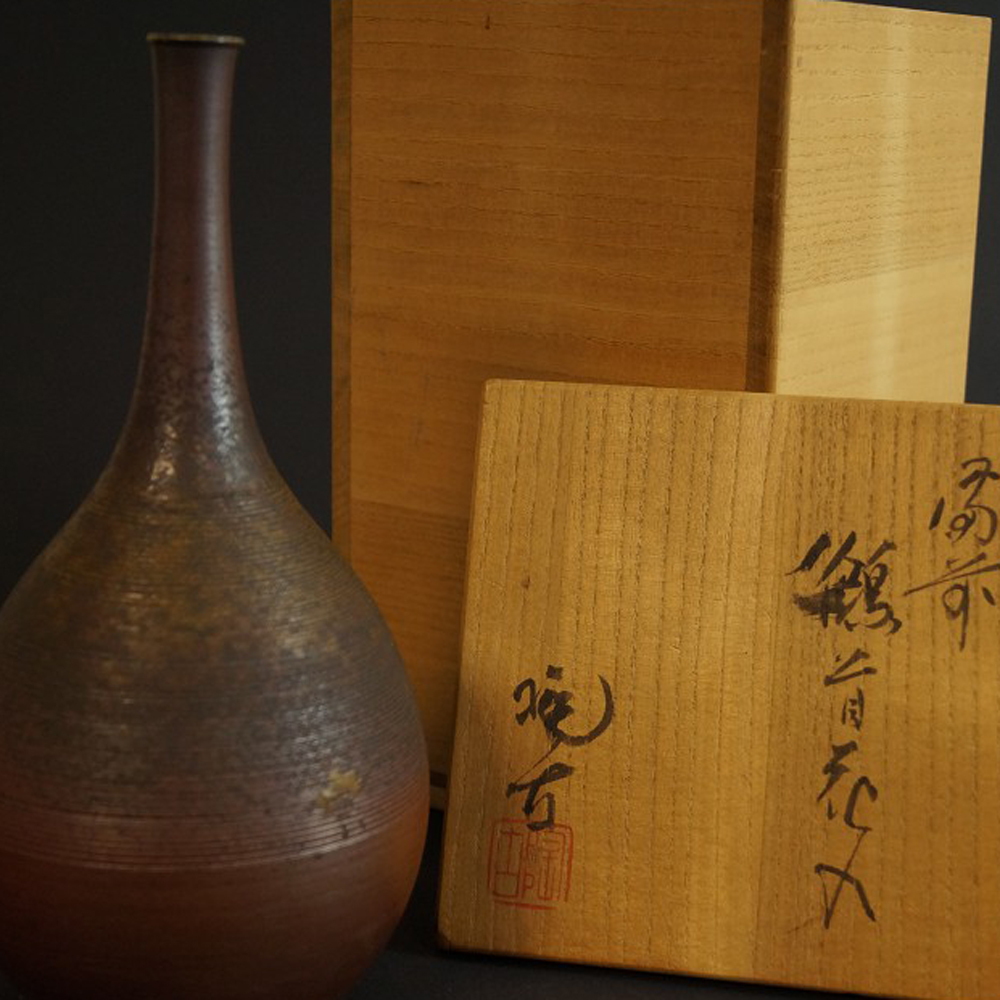
Toko Konishi
Handcrafted Japanese Vase Made of Bizen Ware by Toko Konishi
Vase, unique work, with box, 19 x 13,5 cm
Sold
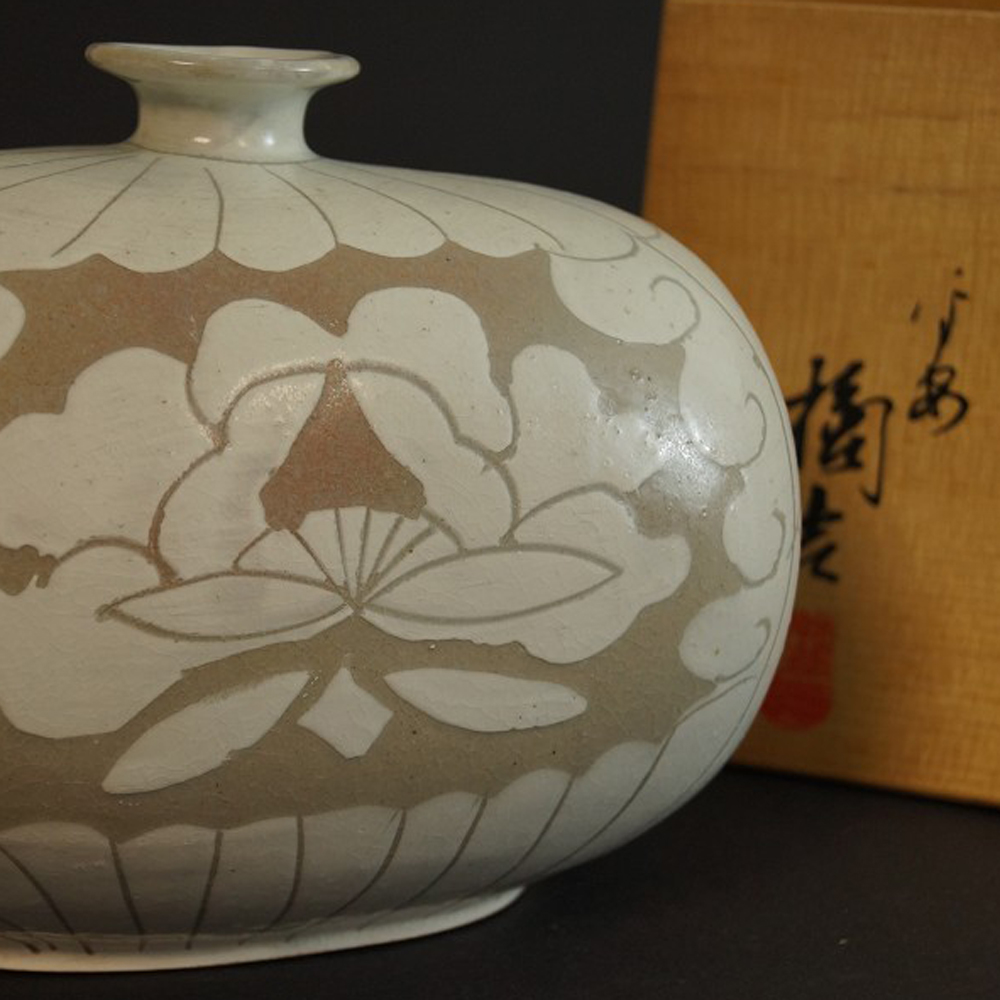
Handcrafted Japanese Vase Kyoto Ware
Vase, unique work, with box, 22 x 11 cm
Sold
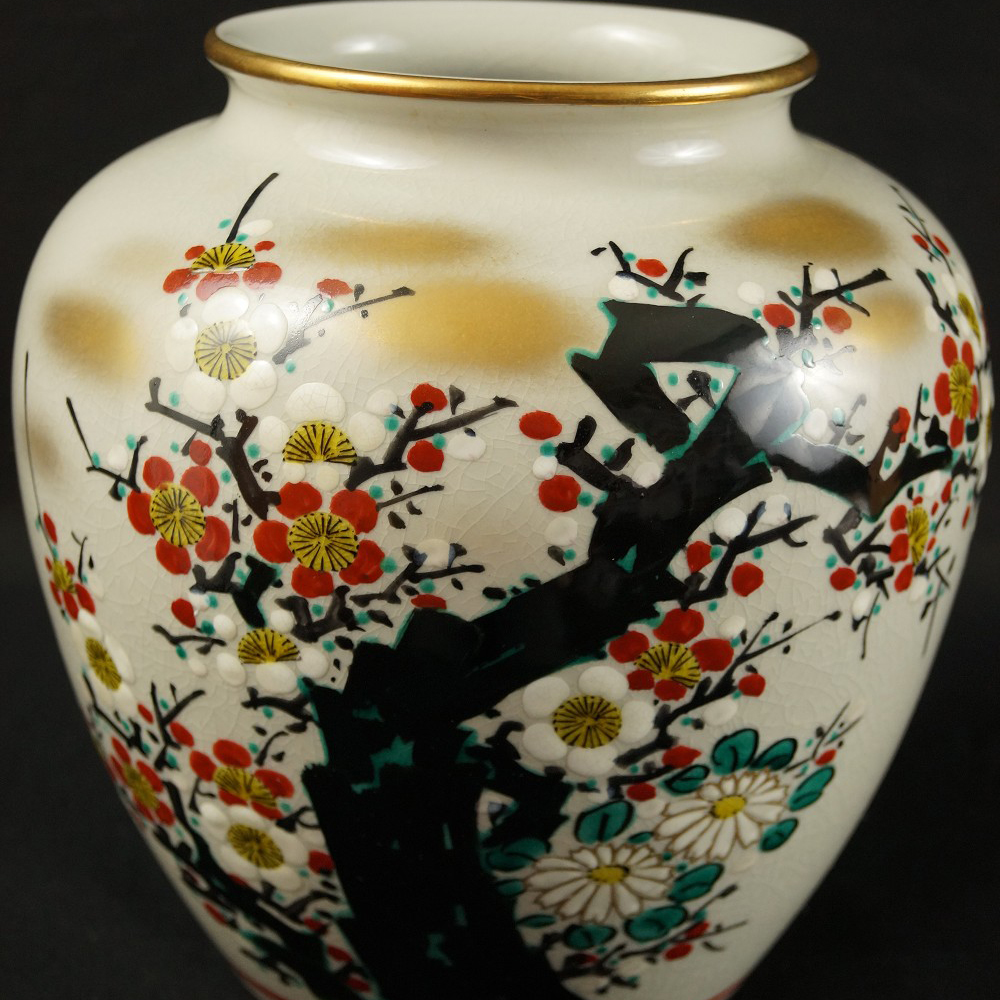
Bulbous Kutani Porcelain Vase with Plum Blossoms
Vase, unique work, with box, 23 x 20 cm
Sold
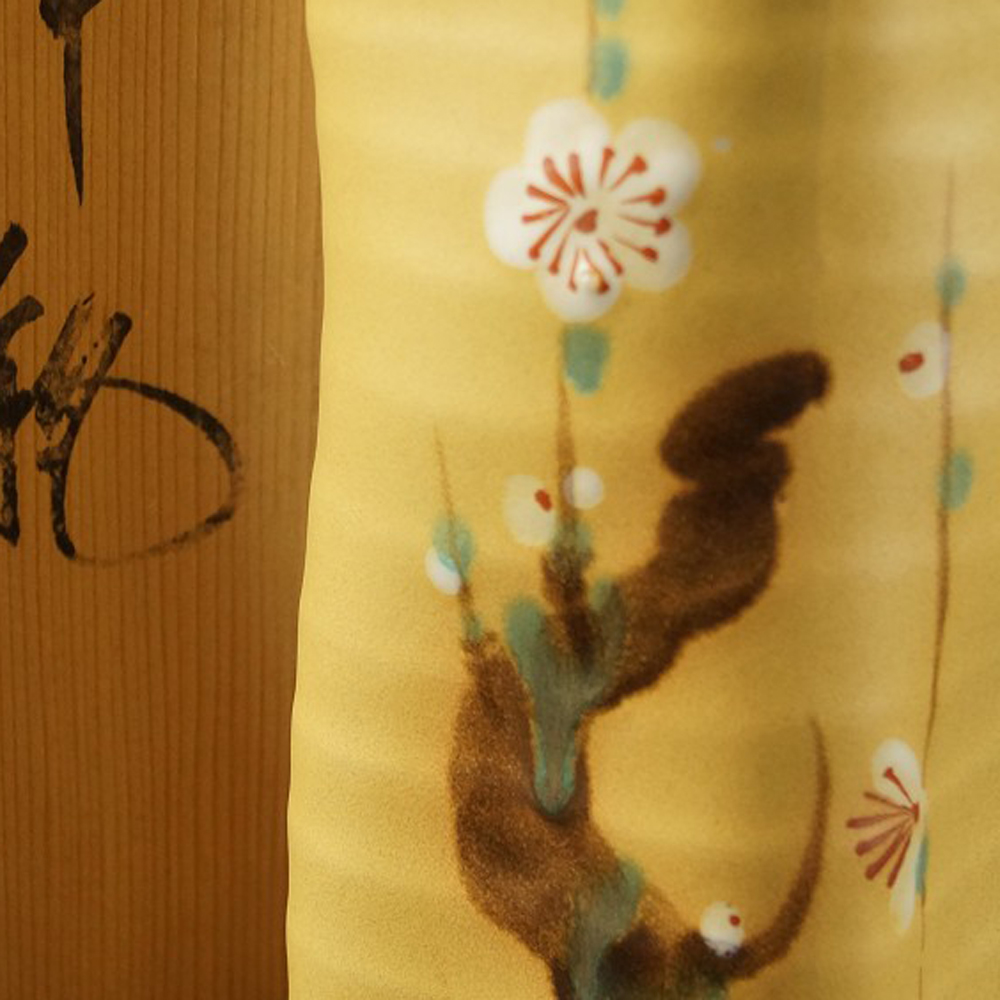
Sakura - Japanese Hand-Crafted Vase Made of Imari Porcelain
Vase, unique work, with box, 31 x 10 cm
Sold
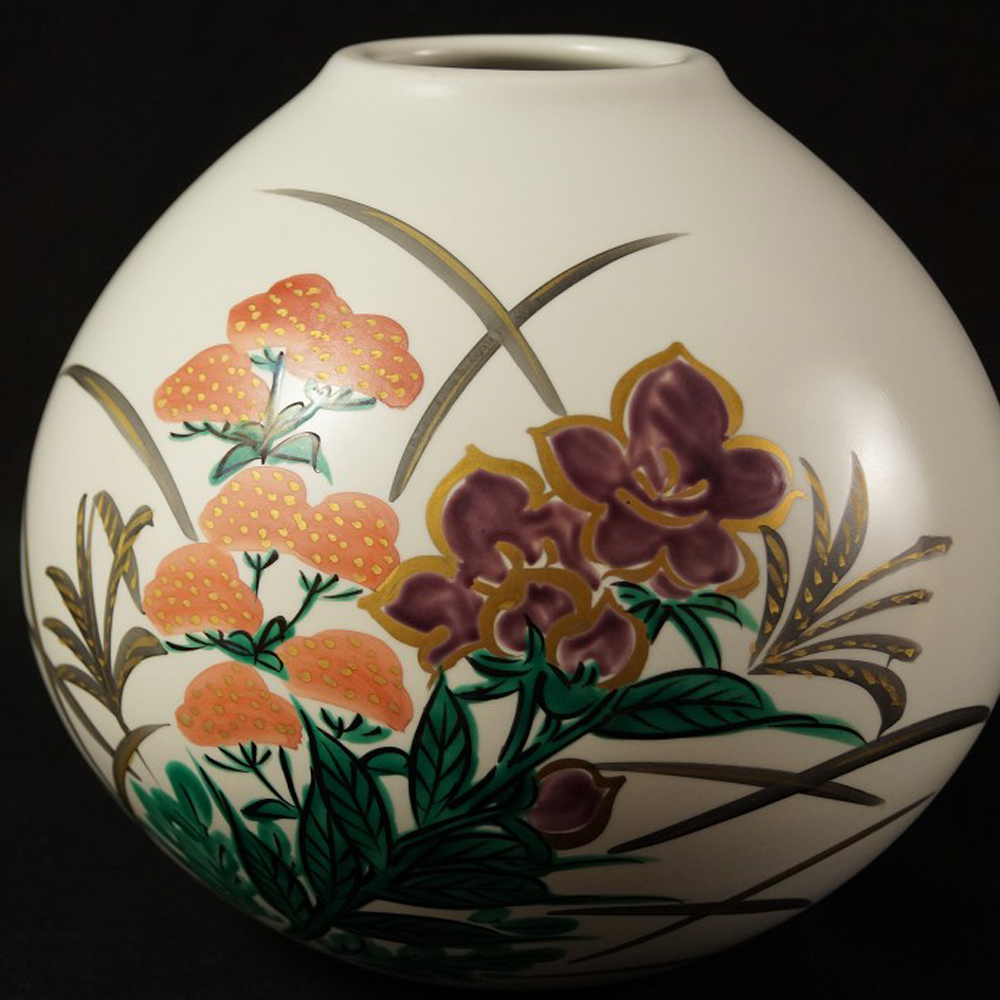
Flowers - Japanese Hand-Crafted Vase Made of Kutani Porcelain
Vase, unique work, with box, 21 x 21 cm
Sold
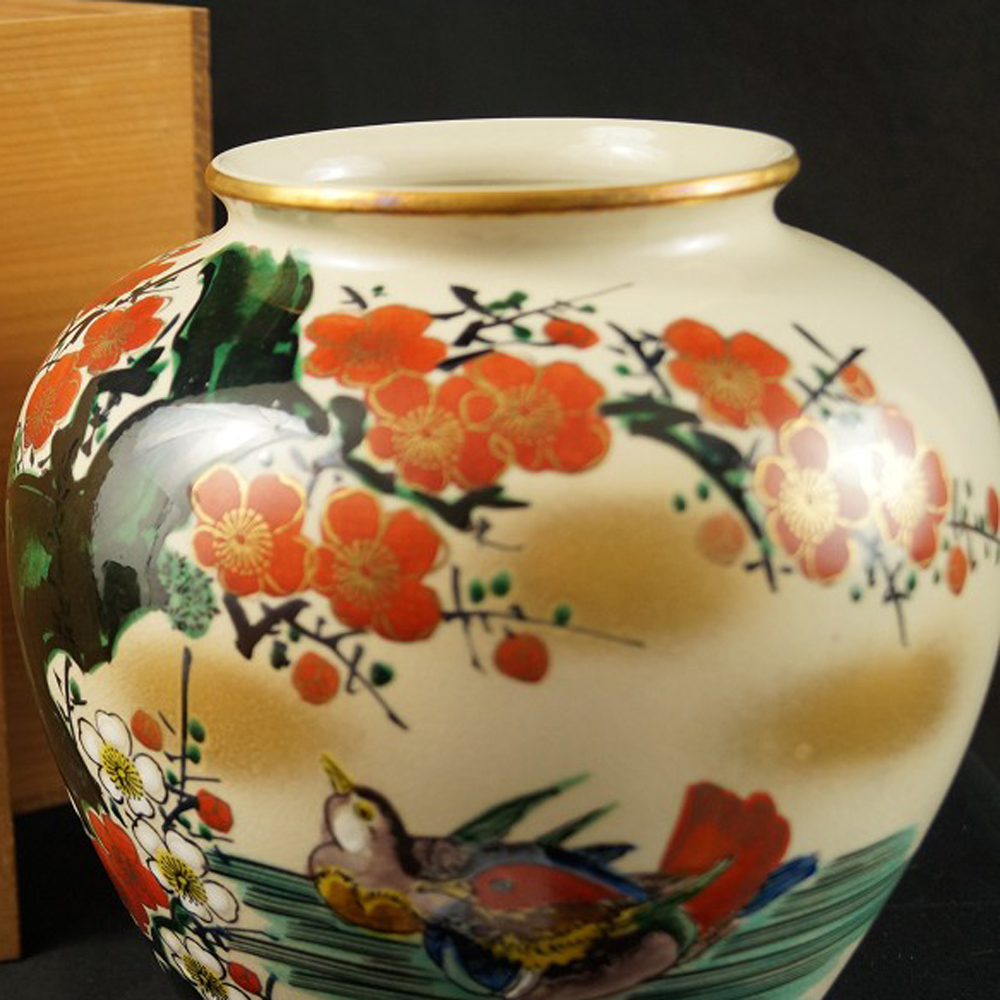
Kutani Porcelain Vase with Ducks and Plum Blossoms
Vase, unique work, with box, 23 x 20 cm
Sold
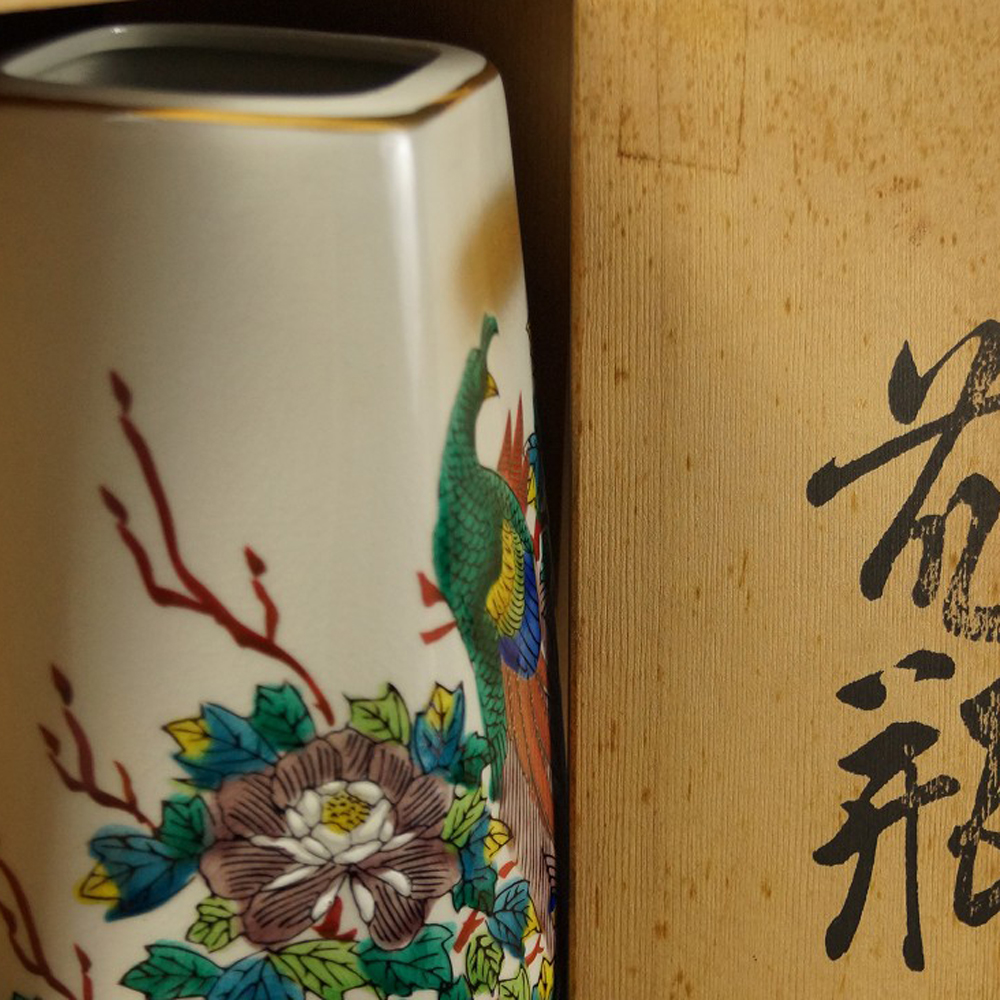
Kutani Porcelain Vase with Peacock and Peonies
Vase, unique work, with box, 22 x 7 cm
Sold
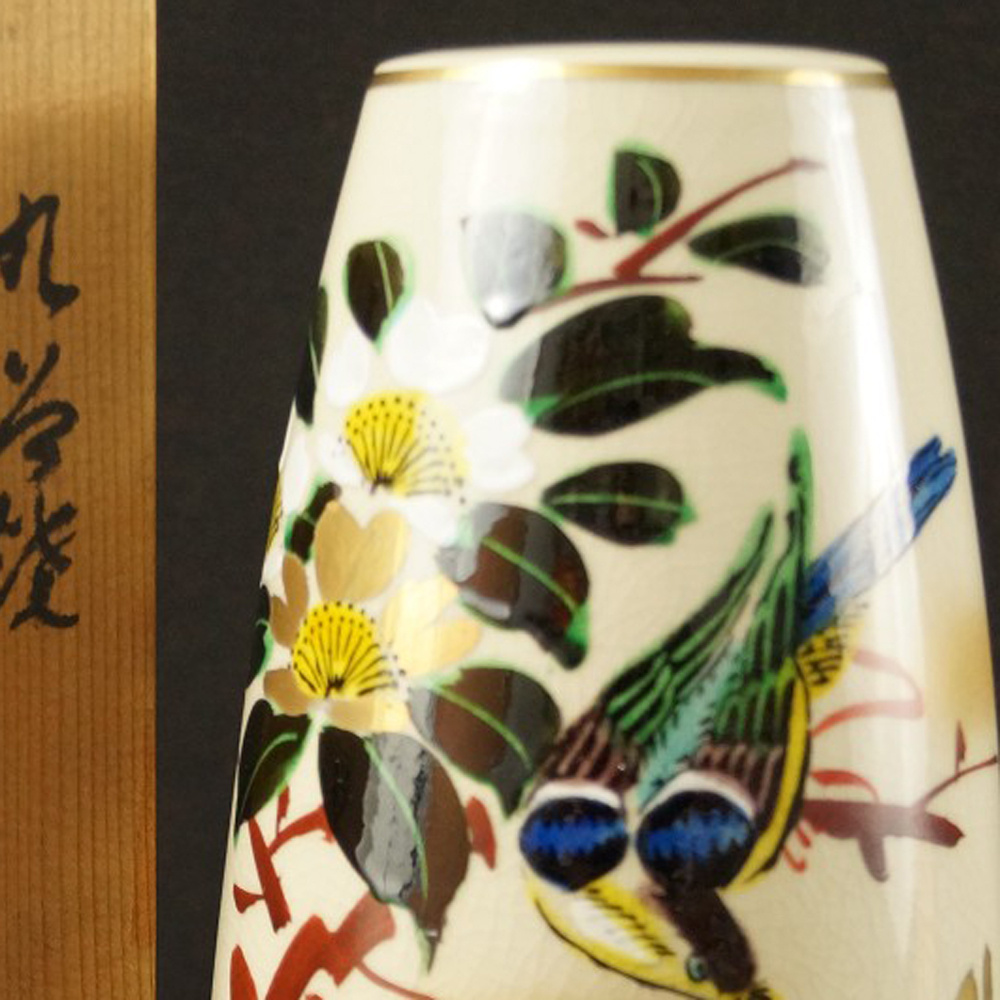
Sakura - Japanese Hand-Crafted Vase Made of Kutani Porcelain
Vase, unique work, with box, 25 x 9 cm
Sold
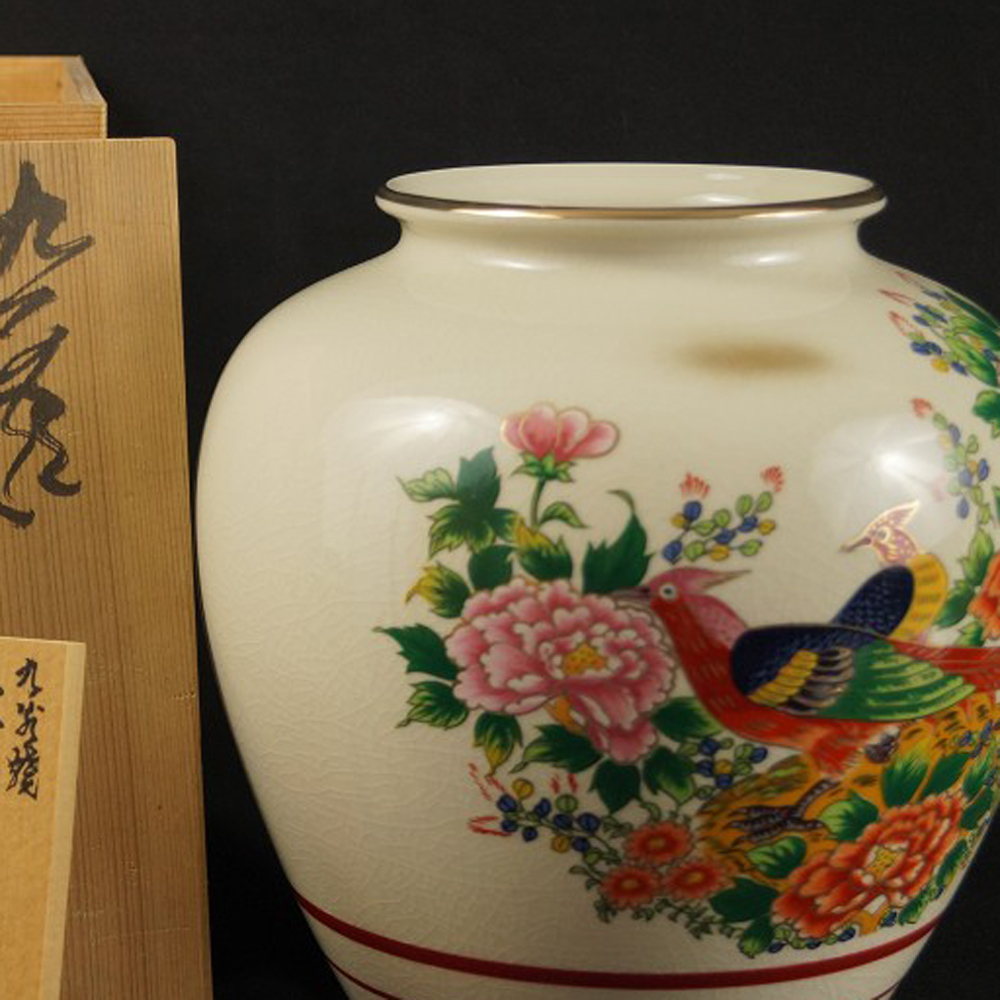
Kutani Porcelain Vase with Birds and Peonies
Vase, unique work, with box, 23 x 20 cm
Sold
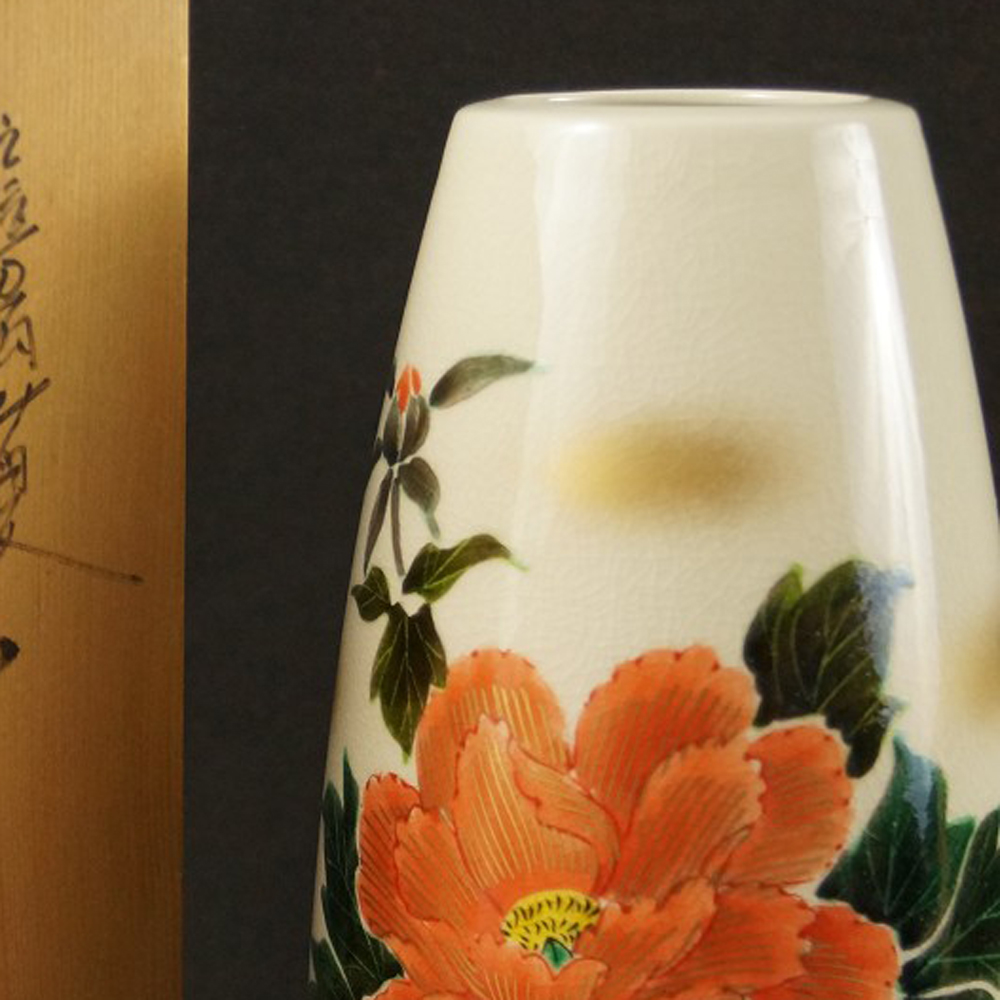
Kutani Ware Porcelain Vase with Orange Peony
Vase, unique work, with box, 26 x 10 cm
Sold
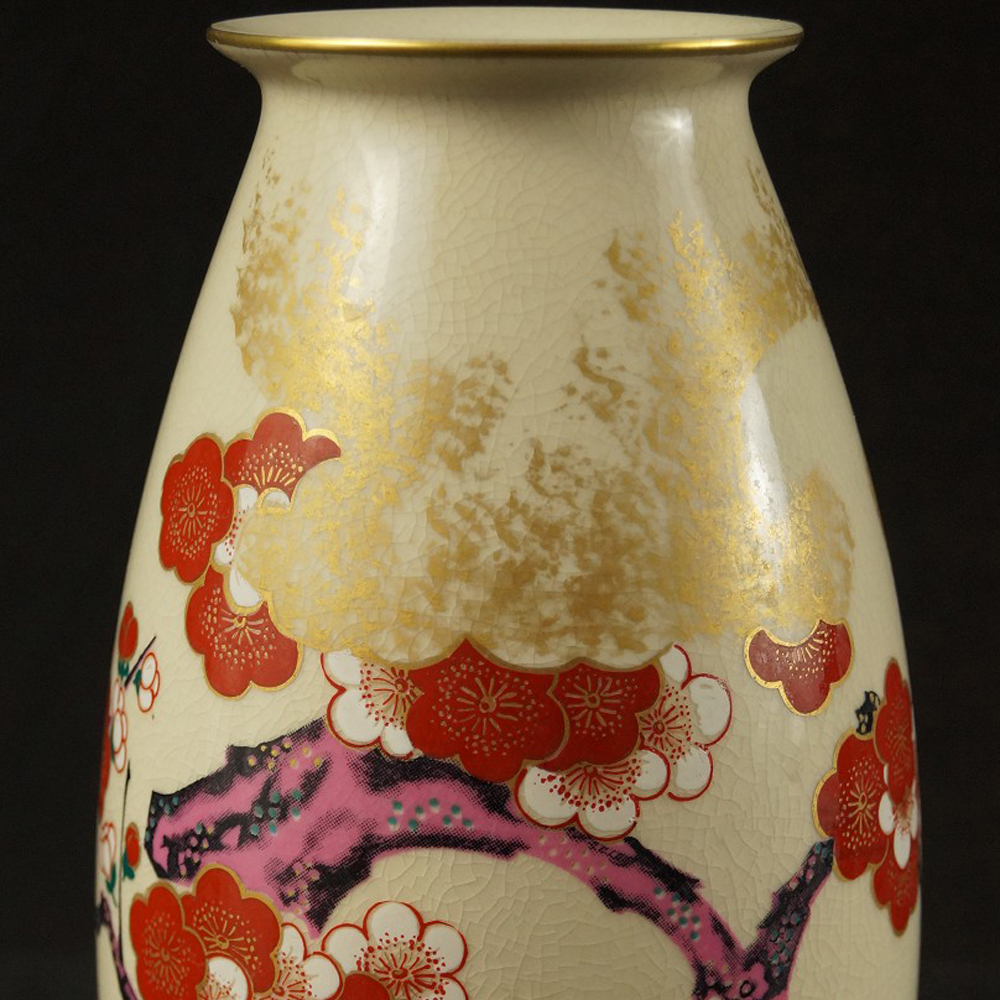
Slender Vase Made of Kutani Ware Porcelain with Red Plum Blossoms
Vase, unique work, 26 x 11 cm
Sold
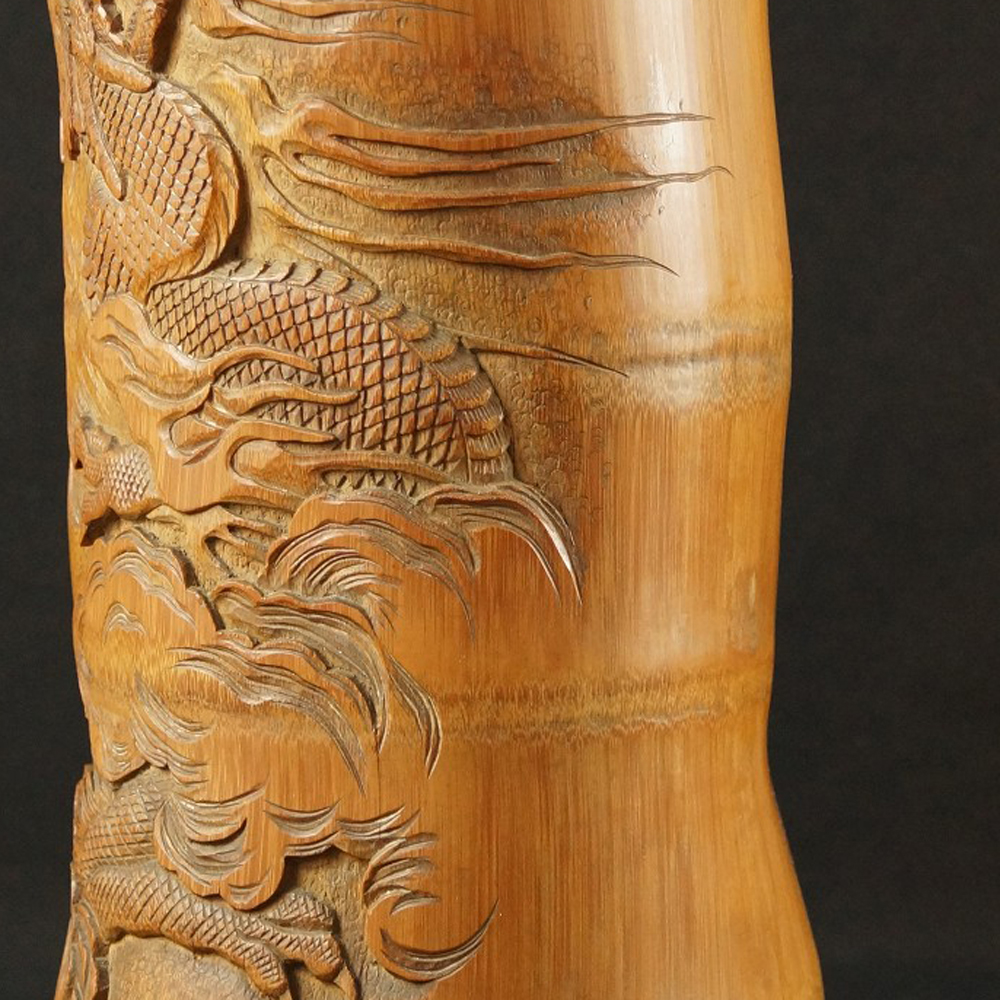
Hand-Carved Japanese Bamboo Vase with Dragon Motif
Vase, unique work, 40 x 18 cm
Sold
37 of 37 items shown
Vases Between Ikebana and Art Object
A Japanese vase often serves two functions at once: as a vessel for the traditional flower arranging art Ikebana and as a standalone sculptural object that holds its own even without any blossoms. This dual function shapes the form, proportion, and opening size of many models and clearly distinguishes the Japanese vase tradition from purely decorative Western flower vessels, where the fullness of the arrangement is usually the main focus.
Ikebana: Less Is More
The Japanese flower arranging art Ikebana follows its own aesthetic principles, in which line, space, and asymmetry are often more important than a dense abundance of blossoms. Within Ikebana, various schools with their own sets of rules have developed over the centuries, such as Ikenobo as the oldest known school, yet all share the basic principle that every branch, every blossom, and every empty space is placed deliberately. A good Ikebana vase supports this reduction through a clear, unobtrusive form and an opening designed for just a few stems, which gives the arrangement support without stepping into the foreground itself.
Variety of Forms and Ceramic Styles
Japanese vases range from slender, tall-oval forms to bulbous, earthy vessels and are made in nearly every known ceramic style: rustic and unglazed in Bizen ware or Shigaraki ware, with a lively crackle glaze in Raku ware, or finely painted with floral motifs in Kutani ware. Each style lends the vase its own character, from archaic-earthy to artfully elegant, so that a fitting form can be found for nearly every furnishing style and personal taste.
Wabi-Sabi in the Vase Form
Many vases follow the wabi-sabi ideal: a slightly irregular silhouette, a visible firing mark, or a deliberately rough foot are not regarded as flaws here, but as an expression of naturalness and handcrafted honesty. This deliberate imperfection is closely connected to the philosophy of Ikebana, which likewise places the beauty of the natural, the imperfect, and the transient at its center rather than artificial symmetry.
Vases as a Standalone Art Object
Not every vase has to be filled with flowers – sculpturally shaped pieces in particular unfold a calm presence of their own even when empty and are excellently suited as a standalone decorative element. Vases with a pronounced texture, an unusual silhouette, or a striking glaze in particular often already look like a self-contained small sculpture without any floral decoration and can keep their place in the room unchanged all year round.
Finding the Right Vase for Your Own Space
When choosing, it is worth considering not only the pure look but also the intended use: those who practice Ikebana regularly benefit from a simpler, functionally considered form, while pure lovers of Japanese ceramics tend to look for an especially expressive, sculptural one-of-a-kind piece. The size of the intended location and the available light conditions also influence which glaze and form come across best.
Vase Forms and Their Names
The Japanese ceramic tradition knows a wide variety of classic vase forms with their own designations, such as the tall-oval Tsubo form with a narrow neck, the bulbous Kabin form for larger arrangements, or the especially plain, cylindrical form used above all for minimalist Ikebana compositions with individual branches. These different formal traditions each arose for specific contexts of use and can still be chosen today specifically according to the desired visual effect.
Vases as a Seasonal Eye-Catcher
Similar to Kakemono, vases too can be used in a seasonally changing way: an earthy, unglazed vase with a single pine branch in winter, a finer, lighter vase with cherry blossom branches in spring. This deliberate, recurring practice links the vase as an object with the changing rhythm of the seasons and turns it into a living element of home decor that is never quite the same.
Vases as Long-Term Companions
Unlike freshly cut flowers, which wilt after just a few days, a high-quality ceramic vase remains a permanent part of one's own home for decades, accompanying many different phases of life, furnishing styles, and seasonal arrangements. This longevity makes investing in a handcrafted Japanese vase particularly worthwhile, since the initial purchase price is put into perspective over the many years of use.
Find the vase that gives your space calm and character – whether with a single blossom or entirely on its own.