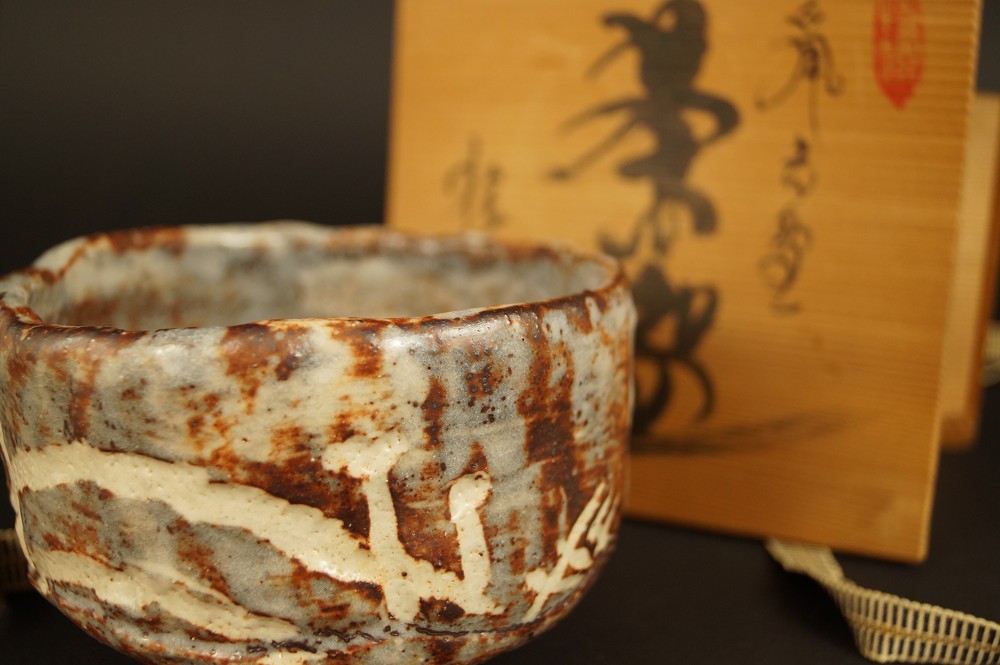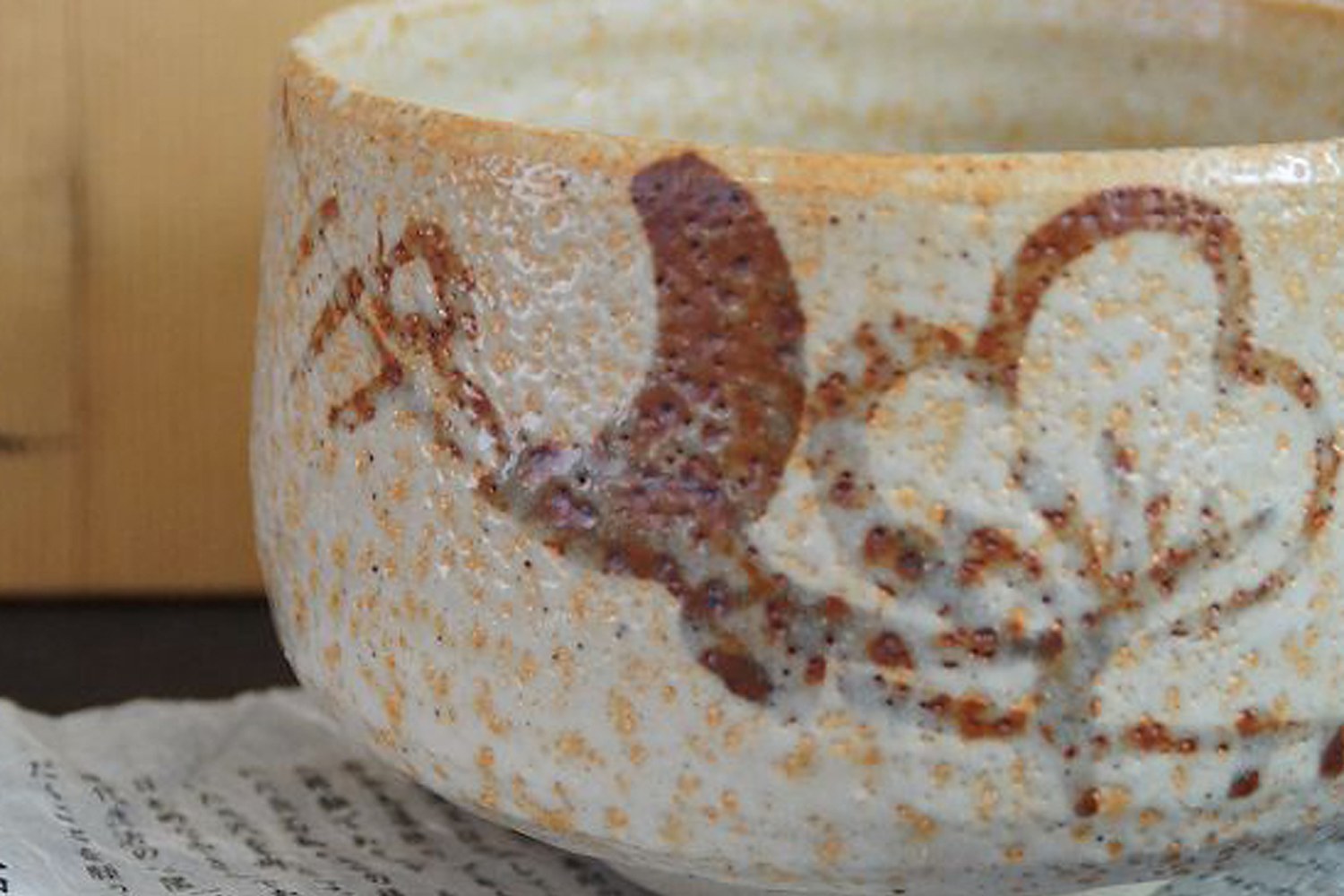
Japanese Shino Ware
Go directly to the artworksIn brief
Shino ware (志野焼, Shino-yaki) is a Japanese stoneware from the Mino region in present-day Gifu that emerged in the late sixteenth century and is considered Japan's oldest white-glazed ceramic. Its hallmark is a thick, milky-white feldspar glaze with fine pores, in which reddish fire marks form during wood firing. Restrained iron-oxide motifs often shimmer through beneath the glaze. Well-known variants are E-Shino, Nezumi-Shino and Beni-Shino. At Densho you will find handmade Shino chawan and sake cups as one-of-a-kind pieces direct from Japan.
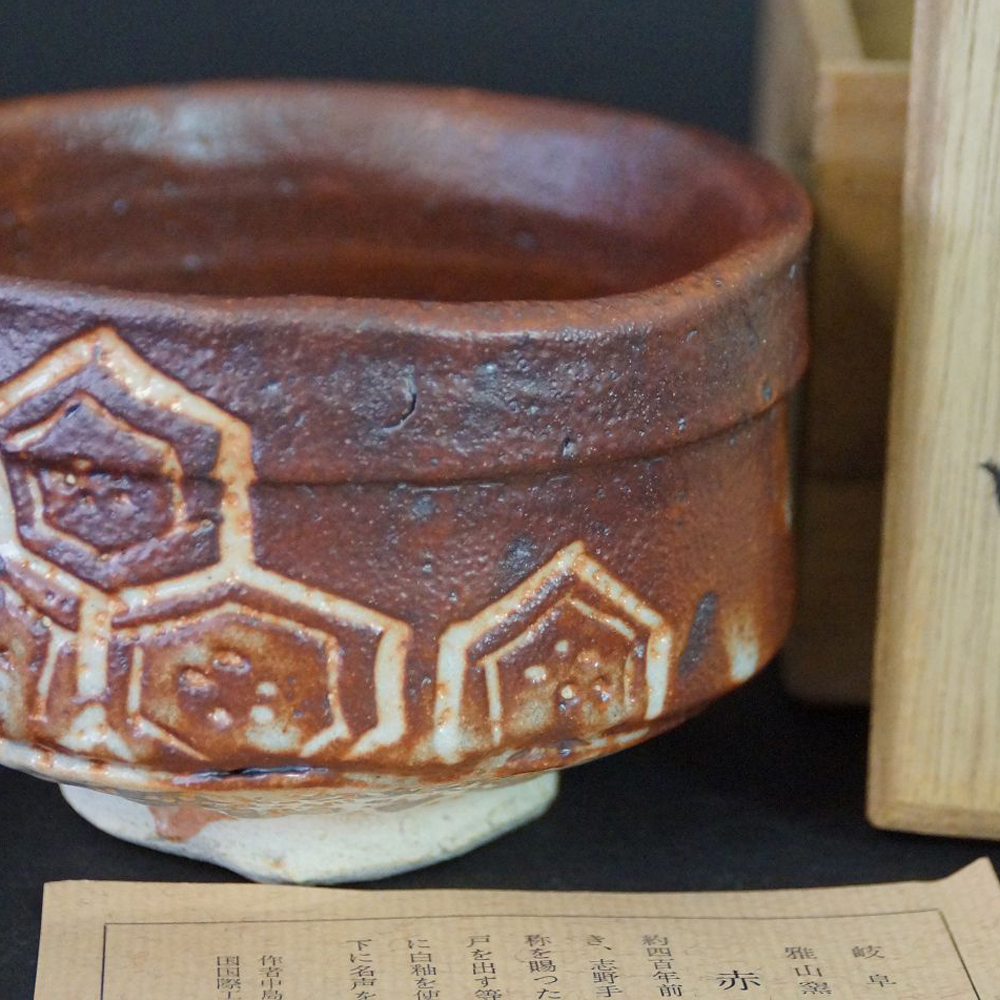

Masao Nakajima
Chawan Tea Bowl Made of Shino Ware by Masao Nakajima
Chawan, unique work, with box, 12,5 x 8 cm
€380.00
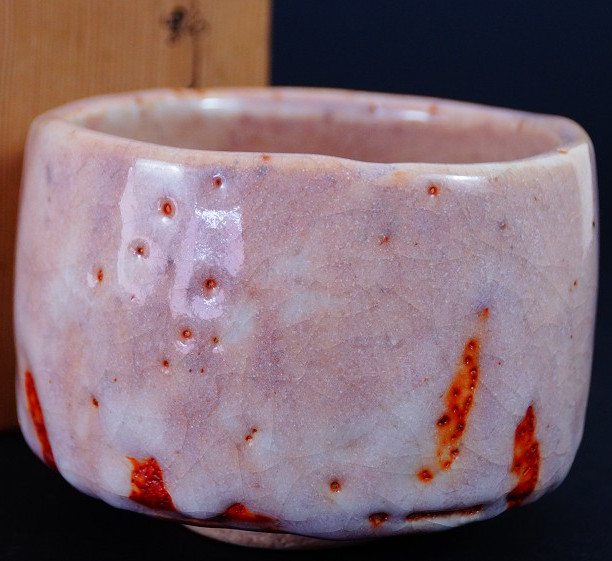

Masayoshi Kato
Chawan Made of Shino Ware by Masayoshi Kato
Chawan, unique work, with box, 9 x 12 cm
€340.00
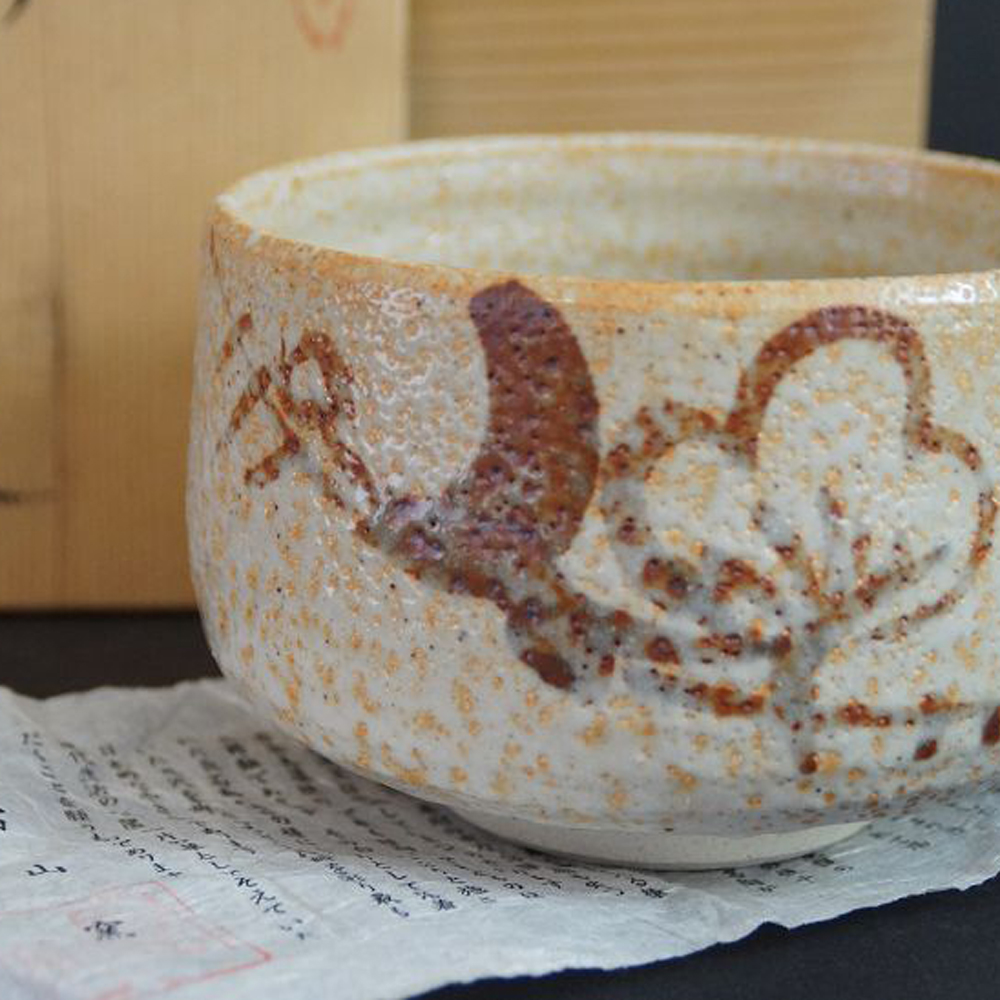

Toyama Ofen
Chawan Made of Shino Ware from Toyama Kiln
Chawan, unique work, with box, 8 x 12 cm
€280.00
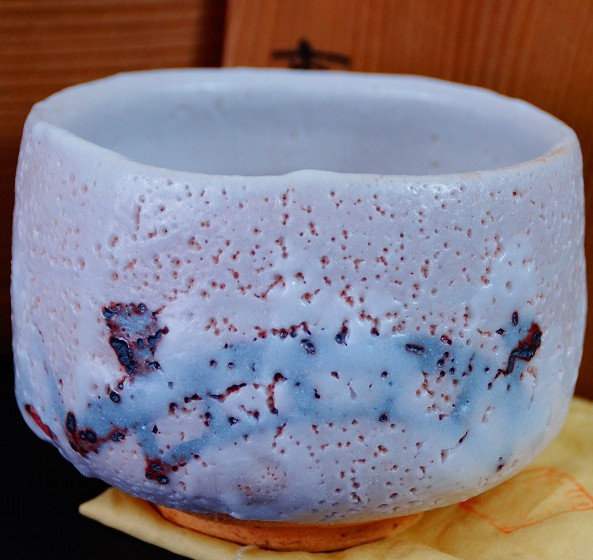

Jyuzo Sato
Chawan Made of Shino Ware by Jyuzo Sato
Chawan, unique work, with box, 9 x 11,5 cm
€320.00
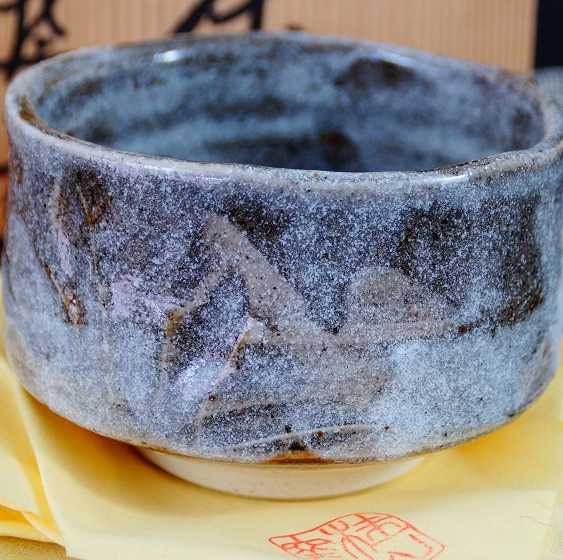

Kazufumi Wada
Chawan Made of Shino Ware by Kazufumi Wada
Chawan, unique work, with box, 8 x 12 cm
€310.00
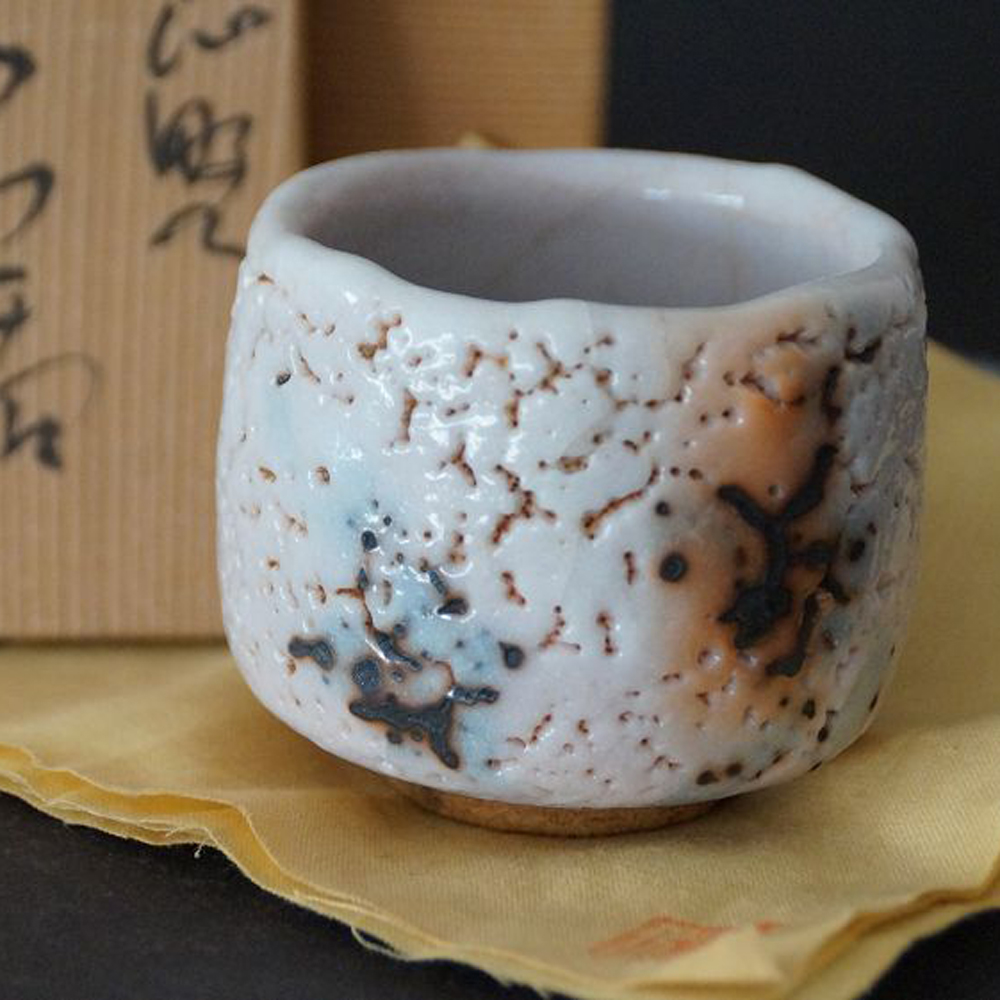

Takeshi Kato
Guinomi Made of Shino Ware by Takeshi Kato
Guinomi, unique work, with box, 5,5 x 5,5 cm
€890.00
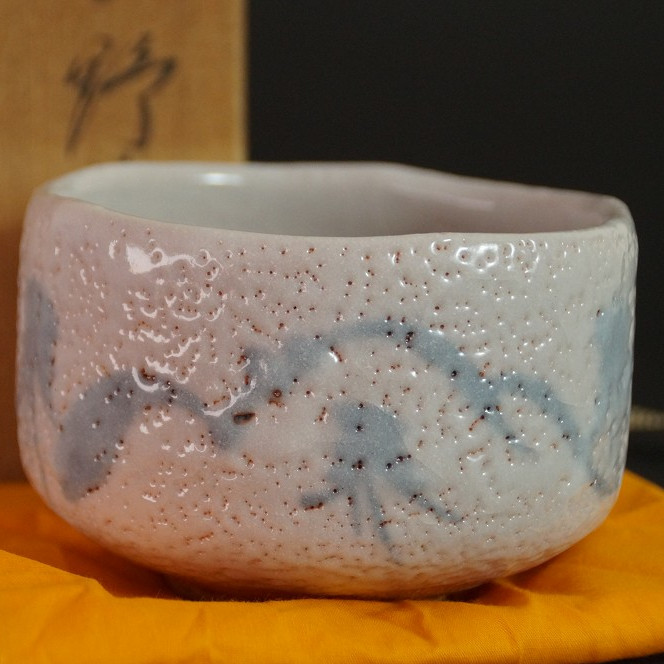

Jyuzo Sato
Chawan Made of Shino Ware by Juzo Sato
Chawan, unique work, with box, 8 x 12 cm
€280.00
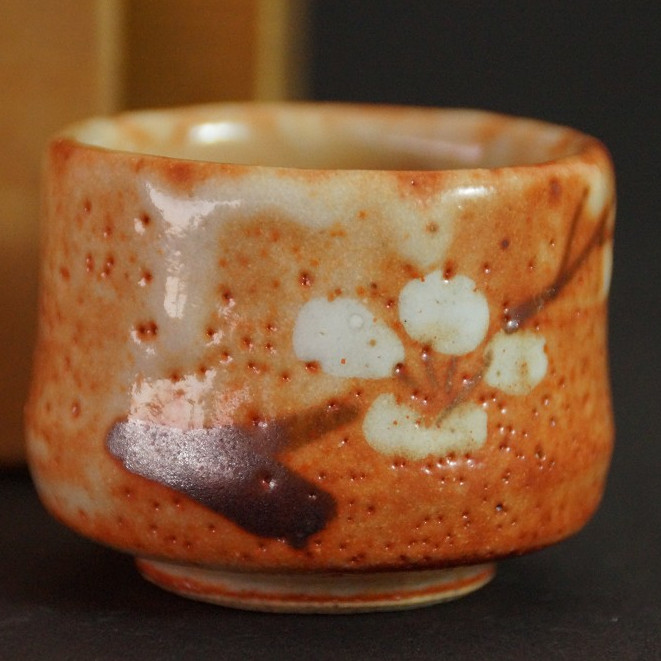

Sawada Shuichi
Guinomi Sake Cup Made of Shino Ware by Shuichi Sawada
Guinomi, unique work, with box, 5 x 6 cm
€210.00
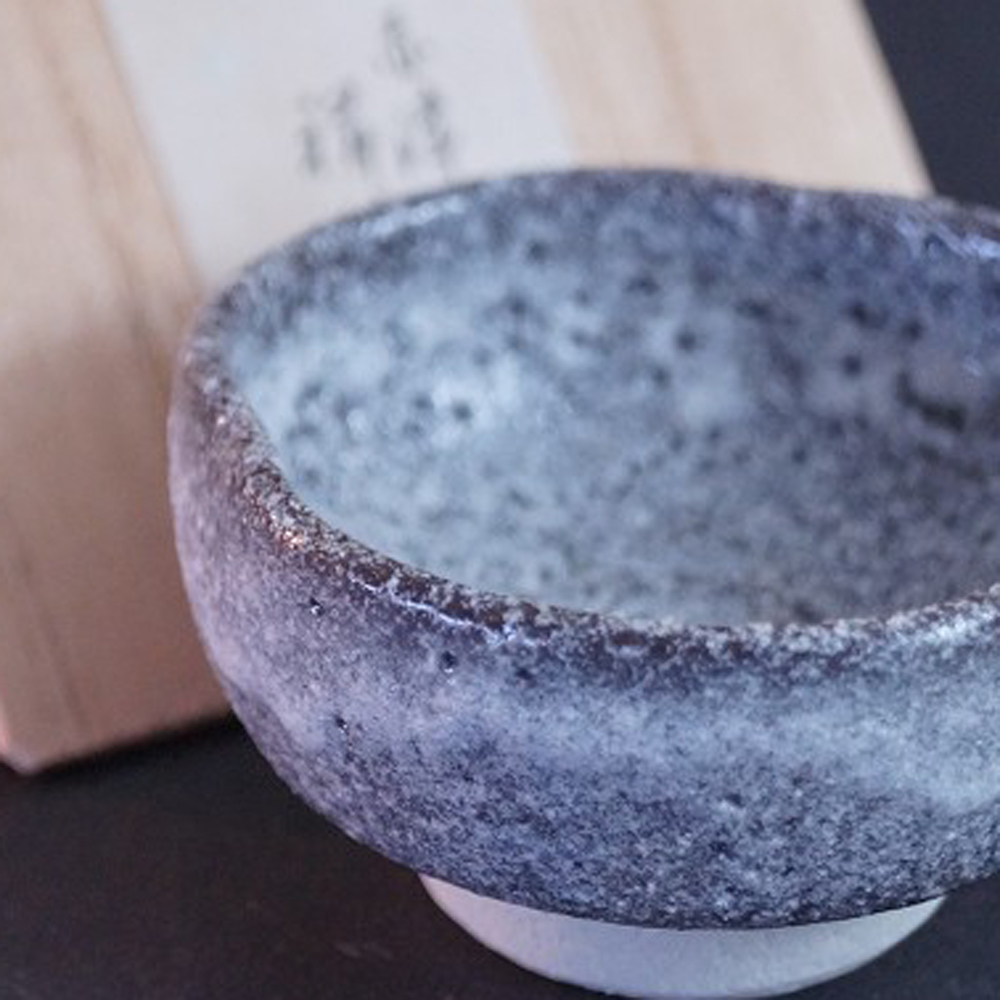

Taniguchi Shohachi
Guinomi Made of Shino Ware by Shohachi Taniguchi
Guinomi, unique work, with box, 3 x 5,5 cm
€175.00
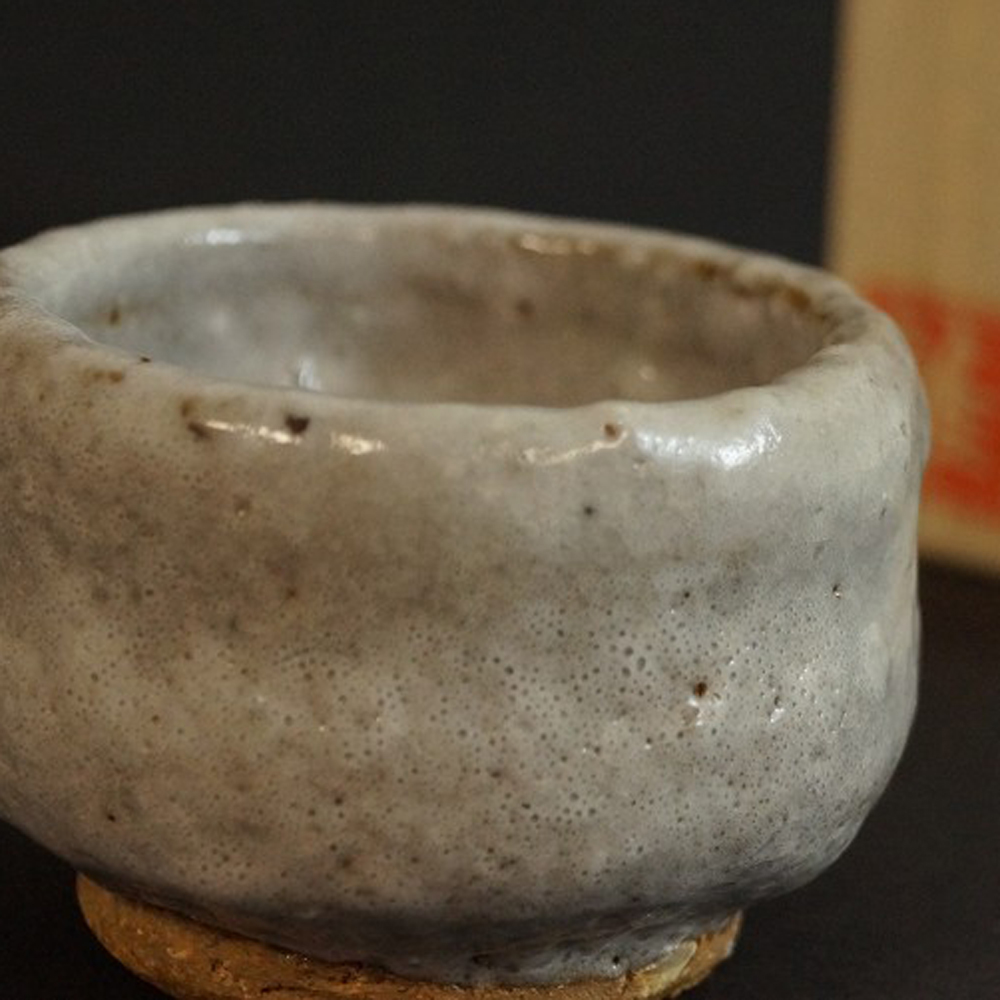

Handcrafted Japanese Sake Cup (Guinomi) Shino Ware
Guinomi, unique work, with box, 5 x 7 cm
€160.00
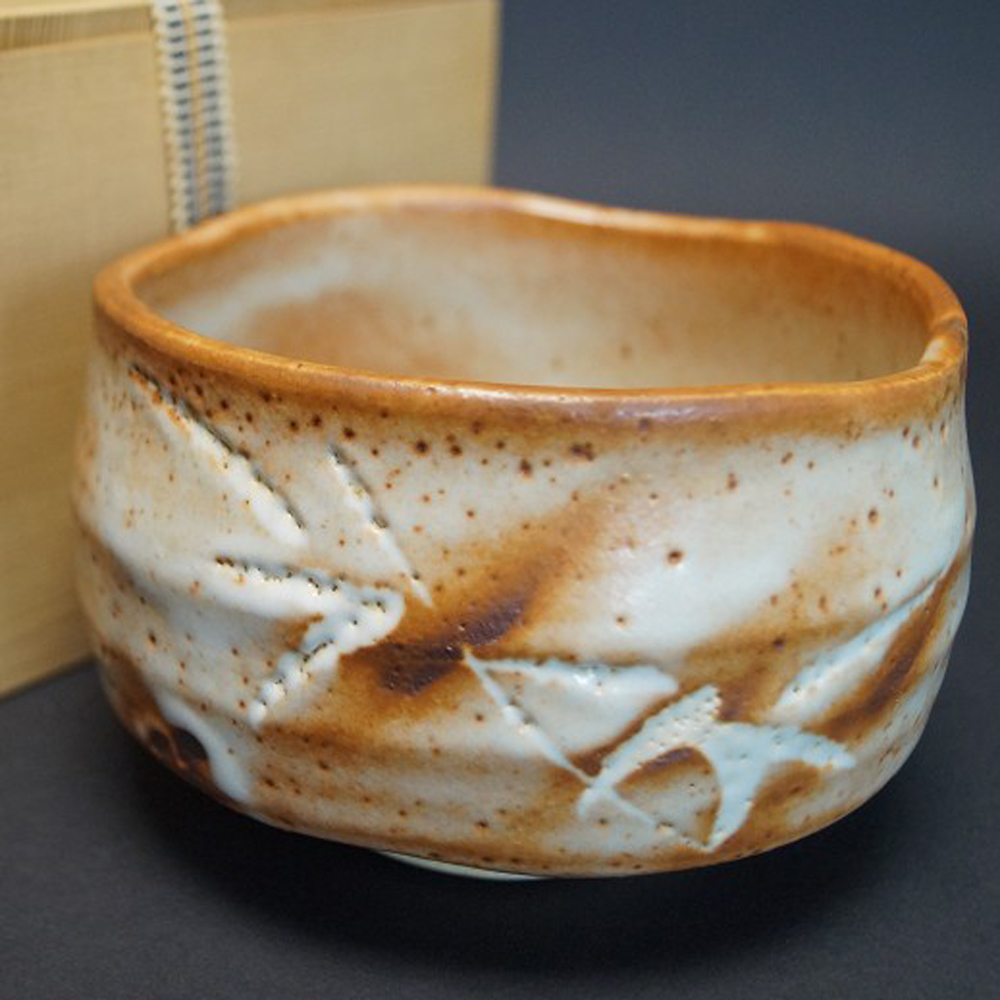
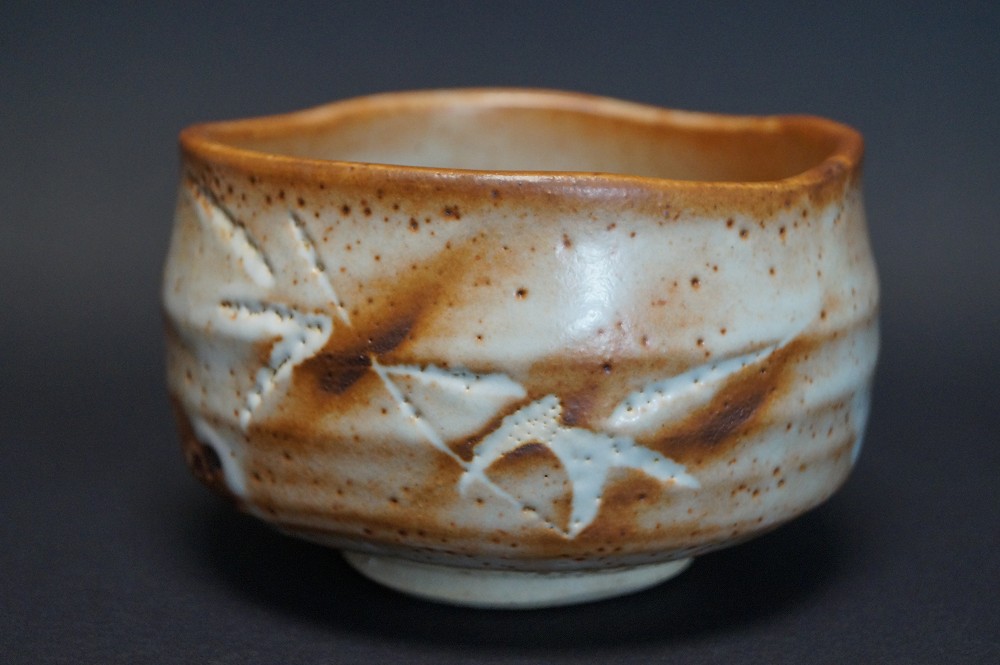
Sawada Shuichi
Chawan Made of Shino Ware by Shuichi Sawada with Fire Marks
Chawan, unique work, with box, 7 x 12 cm
€290.00
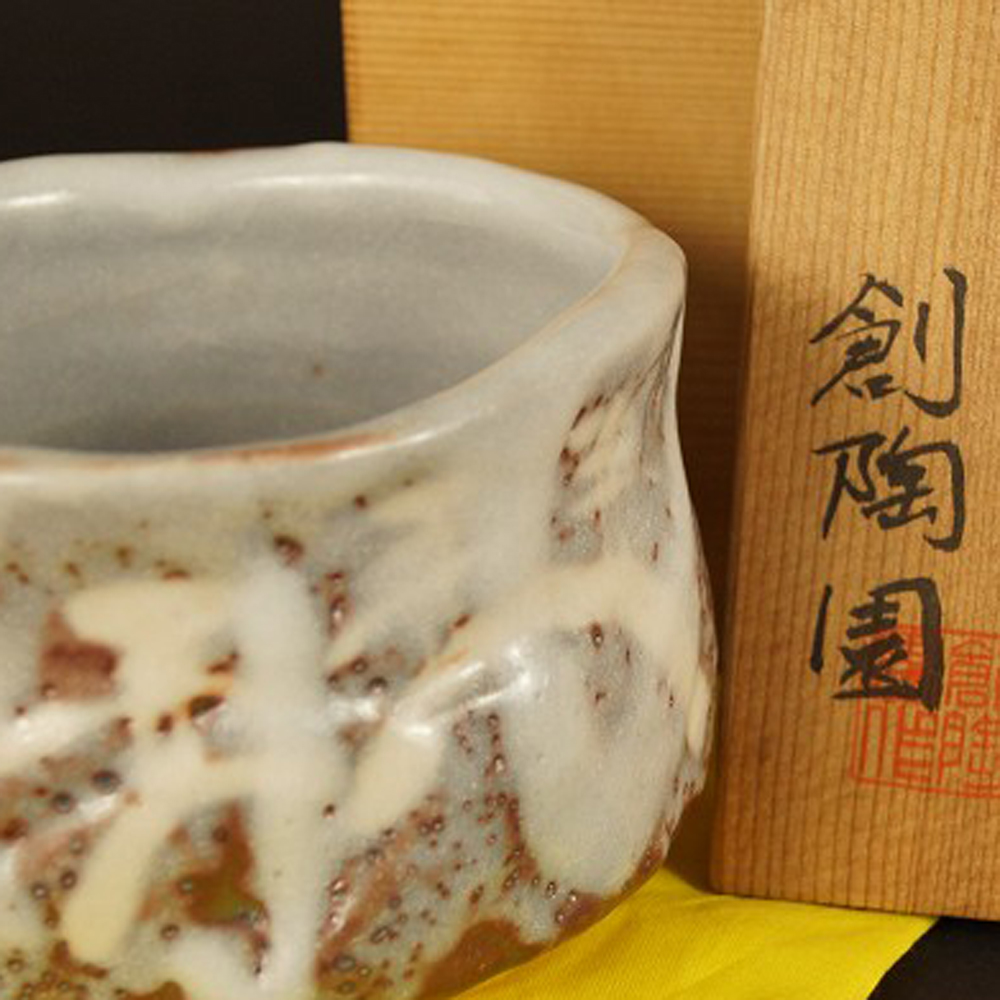
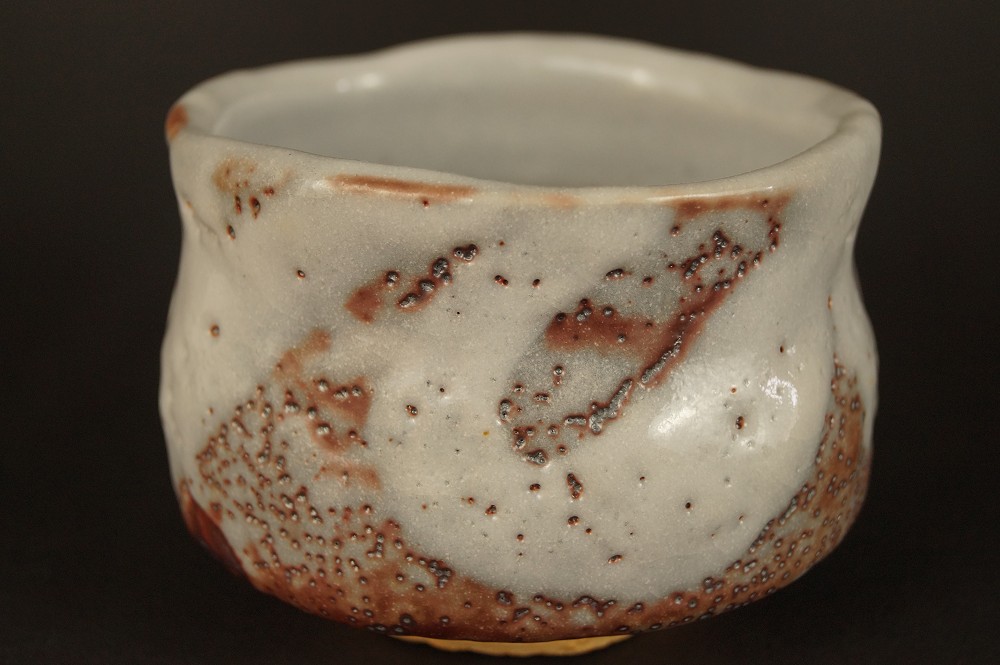
Chawan Made of Shino Ware with Characters Under the Glaze
Chawan, unique work, with box, 8,5 x 11,5 cm
€180.00
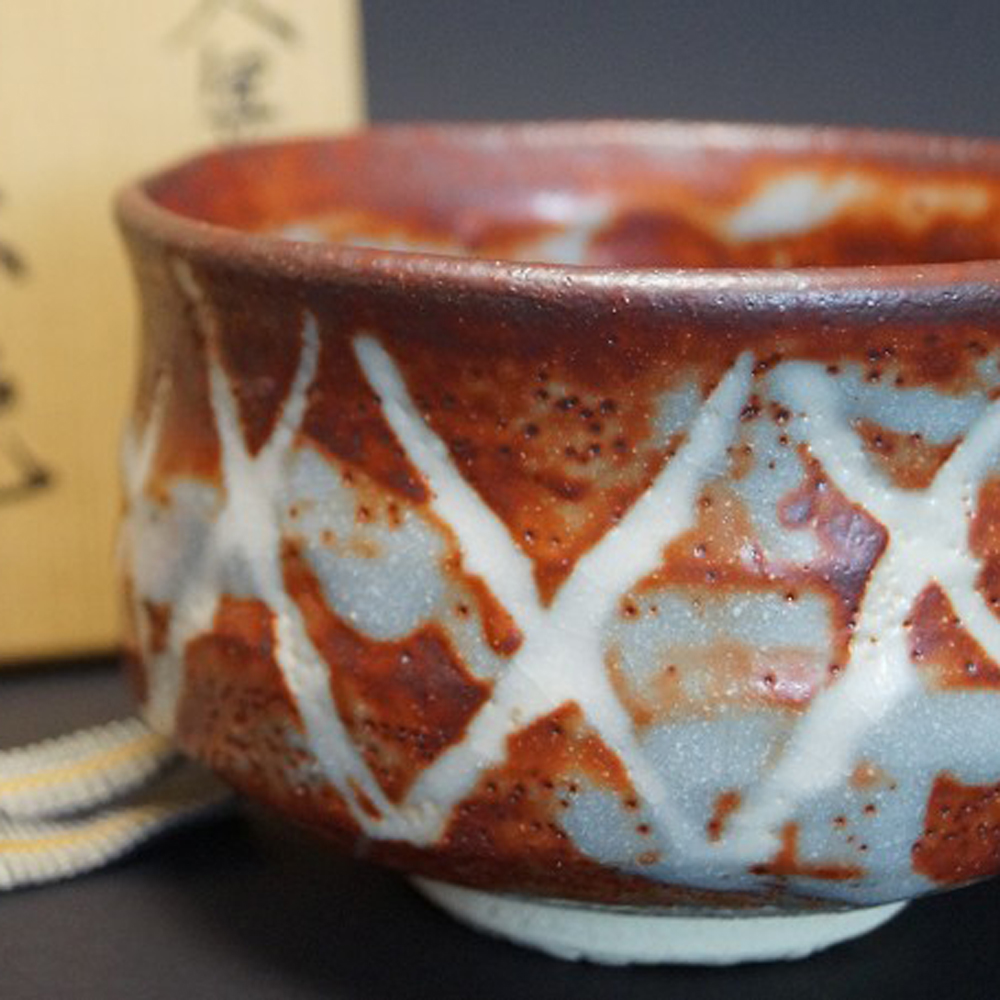
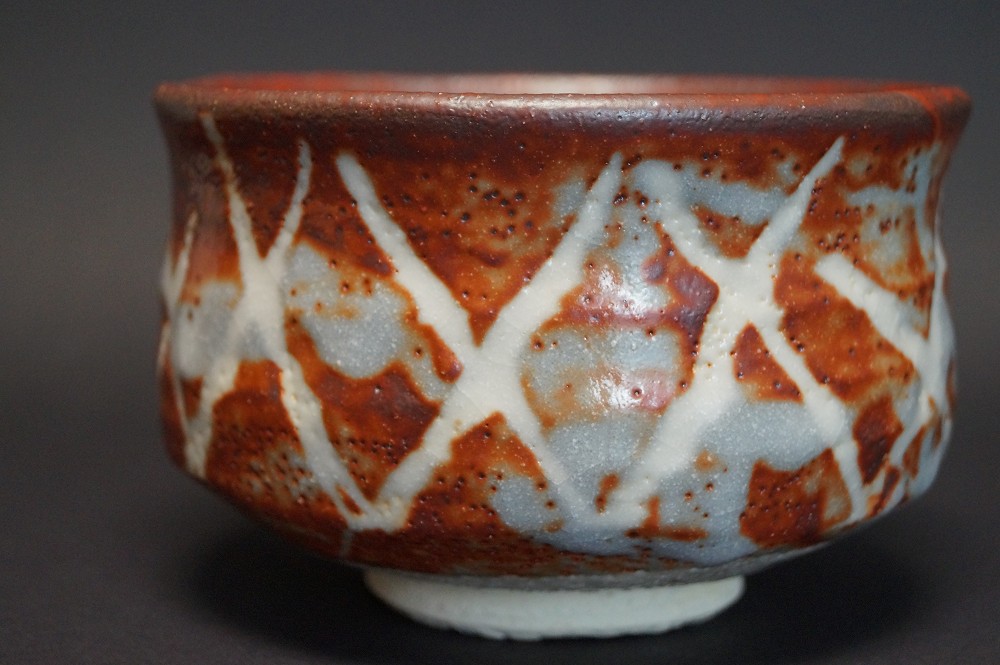
Kizan Mizuno
Chawan Shino Ware by Kizan Mizuno
Chawan, unique work, with box, 8 x 13 cm
€330.00
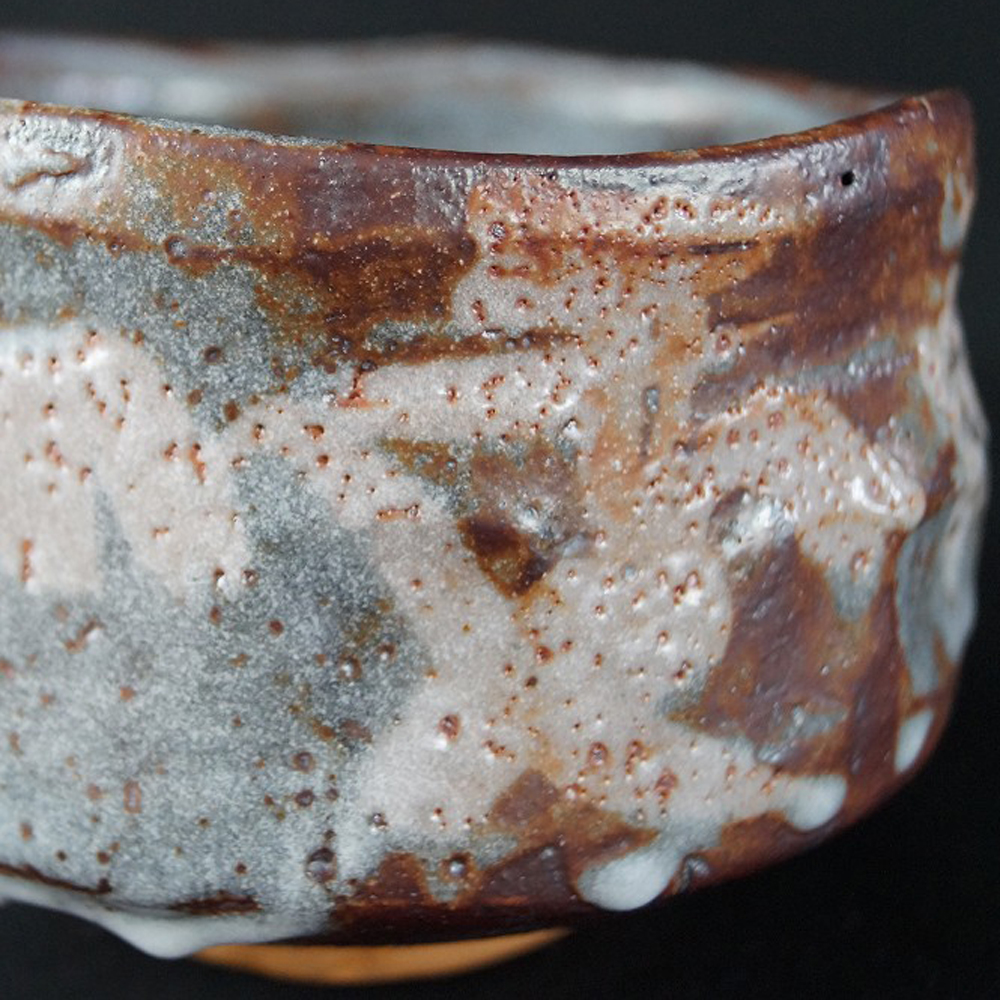
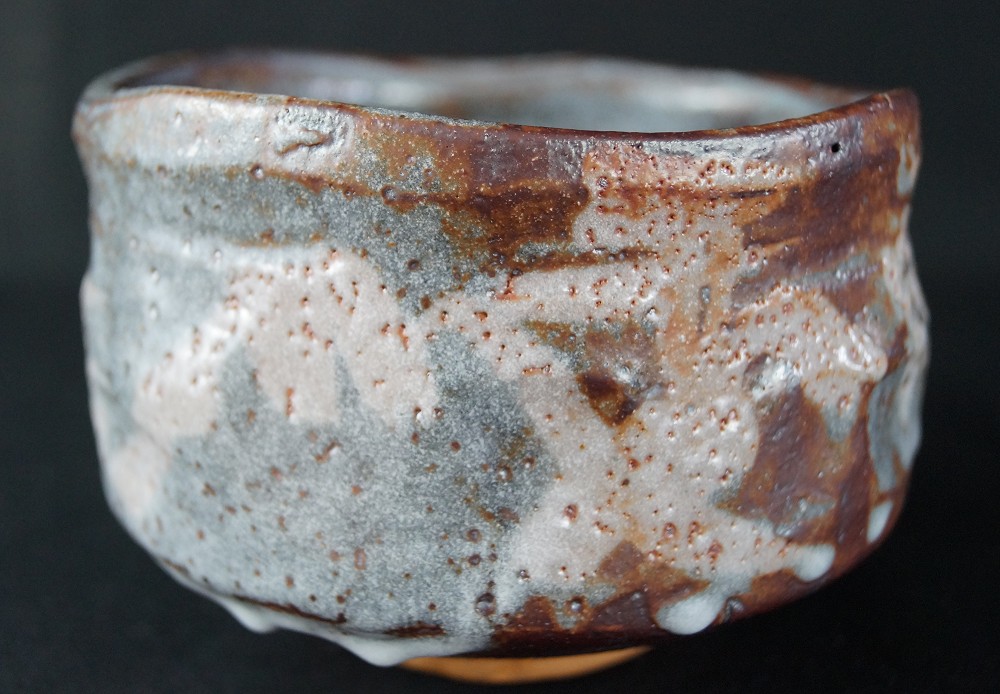
Chawan Made of Shino Ware with Gray-Speckled Glaze
Chawan, unique work, with box, 8 x 11 cm
€260.00
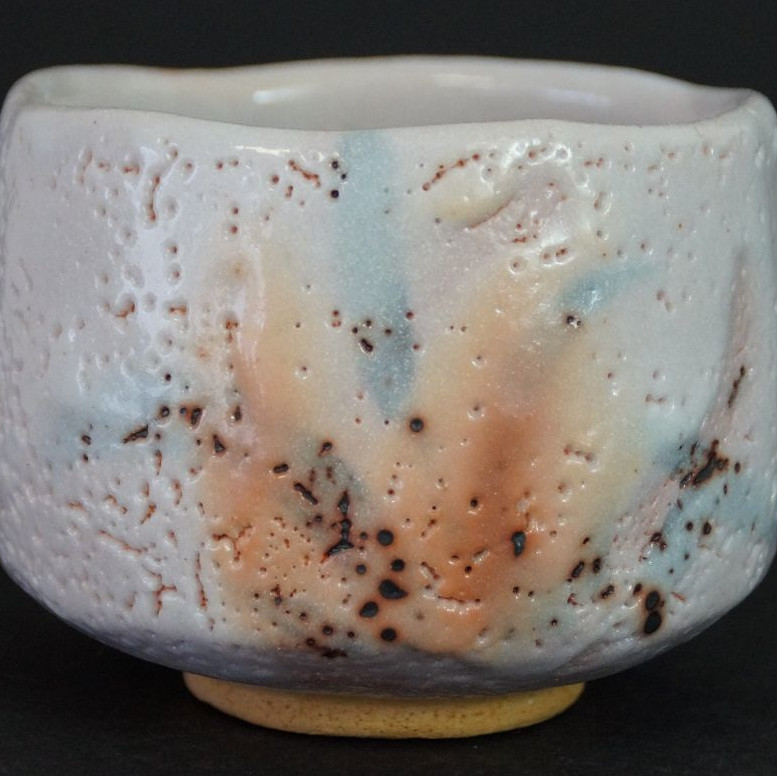
Ken Kato
Chawan Made of Shino Ware by Ken Kato
Chawan, unique work, with box, 9 x 11,5 cm
Sold
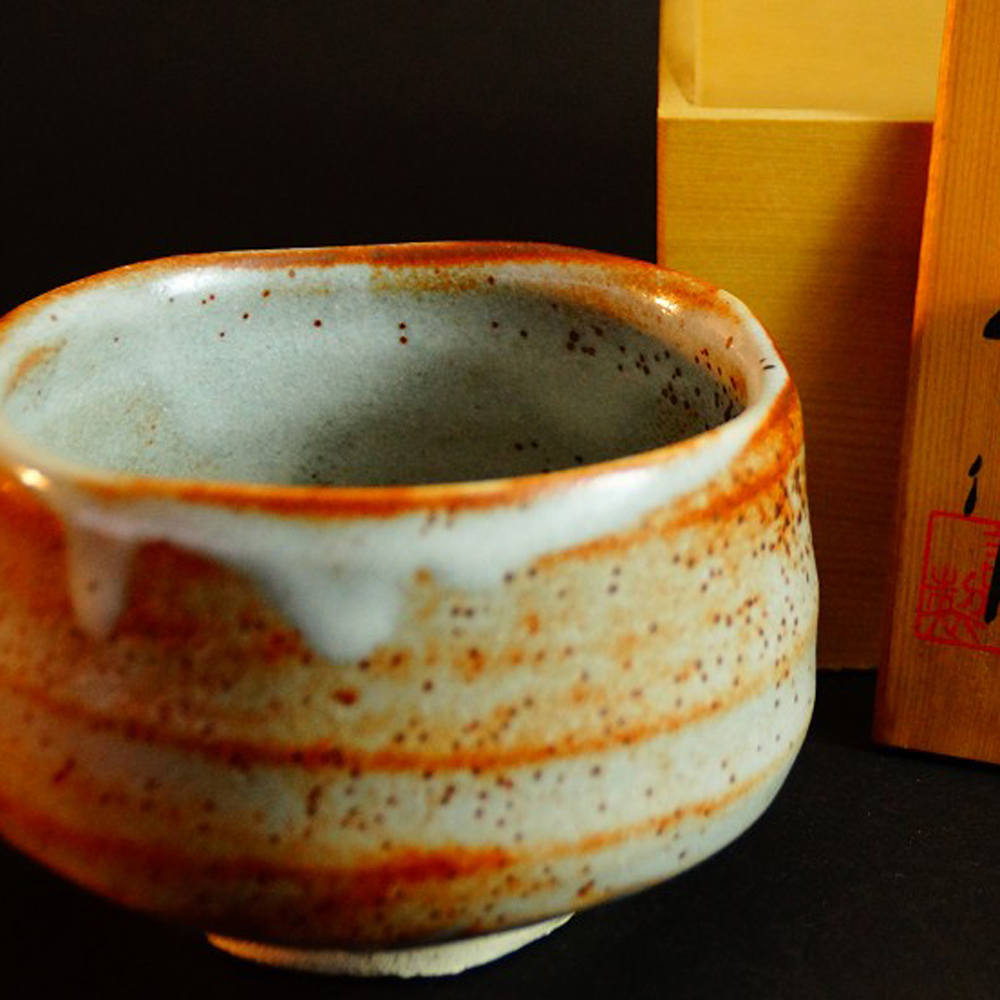
Seizan Hoki
Chawan Tea Bowl Made of Shino Ware by Seizan
Chawan, unique work, with box, 8,5 x 11 cm
Sold
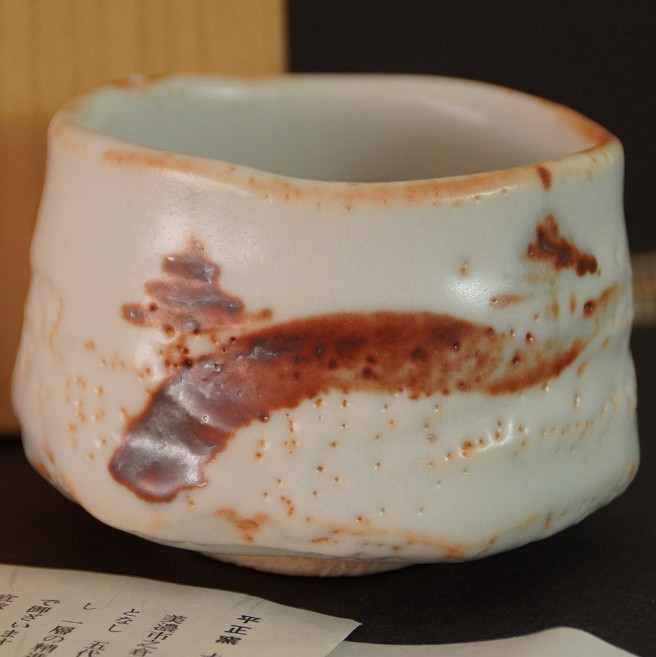
Noritoshi Takagi
Chawan Made of Shino Ware by Noritoshi Takagi
Chawan, unique work, with box, 7 x 9 cm
Sold
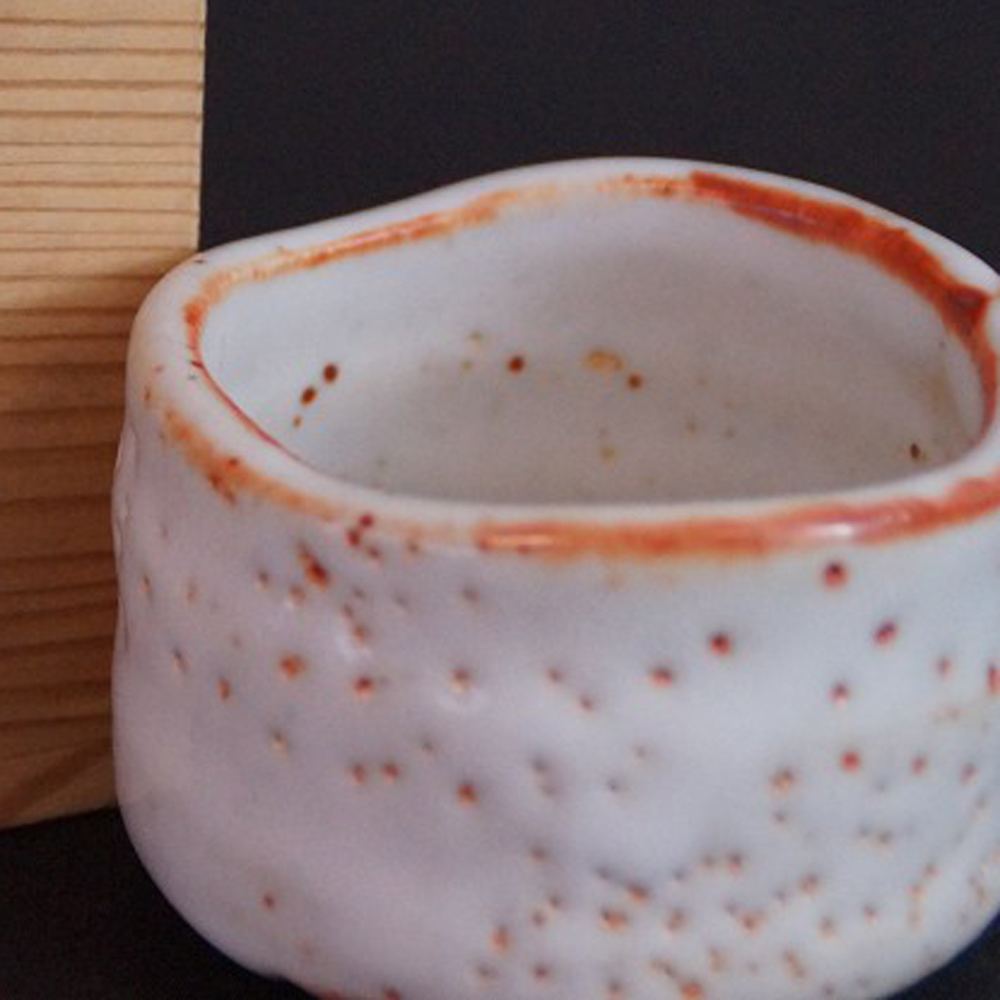
Sato Yasumoto
Guinomi Made of Shino Ware by Sato Yasumoto
Guinomi, unique work, with box, 4,5 x 6 cm
Sold

Shuzo Kato
Chawan Made of Shino Ware by Shuzo Kato
Chawan, unique work, with box, 8 x 12 cm
Sold
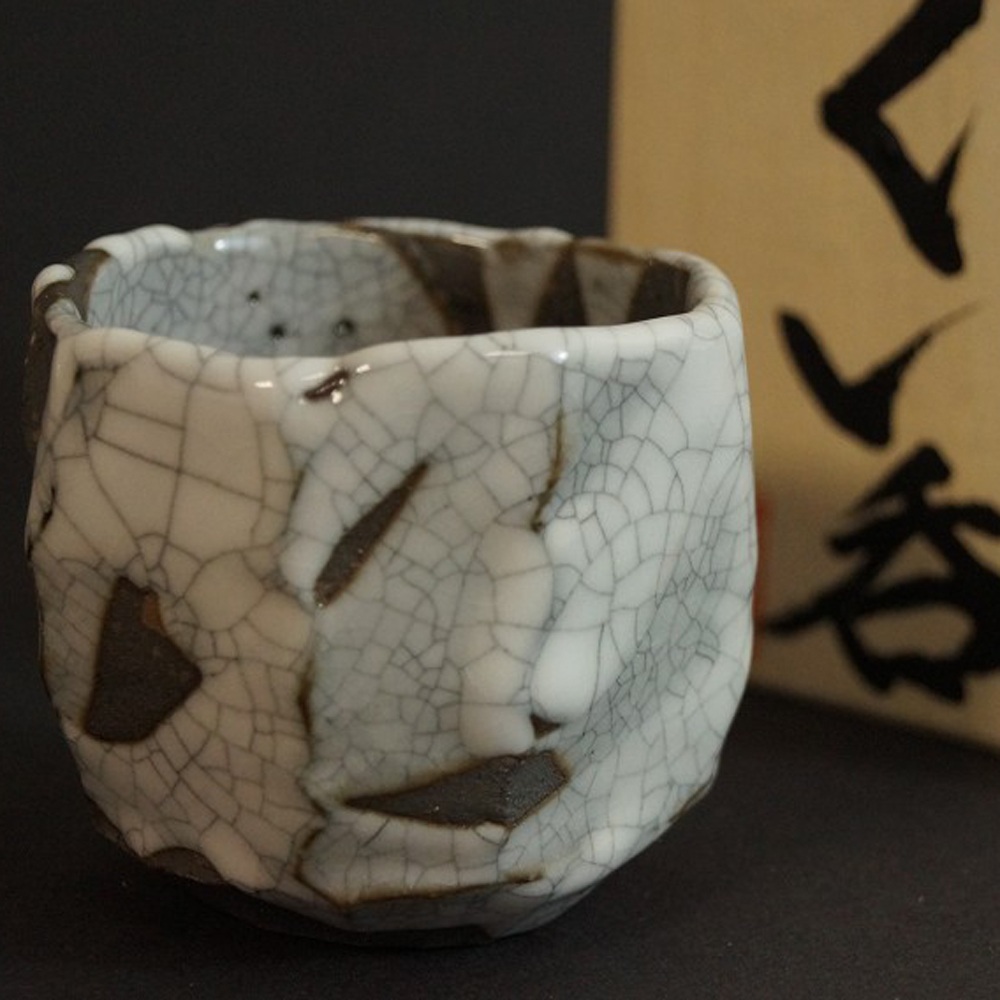
Bungo Yamamoto
Guinomi Made of Shino Ware by Bungo Yamamoto, Wide Shape
Guinomi, unique work, with box, 6 x 6 cm
Sold
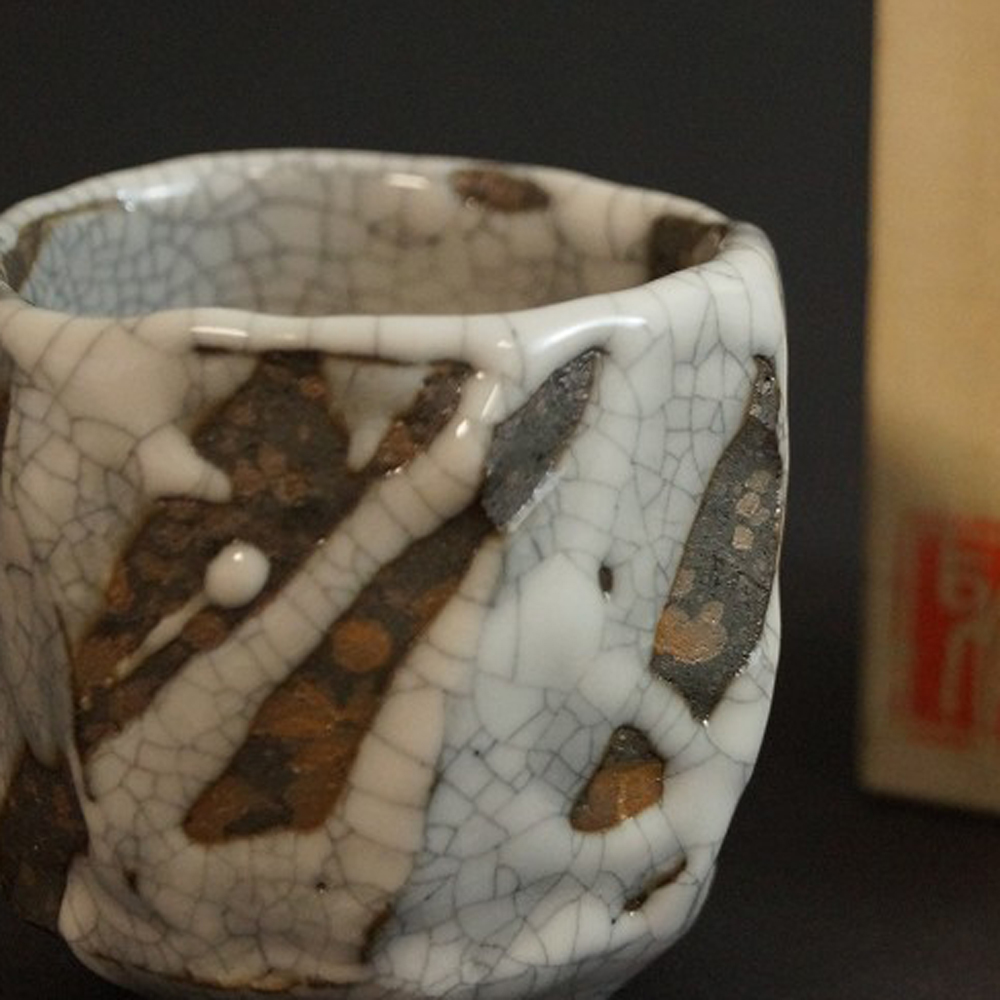
Bungo Yamamoto
Guinomi Made of Shino Ware by Bungo Yamamoto, Tall Shape
Guinomi, unique work, with box, 6 x 6,5 cm
Sold
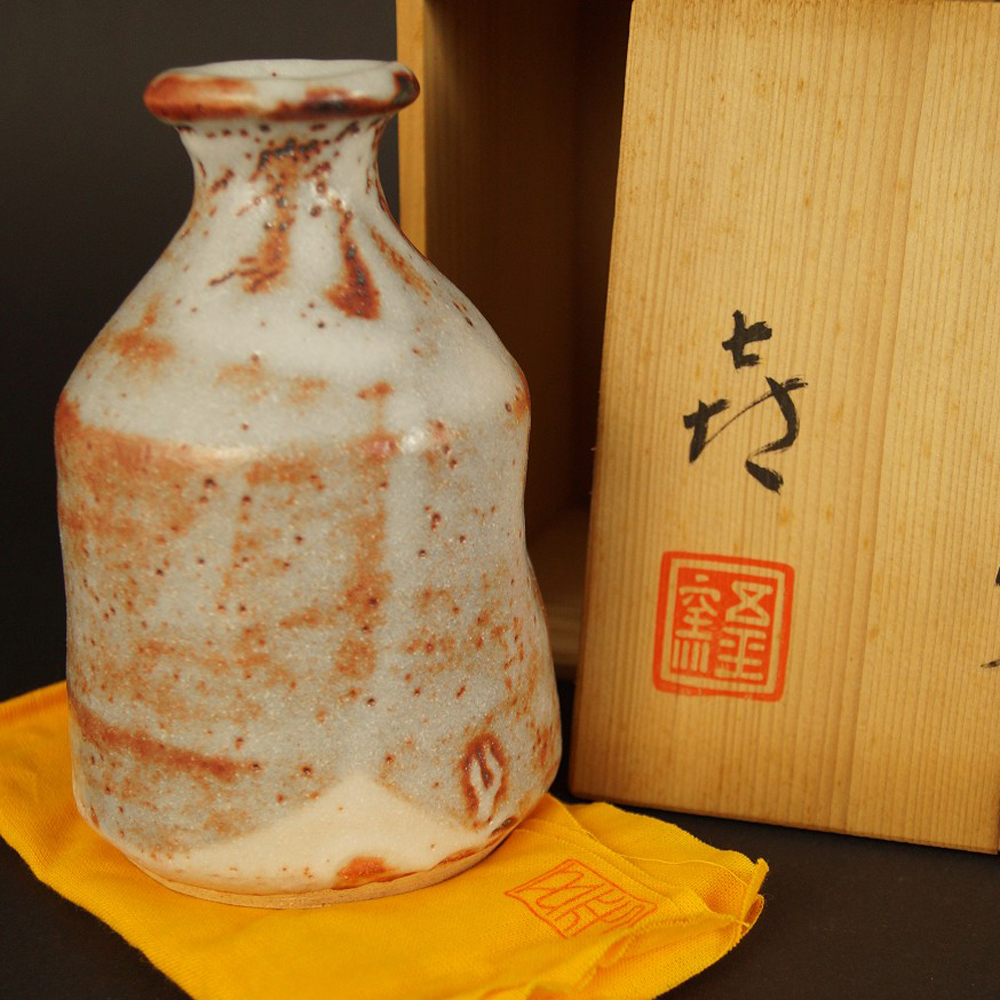
Tokkuri Made of Shino Ware
Tokkuri, unique work, 15 x 10 cm
Sold
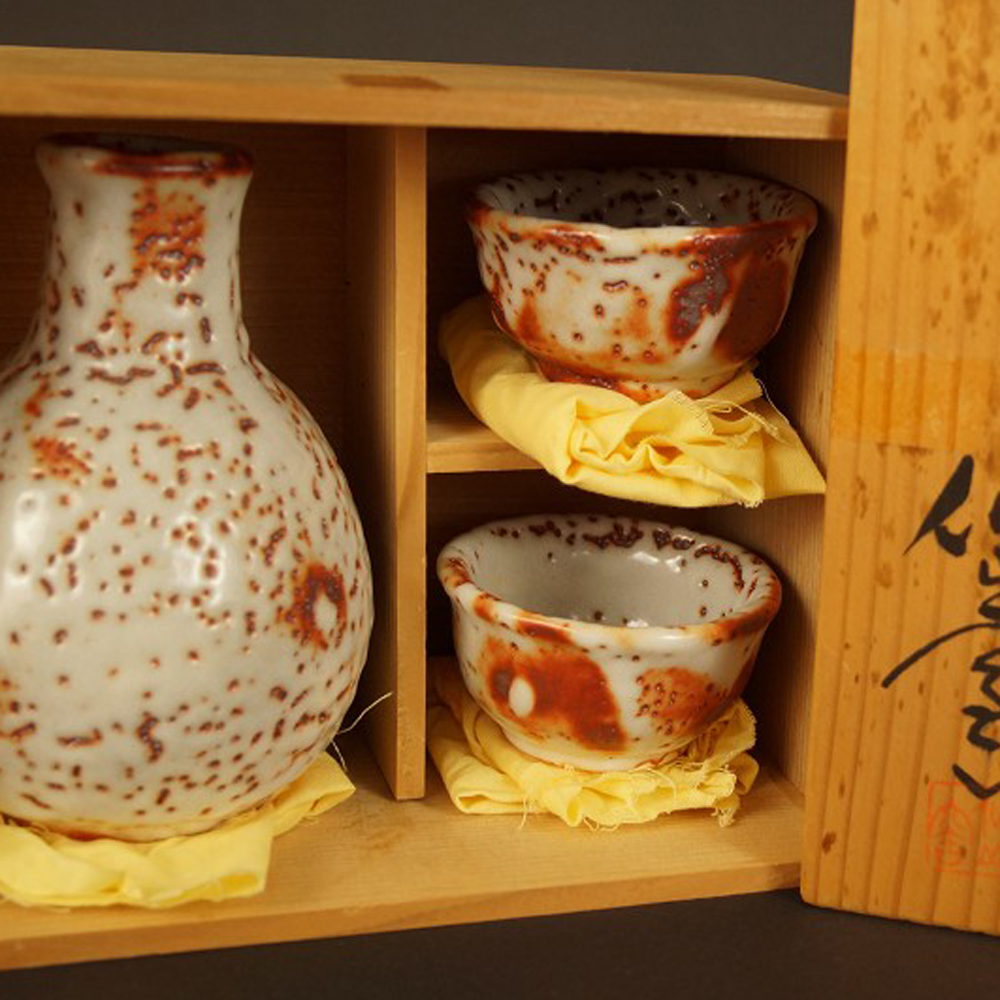
Sake Set Made of Shino Ware, Tokkuri and Two Guinomi
Set of Guinomi and Tokkuri, unique work, 13 x 9 cm
Sold
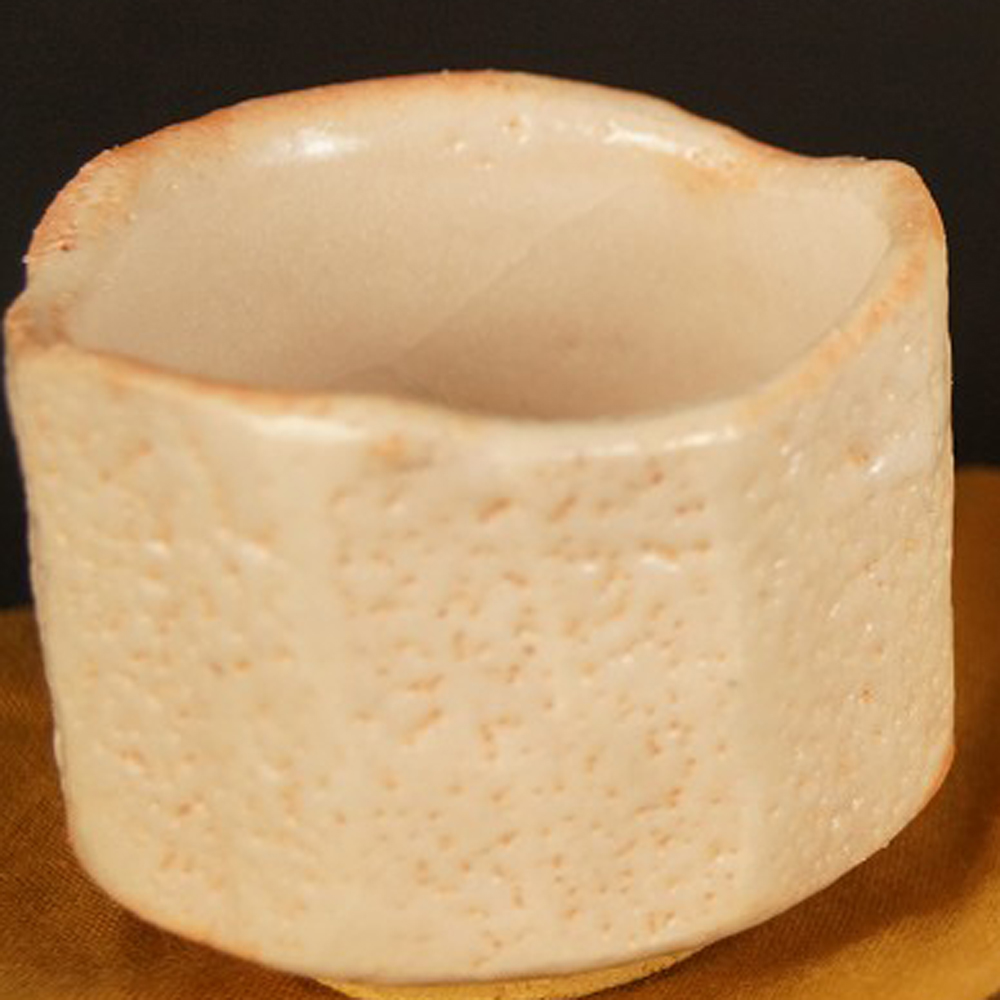
Makita Hiroyoshi
Guinomi Made of Shino Ware by Makita Hiroyoshi
Guinomi, unique work, with box, 5,5 x 6,5 cm
Sold
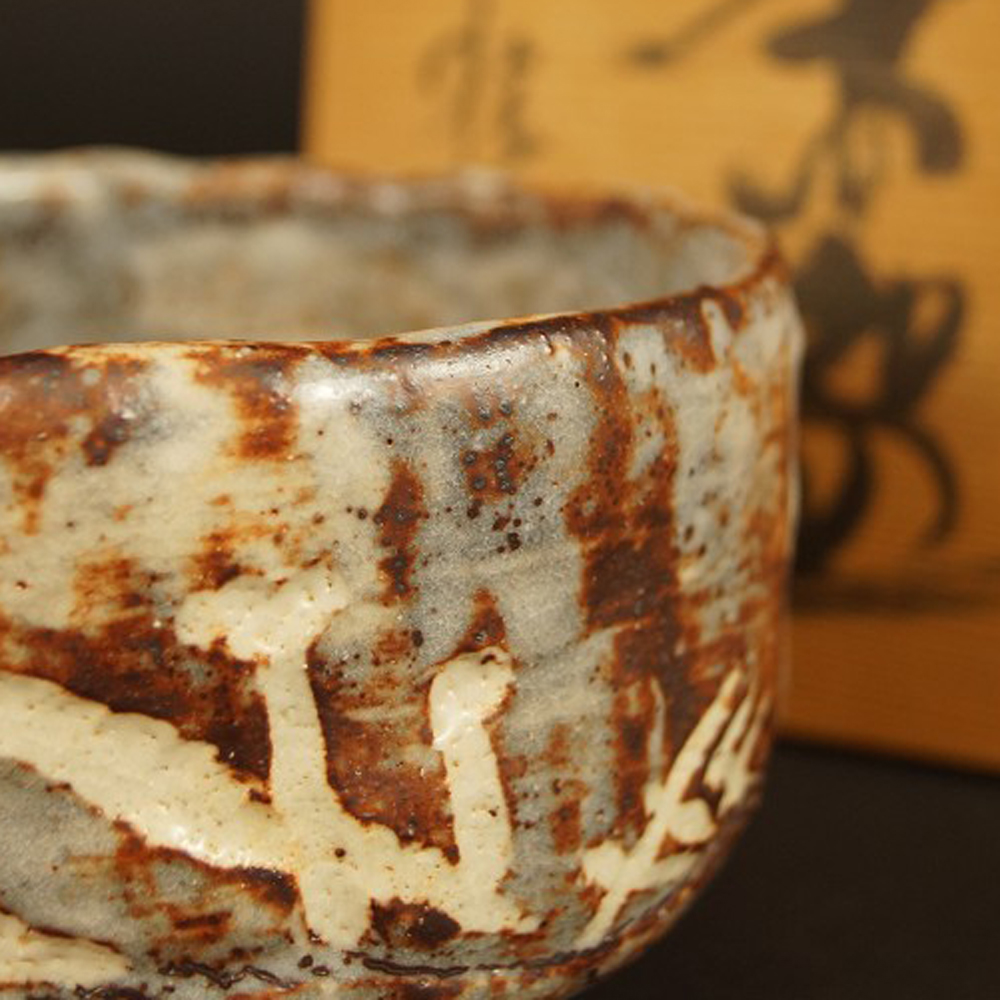
Handcrafted Japanese Tea Bowl (Chawan) Shino Glaze
Chawan, unique work, 8 x 11,5 cm
Sold
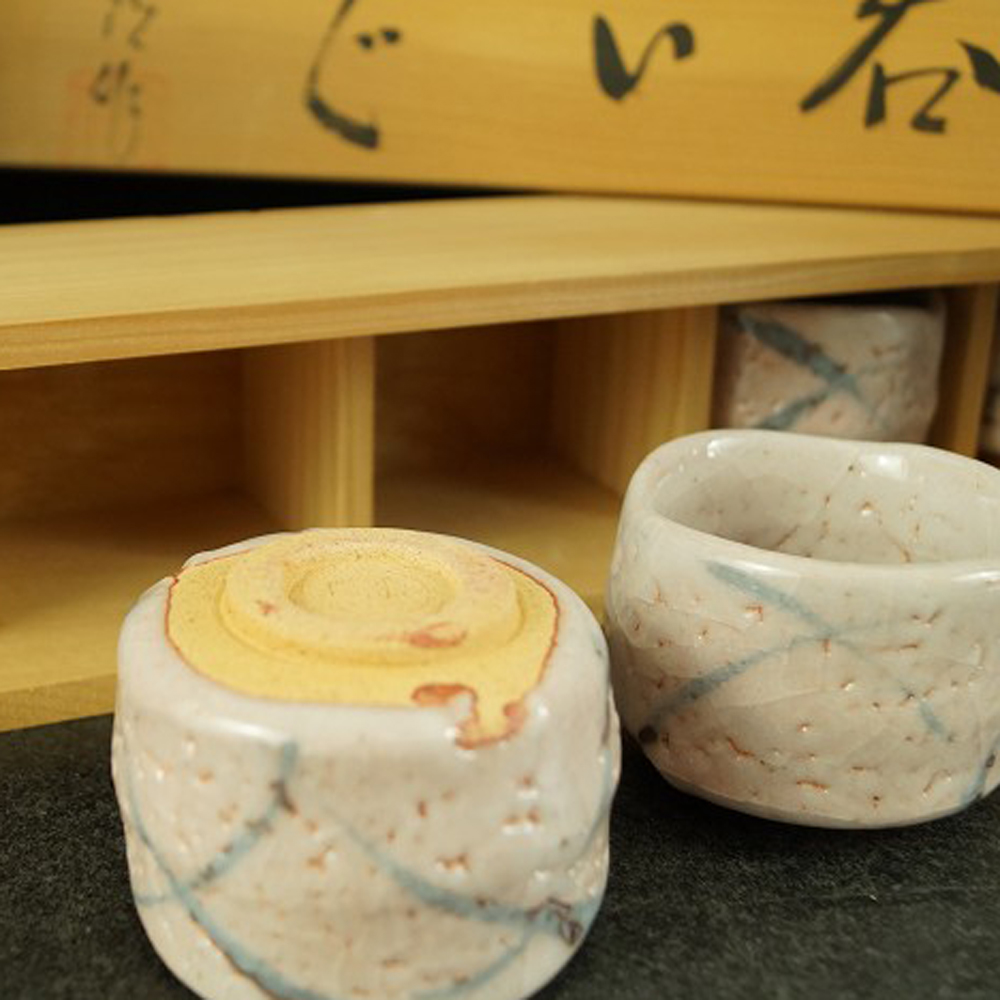
Handcrafted Shino Ware Sake Cups (Guinomi), Set of 5
Guinomi, unique work, with box, 4,5 x 5,5 cm
Sold
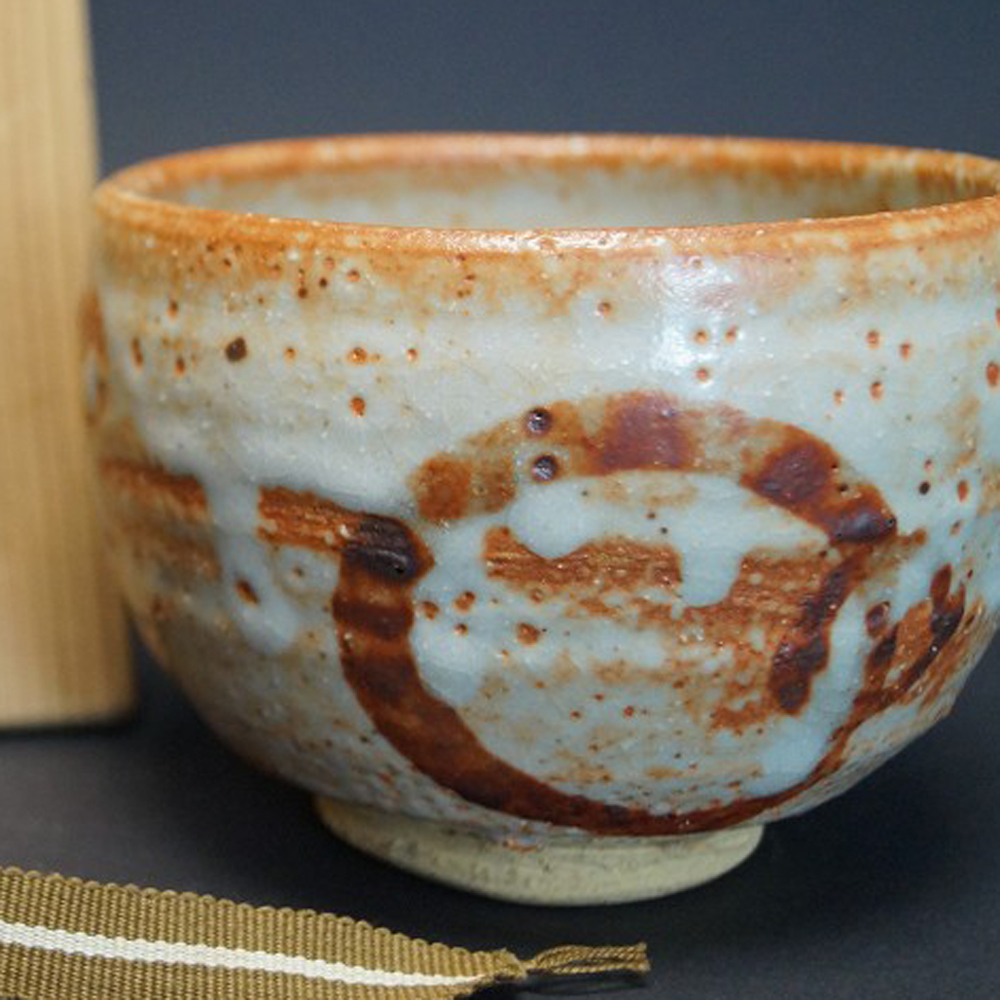
Chawan Made of Shino Ware with Rust-Brown Moon Ring
Chawan, unique work, with box, 8 x 11 cm
Sold
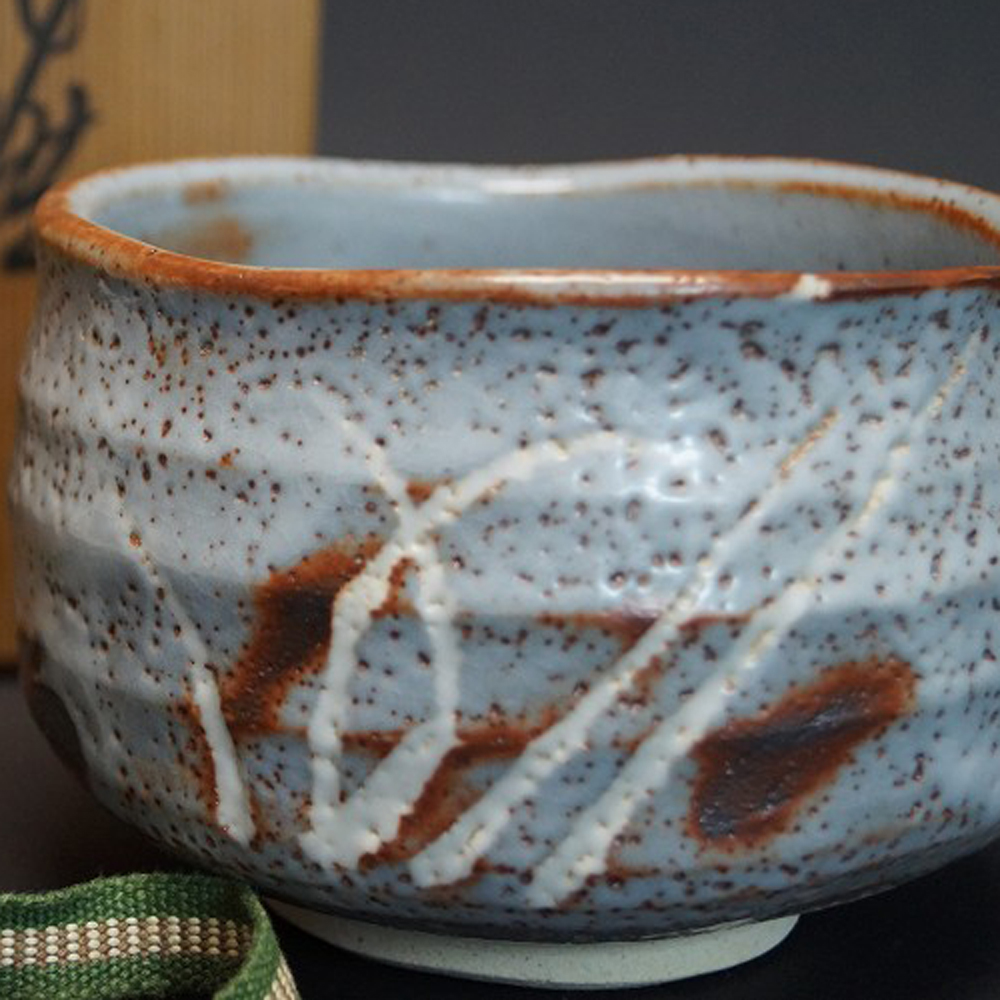
Sawada Shuichi
Chawan Made of Nezumi-Shino by Shuichi Sawada with Grass Decoration
Chawan, unique work, with box, 8 x 12 cm
Sold
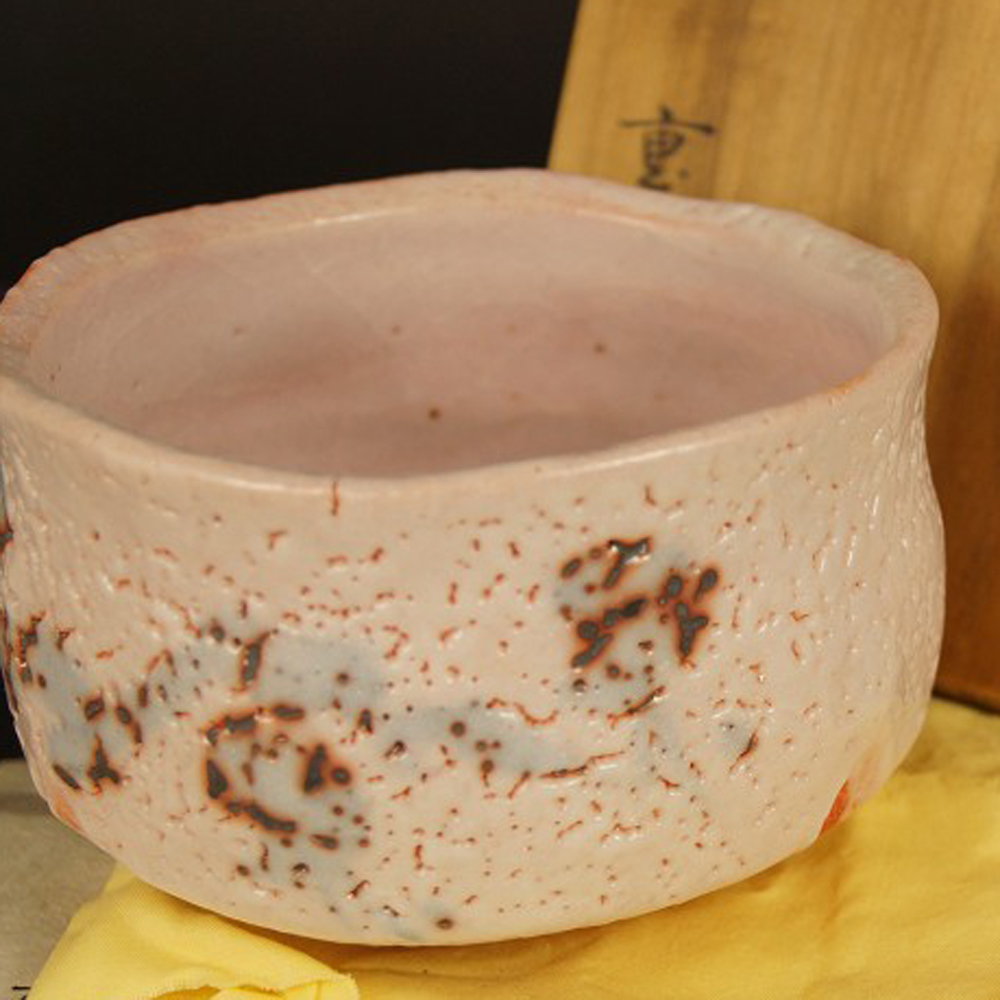
Jyuzo Sato
Chawan with Shino Glaze by Jyuzo Sato
Chawan, unique work, 8 x 12 cm
Sold
29 of 29 items shown
Japan's First White Glaze
Before Shino-yaki, Japanese ceramics knew hardly any true white; earthy browns, black and greenish glazes after Chinese models dominated. In the late sixteenth century, during the Azuchi-Momoyama period, a new style emerged in Mino Province, today's Gifu: a thick white feldspar glaze with fine pores and delicate reddish traces of the fire. Shino-yaki has since been regarded as Japan's first white-glazed ceramic. It arose amid the flourishing tea culture, when tea masters such as Furuta Oribe were looking for new, expressive vessels.
Part of the Mino Tradition
Mino lies close to the older ceramic center of Seto. Potters who had left Seto during the turmoil of civil war settled here and, under the protection of local lords, developed several new styles at once. Besides Shino, these were green-glazed Oribe-yaki, black Setoguro and yellowish Ki-Seto. Together they are regarded today as the four great expressions of the Mino-yaki tradition. Many contemporary Shino potters still work in the region and see their work as a continuation of this heritage.
The Glaze: Pores, Fire Marks and Depth
The defining element is the thick, milky-white feldspar glaze, applied far more generously than on most other Japanese ceramics. In a wood-fired kiln, traditionally an anagama or noborigama, the heat spreads unevenly. This creates fine pores and small craters in the surface, often compared to citrus peel, and reddish to orange fire marks where the iron-bearing body reacts with the glaze. Because no firing is like another, every piece becomes unique.
E-Shino, Nezumi-Shino and Beni-Shino
Several variants have developed within the tradition. E-Shino, “painted Shino,” shows motifs painted in iron oxide beneath the glaze, often grasses, plants or abstract lines that glimmer through as if through mist. In Nezumi-Shino, “mouse Shino,” an iron-rich slip lies under the glaze and produces gray to reddish-brown tones; scratched patterns stand out lightly against it. Beni-Shino looks redder and warmer overall, while Muji-Shino does without painting altogether and relies on the glaze alone.
Forgotten and Rediscovered
After its Momoyama heyday, production was largely forgotten during the Edo period, and for a long time its origin was wrongly placed in Seto. Only in the twentieth century did the potter Arakawa Toyōzō (1894–1985) search systematically for the old kiln sites. In 1930 he found Shino shards near Mutabora in the village of Ogaya that proved the Mino origin, and went on to reconstruct clay mixtures and firing techniques. For this achievement he was named a Ningen Kokuhō, a “Living National Treasure.” One historic Shino tea bowl, “Unohanagaki,” is even designated a National Treasure in Japan.
Forms and Use
Shino-yaki has traditionally been used above all for chawan, small bowls and sake vessels, and also for vases and tableware. The forms are usually squat, slightly asymmetrical and, despite thick walls, comfortable in the hand. A Shino tea bowl suits matcha as well as a quiet place in a tokonoma or on a shelf. A Shino guinomi accompanies sake and shows the same lively glaze on a small scale. With use, the porous surface takes on hues from the tea and develops a fine, individual patina.
Recognizing and Caring for Shino
A handmade Shino piece can be recognized by fire marks that are never quite symmetrical, by irregularly scattered pores and by a glaze whose thickness visibly varies. These features cannot be imitated in cast or printed tableware. Clean it only with warm water and a soft sponge, without dish soap, dishwasher or microwave, and then let it dry thoroughly in the air. The pores absorb tea and cannot be brushed out; a warm darkening of the tone is normal and desirable.
What Collectors Look For
With Shino, the glaze comes first: how dense and soft is the white, where do the fire marks begin, does the surface form a harmonious picture, often called keshiki, “landscape,” in Japanese? Next come the signature or seal and the wooden box inscribed by the potter, which documents origin and attribution. Whether a piece belongs to the white basic form, the gray Nezumi-Shino or the painted variant is, by contrast, a matter of personal taste.