Japanese Paintings of Flowers and Plants
Go directly to the artworksIn brief
Flower motifs are among the most popular subjects in Japanese painting and are closely connected to the concept of Mono no Aware, the gentle, wistful awareness of the transience of things. The cherry blossom (Sakura) is Japan's best-known symbol of transient beauty, as its blooming period lasts only a few days. Other common motifs are chrysanthemums, peonies, irises, and plum blossoms, each of which is linked to particular seasons and meanings. At densho.art you will find hand-painted flower Kakemono as one-of-a-kind pieces direct from Japan.
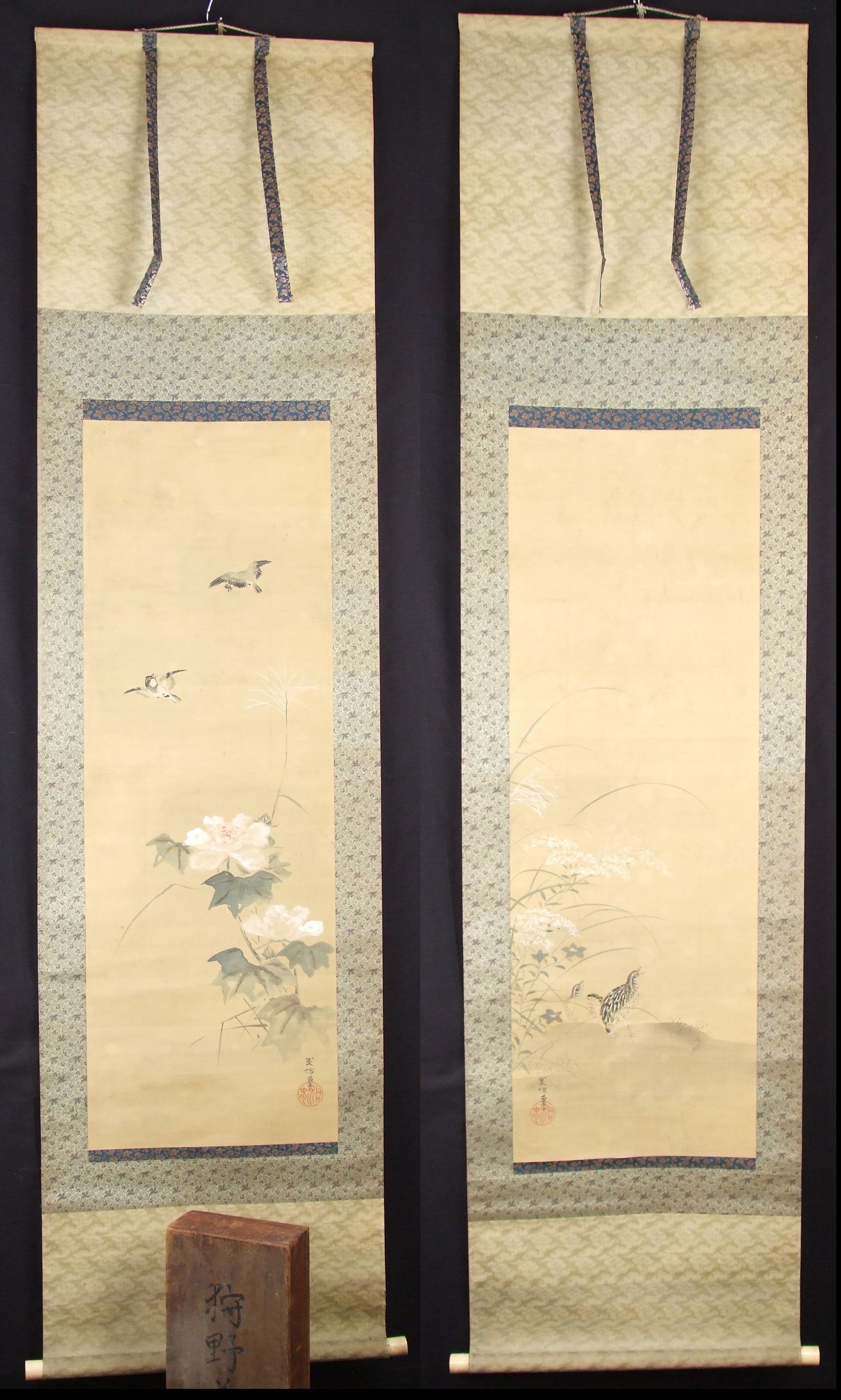
Kanō Tōshun Yoshinobu
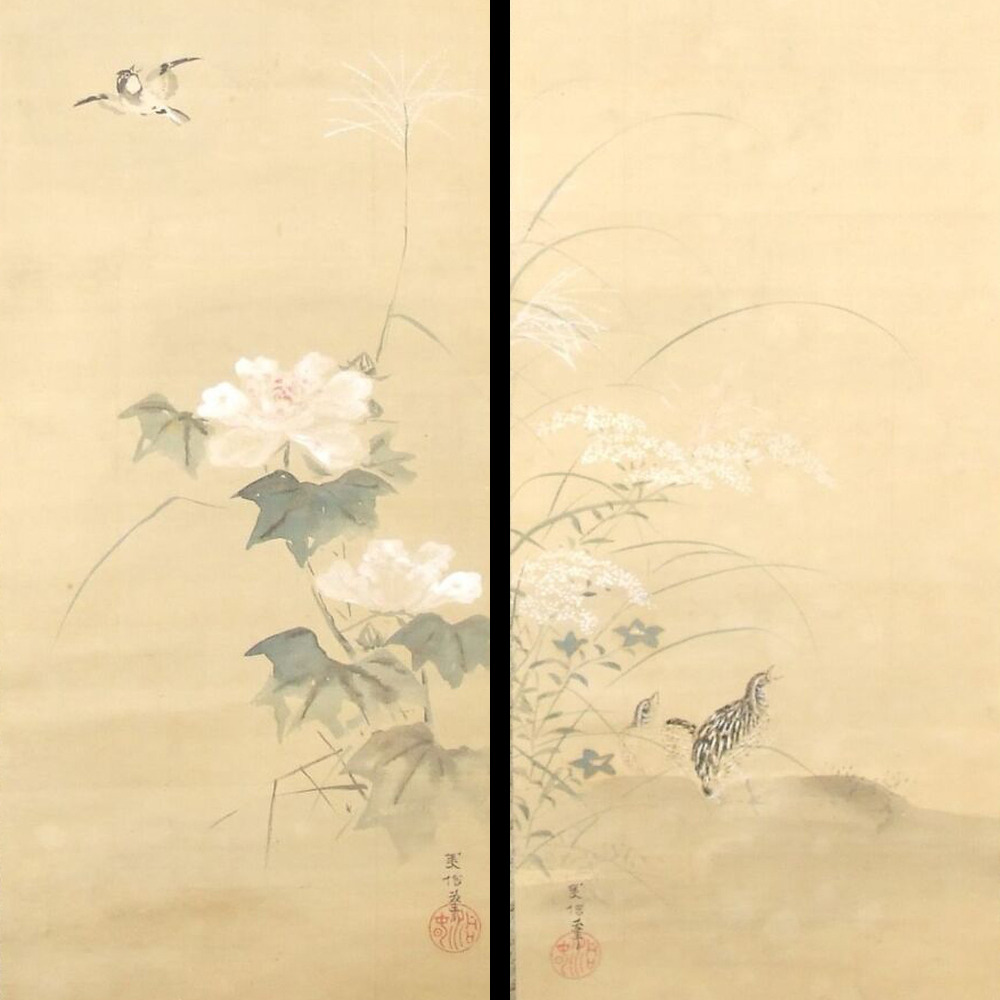
Set of Two Paintings – Birds and Autumn Flowers
Kakemono, unique work, with box, 200 x 56 cm
€770.00
Shibata Zeshin
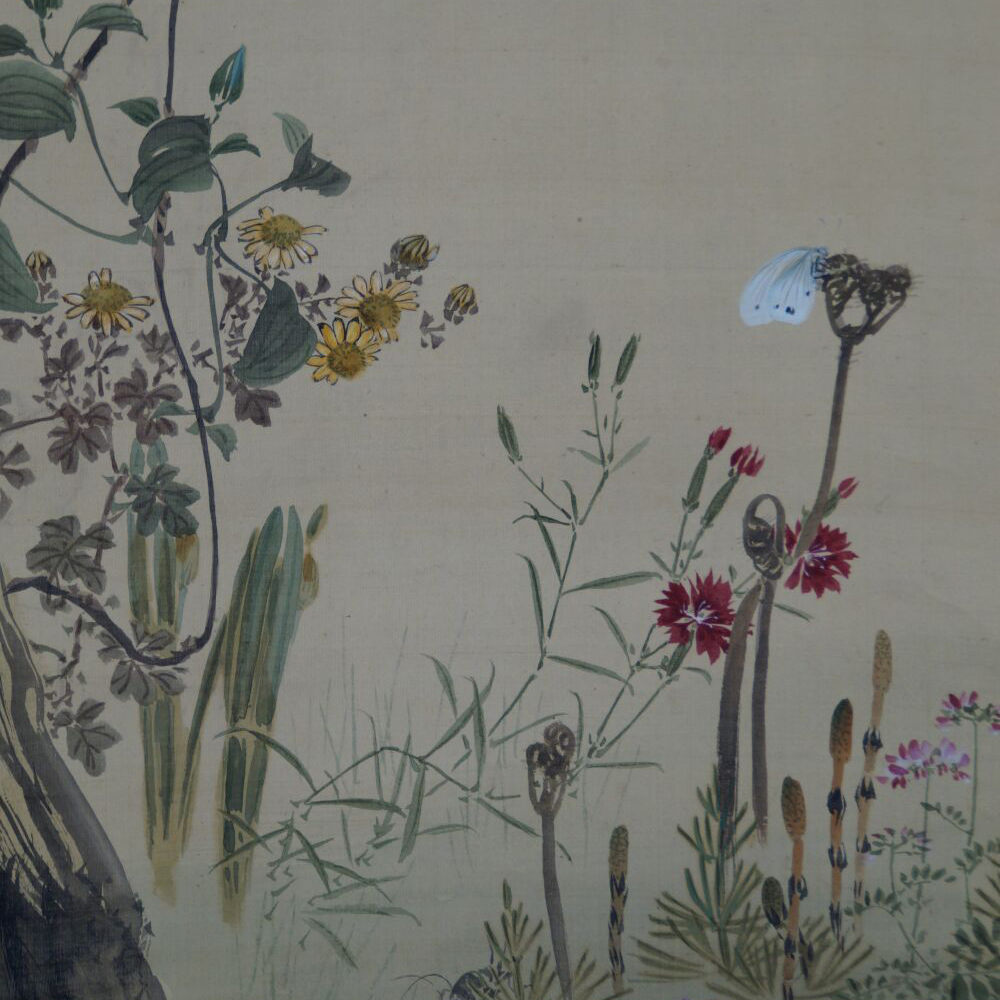
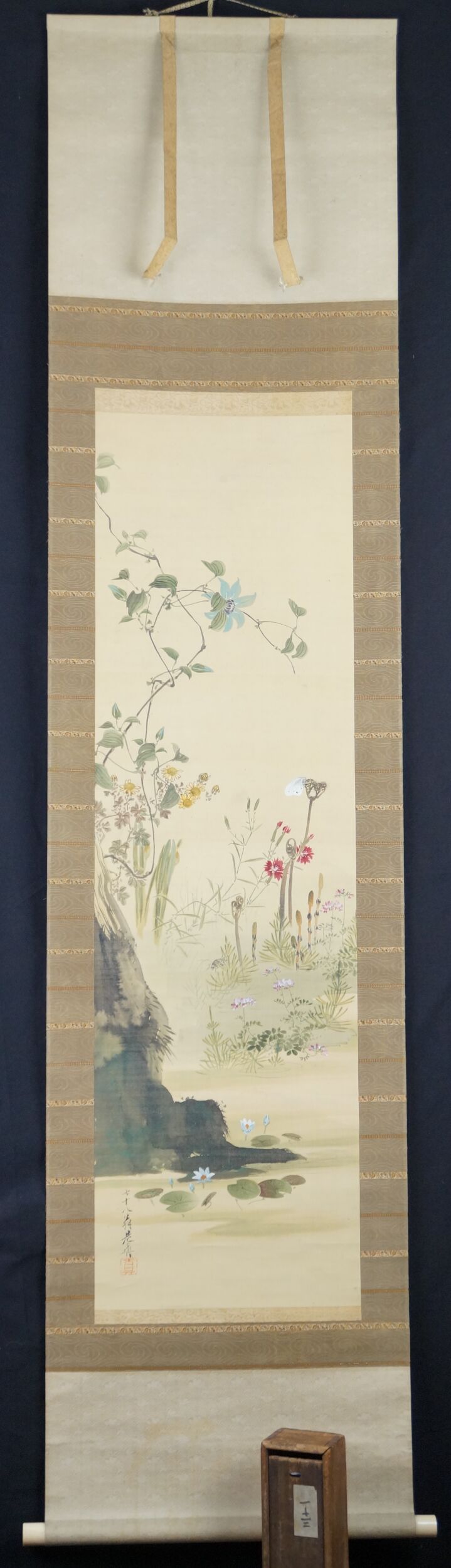
Autumn Riverside Vegetation with Butterfly
Kakemono, unique work, with box, 192 x 46 cm
€880.00
Imai Keiki
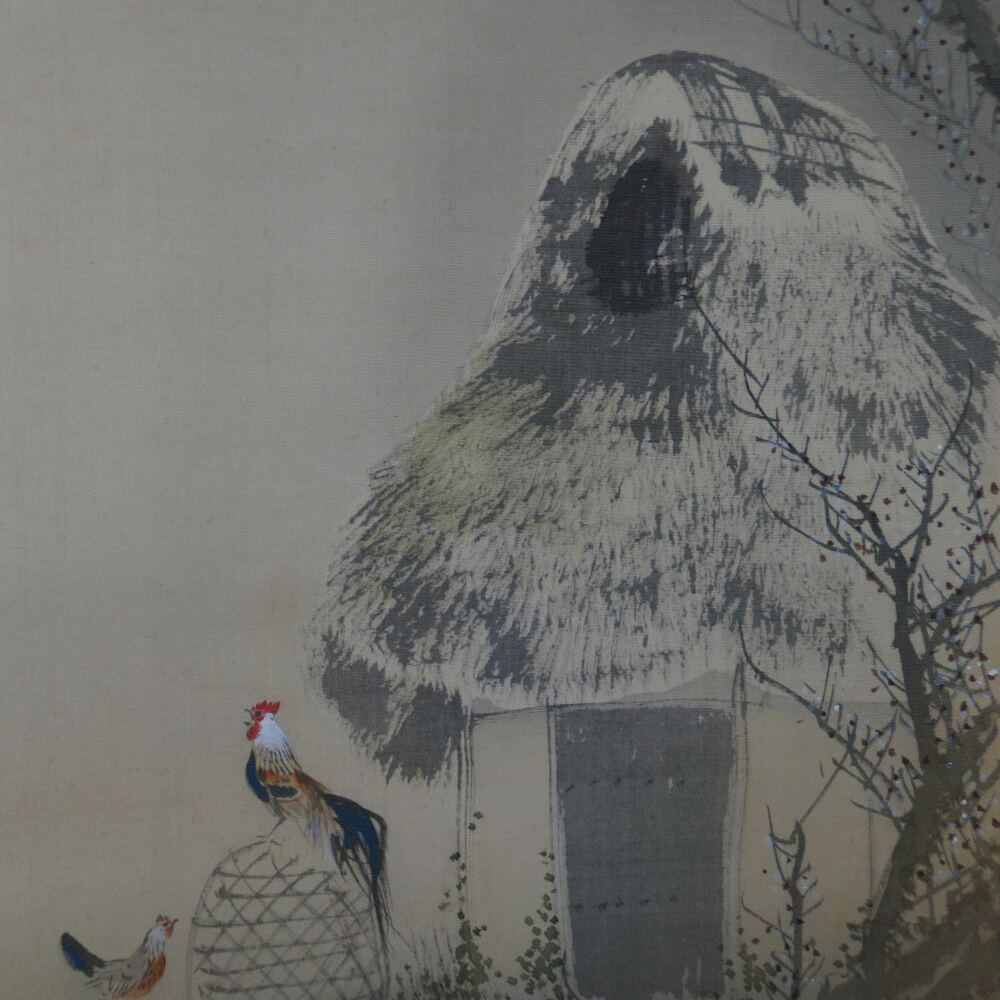
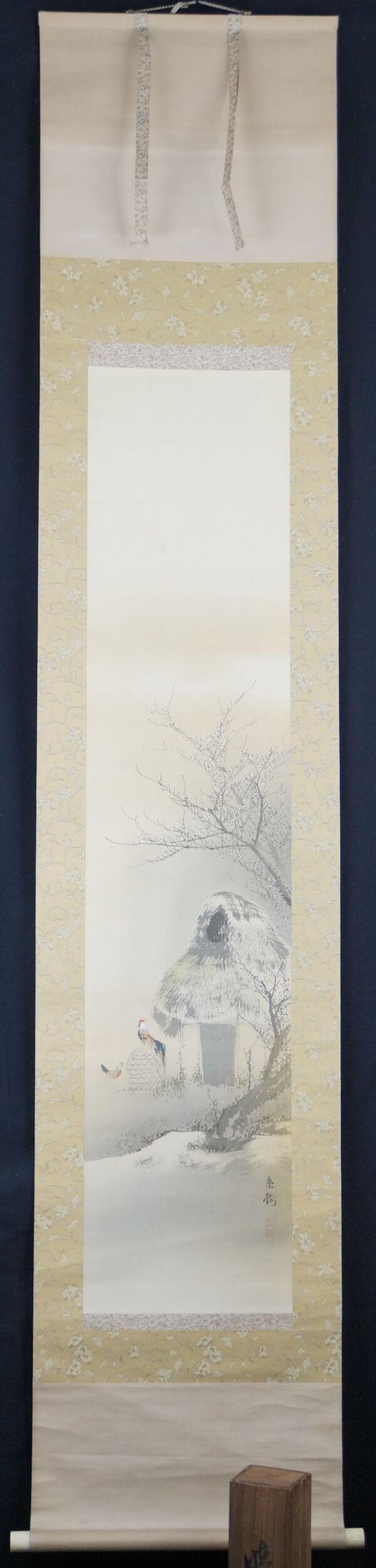
Rooster and Plum Blossoms
Kakemono, unique work, with box, 196 x 45 cm
€240.00
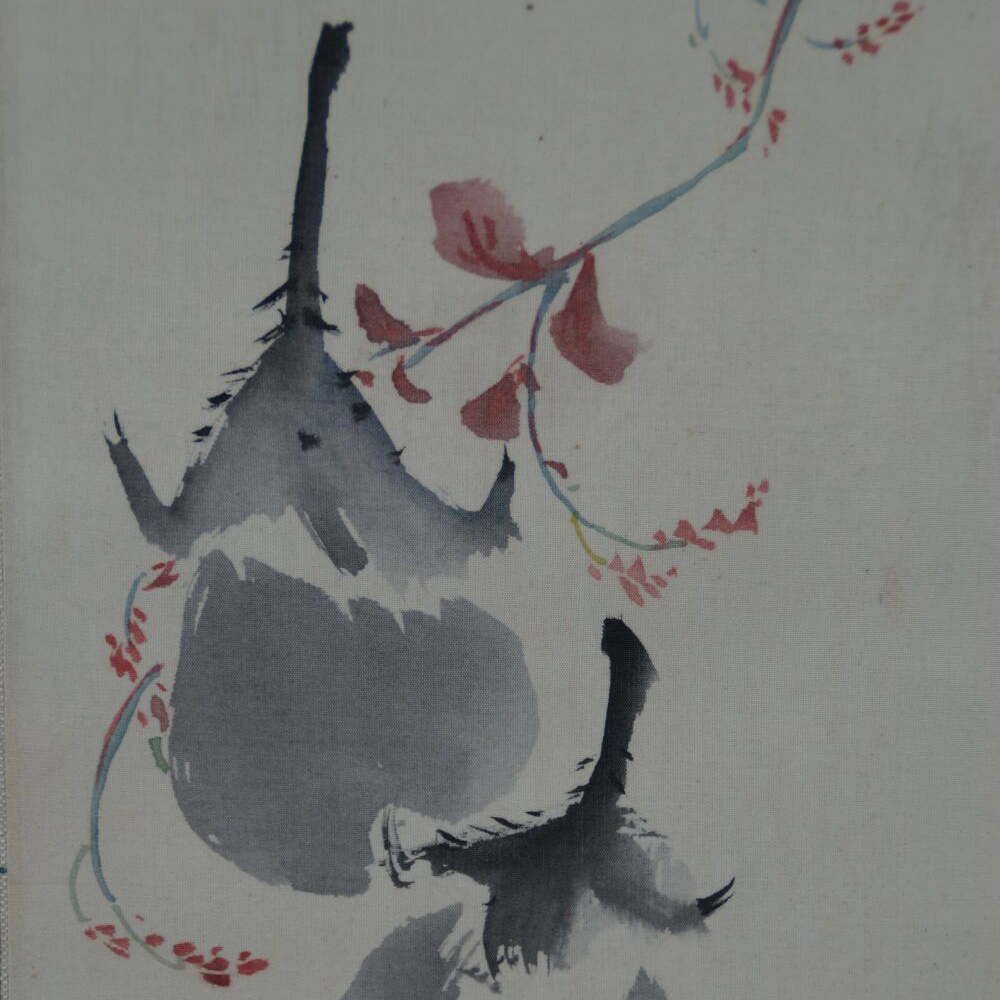
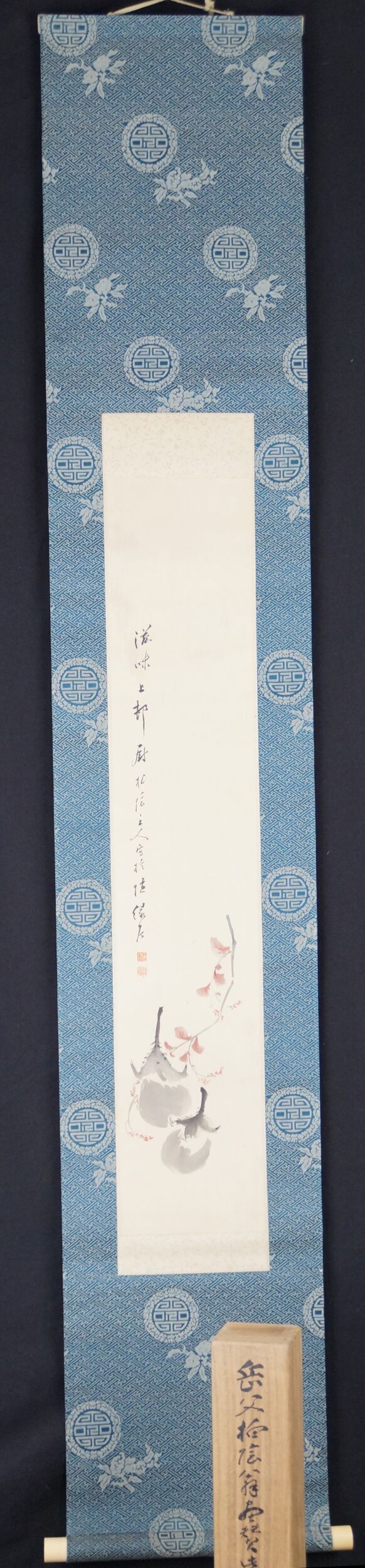
Tanaka Hakuin
Japanese Eggplant
Kakemono, unique work, with box, 164 x 33 cm
€340.00
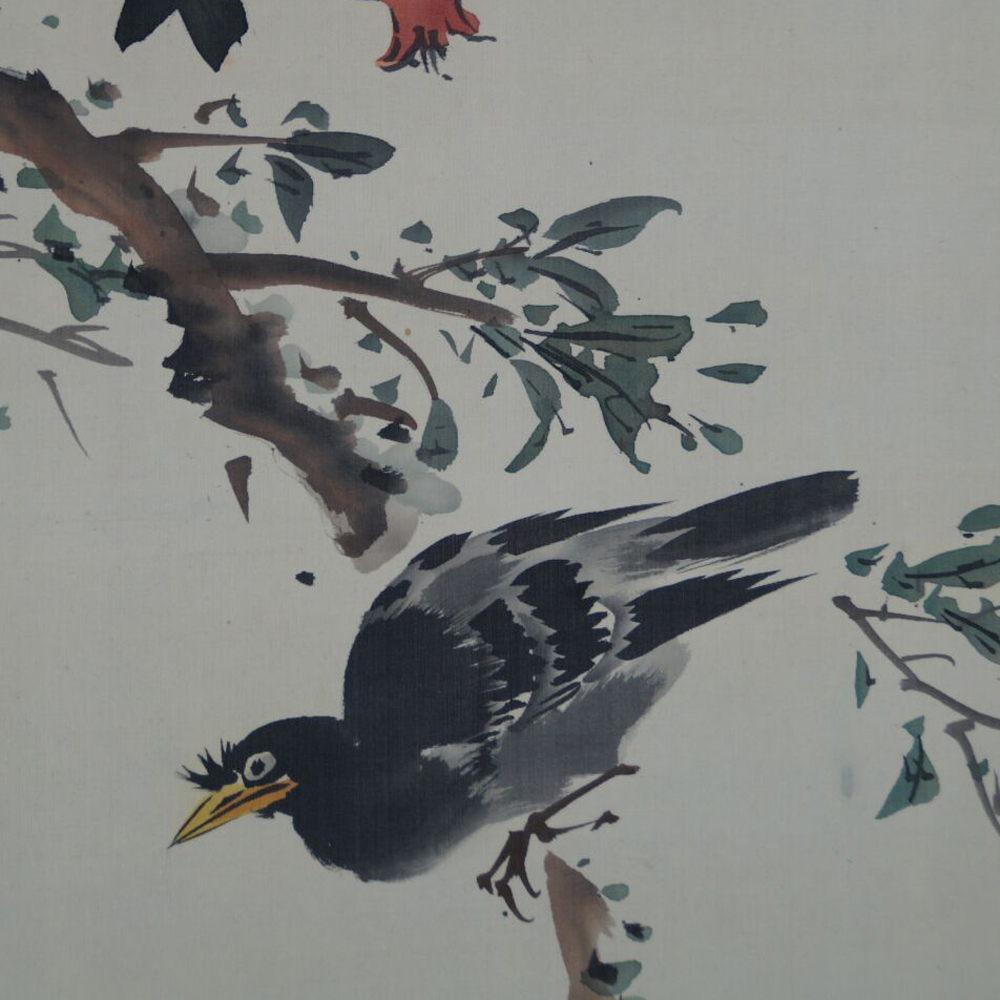
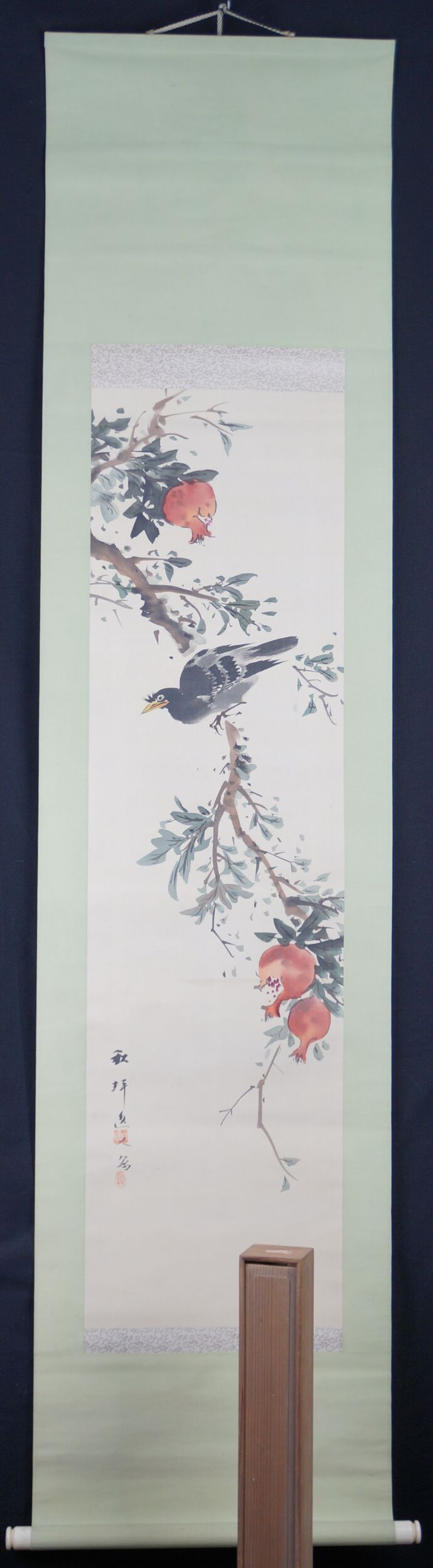
Yamada Shuhei
Pomegranate Branch and Star
Kakemono, unique work, with box, 187 x 51 cm
€530.00
Amano Shuryo
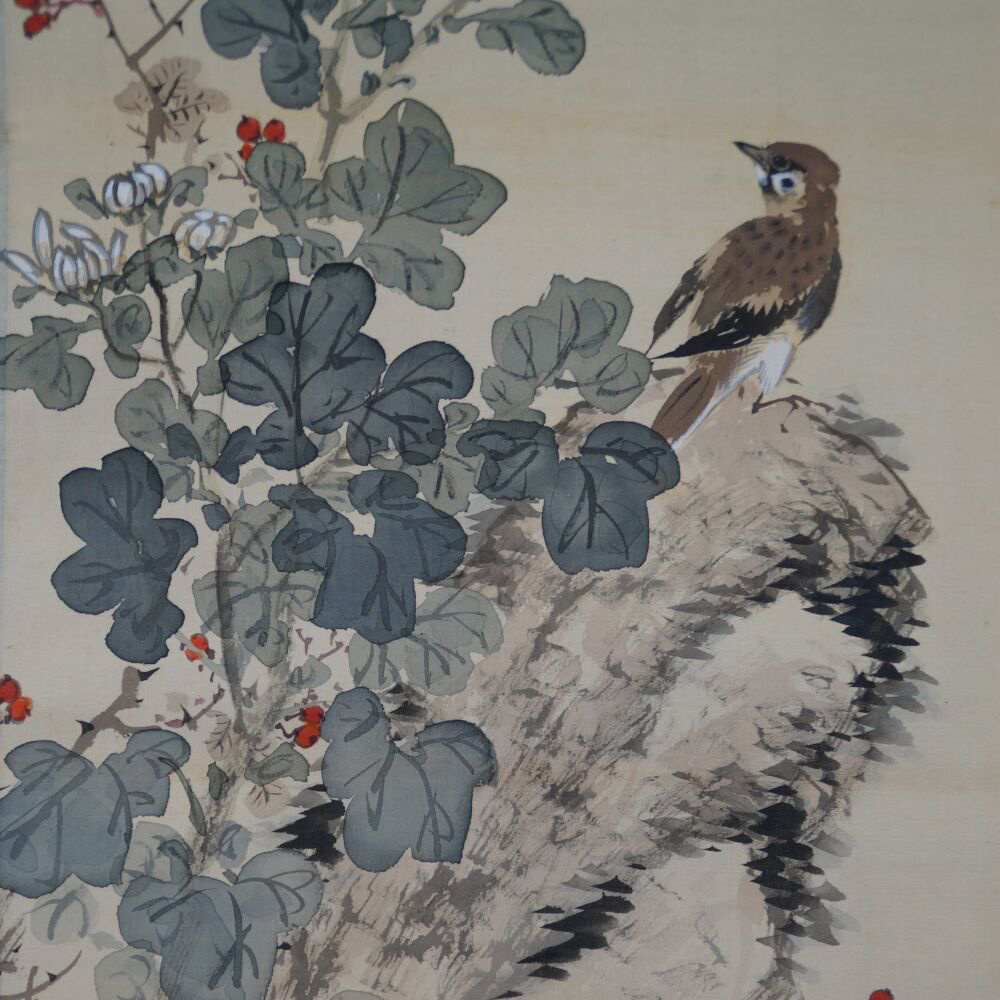
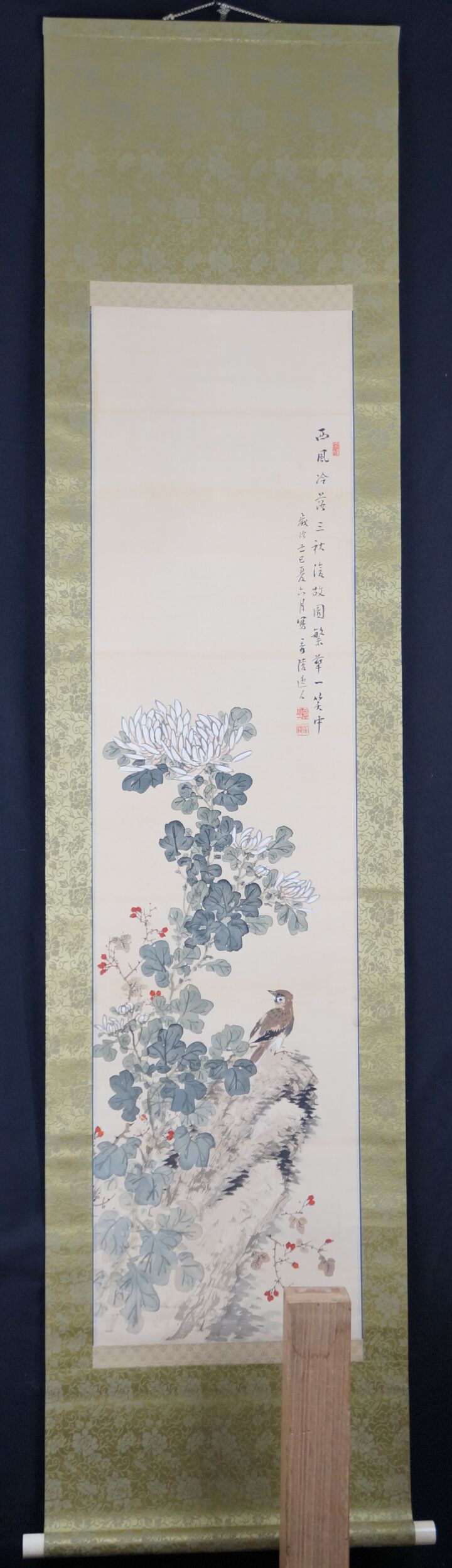
Autumn Chrysanthemums
Kakemono, unique work, with box, 190 x 51 cm
€480.00
Sugaya Hosen
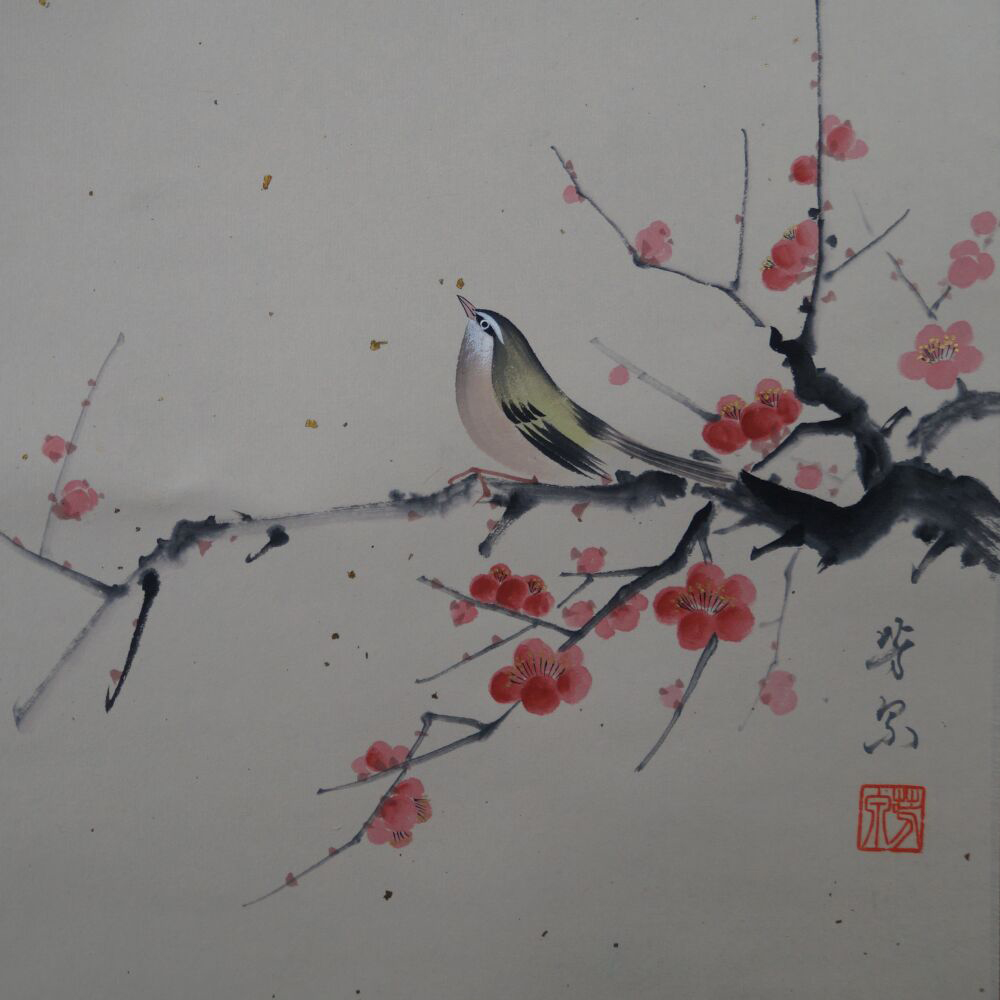
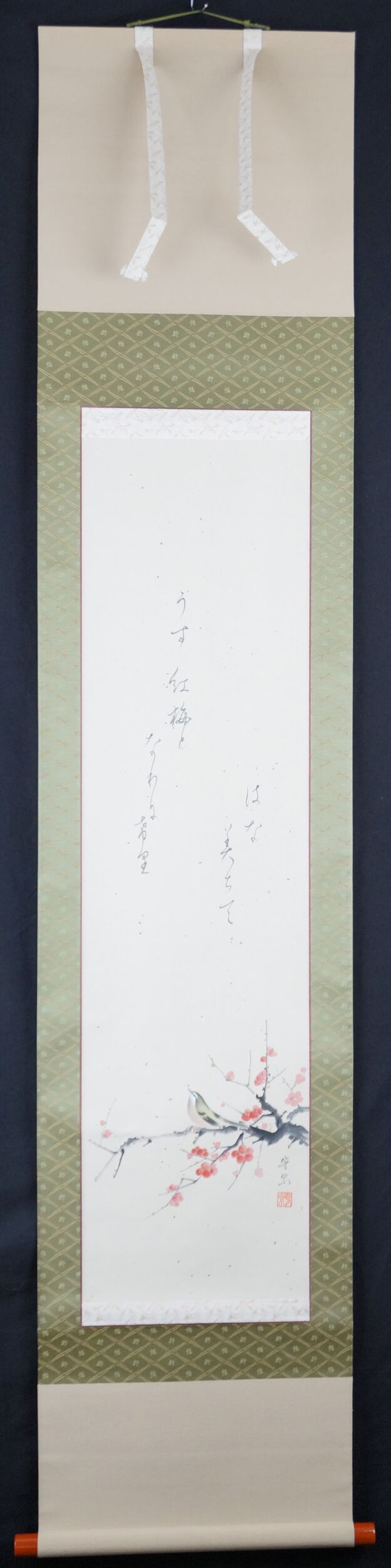
Pale Pink Plum Blossoms in Spring Light
Kakemono, unique work, with box, 193 x 46 cm
€490.00
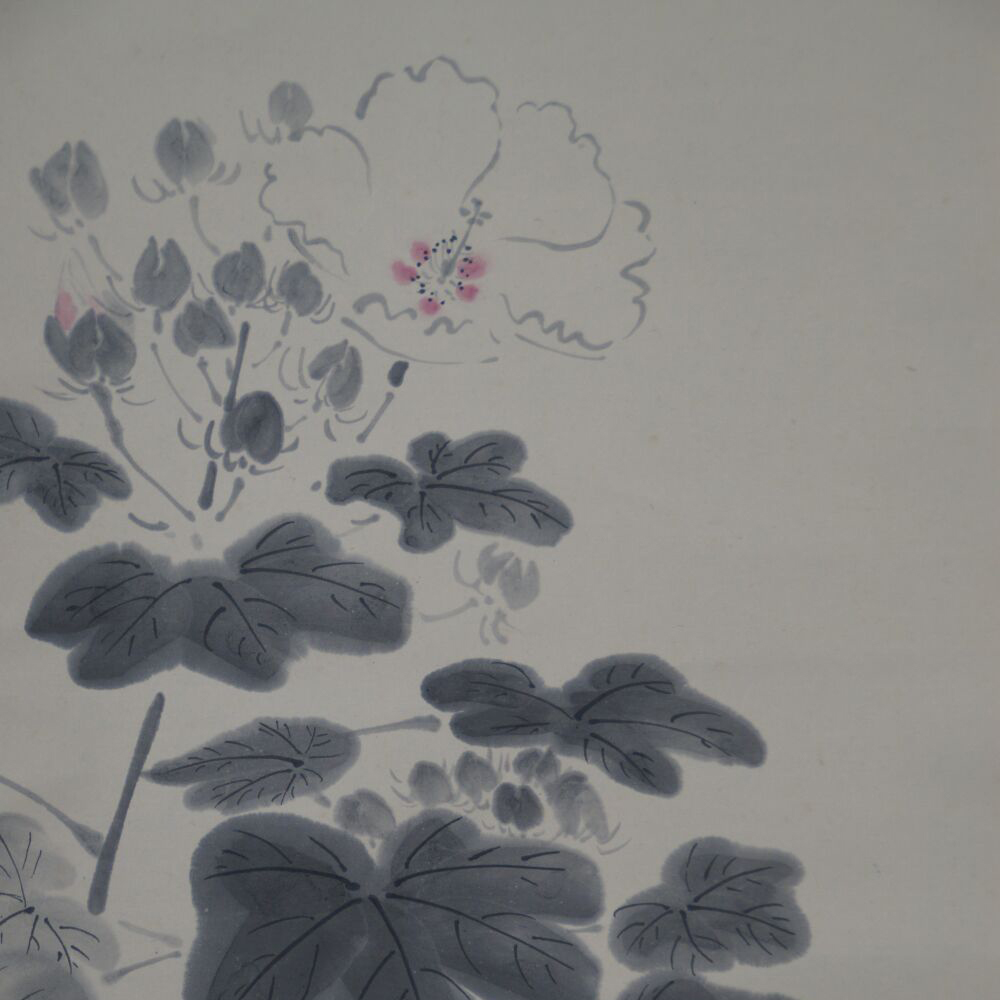
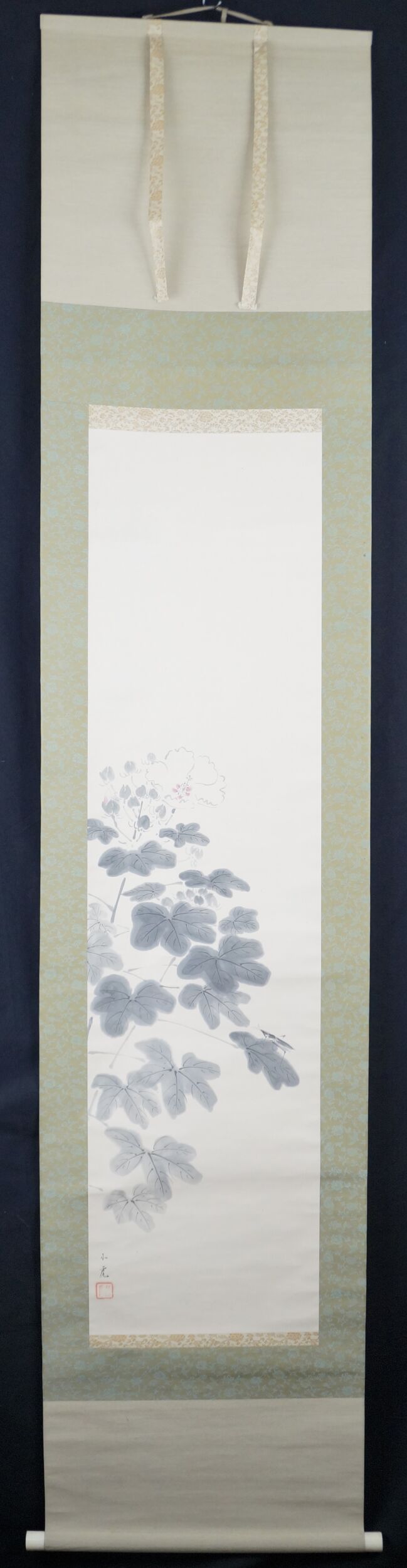
Kawasaki Shoko
Hibiscus Flowers and Grasshopper
Kakemono, unique work, with box, 215 x 53 cm
€380.00
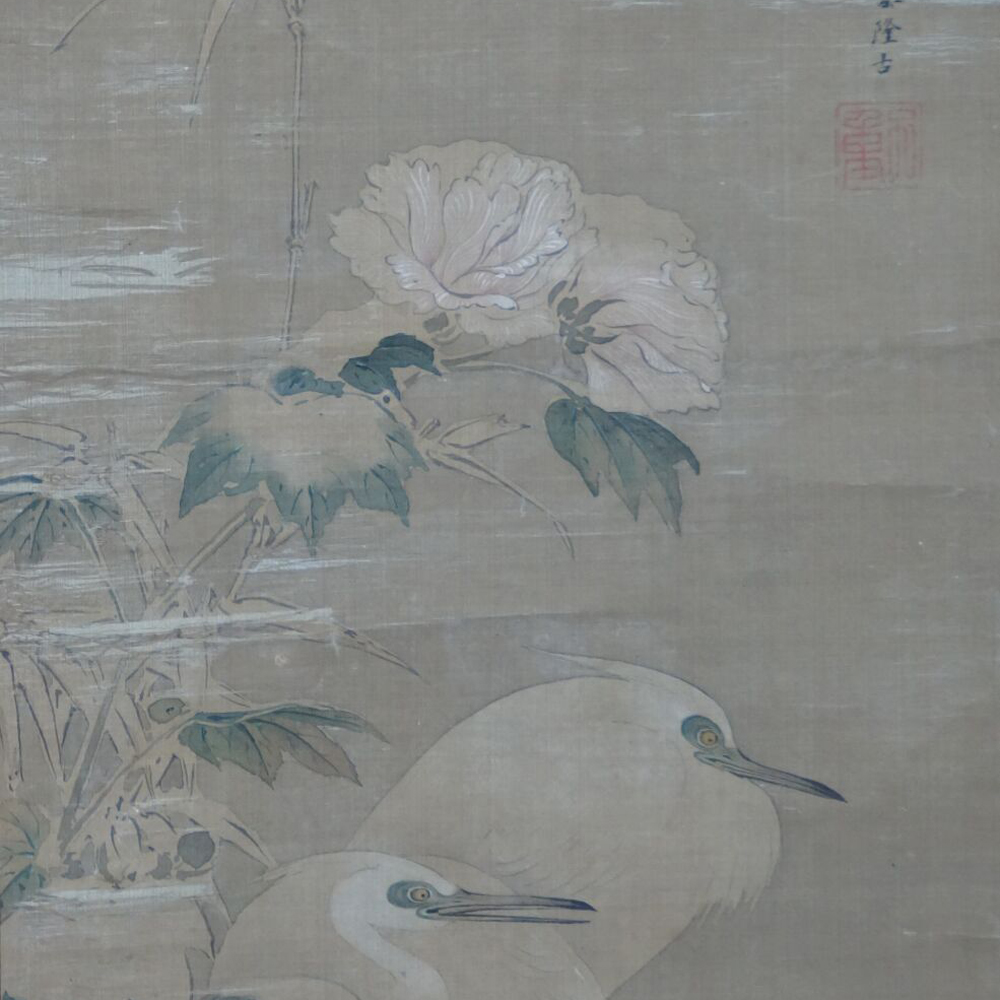
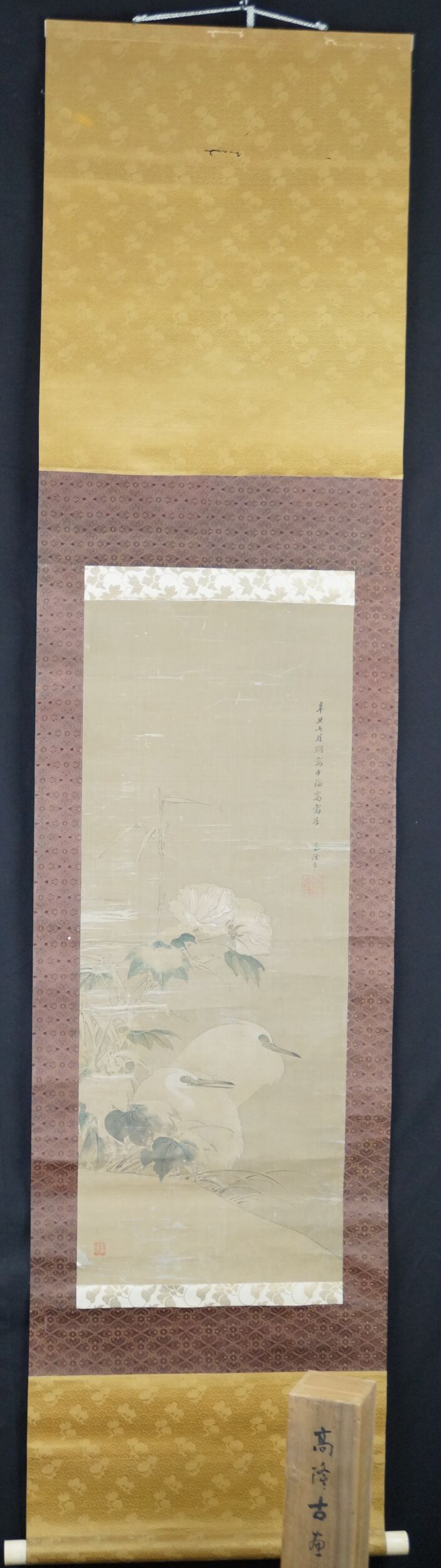
Takaku Ryūko
Heron in Silent Peony Splendor
Kakemono, unique work, with box, 186 x 50 cm
€1,300.00
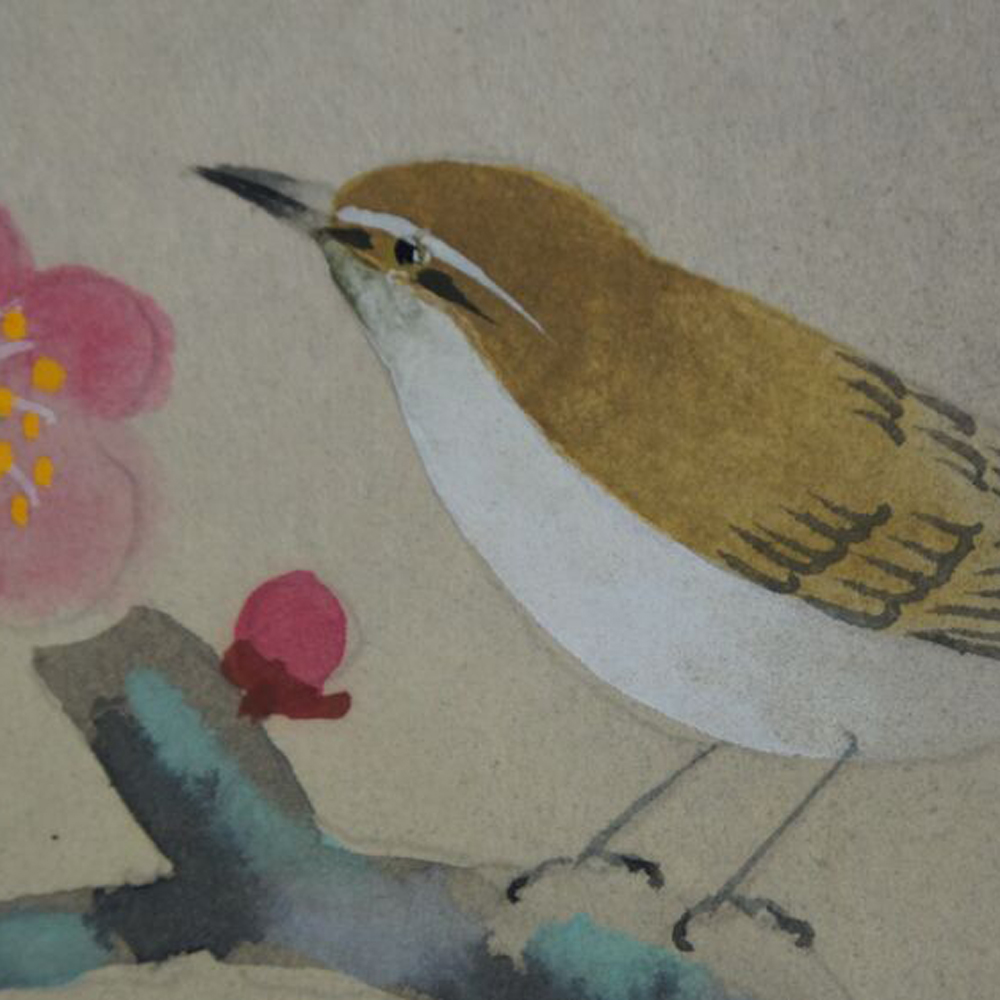
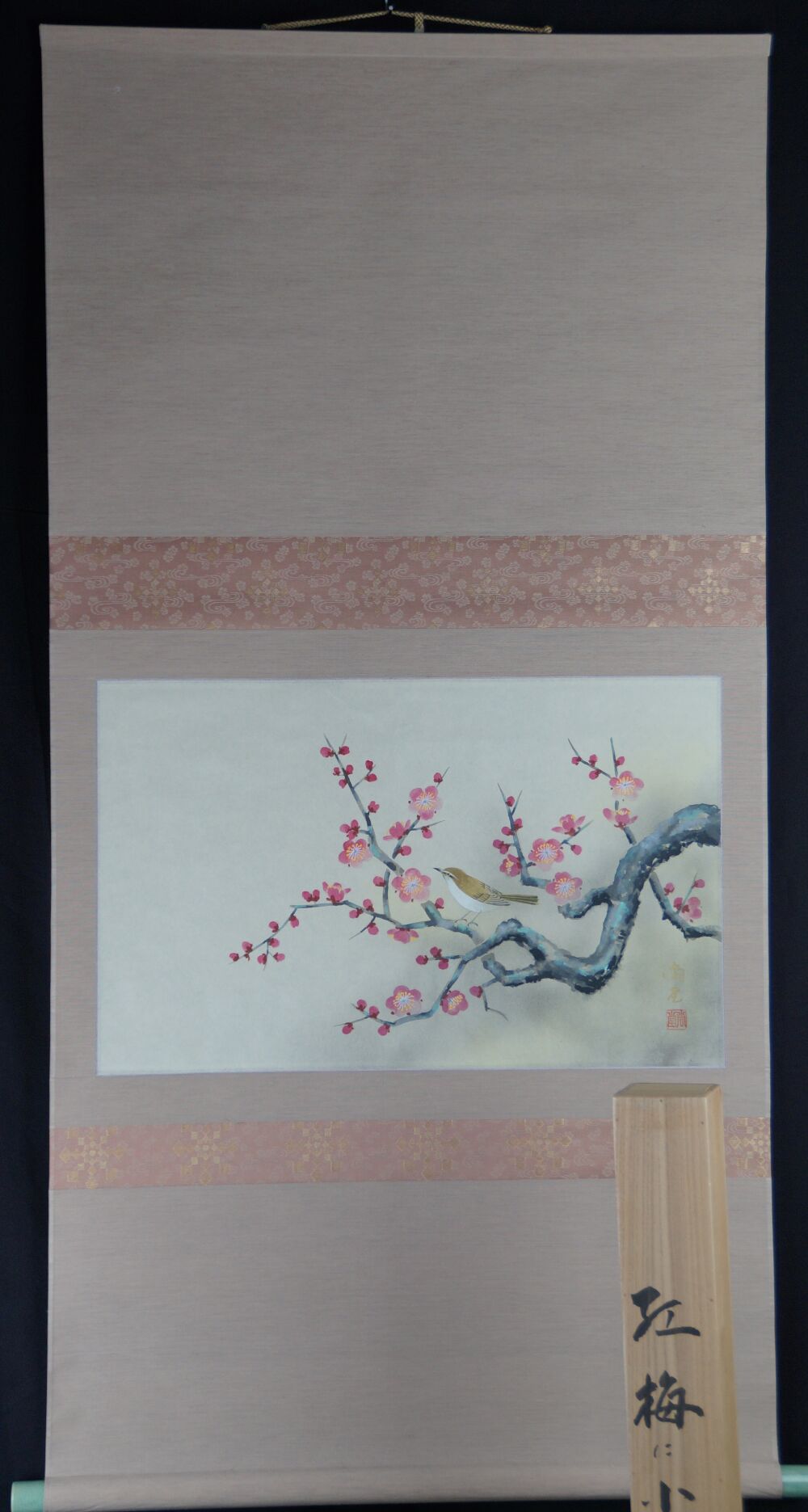
Ogawa Shodo
Songbird on Blooming Plum Tree
Kakemono, unique work, with box, 133 x 66 cm
€410.00
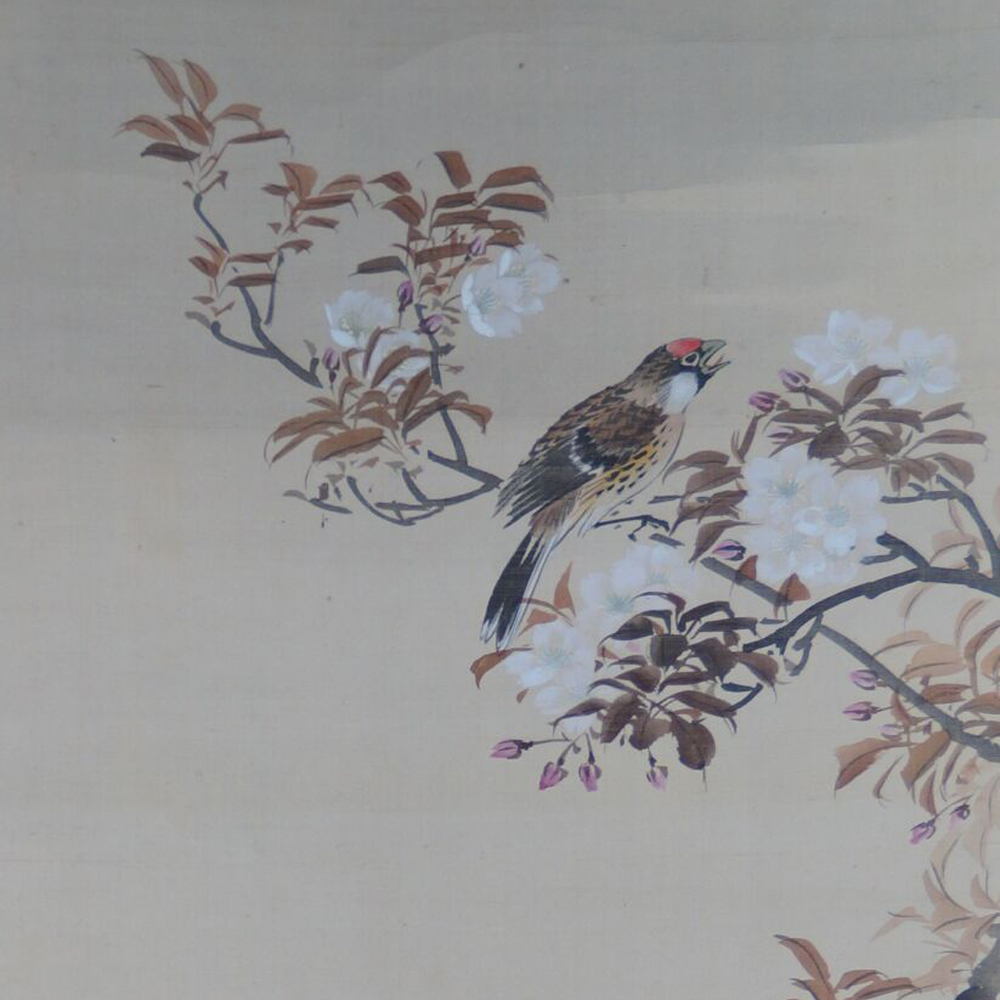
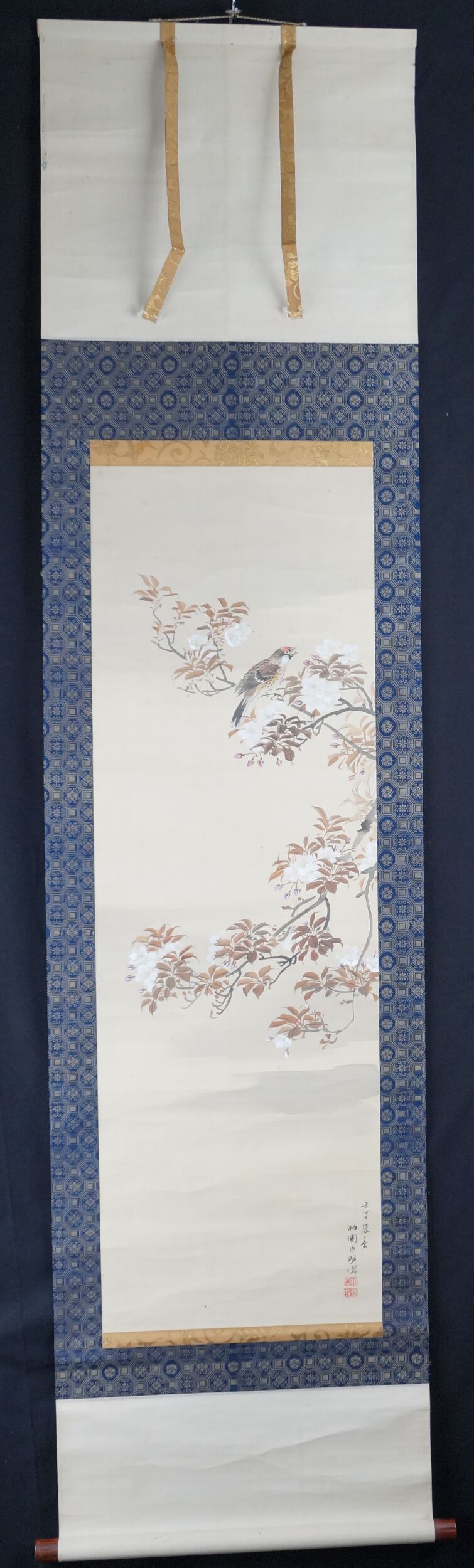
Hirose Hakuen
Singing Bird in Cherry Blossom Branch
Kakemono, unique work, 182 x 51 cm
€370.00
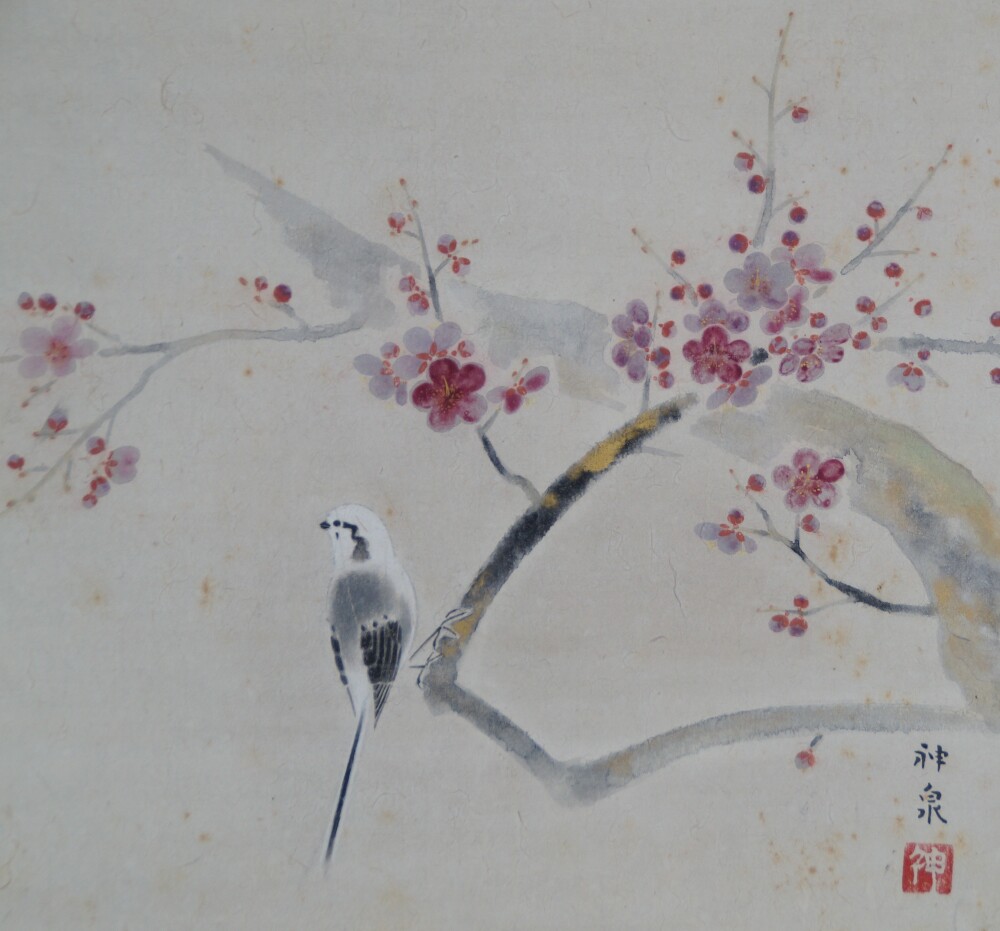
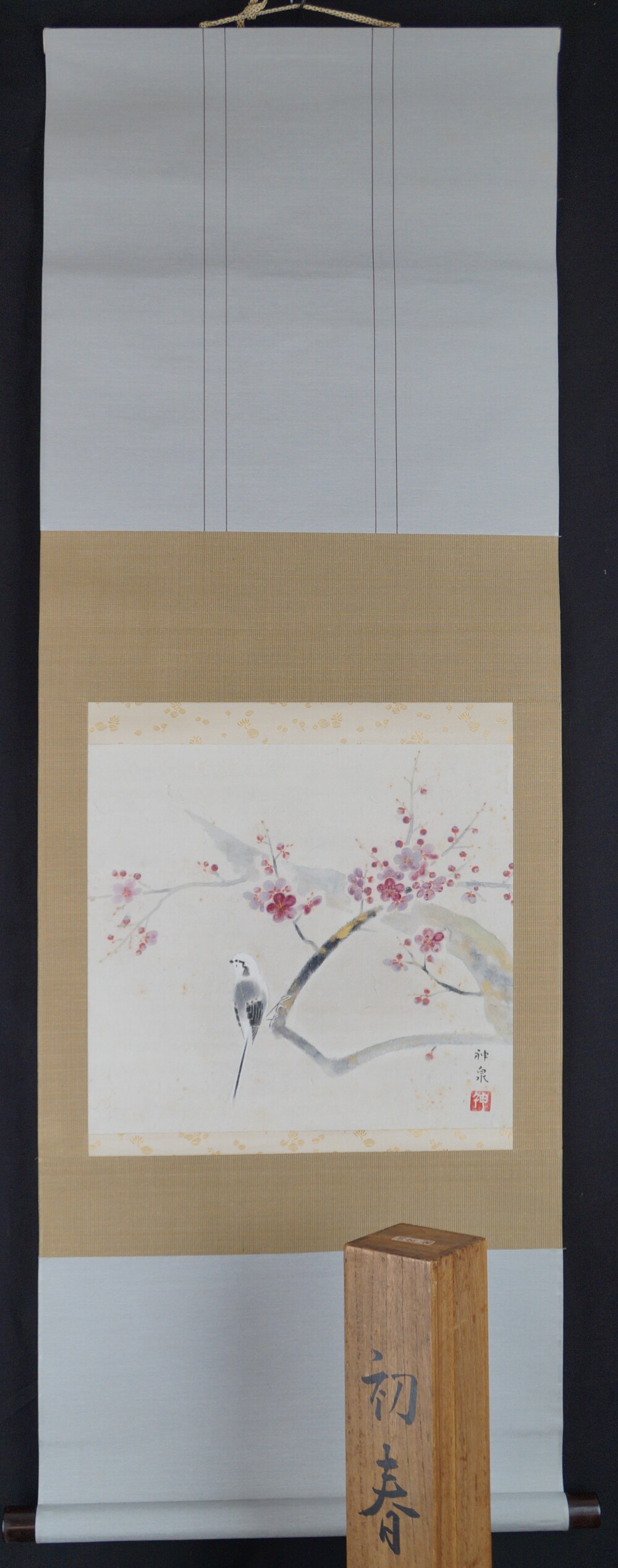
Tokuoka Shinsen
Plum Blossoms in Quiet Morning Light
Kakemono, unique work, with box, 124 x 49 cm
€280.00
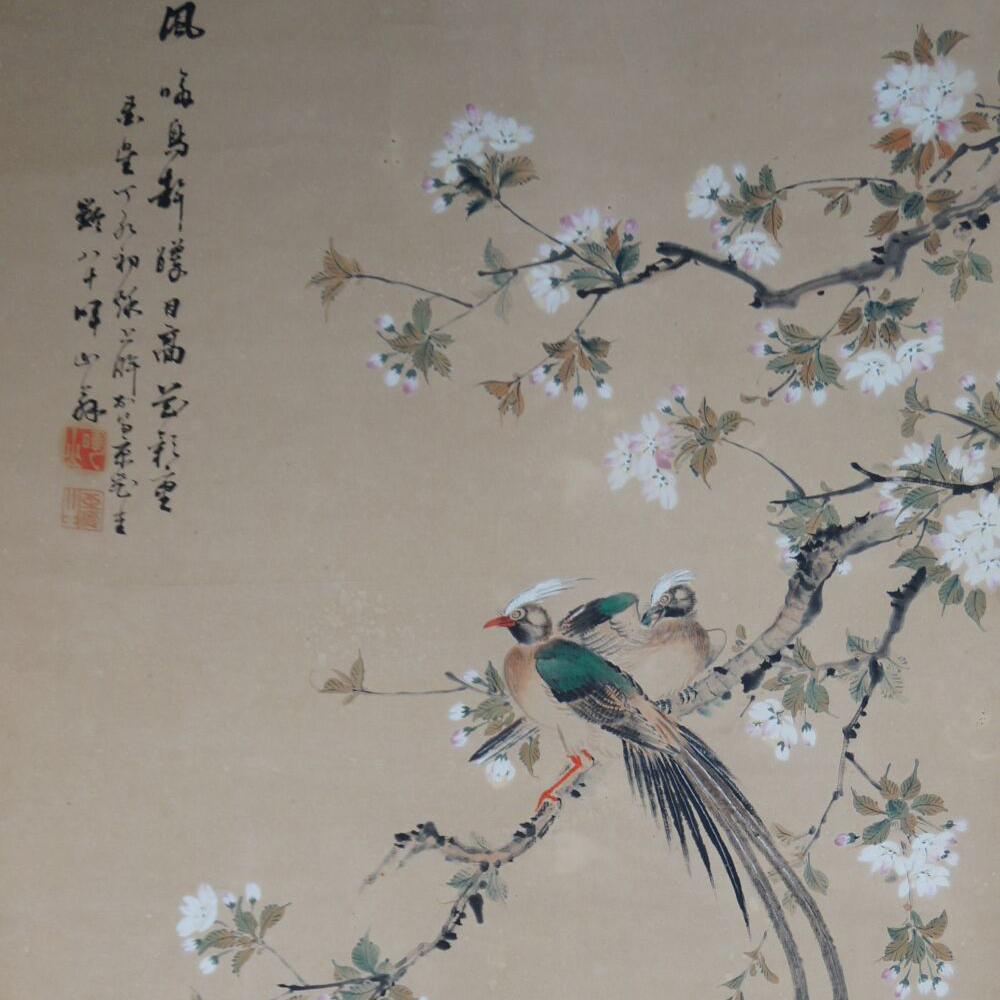
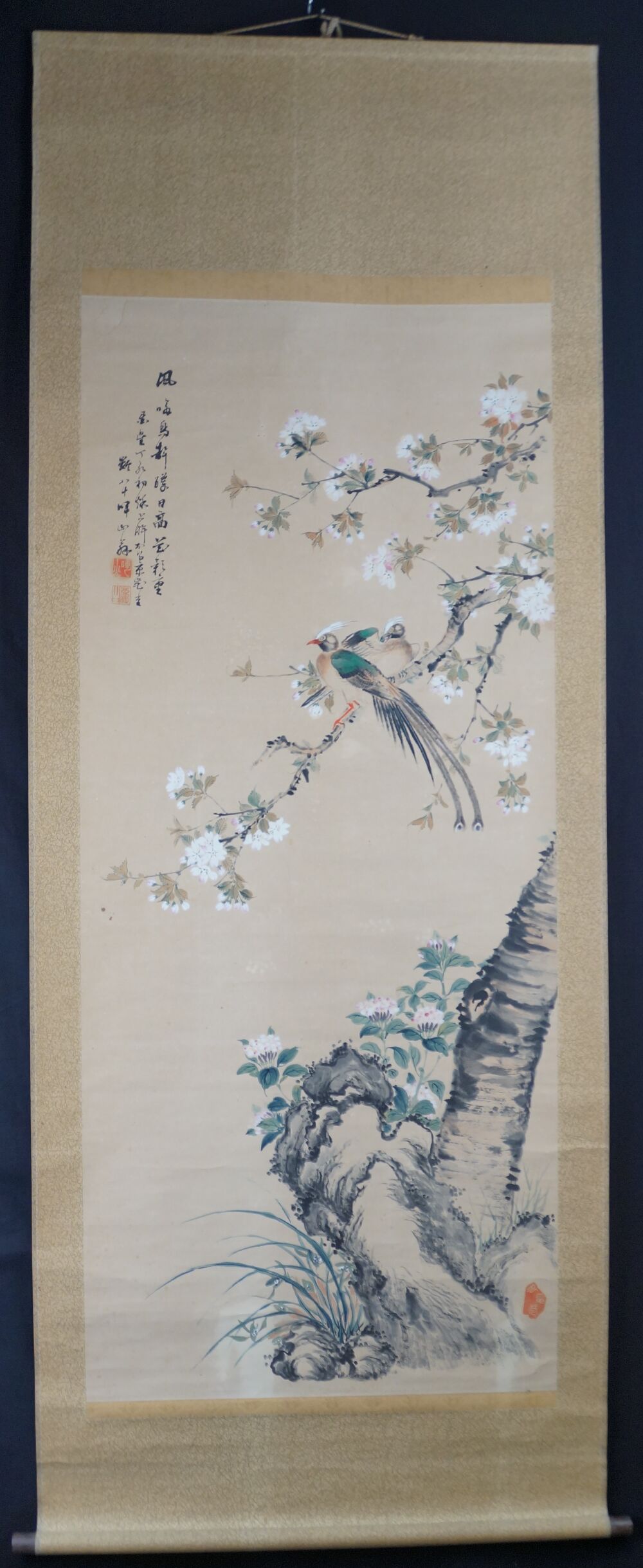
Takahashi Keizan
Spring Duet on Blooming Branch
Kakemono, unique work, 182 x 80 cm
€630.00
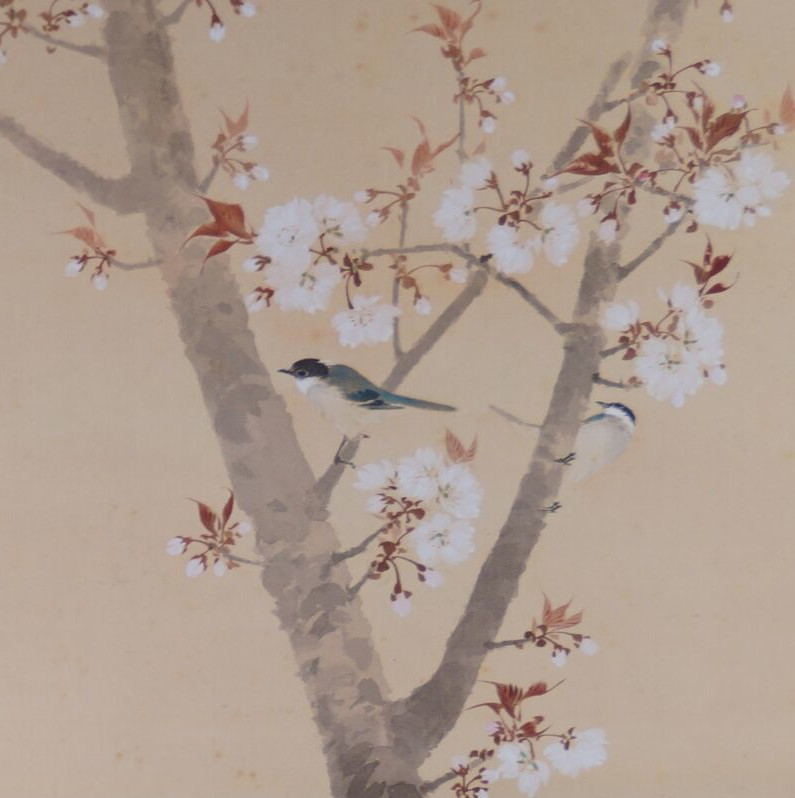
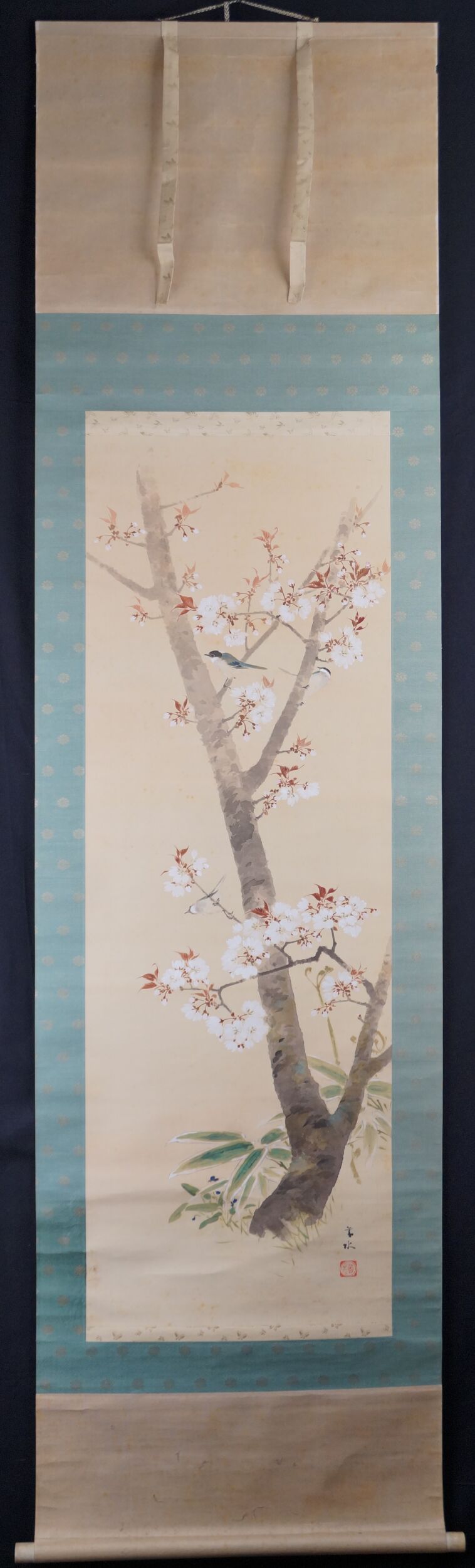
Suma Taisui
Spring at the Old Cherry Blossom
Kakemono, unique work, with box, 208 x 61 cm
€470.00
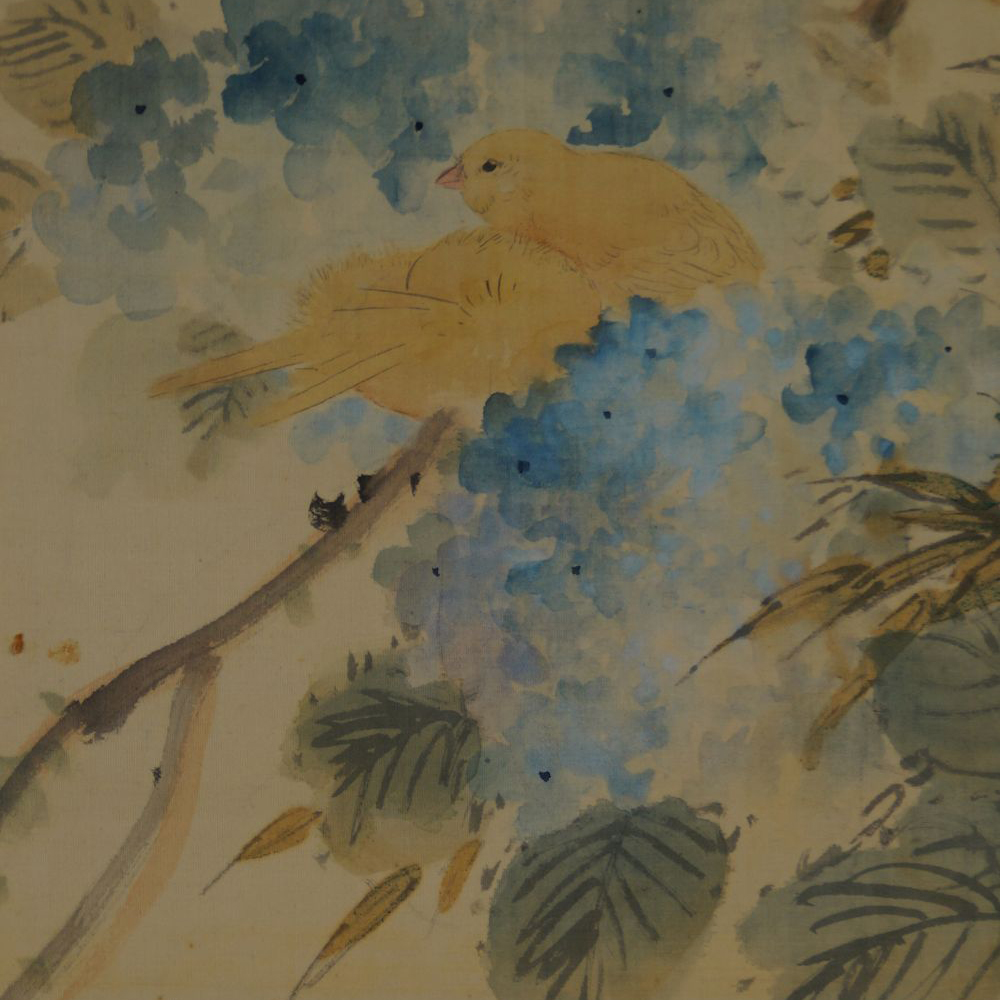

Ikuta Tōzan
Hydrangeas in Early Summer Light
Kakemono, unique work, 187 x 38 cm
€290.00
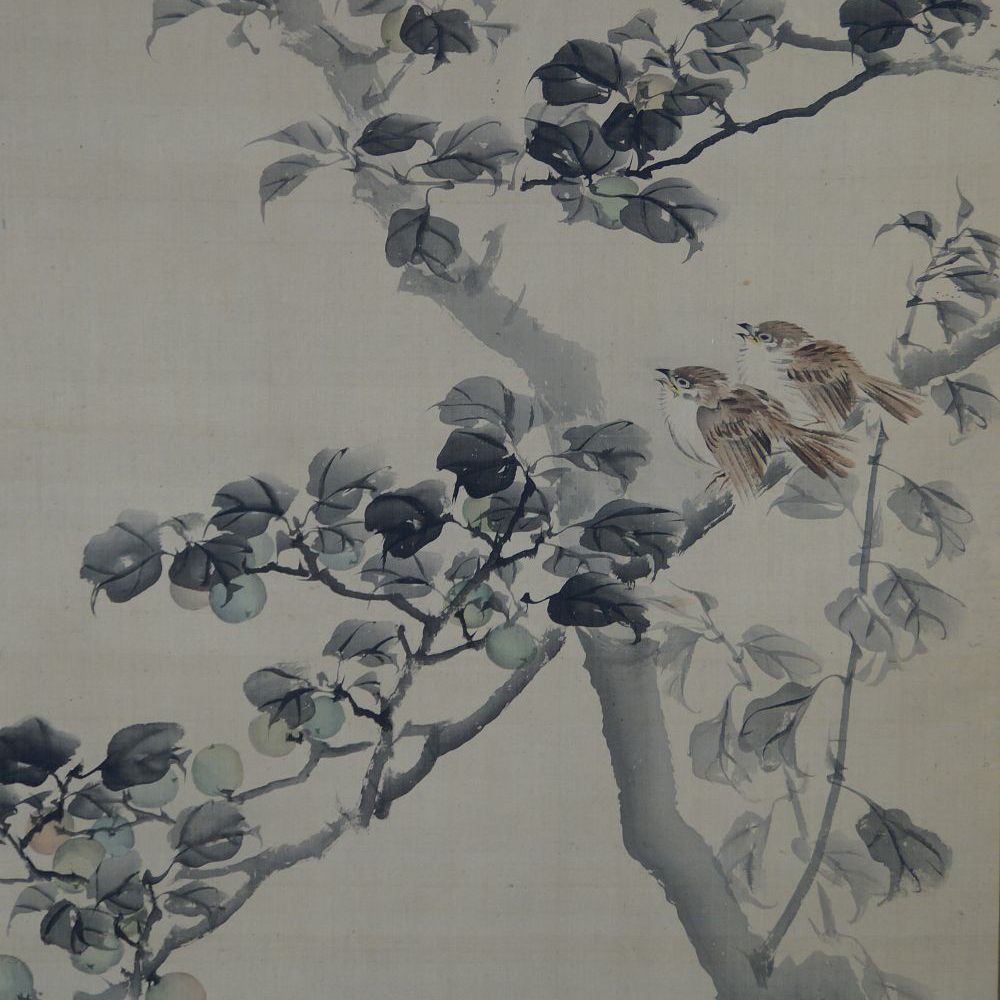

Okajima Kiyohiro
Sparrows on a Fruit Tree
Kakemono, unique work, with box, 190 x 60 cm
€340.00
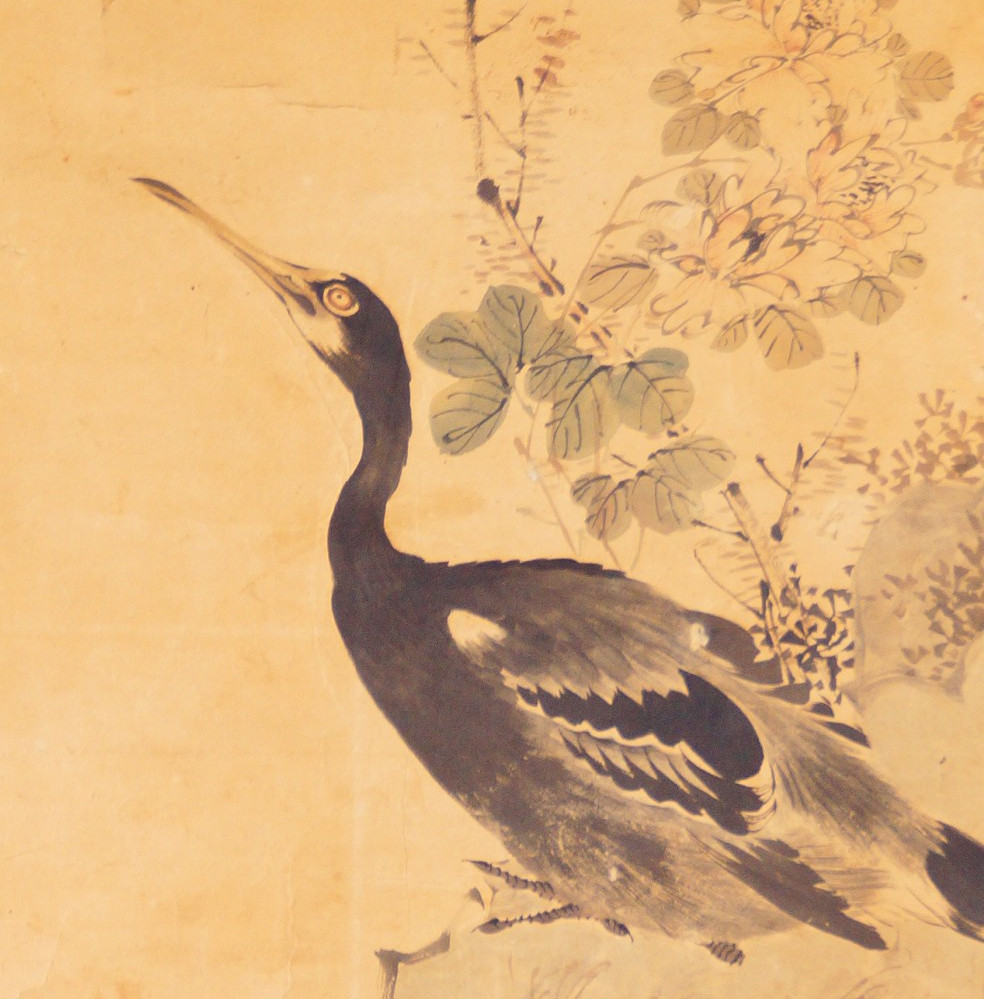

Yamamoto Baiitsu
Heron on Rock with Chrysanthemums
Kakemono, unique work, 189 x 60 cm
€290.00
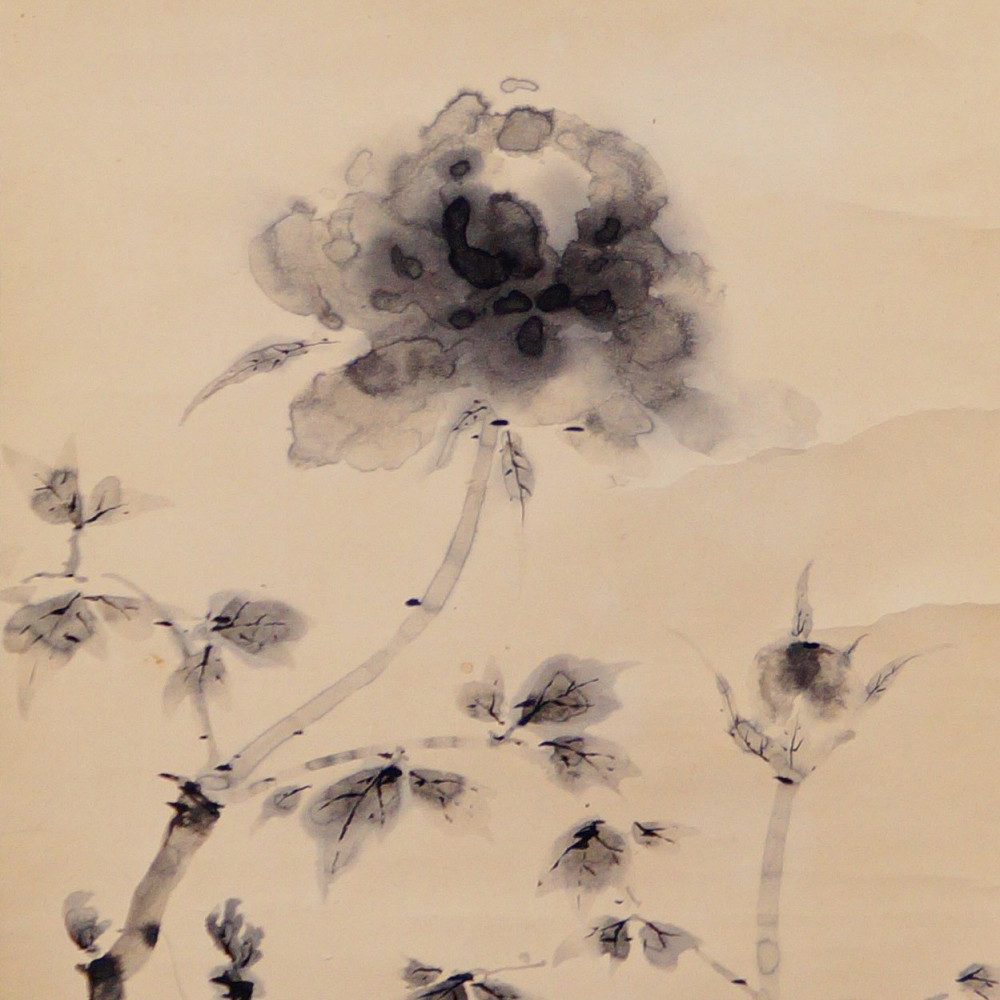

Tanaka Kakashi
Delicate Peony in Quiet Light
Kakemono, unique work, 198 x 48 cm
€270.00
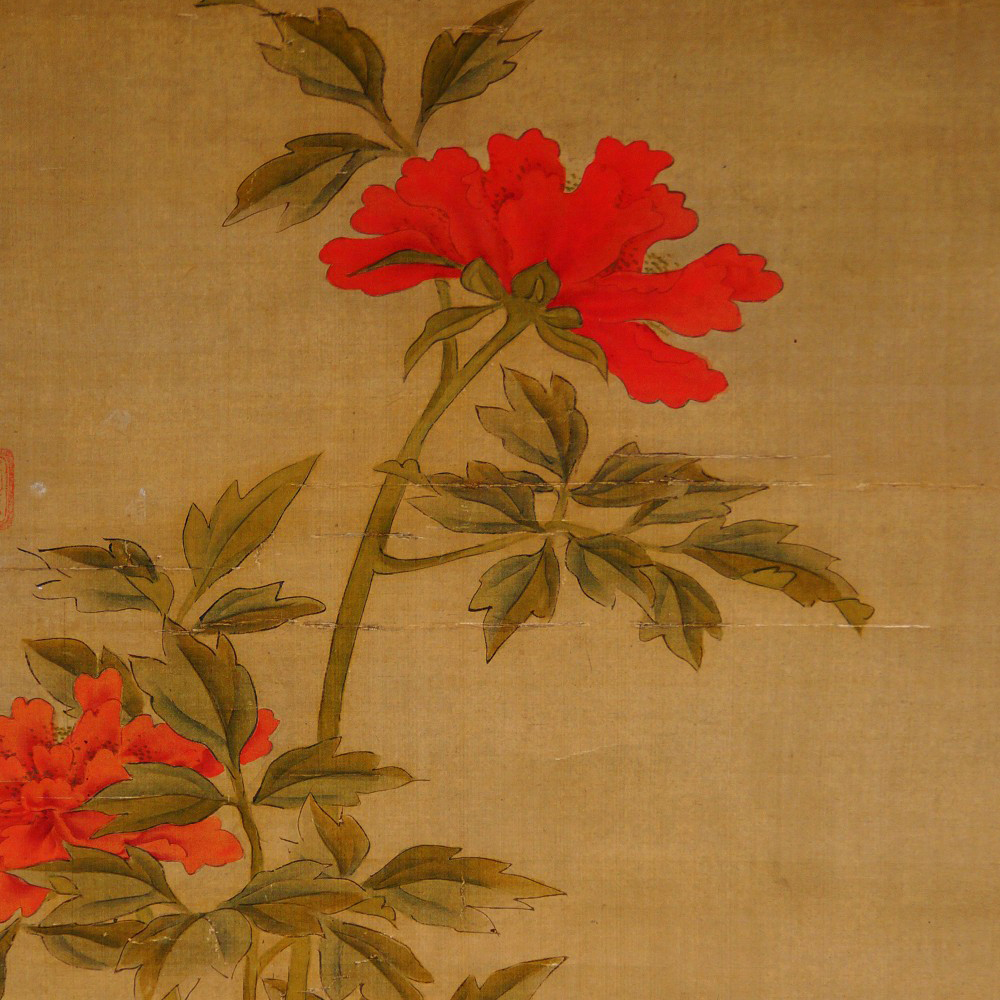

Sakai Hōitsu
Peonies Blooming on Rock
Kakemono, unique work, with box, 150 x 47 cm
€430.00
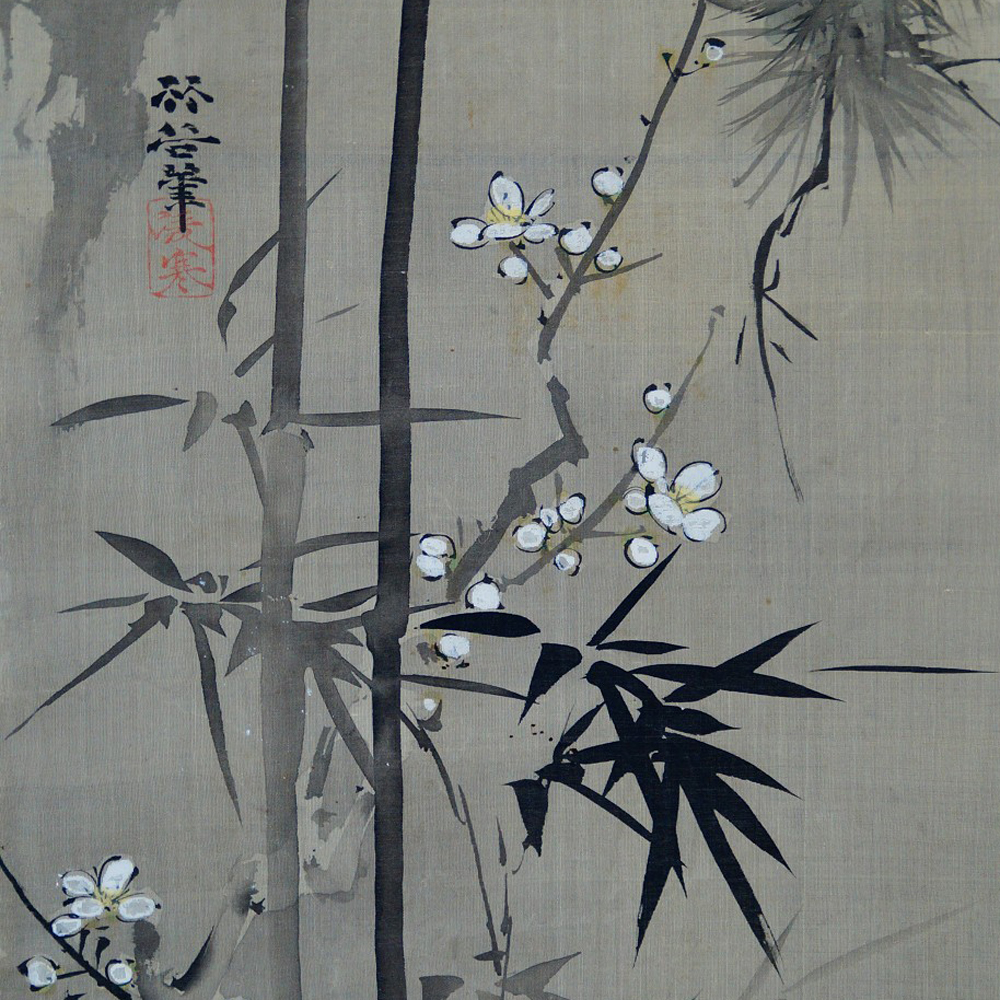

Yoda Chikoku
Three Friends of Winter
Kakemono, unique work, 168 x 49 cm
€380.00
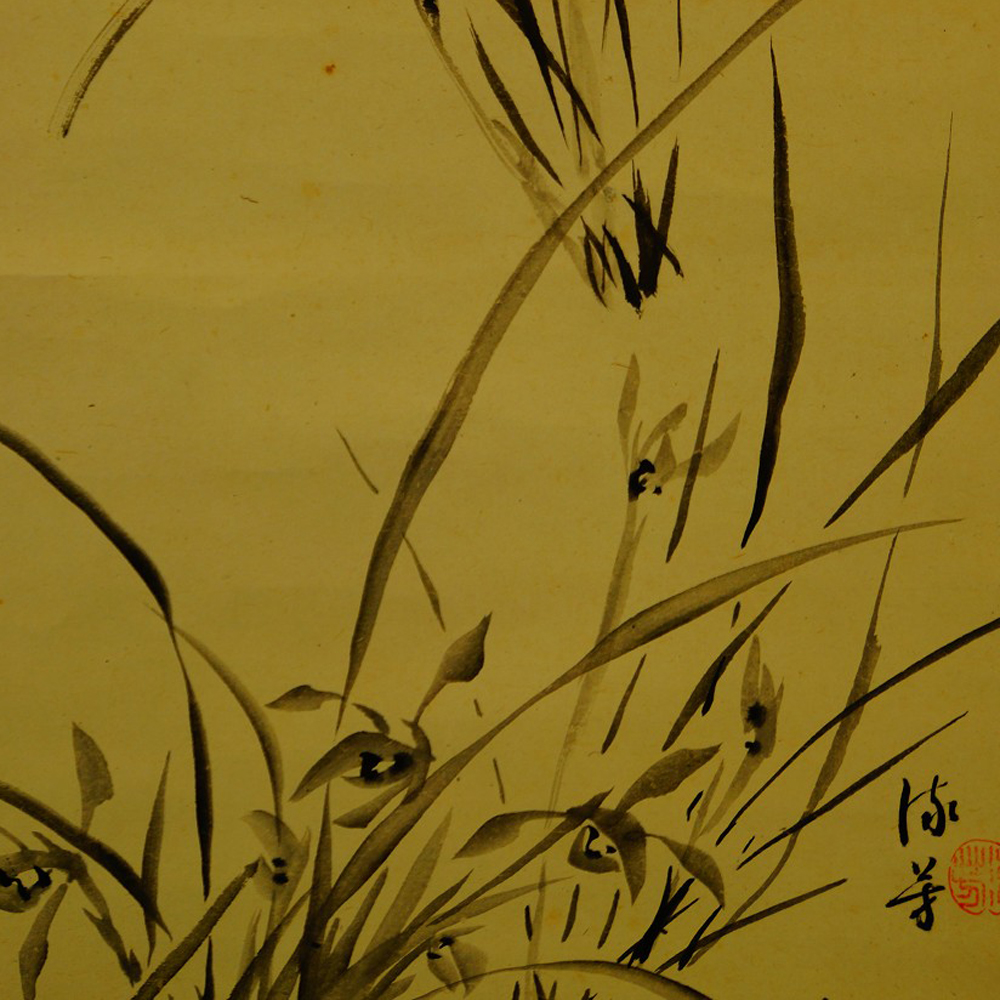

Gemeinschaftswerk
Dance of the Grasses
Kakemono, unique work, 190 x 43 cm
€460.00
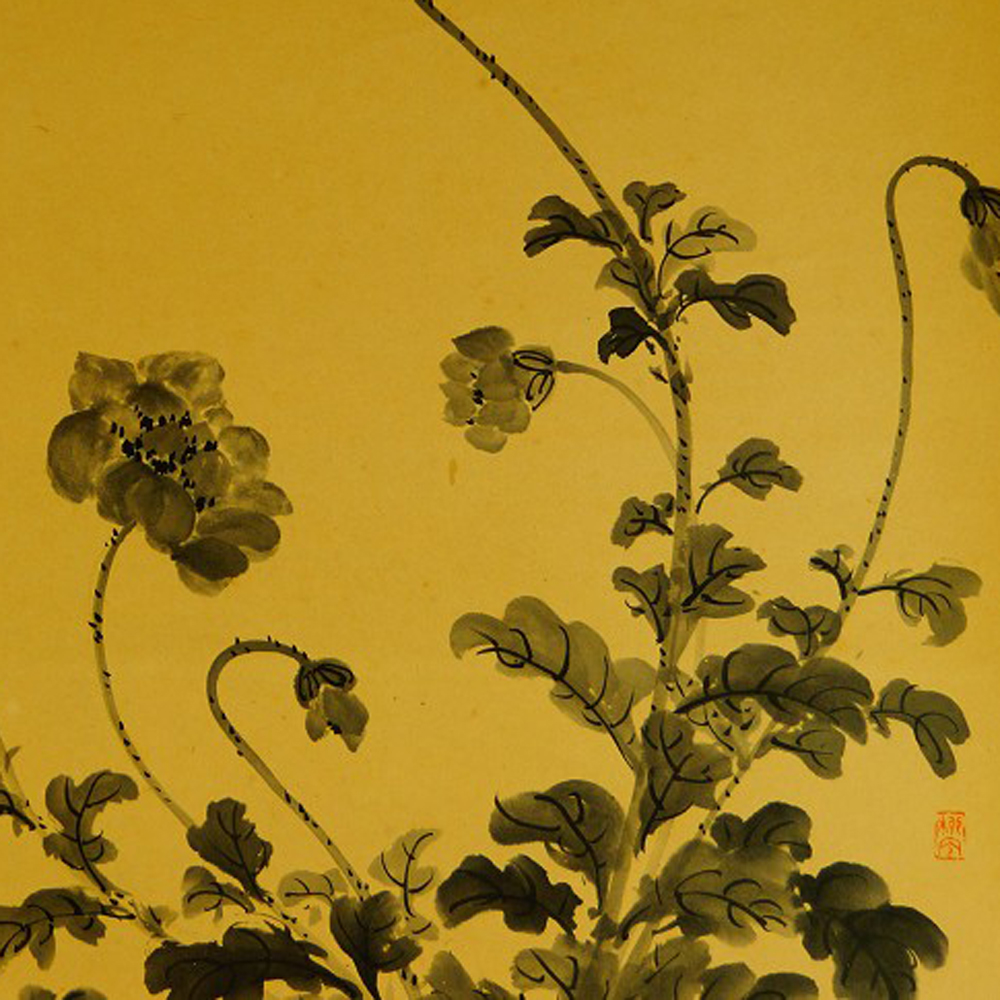

Jisho Anshu
Irises
Kakemono, unique work, with box, 126 x 64 cm
€220.00
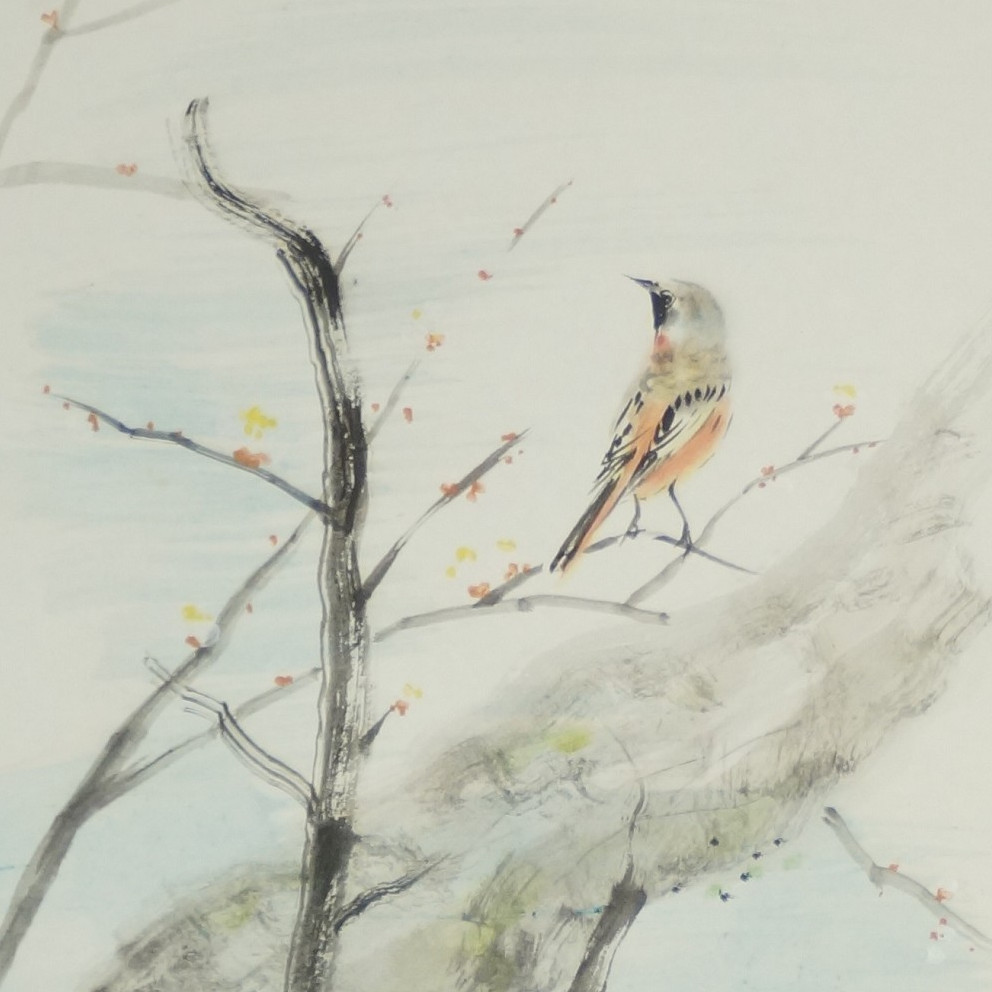

Sparrow on Snow-Covered Plum Branch
Kakemono, unique work, 193 x 50 cm
€280.00
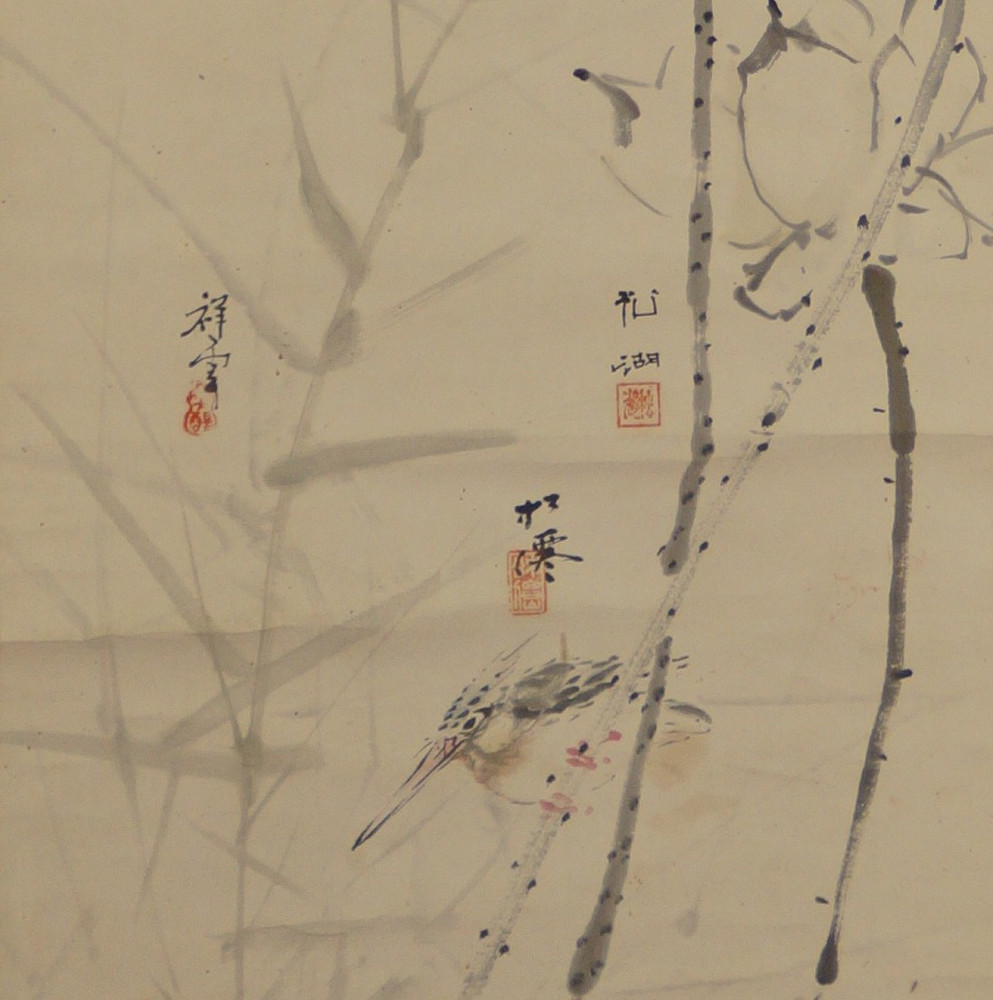

Kingfisher on a Lotus Flower
Kakemono, unique work, 192 x 49 cm
€690.00
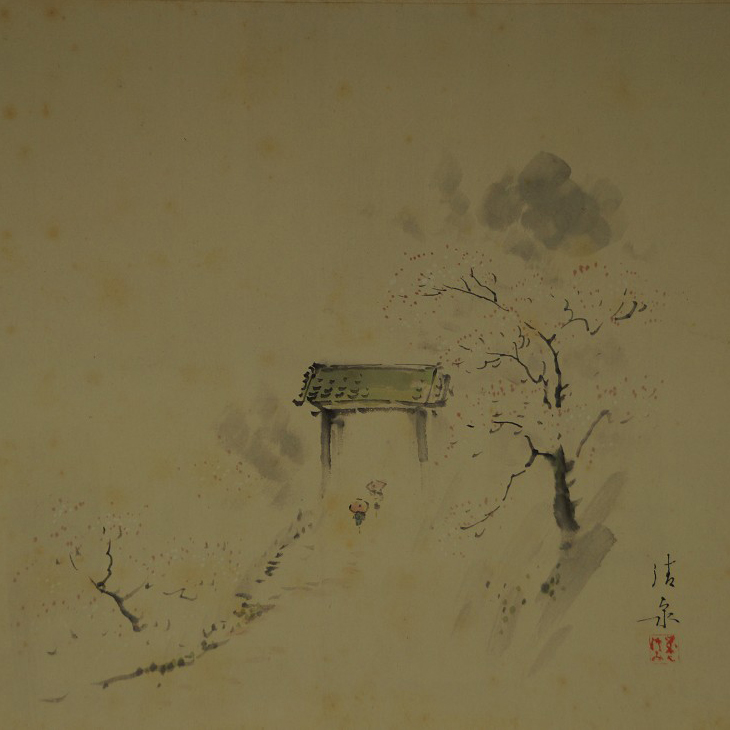

Seizumi
Small Wanderer Beneath Blossoming Trees at the Torii
Kakemono, unique work, 128 x 57 cm
€220.00
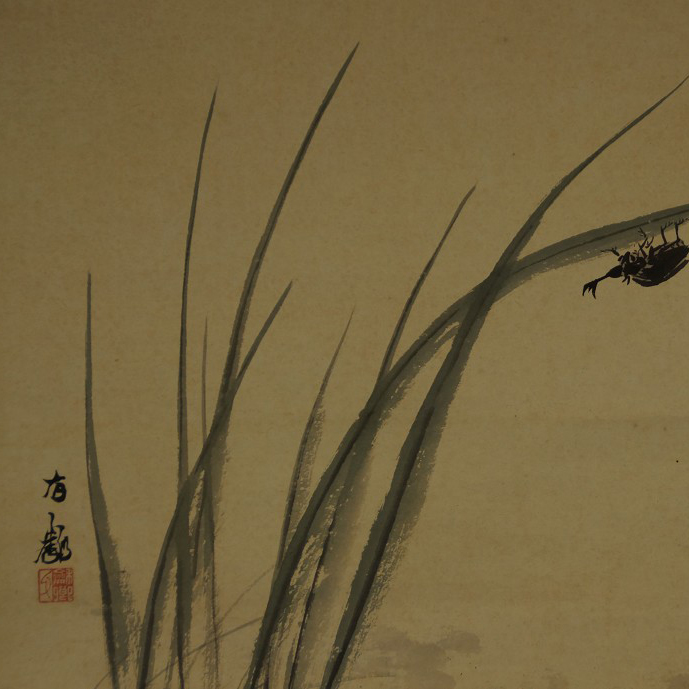

Ishikawa Yurin
Rhinoceros Beetle in Tall Grass
Kakemono, unique work, 125 x 67 cm
€1,490.00
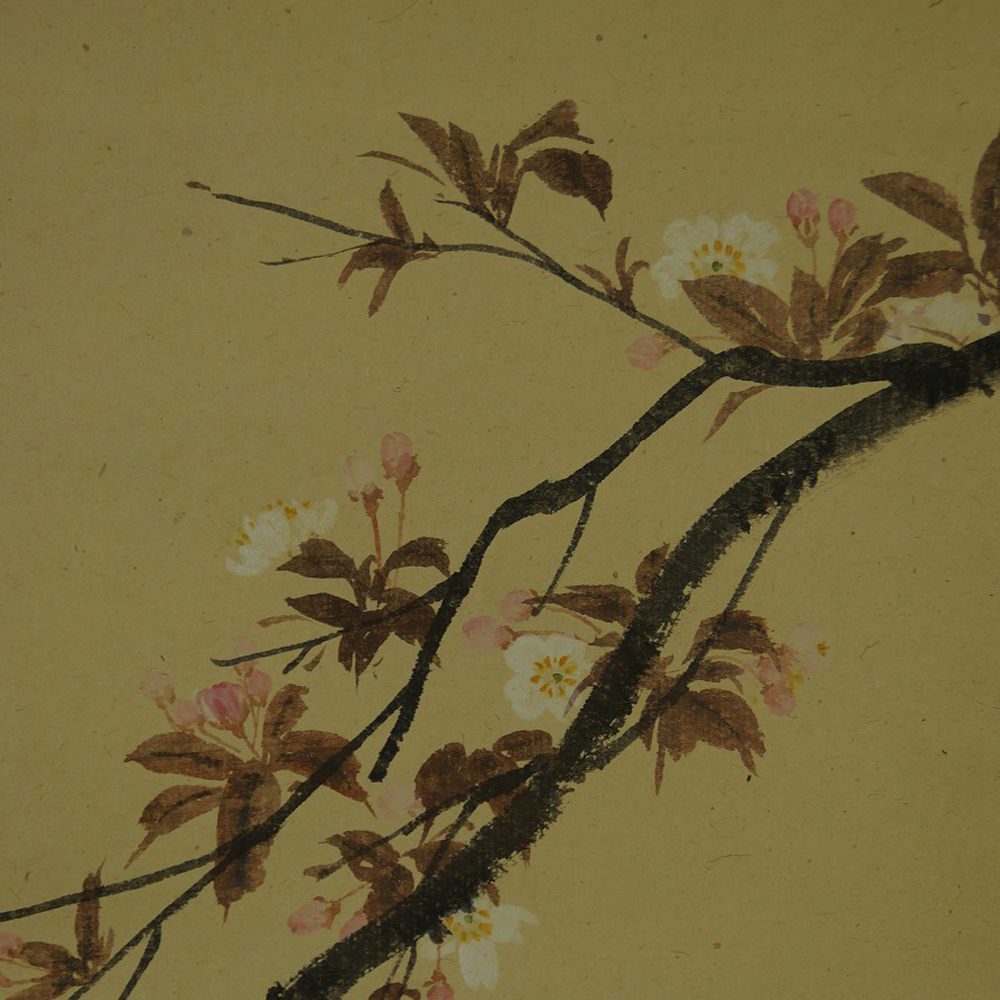

Hishida Shigehiru
Sakura Branch in Delicate Spring Light
Kakemono, unique work, with box, 187 x 40 cm
€420.00
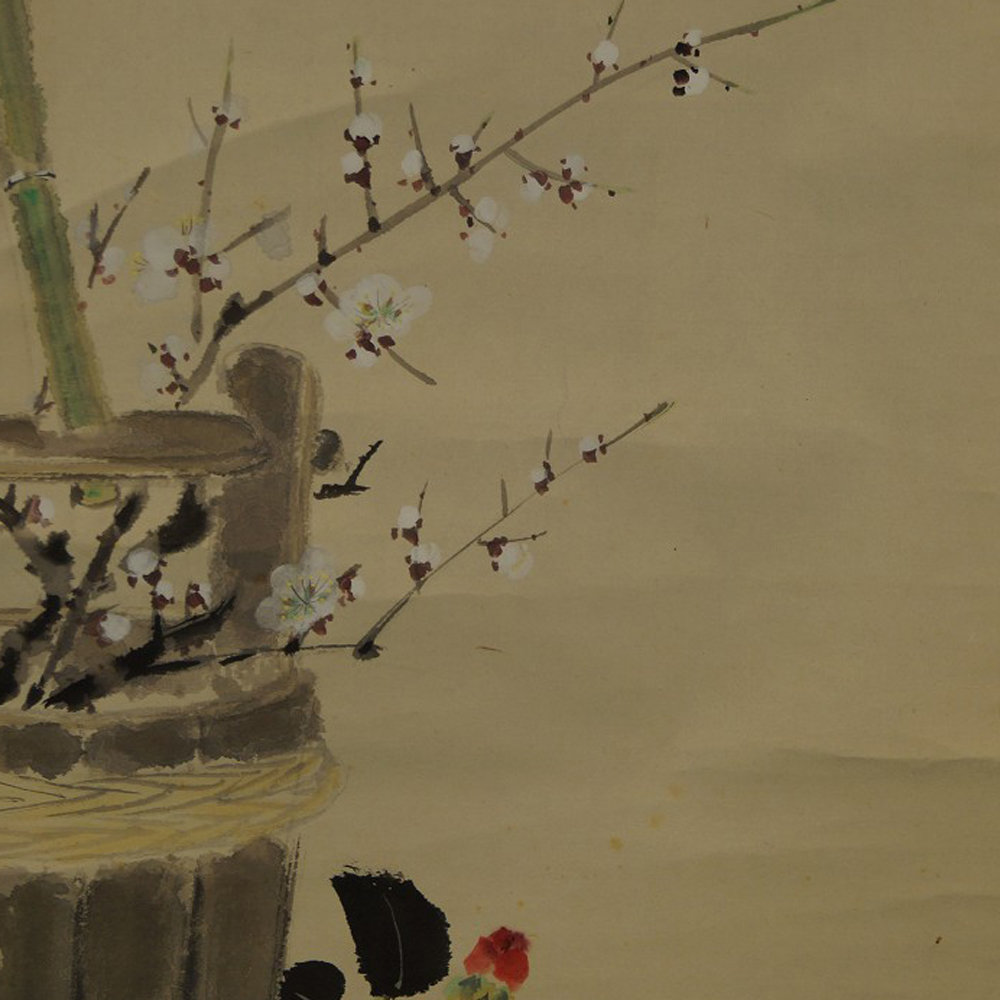

Yawata Hakuhan
Plum Blossoms in a Vase
Kakemono, unique work, with box, 154 x 38 cm
€280.00
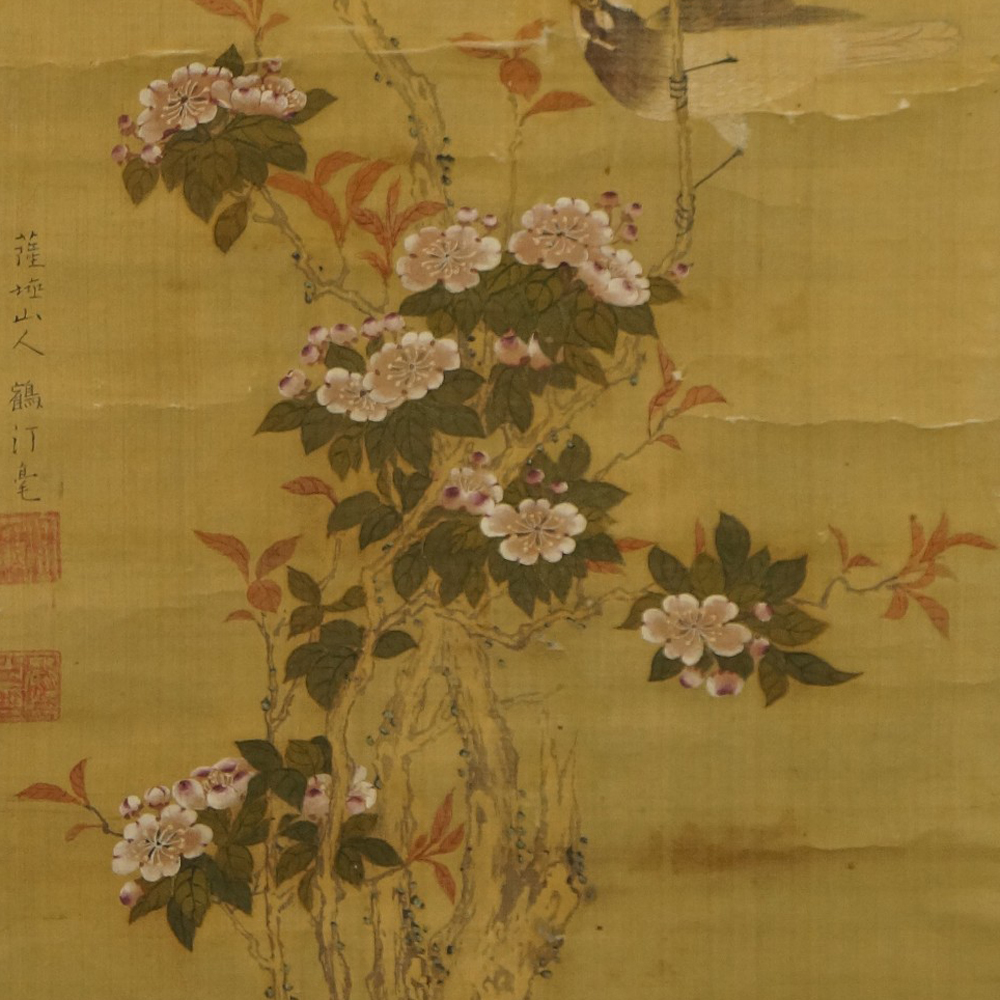

Nakahama Tsuru
Colorful Bird in a Rose Garden
Kakemono, unique work, 174 x 50 cm
€1,290.00
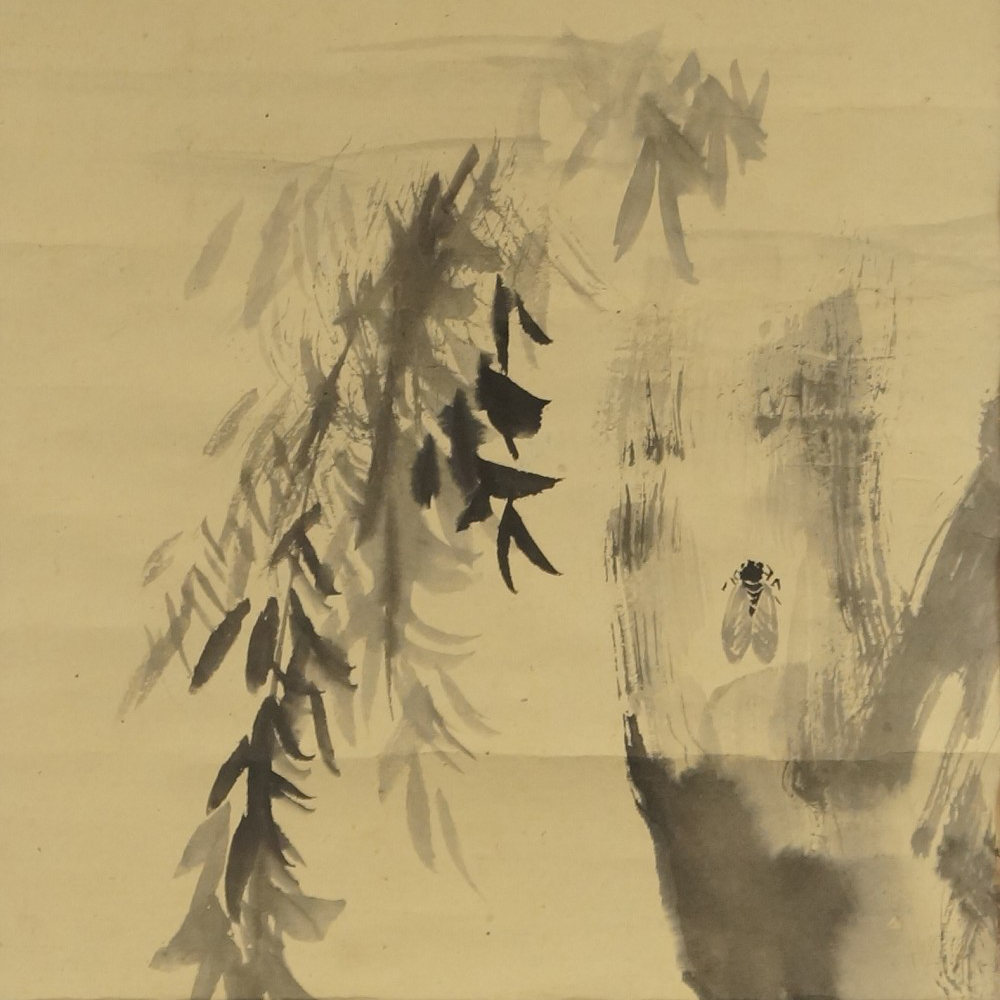

Kano Yoshinobu
Willow with Flying Insect
Kakemono, unique work, 180 x 44 cm
€460.00
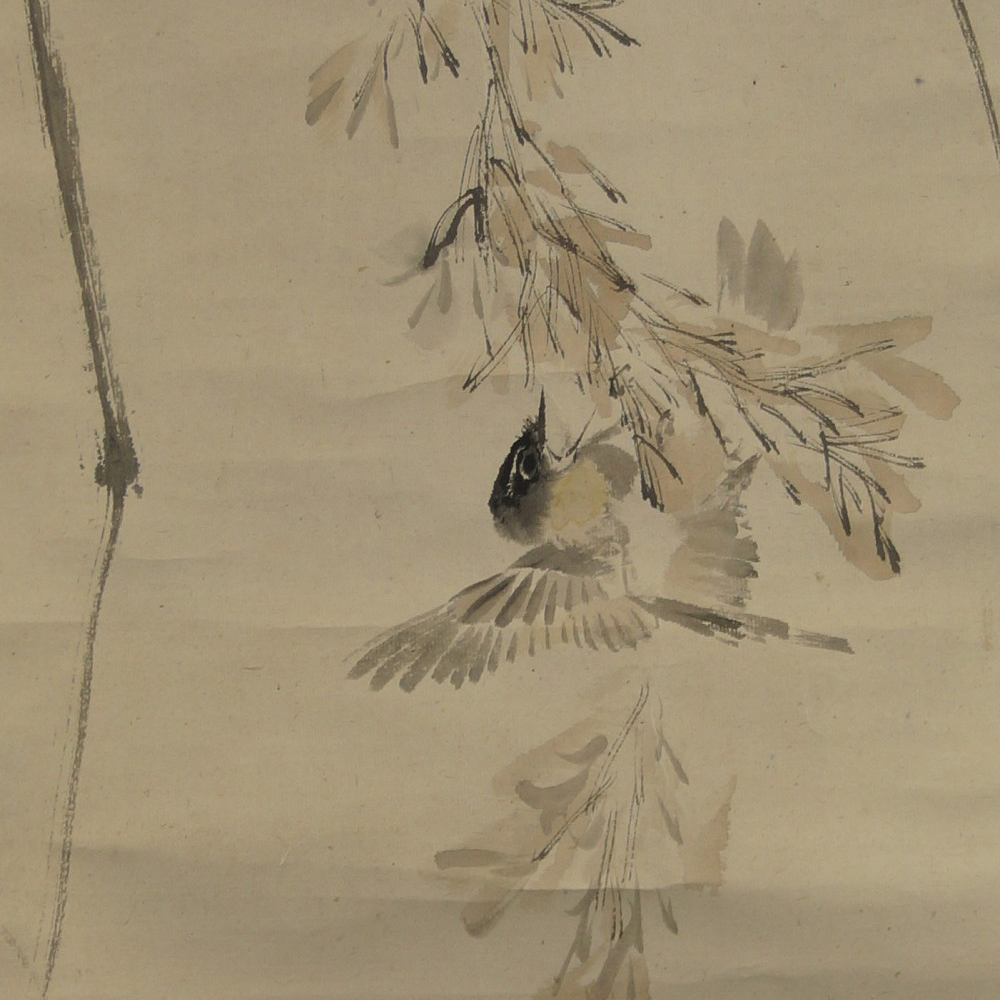

Sparrow on a Pine Branch
Kakemono, unique work, with box, 185 x 45 cm
€240.00
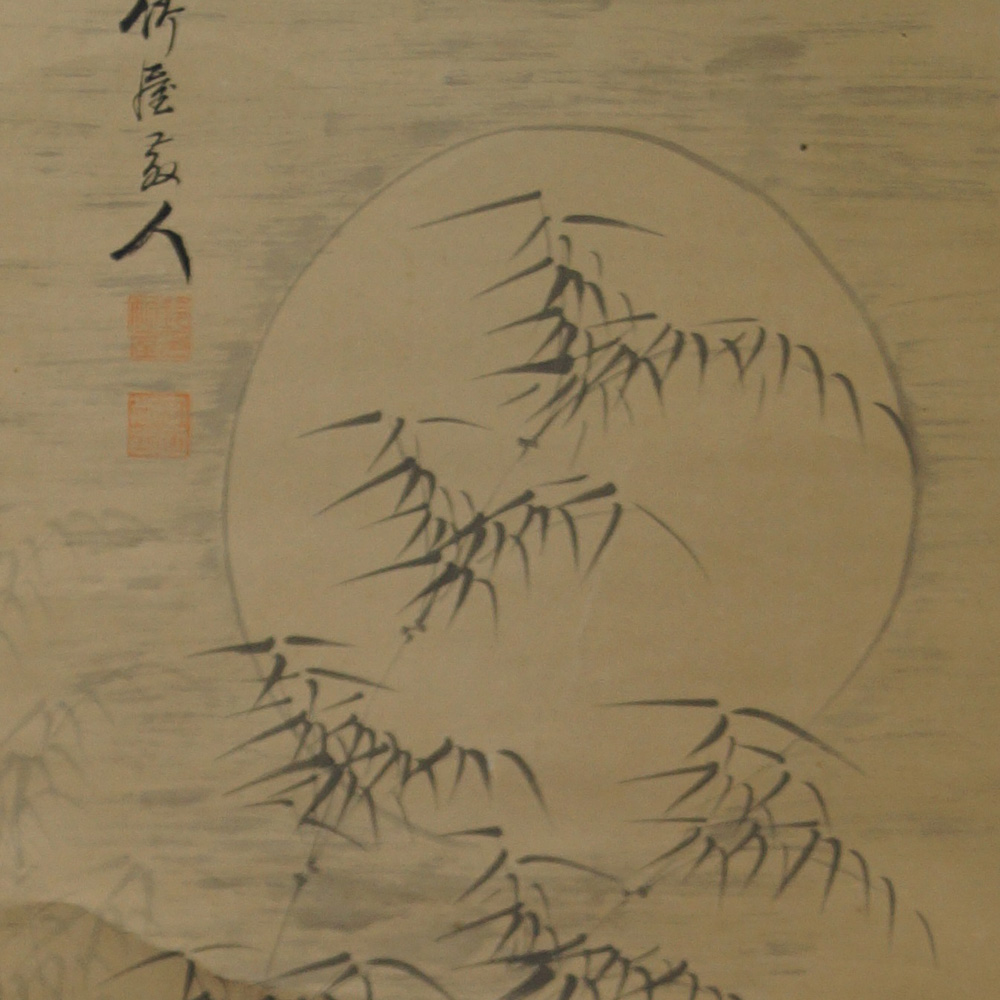
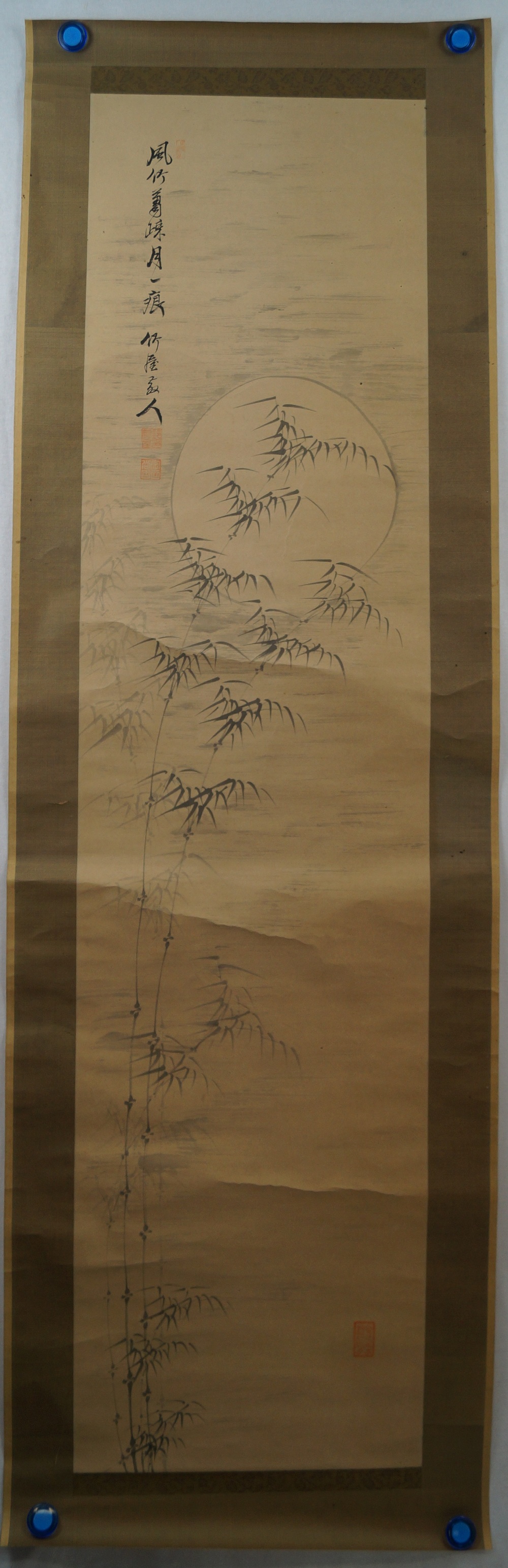
Makuri with Bamboo and Full Moon
Makuri, unique work
€168.00
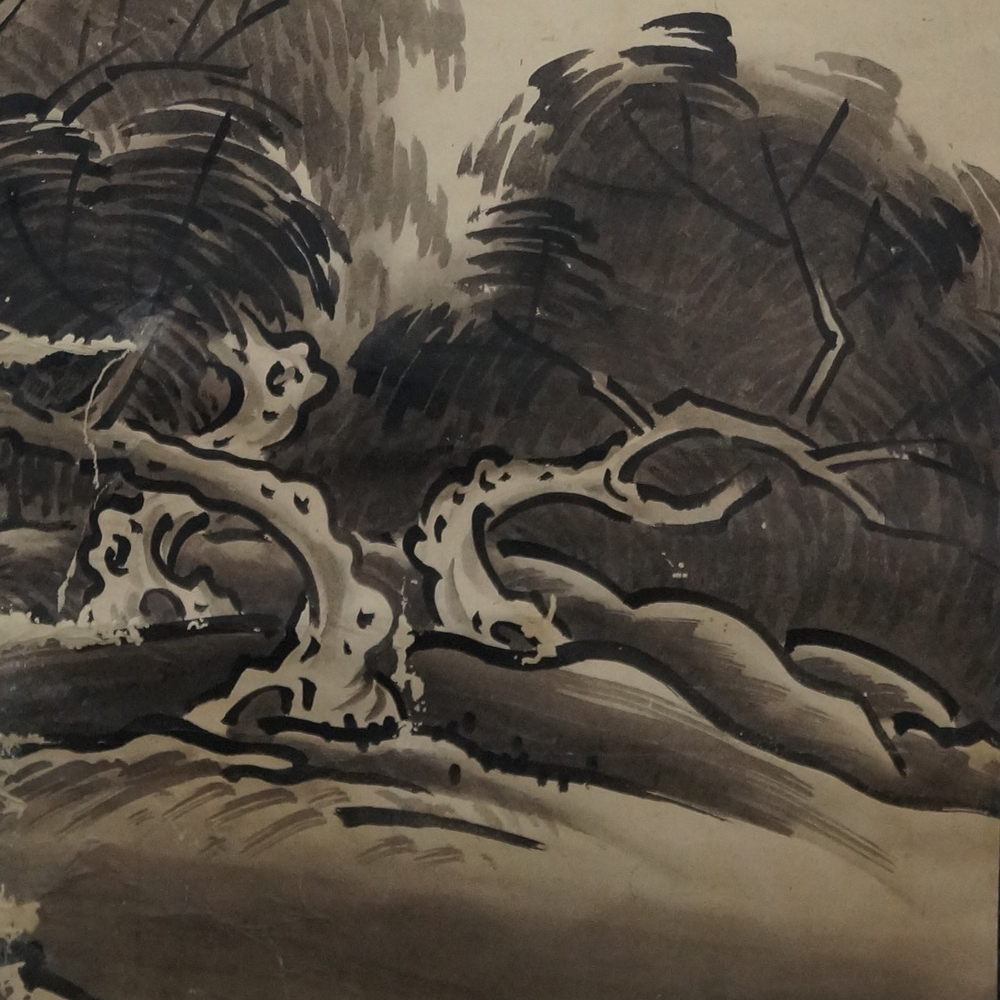
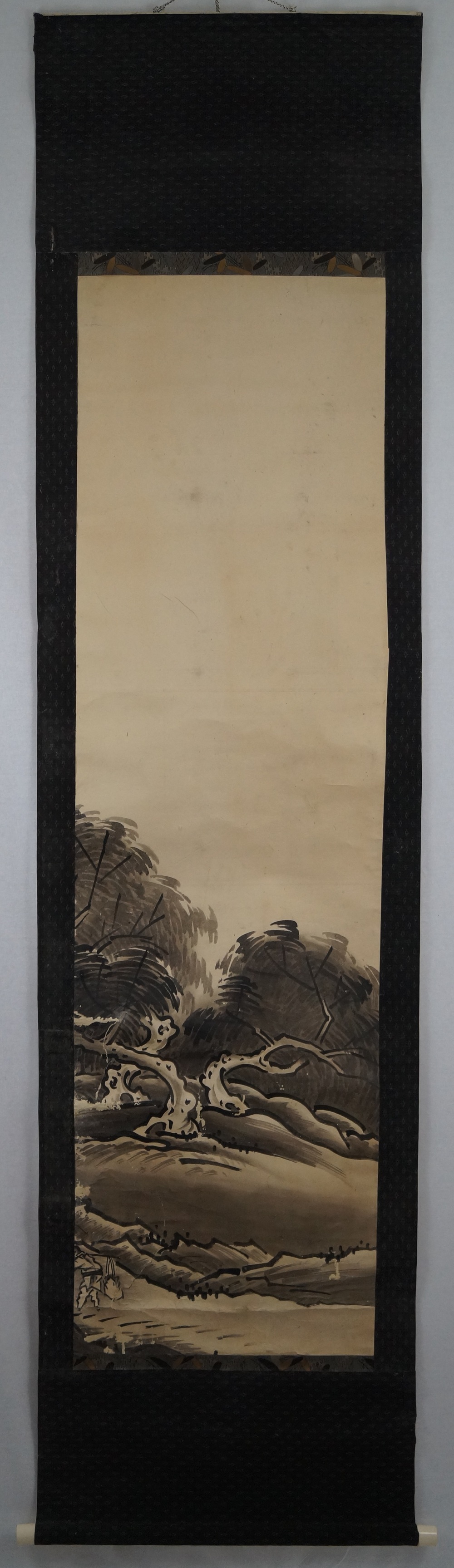
Two Gnarled Trees
Kakemono, unique work, 210 x 58 cm
€120.00
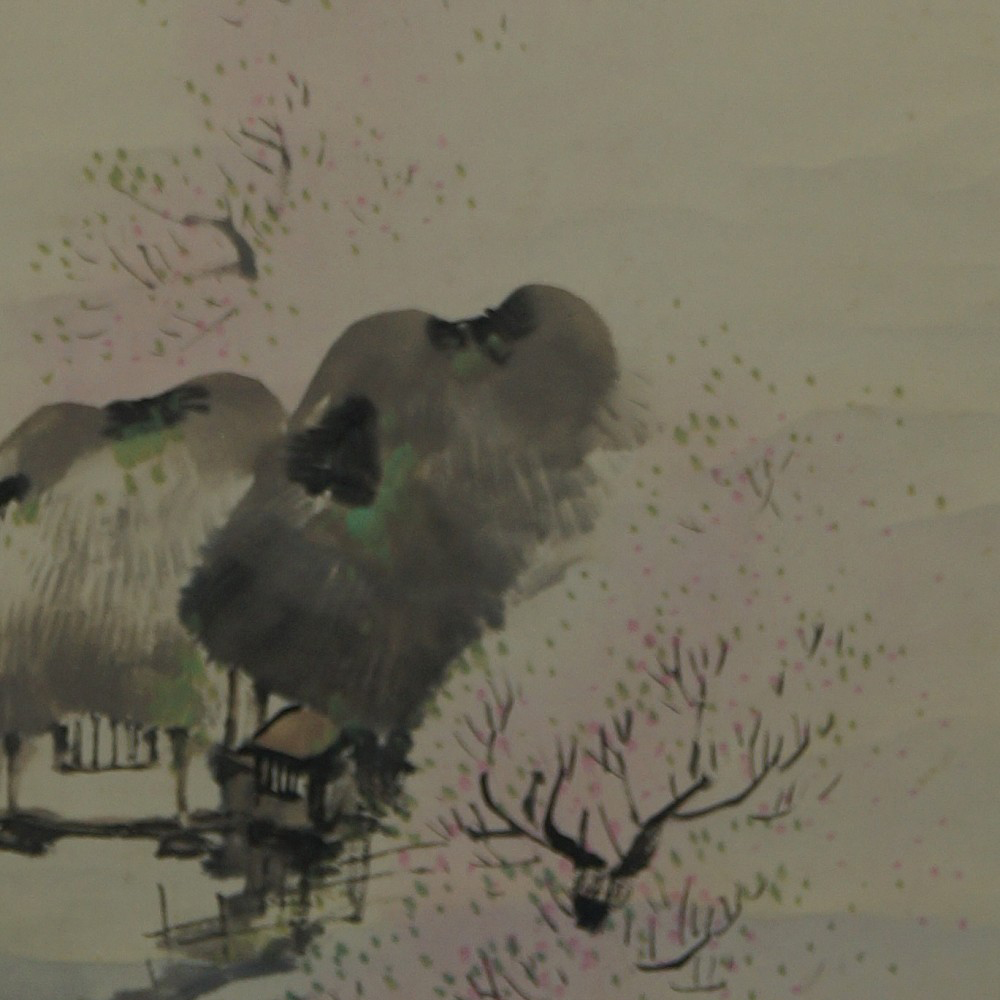
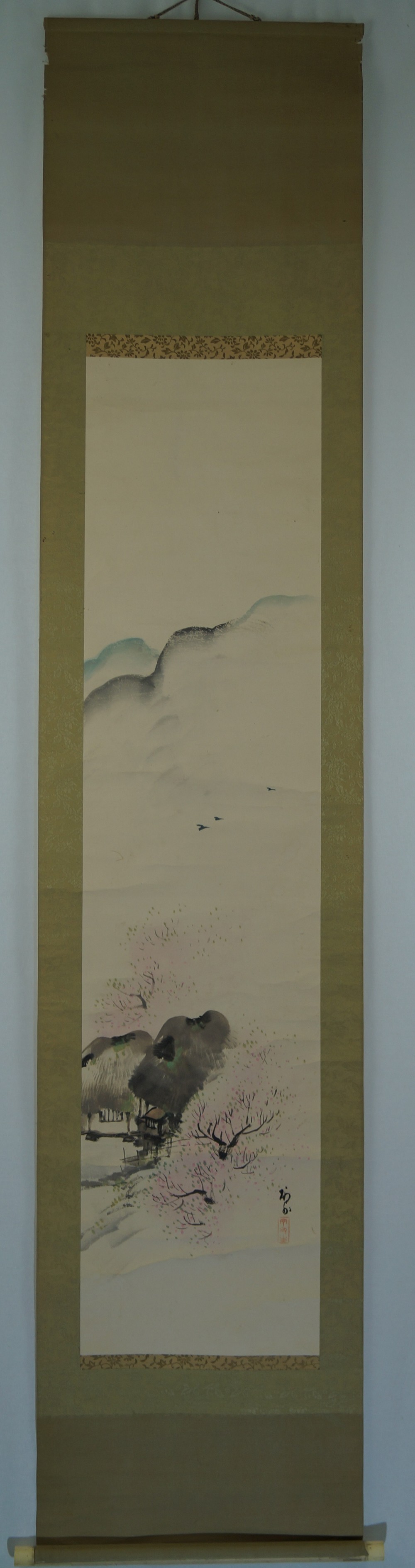
Plum Blossom in Snow
Kakemono, unique work, 197 x 47 cm
€140.00
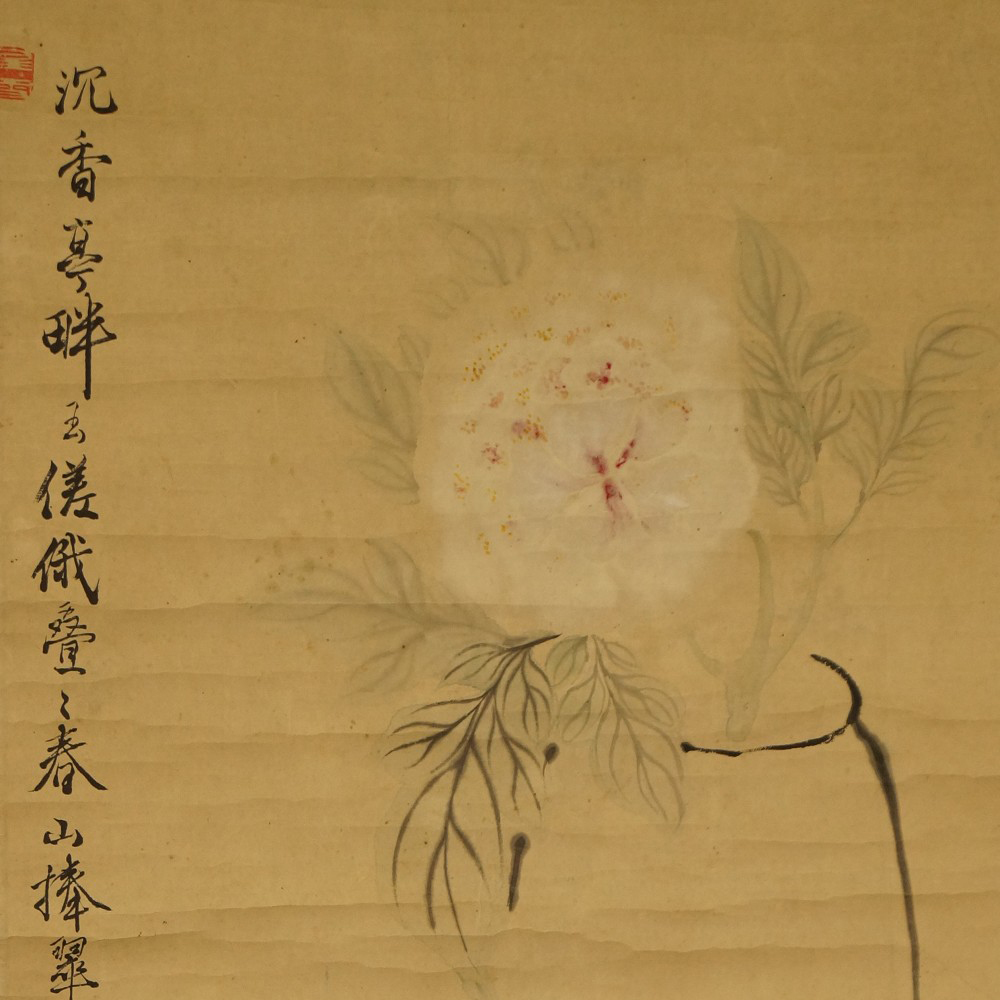
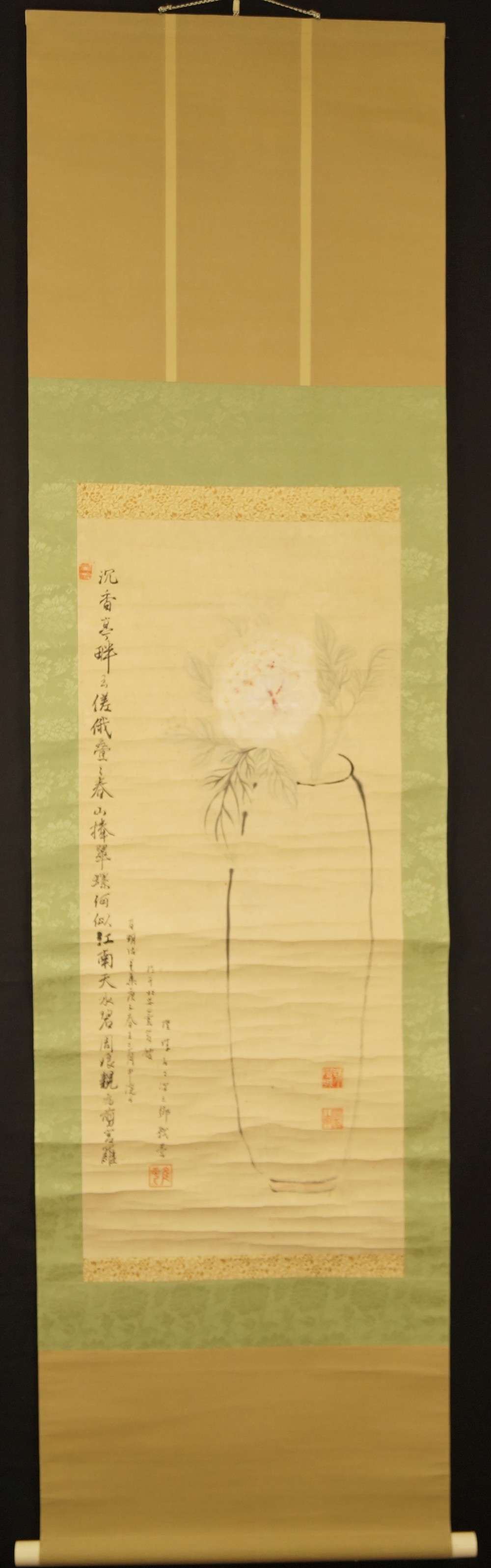
Peony with Calligraphy
Kakemono, unique work, 176 x 54 cm
€210.00
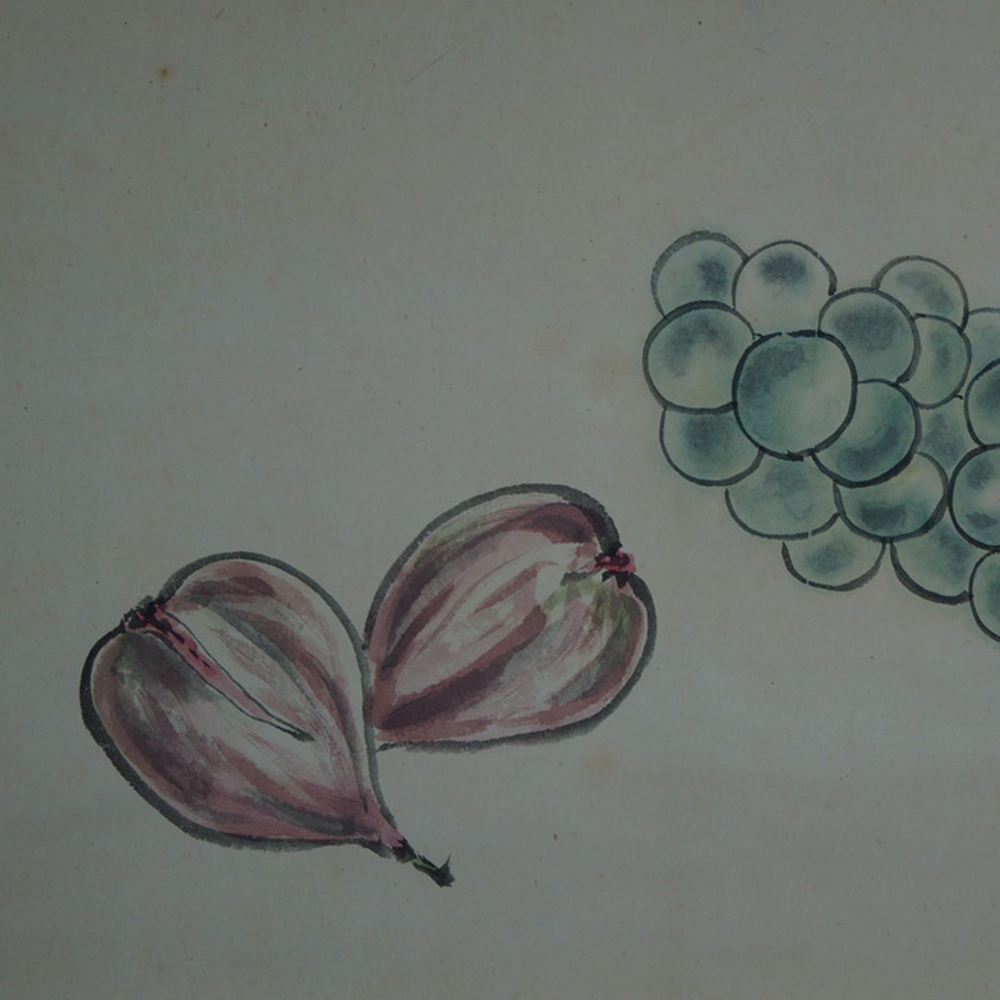
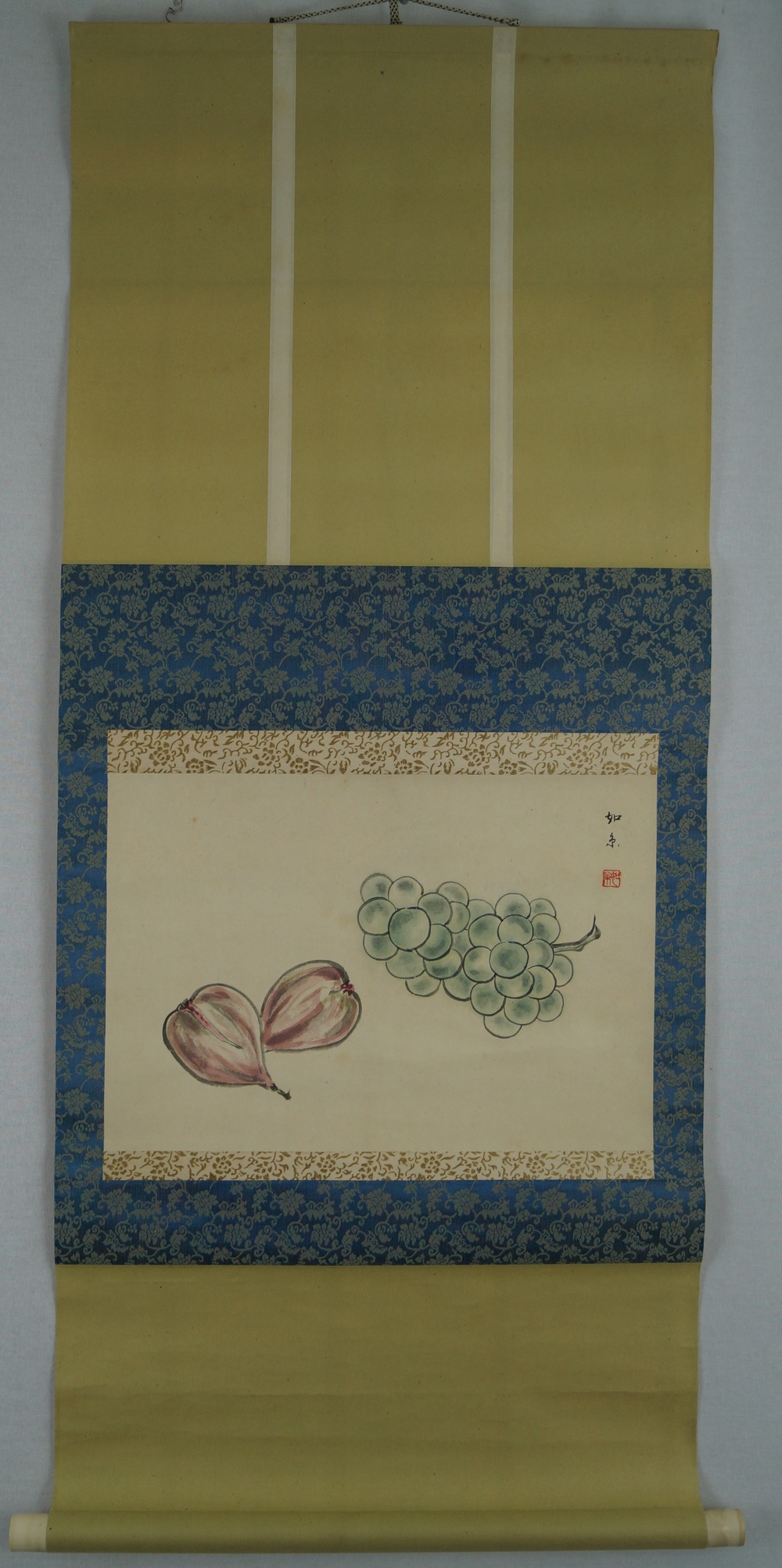
Figs and Grapes
Kakemono, unique work, 180 x 52 cm
€80.00
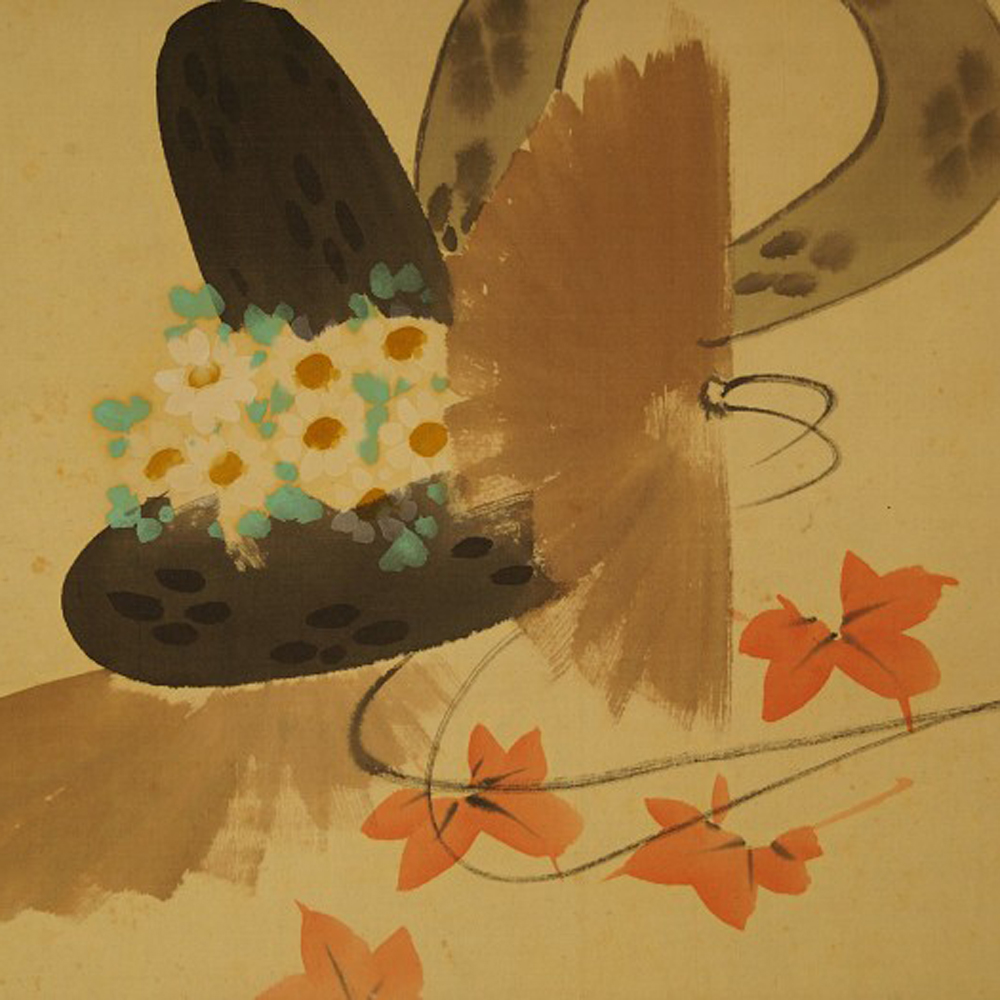
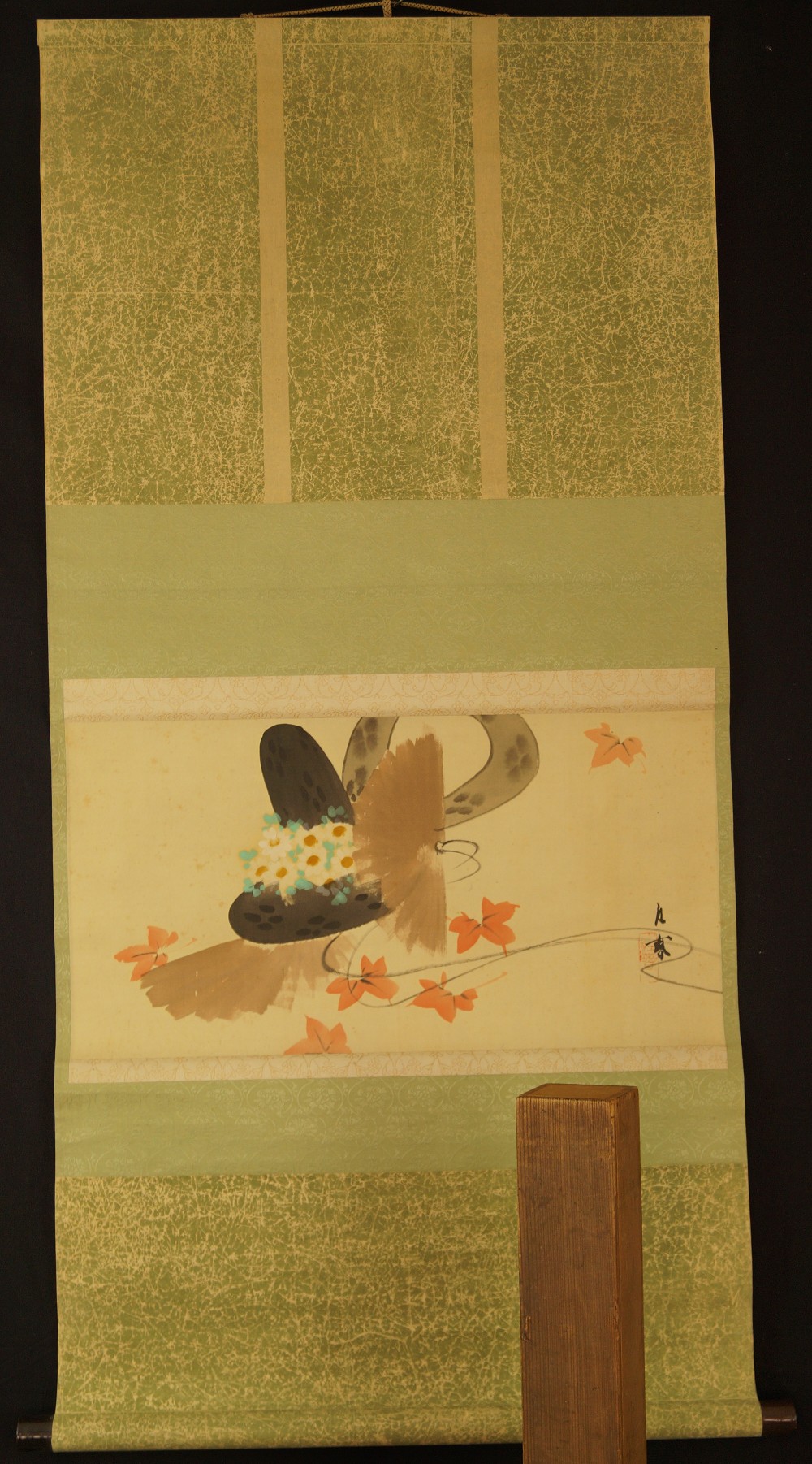
Flowers and Autumn Leaves
Kakemono, unique work, with box, 115 x 62 cm
€240.00
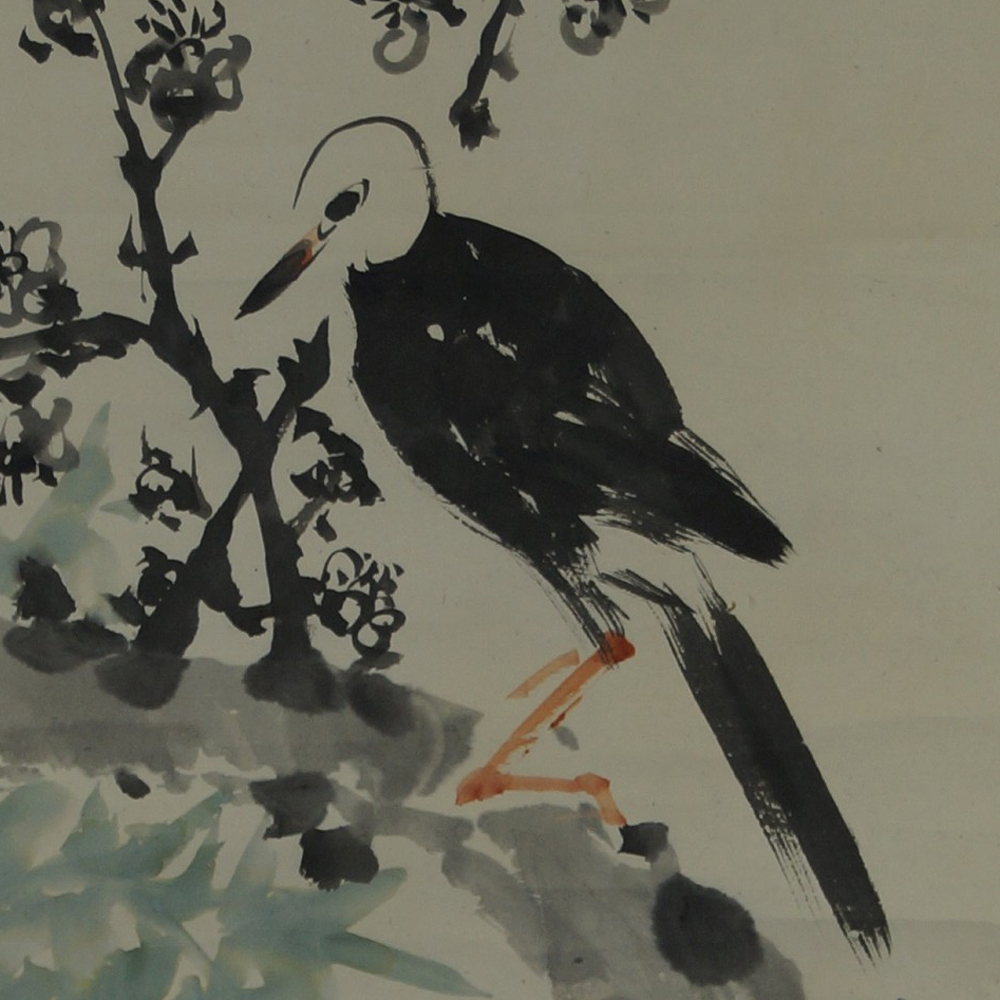
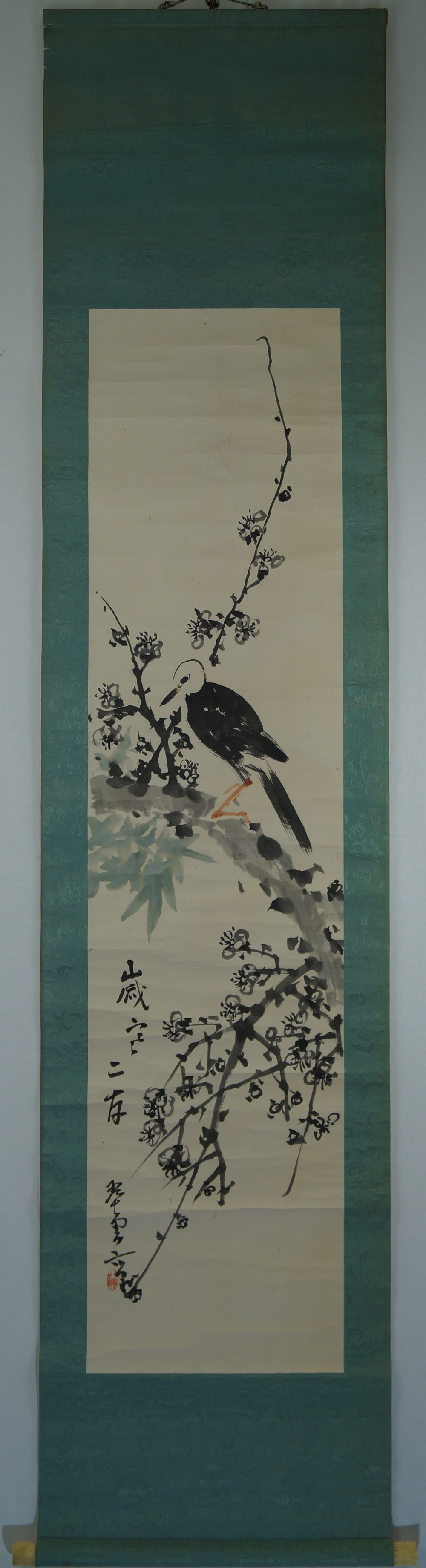
Heron Under Cherry Blossom Branch
Kakemono, unique work, 182 x 46 cm
€140.00
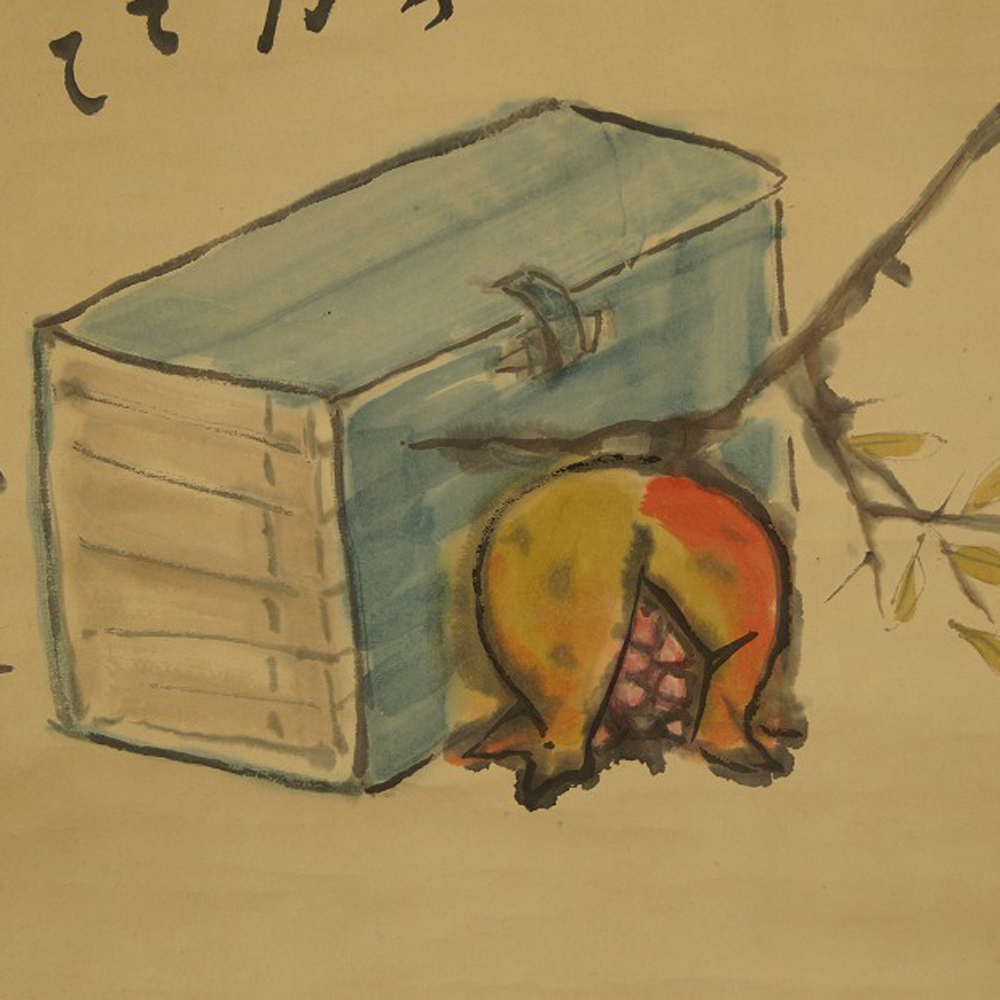

Pomegranate
Kakemono, unique work, 113 x 53 cm
€105.00
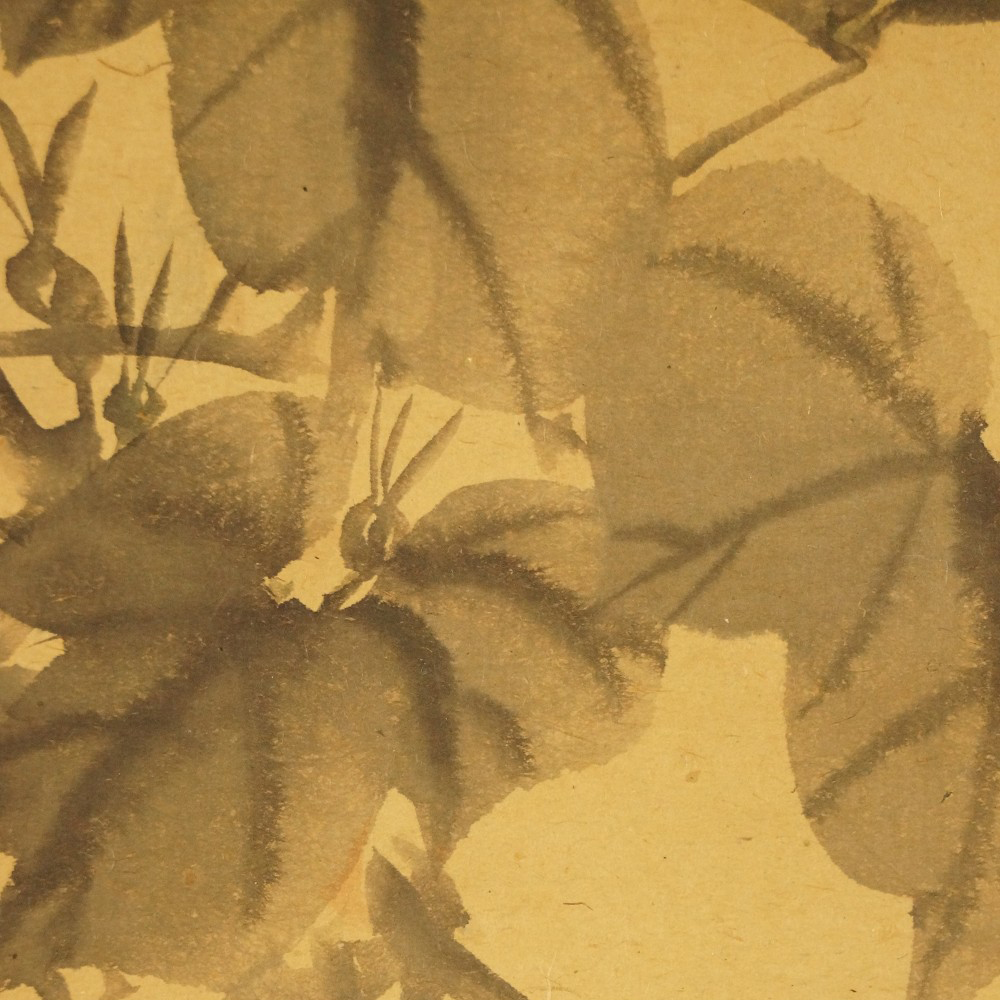
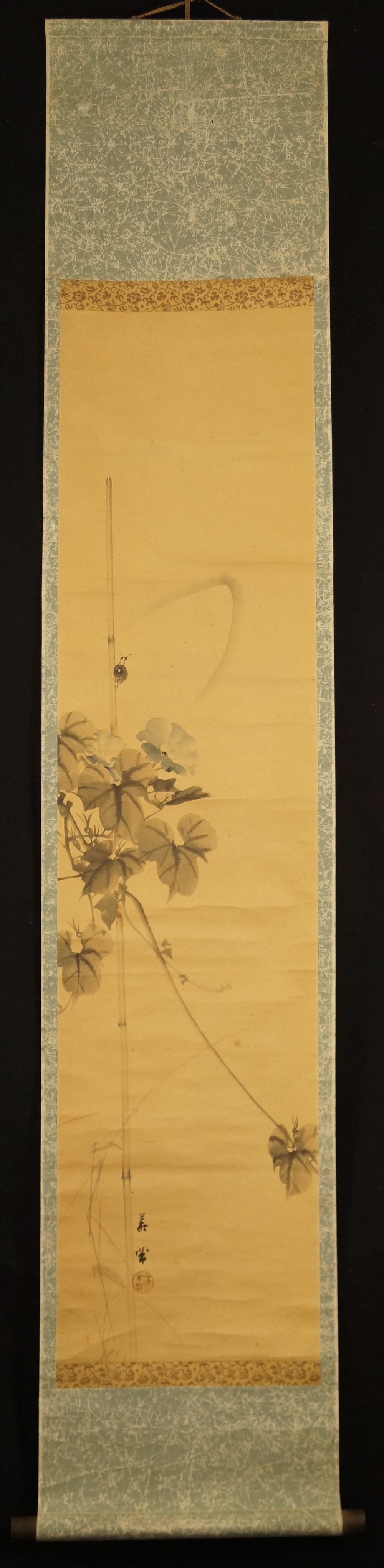
The Snail on the Lotus Flower
Kakemono, unique work, 176 x 40 cm
€410.00
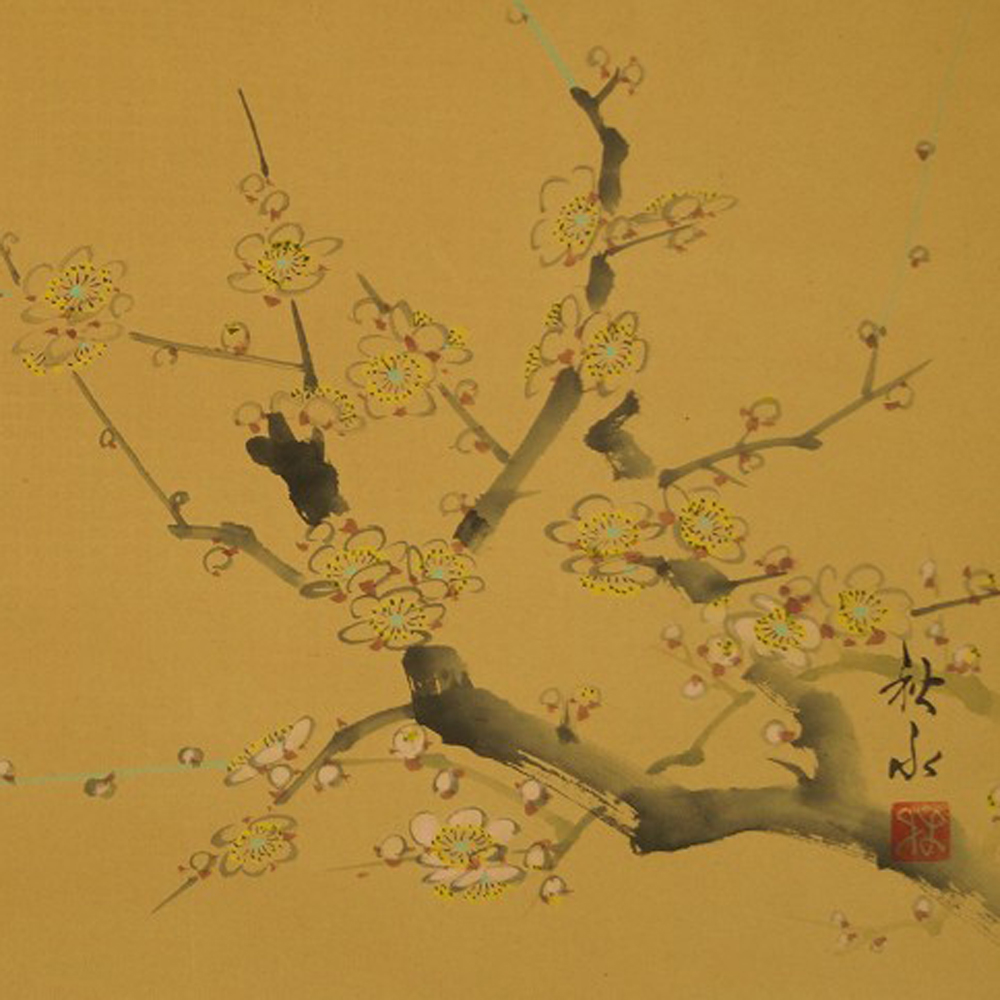
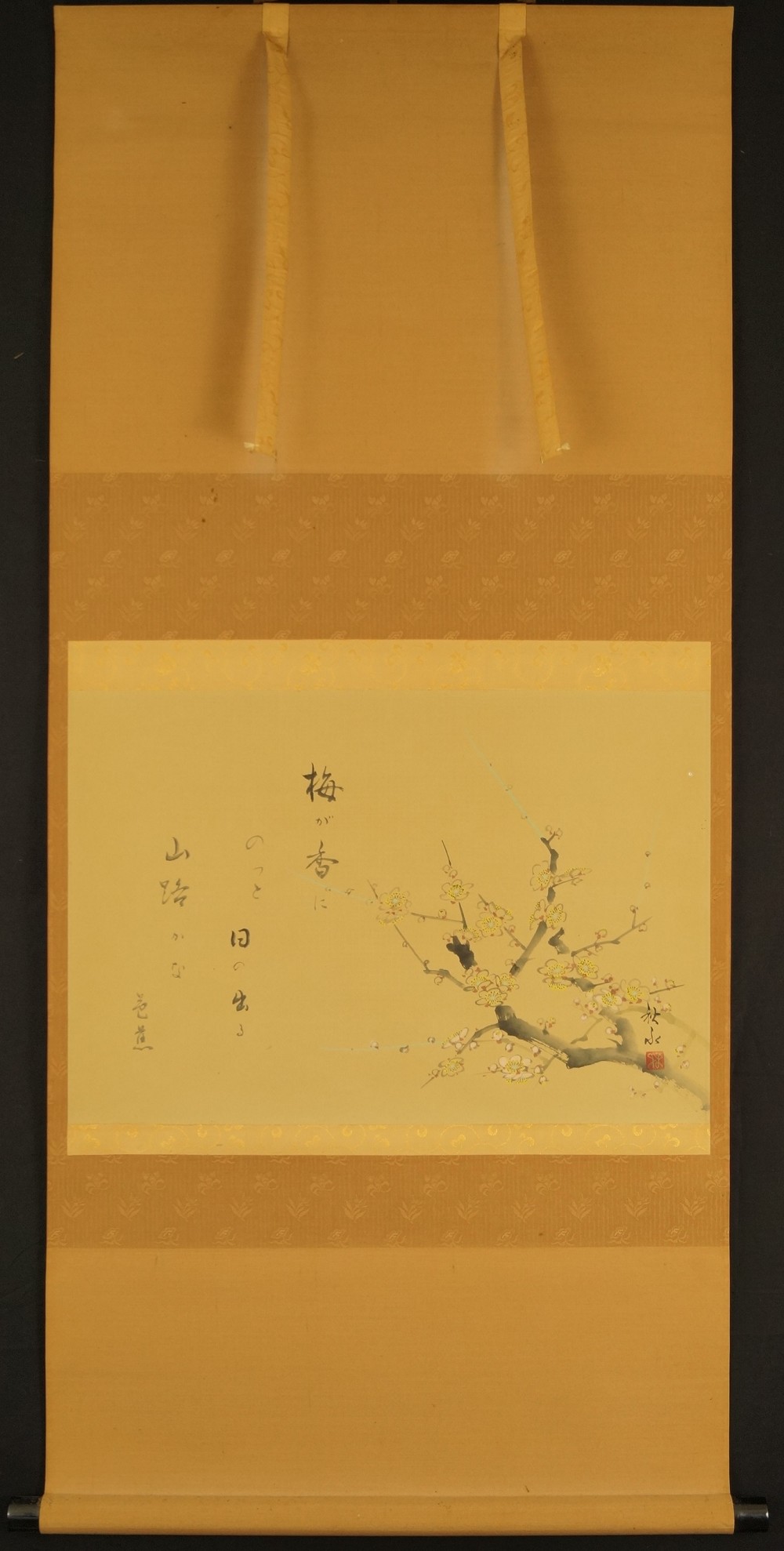
Branch Full of Sakura Blossoms
Kakemono, unique work, 120 x 60 cm
€190.00
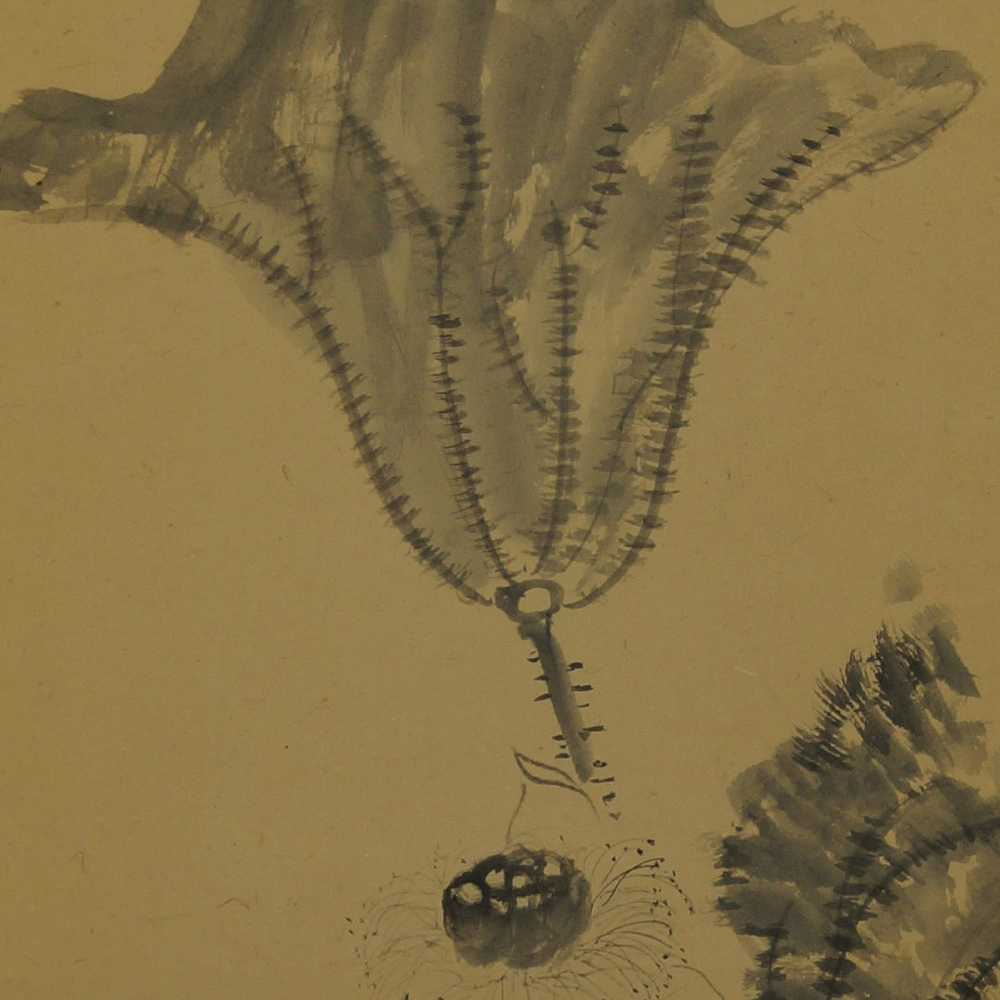
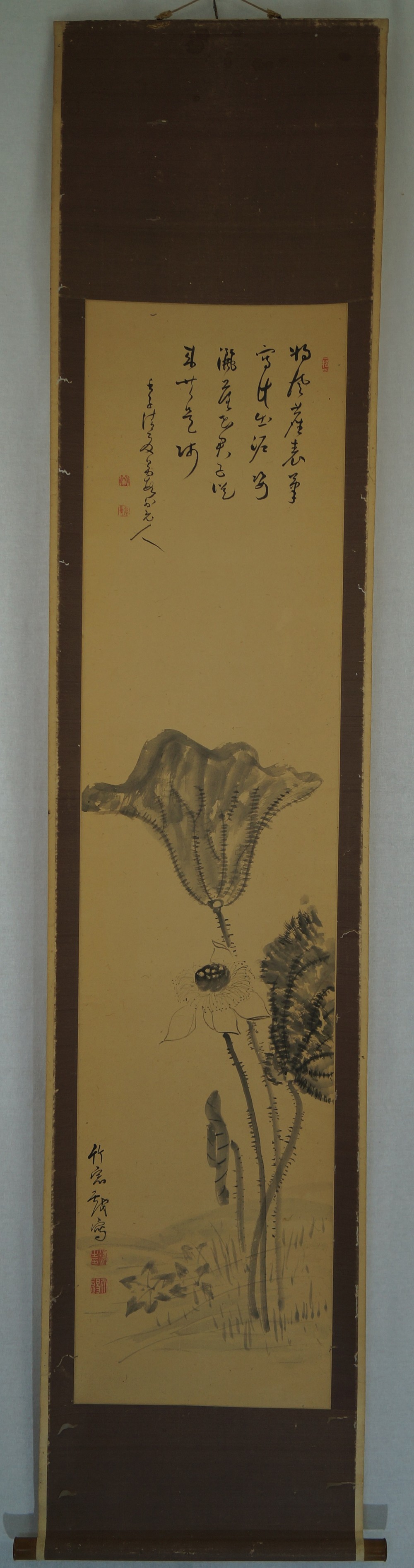
Blossom with Hanging Seed Pod
Kakemono, unique work, 170 x 42 cm
€130.00
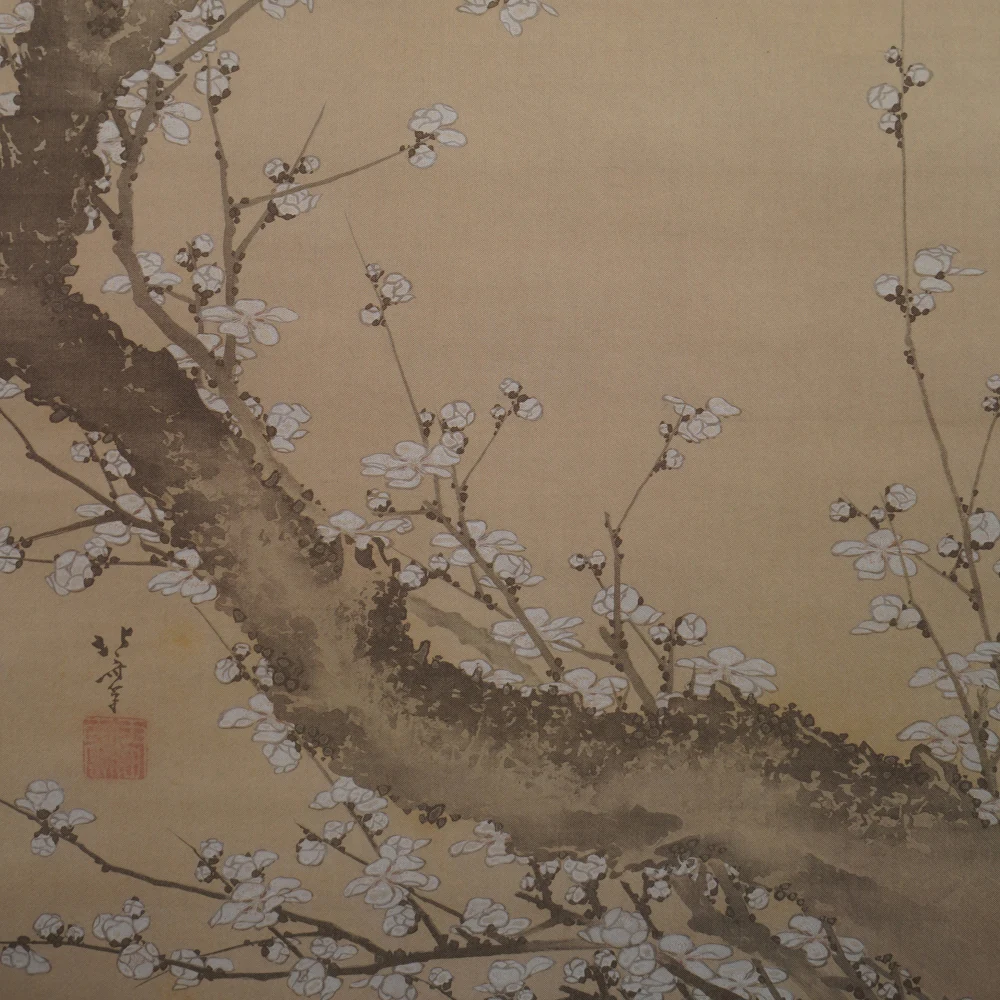
Katsushika Hokusai
White Plum Tree with Poem
Kakemono, Silkscreen, with box, 175 x 51 cm
Sold
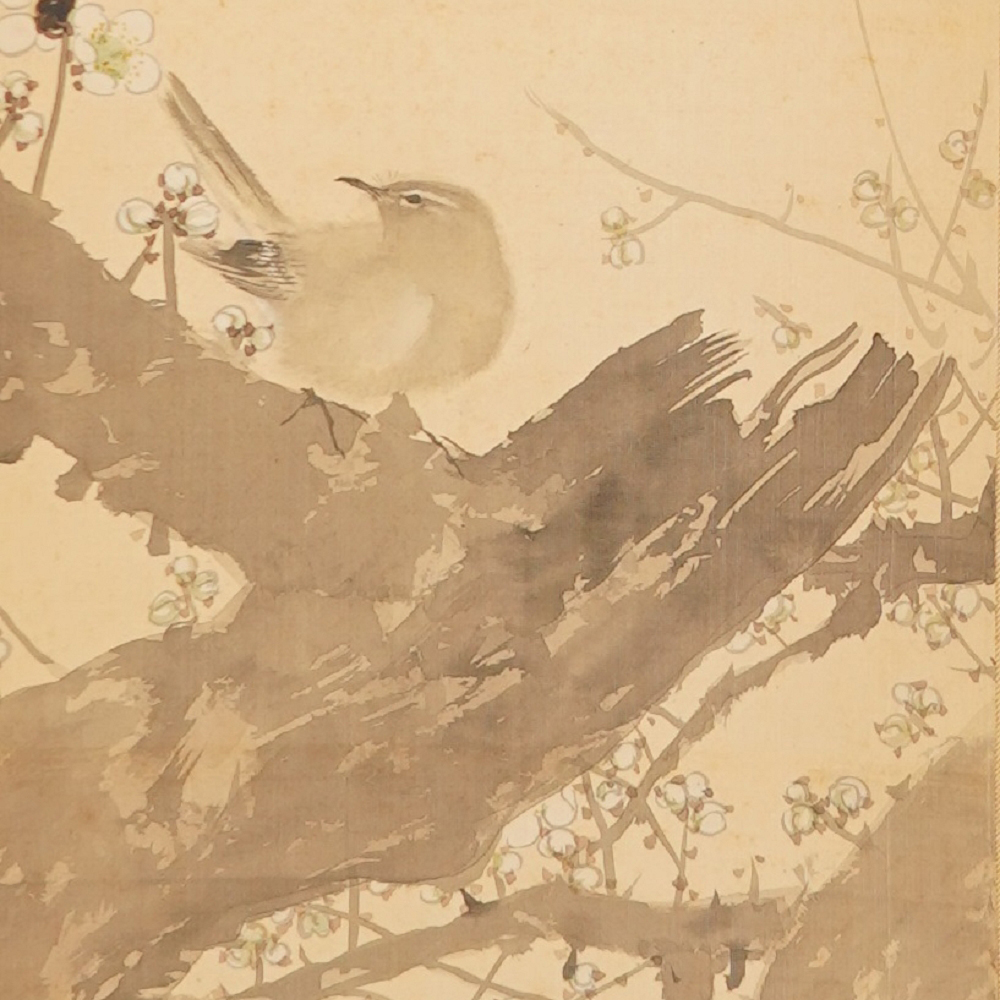
Songbird on Blossoming Plum Tree
Kakemono, unique work, 184 x 30 cm
Sold
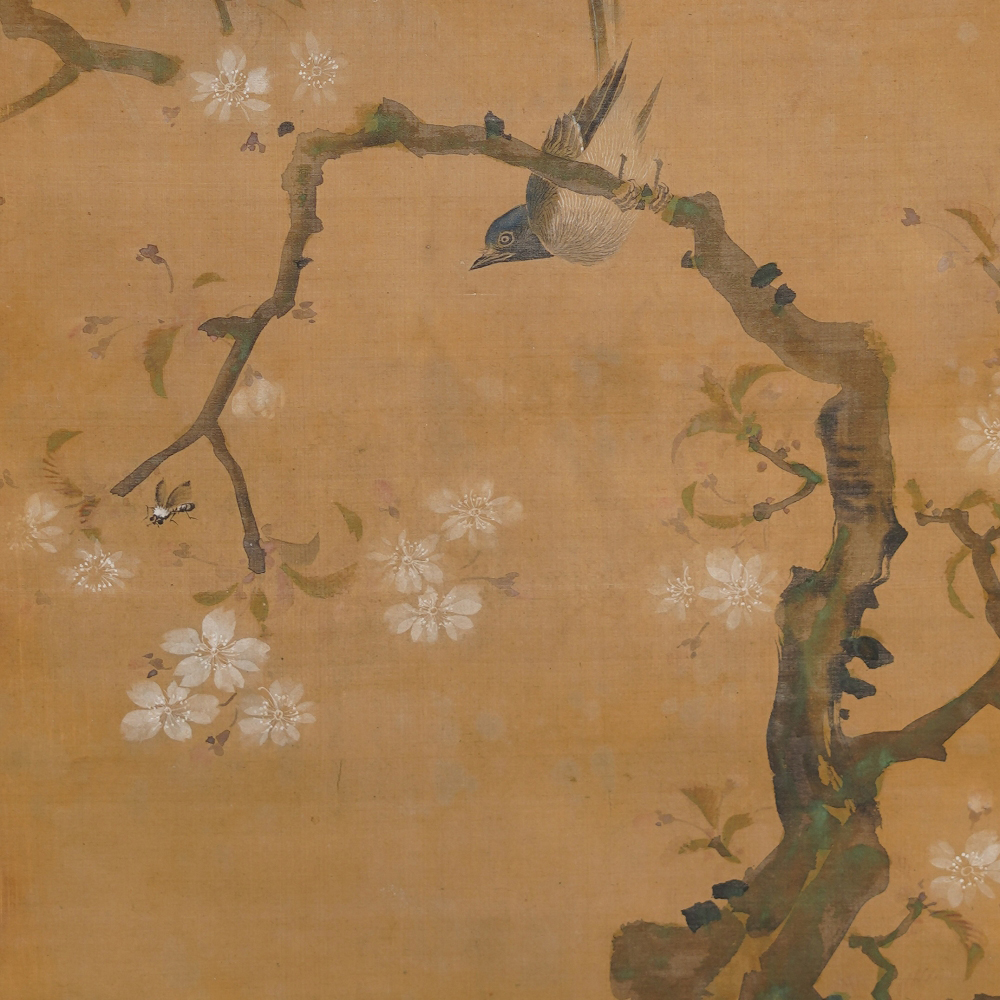
Satake Eikai
Songbird on Blossoming Cherry Branch
Kakemono, unique work, 190 x 53 cm
Sold
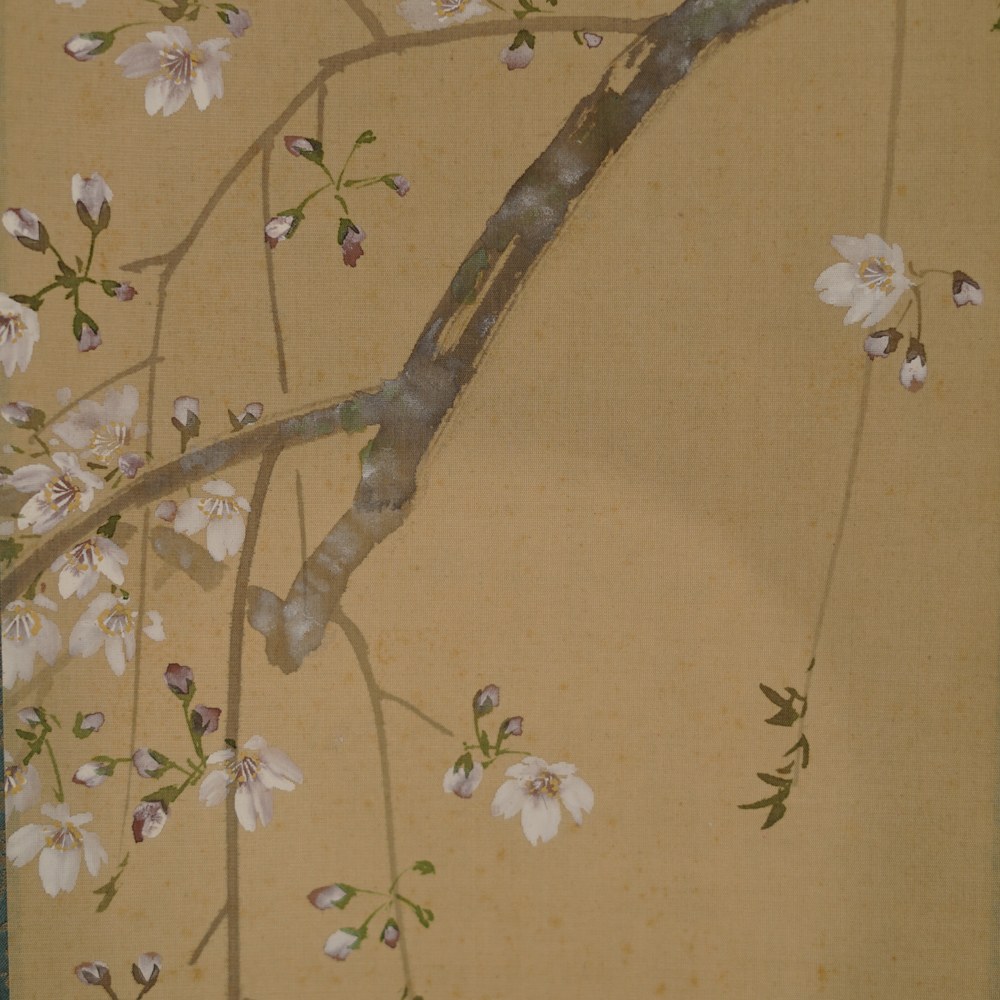
Kawachi Juzan
Hanging Cherry Blossoms
Kakemono, unique work, with box, 193 x 30 cm
Sold
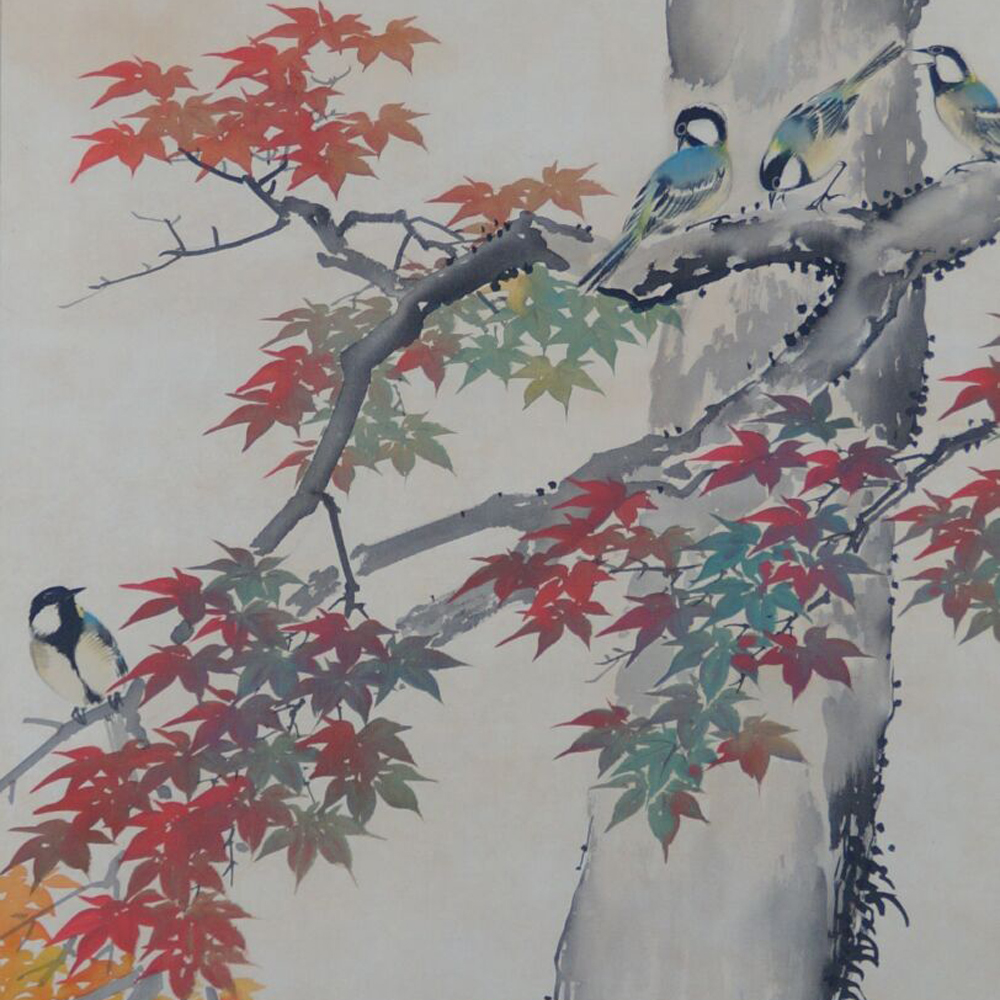
Imai Keiju
Birds in Autumn Maple
Kakemono, unique work, with box, 205 x 61 cm
Sold
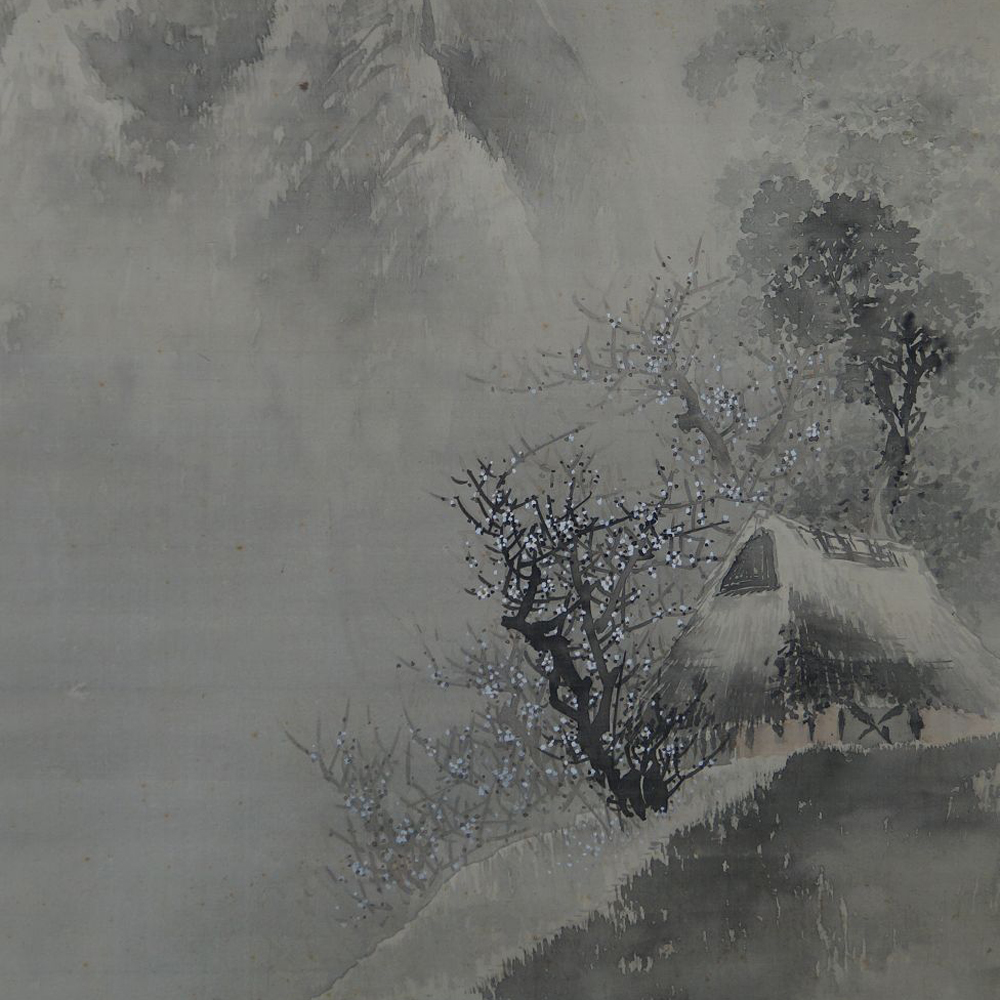
Shōun
Plum Blossoms in Moon Mist
Kakemono, unique work, 200 x 55 cm
Sold
48 of 177 items shown
Flowers as a Mirror of the Seasons
In Japanese art, flowers are rarely mere decorative accessories – they mark specific seasons and each carries its own emotional and cultural meanings that go far beyond purely aesthetic effect. A flower kakemono thus always tells of a particular moment in the course of the year and invites one to consciously arrange one's own living space in the rhythm of nature – a practice known in Japan as Kisetsukan, the "sense for the seasons," which is deeply rooted in Japanese aesthetics.
Sakura: The Cherry Blossom as a Symbol of Transience
Hardly any motif stands for Japan as much as the sakura. Its short, intense blooming period of often only one week makes it an emblem of Mono no Aware, the quiet awareness of the beauty of the transient, which has played a central role in Japanese aesthetics for centuries. Hanami, the traditional cherry blossom viewing, remains to this day one of the most important cultural spring customs in Japan, in which families, friends, and colleagues picnic together beneath blooming cherry trees to consciously celebrate this very transience rather than mourn it.
Other Classic Flower Motifs
The chrysanthemum is regarded as an imperial symbol and stands for longevity and constancy; it still adorns the official seal of the Japanese imperial house today. The peony (Botan) symbolizes prosperity and honor and was historically often combined with the image of the lion to represent both wealth and protection equally. The iris is traditionally associated with early summer and was believed to protect against misfortune, which is why it is still used in baths on the traditional Children's Day. The plum blossom (Ume), which blooms even before the sakura in late winter, stands for resilience and hope, as it is one of the first blossoms of the year and often appears amid snow.
Painting Technique of Floral Motifs
Flower painting demands particular sensitivity for color gradients and fine linework in order to capture the delicacy of the petals without losing the reduced, meditative underlying attitude of Japanese painting. Unlike the often monochrome landscape painting, flower motifs frequently employ delicate color pigments, applied in several thin layers to recreate the characteristic translucence of petals.
Flower Motifs in the Course of the Year
Many collectors use flower kakemono deliberately according to season – plum blossom in late winter, sakura in spring, iris in early summer, chrysanthemum in autumn – thus making the course of the year visible in their own home. This practice of conscious rotation corresponds to traditional Japanese living culture, in which the tokonoma alcove is understood as a living, constantly changing place rather than a static display area.
Flower Kakemono as Emotional Remembrance
Precisely because flower motifs are so closely linked to transience, they are particularly well suited to pausing and consciously dwelling in the moment. A sakura kakemono can thus become a yearly recurring, quiet reminder to consciously perceive special moments rather than letting them pass by in everyday life.
Flower Motifs as Gifts for Special Occasions
In Japan, it is customary to deliberately link a flower motif to a particular occasion: sakura for the start of spring or as congratulations for a new beginning, chrysanthemum for milestone birthdays as a wish for a long life, or peony for a wedding as a symbol of prosperity and a flourishing shared future. This deliberate, symbolically charged gift-giving culture can be directly adopted with a matching flower kakemono, lending the gift an additional personal depth.
Flower Painting and Poetry
Many classic flower kakemono combine the painted motif with a short accompanying poem that further deepens the depicted season or mood. This close connection between image and poetry has a long tradition in Japanese art, in which the observation of nature and poetic expression have always been understood as closely related forms of expression.
Flower Painting in Combination with Other Motifs
In many classic compositions, flower motifs are deliberately combined with birds, butterflies, or other small animals to create a lively natural scene rather than a static still life. Such combined motifs, for example a sparrow on a blooming plum branch, combine floral and animal symbolism into a particularly rich pictorial statement and are among the most popular variants within Japanese flower painting.
Bring the delicate, transient beauty of Japanese flower painting into your home – a quiet reminder to consciously experience every moment.