
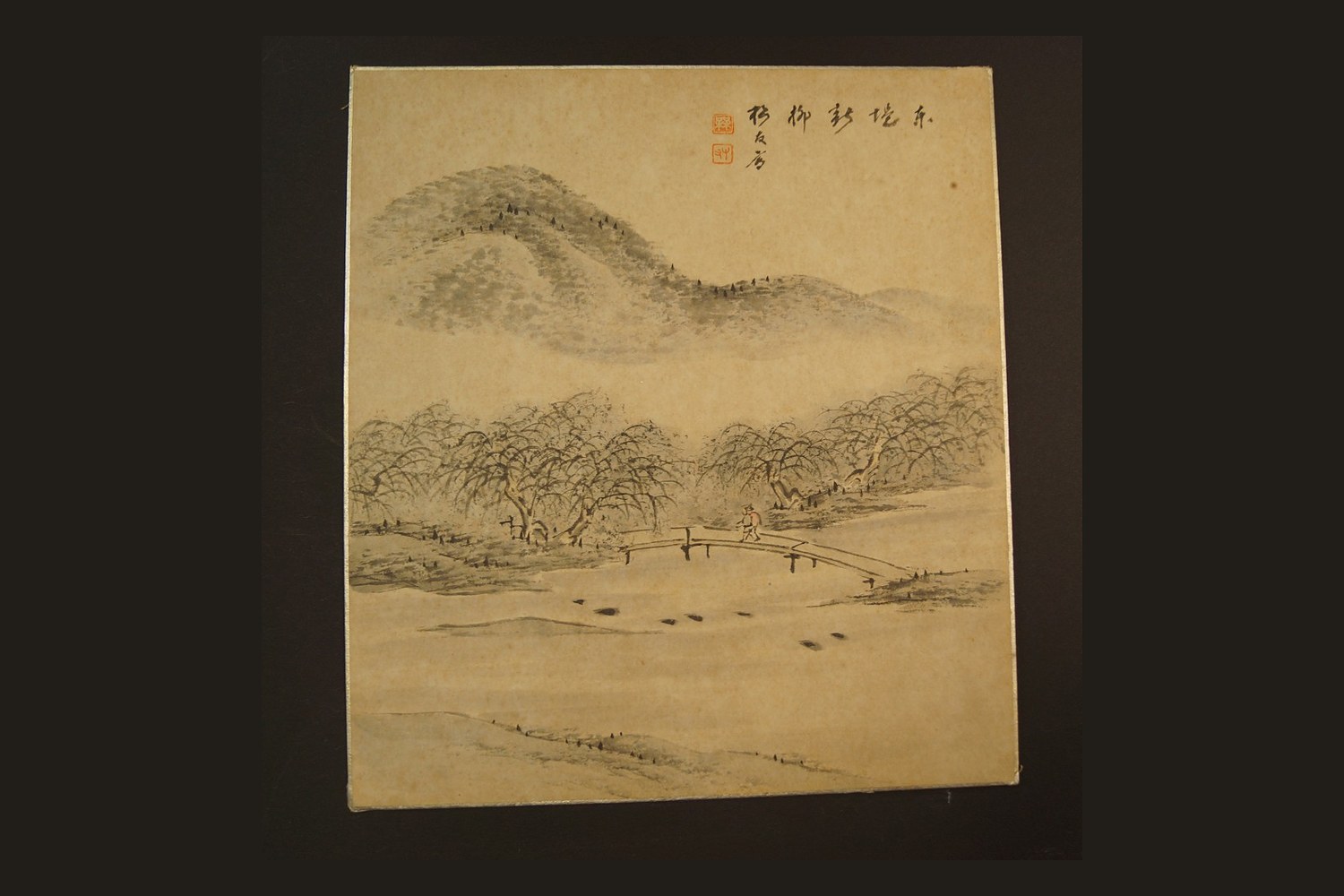
Shikishi – Japanese Painting and Brush Art on Board
Go directly to the artworksIn brief
A shikishi (色紙) is a stiff, usually almost square Japanese painting board of about 24 by 27 centimeters, often with a gold or silver border, traditionally used for calligraphy, poems and ink painting. The small, clearly defined surface demands focus on a single motif or a single thought. A shikishi is displayed on a stand, framed or set into a mounting that brings it to the wall like a hanging scroll. At Densho you will find hand-painted shikishi with calligraphy and painting, along with matching mountings.
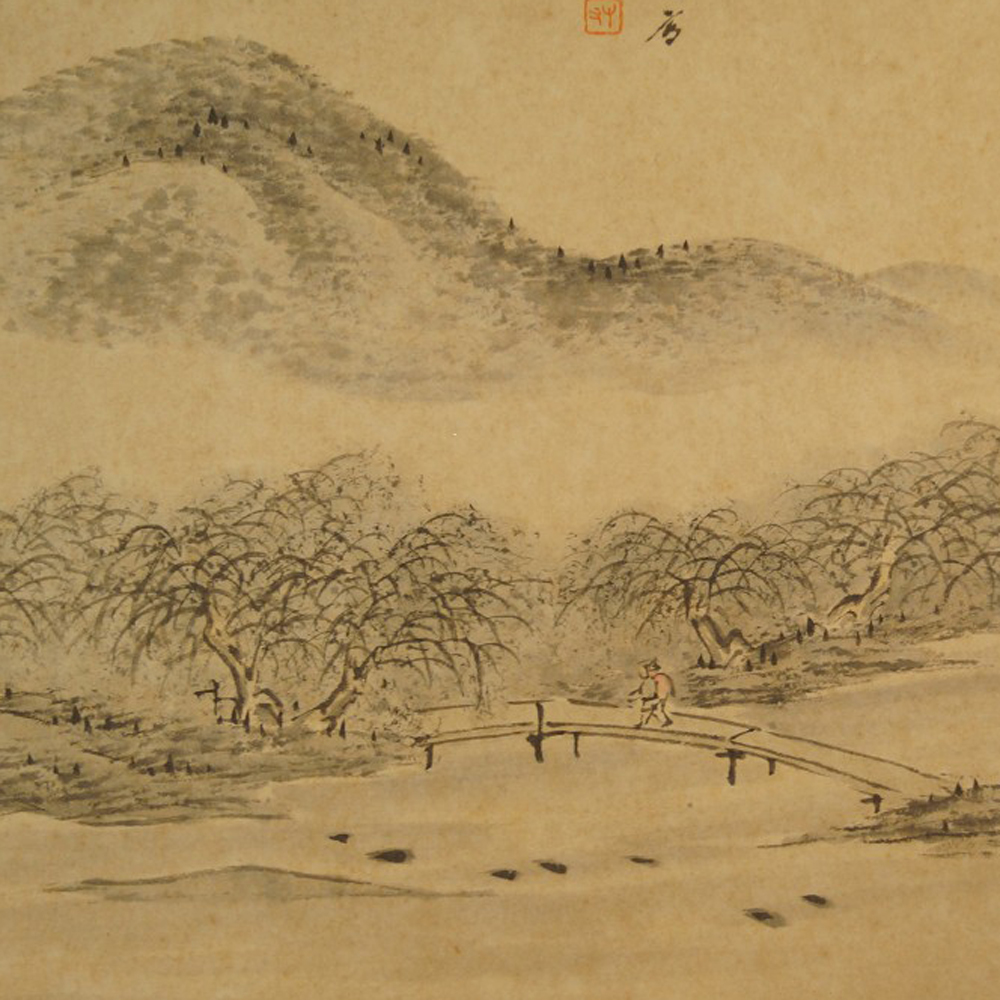
Landscape with Bridge
Shikishi, unique work, 27 x 24 cm
Sold
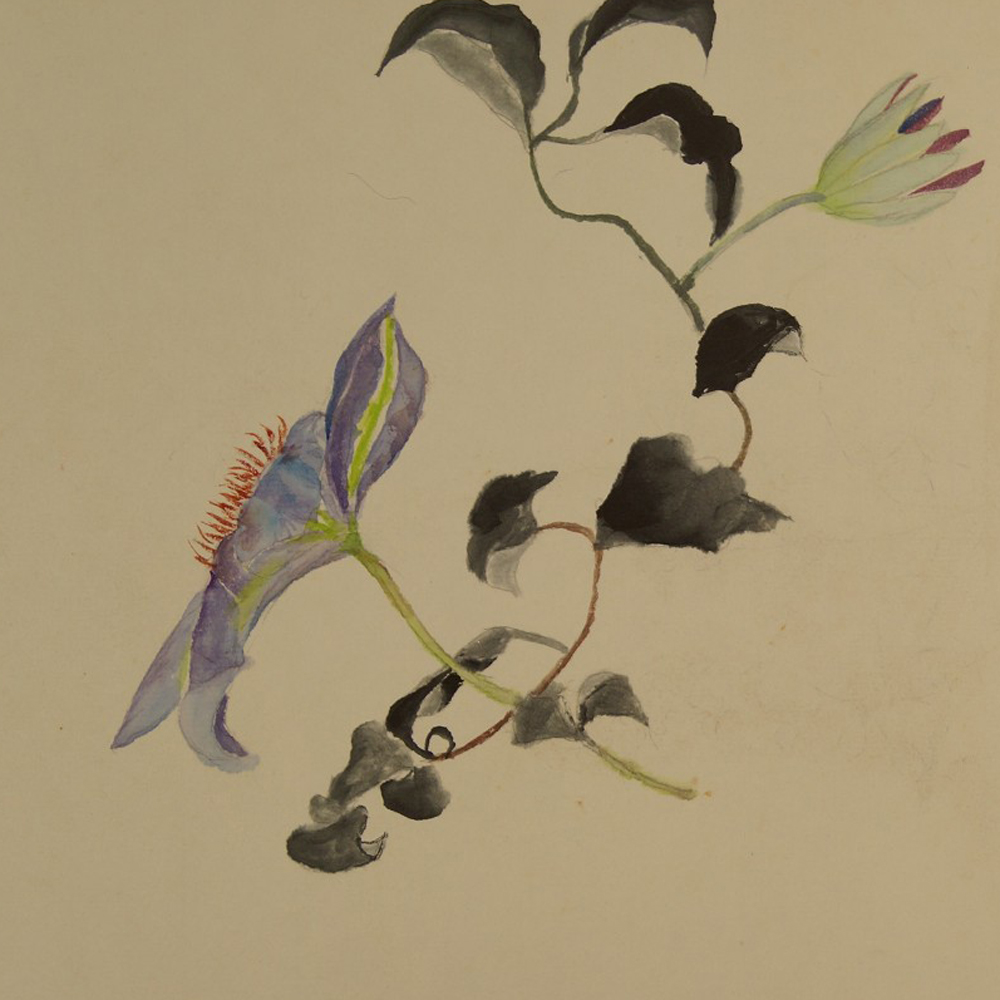
Purple Blossom on Vine Branch
Shikishi, unique work, 27 x 24 cm
Sold
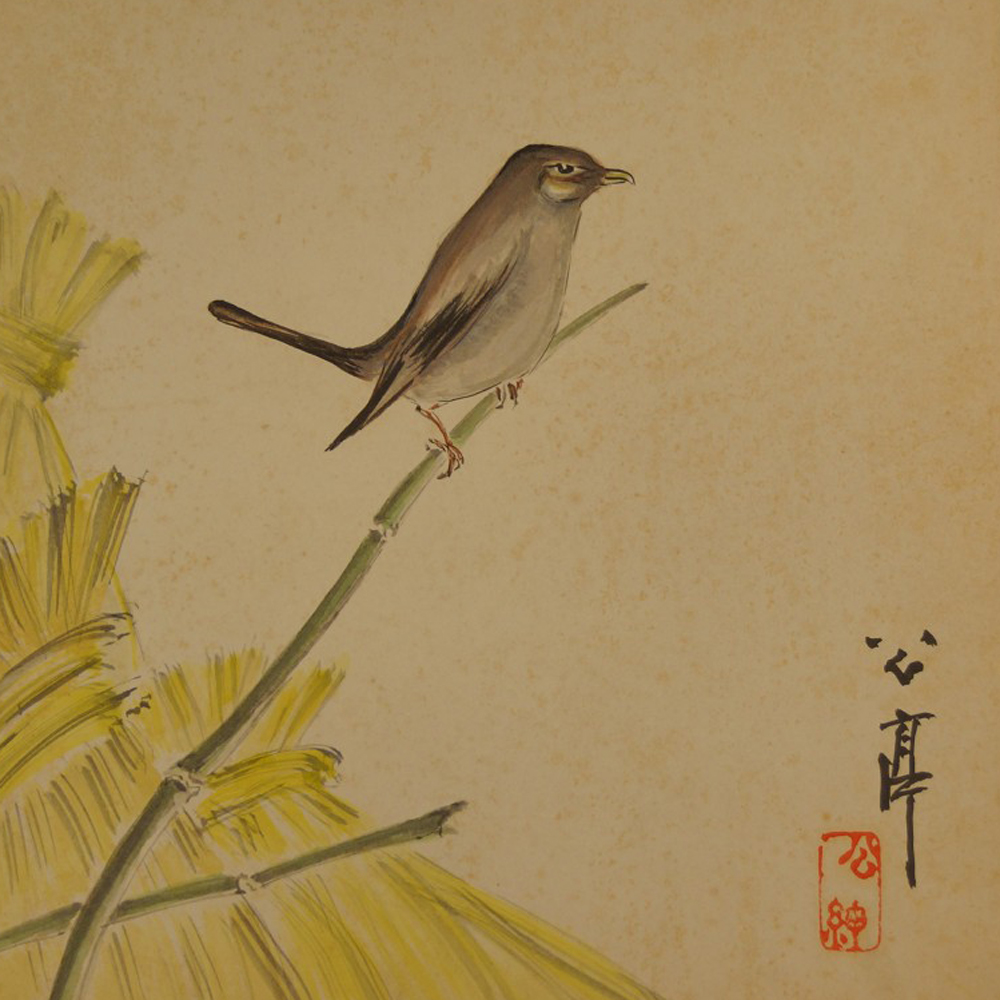
Sparrow at the Rice Harvest
Shikishi, unique work, 27 x 24 cm
Sold
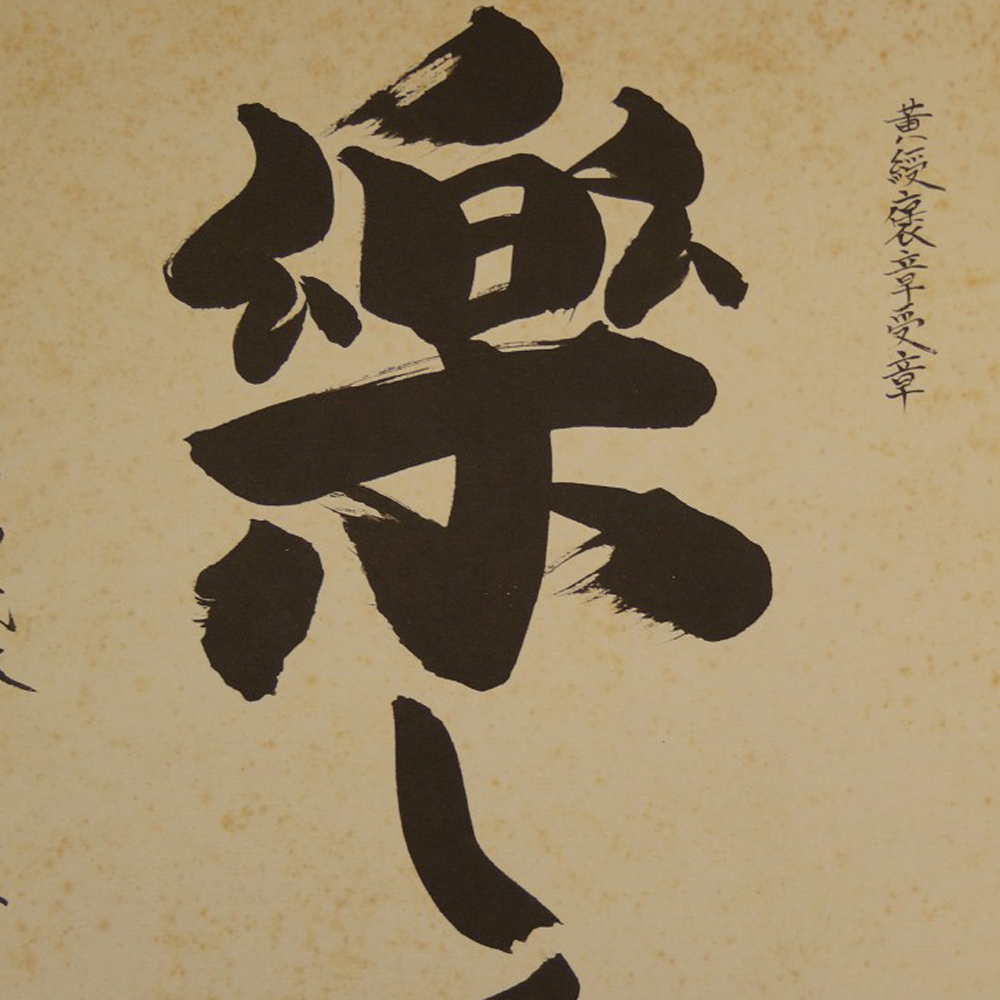
Calligraphy "Joy"
Shikishi, unique work, 27 x 24 cm
Sold
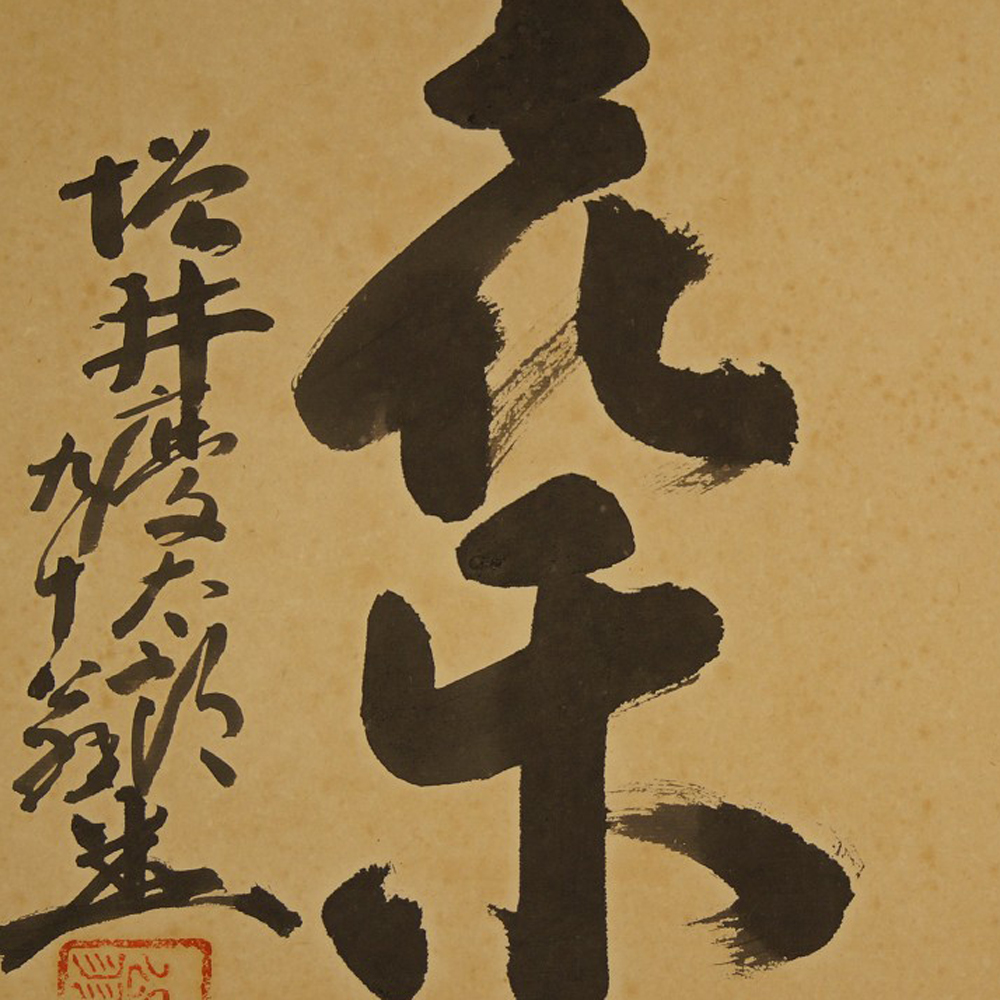
Calligraphy "Music and Flowers"
Shikishi, unique work, 27 x 24 cm
Sold
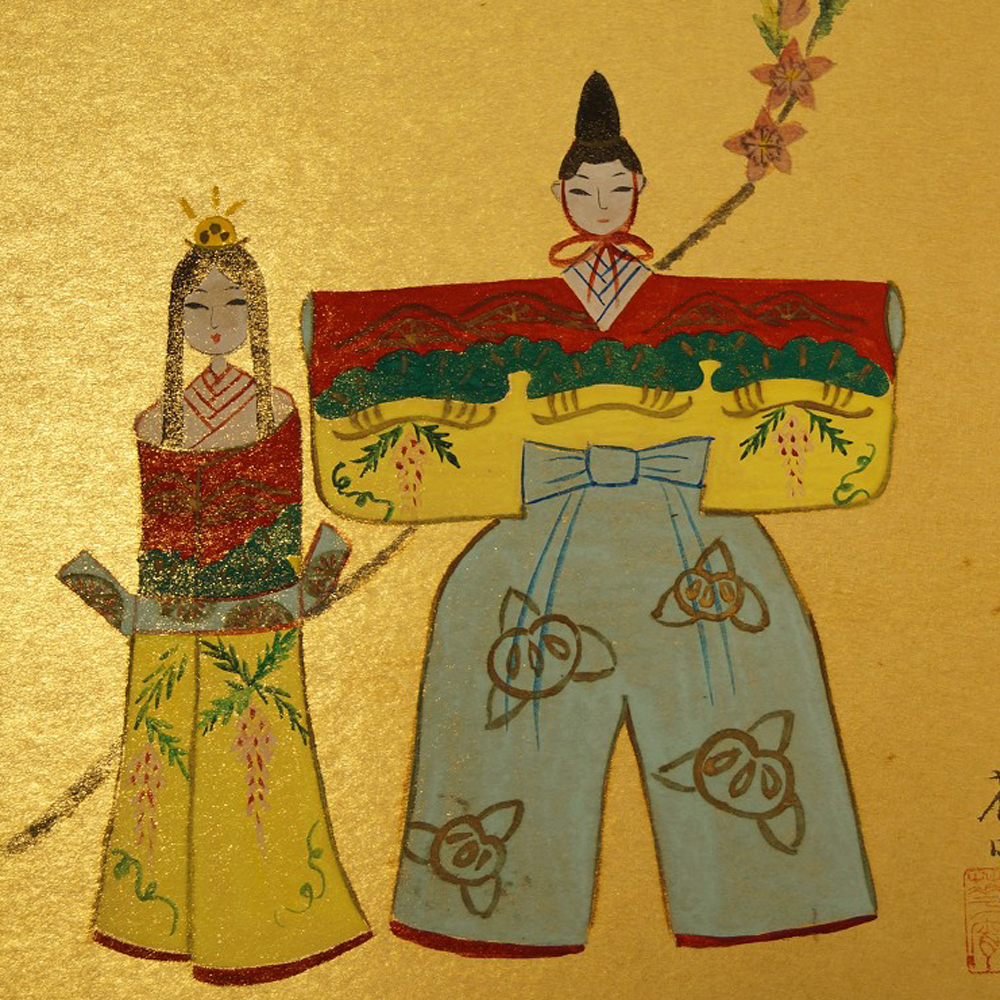
Hina Dolls
Shikishi, unique work, 27 x 24 cm
Sold
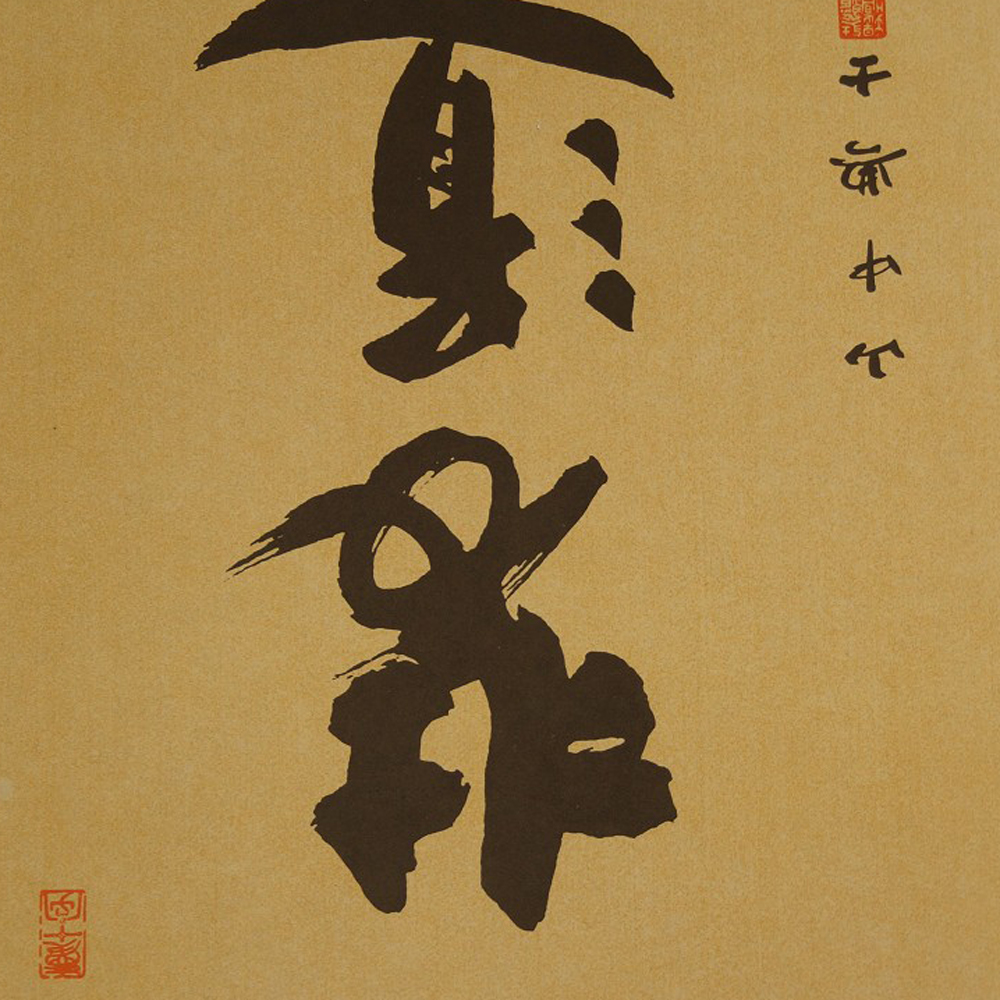
Calligraphy "Fashion – The Way of Dressing"
Shikishi, unique work, 27 x 24 cm
Sold
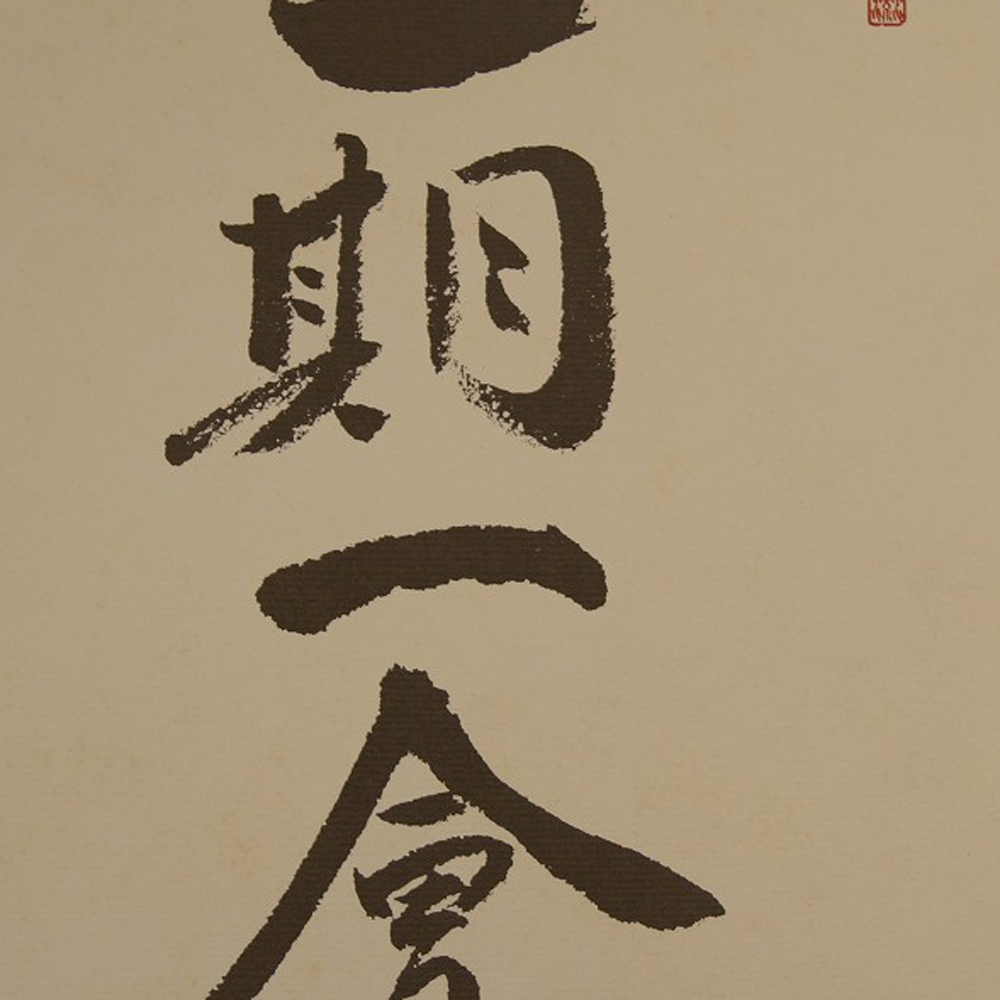
Calligraphy "Every Encounter Is Unique"
Shikishi, unique work, 27 x 24 cm
Sold
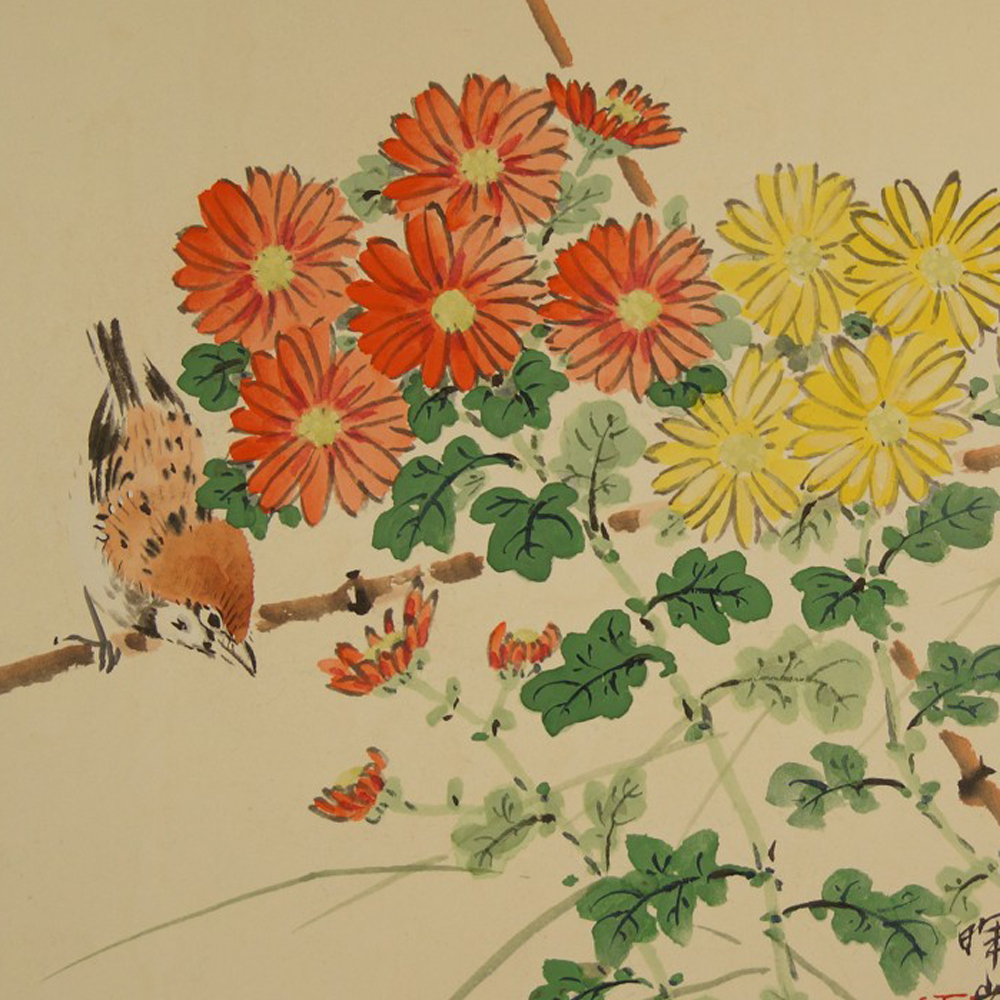
Bokuzan
Sparrow Between Orange and Yellow Chrysanthemums
Shikishi, unique work, 27 x 24 cm
Sold
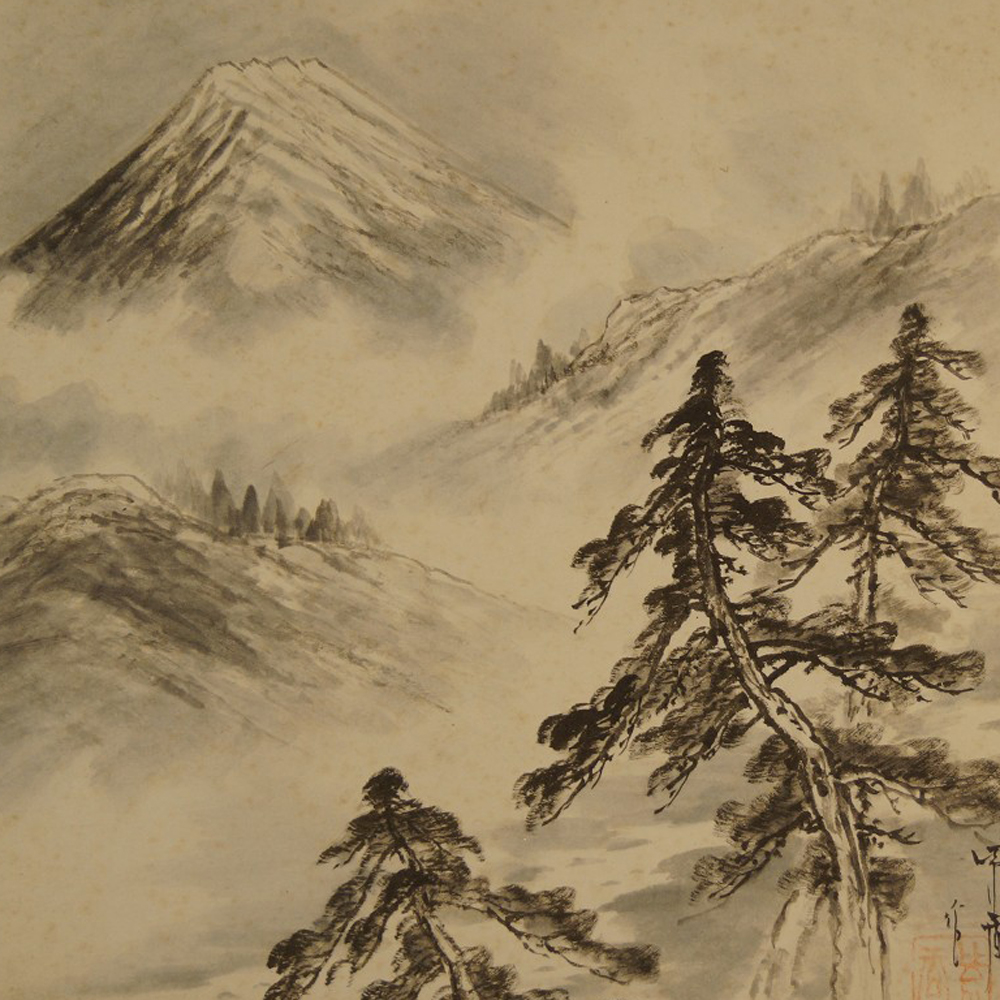
View of Mount Fuji
Shikishi, unique work, 27 x 24 cm
Sold
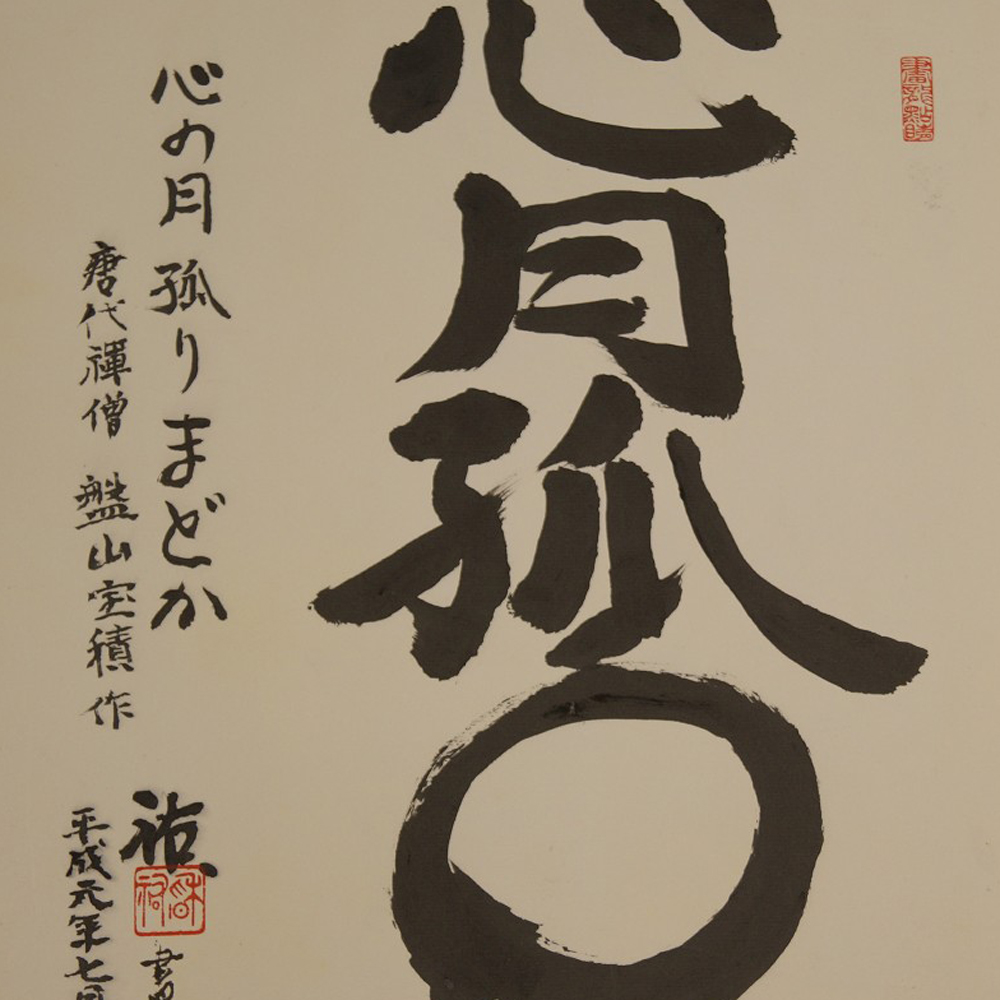
Calligraphy "Lonely Spirit"
Shikishi, unique work, 27 x 24 cm
Sold
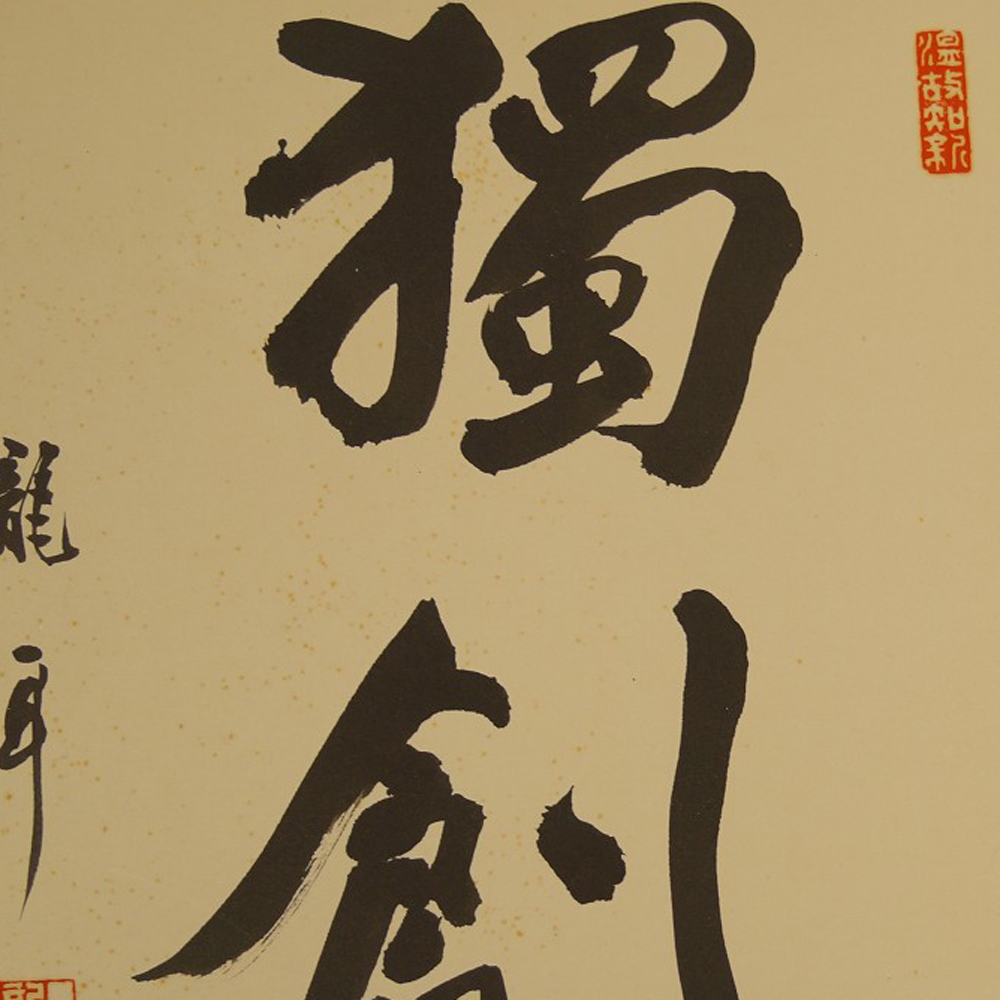
Calligraphy "Ursprünglich"
Shikishi, unique work, 27 x 24 cm
Sold
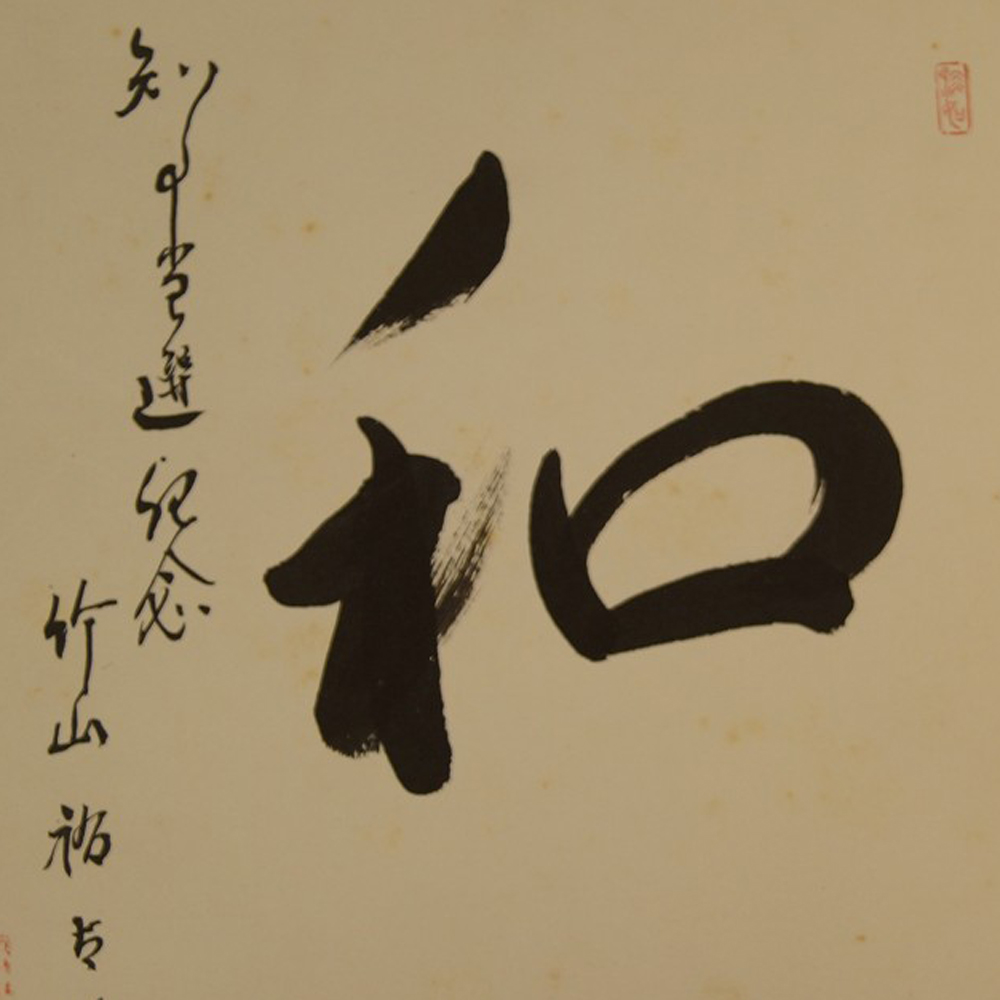
Calligraphy "Wa" (Harmony) on Shikishi
Shikishi, unique work, 27 x 24 cm
Sold
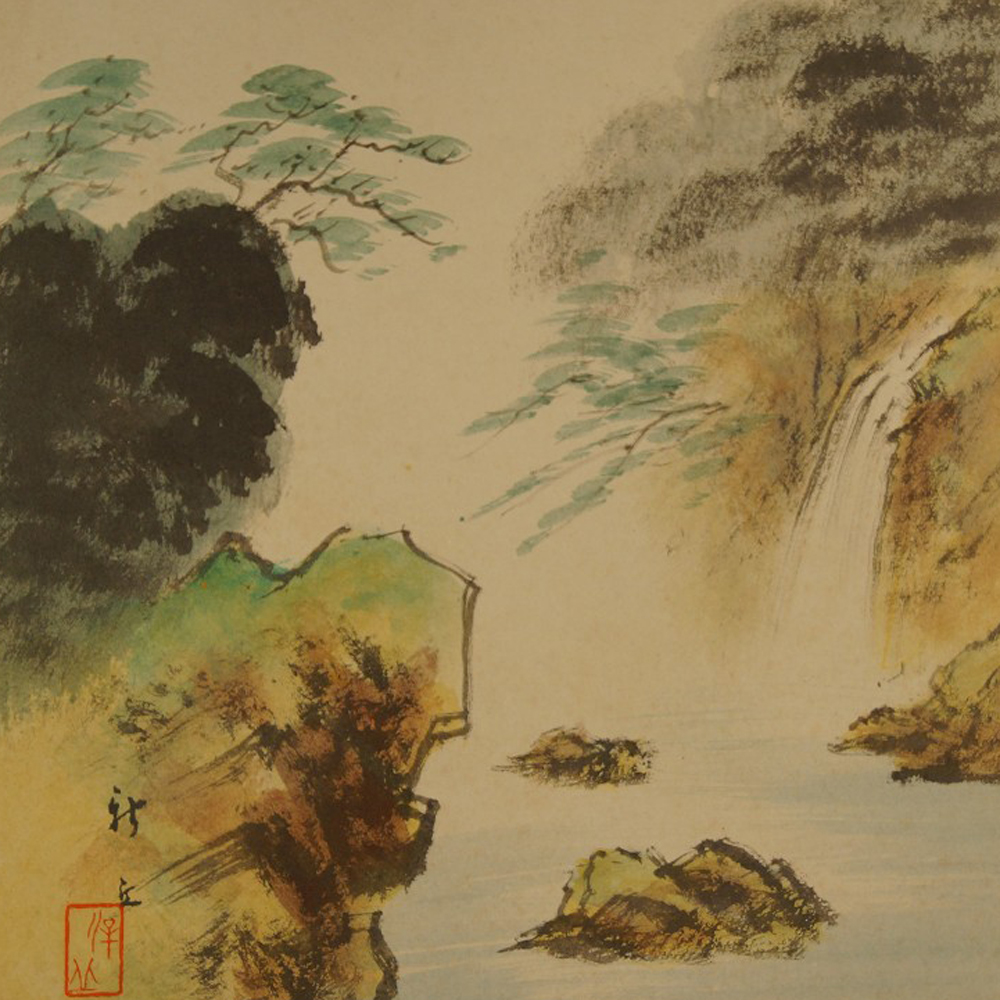
Waterfall in the Mountains on Shikishi
Shikishi, unique work, 27 x 24 cm
Sold
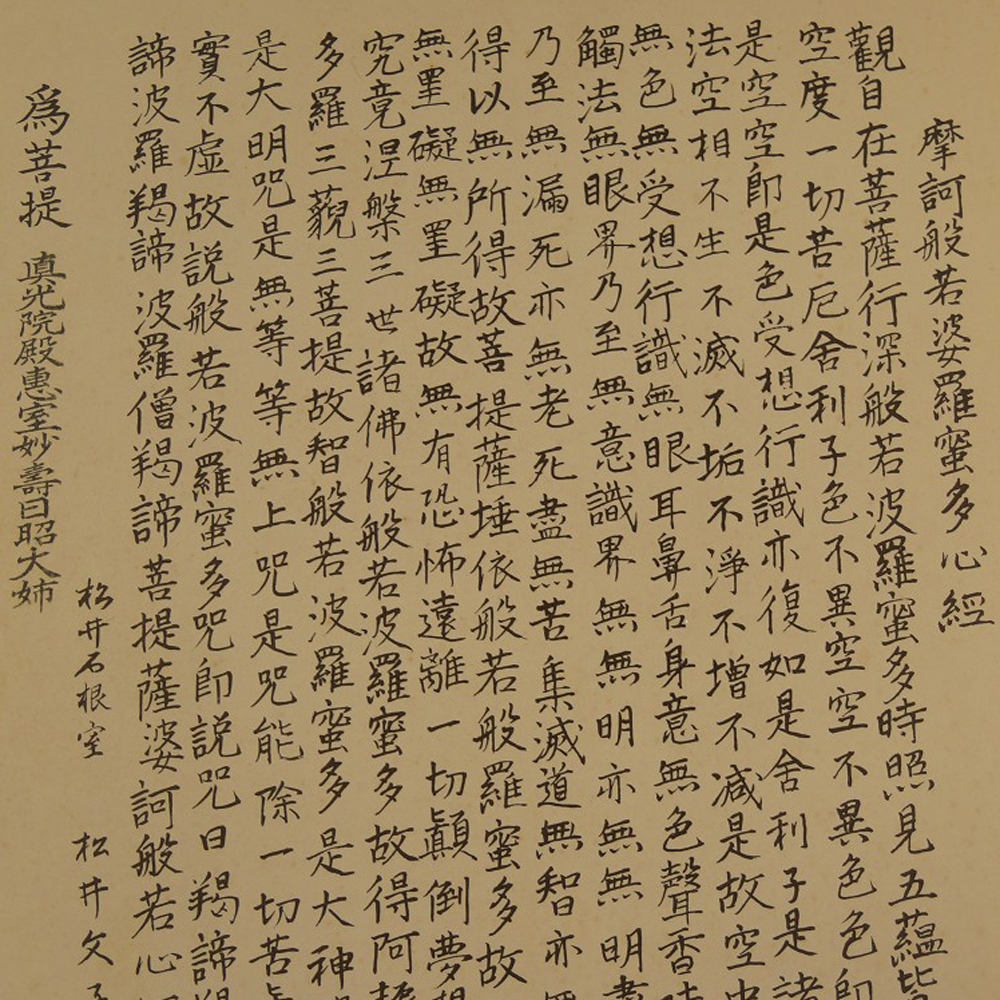
Calligraphy Heart Sutra "Hannya Shingyo"
Shikishi, unique work, 27 x 24 cm
Sold
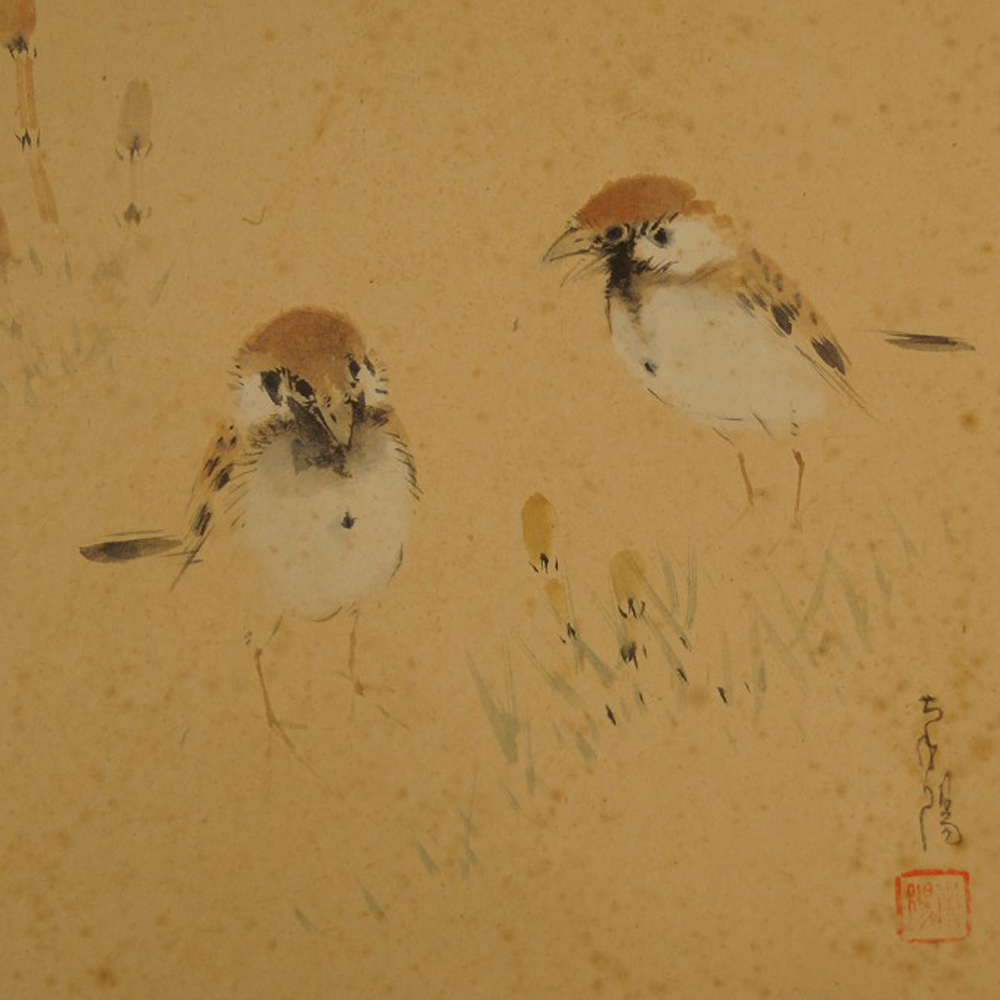
Two Sparrows
Shikishi, unique work, 27 x 24 cm
Sold
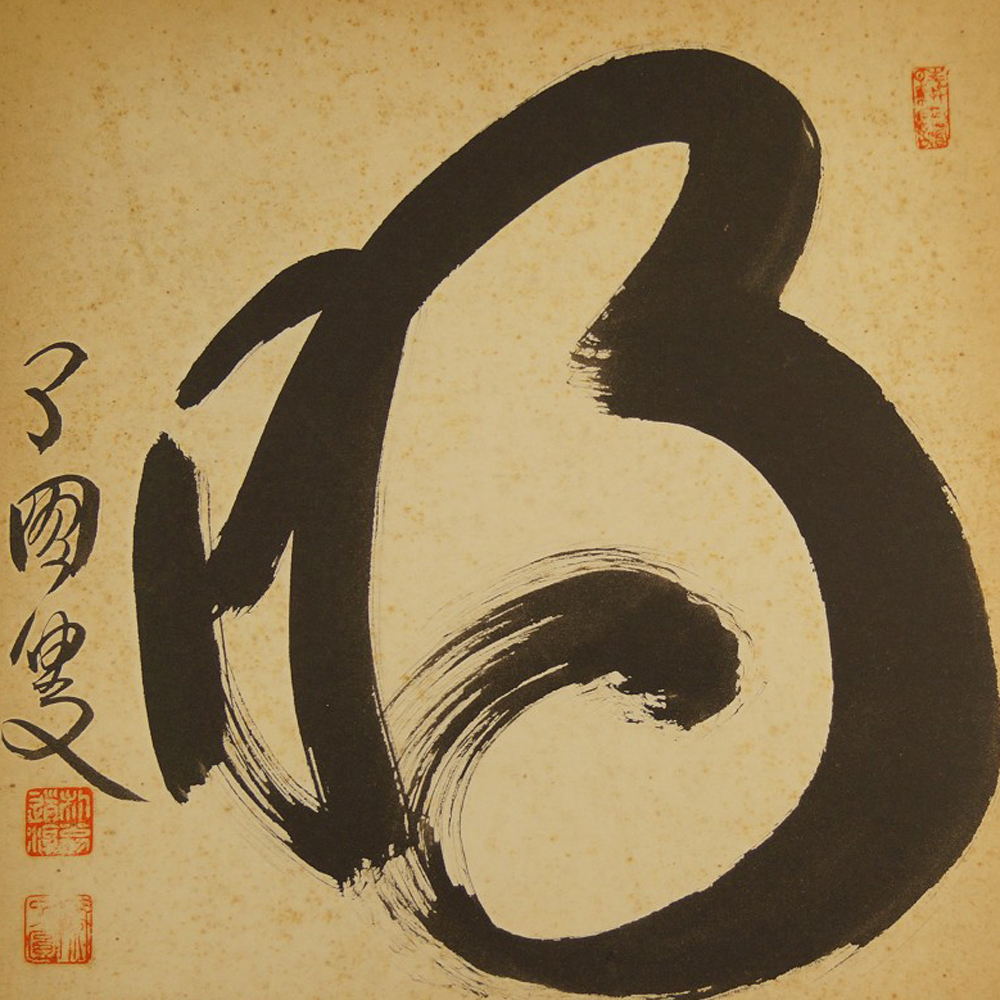
Calligraphy "Bright and Radiant"
Shikishi, unique work, 27 x 24 cm
Sold
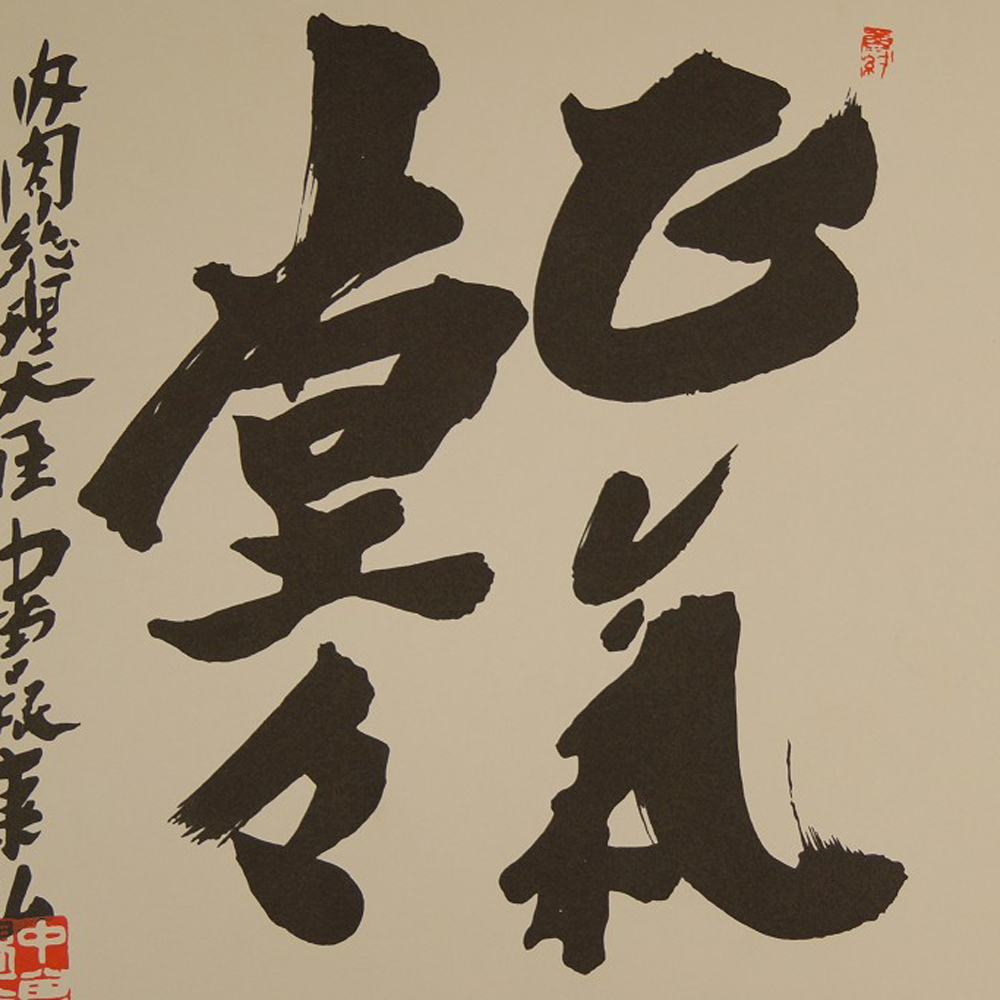
Calligraphy "The Right Spirit Leads to Nirvana"
Shikishi, unique work, 27 x 24 cm
Sold
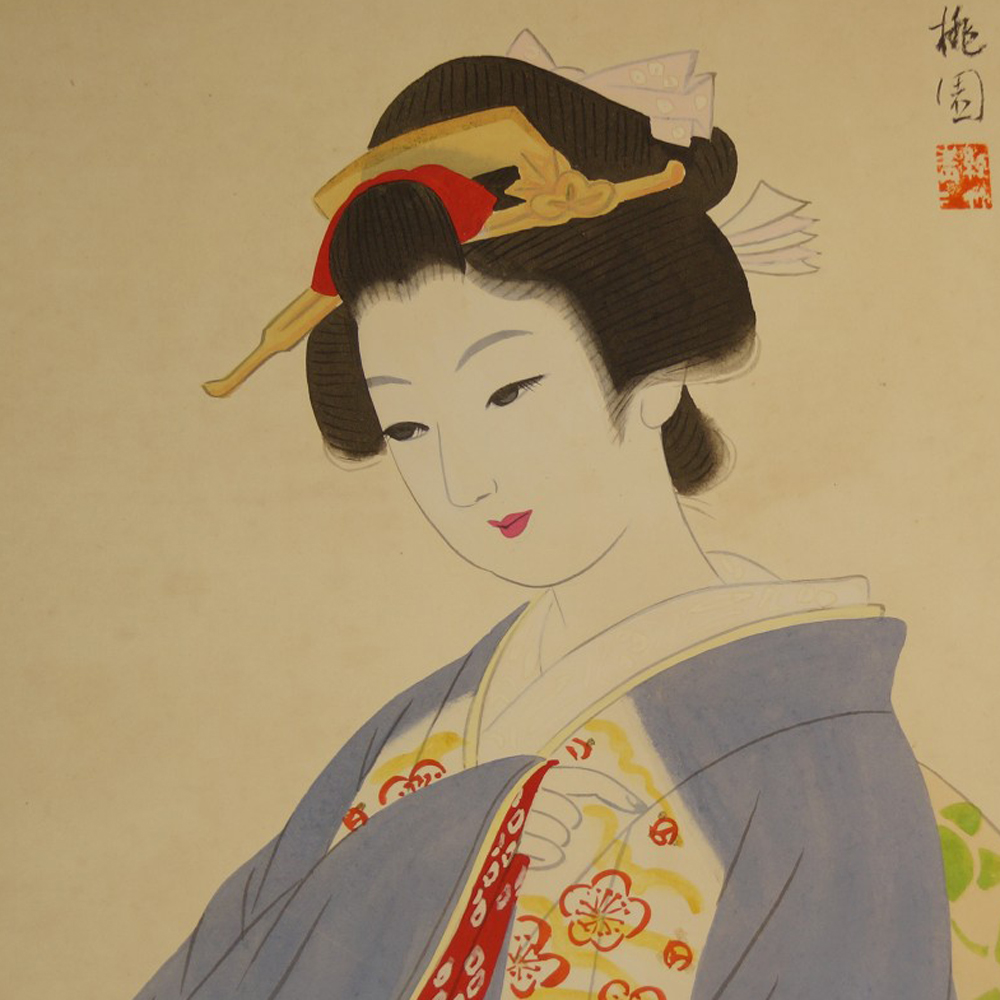
Tōen
Beauty in Blue Kimono with Kanzashi
Shikishi, unique work, 27 x 24 cm
Sold
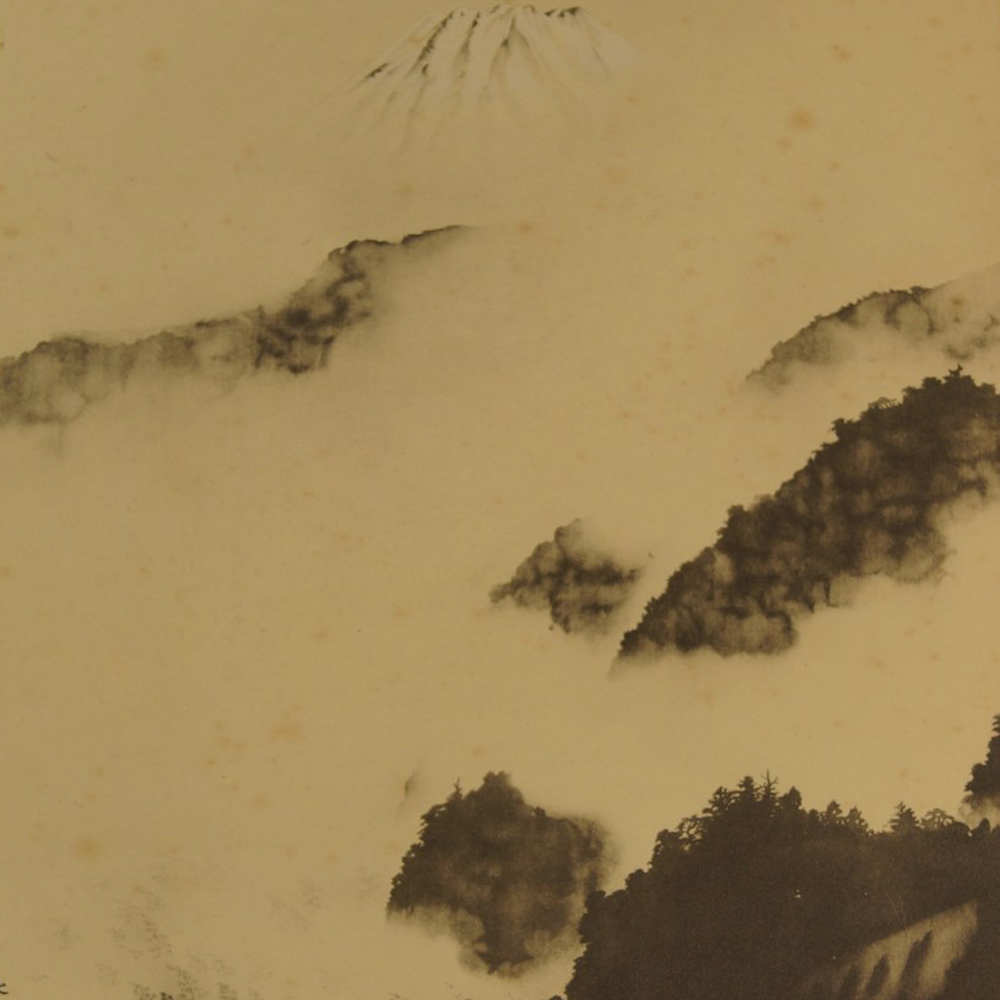
Shikishi - Mountain After a Shower PRINT
Shikishi, Print, 27 x 24 cm
Sold
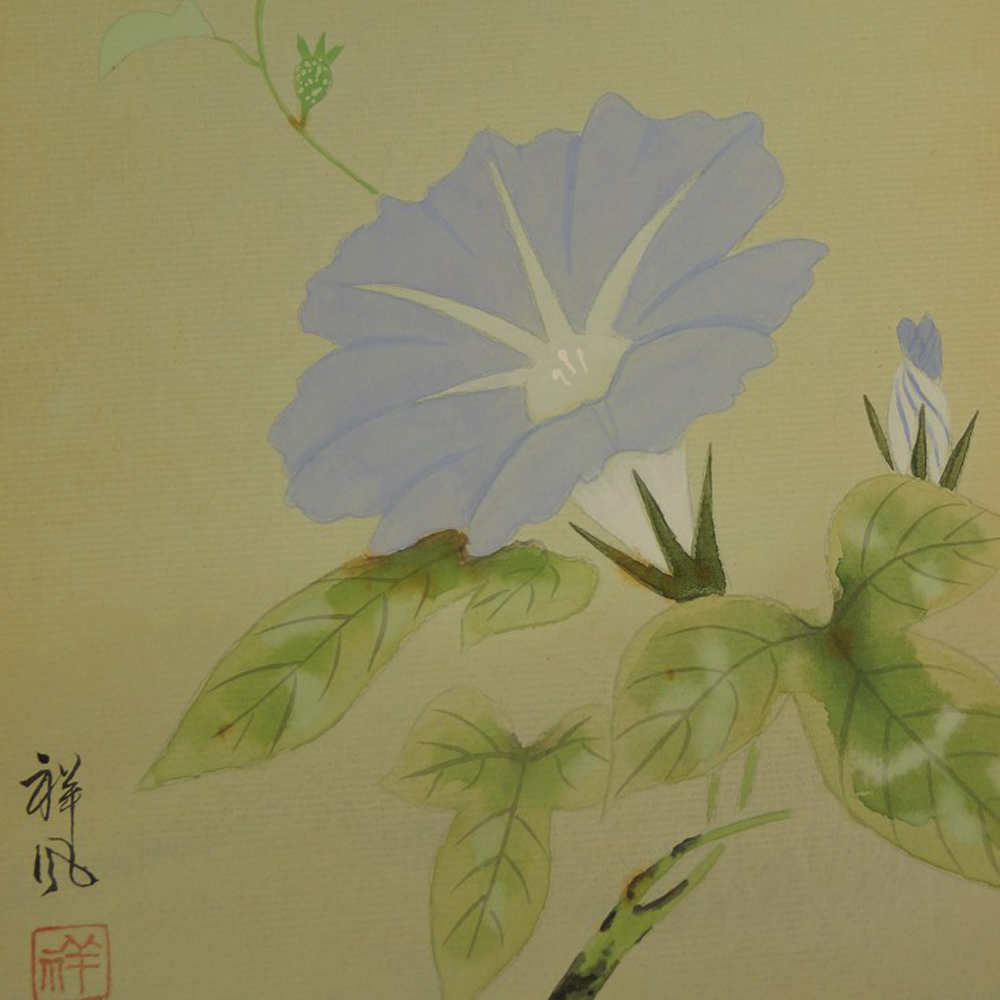
Morning Glory
Shikishi, unique work, 27 x 24 cm
Sold
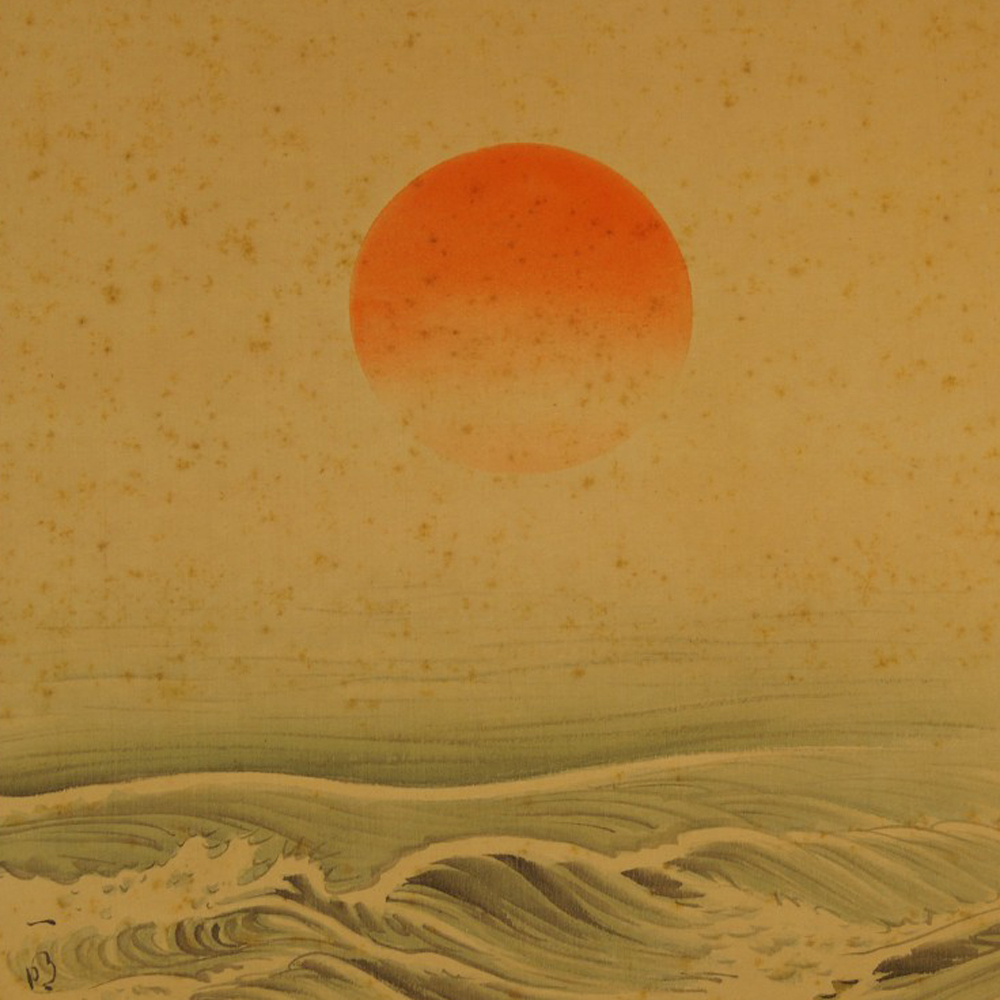
Rising Sun over Stylized Waves
Shikishi, unique work, 27 x 24 cm
Sold
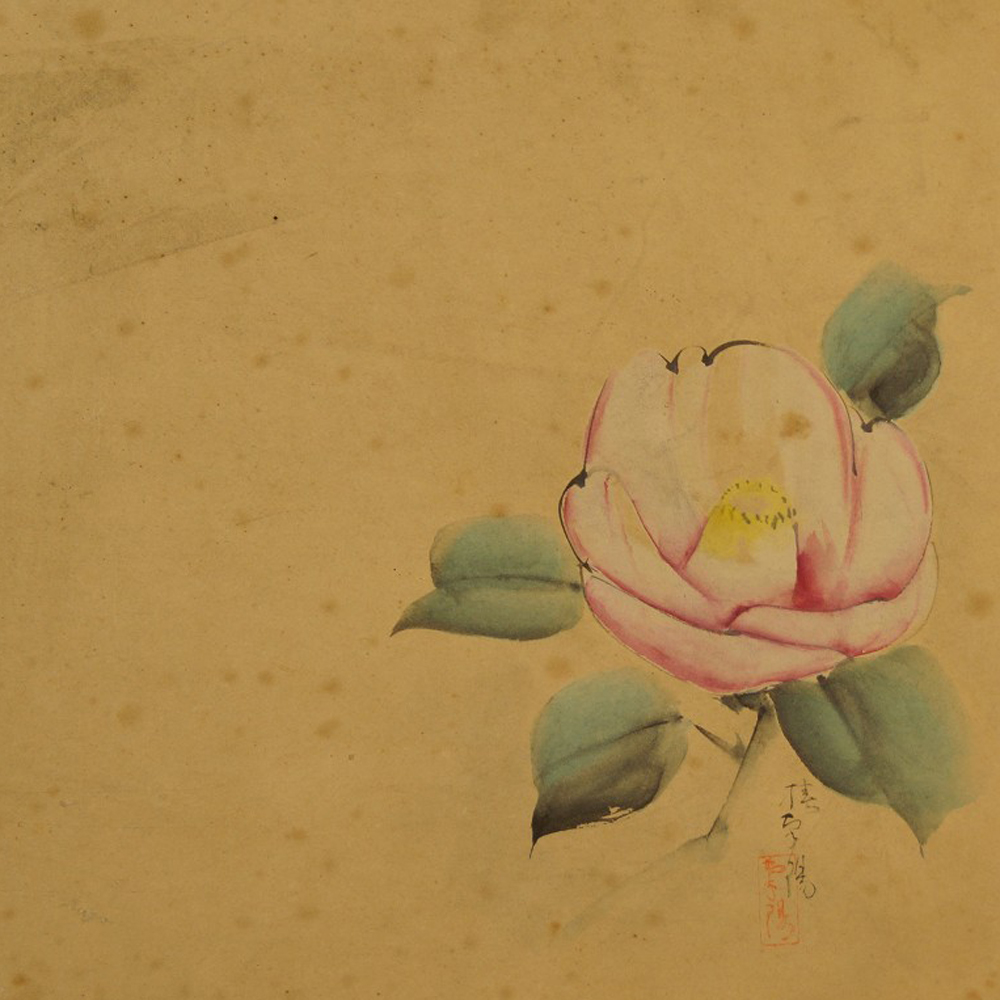
Rose
Shikishi, unique work, 27 x 24 cm
Sold
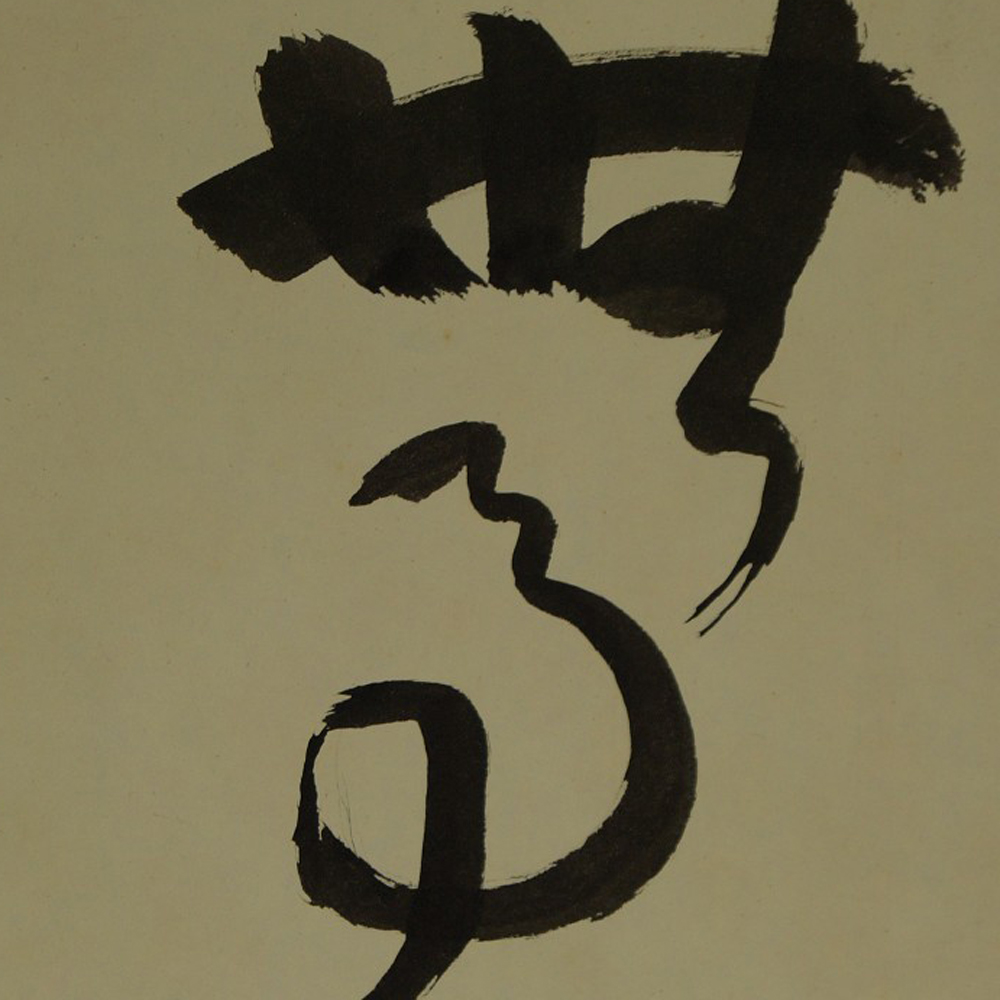
Calligraphy "Emptiness"
Shikishi, unique work, 27 x 24 cm
Sold
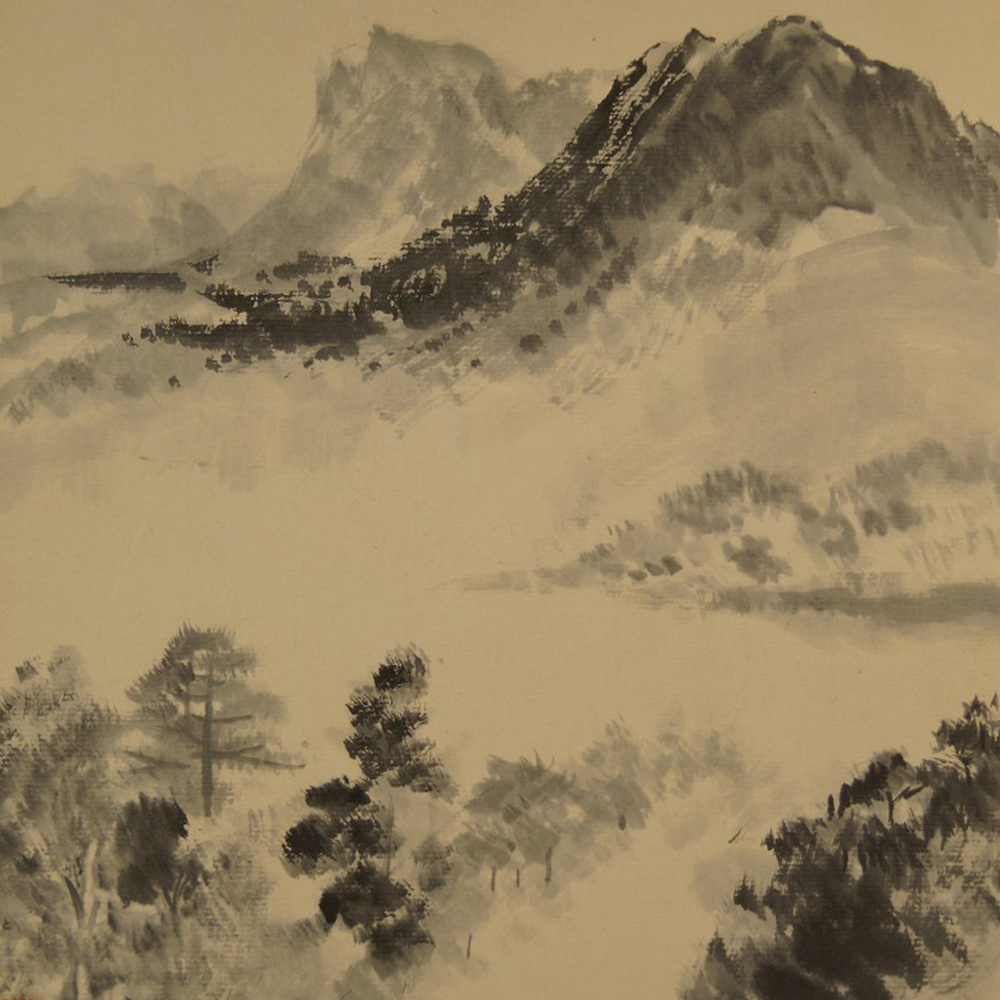
Mountain Landscape
Shikishi, unique work, 27 x 24 cm
Sold
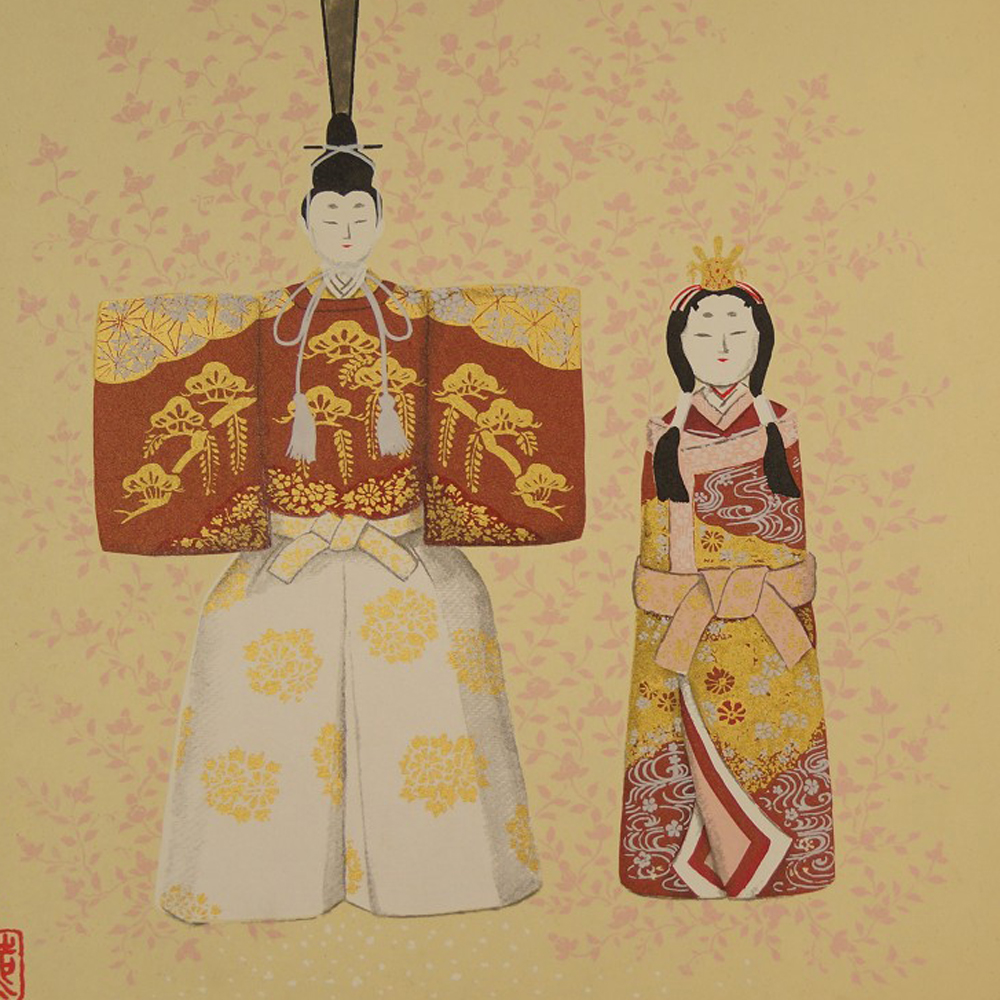
Shikishi - Hina Dolls (PRINT)
Shikishi, Print, 27 x 24 cm
Sold
26 of 26 items shown
Shikishi: The Square Painting Board
Shikishi (色紙) refers to a stiff, thick and usually almost square painting board traditionally used for calligraphy, poetry and ink painting. Typical dimensions are about 24 by 27 centimeters, and a gold or silver border, sometimes flecked with gold, is characteristic. Contrary to what the literal meaning "colored paper" suggests, it is not simple paper but a multi-layered, rigid support that makes a finished work presentable without any further treatment.
Origins in Courtly Poetry
The shikishi developed out of Japan's courtly and literary culture, in which poems and dedications were set down on fine paper formats. Above all it served the short poetic forms tanka and haiku, in which a few syllables are meant to unfold great depth. Holdings of the Metropolitan Museum of Art in New York show how closely format and poetry belong together: a poem card from 1606 that Hon'ami Kōetsu created with ink, gold and silver and that was later mounted as a hanging scroll, and an album of the Tosa school with shikishi showing scenes from The Tale of Genji.
Calligraphy and Painting in a Small Space
The fixed format offers both a limit and an opportunity. A shikishi carries a single character, a short maxim or a pared-down pictorial motif; every brushstroke is final, and corrections are no more intended than in calligraphy as a whole. The thick, multi-layered board takes ink well and hardly warps. Besides shodō, calligraphy, the format is also used for sumi-e, ink painting, whose concise pictorial language combines particularly well with the small surface. Besides paper, silk or fine fabric also appear as surfaces.
Shikishi and Kakemono
The kakemono, the vertical hanging scroll, is often the atmospheric center of a room and carries larger, sometimes narrative compositions. The shikishi is far more intimate and concentrates on a single, self-contained motif. In traditional interior design the two complement each other: the expansive scroll in the tokonoma, the smaller shikishi on a shelf, on a desk or as a framed wall piece. Its slender relative is the tanzaku, a paper strip of about 7.5 by 36 centimeters for single lines of poetry.
Standing, Framed or Set into a Mounting
A shikishi is often displayed freestanding on a small stand or framed. A third, very Japanese solution is the empty mounting: a kakemono mounting of brocade in which the board is held at its four corners by crossed threads. This way the shikishi hangs on the wall like a hanging scroll and can be taken out at any time and exchanged for another – according to season or occasion. At Densho a shikishi is delivered without a mounting; the mounting shown in the photos is for illustration and is available separately.
A Gift with Meaning
Beyond its artistic role, the shikishi still has a social function in Japan today: as a personal gift for New Year, a wedding or a farewell. A signed shikishi is not regarded as an arbitrary souvenir but as a deliberately chosen gesture of appreciation. Traditionally, shikishi were also displayed in temples and shrines. A maxim such as "Ichigo Ichie" – every encounter is unique – or the character for harmony therefore makes a fine gift for a special occasion.
Motifs: From Zen Words to Seasonal Pictures
The range of shikishi extends from calligraphies with single characters or short maxims such as "Wa" (harmony), "emptiness" or a complete copy of the Heart Sutra to small paintings: a morning glory, sparrows in a field of grain, chrysanthemums, Mount Fuji above misty hills, a mountain waterfall or Hina dolls on a gold ground. Most pieces date from the Shōwa period (1926–1989) and are painted or written by hand. The few prints are expressly labeled as such.
What Collectors Look For
A slightly browned board surface reveals the age of a piece and is part of its character. Signature and red seal usually sit at the edge of the composition and attest to its authorship. With calligraphy it is worth paying attention to the translation, since only the text unlocks the meaning of the characters. Like any work on paper, a shikishi does not belong in direct sunlight or above a radiator, and it should only be cleaned dry.
