Japanese Painting
Go directly to the artworksIn brief
Japanese Painting is traditionally recorded on kakemono (hanging scrolls), which are made of paper or silk and rolled up on a wooden rod. A kakemono usually shows a single motif – such as a landscape, a Buddhist deity, animals, flowers, or calligraphy – and was originally hung in the tokonoma, the alcove of traditional Japanese living rooms, and changed according to the season or occasion.
The painting is usually done with ink and natural pigments on paper or silk, often complemented by gold accents or fine calligraphy inscriptions by the artist. At densho.art you will find handcrafted, predominantly antique to modern kakemono directly from Japan, each piece an original and a one-of-a-kind work.
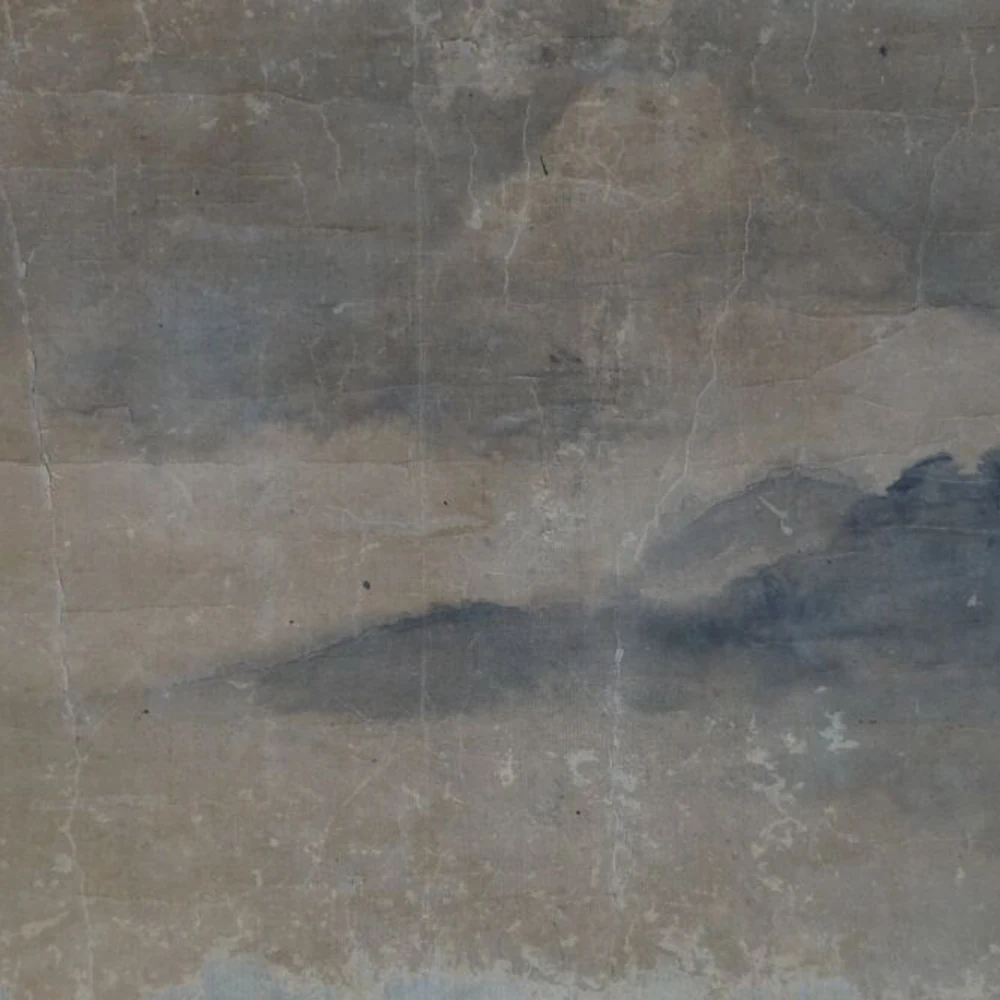
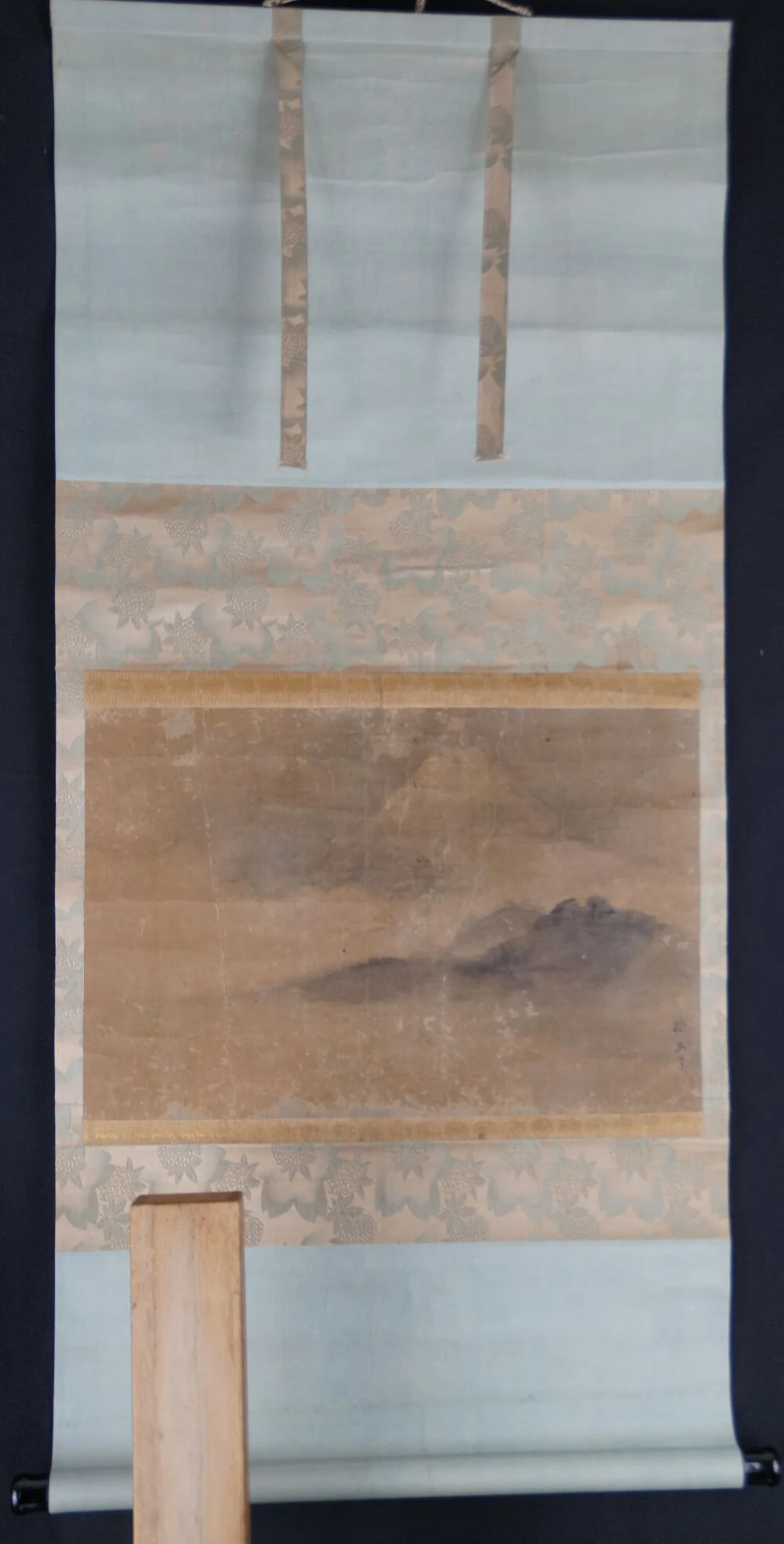
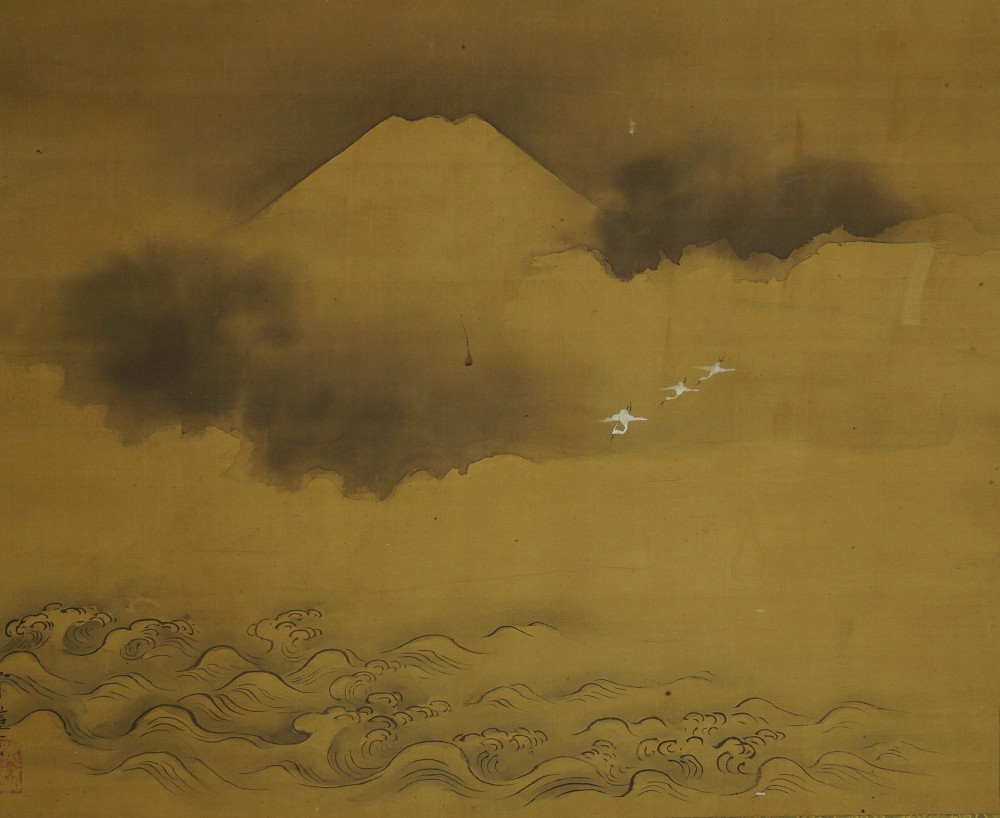
Kanō Tanyū
Fuji Above a Cloud Band and Misty Hills
Kakemono, unique work, with box, 103 x 52 cm
€660.00
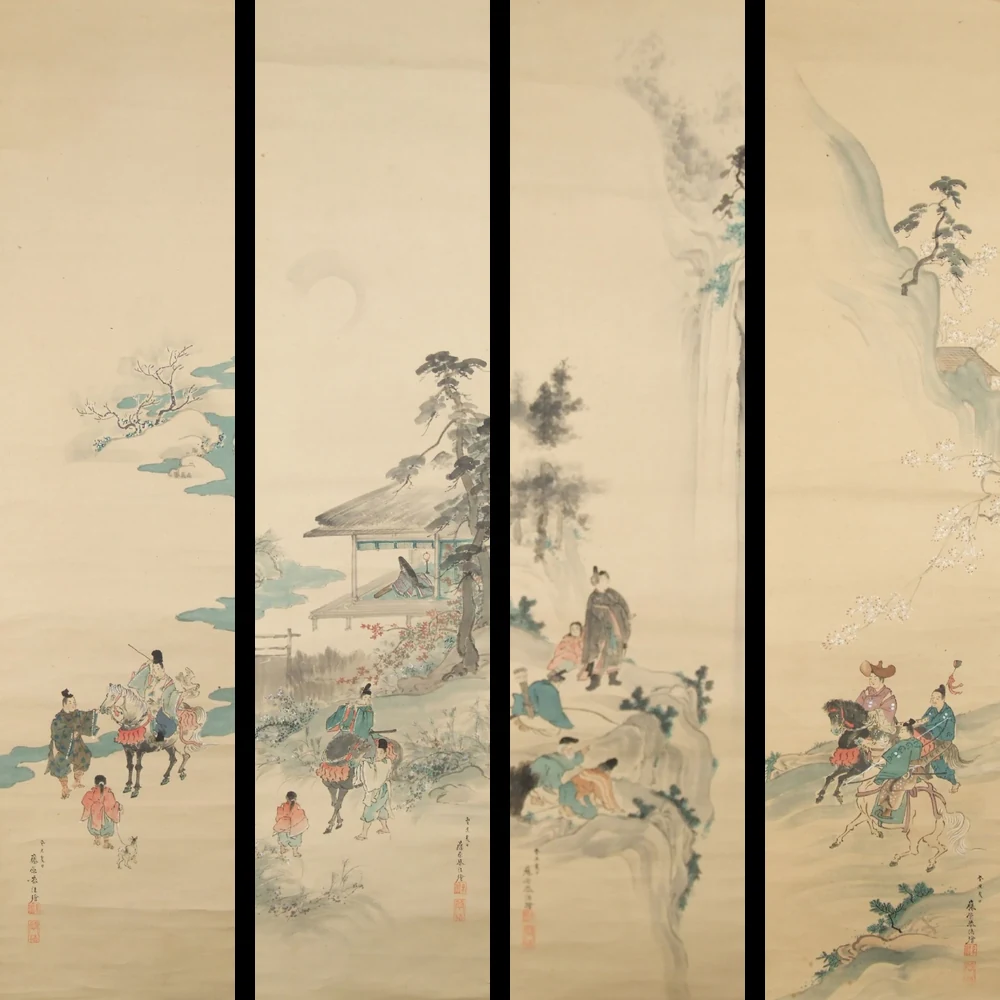
Okumura Kyōhō
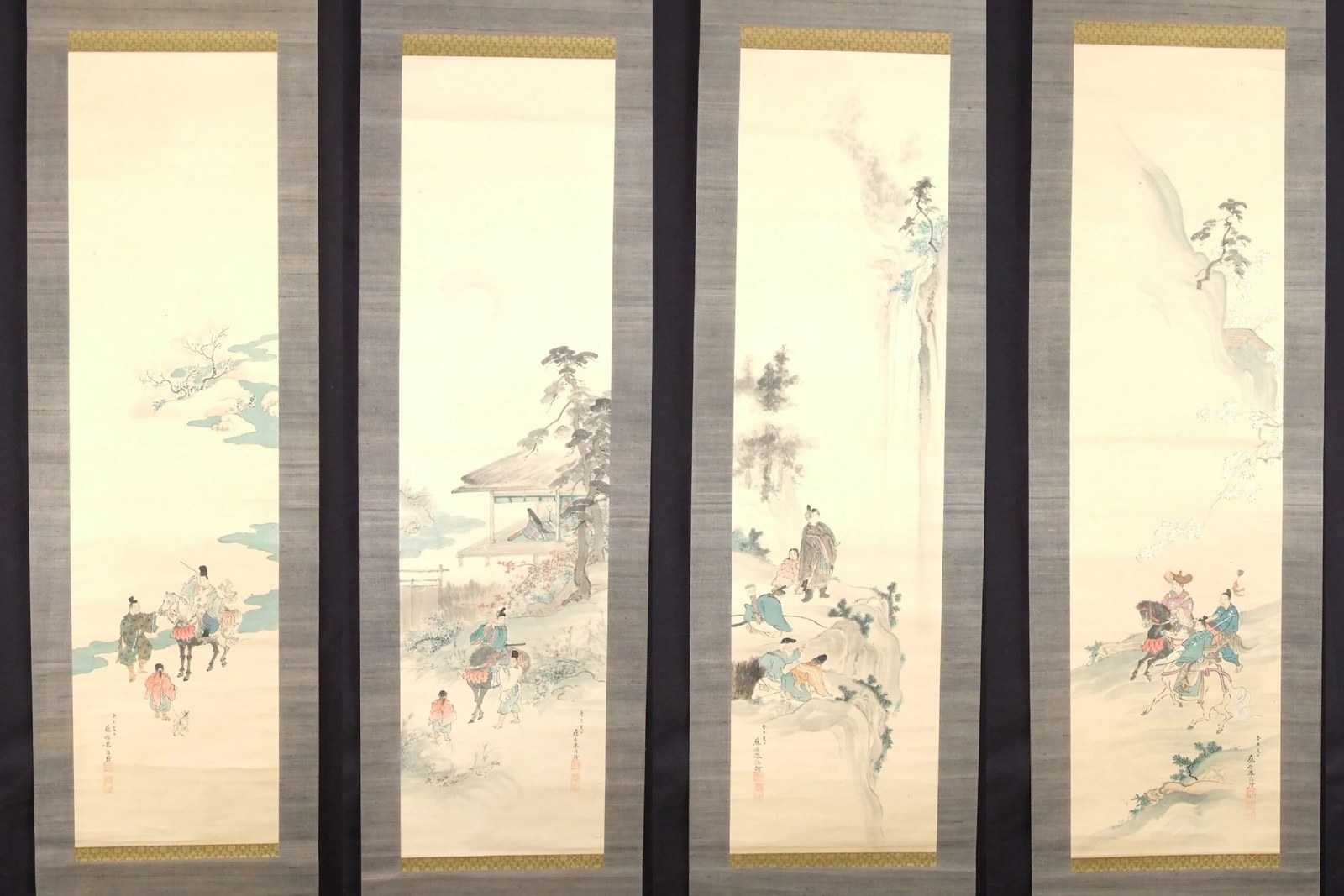
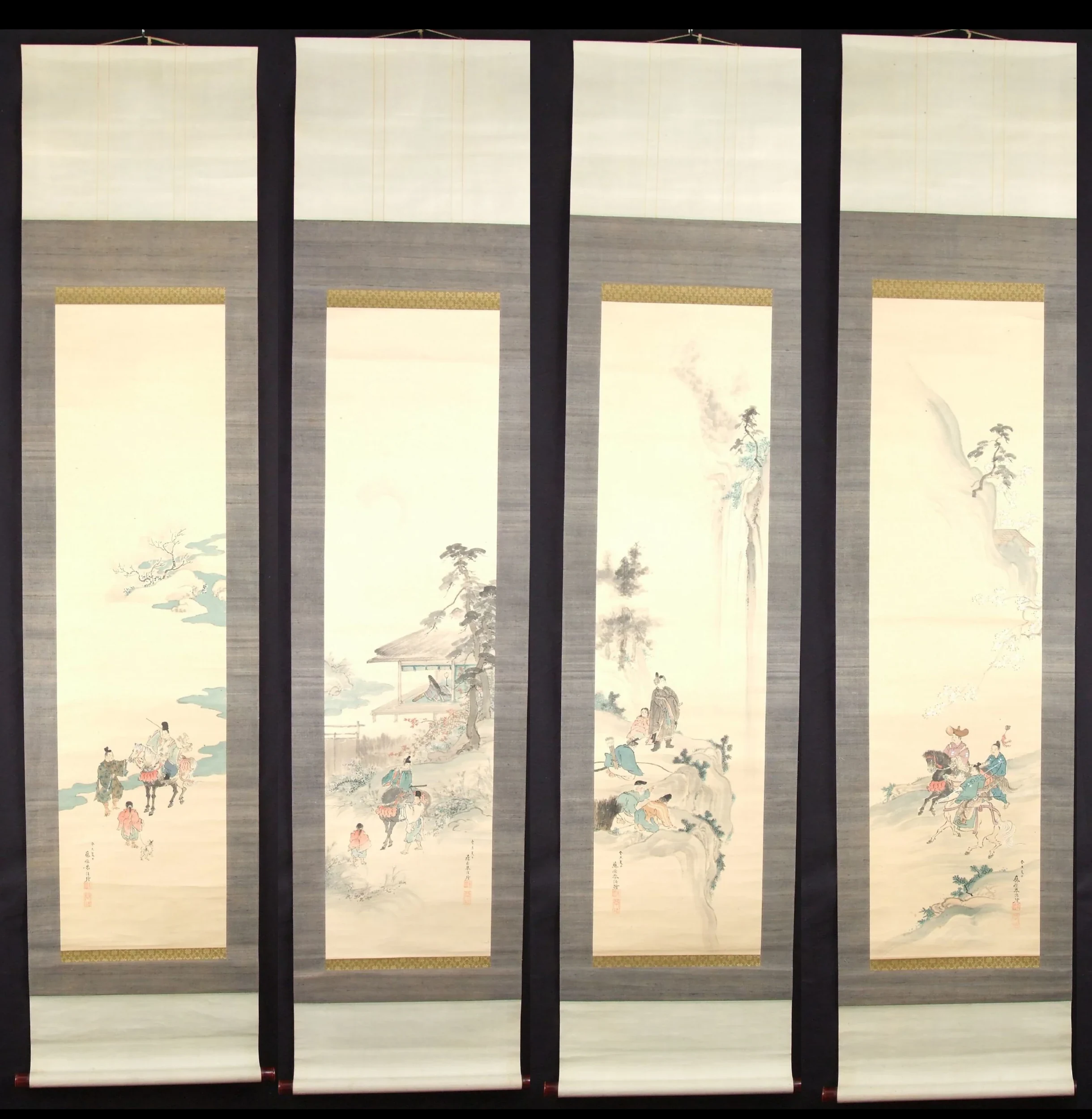
Set of Four Paintings – Legends of the Four Seasons
Kakemono, unique work, with box, 192 x 48 cm
€1,210.00
Mori Getsujō
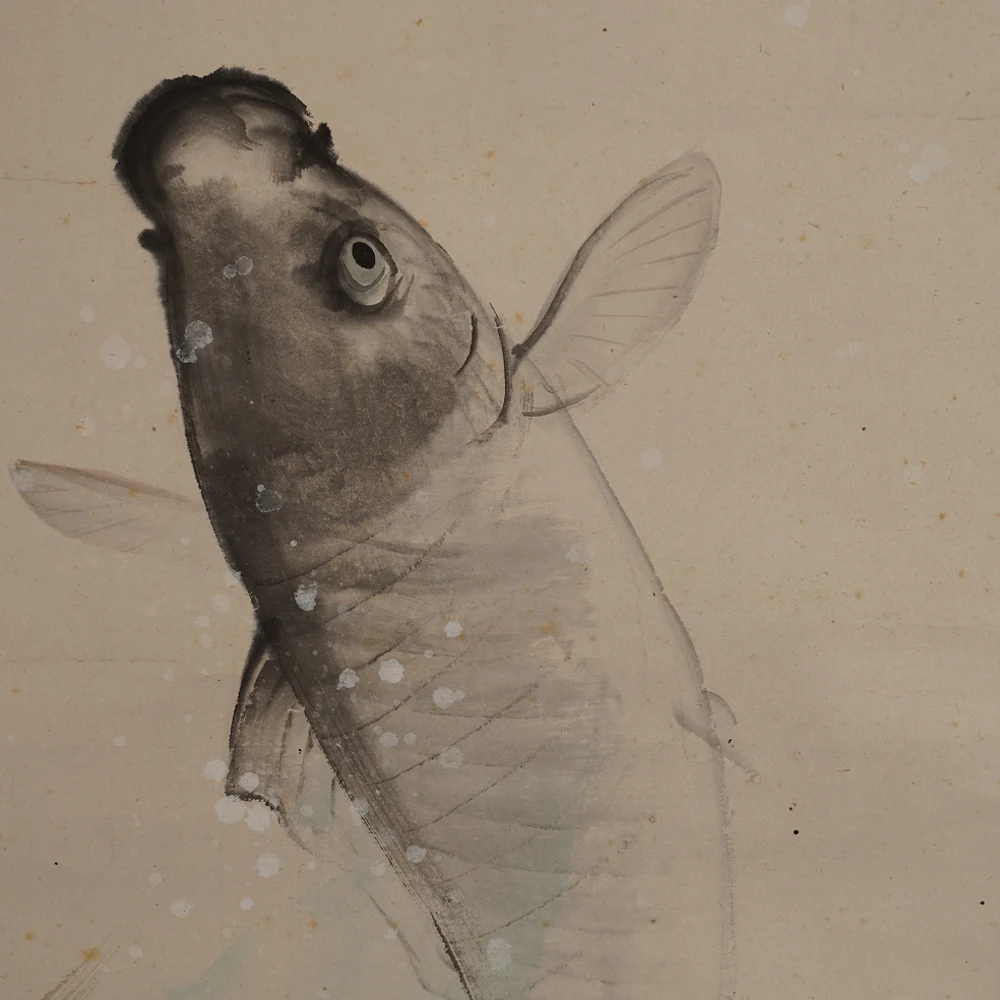
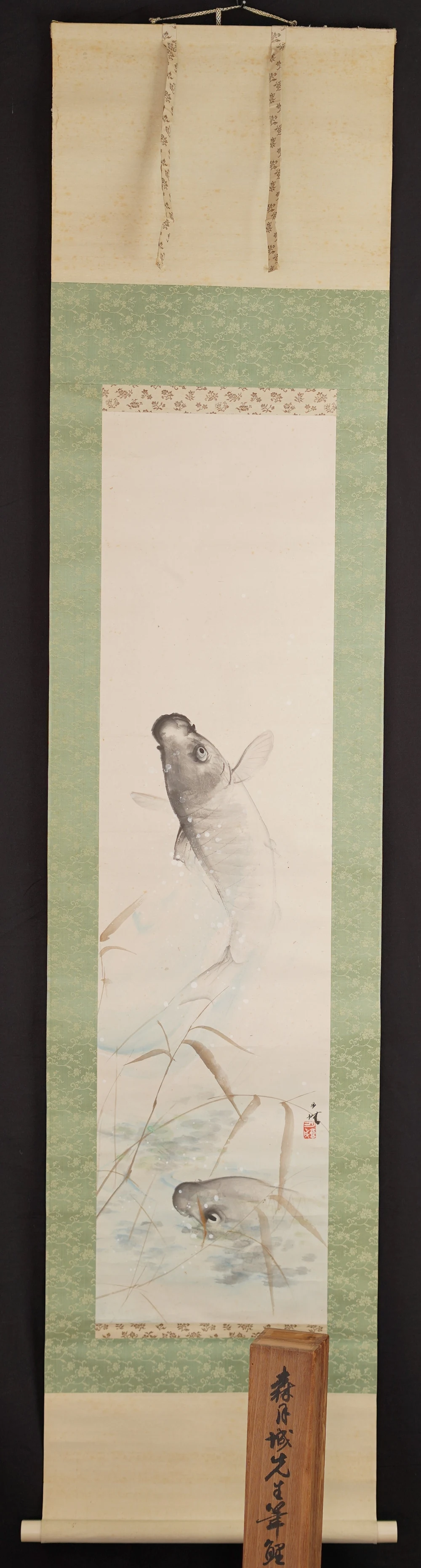
Two Carp Among Reeds
Kakemono, unique work, with box, 190 x 48 cm
€320.00
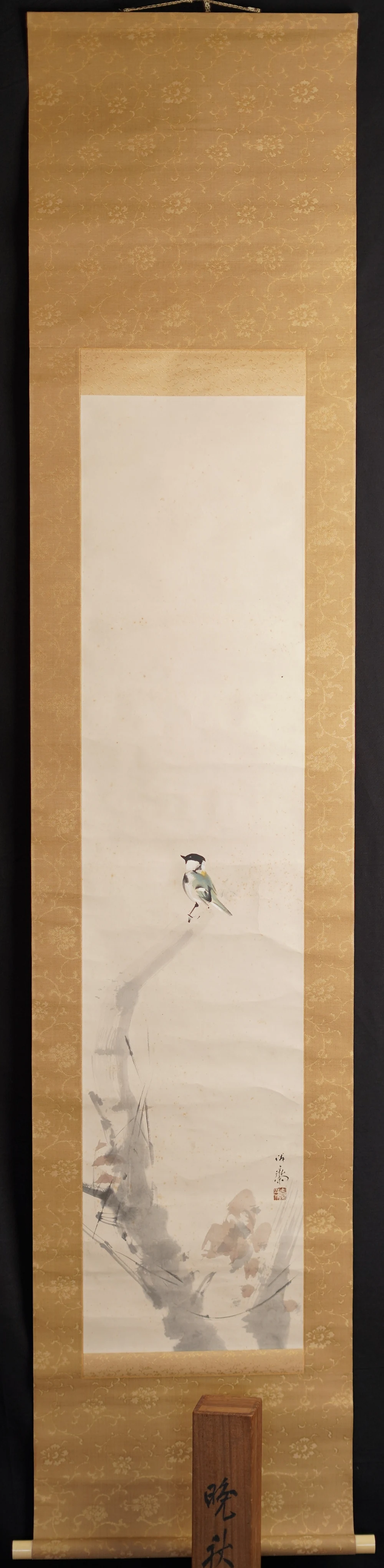
Tokuda Rinsai
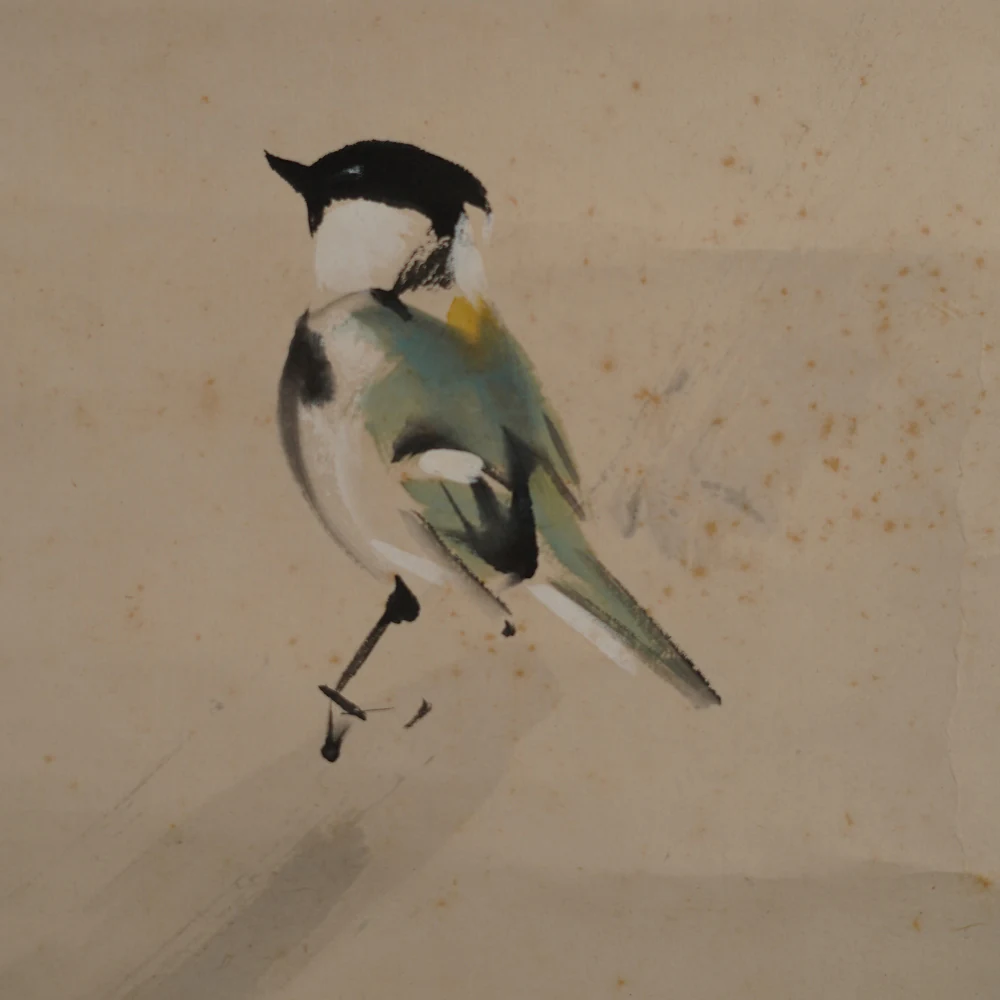
Great Tit on a Late-Autumn Tree Trunk
Kakemono, unique work, with box, 205 x 49 cm
€270.00
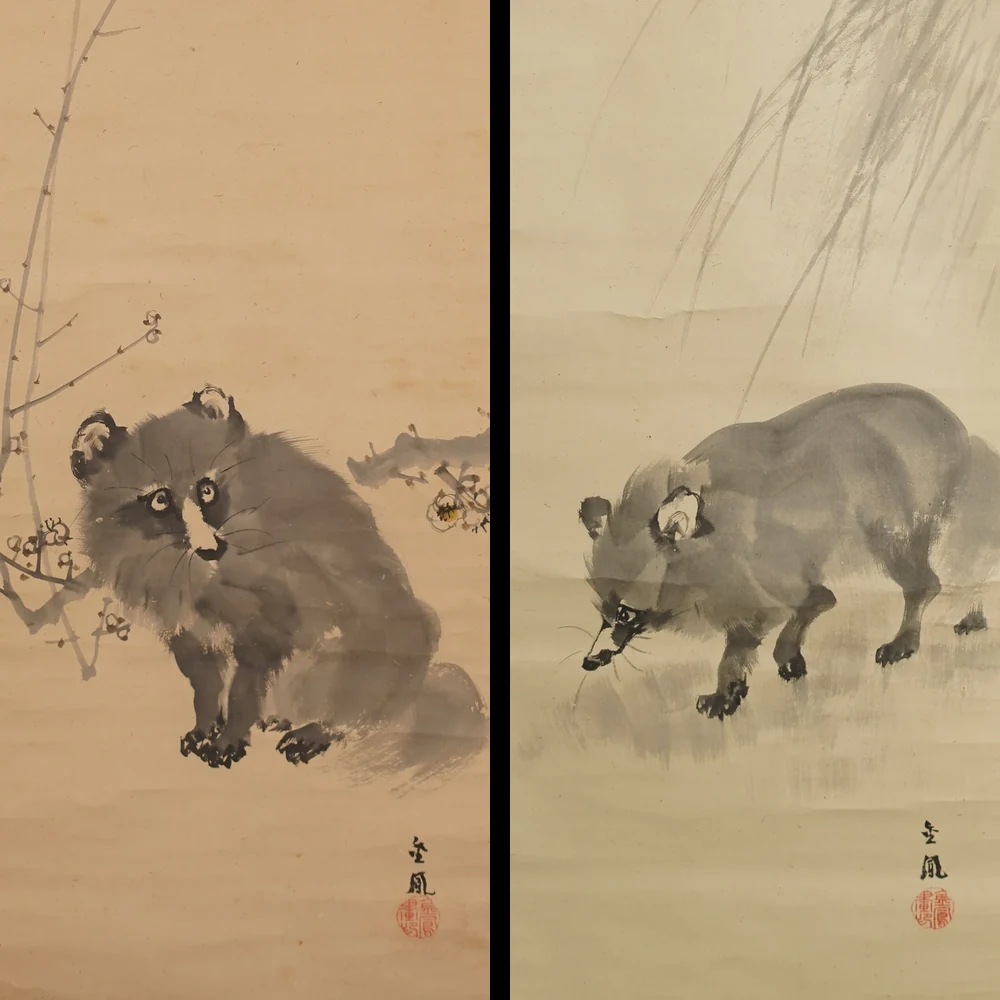
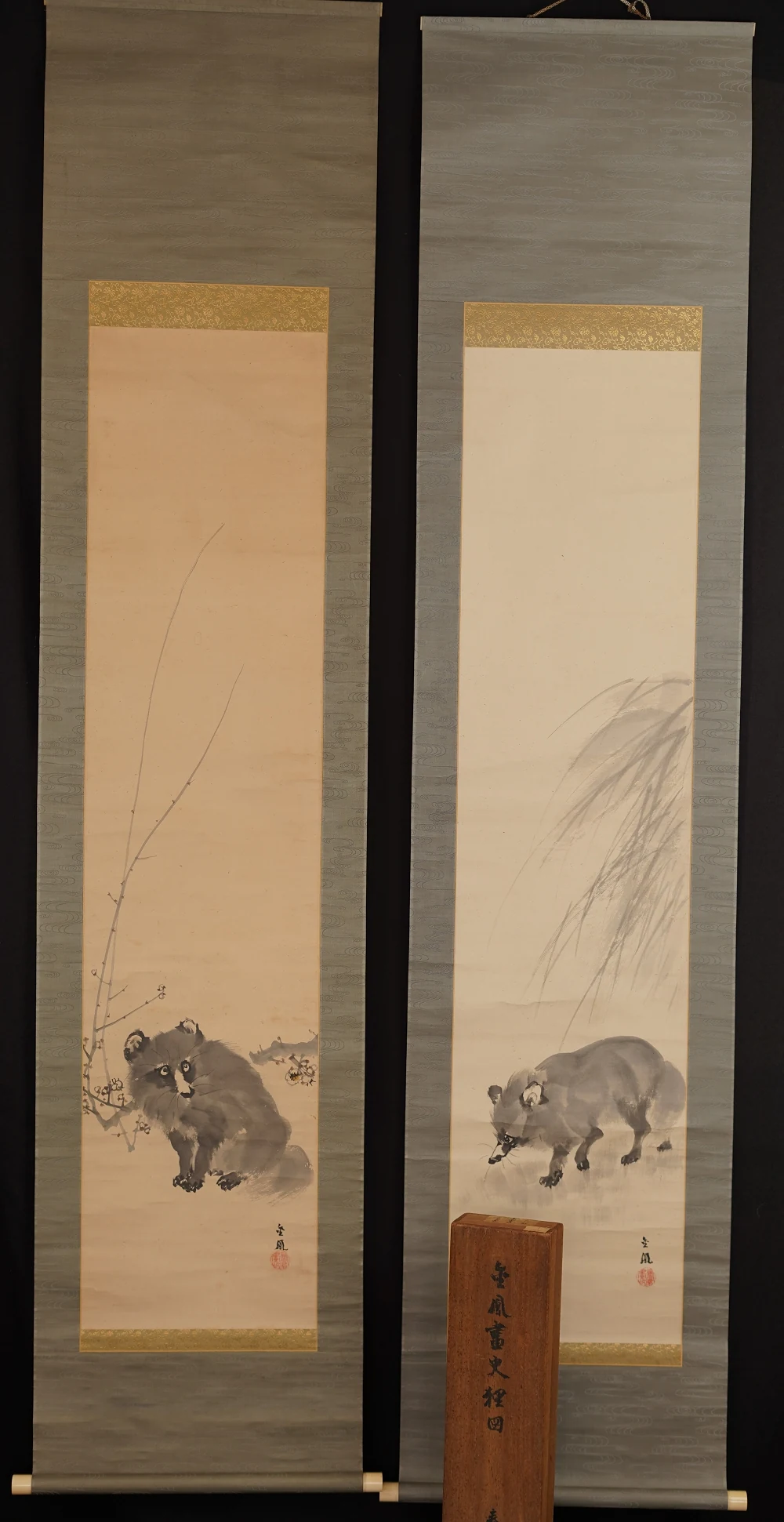
Mochizuki Kinpō
Set of Two Paintings – Tanuki Under Plum and Willow
Kakemono, unique work, with box, 195 x 48 cm
€3,590.00
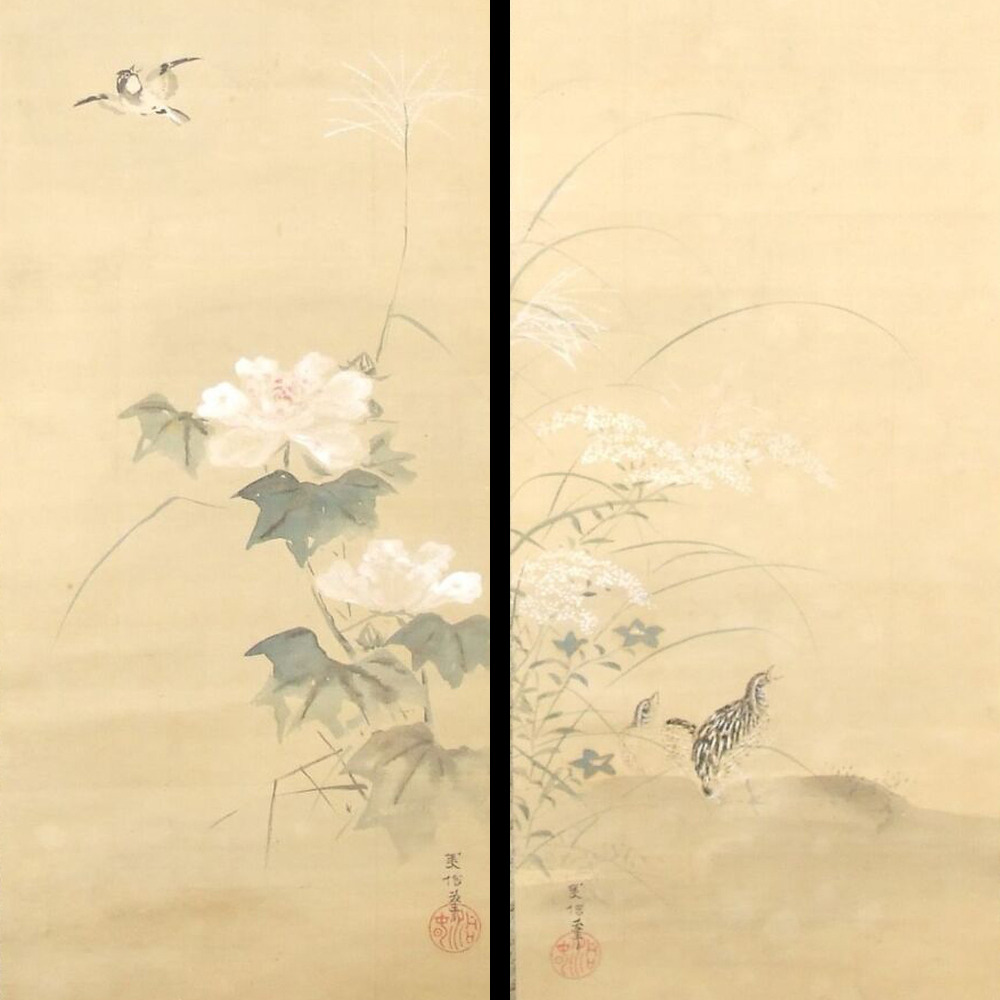
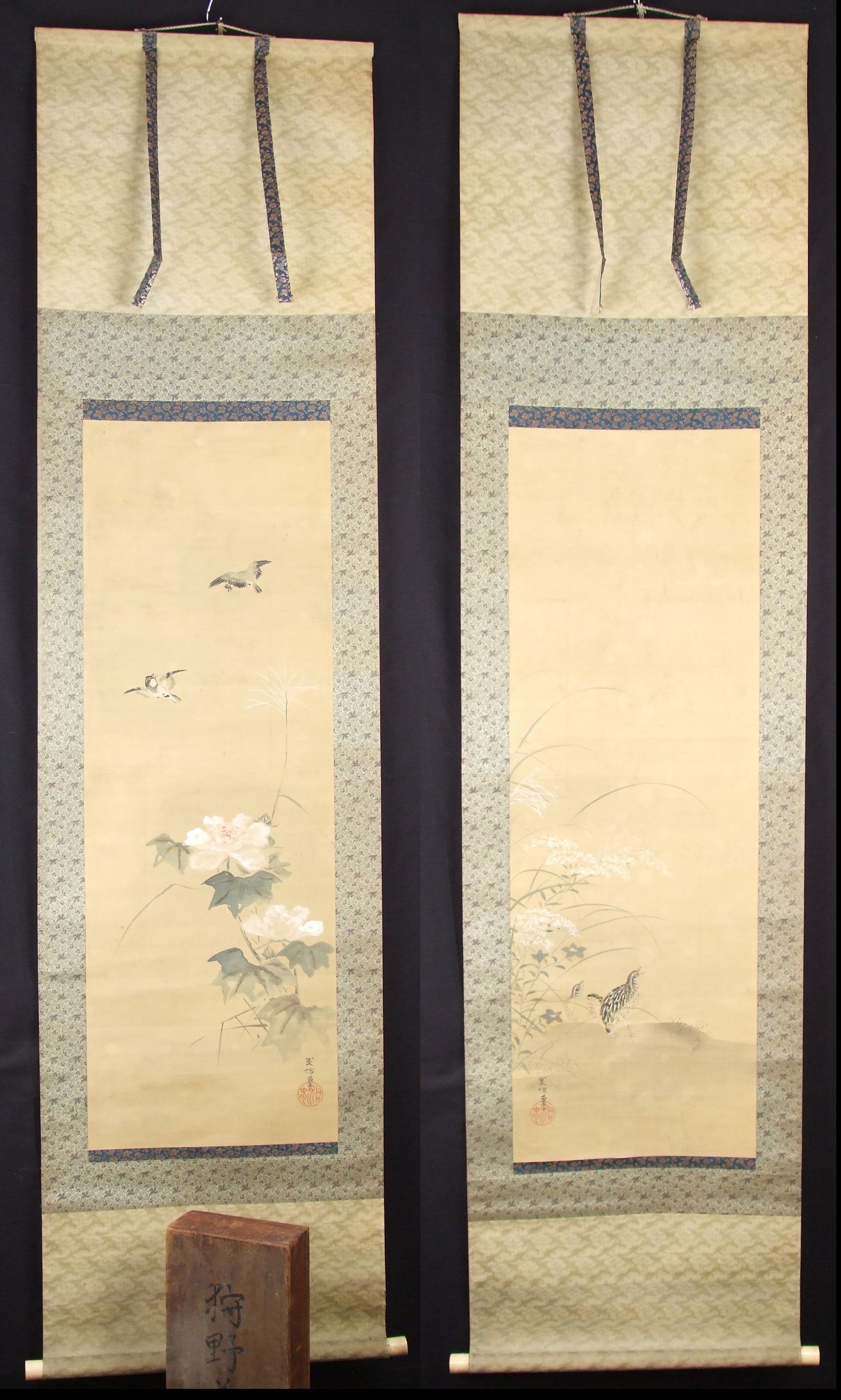
Kanō Tōshun Yoshinobu
Set of Two Paintings – Birds and Autumn Flowers
Kakemono, unique work, with box, 200 x 56 cm
€770.00
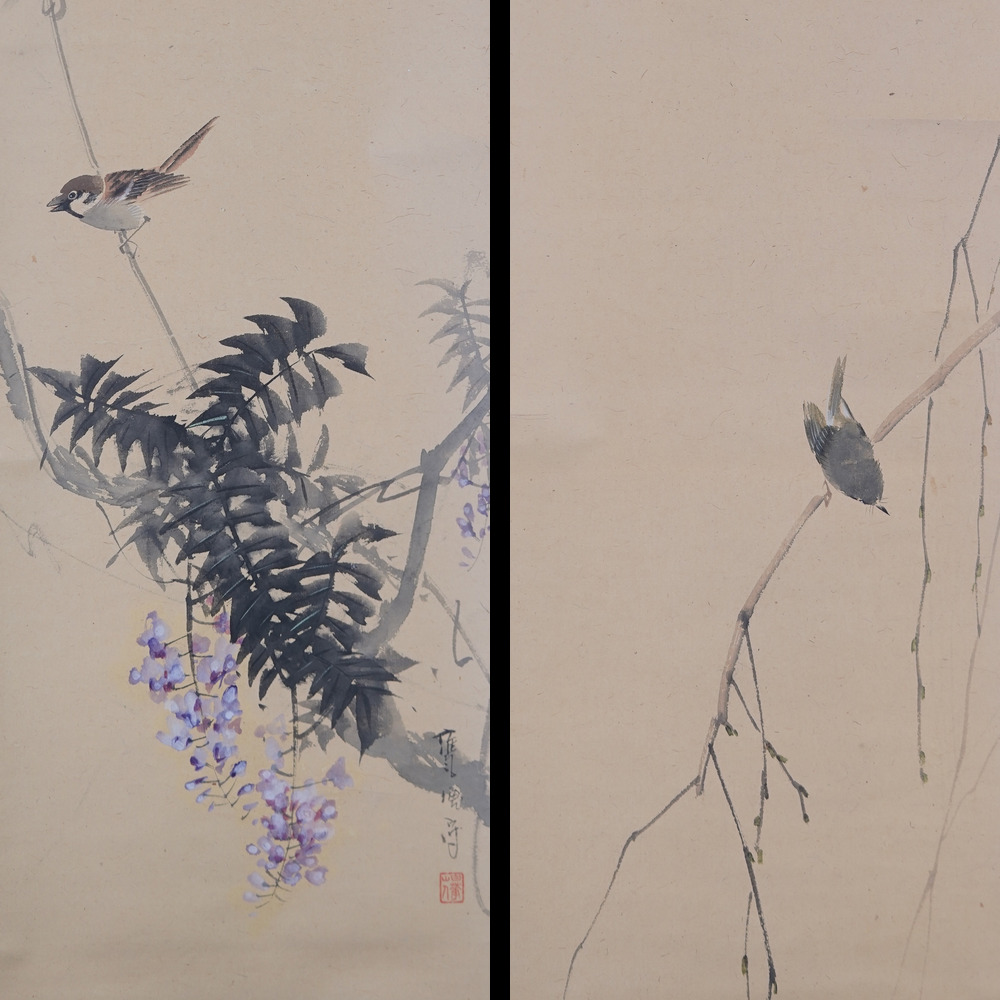
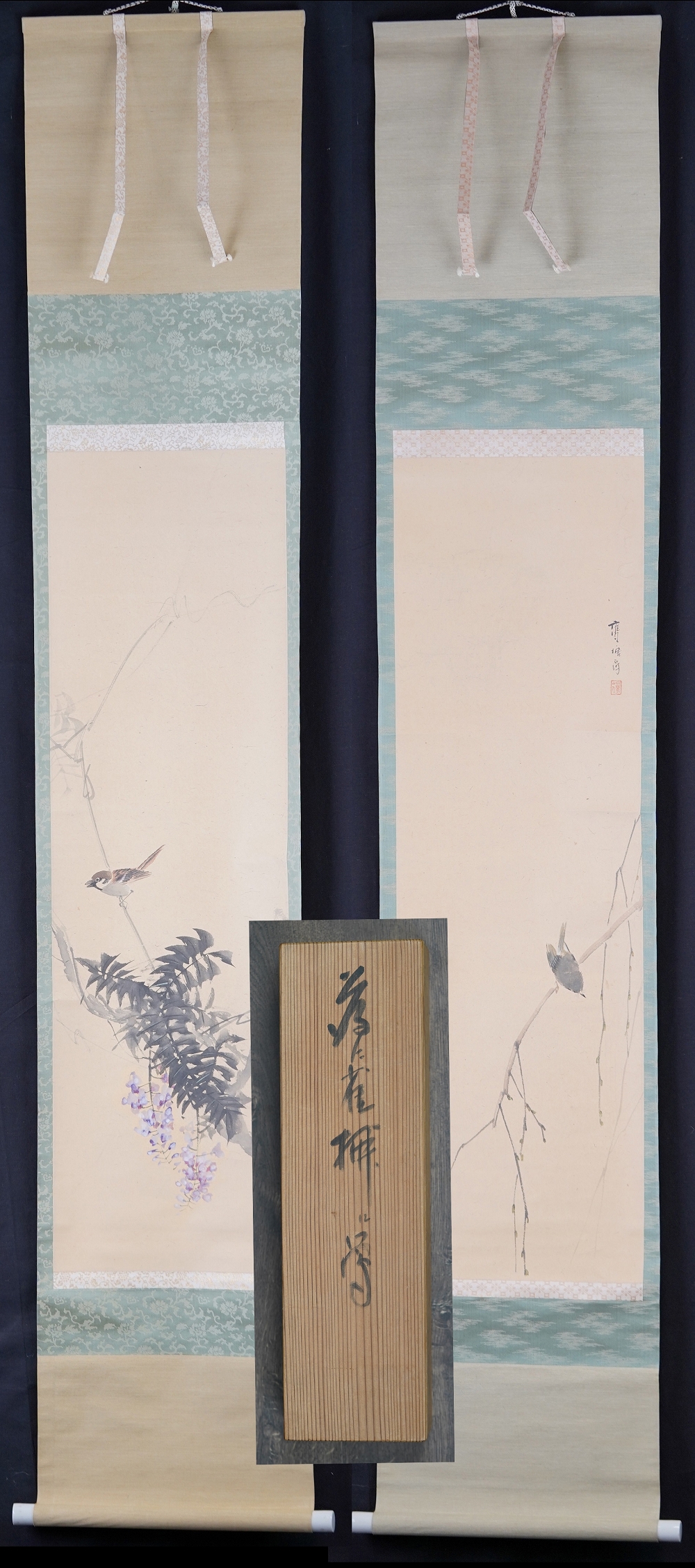
Nakahara Yōtō
Set of Two Paintings – Sparrows on Wisteria and Willow Branch
Kakemono, unique work, with box, 175 x 38 cm
€690.00
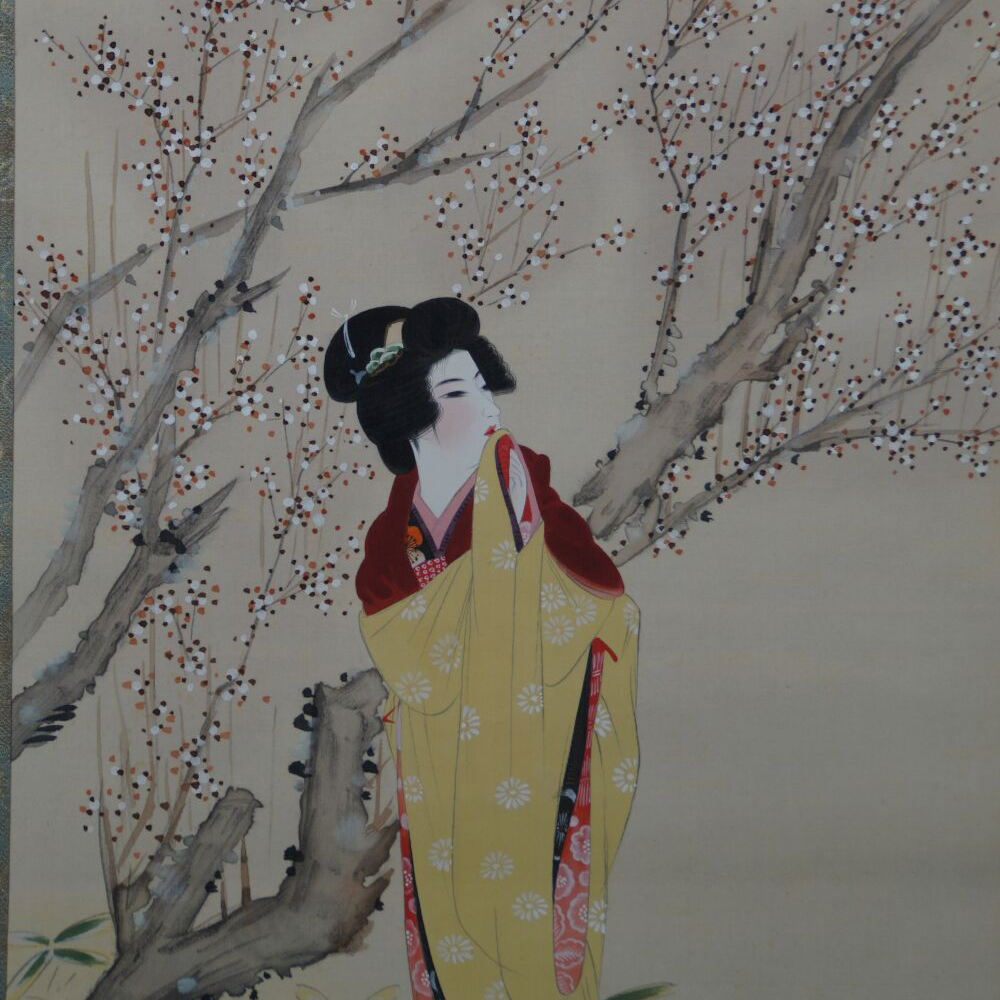
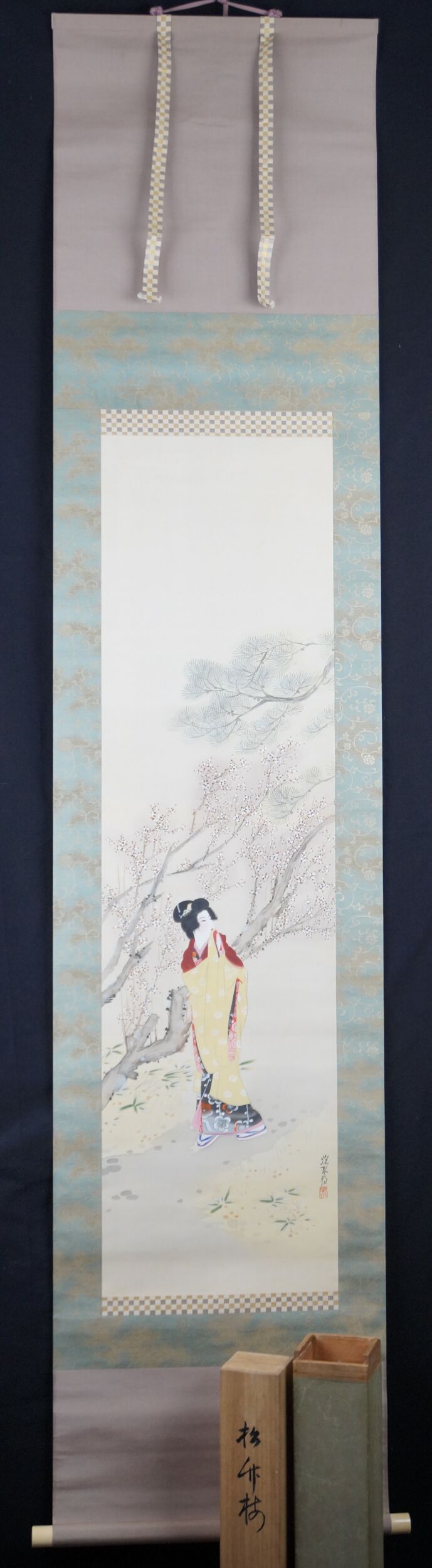
Itō Shinsui
Lady in Kimono Under Blossoming Plum Tree
Kakemono, unique work, with box, 205 x 50 cm
€1,680.00
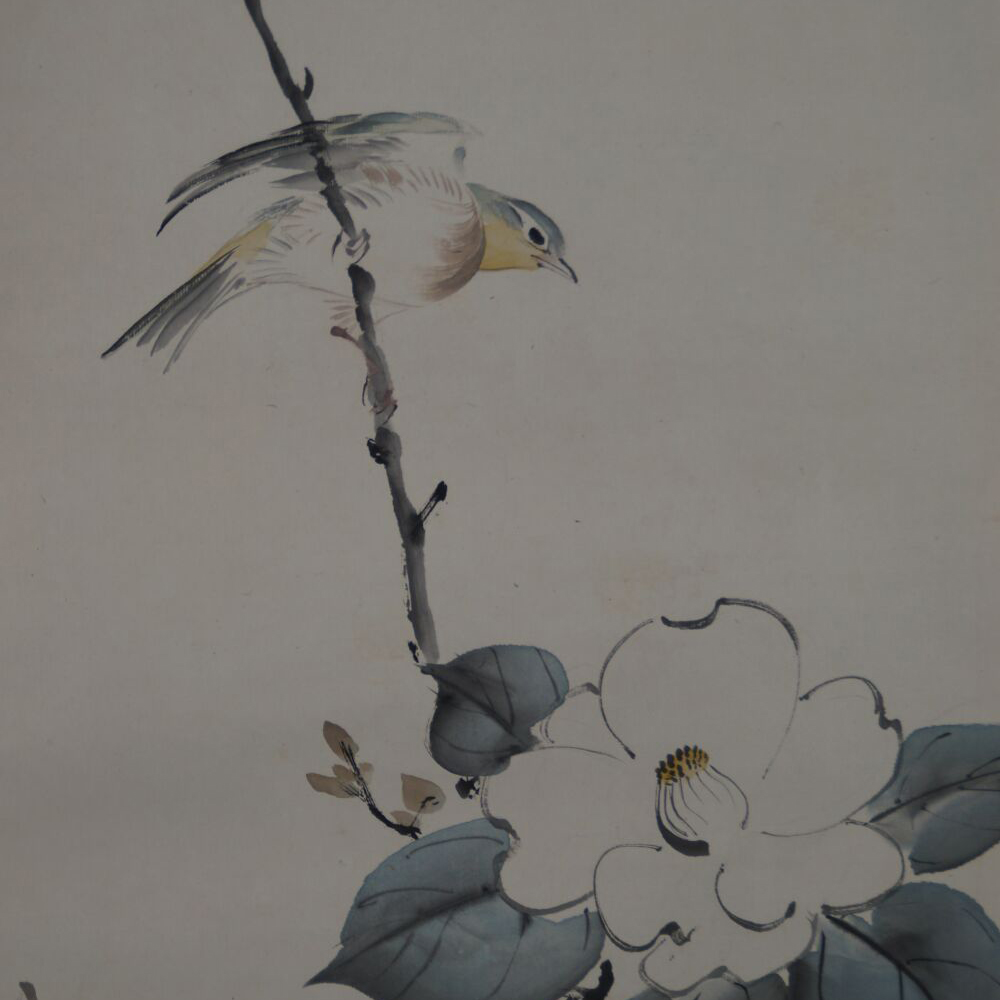
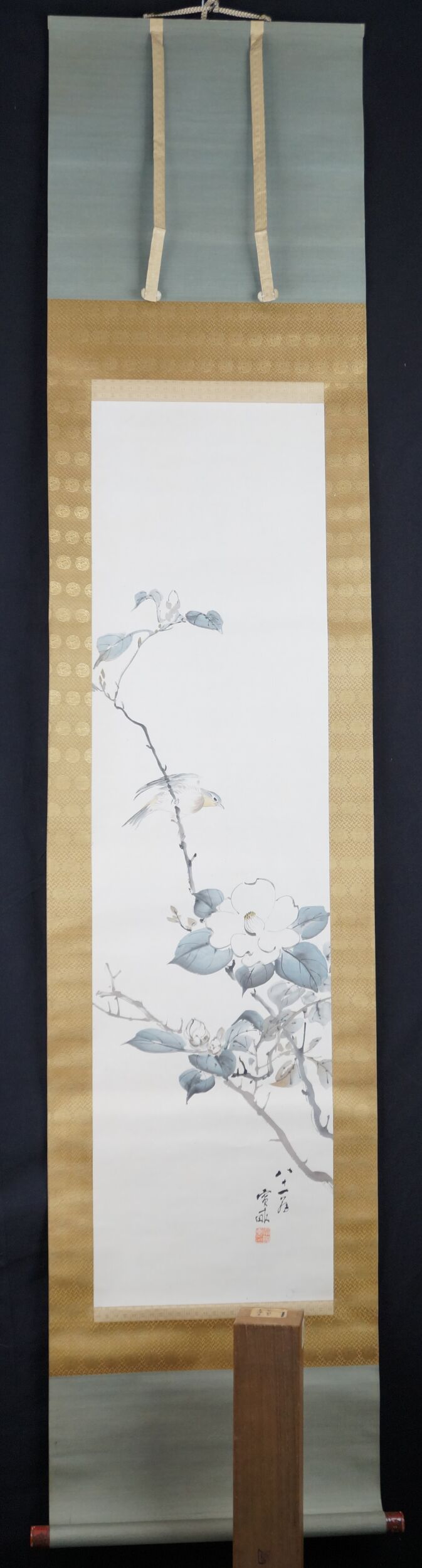
Araki Kanpo
Songbird on Blooming Camellia Branch
Kakemono, unique work, with box, 192 x 46 cm
€1,210.00
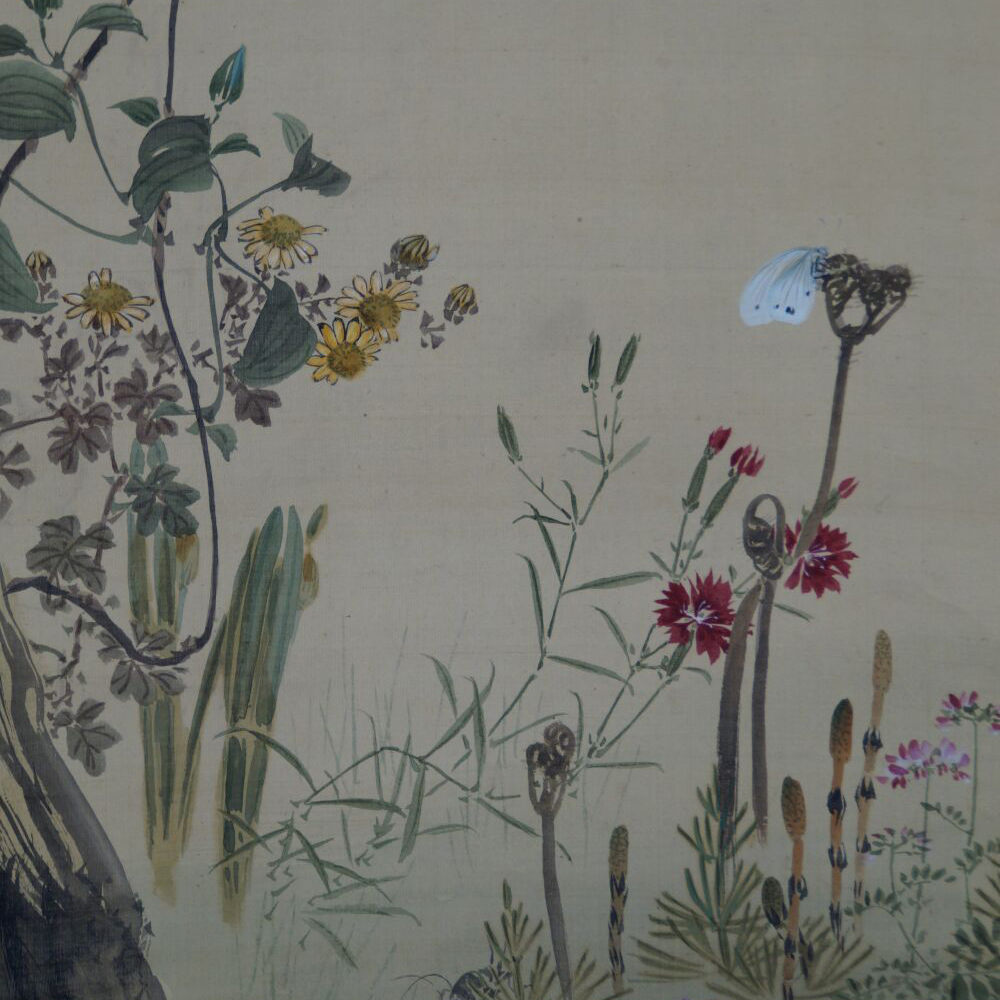
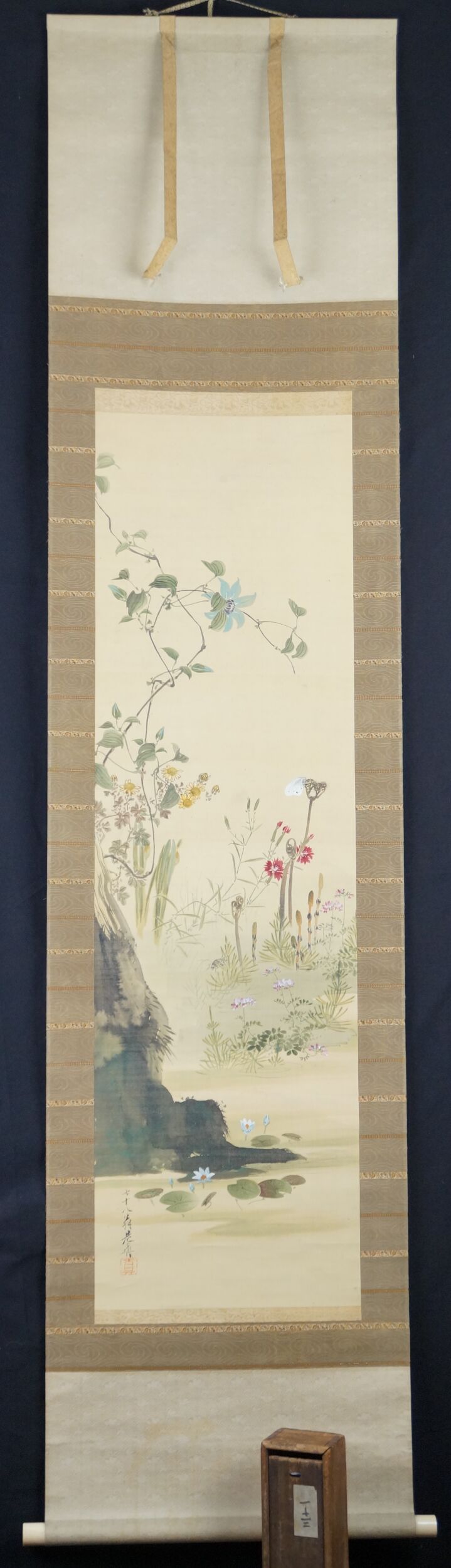
Shibata Zeshin
Autumn Riverside Vegetation with Butterfly
Kakemono, unique work, with box, 192 x 46 cm
€880.00
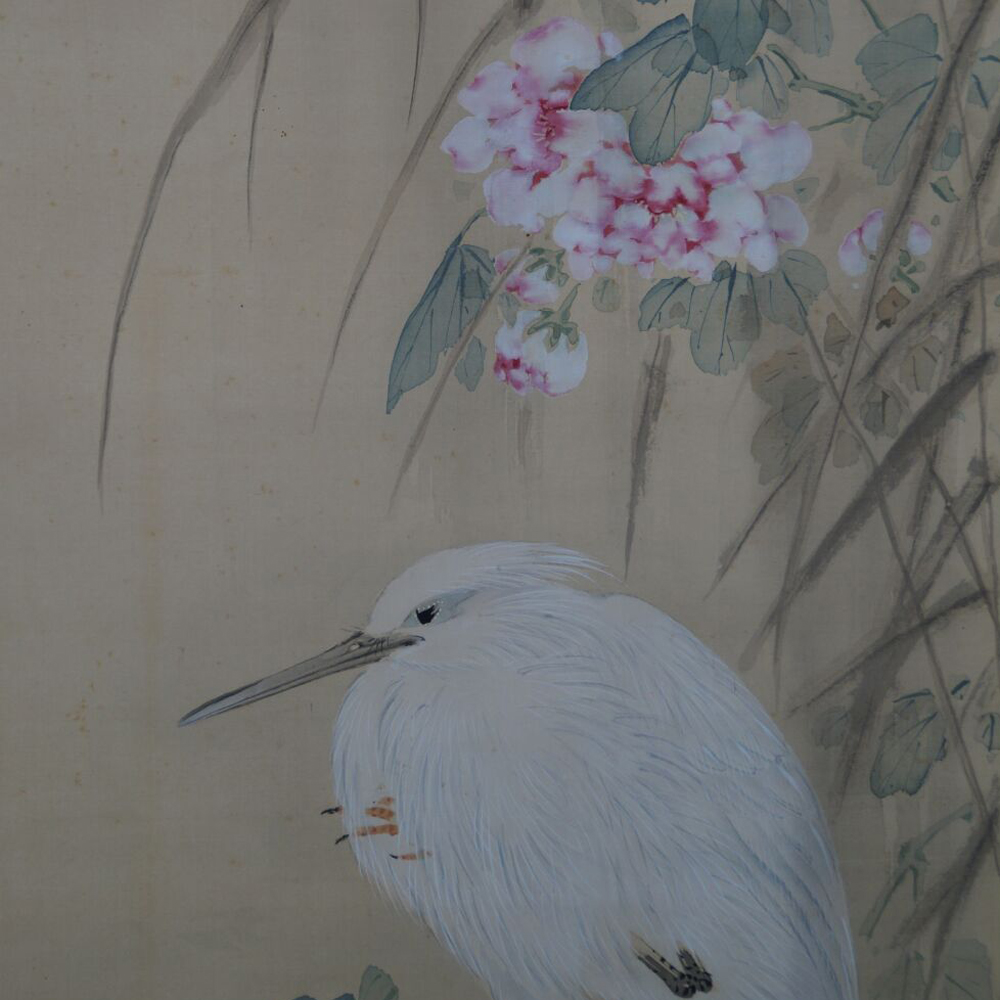
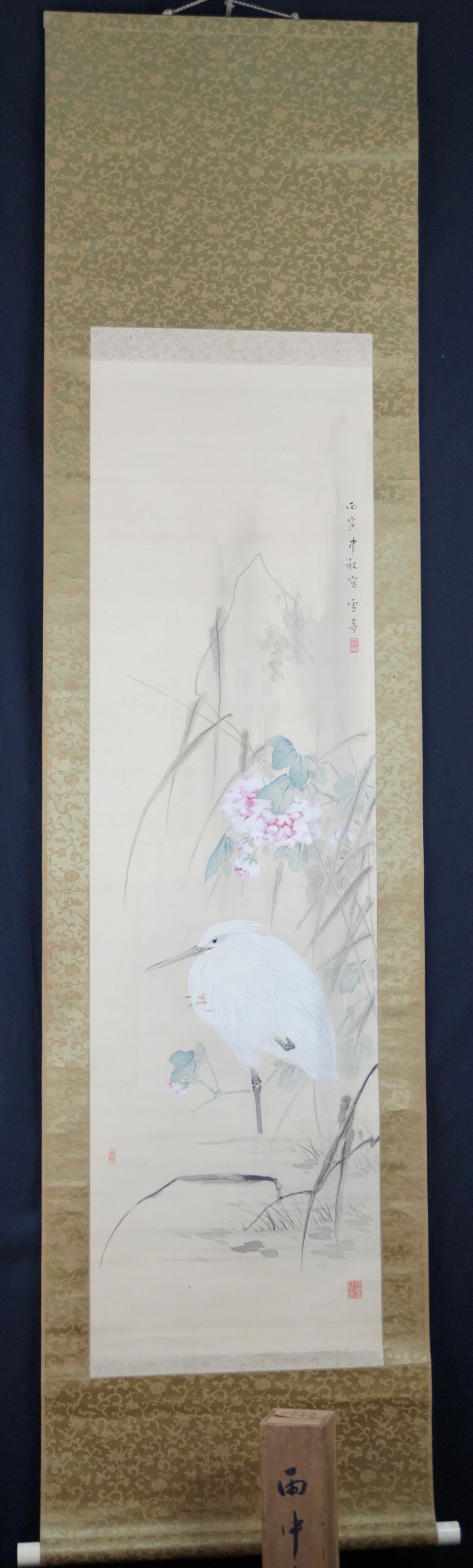
Koyama Setsurei
White Heron Among Blossoms and Reeds
Kakemono, unique work, with box, 195 x 54 cm
€720.00
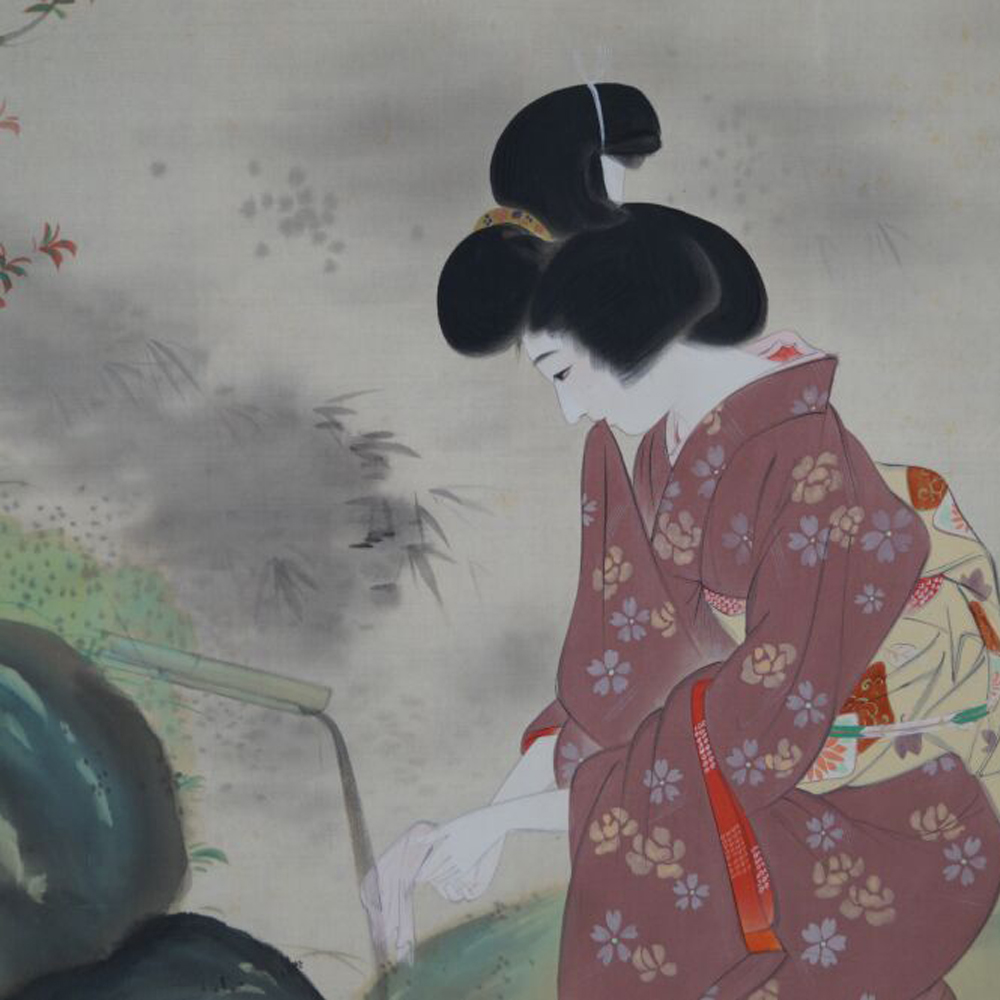
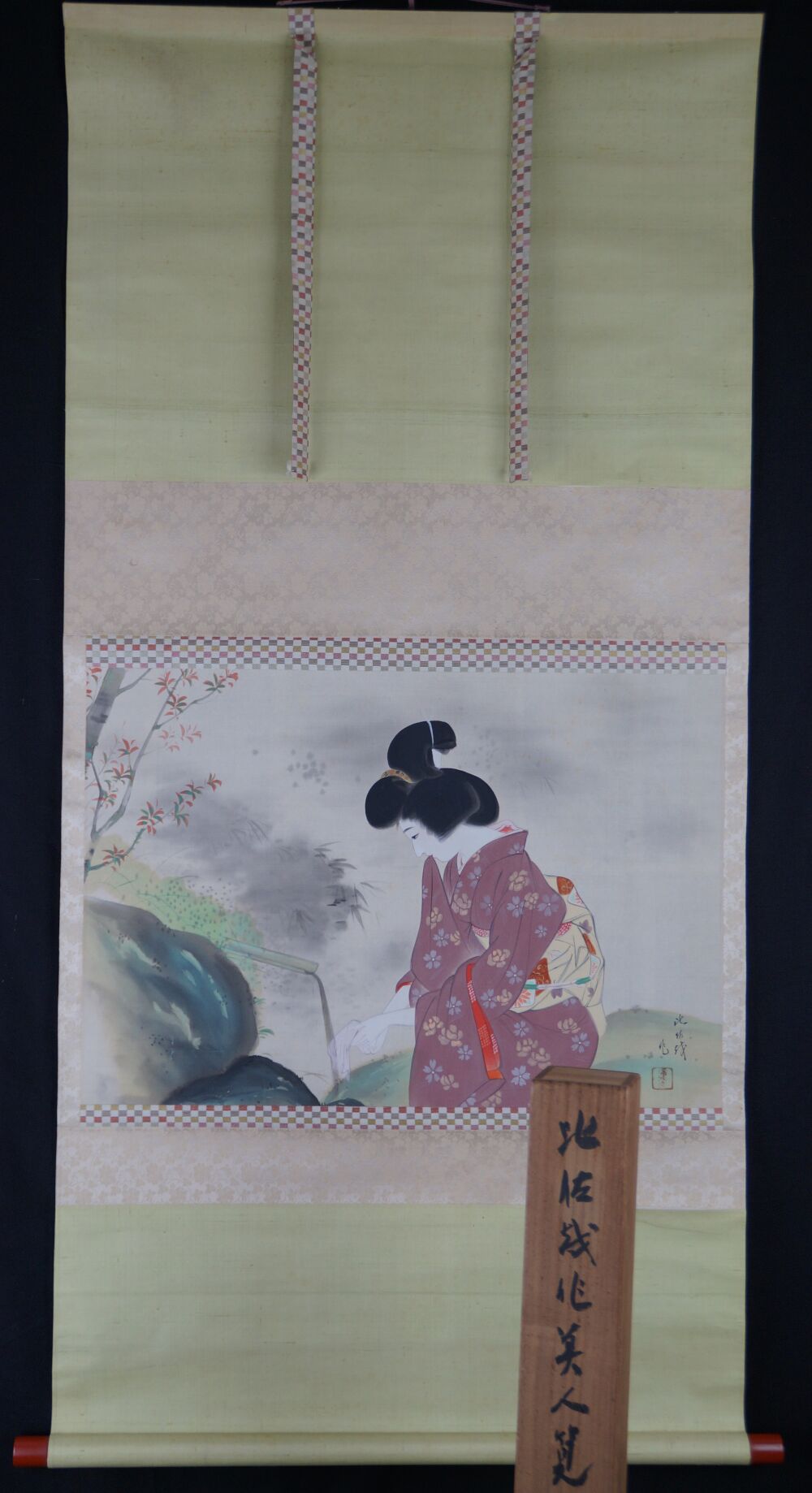
Lady in Kimono by the Garden Pond
Kakemono, unique work, with box, 136 x 71 cm
€480.00
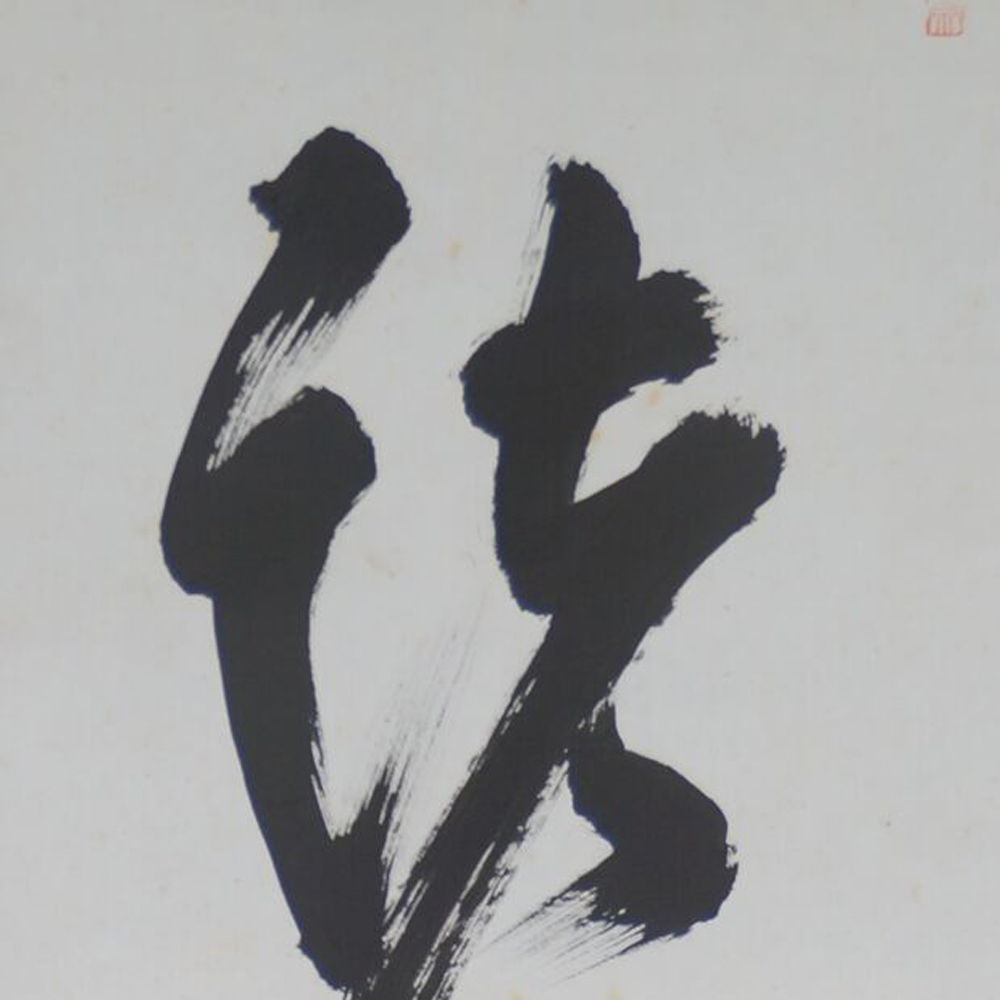
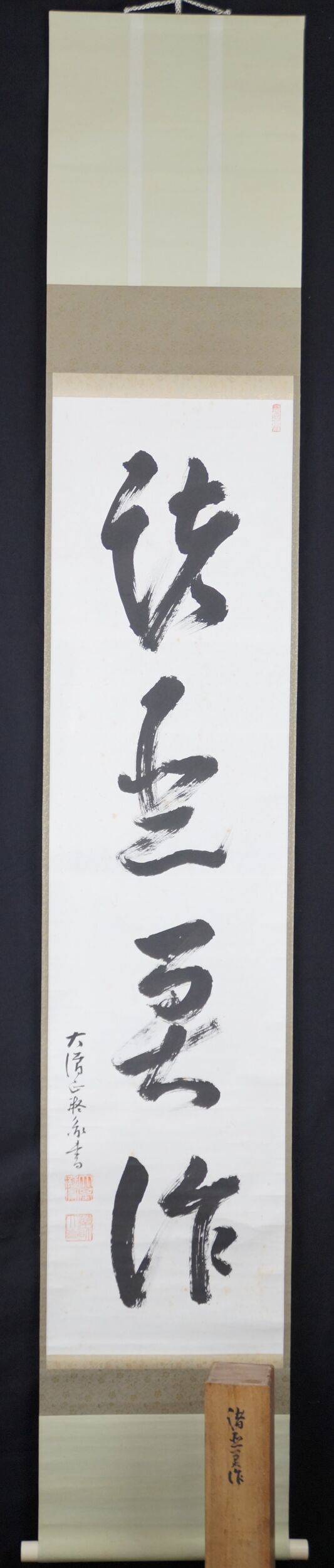
Hashimoto Gyōin
Calligraphy "Shoaku Makusa"
Kakemono, unique work, with box, 200 x 38 cm
€350.00
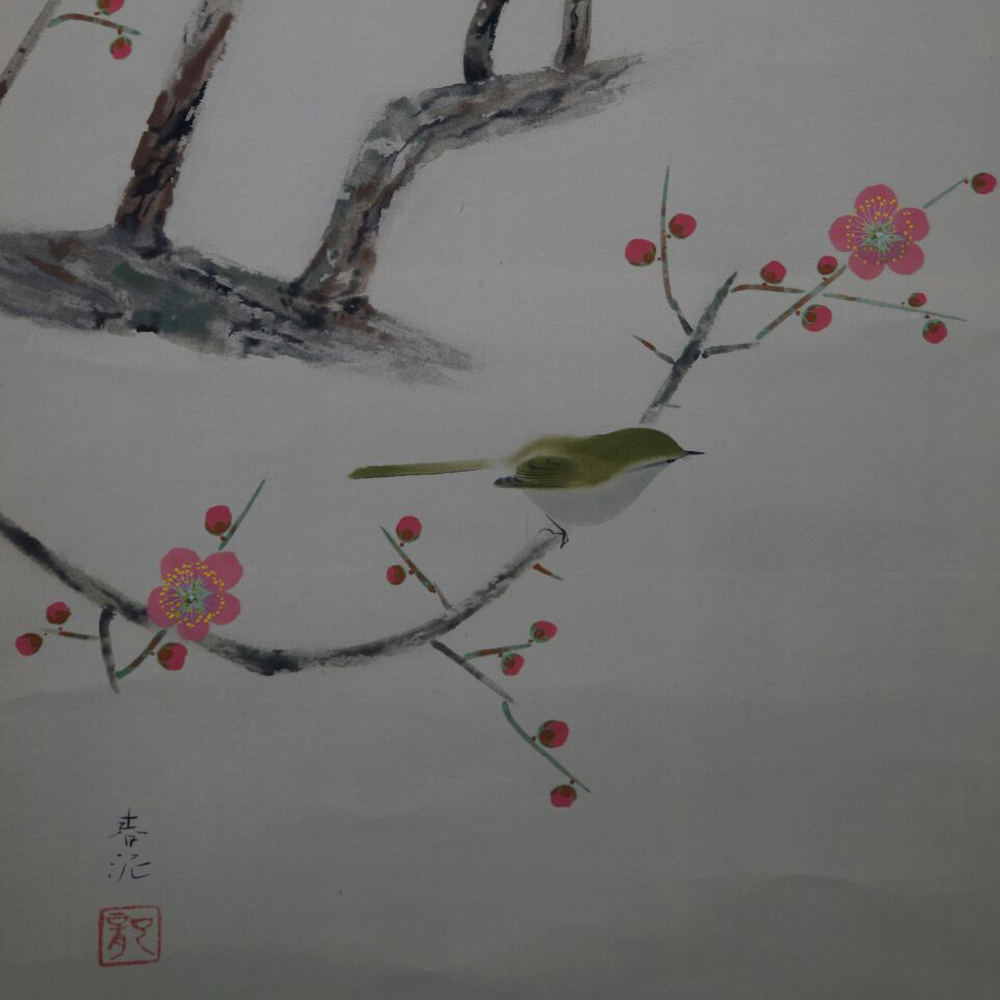
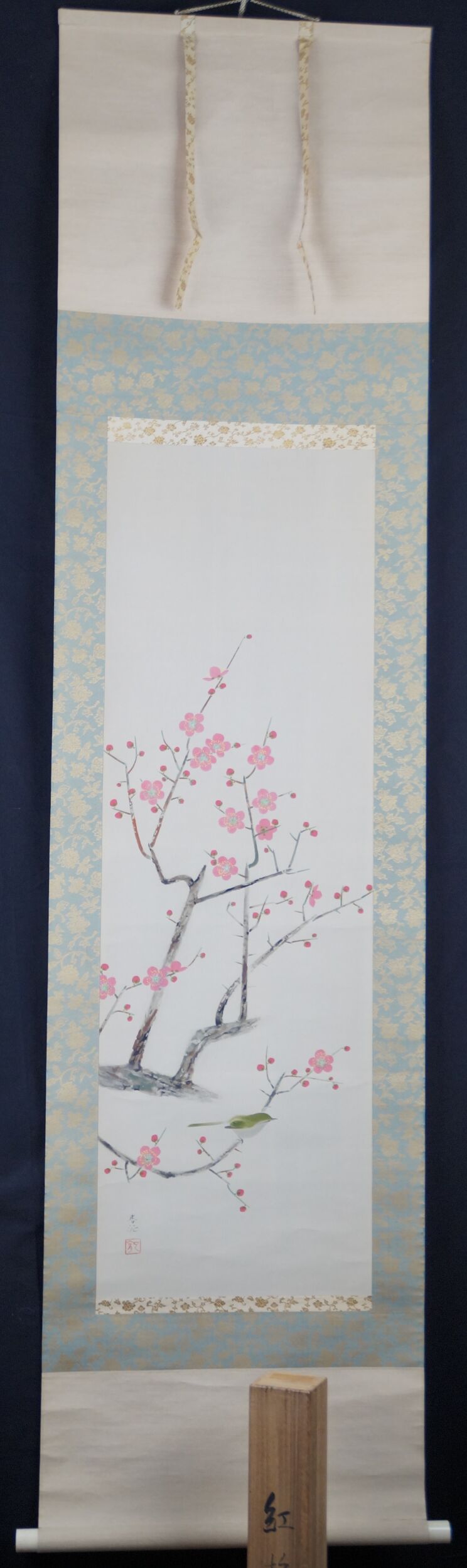
Nakamura Shunden
Uguisu on Blossoming Plum Tree
Kakemono, unique work, with box, 198 x 55 cm
€320.00
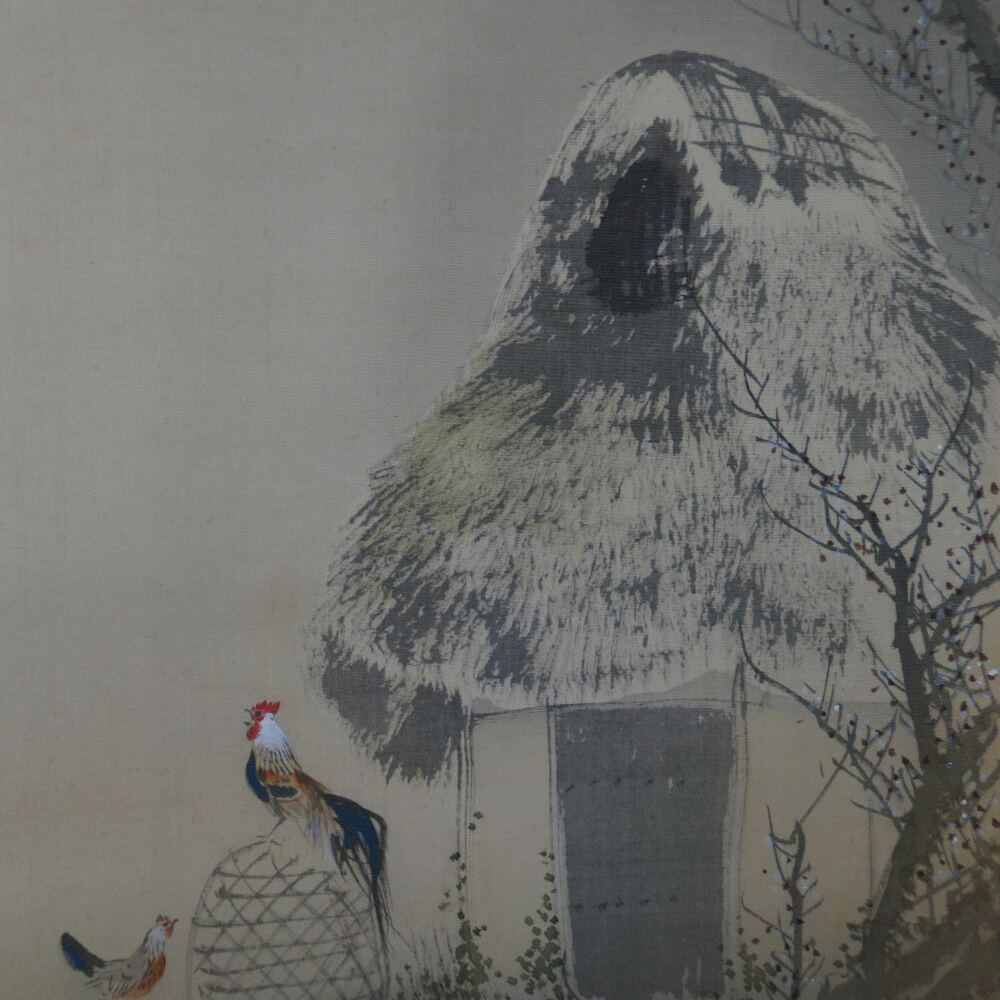
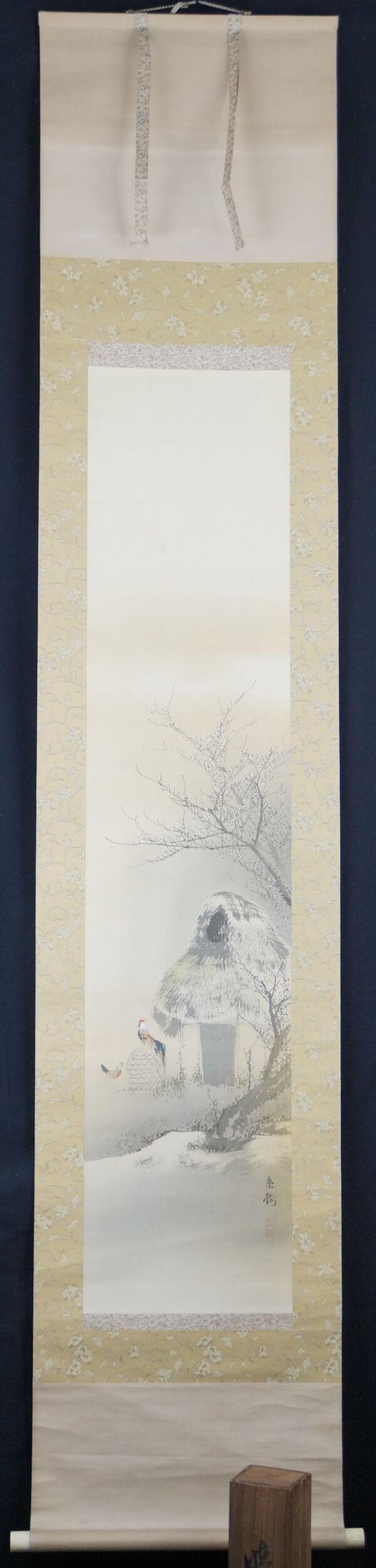
Imai Keiki
Rooster and Plum Blossoms
Kakemono, unique work, with box, 196 x 45 cm
€240.00
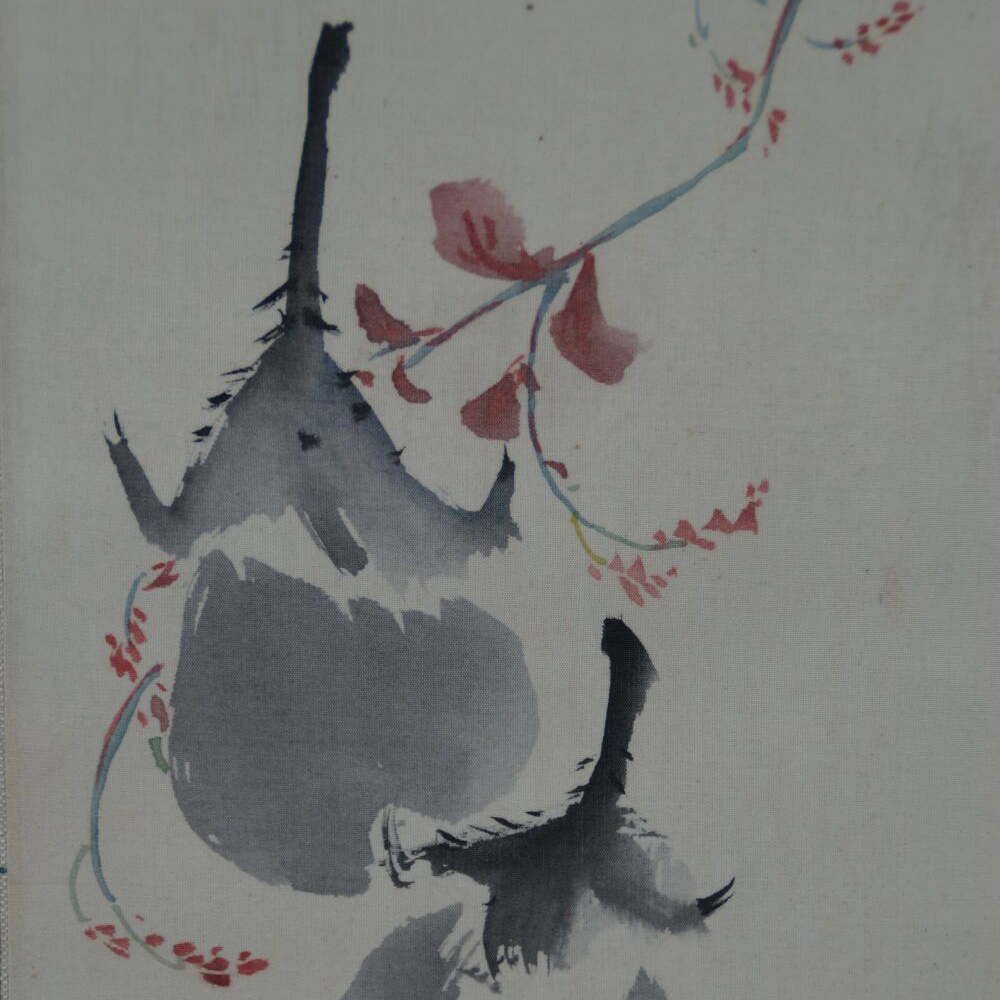
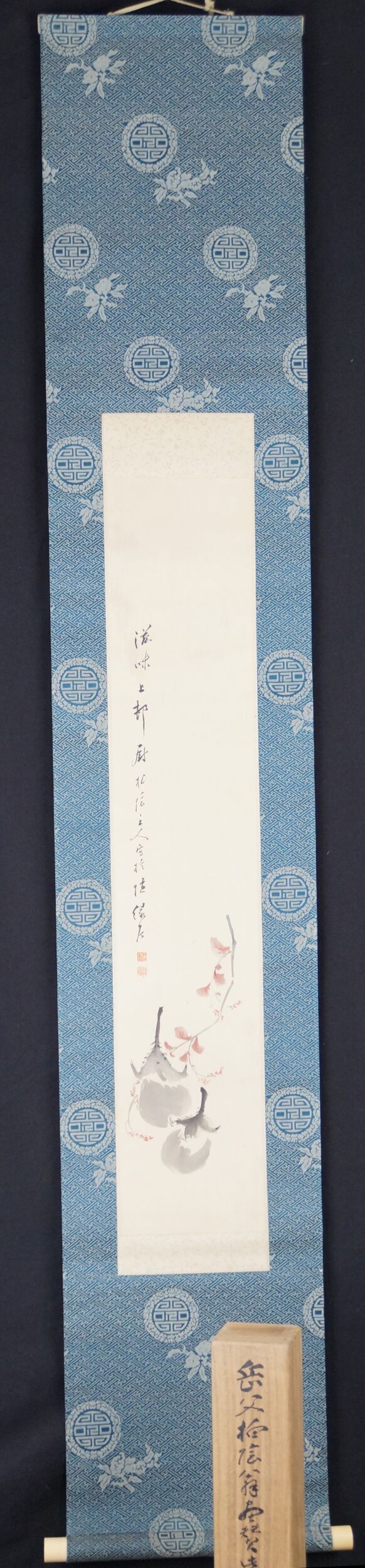
Tanaka Hakuin
Japanese Eggplant
Kakemono, unique work, with box, 164 x 33 cm
€340.00
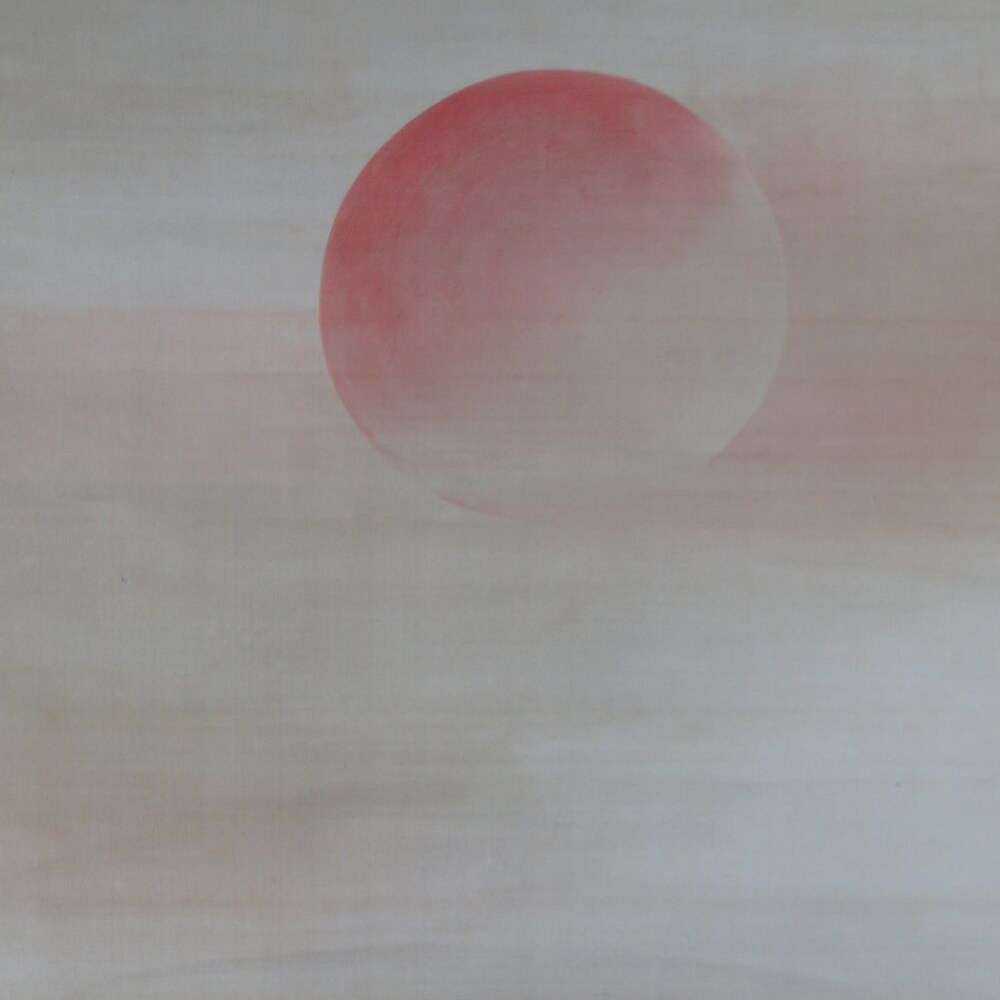
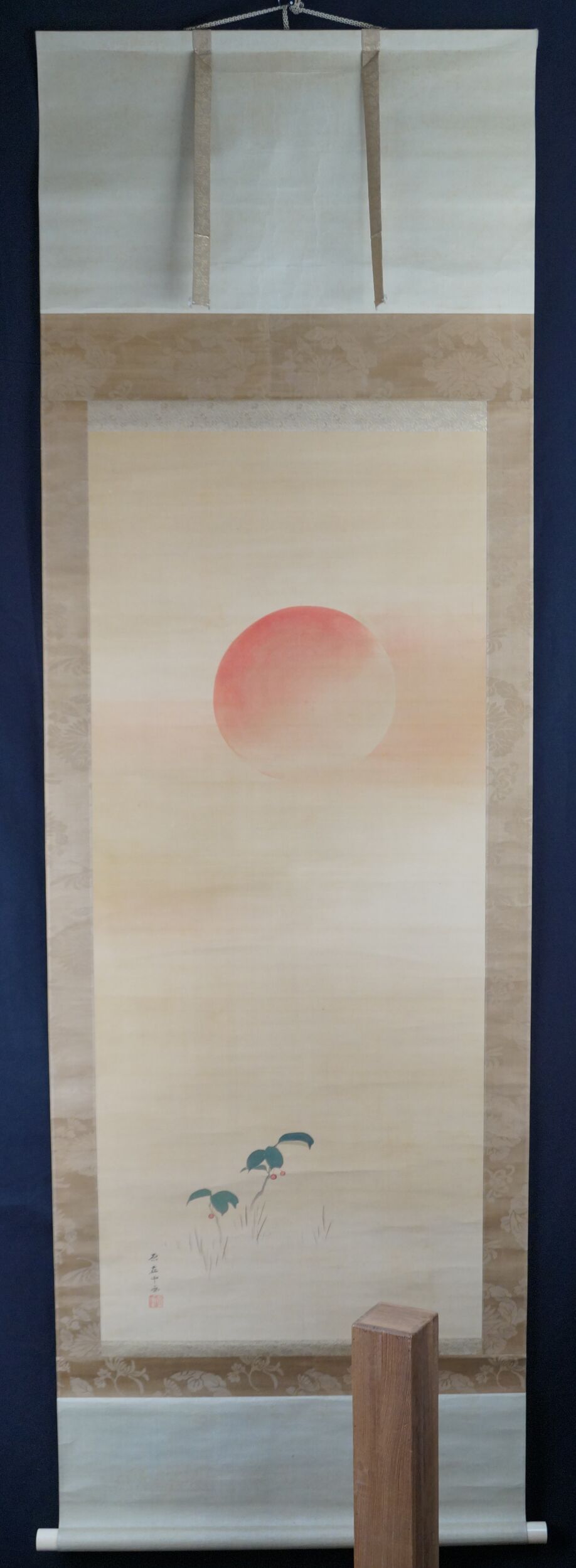
Hara Zaichu
Rising Sun over Misty Landscape
Kakemono, unique work, with box, 200 x 70 cm
€230.00
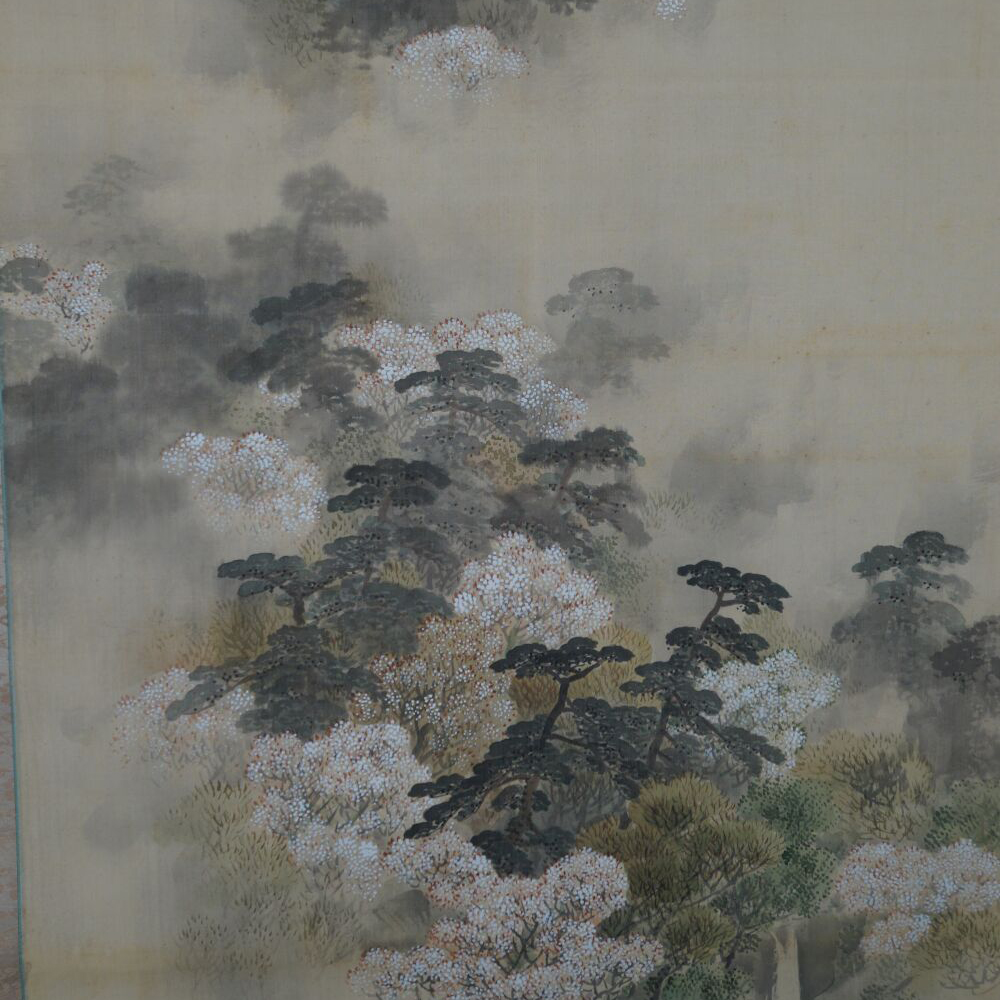
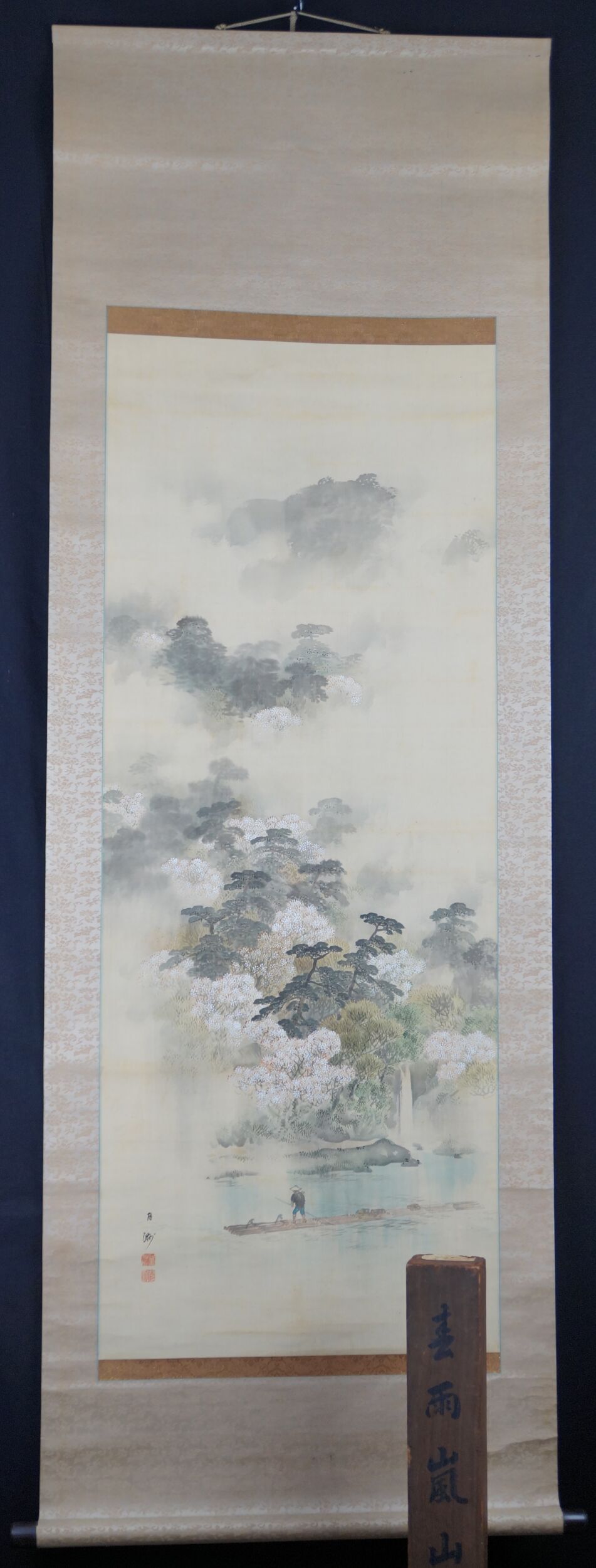
Haneda Getsushu
River in a Blooming Valley
Kakemono, unique work, with box, 192 x 72 cm
€250.00
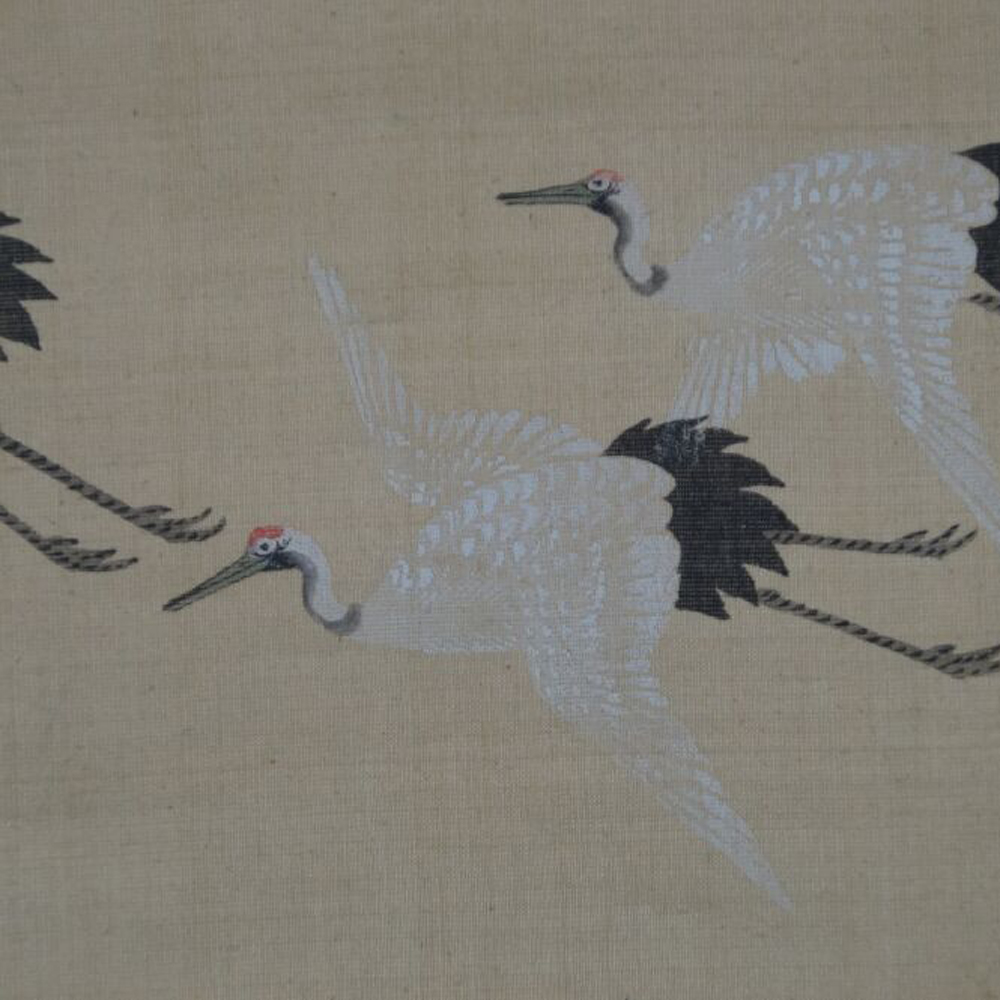
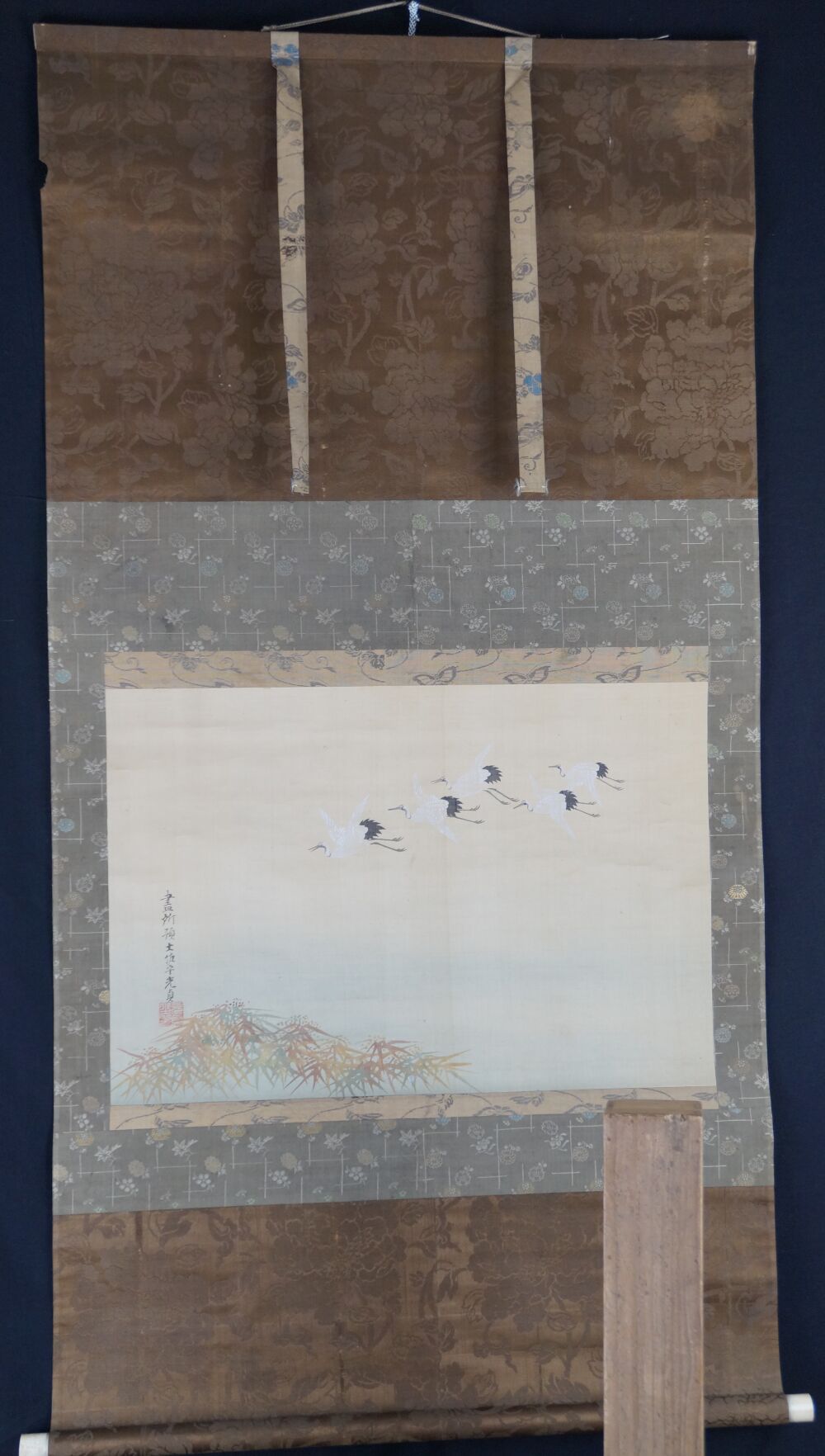
Tosa Mitsusada
Cranes in Flight over Bamboo
Kakemono, unique work, with box, 126 x 69 cm
€360.00
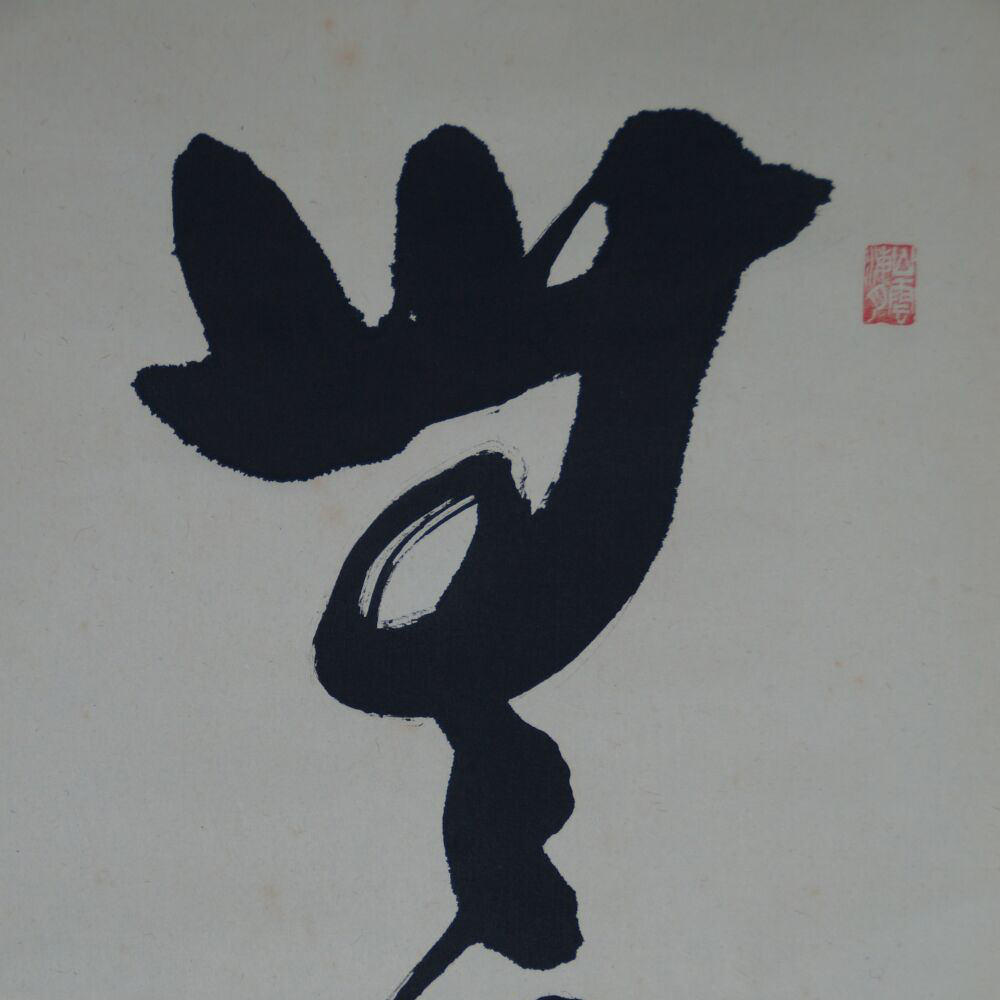
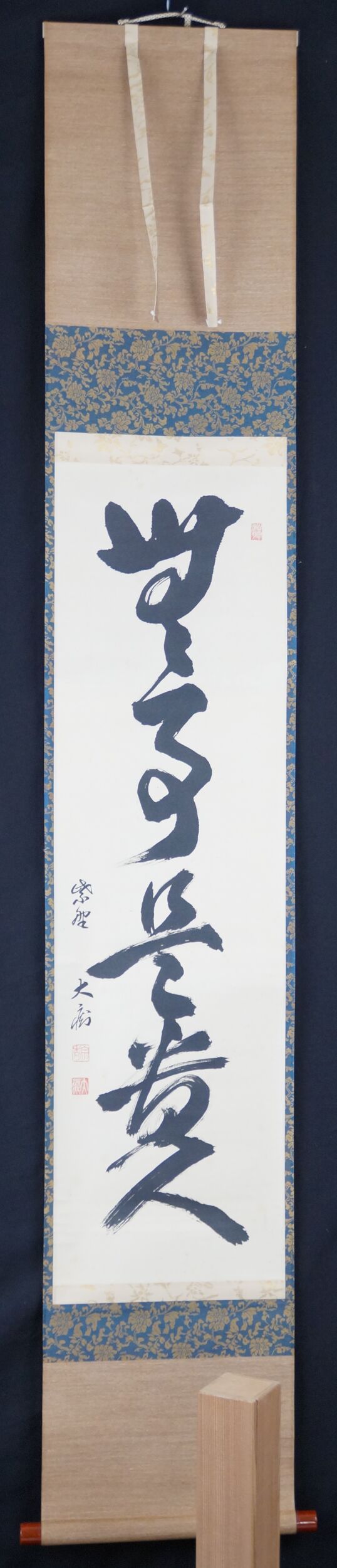
Yamaguchi Daichi
Calligraphy "No Business"
Kakemono, unique work, with box, 176 x 34 cm
€540.00
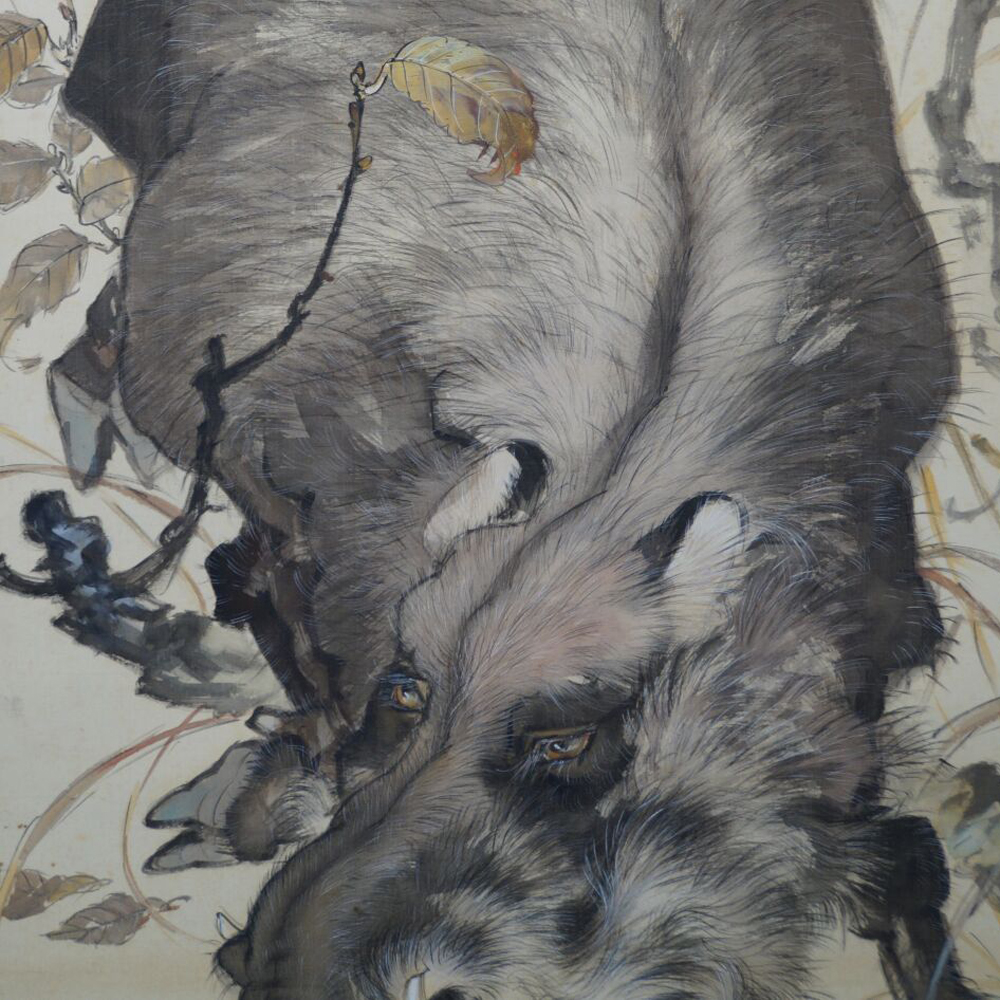
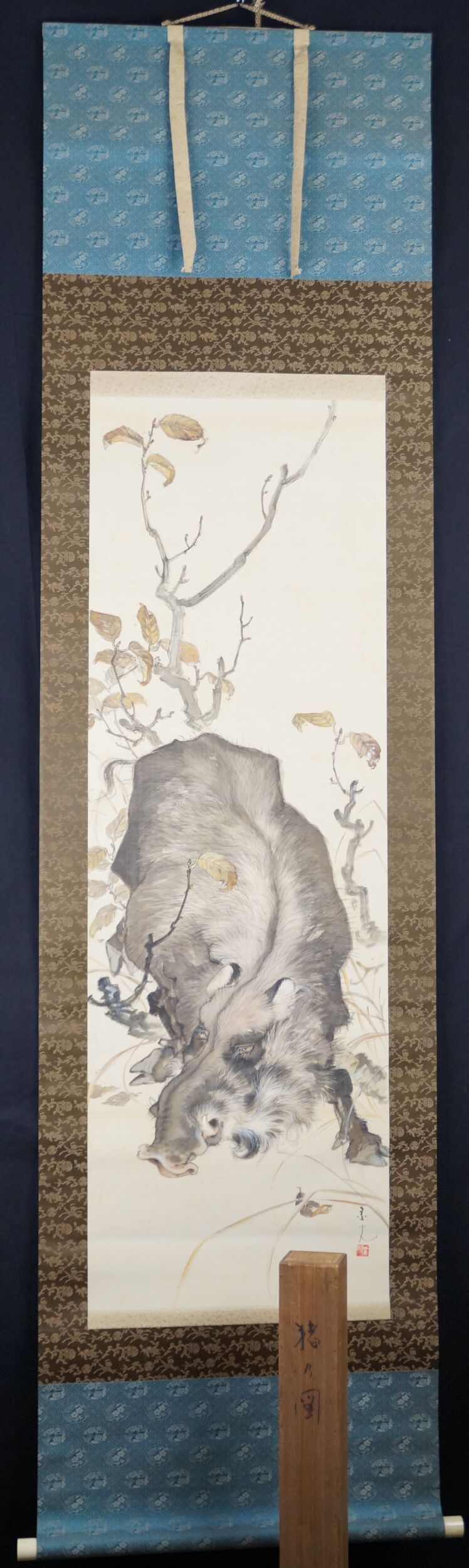
Saegusa Soko
Wild Boar in Autumn Foliage
Kakemono, unique work, with box, 210 x 60 cm
€950.00
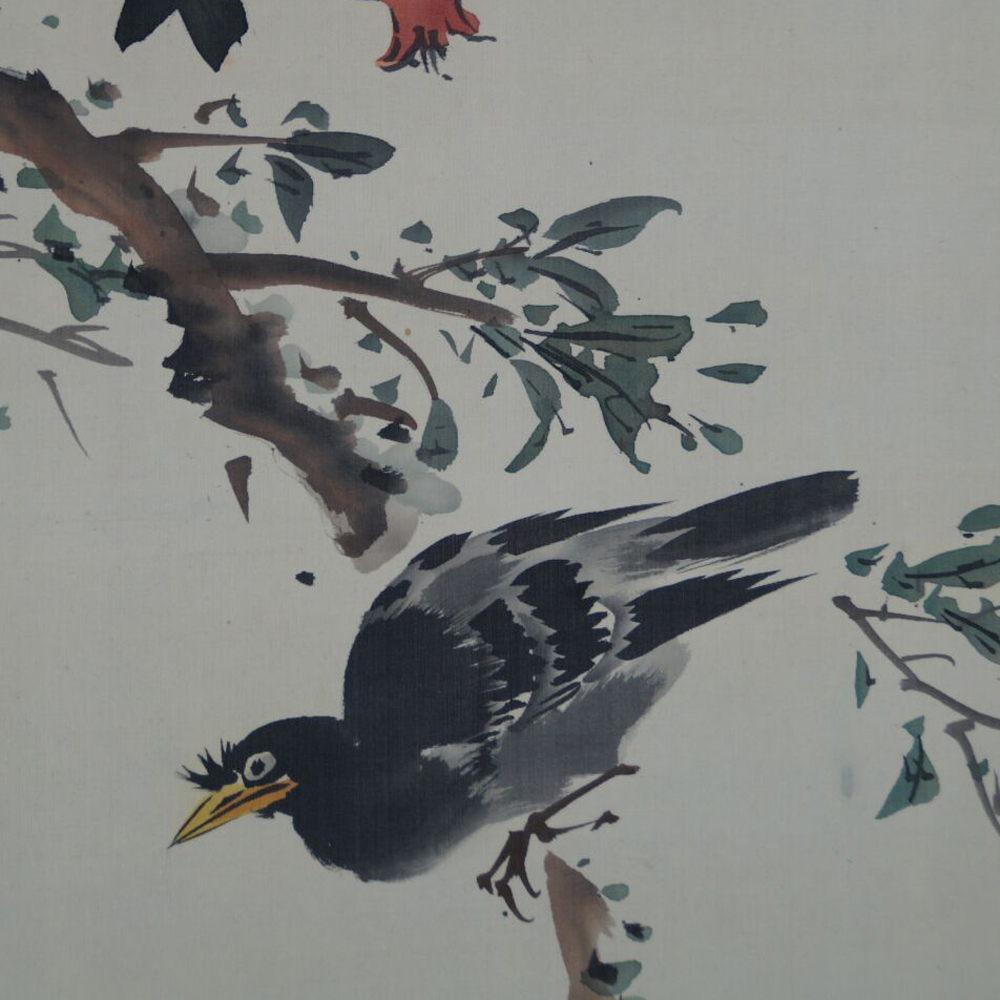
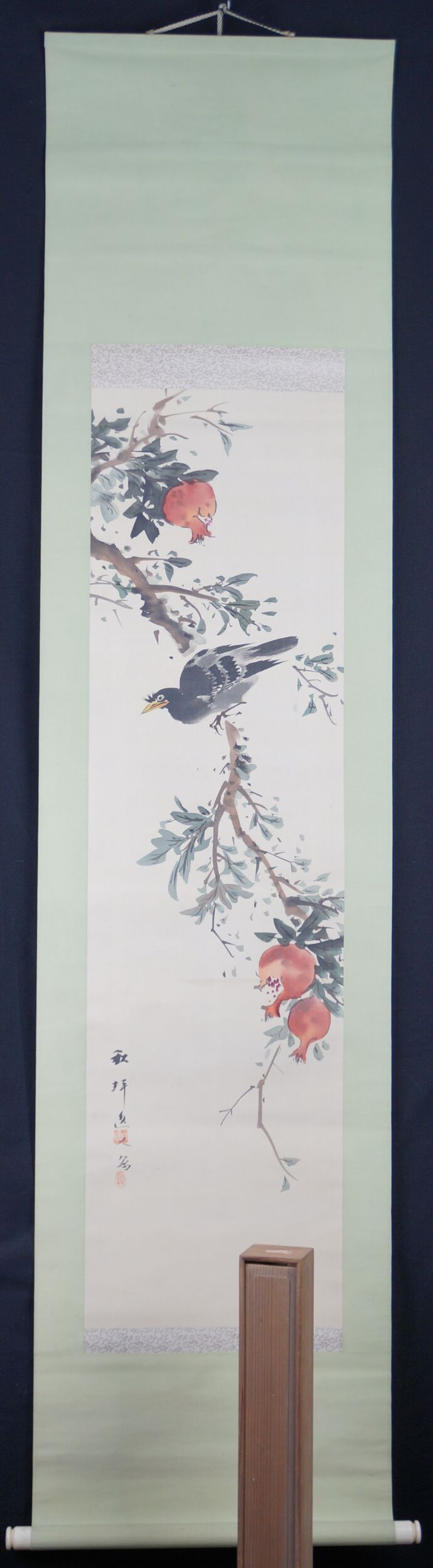
Yamada Shuhei
Pomegranate Branch and Star
Kakemono, unique work, with box, 187 x 51 cm
€530.00
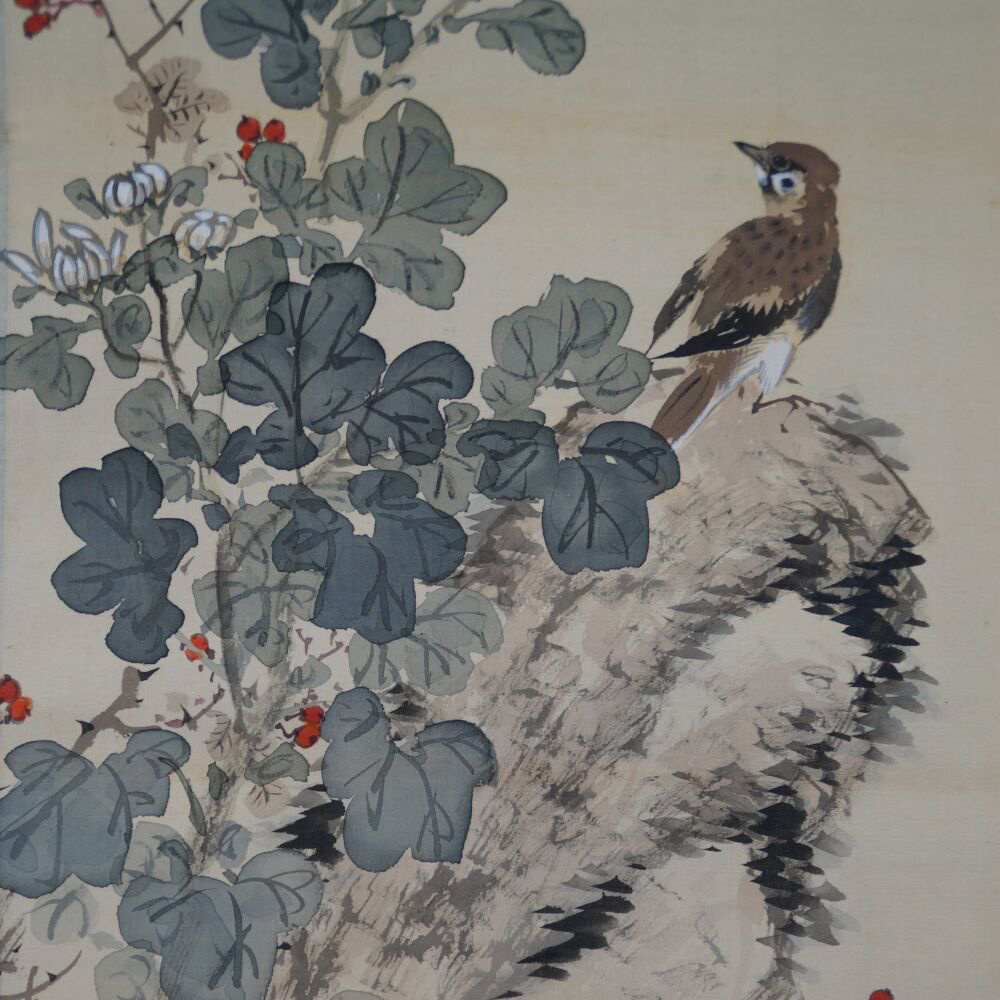
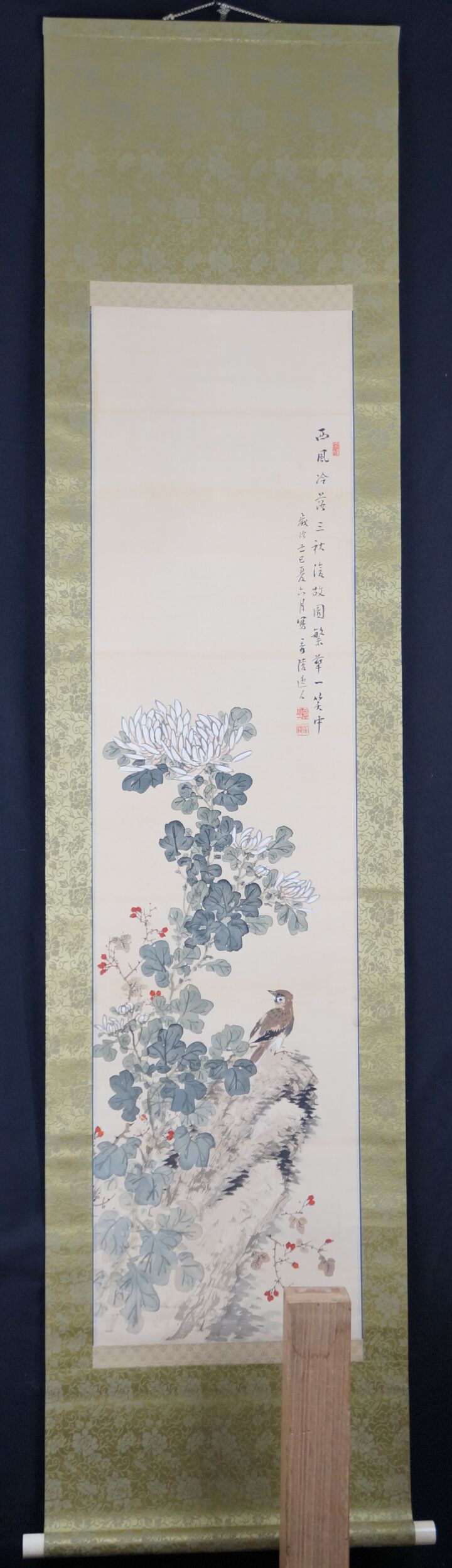
Amano Shuryo
Autumn Chrysanthemums
Kakemono, unique work, with box, 190 x 51 cm
€480.00
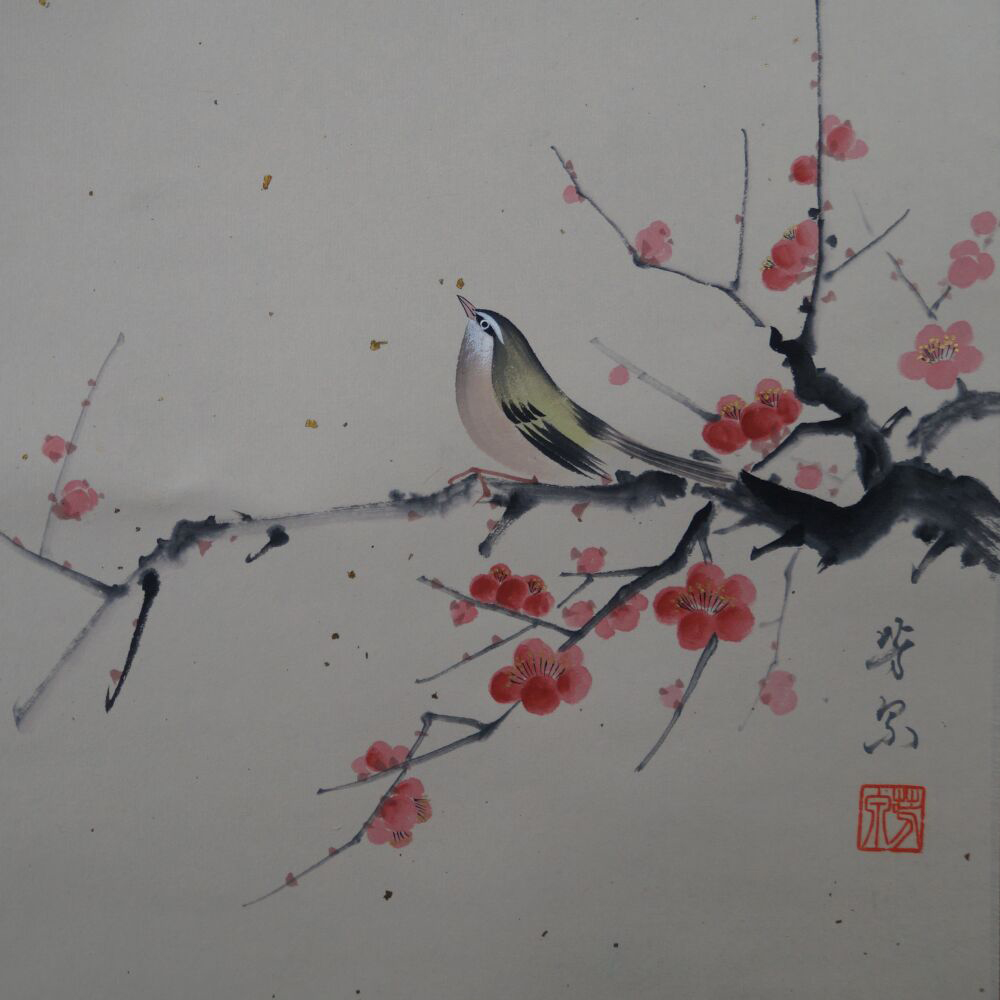
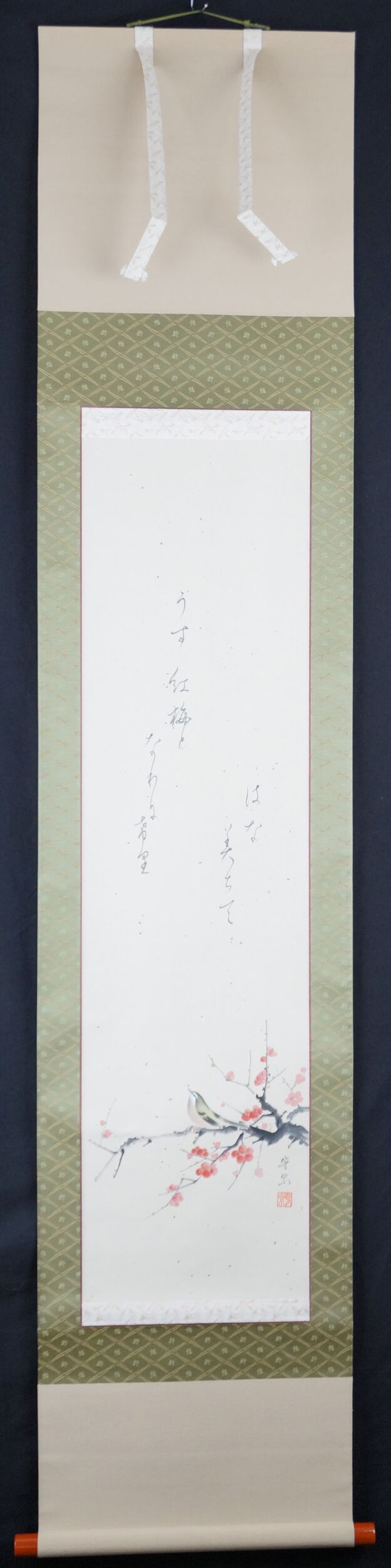
Sugaya Hosen
Pale Pink Plum Blossoms in Spring Light
Kakemono, unique work, with box, 193 x 46 cm
€490.00
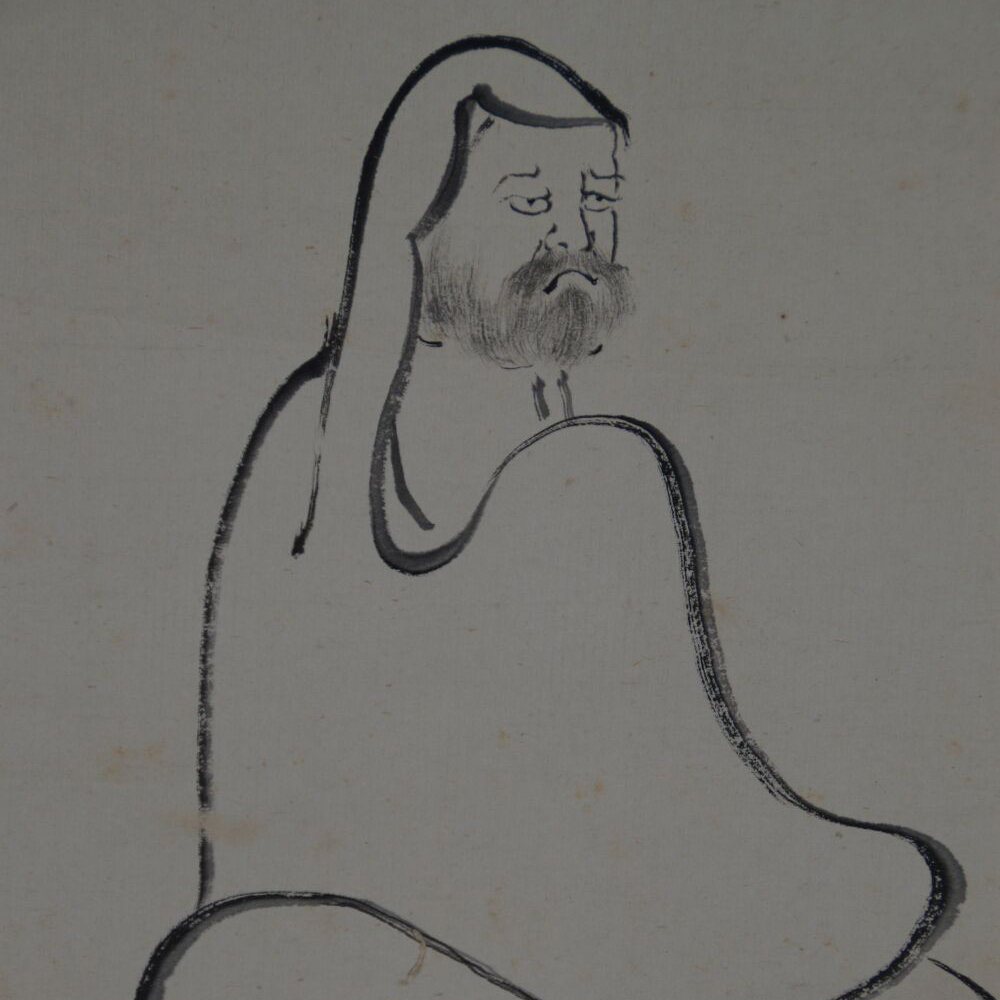
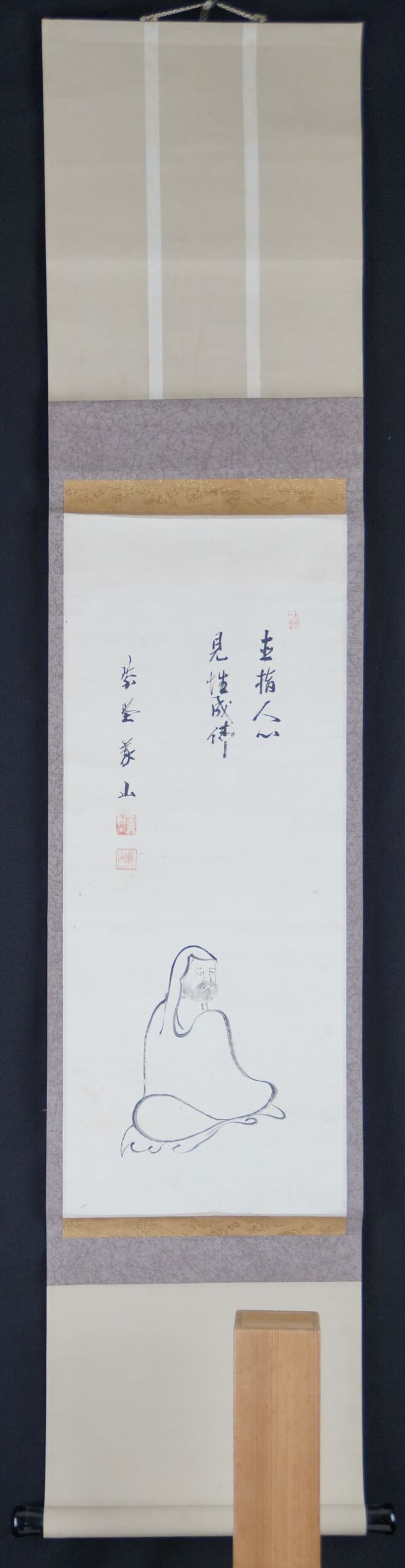
Ueda Gizan
Bodhidharma - Straight to the Heart
Kakemono, unique work, with box, 135 x 34 cm
€450.00
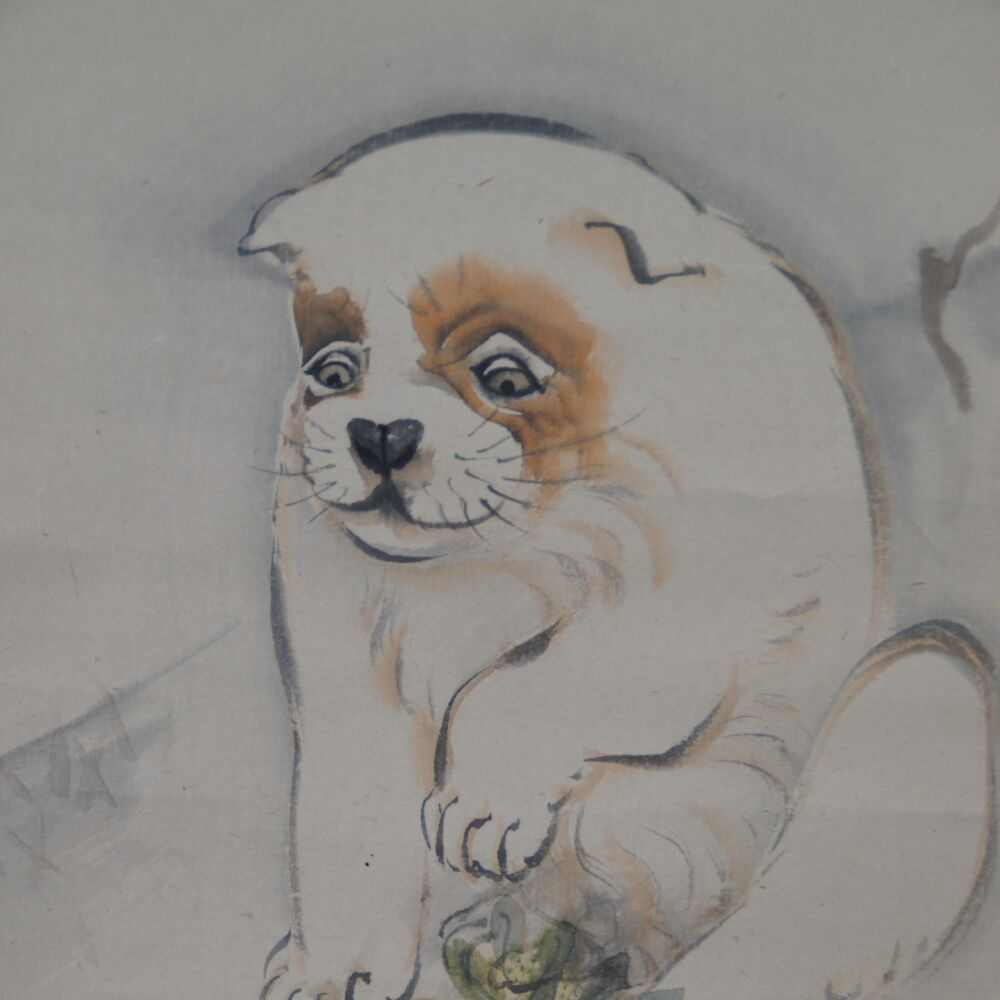
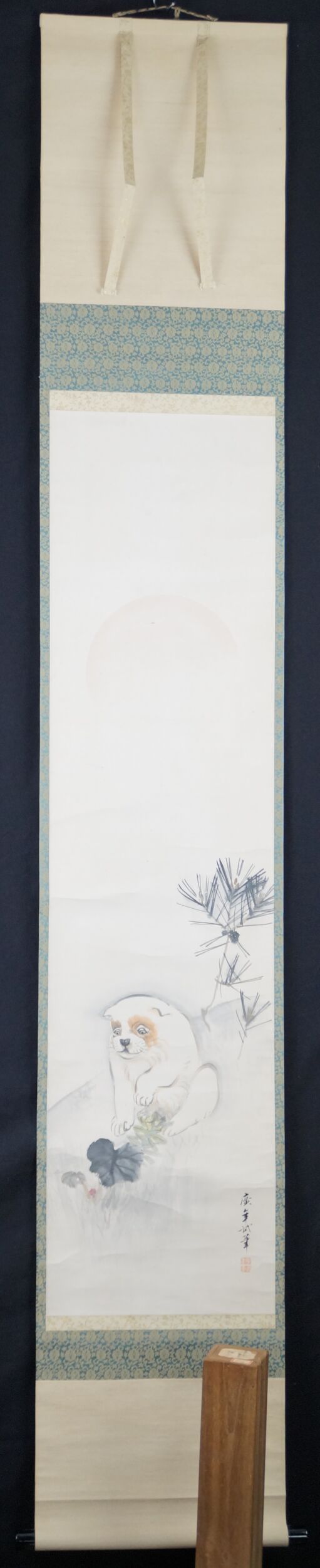
Puppy at Sunset Under Pine Trees
Kakemono, unique work, with box, 200 x 39 cm
€210.00
Kawasaki Shoko
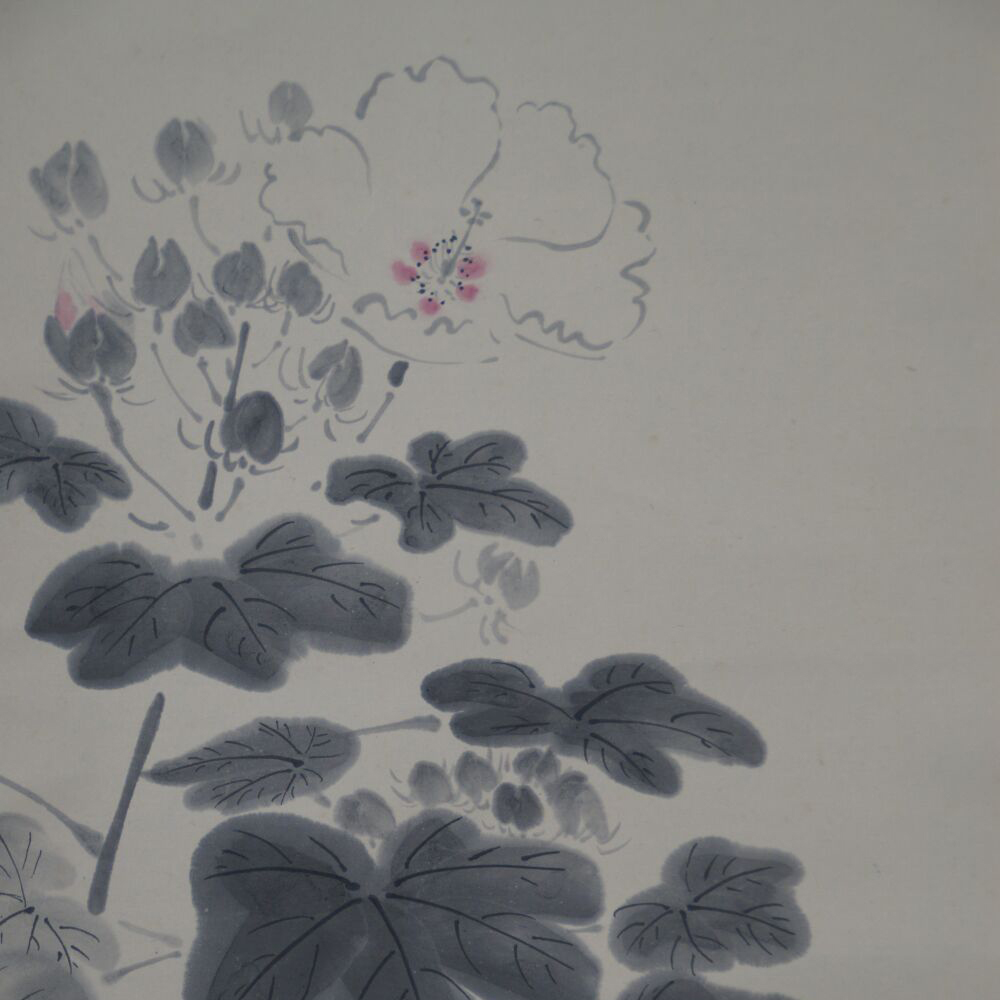
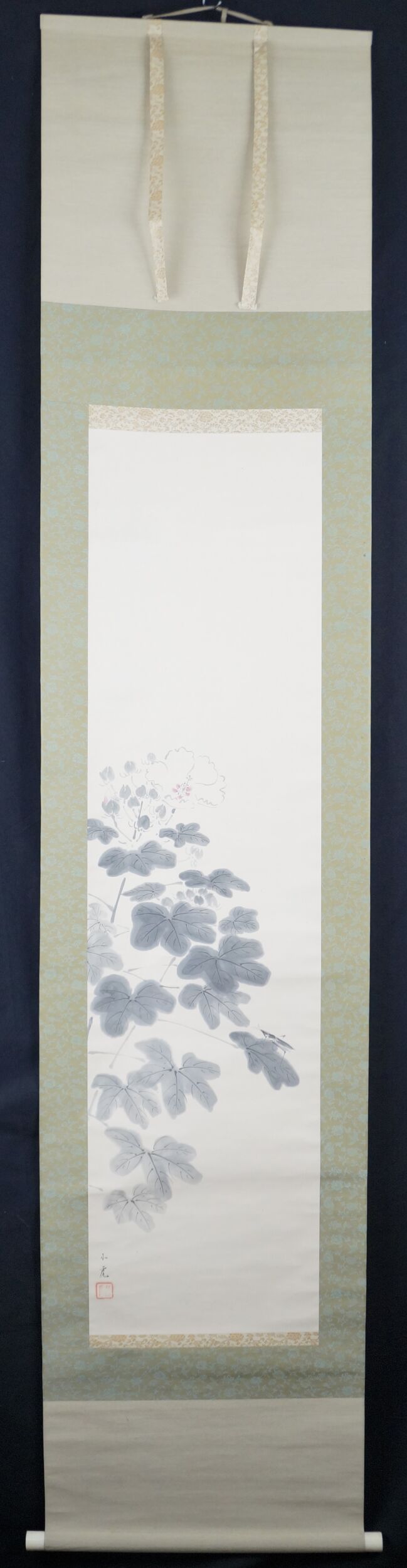
Hibiscus Flowers and Grasshopper
Kakemono, unique work, with box, 215 x 53 cm
€380.00
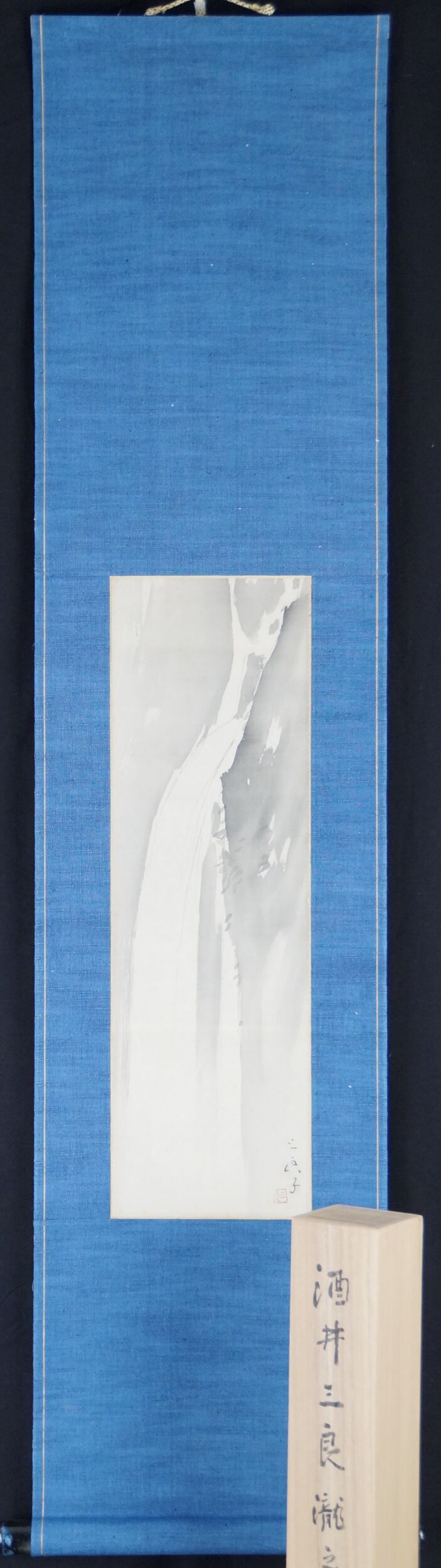
Sakai Sanryo
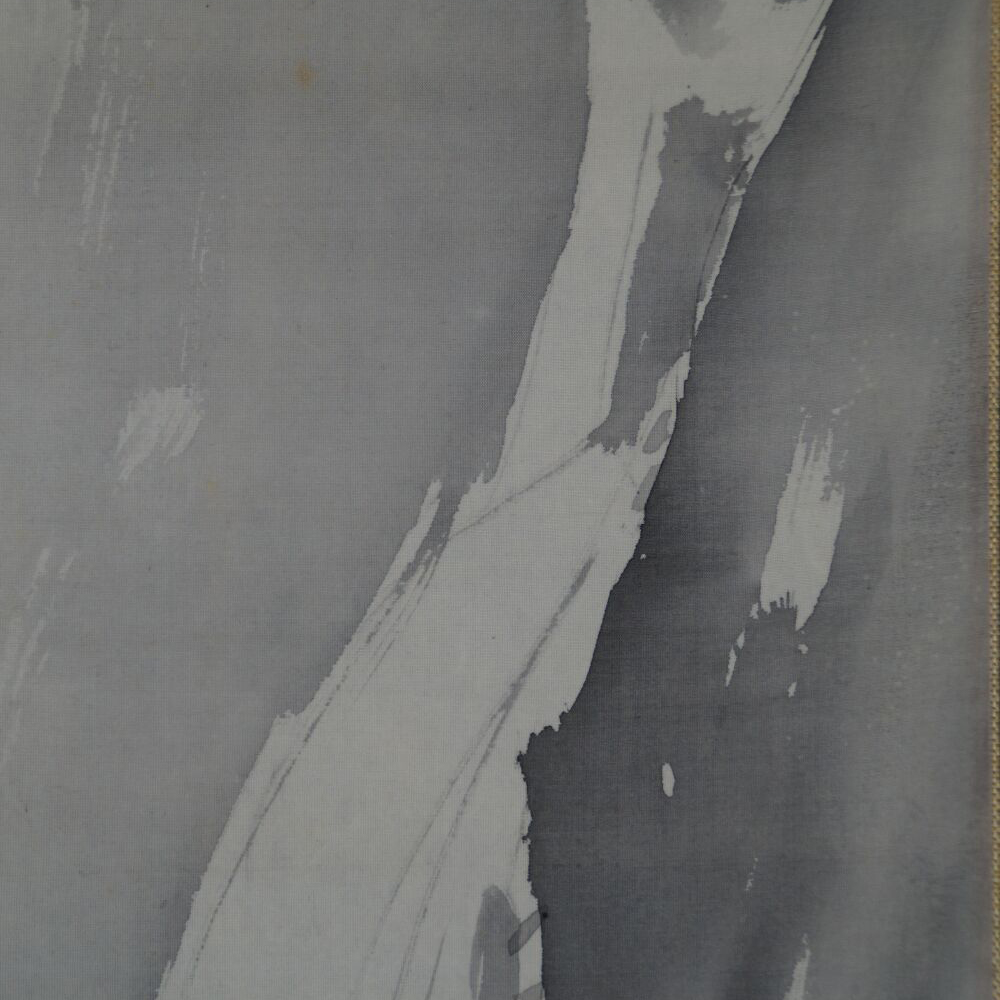
Waterfall in the Mist
Kakemono, unique work, with box, 129 x 36 cm
€570.00
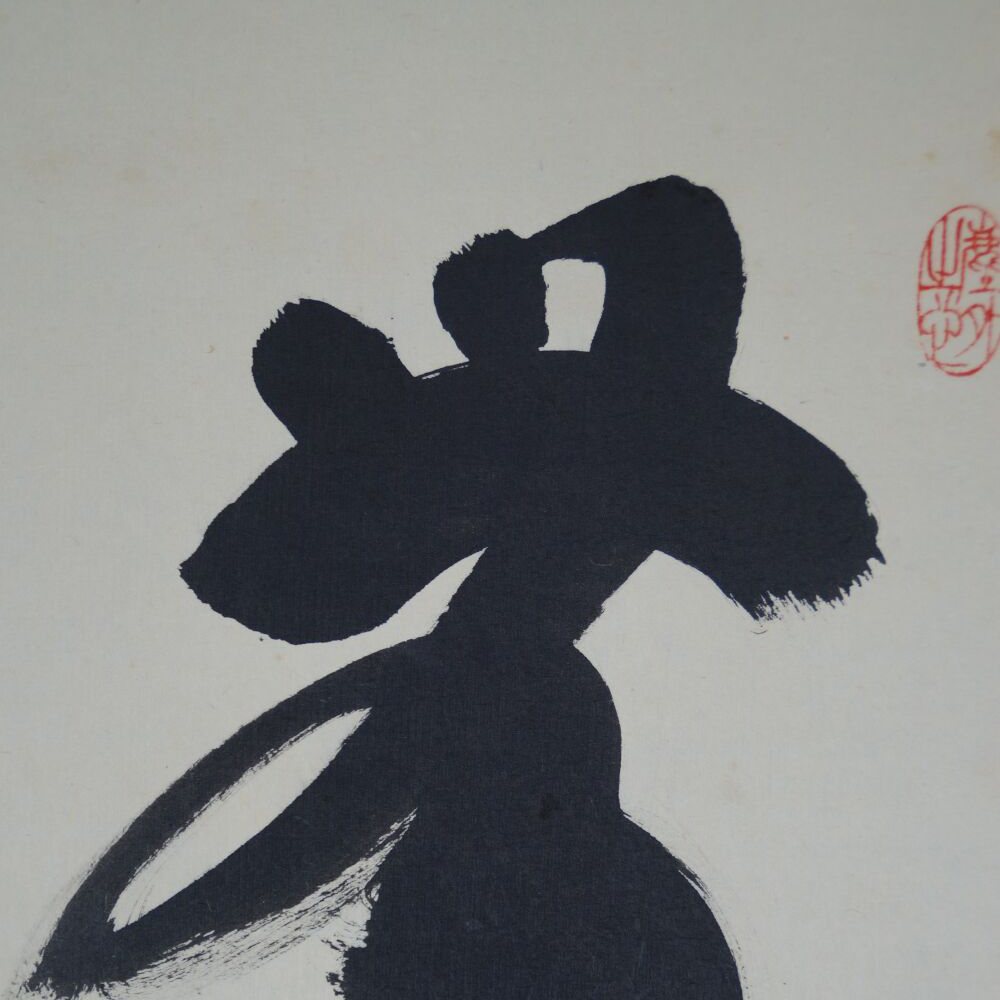
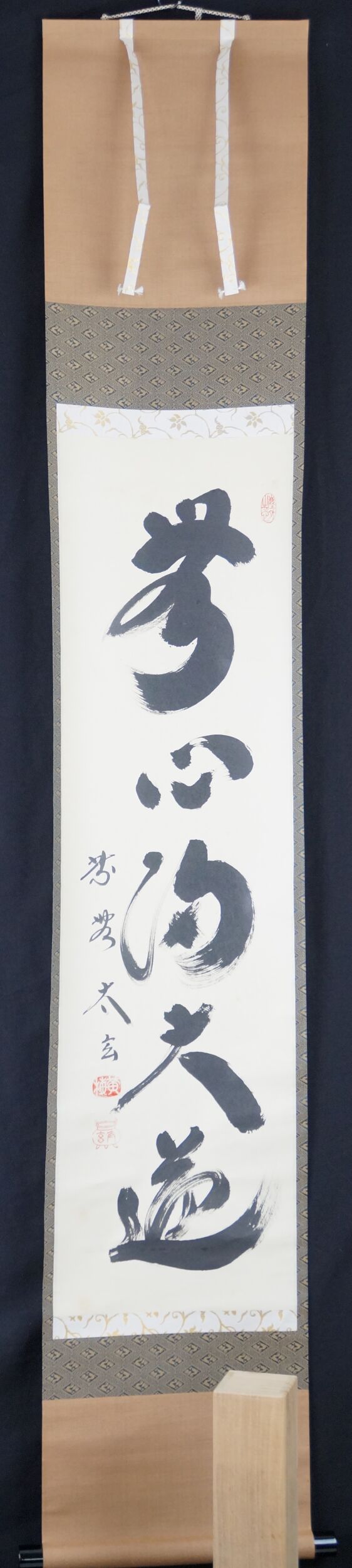
Kobayashi Taigen
No-Mind on the Great Way – Zen Calligraphy, Olive Mounting
Kakemono, unique work, with box, 176 x 36 cm
€690.00
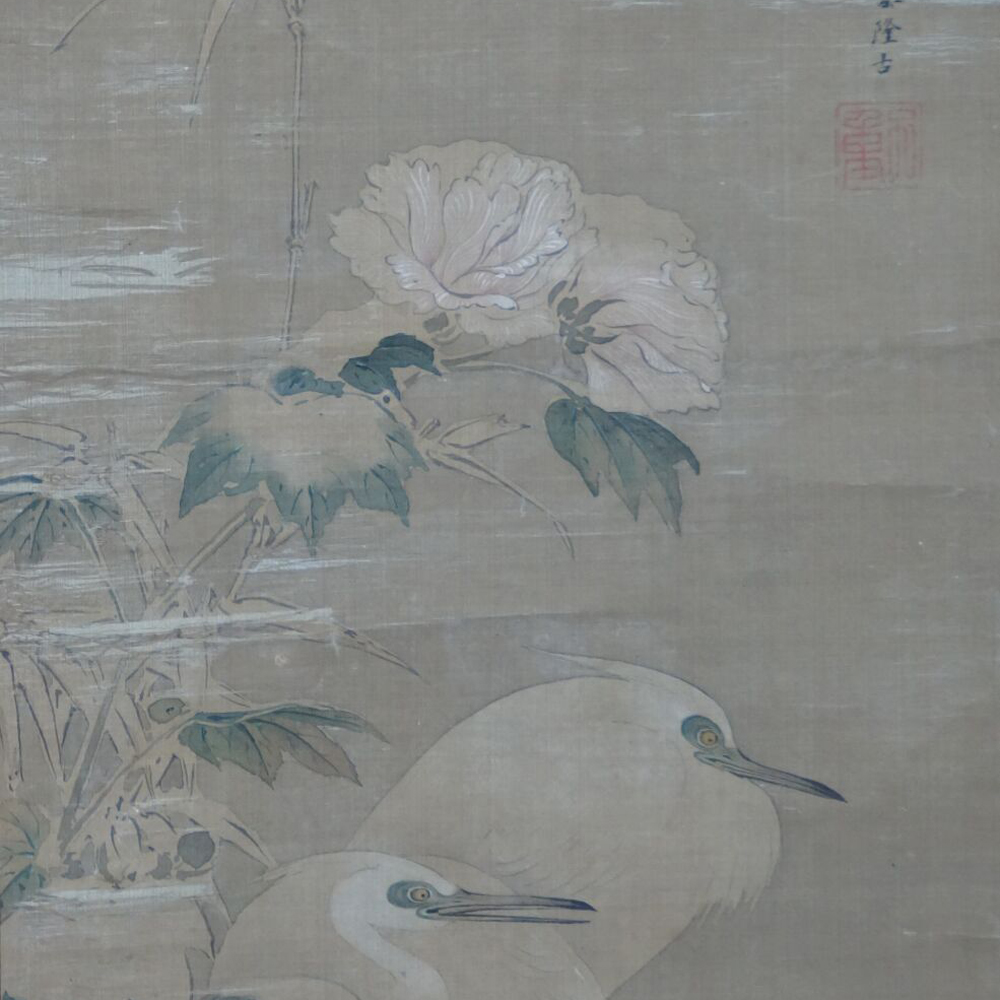
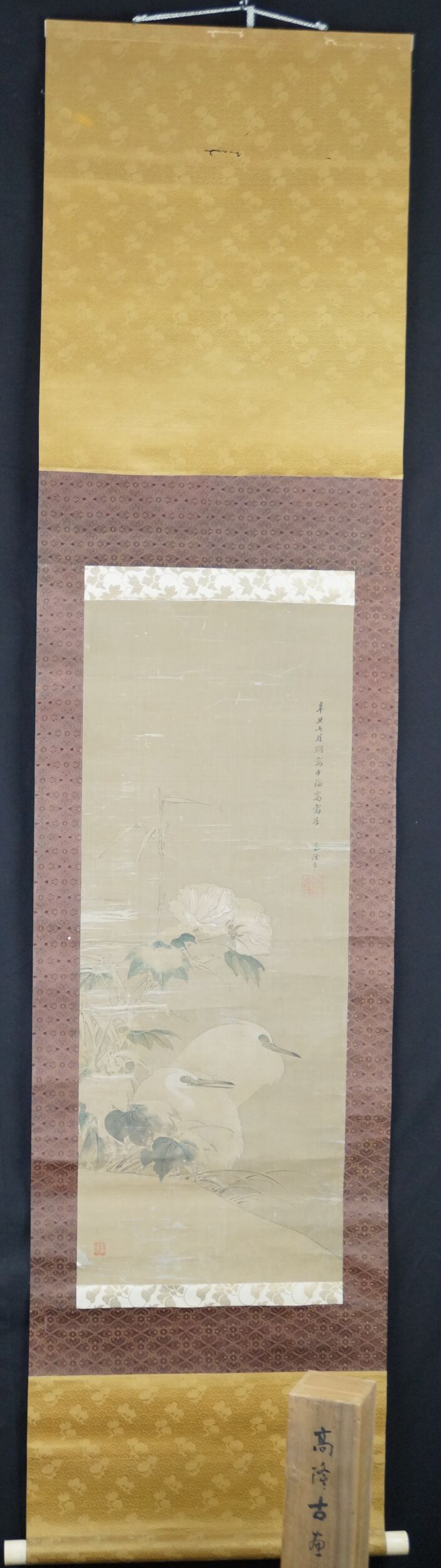
Takaku Ryūko
Heron in Silent Peony Splendor
Kakemono, unique work, with box, 186 x 50 cm
€1,300.00
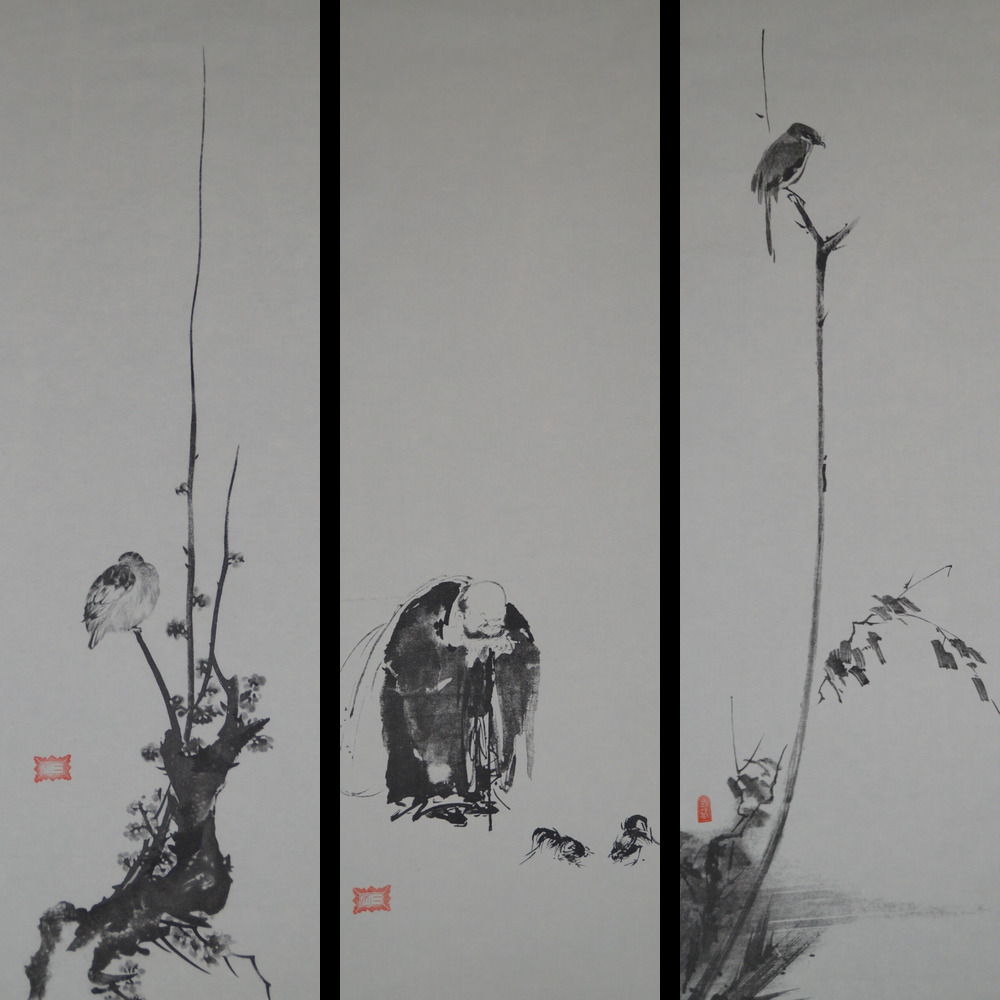
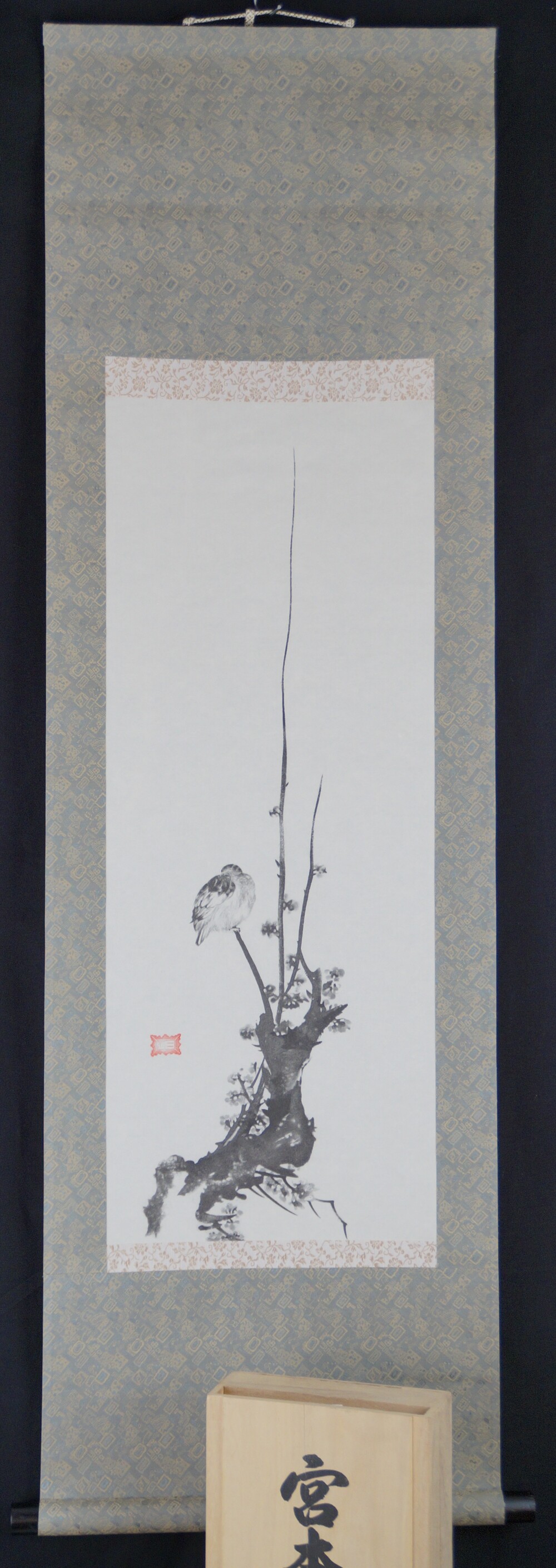
Miyamoto Musashi
Triptych Prints After Miyamoto Musashi
Kakemono, Print, with box, 135 x 47 cm
€270.00
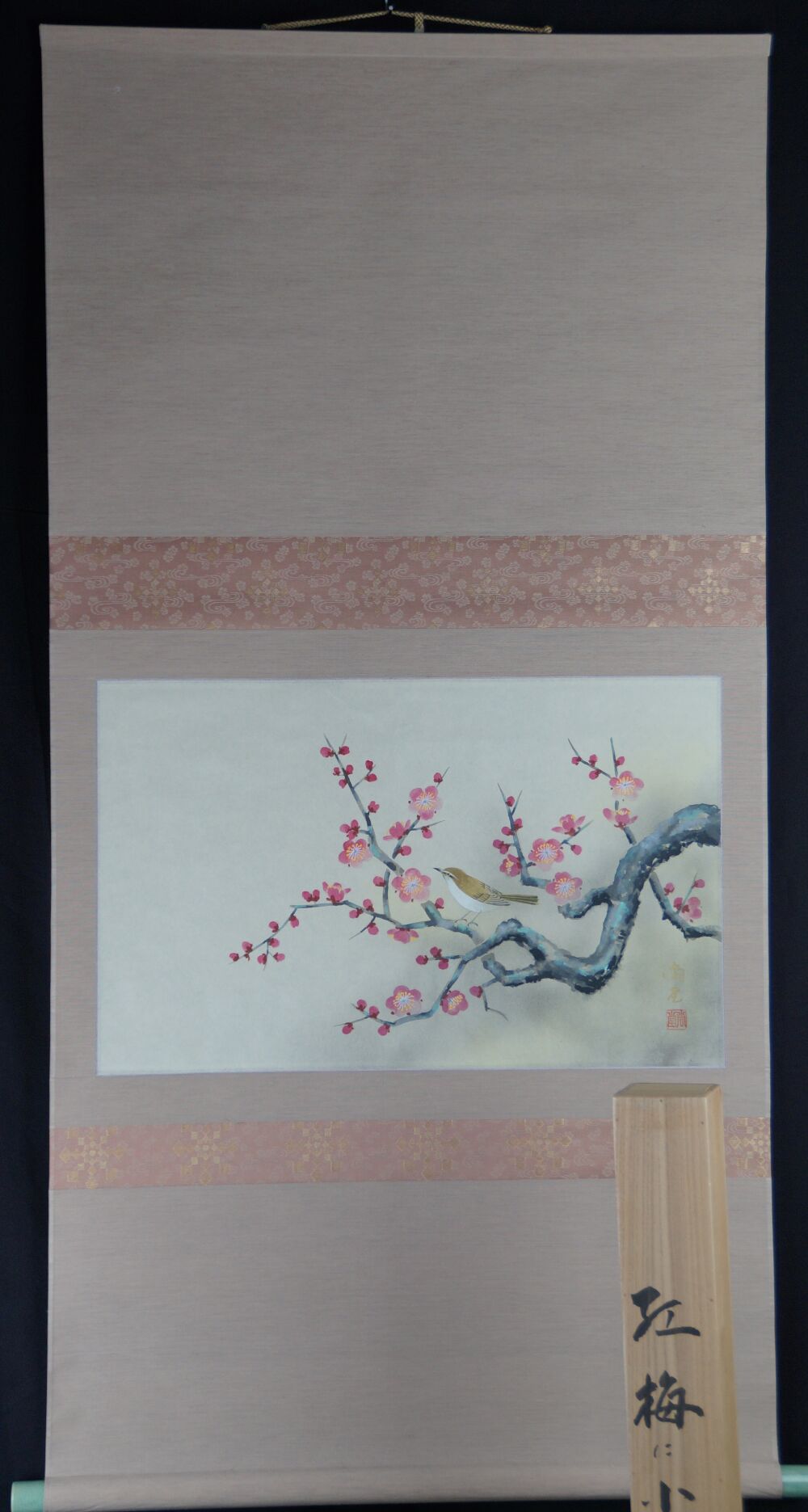
Ogawa Shodo
Songbird on Blooming Plum Tree
Kakemono, unique work, with box, 133 x 66 cm
€410.00
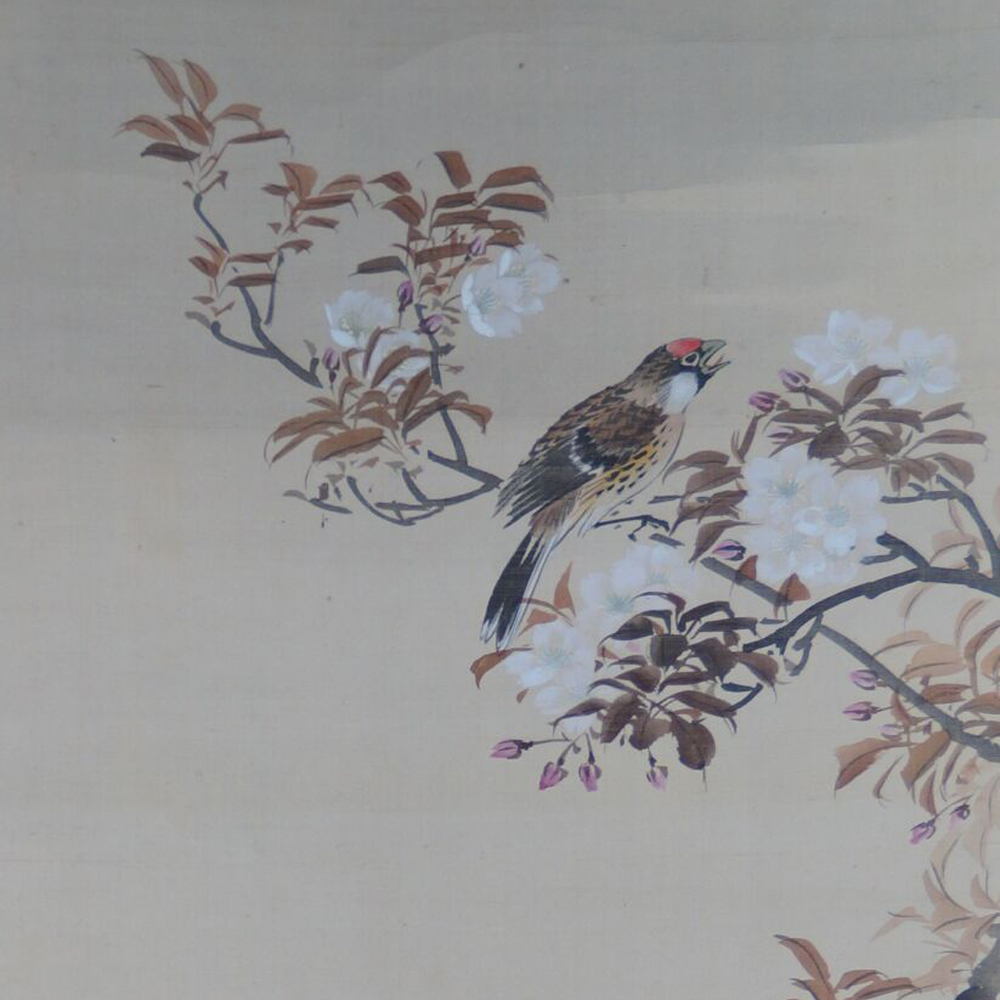
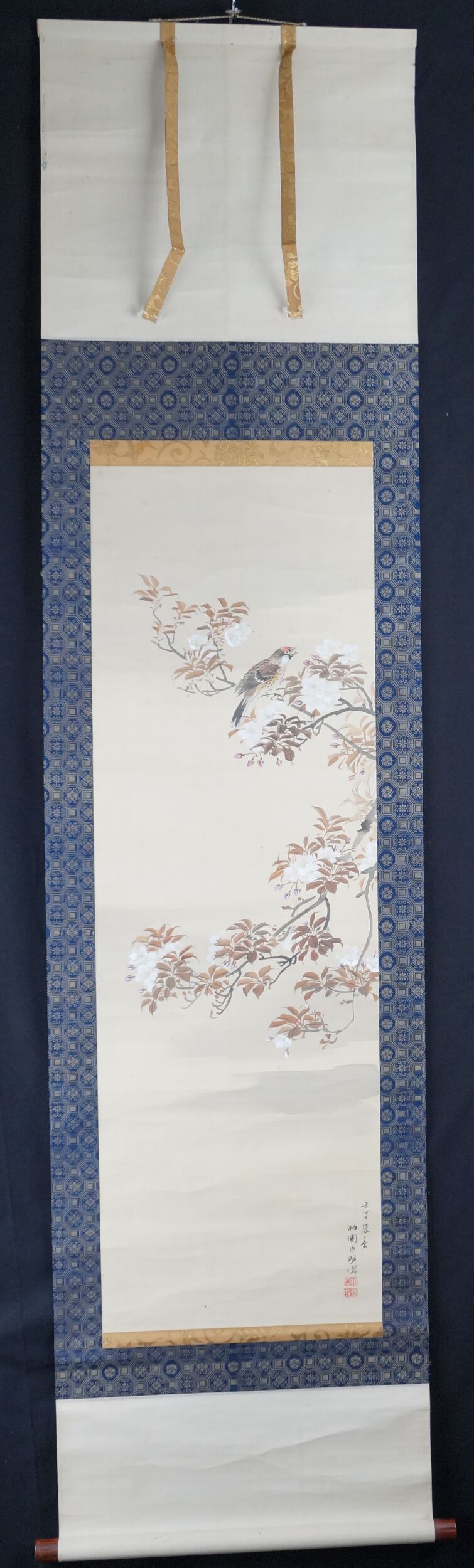
Hirose Hakuen
Singing Bird in Cherry Blossom Branch
Kakemono, unique work, 182 x 51 cm
€370.00
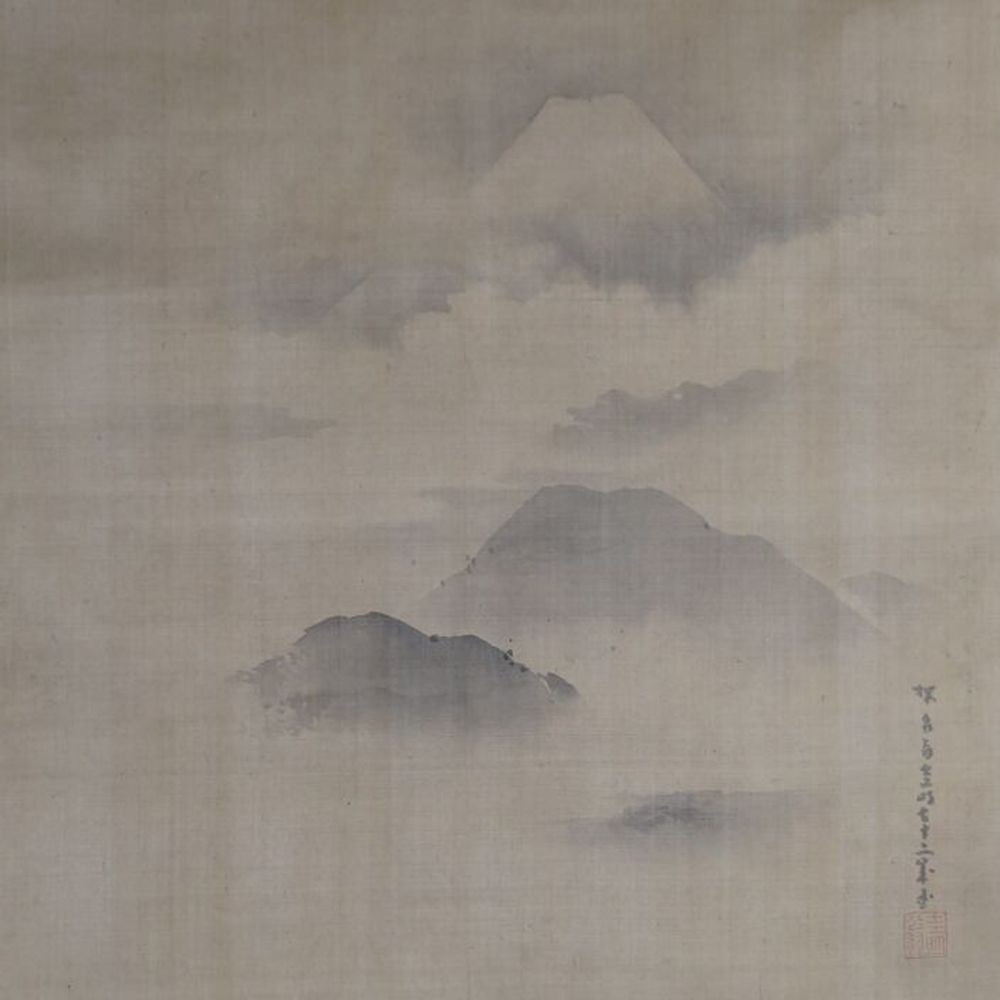
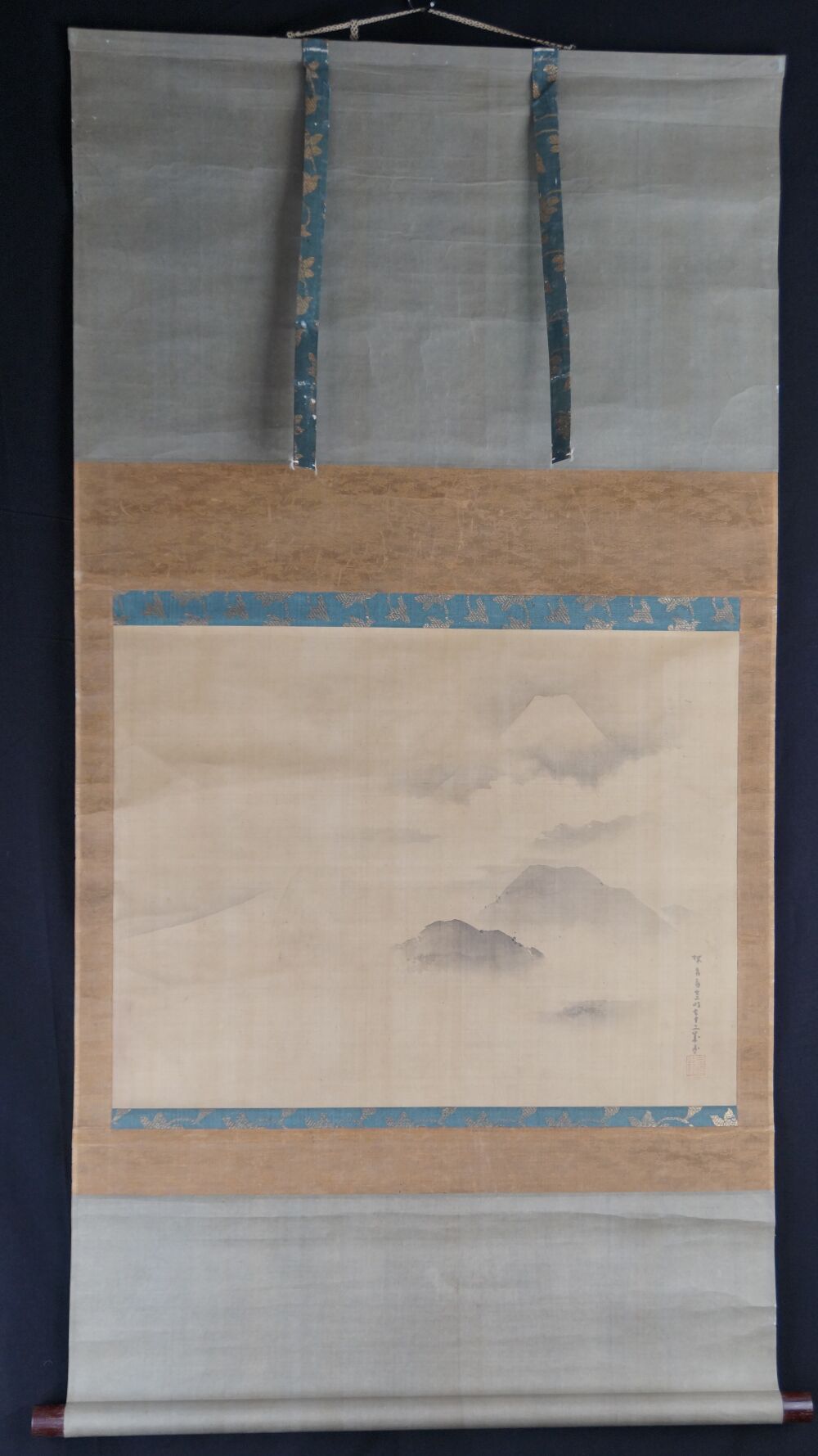
Tansenzai Keimei
Fuji in Cloud-Covered Heights
Kakemono, unique work, 123 x 63 cm
€440.00
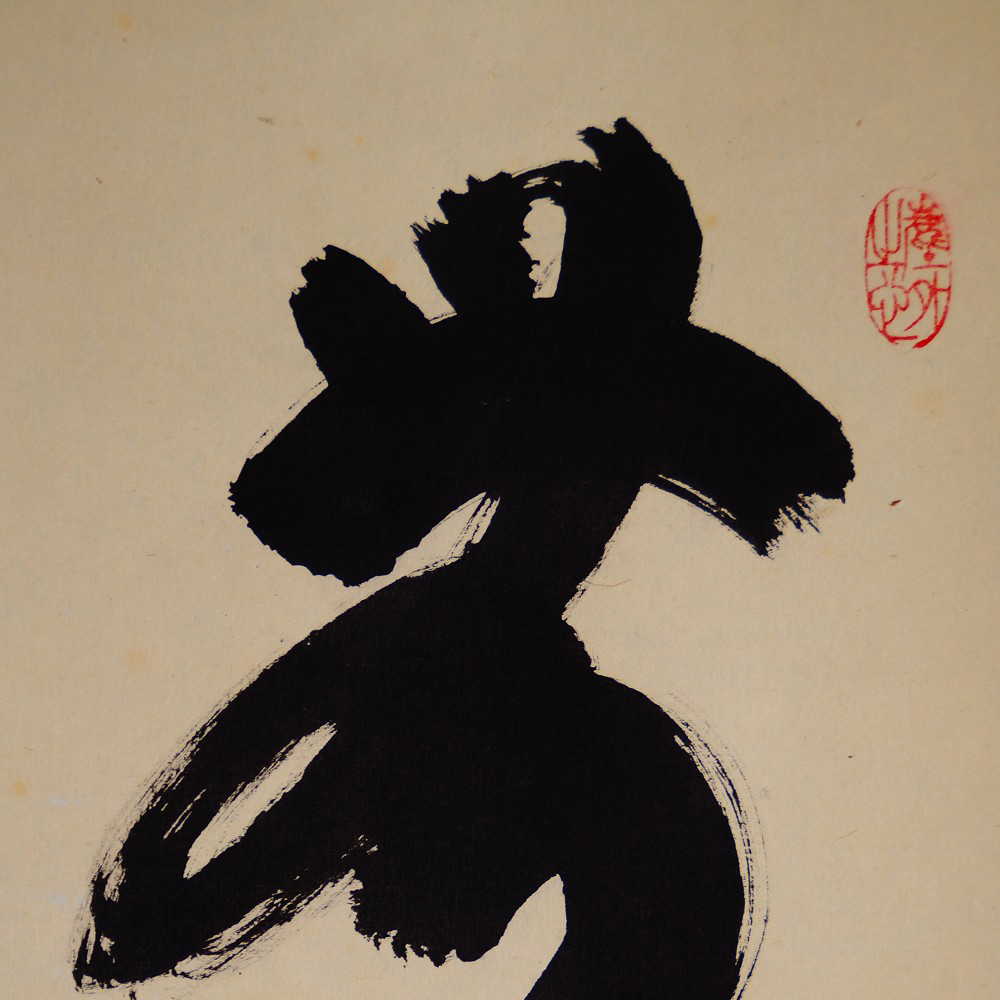

Kobayashi Taigen
No Mind, the Great Way – Zen Calligraphy, Gold-Mounted
Kakemono, unique work, with box, 173 x 37 cm
€720.00
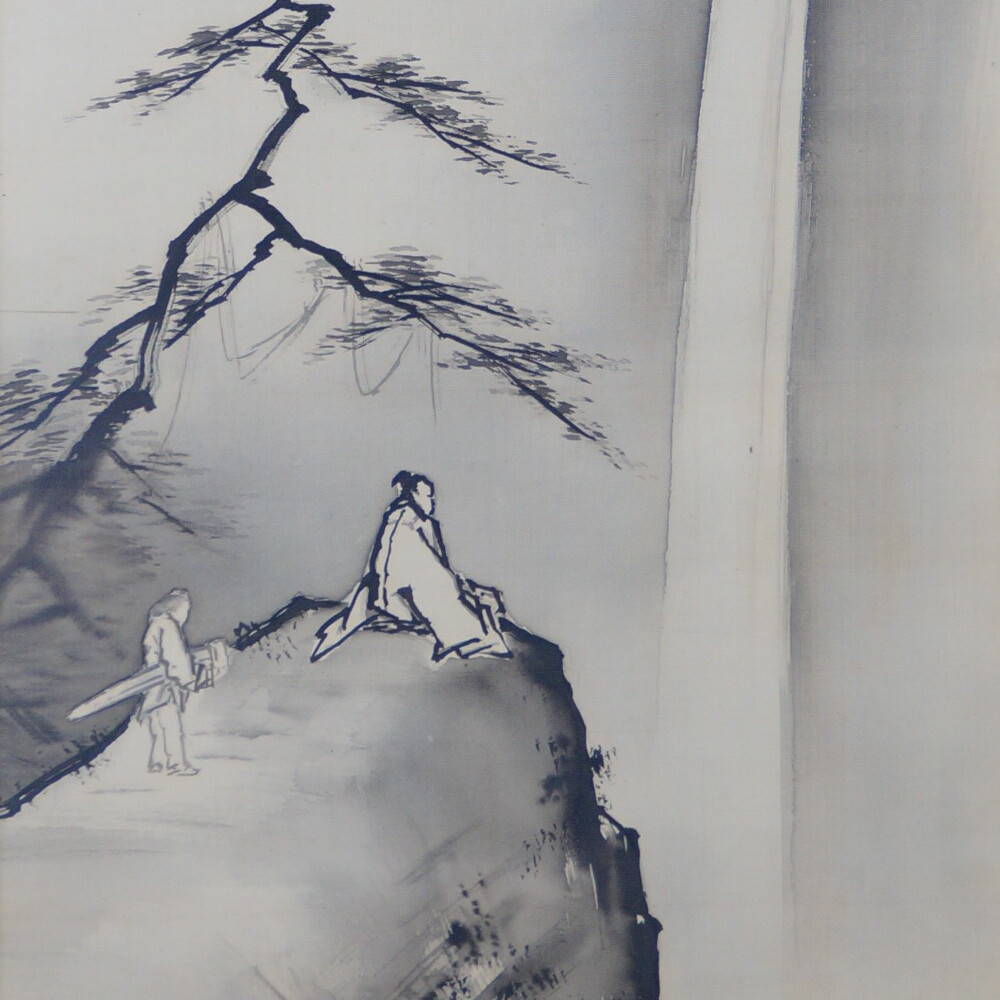
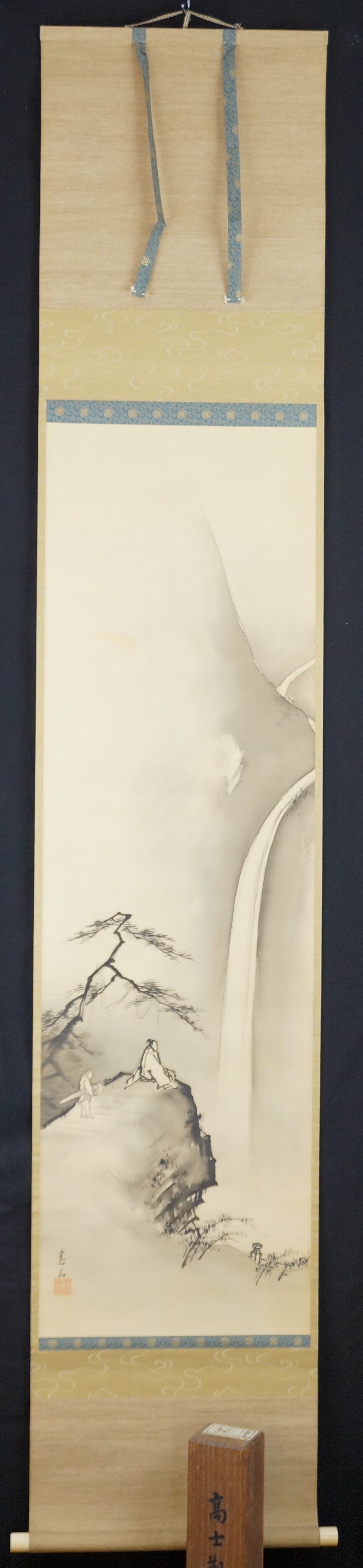
Yagioka Shunzan
Encounter at the Edge of the Waterfall
Kakemono, unique work, with box, 200 x 44 cm
€880.00
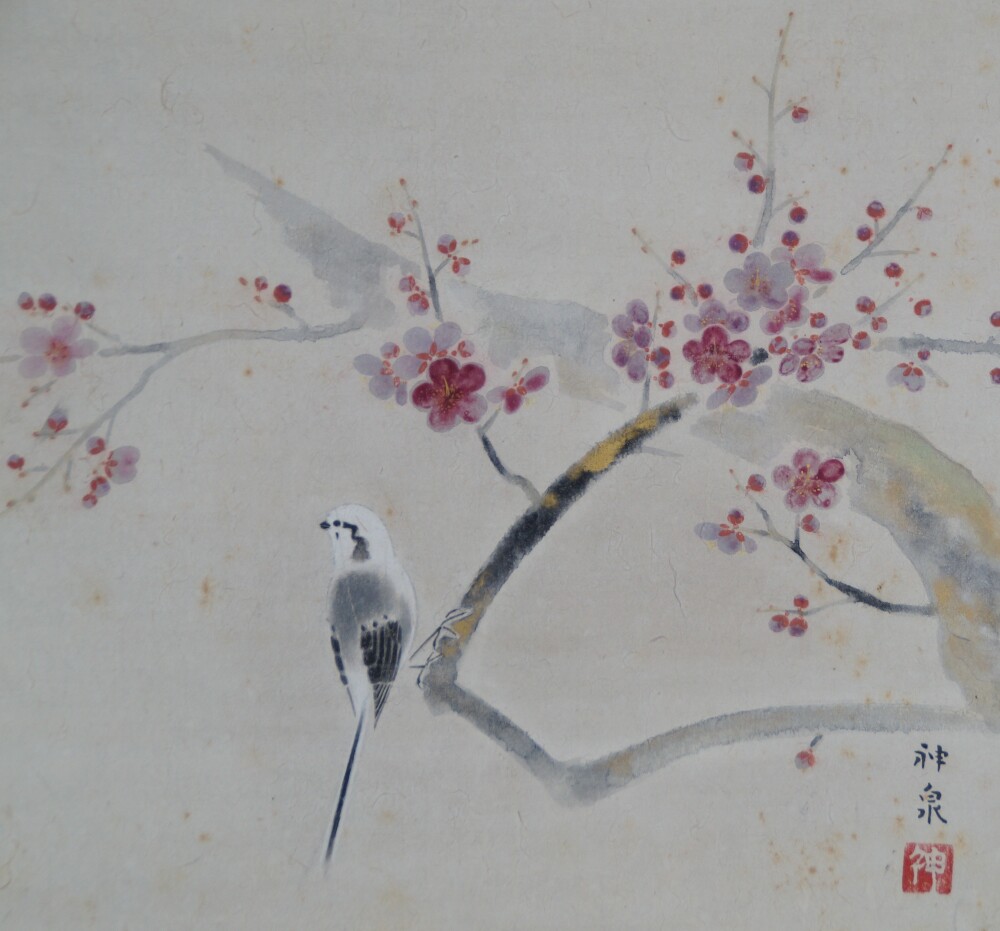
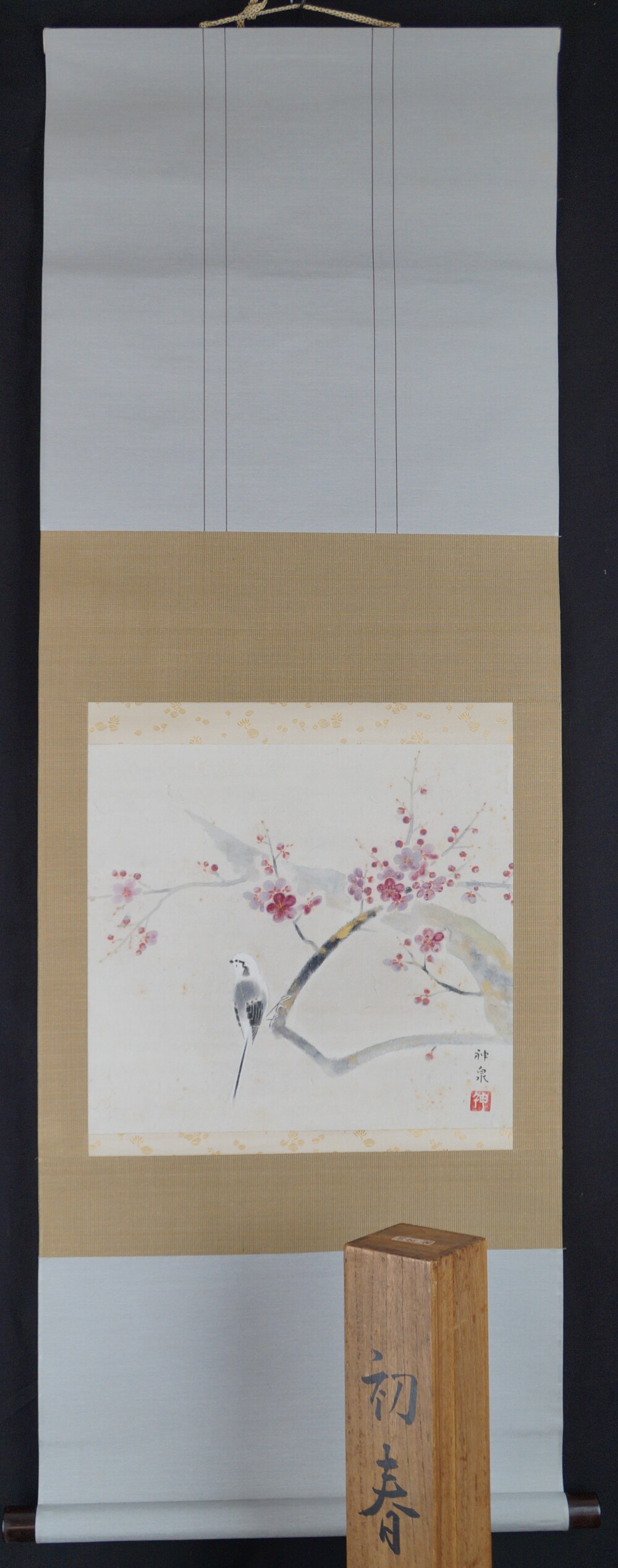
Tokuoka Shinsen
Plum Blossoms in Quiet Morning Light
Kakemono, unique work, with box, 124 x 49 cm
€280.00
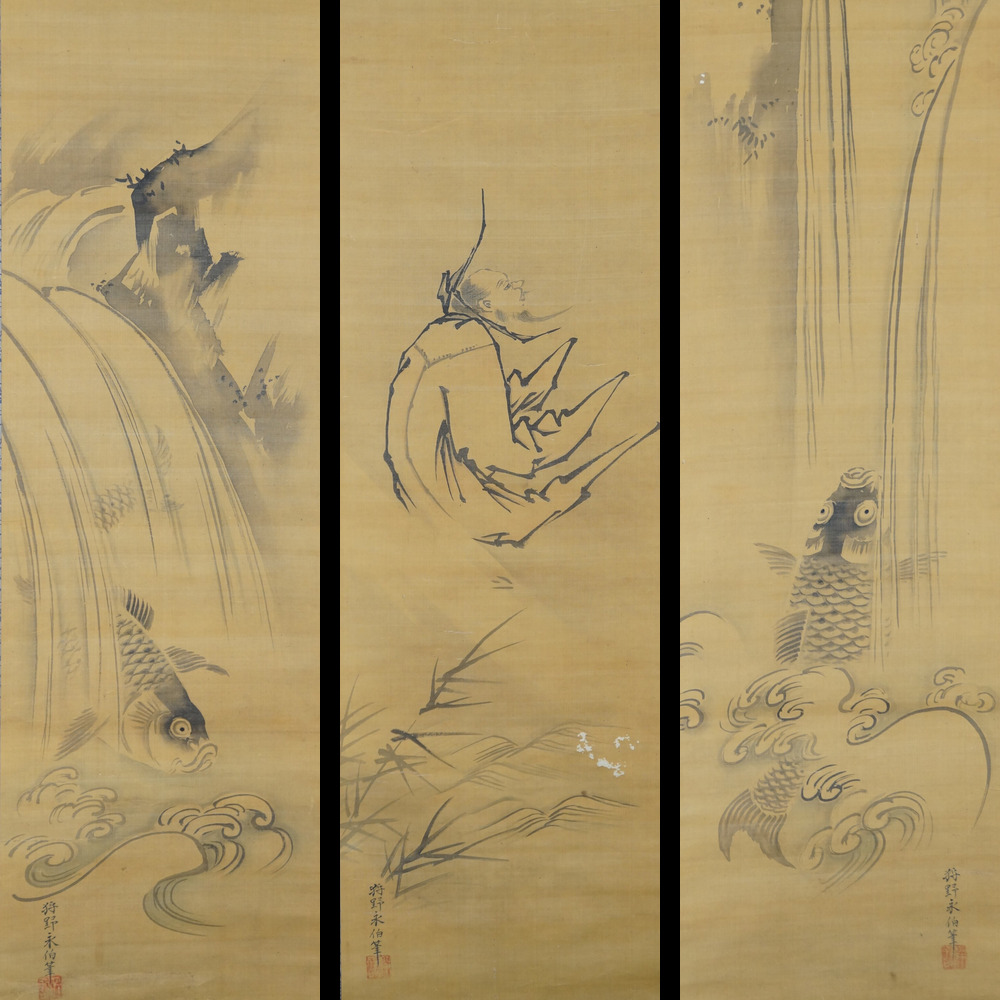
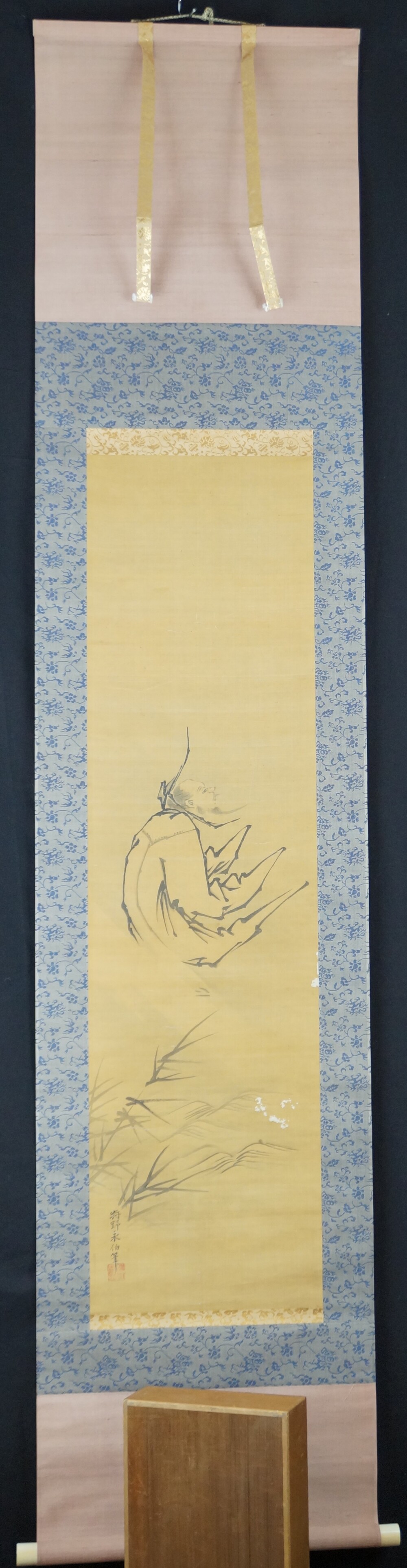
Kano Eihaku
Water, Retreat and Ascent - Set of 3
Kakemono, unique work, with box, 188 x 45 cm
€630.00
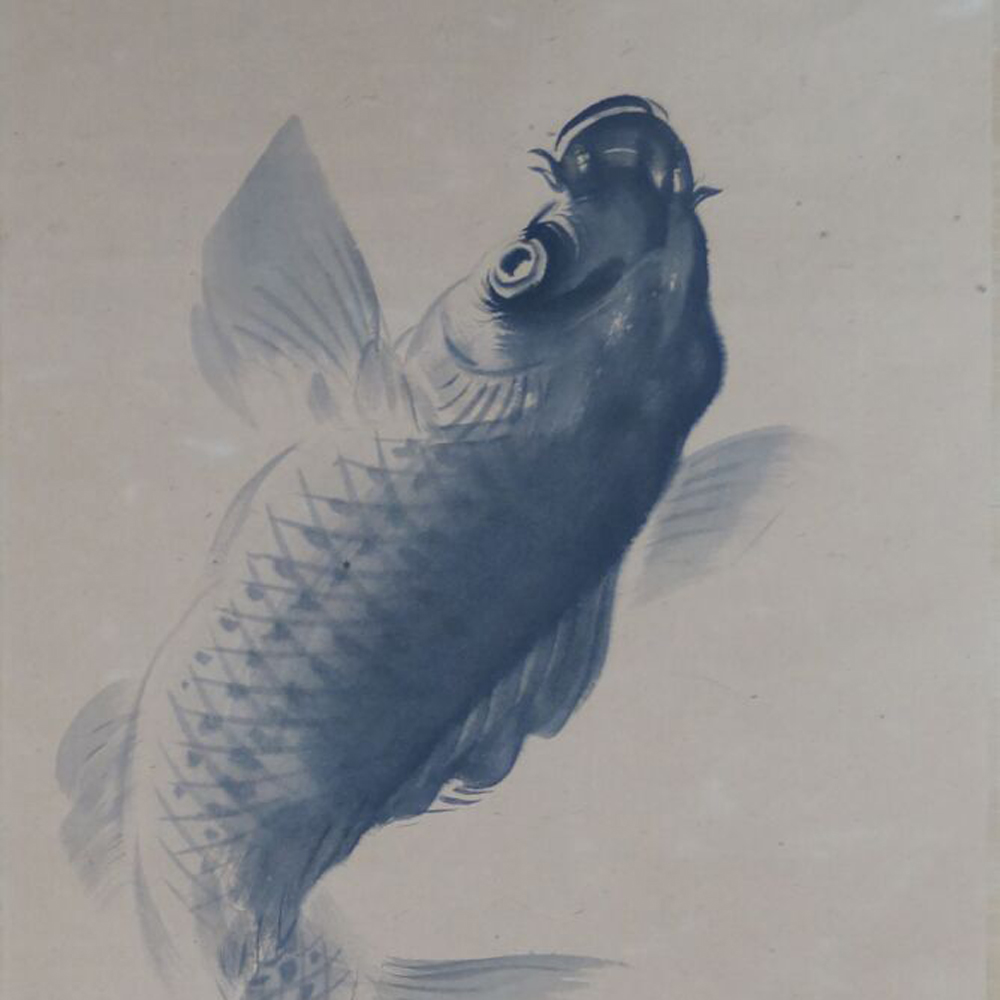
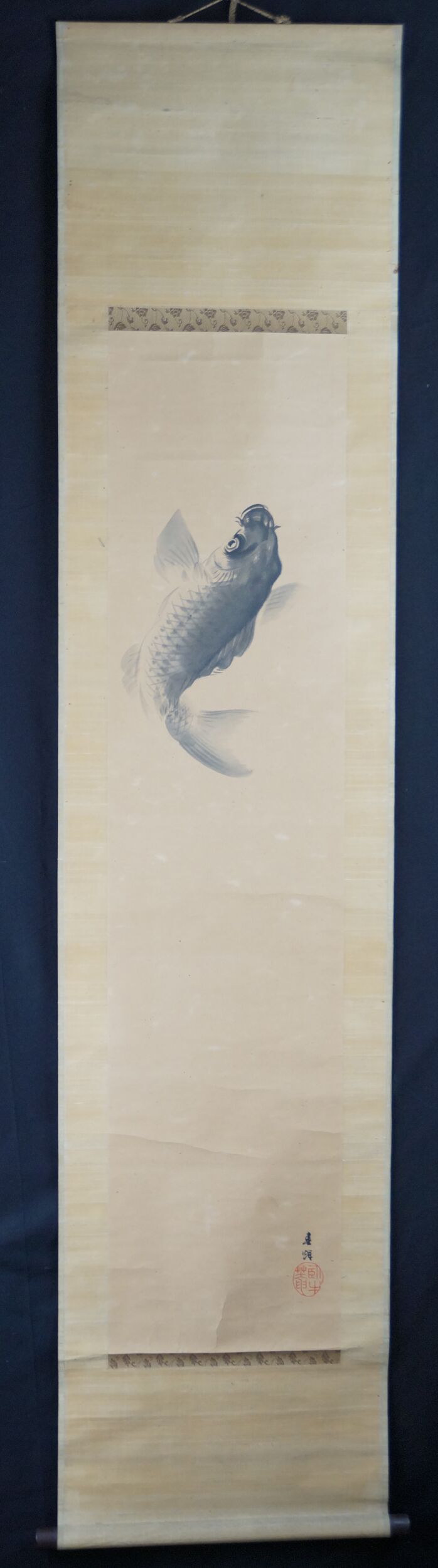
Gyokusha Shunki
Leaping Carp - Kakemono Gyokusha Shunki
Kakemono, unique work, 194 x 50 cm
€540.00
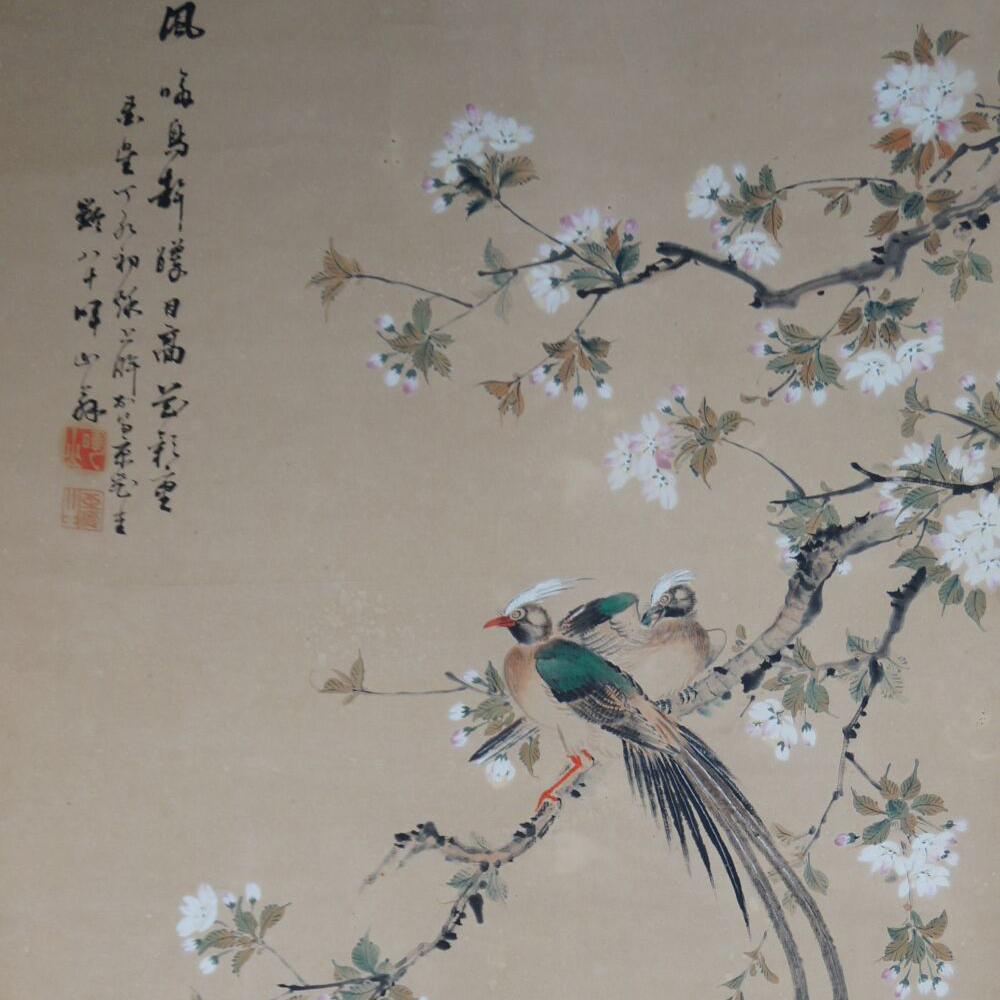
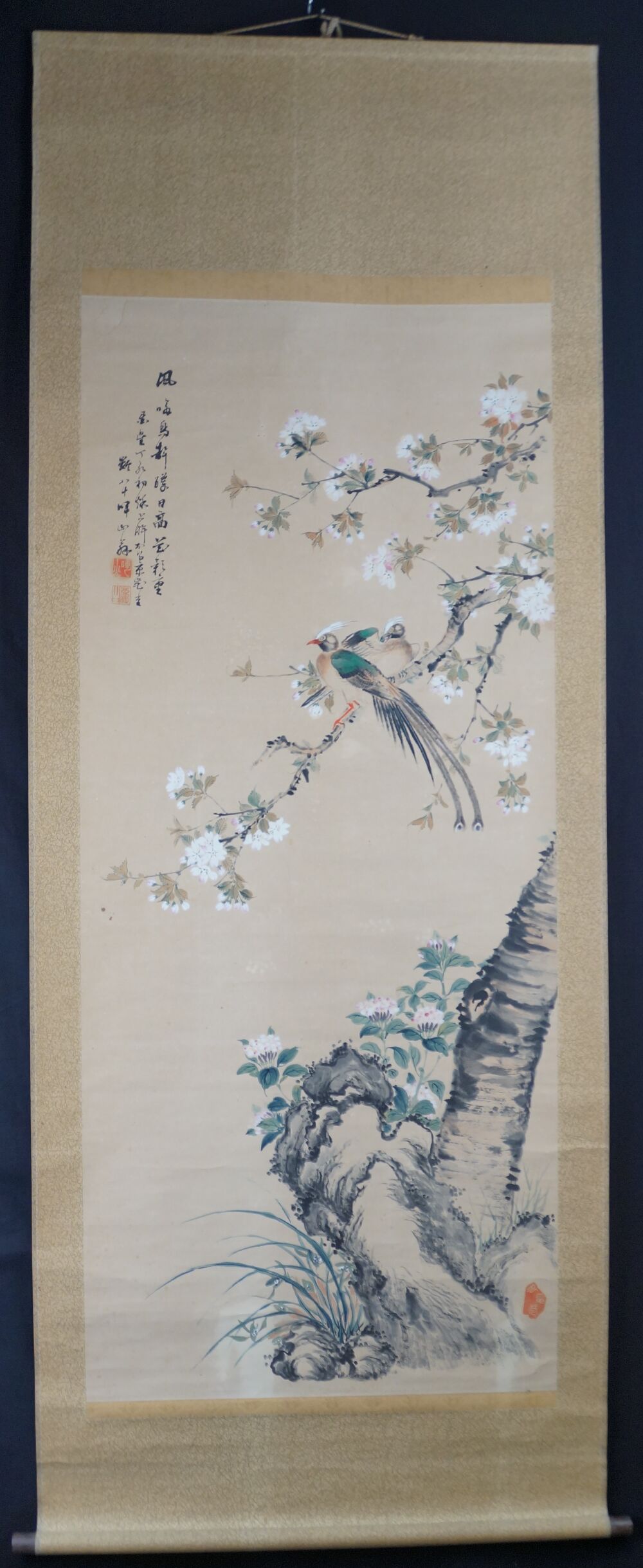
Takahashi Keizan
Spring Duet on Blooming Branch
Kakemono, unique work, 182 x 80 cm
€630.00
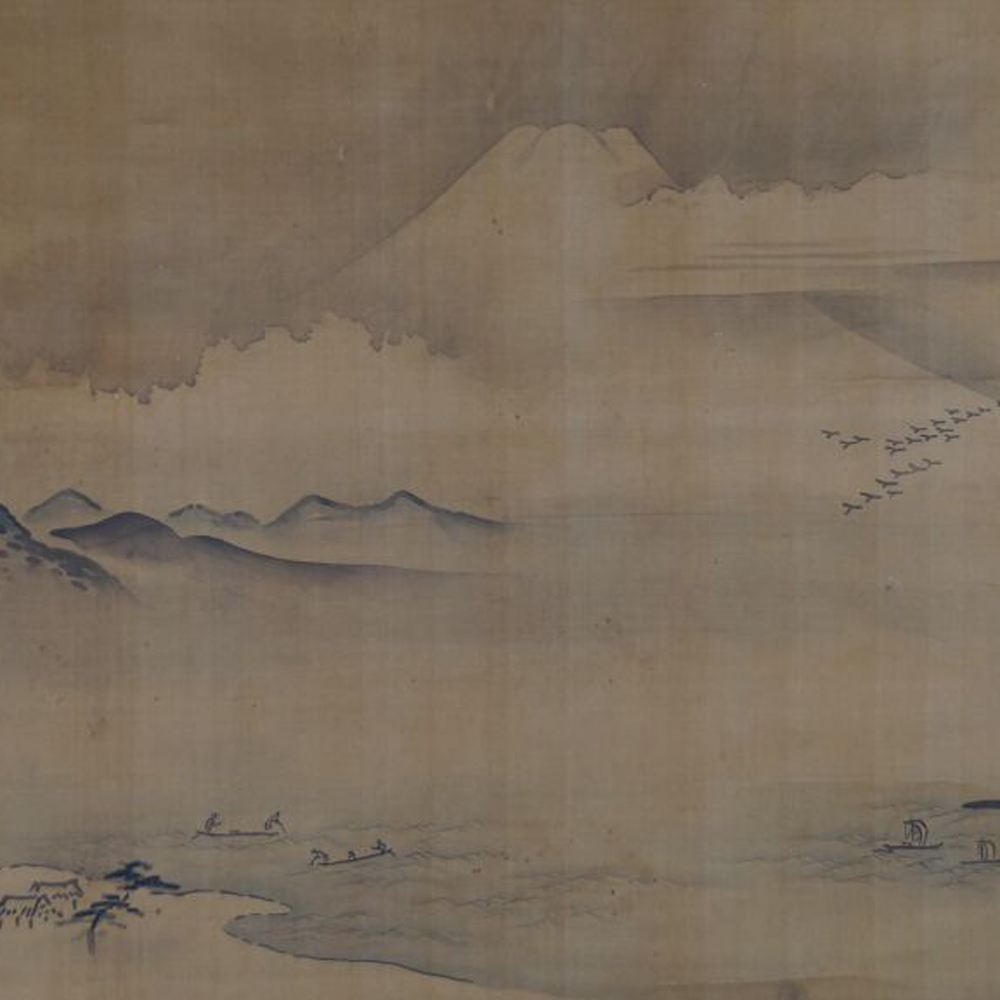
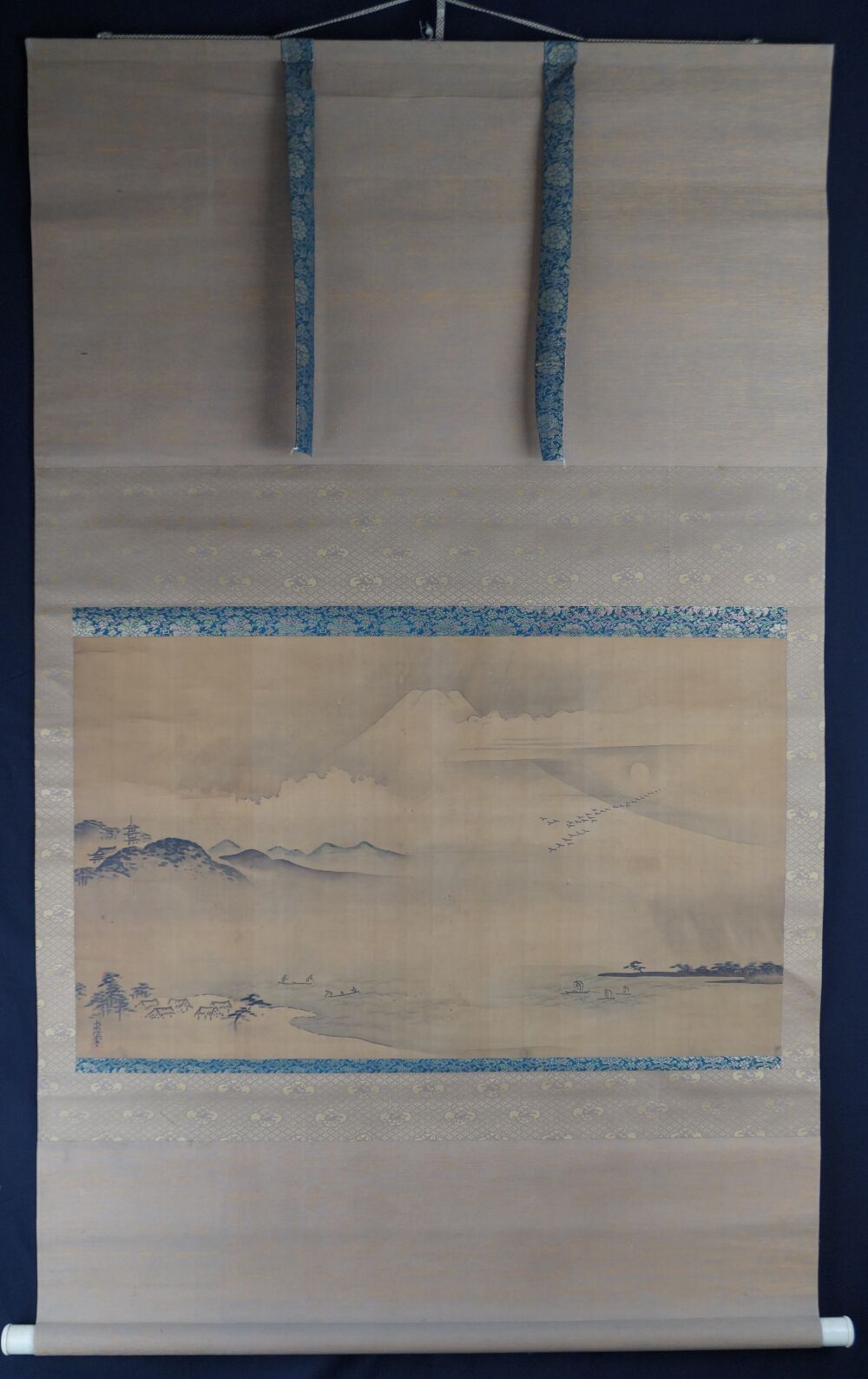
Kanō Zuizen
Fuji in Morning Mist
Kakemono, unique work, 140 x 91 cm
€1,170.00
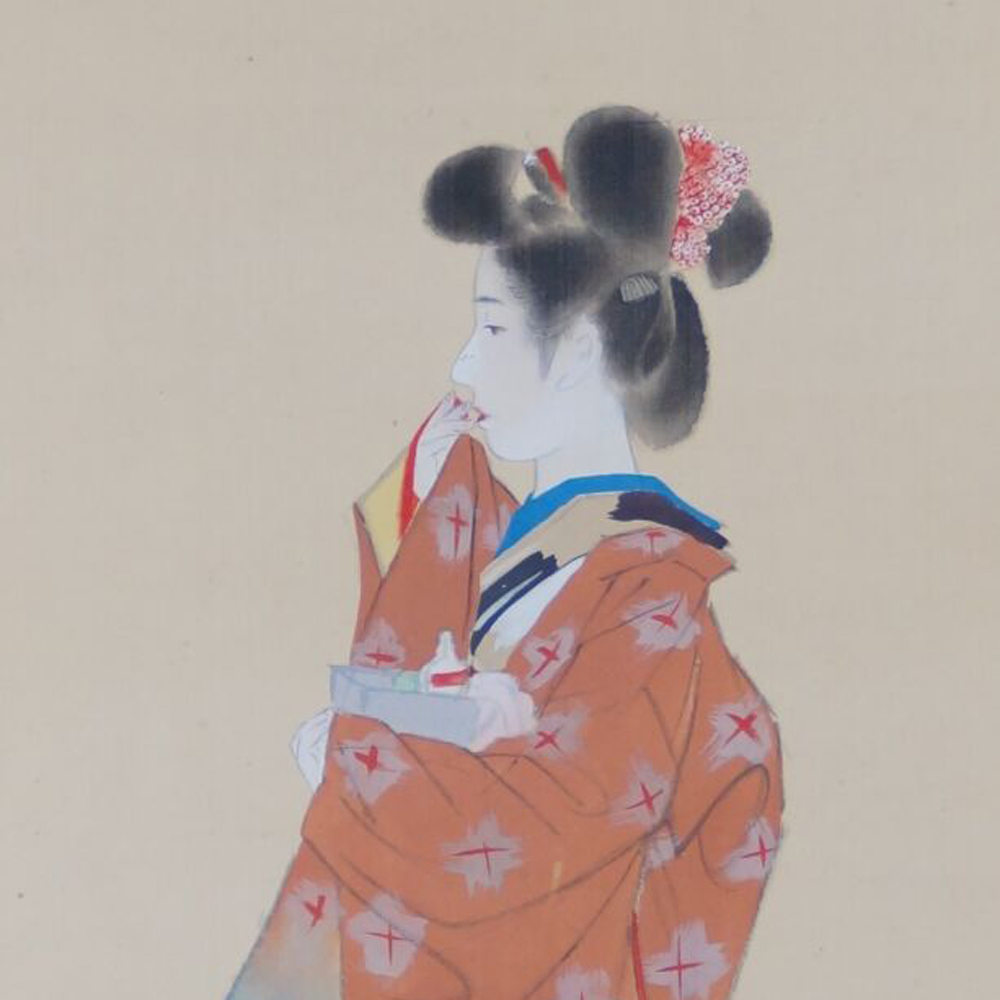
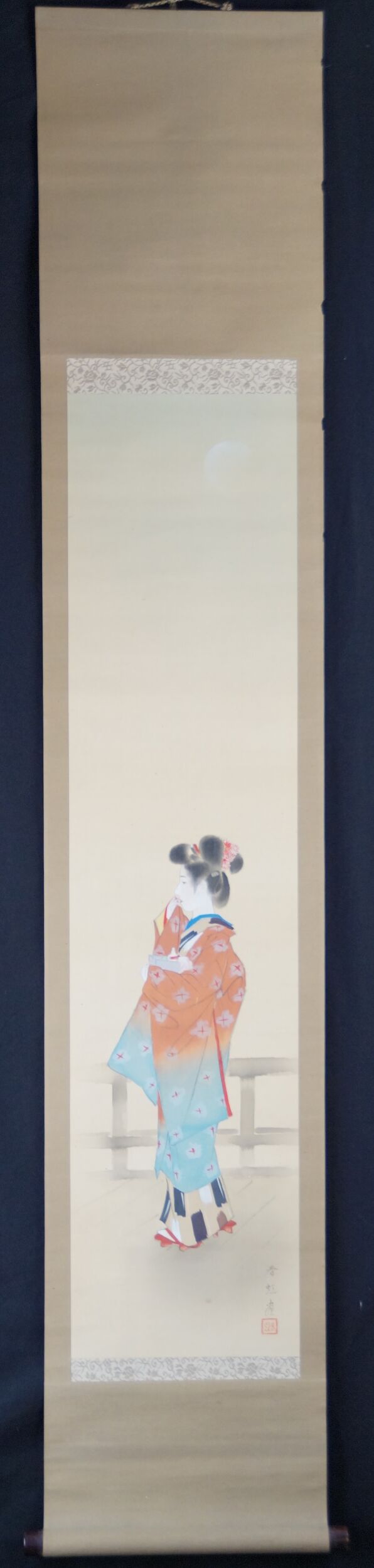
Saeki Shunkō
Beauty in Profile with Orange Kimono
Kakemono, unique work, 167 x 36 cm
€360.00
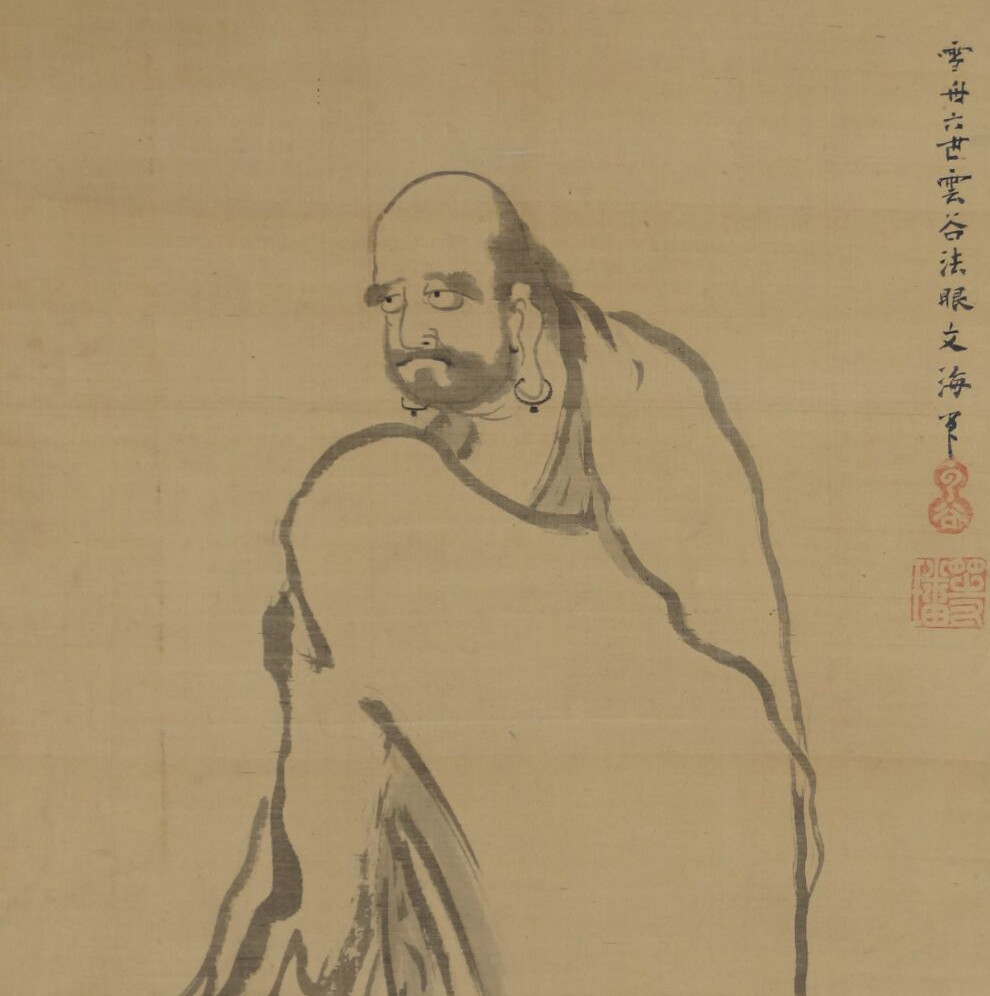
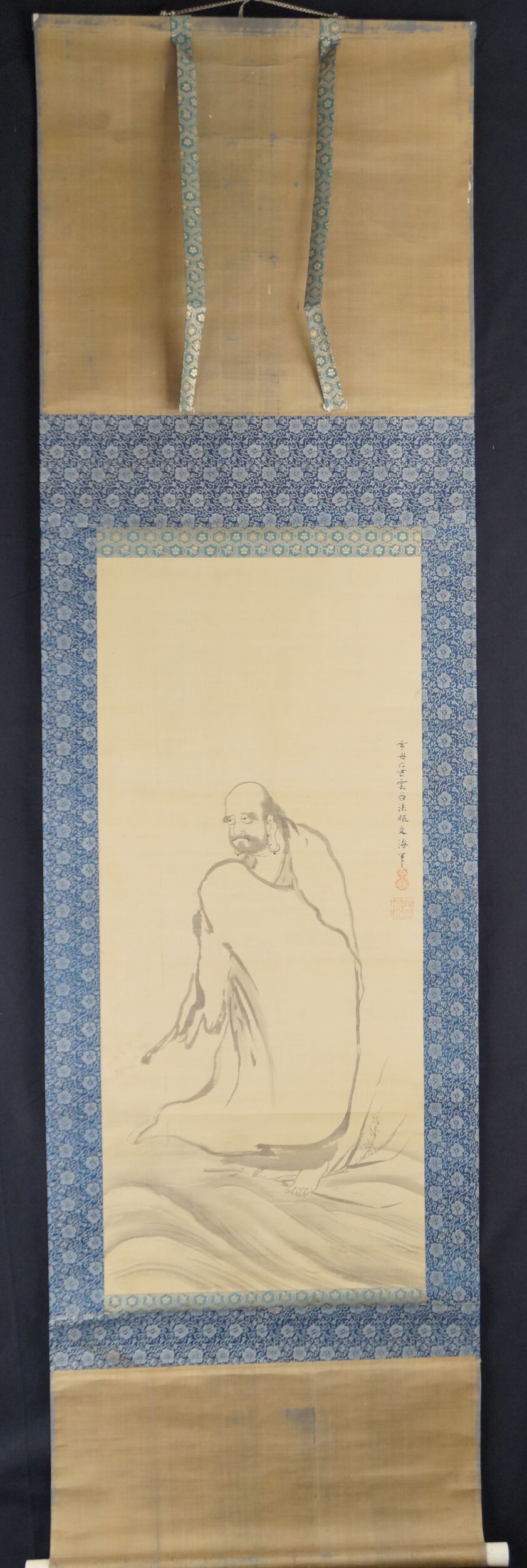
Unkoku Tōban
Bodhidharma on the Way
Kakemono, unique work, 168 x 52 cm
€550.00
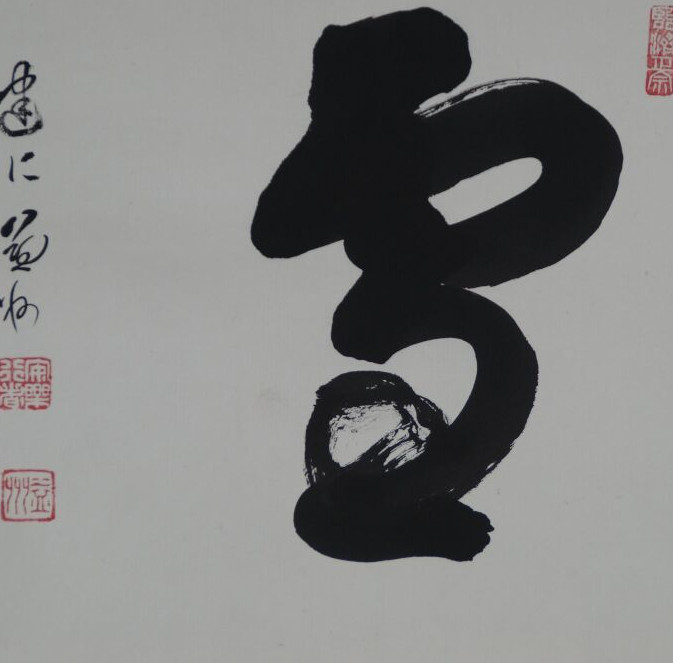
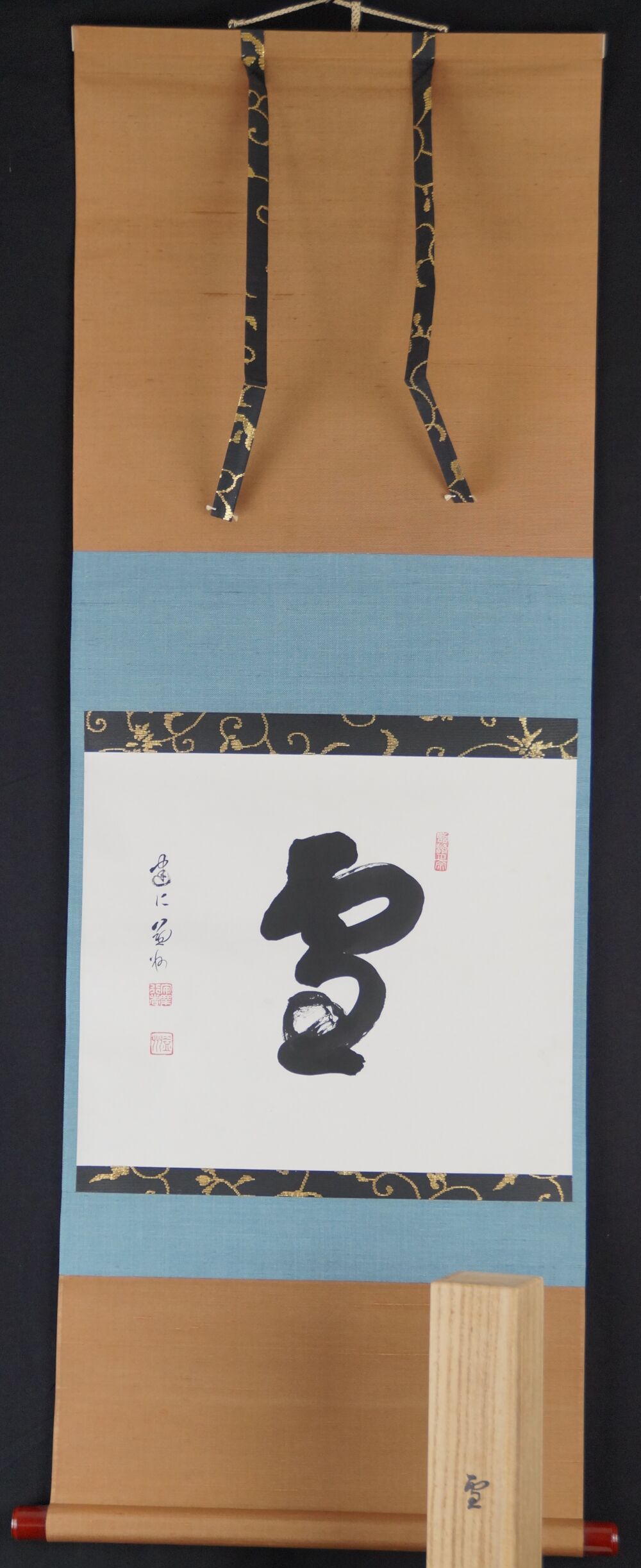
Takeda Masuyoshi
Calligraphy "Snow"
Kakemono, unique work, with box, 118 x 48 cm
€470.00
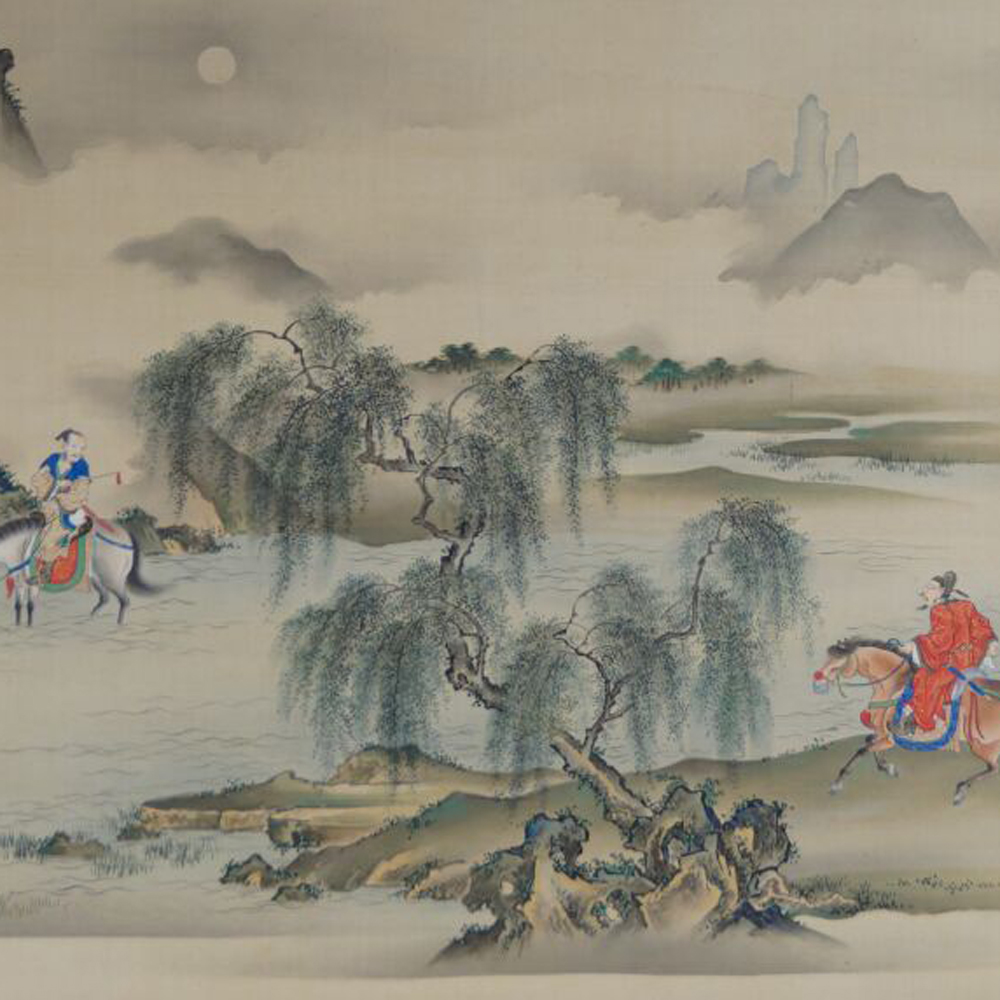
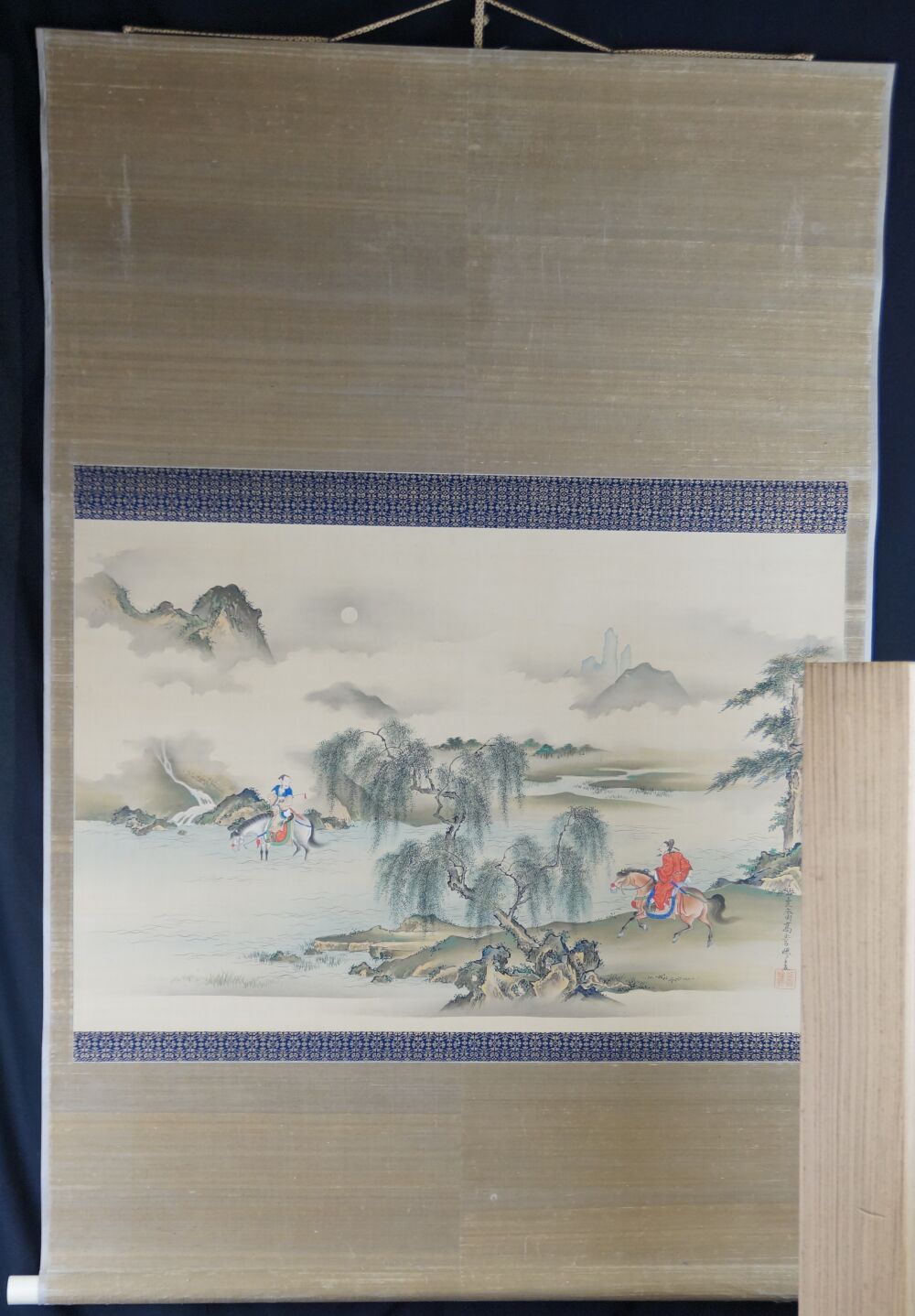
Kōsūkoku
Encounter by the River
Kakemono, unique work, with box, 136 x 97 cm
€1,290.00
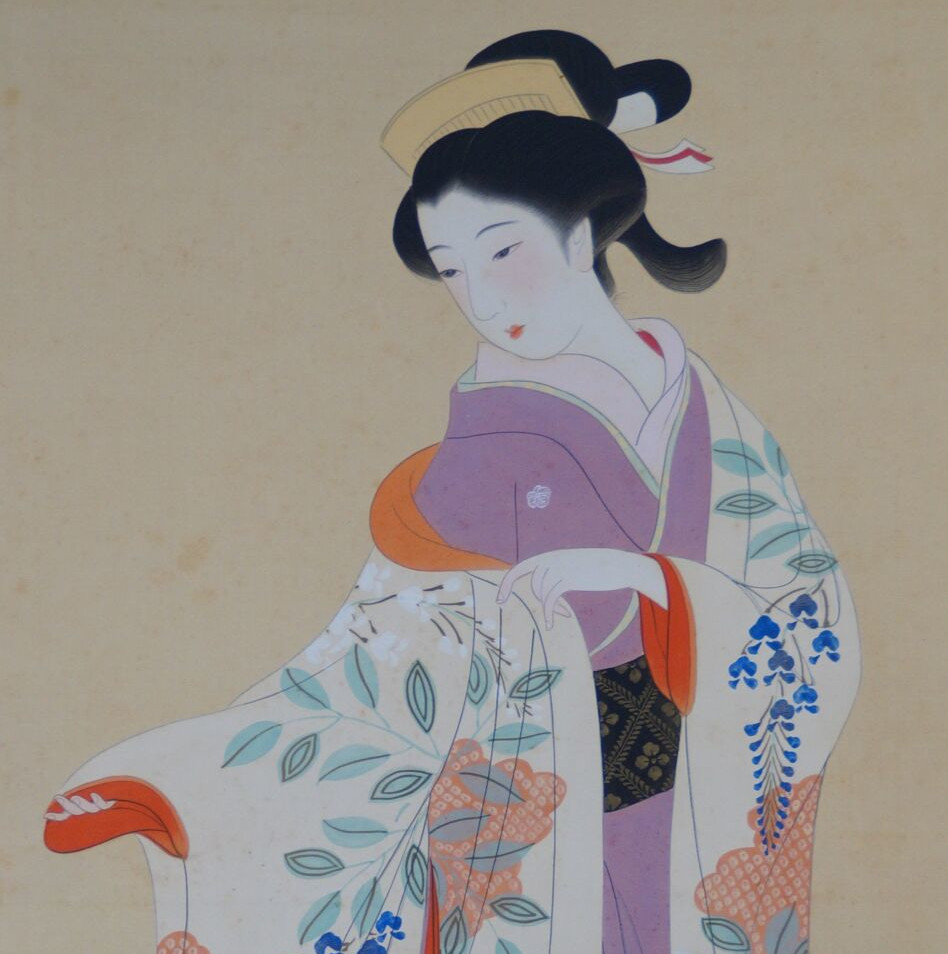
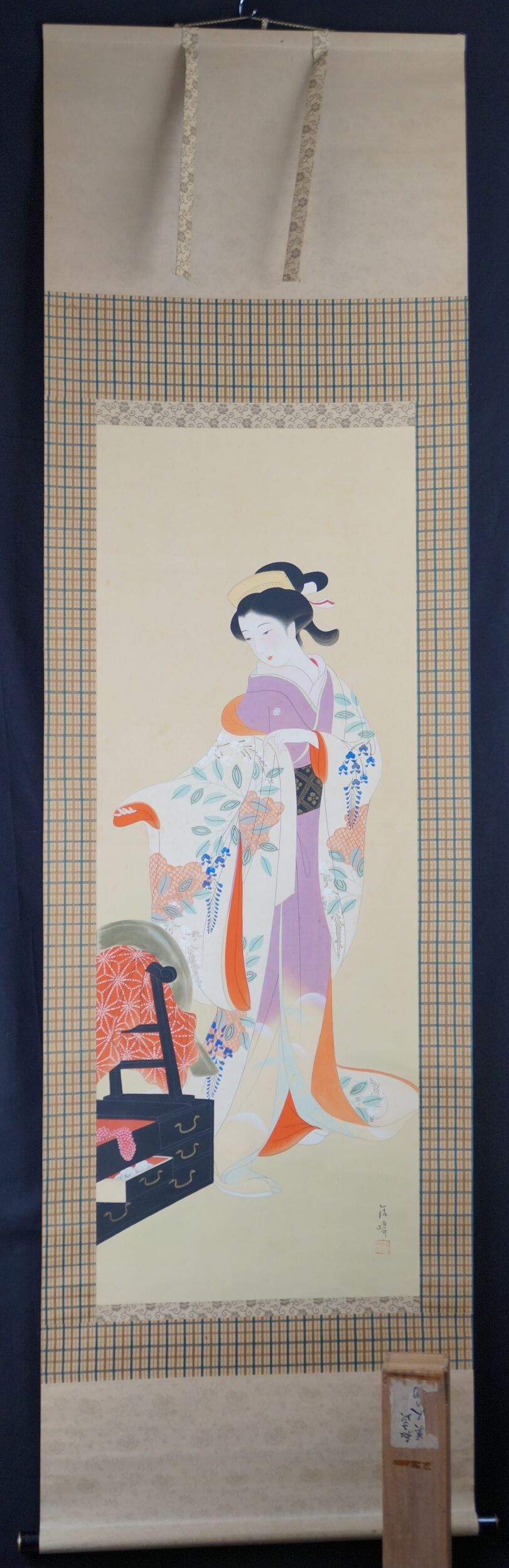
Seifune
Young Woman in Front of Her Kimono Cabinet
Kakemono, unique work, with box, 195 x 65 cm
€520.00
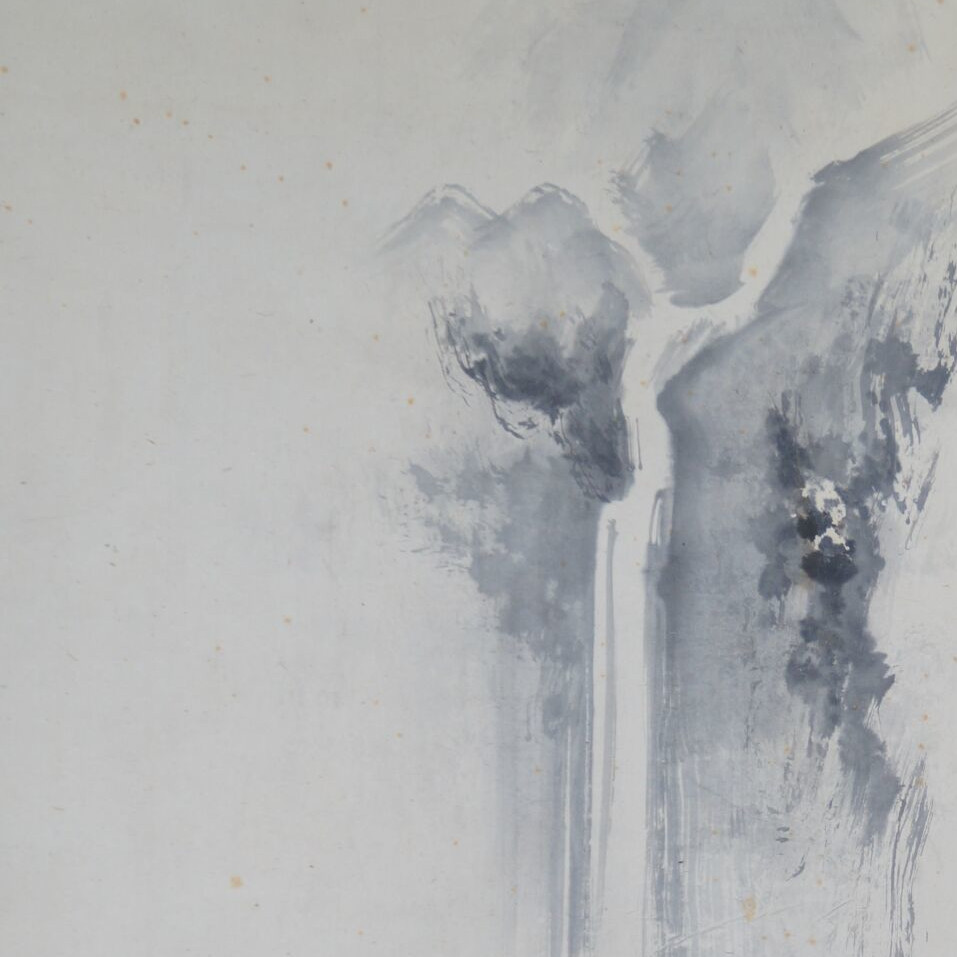
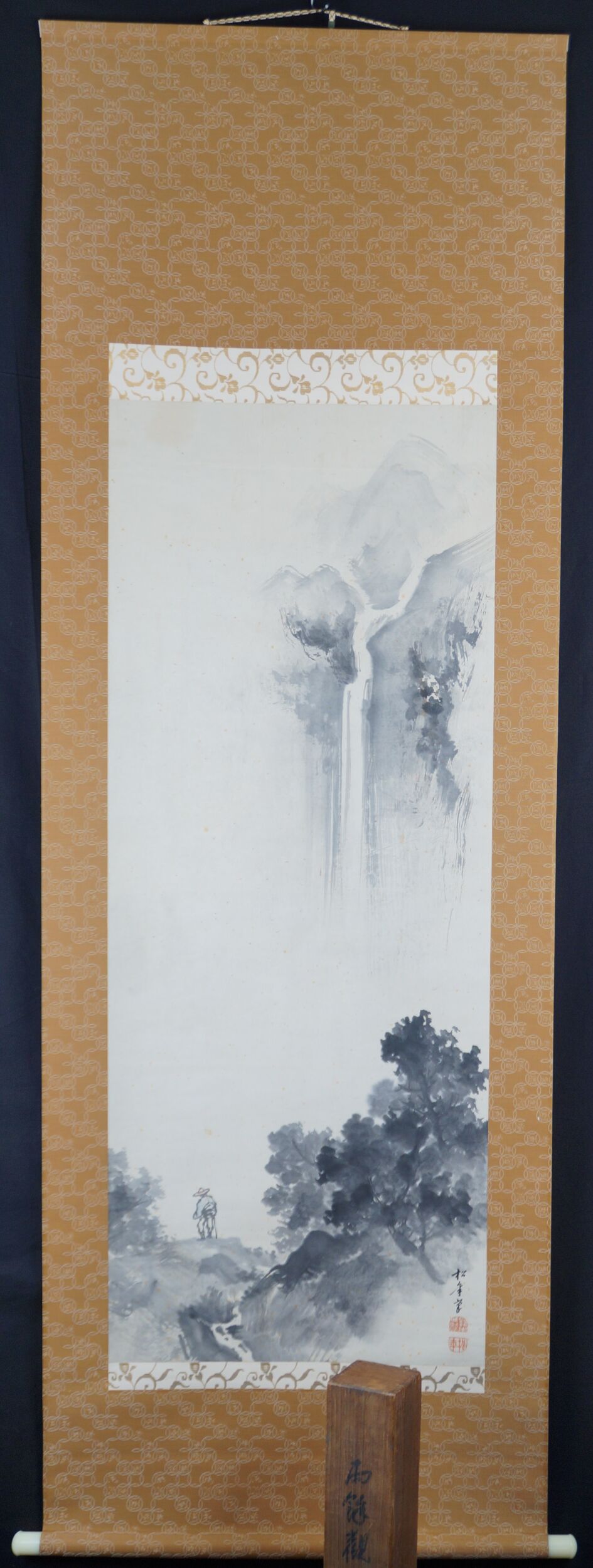
Suzuki Shonen
Wanderer Before the Waterfall - Suzuku Shonen
Kakemono, unique work, with box, 190 x 71 cm
€380.00
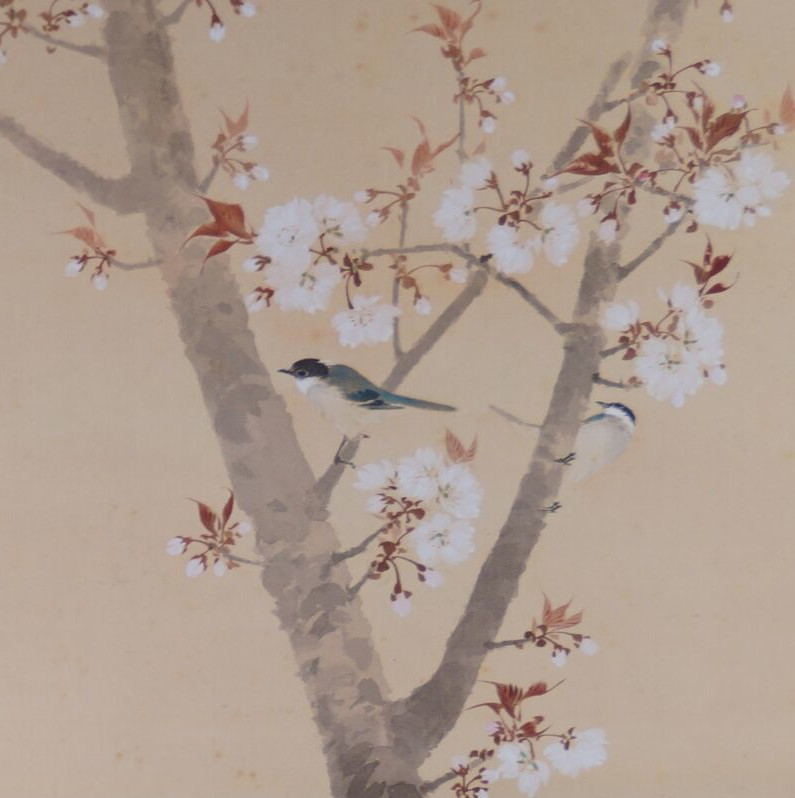
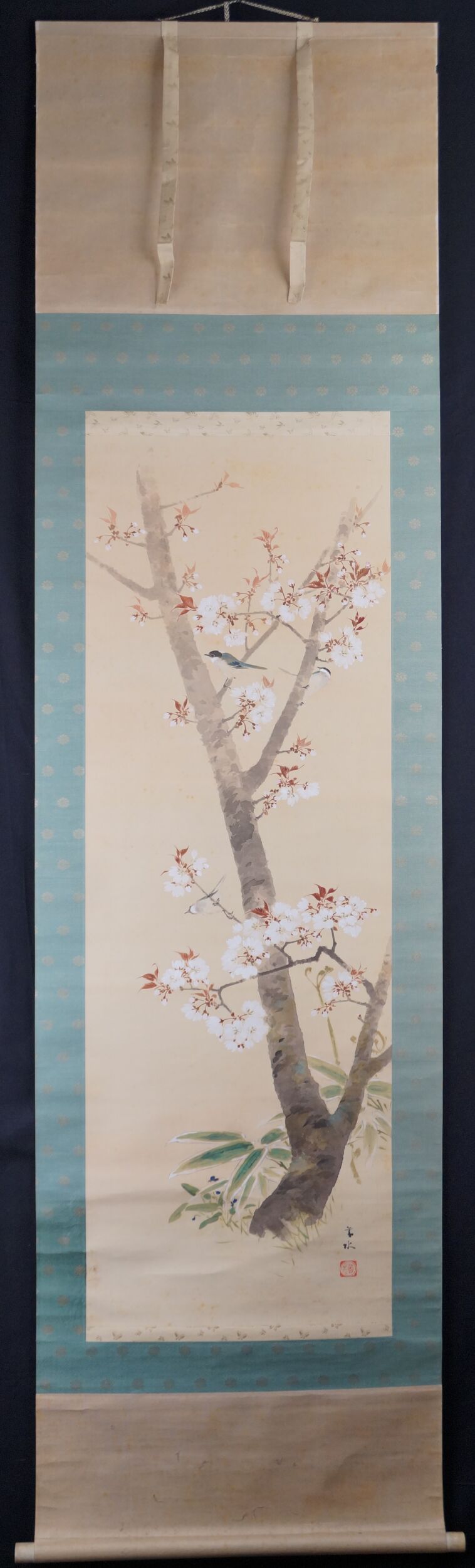
Suma Taisui
Spring at the Old Cherry Blossom
Kakemono, unique work, with box, 208 x 61 cm
€470.00
48 of 937 items shown
The Art of the Kakemono: Painting Meant to Be Rolled Up
A Japanese hanging scroll – called kakemono or kakejiku in Japanese – is far more than a picture on the wall. It is an object meant for rolling up, storing, and bringing out again and again, conceived for deliberate, often seasonal use. Anyone approaching Japanese painting for the first time will almost inevitably encounter this format, for kakemono have been the central carrier medium of Japanese pictorial art for more than a thousand years – long before framed paintings in the Western sense even existed. Unlike an oil painting in a heavy frame, a kakemono remains light and flexible, and is kept in its own box, the so-called tomobako, when it is not on display. This culture of rotation – a winter scene in winter, a cherry blossom motif in spring, a waterfall in the heat of summer – still shapes how many lovers of Japan and collectors use and care for their kakemono collection today. Anyone who wants to buy a Japanese hanging scroll is therefore acquiring not just a work of art, but also a piece of lived domestic culture.
Motifs and Thematic World of Japanese Painting
In our Japanese Painting category, you will find the full range of classical pictorial themes that have developed into distinct subgenres over the centuries: quiet mountain landscapes and rushing waterfalls, monks and warriors rendered in expressive ink painting, graceful depictions of beautiful women (bijin-ga), birds, fish, tigers, and other animals as bearers of symbolism, scenes from Japanese mythology with dragons, kami, and mythical creatures, Buddhist and Zen Buddhist motifs such as the meditative ensō circle, independent calligraphy works, and floral motifs centered on sakura, chrysanthemums, and peonies. Each of these subcategories follows its own compositional and symbolic traditions that have grown over centuries, and can be selected specifically according to personal taste, the function of a room, or the season.
Material and Technique of Kakemono Painting
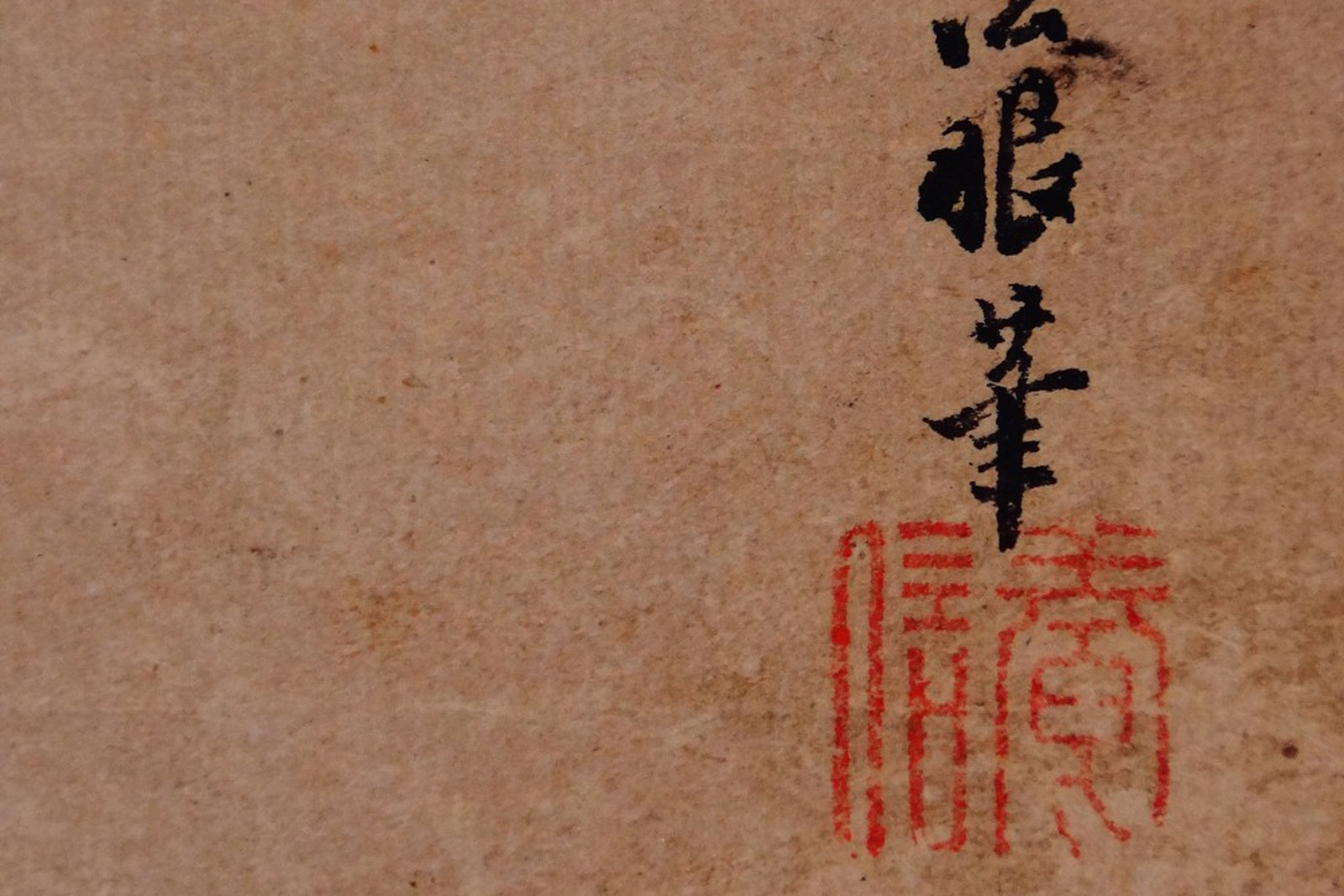
Classical Japanese painting uses sumi ink and mineral natural pigments on washi paper or fine silk. The painted surface is then mounted by a kakejiku-shi, a specialized hanging scroll craftsman, with textile borders of silk brocade, and fitted with a wooden rod and a hanging cord (kakehimo) – a craft in its own right alongside the actual painting. This two-part creation, painter and hanging scroll master, explains why a good kakemono is rarely just "a picture," but always also a complete work of artistic craftsmanship, in which pictorial composition, border fabric, and proportion are carefully coordinated with one another. Many works also bear the signature and the red seal (hanko) of the artist, an important detail for collectors that allows conclusions to be drawn about authorship and, at times, also about the period of creation.
Origin and One-of-a-Kind Pieces Direct from Japan
Nearly all works offered at densho.art are handcrafted one-of-a-kind pieces, each individually acquired in Japan and brought to Europe. This means: every hanging scroll you find here exists only once – with its own individual signs of age and use, its own artist's signature or seal, and often with its own small story, reflected in the provenance, the inscription on the tomobako, or the condition of the paper. This one-of-a-kind philosophy fundamentally distinguishes an original Japanese hanging scroll from industrially manufactured reproductions or posters with a Japan motif, of the kind offered by many online shops.
Hanging, Rotating, and Caring for a Kakemono
A kakemono is hung in a shaded location, not exposed to direct sunlight, ideally far from moisture and strong fluctuations in temperature. Traditionally, it is displayed only temporarily – often for a few weeks – and afterward carefully rolled up and returned to its tomobako box. This practice protects paper, silk, and color pigments across generations, while at the same time making it possible to enjoy several kakemono in rotation, according to season, mood, or occasion. Anyone who looks more closely into this kind of care quickly discovers that this deliberate handling is itself part of the aesthetic experience: a hanging scroll that one actively selects and hangs is perceived more intensely than a picture that hangs permanently and incidentally on the wall.
A Kakemono as an Entry Point into the World of Japanese Art
For many collectors, the Japanese Painting category is the very first point of contact with the world of Japanese art altogether – more accessible than ceramics, which often demand context in tea culture, and more immediately experienced than calligraphy, which can require knowledge of the language. A landscape or animal motif can be grasped instantly even without prior knowledge, while growing passion for collecting tends to bring increasing interest in artist biographies, stylistic schools, and historical periods. Anyone who has once begun to buy an original Japanese hanging scroll often quickly discovers how differently individual regions, painting schools, and periods differ in brushwork, choice of color, and pictorial structure – a field of collecting that can be deepened further and further over years and decades.
What to Look for When Buying a Kakemono
Anyone wishing to buy an antique kakemono should pay attention to several details: the state of preservation of the paper or silk, the quality and cleanliness of the border work, the presence of an artist's signature or seal, and – if present – the inscription on the accompanying tomobako box, which can provide valuable clues to provenance. The confidence and vitality of the brushwork is also an important quality feature, since it allows direct conclusions to be drawn about the artistic skill of the painter. In modern, contemporary works, by contrast, the individual artistic hand and originality of the pictorial idea often take precedence over the age of the piece.
Japanese Painting Compared to Other East Asian Traditions
Although Japanese painting was historically strongly influenced by Chinese art, it developed a wholly distinctive character of its own over the centuries: more reduced in pictorial structure, often with a greater proportion of empty space and a stronger emphasis on mood over fidelity to detail. This distinctiveness is especially evident when comparing individual motifs – for instance in the Japanese preference for asymmetrical compositions, which may at first seem unfamiliar to the European eye and also to the classical Chinese eye, yet on closer examination prove to be highly deliberate.
Let yourself be moved by the stillness and precision of Japanese painting – browse through our collection of hand-painted kakemono and find the hanging scroll that gives your room a new, calm center.