Japanese Hagi Ware
Go directly to the artworksIn brief
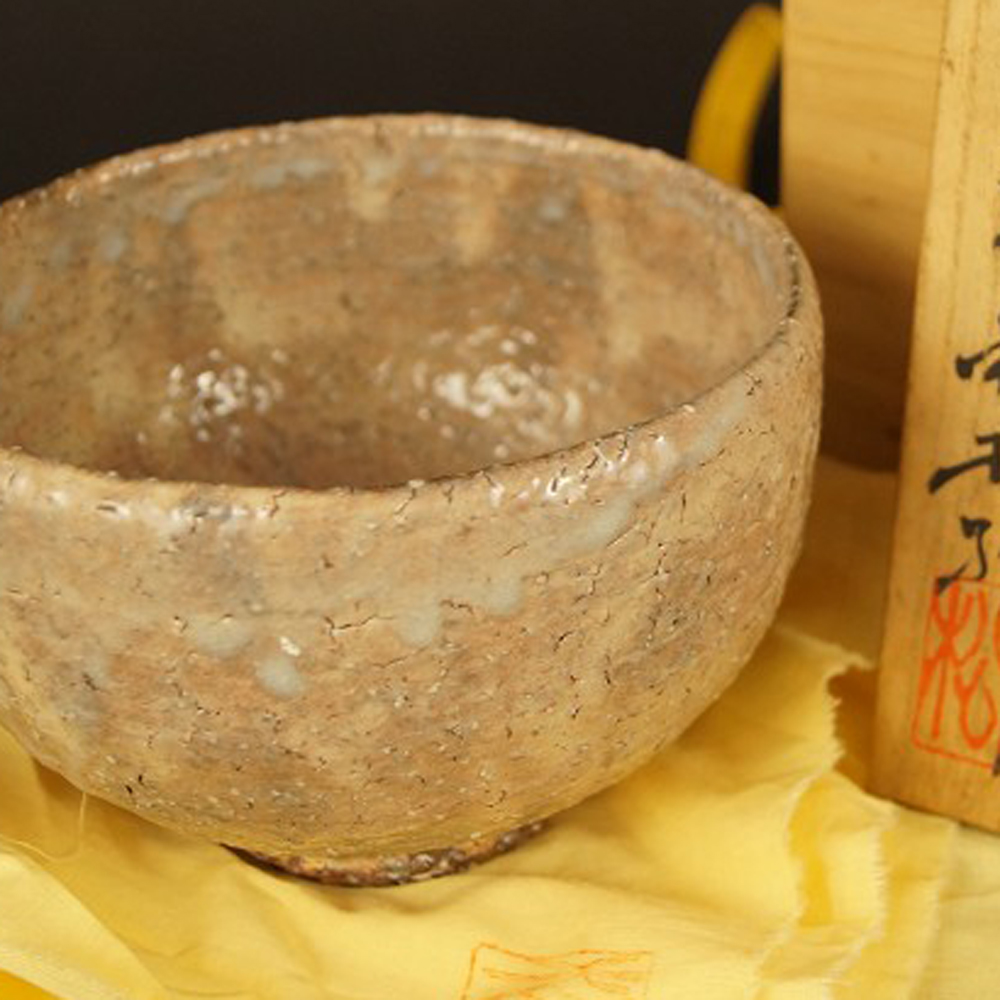
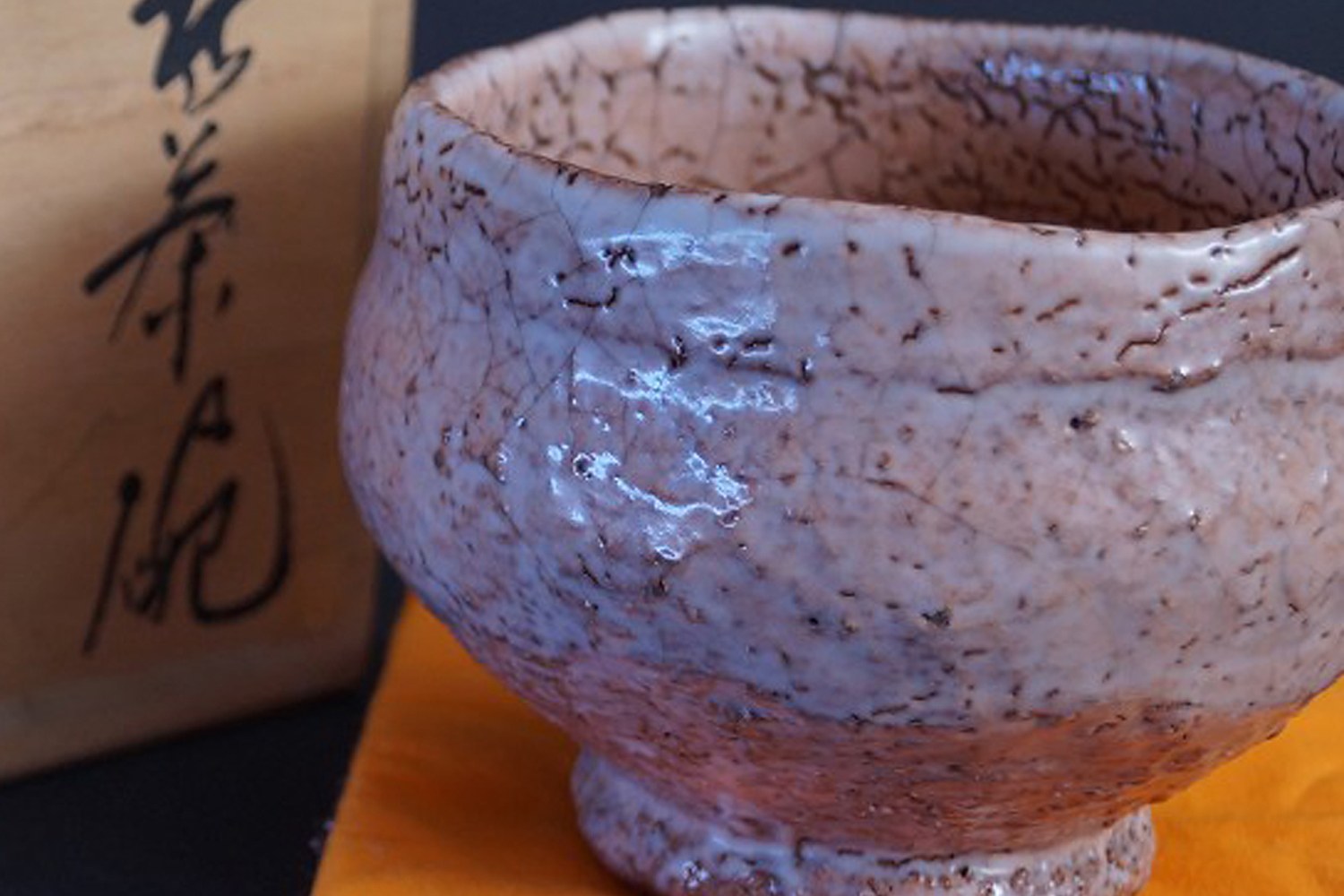
Hagi ware (萩焼, Hagi-yaki) is a traditional Japanese ceramic from the city of Hagi in Yamaguchi Prefecture, founded in 1604 by Korean potters under the feudal lord Mōri Terumoto. Its hallmarks are a soft, porous body and a pale, slightly translucent glaze with fine crackle (kannyū), through which tea or sake slowly seeps in and darkens the vessel over the years. Alongside Raku and Karatsu, Hagi is one of the tea bowl traditions most highly prized in the Japanese tea ceremony. At Densho you will find handmade Hagi chawan and guinomi as one-of-a-kind pieces direct from Japan.
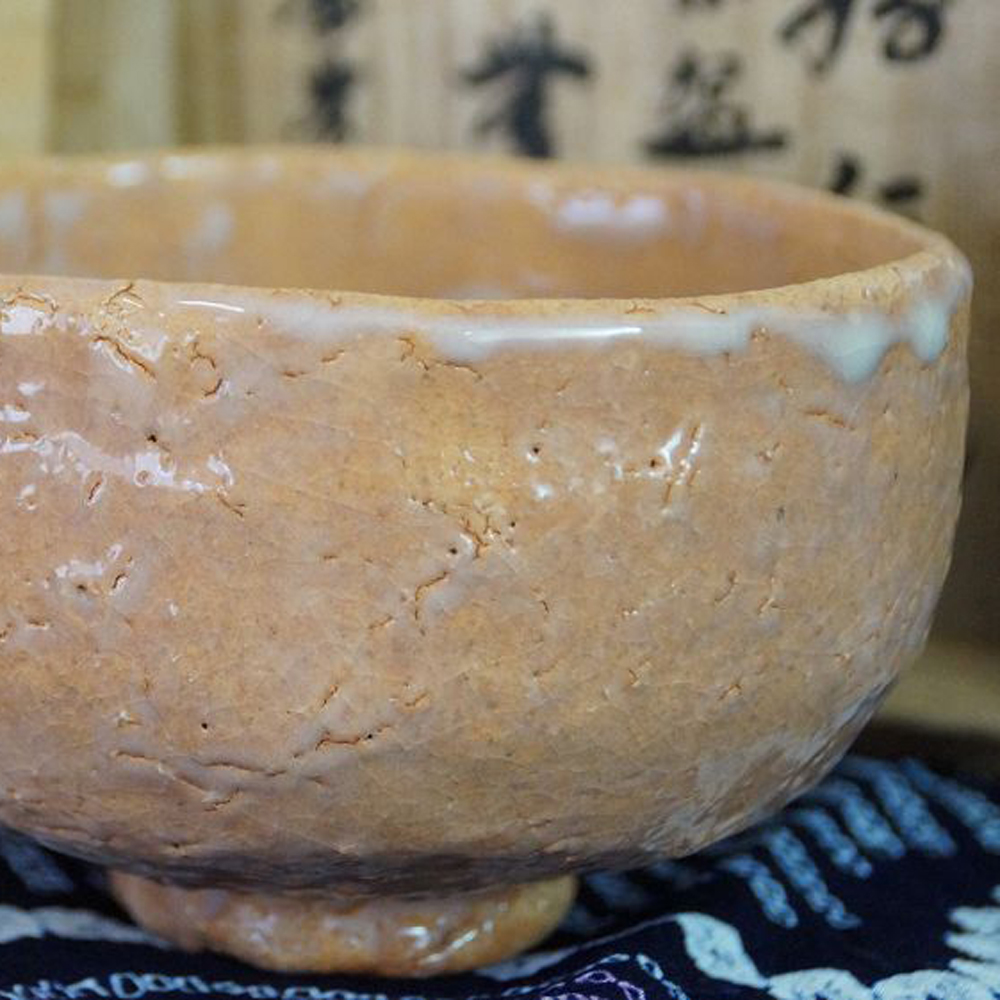

Yoshihito Miyamoto
Chawan Made of Hagi Ware by Yoshihito Miyamoto
Chawan, unique work, with box, 8 x 12,5 cm
€330.00
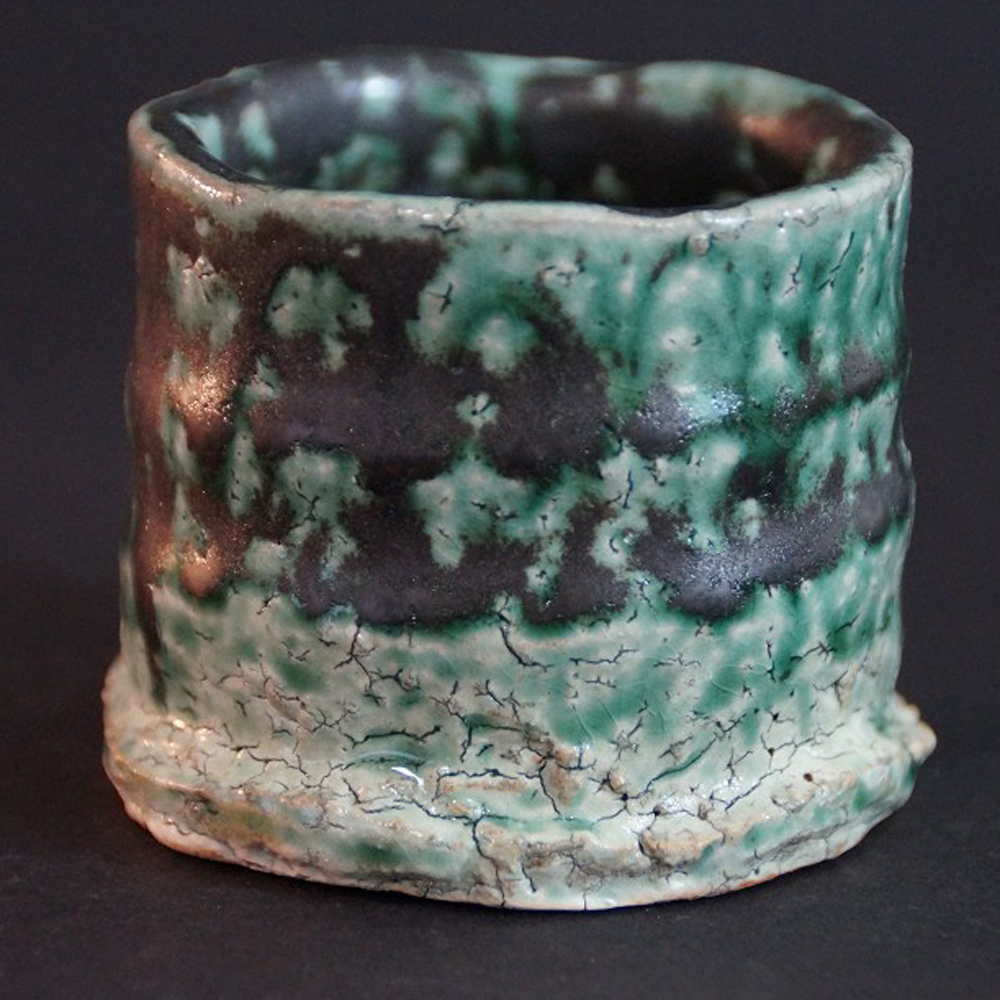

Sasaki Ken
Guinomi Made of Hagi Ware by Ken Sasaki
Guinomi, unique work, with box, 5,5 x 6 cm
€310.00
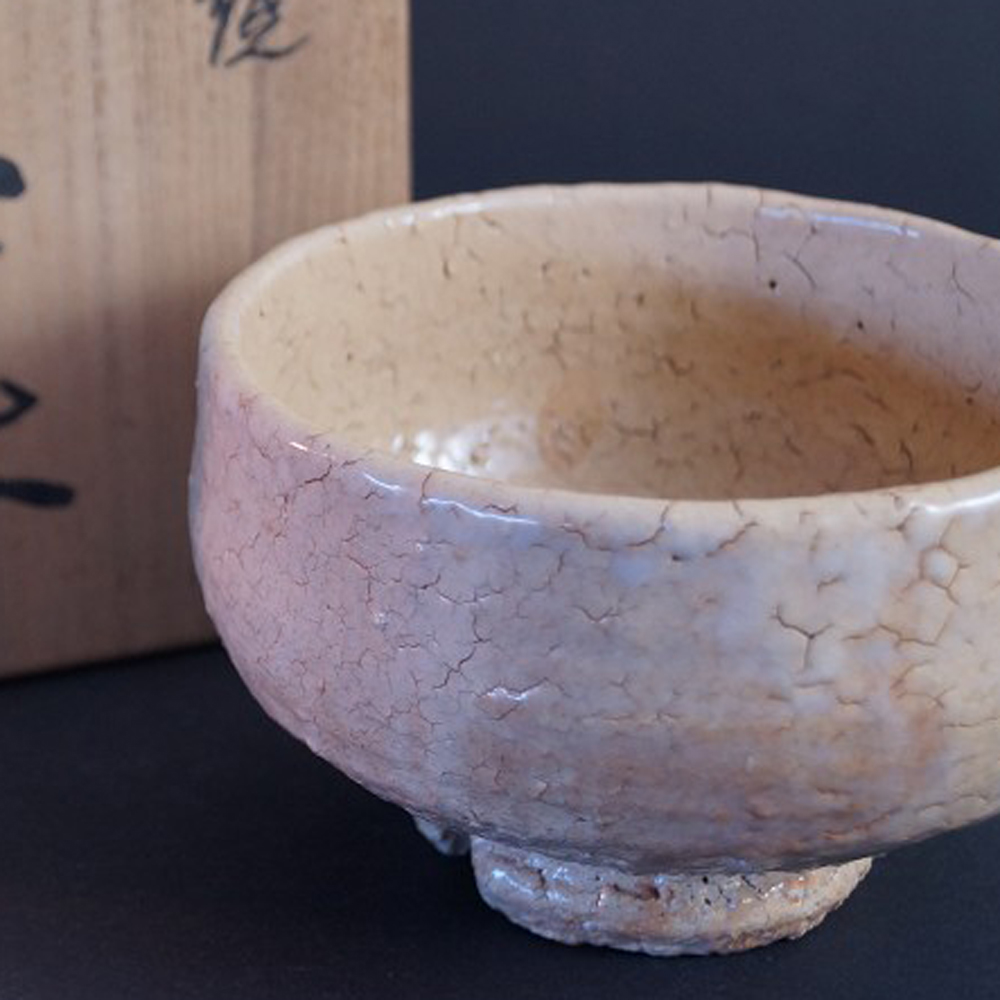

Fujisaki Gyokusui
Chawan Made of Hagi Ware by Gyokusui Fujisaki
Chawan, unique work, with box, 8 x 13 cm
€290.00
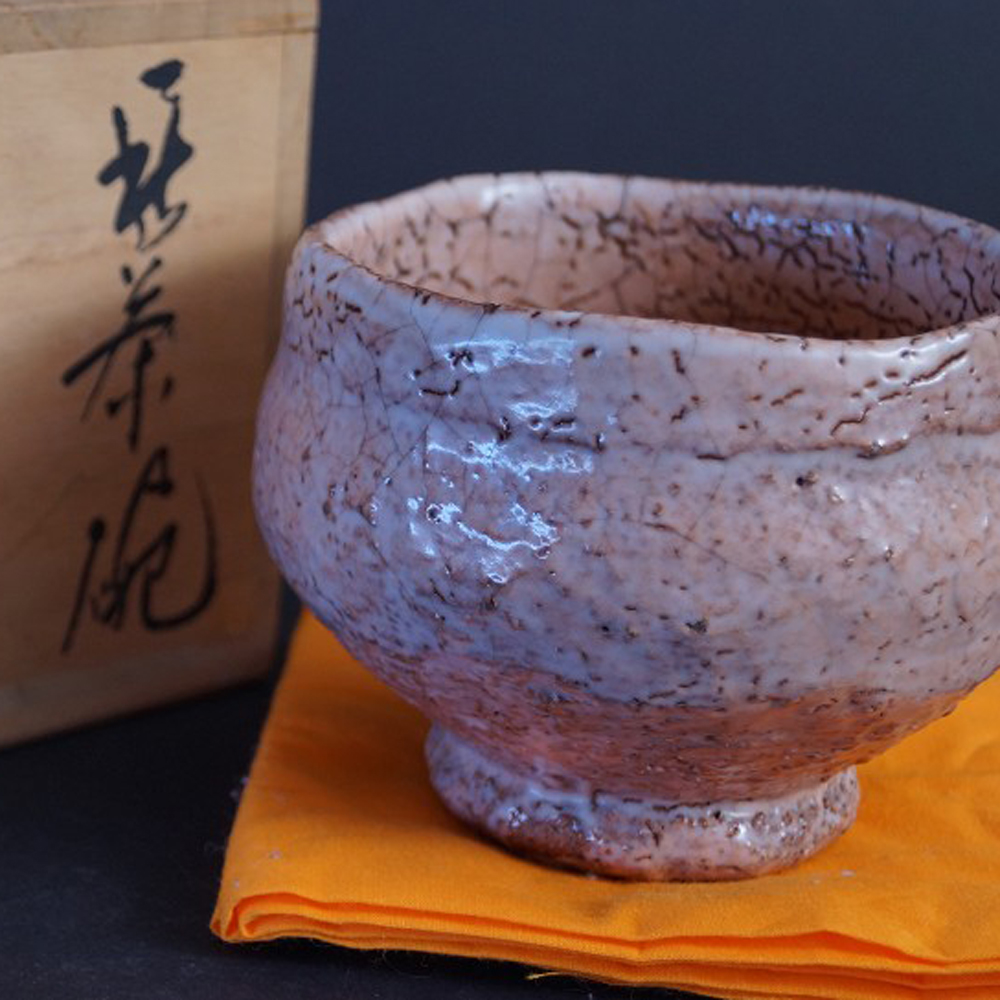

Tamura Goro
Handcrafted Japanese Hagi Tea Bowl (Chawan) by Goro Tamura
Chawan, unique work, with box, 9 x 12 cm
€390.00
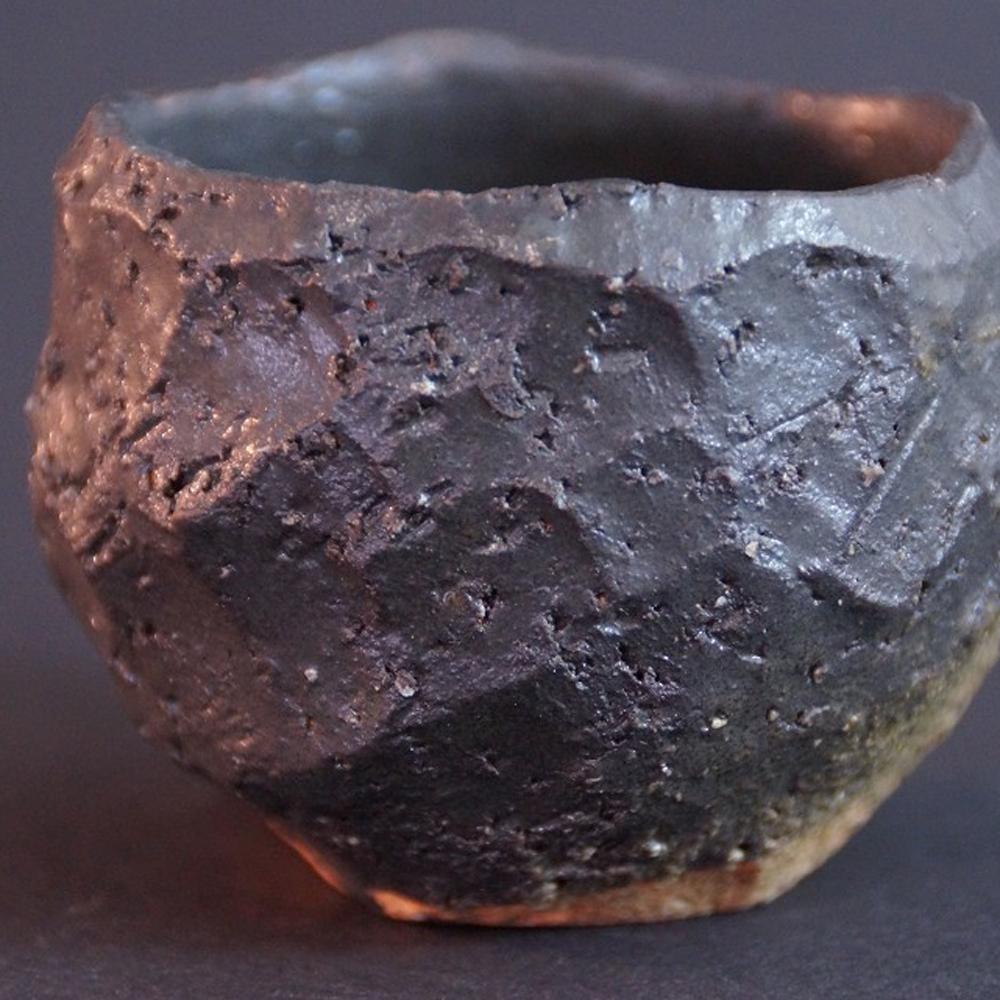

Handcrafted Japanese Hagi Sake Cup (Guinomi)
Guinomi, unique work, 6 x 5 cm
€340.00
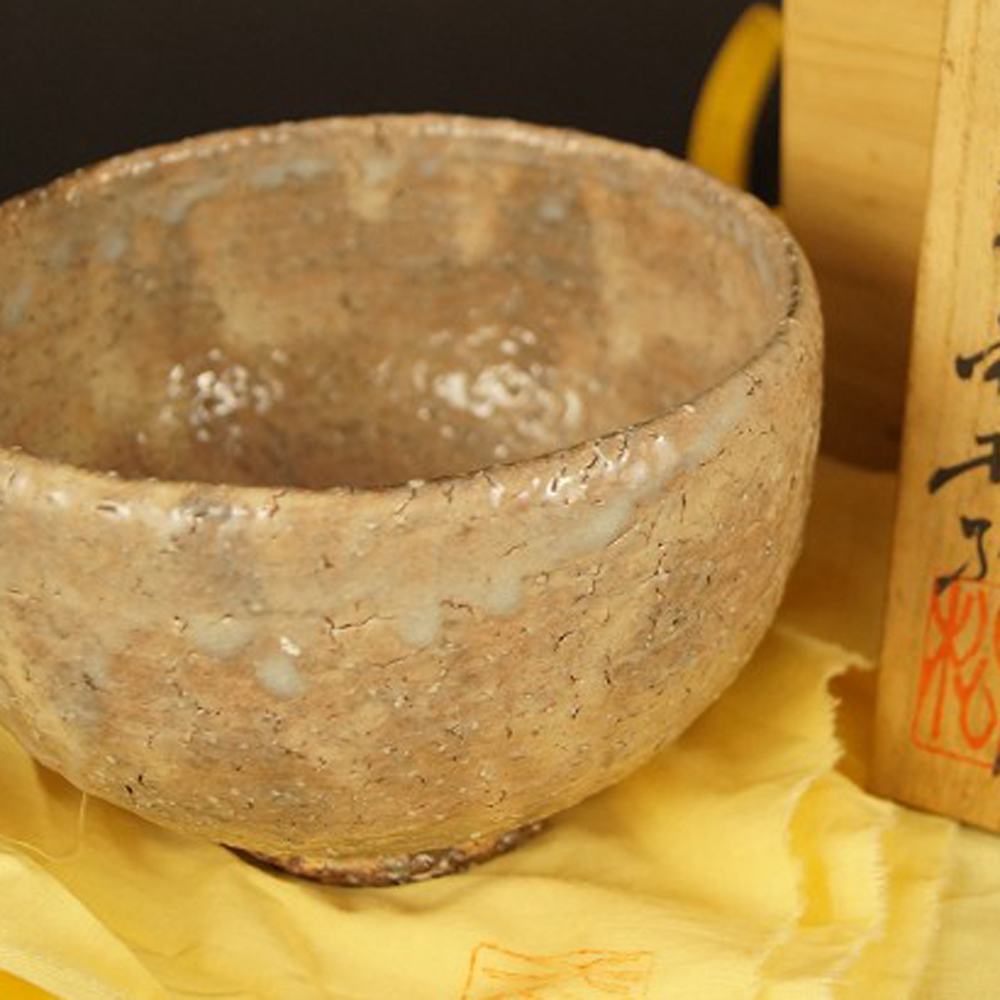
Chawan Made of Hagi Ware
Chawan, unique work, with box, 8,5 x 12 cm
Sold
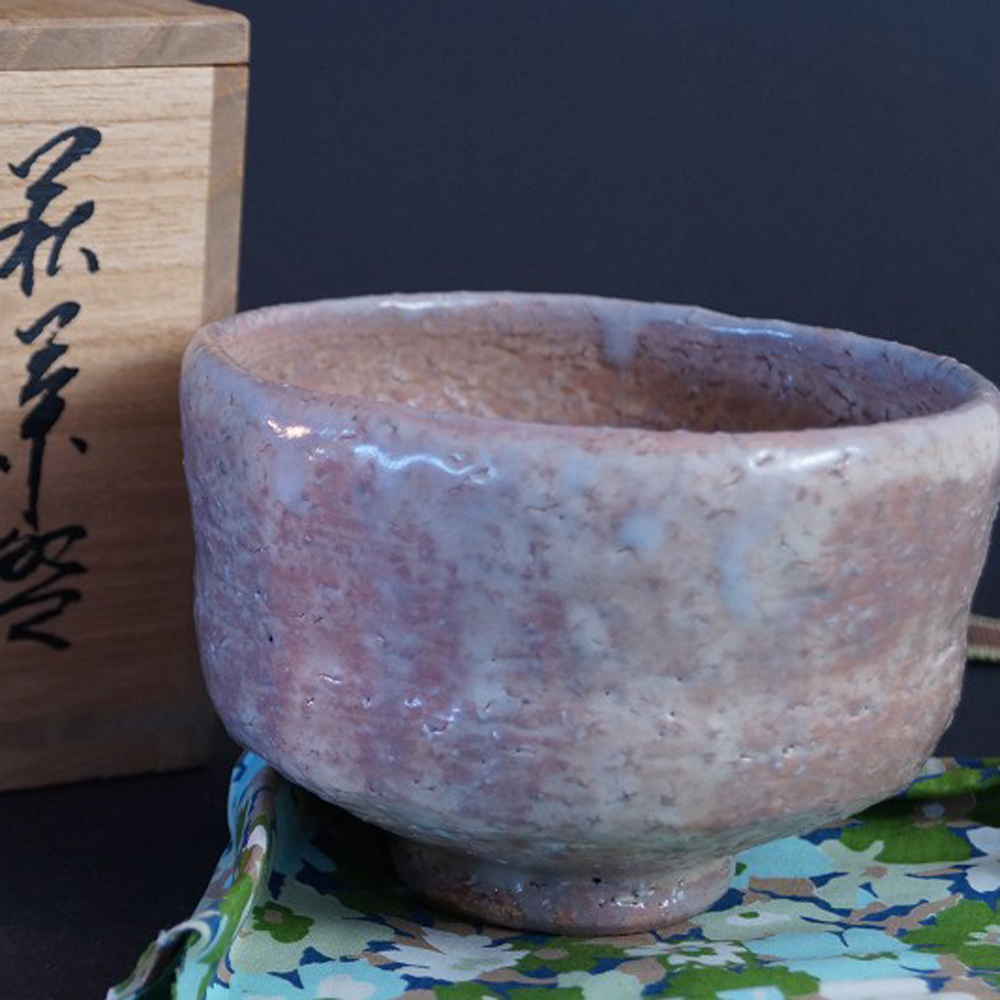
Koyo Hayashi
Chawan Made of Hagi Ware by Koyo Hayashi
Chawan, unique work, with box, 8,5 x 12 cm
Sold

Handcrafted Japanese Sake Cup (Guinomi) Hagi Ware
Guinomi, unique work, with box, 5 x 6 cm
Sold
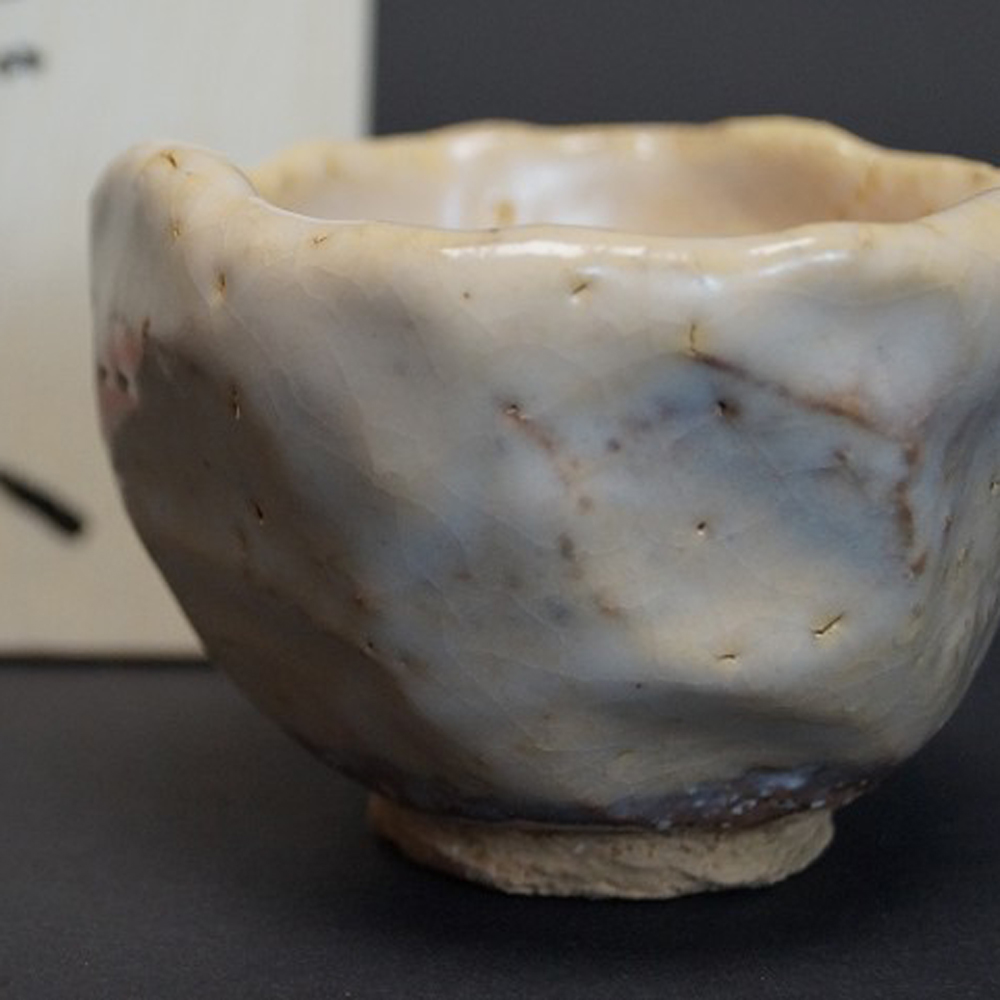
Seigan Yamane
Guinomi Made of Hagi Ware by Seigan Yamane
Guinomi, unique work, with box, 6 x 7 cm
Sold
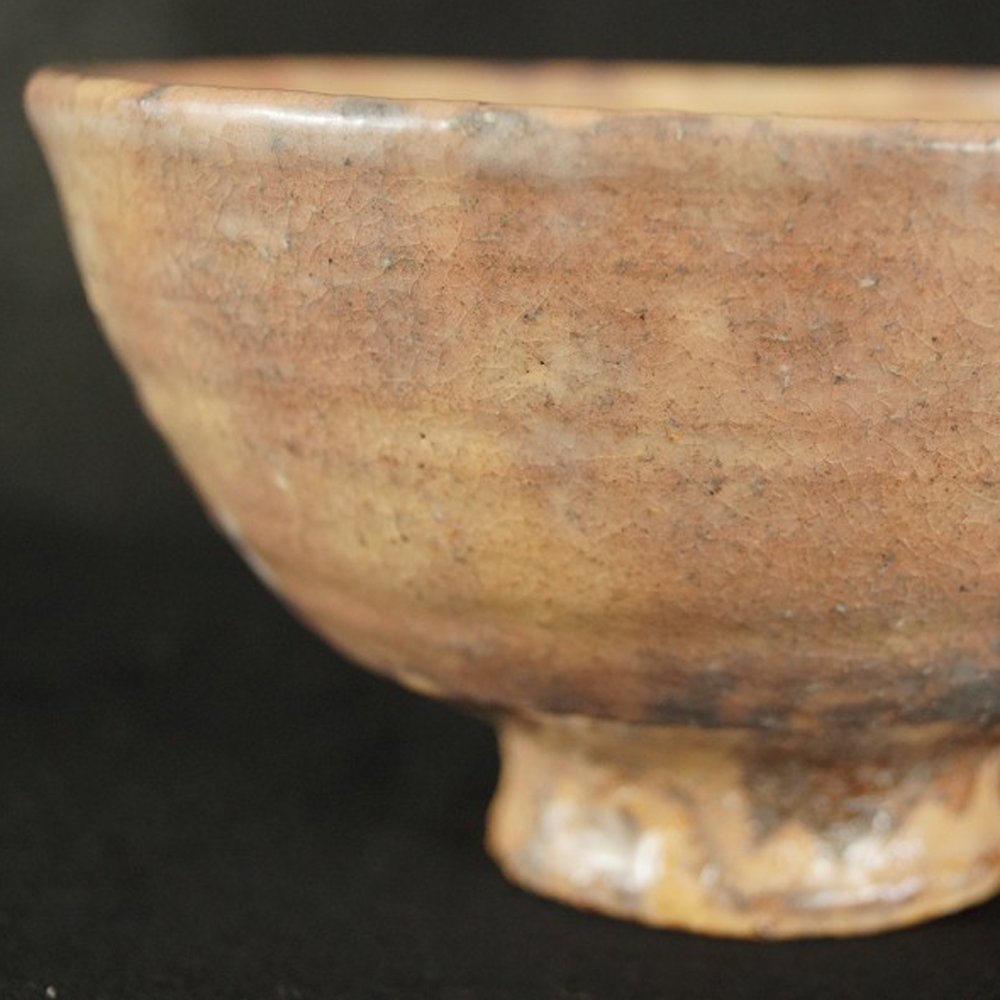
Zuiho Ono
Chawan Made of Hagi Ware by Zuiho Ono
Chawan, unique work, with box, 7,5 x 13,5 cm
Sold
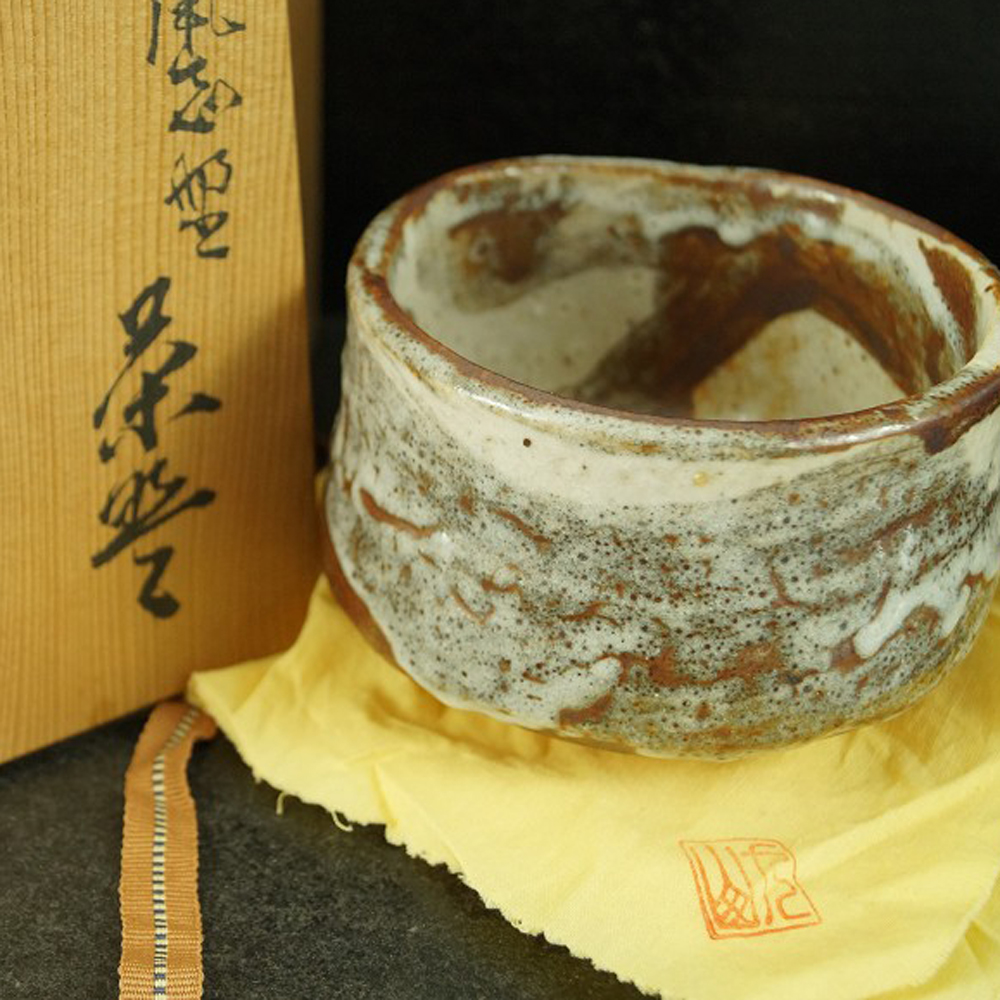
Handcrafted Hagi-yaki Tea Bowl (Chawan)
Chawan, unique work, with box, 8 x 11 cm
Sold
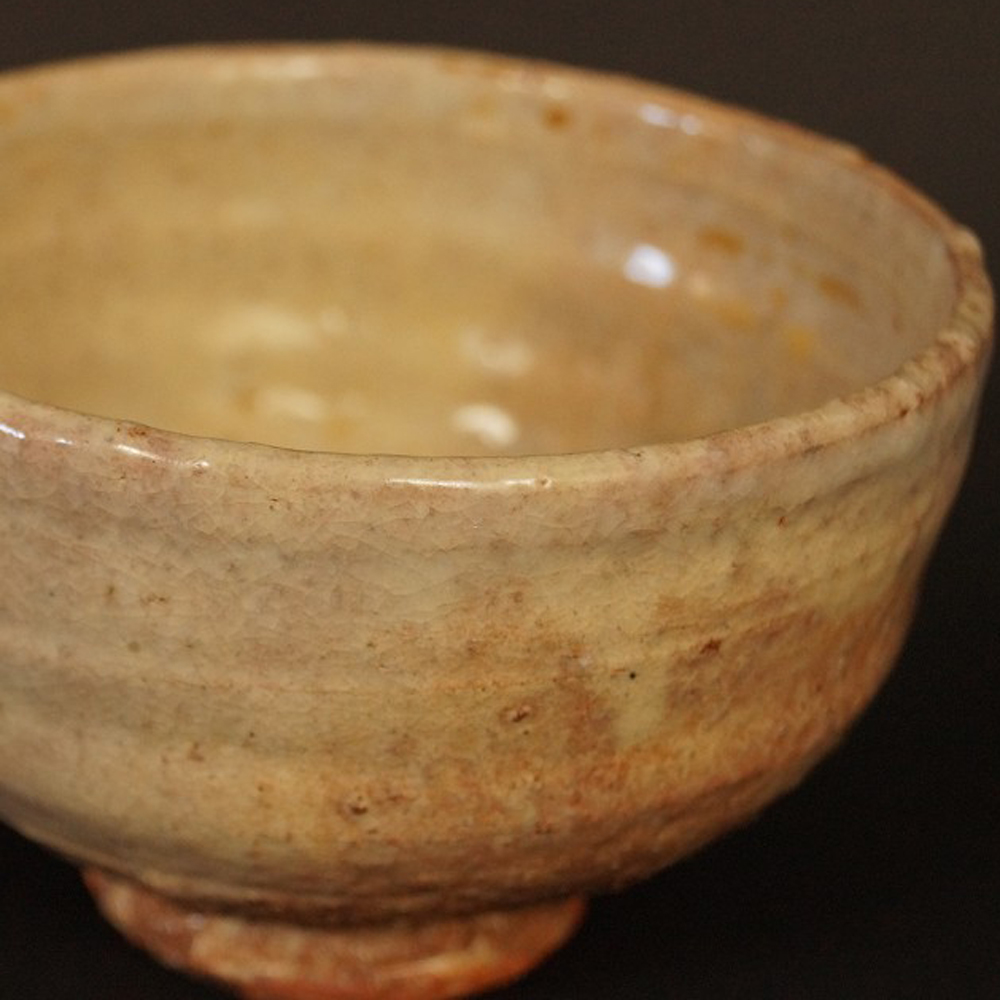
Hirose Tanga
Chawan Made of Hagi Ware by Hirose Tanga, Cream-Colored
Chawan, unique work, 8 x 12 cm
Sold
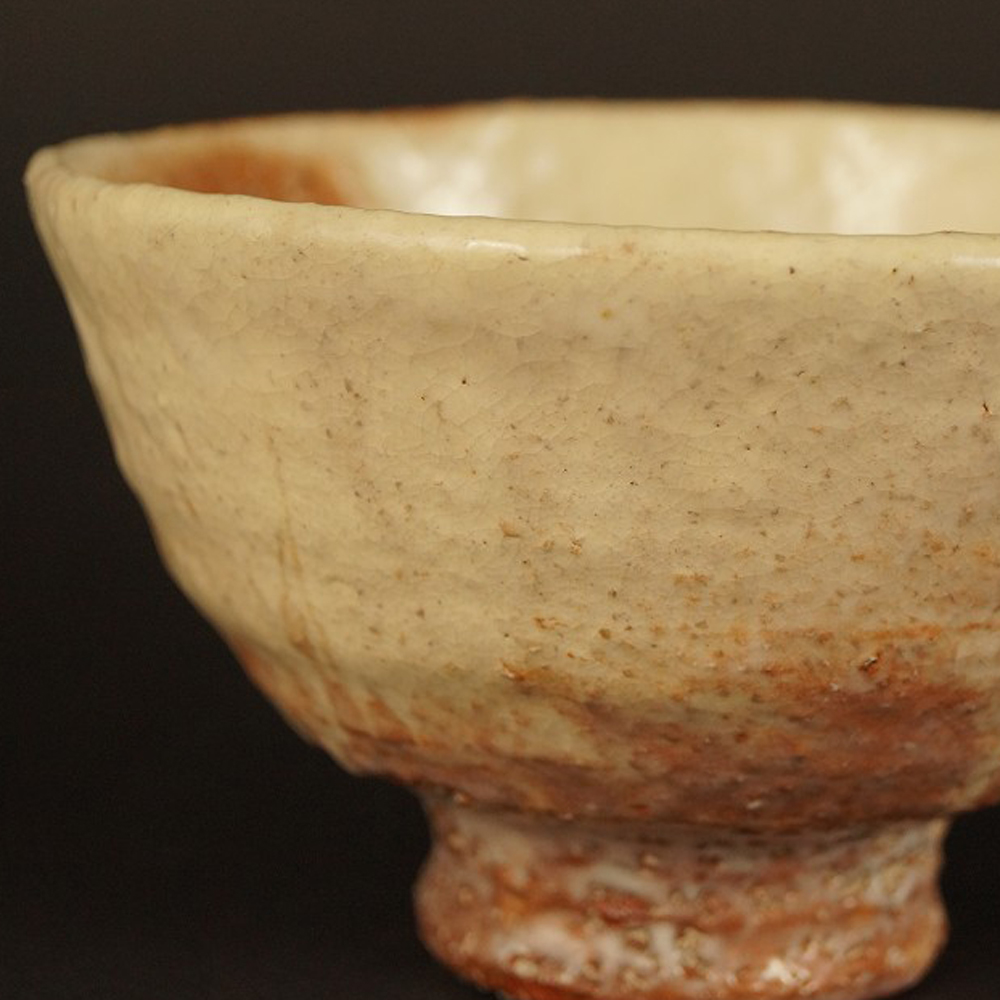
Hirose Tanga
Chawan Made of Hagi Ware by Hirose Tanga, Earthy Reddened
Chawan, unique work, 9 x 14,5 cm
Sold
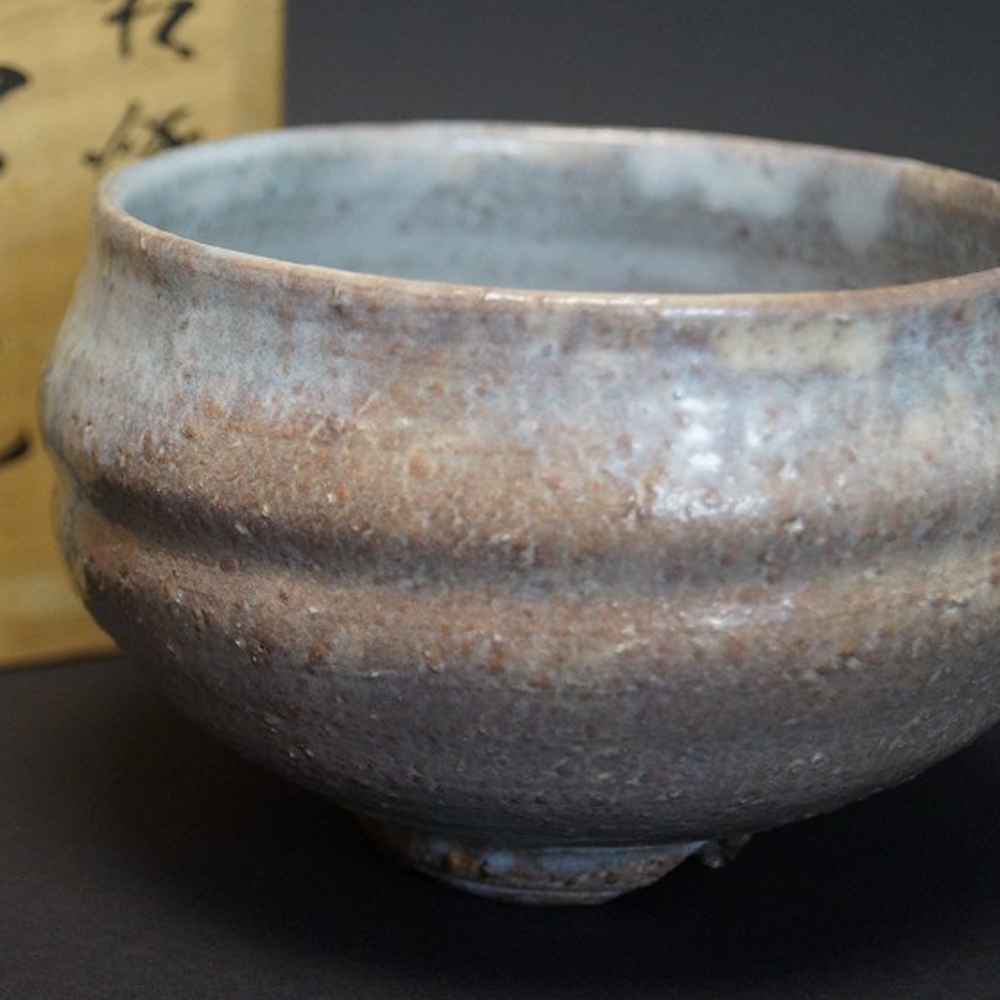
Handcrafted Japanese Tea Bowl (Chawan) Hagi Ware
Chawan, unique work, with box, 7,5 x 12 cm
Sold
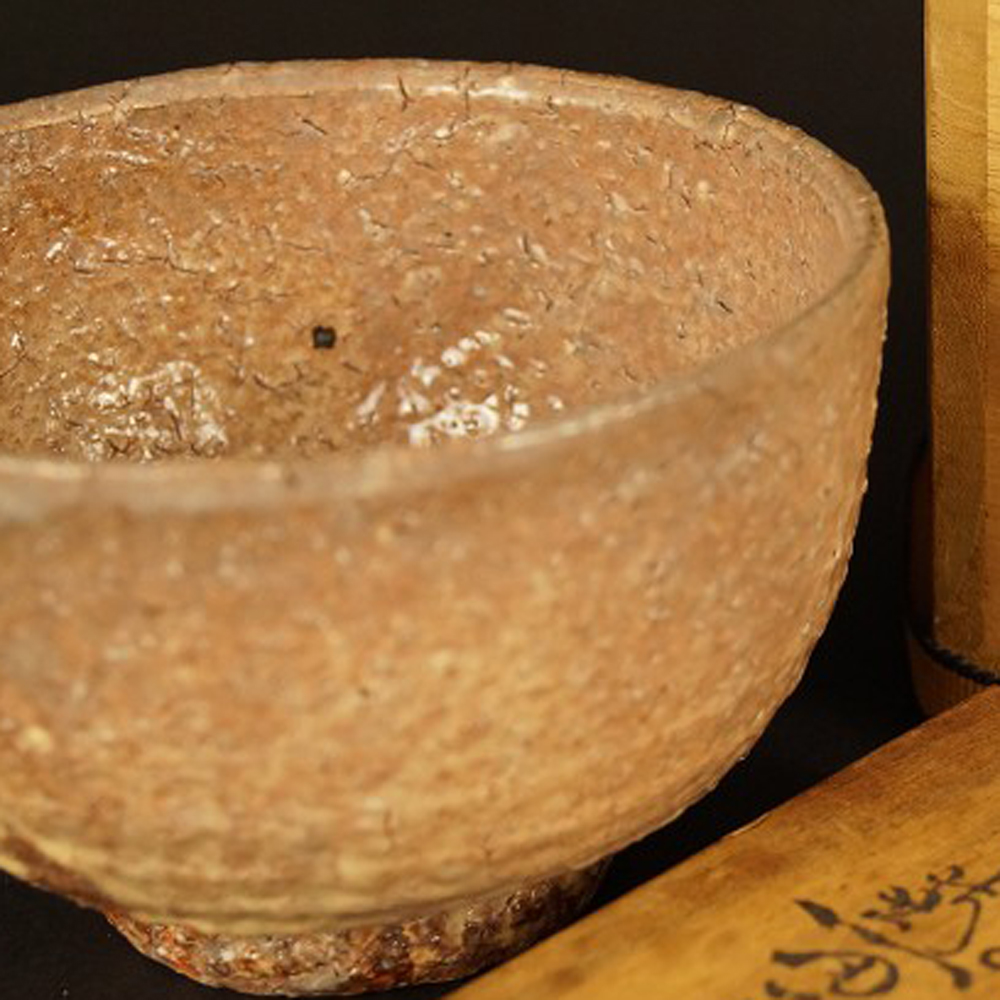
Eimon Kaneda
Chawan Made of Hagi Ware by Eimon Kaneda
Chawan, unique work, with box, 8 x 12 cm
Sold
15 of 15 items shown
Hagi-yaki: the tea bowl that matures with time
Hagi-yaki (萩焼) comes from the city of Hagi in Yamaguchi Prefecture, at the far western end of the main island of Honshū, and is known above all for its chawan (tea bowls). A Japanese saying ranks tea bowls like this: "First Raku, second Hagi, third Karatsu." A new Hagi bowl at first seems reserved – a pale, shimmering glaze, a fine web of crackle, a simple unpainted form. Its real beauty only emerges through use.
Korean potters and the house of Mōri
The origins lie in Toyotomi Hideyoshi's Korean campaigns at the end of the 16th century. The feudal lord Mōri Terumoto brought two Korean potter brothers to Japan, who built the region's first official kiln near Hagi in 1604. One of them took the name Saka Kōraizaemon, which is still passed down today. In 1663 their pupil Miwa Kyūsetsu founded another kiln, from which the still important Miwa family of potters descends. The first Hagi chawan followed Korean bowls of the Joseon period, already highly prized by Japanese tea masters.
Clay, firing and glaze
Hagi-yaki uses a blend of several clays, the proportions varying from workshop to workshop. The main component is usually the light grey Daidō clay, discovered in 1717, supplemented by finer or more iron-rich clays such as Mitake or Mishima clay. The coarse, sandy material is fired in a chamber kiln on the hillside at about 1,180 to 1,340 degrees Celsius, for 14 to 40 hours depending on size. The slightly translucent glaze of feldspar and ash shrinks more than the clay on cooling – creating the fine crackle network called kannyū.
Hagi no nanabake: the seven transformations
Because glaze and body are porous, tea or sake slowly seeps through the fine cracks into the clay and darkens it over the years. This change is called Hagi no nanabake, "the seven transformations of Hagi" – not a fixed number of stages, but the observation that a well-used bowl keeps taking on a new face. Connoisseurs see this not as wear but as the true maturing of the piece in the spirit of wabi-sabi. Some collectors therefore dedicate a Hagi bowl to a single kind of tea.
The Miwa family and the 20th century
With the Meiji Restoration in 1868, the Hagi potters lost the protection of the Mōri house and had to survive as independent workshops. Artistic renewal came from the Miwa family: in the 1930s Miwa Kyūwa refined the glaze to a purer white, while his brother Miwa Jusetsu set new accents with powerful Oni-Hagi chawan of coarse, sandy clay. Both were named Living National Treasures, in 1970 and 1983 respectively.
How to recognize Hagi ware
Typical features are the soft, light body, a cream-white to beige glaze with pink shading and the fine crackle, together with an unglazed foot that shows the clay. Many chawan have a small notch in the foot ring called kirikodai; a common explanation sees it as a deliberate "flaw" that allowed pieces to be sold outside the lord's household. Among the glaze variants are Shiro-Hagi, pure white Hagi, and gohonte, with pale, often pinkish spots on a grey-beige ground. Our selection also includes darker interpretations in anthracite and grey-blue, with the reddish-brown body showing through at the edges.
Use: tea ceremony and sake
The Hagi chawan is made for matcha and only reveals its character when used. Hagi guinomi (sake cups) change in the same way through sake. Besides tea bowls, the Hagi tradition also includes vases, sake vessels and water jars for the tea ceremony. If you bring a bowl into everyday life rather than putting it in a display case, you can watch it mature over the years.
Care
Hagi has one of the softest bodies among tea ceramics. Soak a new bowl in lukewarm water for twenty to thirty minutes before first use, until no more air bubbles rise. Clean only with hot water and a soft sponge, without dish soap, which would seep into the clay, and never in the dishwasher. Let the piece dry completely upside down for one to three days before returning it to its cloth and wooden box, and never try to remove the brownish tint in the crackle.
What collectors look for
Many Hagi potters work in families that pass their craft down through generations; the signature and inscribed wooden box tell you about workshop and provenance. Older pieces may already show the first signs of nanabake – an asset for connoisseurs, not a flaw. Look at form, foot ring and glaze, and at whether the bowl sits well in the hand: with Hagi, it is ultimately use that decides its beauty.