Japanese Mythology in Painting
Go directly to the artworksIn brief
Japanese mythology draws primarily on Shintoism with its kami (nature deities) as well as on Buddhist and folk narrative traditions featuring beings such as dragons, tengu, kitsune (fox spirits), or oni (demons). In painting, these figures often serve as symbols of natural forces, protection, or moral teachings, and have been depicted for centuries in kakemono, woodblock prints, and temple decorations. At densho.art you will find hand-painted hanging scrolls with motifs from the Japanese world of gods and legendary creatures, as individual one-of-a-kind pieces from Japan.
Okumura Kyōhō
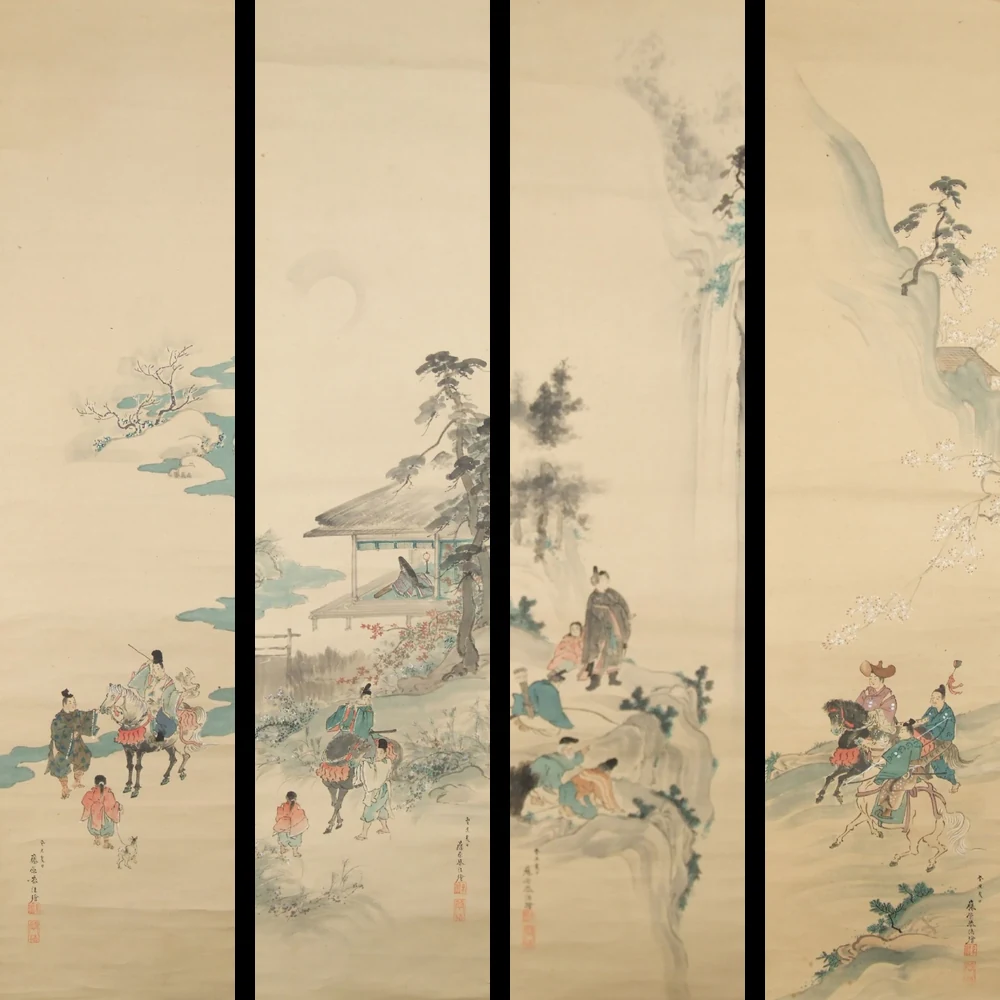
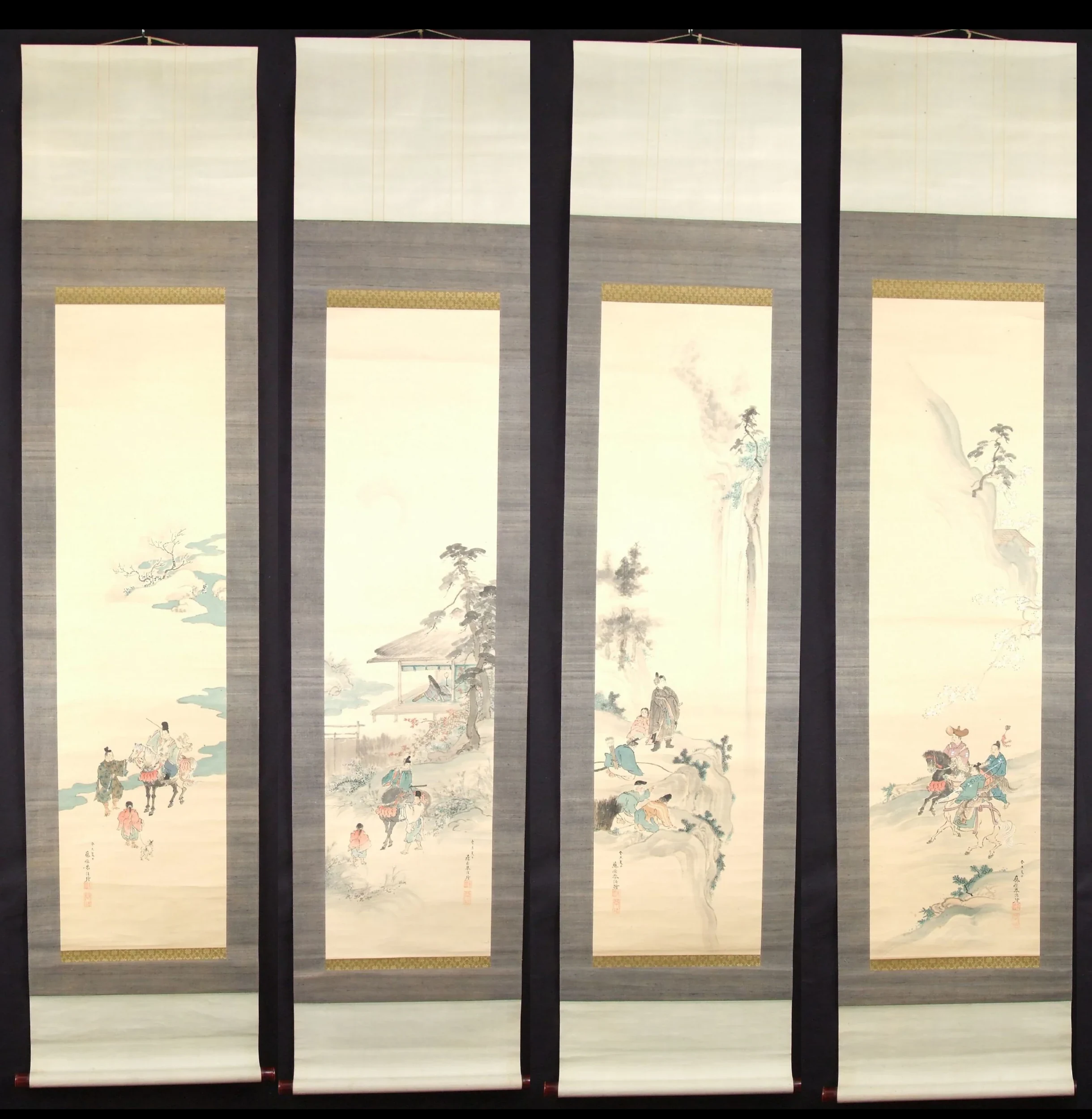
Set of Four Paintings – Legends of the Four Seasons
Kakemono, unique work, with box, 192 x 48 cm
€1,210.00

Kano Yasunobu, Kano Tanshin
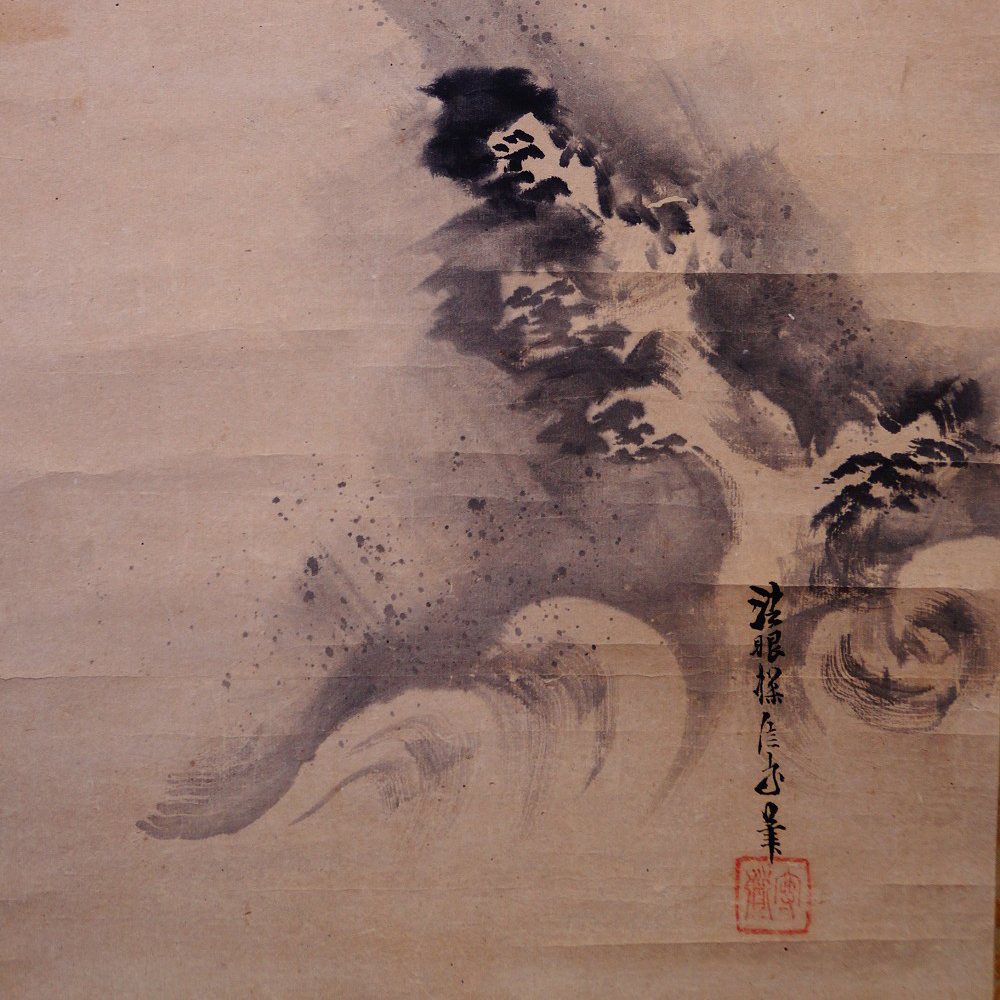
Dragon Between Clouds and Waves (Kano School)
Kakemono, unique work, 177 x 44 cm
€540.00
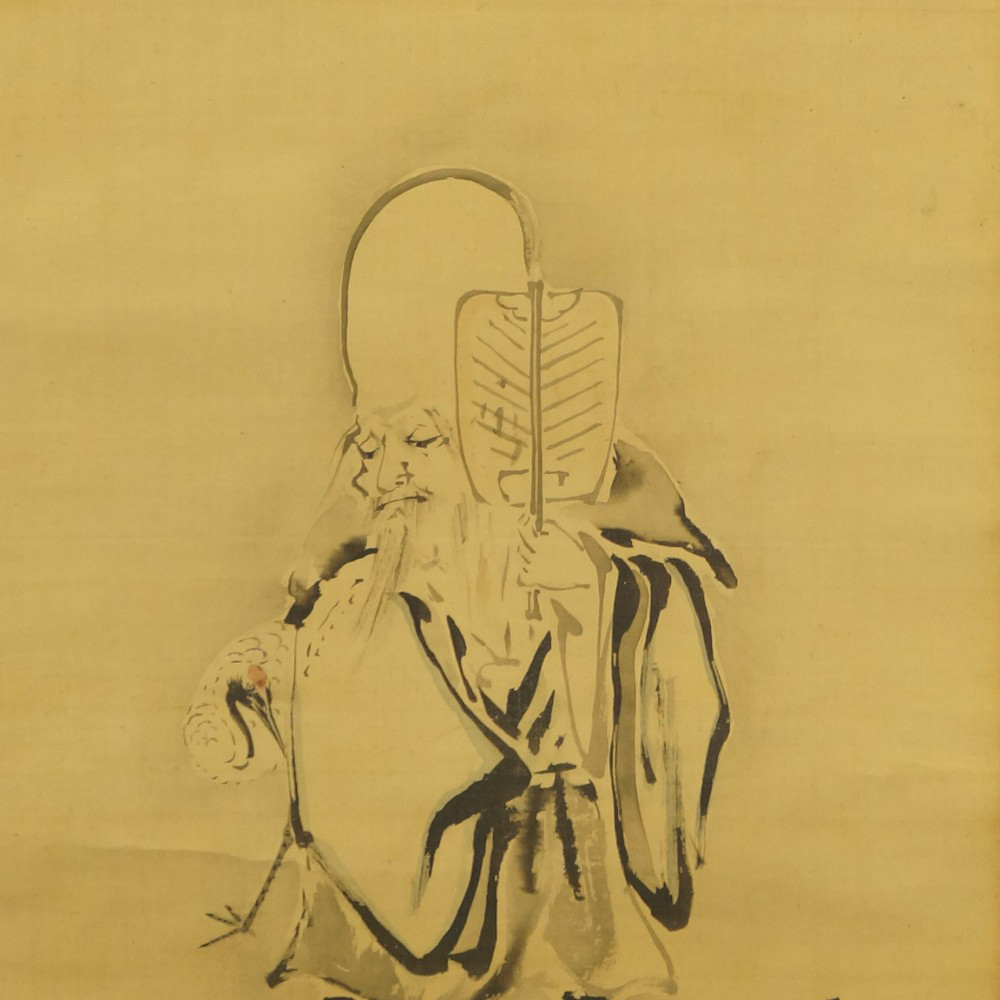

Kano Shunobu
Jurojin with Crane of Longevity
Kakemono, unique work, 183 x 52 cm
€330.00
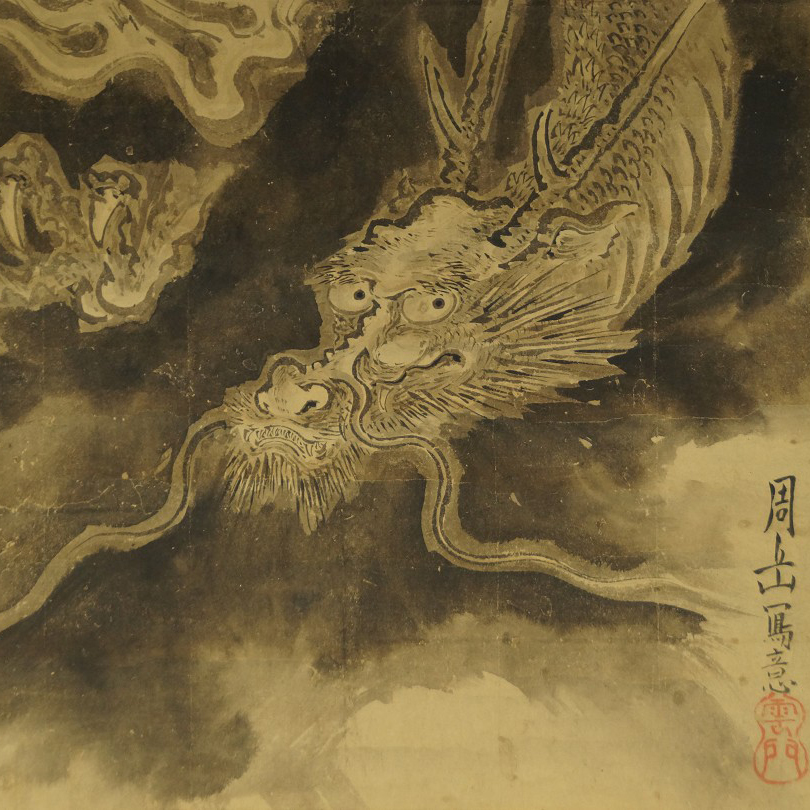

Natsume Shugaku
Dragon in Dark Clouds
Kakemono, unique work, 123 x 73 cm
€490.00
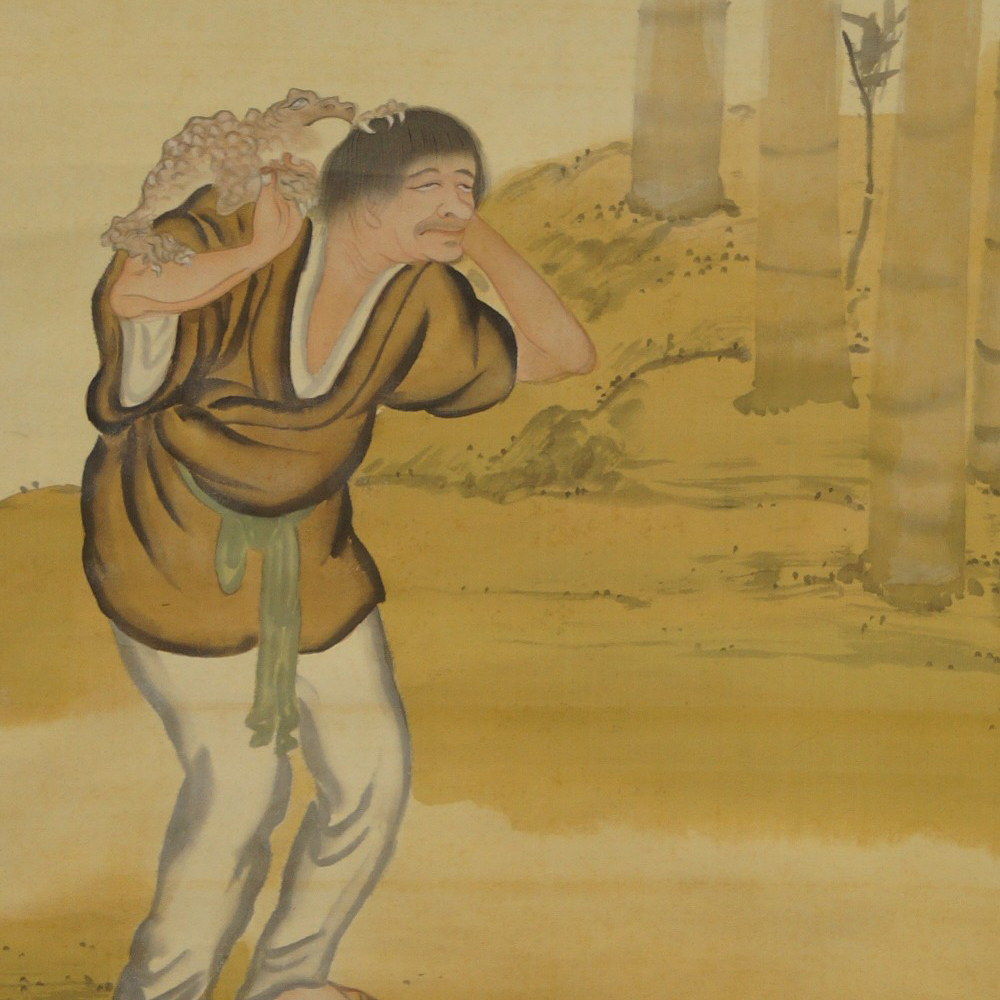

Gama Sennin with His Toad
Kakemono, unique work, 188 x 59 cm
€160.00
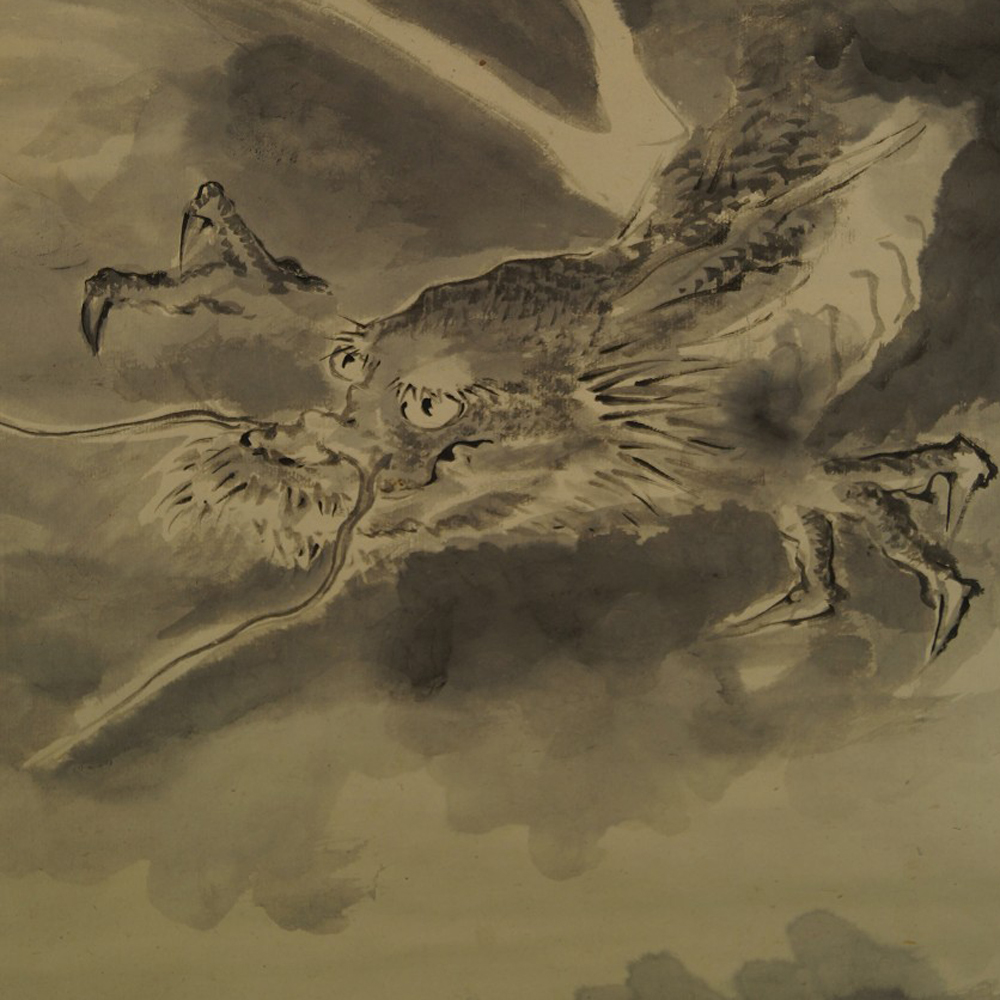

Bunkai
Two Dragons Ascending Through the Clouds
Kakemono, unique work, 184 x 55 cm
€380.00
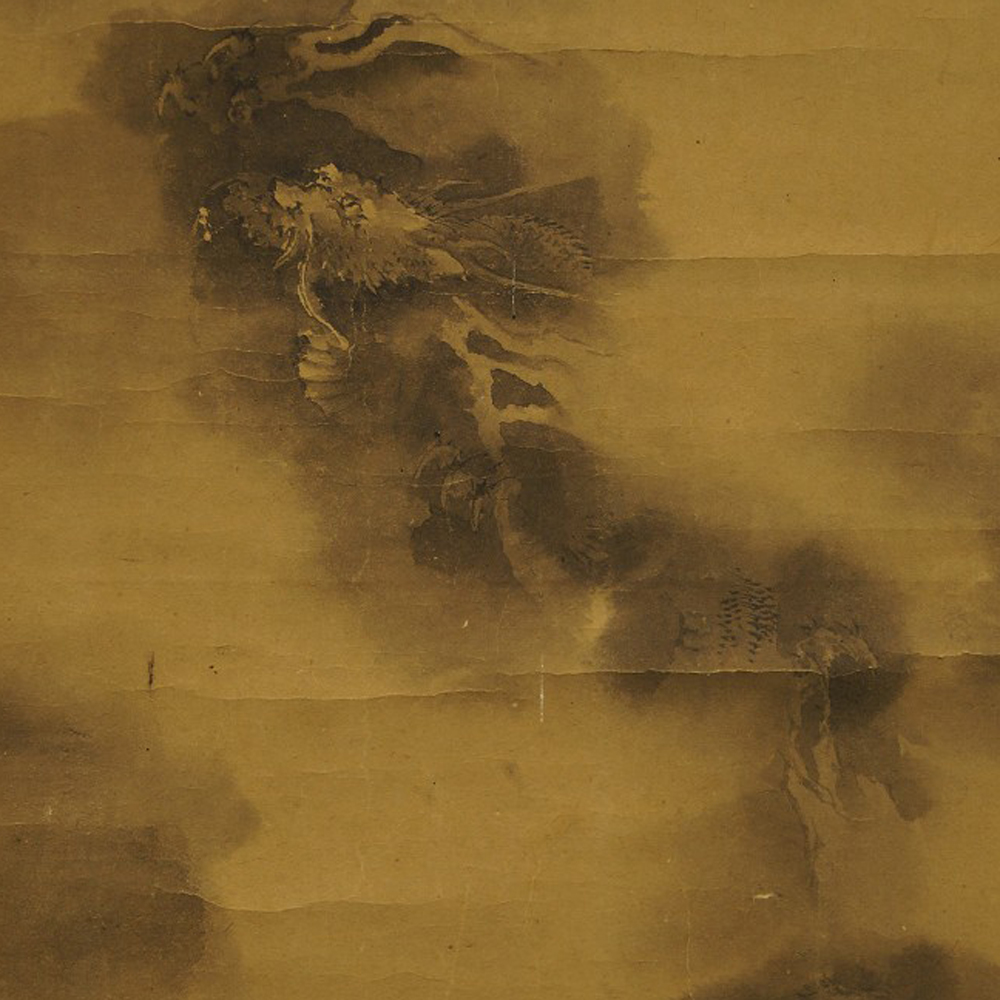

Kishi Ganku
Dragon over Fuji
Kakemono, unique work, 175 x 65 cm
€380.00
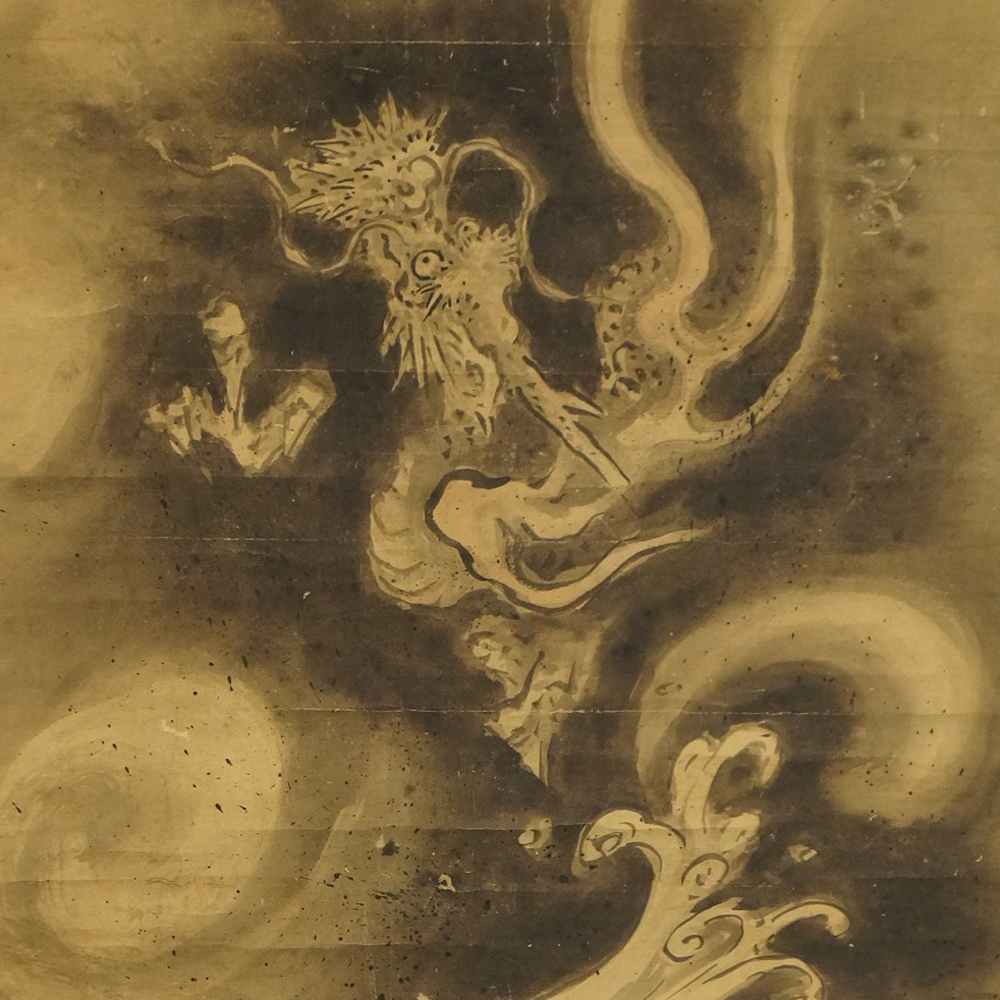

Dragon in Clouds and Waves
Kakemono, unique work, with box, 189 x 61 cm
€370.00
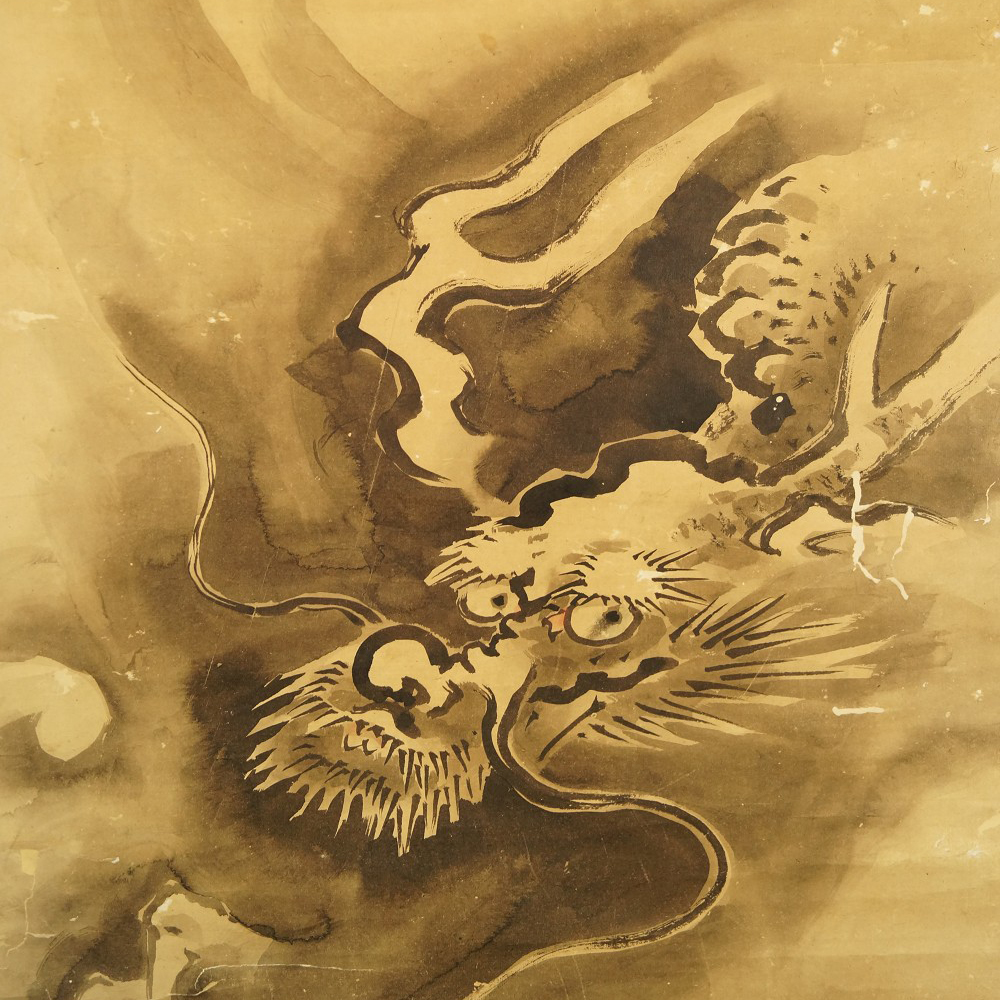
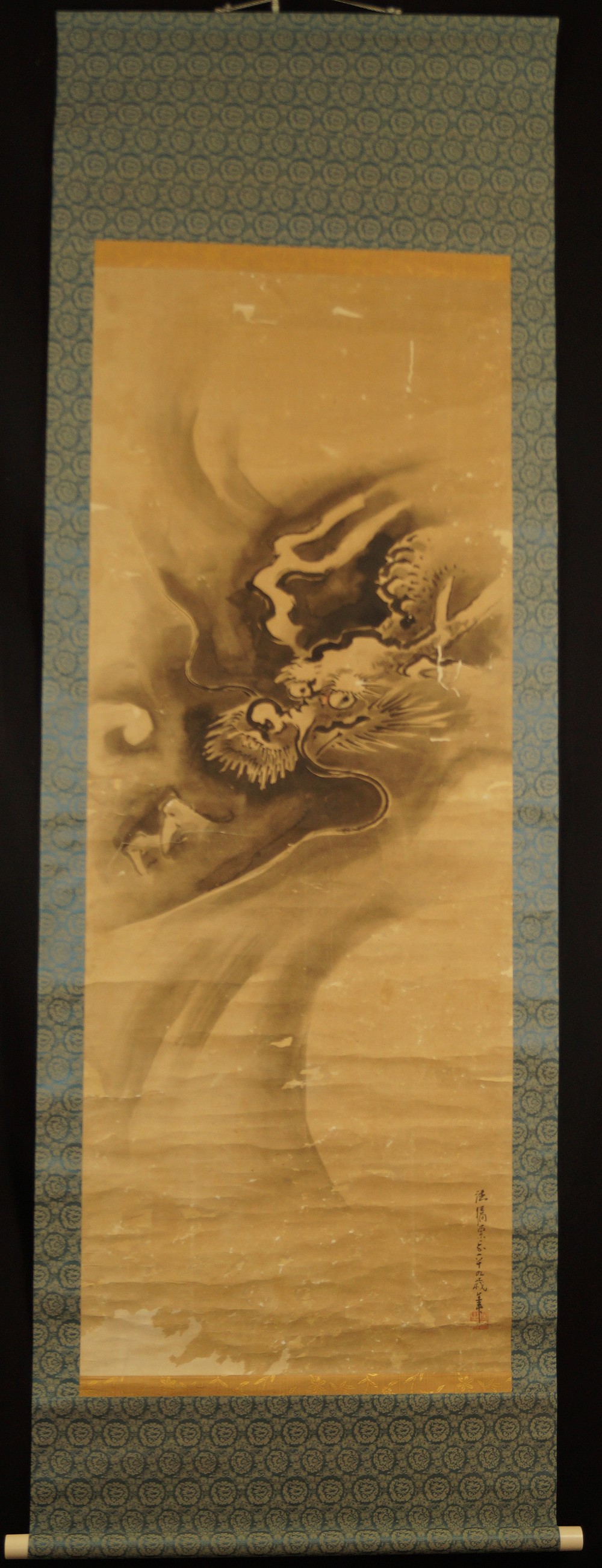
Tanaka Koga
Angry Dragon Head
Kakemono, unique work, 185 x 68 cm
€290.00
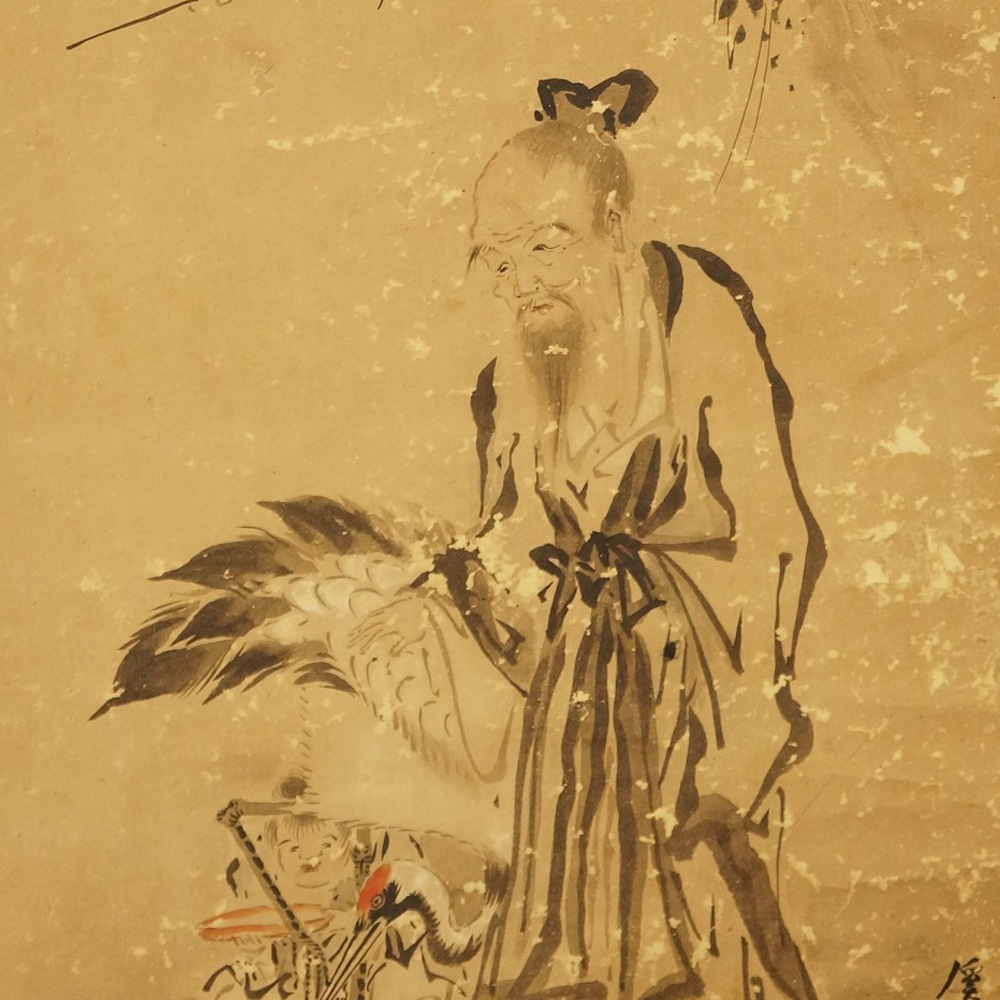
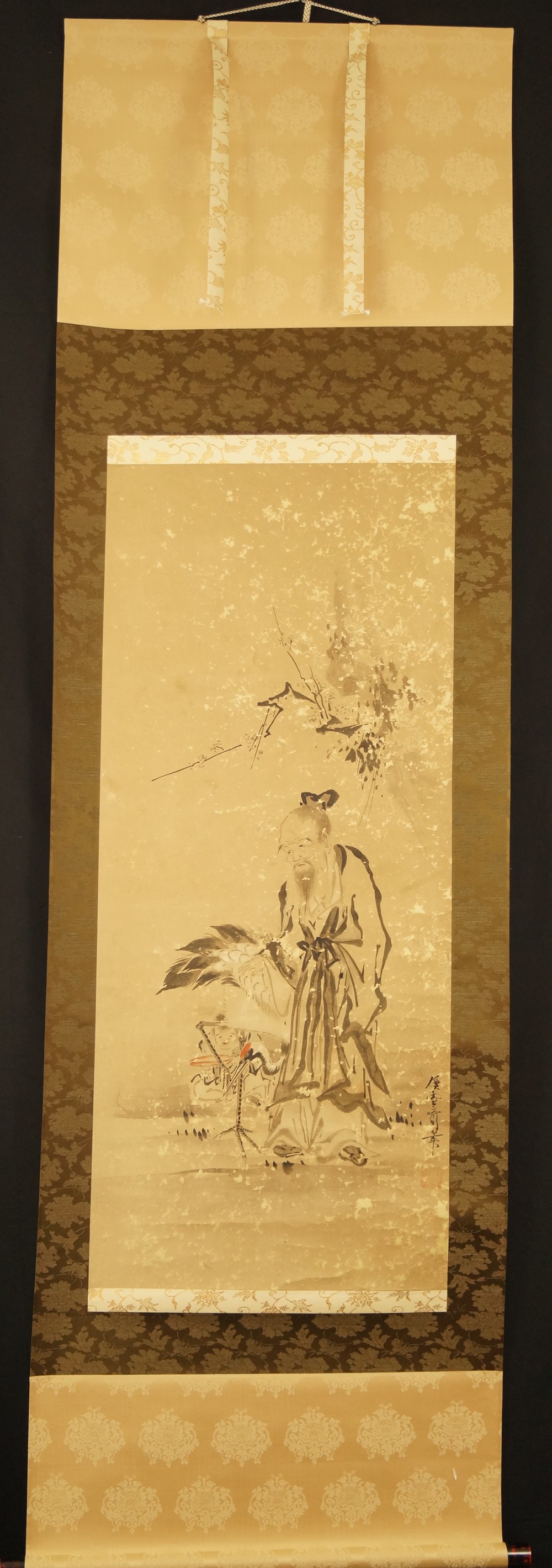
The Hermit and the Crane
Kakemono, unique work, 180 x 61 cm
€250.00
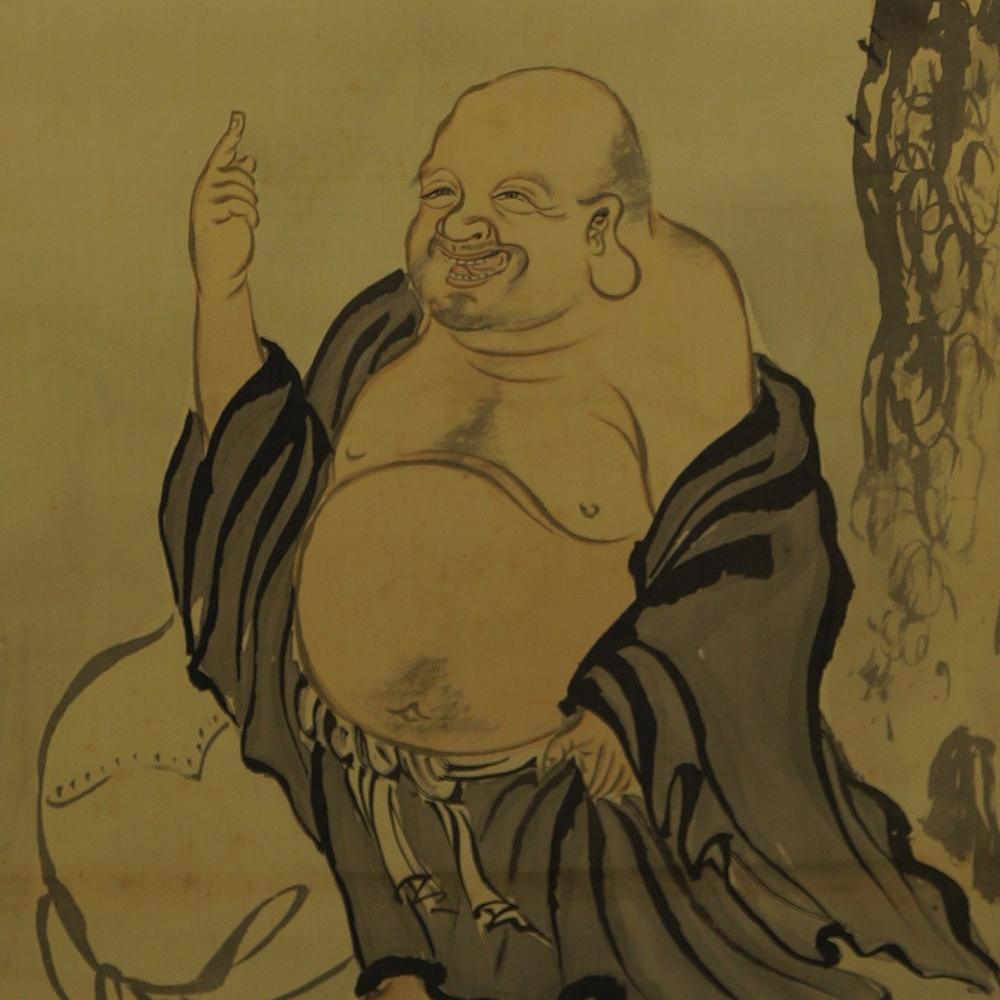
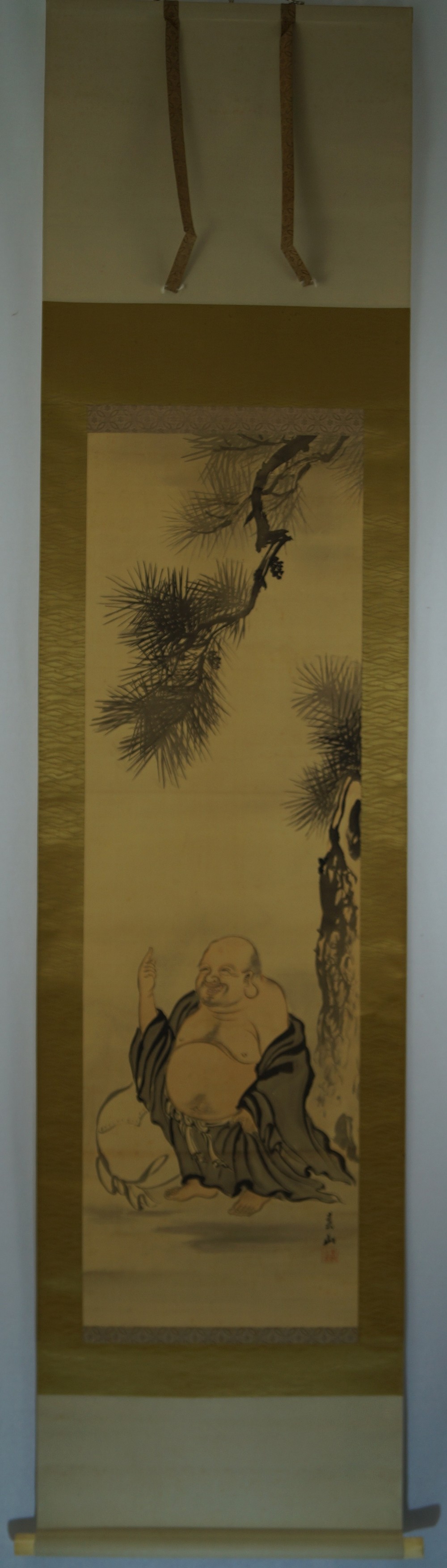
Hotei Under the Pine
Kakemono, unique work, 200 x 53 cm
€160.00
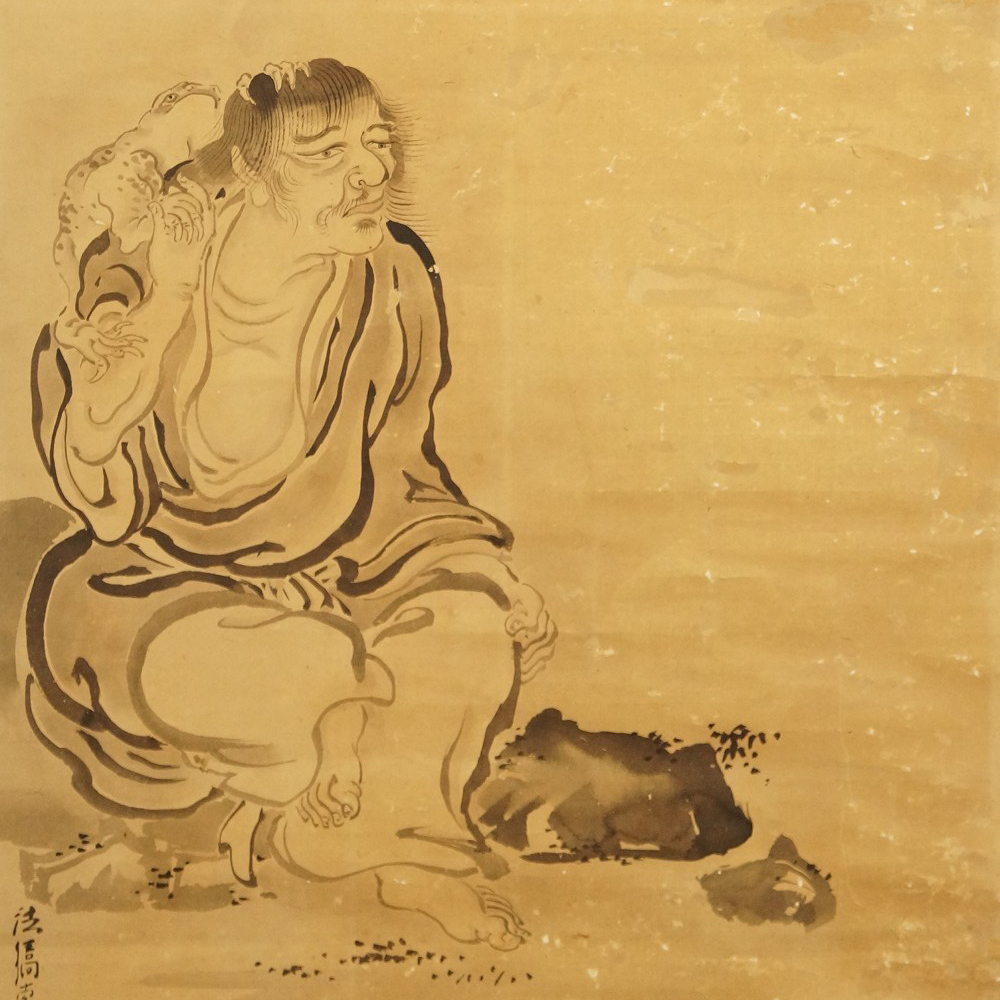
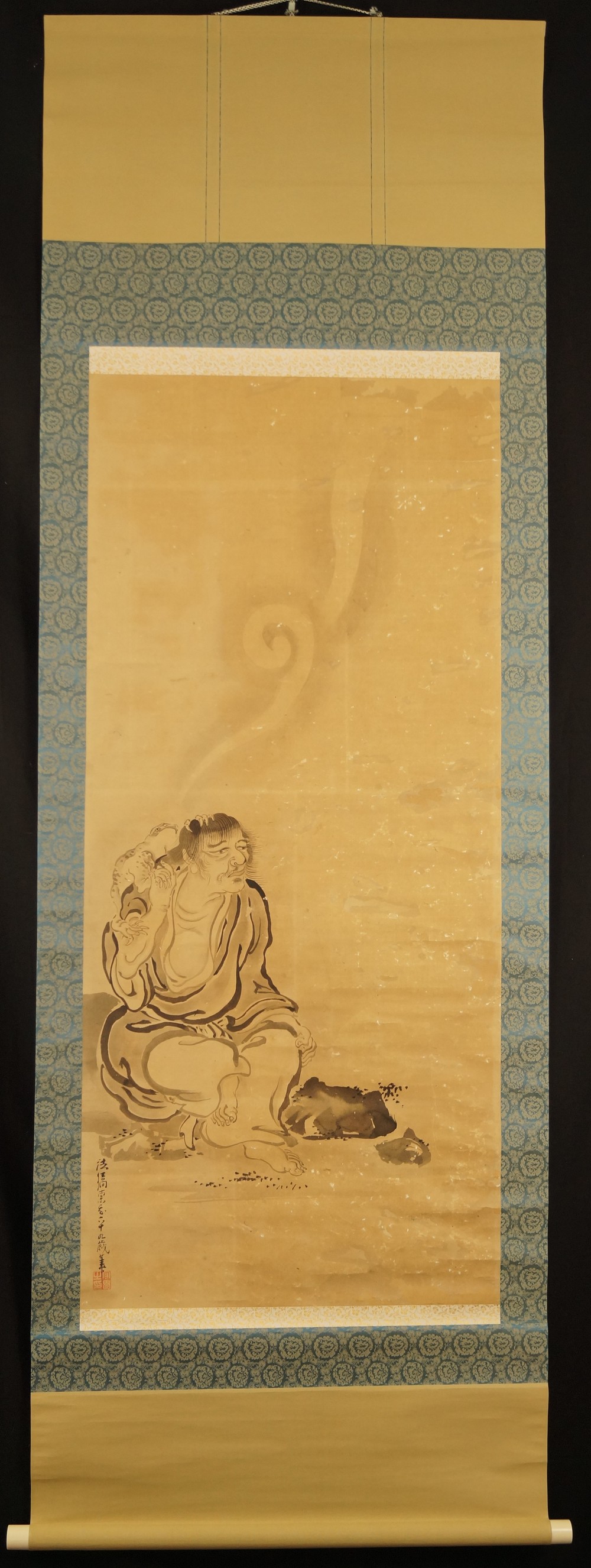
Tanaka Koga
Hermit with Small Dragon
Kakemono, unique work, 185 x 68 cm
€170.00
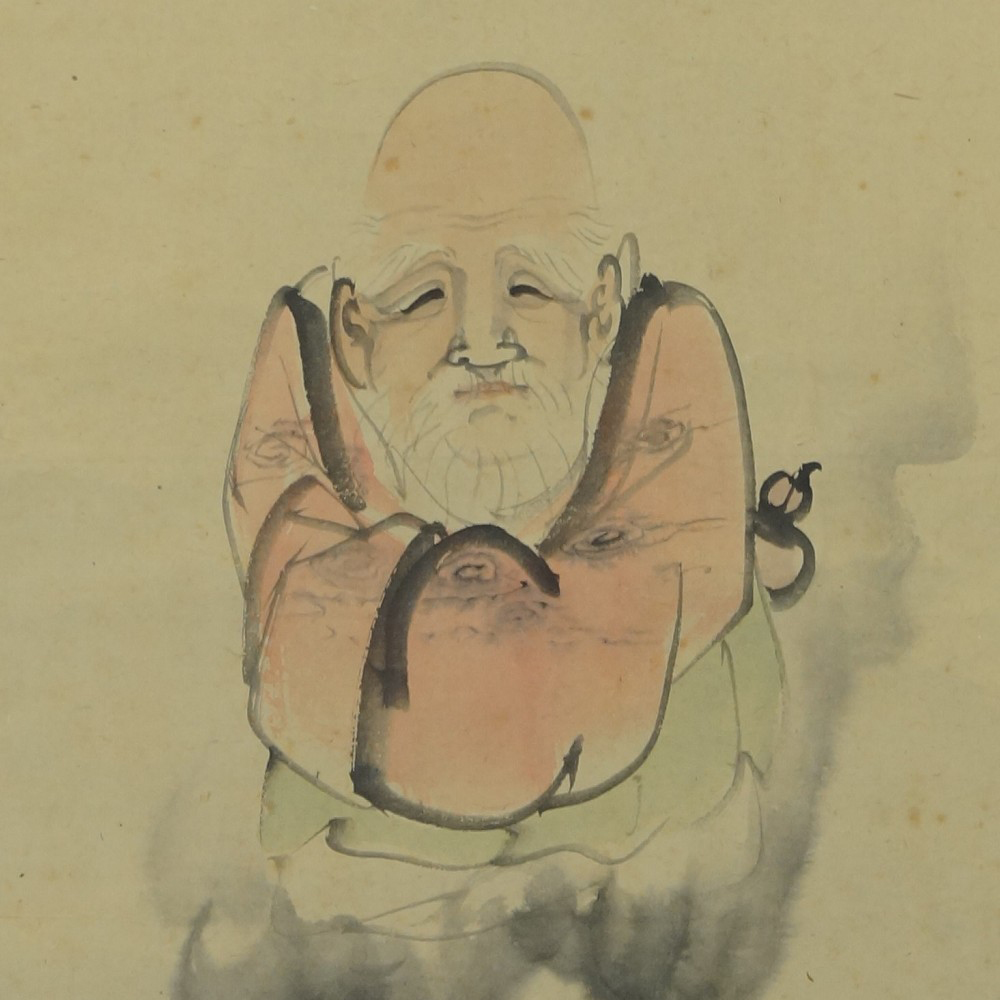
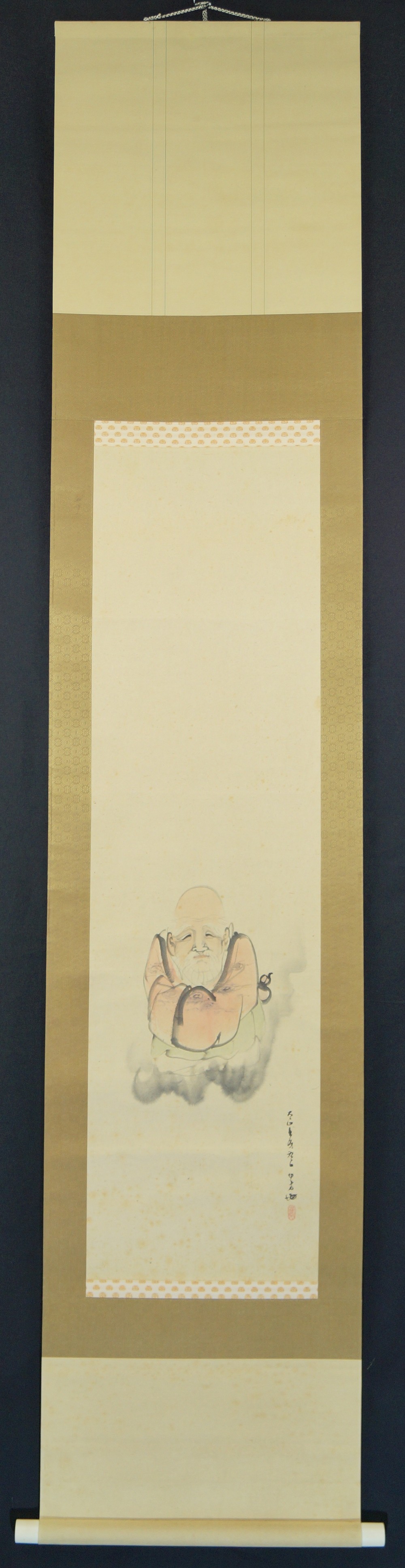
Jurojin on Clouds
Kakemono, unique work, 197 x 47 cm
€140.00
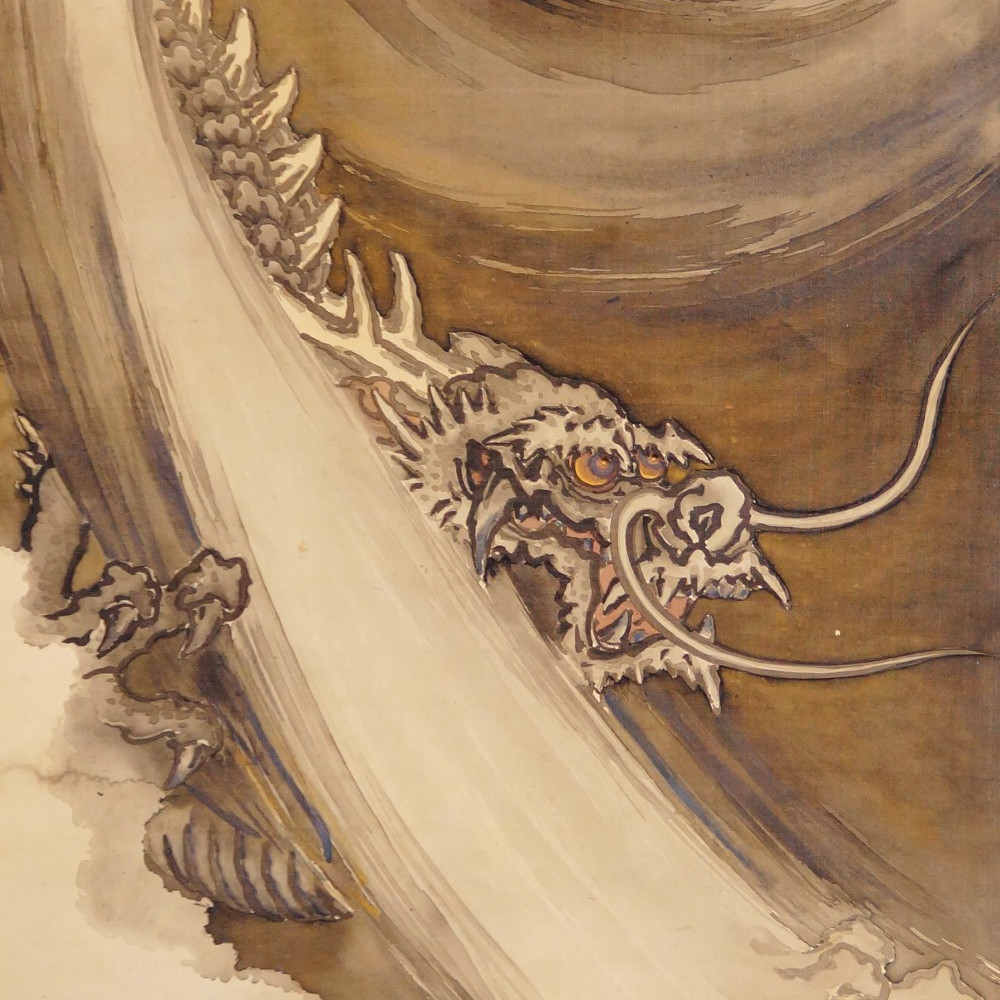
Yoshiyama
Dragon in the Wave
Kakemono, unique work, 177 x 61 cm
Sold
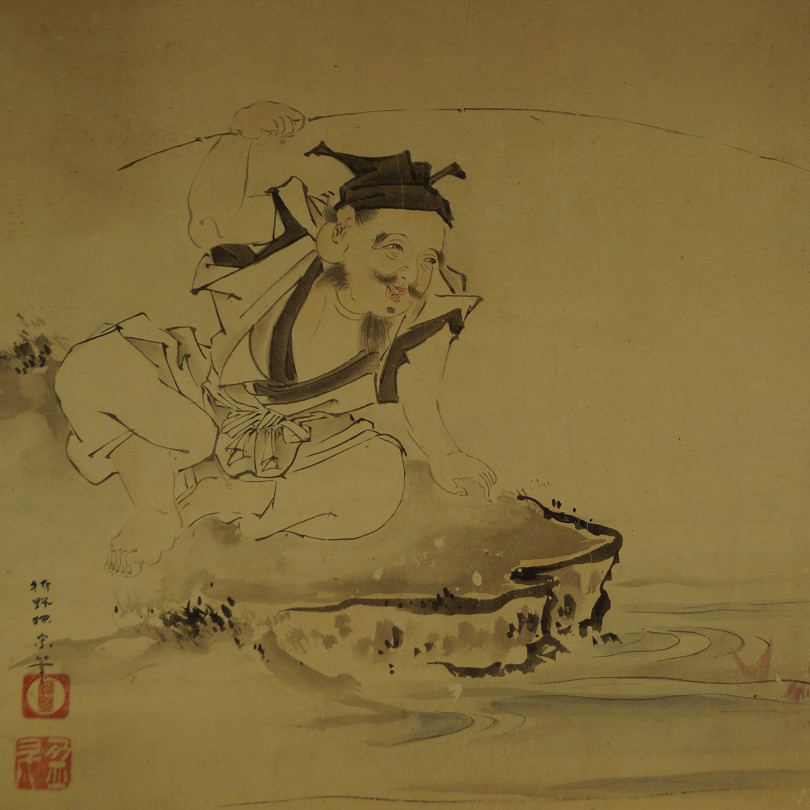
Kano Tanso
Ebisu Fishing
Kakemono, unique work, 137 x 74 cm
Sold
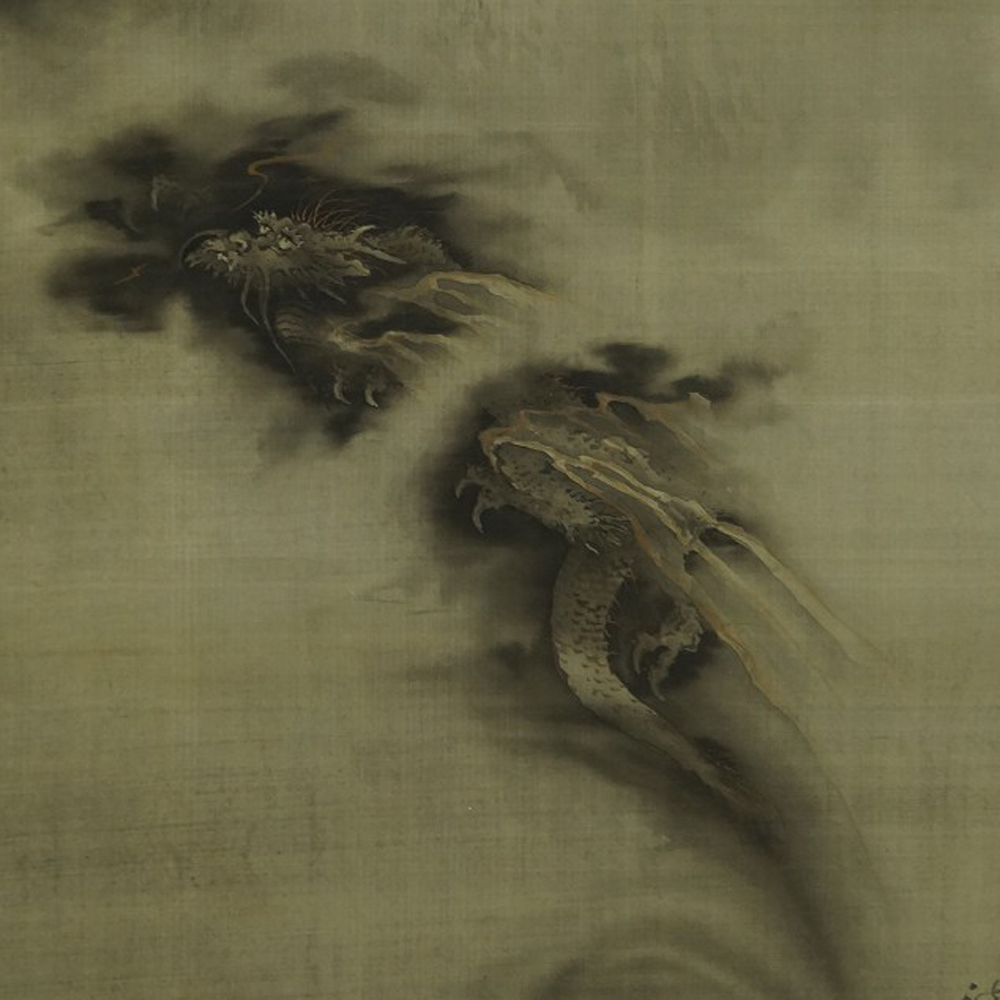
Tsurumine Sansei
Dragon at Mount Fuji
Kakemono, unique work, with box, 220 x 87 cm
Sold

Yoshihiko
Dragon in Light Contours on Dark Silk
Kakemono, unique work, 175 x 61 cm
Sold
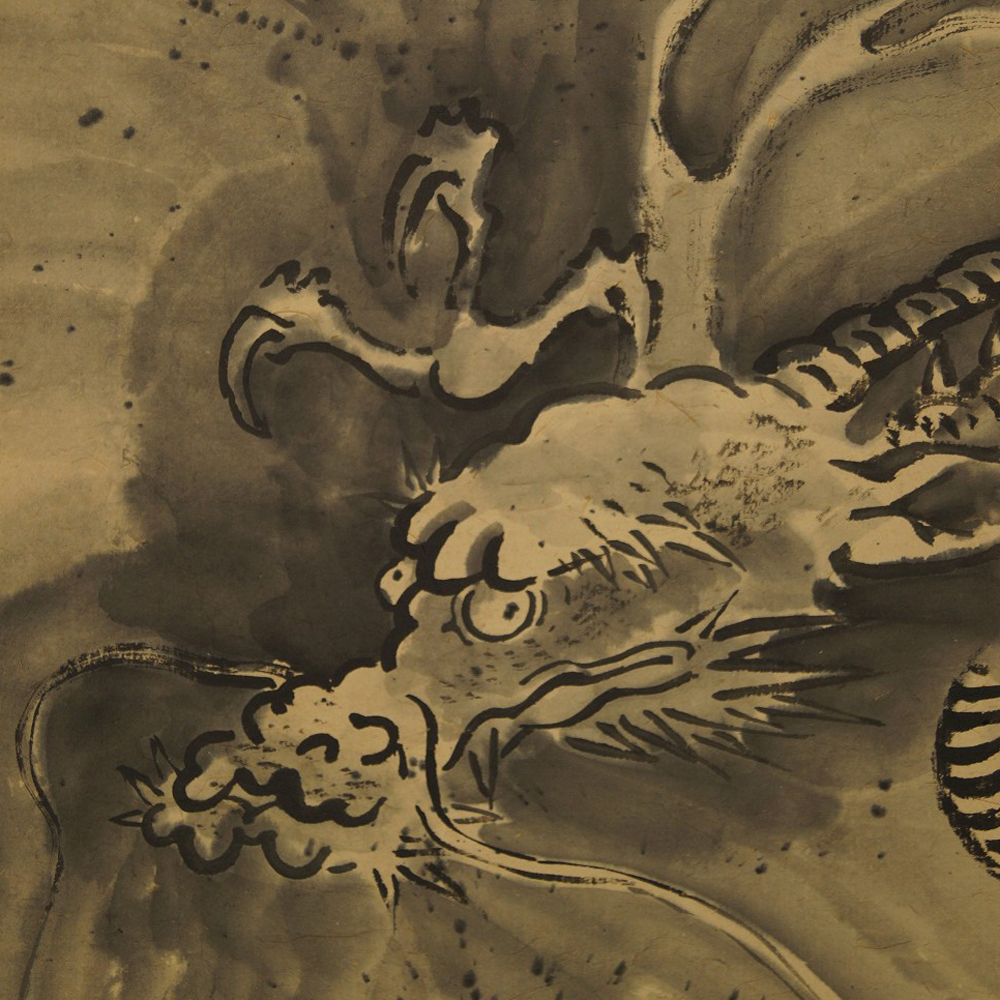
Dragon with Spread Claws and Inscription
Kakemono, unique work, 180 x 49 cm
Sold
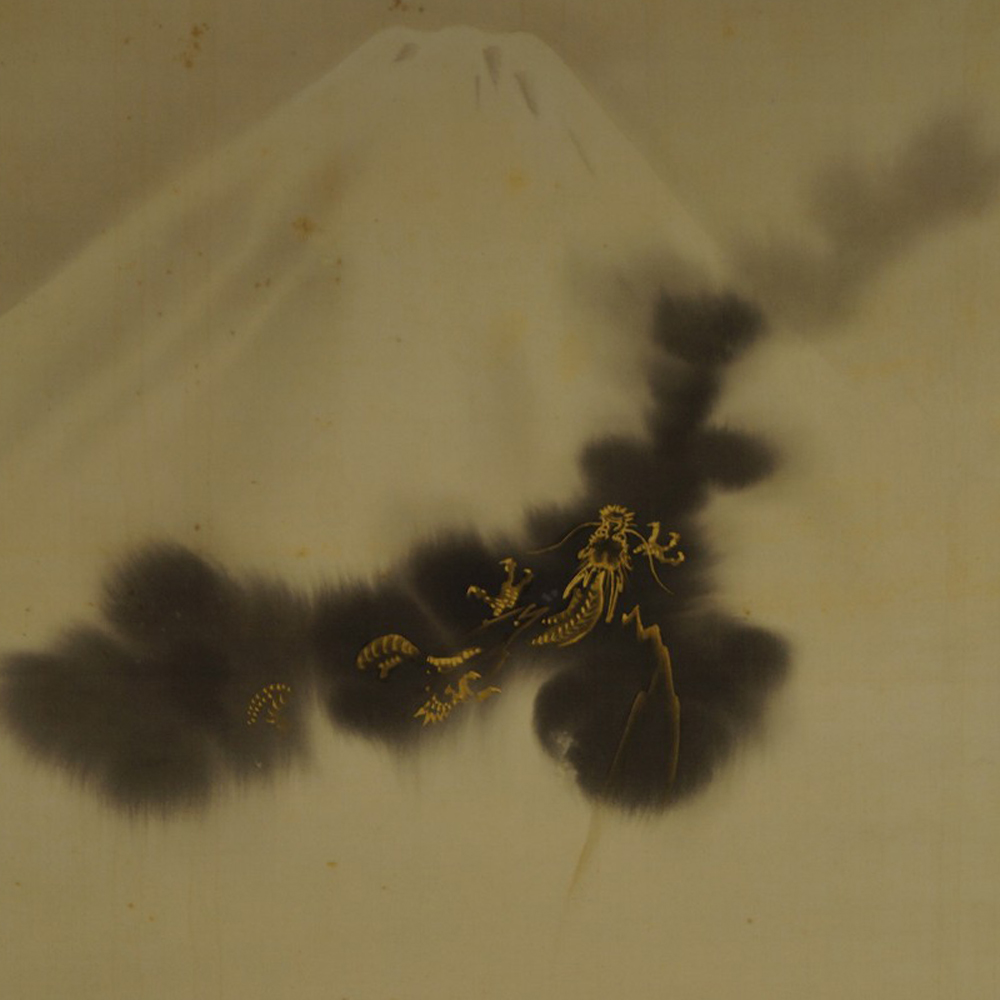
Kashu Iguchi
Dragon and Mount Fuji
Kakemono, unique work, with box, 127 x 62 cm
Sold
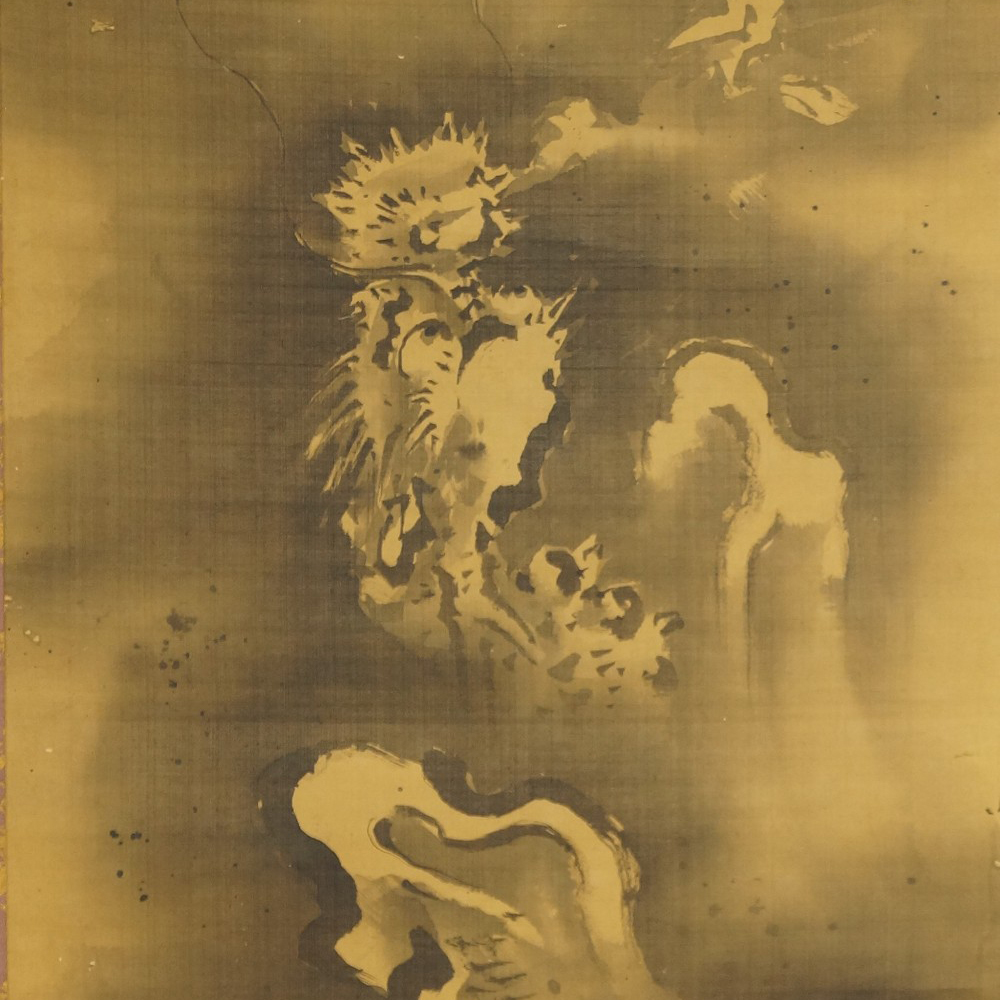
Kano Akinobu
Two Dragons in Golden Mist
Kakemono, unique work, with box, 185 x 51 cm
Sold
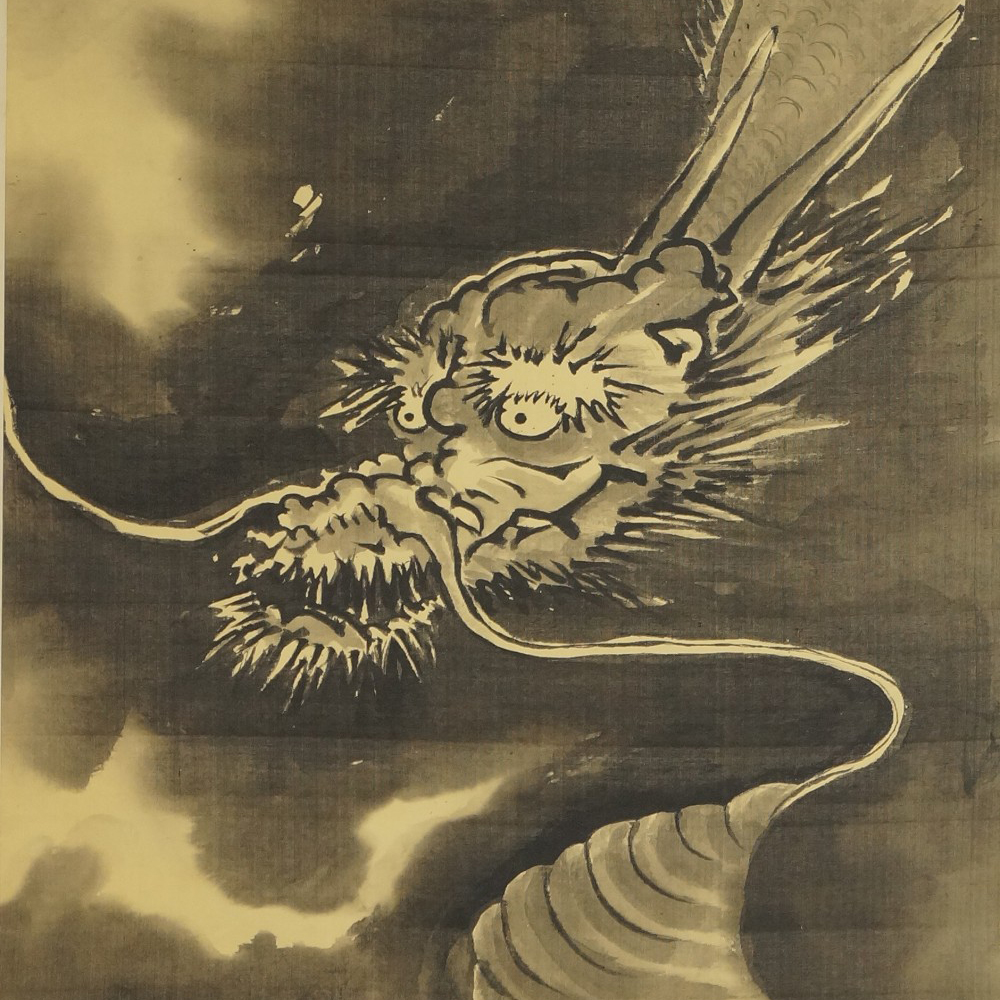
Dragon Head over the Water Vortex
Kakemono, unique work, 166 x 52 cm
Sold
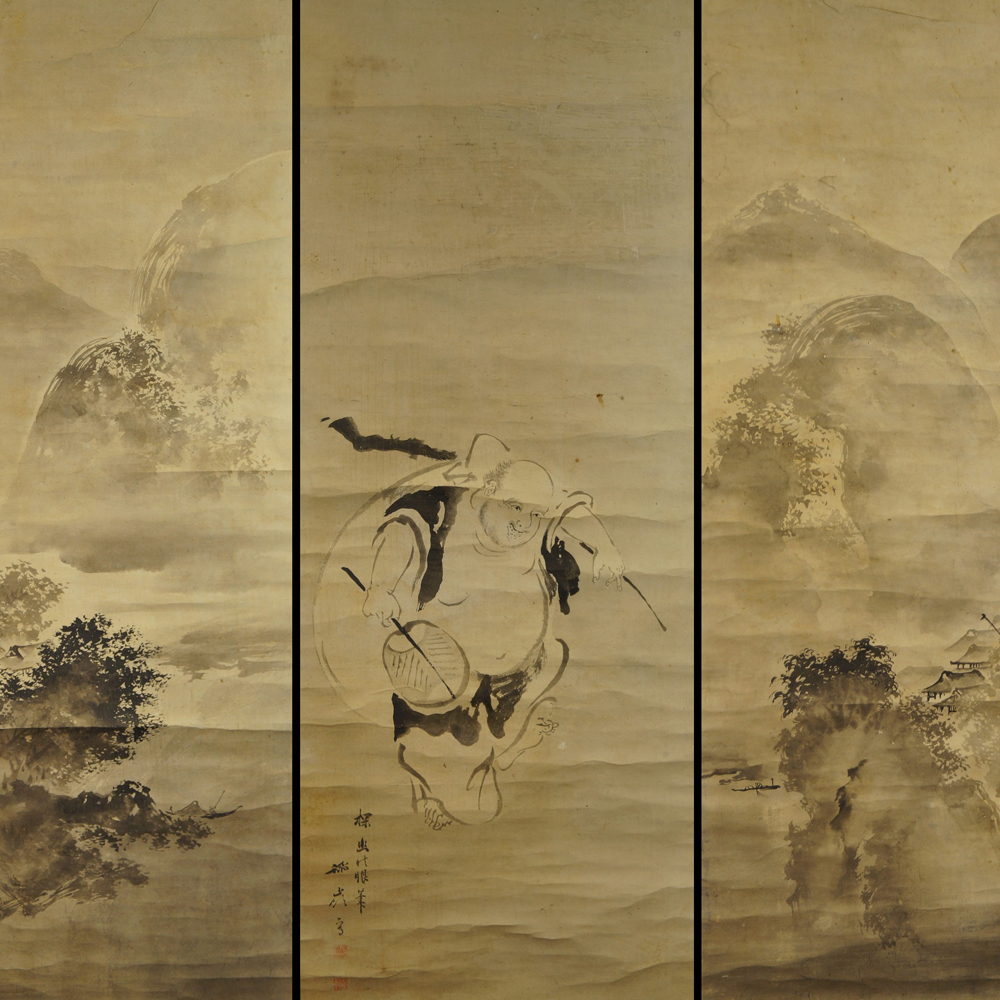
Landscape and Hotei (Set of 3)
Kakemono, unique work, with box, 180 x 43 cm
Sold
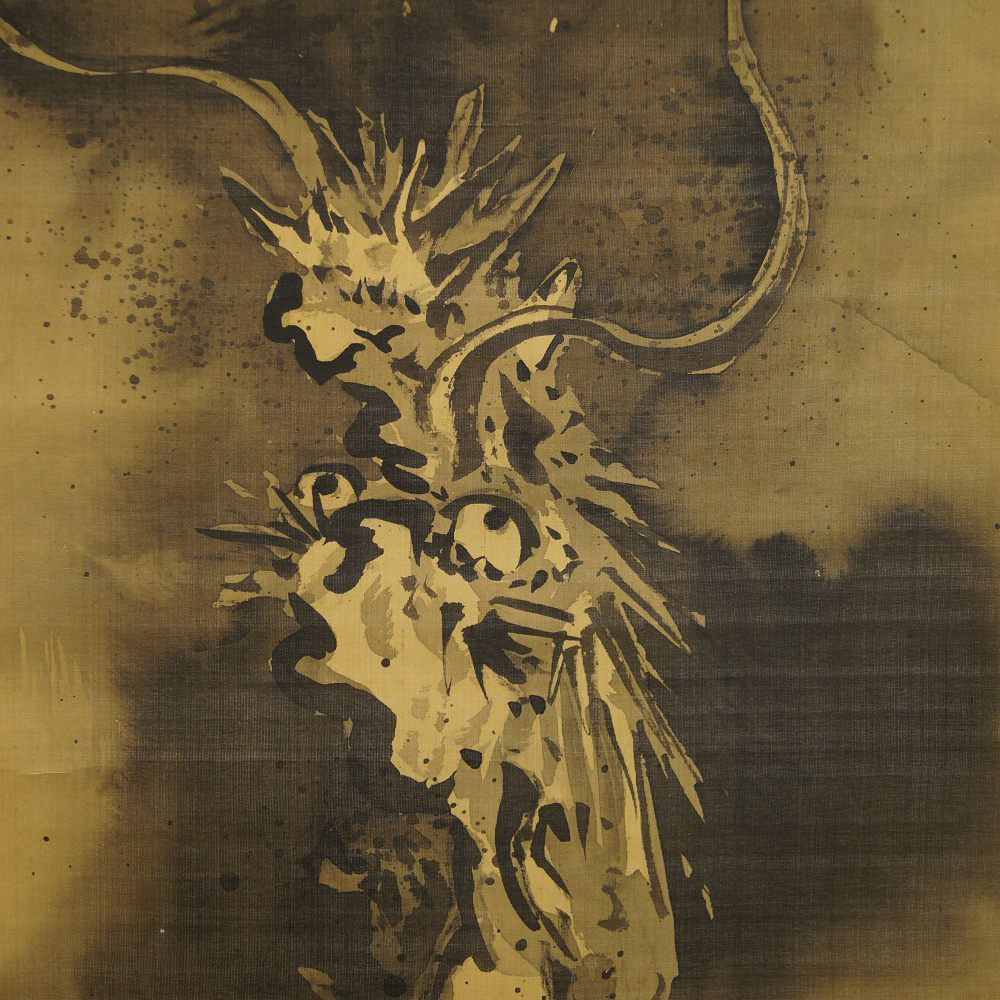
Kano Tsunenobu
Ascending Dragon
Kakemono, unique work, with box, 175 x 53 cm
Sold
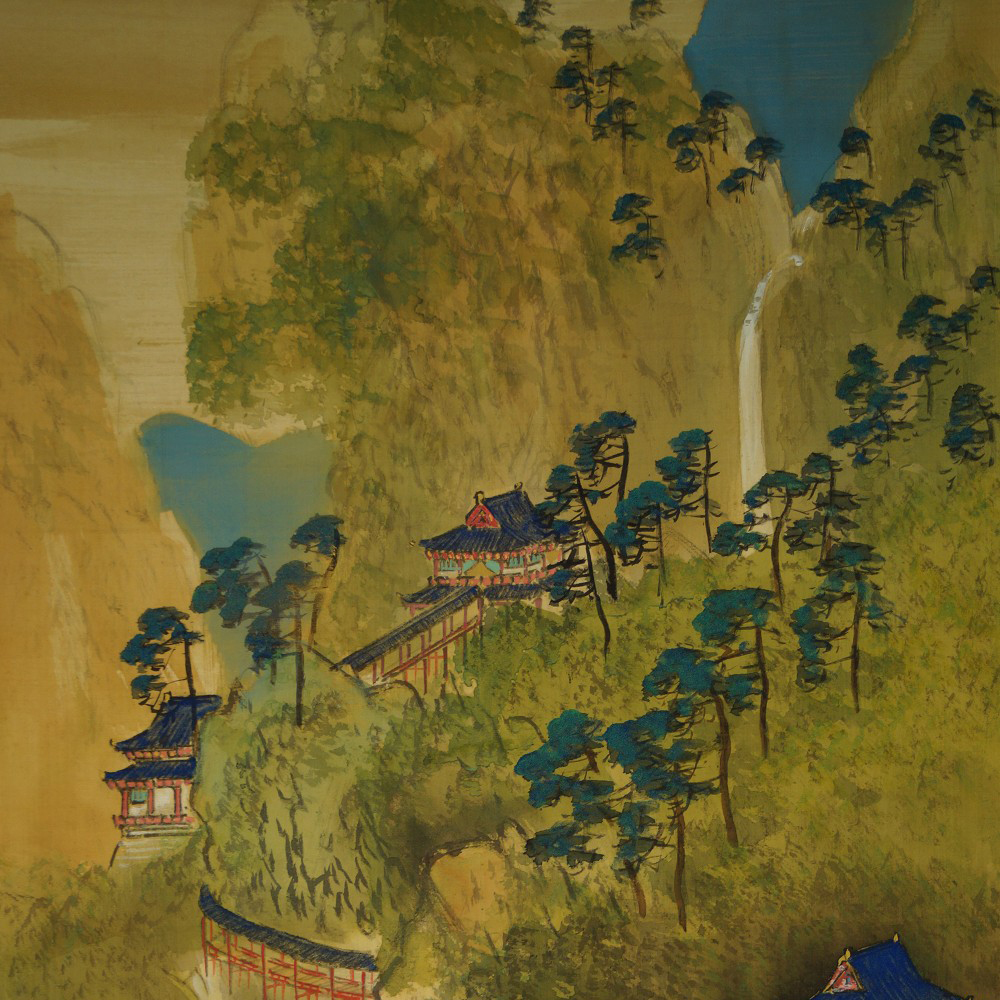
Hôraisan - Temple Complex by the Waterfall
Kakemono, unique work, with box, 192 x 62 cm
Sold
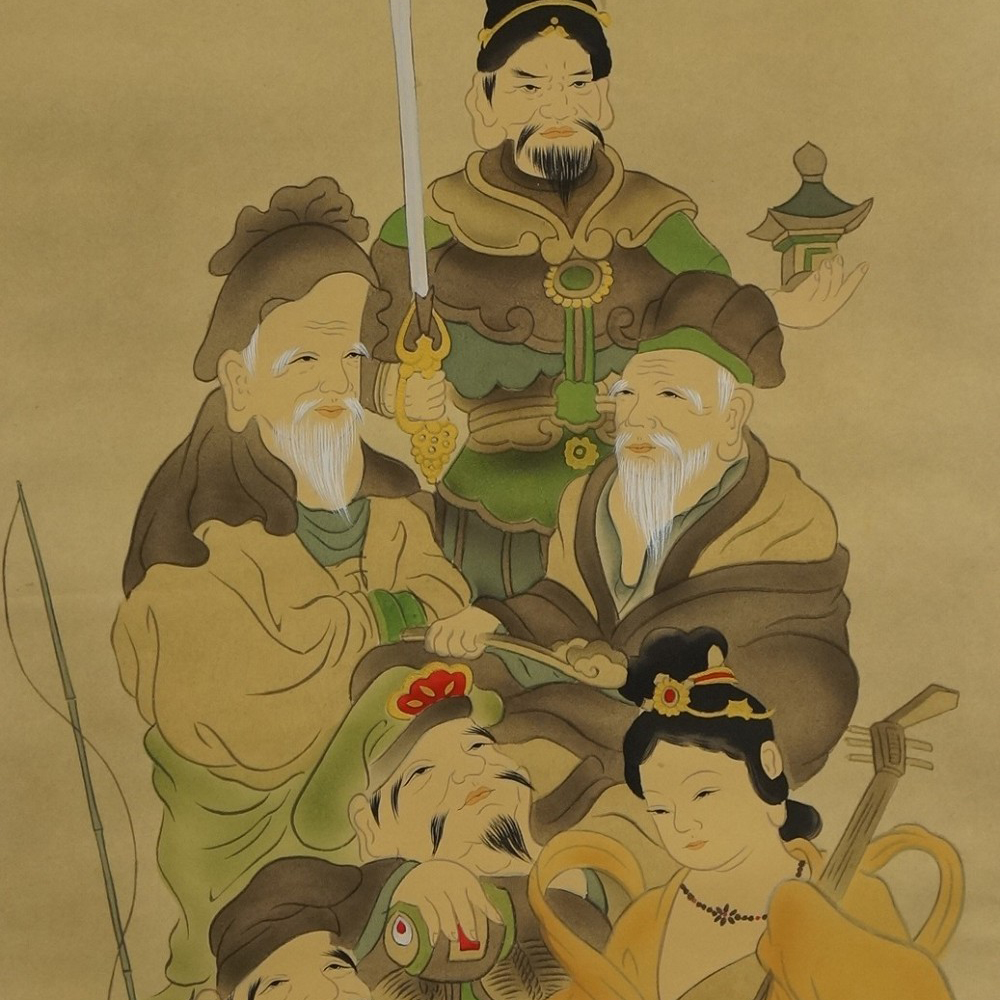
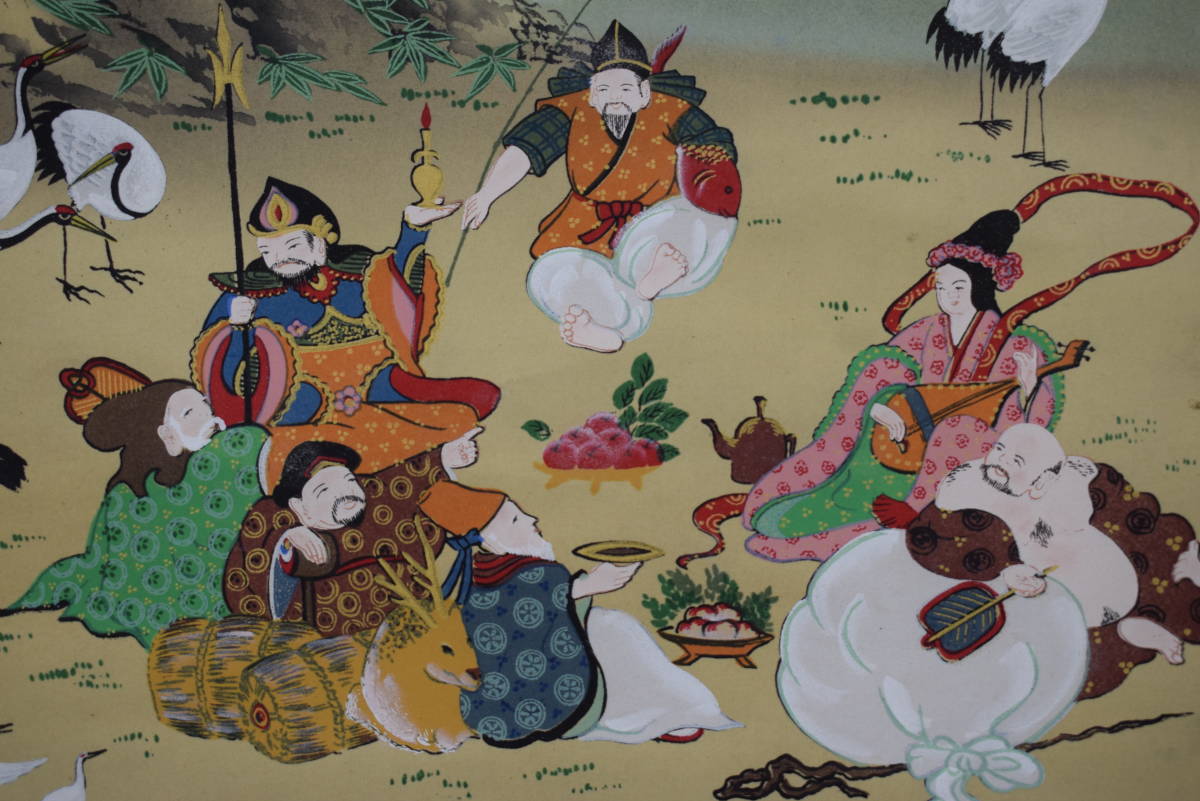
The 7 Lucky Gods
Kakemono, unique work, 184 x 58 cm
Sold
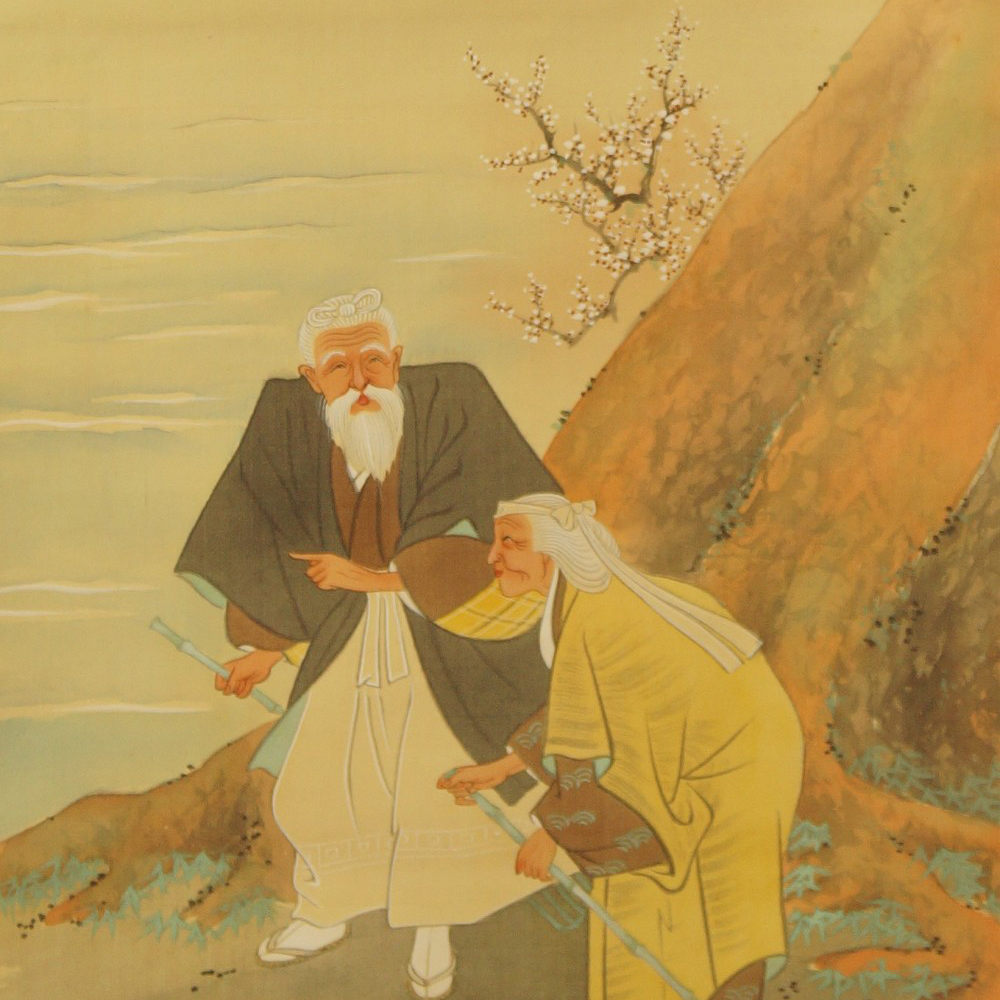
Shūkō
Takasago - Jō and Uba in the Evening Glow
Kakemono, unique work, with box, 186 x 54 cm
Sold
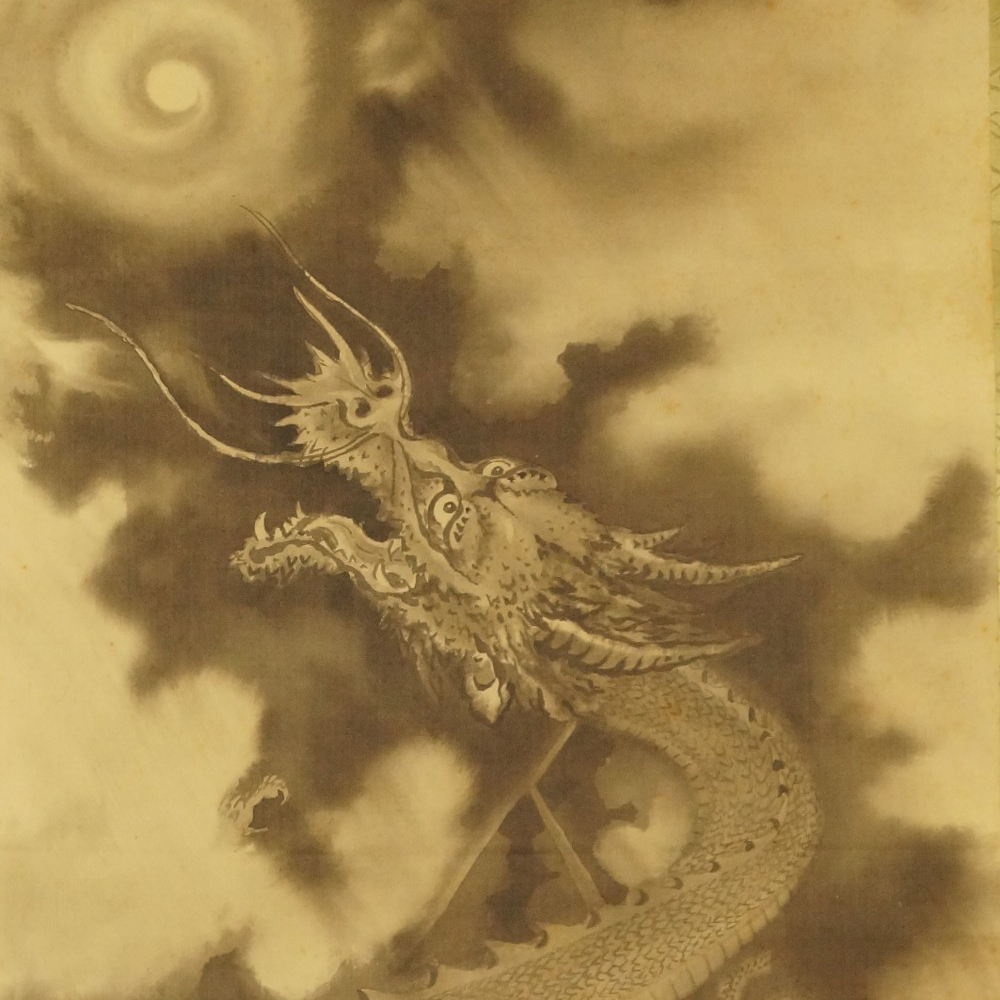
Nyoshin
Dragon over the Waves with Moon Disc
Kakemono, unique work, 197 x 60 cm
Sold
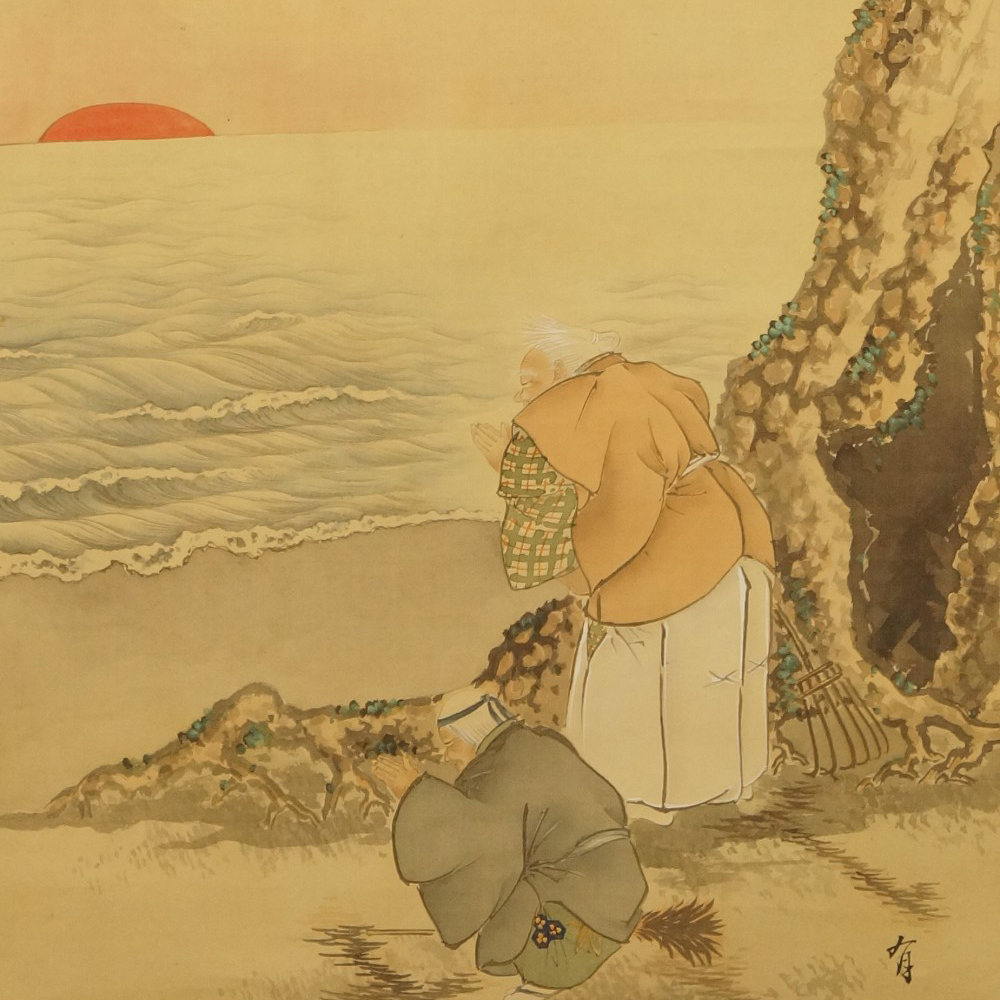
Yūkei
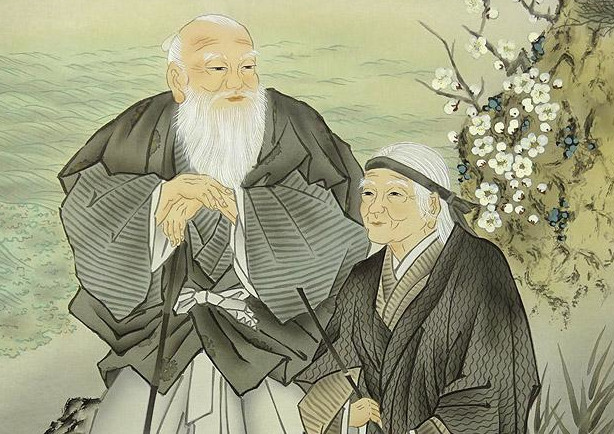
Takasago - The Old Couple Under the Pine
Kakemono, Silkscreen, 192 x 56 cm
Sold
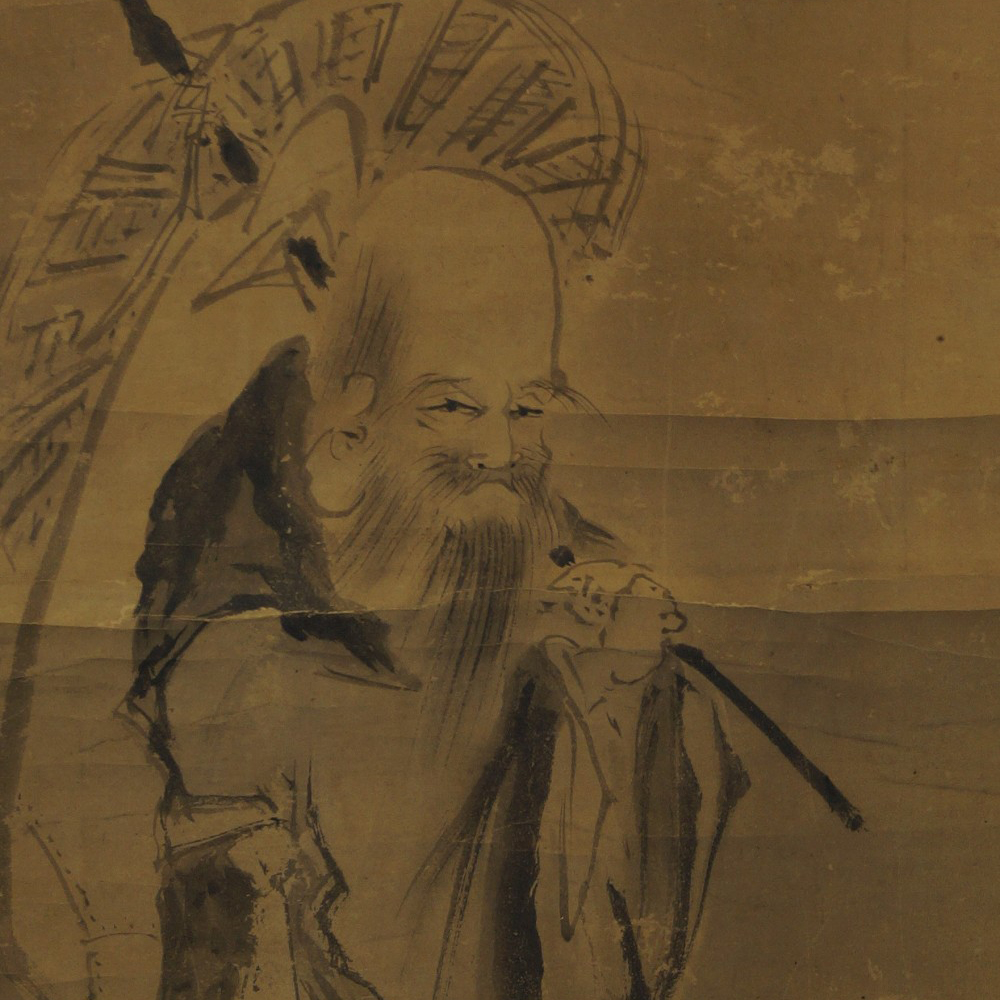
Jurojin
Kakemono, unique work, 180 x 50 cm
Sold
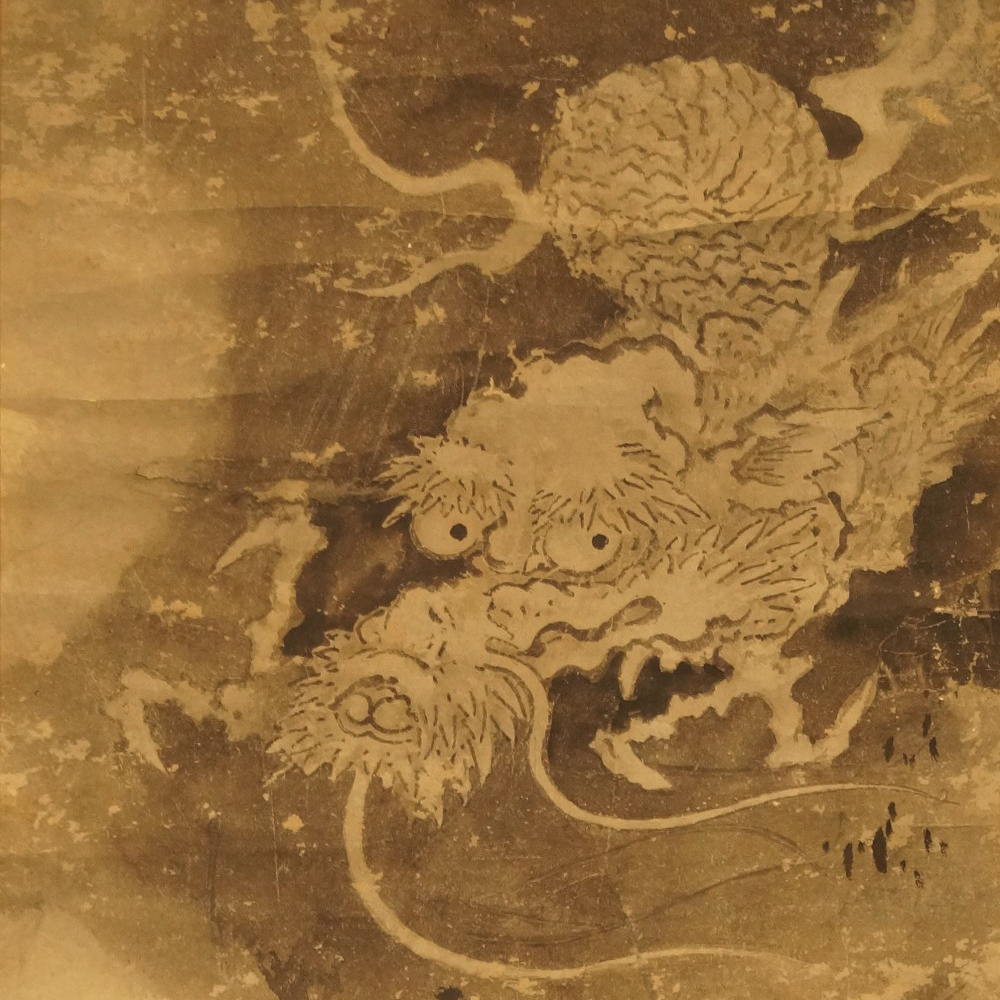
Dragon Head in Aged Ink Painting
Kakemono, unique work, 189 x 55 cm
Sold
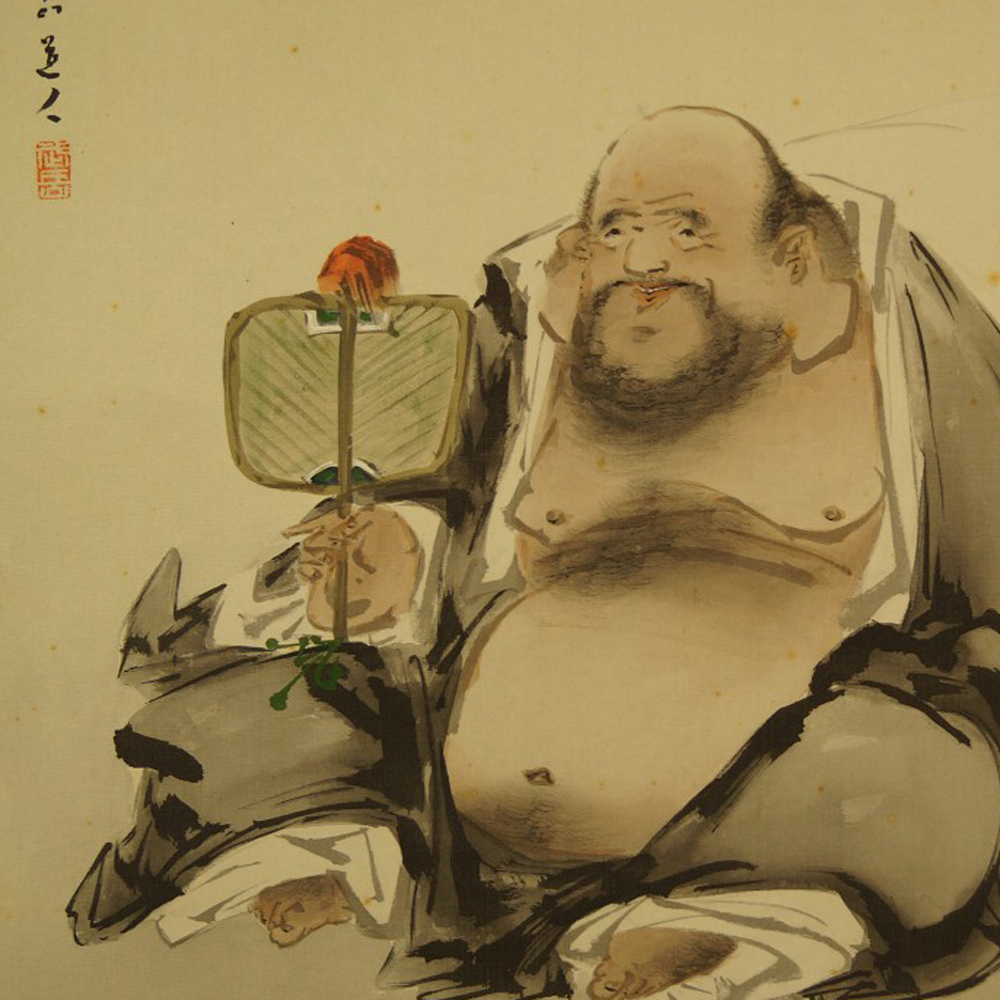
Hotei with Fan and Sack
Kakemono, unique work, with box, 147 x 70 cm
Sold
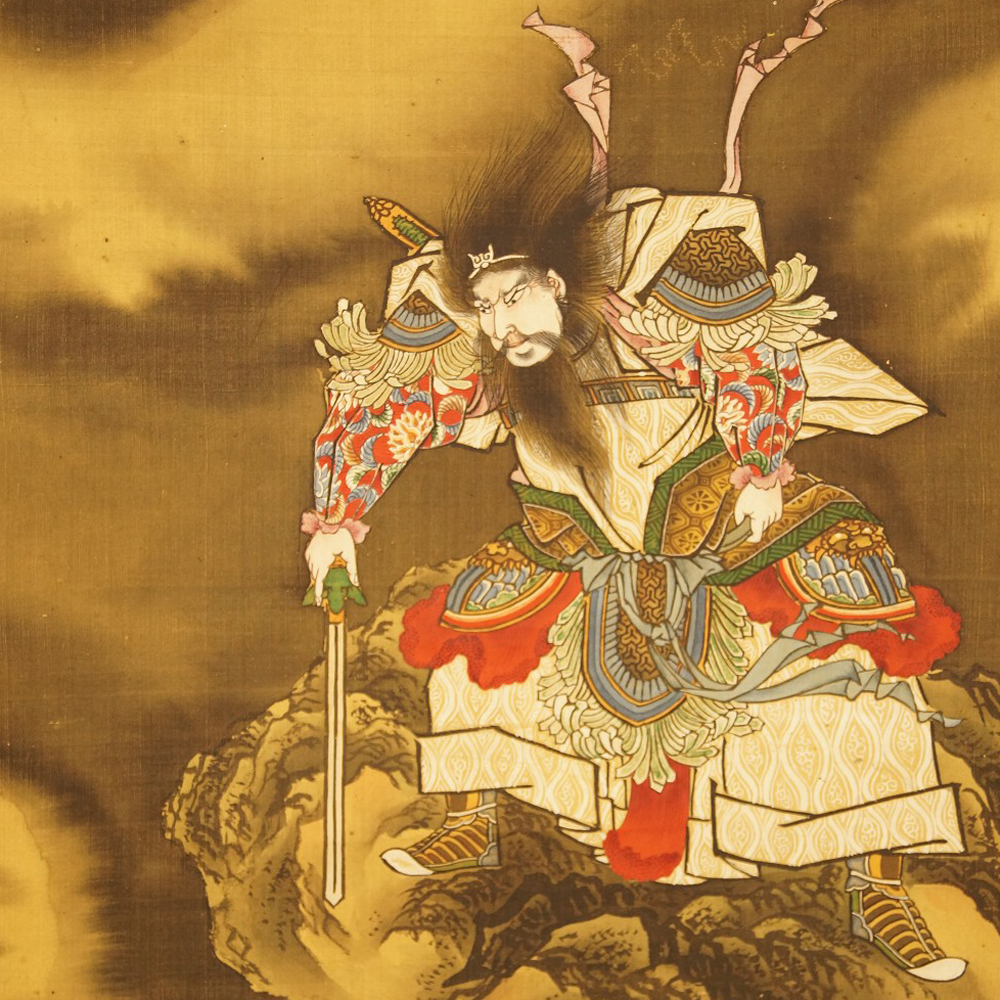
Yamamura Somon
Dragon and Samurai
Kakemono, unique work, with box, 192 x 55 cm
Sold
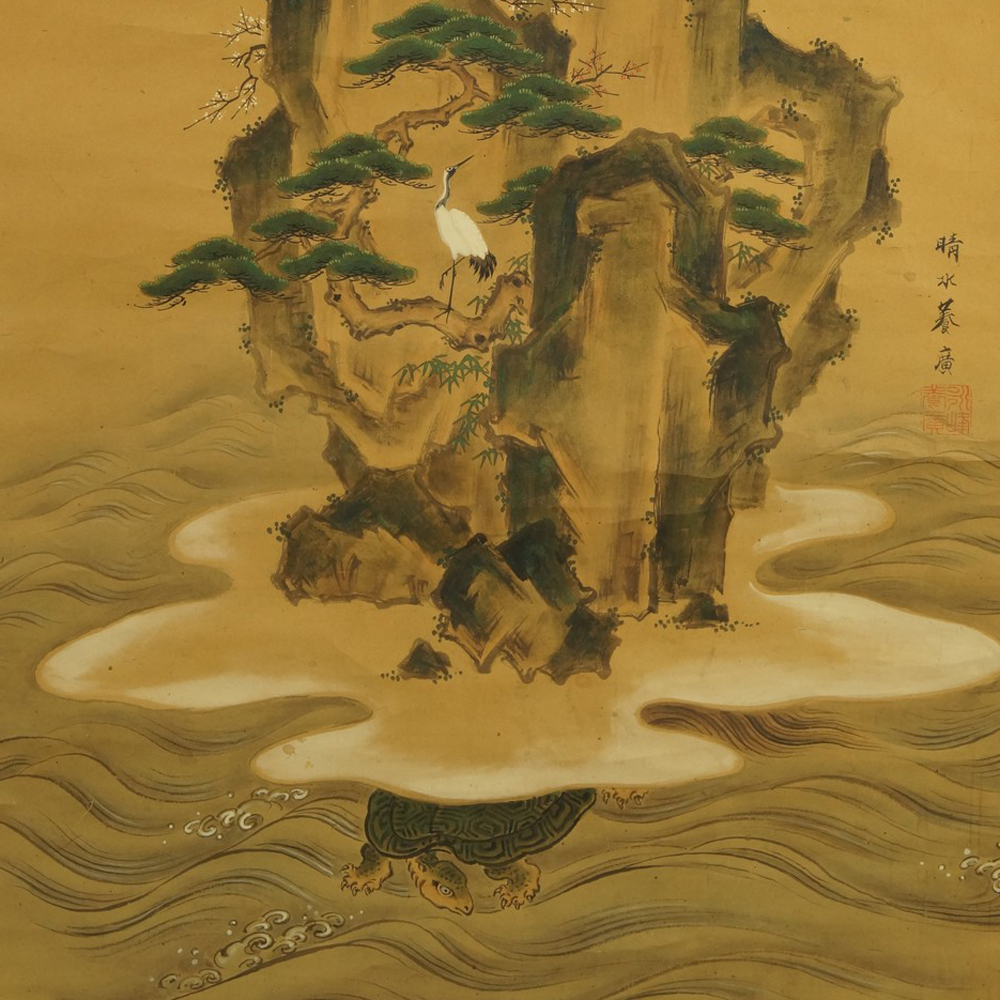
Mount Horai
Kakemono, unique work, 171 x 65 cm
Sold
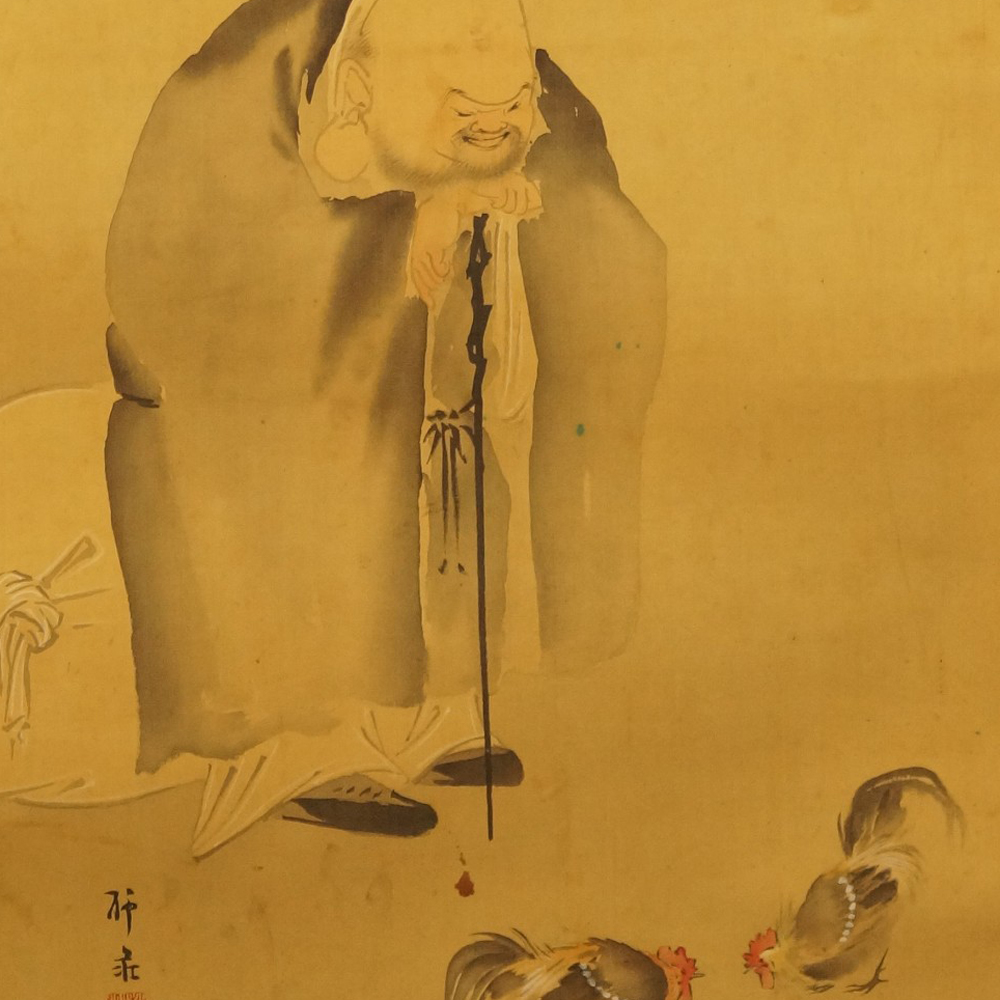
Hotei with Two Roosters and Inscription
Kakemono, unique work, with box, 186 x 53 cm
Sold
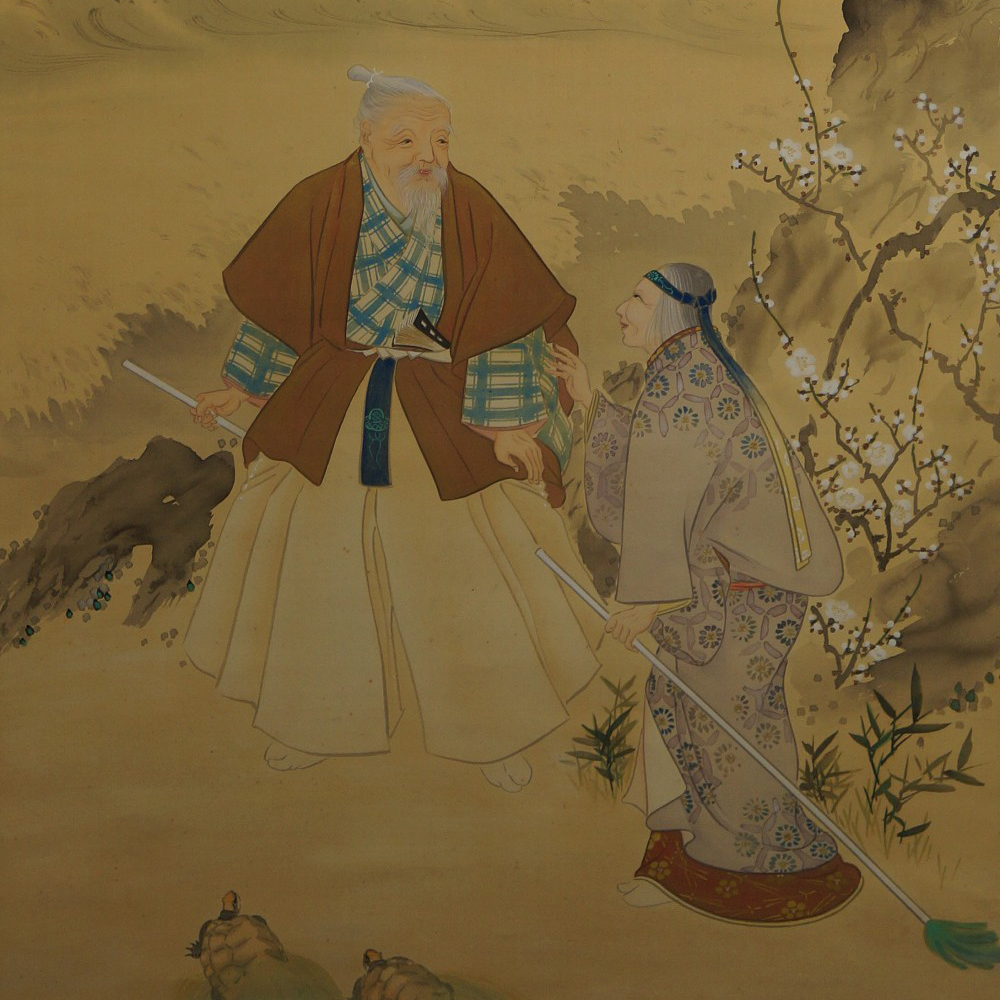
Takasago - The Old Couple with Turtles by the Sea
Kakemono, unique work, 200 x 71 cm
Sold
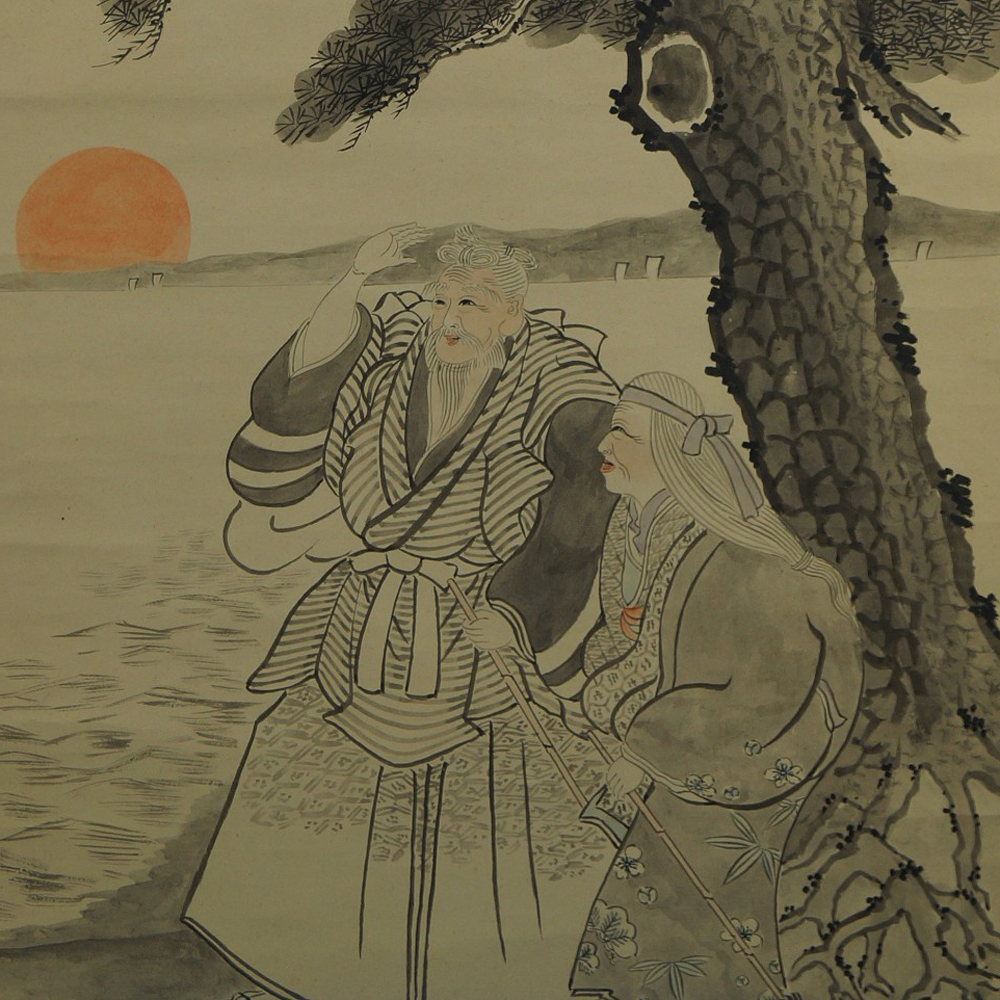
Shōnen
Takasago - Cranes in the Pine Above the Old Couple
Kakemono, unique work, 183 x 60 cm
Sold
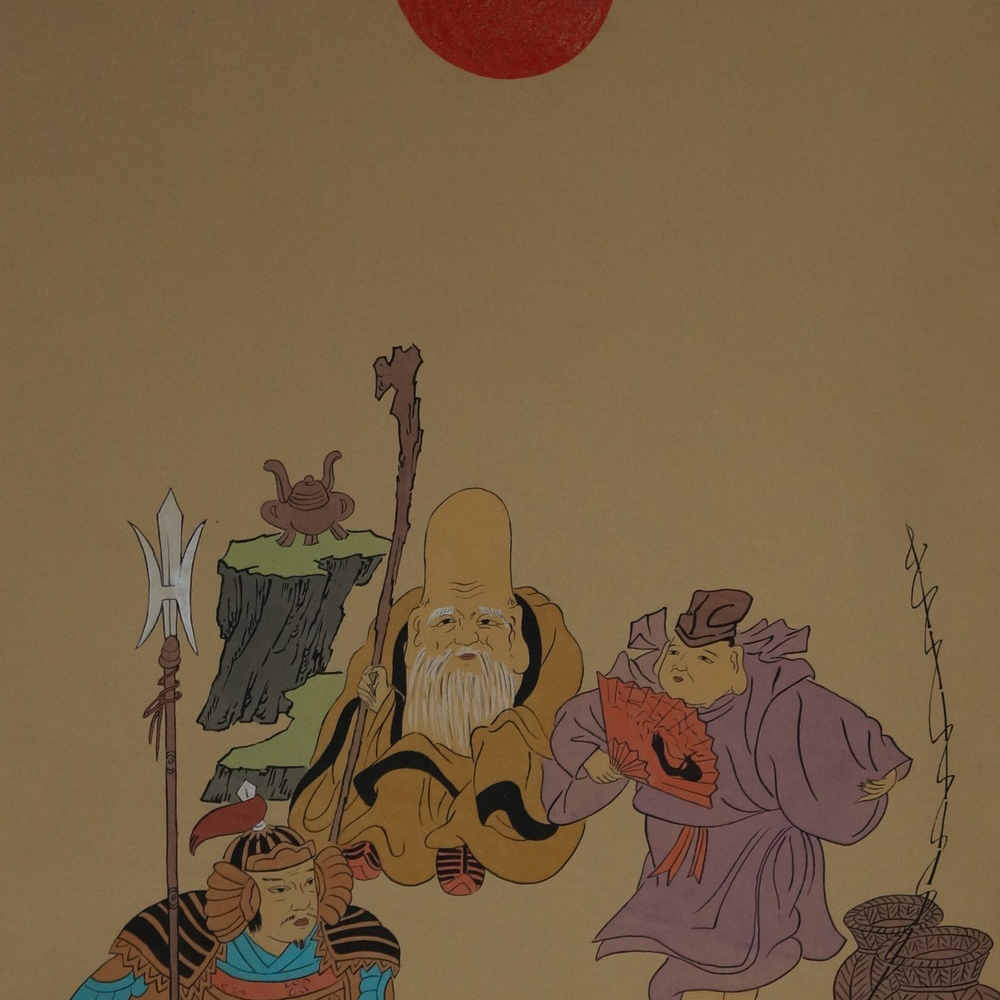
The Seven Lucky Gods Under the Red Sun
Kakemono, Silkscreen, 170 x 59 cm
Sold
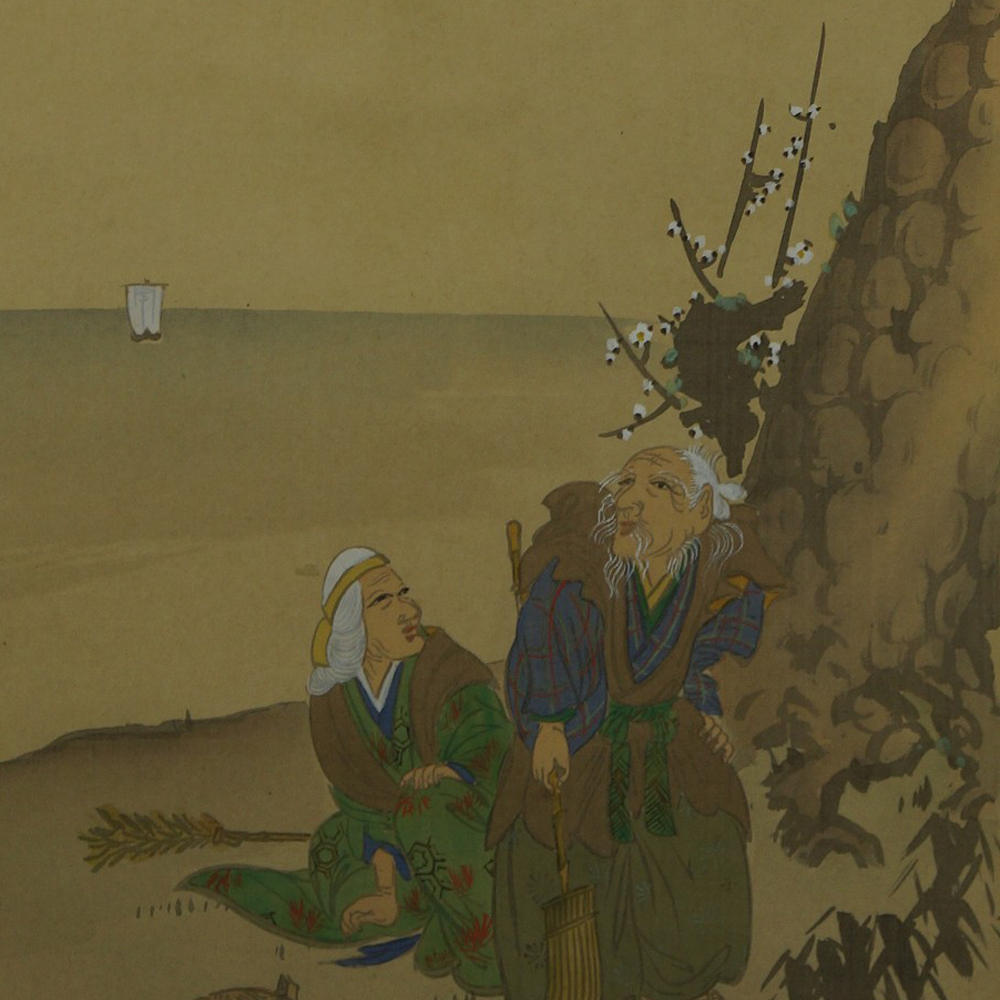
Takasago - The Old Couple on the Shore with a Sailboat
Kakemono, unique work, 184 x 60 cm
Sold
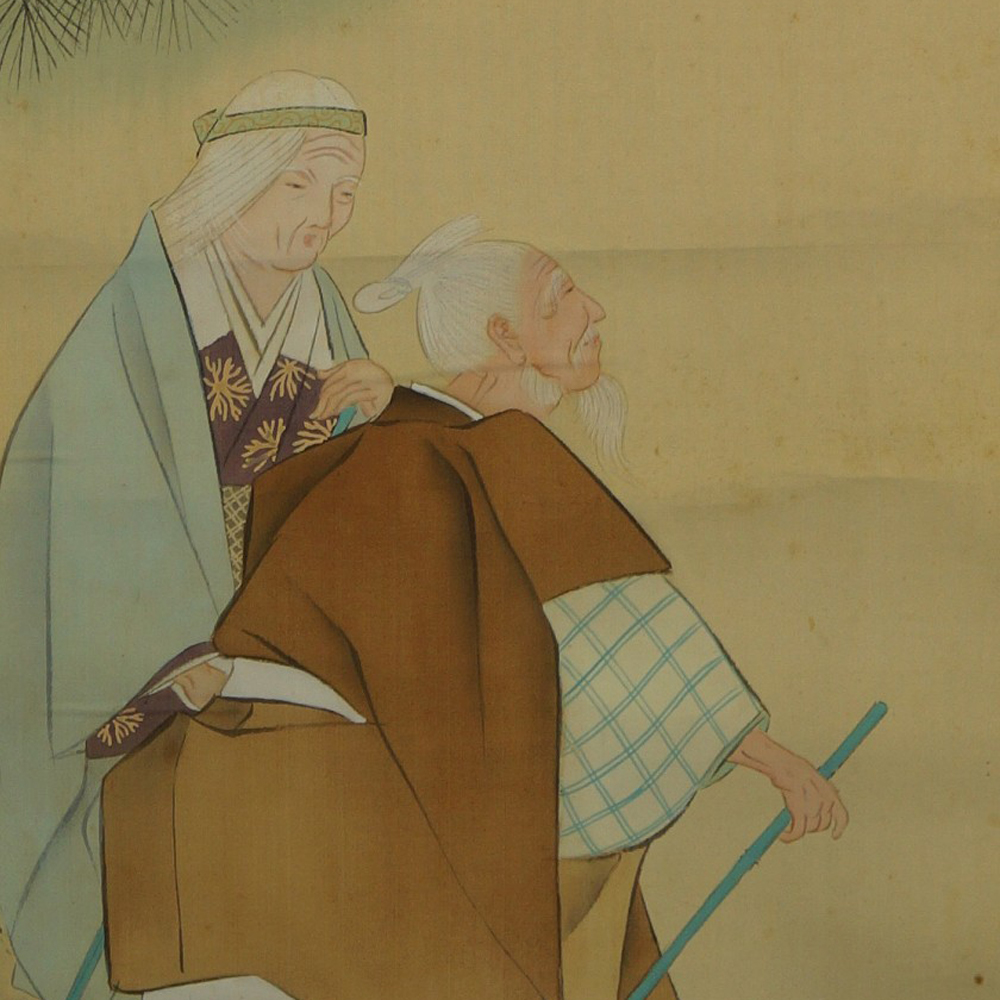
Hōgetsu
Takasago - Jō and Uba with Rake and Broom
Kakemono, unique work, 192 x 52 cm
Sold
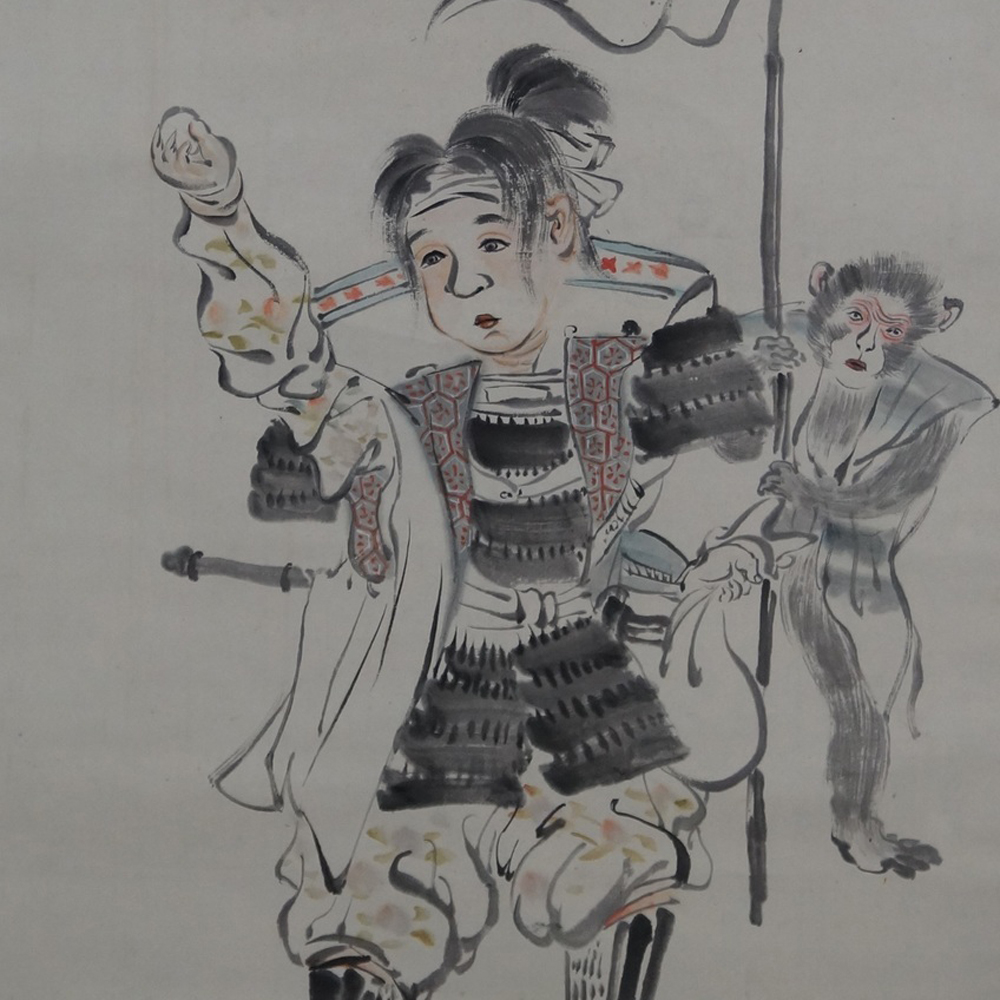
Momotaro with Monkey and Dog
Kakemono, unique work, 200 x 75 cm
Sold
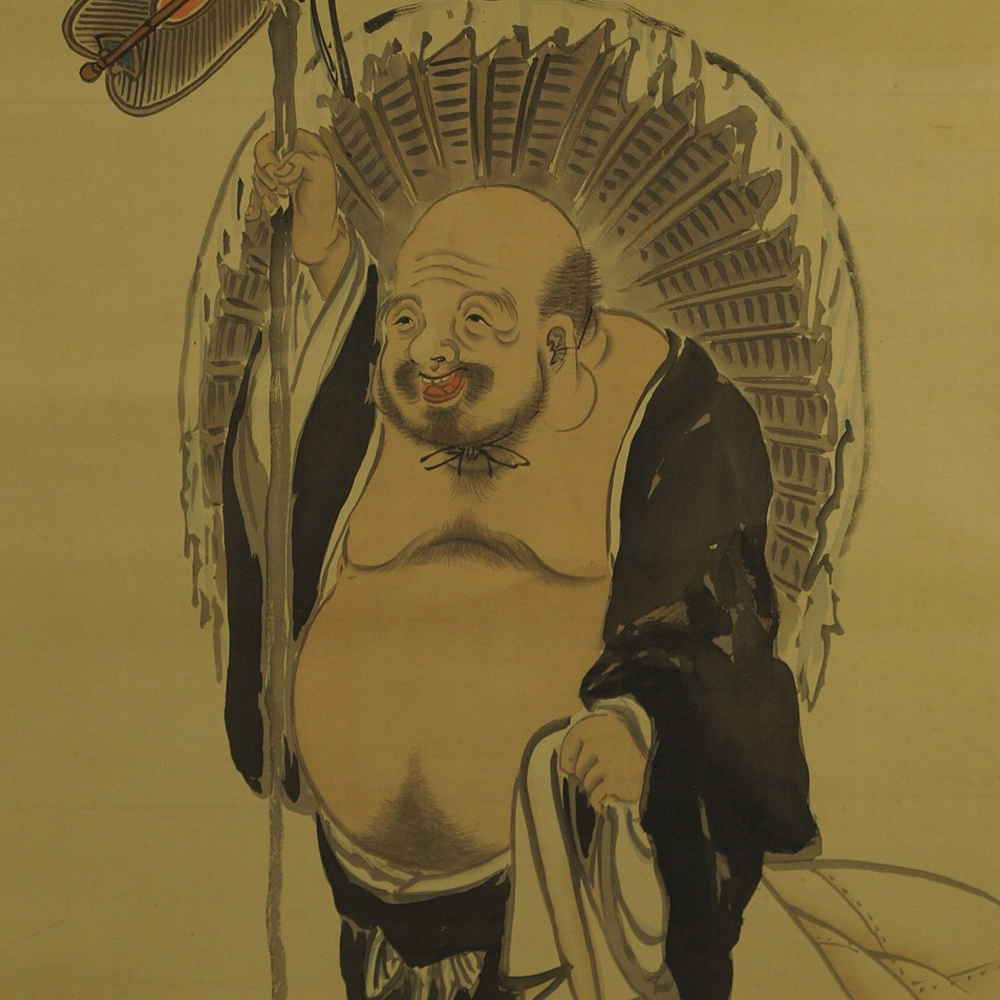
Shūdō
Standing Hotei with Staff and Fan
Kakemono, unique work, 190 x 61 cm
Sold
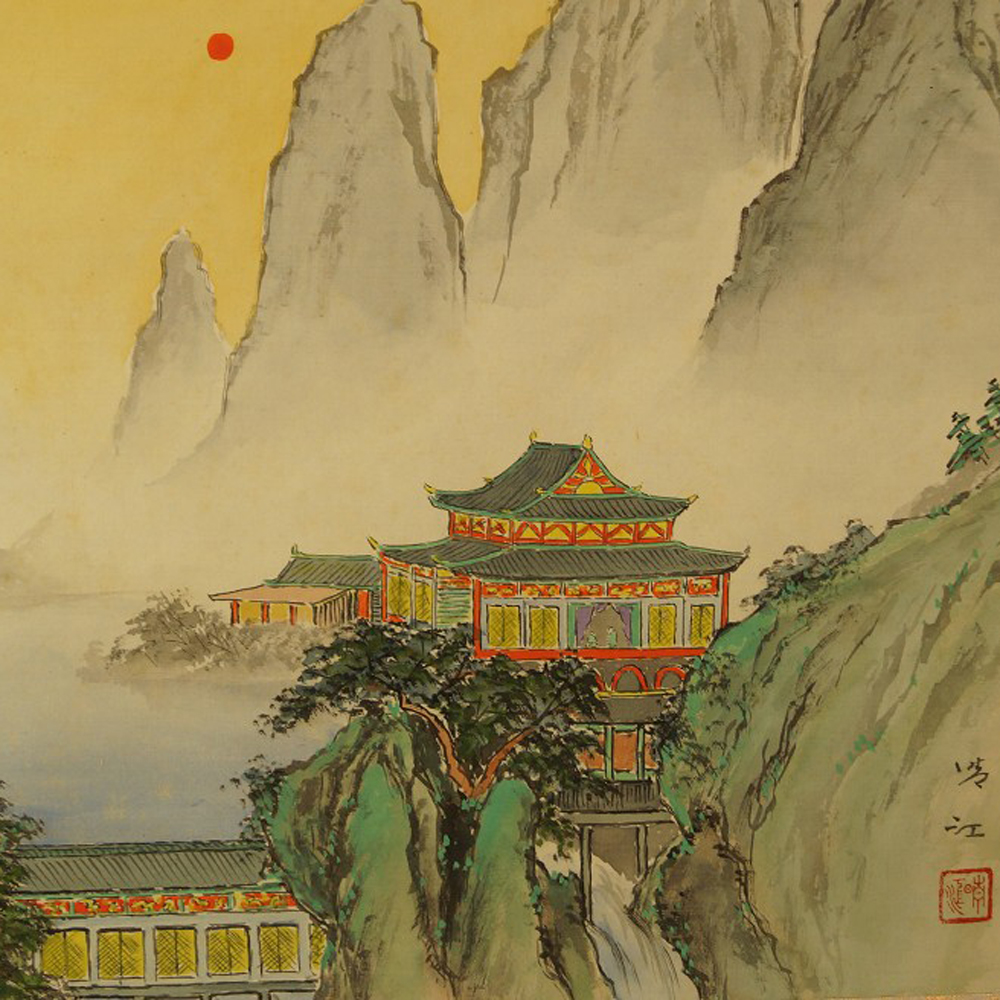
Mount Hōrai
Kakemono, unique work, with box, 132 x 70 cm
Sold
42 of 42 items shown
A World Between Gods, Spirits, and Forces of Nature
Japanese mythology is closely interwoven with Shinto, which attributes distinct deities, called kami, to natural phenomena and places. This world is complemented by Buddhist figures as well as by a rich tradition of folk legends featuring beings such as Kitsune, Tengu, or Oni – figures that have taken shape in painting for centuries and remain alive today in literature, theater, and the visual arts. Unlike in many Western mythologies, Japan has no strict separation between "religious" and "folk" figures; Shinto deities, Buddhist guardian beings, and legendary figures often exist side by side and intermingle in visual imagery.
The Dragon as a Symbol of the Power of Nature
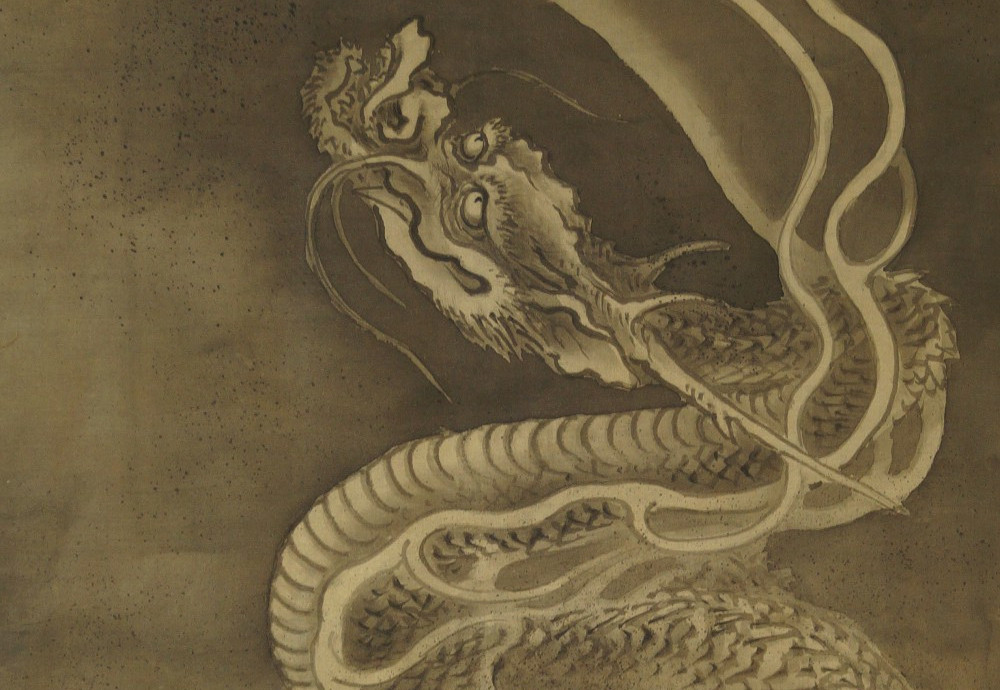
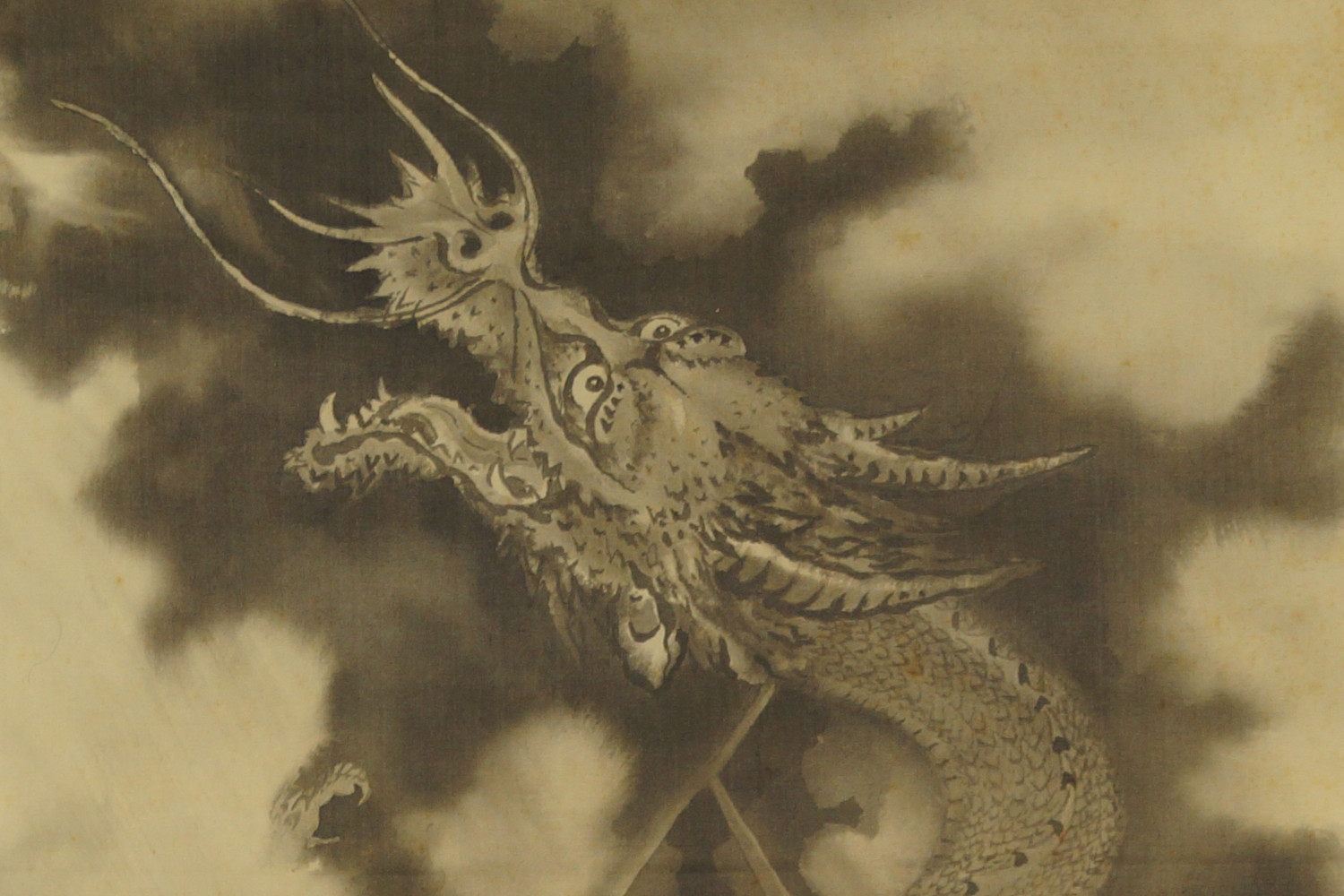
The dragon, Japanese Ryū, is among the most popular mythological motifs and stands for water, weather, and untamed natural power. Unlike the Western dragon, in Japan it is generally not regarded as threatening but as a powerful protector and bringer of rain and fertility, closely associated with rivers, lakes, and the sea. In temples, the dragon is often found as a ceiling painting above the main entrance, where it watches over visitors – a motif that also unfolds its powerful, protective effect on kakemono.
Kitsune, Tengu, and Oni
The Kitsune, a fox spirit with magical abilities and the gift of shapeshifting, is regarded, depending on the narrative tradition, either as the messenger of the rice deity Inari or as a cunning trickster who can both help and tease people. The Tengu, a hybrid being with a long nose or bird's beak, red facial features, and wings, is said by legend to inhabit the mountains and represents supernatural martial arts as well as the wildness of untouched nature. The Oni, a demonic figure with horns and often red or blue skin, generally embodies misfortune and punishment, but in some contexts – such as the traditional Setsubun festival, where beans are thrown at Oni – also serves as a protective figure against even greater evil.
Kami and Nature Deities
Kami can embody mountains, rivers, trees, or even abstract forces such as fertility, craftsmanship, or good fortune, and their number is considered practically unlimited in the Shinto tradition. In painting, they are rarely depicted realistically, but often symbolically through attributes, accompanying nature motifs, or characteristic clothing, so that their identity frequently only becomes clear from the overall context of the image.
Mythological Motifs in Art, Literature, and Everyday Life
Many of these figures are already familiar to travelers to Japan and those interested in its culture from literature, theater (Noh and Kabuki), or modern popular culture, which makes mythological kakemono a particularly accessible entry point into Japanese narrative tradition. At the same time, engaging with the origin stories behind the motifs opens up a fascinating depth that goes far beyond mere visual appreciation.
Mythology as Visual Language for Today
A mythological motif in one's own home is more than decoration – it carries forward a centuries-old narrative tradition and invites one to engage with the stories behind the image. Whether as a conversation starter for guests or as a personal retreat into a fantastical visual world: mythological kakemono combine painterly quality with narrative depth like hardly any other category of Japanese art.
Shinto and Buddhism as a Shared Foundation
Unlike in many other cultures, Shinto and Buddhism in Japan have existed largely peacefully side by side for centuries and have mutually permeated many areas of art and narrative tradition. This fusion of religious concepts, known as Shinbutsu-shūgō, explains why many mythological pictorial motifs feature both Shinto nature deities and Buddhist guardian figures simultaneously, often without any contradiction being felt between the two traditions.
Mythological Motifs as a Collecting Field
For collectors who wish to engage more deeply with Japanese Mythology, this category offers a particularly rich field: from regionally varying dragon legends to different depictions of the Kitsune to the numerous, often only locally known kami deities, a collection can be expanded in a targeted way to encompass ever new, specific narrative traditions. Many collectors begin with a generally well-known motif such as the dragon and then increasingly deepen their interest in more specialized, regionally distinct legendary figures.
Immerse yourself in the world of gods and legends of Japan – and let a piece of its ancient narrative power come alive in your home.