
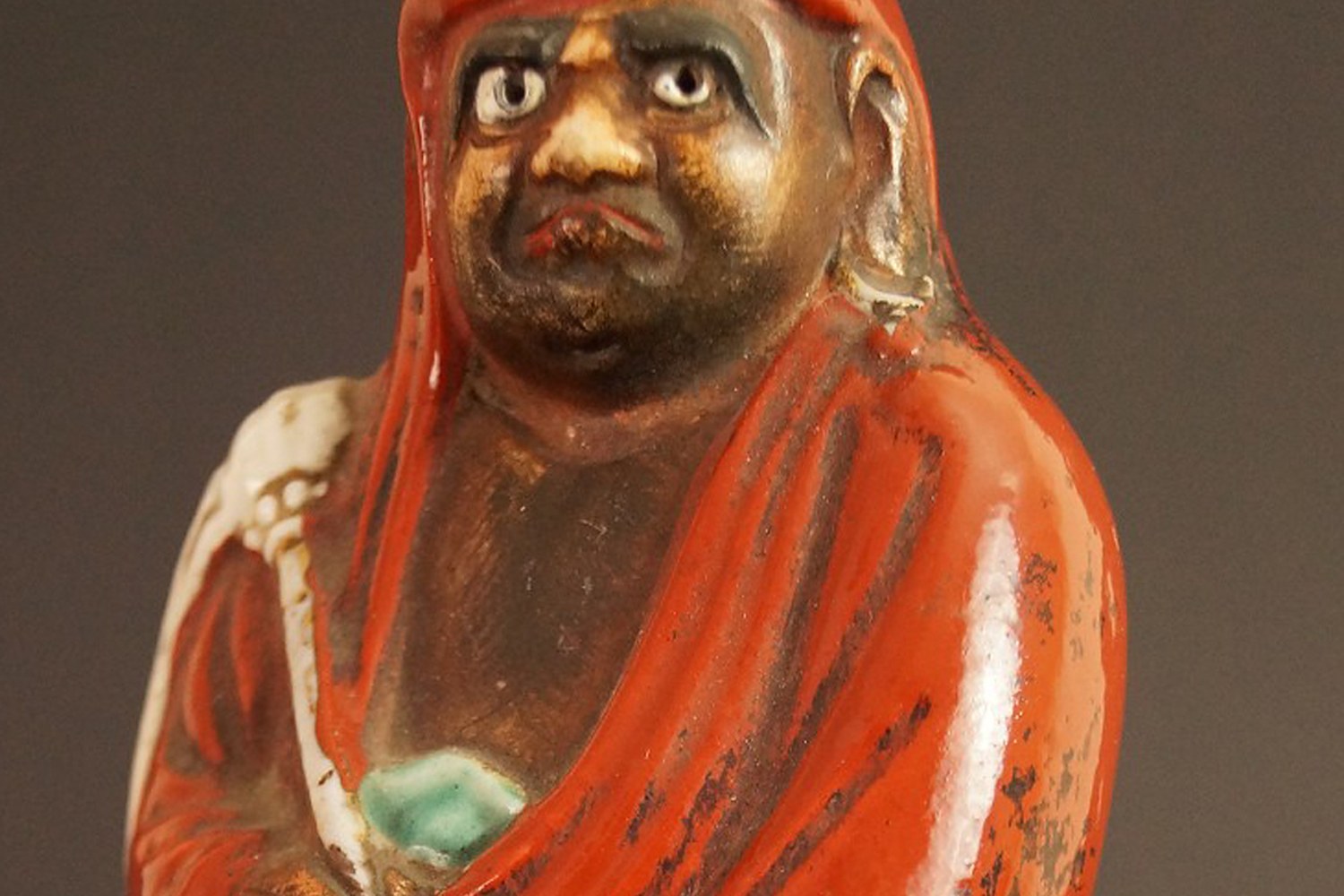
Japanese Daruma Figures
Go directly to the artworksIn brief
Daruma figures depict Bodhidharma, known in Japan as Daruma, the Indian monk who according to tradition came to China around 520 and is regarded as the founder of Zen Buddhism. Typical features are the piercing gaze beneath heavy brows, the full beard and the robe drawn up over the head – reminders of the nine years of meditation facing a wall told in the legend. In Japan the subject was rendered as a figure in unglazed Bizen ceramics, in brightly colored Kutani porcelain and, more rarely, in wood. At Densho you will find Daruma figures as handmade one-of-a-kind pieces direct from Japan.
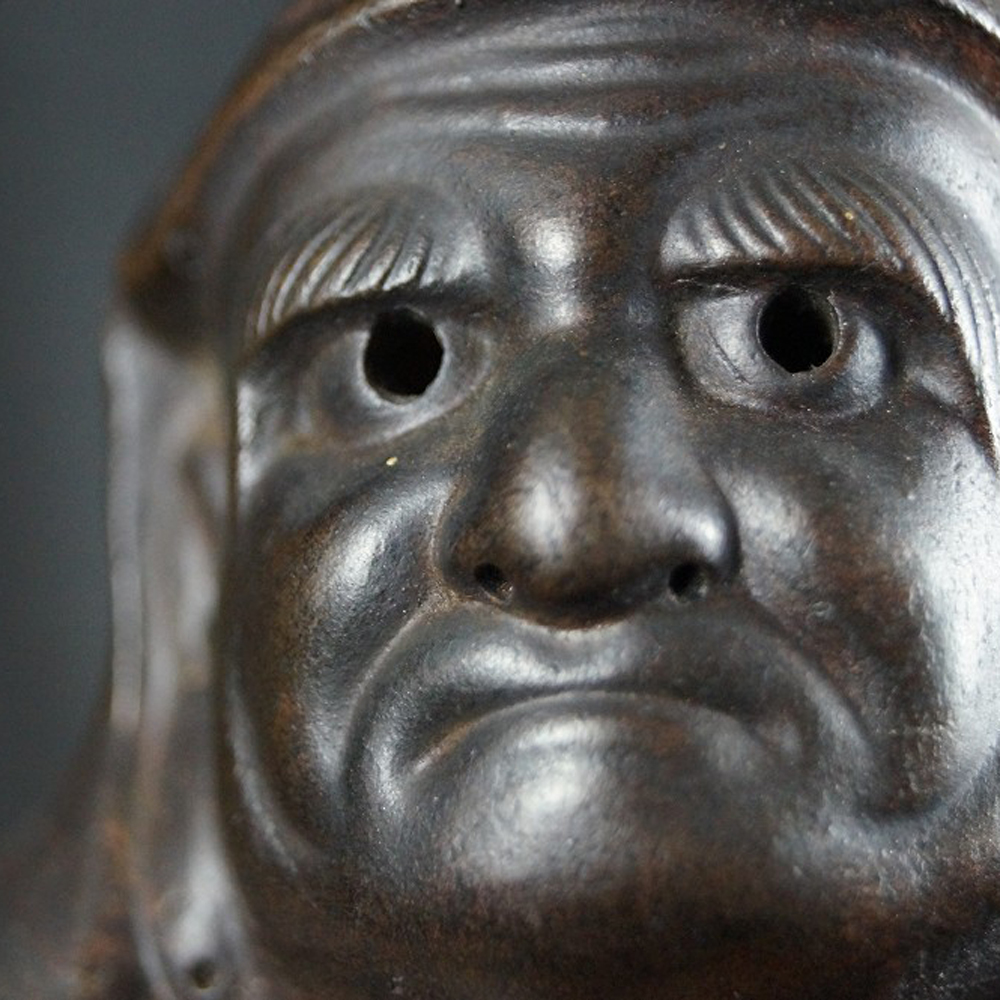
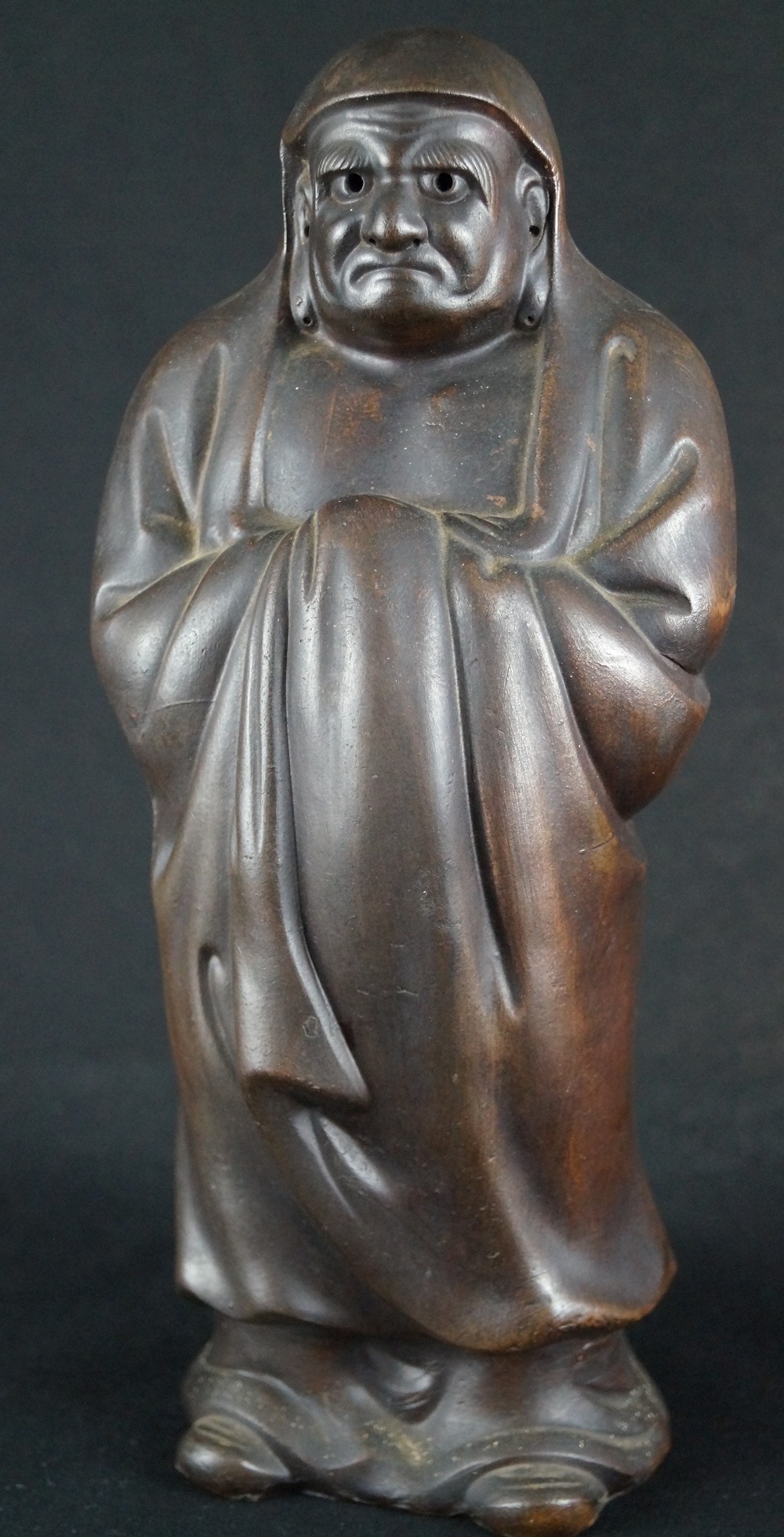
Daruma Figure Made of Bizen Ware with Pensive Expression
Figure, unique work, 29 x 11 cm
€280.00
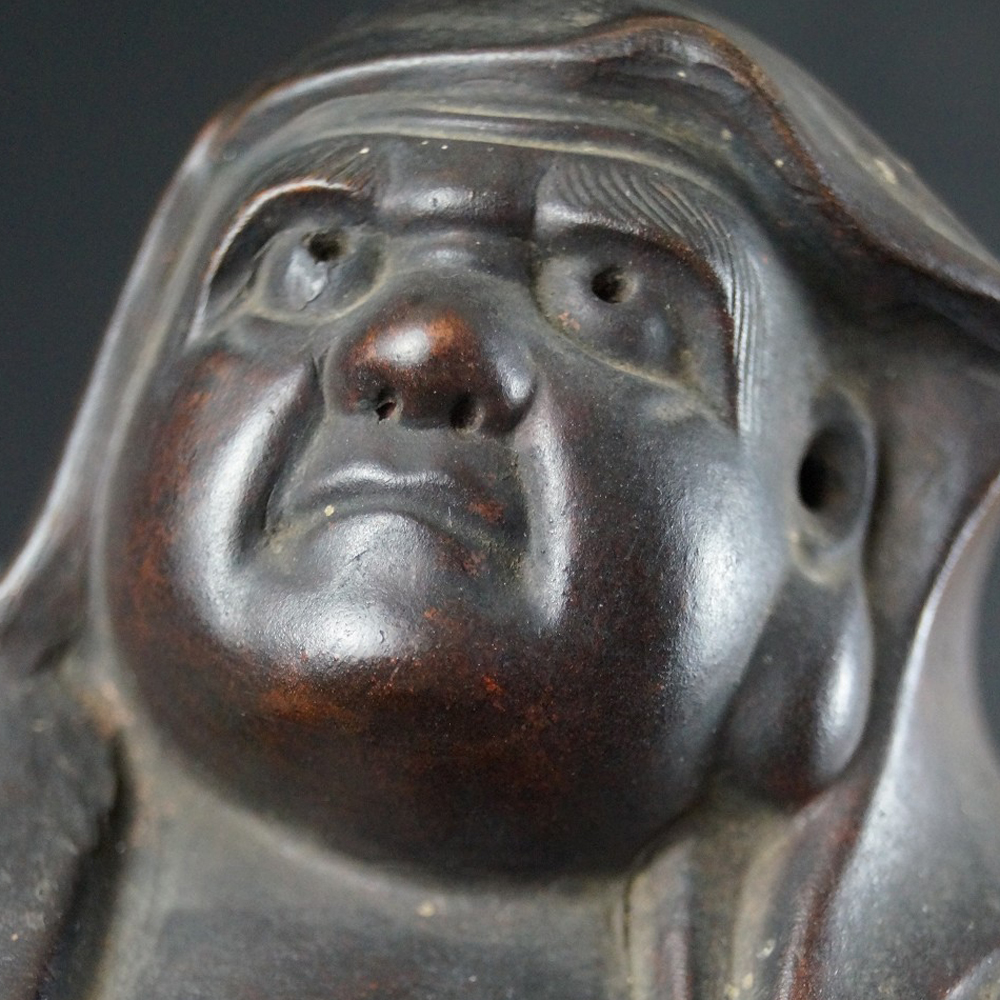
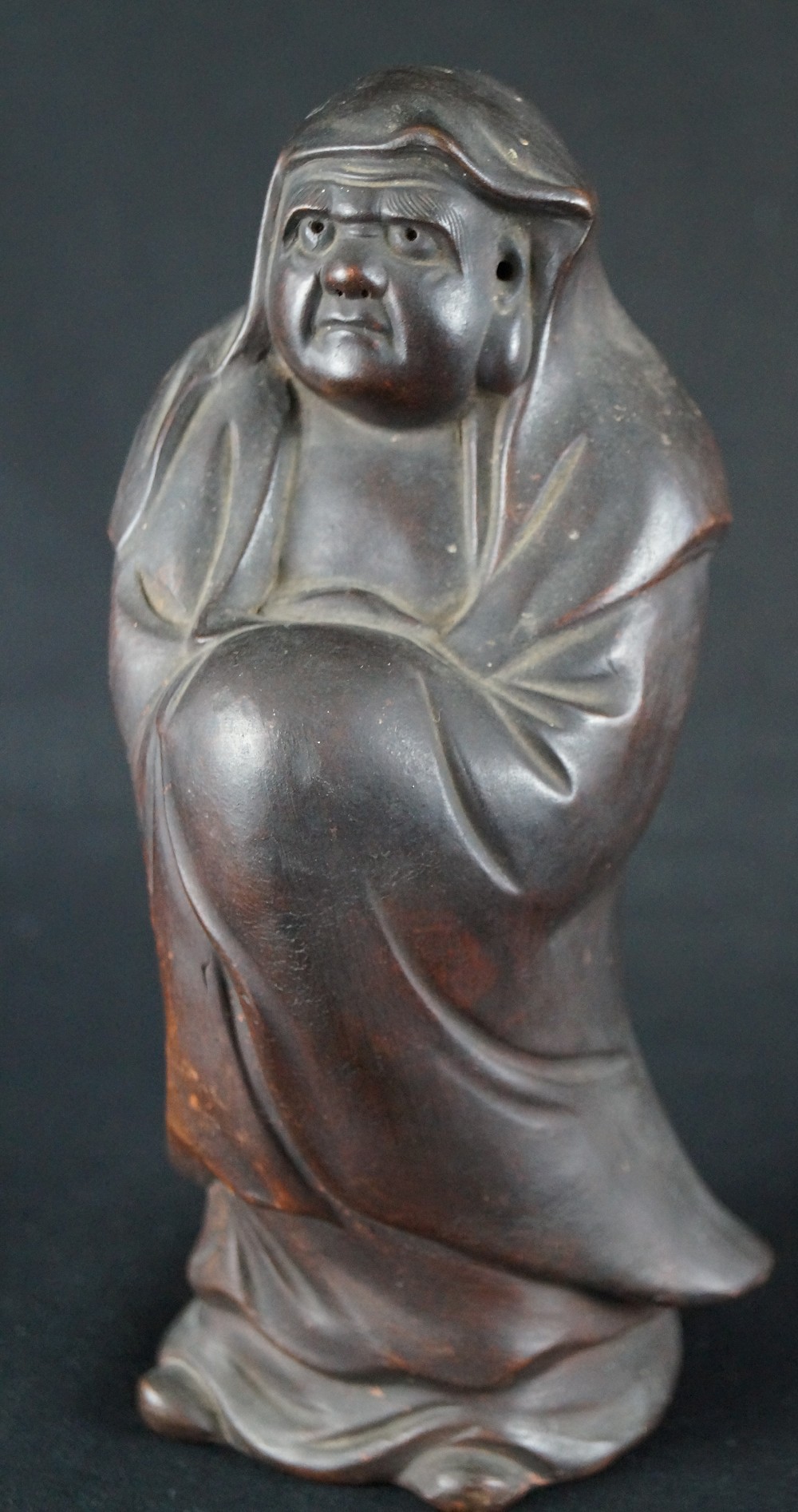
Bodhidharma (Daruma) Figure with Fierce Gaze Made of Bizen Ware
Figure, unique work, 20 x 8 cm
€180.00
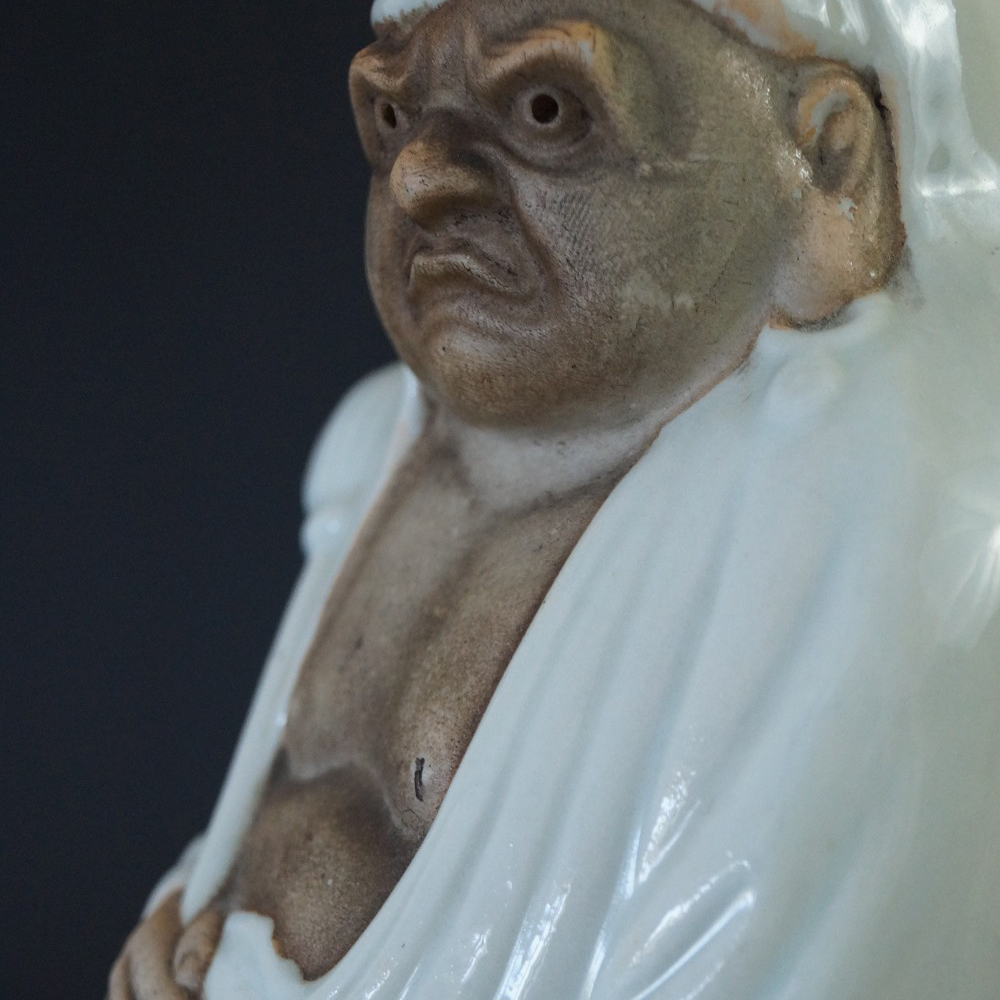
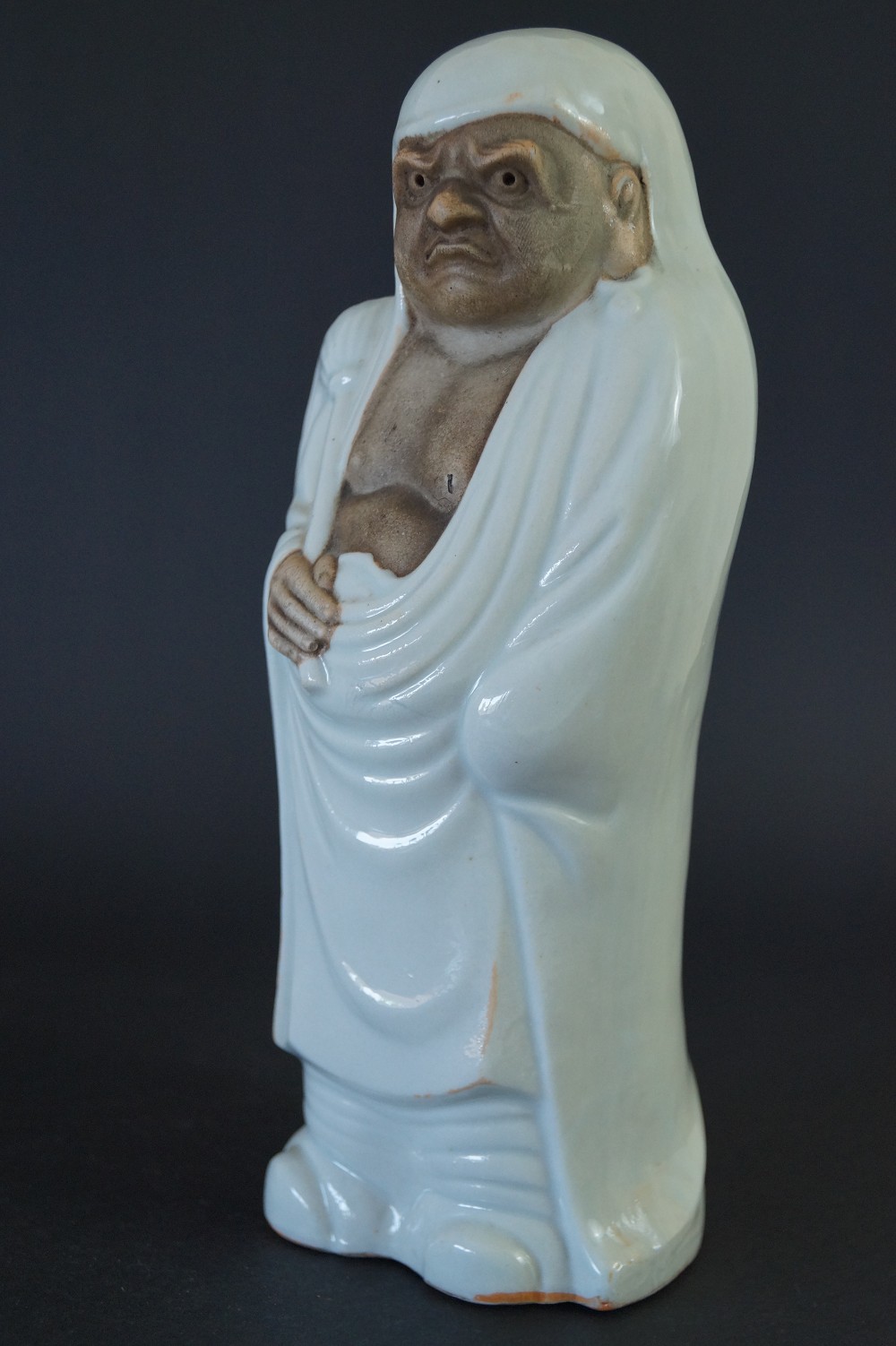
Daruma Figure Made of Kutani Porcelain in White Robe
Figure, unique work, 24 x 9 cm
€290.00
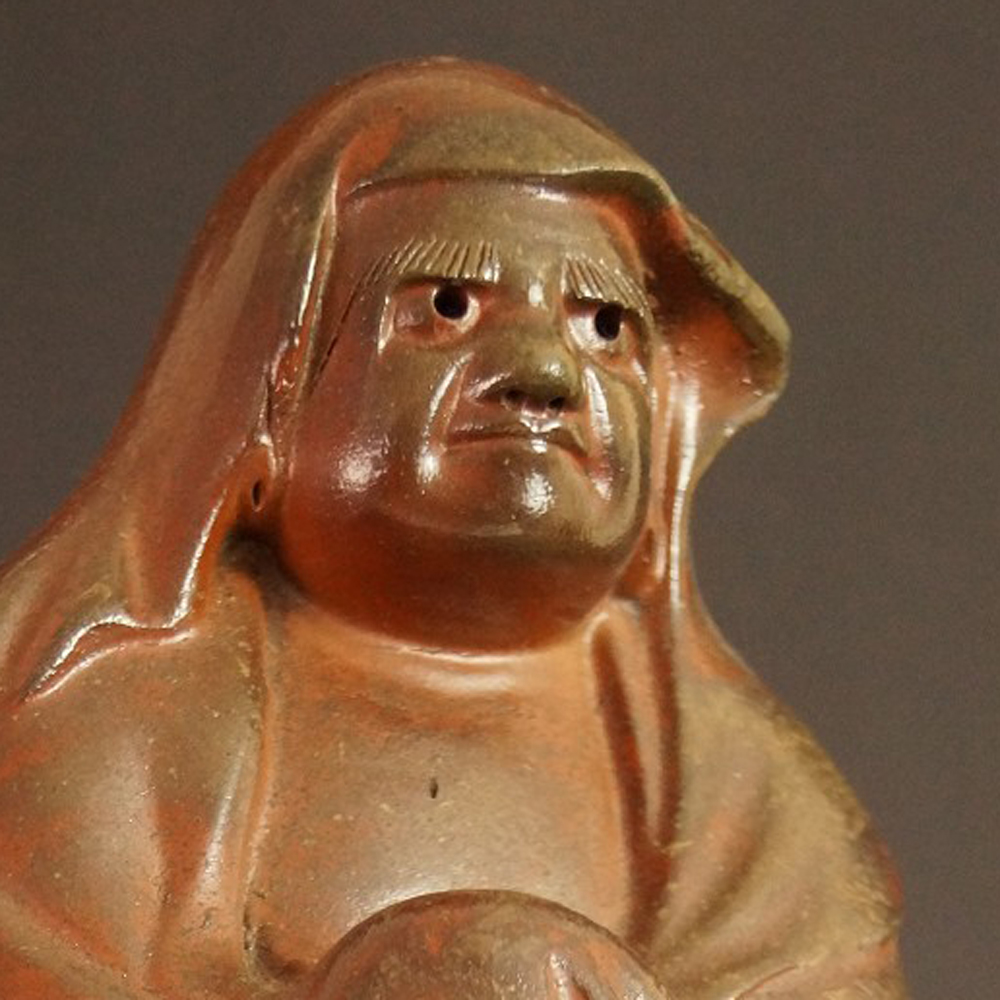
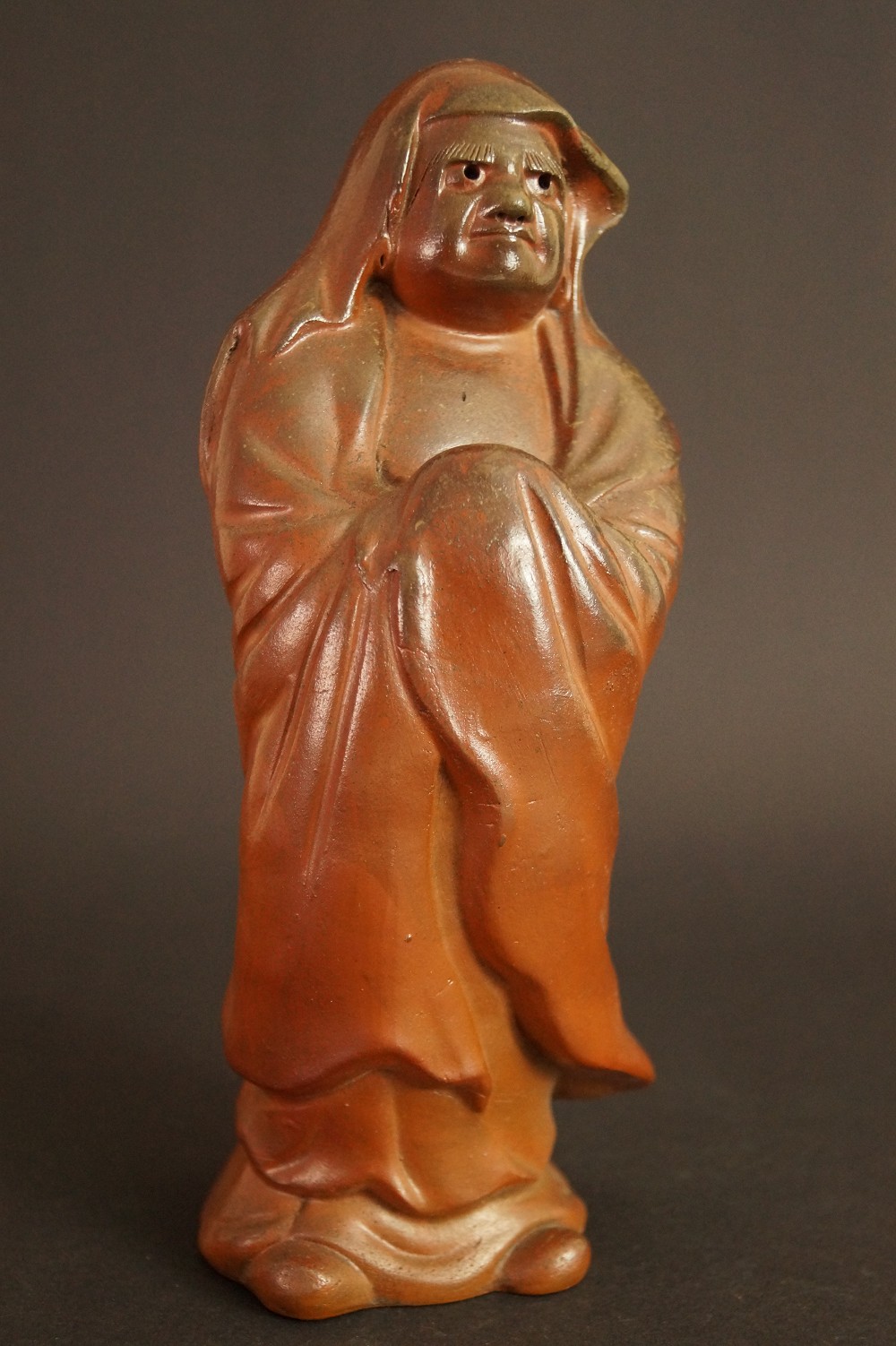
Bodhidharma (Daruma) Figure with Worried Expression Made of Bizen Ware
Figure, unique work, 22 x 10 cm
€180.00
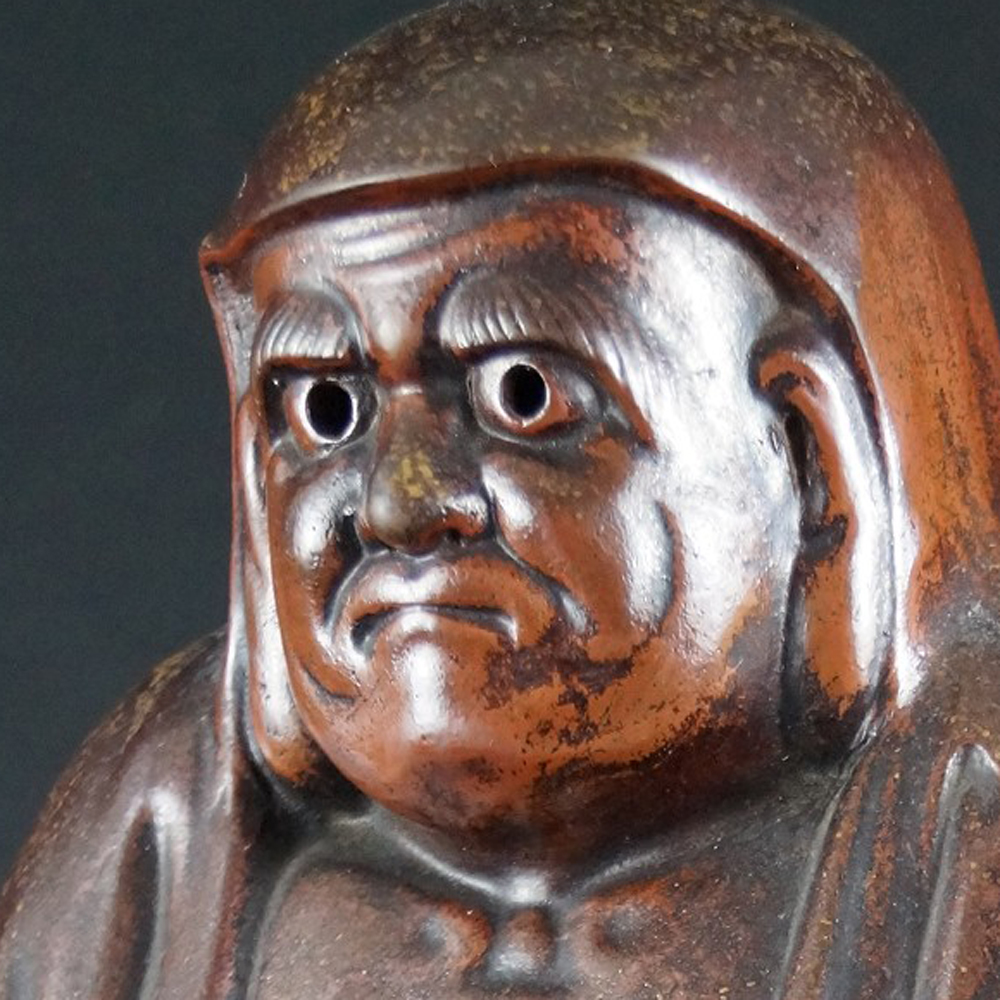
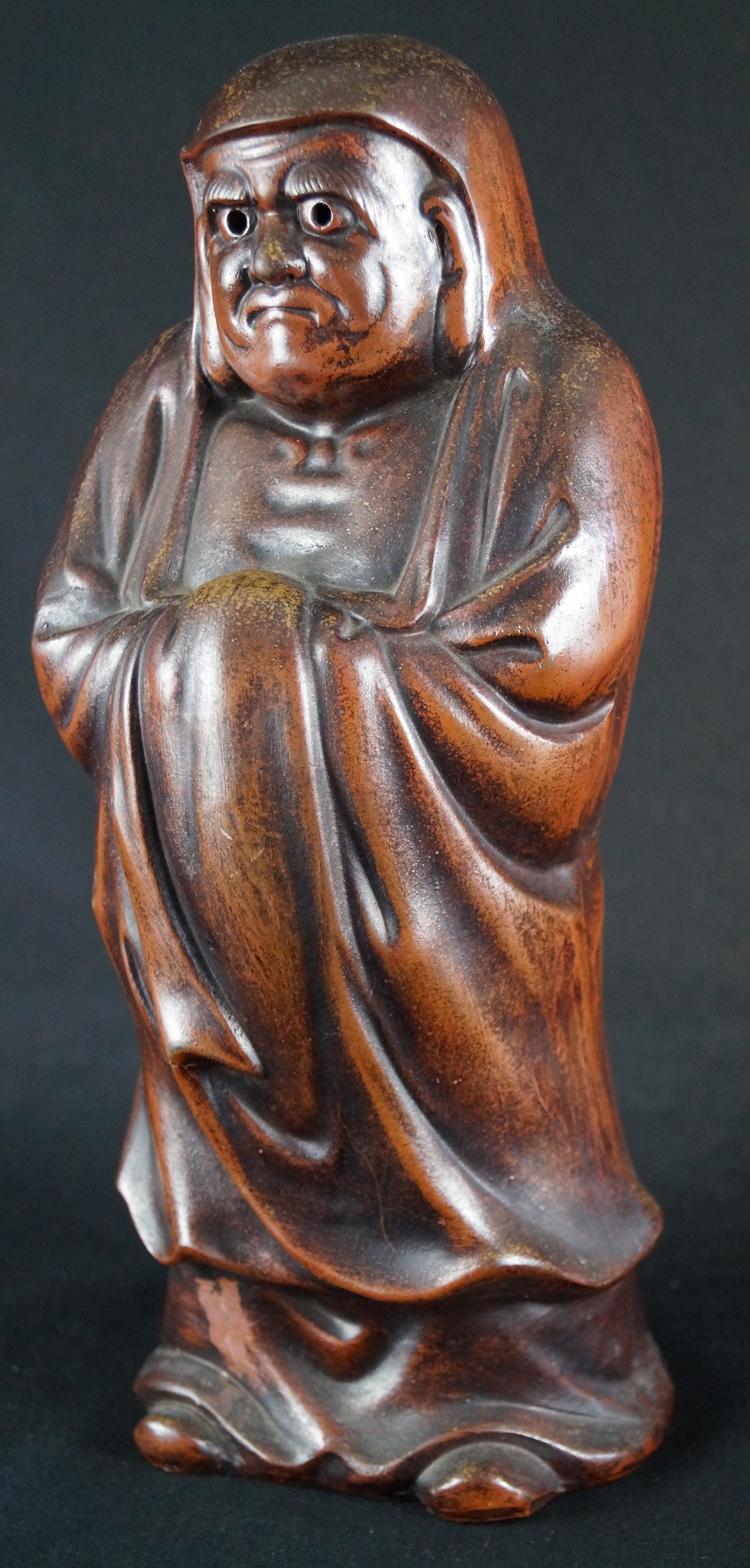
Daruma Figure Made of Bizen Ware with Wide Open Eyes
Figure, unique work, 30 x 12 cm
€280.00
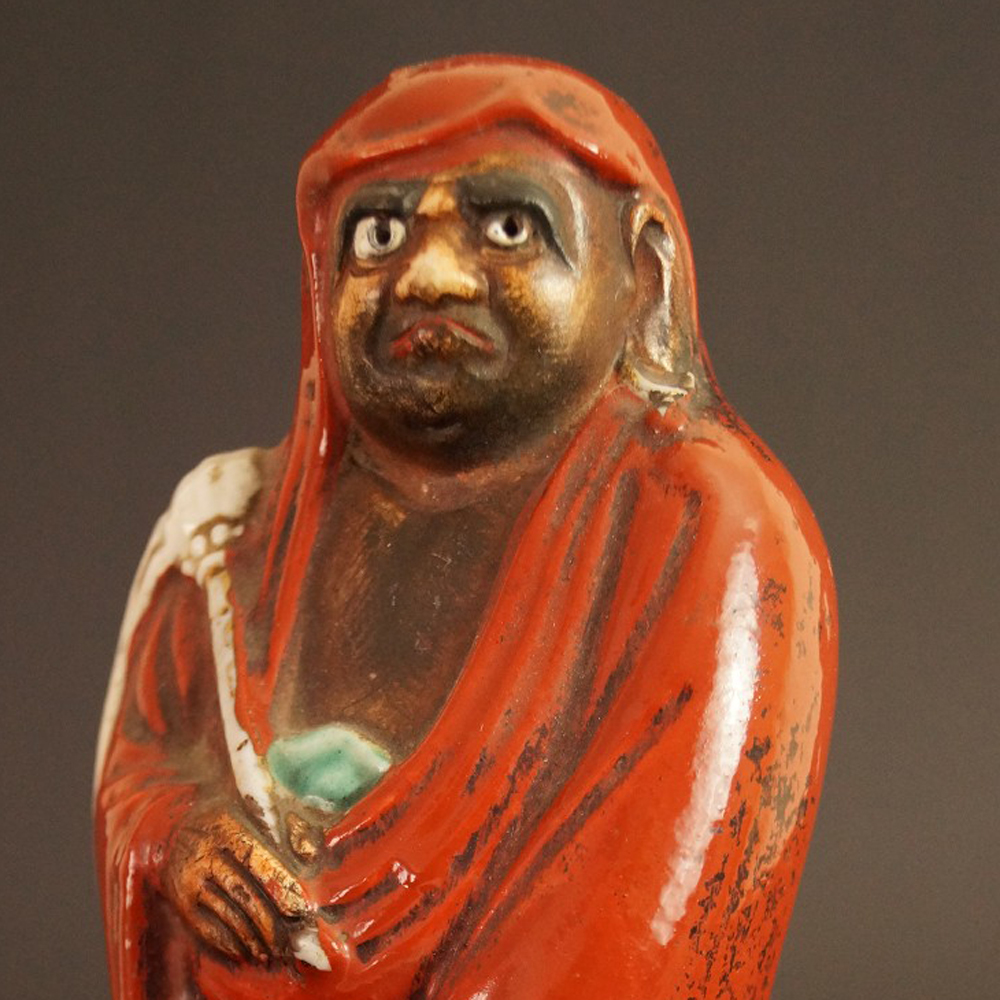
Bodhidharma (Daruma) Figure Made of Red Kutani Porcelain
Figure, unique work, 17,5 x 7,5 cm
Sold
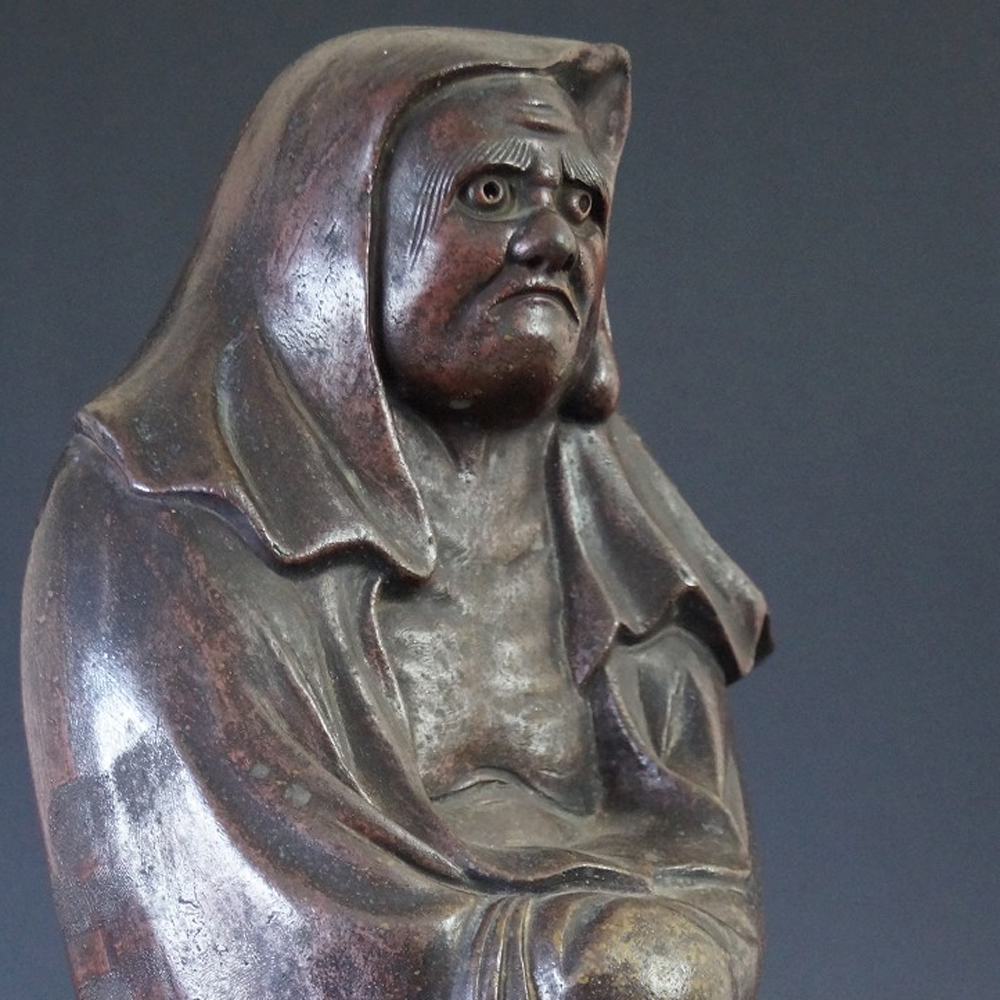
Daruma Figure Made of Bizen Ware with Averted Gaze
Figure, unique work, 32 x 14 cm
Sold
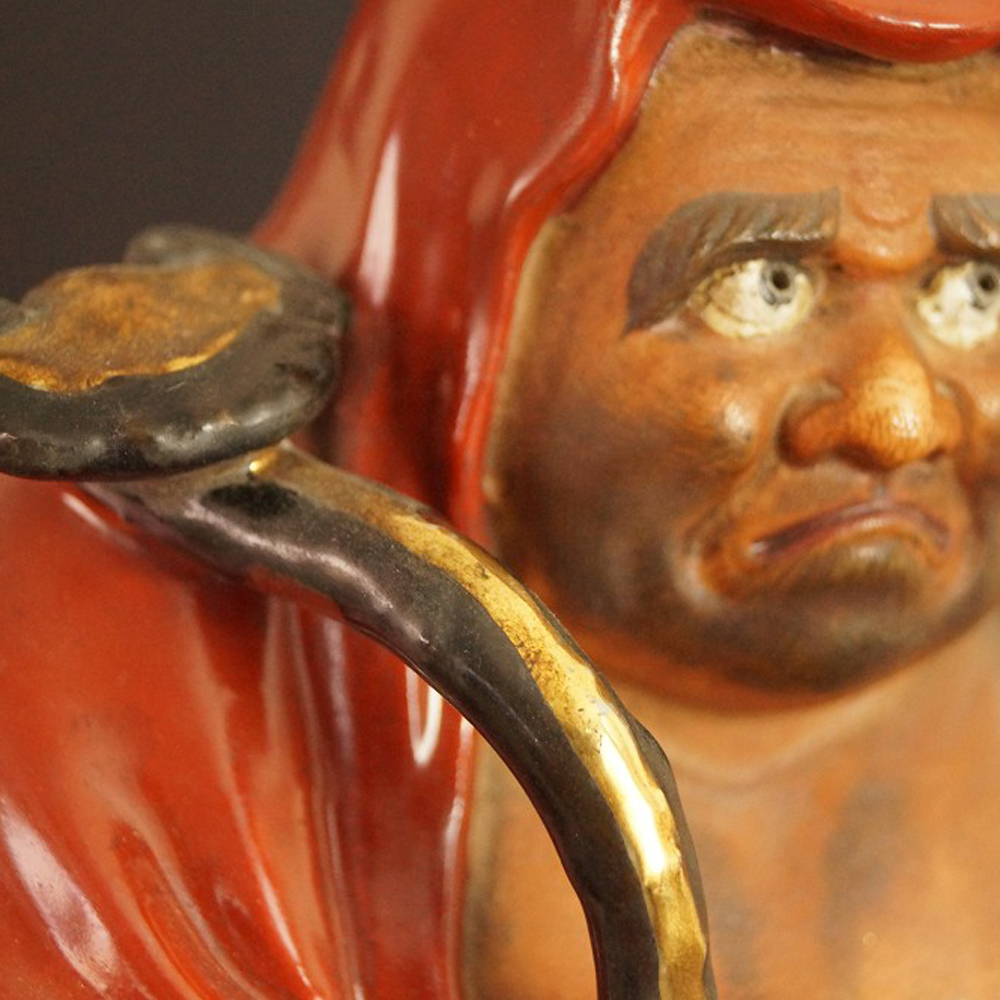
Large Daruma Figure Made of Red Kutani Porcelain
Figure, unique work, 31 x 15 cm
Sold
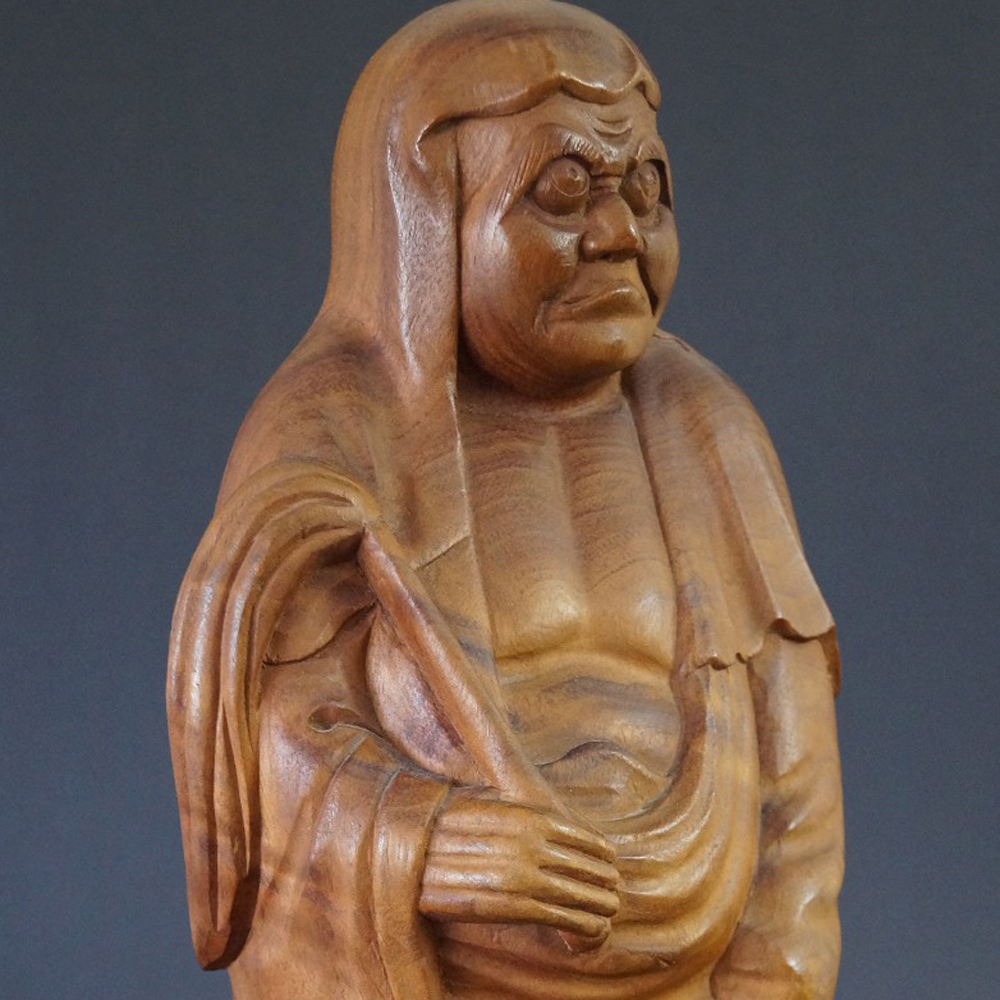
Japanese Bodhidharma (Daruma) Figure Made of Wood
Figure, unique work, 30 x 11 cm
Sold
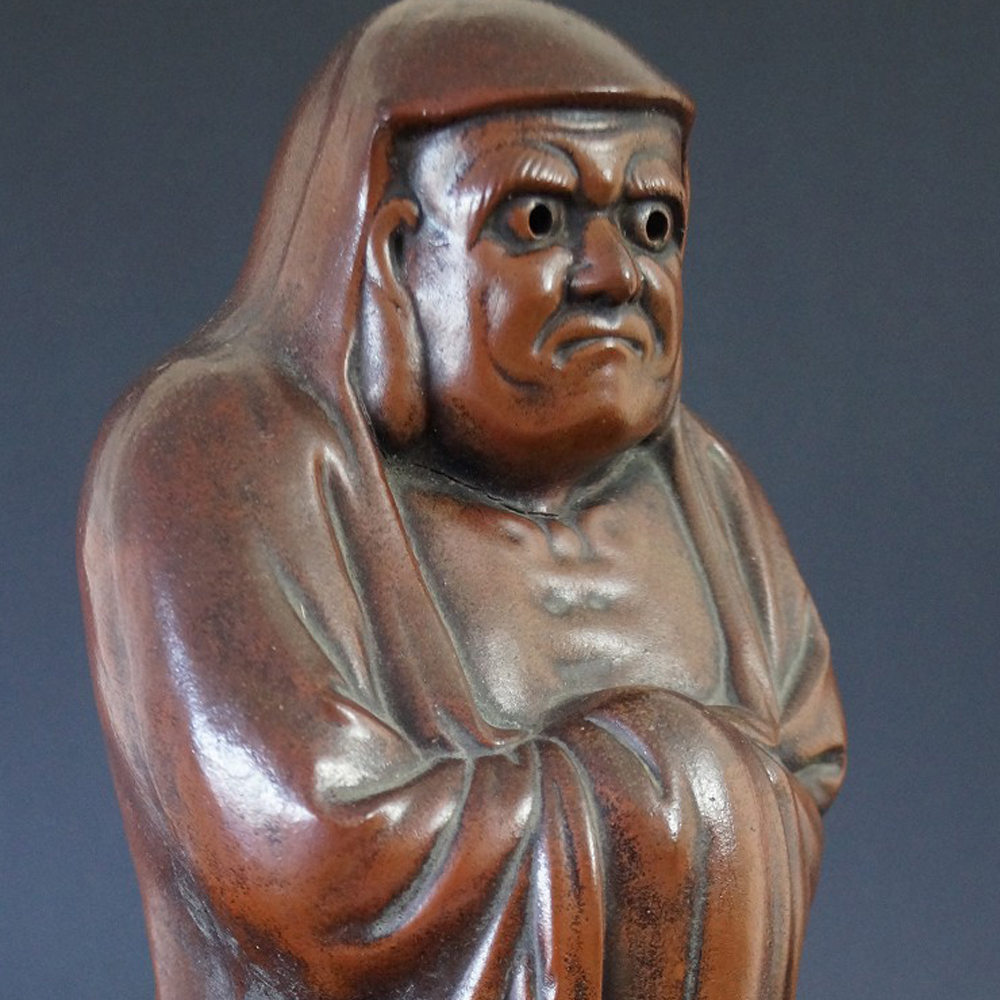
Daruma Figure Made of Bizen Ware with Crossed Arms
Figure, unique work, 30 x 12 cm
Sold
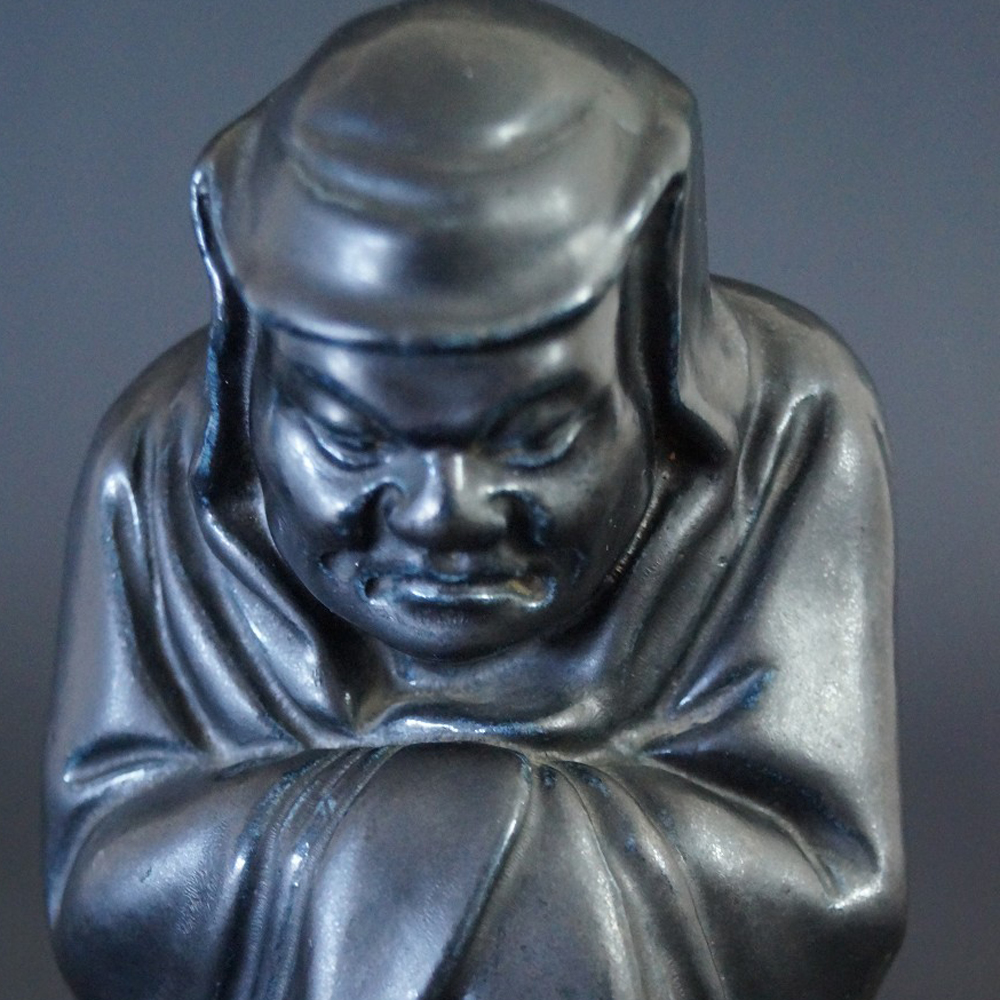
Daruma Figure Made of Black Kutani Porcelain
Figure, unique work, 14,5 x 13 cm
Sold
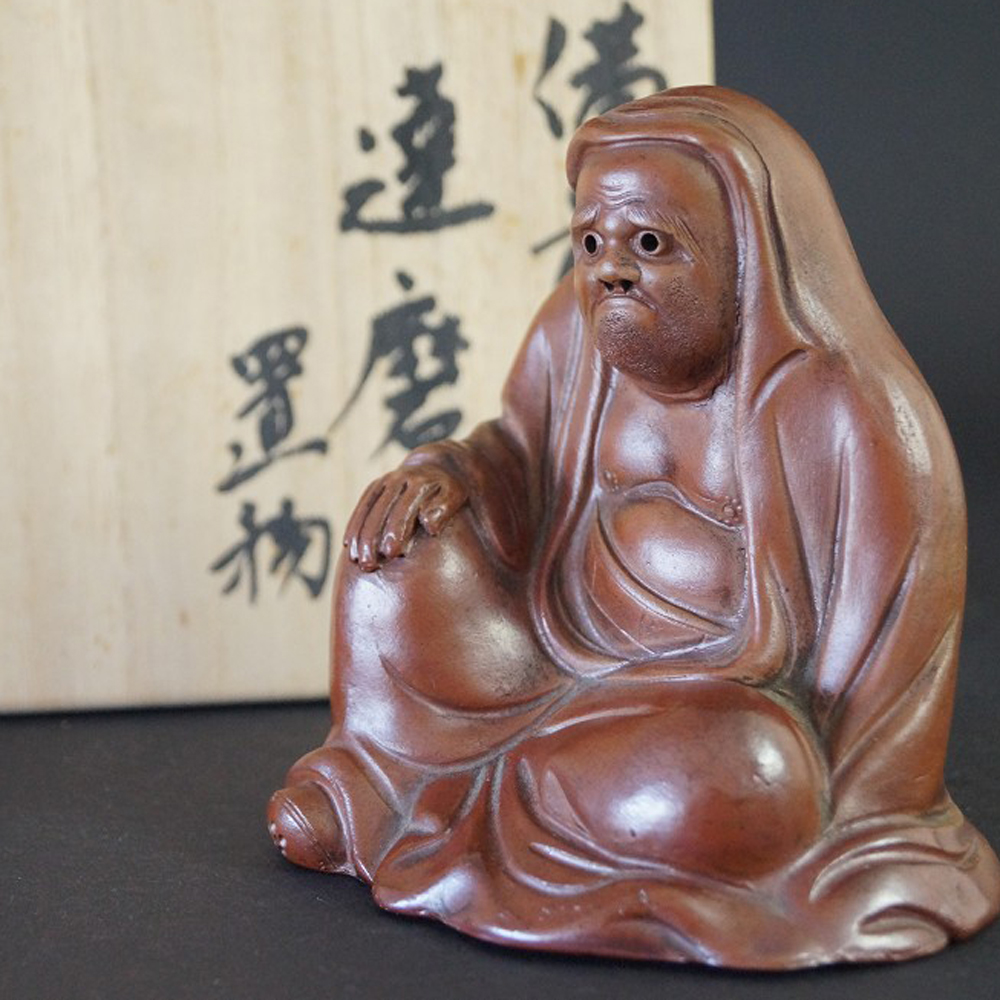
Japanese Bodhidharma Figure Made of Bizen Ware
Figure, unique work, with box, 11 x 10 cm
Sold
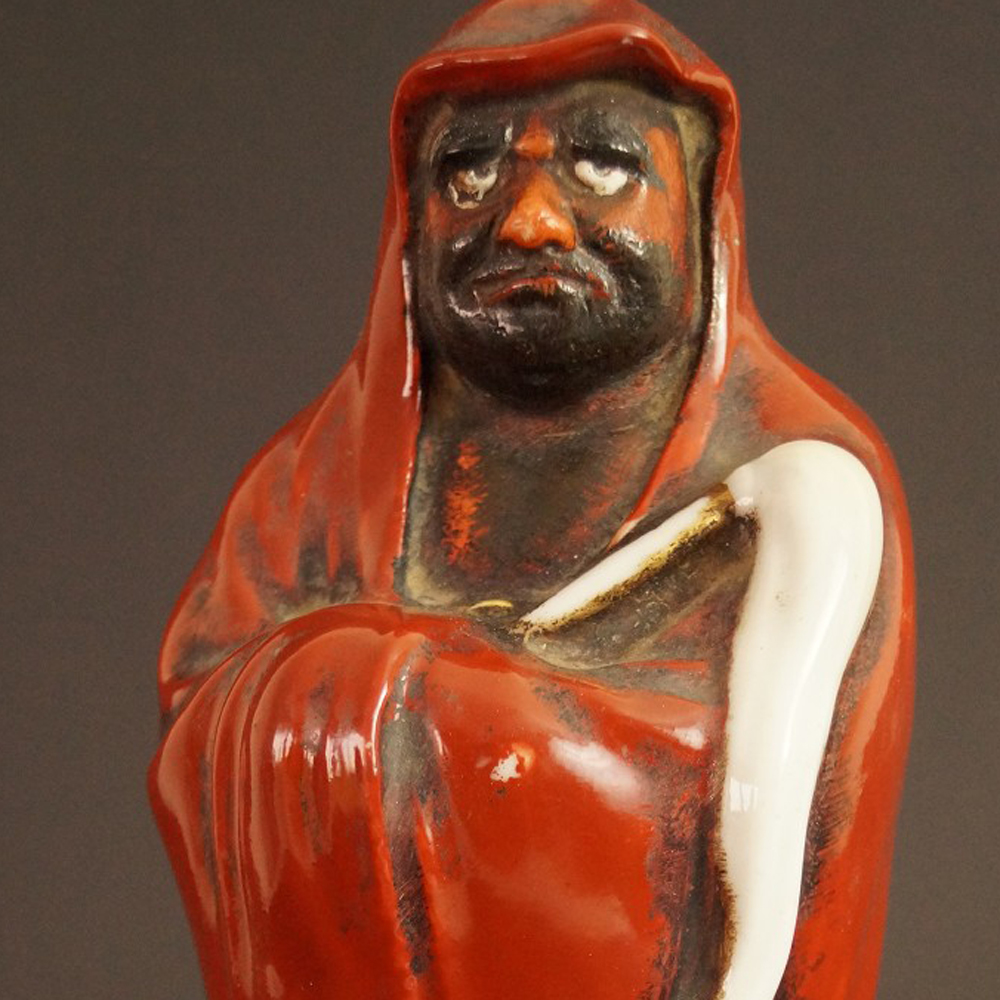
Daruma Figure Made of Red Kutani Porcelain, Dark Coloring
Figure, unique work, 18,5 x 7,5 cm
Sold
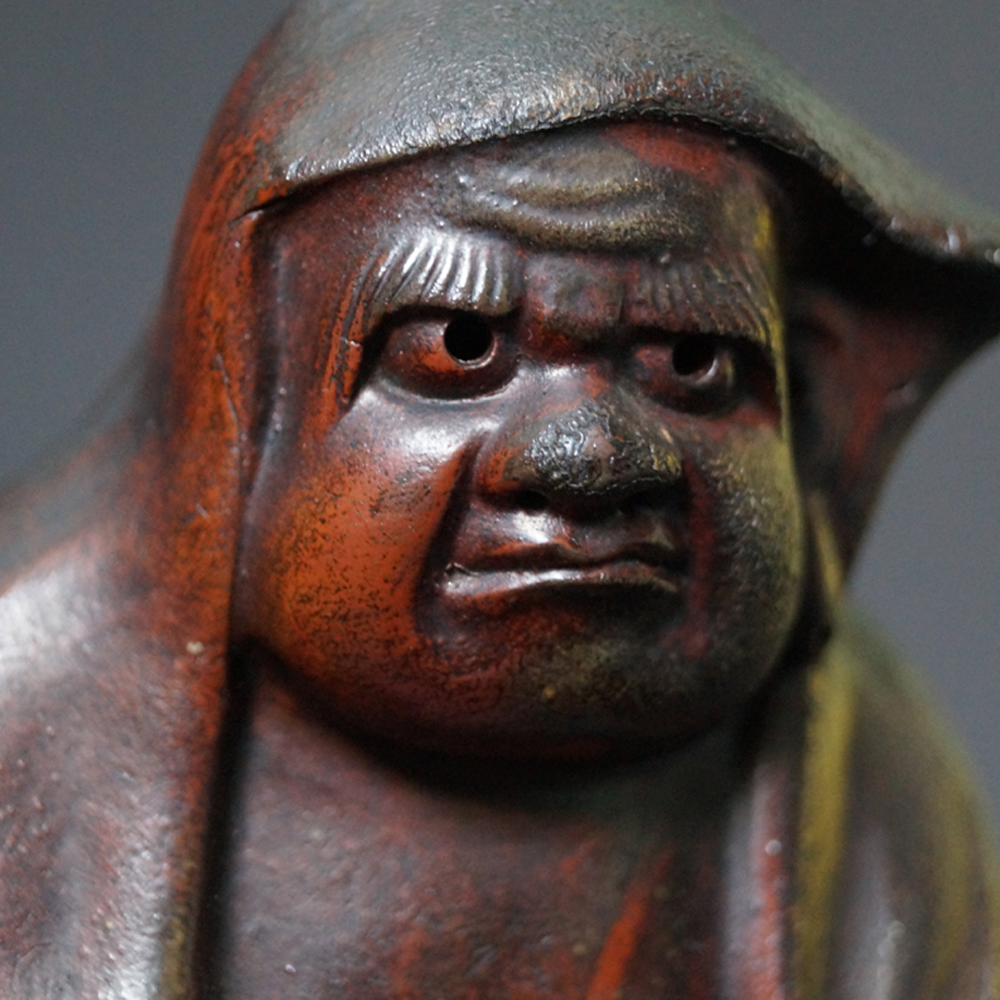
Japanese Bodhidharma (Daruma) Figure Made of Bizen Ware
Figure, unique work, 18 x 8 cm
Sold
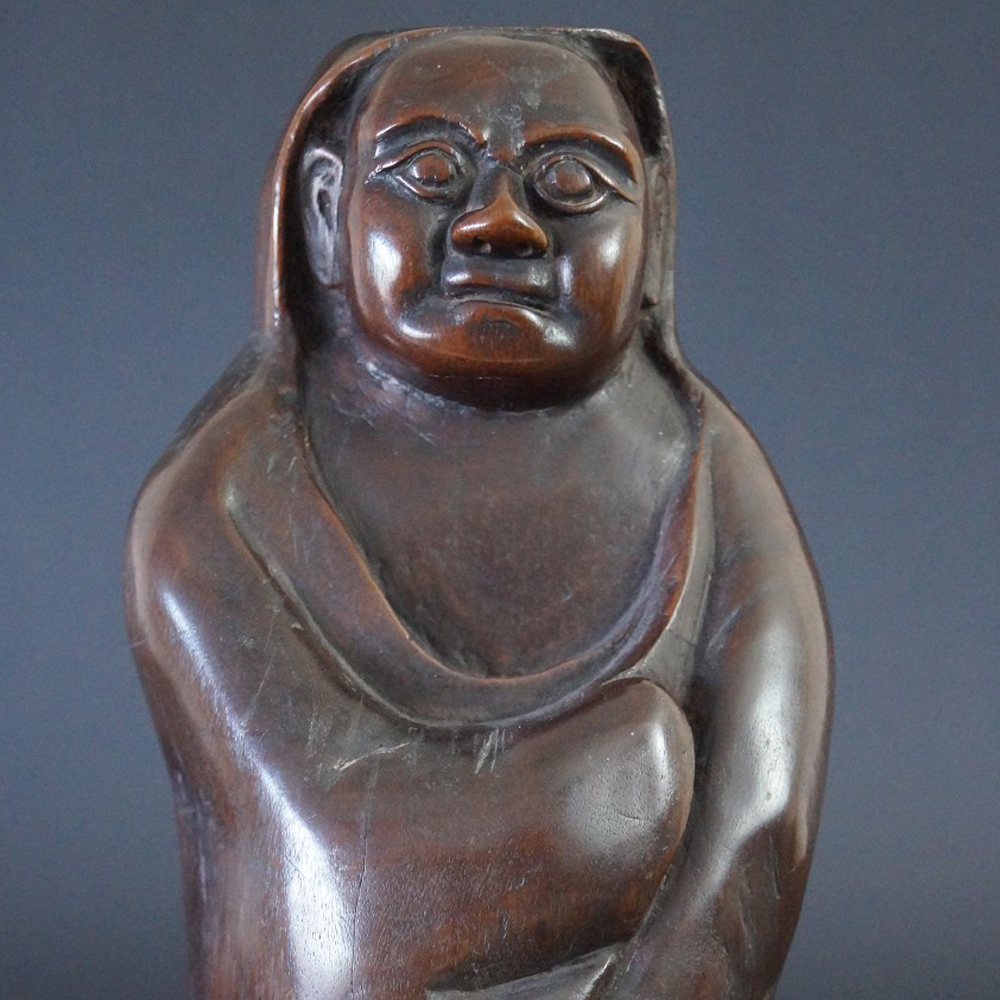
Japanese Bodhidharma (Daruma) Figure Made of Hardwood
Figure, unique work, 21 x 9 cm
Sold
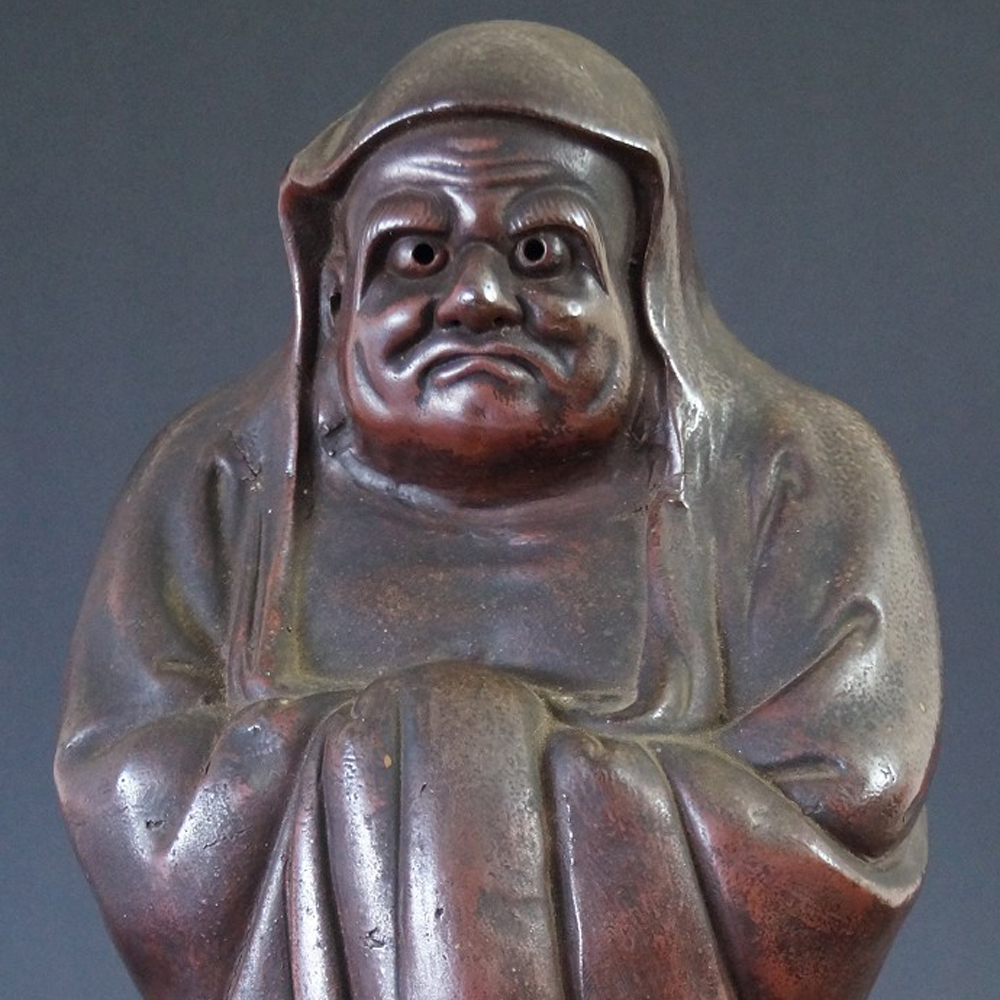
Daruma Figure Made of Bizen Ware from the 1930s
Figure, unique work, 30 x 12 cm
Sold
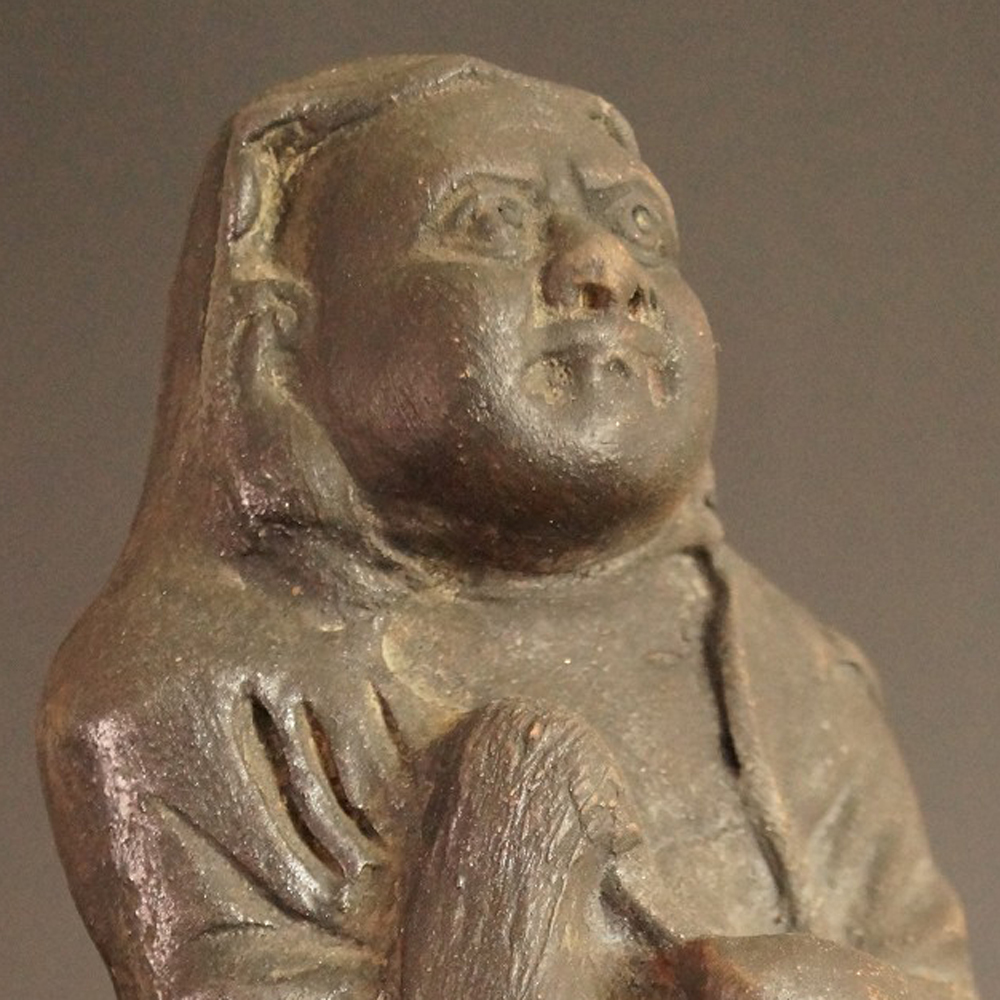
Japanese Bodhidharma (Daruma) Figure Made of Ceramics
Figure, unique work, 21 x 10 cm
Sold
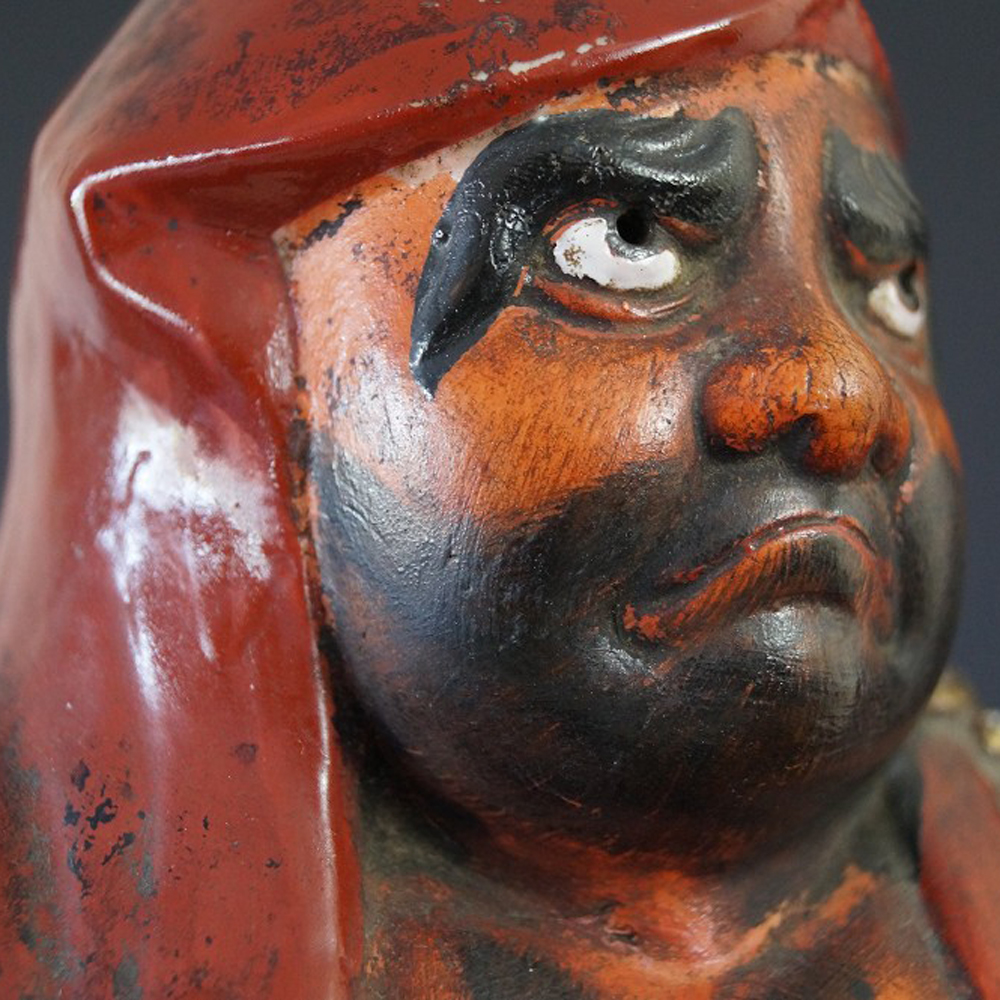
Daruma Figure Made of Kutani Ware with Whisk
Figure, unique work, 35 x 13 cm
Sold
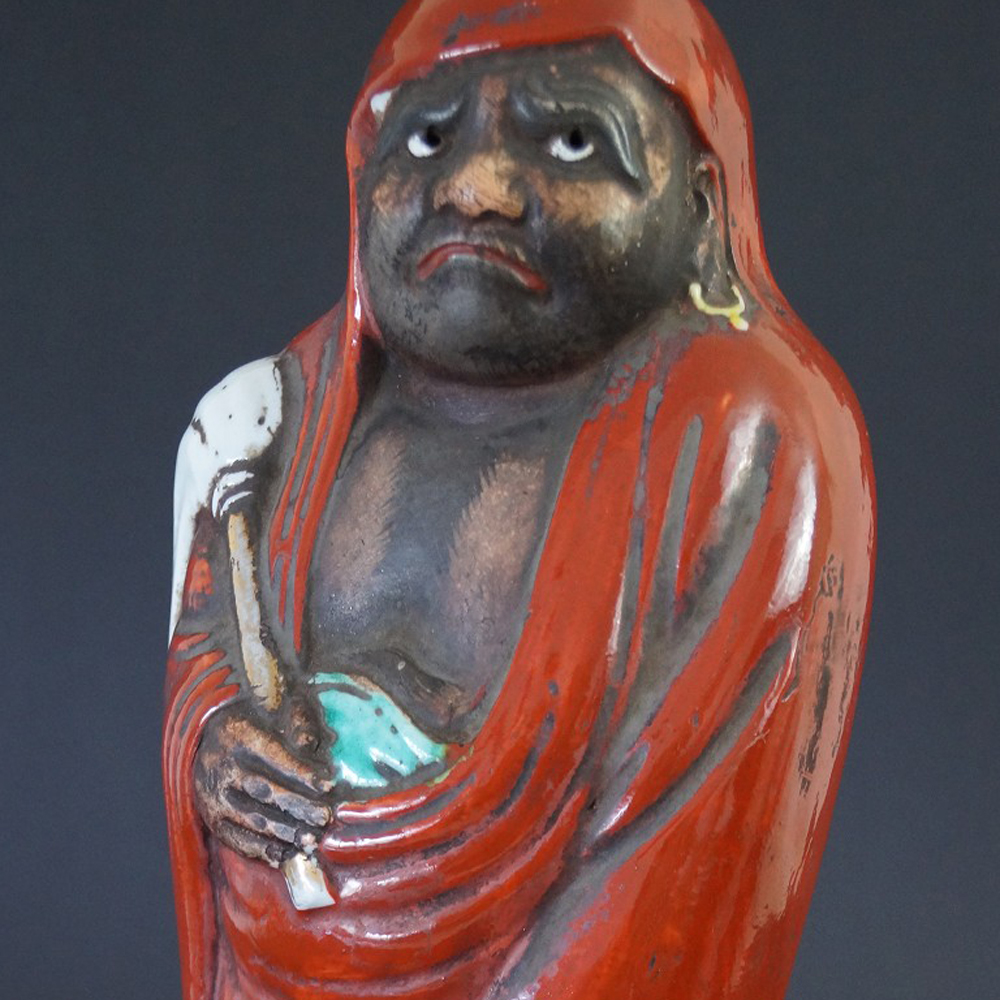
Daruma Figure Made of Kutani Porcelain with White Sleeve
Figure, unique work, 28 x 10 cm
Sold
19 of 19 items shown
Bodhidharma: the monk behind the figure
Daruma is the Japanese name for Bodhidharma, a Buddhist monk from India who, according to tradition, came to China around the year 520 and played a decisive role in the emergence of Chan Buddhism – the school that became known in Japan as Zen. Besides Daruma, the form Bodaidaruma is also used, a phonetic adaptation of the Sanskrit name. Few figures in Buddhist art have been depicted as often: in ink painting, in calligraphy, and as sculpted figures in ceramics, porcelain or wood.
Nine years facing the wall
The best-known legend tells that Bodhidharma spent nine uninterrupted years in zazen, seated meditation, at the Shaolin monastery – his face turned toward the wall. In one particularly drastic version, he is said to have cut off his eyelids so as not to fall asleep. In the Japanese telling, his arms and legs withered away from sitting motionless for so long. Both ideas live on in the figures: in the wide-open, often deep-set eyes and in the compact, closed silhouette from which arms and hands barely emerge.
The iconography: gaze, beard and robe
Bodhidharma is traditionally shown as powerful, almost wild: deep, penetrating eyes as a sign of mental concentration, an unkempt beard, and a wide robe whose hood frames the face. Within this fixed scheme there is surprising room for variation. Alongside the classic fierce Daruma with knitted brows, there are thoughtful versions gazing upward, almost worried ones, and figures entirely lost in contemplation – with folded arms, clasped hands or a whisk in hand. These differences in expression are exactly what makes it rewarding to look at several figures side by side.
Daruma in Bizen ceramics
Bizen ware from Okayama Prefecture is fired without any applied glaze in a wood-fired kiln that burns for days; flame and ash turn the iron-rich clay reddish to dark brown. This earthy, unembellished surface resonates with the Zen ideals of simplicity and authenticity, which is why Bodhidharma is a frequent subject of figurative Bizen ware. Because the position in the kiln, the path of the flames and the ash deposits mark every piece differently, each figure has its own shading – often darker areas around the eyes and cheeks that sharpen the expression even further.
Daruma in Kutani porcelain
Daruma figures in Kutani porcelain, made in Ishikawa Prefecture and known for its vivid overglaze painting, make a very different impression. Usually a rich red robe dominates, from which face and hands emerge in darker tones, while gold and black accents articulate the folds. Less common are versions with a white robe, against which the fierce expression stands out even more clearly. With their glossy surface and fine painting, Kutani Daruma are the colorful counterpart to the earthy Bizen figures.
Daruma in wood
Carved Daruma figures are less common, since the subject was traditionally rendered in ceramics or porcelain in Japan. Some are worked in the ittobori style, a carving technique in which a few powerful knife cuts leave an angular surface that is deliberately not smoothed. Over the years the wood develops a patina that makes the age of a piece visible.
Figure or wishing Daruma?
The same iconography gave rise, during the Edo period, to the popular Daruma doll: round, without arms or legs, made of light papier-mâché and weighted so that it rights itself after being knocked over. It originated in talismans from the Daruma-dera temple in Takasaki; when you set a goal you paint in one eye, and the second once the goal is reached. Densho does not carry these wishing Darumas. The figures in this category depict the monk himself – collector's pieces that nonetheless carry the same message as the proverb “Nanakorobi yaoki”: fall down seven times, get up eight.
Display and care
A Daruma figure needs little space but a calm background so that its expression can take effect: in the tokonoma, on a shelf, or on a desk as a quiet reminder of perseverance. Light from the side brings out the modeling of brows and folds on Bizen figures. A soft brush or a dry cloth is all the care they need. The unglazed Bizen surface is slightly porous and should not be treated with cleaning agents; glazed porcelain can be wiped with a slightly damp cloth if necessary.
What collectors look for
The expression usually matters most, since it gives each figure its own character. Material, period – the Daruma figures at Densho date from the Meiji, Taishō and Shōwa periods – and condition also count. With Bizen figures, it is worth looking closely at the firing marks, which can never be repeated. An inscribed wooden box (tomobako) is a welcome indication of provenance but not proof of age, and a stamp often identifies the workshop or kiln rather than the individual maker.