
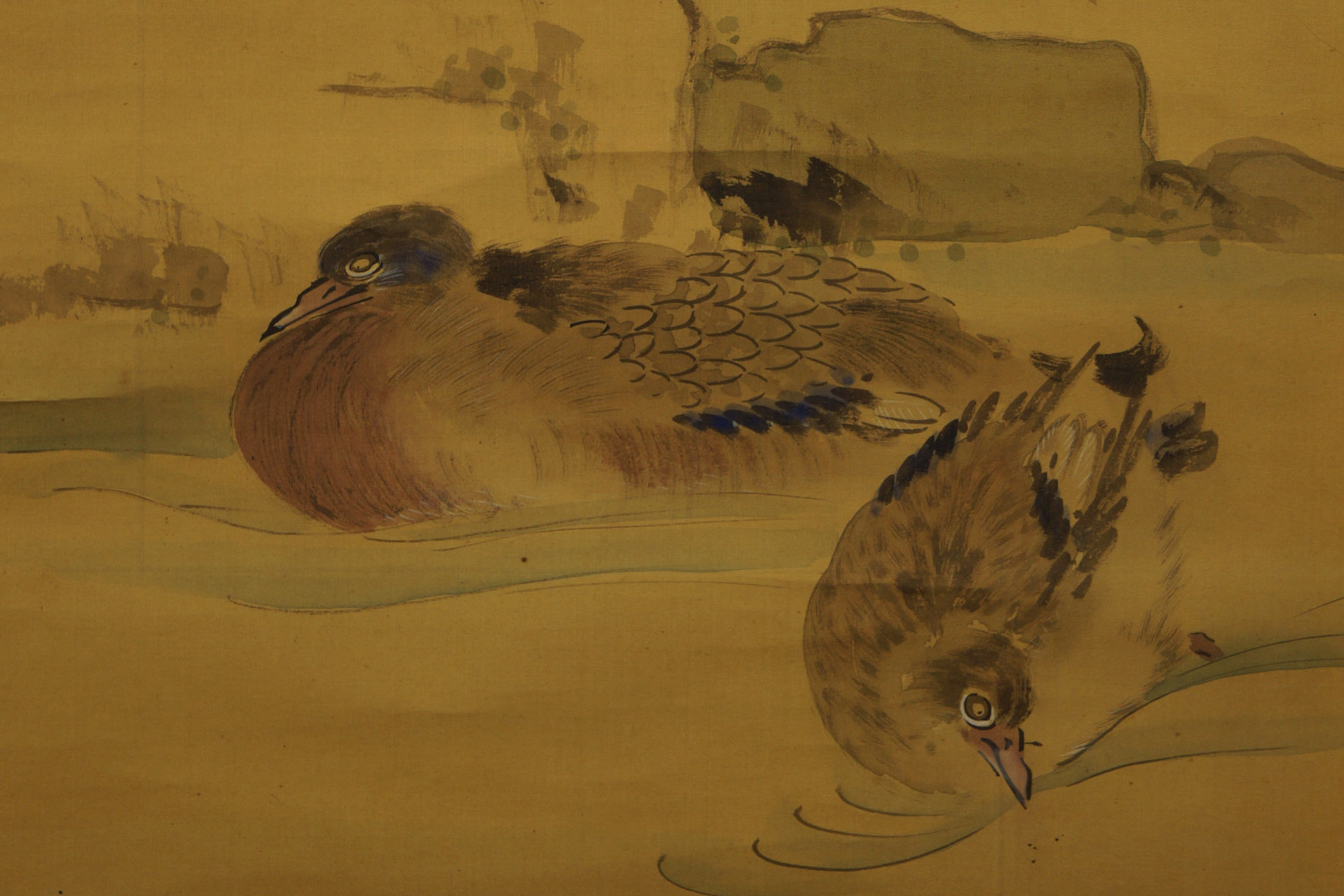
Japanese Paintings with Animal Motifs
Go directly to the artworksIn brief
Animal motifs are among the oldest and most popular subjects in Japanese painting and often carry their own symbolism: the crane traditionally stands for long life, the koi fish for perseverance and success in overcoming obstacles, the tiger for strength and protection against misfortune. Such motifs were refined over centuries in painting as well as in woodblock prints and often follow fixed compositional conventions, such as the depiction of the tiger in a bamboo grove or the pair of cranes in front of pines. At densho.art you will find hand-painted kakemono with bird, fish, tiger and other animal motifs as one-of-a-kind pieces from Japan.
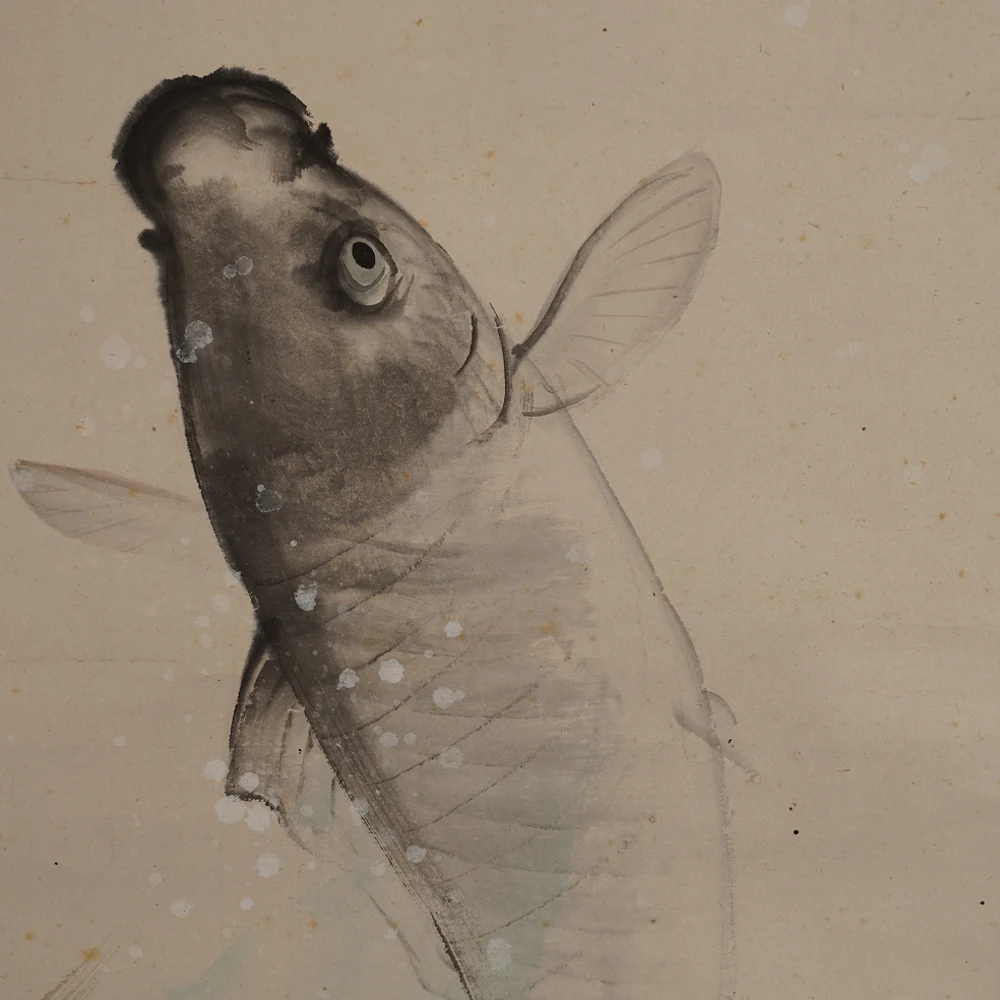
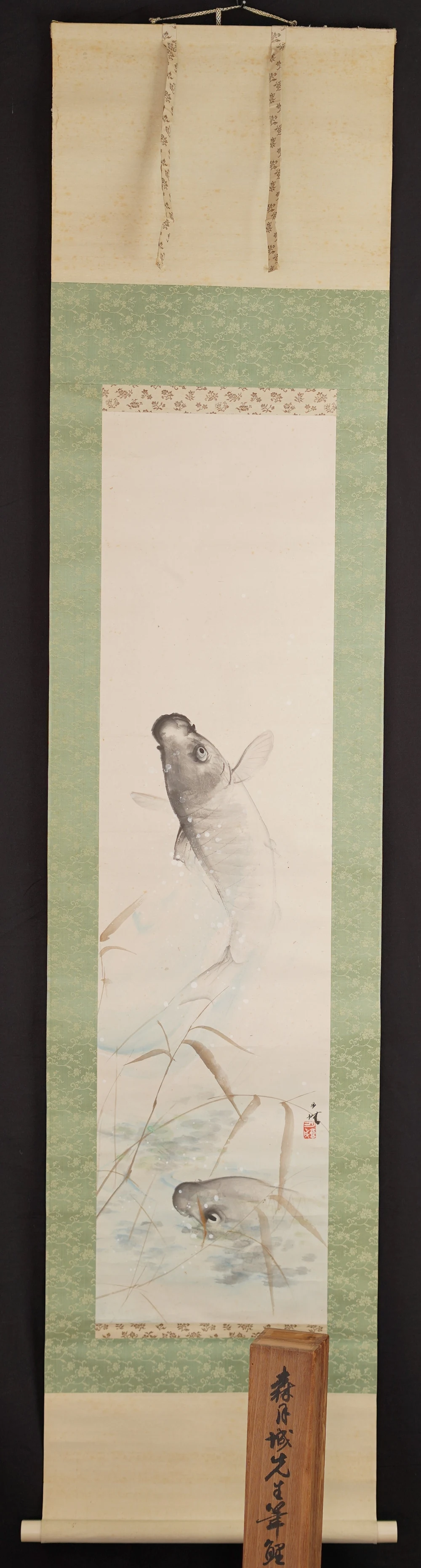
Mori Getsujō
Two Carp Among Reeds
Kakemono, unique work, with box, 190 x 48 cm
€320.00
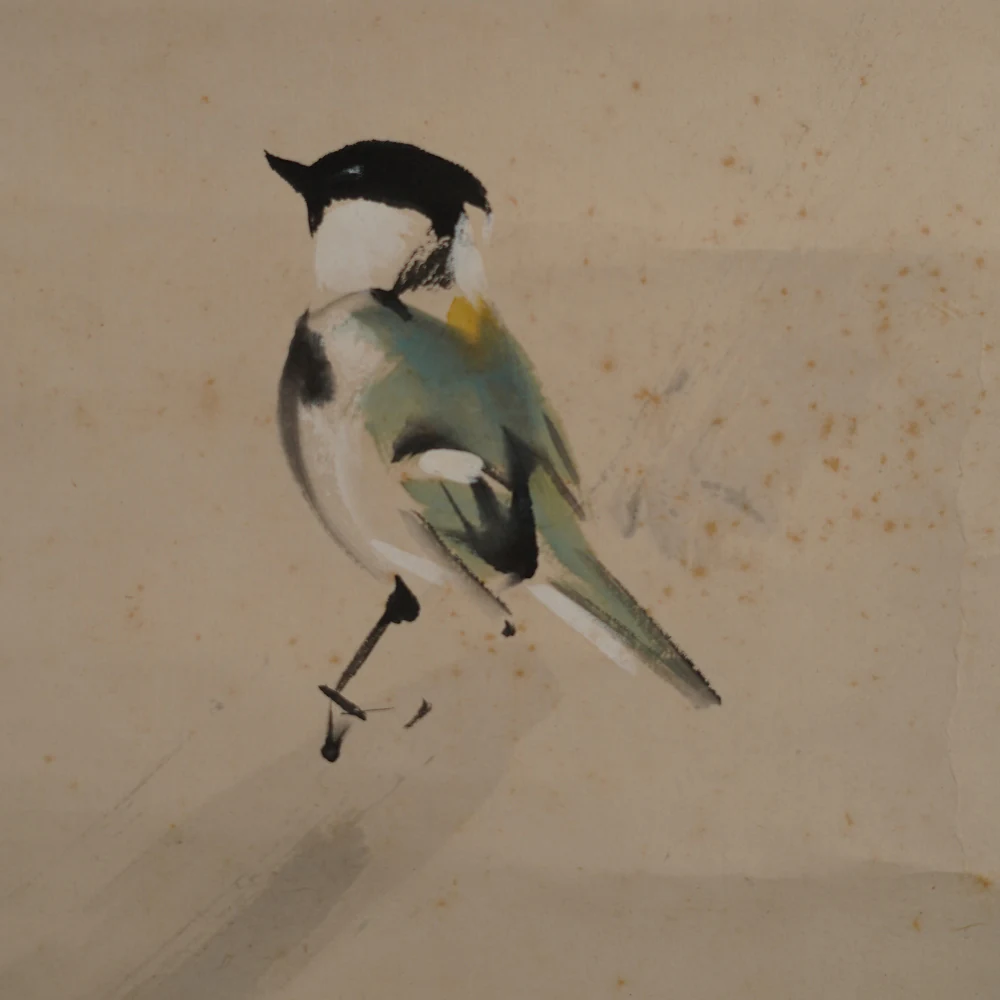
Tokuda Rinsai
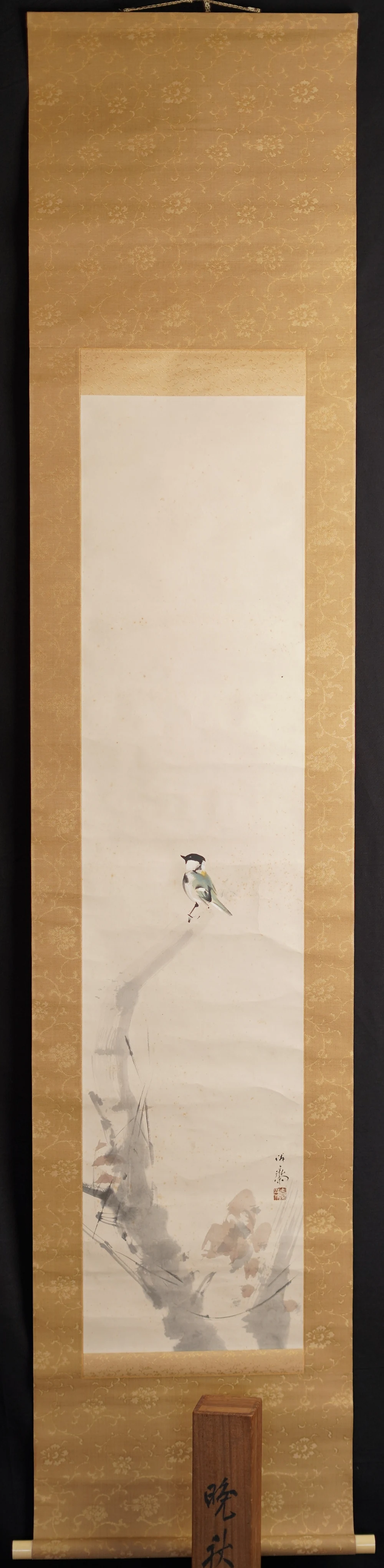
Great Tit on a Late-Autumn Tree Trunk
Kakemono, unique work, with box, 205 x 49 cm
€270.00
Mochizuki Kinpō
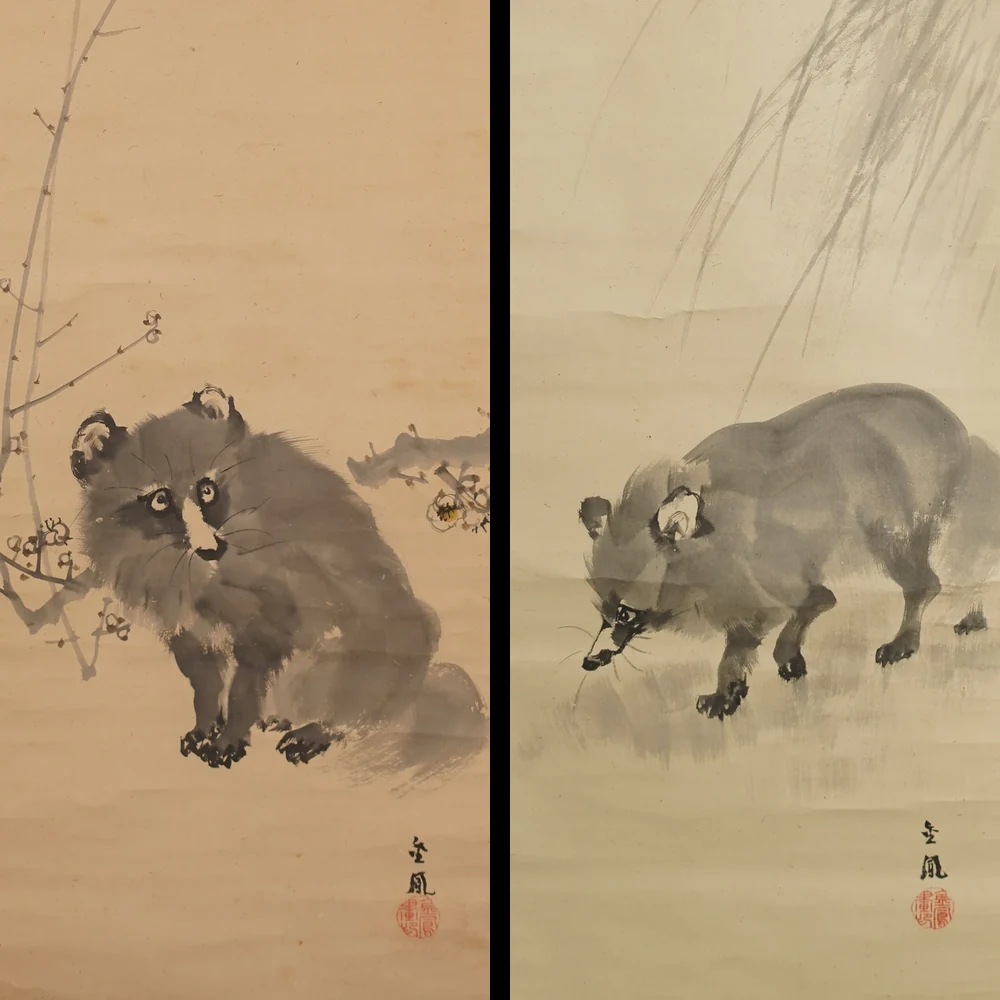
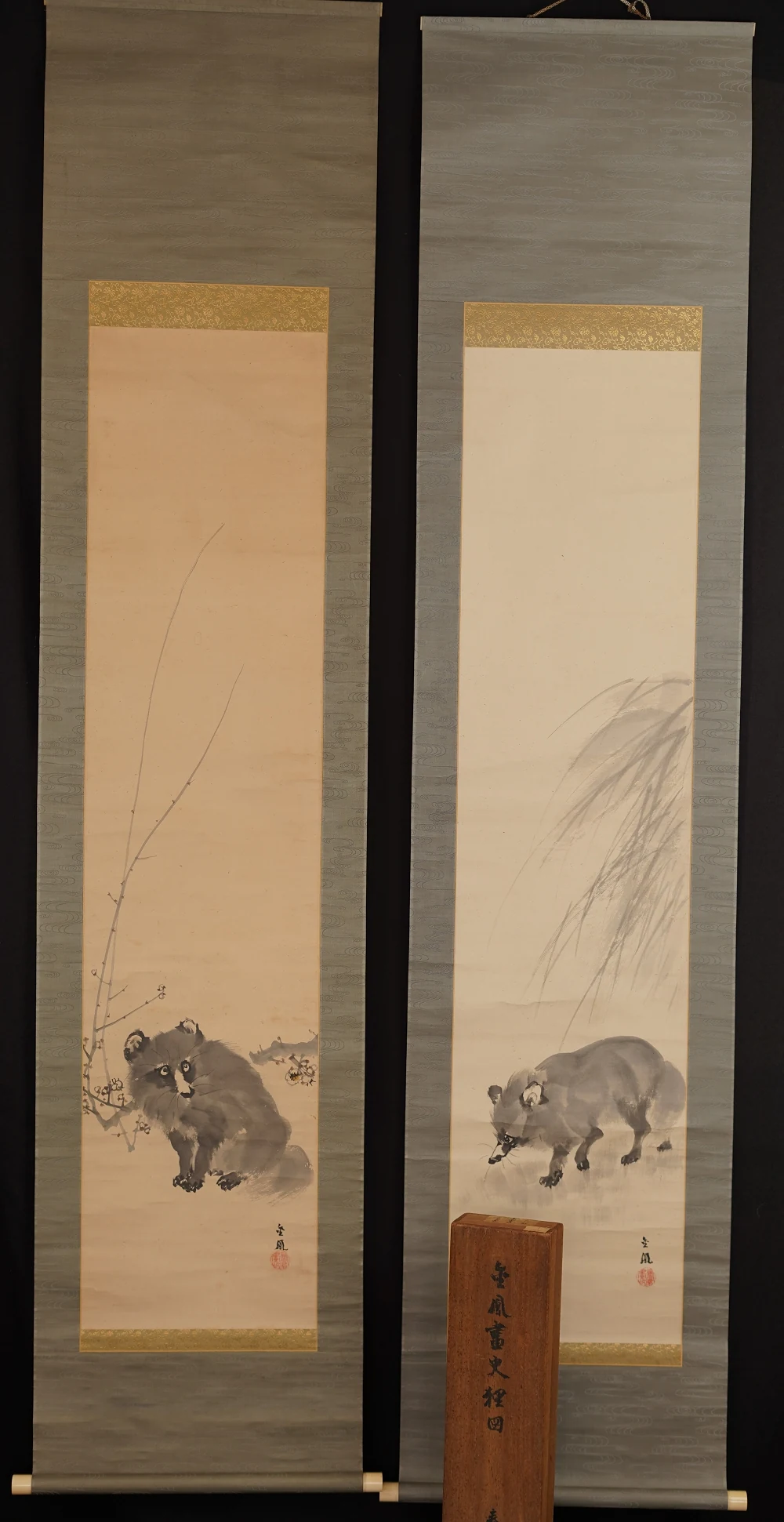
Set of Two Paintings – Tanuki Under Plum and Willow
Kakemono, unique work, with box, 195 x 48 cm
€3,590.00
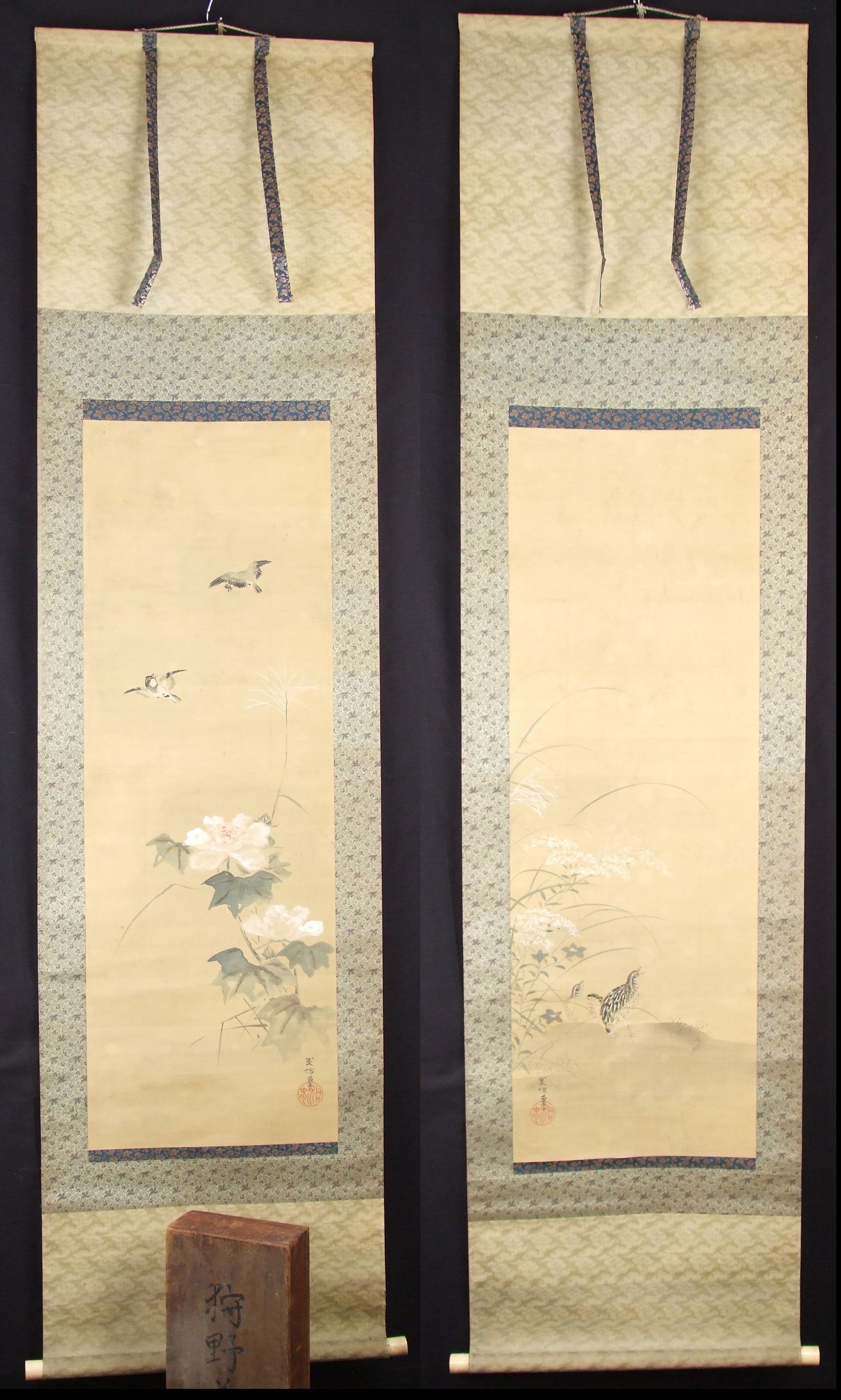
Kanō Tōshun Yoshinobu
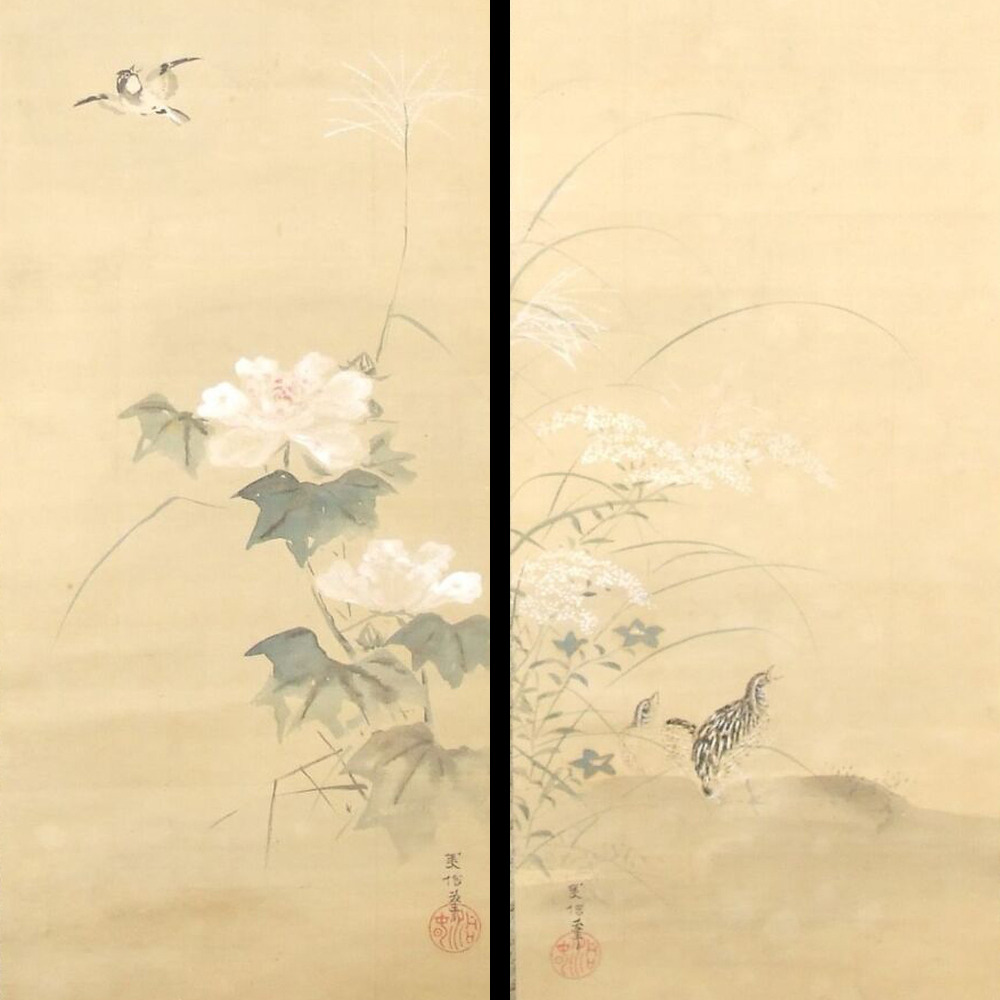
Set of Two Paintings – Birds and Autumn Flowers
Kakemono, unique work, with box, 200 x 56 cm
€770.00
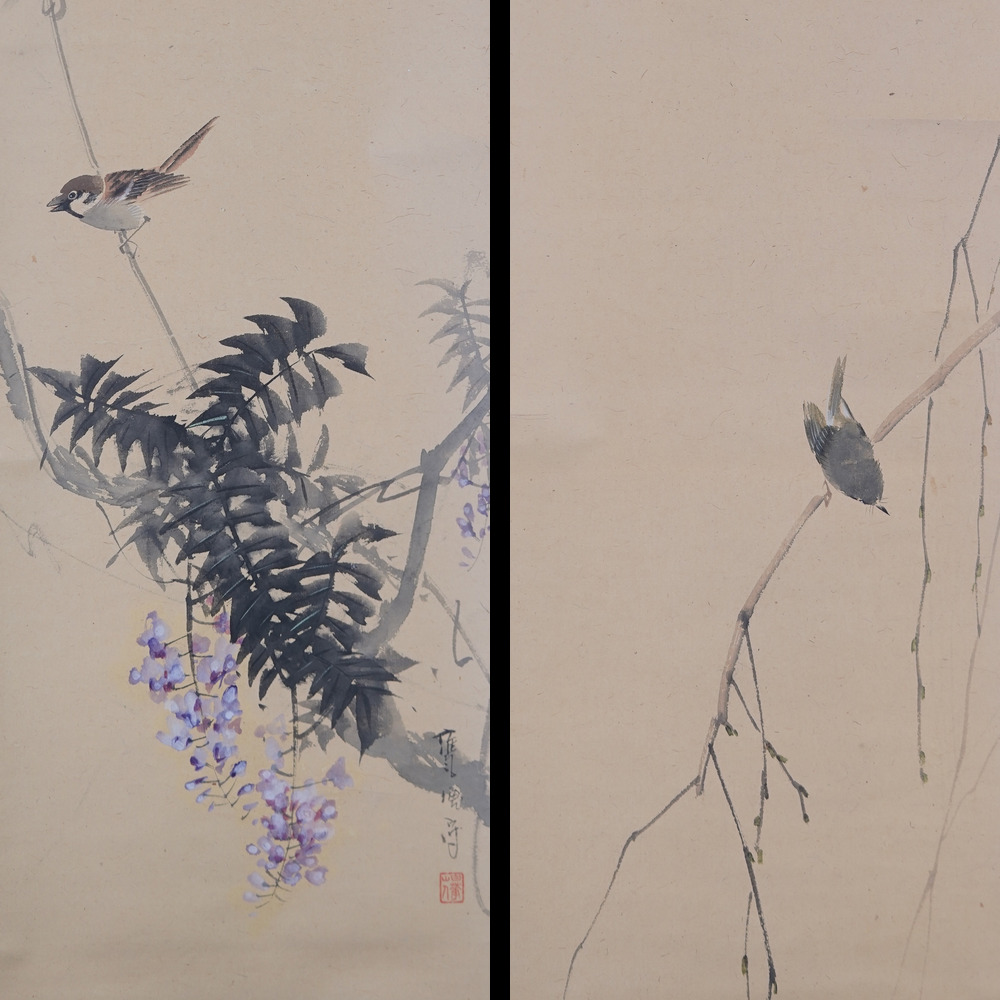
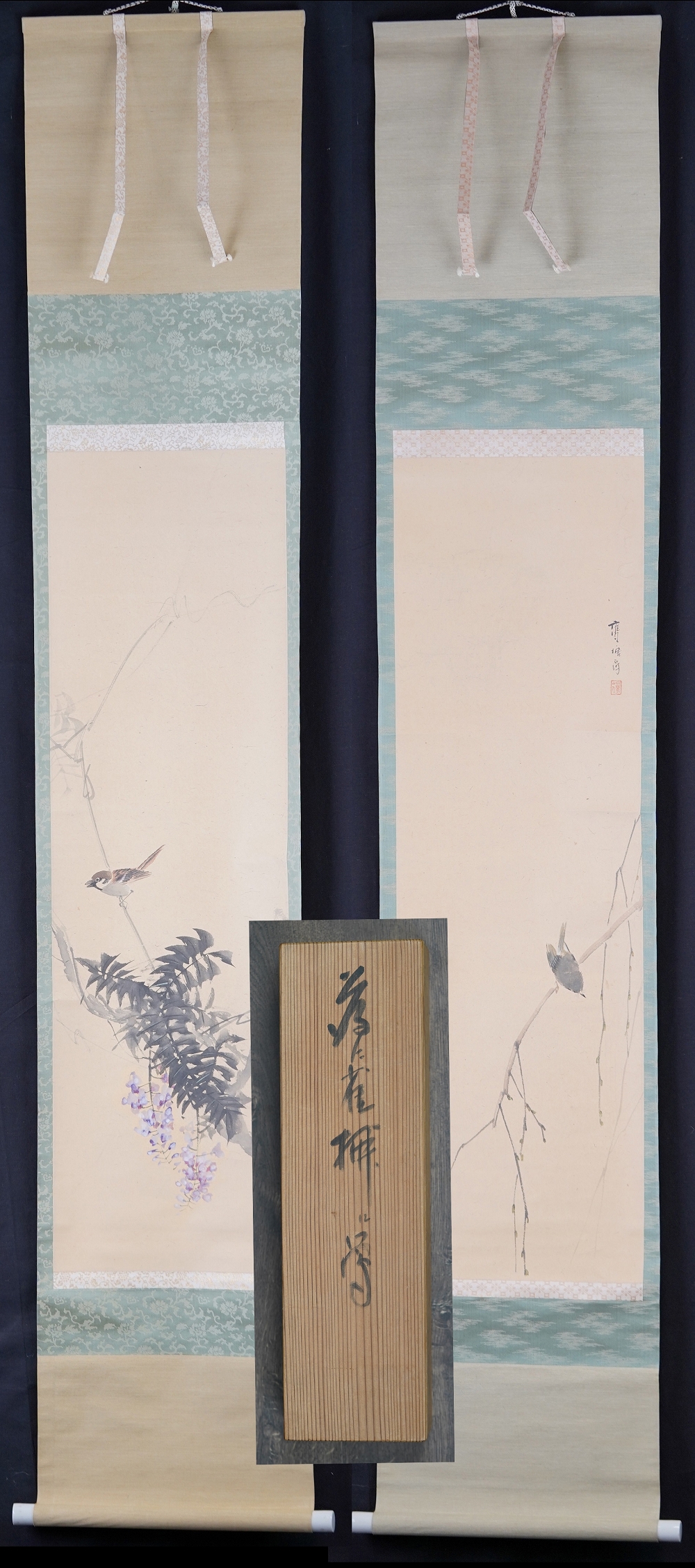
Nakahara Yōtō
Set of Two Paintings – Sparrows on Wisteria and Willow Branch
Kakemono, unique work, with box, 175 x 38 cm
€690.00
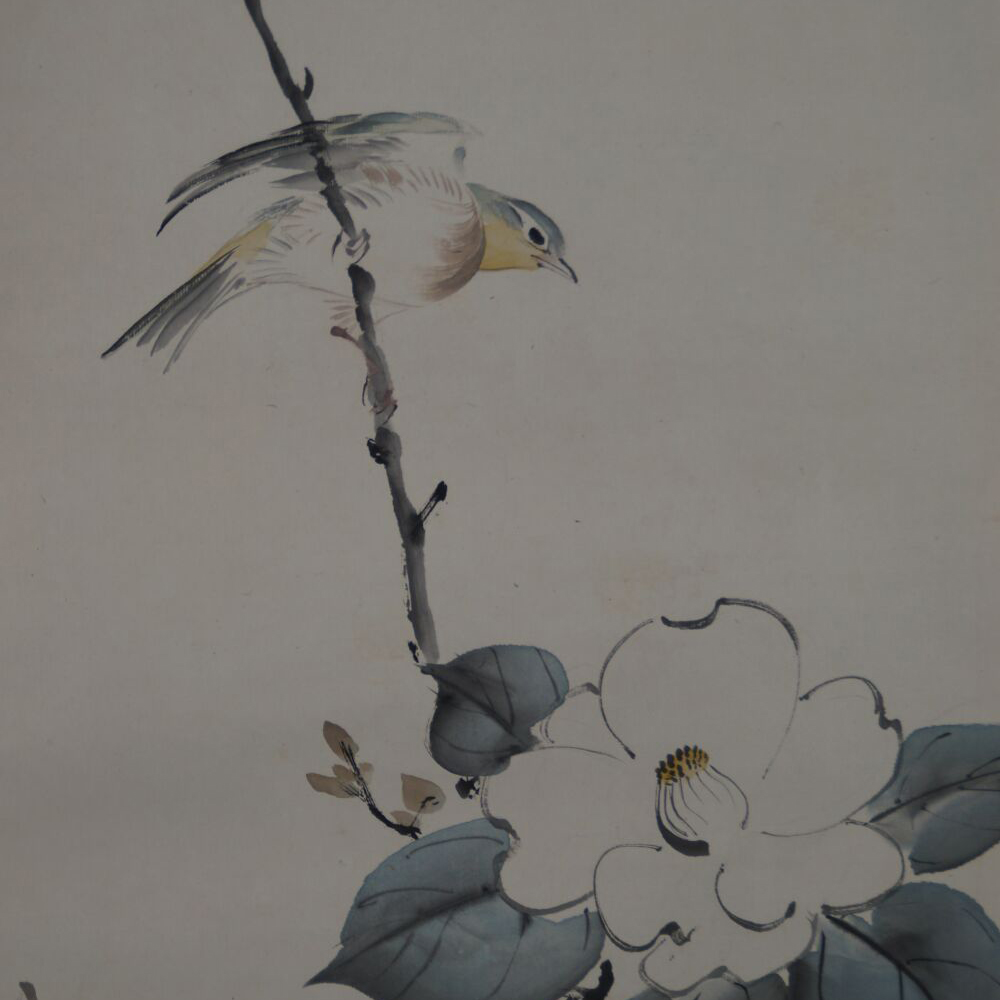
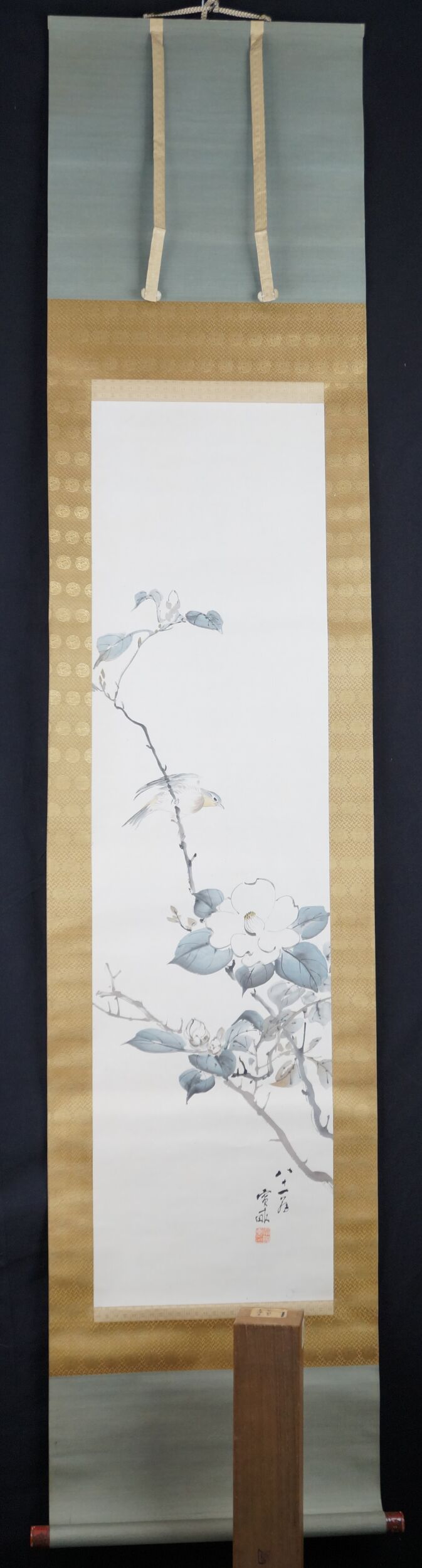
Araki Kanpo
Songbird on Blooming Camellia Branch
Kakemono, unique work, with box, 192 x 46 cm
€1,210.00
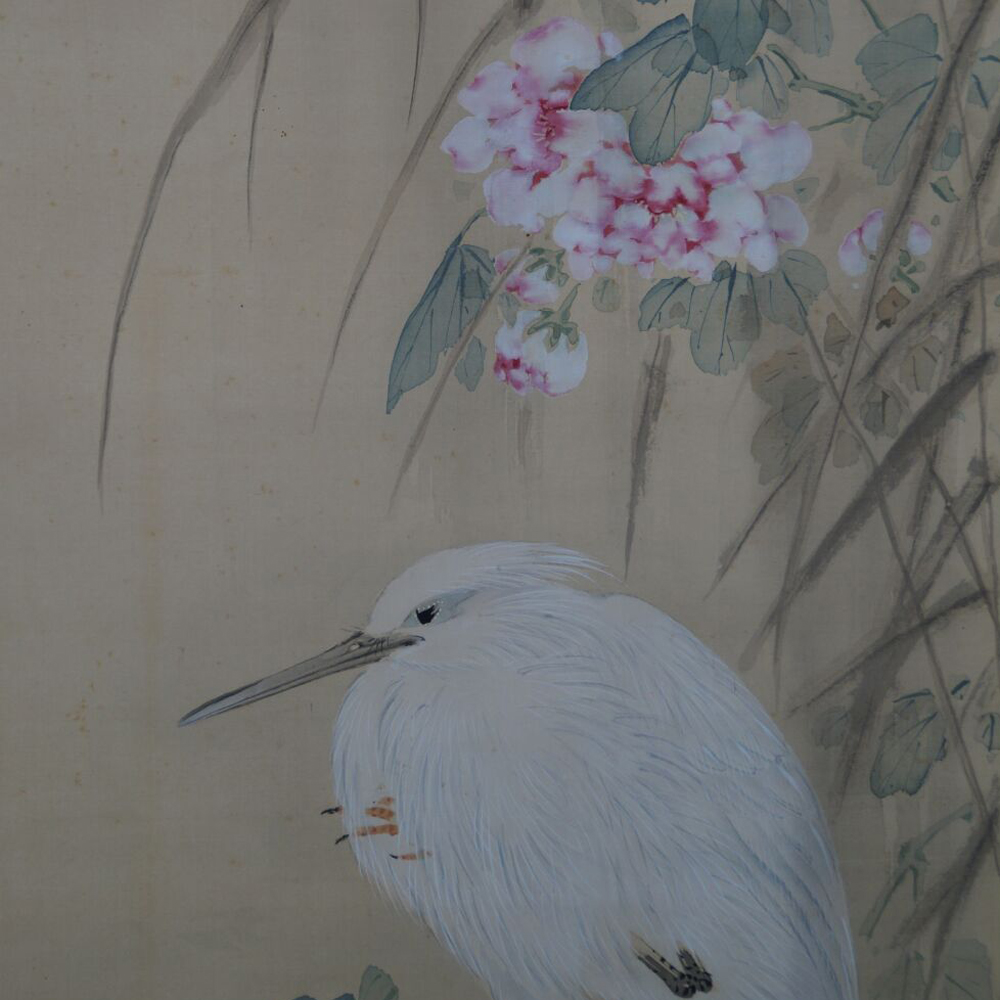
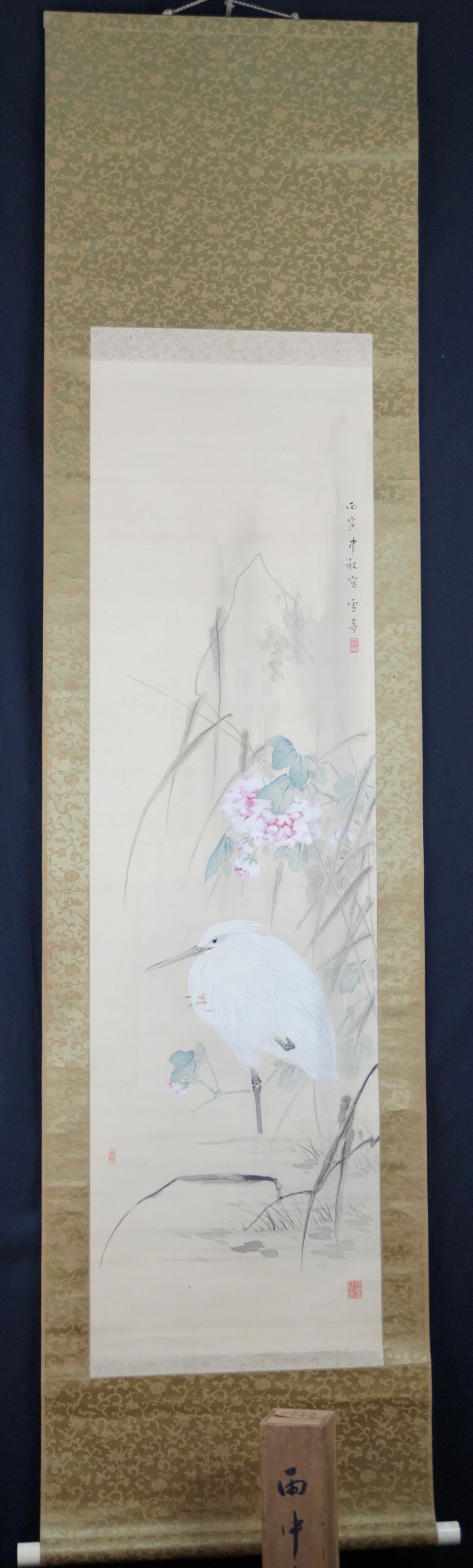
Koyama Setsurei
White Heron Among Blossoms and Reeds
Kakemono, unique work, with box, 195 x 54 cm
€720.00
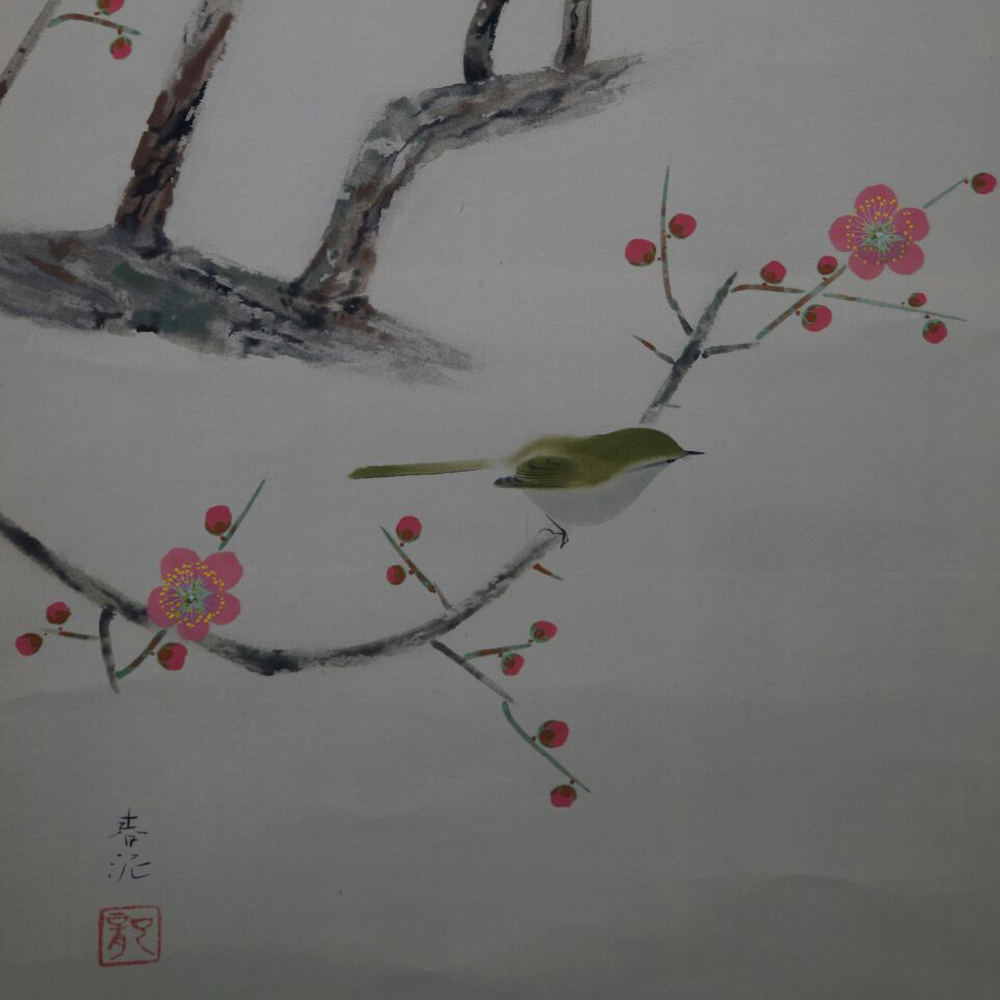
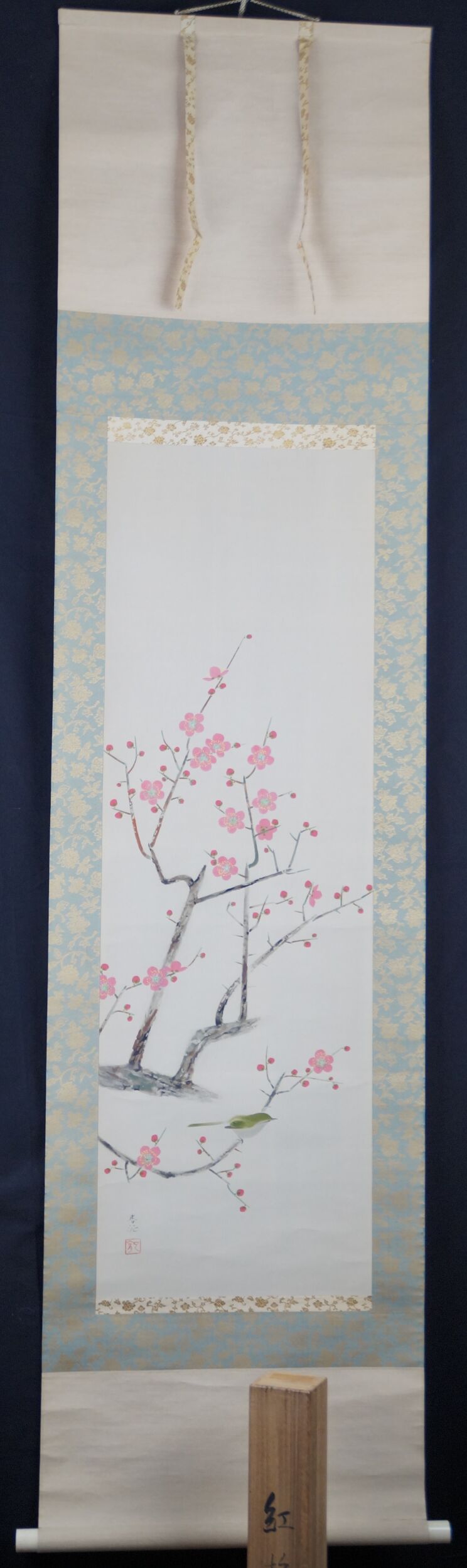
Nakamura Shunden
Uguisu on Blossoming Plum Tree
Kakemono, unique work, with box, 198 x 55 cm
€320.00
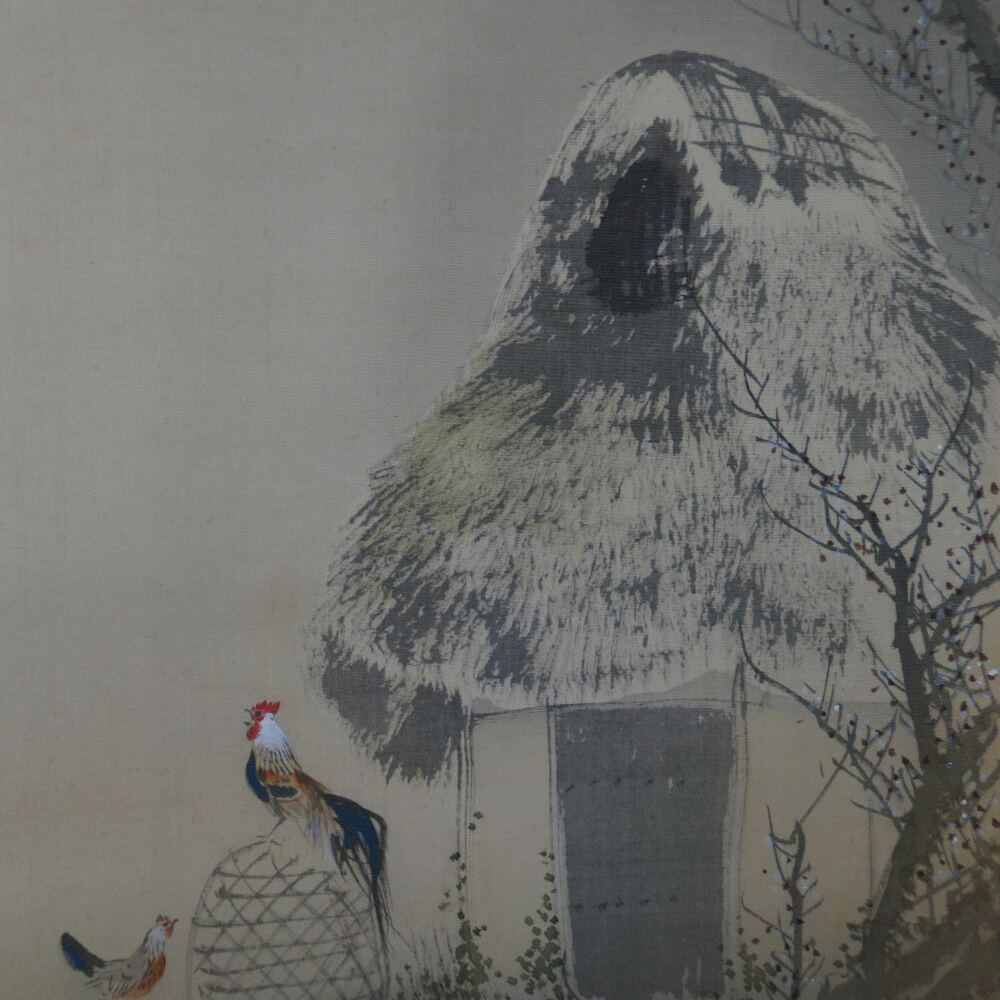
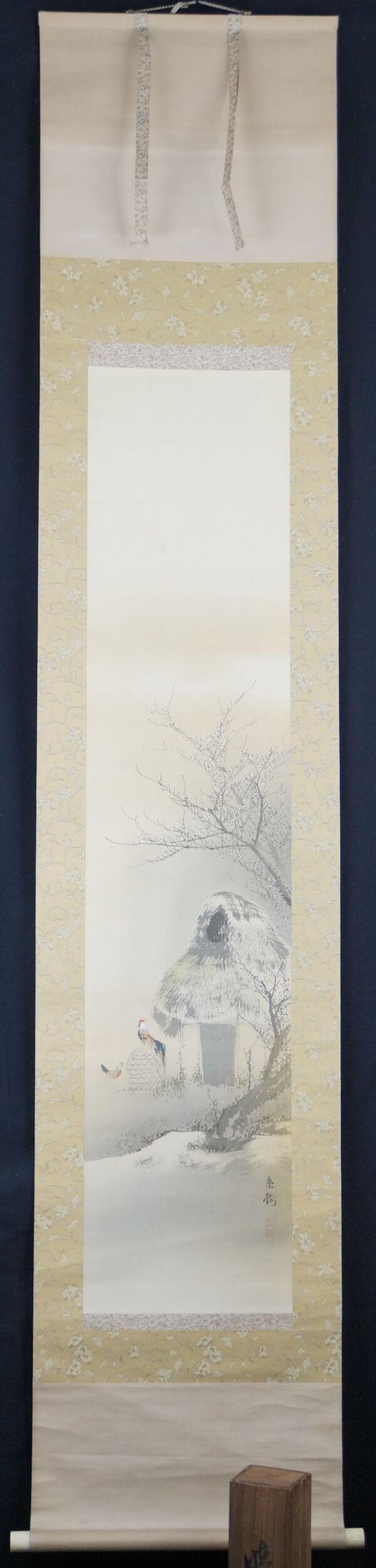
Imai Keiki
Rooster and Plum Blossoms
Kakemono, unique work, with box, 196 x 45 cm
€240.00
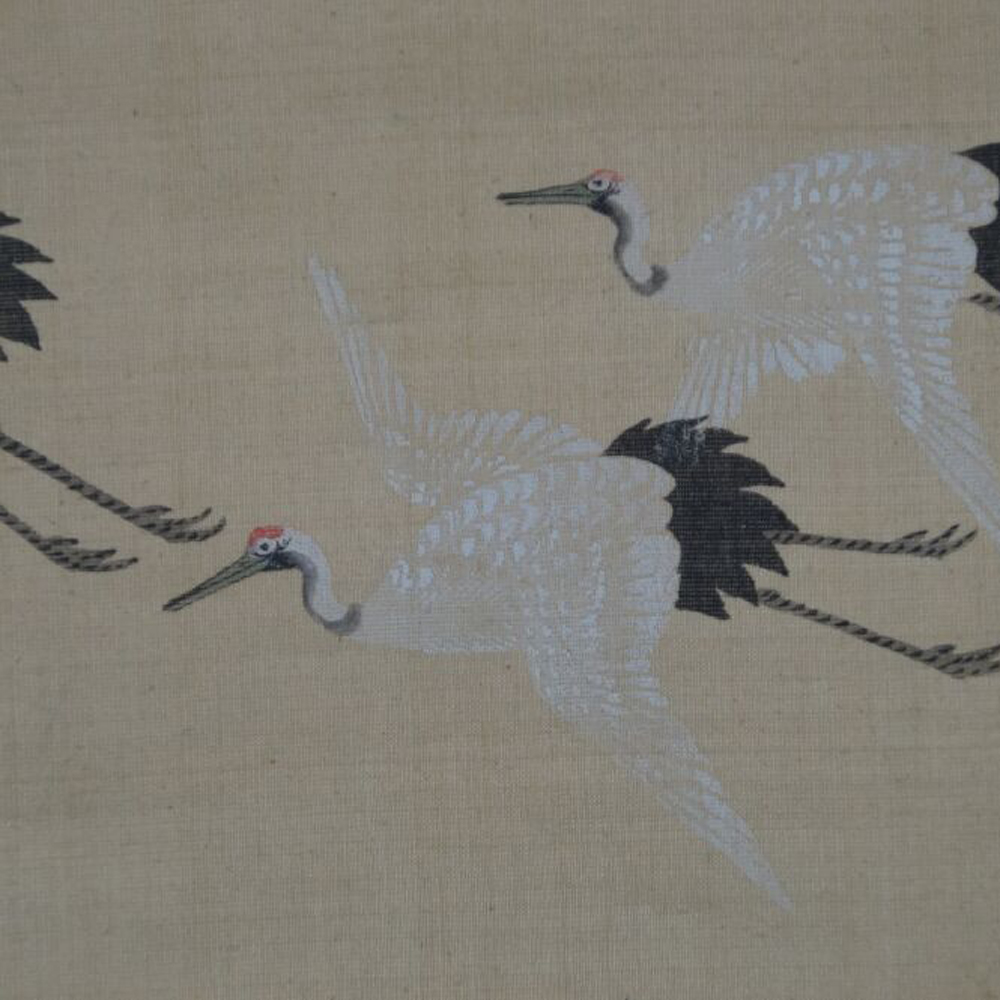
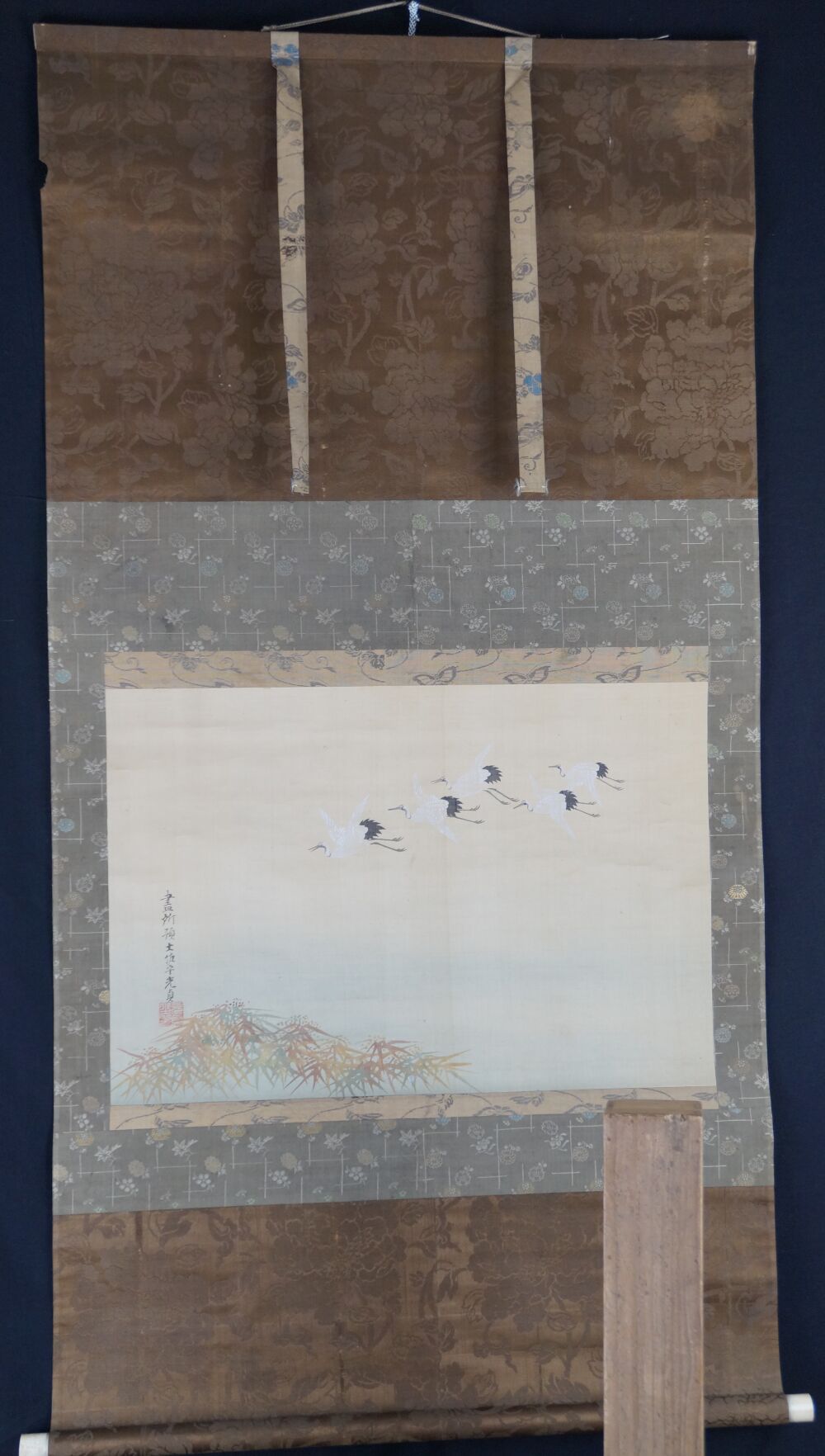
Tosa Mitsusada
Cranes in Flight over Bamboo
Kakemono, unique work, with box, 126 x 69 cm
€360.00
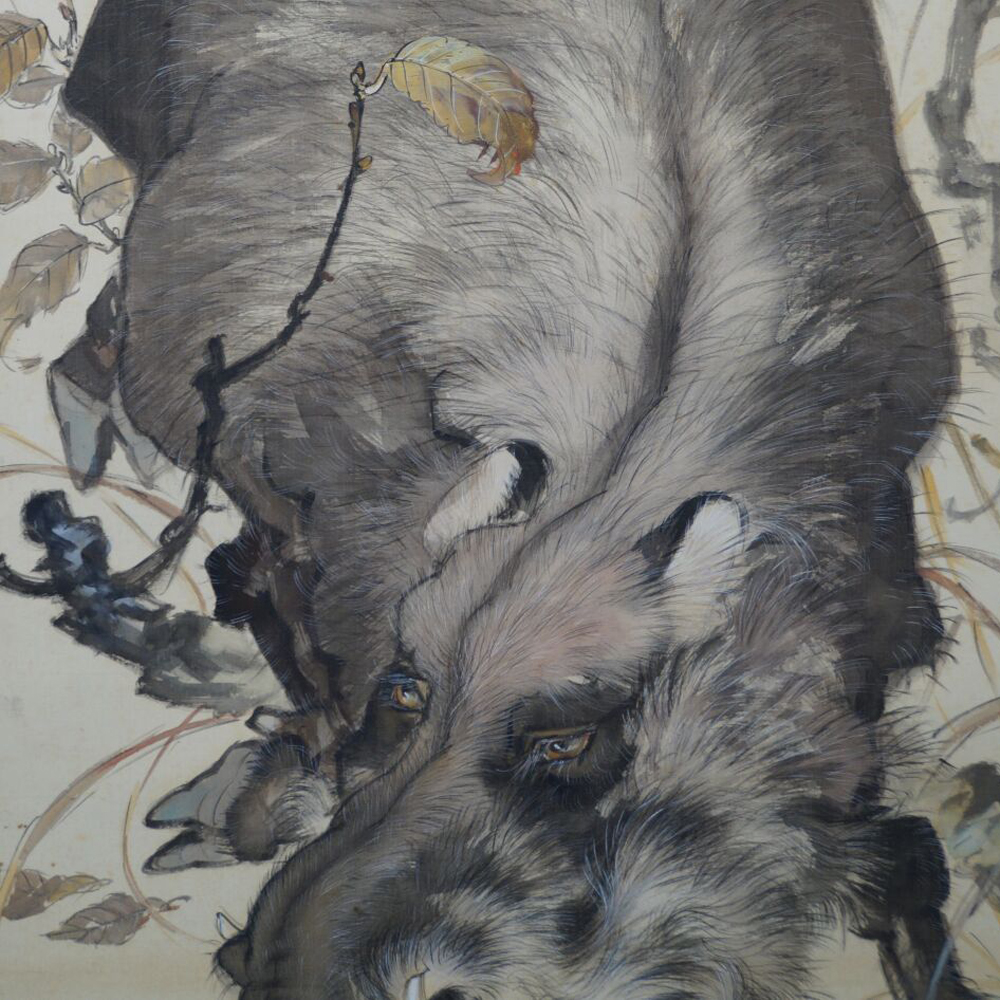
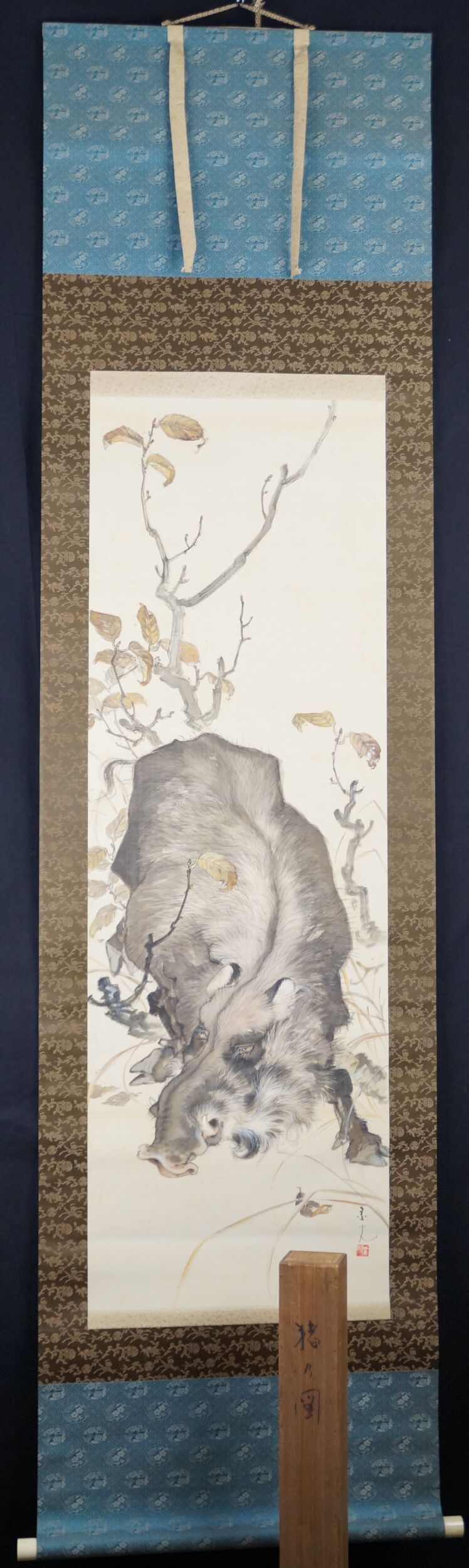
Saegusa Soko
Wild Boar in Autumn Foliage
Kakemono, unique work, with box, 210 x 60 cm
€950.00
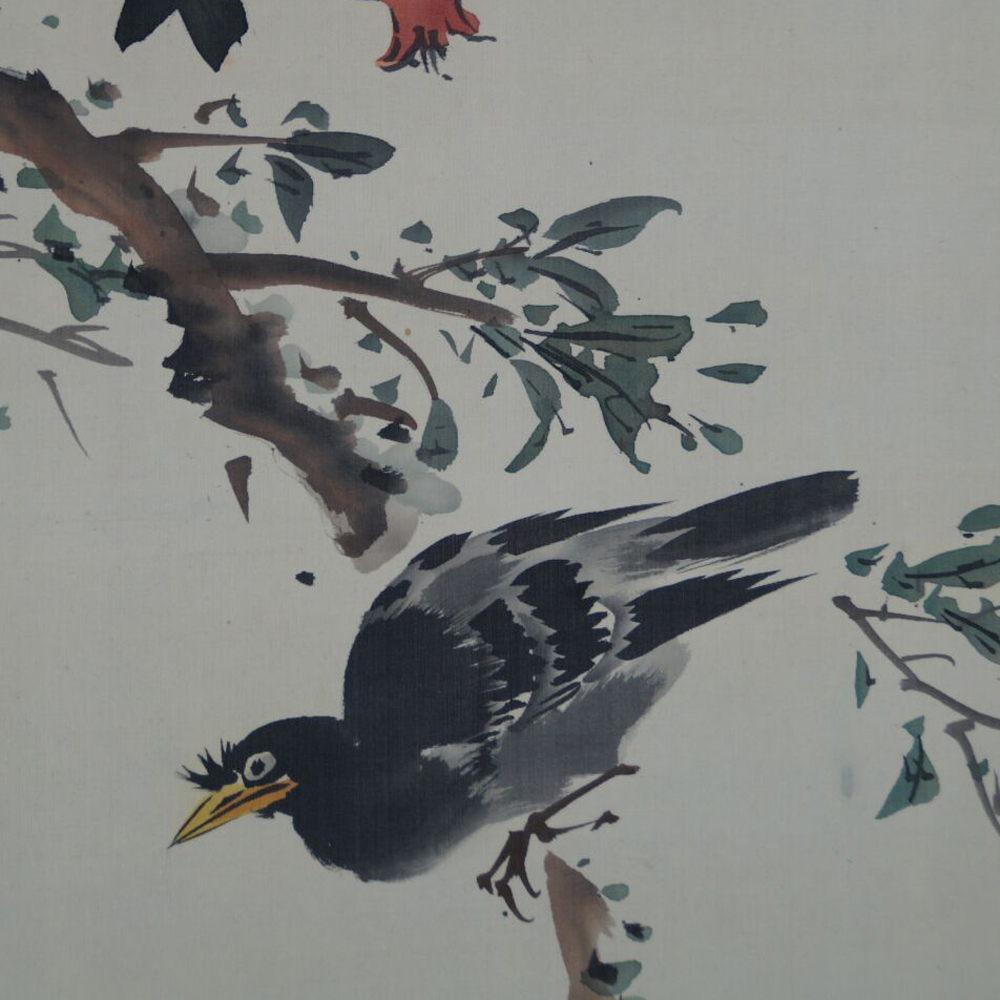
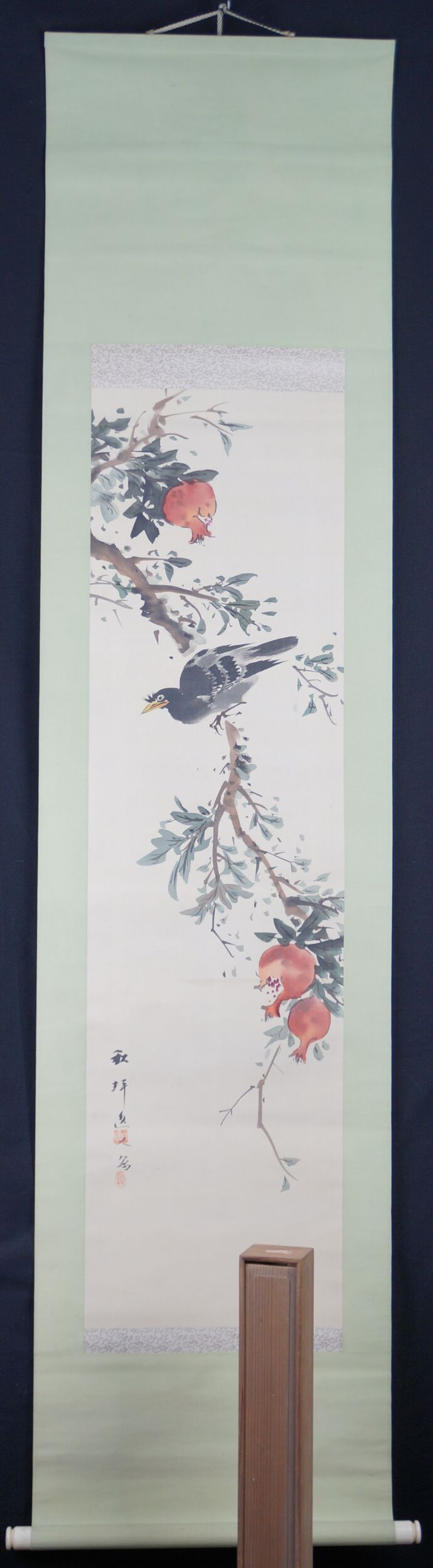
Yamada Shuhei
Pomegranate Branch and Star
Kakemono, unique work, with box, 187 x 51 cm
€530.00
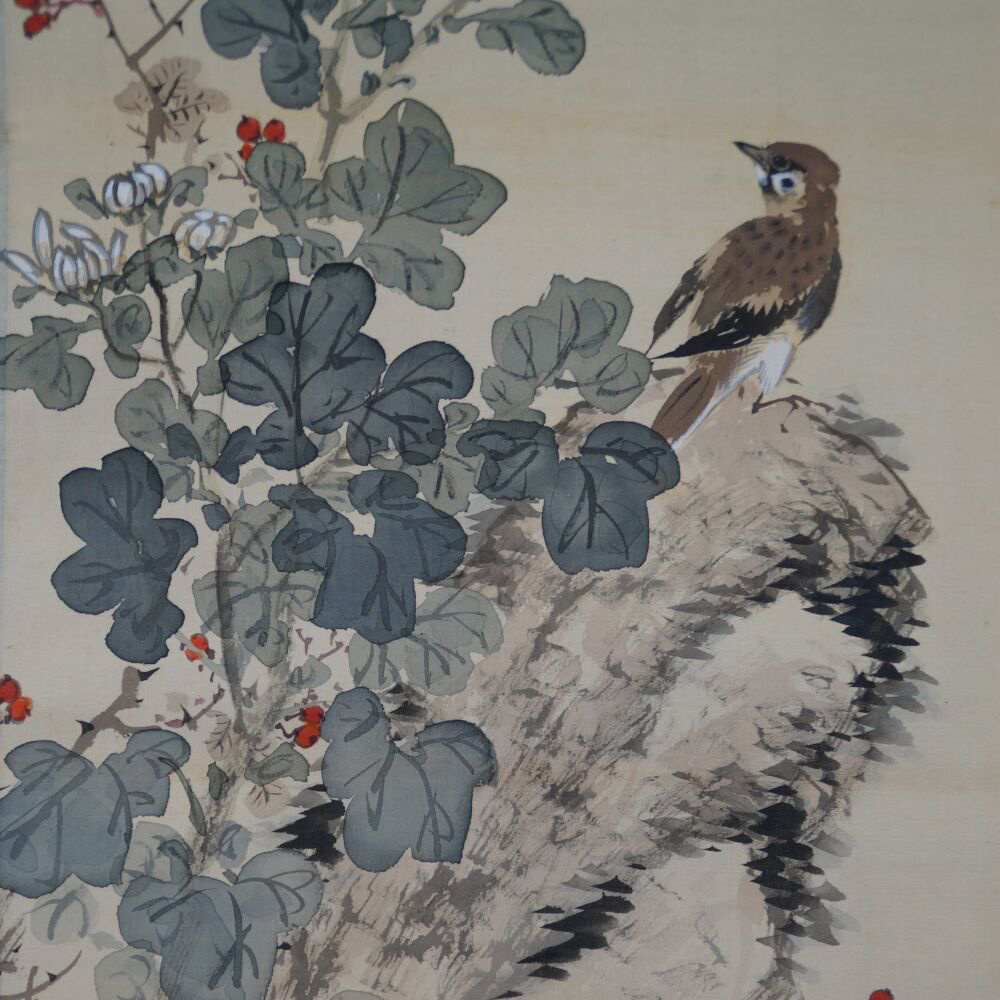
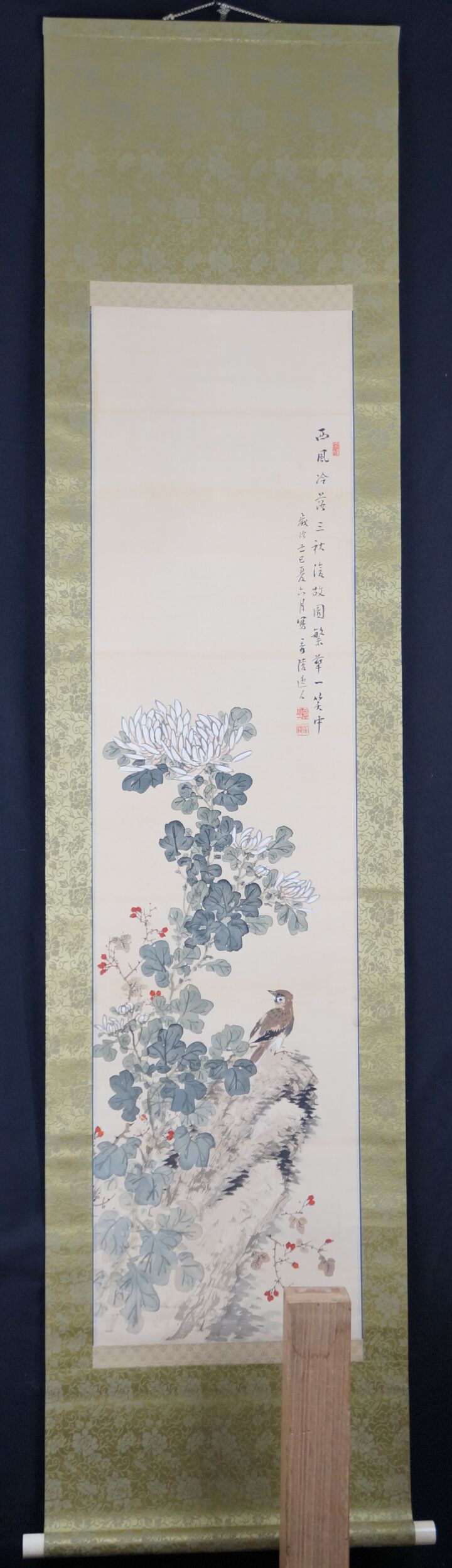
Amano Shuryo
Autumn Chrysanthemums
Kakemono, unique work, with box, 190 x 51 cm
€480.00
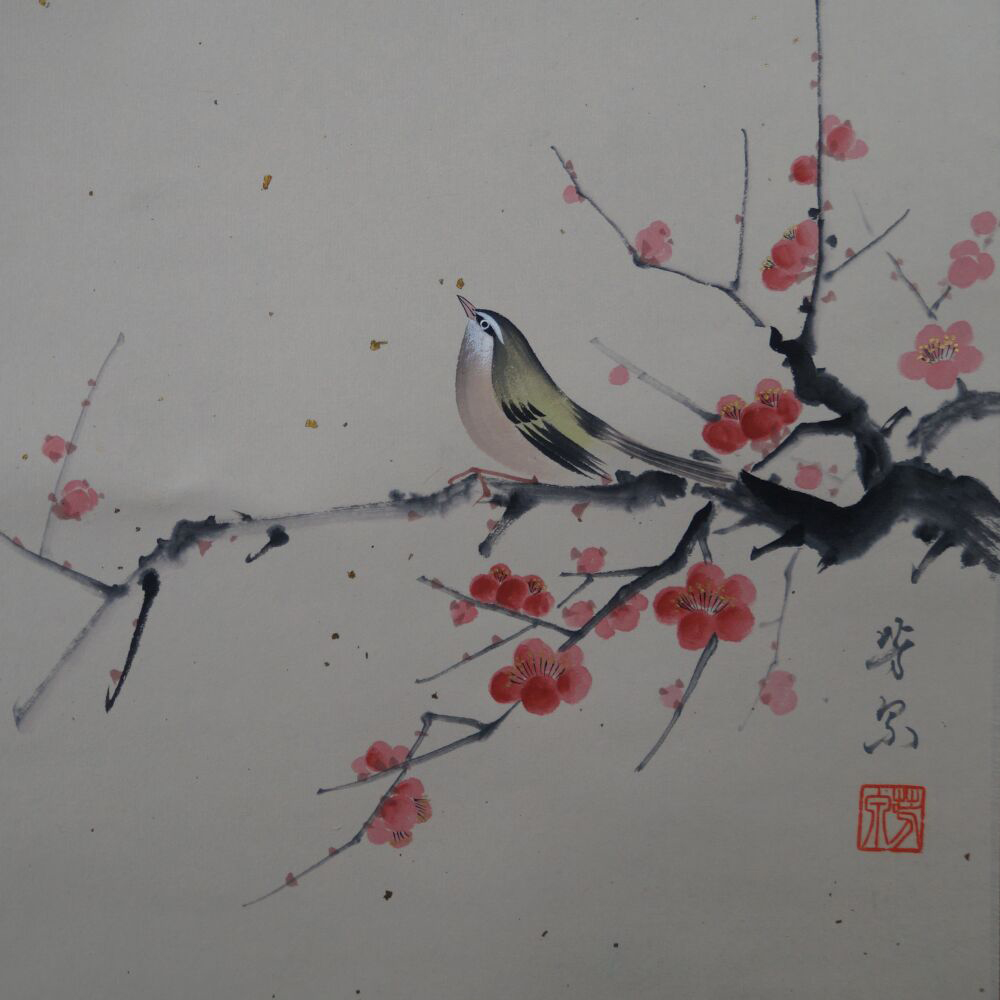
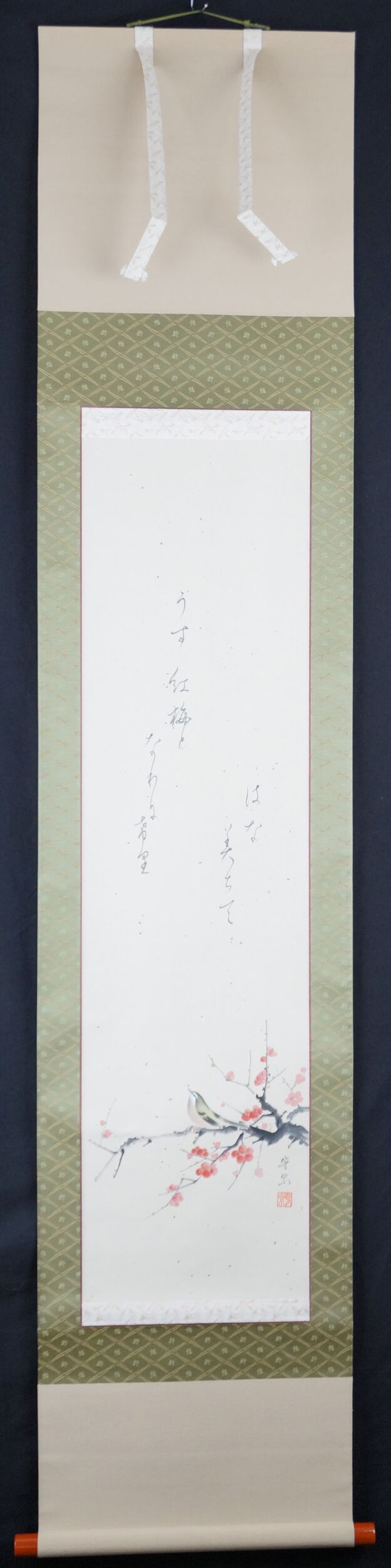
Sugaya Hosen
Pale Pink Plum Blossoms in Spring Light
Kakemono, unique work, with box, 193 x 46 cm
€490.00
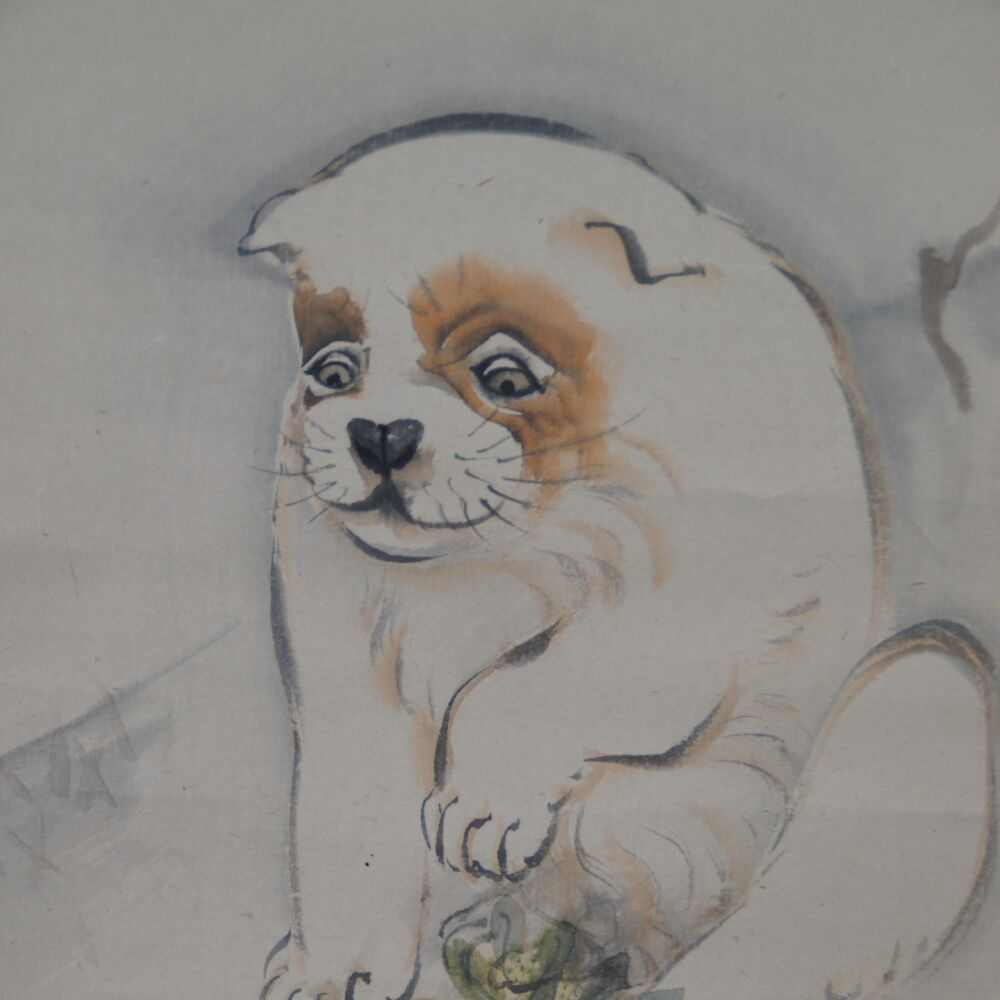
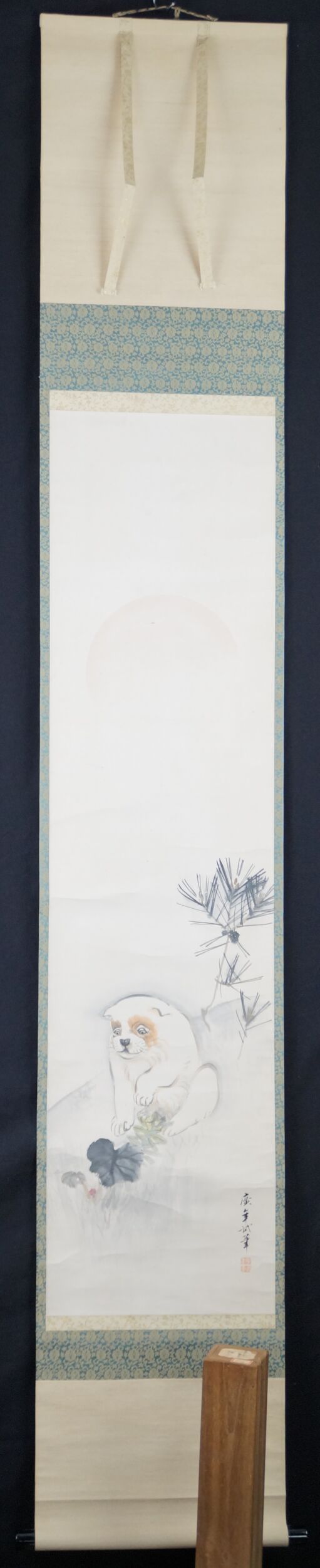
Puppy at Sunset Under Pine Trees
Kakemono, unique work, with box, 200 x 39 cm
€210.00
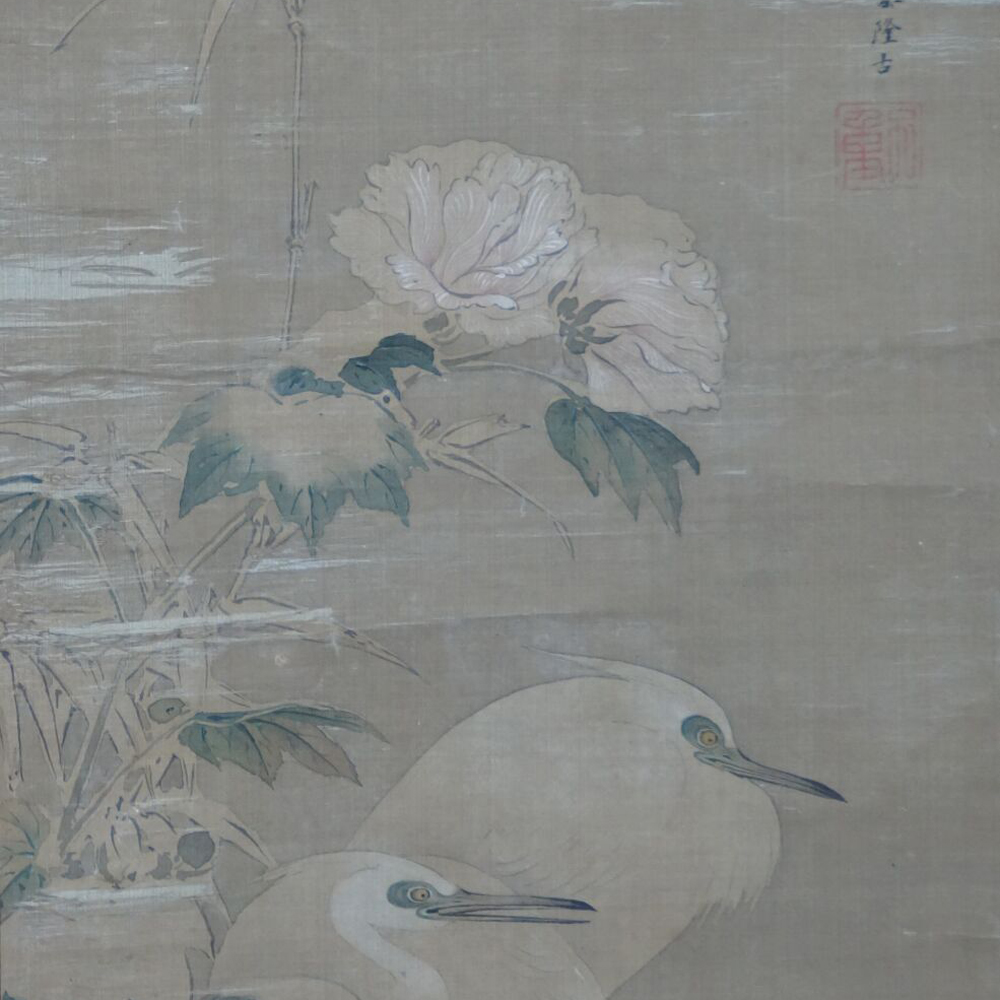
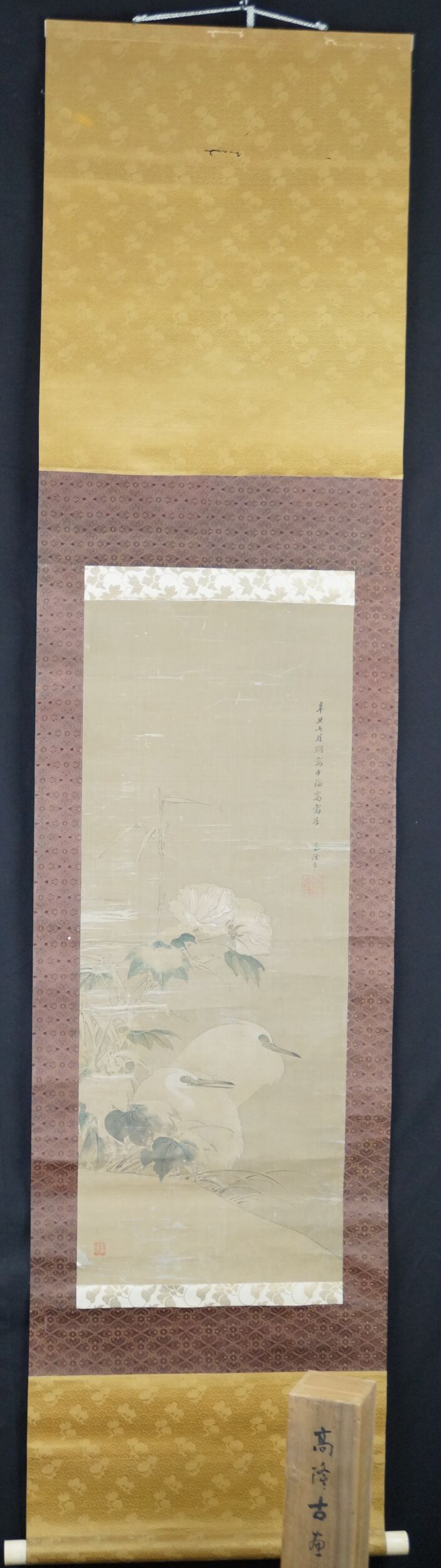
Takaku Ryūko
Heron in Silent Peony Splendor
Kakemono, unique work, with box, 186 x 50 cm
€1,300.00
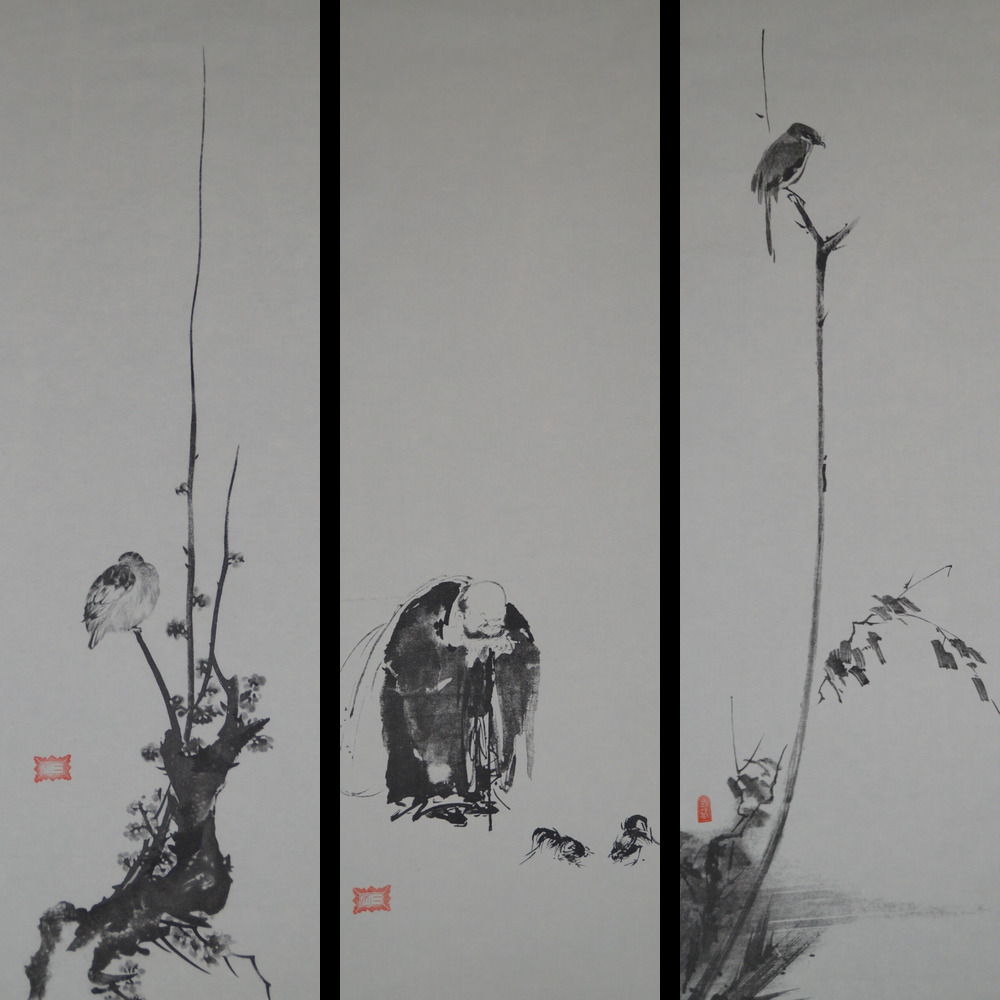
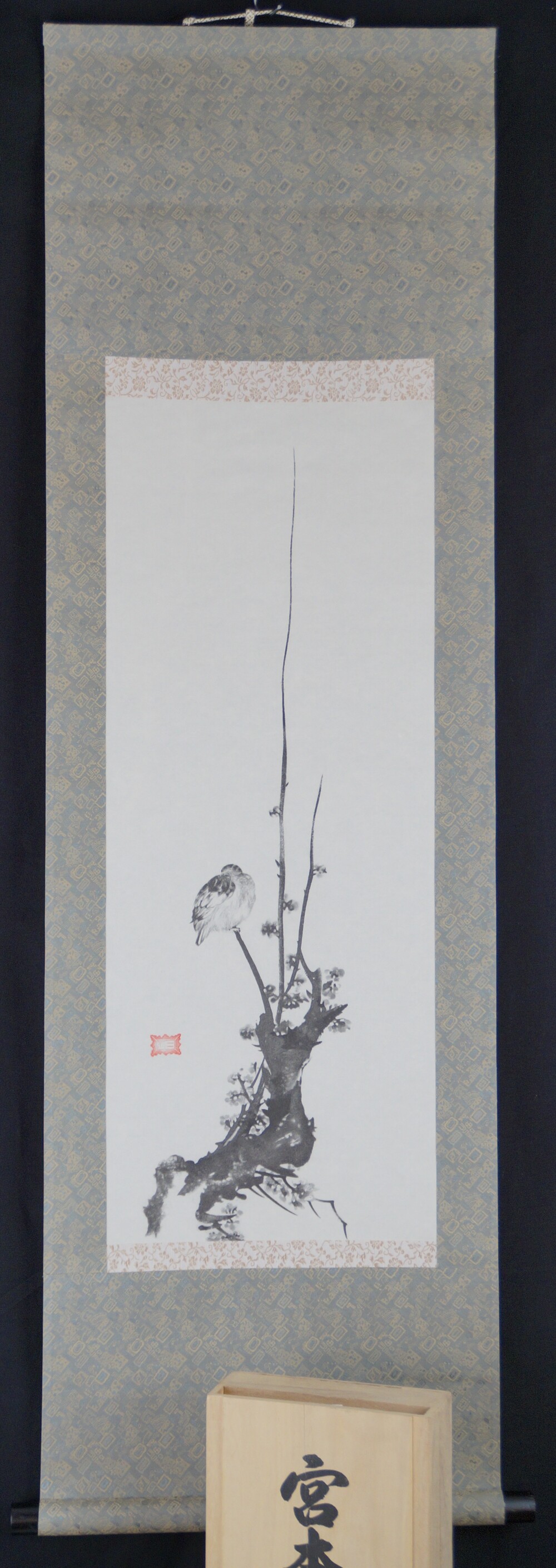
Miyamoto Musashi
Triptych Prints After Miyamoto Musashi
Kakemono, Print, with box, 135 x 47 cm
€270.00
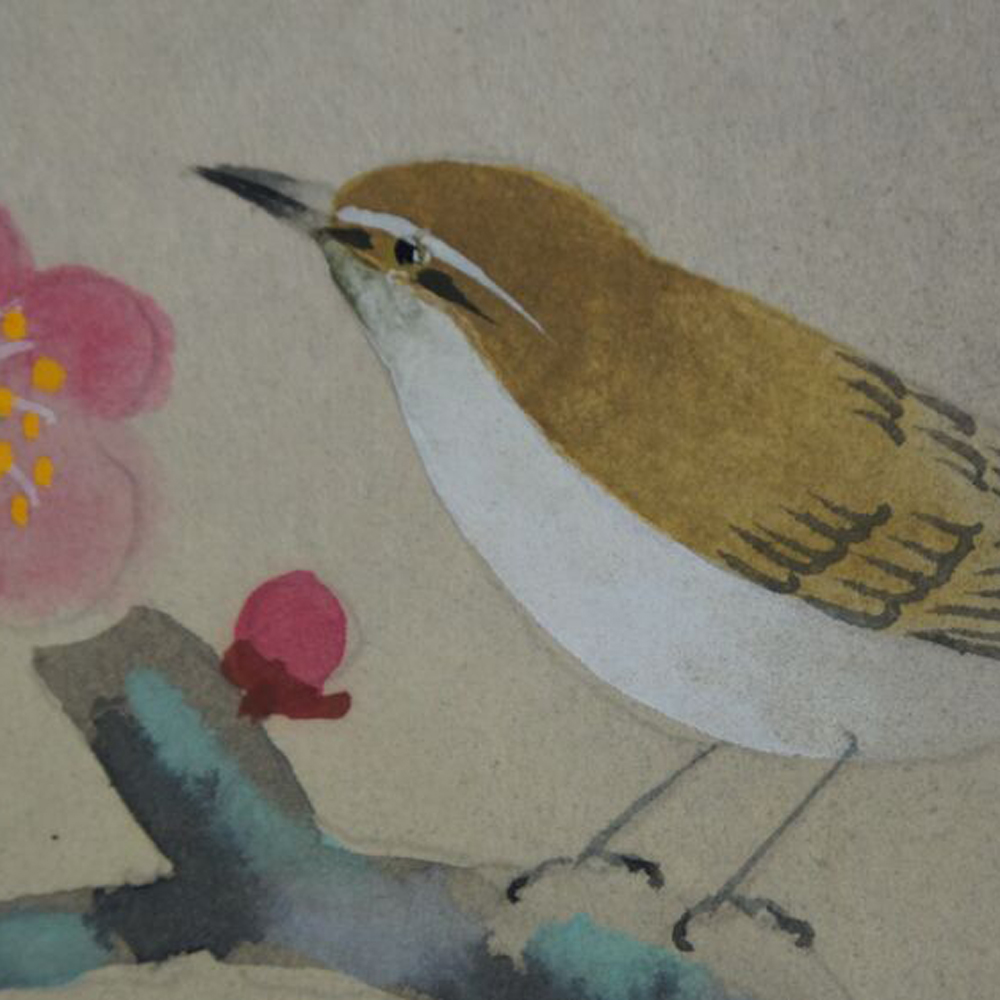
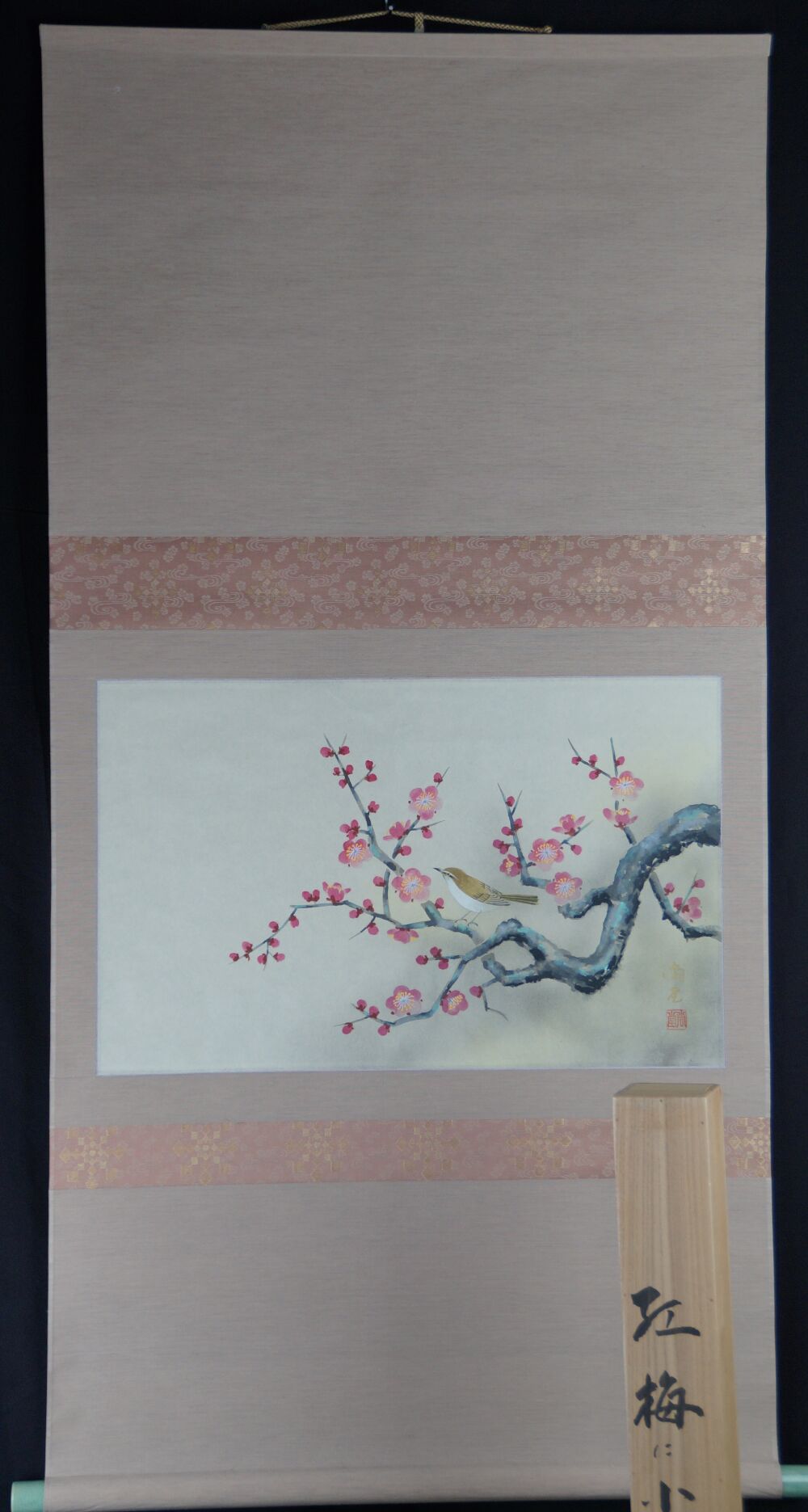
Ogawa Shodo
Songbird on Blooming Plum Tree
Kakemono, unique work, with box, 133 x 66 cm
€410.00
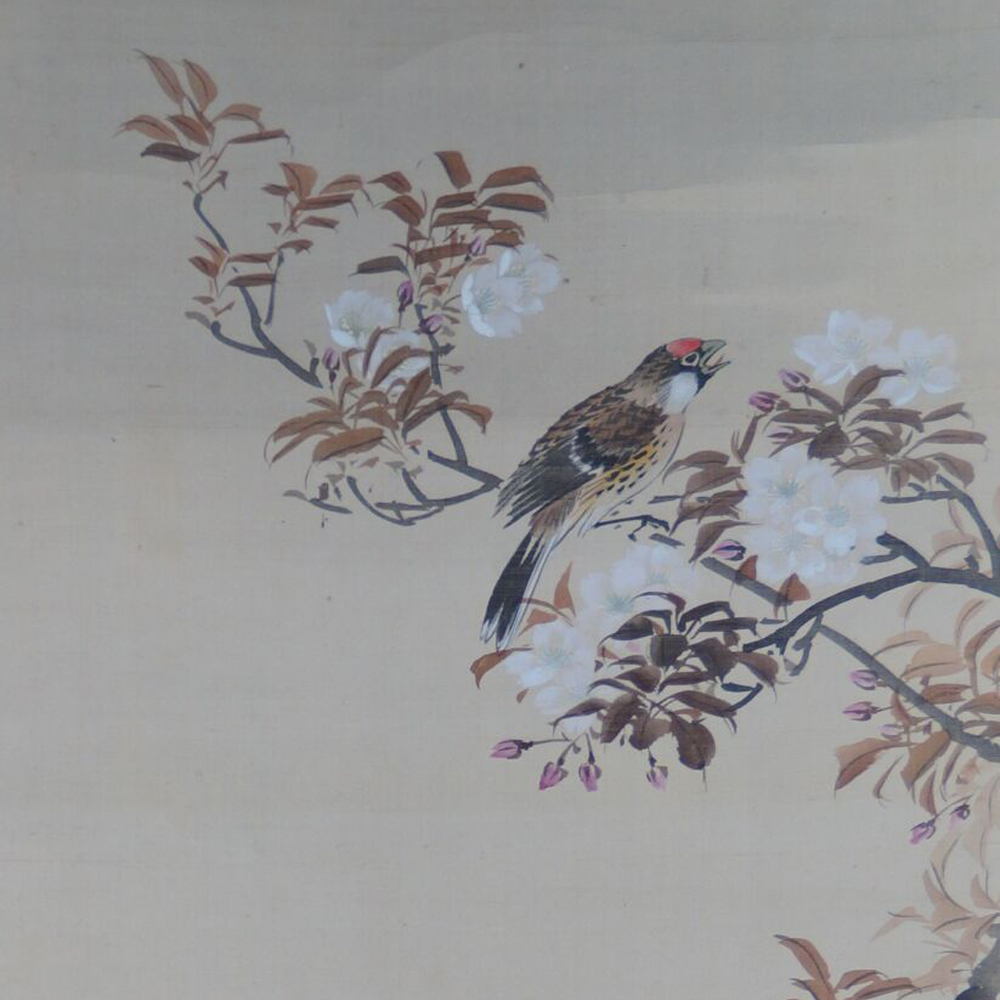
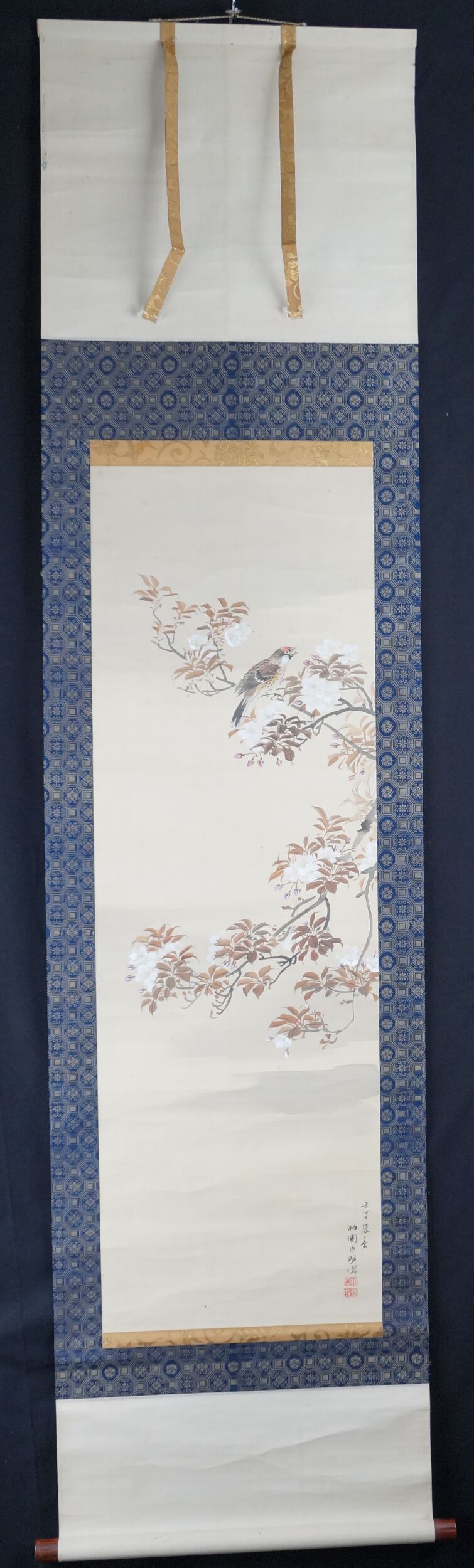
Hirose Hakuen
Singing Bird in Cherry Blossom Branch
Kakemono, unique work, 182 x 51 cm
€370.00
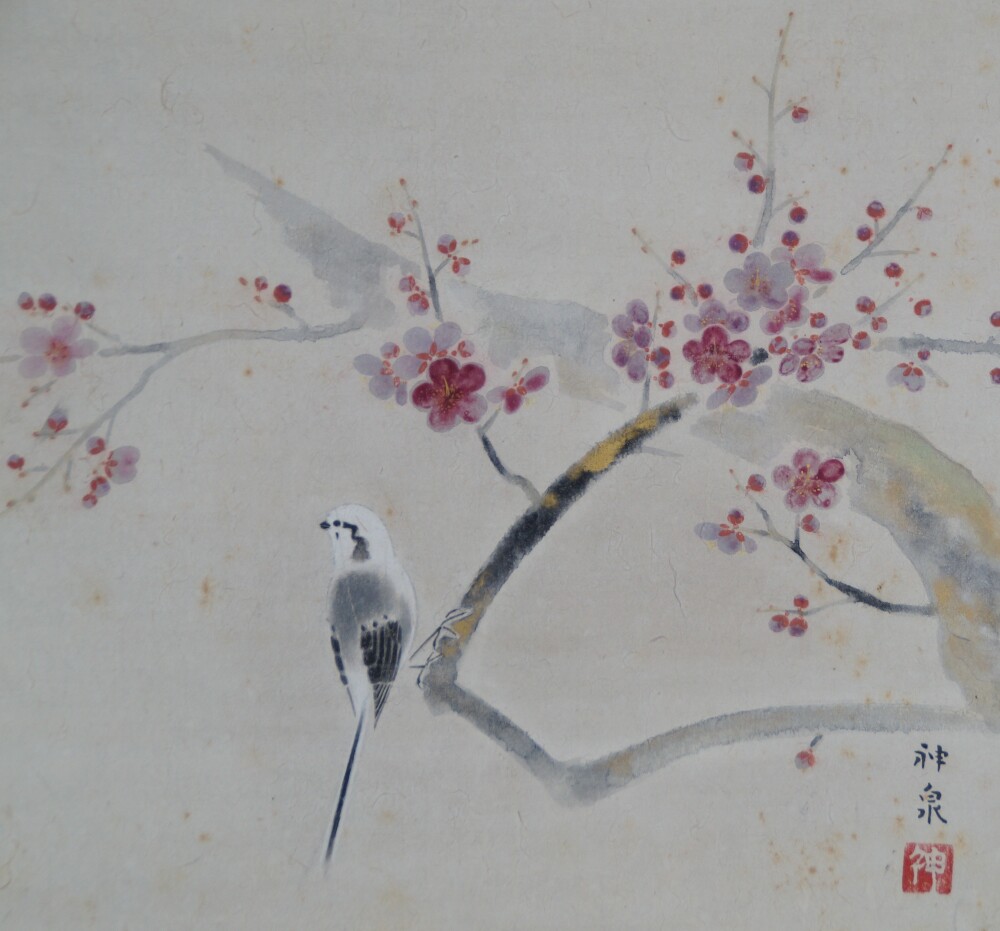
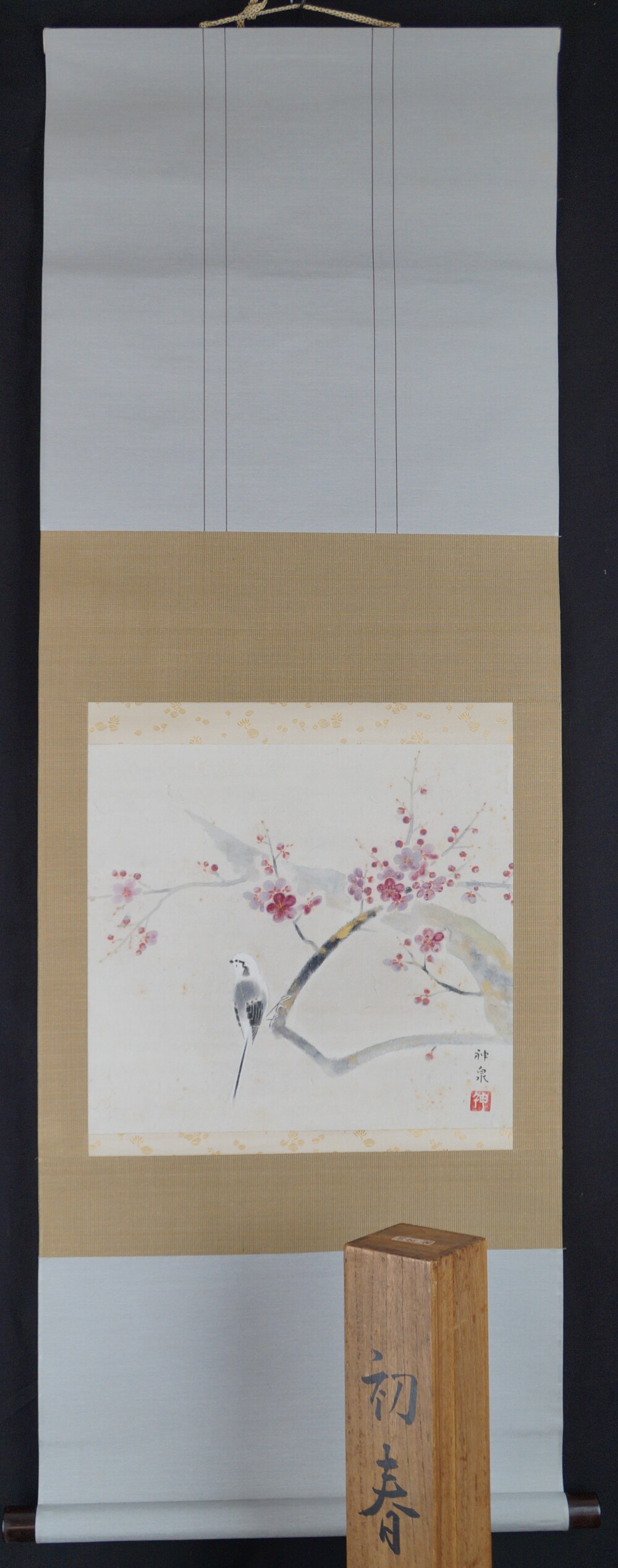
Tokuoka Shinsen
Plum Blossoms in Quiet Morning Light
Kakemono, unique work, with box, 124 x 49 cm
€280.00
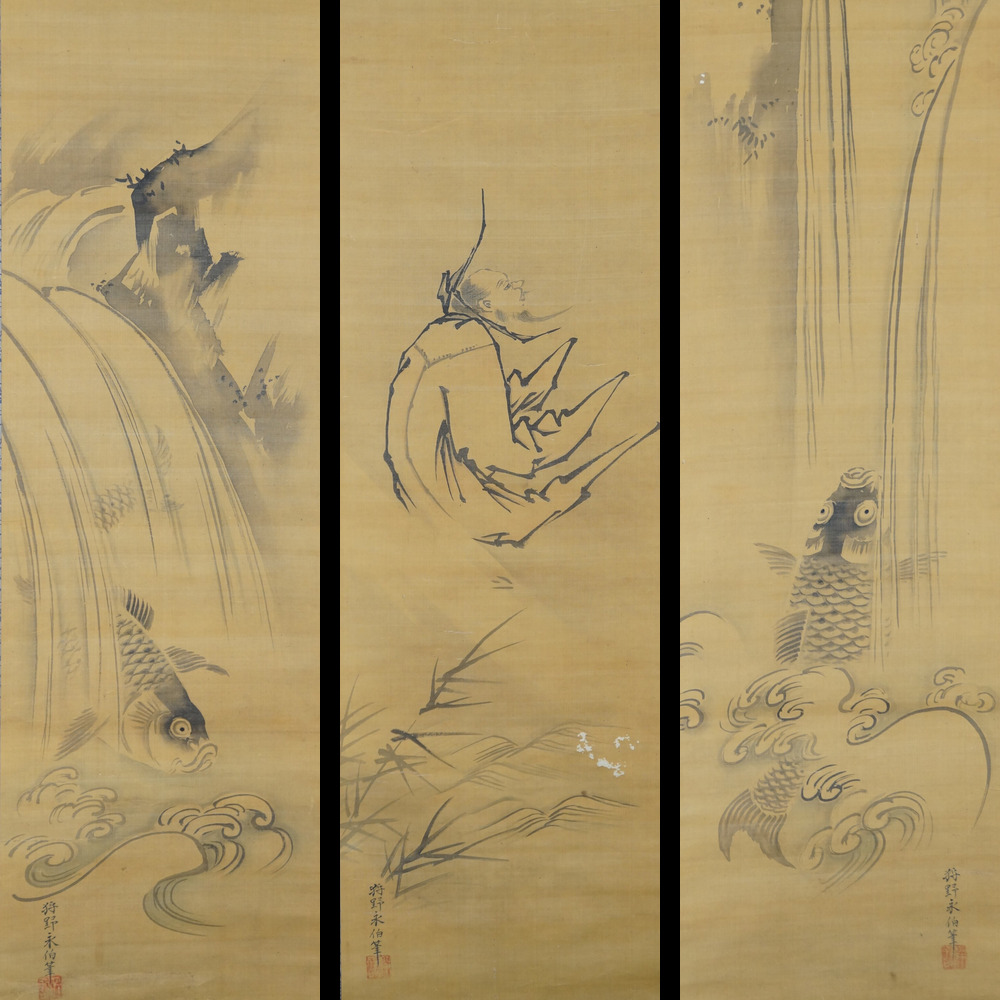
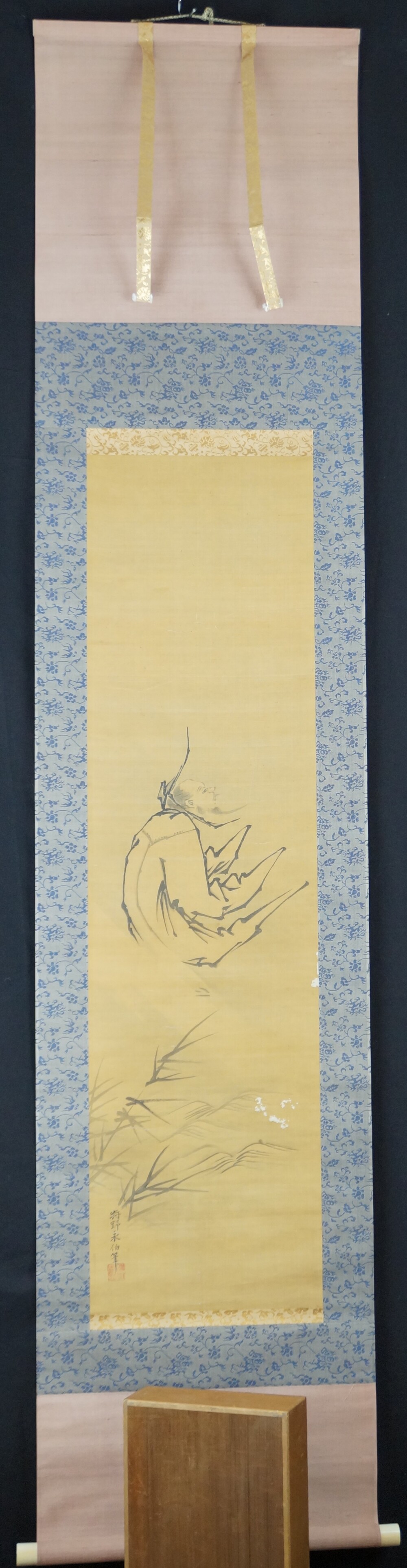
Kano Eihaku
Water, Retreat and Ascent - Set of 3
Kakemono, unique work, with box, 188 x 45 cm
€630.00
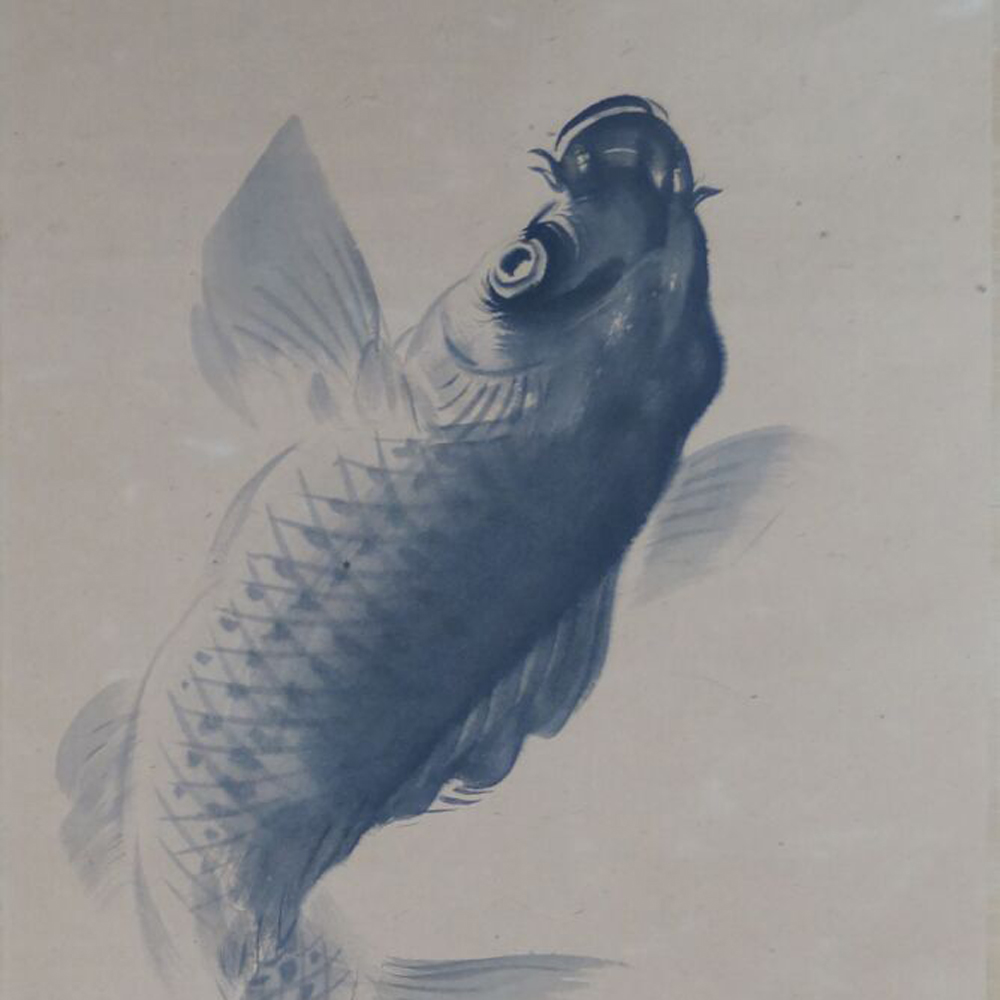
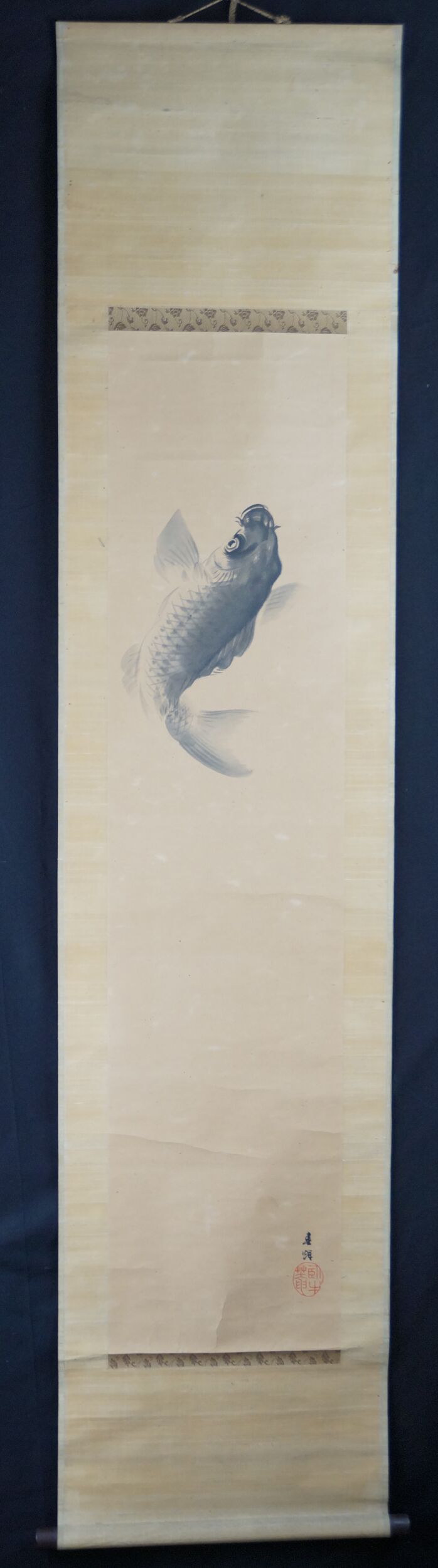
Gyokusha Shunki
Leaping Carp - Kakemono Gyokusha Shunki
Kakemono, unique work, 194 x 50 cm
€540.00
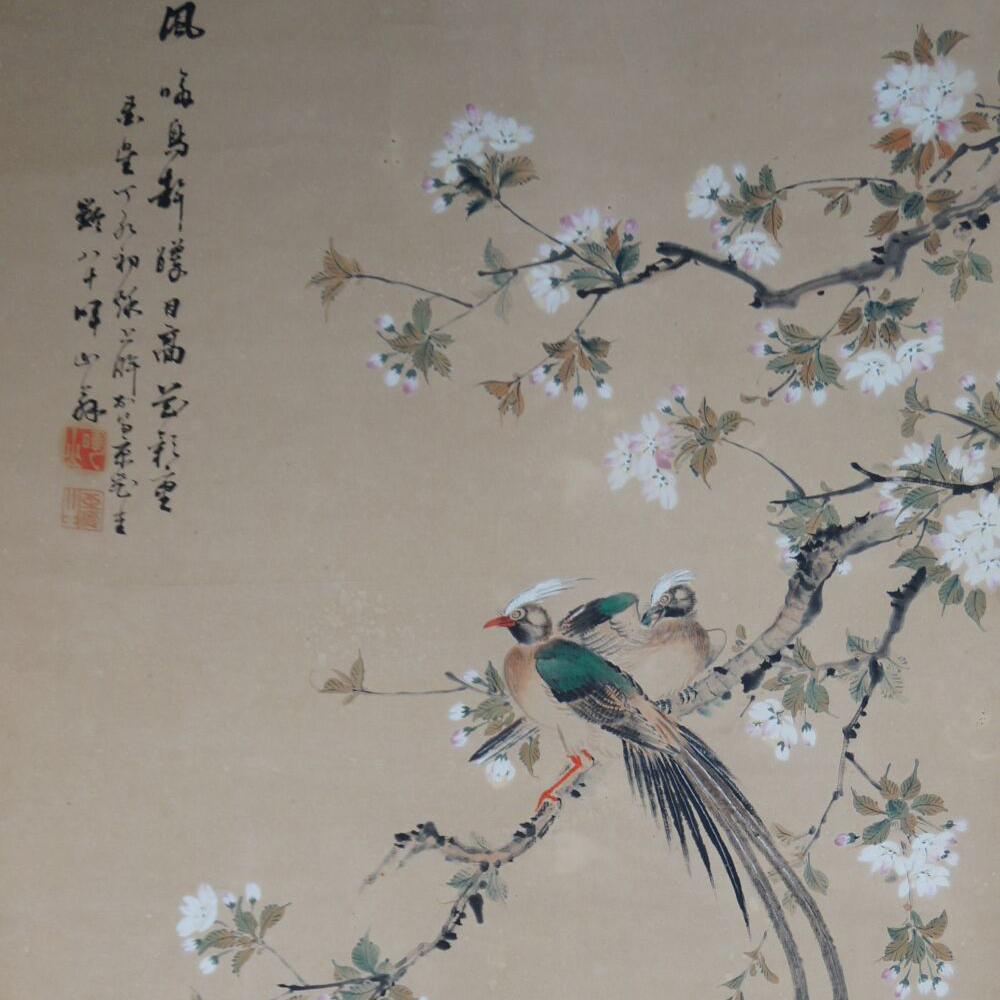
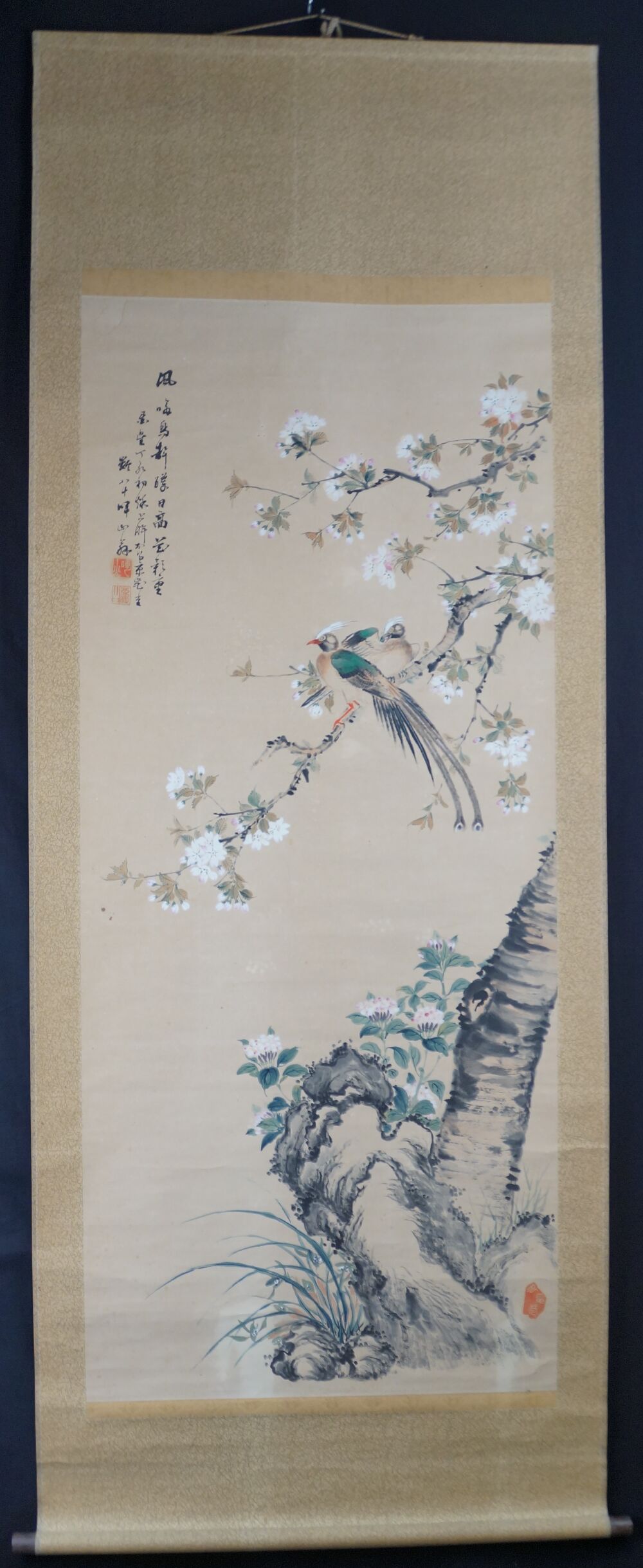
Takahashi Keizan
Spring Duet on Blooming Branch
Kakemono, unique work, 182 x 80 cm
€630.00
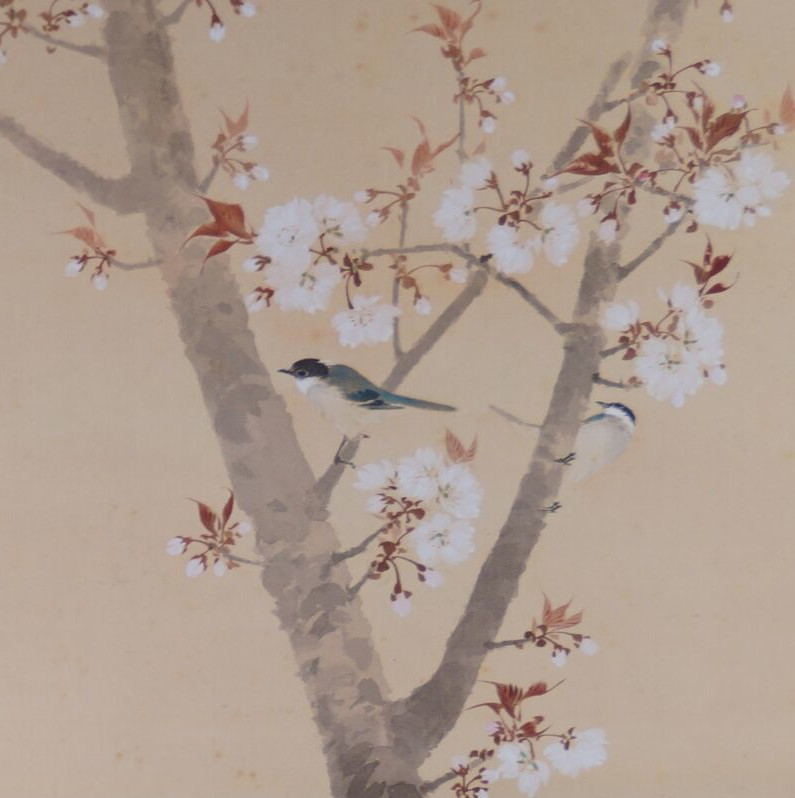
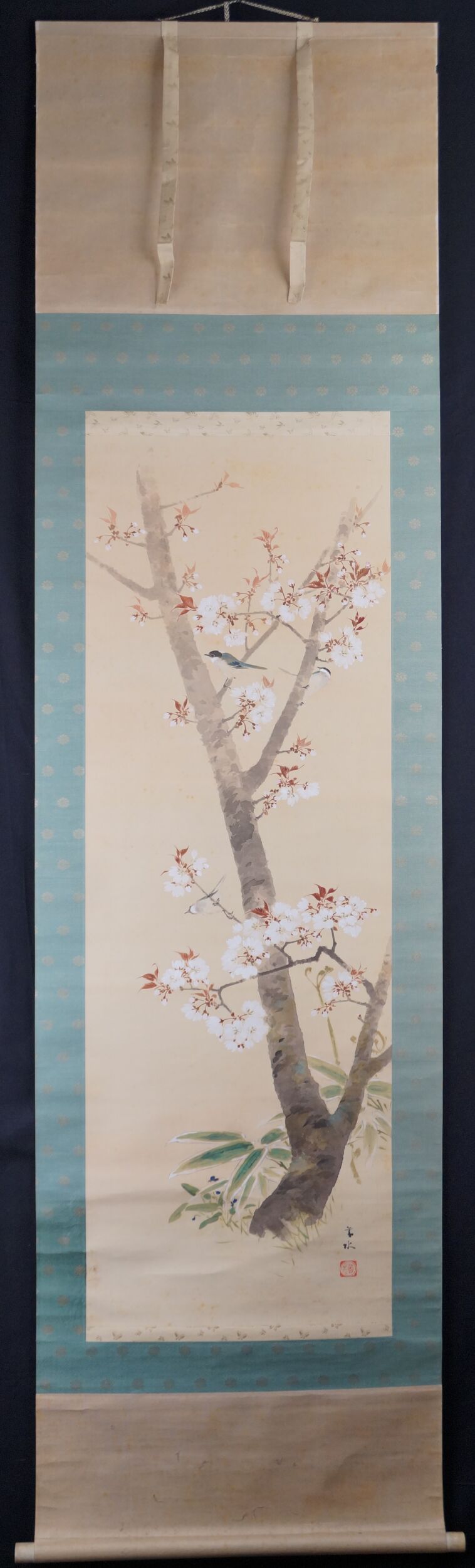
Suma Taisui
Spring at the Old Cherry Blossom
Kakemono, unique work, with box, 208 x 61 cm
€470.00
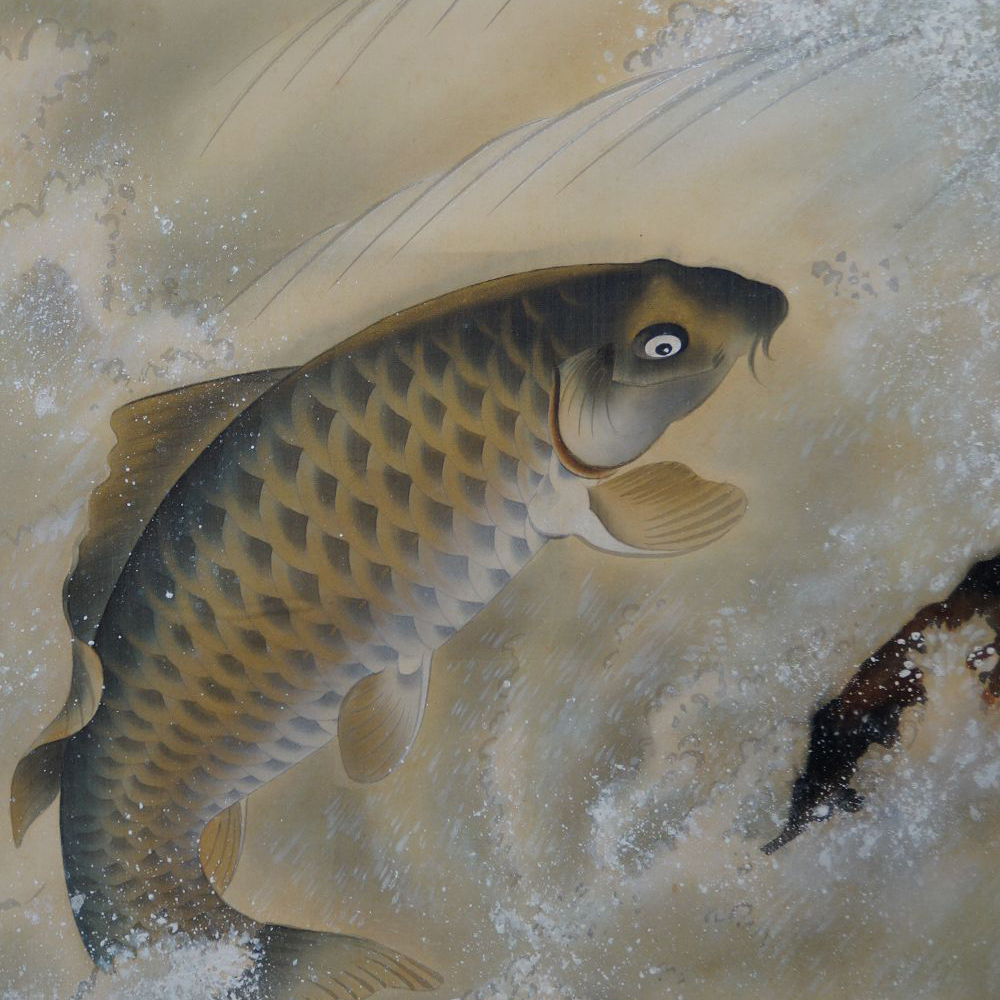

Carp in Turbulent Waterfall
Kakemono, unique work, 213 x 55 cm
€430.00
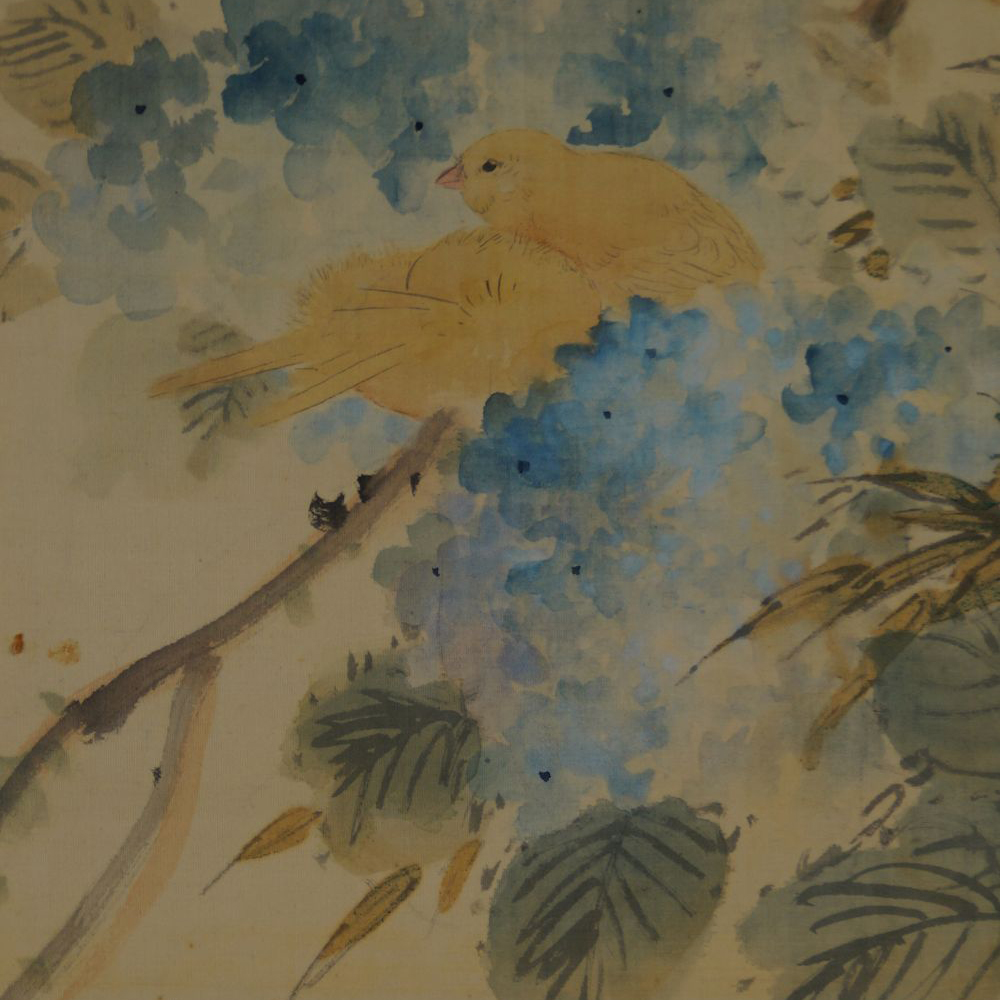

Ikuta Tōzan
Hydrangeas in Early Summer Light
Kakemono, unique work, 187 x 38 cm
€290.00
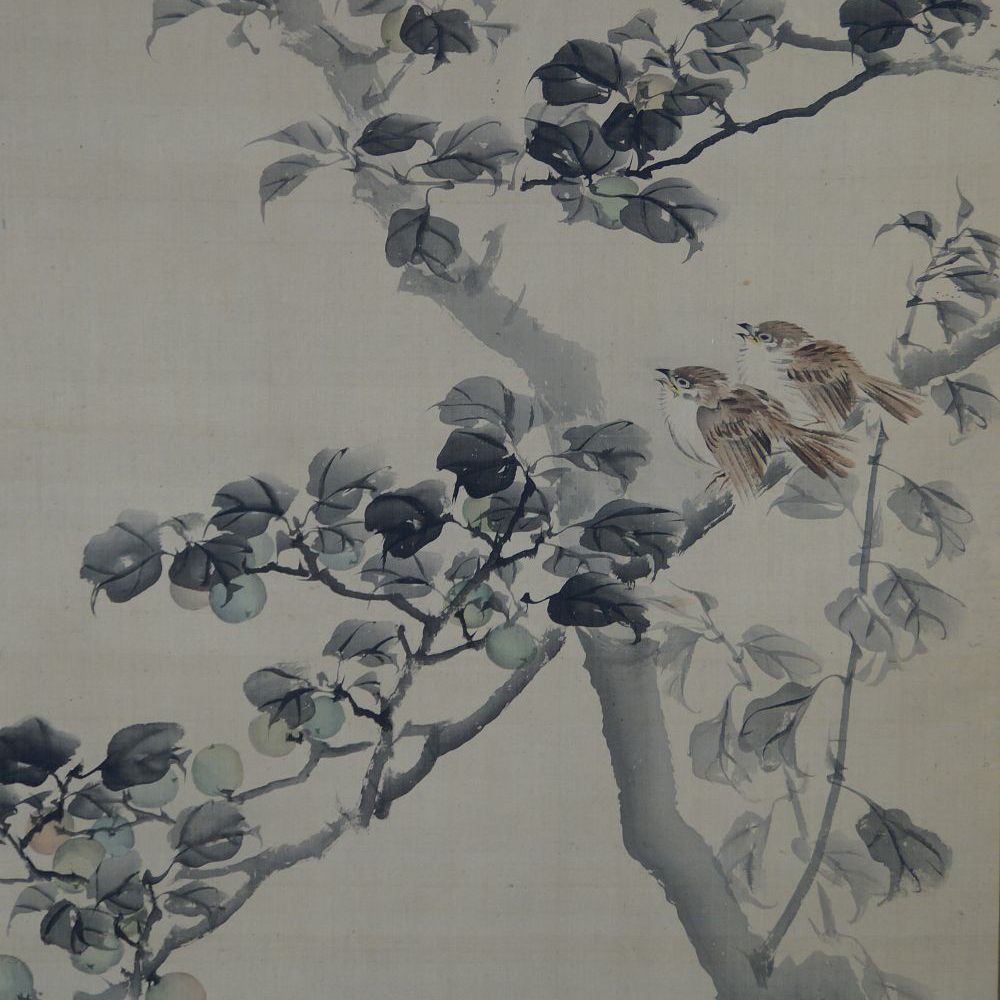

Okajima Kiyohiro
Sparrows on a Fruit Tree
Kakemono, unique work, with box, 190 x 60 cm
€340.00
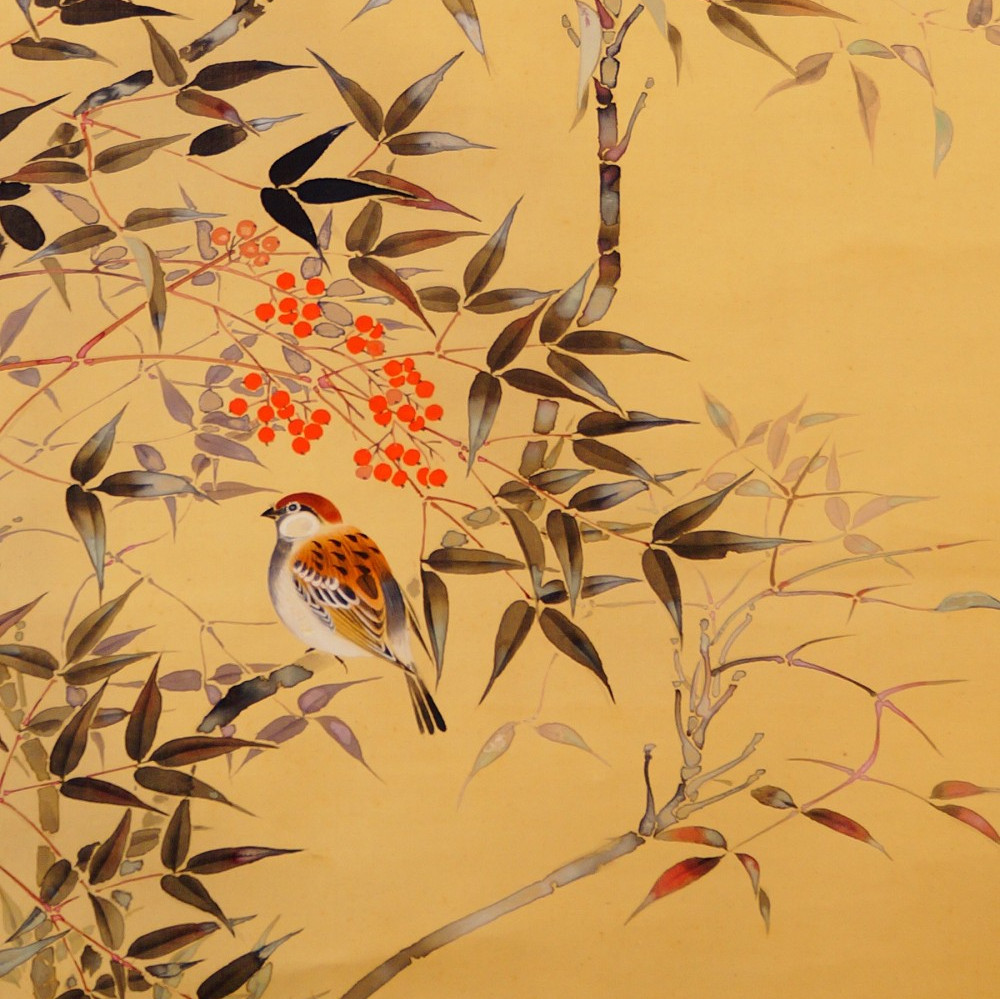

Mikami Kyokuhō
Naturstille
Kakemono, unique work, 202 x 61 cm
€265.00
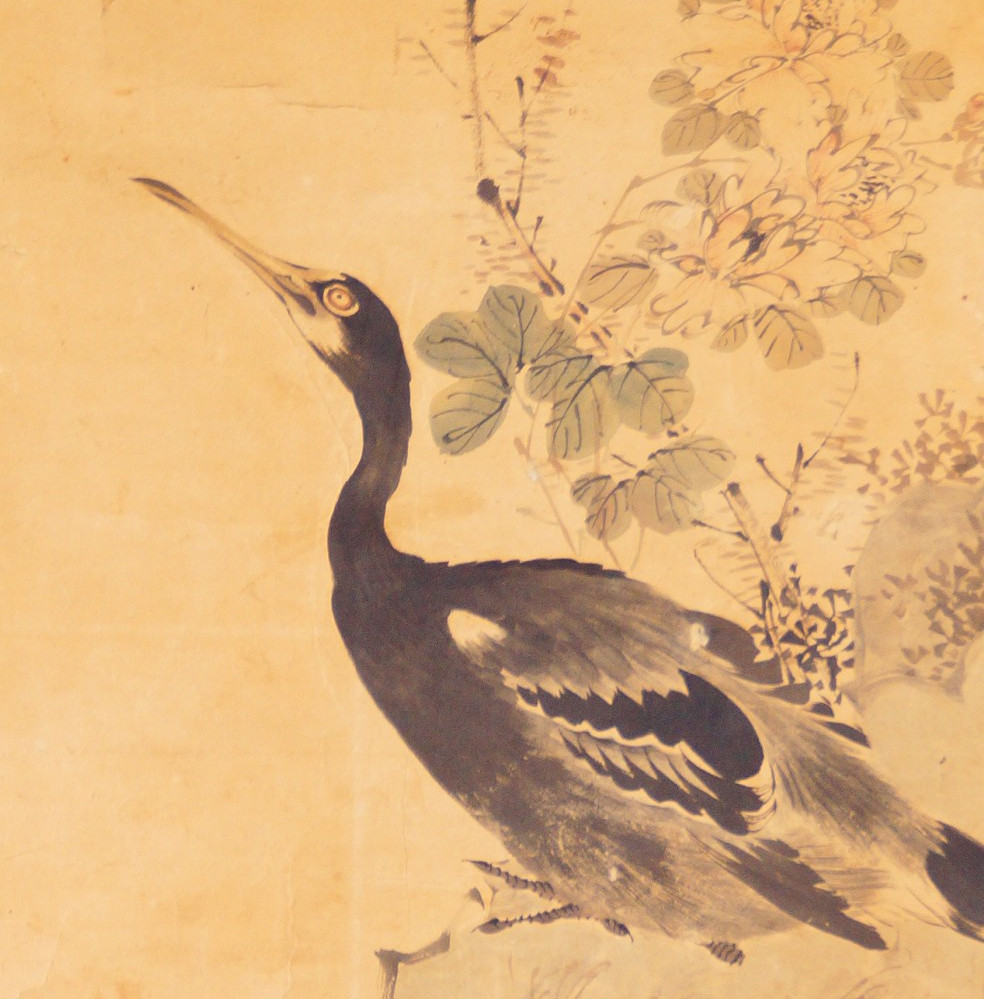

Yamamoto Baiitsu
Heron on Rock with Chrysanthemums
Kakemono, unique work, 189 x 60 cm
€290.00
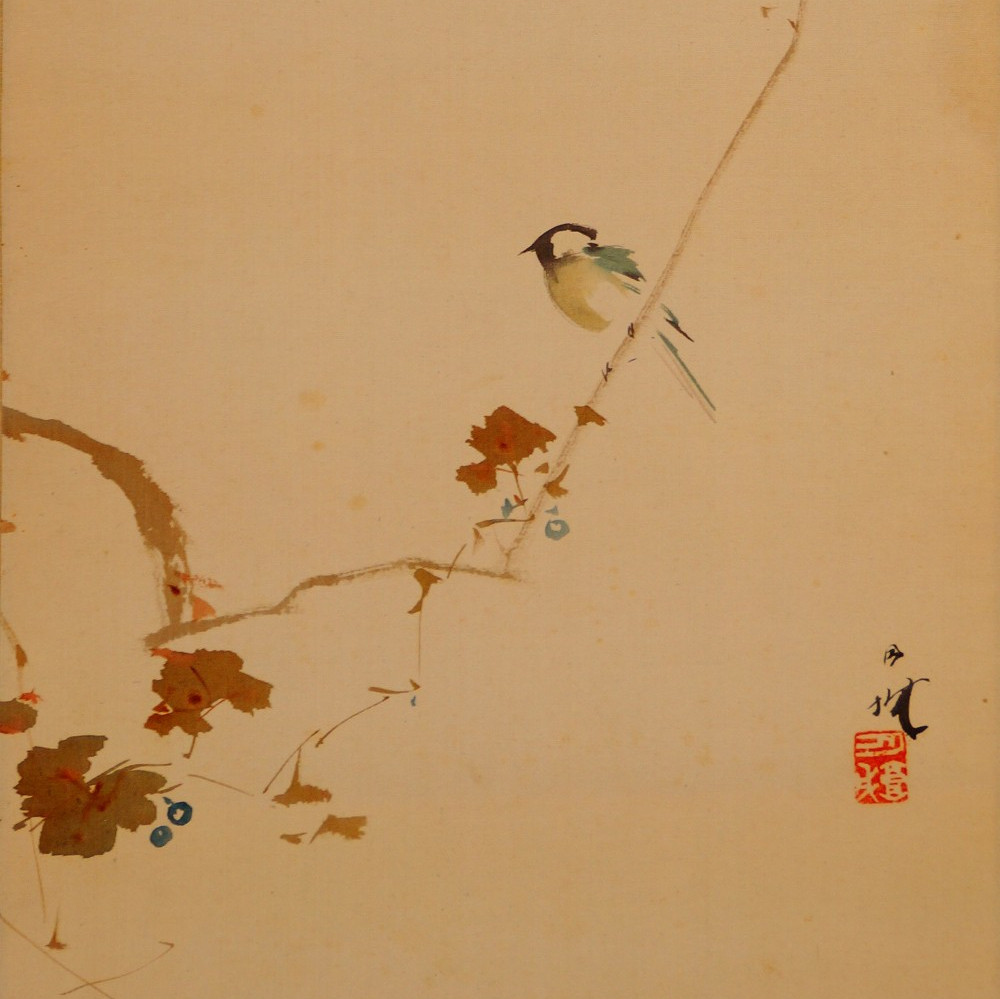

Mori Getsujō
Songbird on Grapevine
Kakemono, unique work, 142 x 37 cm
€1,420.00
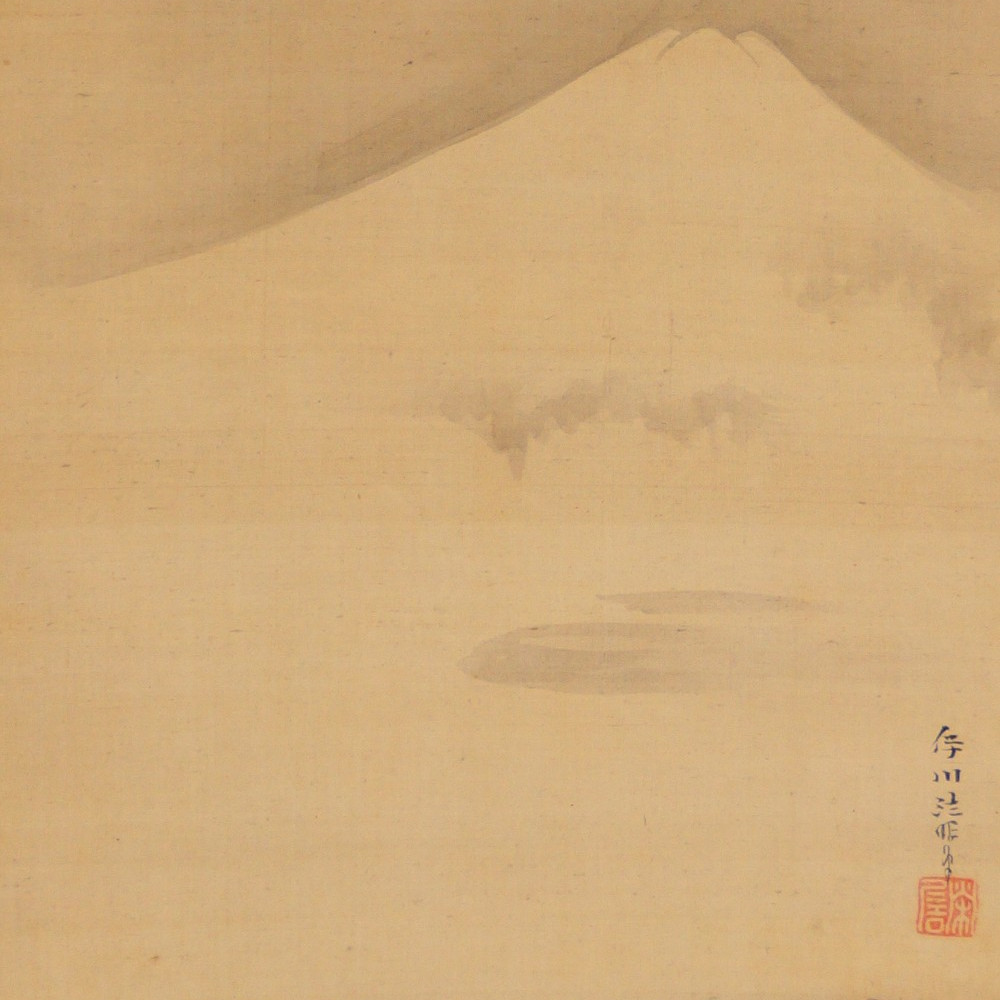

Kano Eishin und Kano Yoshinobu
Cranes Before Mount Fuji (in the Tradition of the Kano School)
Kakemono, unique work, with box, 162 x 41 cm
€450.00
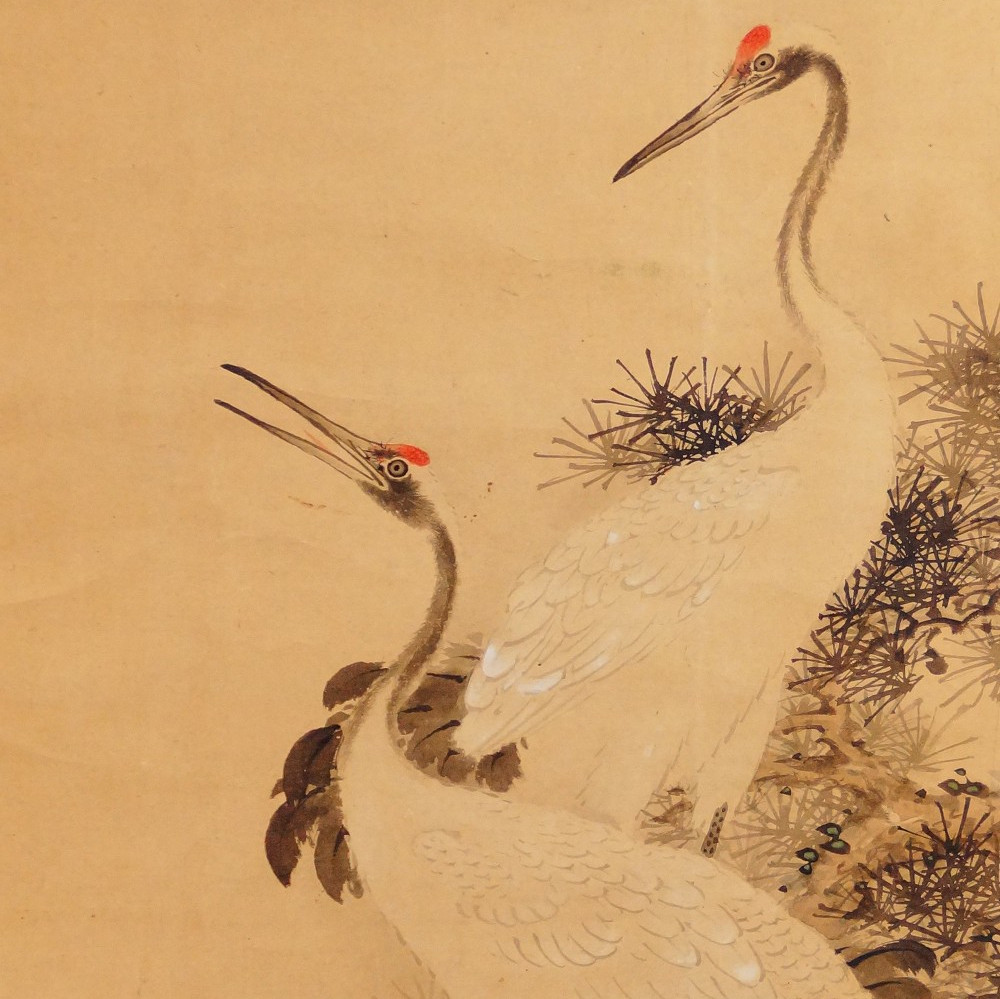

Murata Tōho
Pair of Cranes Between Pine Branches in Sepia Tones
Kakemono, unique work, 195 x 62 cm
€390.00
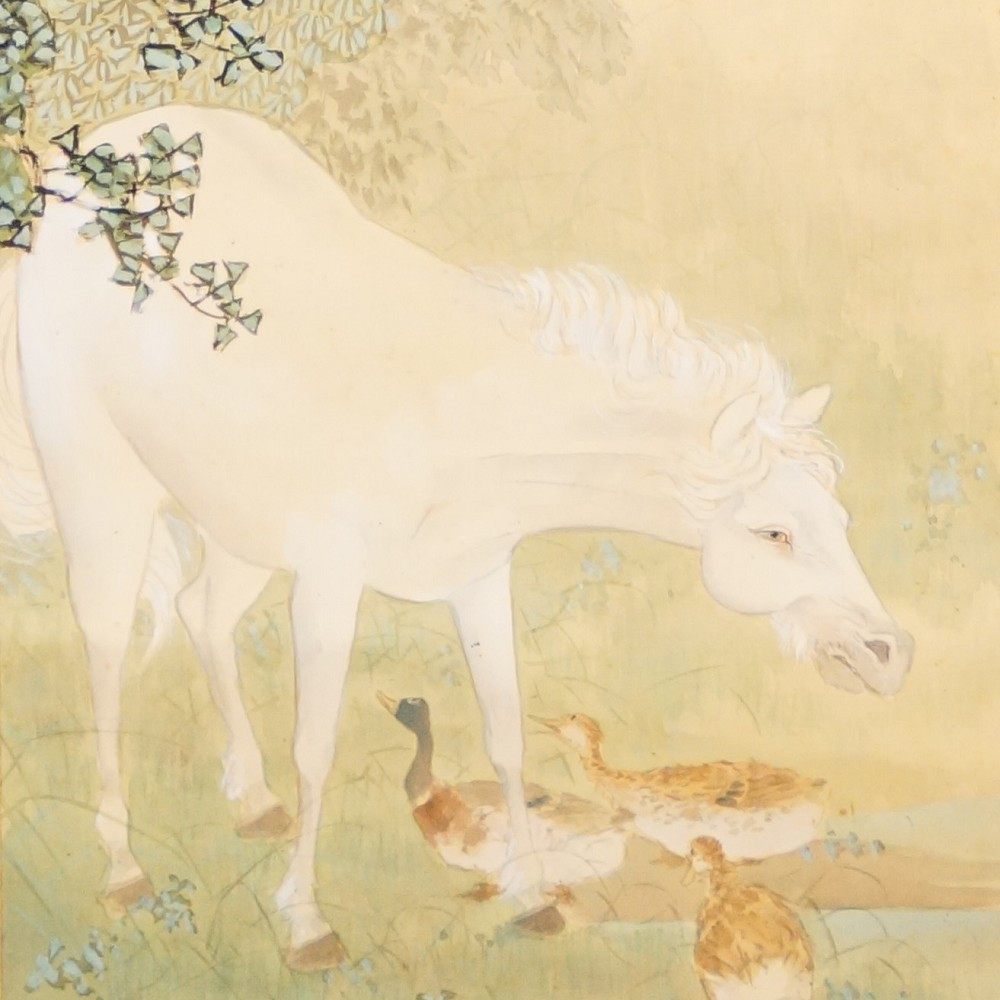

Sōbun
Harmony by the Water
Kakemono, unique work, 193 x 38 cm
€330.00
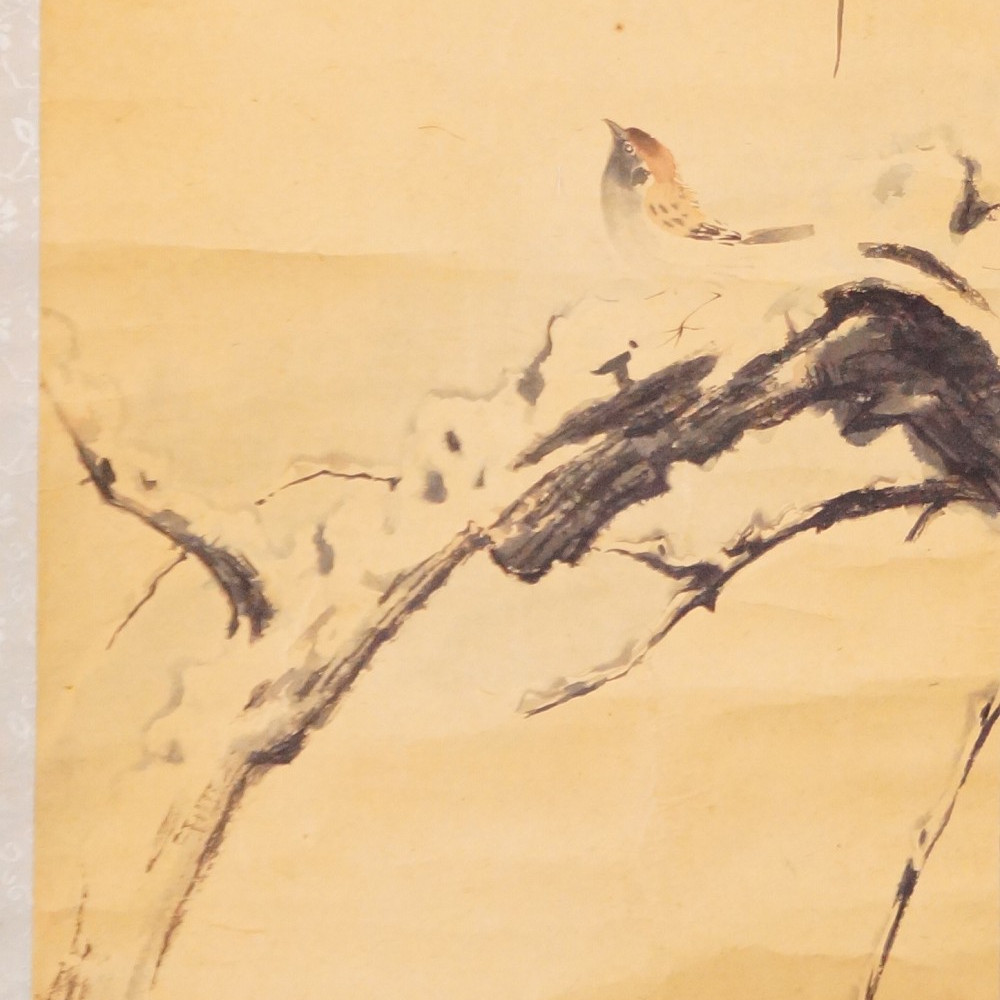

Sansō
Moment of Silence
Kakemono, unique work, 200 x 48 cm
€280.00
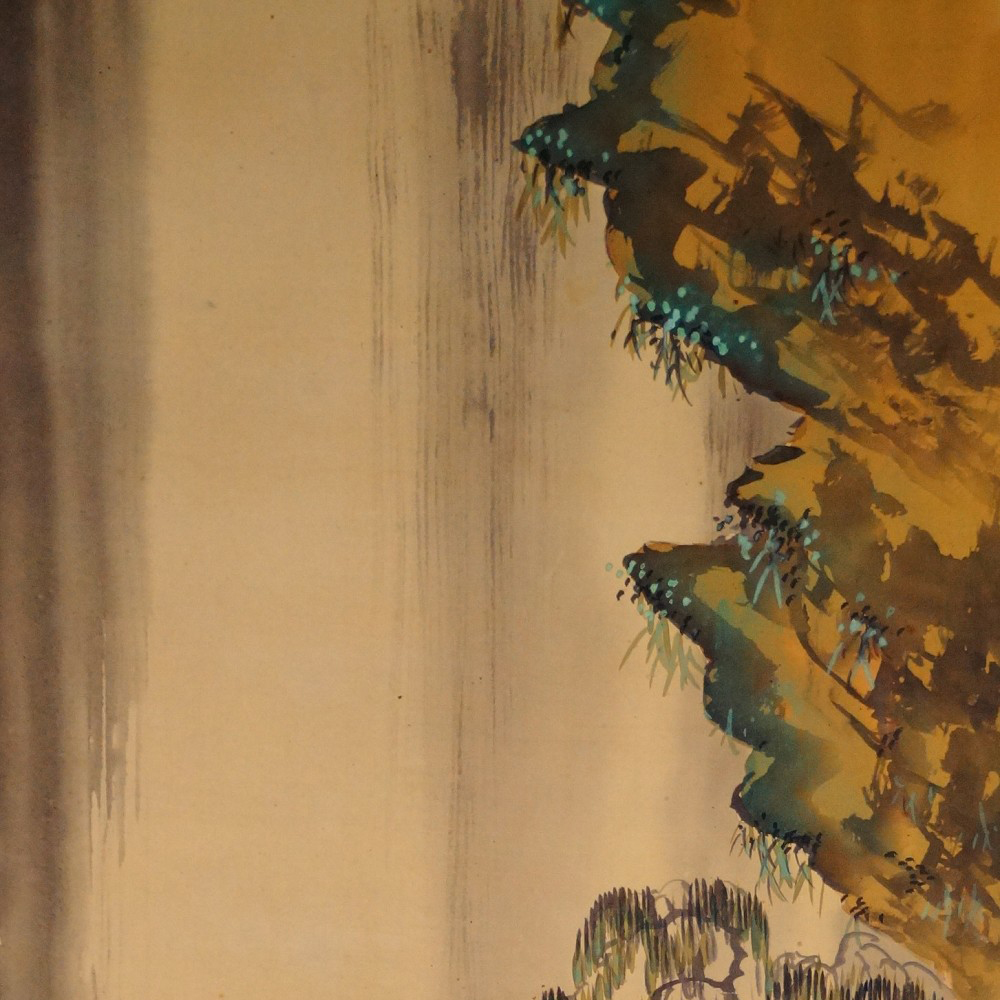

Jōdō
Bees Against a Waterfall Backdrop by Jodo
Kakemono, unique work, 188 x 62 cm
€375.00
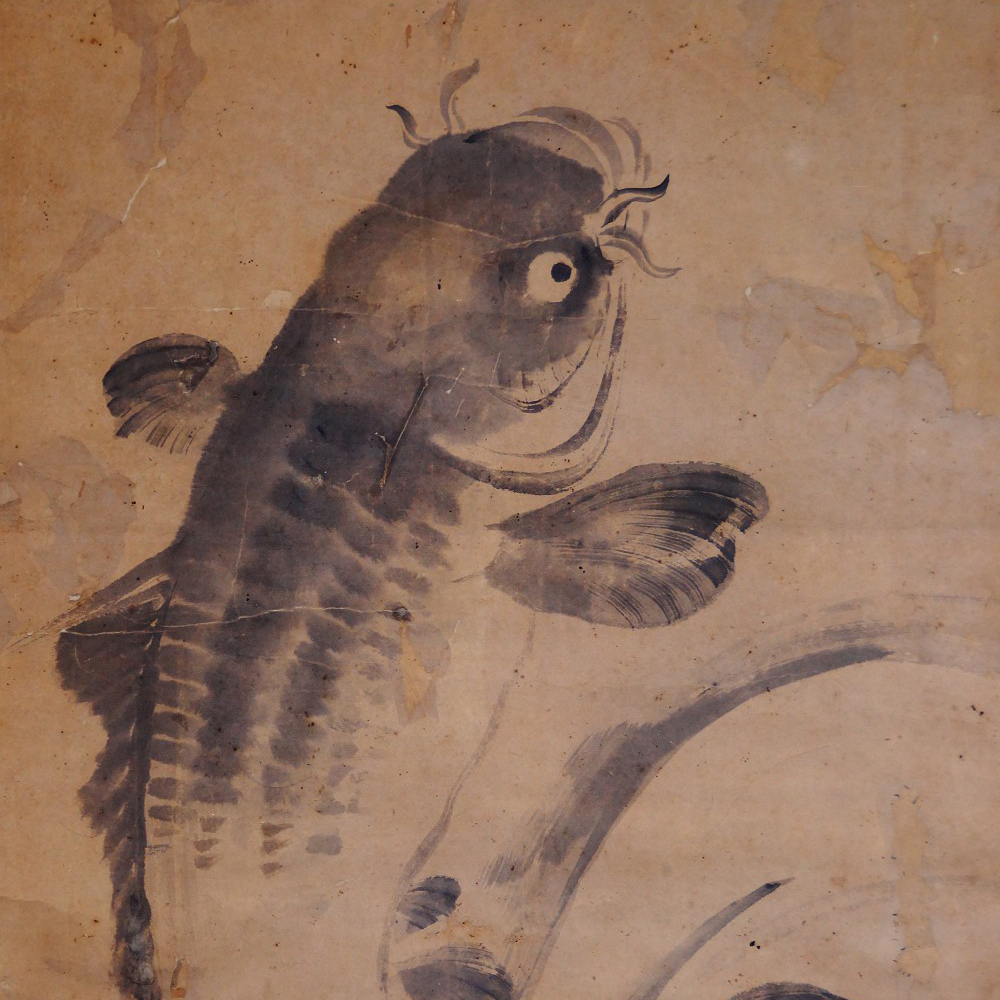

Shūjō
Carp Dancing in Water
Kakemono, unique work, 165 x 68 cm
€460.00
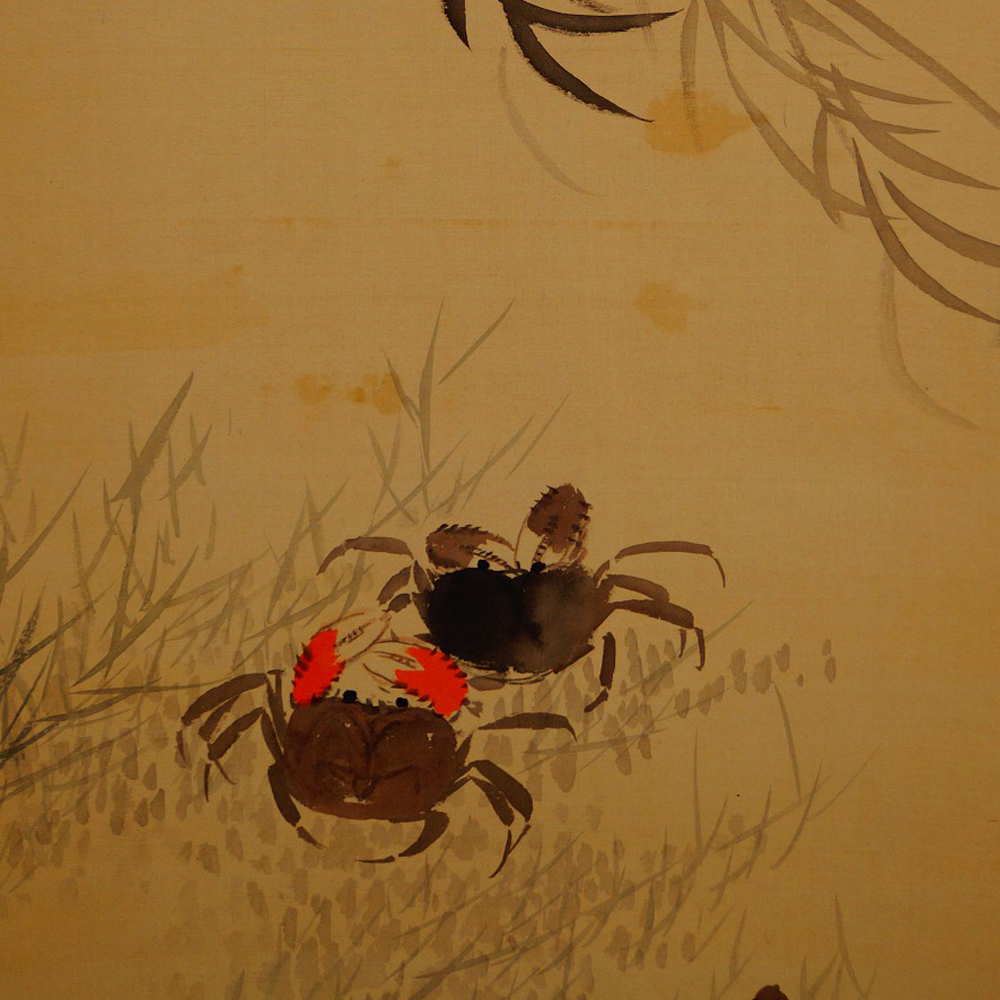
Ekitō
Play of the Crayfish
Kakemono, unique work, 182 x 51 cm
Sold
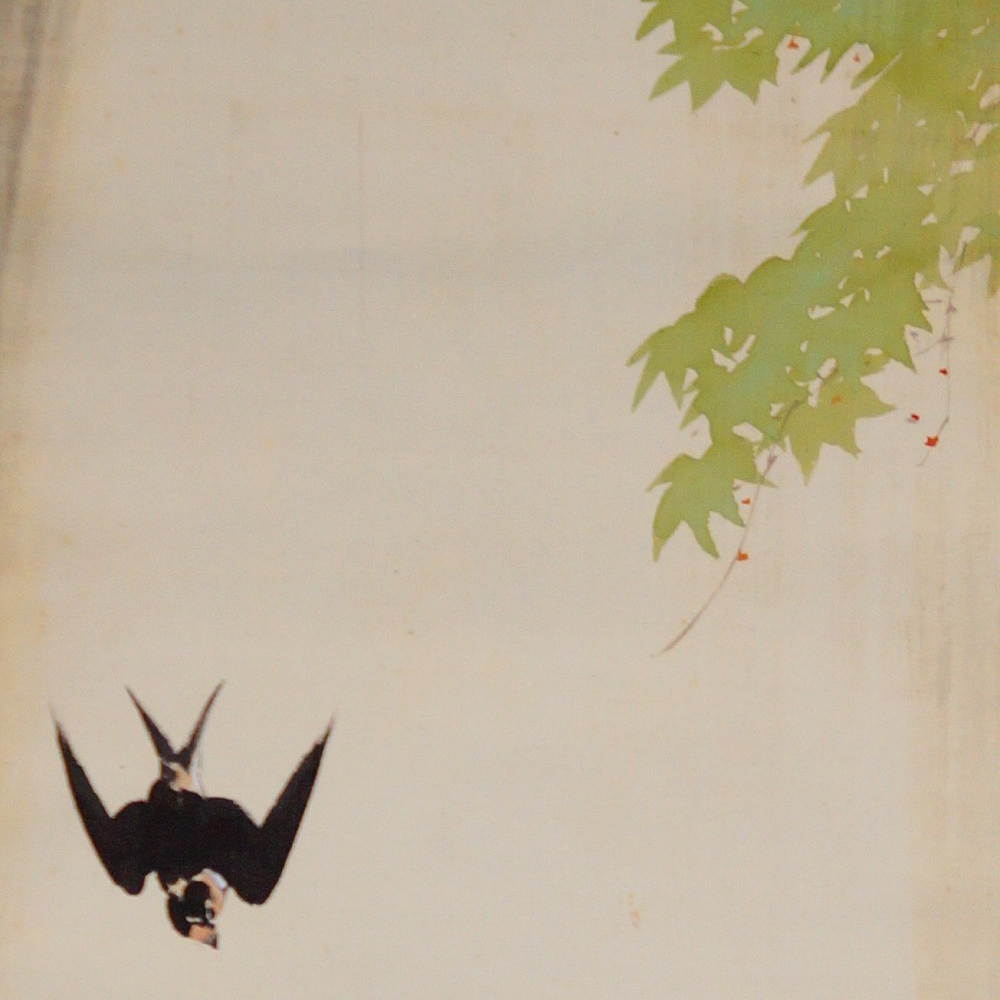

Nishioka Sosen
Swallow at the Waterfall
Kakemono, unique work, with box, 184 x 45 cm
€390.00
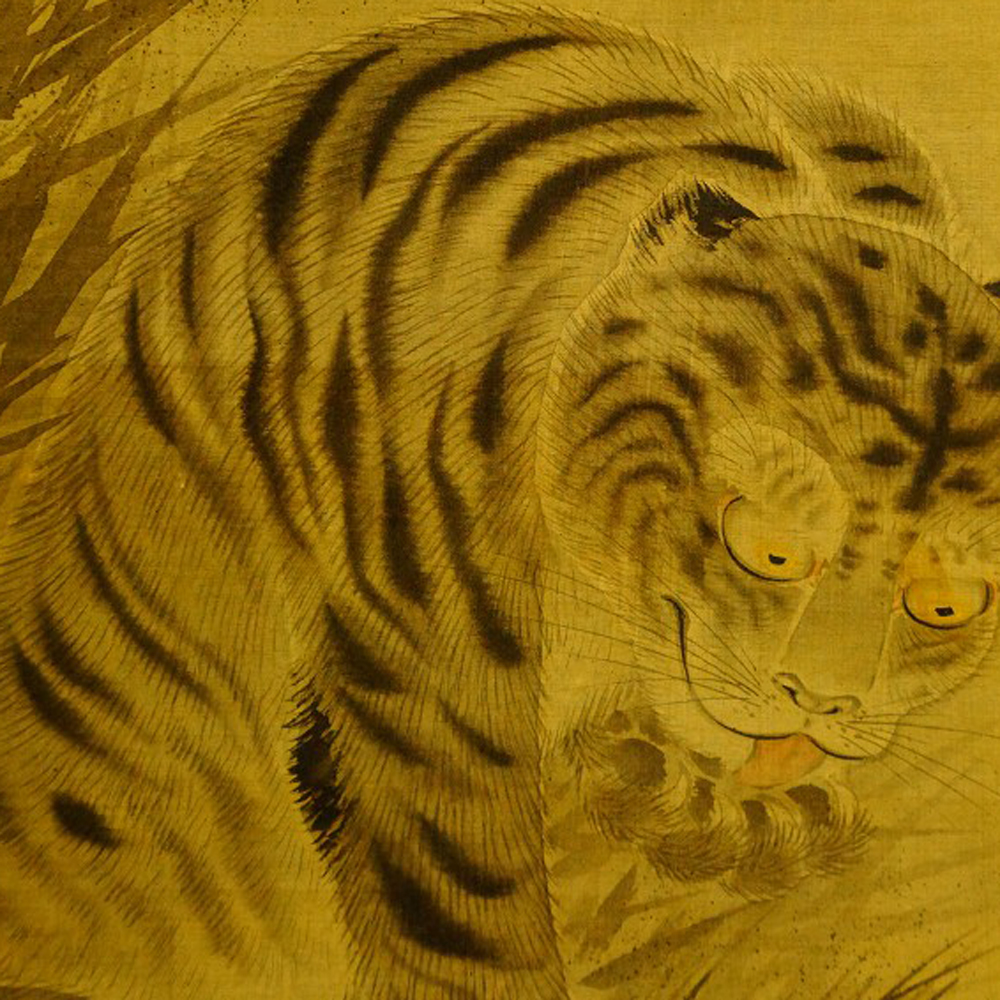

Kokyo
Gentle Elegance of the Tiger - Makuri without Mounting
Makuri, unique work, 94 x 32 cm
€890.00
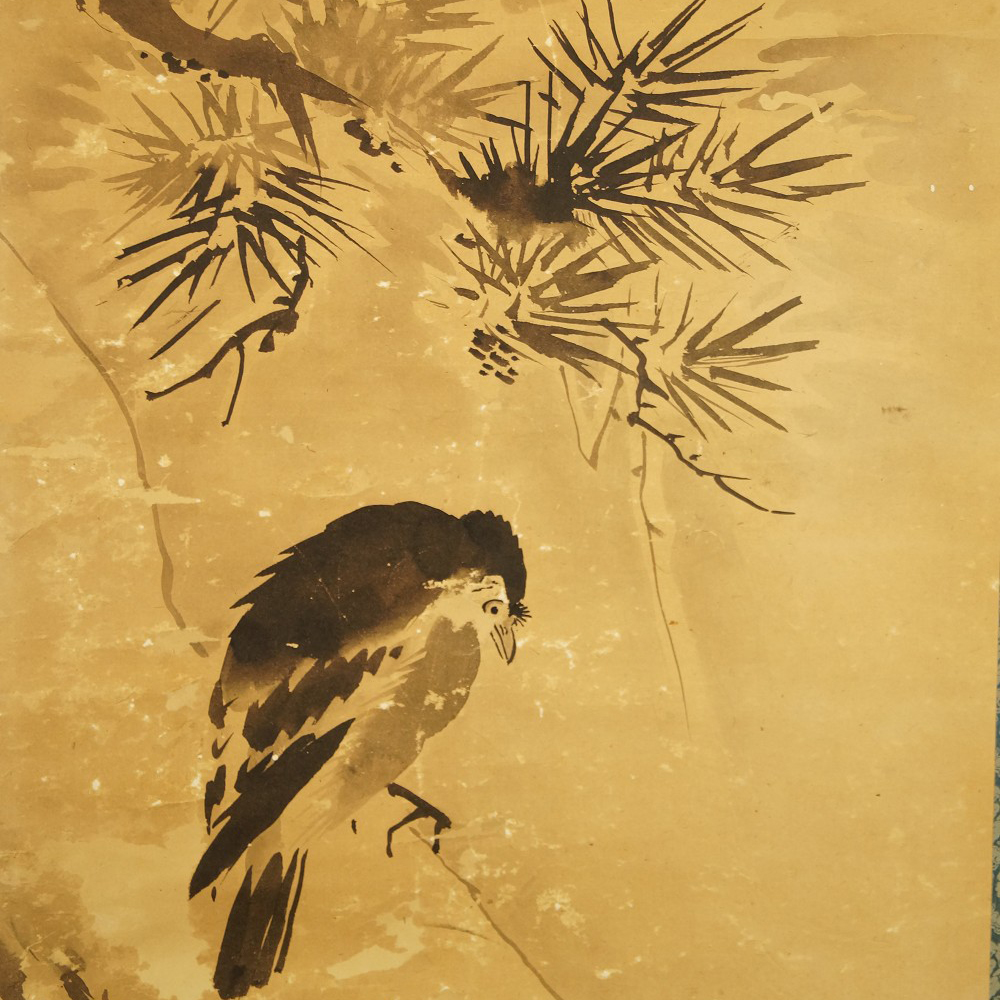
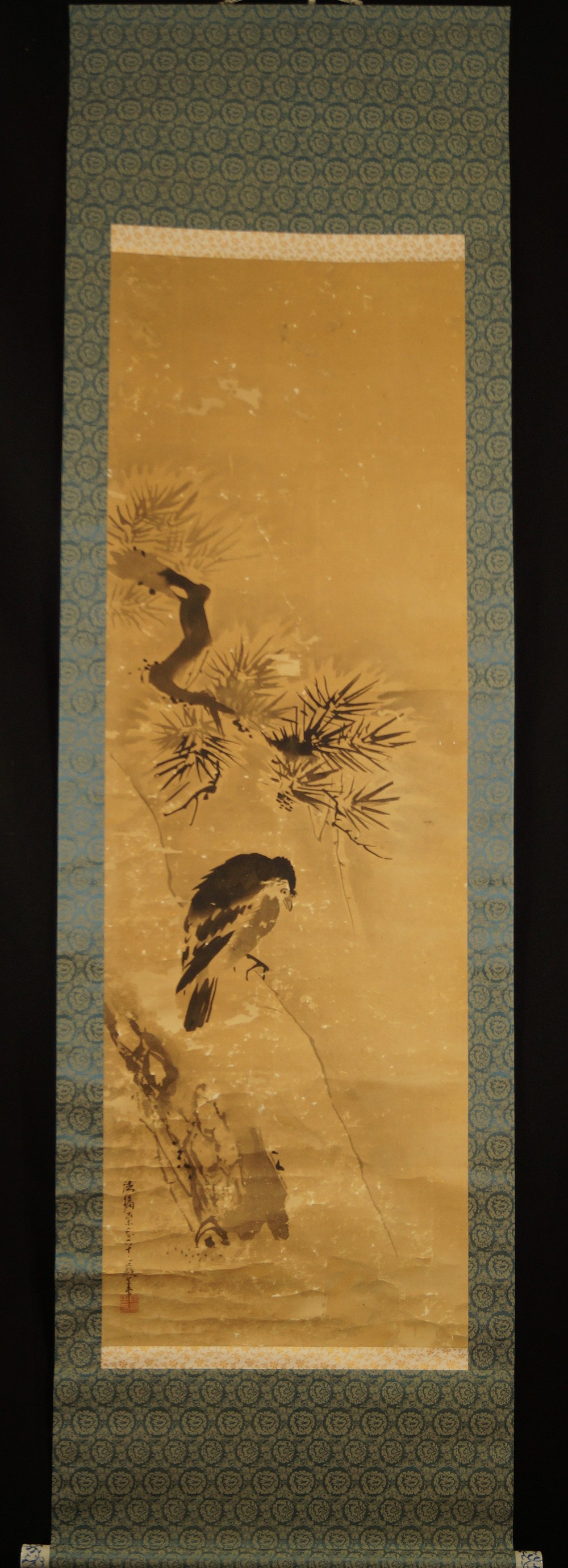
Tanaka Koga
Bird on a Pine Tree
Kakemono, unique work, 185 x 60 cm
€290.00
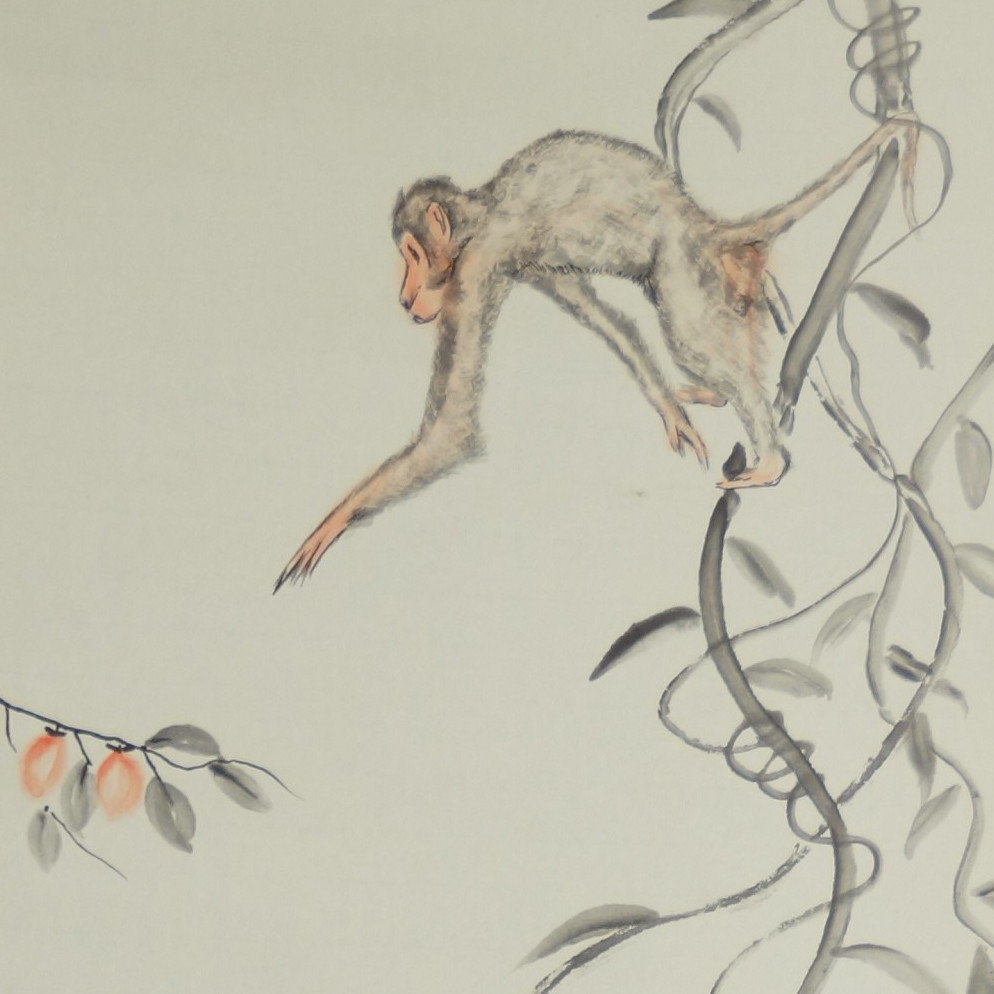

Shungai
Monkey Reaching for Persimmon Fruit
Kakemono, unique work, 195 x 53 cm
€360.00
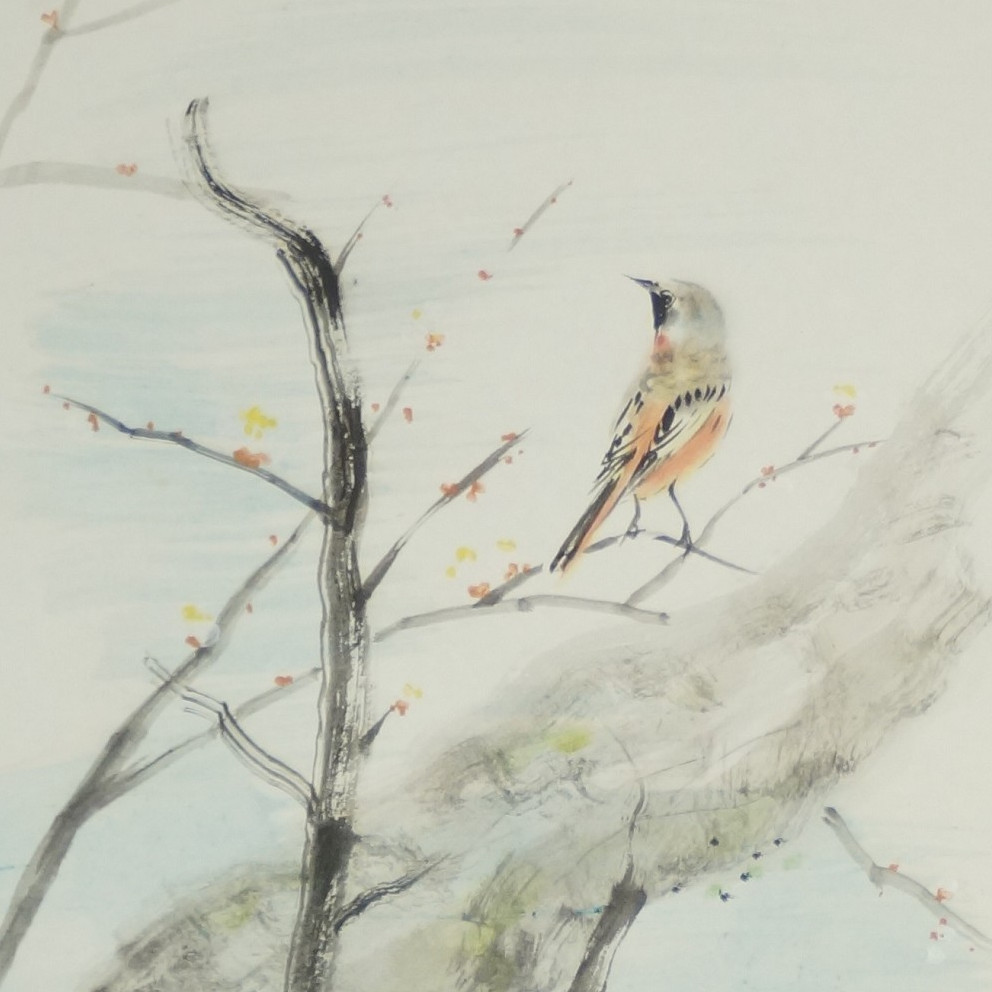

Sparrow on Snow-Covered Plum Branch
Kakemono, unique work, 193 x 50 cm
€280.00
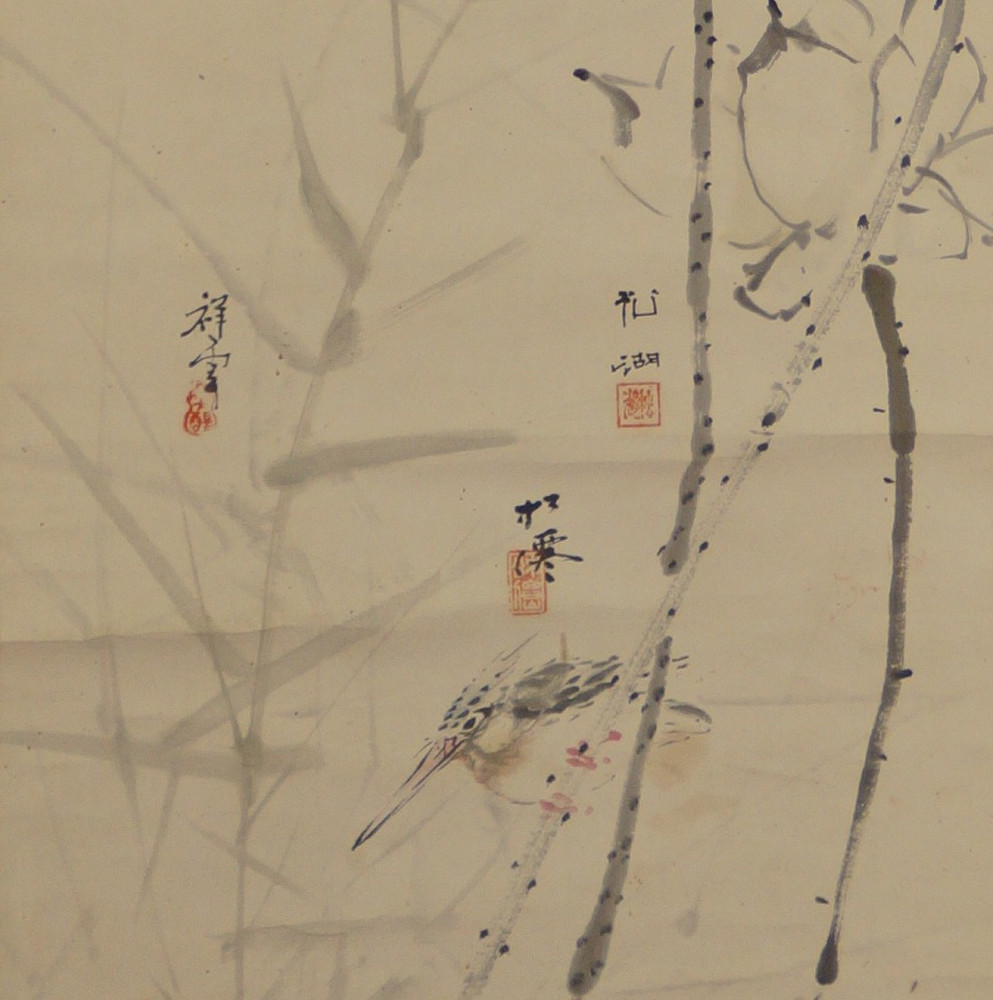

Kingfisher on a Lotus Flower
Kakemono, unique work, 192 x 49 cm
€690.00
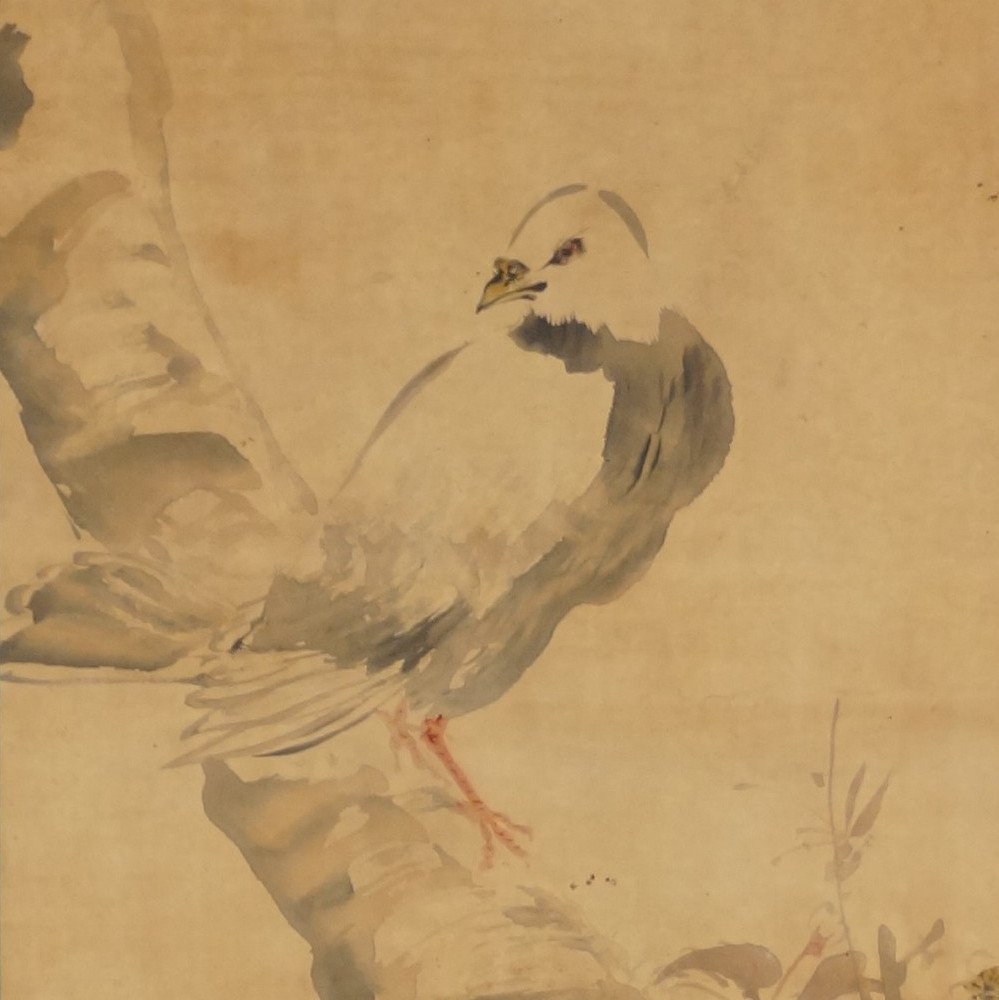

Suzuki Shonen
Dove on a Branch
Kakemono, unique work, 190 x 45 cm
€330.00
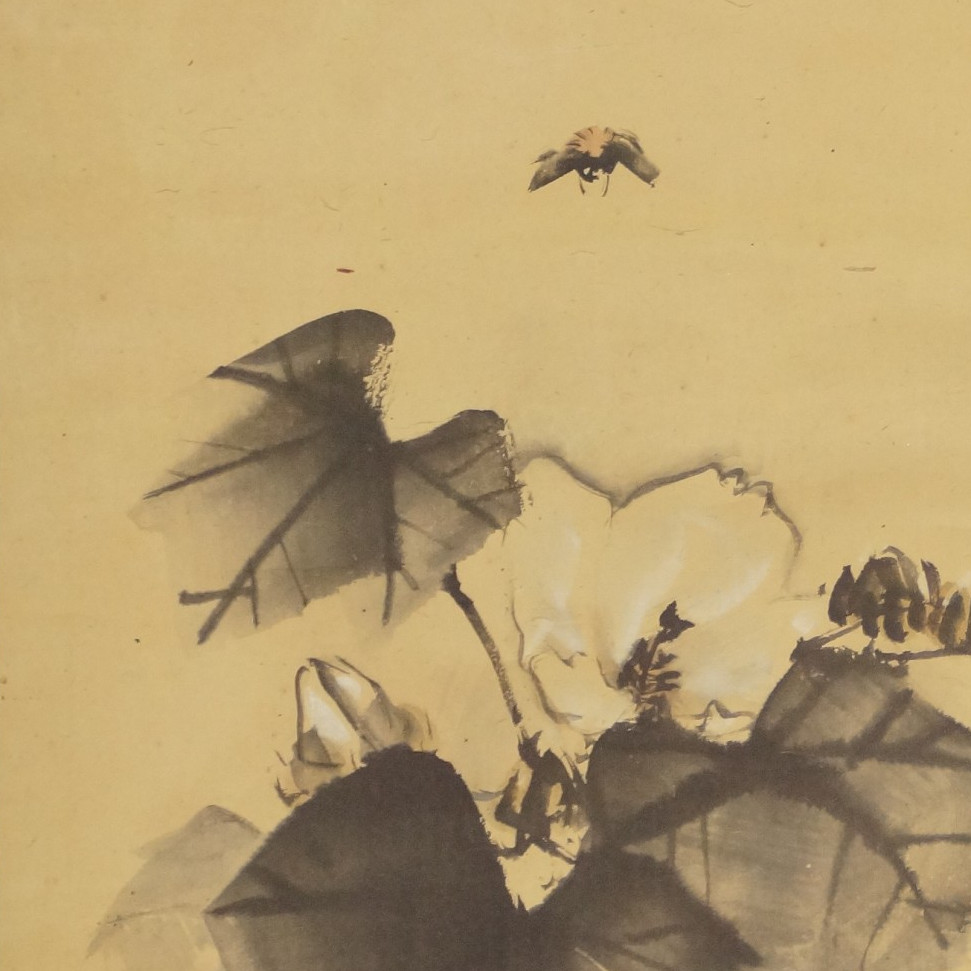

Suzuki Shonen
Bee in Flight
Kakemono, unique work, 190 x 47 cm
€510.00
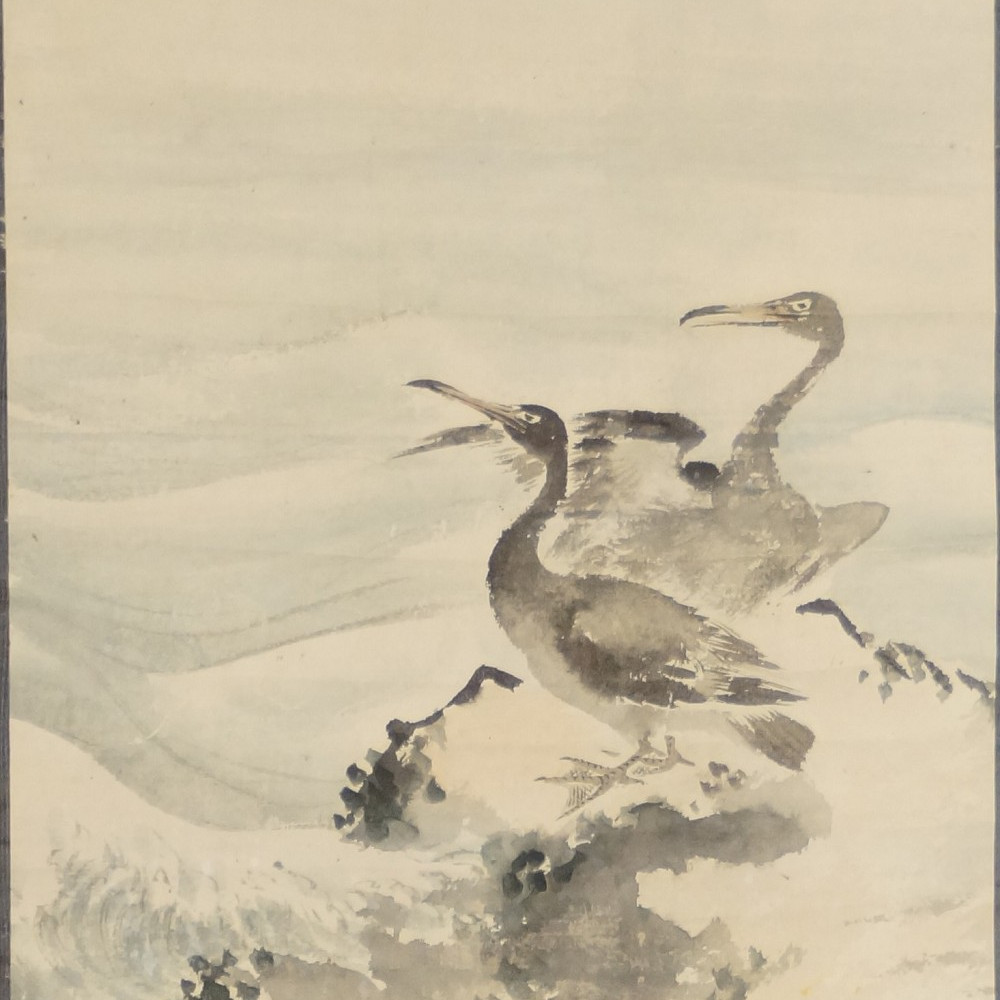

Kida Kado
Cormorants in the Sea
Kakemono, unique work, 190 x 52 cm
€450.00
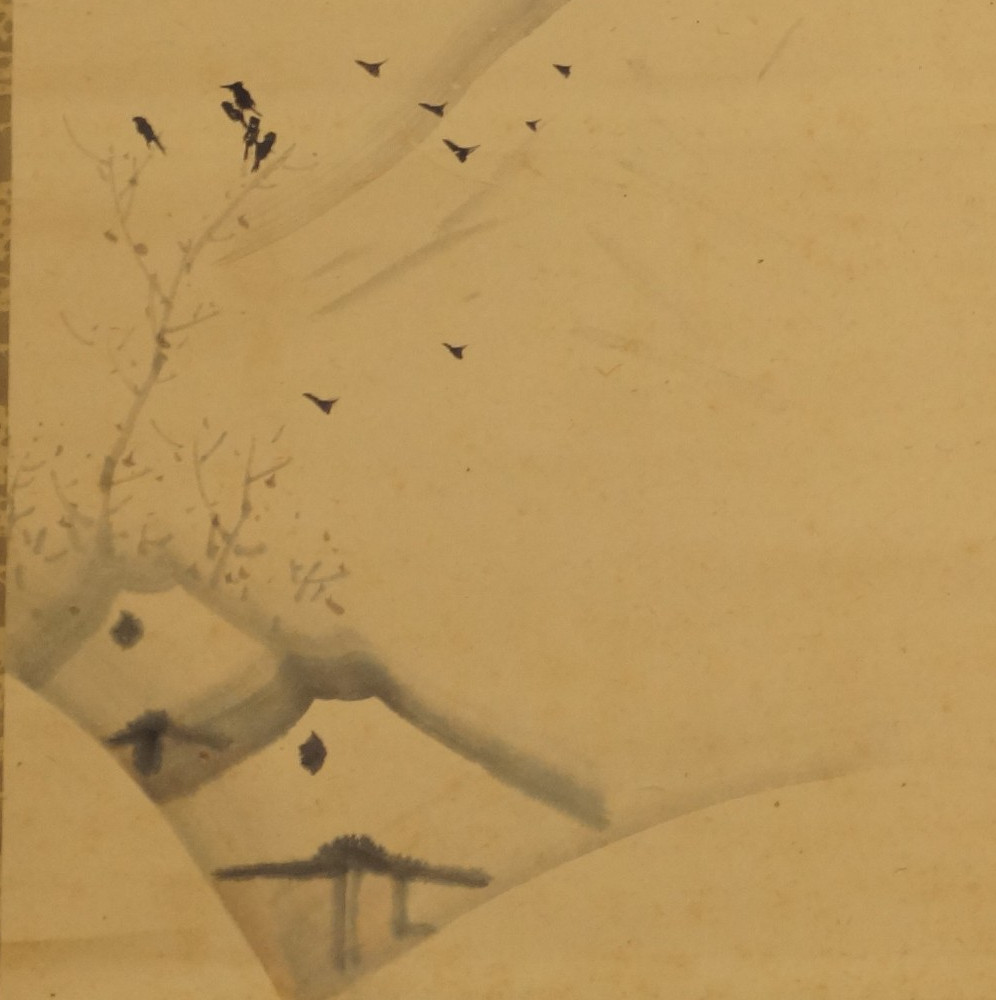

Crows on Snow Landscape
Kakemono, unique work, 194 x 48 cm
€370.00
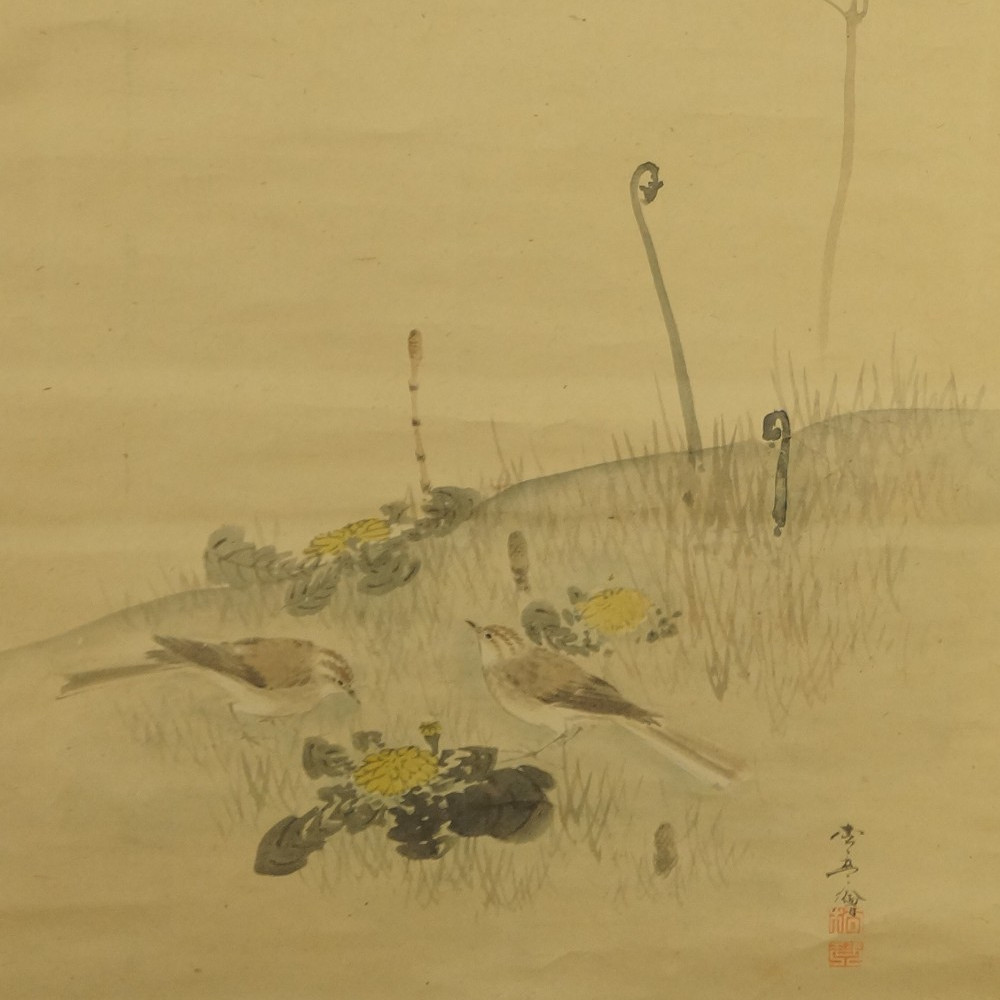

Birds on a Meadow
Kakemono, unique work, 180 x 60 cm
€280.00
48 of 277 items shown
Animals as Carriers of Meaning
In Japanese art, an animal is rarely just a depiction of nature – it almost always carries an additional layer of meaning, deeply rooted in mythology, folk belief, and literary tradition. Whoever chooses an animal motif also chooses a wish or an attitude: good fortune, strength, constancy, or protection. This symbolic layer makes animal painting one of the most accessible, yet at the same time most meaning-rich, entry points into the world of Japanese kakemono art.
Birds: Cranes, Falcons, and Sparrows
The crane, Tsuru in Japanese, is regarded as a symbol of longevity and fidelity and is often depicted in pairs, frequently in combination with pines, which in turn stand for constancy. According to legend, a crane lives a thousand years, which is why it continues to play a central role at weddings, milestone birthdays, and other occasions expressing the wish for a long life. The falcon stands for vigilance, pride, and single-mindedness, and was traditionally a popular motif among the warrior nobility, who identified with the qualities of the bird of prey. Smaller birds such as sparrows, woodpeckers, or wagtails often appear in combination with blossoms and stand for lightness, everyday joy, and the constant change of the seasons.
Fish: The Koi as a Symbol of Perseverance
The koi carp is one of the best-known animal motifs of Japan and is found not only in painting but also in gardens, ponds, and as fabric print on the traditional koinobori flags for Children's Day. According to legend, the koi swims against the current of a waterfall at the Dragon Gate in order to transform into a dragon after passing the trial – an image of endurance, willpower, and success after long, persistent effort. This legend makes the koi a particularly popular motif for people who find themselves in a phase of personal or professional challenge.
The Tiger: Strength and Protection
Since tigers are not native to Japan, their depiction originally followed Chinese models and, over the course of the centuries, was charged with its own Japanese symbolism: as a protector against evil spirits and a symbol of untamed yet controlled strength. The tiger is frequently depicted combined with bamboo, which remains pliant in the wind without breaking – a contrasting image of raw strength and inner flexibility that is considered particularly balanced in Japanese aesthetics. Tiger motifs were historically popular above all among samurai and later among wealthy merchants as an expression of the wish for protection and strength for one's own house.
Further Animal Motifs and Their Meaning
Cranes alongside pines, butterflies as a symbol of the soul and of transformation, rabbits with reference to lunar symbolism, or the twelve zodiac signs of the East Asian calendar are also found in this category – each with its own cultural layer of meaning. The zodiac signs in particular are highly popular as a birth-year gift, since they establish a personal connection between the recipient and the motif.
Using Animal Motifs Deliberately in a Room
Since every animal motif conveys its own symbolism and mood, it is worthwhile to consciously link the choice to the function of the respective room: a tiger for the entrance area as a protective symbol, a pair of cranes for the bedroom as a wish for constancy, a koi for the study as an incentive to persevere. This deliberate, symbolically charged approach to interior design is a central aspect of traditional Japanese living culture.
Animal Motifs as Occasion Gifts
In Japan, it has long been customary to choose an animal motif deliberately for a particular life event: a pair of cranes for a wedding as a wish for a long, faithful union, a koi motif for a graduation or the start of a career as an incentive for coming challenges, or a tiger motif for moving into a new house as a protective symbol for the family. This practice can wonderfully be adopted outside of Japan as well and gives a gift an additional, personal layer of meaning that goes clearly beyond a purely decorative gift.
From Sketch to Finished Animal Motif
Depicting an animal in Japanese ink painting demands of the artist a deep understanding of anatomy, movement, and the characteristic traits of the respective species, since a vivid overall impression must be created with a few, deliberately placed brushstrokes. Unlike in Western naturalistic animal painting, the aim is less photographic precision than capturing the essential nature of an animal – its typical posture, its characteristic movement, its unmistakable expression.
Let yourself be guided by the quiet power of these animal motifs – a kakemono from this category brings not just an image but centuries of meaning into your room.