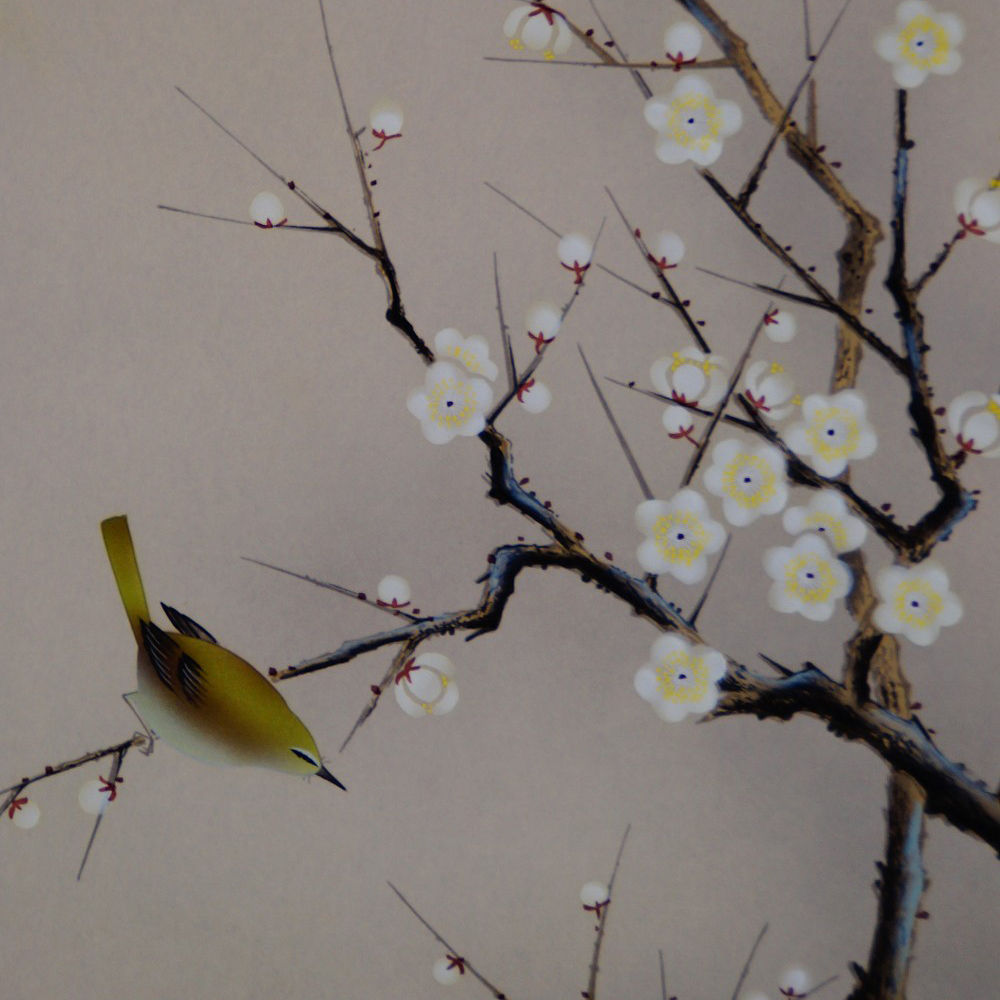
Kakemono Bodhidharma (Daruma) Bust Portrait
One of a kind — this work exists only once.
- Period:
- Shôwa (1926–1989)
- Dimensions (height x width):
- 192 x 61 cm
- Item number:
- 3317
This piece has been sold.
Sold – no longer available
This piece was a handmade one-of-a-kind work. It cannot be reordered and will never exist in this form again. The page stays online as part of our archive.
More items in category Buddhism and ZenAll one-of-a-kind Japanese Painting pieces
See new one-of-a-kind pieces first
We feature every delivery from Japan in the newsletter first – before the pieces show up in search results.
You might like these pieces

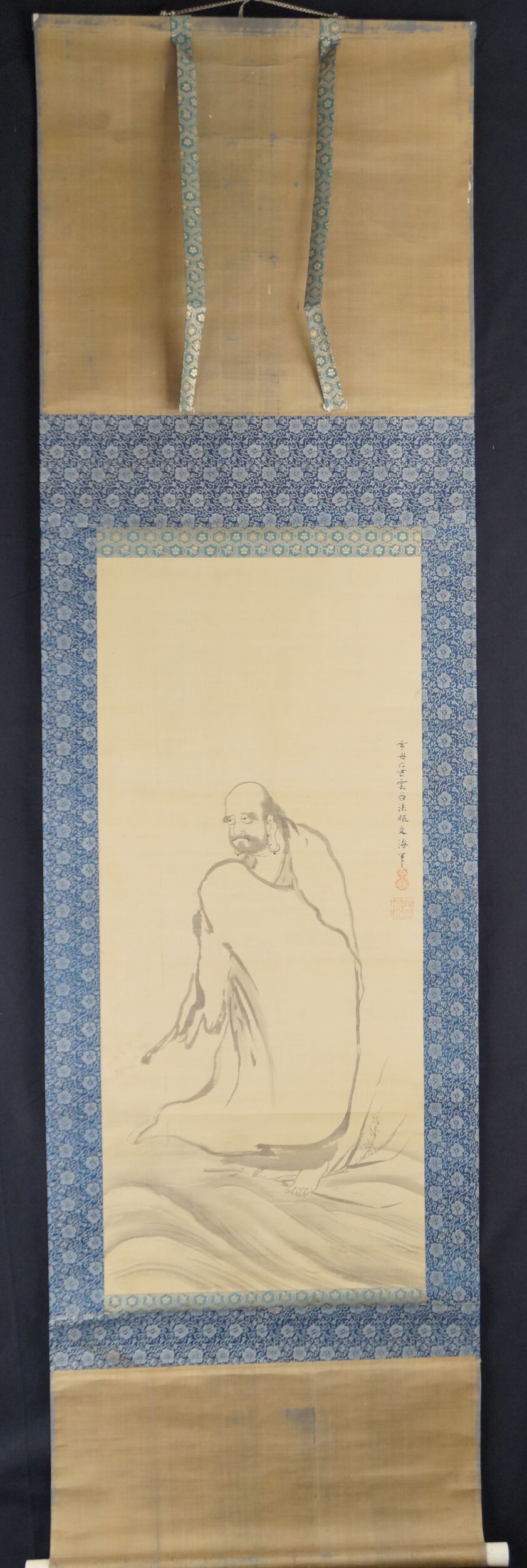
Bodhidharma with Piercing Gaze
Kakemono, unique work, 200 x 51 cm
€340.00
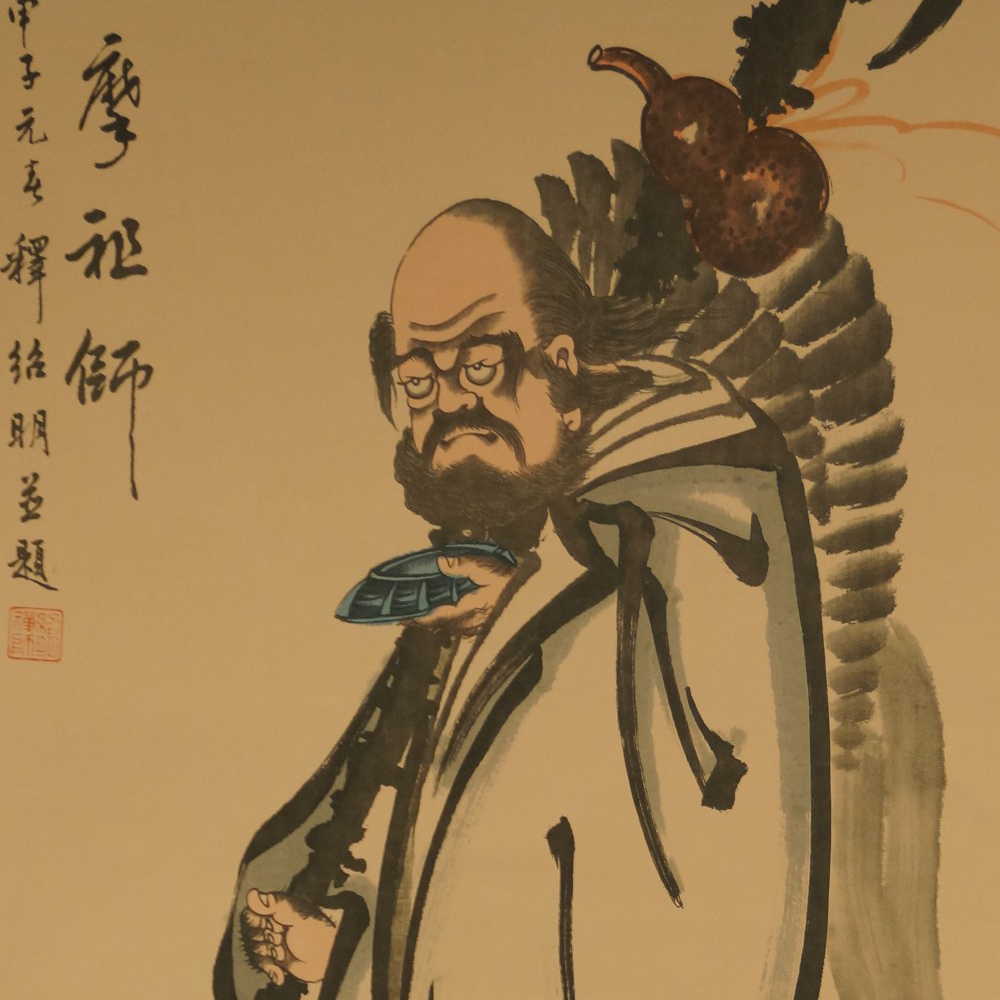
Bodhidharma with Fan and Gourd Bottle
Kakemono, unique work, 173 x 60 cm
€180.00
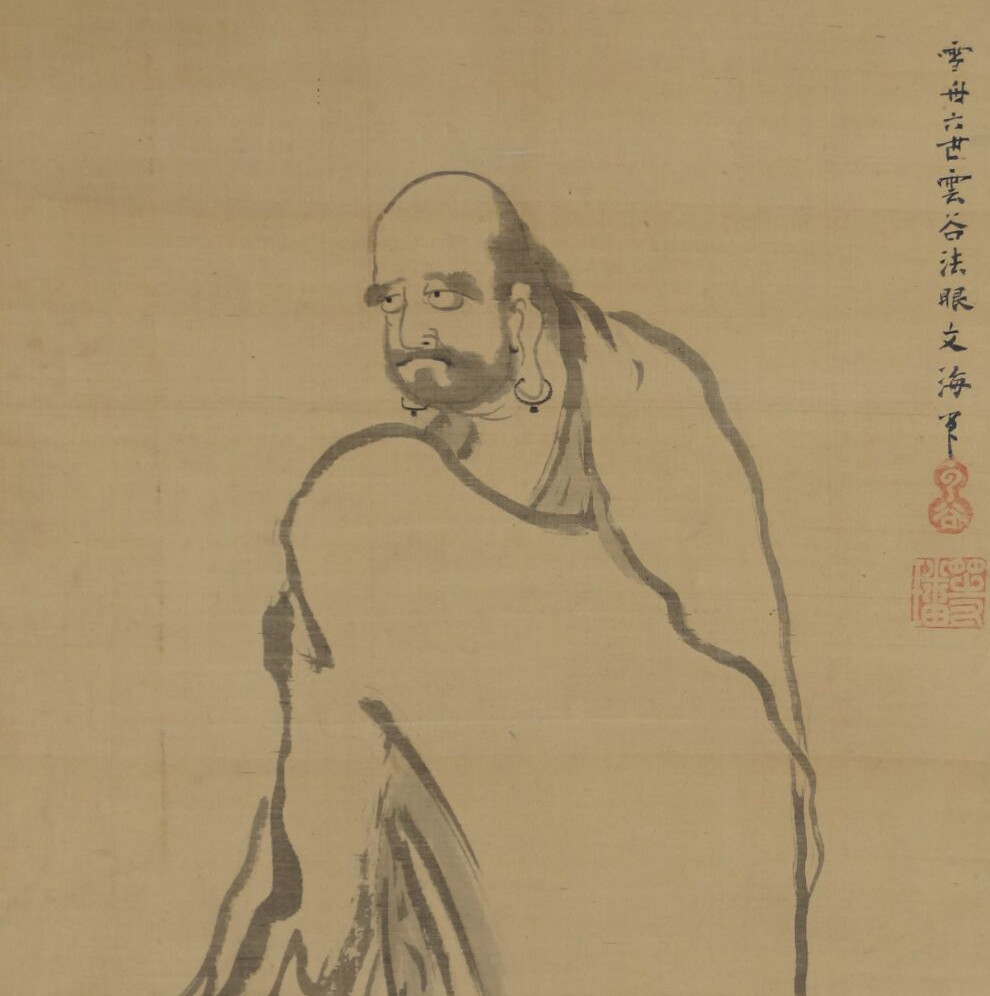
Unkoku Tōban
Bodhidharma on the Way
Kakemono, unique work, 168 x 52 cm
€550.00
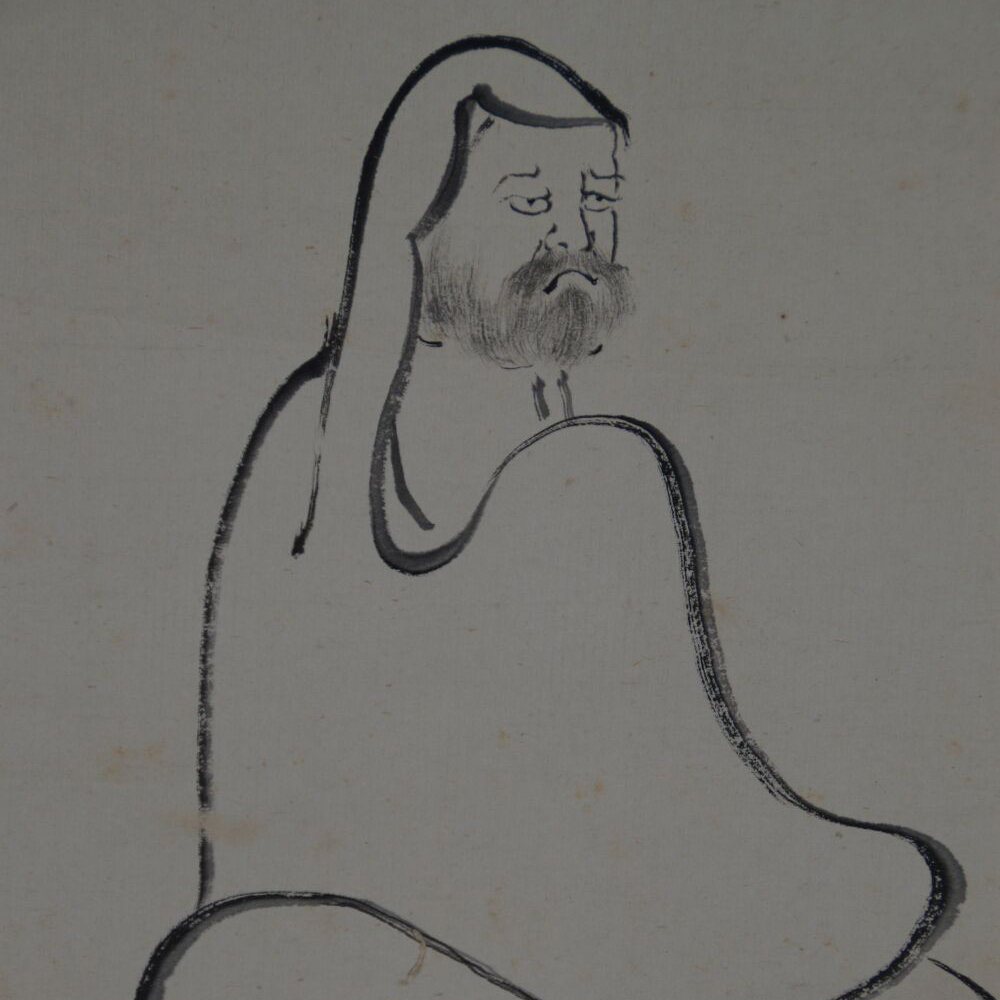
Ueda Gizan
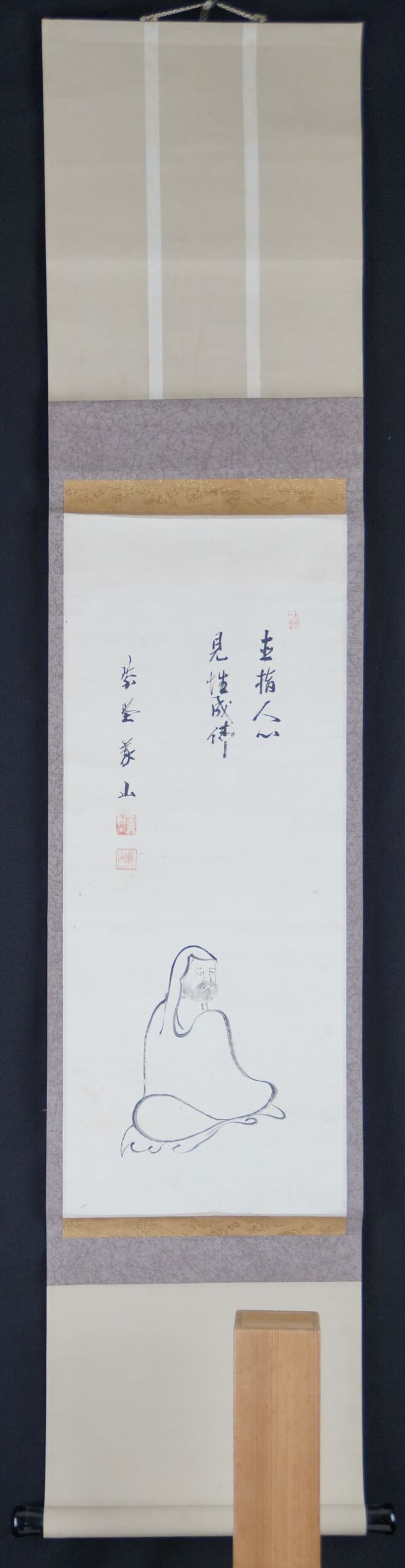
Bodhidharma - Straight to the Heart
Kakemono, unique work, with box, 135 x 34 cm
€450.00
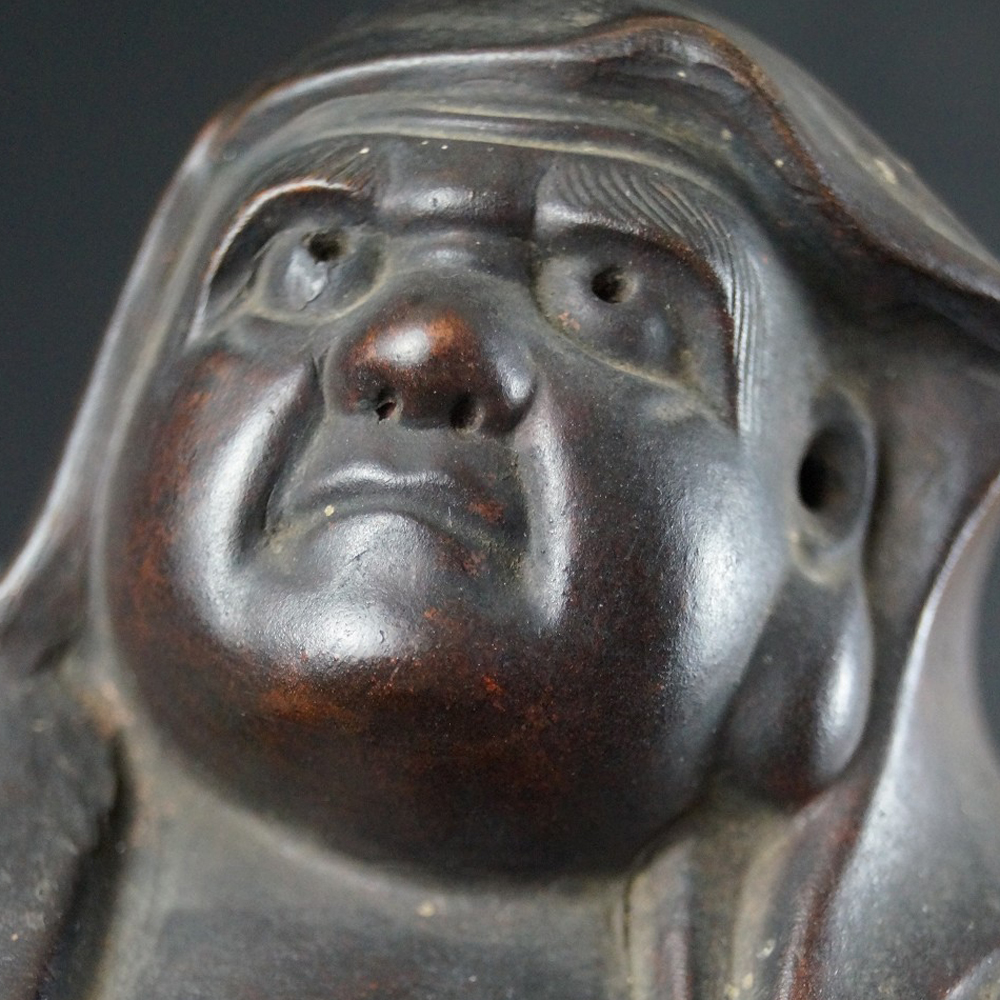
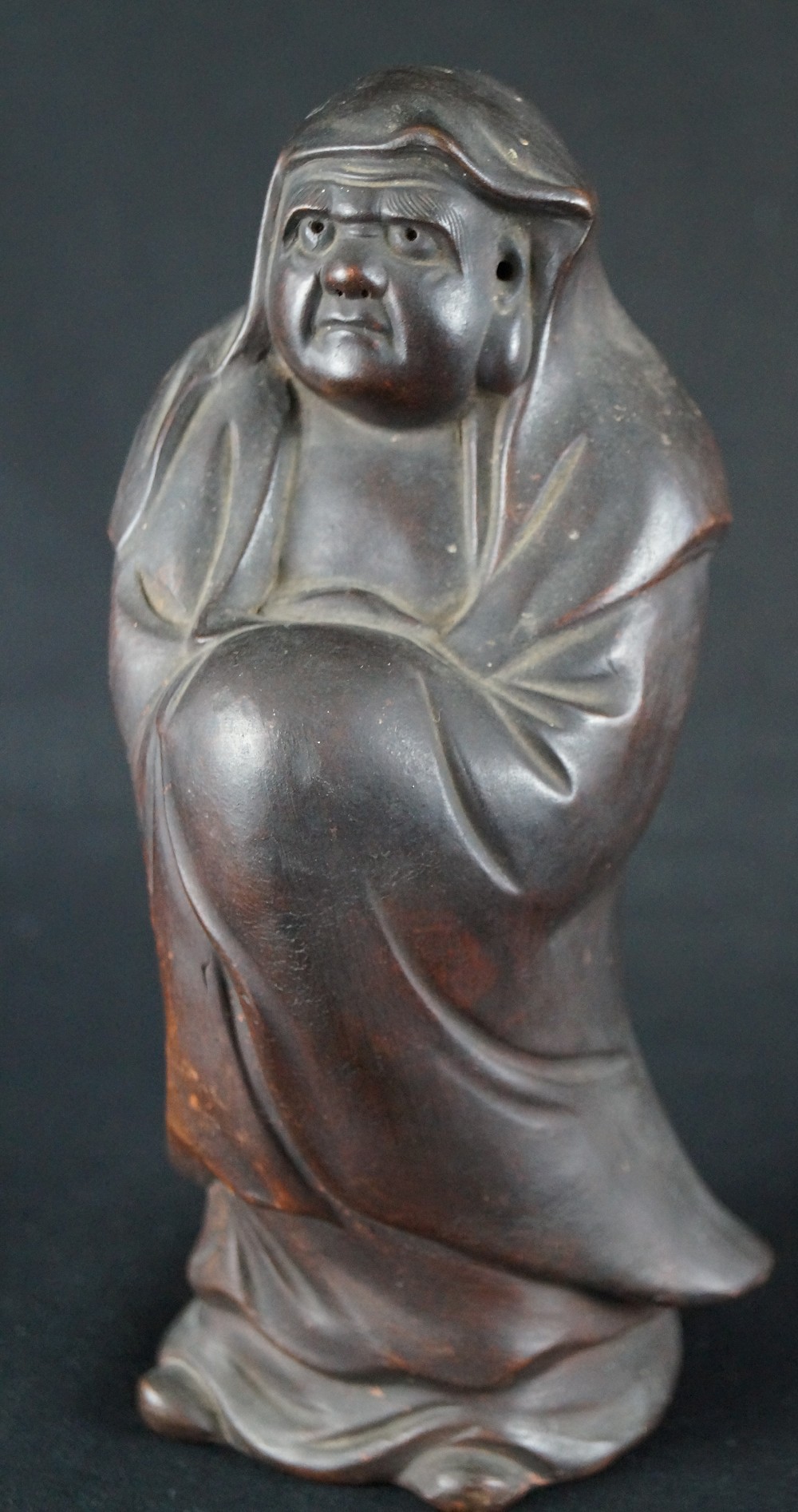
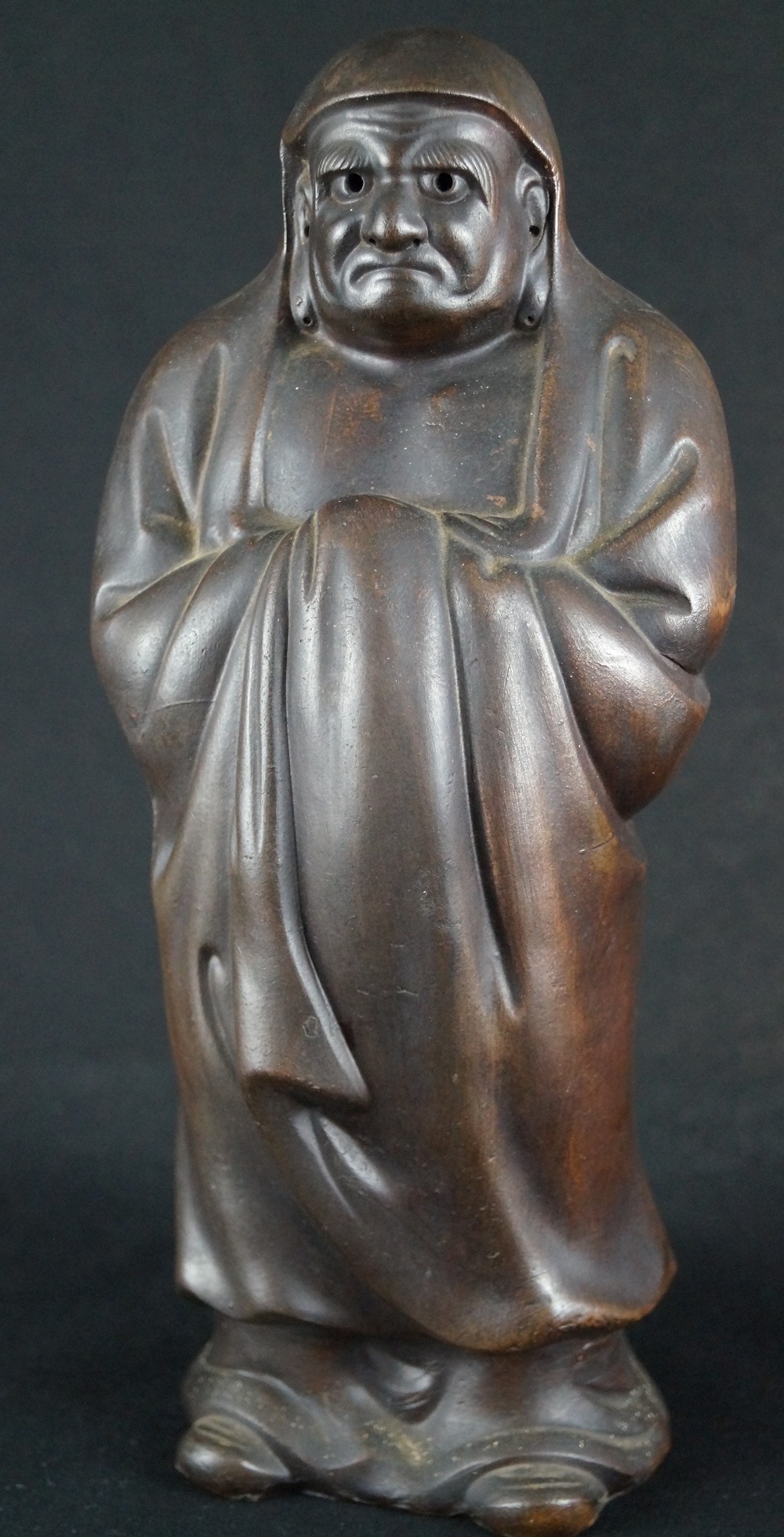
Bodhidharma (Daruma) Figure with Fierce Gaze Made of Bizen Ware
Figure, unique work, 20 x 8 cm
€180.00
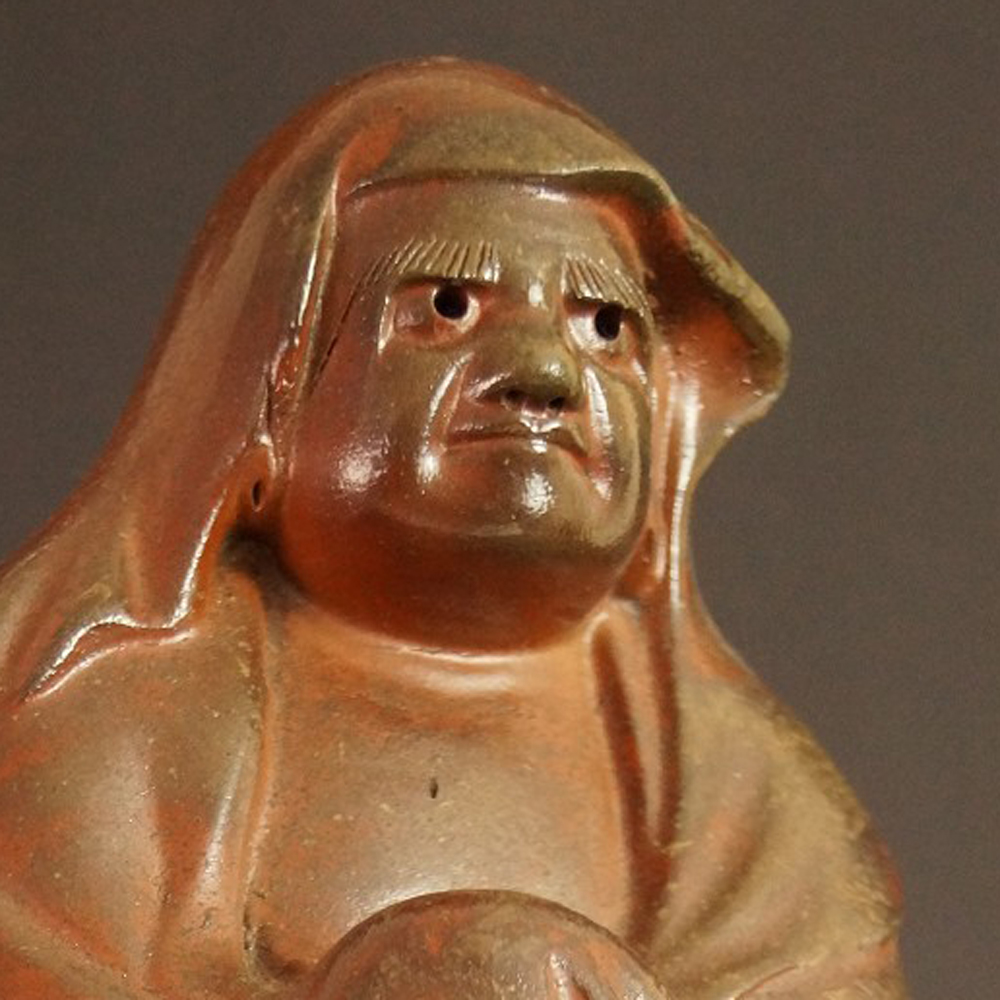
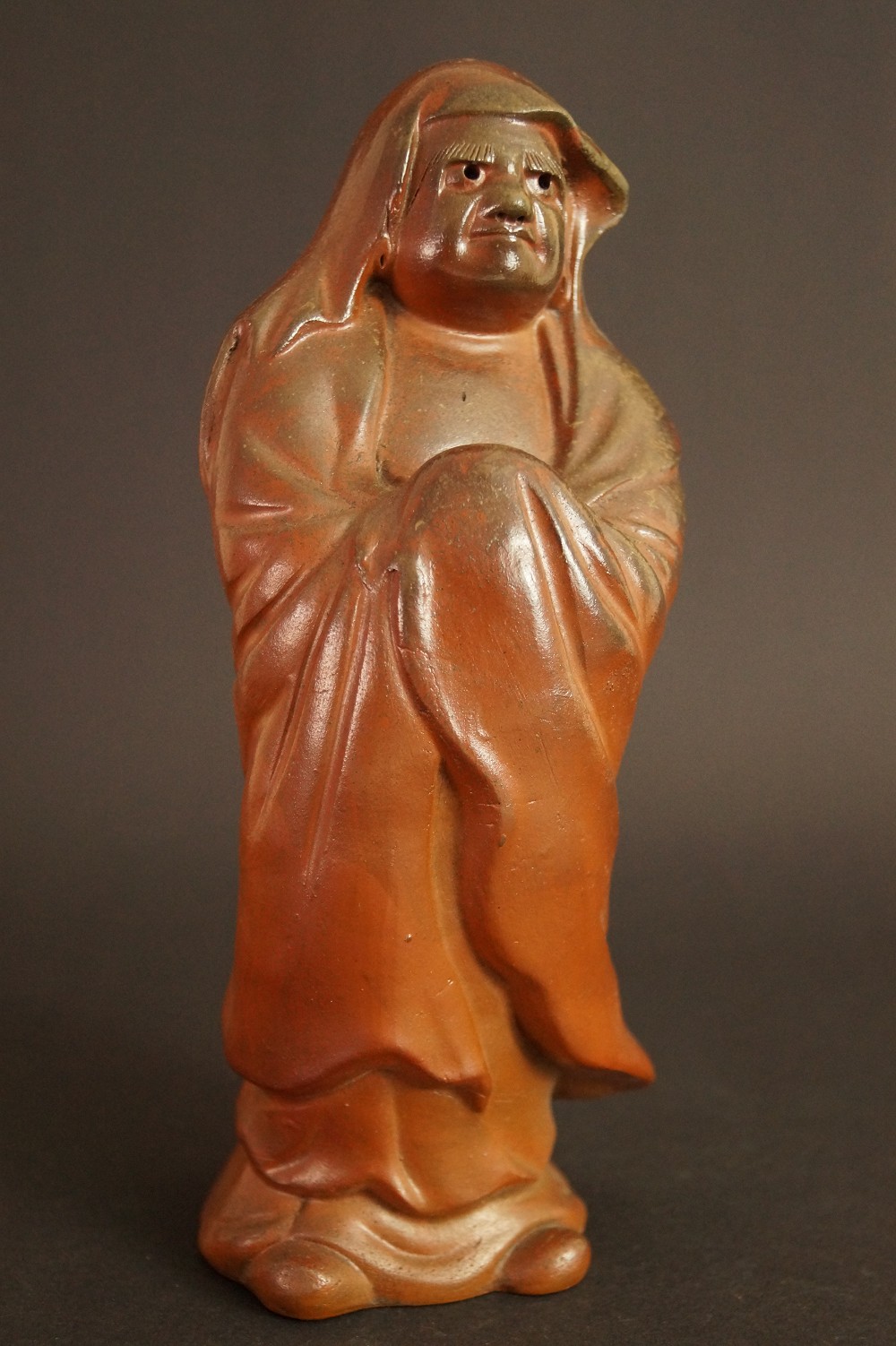
Bodhidharma (Daruma) Figure with Worried Expression Made of Bizen Ware
Figure, unique work, 22 x 10 cm
€180.00
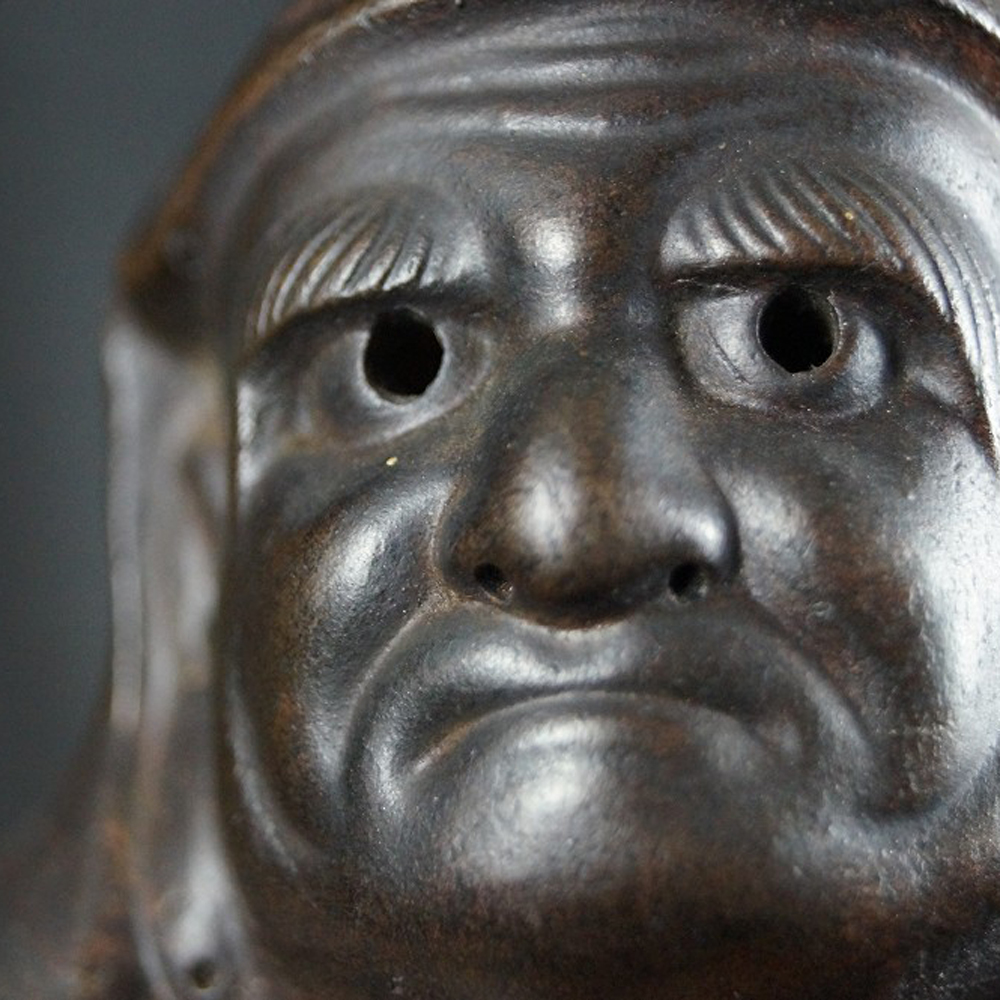
Daruma Figure Made of Bizen Ware with Pensive Expression
Figure, unique work, 29 x 11 cm
€280.00
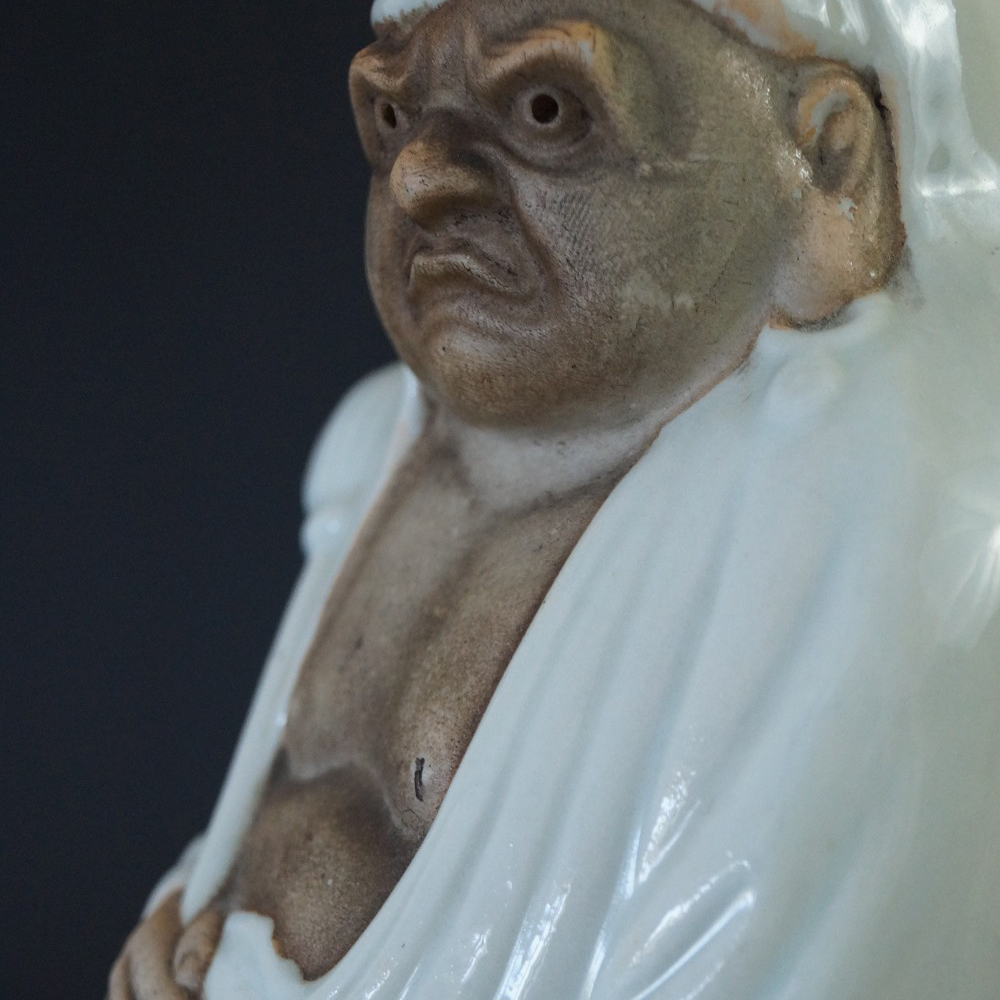
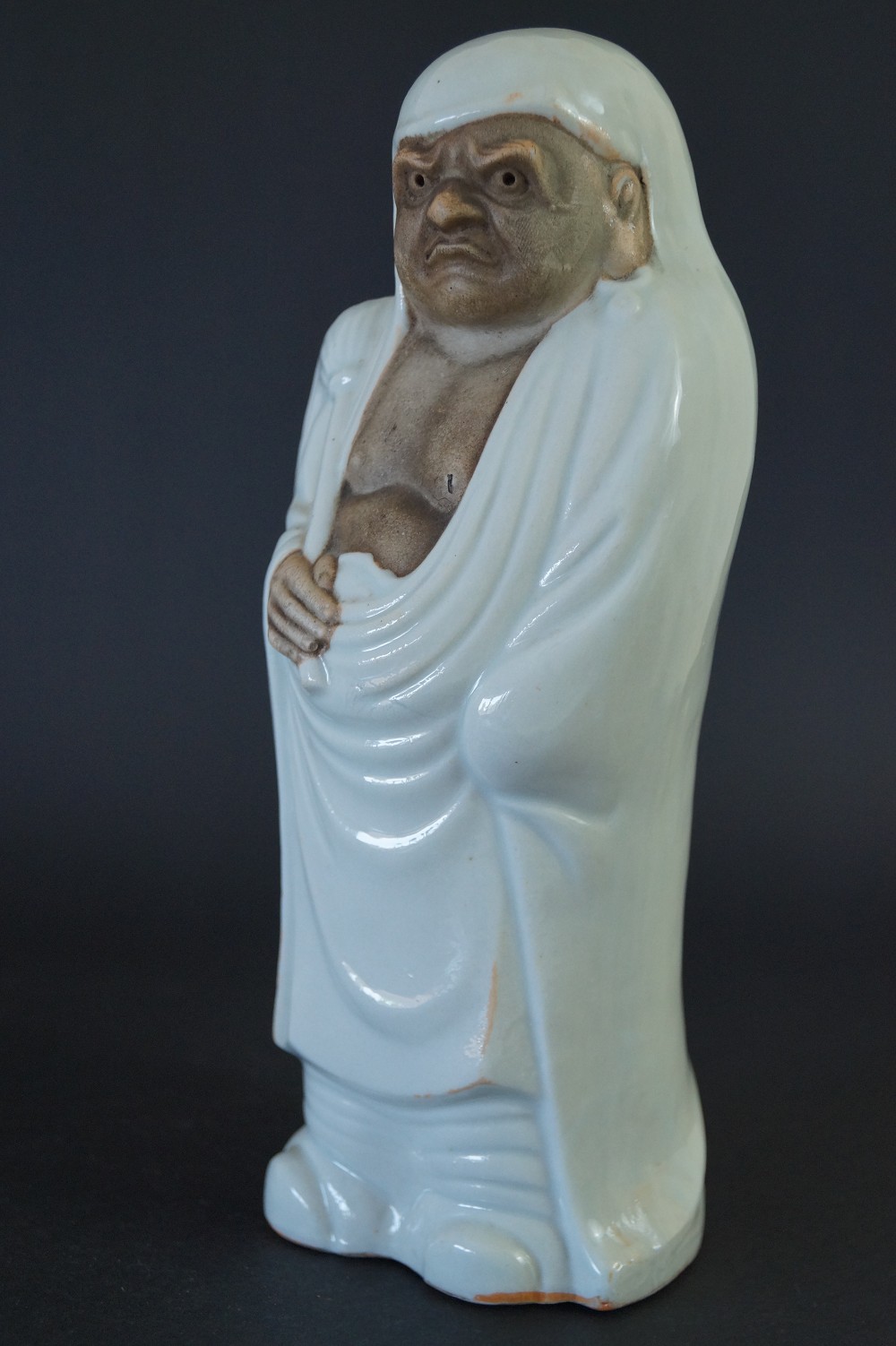
Daruma Figure Made of Kutani Porcelain in White Robe
Figure, unique work, 24 x 9 cm
€290.00


Details about the sold piece
- JikusakiSculpture
- Material HonshiPaper
- MotifBuddhism and Zen, Daruma
- TechniqueHand-Painted
Description
With few but immensely powerful brushstrokes, Bodhidharma is captured here in bust portrait, the bushy beard hair and the characteristic headdress rendered in dense, almost calligraphic black, while the face and hand are colored in warm earth tones.
Unlike many finely detailed depictions, this Bodhidharma appears raw and immediate, almost like a single energy-charged brushstroke that captures the charismatic presence of the first Zen patriarch. Here too, a reed stalk is suggested, a reference to the legend of his river crossing.
This reduced, expressive pictorial language stands in the tradition of Zenga painting, in which Buddhist monks and painters captured religious motifs in a spontaneous, meditative brush style. The kakemono is painted on paper, fitted with jikusaki made of synthetic material, and was presumably created in the Shôwa period.