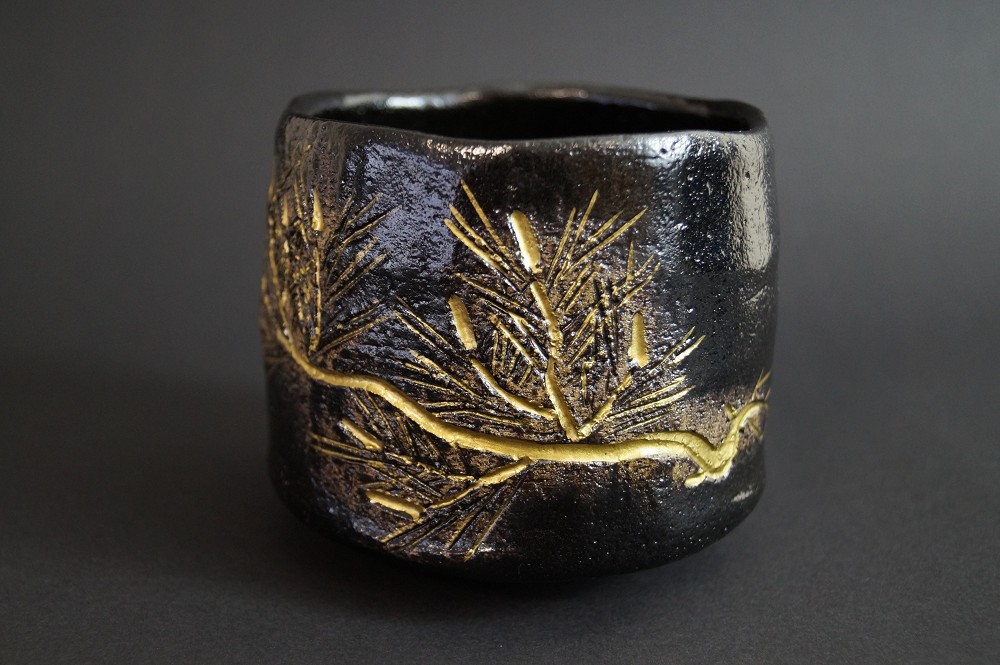
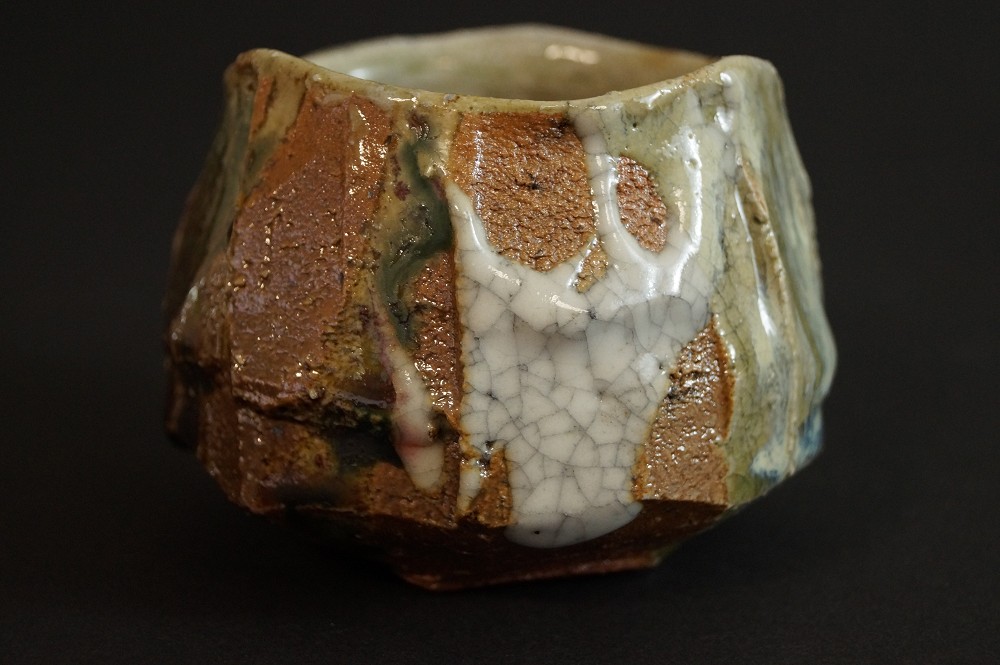
Chawan Chawan with Peonies Made of Kyoto Ware by Toraku Morisato
One of a kind — this work exists only once.
- Signature / Stamp:
- Toraku Morisato
- Period:
- Shôwa (1926–1989)
- Dimensions (height x width):
- 7,5 x 12,5 cm
- Weight:
- 2g
- Item number:
- 5738
This piece has been sold.
Sold – no longer available
This piece was handmade by Toraku Morisato and was a one-of-a-kind work. It cannot be reordered and will never exist in this form again. The page stays online as part of our archive.
More items in category Chawan and YunomiAll one-of-a-kind Japanese Ceramics pieces
See new one-of-a-kind pieces first
We feature every delivery from Japan in the newsletter first – before the pieces show up in search results.
You might like these pieces
Toraku Morisato
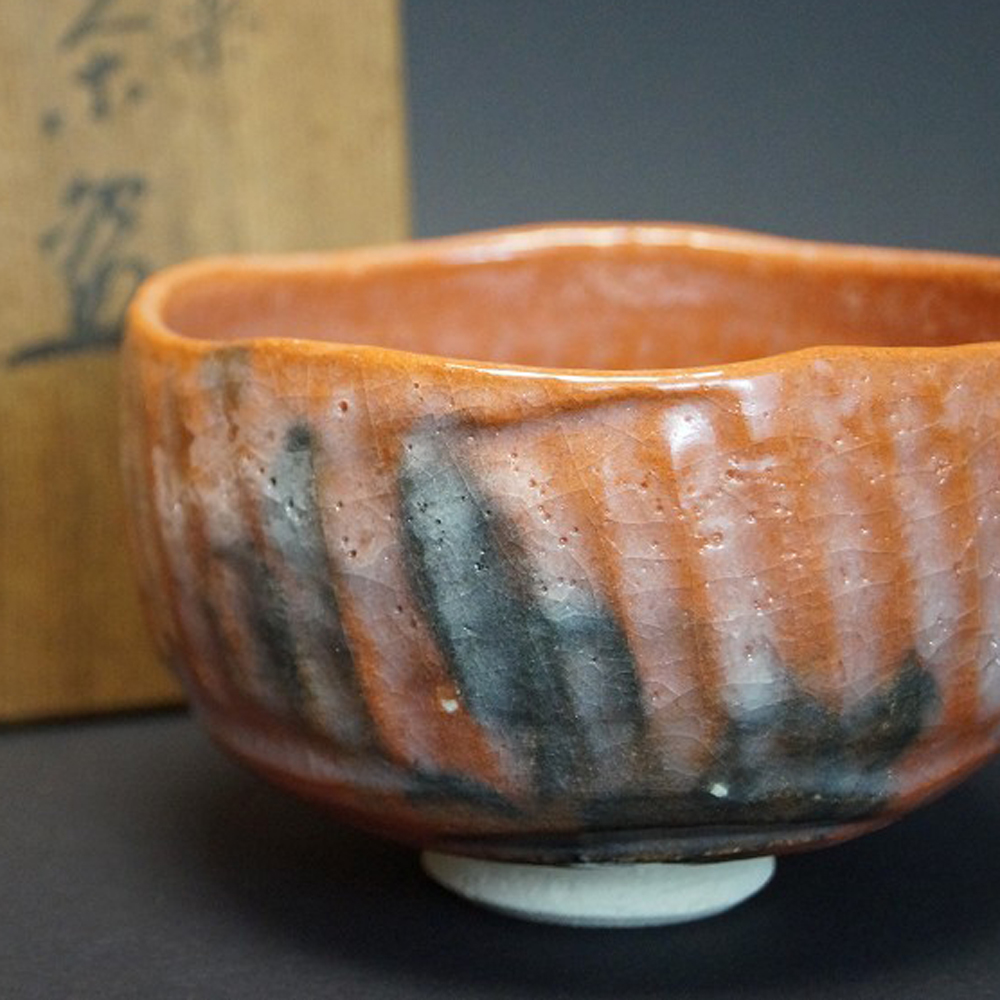
Chawan Raku Ware by Toraku Morisato
Chawan, unique work, with box, 8 x 11 cm
€460.00
Meigi
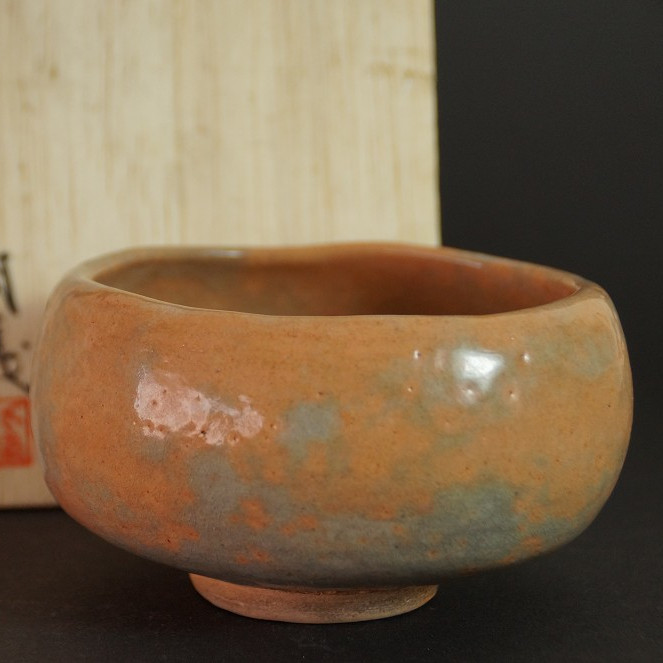
Chawan Made of Kyoto Ware by Meigi
Chawan, unique work, with box, 7 x 13 cm
€410.00
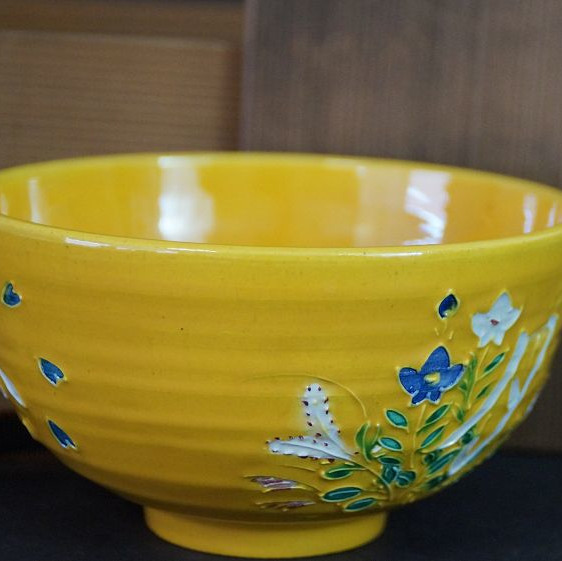
Roseki Akazawa
Chawan Made of Kyoto Ware by Roseki Akazawa
Chawan, unique work, 7,5 x 12,5 cm
€280.00

Akaraku - Chawan Made of Kyoto Ware
Chawan, unique work, with box, 9 x 11 cm
€345.00
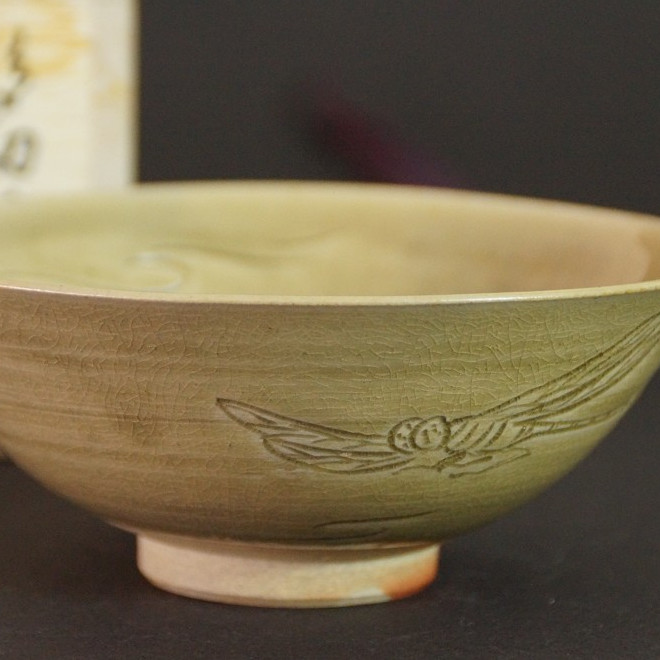
Tamura Unkei
Chawan with Dragonfly Motif Made of Tada Ware by Tamura Unkei
Chawan, unique work, with box, 6 x 15 cm
€390.00
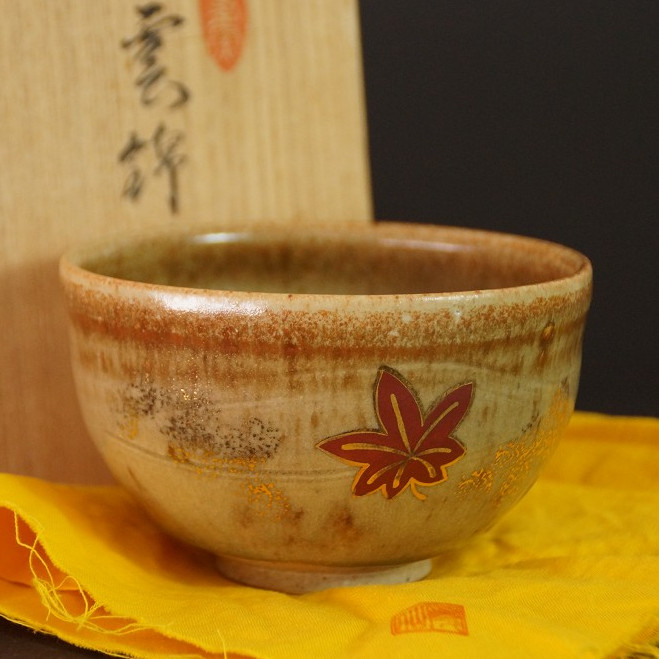
Kitagama Kasen
Chawan Made of Akatsu Ware by Kitagama Kasen
Chawan, unique work, with box, 7,5 x 11,5 cm
€390.00
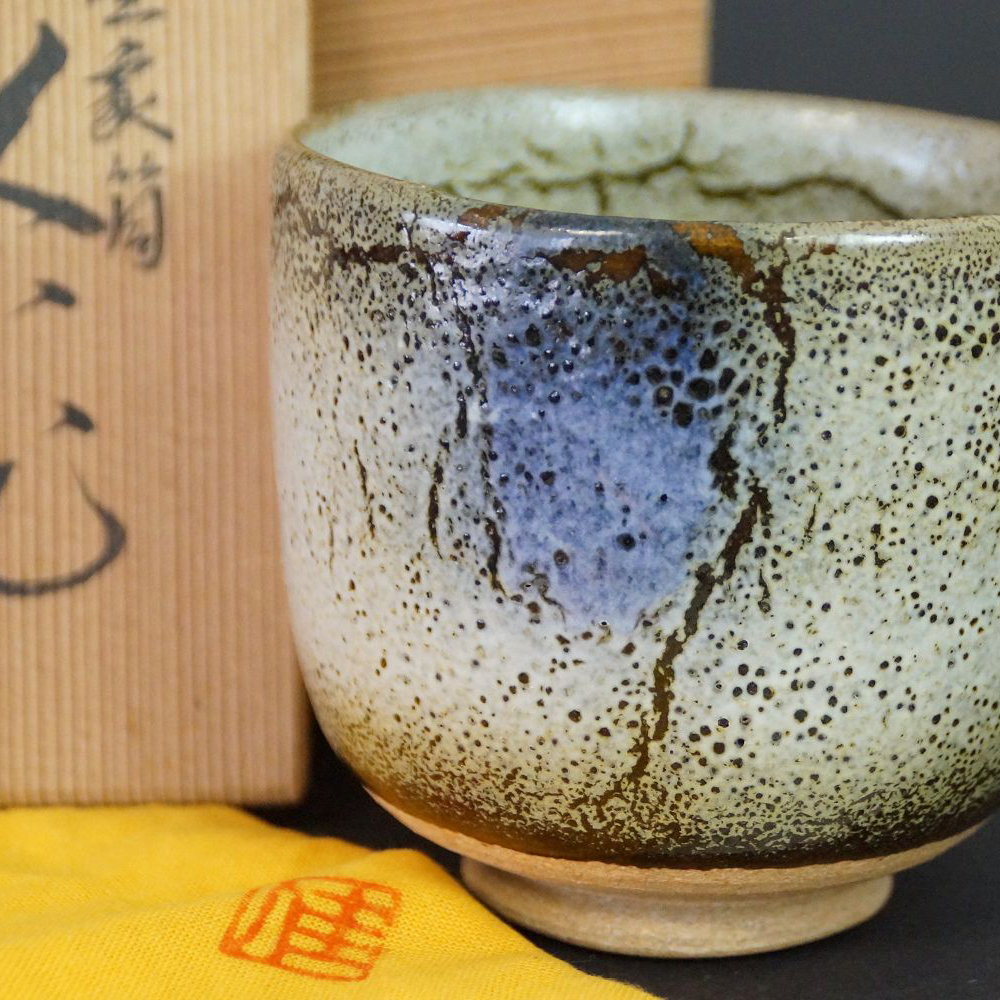
Yoshihisa Inoue
Chawan Tea Bowl Made of Kyoto Ware by Yoshihisa Inoue
Chawan, unique work, with box, 9,5 x 10 cm
€290.00
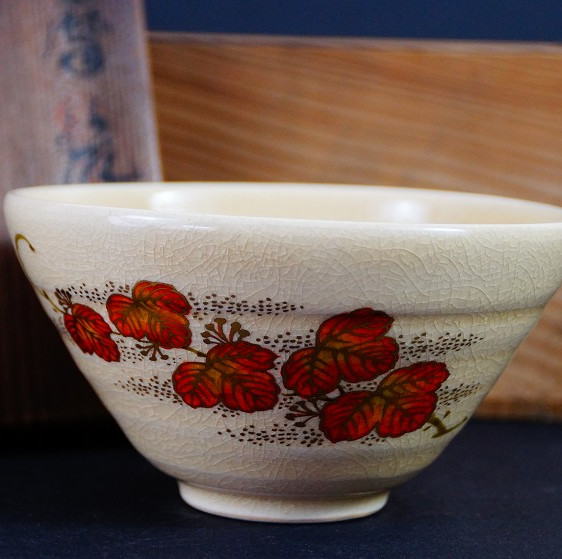
Gyokusen Nozaki
Chawan Made of Satsuma Ware by Gyokusen Nozaki
Chawan, unique work, with box, 7 x 12,5 cm
€380.00



Details about the sold piece
- ColorGold, Red, White
- MaterialCeramics
- Style / TraditionKyoto-yaki
- Wooden BoxYes
Description
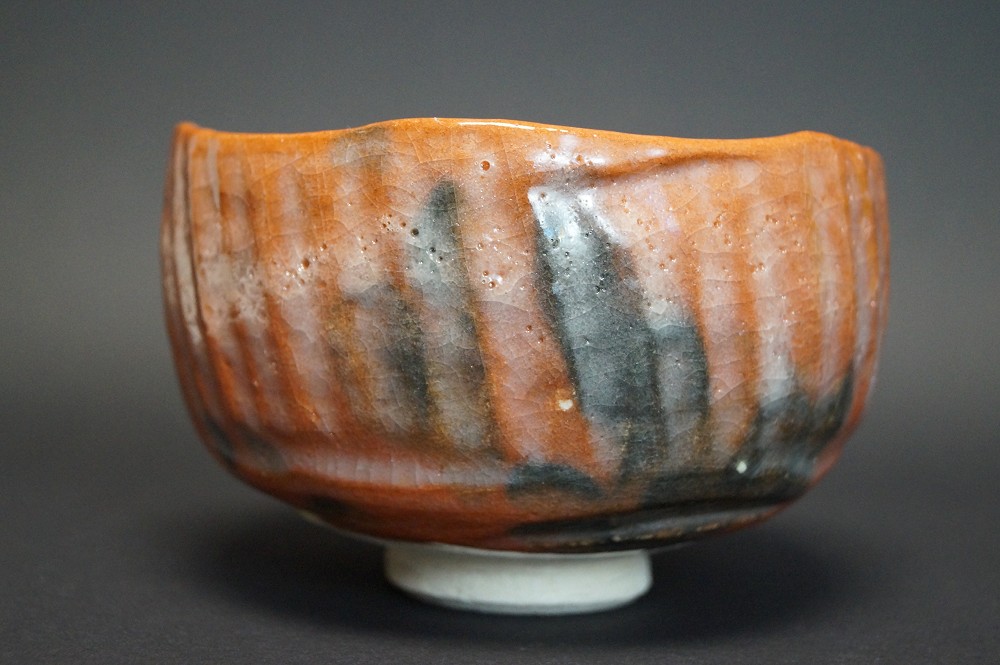
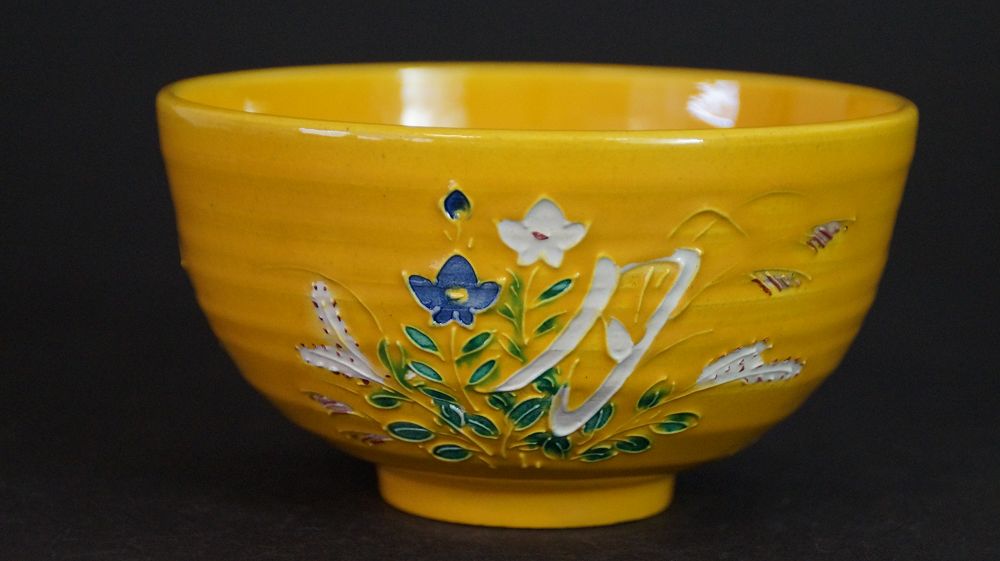
The peony is traditionally regarded in Japan as the queen of flowers and a symbol of prosperity and honor, a motif that this tea bowl displays in luminous gold on deep vermilion red. The chawan is crafted in the Kyoto-yaki style, a tradition distinguished by elegant painting and fine porcelain glazes that has been prized at the imperial court for centuries. It bears the stamp of Toraku Morisato, whose masterful gold painting lends the bowl an almost courtly splendor.
Both inside and outside, the glaze is kept in a rich red, against which the golden outlines of the blossoms stand out like fine threads. The white-glazed foot forms a quiet contrast to the vividly colored body and rounds off the composition harmoniously.
The tea bowl is delivered in a wooden box signed by the master potter, which marks the piece as a special collector's item. With its festive coloring, this chawan from the Shōwa period is as well suited to the tea ceremony as it is to serving as a decorative highlight in a display case.