Kakemono Daruma Head Over Curved Brushstroke
One of a kind — this work exists only once.
- Period:
- Heisei (1989–2019)
- Dimensions (height x width):
- 195 x 50 cm
- Item number:
- 3456
This piece has been sold.
Sold – no longer available
This piece was a handmade one-of-a-kind work. It cannot be reordered and will never exist in this form again. The page stays online as part of our archive.
More items in category Buddhism and ZenAll one-of-a-kind Japanese Painting pieces
See new one-of-a-kind pieces first
We feature every delivery from Japan in the newsletter first – before the pieces show up in search results.
You might like these pieces
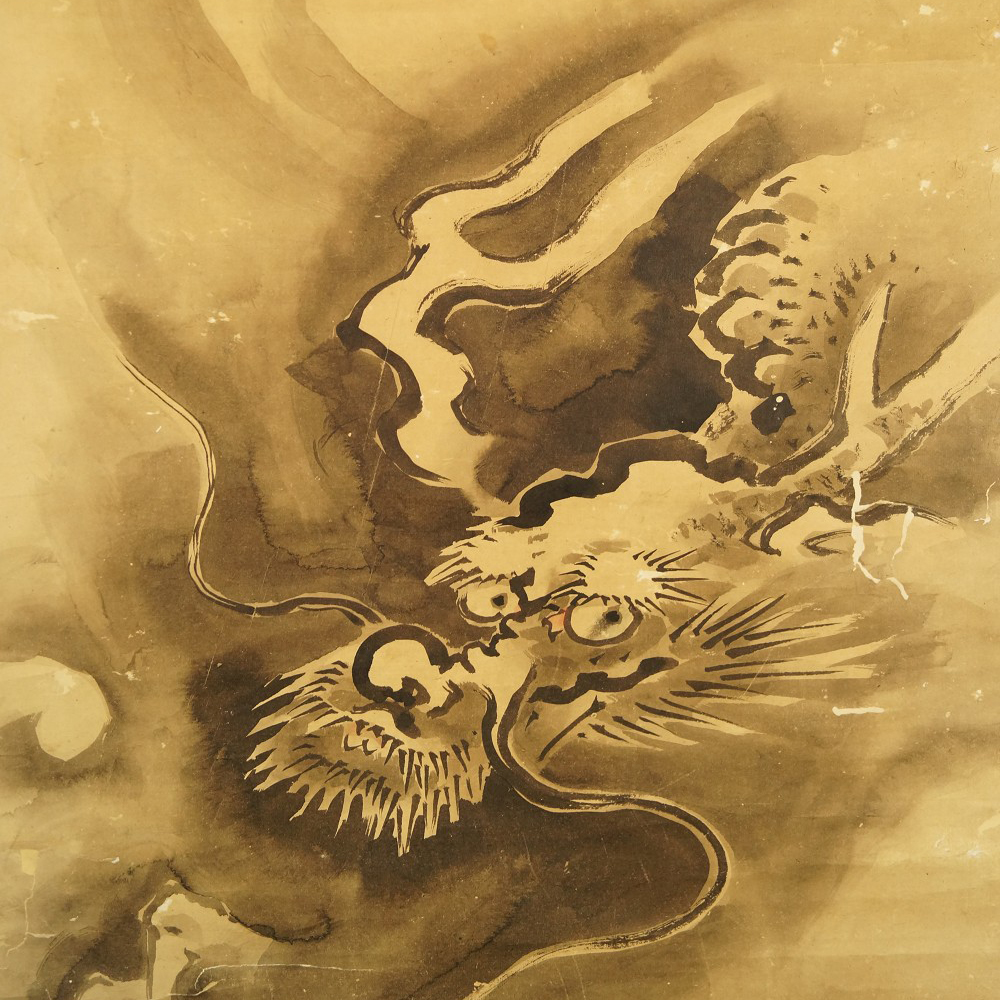
Tanaka Koga
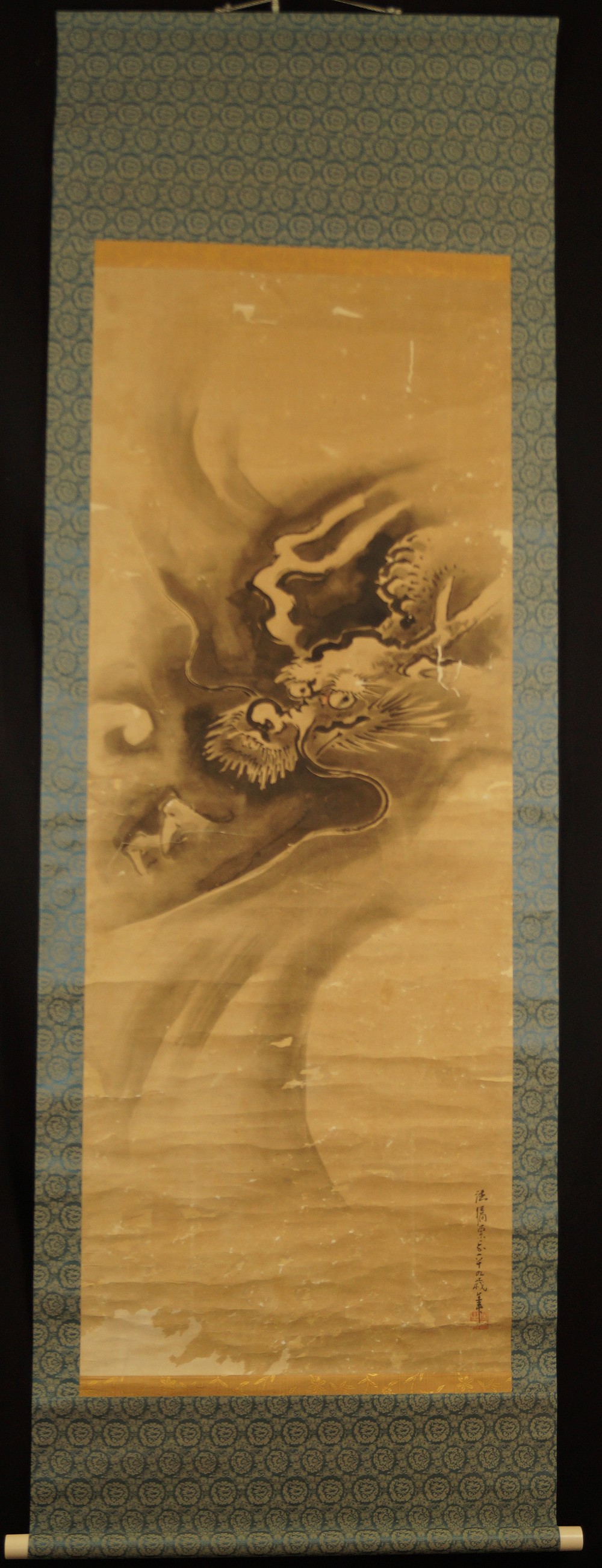
Angry Dragon Head
Kakemono, unique work, 185 x 68 cm
€290.00
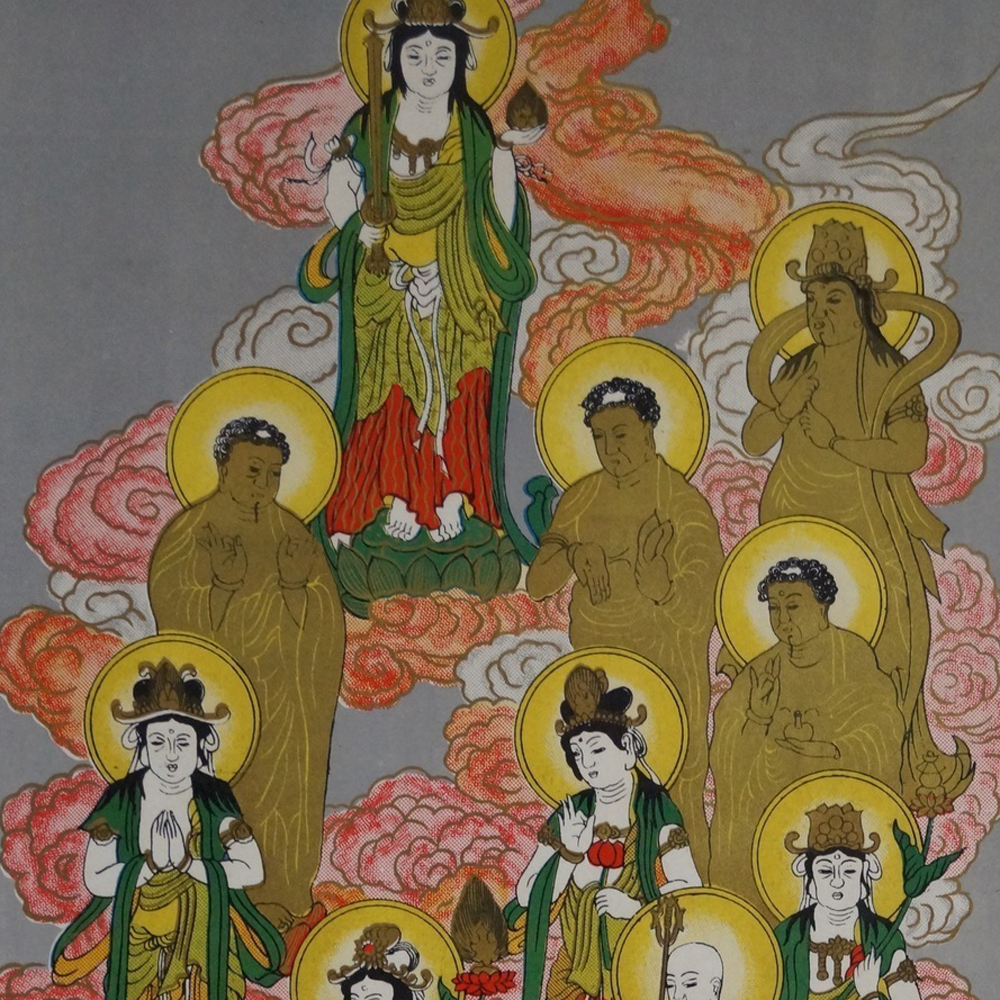
The 13 Buddhas
Kakemono, Print, 117 x 41 cm
€90.00
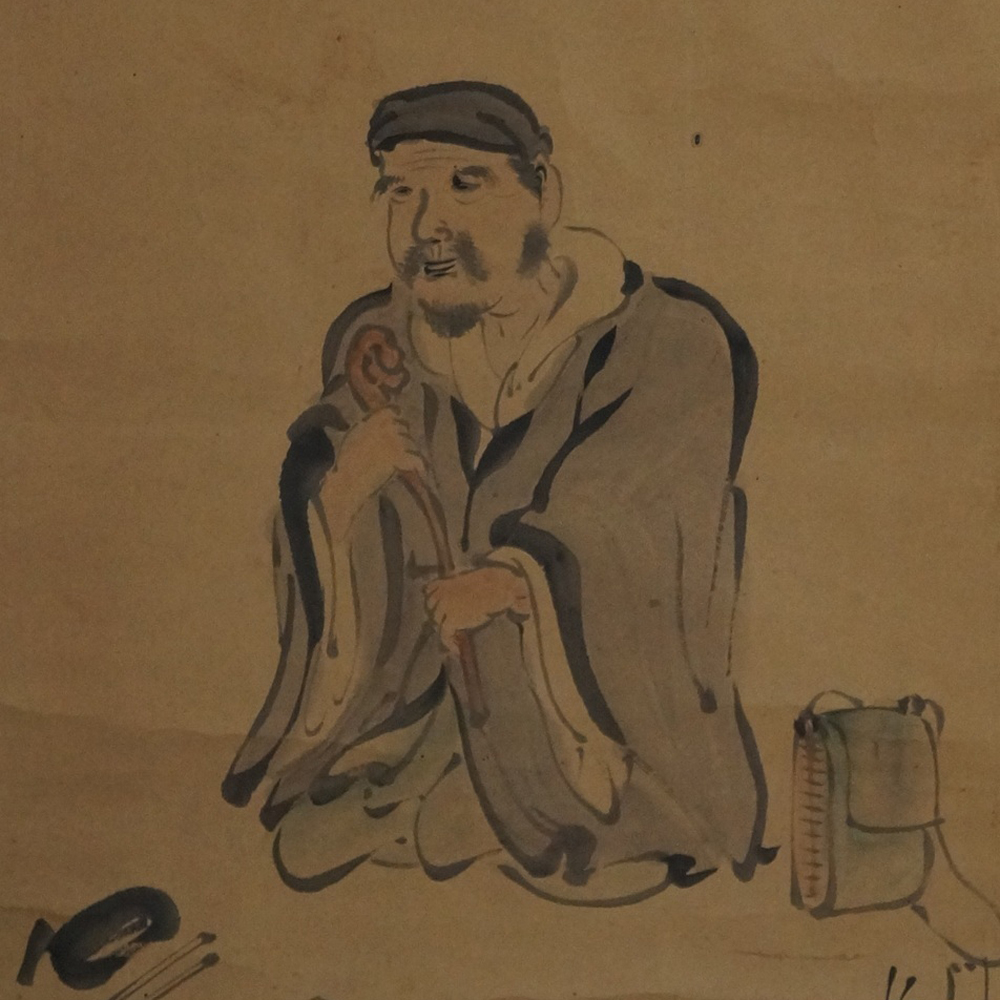
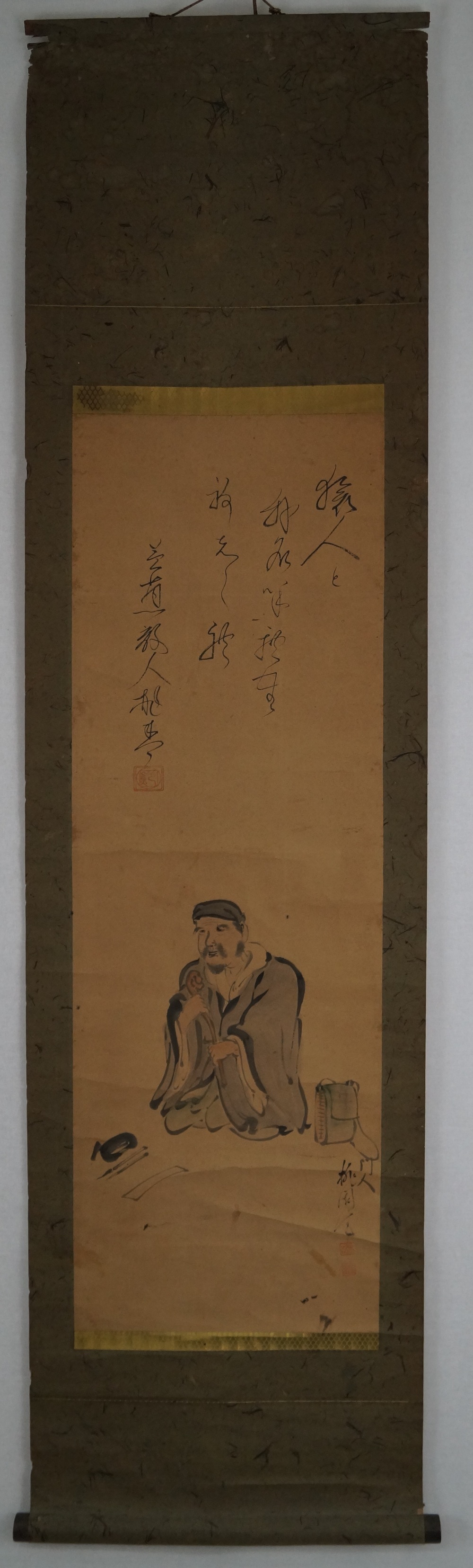
Old Calligrapher
Kakemono, unique work, 149 x 42 cm
€140.00
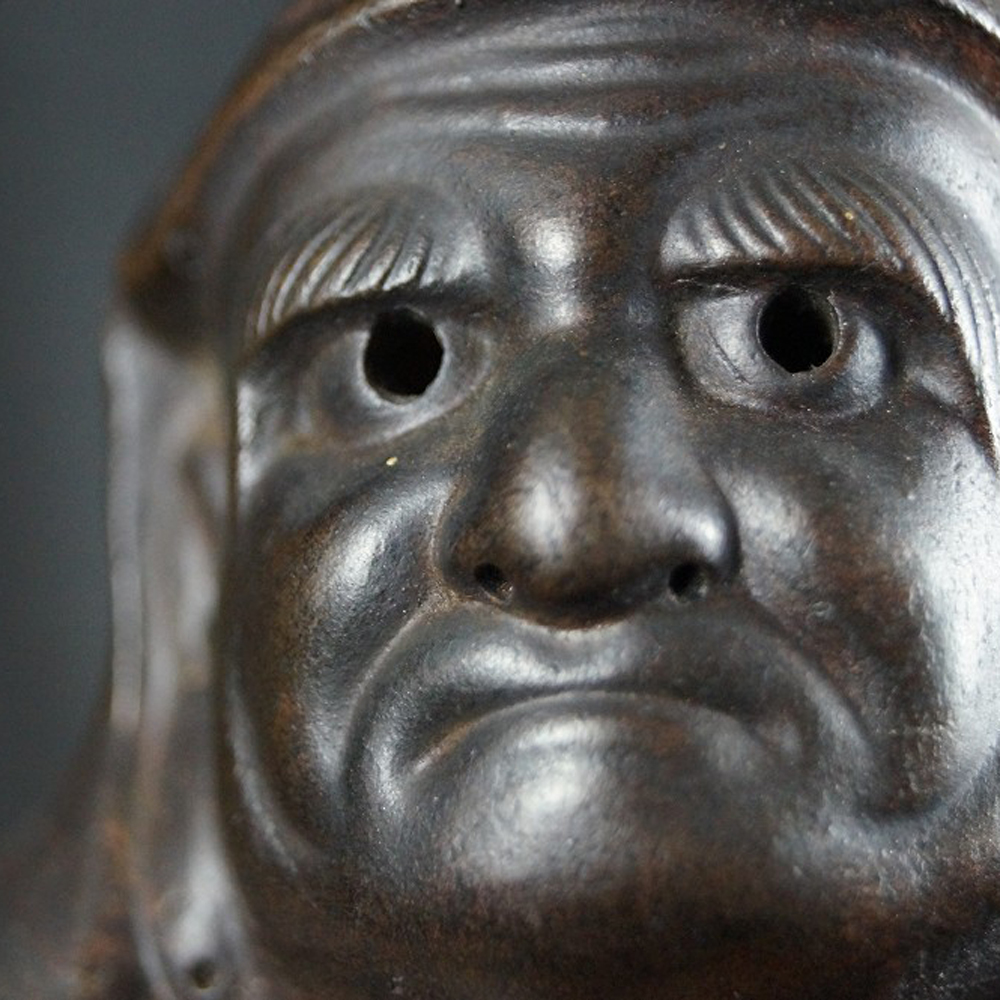
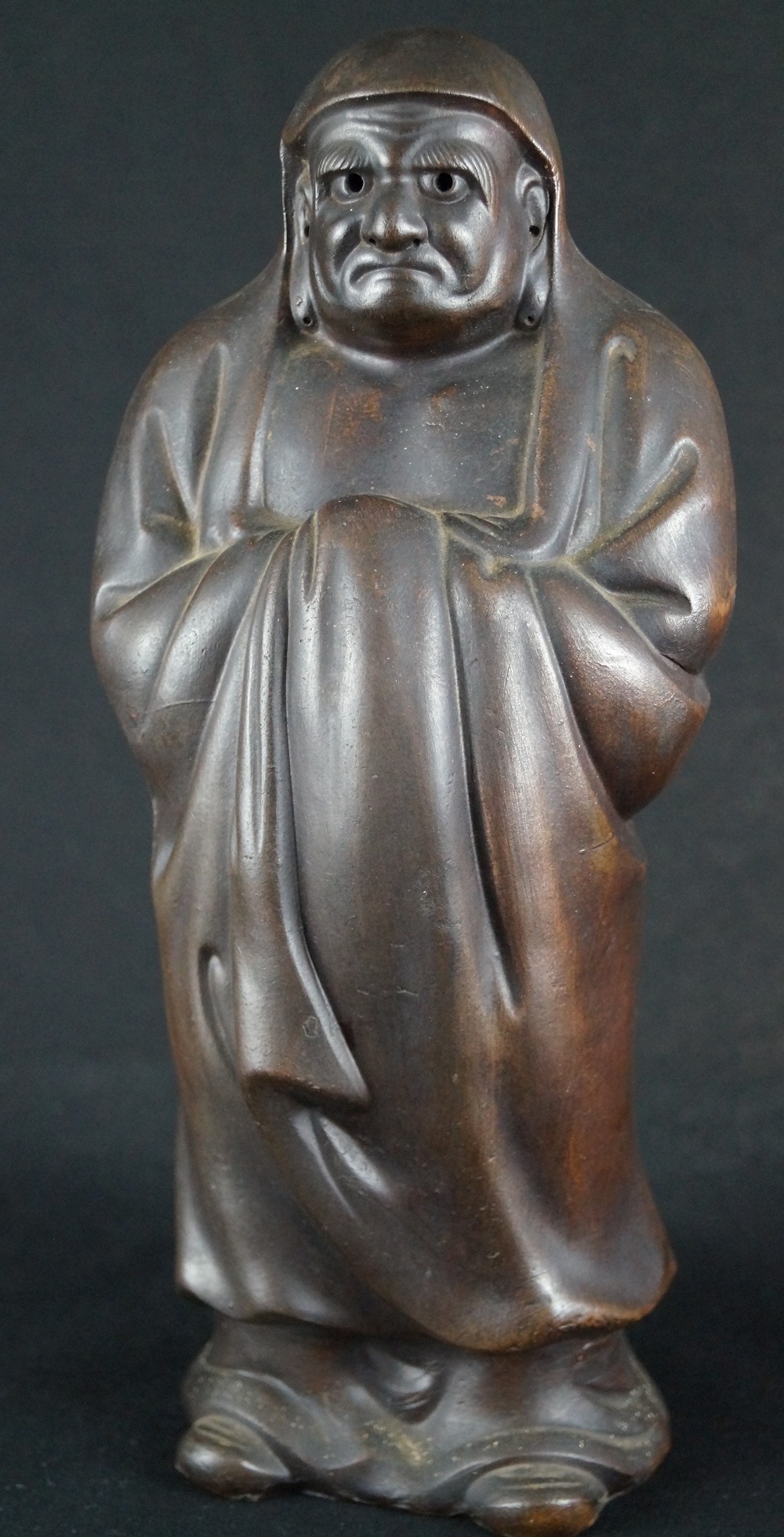
Daruma Figure Made of Bizen Ware with Pensive Expression
Figure, unique work, 29 x 11 cm
€280.00
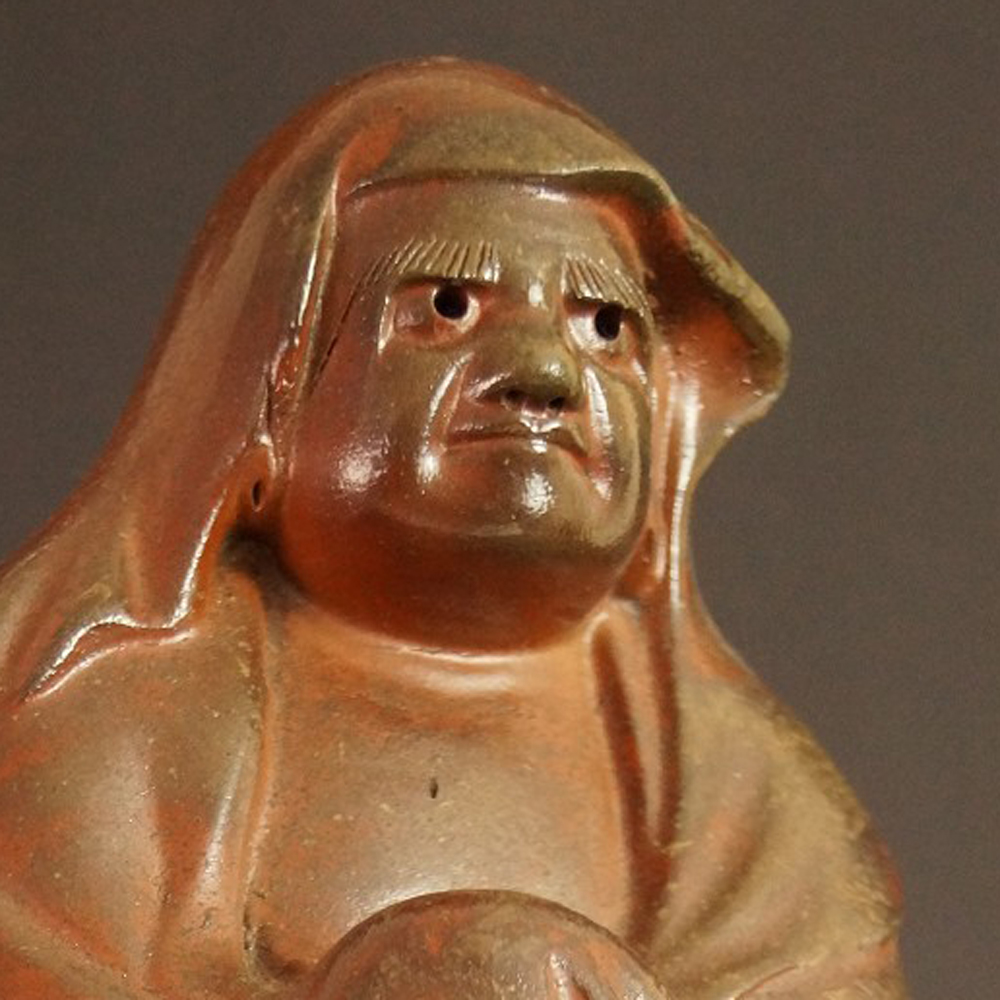
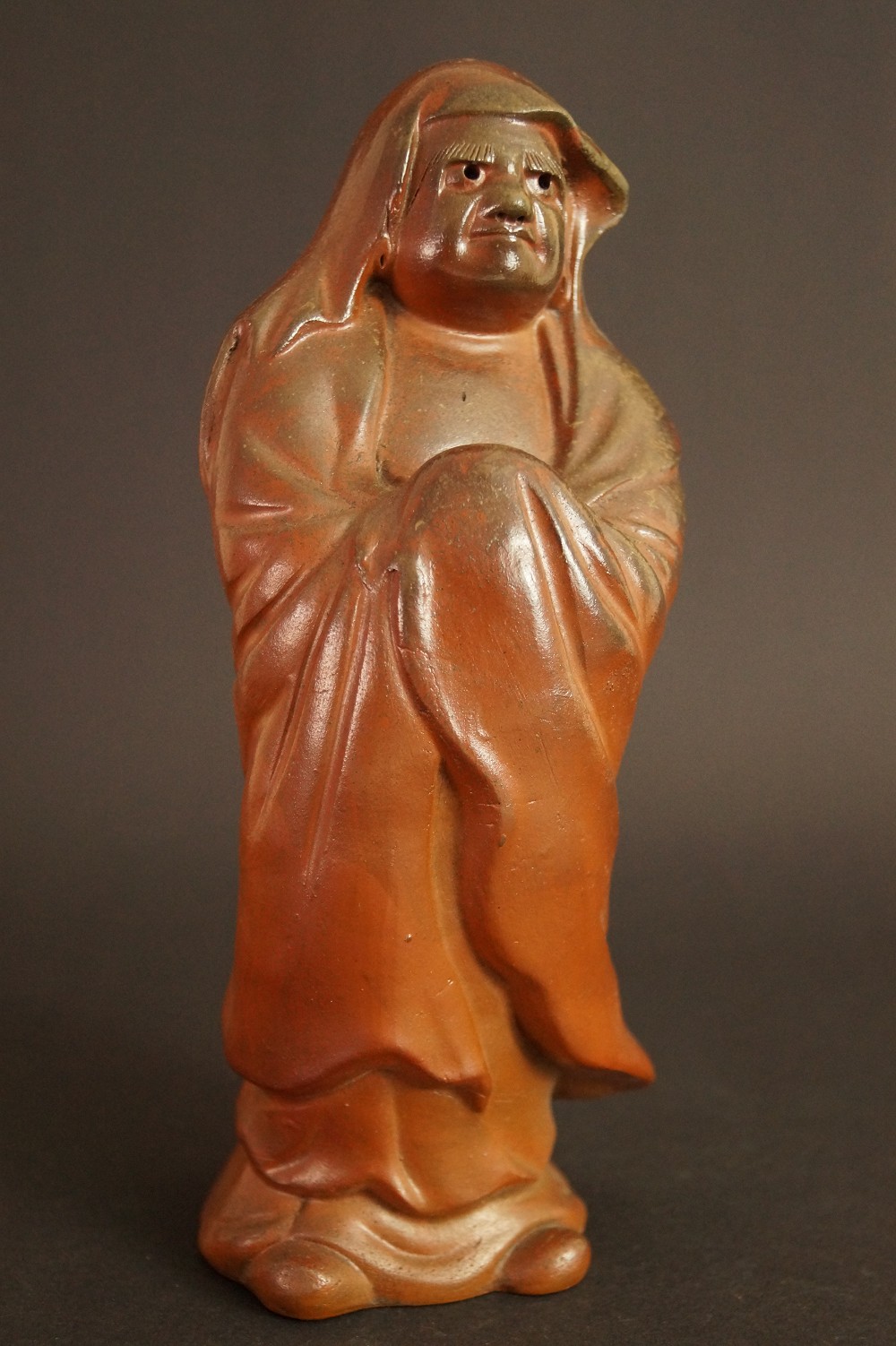
Bodhidharma (Daruma) Figure with Worried Expression Made of Bizen Ware
Figure, unique work, 22 x 10 cm
€180.00
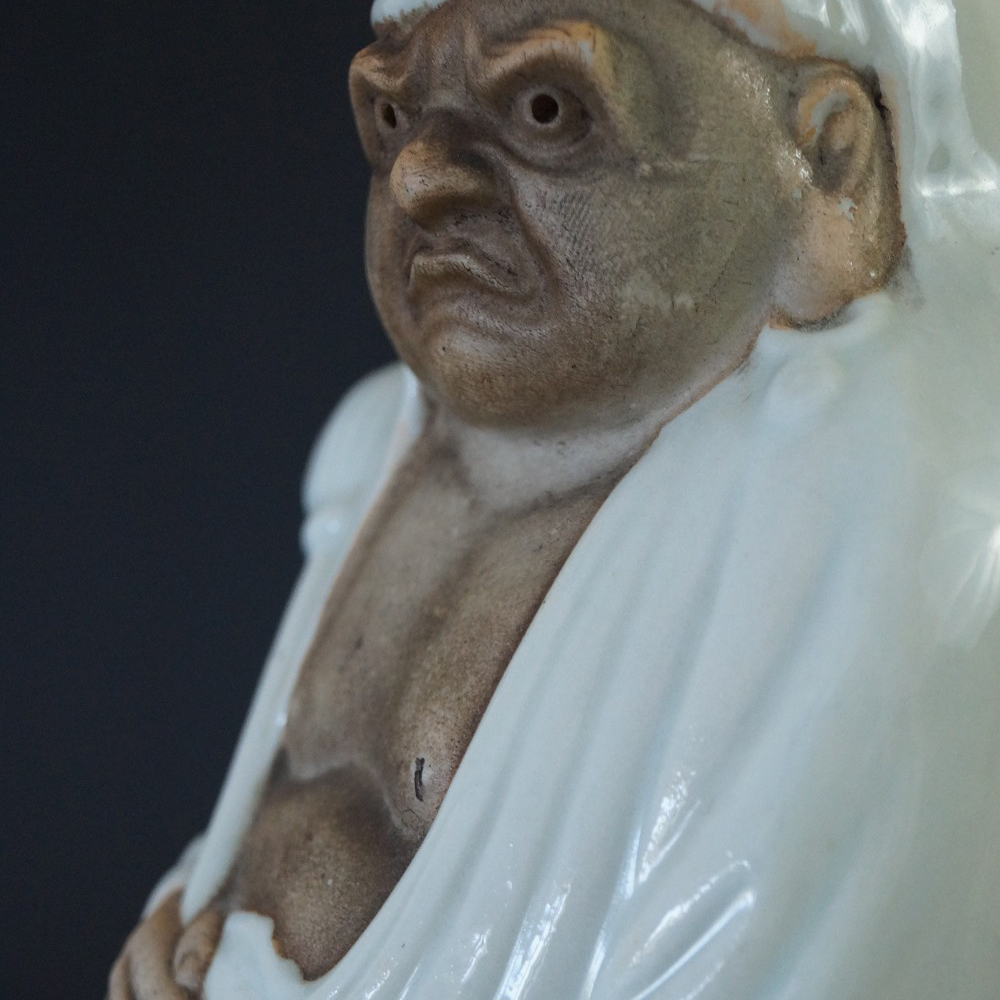
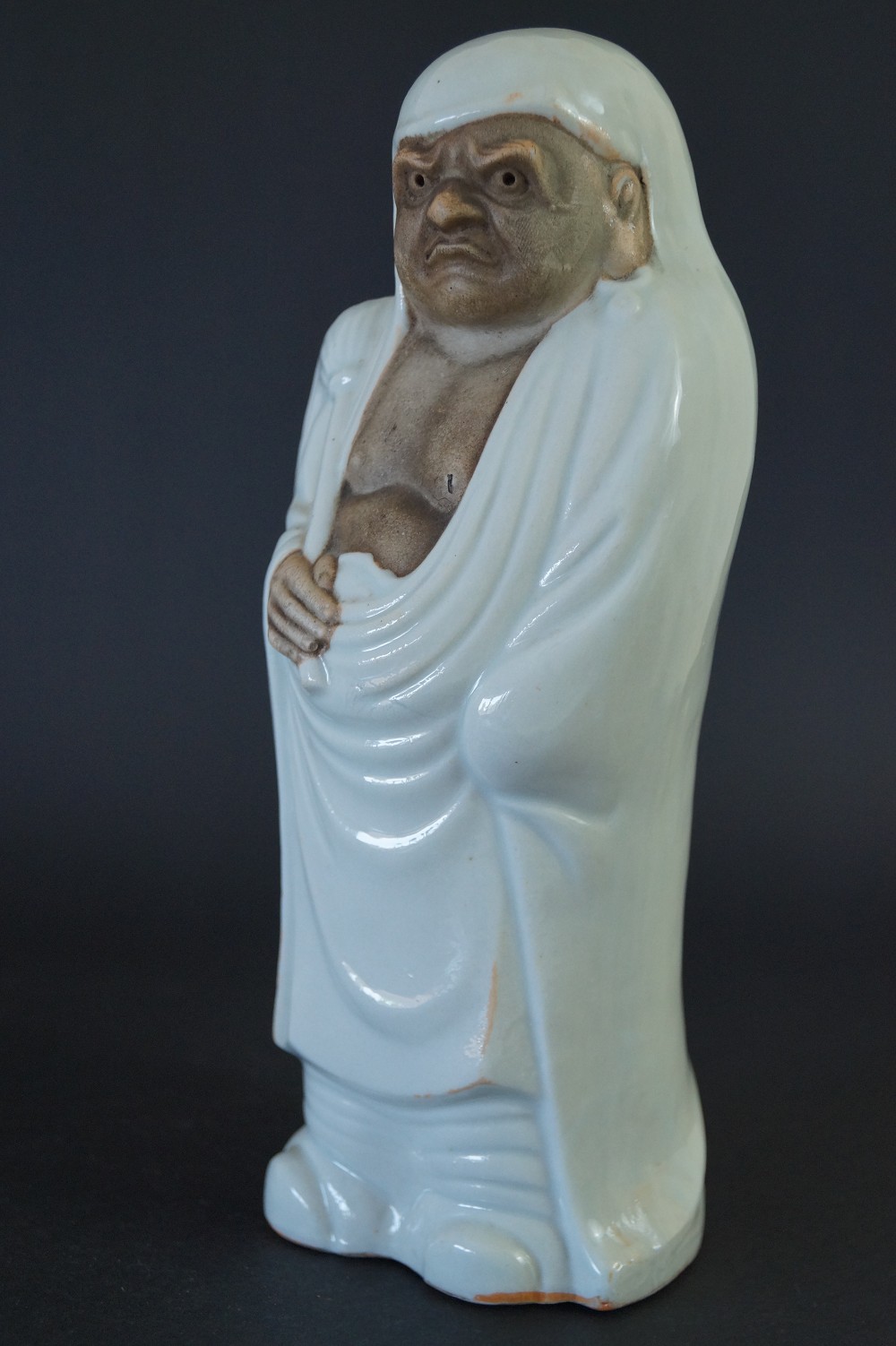
Daruma Figure Made of Kutani Porcelain in White Robe
Figure, unique work, 24 x 9 cm
€290.00
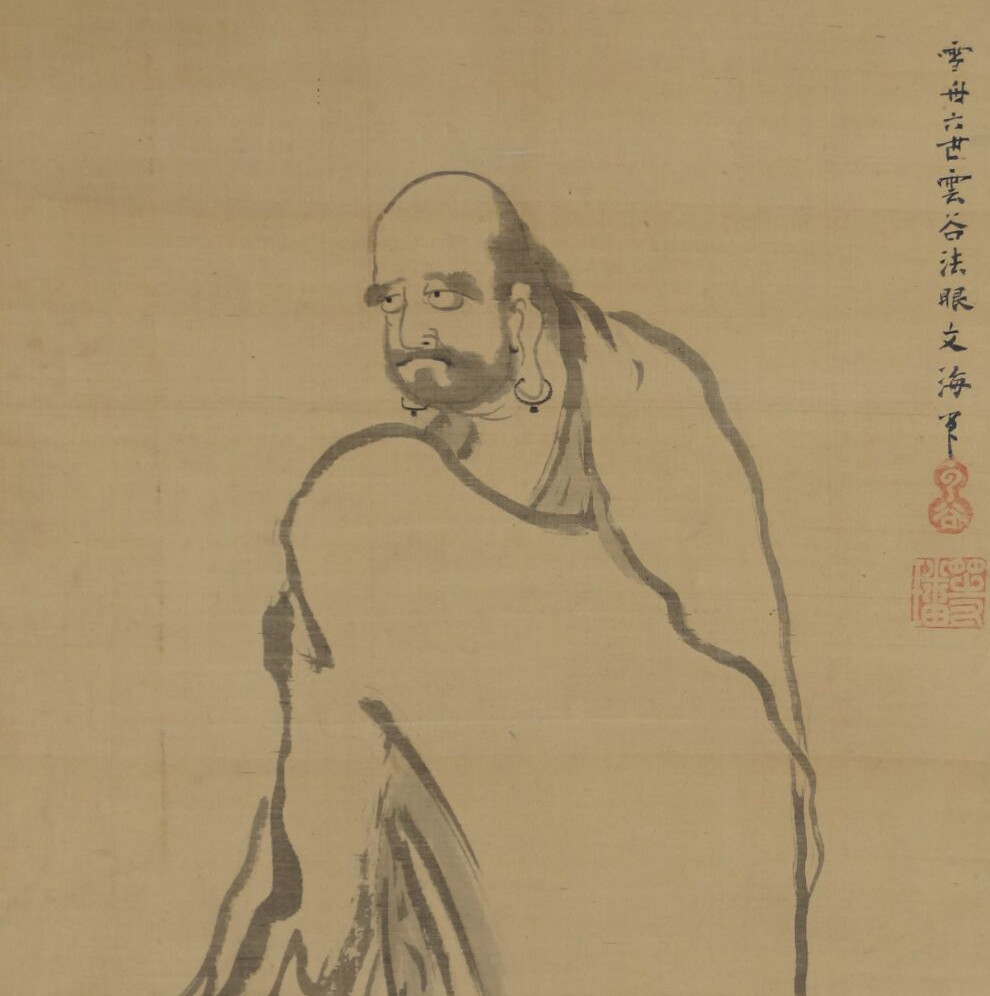
Unkoku Tōban
Bodhidharma on the Way
Kakemono, unique work, 168 x 52 cm
€550.00
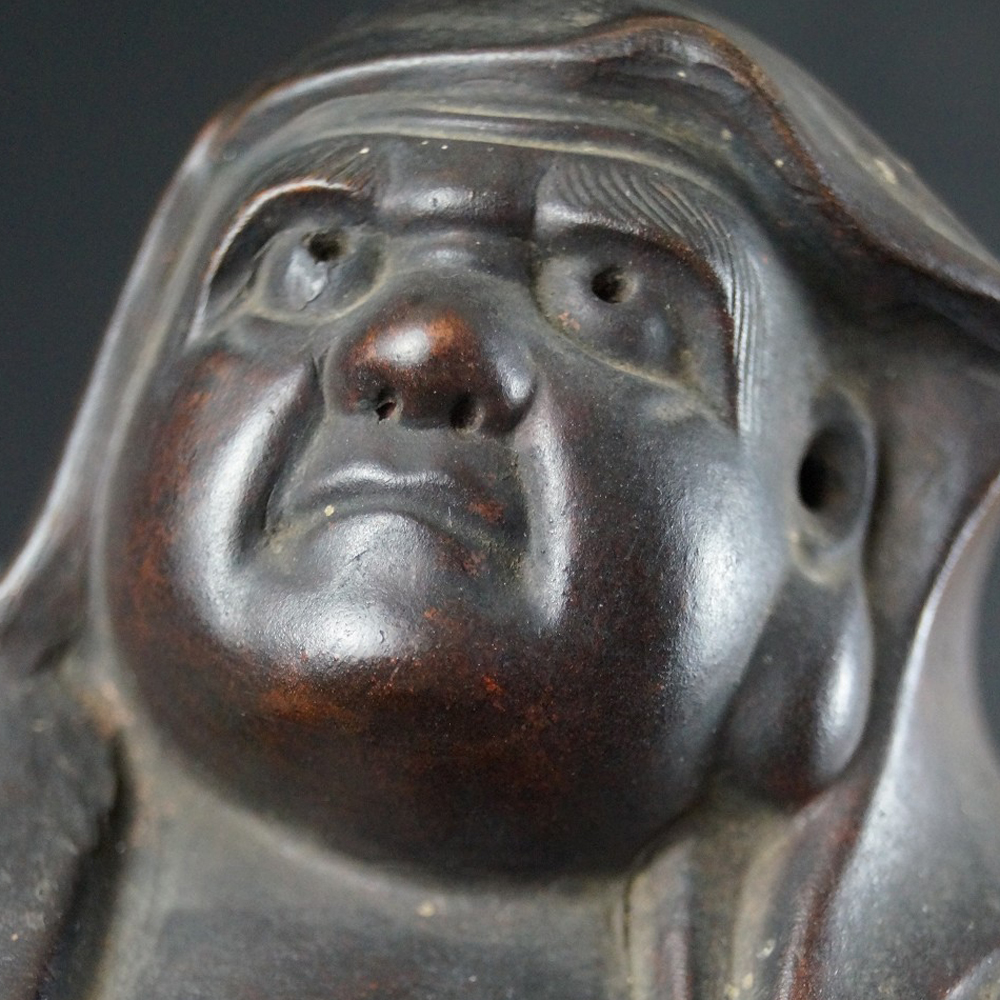
Bodhidharma (Daruma) Figure with Fierce Gaze Made of Bizen Ware
Figure, unique work, 20 x 8 cm
€180.00

Details about the sold piece
- JikusakiWood
- Material HonshiPaper
- MotifBuddhism and Zen, Daruma
- TechniqueHand-Painted
Description
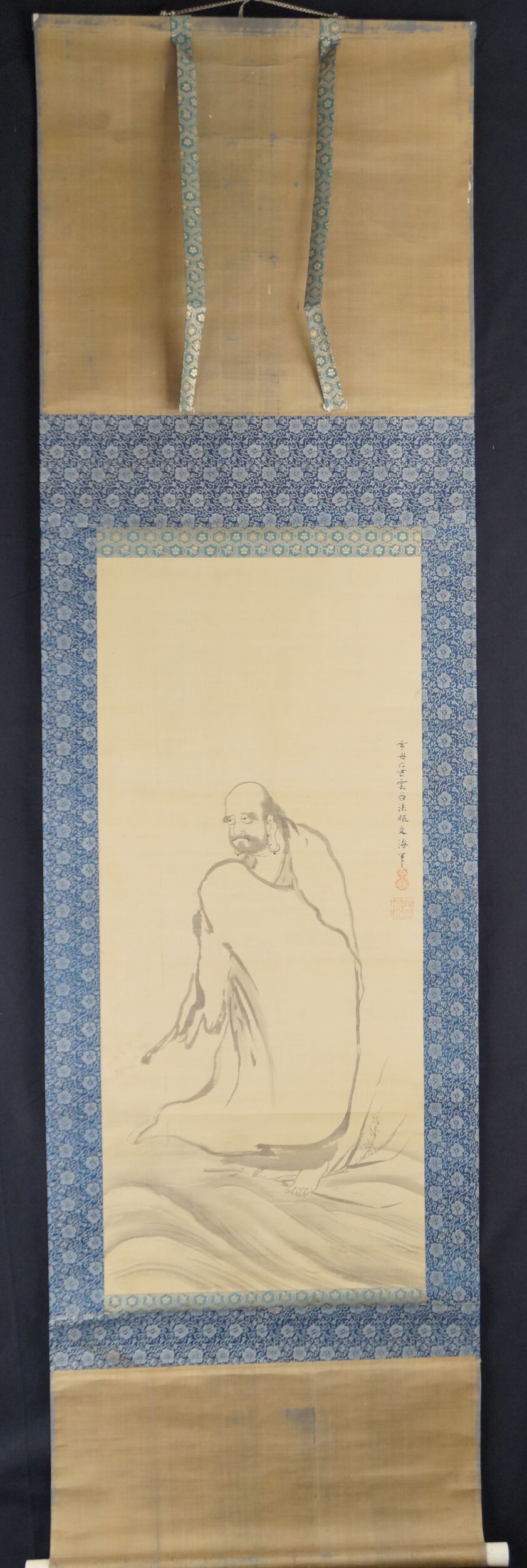
Calm and introspective, the depicted figure of a monk looks to the side, the head slightly inclined, the face modeled with few but assured lines. Above it stands a single, broadly placed character, lending the whole composition a quiet, almost suspended concentration – entirely in keeping with the reduced visual language of Zen painting.
The figure depicted is Bodhidharma, also known in Japanese as Daruma, who is venerated as the first patriarch of Zen, or Chan, Buddhism. He is said to have traveled from India to China toward the end of the 5th century and to have laid the foundations there of this still-influential Buddhist school. Motifs such as this one recall his significance as a symbol of endurance, determination, and deep meditative absorption.
The kakemono is hand-painted on paper and fitted with wooden jikusaki, created in the Heisei period. Signature and seal at the left edge of the image identify it as a unique work by a Japanese painter. Anyone interested in Zen iconography and the art of calligraphic reduction will find in this hanging scroll a quiet, expressive piece.