
Kakemono Dragonflies at the Pond
One of a kind — this work exists only once.
- Period:
- Meiji (1868–1912)
- Dimensions (height x width):
- 166 x 60 cm
- Item number:
- 5723
This piece has been sold.
Sold – no longer available
This piece was a handmade one-of-a-kind work. It cannot be reordered and will never exist in this form again. The page stays online as part of our archive.
More items in category LandscapesAll one-of-a-kind Japanese Painting pieces
See new one-of-a-kind pieces first
We feature every delivery from Japan in the newsletter first – before the pieces show up in search results.
You might like these pieces
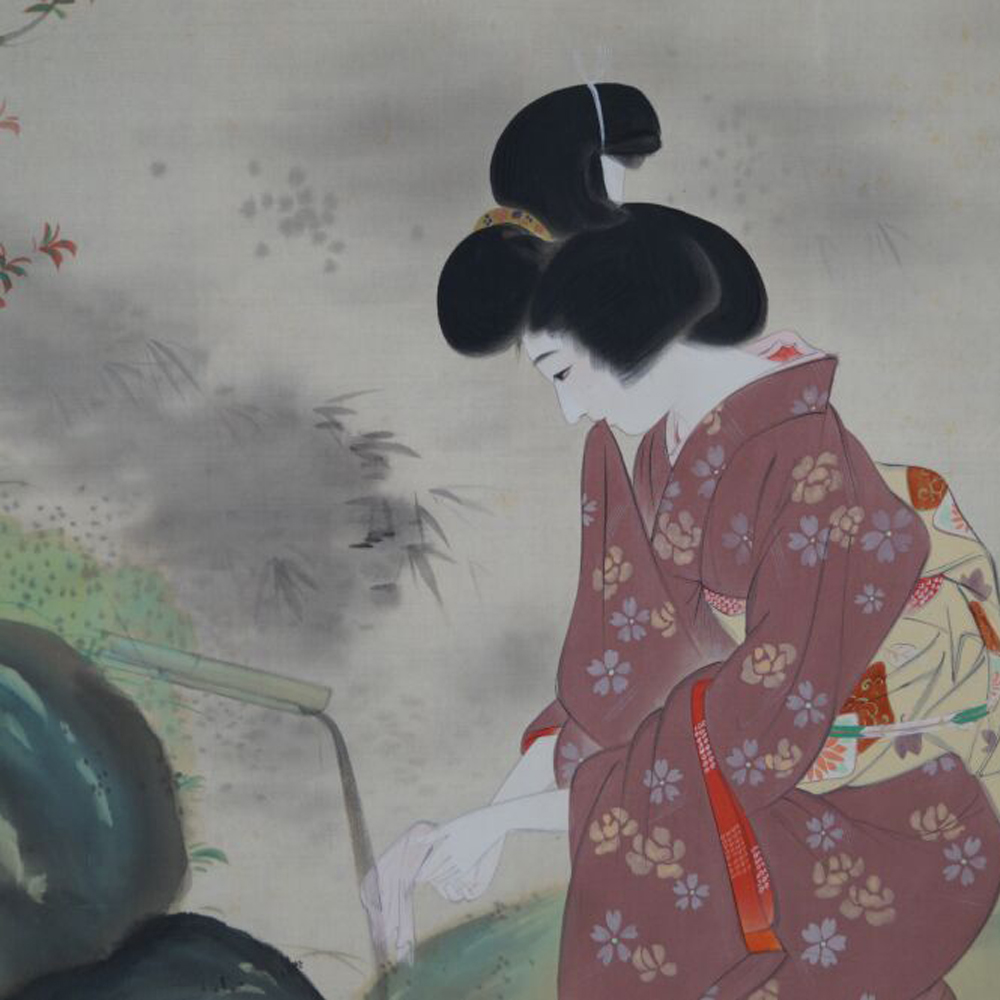
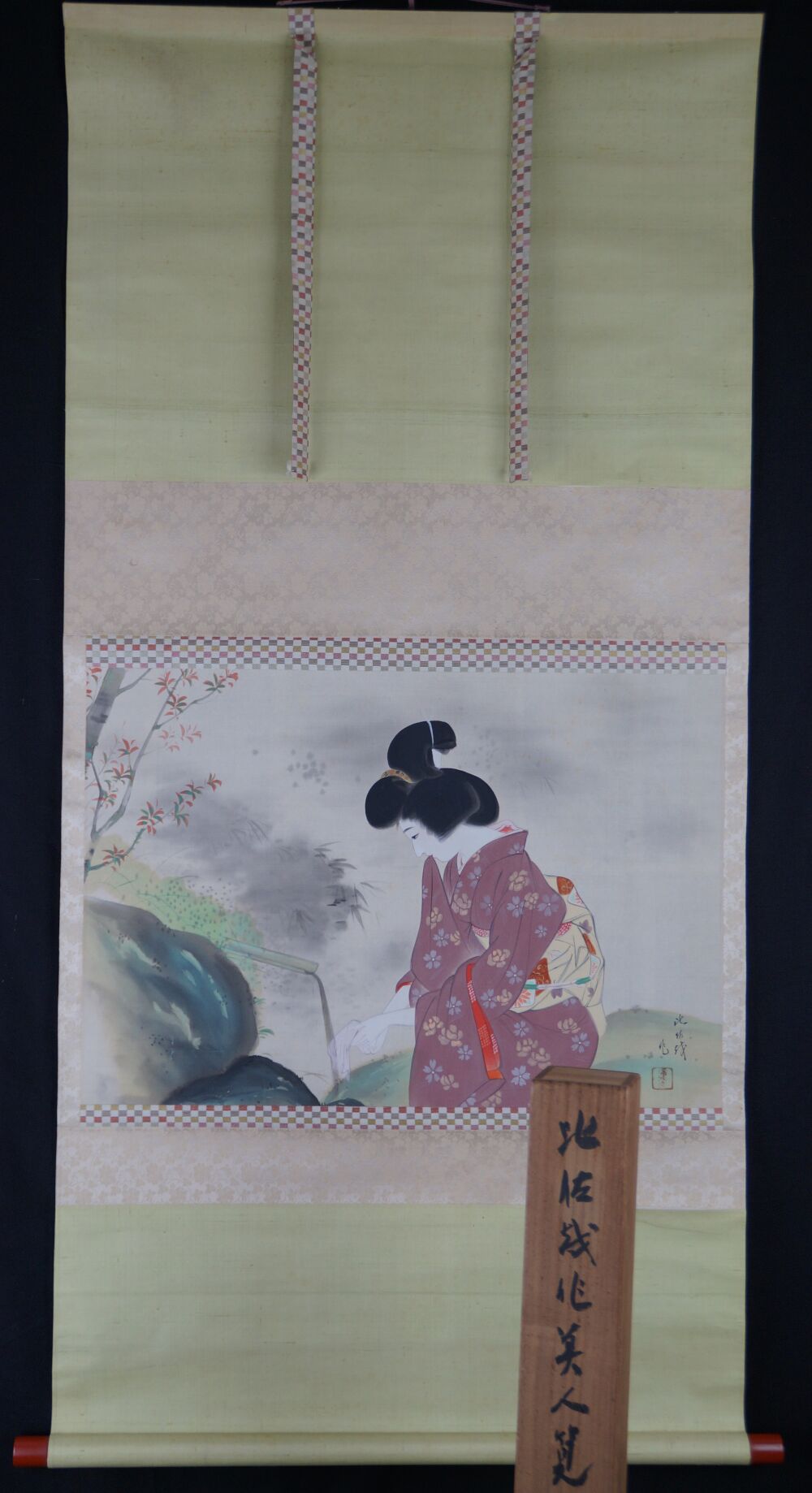
Lady in Kimono by the Garden Pond
Kakemono, unique work, with box, 136 x 71 cm
€480.00
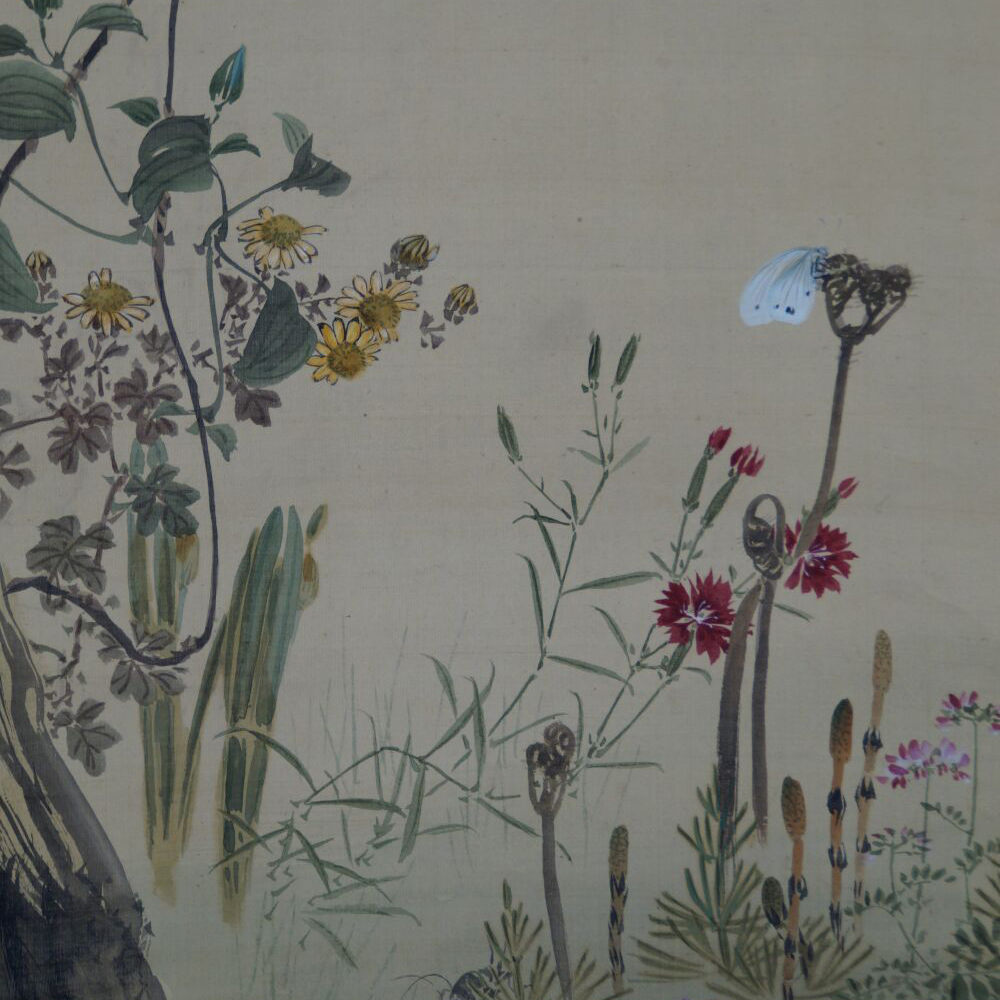
Shibata Zeshin
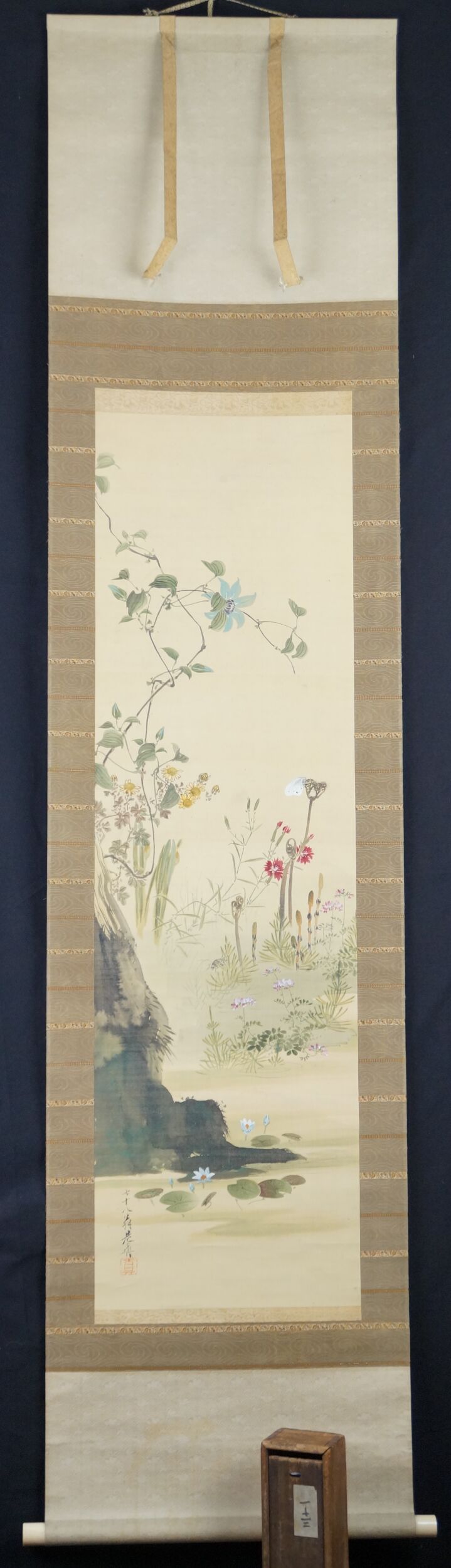
Autumn Riverside Vegetation with Butterfly
Kakemono, unique work, with box, 192 x 46 cm
€880.00
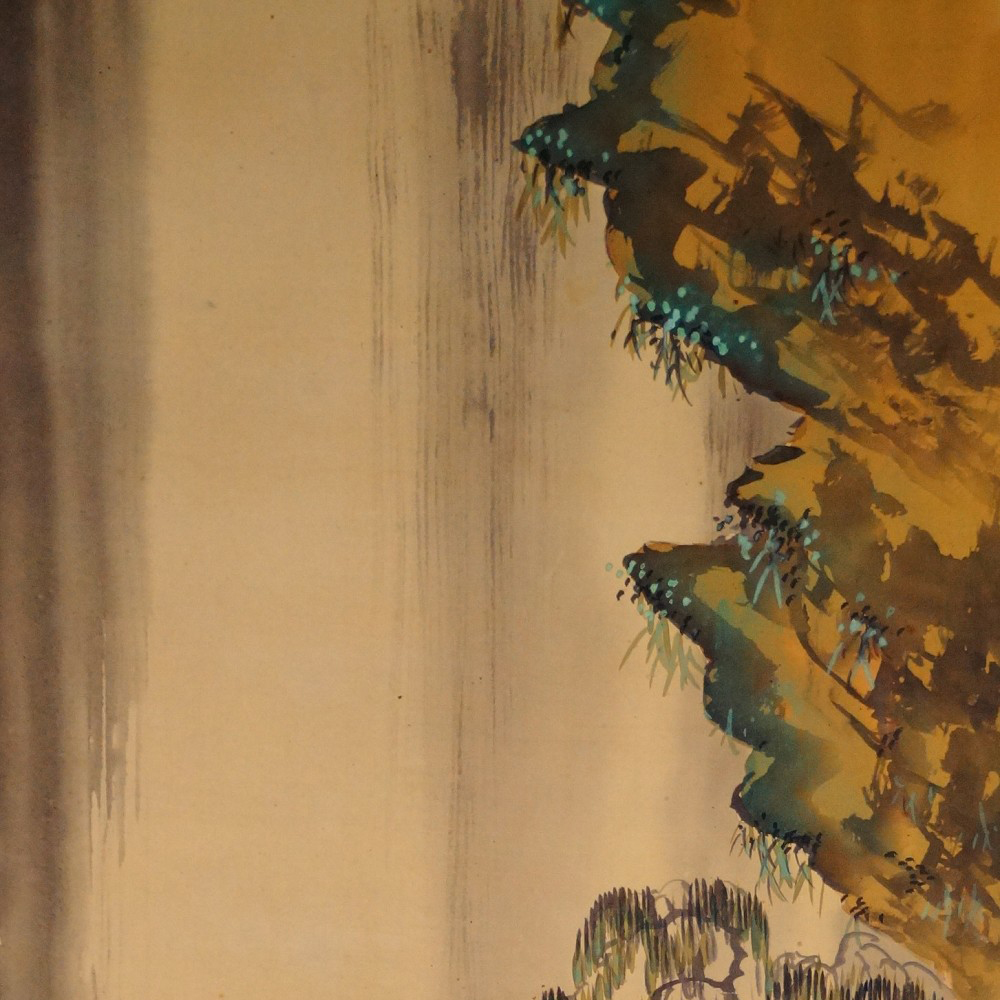
Jōdō
Bees Against a Waterfall Backdrop by Jodo
Kakemono, unique work, 188 x 62 cm
€375.00
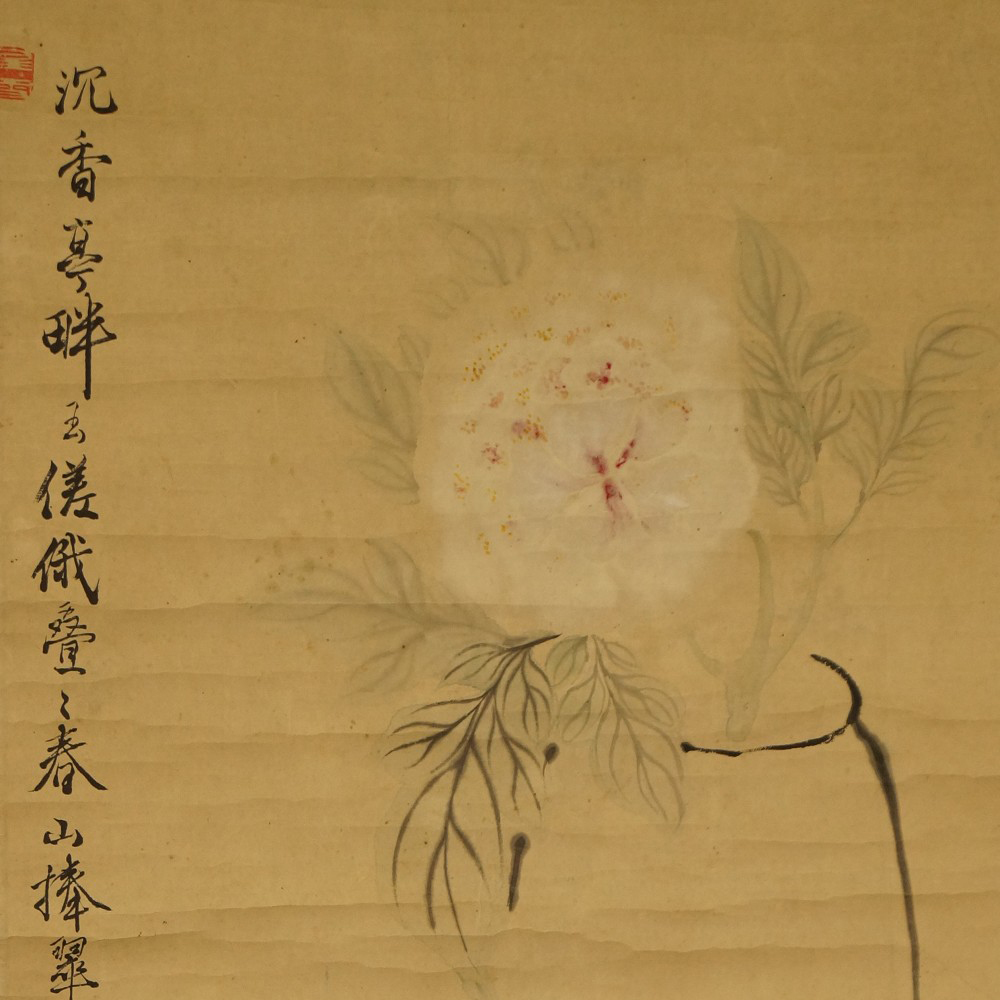
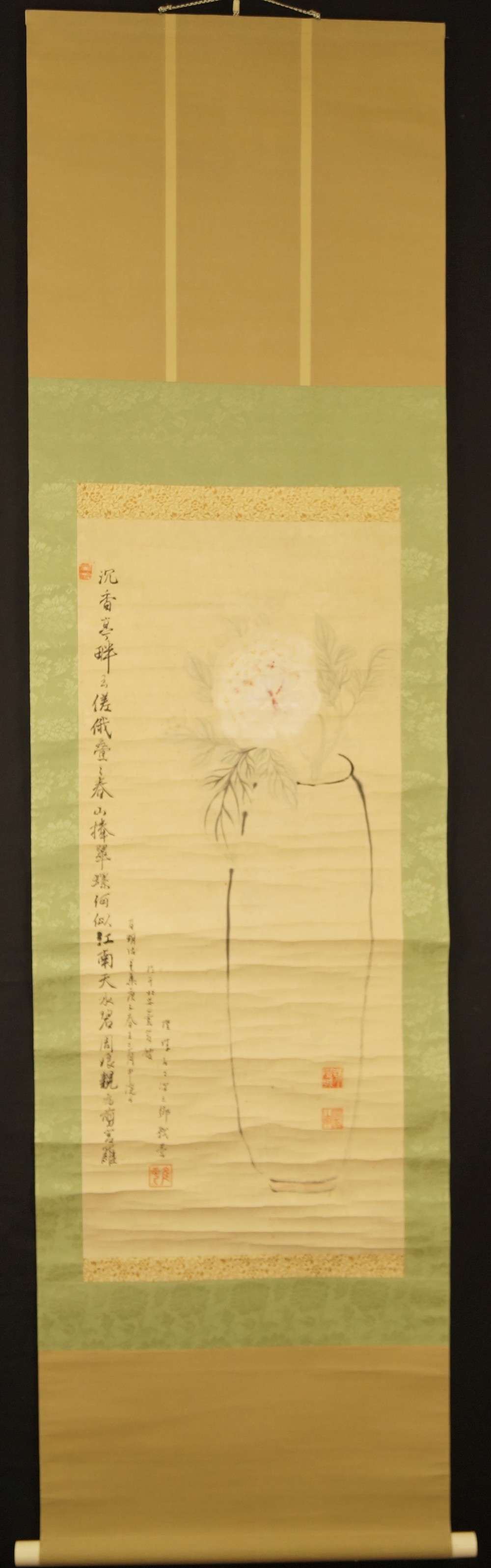
Peony with Calligraphy
Kakemono, unique work, 176 x 54 cm
€210.00
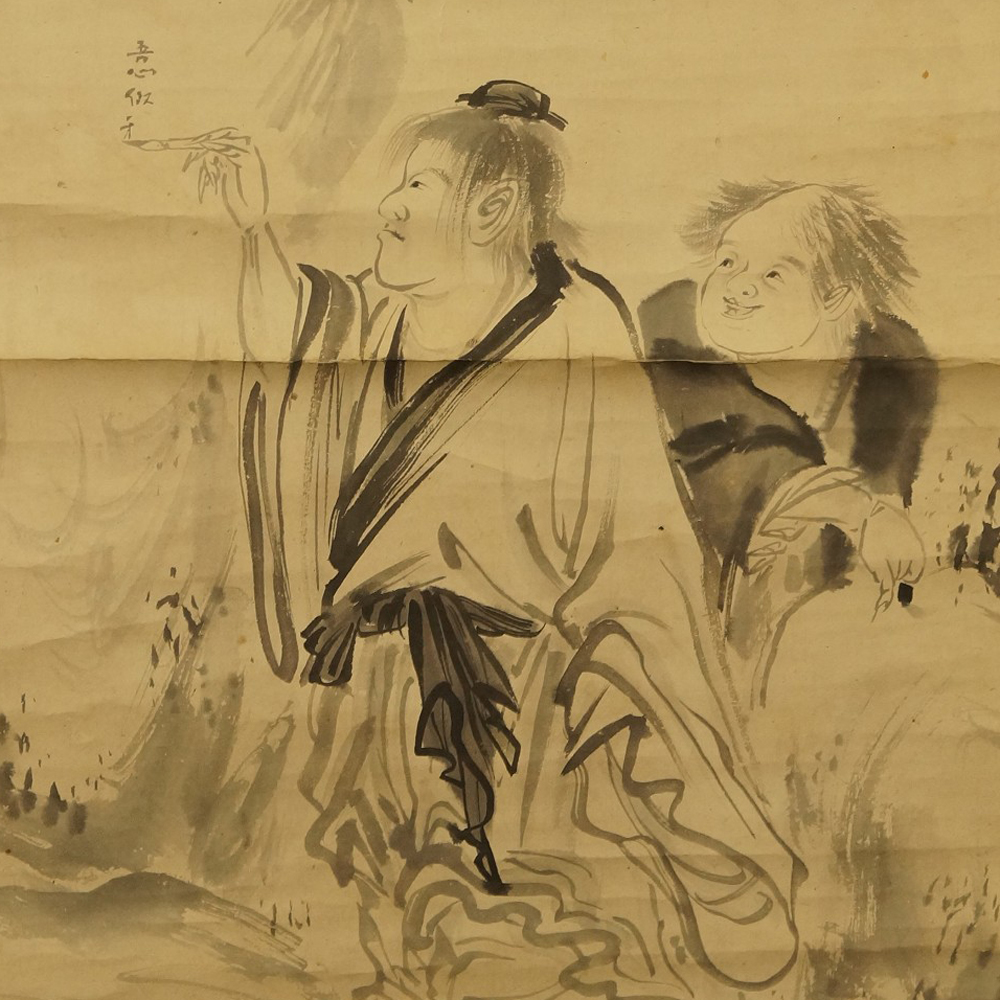
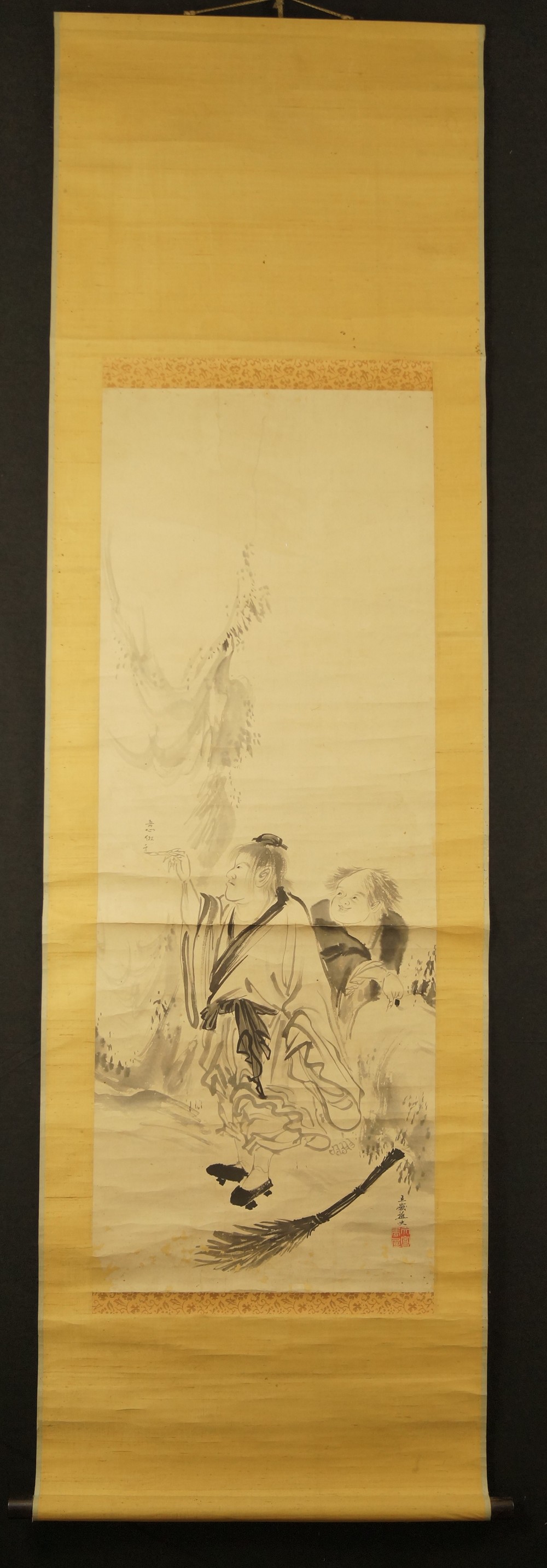
The Calligrapher and His Companion
Kakemono, unique work, with box, 184 x 60 cm
€210.00
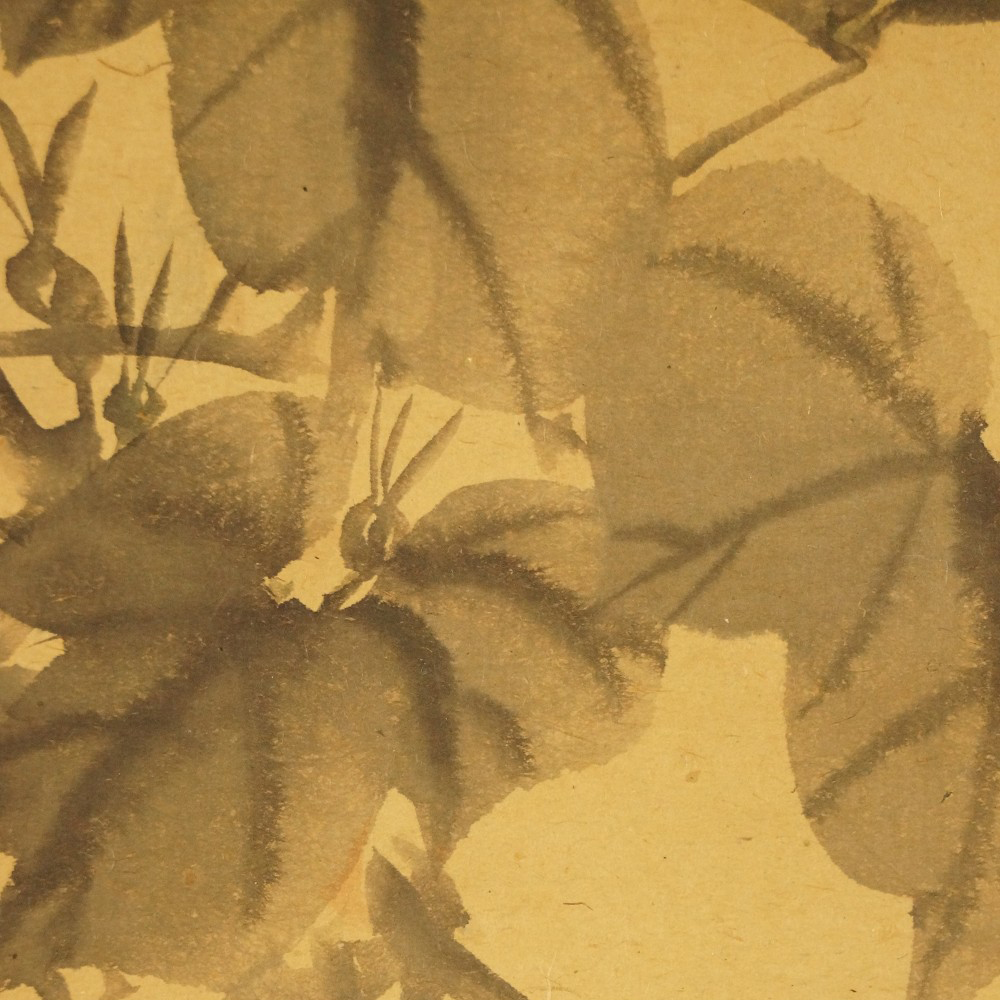
The Snail on the Lotus Flower
Kakemono, unique work, 176 x 40 cm
€410.00
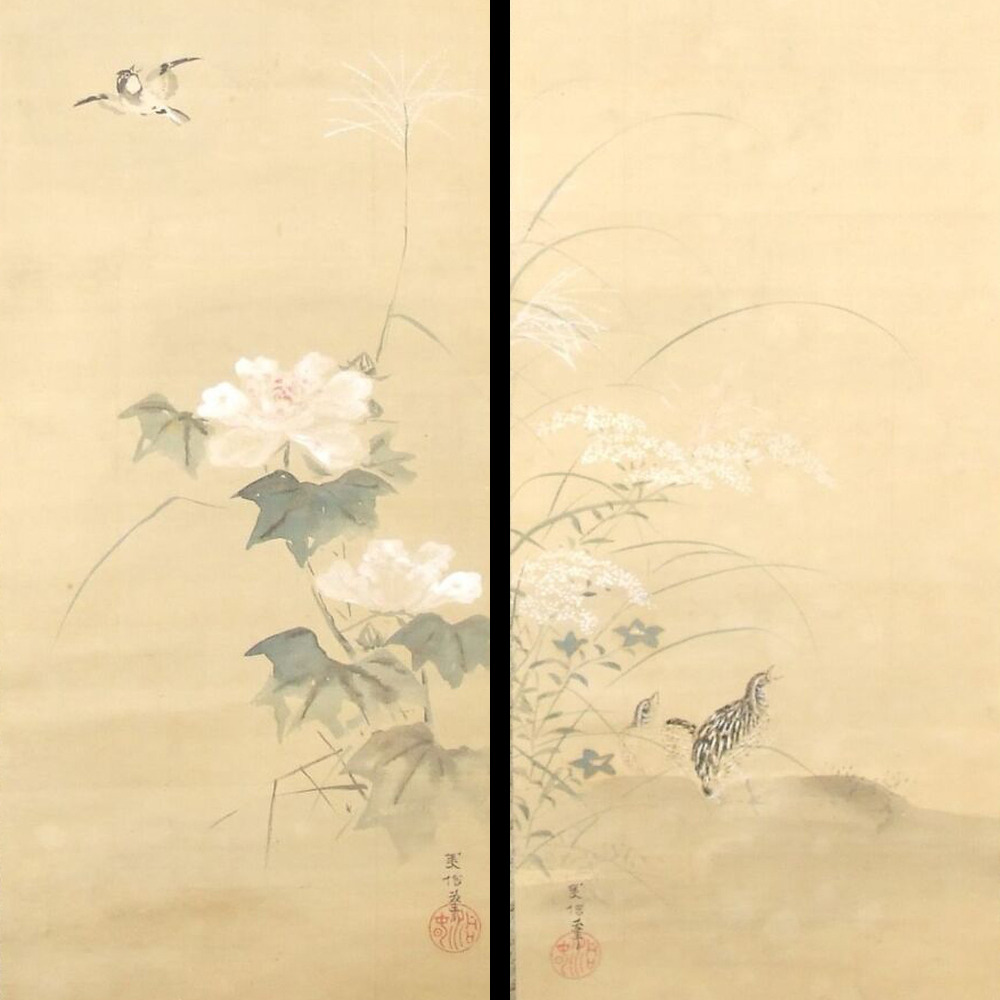
Kanō Tōshun Yoshinobu
Set of Two Paintings – Birds and Autumn Flowers
Kakemono, unique work, with box, 200 x 56 cm
€770.00
Nakagawa Wado
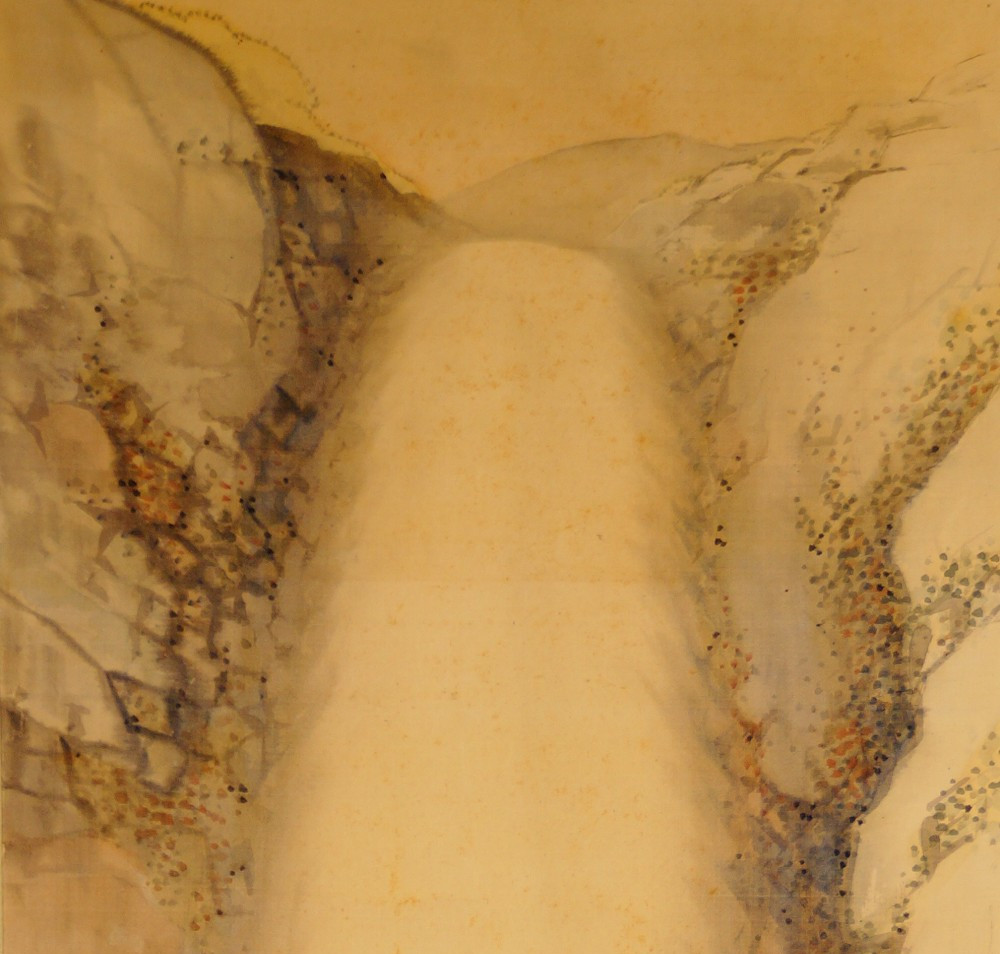
Waterfall in the Mountains
Kakemono, unique work, 195 x 59 cm
€380.00


Details about the sold piece
- JikusakiWood
- Material HonshiSilk
- MotifAnimals, Landscape
- TechniqueHand-Painted
- Wooden BoxYes
Description
Above the mirror-smooth surface of a pond, two dragonflies hover among iris, lotus leaves, and delicately blossoming branches – an image of quiet, summery calm. The composition deliberately leaves much open space, so that the water can seem to widen and breathe, while plants and insects are concentrated only in the lower part of the image.
The fine brushwork on silk attests to a keen power of observation of nature, as valued in Japanese bird-and-flower painting (Kachô-ga). A red artist's seal at the lower edge of the image confirms the origin of the work, which is attributable to the Meiji period.
The roller ends of the hanging scroll are made of wood, and the kakemono is delivered together with a signed wooden box that ensures safe storage. With its restrained elegance, this painting is especially well suited to a quiet, contemplative living space.
