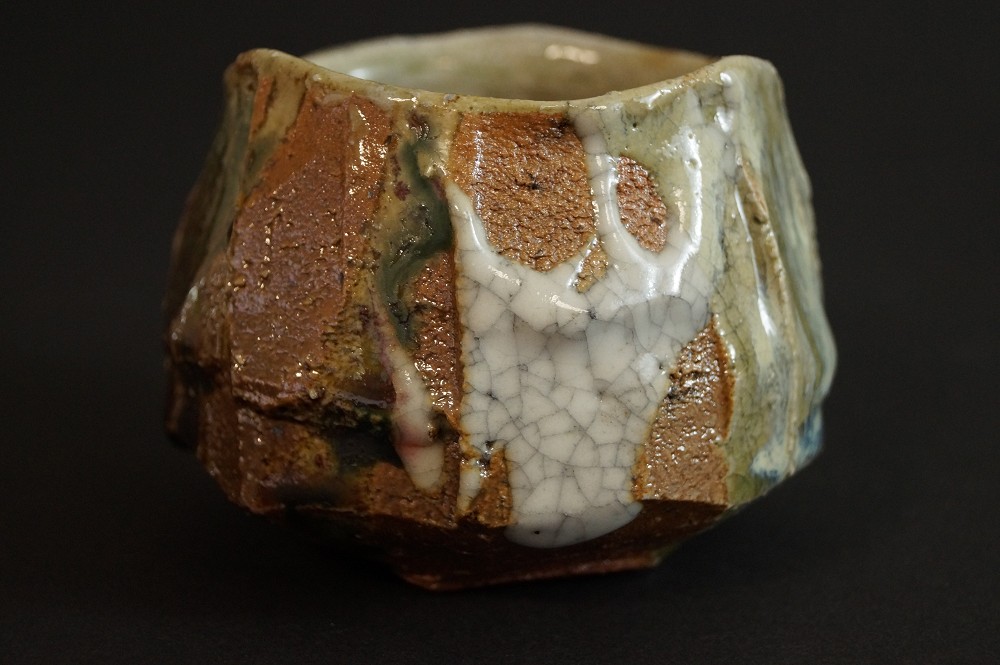
Guinomi Handcrafted Japanese Sake Cup (Guinomi) Wabi Sabi
One of a kind — this work exists only once.
- Period:
- Shôwa (1926–1989)
- Dimensions (height x width):
- 6 x 6 cm
- Weight:
- 122g
- Item number:
- 5434
This piece has been sold.
Sold – no longer available
This piece was a handmade one-of-a-kind work. It cannot be reordered and will never exist in this form again. The page stays online as part of our archive.
More items in category Guinomi and TokkuriAll one-of-a-kind Japanese Ceramics pieces
See new one-of-a-kind pieces first
We feature every delivery from Japan in the newsletter first – before the pieces show up in search results.
You might like these pieces
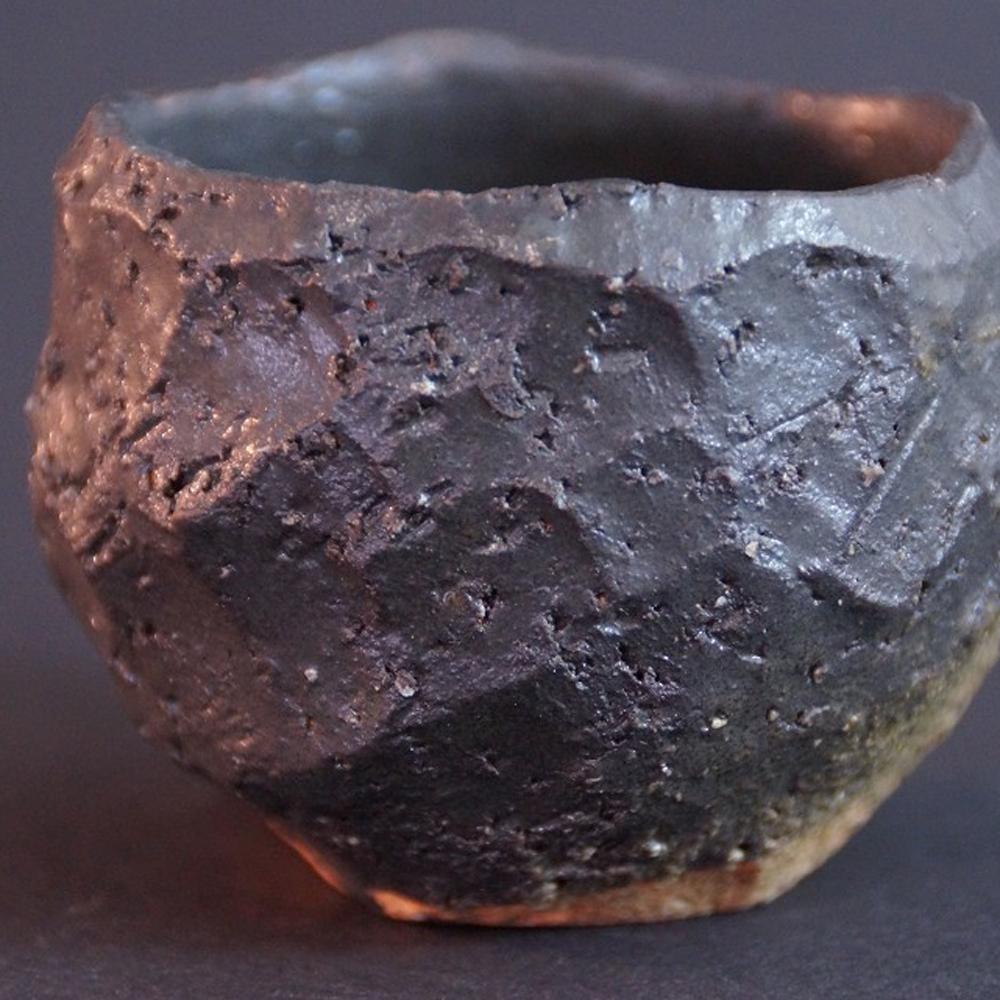
Handcrafted Japanese Hagi Sake Cup (Guinomi)
Guinomi, unique work, 6 x 5 cm
€340.00
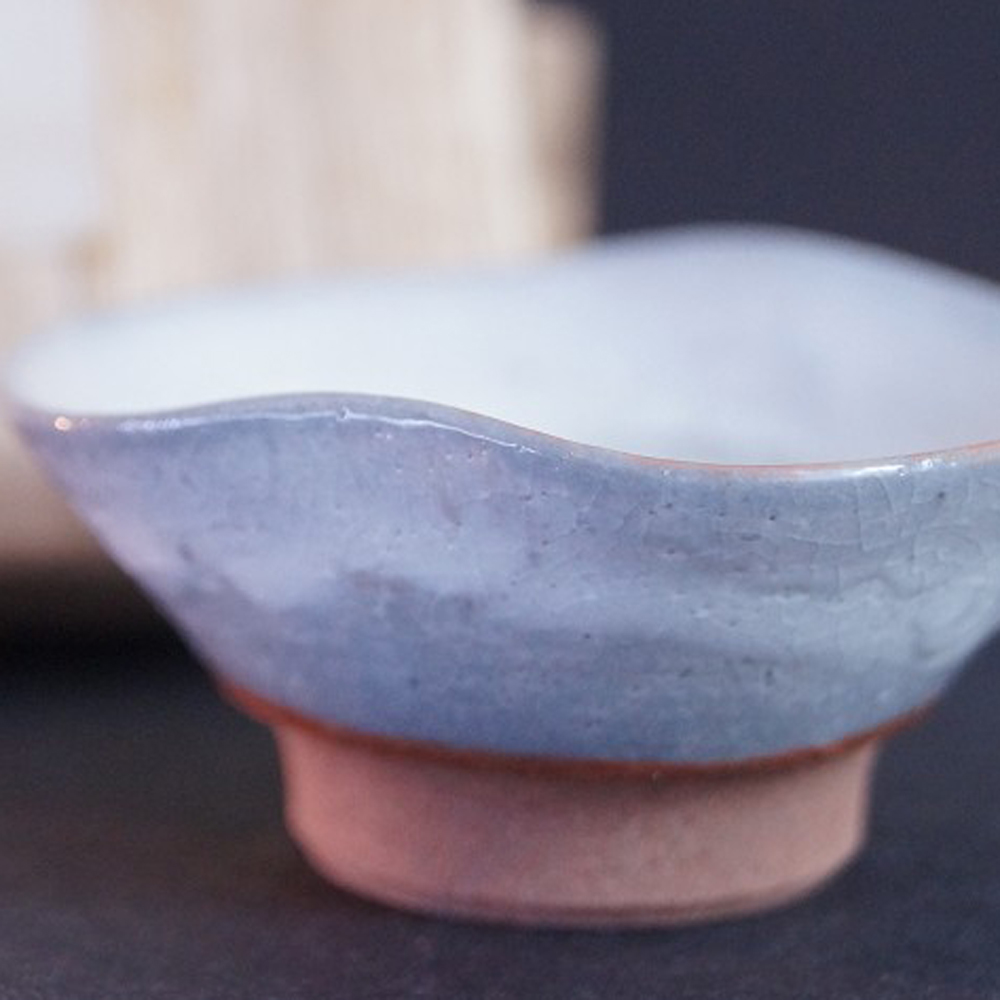
Handcrafted Japanese Seto Sake Cup (Guinomi)
Guinomi, unique work, with box, 2,5 x 5,5 cm
€130.00
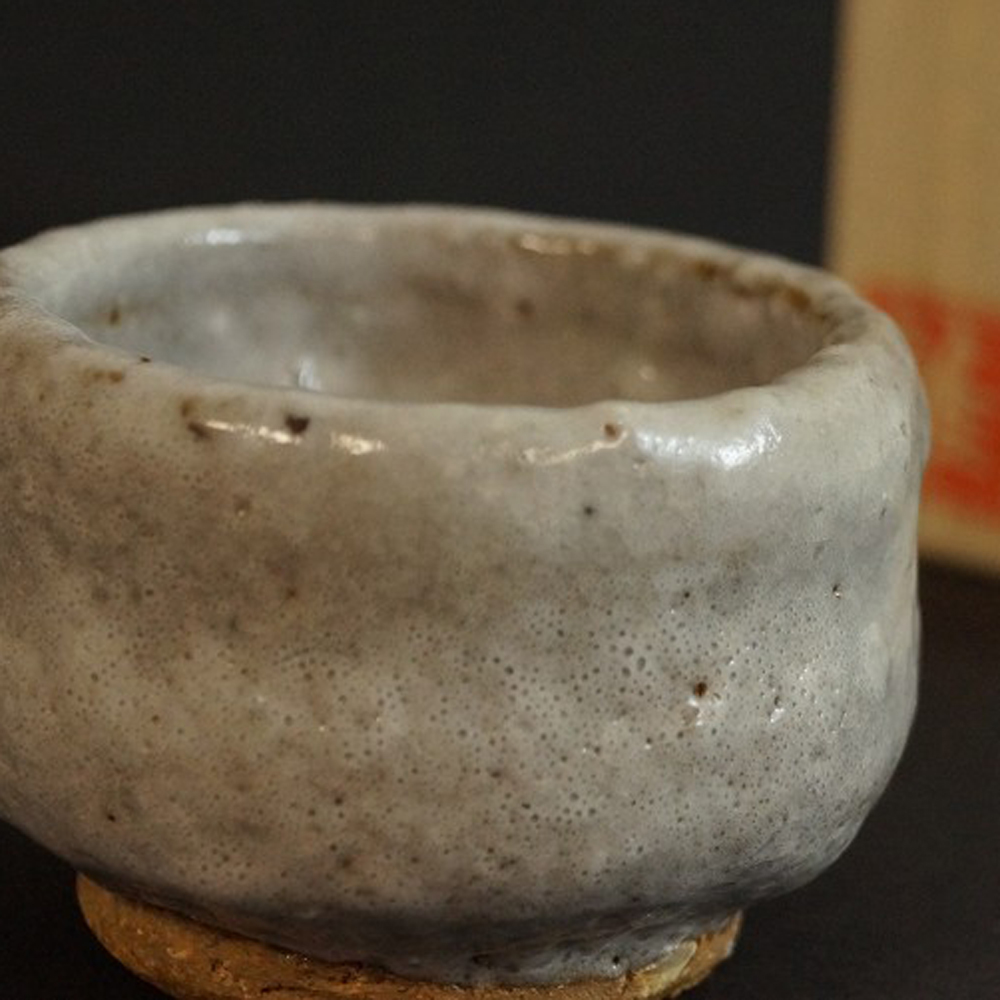
Handcrafted Japanese Sake Cup (Guinomi) Shino Ware
Guinomi, unique work, with box, 5 x 7 cm
€160.00
Sawada Shuichi
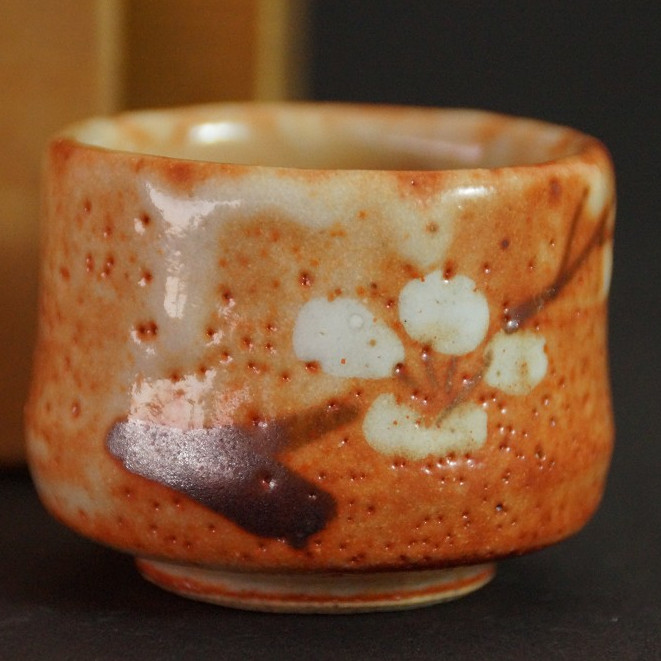
Guinomi Sake Cup Made of Shino Ware by Shuichi Sawada
Guinomi, unique work, with box, 5 x 6 cm
€210.00
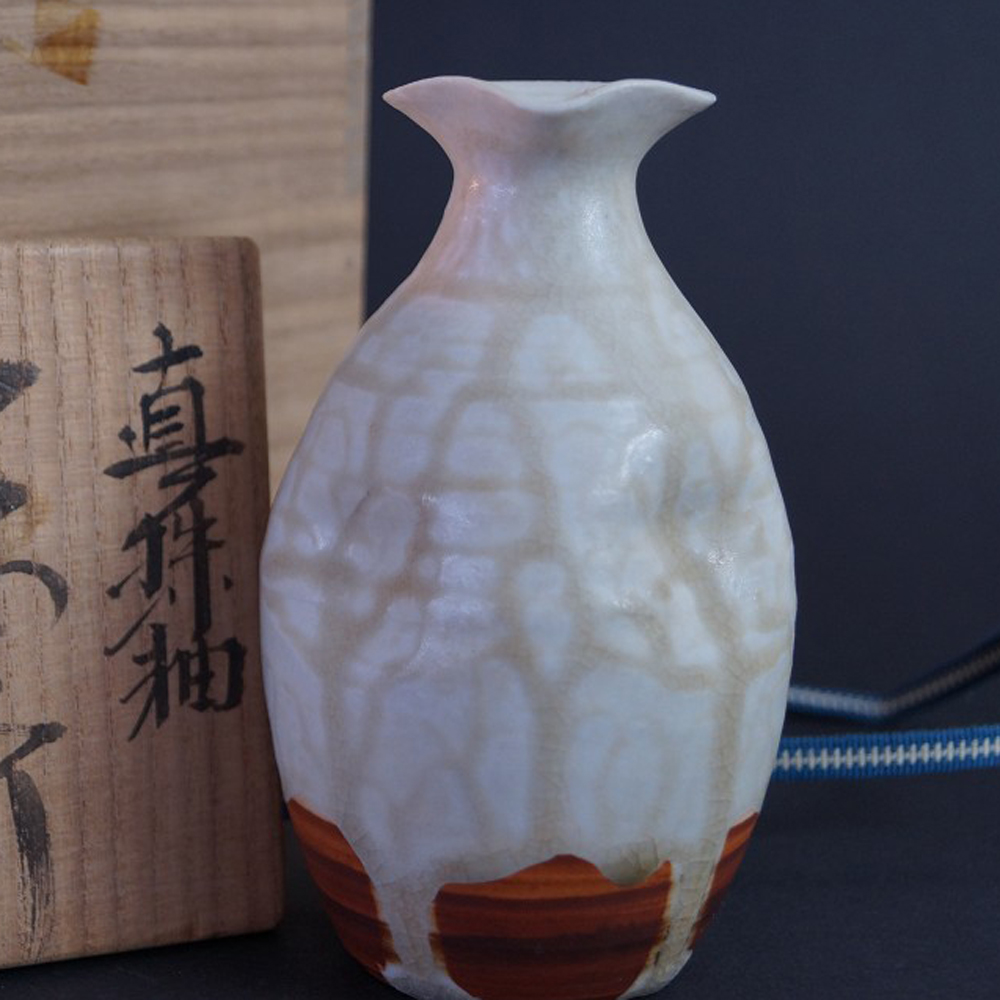
Kato Gozan
Handcrafted Japanese Sake Bottle (Tokkuri) by Kato Gozan
Tokkuri, unique work, with box, 14 x 8 cm
€280.00
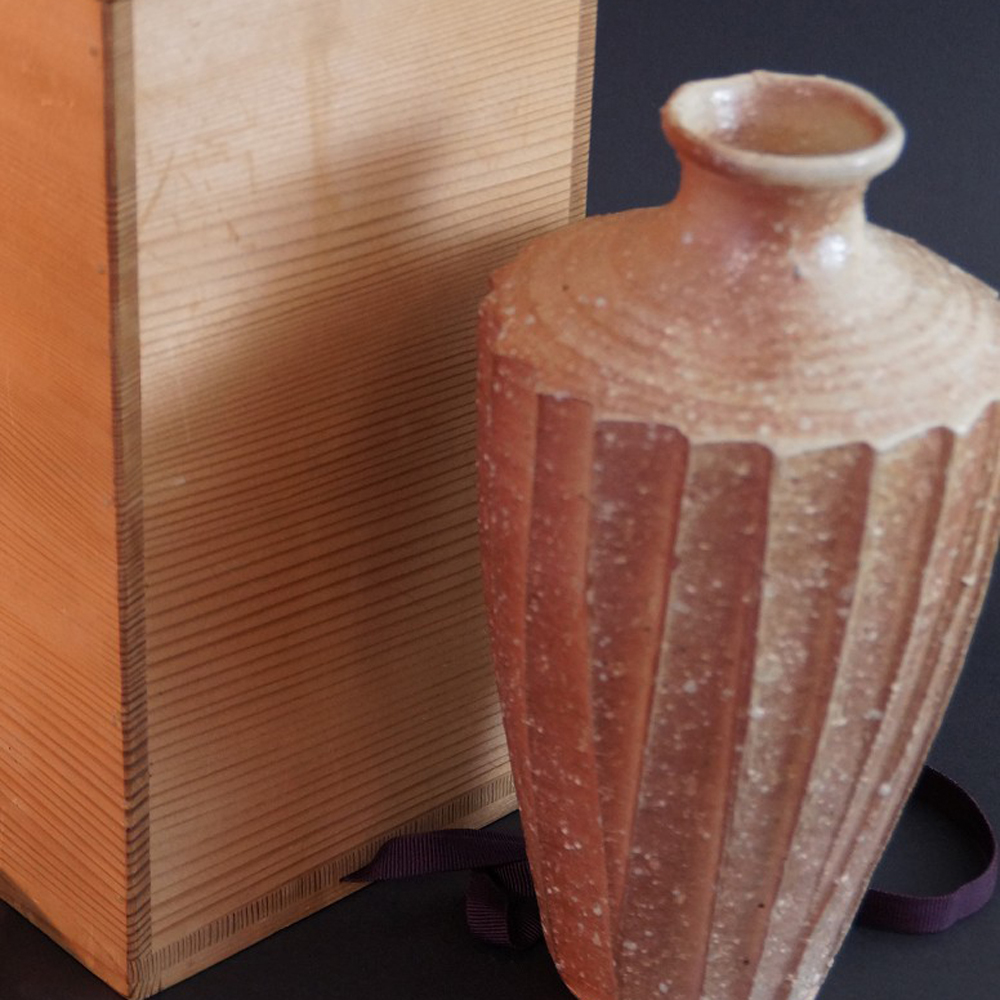
Takahashi Rakusai
Handcrafted Japanese Shigaraki Vase by Takahashi Rakusai
Vase, unique work, with box, 24 x 13 cm
€295.00
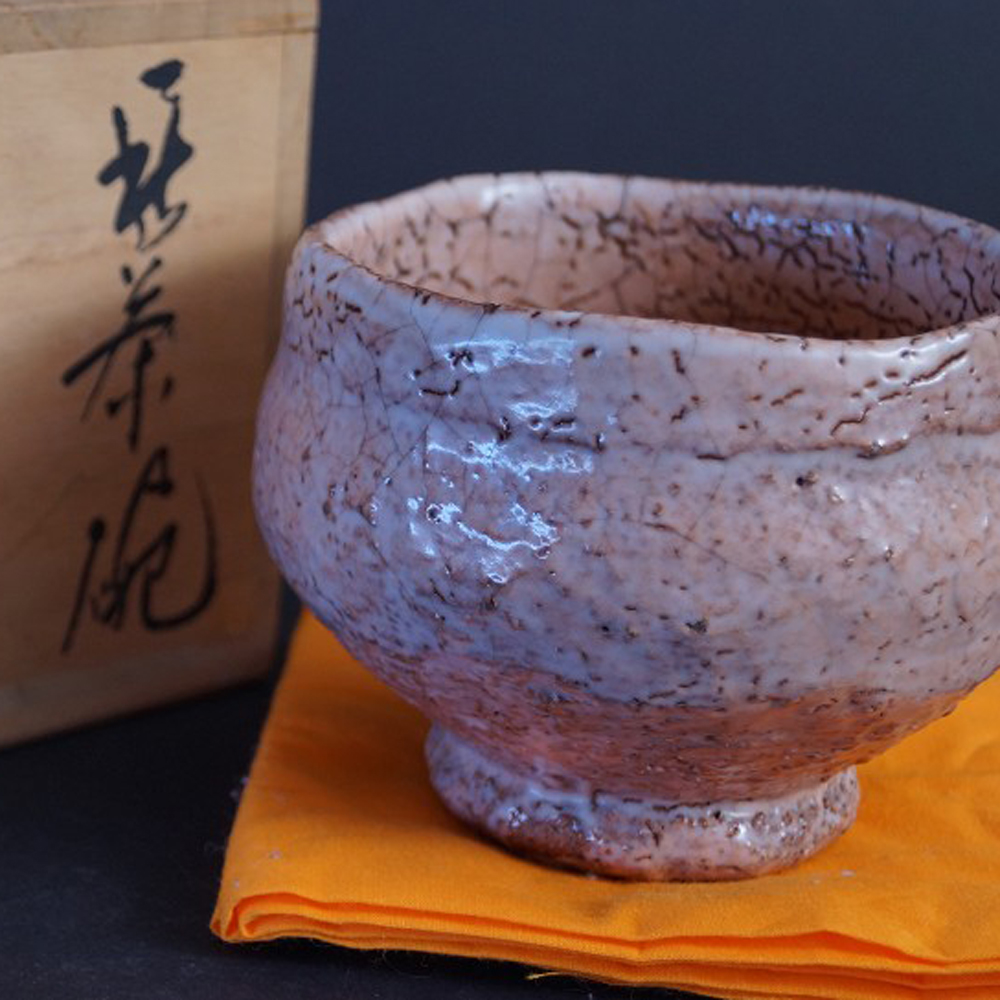
Tamura Goro
Handcrafted Japanese Hagi Tea Bowl (Chawan) by Goro Tamura
Chawan, unique work, with box, 9 x 12 cm
€390.00

Ichino Hiroyuki
Handcrafted Japanese Tanba Vase by Hiroyuki Ichino
Vase, unique work, with box, 25 x 10 cm
€420.00


Details about the sold piece
- ColorBlue, Gray
- MaterialCeramics
- Style / TraditionOther
- Wooden BoxYes
Description
Rough, uneven textures, shimmering ash traces in blue, copper red, and anthracite, along with a deliberately asymmetrical shape, make this small sake cup an impressive example of wabi-sabi aesthetics. Rather than flawless perfection, this guinomi celebrates the beauty of the imperfect, the transient, and the elemental – fundamental principles that have been highly valued in Japanese tea ceramics for centuries.
The wood-fired surface shows a lively interplay of mineral color gradients, small inclusions, and a porous, almost stone-like structure that reveals new nuances from every angle. The irregularly shaped rim and the slightly tilted silhouette underscore the handcrafted, unrefined character of this unique work, which deliberately foregoes symmetry.
The cup was made in the Shôwa period as a handcrafted one-of-a-kind and is kept in a custom-made wooden box, which attests to the careful handling and appreciation it received from its previous owners. For lovers of sake culture and Japanese ceramic art, this guinomi is an exceptionally characterful drinking vessel with a distinctive, meditative presence.