Kakemono Old Pine Above the Rocky Outcrop
One of a kind — this work exists only once.
- Signature / Stamp:
- Eisen'in Hōin
- Period:
- Meiji (1868–1912)
- Dimensions (height x width):
- 188 x 43 cm
- Item number:
- 3359
This piece has been sold.
Sold – no longer available
This piece was handmade by Eisen'in Hōin and was a one-of-a-kind work. It cannot be reordered and will never exist in this form again. The page stays online as part of our archive.
More items in category Flowers and PlantsAll one-of-a-kind Japanese Painting pieces
See new one-of-a-kind pieces first
We feature every delivery from Japan in the newsletter first – before the pieces show up in search results.
You might like these pieces
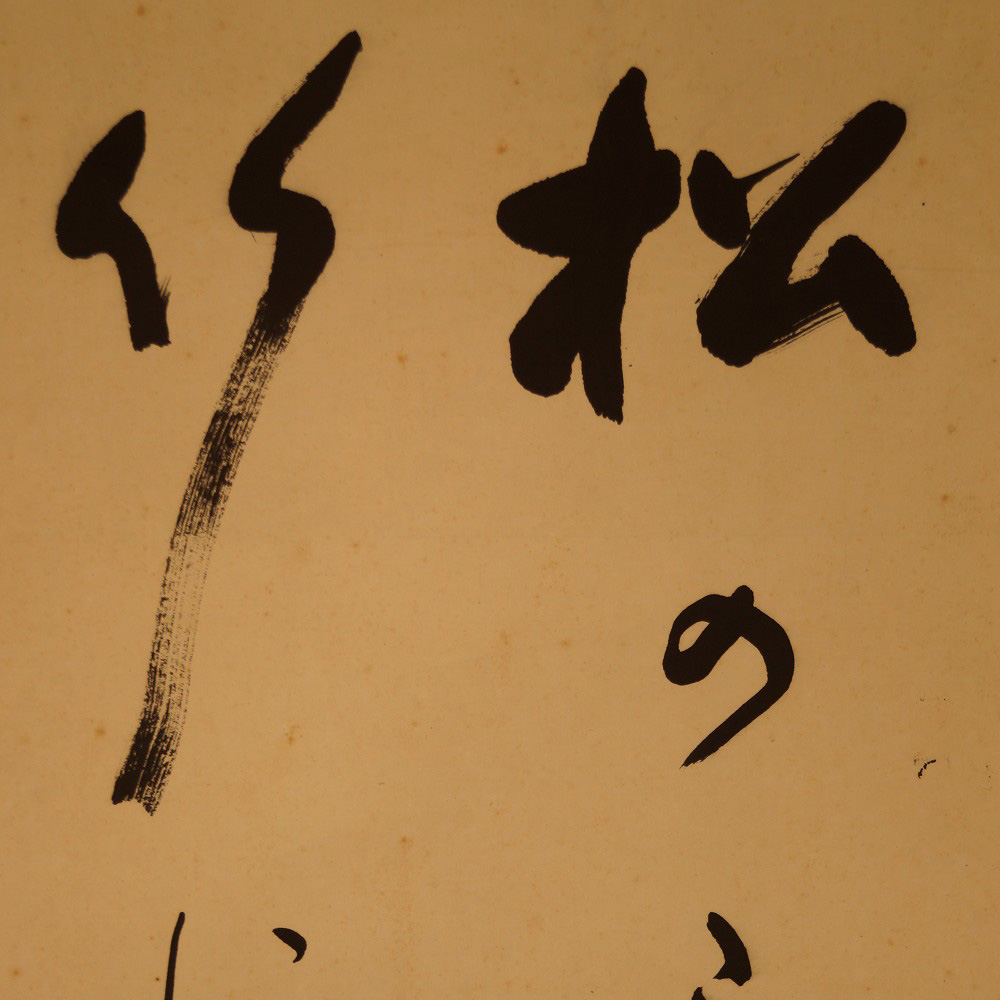
Calligraphy: Pine and Bamboo
Kakemono, unique work, 200 x 48 cm
€140.00
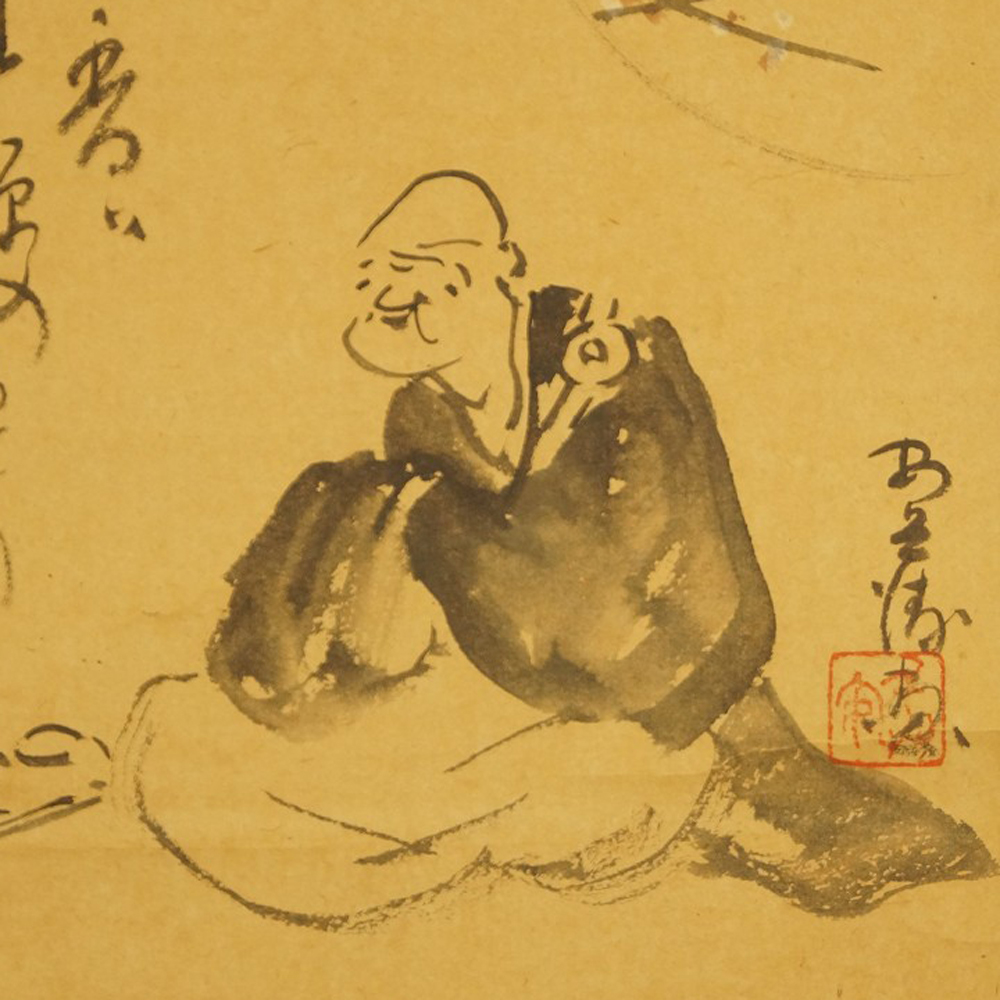
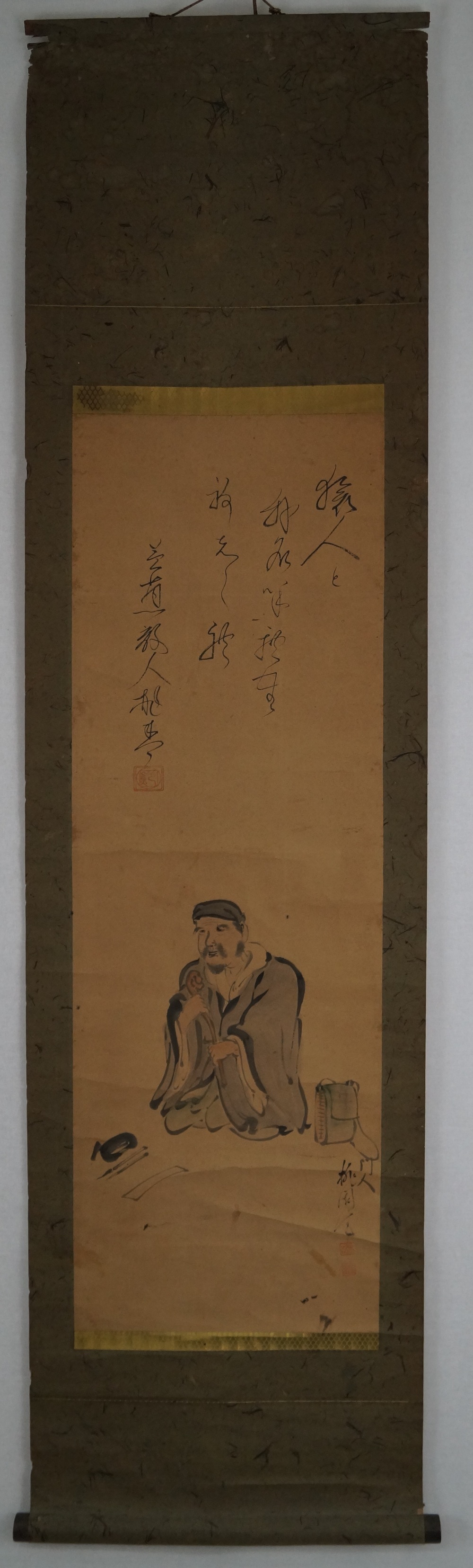
Old Zen Monk Under Cherry Blossoms
Kakemono, unique work, 115 x 40 cm
€980.00
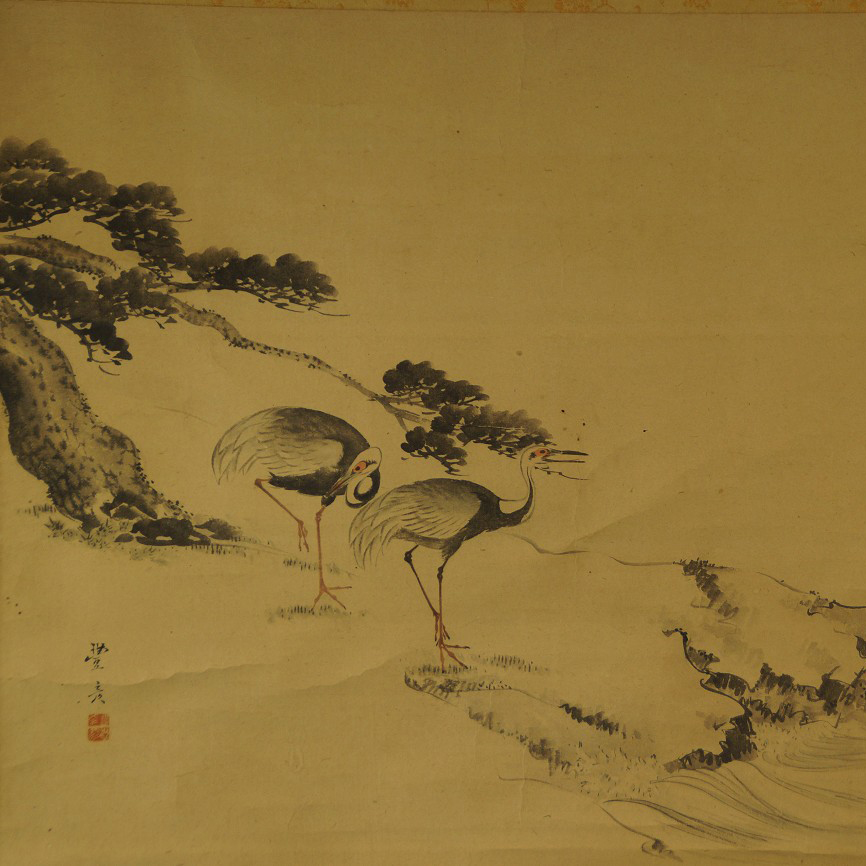
Okamoto Tohiyoko
Two Cranes Under Pines by the Shore
Kakemono, unique work, 139 x 65 cm
€330.00
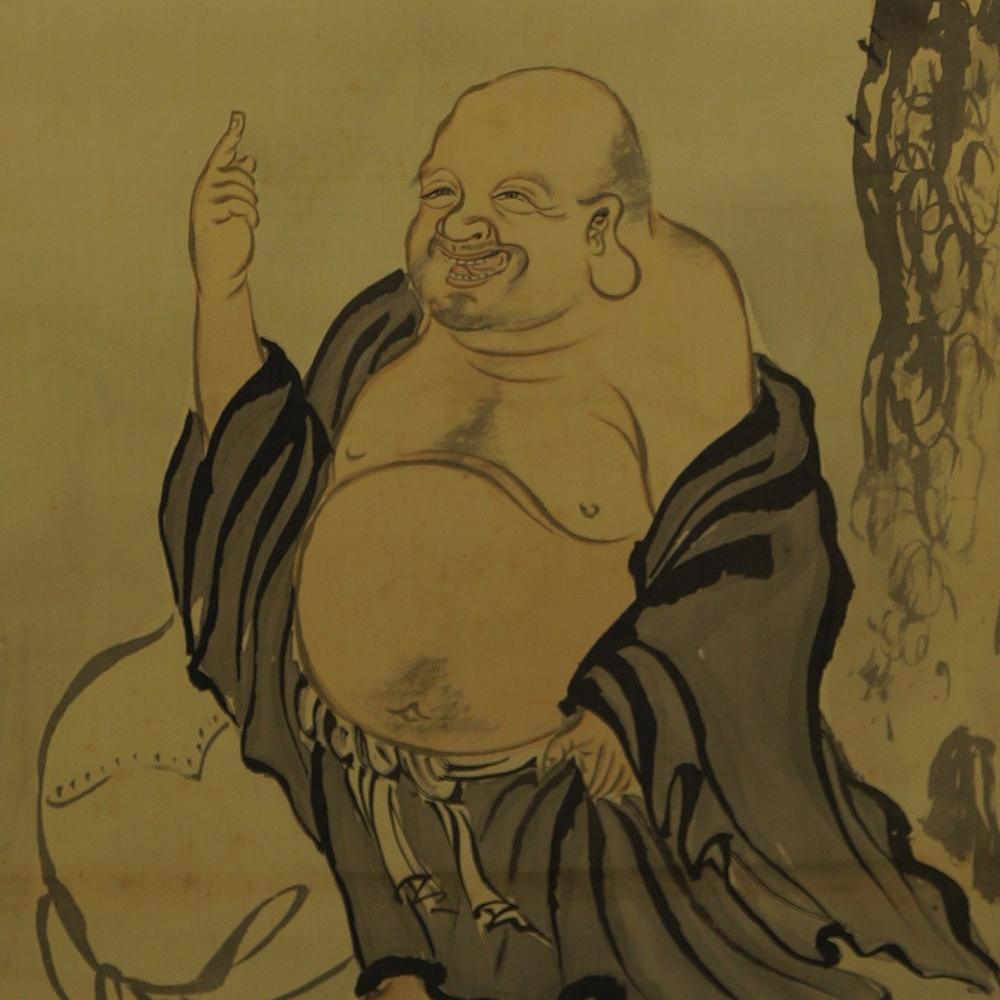
Hotei Under the Pine
Kakemono, unique work, 200 x 53 cm
€160.00
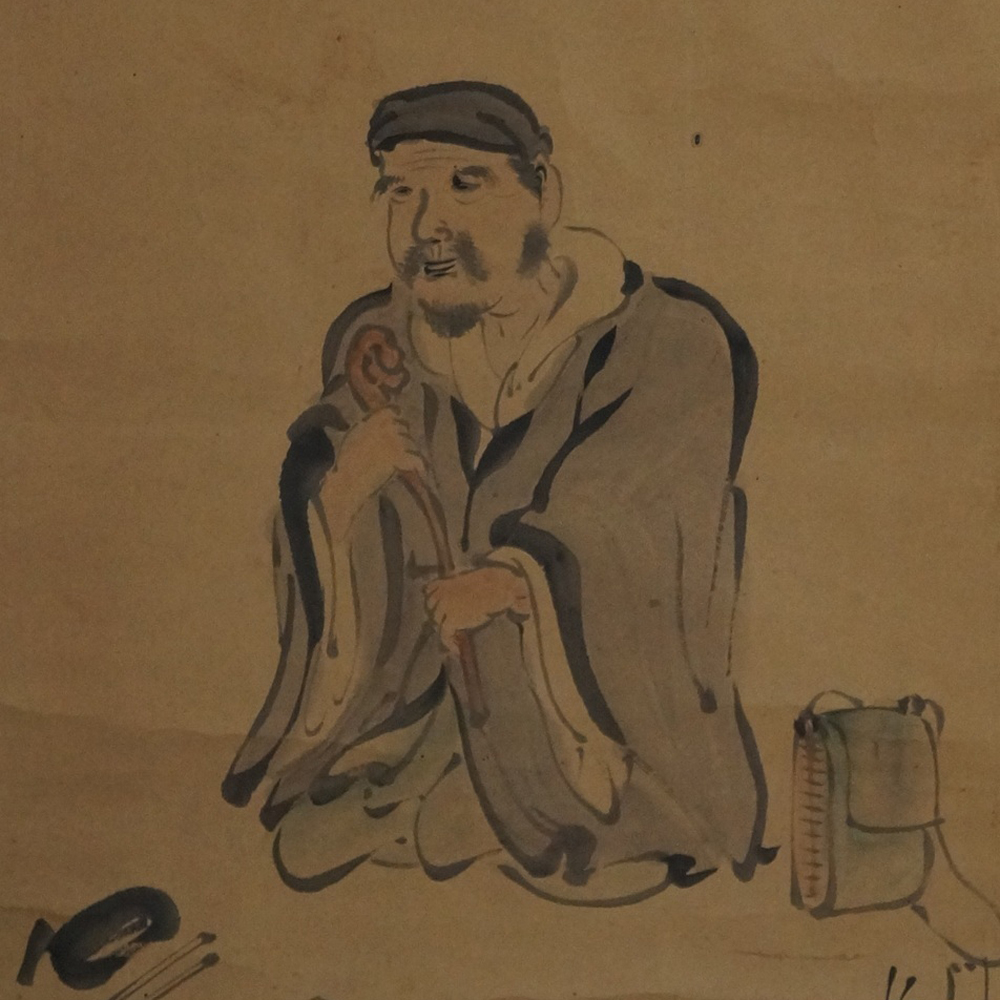
Old Calligrapher
Kakemono, unique work, 149 x 42 cm
€140.00
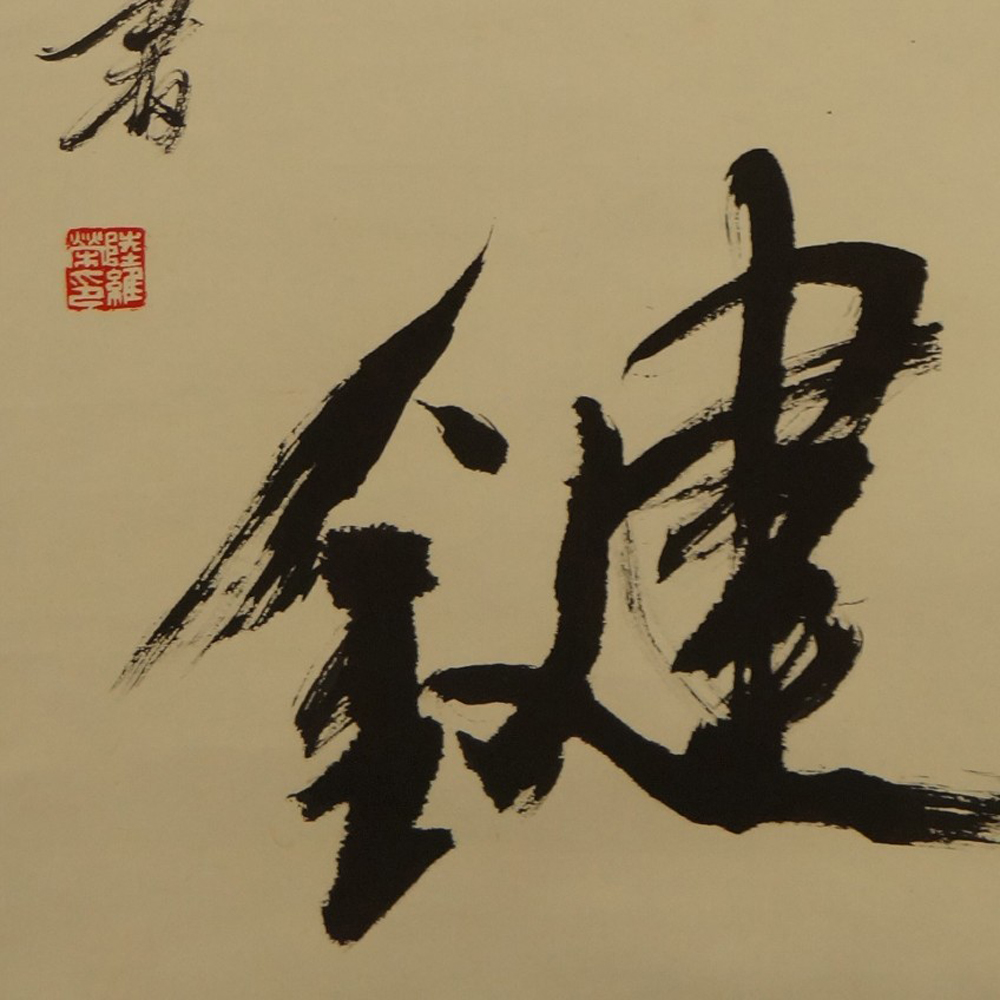
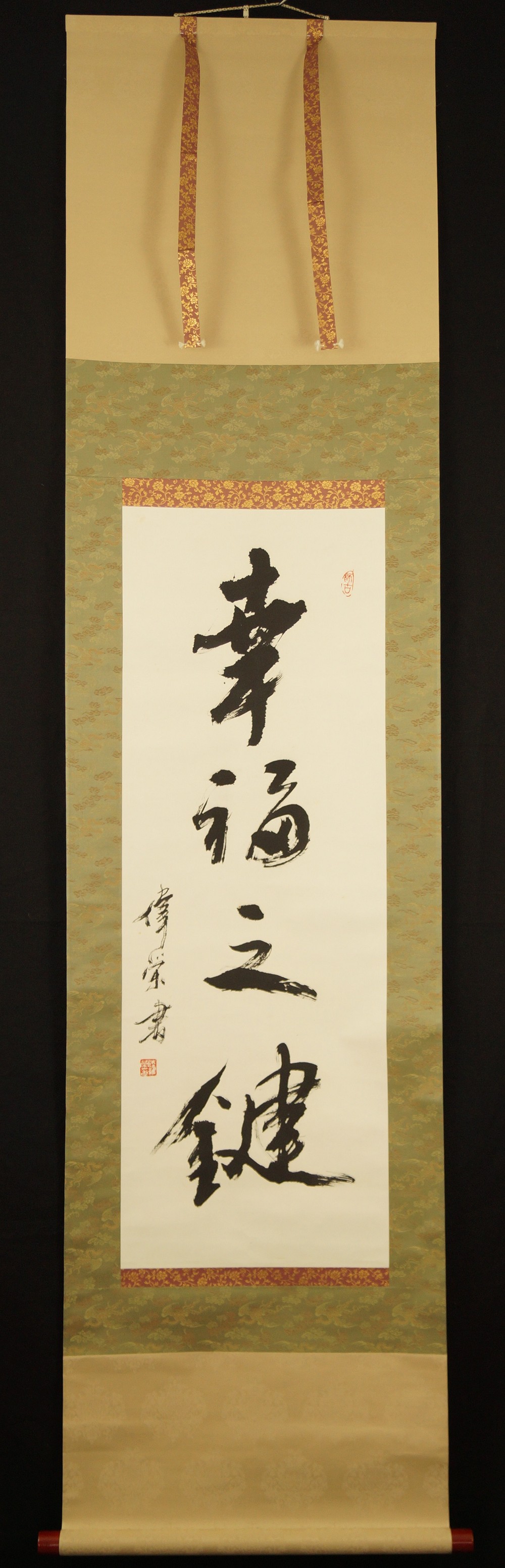
Calligraphy: The Key to Happiness
Kakemono, unique work, 180 x 50 cm
€240.00
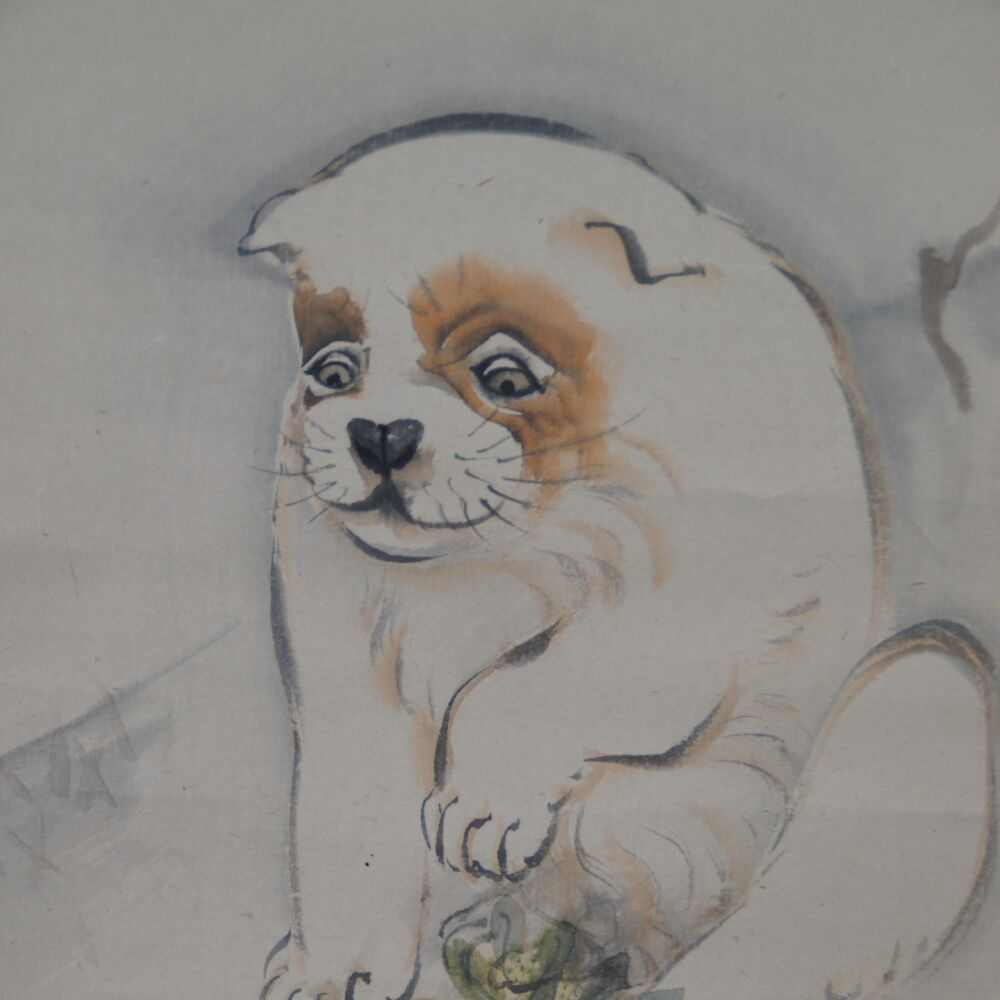
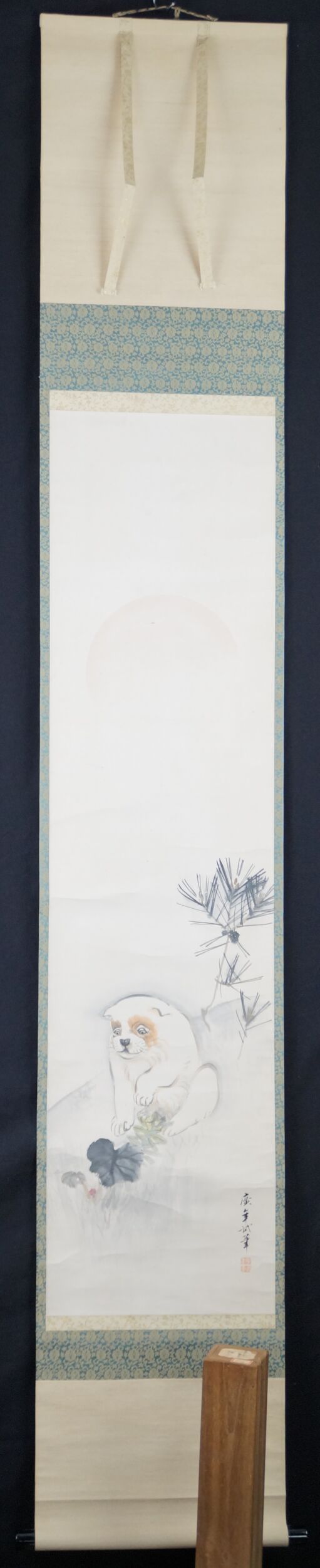
Puppy at Sunset Under Pine Trees
Kakemono, unique work, with box, 200 x 39 cm
€210.00
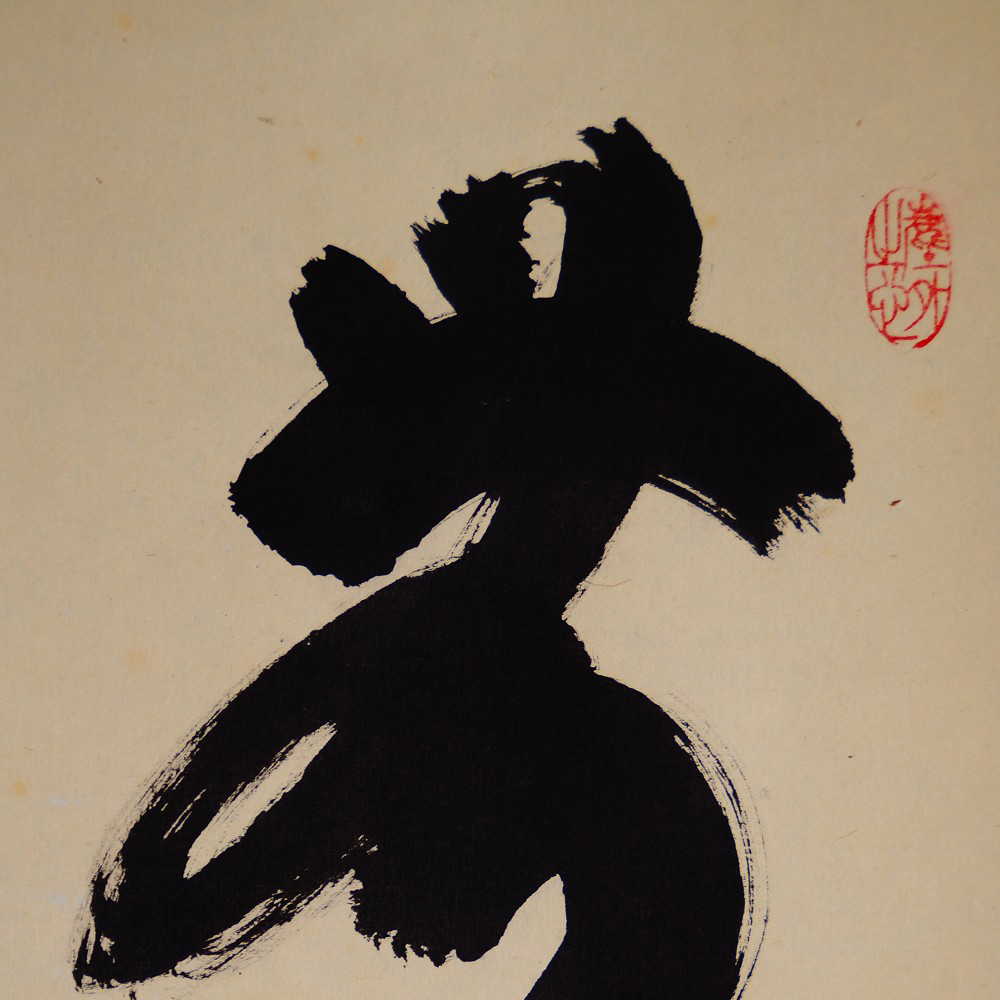
Kobayashi Taigen
No Mind, the Great Way – Zen Calligraphy, Gold-Mounted
Kakemono, unique work, with box, 173 x 37 cm
€720.00

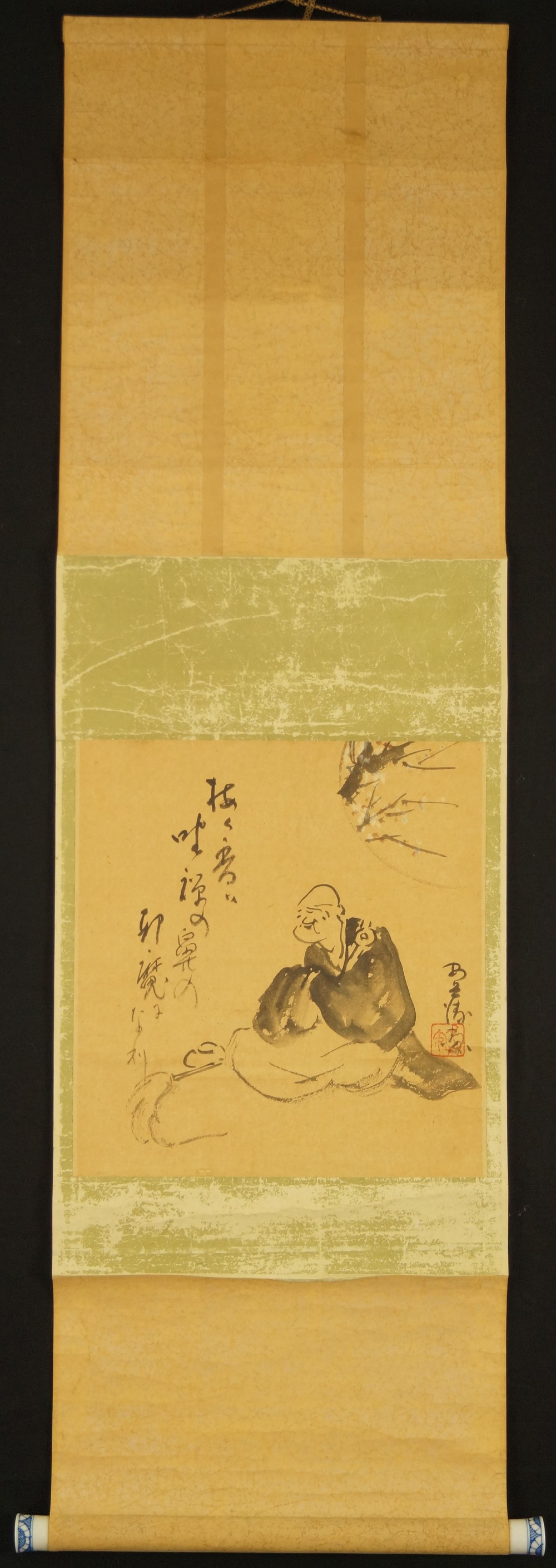

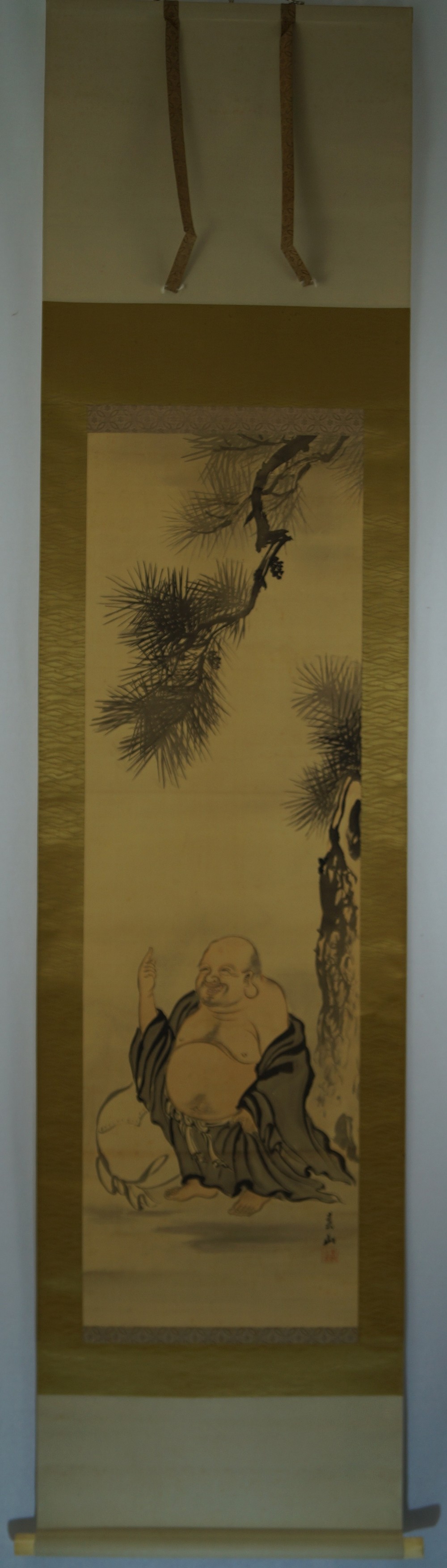

Details about the sold piece
- JikusakiBone
- Material HonshiPaper
- MotifFlowers and Plants
- TechniqueHand-Painted
Description
With a bold, at times almost dry brushstroke, a gnarled, old pine rises from a rugged rock, its needles arranged in dense, cloud-like clusters, while the trunk spirals upward in dramatic twists.
The pine is one of the most significant symbols in Japanese painting and represents longevity, steadfastness, and constancy even under adverse circumstances, a meaning conveyed here with particular intensity through its great age and weathered bark. The reduced ink painting largely dispenses with color, allowing structure and depth to emerge solely through contrasts of light and dark.
The kakemono is painted on paper, fitted with jikusaki made of bone, and was presumably created in the Meiji period. In the lower right are the painter's signature and red seal.