
Kakemono Schools in Clear Water
One of a kind — this work exists only once.
- Signature / Stamp:
- Kano Norinobu
- Period:
- Meiji (1868–1912)
- Dimensions (height x width):
- 178 x 38 cm
- Item number:
- 6439
This piece has been sold.
Sold – no longer available
This piece was handmade by Kano Norinobu and was a one-of-a-kind work. It cannot be reordered and will never exist in this form again. The page stays online as part of our archive.
More items in category AnimalsAll one-of-a-kind Japanese Painting pieces
See new one-of-a-kind pieces first
We feature every delivery from Japan in the newsletter first – before the pieces show up in search results.
You might like these pieces
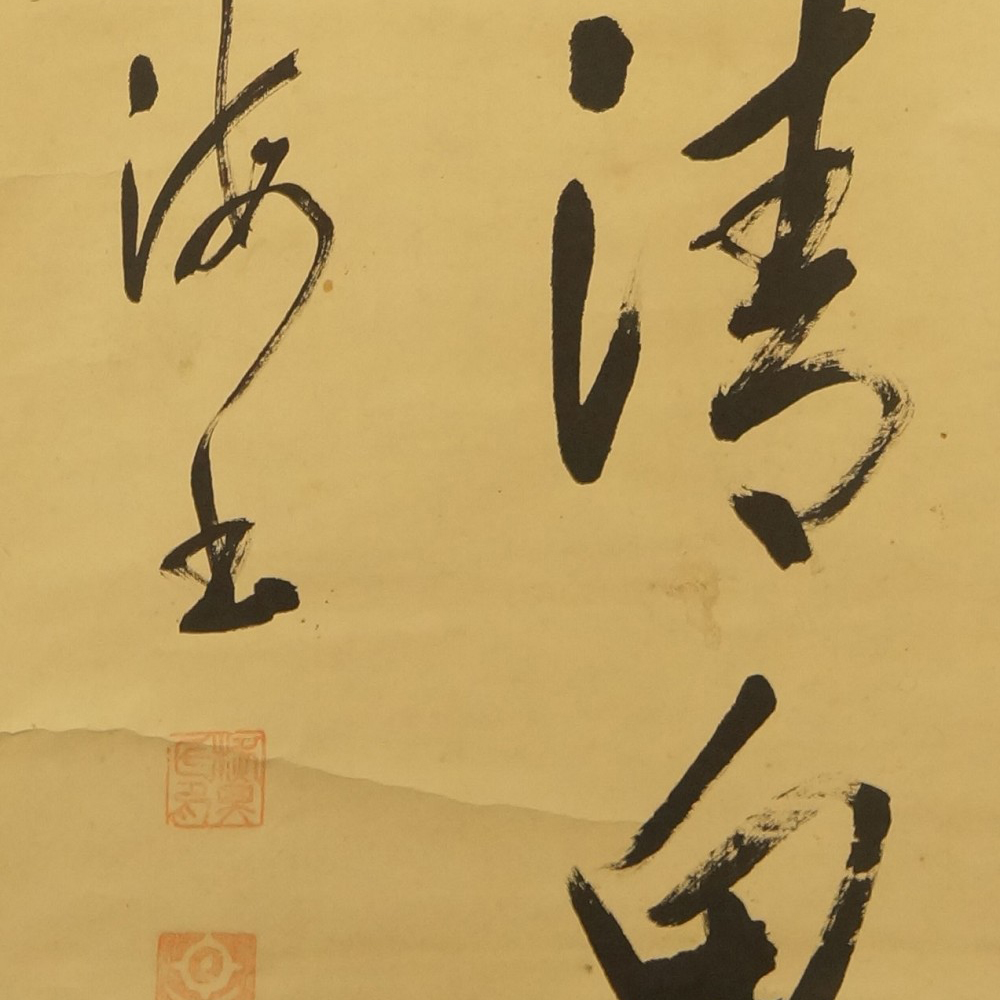
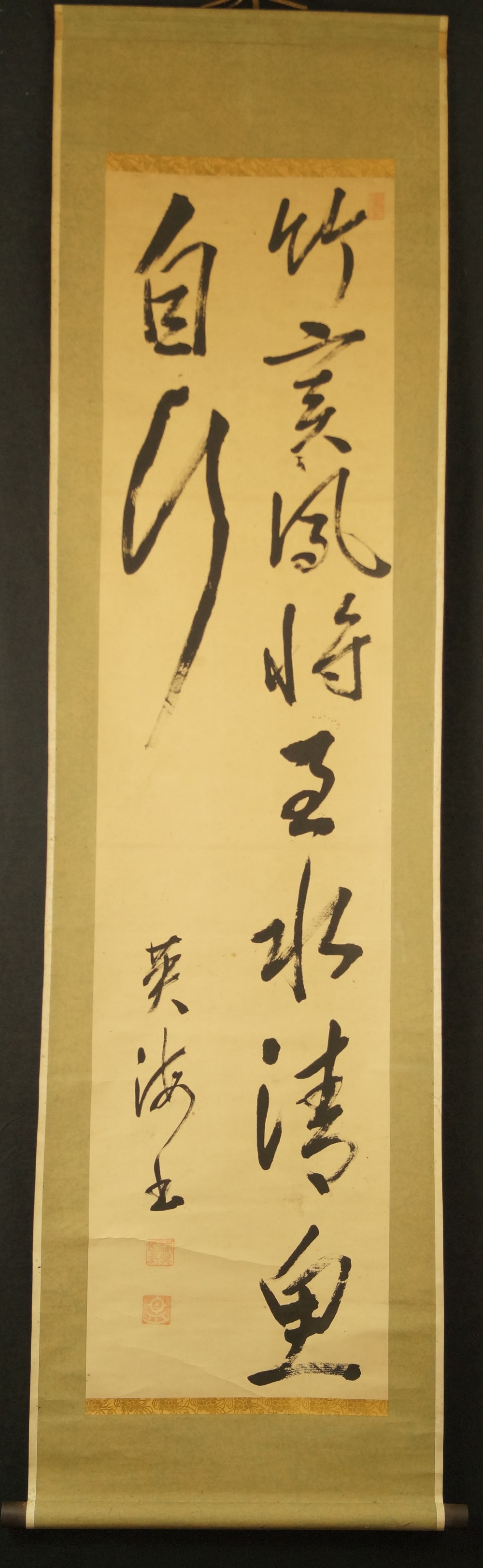
Calligraphy: Wind in the Bamboo Grove, Fish in Clear Water
Kakemono, unique work, 165 x 51 cm
€115.00

Yoshida Toho
Jumping Carp in Water
Kakemono, unique work, 190 x 60 cm
€380.00
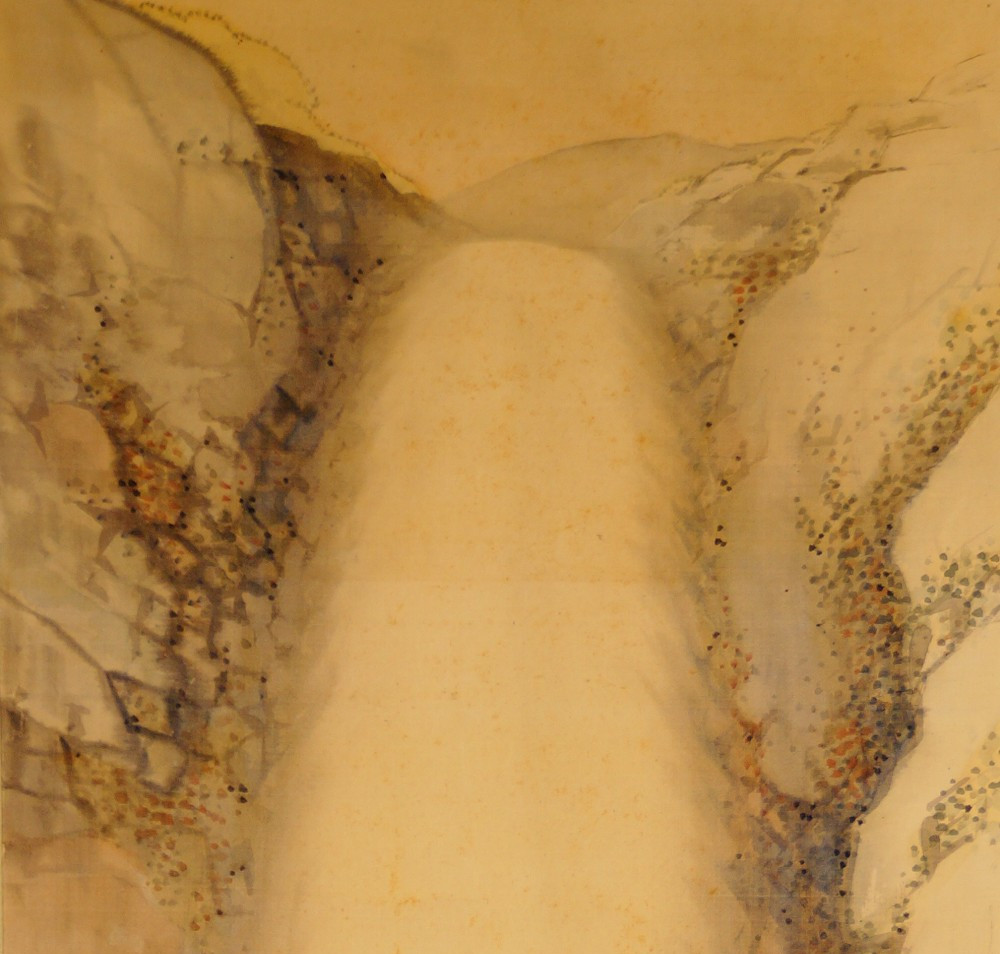
Nakagawa Wado
Waterfall in the Mountains
Kakemono, unique work, 195 x 59 cm
€380.00

Mei Harutaka
Two Koi Carp in Water
Kakemono, unique work, 123 x 62 cm
€290.00
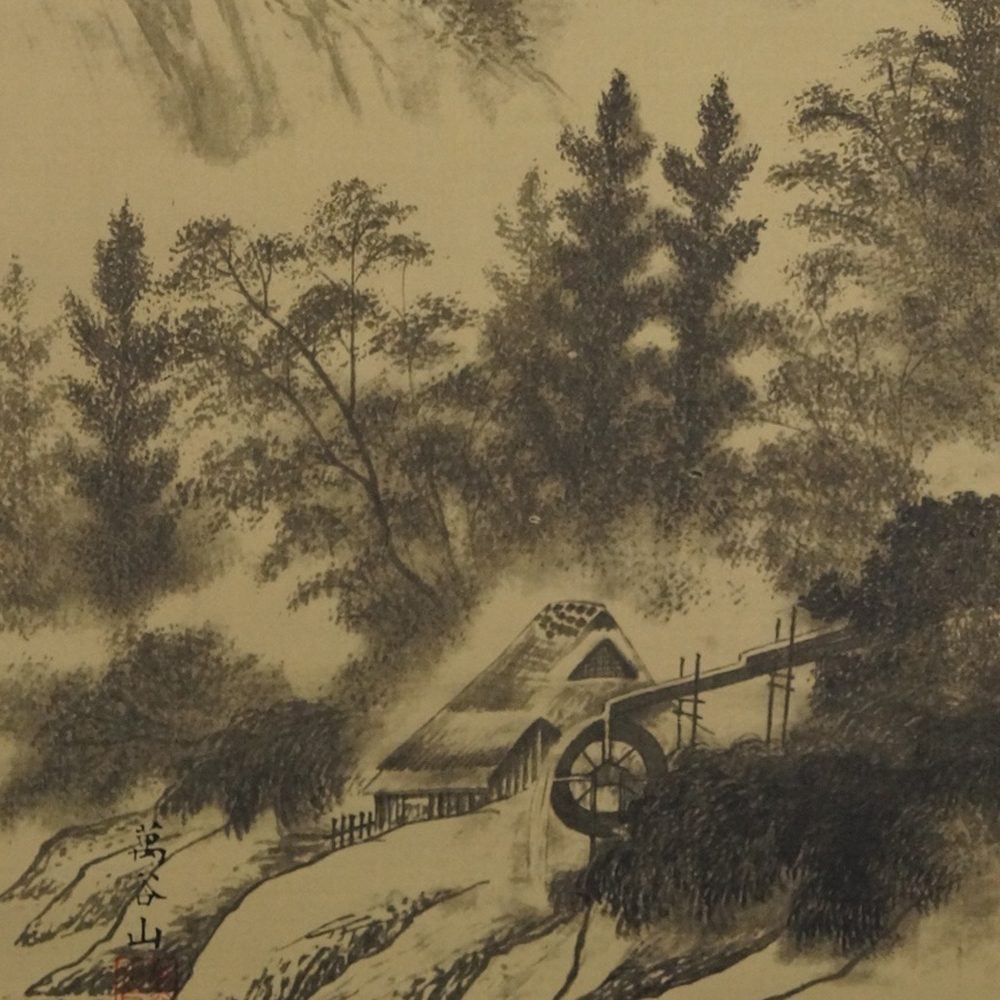
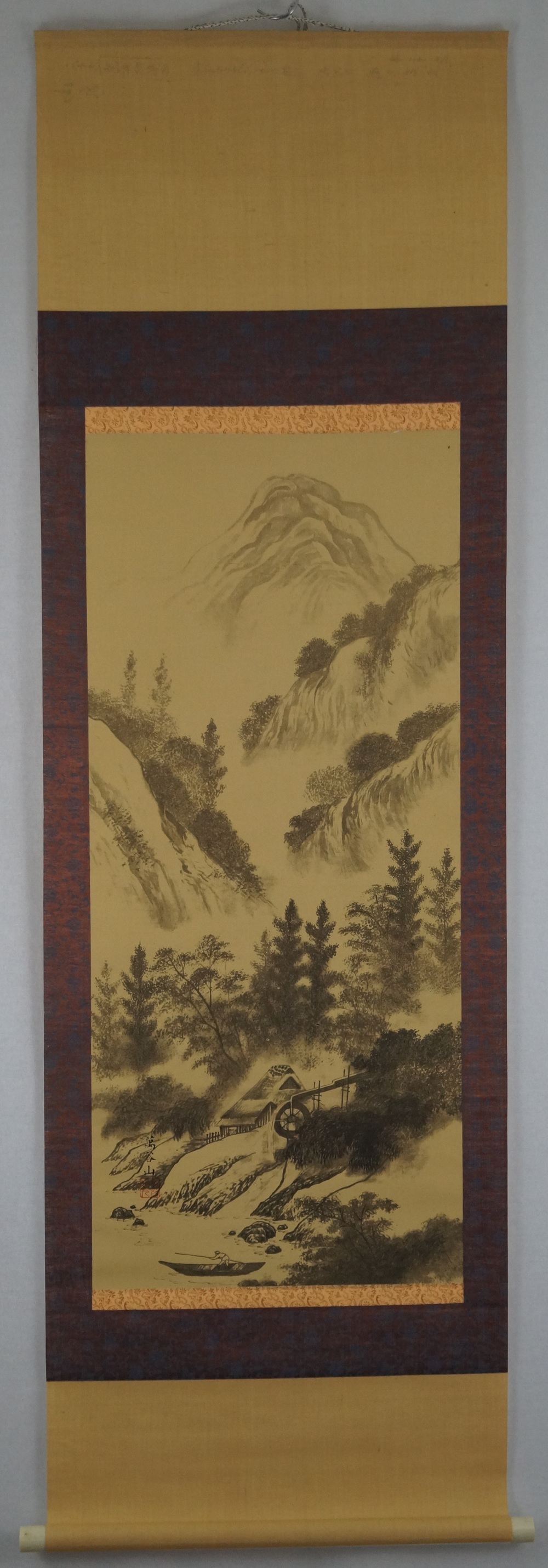
Landscape with Water Mill and Waterfalls
Kakemono, Silkscreen, 157 x 53 cm
€130.00
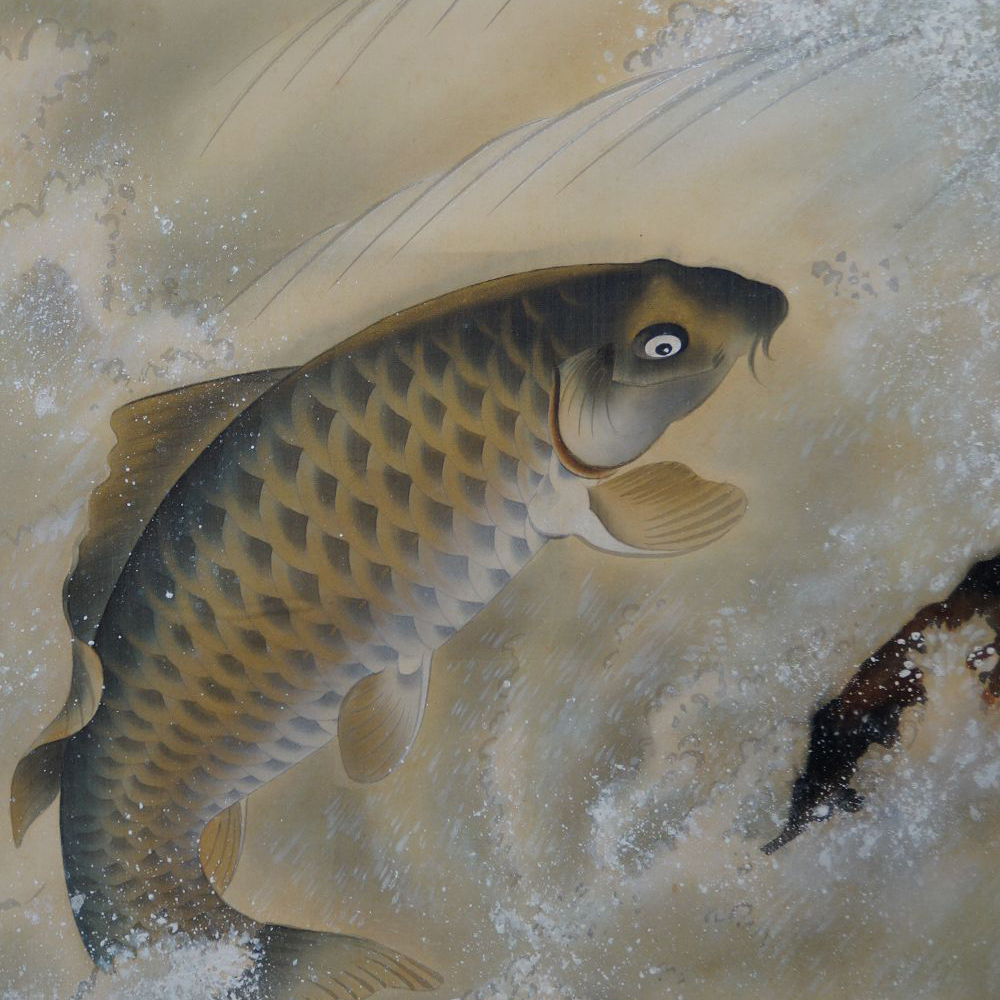
Carp in Turbulent Waterfall
Kakemono, unique work, 213 x 55 cm
€430.00
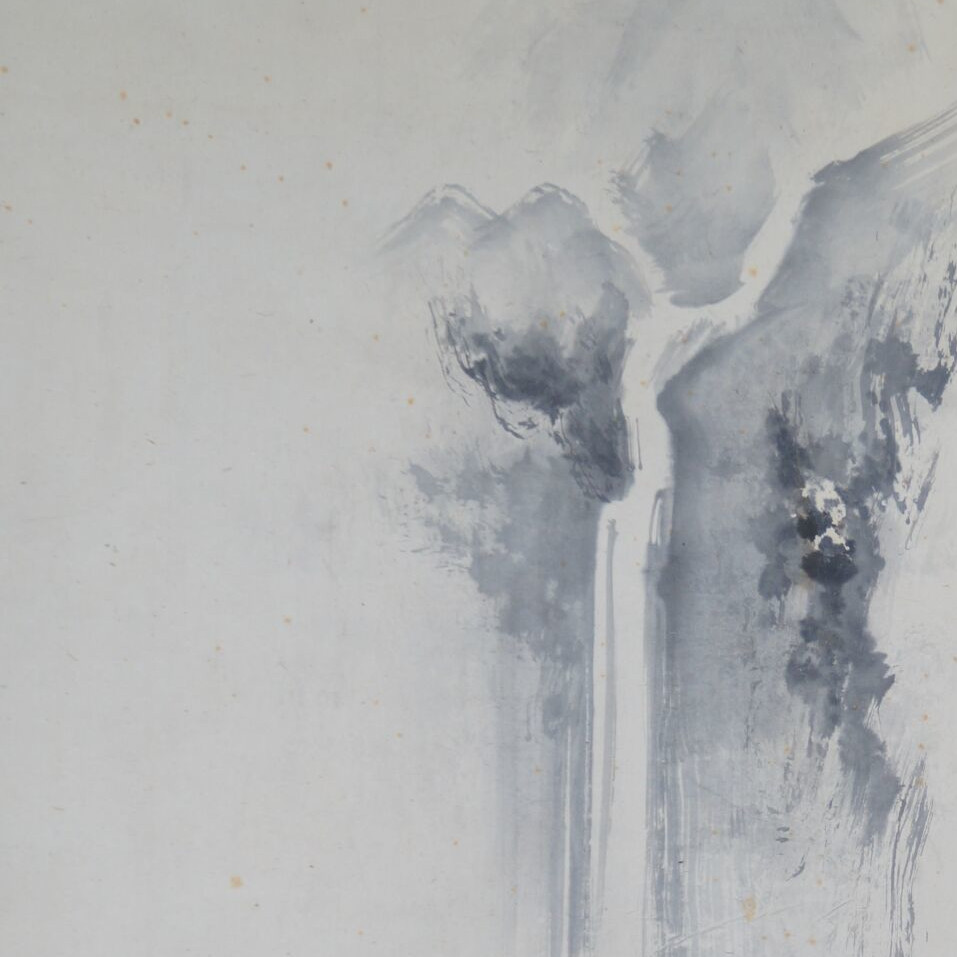
Suzuki Shonen
Wanderer Before the Waterfall - Suzuku Shonen
Kakemono, unique work, with box, 190 x 71 cm
€380.00
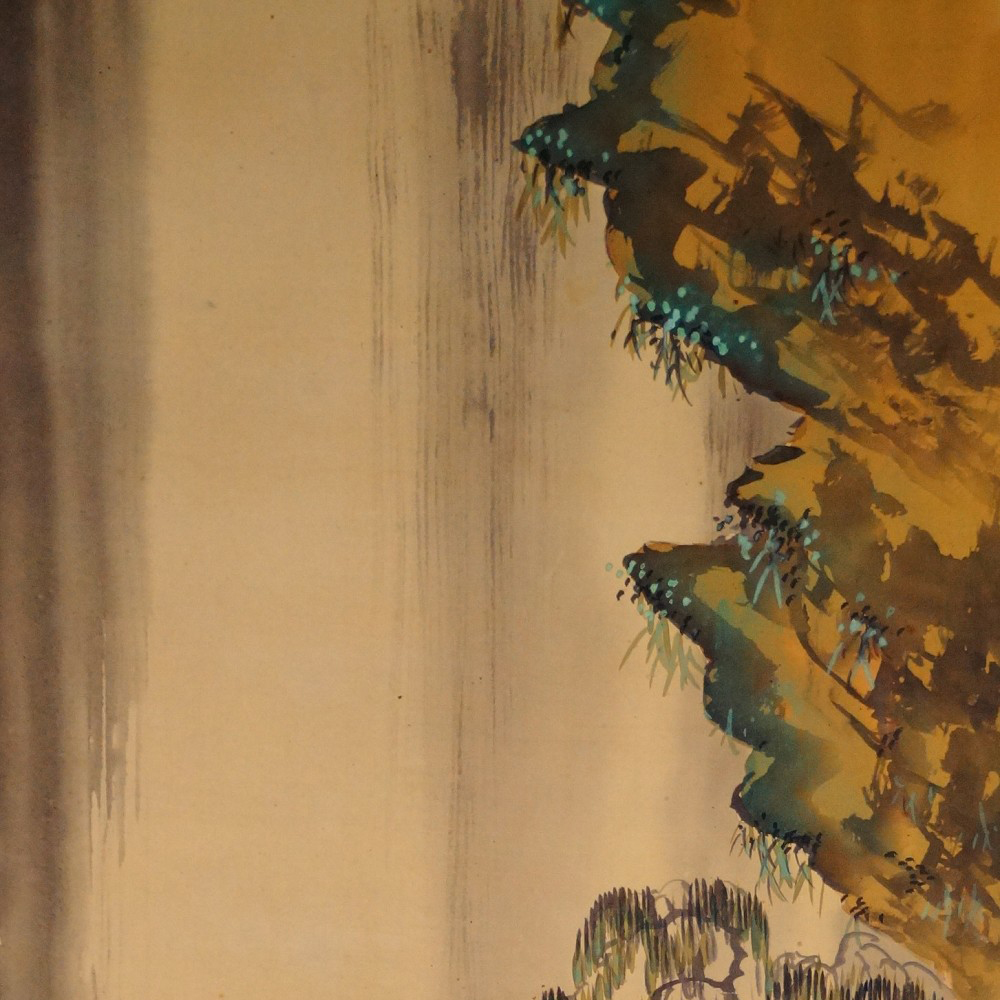
Jōdō
Bees Against a Waterfall Backdrop by Jodo
Kakemono, unique work, 188 x 62 cm
€375.00



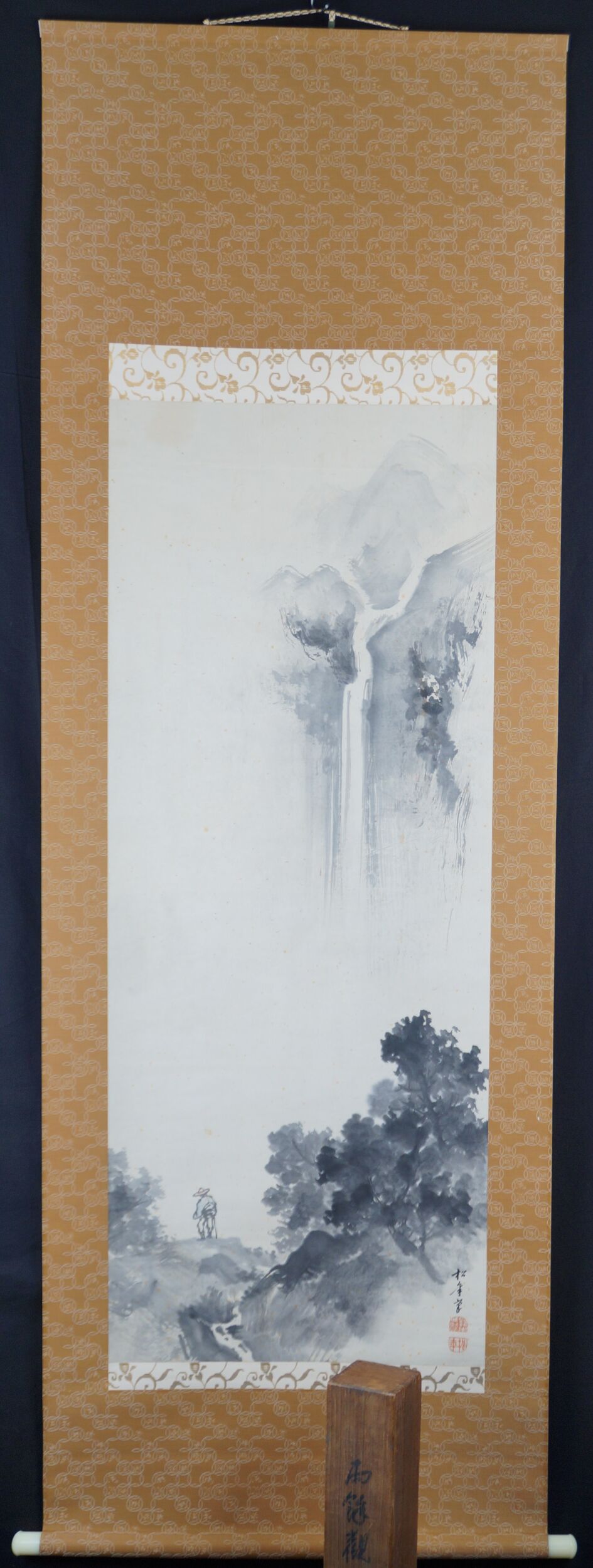

Details about the sold piece
- JikusakiWood
- Material HonshiPaper
- MotifAnimals
- TechniqueHand-Painted
Description
In this delicately worked composition, several small fish glide through an almost transparent-looking body of water in calm, sweeping paths. The line work is deliberately reduced, so that the viewer's eye intuitively follows the movements of the creatures. The light shading and subtle suggestions of water plants create an atmosphere of suspension – a moment of quiet observation of nature that entirely dispenses with dramatic effects and precisely for that reason unfolds its poetic beauty.
On closer inspection, the artist's distinctive hand becomes apparent: each fish is modeled with a few confident strokes, so that its form remains clearly recognizable without losing lightness. The largely untreated background lets the scene appear open and expansive, as if the river extended beyond the picture. The soft gray and blue tones contribute to a feeling of purity and calmness that is typical of late works of the Edo period and early works of the Meiji period.
Painted on paper and fitted with jikusaki of wood, the kakemono bears the seal of Kano Norinobu. The execution suggests an origin in the late Edo or early Meiji period and shows the contemplative elegance of the Kano tradition, which lends a quiet dignity even to the smallest motifs from nature.


