
Knowledge about Japanese art
In this section we explain the background of Japanese art and craft traditions: from ceramic traditions such as Raku, Bizen and Hagi-yaki to painting techniques, the tea ceremony and aesthetic concepts such as Wabi-Sabi or Mono no Aware. The articles put into context what shapes the works of our artists stylistically and historically.
 KnowledgeImari-yaki – The Porcelain That Conquered Europe's Royal CourtsView topic
 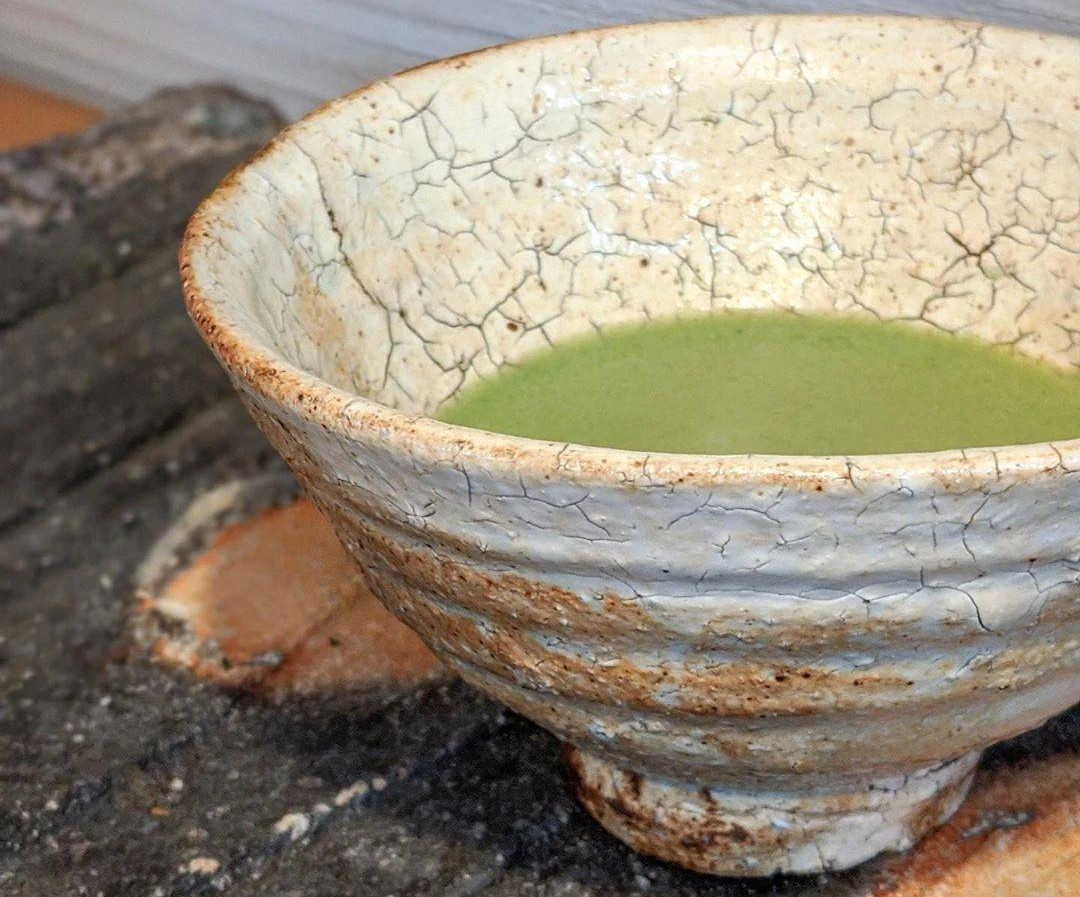 KnowledgeWabi-Sabi – The Beauty of ImperfectionView topic
  KnowledgeMino-yaki – Four Styles, One Region, Endless VarietyView topic
 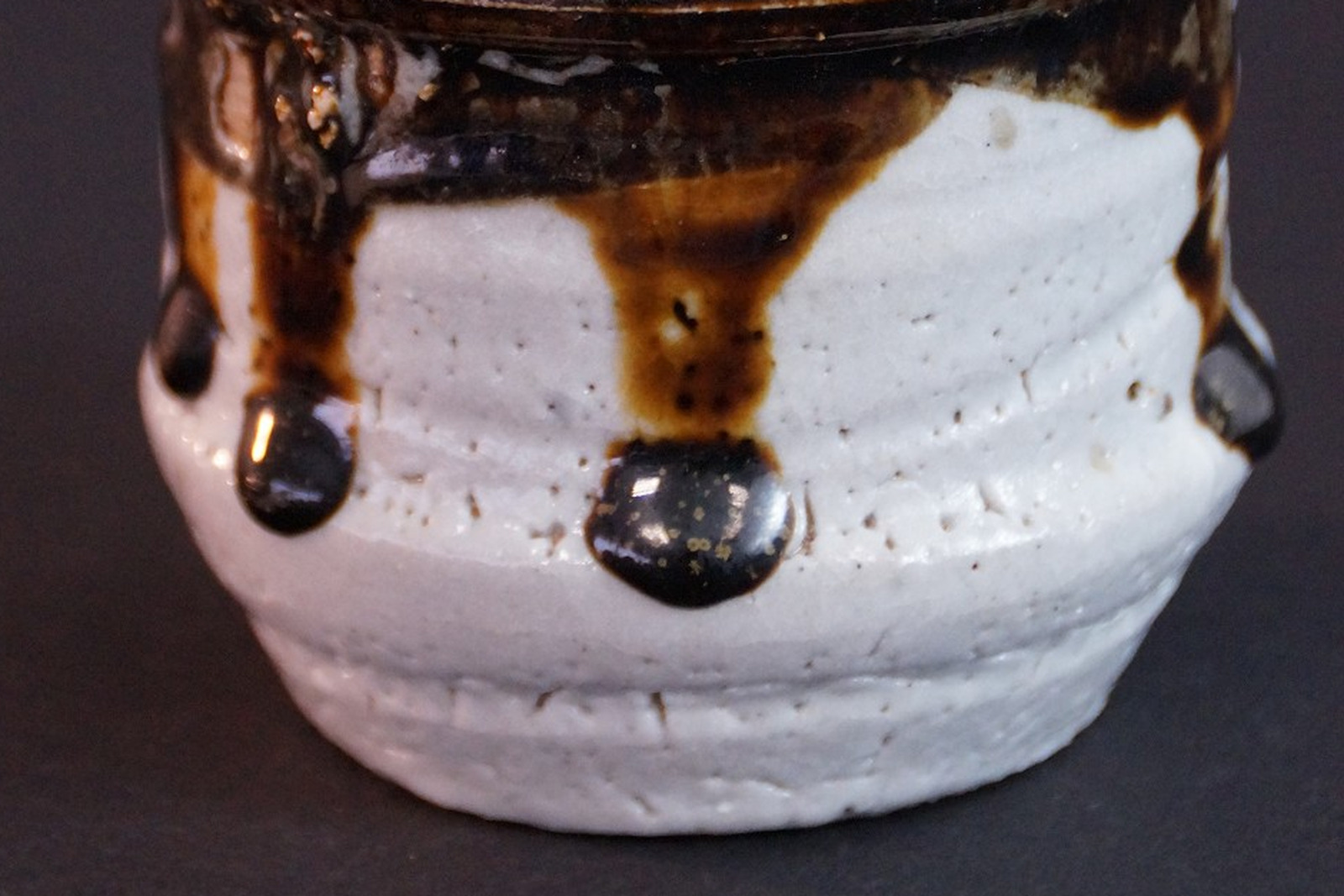 KnowledgeKaratsu-yaki – Japan's Third Tea Bowl and Its Earthy ClayView topic
 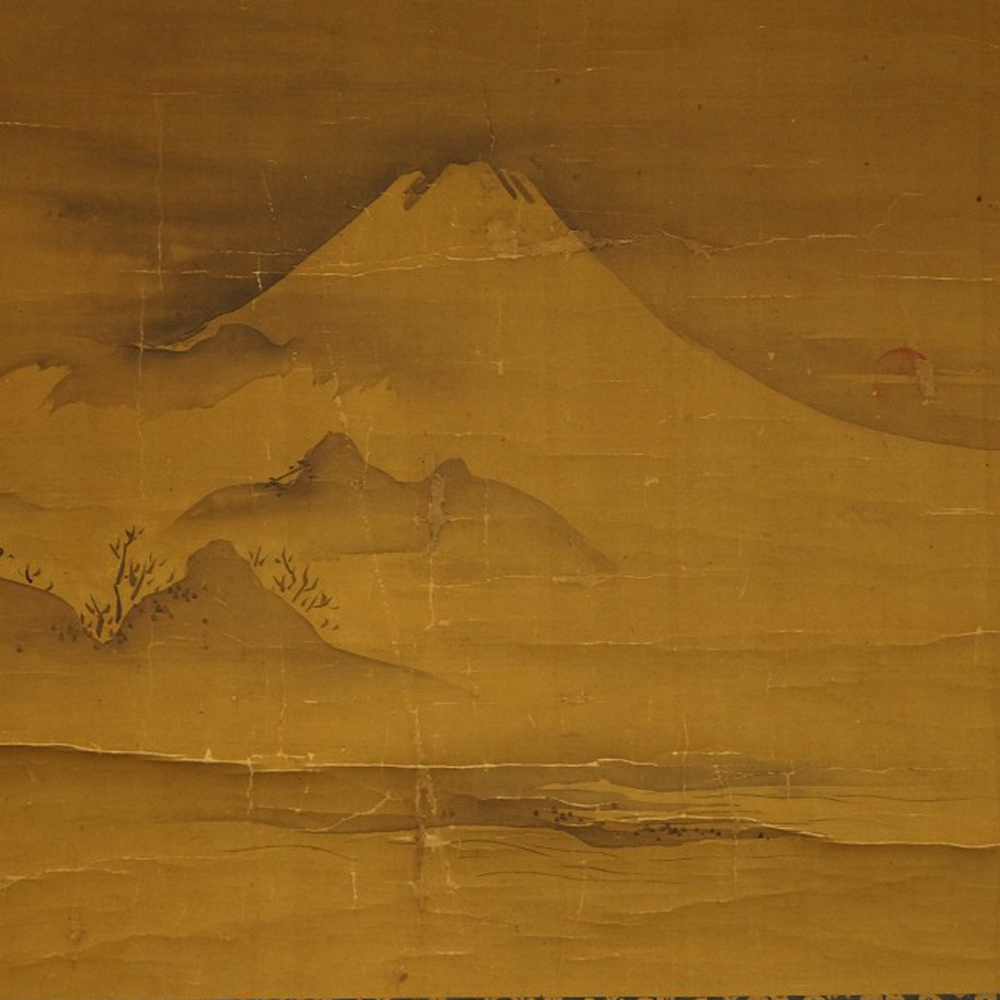 KnowledgeFuji-San – The Most Painted Mountain in Japanese Art HistoryView topic
  KnowledgeTamba-yaki – Eight Hundred Years of Fire, Ash, and Everyday VesselsView topic
 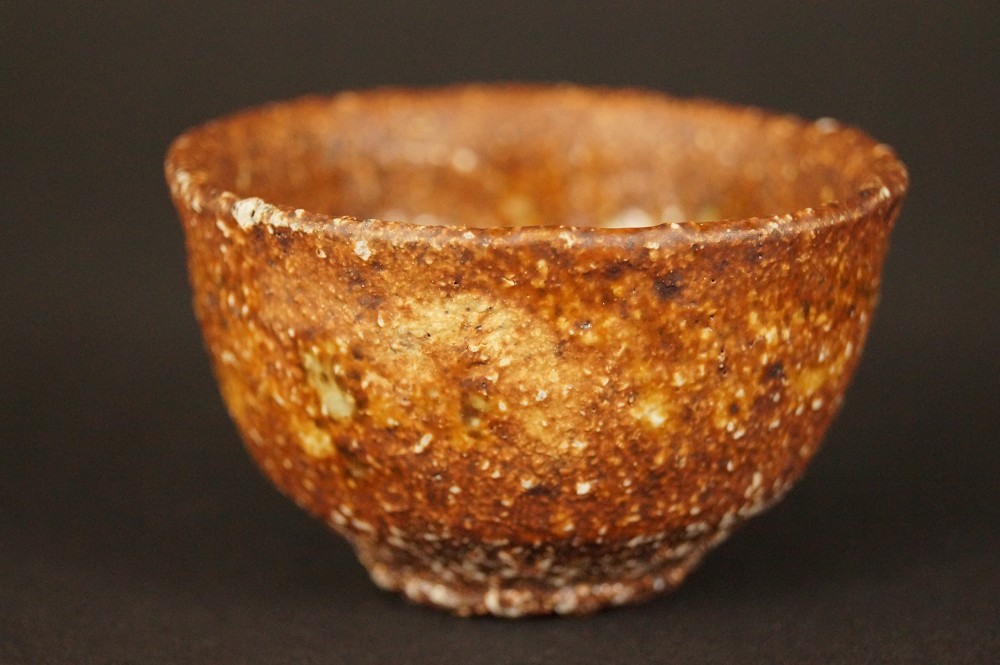 KnowledgeShigaraki-yaki – The Clay from the Bottom of Lake BiwaView topic
  KnowledgeBodhidharma – The Monk Who Faced the Wall for Nine YearsView topic
  KnowledgeOhi-yaki – The Amber-Colored Tea Bowl from KanazawaView topic
  KnowledgeThe Shōwa Era – From War to Economic MiracleView topic
 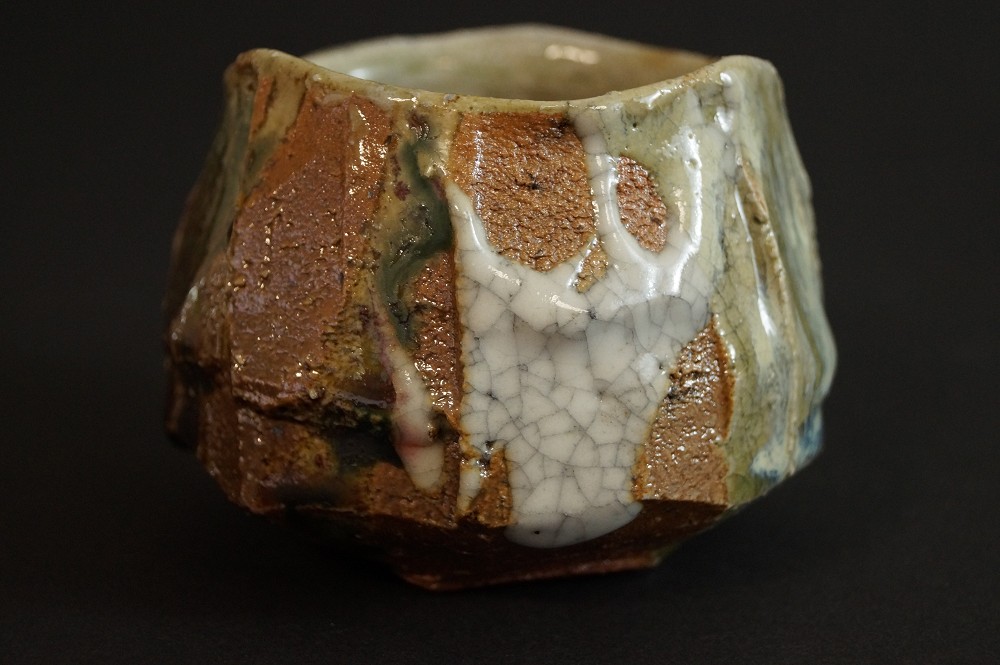 KnowledgeJapanese Ceramics – A Journey Through Clay, Fire and CenturiesView topic
 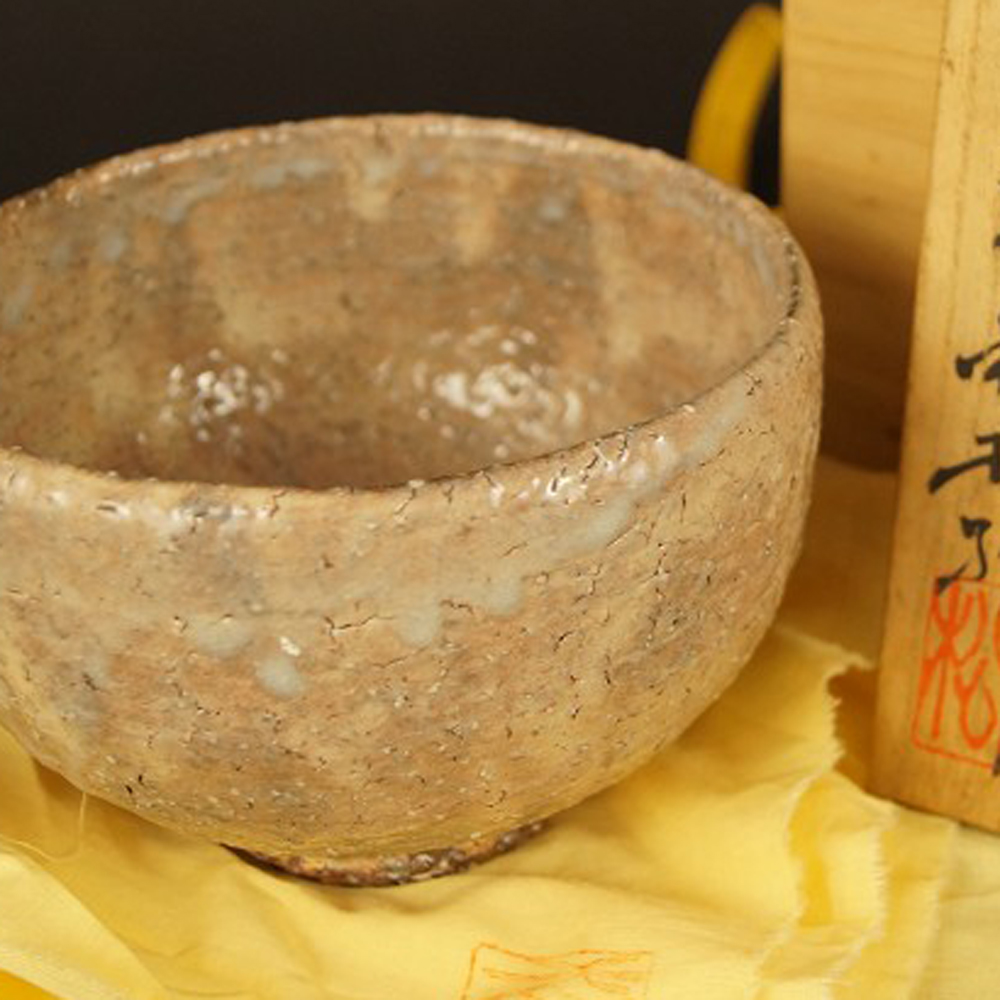 KnowledgeHagi-yaki – The Tea Bowl That Grows More Beautiful With Every CupView topic
  KnowledgeSatsuma-yaki – Ivory, Crackle Glaze, and Gold from KagoshimaView topic
 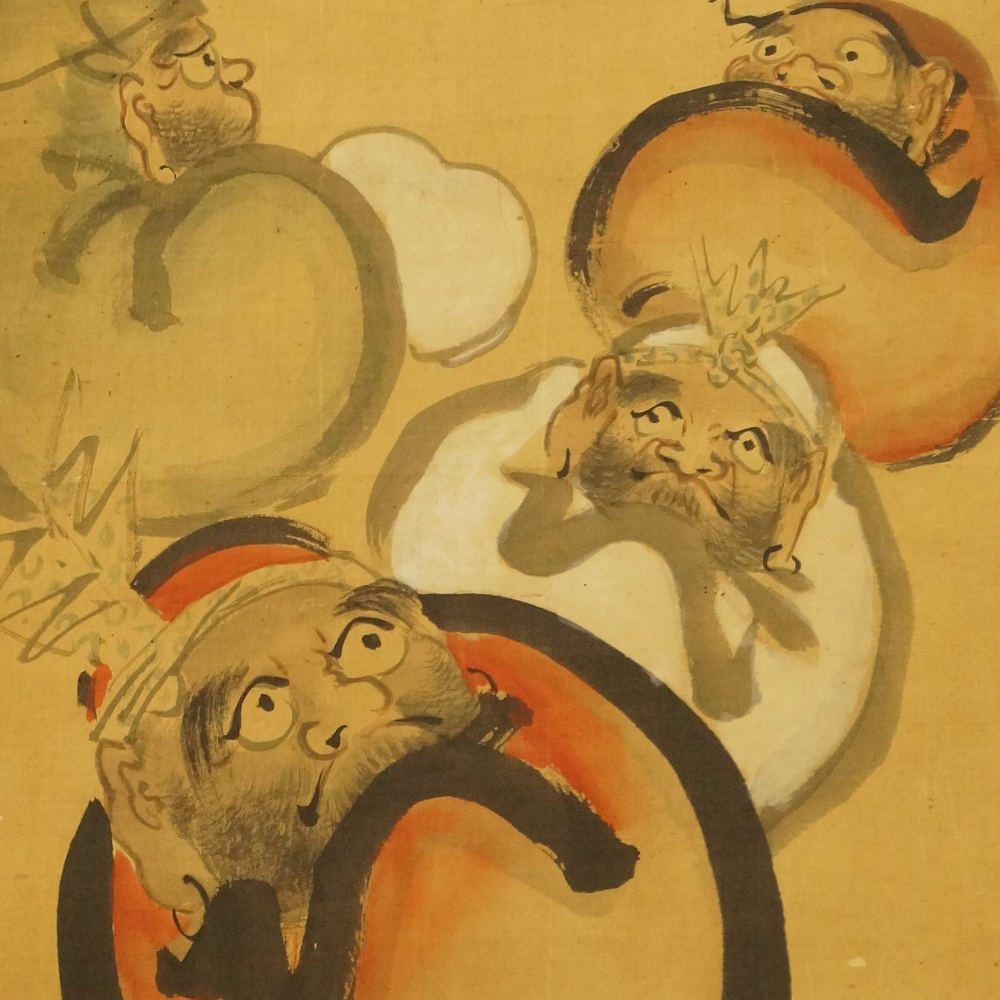 KnowledgeThe Taishō Era – A Brief, Modern InterludeView topic
  KnowledgeTenmoku – Not a Kiln, but a Glaze of Iron and FireView topic
  KnowledgeJapanese Calligraphy – The Way of the BrushView topic
 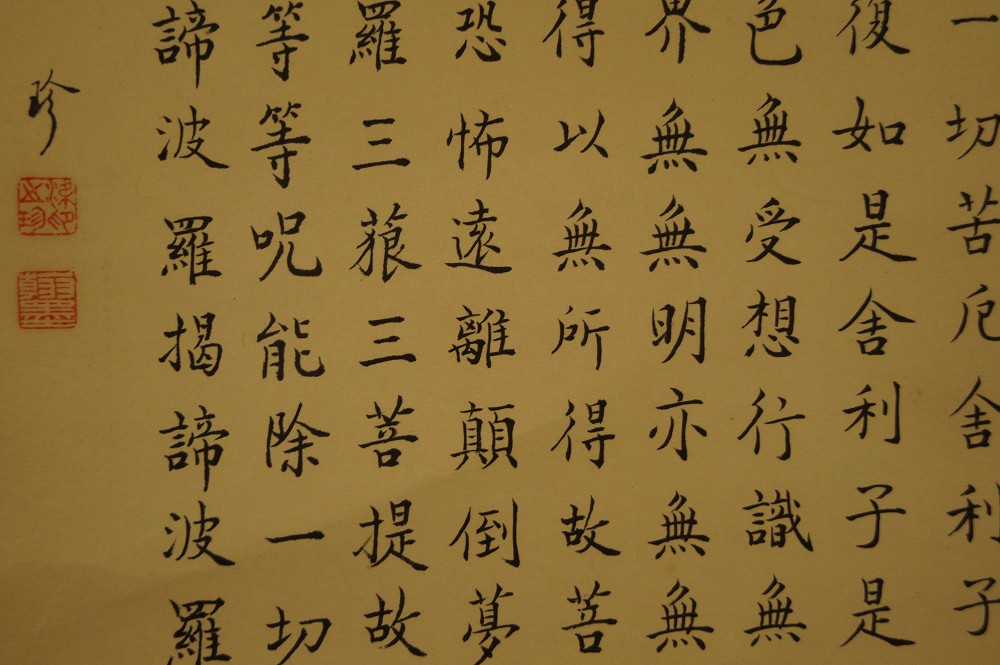 KnowledgeThe Heart Sutra in Japanese Calligraphy – 262 Characters for the Essence of EmptinessView topic
 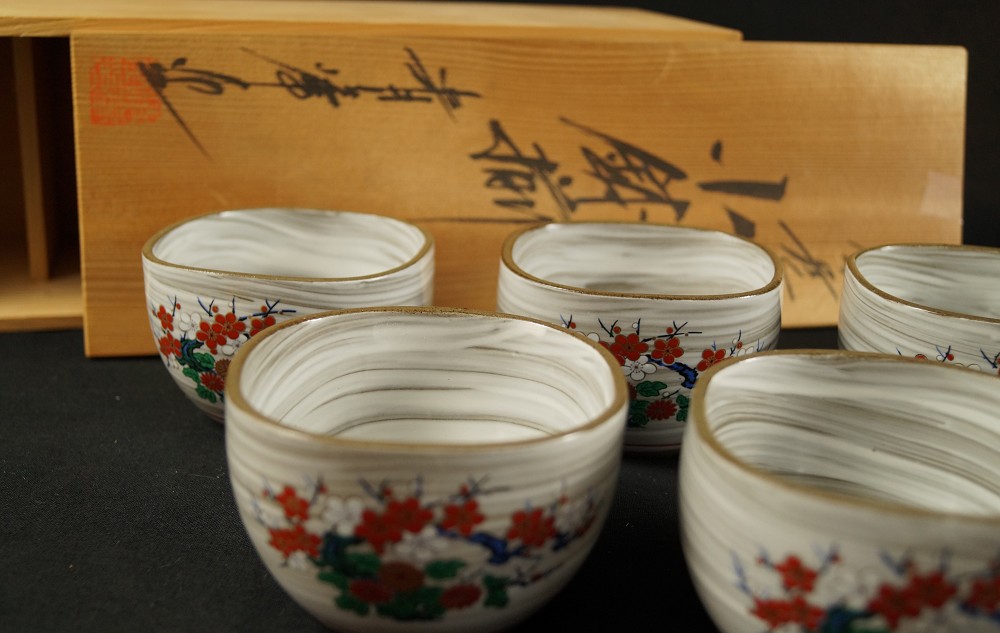 KnowledgeKutani-yaki – Five Colors, a New Beginning After a Hundred Years of SilenceView topic
Showing 42 of 42 topics