
Kakemono Abstract Daruma in a Single Brushstroke
One of a kind — this work exists only once.
- Period:
- Shôwa (1926–1989)
- Dimensions (height x width):
- 160 x 47 cm
- Item number:
- 4505
This piece has been sold.
Sold – no longer available
This piece was a handmade one-of-a-kind work. It cannot be reordered and will never exist in this form again. The page stays online as part of our archive.
More items in category Buddhism and ZenAll one-of-a-kind Japanese Painting pieces
See new one-of-a-kind pieces first
We feature every delivery from Japan in the newsletter first – before the pieces show up in search results.
You might like these pieces
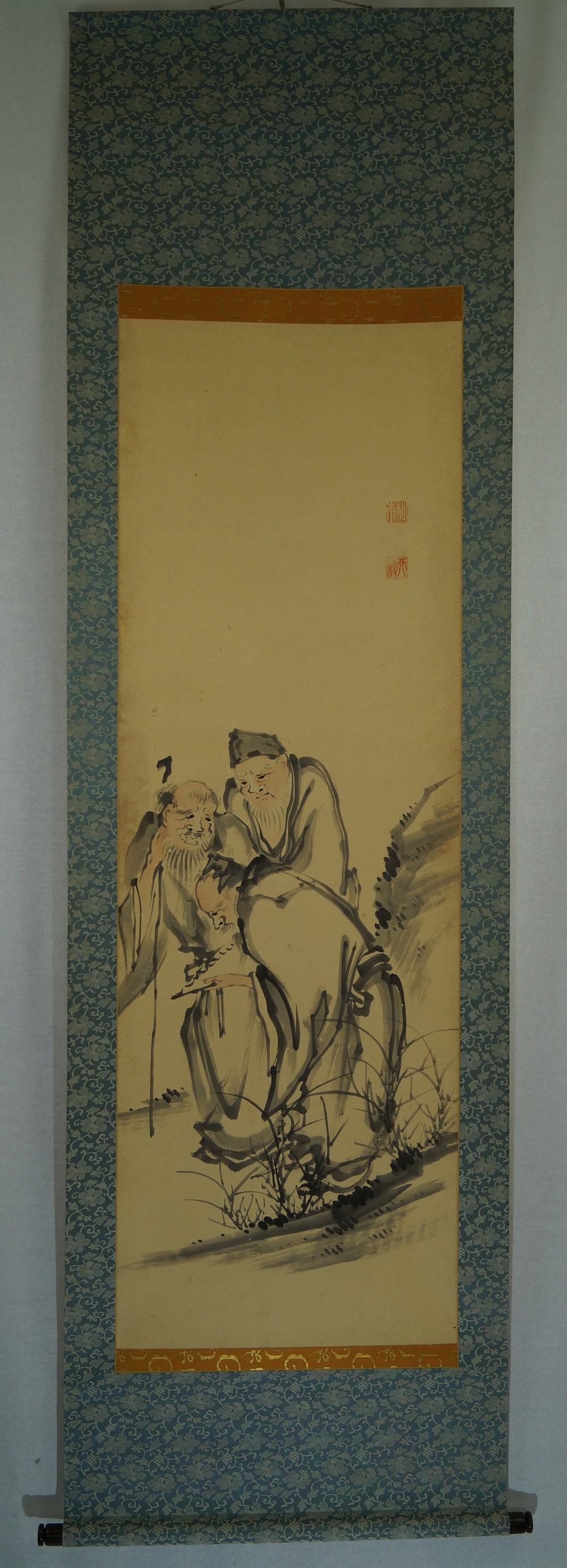
The Three Sages
Kakemono, unique work, 195 x 65 cm
€90.00
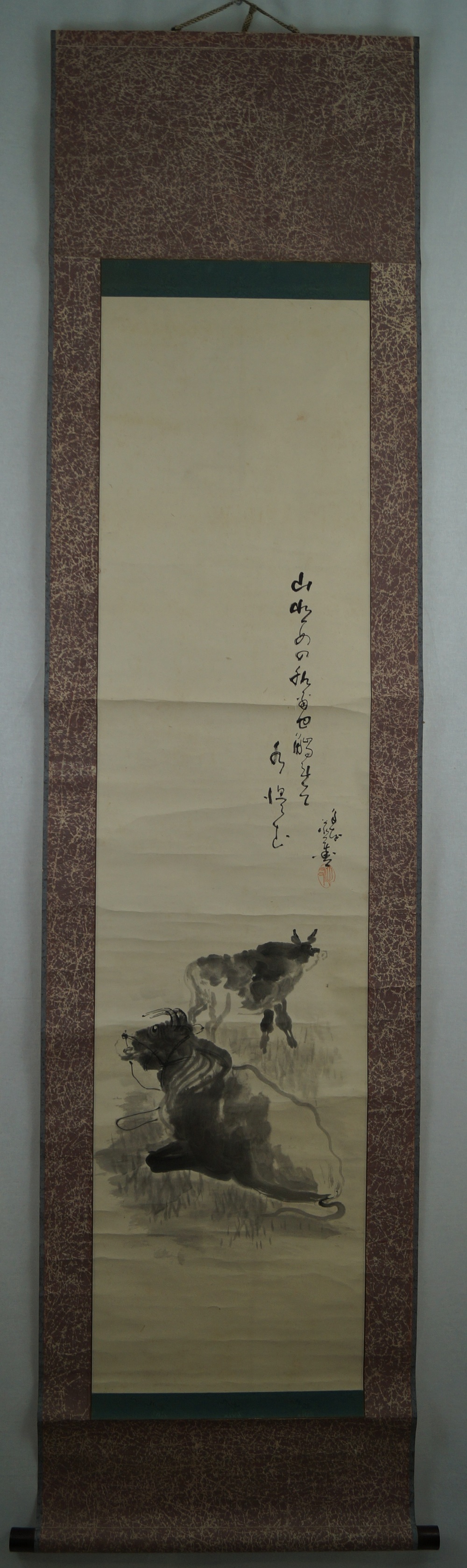
Two Bulls
Kakemono, unique work, 180 x 51 cm
€120.00
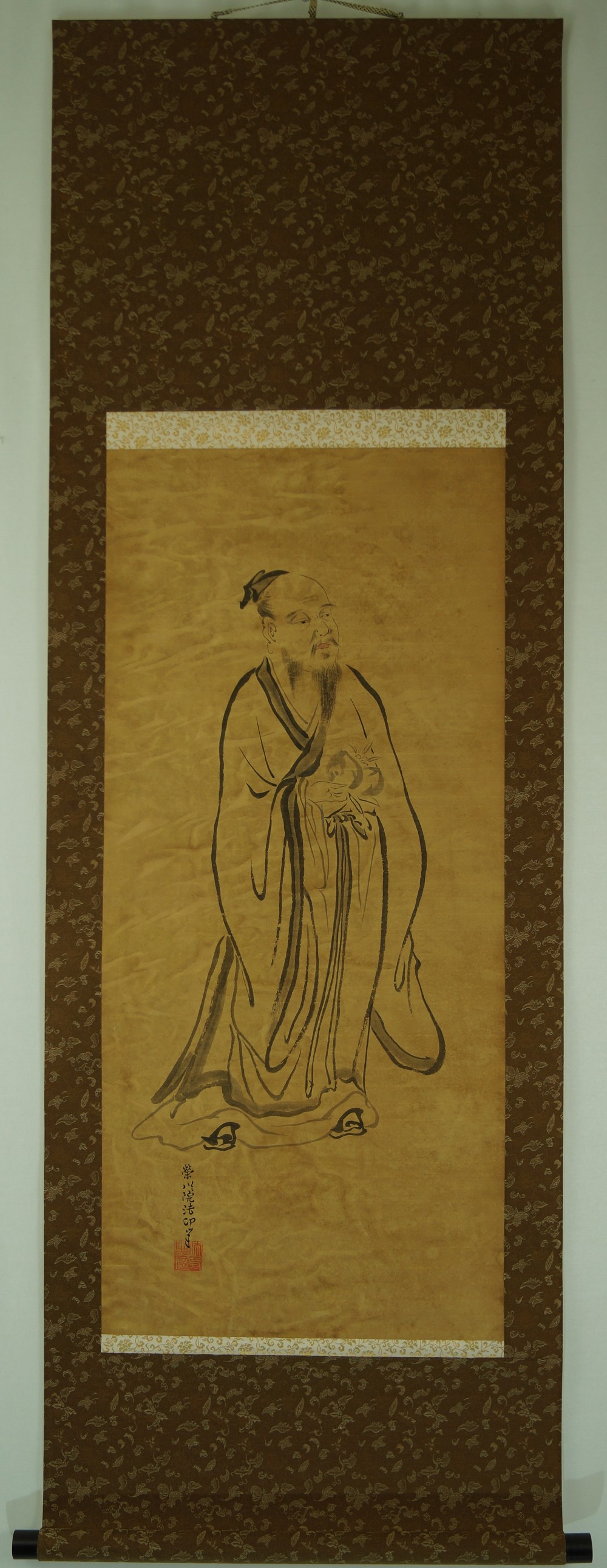
Eisen'in Hōin
Monk in Silent Devotion with Folded Hands
Kakemono, unique work, 150 x 55 cm
€140.00
Bodhidharma with Fan and Gourd Bottle
Kakemono, unique work, 173 x 60 cm
€180.00
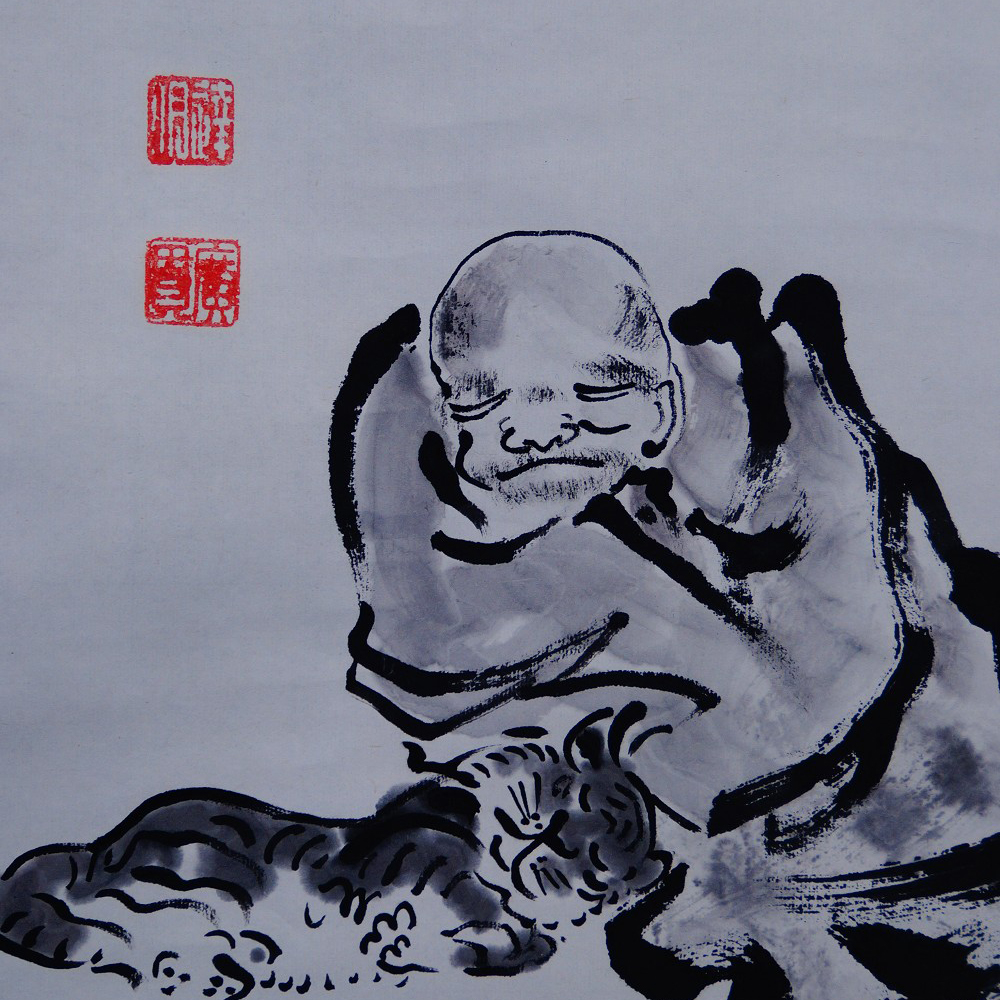
Akamatsu Tatsuaki
Zen Master Hokan
Kakemono, unique work, with box, 185 x 37 cm
€690.00
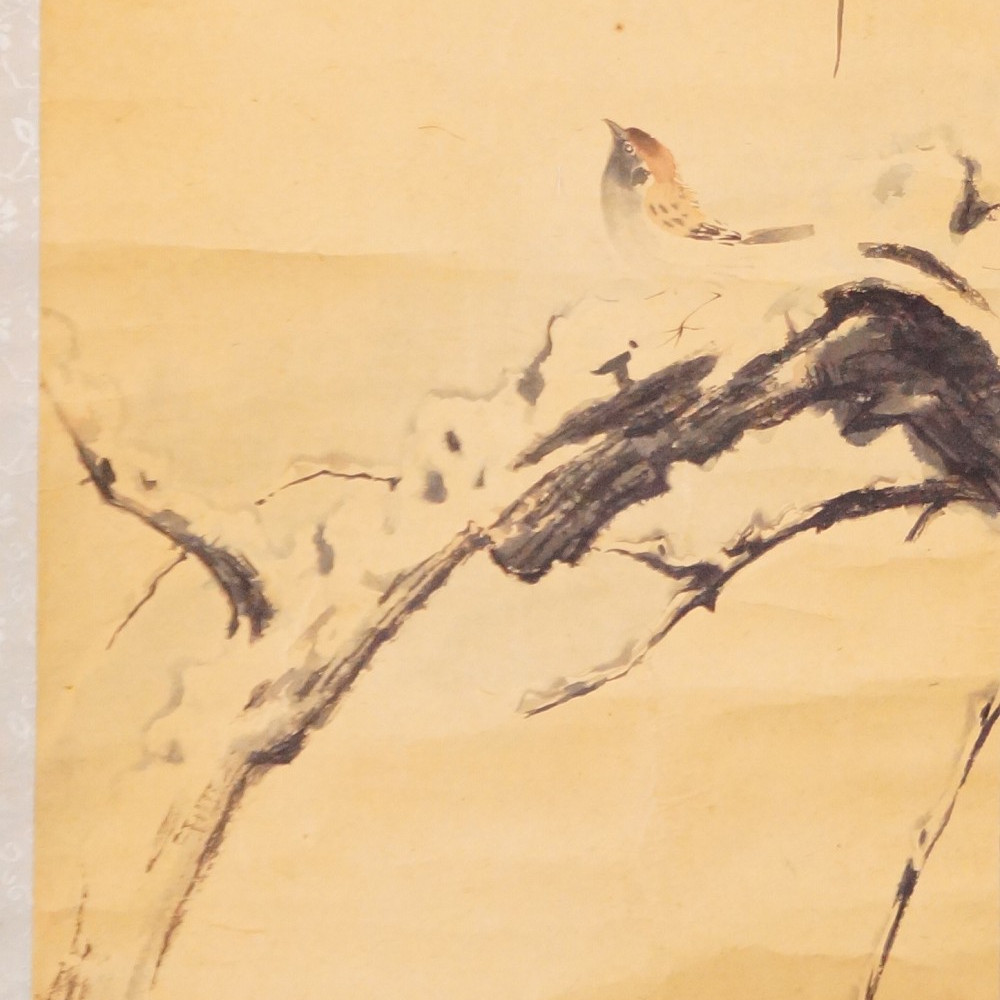
Sansō
Moment of Silence
Kakemono, unique work, 200 x 48 cm
€280.00

Bodhidharma with Piercing Gaze
Kakemono, unique work, 200 x 51 cm
€340.00
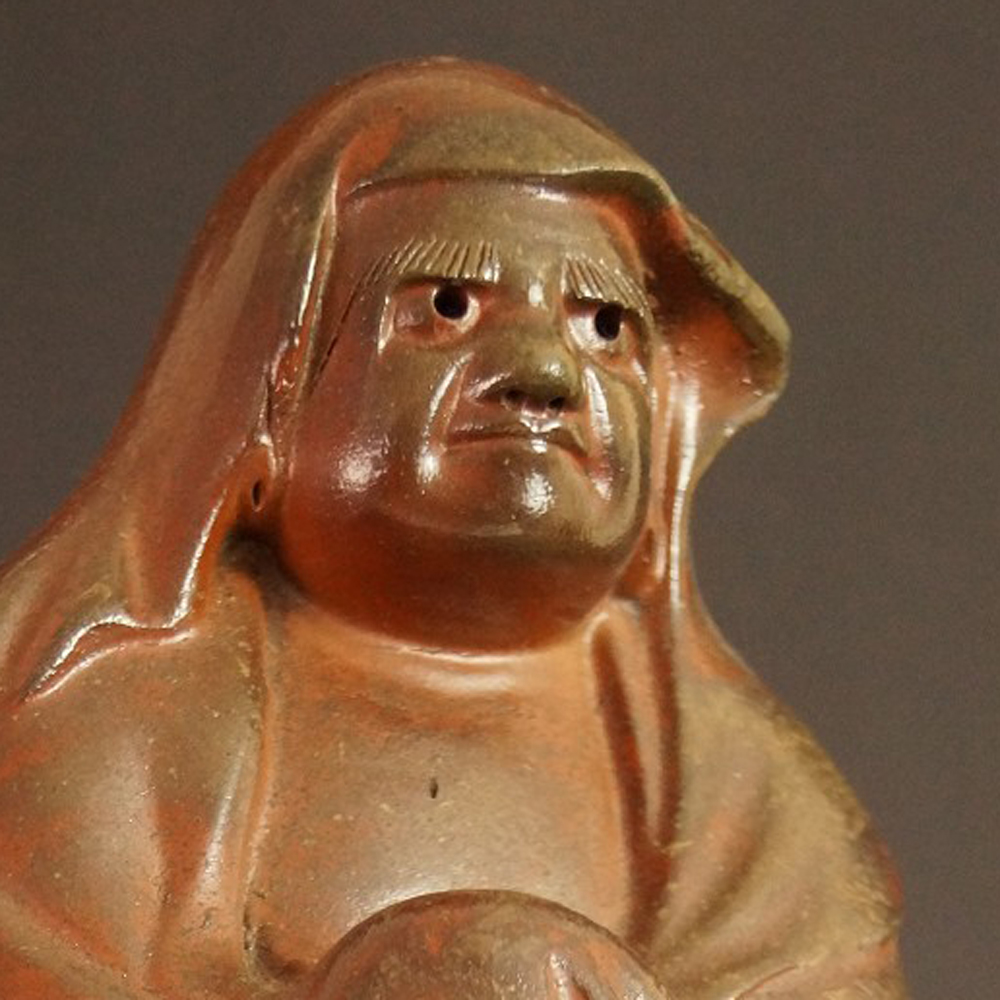
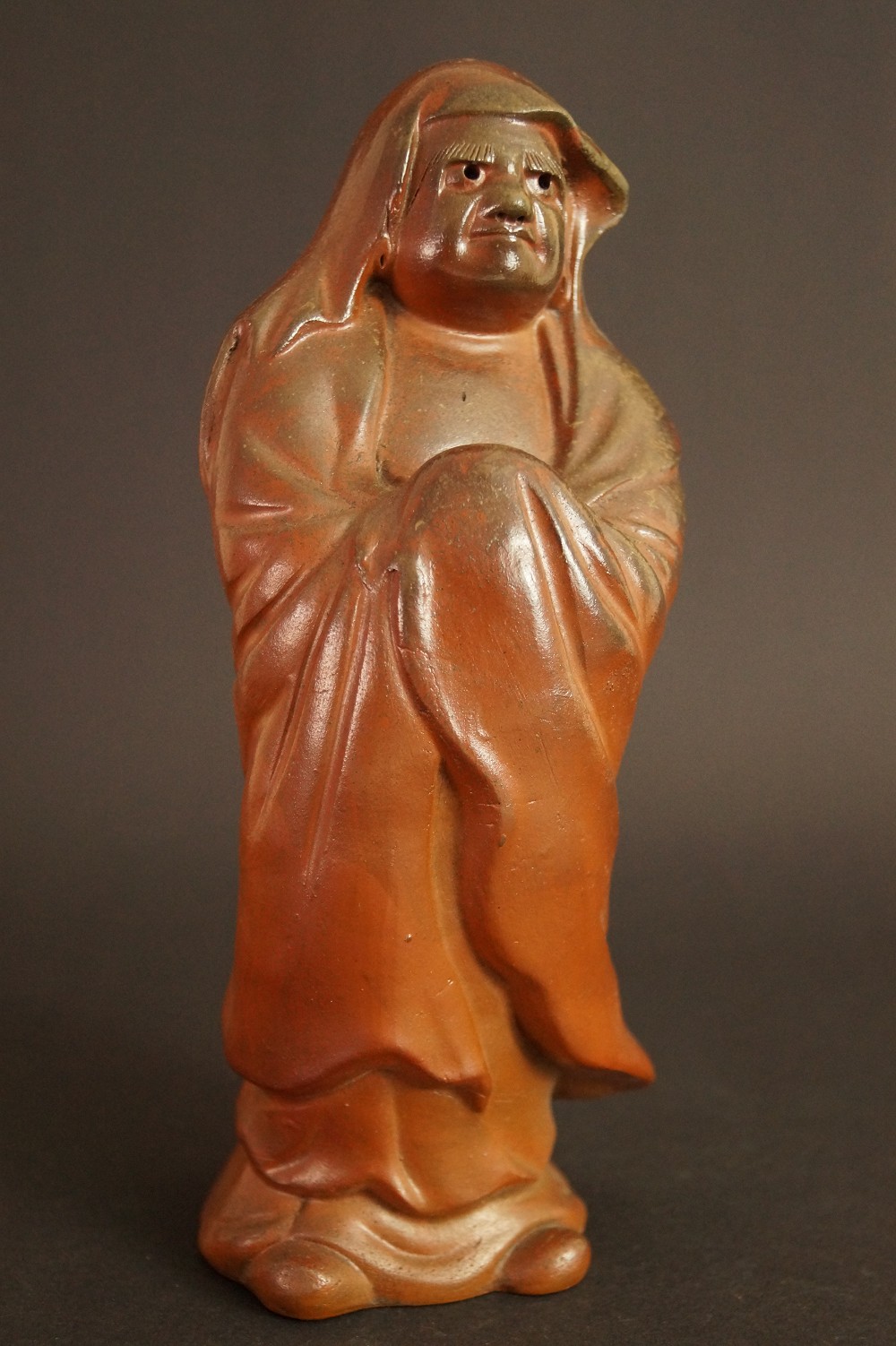
Bodhidharma (Daruma) Figure with Worried Expression Made of Bizen Ware
Figure, unique work, 22 x 10 cm
€180.00


Details about the sold piece
- JikusakiWood
- Material HonshiPaper
- MotifBuddhism and Zen, Daruma
- TechniqueHand-Painted
Description
With a few broad brushstrokes of diluted ink, this kakemono depicts the strongly abstracted figure of the Zen patriarch Bodhidharma, known in Japanese as Daruma. Only a few contours suggest the head and robe, while the rest of the figure is indicated by generous, almost calligraphic strokes, accompanied by a short inscription and a red artist's seal in the upper left.
This reduced, spontaneous painting technique is characteristic of what is known as Zenga painting, which was cultivated in Buddhist monasteries and aims less at naturalistic accuracy than at the immediate expressive power of the brushstroke. Created in the Shôwa period (1926–1989), the image was painted entirely by hand on paper.
The roller rods are fitted with wooden ends. Daruma is regarded in Japan as a symbol of perseverance and unshakable will, which is why depictions of him are still gladly understood today as encouragement and good luck charms. This unique work combines religious symbolism with the free, energetic aesthetic of Zen painting.


