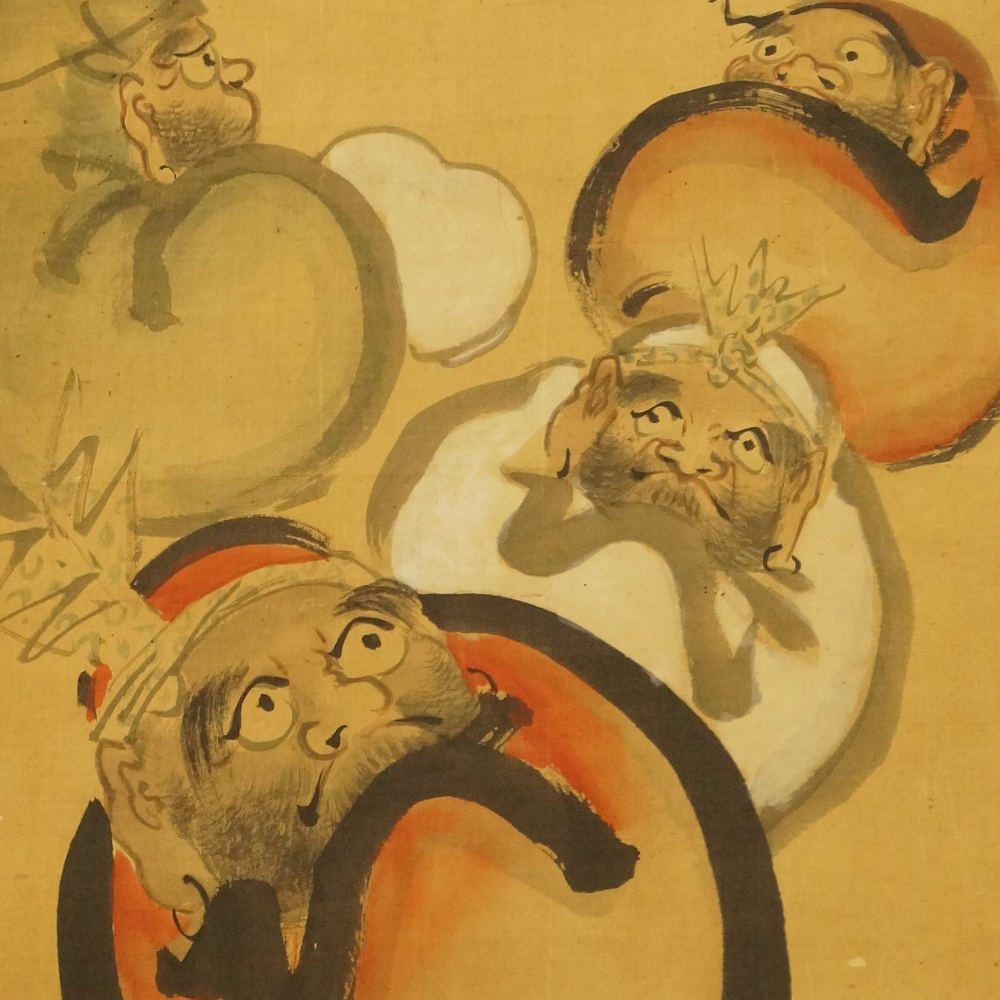
Kakemono Calligraphy of the Teachings of Tokugawa Ieyasu
One of a kind — this work exists only once.
- Period:
- Taishô (1912–1926)
- Dimensions (height x width):
- 155 x 77 cm
- Item number:
- 5084
This piece has been sold.
Sold – no longer available
This piece was a handmade one-of-a-kind work. It cannot be reordered and will never exist in this form again. The page stays online as part of our archive.
More items in category CalligraphyAll one-of-a-kind Japanese Painting pieces
See new one-of-a-kind pieces first
We feature every delivery from Japan in the newsletter first – before the pieces show up in search results.
You might like these pieces
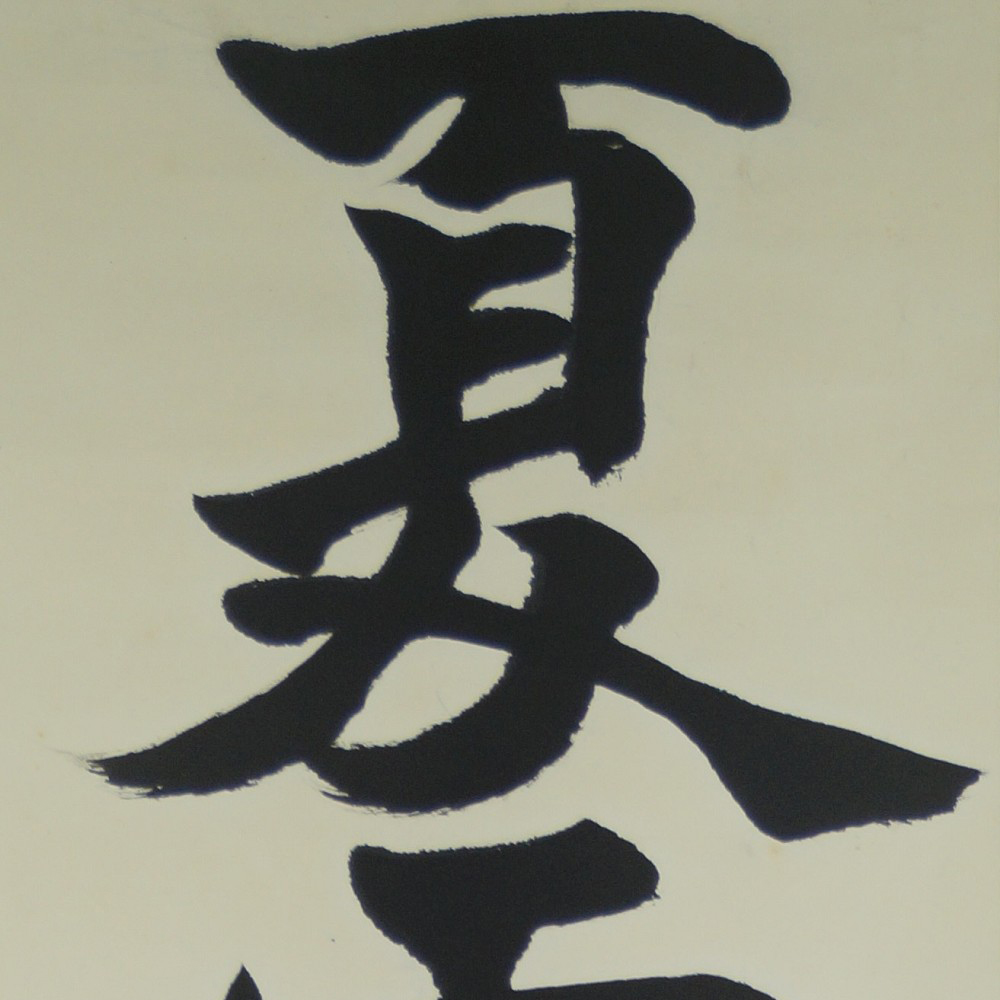
Calligraphy "Clouds in Summer, Hidden Mountain Peaks"
Kakemono, unique work, with box, 192 x 51 cm
€180.00
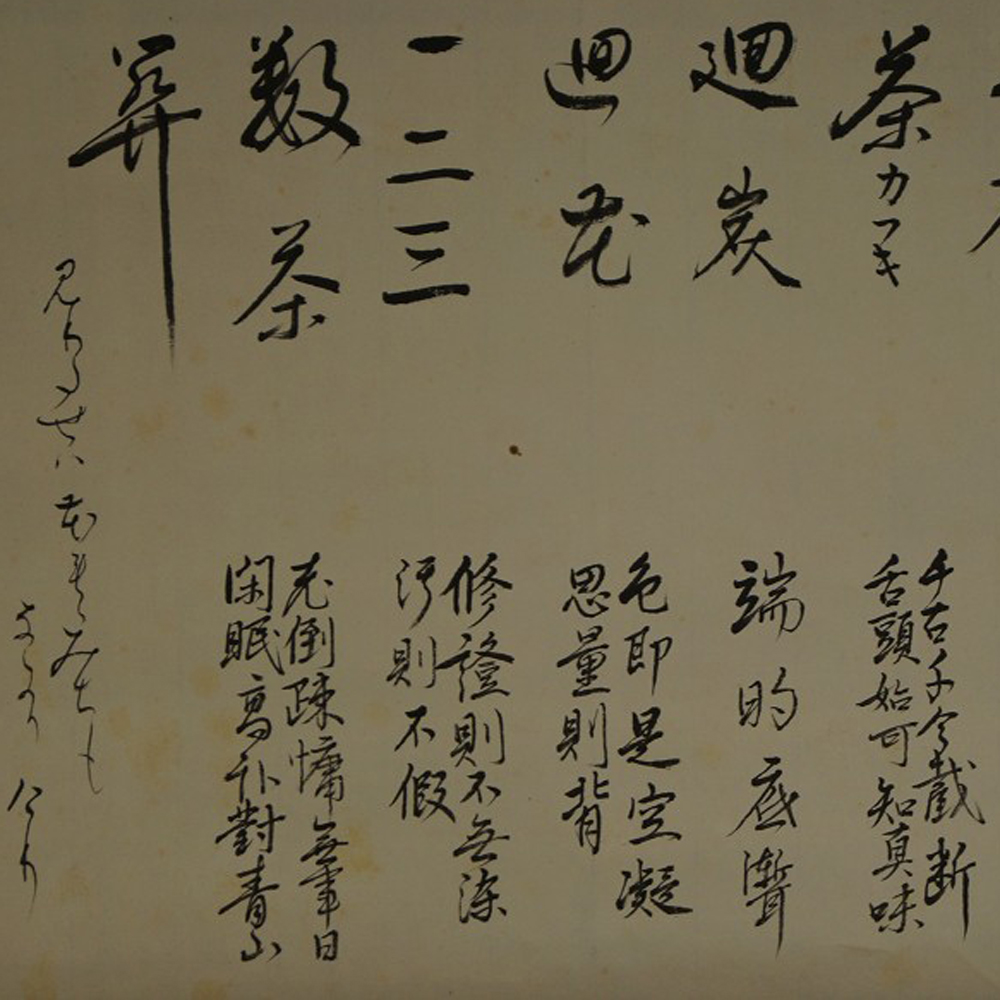
Calligraphy: The Seven Stages of Chado
Kakemono, unique work, 118 x 62 cm
€240.00
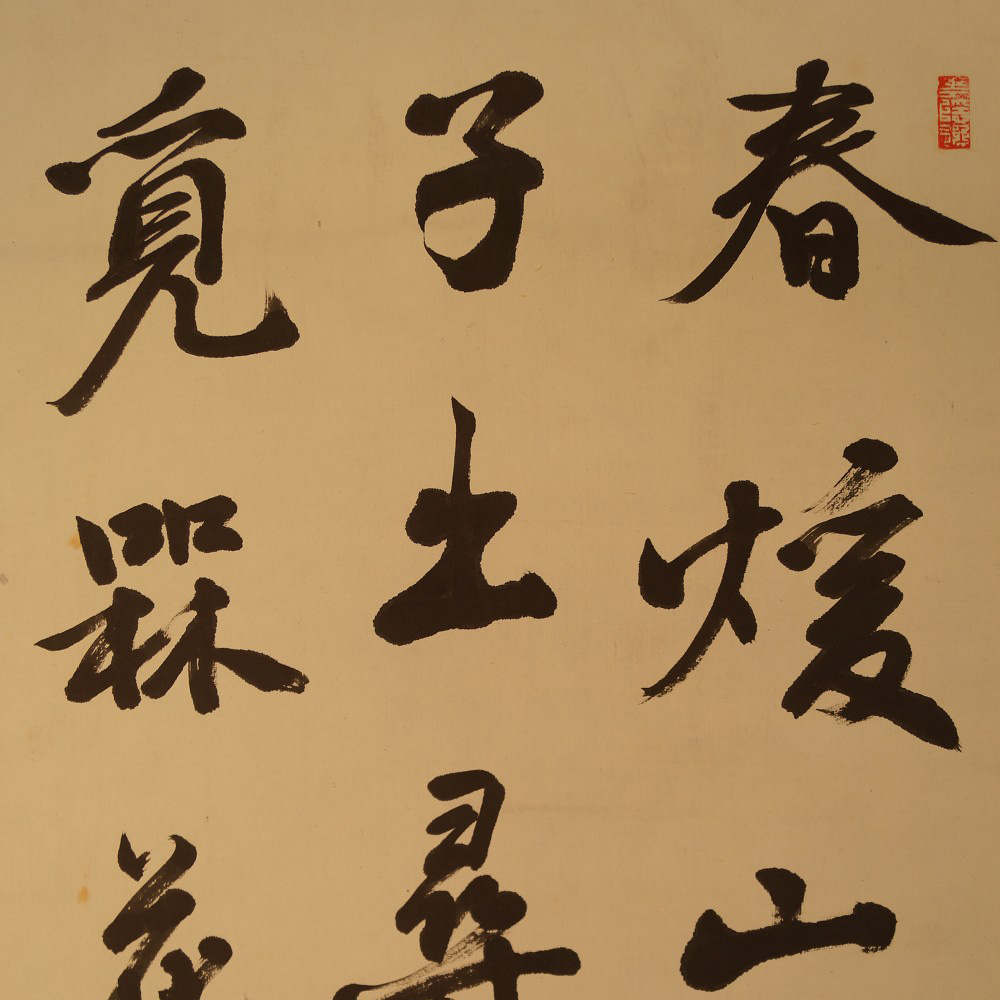
Calligraphy: In Search of the Plum Blossom
Kakemono, unique work, 195 x 51 cm
€180.00
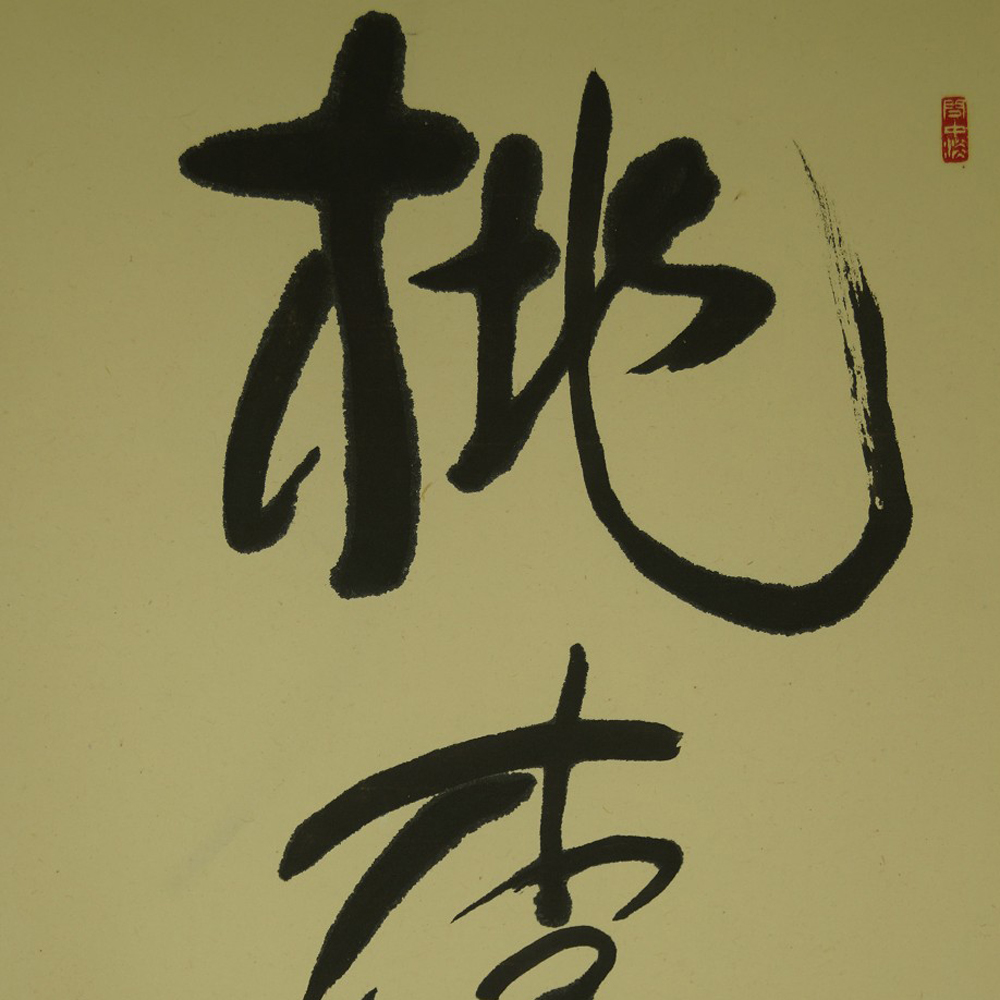
Calligraphy "Peaches and Plums"
Kakemono, unique work, 196 x 54 cm
€140.00
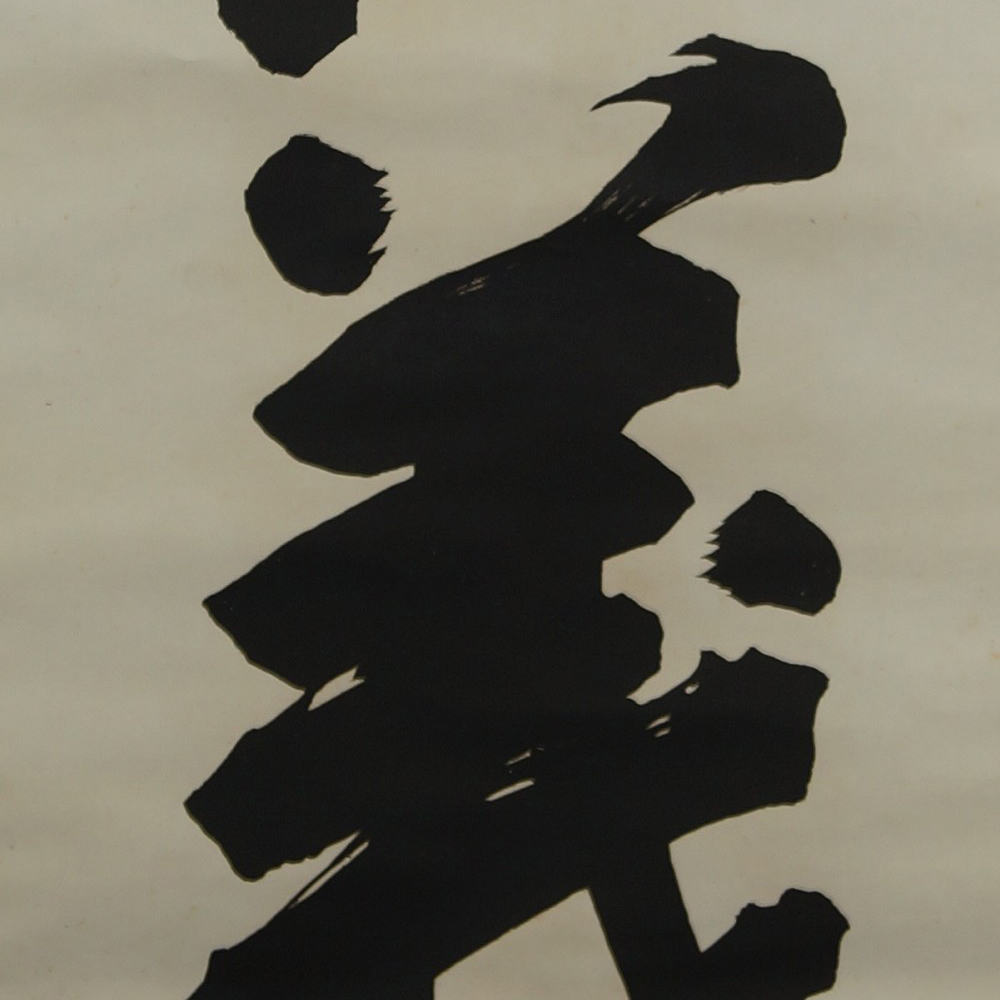
Calligraphy Print "Create Justice" in Large Script
Kakemono, Print, 200 x 50 cm
€60.00
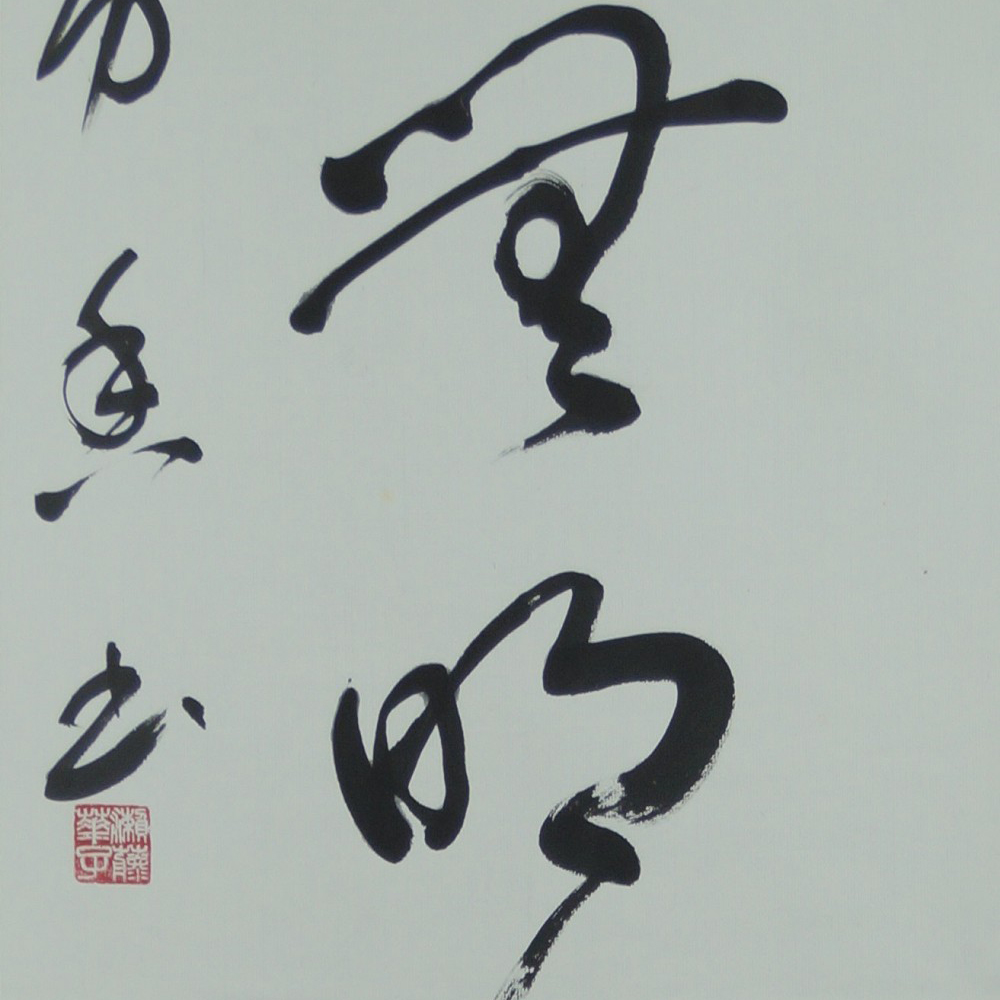
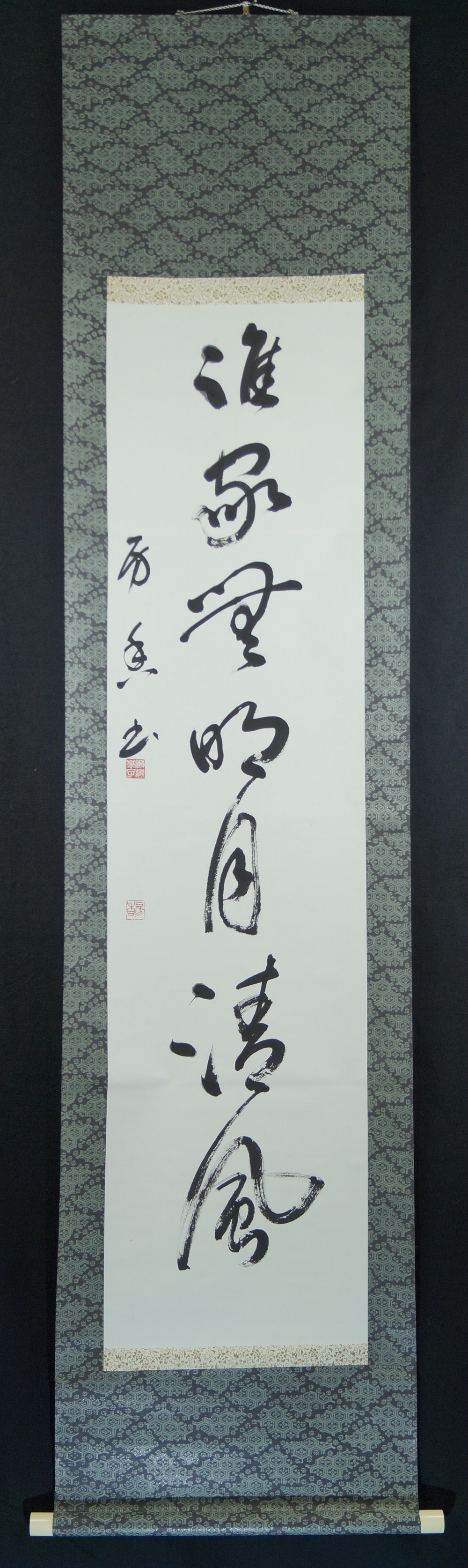
Calligraphy "Breeze in Moonlight"
Kakemono, unique work, 190 x 53 cm
€180.00
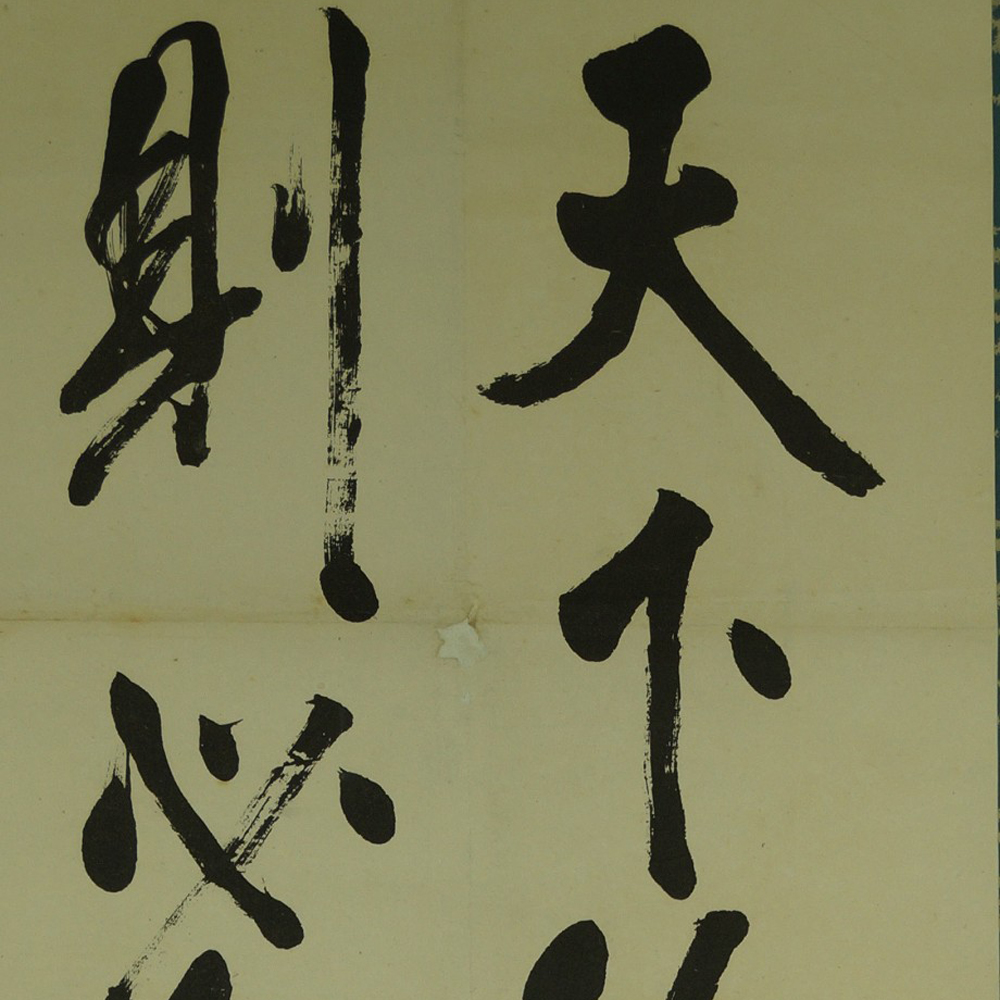
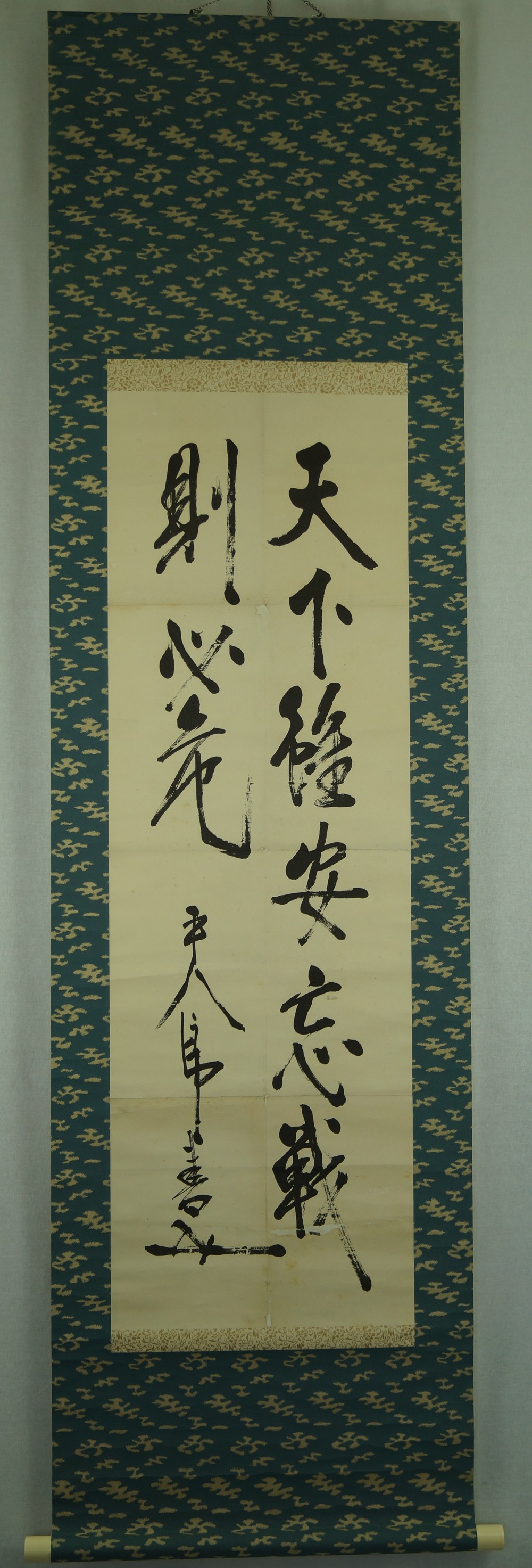
Calligraphy "Living in Peace, Not Forgetting War"
Kakemono, unique work, 170 x 52 cm
€140.00
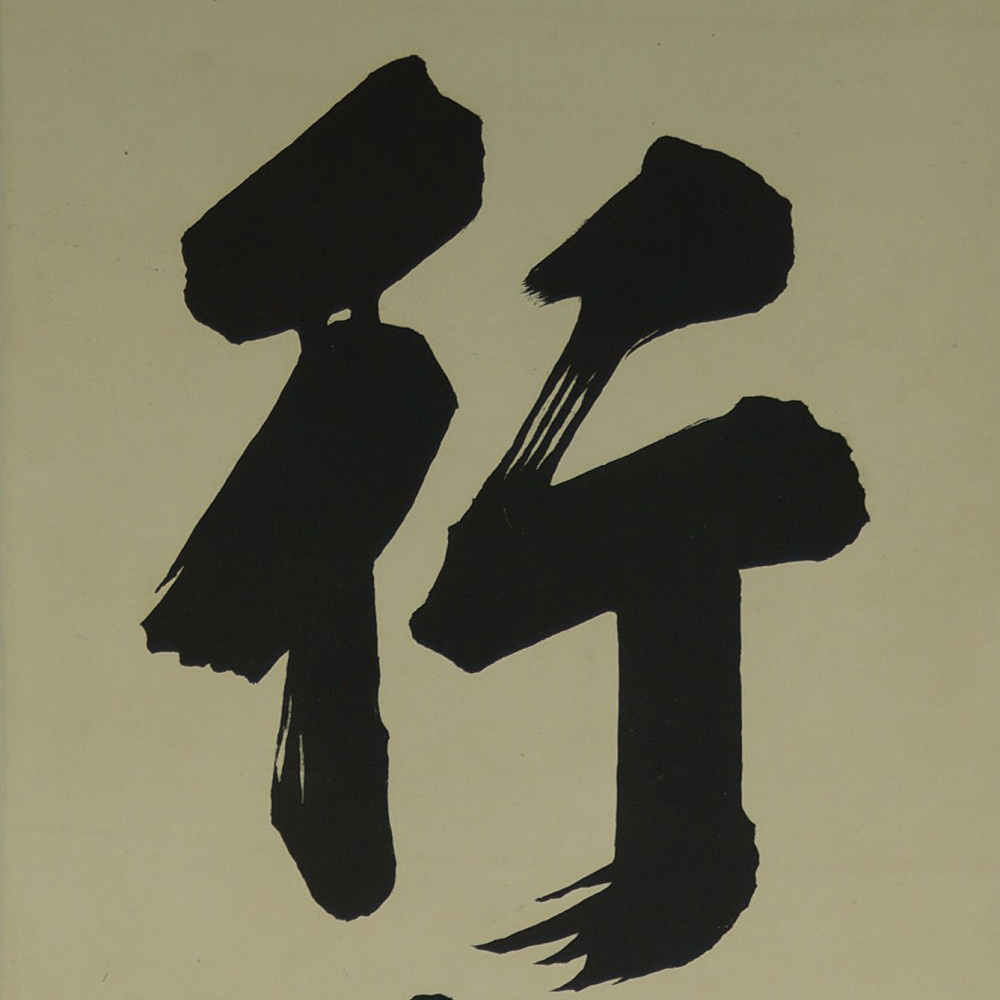
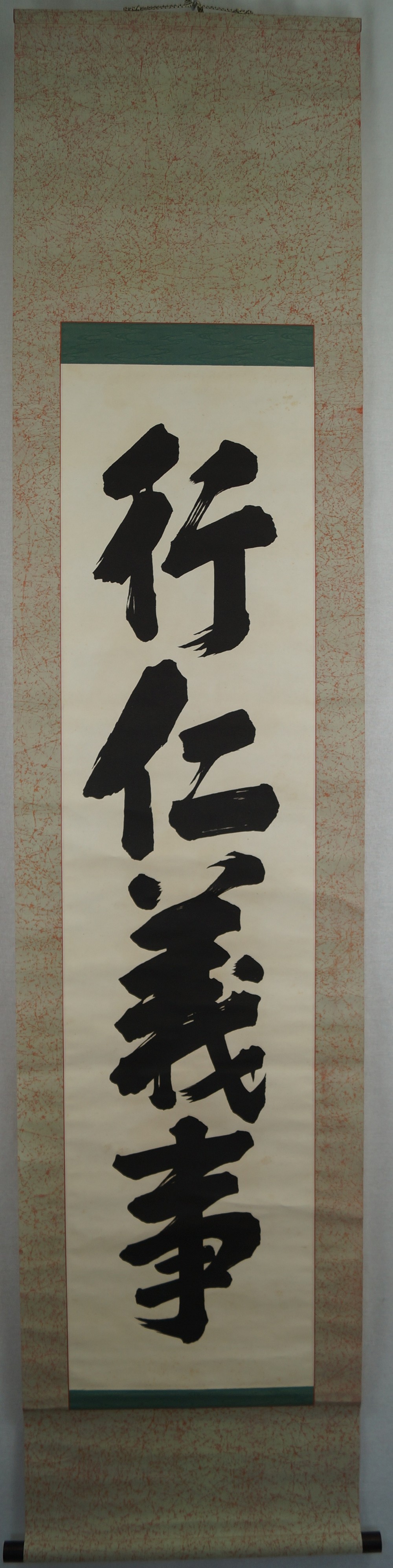
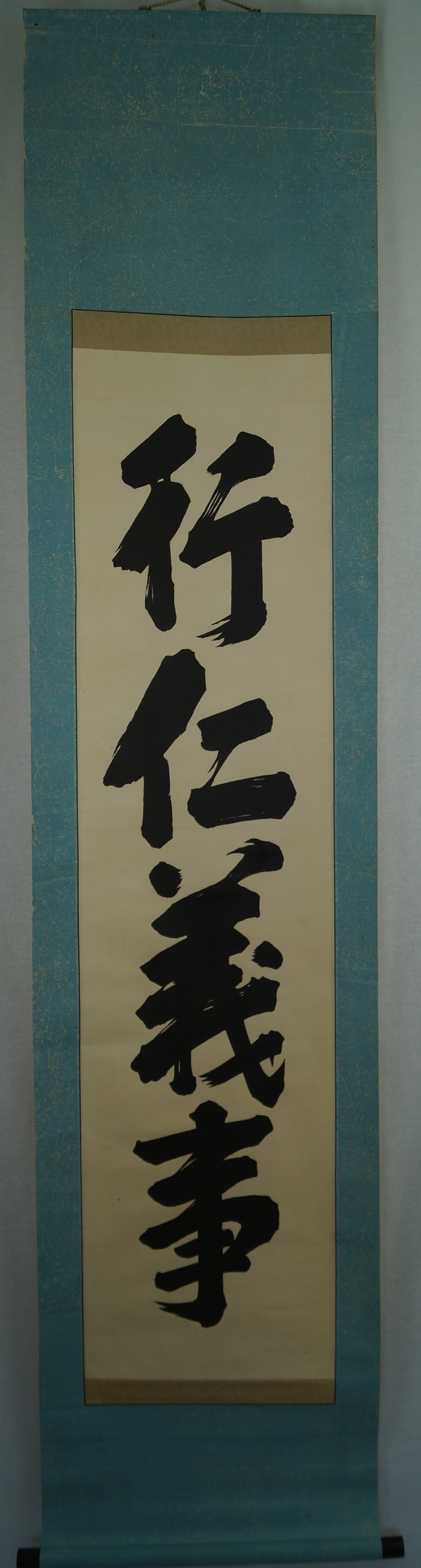
Calligraphy Print "Do Justice"
Kakemono, Print, 202 x 52 cm
€60.00


Details about the sold piece
- Material HonshiPaper
- MotifCalligraphy
- TechniqueHand-Painted
Description
In dense, carefully arranged columns, this calligraphic text extends the entire height of the kakemono. The fine, flowing script with its numerous characters reveals a practiced, cultivated hand and suggests that a longer, meaningful text was to be carefully preserved here.
In terms of content, this is the last words of the shogun Tokugawa Ieyasu, as handed down from the Tôshô-gû shrine. As founder of the Tokugawa shogunate, Ieyasu is among the most significant figures in Japanese history, and his words on patience, moderation, and foresight, passed down as his legacy, were recorded and transmitted in calligraphy across generations as a moral guide.
The text was written by hand on paper and dates from the Taishô period. For collectors of Japanese history and calligraphy, this kakemono, known as Calligraphy of the Teachings of Tokugawa Ieyasu, is a meaningful piece that combines historical heritage with the aesthetics of traditional calligraphic art.