
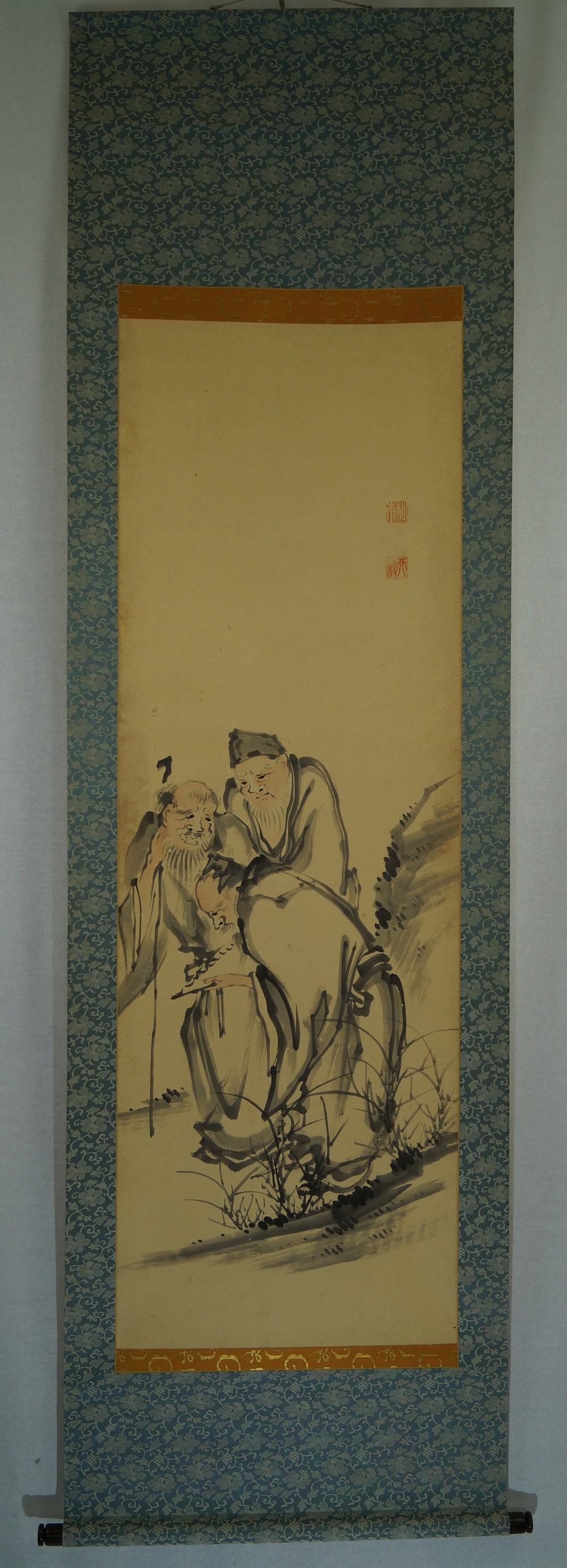
Kakemono Five Daruma in Ink
One of a kind — this work exists only once.
- Period:
- Shôwa (1926–1989)
- Dimensions (height x width):
- 116 x 39 cm
- Item number:
- 4349
This piece has been sold.
Sold – no longer available
This piece was a handmade one-of-a-kind work. It cannot be reordered and will never exist in this form again. The page stays online as part of our archive.
More items in category Buddhism and ZenAll one-of-a-kind Japanese Painting pieces
See new one-of-a-kind pieces first
We feature every delivery from Japan in the newsletter first – before the pieces show up in search results.
You might like these pieces
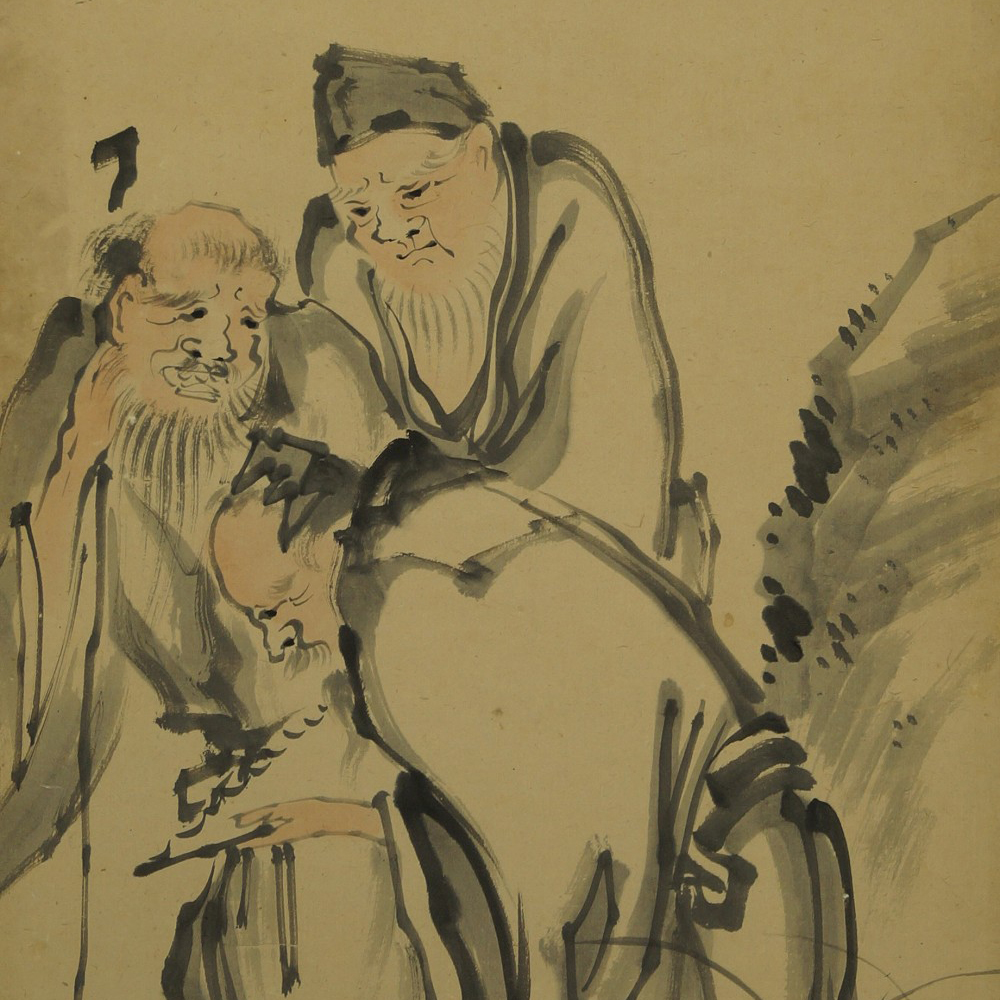
The Three Sages
Kakemono, unique work, 195 x 65 cm
€90.00

Matsuyama Fujii
Ink Sketch of a Tea Bowl on Red Cloth
Kakemono, unique work, 122 x 48 cm
€180.00
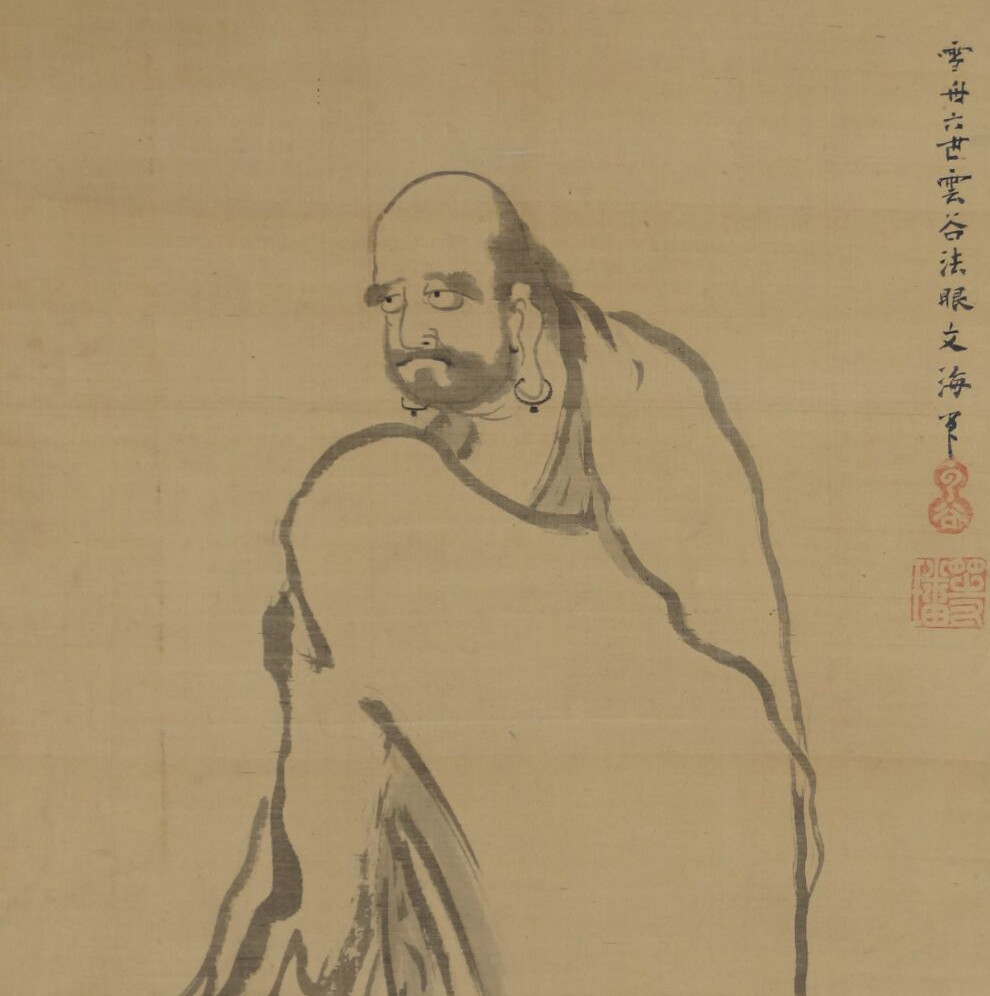
Unkoku Tōban
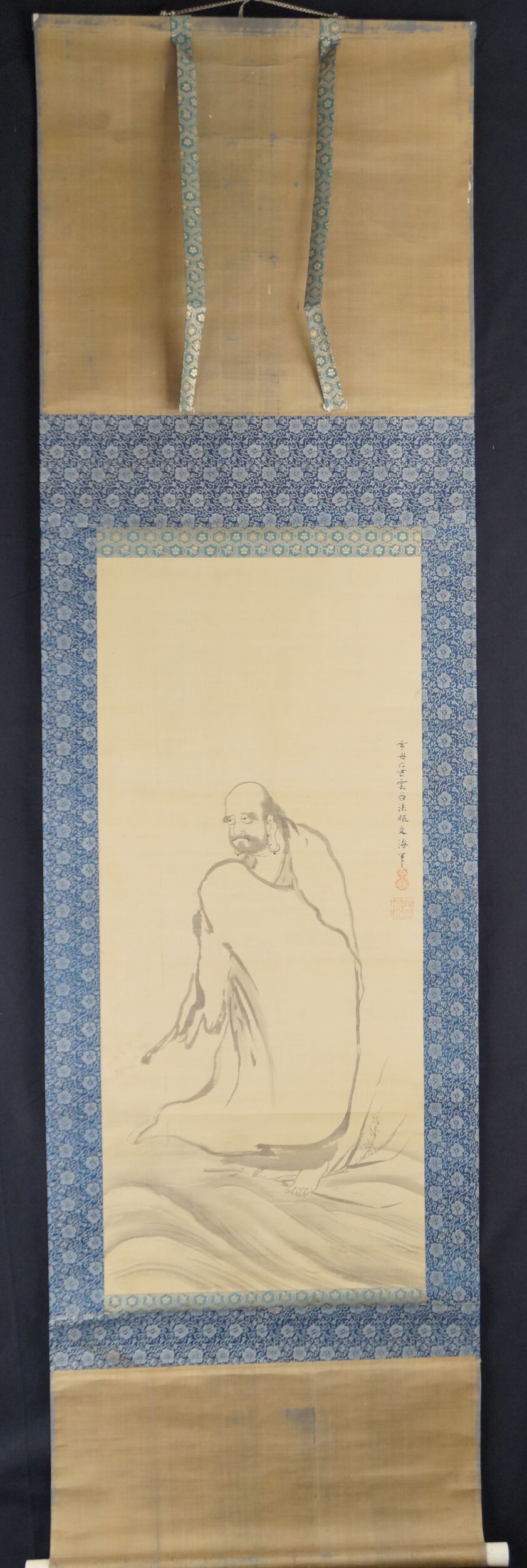
Bodhidharma on the Way
Kakemono, unique work, 168 x 52 cm
€550.00
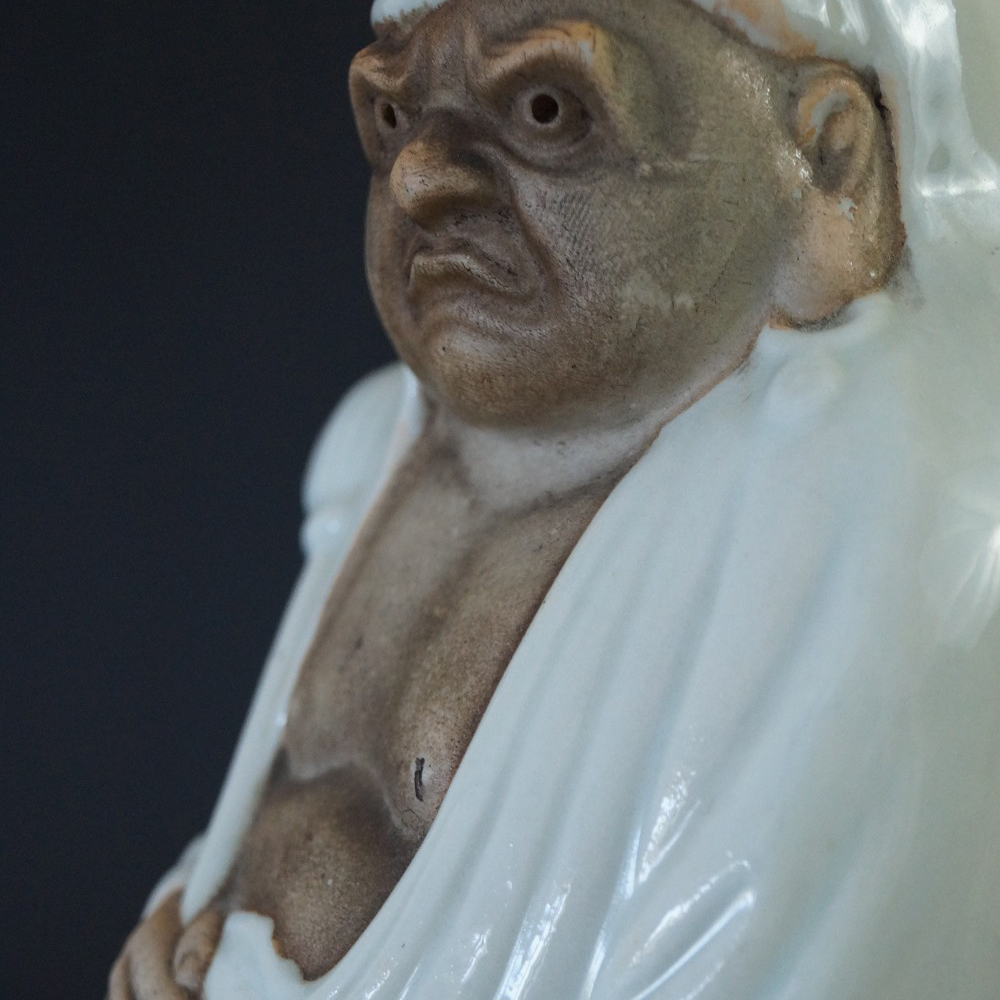
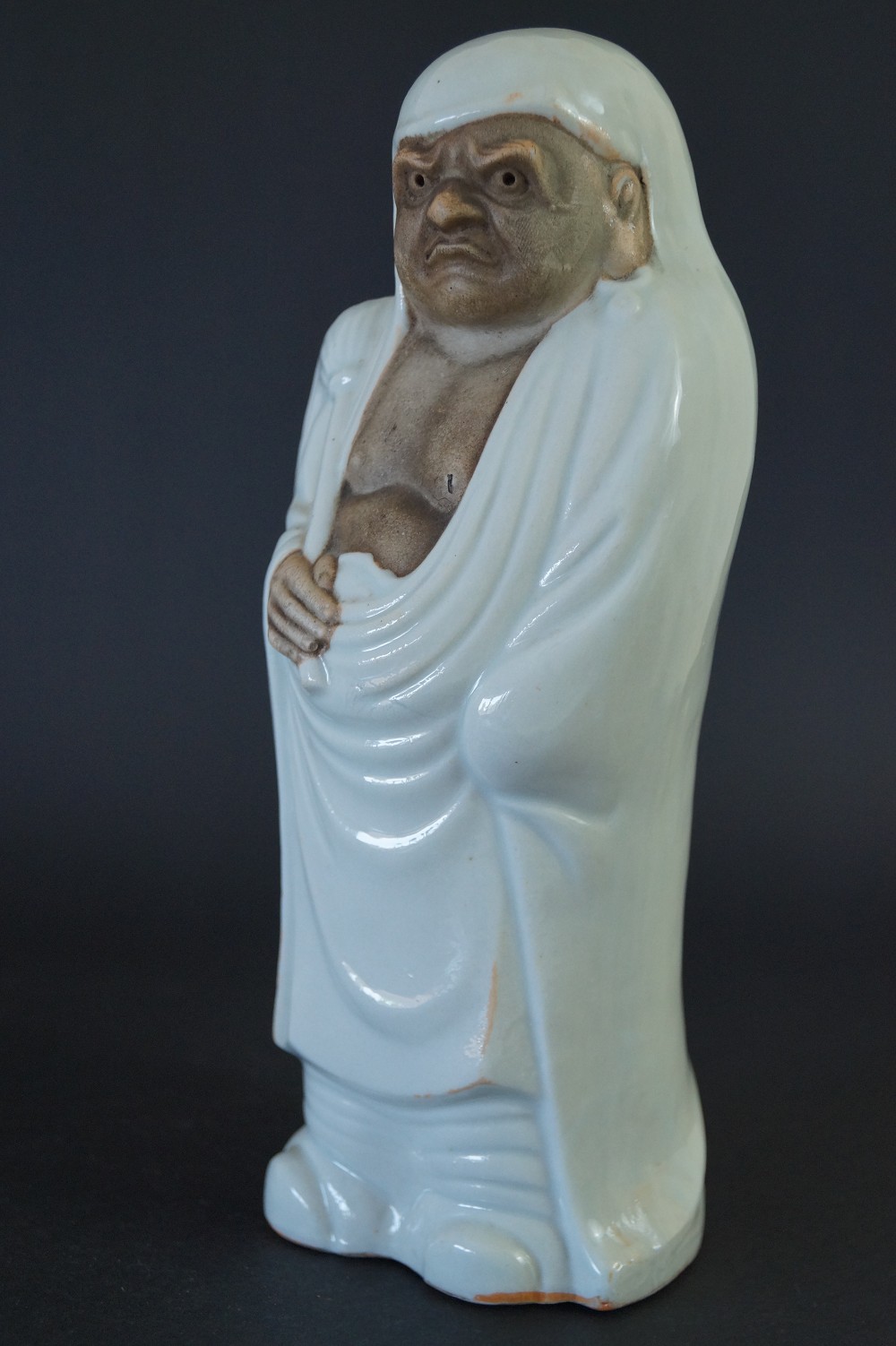
Daruma Figure Made of Kutani Porcelain in White Robe
Figure, unique work, 24 x 9 cm
€290.00
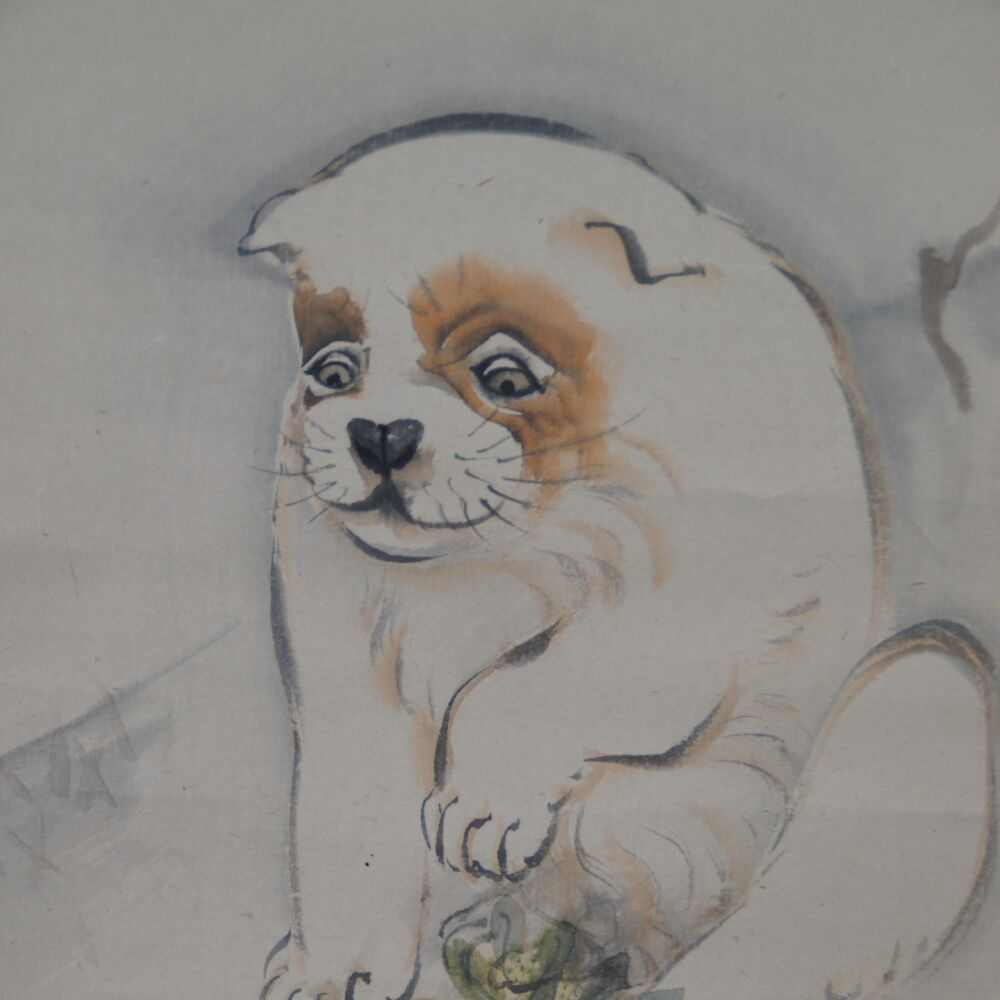
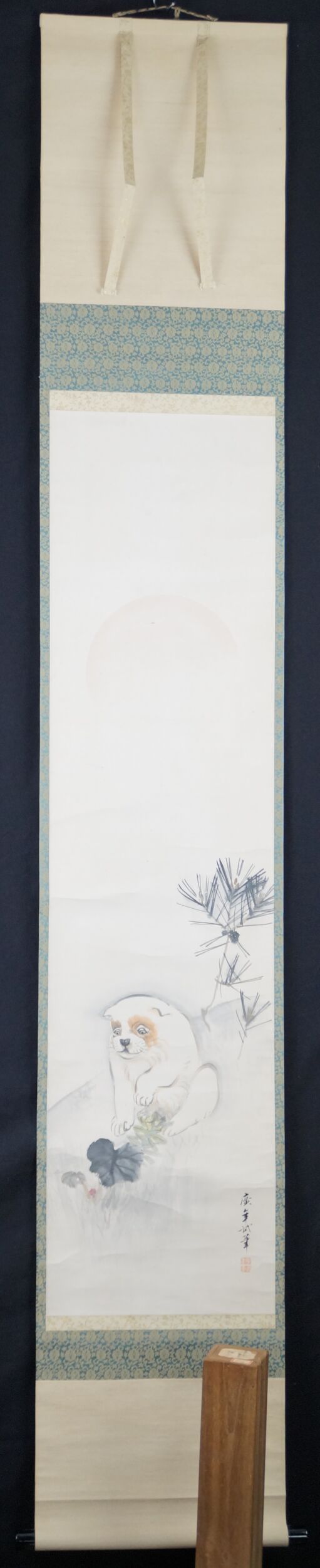
Puppy at Sunset Under Pine Trees
Kakemono, unique work, with box, 200 x 39 cm
€210.00
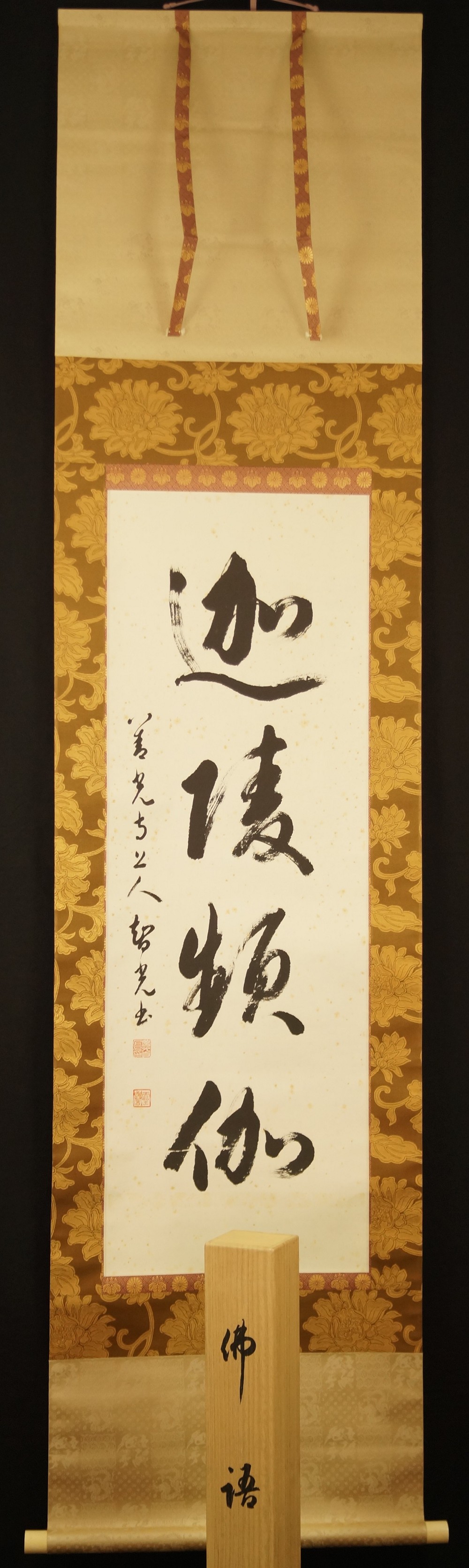
Calligraphy "Kalavinka"
Kakemono, unique work, with box, 195 x 53 cm
€130.00
Ueda Gizan
Bodhidharma - Straight to the Heart
Kakemono, unique work, with box, 135 x 34 cm
€450.00
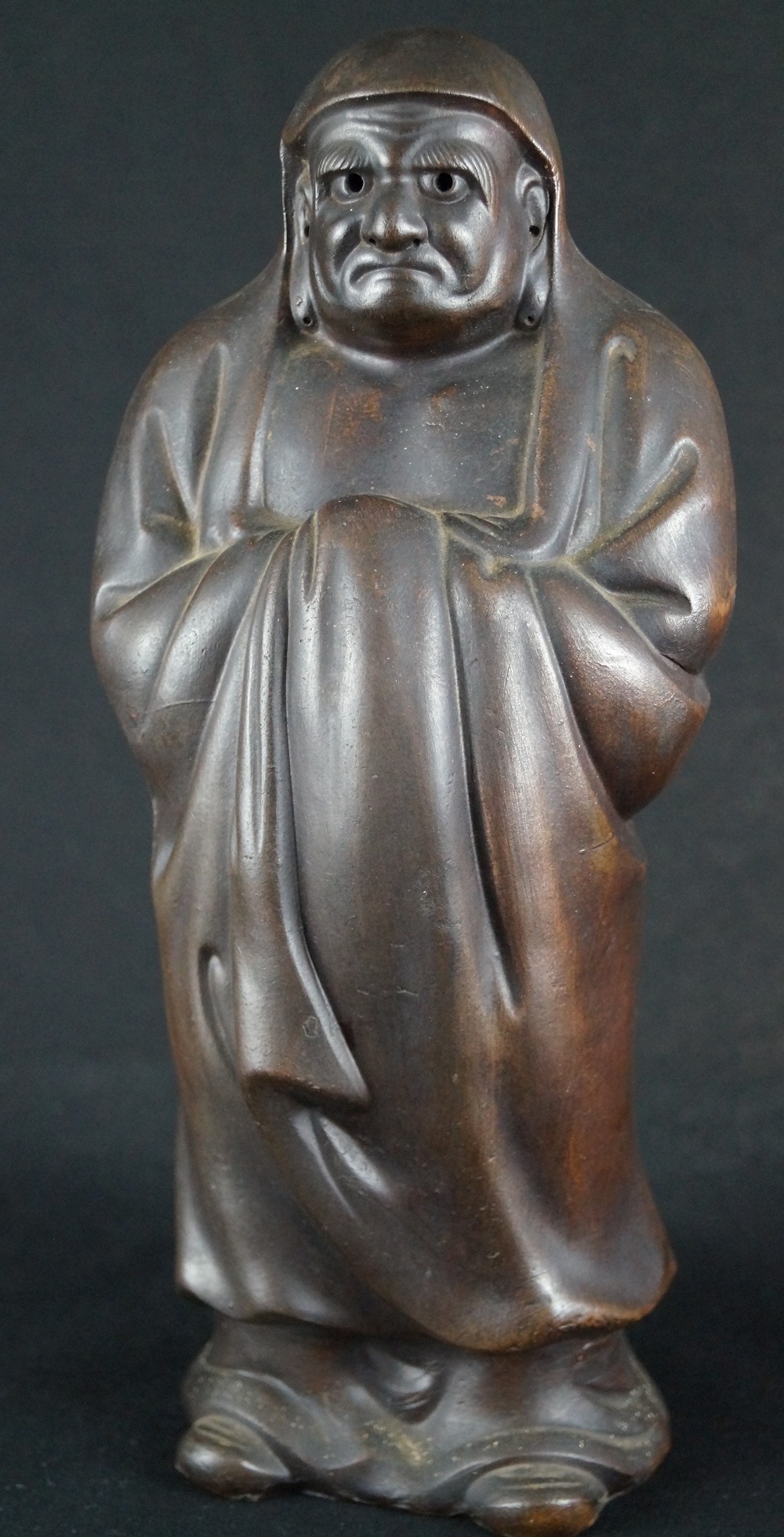
Daruma Figure Made of Bizen Ware with Pensive Expression
Figure, unique work, 29 x 11 cm
€280.00

Details about the sold piece
- JikusakiWood
- Material HonshiPaper
- MotifBuddhism and Zen, Daruma
- TechniqueHand-Painted
Description
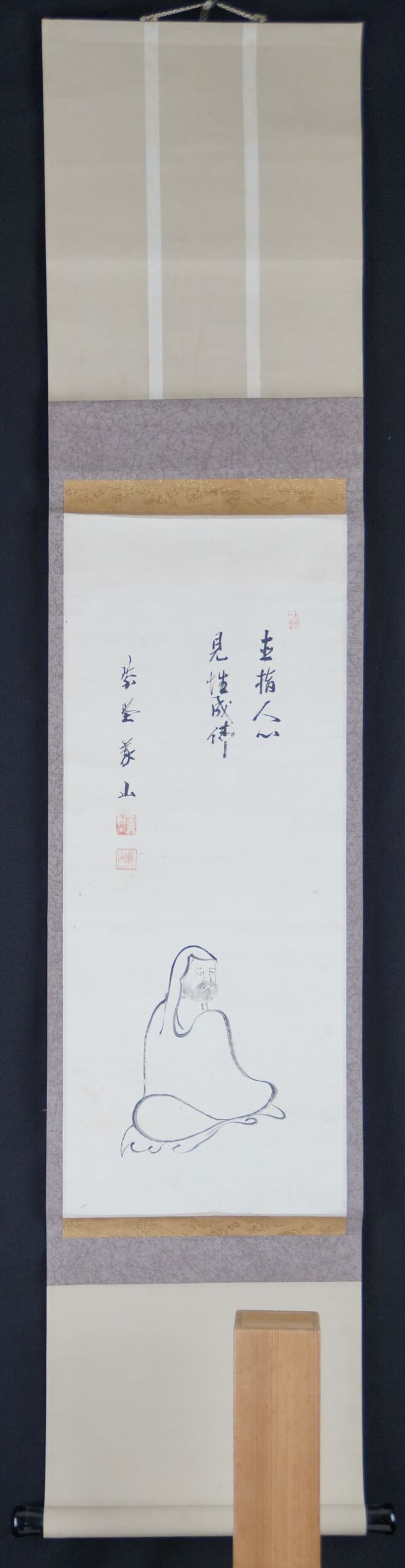
With a few energetic brushstrokes, five depictions of Bodhidharma are gathered here, each with its own, slightly fierce or contemplative facial expression. The round, thickly applied ink contours recall the traditional Daruma dolls and lend the image an almost humorous, sketch-like vivacity.
Bodhidharma, the legendary founder of Zen Buddhism, is regarded as a symbol of unshakable willpower and perseverance, as tradition holds that he sat meditating before a rock face for nine years. The multiplied depiction of several Daruma heads side by side is a popular motif meant to invoke both endurance and good fortune.
The work, from the Shôwa period, was executed in free ink painting on paper and mounted with a wooden rod. The reduced, almost calligraphic pictorial language makes this kakemono a striking eye-catcher that appeals both to connoisseurs of Zen iconography and to lovers of expressive ink painting.


