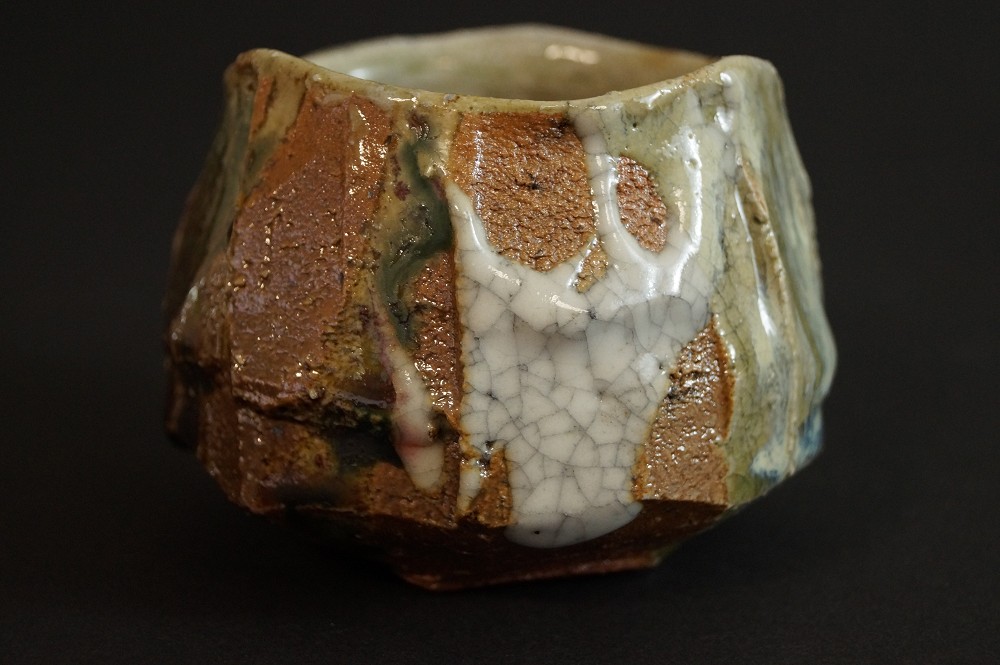
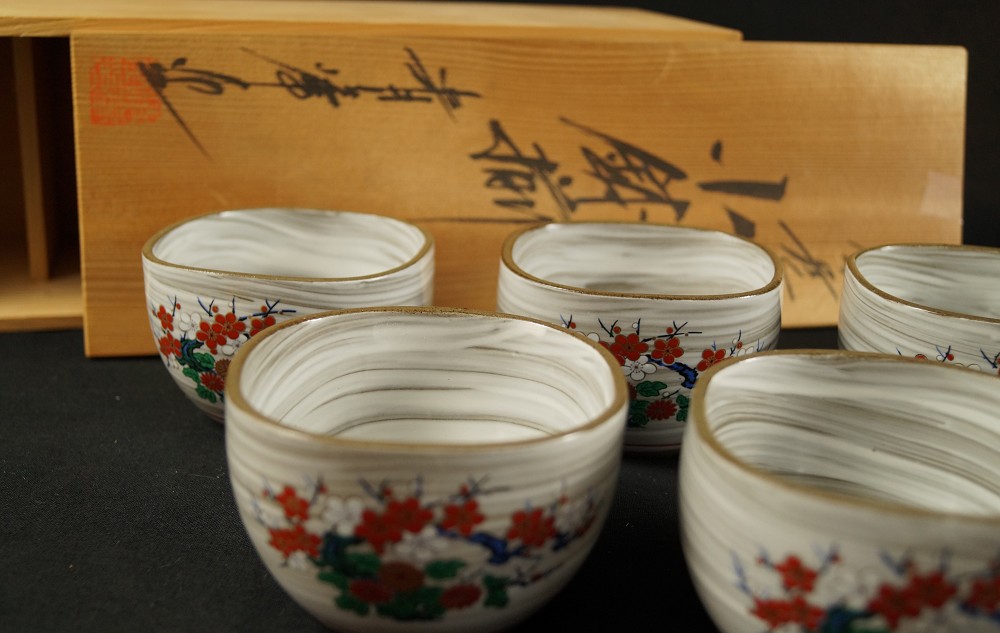
Vase Handcrafted Japanese Vase Made of Kutani Porcelain by Eizan
One of a kind — this work exists only once.
- Signature / Stamp:
- Eizan
- Period:
- Shôwa (1926–1989)
- Dimensions (height x width):
- 22 x 20 cm
- Weight:
- 1.5kg
- Item number:
- 6116
This piece has been sold.
Sold – no longer available
This piece was handmade by Eizan and was a one-of-a-kind work. It cannot be reordered and will never exist in this form again. The page stays online as part of our archive.
More items in category VasesAll one-of-a-kind Japanese Ceramics pieces
See new one-of-a-kind pieces first
We feature every delivery from Japan in the newsletter first – before the pieces show up in search results.
You might like these pieces
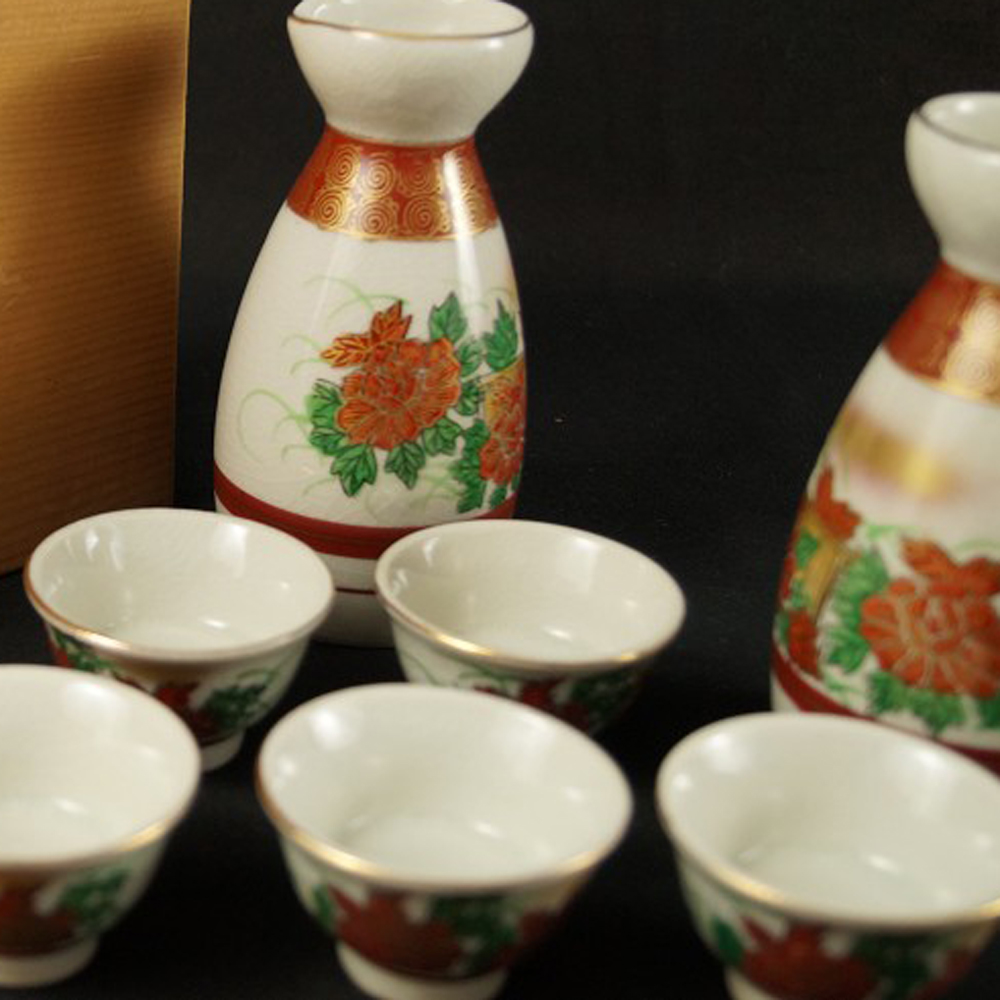
Sake Set with Peony Motif Made of Kutani Porcelain
Set of Guinomi and Tokkuri, unique work, with box
€160.00
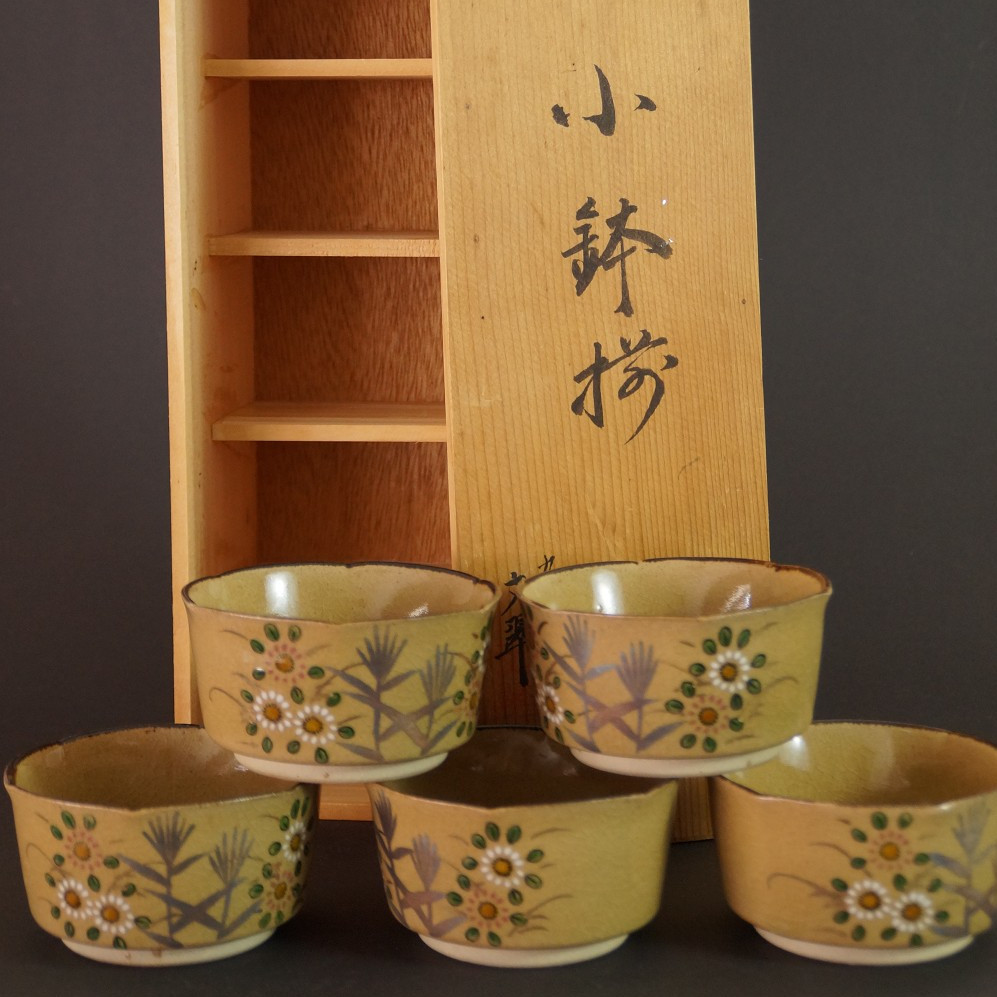
Set of Five Tea Bowls Made of Kutani Porcelain with Autumn Grasses
Chawan, unique work, with box, 6 x 10 cm
€180.00
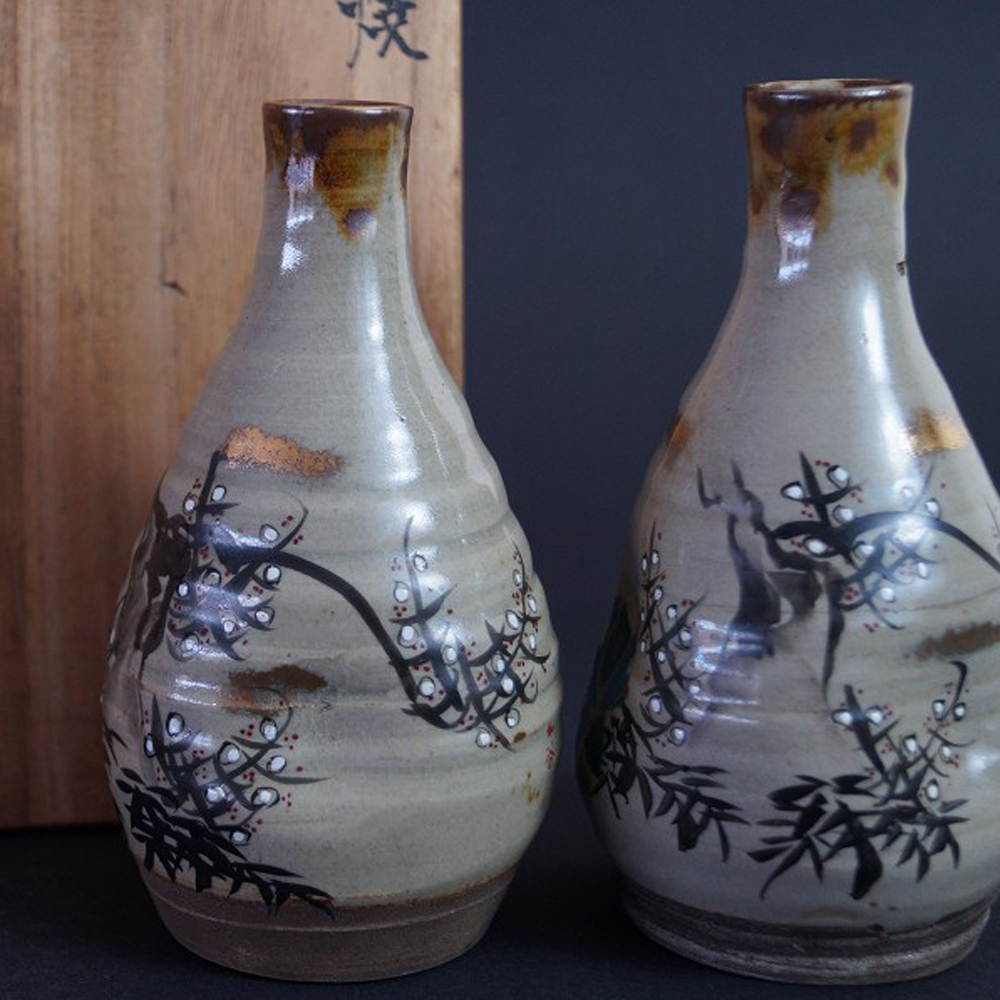
Two Tokkuri Made of Kutani Porcelain
Tokkuri, unique work, with box, 14 x 7 cm
€330.00
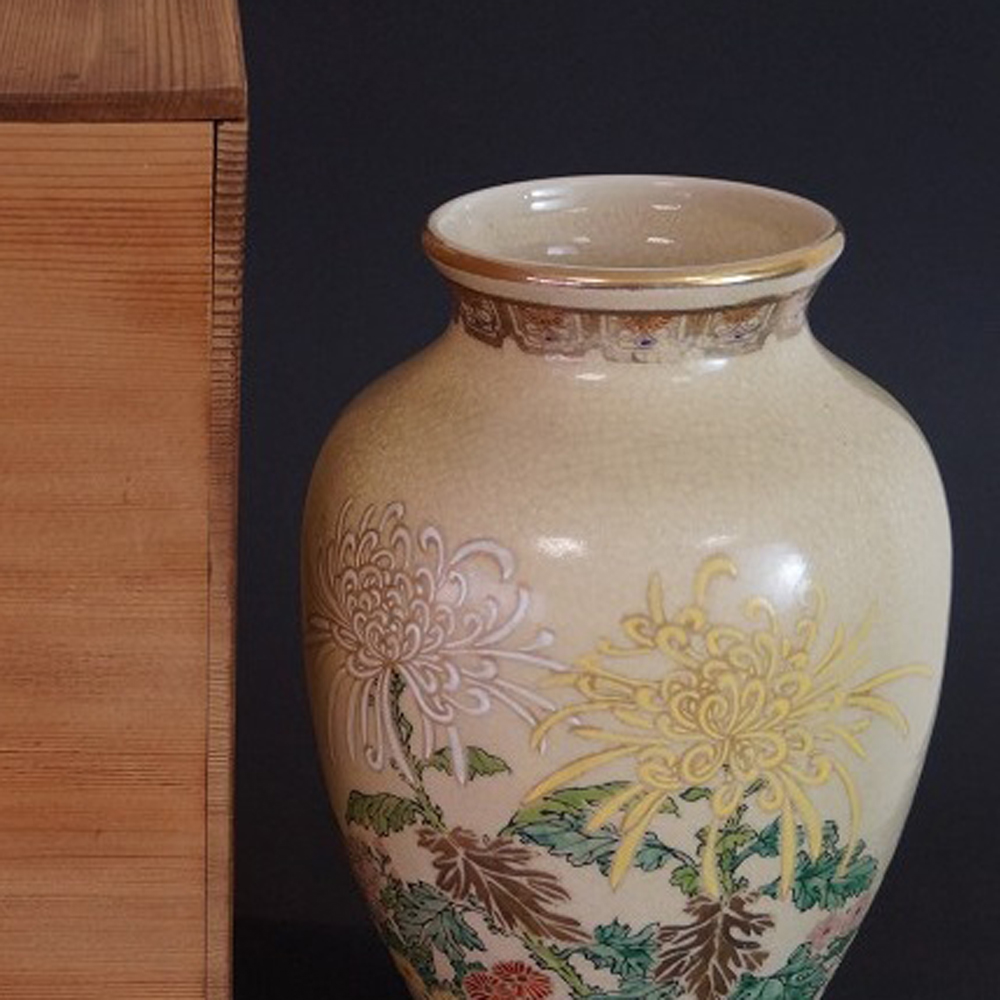
Hirota
Handcrafted Japanese Satsuma Vase by Hirota
Vase, unique work, with box, 29 x 17 cm
€290.00
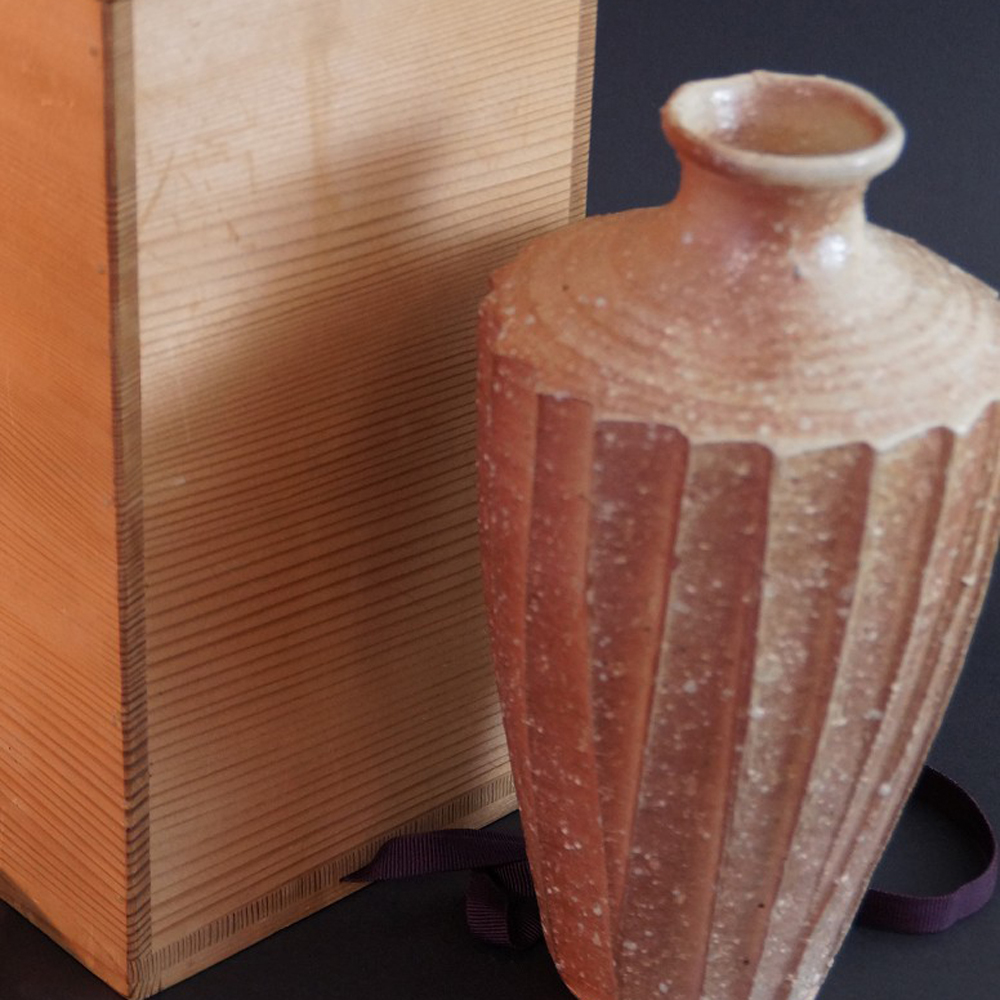
Takahashi Rakusai
Handcrafted Japanese Shigaraki Vase by Takahashi Rakusai
Vase, unique work, with box, 24 x 13 cm
€295.00
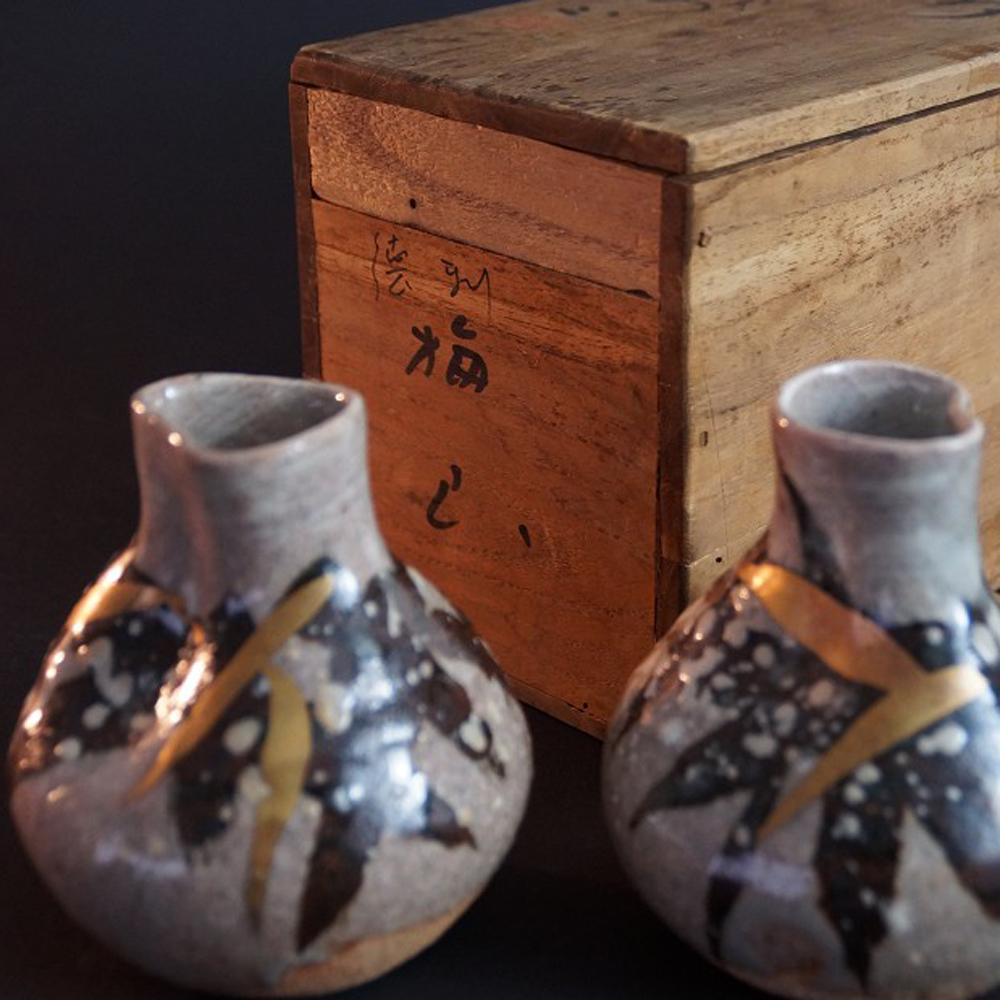
Nakamura Baizan
Two Tokkuri Made of Kutani Porcelain by Baizan Nakamura
Tokkuri, unique work, with box, 9 x 9 cm
€440.00
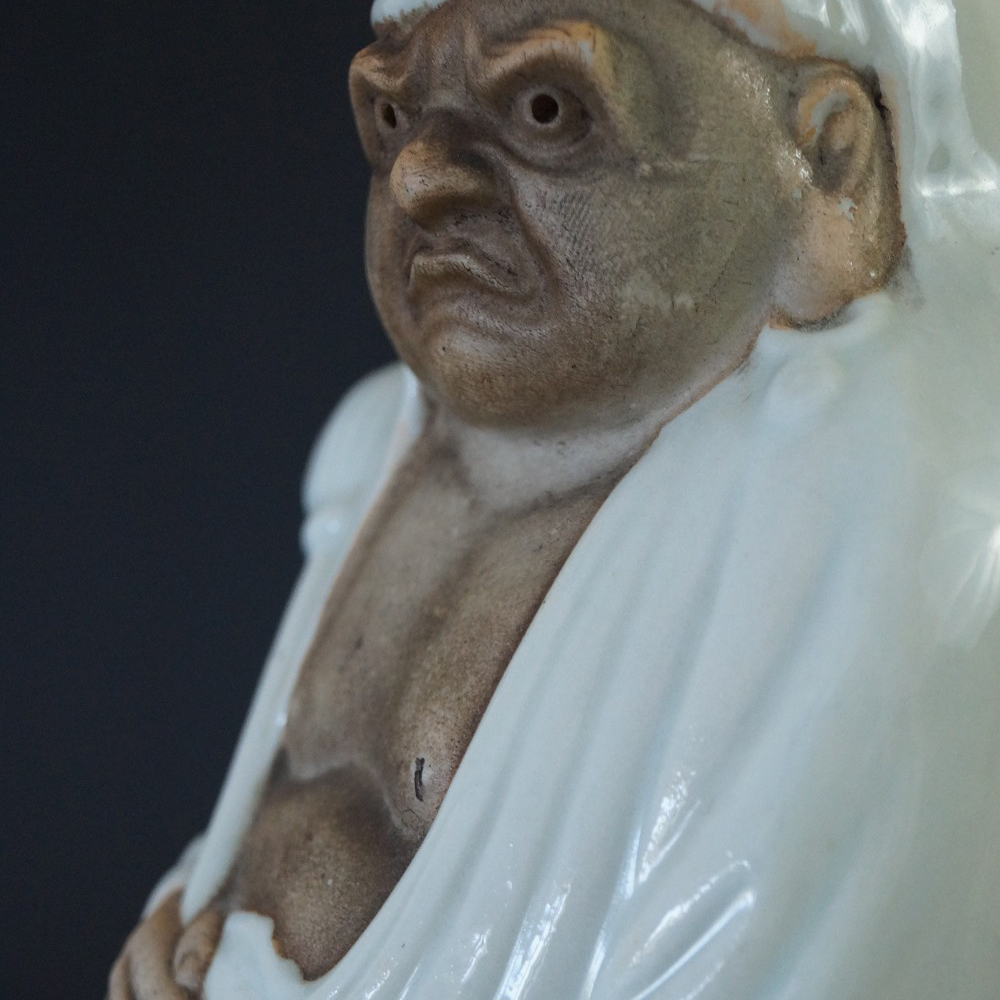
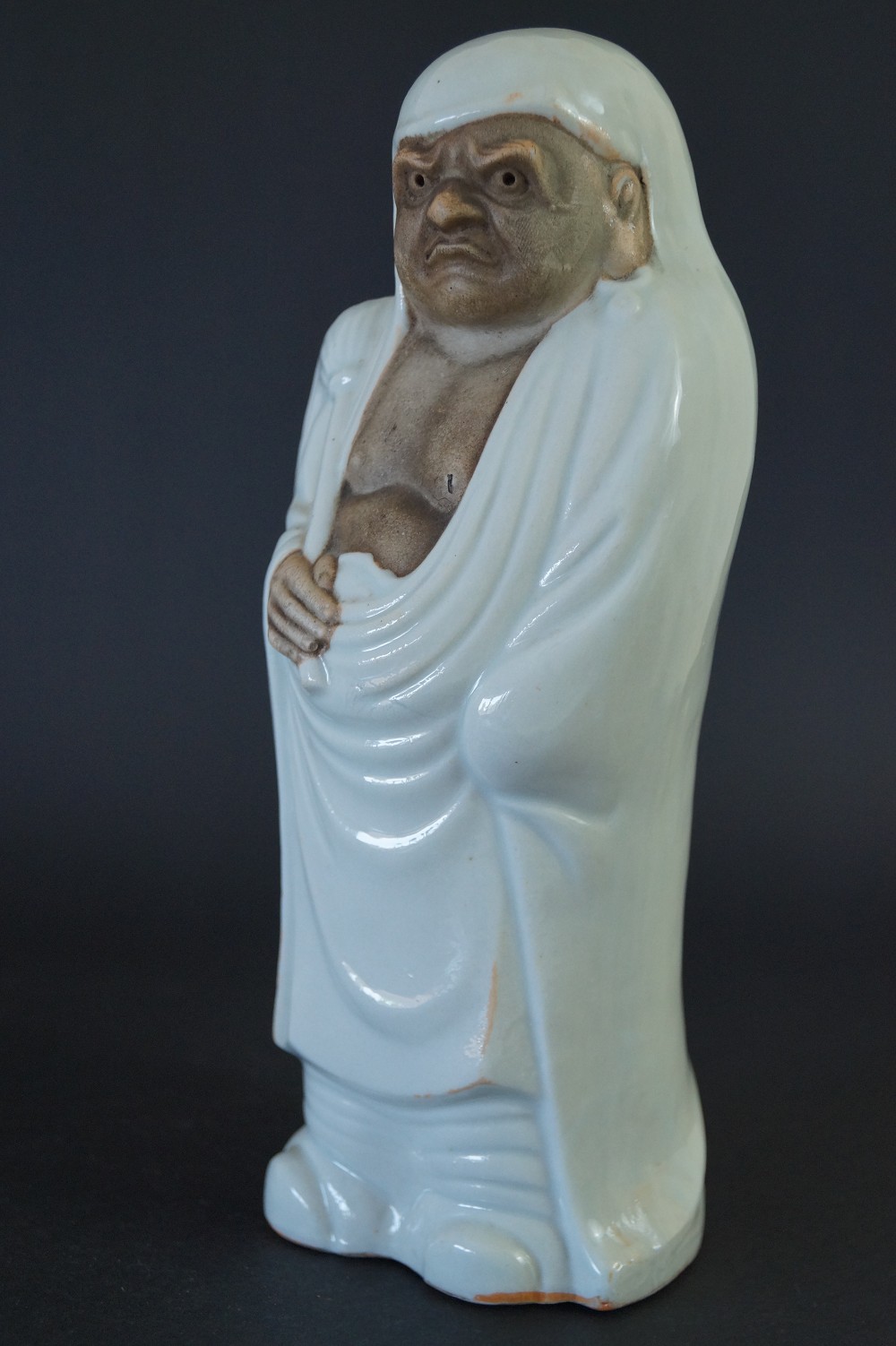
Daruma Figure Made of Kutani Porcelain in White Robe
Figure, unique work, 24 x 9 cm
€290.00

Ichino Hiroyuki
Handcrafted Japanese Tanba Vase by Hiroyuki Ichino
Vase, unique work, with box, 25 x 10 cm
€420.00



Details about the sold piece
- ColorGold, Red, White
- MaterialPorcelain
- Style / TraditionKutani-yaki
- Wooden BoxYes
Description
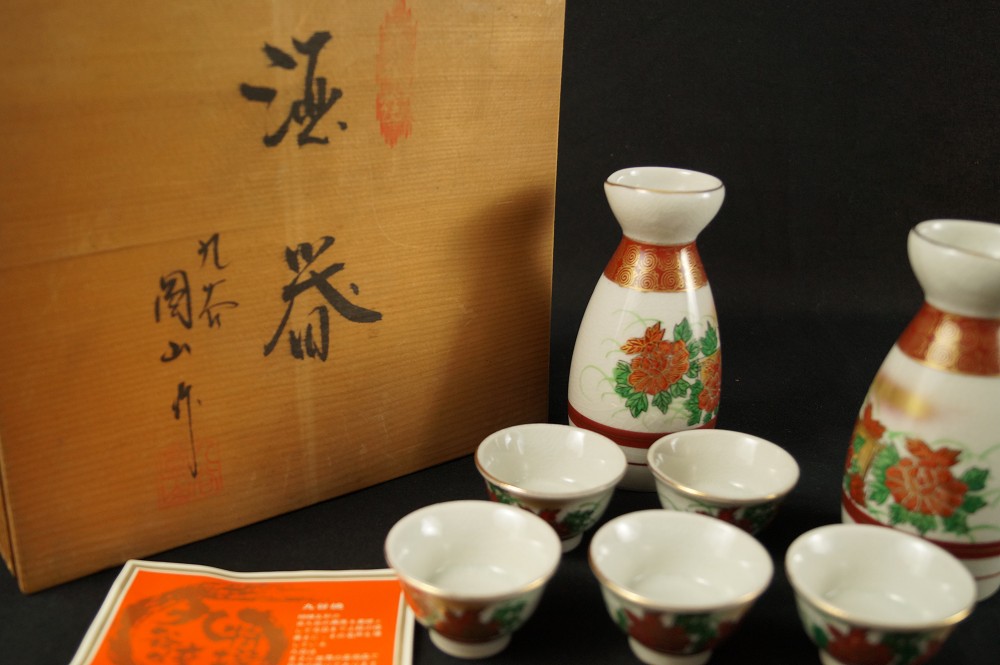
A flowering plum branch in vivid coral red and delicate white winds across brilliant white porcelain, accented by fine dark green leaves and a narrow gold rim at the mouth. The dense, artfully arranged painting covers the entire shoulder of the vase, leaving little of the pure white base color exposed – a typical feature of elaborate Kutani porcelain painting.
Kutani-yaki is among the most colorful ceramics traditions of Japan and is especially known for its brilliant enamel colors, which are applied in several firing steps. The combination of red, white, and gold on immaculate porcelain is regarded as one of the classic and, to this day, most popular color compositions of this tradition. The bulbous form with its gold-rimmed edge lends the vase an elegant, almost courtly presence. It bears the signature of the artist Eizan (栄山).
The vase is delivered in a wooden box signed by the master potter, ensuring dignified storage. With its festive coloring and timeless plum blossom motif, this Kutani porcelain vase is a magnificent decorative piece and a classic example of Japanese porcelain art.