
Kakemono Heart Sutra in Dense Columns on Gray Paper
One of a kind — this work exists only once.
- Period:
- Shôwa (1926–1989)
- Dimensions (height x width):
- 200 x 55 cm
- Item number:
- 5868
This piece has been sold.
Sold – no longer available
This piece was a handmade one-of-a-kind work. It cannot be reordered and will never exist in this form again. The page stays online as part of our archive.
More items in category Buddhism and ZenAll one-of-a-kind Japanese Painting pieces
See new one-of-a-kind pieces first
We feature every delivery from Japan in the newsletter first – before the pieces show up in search results.
You might like these pieces
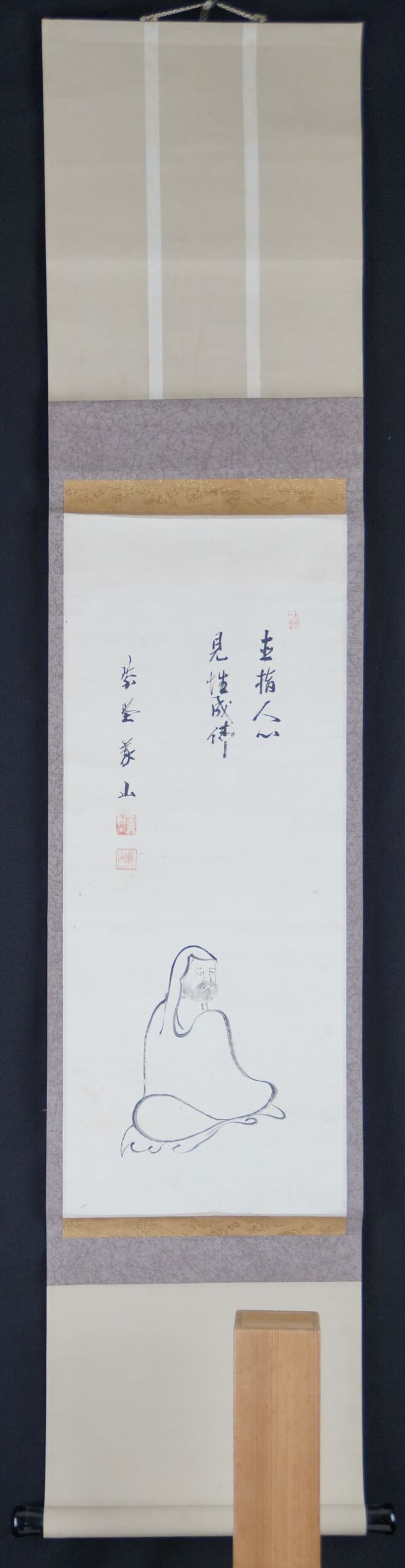
Ueda Gizan
Bodhidharma - Straight to the Heart
Kakemono, unique work, with box, 135 x 34 cm
€450.00
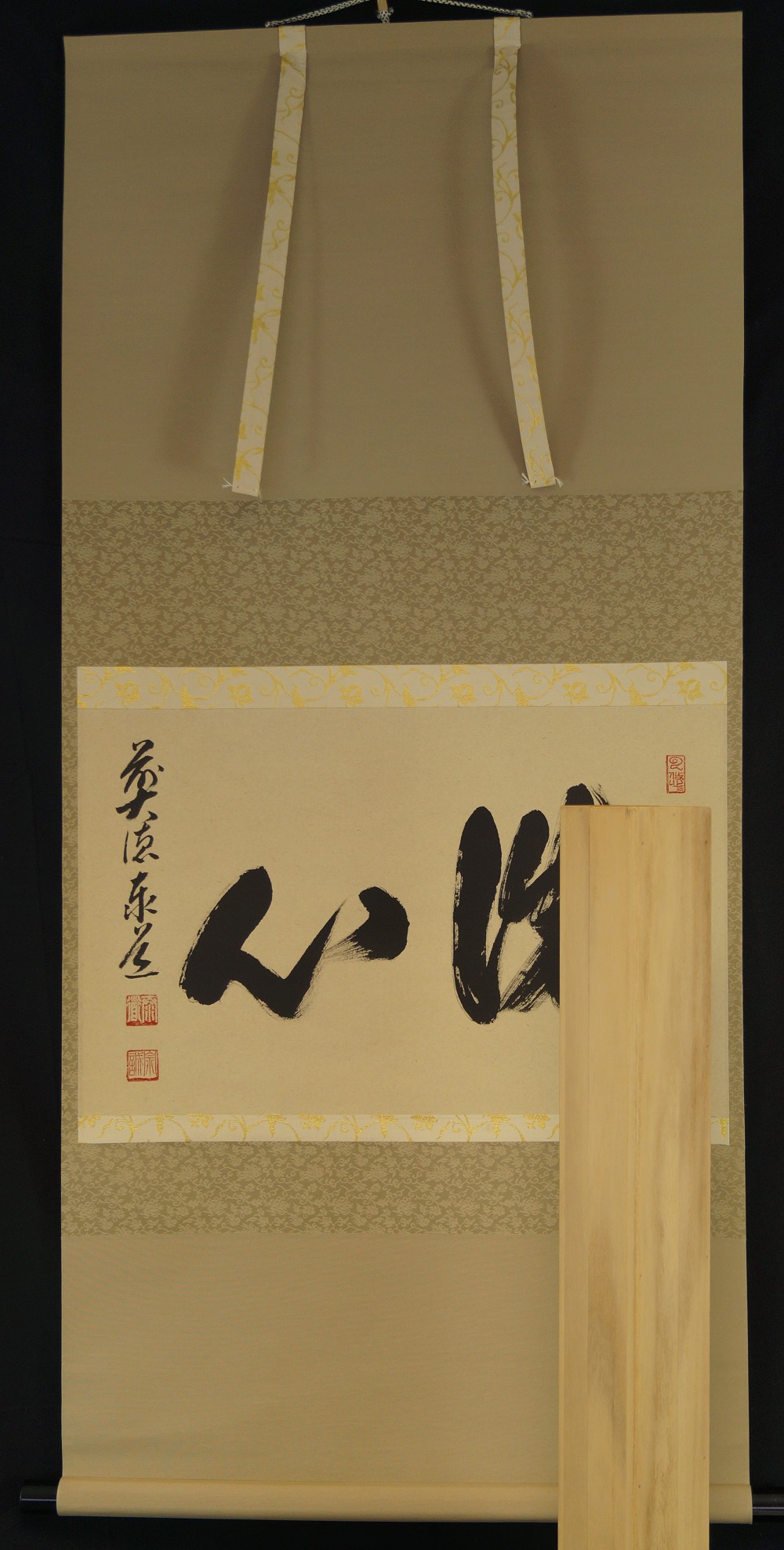
Adachi Taido
Zen Calligraphy "Pure Heart"
Kakemono, unique work, with box, 121 x 60 cm
€750.00
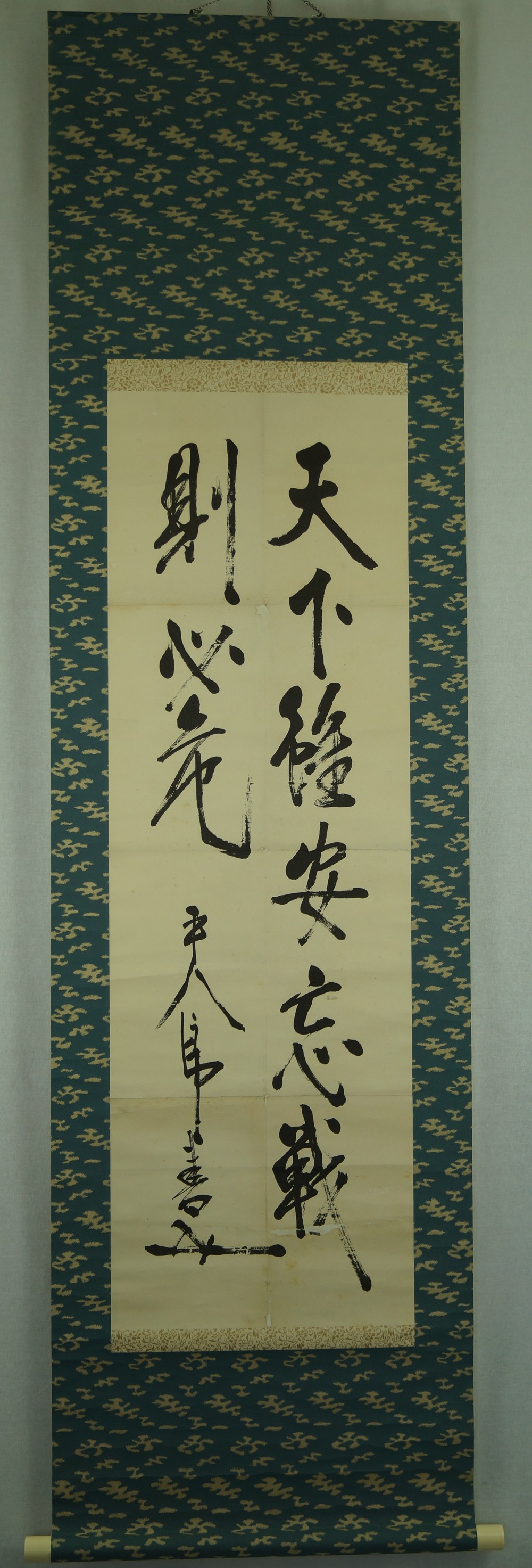
Calligraphy "Living in Peace, Not Forgetting War"
Kakemono, unique work, 170 x 52 cm
€140.00
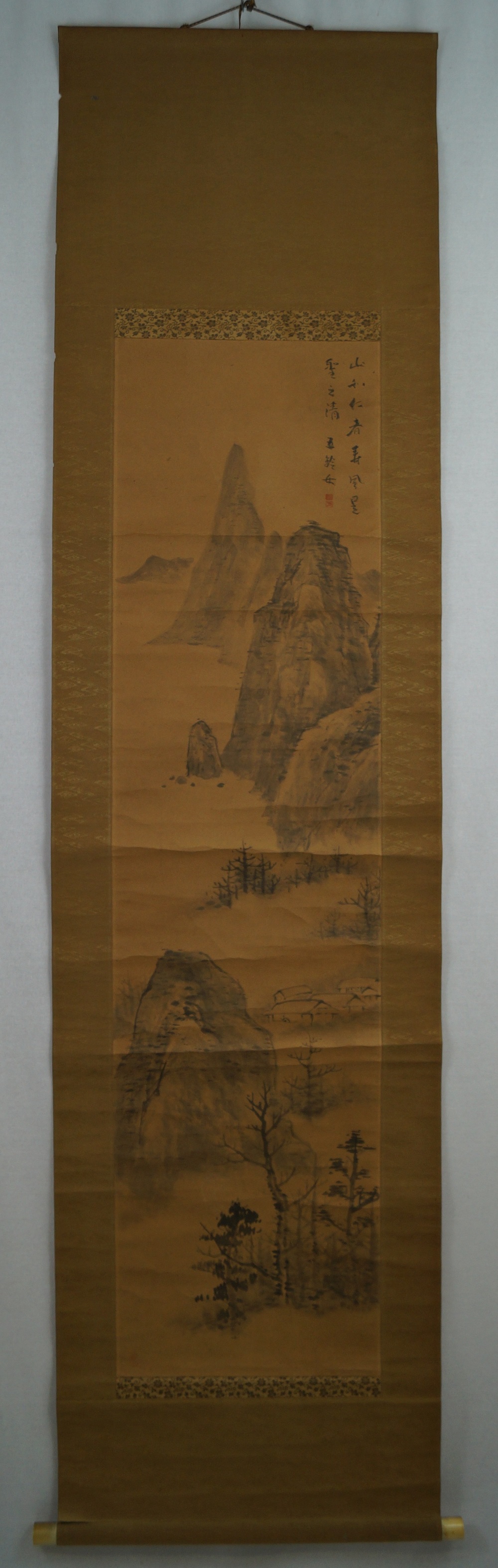
Mountain Village at the Foot of the Cliff
Kakemono, unique work, 195 x 56 cm
€150.00
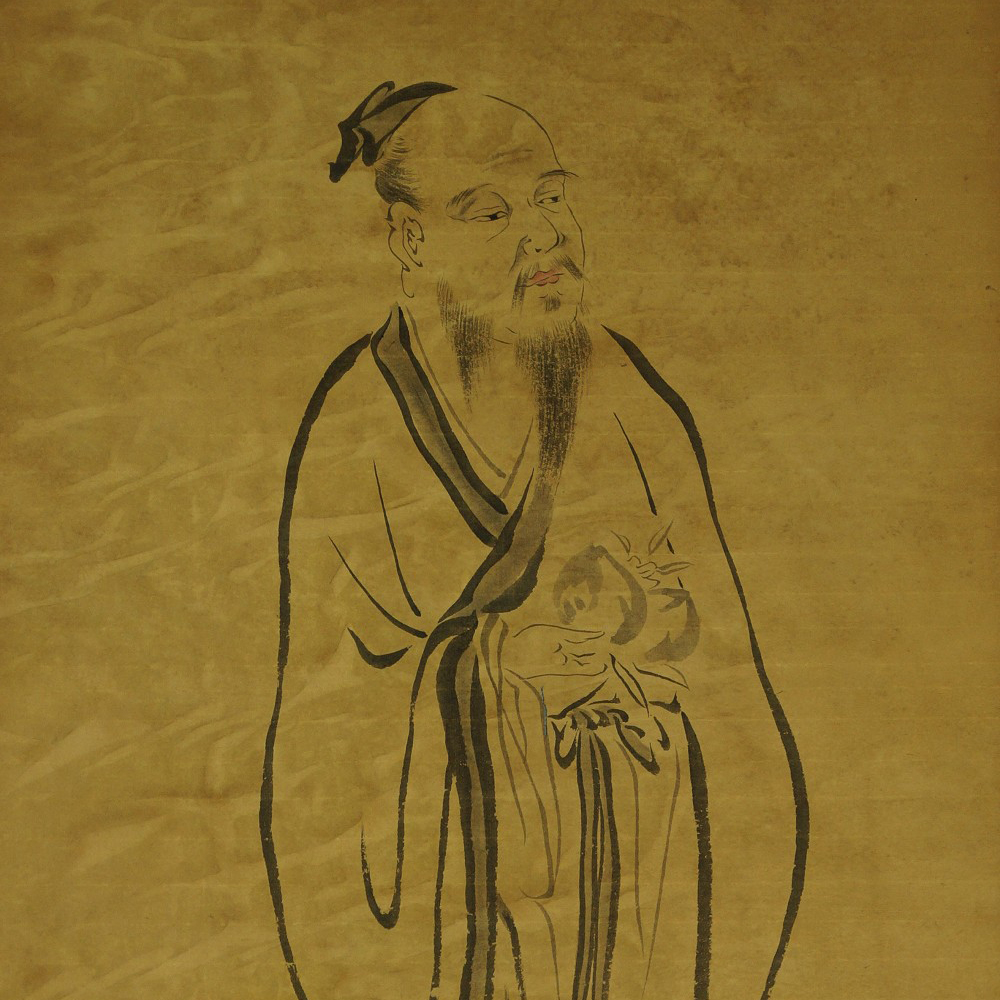
Eisen'in Hōin
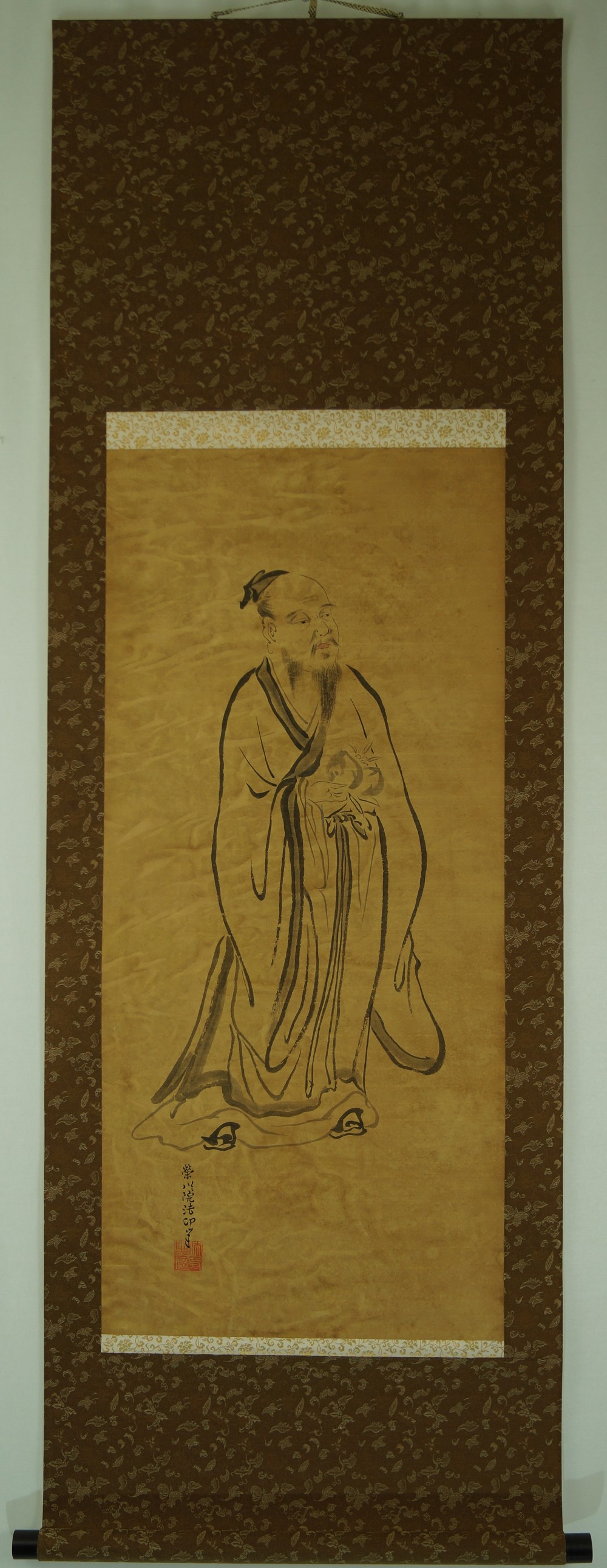
Monk in Silent Devotion with Folded Hands
Kakemono, unique work, 150 x 55 cm
€140.00
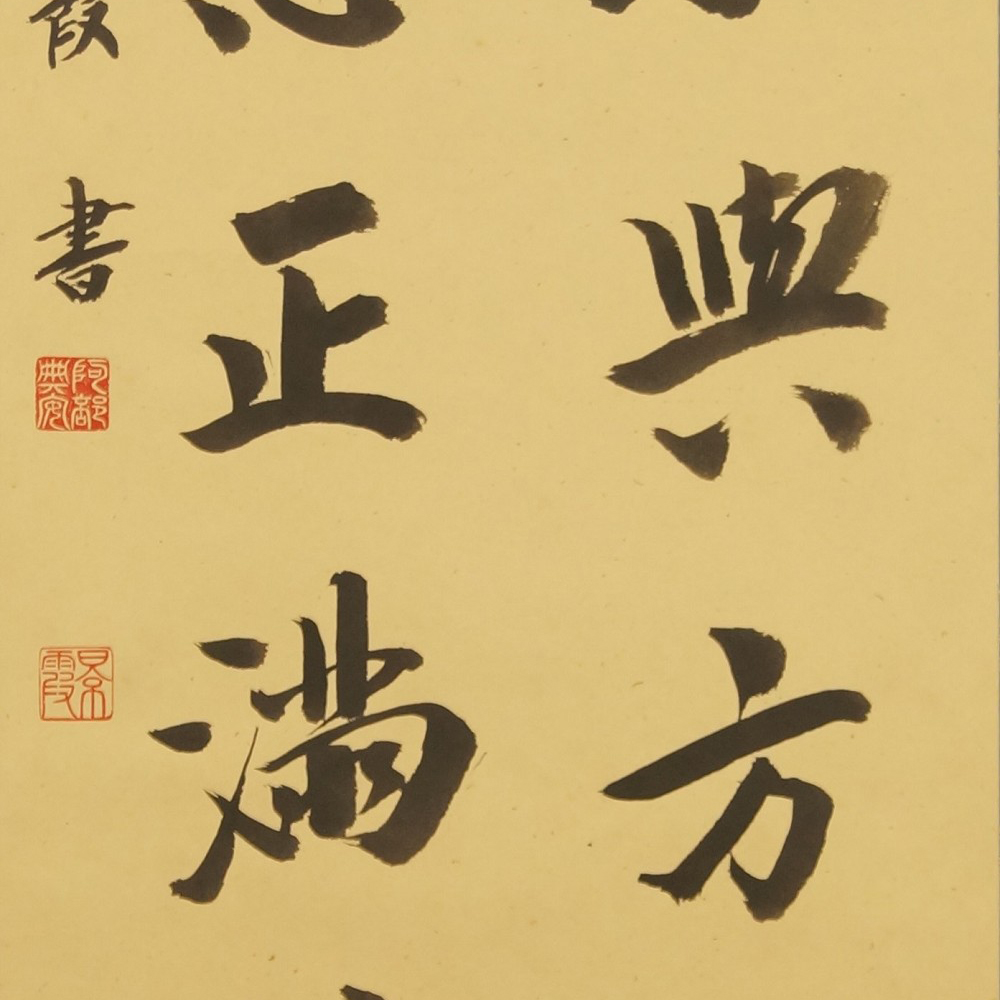
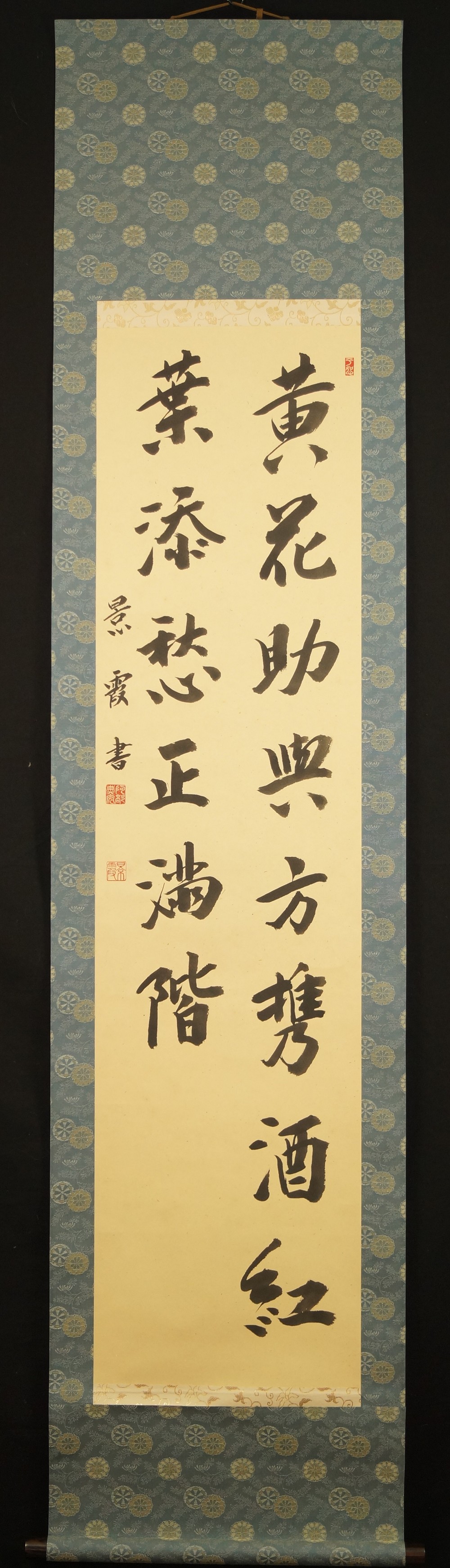
Calligraphy: Yellow Flower and Purple Leaves
Kakemono, unique work, 198 x 50 cm
€240.00
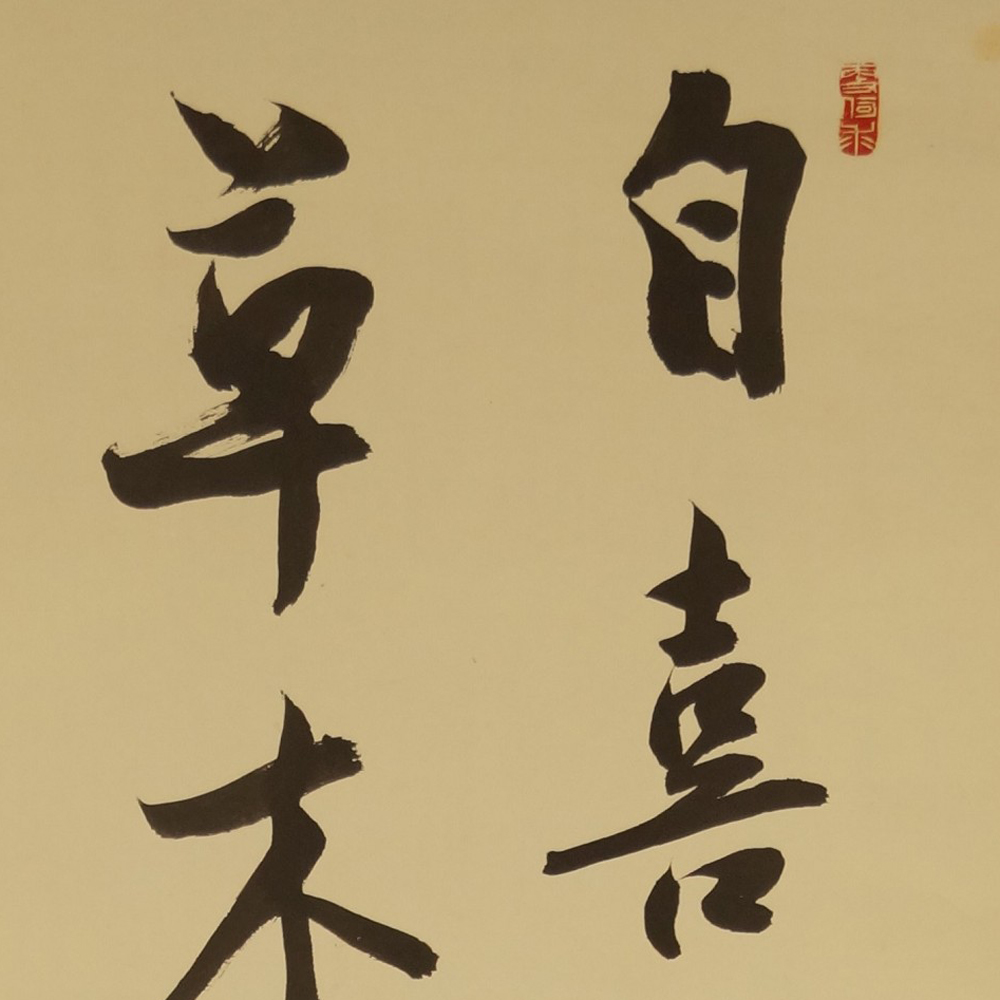
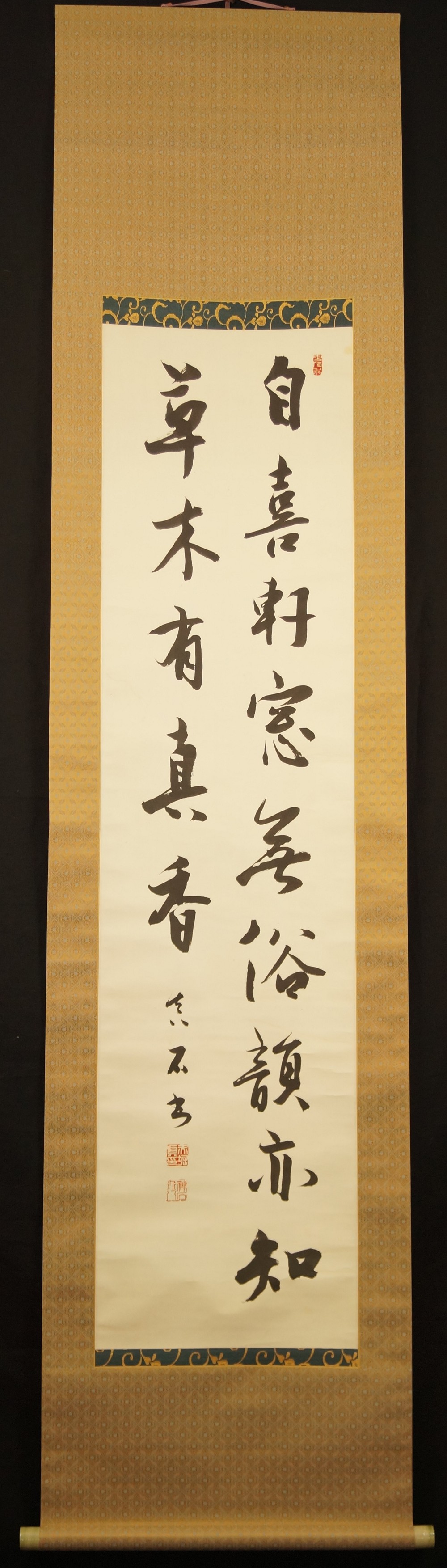
Calligraphy: The True Fragrance of Tree and Grass
Kakemono, unique work, 202 x 54 cm
€220.00
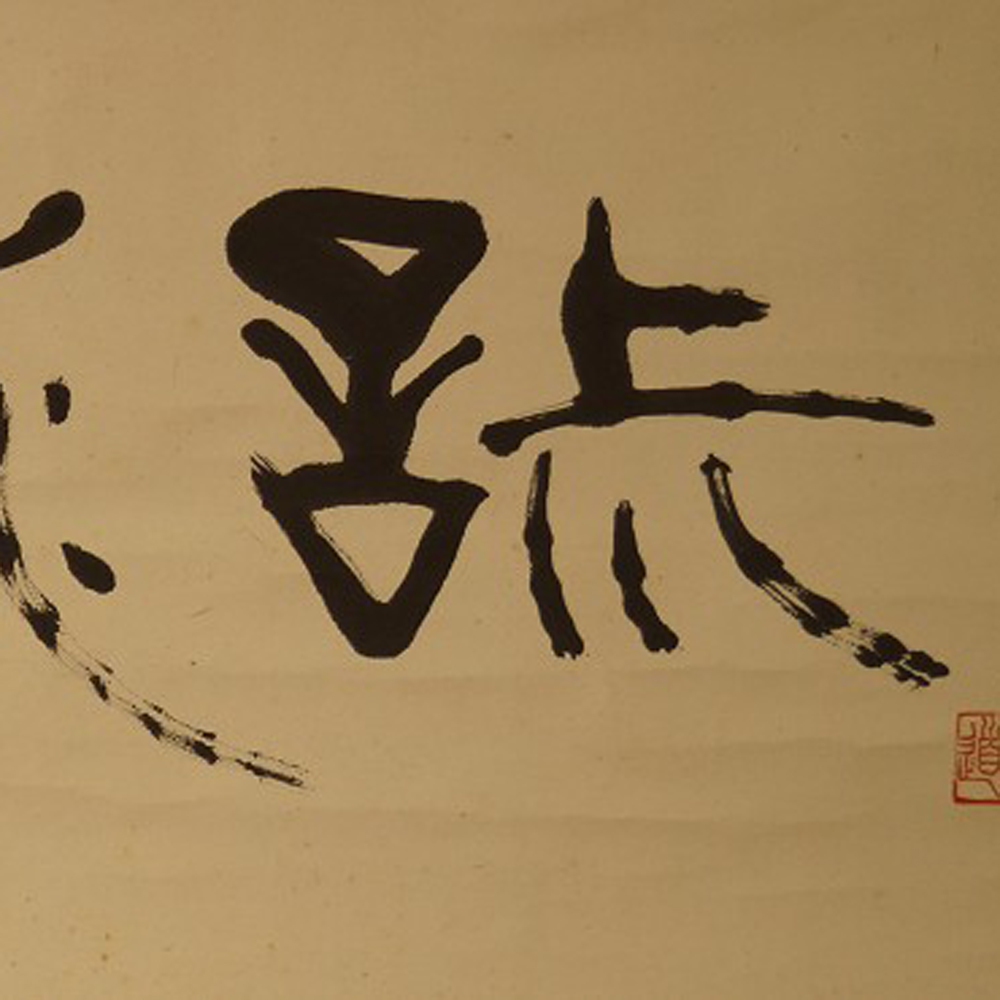
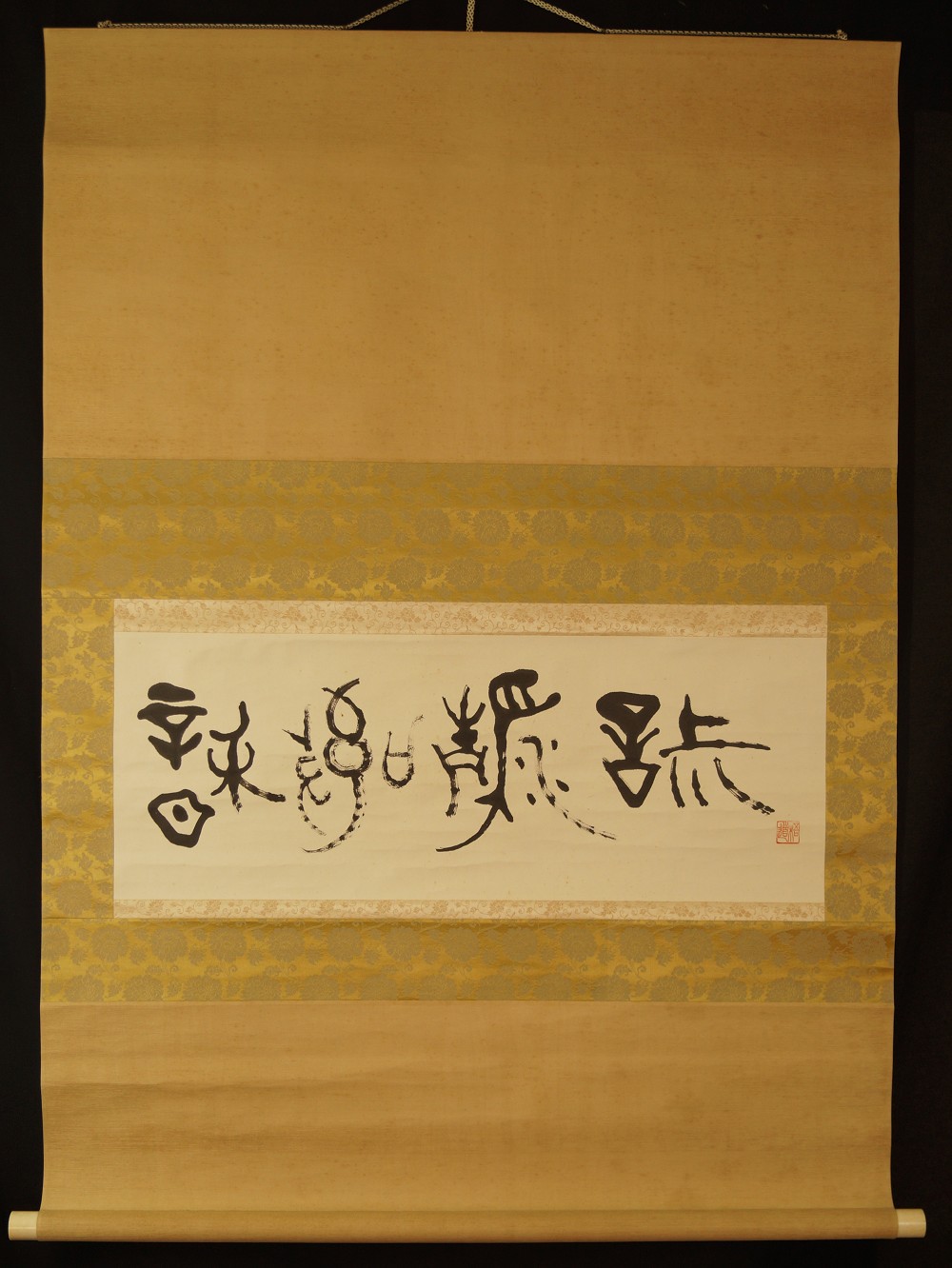
Calligraphy: The Four Virtues of Chado
Kakemono, unique work, 128 x 98 cm
€640.00
Details about the sold piece
- JikusakiMetal
- Material HonshiWashi (Rice Paper)
- MotifBuddhism and Zen, Calligraphy
- TechniqueHand-Painted
- Wooden BoxYes
Description
Line by line, the Heart Sutra (Hannya Shingyo) unfolds on this kakemono in calm, even kaisho calligraphy – a text that has been calligraphed for centuries in Japanese Buddhist practice as an exercise in concentration and devotion. At the end of the text columns, signature and red seal confirm the calligrapher's authorship.
The even distribution of the characters across the entire pictorial surface and the fine, almost floating brushwork attest to great skill and inner focus. The work was created in the Shôwa period (1926–1989), recognizable by the slightly patinated surface of the paper and the metal-adorned ends of the roller rods.
This calligraphy comes in a signed wooden box (tomobako), which lends the work additional authenticity.


