
Kakemono Koi Ascending the Waterfall
One of a kind — this work exists only once.
- Signature / Stamp:
- Rinsai
- Period:
- Meiji (1868–1912)
- Dimensions (height x width):
- 179 x 41 cm
- Item number:
- 5963
This piece has been sold.
Sold – no longer available
This piece was handmade by Rinsai and was a one-of-a-kind work. It cannot be reordered and will never exist in this form again. The page stays online as part of our archive.
More items in category AnimalsAll one-of-a-kind Japanese Painting pieces
See new one-of-a-kind pieces first
We feature every delivery from Japan in the newsletter first – before the pieces show up in search results.
You might like these pieces

Yoshida Toho
Jumping Carp in Water
Kakemono, unique work, 190 x 60 cm
€380.00

Mei Harutaka
Two Koi Carp in Water
Kakemono, unique work, 123 x 62 cm
€290.00
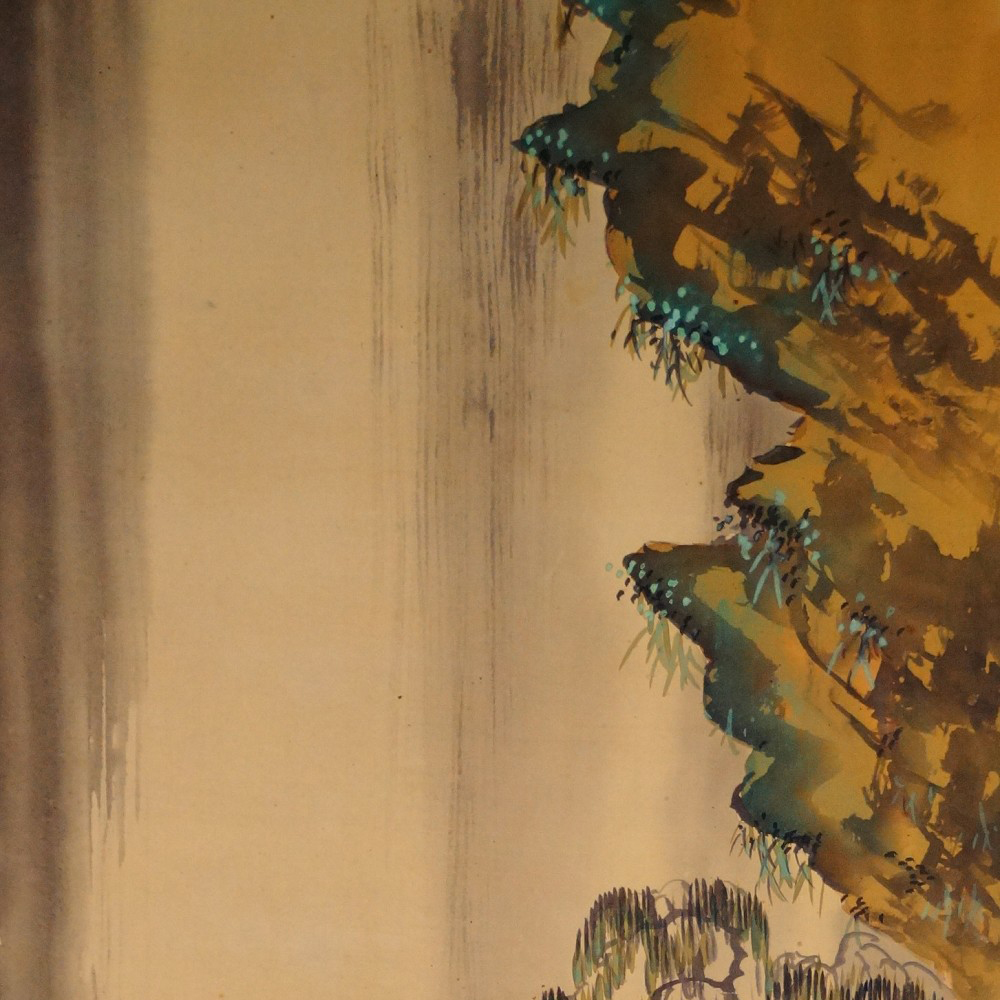
Jōdō
Bees Against a Waterfall Backdrop by Jodo
Kakemono, unique work, 188 x 62 cm
€375.00
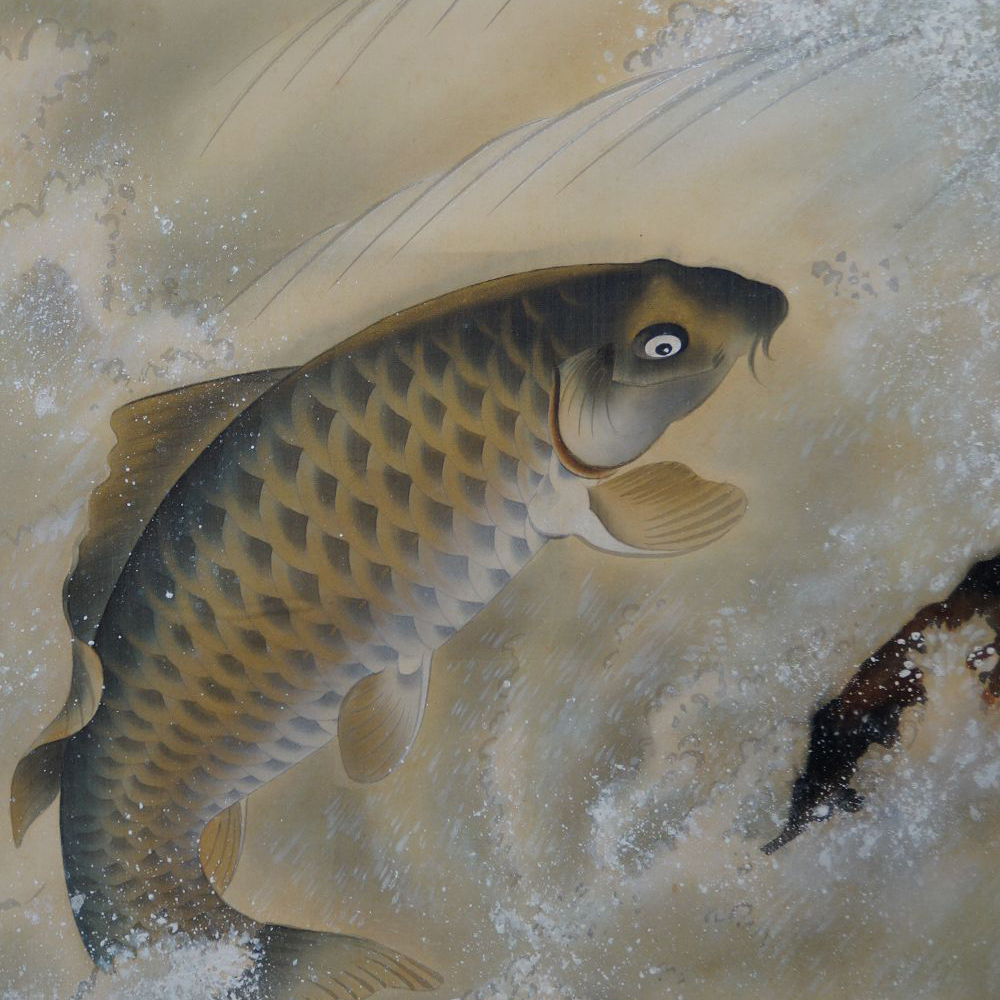
Carp in Turbulent Waterfall
Kakemono, unique work, 213 x 55 cm
€430.00
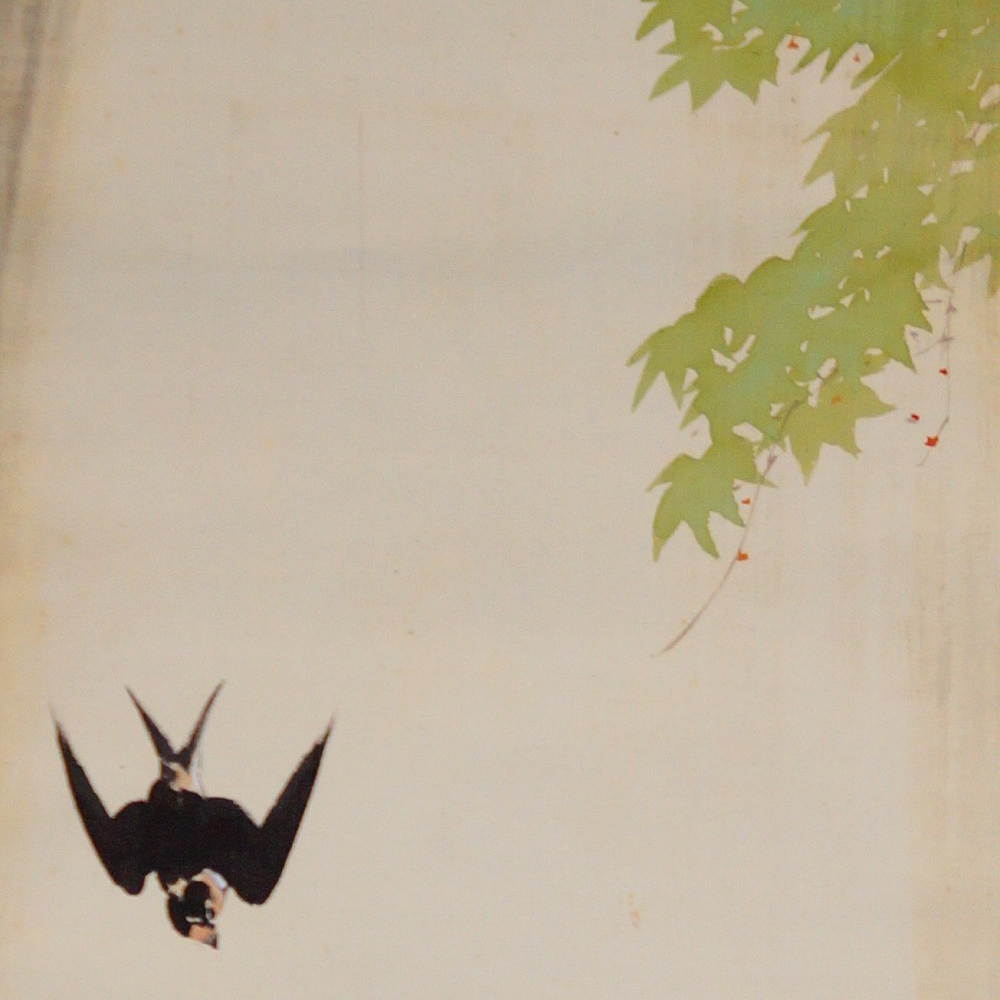
Nishioka Sosen
Swallow at the Waterfall
Kakemono, unique work, with box, 184 x 45 cm
€390.00
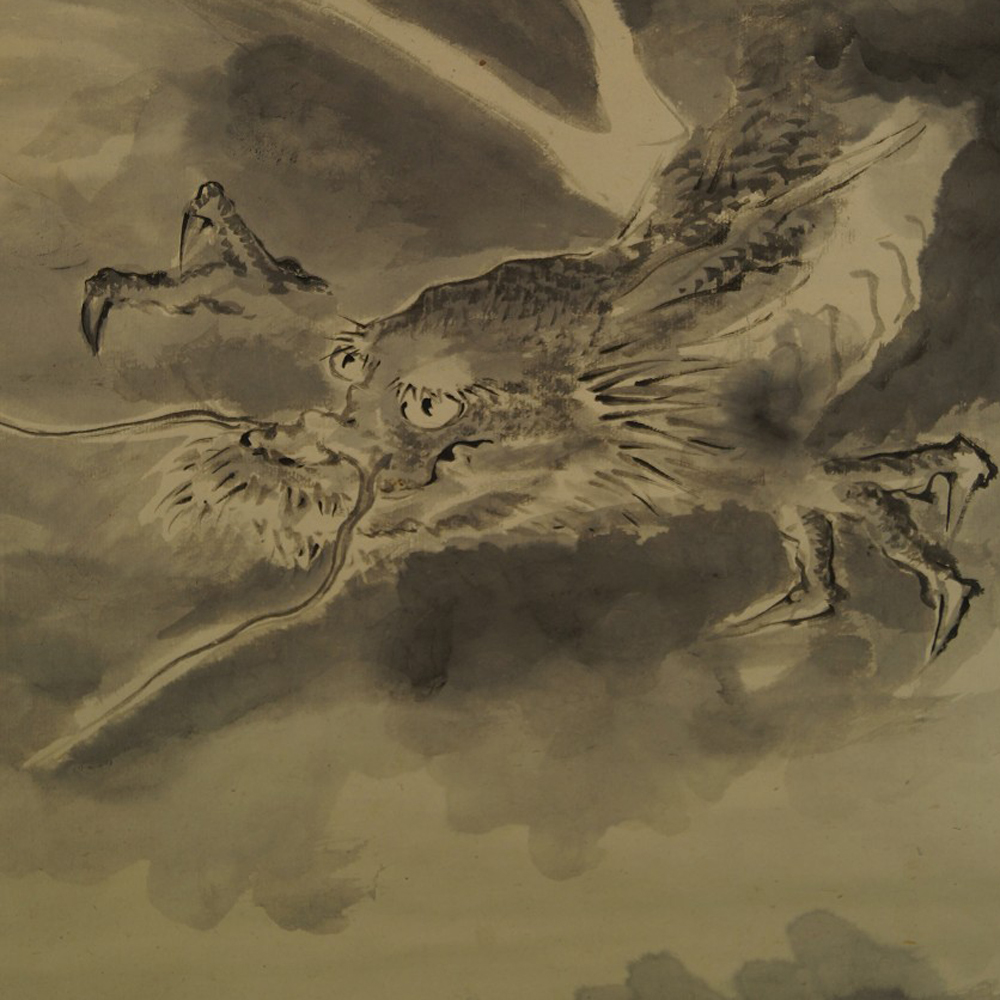
Bunkai
Two Dragons Ascending Through the Clouds
Kakemono, unique work, 184 x 55 cm
€380.00
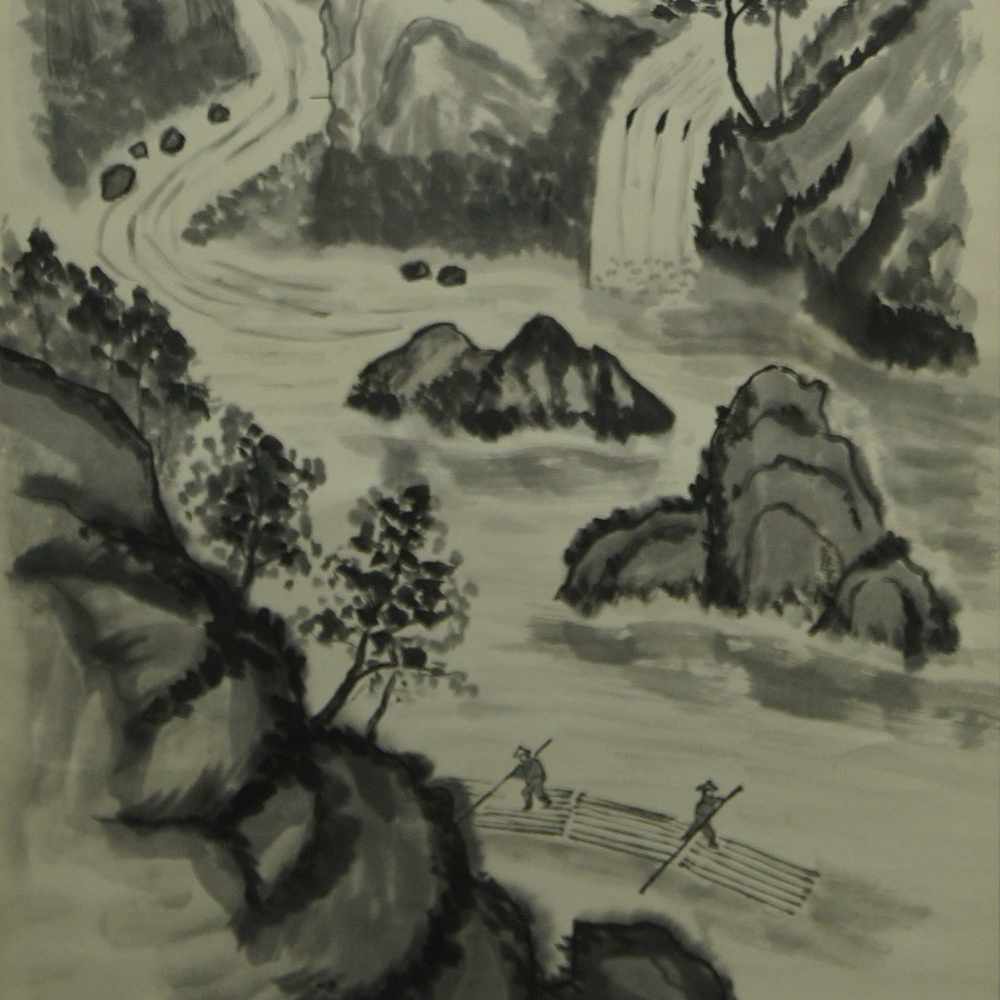
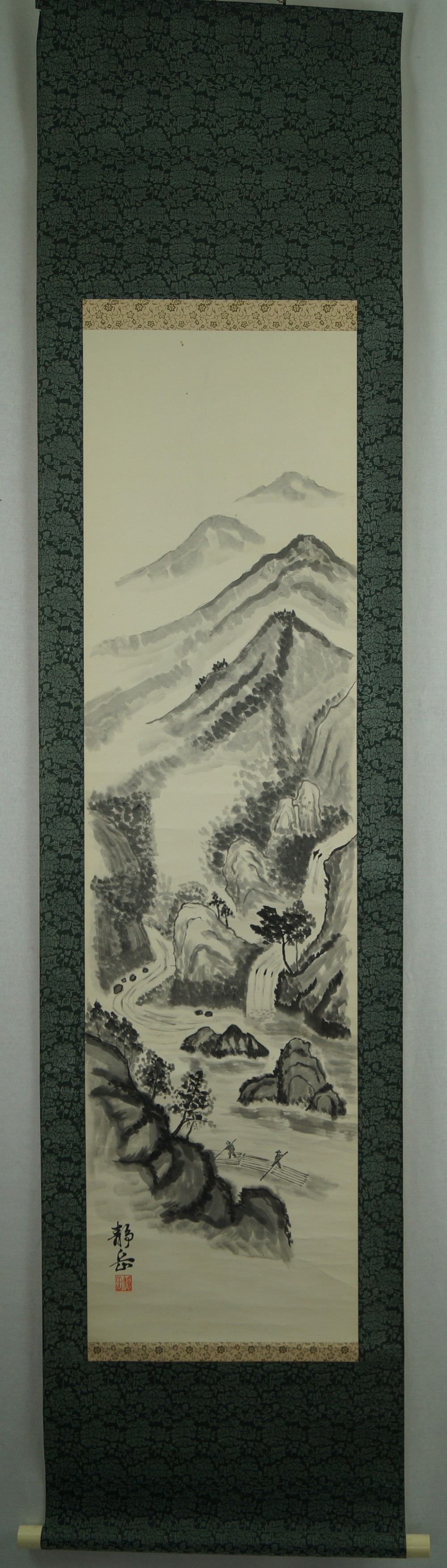
Landscape with Waterfall and Raftsmen
Kakemono, unique work, 190 x 51 cm
€175.00
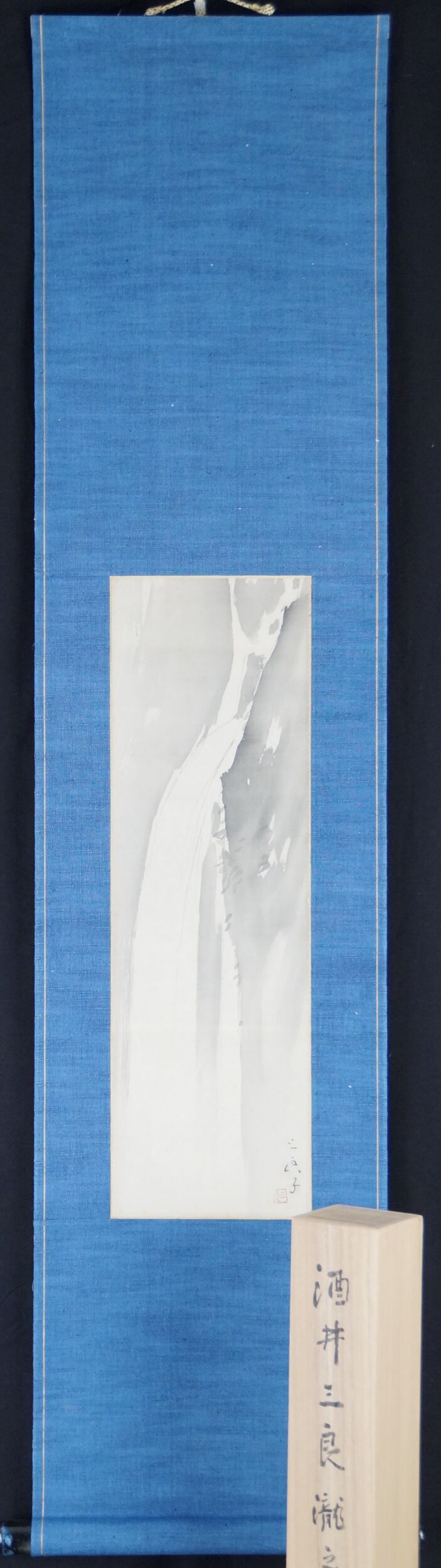
Sakai Sanryo
Waterfall in the Mist
Kakemono, unique work, with box, 129 x 36 cm
€570.00


Details about the sold piece
- JikusakiBone
- Material HonshiSilk
- MotifAnimals
- TechniqueHand-Painted
- Wooden BoxYes
Description
A koi, its eyes wide open, breaks through the water's surface and surges upward against the current of a waterfall – a motif that has long stood in Japan for endurance, courage, and the will to overcome obstacles, similar to the legend of the carp that transforms into a dragon at the "Dragon Gate." The powerful ink drawing reduces the scene to its essentials: the compact, almost monumental body of the fish, the raised fins, and the foaming spray at its feet, while the golden-brown tone of the silk ground lends the image a warm, subdued atmosphere.
The painting bears the signature and seal of the painter Rinsai and was created during the Meiji period, an era in which classical ink painting and new artistic influences from the West coexisted. The scroll mounting concludes with jikusaki ends made of bone, a high-quality finish that lends the work additional weight.
The kakemono is delivered with a signed wooden box (tomobako) documenting the provenance and esteem of the piece. As a wall hanging in the tokonoma or as an unusual accent in a modern room, this powerful motif unfolds its quiet, symbolic effect.

