
Kakemono Lotus
One of a kind — this work exists only once.
- Period:
- Meiji (1868–1912)
- Dimensions (height x width):
- 200 x 50 cm
- Item number:
- 4752
This piece has been sold.
Sold – no longer available
This piece was a handmade one-of-a-kind work. It cannot be reordered and will never exist in this form again. The page stays online as part of our archive.
More items in category Flowers and PlantsAll one-of-a-kind Japanese Painting pieces
See new one-of-a-kind pieces first
We feature every delivery from Japan in the newsletter first – before the pieces show up in search results.
You might like these pieces
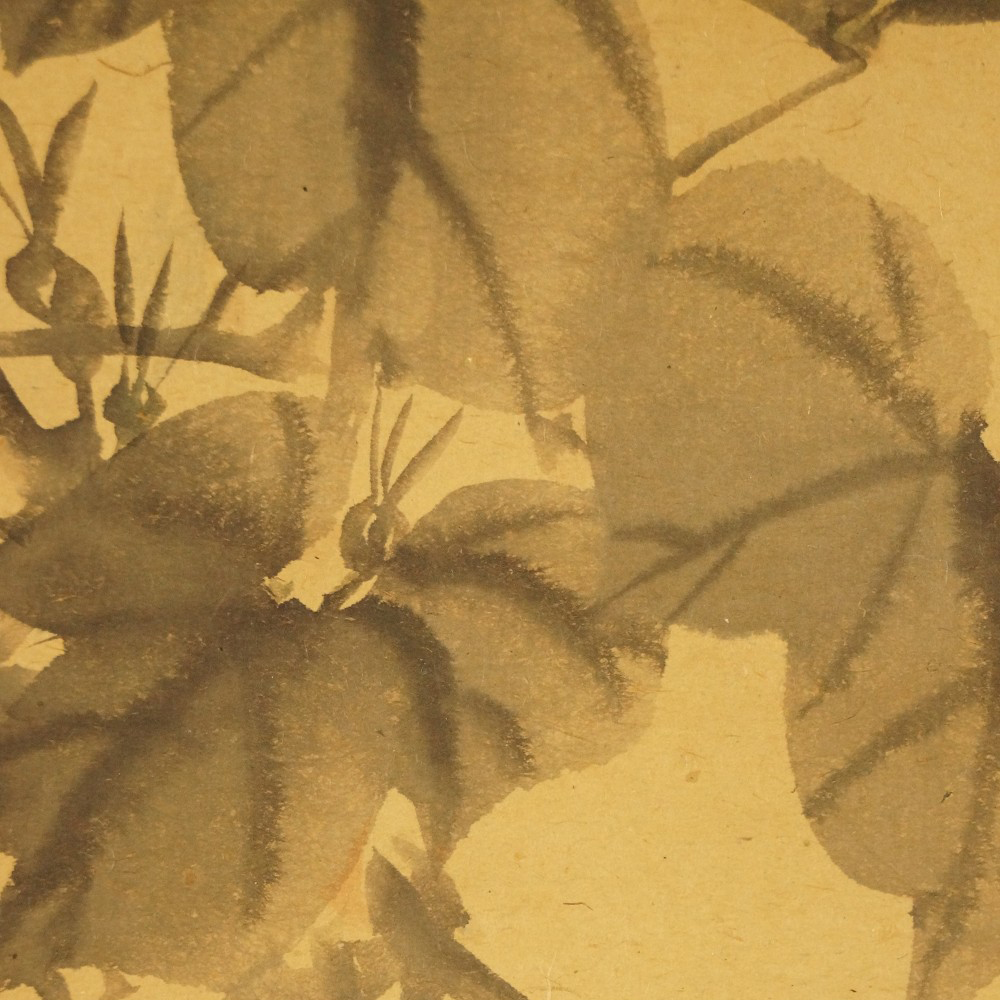
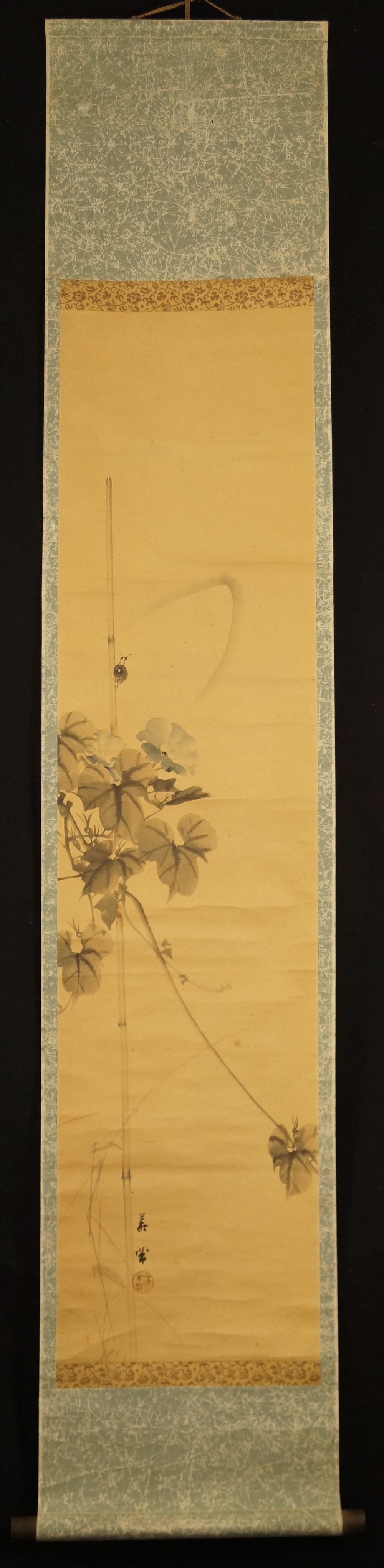
The Snail on the Lotus Flower
Kakemono, unique work, 176 x 40 cm
€410.00

Matsuyama Fujii
Ink Sketch of a Tea Bowl on Red Cloth
Kakemono, unique work, 122 x 48 cm
€180.00

Cooking Pot
Kakemono, unique work, 184 x 42 cm
€210.00
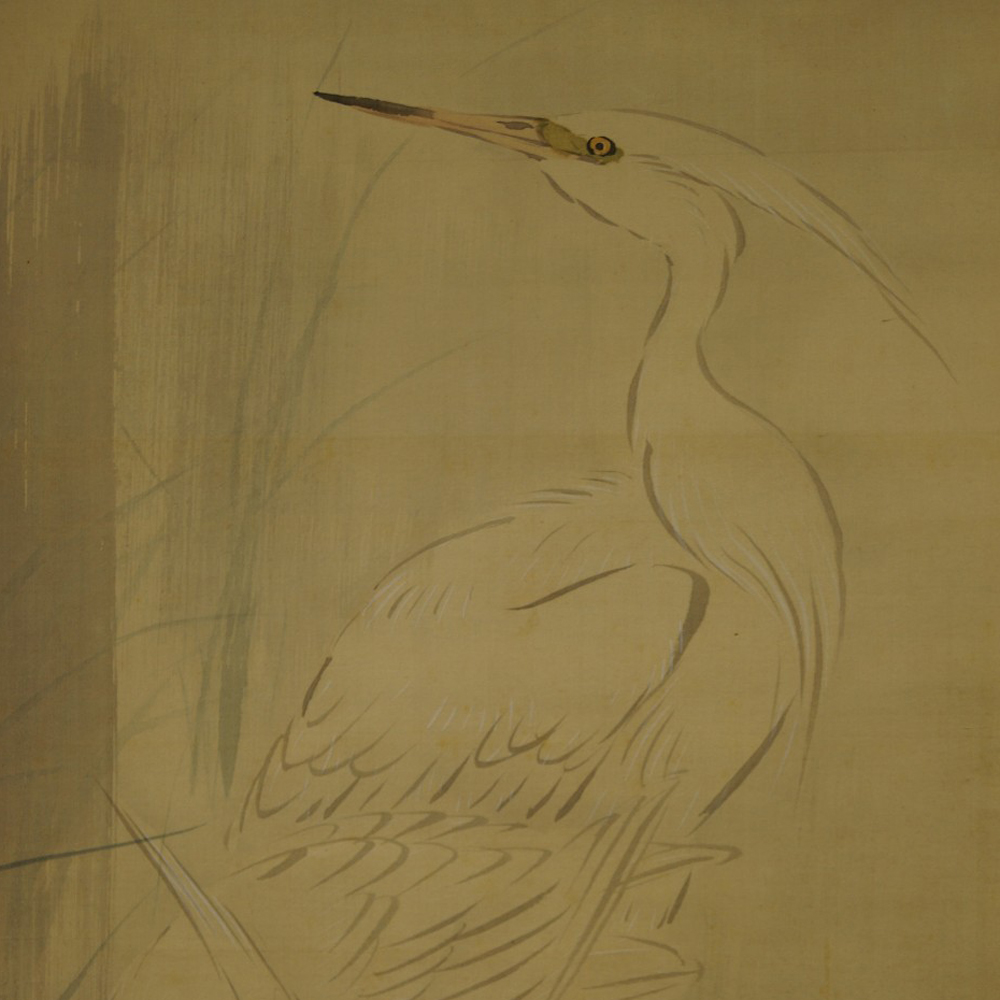
Kishi Renzan
Two White Herons
Kakemono, unique work, with box, 190 x 53 cm
€620.00
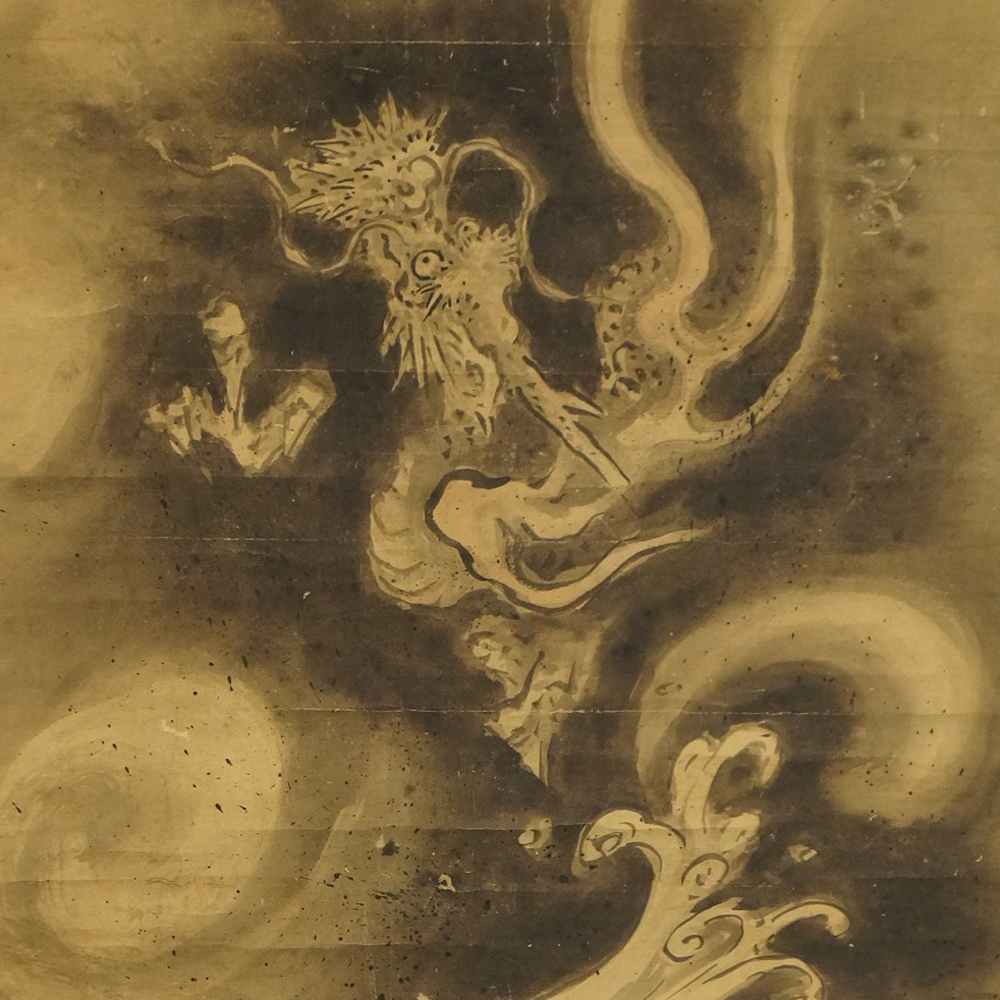
Dragon in Clouds and Waves
Kakemono, unique work, with box, 189 x 61 cm
€370.00
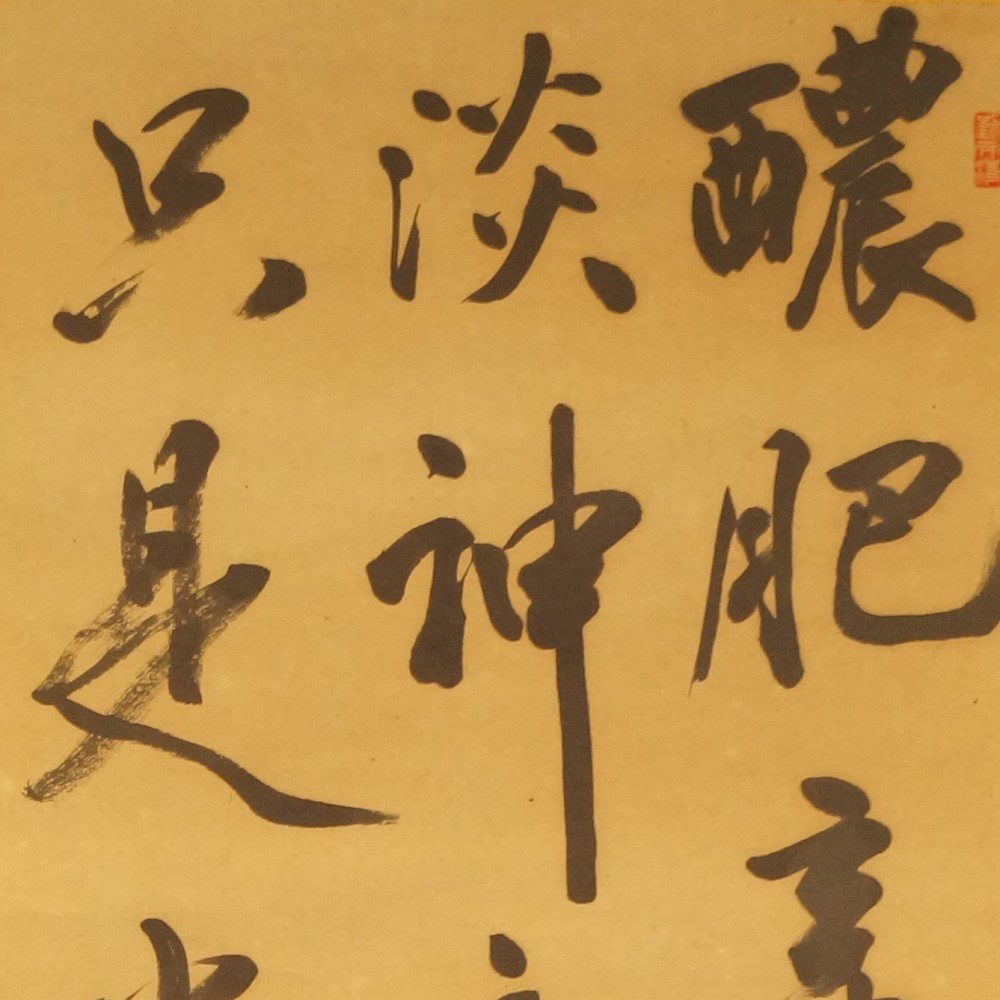
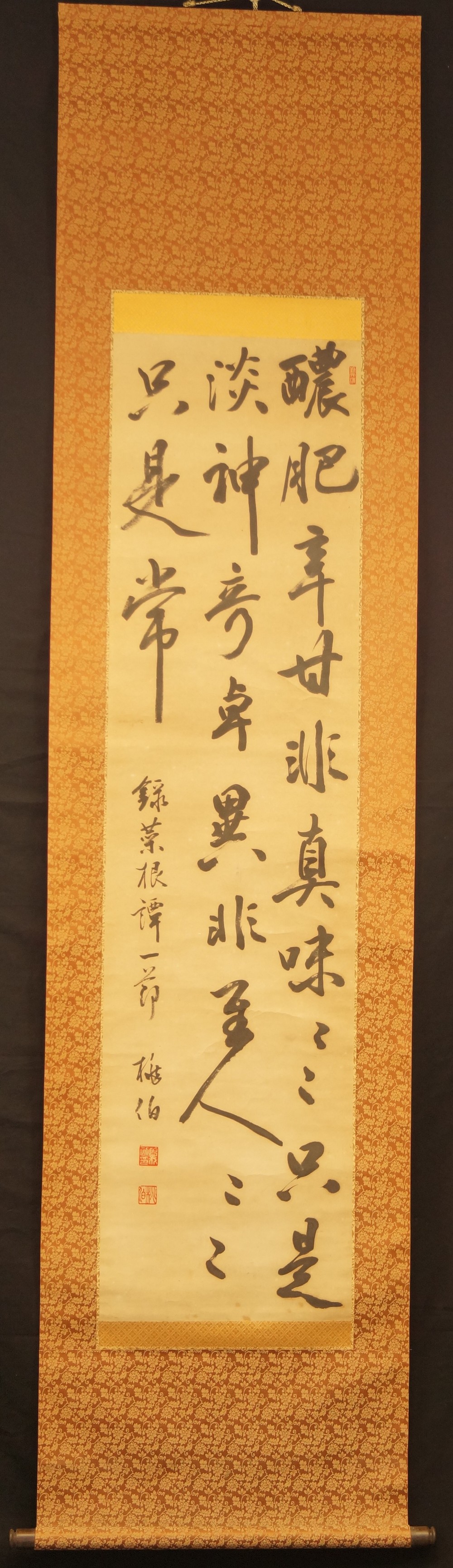
Calligraphy: True Sustenance
Kakemono, unique work, 205 x 58 cm
€260.00
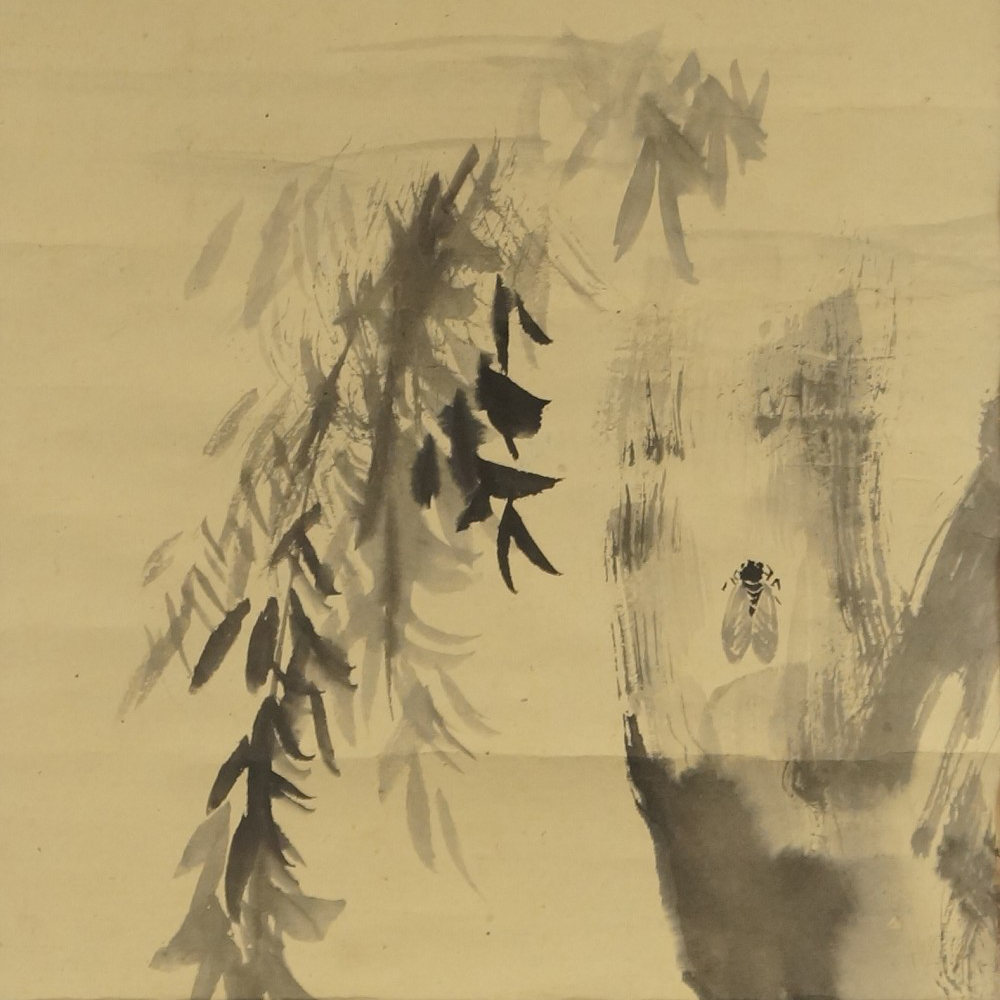
Kano Yoshinobu
Willow with Flying Insect
Kakemono, unique work, 180 x 44 cm
€460.00
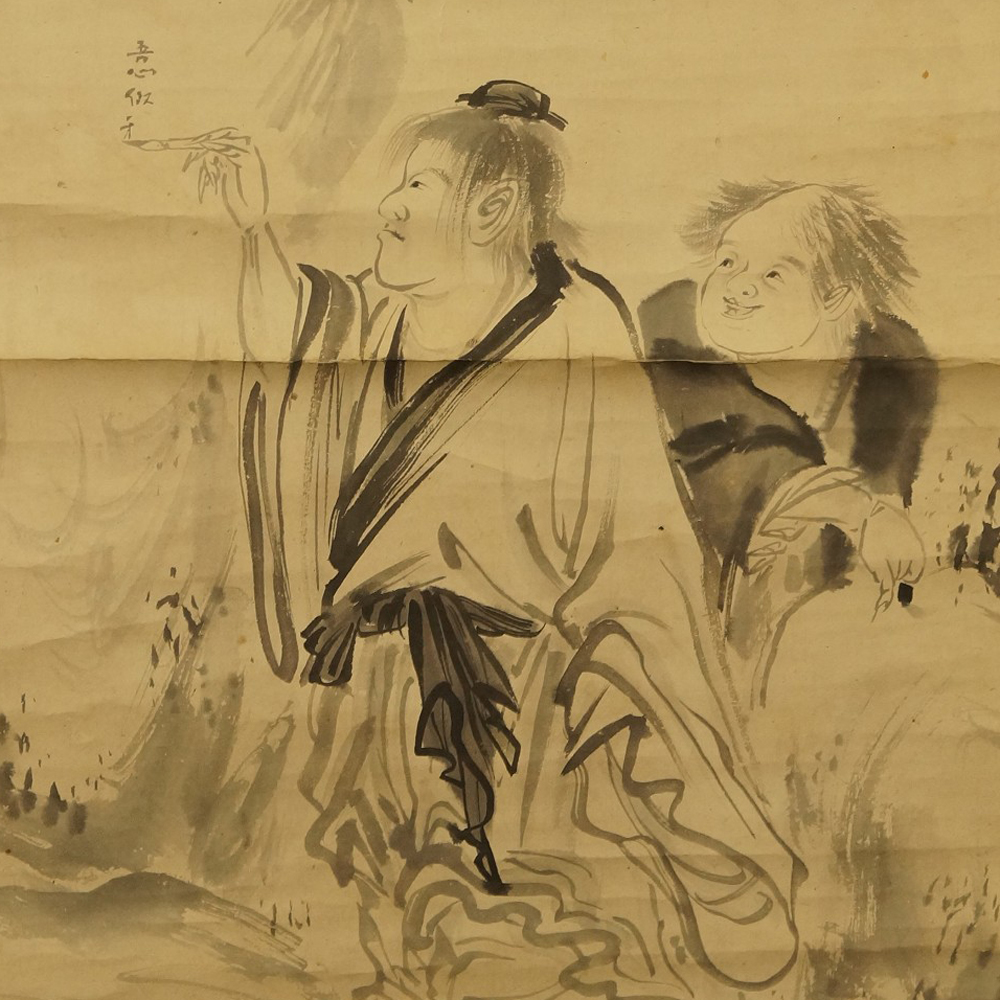
The Calligrapher and His Companion
Kakemono, unique work, with box, 184 x 60 cm
€210.00



Details about the sold piece
- JikusakiWood
- Material HonshiPaper
- MotifFlowers and Plants
- TechniqueHand-Painted
Description
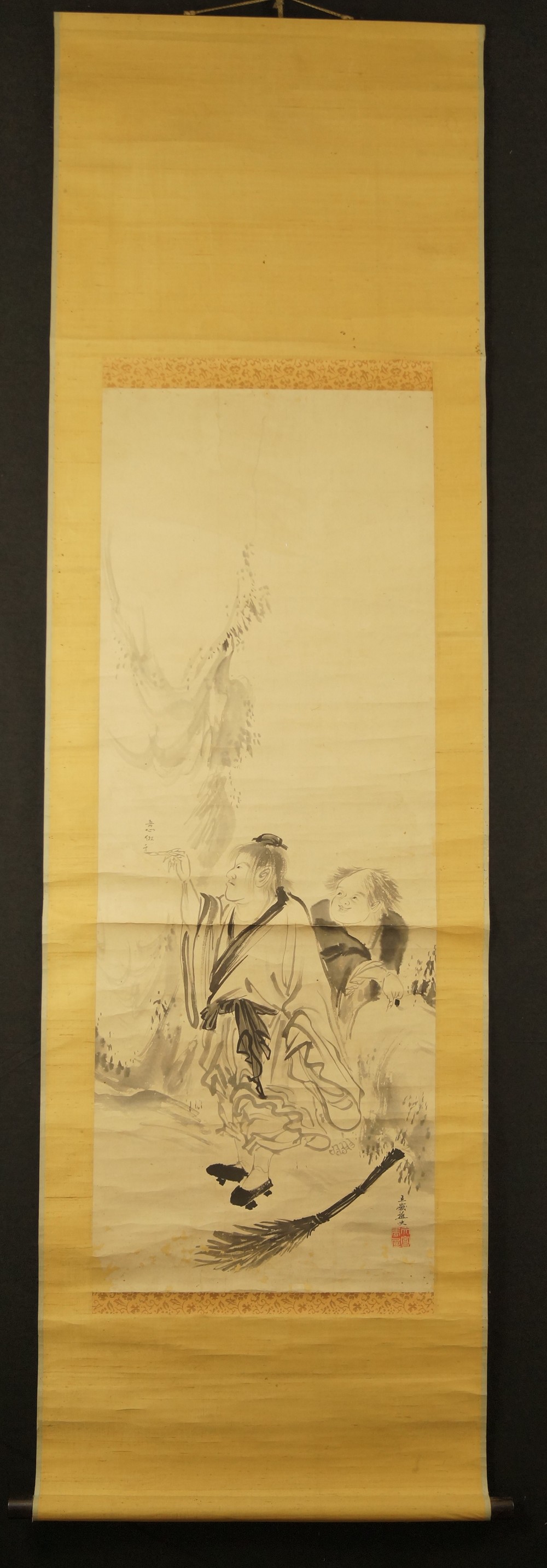
With just a few broad ink strokes applied wet-on-wet, this hanging scroll renders the characteristic shape of a lotus leaf and its seed pod on paper – a technique that demands the highest mastery of the brush, since every stroke must be placed correctly and allows for almost no corrections. Between light and dark tones of ink, a leaf of great spatial depth thus emerges.
In Japanese as well as Buddhist pictorial language, the lotus is regarded as a symbol of purity, as it rises untouched from murky water and yet blooms flawlessly. Fine, almost sketch-like stalks and reed grasses play around the composition, lending it a palpable lightness and movement despite the reduction to a few forms, which brings the vast empty pictorial space to life.
The hanging scroll dates from the Meiji period, is executed on paper, and is fitted with a wooden jikusaki. At the lower edge of the image are the artist's signature and red seal. A restrained, meditative work of classical ink painting, well suited to a quiet, contemplative living or work space, where it lends a Far Eastern accent.

