
Kakemono Old Monk
One of a kind — this work exists only once.
- Period:
- Meiji (1868–1912)
- Dimensions (height x width):
- 165 x 30 cm
- Item number:
- 3478
This piece has been sold.
Sold – no longer available
This piece was a handmade one-of-a-kind work. It cannot be reordered and will never exist in this form again. The page stays online as part of our archive.
More items in category PeopleAll one-of-a-kind Japanese Painting pieces
See new one-of-a-kind pieces first
We feature every delivery from Japan in the newsletter first – before the pieces show up in search results.
You might like these pieces
Old Zen Monk Under Cherry Blossoms
Kakemono, unique work, 115 x 40 cm
€980.00
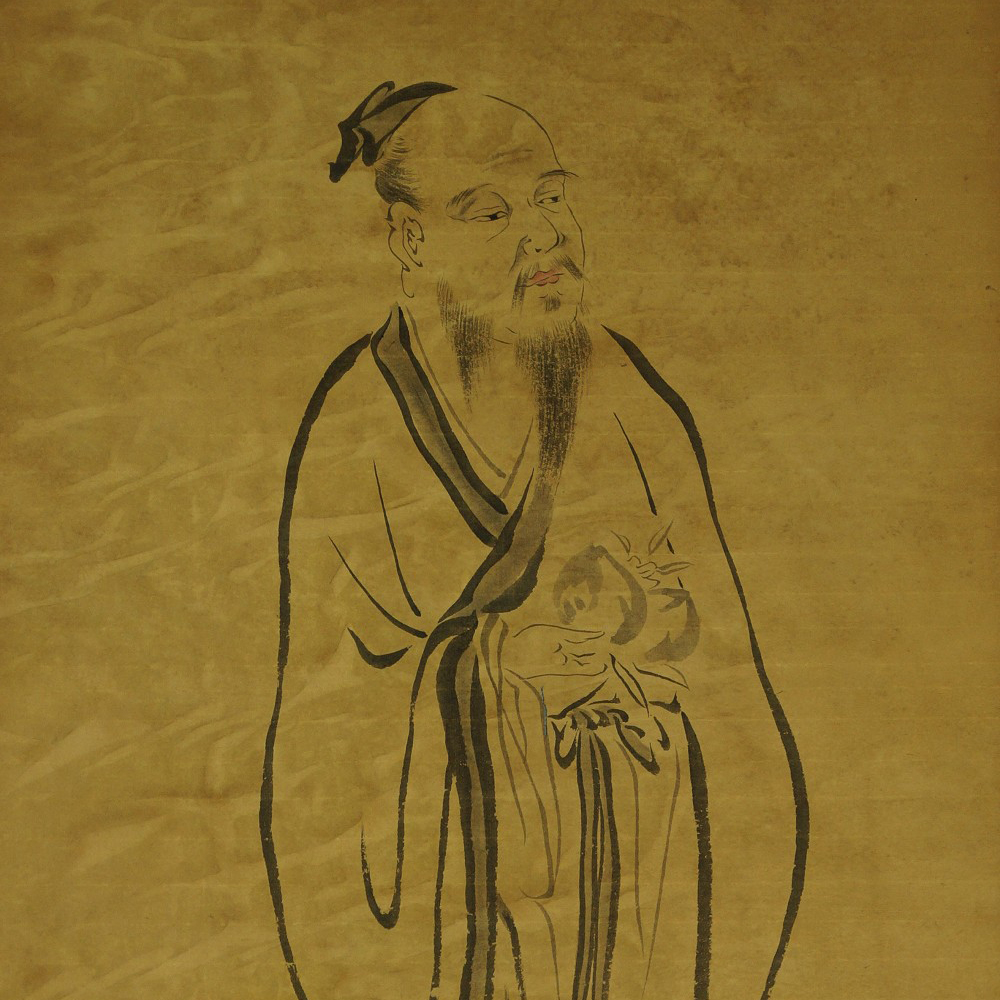
Eisen'in Hōin
Monk in Silent Devotion with Folded Hands
Kakemono, unique work, 150 x 55 cm
€140.00
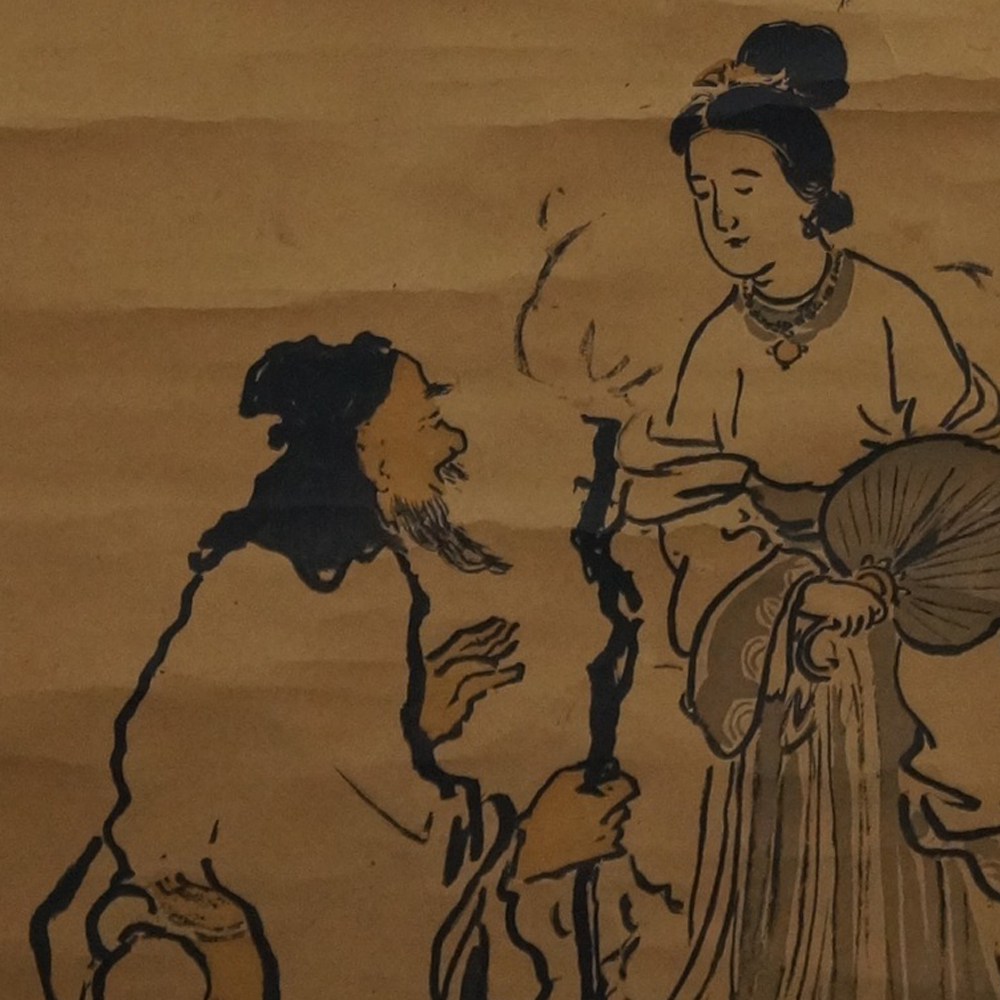
The Wanderer and the Beauty
Kakemono, unique work, 195 x 60 cm
€150.00
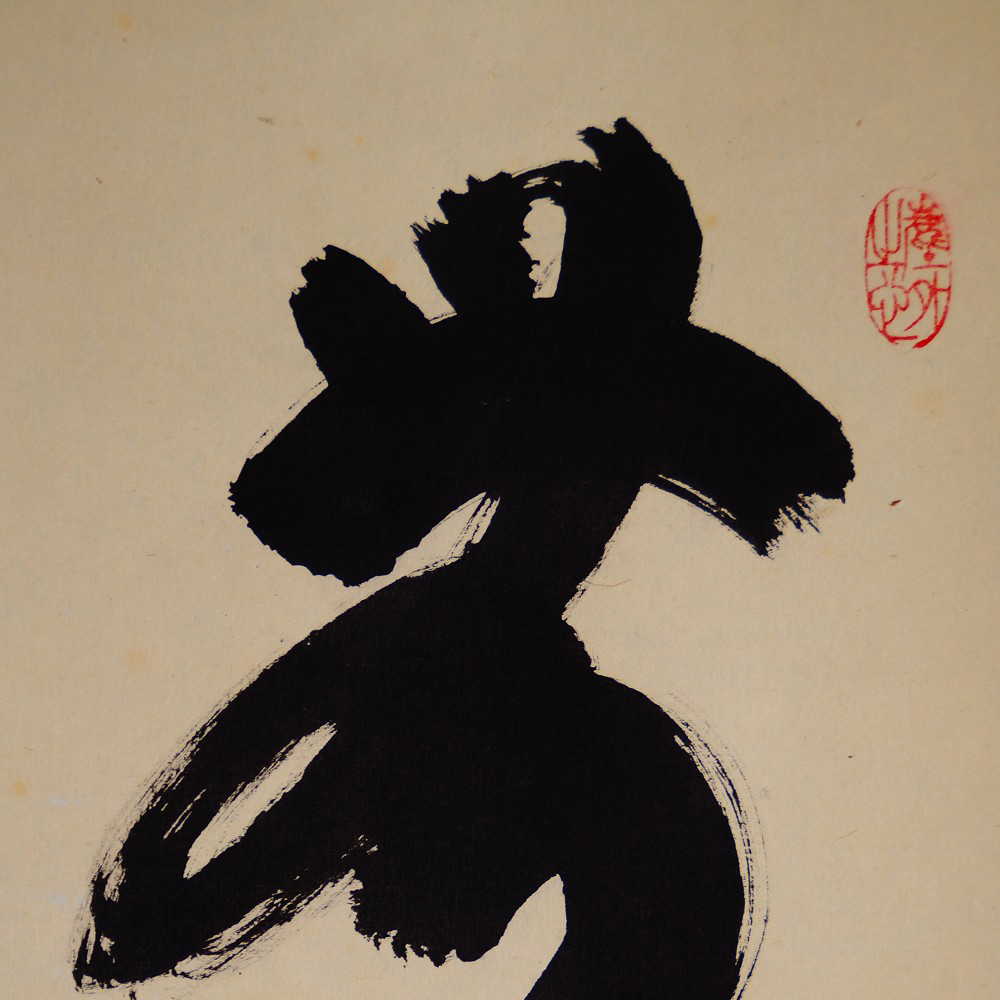
Kobayashi Taigen
No Mind, the Great Way – Zen Calligraphy, Gold-Mounted
Kakemono, unique work, with box, 173 x 37 cm
€720.00
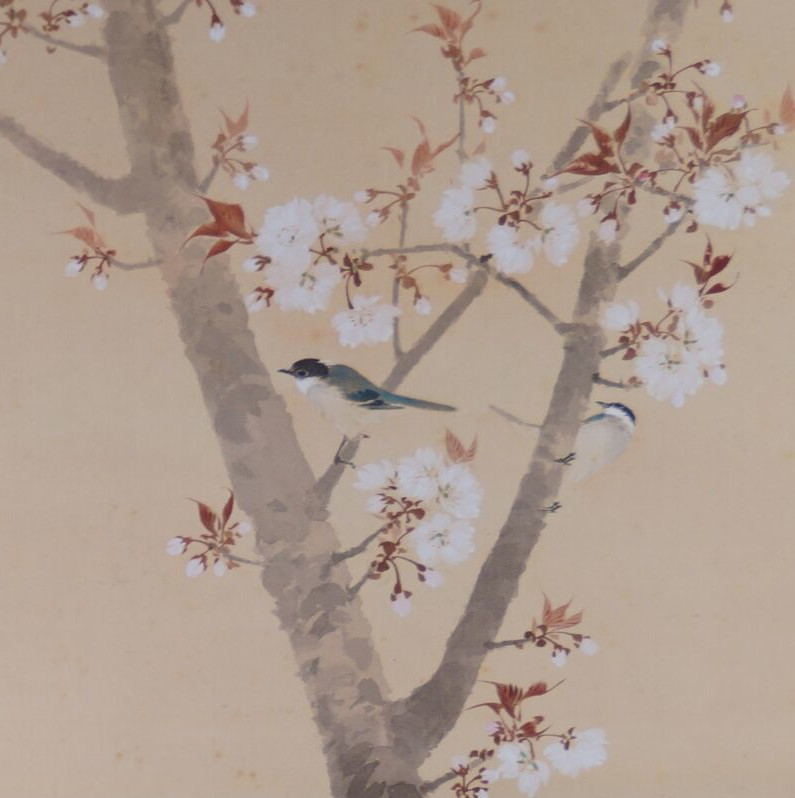
Suma Taisui
Spring at the Old Cherry Blossom
Kakemono, unique work, with box, 208 x 61 cm
€470.00
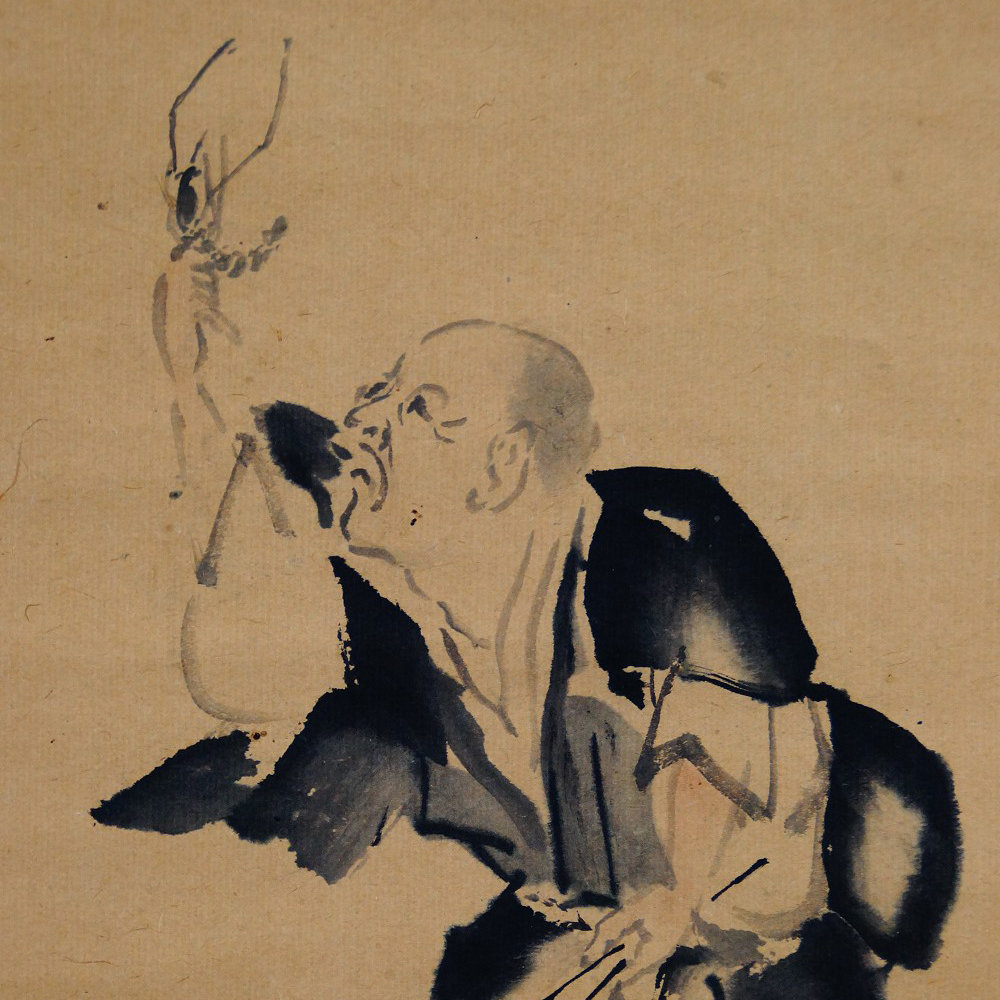
Yamauchi Kōsetsu
Monk Catching Shrimp
Kakemono, unique work, 186 x 45 cm
€270.00
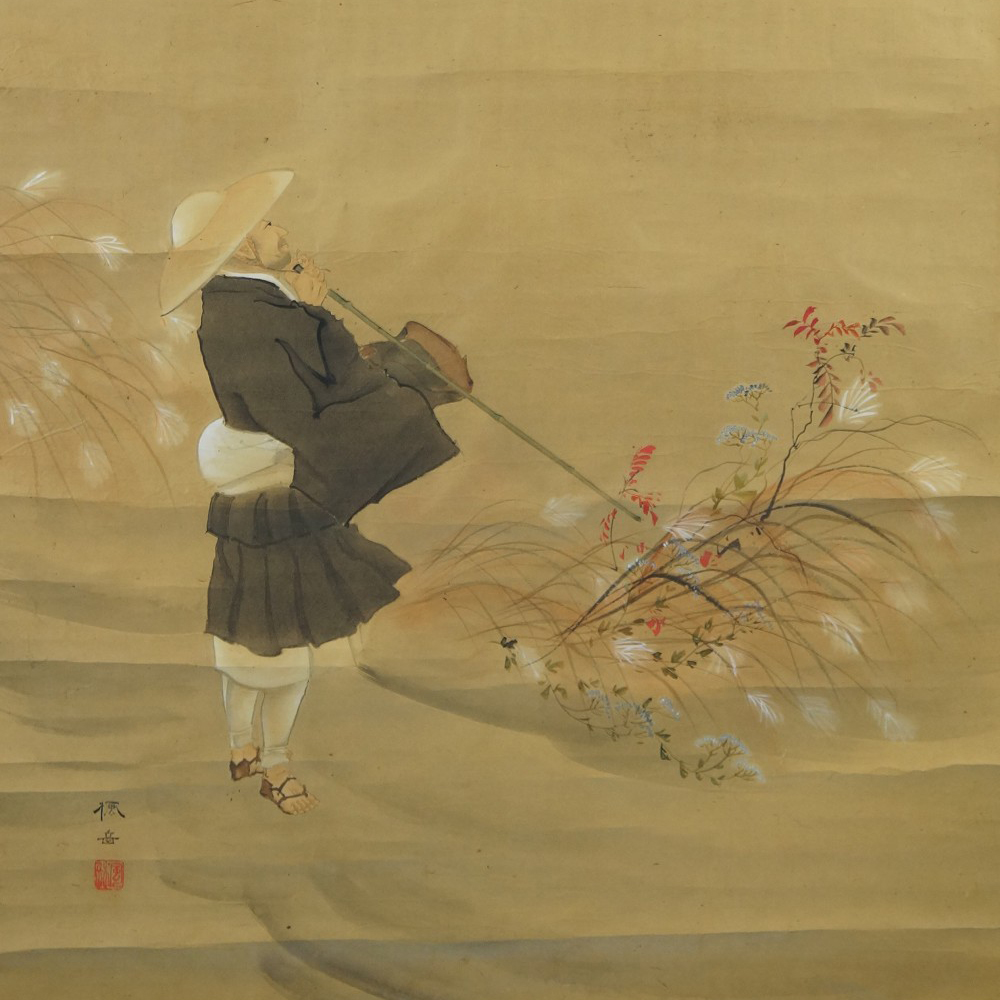
Monk and Mount Fuji
Kakemono, unique work, 188 x 81 cm
€200.00
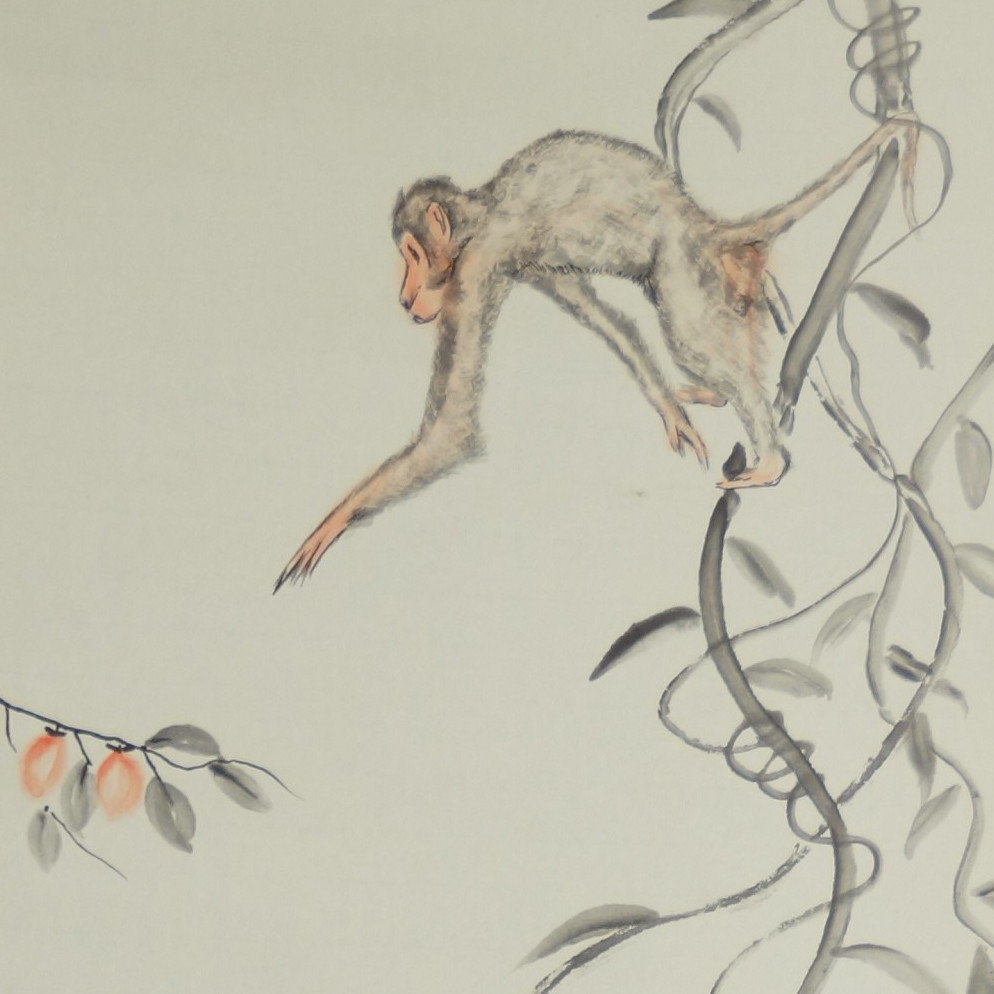
Shungai
Monkey Reaching for Persimmon Fruit
Kakemono, unique work, 195 x 53 cm
€360.00



Details about the sold piece
- Material HonshiPaper
- MotifBuddhism and Zen, People
- TechniqueHand-Painted
Description
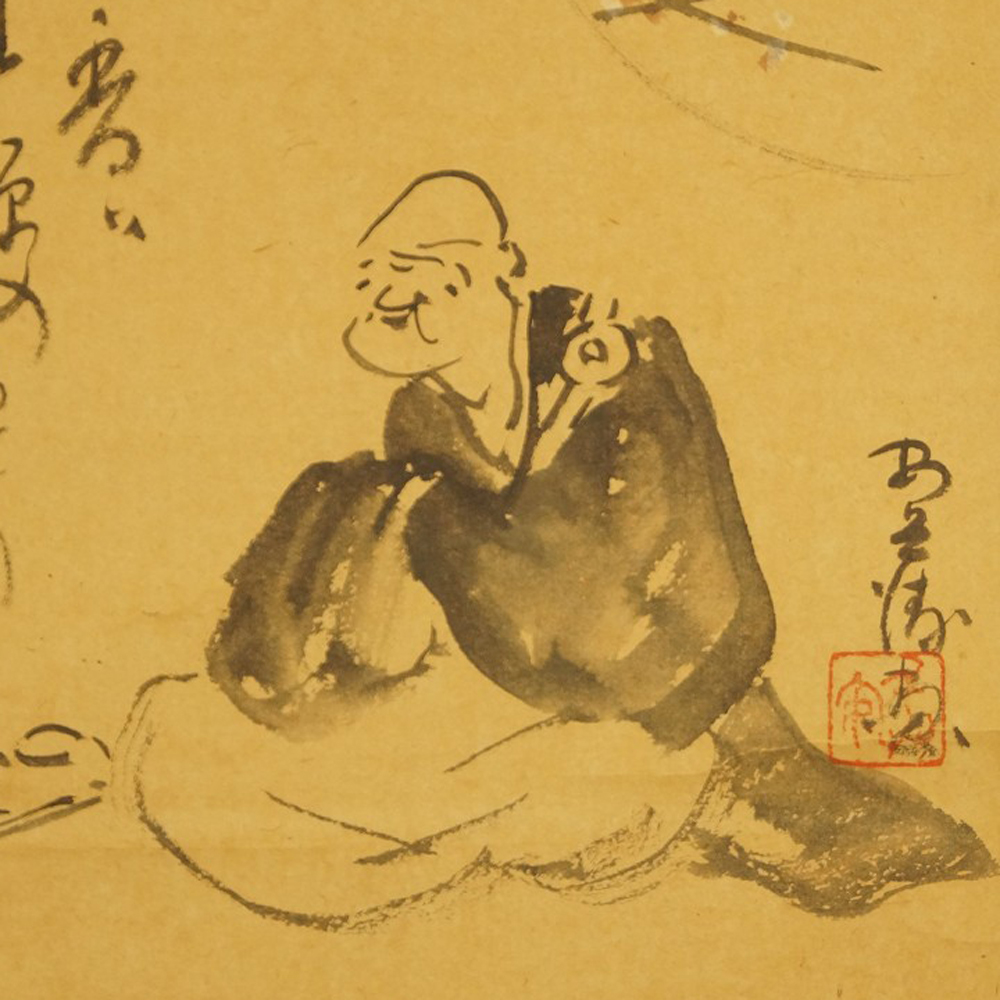
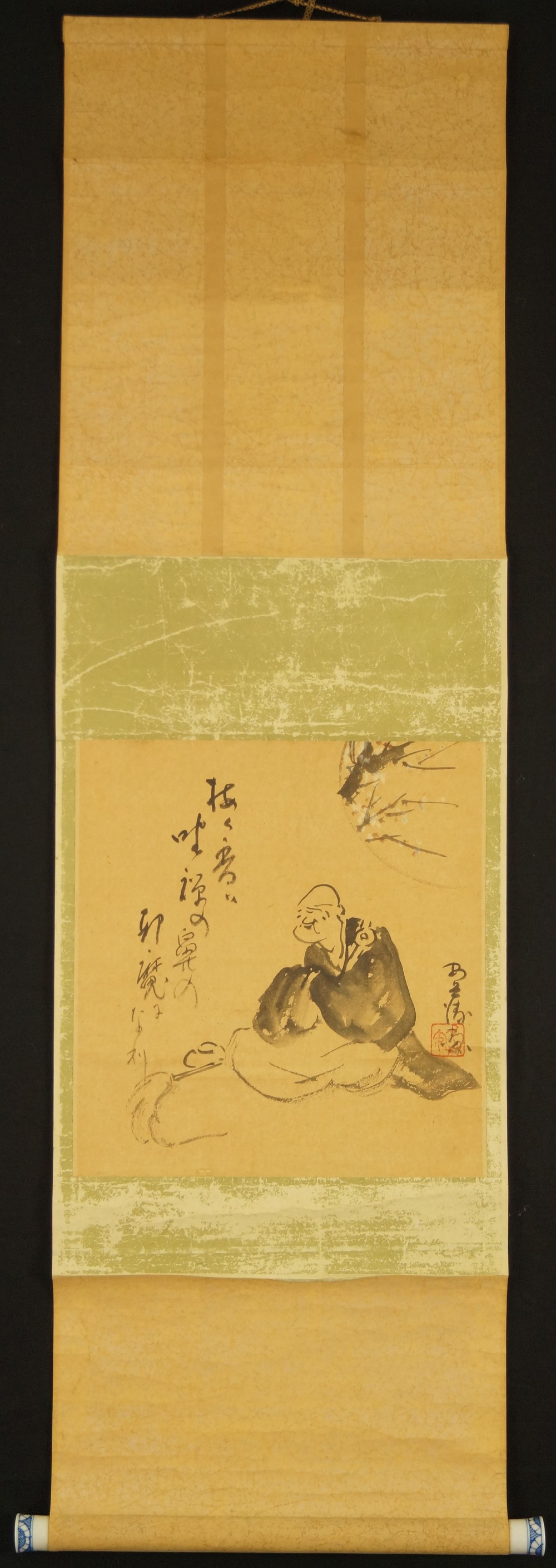
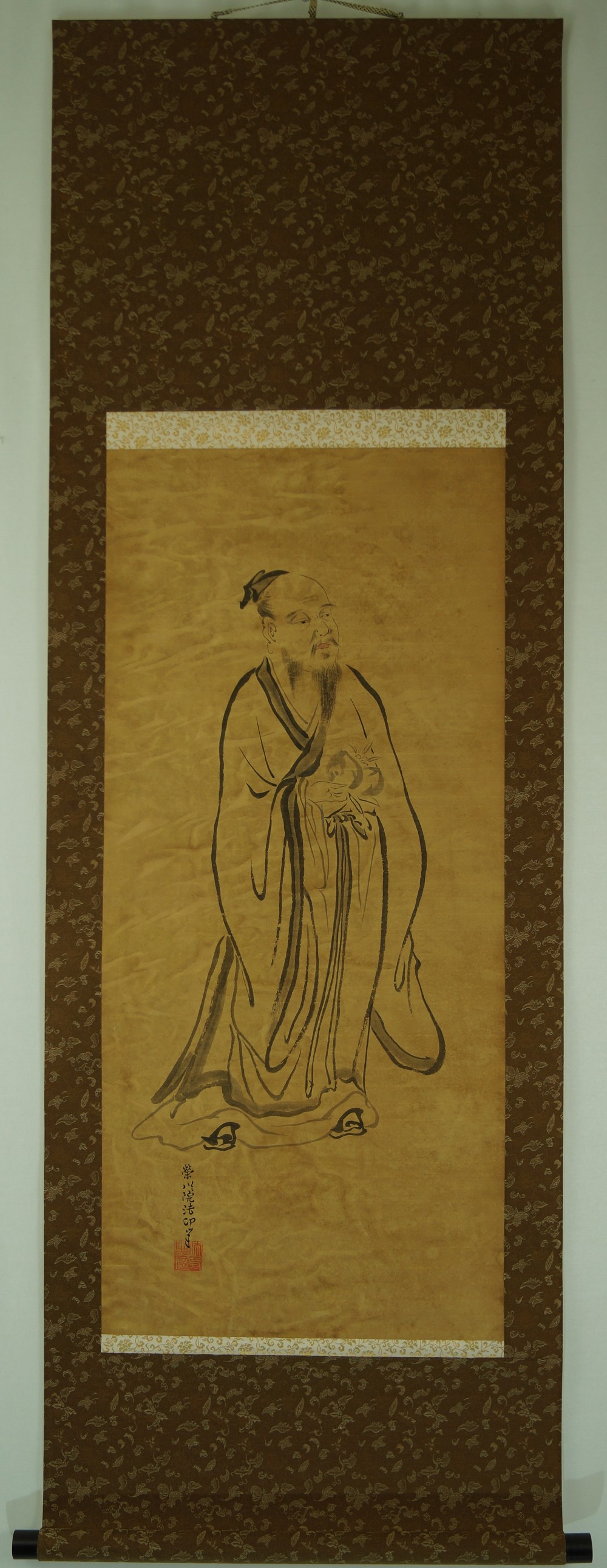
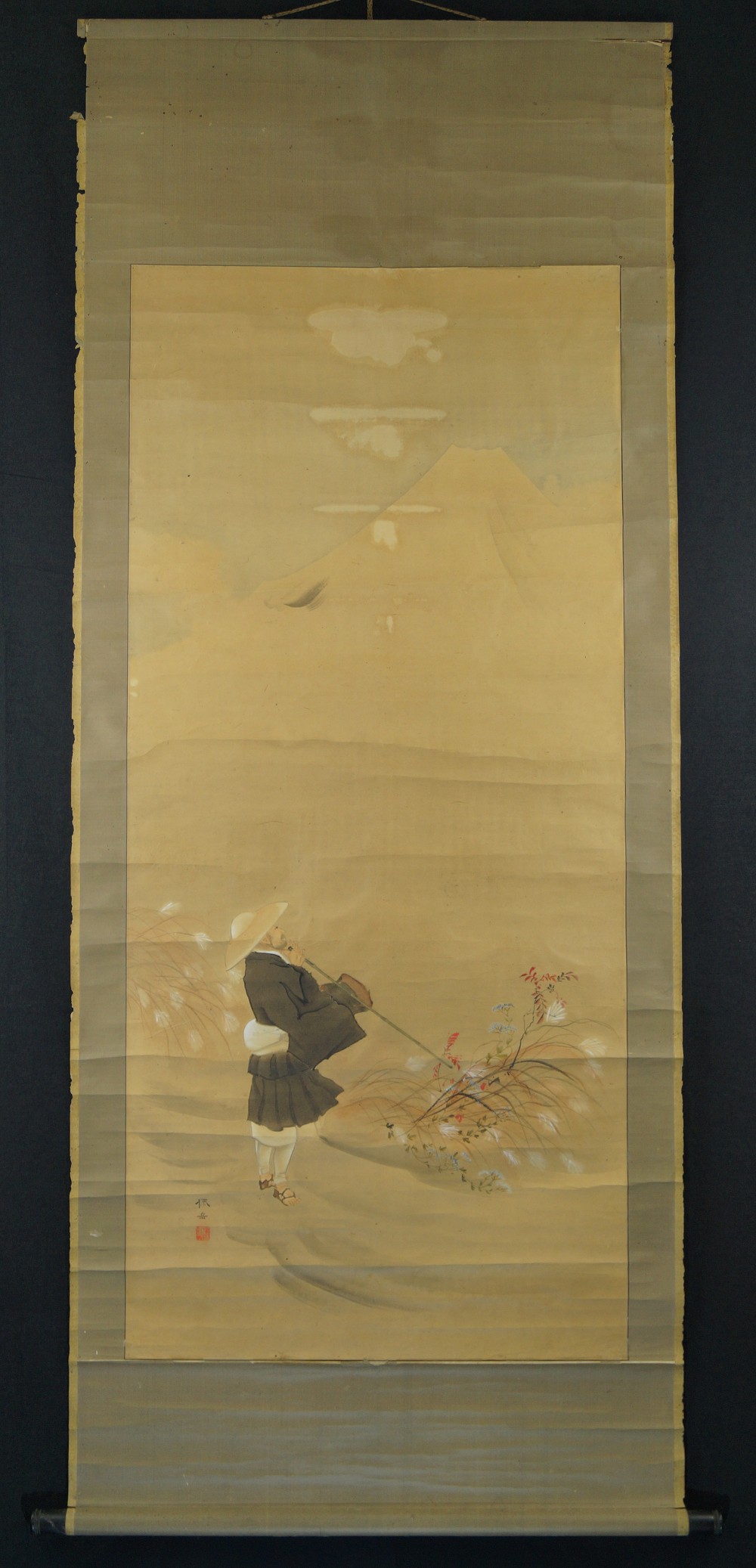
With an alert, faintly smiling expression, an old monk in flowing robes sits depicted, a fan in one hand, while above him a poem in flowing calligraphy completes the image. The warm, slightly yellowed tone of the paper reinforces the impression of a work that already has a long history behind it.
Depictions of old monks or sages are among the classic subjects of Japanese ink painting and often stand for erudition, the wisdom of age, and a life of seclusion. The concise, confident brushstrokes in the face and in the folds of the robe testify to the practiced hand of a painter familiar with this pictorial tradition.
The textile mounting of this kakemono is comparatively recent, while the painting itself is considerably older – dating from the Meiji period – and shows age-related wear in the form of small spots; the original jikusaki are missing. The motif was painted by hand on paper. It is precisely this visible patina that makes this unique work an authentic testament to traditional Japanese painting.

