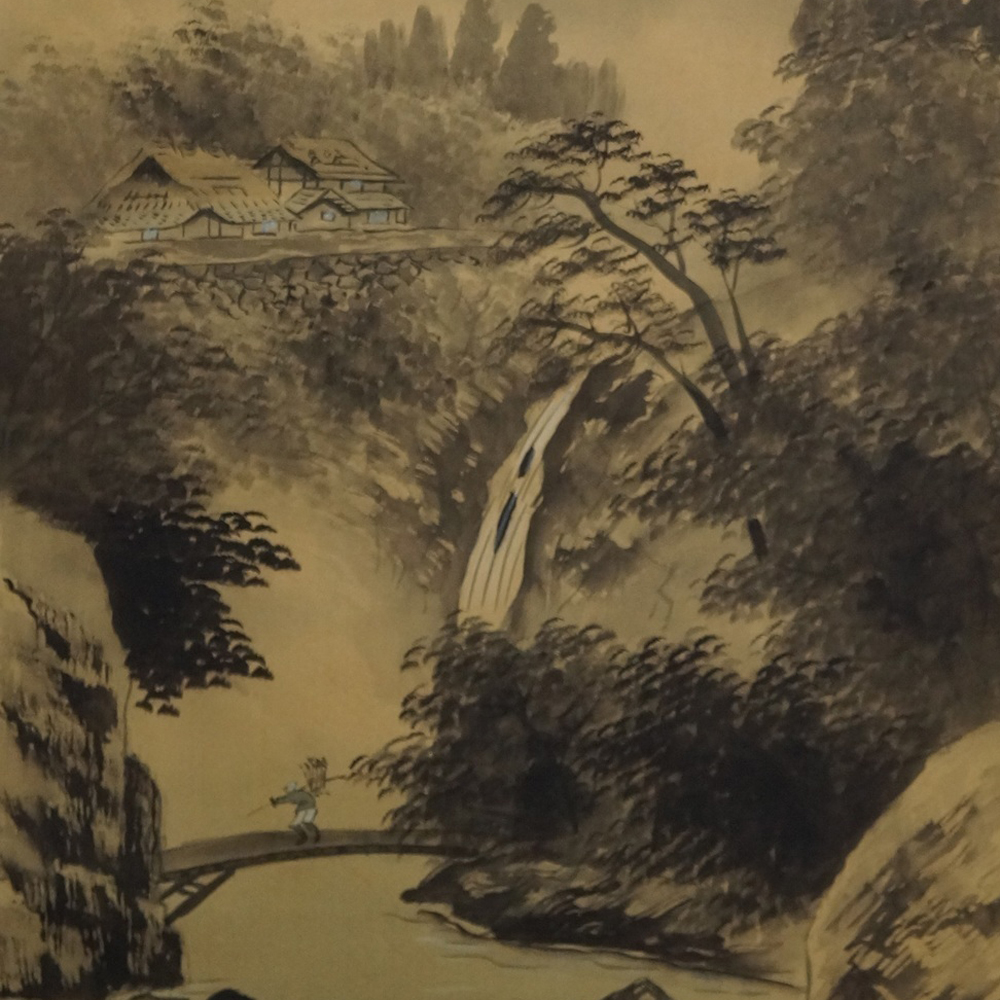
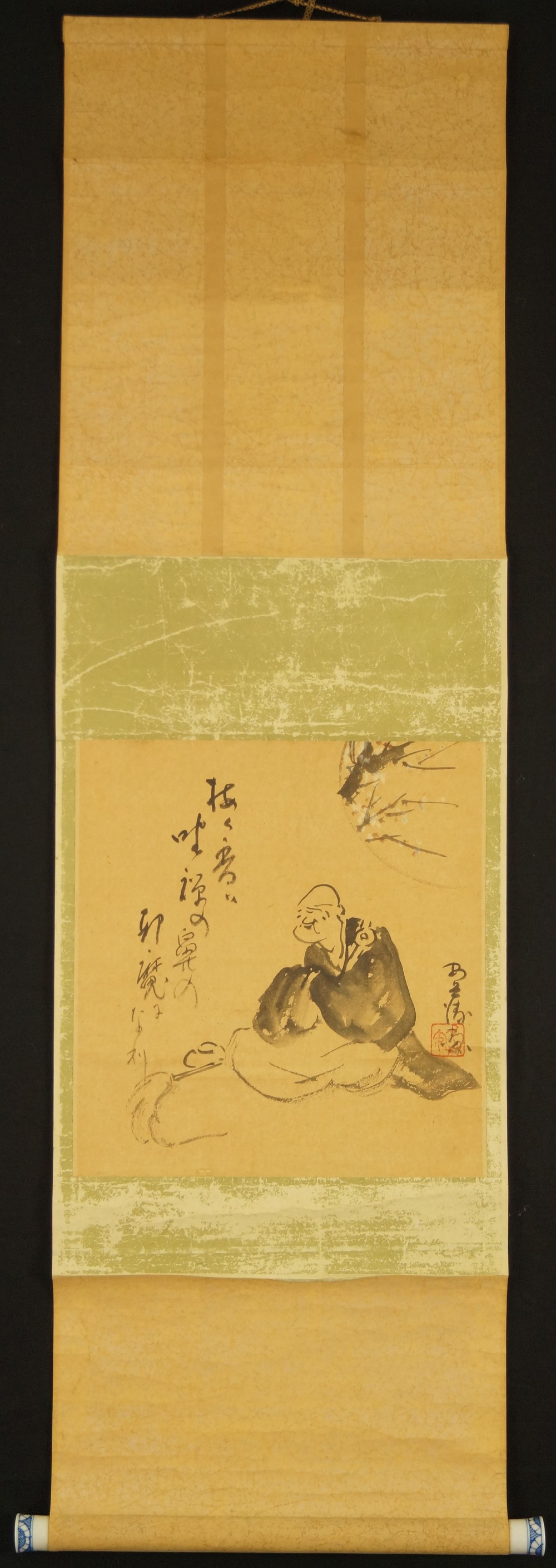
Kakemono Sitting Daruma Under Large Character
One of a kind — this work exists only once.
- Period:
- Heisei (1989–2019)
- Dimensions (height x width):
- 192 x 50 cm
- Item number:
- 3455
This piece has been sold.
Sold – no longer available
This piece was a handmade one-of-a-kind work. It cannot be reordered and will never exist in this form again. The page stays online as part of our archive.
More items in category Buddhism and ZenAll one-of-a-kind Japanese Painting pieces
See new one-of-a-kind pieces first
We feature every delivery from Japan in the newsletter first – before the pieces show up in search results.
You might like these pieces
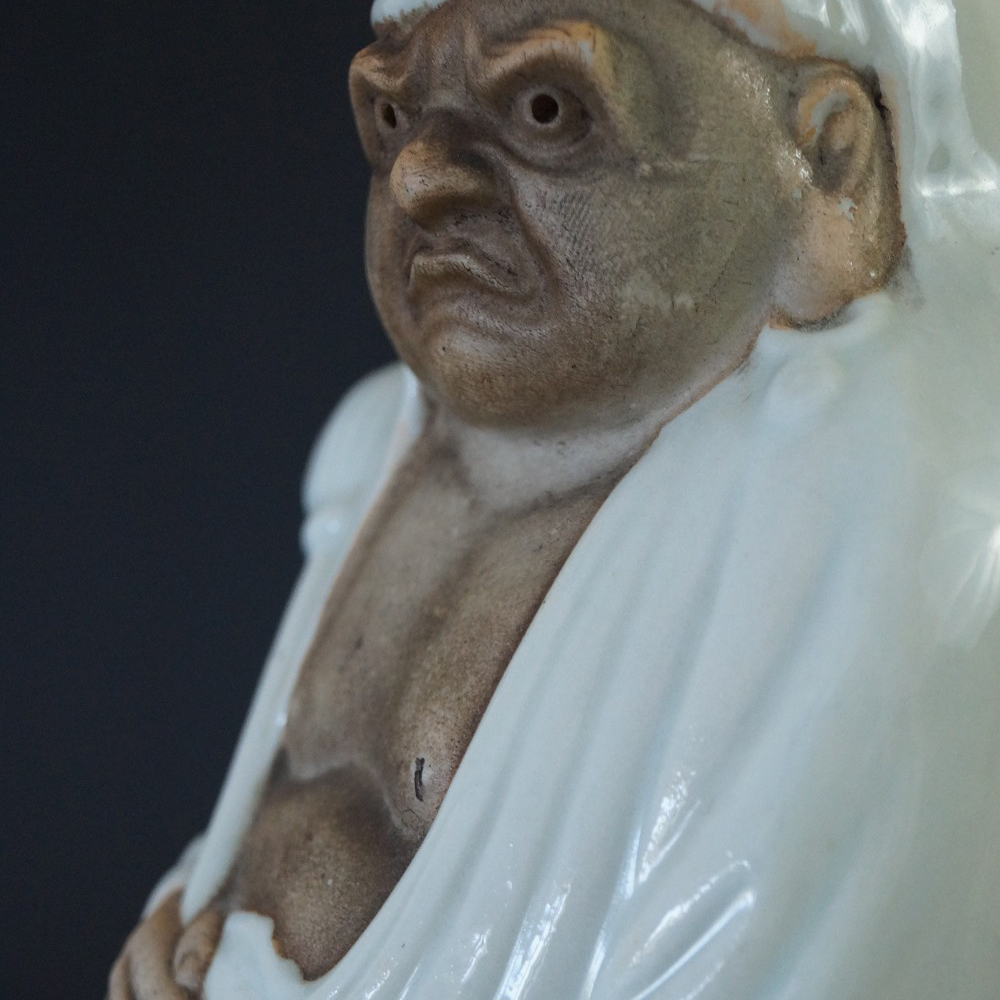
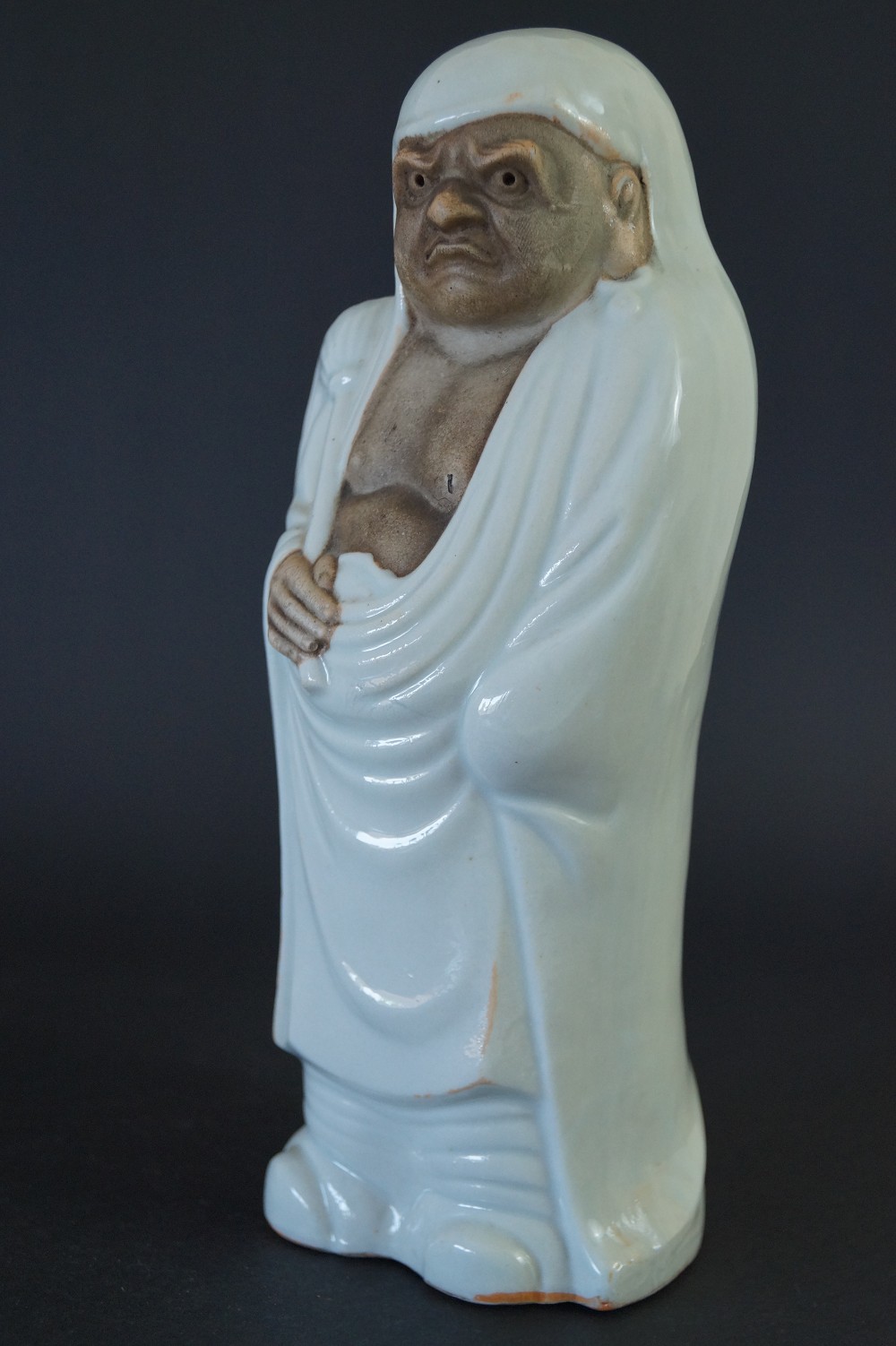
Daruma Figure Made of Kutani Porcelain in White Robe
Figure, unique work, 24 x 9 cm
€290.00
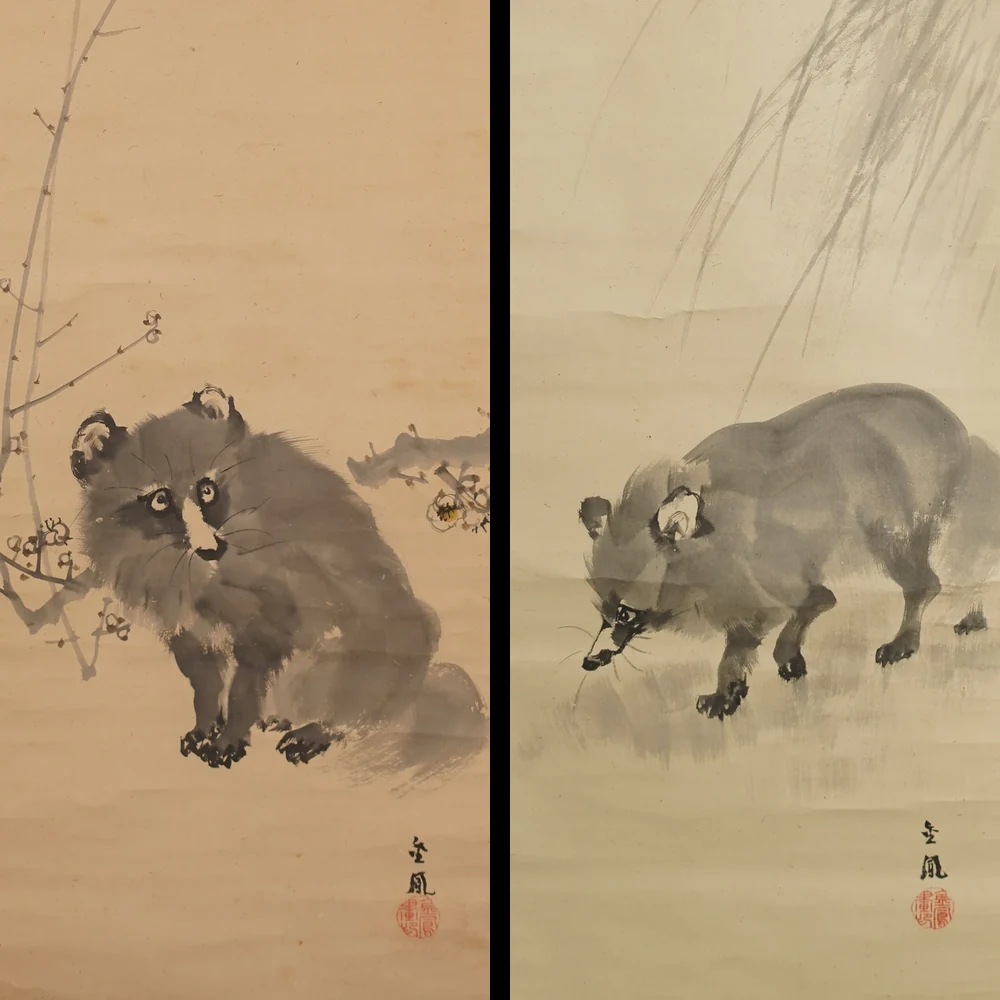
Mochizuki Kinpō
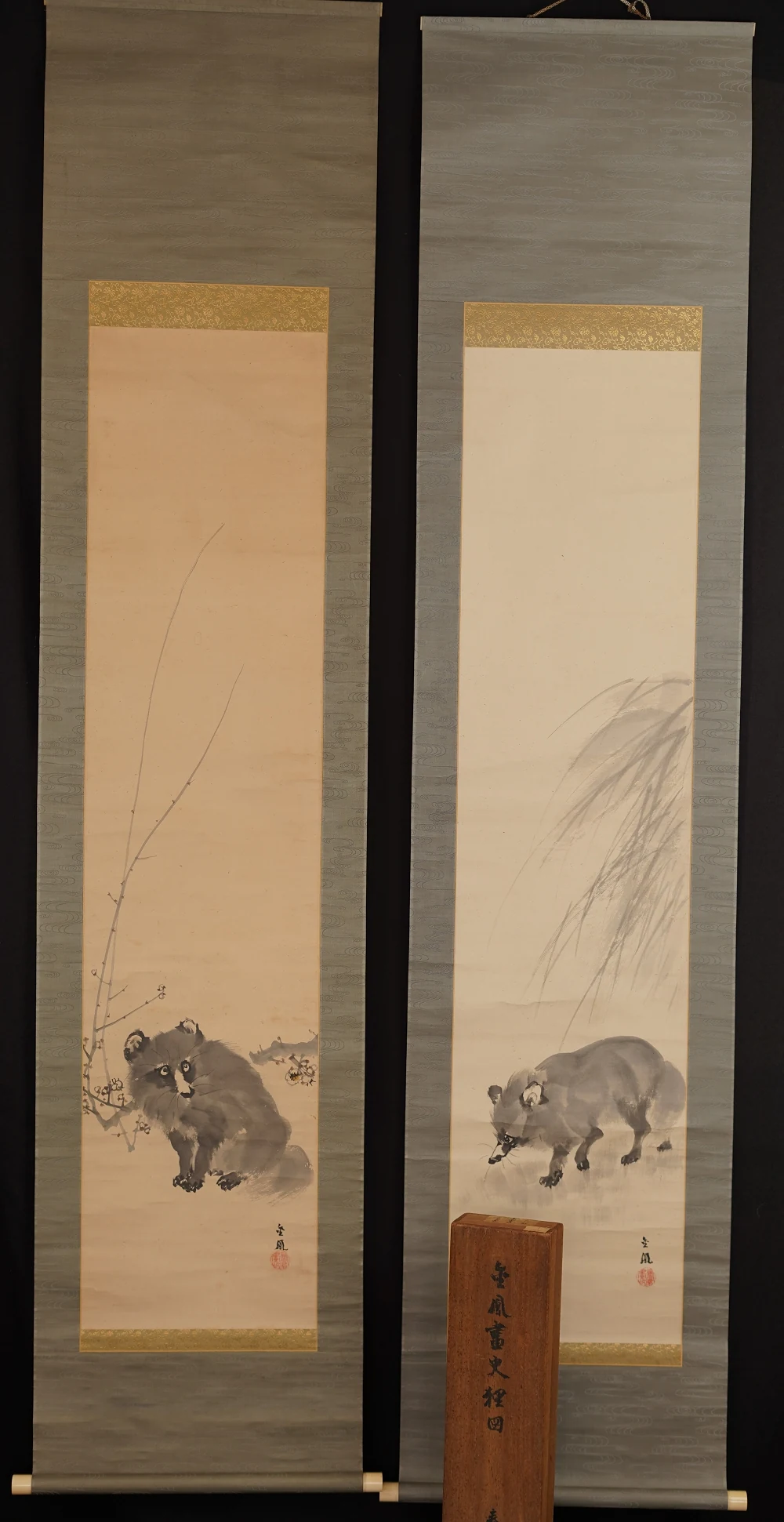
Set of Two Paintings – Tanuki Under Plum and Willow
Kakemono, unique work, with box, 195 x 48 cm
€3,590.00
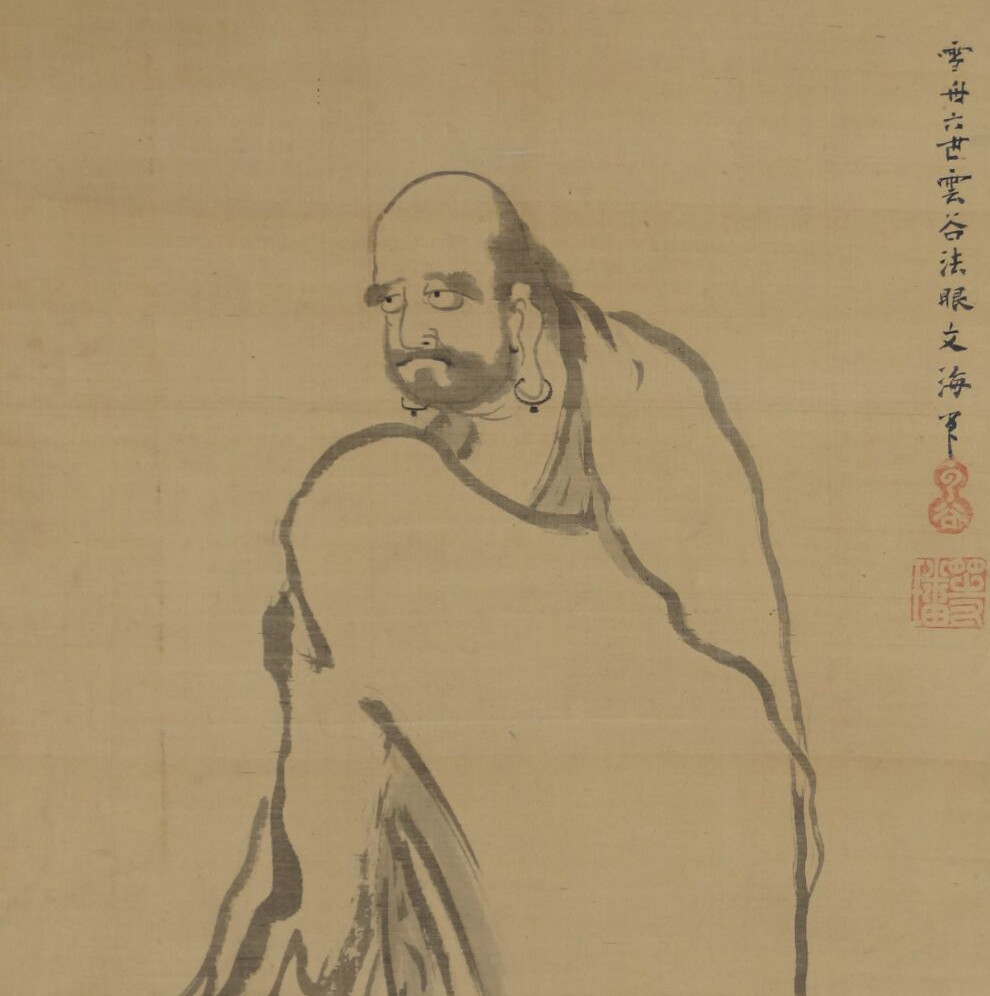
Unkoku Tōban
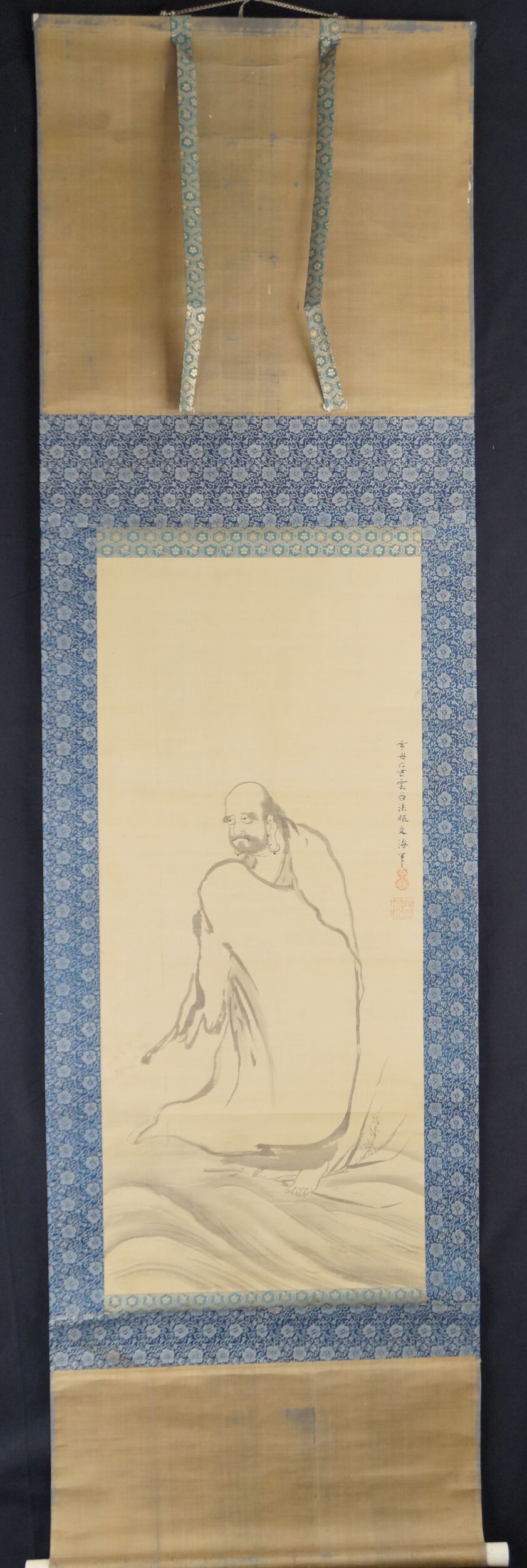
Bodhidharma on the Way
Kakemono, unique work, 168 x 52 cm
€550.00
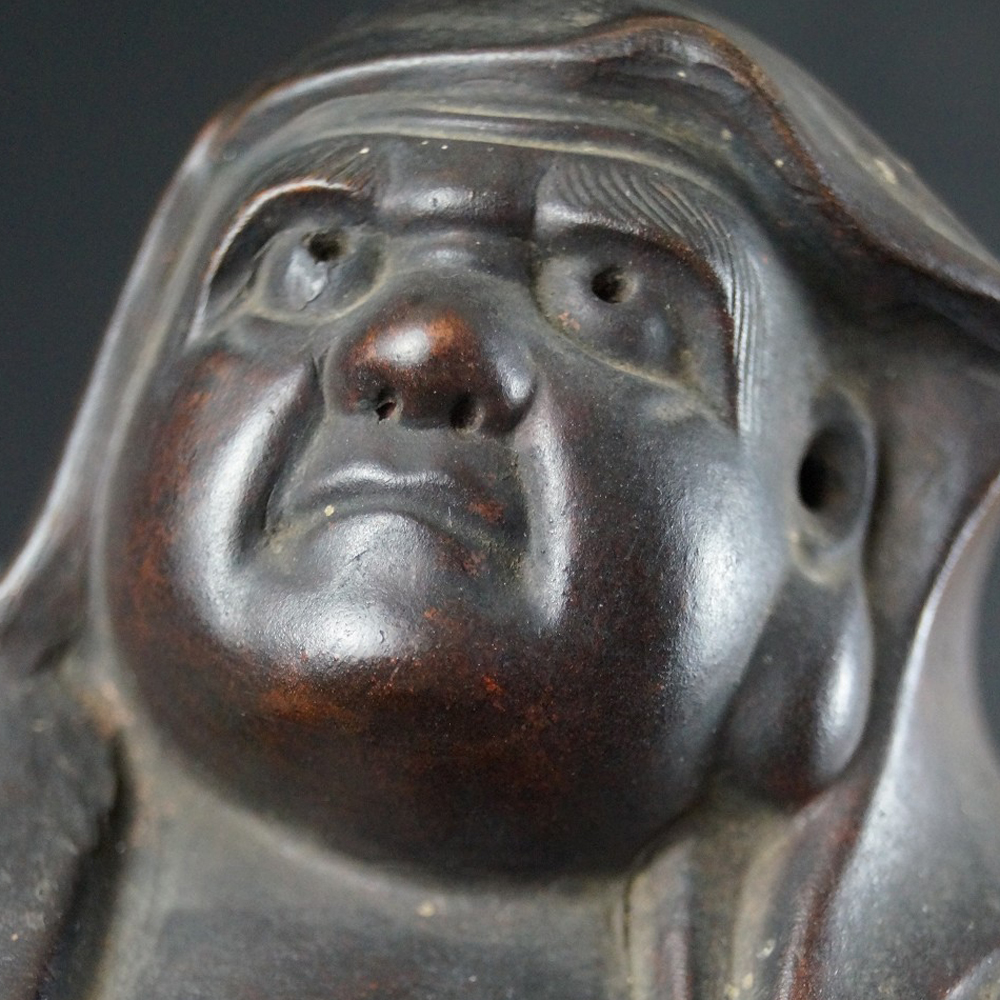
Bodhidharma (Daruma) Figure with Fierce Gaze Made of Bizen Ware
Figure, unique work, 20 x 8 cm
€180.00
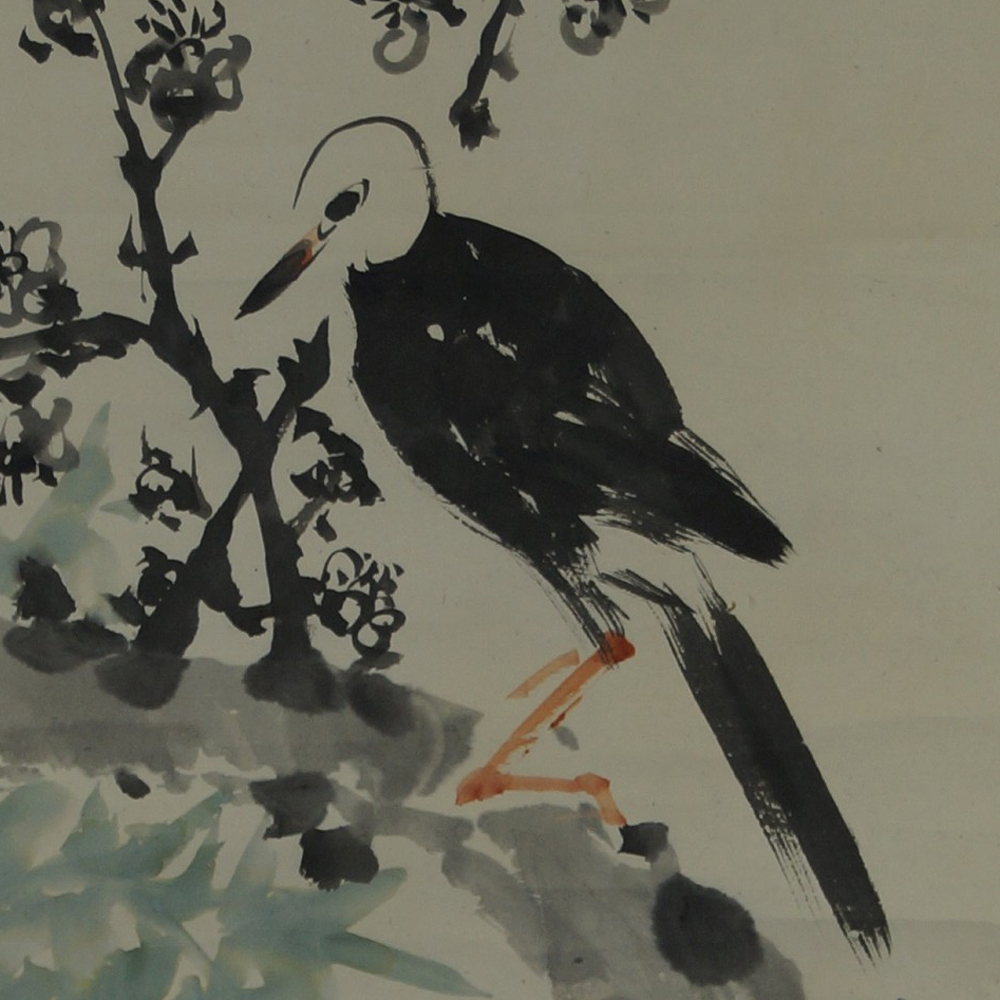
Heron Under Cherry Blossom Branch
Kakemono, unique work, 182 x 46 cm
€140.00
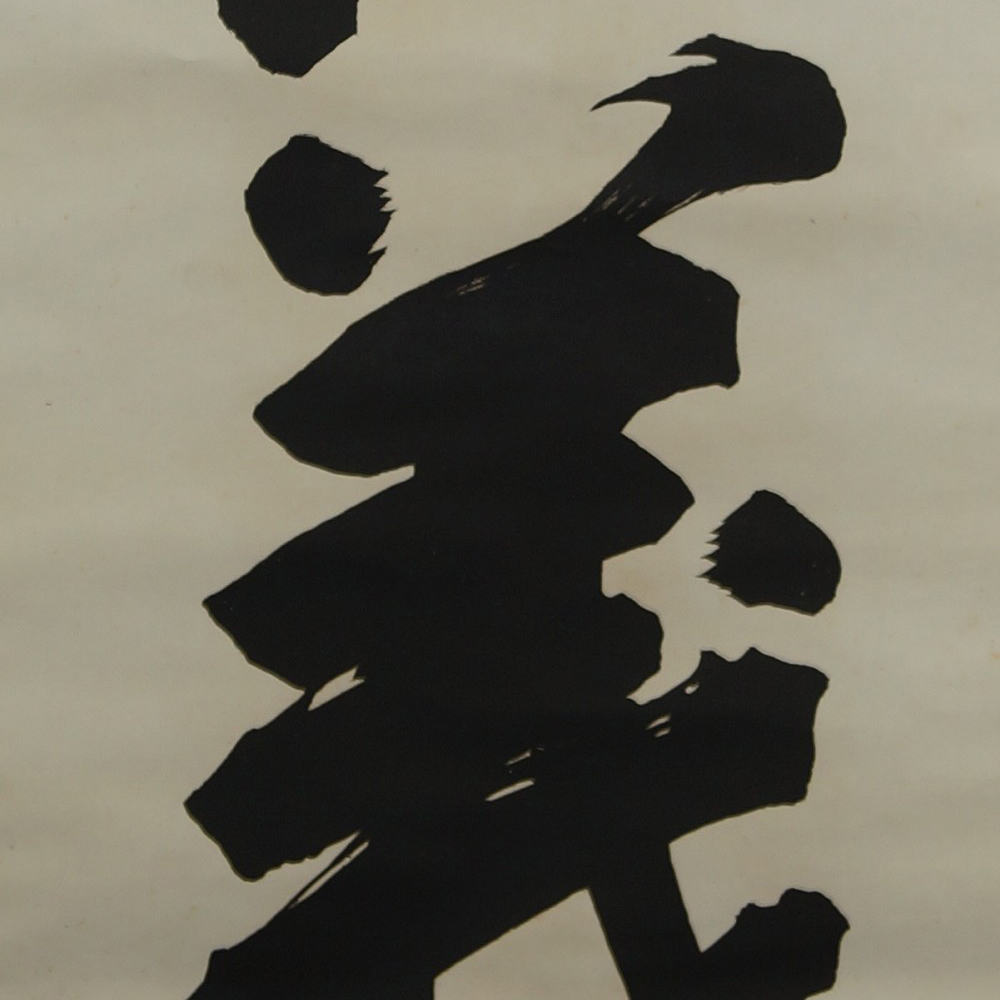
Calligraphy Print "Create Justice" in Large Script
Kakemono, Print, 200 x 50 cm
€60.00
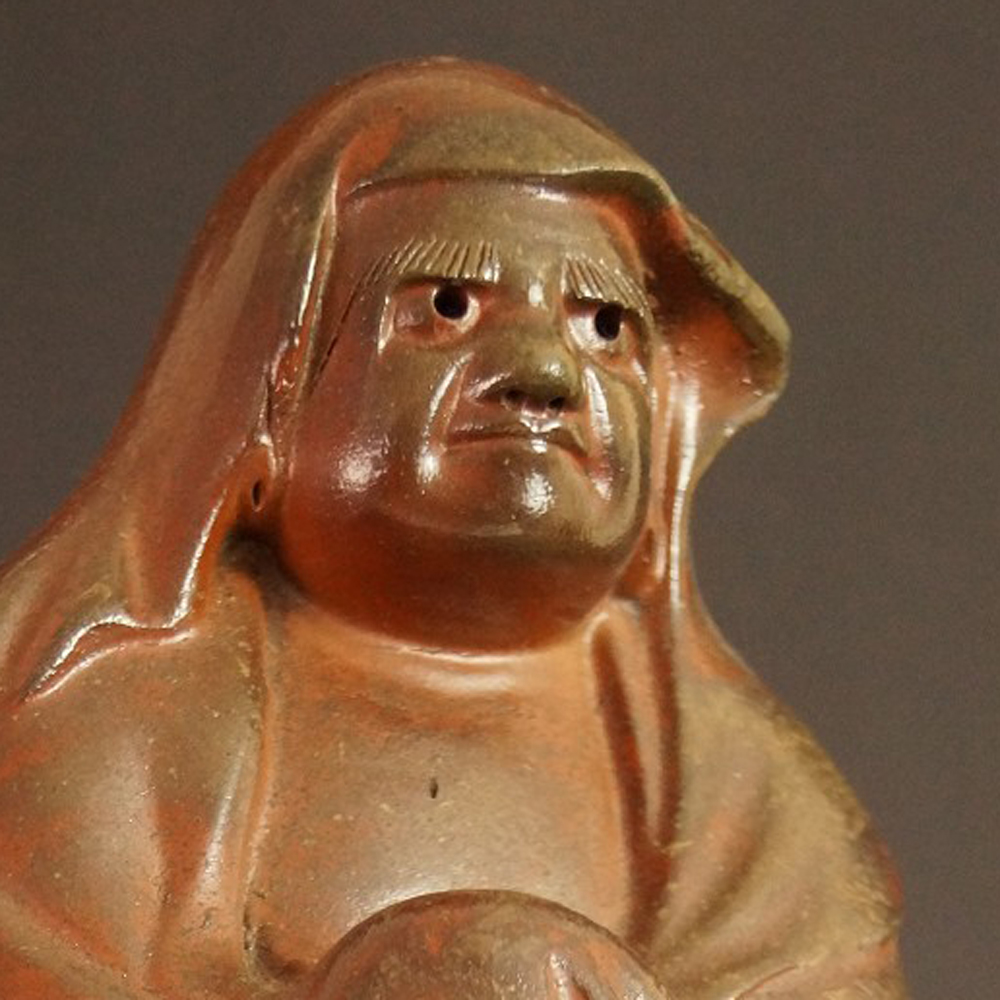
Bodhidharma (Daruma) Figure with Worried Expression Made of Bizen Ware
Figure, unique work, 22 x 10 cm
€180.00
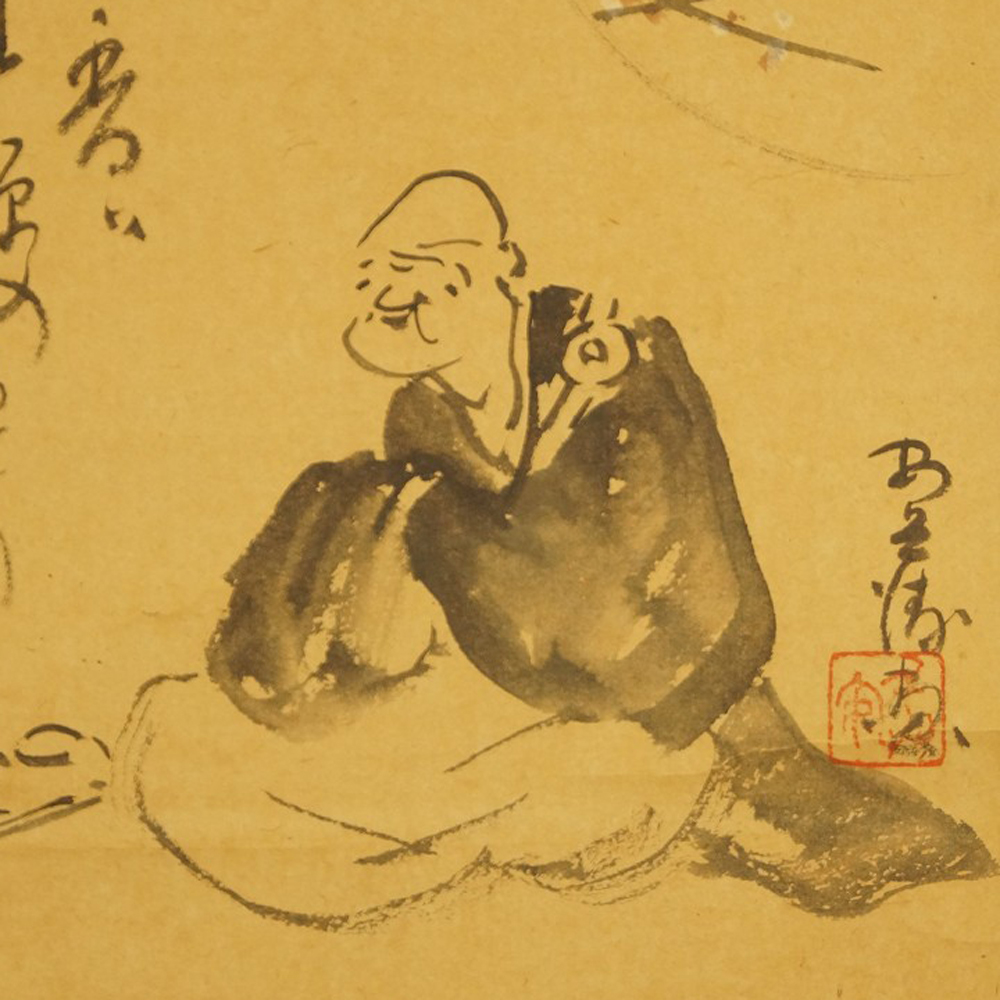
Old Zen Monk Under Cherry Blossoms
Kakemono, unique work, 115 x 40 cm
€980.00
Details about the sold piece
- JikusakiWood
- Material HonshiPaper
- MotifBuddhism and Zen, Calligraphy, Daruma
- TechniqueHand-Painted
Description
With a few powerful brushstrokes, this depicts Bodhidharma, the monk known in Japan as Daruma, who is regarded as the first patriarch of Zen Buddhism, or Chan Buddhism. According to tradition, he brought the teaching from India to China toward the end of the 5th century, where it developed into one of the most influential spiritual movements in East Asia.
Above the seated figure, with its striking character rendered in sweeping calligraphy, unfolds the reduction to the essential that is typical of Zen paintings: no superfluous detail distracts from the concentrated gaze and meditative posture of the figure depicted. This pictorial language, known as Zenga, aims to convey less a portrait than a spiritual insight into the essence of being.
The kakemono was hand-painted on paper in the Heisei period and fitted with wooden jikusaki. Signature and red seal of the painter attest to its execution as an independent unique work. For collectors of Zen art and Buddhist iconography, this hanging scroll is an expressive addition with a palpable meditative calm.