
Kakemono Two Cranes on a Rock Beneath the Pine
One of a kind — this work exists only once.
- Period:
- Shôwa (1926–1989)
- Dimensions (height x width):
- 186 x 68 cm
- Item number:
- 4202
This piece has been sold.
Sold – no longer available
This piece was a handmade one-of-a-kind work. It cannot be reordered and will never exist in this form again. The page stays online as part of our archive.
More items in category AnimalsAll one-of-a-kind Japanese Painting pieces
See new one-of-a-kind pieces first
We feature every delivery from Japan in the newsletter first – before the pieces show up in search results.
You might like these pieces
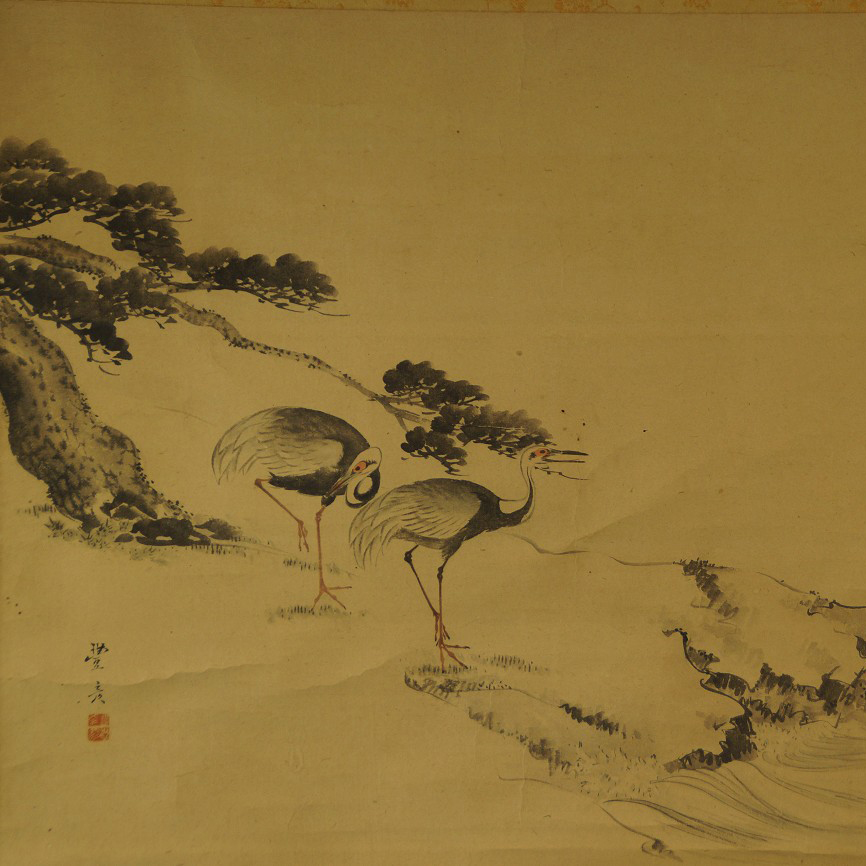
Okamoto Tohiyoko
Two Cranes Under Pines by the Shore
Kakemono, unique work, 139 x 65 cm
€330.00
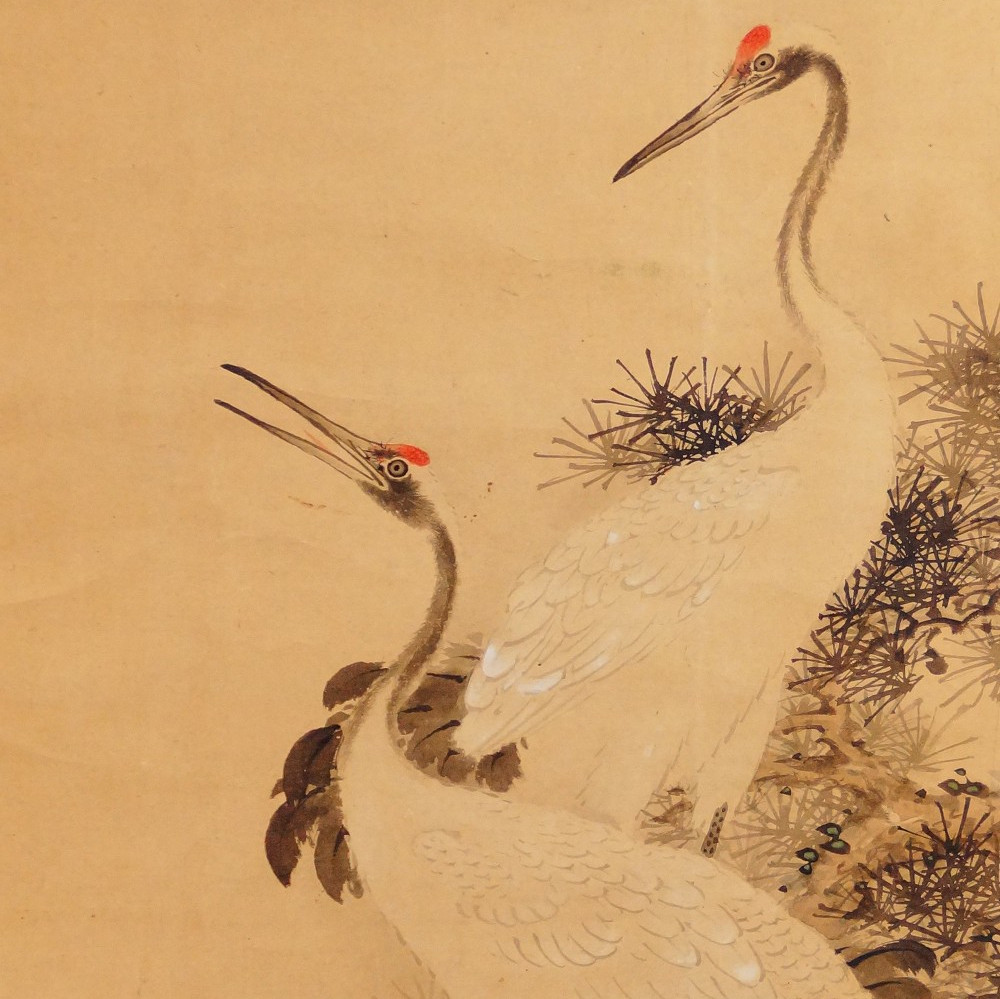
Murata Tōho
Pair of Cranes Between Pine Branches in Sepia Tones
Kakemono, unique work, 195 x 62 cm
€390.00

Sparrows at the Cliff
Kakemono, unique work, 187 x 57 cm
€180.00

Takahashi Shuka
Two Cranes in Intimate Togetherness
Kakemono, unique work, 180 x 45 cm
€350.00
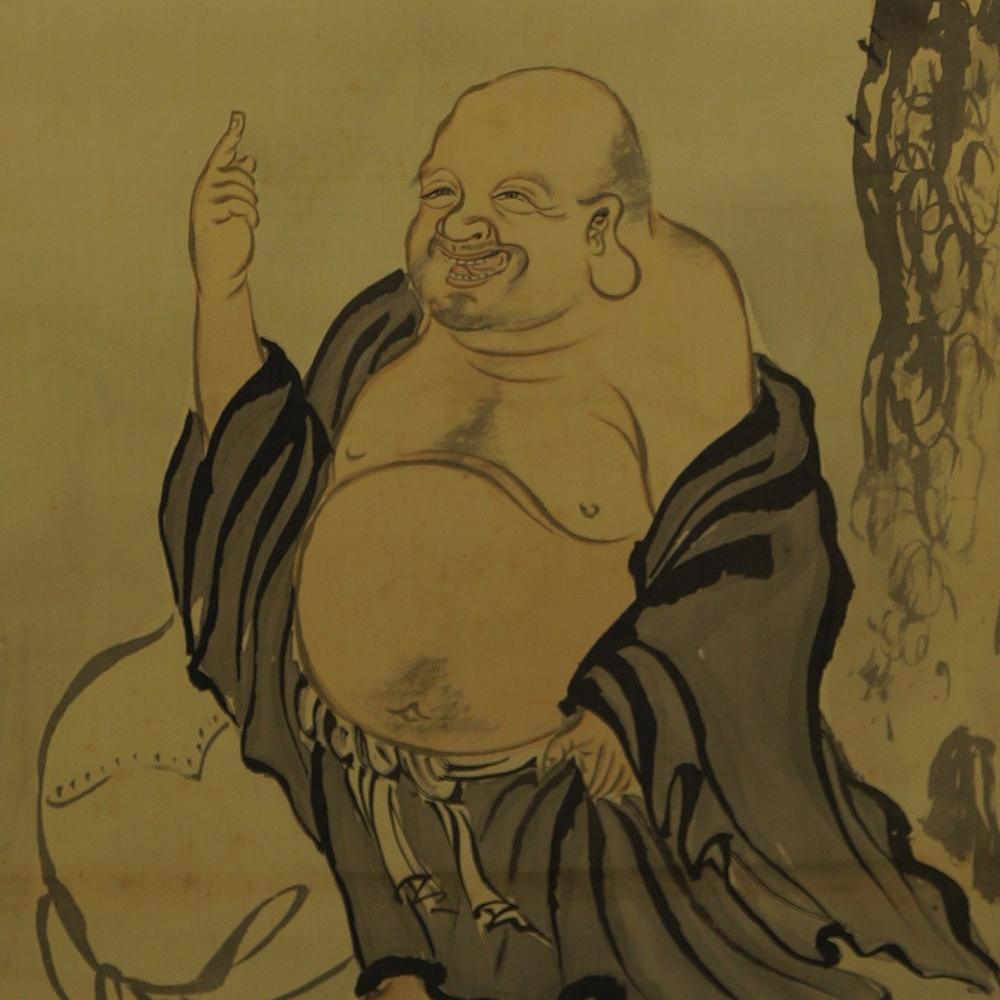
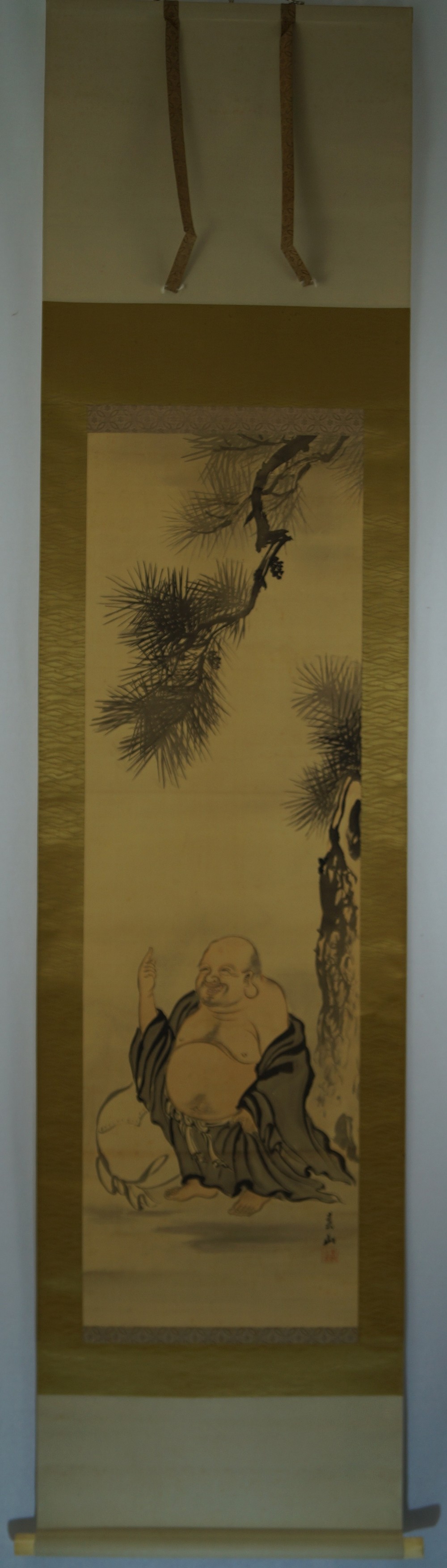
Hotei Under the Pine
Kakemono, unique work, 200 x 53 cm
€160.00
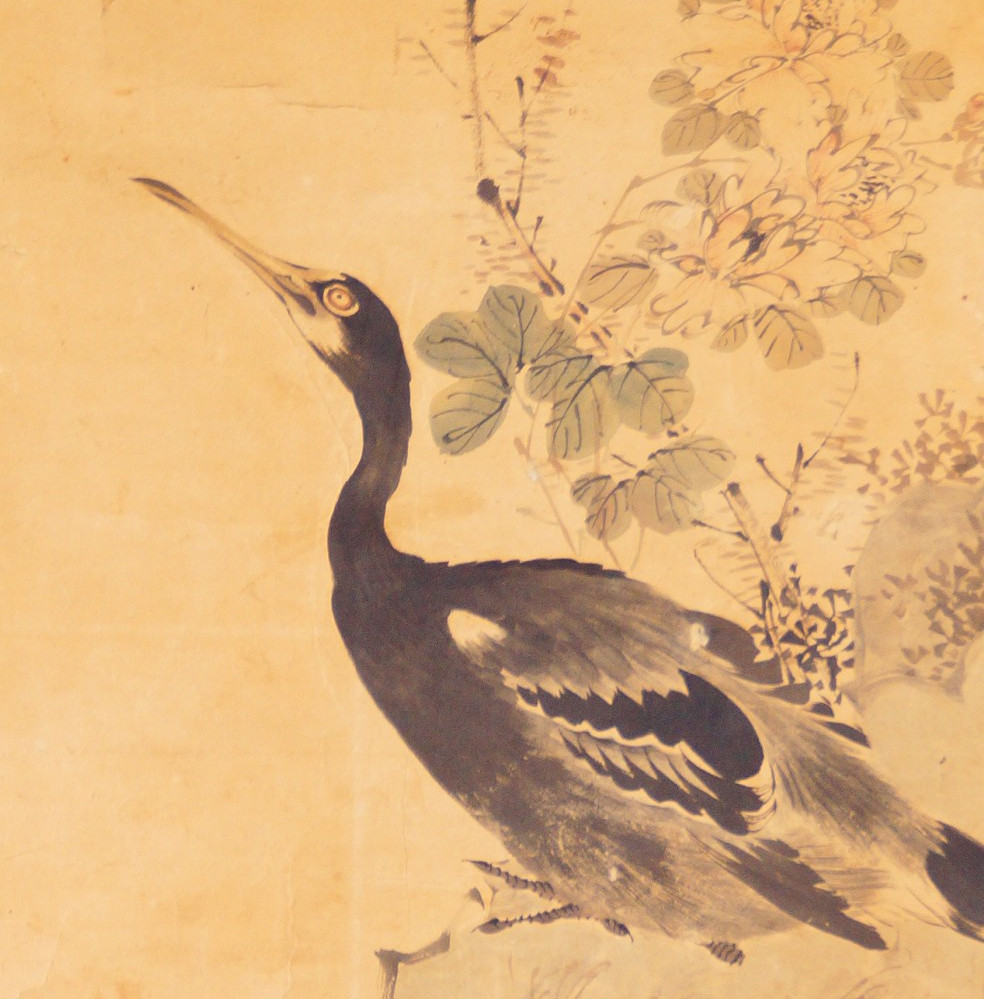
Yamamoto Baiitsu
Heron on Rock with Chrysanthemums
Kakemono, unique work, 189 x 60 cm
€290.00
Calligraphy: Pine and Bamboo
Kakemono, unique work, 200 x 48 cm
€140.00
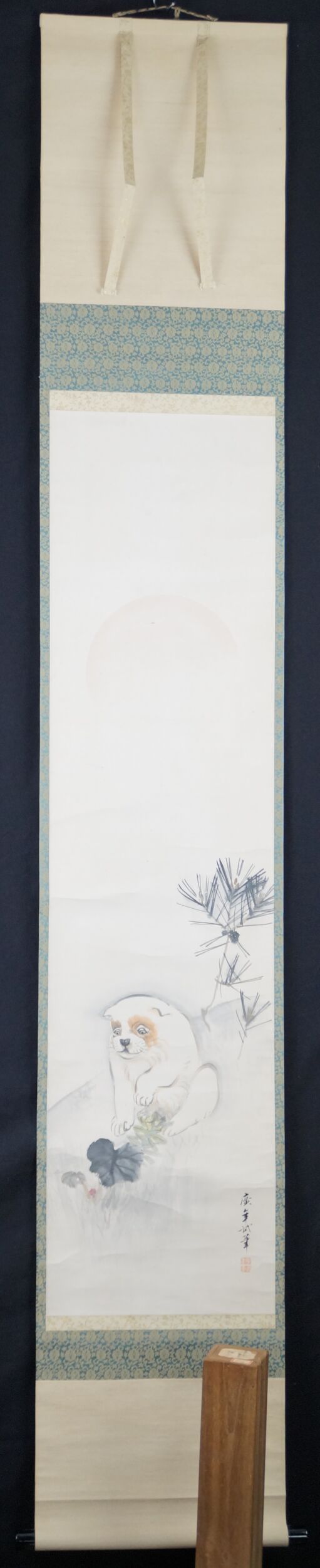
Puppy at Sunset Under Pine Trees
Kakemono, unique work, with box, 200 x 39 cm
€210.00




Details about the sold piece
- JikusakiWood
- Material HonshiPaper
- MotifAnimals
- TechniqueHand-Painted
Description
Two elegant cranes with characteristic red head markings stand on a rocky outcrop, while a gnarled pine and a delicately blossoming plum branch complete the composition in the background. The fine feather rendering and the high-contrast black-and-white design of the plumage attest to great painterly precision.
In Japan, cranes are traditionally regarded as a symbol of longevity, good fortune, and fidelity, as according to tradition they remain together for life. In combination with pine and plum blossom, both likewise emblems of constancy and new beginnings, an especially auspicious overall motif emerges.
The painting is done on paper, mounted with wooden rods, and dates from the Shôwa period. With its classical symbolism and careful execution, this kakemono is a timeless example of Japanese bird-and-flower painting, one that is also suitable as a gift for special occasions.

