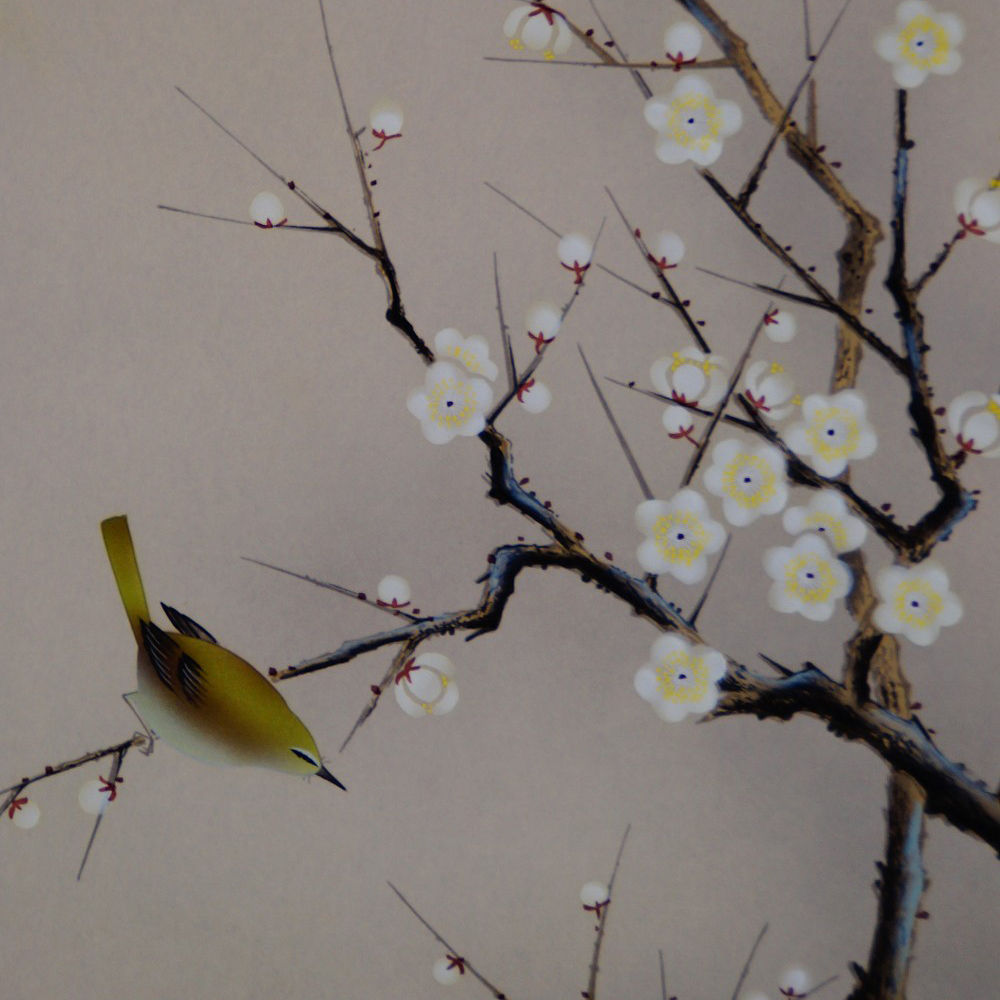
Makuri Winter Tree with Seated Scholar
One of a kind — this work exists only once.
- Period:
- Shôwa (1926–1989)
- Dimensions (height x width):
- 120 x 42 cm
- Item number:
- 3494
This piece has been sold.
Sold – no longer available
This piece was a handmade one-of-a-kind work. It cannot be reordered and will never exist in this form again. The page stays online as part of our archive.
More items in category LandscapesAll one-of-a-kind Japanese Painting pieces
See new one-of-a-kind pieces first
We feature every delivery from Japan in the newsletter first – before the pieces show up in search results.
You might like these pieces
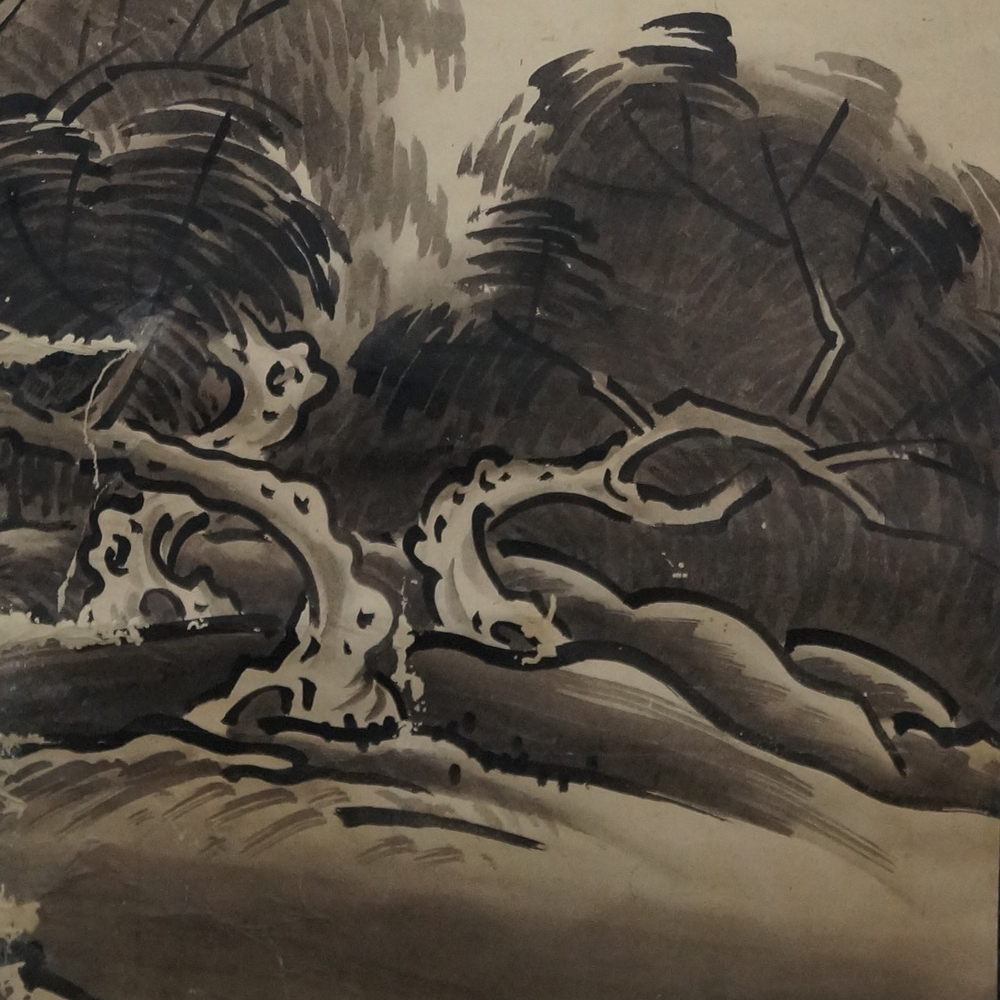
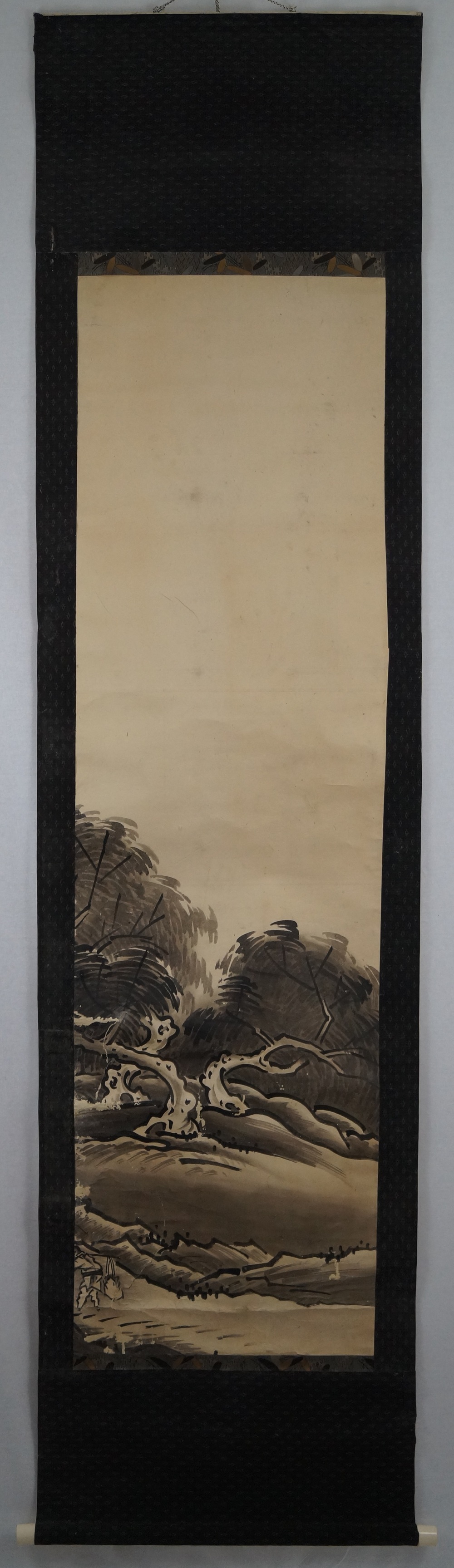
Two Gnarled Trees
Kakemono, unique work, 210 x 58 cm
€120.00
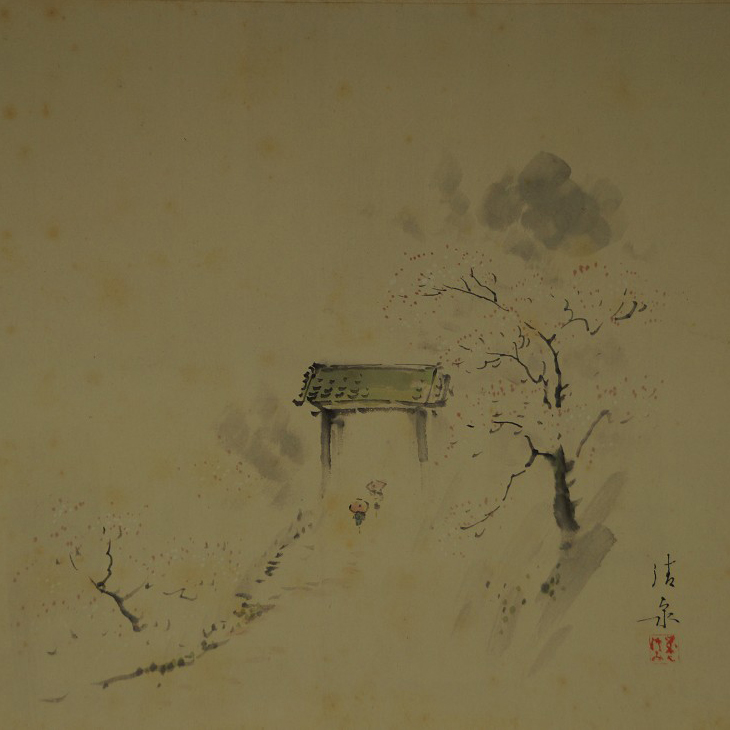
Seizumi
Small Wanderer Beneath Blossoming Trees at the Torii
Kakemono, unique work, 128 x 57 cm
€220.00
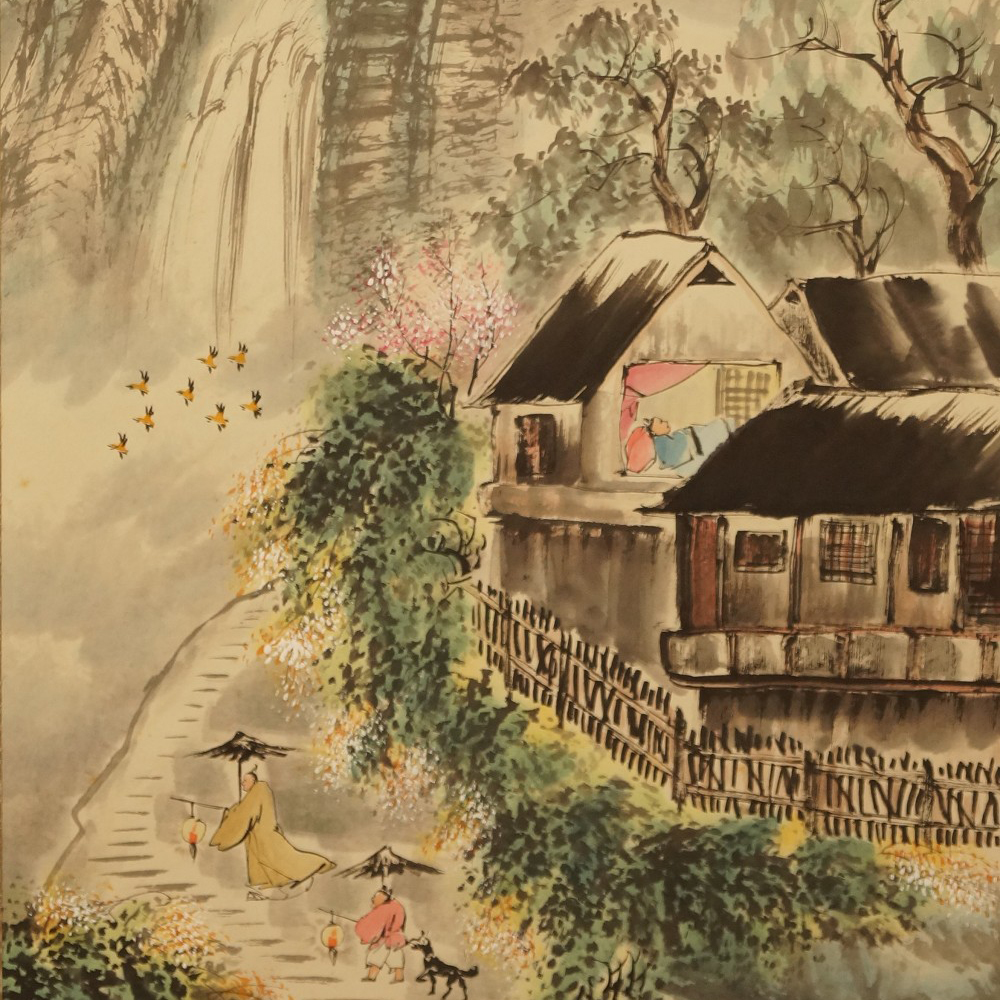
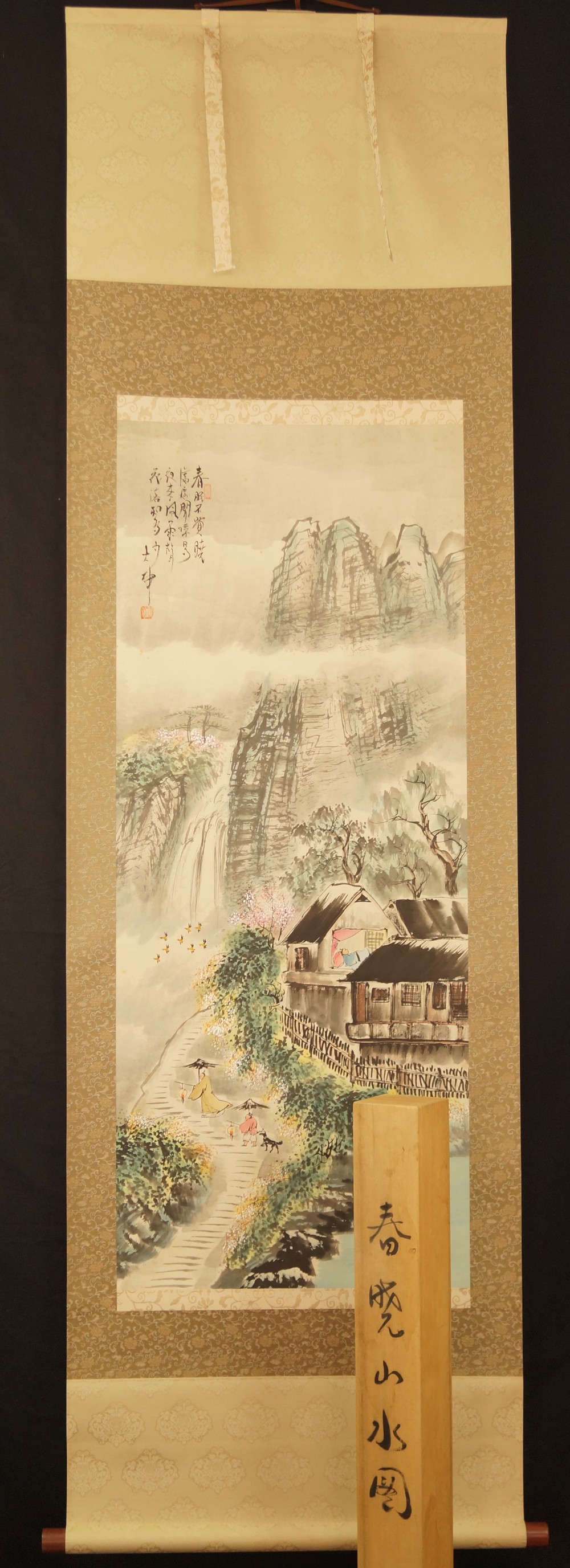
Two Scholars in the Mountains
Kakemono, unique work, with box, 180 x 60 cm
€220.00
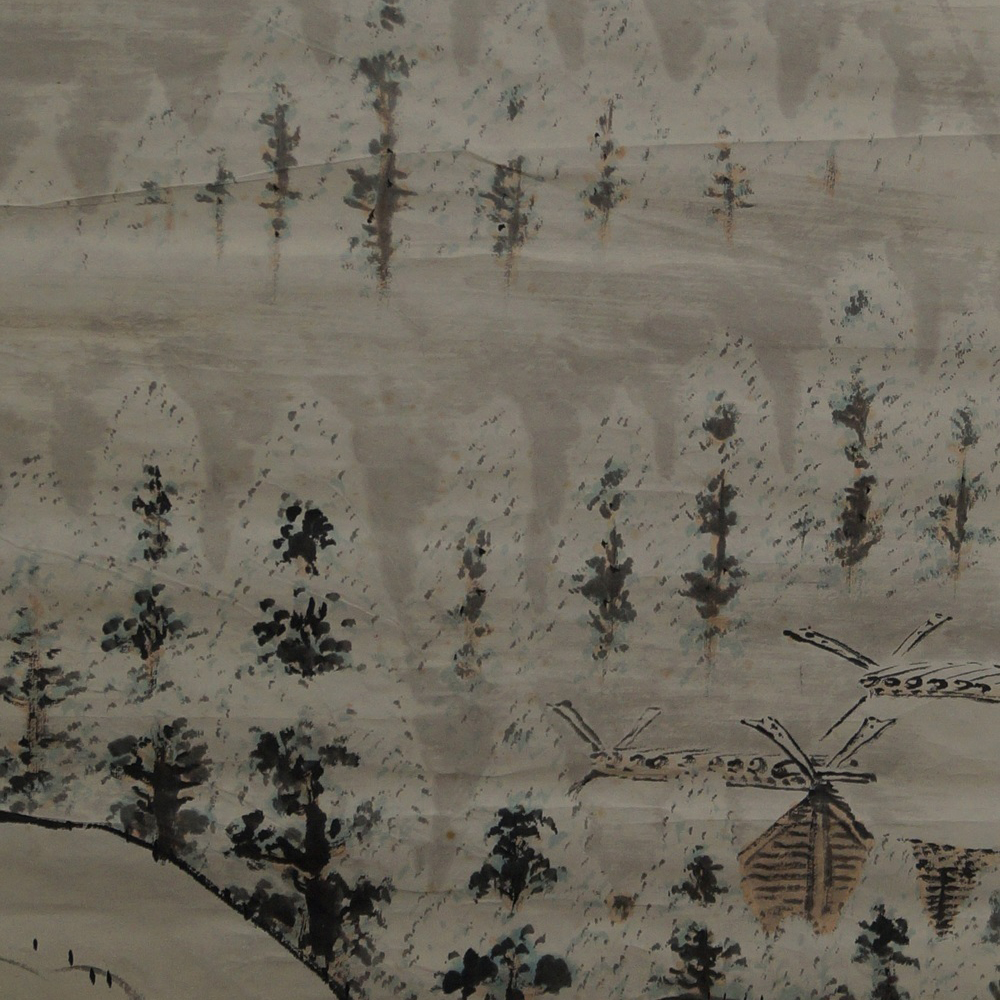
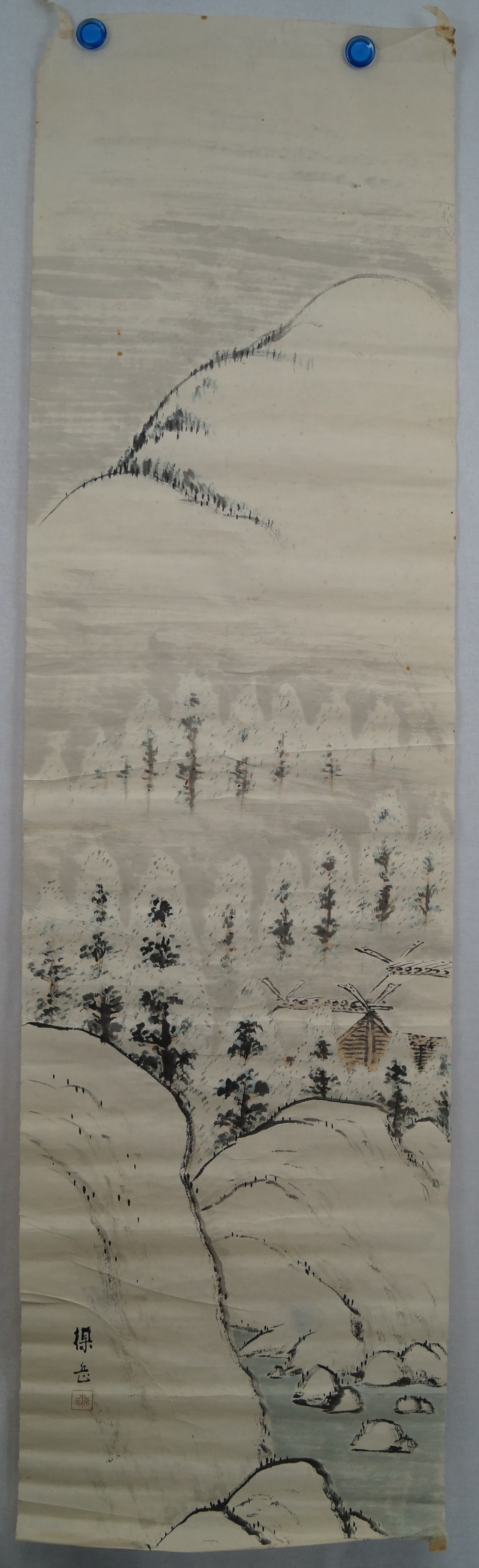
Winter Landscape with Mountain Huts
Makuri, unique work, 140 x 40 cm
€70.00
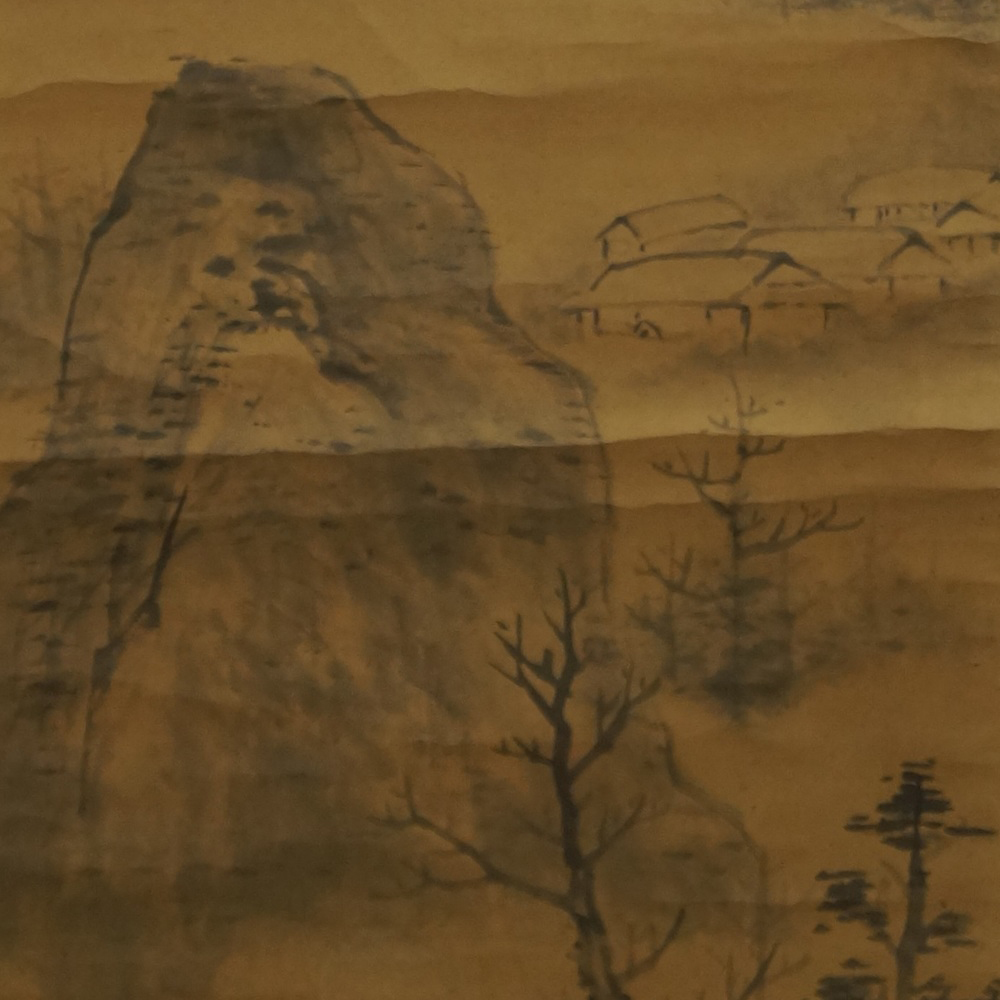
Mountain Village at the Foot of the Cliff
Kakemono, unique work, 195 x 56 cm
€150.00
Ogawa Shodo
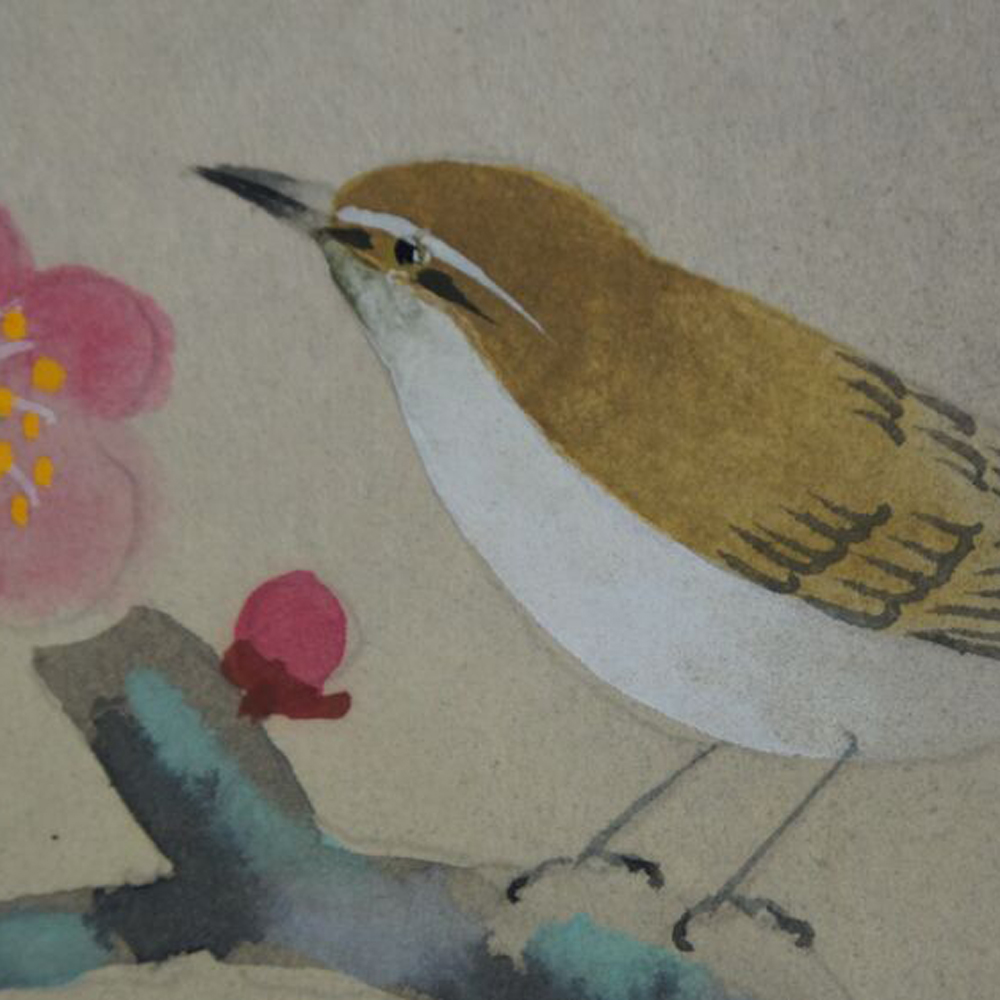
Songbird on Blooming Plum Tree
Kakemono, unique work, with box, 133 x 66 cm
€410.00
Mori Ippo
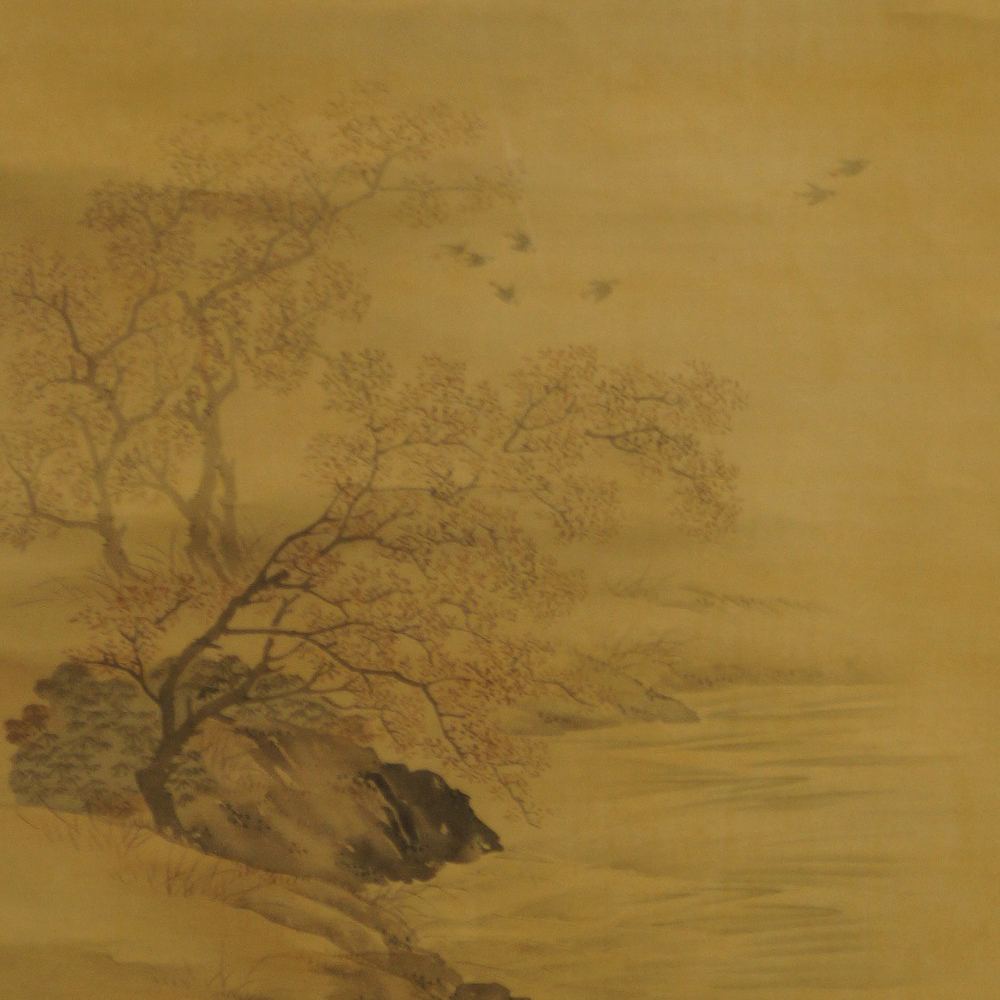
Autumn Tree by the Riverbank
Kakemono, unique work, 180 x 53 cm
€360.00
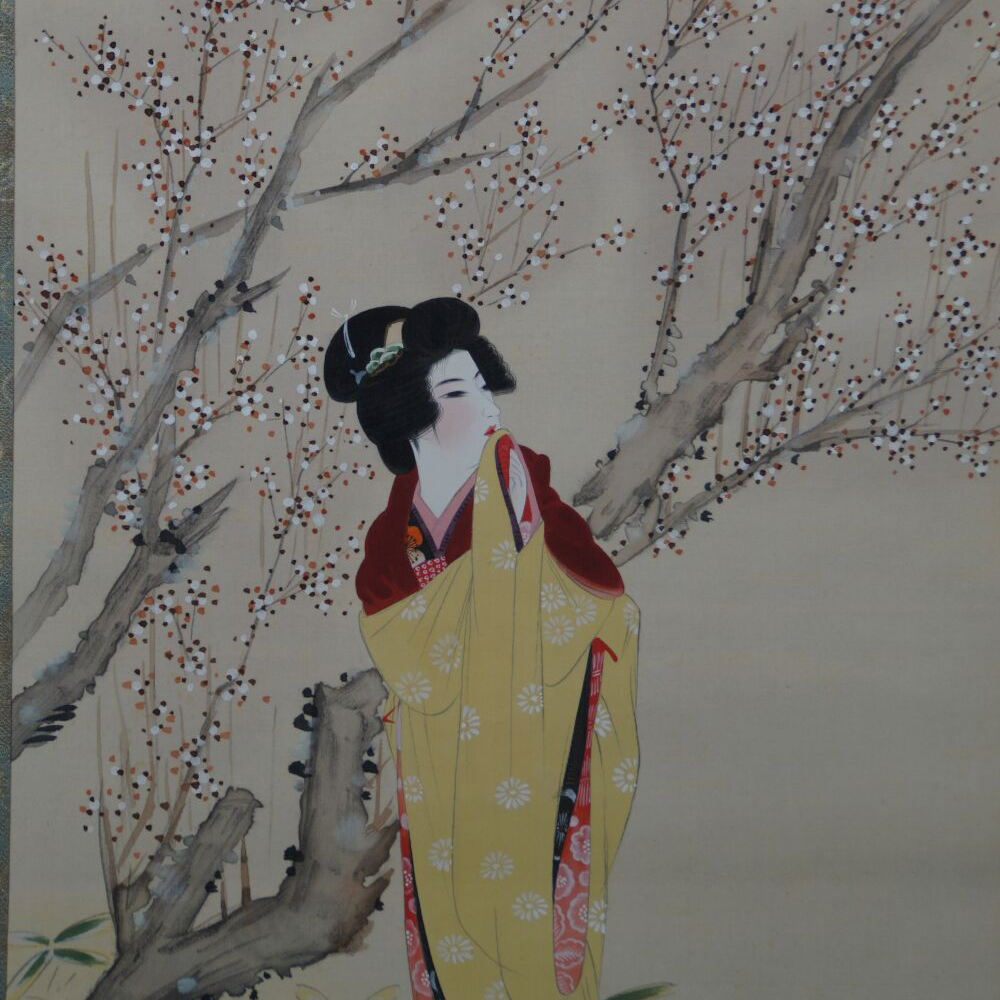
Itō Shinsui
Lady in Kimono Under Blossoming Plum Tree
Kakemono, unique work, with box, 205 x 50 cm
€1,680.00


Details about the sold piece
- Material HonshiPaper
- MotifLandscape
- TechniqueHand-Painted
Description
Bare and widely branching, a gnarled tree stretches upward, while at the foot of its trunk a small figure, indicated with only a few lines, rests quietly, gazing across the water toward distant mountains. The austere, almost wintry mood of the image, with its restrained gradations of ink, creates a contemplative, faintly melancholic atmosphere.
Such landscapes featuring a single, inward-turned scholar figure are among the classical themes of literati-style Chinese-Japanese painting and stand as a symbol of retreat, inner reflection, and the close bond between man and nature.
This work is a makuri, that is, the unmounted picture field of a hanging scroll without its customary textile mounting – only the actual pictorial section survives. The scene was painted by hand on paper in the Shôwa period. The free, sketch-like brushwork makes this unique work an evocative example of classical ink painting.