Kakemono Winter and Spring - Set of 2
One of a kind — this work exists only once.
- Signature / Stamp:
- Ikeda Kyuka
- Period:
- Meiji (1868–1912)
- Dimensions (height x width):
- 189 x 52 cm
- Item number:
- 6368
This piece has been sold.
Sold – no longer available
This piece was handmade by Ikeda Kyuka and was a one-of-a-kind work. It cannot be reordered and will never exist in this form again. The page stays online as part of our archive.
More items in category LandscapesAll one-of-a-kind Japanese Painting pieces
See new one-of-a-kind pieces first
We feature every delivery from Japan in the newsletter first – before the pieces show up in search results.
You might like these pieces
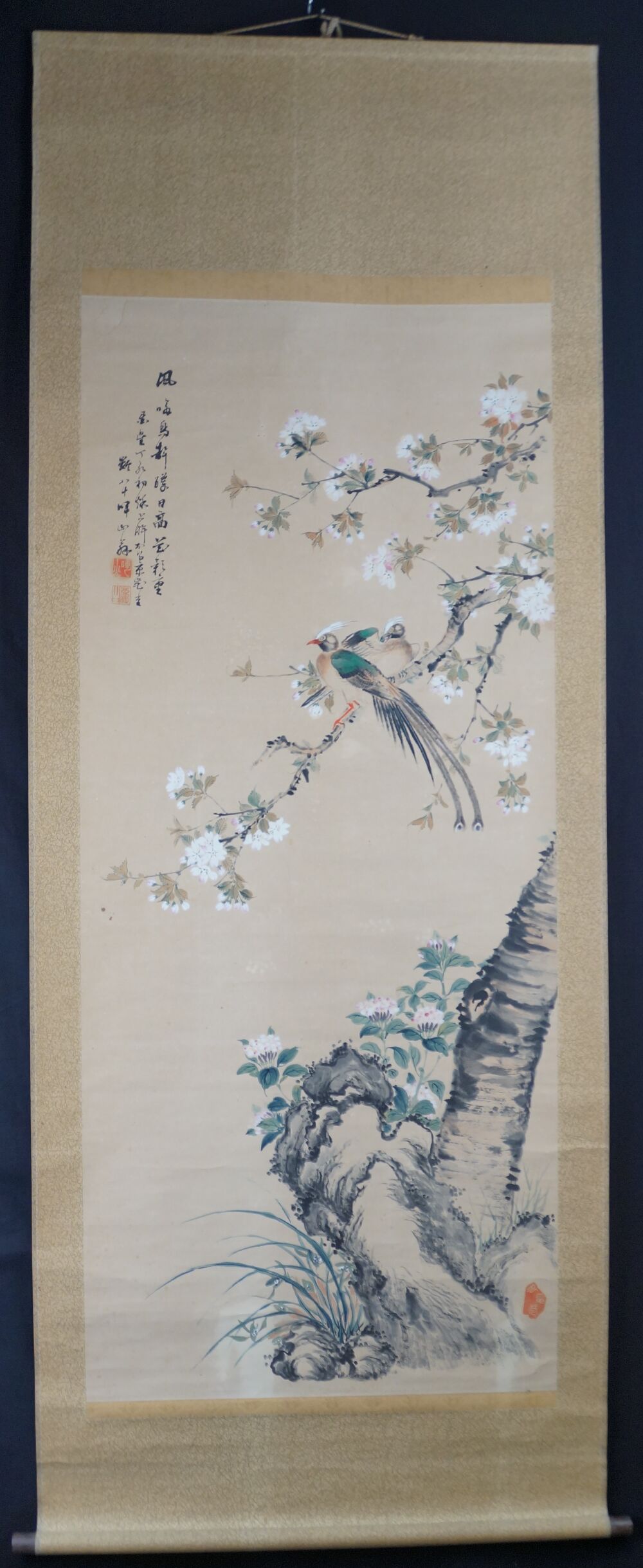
Takahashi Keizan
Spring Duet on Blooming Branch
Kakemono, unique work, 182 x 80 cm
€630.00
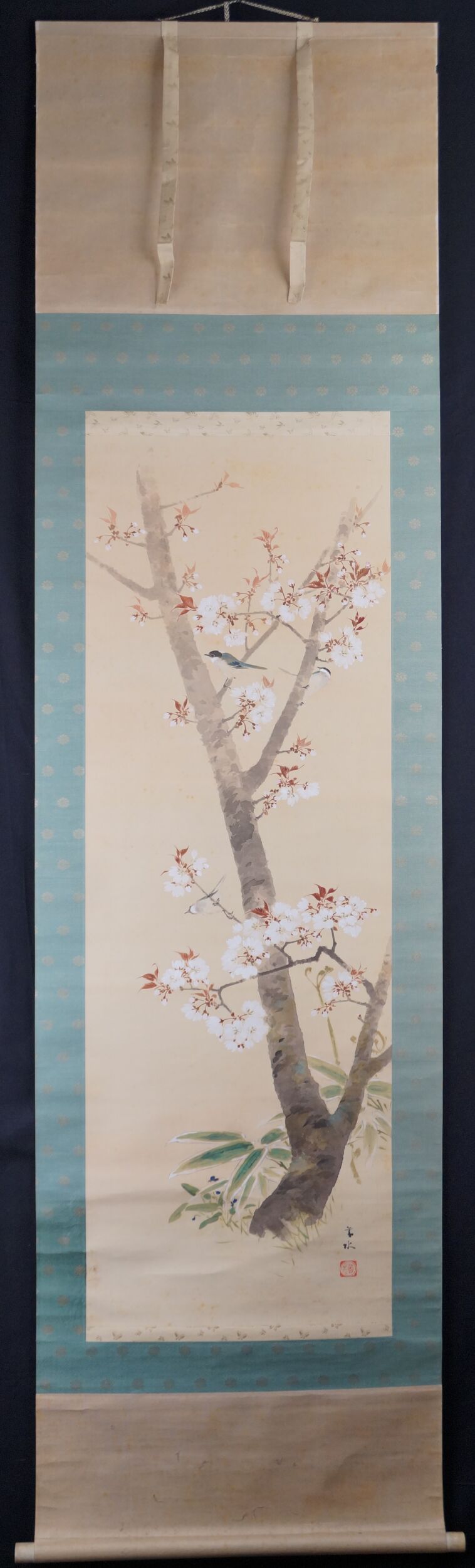
Suma Taisui
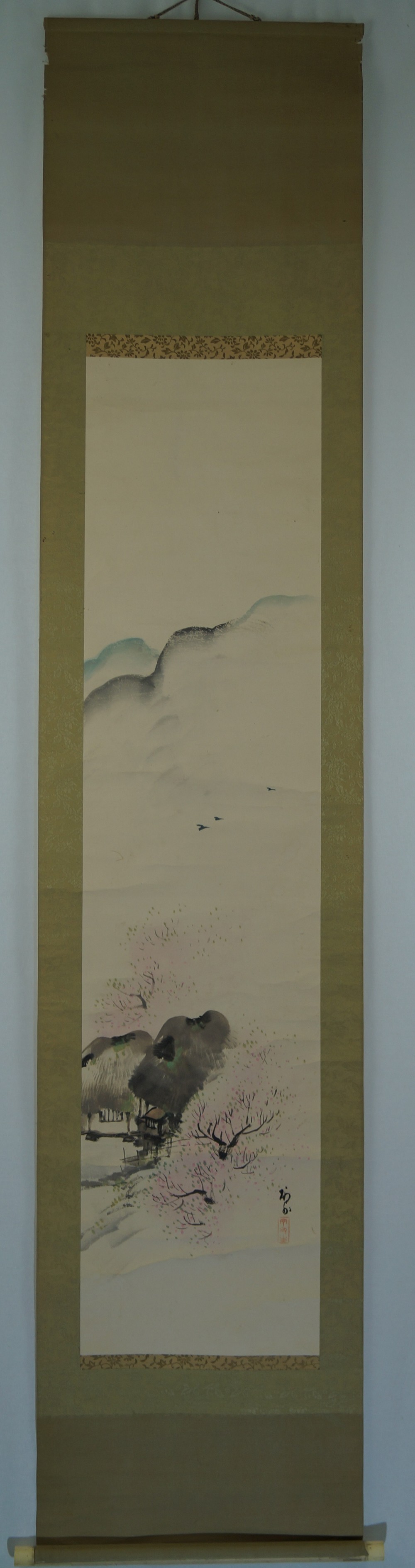
Spring at the Old Cherry Blossom
Kakemono, unique work, with box, 208 x 61 cm
€470.00
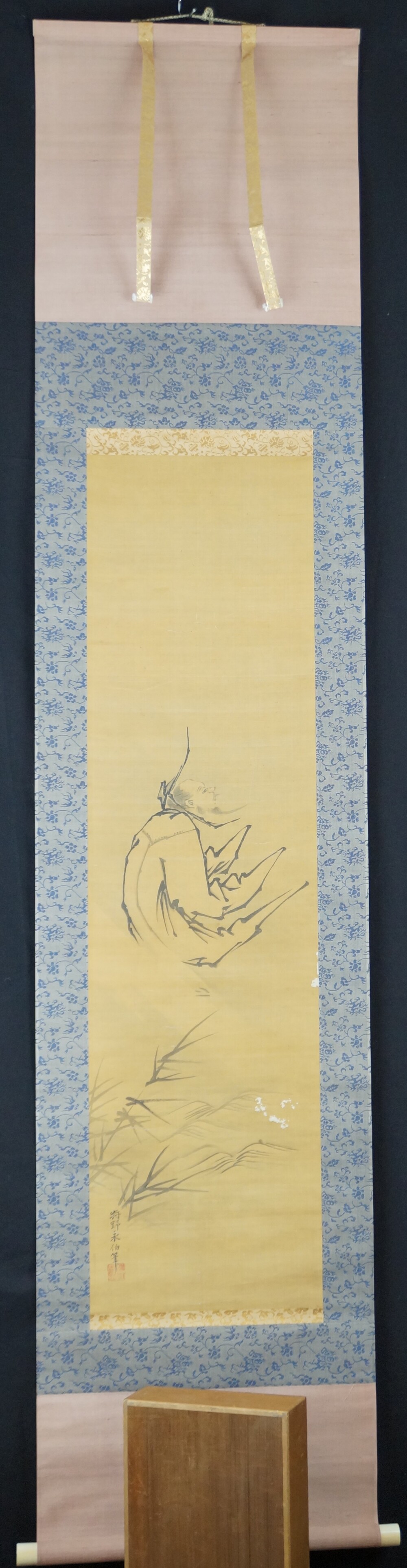
Kano Eihaku
Water, Retreat and Ascent - Set of 3
Kakemono, unique work, with box, 188 x 45 cm
€630.00
Okumura Kyōhō
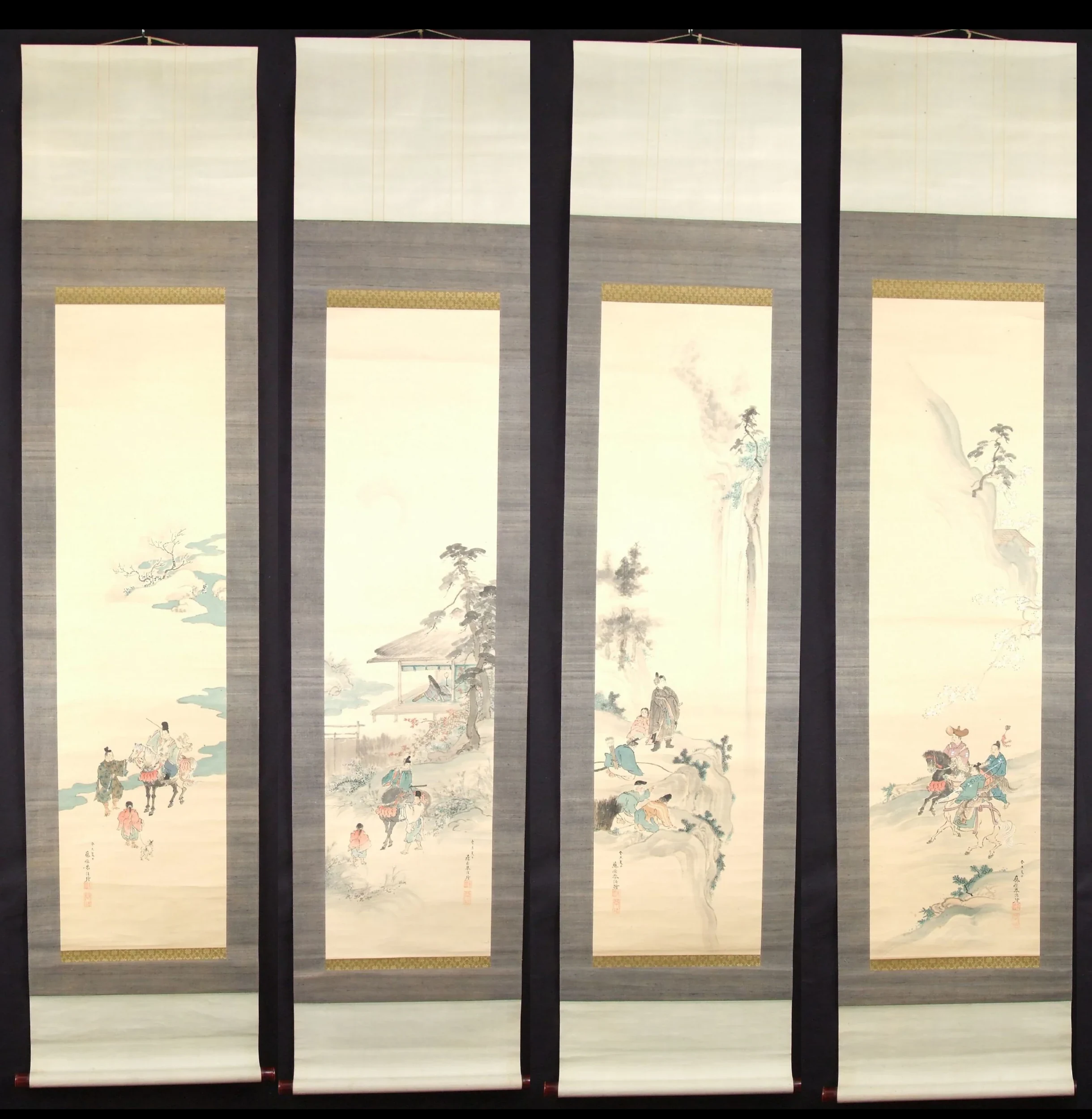
Set of Four Paintings – Legends of the Four Seasons
Kakemono, unique work, with box, 192 x 48 cm
€1,210.00
Landscape with Pavilion and Boat on the Shore
Kakemono, unique work, 194 x 34 cm
€150.00
Kanō Tōshun Yoshinobu
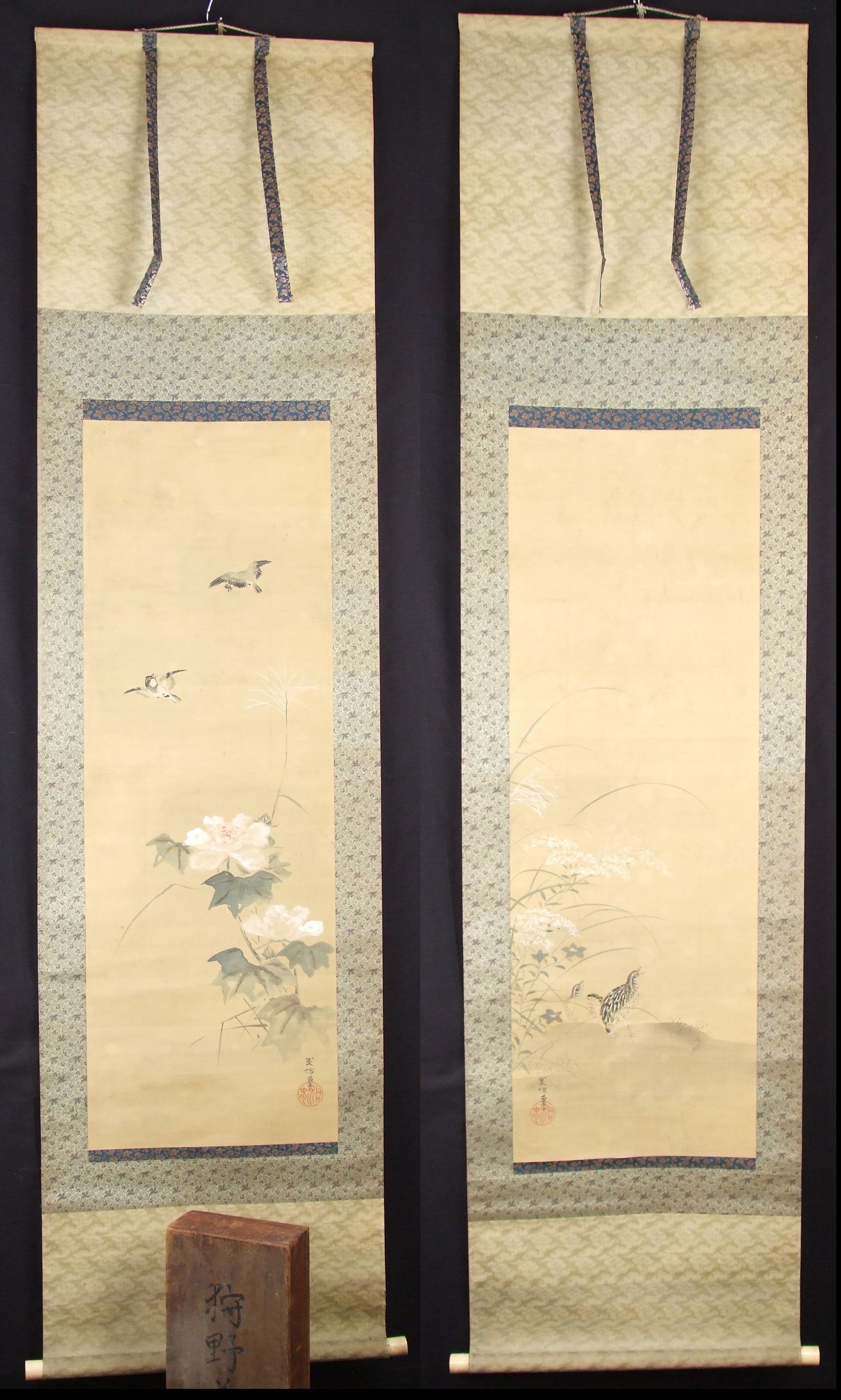
Set of Two Paintings – Birds and Autumn Flowers
Kakemono, unique work, with box, 200 x 56 cm
€770.00
Plum Blossom in Snow
Kakemono, unique work, 197 x 47 cm
€140.00
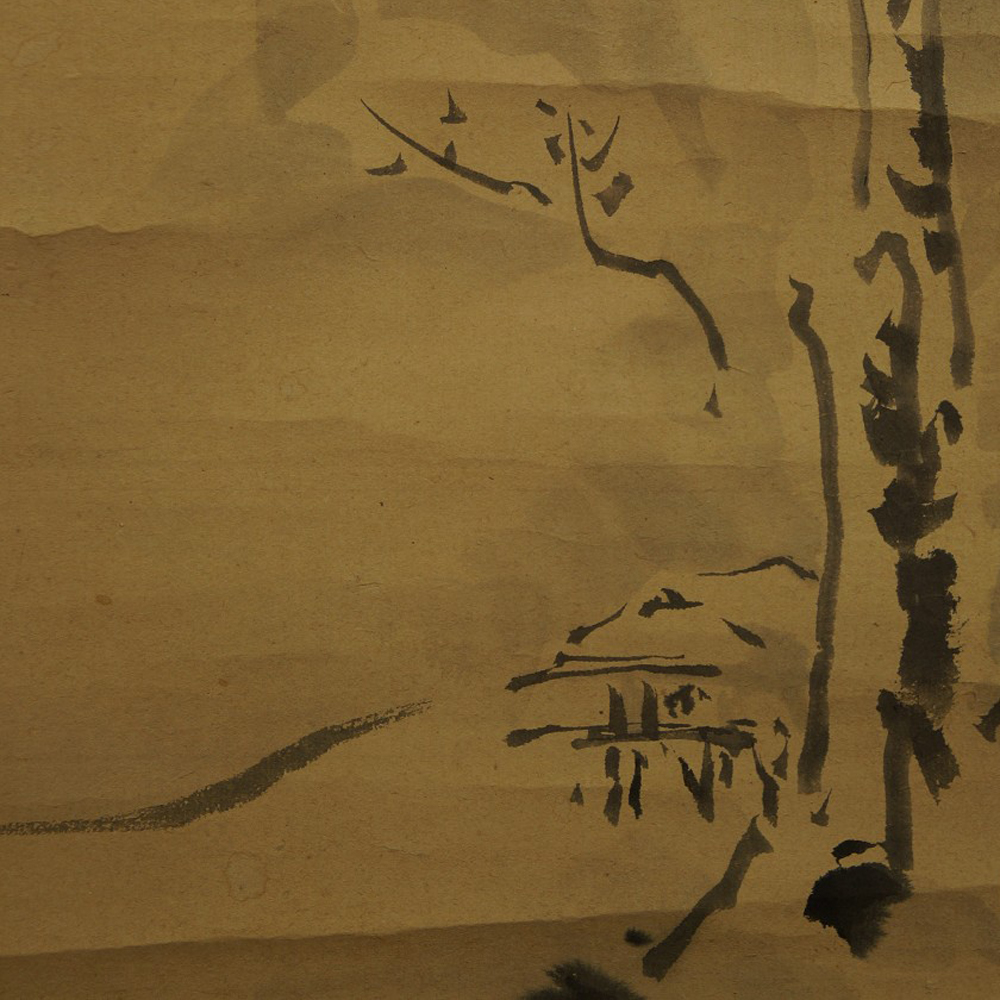
Sakai Hōitsu
Winter Landscape with Birds by the River
Kakemono, unique work, with box, 180 x 42 cm
€430.00


Details about the sold piece
- JikusakiBone
- Material HonshiSilk
- MotifLandscape
- TechniqueHand-Painted
Description
This matched pair of kakemono unfolds a quiet dialogue between winter and spring. In one painting, a landscape lies beneath gentle snow: muted gray tones, veiled hills, and snow-covered trees create an atmosphere of deep stillness. A hidden building and restrained architectural hints lend the scene a human closeness without breaking the silence. The second kakemono opens up the space: melting ice, flowing water, and the first blossoms set colorful accents, while pines and delicate blossom branches mark the transition into a milder season.
In the juxtaposition, the true power of the ensemble unfolds. The two paintings are not conceived as isolated landscapes, but as a continuous rhythm of stillness and awakening. Empty spaces play a central role here: mist, sky, and water merge almost seamlessly into one another, letting the eye wander. The painting technique is finely tuned, with subtle nuances of color and controlled ink gradations that are typical of the landscape conception of the Meiji period.
Both kakemono are painted on silk and fitted with jikusaki made of bone. The seal refers to Ikeda Kyuka. The set is kept together in a wooden box, which underscores its character as a deliberately conceived seasonal pair and preserves the harmonious unity of winter and spring.