Kakemono Zen Calligraphy "Every Day Is a Good Day"
One of a kind — this work exists only once.
- Period:
- Shôwa (1926–1989)
- Dimensions (height x width):
- 188 x 52 cm
- Item number:
- 6204
This piece has been sold.
Sold – no longer available
This piece was a handmade one-of-a-kind work. It cannot be reordered and will never exist in this form again. The page stays online as part of our archive.
More items in category Buddhism and ZenAll one-of-a-kind Japanese Painting pieces
See new one-of-a-kind pieces first
We feature every delivery from Japan in the newsletter first – before the pieces show up in search results.
You might like these pieces
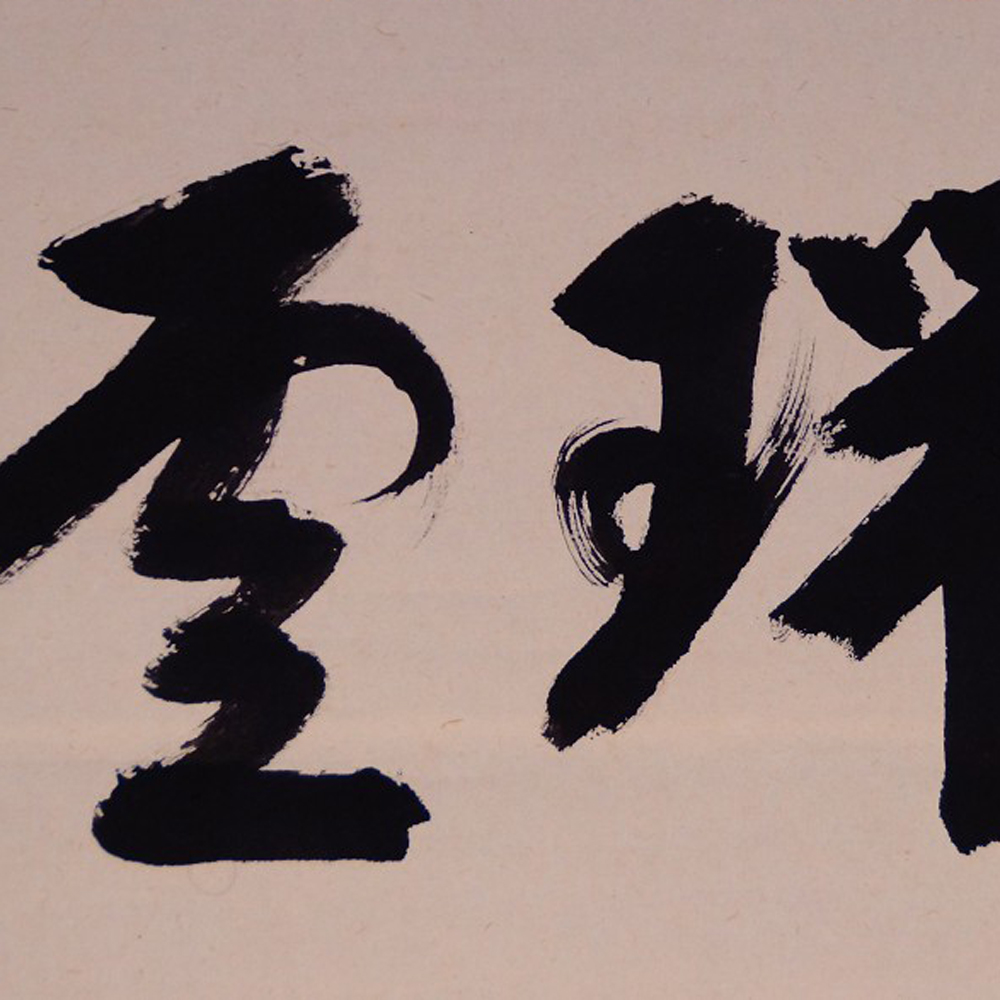
Satō Bokudō
"Zui-un" (like clouds and water) - Zen Calligraphy
Kakemono, unique work, with box, 114 x 58 cm
€490.00
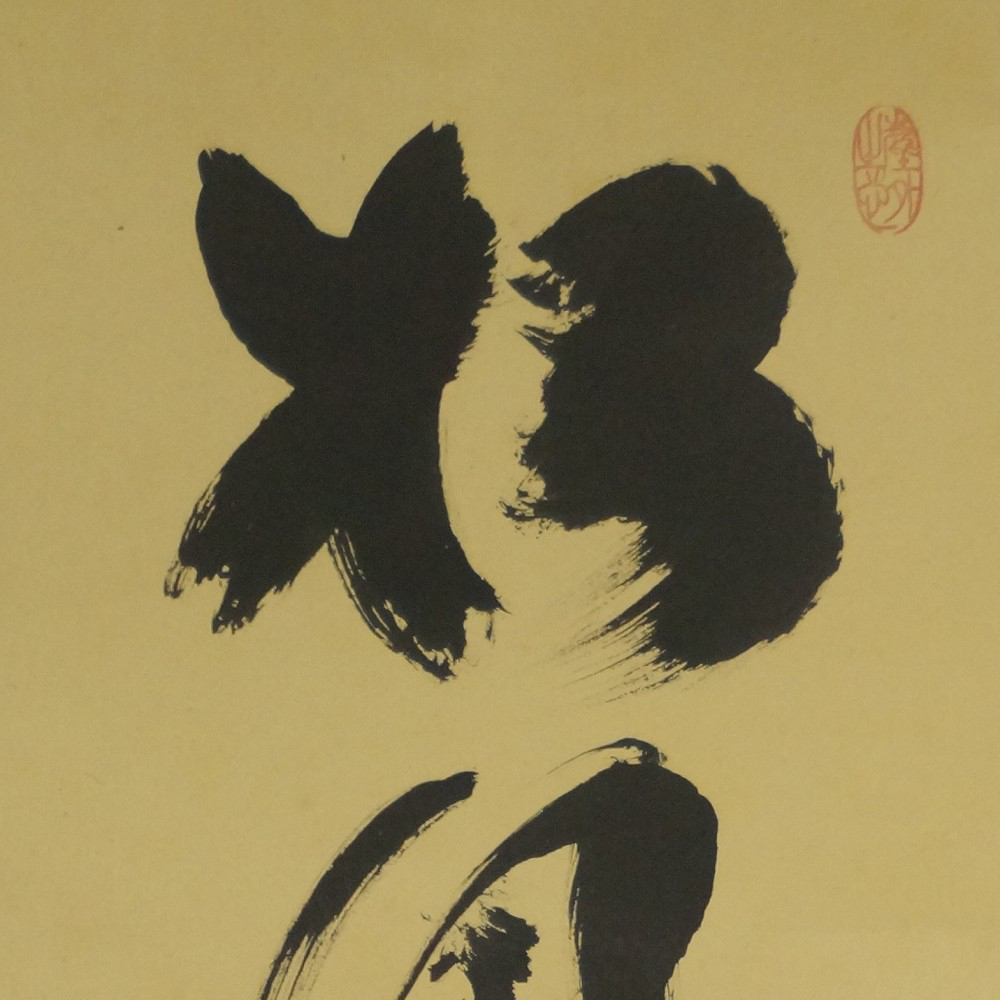
Kobayashi Taigen
Zen Calligraphy "Wind in the Pines, Wisdom of the Ages"
Kakemono, unique work, with box, 167 x 38 cm
€860.00
Kobayashi Taigen
No Mind, the Great Way – Zen Calligraphy, Gold-Mounted
Kakemono, unique work, with box, 173 x 37 cm
€720.00
Inoue Shundo
Zen Calligraphy "Silence"
Kakemono, unique work, 128 x 72 cm
€480.00
Adachi Taido
Zen Calligraphy "Pure Heart"
Kakemono, unique work, with box, 121 x 60 cm
€750.00
Kobayashi Taigen
No-Mind on the Great Way – Zen Calligraphy, Olive Mounting
Kakemono, unique work, with box, 176 x 36 cm
€690.00
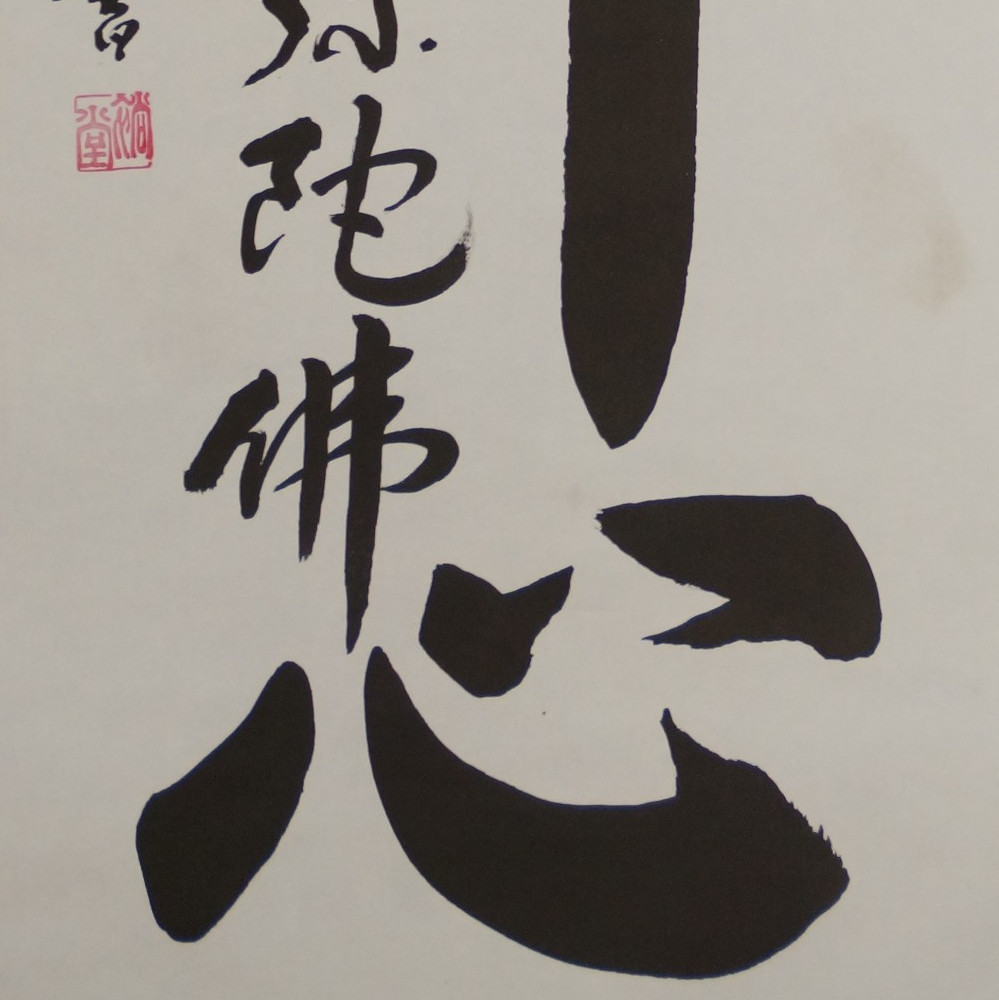
Zen Calligraphy "Bushin" (Buddha Spirit)
Kakemono, unique work, 187 x 60 cm
€350.00
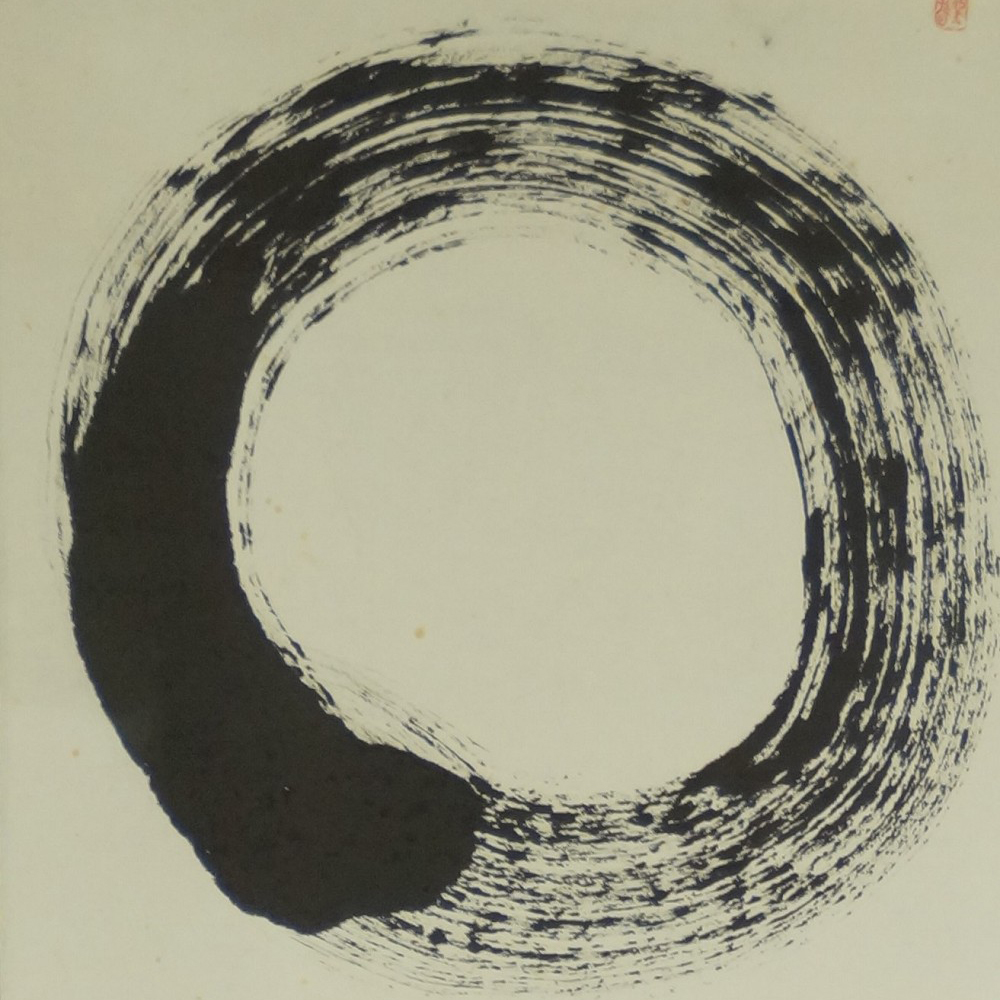
Ueda Yoshizan
Enso - Calligraphy
Kakemono, unique work, with box, 187 x 39 cm
€540.00




Details about the sold piece
- JikusakiWood
- Material HonshiPaper
- MotifBuddhism and Zen, Calligraphy
- TechniqueHand-Painted
Description
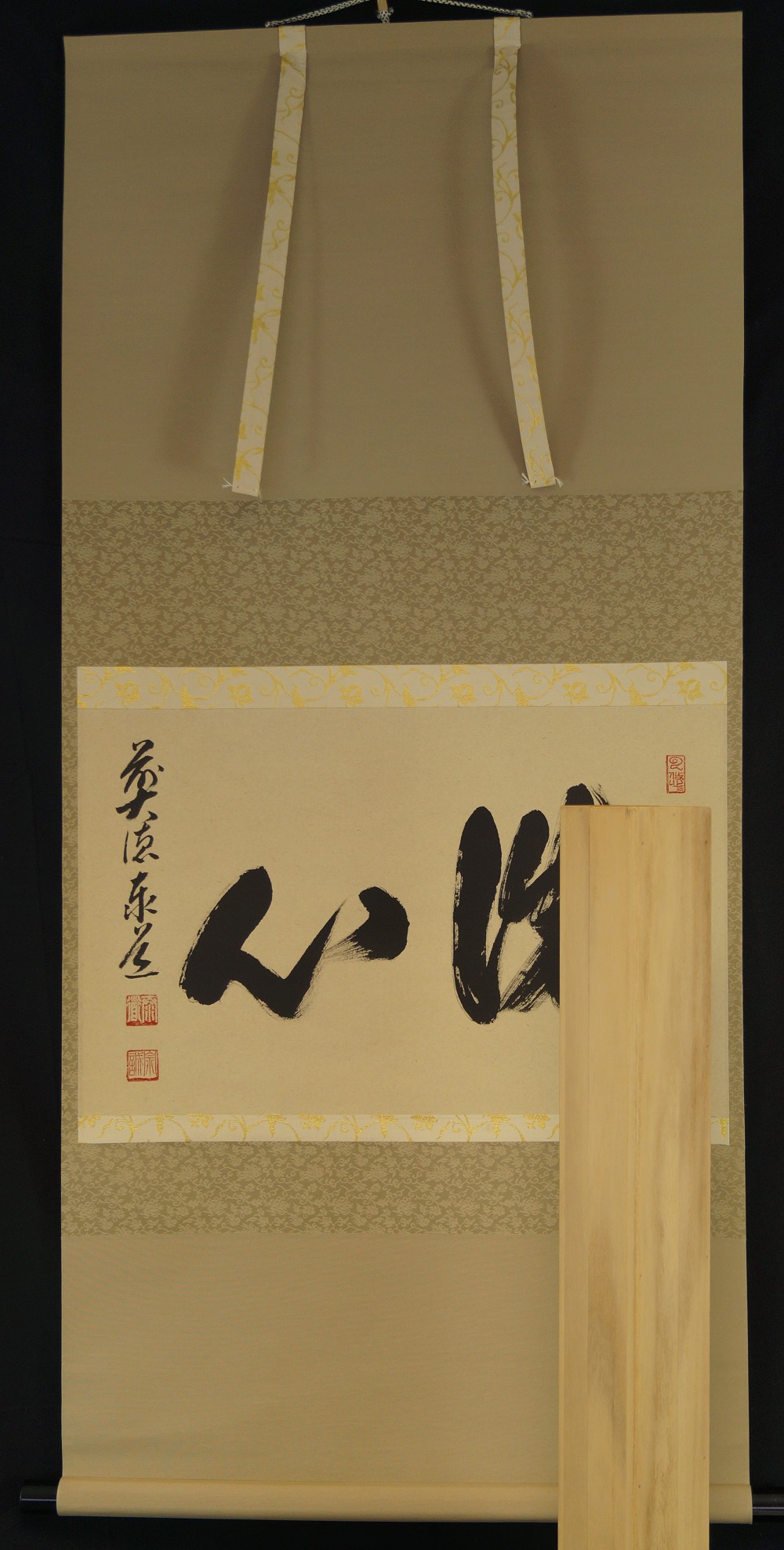
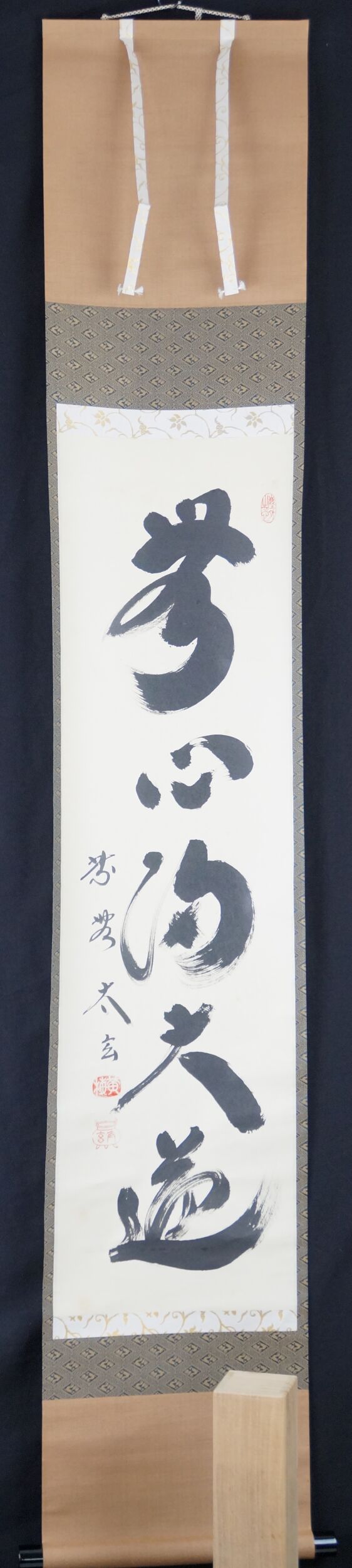
In powerful, flowing brushstrokes, the famous Zen phrase "Nichinichi kore kōjitsu" unfolds on this kakemono – Zen Calligraphy "Every Day Is a Good Day".
The dynamic brushwork, with its thick, energy-charged strokes and deliberately placed empty spaces, makes the meditative concentration behind each character palpable. This phrase is one of the best-known sayings of Zen Buddhism and encourages accepting each day equally – whether it brings joy or challenge.
The bold black ink contrasts impressively with the light paper background and is accentuated by two red seals. Written on paper and mounted in a green-and-gold brocade border with a floral pattern, this calligraphy is excellently suited for meditation rooms, tea ceremonies, or as a daily reminder of a mindful attitude toward life.
A timeless kakemono with a clear, powerful statement.