Japanese Shigaraki Ware
Go directly to the artworksIn brief
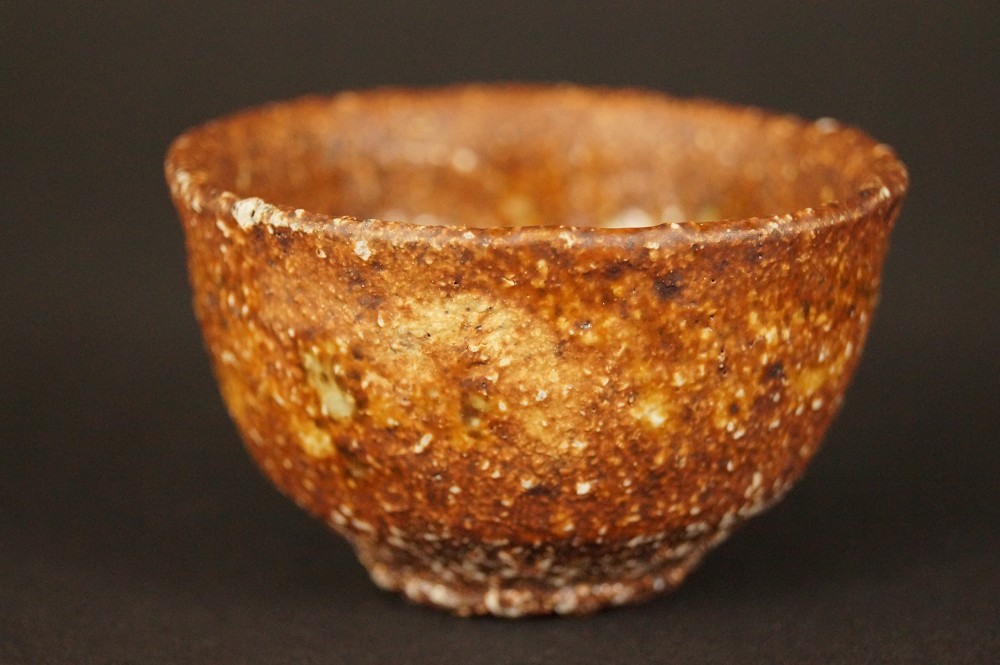
Shigaraki ware (信楽焼, Shigaraki-yaki) is a traditionally unglazed Japanese stoneware from the Kōka area in Shiga Prefecture and one of Japan’s Six Ancient Kilns. Its coarse, feldspar-rich clay comes from the sediments of an ancient forerunner of Lake Biwa and gives the ware its rough, almost stony surface. It is fired using the yakishime method without applied glaze; flame and wood ash leave behind fire red, natural ash glaze and small melted inclusions. At Densho you will find handmade Shigaraki chawan, sake vessels and vases as one-of-a-kind pieces direct from Japan.
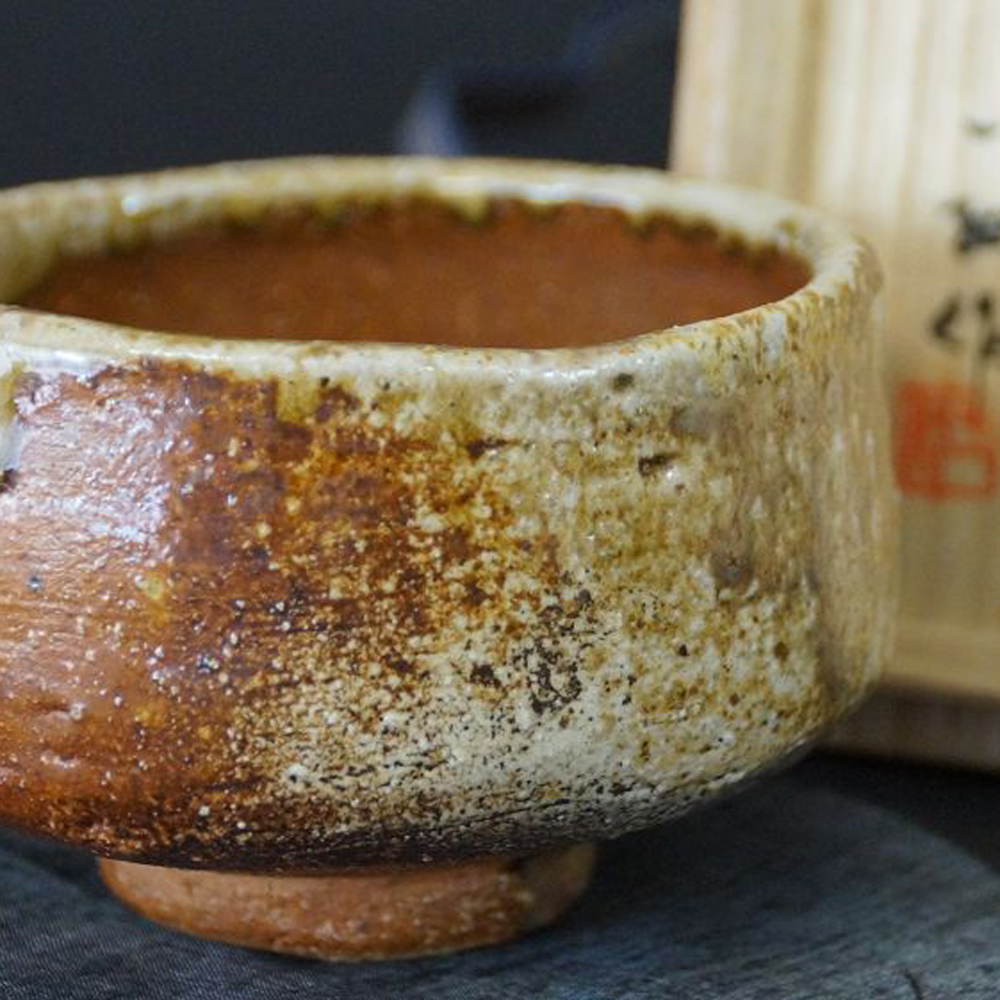

Kazuki Omi
Chawan Tea Bowl Made of Shigaraki Ware by Kazuki Omi
Chawan, unique work, with box, 8 x 12 cm
€210.00
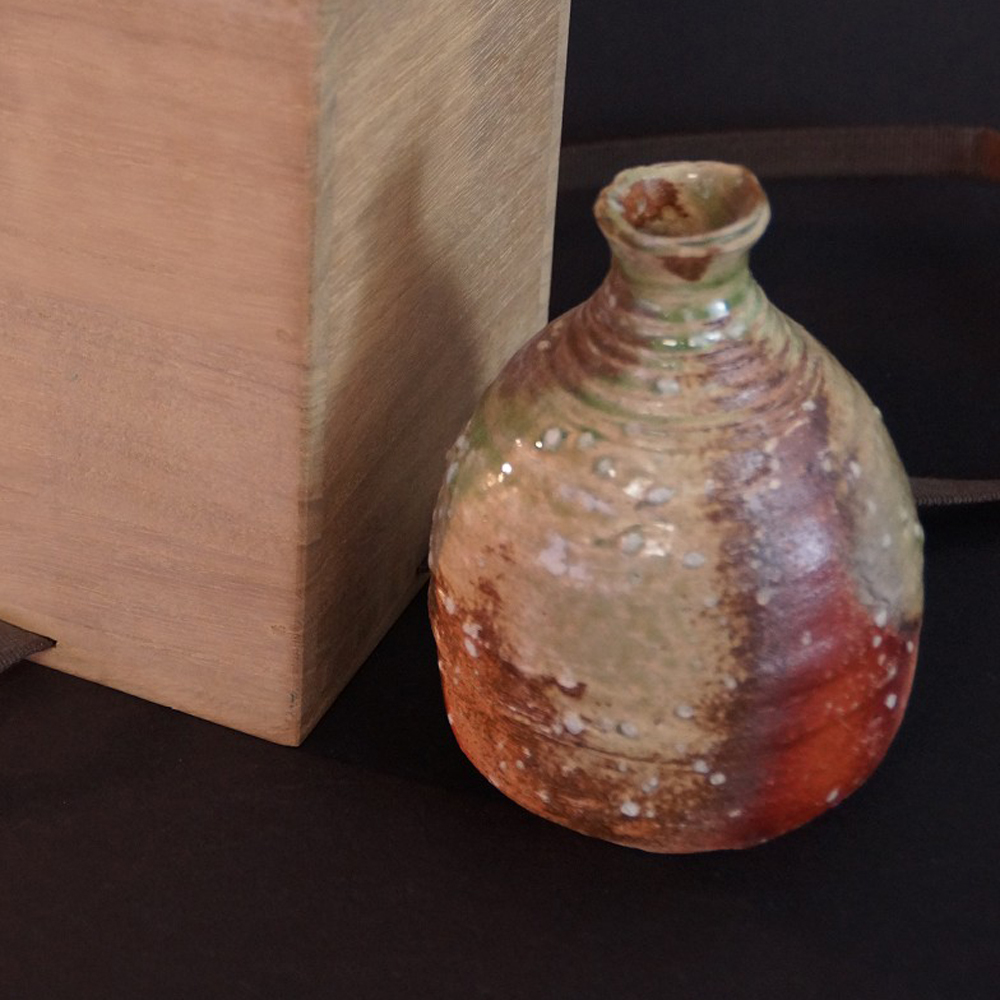

Sasaki Shodo
Tokkuri Made of Shigaraki Ware by Shodo Sasaki
Tokkuri, unique work, with box, 13 x 9 cm
€280.00
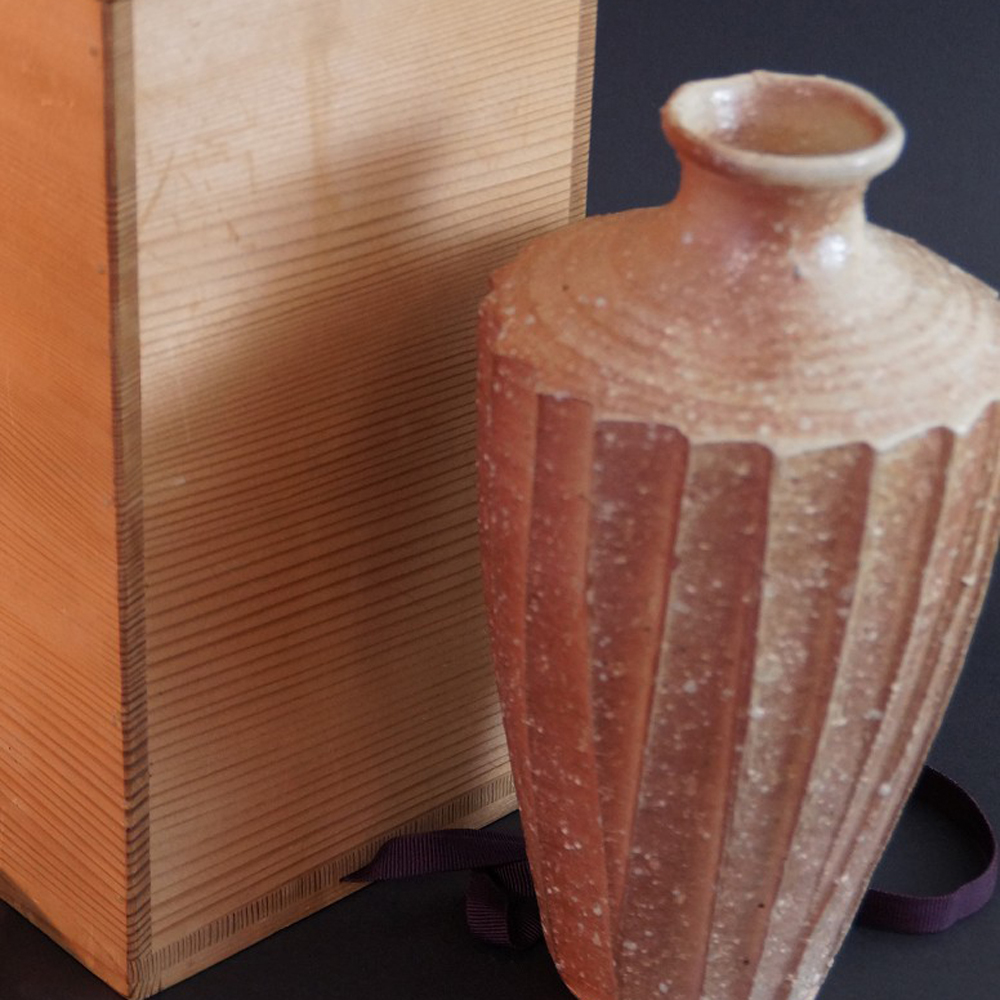

Takahashi Rakusai
Handcrafted Japanese Shigaraki Vase by Takahashi Rakusai
Vase, unique work, with box, 24 x 13 cm
€295.00

Shogetsu Matsuoka
Chawan Made of Shigaraki Ware by Shogetsu Matsuoka
Chawan, unique work, with box, 8 x 15 cm
Sold
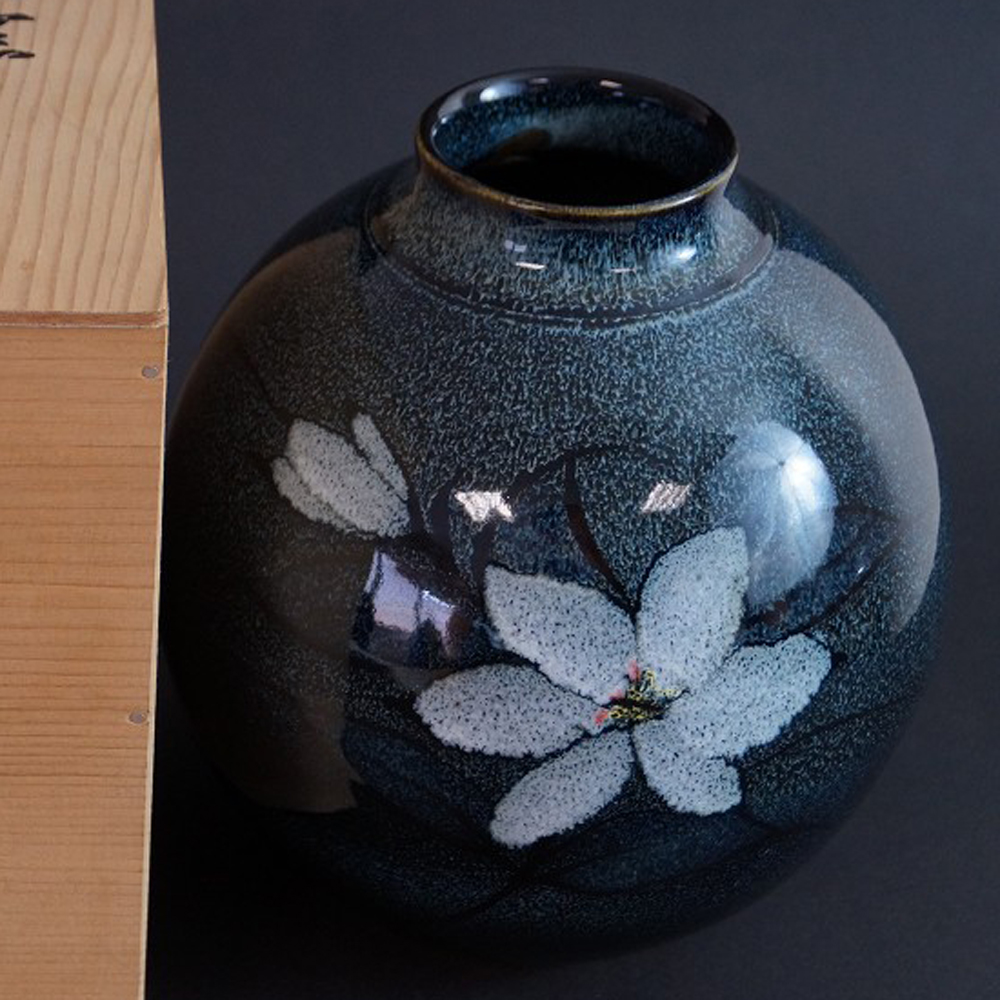
Kaoru Ohara
Shigaraki Ware Vase by Kaoru Ohara with Light-Colored Blossom on Blue-Green
Vase, unique work, with box, 21 x 17 cm
Sold
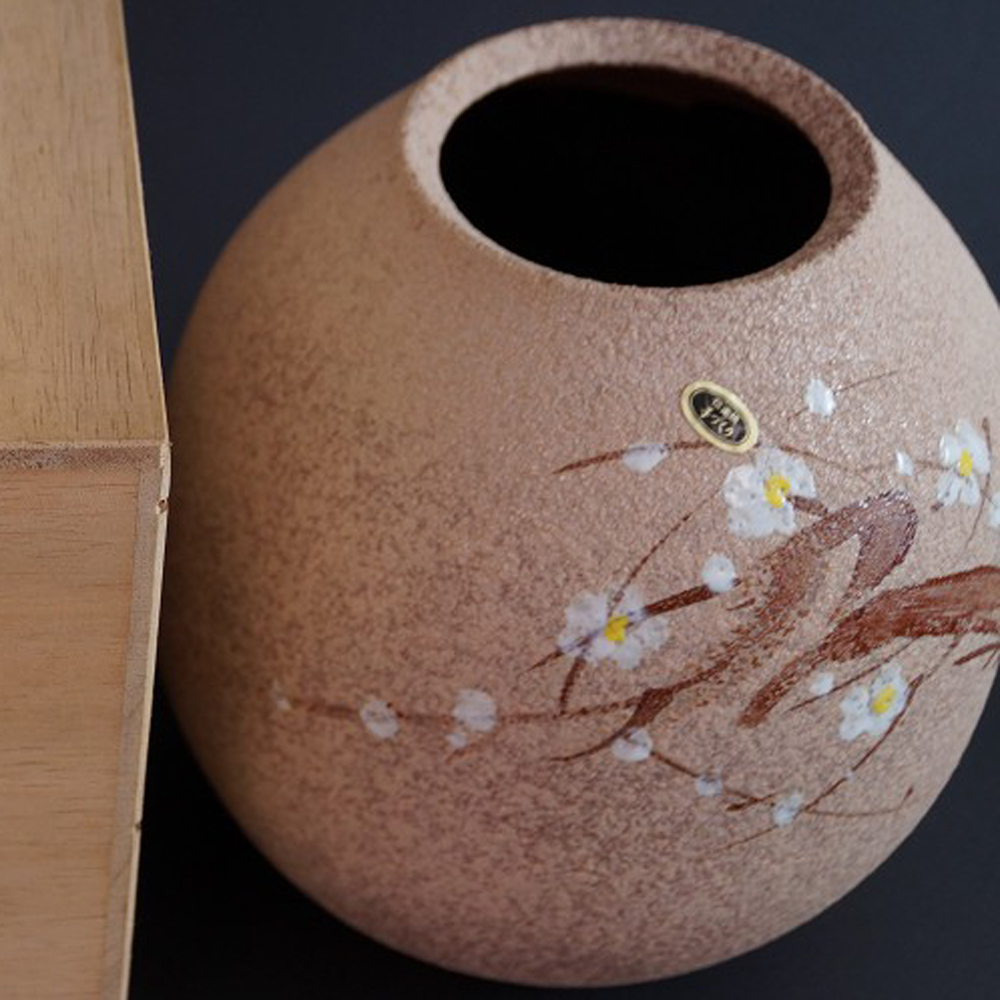
Kaoru Ohara
Shigaraki Ware Vase by Kaoru Ohara with Plum Blossom Branch
Vase, unique work, with box, 20 x 19 cm
Sold

Handcrafted Japanese Sake Cup (Guinomi) Shigaraki Ware
Guinomi, unique work, 4,5 x 7,5 cm
Sold

Sake Set Made of Shigaraki Ware, Tokkuri and Guinomi
Set of Guinomi and Tokkuri, unique work, with box, 13 x 9 cm
Sold
8 of 8 items shown
Origins: one of the Six Ancient Kilns
Shigaraki-yaki comes from the area around the city of Kōka in Shiga Prefecture, east of Lake Biwa. Shigaraki is one of the Six Ancient Kilns (rokkoyō), Japan’s six most storied pottery centers, alongside Bizen, Seto, Tokoname, Echizen and Tamba. Like Bizen, Shigaraki stands for unglazed yakishime ware, whose coloring arises solely from the interplay of clay, flame and ash.
Clay from the bed of ancient Lake Biwa
What makes Shigaraki special is its clay. It comes from the sediments of a prehistoric forerunner of today’s Lake Biwa, deposited between roughly four million and 400,000 years ago. The clay is rich in feldspar and often contains coarse quartz grains that give the fired surface its rough, gritty texture; in the firing they emerge as small white specks. It is also heat-resistant and stable, which is why it has always suited large vessels – from storage jars to planters.
Yakishime firing and yōhen: the language of fire
The ware is fired at about 1,250 to 1,300 °C. In the kiln, components of the wood ash combine with the silica in the clay to form a natural ash glaze. Depending on the position in the kiln, proximity to the flame and the supply of oxygen, very different effects appear: glowing fire red, bluish-gray tints and small, pearl-like bumps known as “crab’s eyes” (kani no me) or “hailstones” (arare). Where the ash melts thickly, a greenish glassy layer forms, called biidoro in Shigaraki. These firing effects, known as yōhen, make every piece unrepeatable.
From storage jar to tea ceremony
The beginnings go back to the second half of the Kamakura period (1185–1333), when coarse utility wares such as storage jars and mortars were made in the region. As the tea ceremony flourished in the 16th century, tea masters discovered the rough, unembellished look; it suited the wabi-sabi aesthetic, which deliberately broke with smooth, glazed imported ware. Freshwater jars (mizusashi) and flower vases in the Shigaraki style followed. In the 20th century, potters such as Takahashi Rakusai III and Ueda Naokata IV devoted themselves to reconstructing the old, high-fired pieces of the Momoyama period.
Glazed and painted, too
Shigaraki’s reputation rests on its unglazed ware, but glazed and painted pieces are made in the region as well. Contemporary potters let creamy glazes run in thick drops over the rough body or paint blossoms on the gritty walls. What they share is the characteristic clay: even under a glaze the sandy grain remains palpable, and the warm clay body shows at the unglazed foot.
How to recognize Shigaraki
Look for the never quite even grain of the surface with white feldspar and quartz inclusions, for warm ochre, red and brown tones, and for individual firing marks such as ash glaze, fire red or crab’s eyes. These marks arise in the kiln and cannot be reproduced in industrially made ware. Also typical are slightly irregular, robust forms that recall earth and stone more than smooth tableware.
In use: tea bowl, sake and vase
Today Shigaraki produces vases, tea utensils, sake vessels and tableware for everyday use. As a vase, the porous unglazed surface is especially valued because it regulates moisture differently from glazed vessels, often keeping cut flowers fresh for longer. A Shigaraki chawan sits heavy and warm in the hand with its rough feel, while tokkuri and guinomi bring the earthy aesthetic to the table. Shigaraki is also known for its lucky tanuki figures, a folk tradition of the 20th century.
Care and what collectors look for
Unglazed Shigaraki ware absorbs liquid and, with it, odors. Clean it only with hot water and a soft sponge, without dish soap, and never in the dishwasher or microwave. Very porous pieces are soaked in water before first use, and after every use the vessel must air-dry completely before going back into its wooden box. Collectors look for lively firing marks, the quality of the clay and the signed tomobako as proof of provenance.