
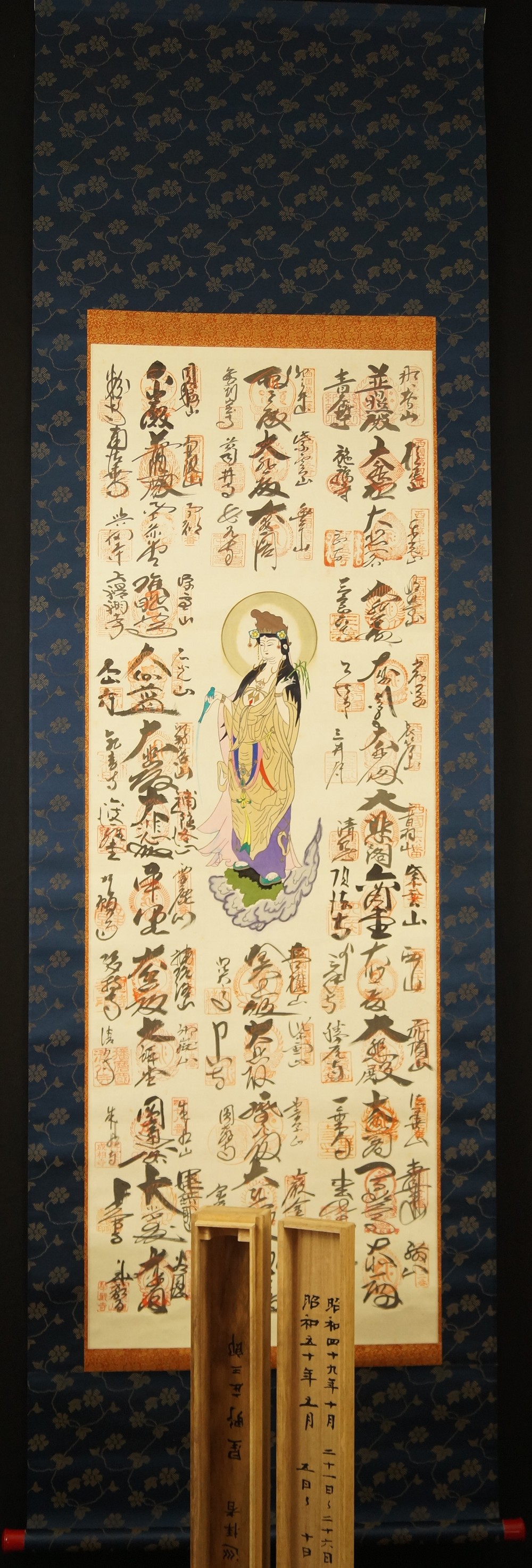
Kakemono 38 Temples Saigoku
One of a kind — this work exists only once.
- Period:
- Shôwa (1926–1989)
- Dimensions (height x width):
- 195 x 67 cm
- Item number:
- 4427
This piece has been sold.
Sold – no longer available
This piece was a handmade one-of-a-kind work. It cannot be reordered and will never exist in this form again. The page stays online as part of our archive.
More items in category Buddhism and ZenAll one-of-a-kind Japanese Painting pieces
See new one-of-a-kind pieces first
We feature every delivery from Japan in the newsletter first – before the pieces show up in search results.
You might like these pieces
33 Temples of the Saigoku Pilgrimage
Kakemono, with box, 190 x 60 cm
€155.00
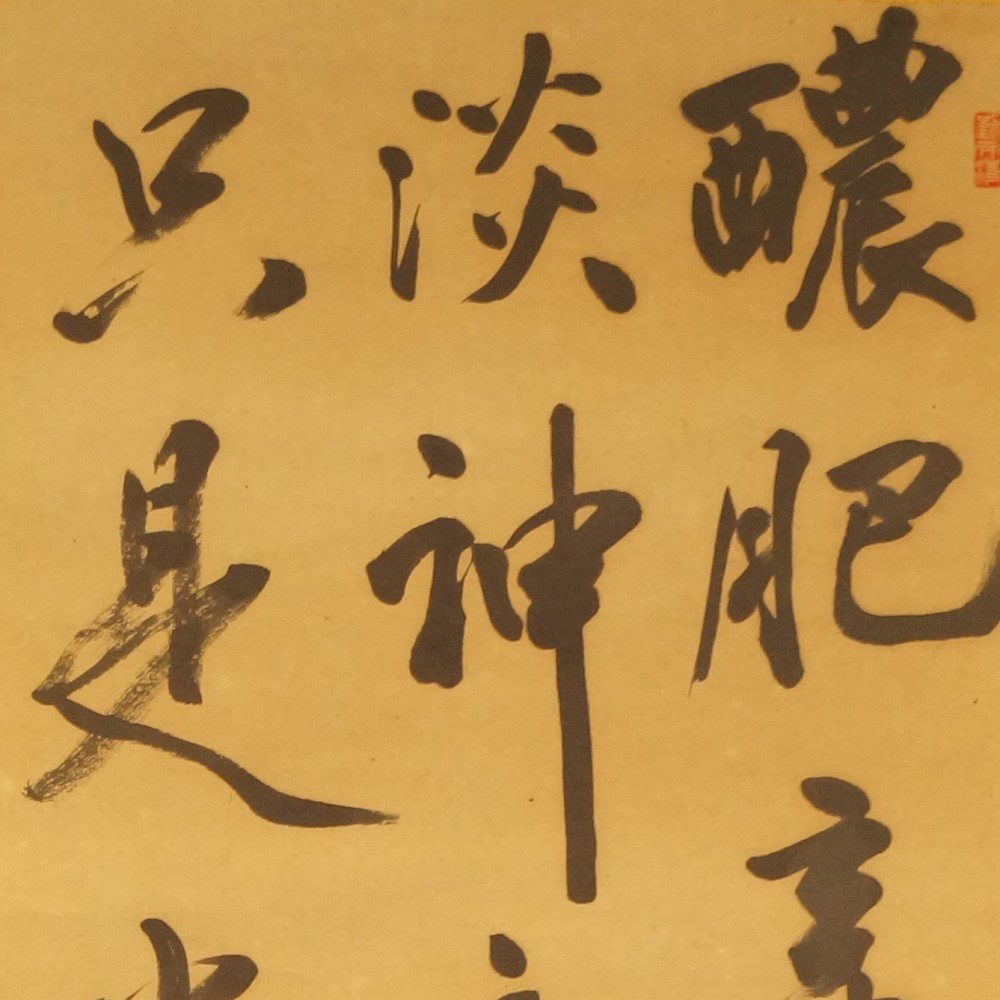
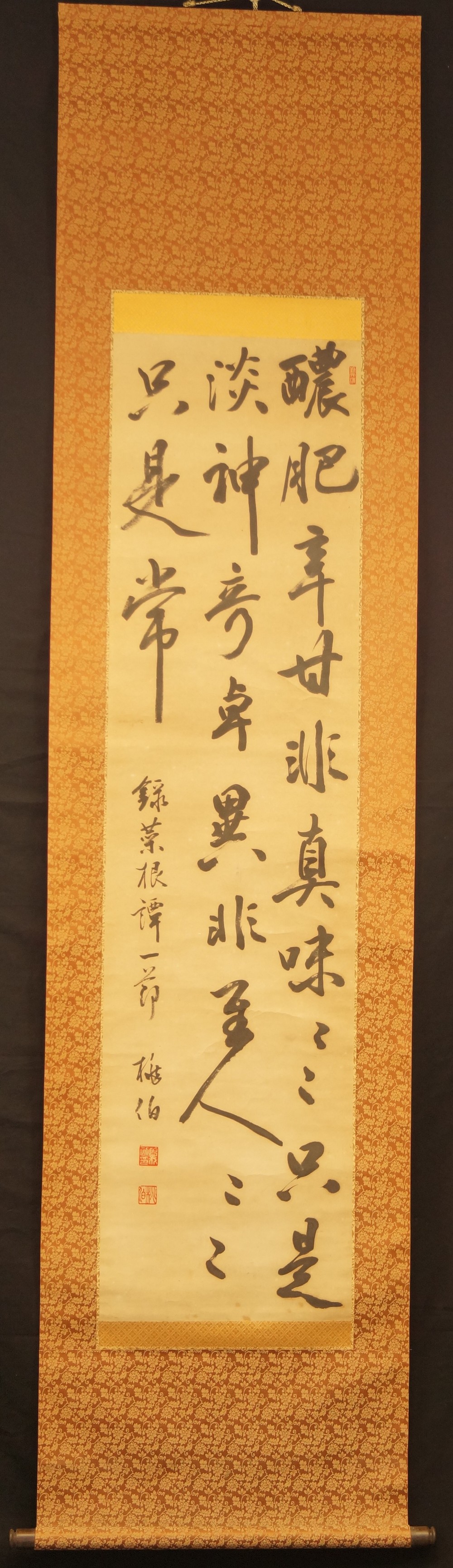
Calligraphy: True Sustenance
Kakemono, unique work, 205 x 58 cm
€260.00
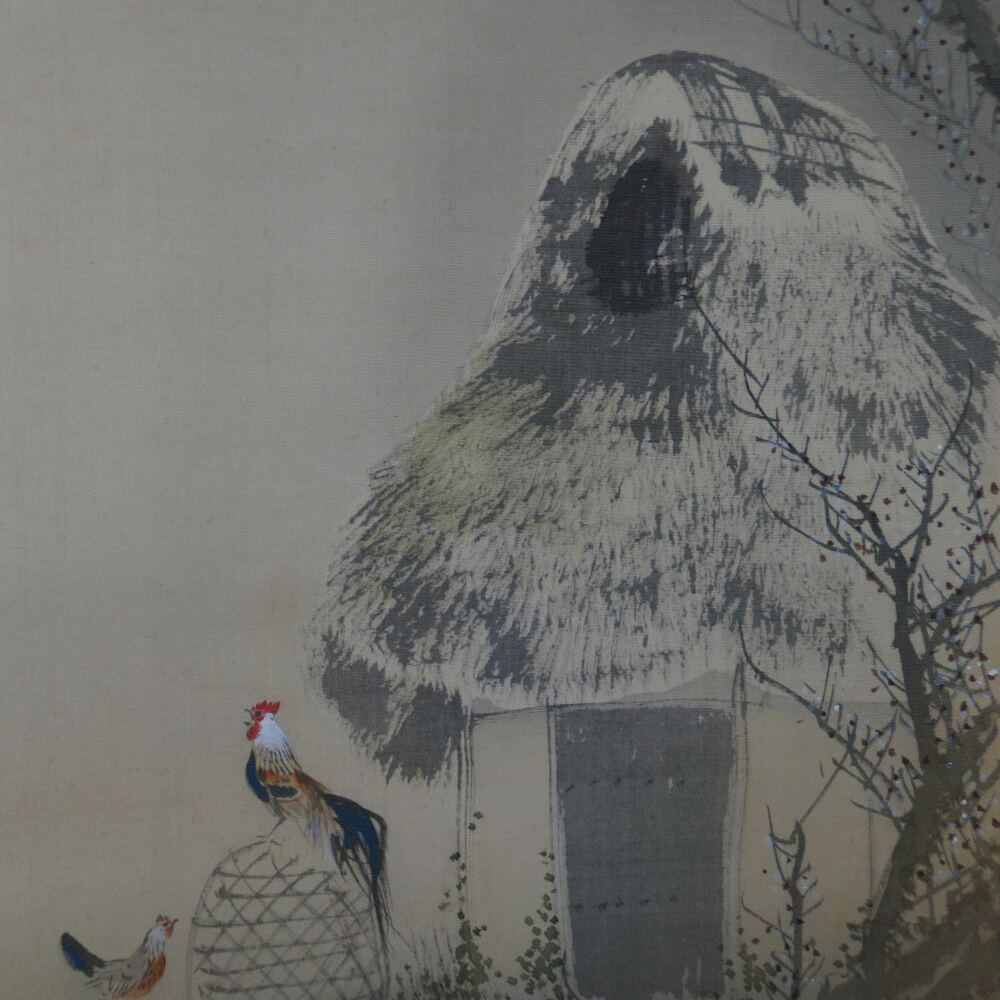
Imai Keiki
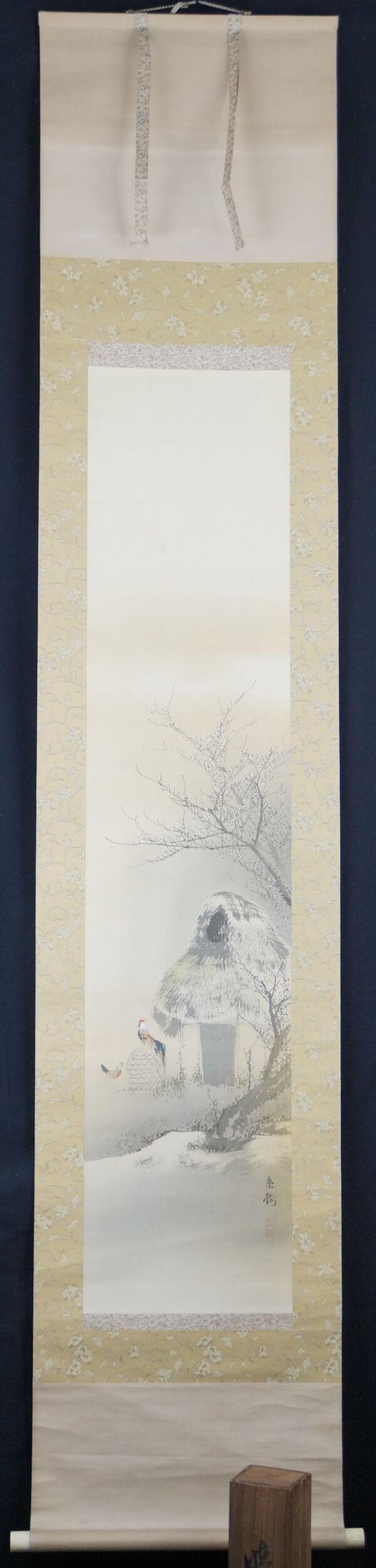
Rooster and Plum Blossoms
Kakemono, unique work, with box, 196 x 45 cm
€240.00
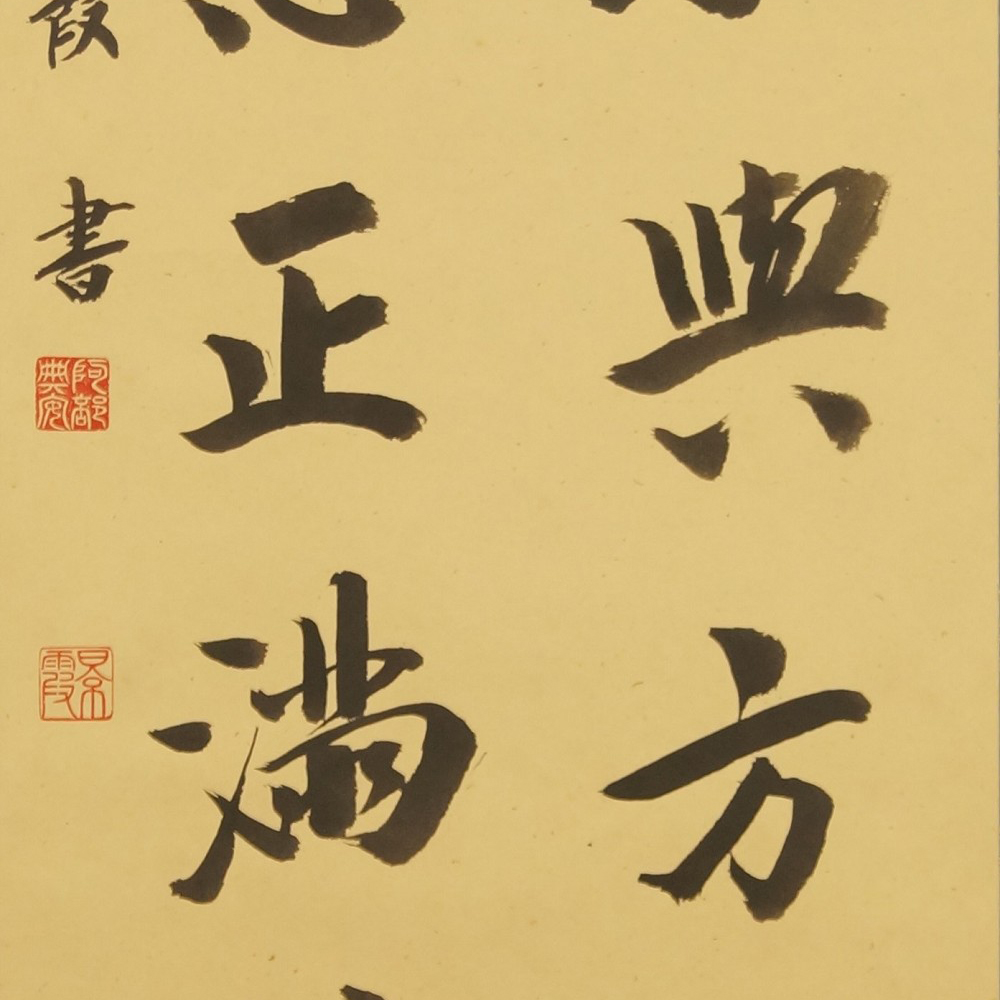
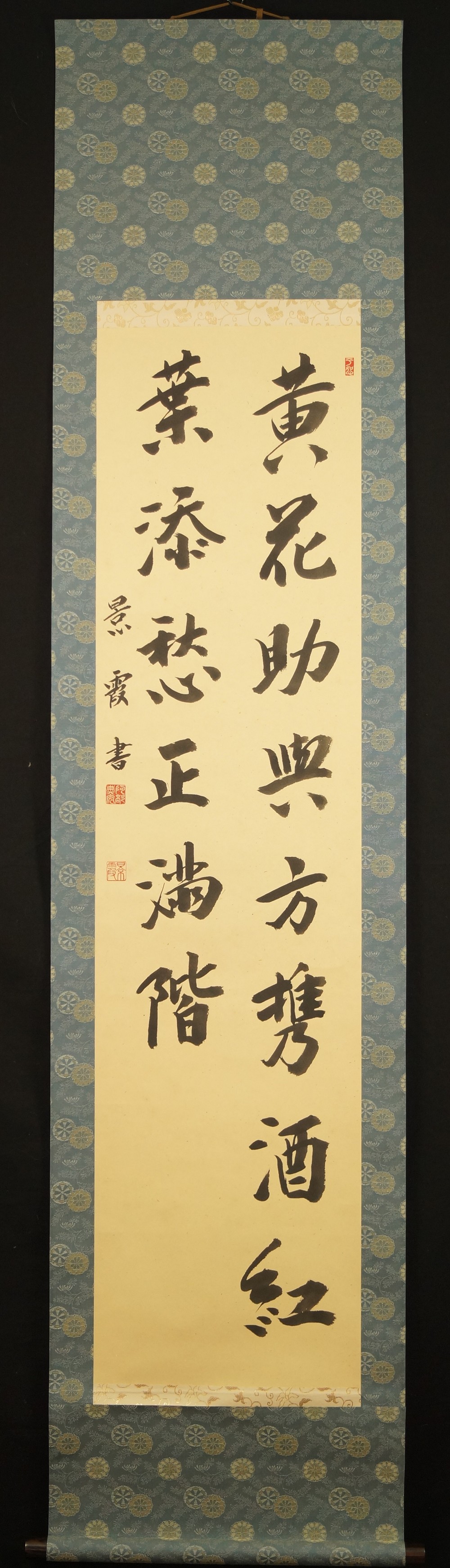
Calligraphy: Yellow Flower and Purple Leaves
Kakemono, unique work, 198 x 50 cm
€240.00
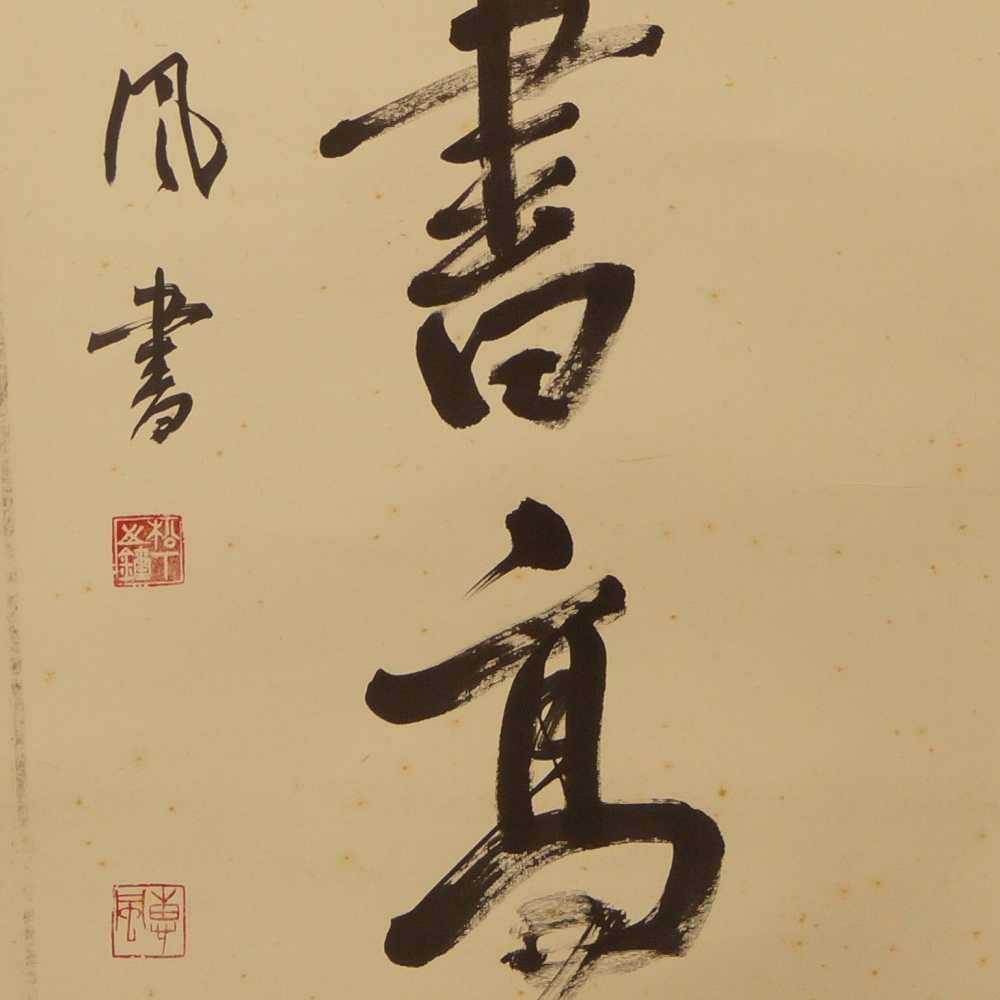
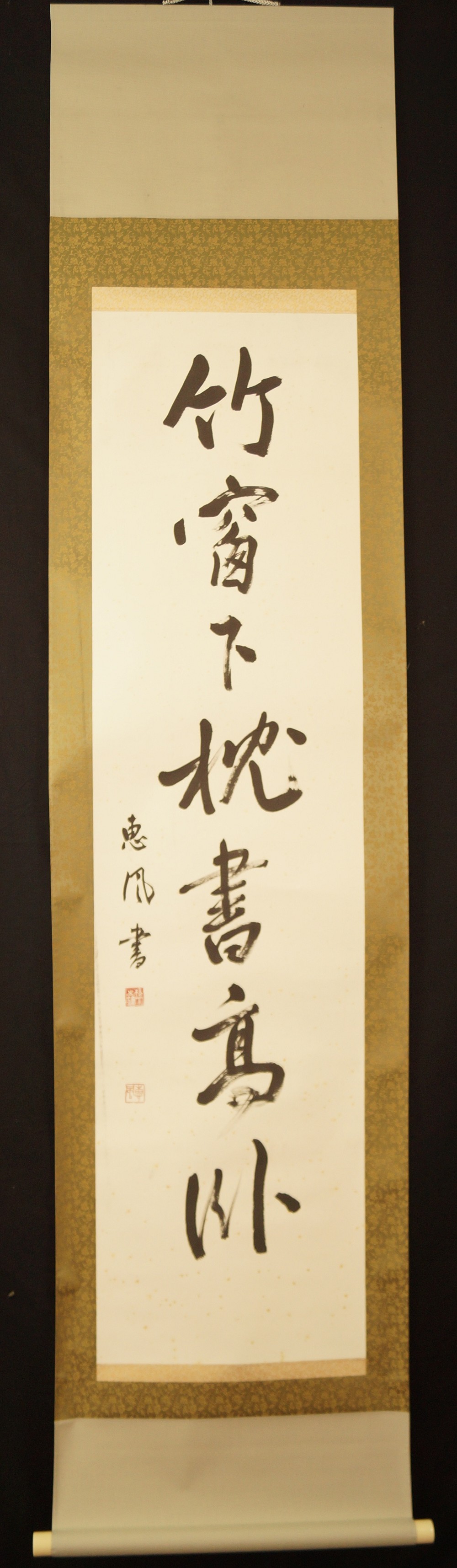
Calligraphy Poem: Bamboo by the Window
Kakemono, unique work, 195 x 50 cm
€180.00
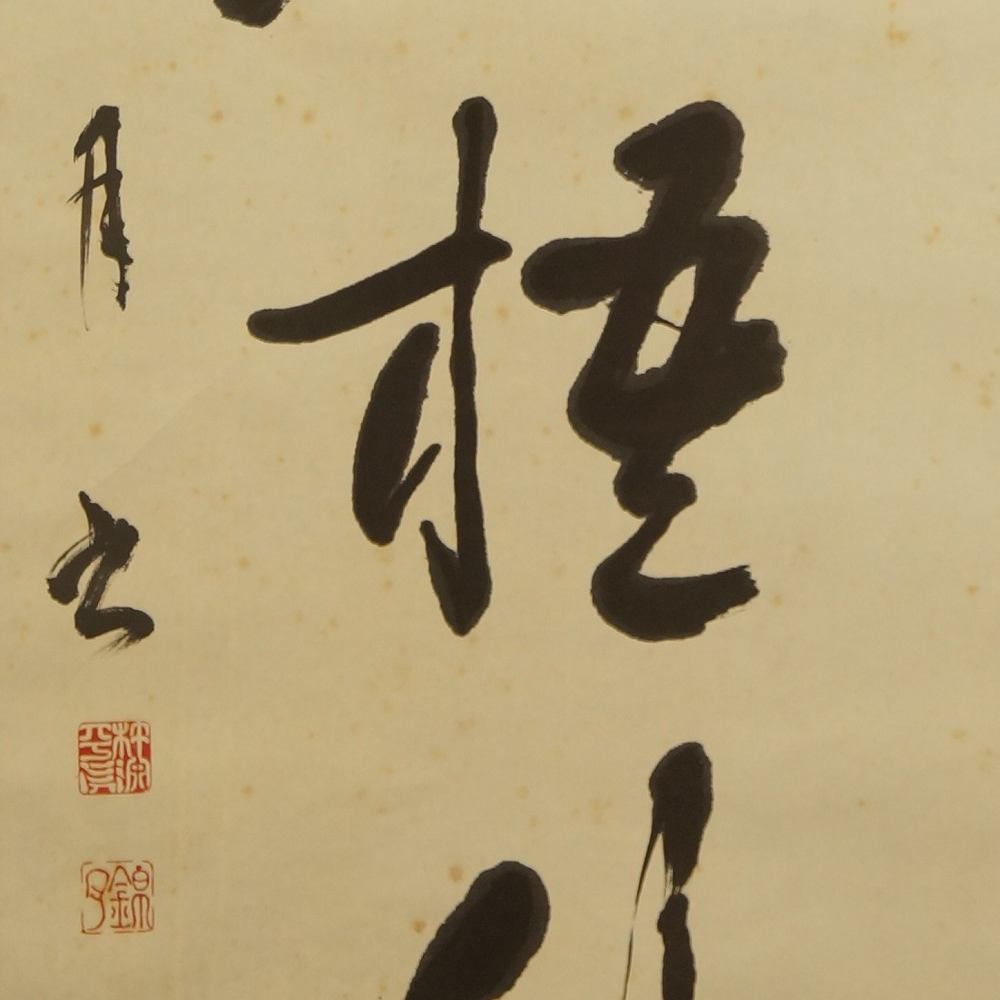
Calligraphy: Wind in the Bamboo
Kakemono, unique work, 193 x 53 cm
€210.00
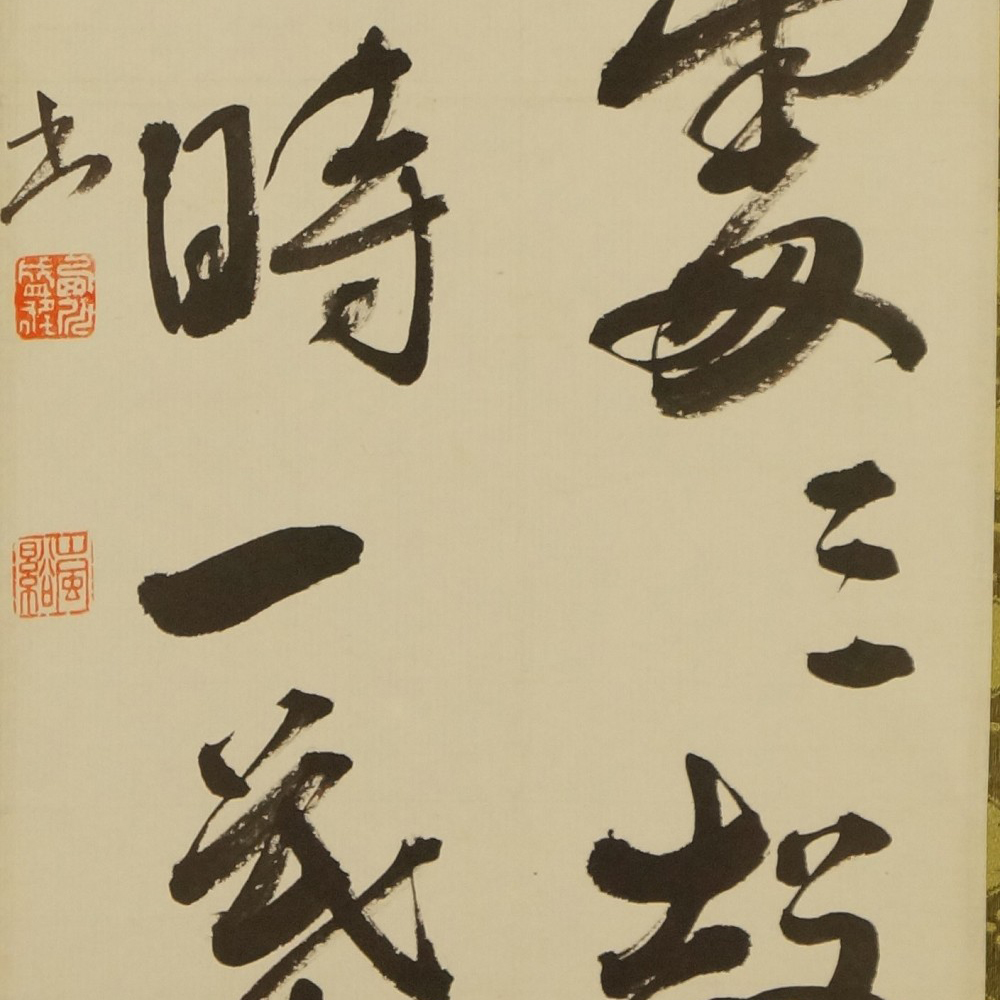
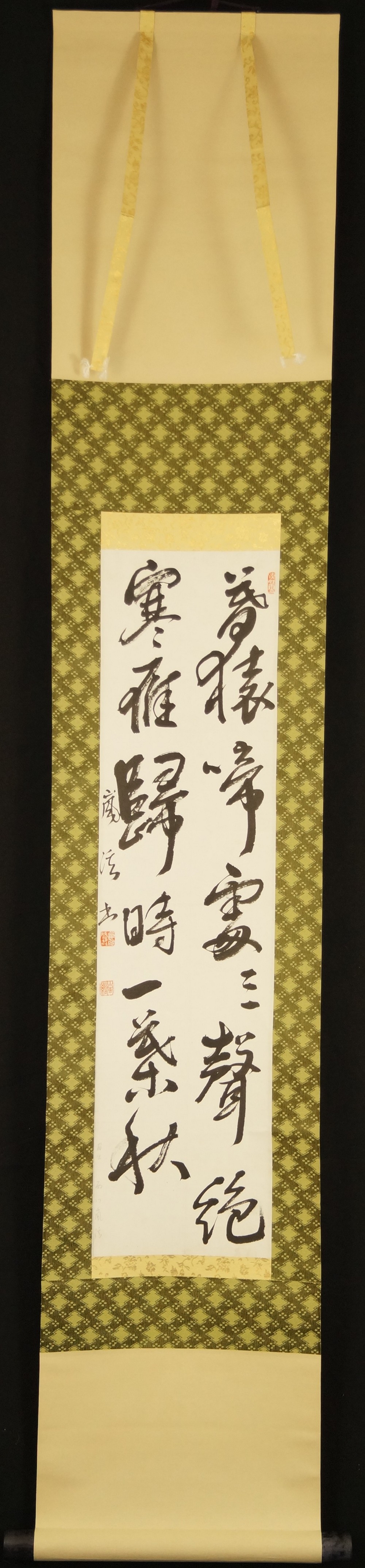
Calligraphy: Monkey's Cry and Wild Geese
Kakemono, unique work, 145 x 34 cm
€180.00
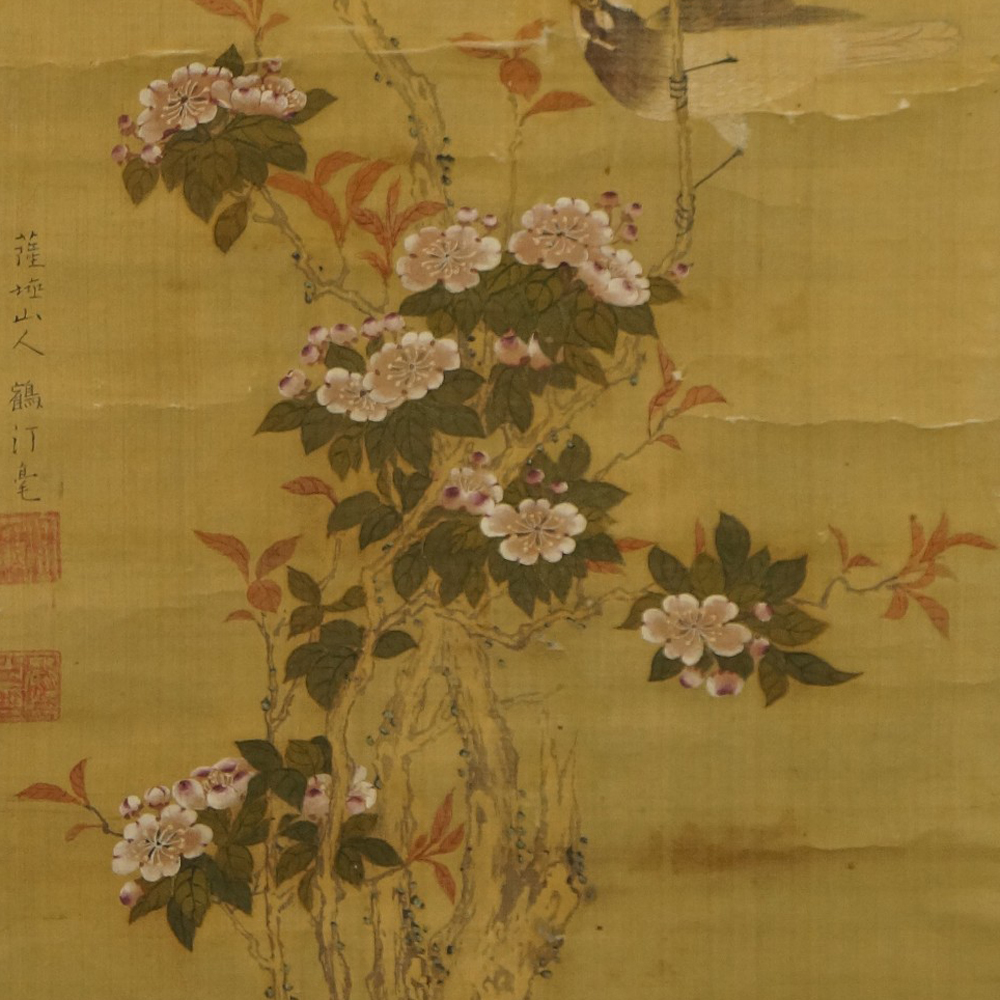
Nakahama Tsuru
Colorful Bird in a Rose Garden
Kakemono, unique work, 174 x 50 cm
€1,290.00


Details about the sold piece
- JikusakiMetal
- Material HonshiSilk
- MotifBuddhism and Zen
- TechniqueHand-Painted
Description
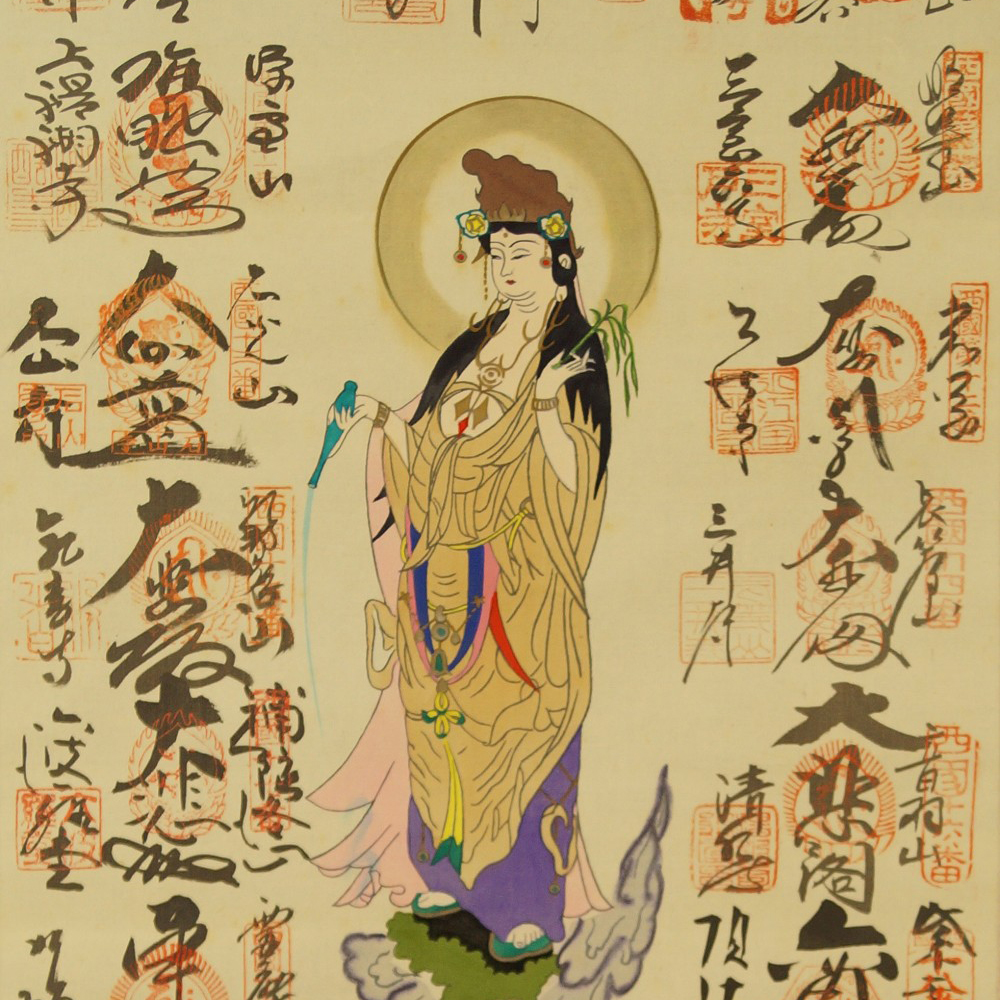
At the center of this unusual hanging scroll is a depiction of the Bodhisattva Kannon highlighted in gold, surrounded by numerous handwritten entries and red temple stamps. This is a so-called Nōkyōchō scroll, of the kind pilgrims had made on their way to the temples of the 38 Temples Saigoku pilgrimage: each temple visited left behind calligraphy and a seal as proof of the visit, so that over time a personal, spiritual document of the entire pilgrimage through 38 temples came into being.
The work dates from the Shôwa period (1926–1989) and was created by hand on silk, with the many small stamps and inscriptions possessing a remarkable depth of detail and historical authenticity. Such pilgrimage scrolls survive only rarely today, as they mostly remained in family possession for generations rather than entering the trade.
The roller rods are fitted with metal ends. For collectors of religious Japanese art and pilgrimage culture, this kakemono represents a rare, historically significant testimony that goes far beyond a purely decorative image.


