
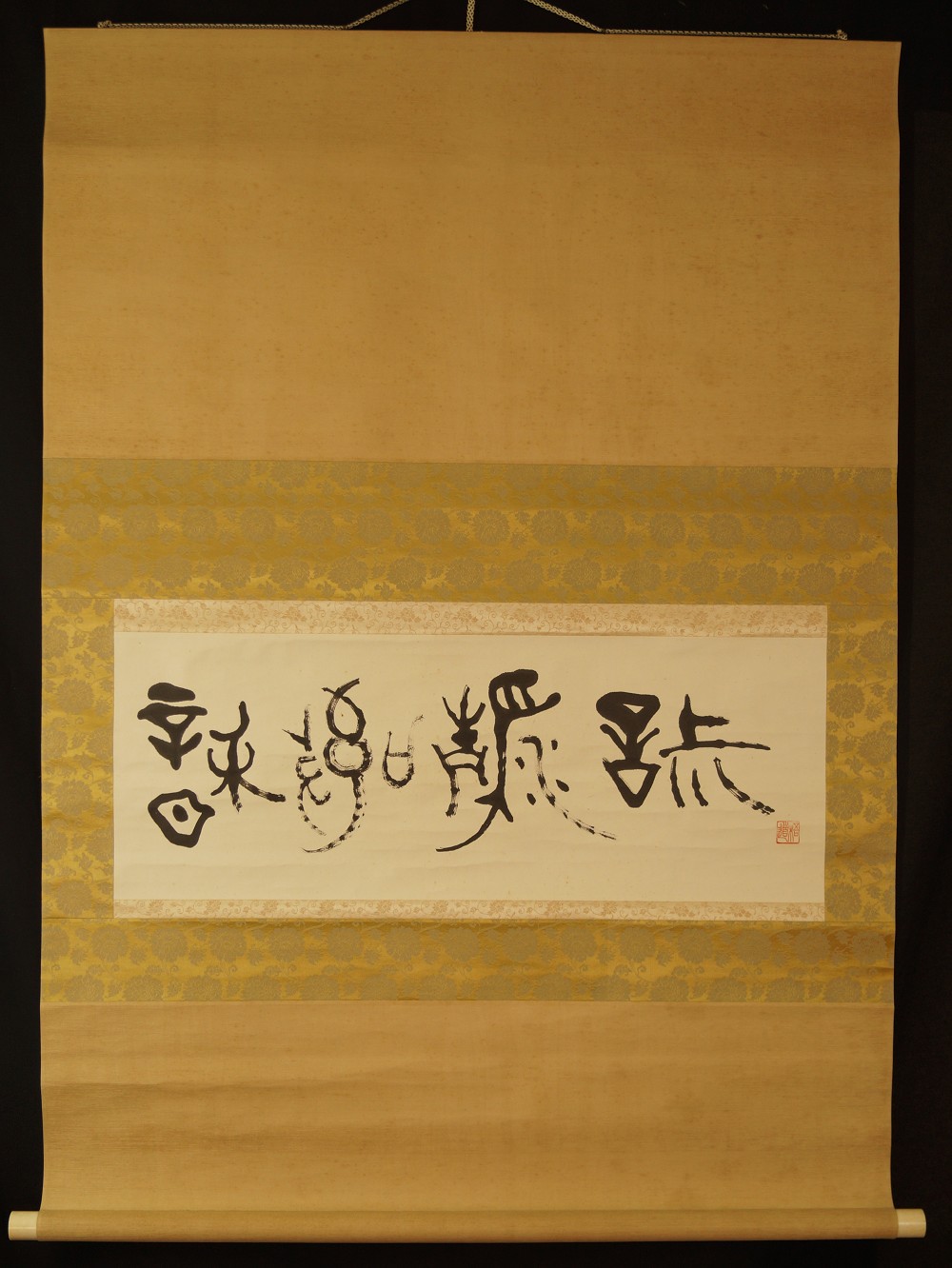
Kakemono Calligraphy: Play
One of a kind — this work exists only once.
- Period:
- Shôwa (1926–1989)
- Dimensions (height x width):
- 112 x 43 cm
- Item number:
- 4489
This piece has been sold.
Sold – no longer available
This piece was a handmade one-of-a-kind work. It cannot be reordered and will never exist in this form again. The page stays online as part of our archive.
More items in category CalligraphyAll one-of-a-kind Japanese Painting pieces
See new one-of-a-kind pieces first
We feature every delivery from Japan in the newsletter first – before the pieces show up in search results.
You might like these pieces
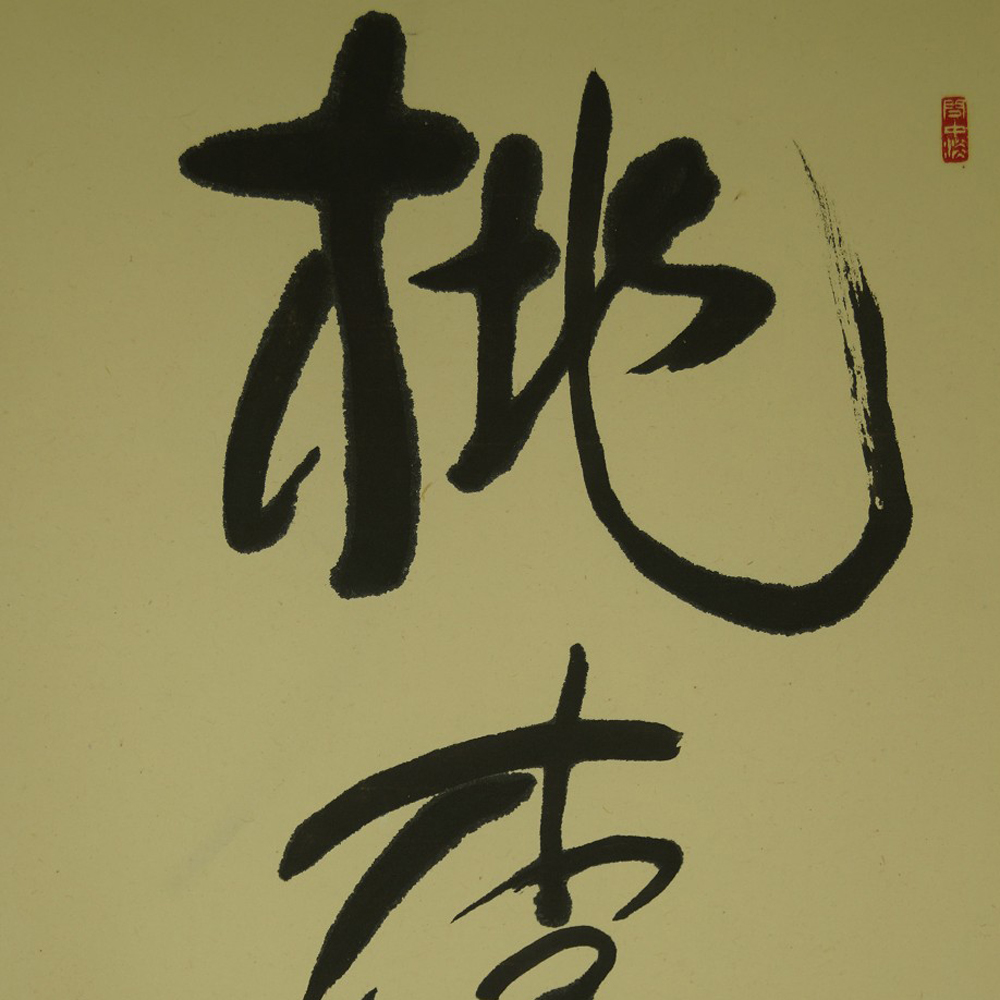
Calligraphy "Peaches and Plums"
Kakemono, unique work, 196 x 54 cm
€140.00
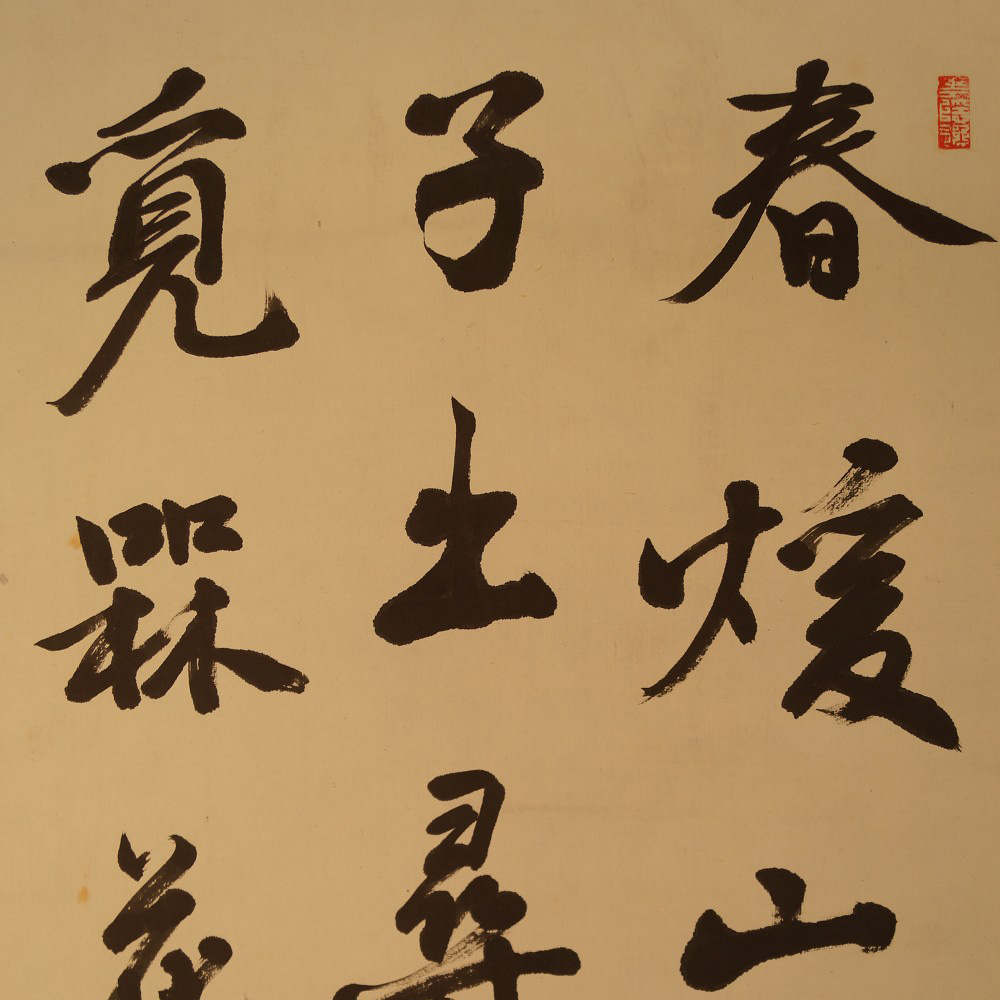
Calligraphy: In Search of the Plum Blossom
Kakemono, unique work, 195 x 51 cm
€180.00
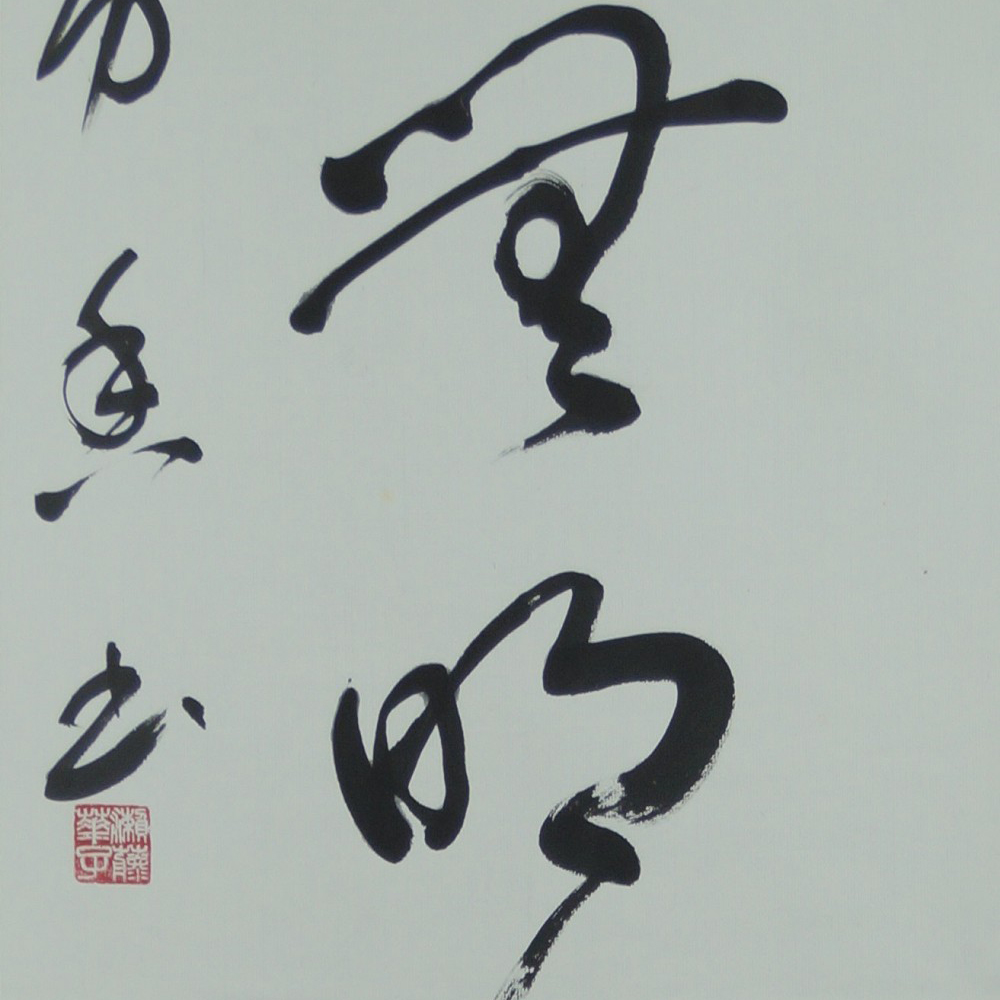
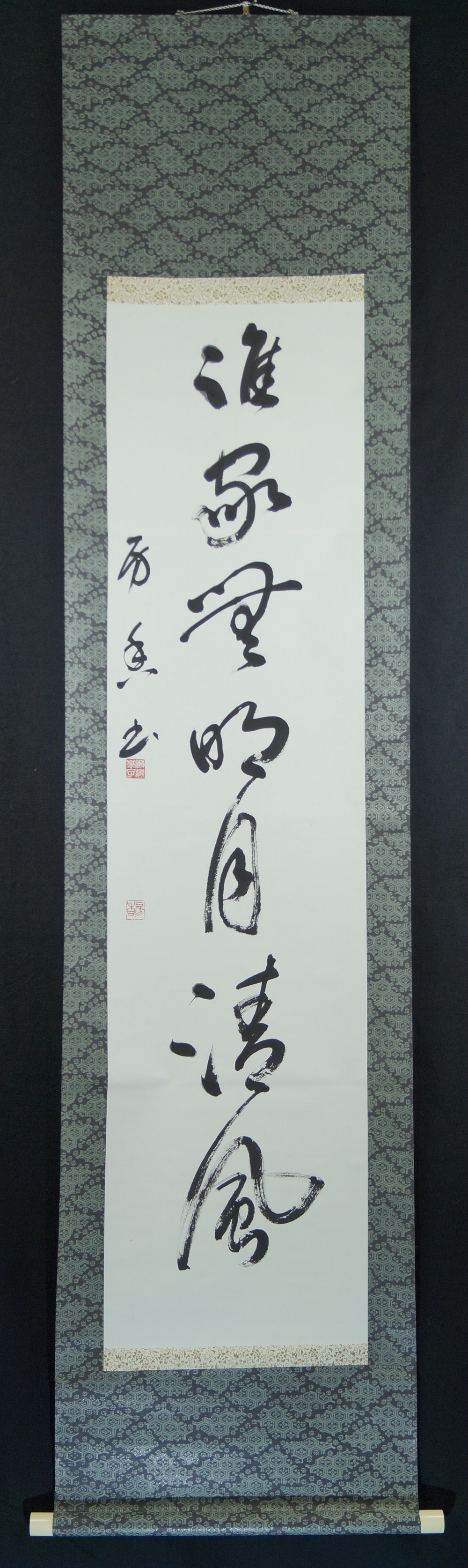
Calligraphy "Breeze in Moonlight"
Kakemono, unique work, 190 x 53 cm
€180.00
Kobayashi Taigen
Zen Calligraphy "Wind in the Pines, Wisdom of the Ages"
Kakemono, unique work, with box, 167 x 38 cm
€860.00

Calligraphy "The Power of the Emperor Illuminates the World"
Kakemono, unique work, with box, 169 x 52 cm
€260.00
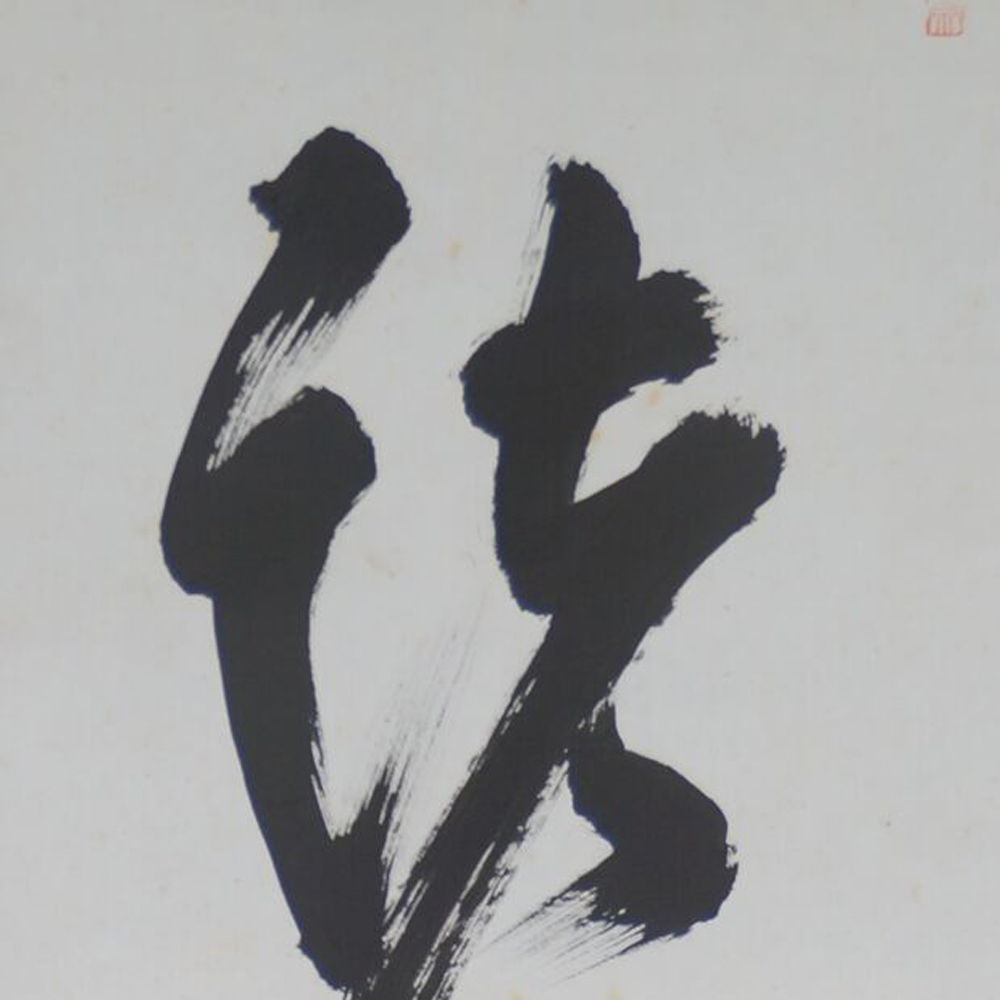
Hashimoto Gyōin
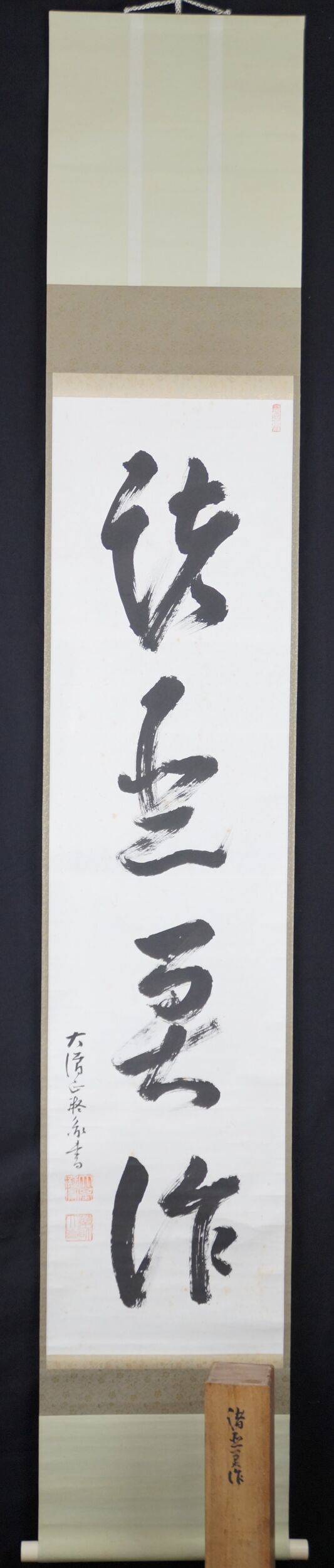
Calligraphy "Shoaku Makusa"
Kakemono, unique work, with box, 200 x 38 cm
€350.00
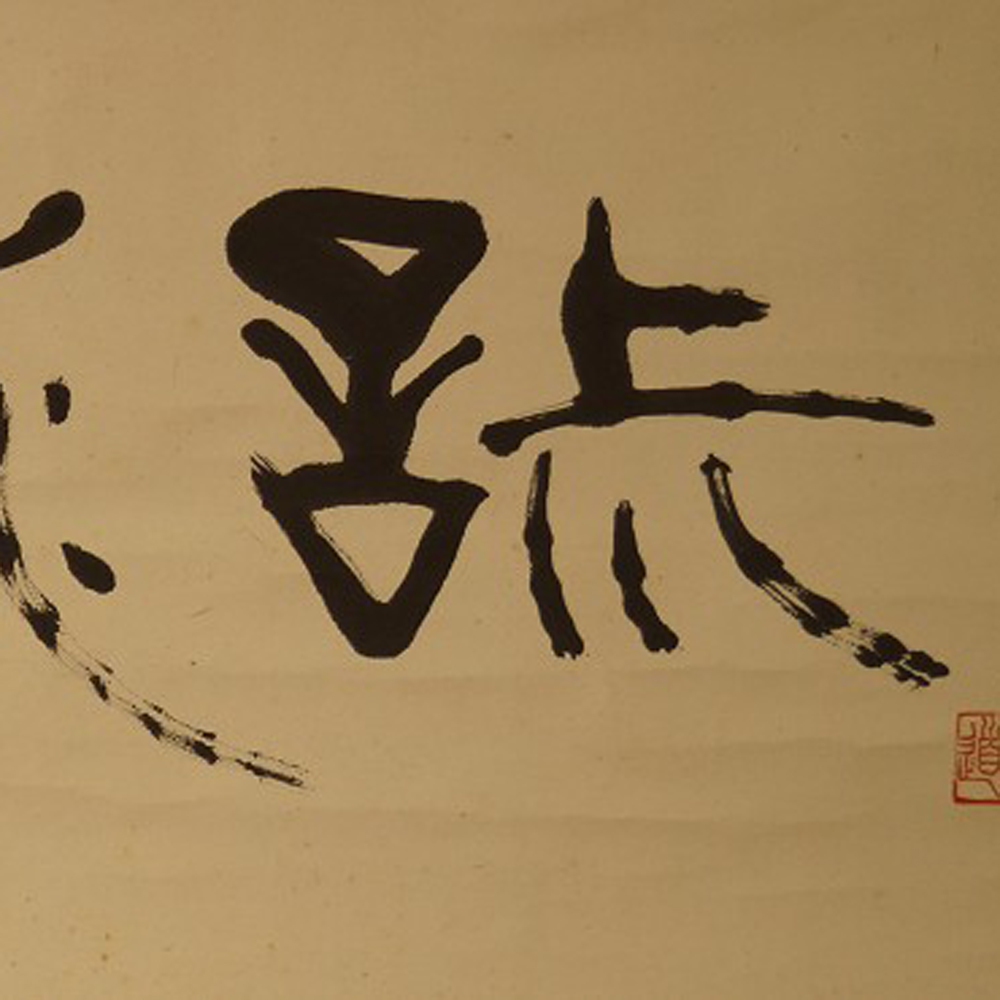
Calligraphy: The Four Virtues of Chado
Kakemono, unique work, 128 x 98 cm
€640.00
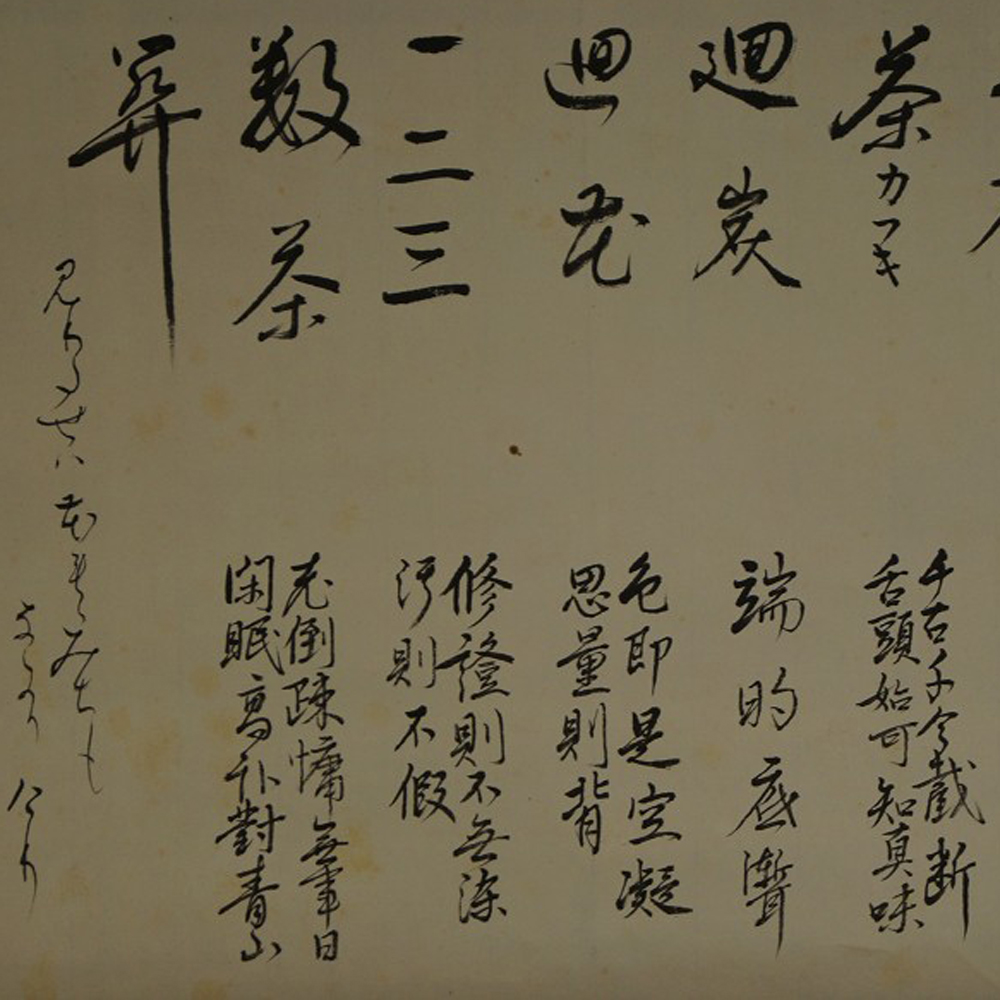
Calligraphy: The Seven Stages of Chado
Kakemono, unique work, 118 x 62 cm
€240.00




Details about the sold piece
- JikusakiWood
- Material HonshiPaper
- MotifCalligraphy
- TechniqueHand-Painted
Description
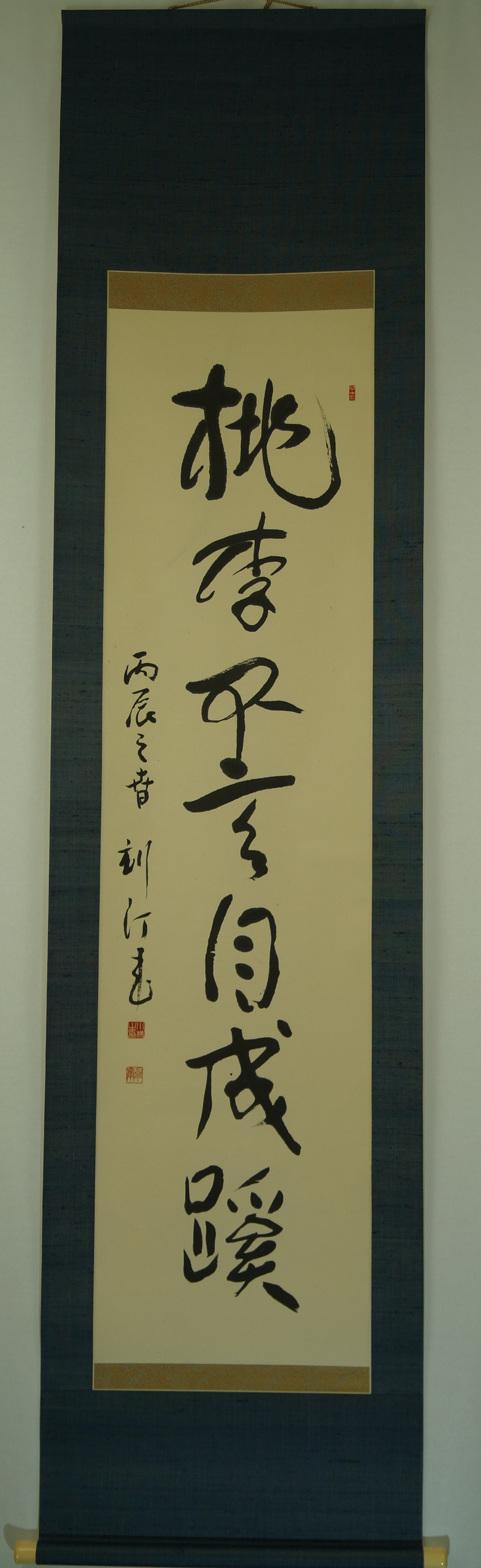
Four characters are carefully arranged across the surface in two rows, written in an elegant, slightly cursive hand that alternates between calm and dynamic strokes. The meaning of the text is translated as "Play," an unexpectedly light, almost playful subject for the otherwise often serious content of classical calligraphy.
The kakemono was created in the Shôwa period (1926–1989) and was written by hand on paper. The choice of such a cheerful term shows that calligraphy in Japan did not serve only religious or philosophical purposes, but could equally be an expression of joie de vivre and leisure, captured in the same disciplined brush technique as more serious texts.
The roller rods have ends made of wood. With its lighthearted message and at the same time masterful brushwork, this hanging scroll is well suited as a cheerful accent in a living space, and shows how versatile the themes of traditional Japanese calligraphy can be.

