
Kakemono Calligraphy: The Highest Commandment
One of a kind — this work exists only once.
- Period:
- Meiji (1868–1912)
- Dimensions (height x width):
- 210 x 68 cm
- Item number:
- 4450
This piece has been sold.
Sold – no longer available
This piece was a handmade one-of-a-kind work. It cannot be reordered and will never exist in this form again. The page stays online as part of our archive.
More items in category CalligraphyAll one-of-a-kind Japanese Painting pieces
See new one-of-a-kind pieces first
We feature every delivery from Japan in the newsletter first – before the pieces show up in search results.
You might like these pieces
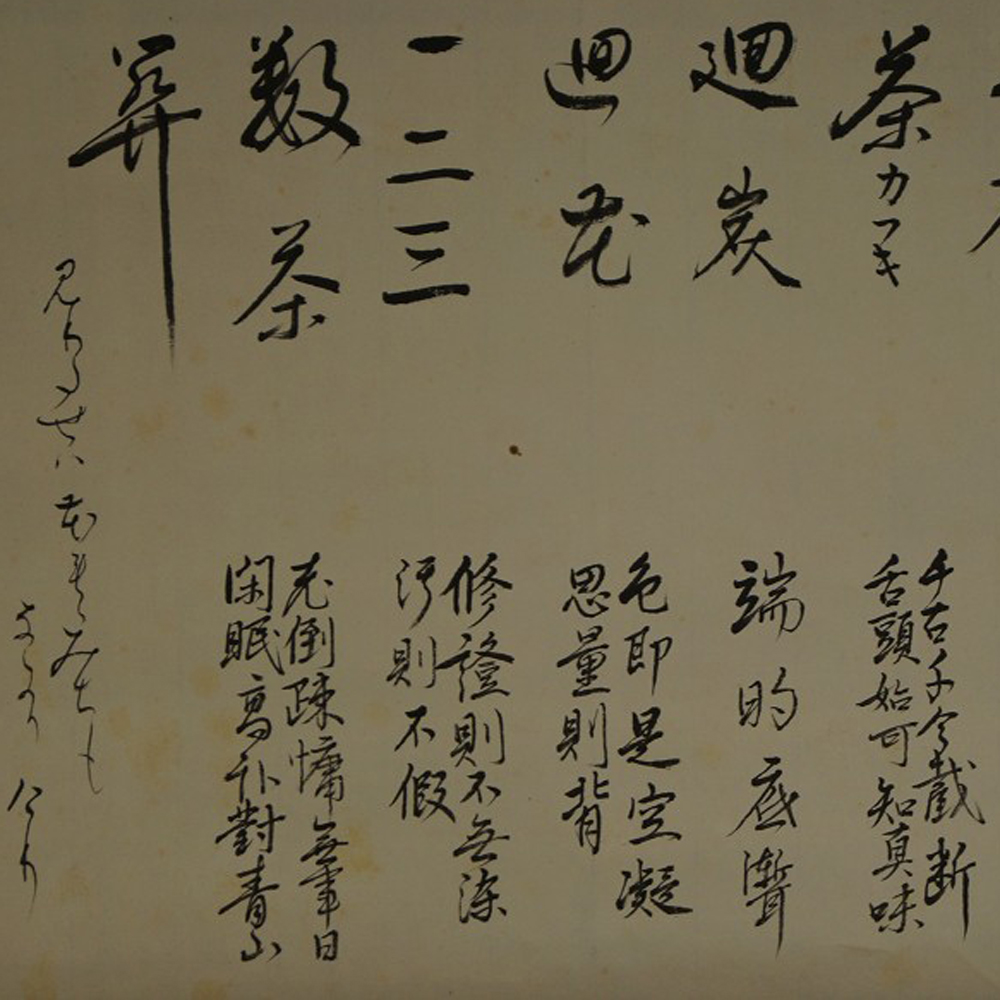
Calligraphy: The Seven Stages of Chado
Kakemono, unique work, 118 x 62 cm
€240.00
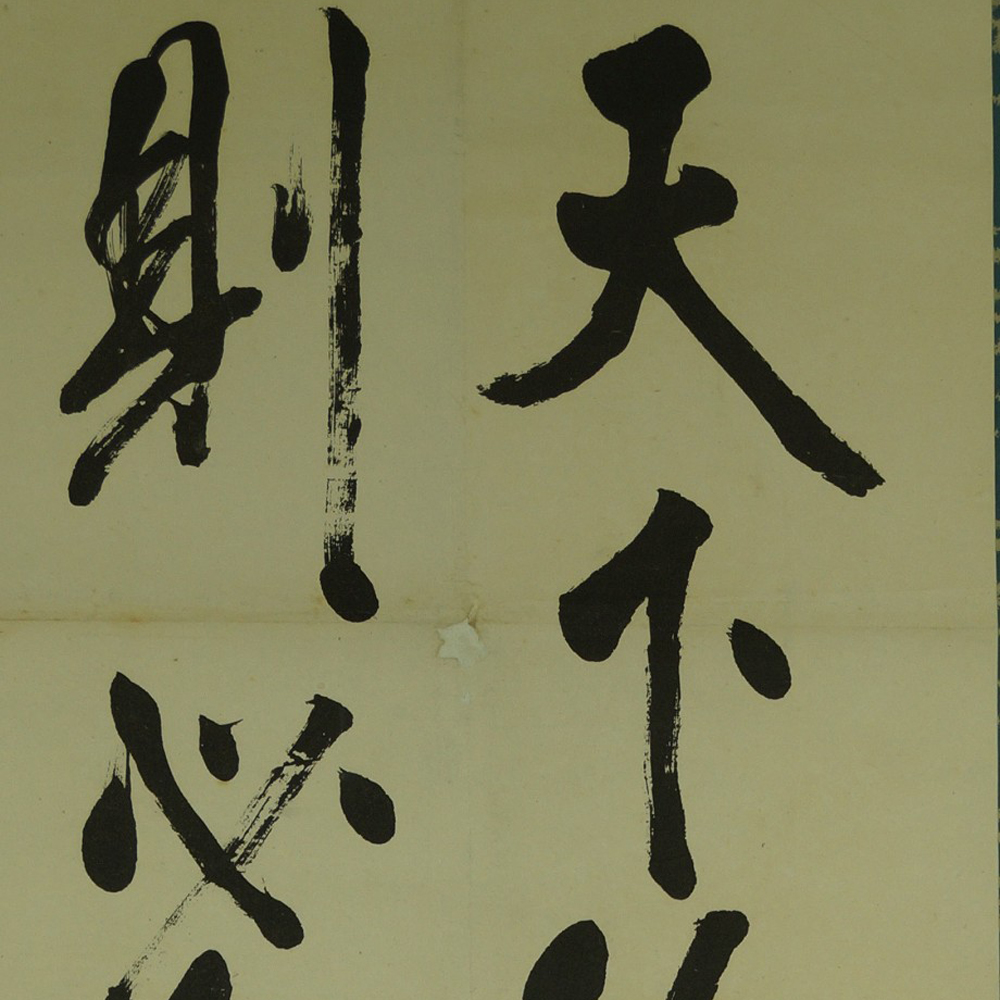
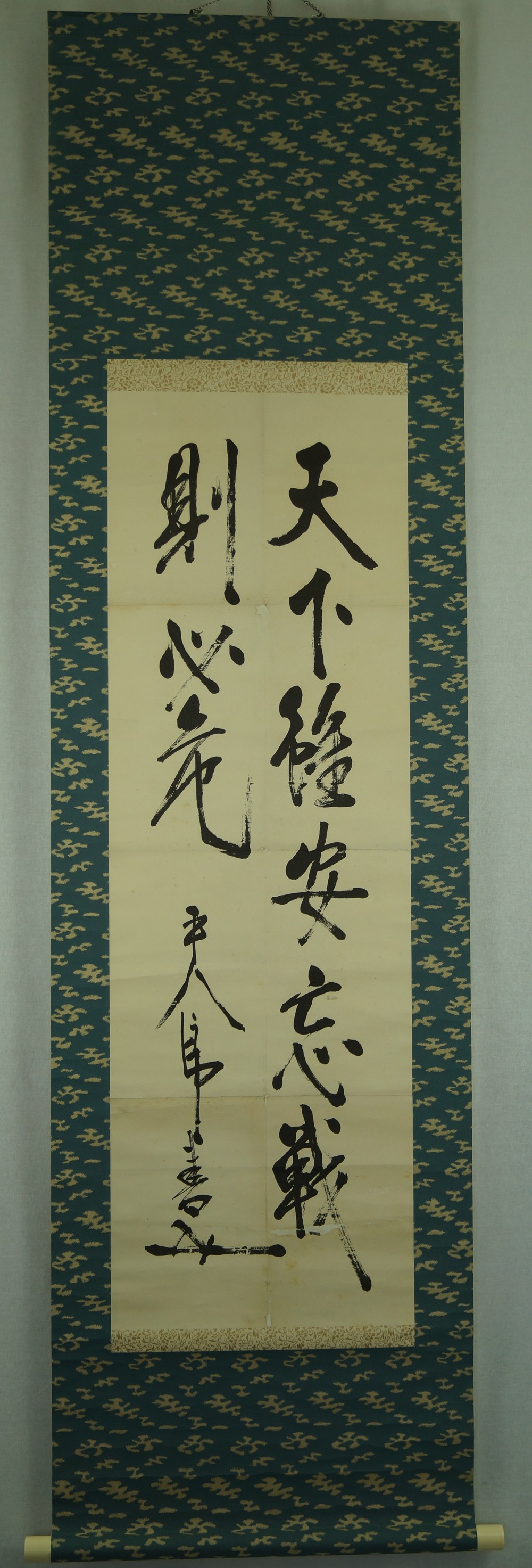
Calligraphy "Living in Peace, Not Forgetting War"
Kakemono, unique work, 170 x 52 cm
€140.00
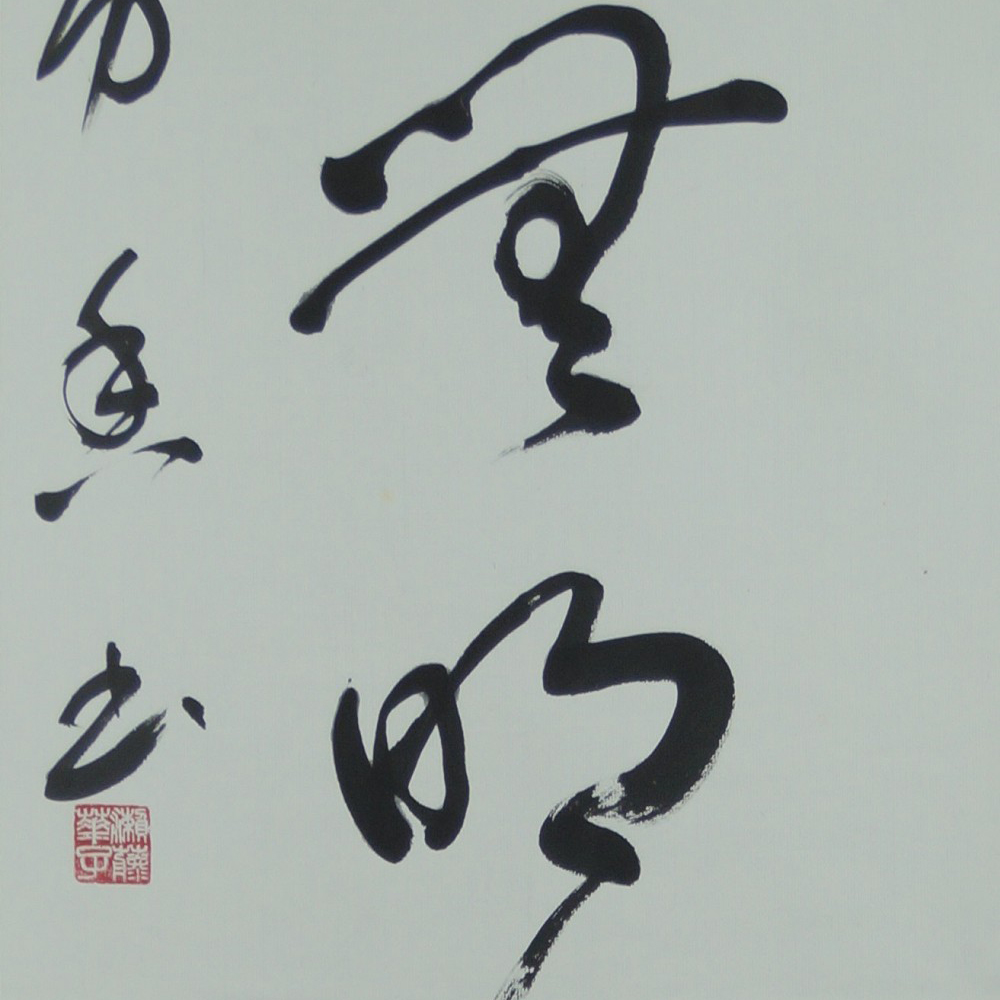
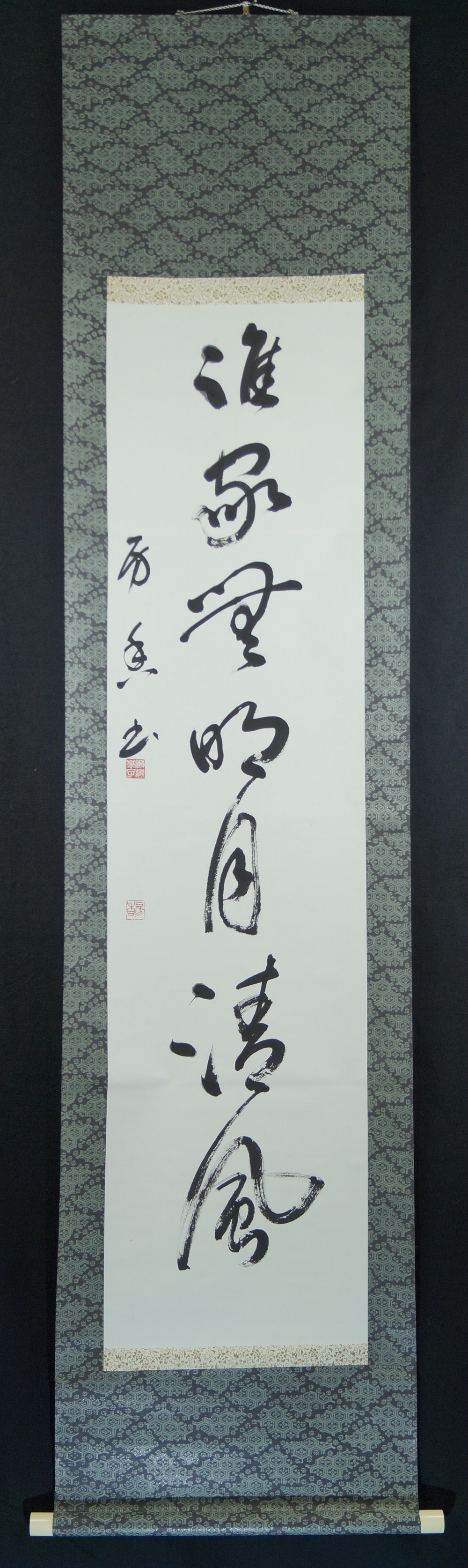
Calligraphy "Breeze in Moonlight"
Kakemono, unique work, 190 x 53 cm
€180.00
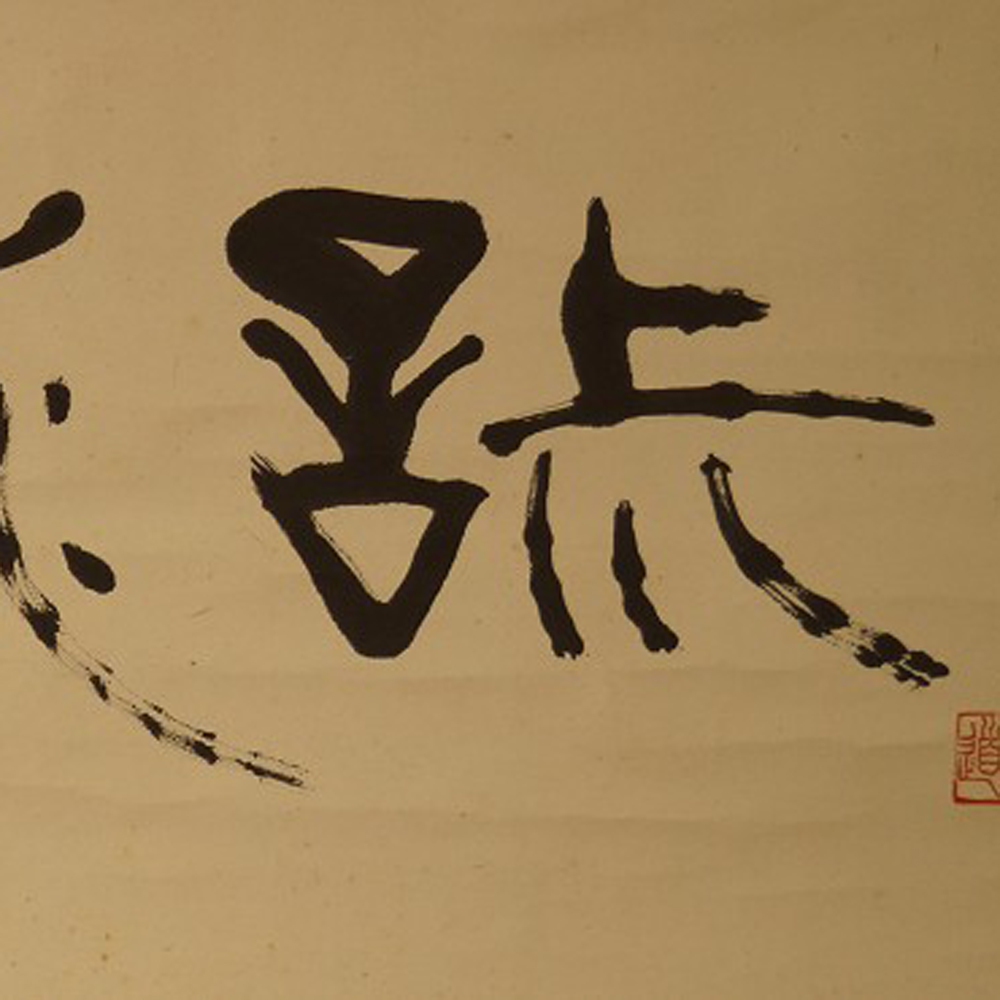
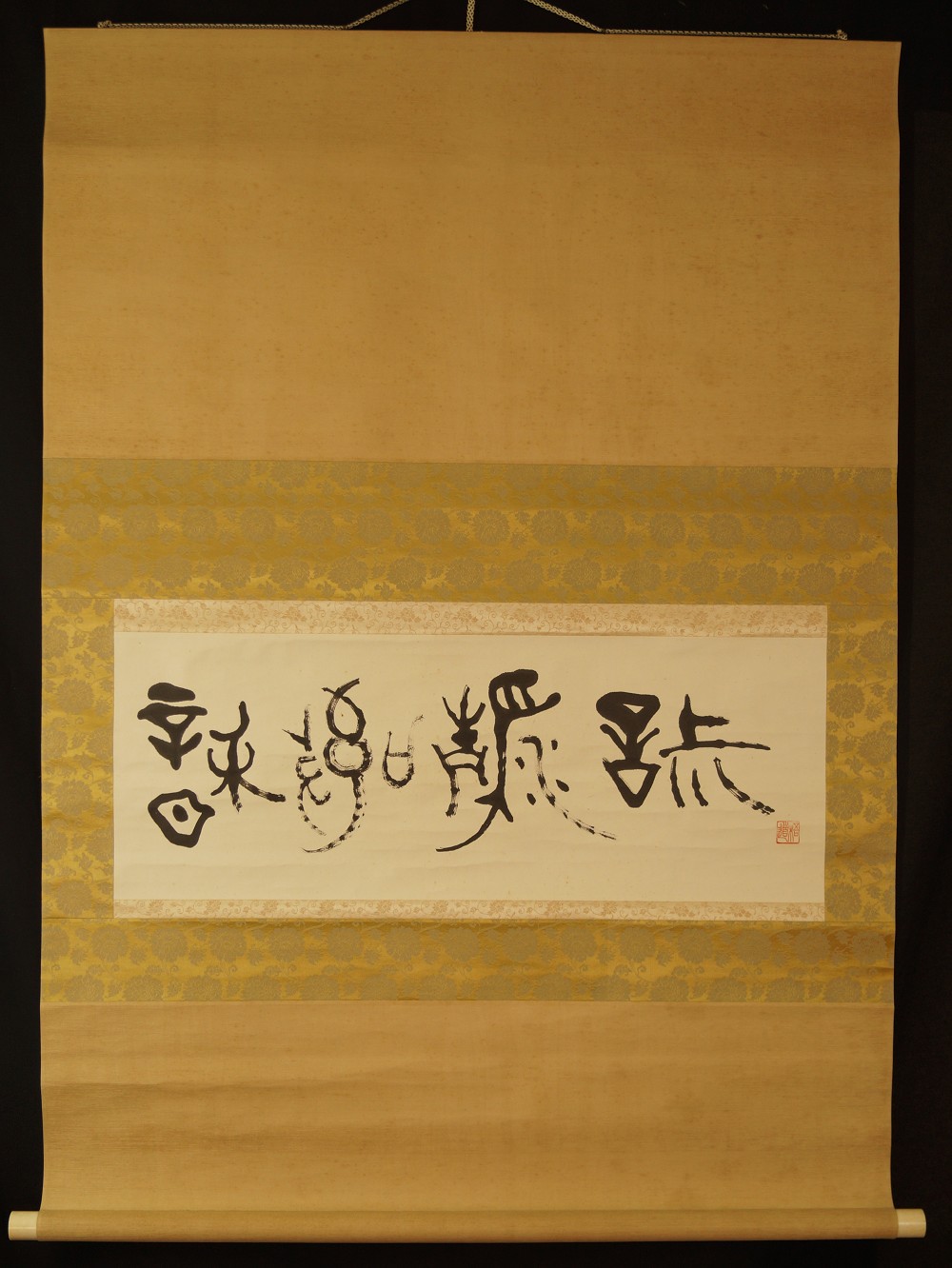
Calligraphy: The Four Virtues of Chado
Kakemono, unique work, 128 x 98 cm
€640.00
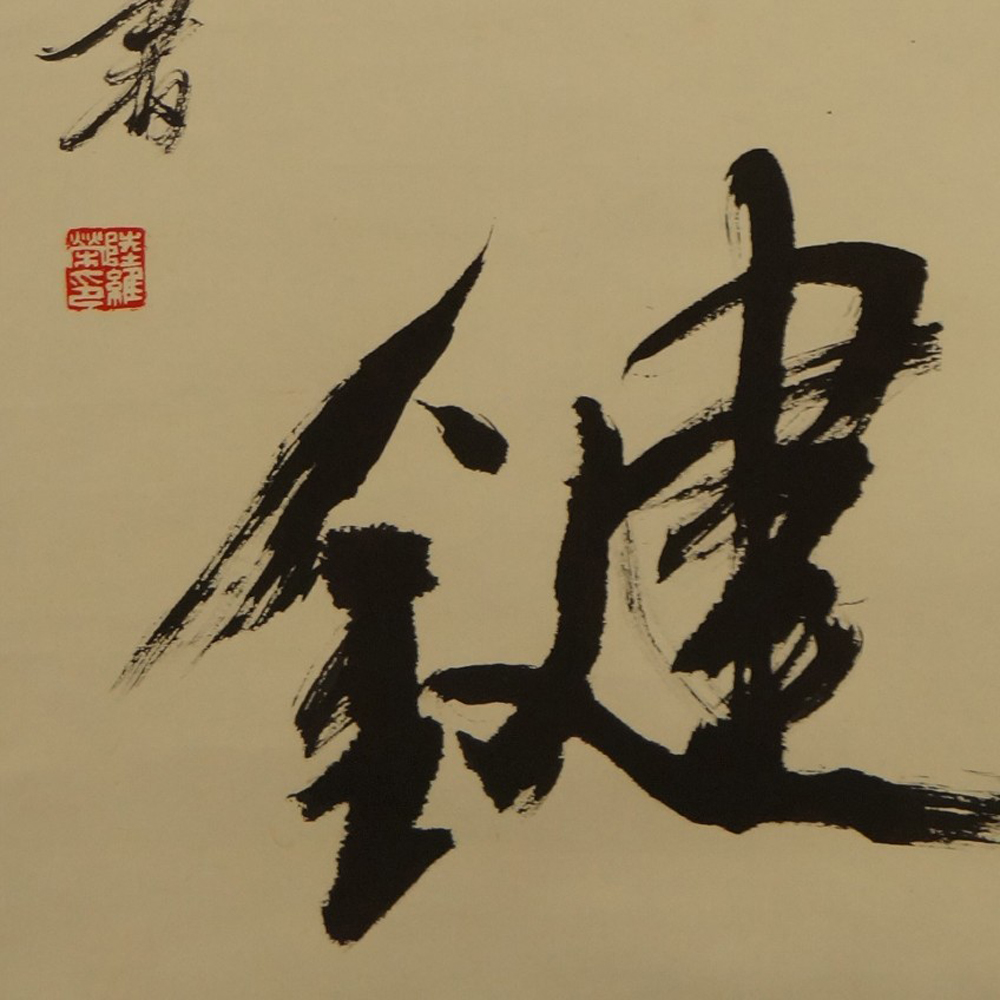
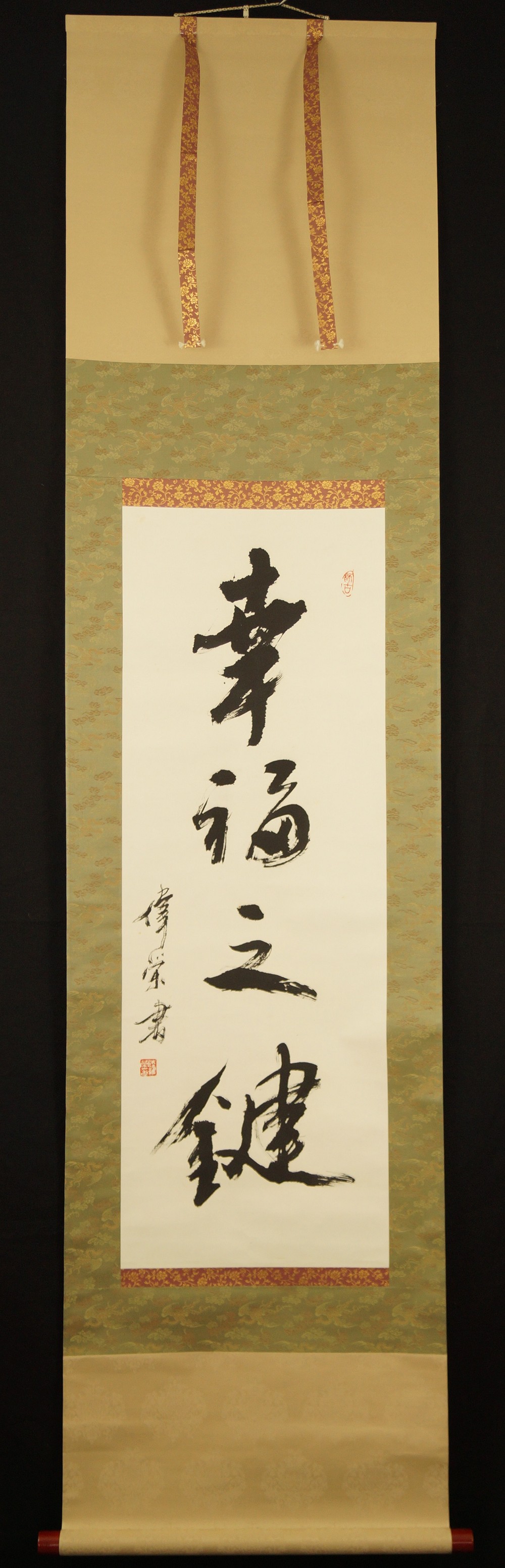
Calligraphy: The Key to Happiness
Kakemono, unique work, 180 x 50 cm
€240.00
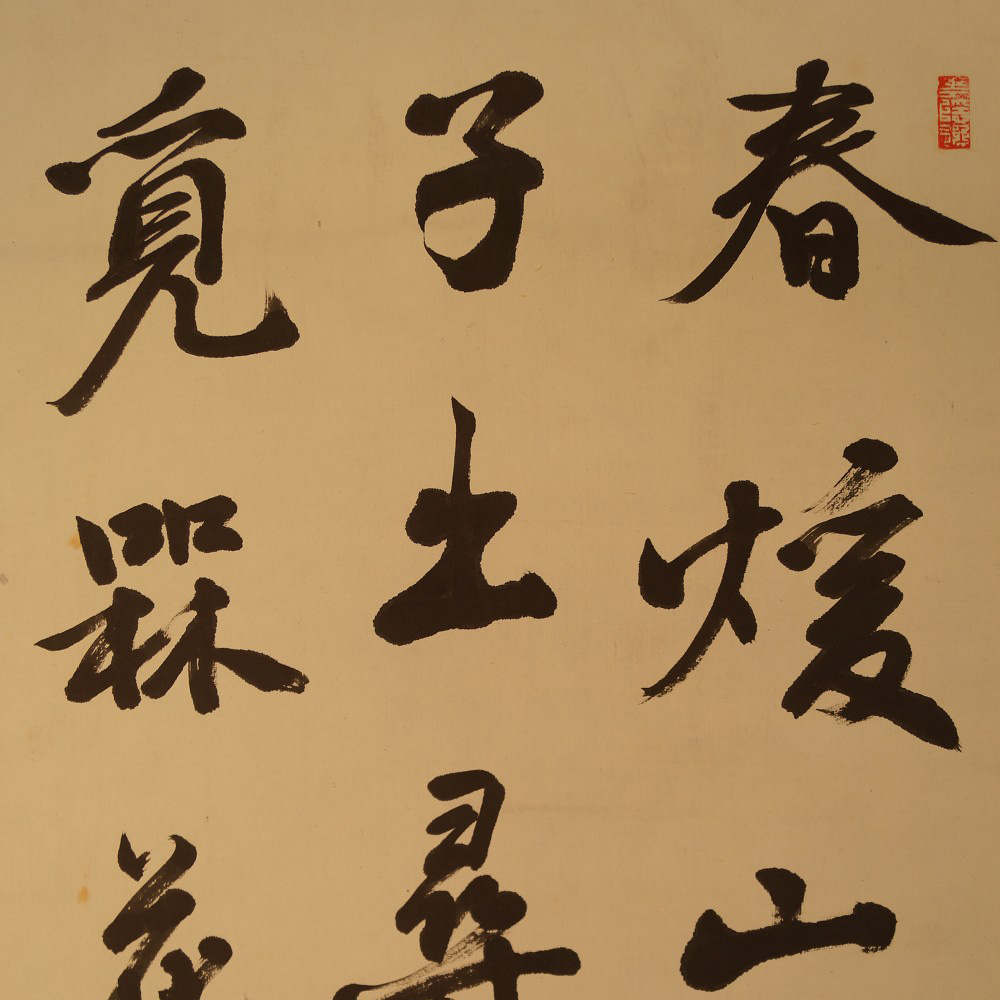
Calligraphy: In Search of the Plum Blossom
Kakemono, unique work, 195 x 51 cm
€180.00
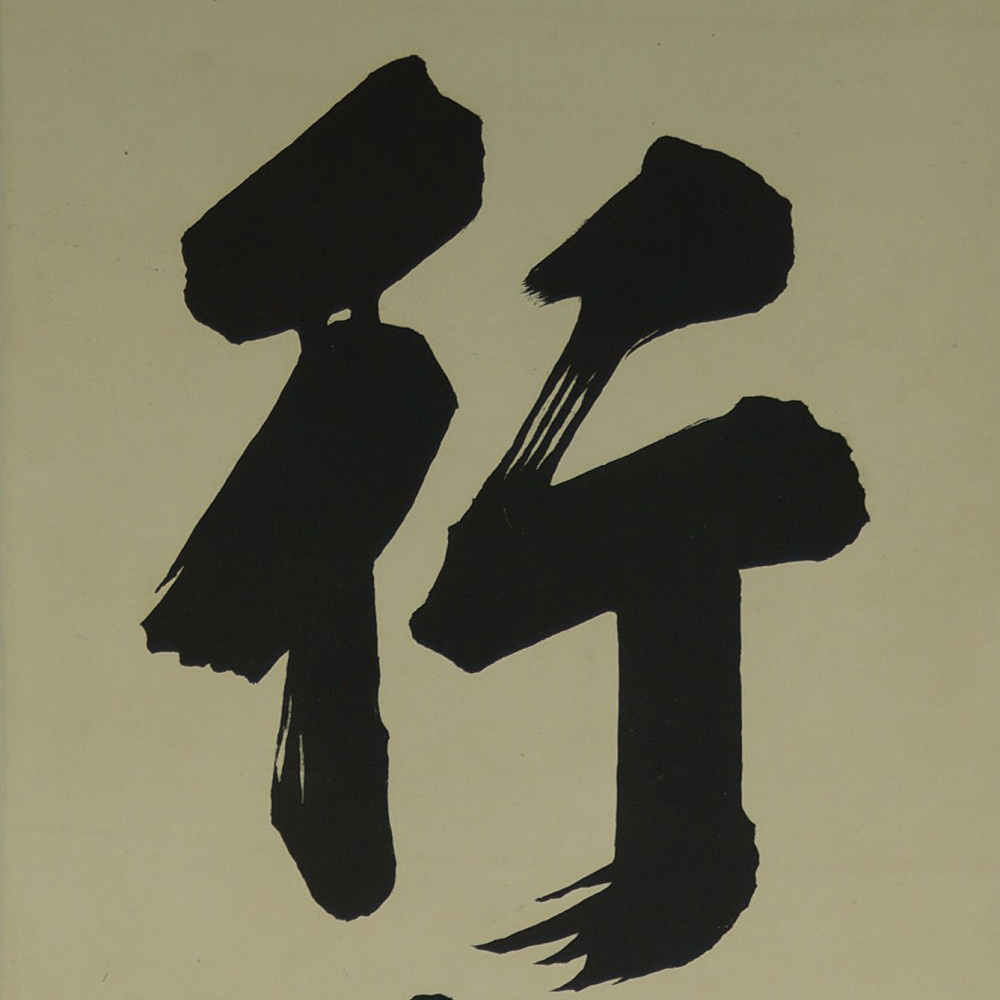
Calligraphy Print "Do Justice"
Kakemono, Print, 202 x 52 cm
€60.00
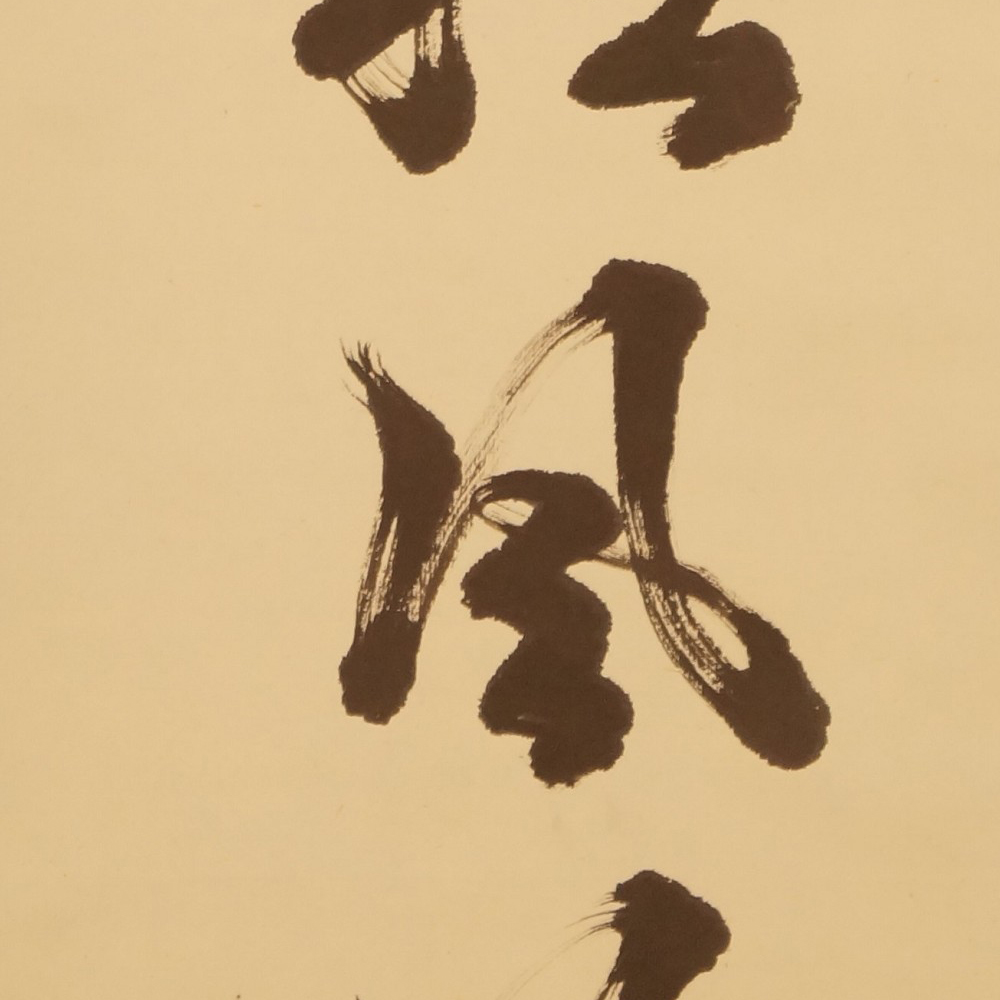
Calligraphy: Moon Over the Bay
Kakemono, unique work, 160 x 38 cm
€270.00


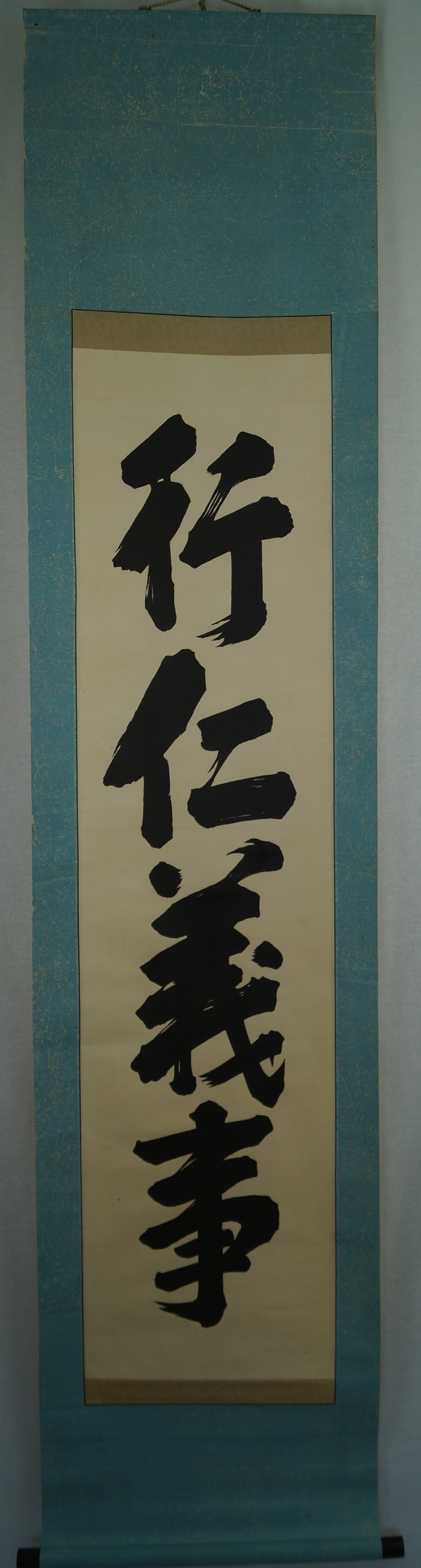
Details about the sold piece
- JikusakiWood
- Material HonshiPaper
- MotifCalligraphy
- TechniqueHand-Painted
Description
In even, clearly rendered characters, a text extends across several columns, its title inscribed with 'Calligraphy: The Highest Commandment'. The characters are executed in the regular Kaisho style, each stroke set calmly and with discipline, indicating a practiced, formally trained hand. At the lower left, the calligrapher's signature can be seen together with a red seal.
The Kakemono was created in the Meiji period (1868–1912) and was written entirely by hand on paper. Calligraphy hanging scrolls with moral-philosophical content such as this one were regarded in traditional Japanese households as a reminder of ethical principles and were often displayed in the Tokonoma, so as to be presented daily to guests and residents alike.
The roller rods are fitted with wooden ends. Anyone interested in the aesthetics of Japanese calligraphy will find in this handwritten unique work a stylish testament to classical calligraphy with a clearly legible, meaningful message.

