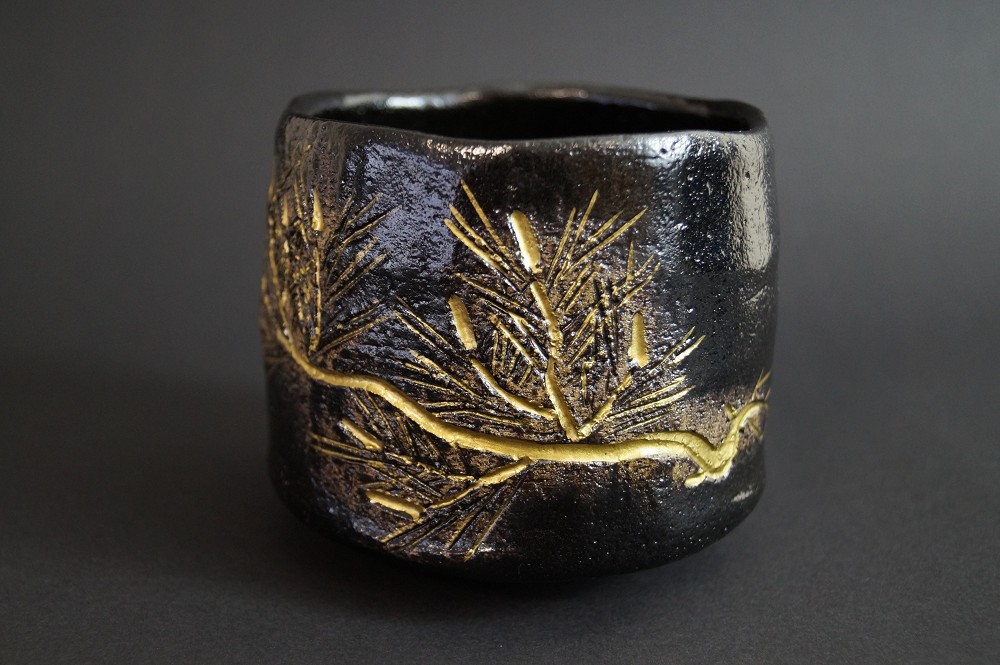
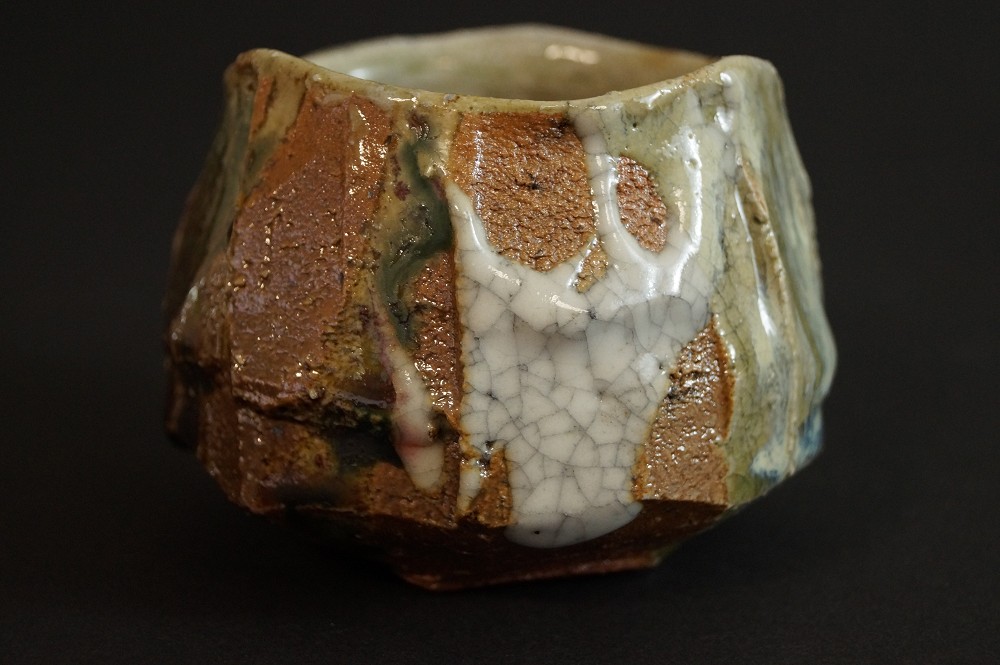
Chawan Chawan Made of Raku Ware by Keiraku Ito with Gold Decoration
One of a kind — this work exists only once.
- Signature / Stamp:
- Keiraku Ito
- Period:
- Shôwa (1926–1989)
- Dimensions (height x width):
- 9 x 9,7 cm
- Weight:
- 322g
- Item number:
- 6022
This piece has been sold.
Sold – no longer available
This piece was handmade by Keiraku Ito and was a one-of-a-kind work. It cannot be reordered and will never exist in this form again. The page stays online as part of our archive.
More items in category Chawan and YunomiAll one-of-a-kind Japanese Ceramics pieces
See new one-of-a-kind pieces first
We feature every delivery from Japan in the newsletter first – before the pieces show up in search results.
You might like these pieces
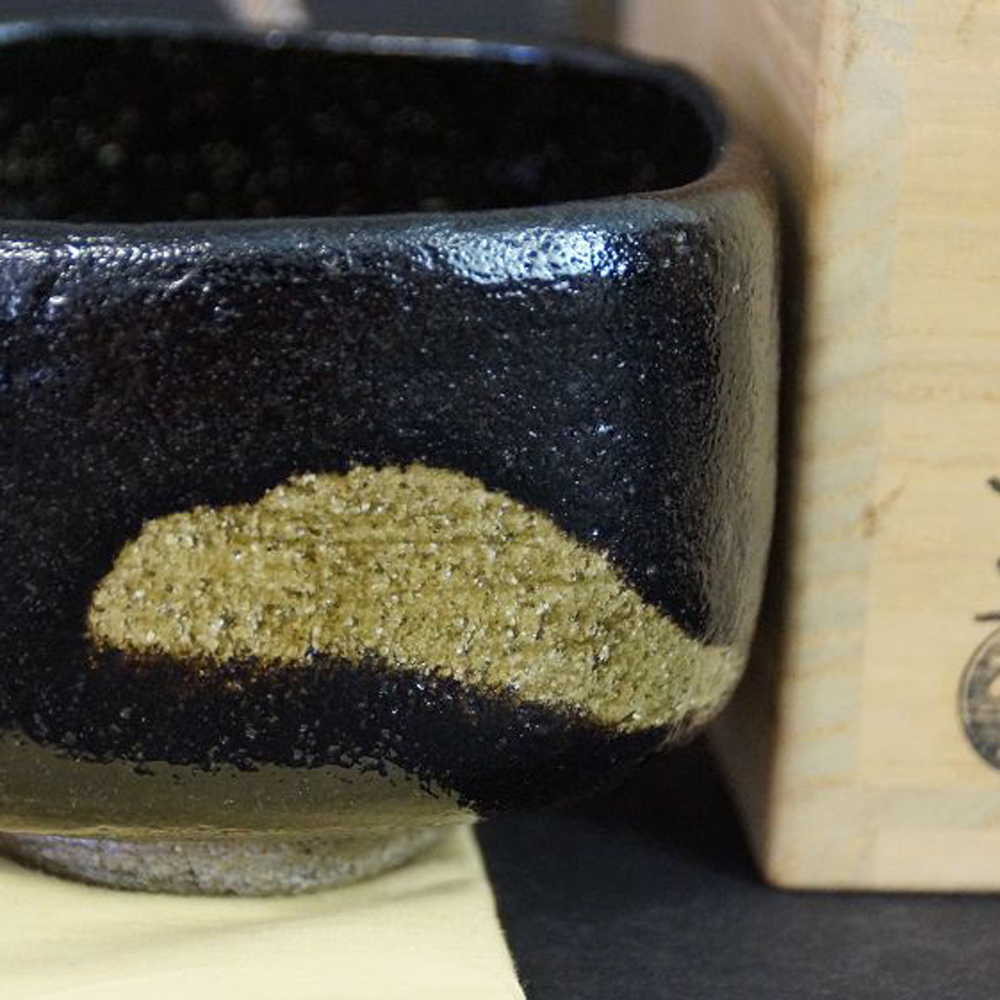
Keiraku Ito
Chawan Made of Raku Ware by Keiraku Ito
Chawan, unique work, with box, 8 x 12 cm
€430.00
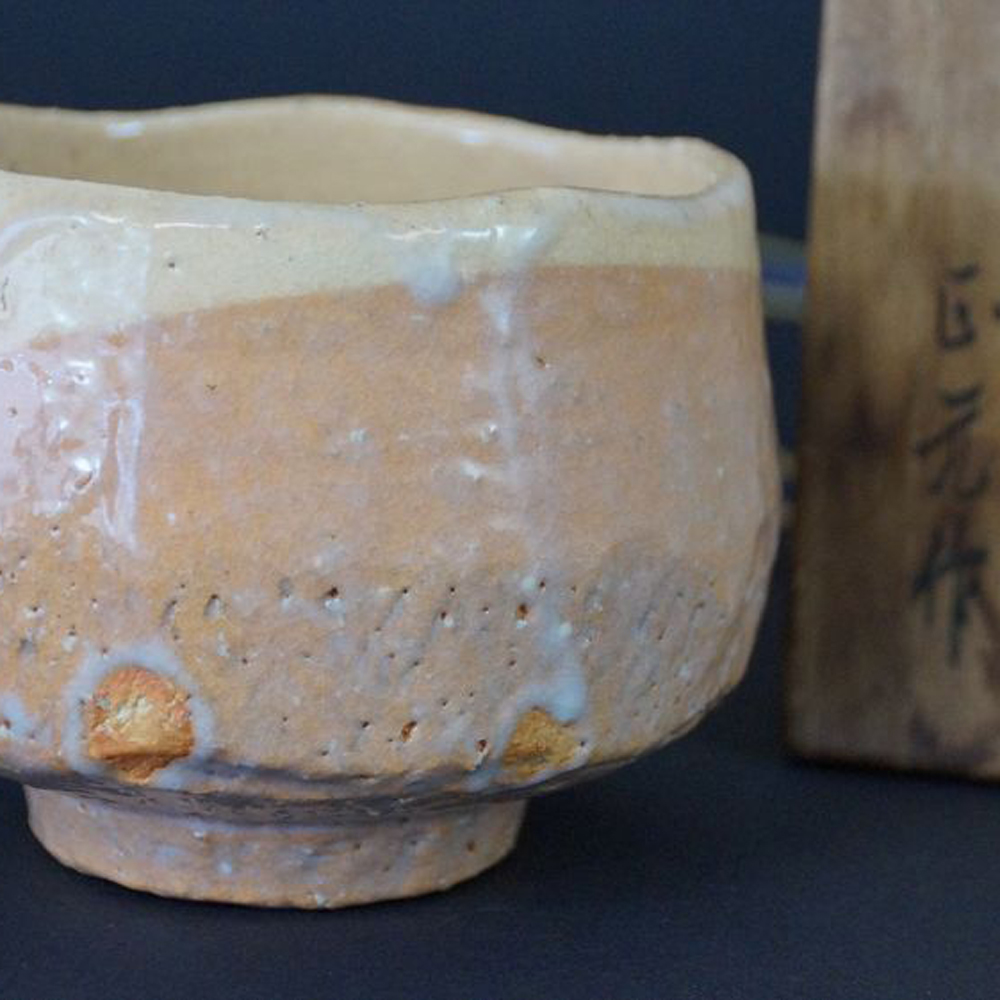
Shogen Heian
Chawan Tea Bowl Made of Raku Ware by Shogen Heian
Chawan, unique work, with box, 8 x 12 cm
€220.00
Takahashi Issui
Chawan Made of Raku Ware by Issui Takahashi
Chawan, unique work, with box, 9 x 12 cm
€230.00
Seiraku
Chawan Tea Bowl Made of Raku Ware by Seiraku
Chawan, unique work, with box, 9,5 x 9,5 cm
€280.00
Ichiraku Nishimura
Chawan Tea Bowl Made of Raku Ware by Ichiraku Nishimura
Chawan, unique work, with box, 8 x 11,5 cm
€420.00
Choraku Ohi
Chawan Tea Bowl Made of Ohi Ware by Choraku Ohi
Chawan, unique work, with box, 8,5 x 12 cm
€250.00
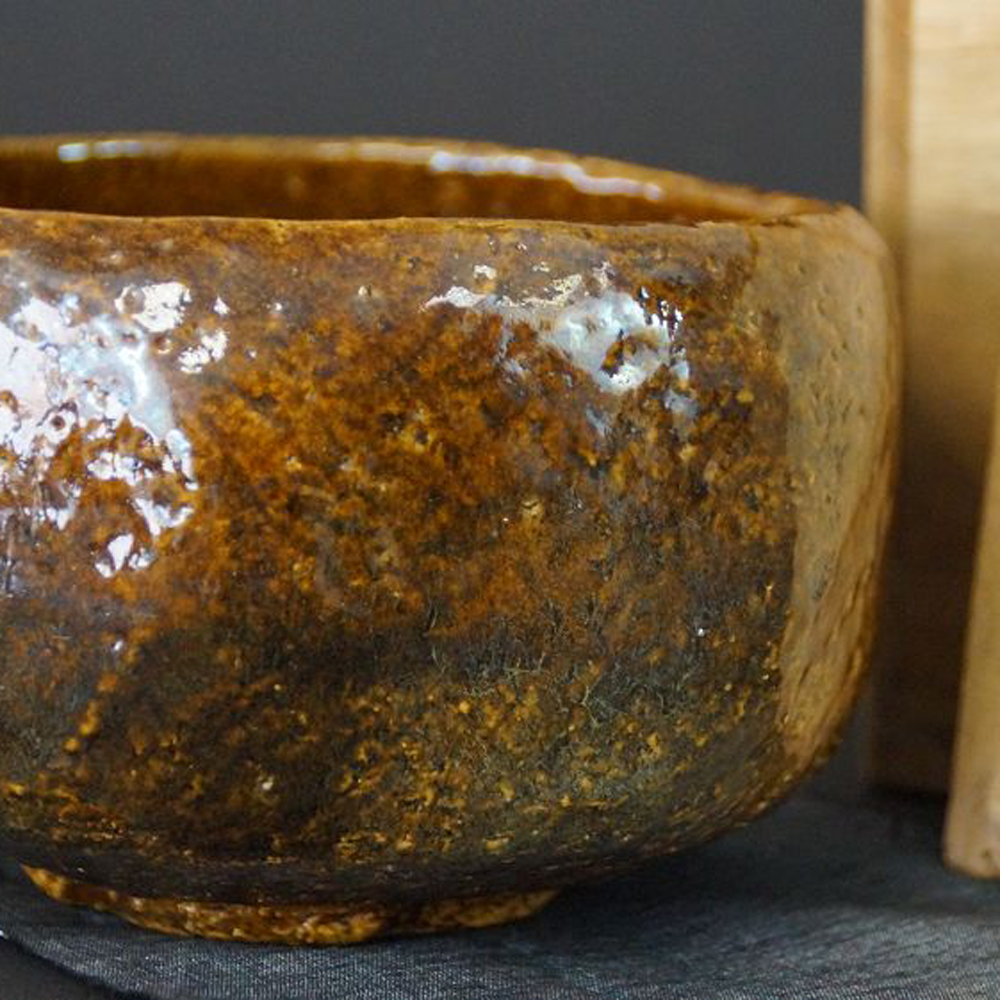
Sosei Heian
Chawan Tea Bowl Made of Raku Ware by Sosei Heian
Chawan, unique work, with box, 8,5 x 13 cm
€260.00
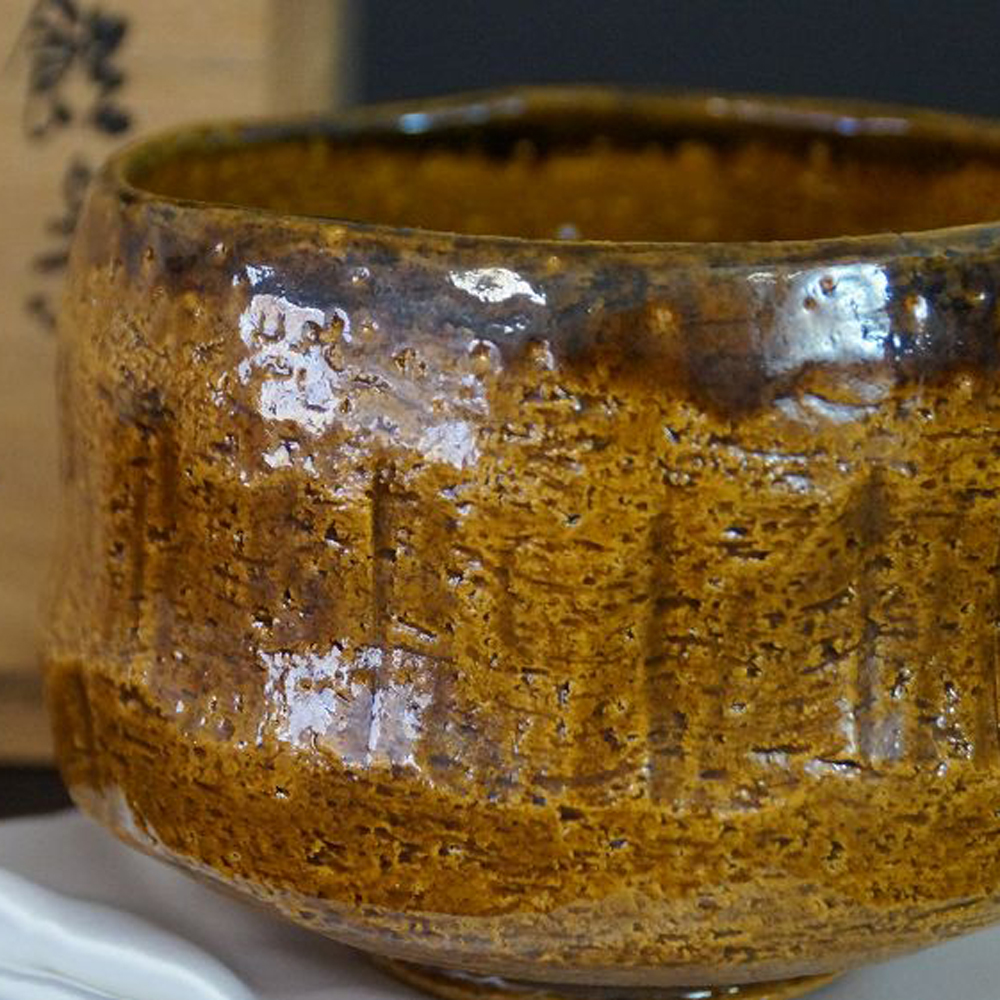
Rakunyu Yoshimura
Chawan Made of Raku Ware by Rakunyu Yoshimura
Chawan, unique work, with box, 9 x 12 cm
€350.00


Details about the sold piece
- ColorBlack, Gold
- MaterialCeramics
- Style / TraditionRaku-yaki
- Wooden BoxYes
Description
The pine is regarded in Japan as a symbol of permanence, longevity, and resilience, and this very motif runs in fine gold across the dark walls of this tea bowl. Against the deep black ground of the Raku glaze, the needles and branches of the pine stand out clearly, lending the chawan an almost calligraphic quality. The bowl bears the stamp of Keiraku Ito and, as is typical for Raku-yaki, is entirely hand-built, which is reflected in its slightly irregular, organic shape.
The gold painting was applied by hand after the glaze firing, giving it a sculptural, lively quality, almost as if the pine branch were traveling across the curve of the bowl. The dark ground gives the motif additional contrast and makes every point where the branches emerge clearly visible.
Delivered in a wooden box signed by the potter with a round seal impression, this tea bowl is a particularly eloquent example of how Japanese ceramics unite pictorial symbolism and craftsmanship. A piece from the Shōwa period for collectors with an appreciation for motif and fine gold painting.