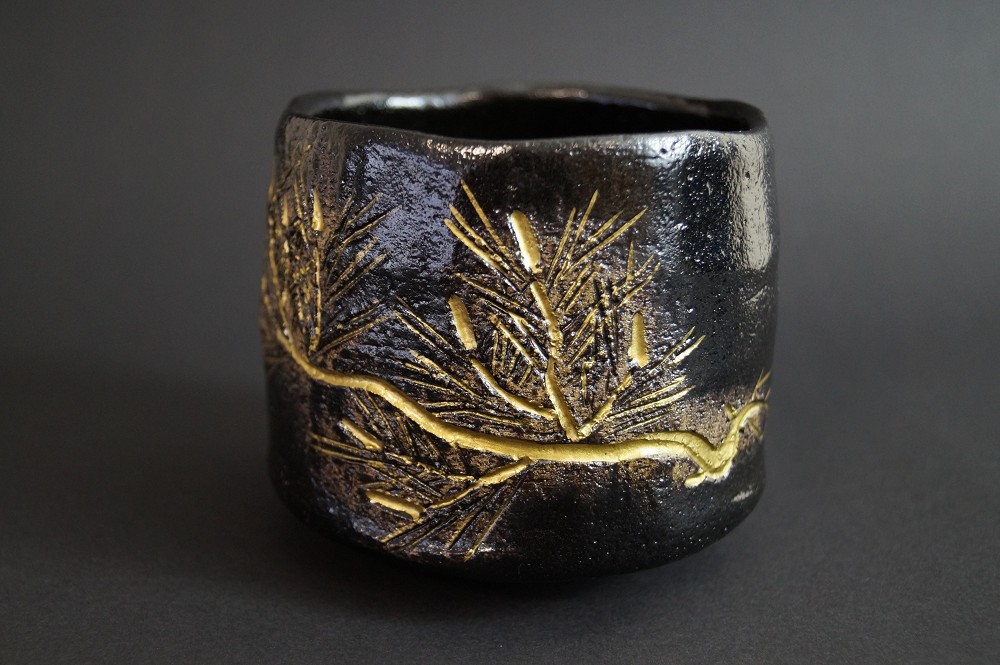
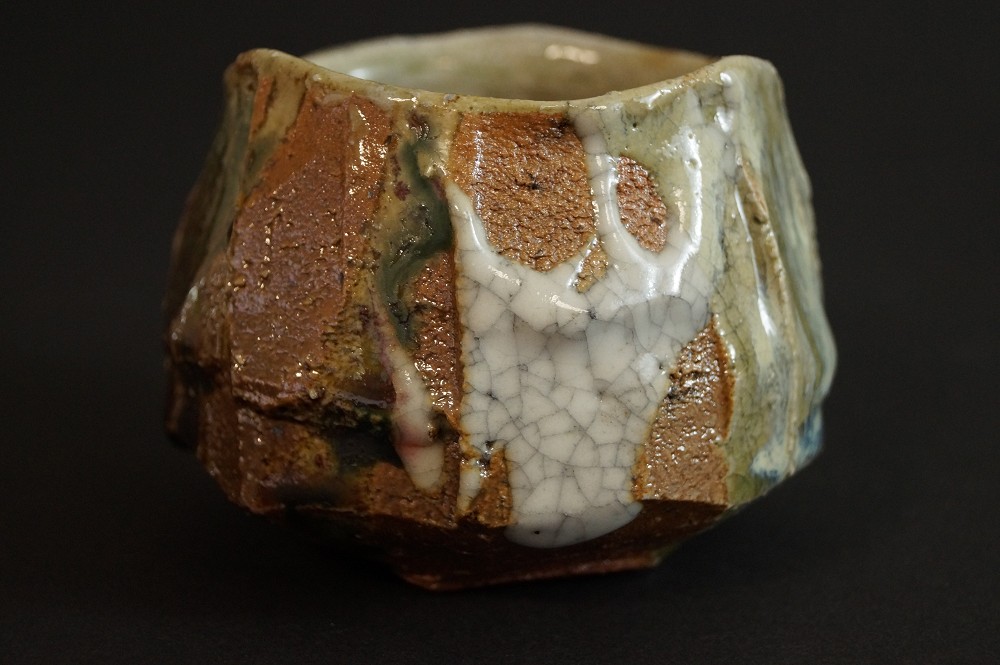
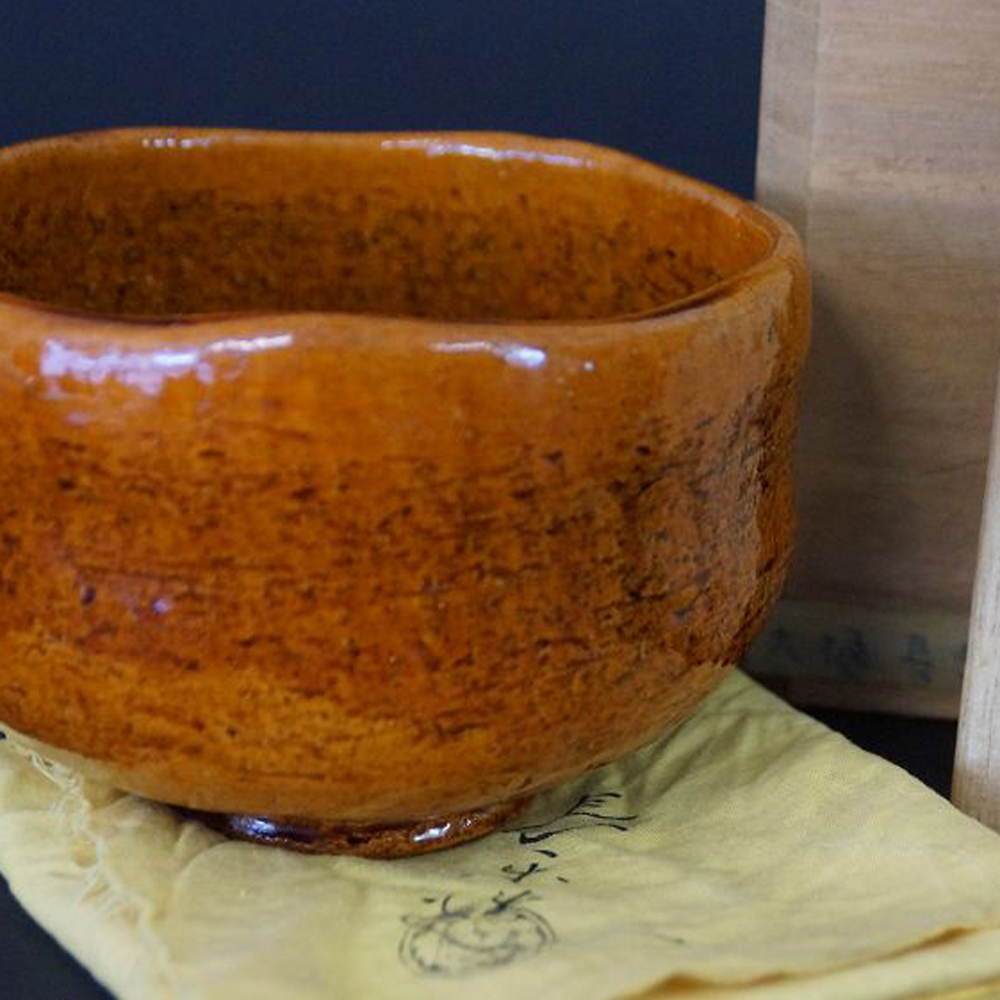
Chawan Chawan Made of Raku Ware by Shichibei Kiyomizu
One of a kind — this work exists only once.
- Signature / Stamp:
- Shichibei Kiyomizu
- Period:
- Meiji (1868–1912)
- Dimensions (height x width):
- 7,5 x 15 cm
- Weight:
- 1g
- Item number:
- 4961
This piece has been sold.
Sold – no longer available
This piece was handmade by Shichibei Kiyomizu and was a one-of-a-kind work. It cannot be reordered and will never exist in this form again. The page stays online as part of our archive.
More items in category Chawan and YunomiAll one-of-a-kind Japanese Ceramics pieces
See new one-of-a-kind pieces first
We feature every delivery from Japan in the newsletter first – before the pieces show up in search results.
You might like these pieces
Keiraku Ito
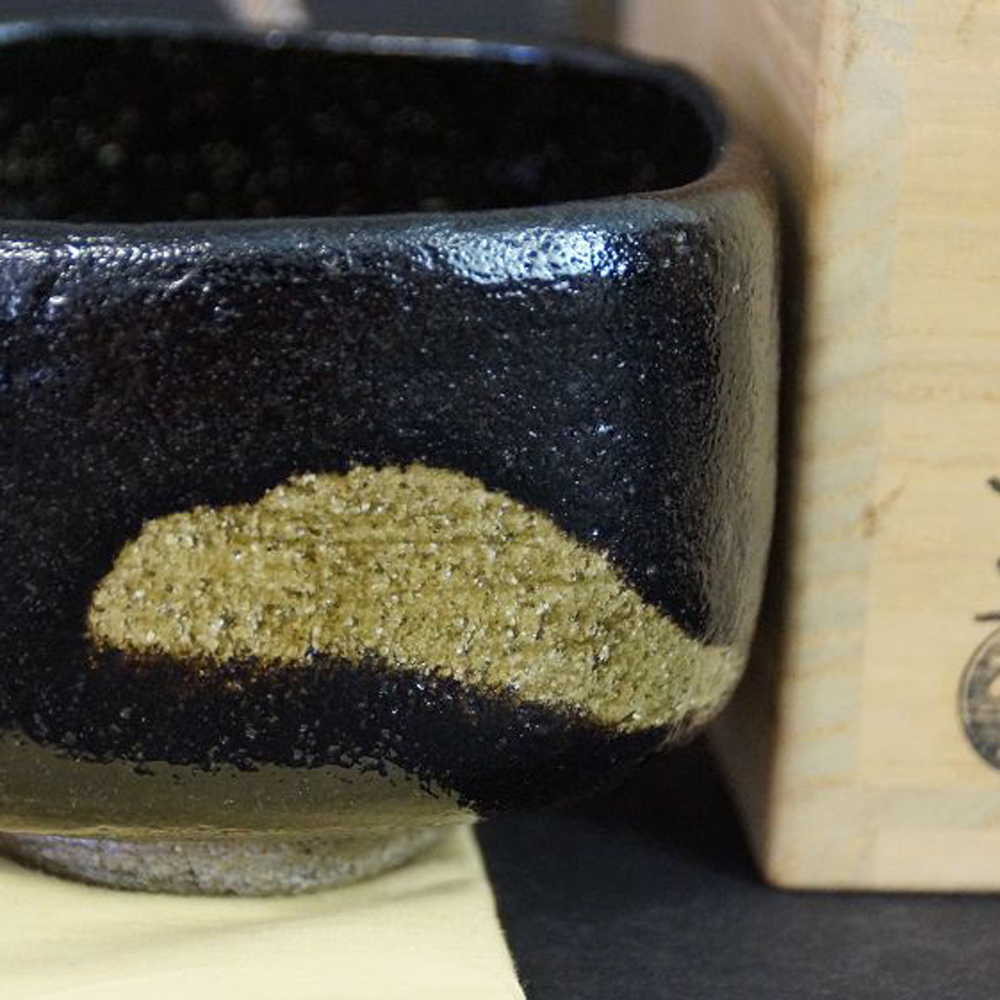
Chawan Made of Raku Ware by Keiraku Ito
Chawan, unique work, with box, 8 x 12 cm
€430.00

Akaraku - Chawan Made of Kyoto Ware
Chawan, unique work, with box, 9 x 11 cm
€345.00
Seiraku
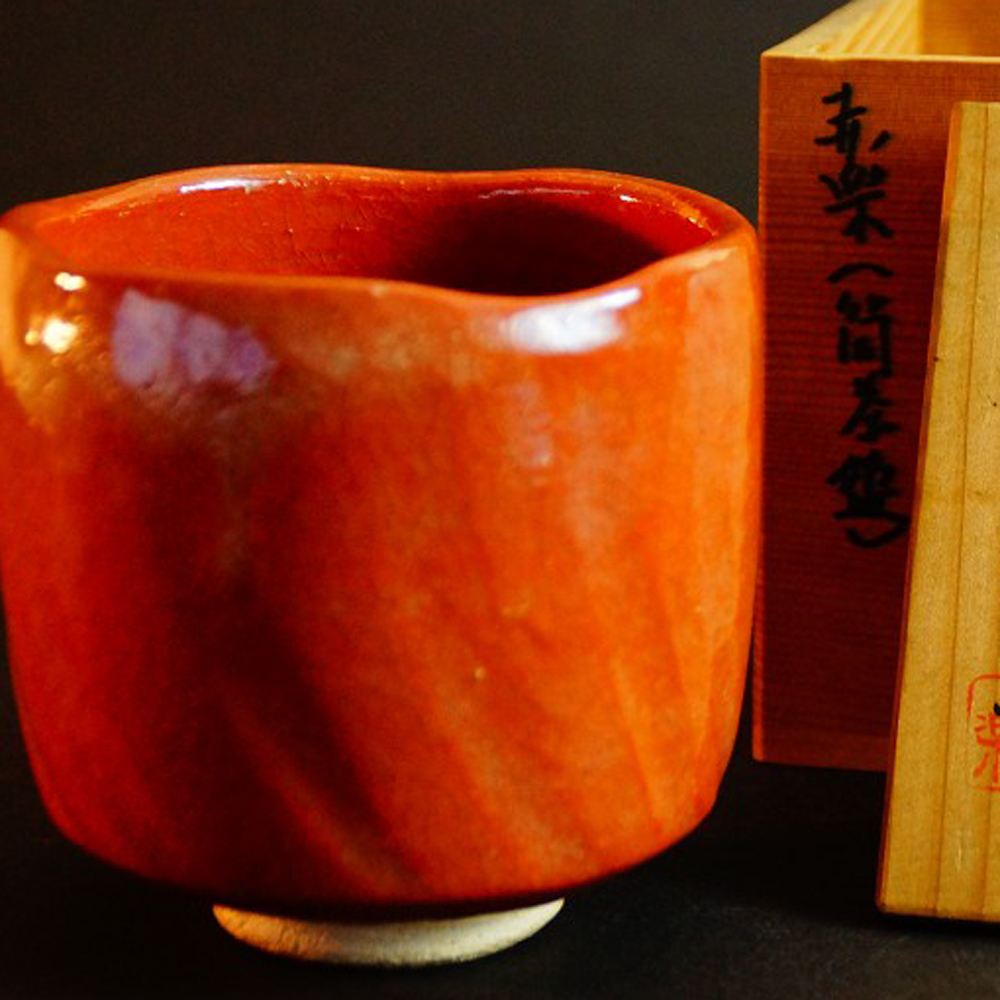
Chawan Tea Bowl Made of Raku Ware by Seiraku
Chawan, unique work, with box, 9,5 x 9,5 cm
€280.00
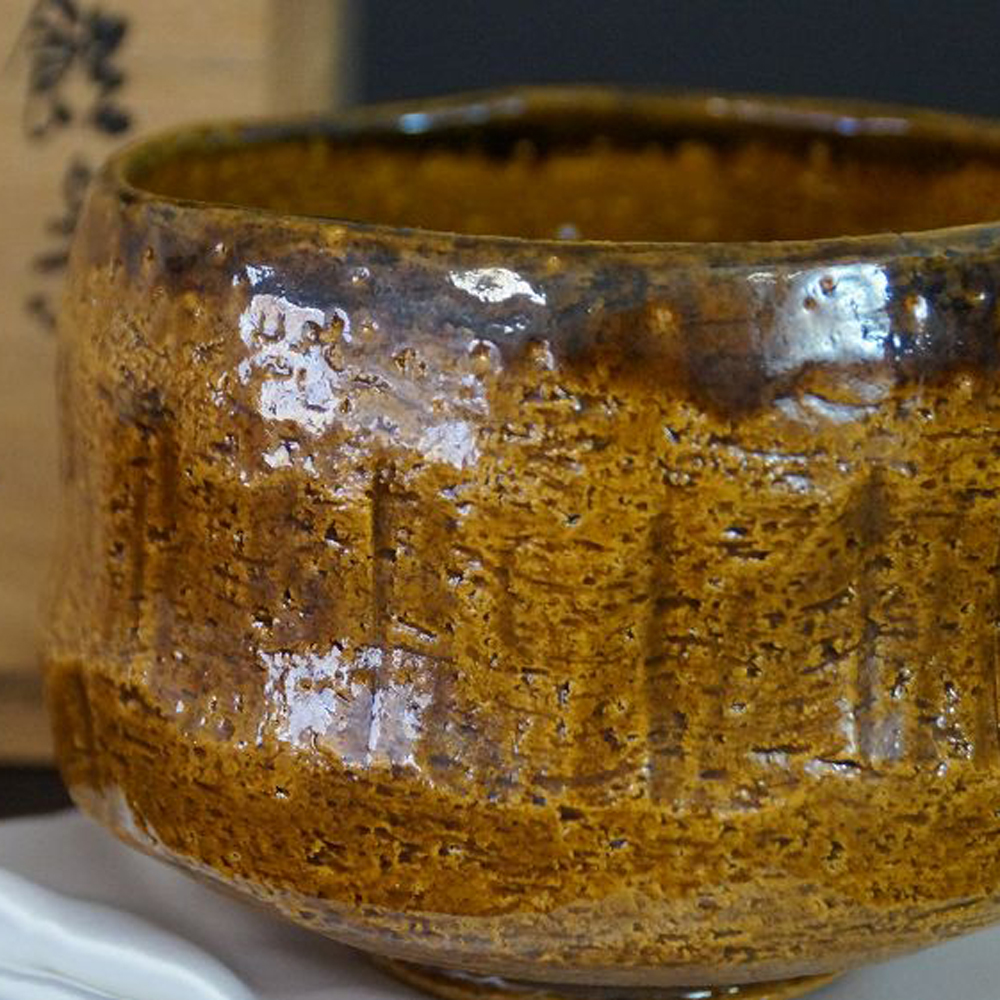
Rakunyu Yoshimura
Chawan Made of Raku Ware by Rakunyu Yoshimura
Chawan, unique work, with box, 9 x 12 cm
€350.00
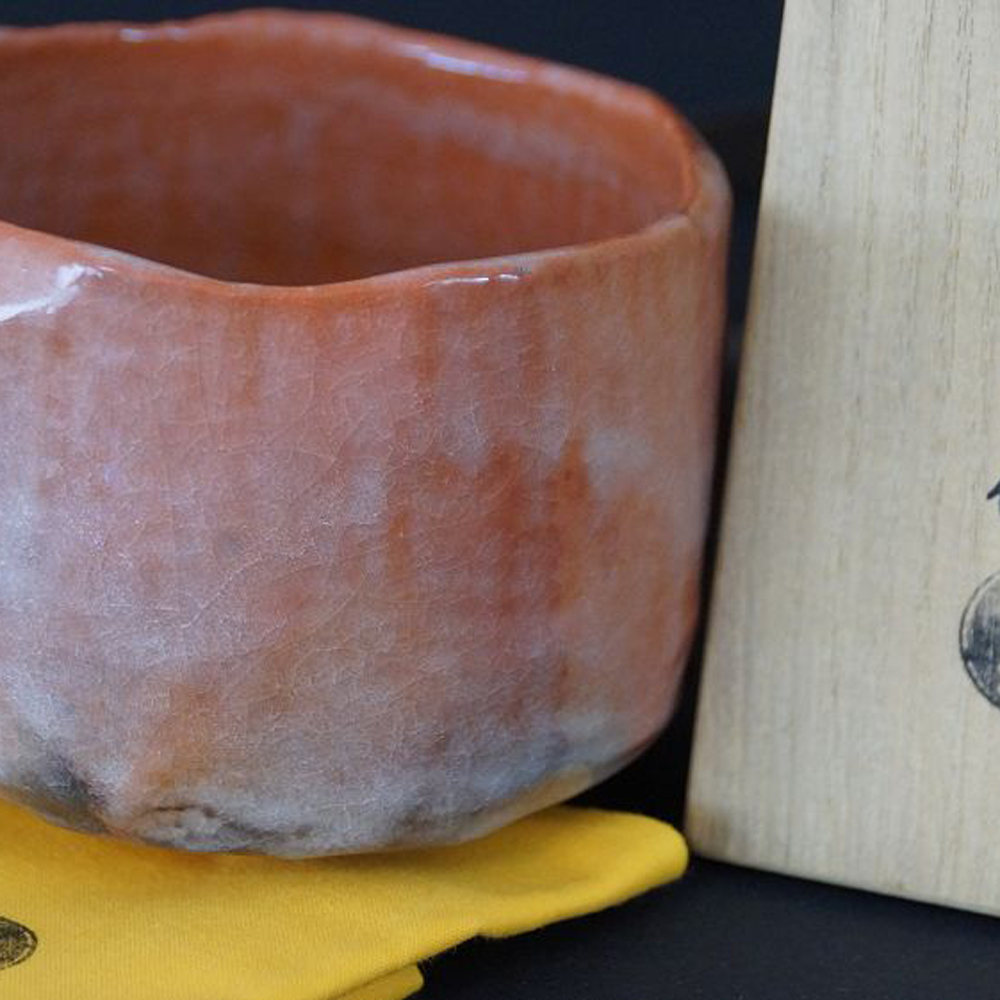
Ichiraku Nishimura
Chawan Tea Bowl Made of Raku Ware by Ichiraku Nishimura
Chawan, unique work, with box, 8 x 11,5 cm
€420.00
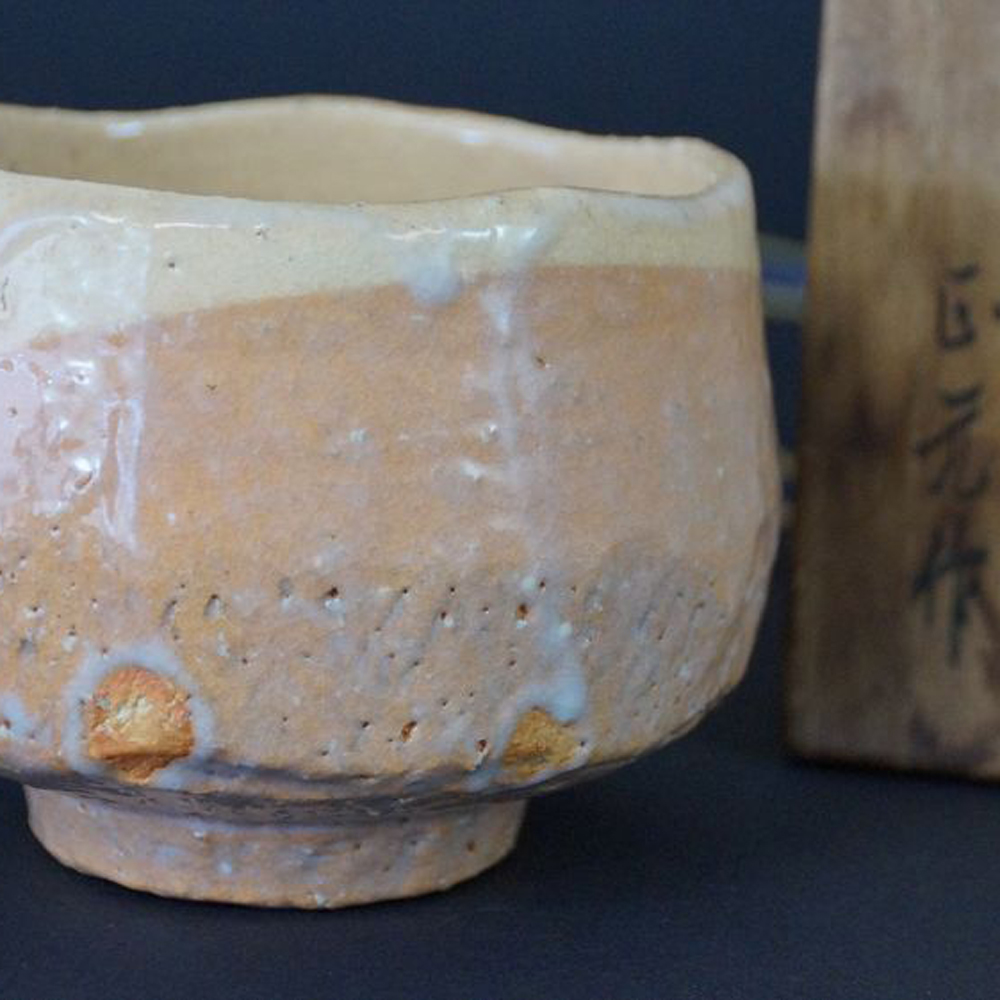
Shogen Heian
Chawan Tea Bowl Made of Raku Ware by Shogen Heian
Chawan, unique work, with box, 8 x 12 cm
€220.00
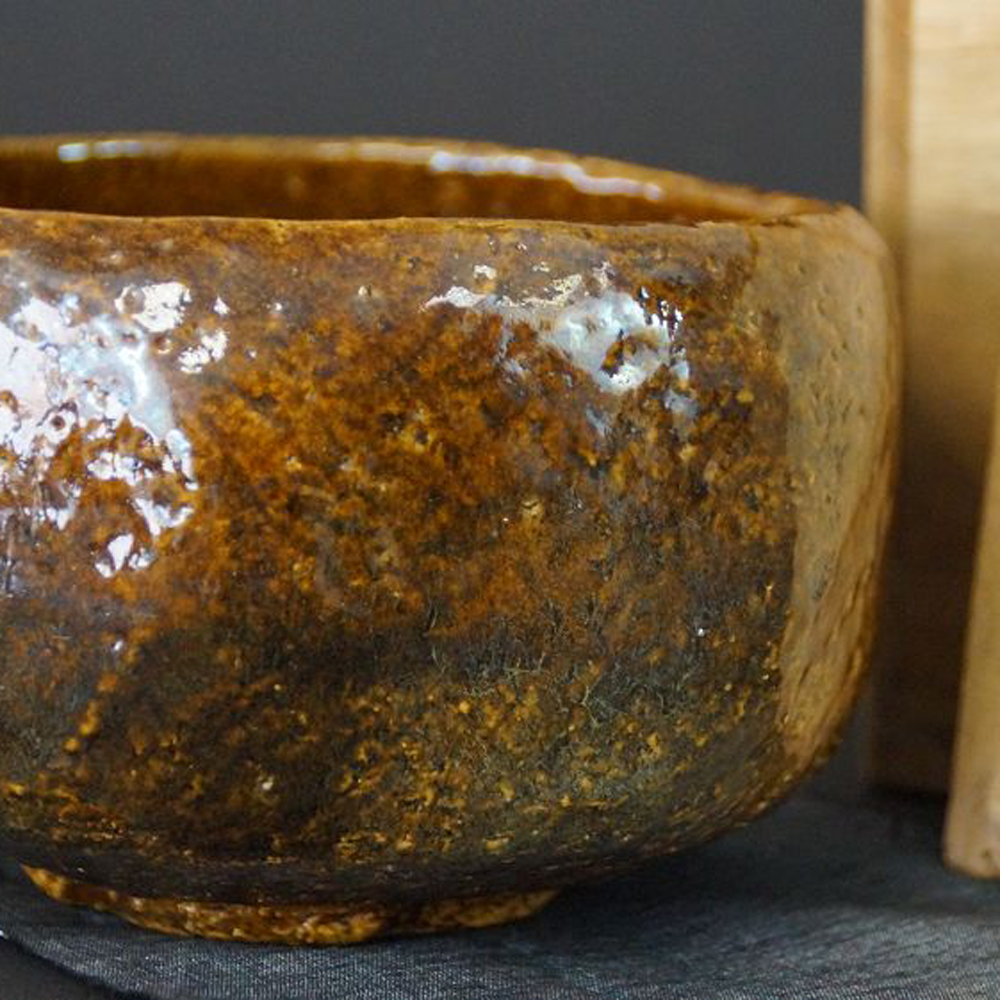
Sosei Heian
Chawan Tea Bowl Made of Raku Ware by Sosei Heian
Chawan, unique work, with box, 8,5 x 13 cm
€260.00
Choraku Ohi
Chawan Tea Bowl Made of Ohi Ware by Choraku Ohi
Chawan, unique work, with box, 8,5 x 12 cm
€250.00


Details about the sold piece
- ColorBrown, Gray
- MaterialCeramics
- Style / TraditionRaku-yaki
- Wooden BoxYes
Description
Toward the end of the 19th century, in the final years of the Meiji period, this Raku ware tea bowl was created by the hand of master potter Shichibei Kiyomizu. Its deep dark, almost aubergine-black glaze, which transitions toward the rim into a warm reddish-brown, testifies to the reducing atmosphere of the Raku firing, in which the pieces are taken from the glowing kiln and rapidly cooled.
The low firing temperature of the Raku process allows the clay to retain its softness, which is reflected in the hand-pleasing, slightly irregular shape of the bowl. The narrow, clearly defined foot and the matte shimmering surface lend the piece a quiet, concentrated presence, as it is valued in the tea ceremony in the spirit of wabi-sabi.
The tea bowl comes in a wooden box signed by the master potter, which documents its provenance and at the same time serves as a dignified place of storage. As a testament to Japanese ceramic art of the late 19th century, it combines craft tradition with the timeless aesthetic of chanoyu culture.