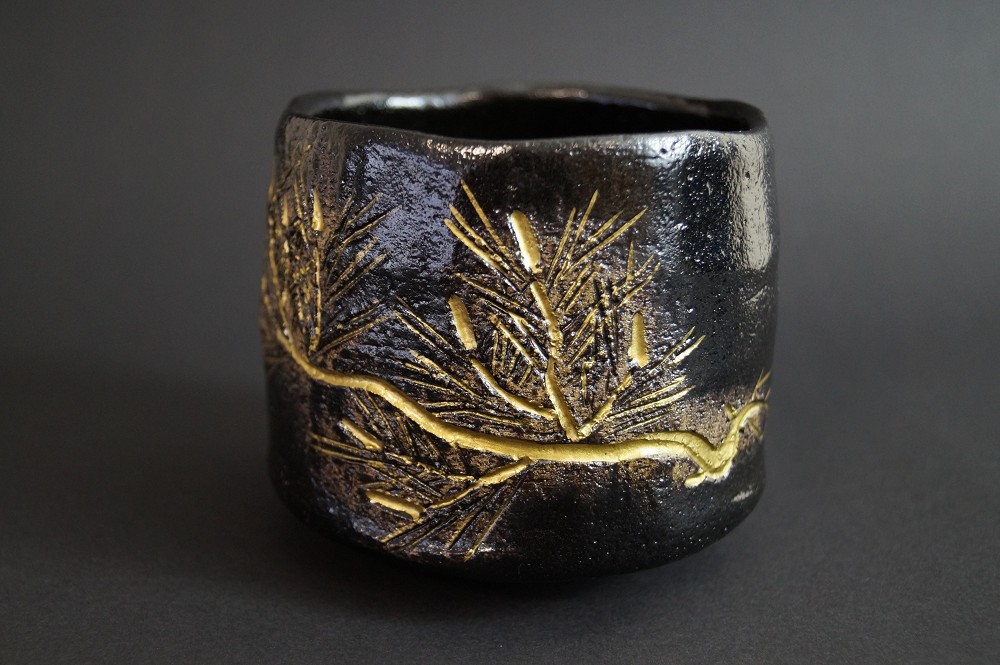
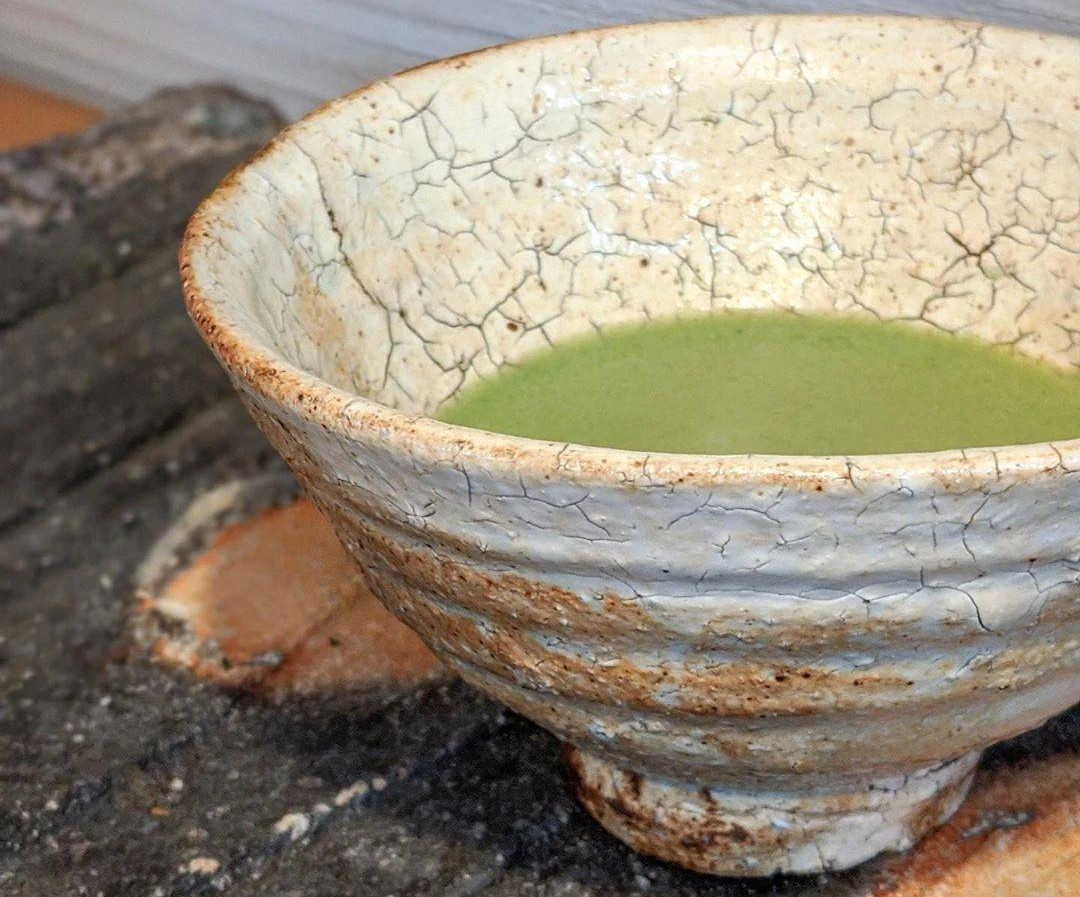
Chawan Chawan Made of Raku Ware by Shoki Kimura
One of a kind — this work exists only once.
- Signature / Stamp:
- Shoki Kimura
- Period:
- Shôwa (1926–1989)
- Dimensions (height x width):
- 9 x 12 cm
- Weight:
- 326g
- Item number:
- 6148
This piece has been sold.
Sold – no longer available
This piece was handmade by Shoki Kimura and was a one-of-a-kind work. It cannot be reordered and will never exist in this form again. The page stays online as part of our archive.
More items in category Chawan and YunomiAll one-of-a-kind Japanese Ceramics pieces
See new one-of-a-kind pieces first
We feature every delivery from Japan in the newsletter first – before the pieces show up in search results.
You might like these pieces
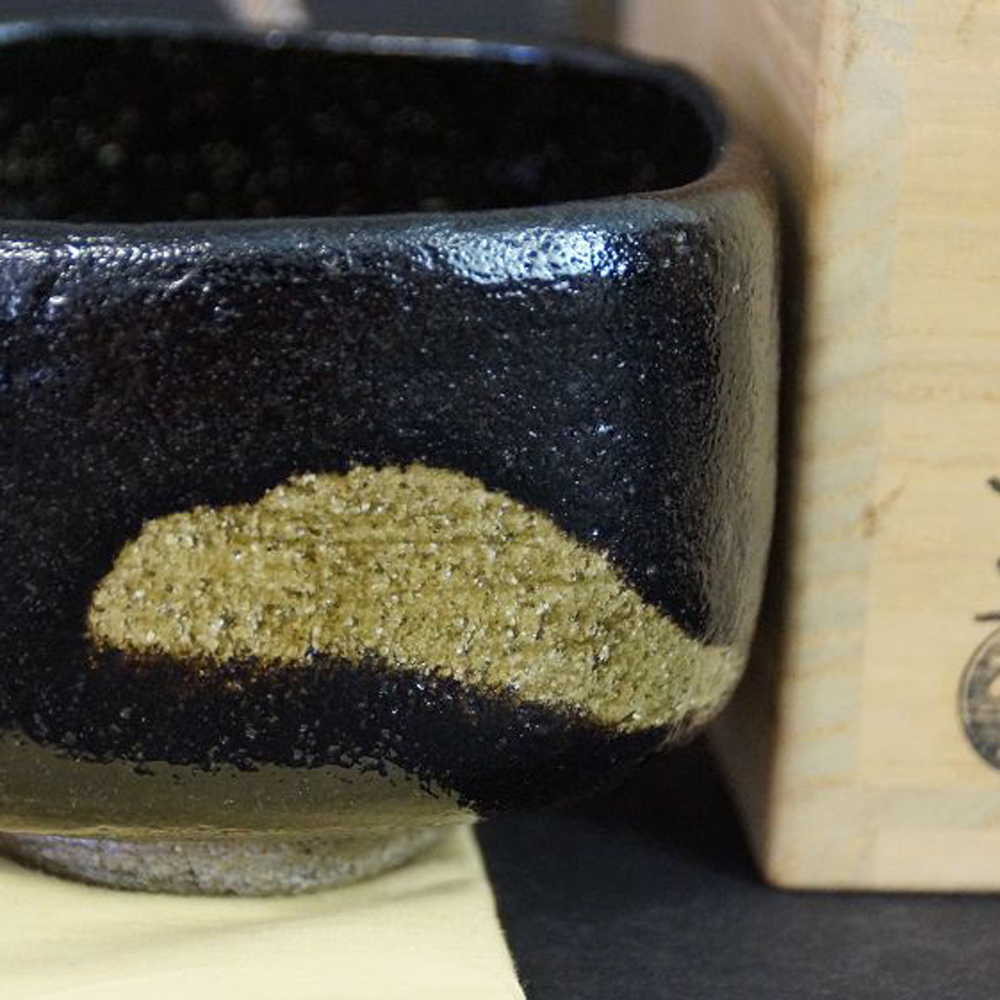
Keiraku Ito
Chawan Made of Raku Ware by Keiraku Ito
Chawan, unique work, with box, 8 x 12 cm
€430.00
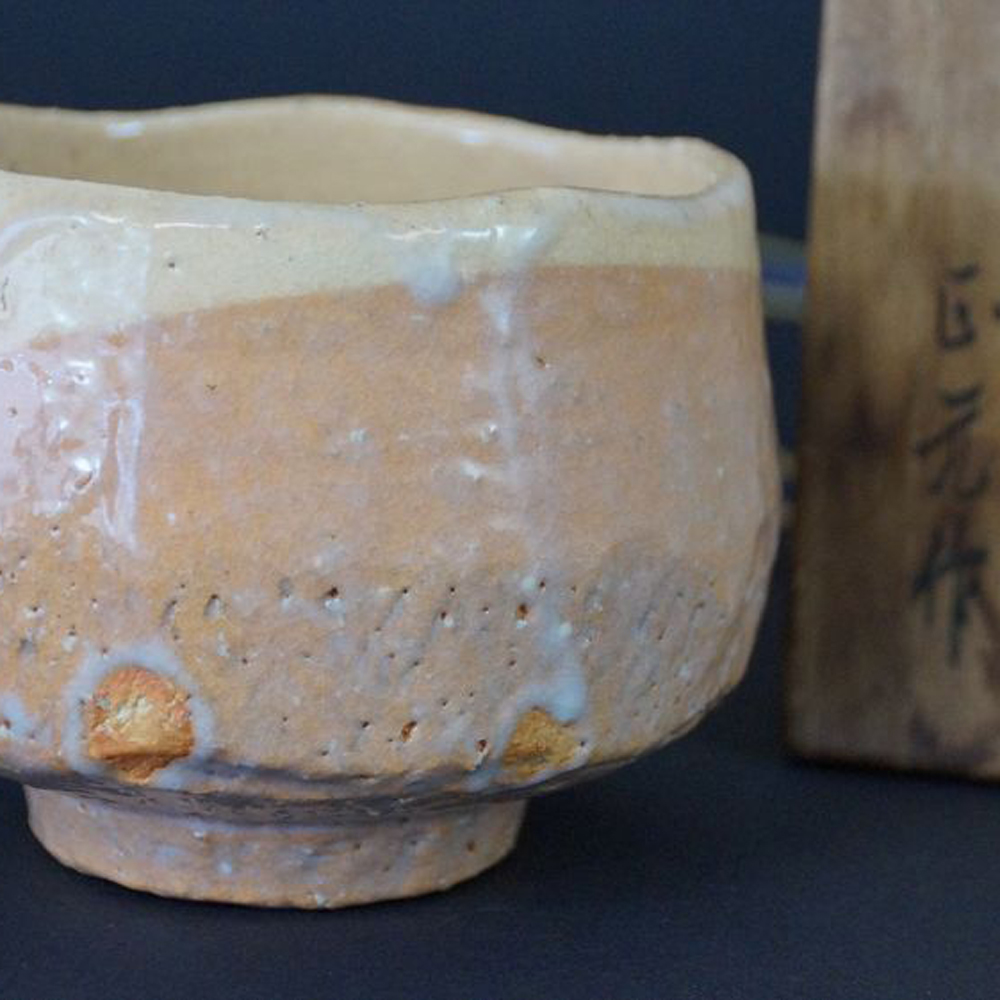
Shogen Heian
Chawan Tea Bowl Made of Raku Ware by Shogen Heian
Chawan, unique work, with box, 8 x 12 cm
€220.00
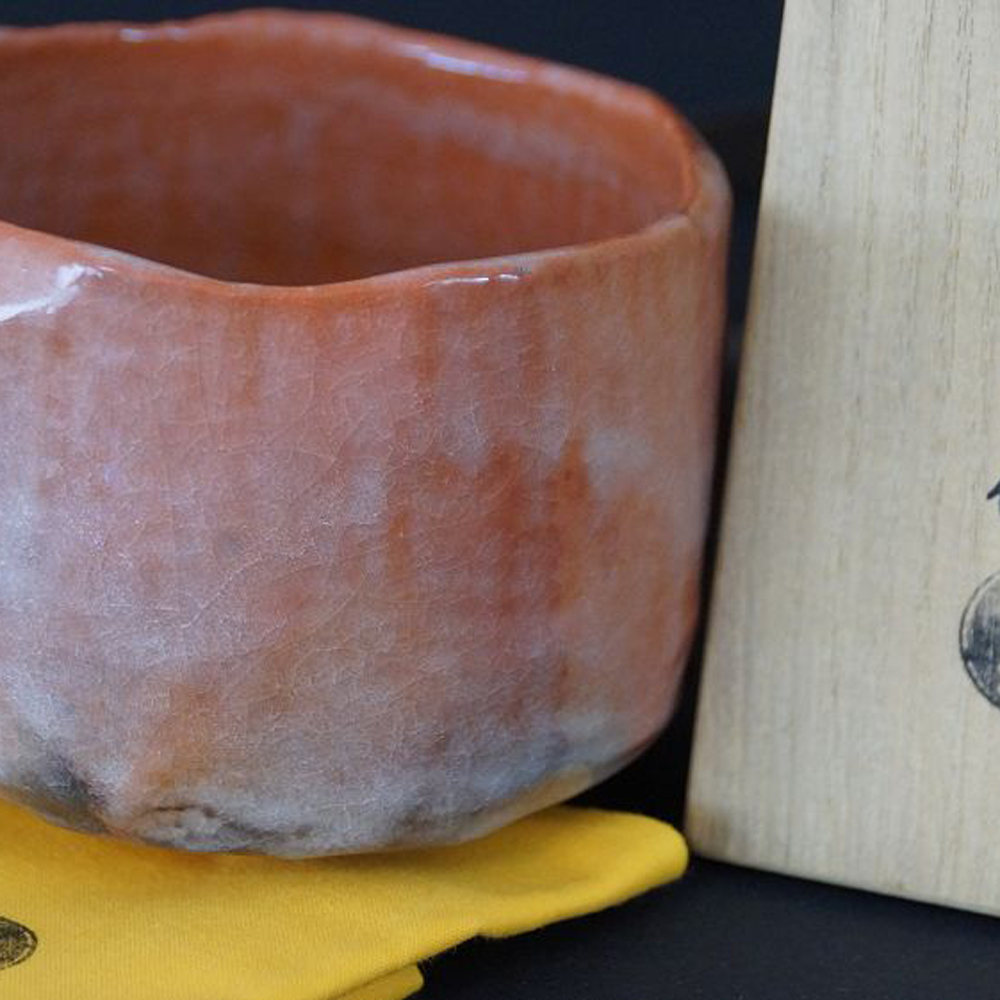
Ichiraku Nishimura
Chawan Tea Bowl Made of Raku Ware by Ichiraku Nishimura
Chawan, unique work, with box, 8 x 11,5 cm
€420.00

Akaraku - Chawan Made of Kyoto Ware
Chawan, unique work, with box, 9 x 11 cm
€345.00
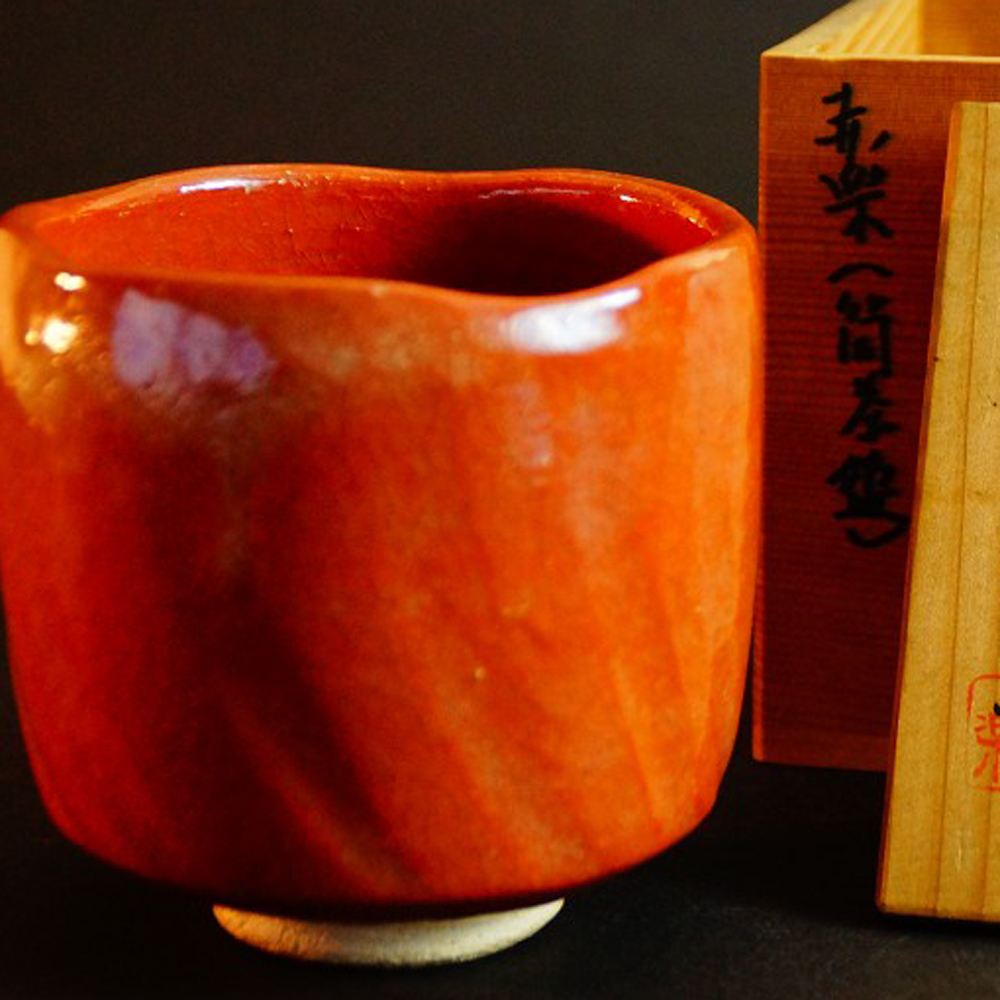
Seiraku
Chawan Tea Bowl Made of Raku Ware by Seiraku
Chawan, unique work, with box, 9,5 x 9,5 cm
€280.00
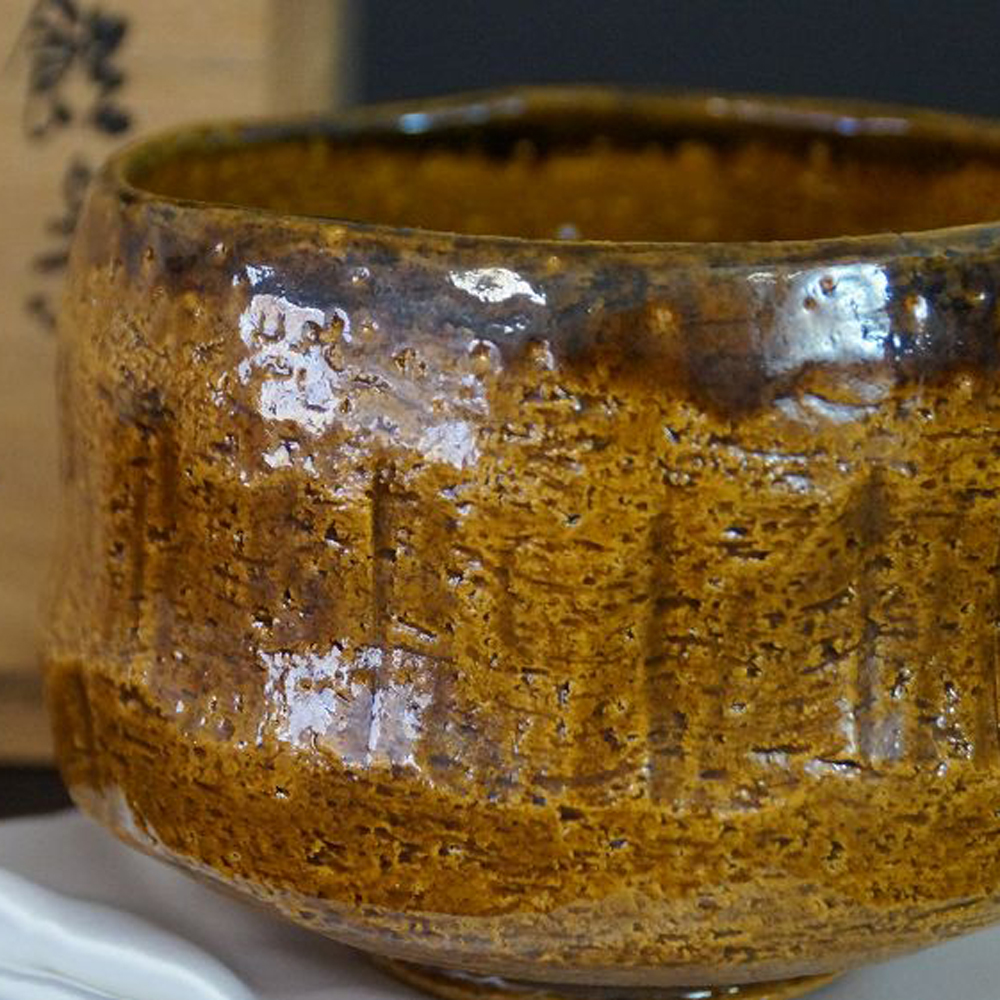
Rakunyu Yoshimura
Chawan Made of Raku Ware by Rakunyu Yoshimura
Chawan, unique work, with box, 9 x 12 cm
€350.00
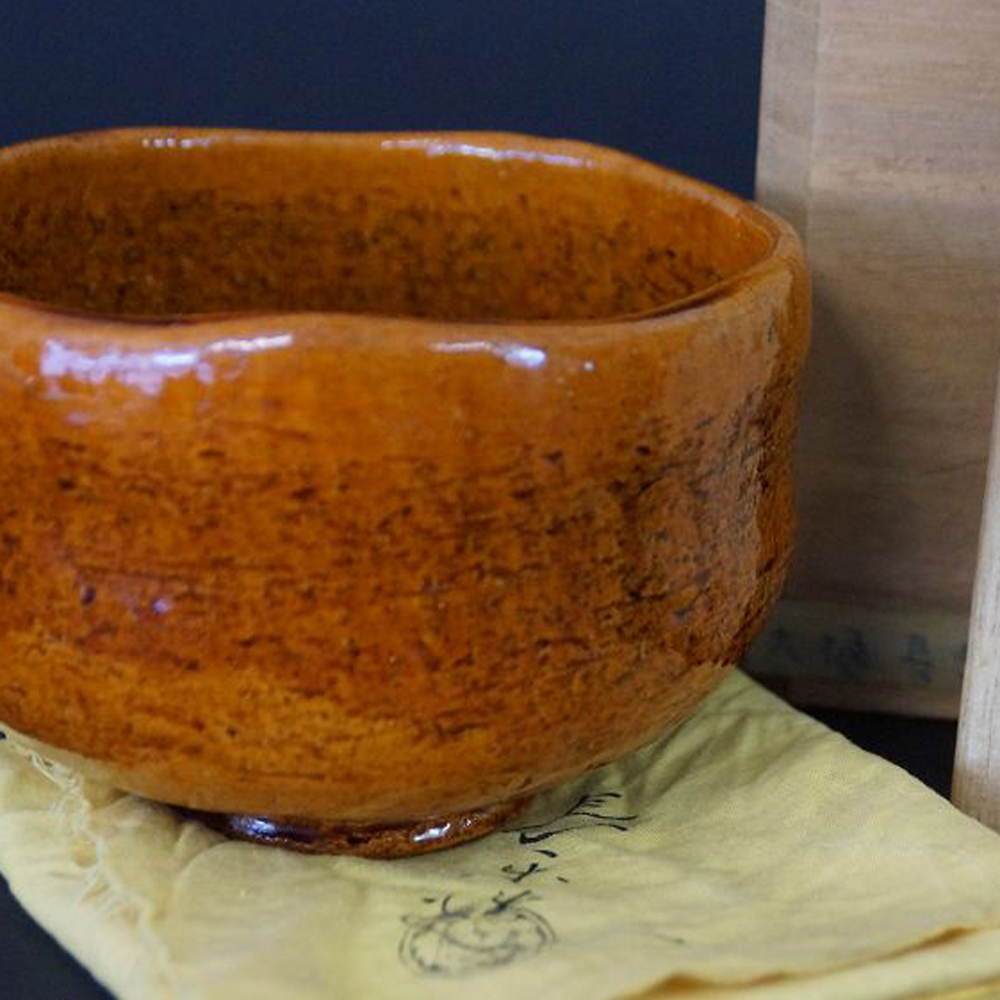
Choraku Ohi
Chawan Tea Bowl Made of Ohi Ware by Choraku Ohi
Chawan, unique work, with box, 8,5 x 12 cm
€250.00
Choami Ohi
Chawan Made of Ohi Ware by Choami Ohi
Chawan, unique work, with box, 8 x 11 cm
€260.00


Details about the sold piece
- ColorBrown, Red
- MaterialCeramics
- Style / TraditionRaku-yaki
- Wooden BoxYes
Description
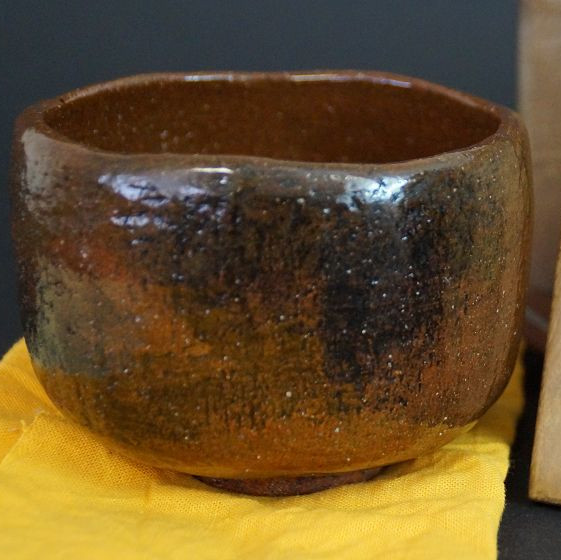
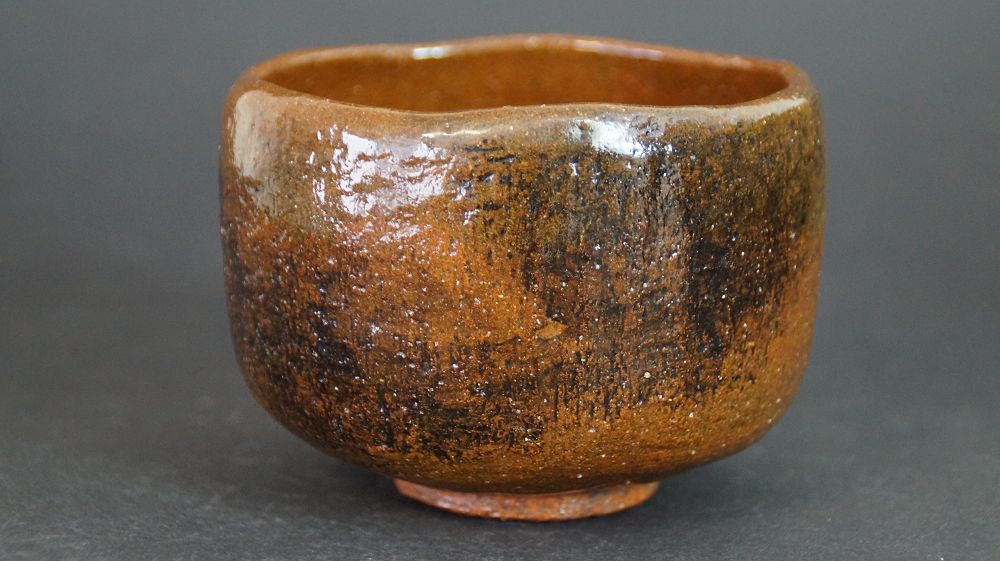
Deep reddish-brown tones and subtle, shifting highlights define the glaze of this tea bowl, whose irregularly shaped rim and gently undulating walls immediately reveal the hand of the maker. It is precisely this deliberate departure from symmetry that gives Raku ware its particular appeal, where each piece becomes a genuine unique work through the spontaneous effects of the firing process.
The Raku tradition emerged in the 16th century in the context of the Japanese tea ceremony and has since been closely tied to its aesthetic ideals: restraint, naturalness, and the beauty of imperfection. On this chawan, the glaze pools in the recesses of the walls, creating a lively interplay between matte clay and glossy surfaces. The piece was made by Shoki Kimura, whose calm hand is reflected in the compact, grounded shape of the bowl.
The chawan sits comfortably in the hand and is suited both for the tea ceremony and as a standalone display piece. It is delivered in a wooden box signed by the potter, which protects the work properly while also documenting its origin – a fitting interplay of craftsmanship and tradition.