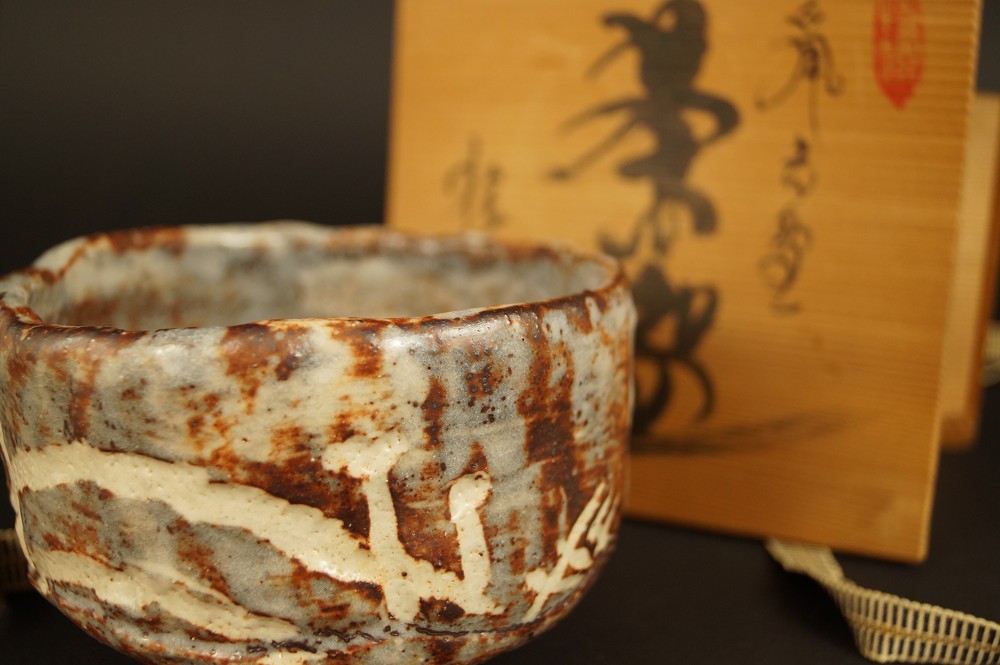
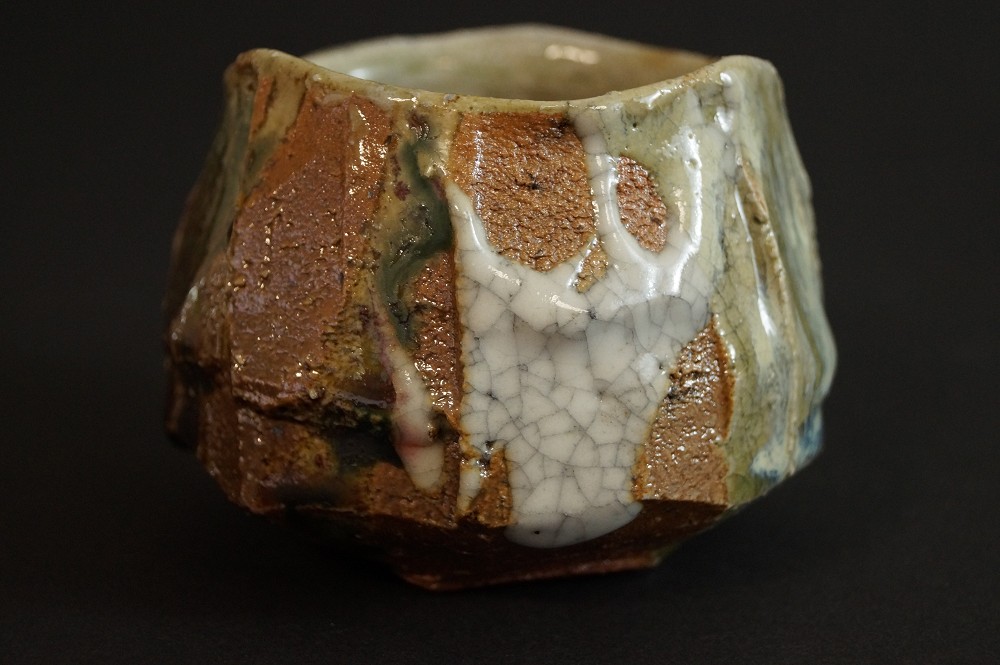
Chawan Chawan Made of Shino Ware by Noritoshi Takagi
One of a kind — this work exists only once.
- Signature / Stamp:
- Noritoshi Takagi
- Period:
- Shôwa (1926–1989)
- Dimensions (height x width):
- 7 x 9 cm
- Weight:
- 260g
- Item number:
- 6243
This piece has been sold.
Sold – no longer available
This piece was handmade by Noritoshi Takagi and was a one-of-a-kind work. It cannot be reordered and will never exist in this form again. The page stays online as part of our archive.
More items in category Chawan and YunomiAll one-of-a-kind Japanese Ceramics pieces
See new one-of-a-kind pieces first
We feature every delivery from Japan in the newsletter first – before the pieces show up in search results.
You might like these pieces
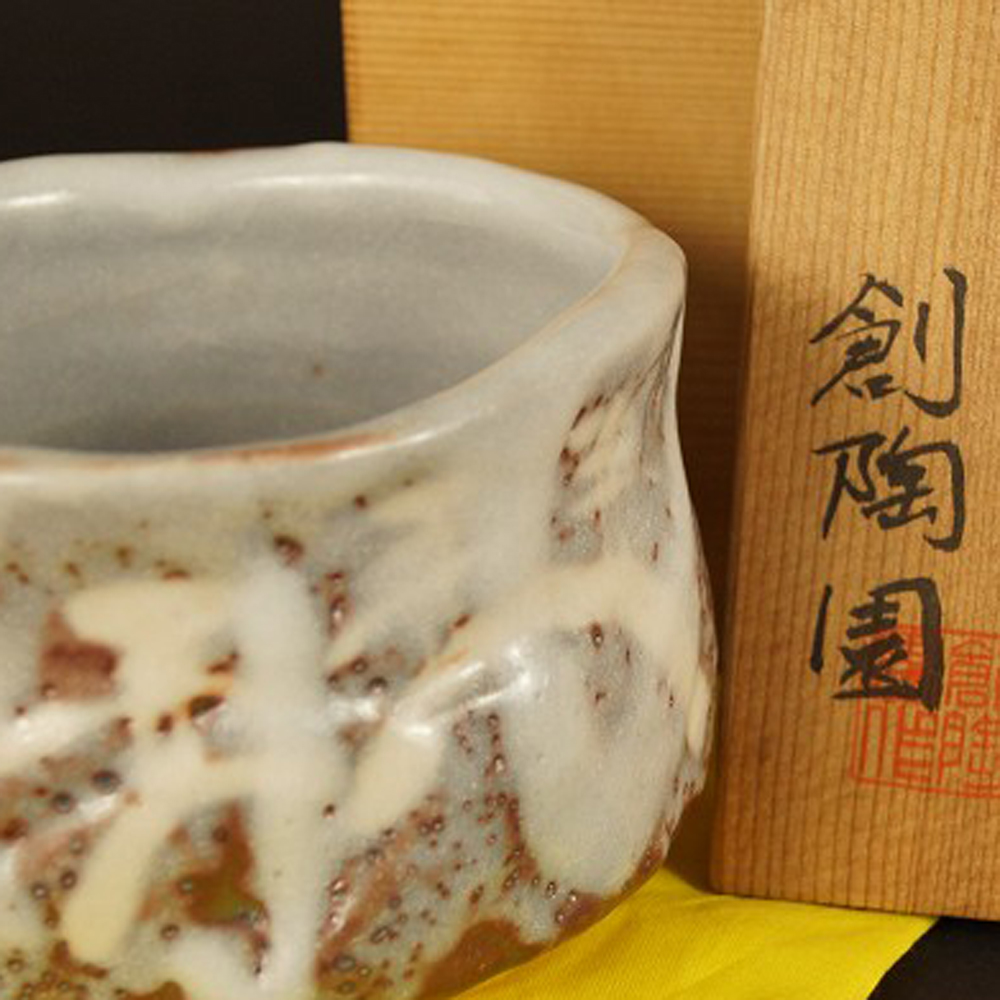
Chawan Made of Shino Ware with Characters Under the Glaze
Chawan, unique work, with box, 8,5 x 11,5 cm
€180.00
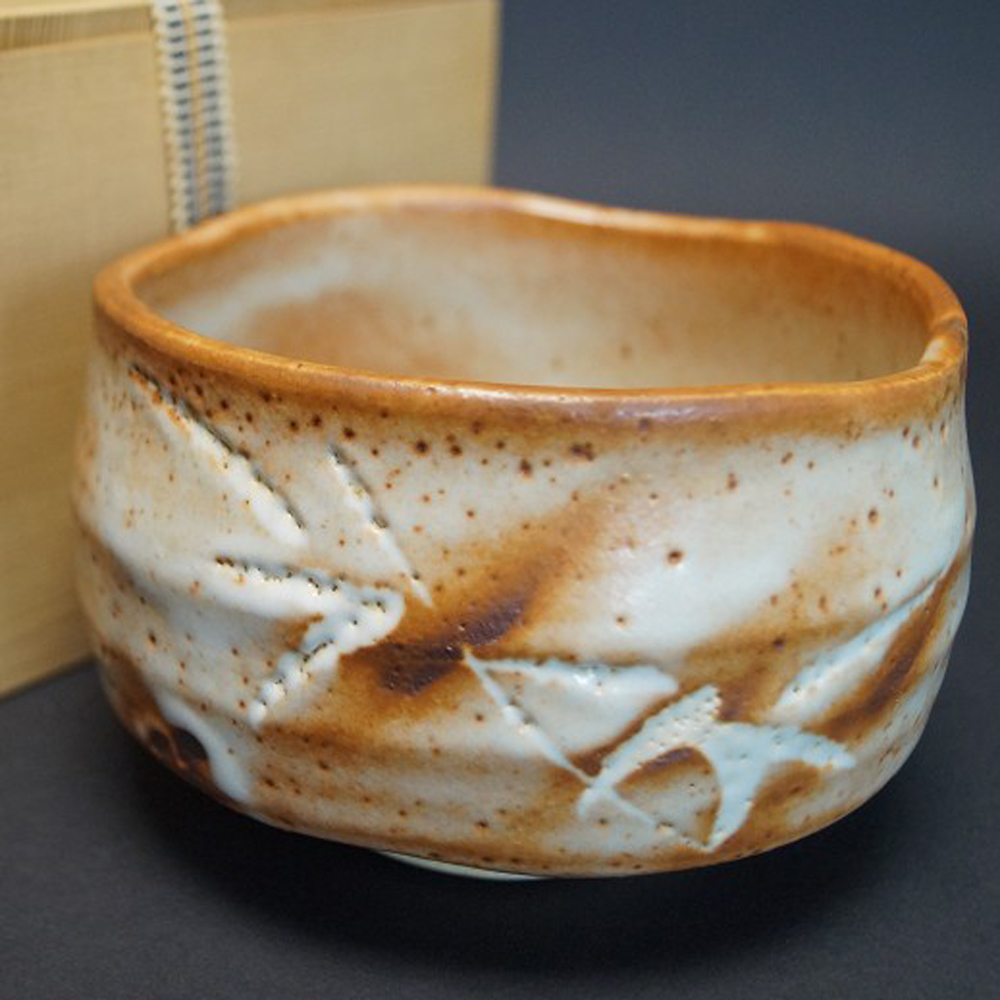
Sawada Shuichi
Chawan Made of Shino Ware by Shuichi Sawada with Fire Marks
Chawan, unique work, with box, 7 x 12 cm
€290.00
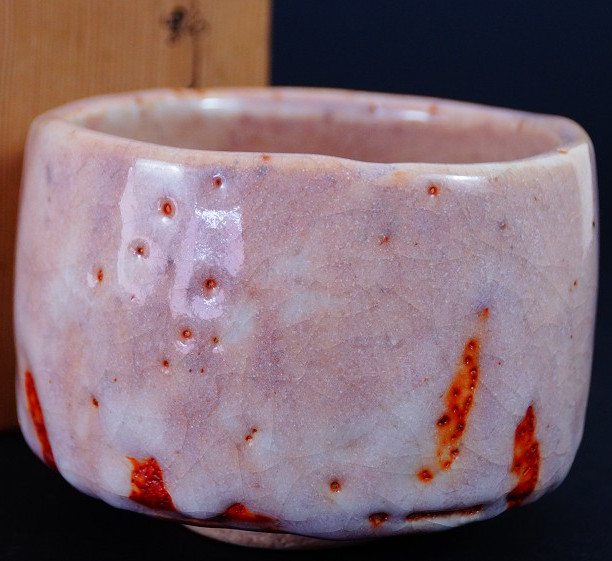
Masayoshi Kato
Chawan Made of Shino Ware by Masayoshi Kato
Chawan, unique work, with box, 9 x 12 cm
€340.00
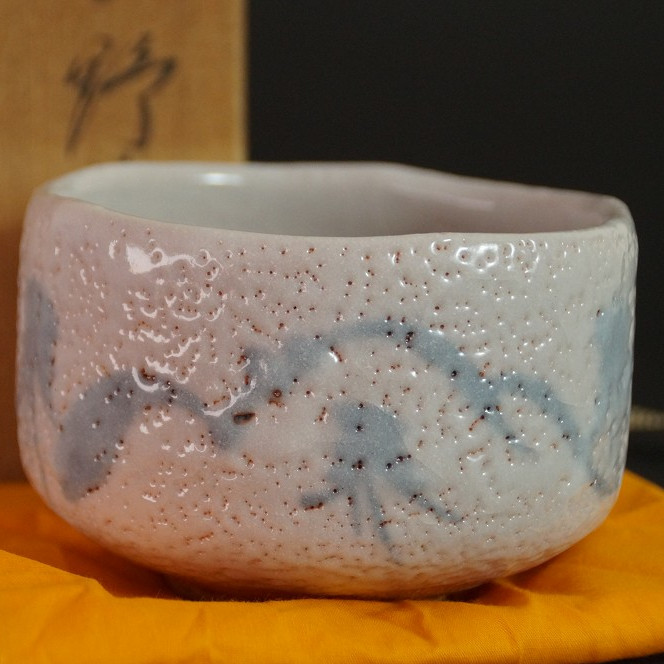
Jyuzo Sato
Chawan Made of Shino Ware by Juzo Sato
Chawan, unique work, with box, 8 x 12 cm
€280.00
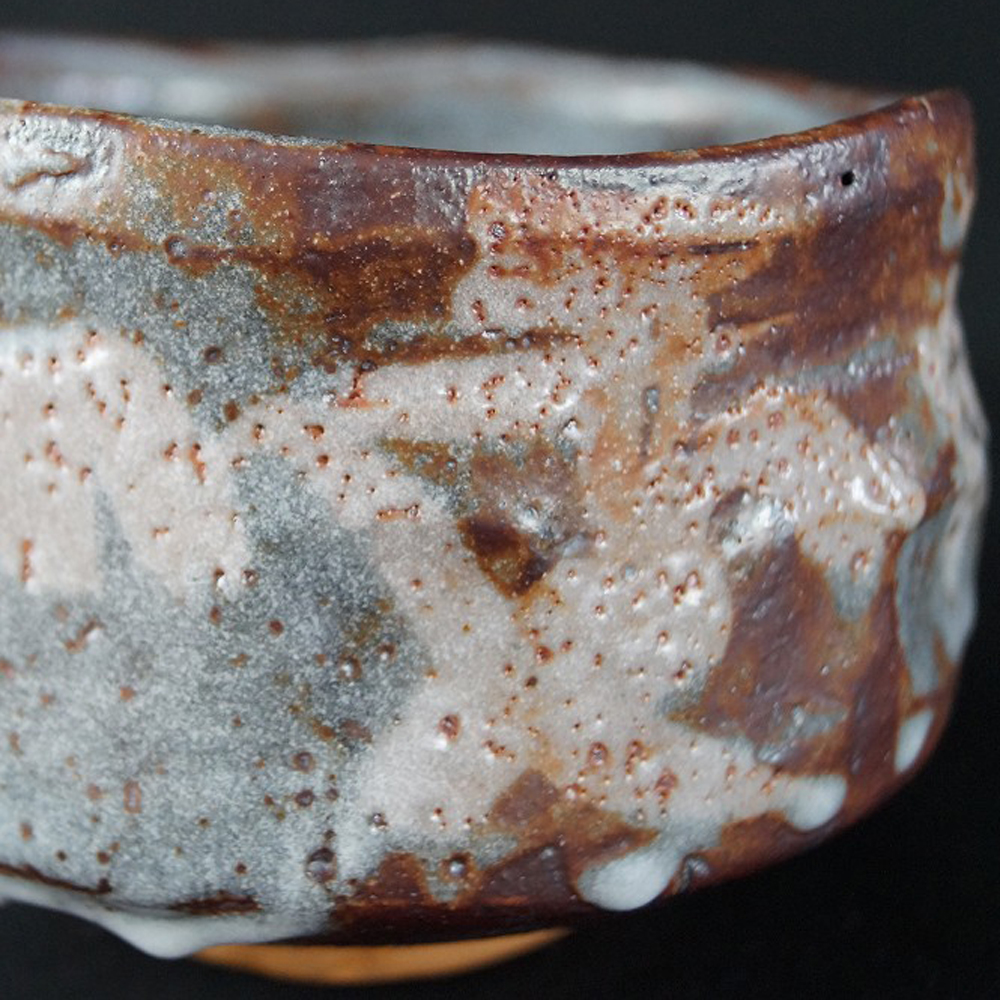
Chawan Made of Shino Ware with Gray-Speckled Glaze
Chawan, unique work, with box, 8 x 11 cm
€260.00
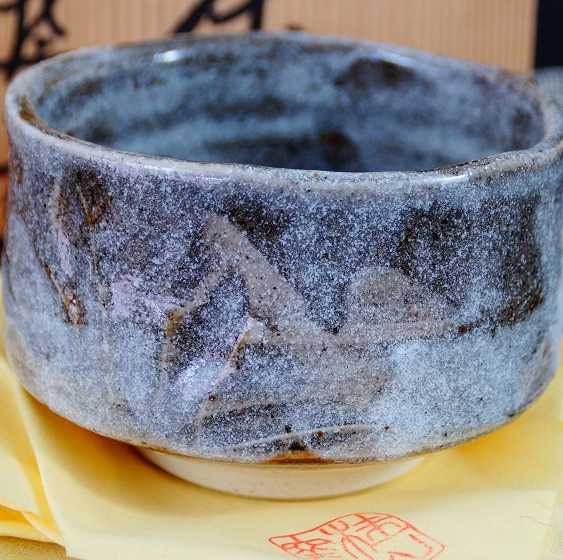
Kazufumi Wada
Chawan Made of Shino Ware by Kazufumi Wada
Chawan, unique work, with box, 8 x 12 cm
€310.00
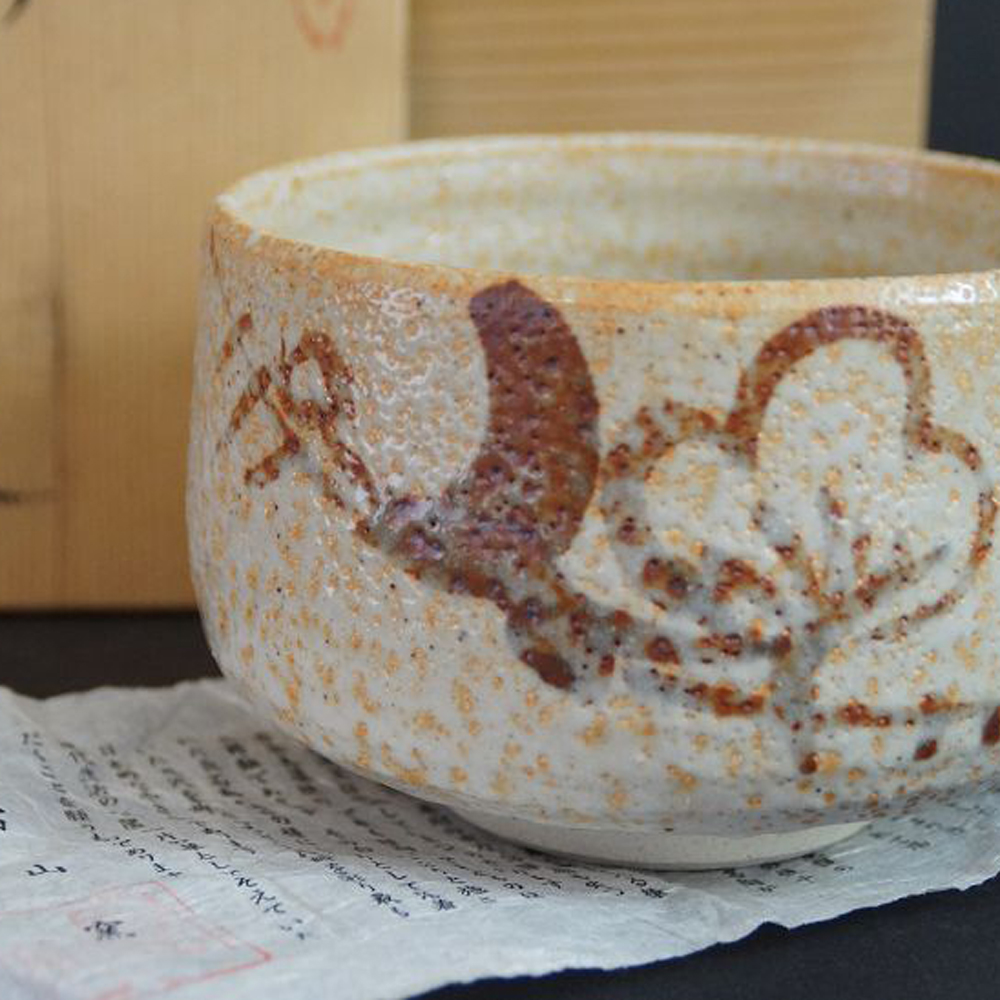
Toyama Ofen
Chawan Made of Shino Ware from Toyama Kiln
Chawan, unique work, with box, 8 x 12 cm
€280.00
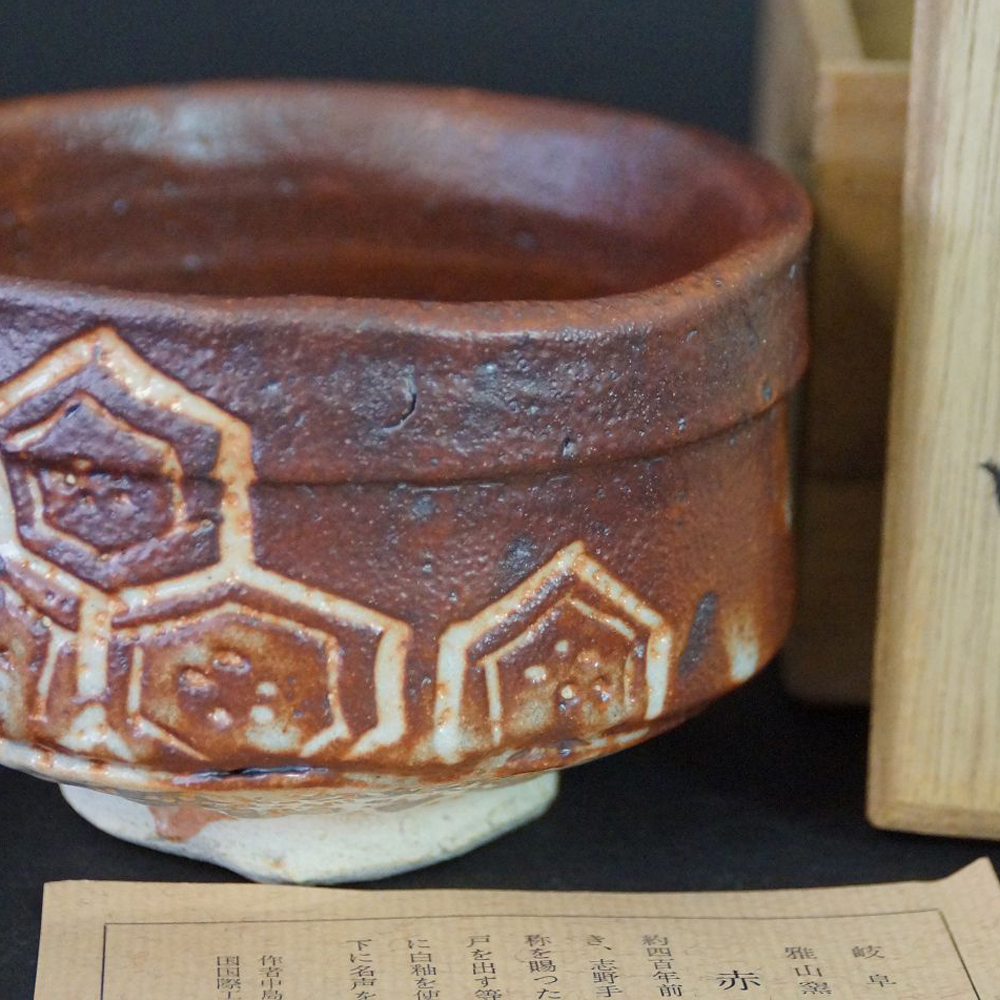
Masao Nakajima
Chawan Tea Bowl Made of Shino Ware by Masao Nakajima
Chawan, unique work, with box, 12,5 x 8 cm
€380.00
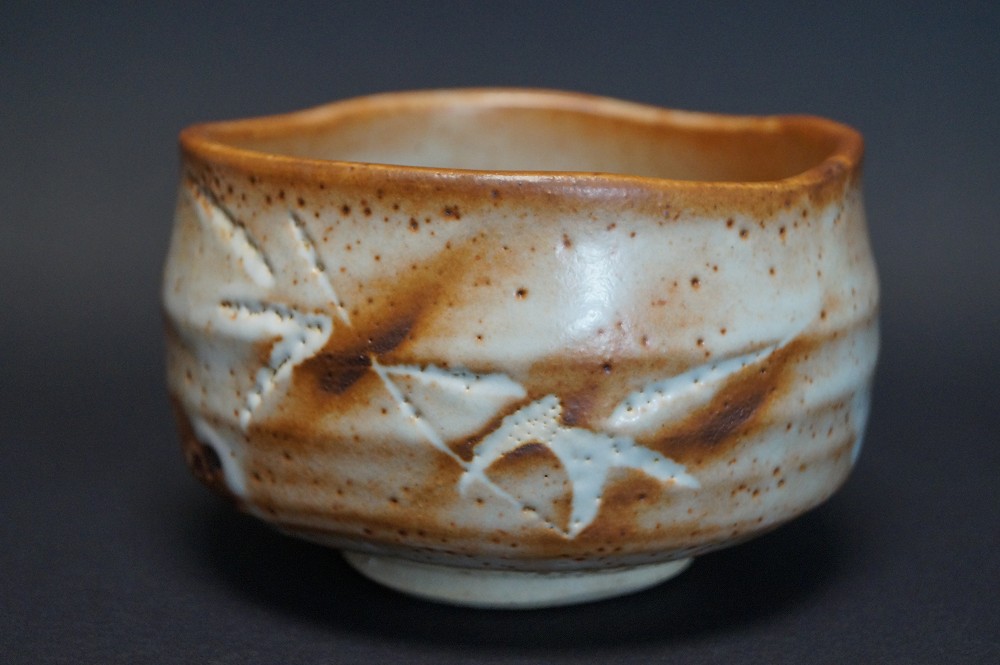




Details about the sold piece
- ColorBrown, White
- MaterialCeramics
- Style / TraditionShino-yaki
- Wooden BoxYes
Description
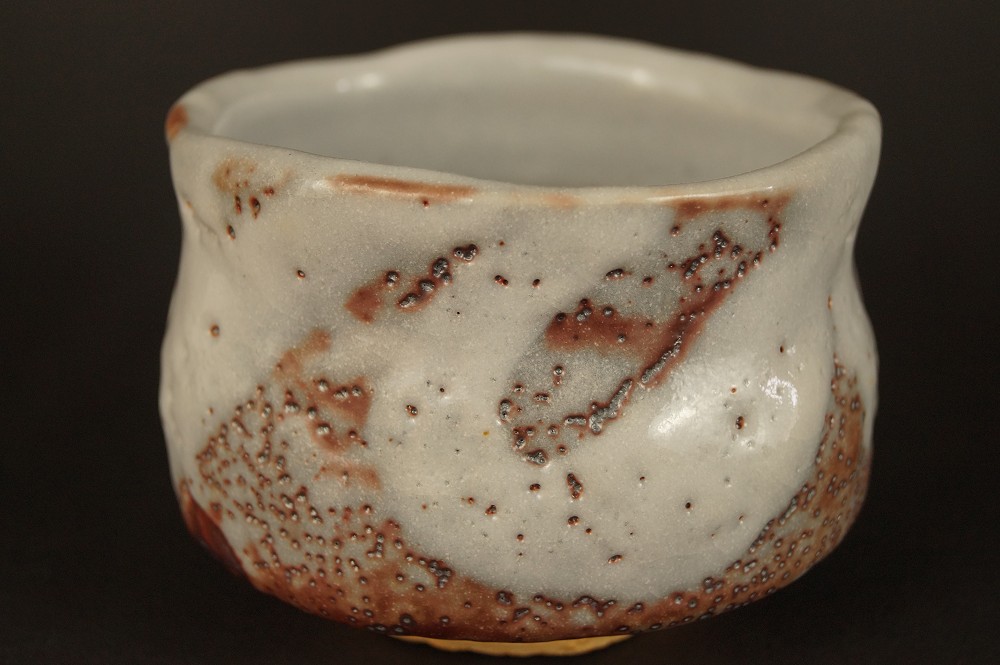
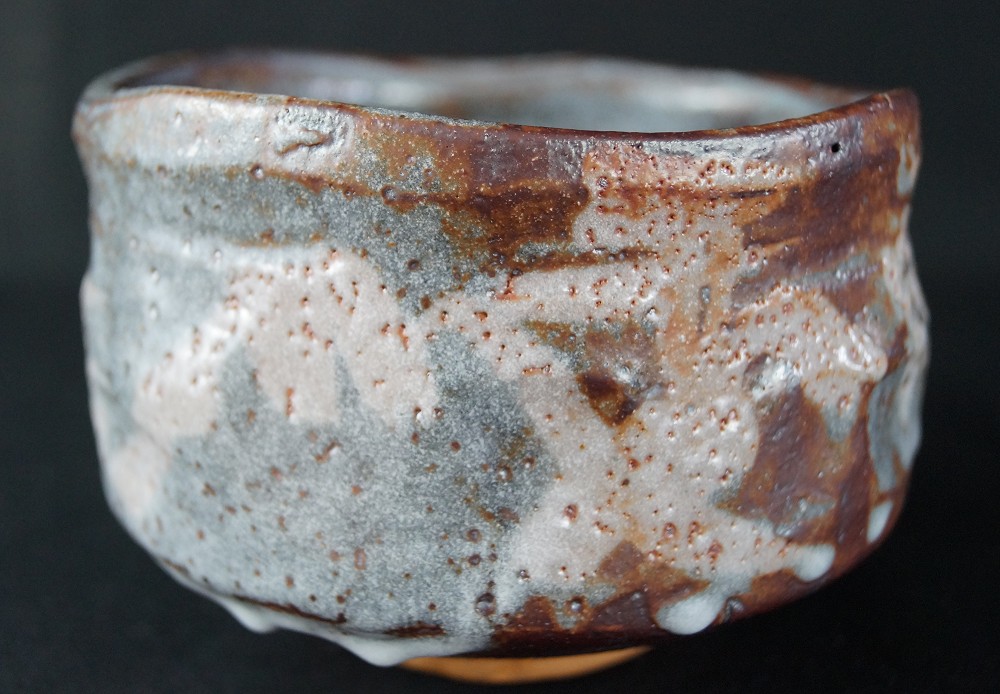
A milky-white Shino glaze settles over the walls of this tea bowl like hoarfrost, crossed by a strong, rust-red streak that runs diagonally across the entire height and shifts to bluish-gray in places. This so-called hi-iro coloring develops during firing through direct contact with the kiln flame and can never be fully predicted in its exact course, which is why each bowl remains a distinct unique work.
The slightly irregular, hand-formed walls with their organically wave-shaped rim stand in the tradition of Shino ware, which originated in the 16th century in Mino Province and is considered one of the first purely Japanese glazing techniques. The bowl bears the hallmark of Noritoshi Takagi, whose calm, compact shaping deliberately sets a restrained presence against the vivid coloring of the glaze. It is precisely in the interplay of quiet form and bold color gradation that the high craftsmanship of the firing process becomes apparent.
This tea bowl comes in a specially made, signed wooden box that protects the piece while also preserving its provenance. Whether for preparing matcha as part of the chanoyu ceremony or as a standalone display piece: with its shifting surface and wabi-sabi-influenced shaping, the bowl embodies the quiet beauty that has distinguished Japanese tea ceramics for centuries.